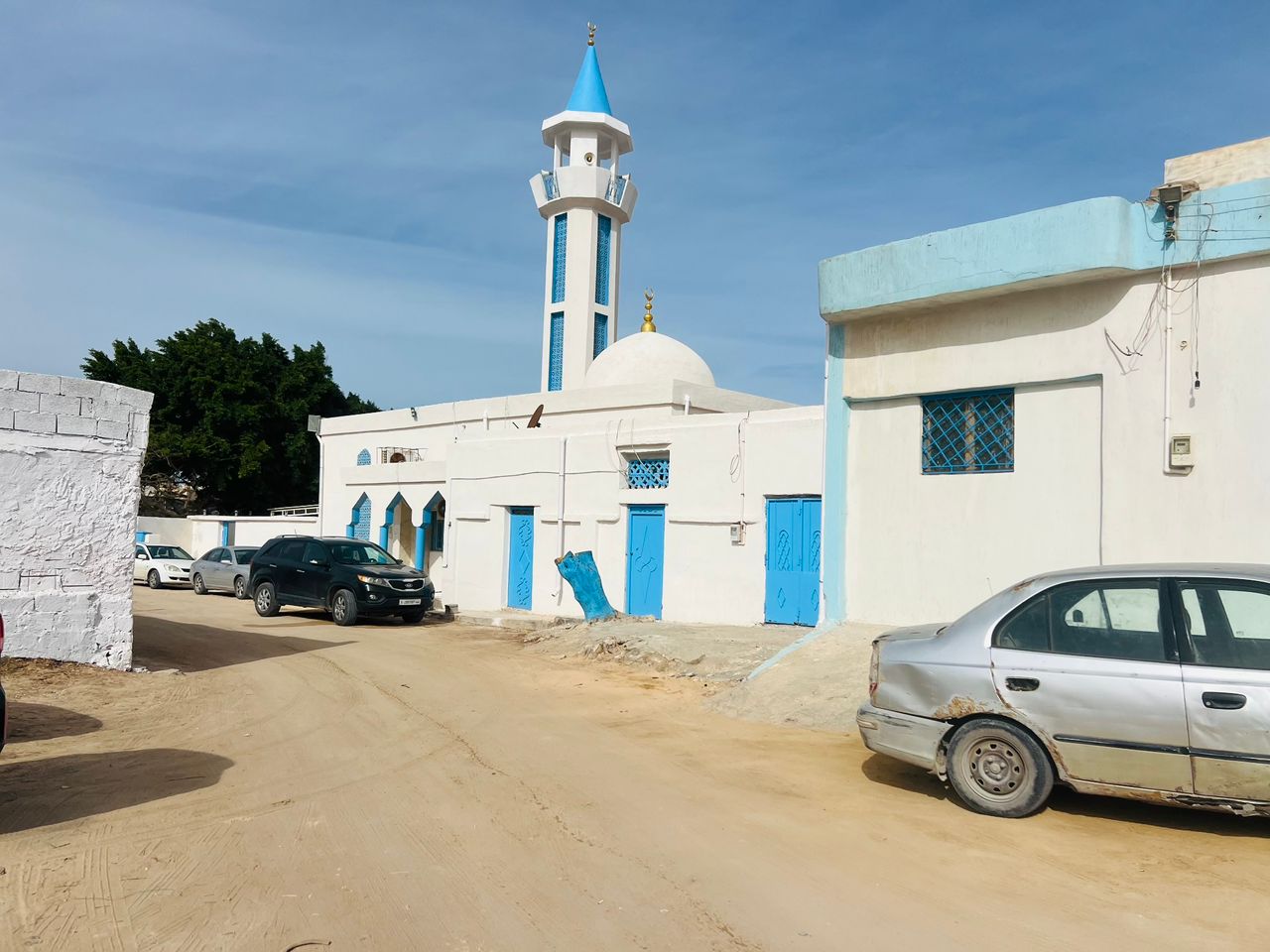
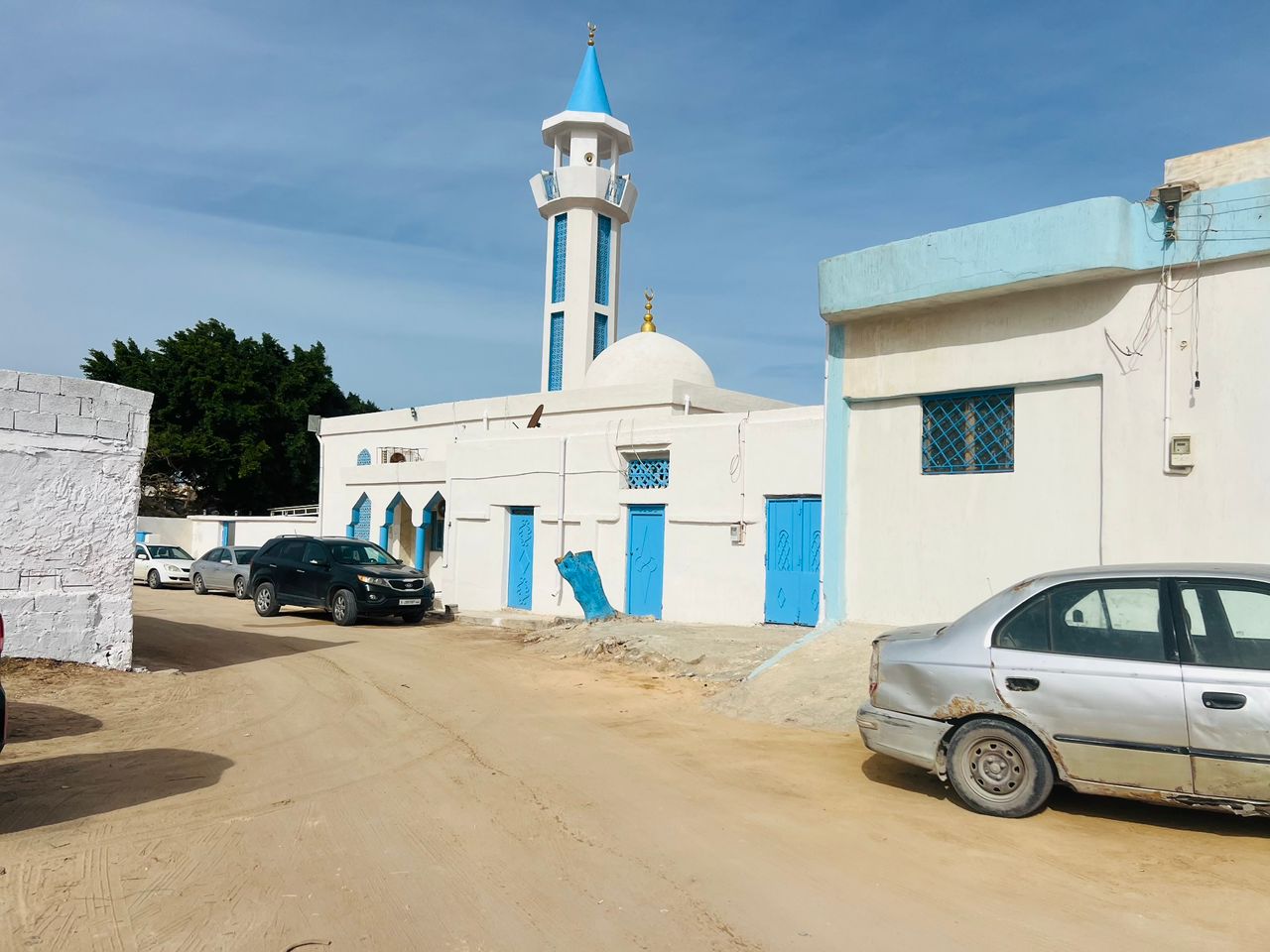
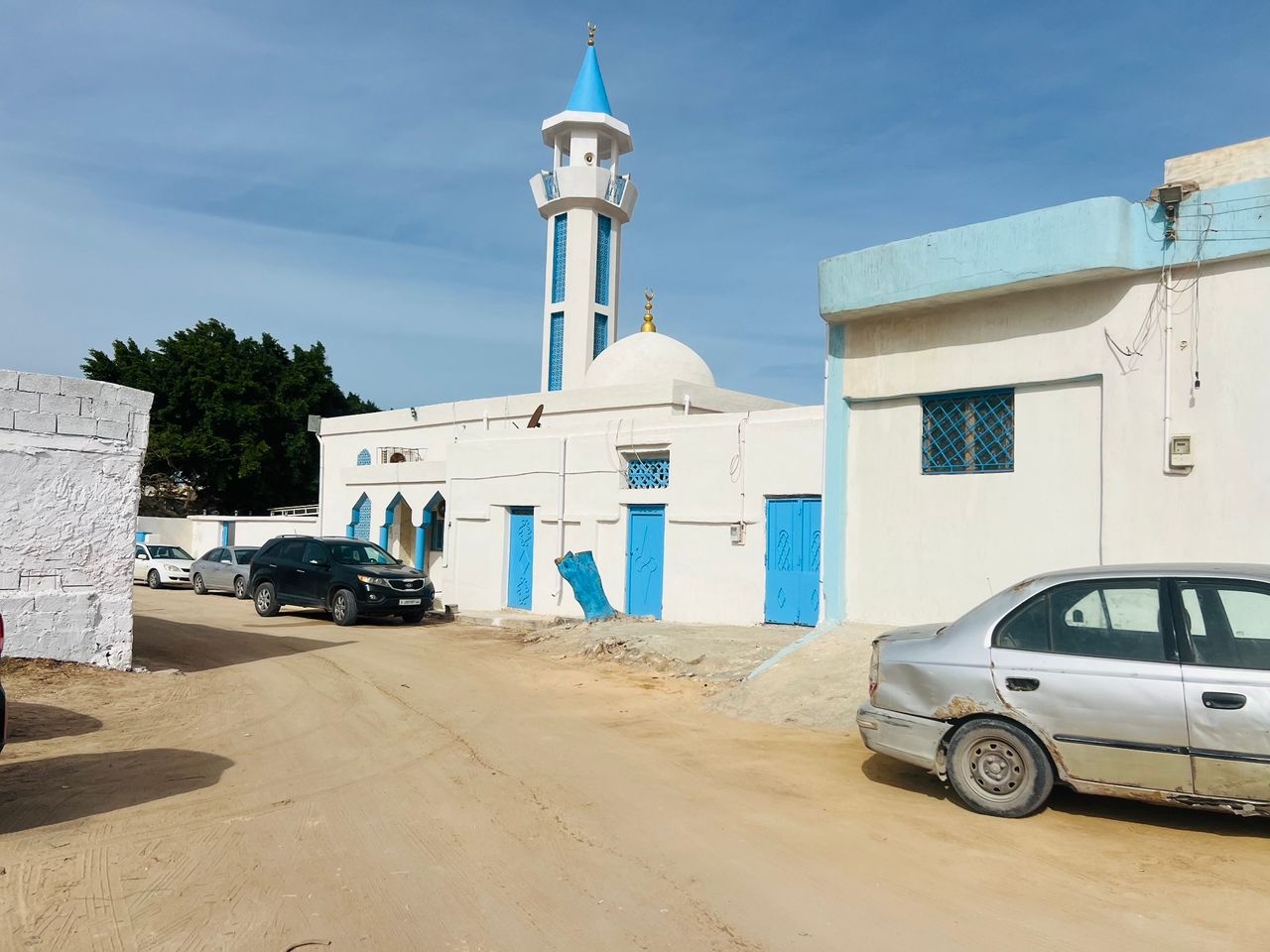
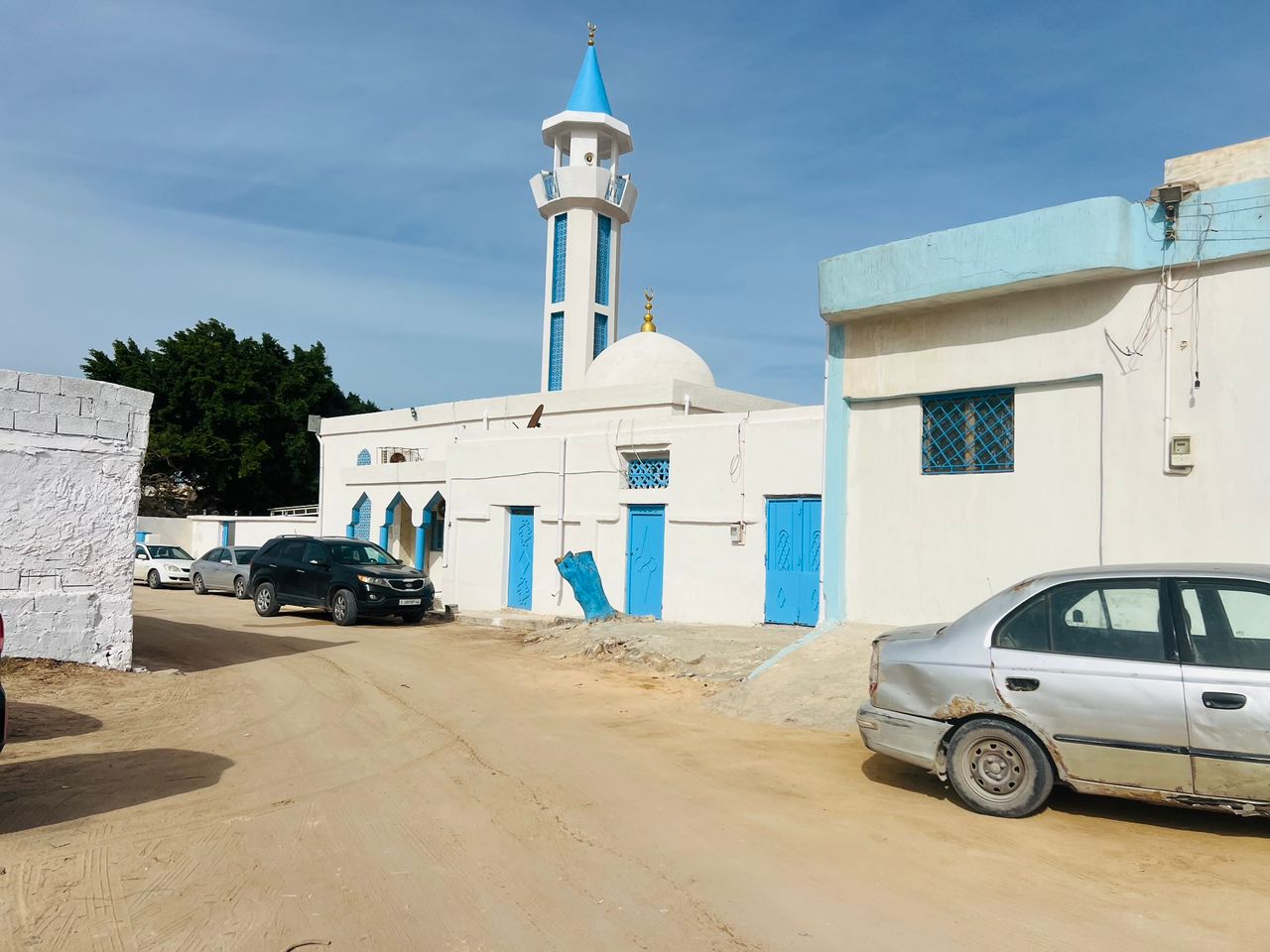
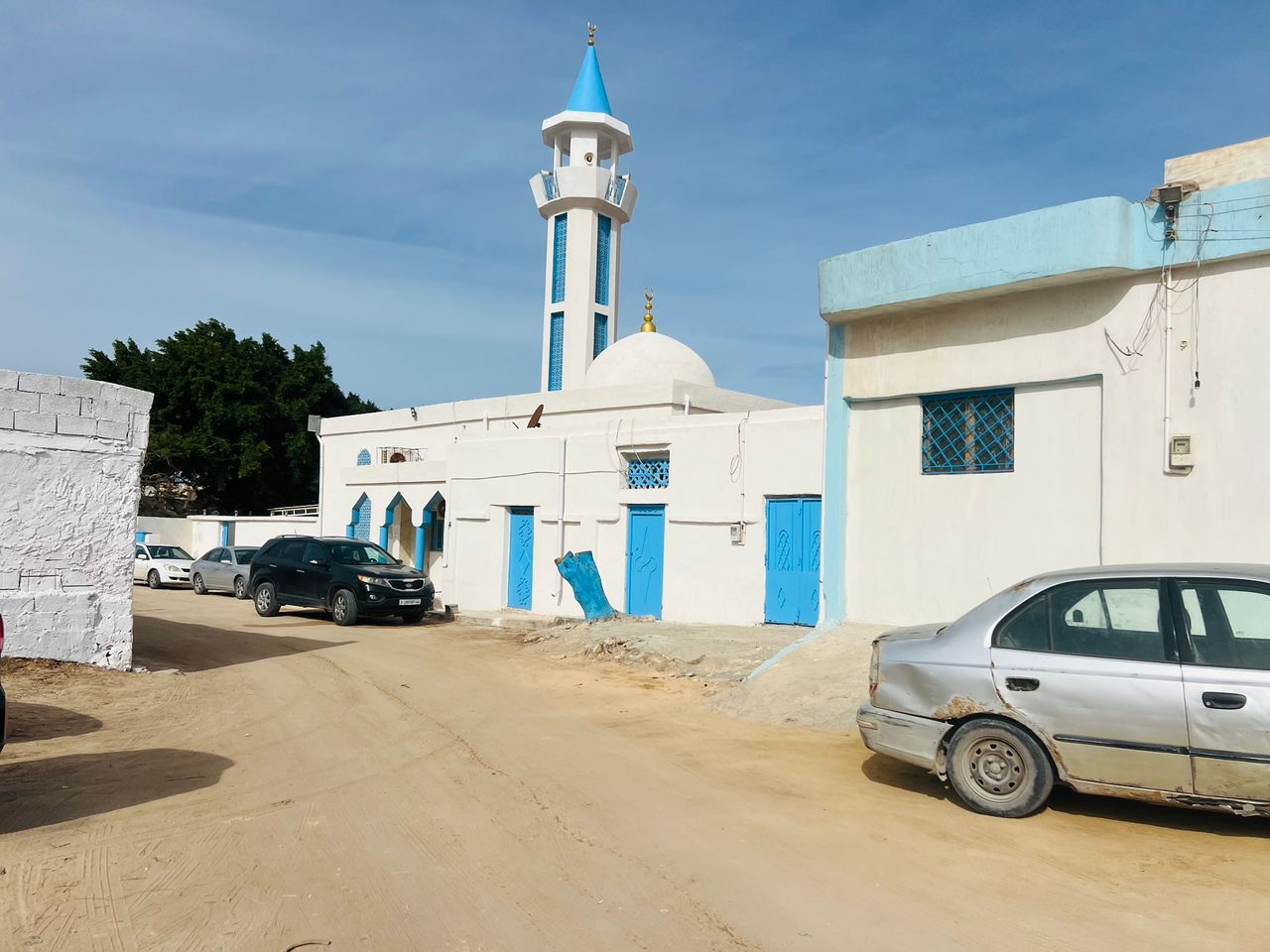
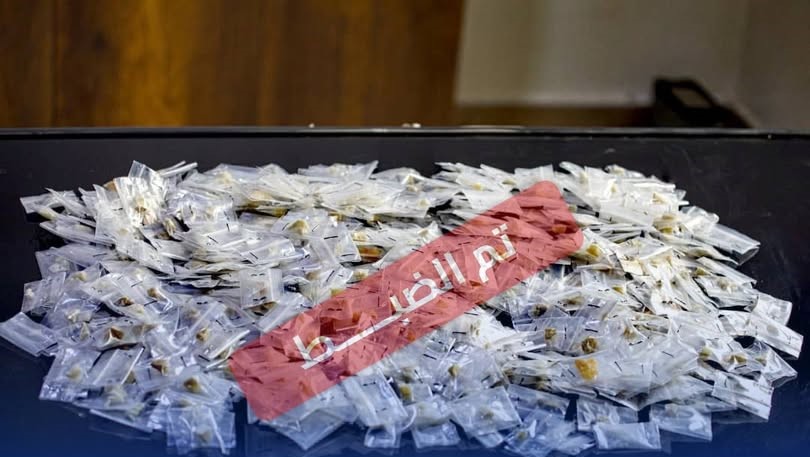
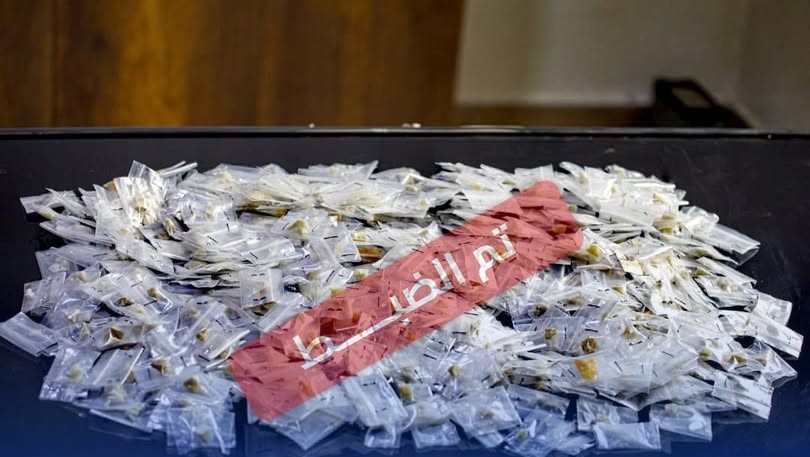
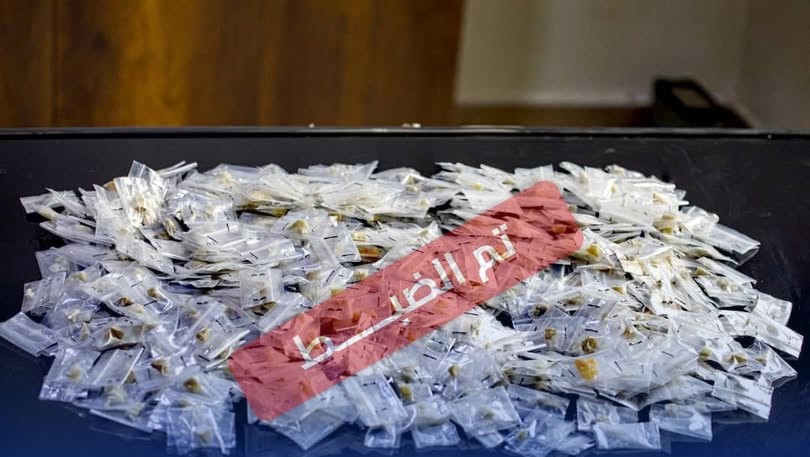
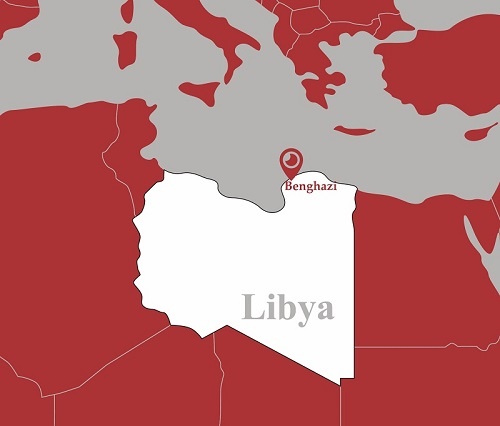
Benghazi, January 8, 2026 – Historical details have been revealed about a rare ancient coin discovered in the “Qasr al-Ajuz” area in the Sidi Ali region east of Benghazi. The bronze piece dates back to the reign of the Roman Emperor Gordian III, who ruled the empire in the third century AD.
It was explained that the coin belongs to the “Sestertius” denomination and weighs 15.73 grams. Its obverse features a portrait of the emperor in his youth with Latin inscriptions highlighting his titles, while the reverse shows the symbol of “Perpetual Security” accompanied by the official symbol of the Roman Senate.
The coin was minted at the mint in the capital, Rome, between 240 and 244 AD. The importance of registering and preserving such archaeological finds located within private properties was emphasized, in order to maintain their historical value and archaeological context.
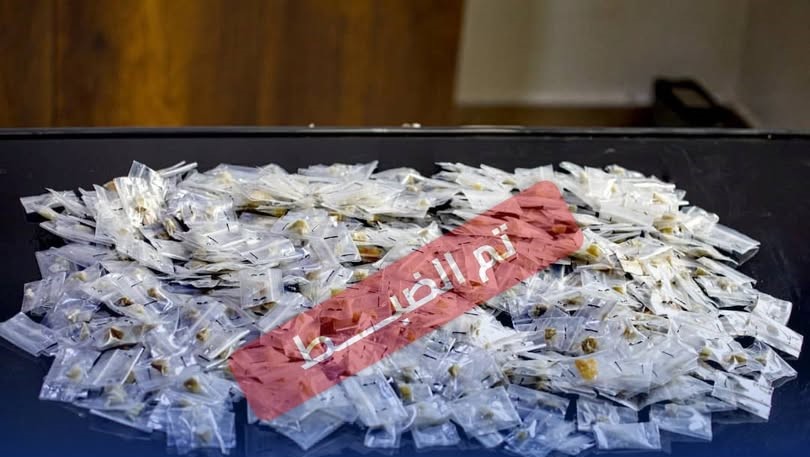
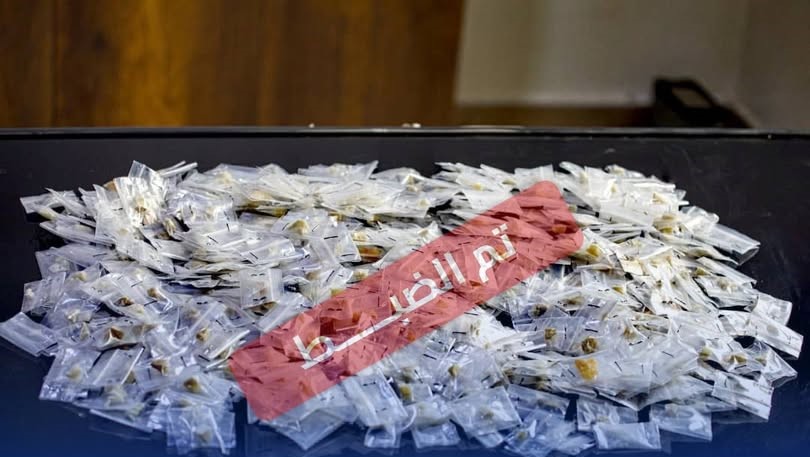
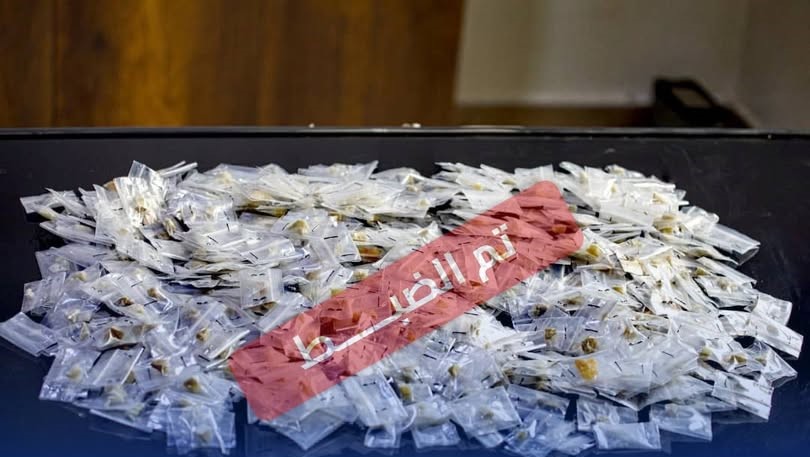
A warning was issued about the dangers of random excavation and trafficking of antiquities. The ease of trading ancient coins and their light weight make them vulnerable to violations affecting Libyan archaeological sites. A call was made for official and community efforts to unite in protecting this national cultural heritage.
Benghazi
Benghazi is a major city in eastern Libya, historically significant as a center of trade and culture since its founding as the Greek colony of Euesperides. It played a pivotal role in Libya’s modern history, serving as the provisional capital after the 2011 revolution and being the site of a major 2012 attack on a U.S. diplomatic compound.
Qasr al-Ajuz
Qasr al-Ajuz, located in the Hauran region of southern Syria, is a well-preserved Roman-era temple believed to have been constructed in the 2nd or 3rd century AD. It is notable for its distinctive architectural style, which blends Nabatean and Roman influences, and was likely dedicated to the worship of a local deity.
Sidi Ali
Sidi Ali is a coastal town in northwestern Morocco, historically known as a religious and trading center due to its namesake Sufi saint’s tomb. The site features a prominent lighthouse, built during the French protectorate in the early 20th century, which remains a key navigational aid on the Strait of Gibraltar.
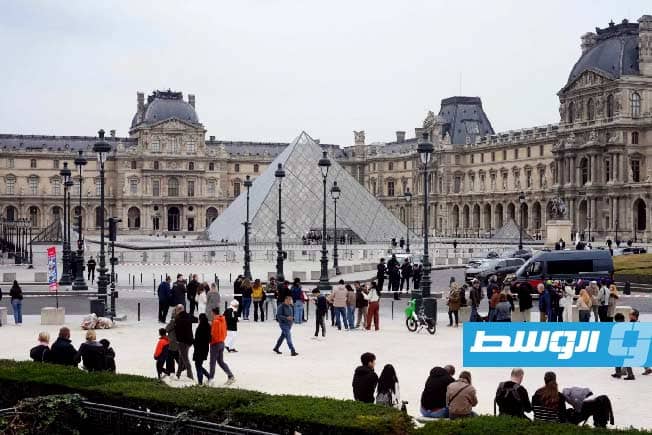
Rome
Rome is the capital city of Italy, founded according to legend in 753 BC, and it grew to become the epicenter of the vast Roman Empire. It is renowned for its ancient ruins like the Colosseum and Roman Forum, as well as its profound influence on Western law, culture, and the Catholic Church, with Vatican City situated within its borders.