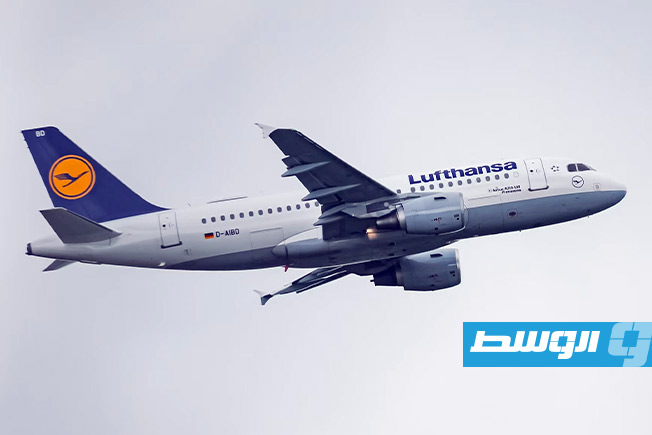
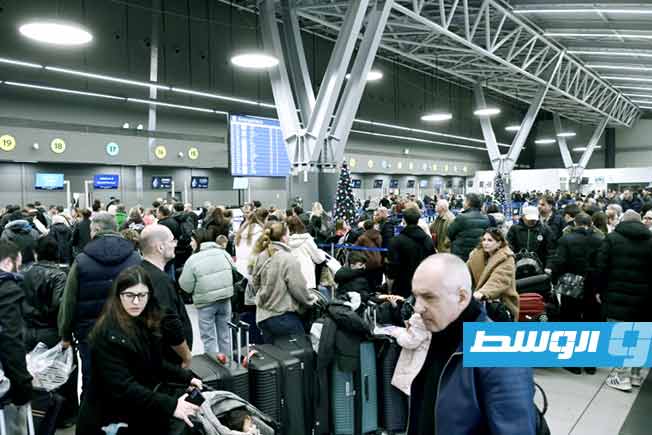
A strike called by one of Germany’s largest labor unions has paralyzed public transport across the country on Monday, amid a dispute over wages and working conditions.
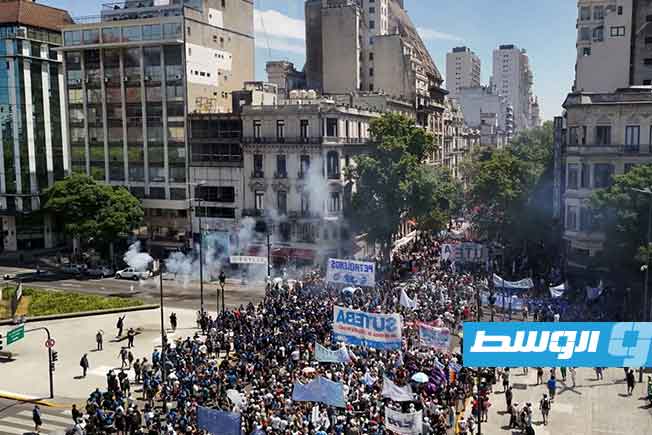
The strike affects metro, bus, and tram services in all states except Lower Saxony. However, mainline and regional trains continue to operate. Supportive demonstrations for the strike are planned, including rallies in the cities of Hamburg and Saarbrücken.
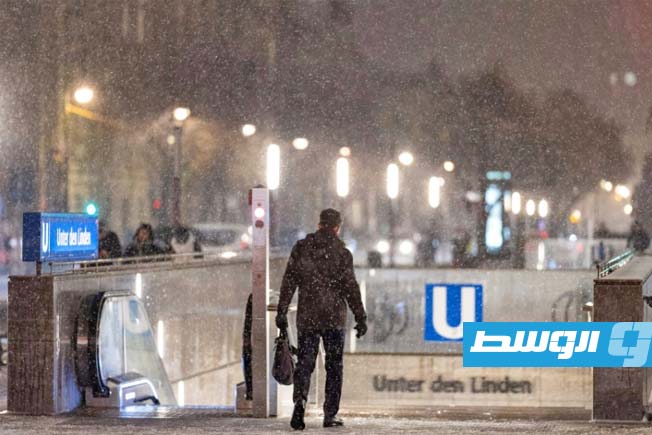
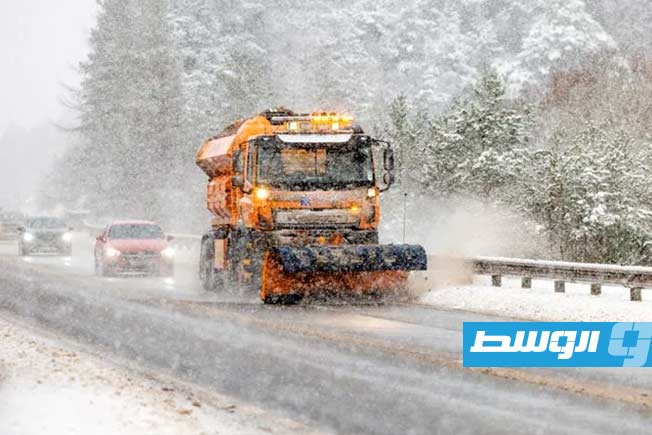
Harsh winter weather and widespread ice formation across large parts of the country have made travel more difficult for passengers, as alternatives like walking or cycling have become more hazardous than usual.
Call for 100,000 employees to join the strike
The union is demanding shorter shift periods for public transport workers and increased allowances for evening and weekend work.
The union has called on around 100,000 employees at 150 transport companies to participate in the strike. In some states, the union is also demanding wage increases of approximately 10%.
A spokesperson for the union stated, “Not striking for better conditions would make jobs unattractive, as we have seen in recent years.”
For its part, Berlin’s transport operator described the strike as “disproportionate,” calling on the union to return to the negotiating table.
Monday’s strike follows warning actions last month across the public sector, at a time when unions are sounding the alarm about labor shortages and the declining purchasing power of employees.
Germany
Germany is a country in Central Europe with a complex history, having been a collection of states for centuries before unifying in 1871. It was a central power in both World Wars, and its post-World War II division into East and West Germany symbolized the Cold War, before reunifying in 1990. Today, it is a leading economic and political force in the European Union, known for its rich cultural heritage in philosophy, music, and science.
Lower Saxony
Lower Saxony (Niedersachsen) is a federal state in northwestern Germany, historically formed in 1946 by the merger of several former territories, including the historic Kingdom of Hanover. It is known for its diverse landscapes, ranging from the North Sea coast and East Frisian Islands to the Harz Mountains, and its rich cultural heritage, which includes landmarks like the Hanoverian Royal Gardens and the historic city of Lüneburg.
Hamburg
Hamburg is a major port city in northern Germany, historically shaped by its membership in the Hanseatic League, a medieval trading confederation. Its rich maritime heritage is still visible today through landmarks like the Speicherstadt warehouse district, a UNESCO World Heritage Site.
Saarbrücken
Saarbrücken is the capital city of Germany’s Saarland state, located near the French border. Its history is deeply tied to the industrial Saar basin and has been marked by frequent changes in national affiliation between Germany and France, particularly after both World Wars. The city’s Baroque Saarbrücken Castle, originally a medieval fortress rebuilt in the 18th century, stands as a key historical landmark.
Berlin
Berlin is the capital of Germany, historically significant as the divided epicenter of the Cold War following World War II, symbolized by the Berlin Wall. It has since been reunified and transformed into a major European hub for politics, culture, and science. The city’s complex history is visible through landmarks like the Brandenburg Gate, the Reichstag building, and numerous memorials.
Bangladesh
Bangladesh is a South Asian country established in 1971 after its independence war from Pakistan. Its history is deeply rooted in the ancient and medieval Bengal region, with a rich cultural heritage influenced by various empires, including Buddhist, Hindu, and Muslim rulers. The country is known for its vibrant traditions, the world’s largest river delta, and the Sundarbans mangrove forest.