Public Prosecution orders detention of 3 officials in Al-Malitaniya Municipality on charges of public funds mismanagement.
libyawire.org > News > Sport > Public Prosecution orders detention of 3 officials in Al-Malitaniya Municipality on charges of public funds mismanagement.
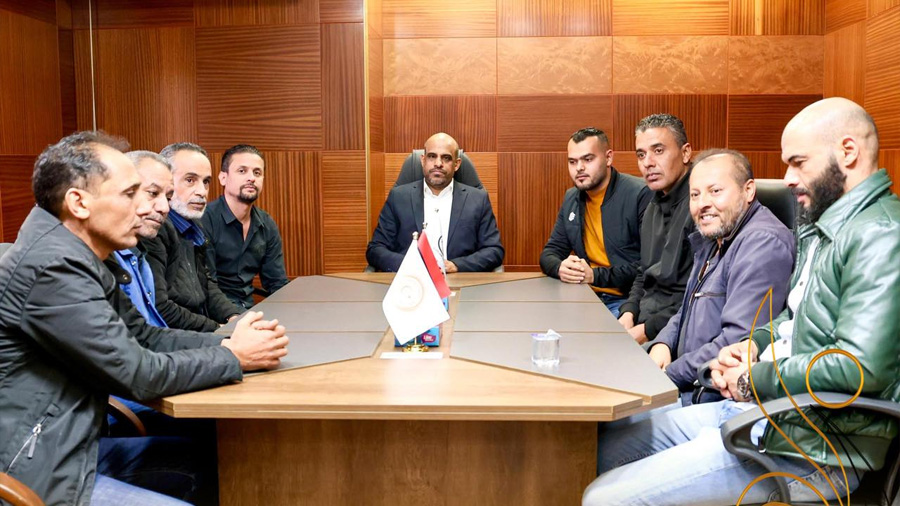
Tripoli, February 1, 2026 – The Public Prosecution has ordered the detention of the director of the Health Services Department in the Al-Malitaniya Municipality; the official in charge of monitoring financial services in the municipality; and the person tasked with auditing duties in the oversight body, on charges of misappropriation of public funds.
The Attorney General’s office stated in a release that investigations conducted by the prosecutor in the Anti-Corruption Prosecution, under the jurisdiction of the Benghazi Court of Appeal, revealed that the accused violated the requirements for safeguarding public funds. They intentionally granted bonuses to employees without legal basis; repeatedly disbursed salaries to some employees to enable them to collect unlawful benefits; and deprived some employees of their wages for work performed in the department during September 2023.
The release confirmed that the investigative authorities decided to detain the three accused pending further investigation.
…
Tripoli
Tripoli is the capital and largest city of Libya, located on the country’s Mediterranean coast. Historically, it was founded by the Phoenicians in the 7th century BC and has since been ruled by the Romans, Arabs, Ottomans, and Italians, which is reflected in its diverse architecture, such as the ancient Red Castle (Assaraya al-Hamra).
Al-Malitaniya Municipality
Al-Malitaniya Municipality is a local administrative division within the city of Riyadh, Saudi Arabia. It is part of the city’s modern urban expansion and development, reflecting Riyadh’s growth into a major metropolitan center in the late 20th and early 21st centuries.
Benghazi Court of Appeal
The Benghazi Court of Appeal is a major judicial institution in eastern Libya, historically serving as a key appellate court for the Cyrenaica region. Its modern history is intertwined with Libya’s post-independence legal system, though the building has suffered significant damage and disruption due to the conflicts following the 2011 revolution.