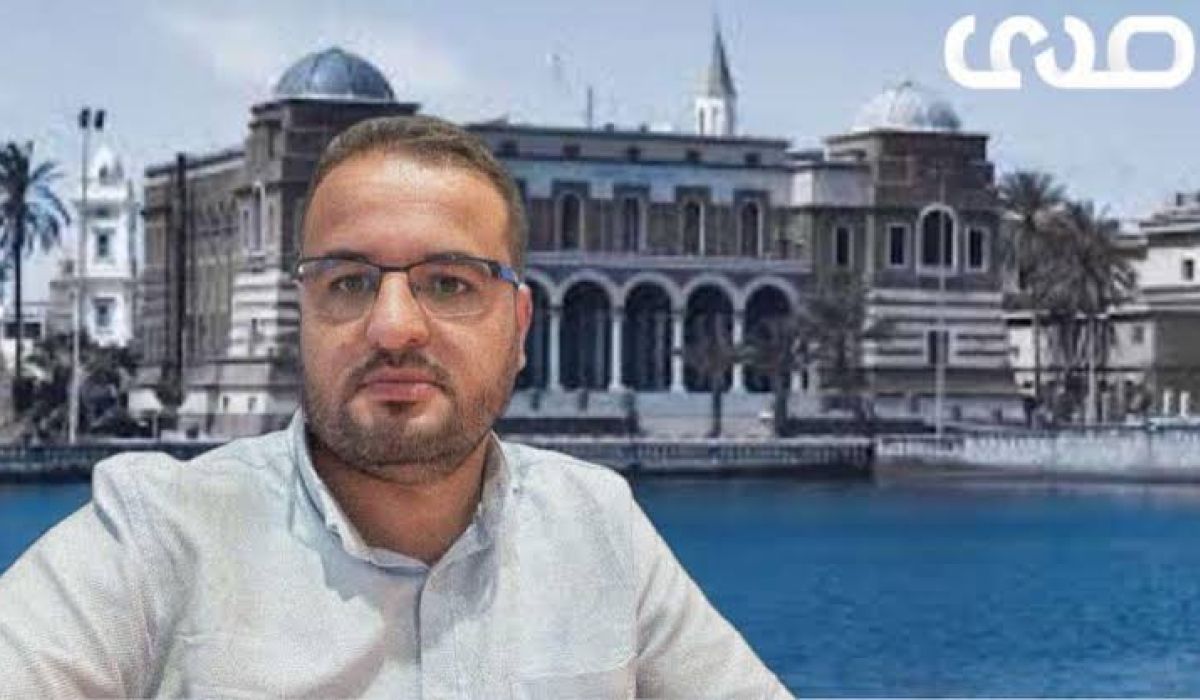
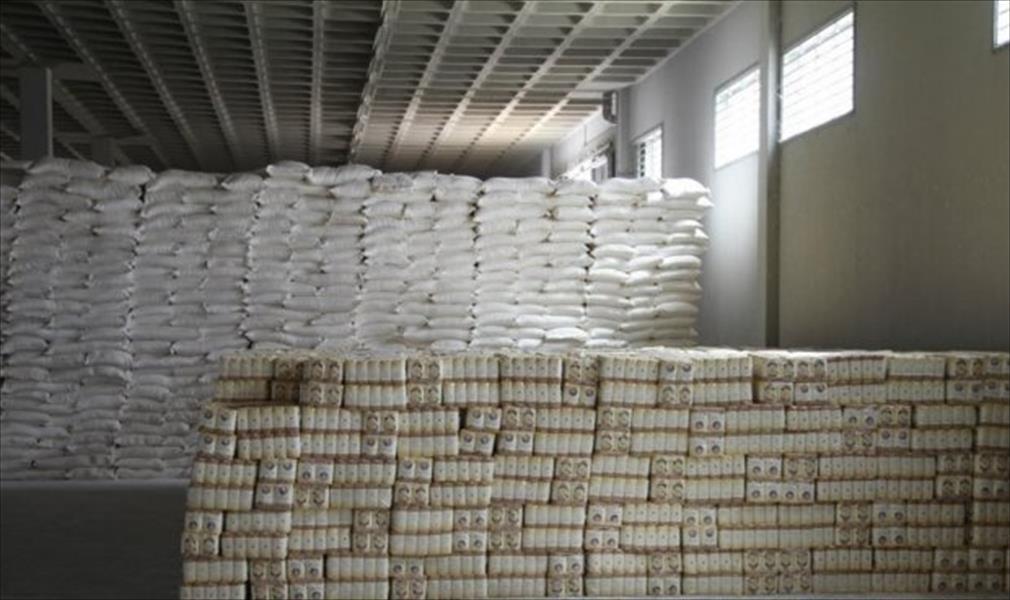
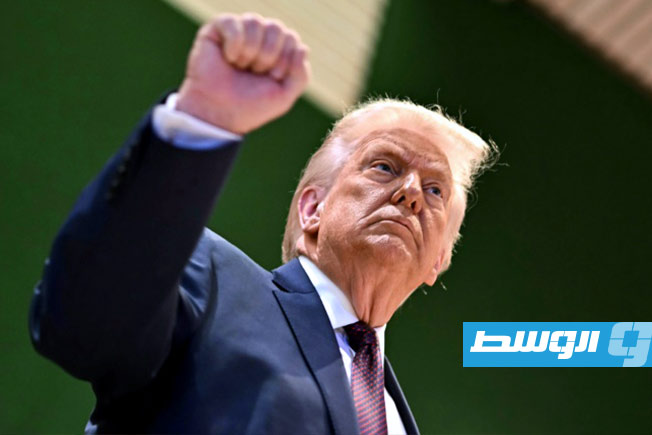
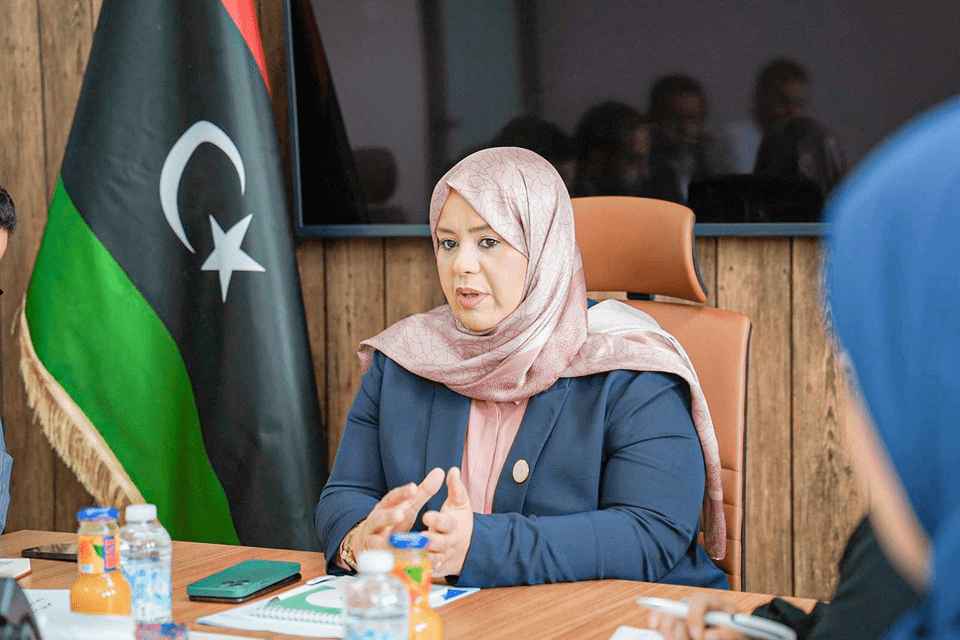
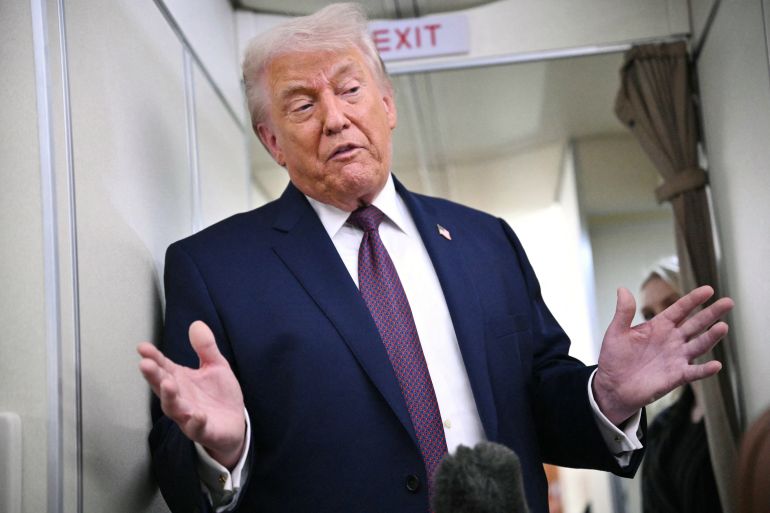
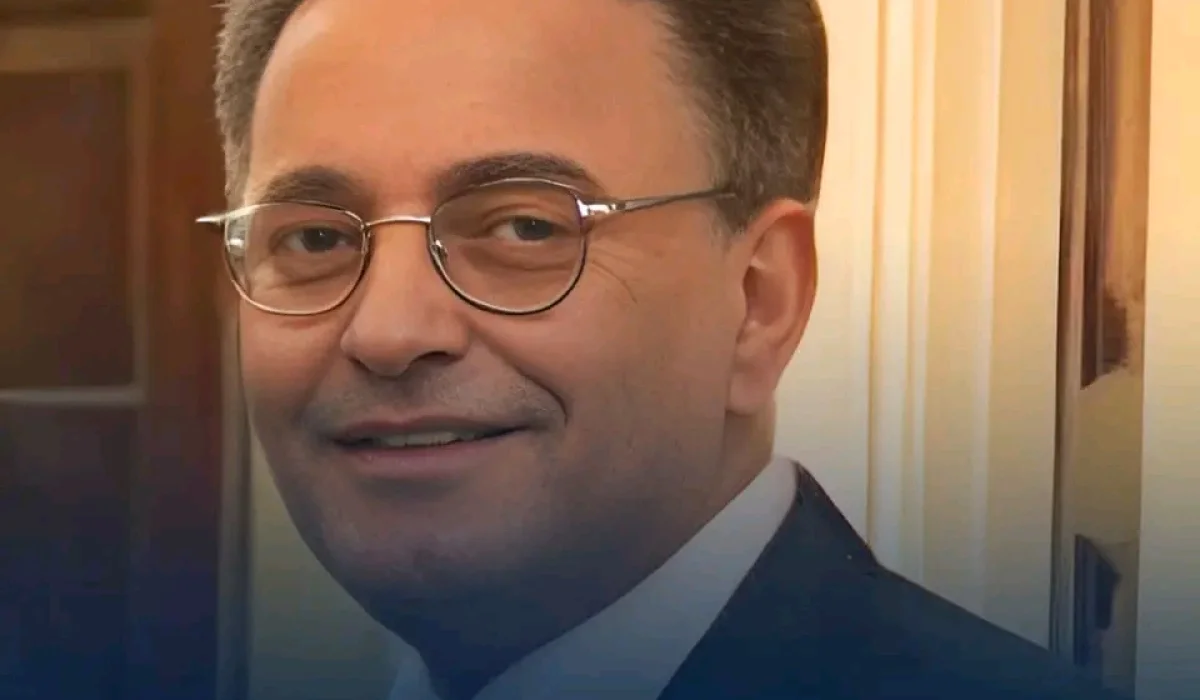
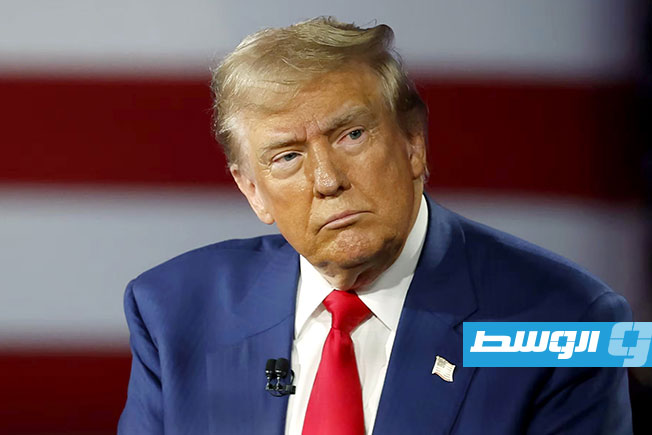
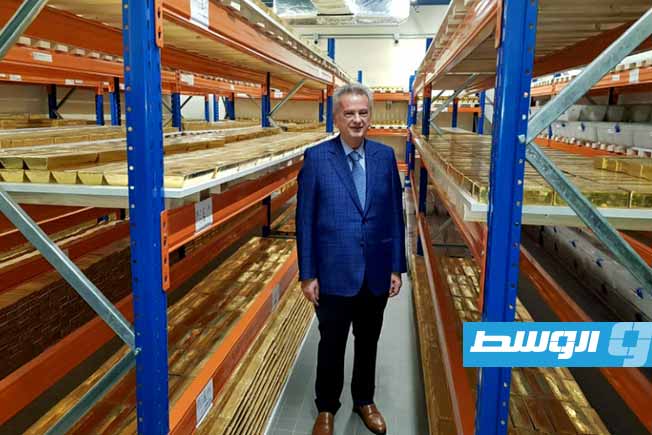
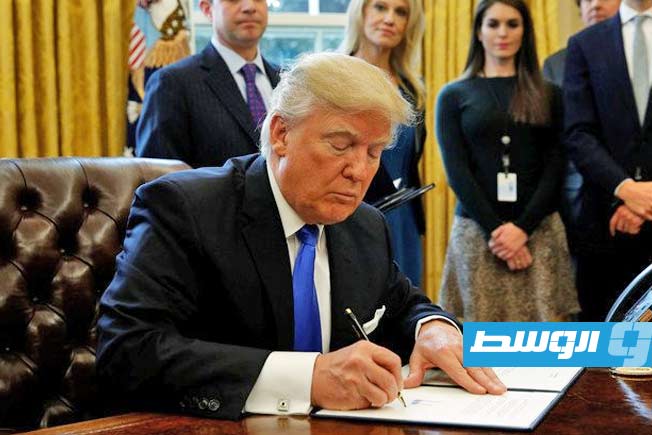
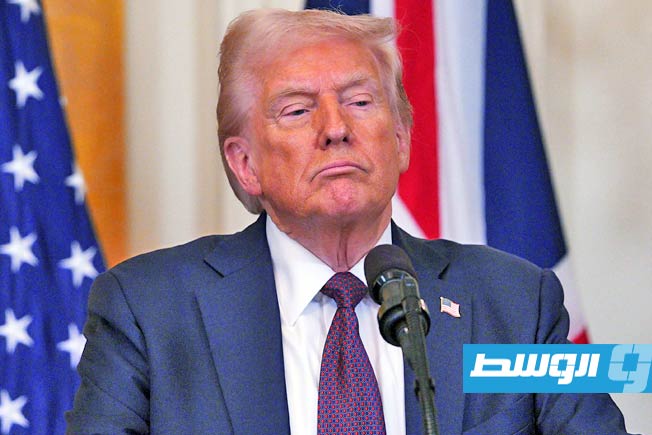
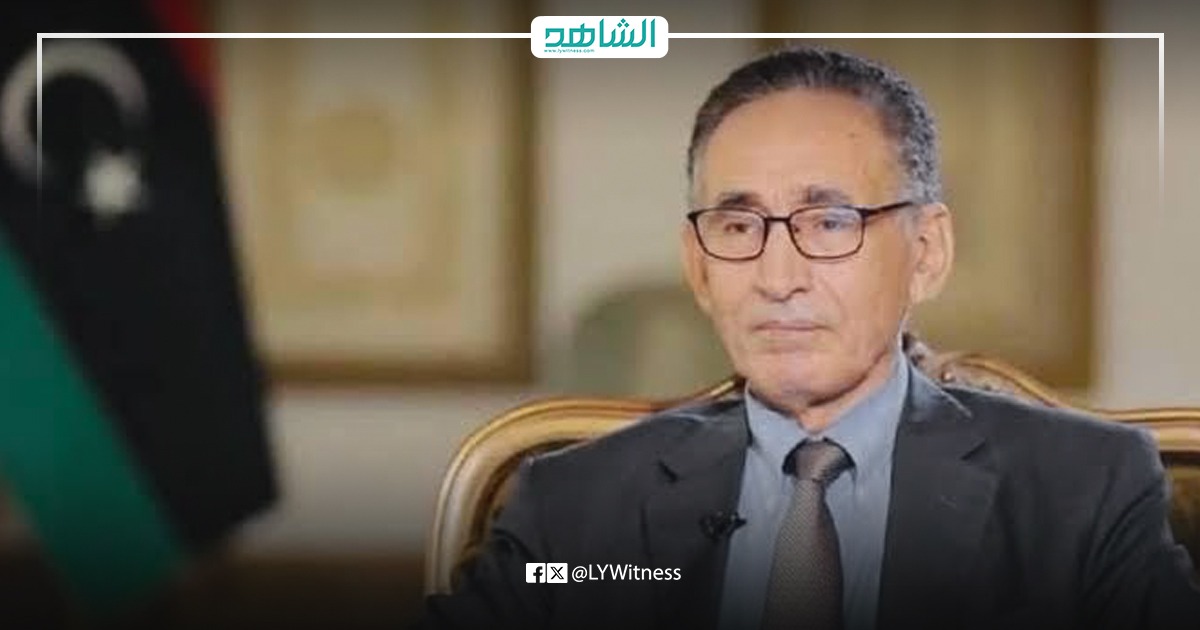
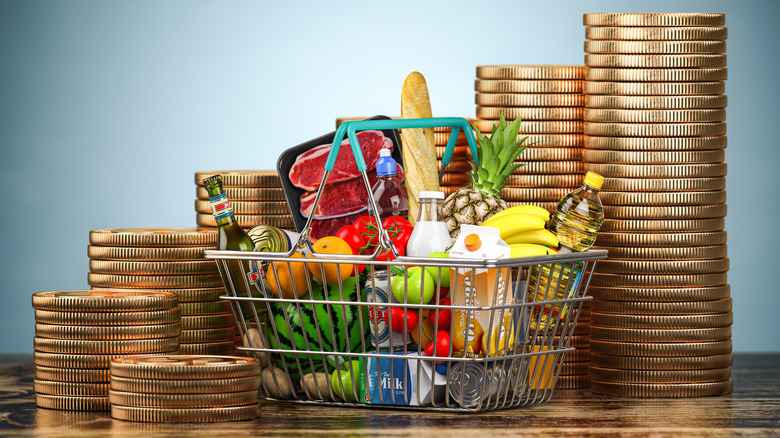
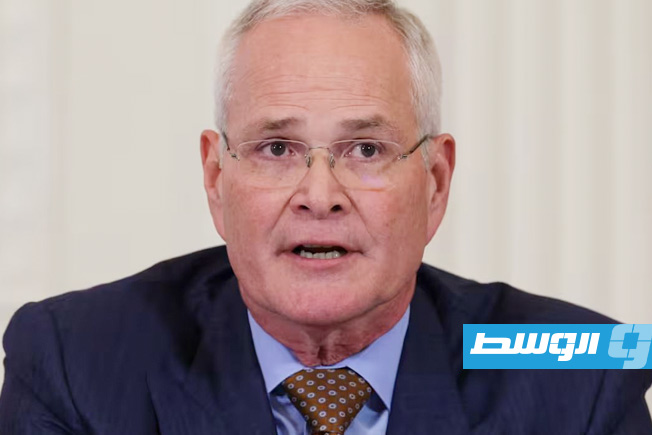
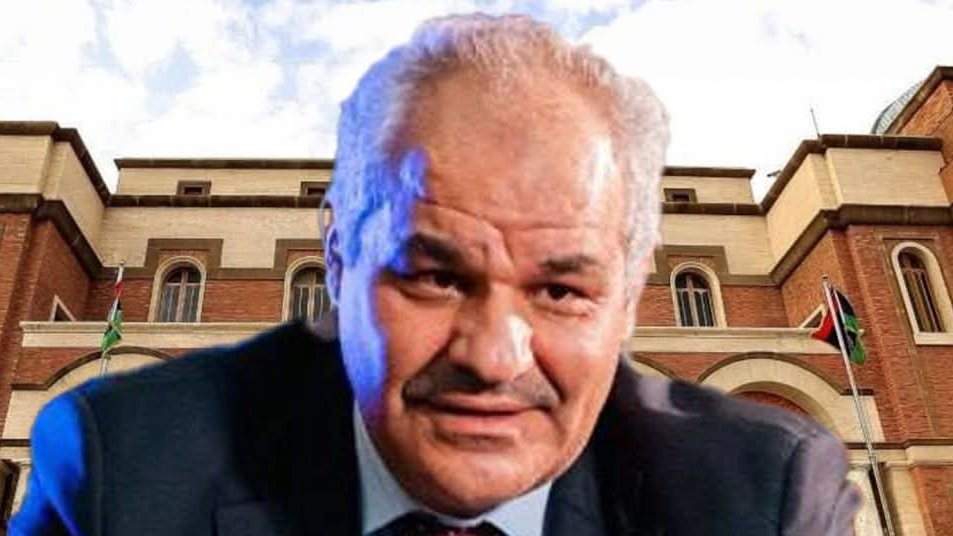
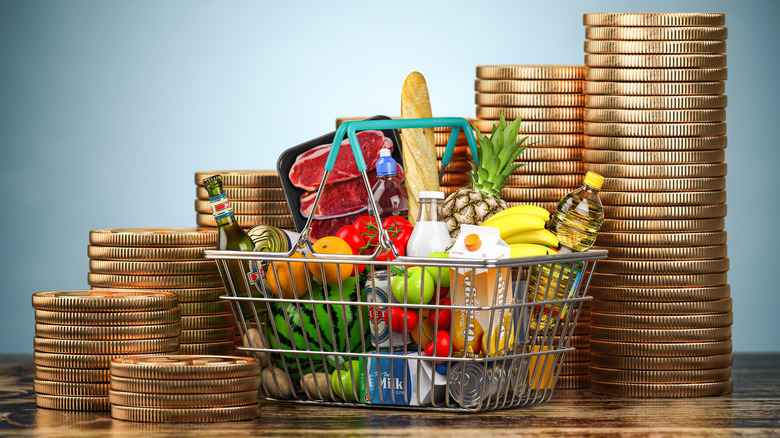
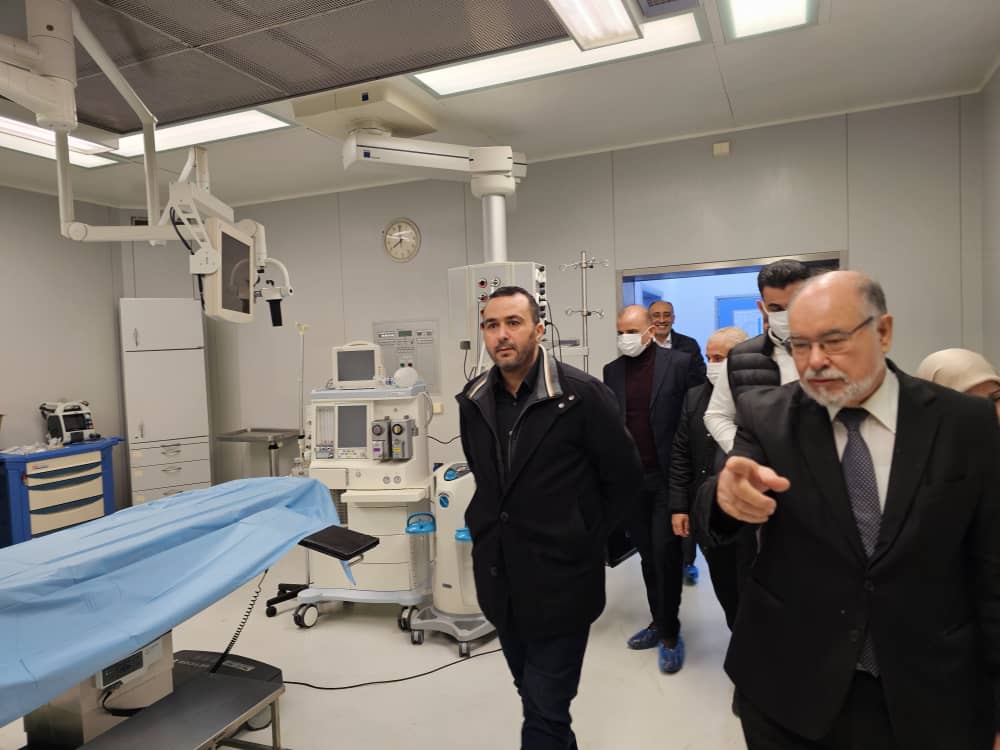
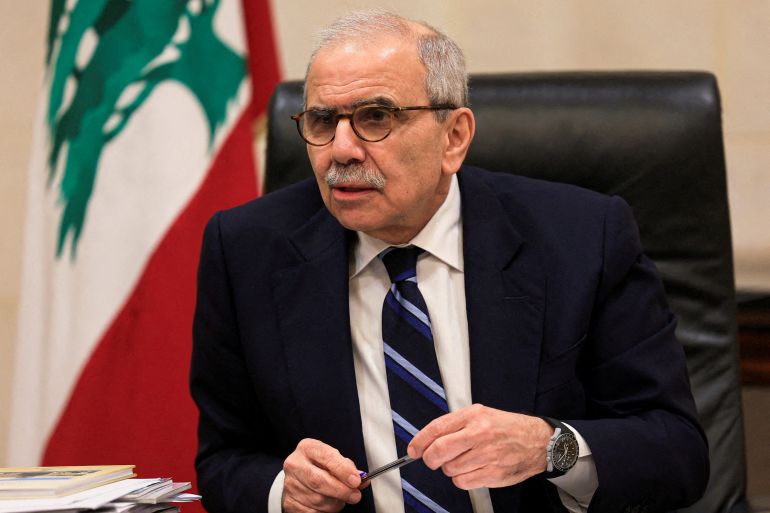
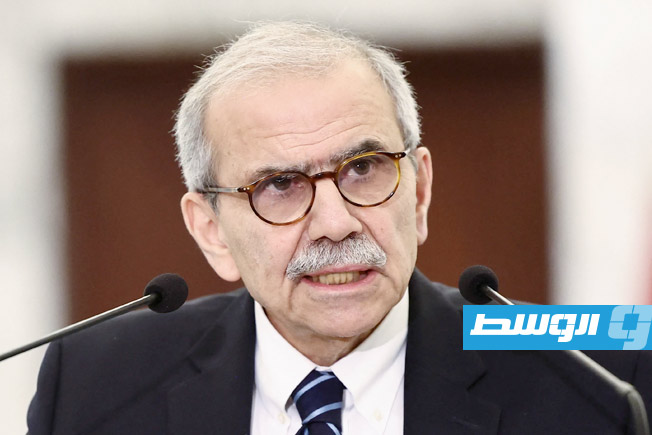
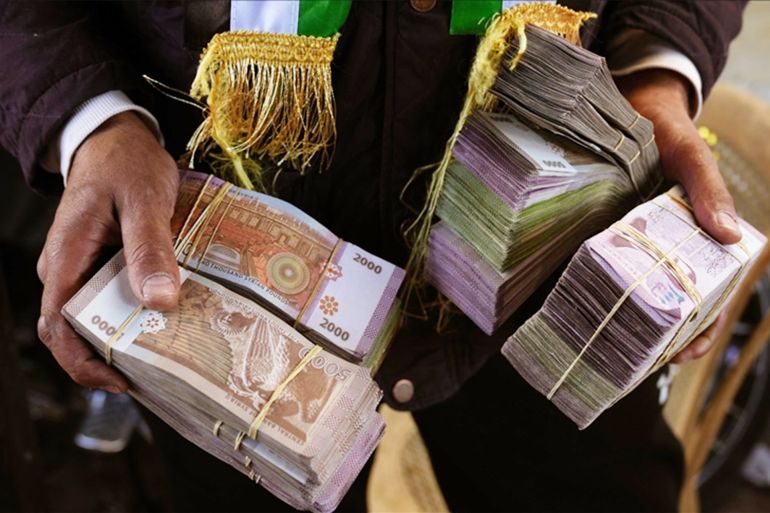
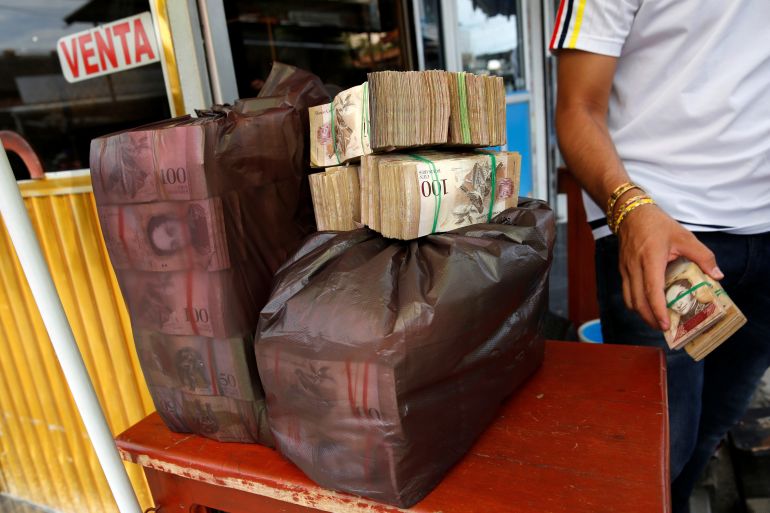
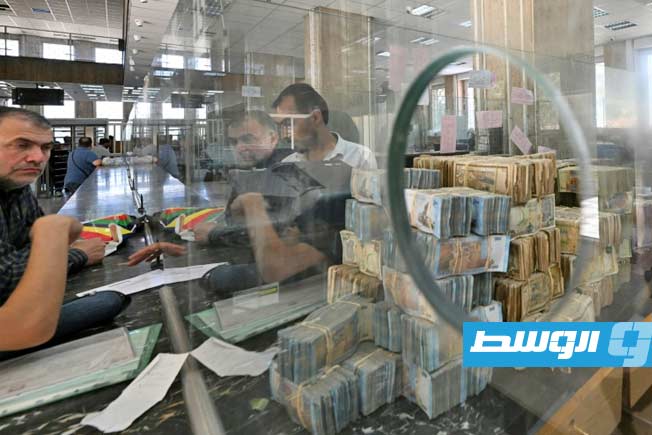
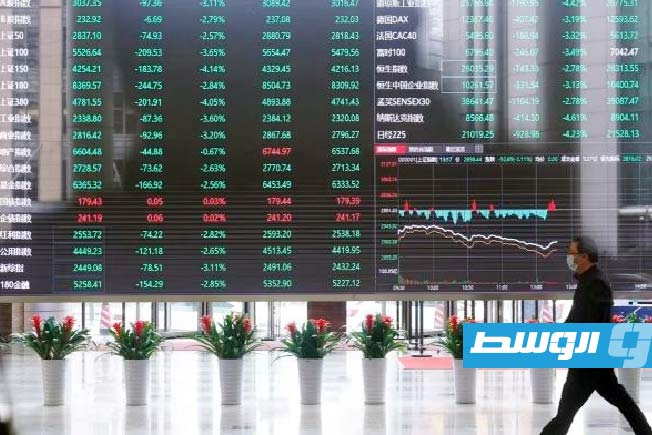
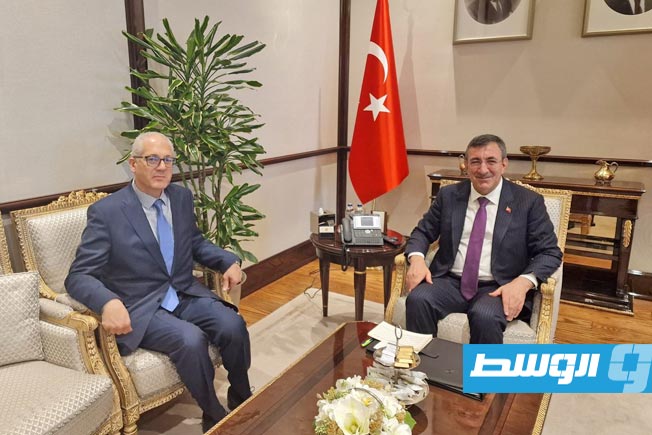
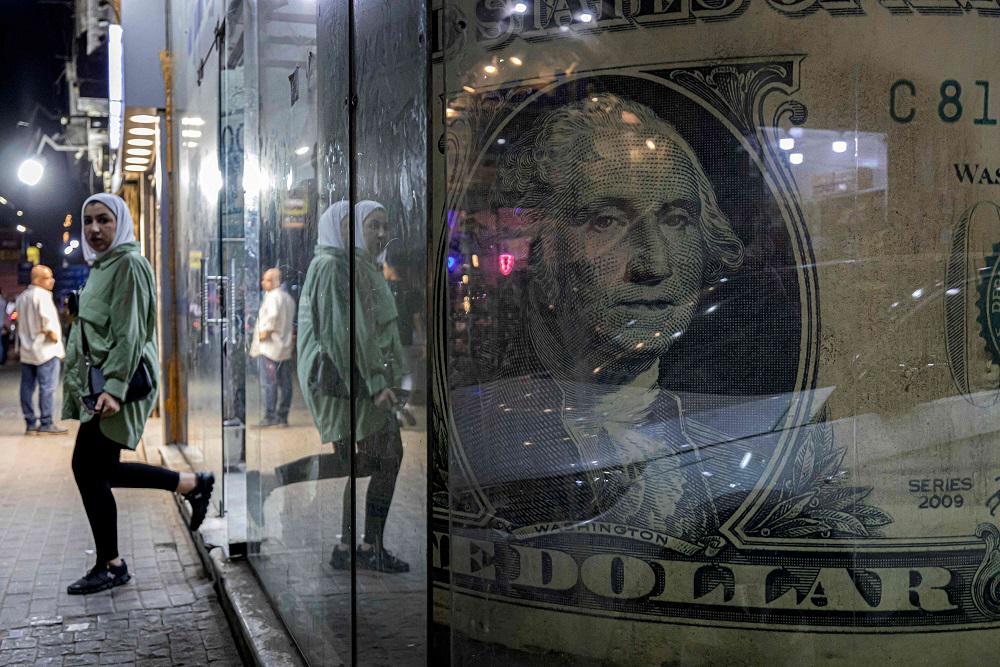
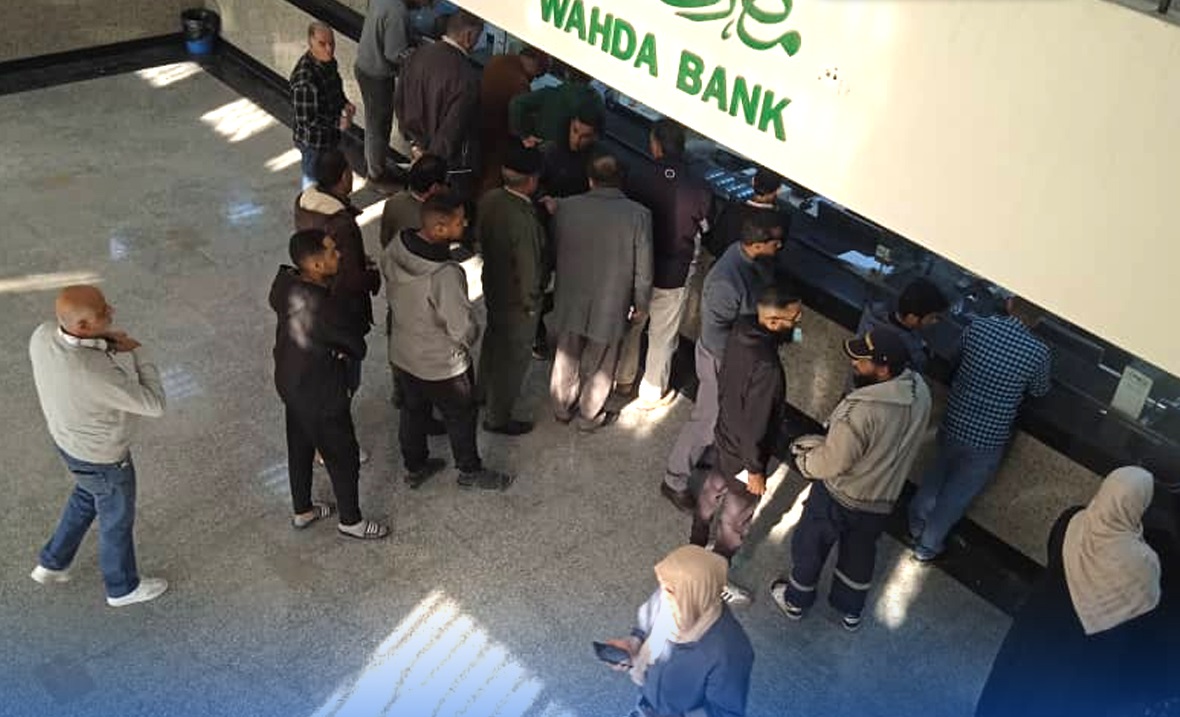
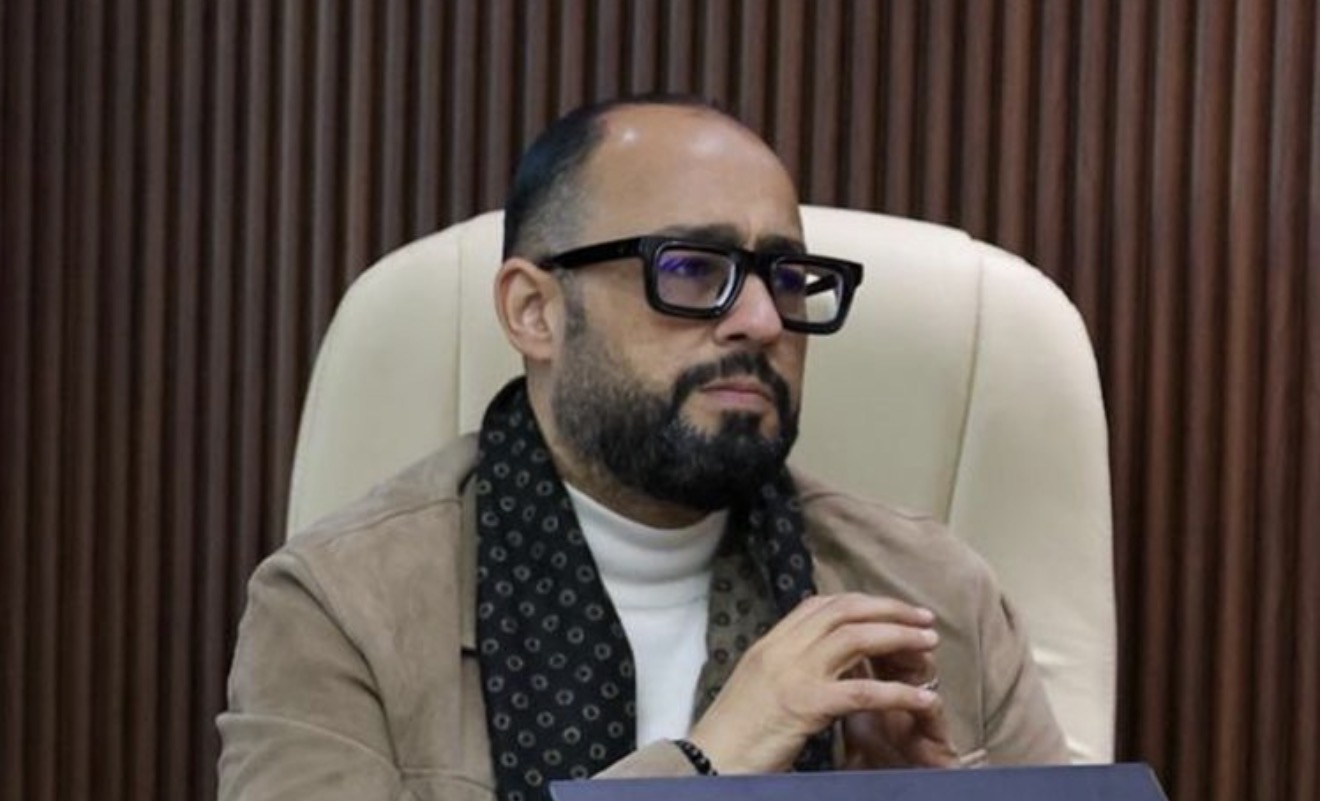
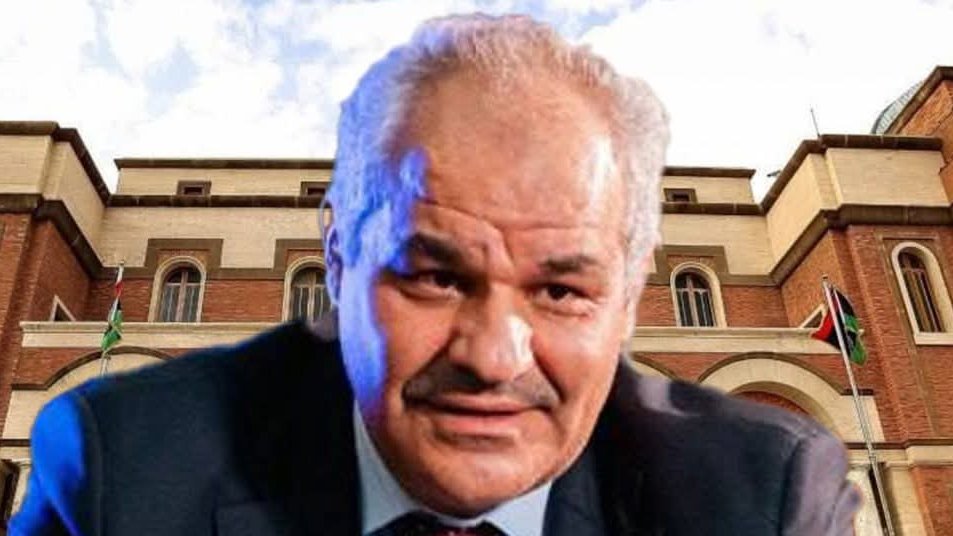
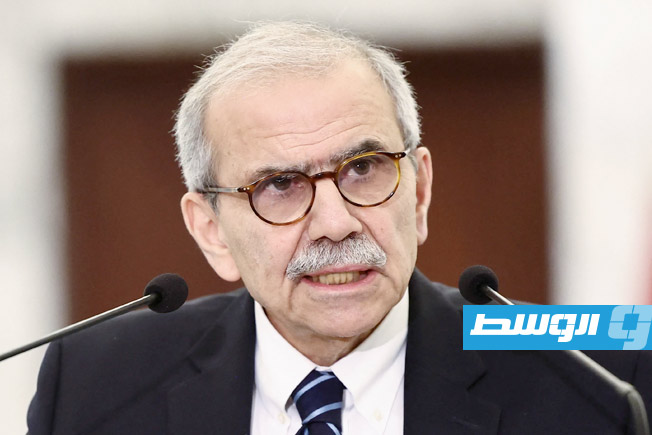
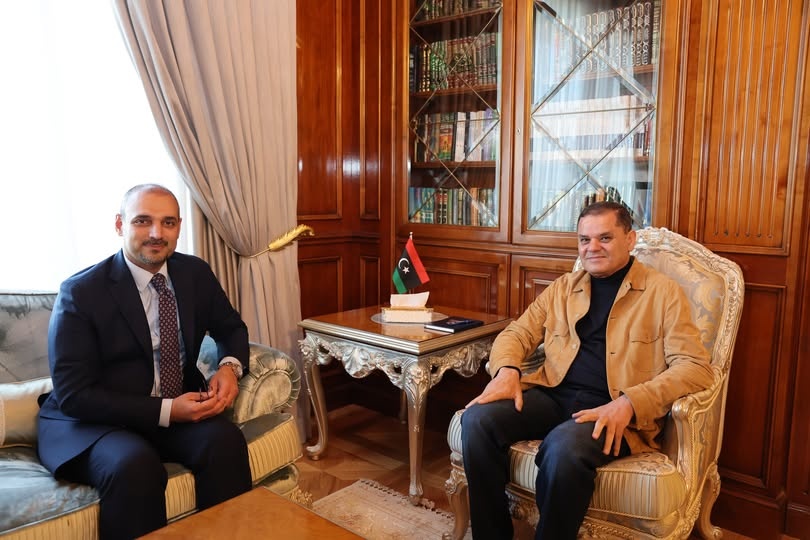
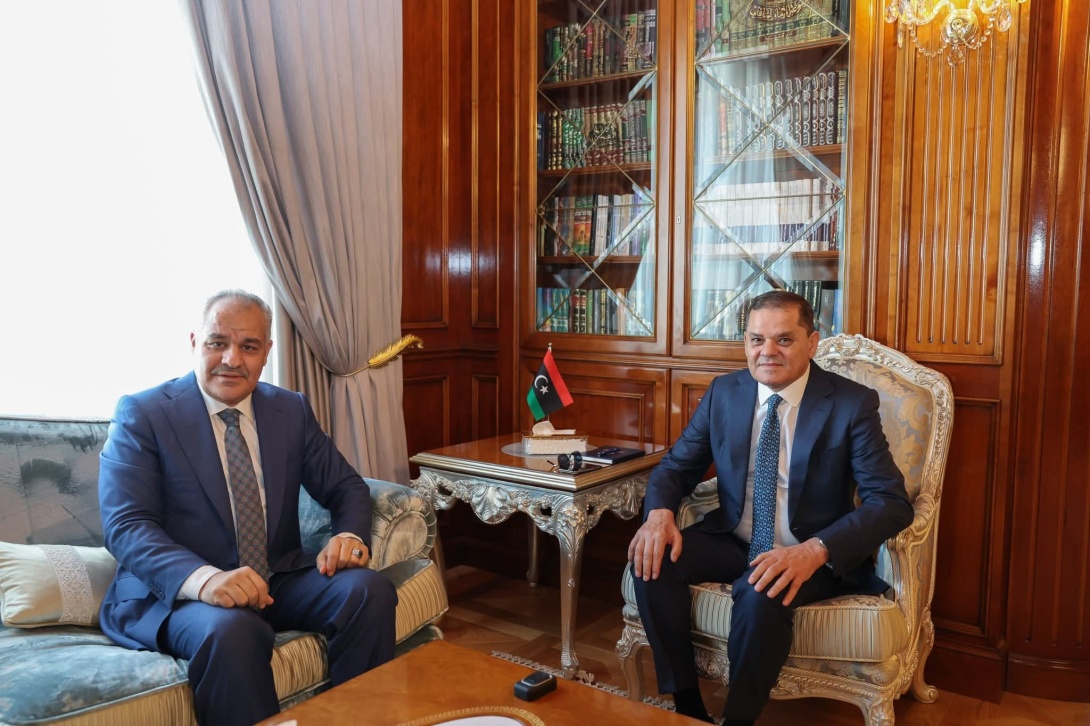
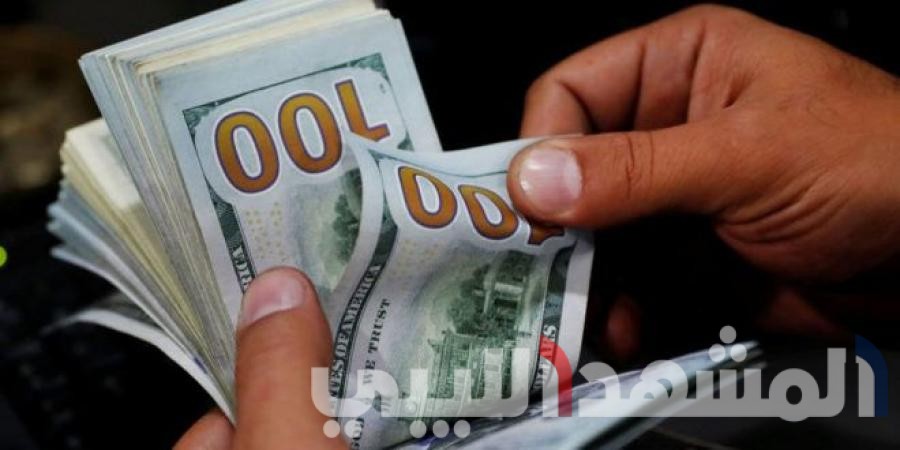
Prime Minister Abdulhamid Dbeibah has called for strict action against traders accused of hoarding goods or manipulating prices, stating the government will not tolerate practices that harm citizens or destabilize the market.
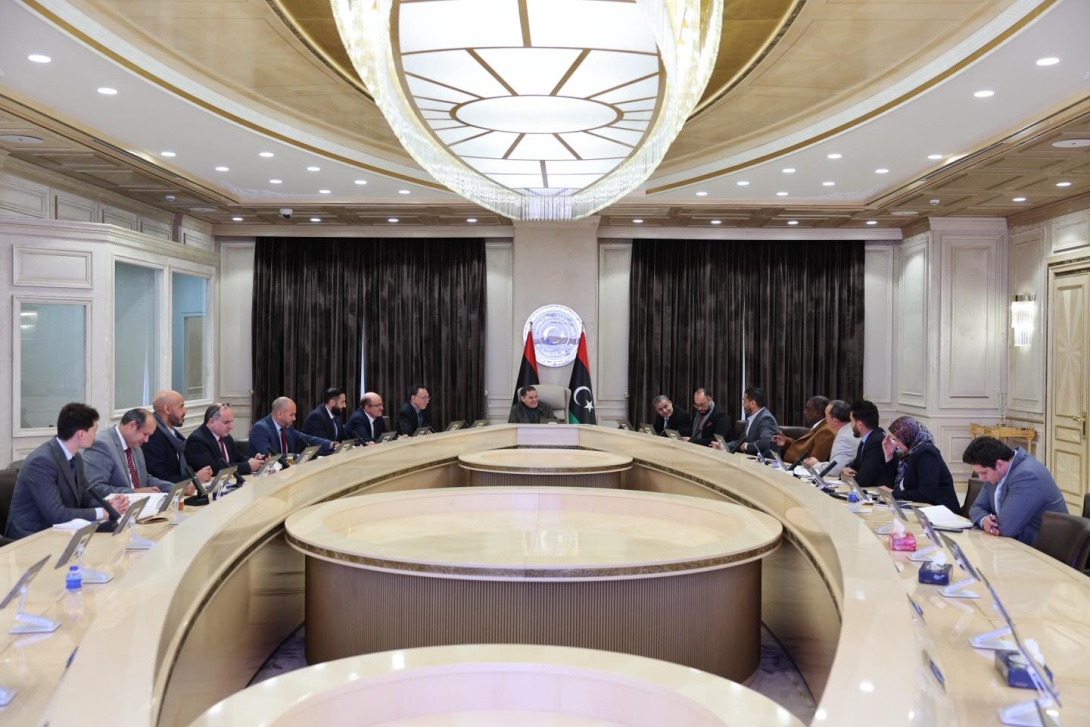
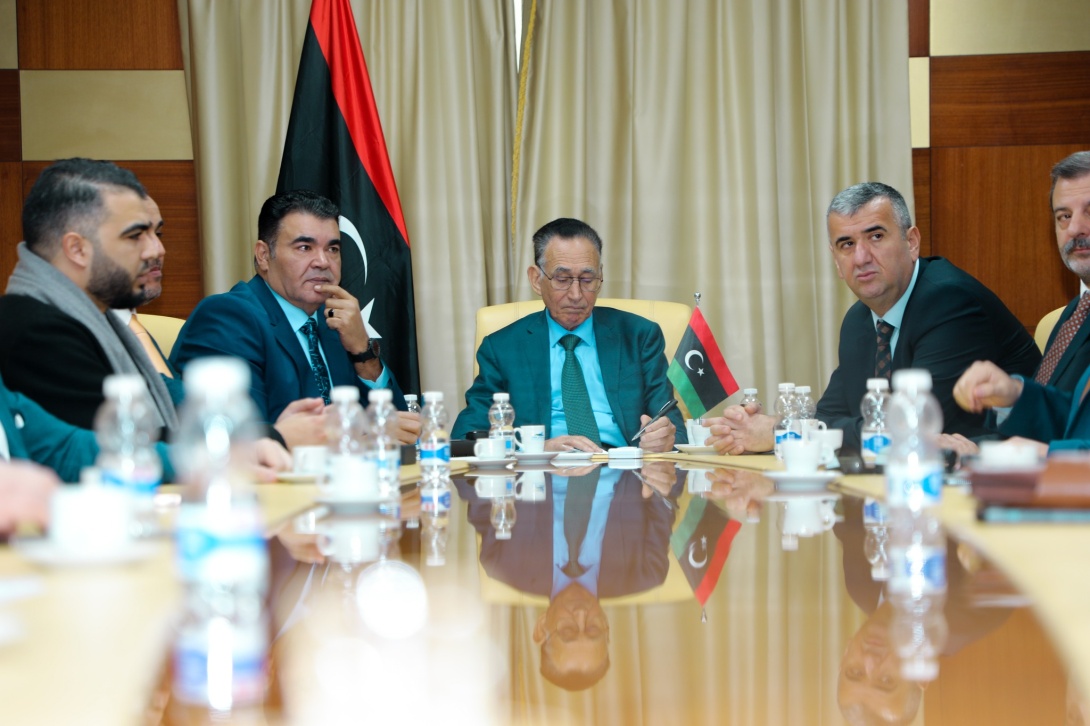
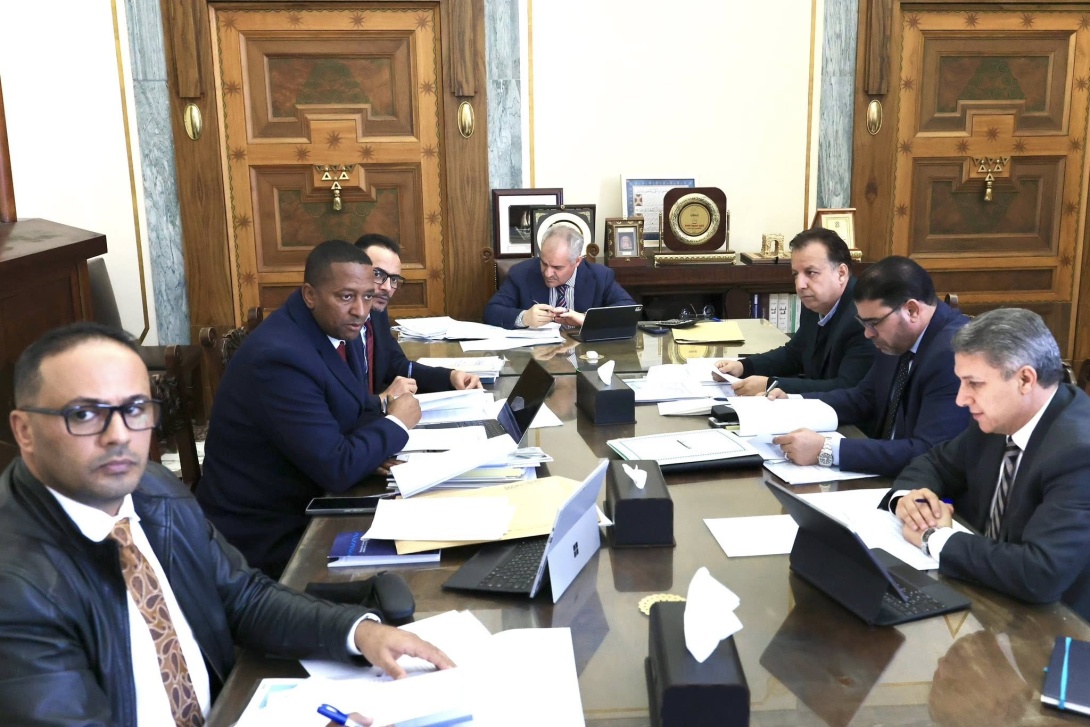
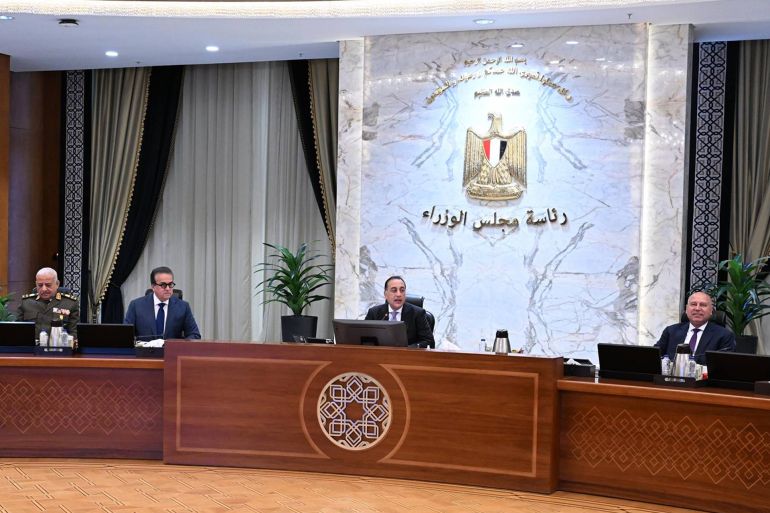
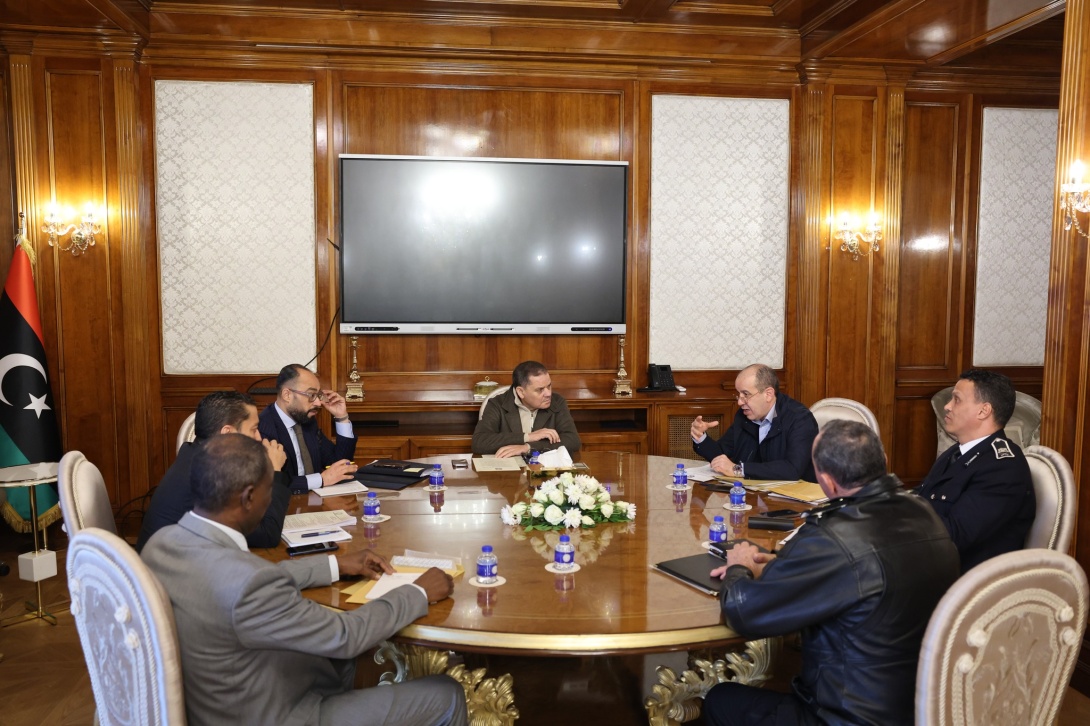
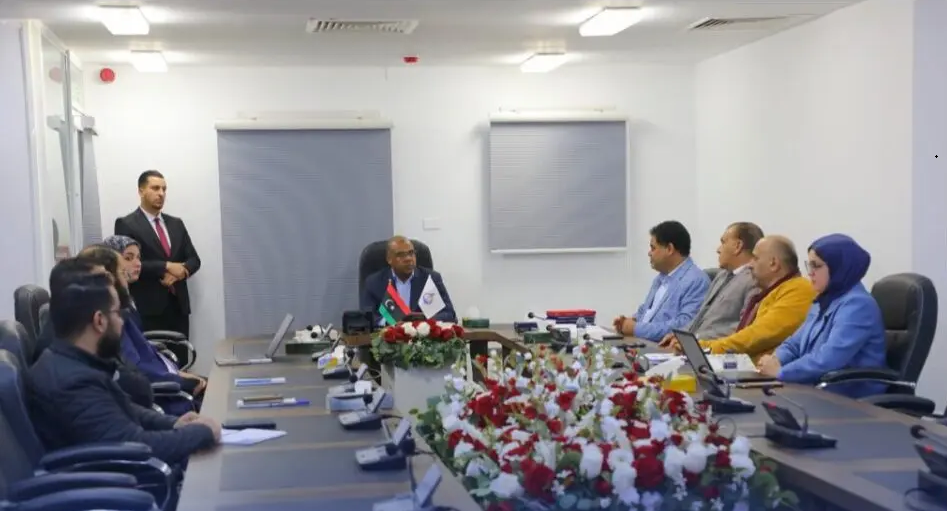
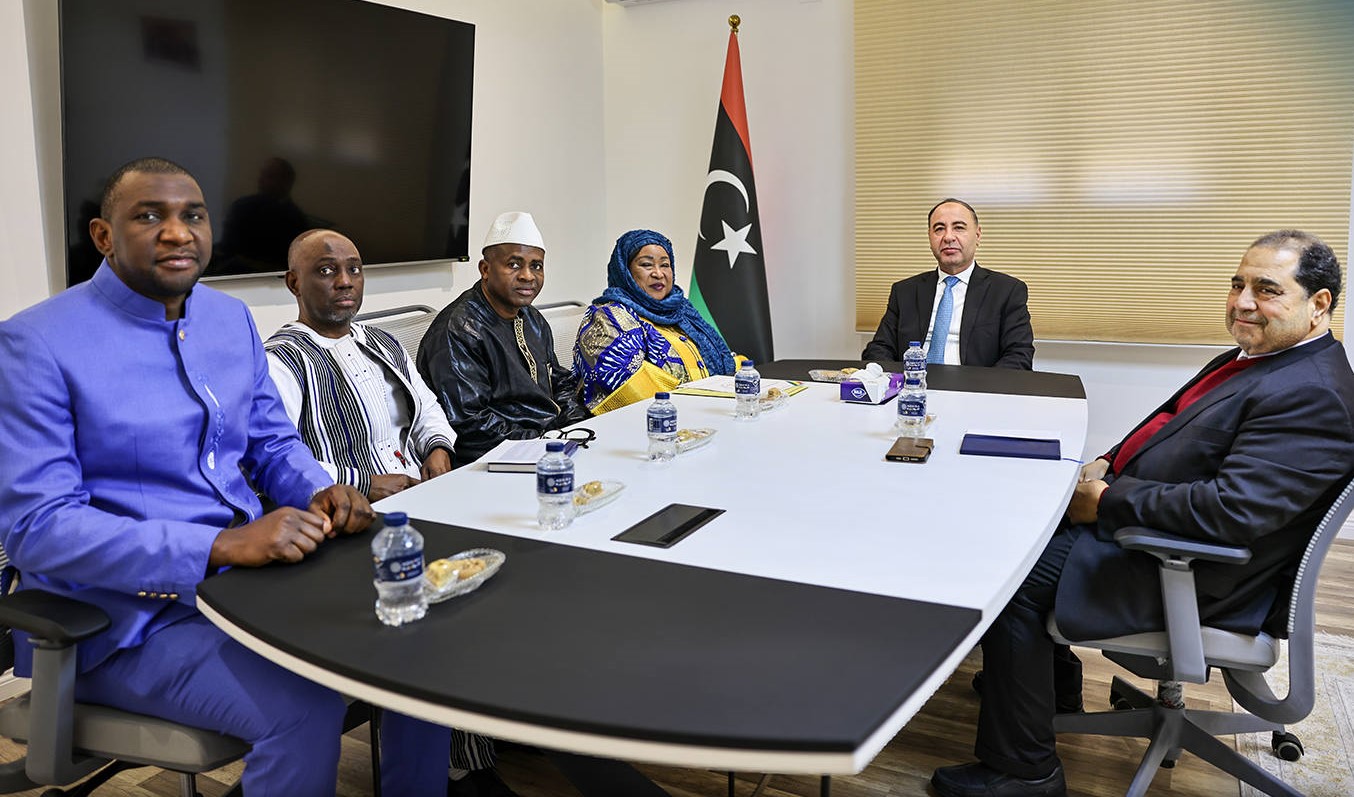
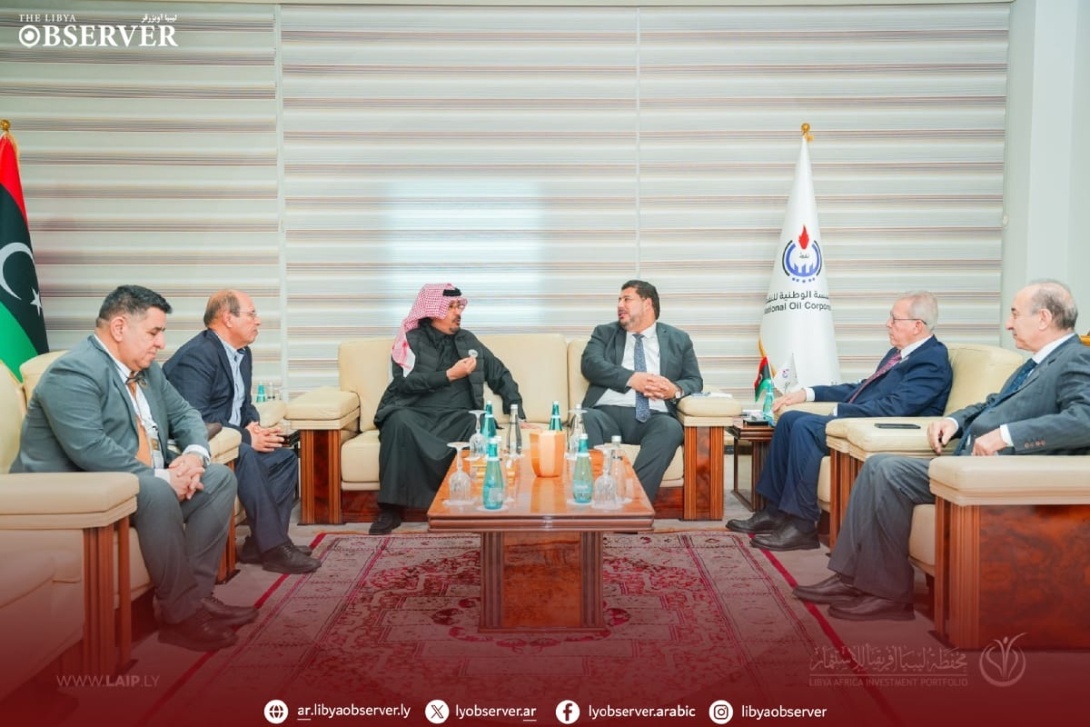
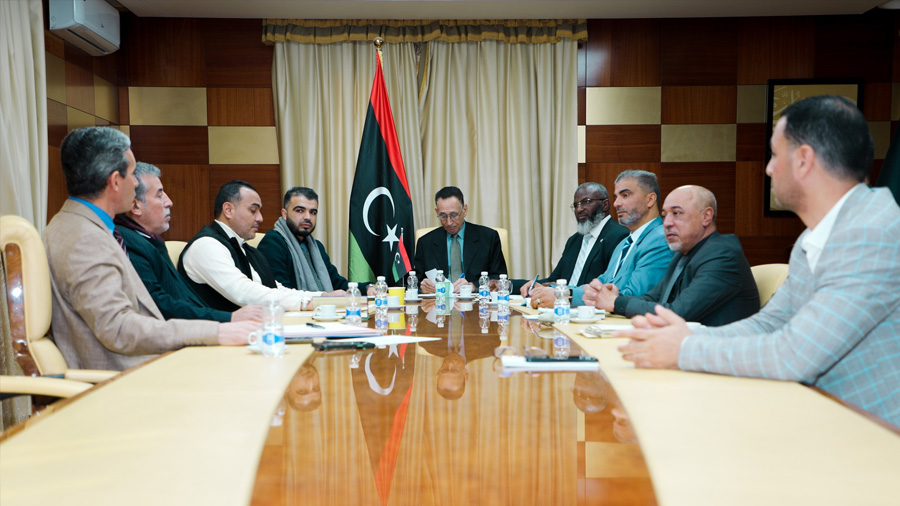
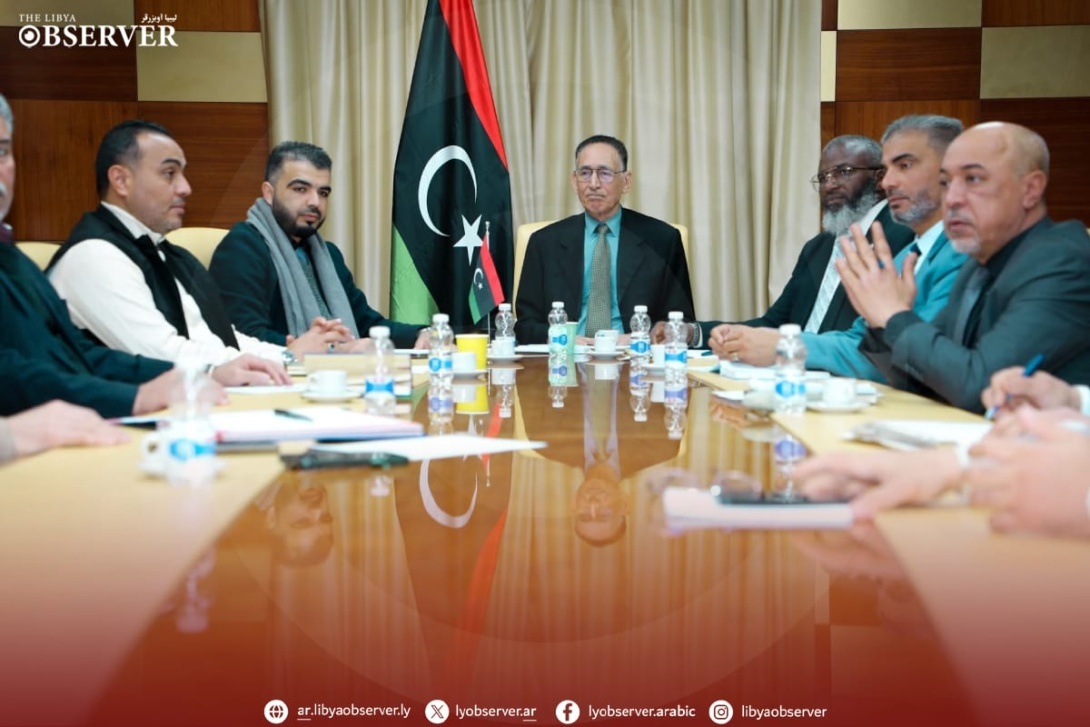
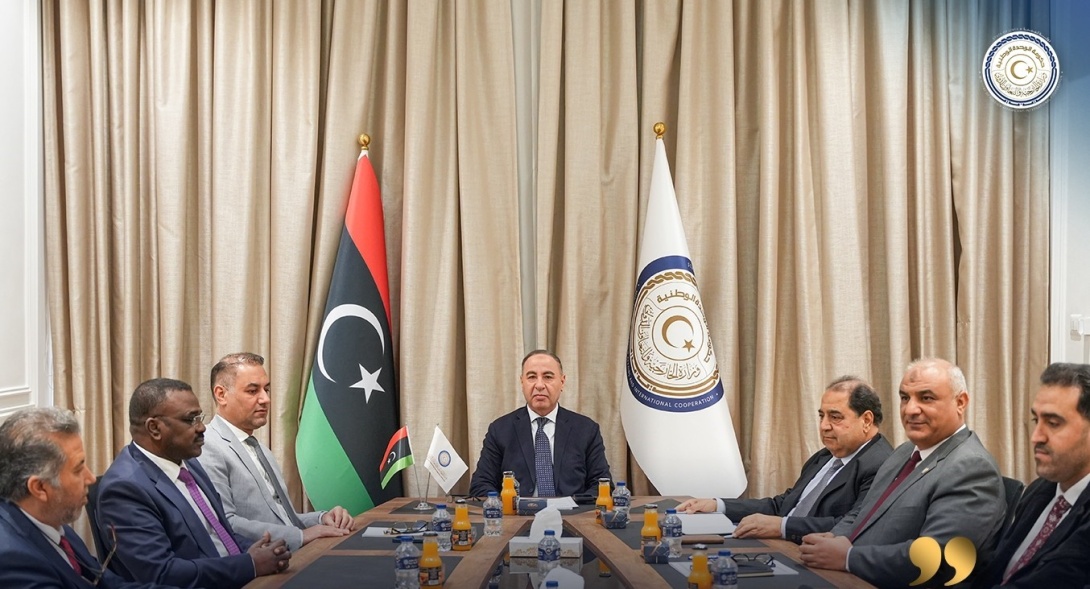
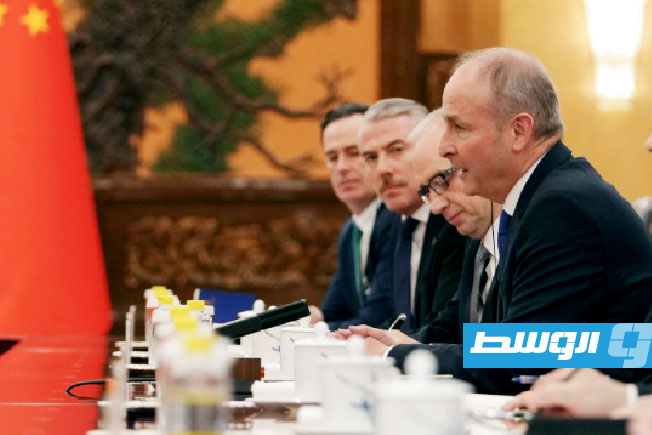
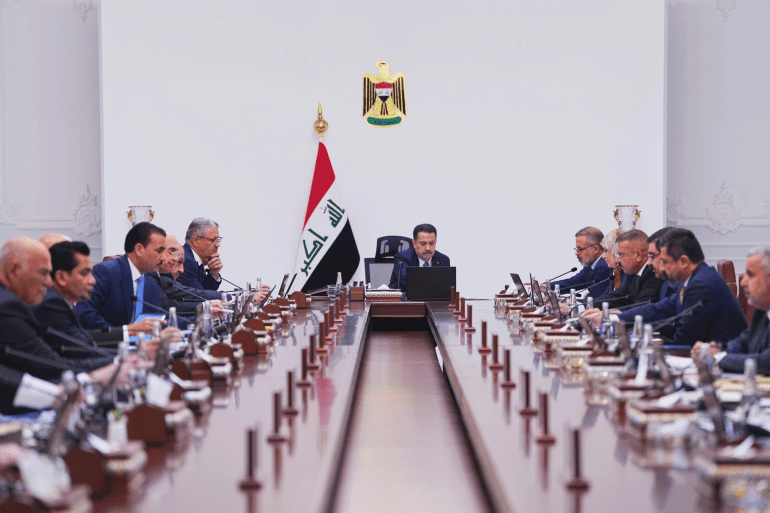
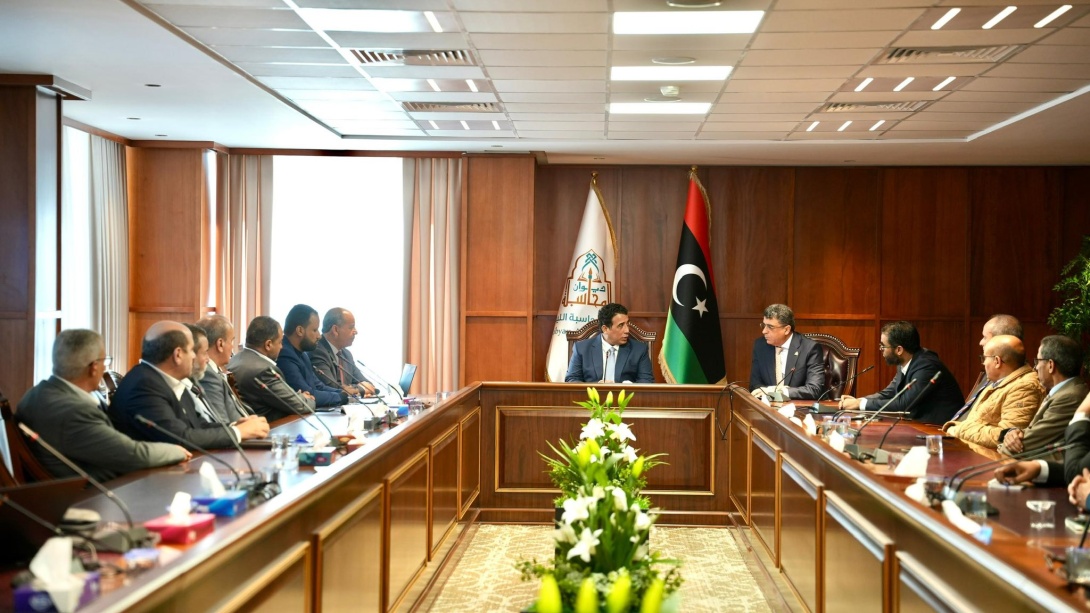
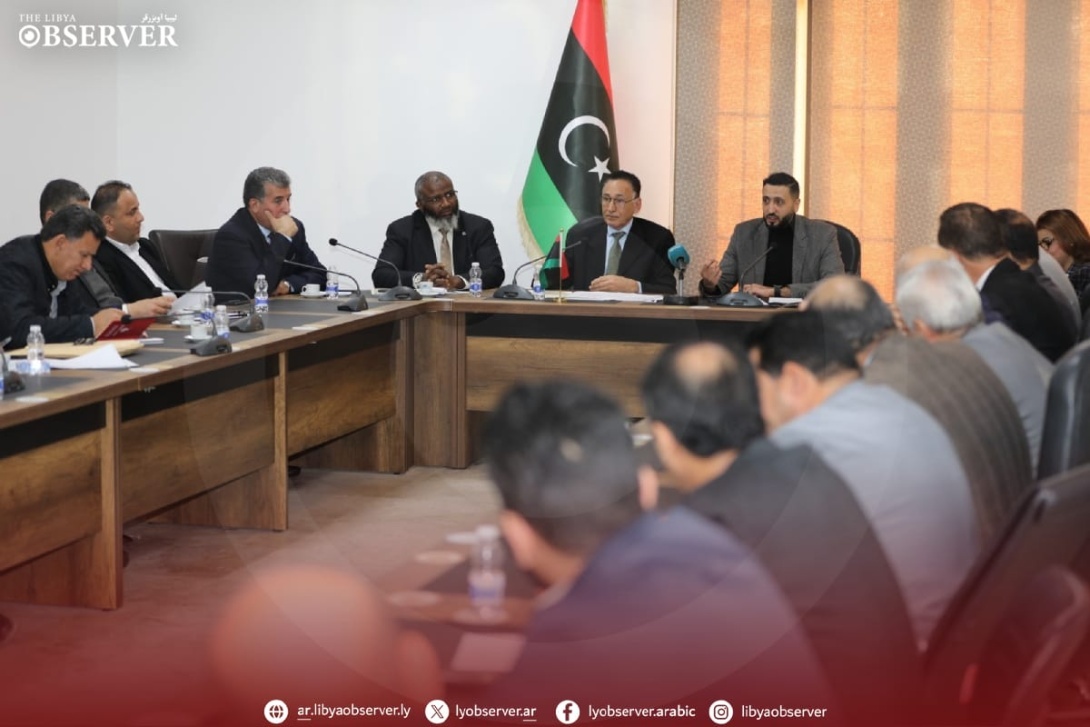
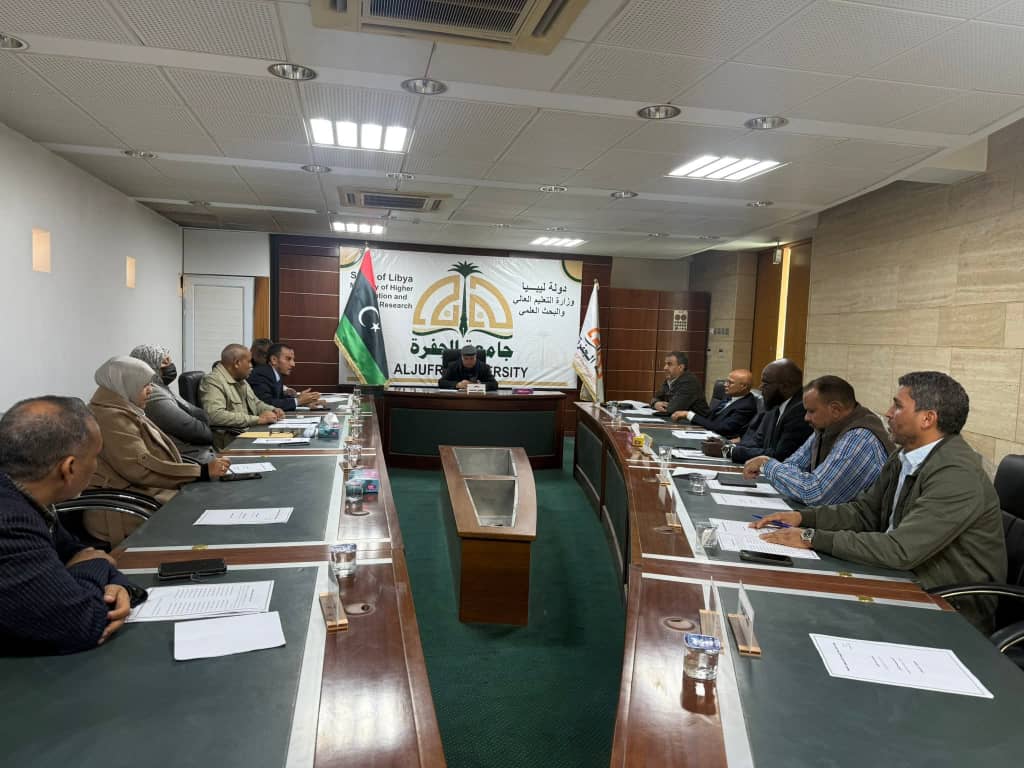
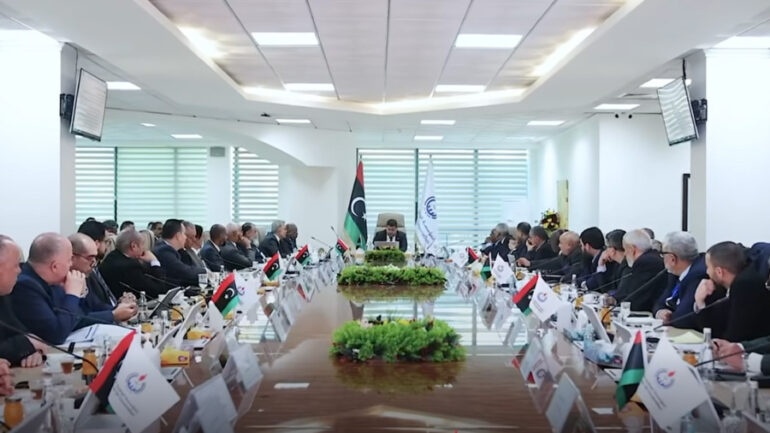
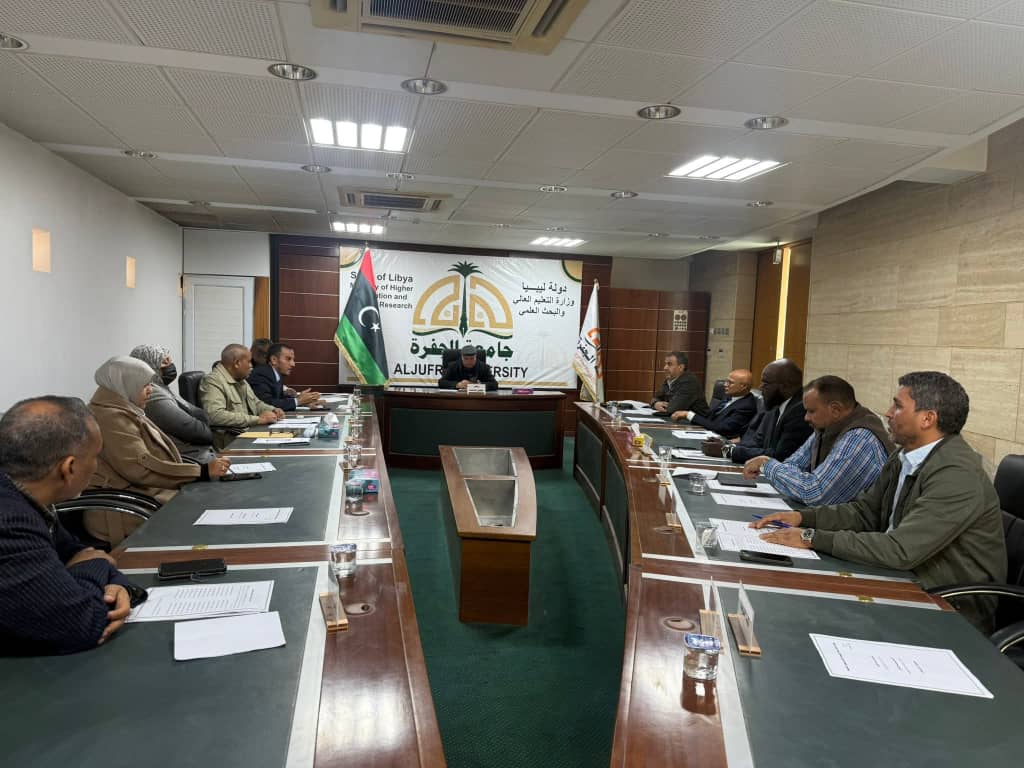
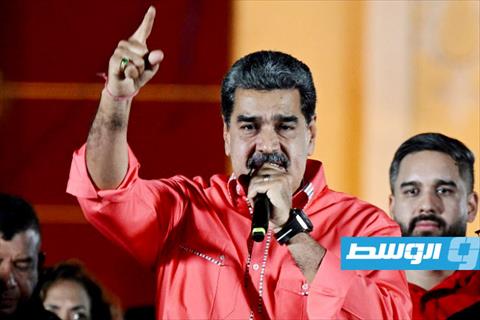
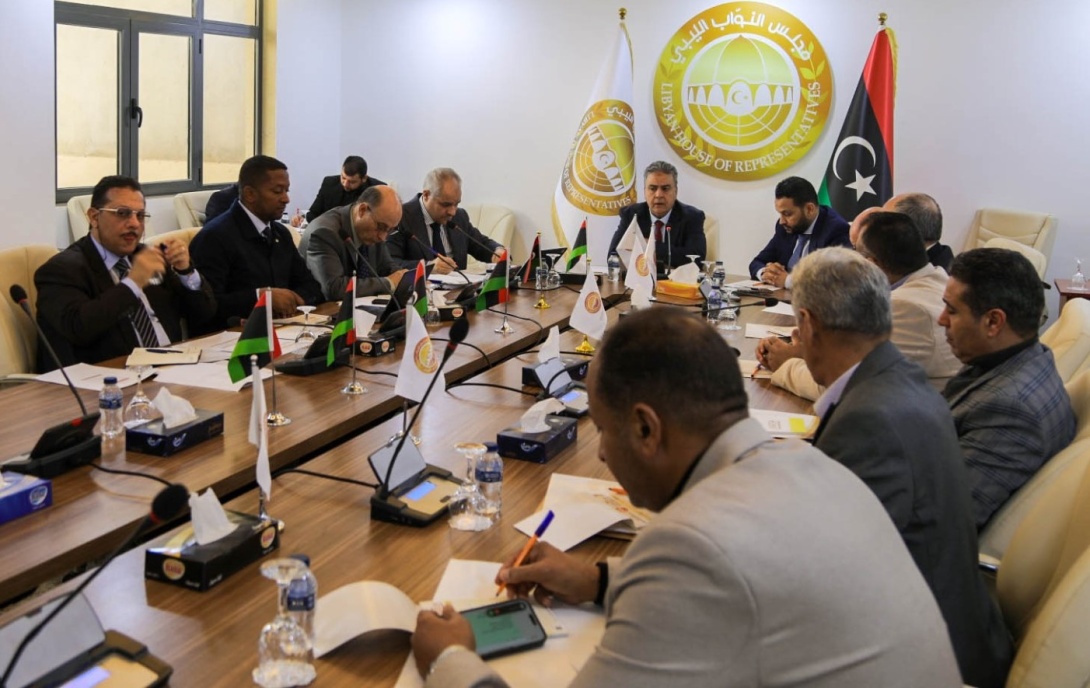
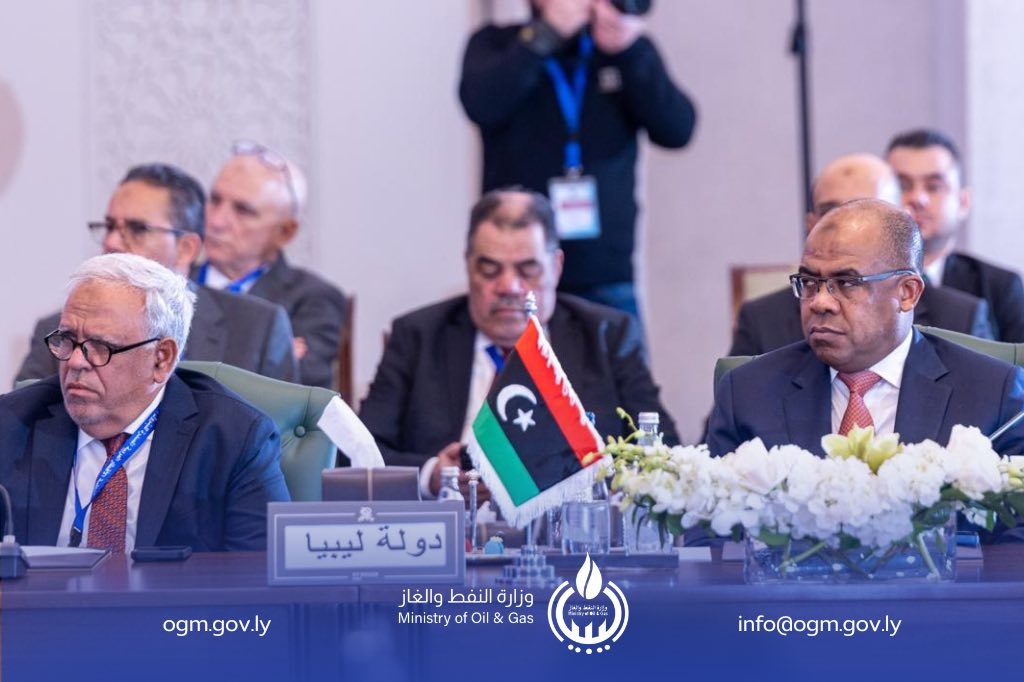
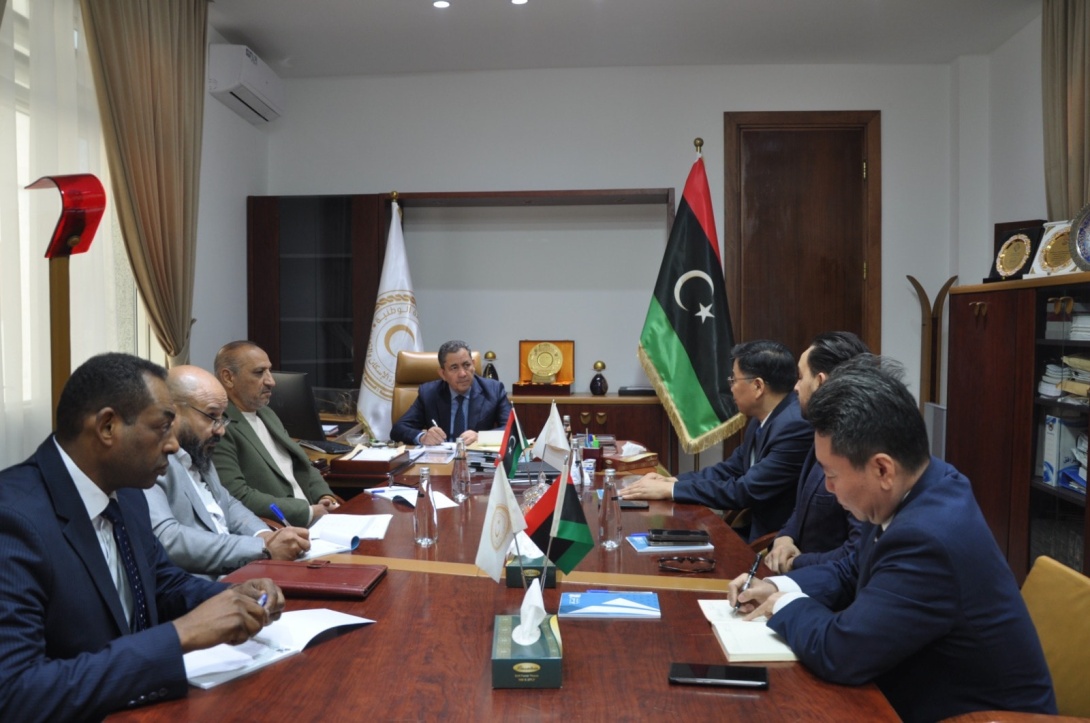
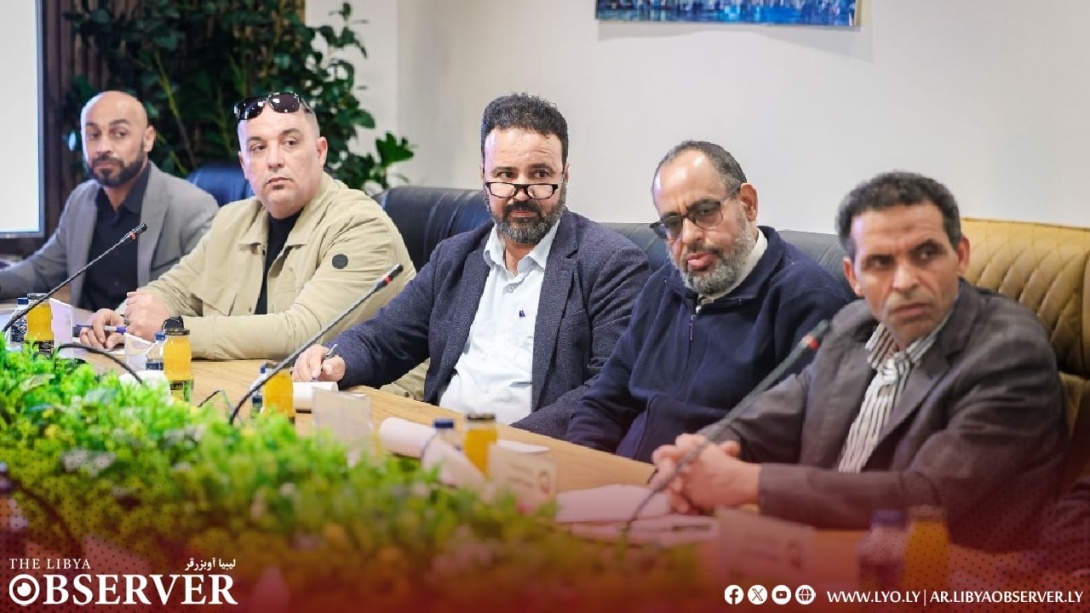
Speaking at an expanded meeting on Thursday to review price levels and economic conditions, Dbeibah said controlling prices and protecting consumers remain a top priority for his government.
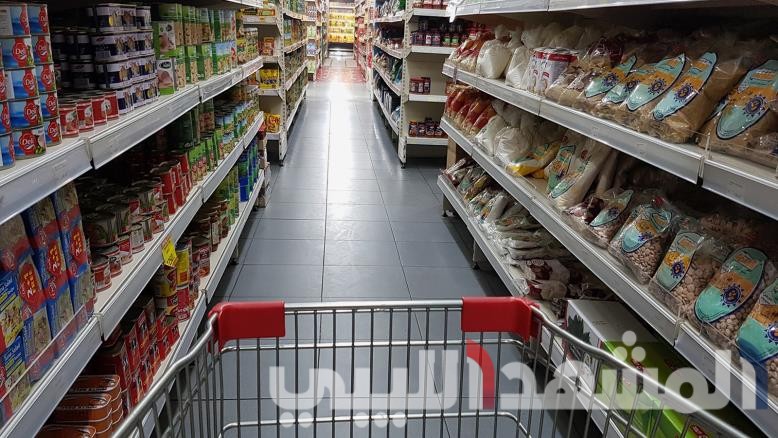
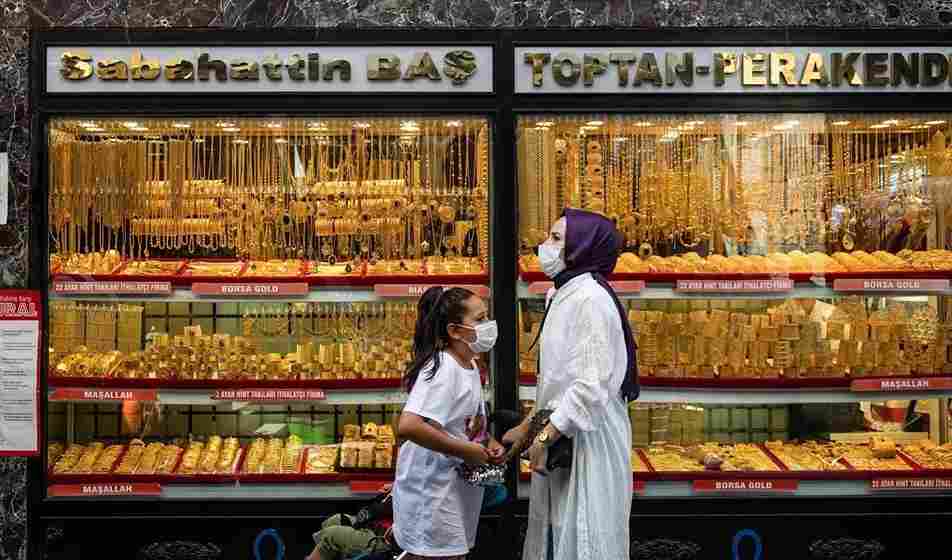
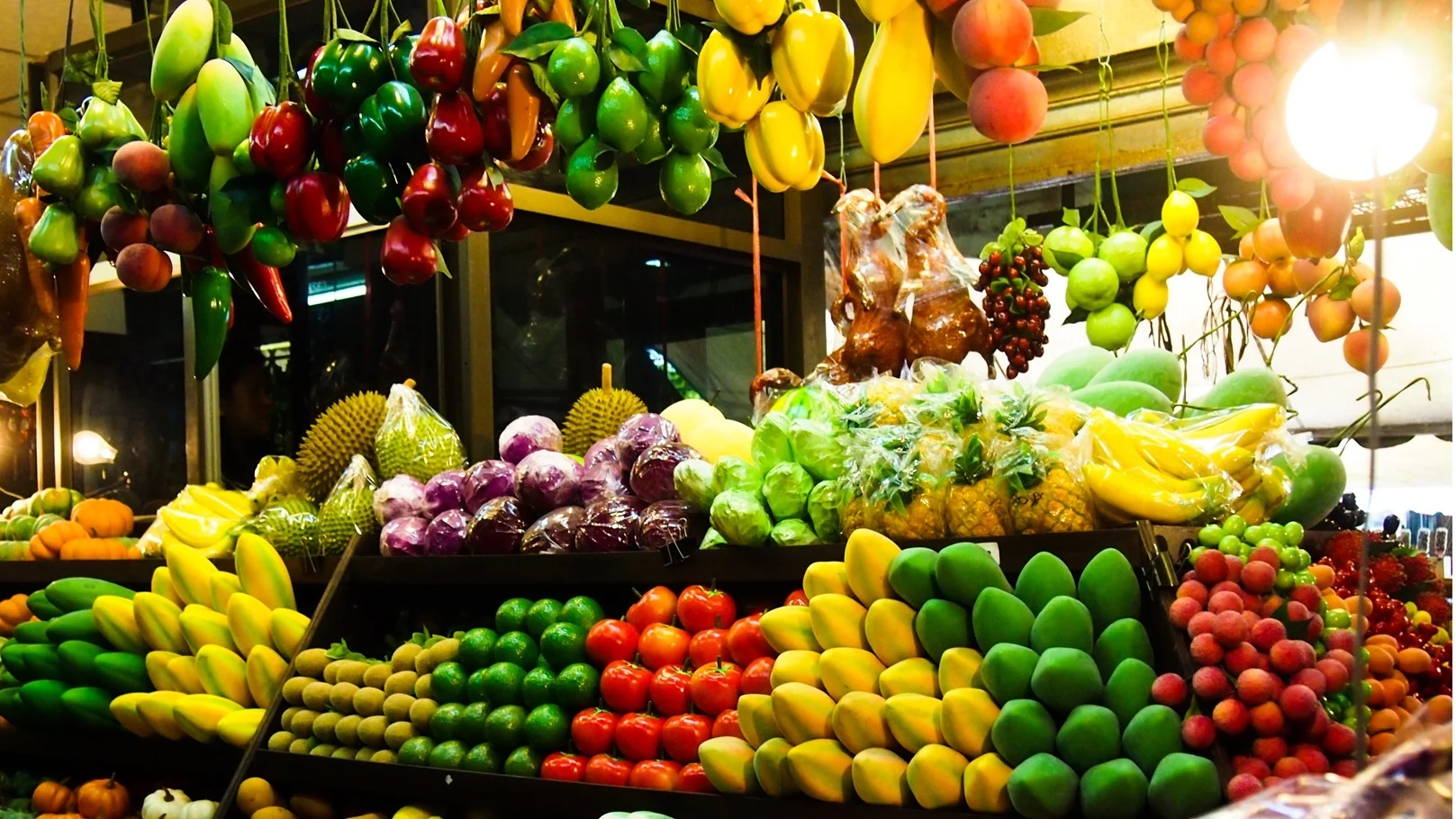
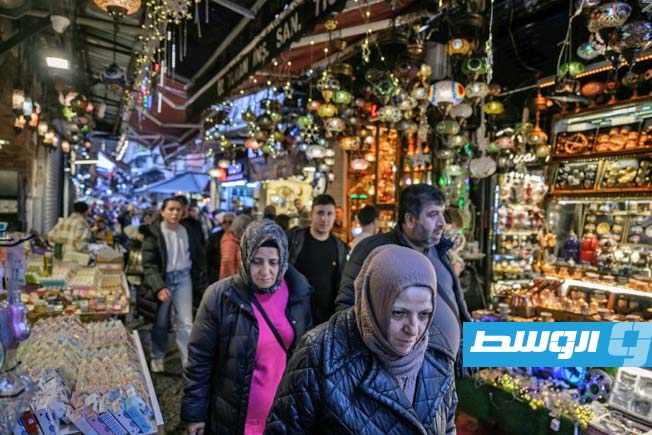
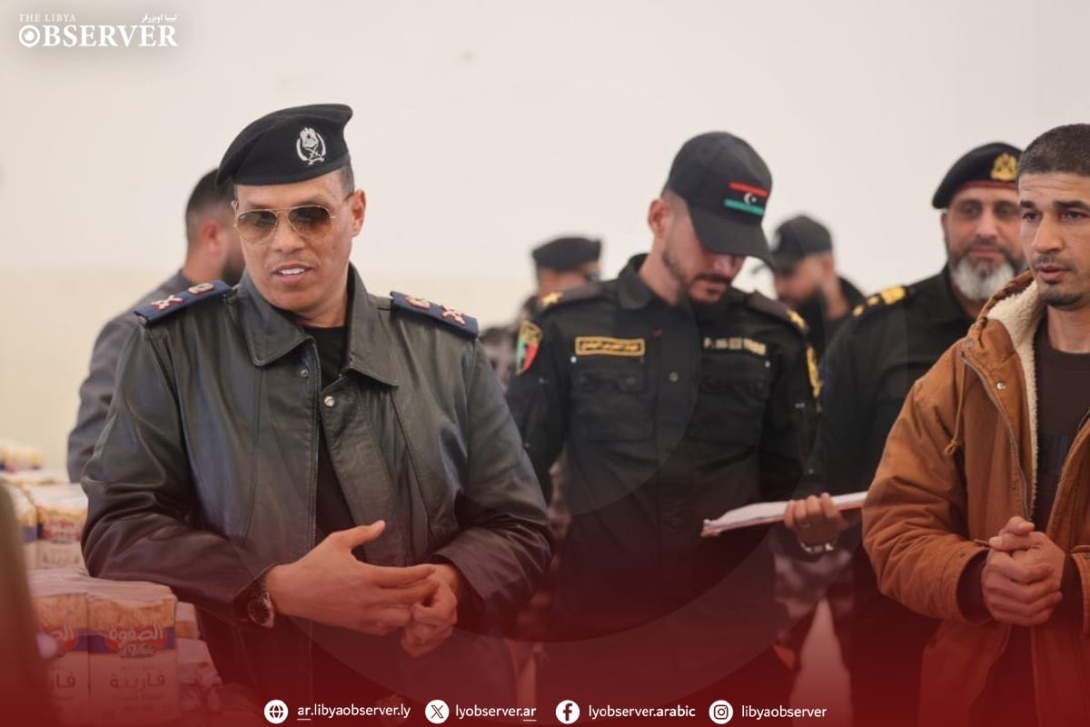
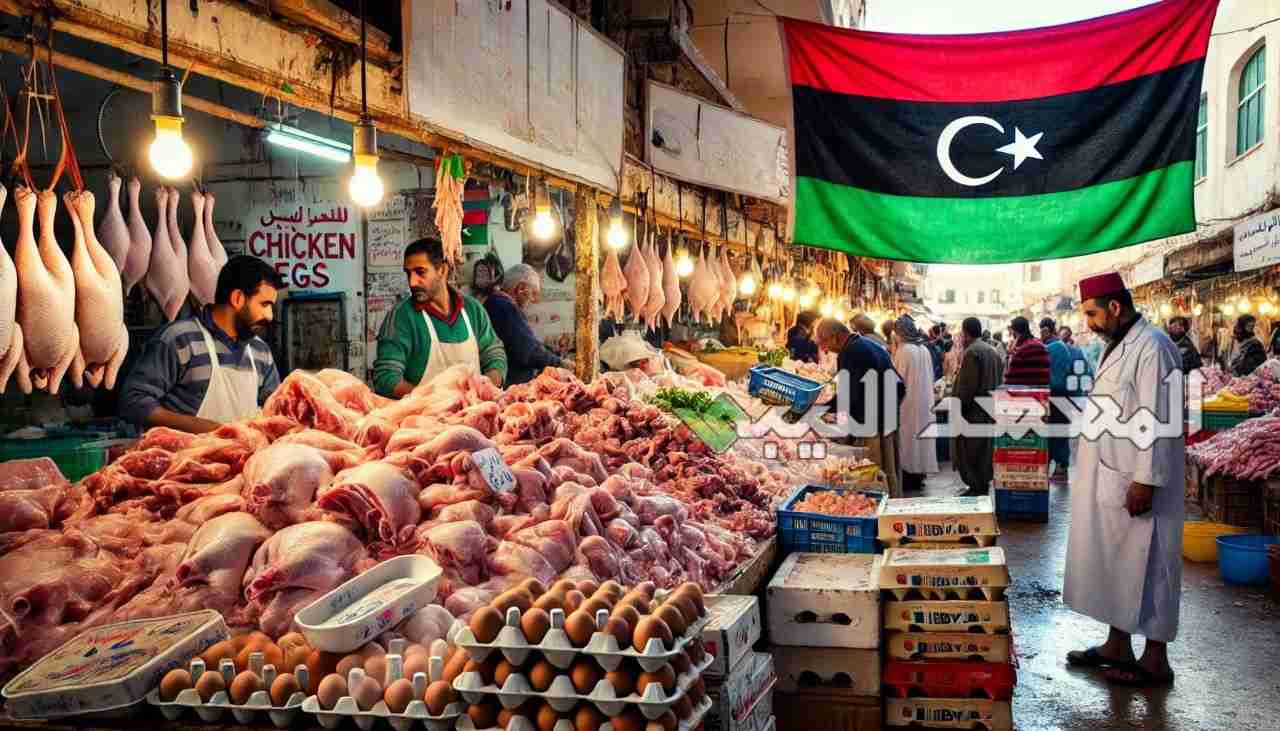
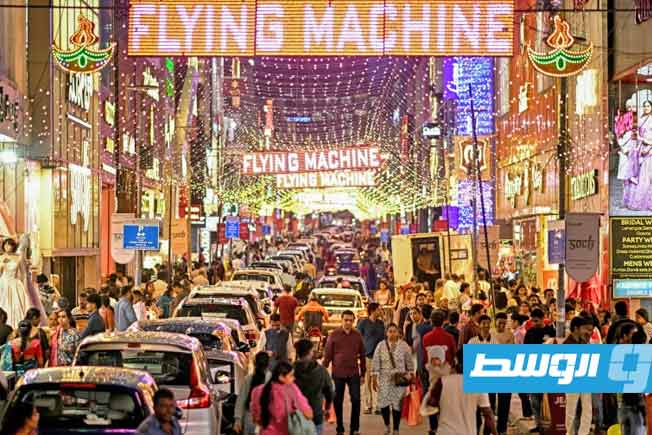
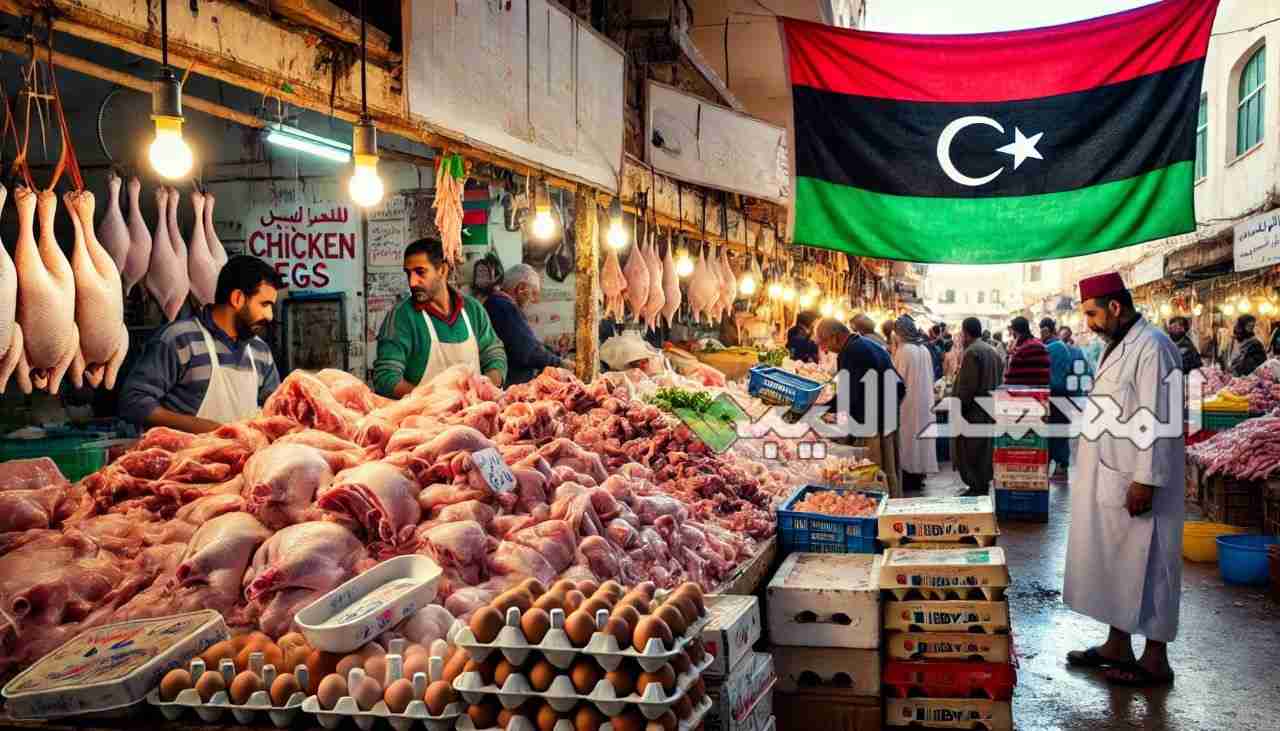
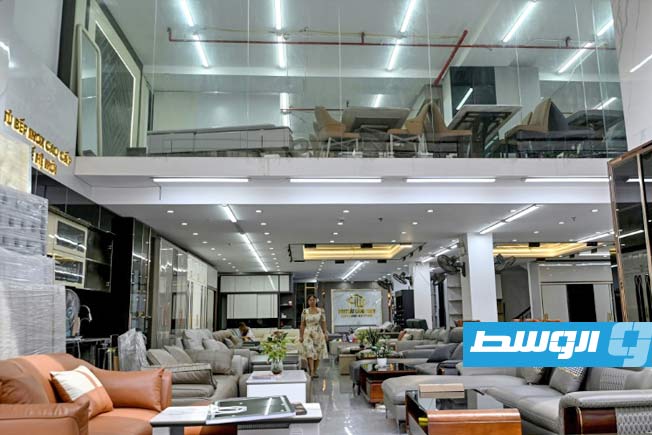
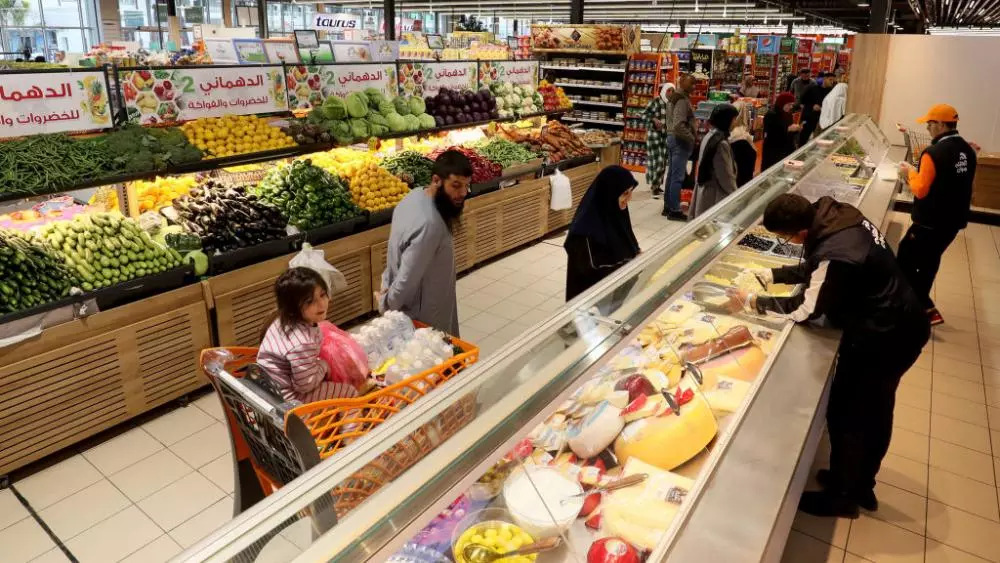
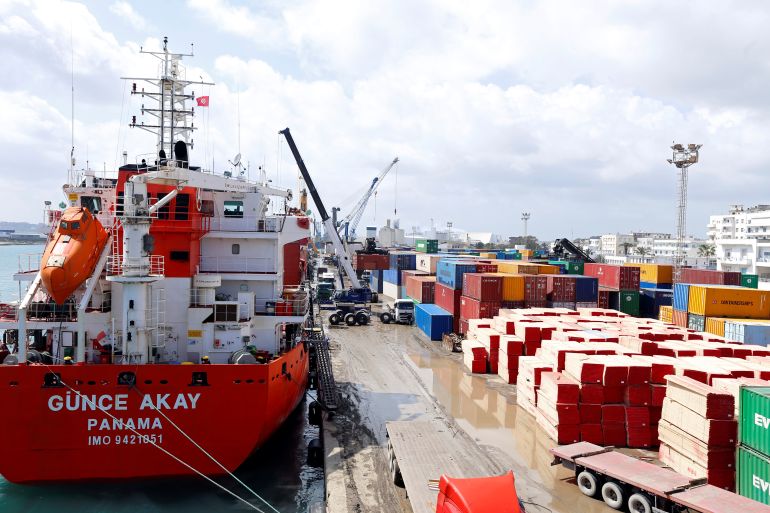
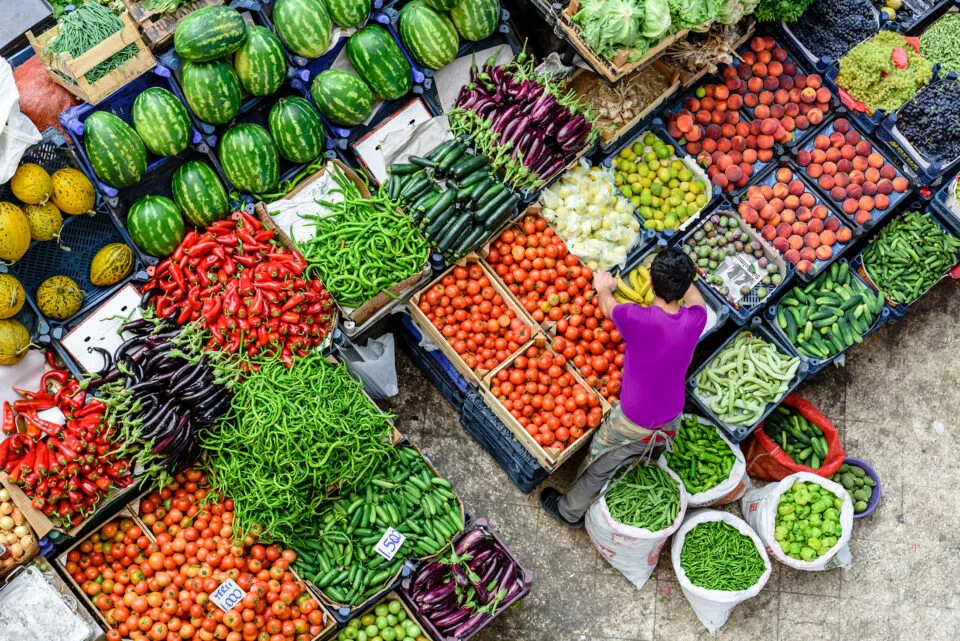
He instructed authorities to intensify inspections in markets and to strengthen coordination between relevant ministries and agencies to track goods from entry points to retail outlets and ensure traders comply with approved pricing.
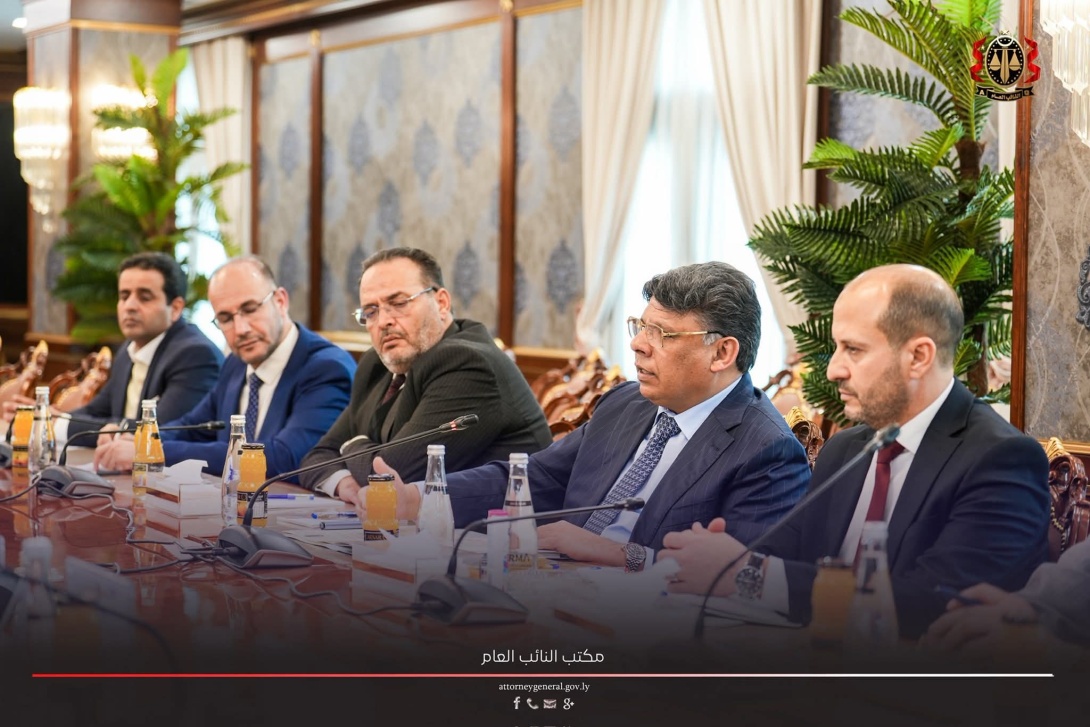
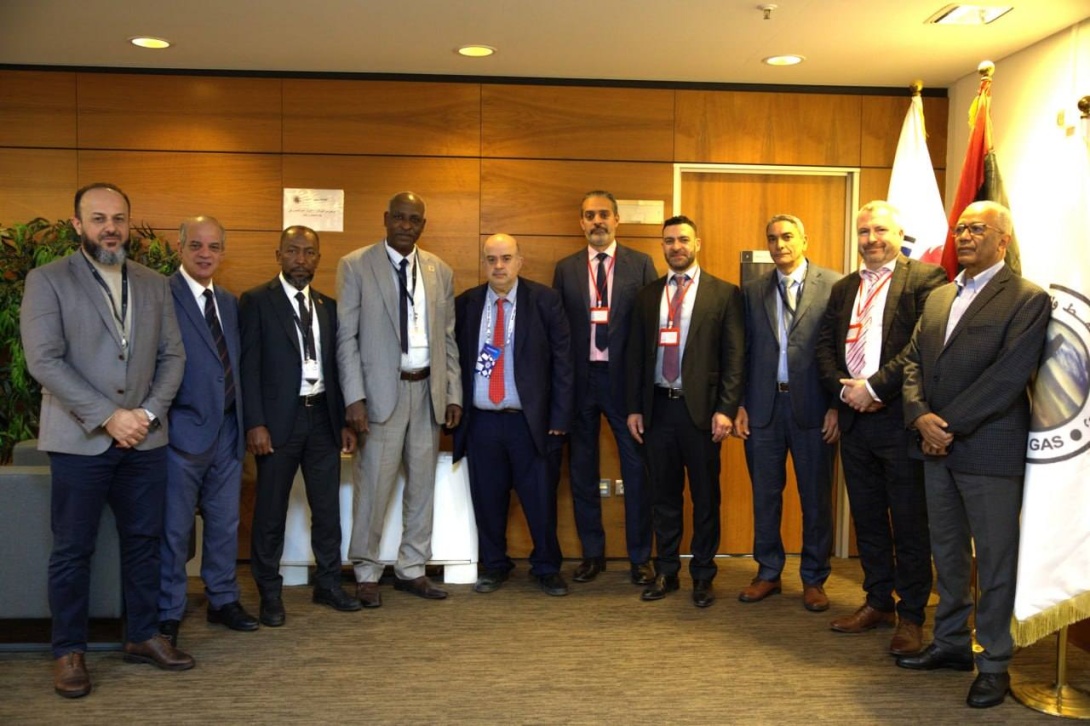
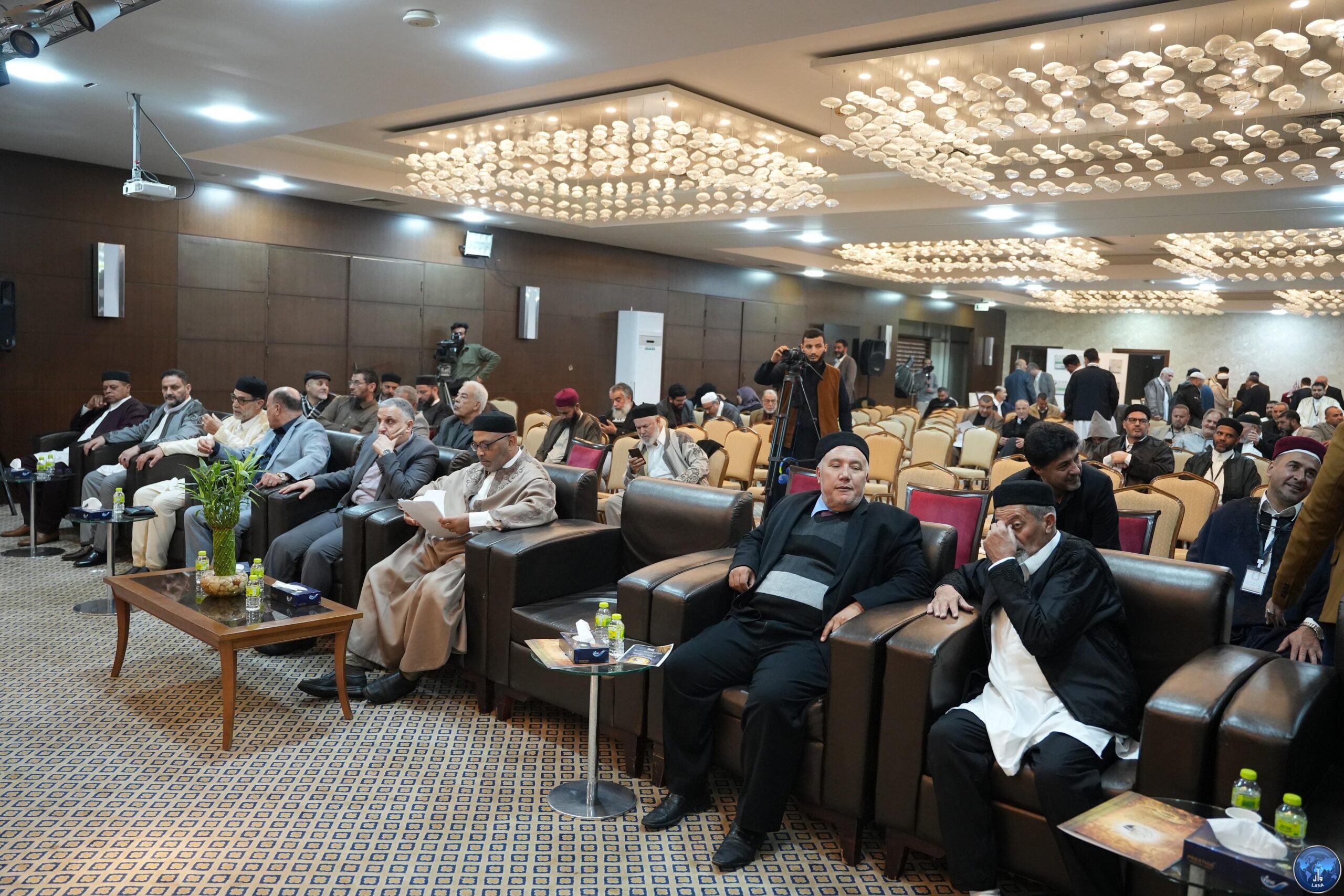
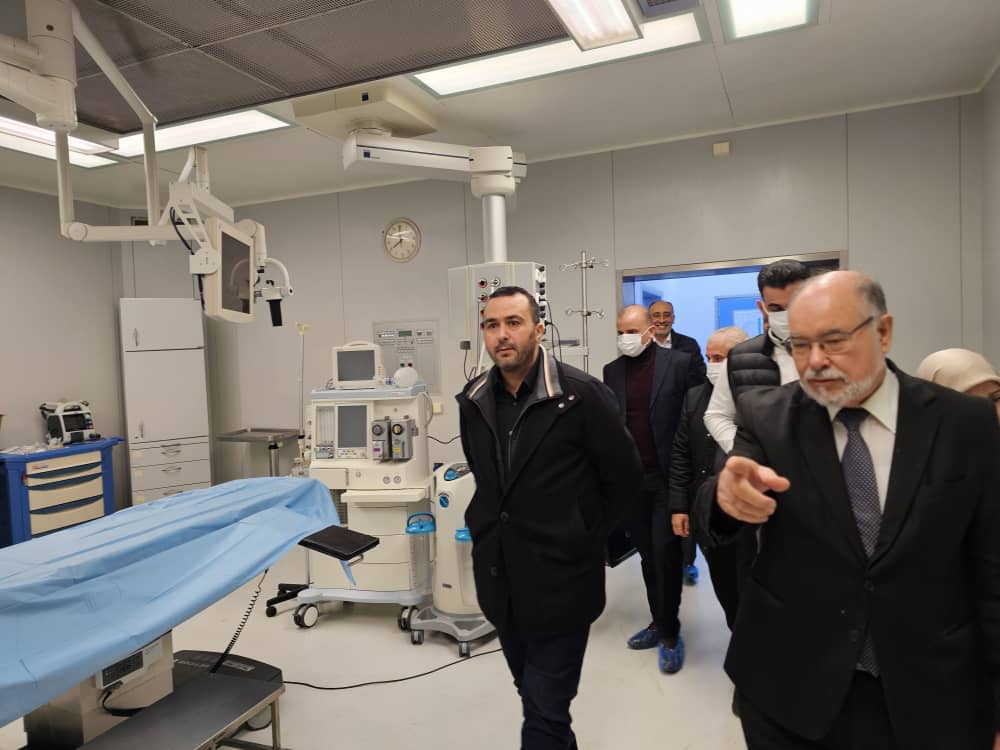
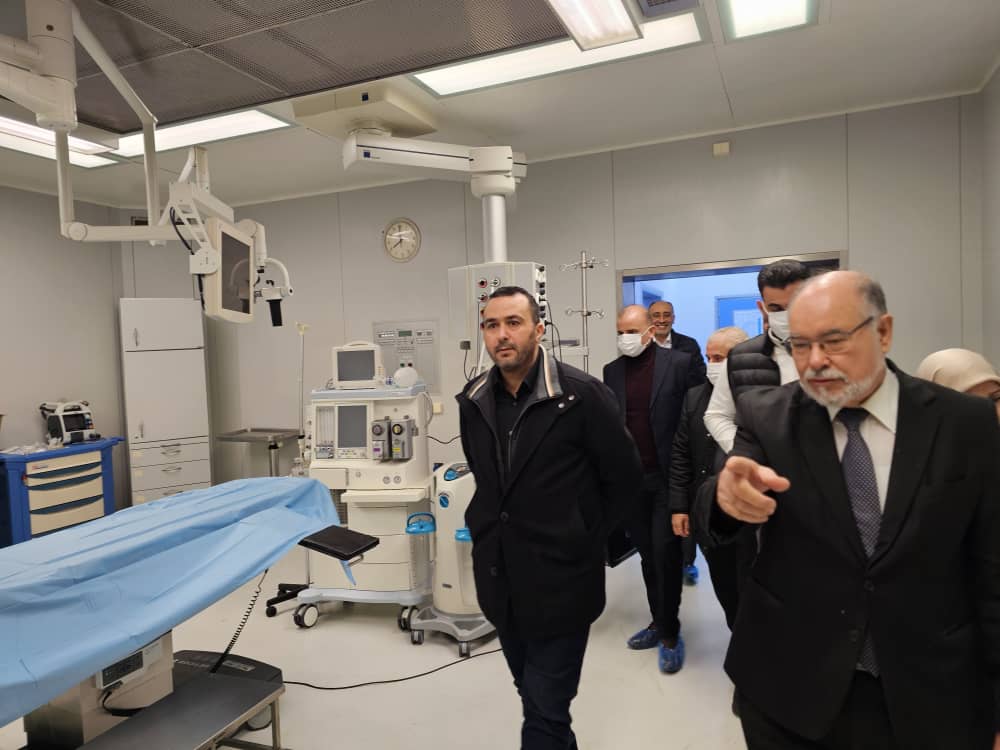
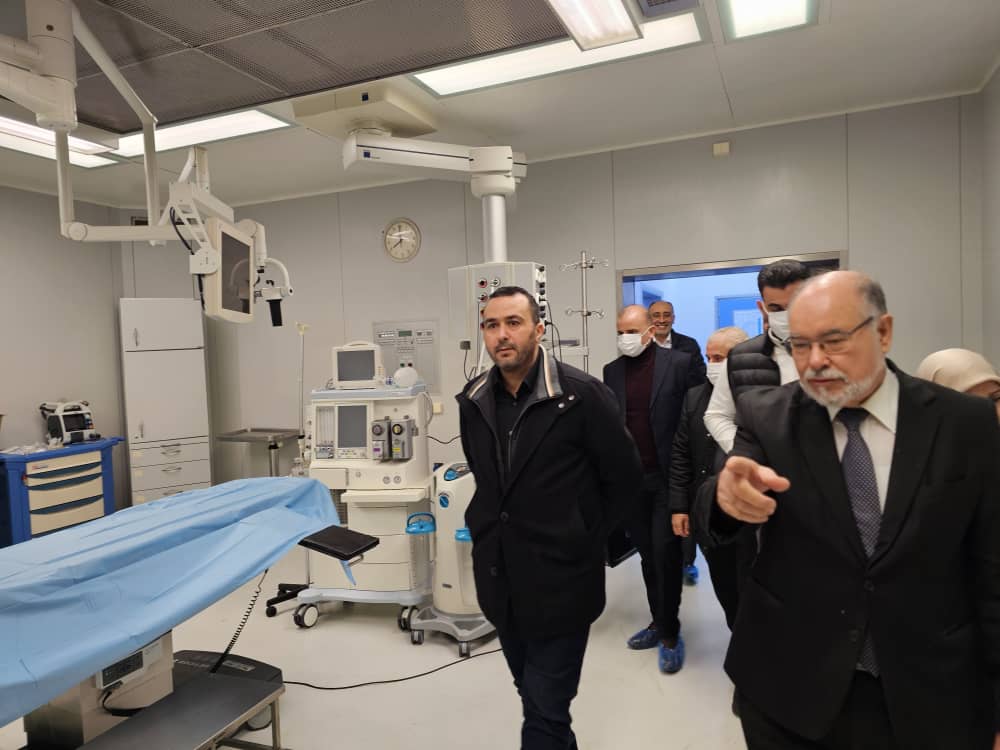
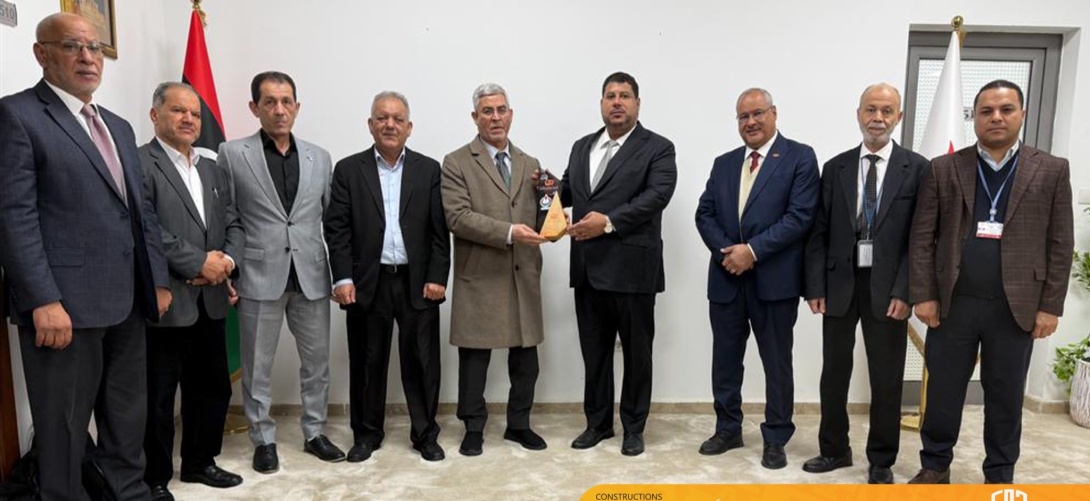
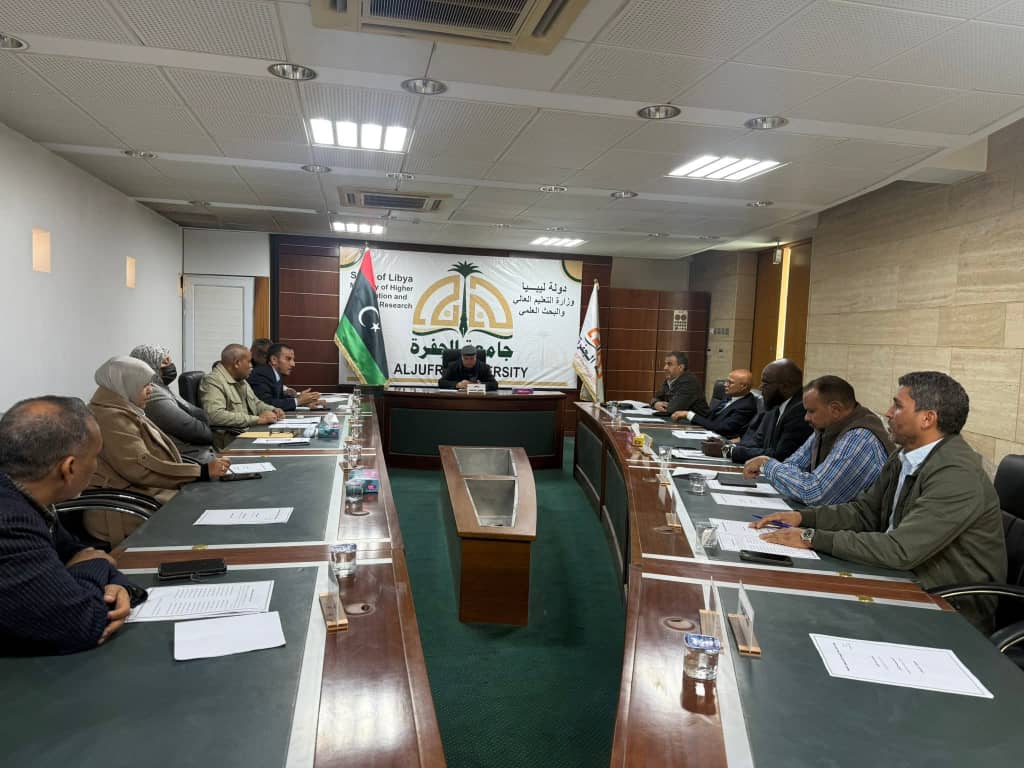
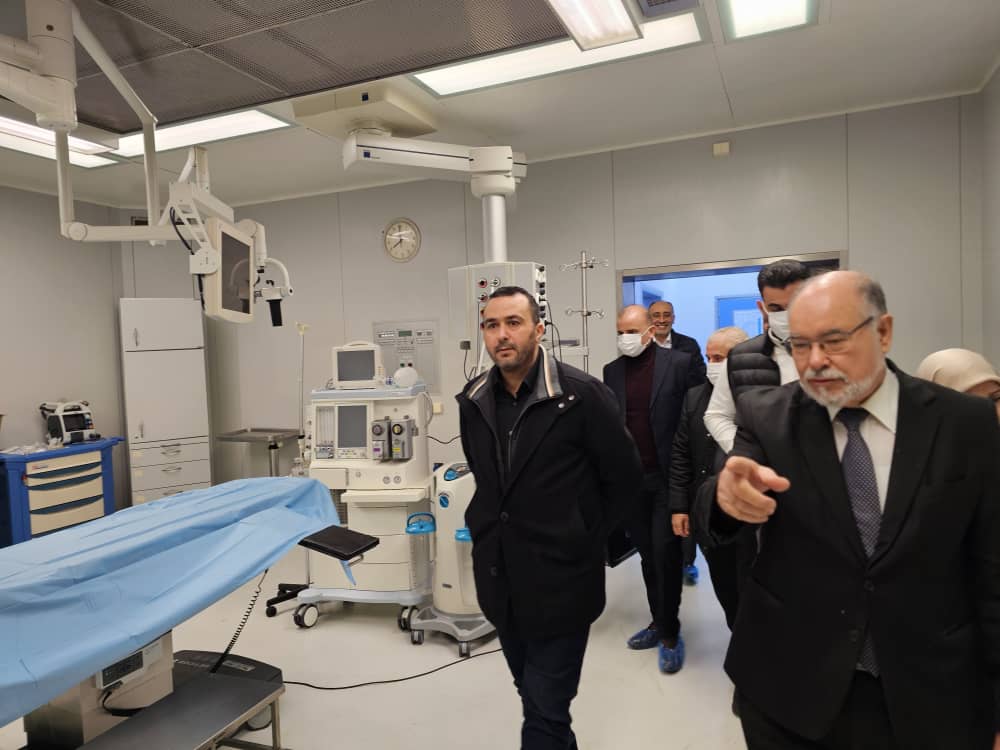
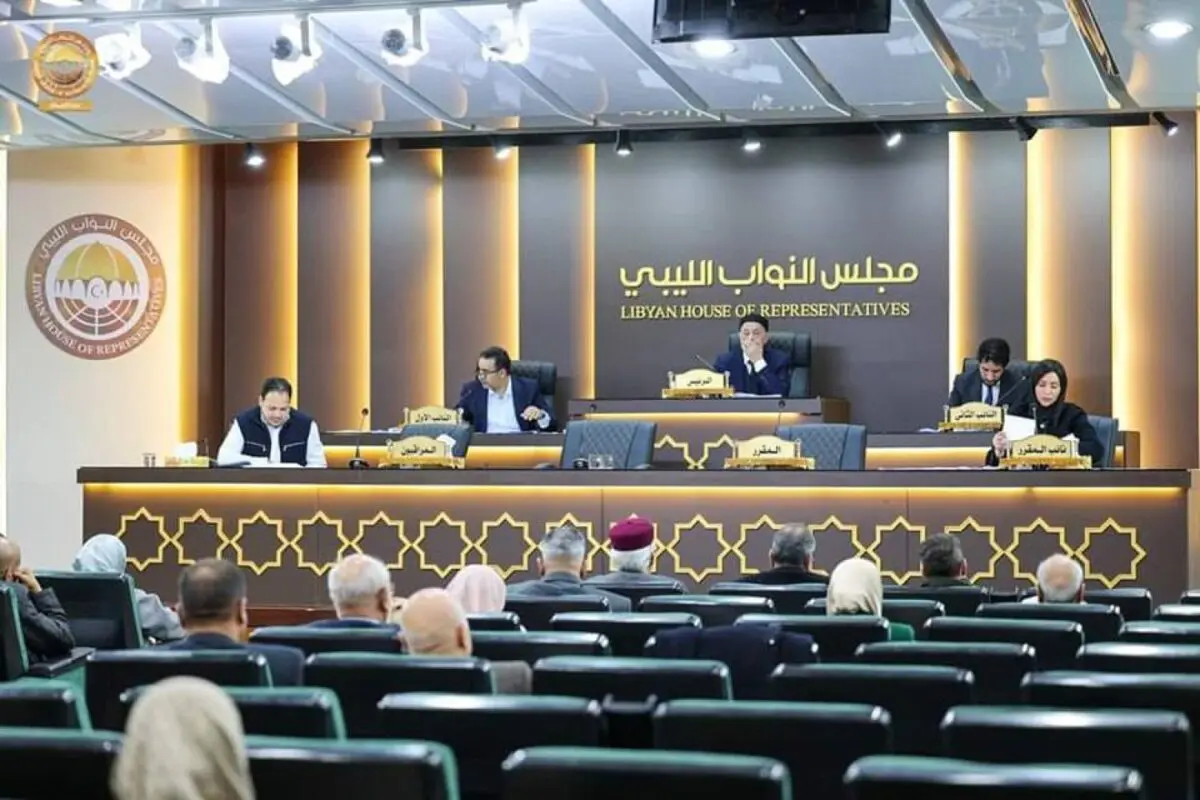
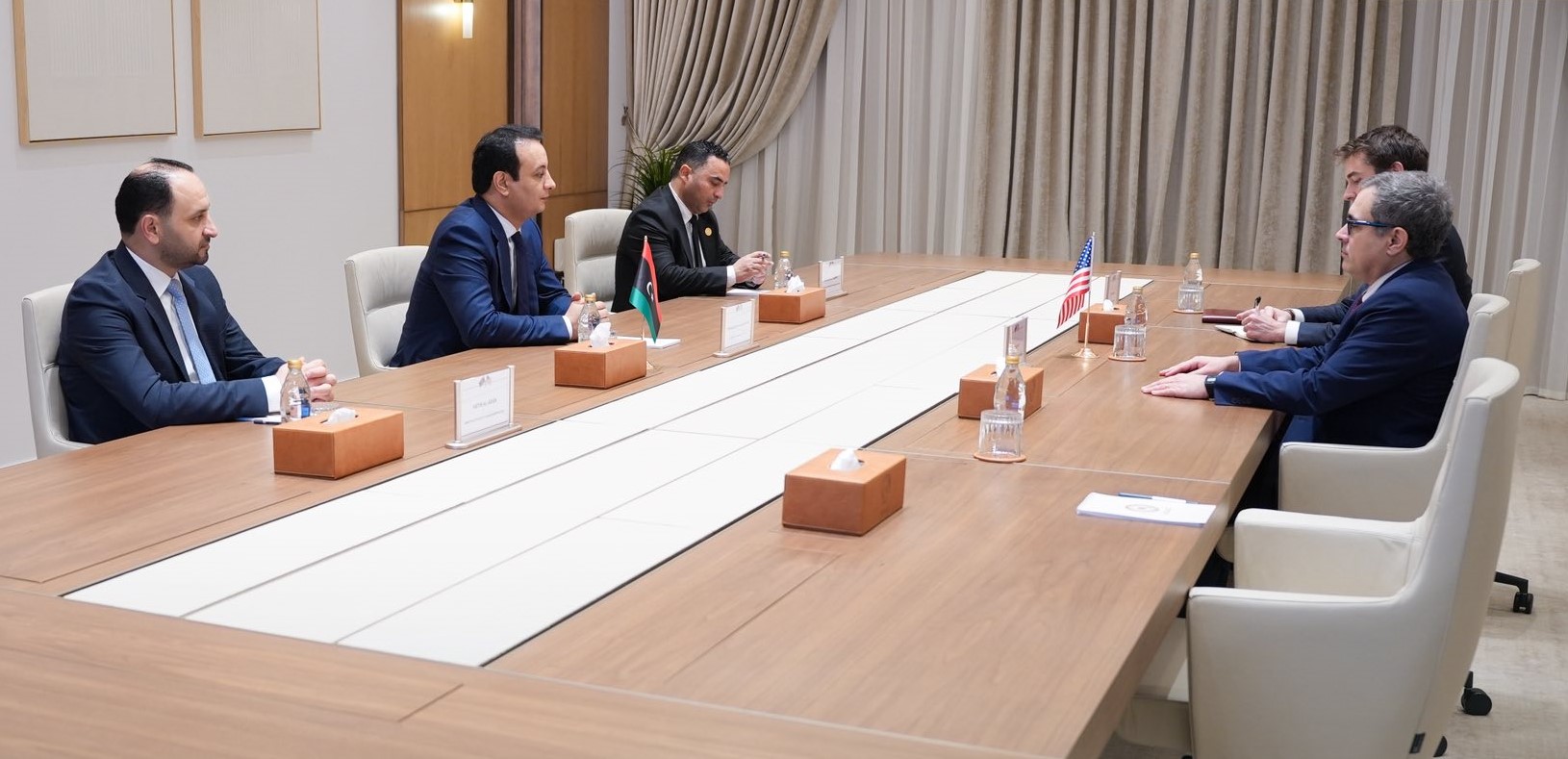
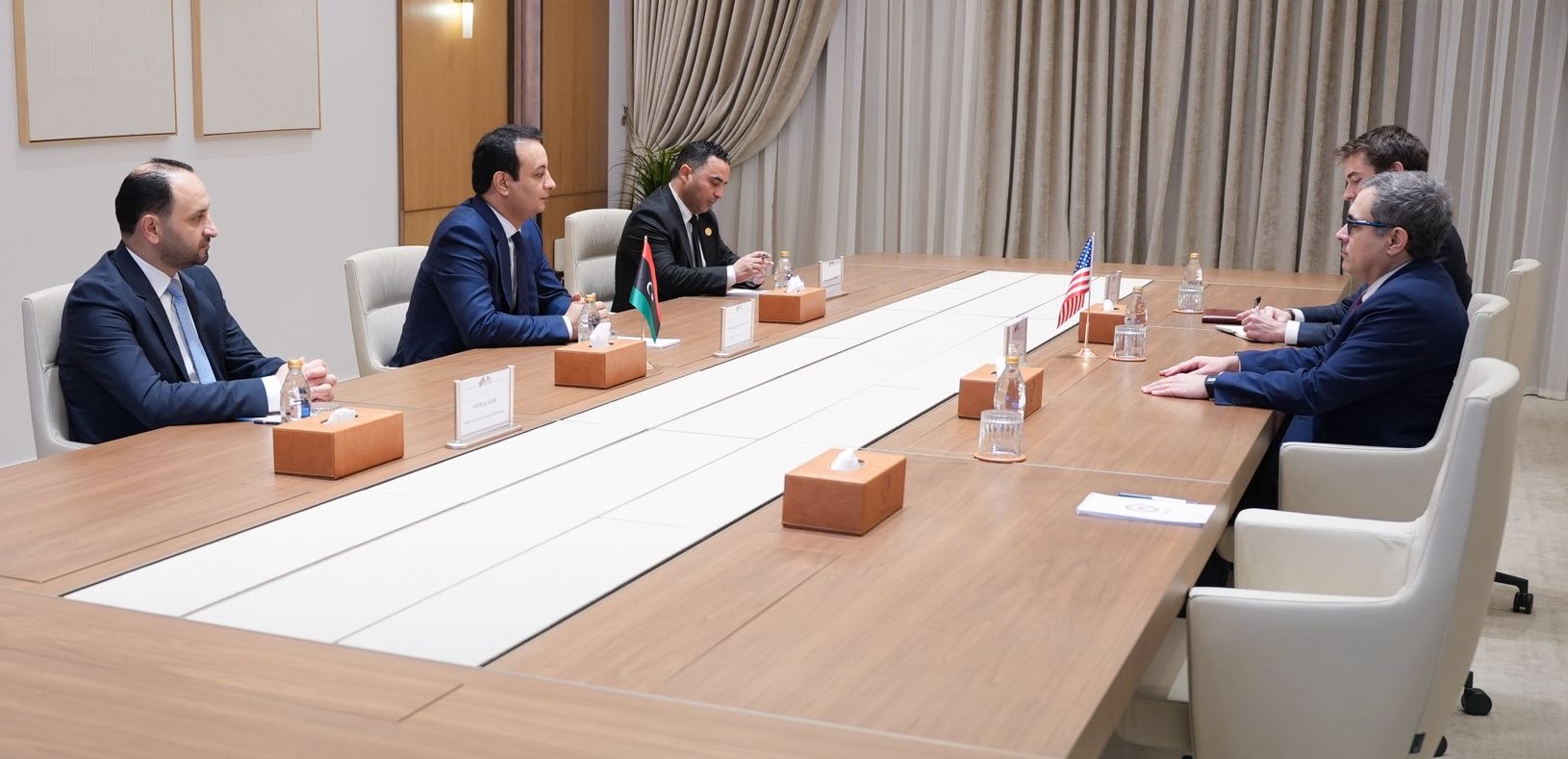
The meeting was attended by senior economic and government officials.
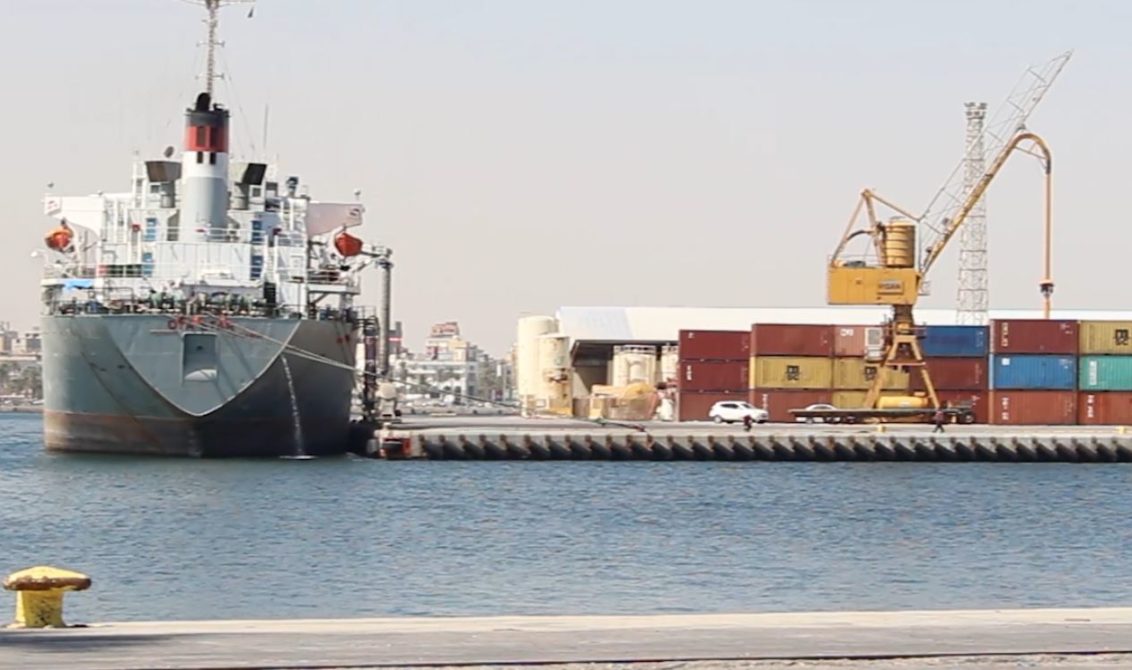
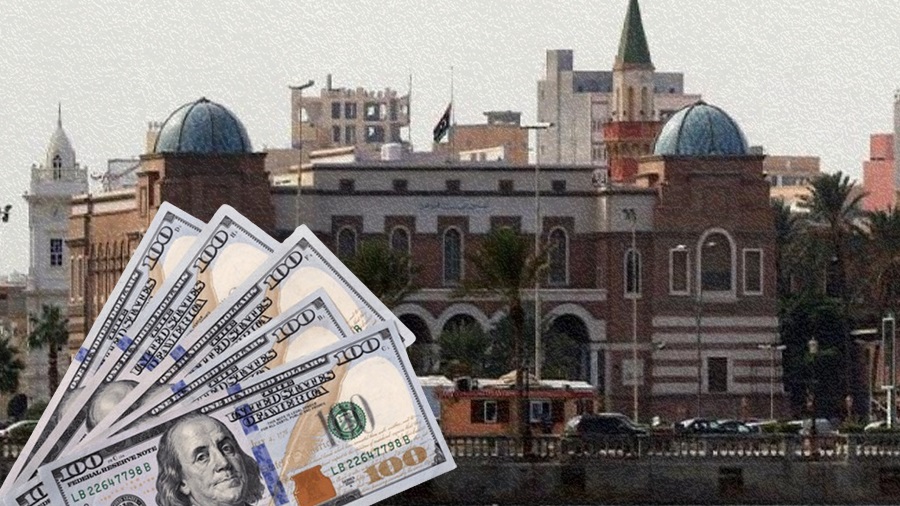
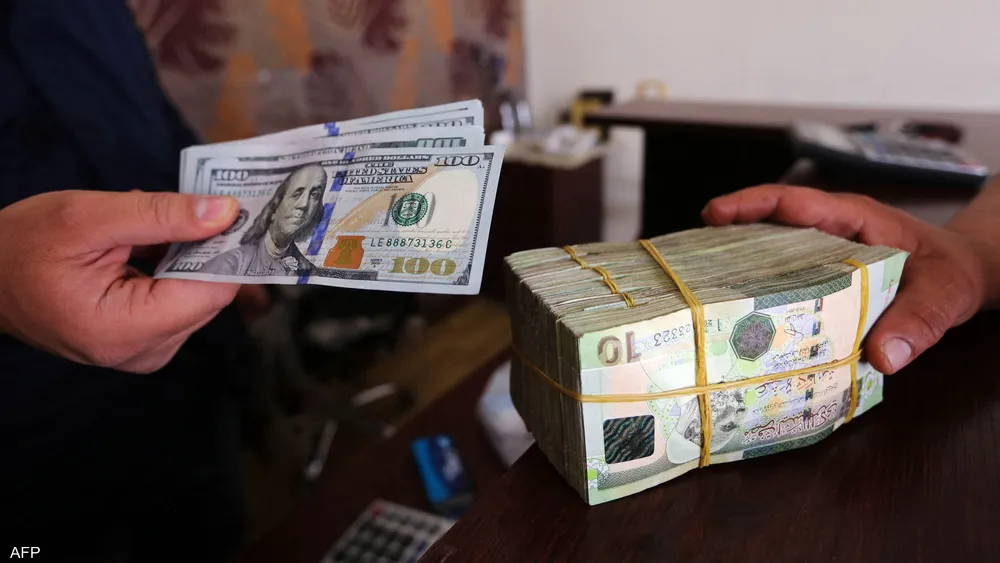
Participants discussed the role of letters of credit for importing essential goods and their impact on availability and price stability, as well as challenges in supply chains and distribution, and ways to address them to maintain balance in the local market.
Prime Minister Abdulhamid Dbeibah
Prime Minister Abdulhamid Dbeibah is a Libyan politician who assumed the role of Prime Minister of the Government of National Unity (GNU) in March 2021, following a UN-led peace process. His interim government was tasked with unifying the country’s divided institutions and leading Libya to national elections, though political deadlock has since prolonged its mandate.
government
The term “government” refers to the system or group of people governing an organized community, often a state. Its history spans from ancient forms like monarchies and councils to modern democratic, authoritarian, and other systems that structure political authority and public administration.
markets
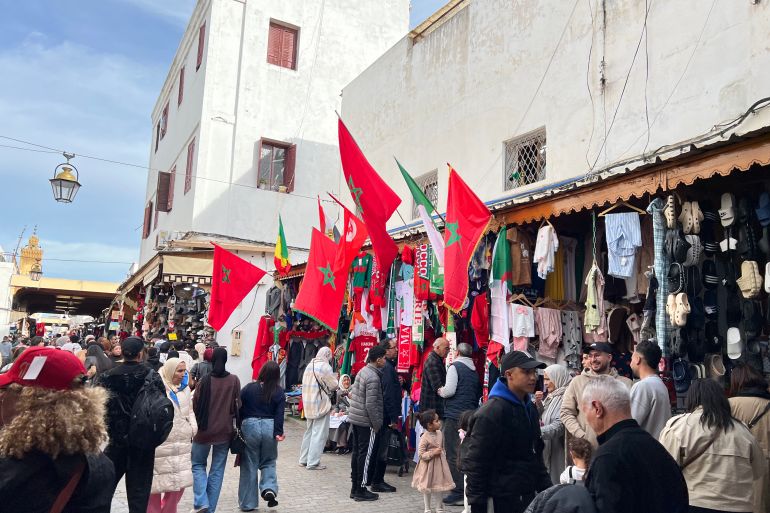
Markets have existed since ancient times as central hubs for trade, social interaction, and cultural exchange, evolving from simple bazaars and agoras to complex modern retail spaces. They are historically significant for facilitating the distribution of goods, shaping local economies, and serving as the heart of community life in towns and cities worldwide. Today, they range from traditional open-air stalls to specialized commercial centers, continuing to reflect the character and needs of their surrounding cultures.
ministries
The term “ministries” most commonly refers to government departments responsible for specific areas of administration, such as finance, defense, or health. Their history is tied to the development of the modern state, evolving from the personal advisors of monarchs into formalized bureaucratic institutions, particularly from the 18th century onward. Today, they are fundamental units of executive governance in nations worldwide.
agencies
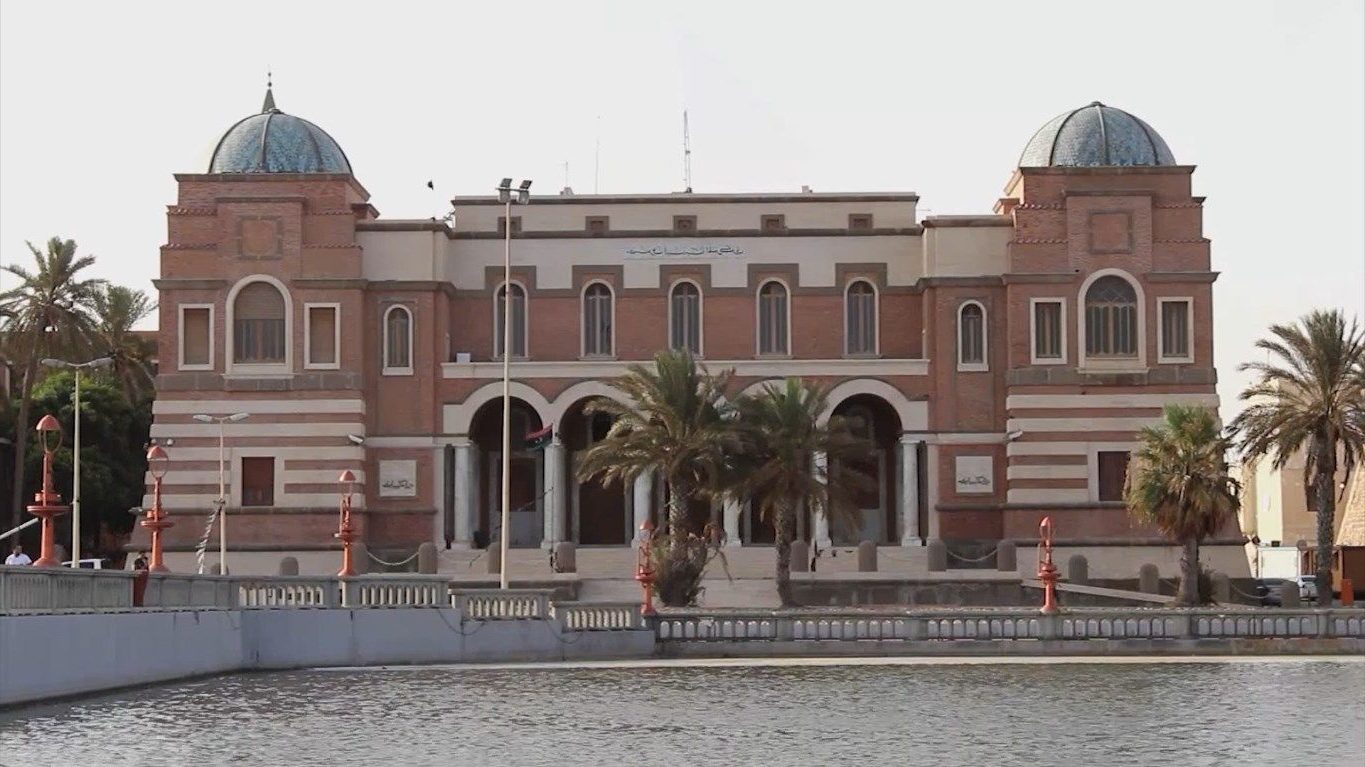
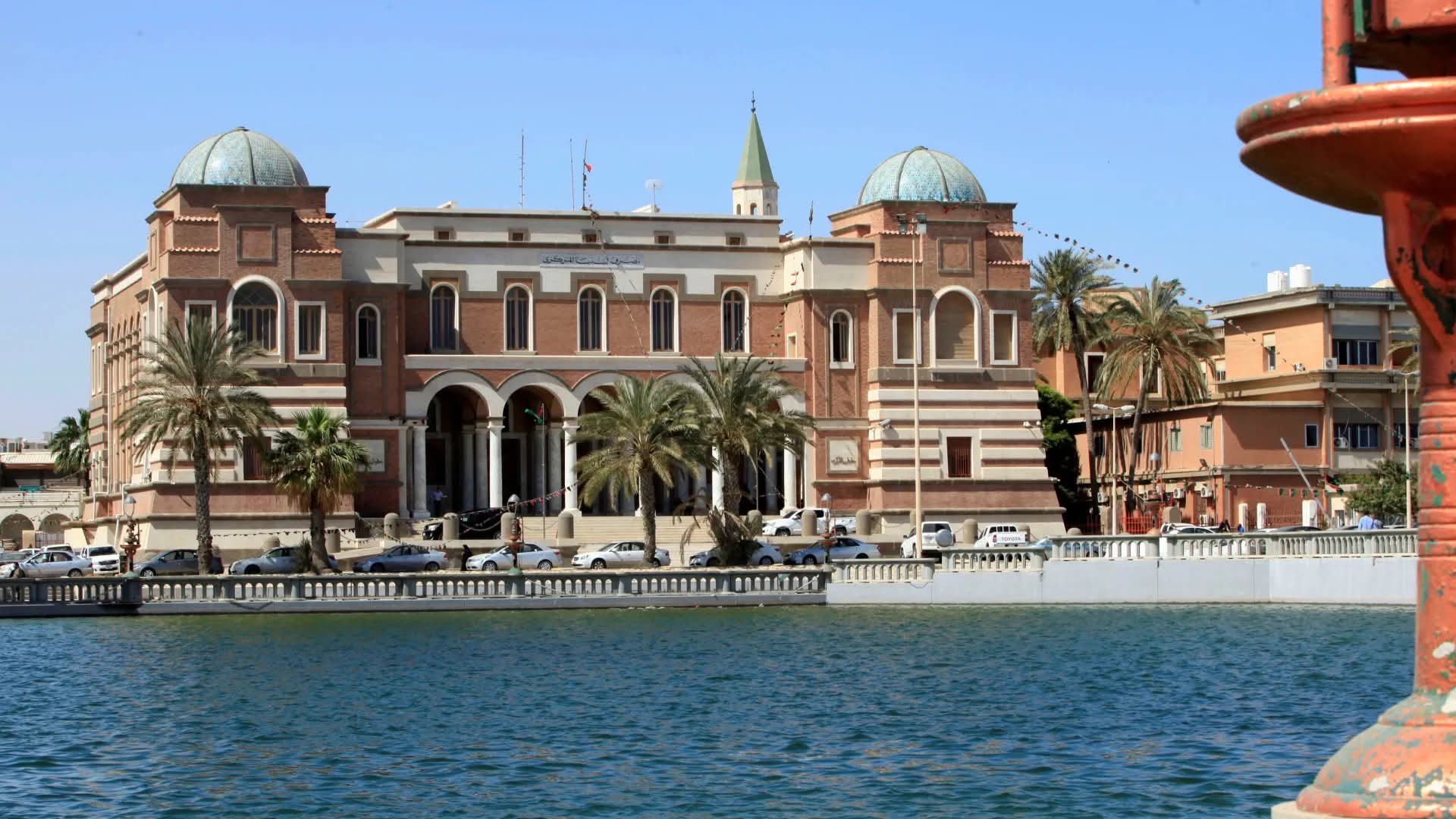
Agencies, in the context of cultural or historical sites, often refer to government or administrative buildings. Historically, such buildings have served as centers for public administration and policy-making, reflecting the architectural and governmental styles of their era. For example, many historic agency buildings in capitals worldwide were constructed during periods of national expansion or reform.
retail outlets
Retail outlets are commercial establishments where goods and services are sold directly to consumers. Their history evolved from ancient marketplaces and bazaars to the specialized shops of the Industrial Revolution, culminating in the modern diversity of department stores, shopping malls, and e-commerce platforms.
letters of credit
Letters of credit are financial instruments used primarily in international trade to guarantee payment from a buyer’s bank to a seller. Their history dates back centuries, with early forms used by medieval European merchants and bankers to facilitate safer trade over long distances. They became standardized in the 20th century, greatly reducing risk and enabling the expansion of global commerce.
local market
A local market is a traditional public space where vendors sell goods like food, crafts, and household items, often operating daily or on specific market days. Historically, such markets have served as vital hubs for community interaction, trade, and local economy, sometimes for centuries, evolving from simple open-air gatherings to more structured venues. They reflect the region’s culture and provide access to fresh, local products.