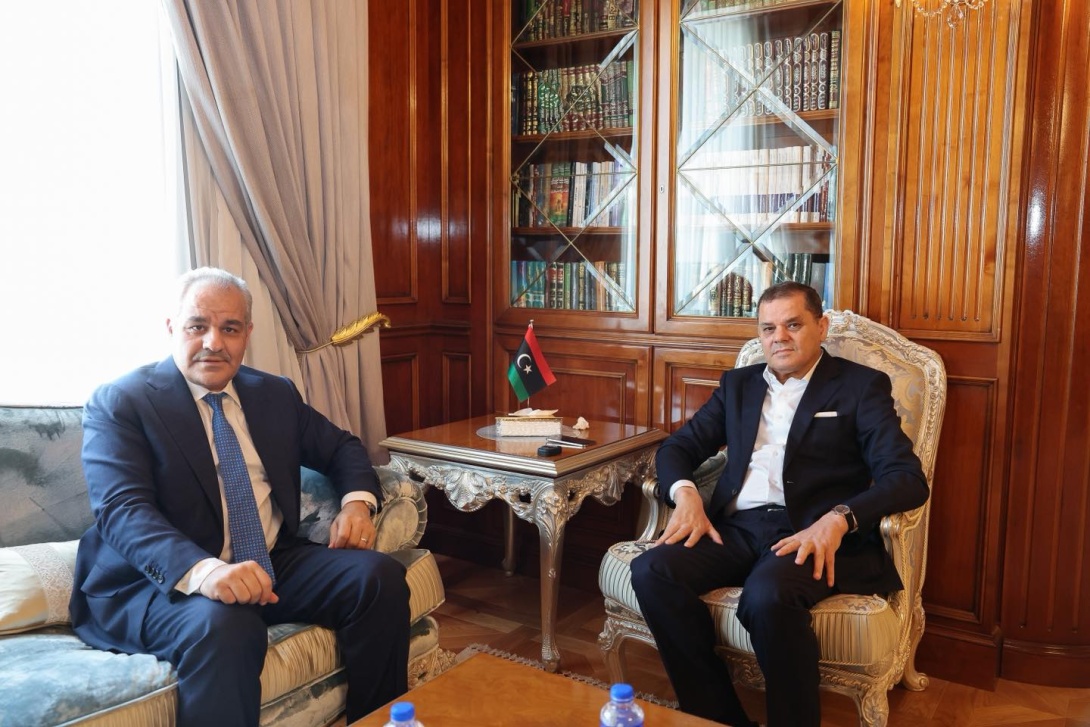
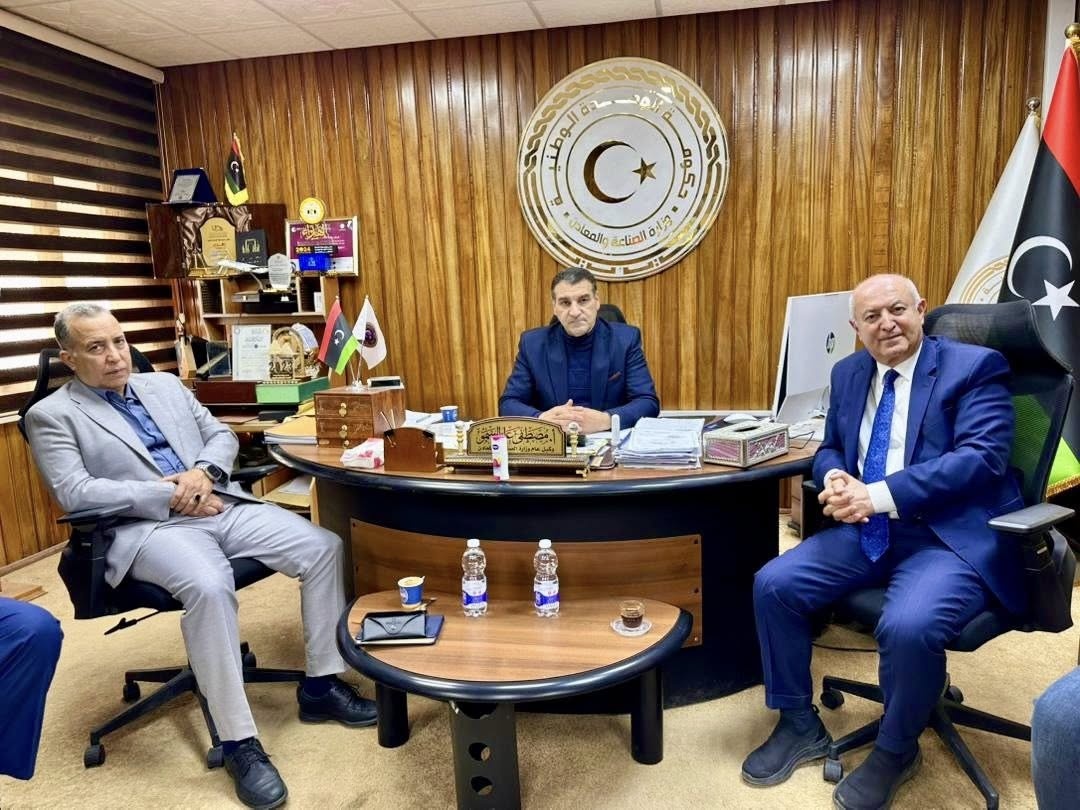
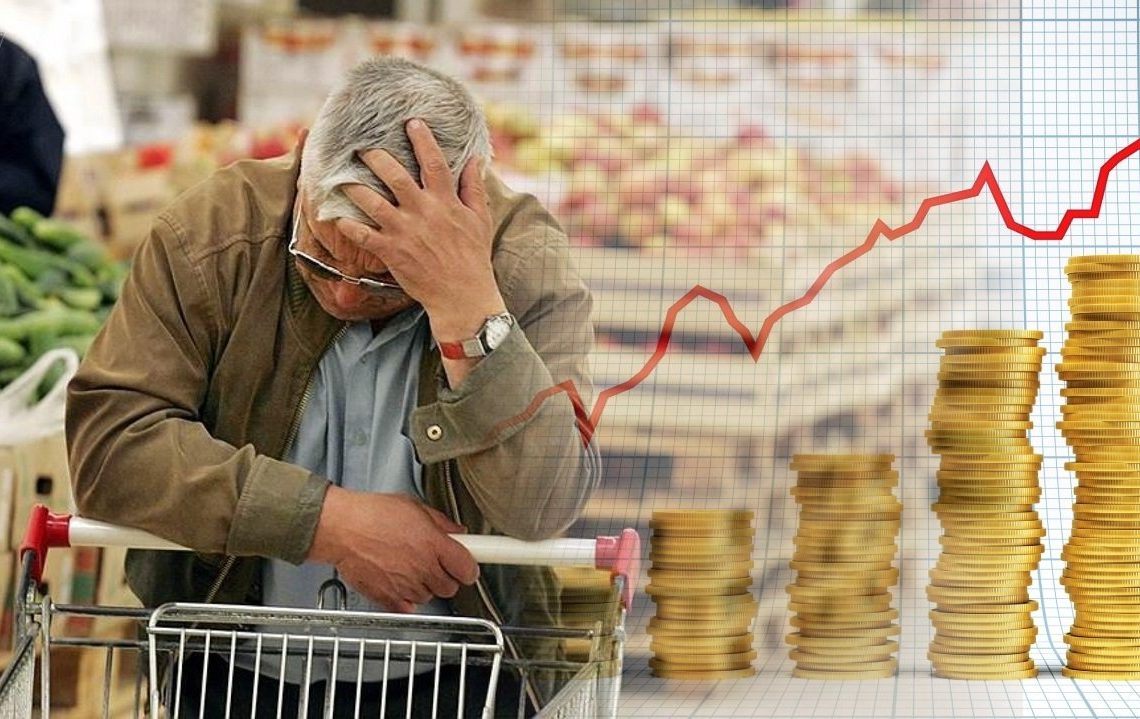
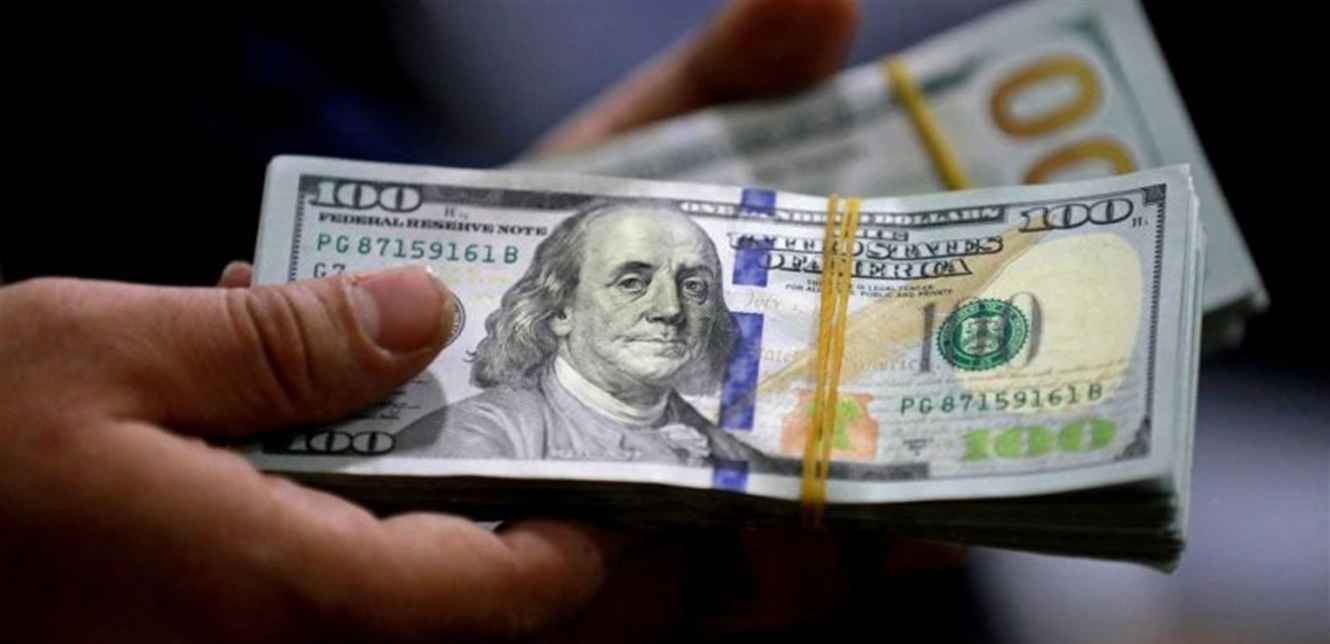
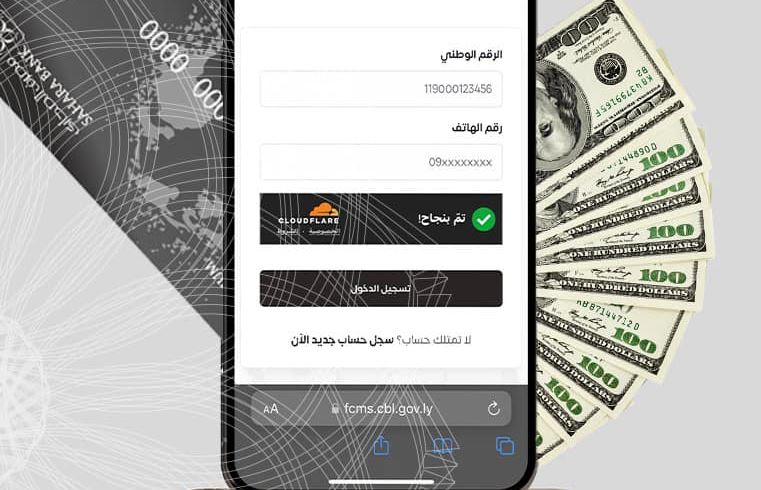
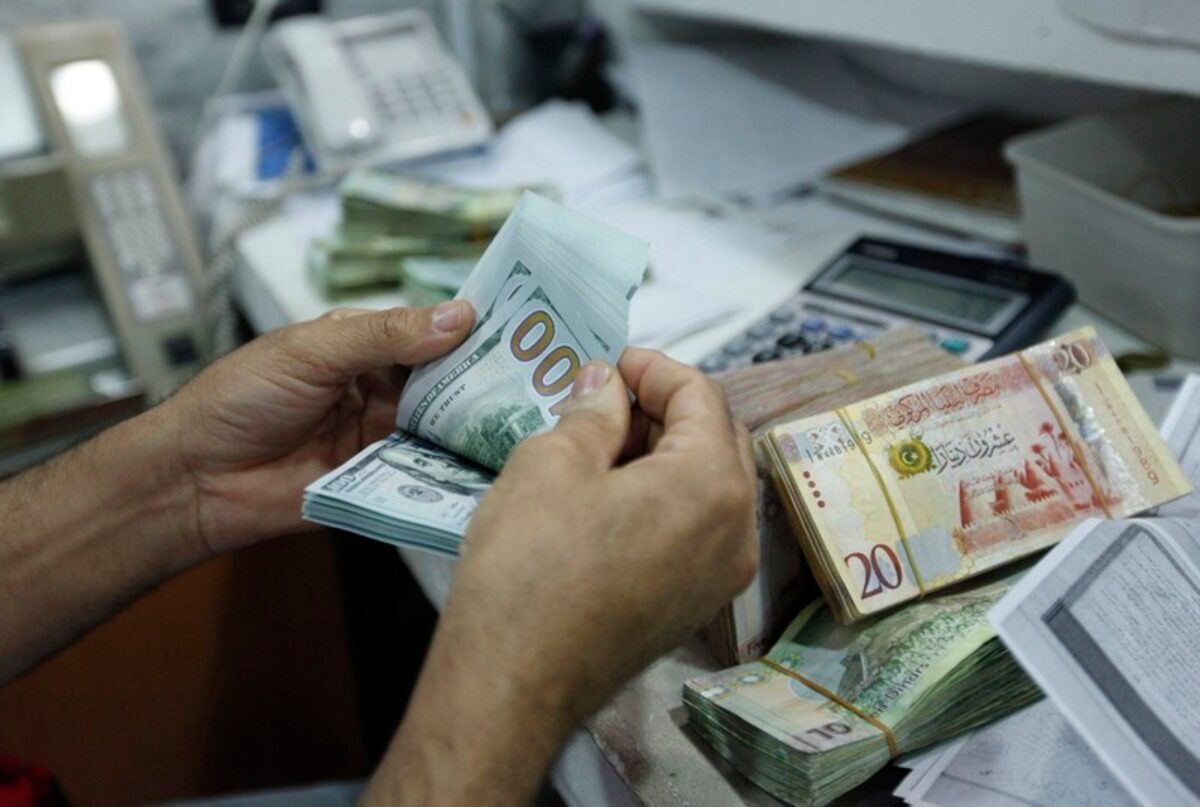
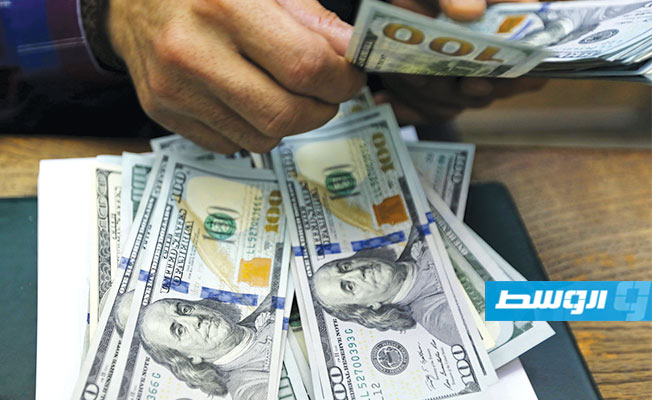
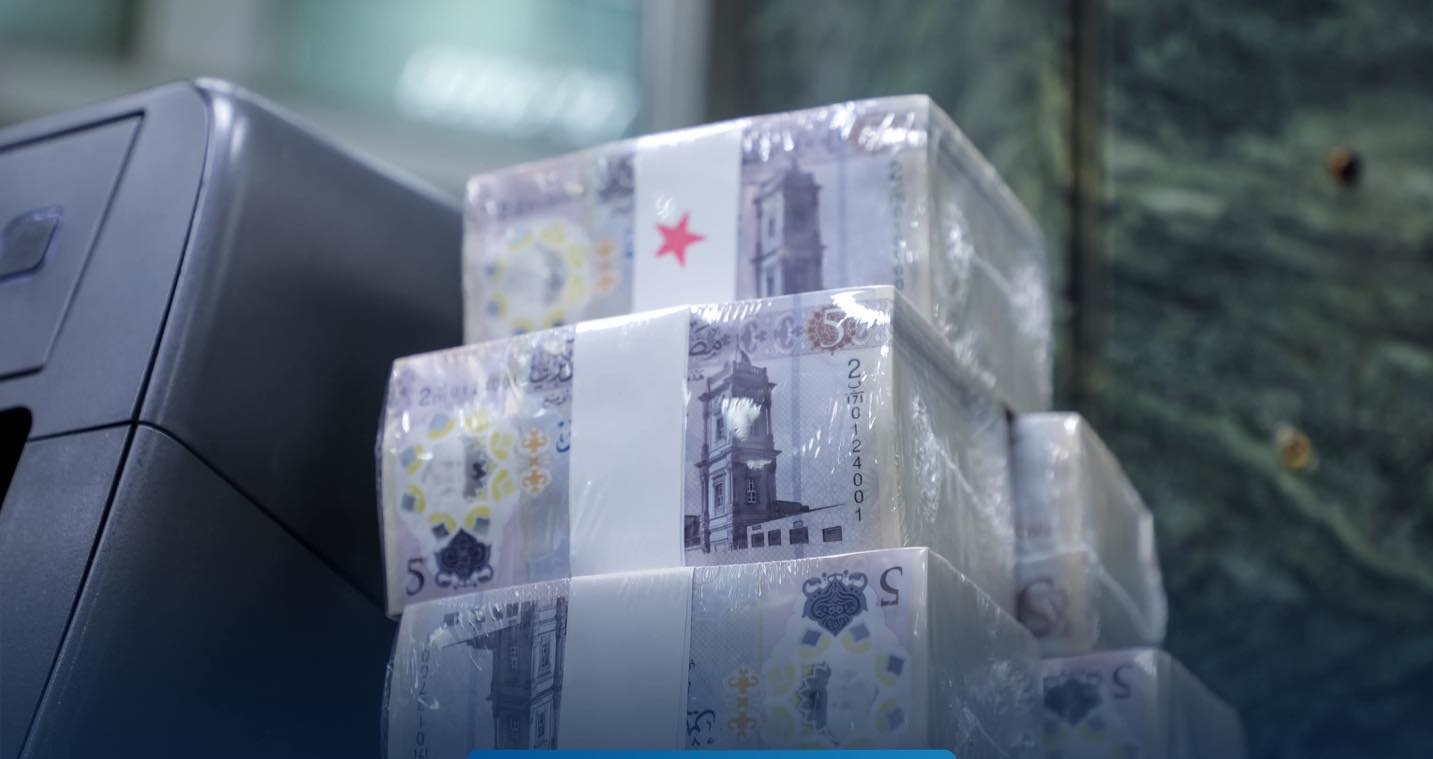
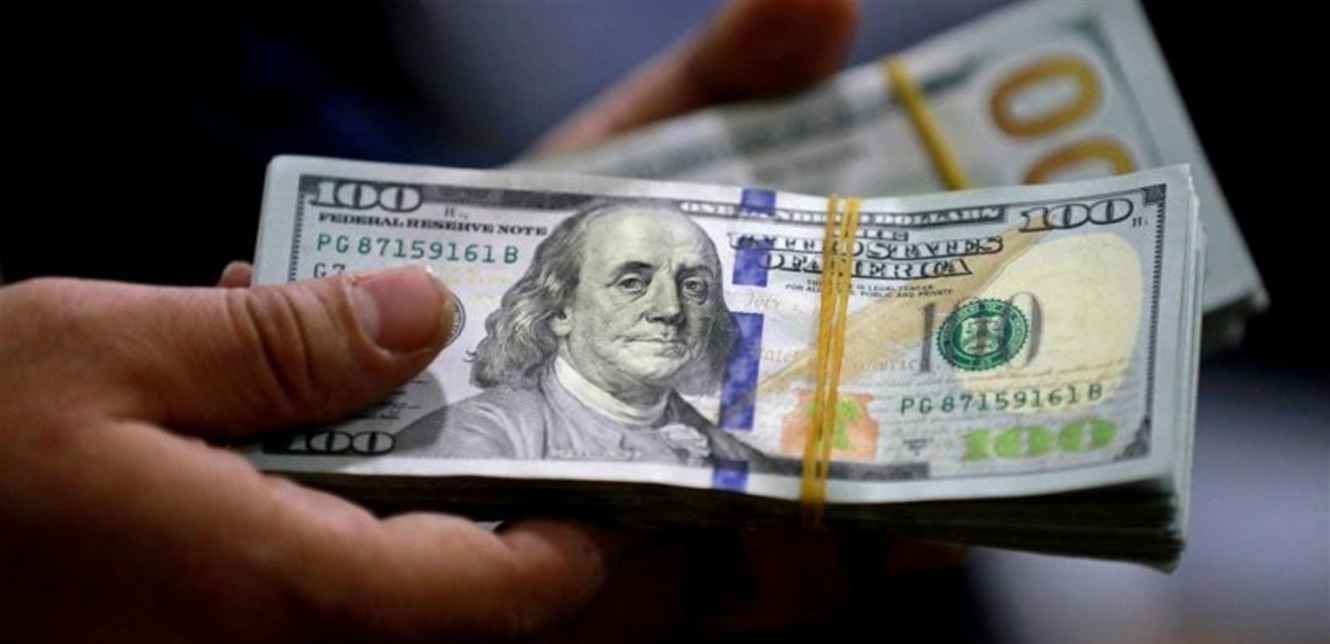
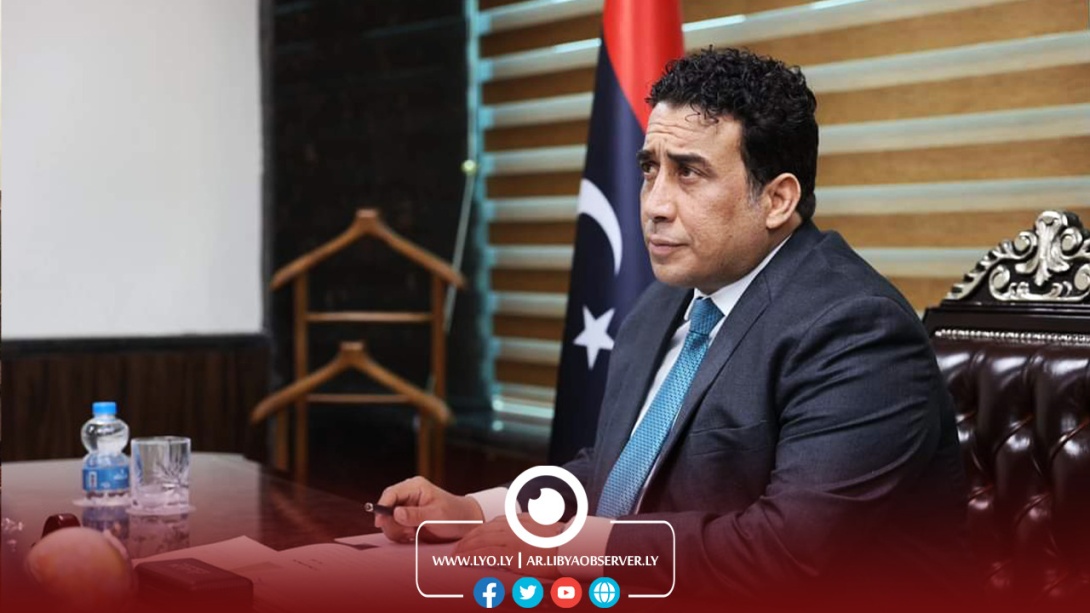
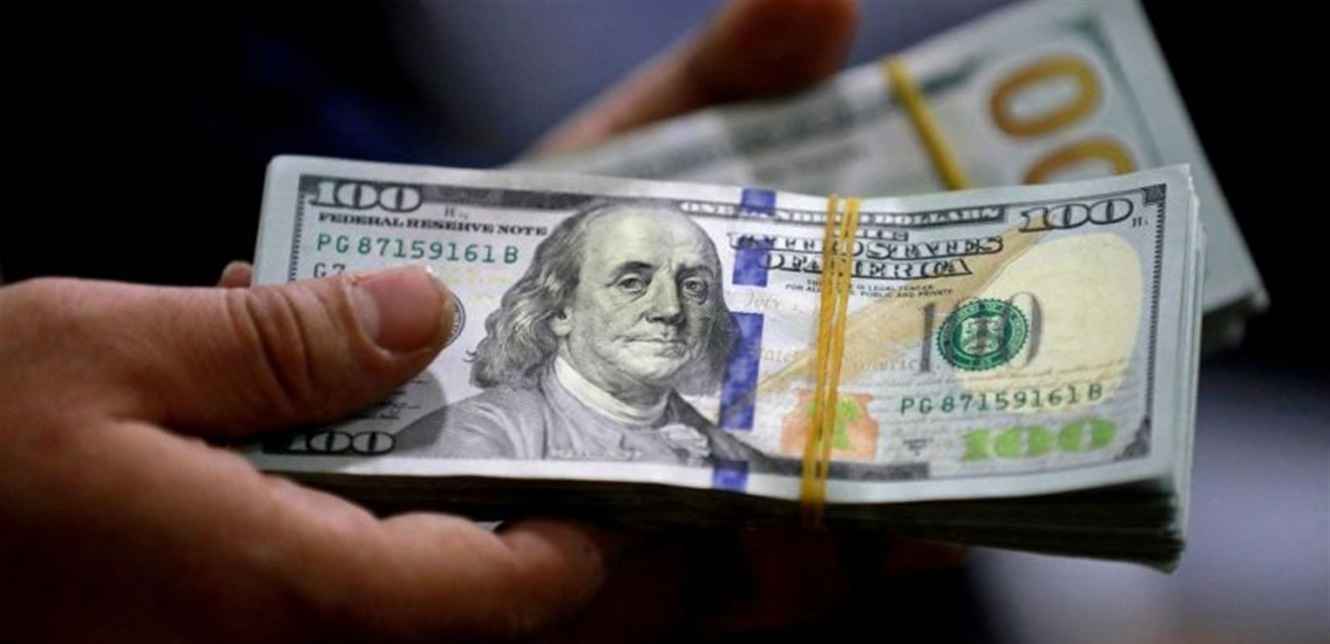
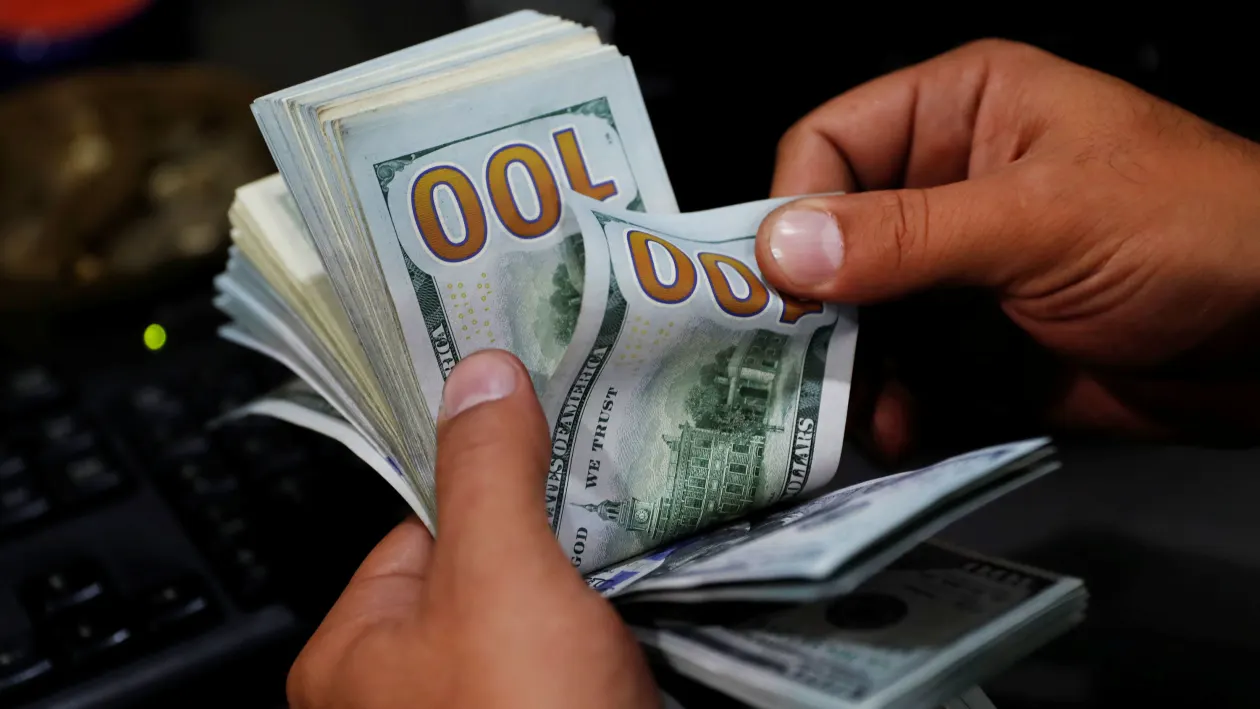
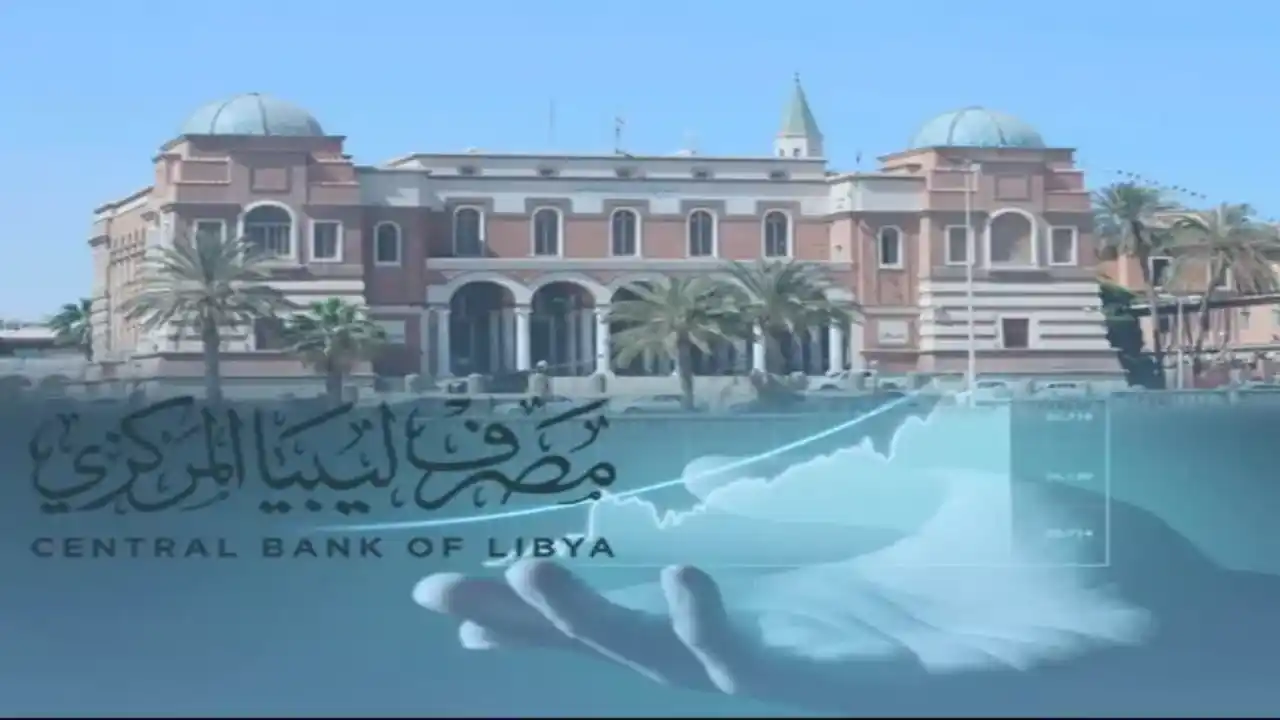
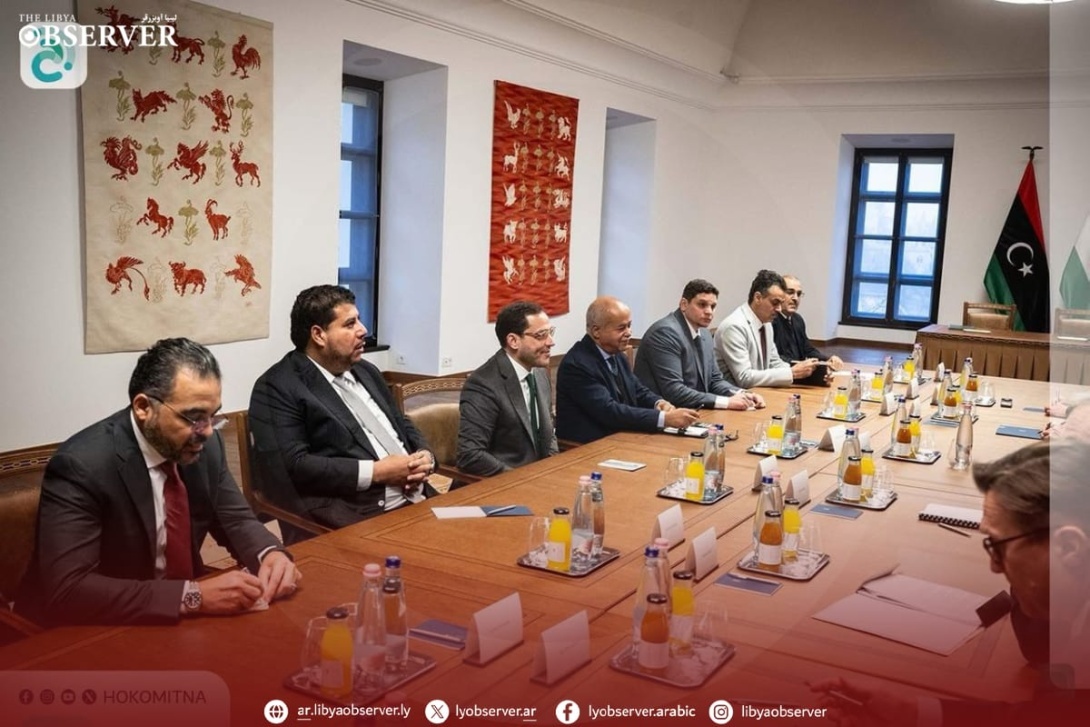
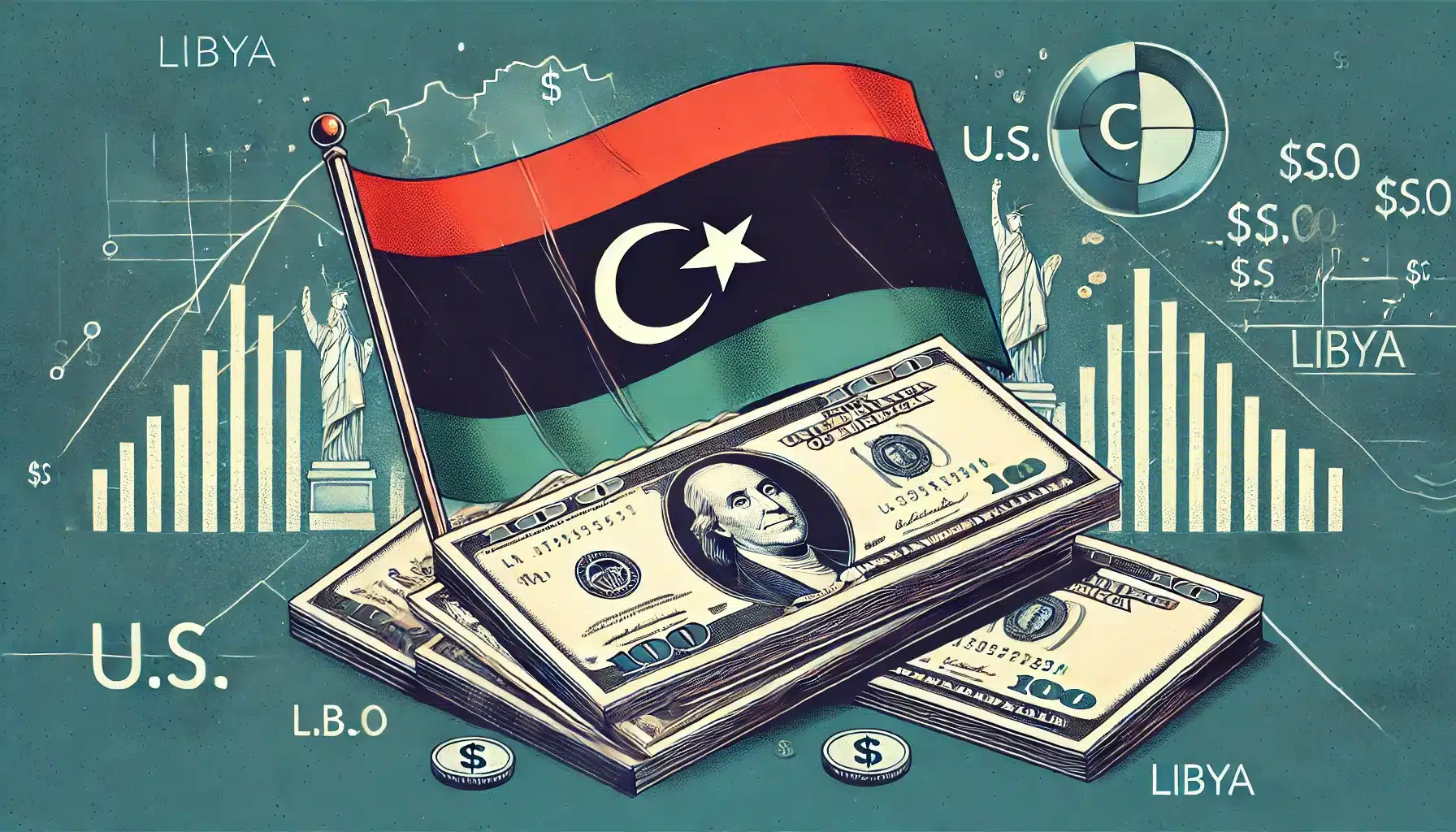
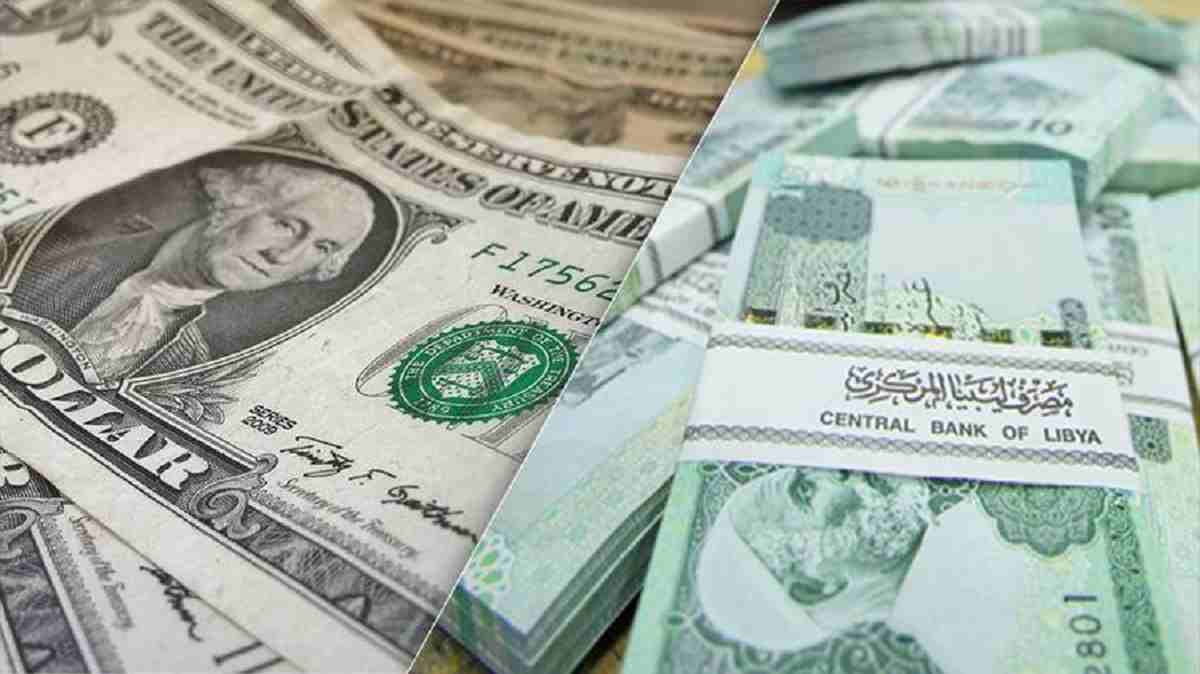
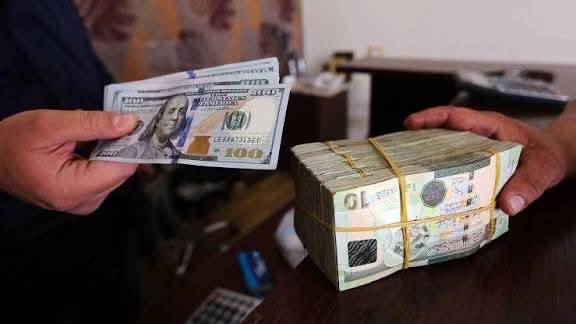
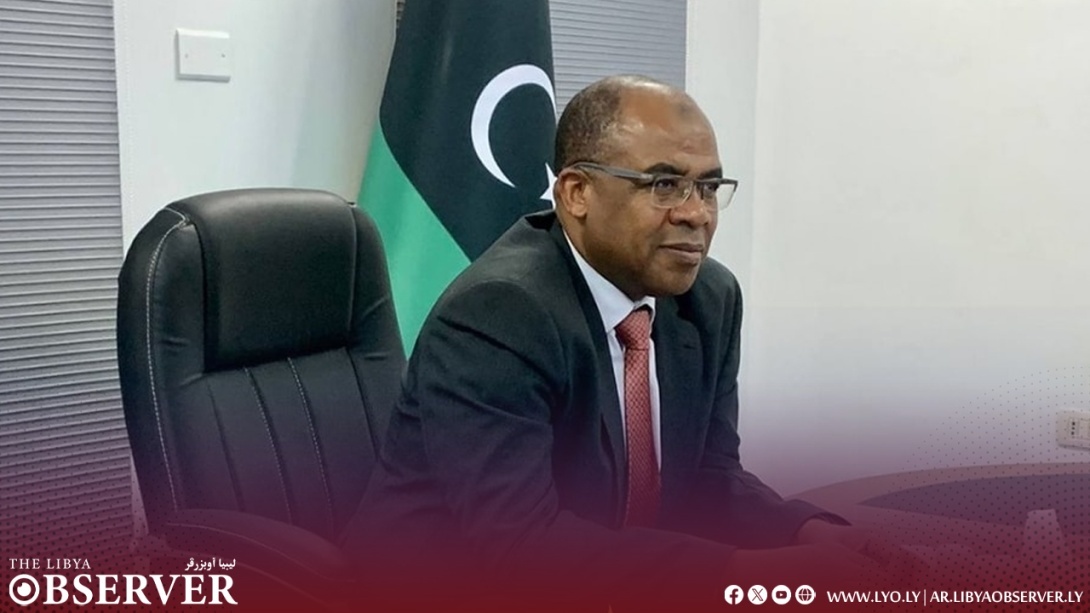
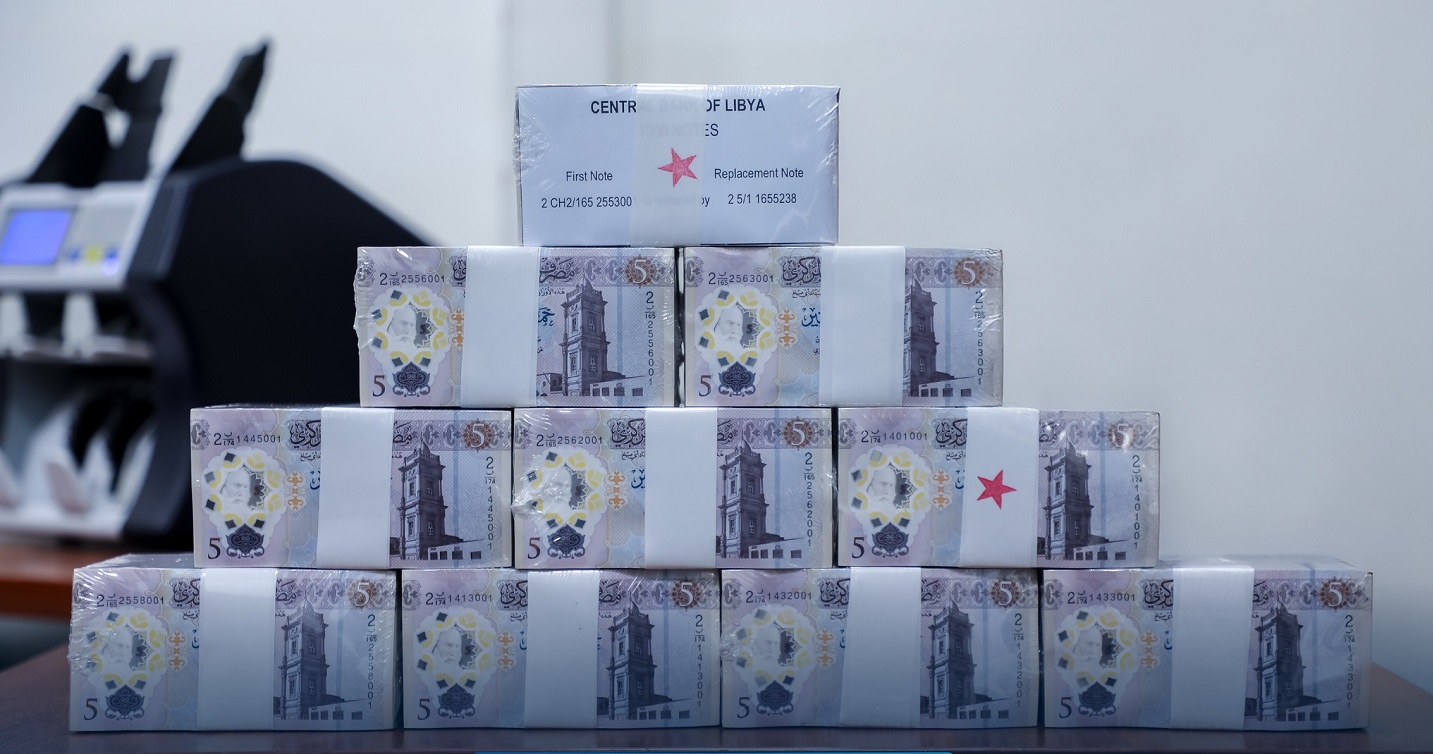
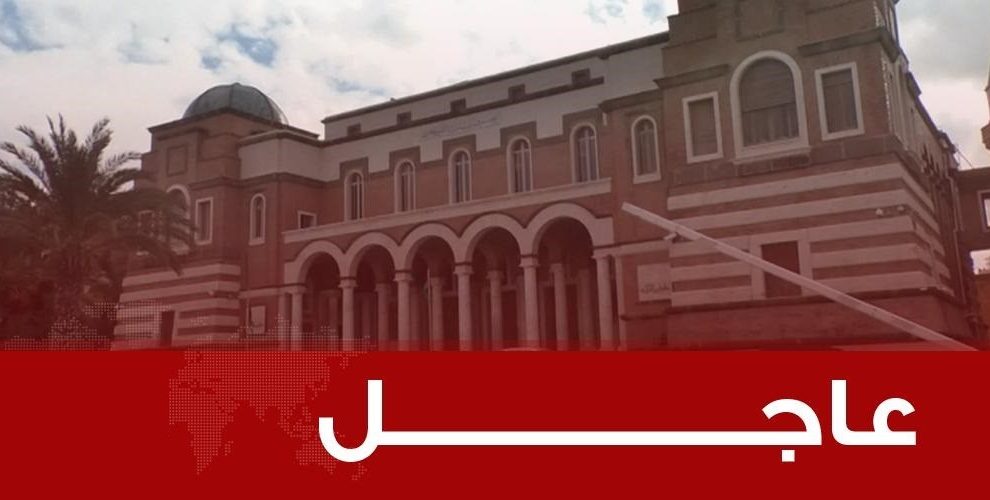
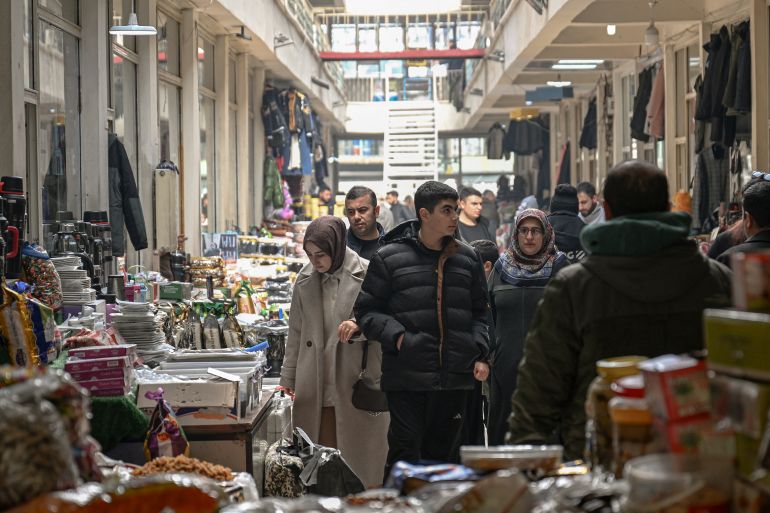
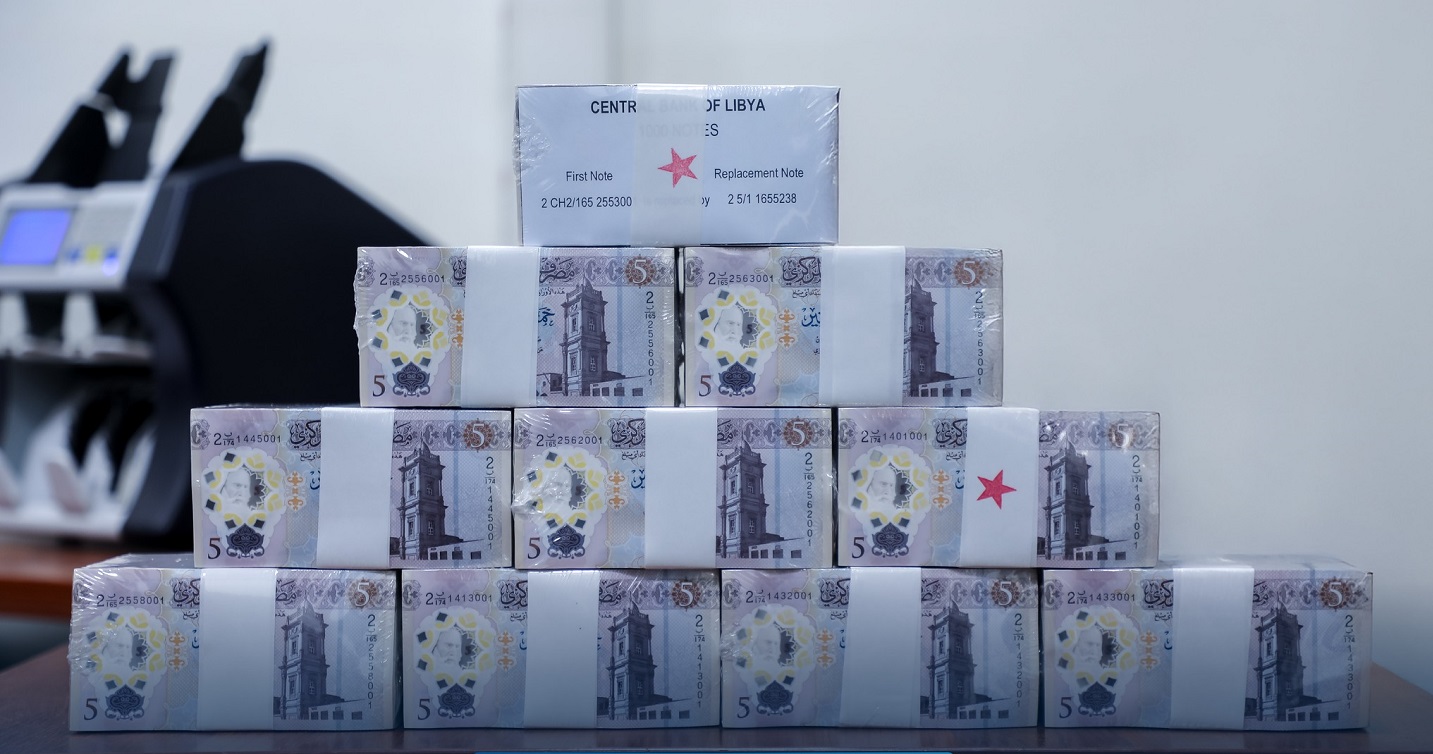
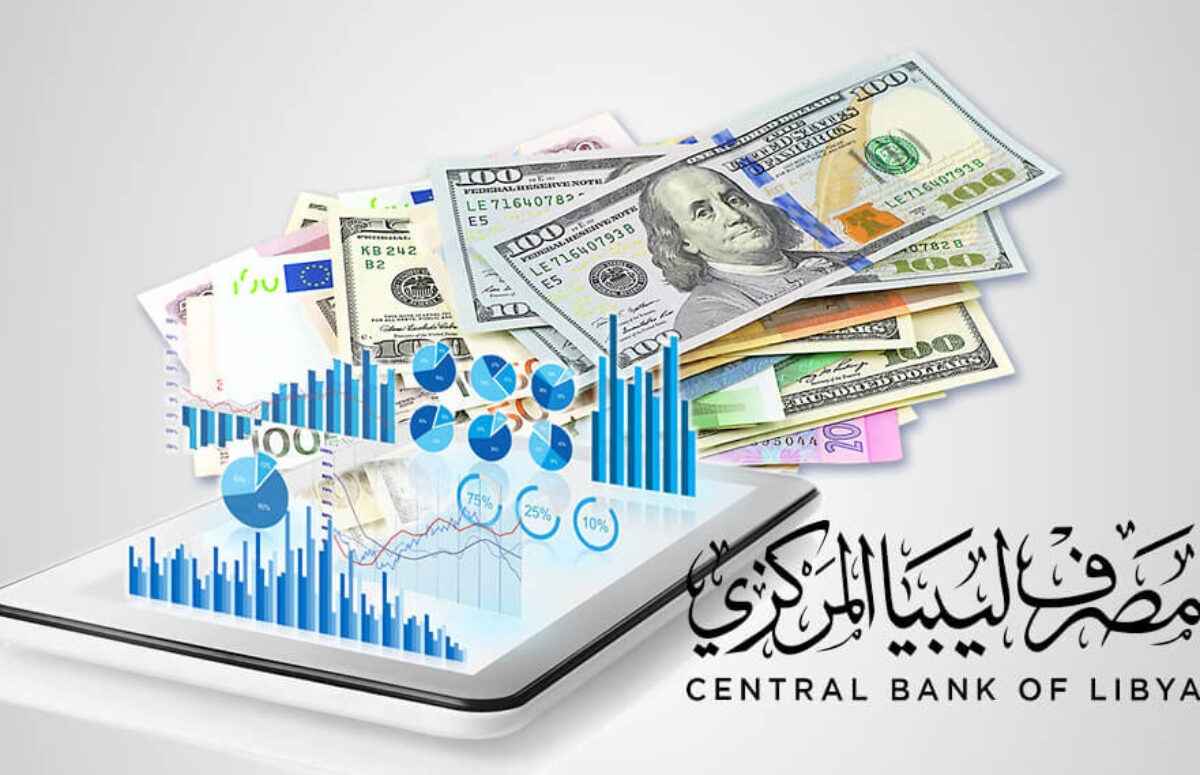
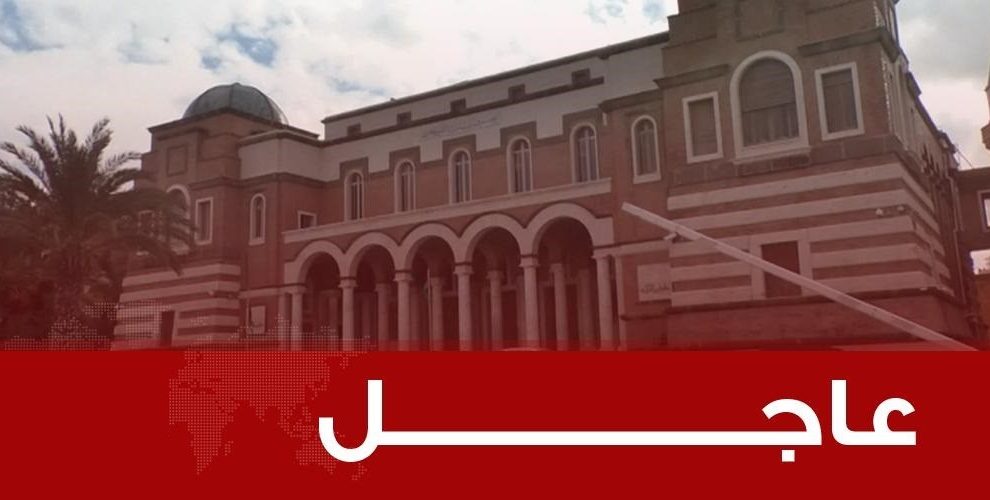
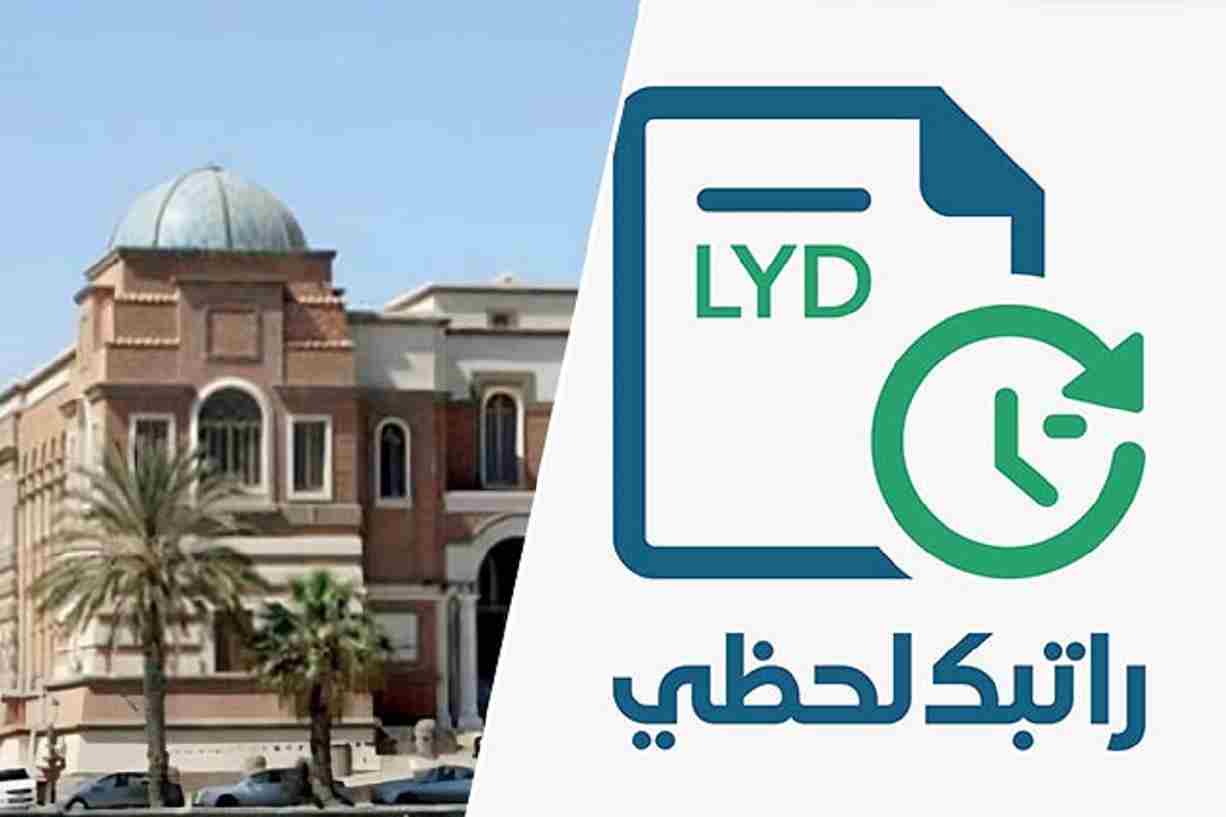
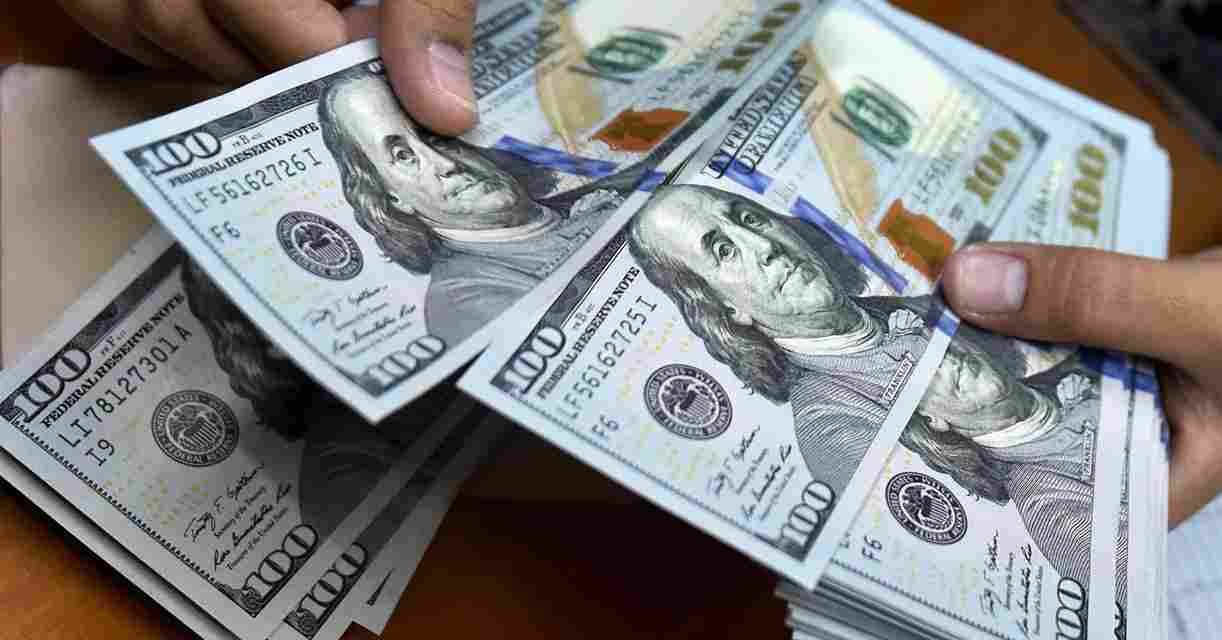
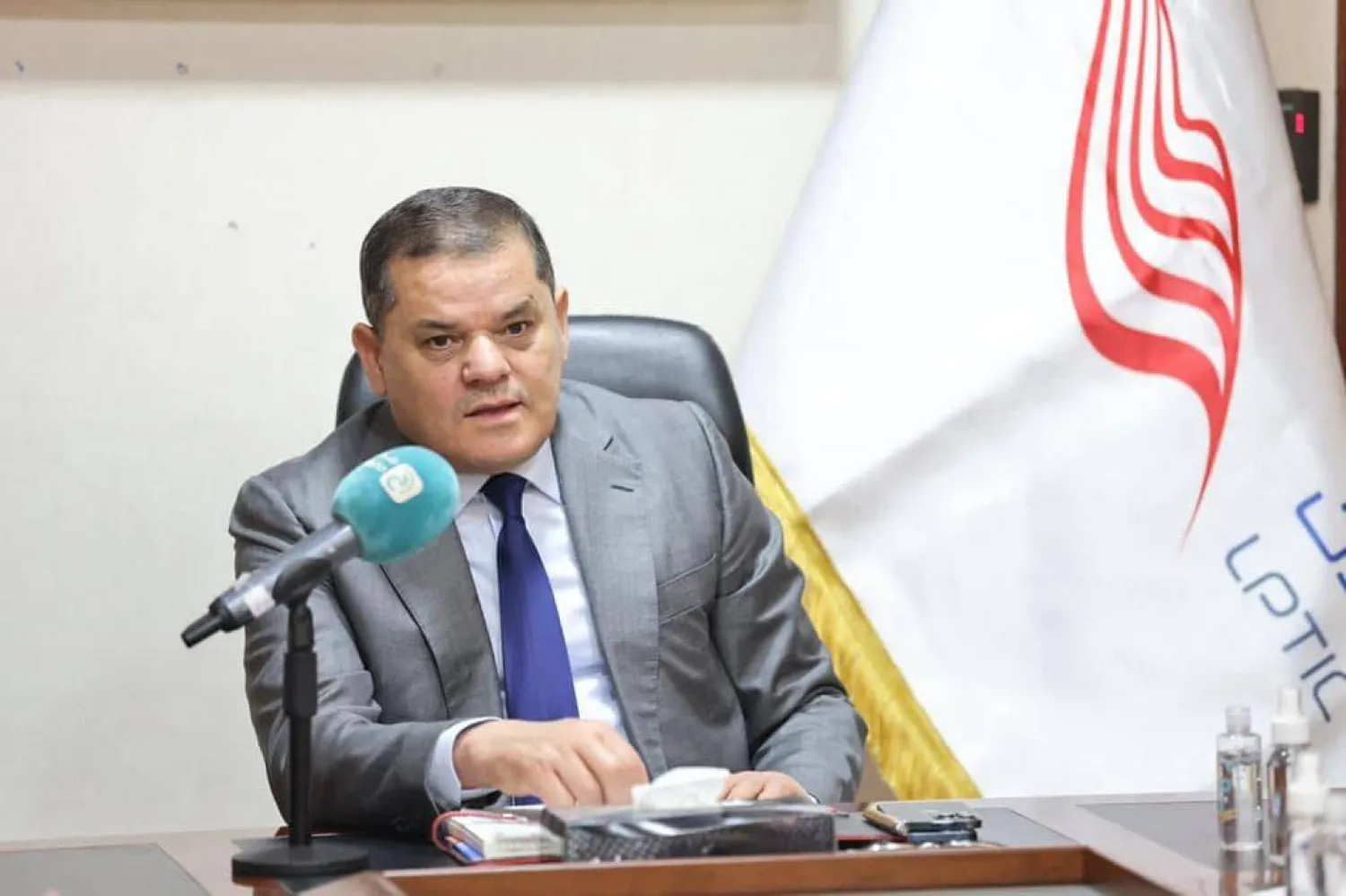
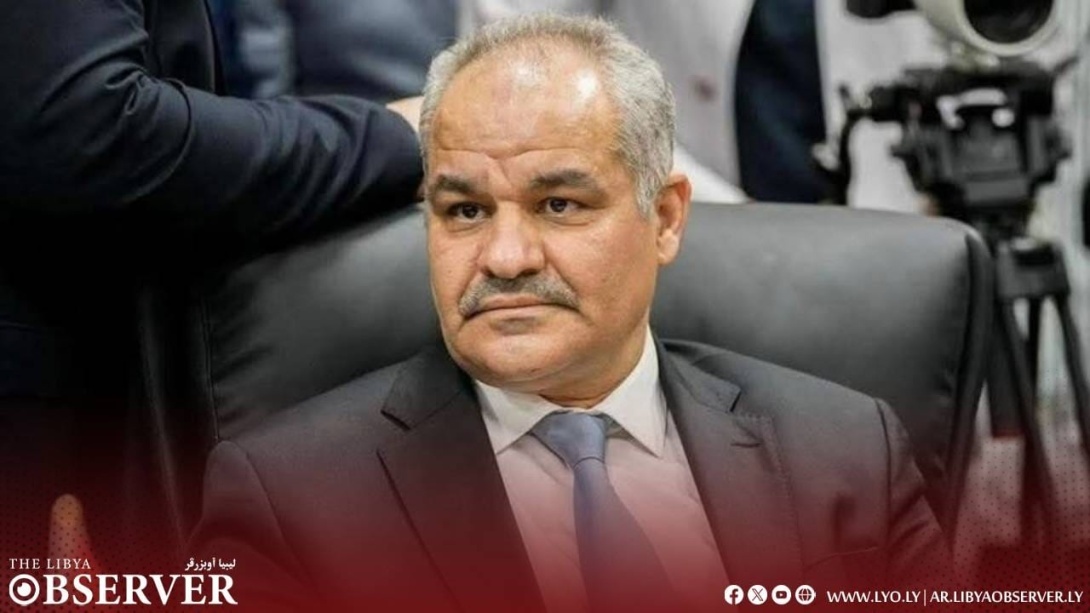
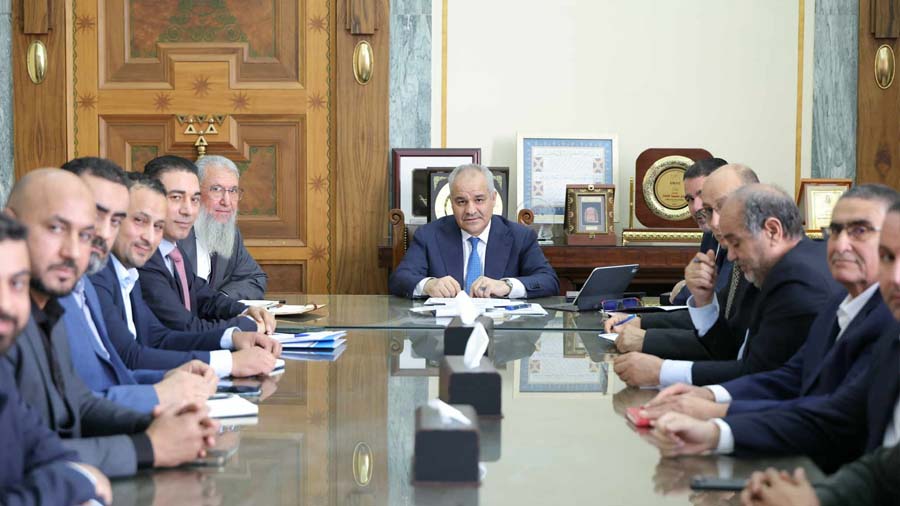
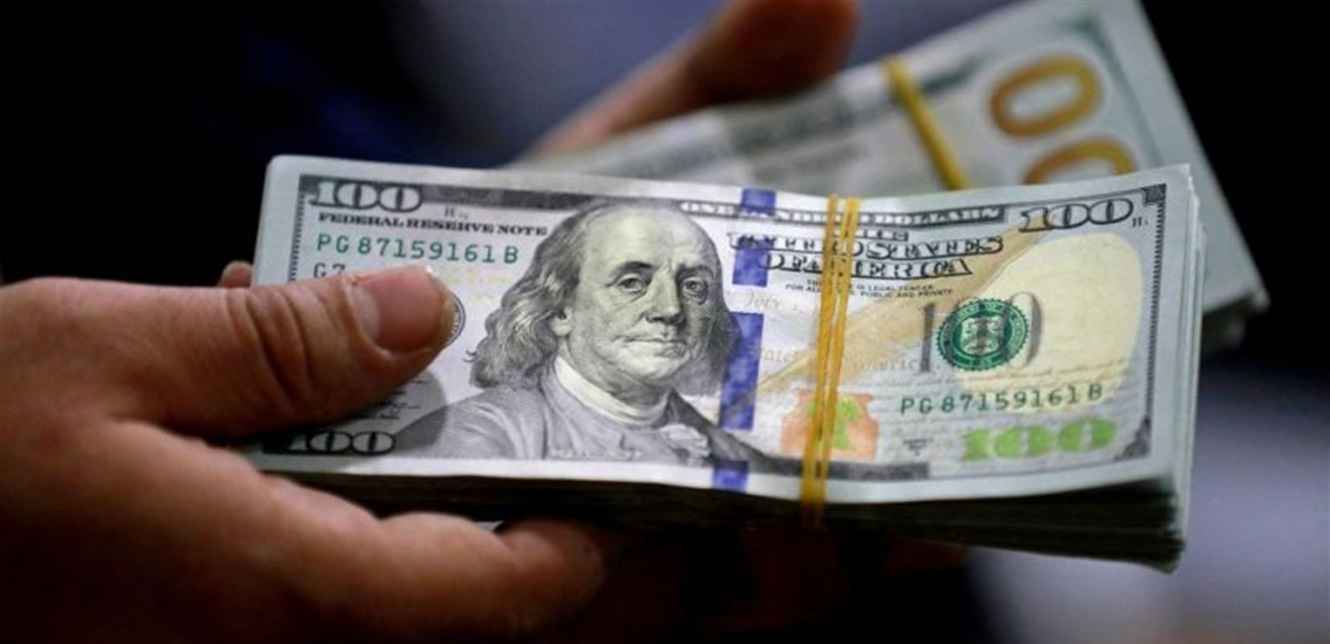
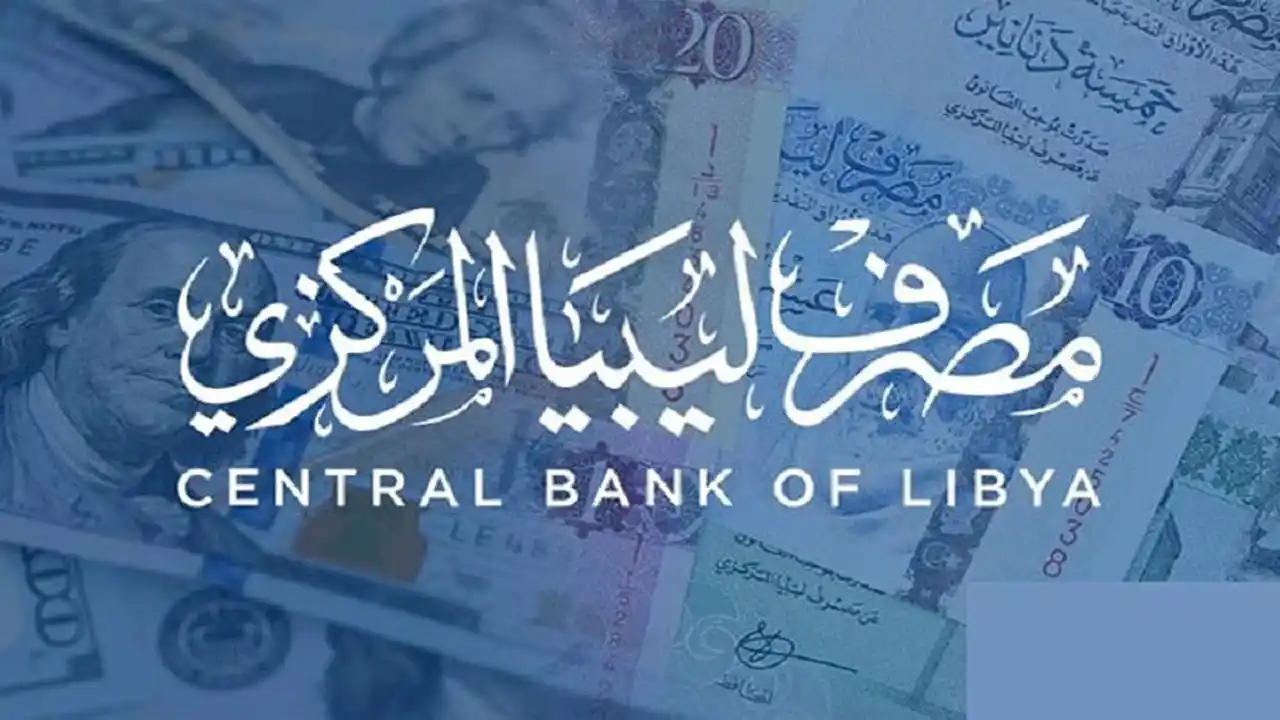
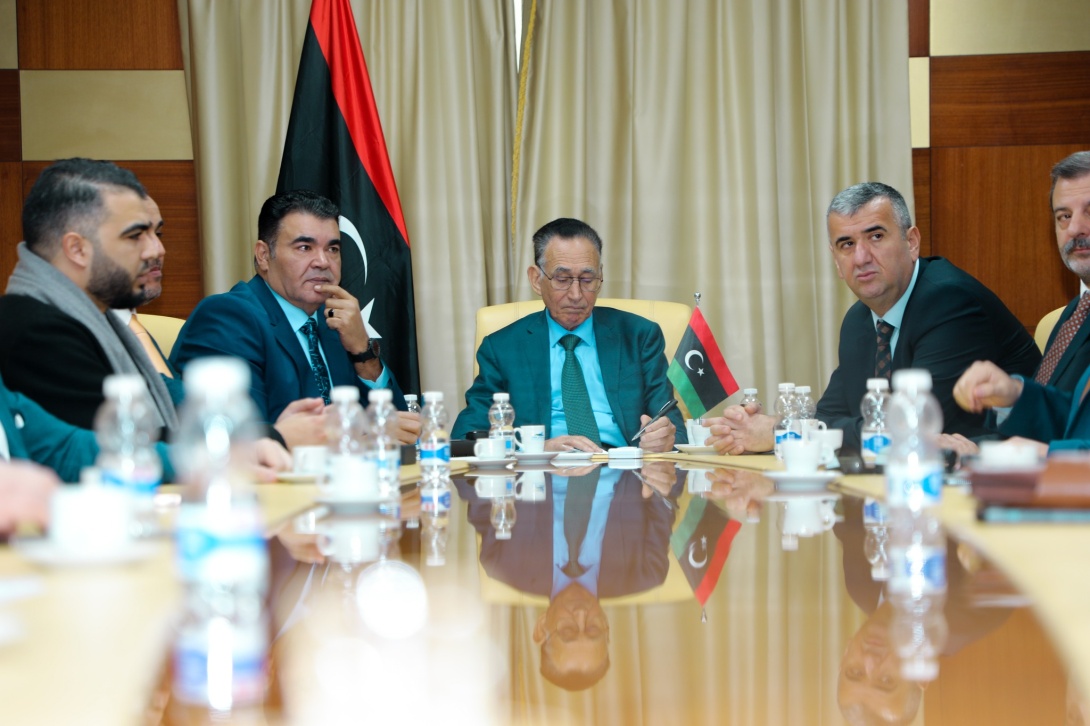
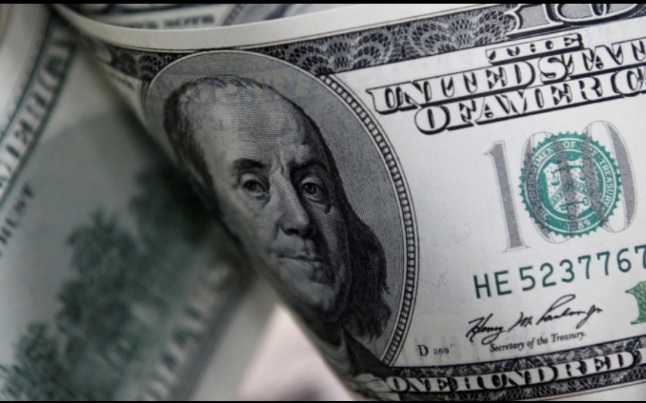
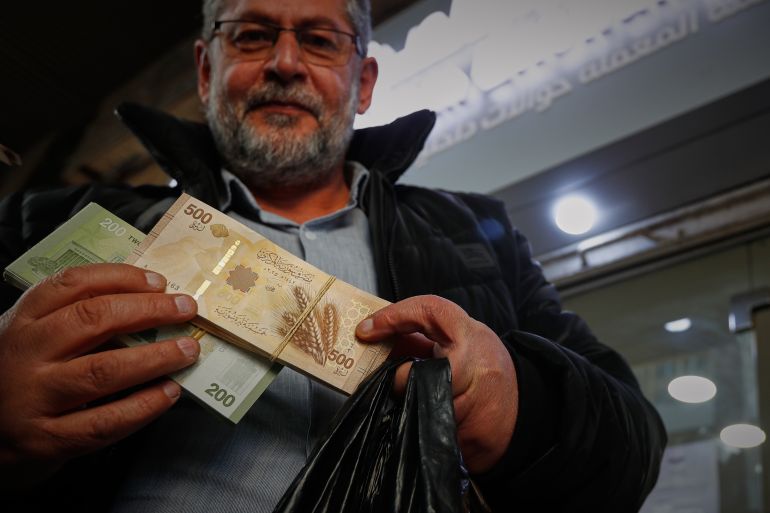
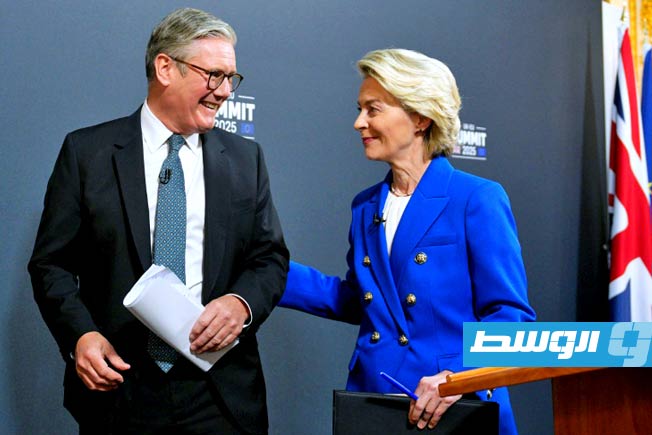
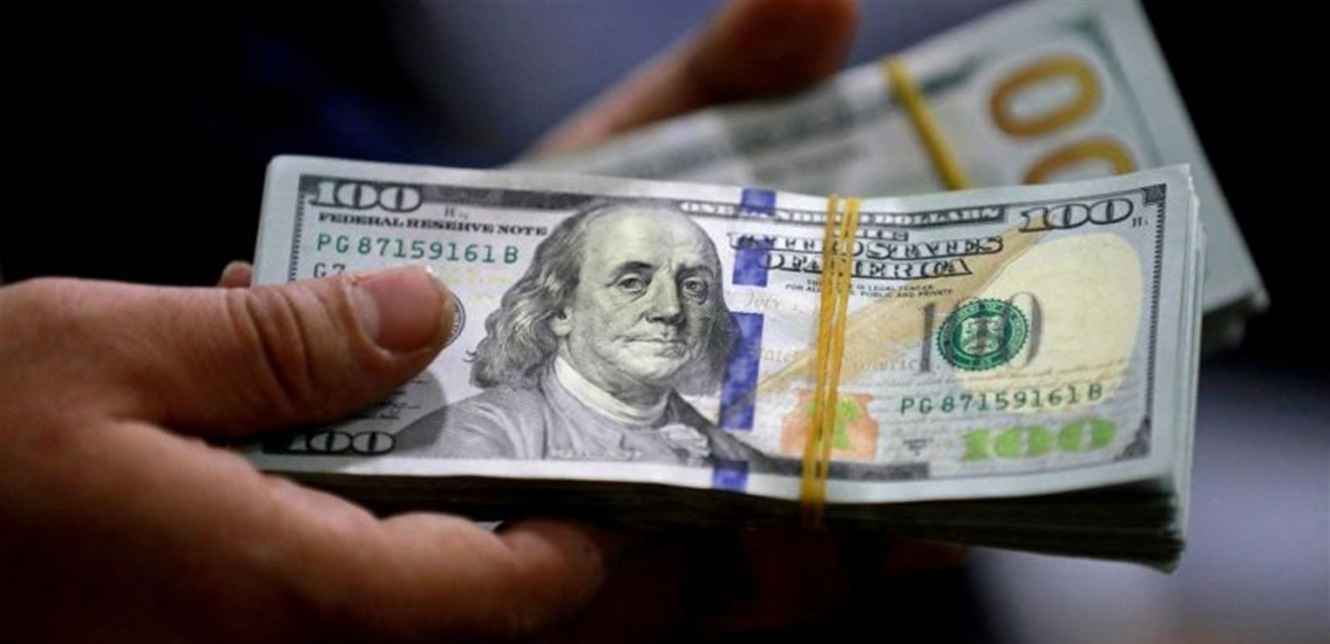
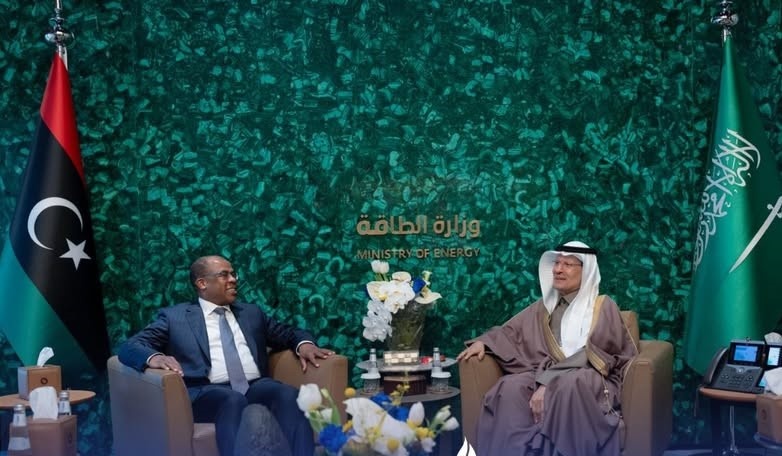
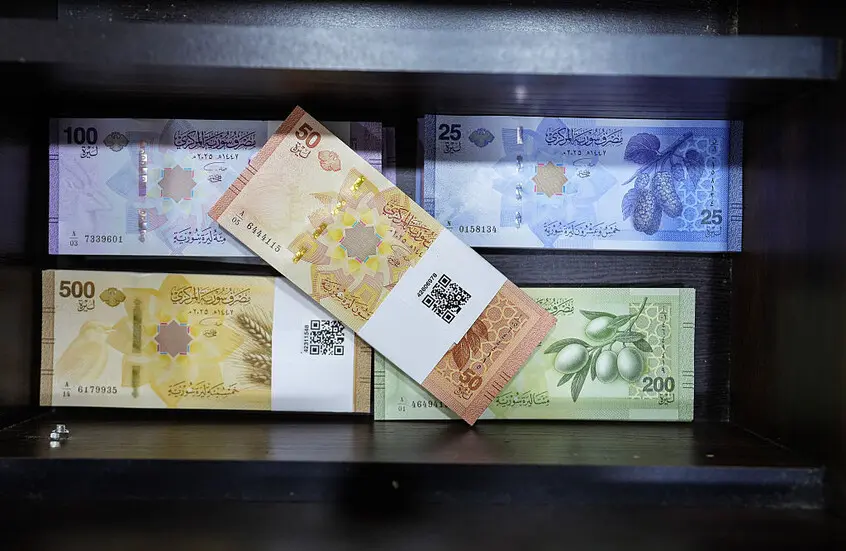
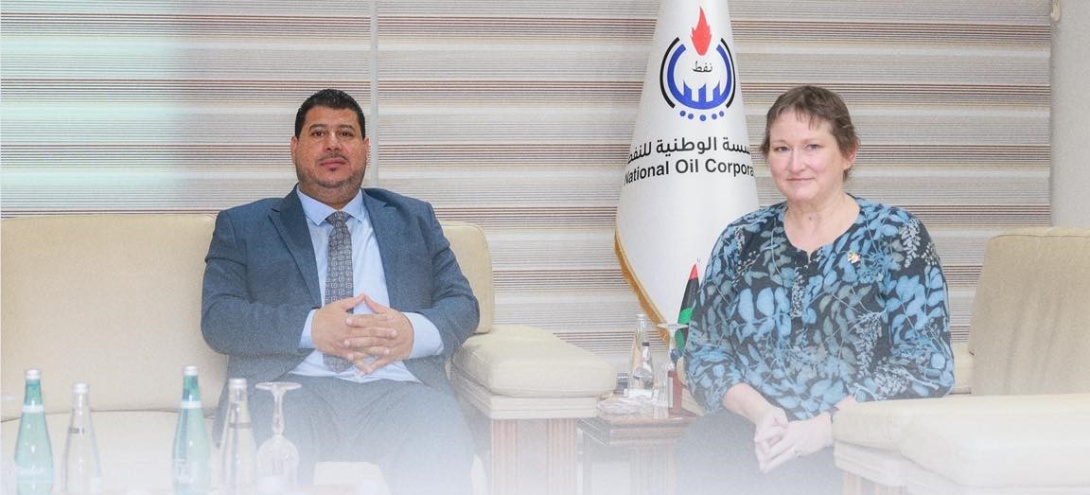
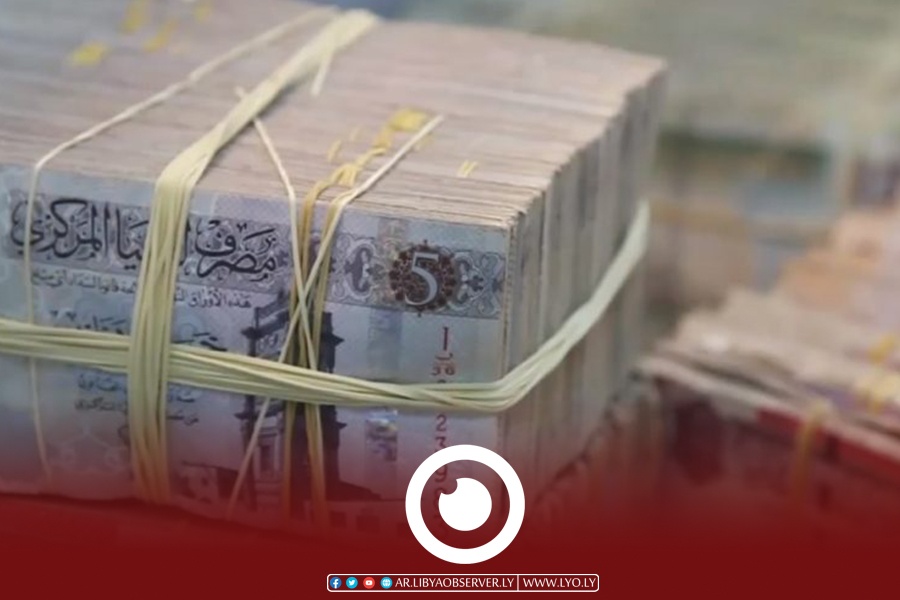
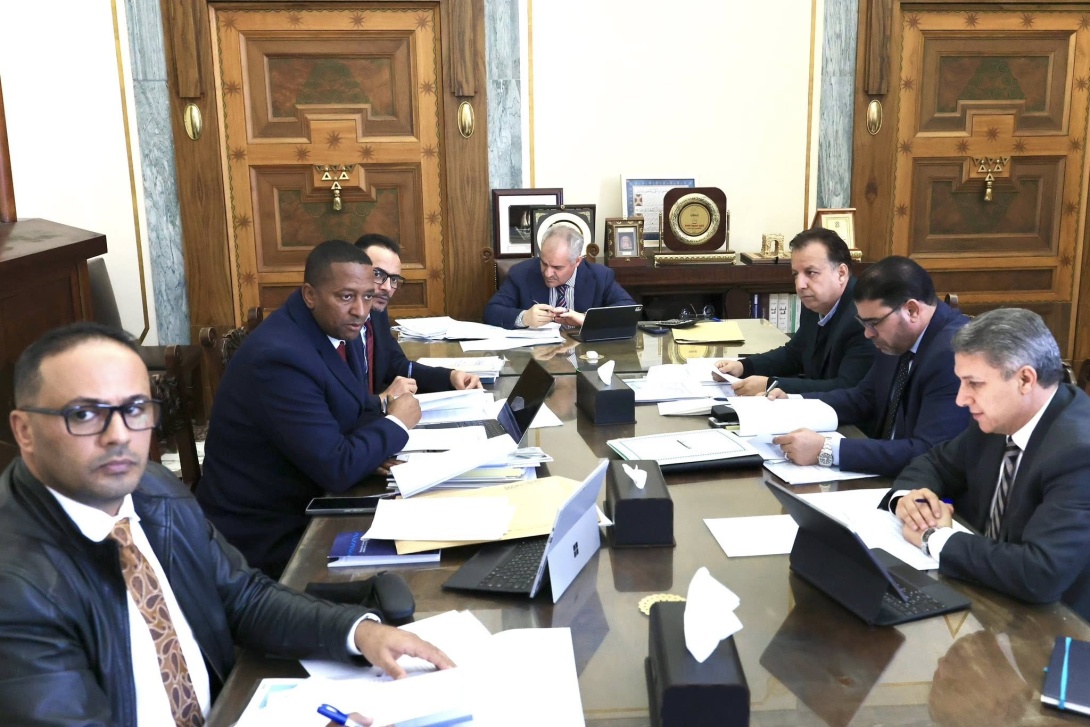
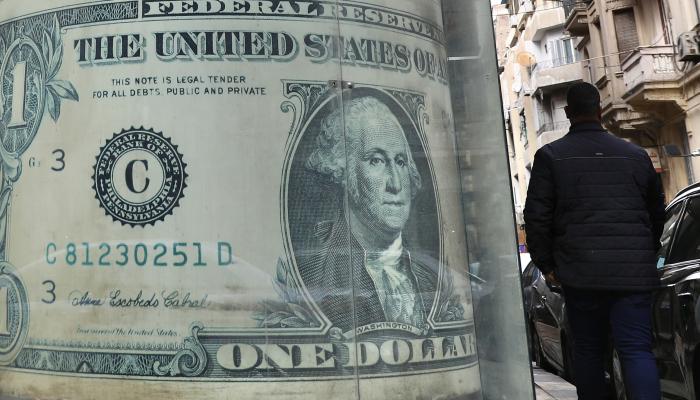
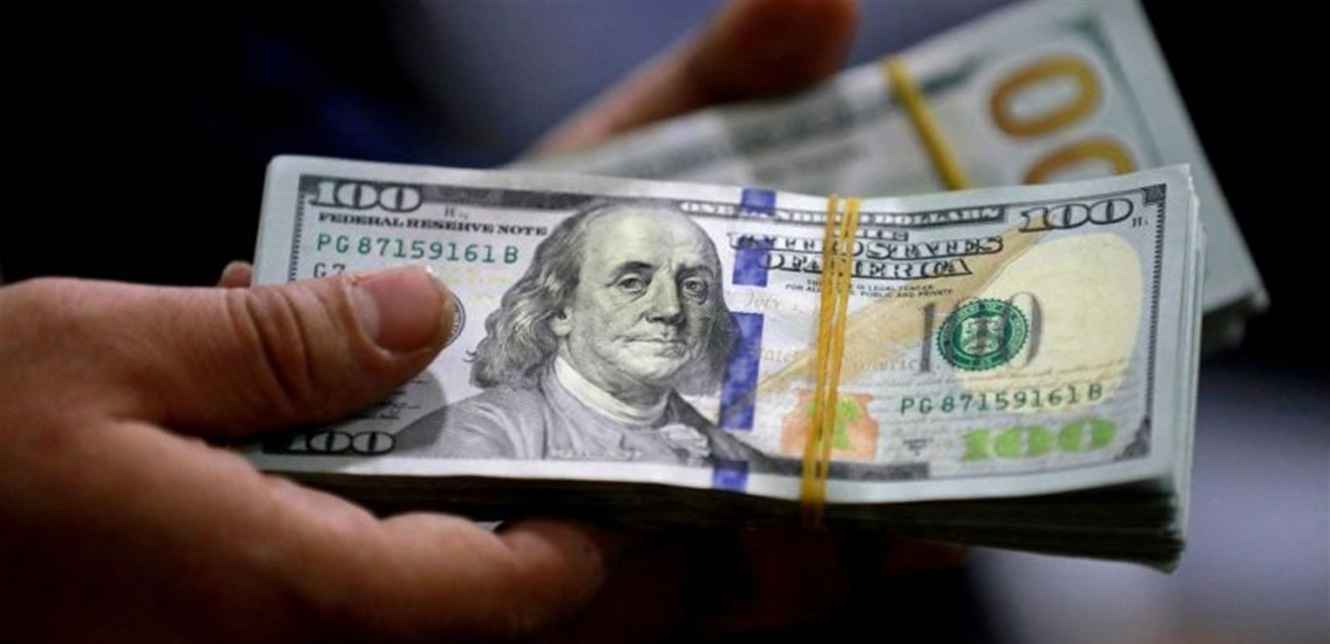
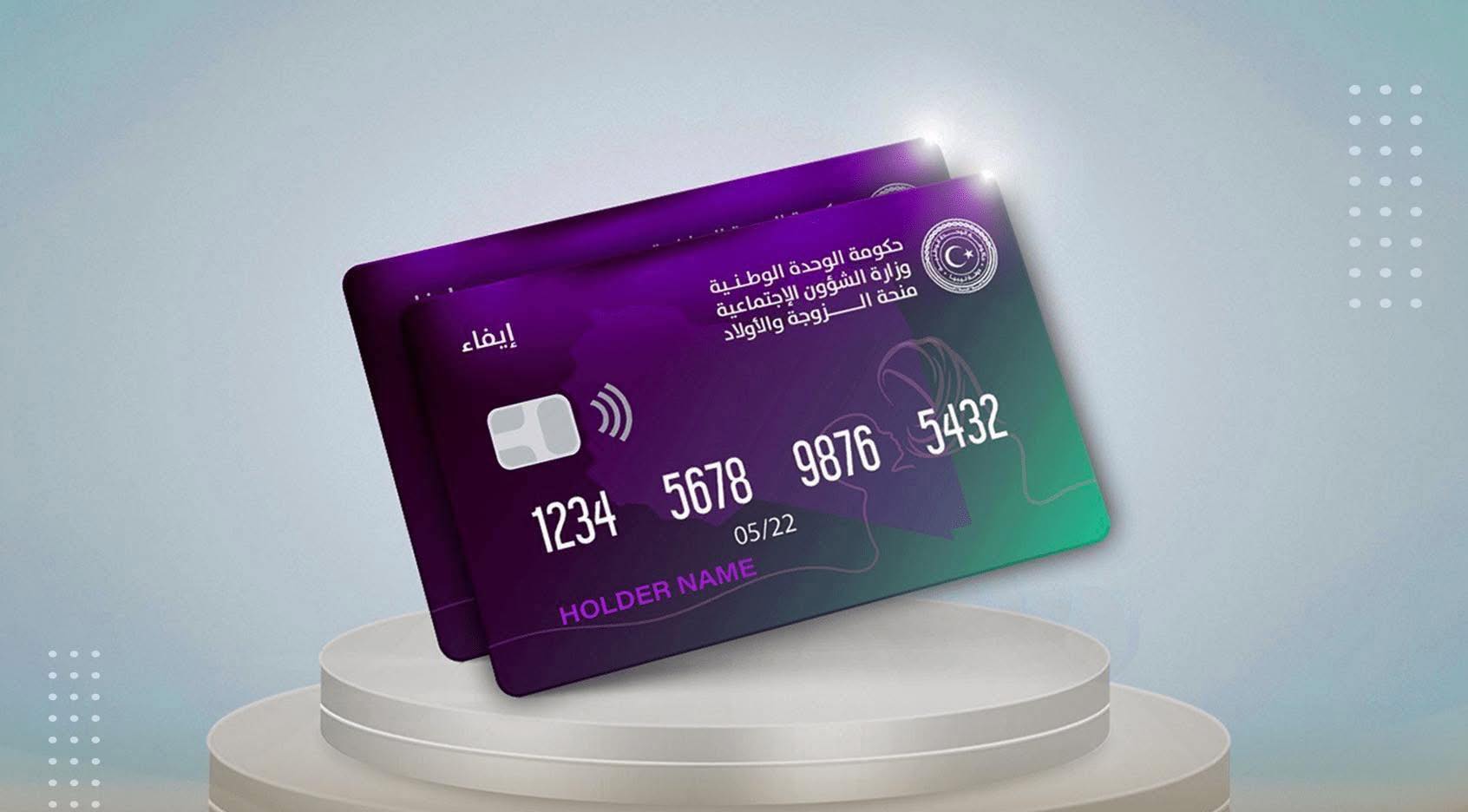
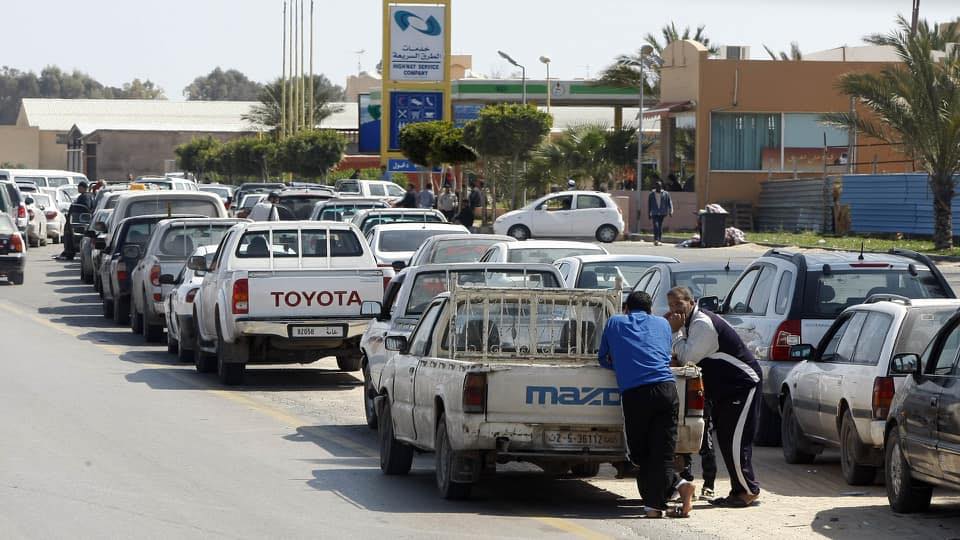
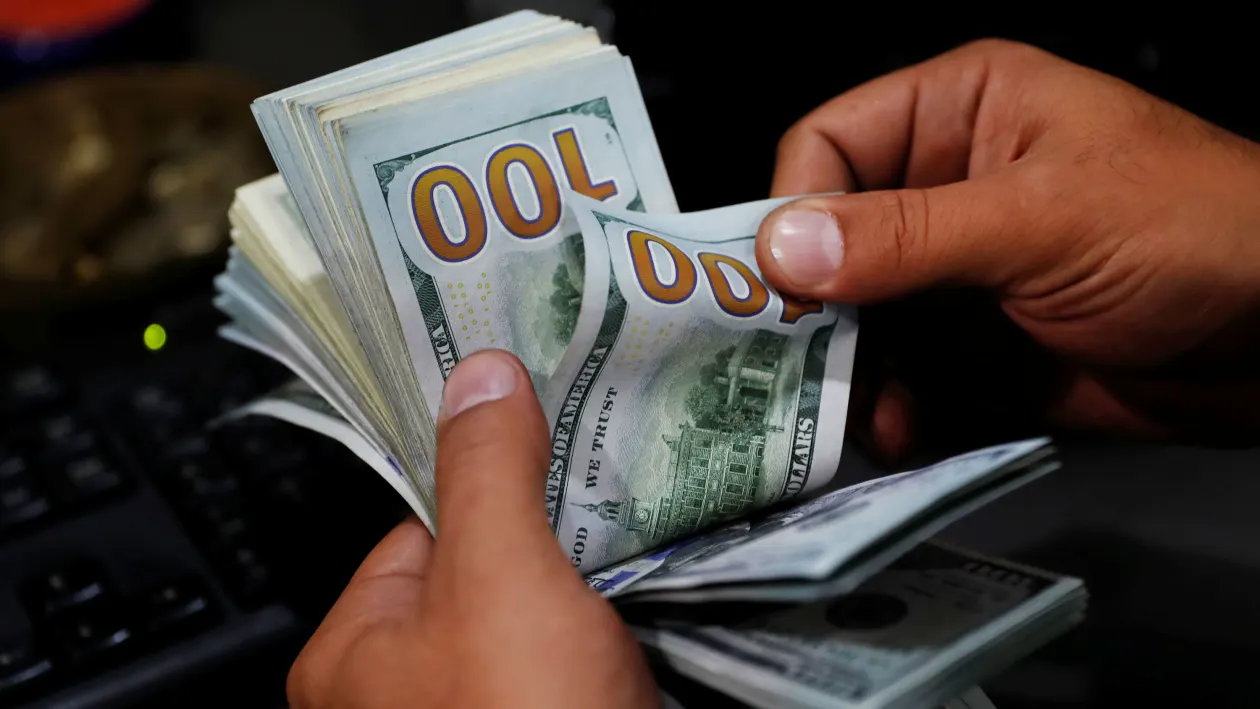
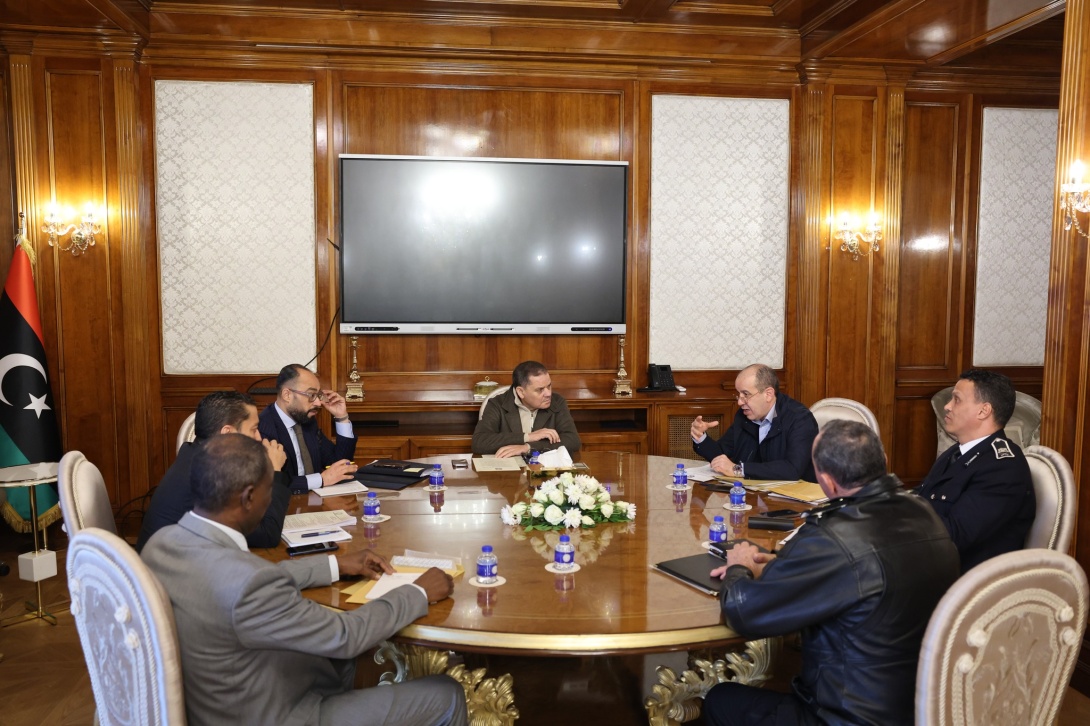
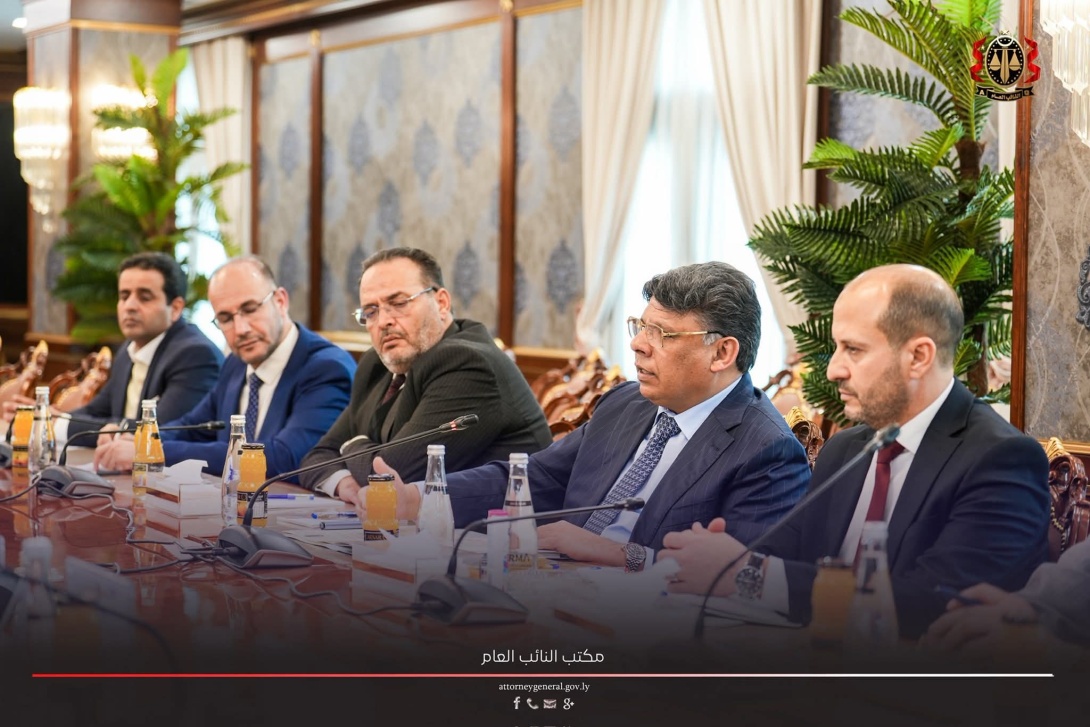
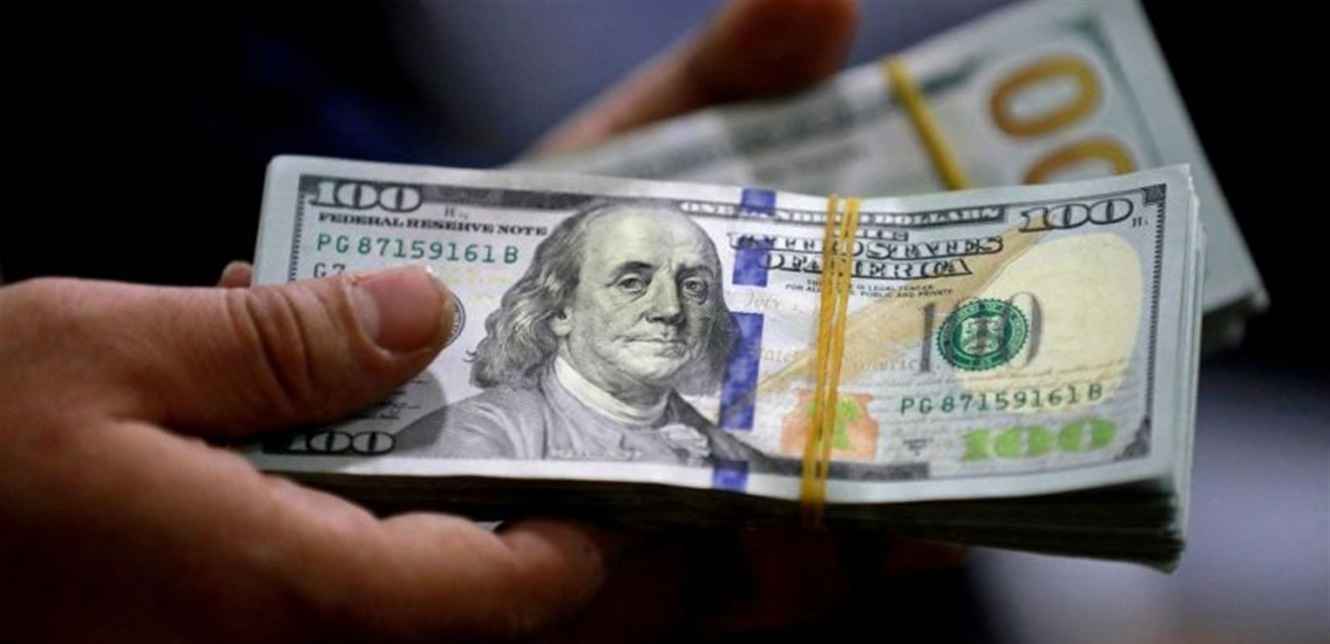
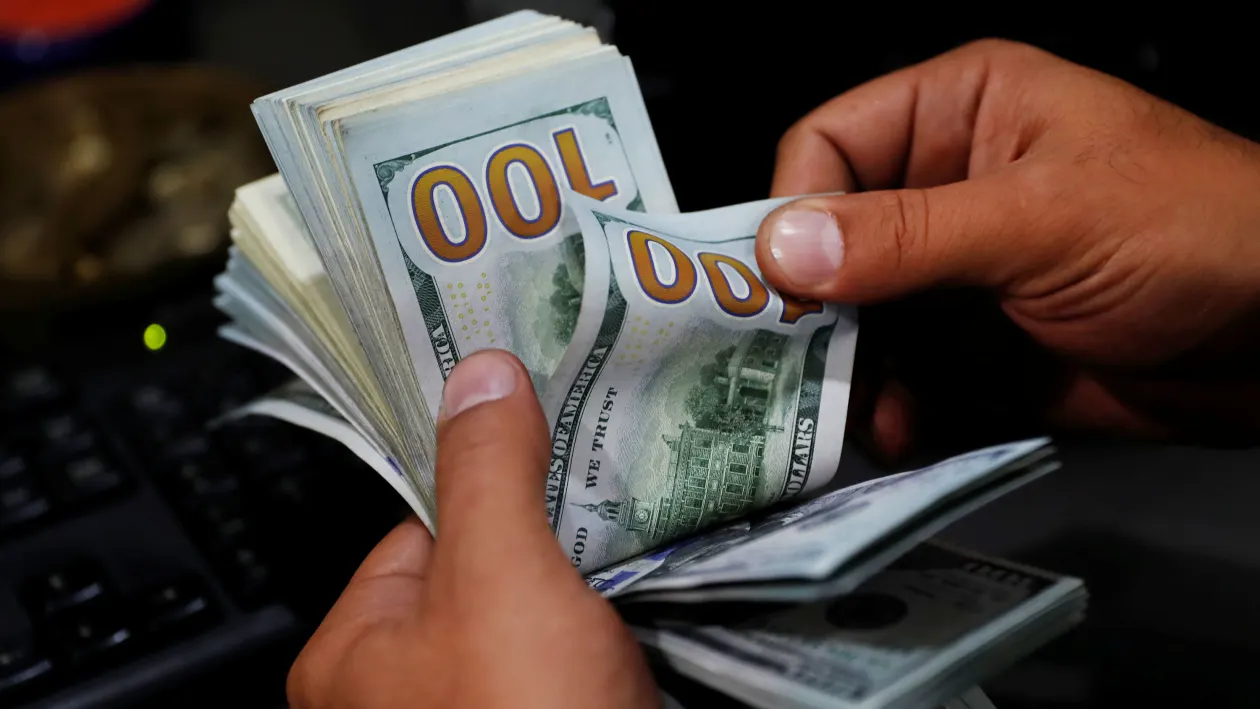
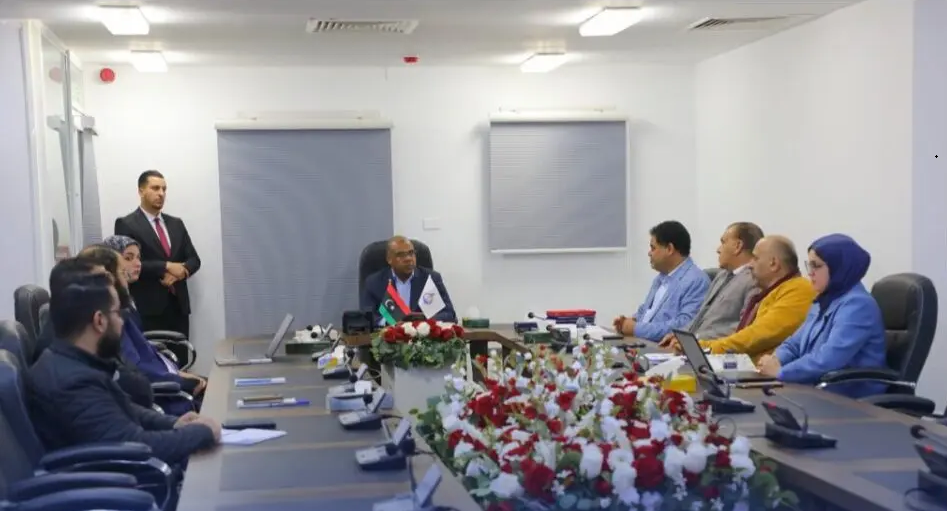
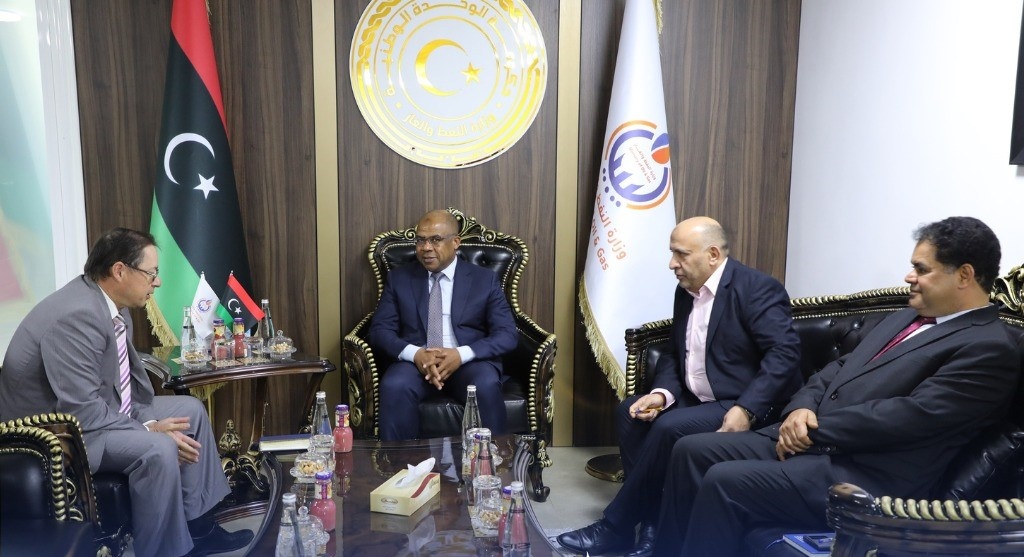
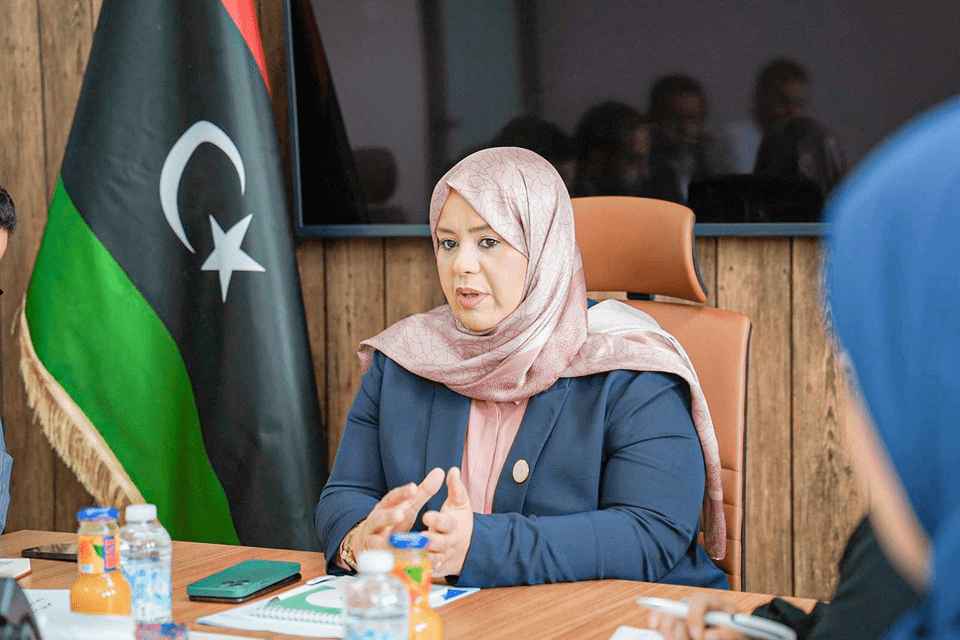
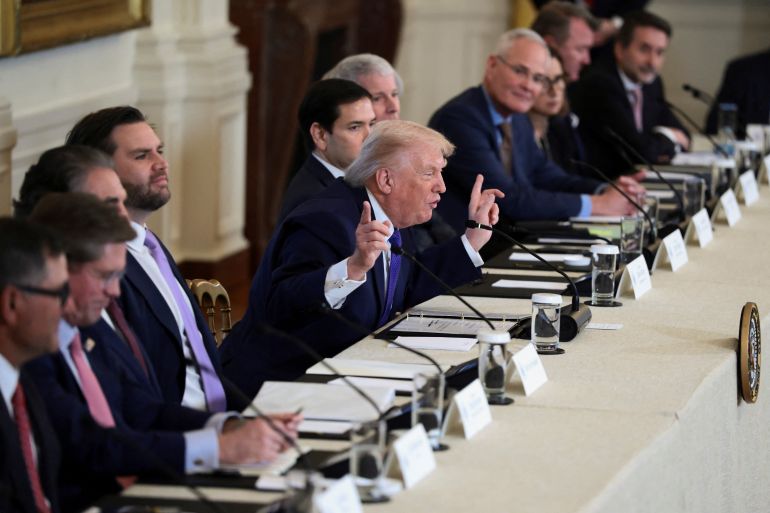
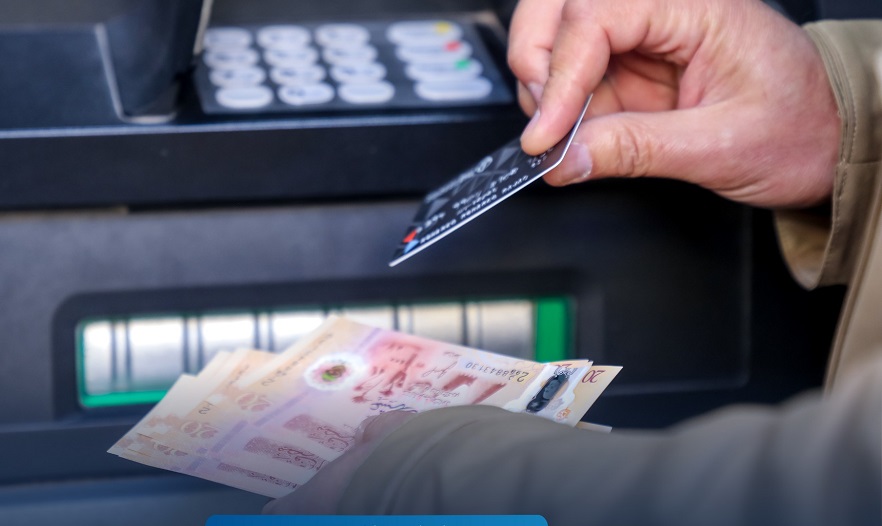
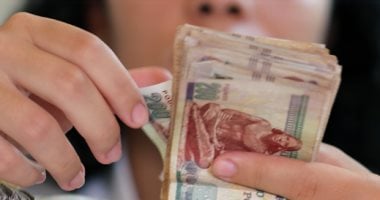
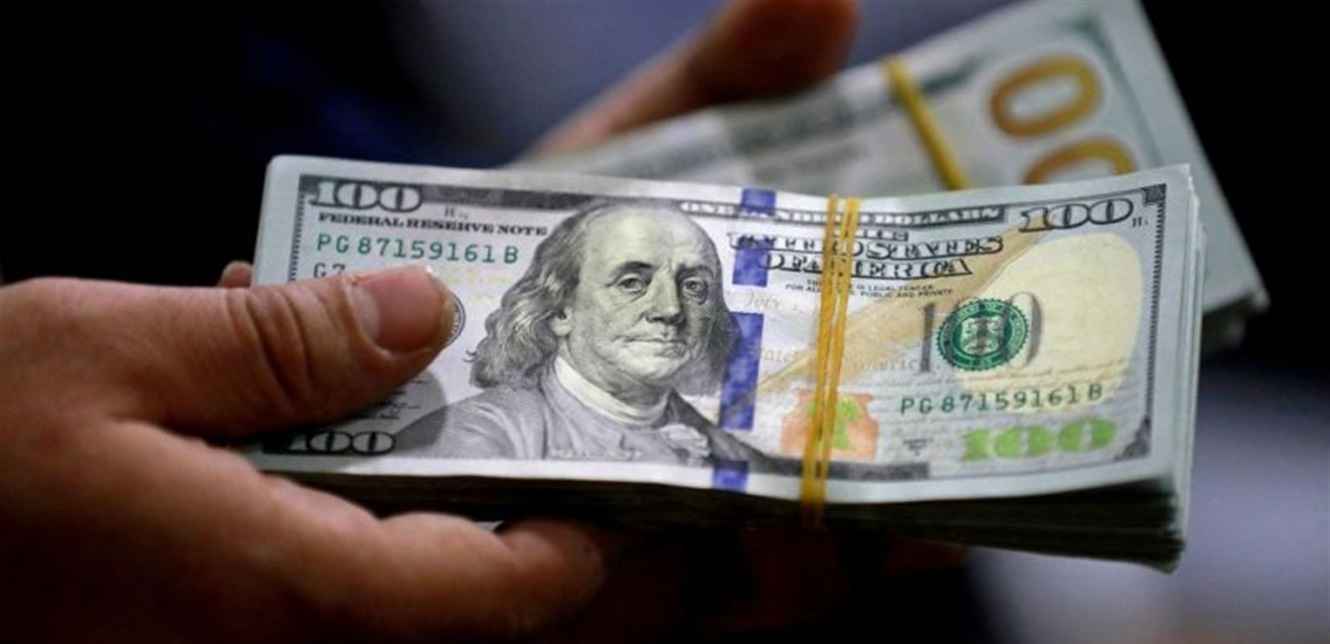
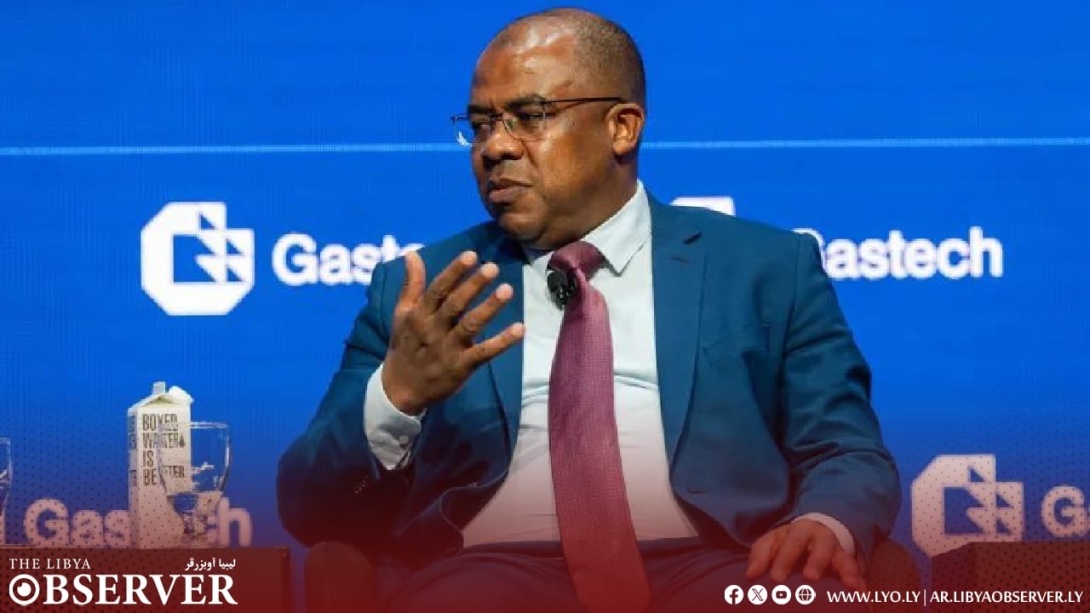
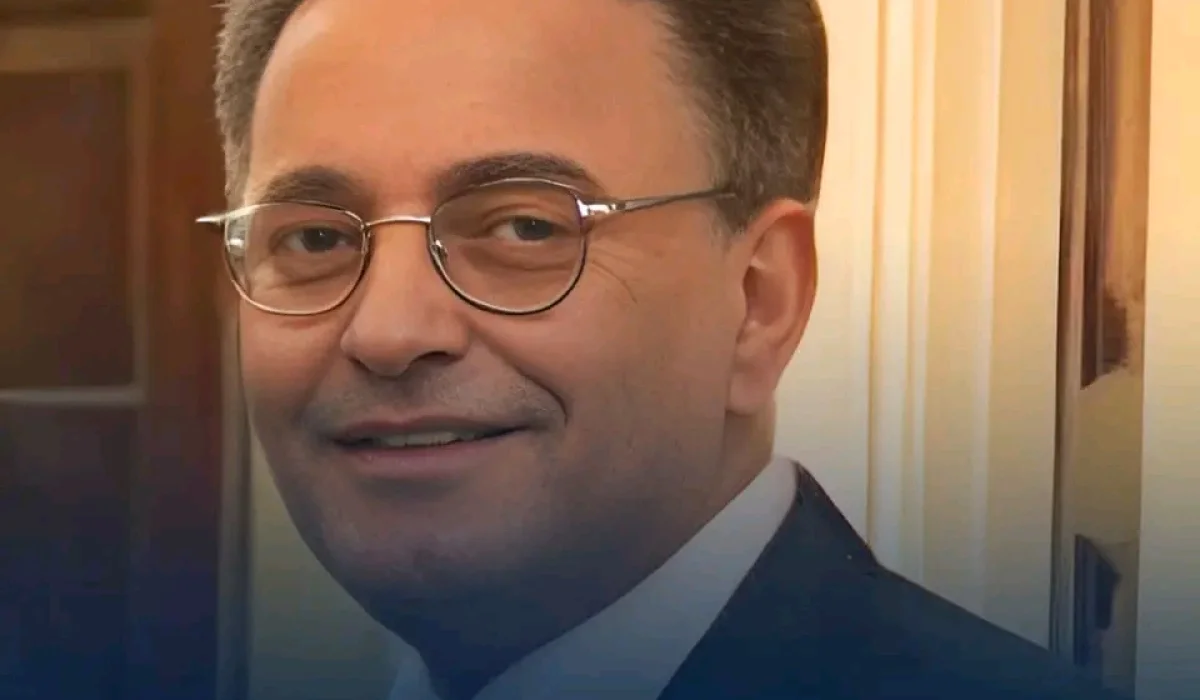
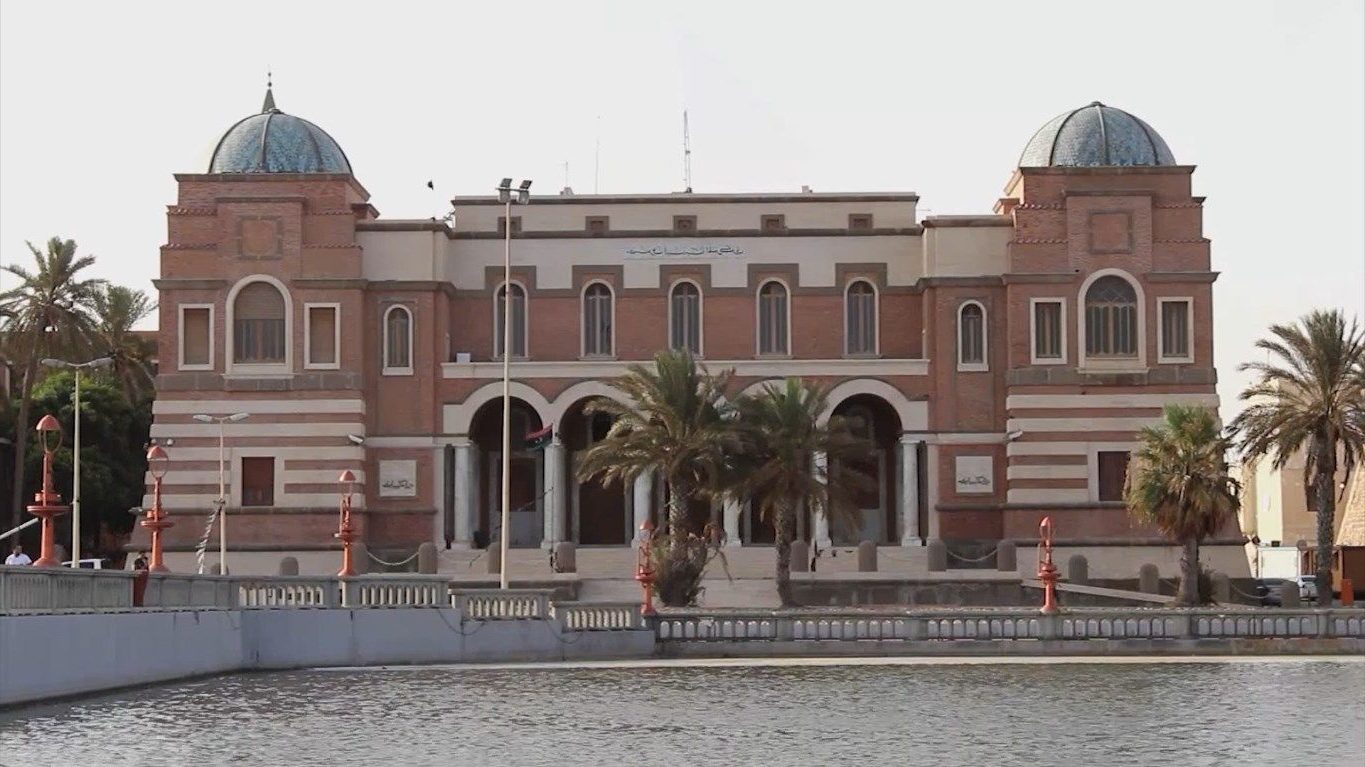
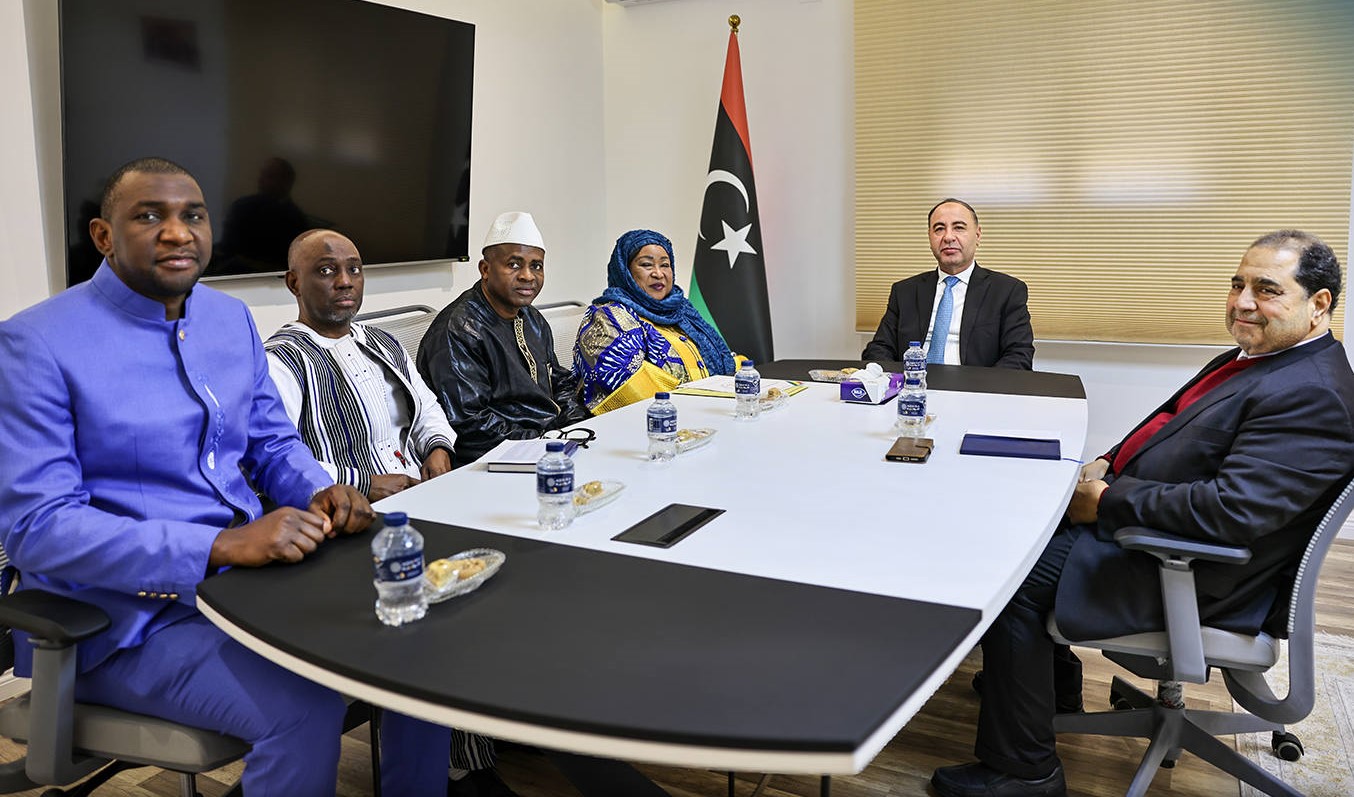
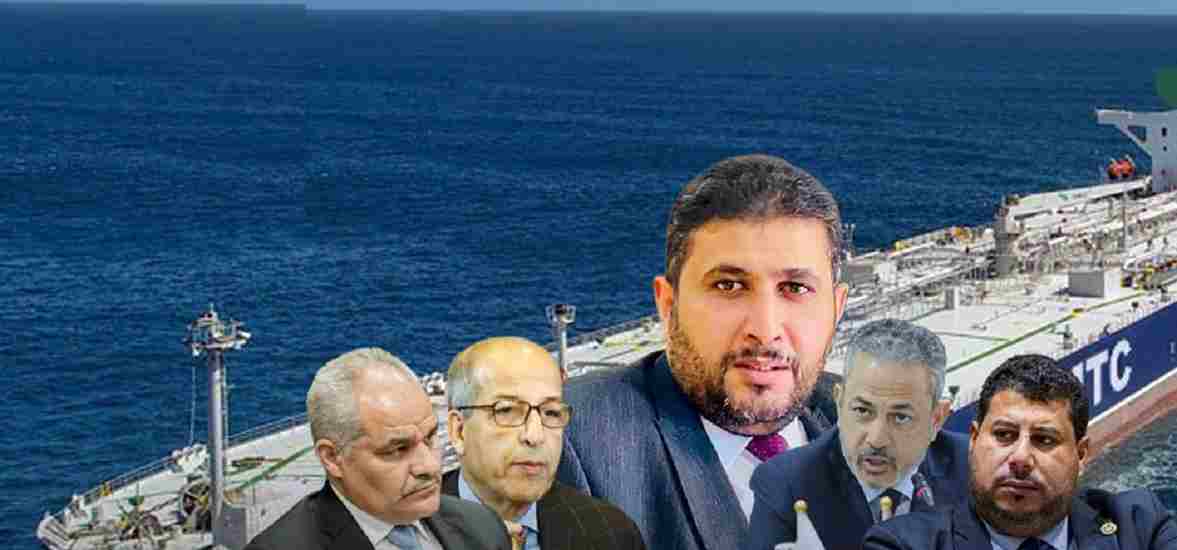
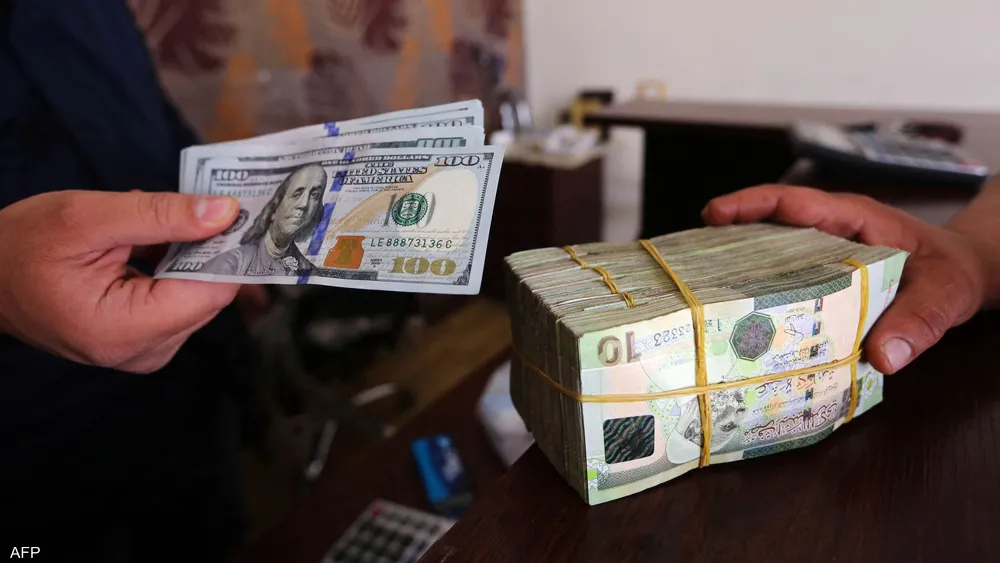
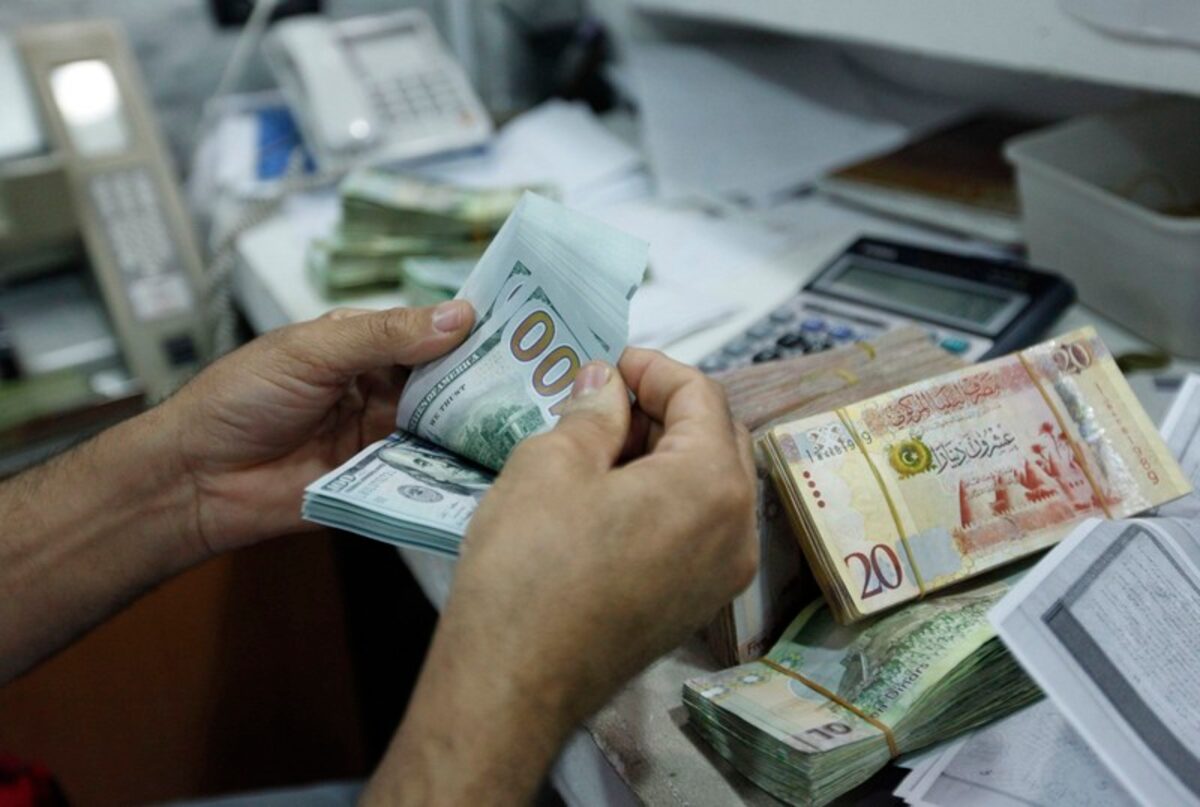
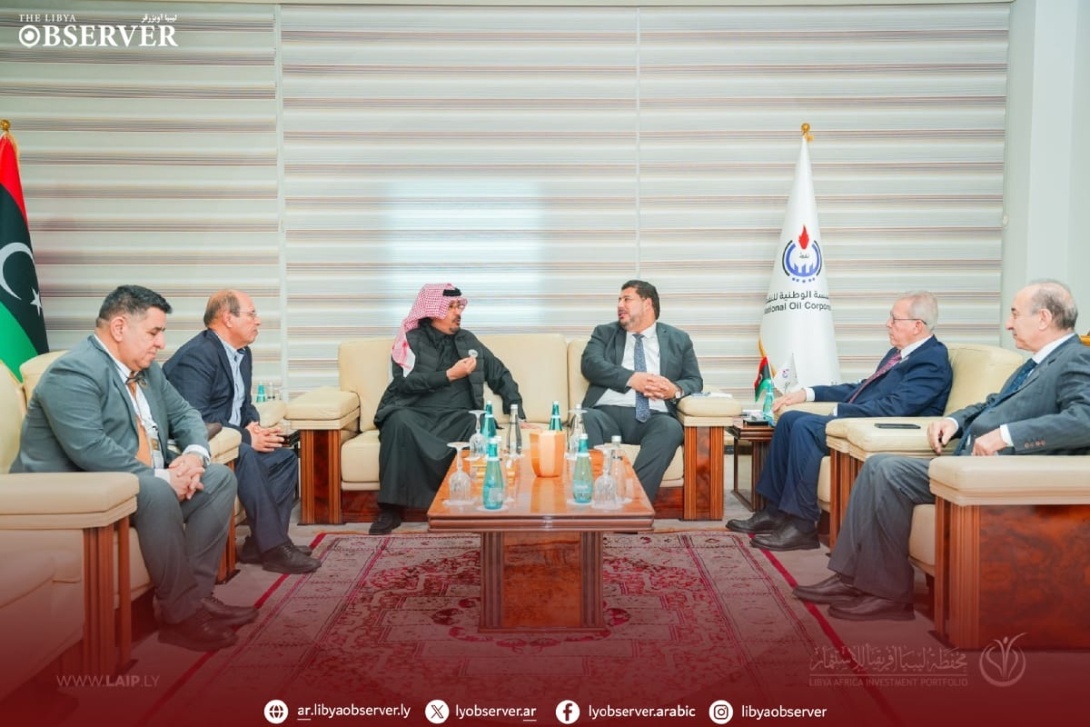
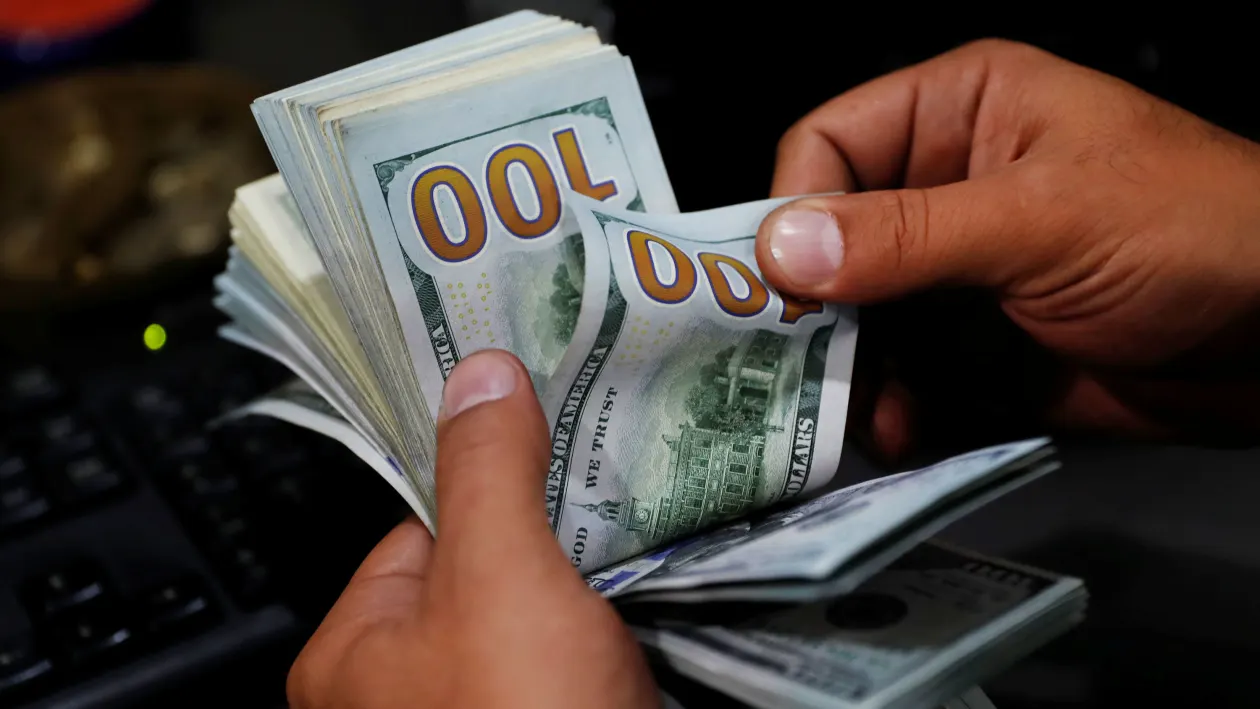
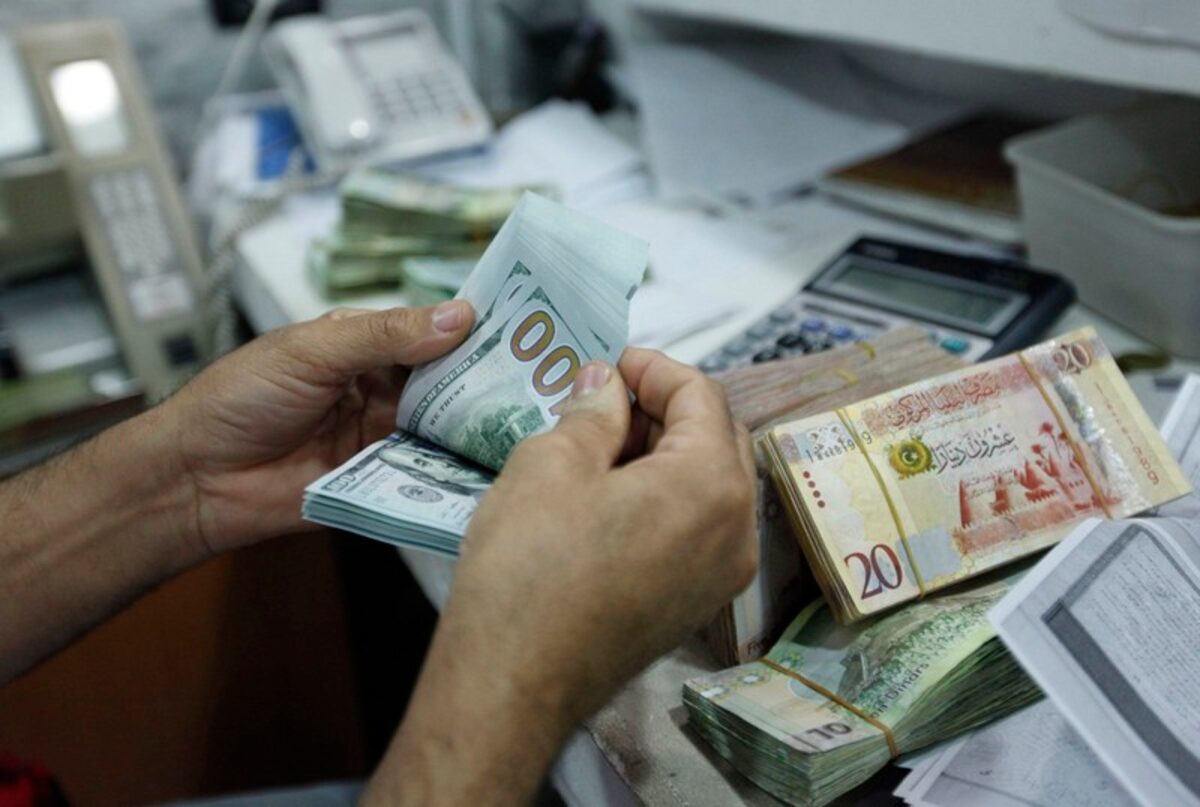
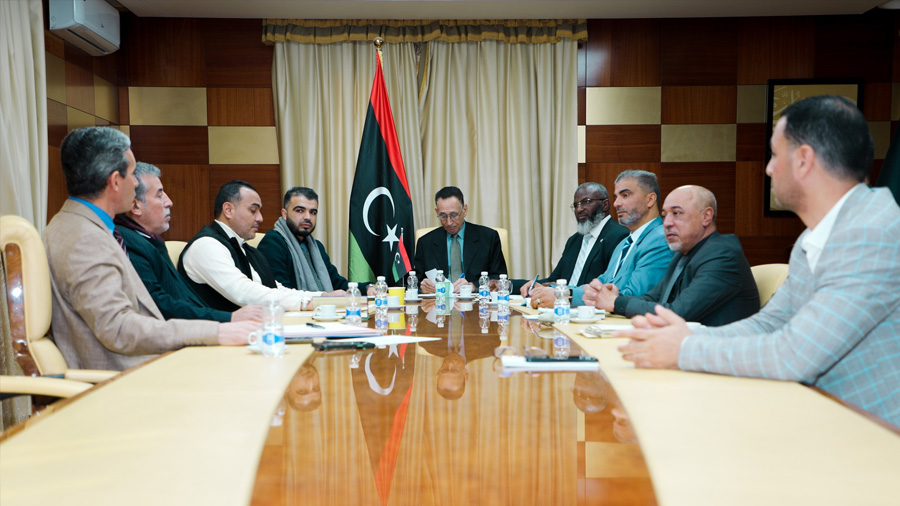
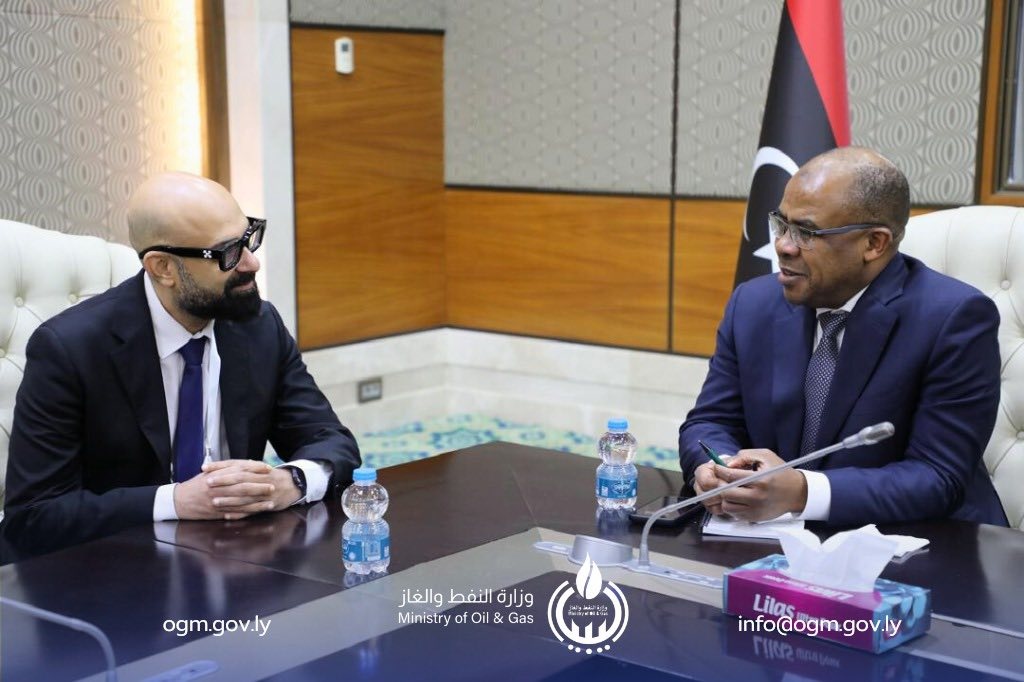
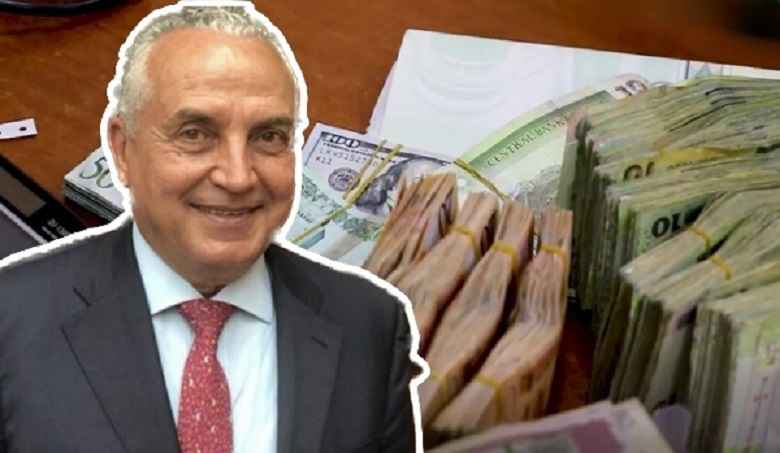
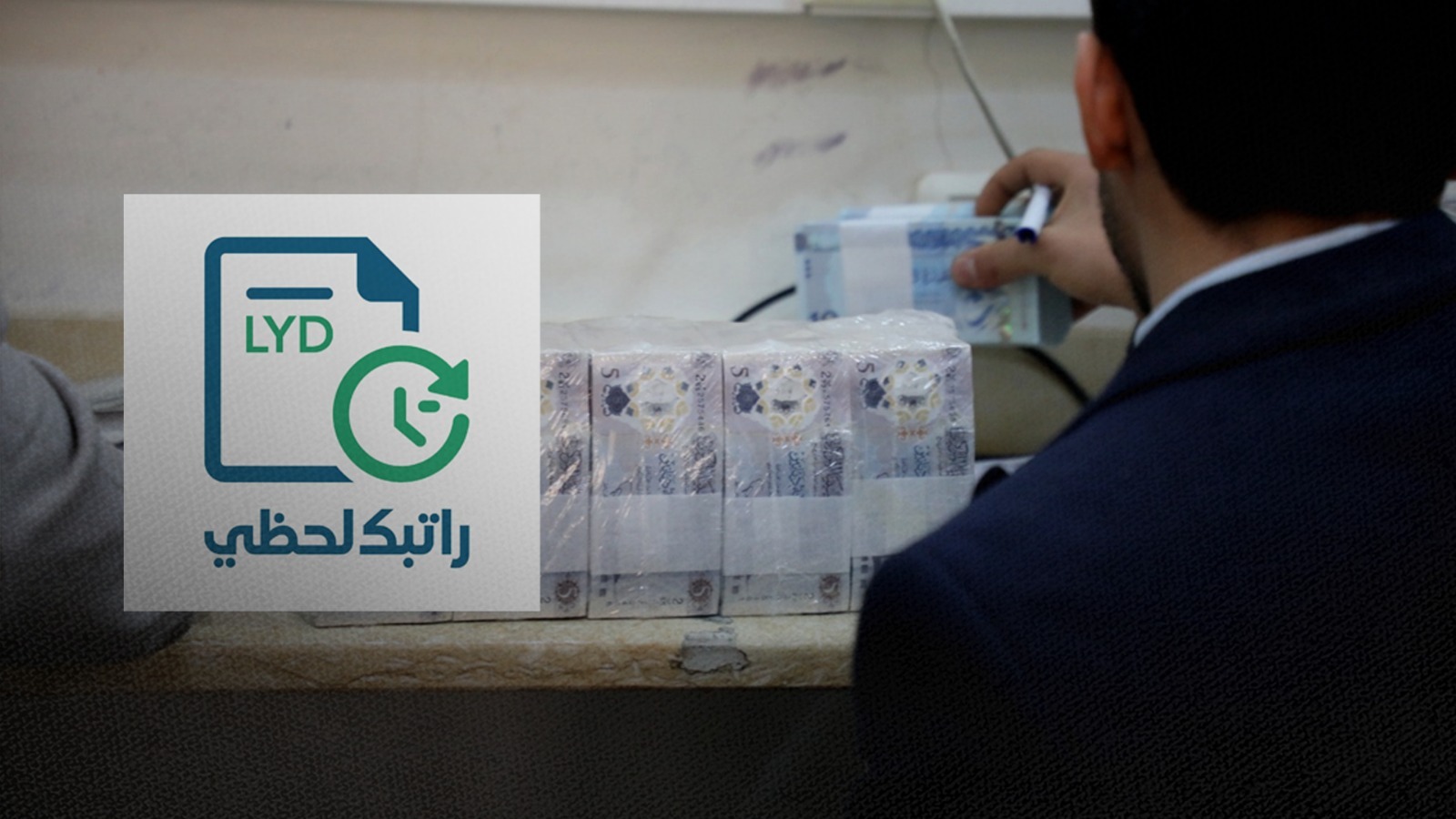
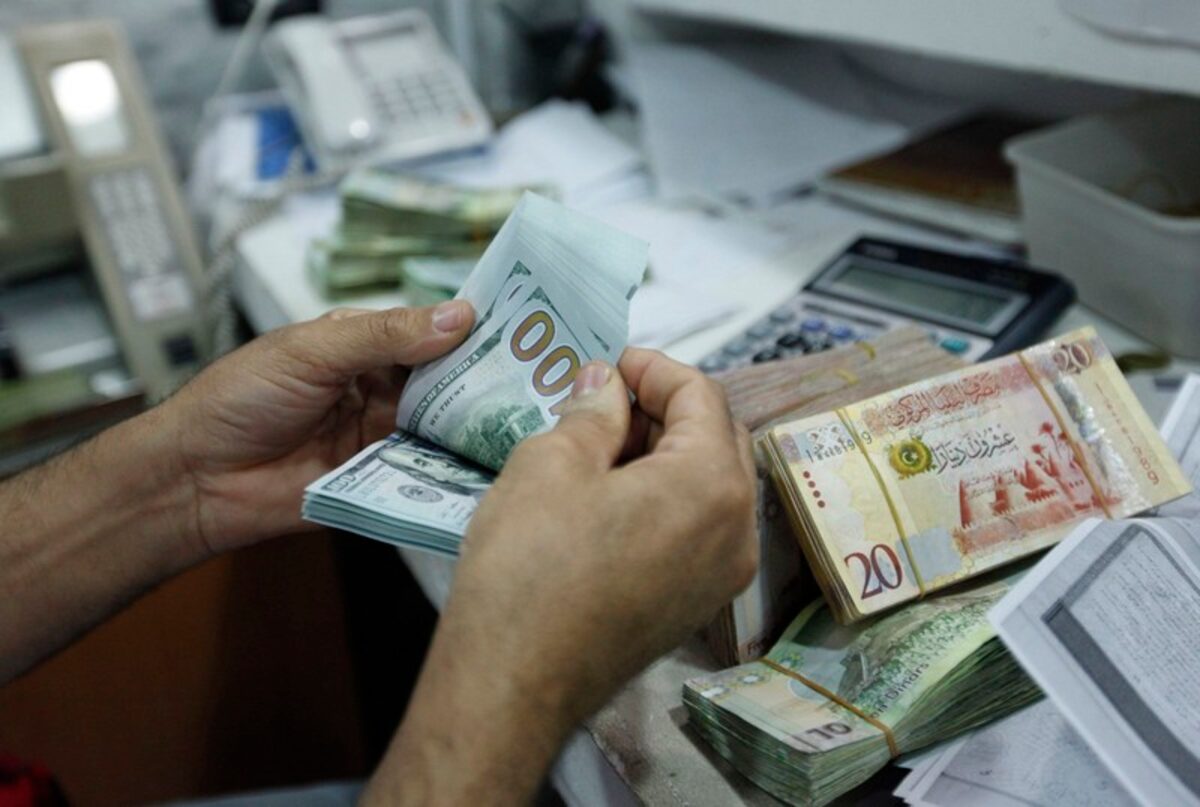
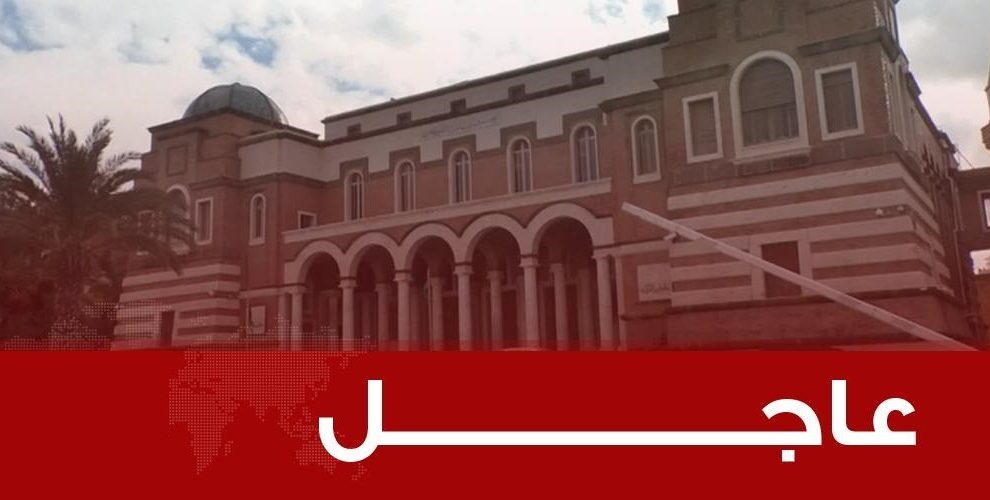
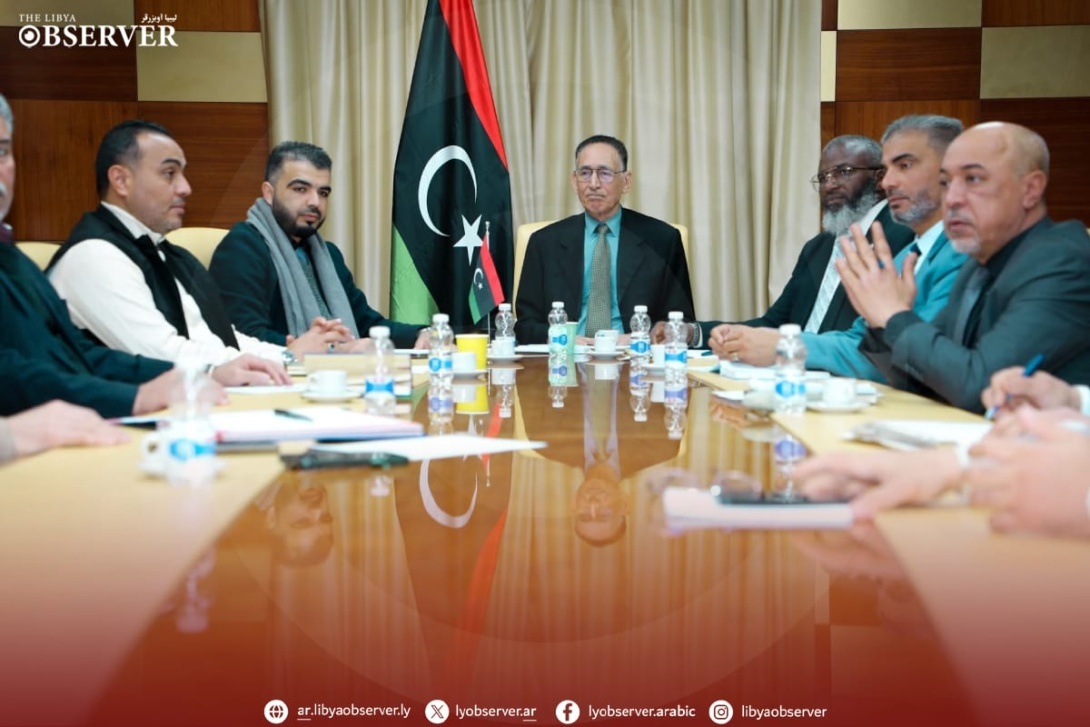
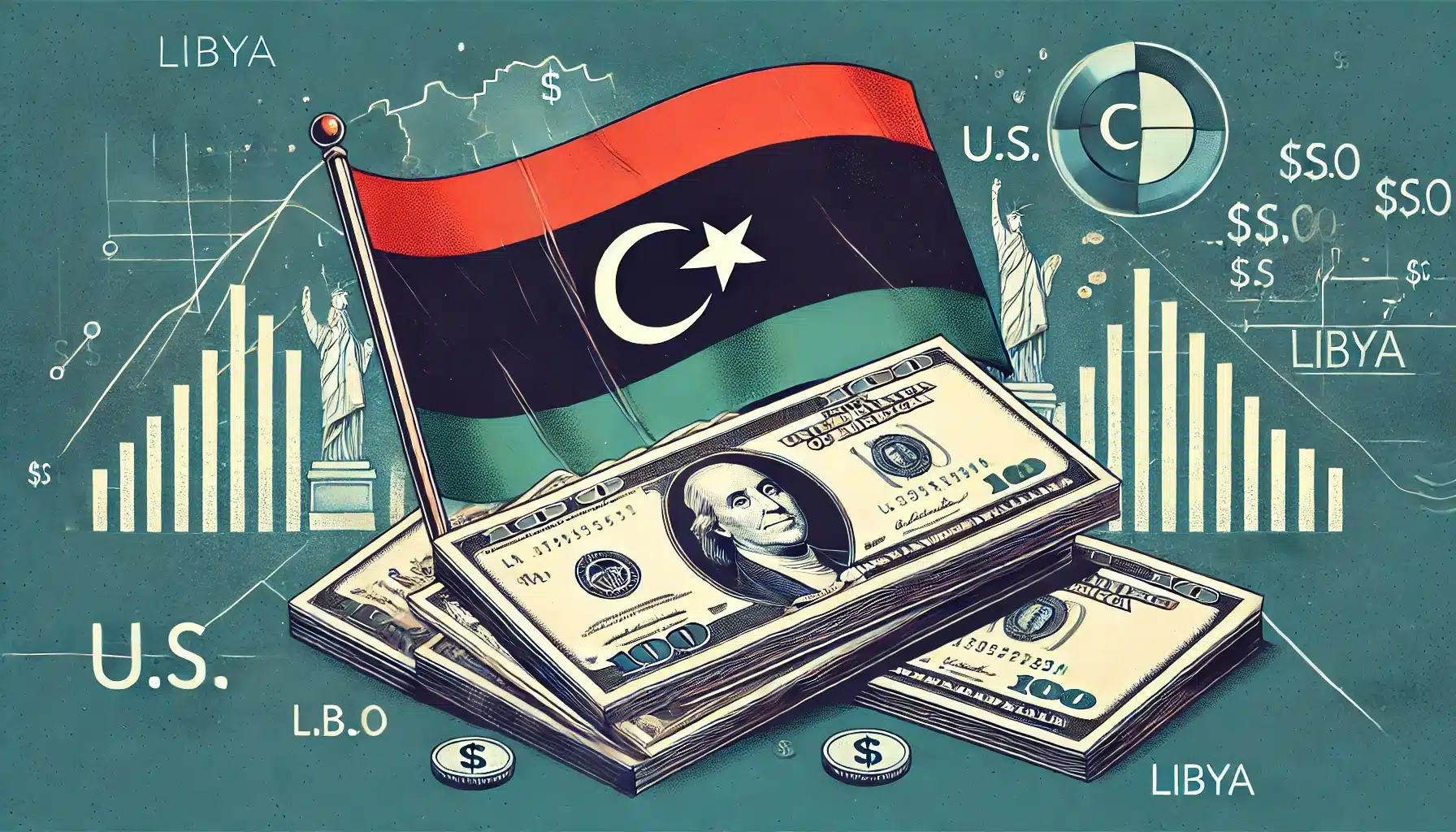
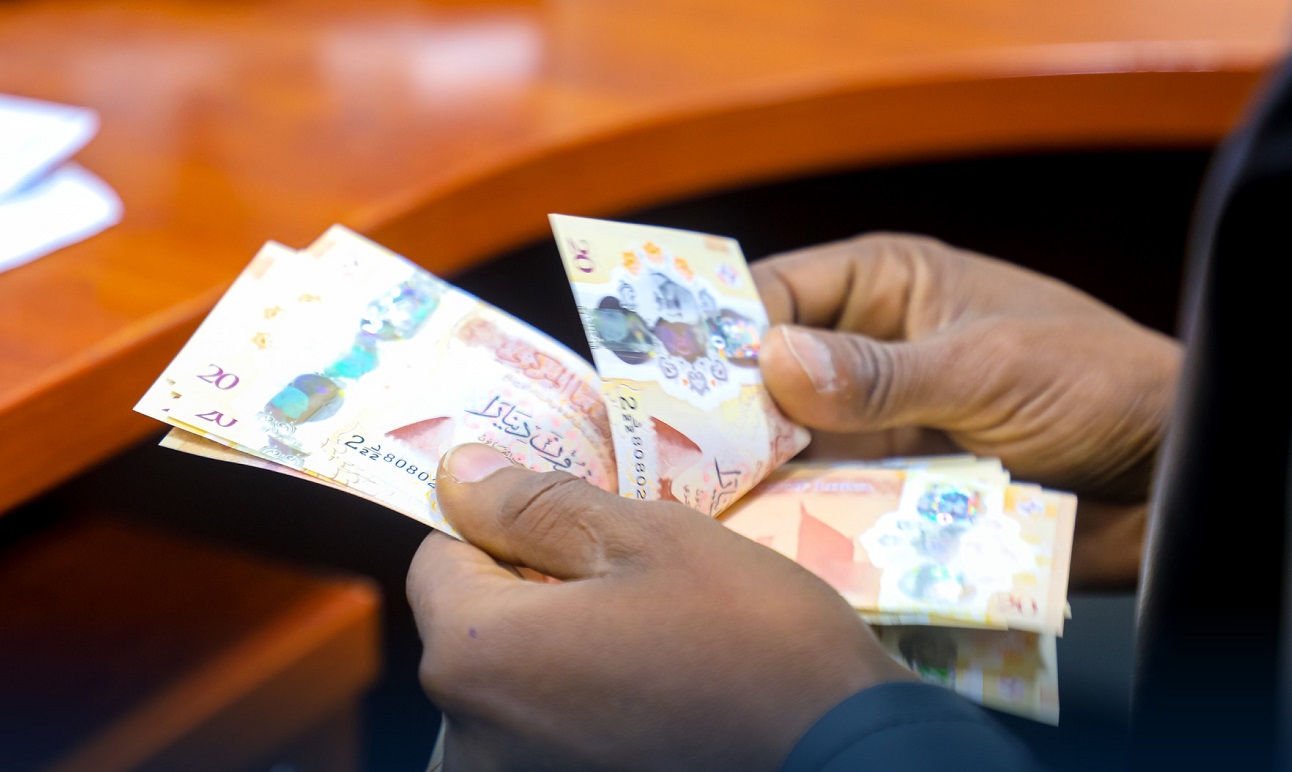
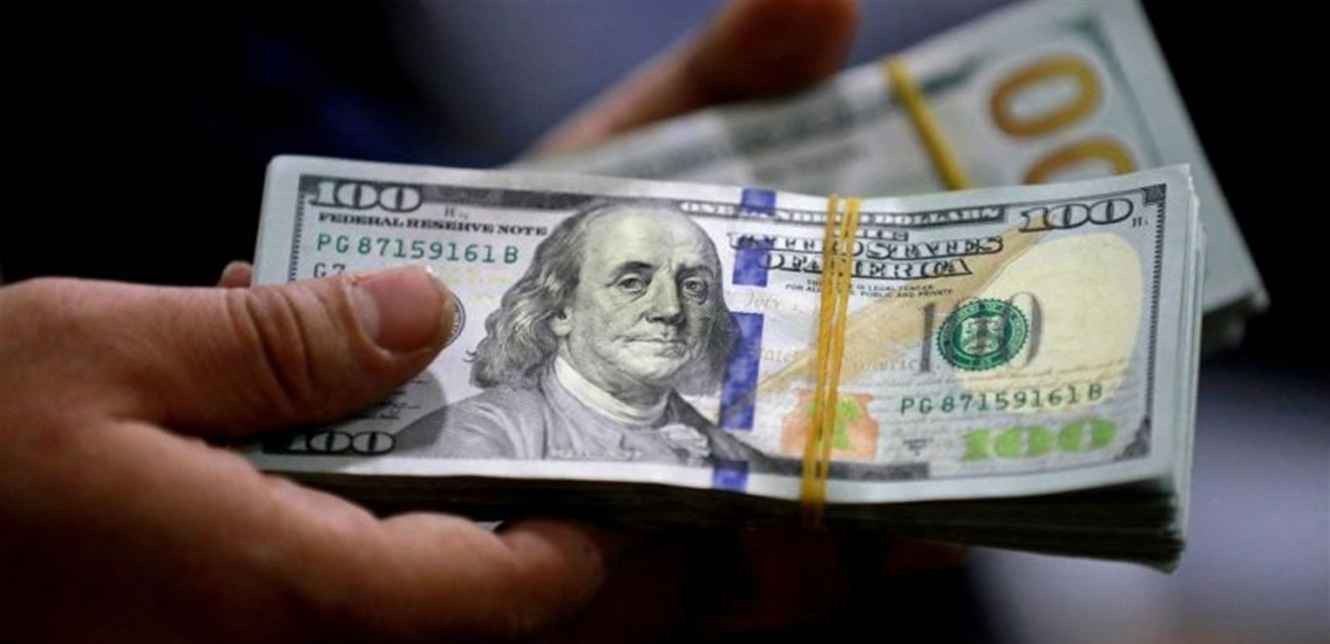
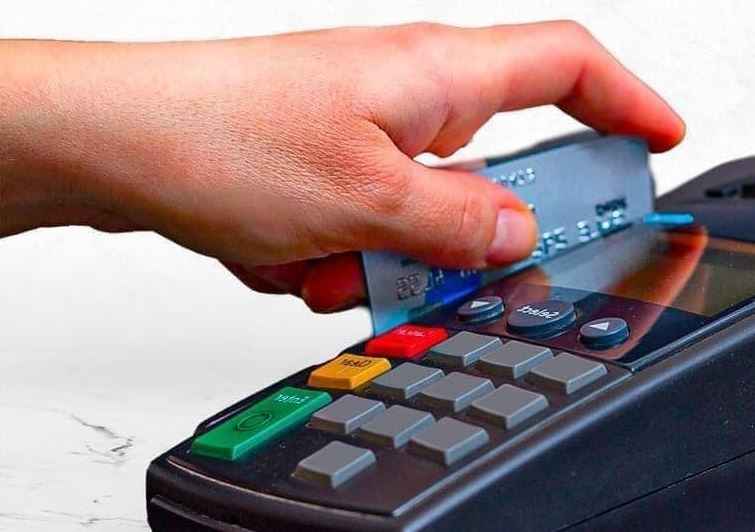
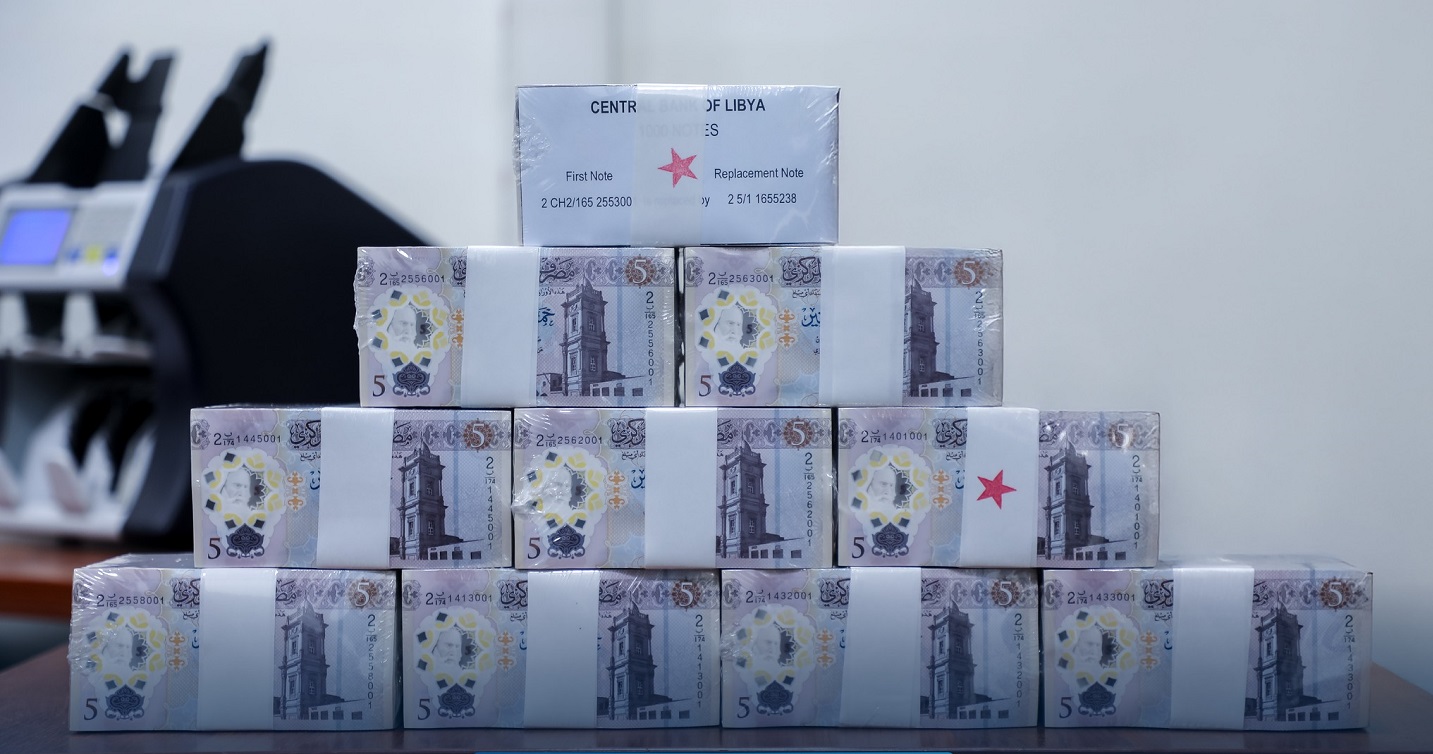
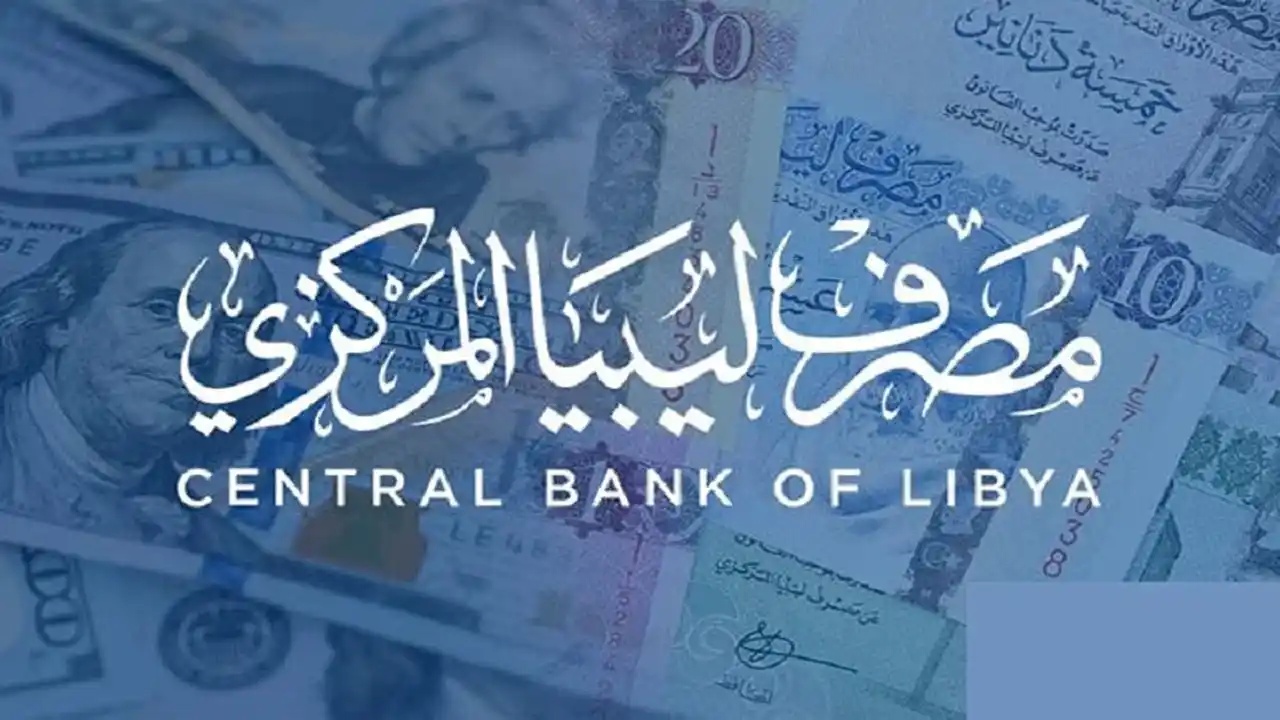
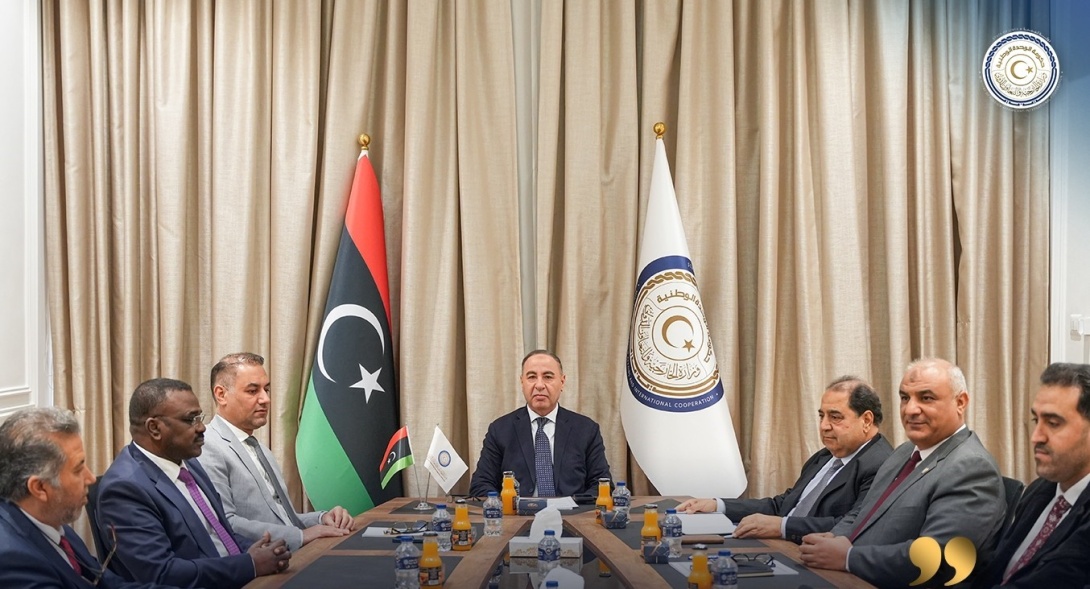
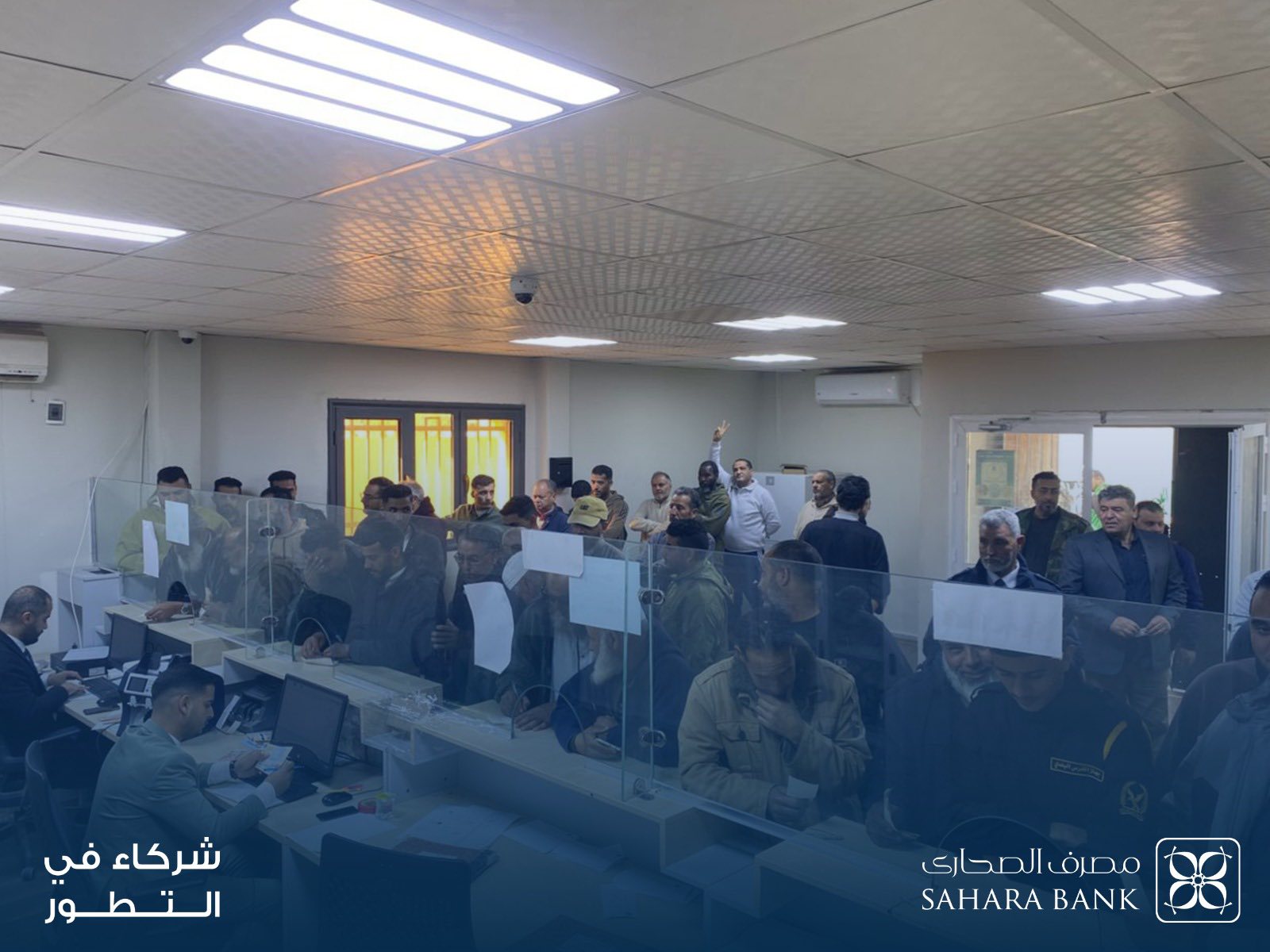
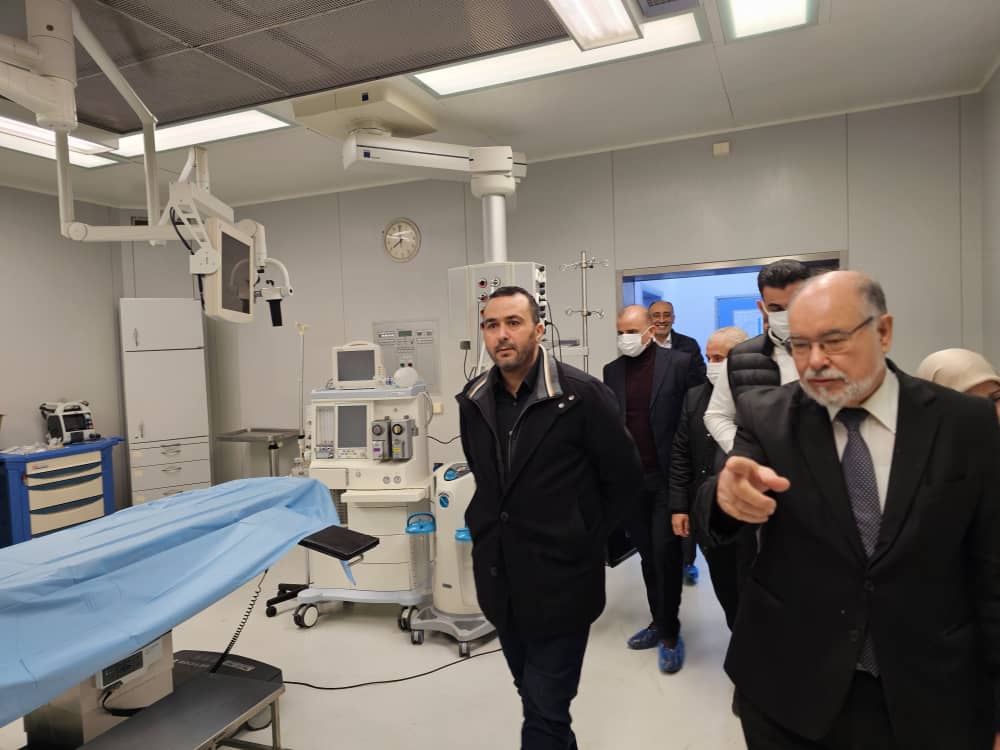
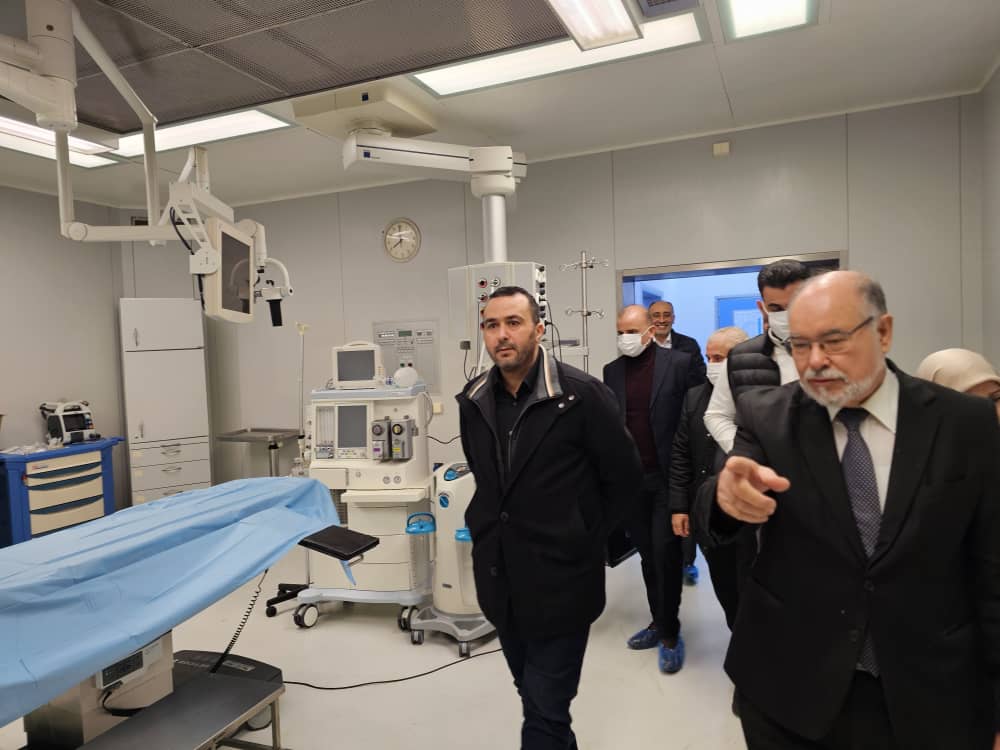
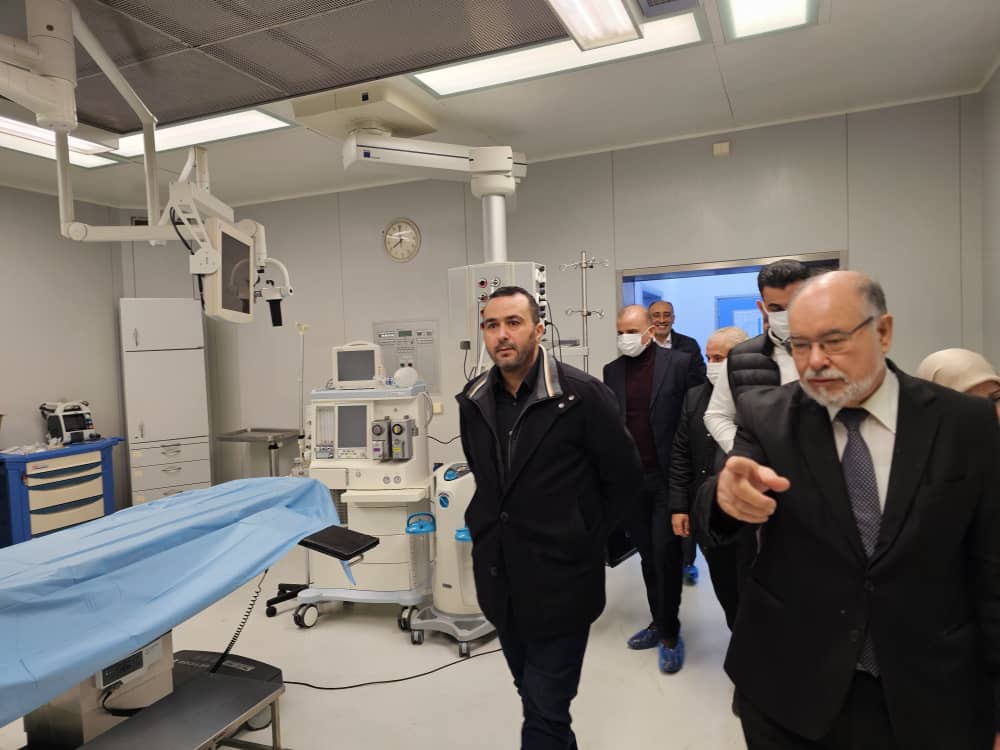
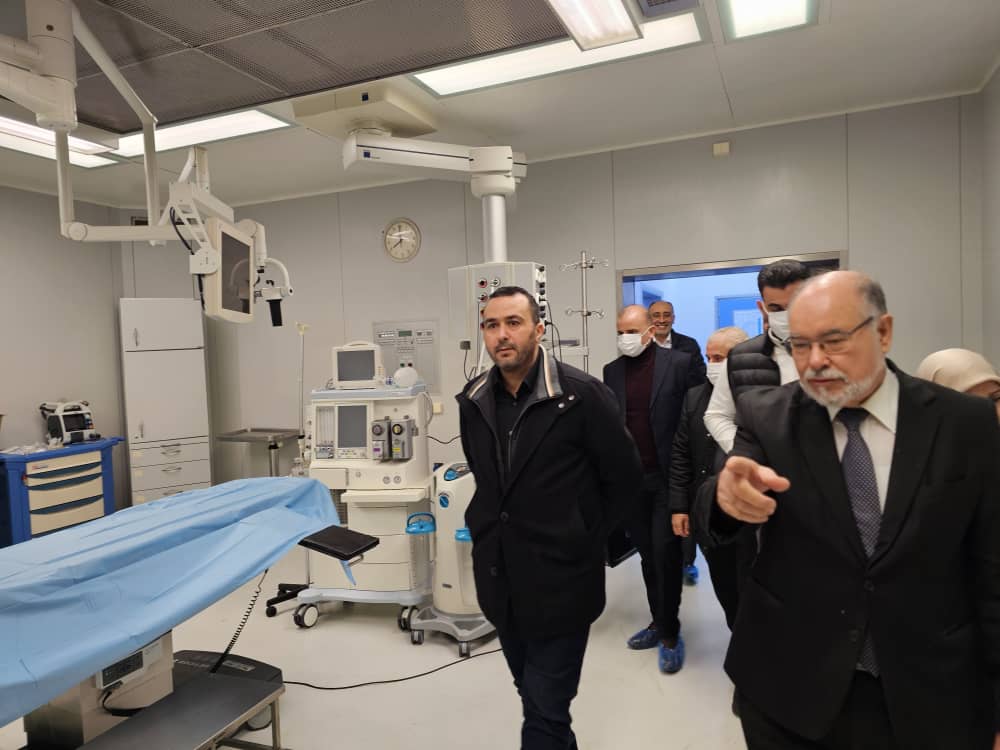
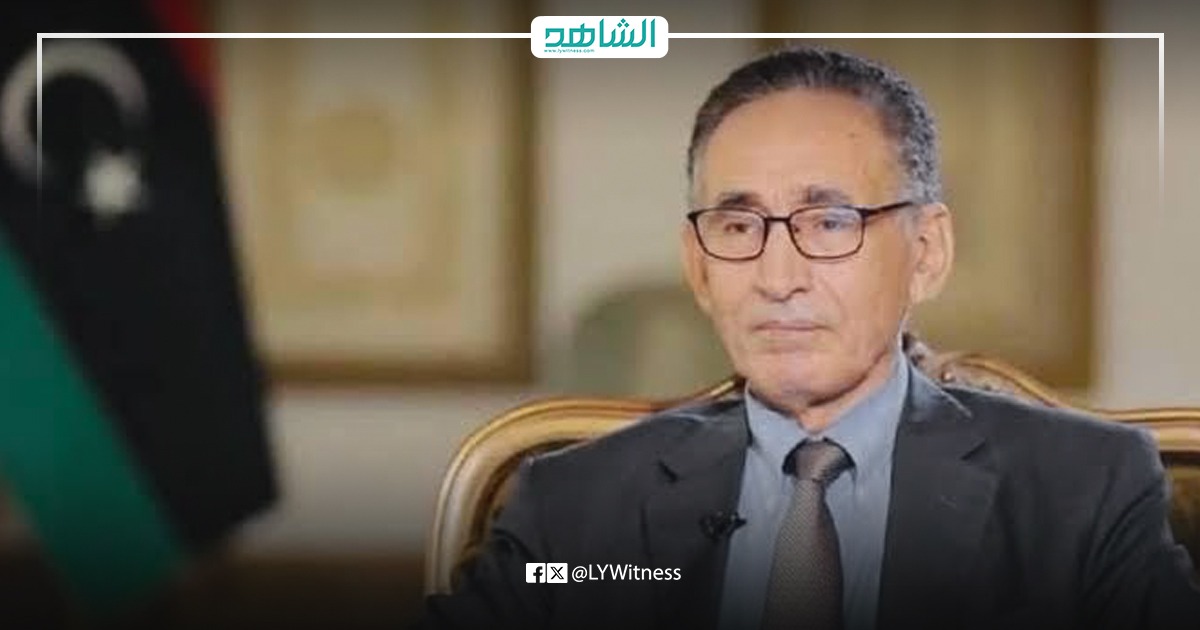
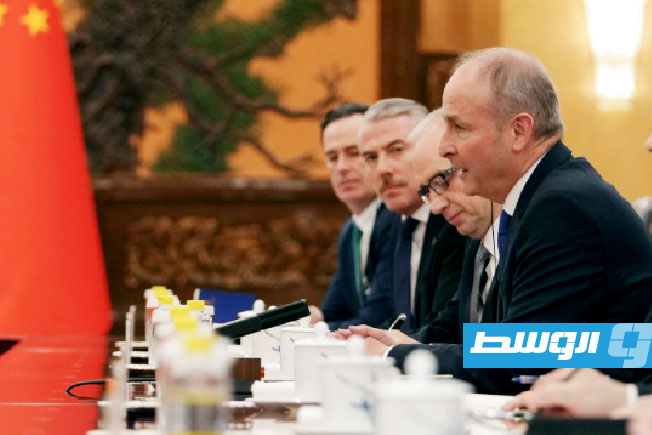
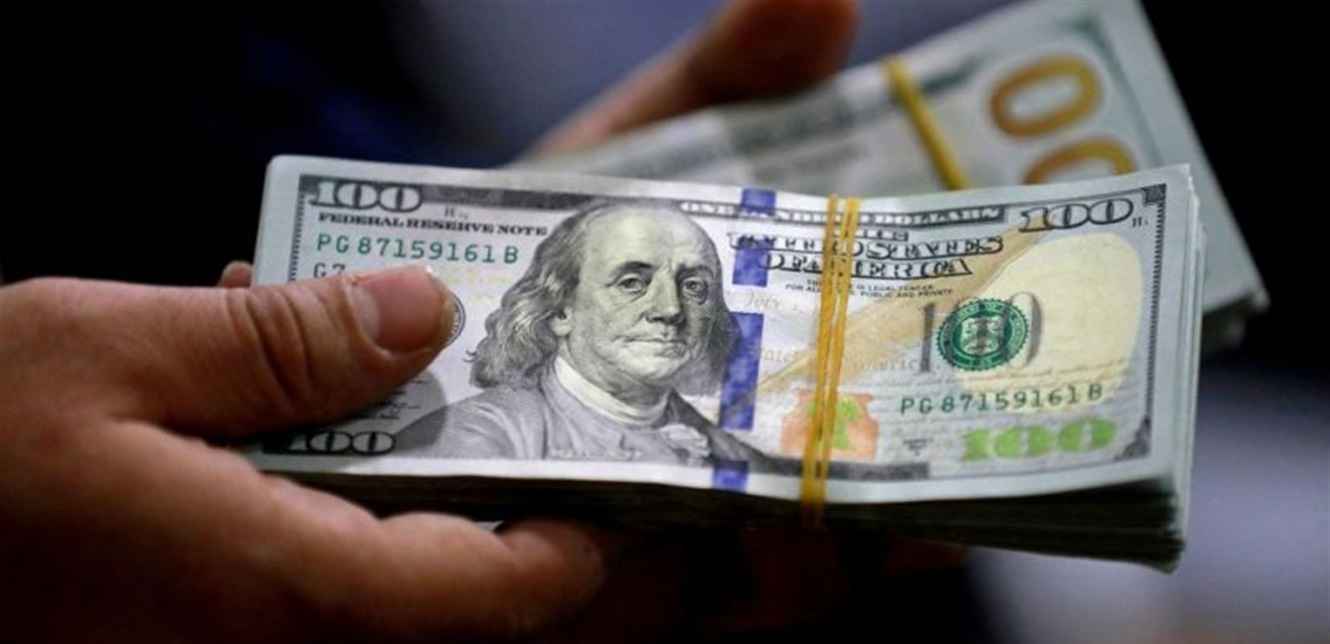
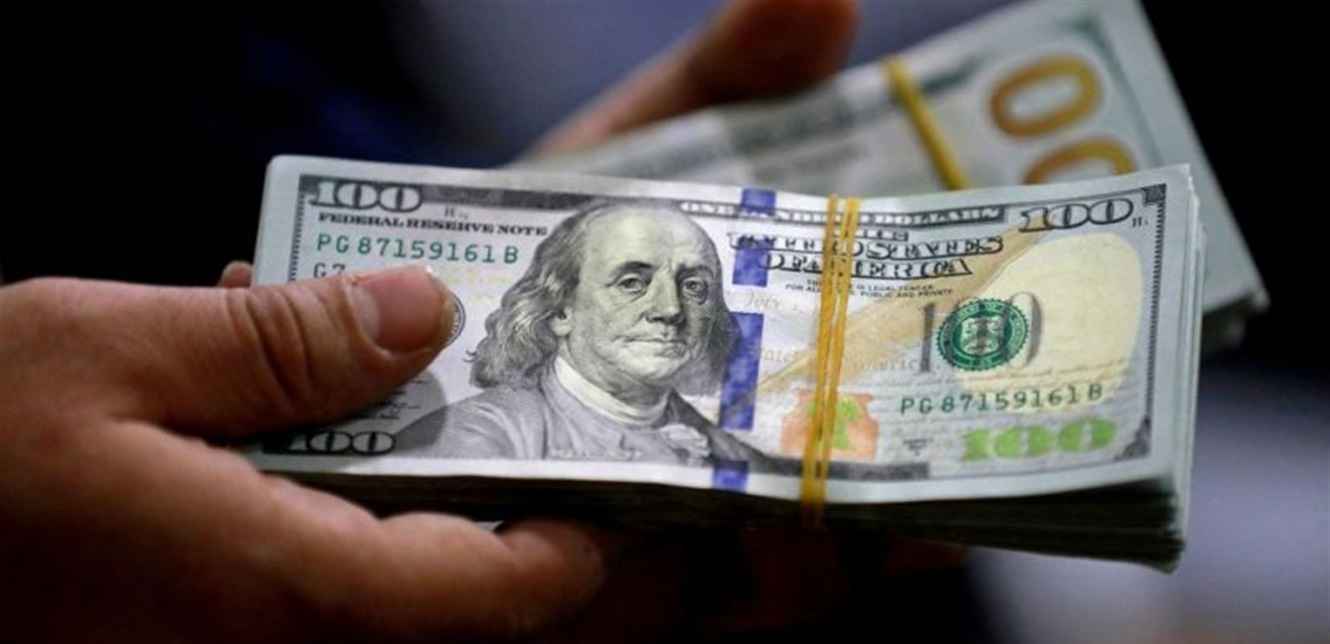
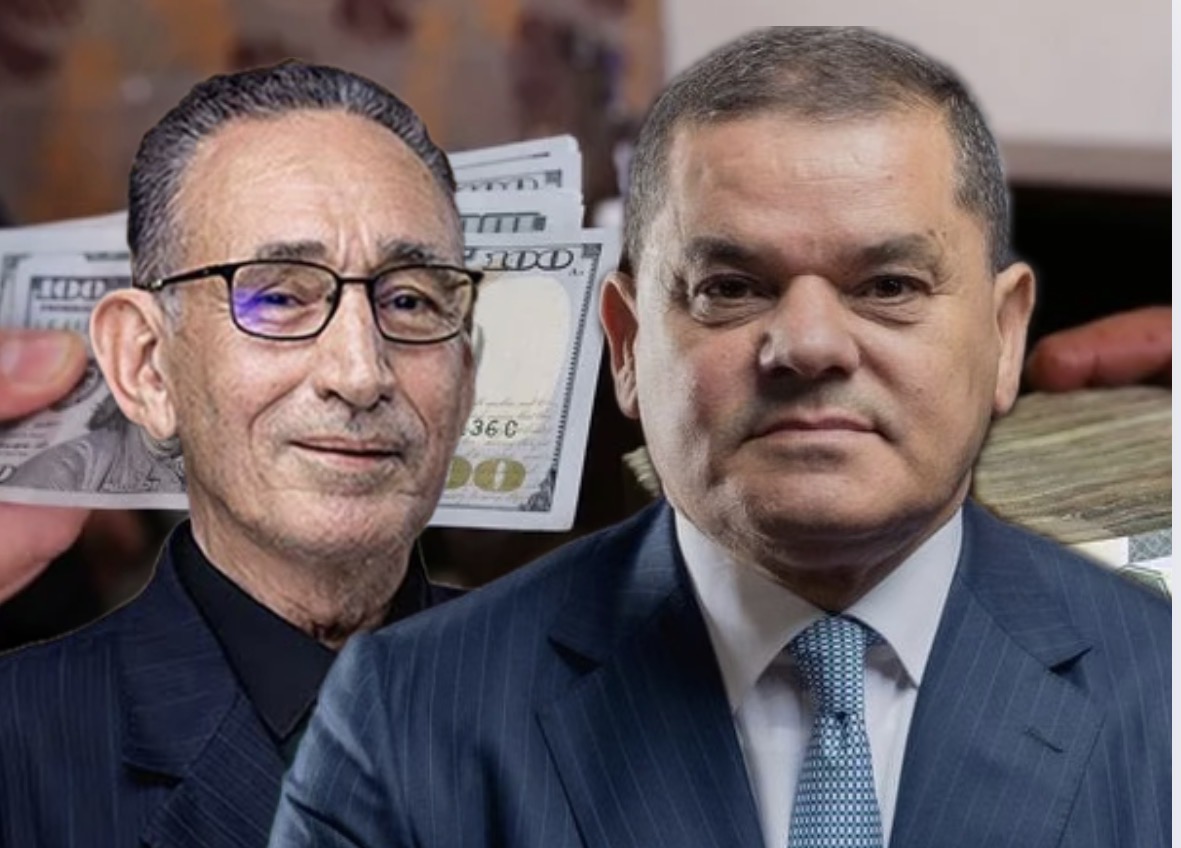
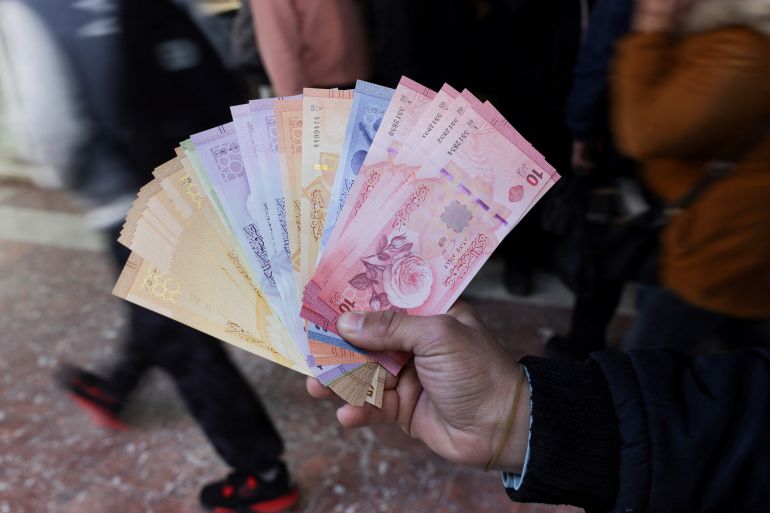
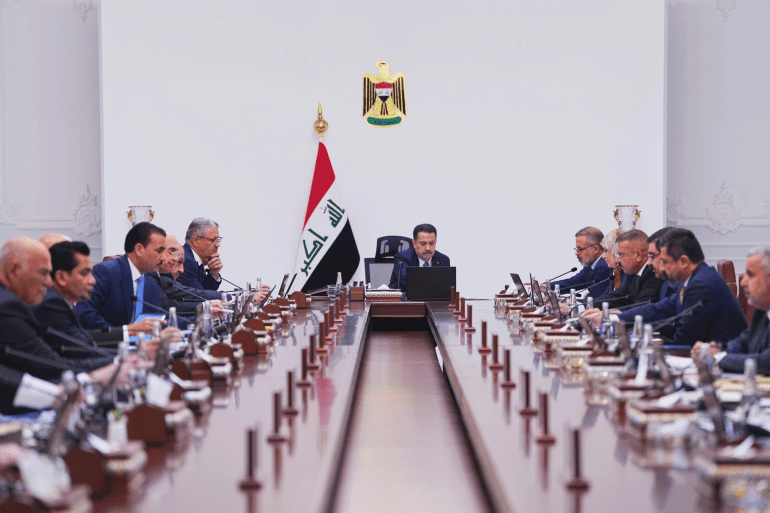
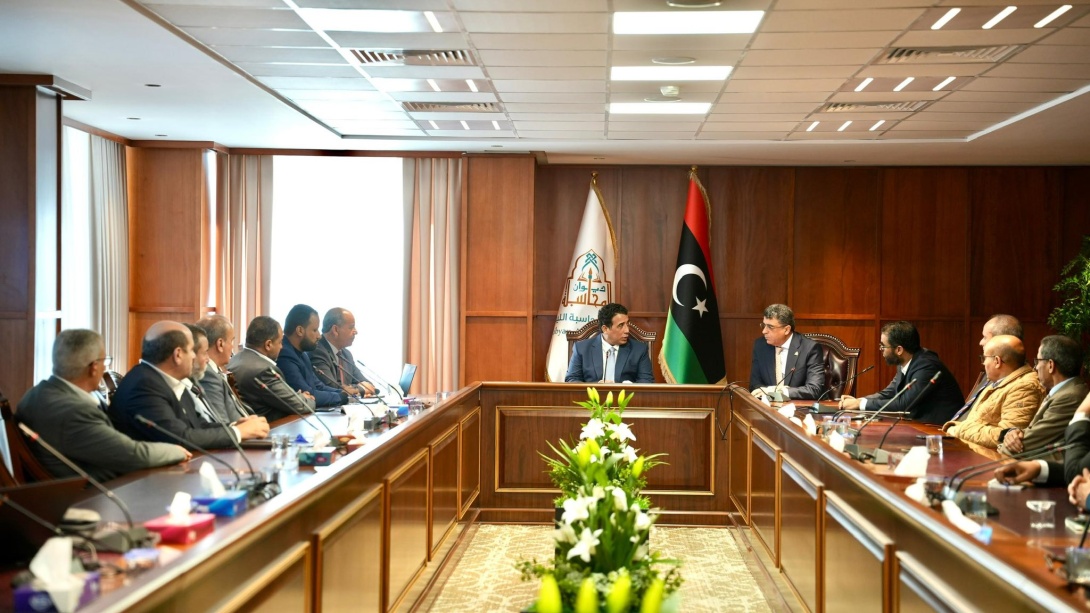
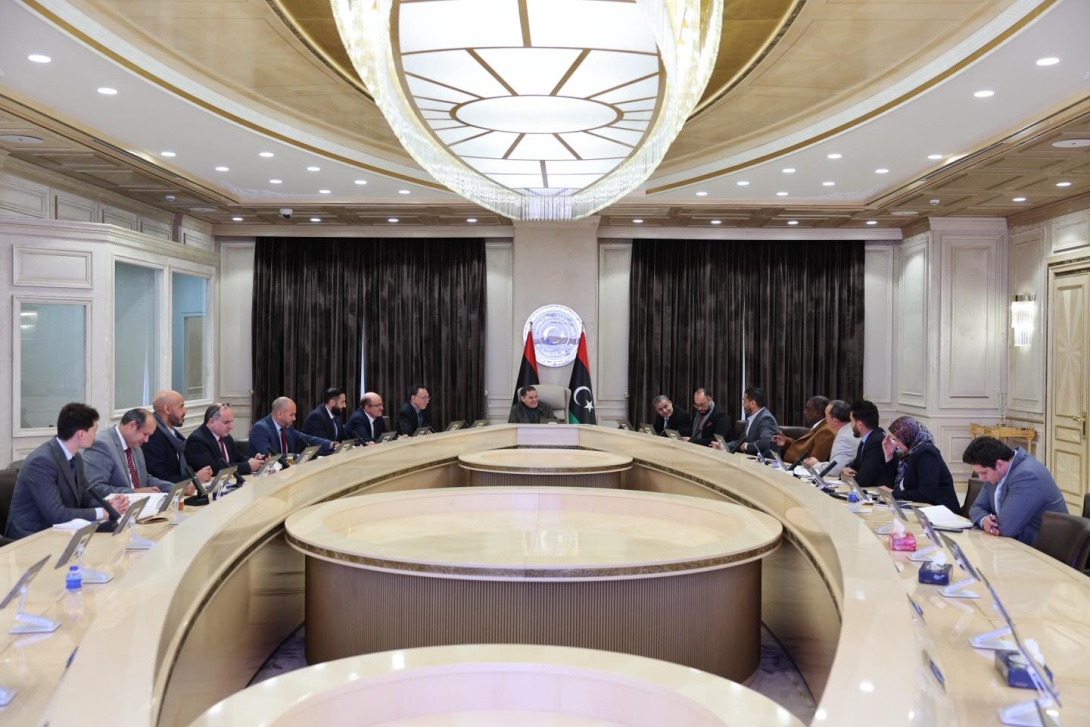
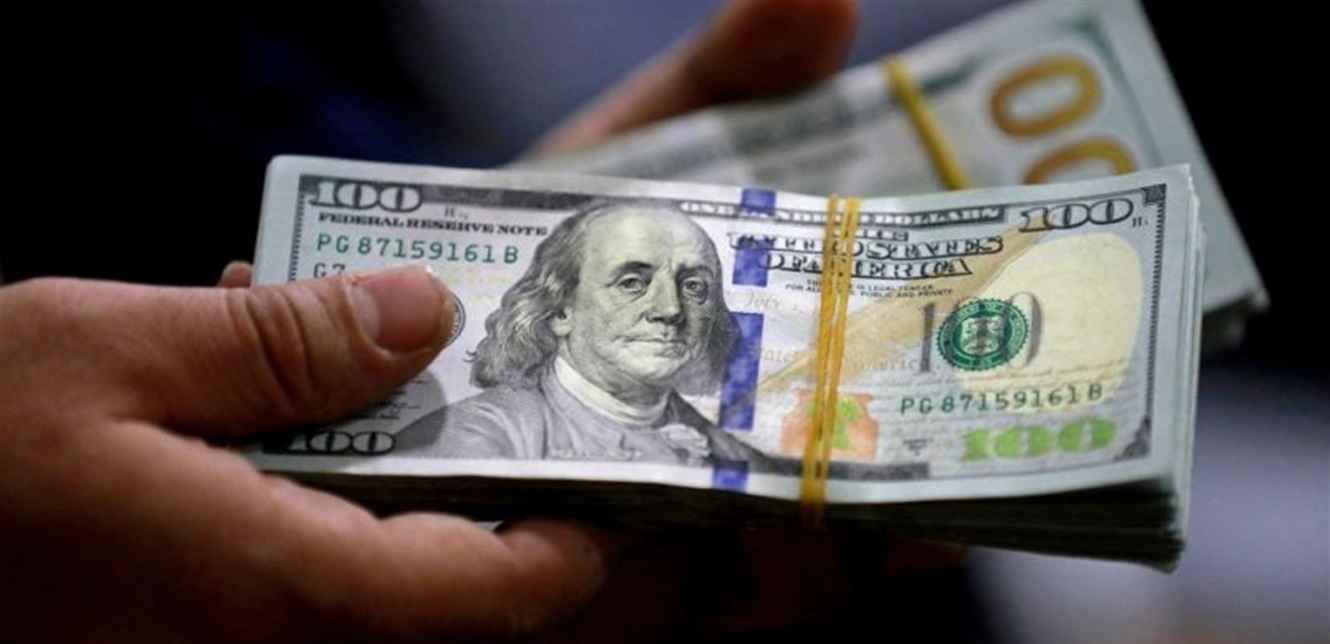
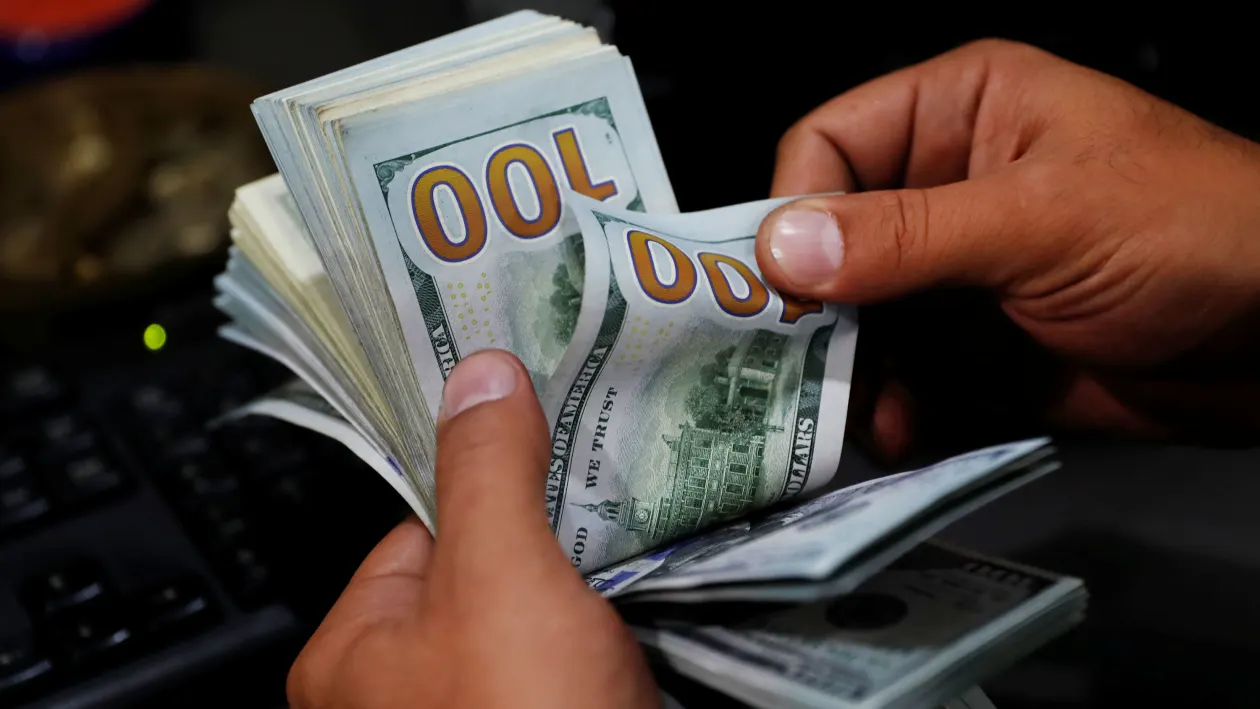
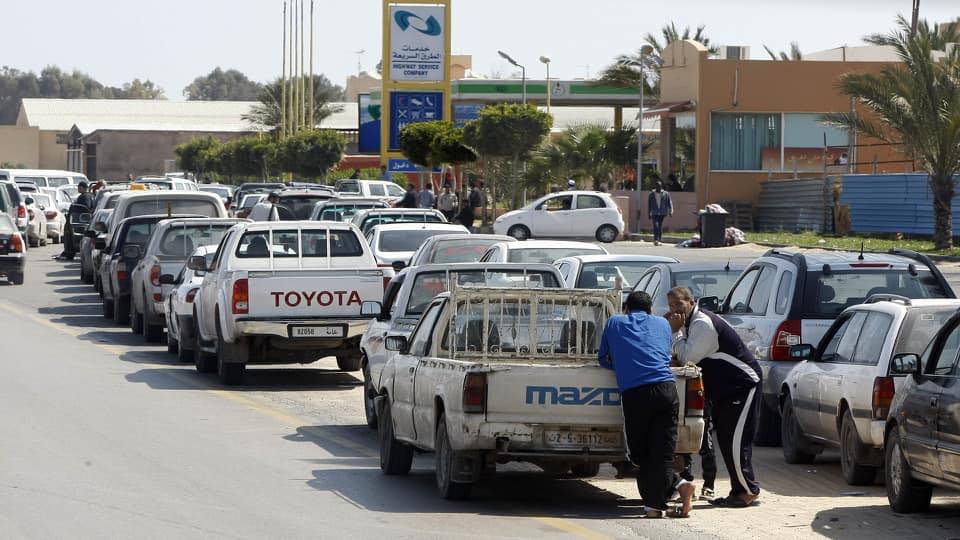
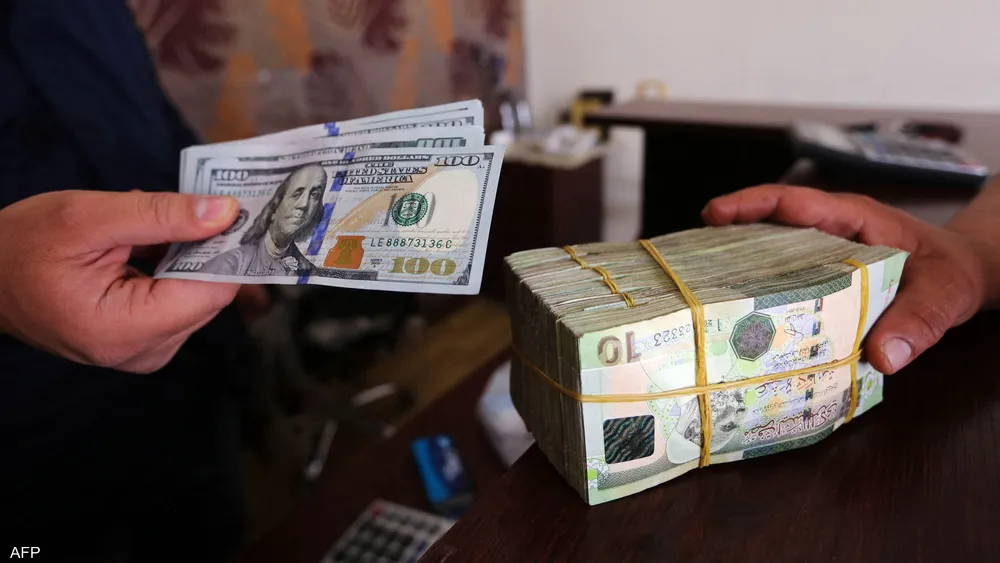
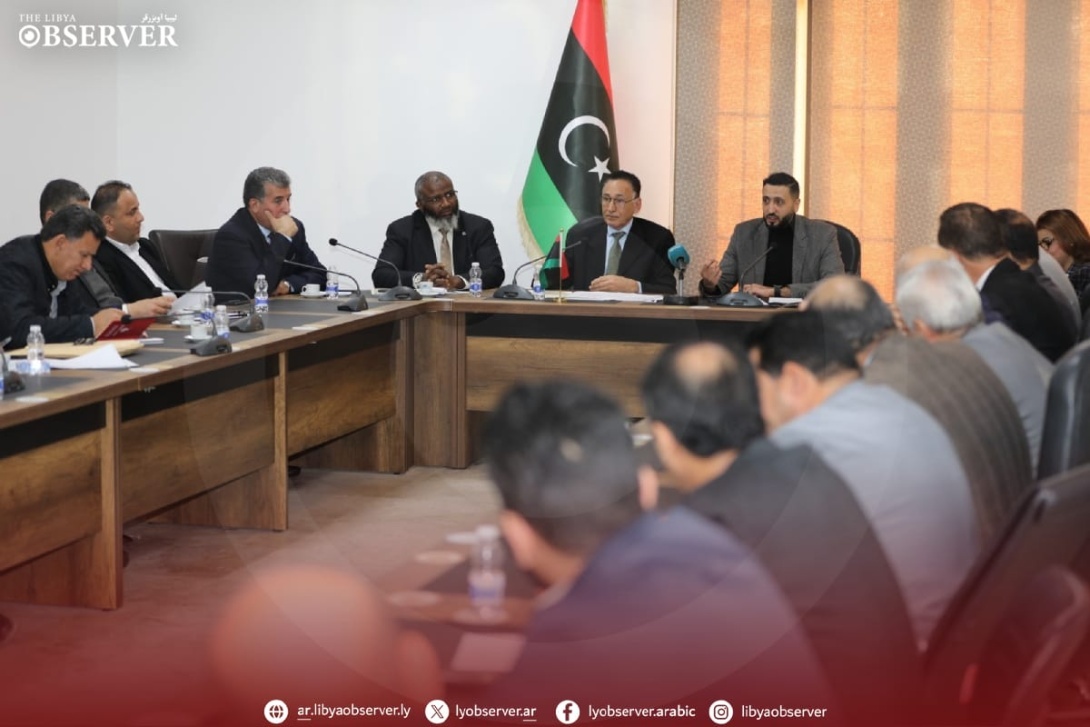
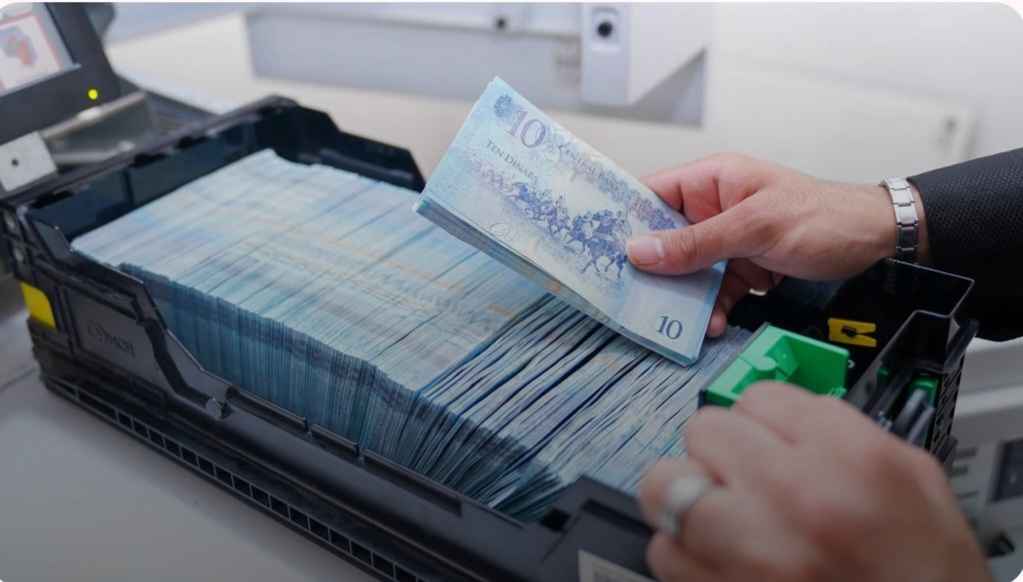
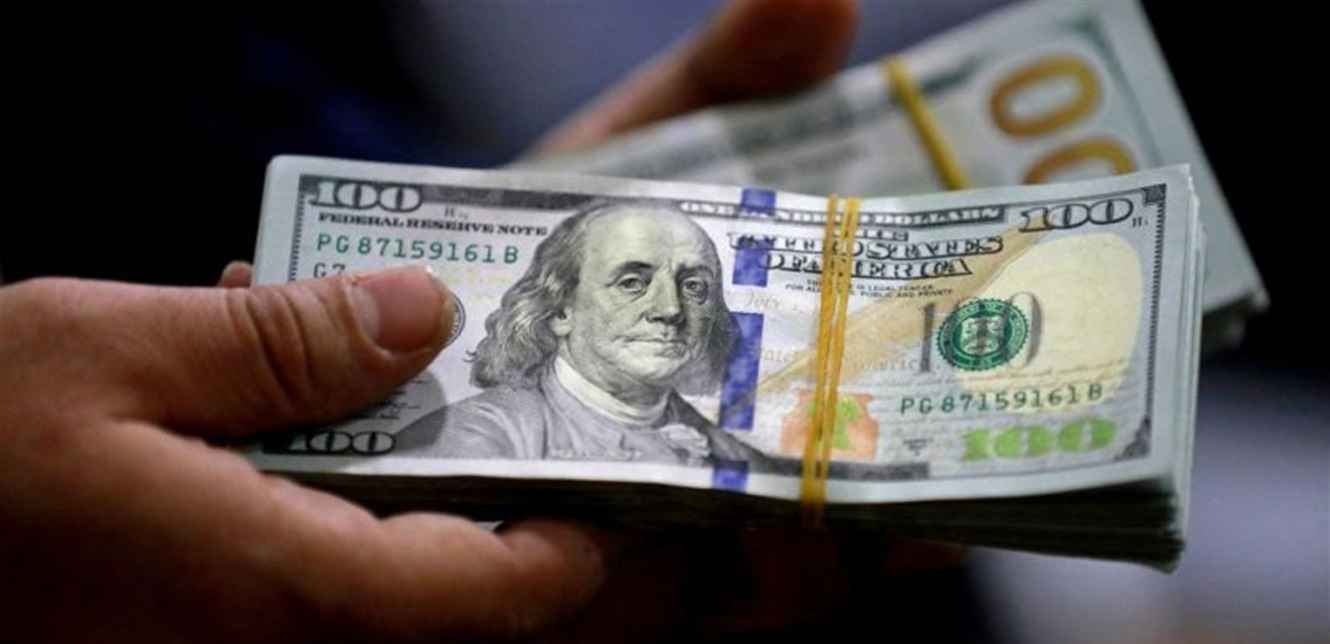
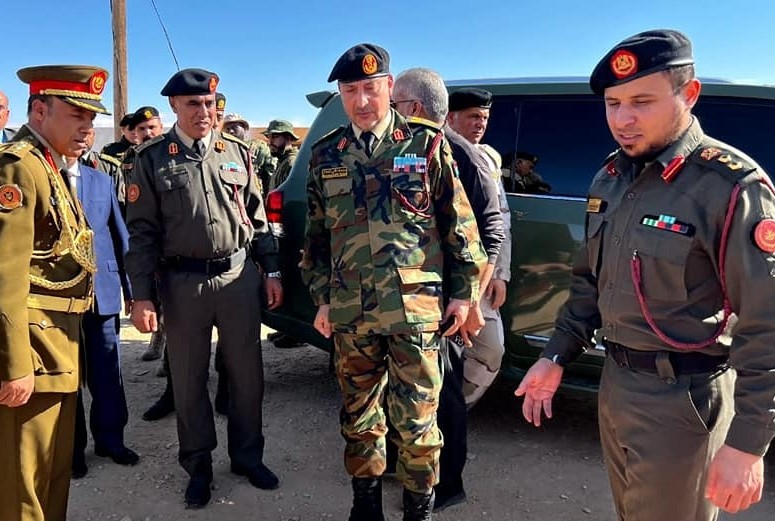
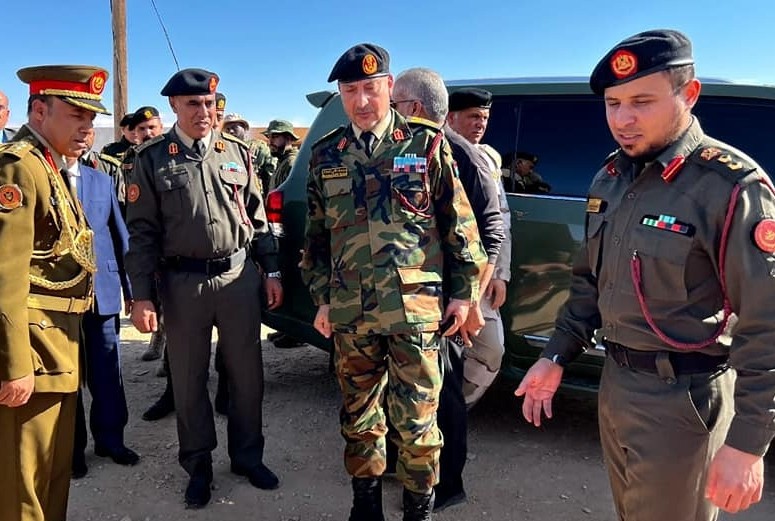
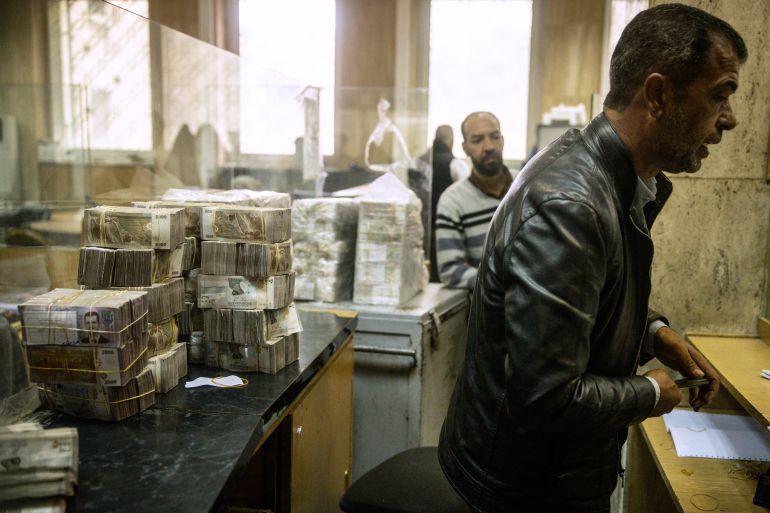
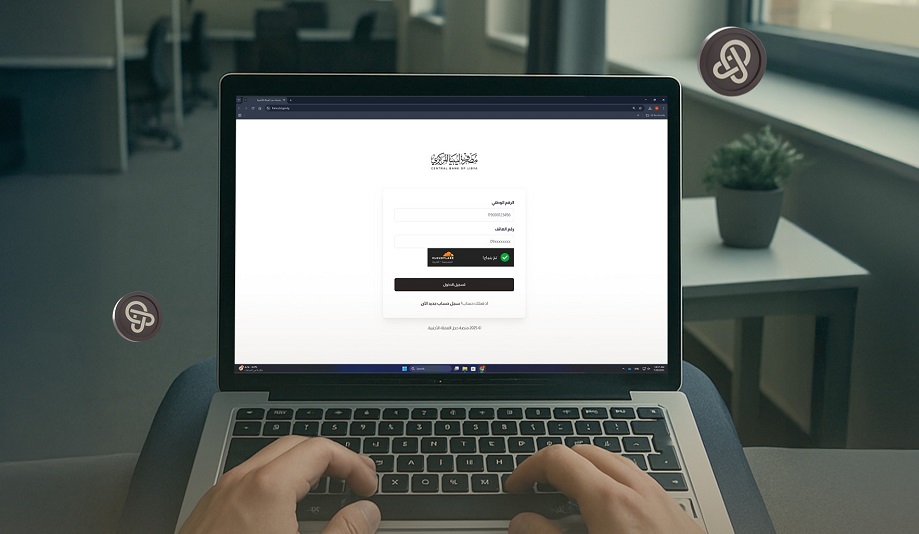
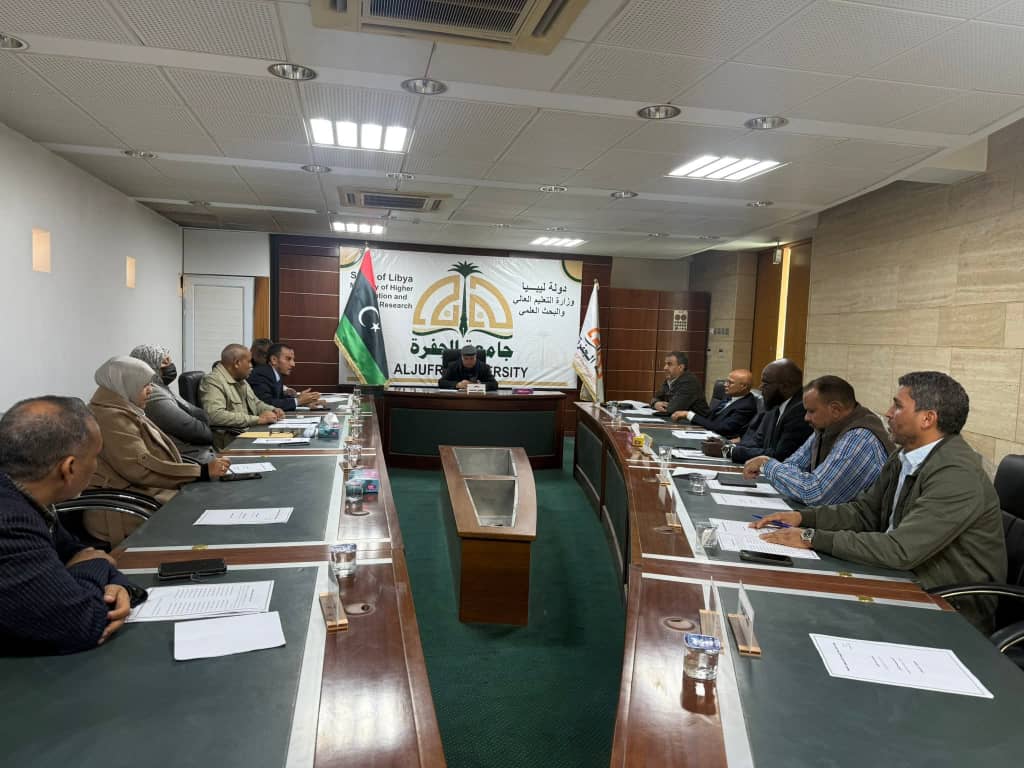
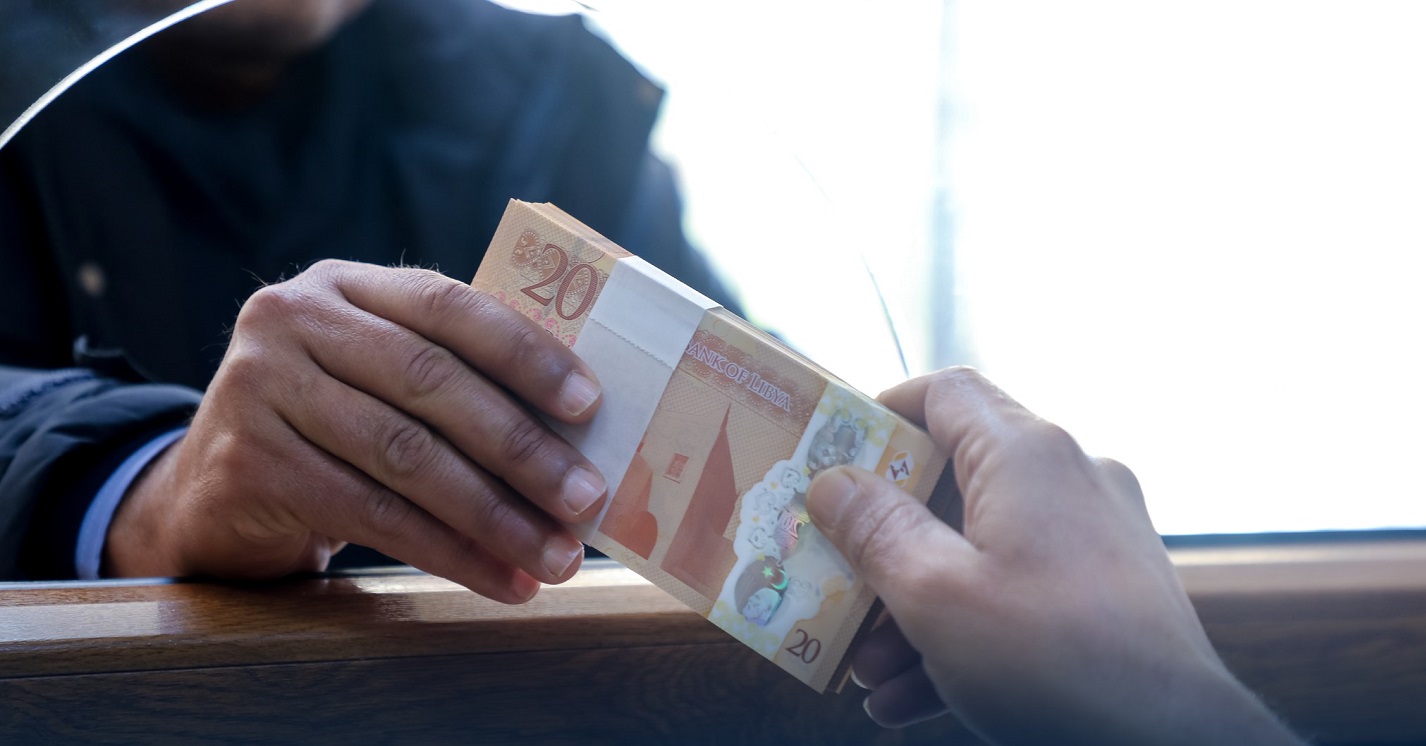
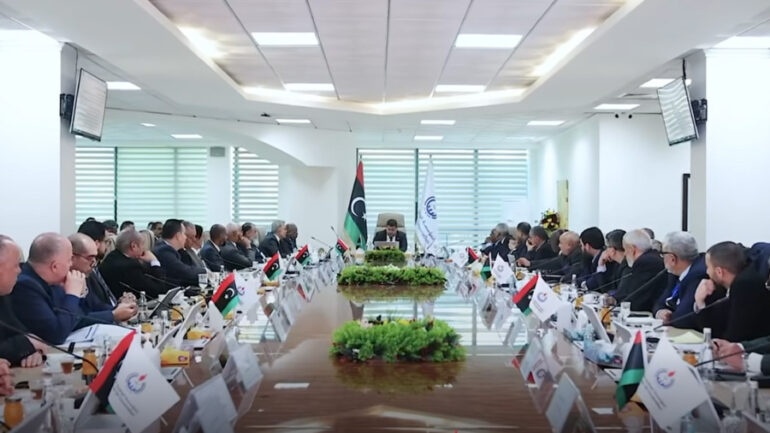
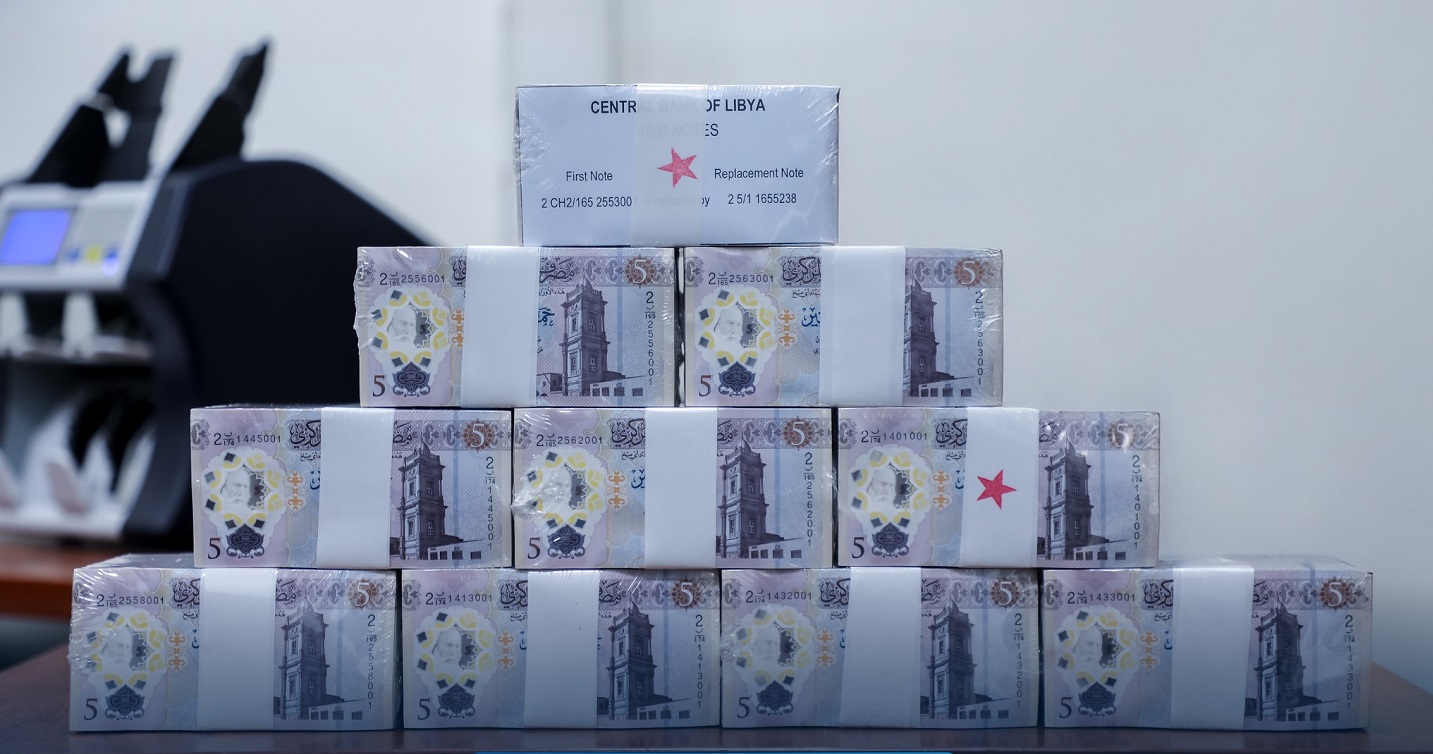
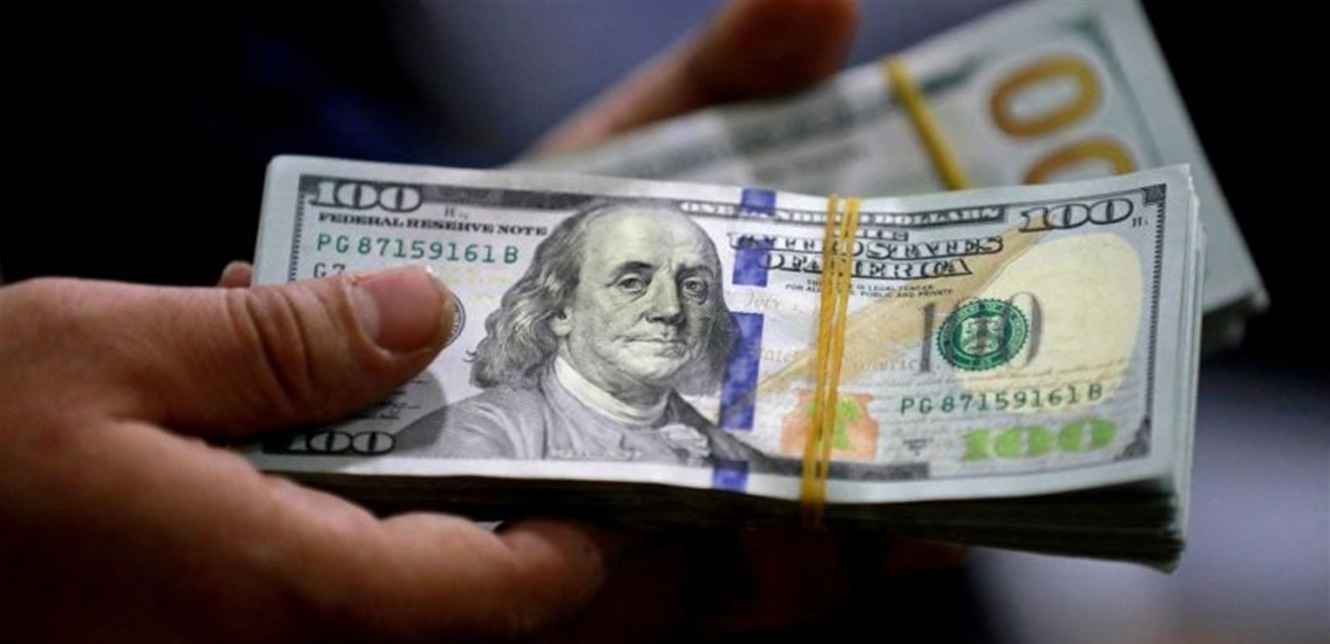
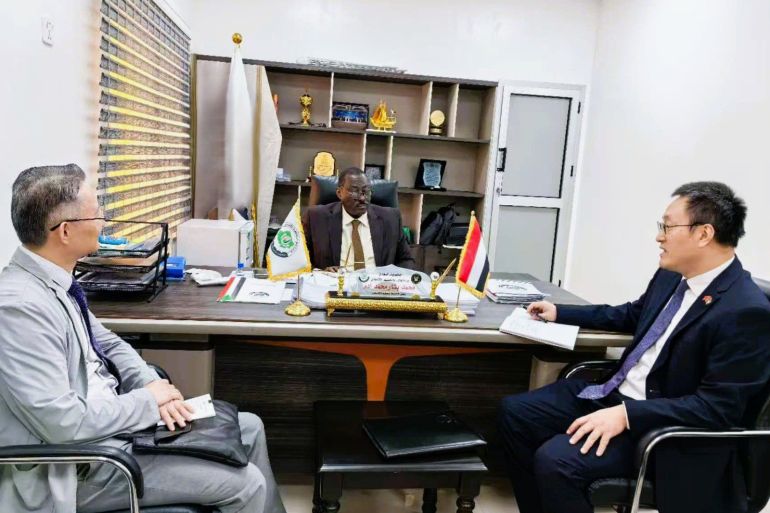
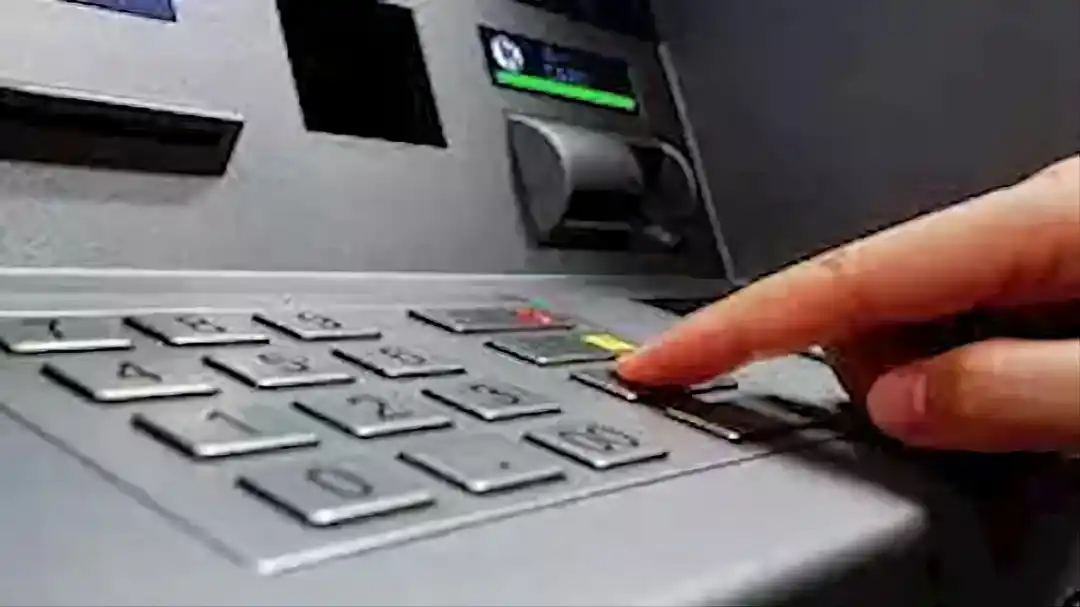
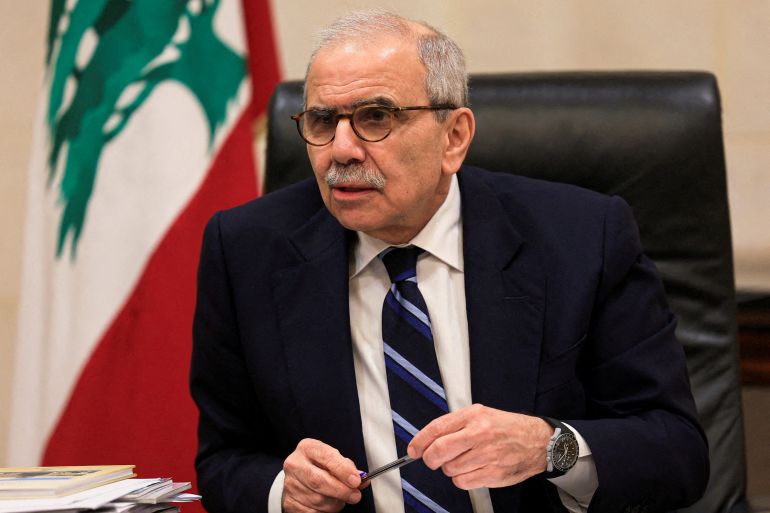
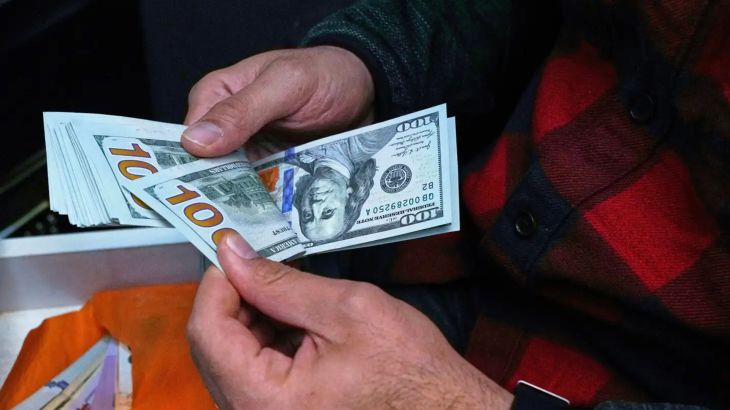
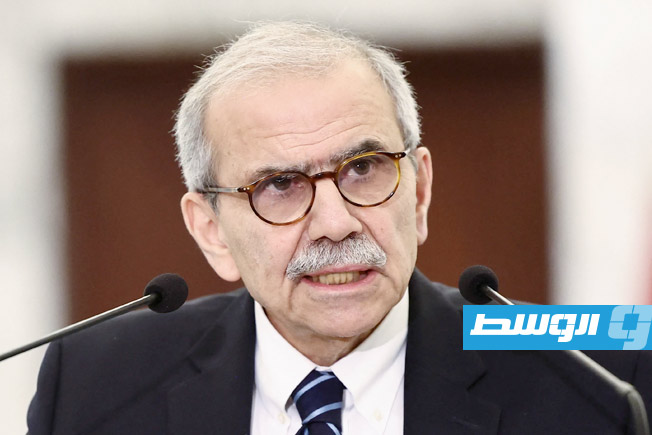
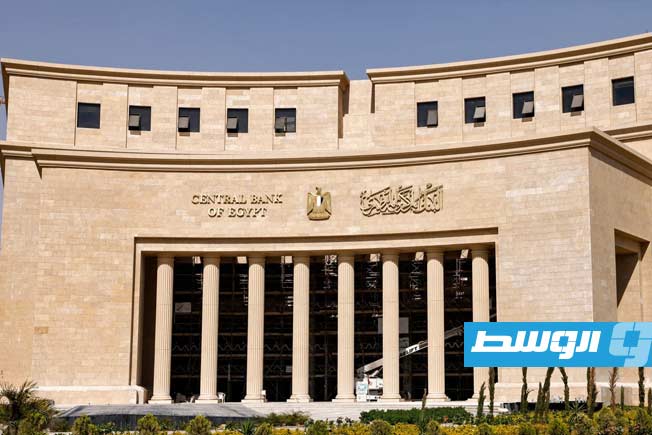
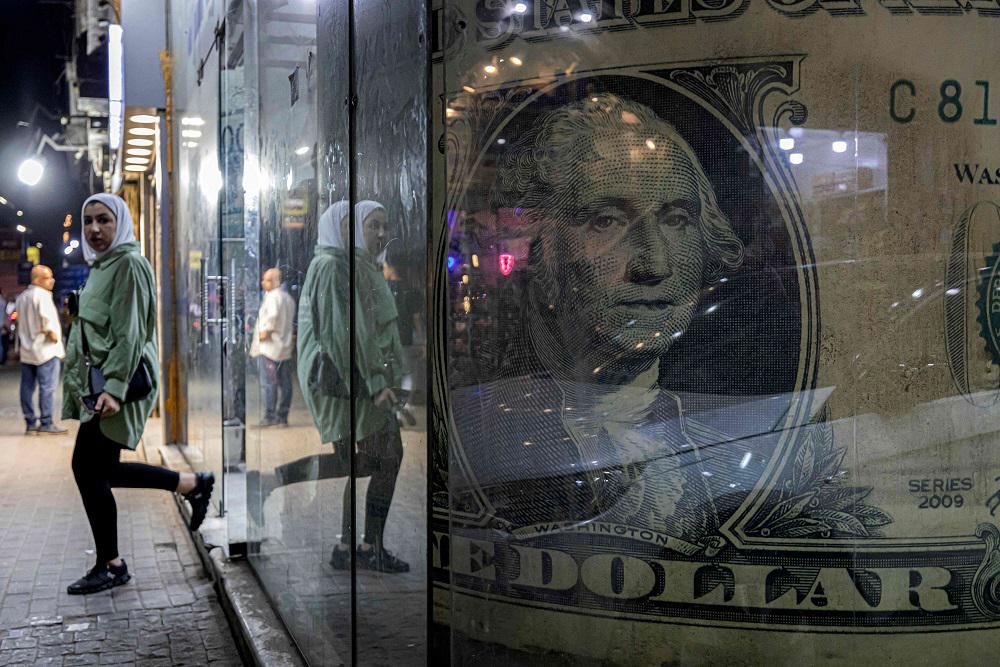
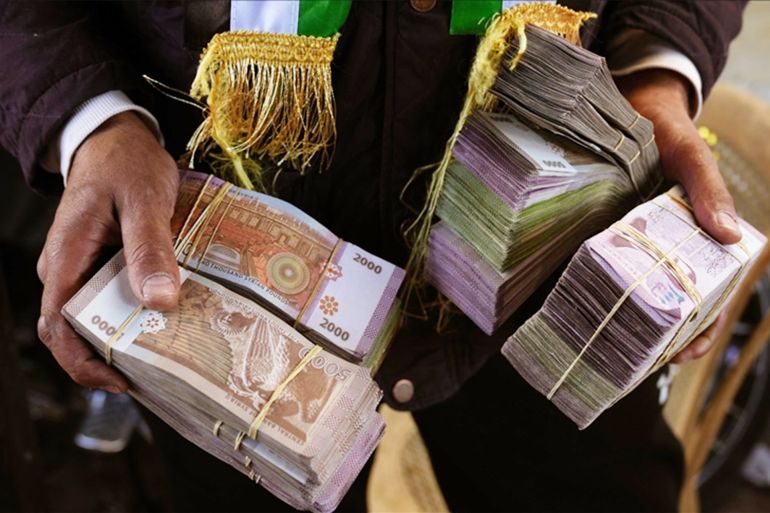
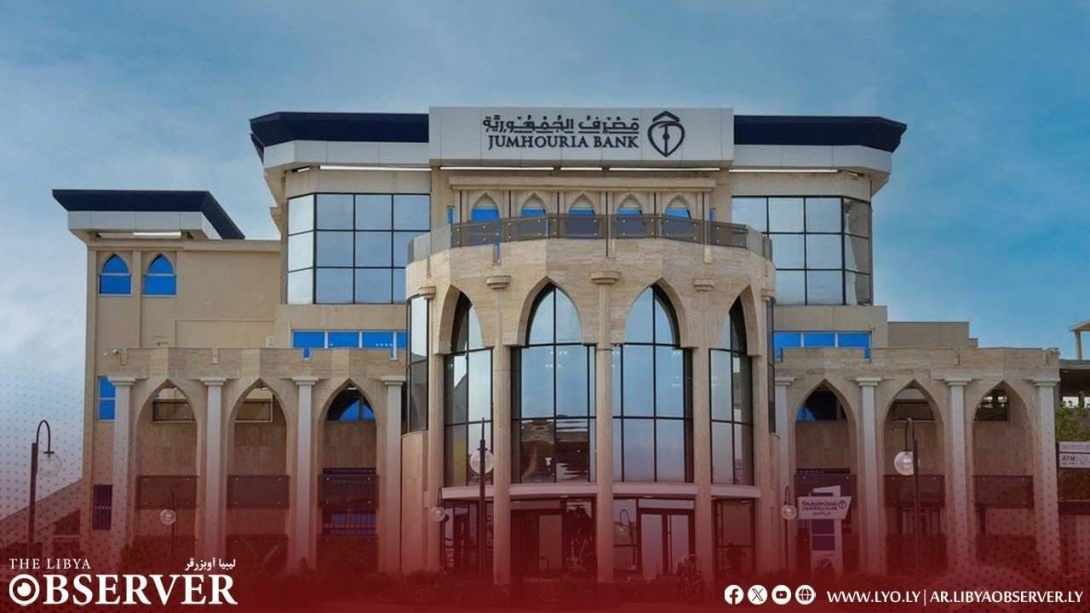
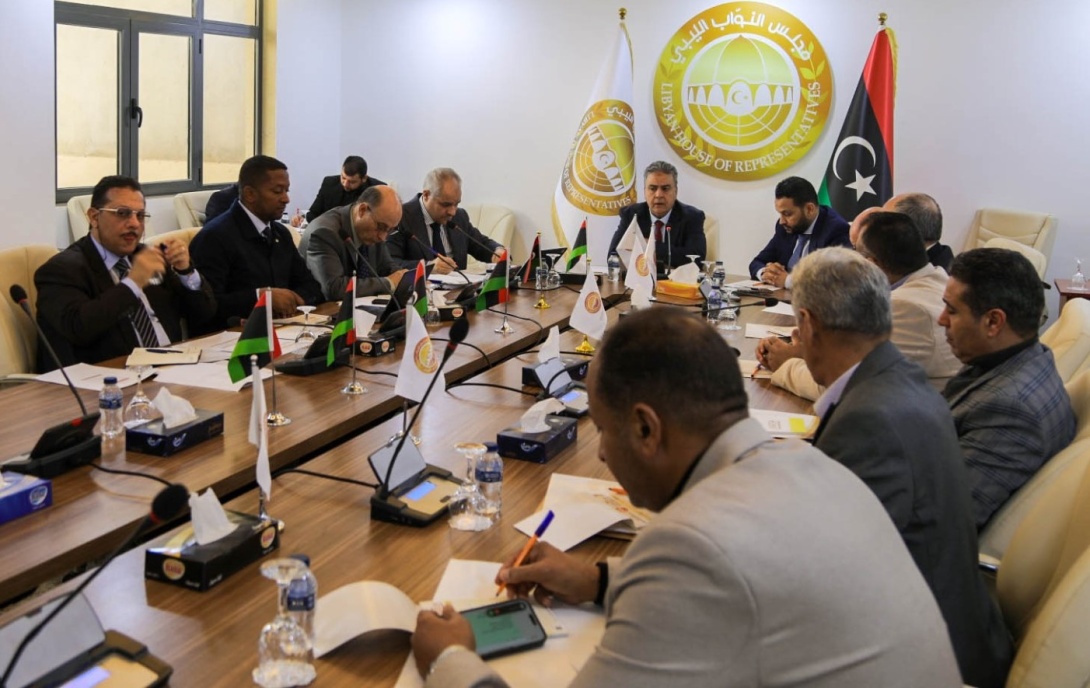
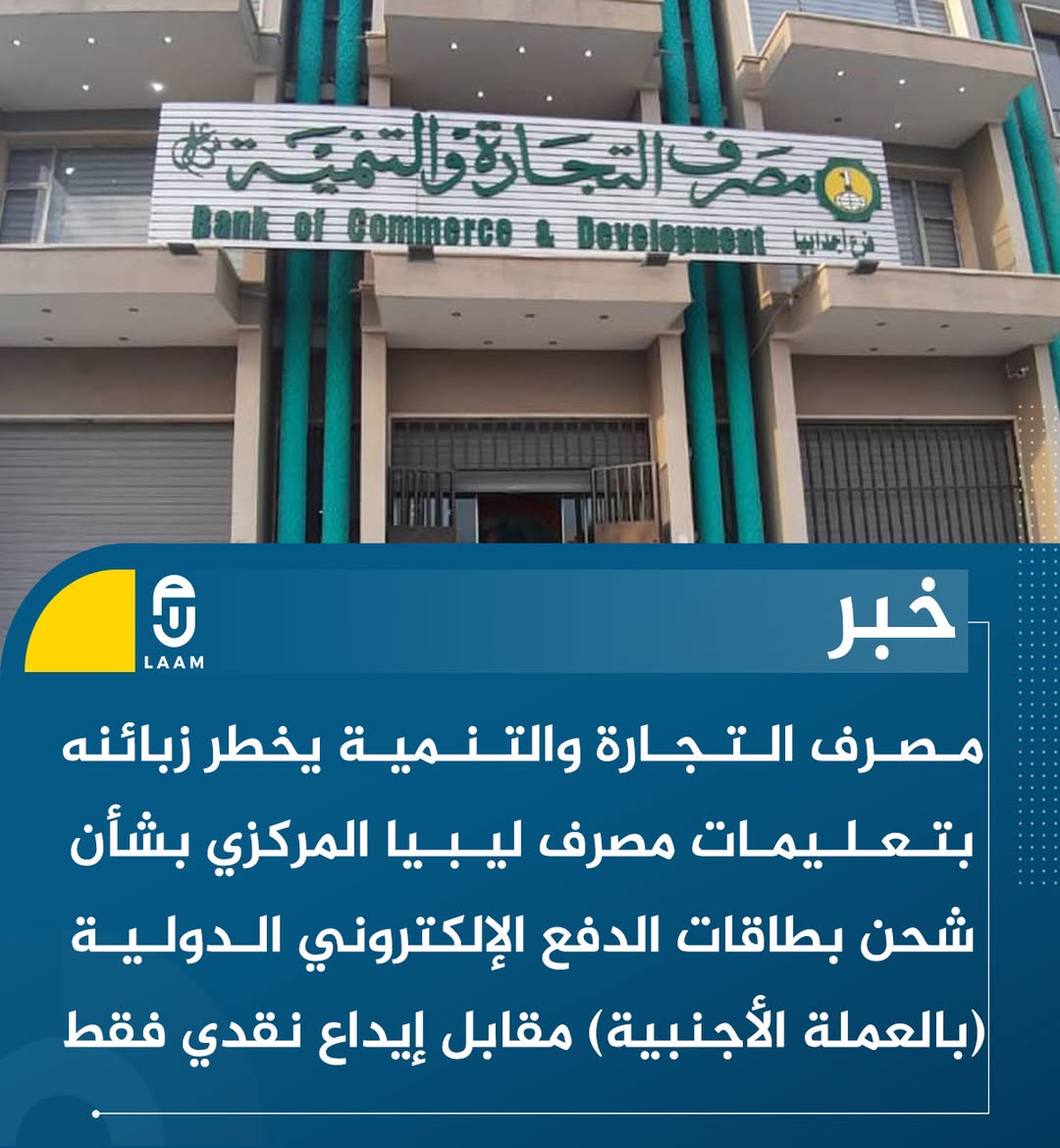
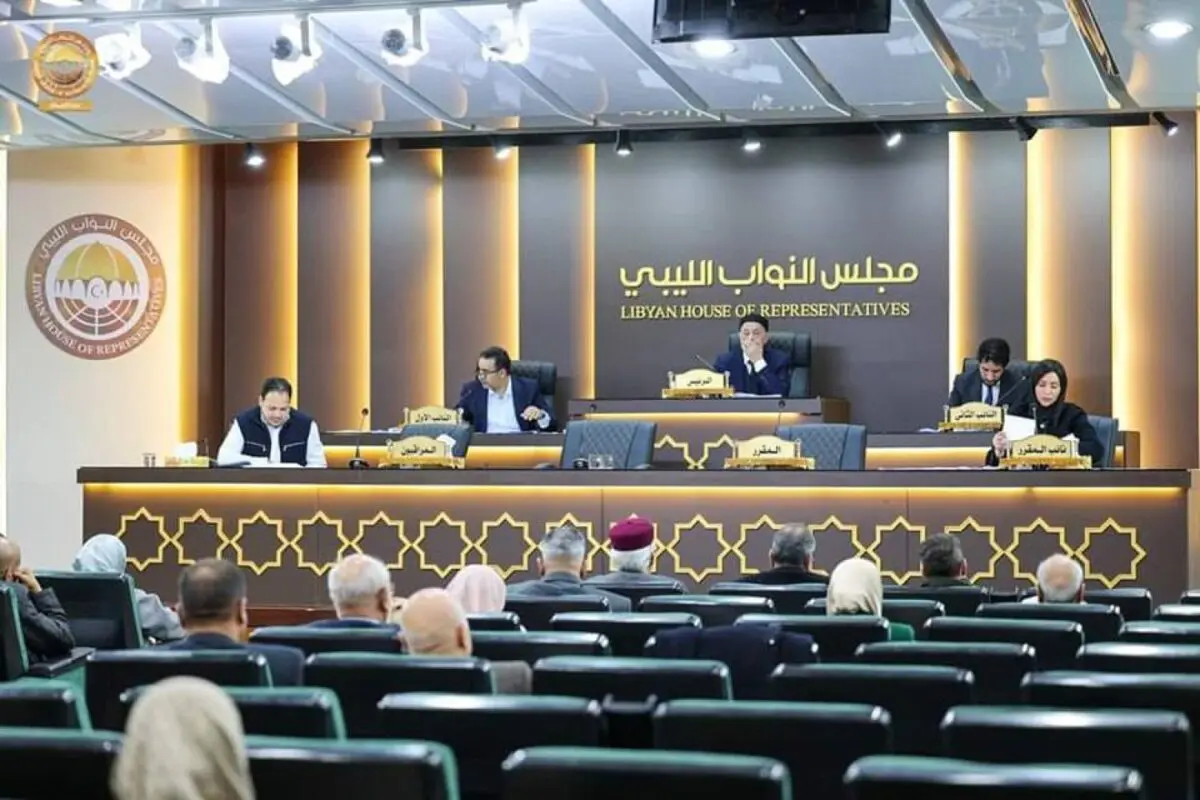
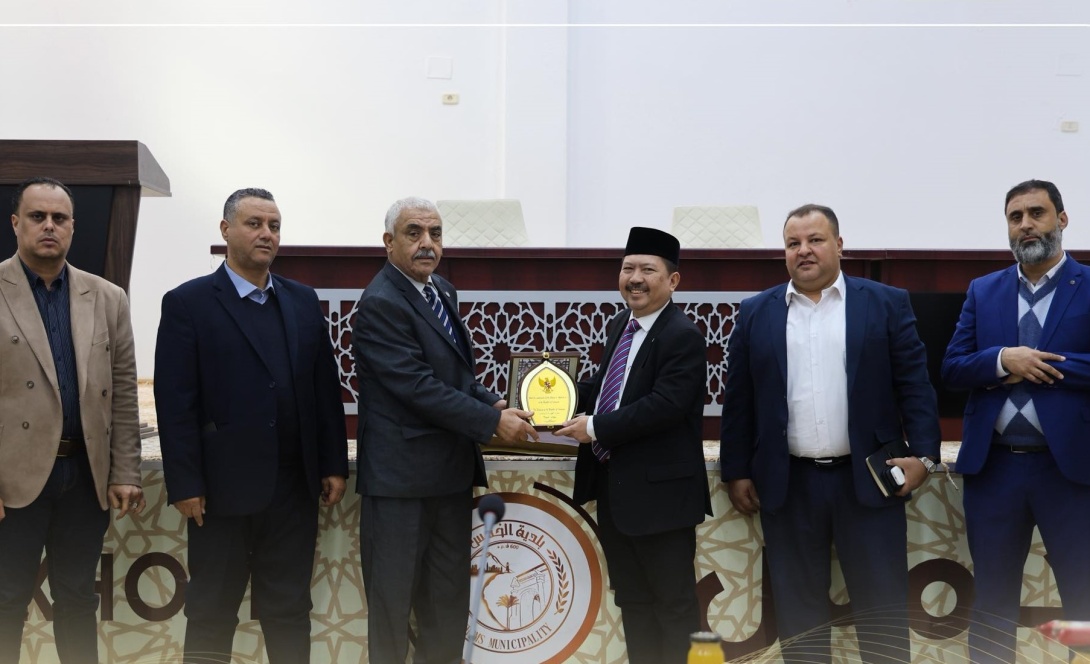
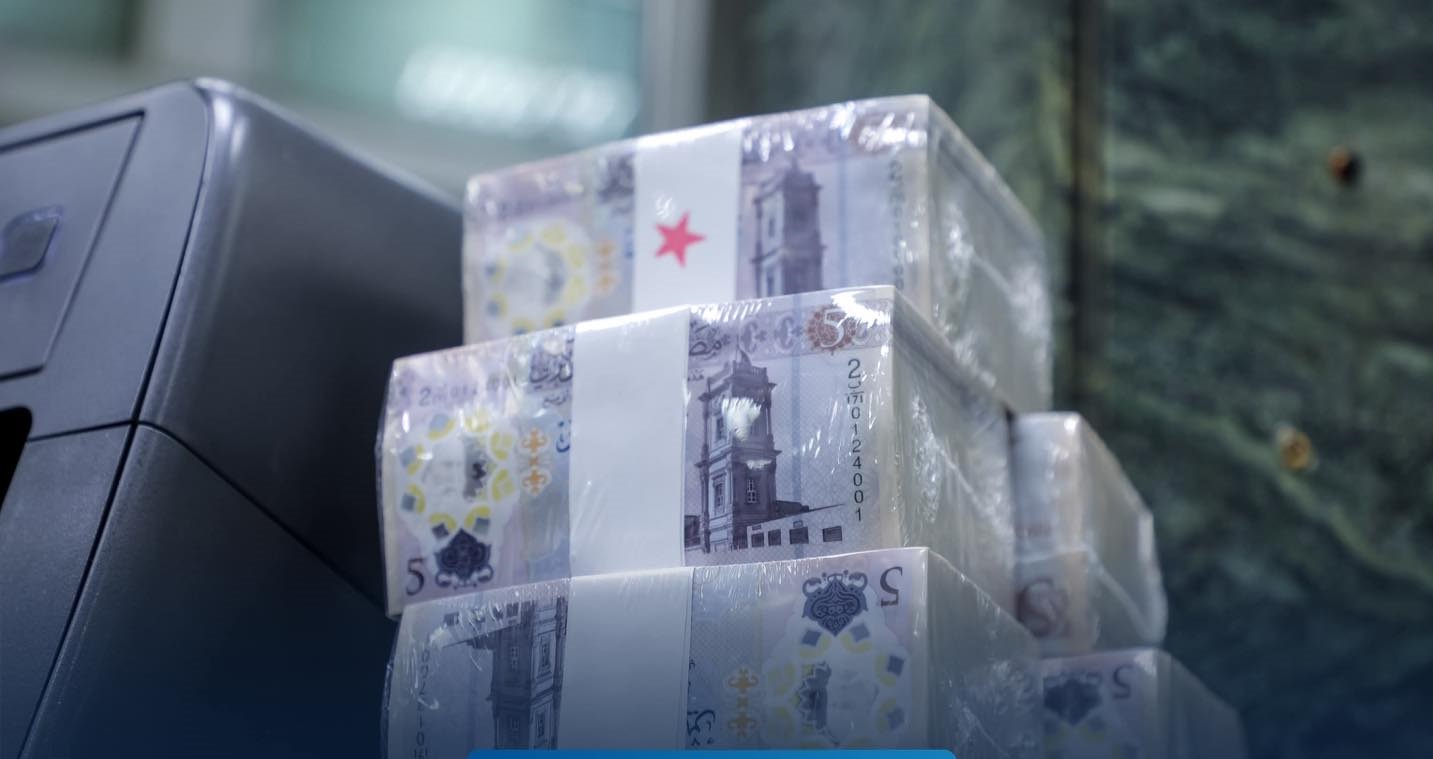
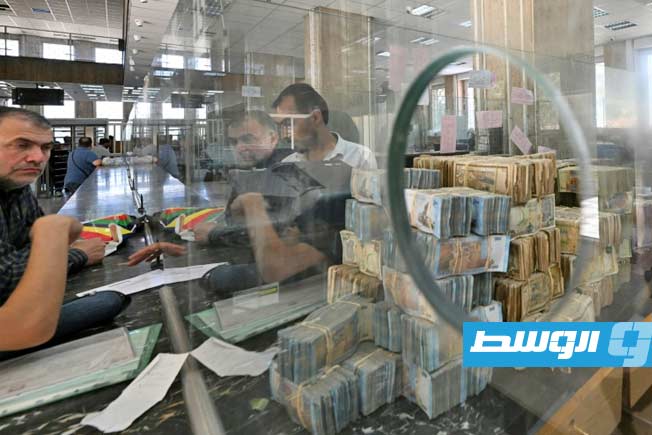
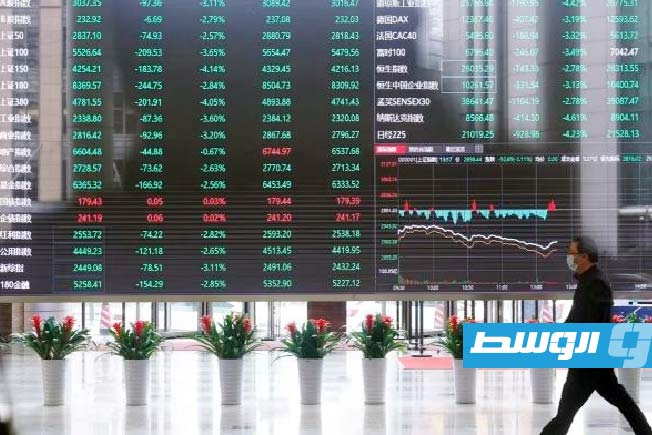
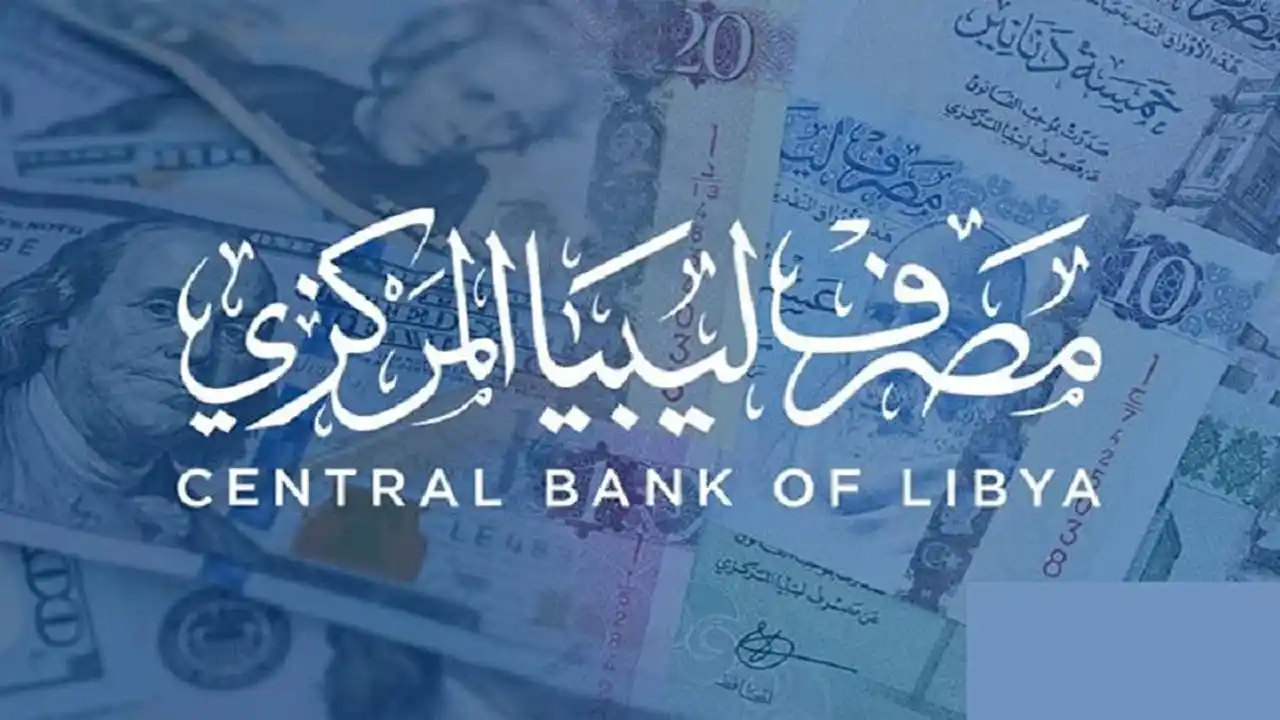
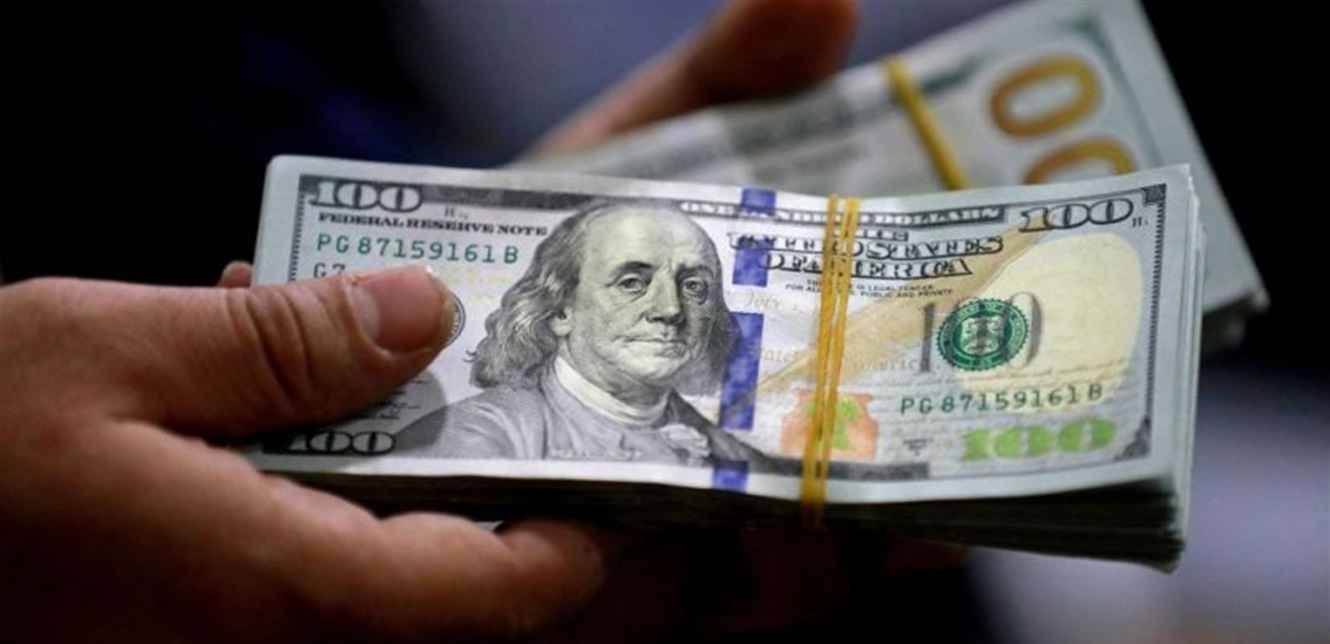
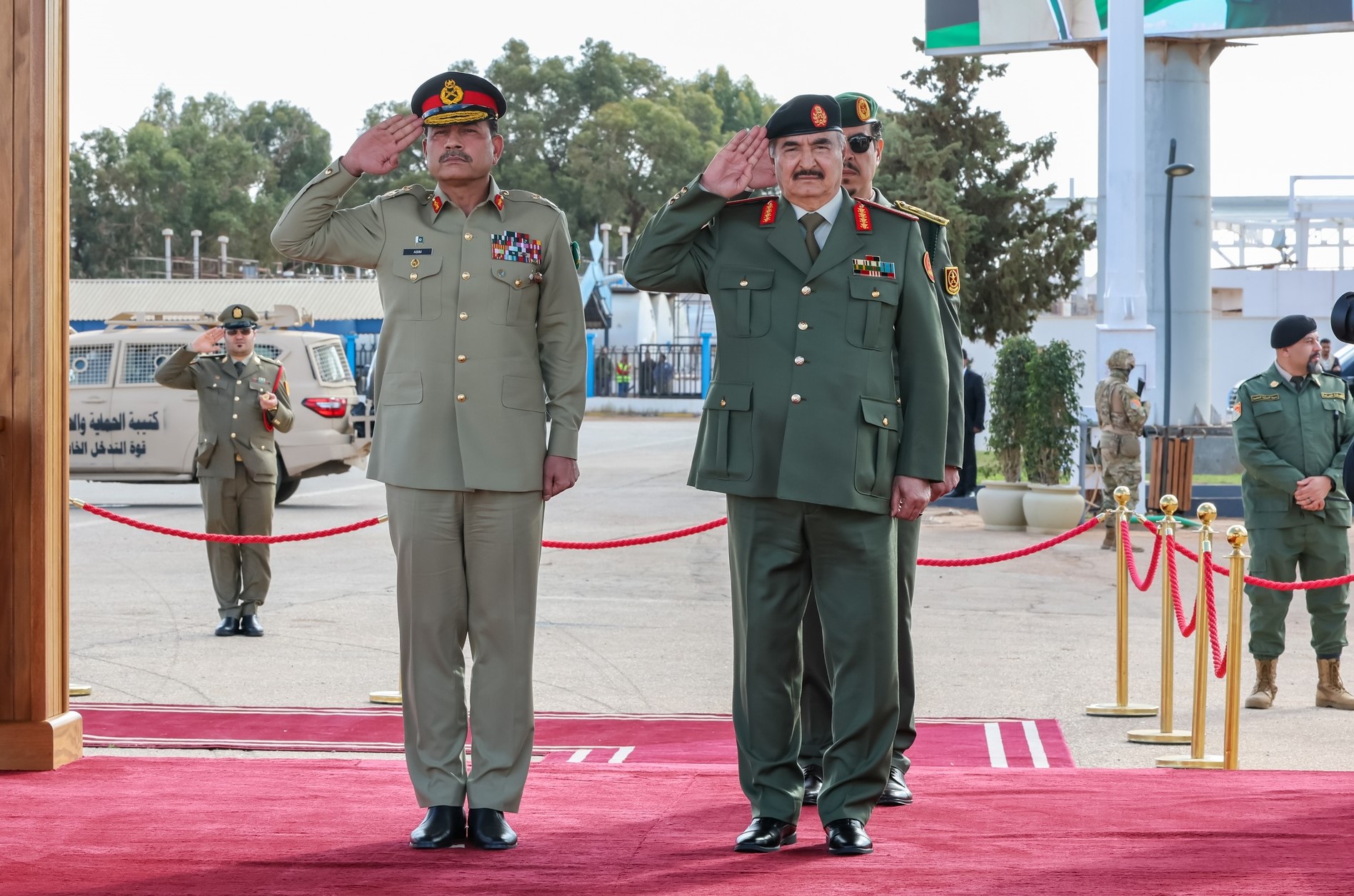
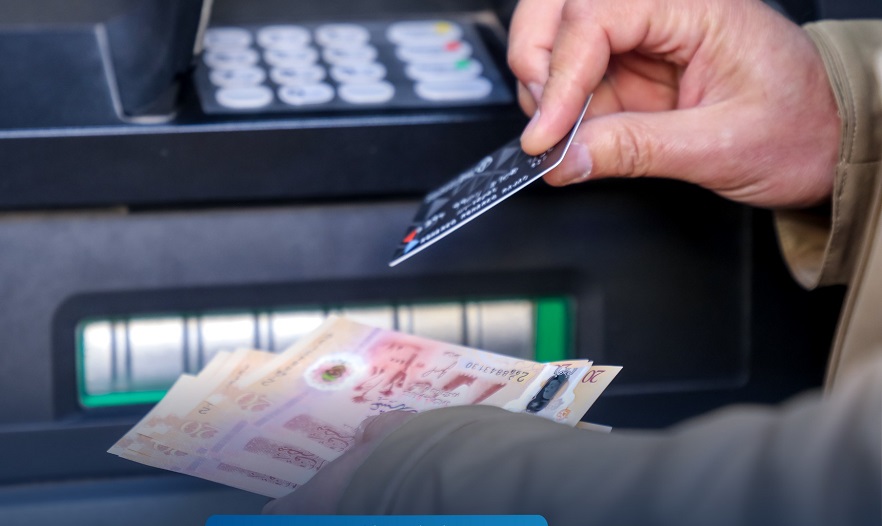
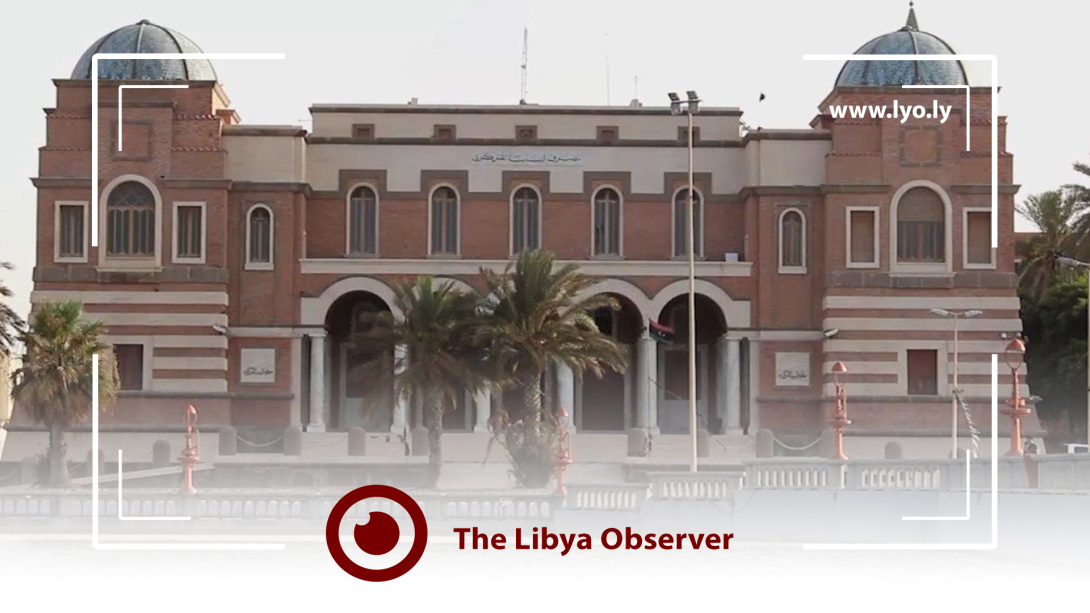
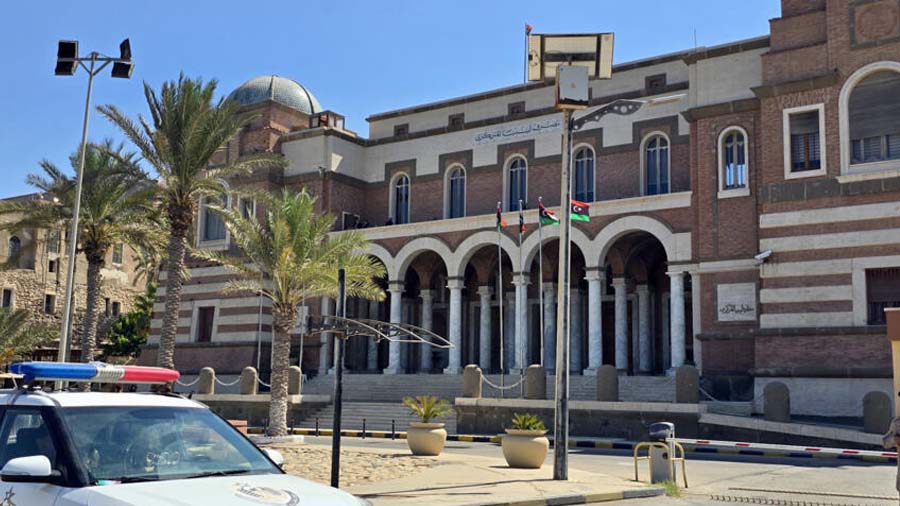
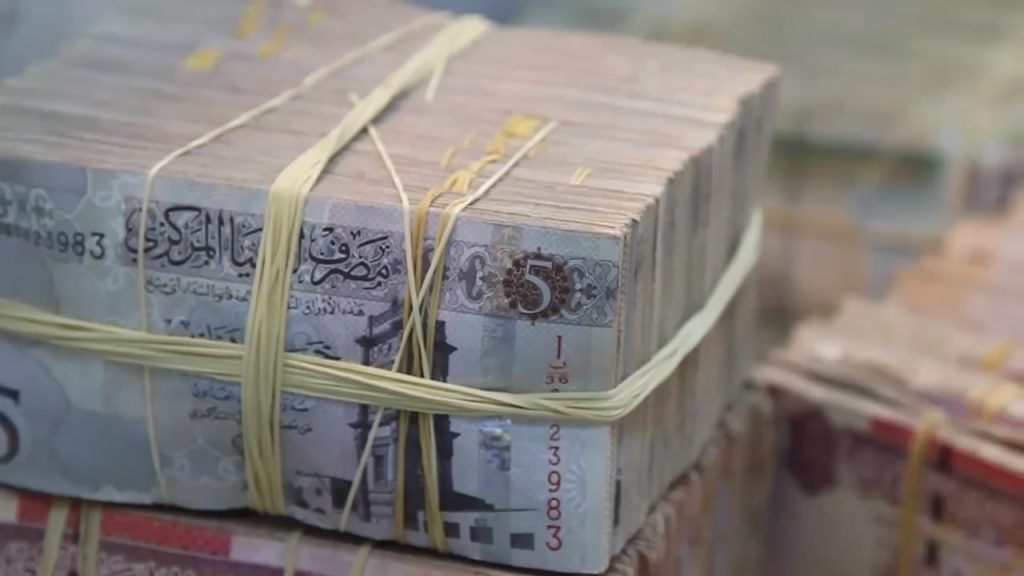
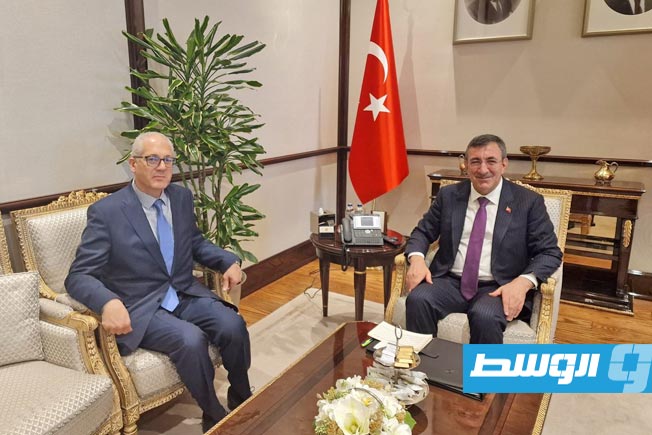
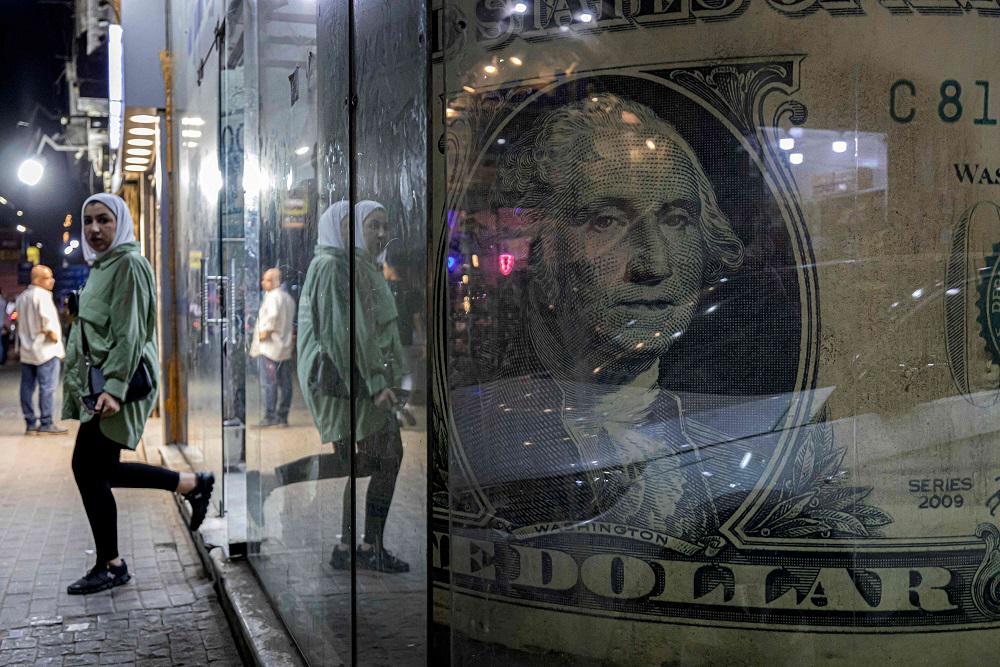
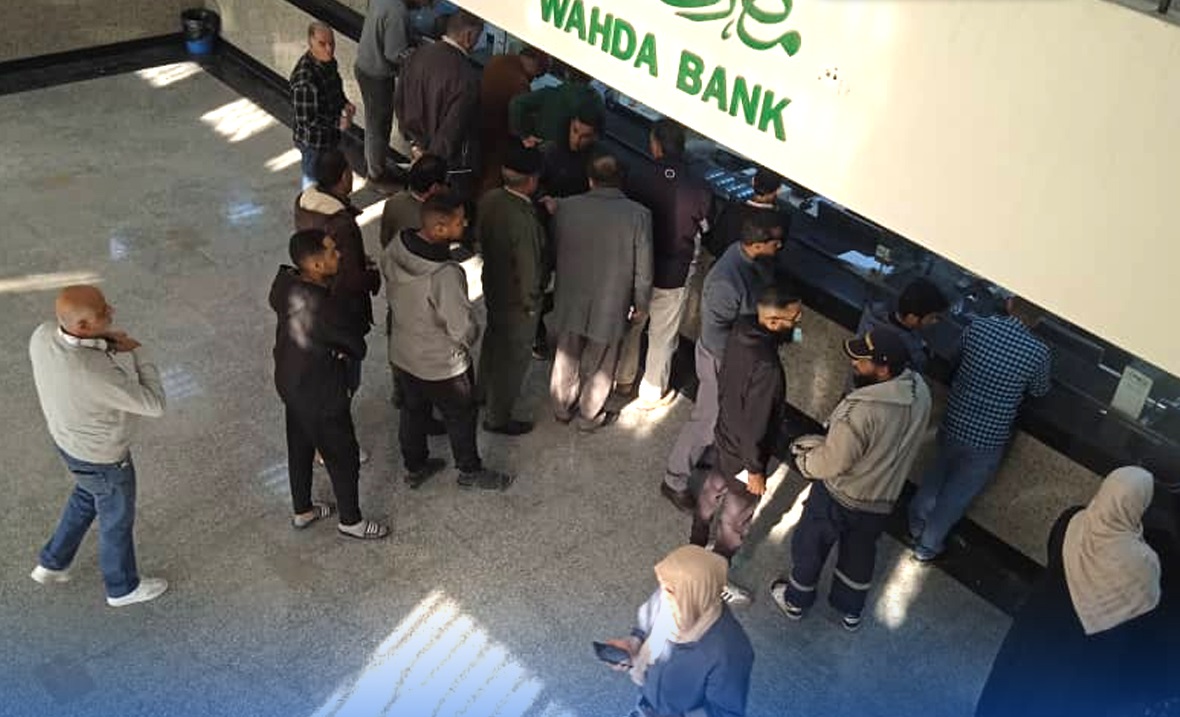
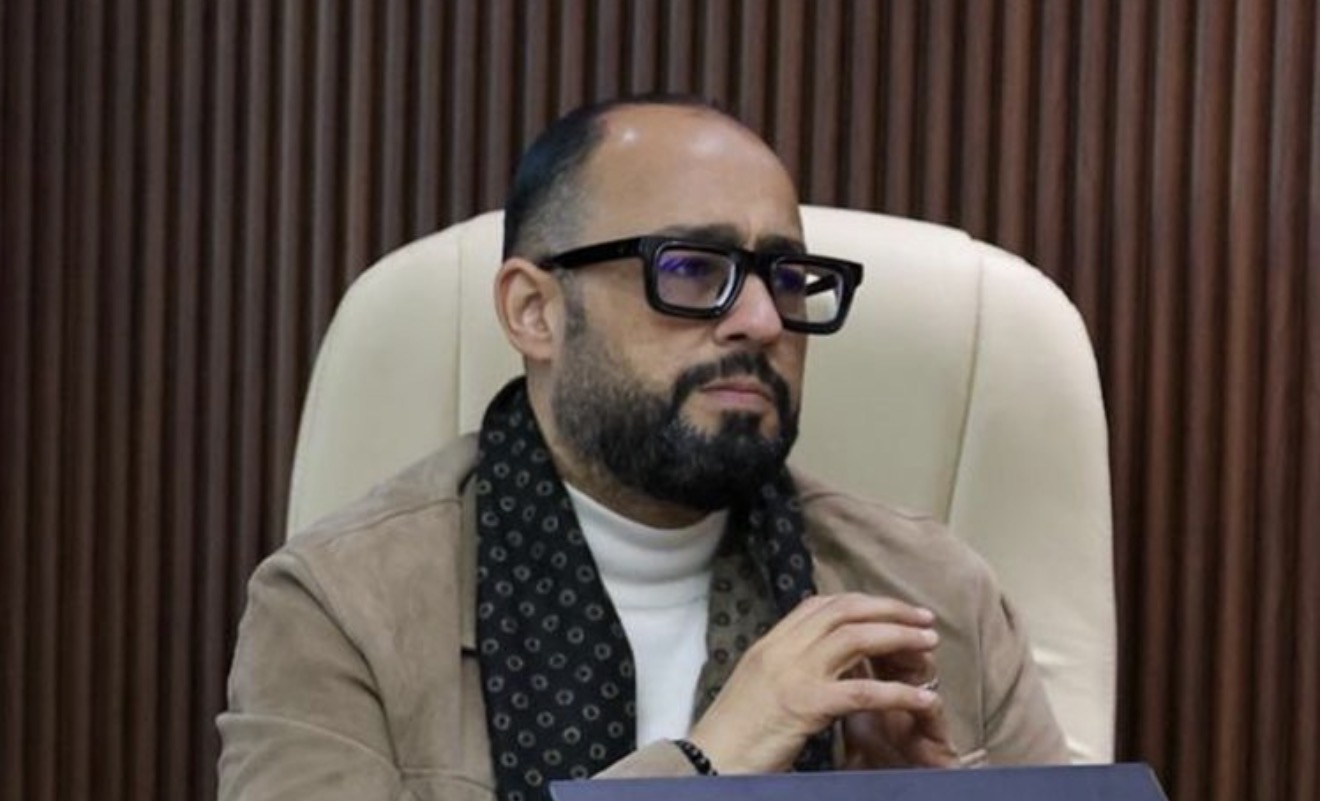
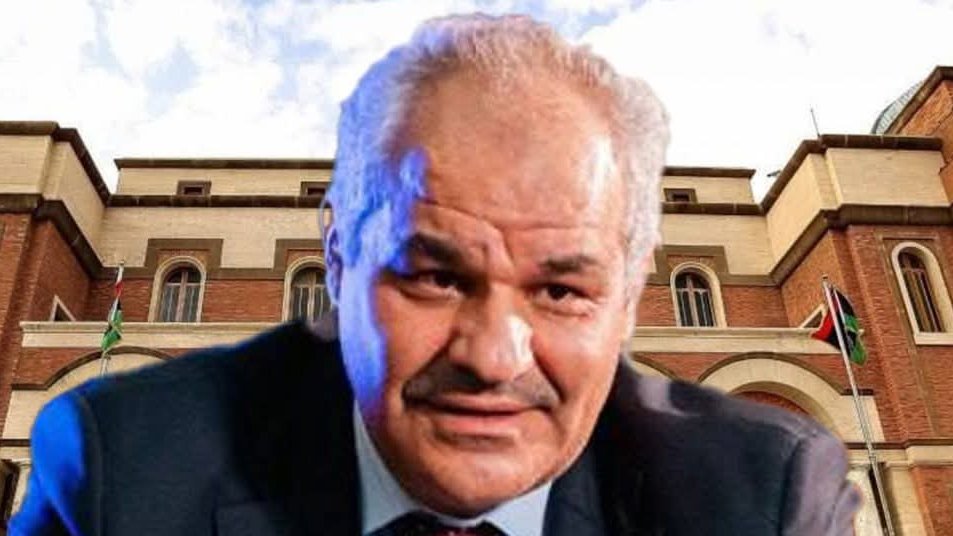
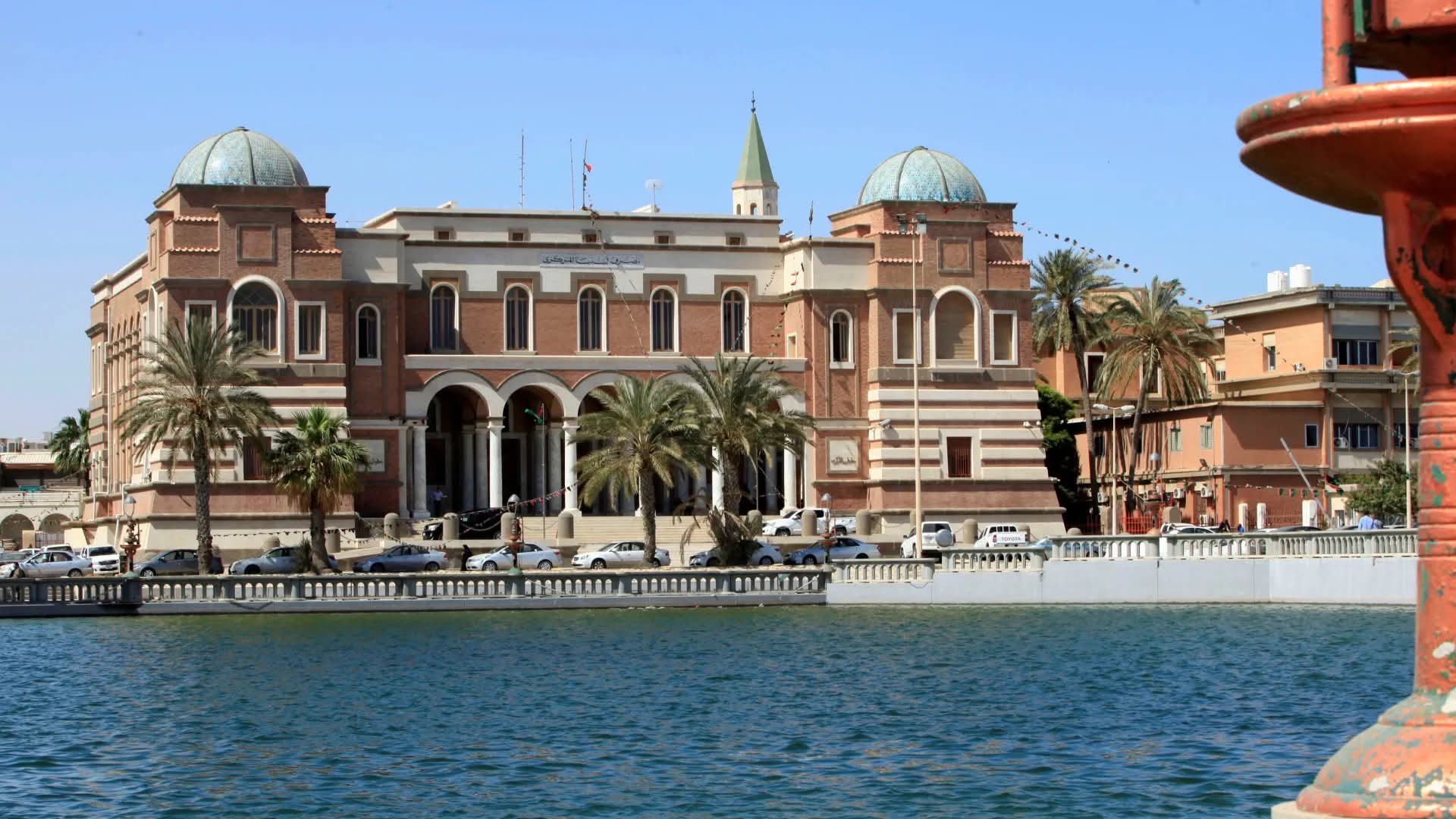
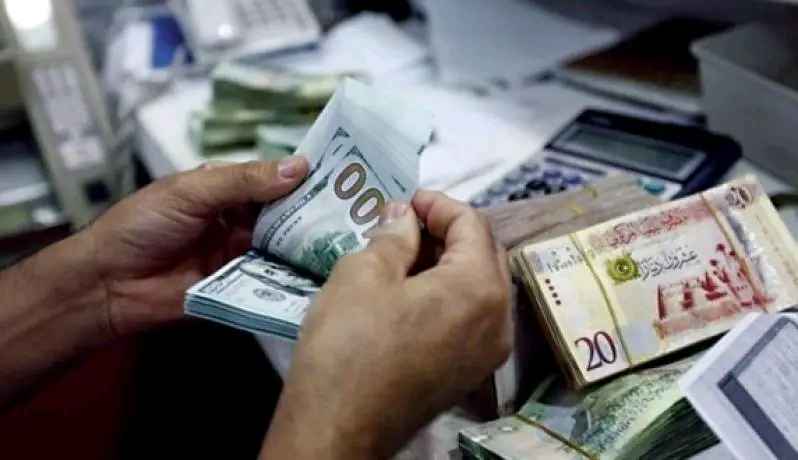
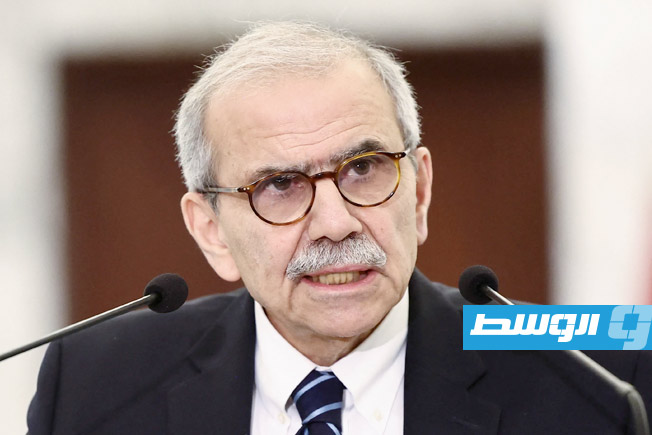
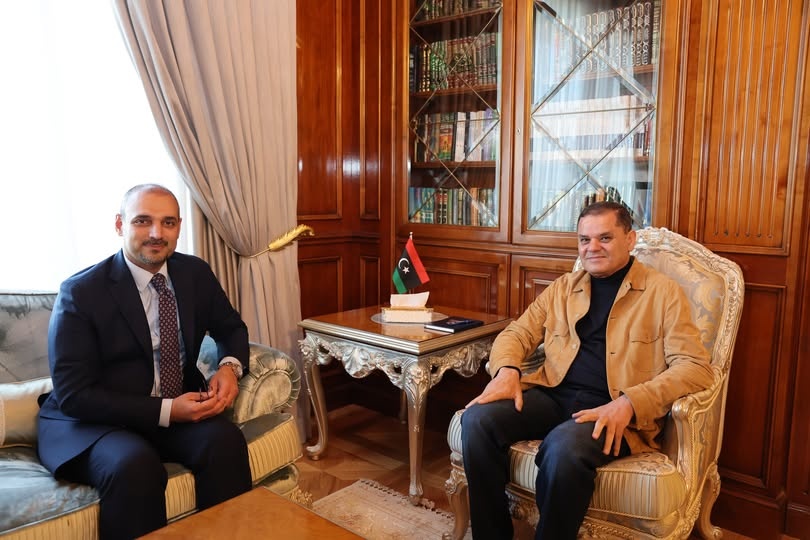
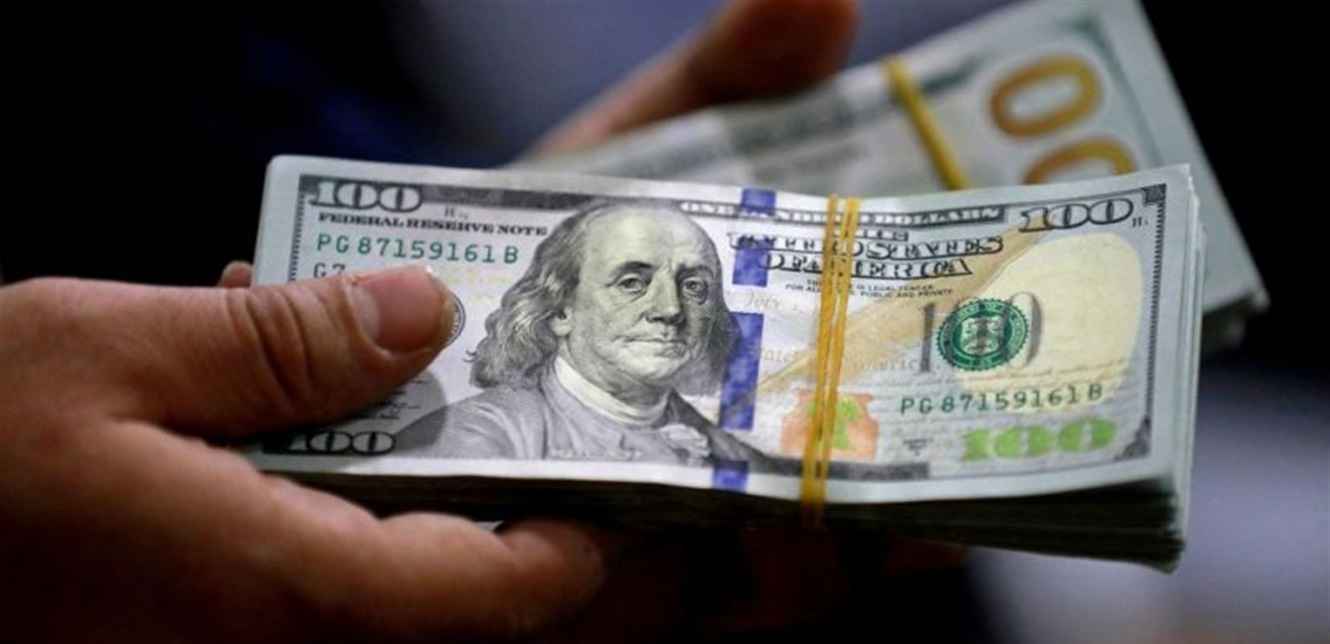
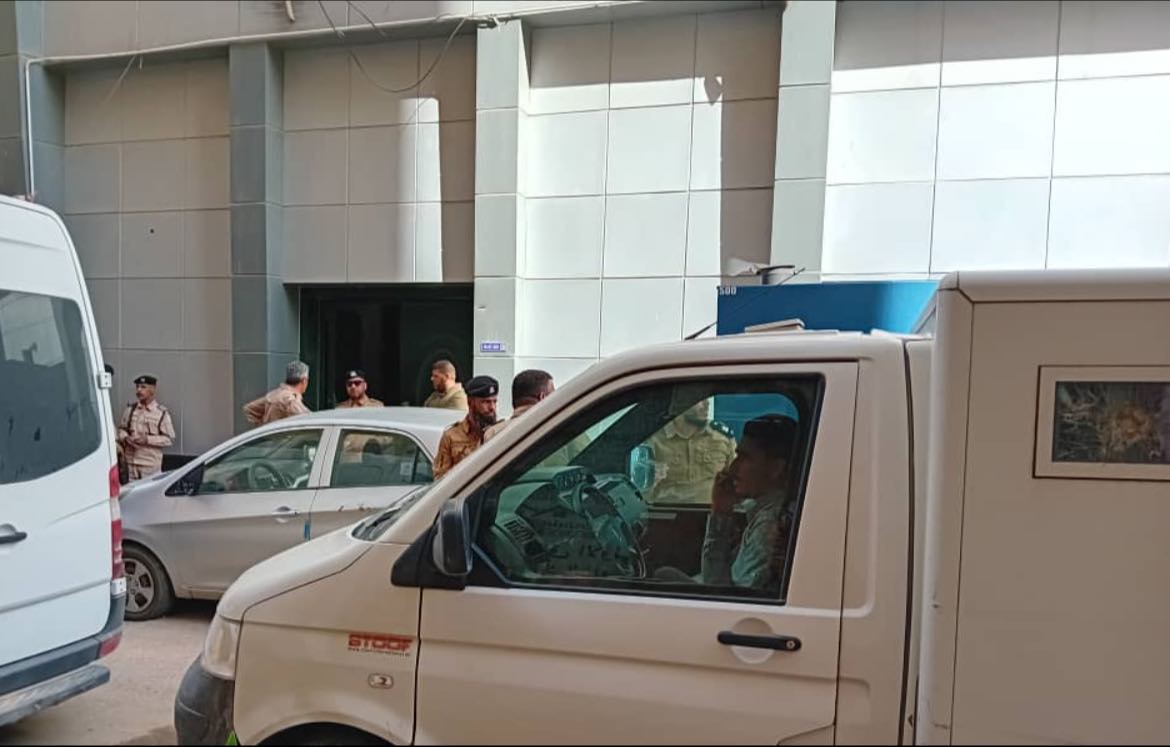
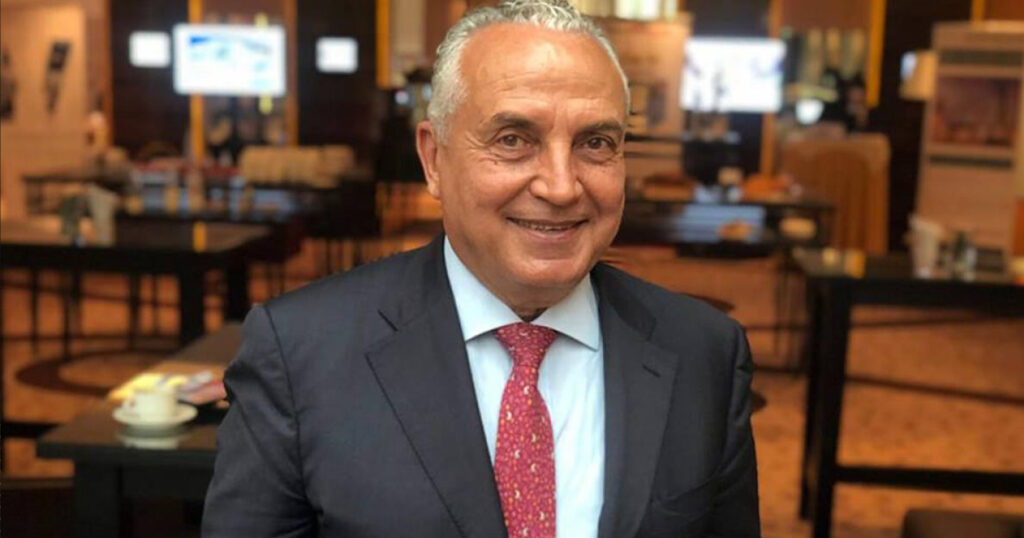
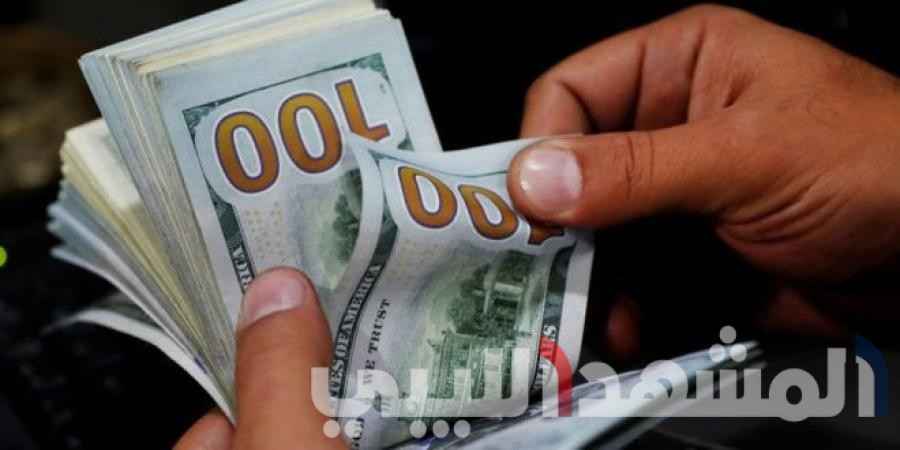
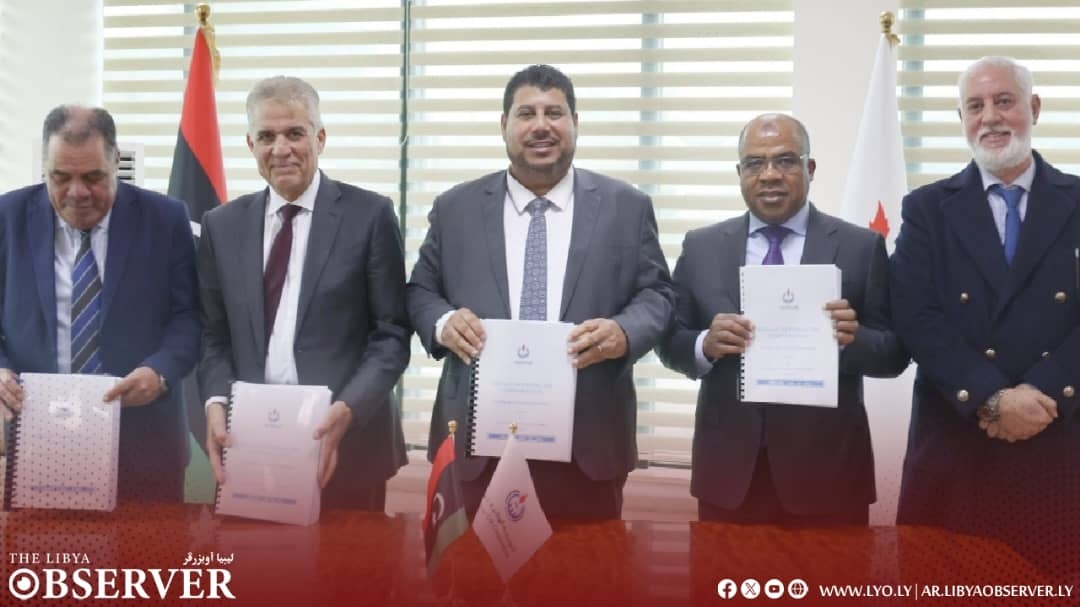
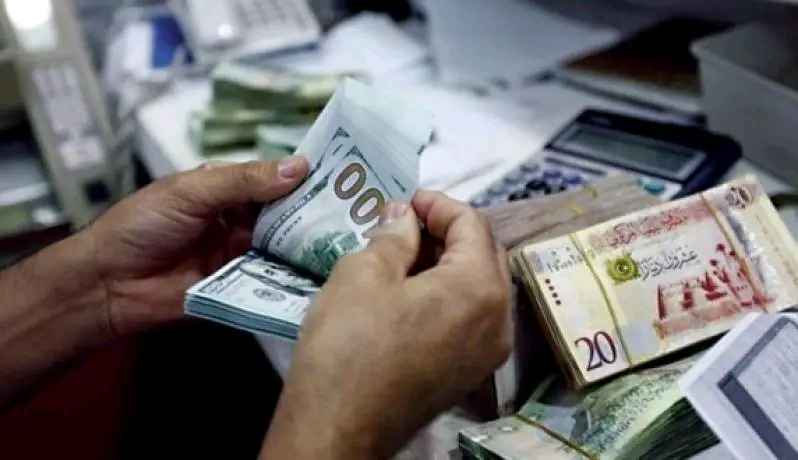
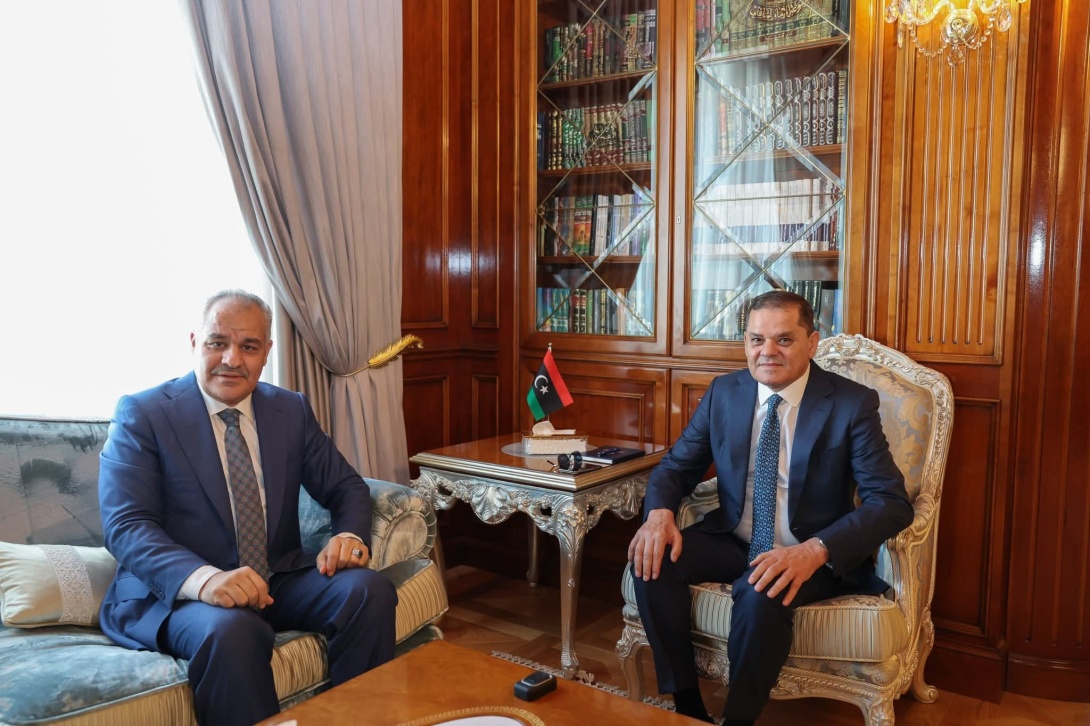
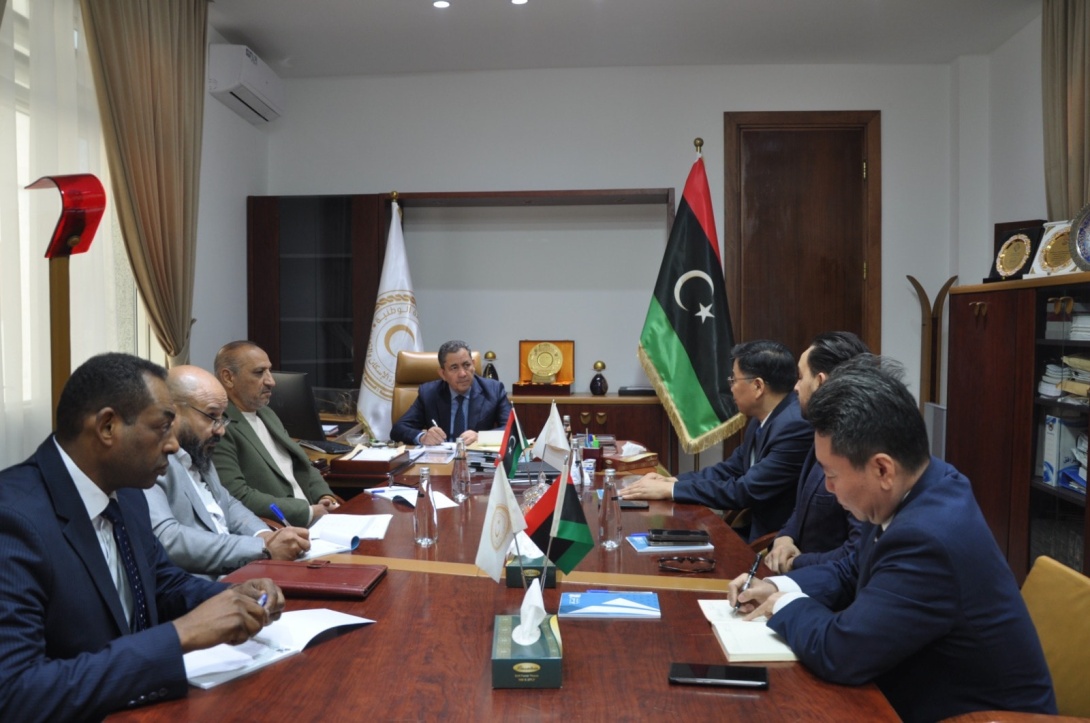
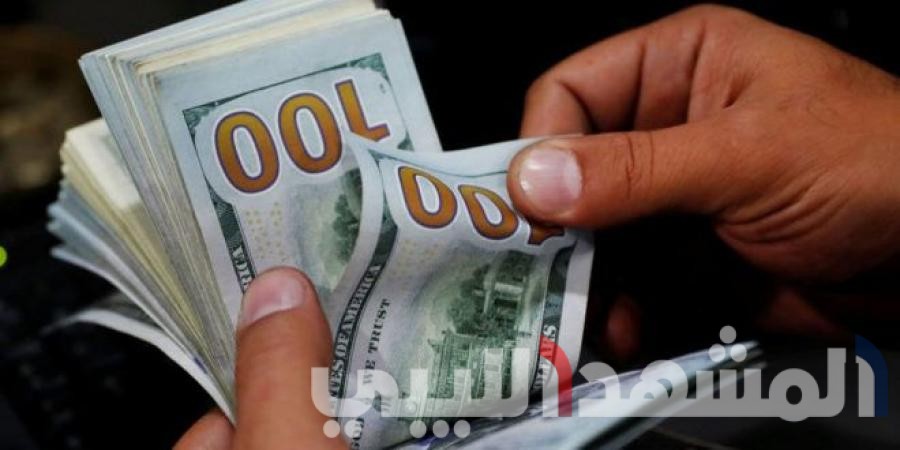
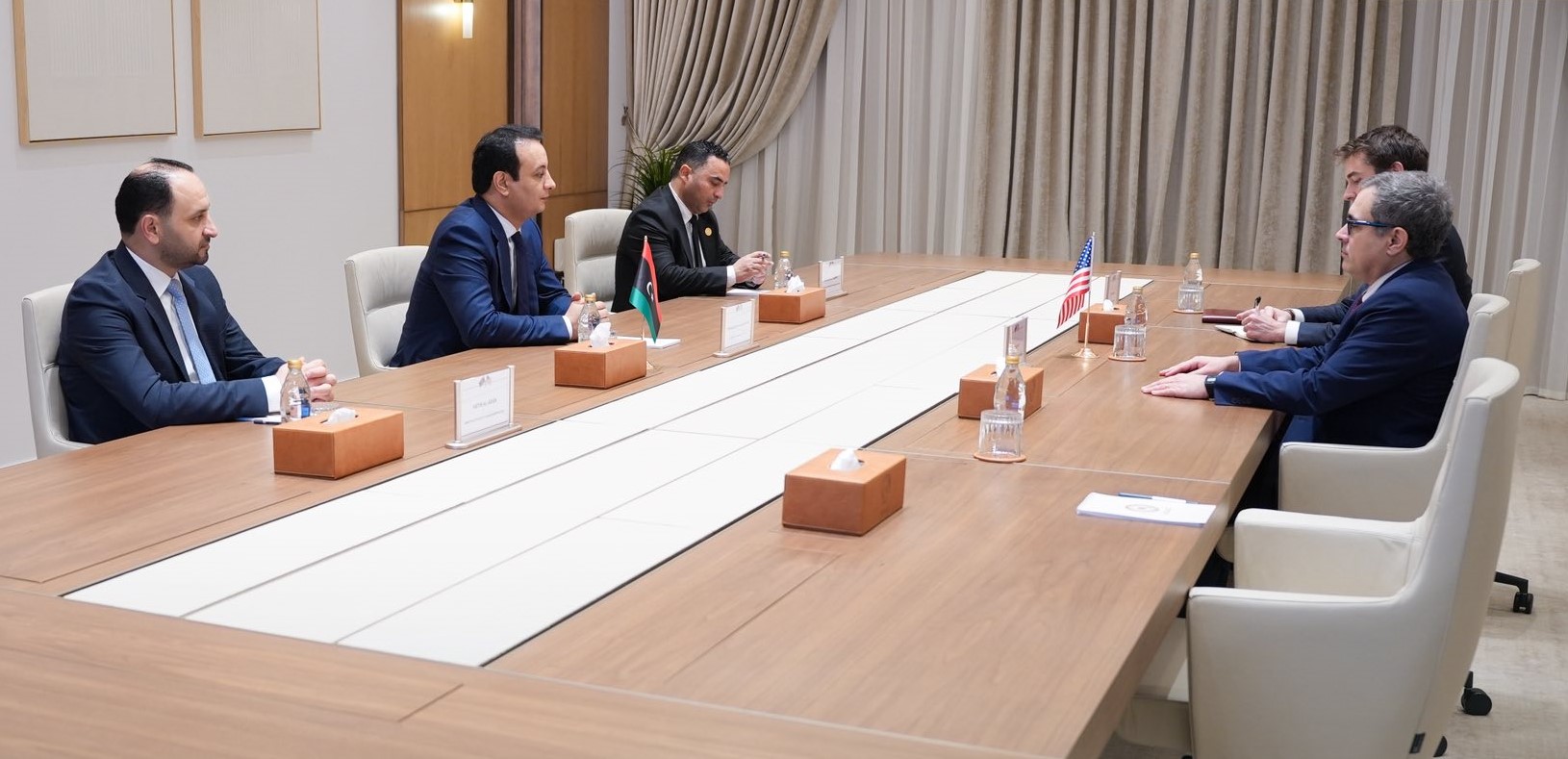
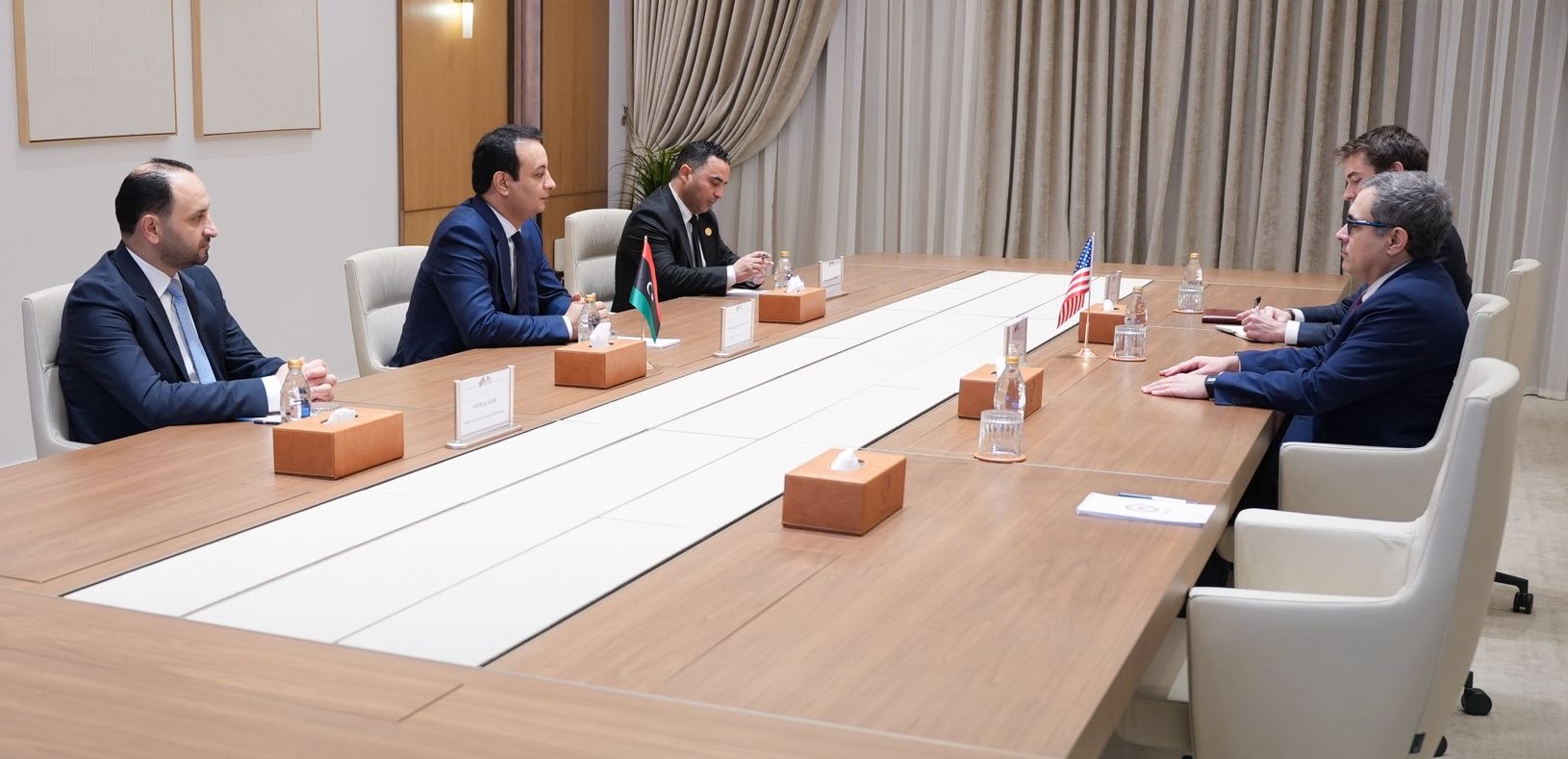
According to a statement published by the government’s official platform, the meeting focused on cash liquidity and ways to ensure its availability in commercial banks, amid ongoing public complaints over access to funds. The two sides also reviewed measures aimed at tightening regulation of the foreign exchange market.
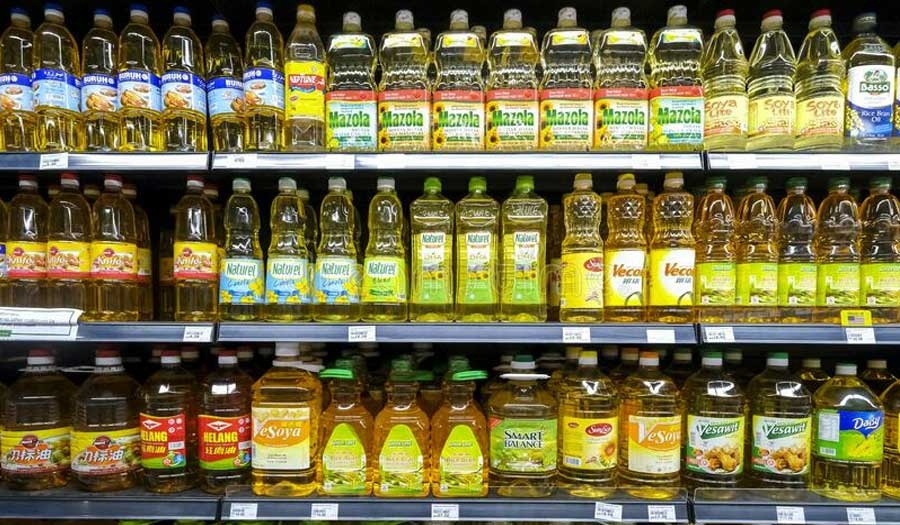
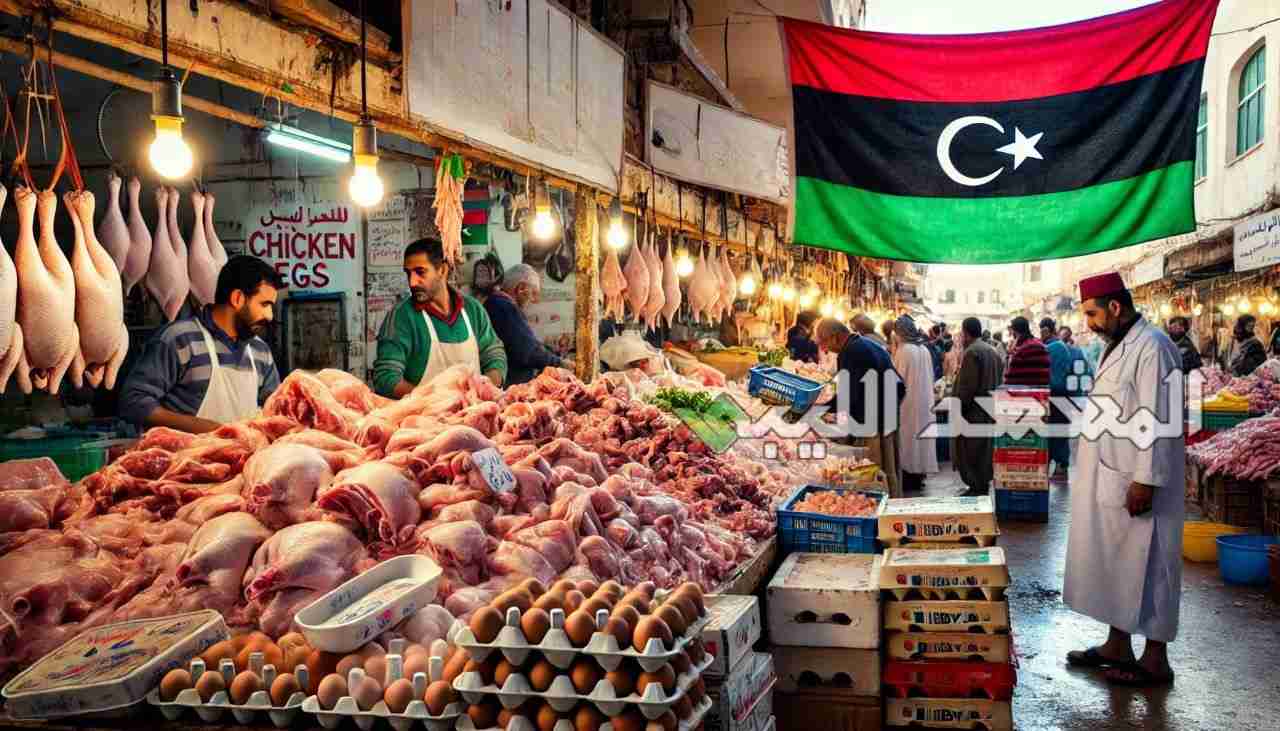
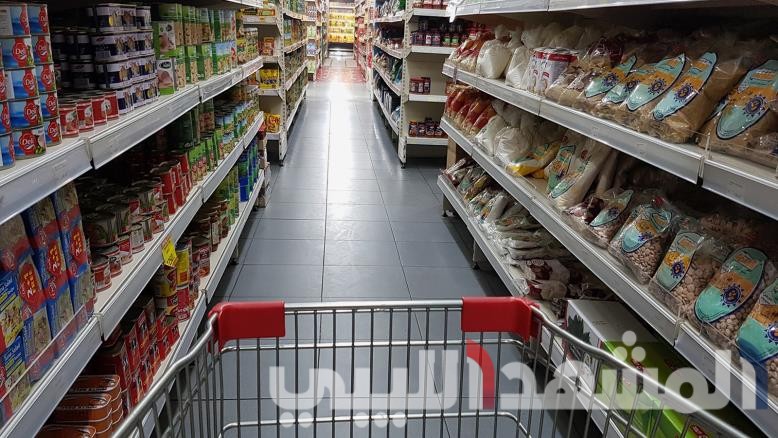
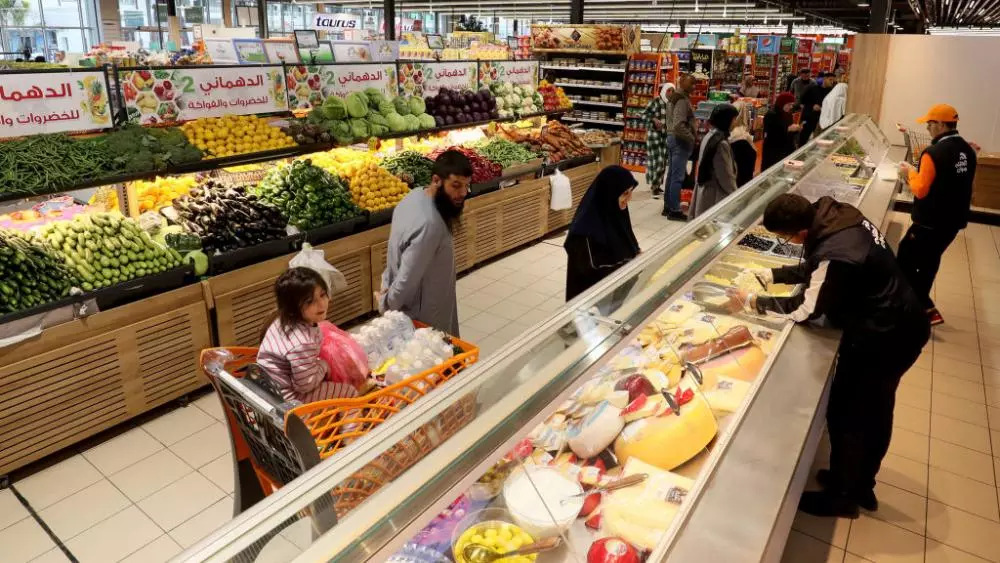
Discussions included the issuance of letters of credit for the import of essential goods, with both officials stressing the need to maintain supplies in the local market and prevent price volatility.
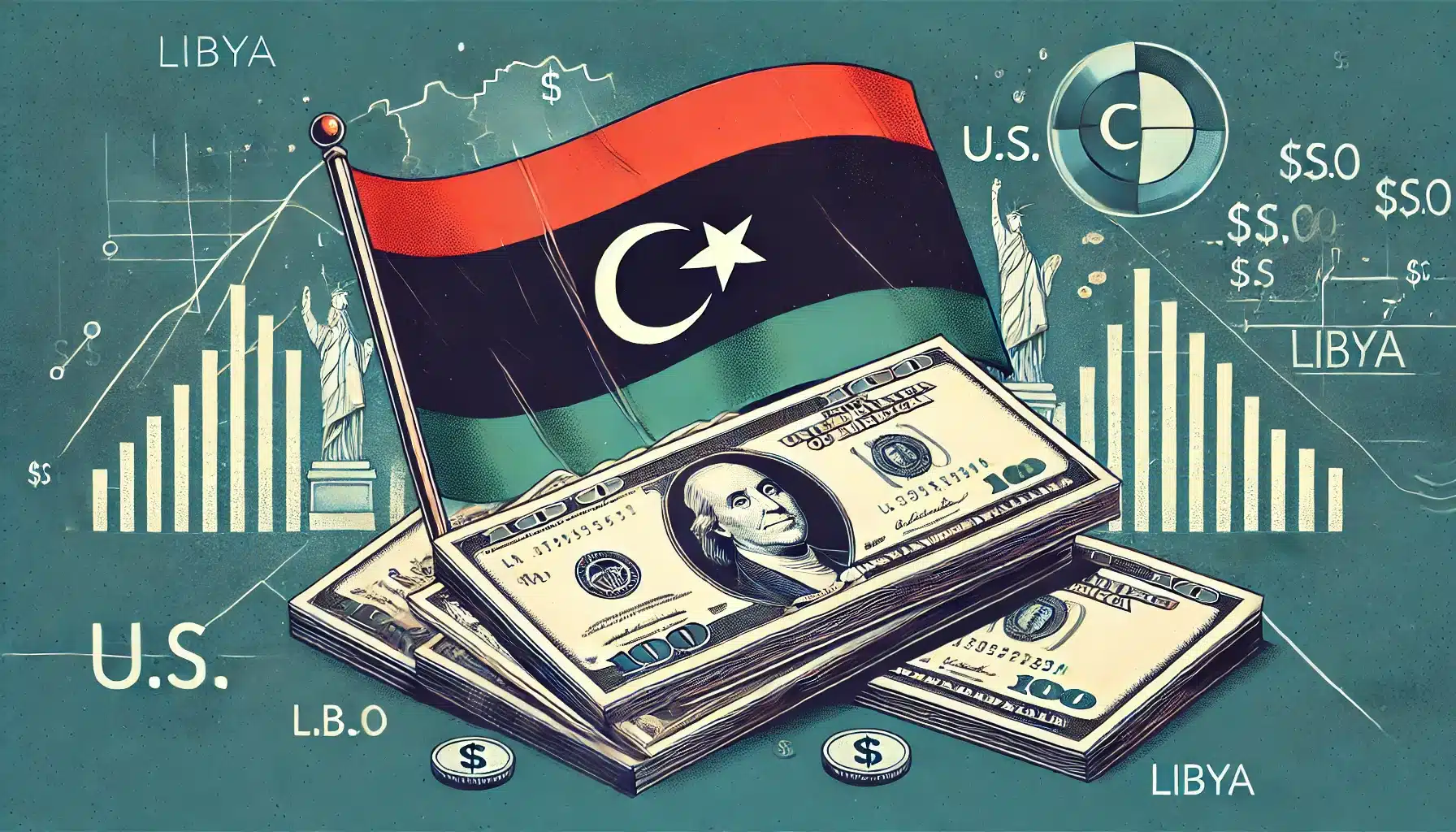
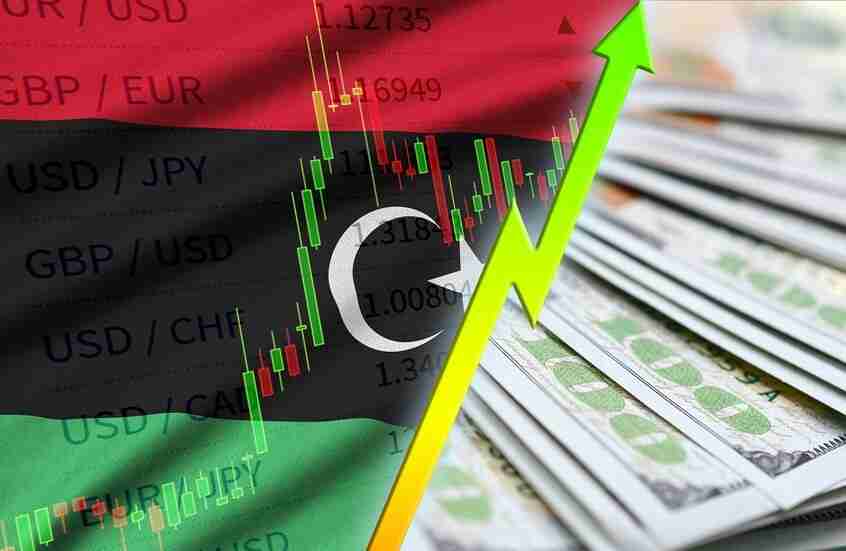
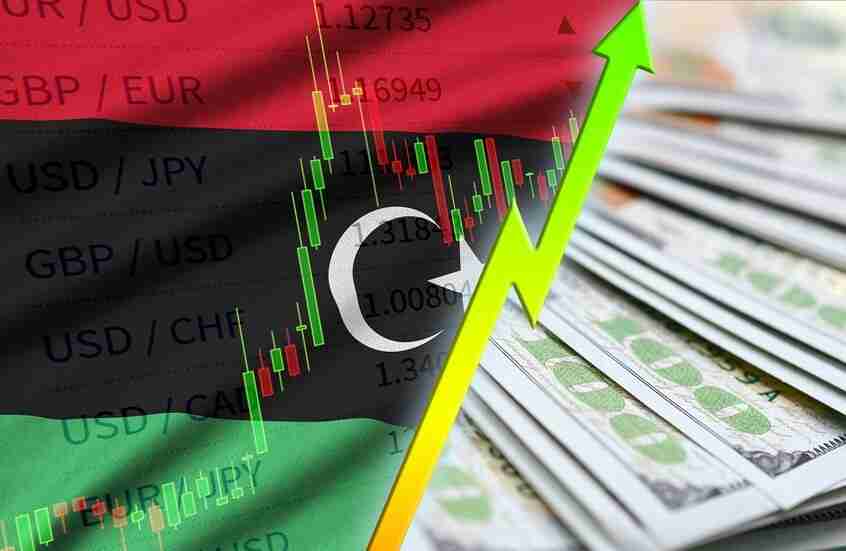
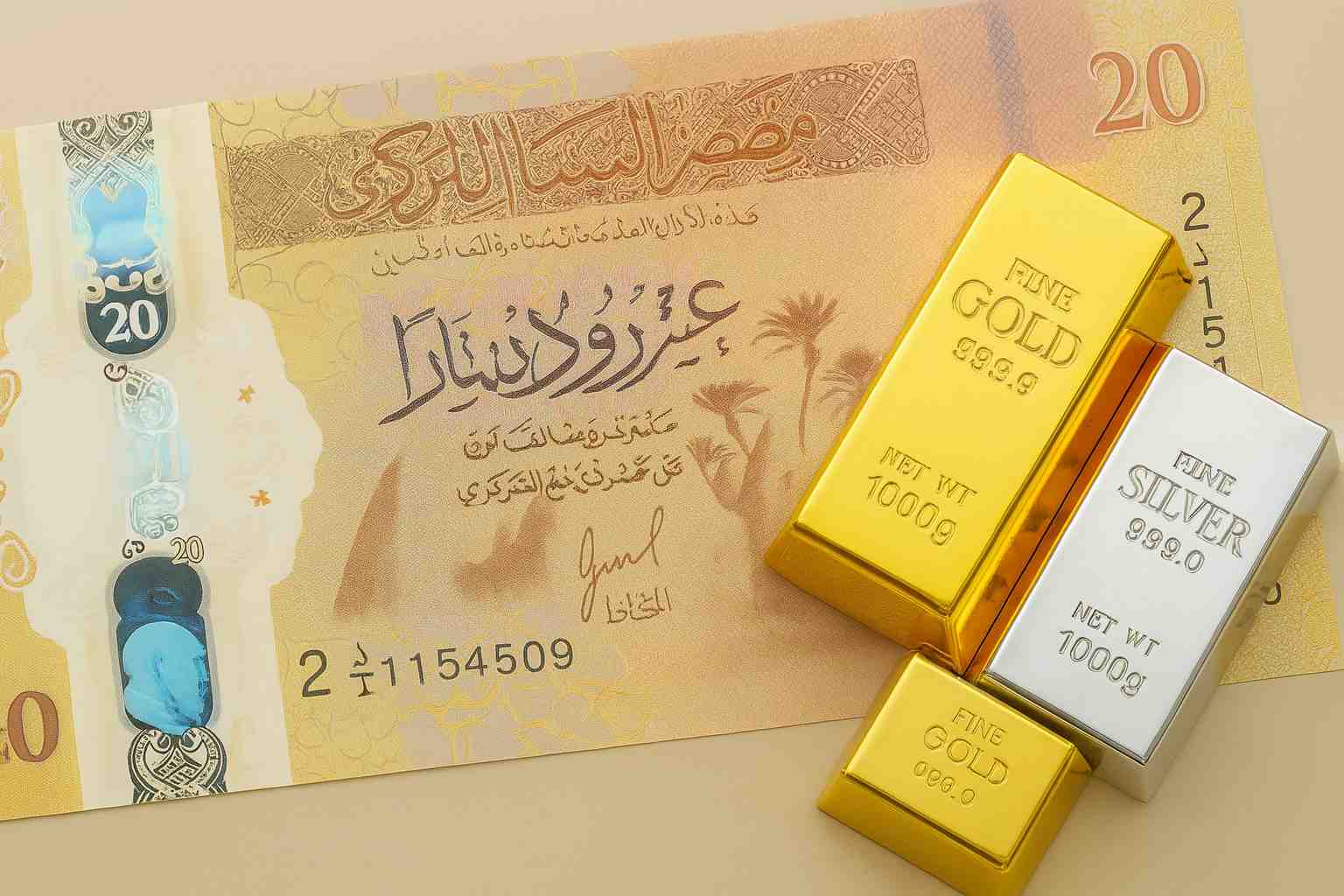
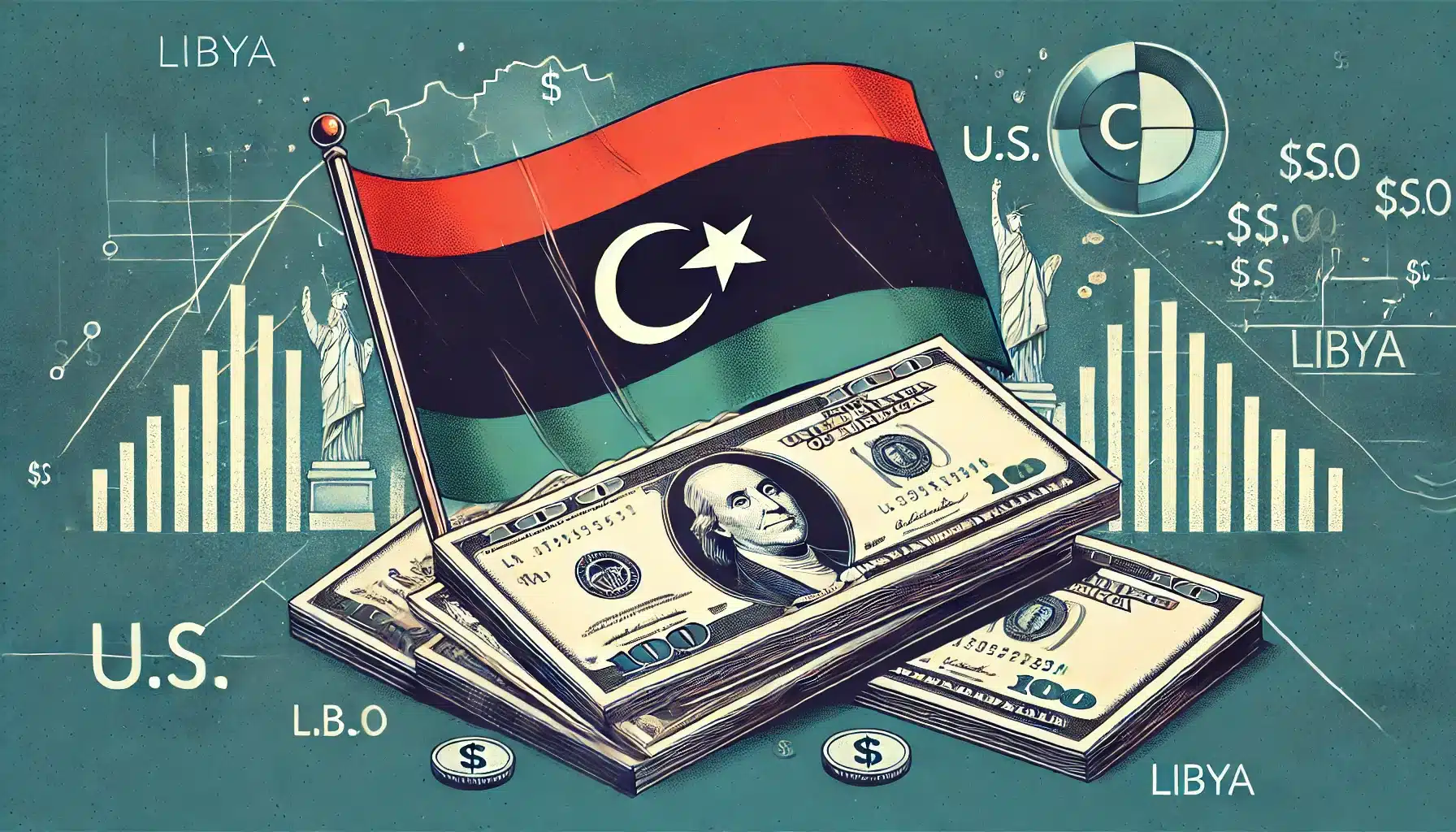
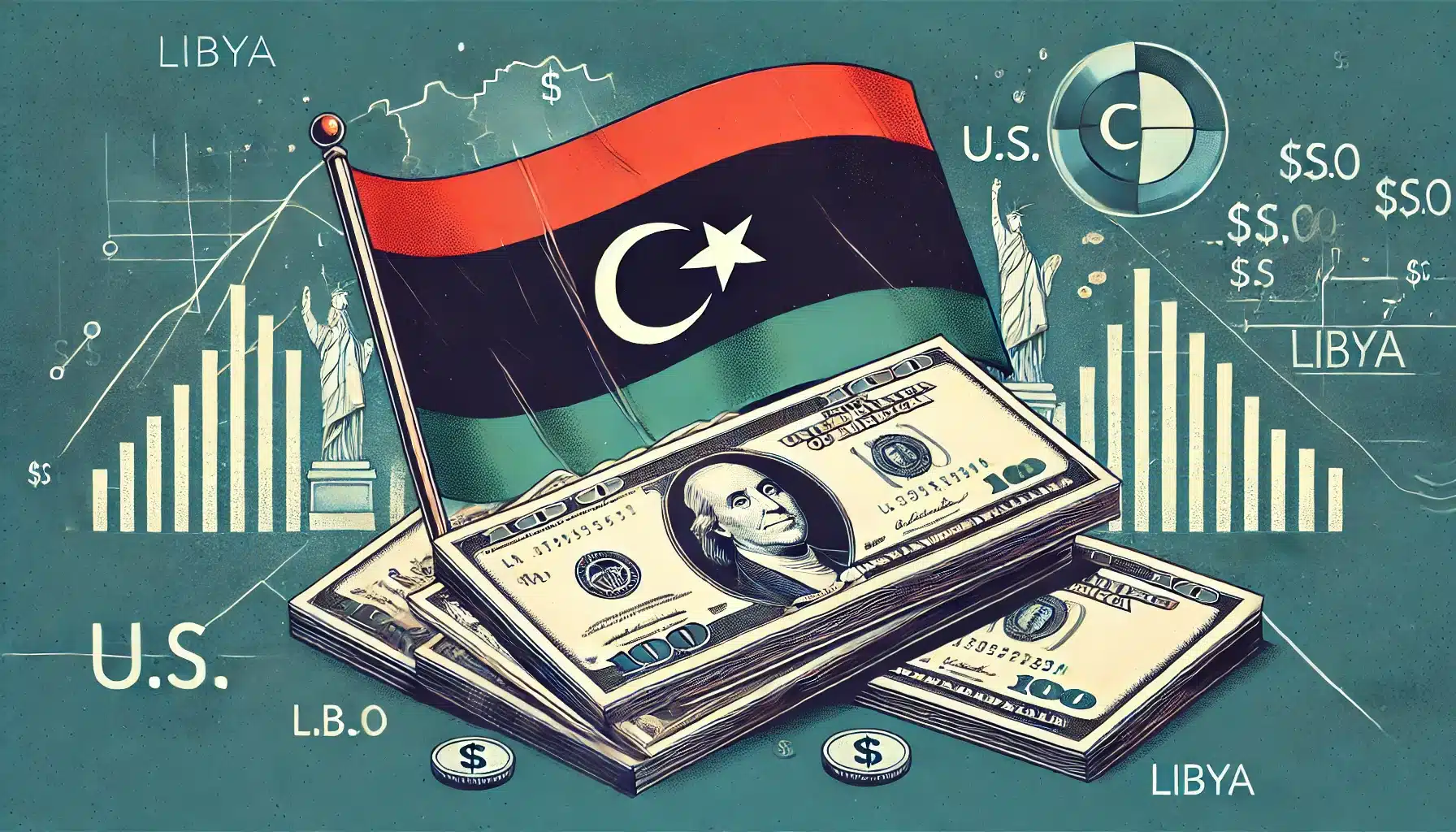
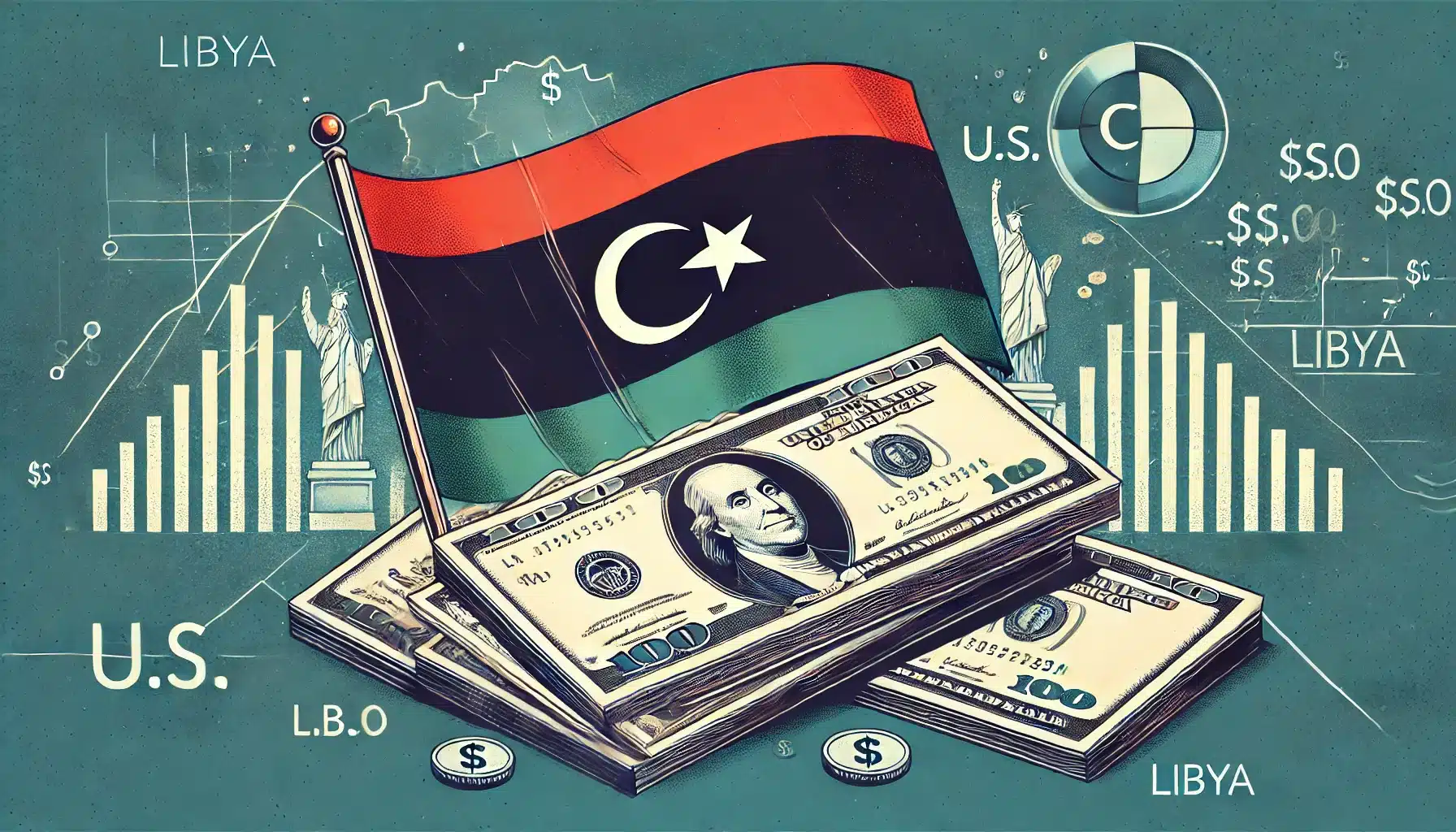
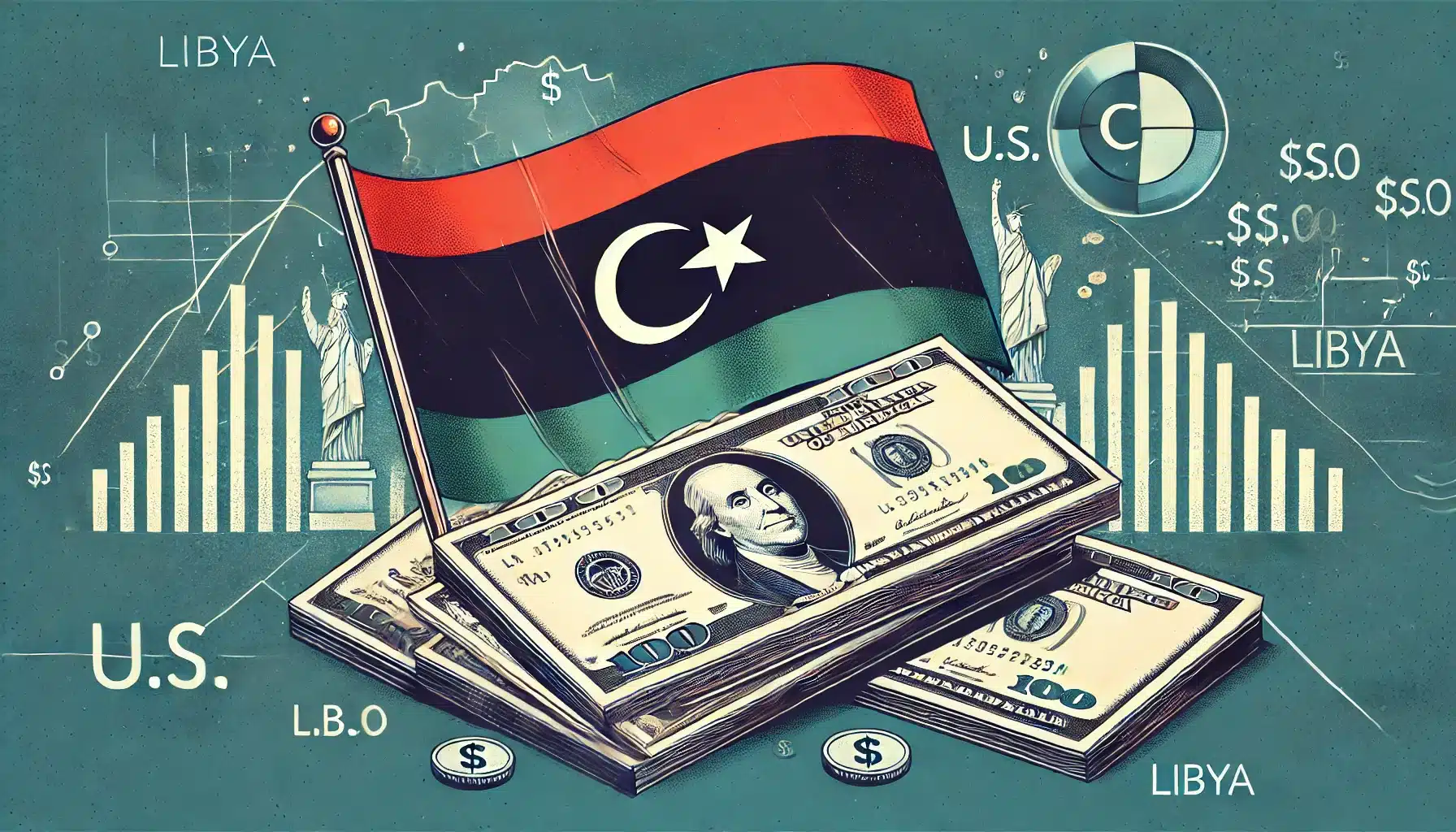
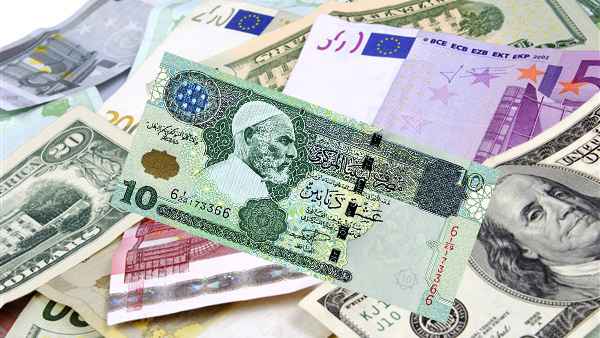
They agreed on the importance of adhering to a previously signed financial arrangement to prevent further weakening of the Libyan dinar and to protect citizens’ purchasing power.
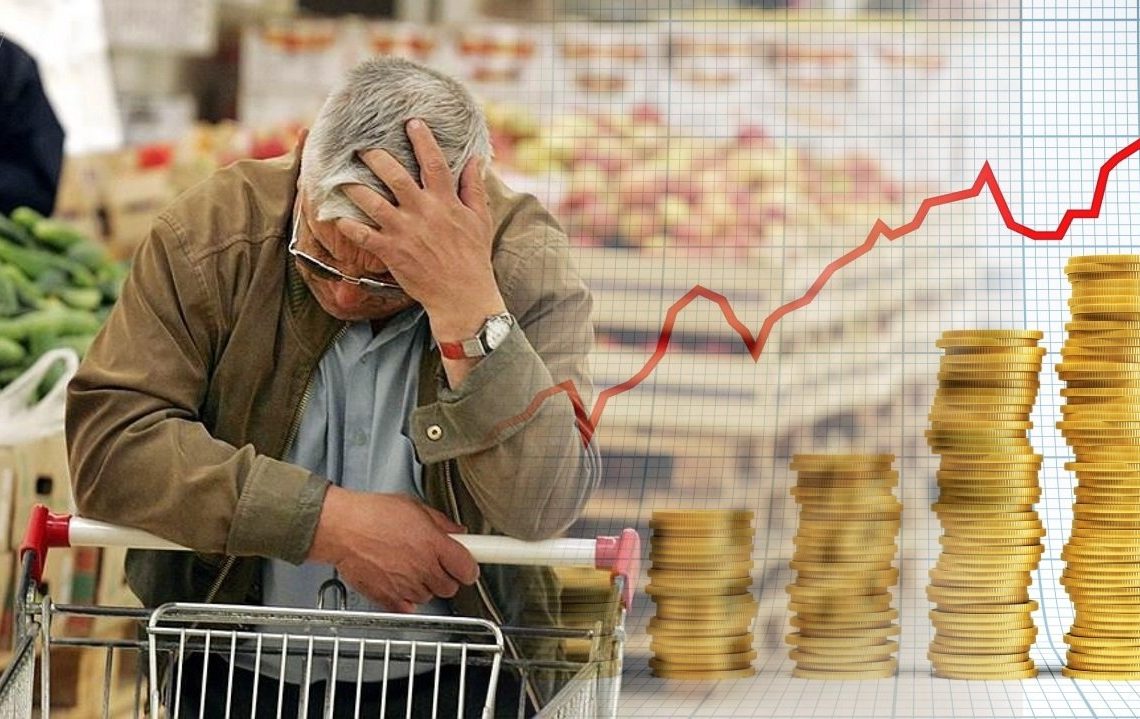
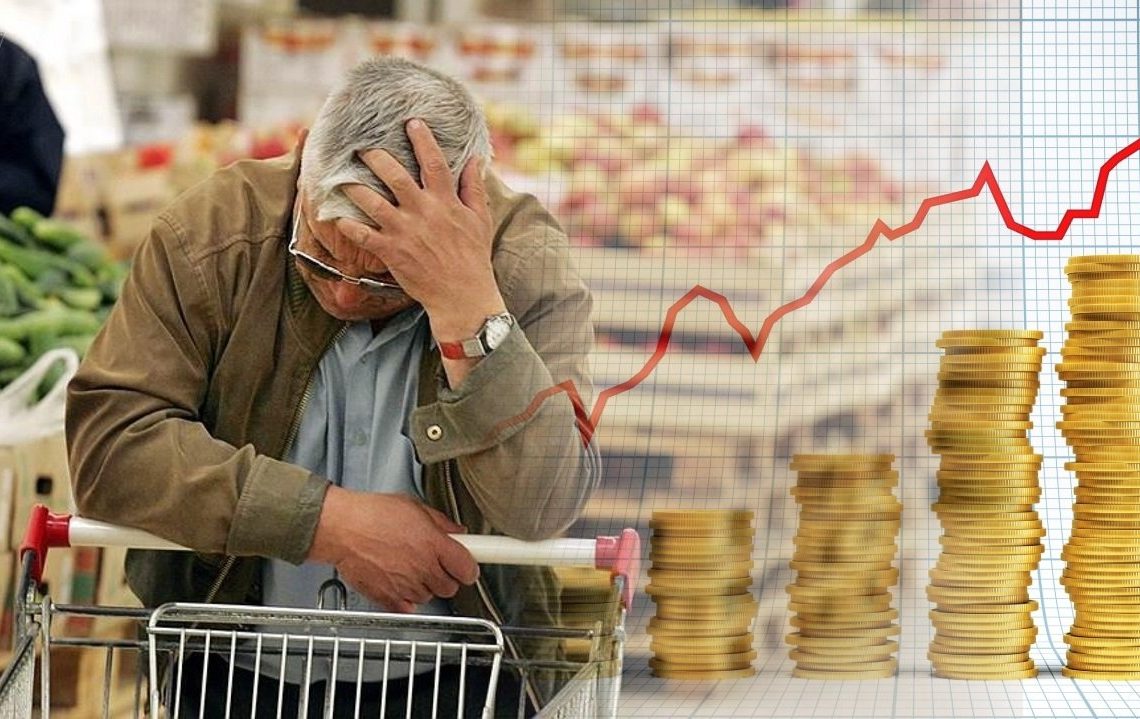
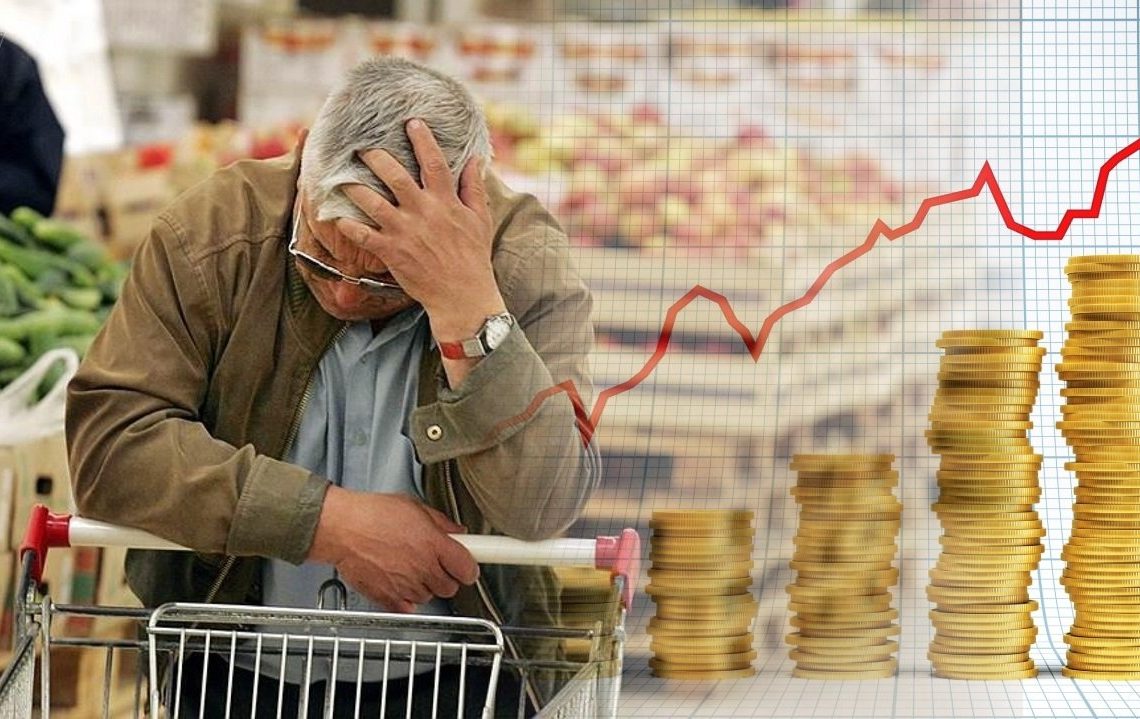
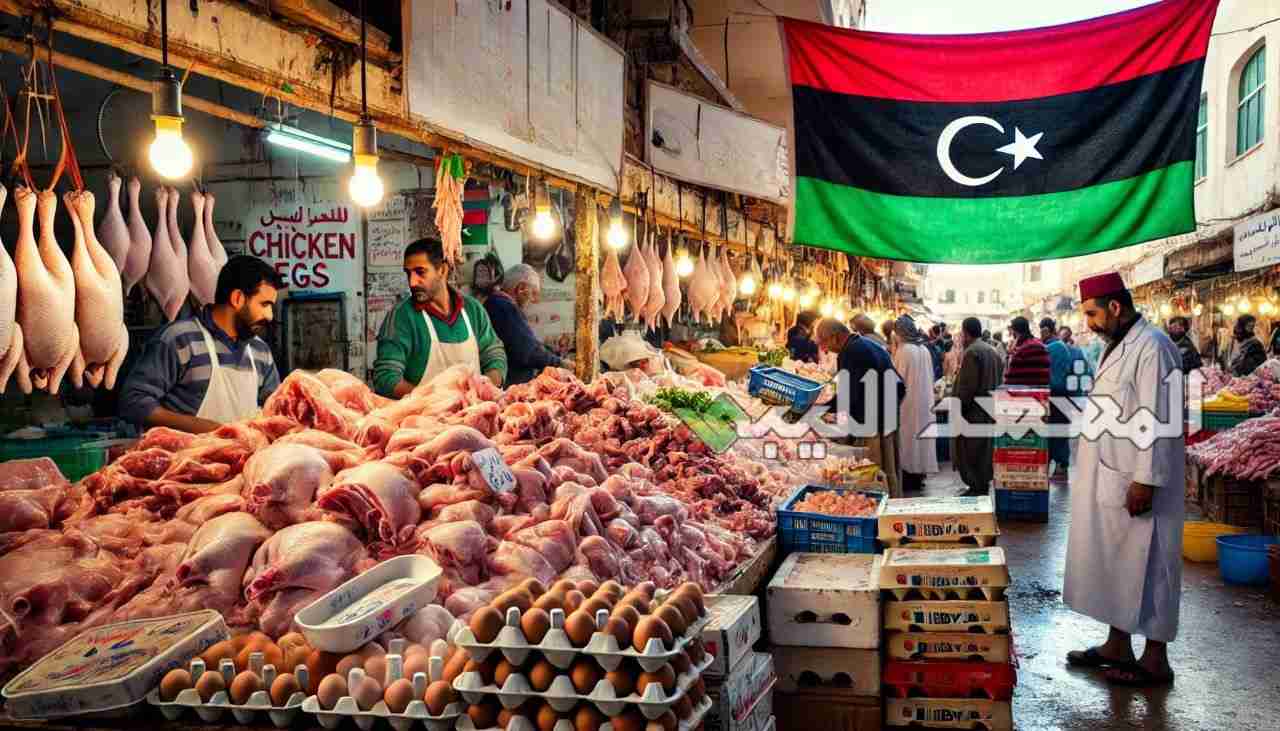
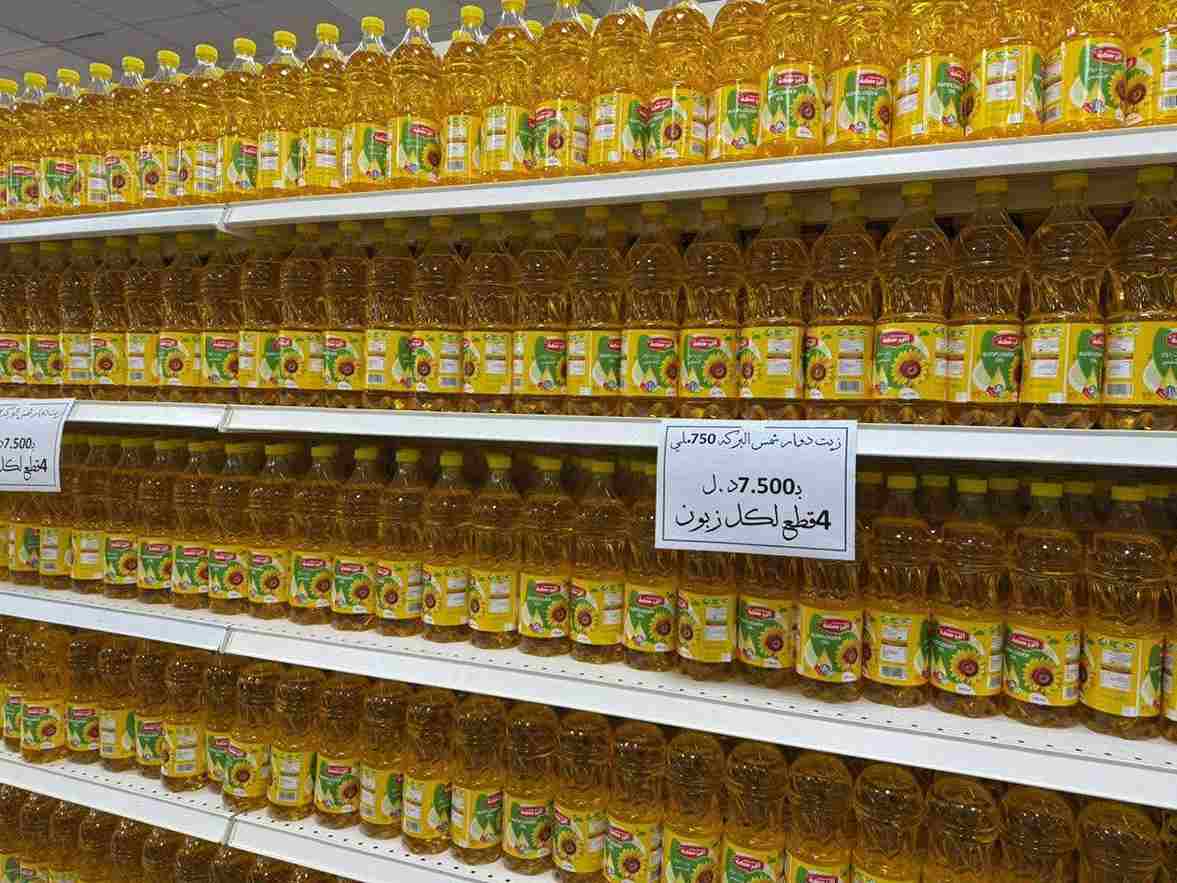
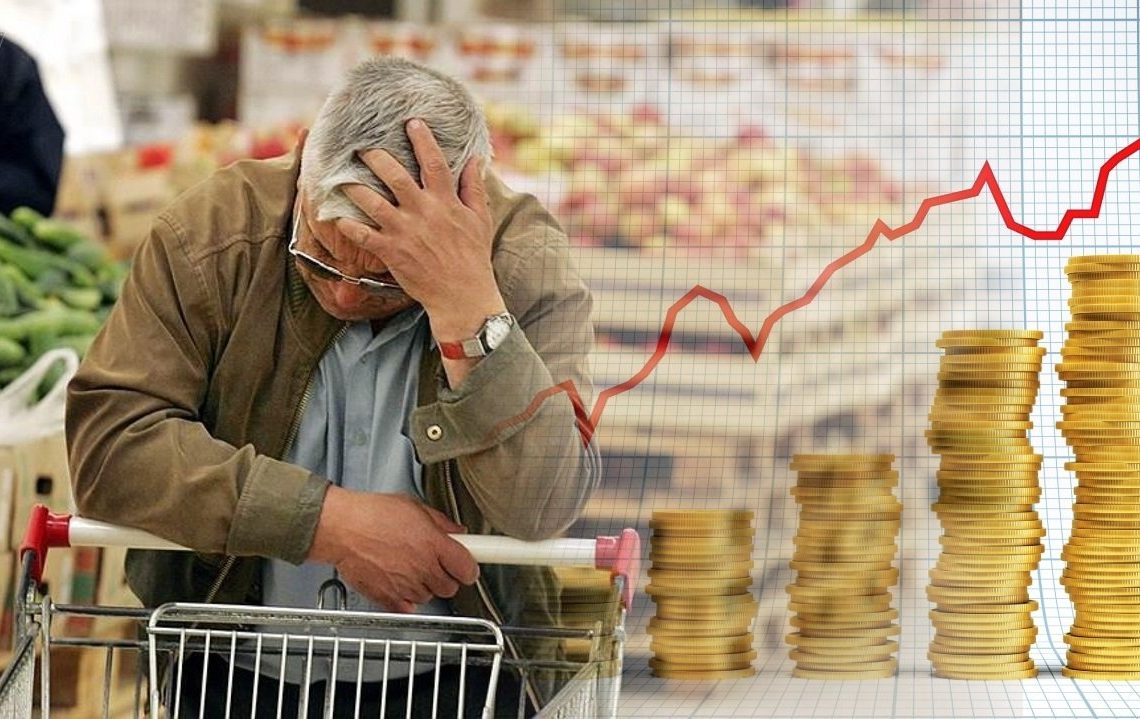
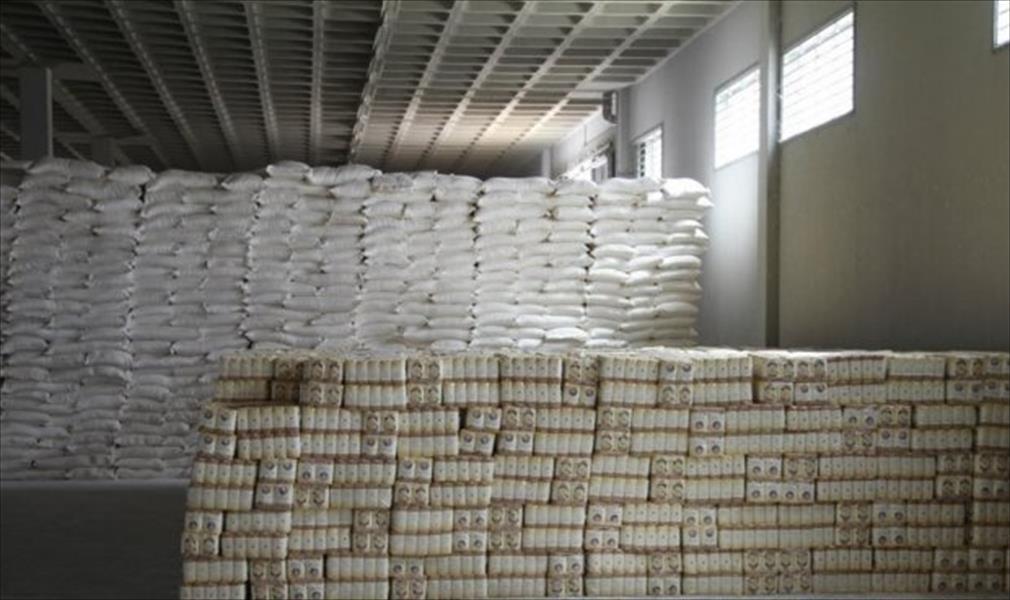
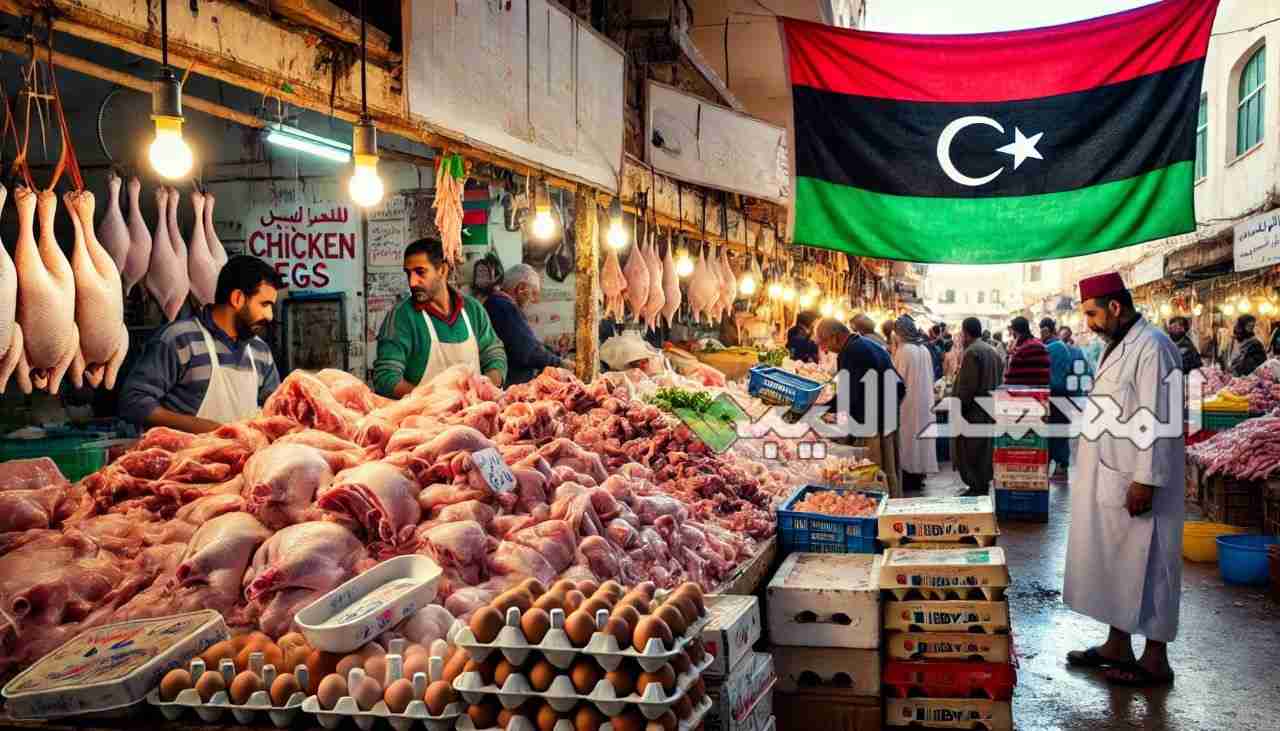
The meeting also addressed benchmark pricing mechanisms for food imports, which authorities say are intended to curb inflation and limit speculation by aligning local prices with international costs and domestic expenses.
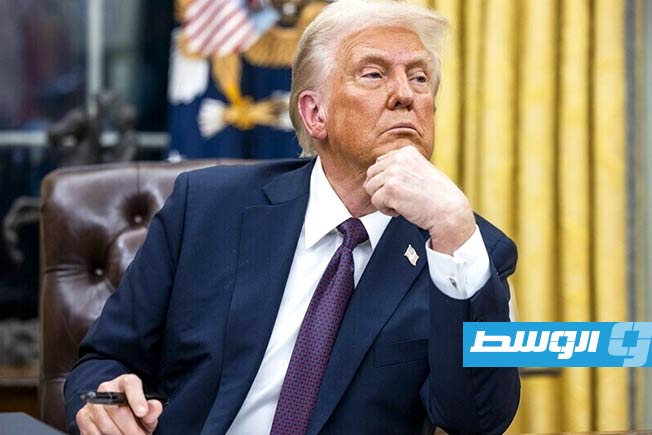
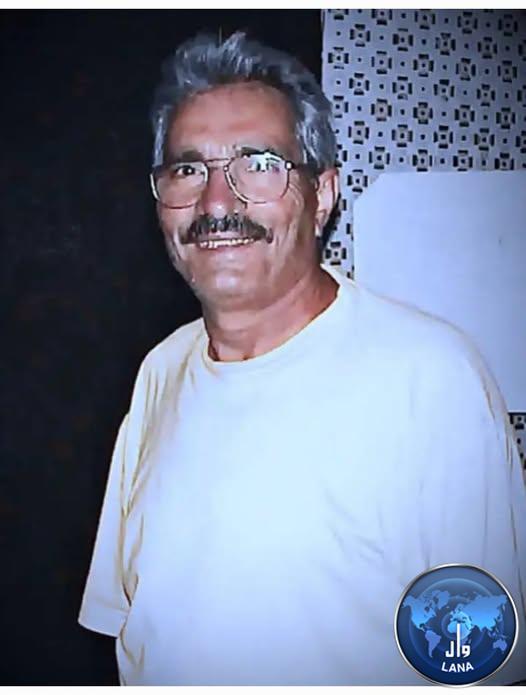
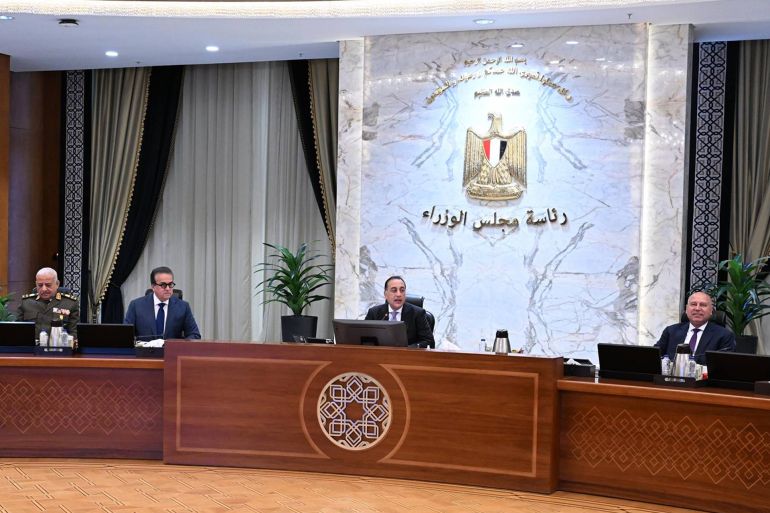
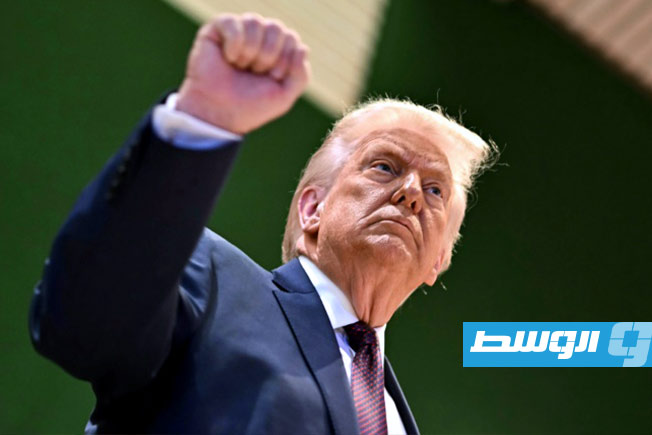
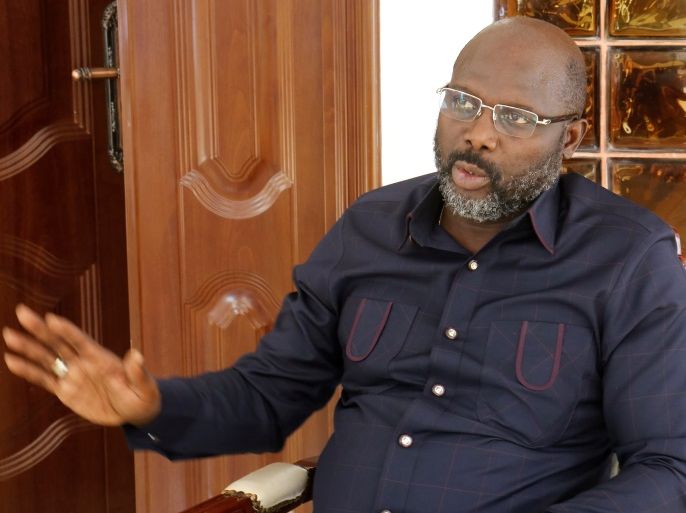
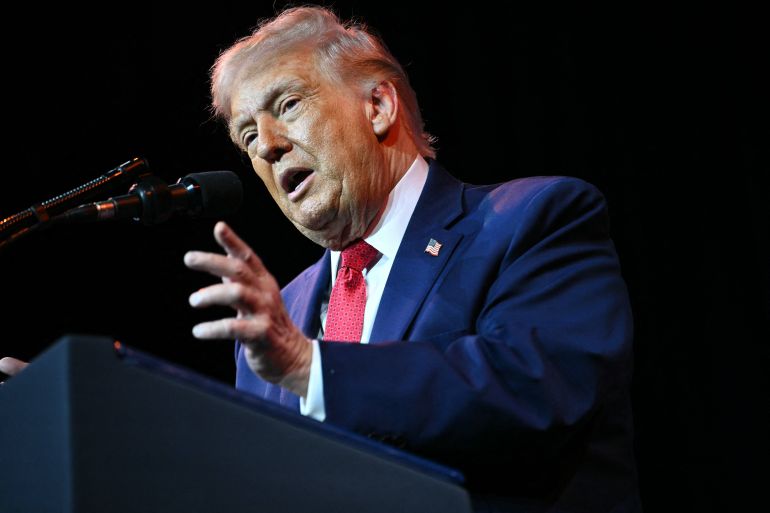
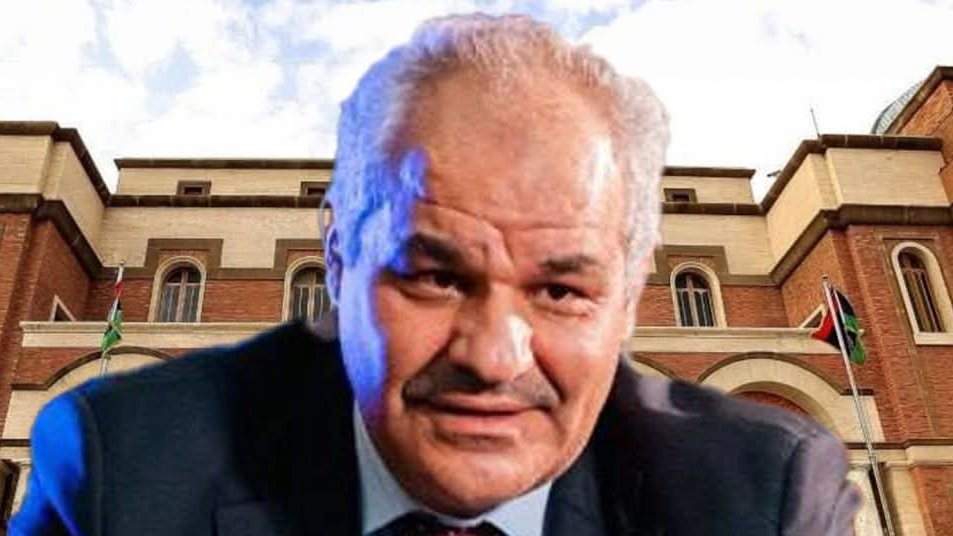
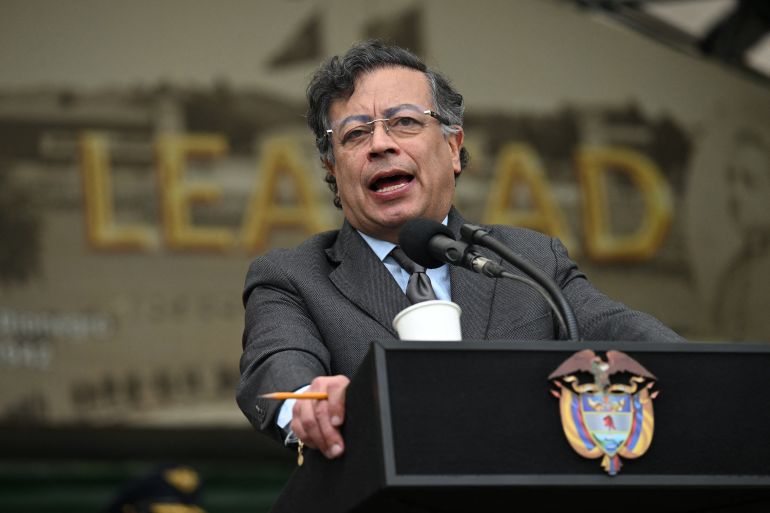
Dbeibah emphasised continued coordination between the government and the Central Bank to support economic stability and the steady provision of essential goods.
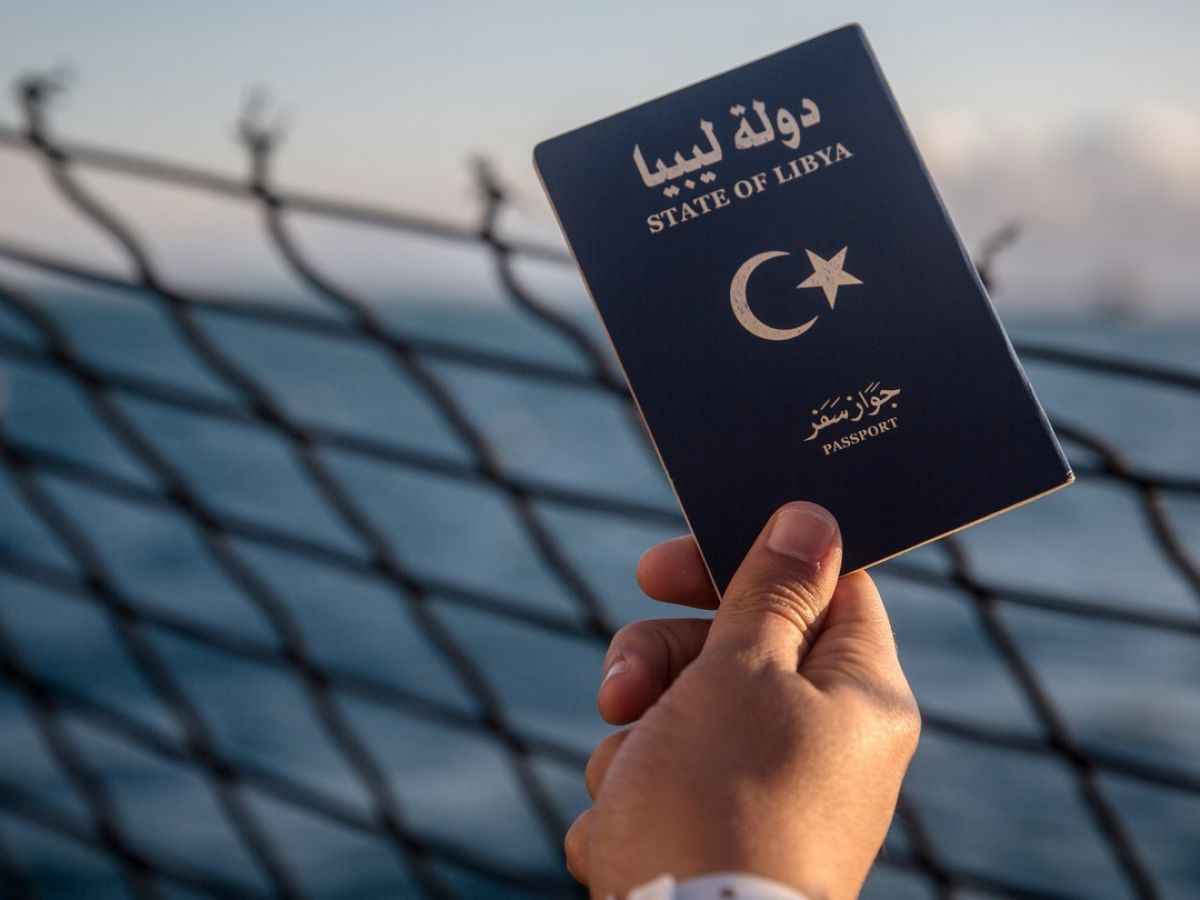
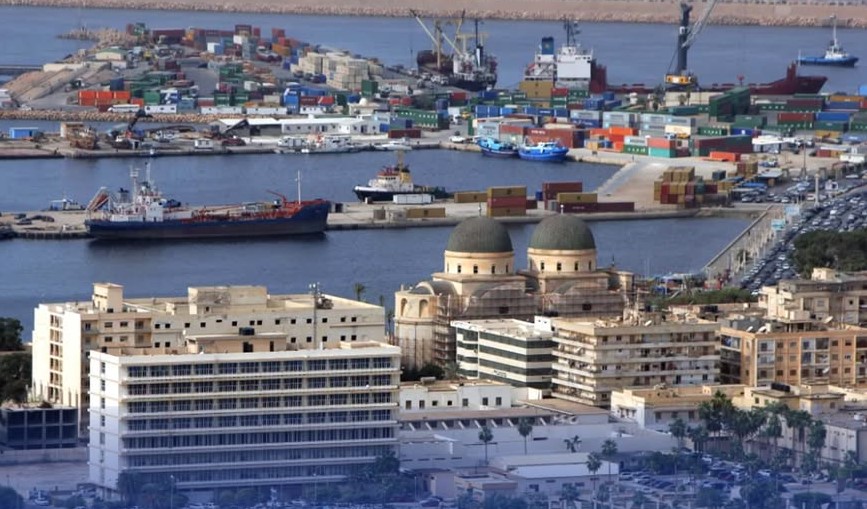
Libya
Libya is a North African country with a rich history rooted in ancient civilizations like the Phoenicians and Romans, followed by centuries of Arab and Ottoman influence. In the modern era, it was an Italian colony before gaining independence in 1951, later becoming known for Muammar Gaddafi’s lengthy rule from 1969 until the 2011 revolution. The country is home to UNESCO World Heritage sites, such as the ruins of Leptis Magna, which testify to its significant historical legacy.
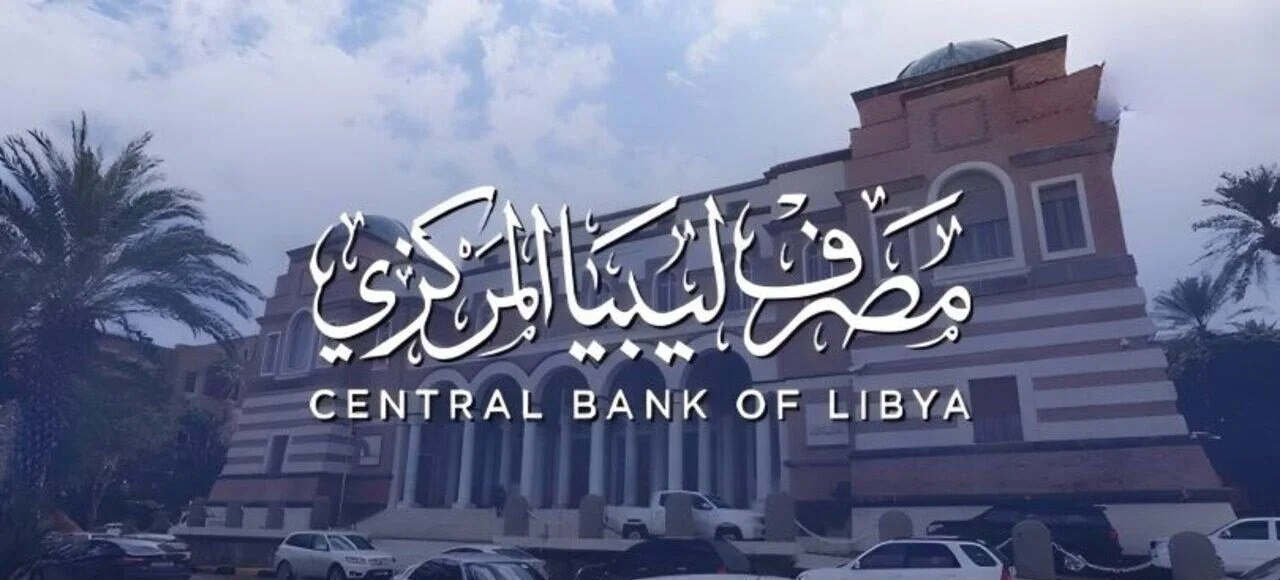
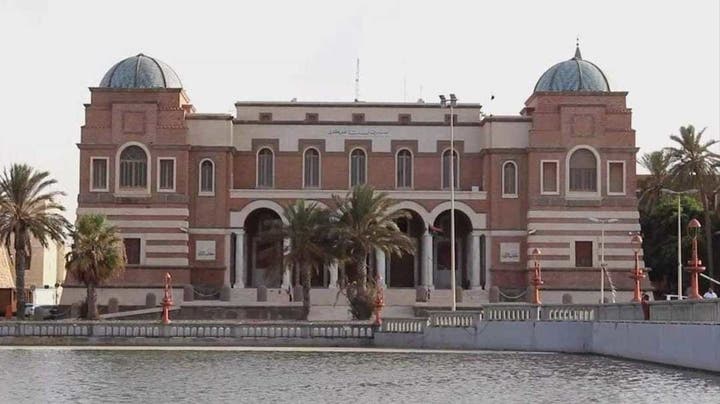
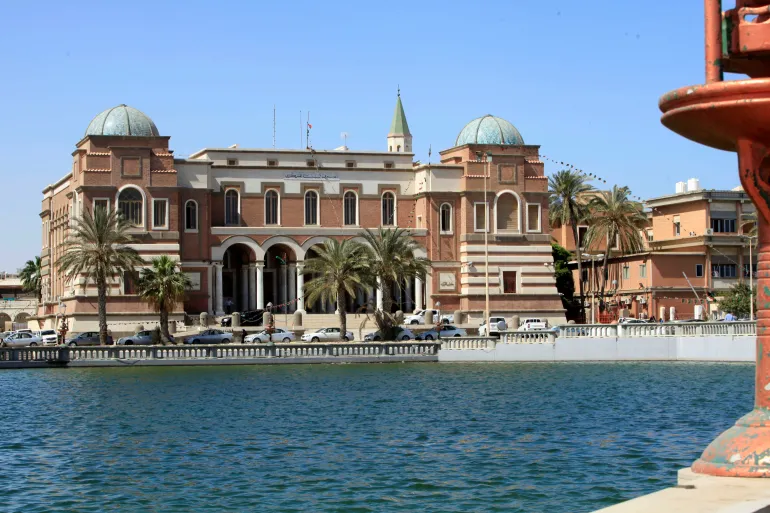
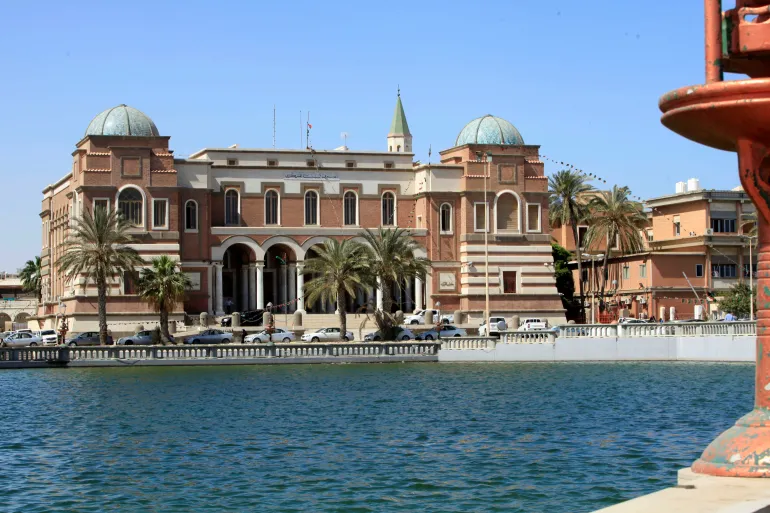
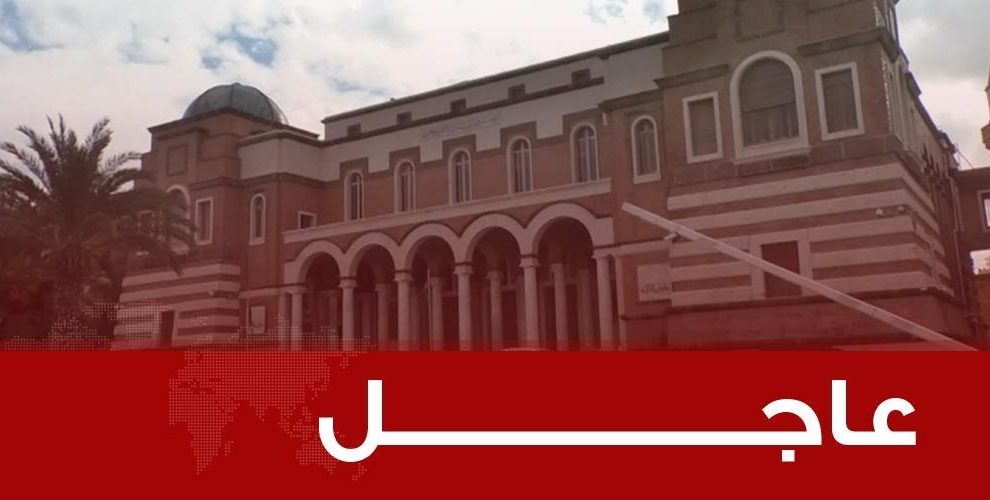
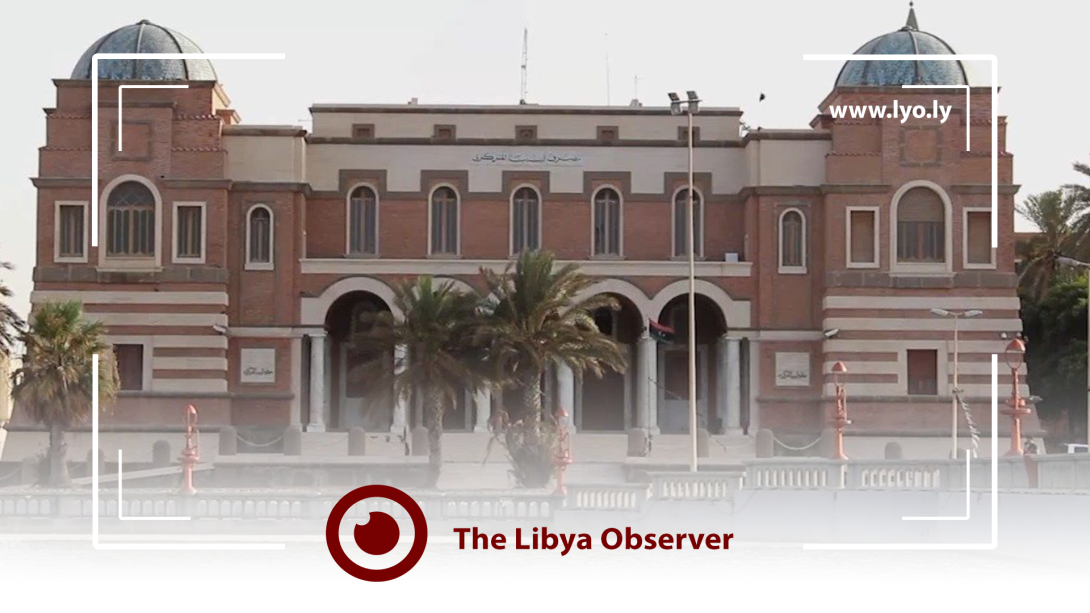
Central Bank
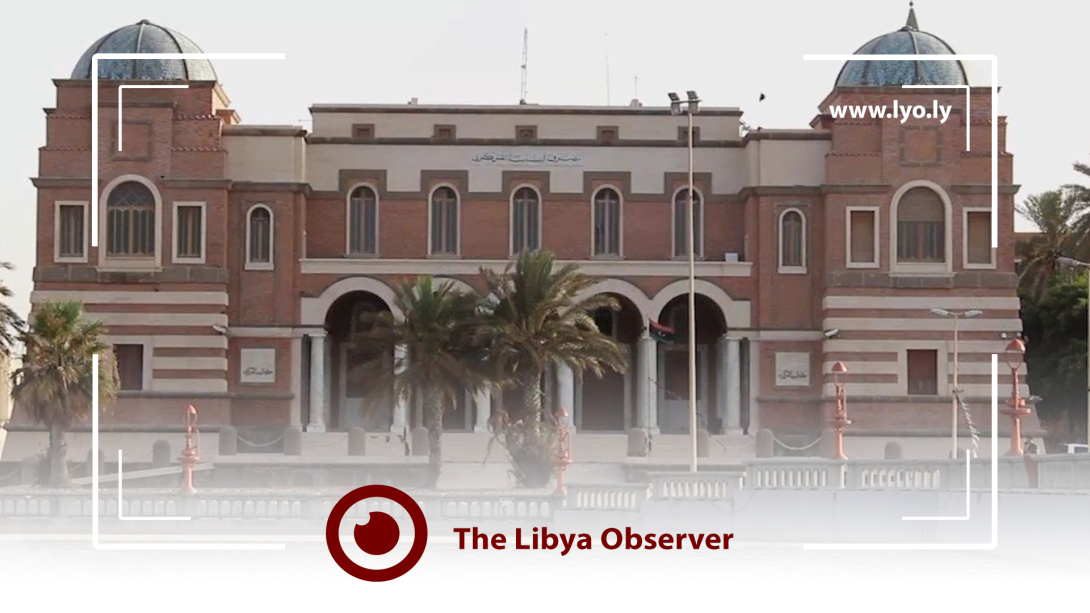
The Central Bank is a financial institution responsible for managing a nation’s currency, money supply, and interest rates. Historically, such banks were often established to stabilize currency and act as a lender of last resort, with Sweden’s Riksbank, founded in 1668, frequently cited as the world’s oldest central bank. Its core functions typically include monetary policy, financial system supervision, and maintaining economic stability.
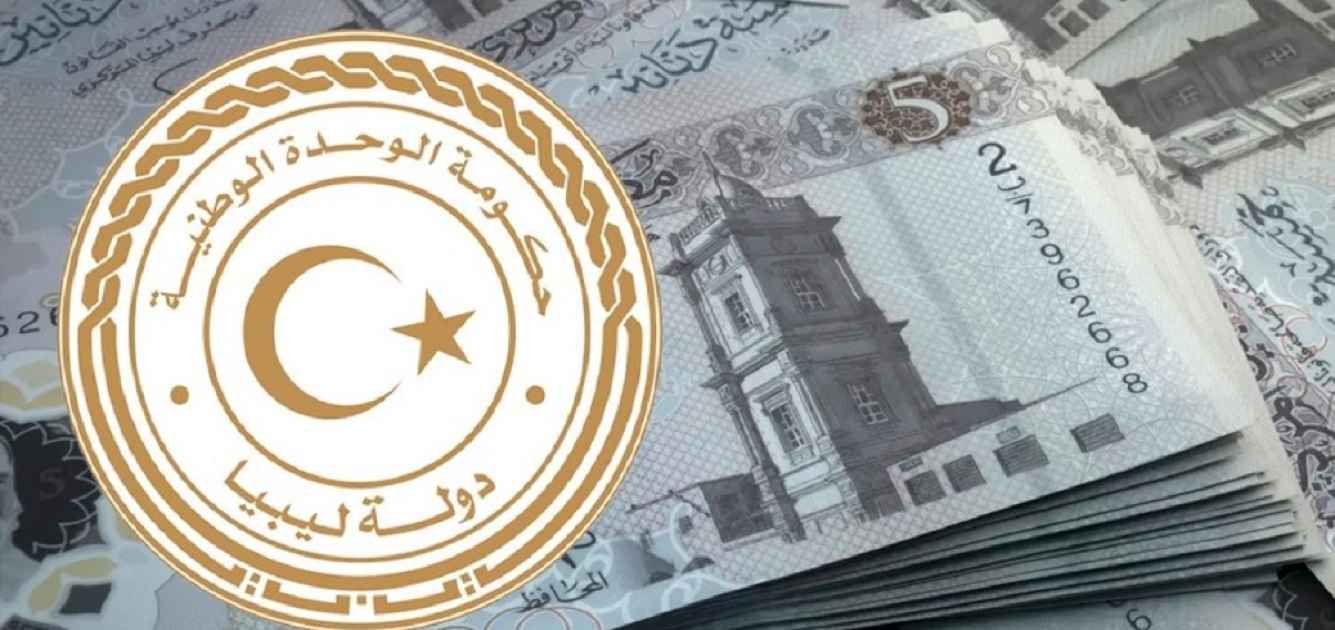
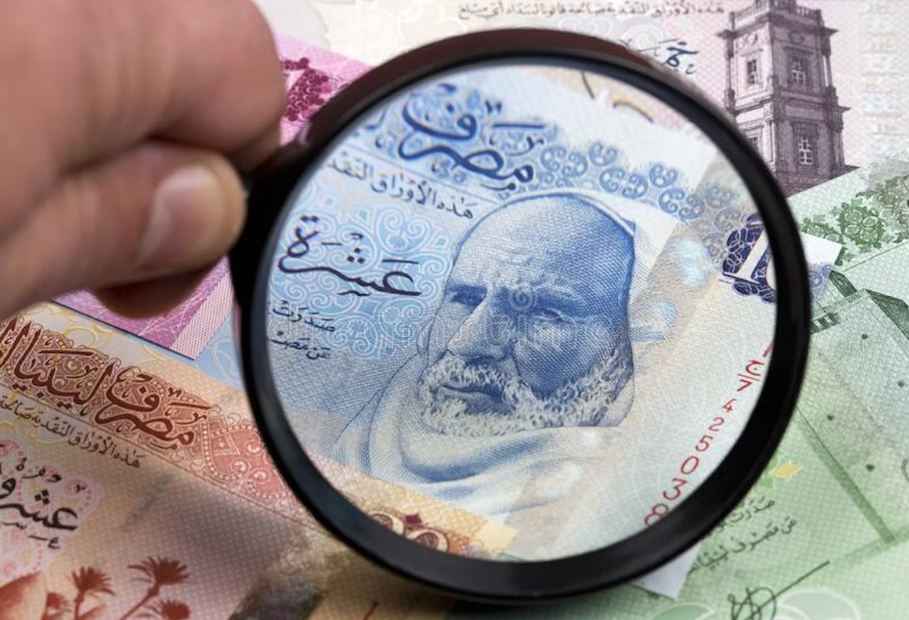
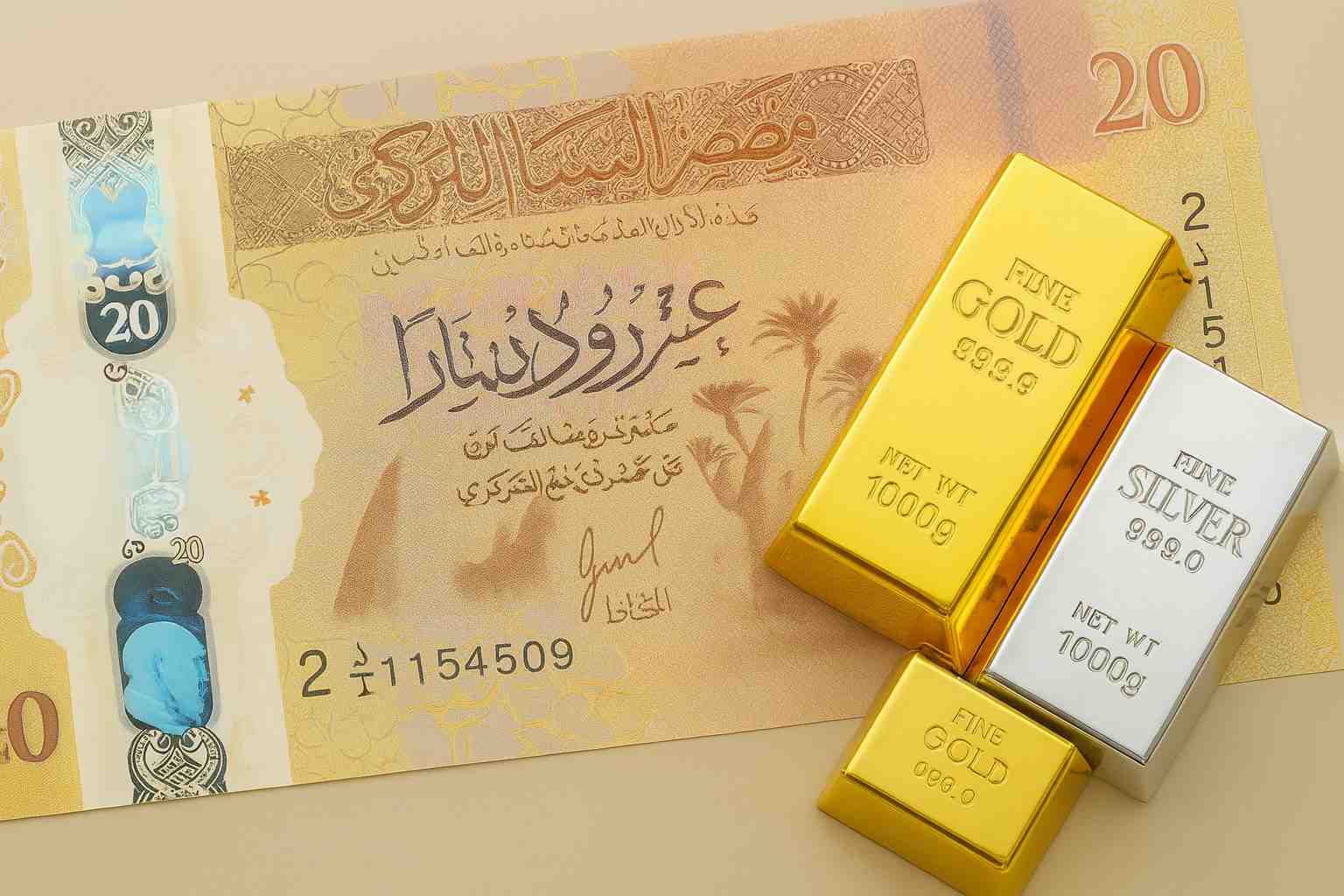
Libyan dinar
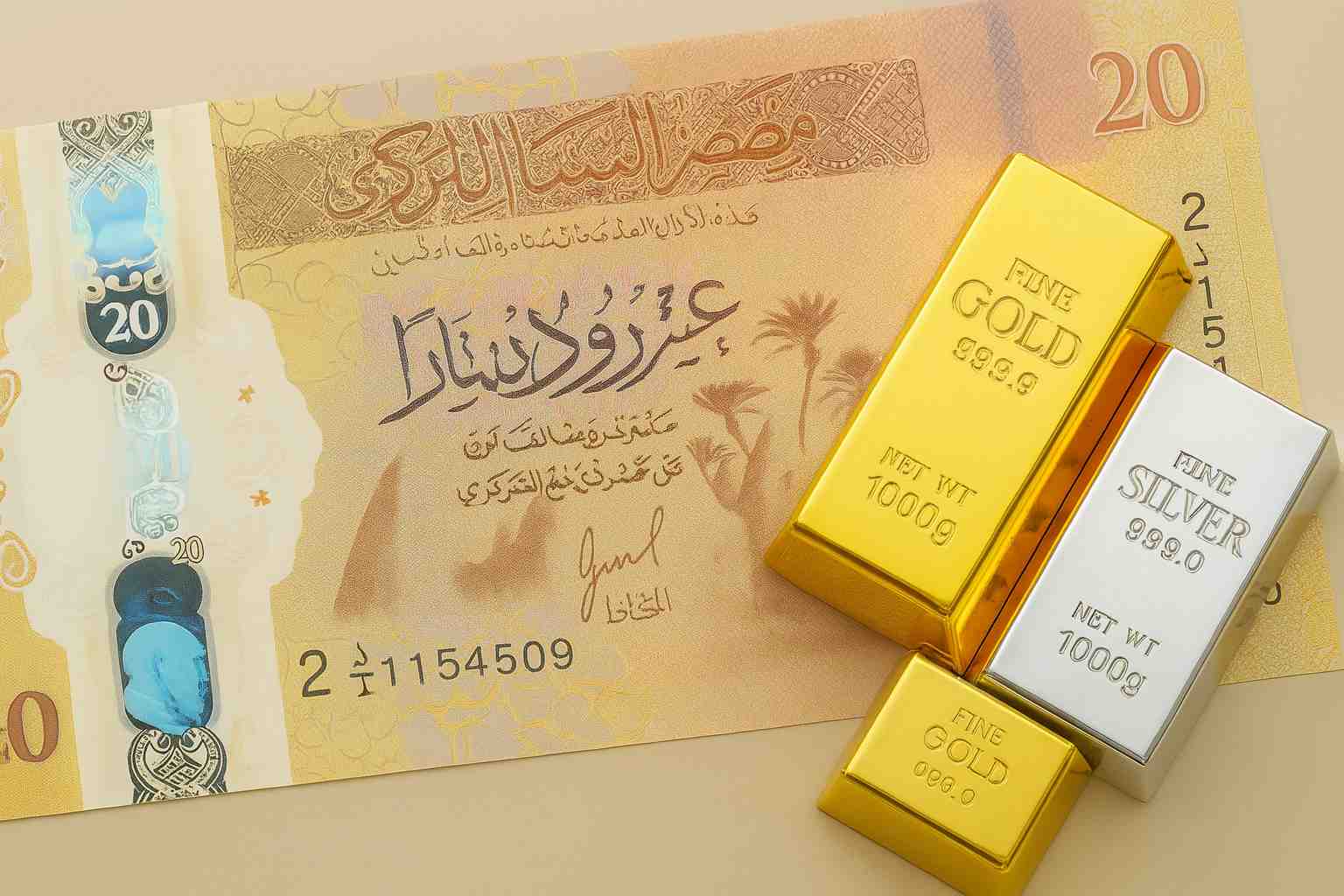
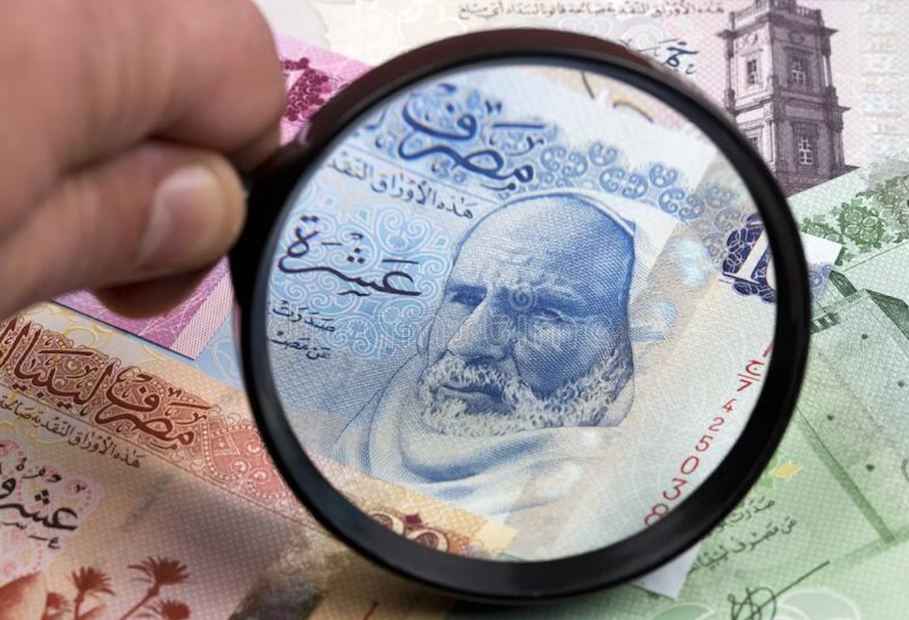
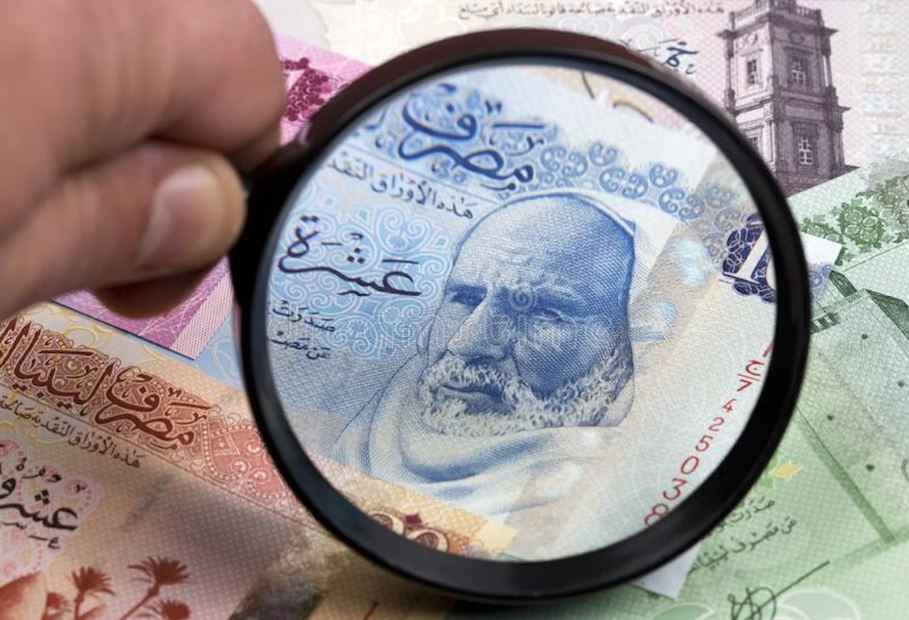
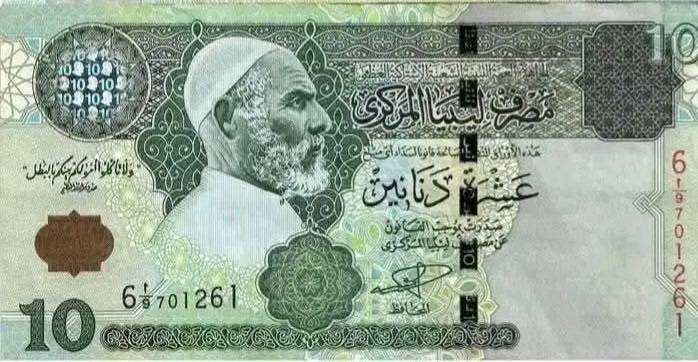
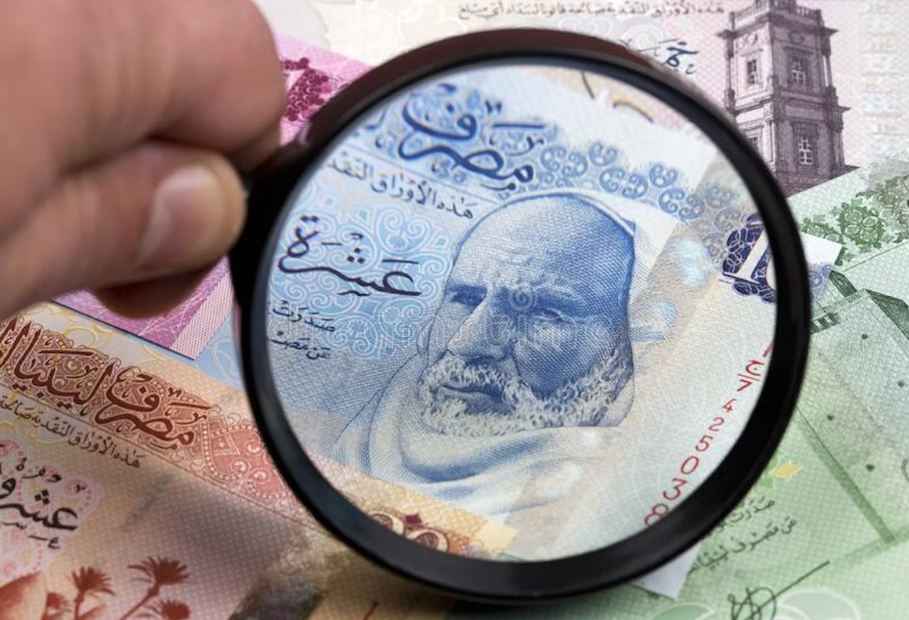
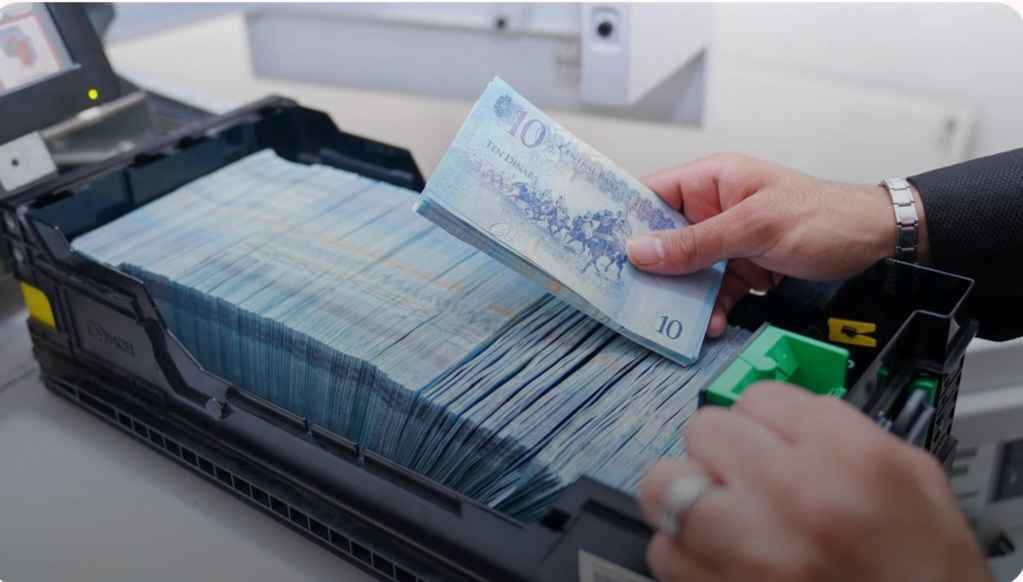
The Libyan dinar is the official currency of Libya, introduced in 1971 to replace the Libyan pound. It was established following the 1969 revolution that brought Muammar Gaddafi to power, marking a shift in the country’s economic identity.
Interior Ministry
The Interior Ministry is a government department responsible for domestic affairs, such as public safety, civil registration, and immigration. Its history is often tied to the formation of the modern state, evolving from older systems of internal administration and law enforcement to address the needs of a centralized government.