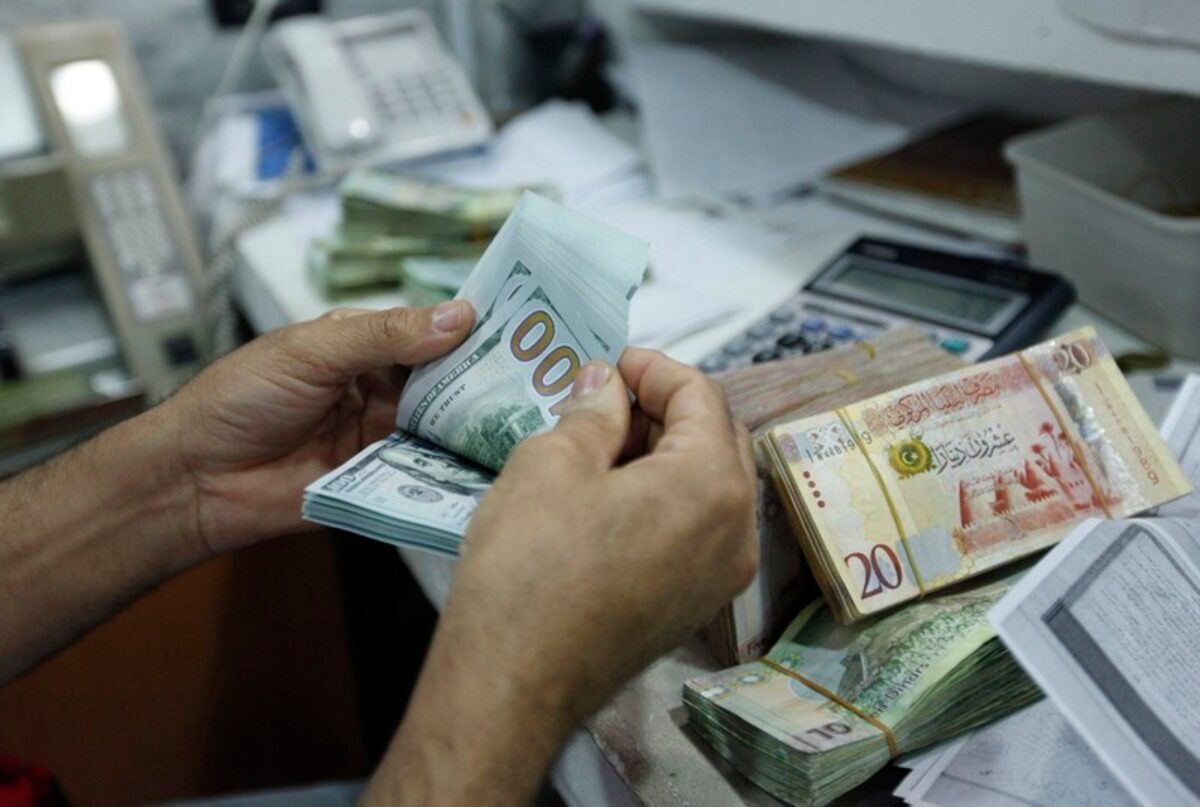
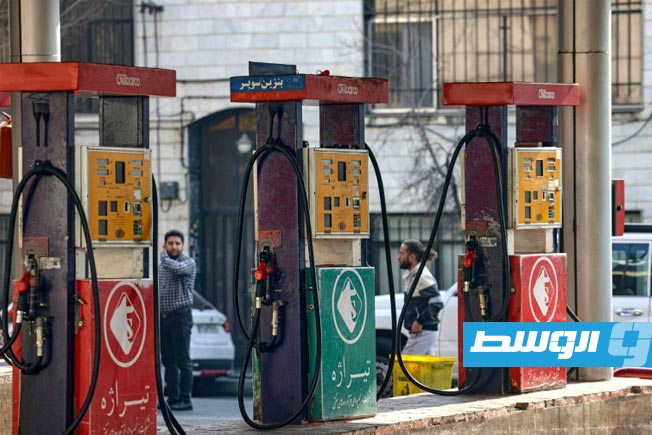
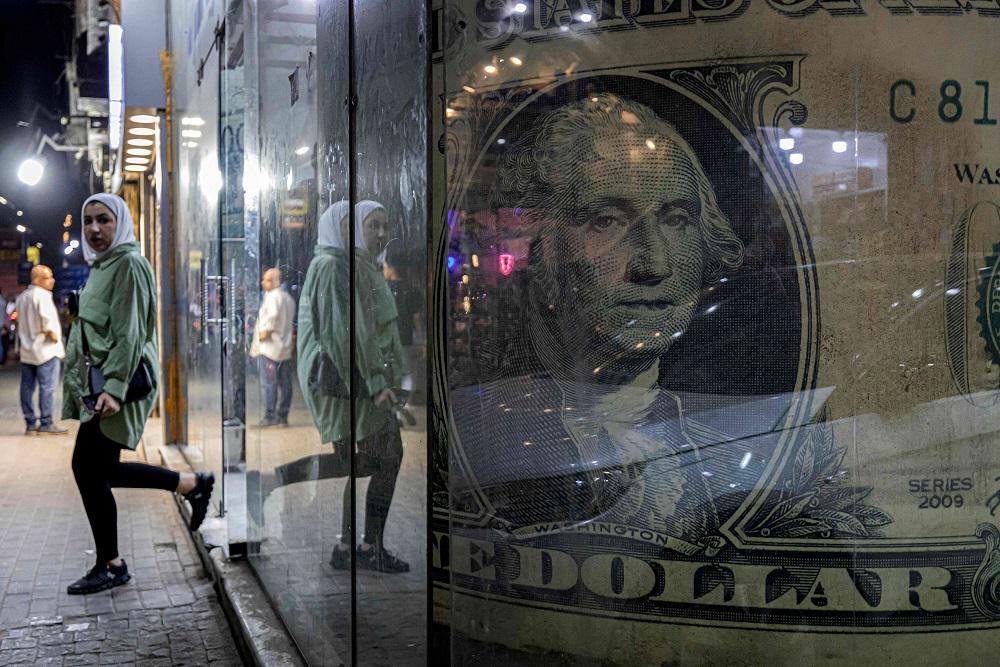
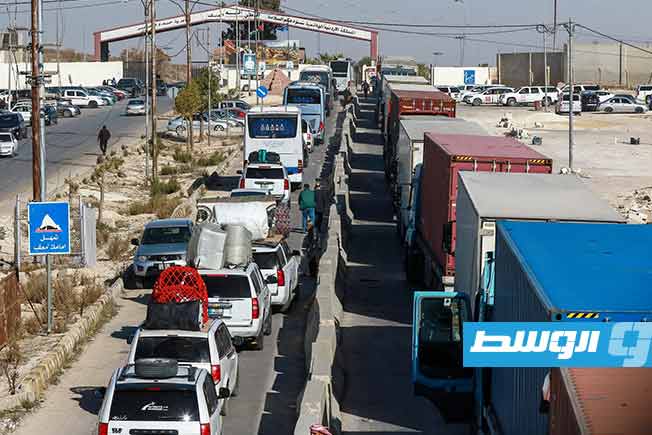
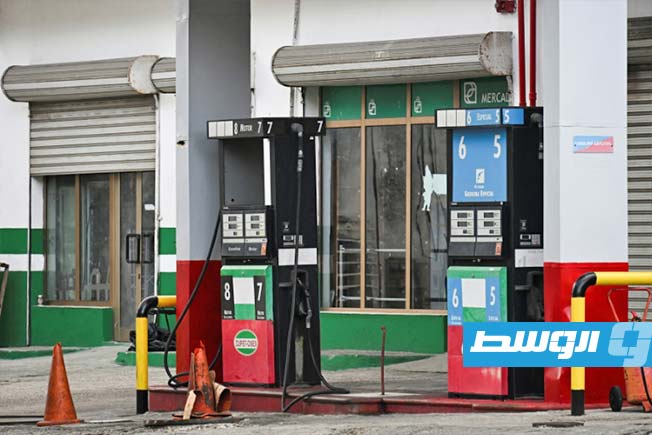
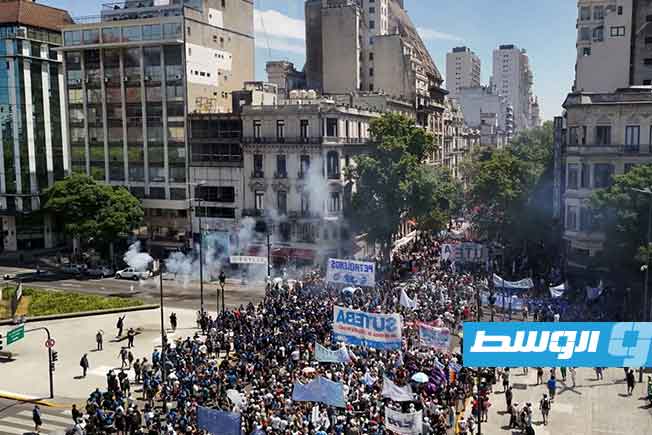
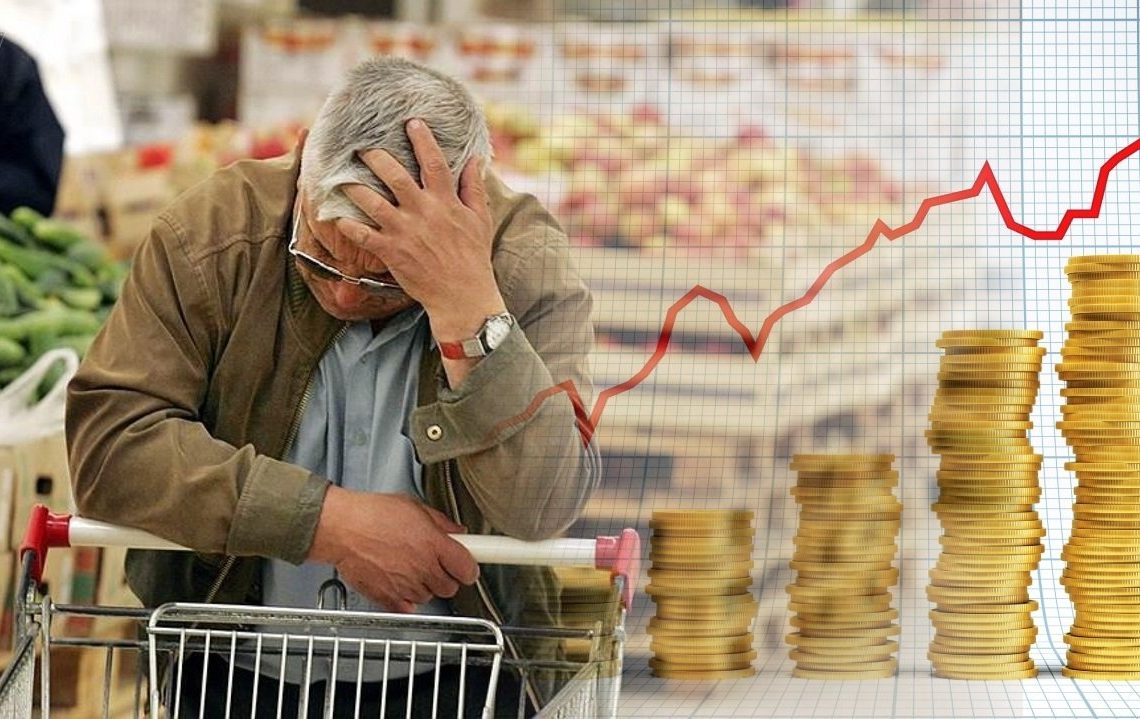
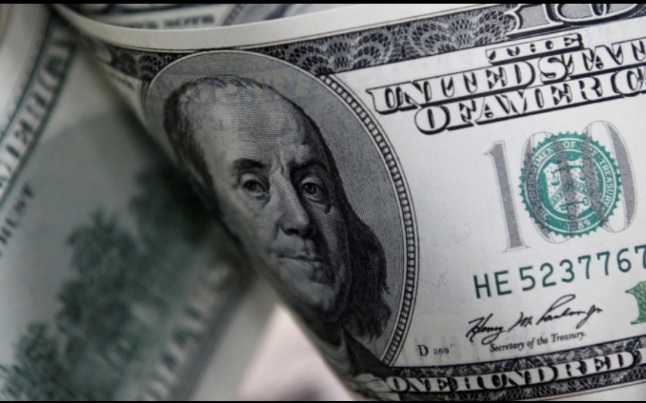
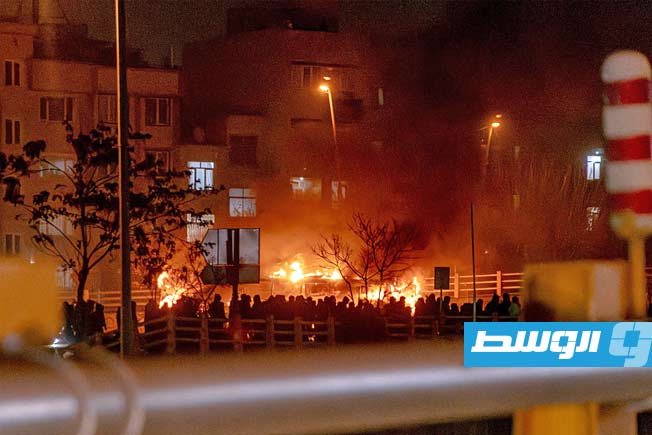
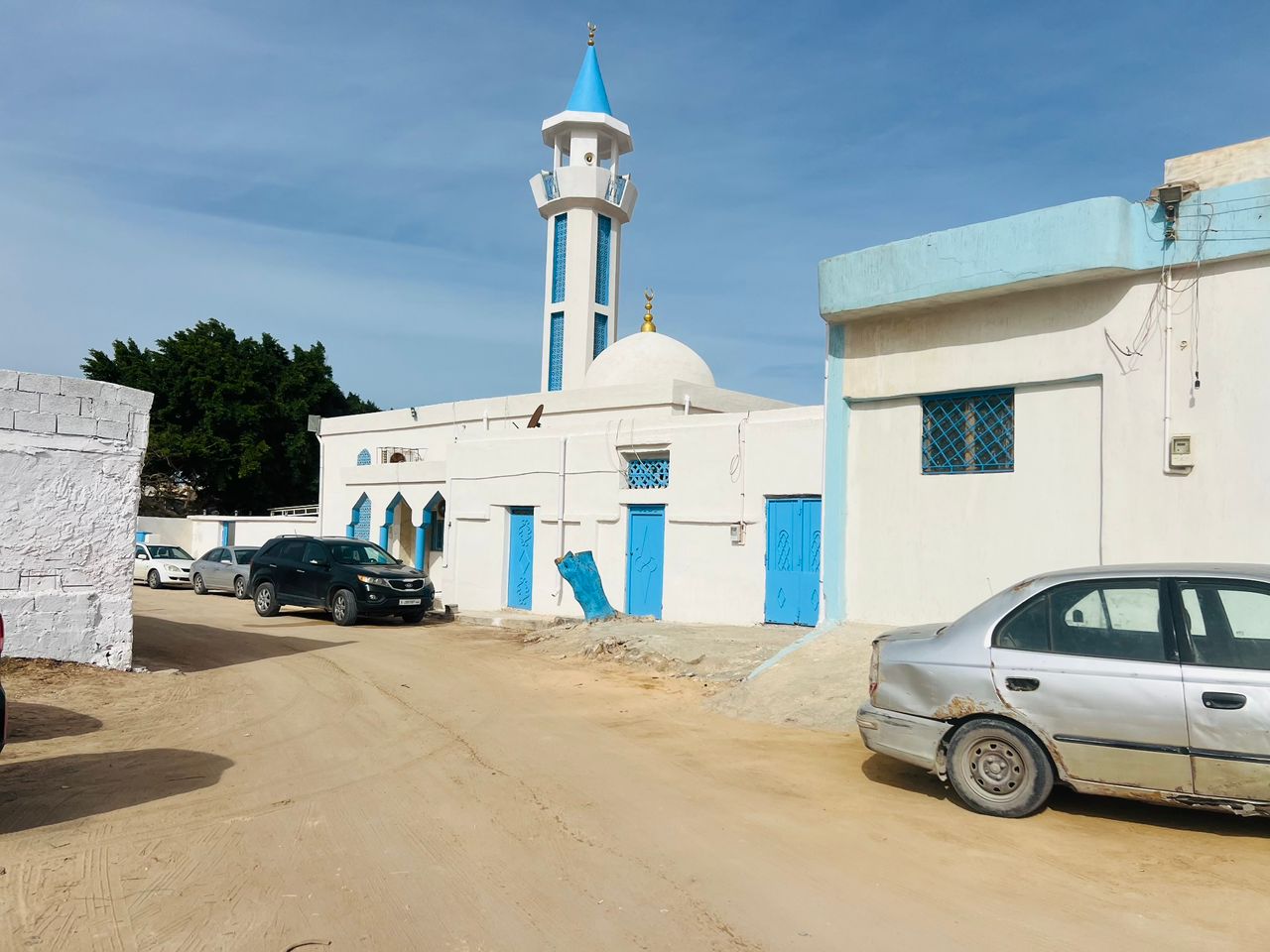
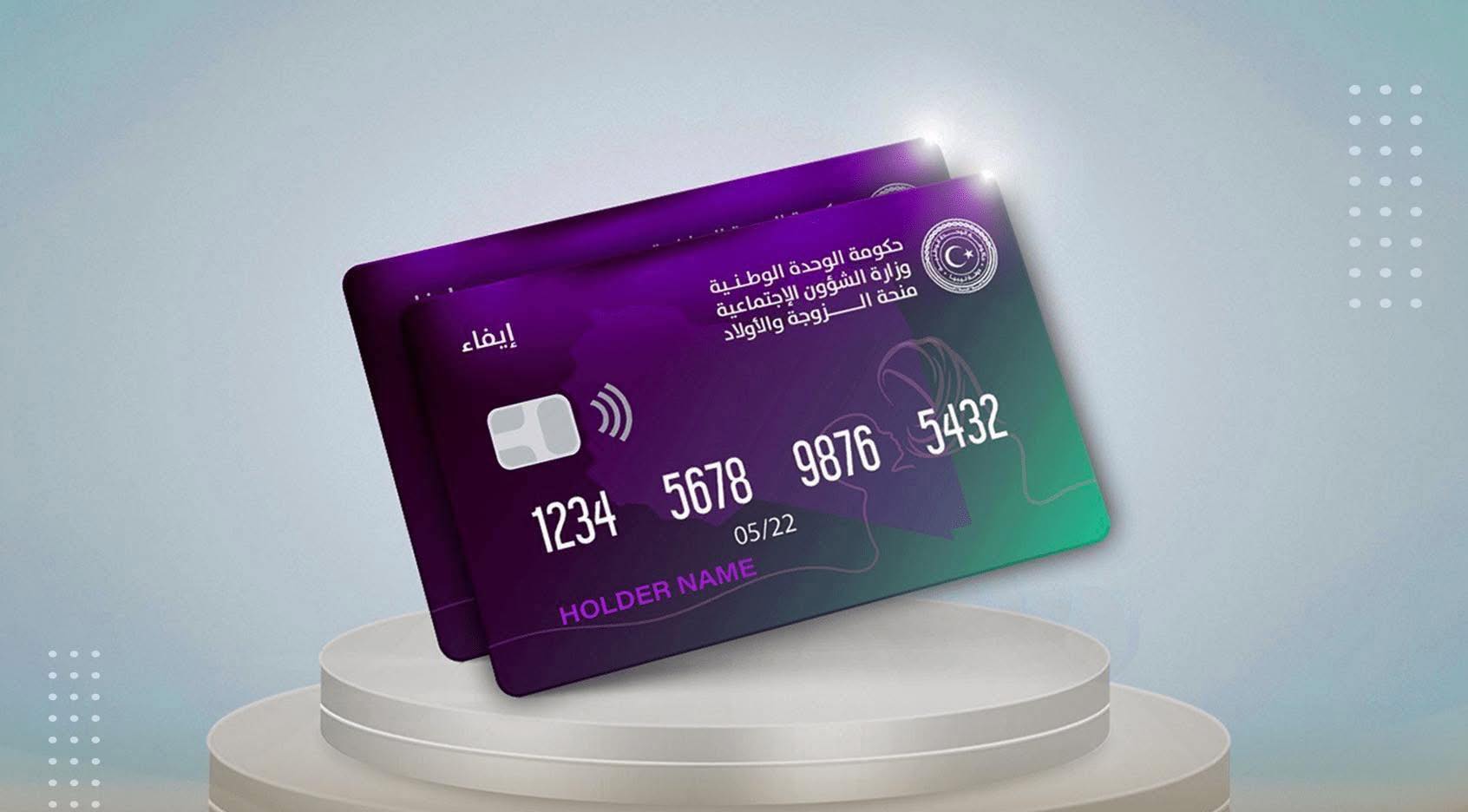
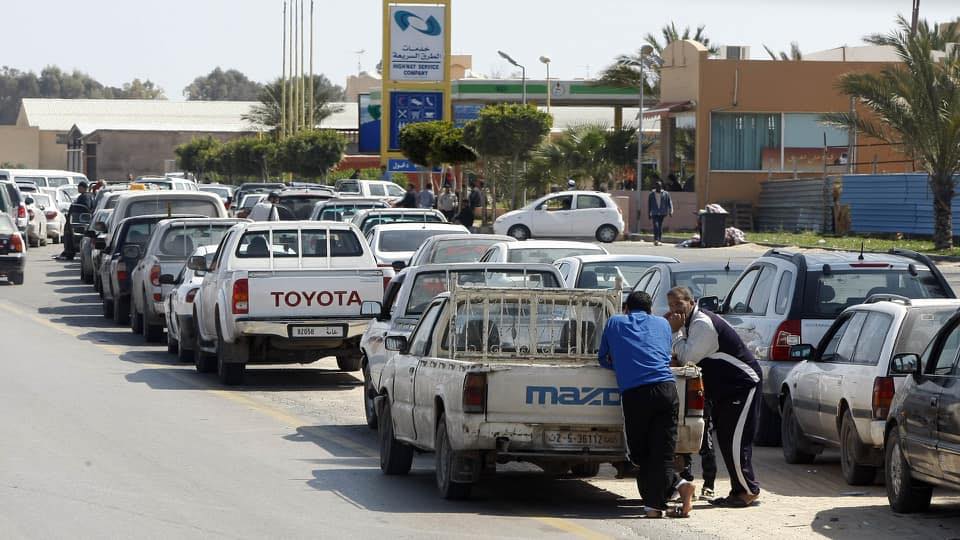
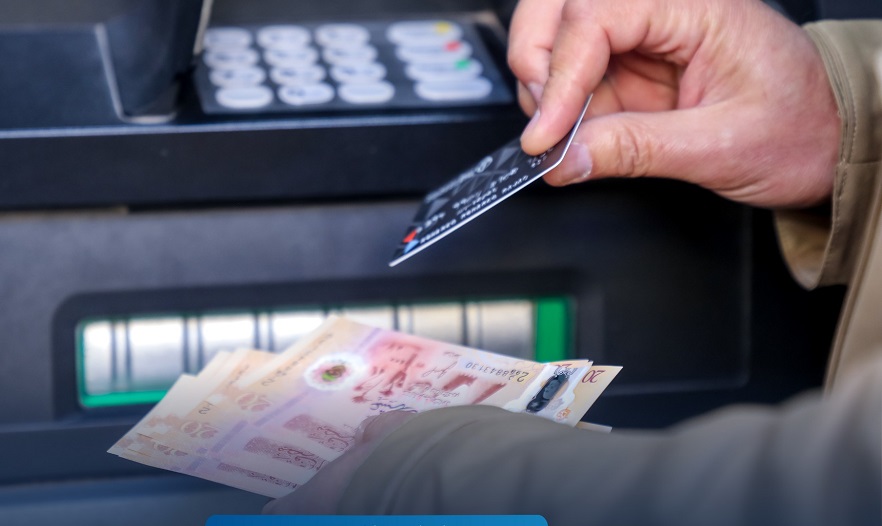
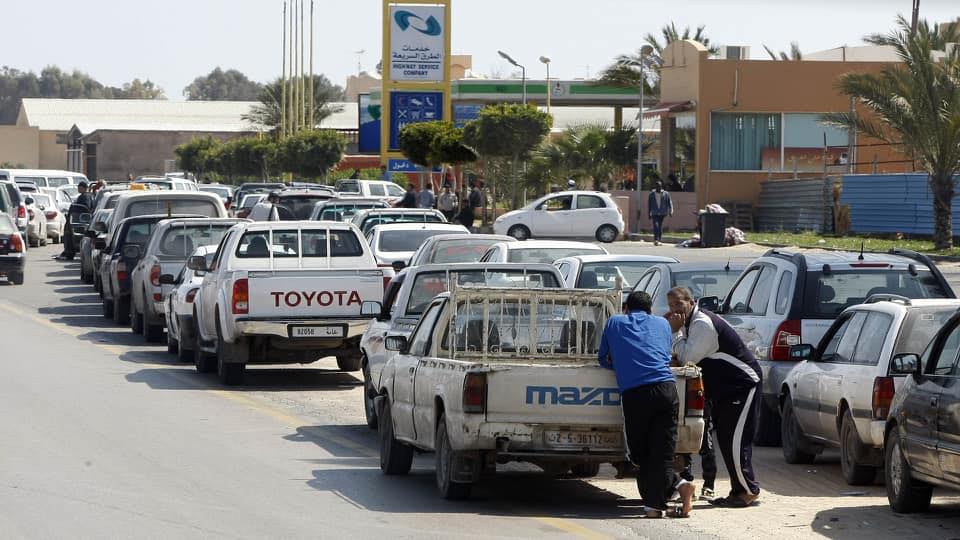
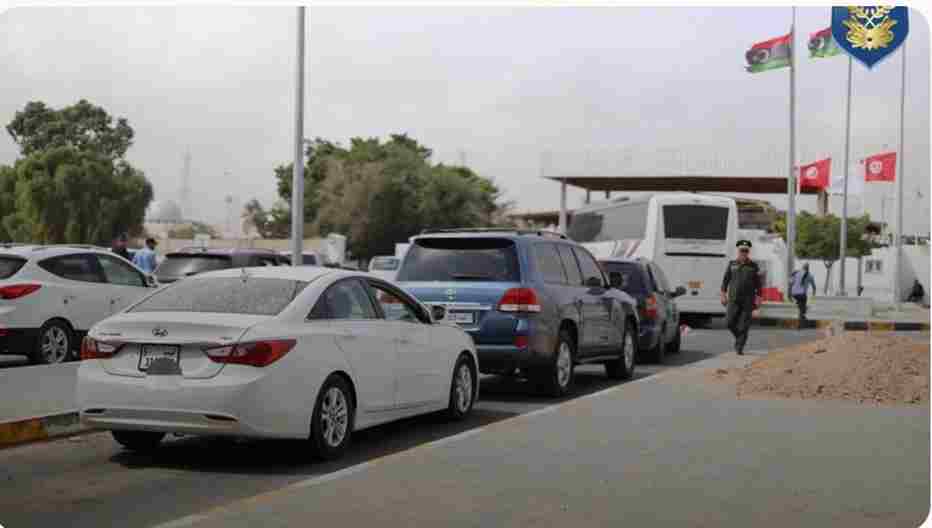
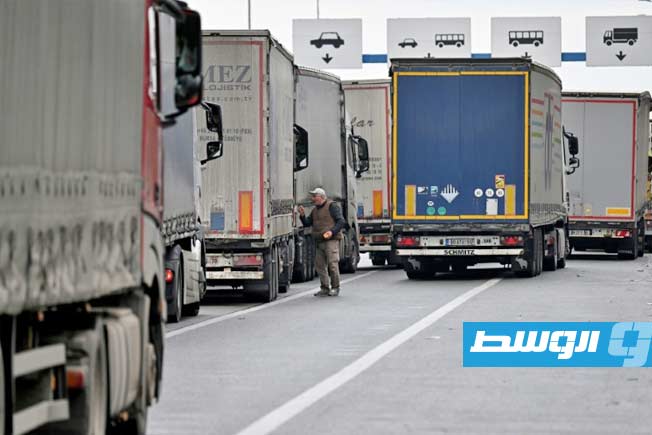
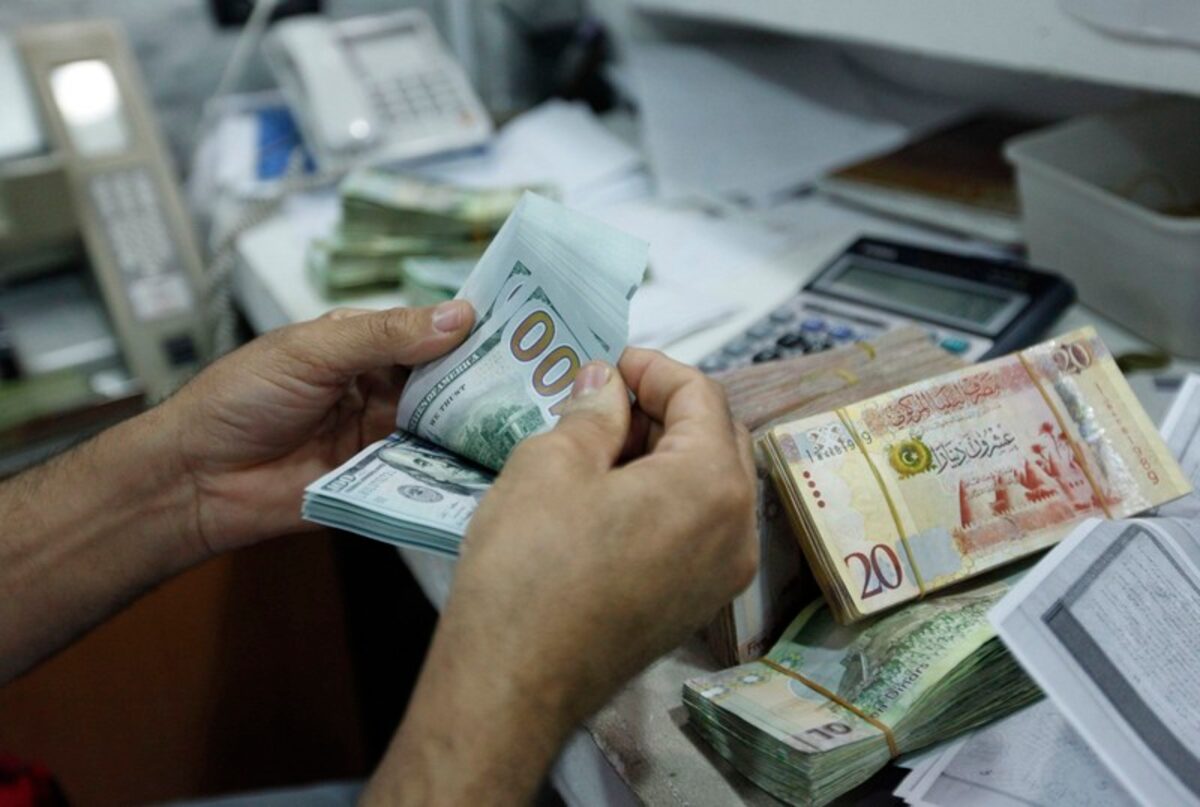
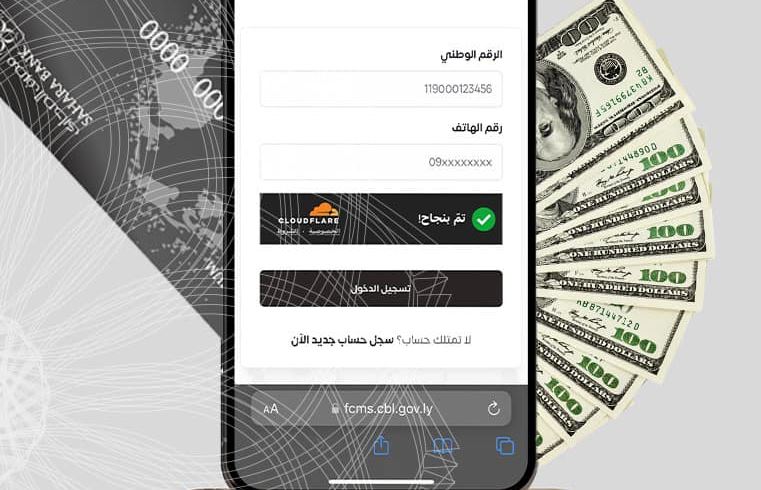
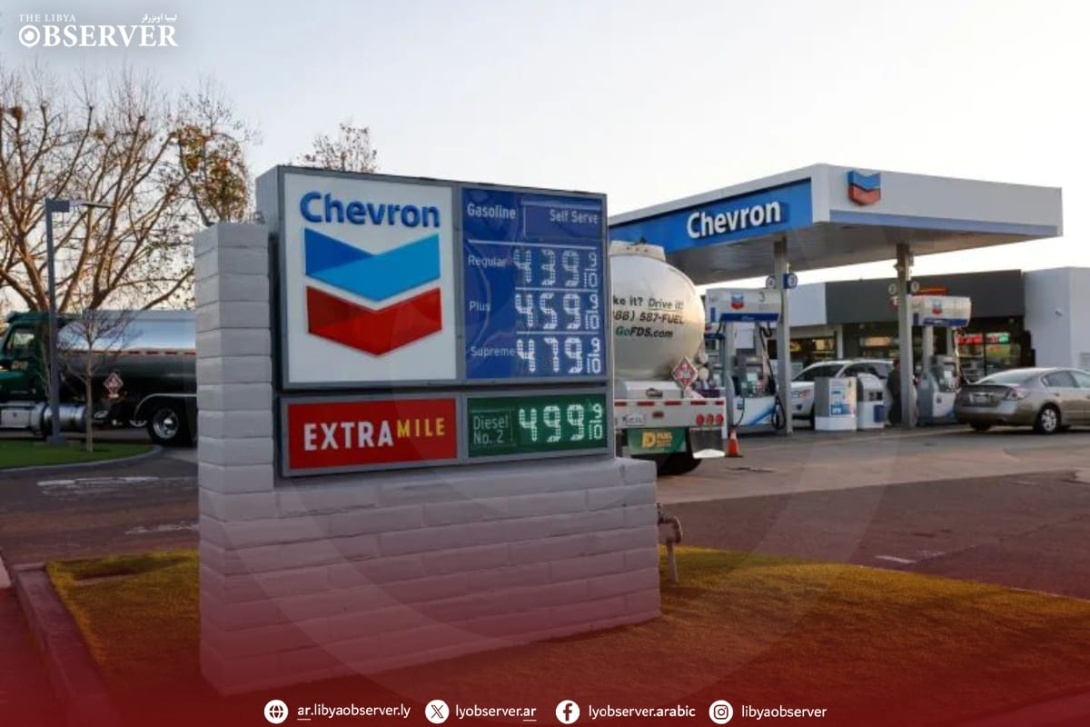
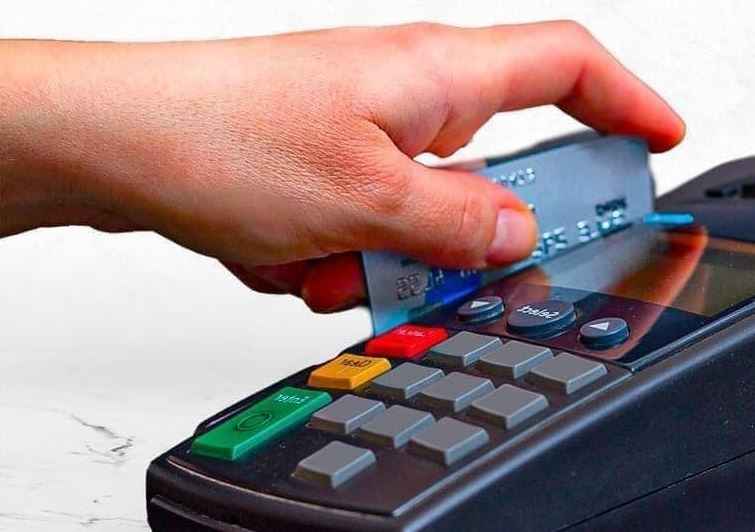
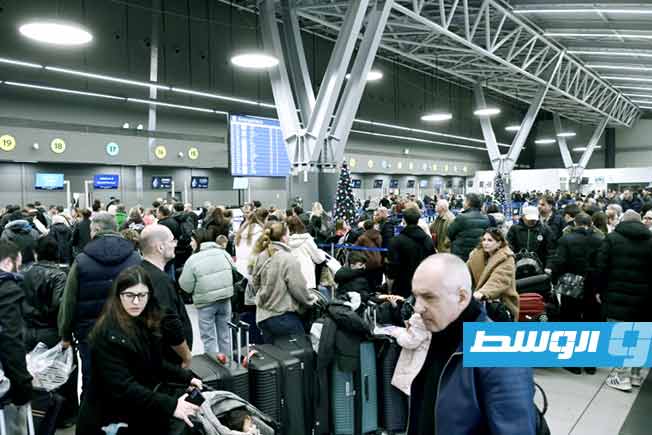
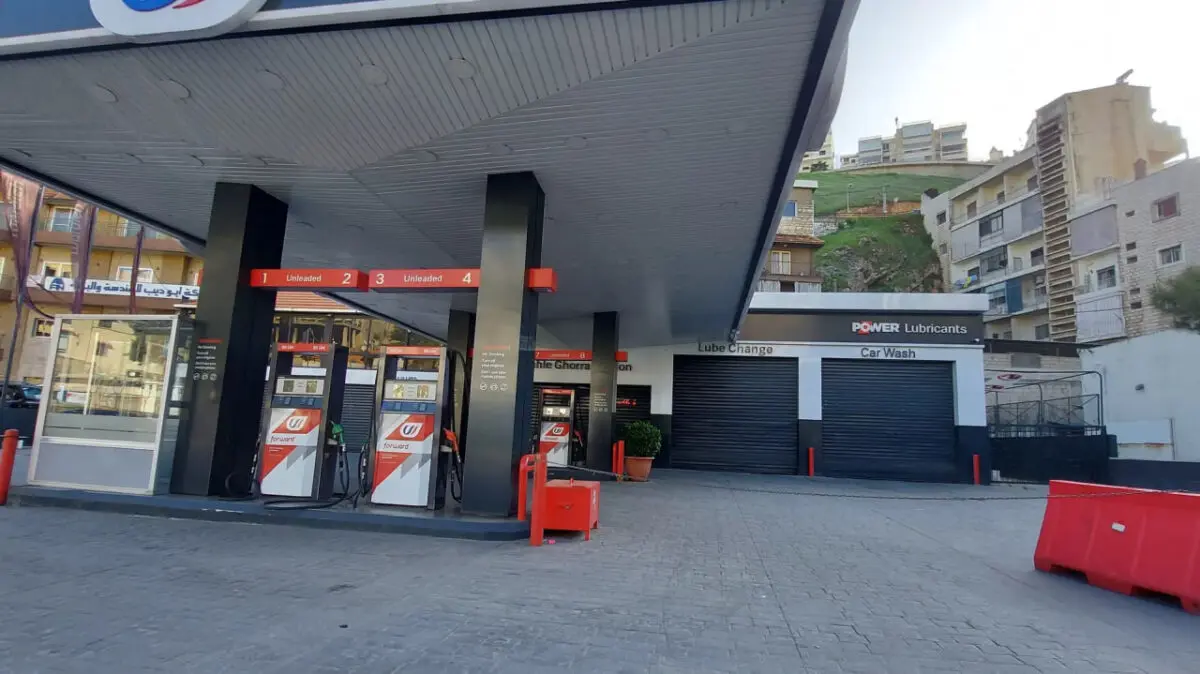
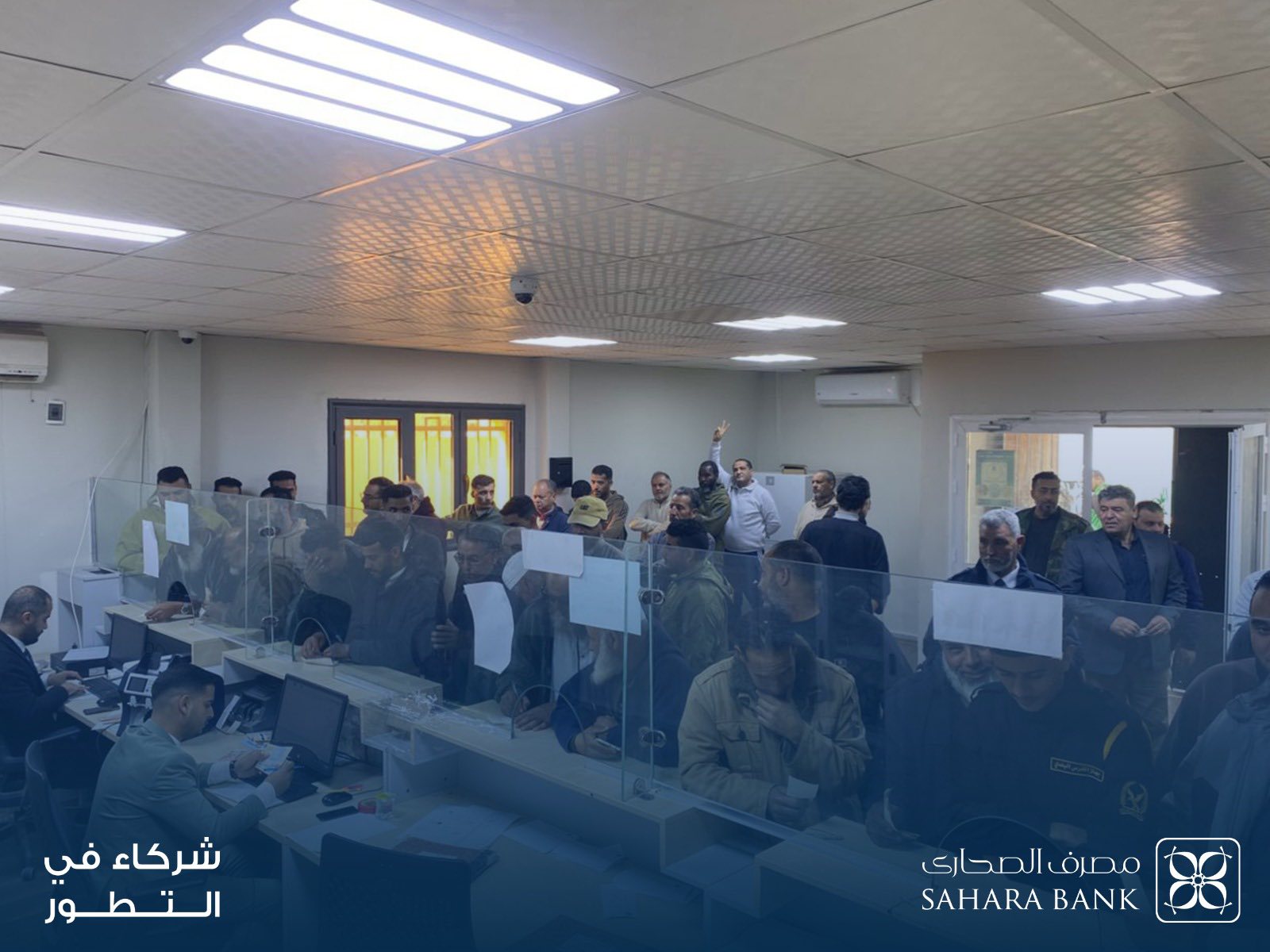
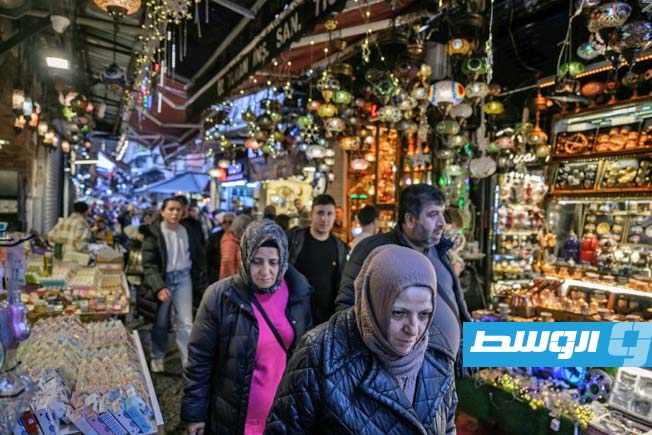
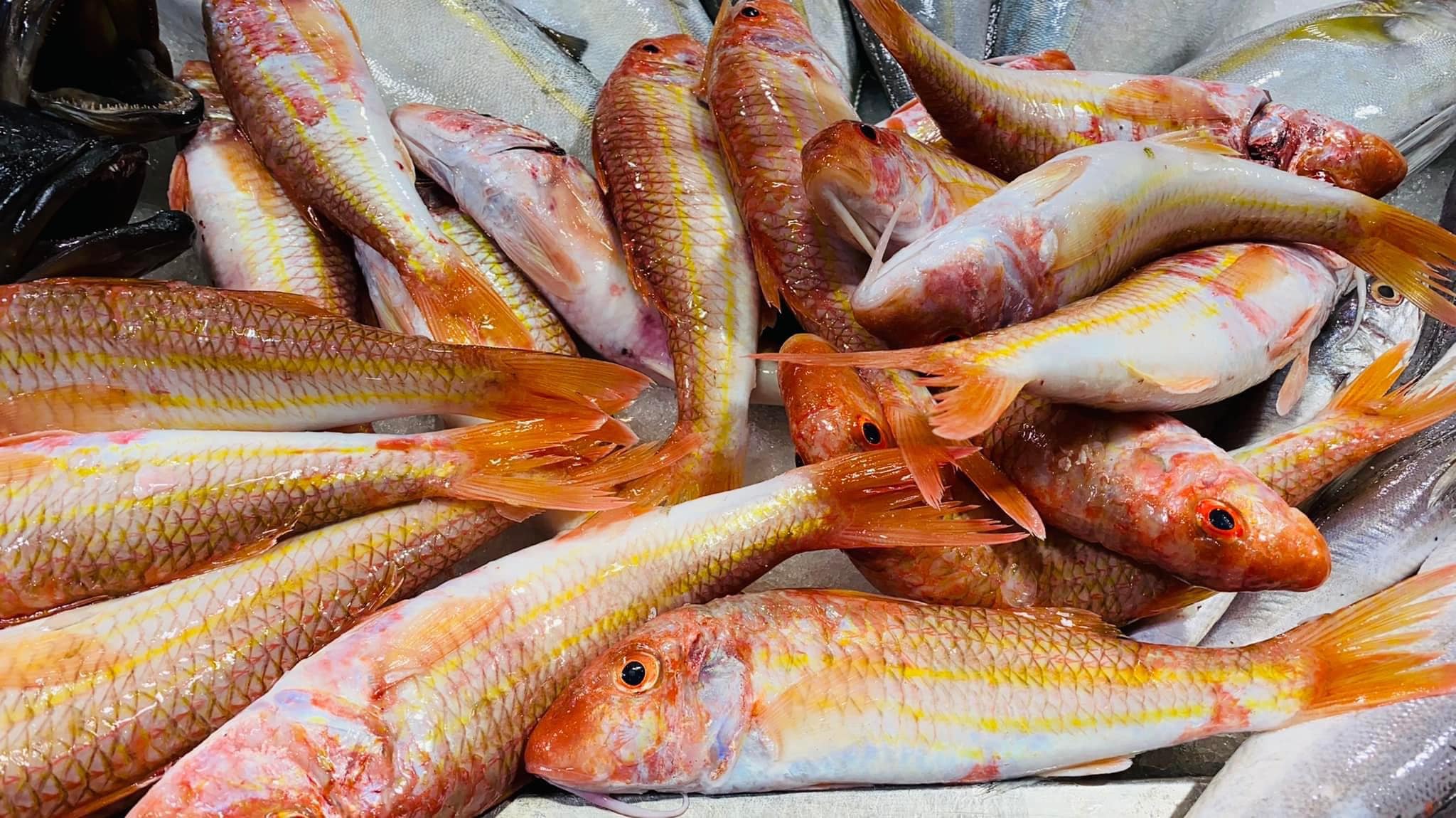
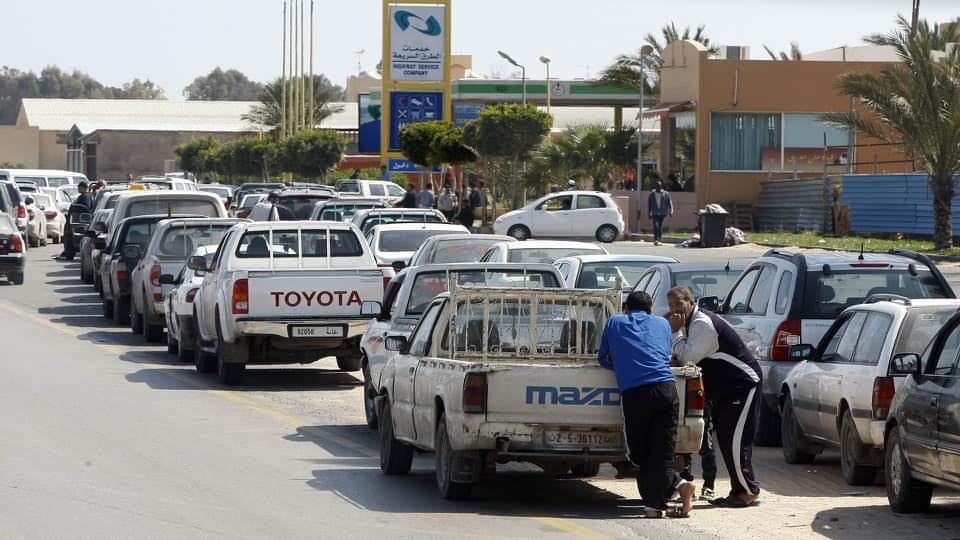
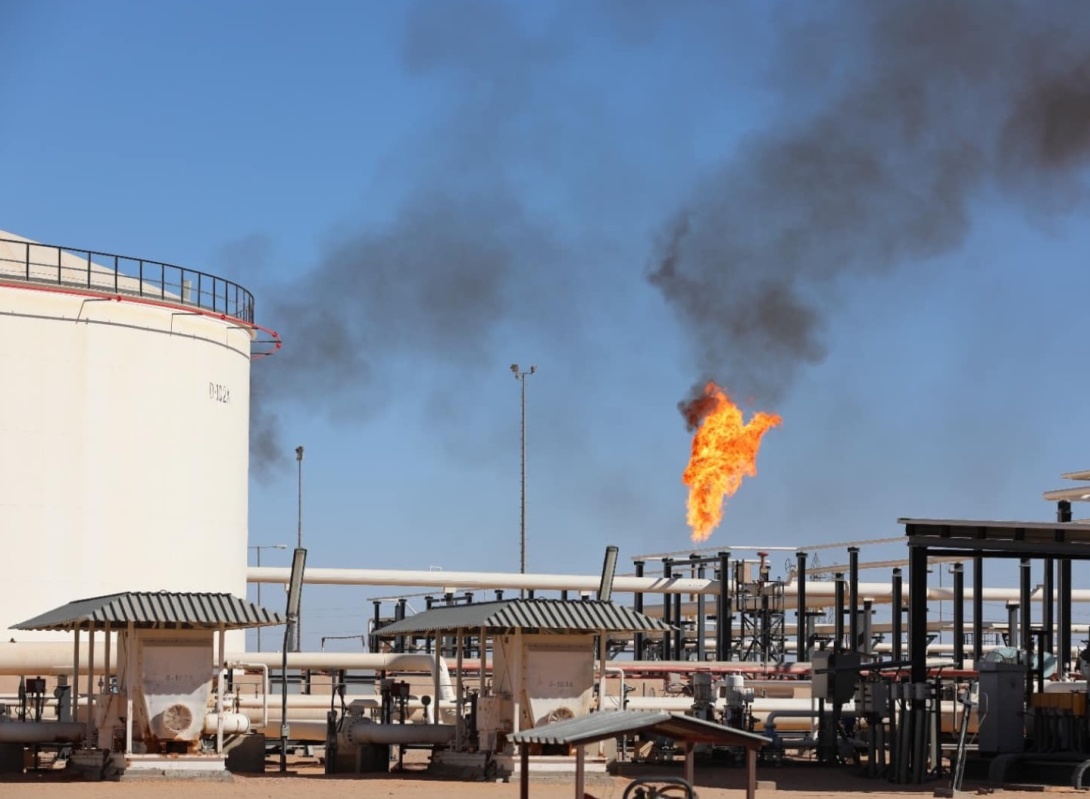
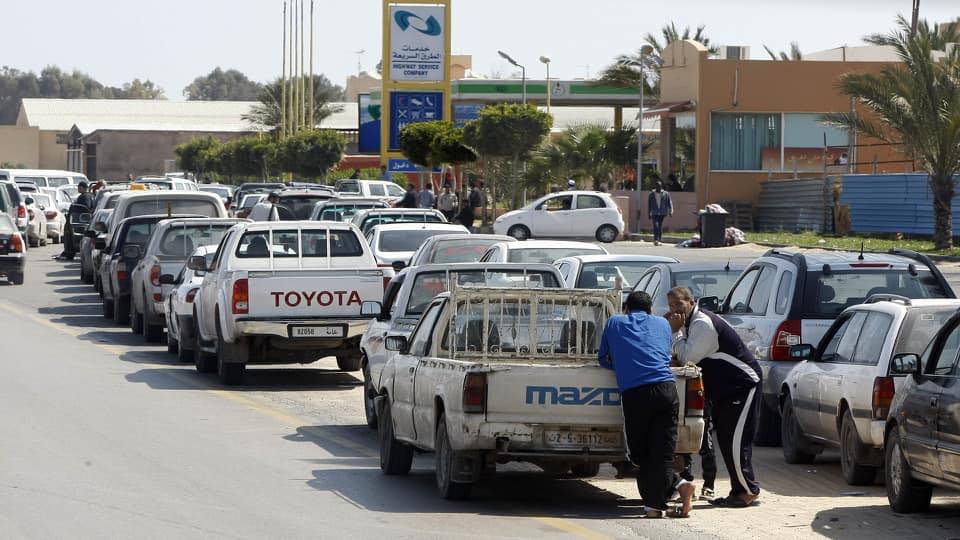
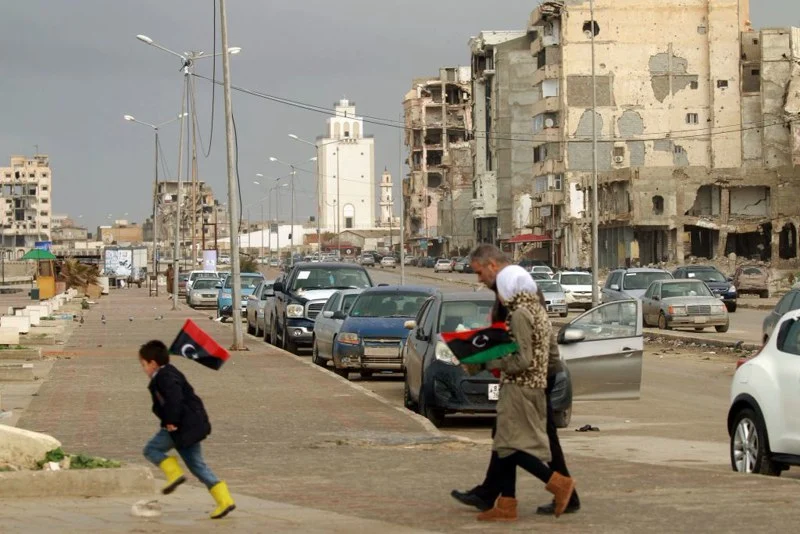
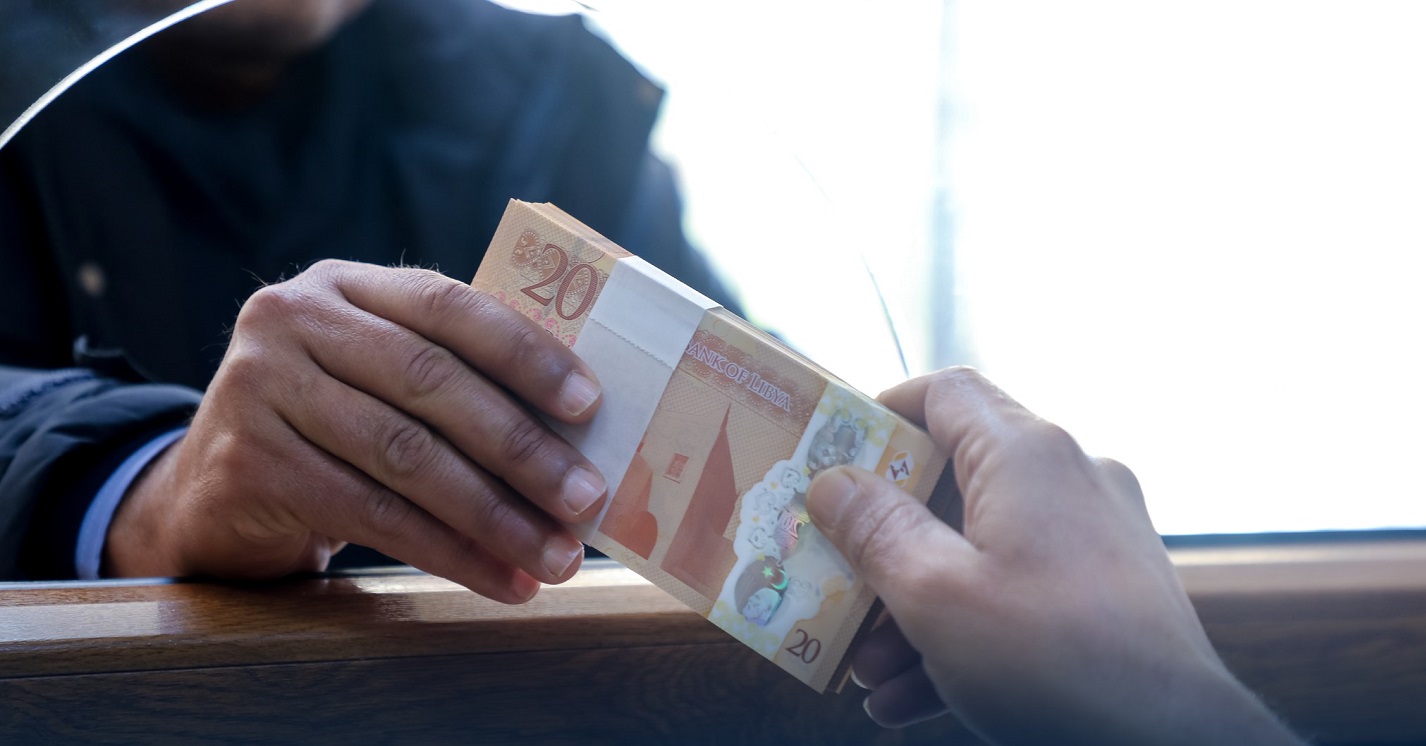
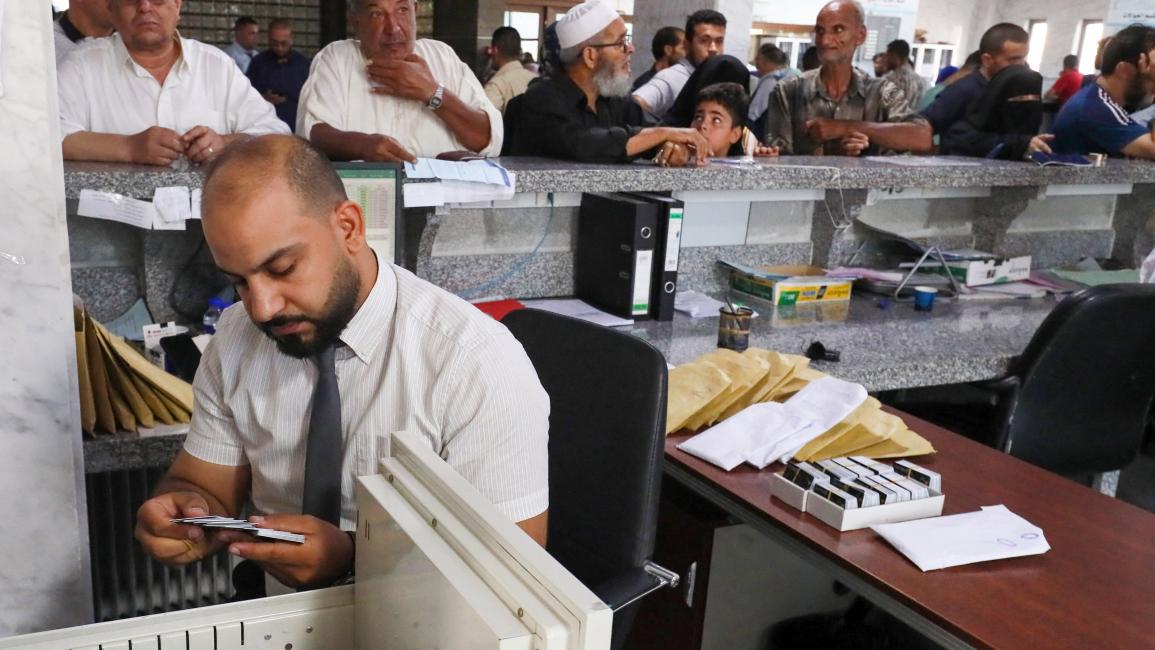
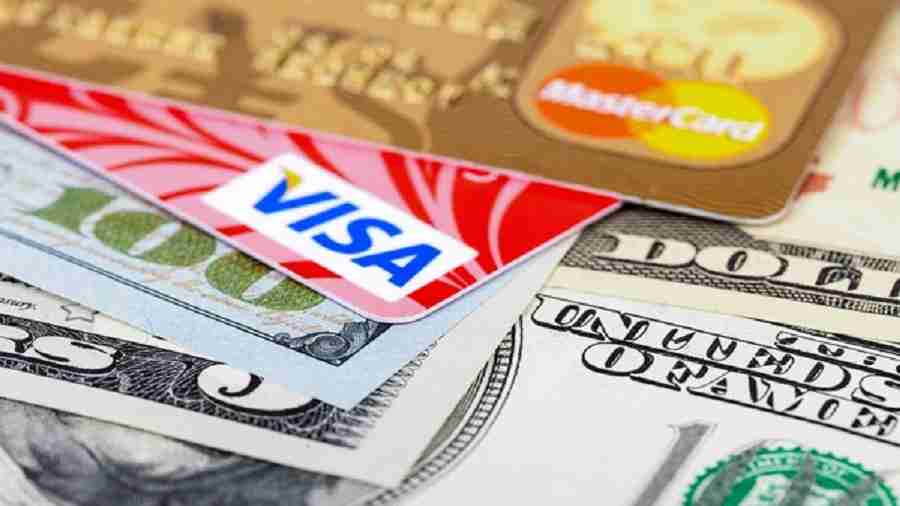
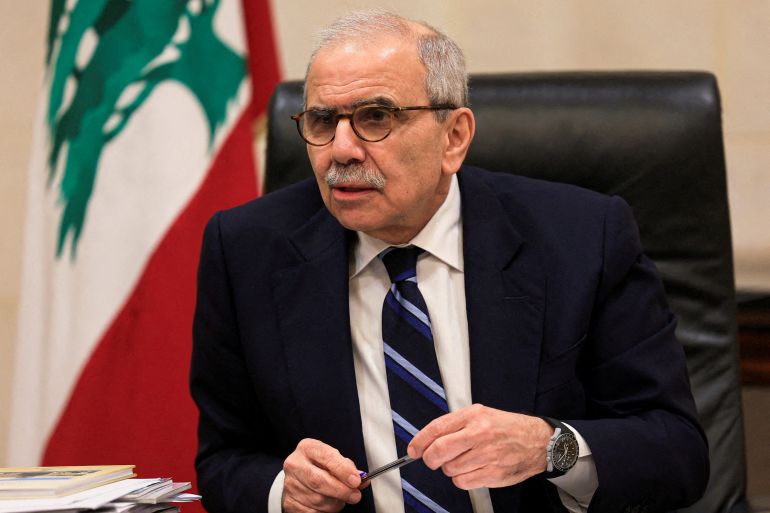
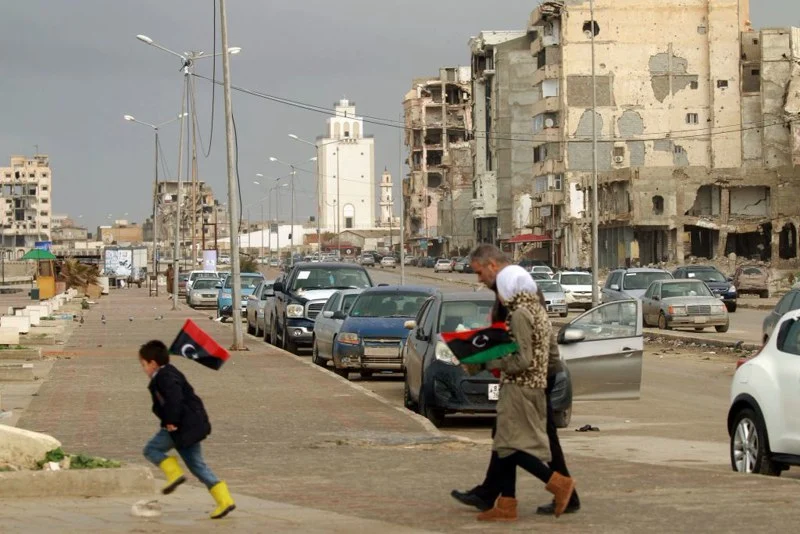
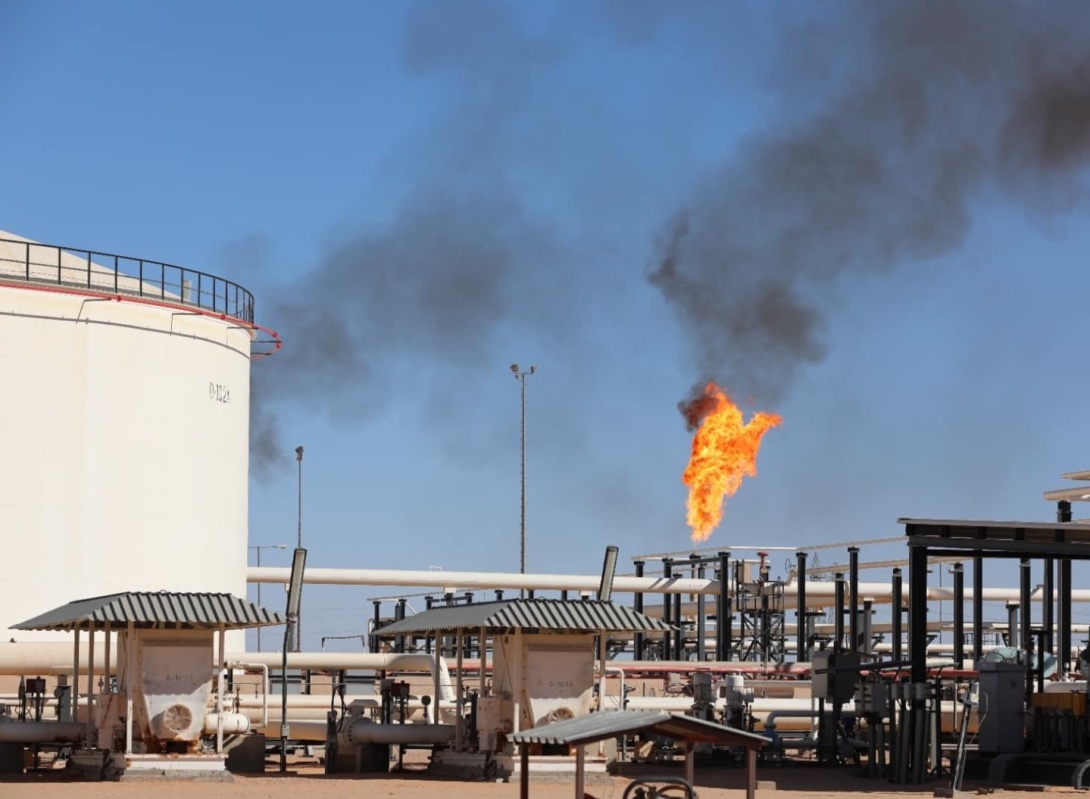
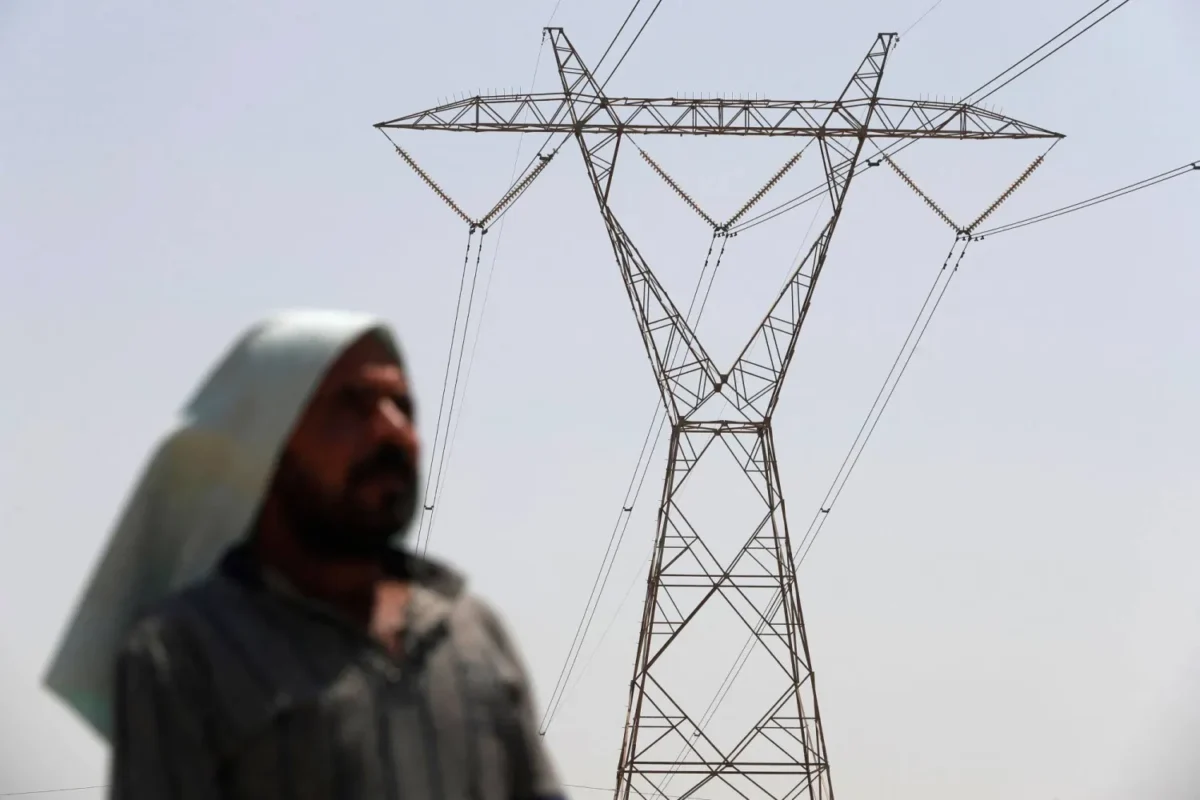
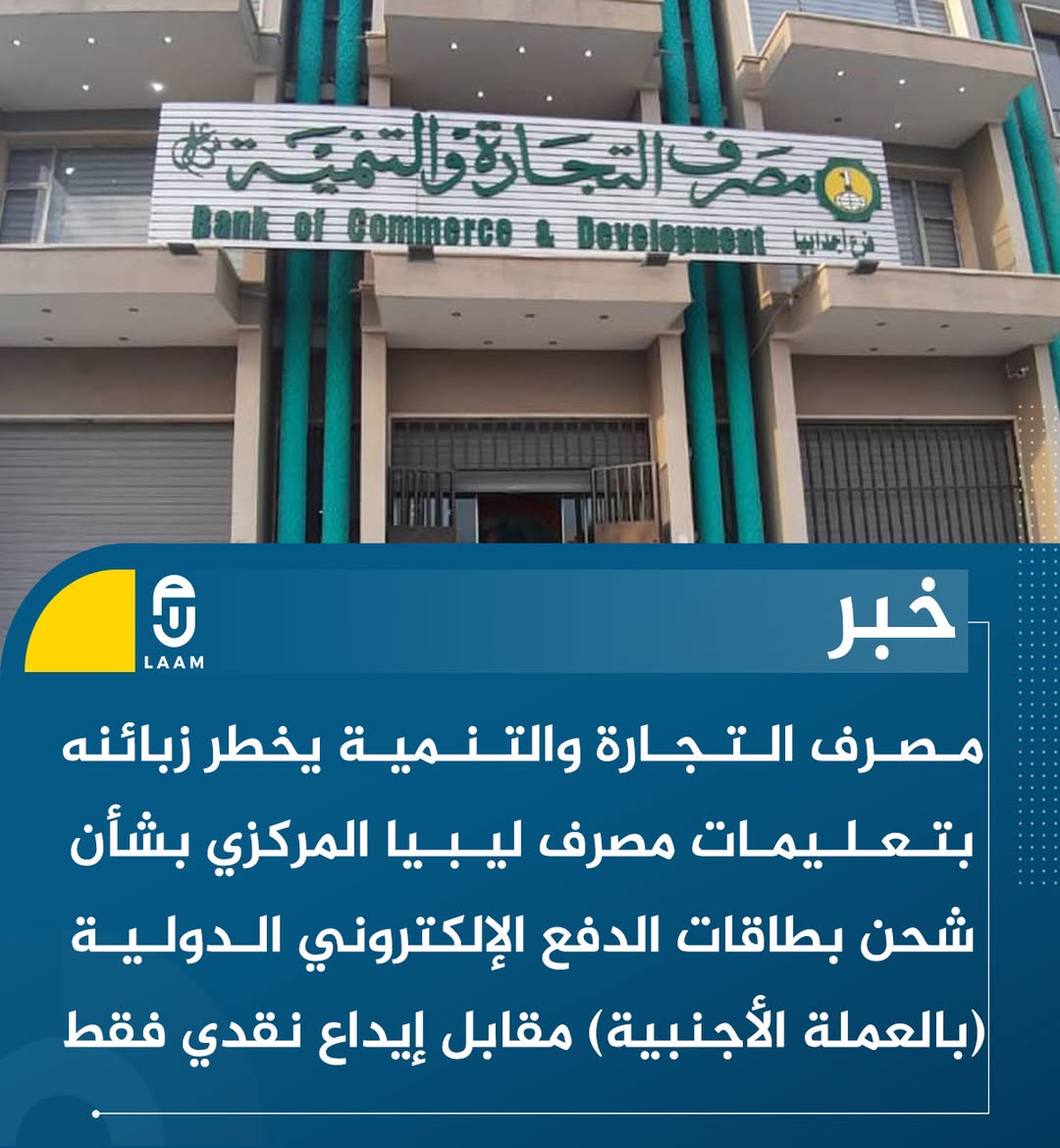
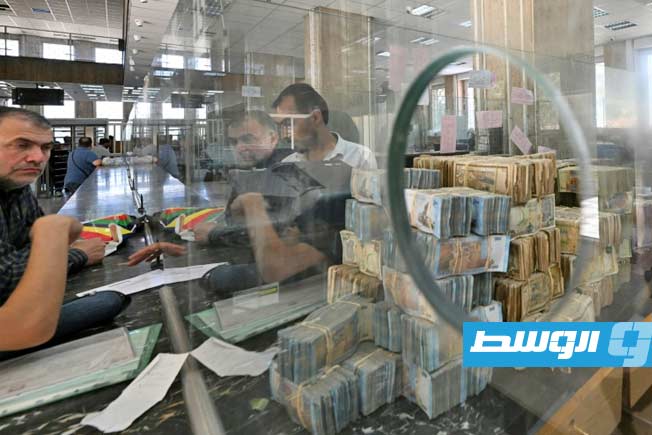
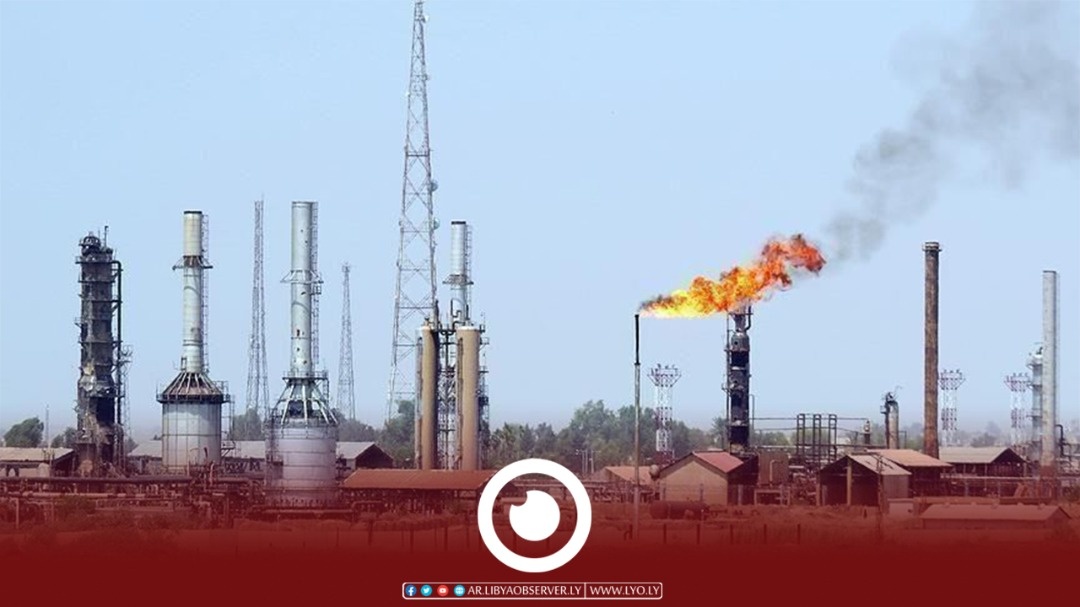
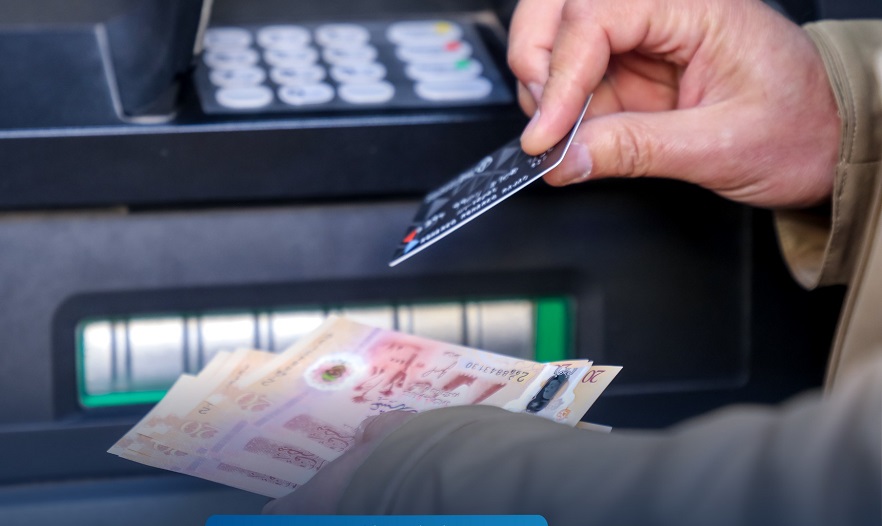
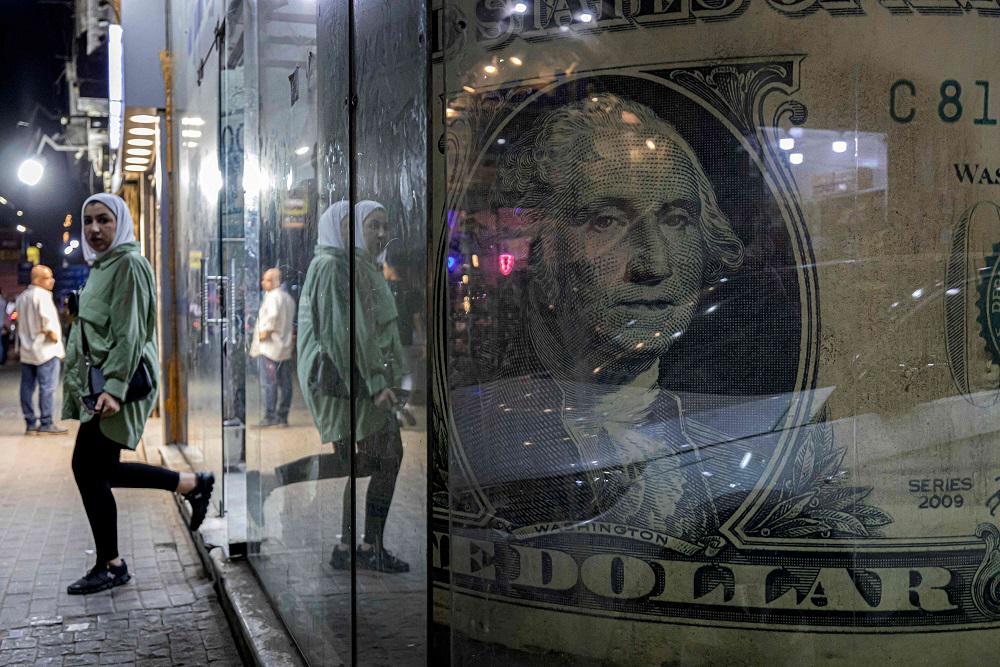
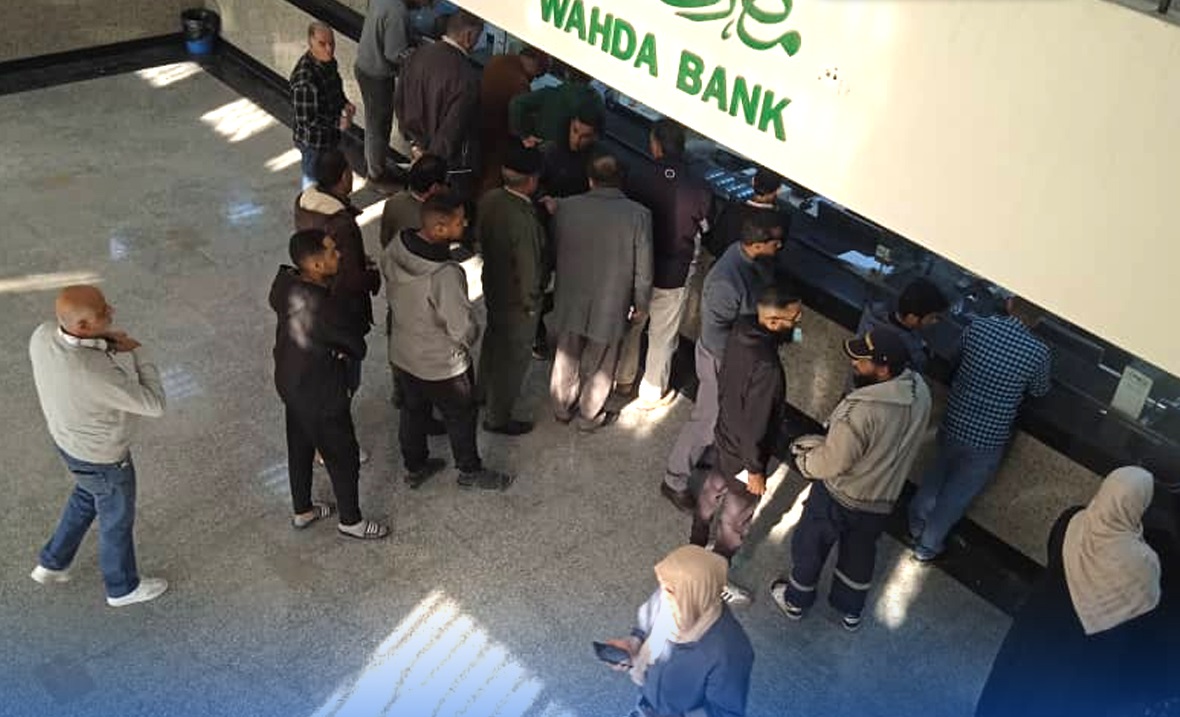
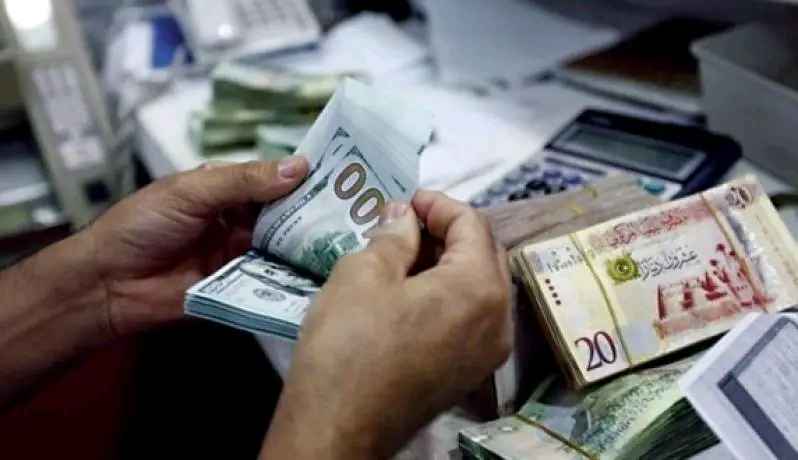
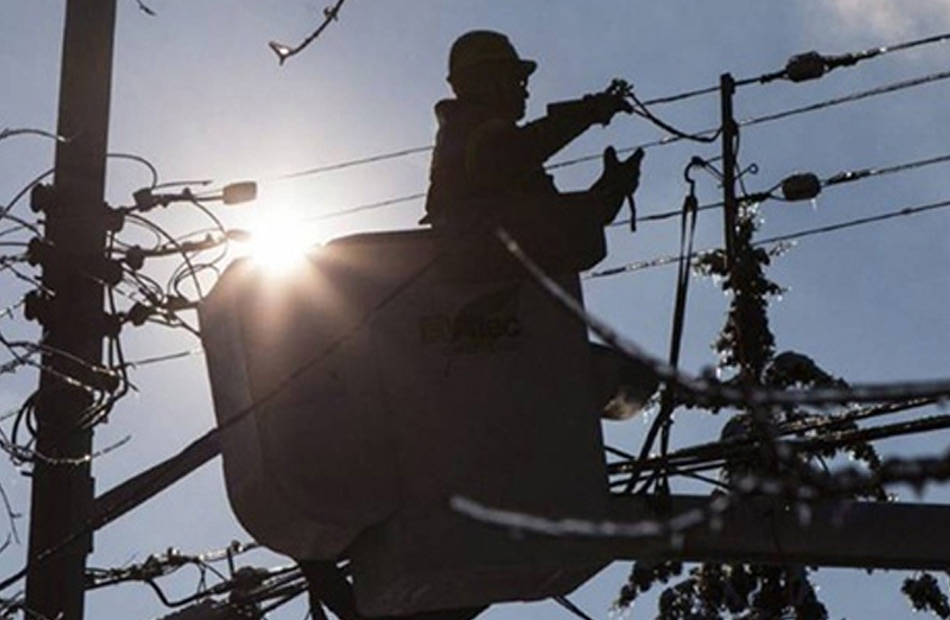
Despite the arrival of Ramadan and the launch of fireworks, the atmosphere does not seem entirely festive in Libya, which suffers from instability and a staggering rise in prices, not to mention inflation that is suffocating Libyans in both the east and west of the country. Fifteen years after the fall of leader Muammar Gaddafi, the country remains divided between two competing authorities in the east and west. Although their country is rich in oil resources and renewable energy, most Libyans suffer from a severe shortage of many basic materials, especially gas and fuel. In recent weeks, gasoline has run out at several fuel stations in Tripoli, with a shortage of liquidity in ATMs, and many stores have resorted to rationing the sale of some products.
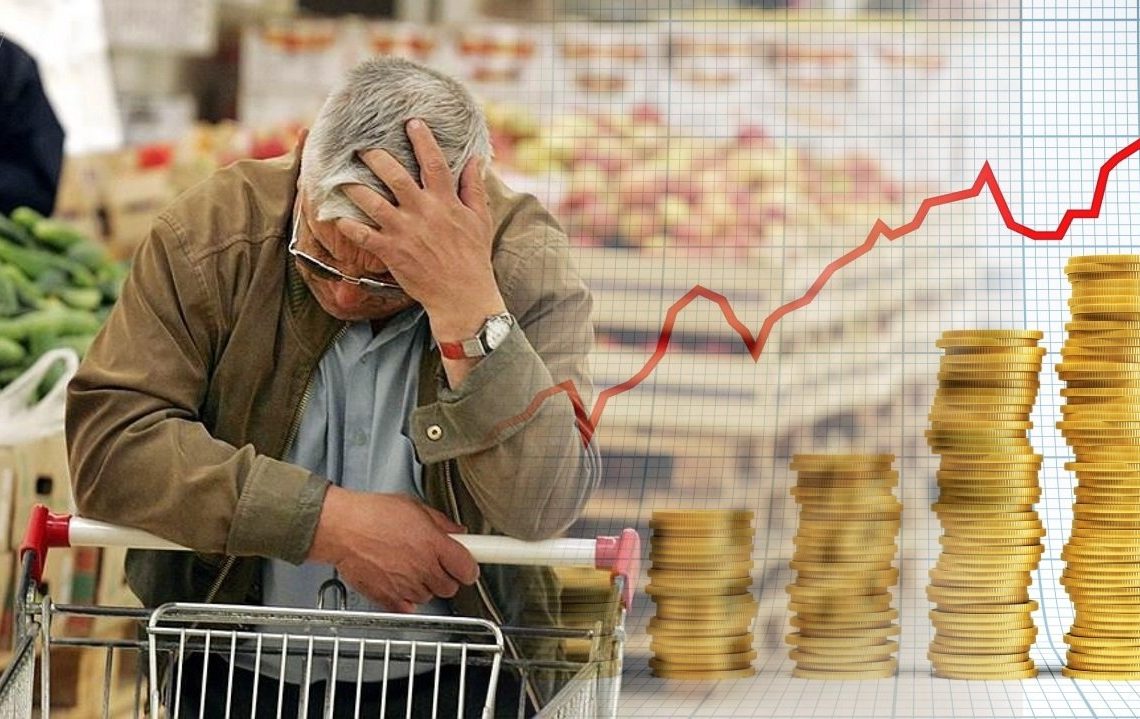
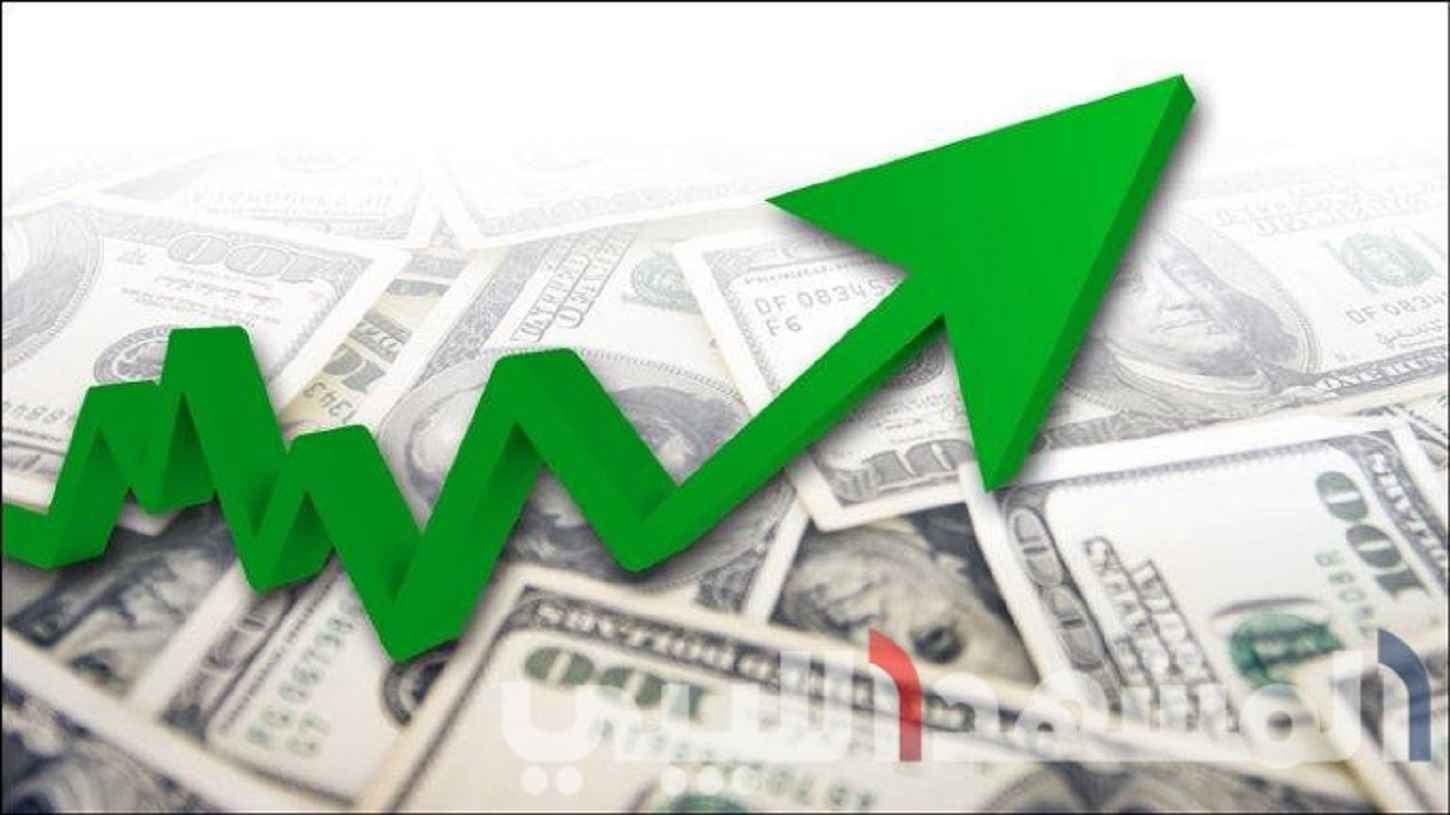
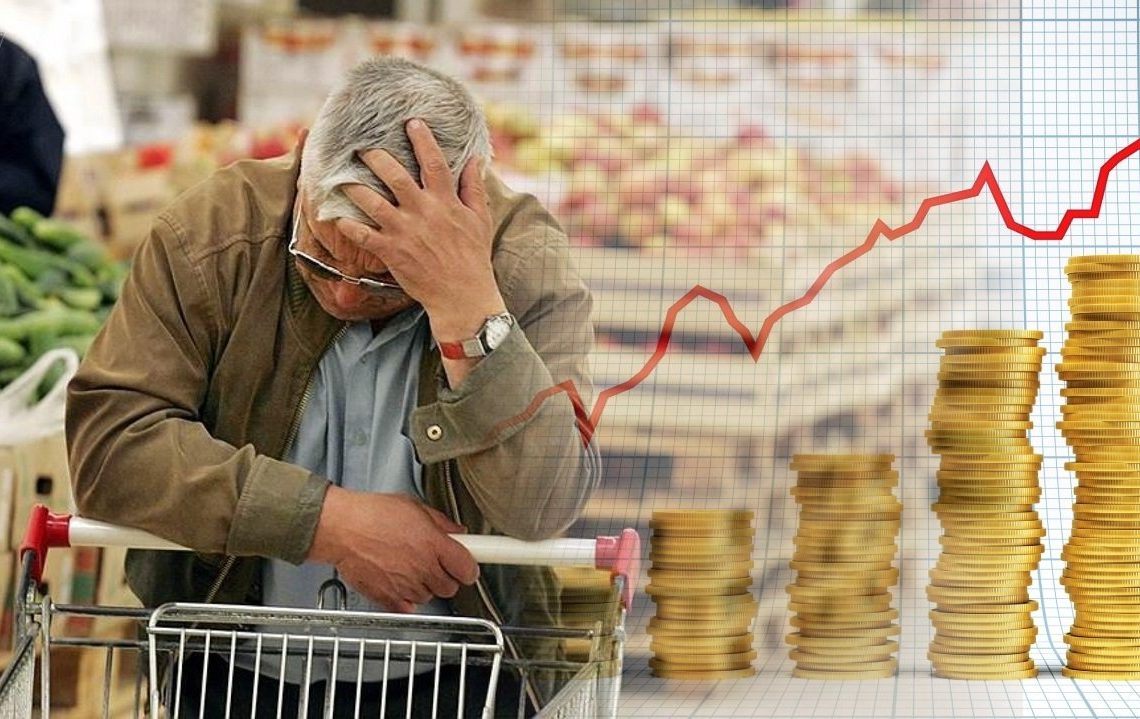
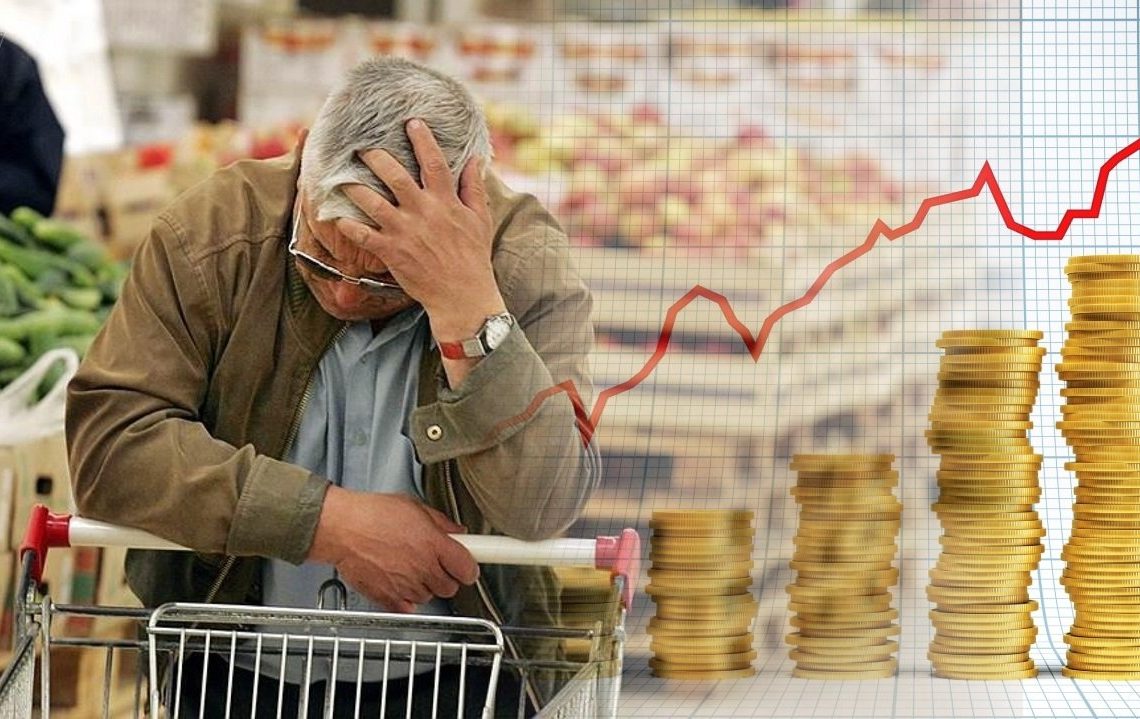
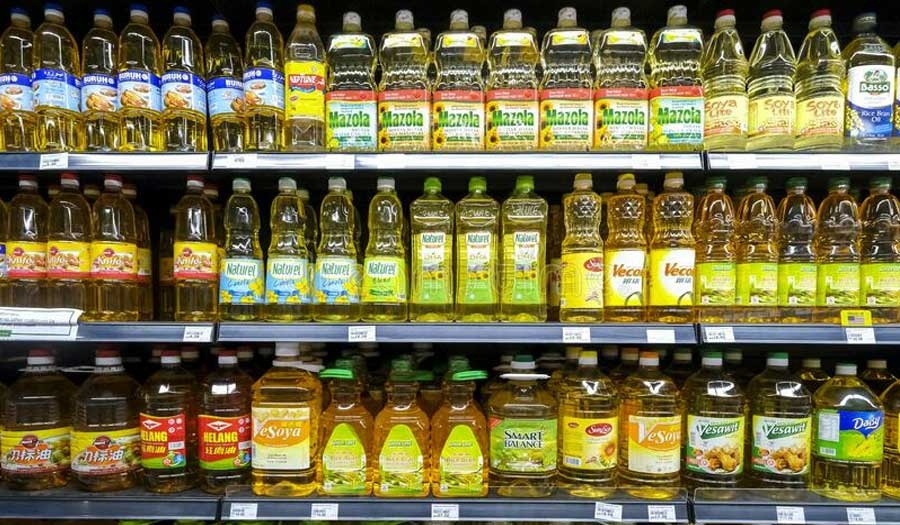
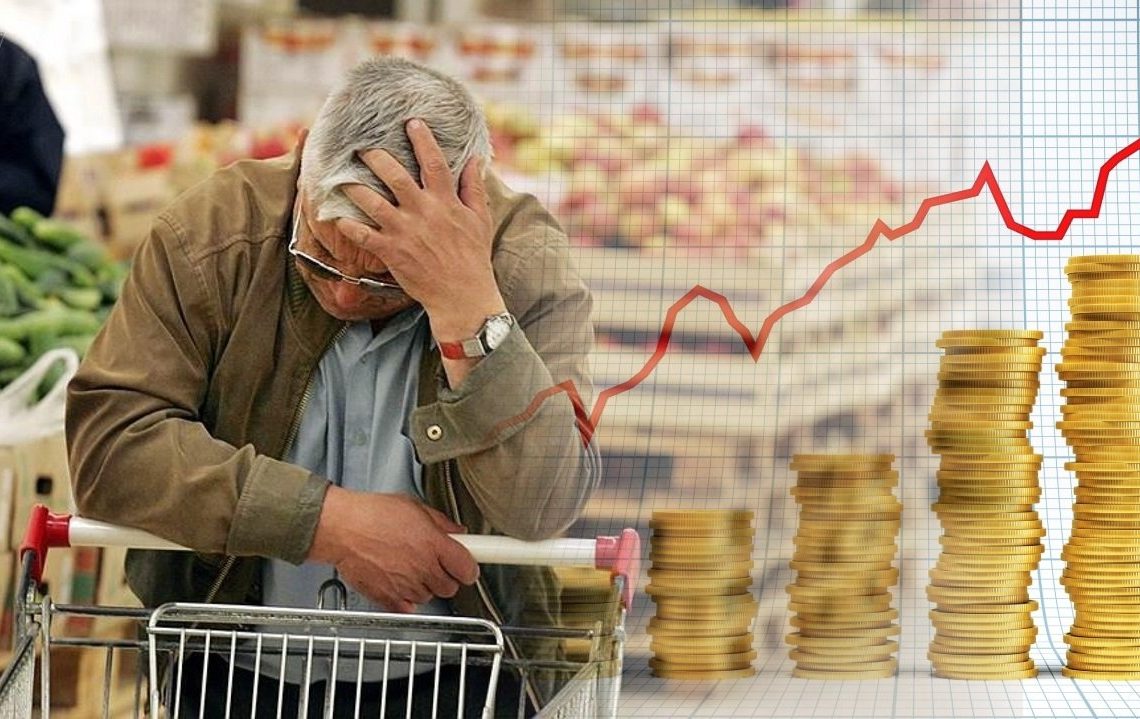
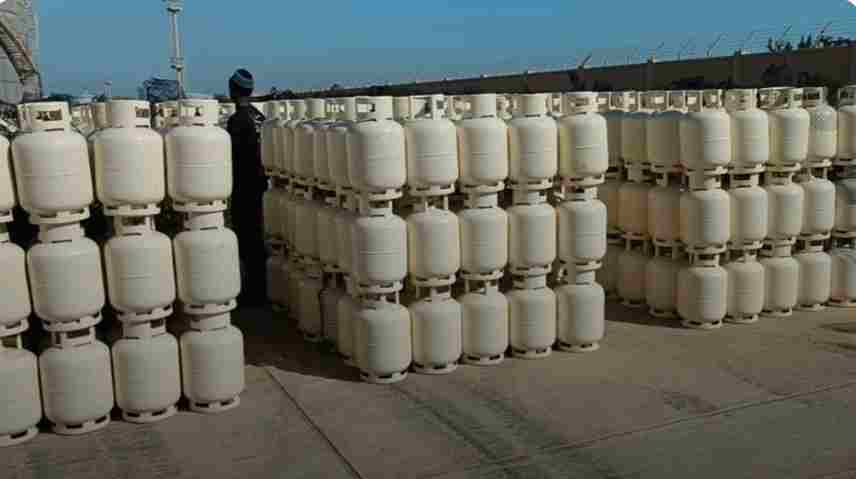
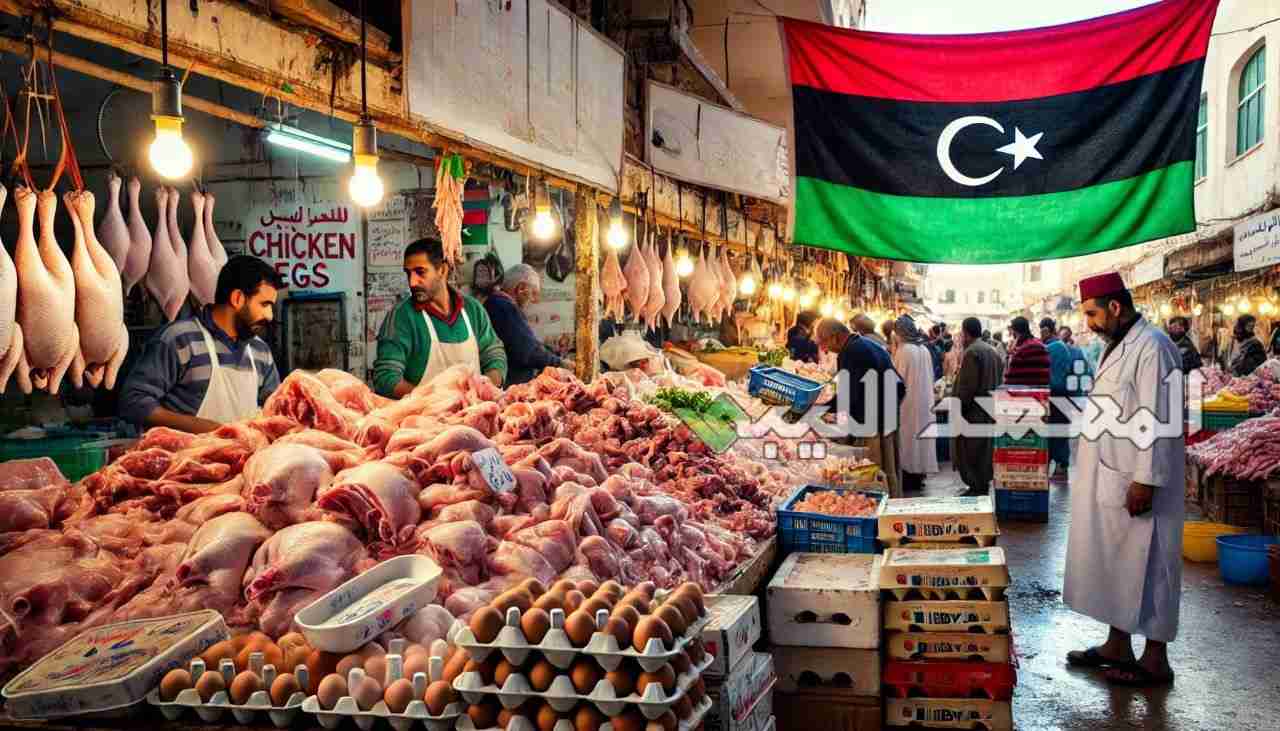
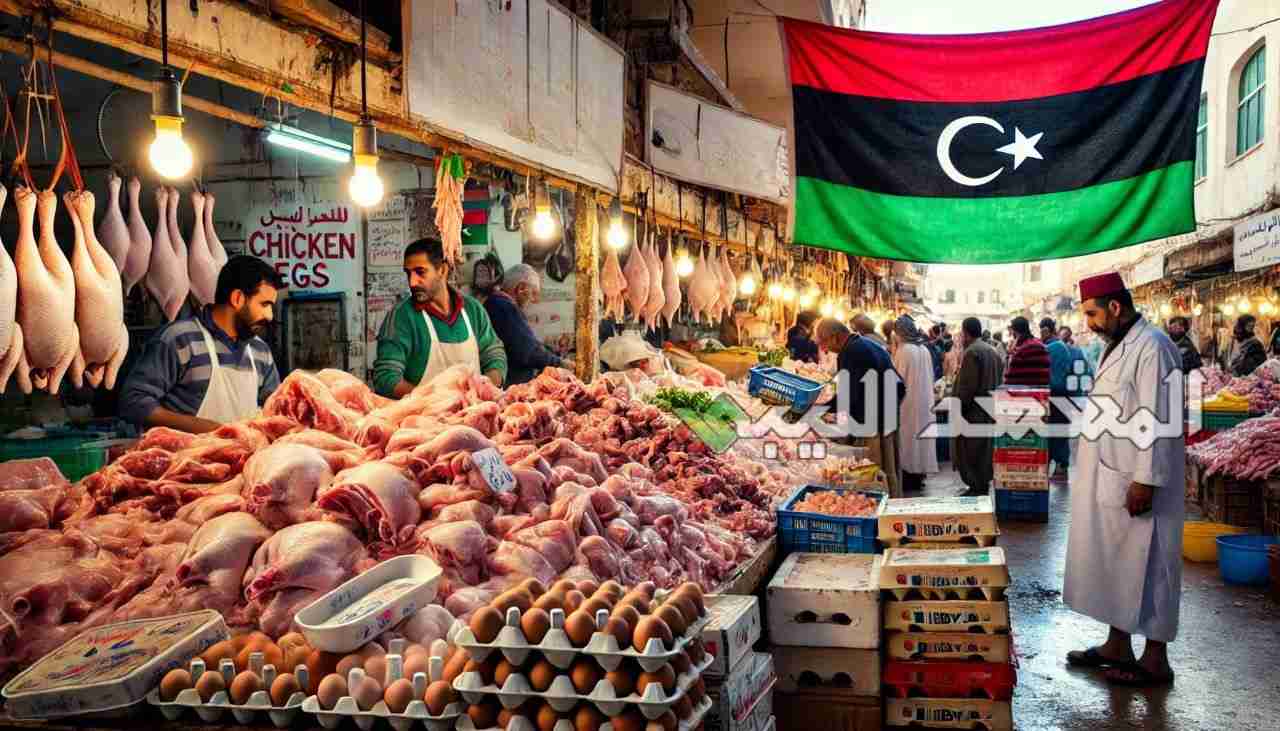
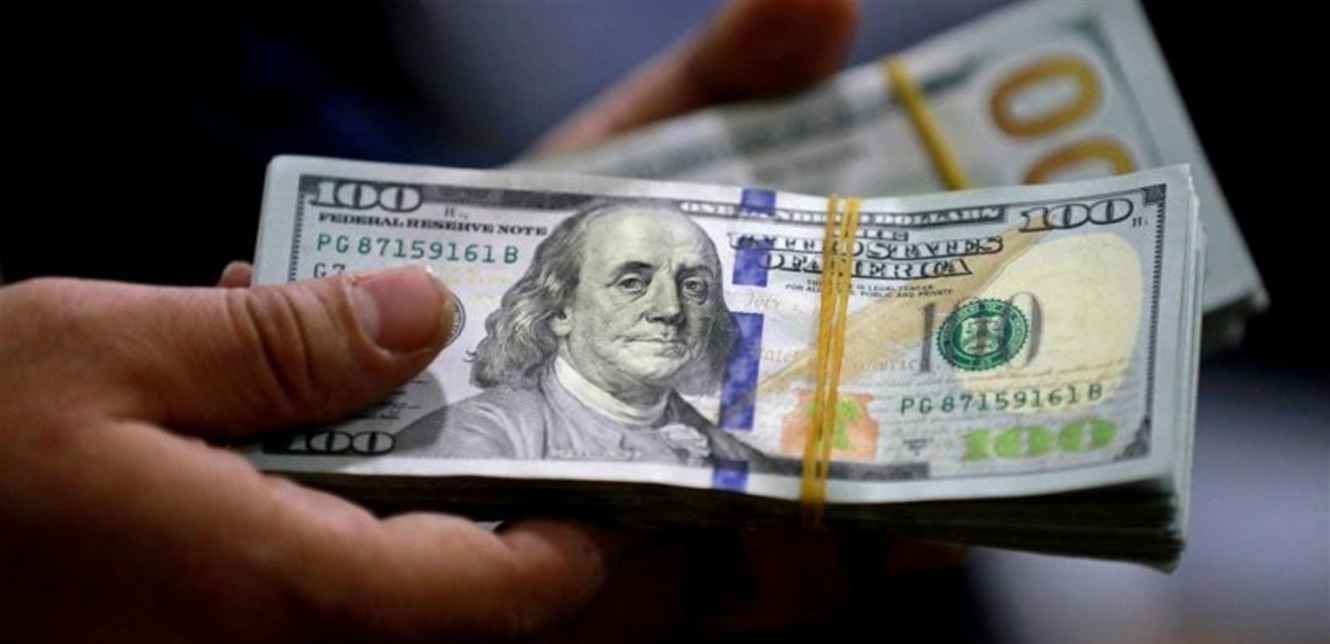
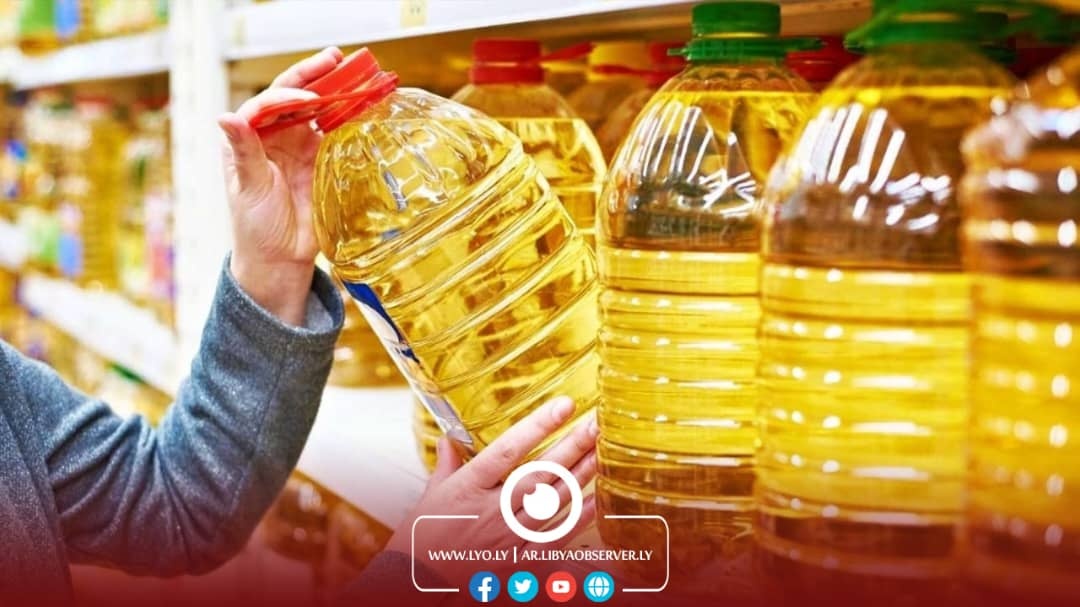
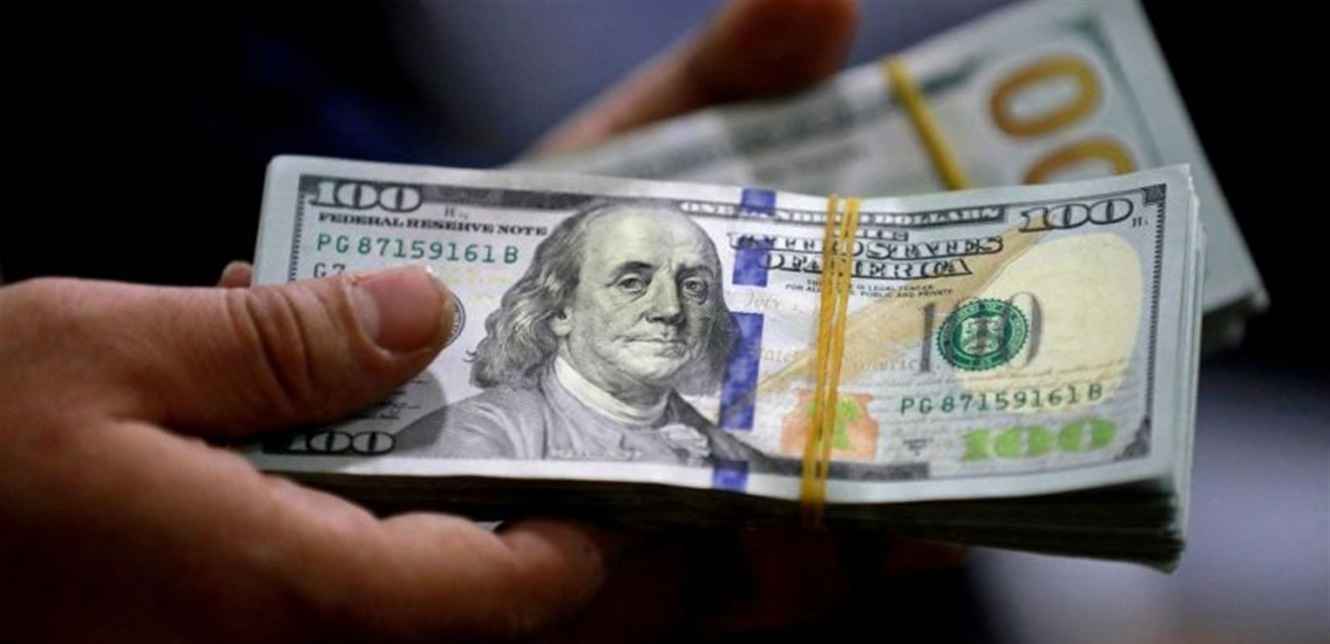
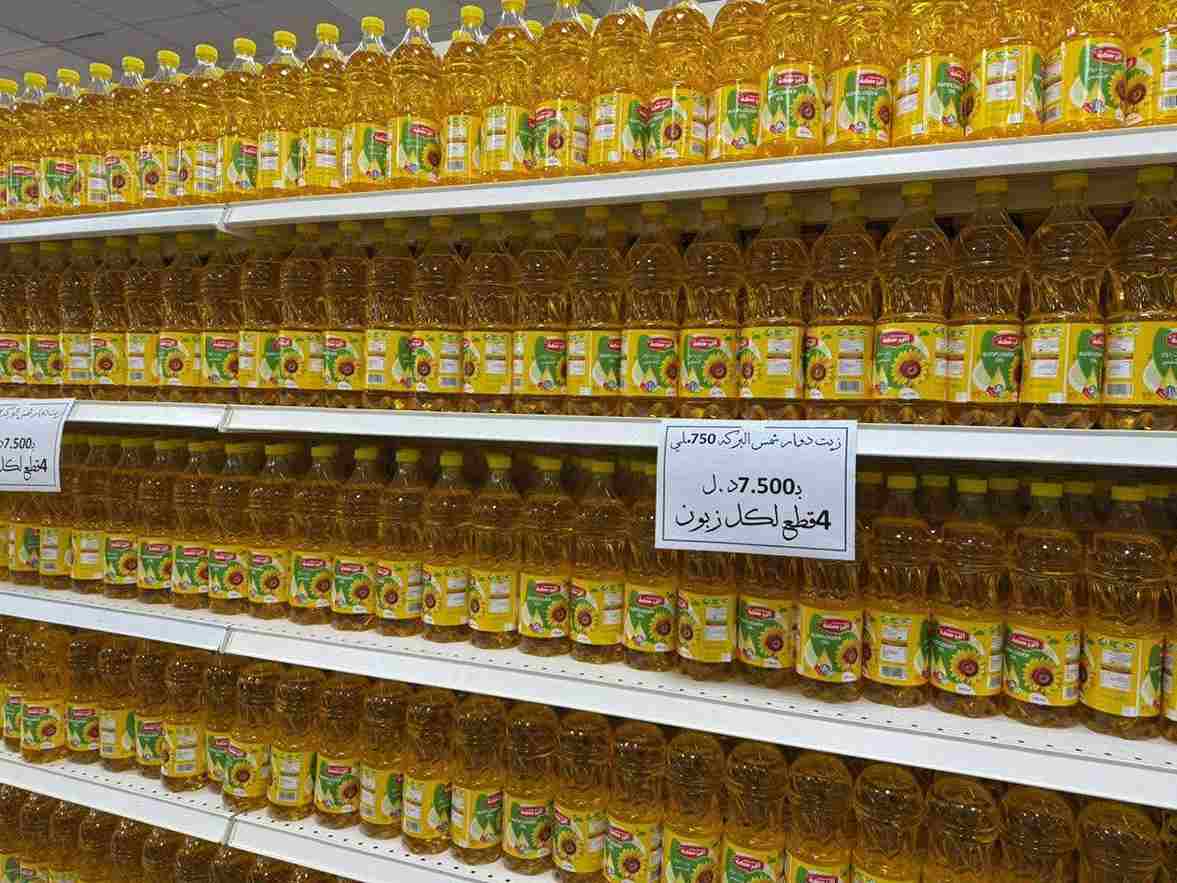
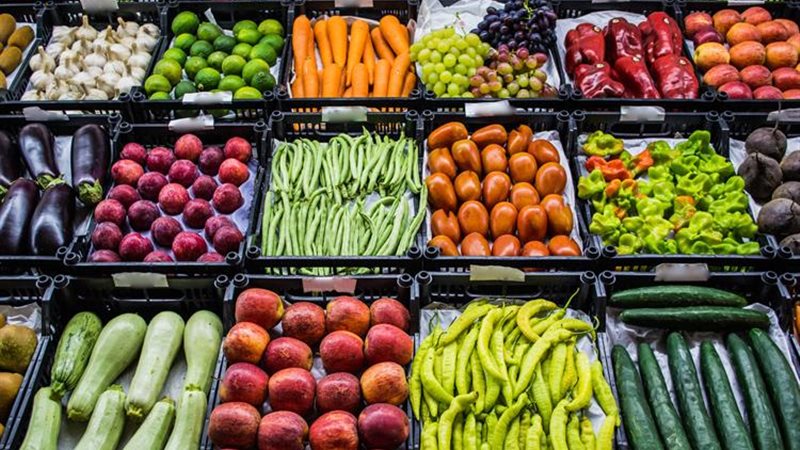
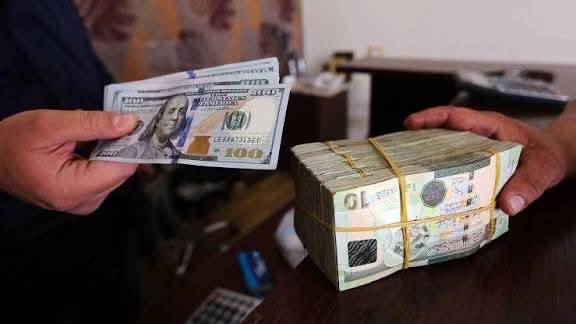
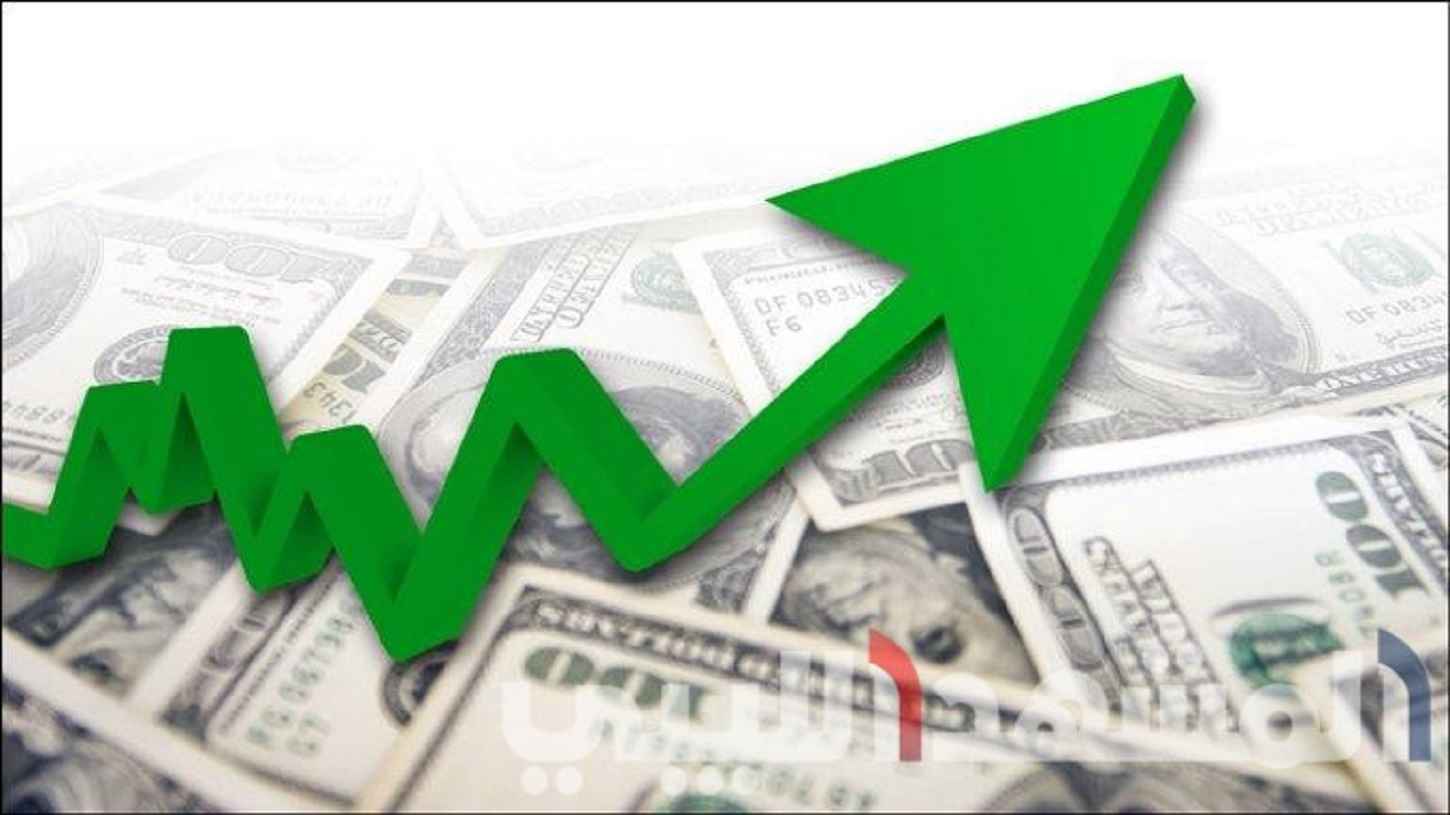
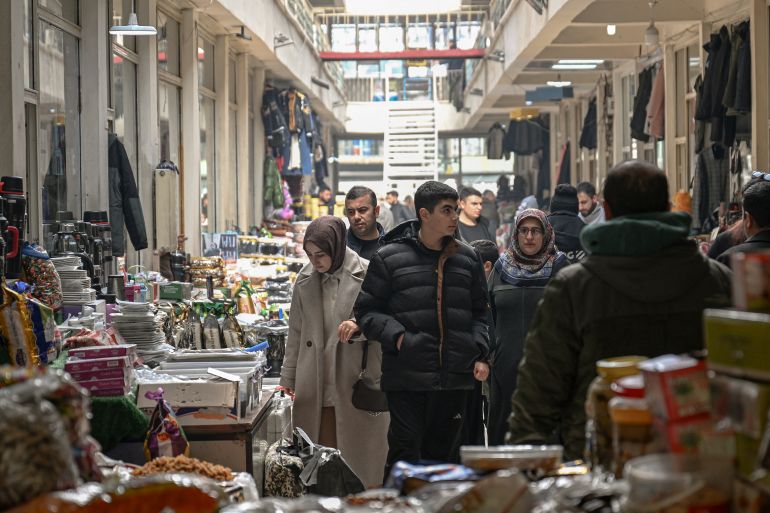
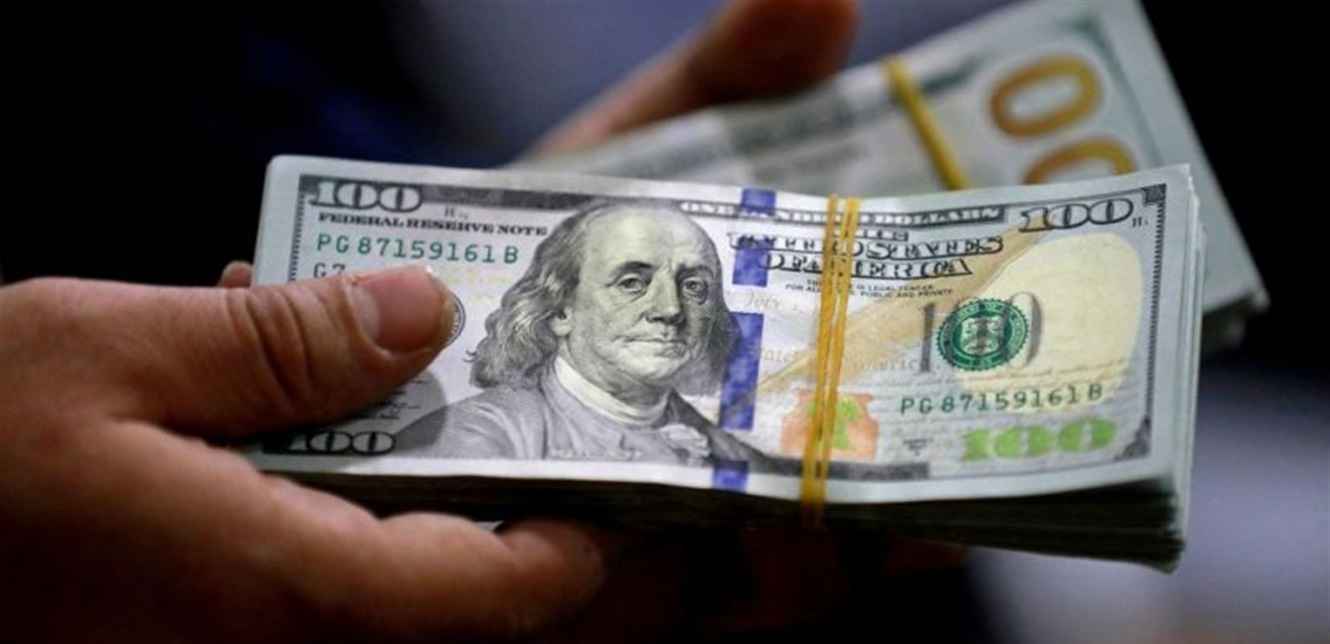
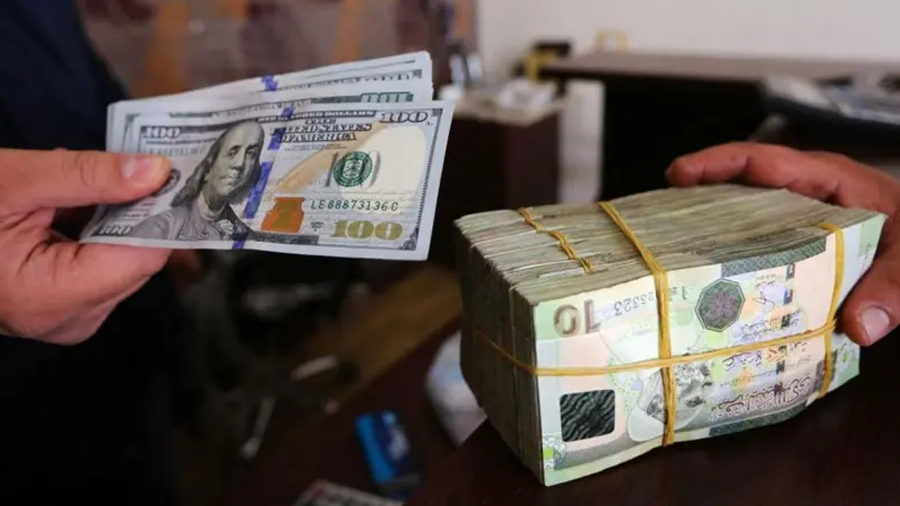
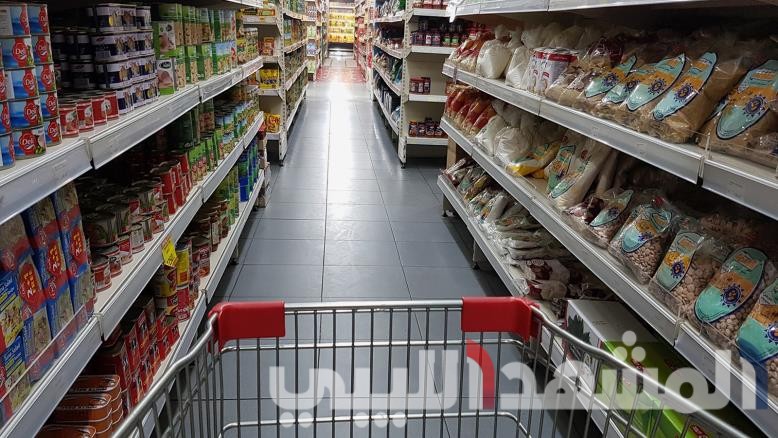
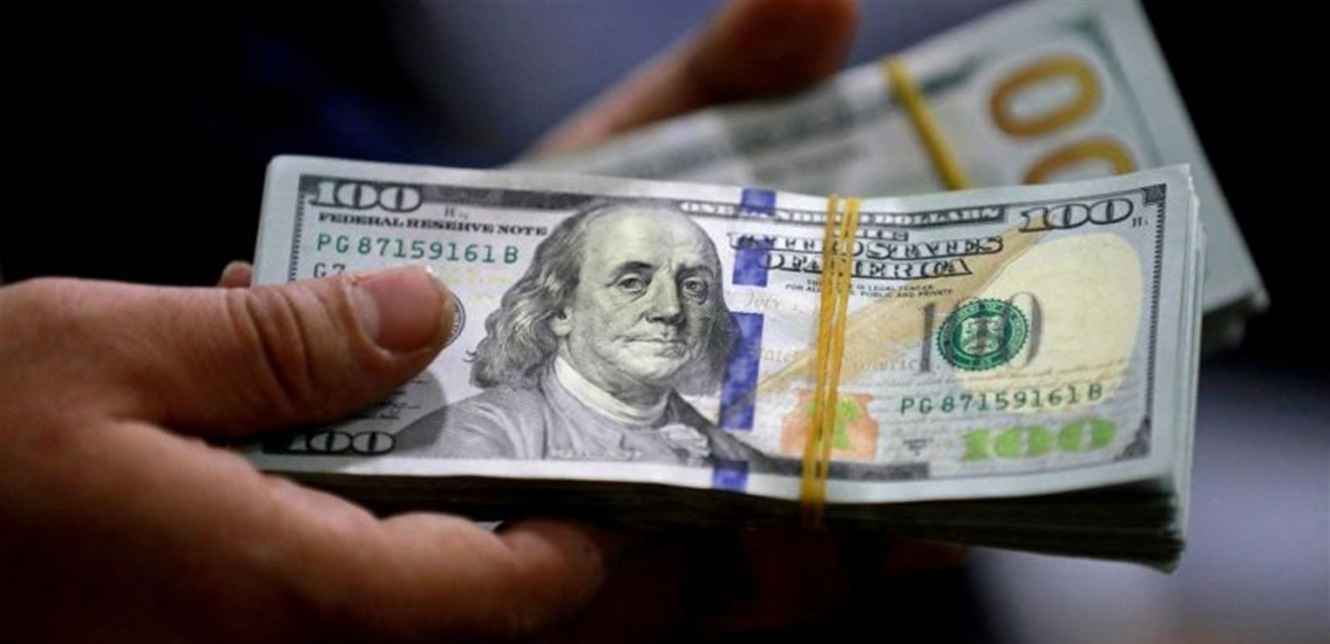
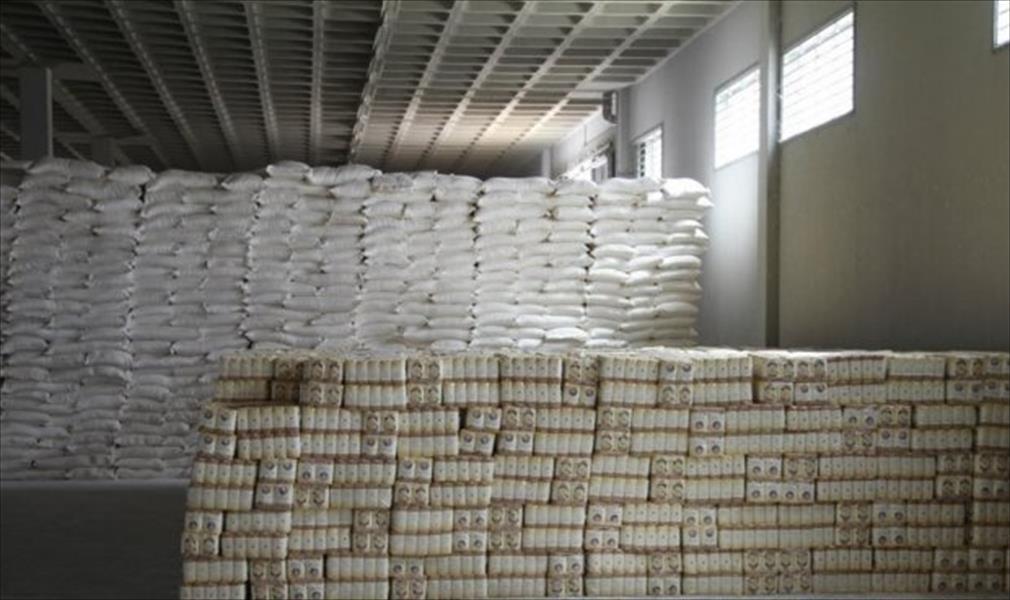
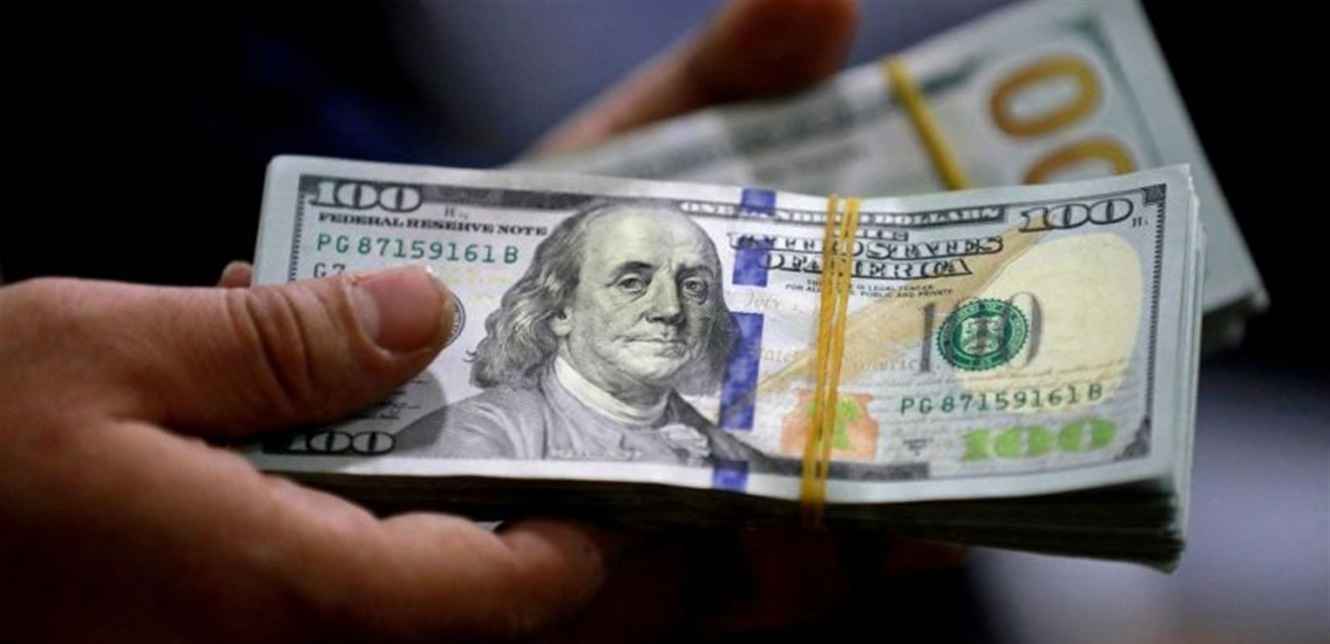
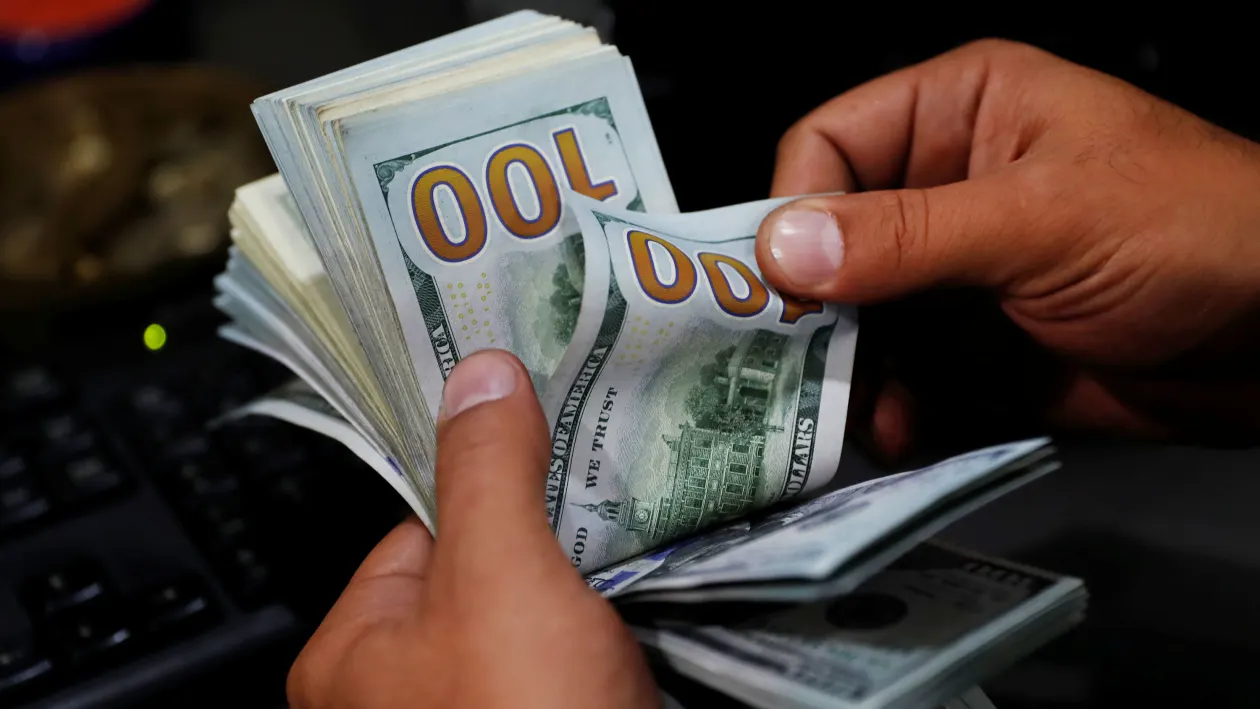
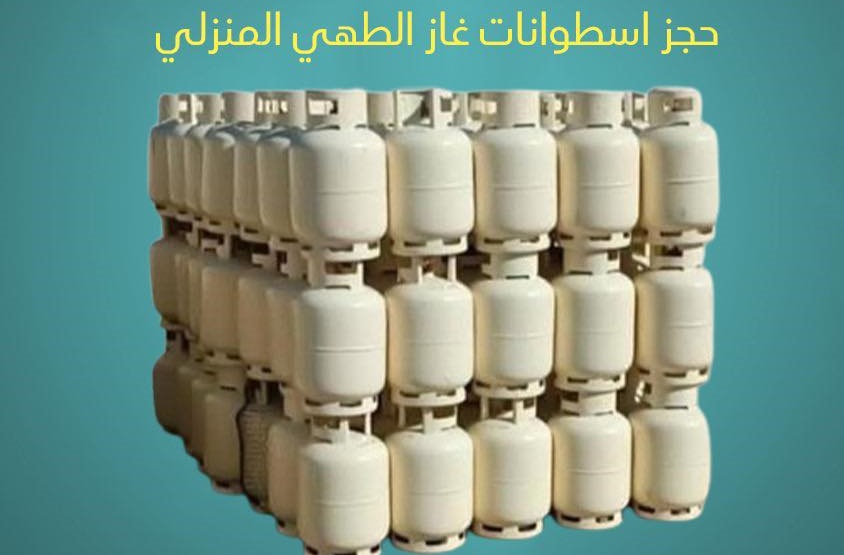
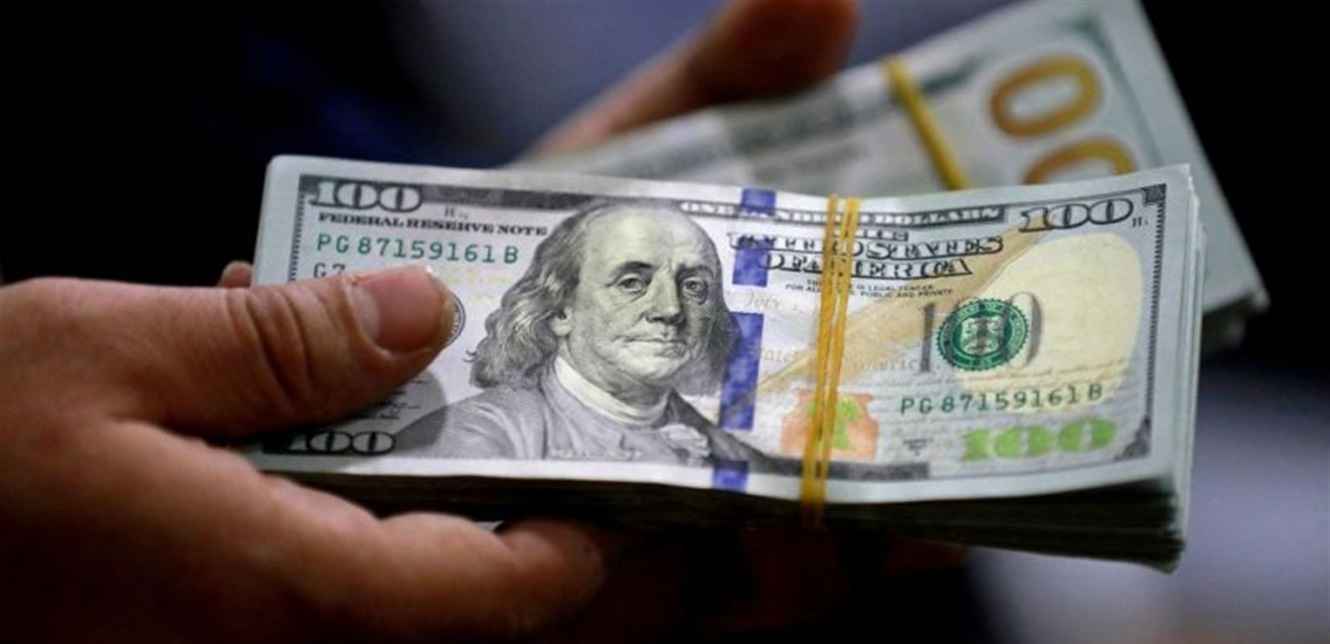
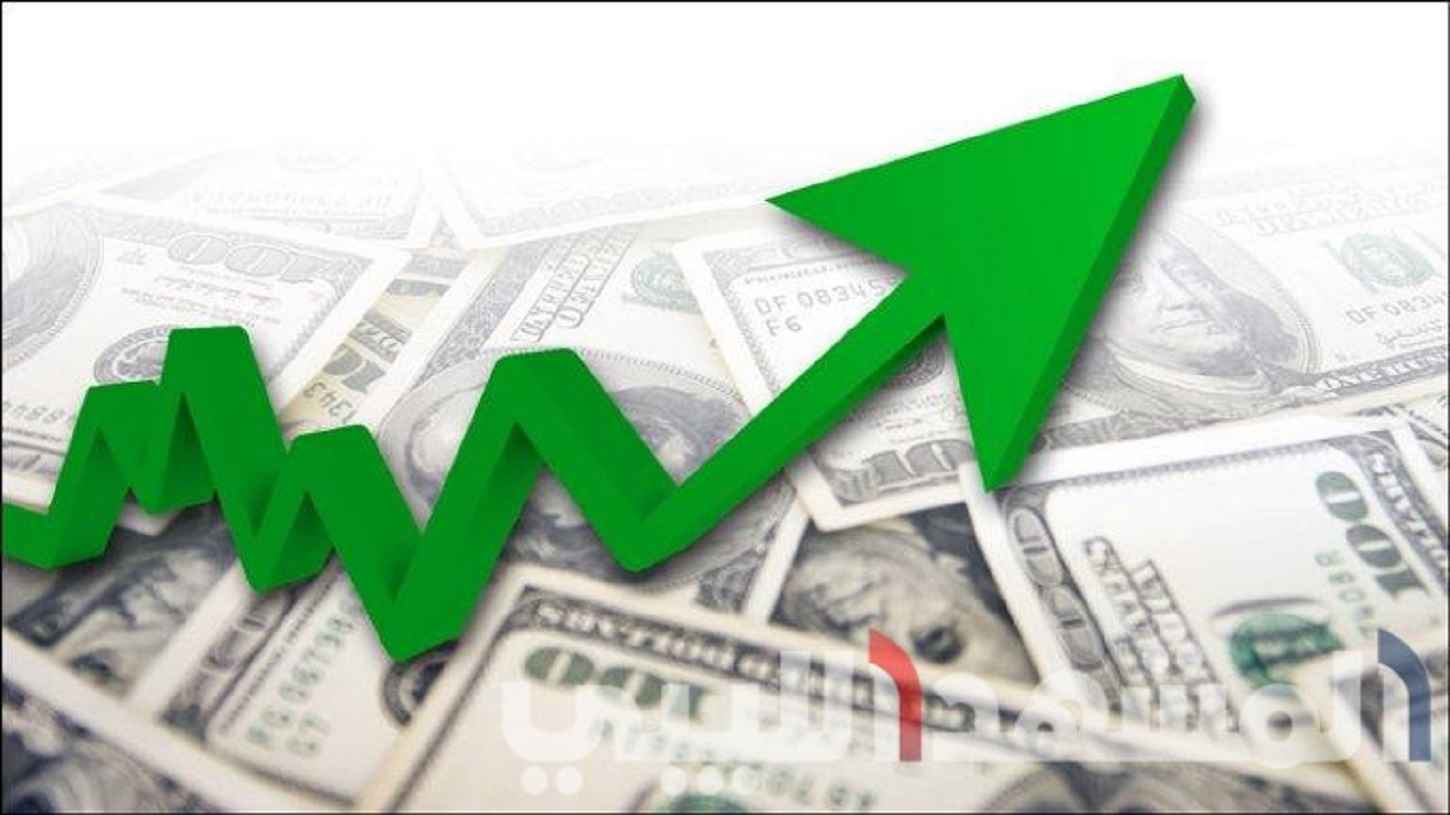
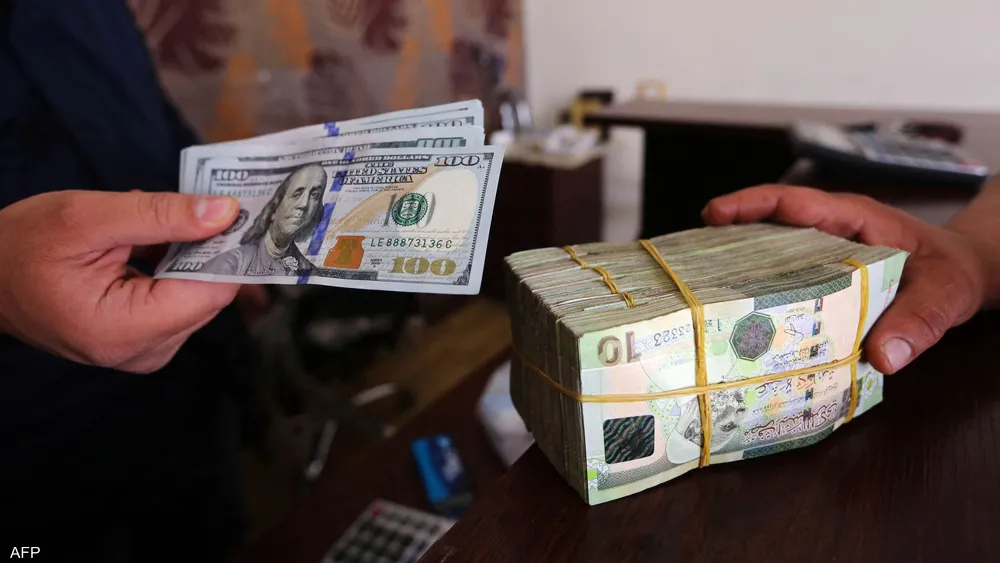
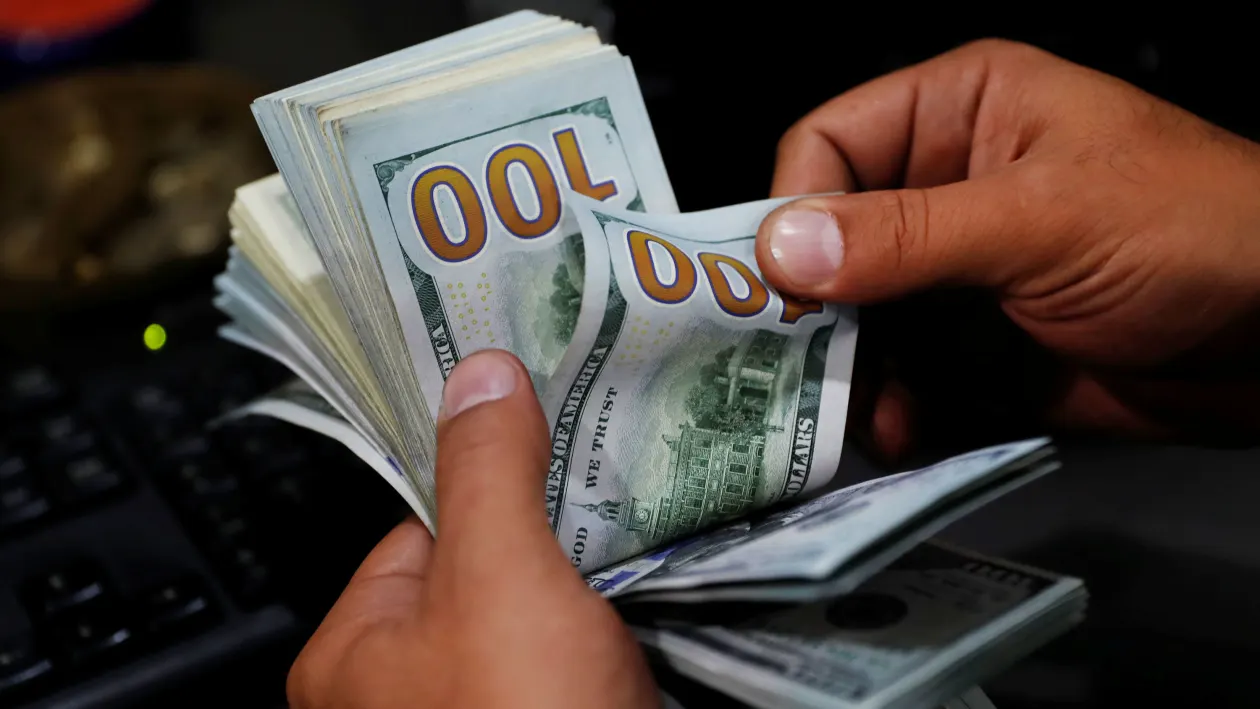
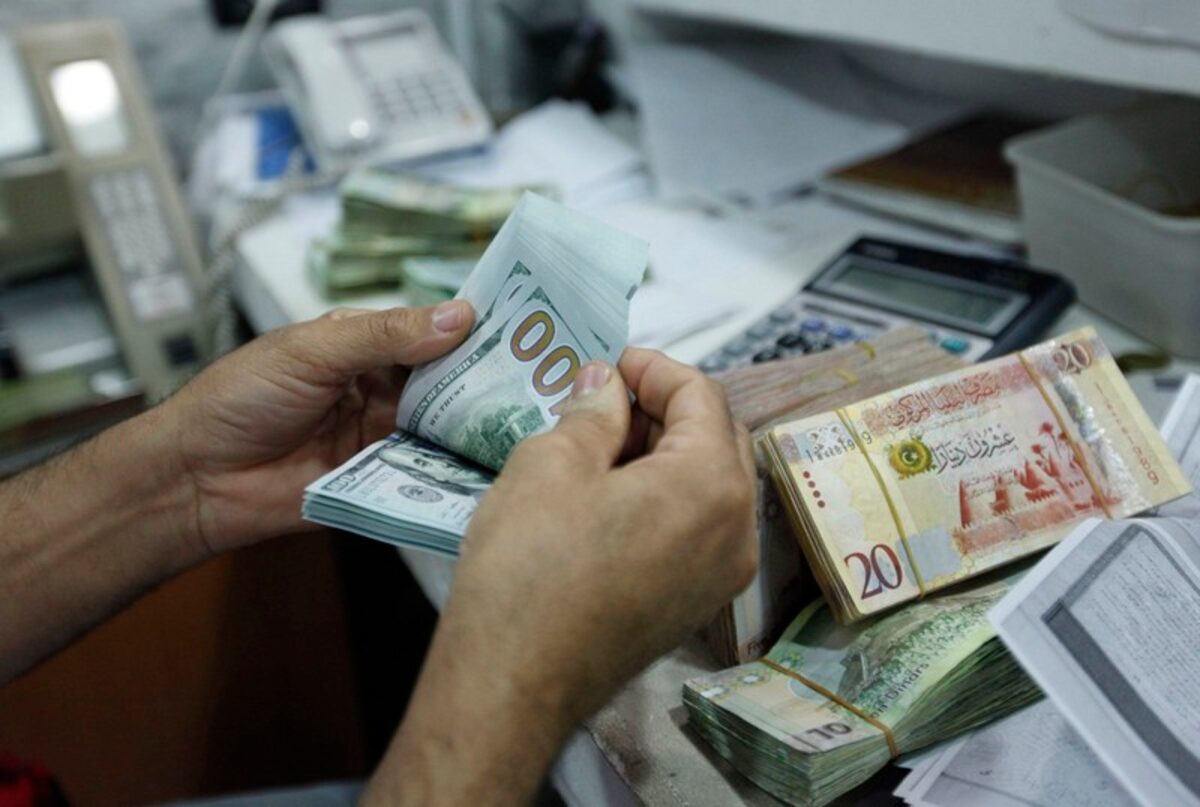
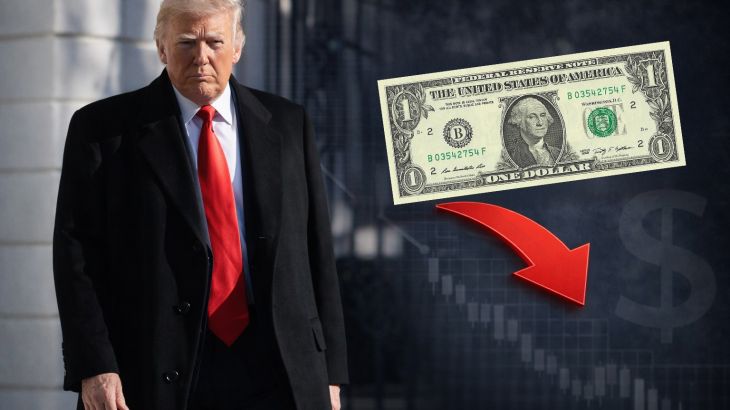
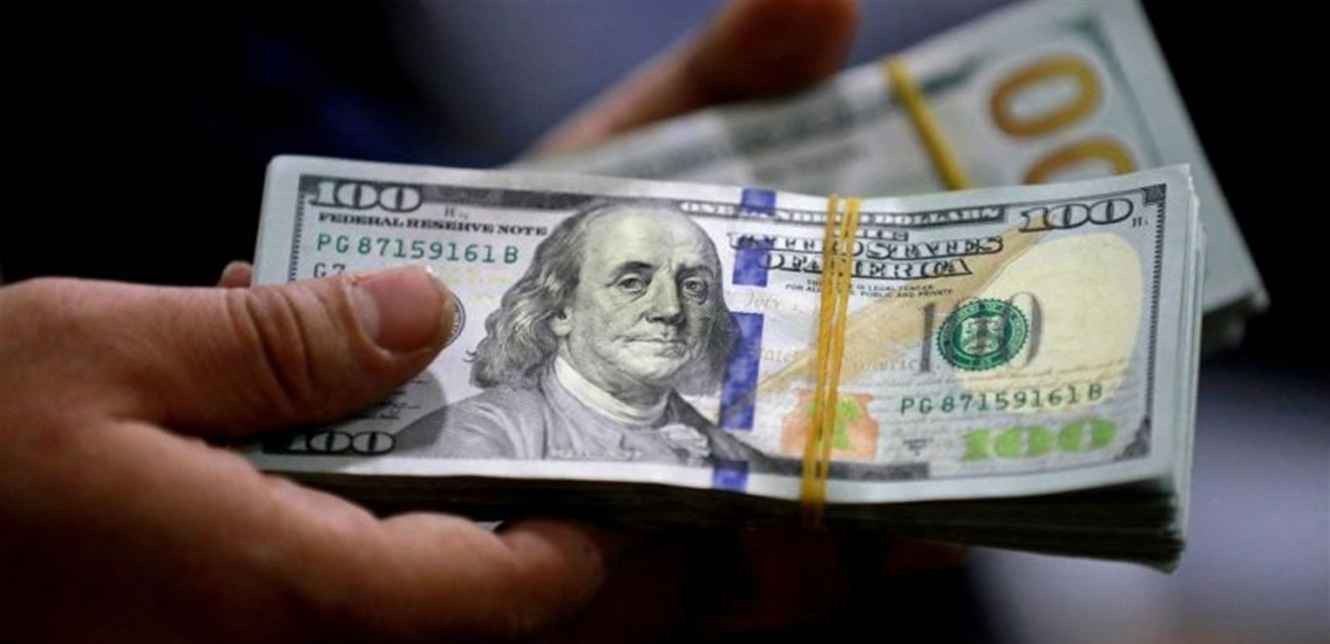
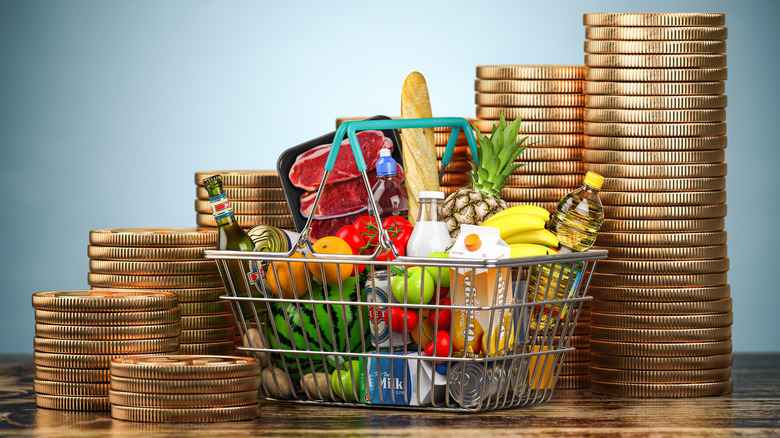
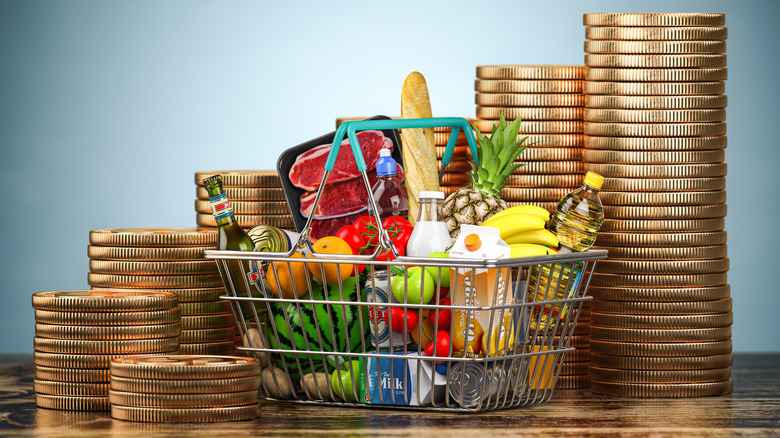
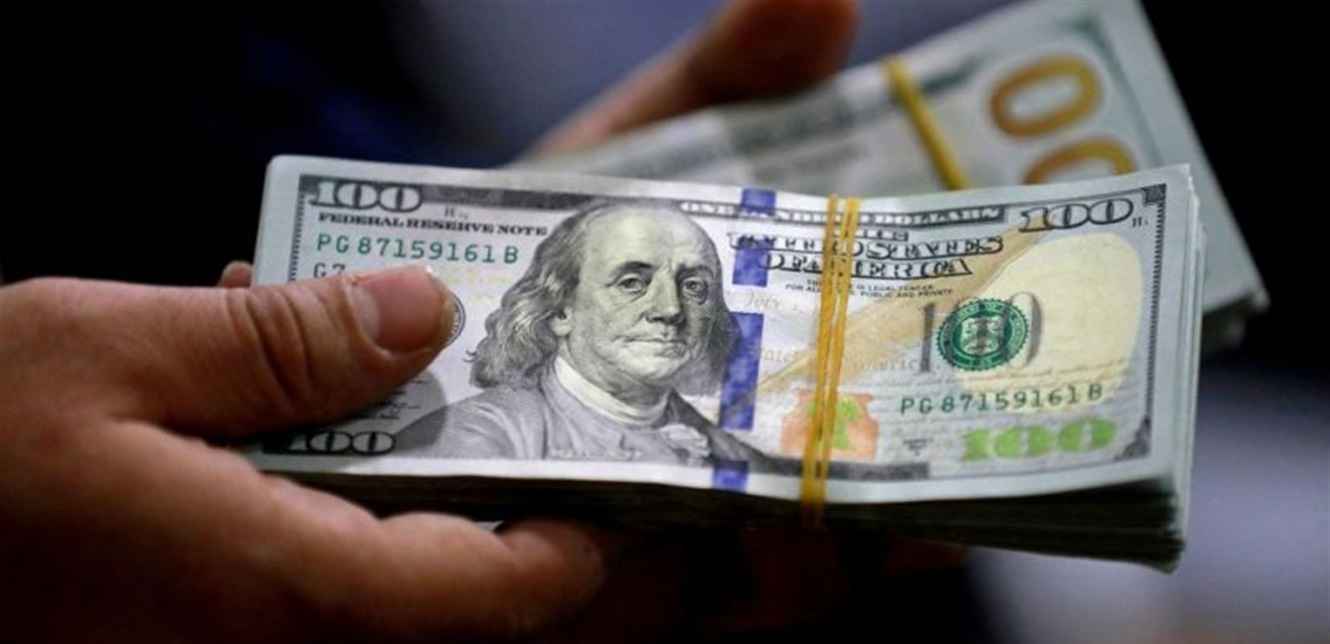
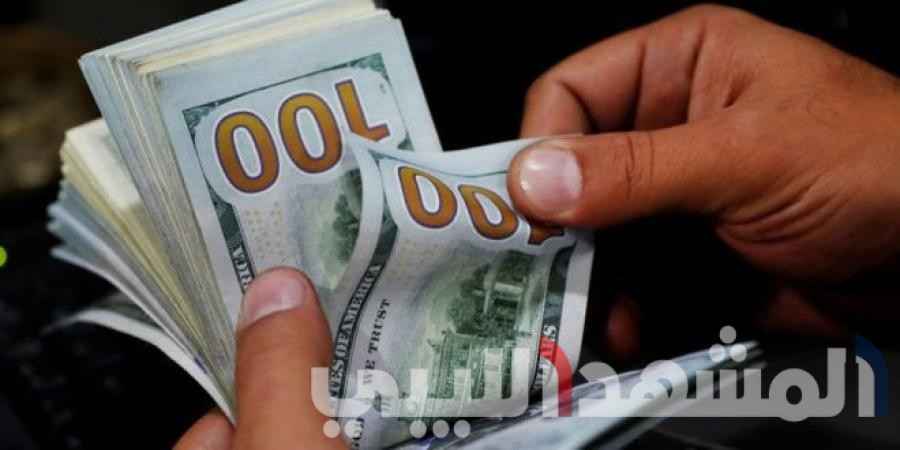
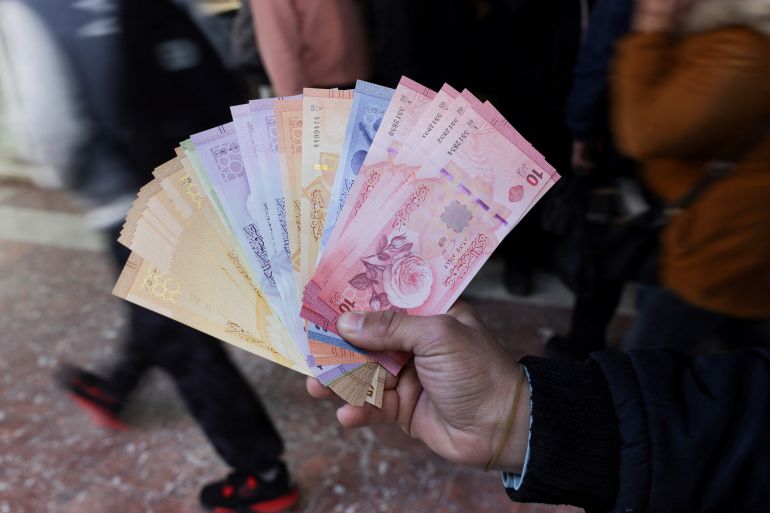
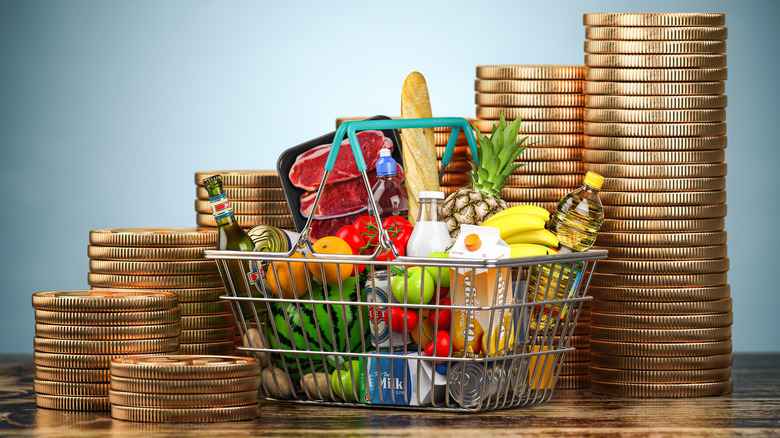
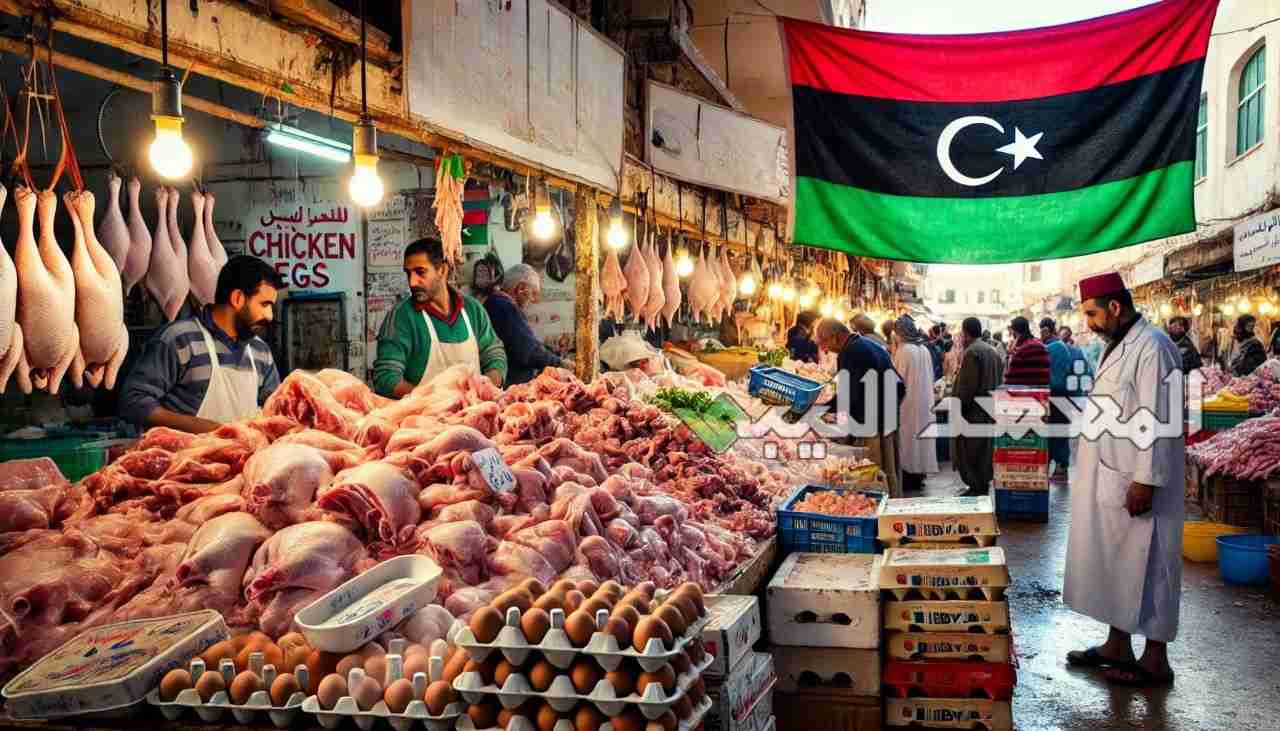
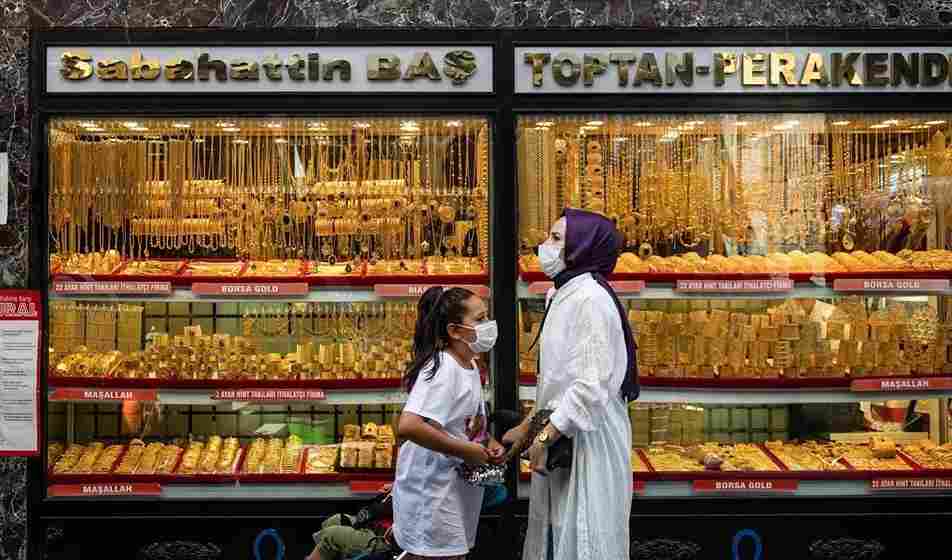
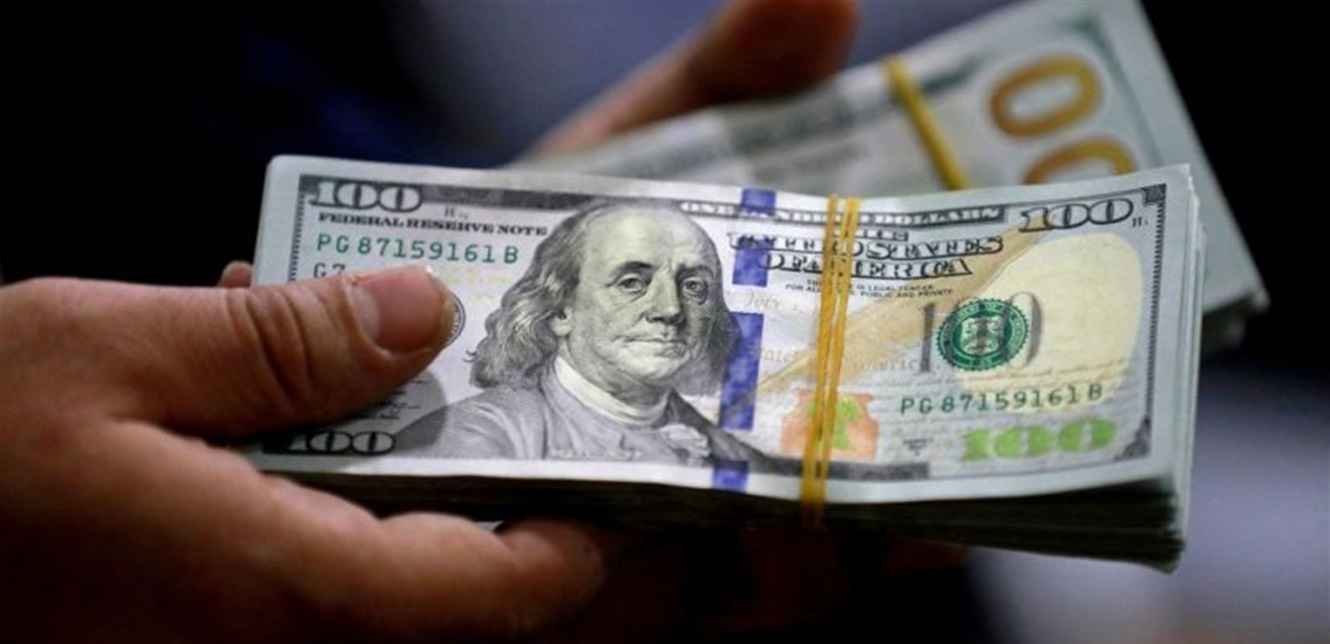
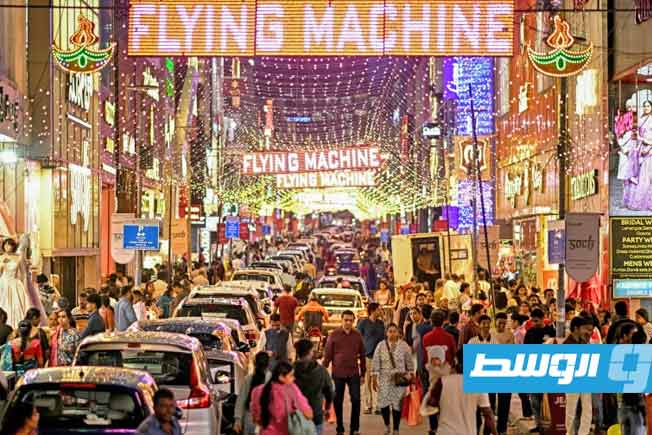
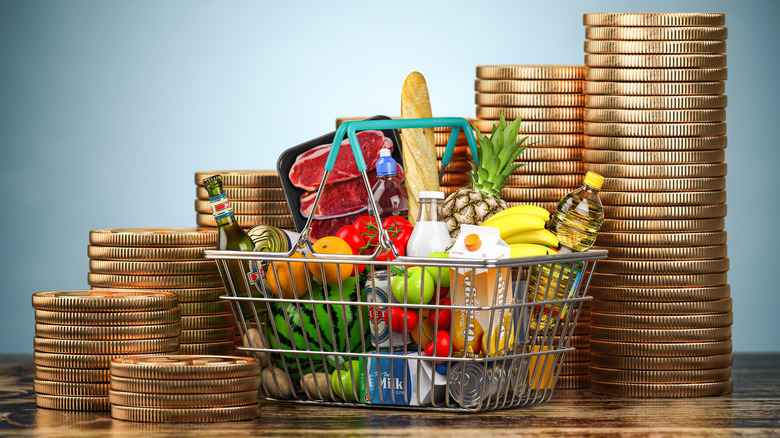
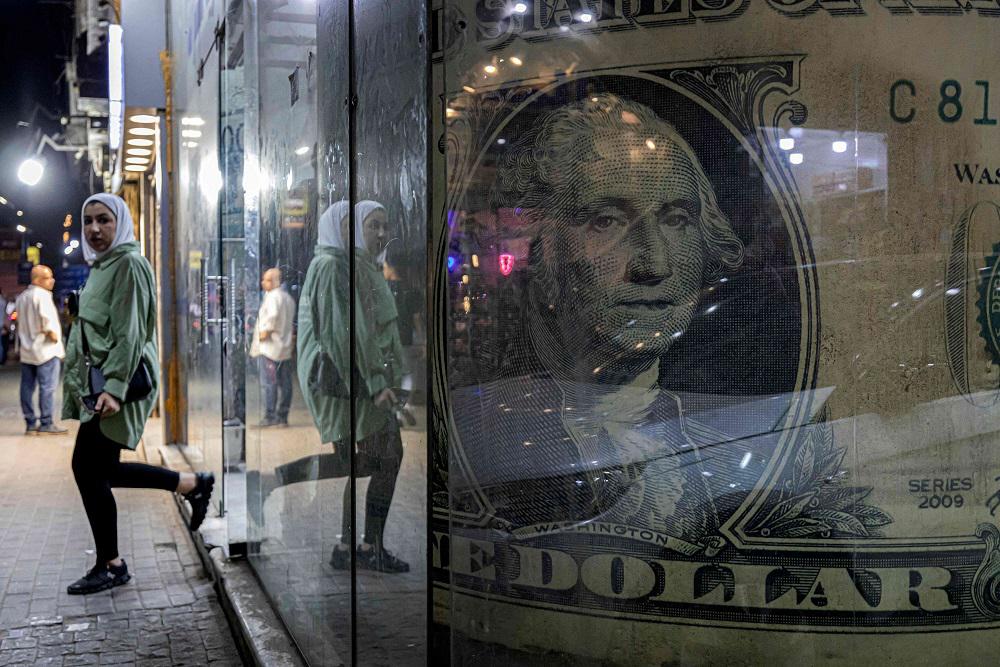
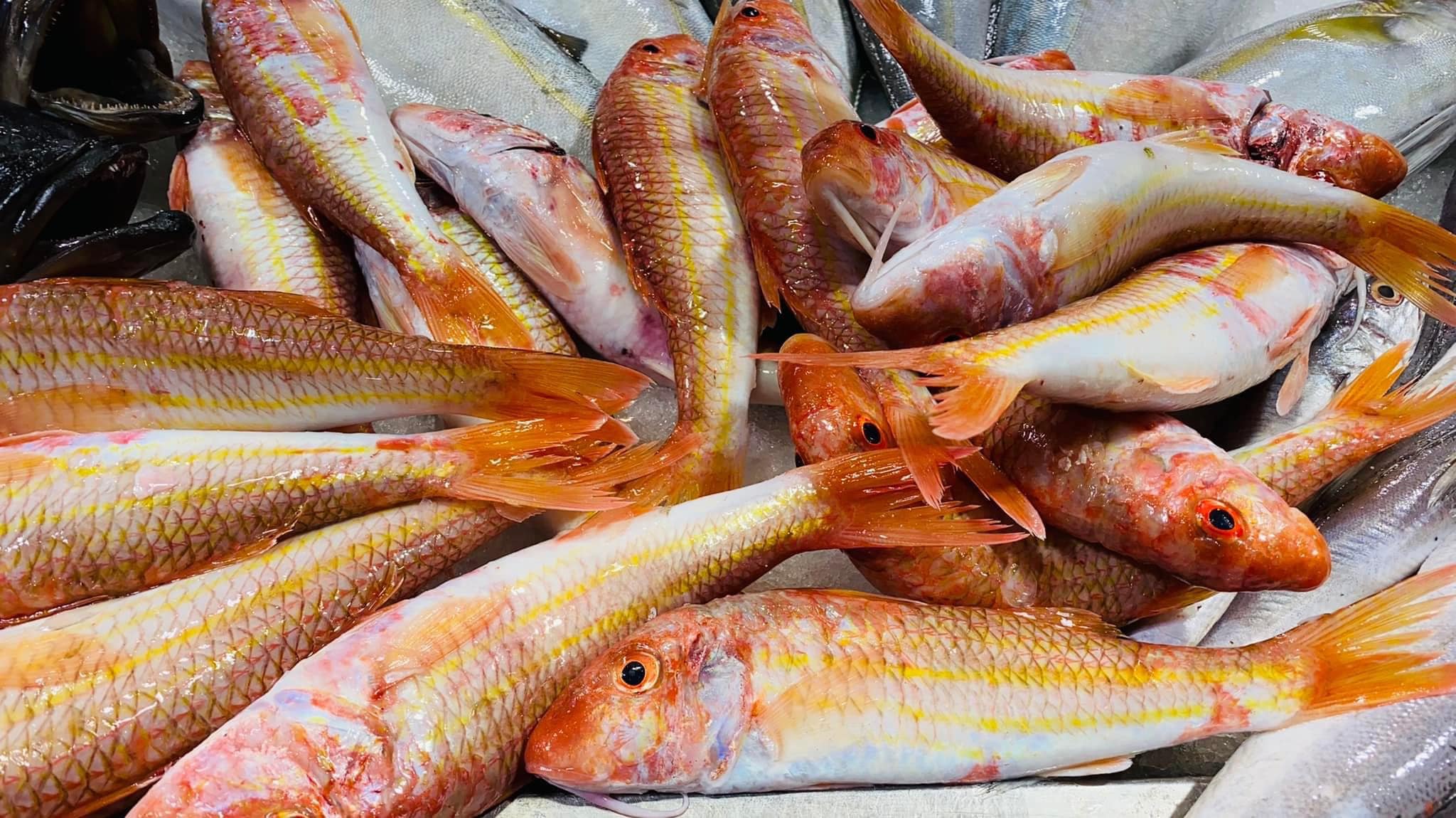
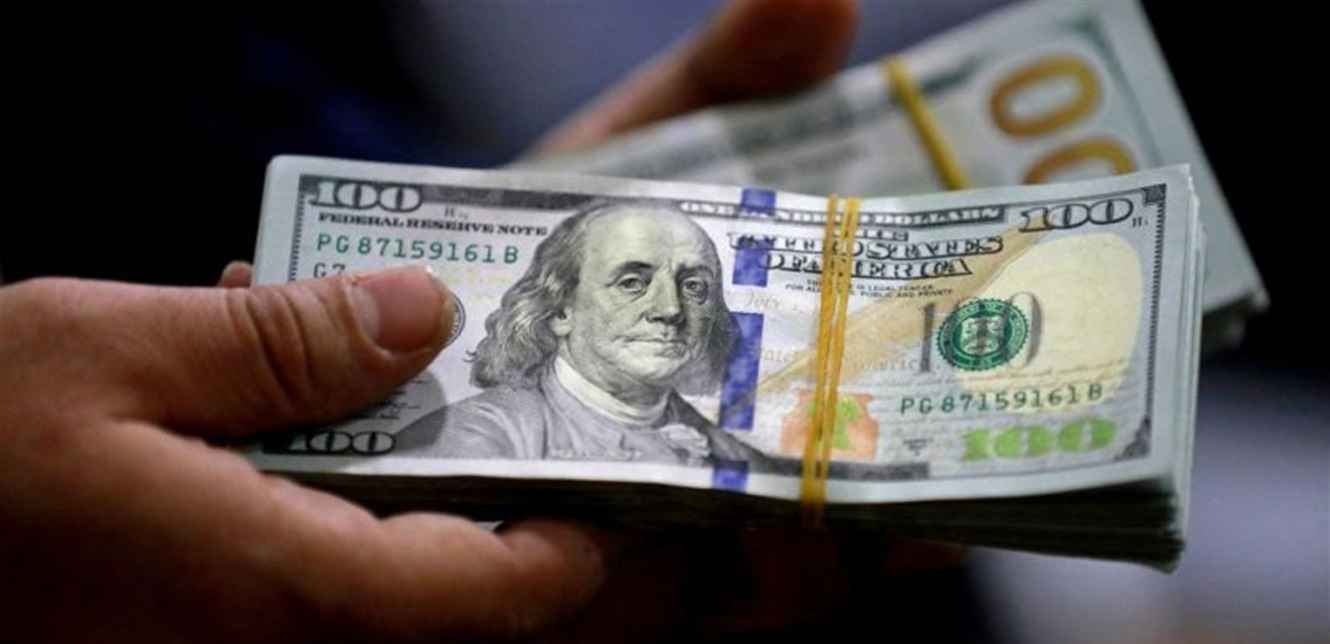
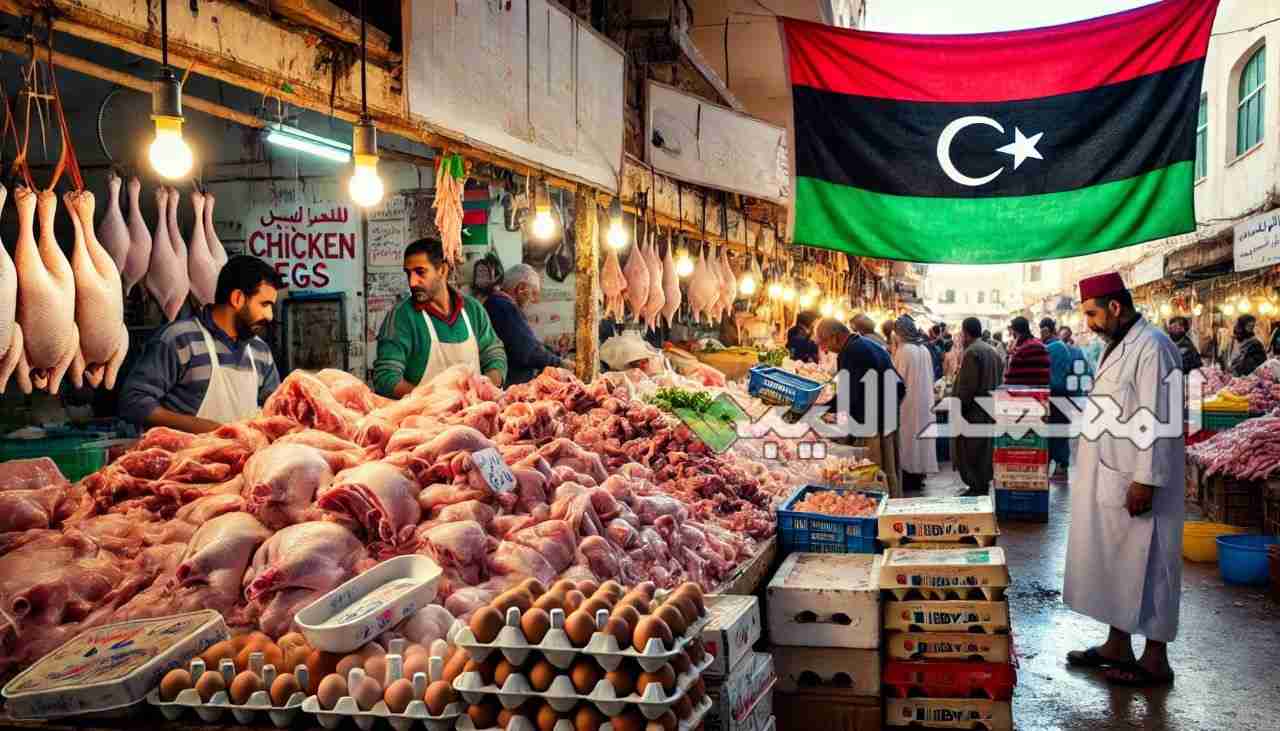
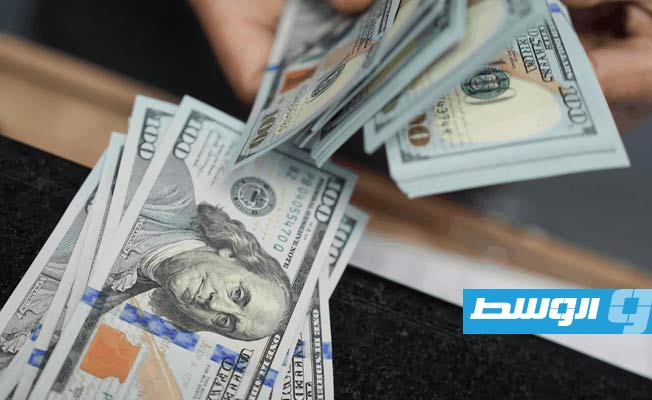
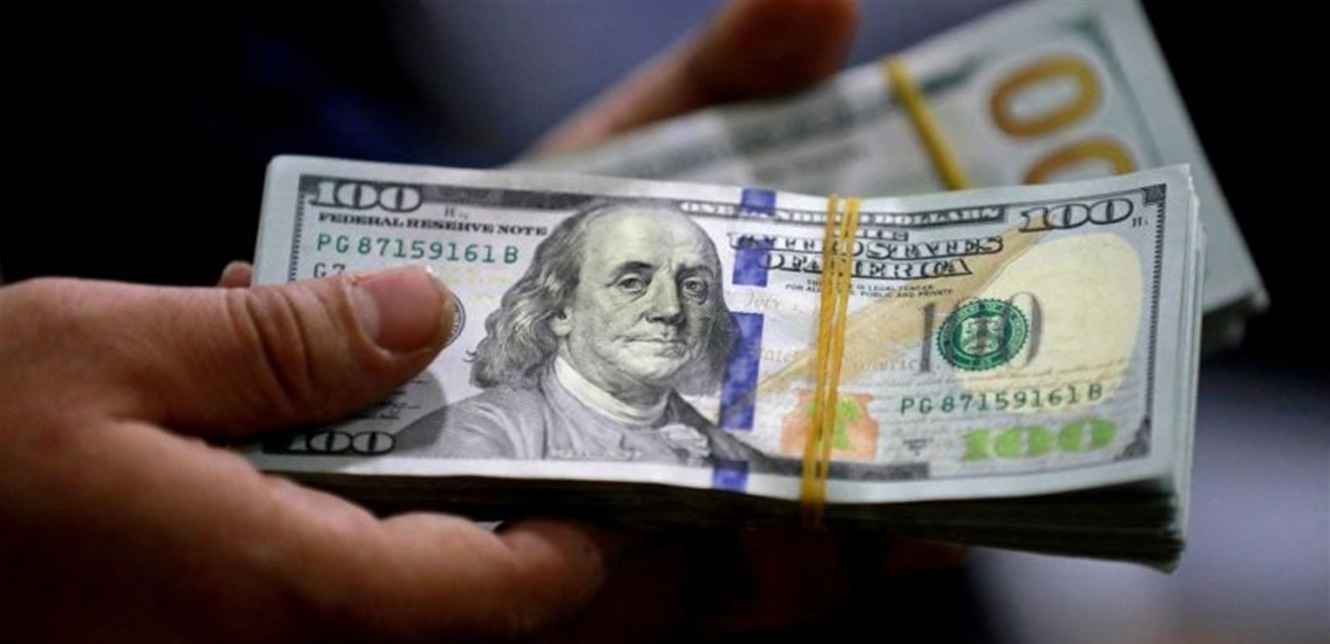
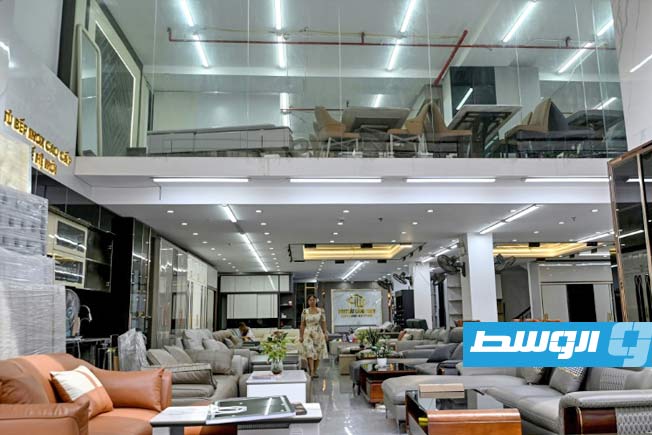
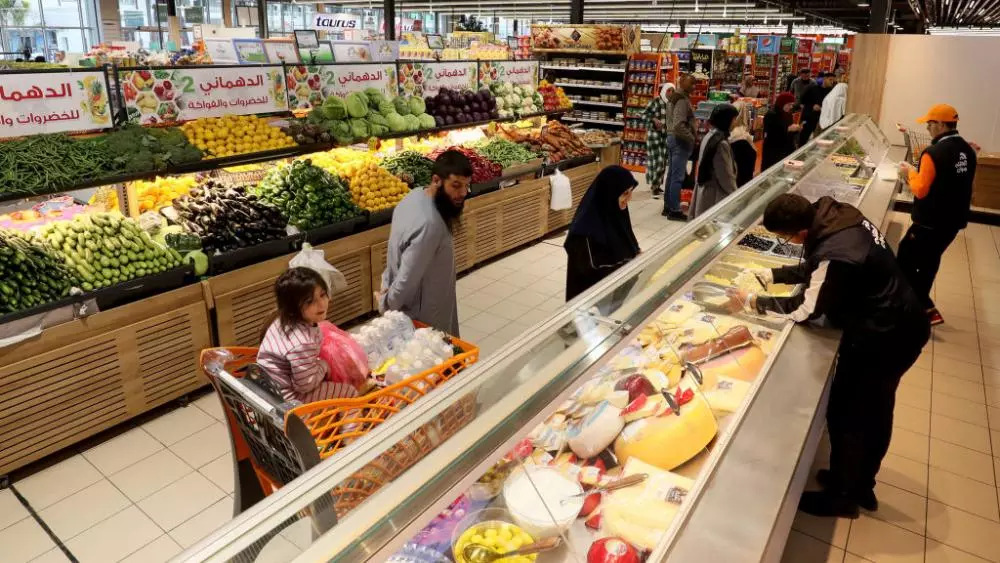
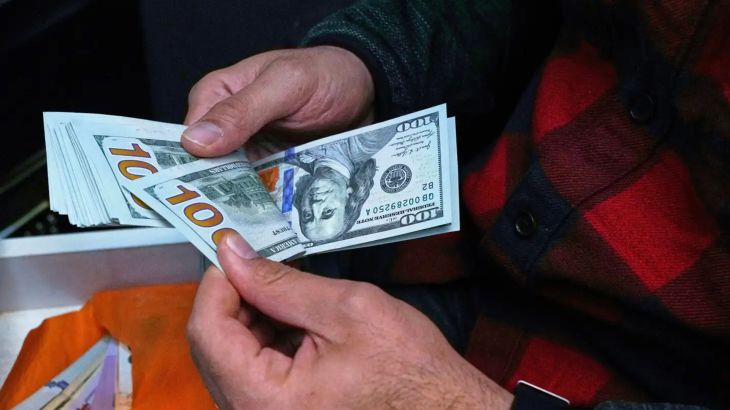
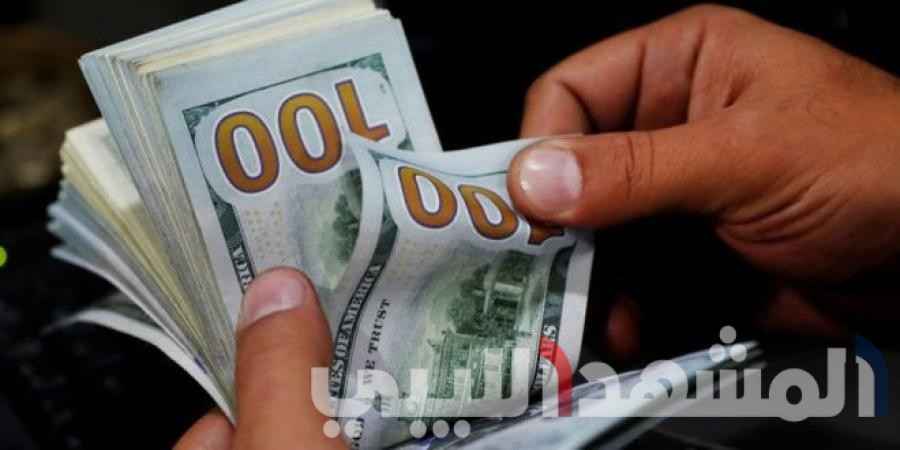
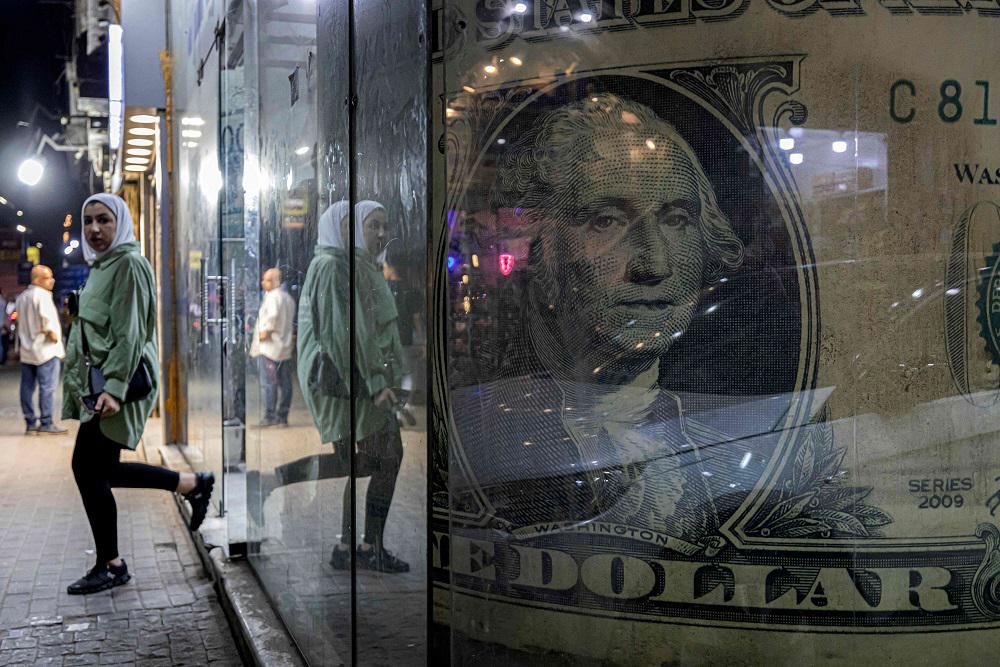
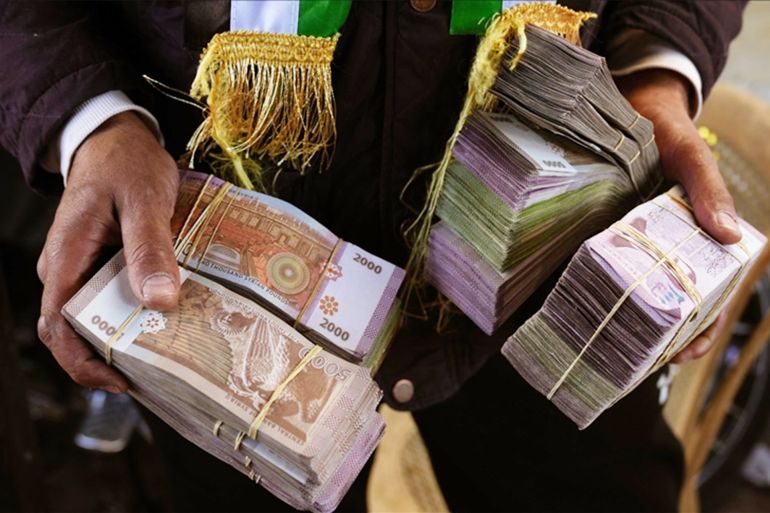
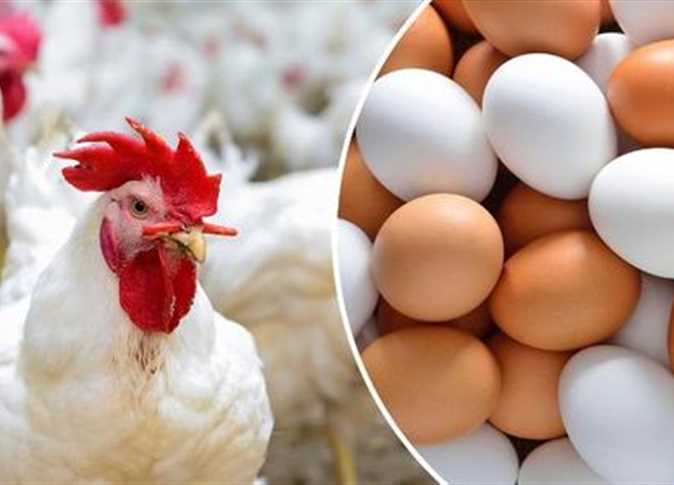
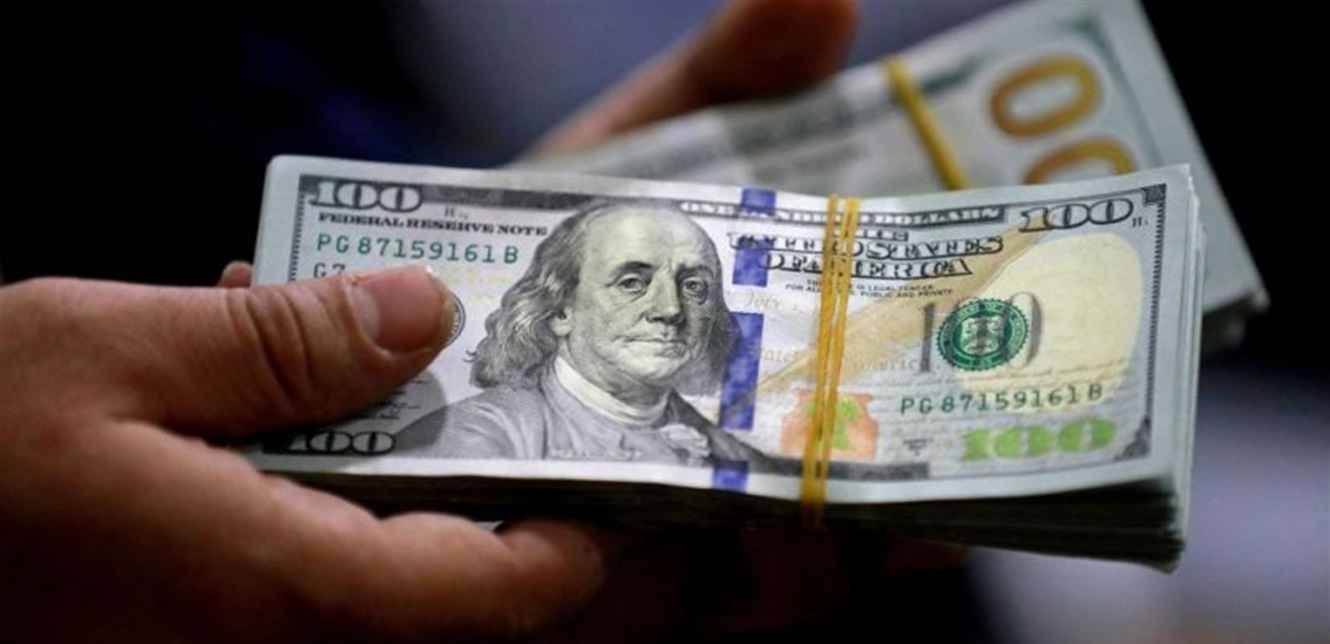
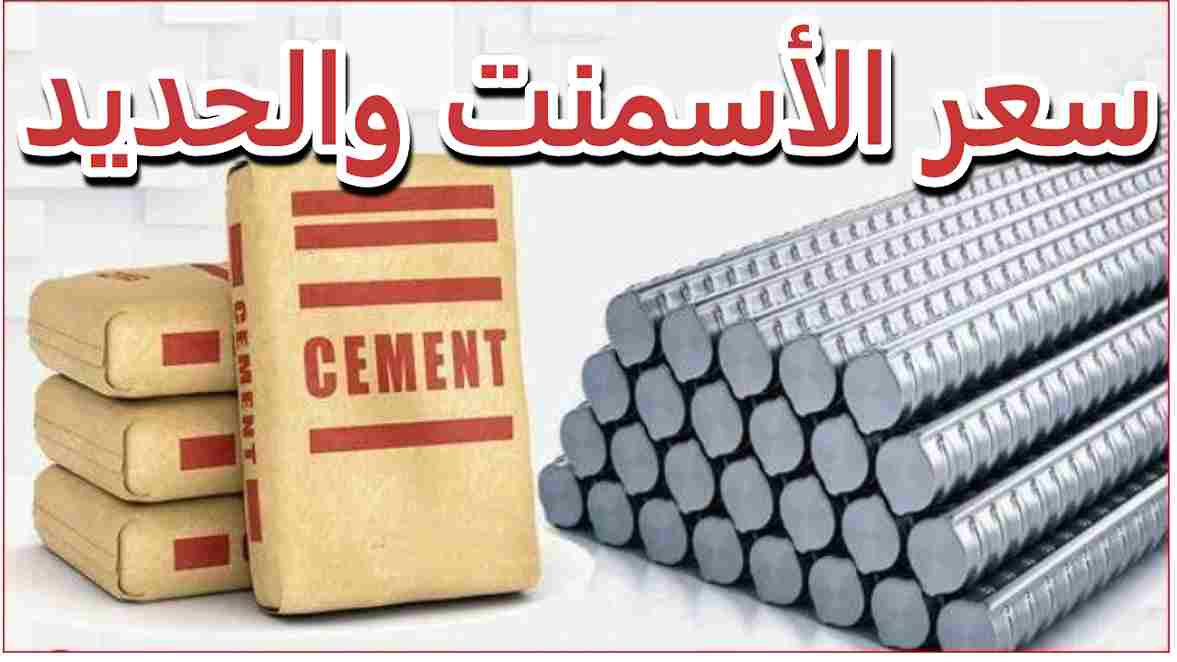
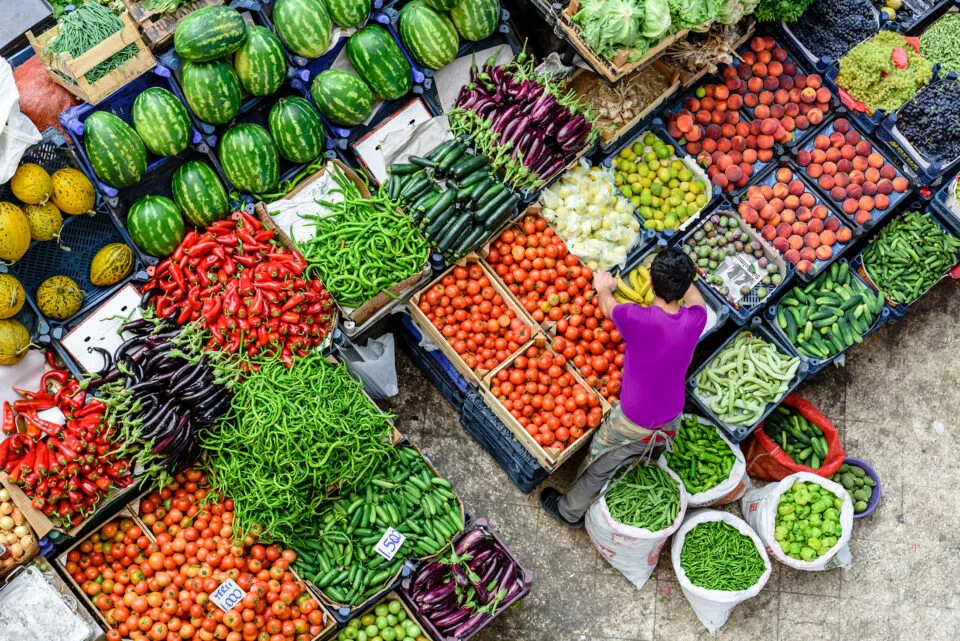
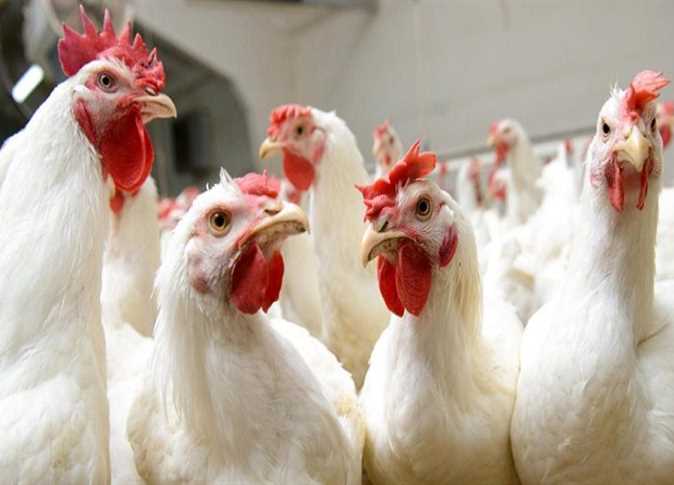
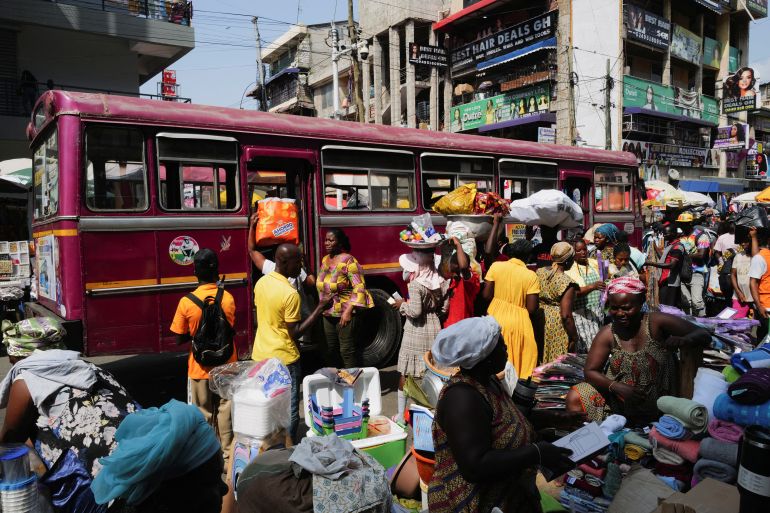
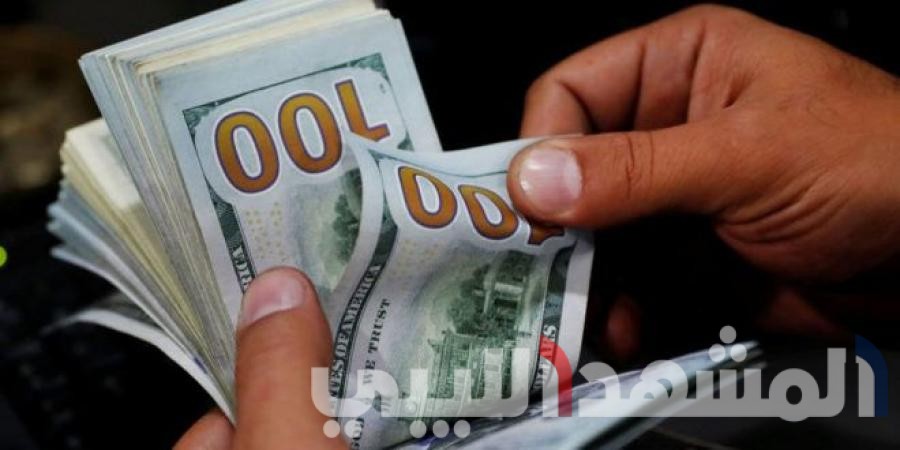
A 37-year-old man, while walking through the aisles of a crowded store during Ramadan, acknowledges “a slight improvement in security over the past three years,” but he laments the deterioration of the economic situation, attributing it to the rise in the dollar exchange rate and “large-scale speculation,” which he described in a statement as having severe consequences “on the daily lives of citizens.” For weeks, many Libyans have complained about the huge increase in the prices of basic goods. For example, the prices of cooking oils have doubled, and the prices of meat and poultry have risen by 50 percent. As for refilling gas cylinders, which cost 1.5 dinars (20 US cents) from official distribution bodies unable to meet demand, their cost on the black market has now reached 75 dinars (9 dollars).
Wholesale Burdens on Citizens
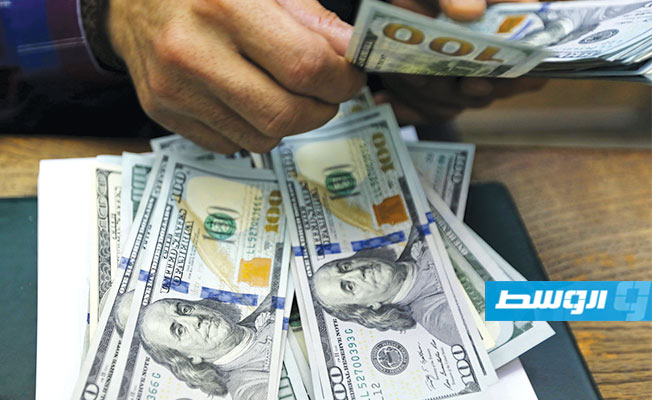
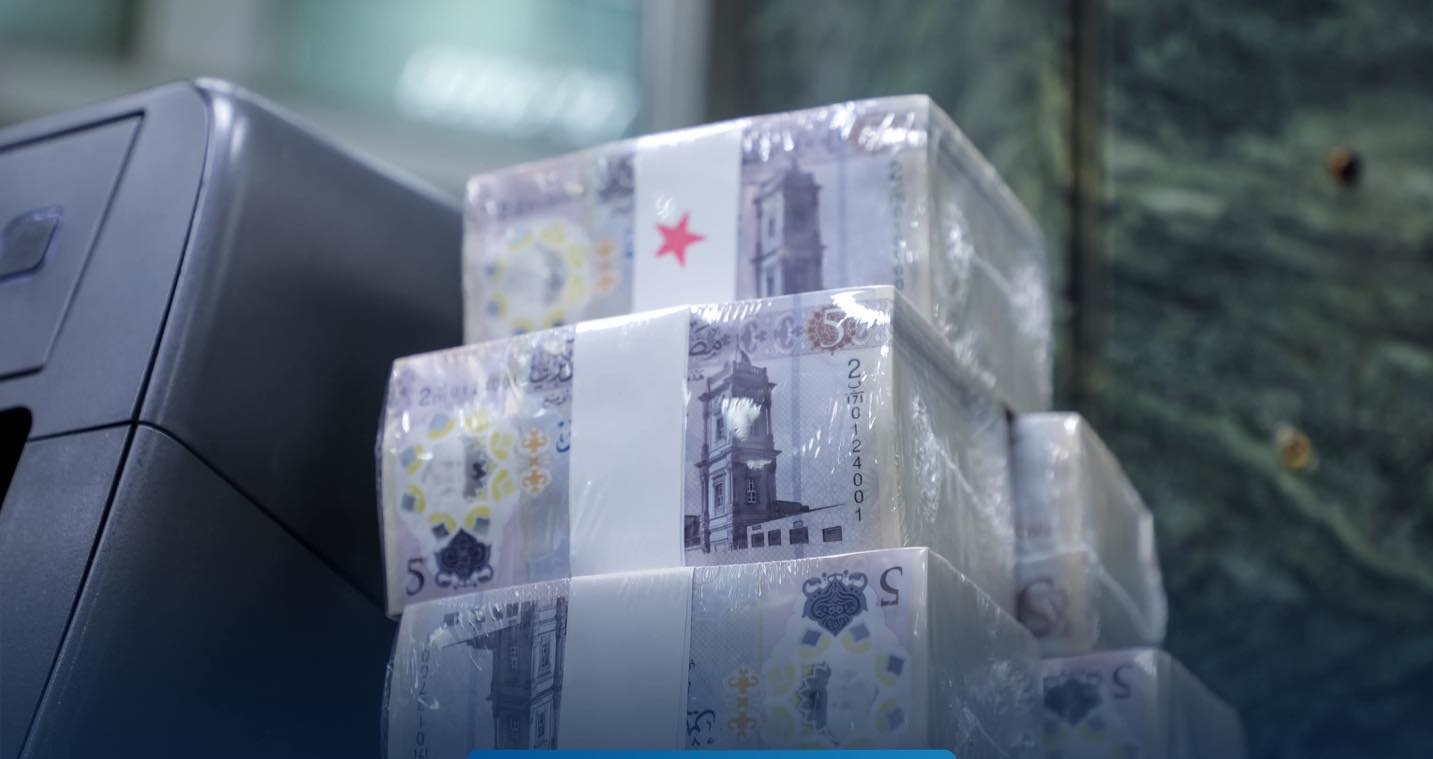
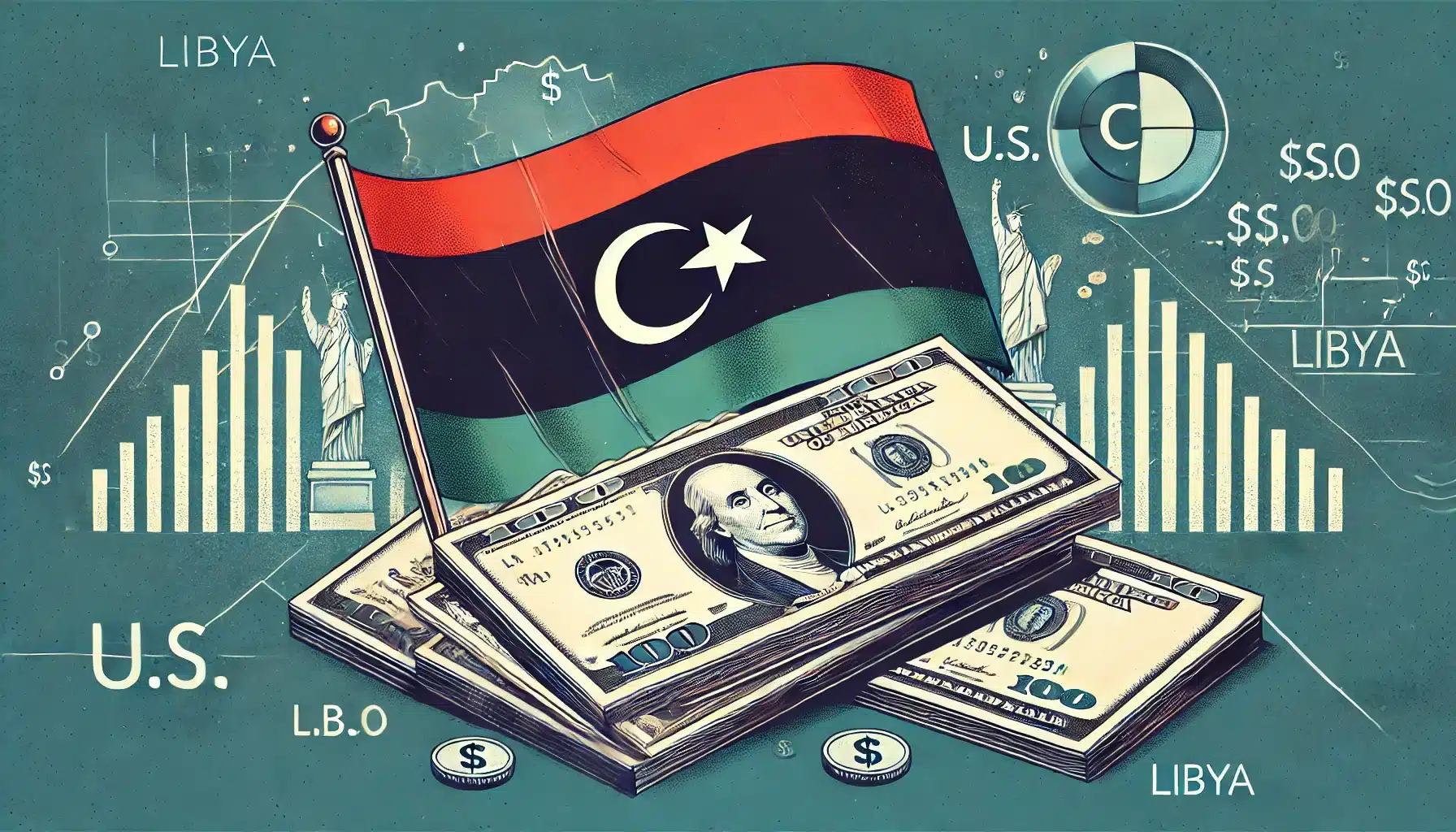
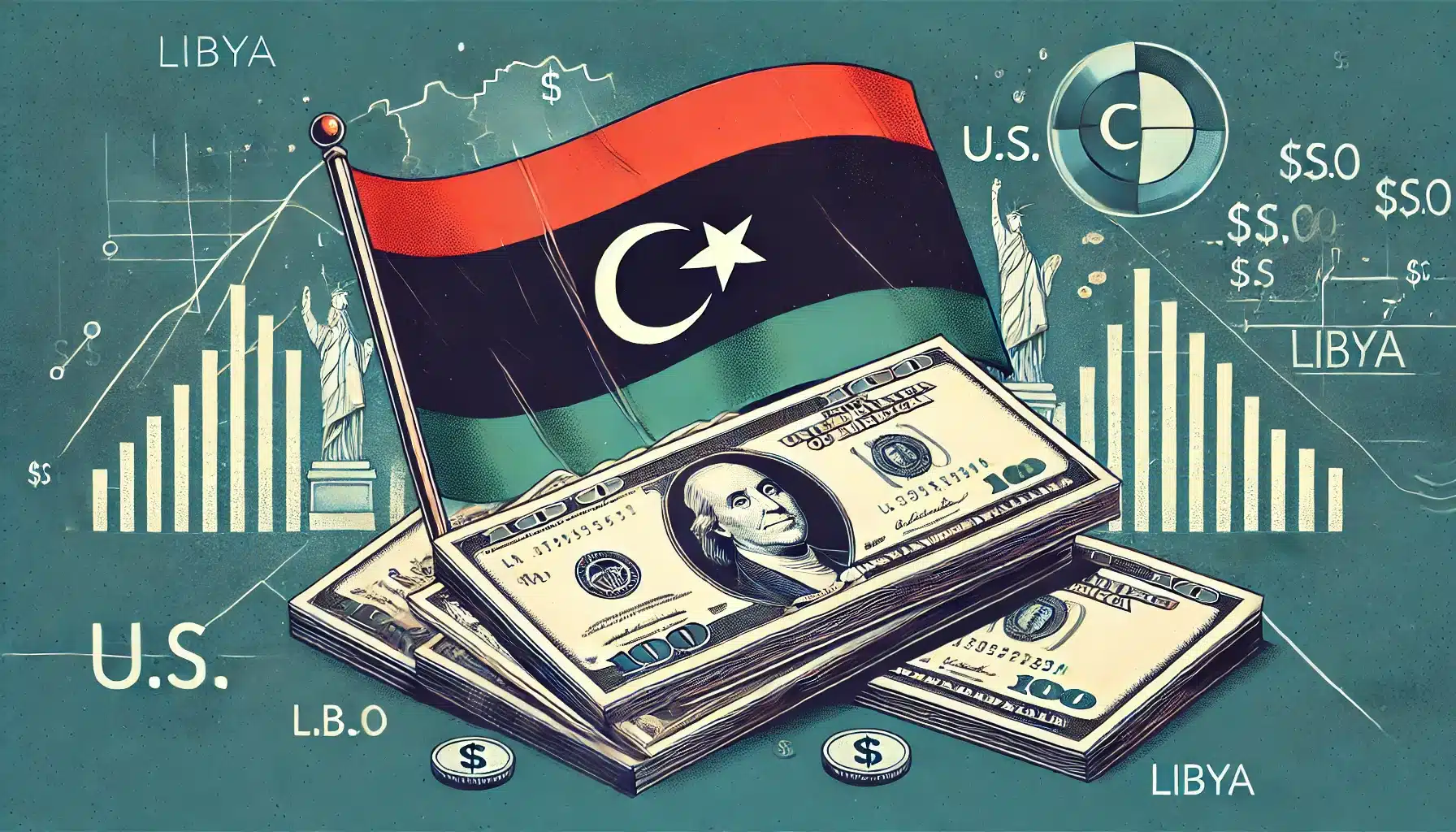
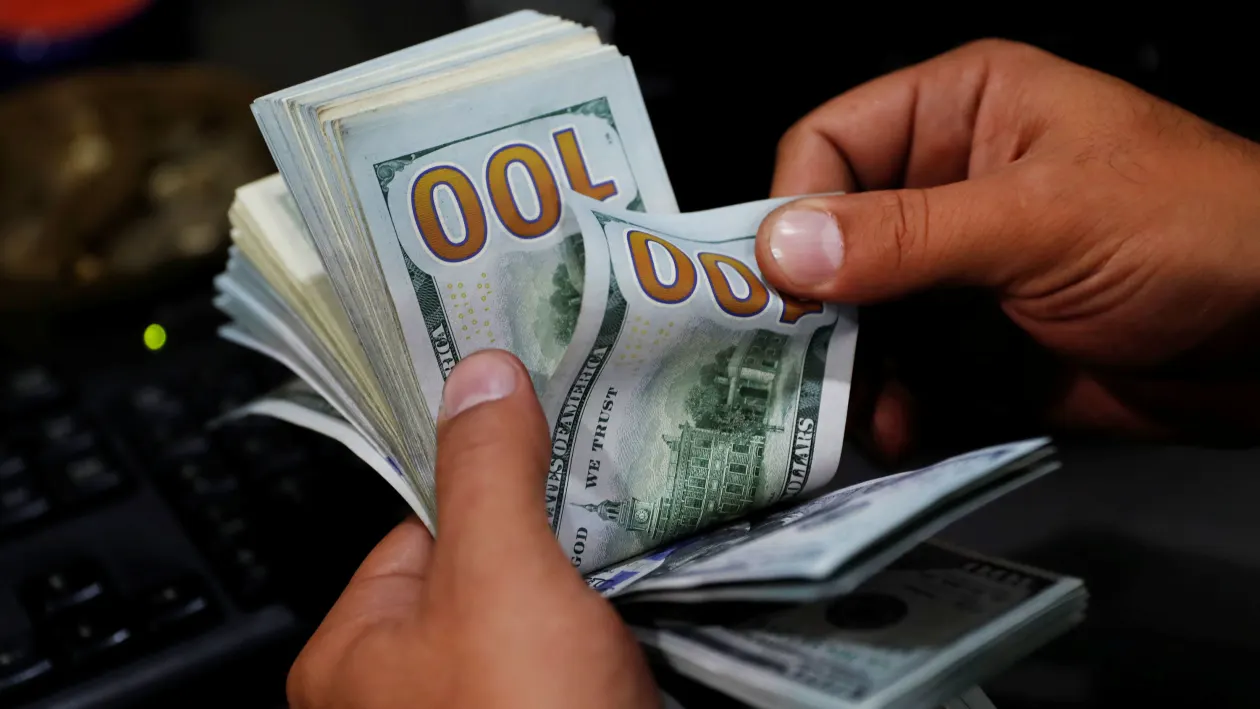
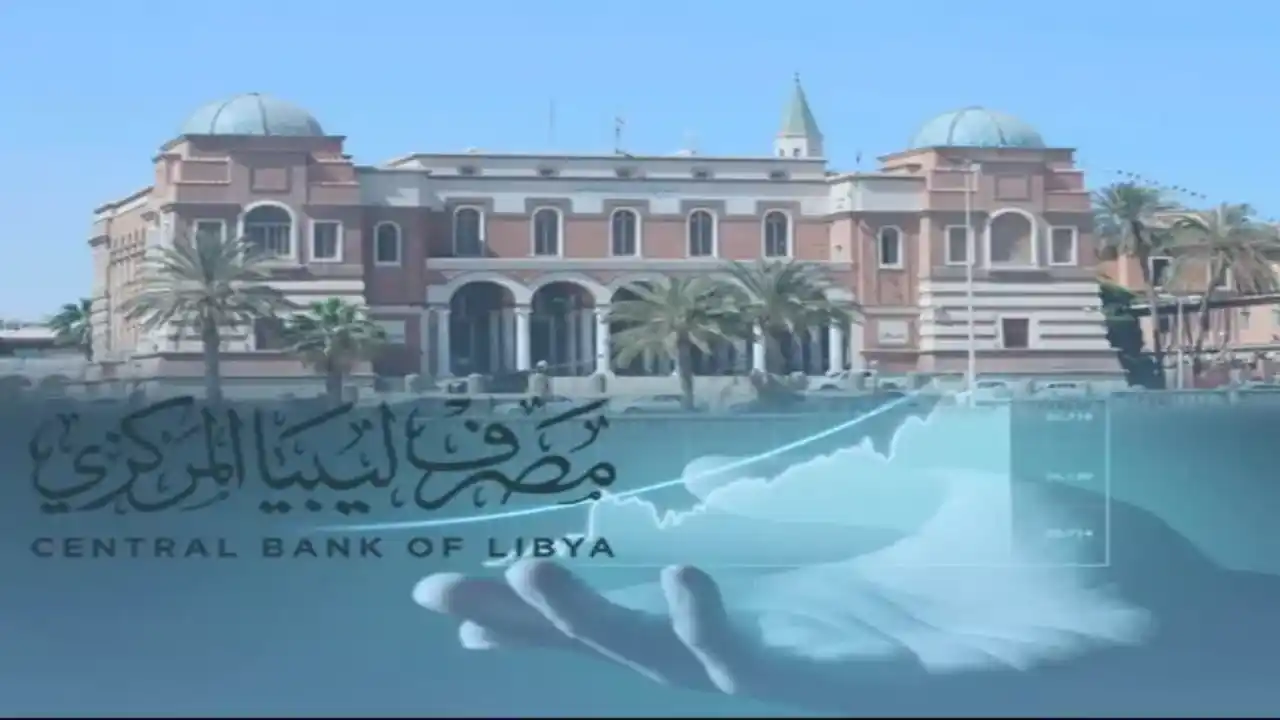
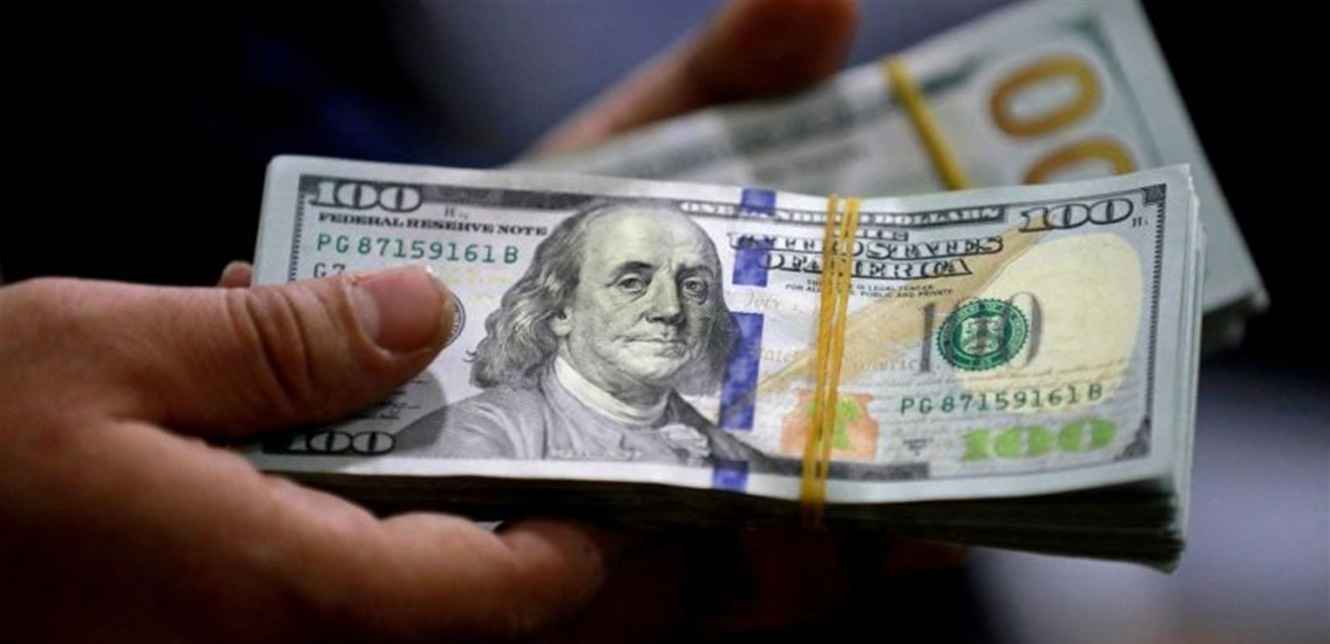
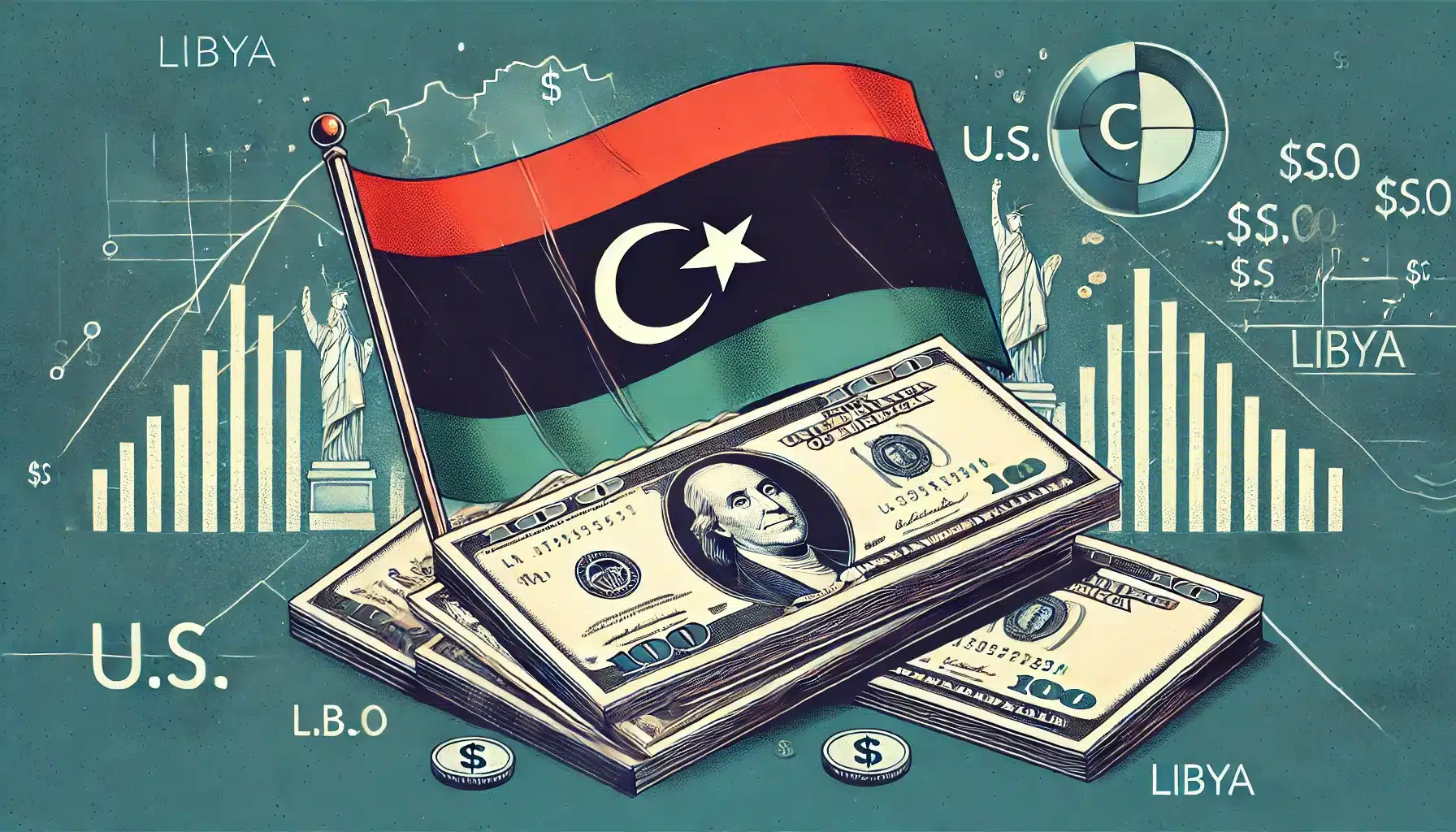
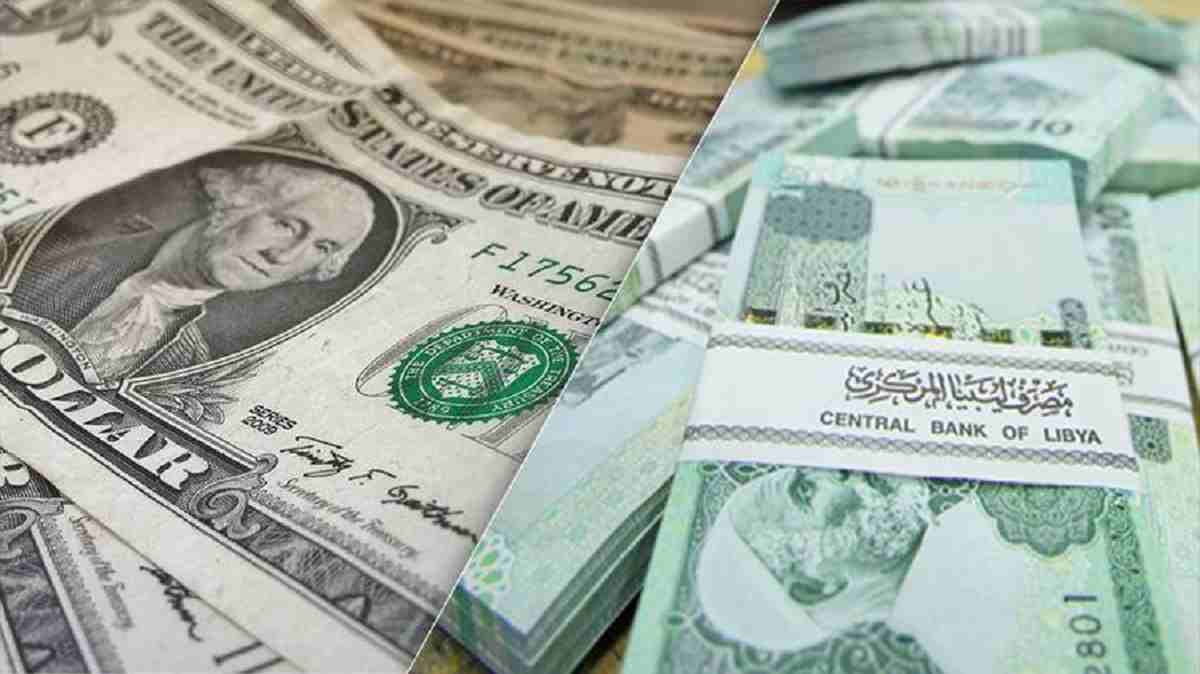
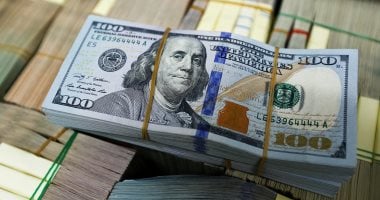
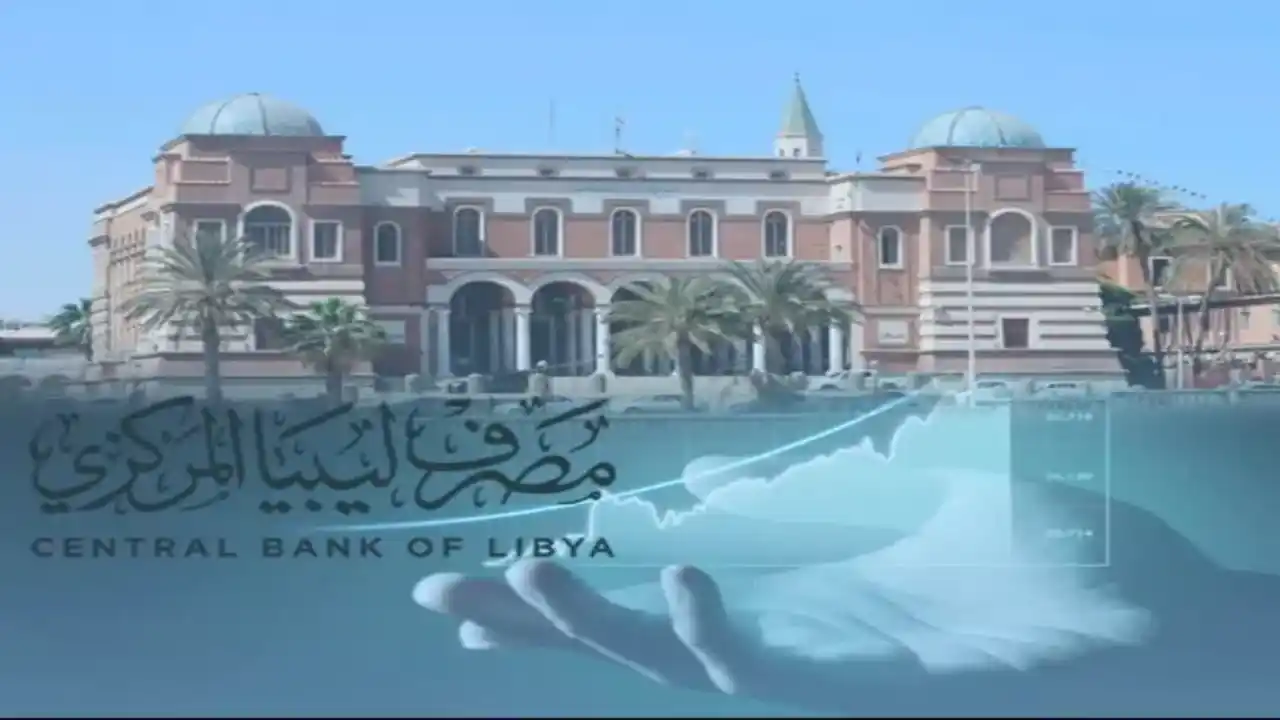
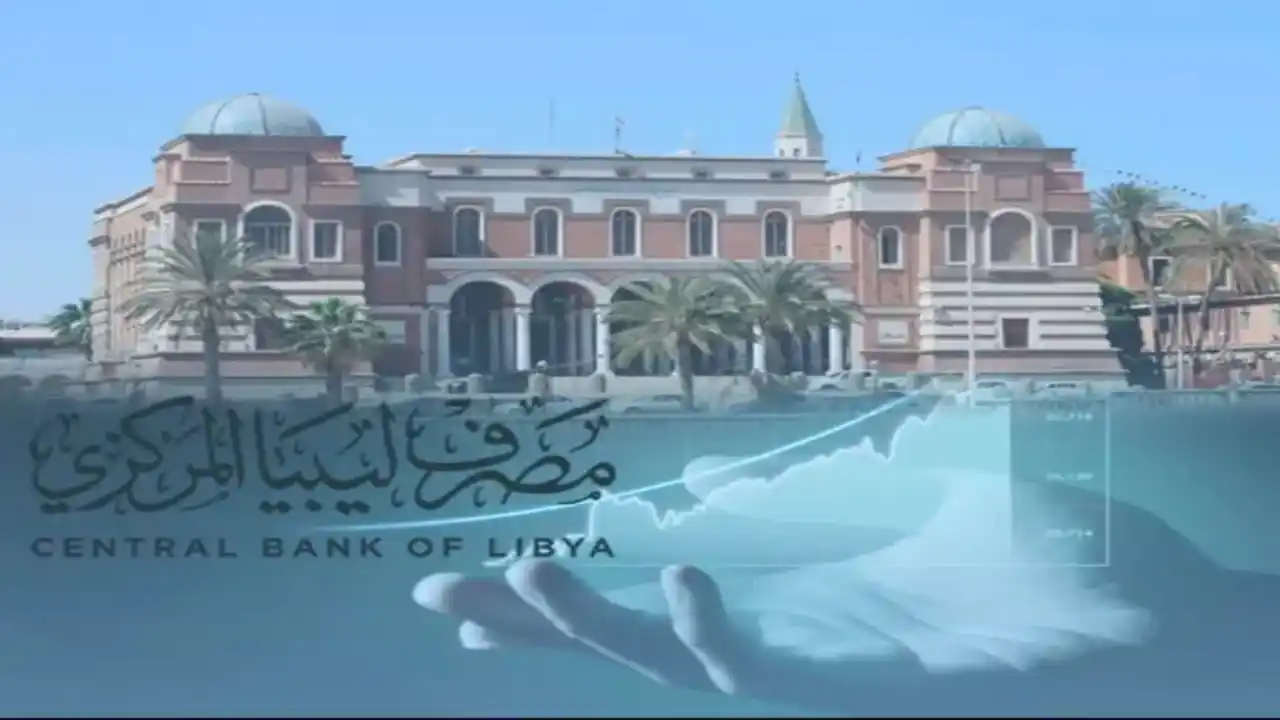
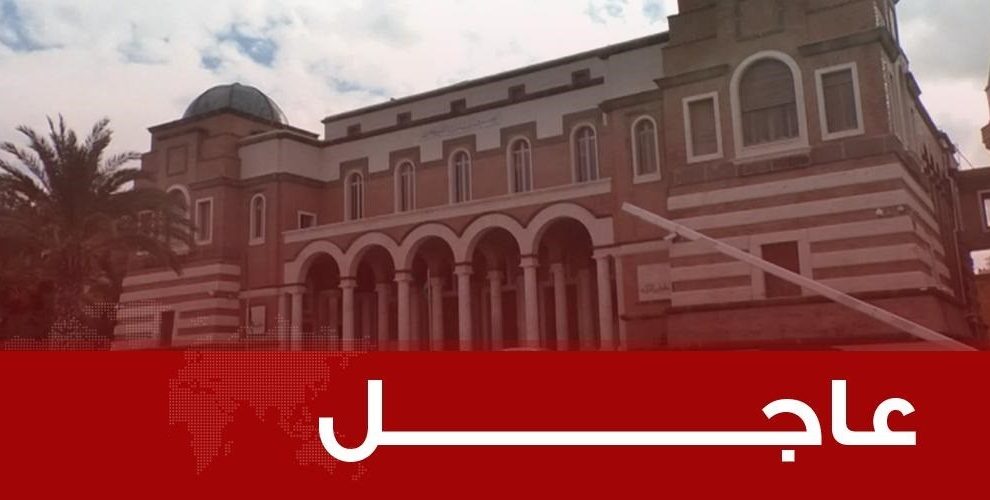
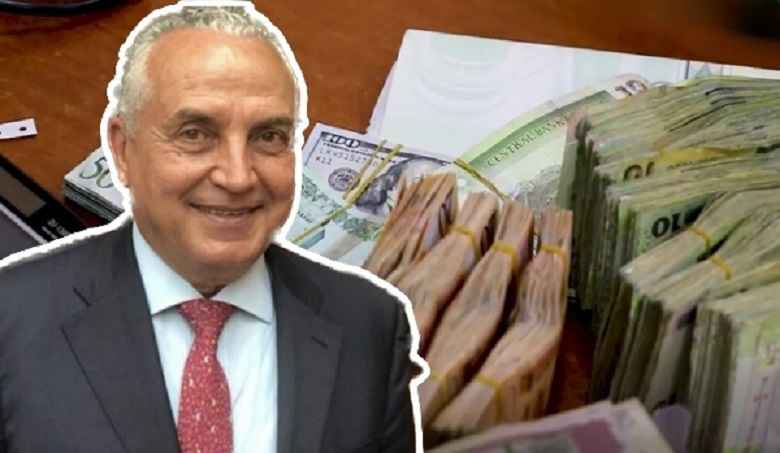
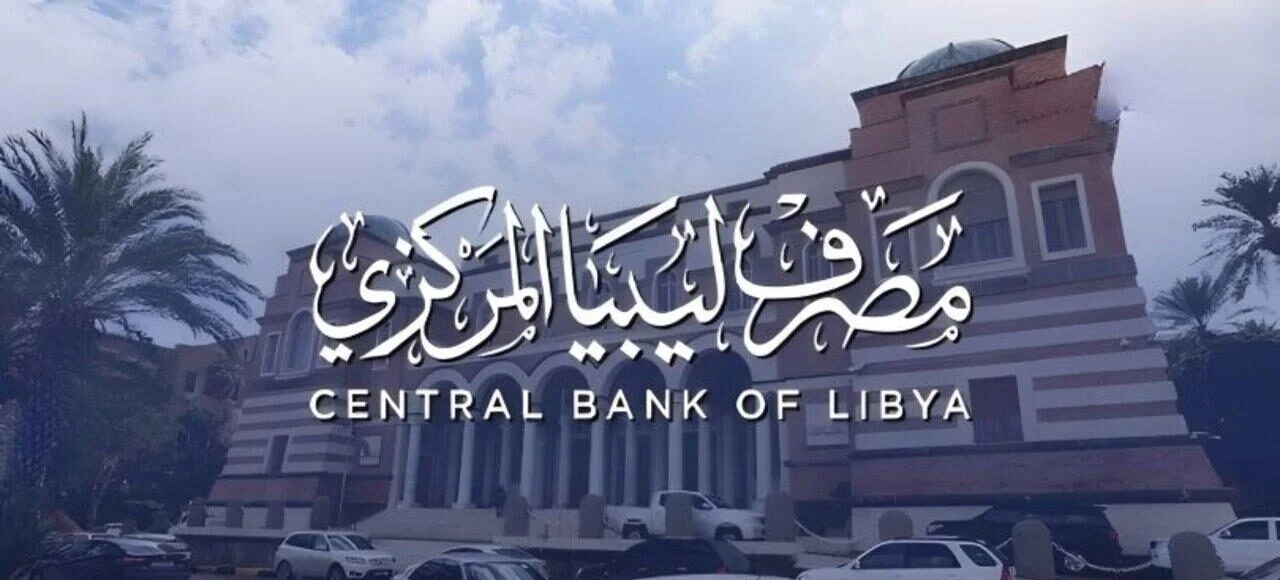
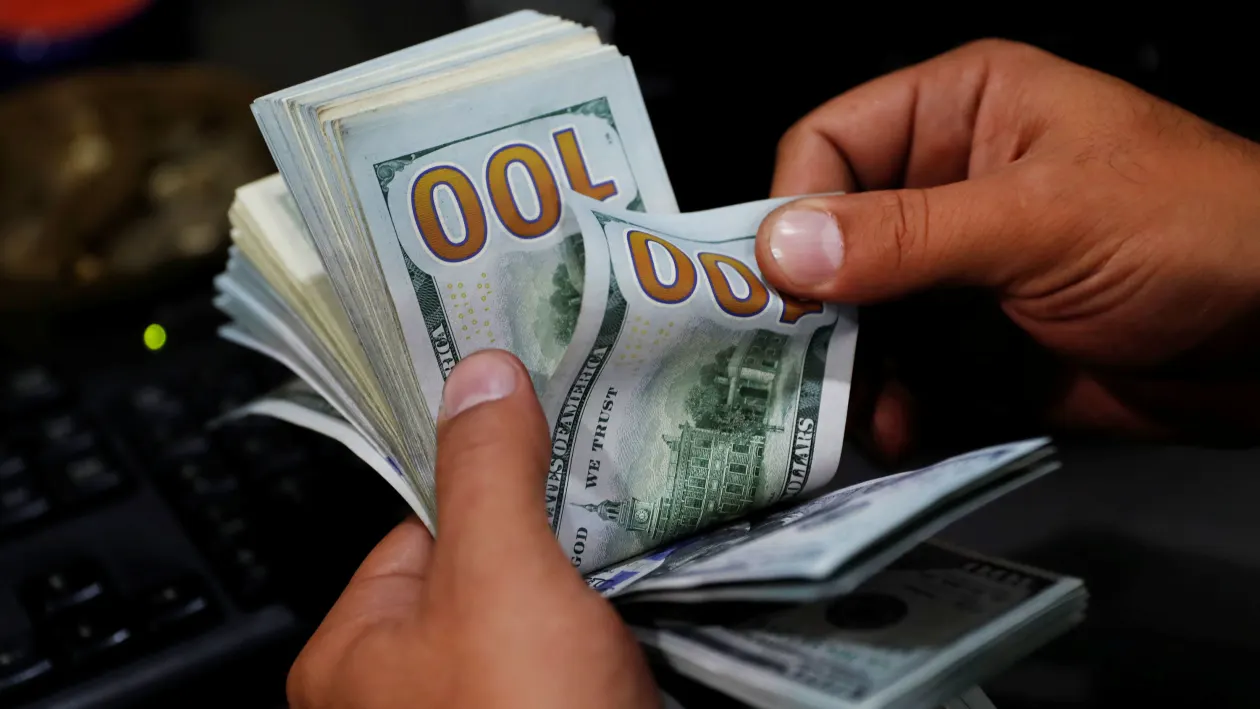
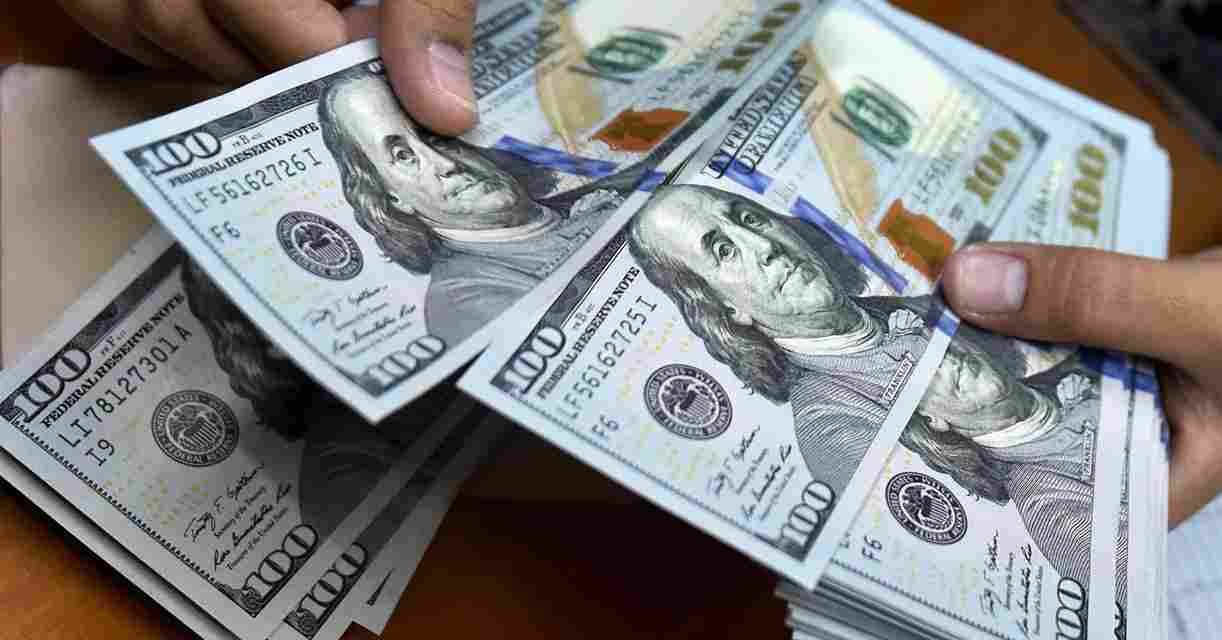
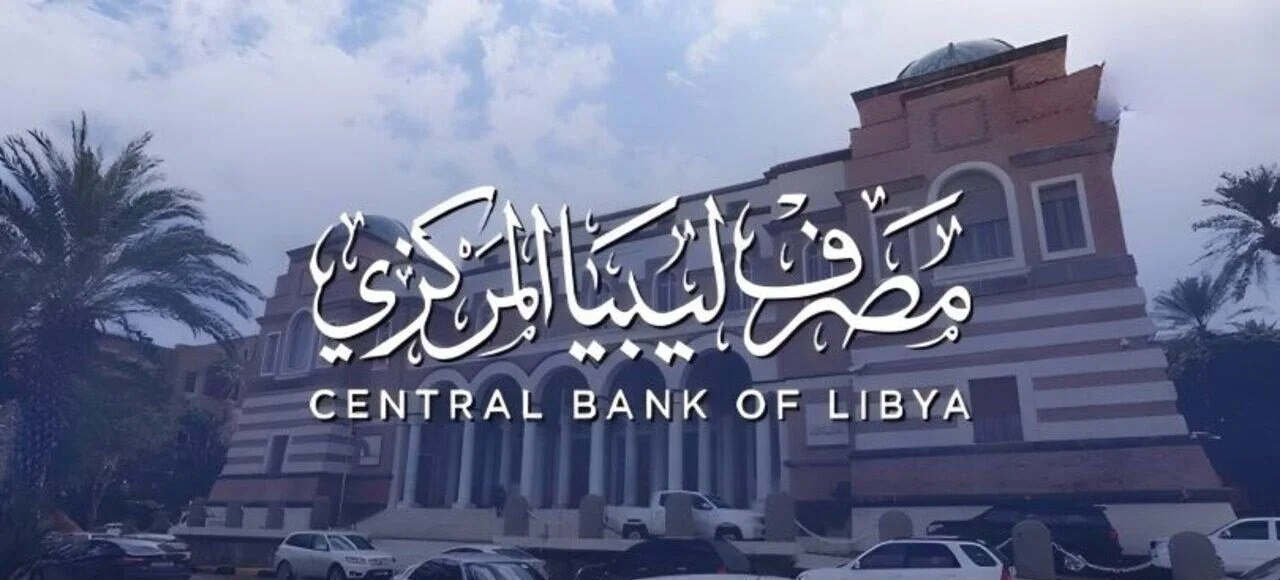
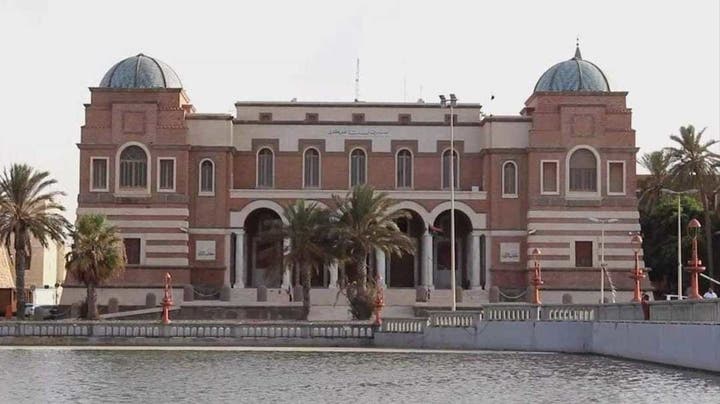
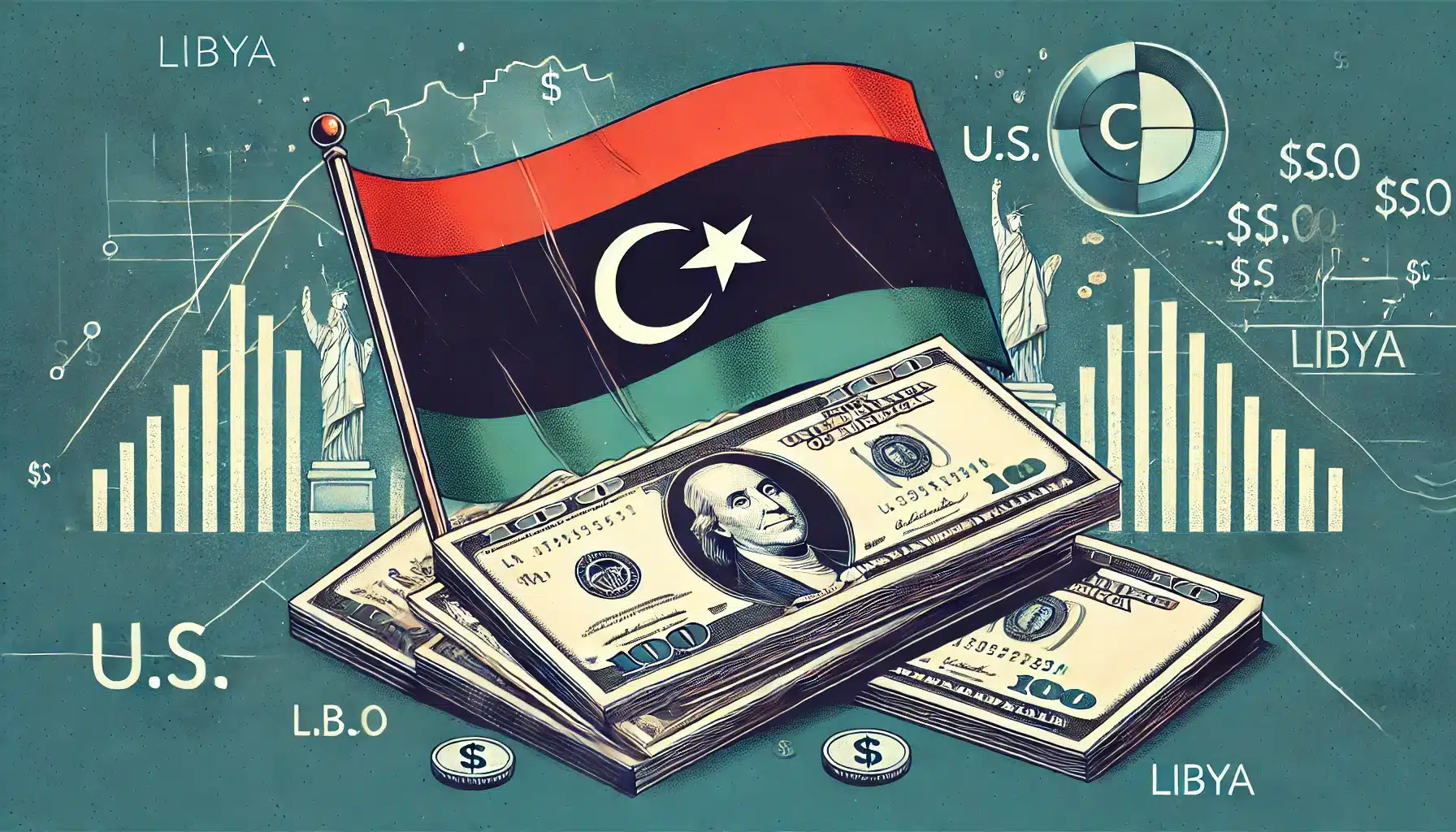
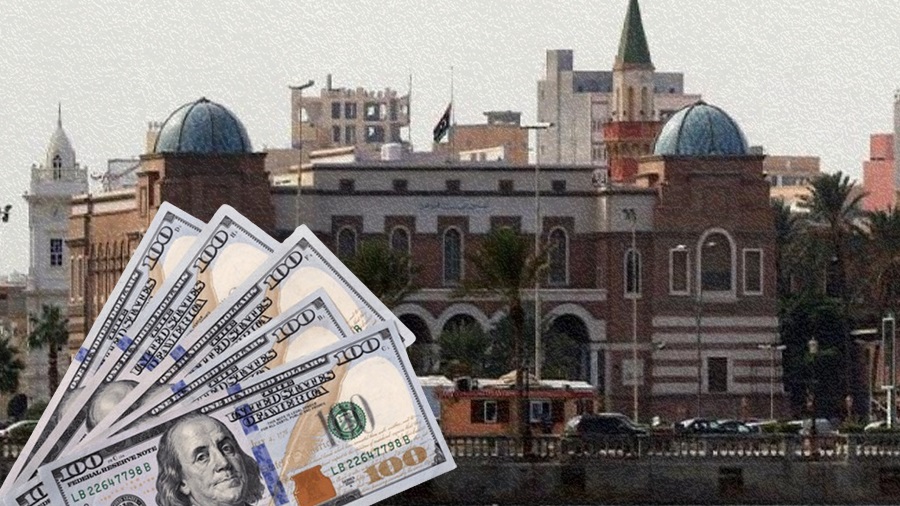
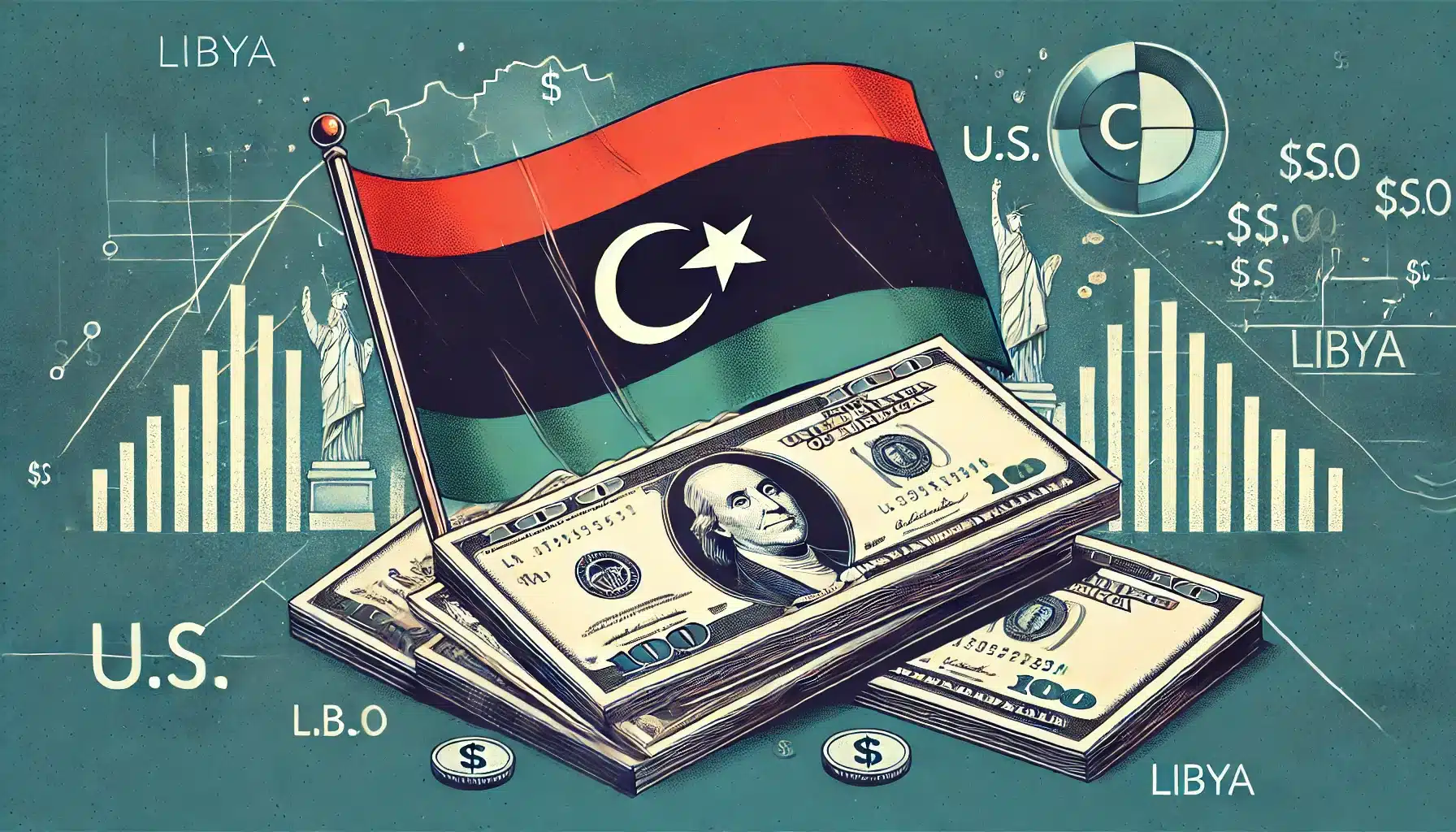
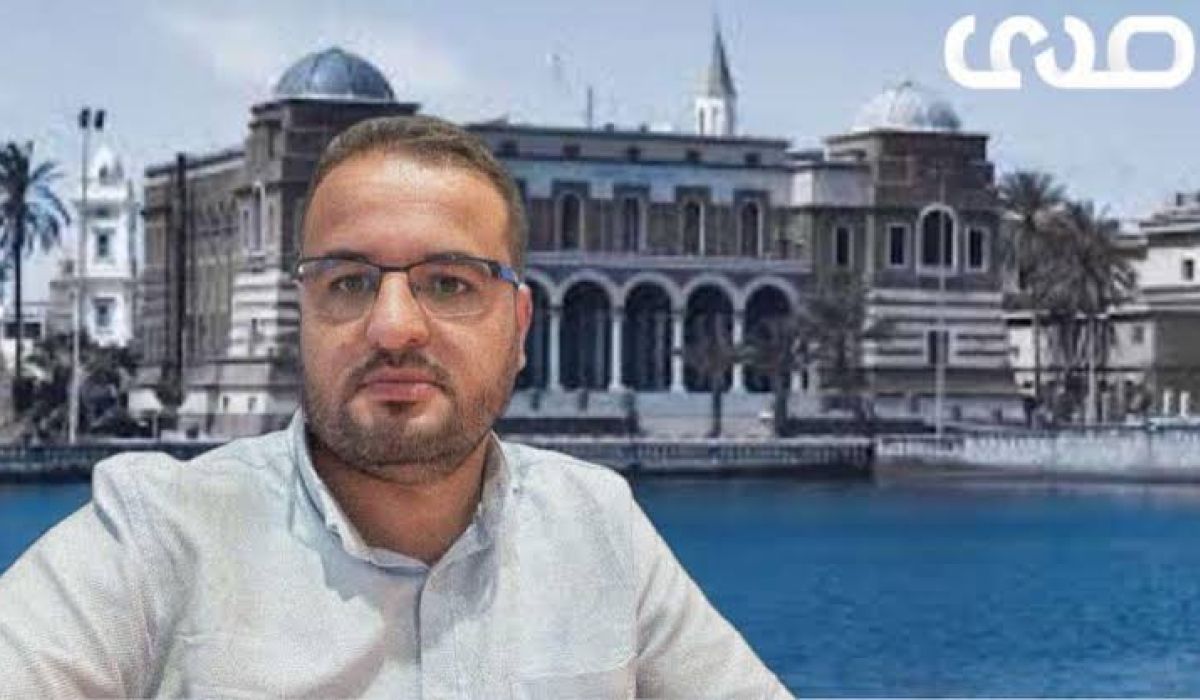
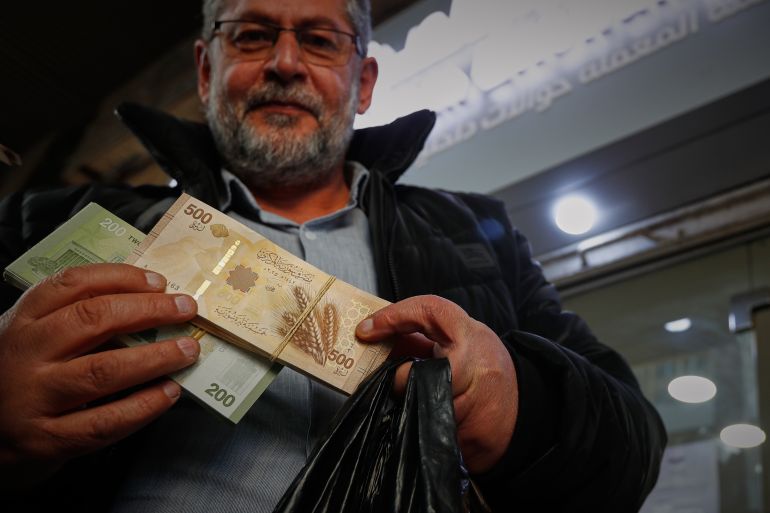
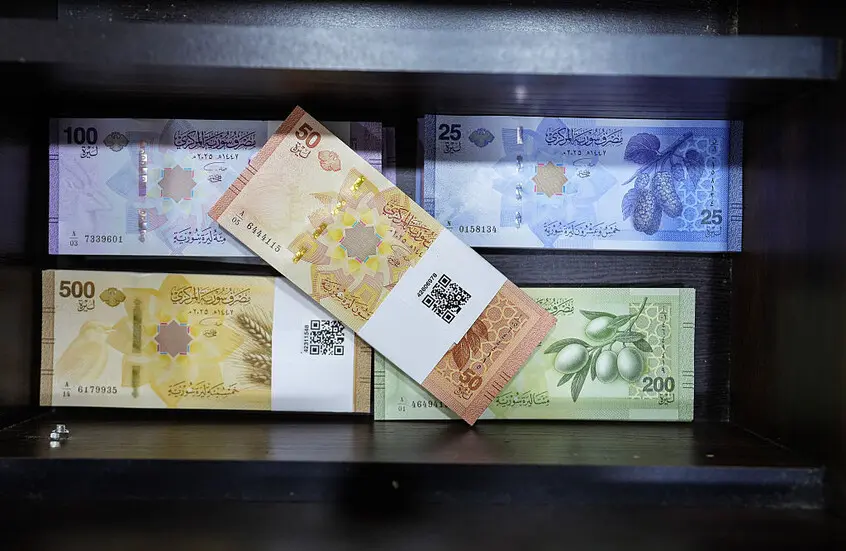
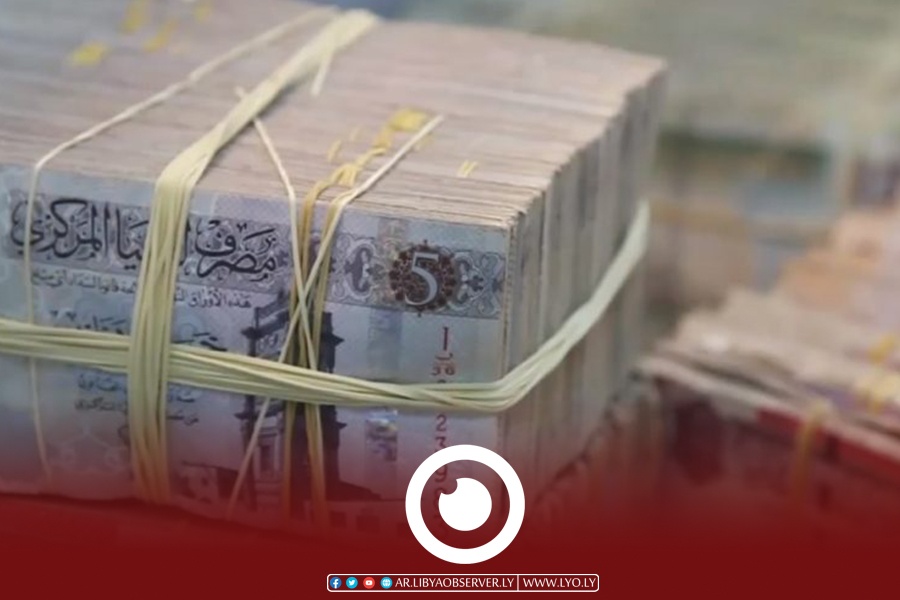
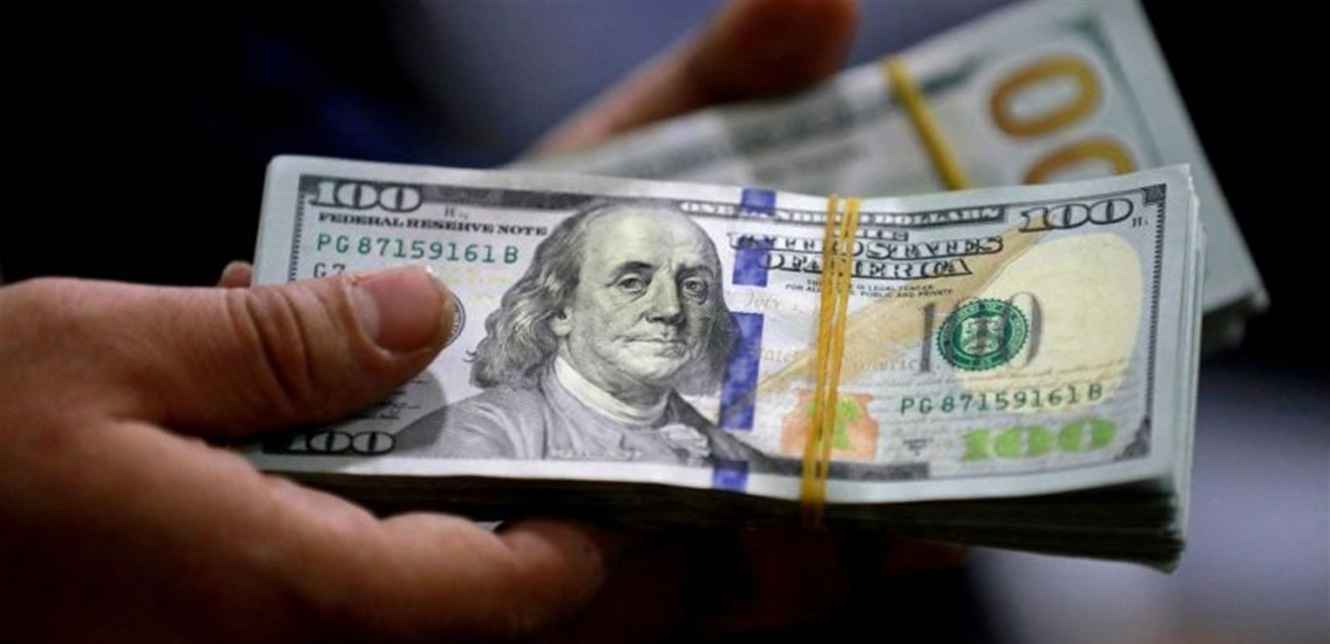
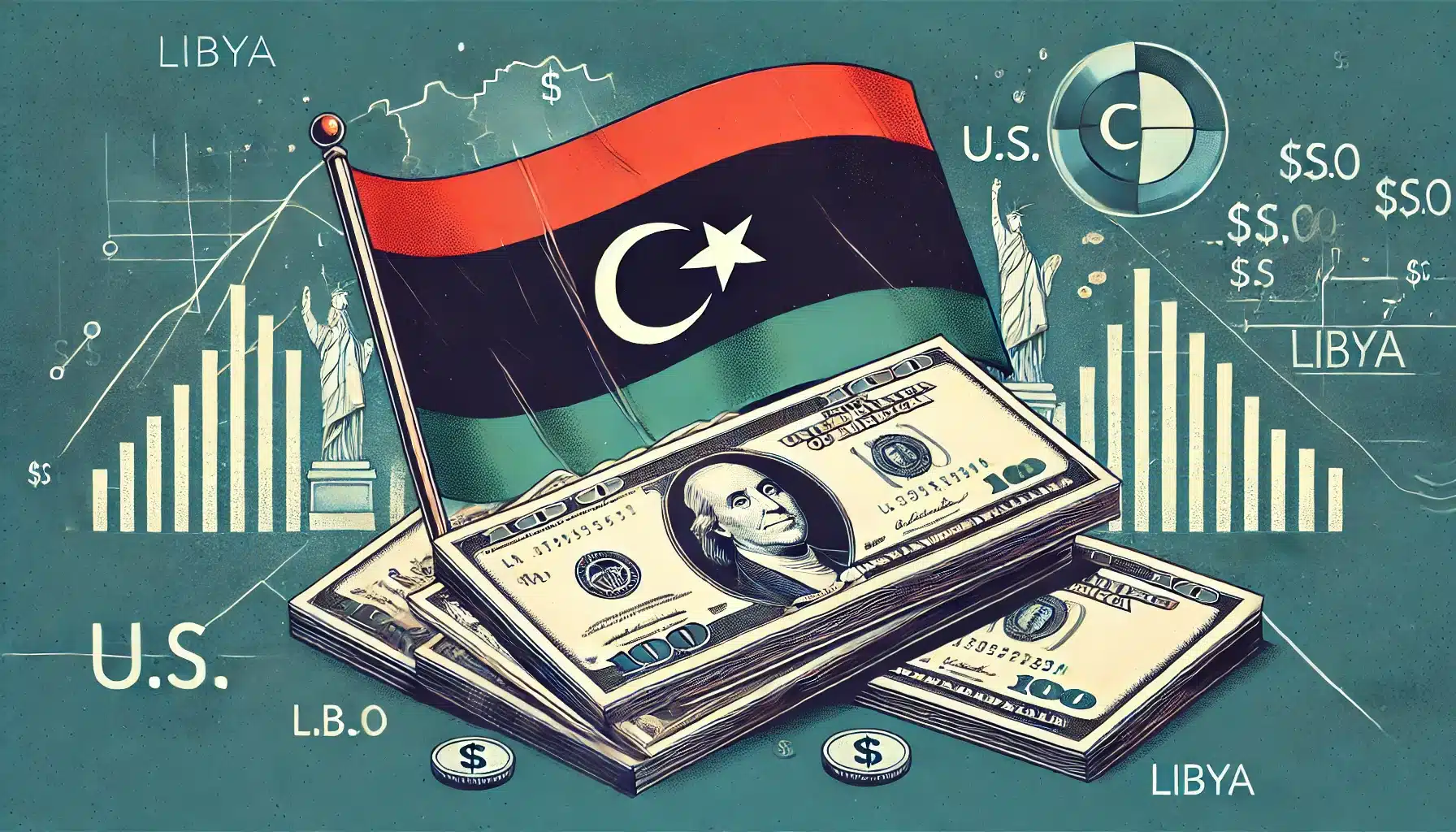
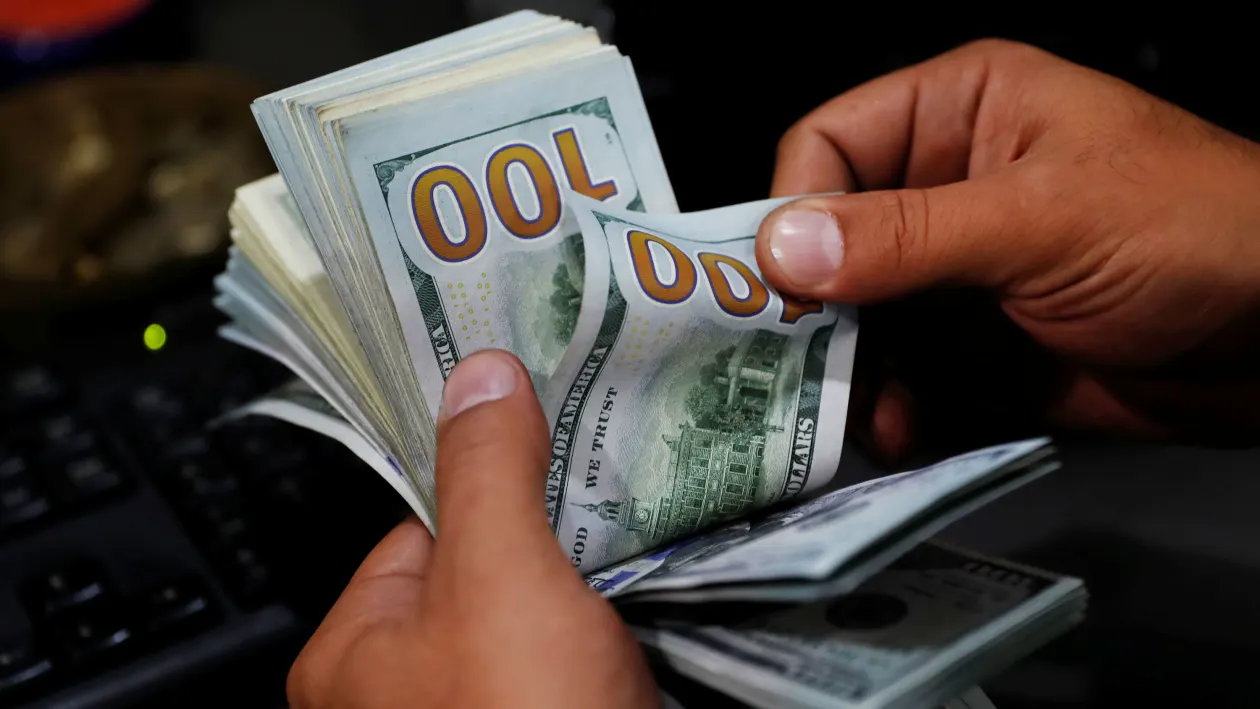
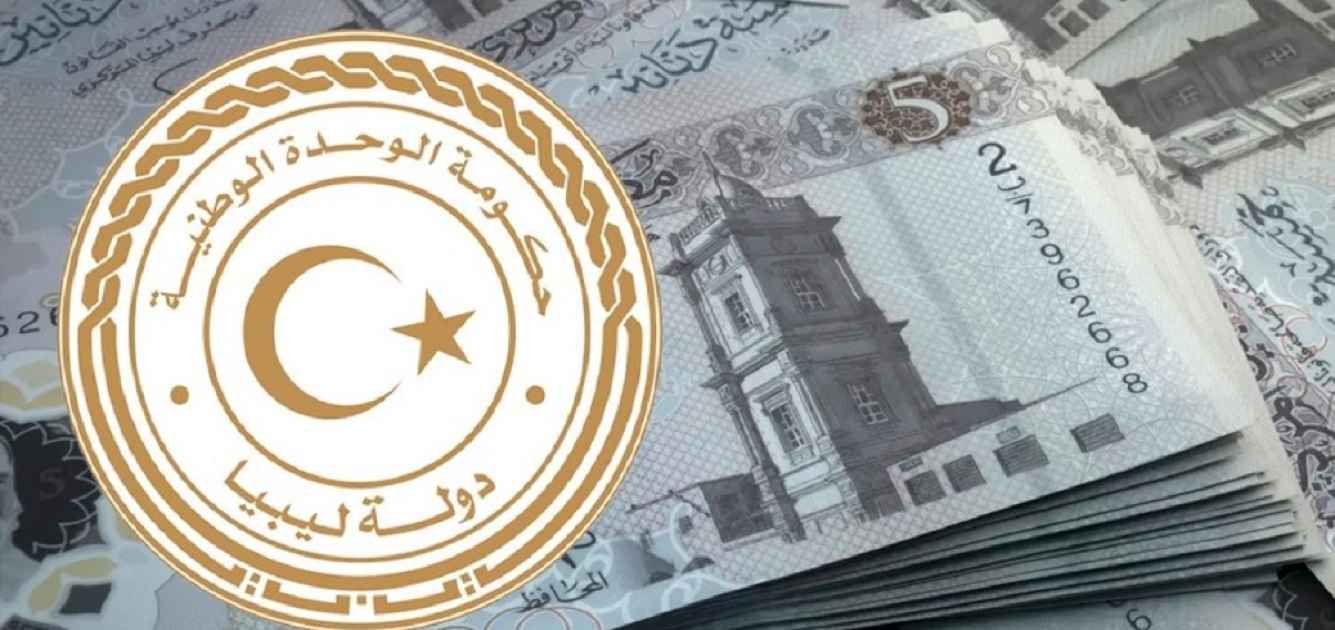
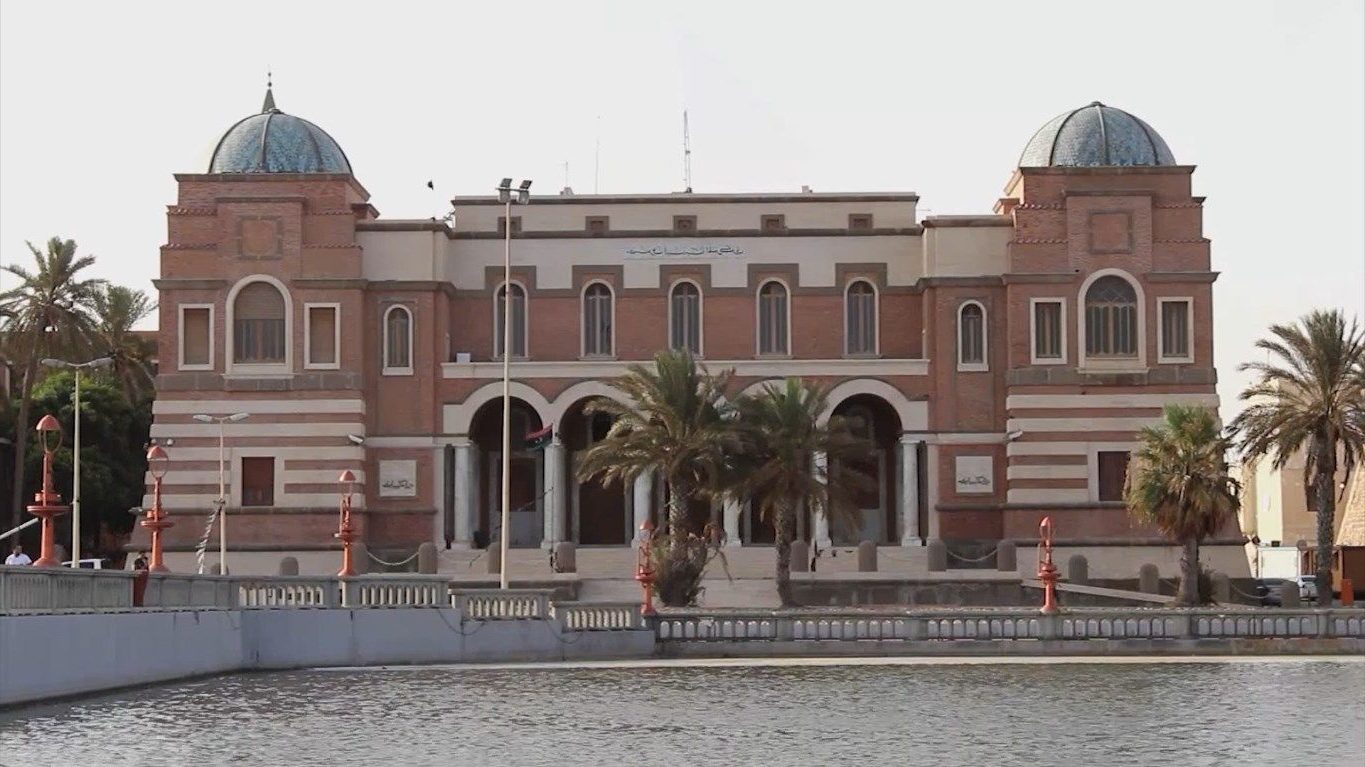
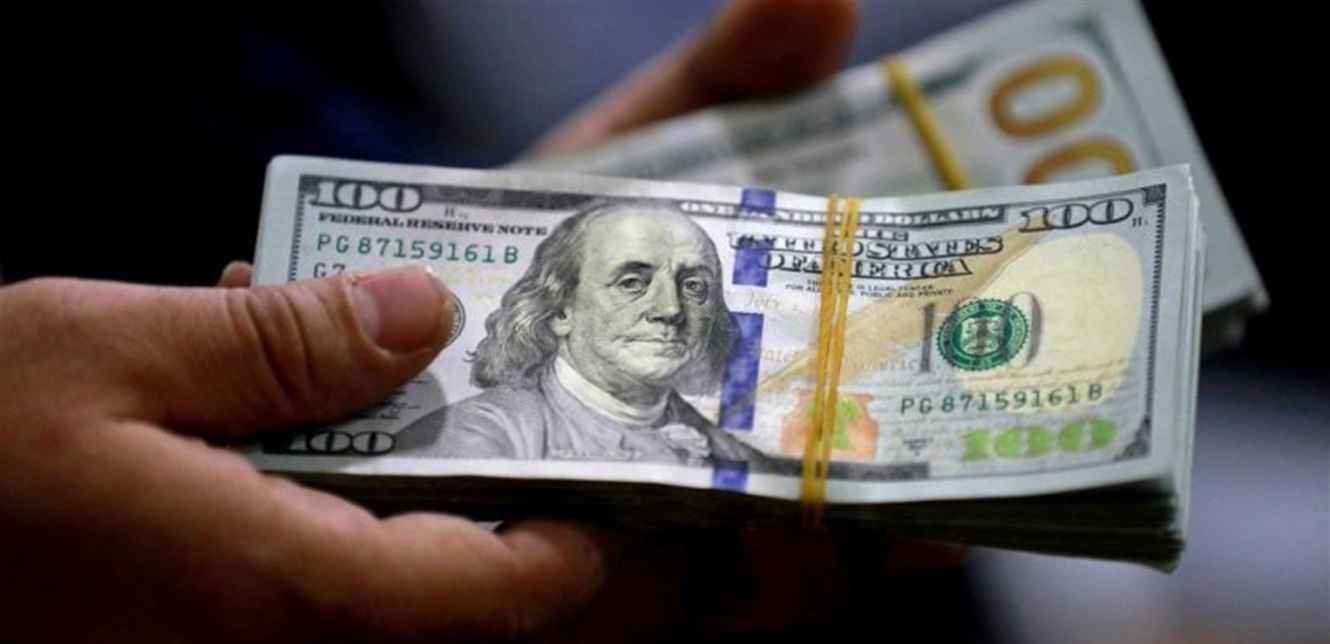
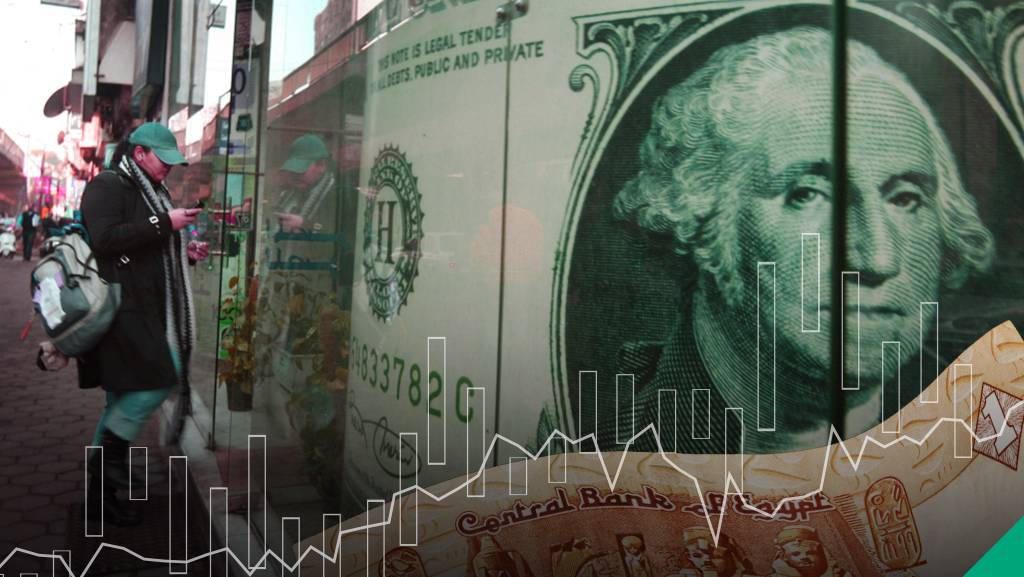
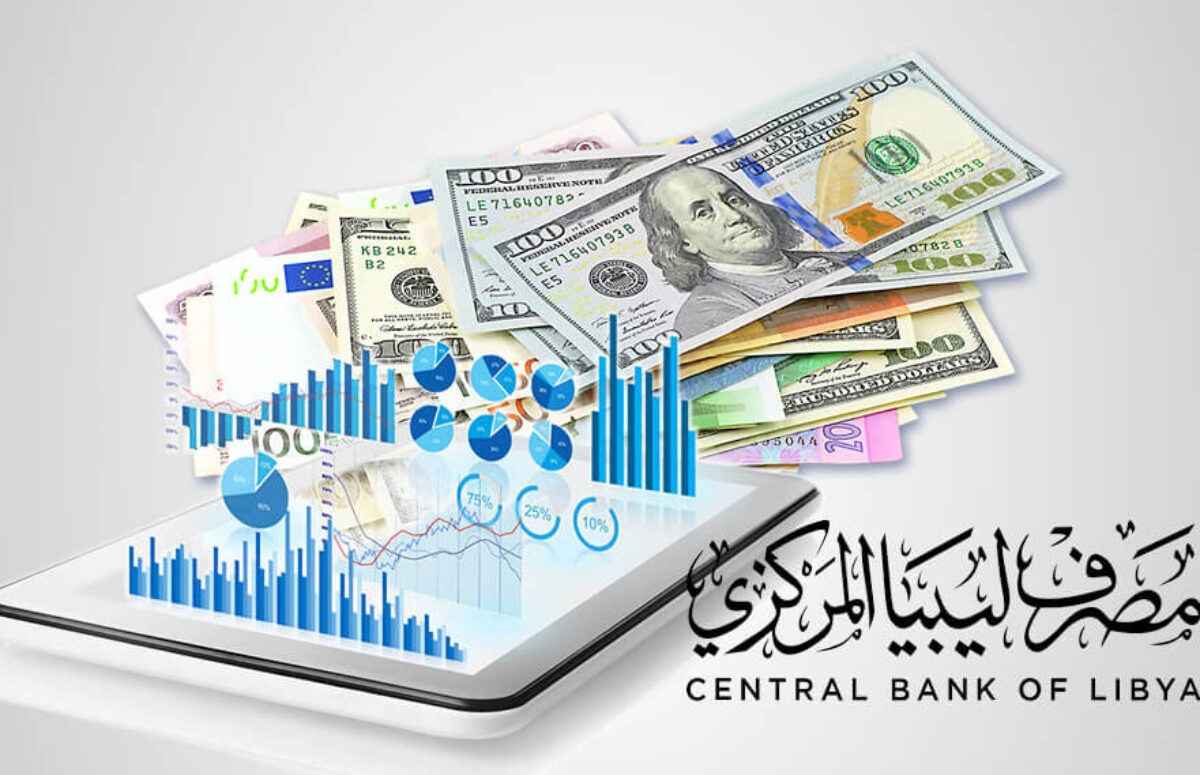
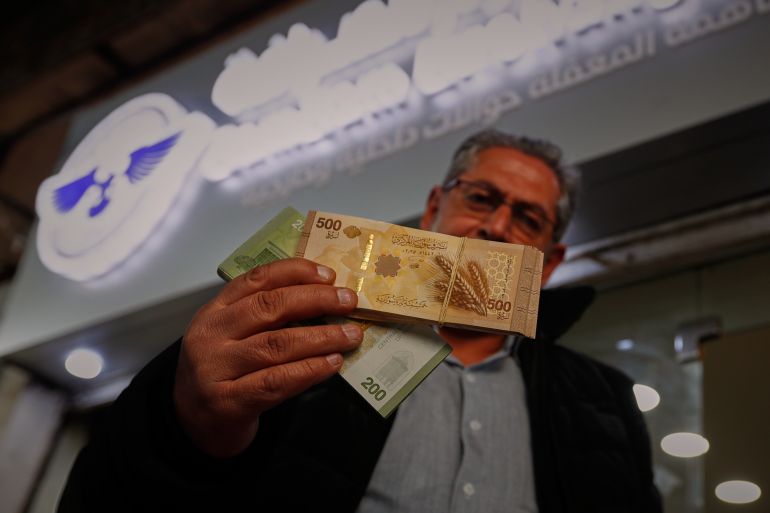
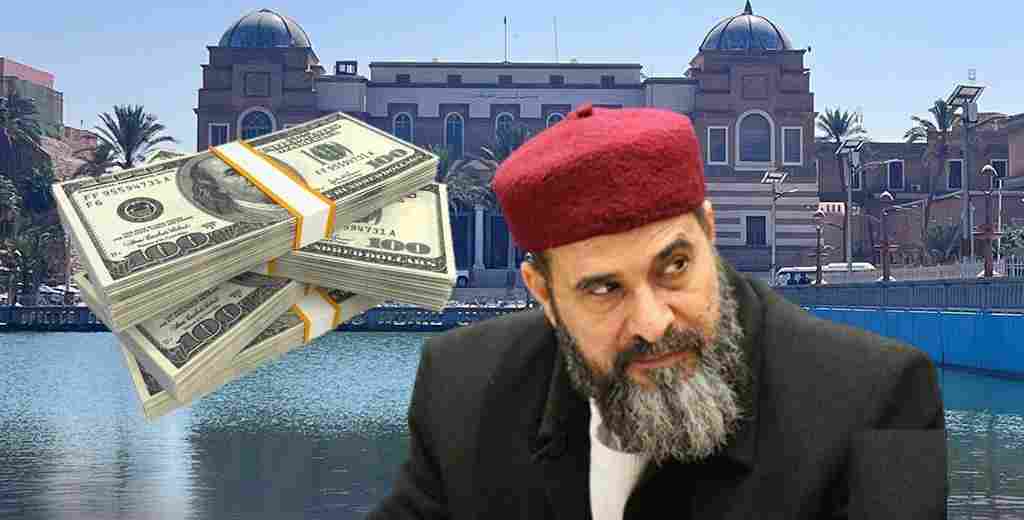
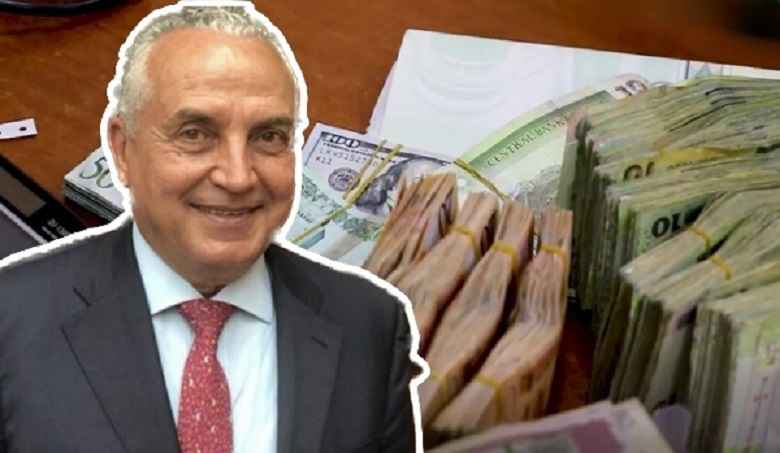
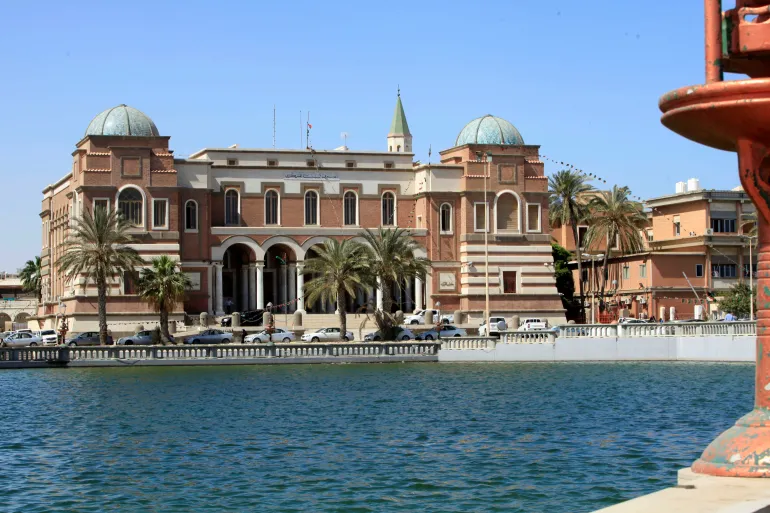
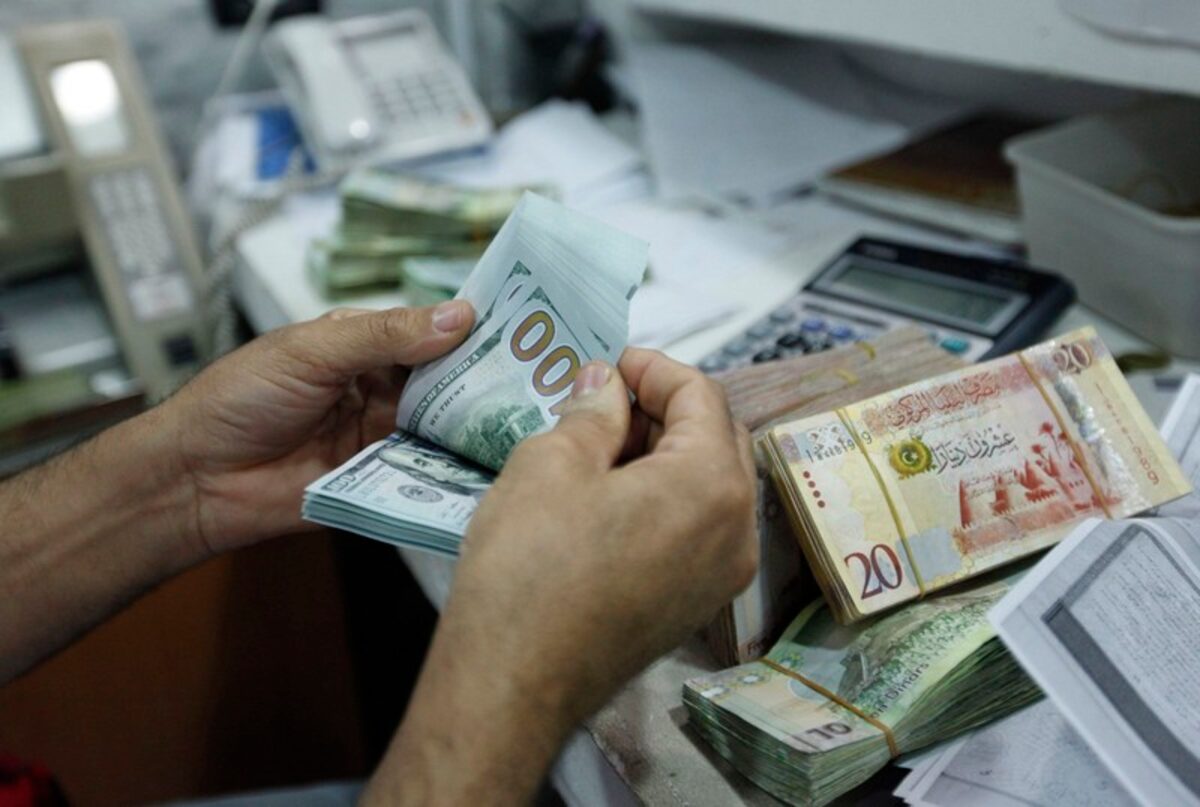
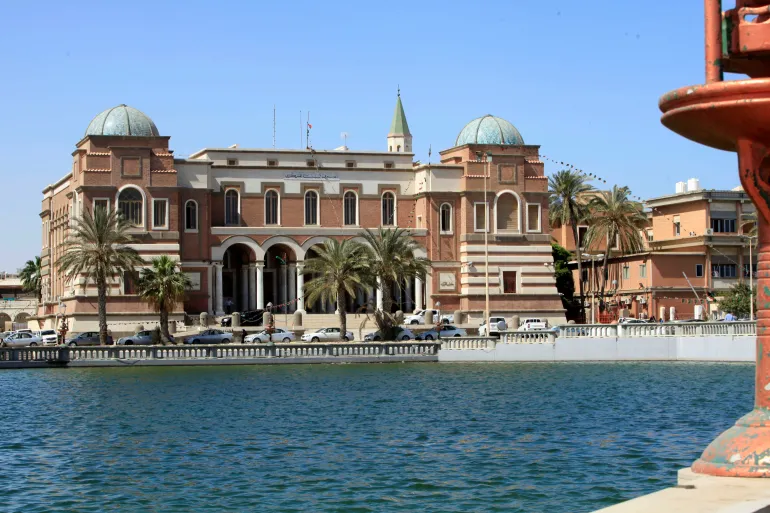
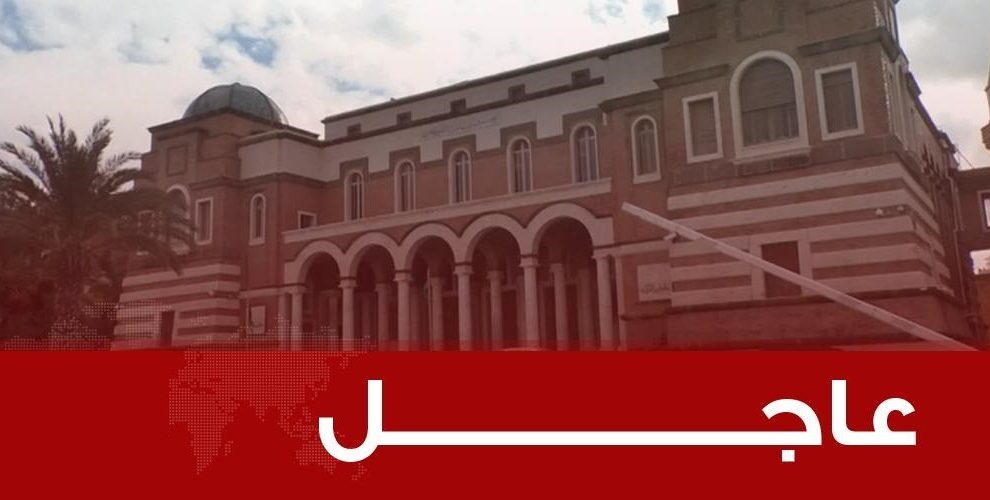
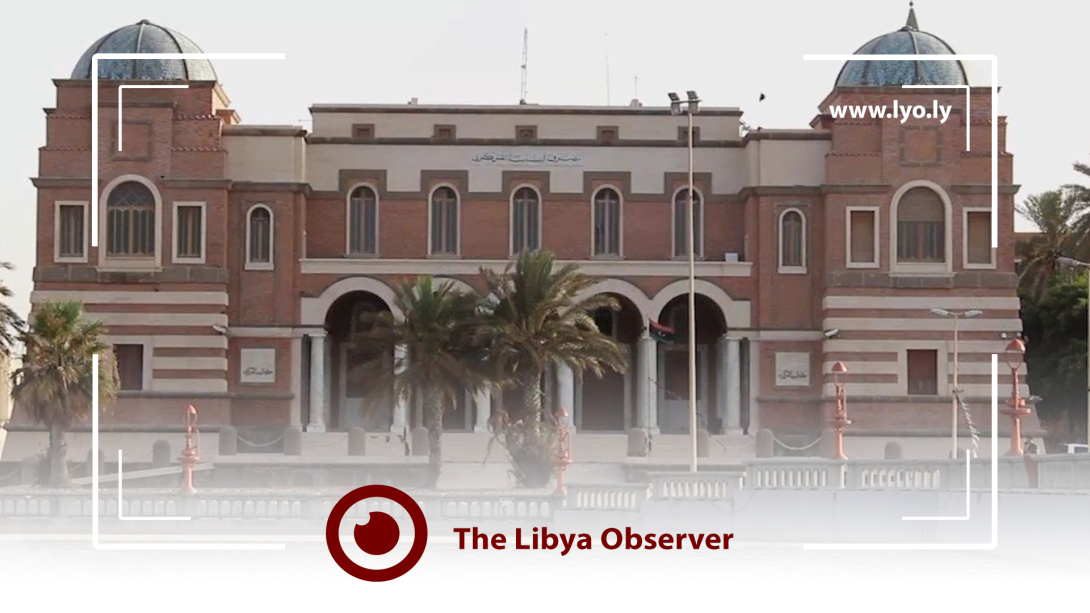
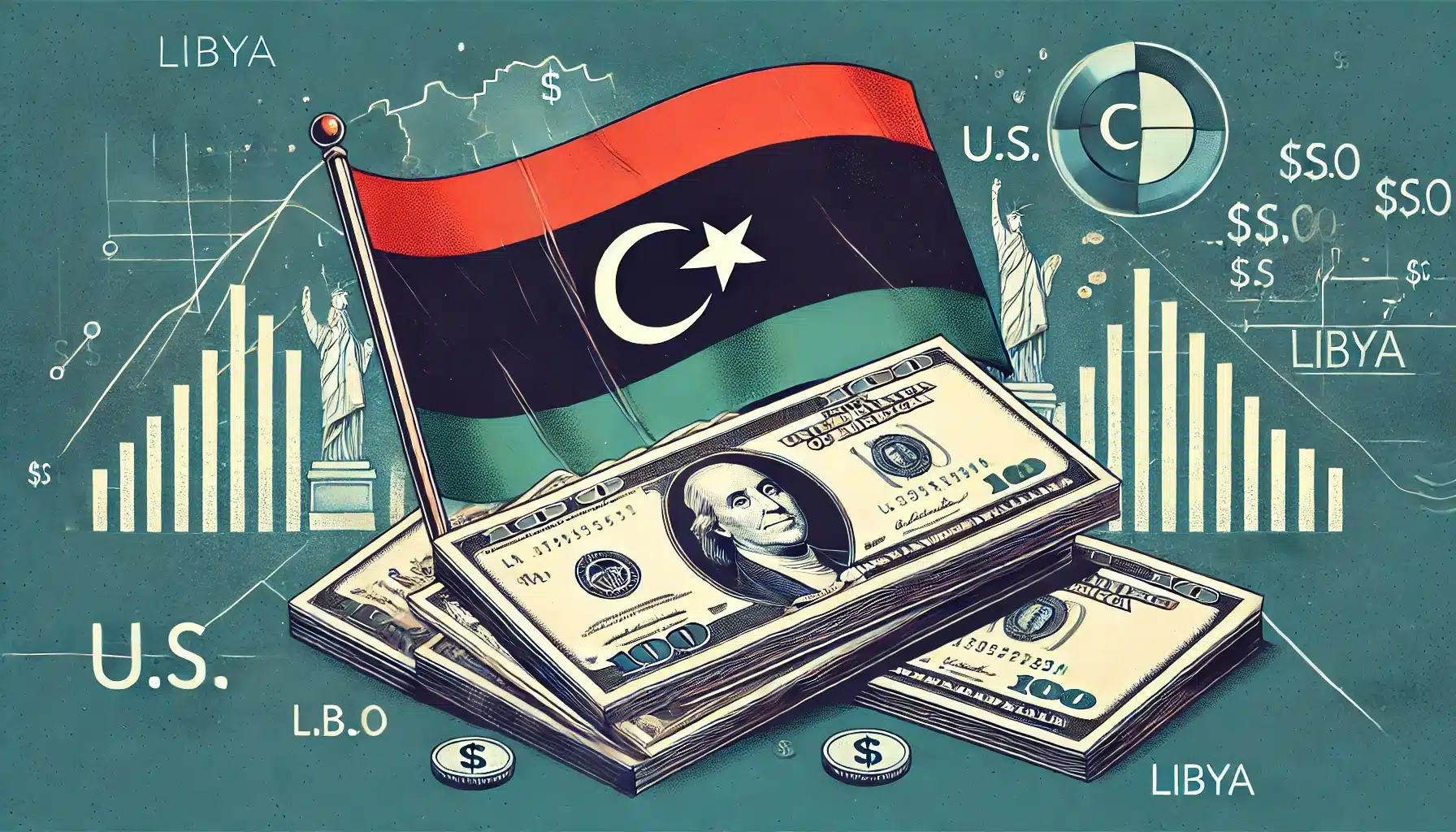
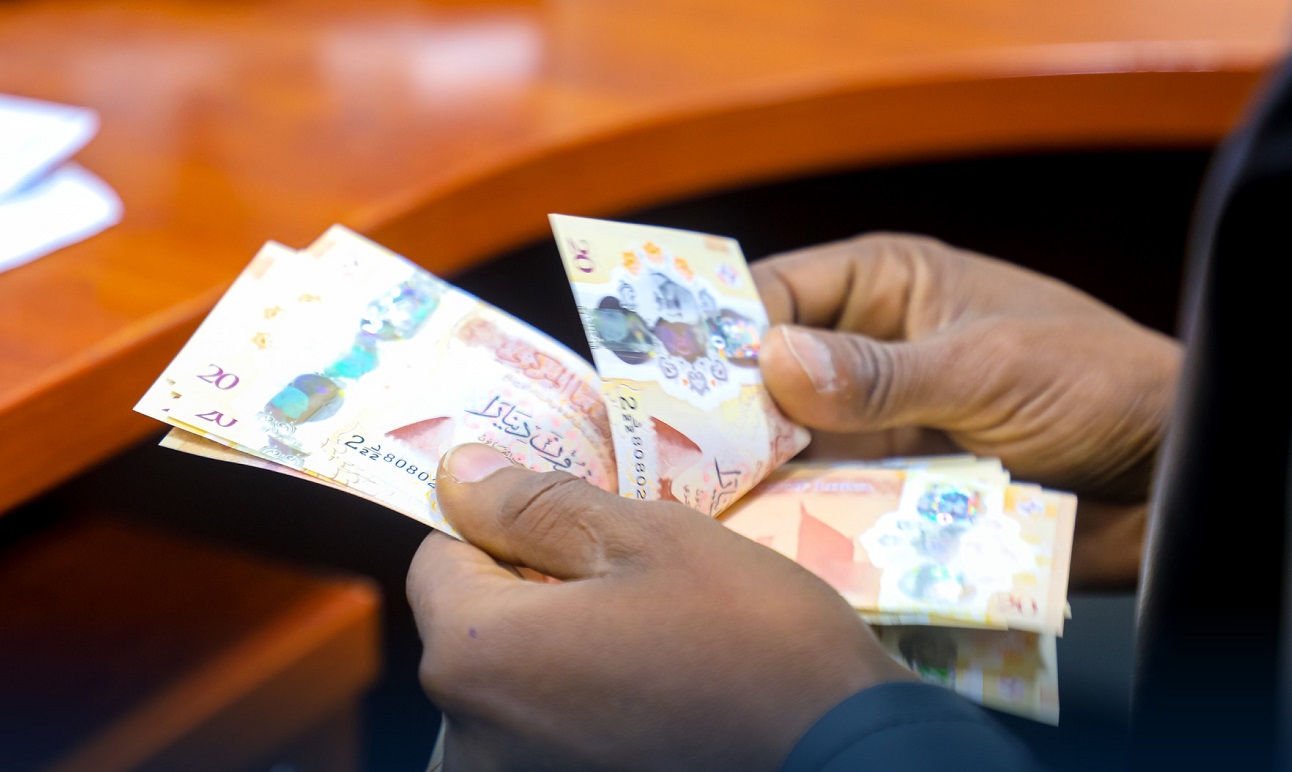
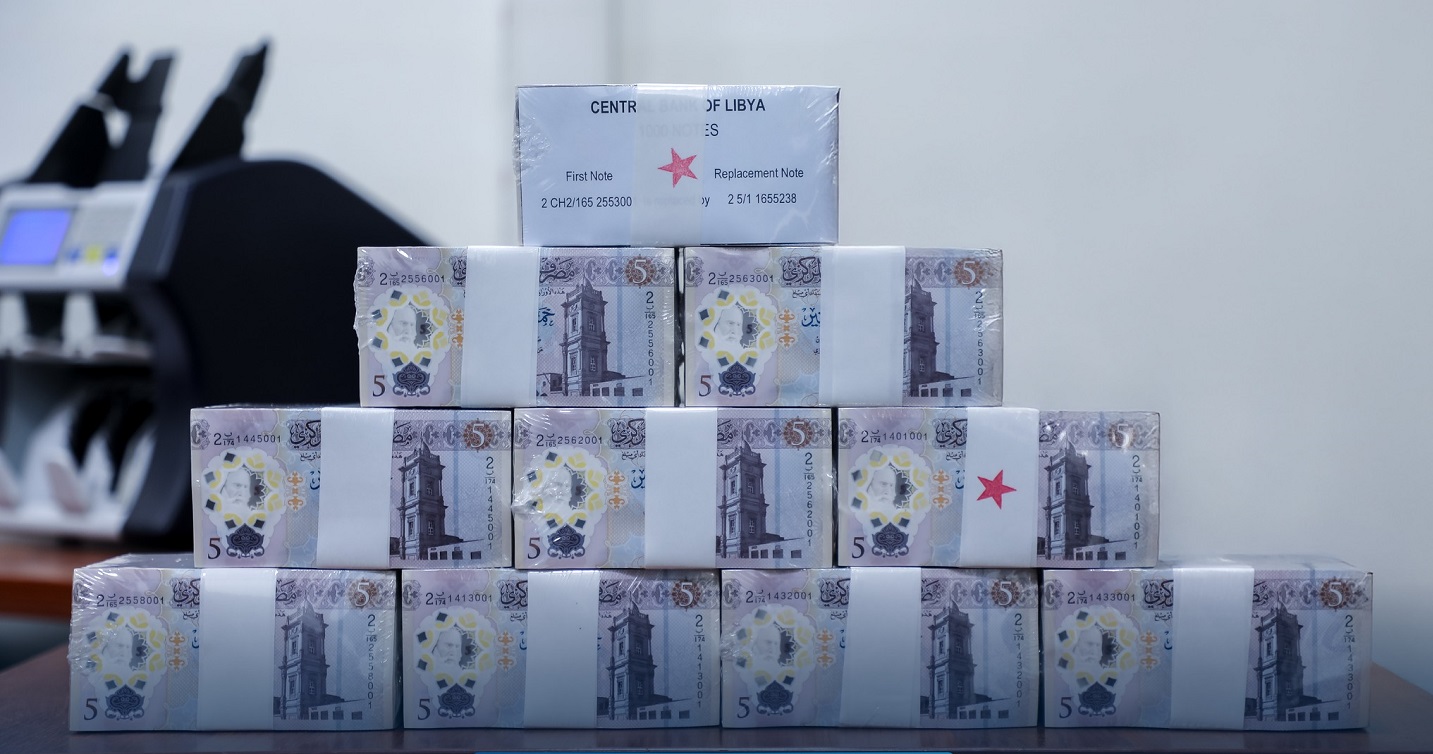
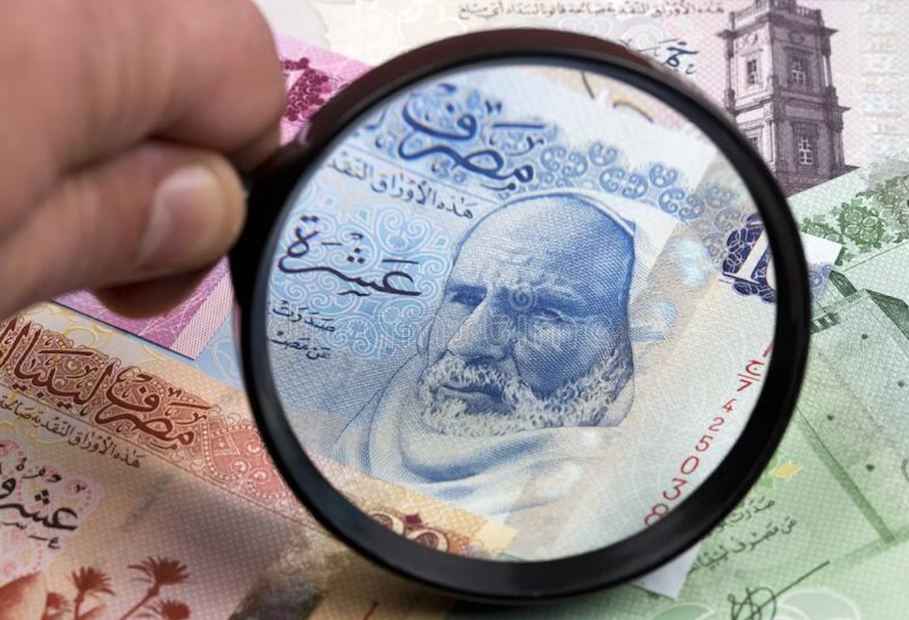
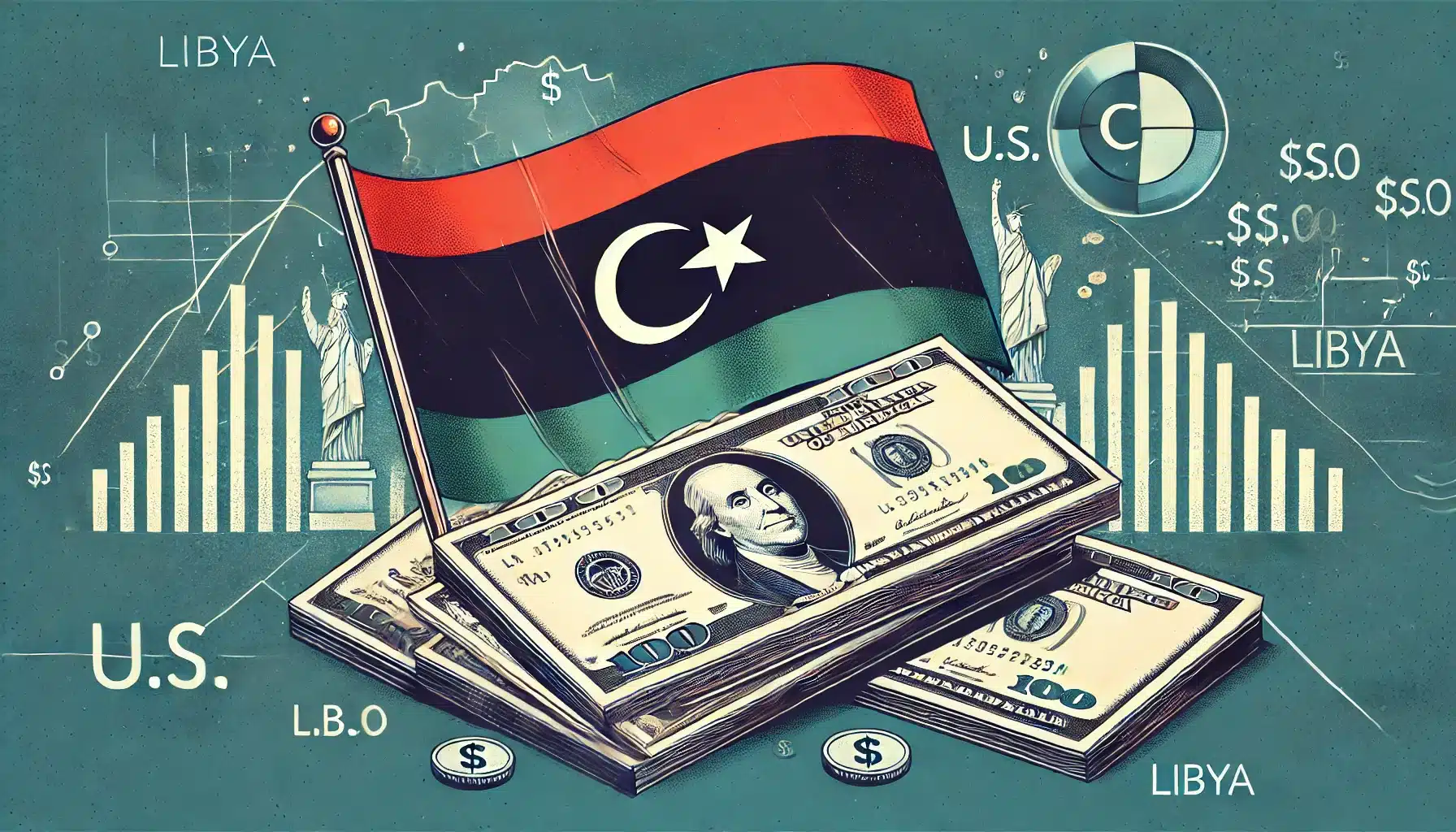
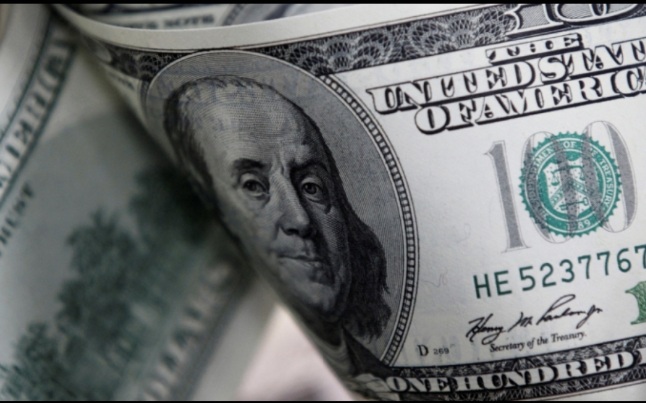
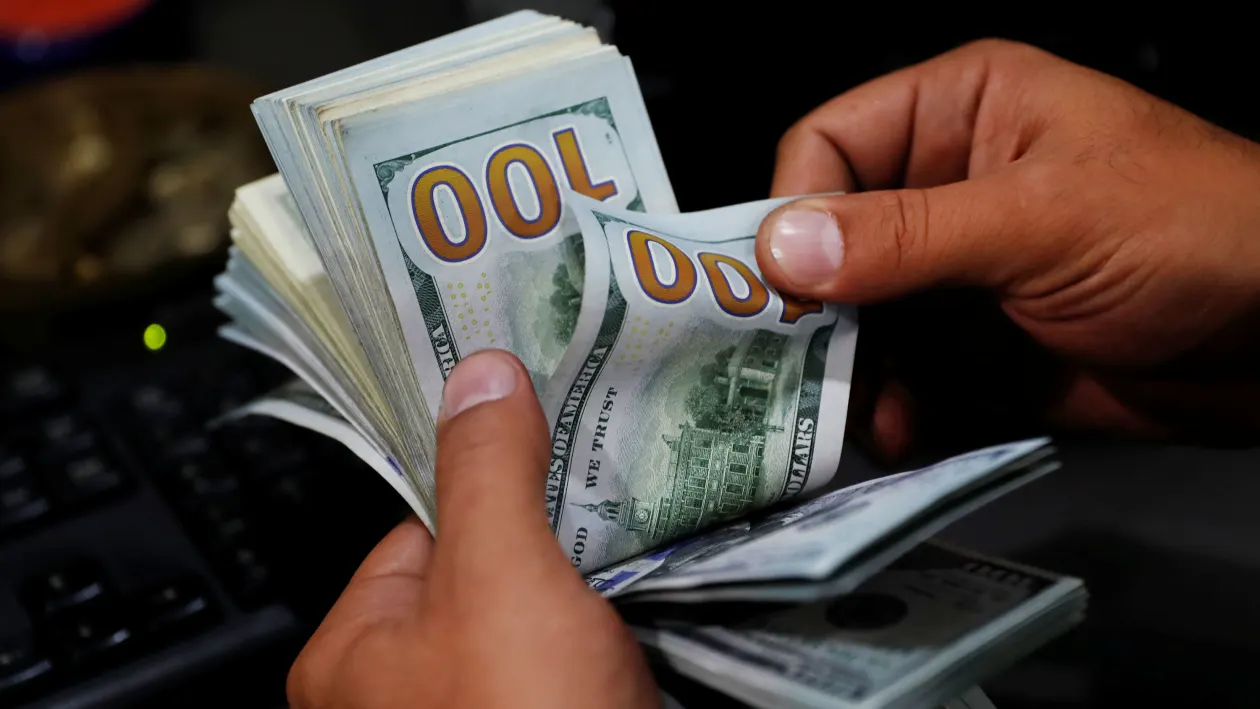
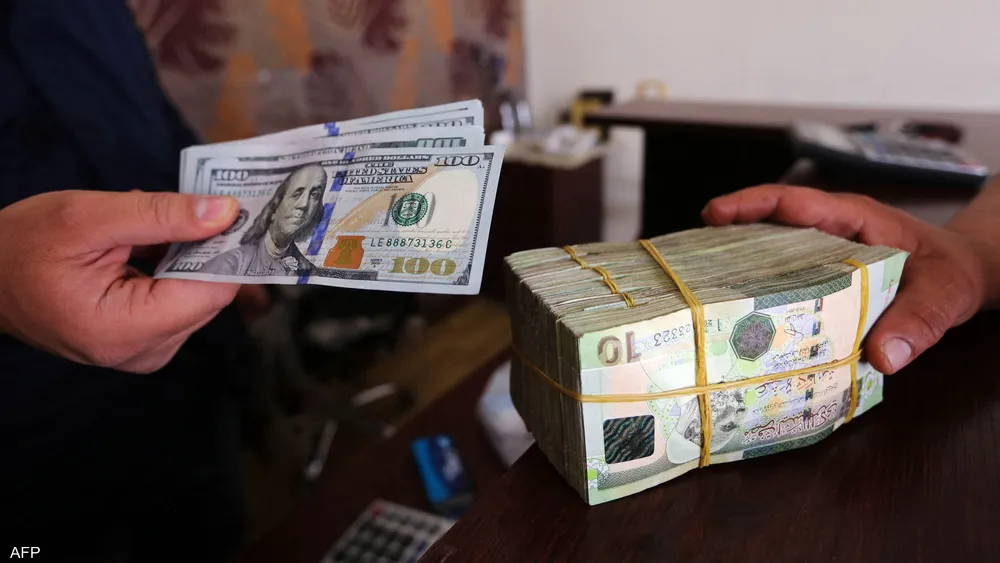
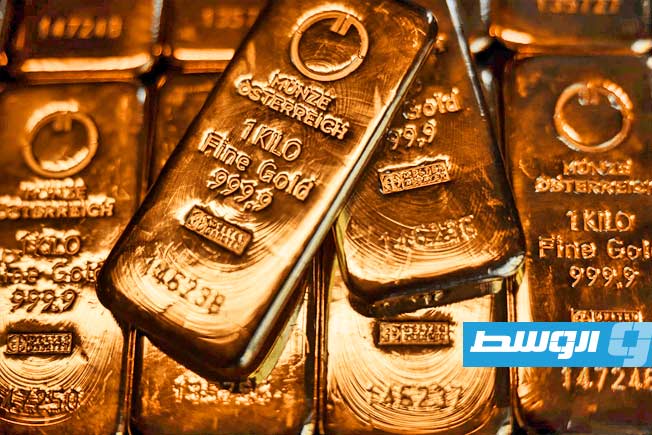
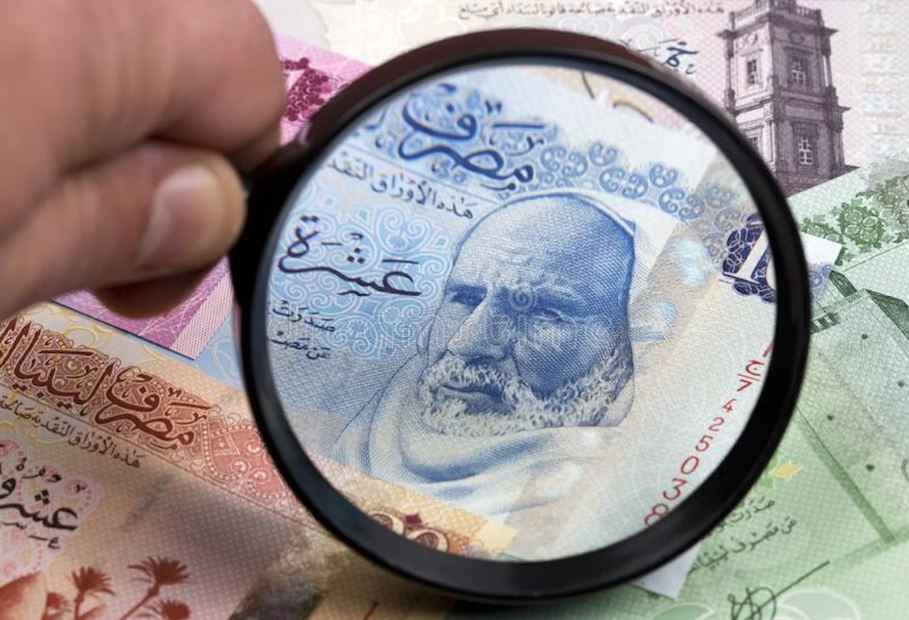
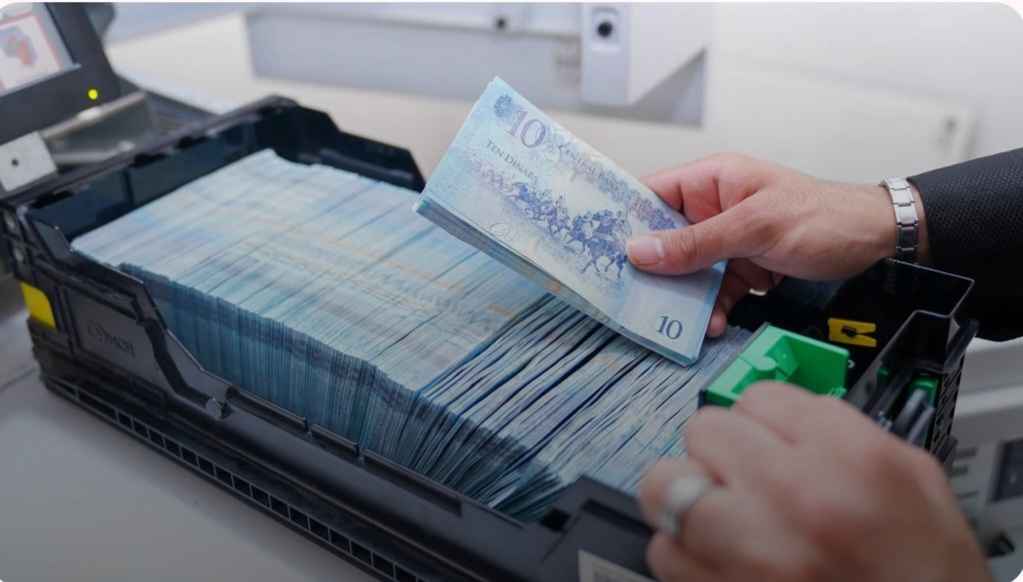
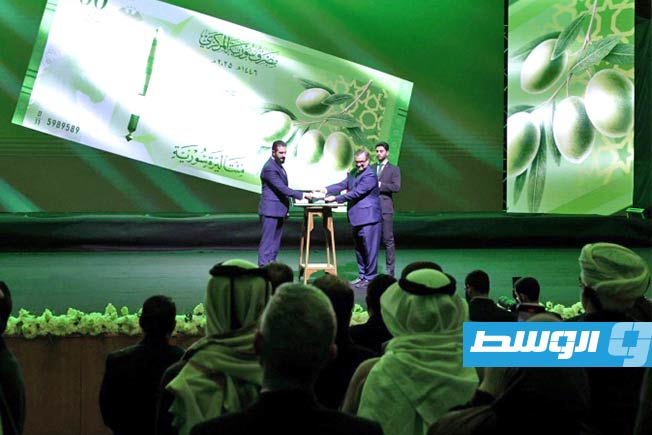
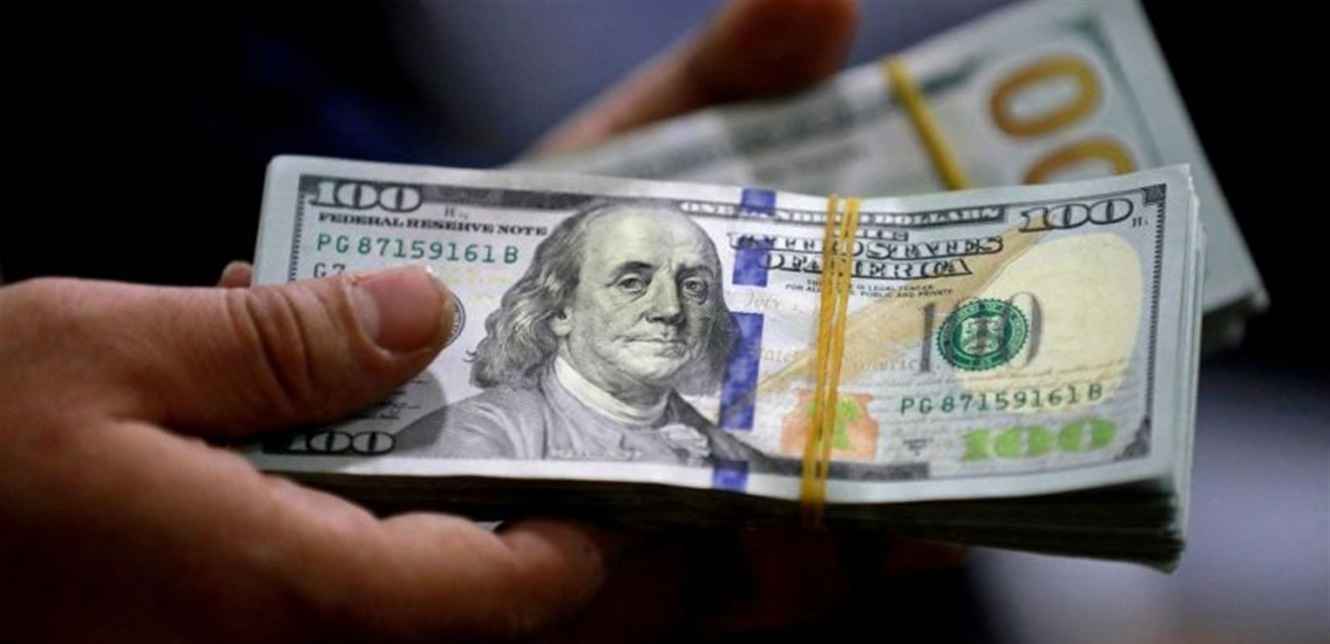
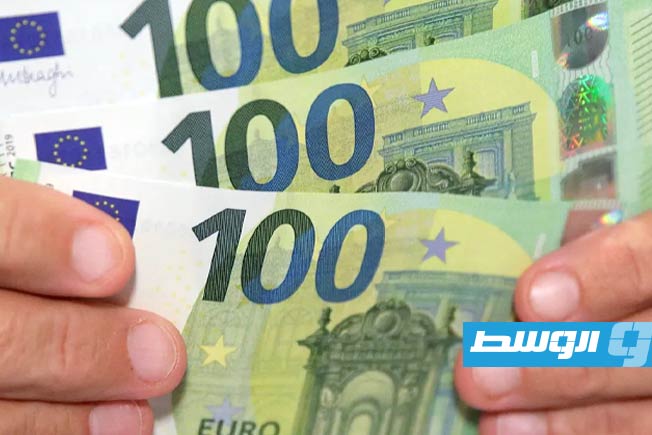
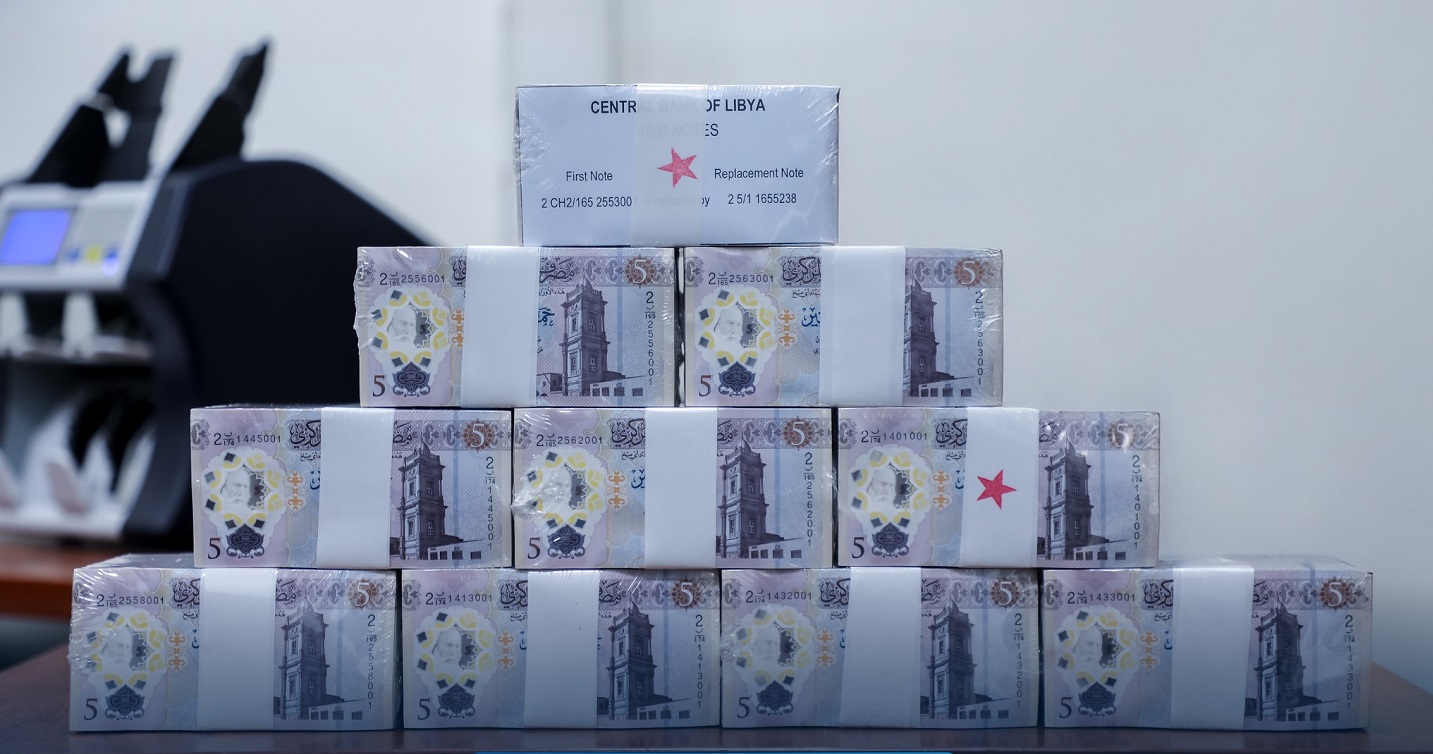
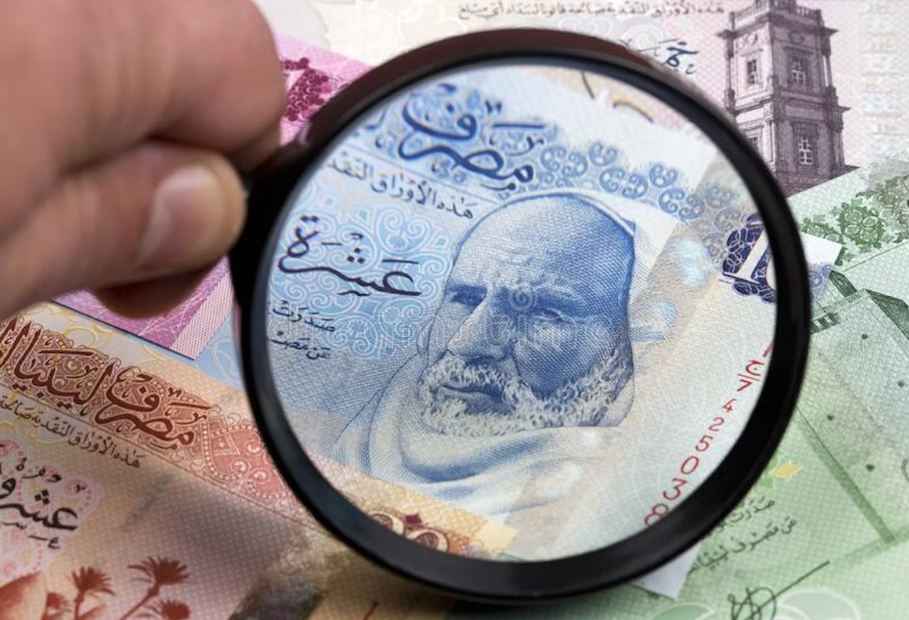
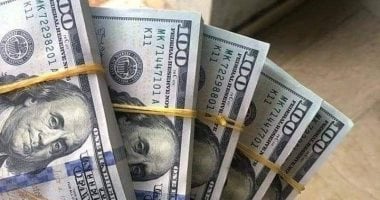
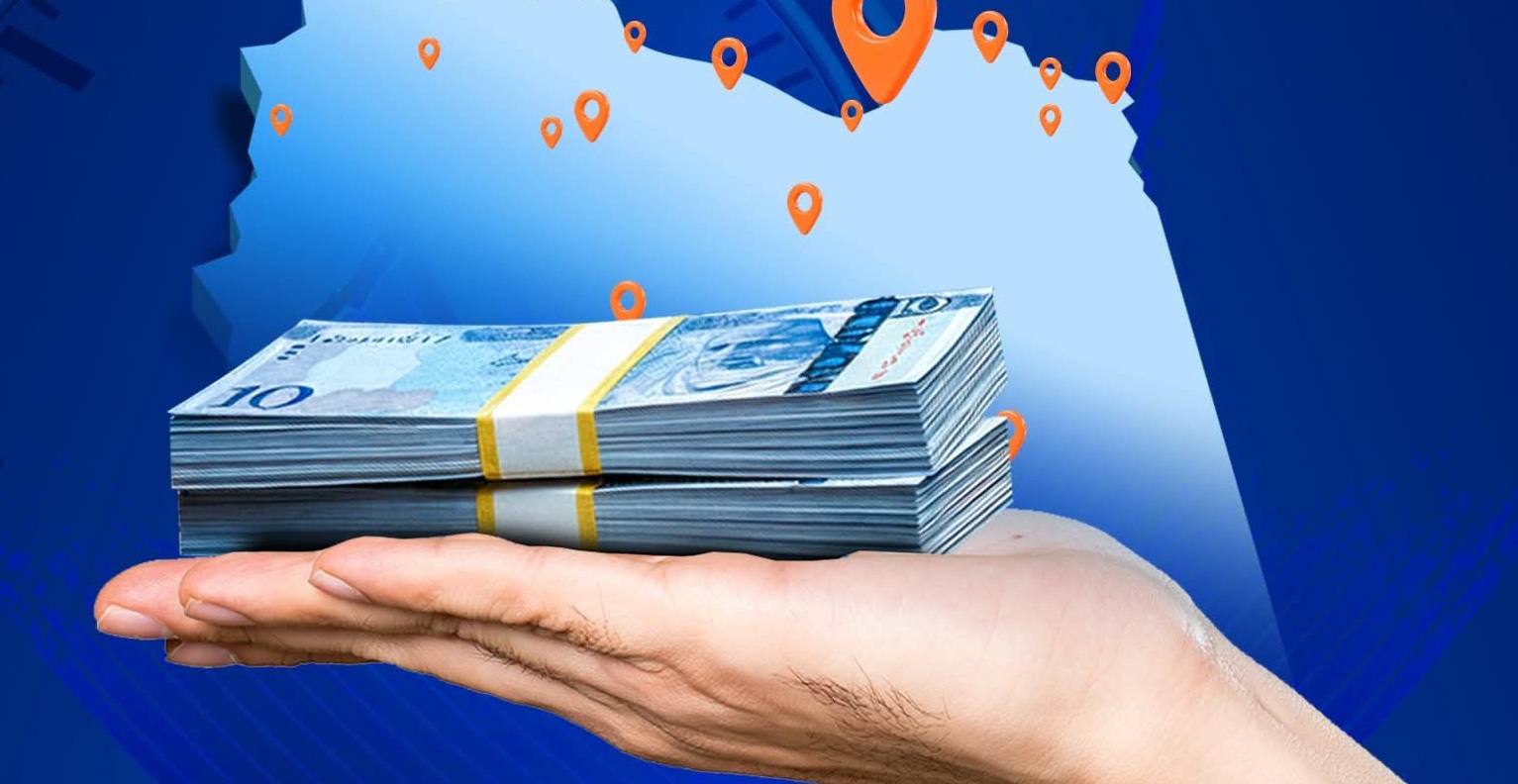
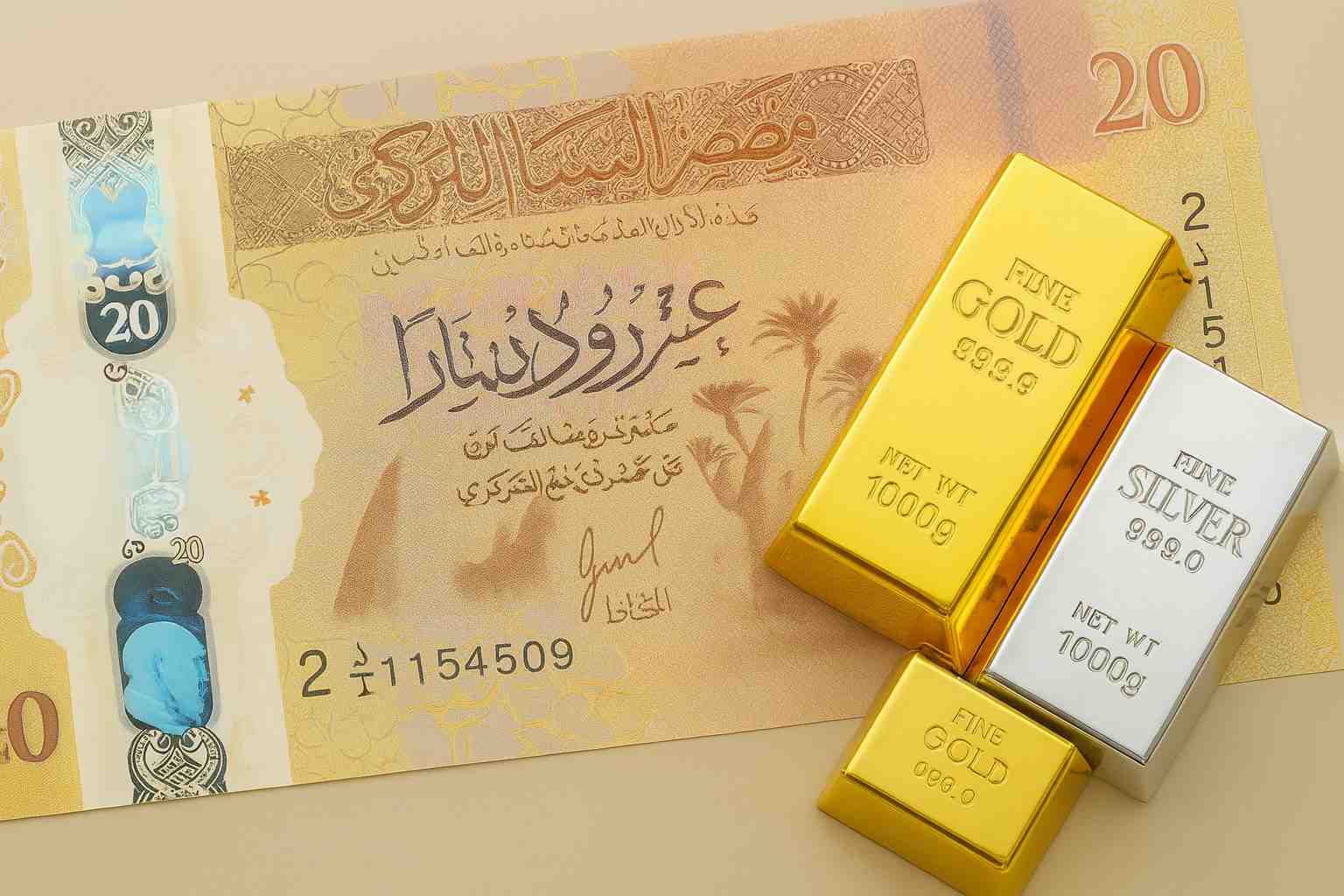
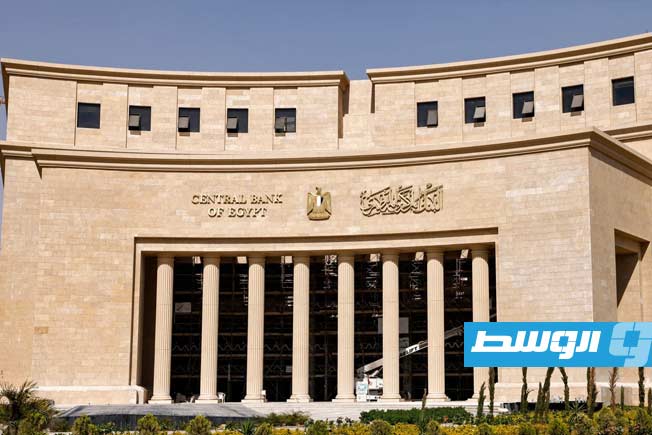
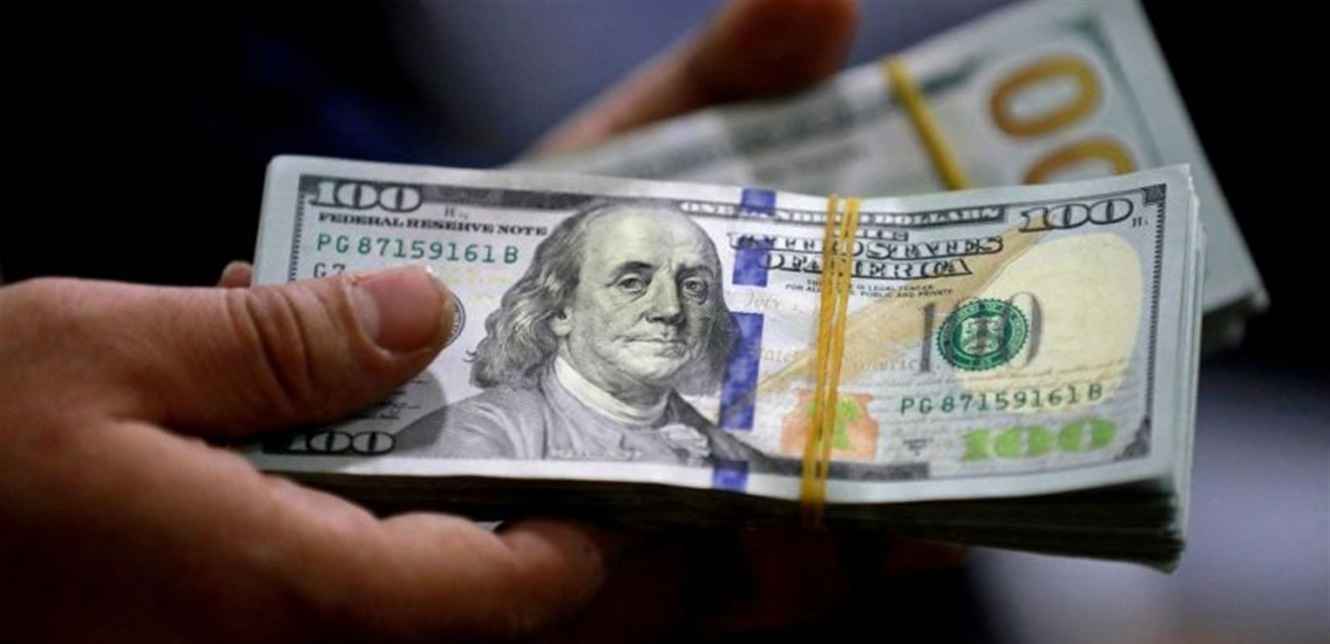
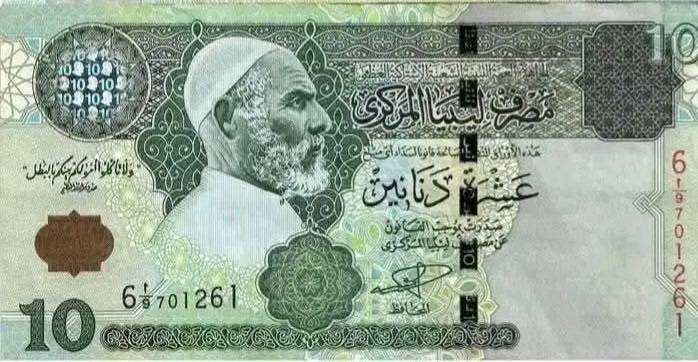
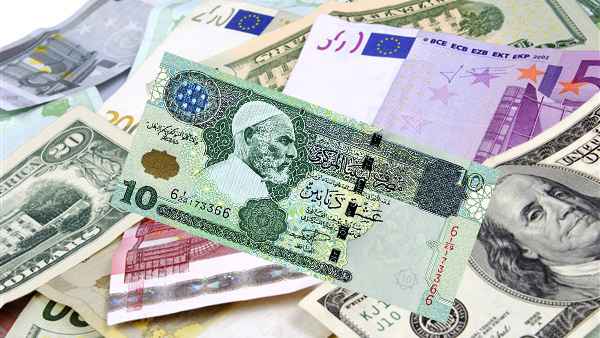
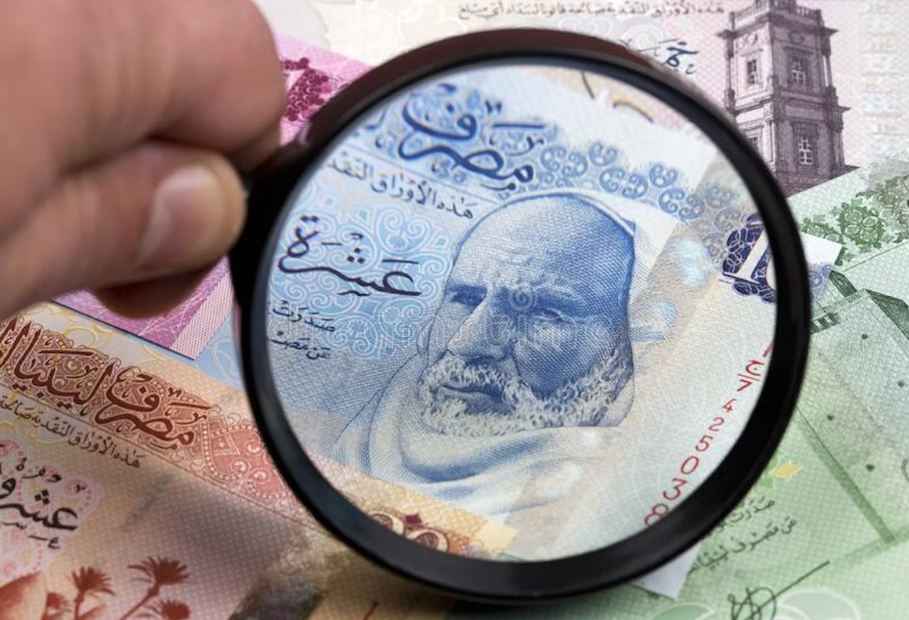
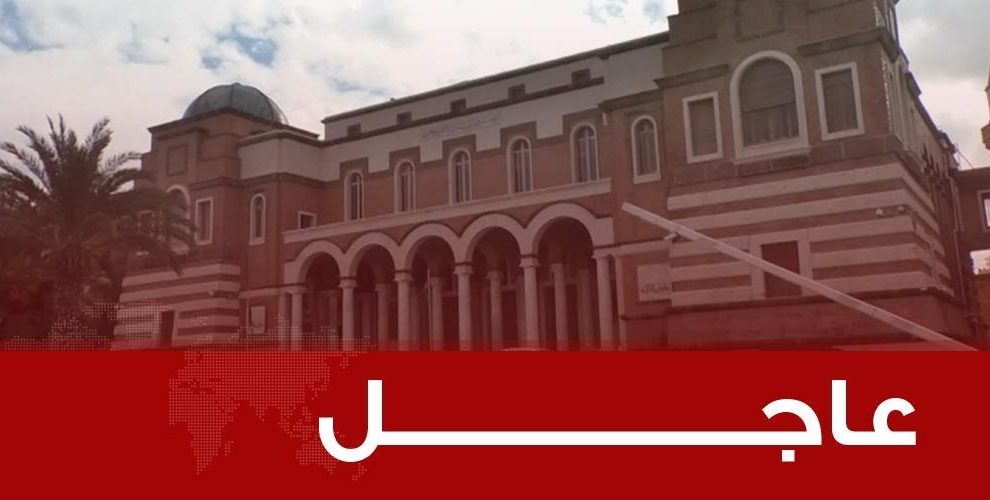
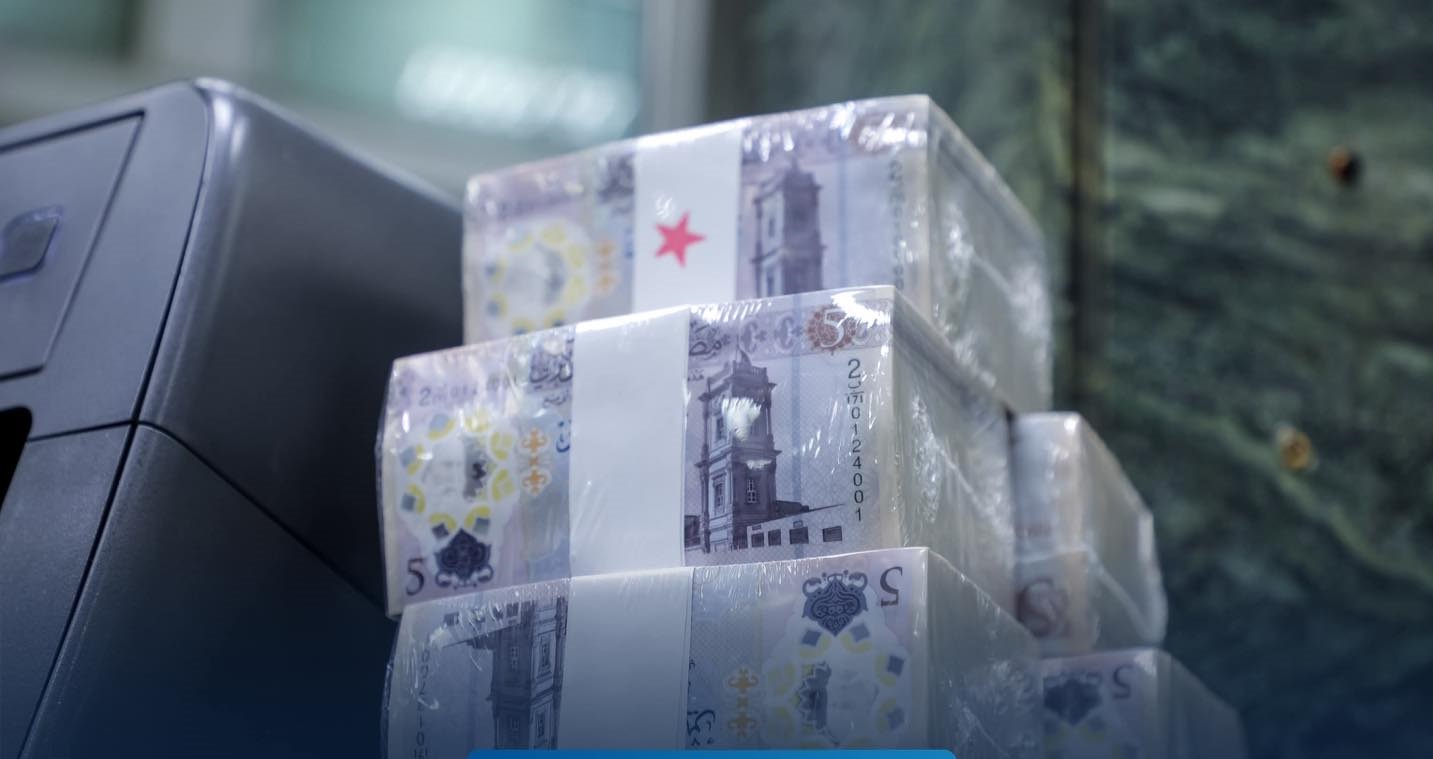
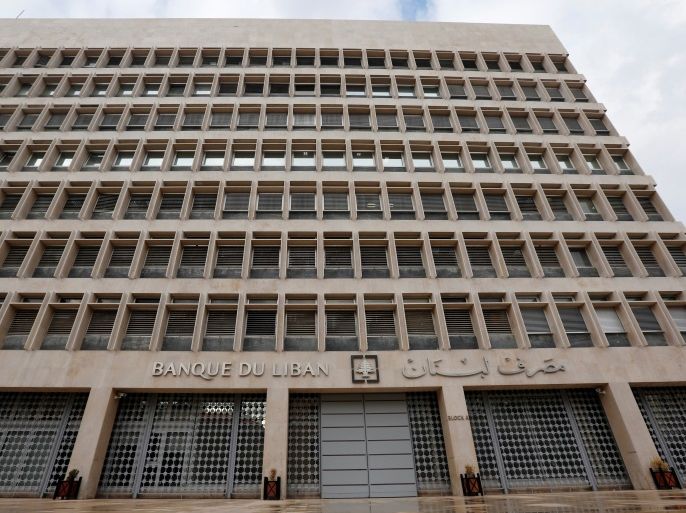
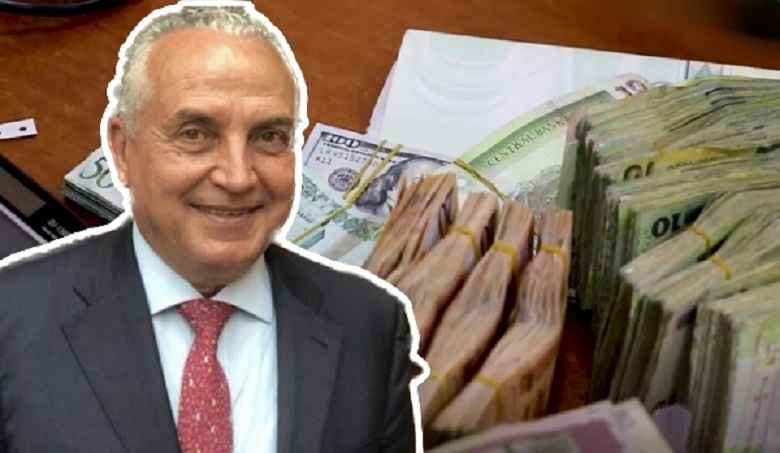
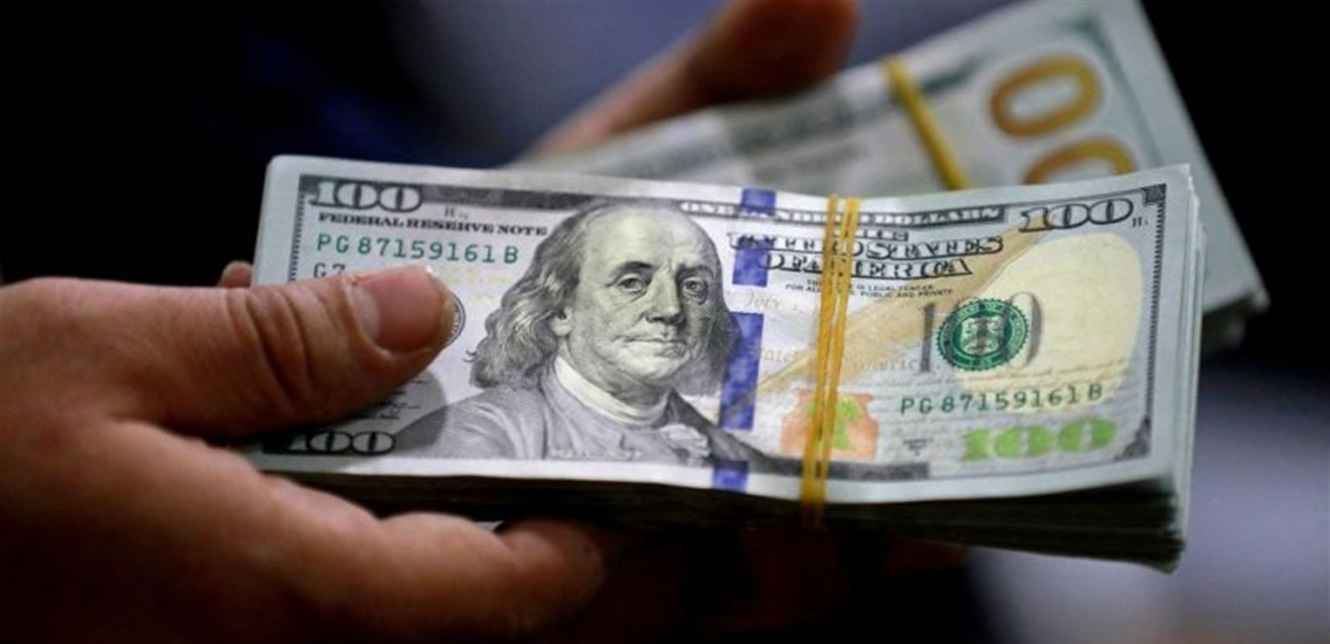
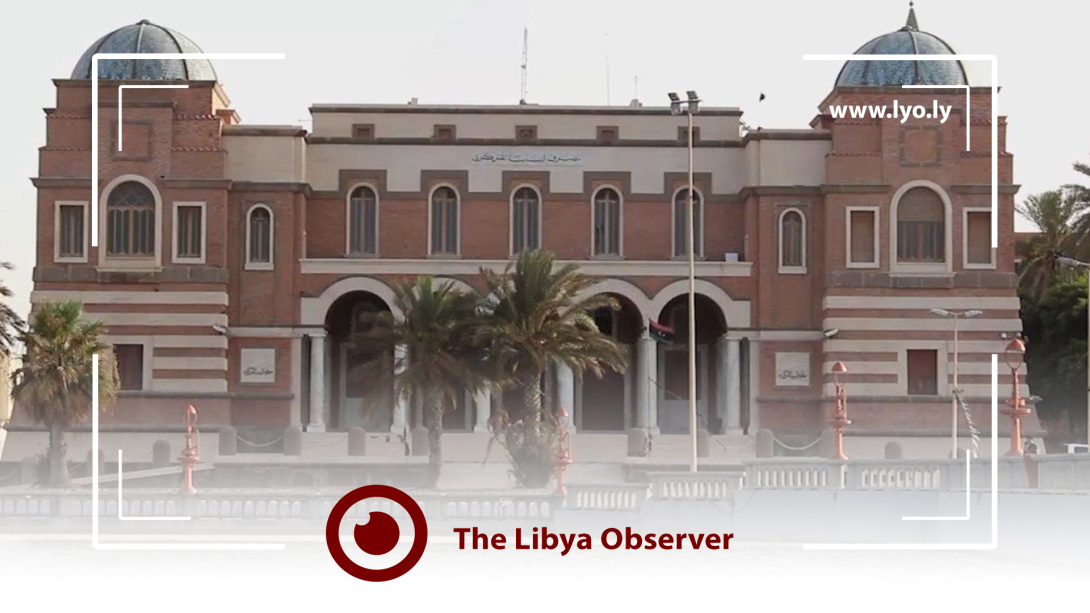
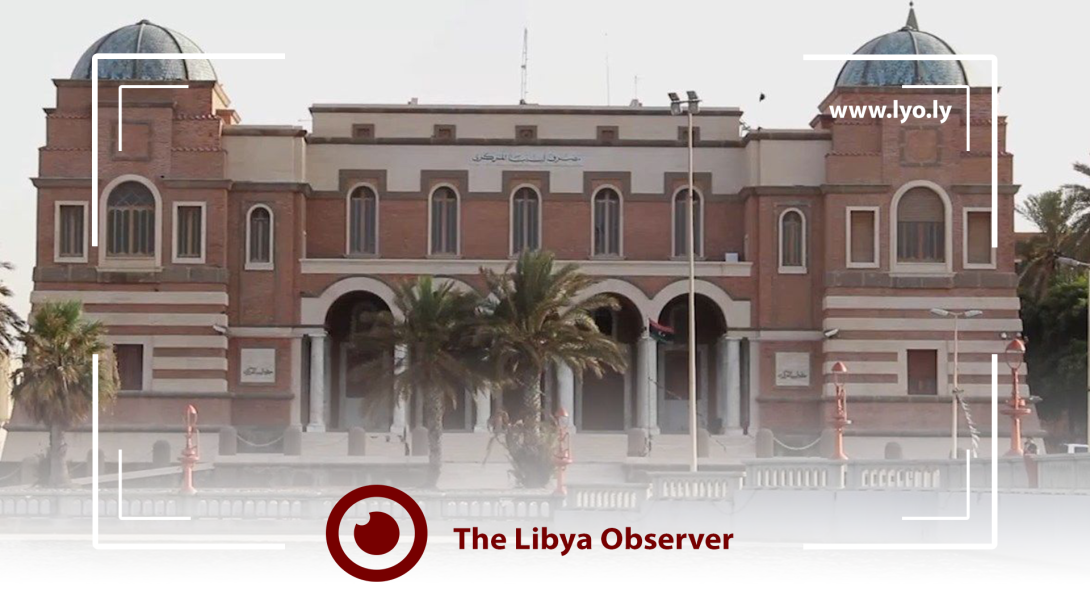
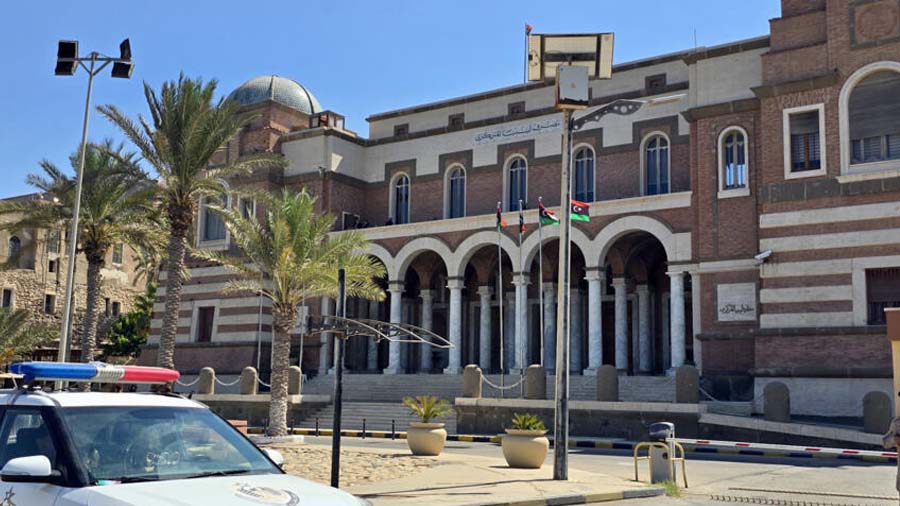
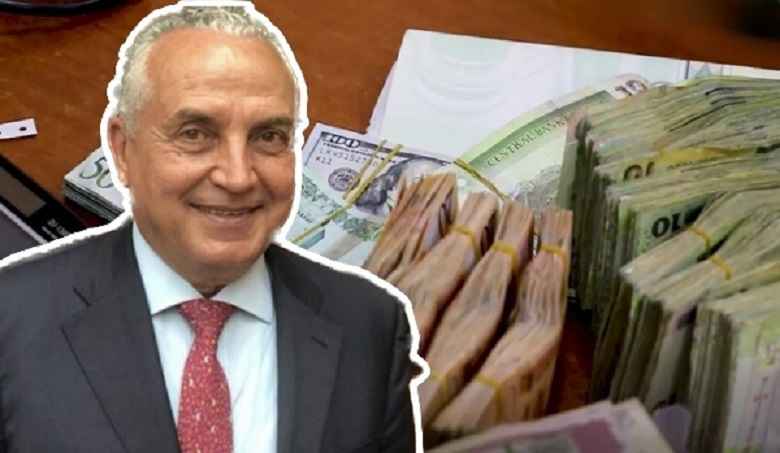
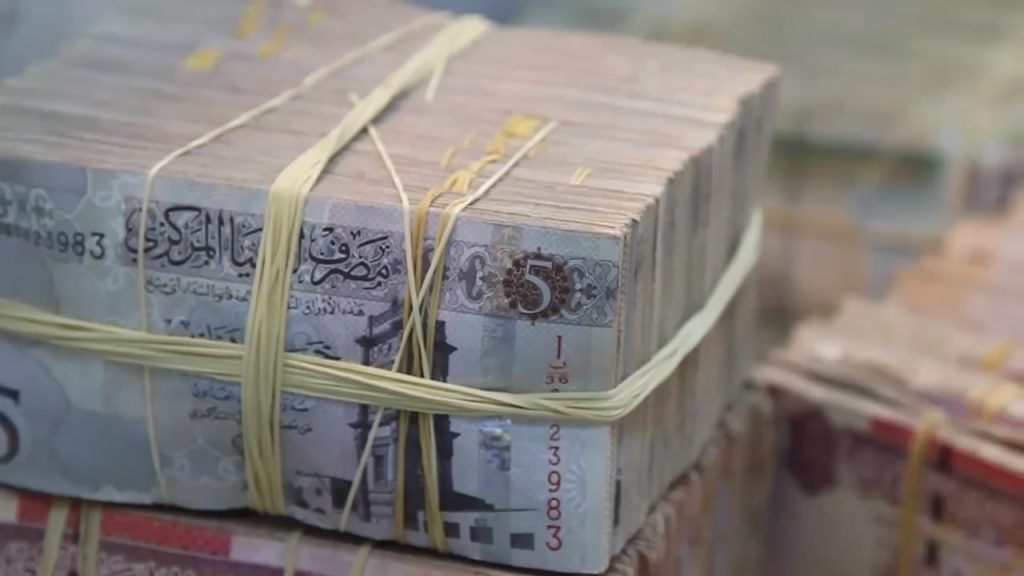
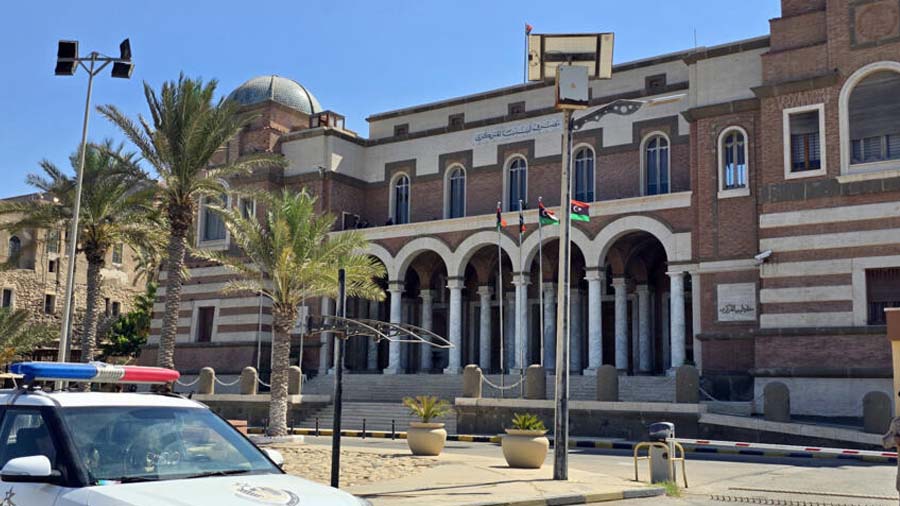
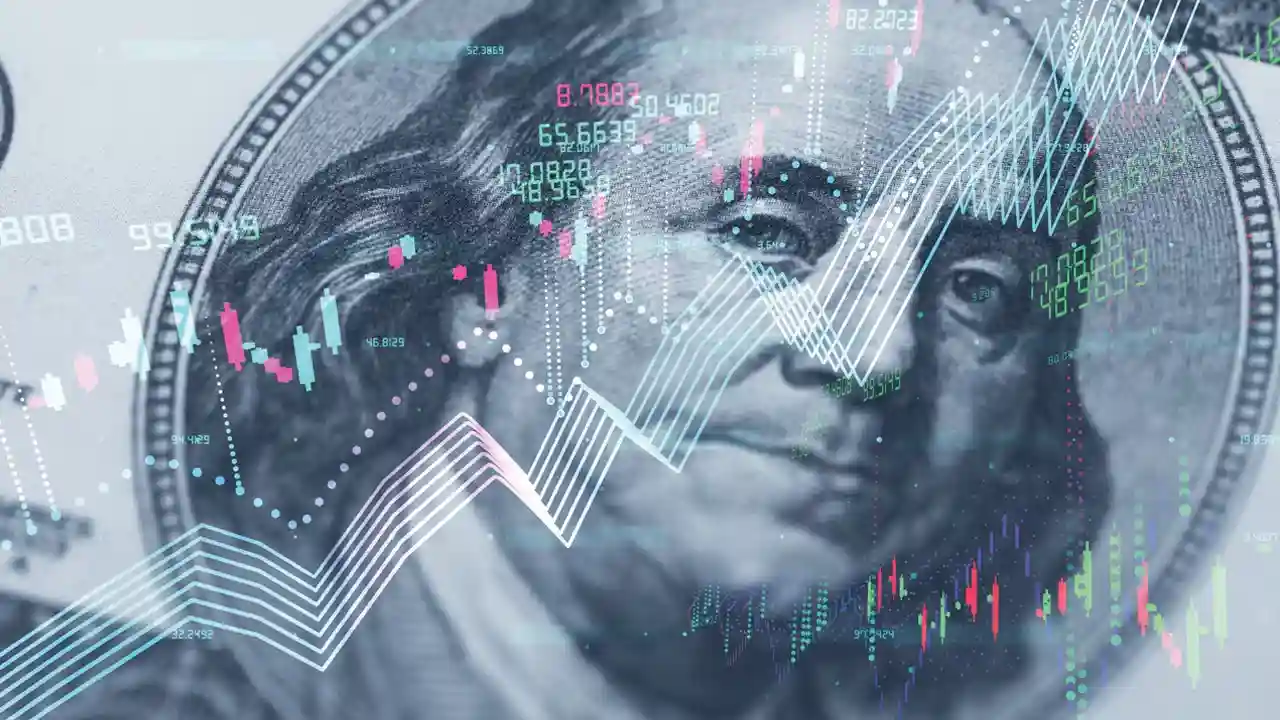
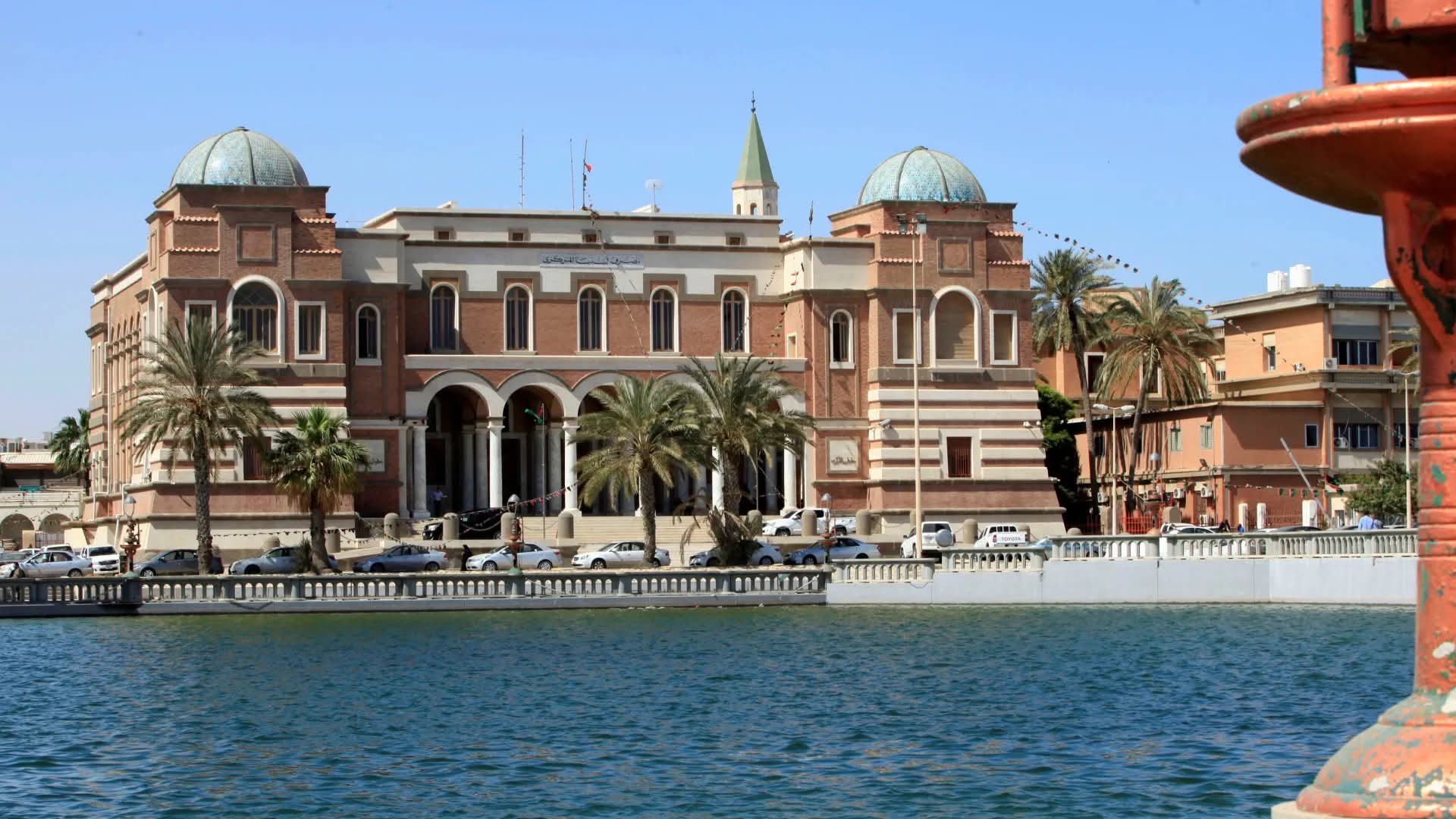
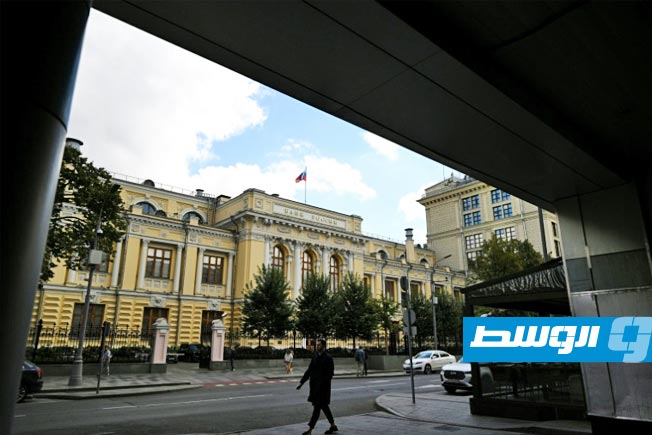
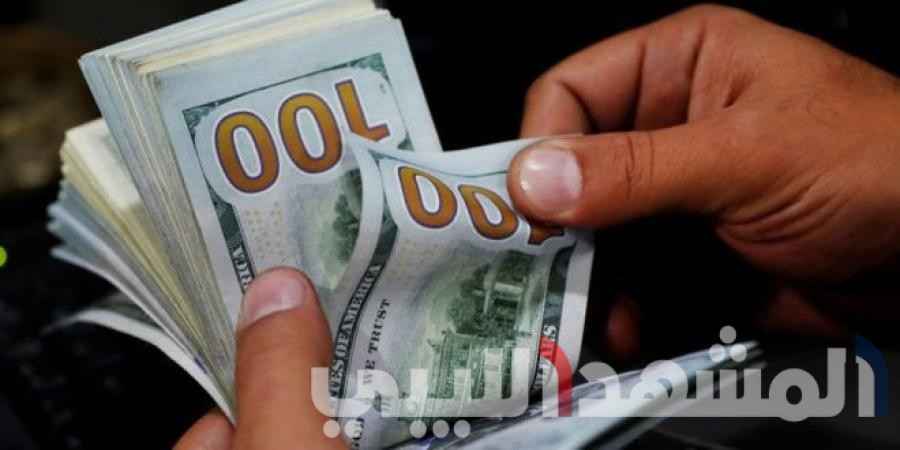
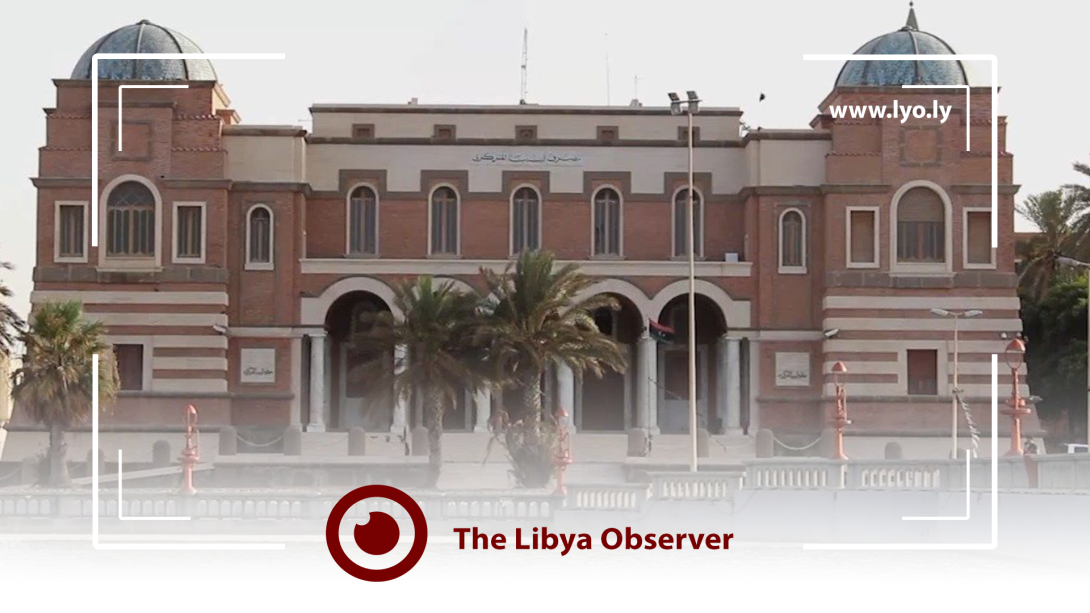
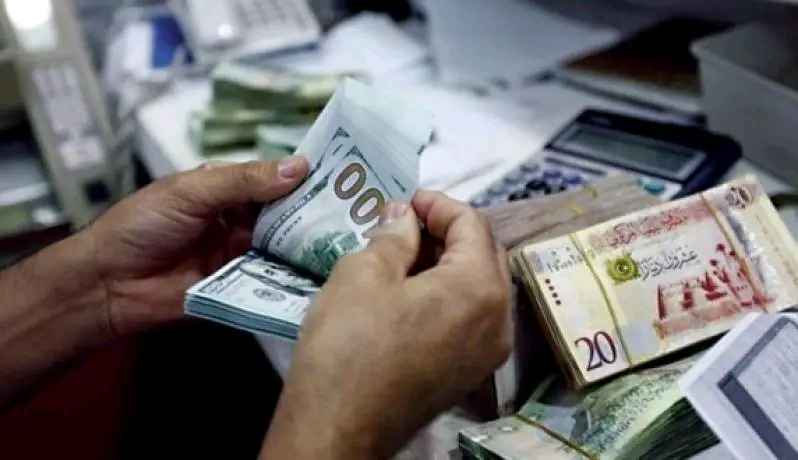
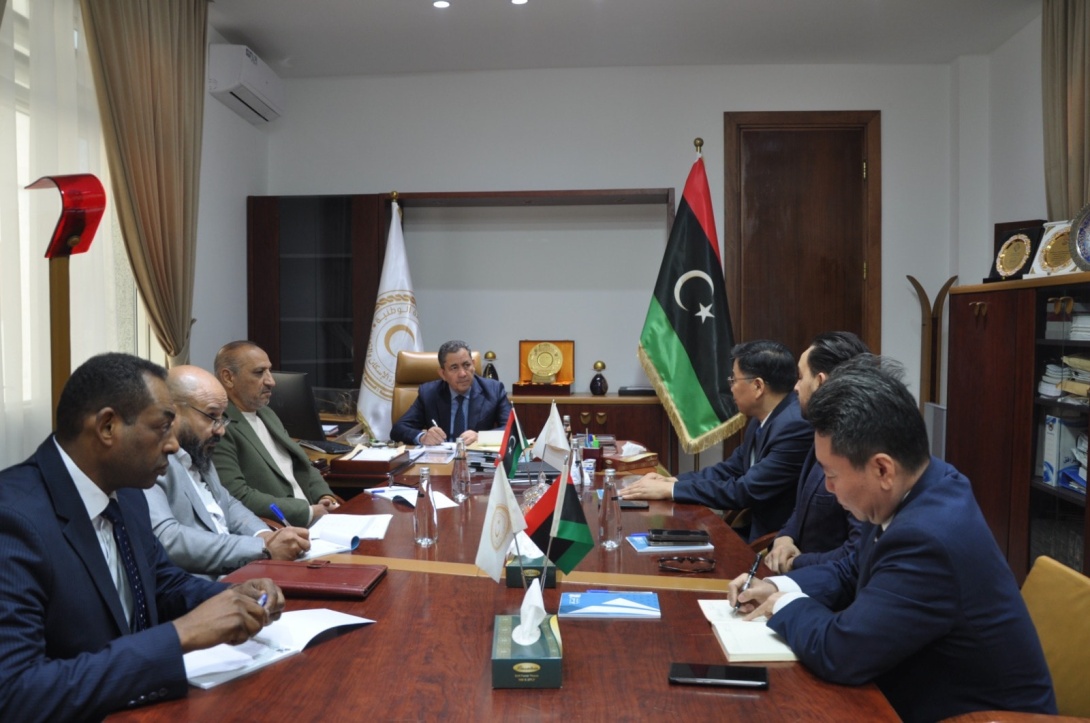
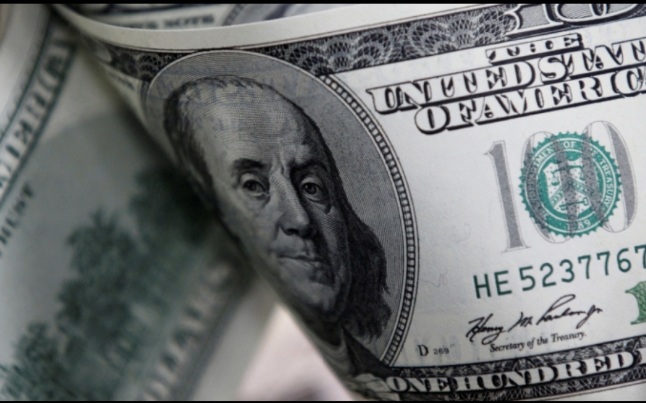
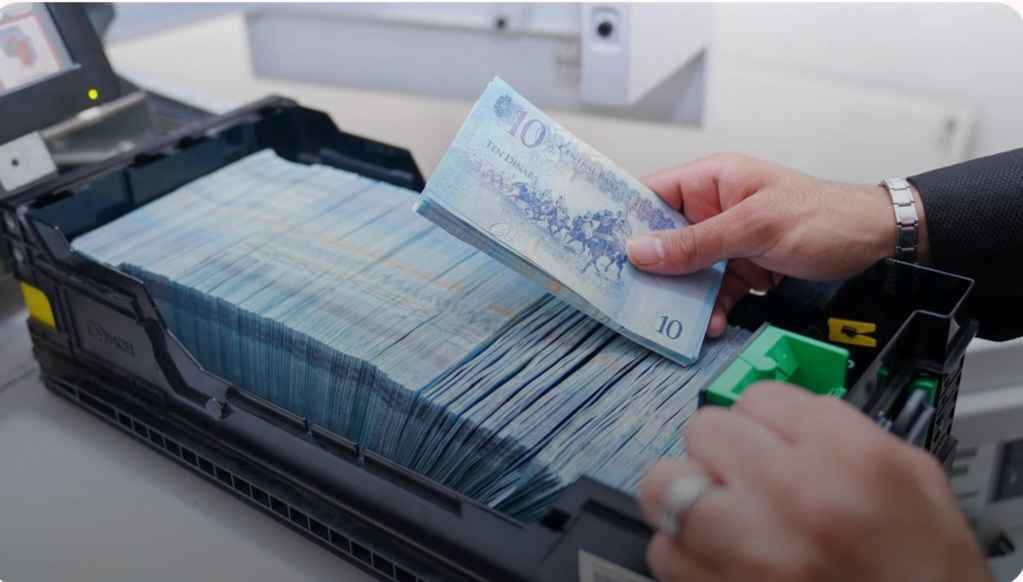
On January 18, the central bank devalued the currency (the dinar) for the second time in nine months, by 14.7 percent, with the aim of “maintaining financial and monetary stability and ensuring the sustainability of public resources.” The “Central Bank” justified its decision by “the continued absence of a unified state budget, and the unsustainable growth of public spending,” and the continued duality of spending outside “strict financial frameworks.”
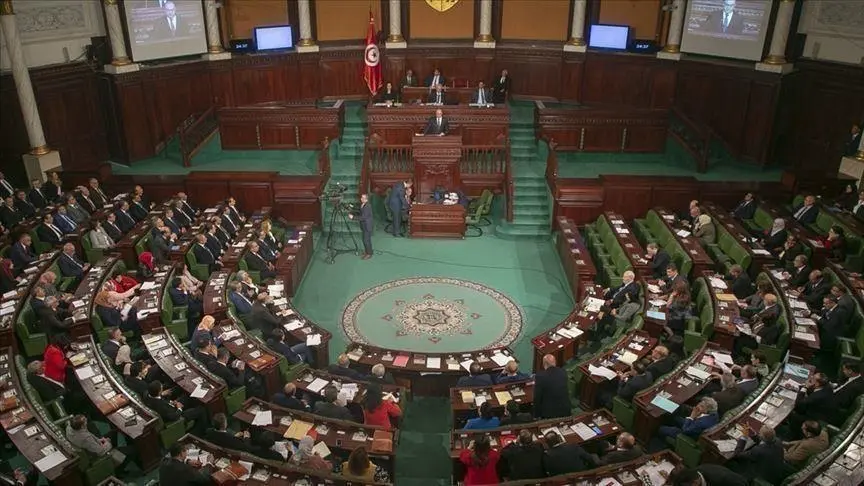
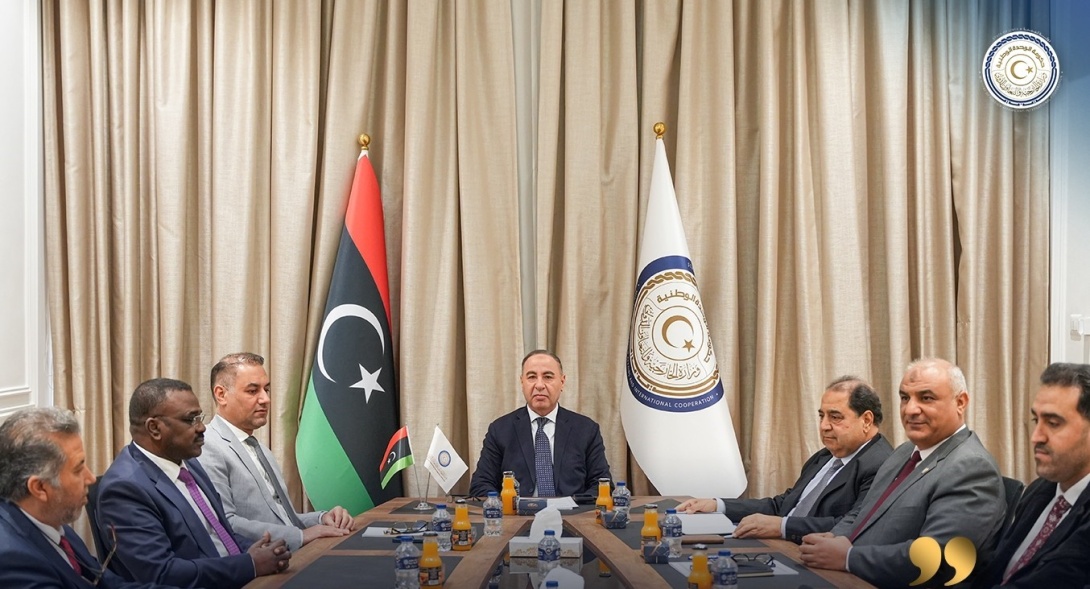
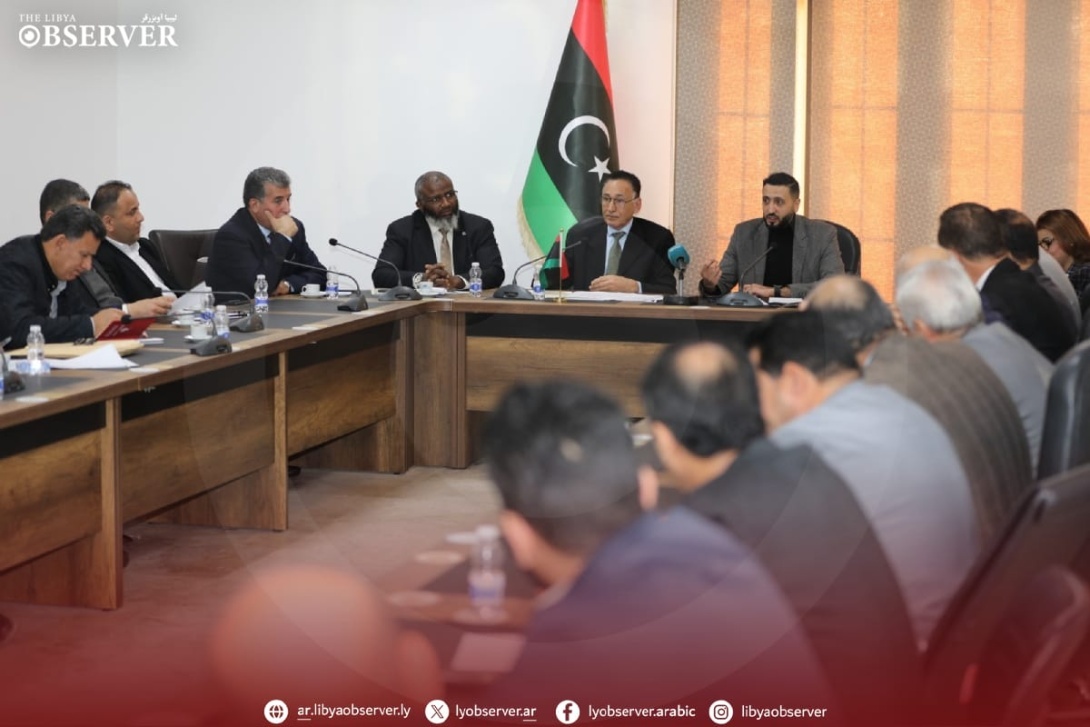
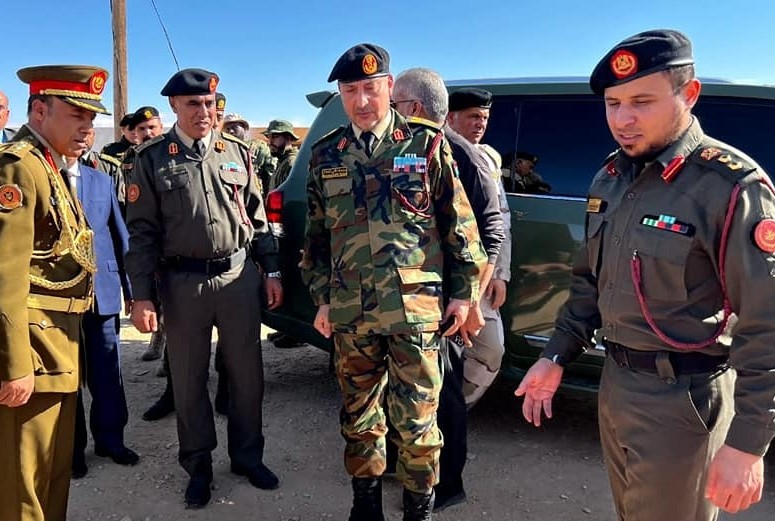
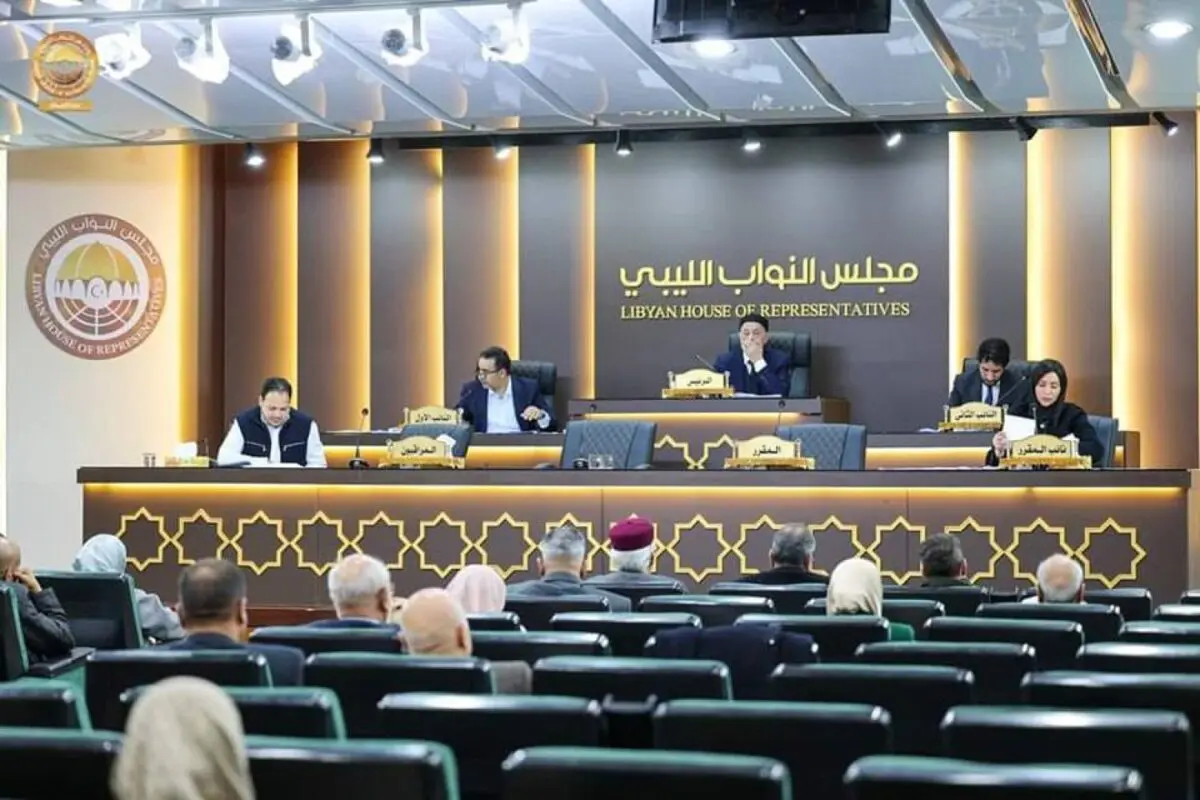
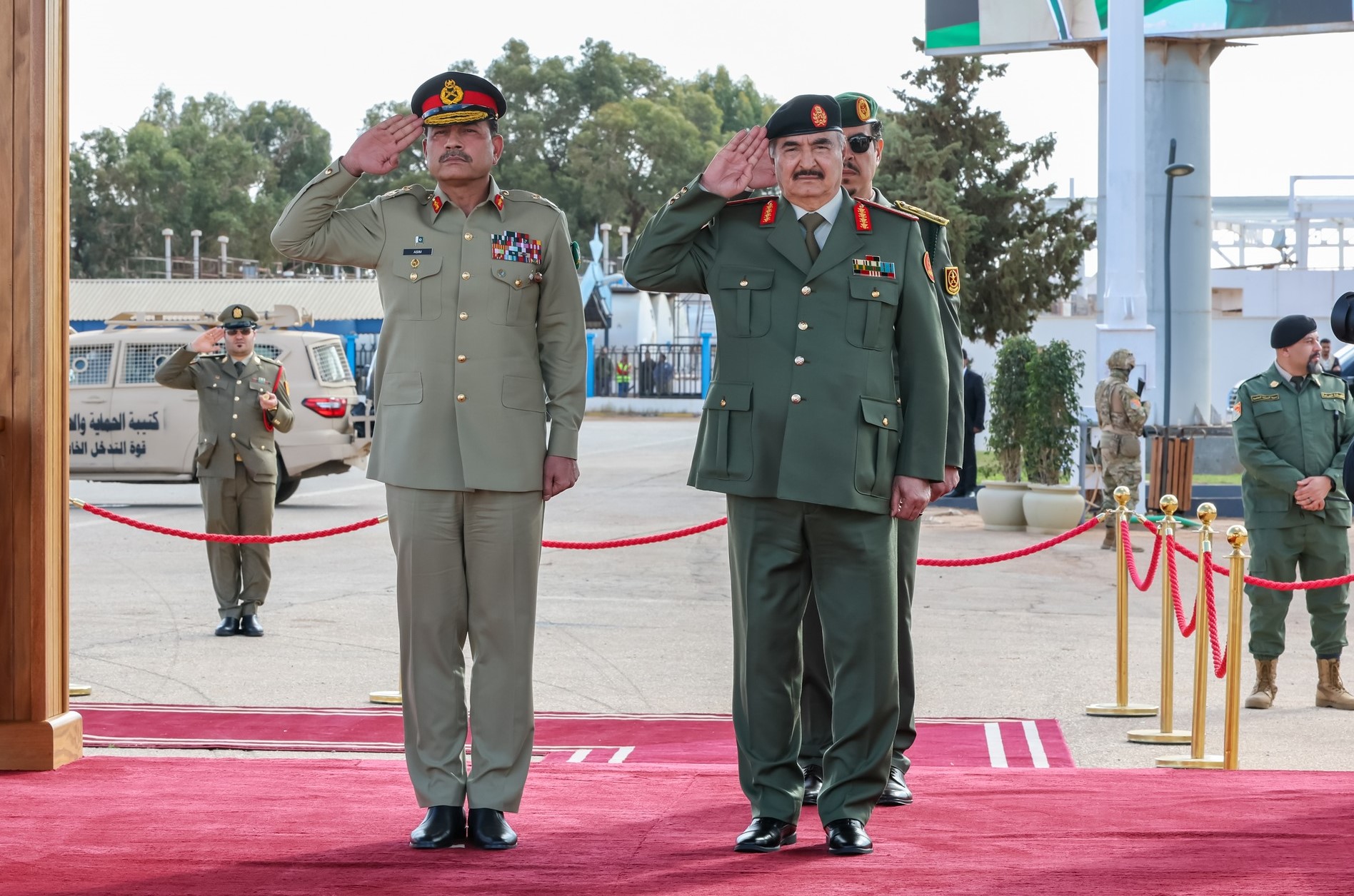
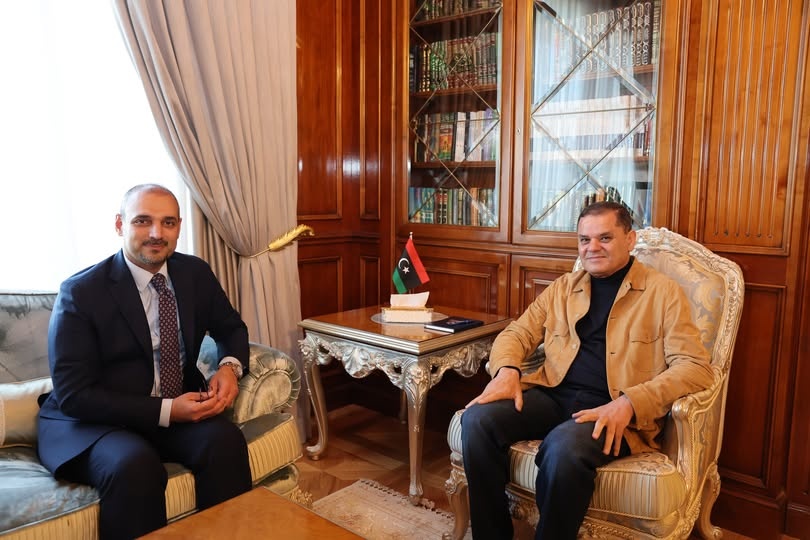
Libya faces difficulties in putting an end to instability and division since the fall and death of Muammar Gaddafi in 2011. Two governments are competing for power: the first in the west of the country, recognized by the United Nations and headed by Abdul Hamid Dbeibah, and the second in Benghazi (east) supported by Field Marshal Khalifa Haftar and the parliament.
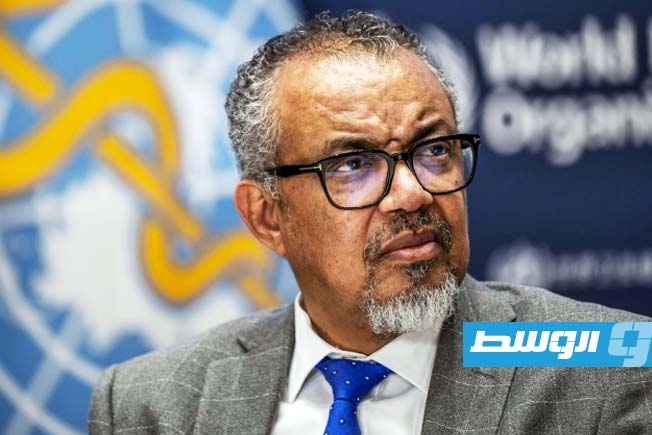
The head of the United Nations Support Mission in Libya warned of “increasing poverty and pressure on society.” She said in a briefing to the UN Security Council on Wednesday that “this situation, along with the fragility of the security situation, is a cause for concern; these conditions could lead to unexpected political and security challenges,” pointing to “the absence of a unified national budget.” Regarding the shortcomings facing Libya, the UN envoy summarized the reality by stating the continued “fragmentation of oversight mechanisms, continued speculation, and illicit revenues that drain sovereign resources.”
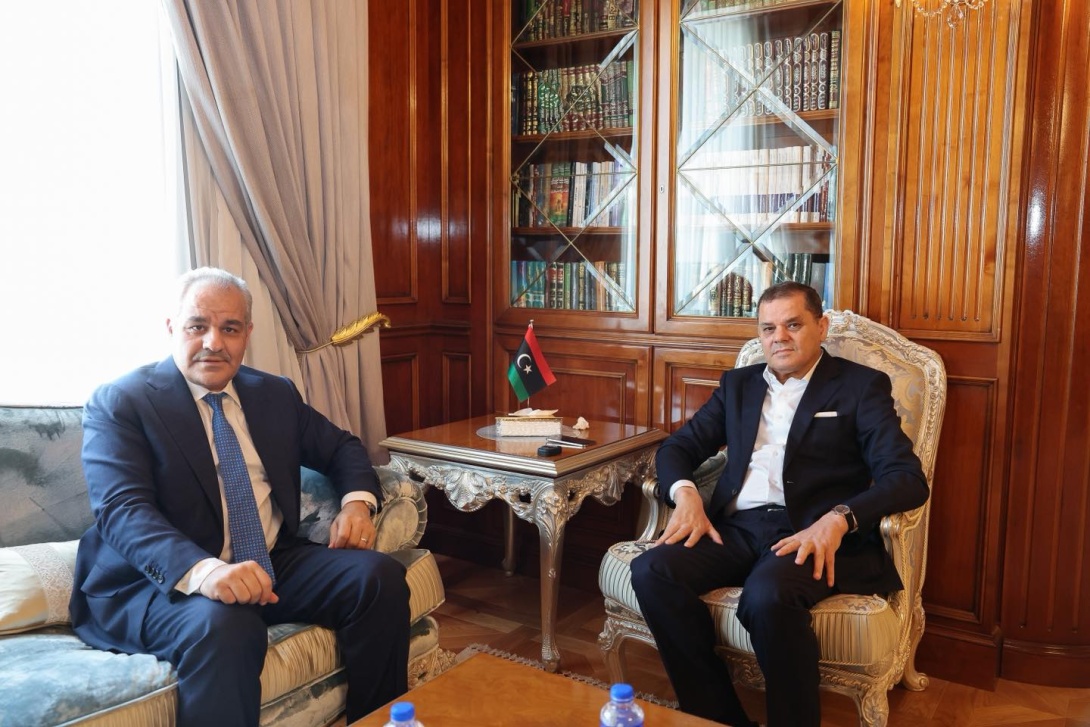
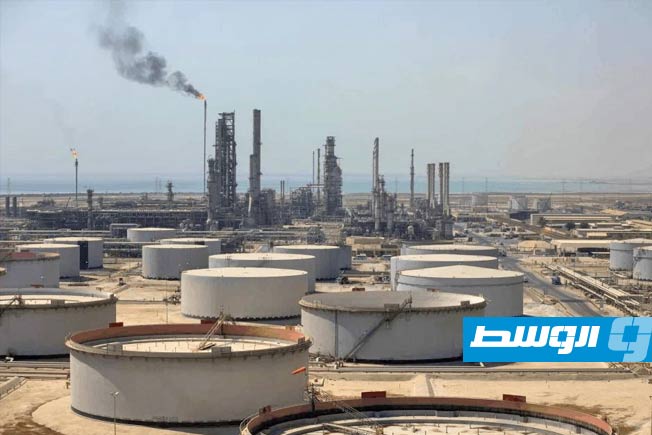
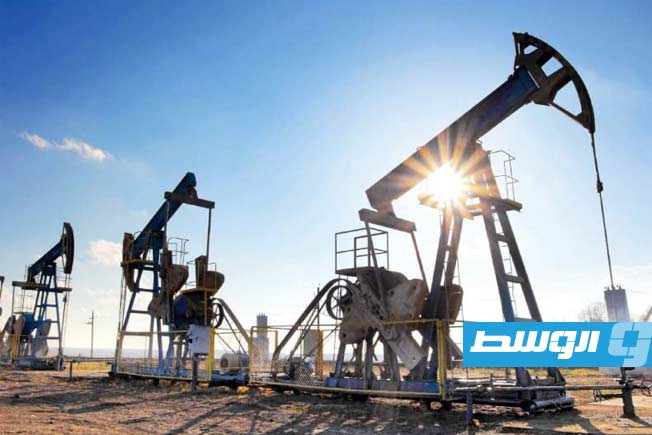
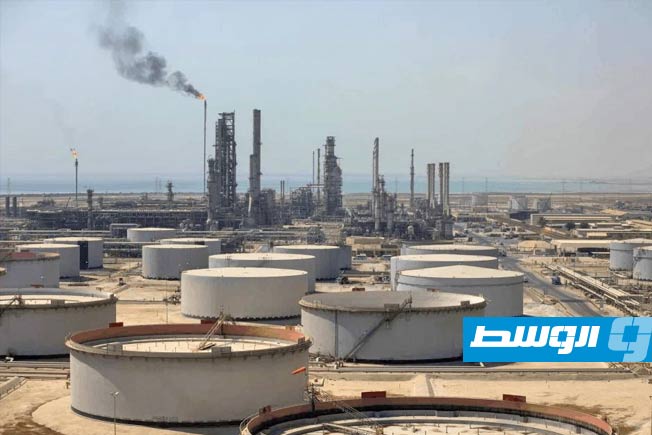
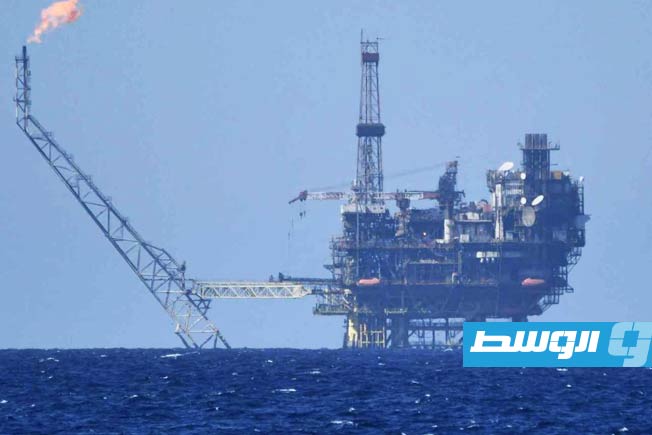
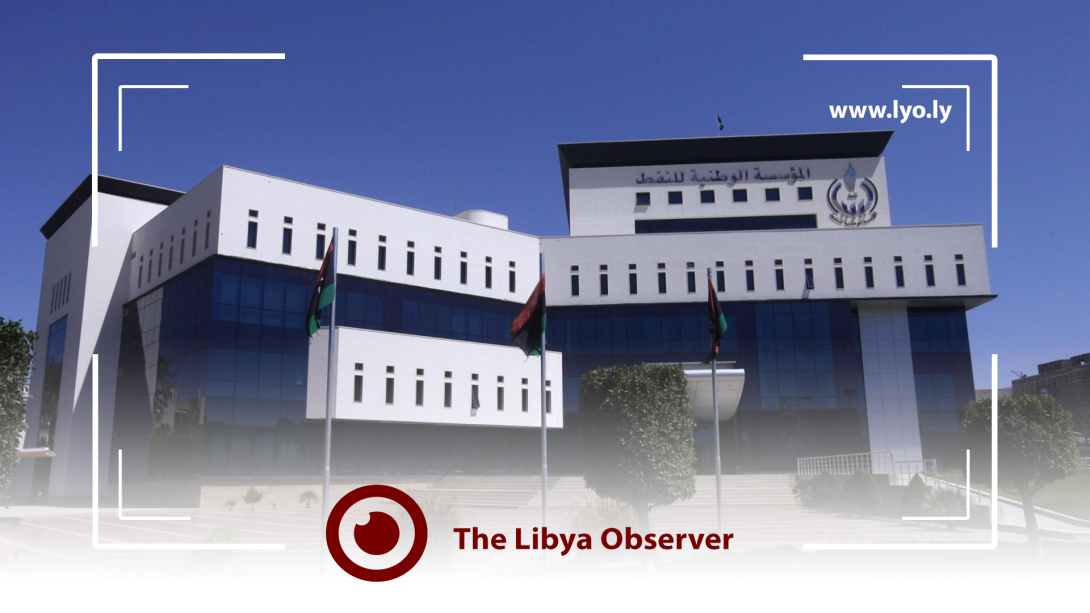
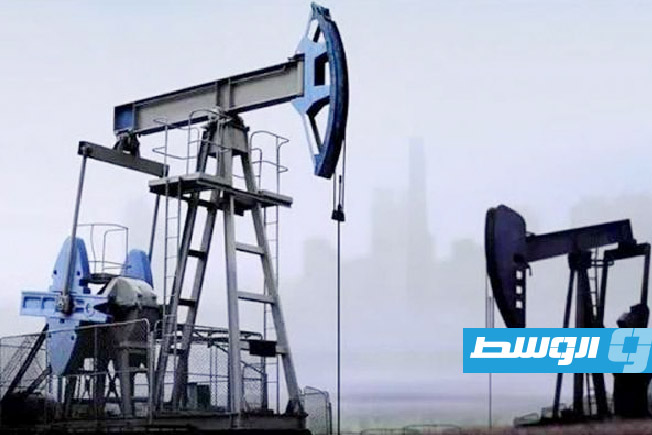
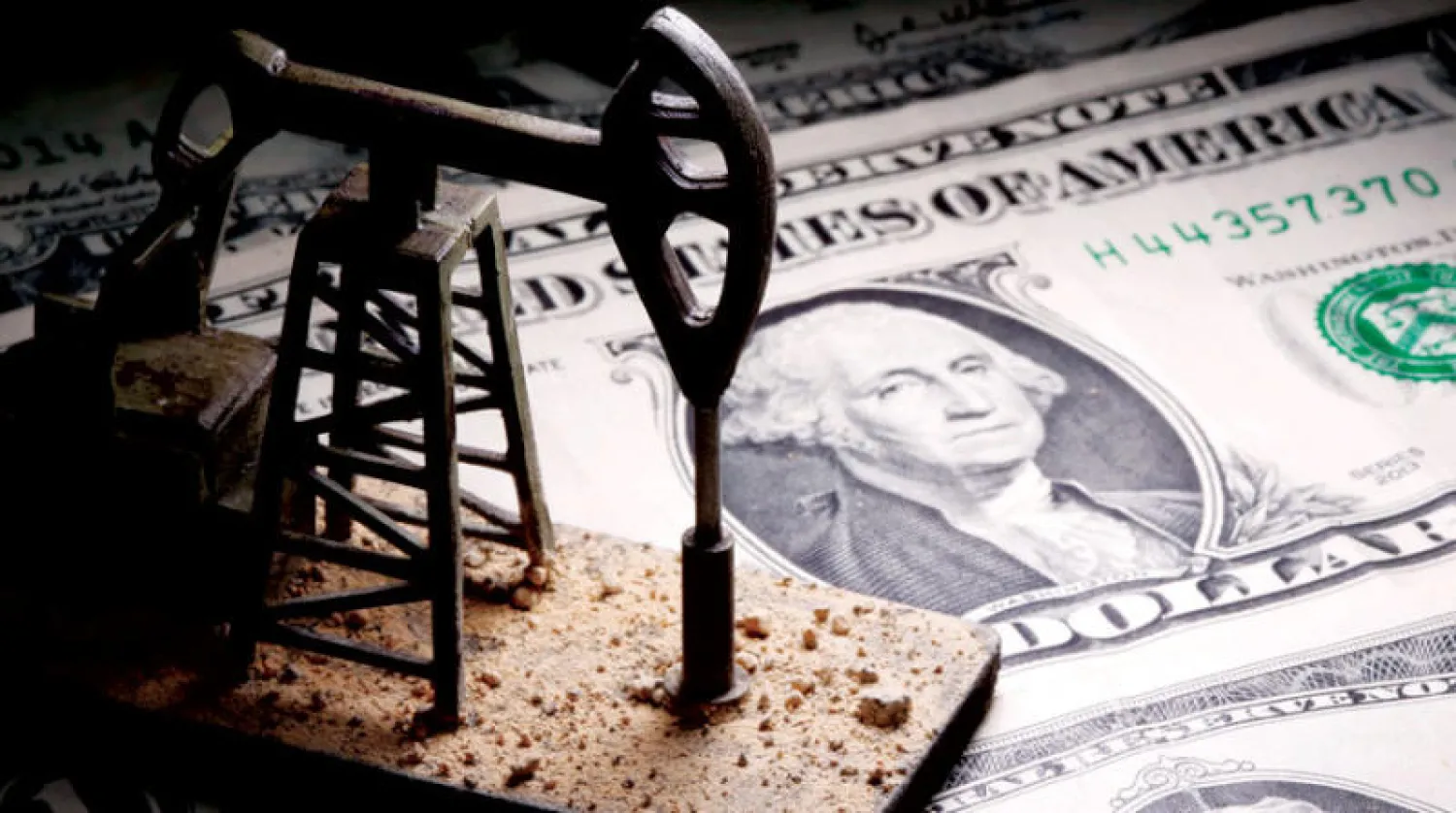
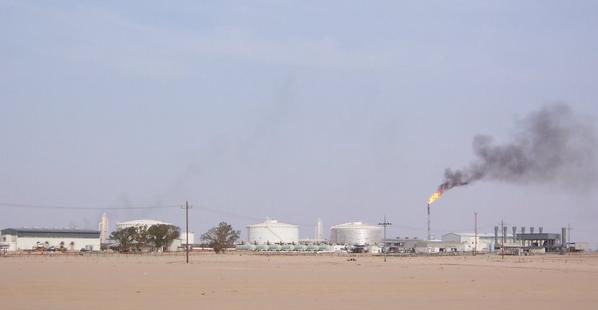
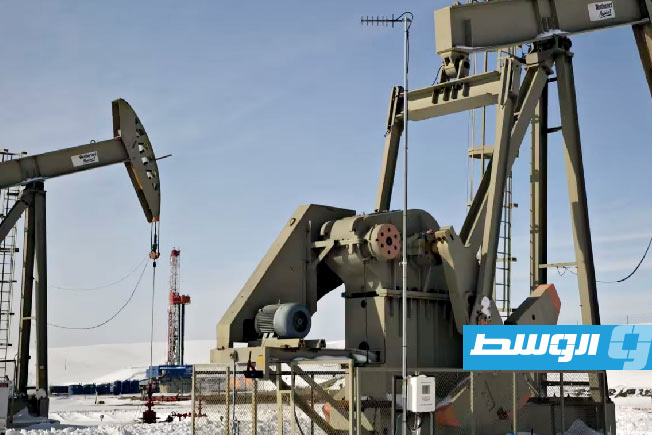
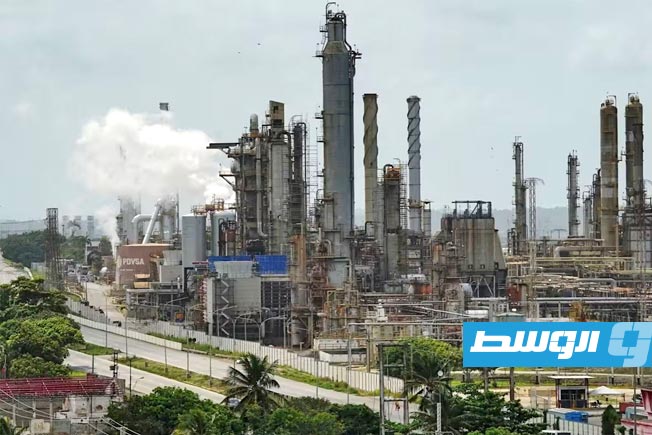
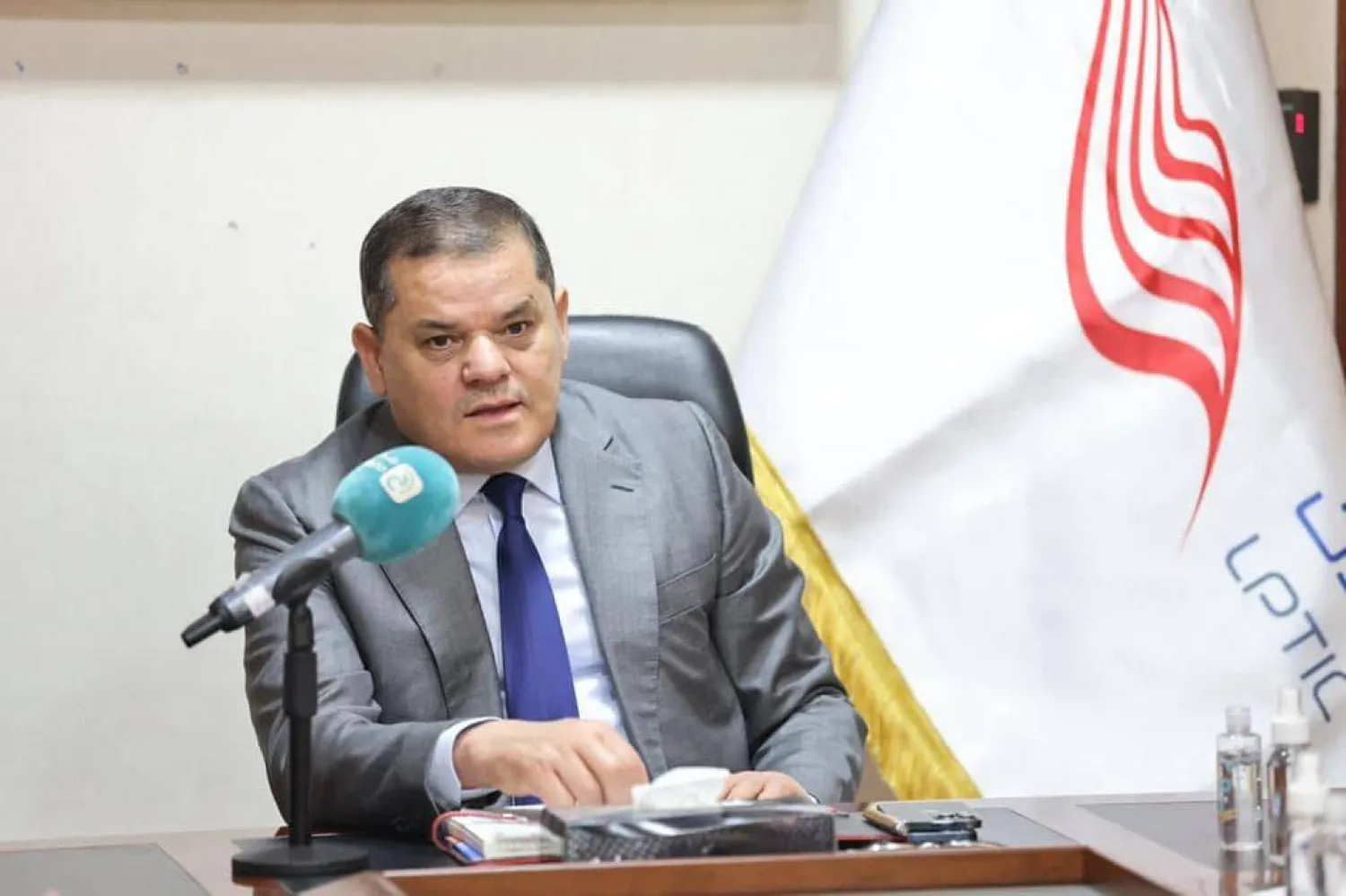
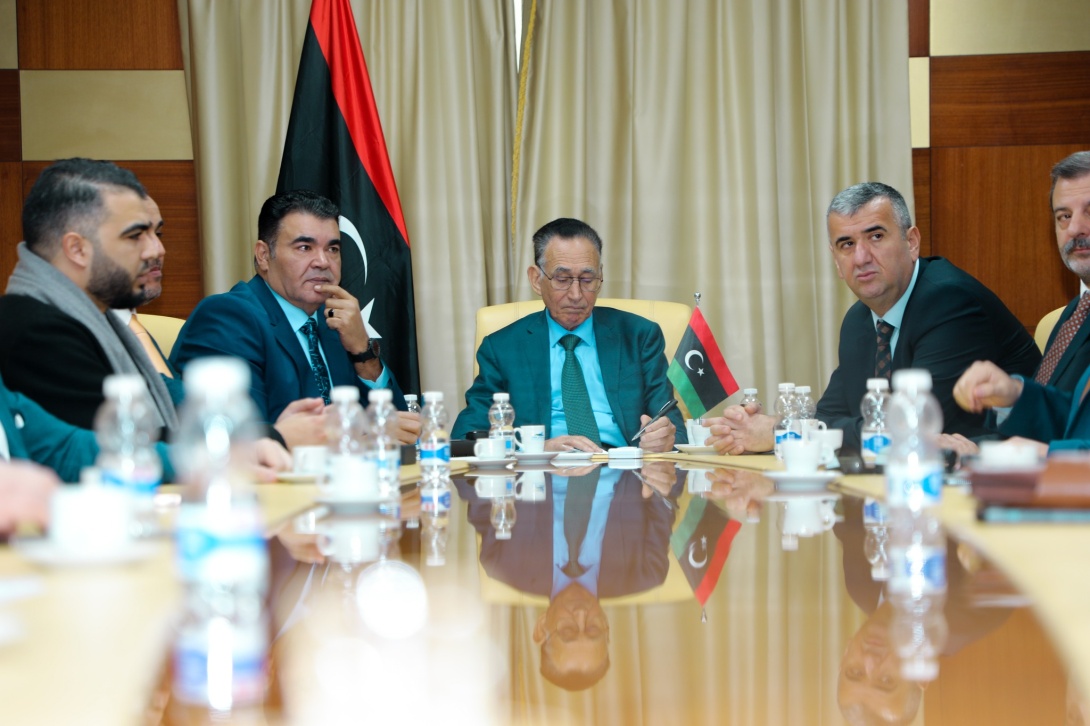
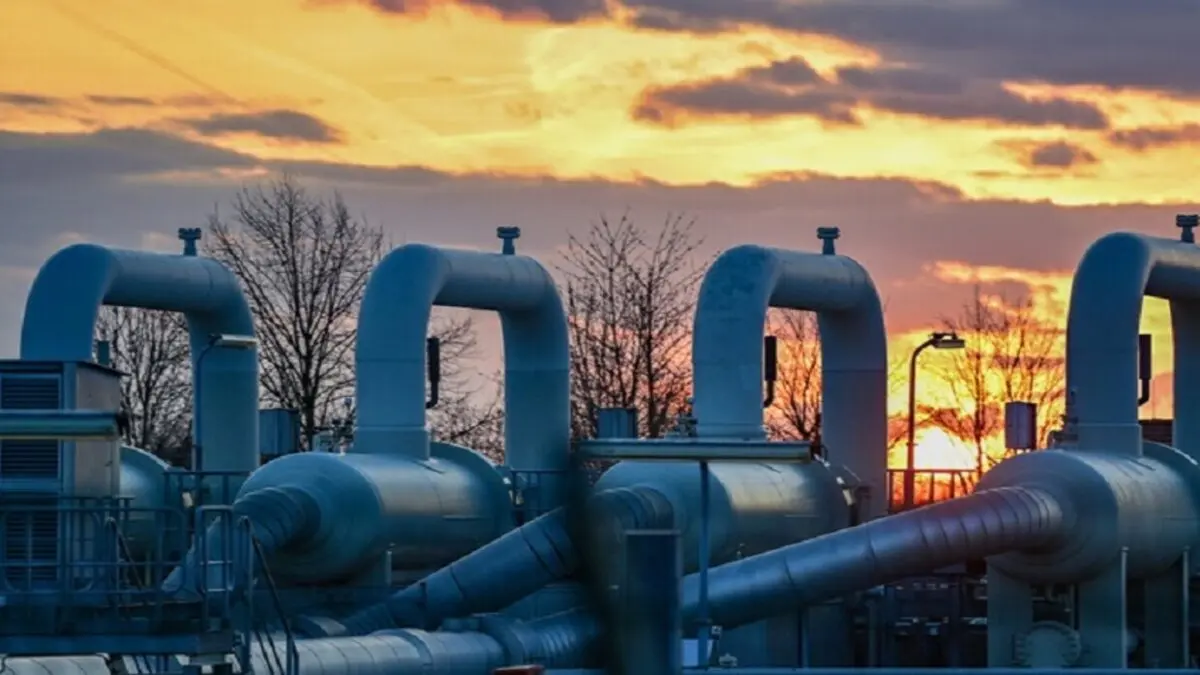
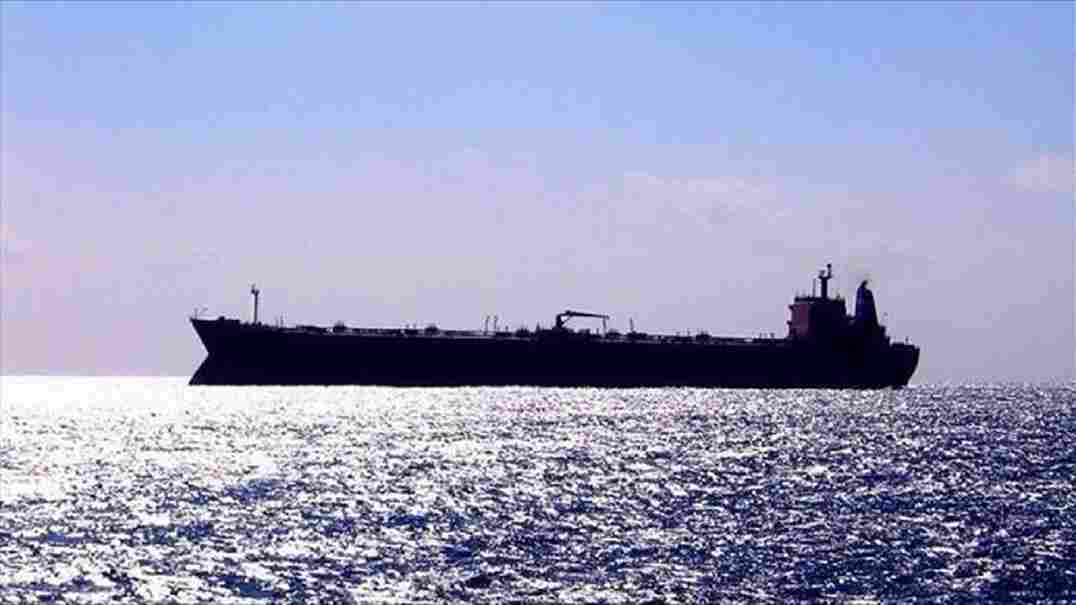
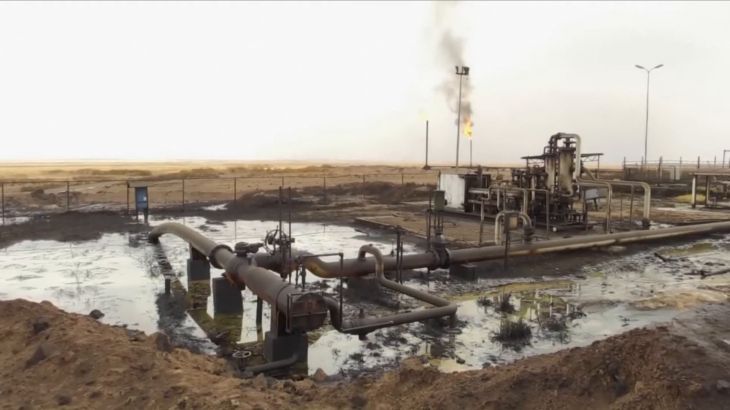
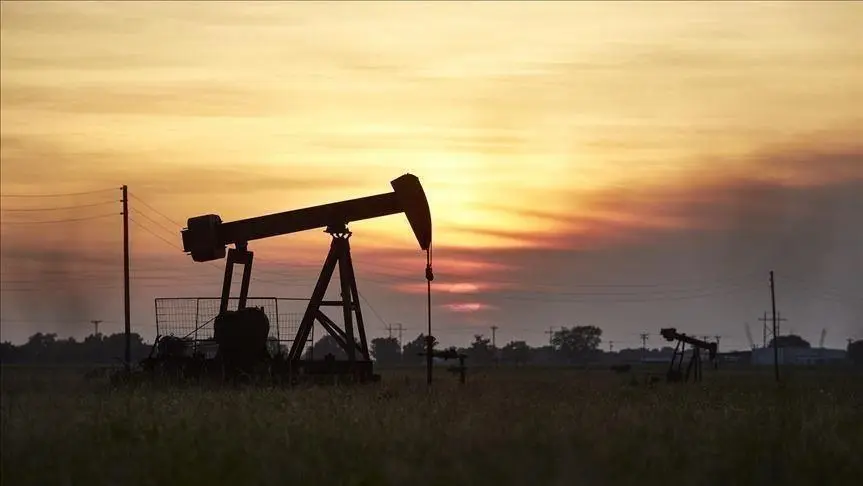
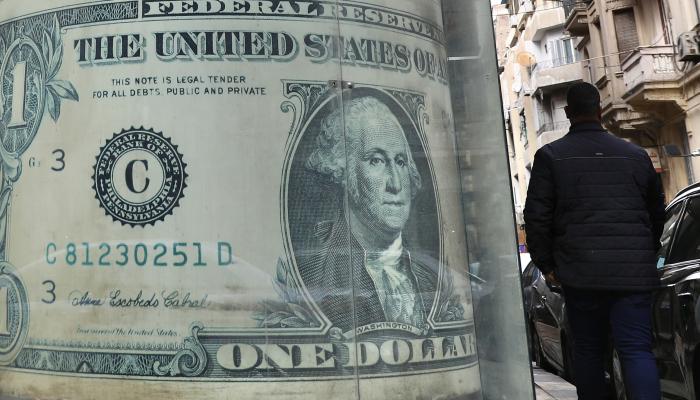
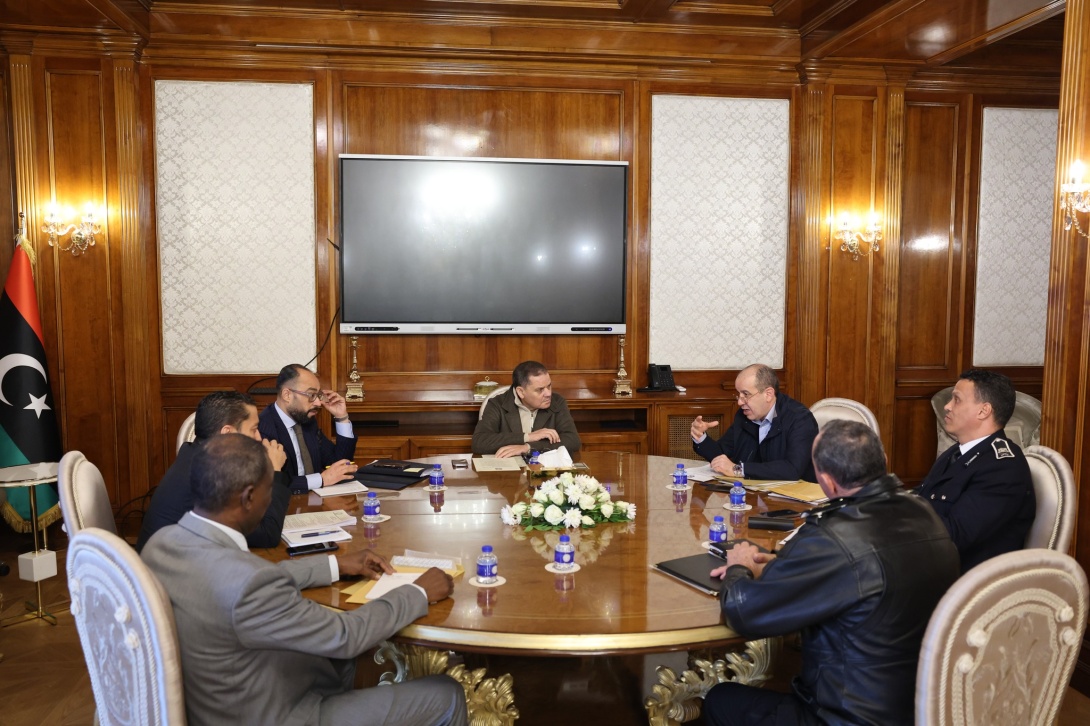
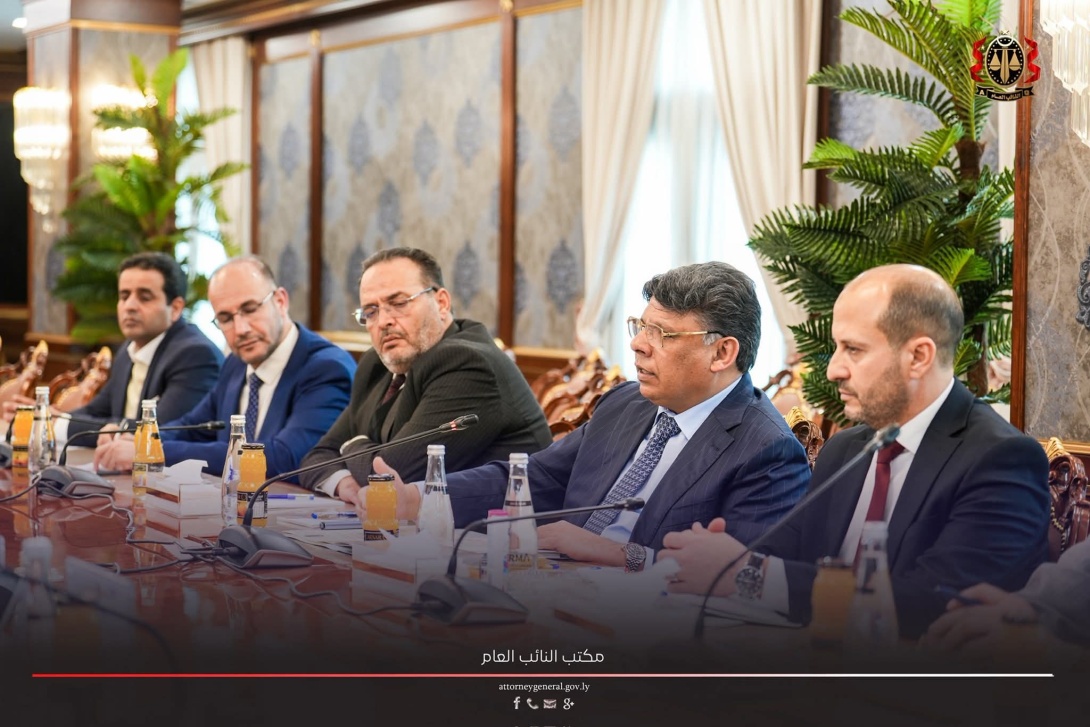
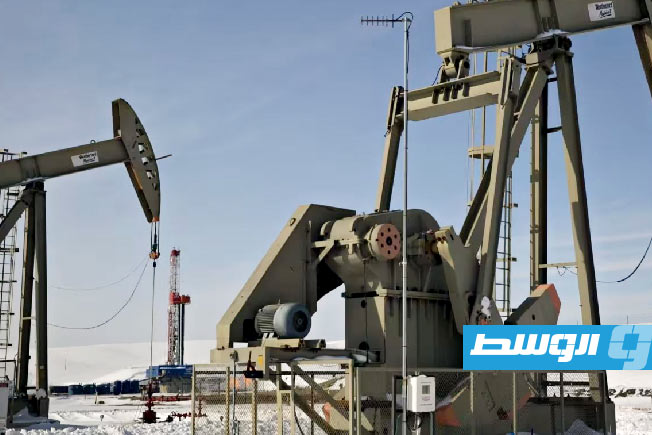
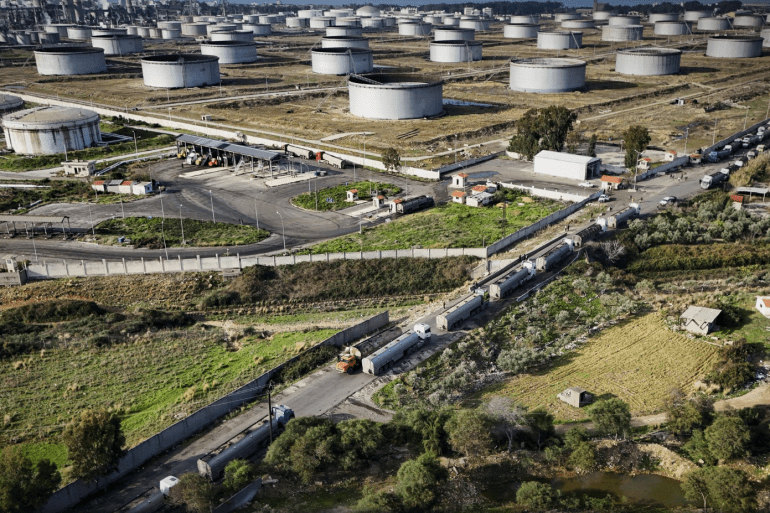
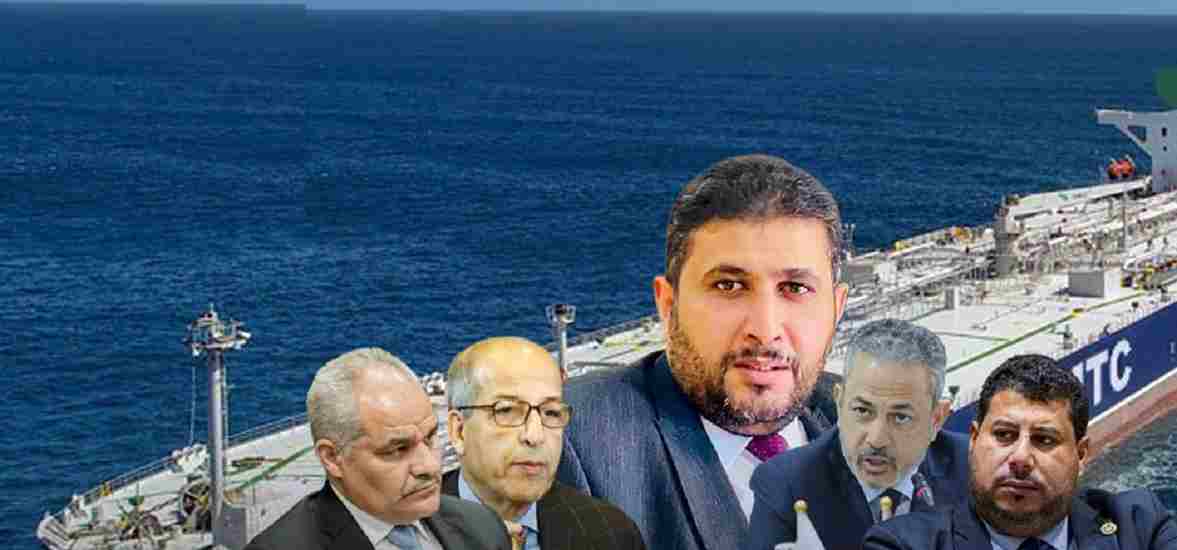
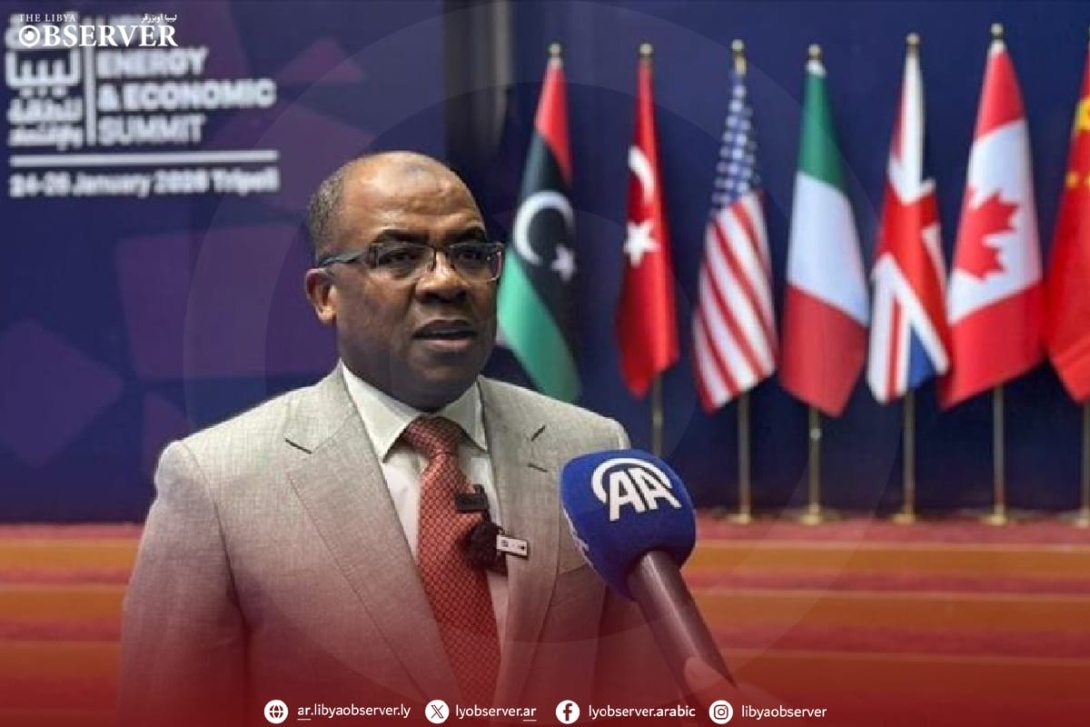
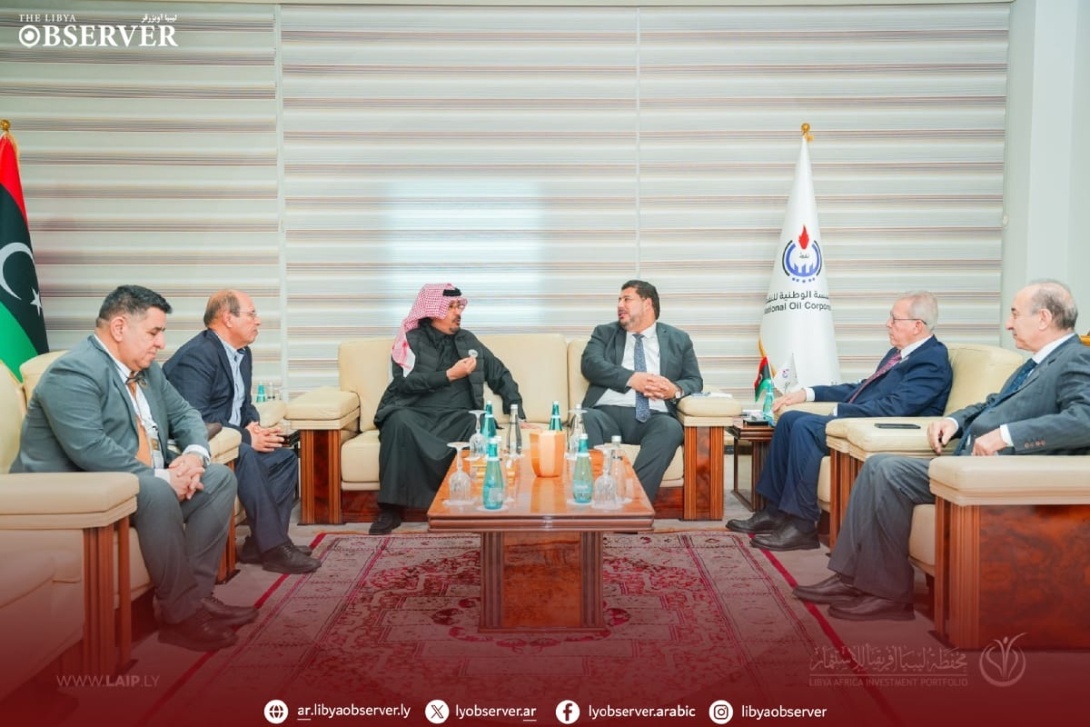
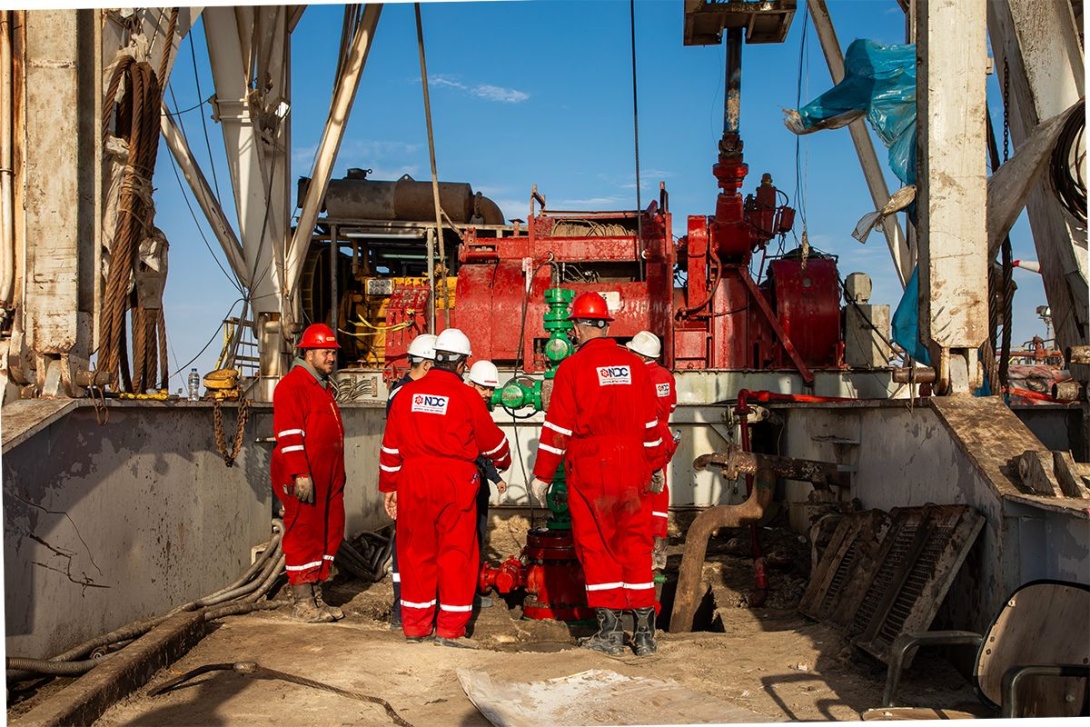
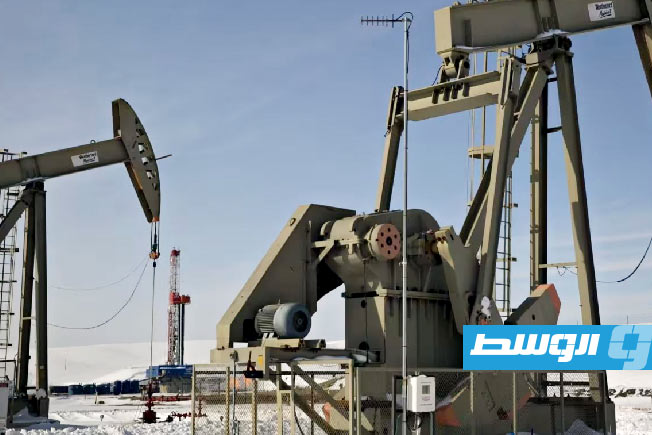
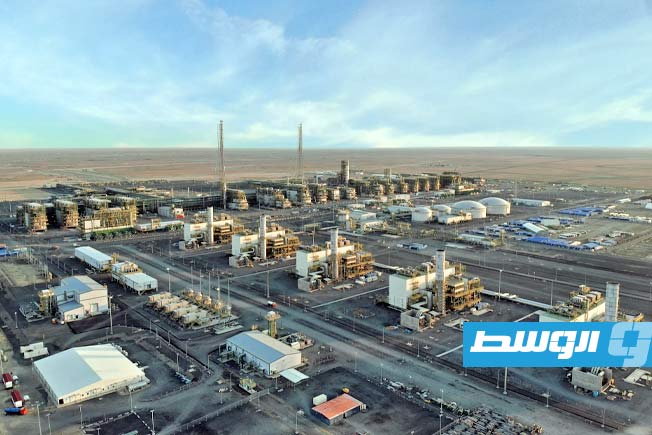
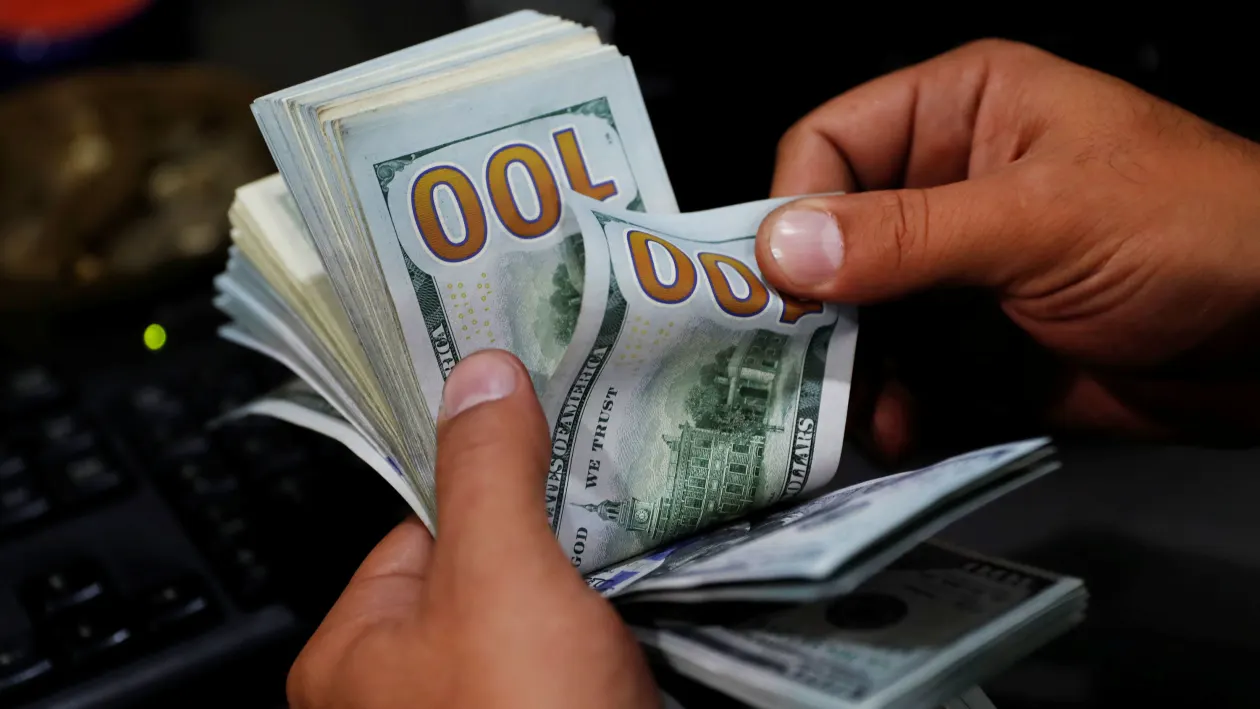
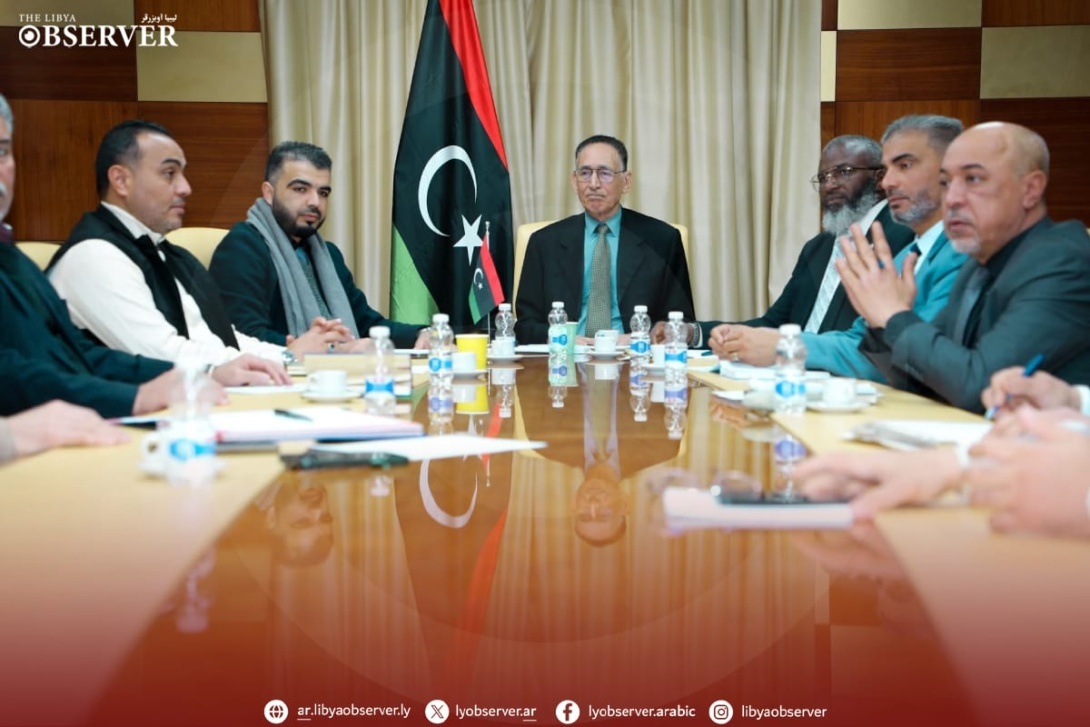
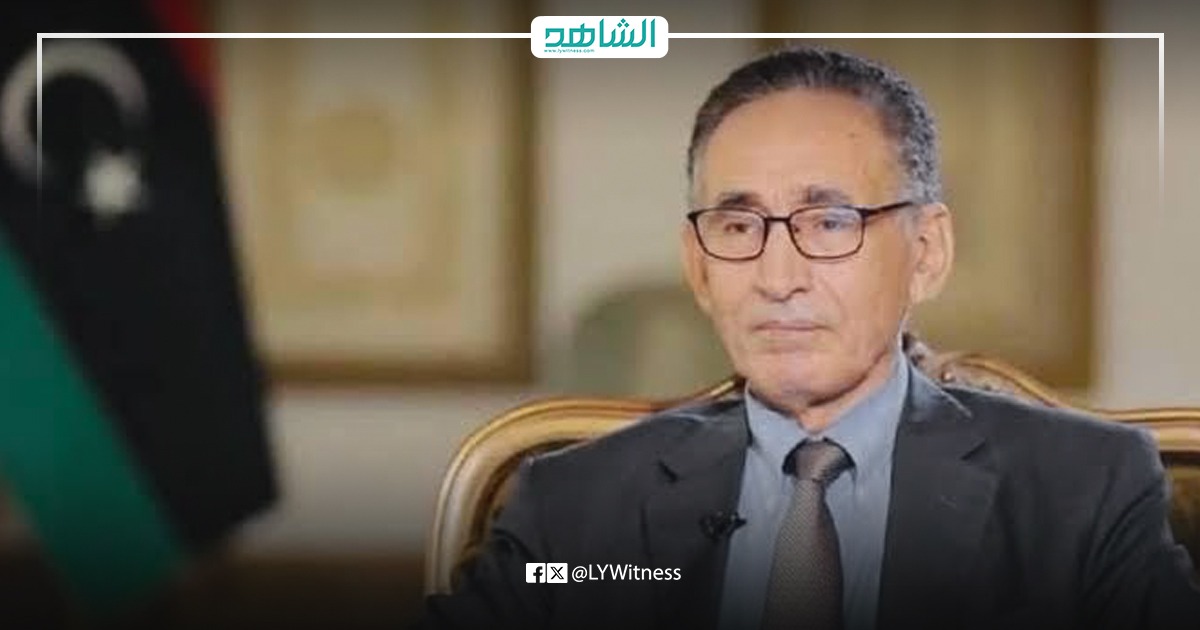
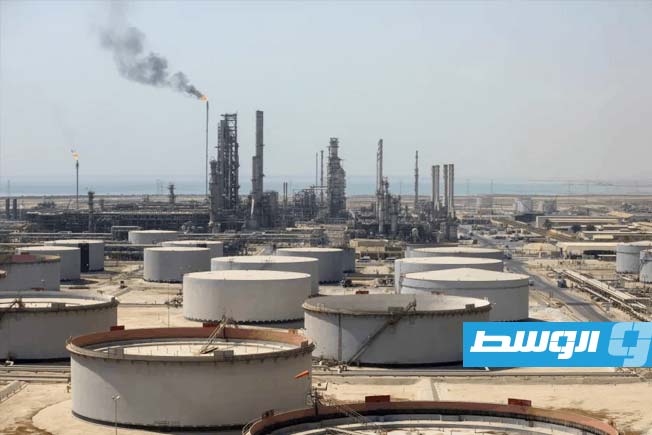
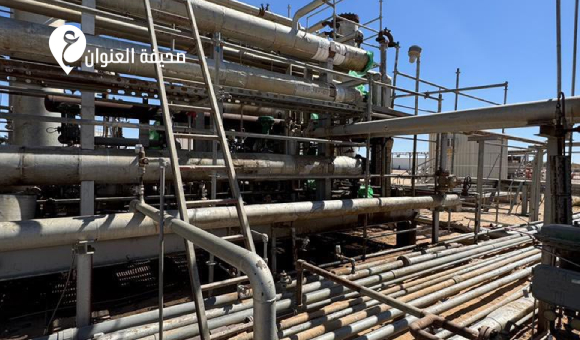
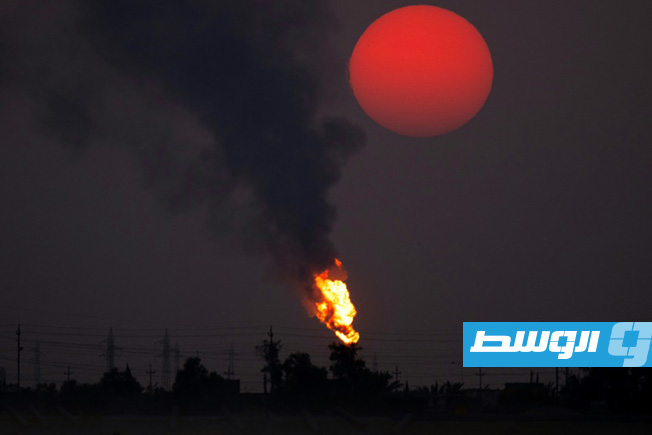
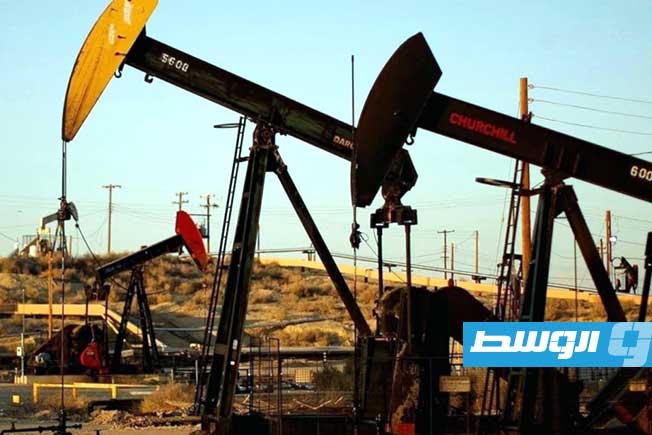
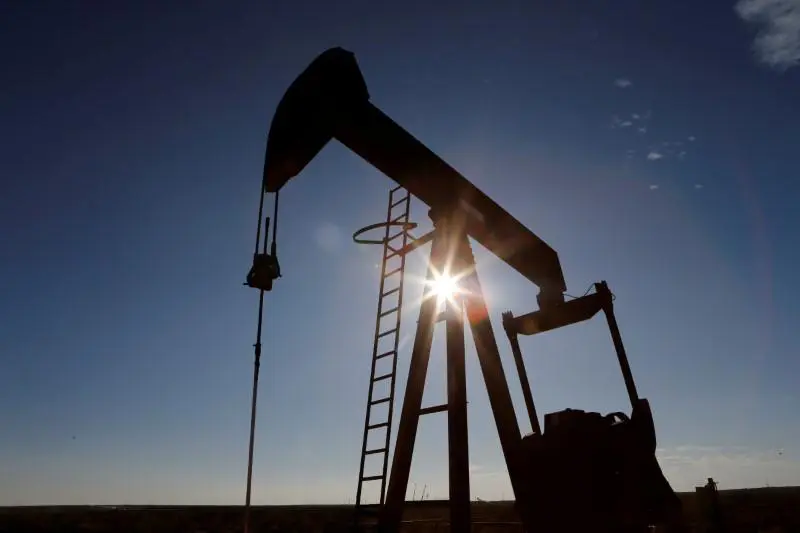
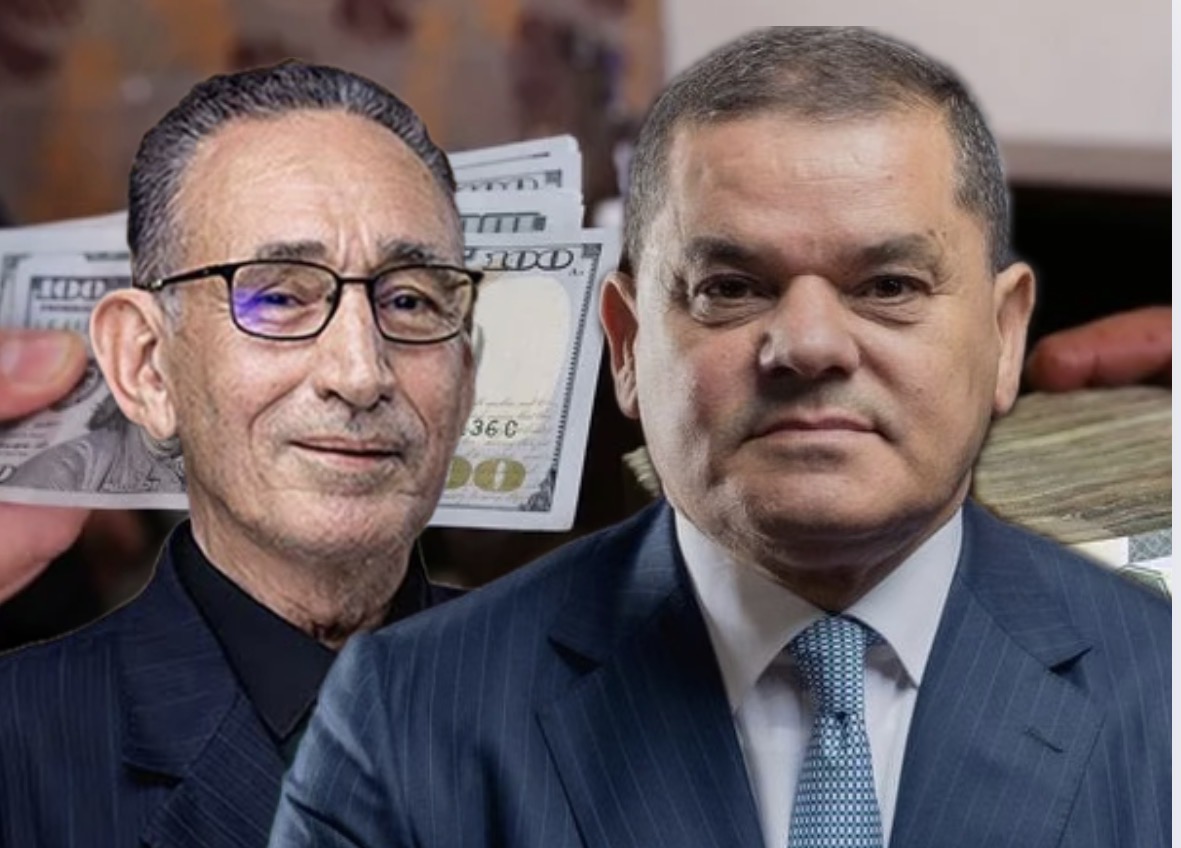
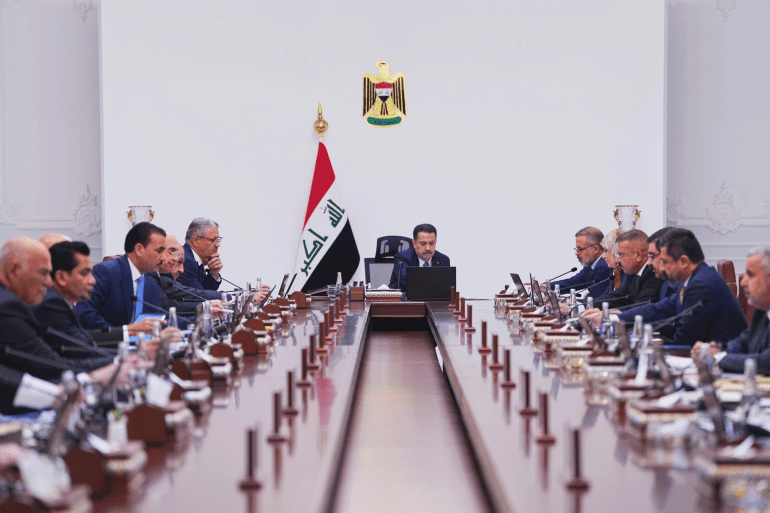
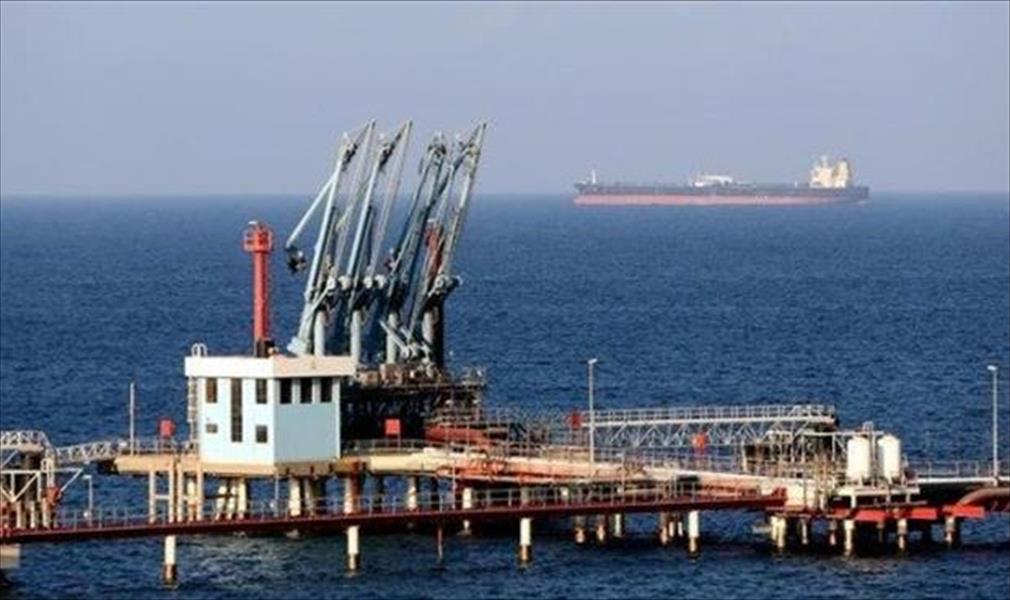
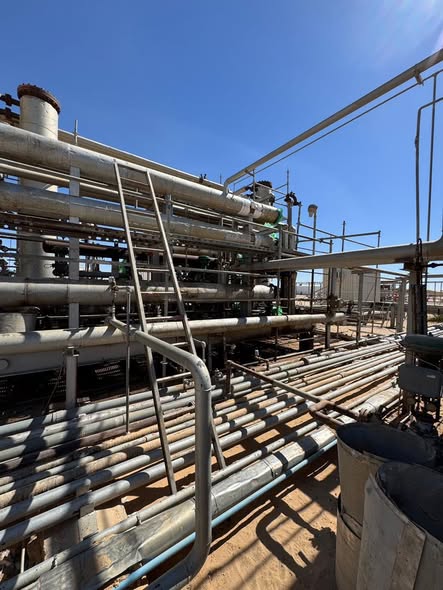
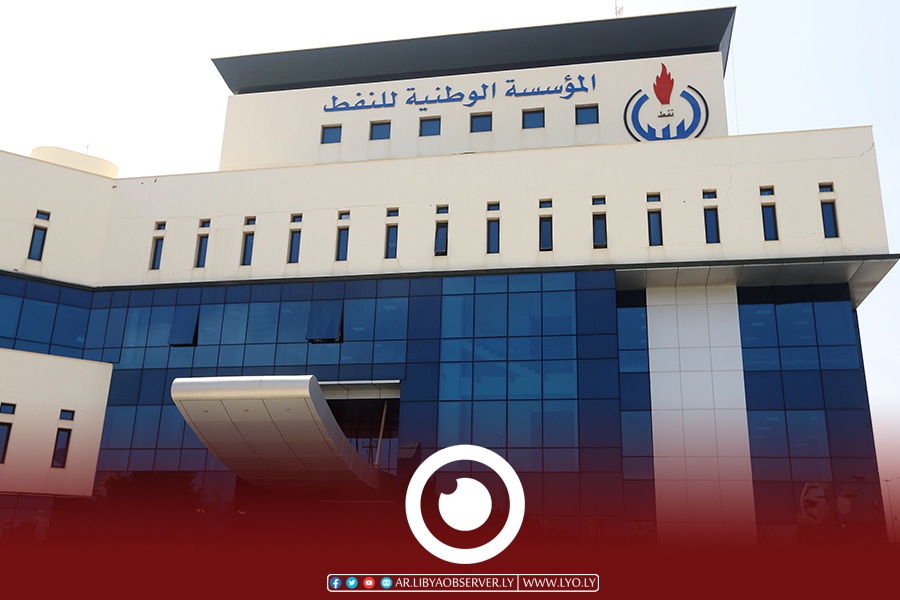
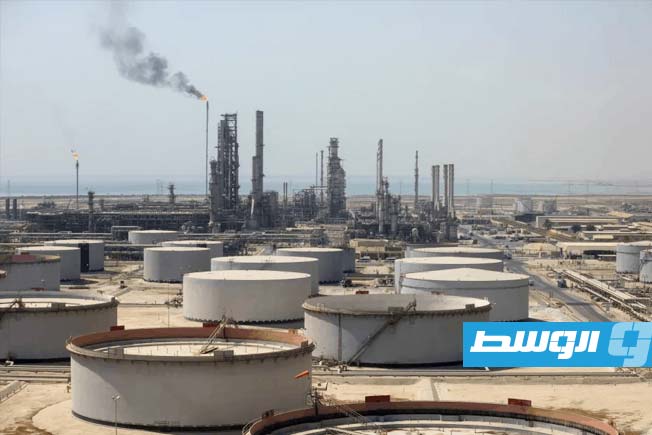
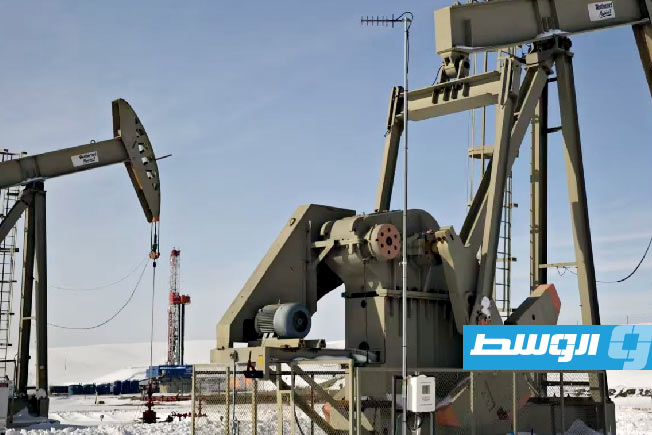
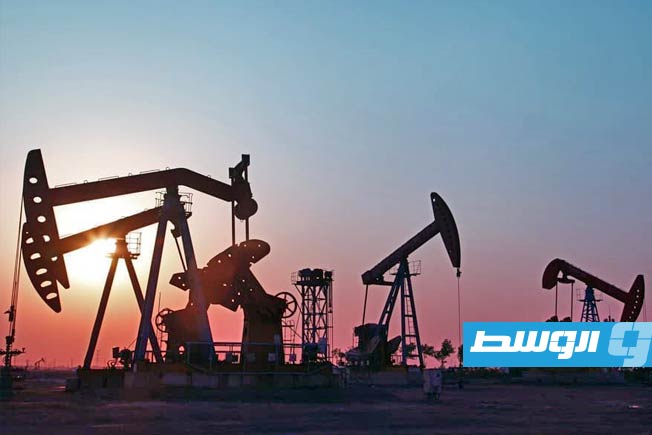
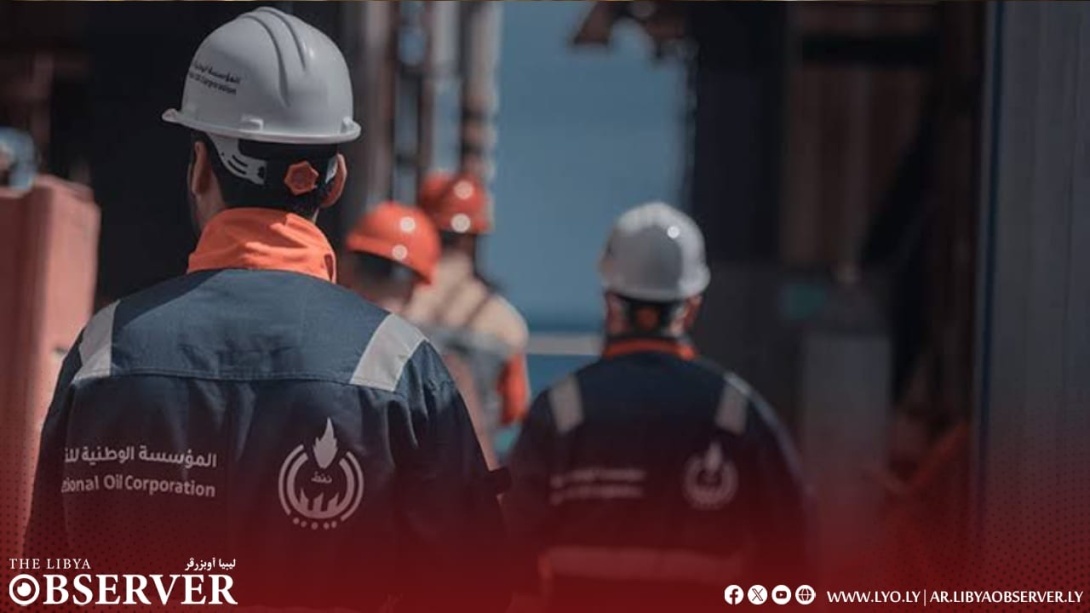
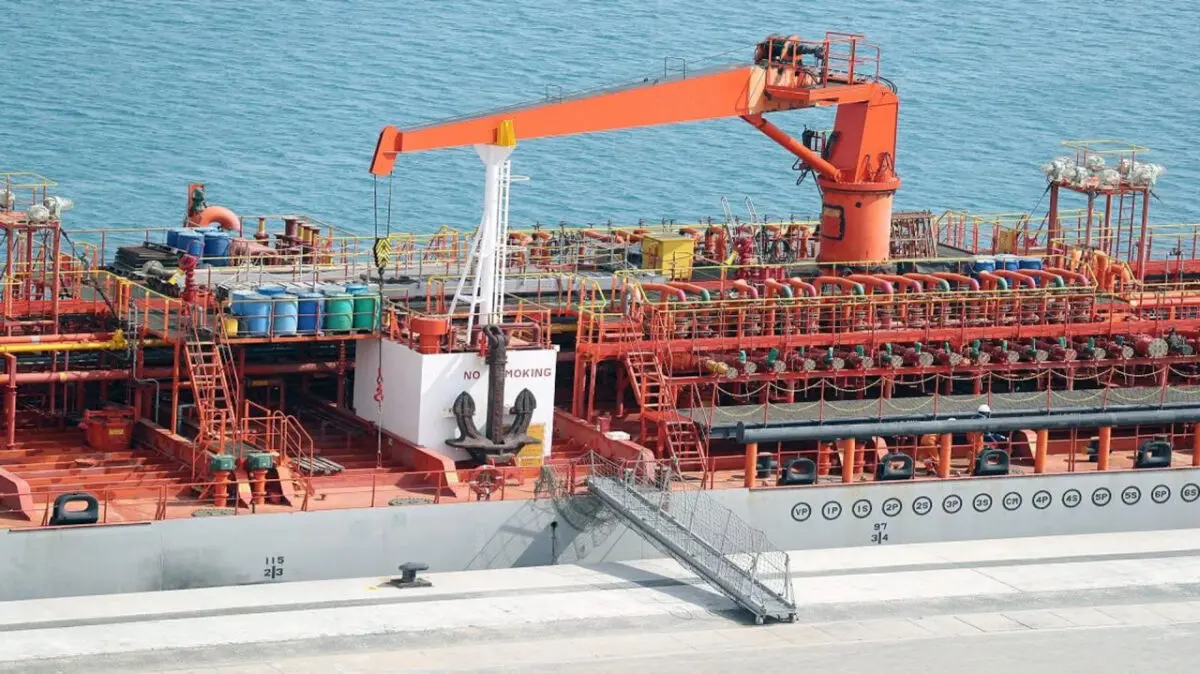
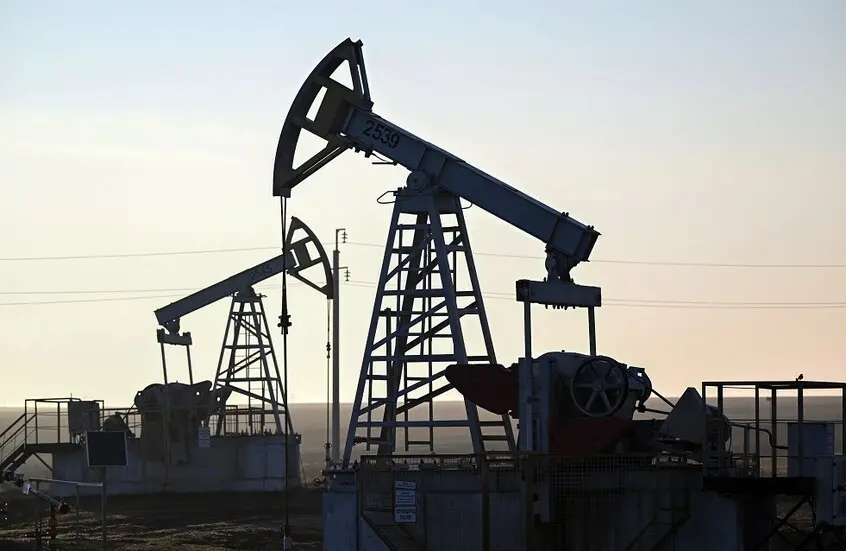
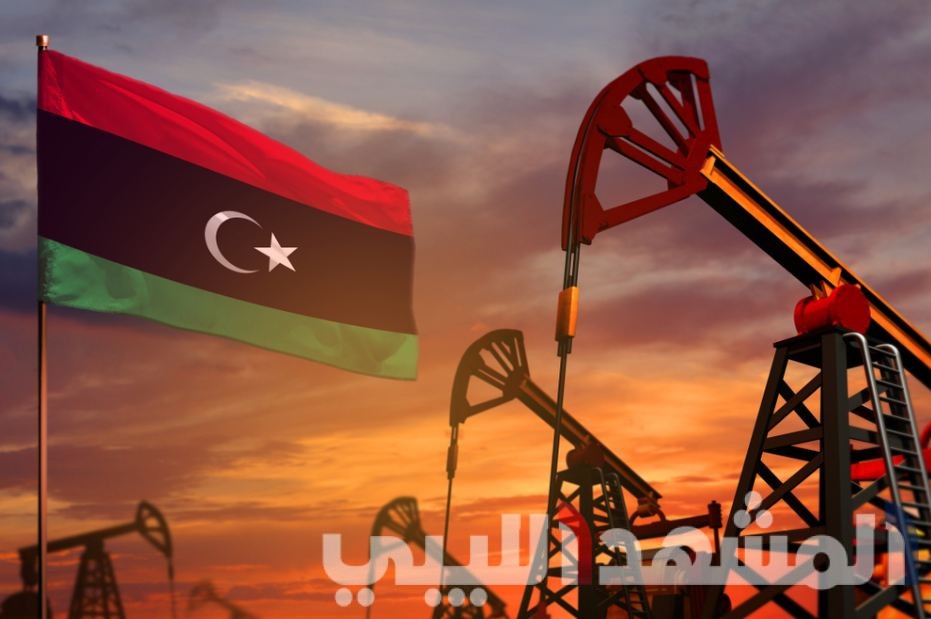
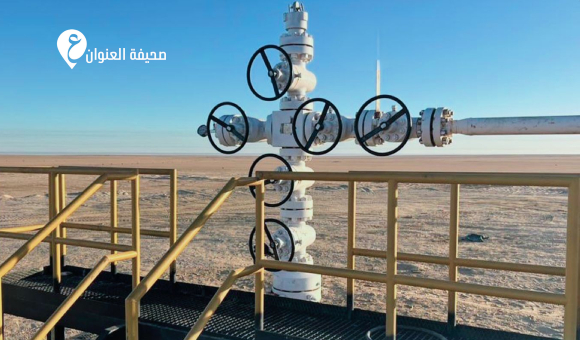
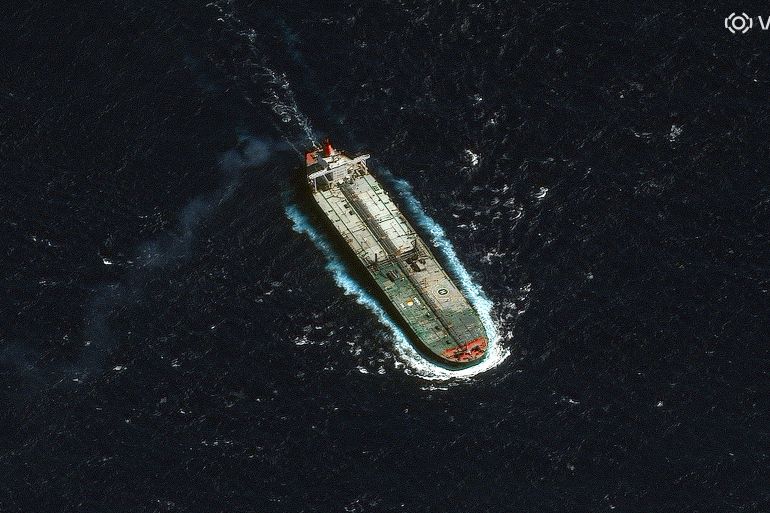
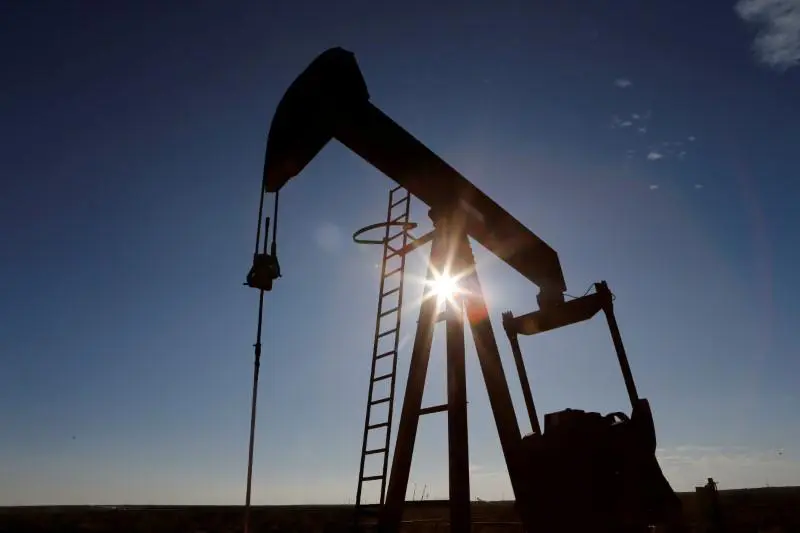
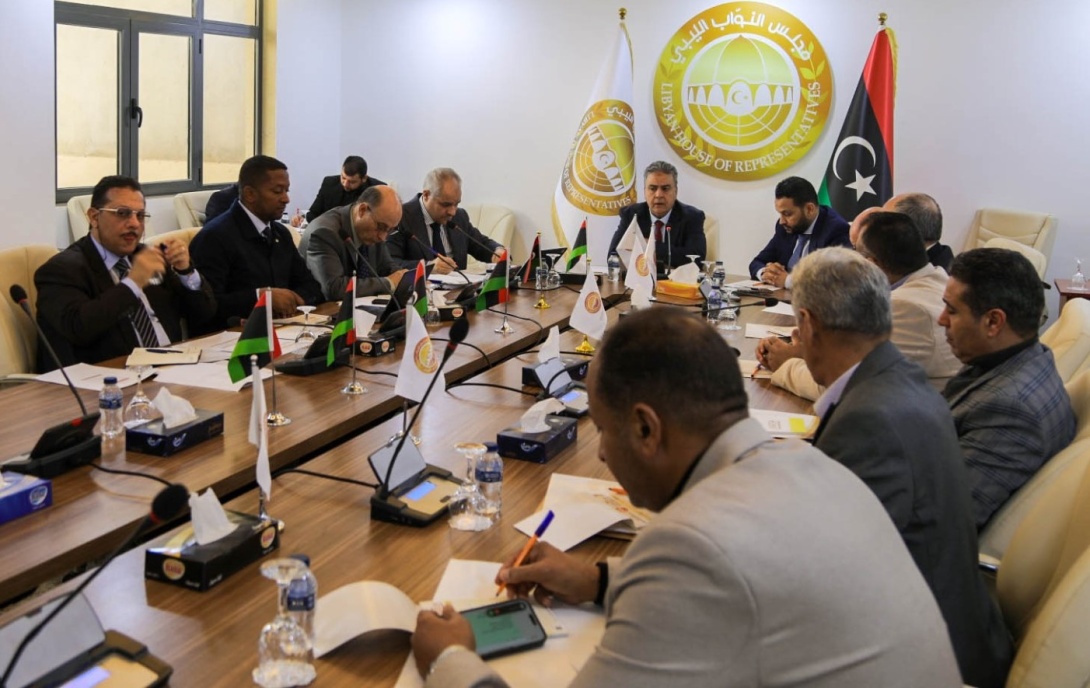
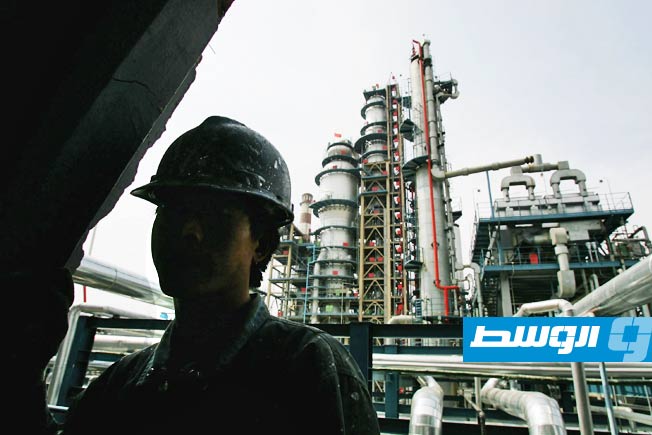
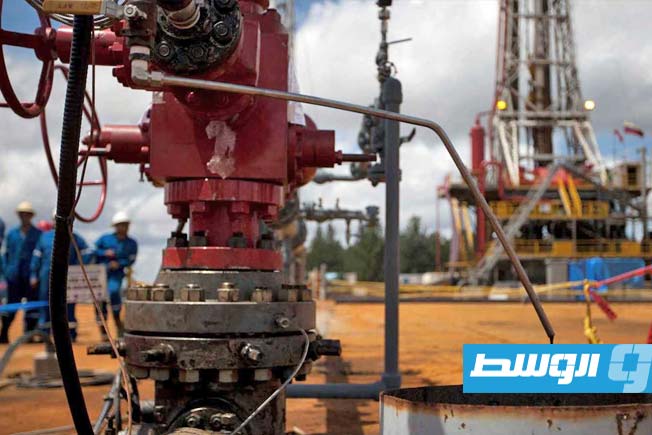
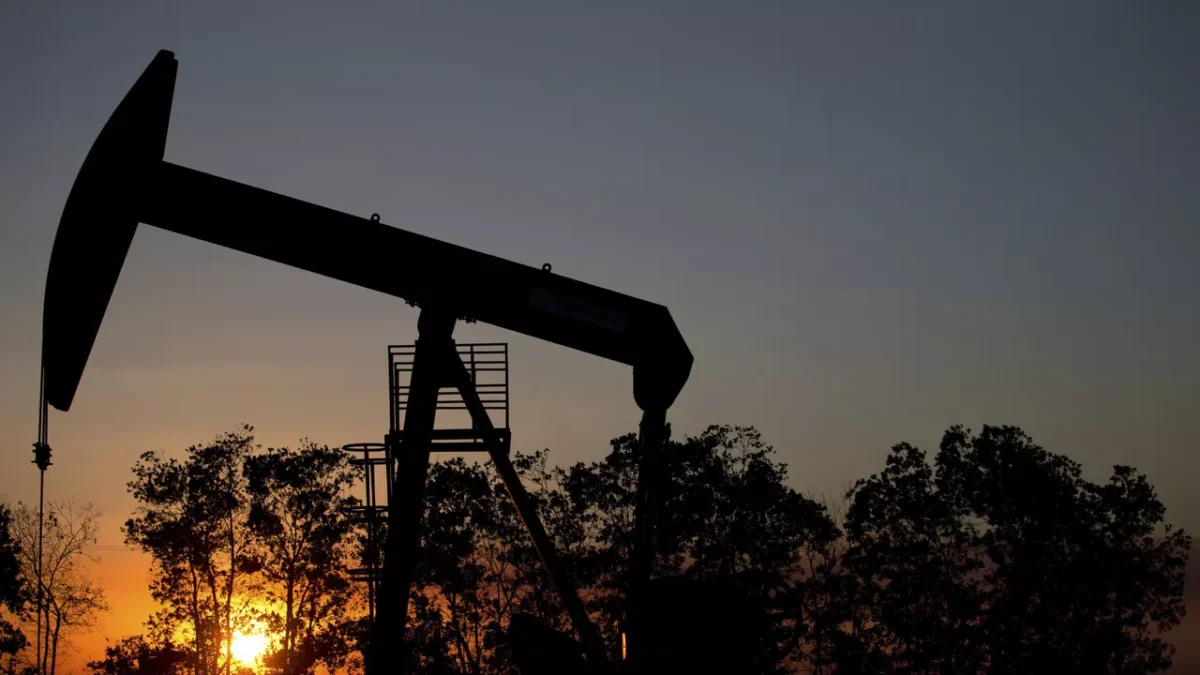
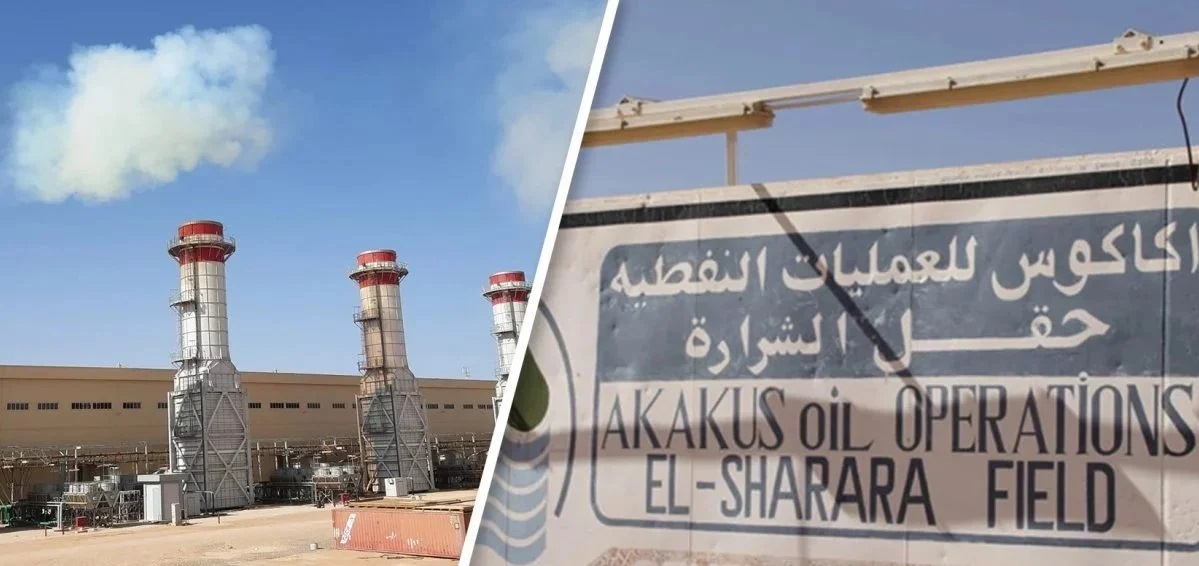
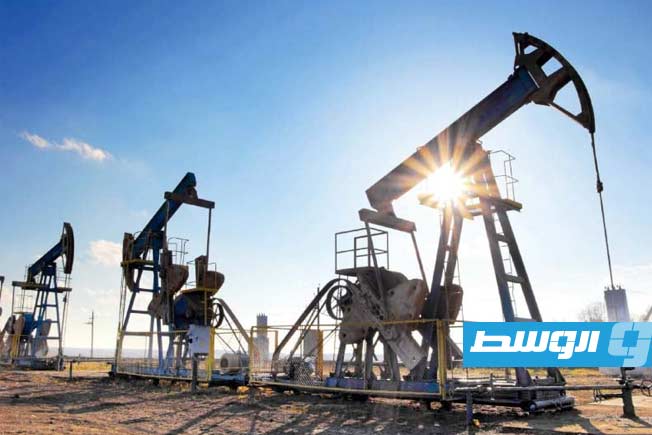
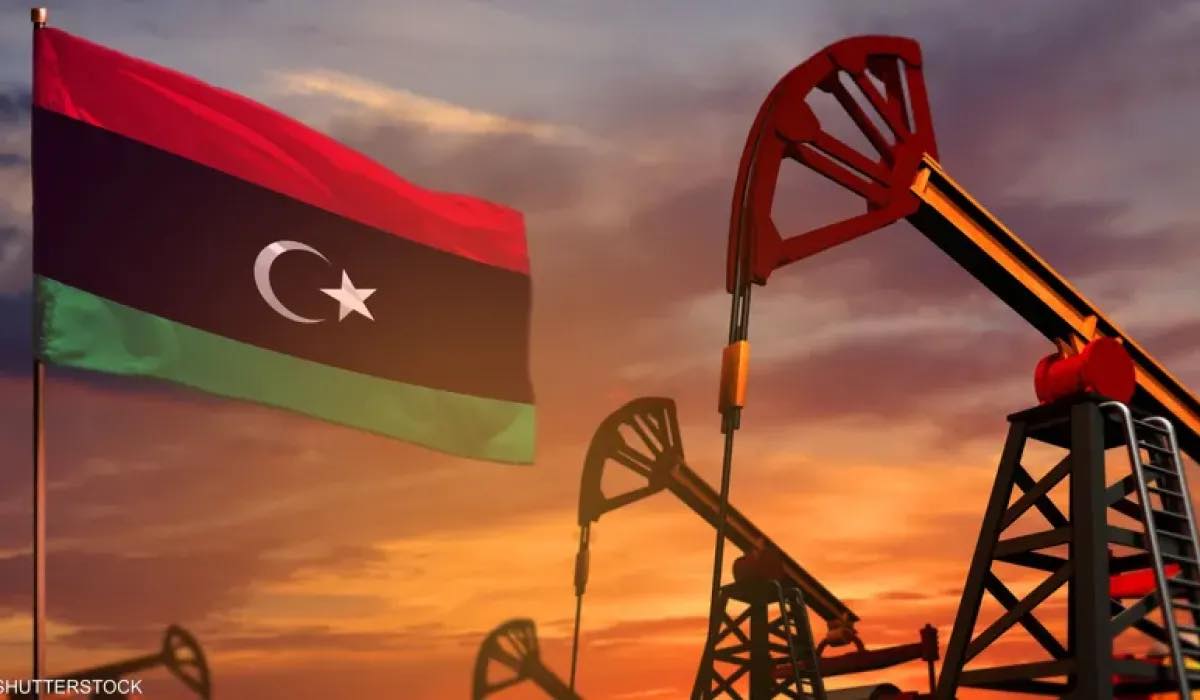
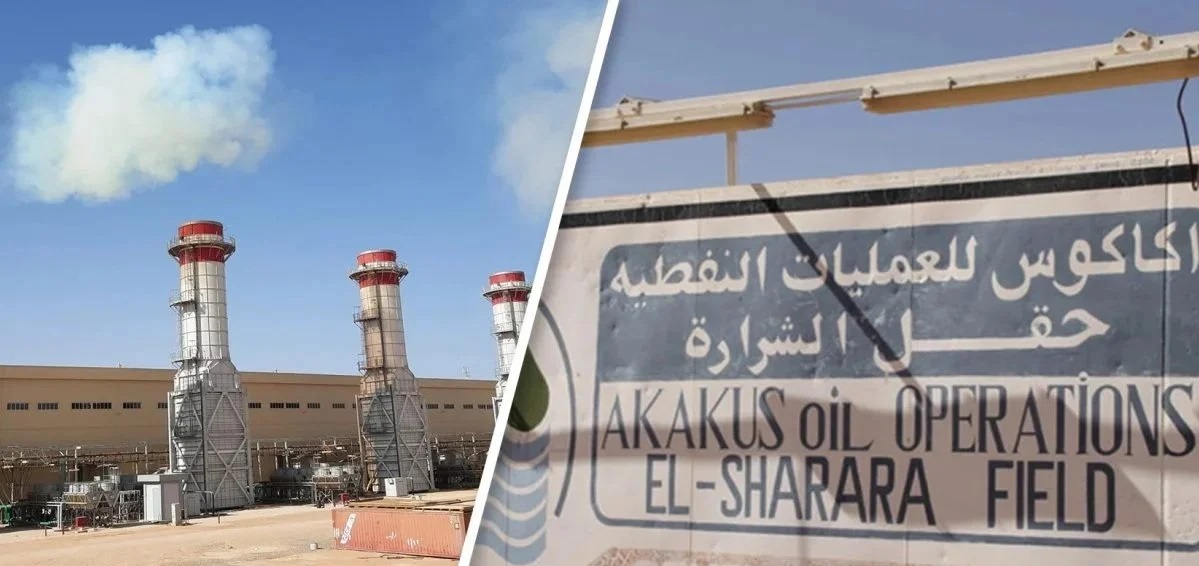
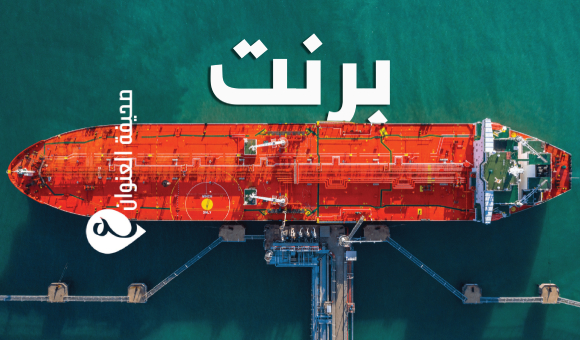
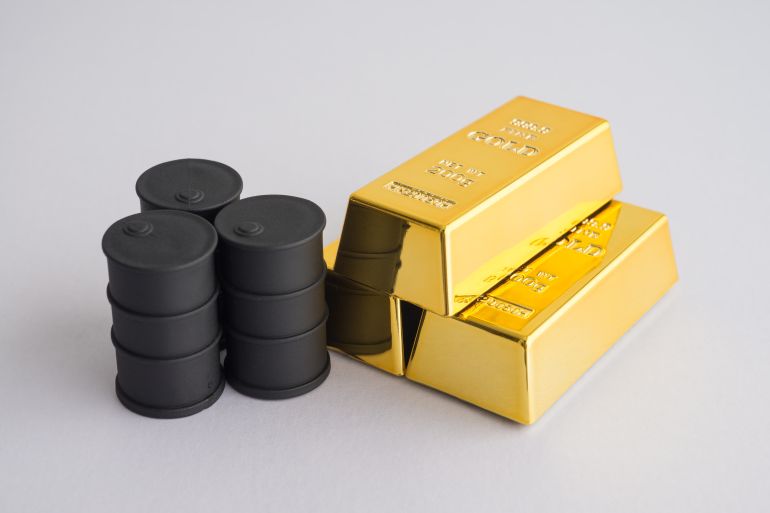
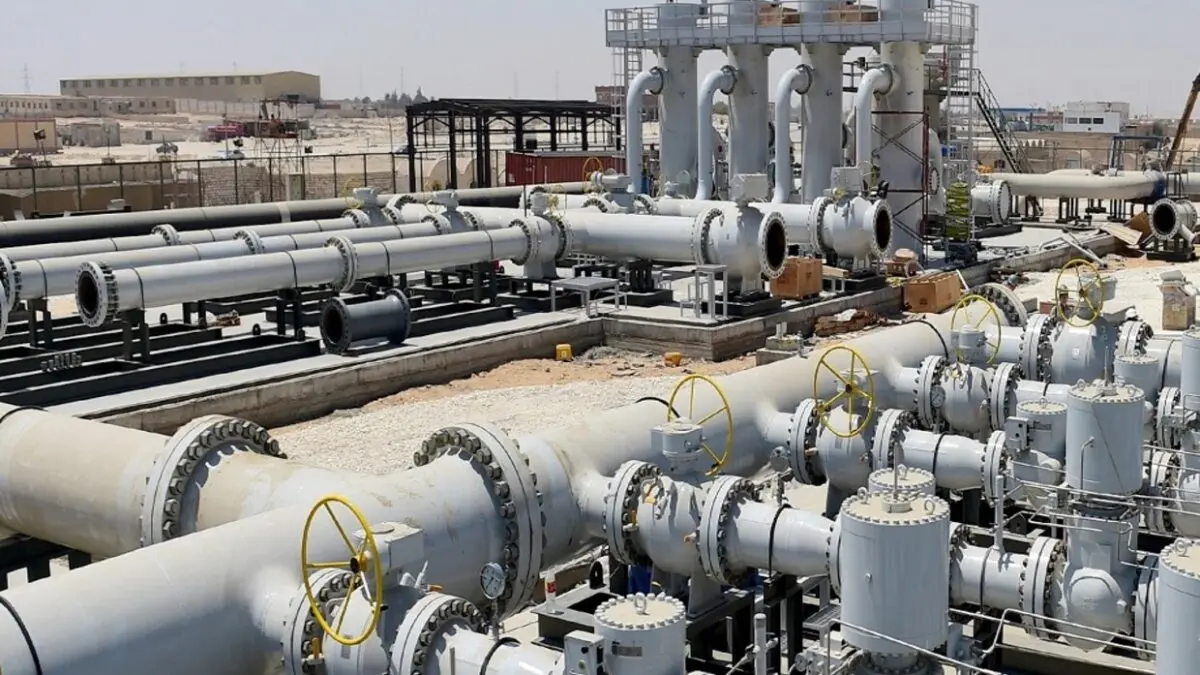
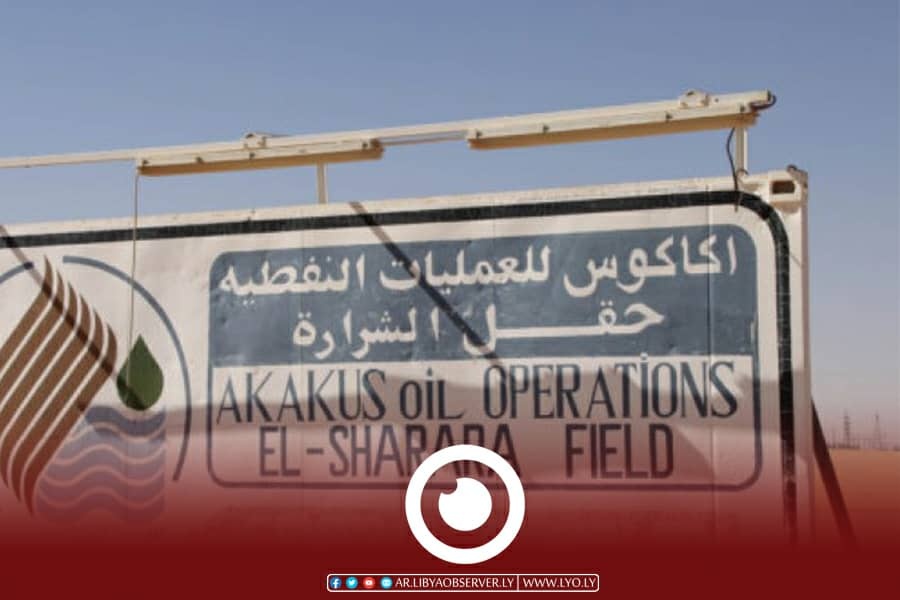
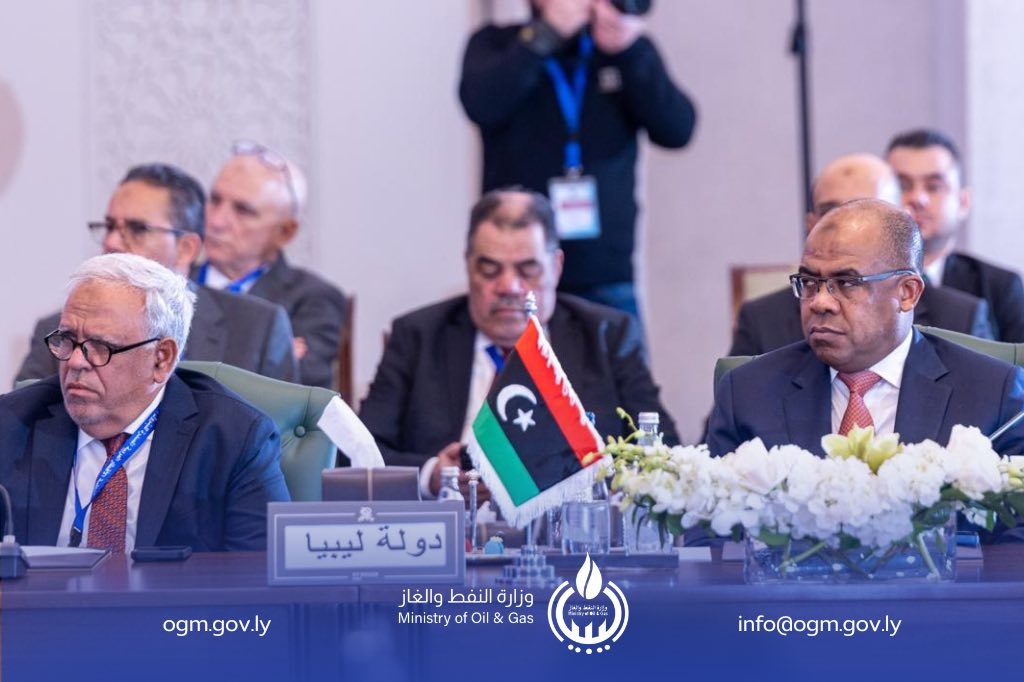
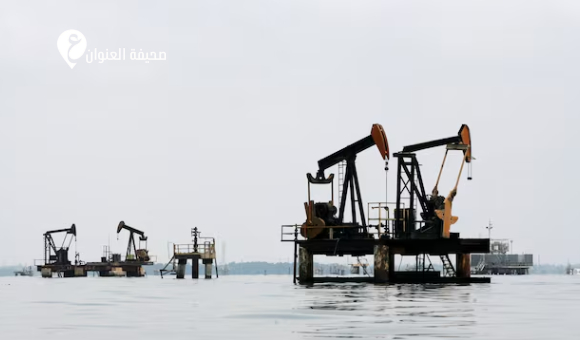
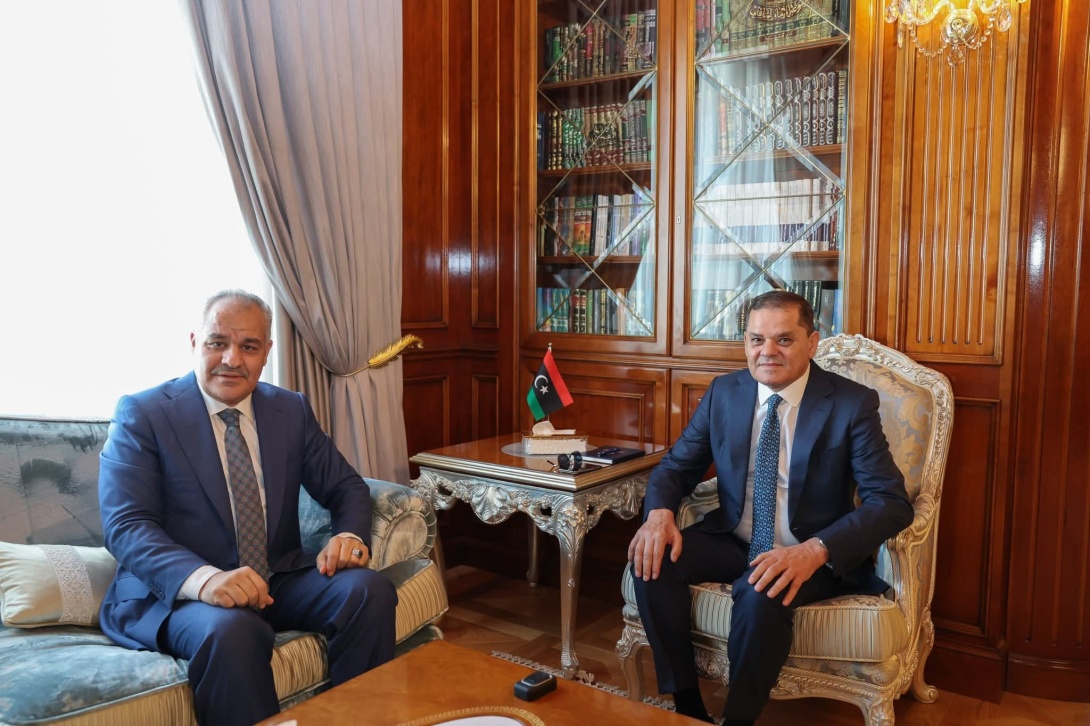
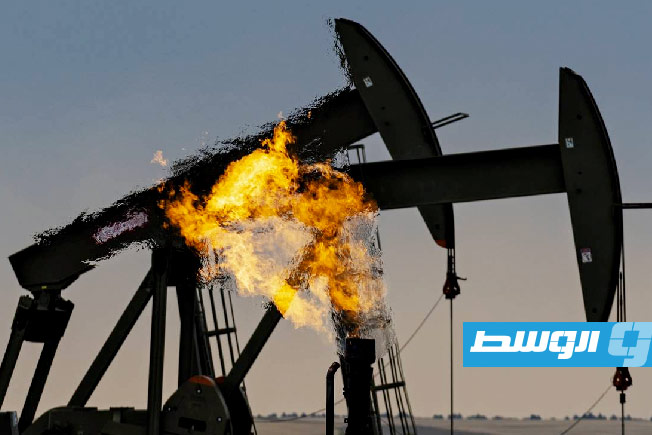
In a speech delivered this week, Prime Minister Abdul Hamid Dbeibah acknowledged that the currency devaluation “has once again placed the burden on the citizen.” Libya, which possesses Africa’s largest oil reserves (48.4 billion barrels), currently produces about 1.5 million barrels per day and aims to increase this number to two million barrels per day. However, although Libya achieved revenues approaching $22 billion from oil sales during 2025, an increase of more than 15 percent over the previous year, according to the oil corporation, it suffers from a foreign currency deficit, amounting to nine billion dollars, according to the Libyan Central Bank. The Central Bank is constantly demanding that the legislative authority approve a “unified” budget and unify spending between the governments in Tripoli and Benghazi, to reduce the escalating economic repercussions, the rising intensity of inflation, and the deterioration of the dinar’s value.
Libya
Libya is a North African country with a rich history rooted in ancient civilizations like the Phoenicians and Romans, followed by centuries of Arab and Ottoman influence. In the modern era, it was an Italian colony before gaining independence in 1951, later becoming known for Muammar Gaddafi’s lengthy rule from 1969 until the 2011 revolution. The country is home to UNESCO World Heritage sites, such as the ancient Greek city of Cyrene and the Roman ruins of Leptis Magna.
Ramadan
Ramadan is the ninth month of the Islamic lunar calendar, observed by Muslims worldwide as a month of fasting, prayer, reflection, and community. Its history is rooted in the Islamic tradition that it was during this month that the Quran was first revealed to the Prophet Muhammad. The fast from dawn to sunset commemorates this revelation and is one of the Five Pillars of Islam.
Muammar Gaddafi
Muammar Gaddafi was the long-time leader of Libya, seizing power in a 1969 military coup and ruling until his overthrow and death in 2011. His political philosophy, outlined in his “Green Book,” established a unique system of governance called a “Jamahiriya,” or “state of the masses,” though his regime was widely criticized for human rights abuses and authoritarianism.
Tripoli
Tripoli is the capital and largest city of Libya, with a history dating back to the 7th century BC when it was founded by the Phoenicians. It later became a significant Roman city and a major port under various rulers, including the Ottomans and Italians, which is reflected in its historic medina and Red Castle (Assaraya al-Hamra).
Benghazi
Benghazi is a major city in eastern Libya, historically significant as a center of trade and culture since its founding as the Greek colony of Euesperides. It played a pivotal role in the 2011 Libyan Civil War as a key base for the uprising against Muammar Gaddafi.
United Nations
The United Nations is an international organization founded in 1945 after World War II to promote peace, security, and cooperation among nations. It replaced the League of Nations and is headquartered in New York City, with its charter signed by 51 original member countries.
Abdul Hamid Dbeibah
Abdul Hamid Dbeibah is the Prime Minister of Libya’s Government of National Unity, a position he assumed in March 2021 as part of a United Nations-led peace process to unify the country’s rival administrations. His government was tasked with leading Libya to national elections, though these have been repeatedly postponed amid political disputes.
Khalifa Haftar
Khalifa Haftar is a Libyan military commander and a key figure in the country’s complex civil conflicts since the 2011 revolution. He leads the Libyan National Army (LNA), which controls eastern Libya, and has been a major participant in the ongoing struggle for power and stability in the nation.
United Nations Support Mission in Libya
The United Nations Support Mission in Libya (UNSMIL) is a political mission established in 2011 by the UN Security Council following the Libyan Civil War. Its mandate is to support Libyan national institutions, facilitate political dialogue, and promote human rights and rule of law in the country’s ongoing stabilization process.
UN Security Council
The United Nations Security Council is the principal organ of the United Nations charged with maintaining international peace and security. Established in 1945 following World War II, its five permanent members—China, France, Russia, the United Kingdom, and the United States—hold veto power over substantive resolutions.
Africa
Africa is the world’s second-largest continent and the cradle of humankind, with fossil evidence suggesting it is where the human species first evolved. Its history encompasses the rise of powerful ancient civilizations like Egypt and Mali, followed by periods of colonization by European powers and a widespread movement for independence in the 20th century. Today, Africa is a continent of immense cultural, linguistic, and ecological diversity, comprising 54 sovereign nations.
Libyan Central Bank
The Central Bank of Libya, headquartered in Tripoli, was established in 1956 to issue currency and manage the country’s monetary policy. Its history has been deeply affected by Libya’s political conflicts, leading to a prolonged period of division between rival branches in Tripoli and Bayda following the 2011 civil war.