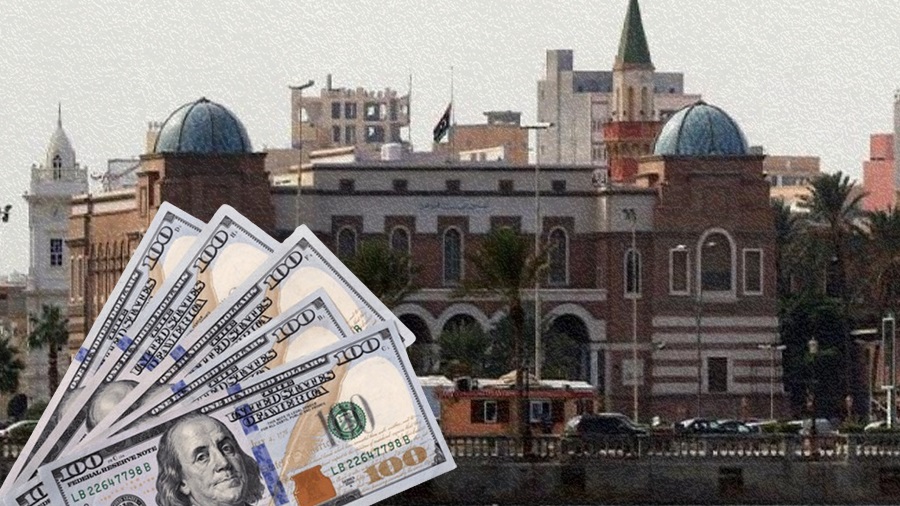
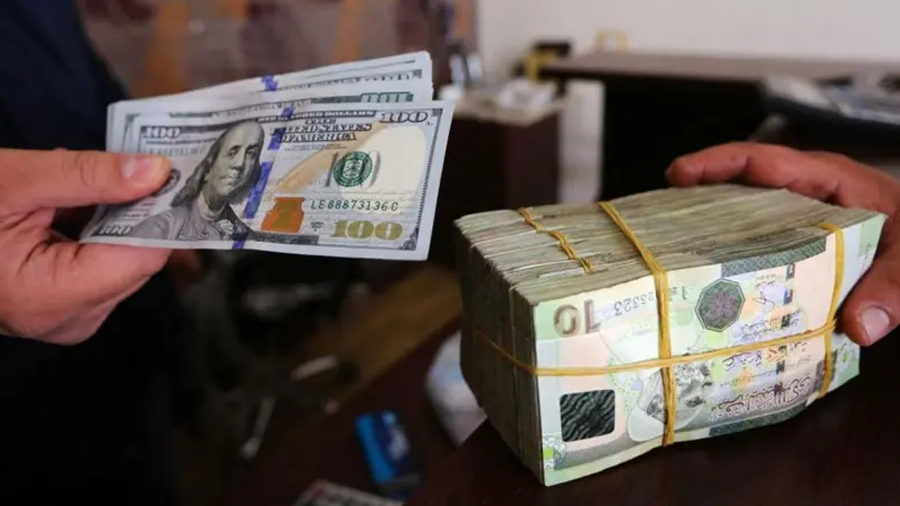
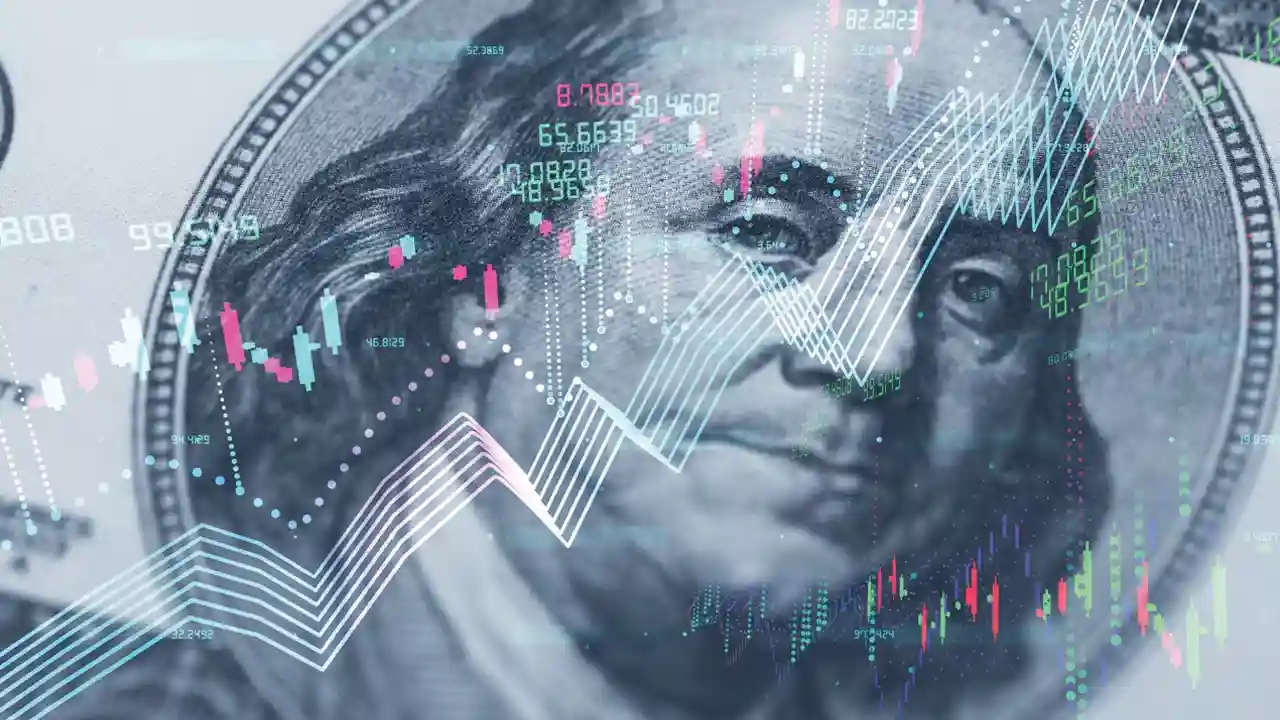
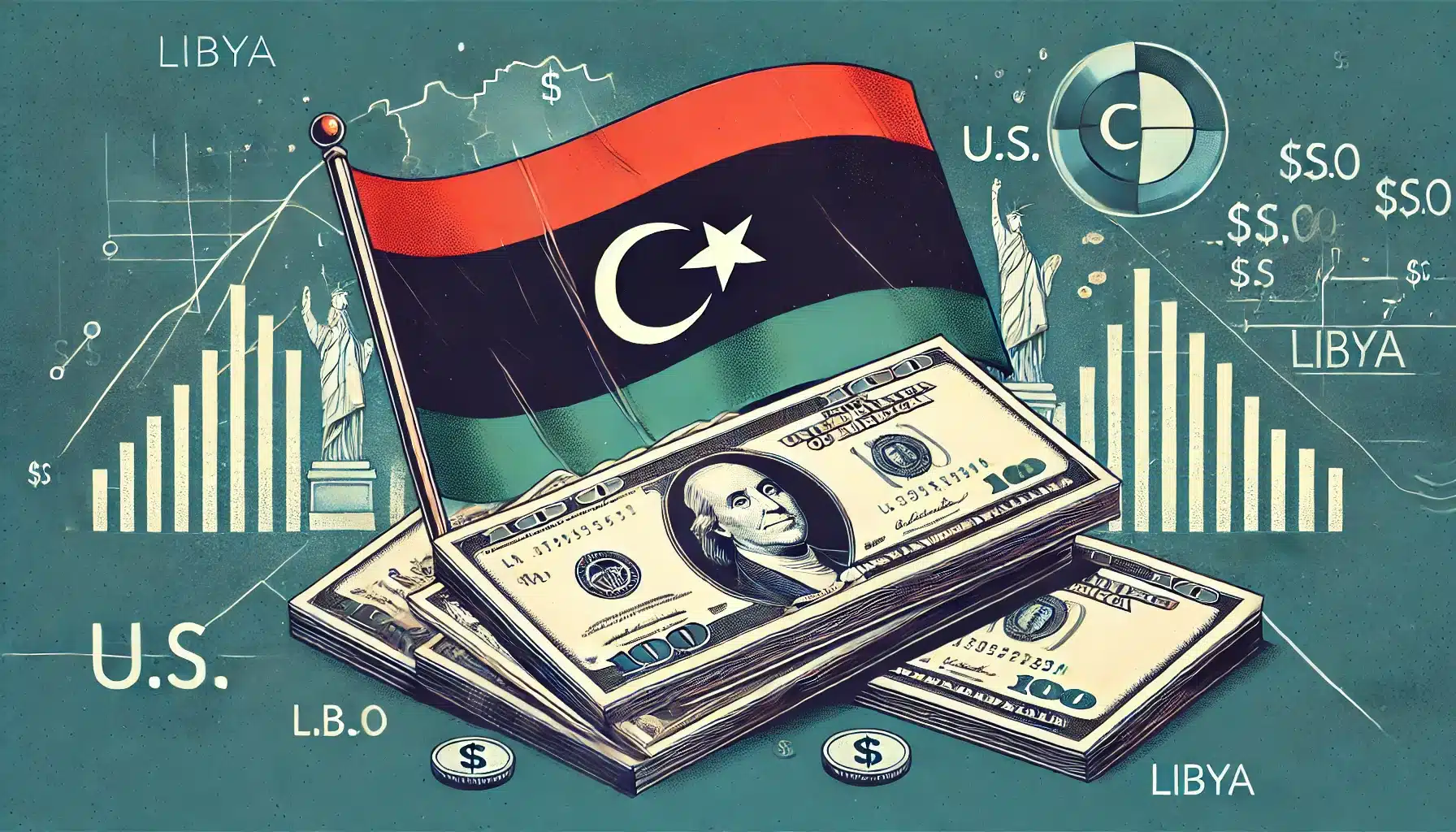
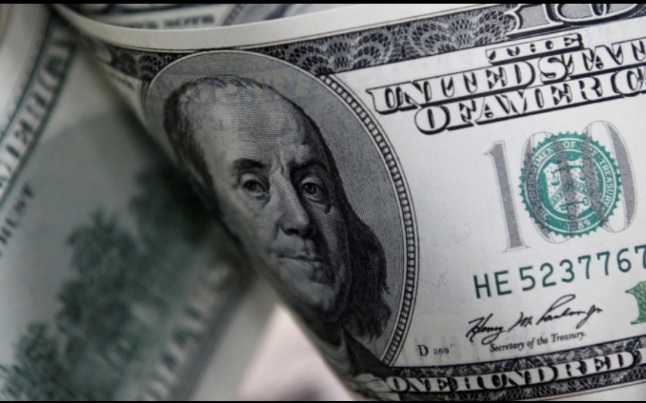
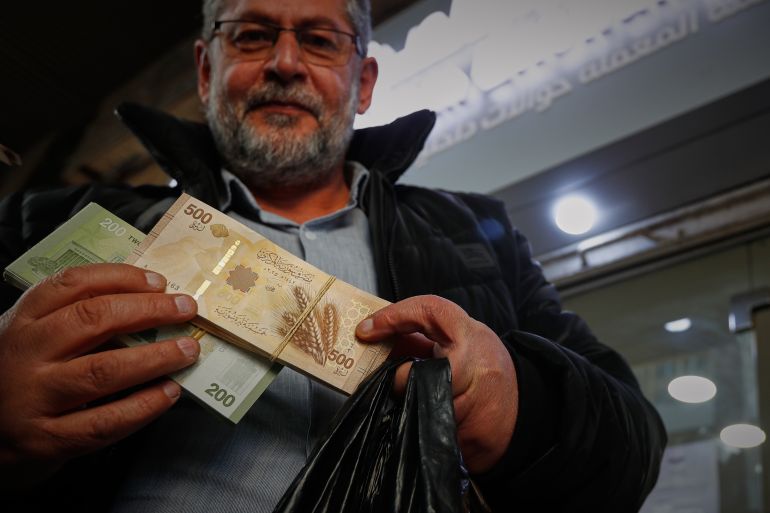
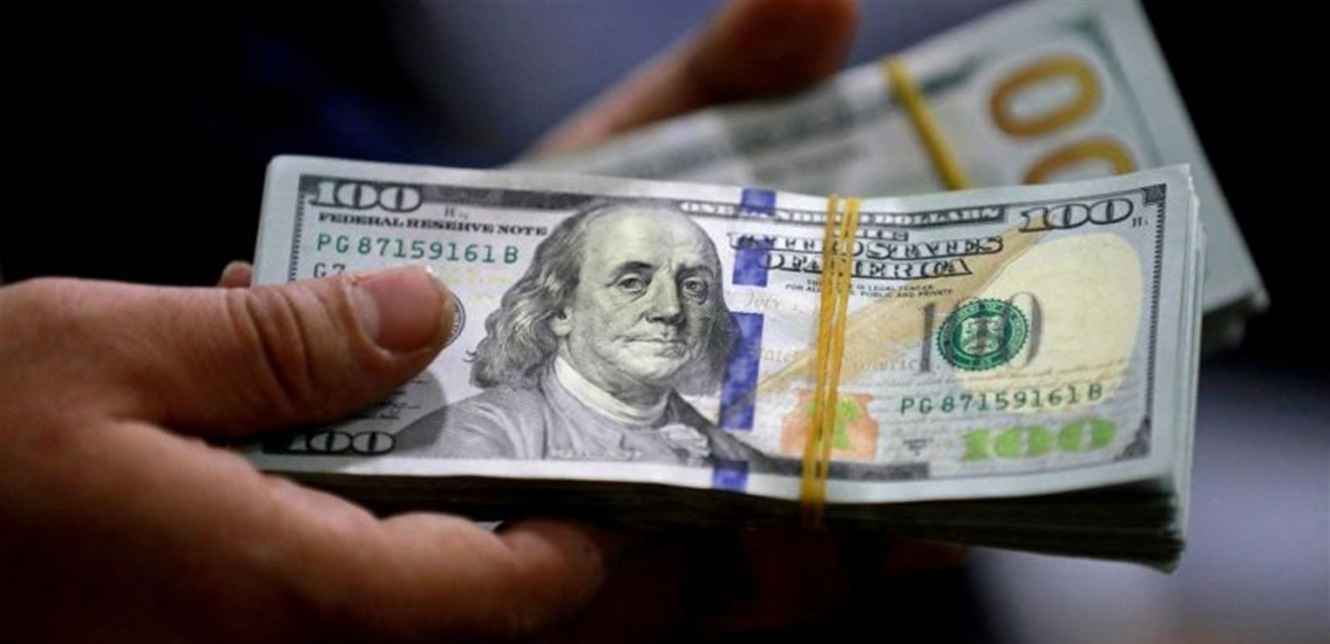
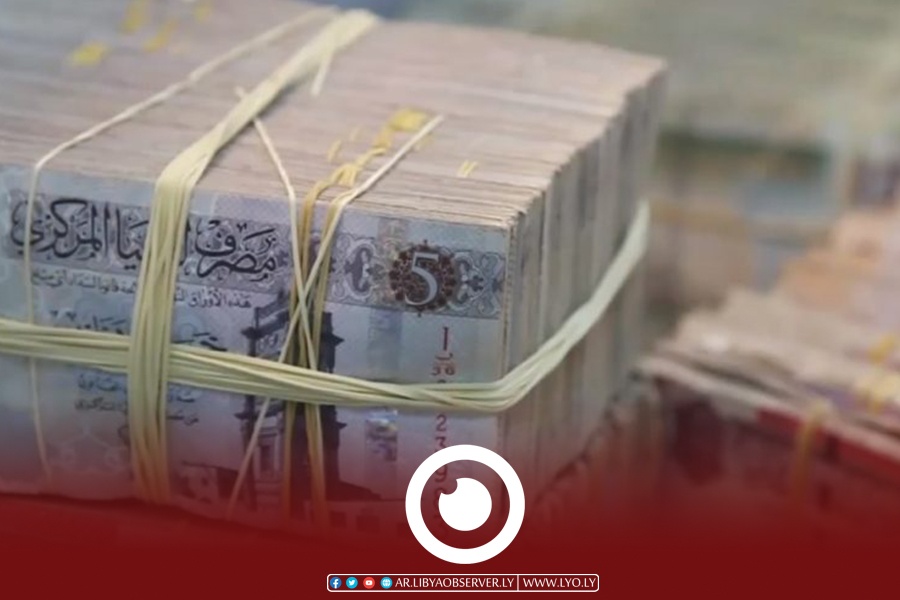
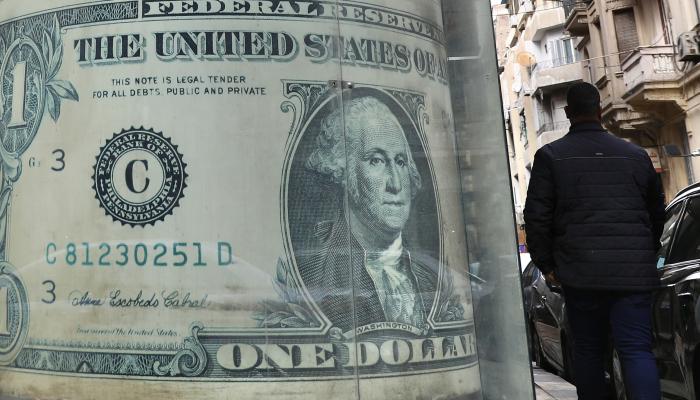
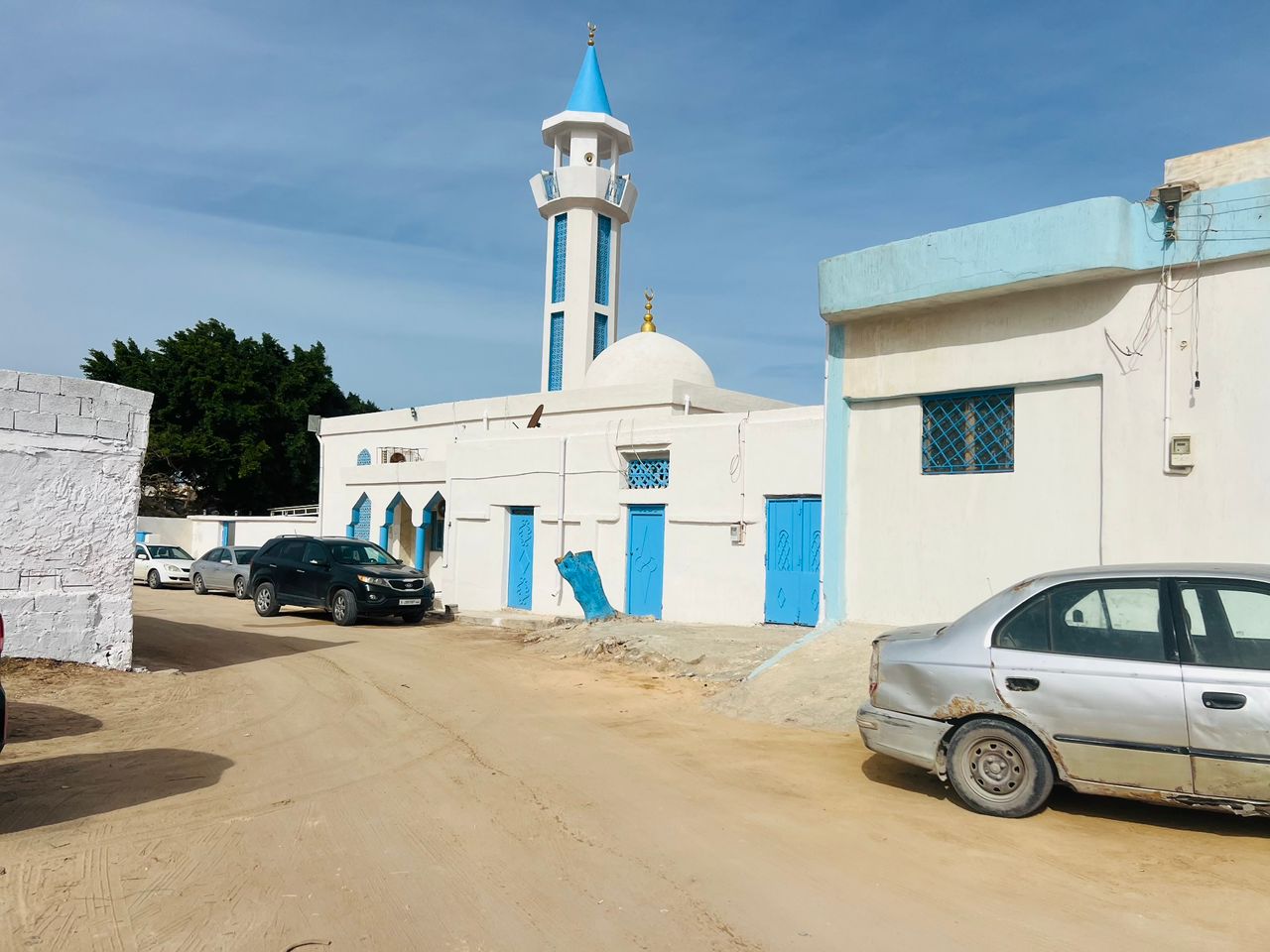
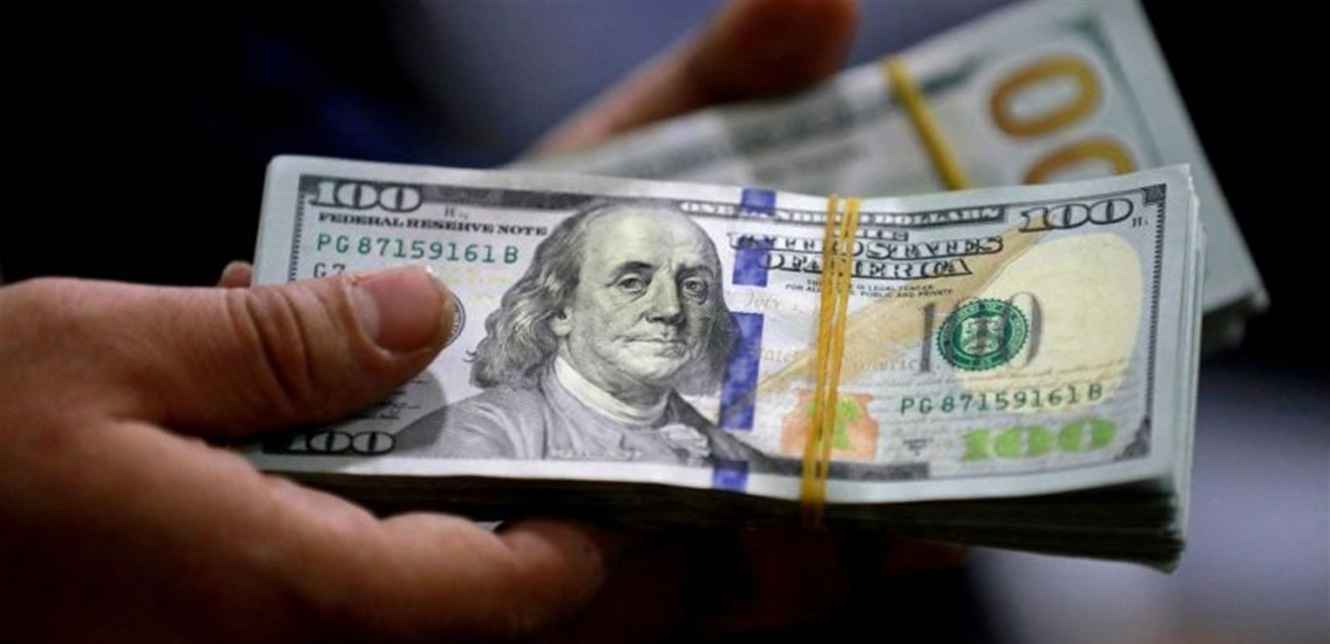
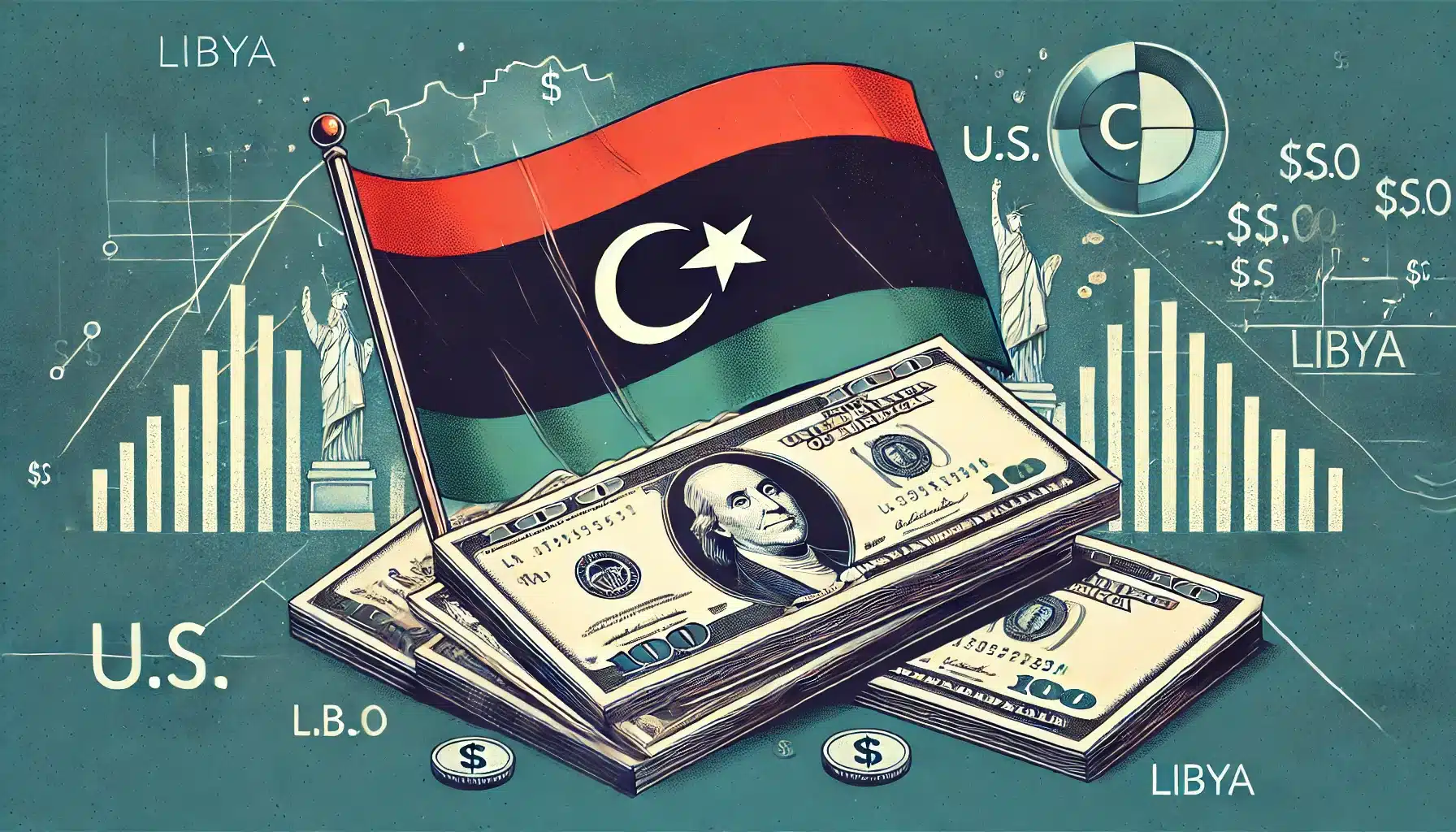
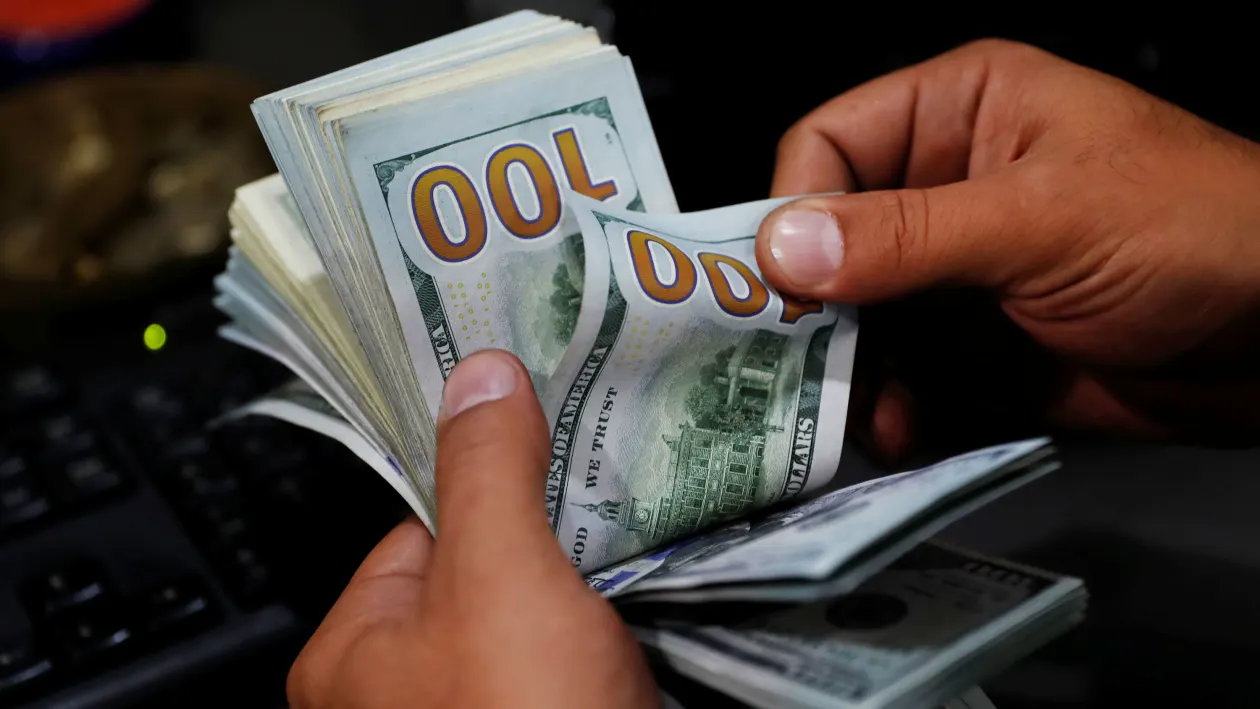
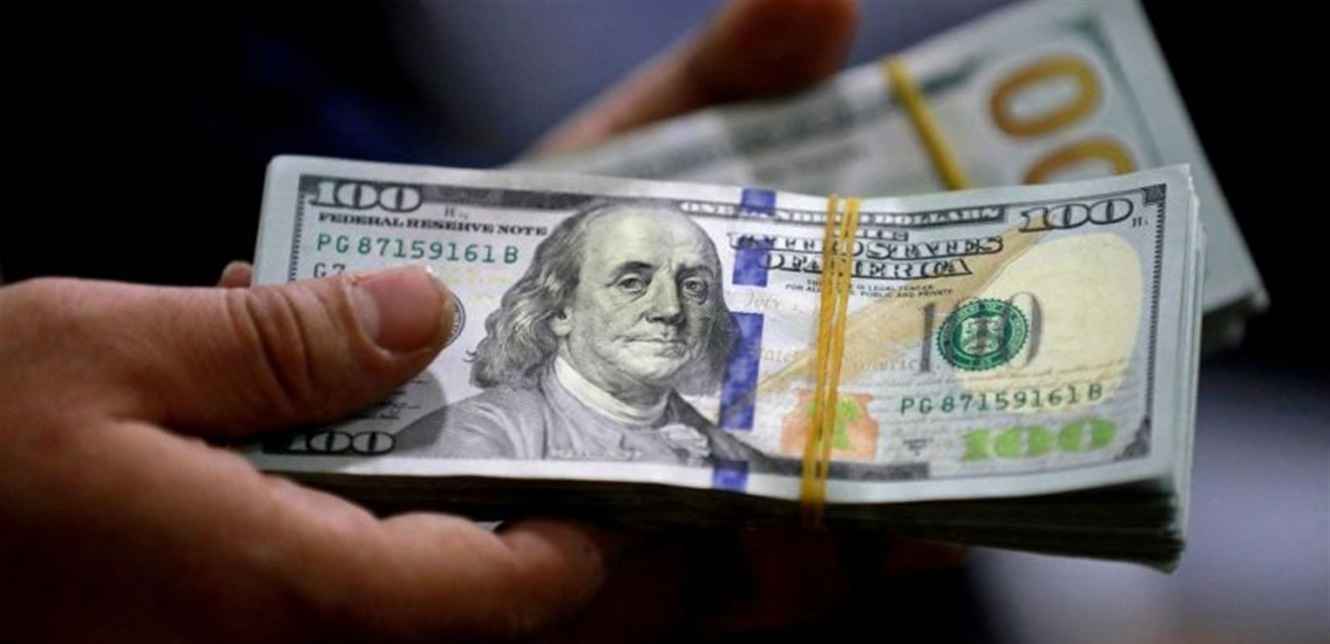
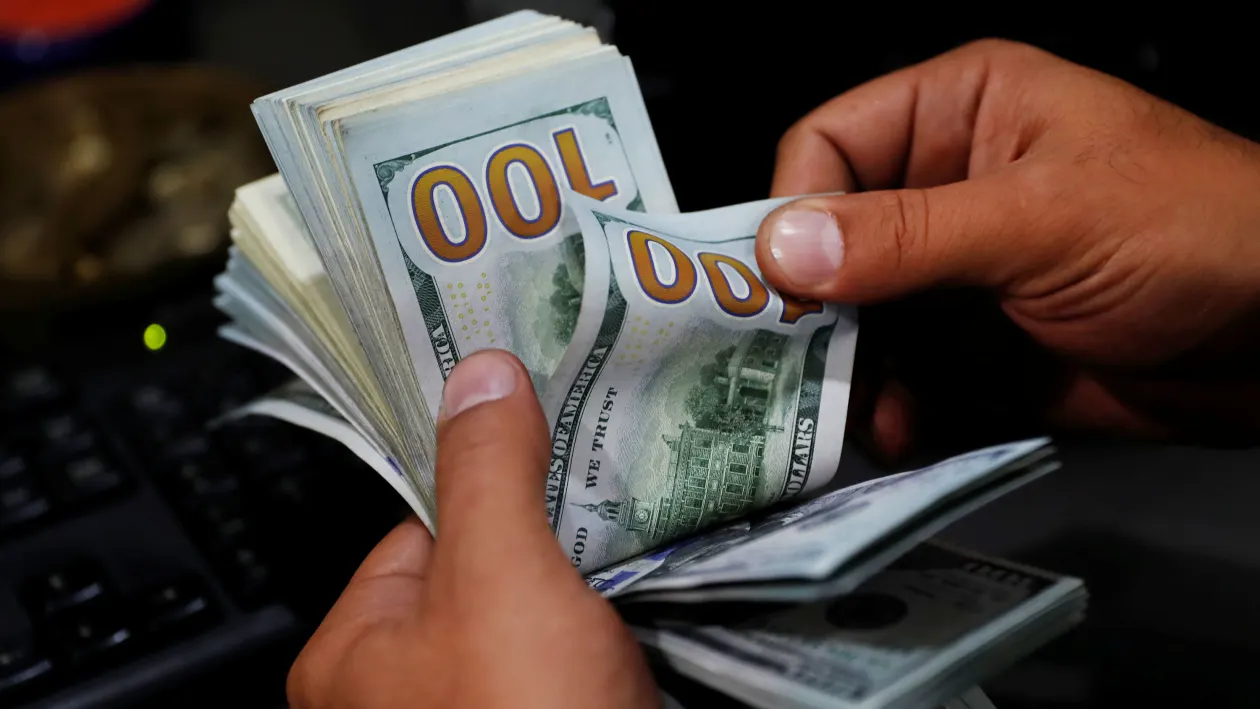
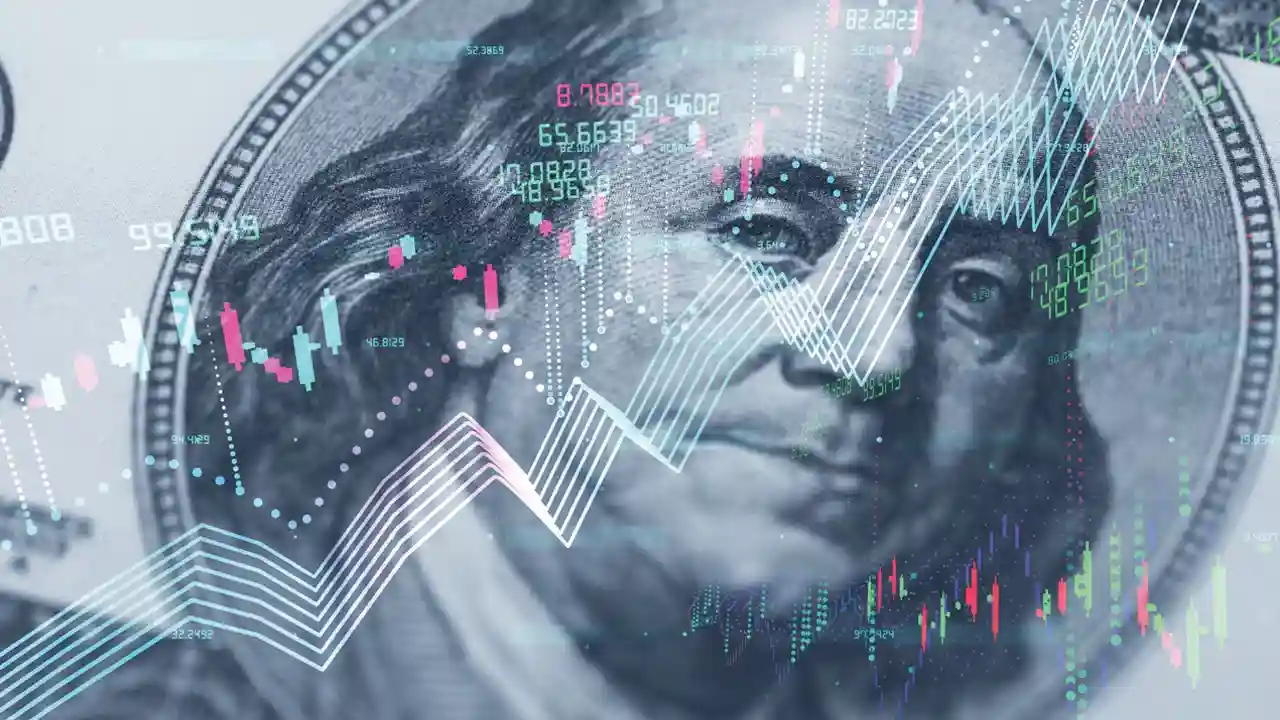
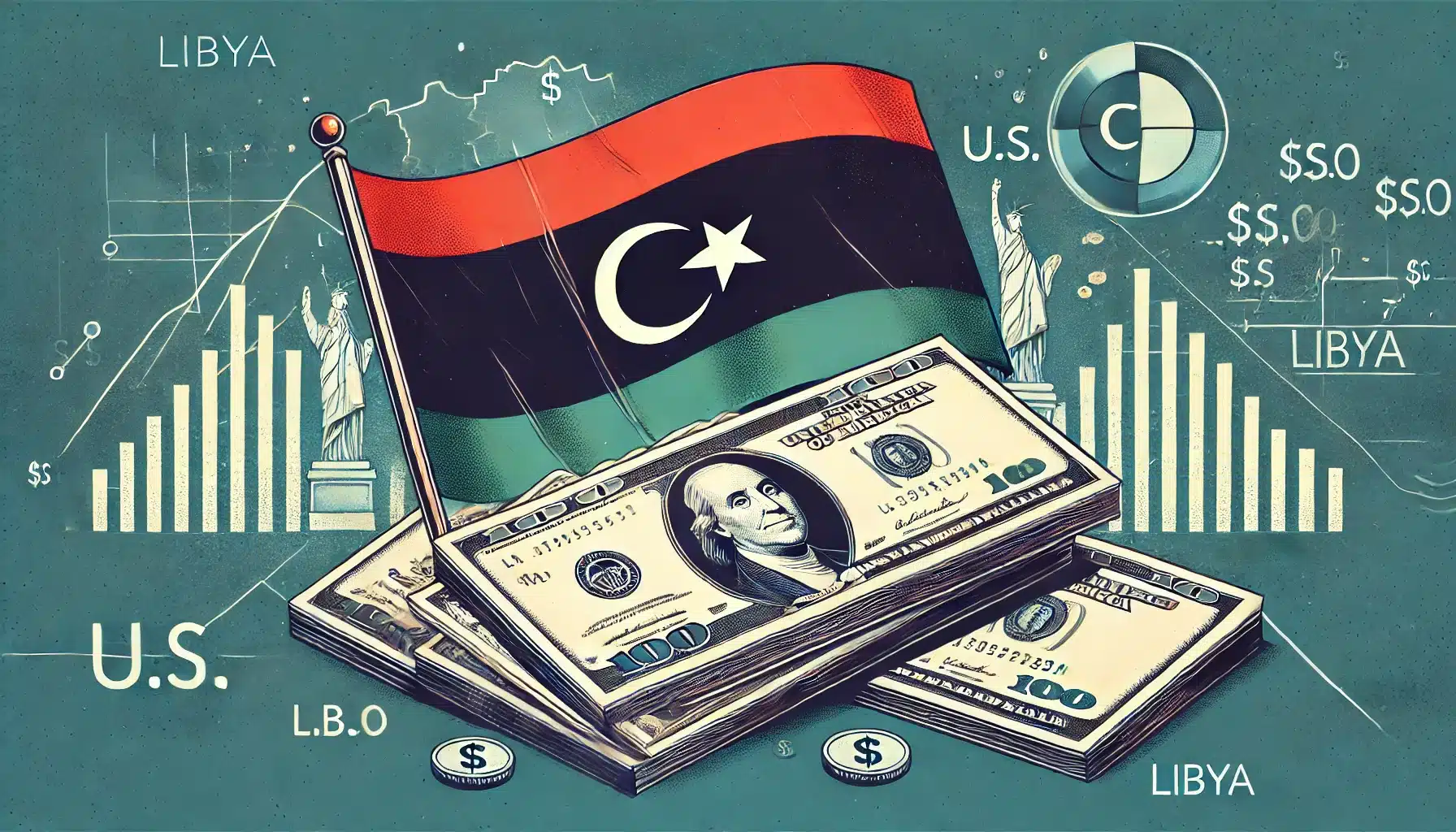
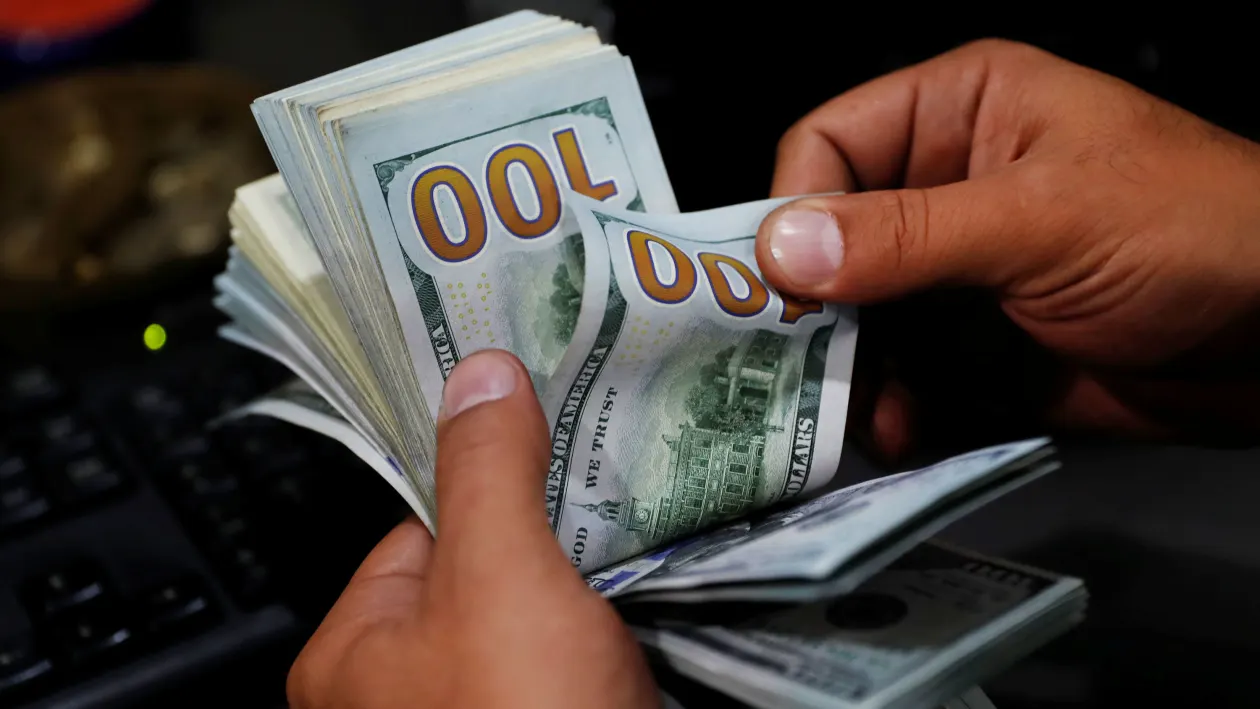
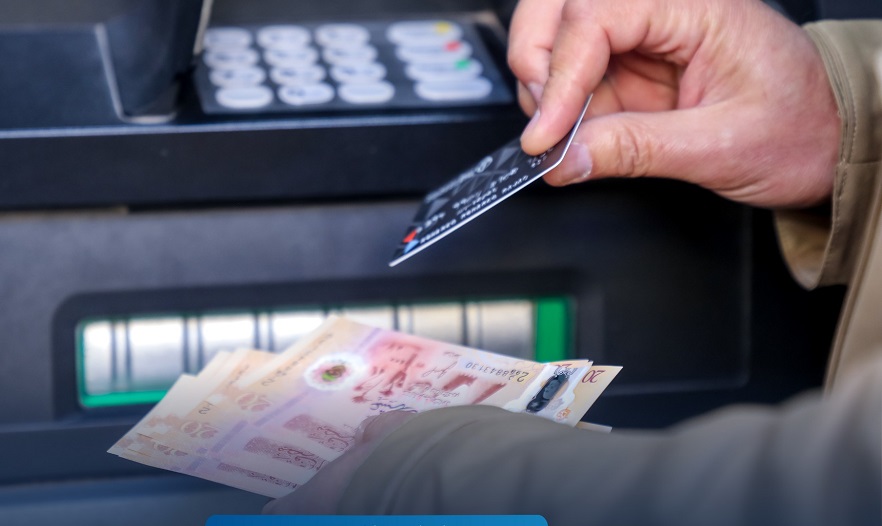
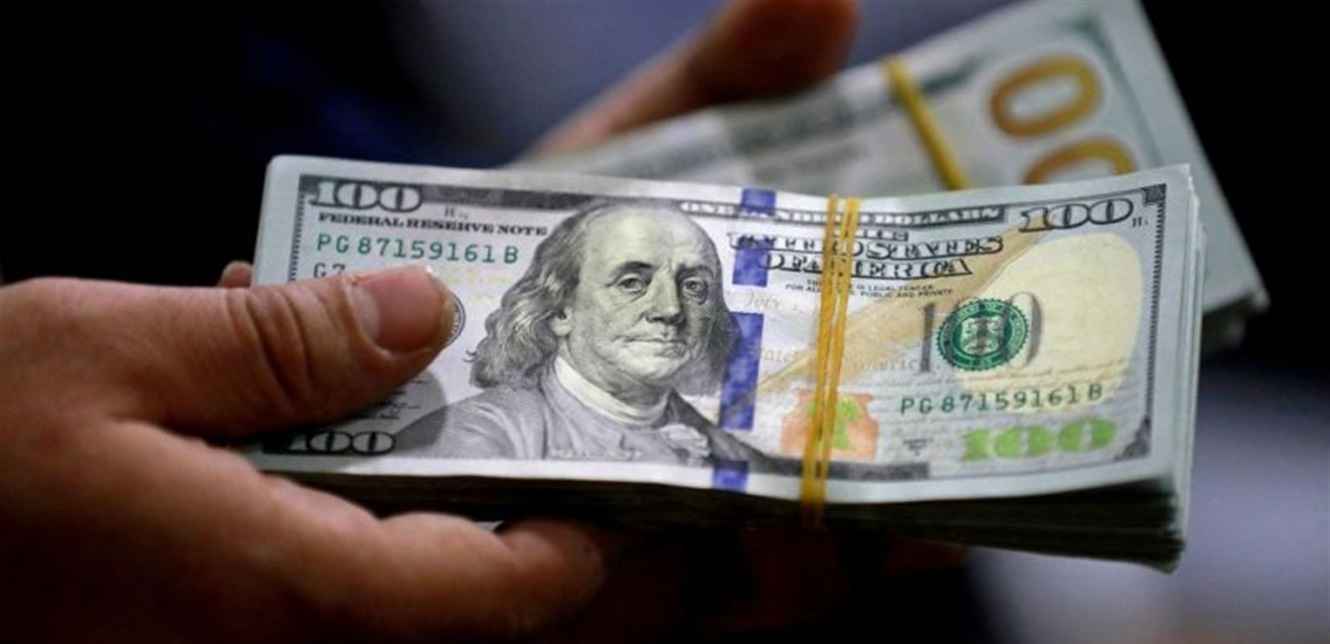
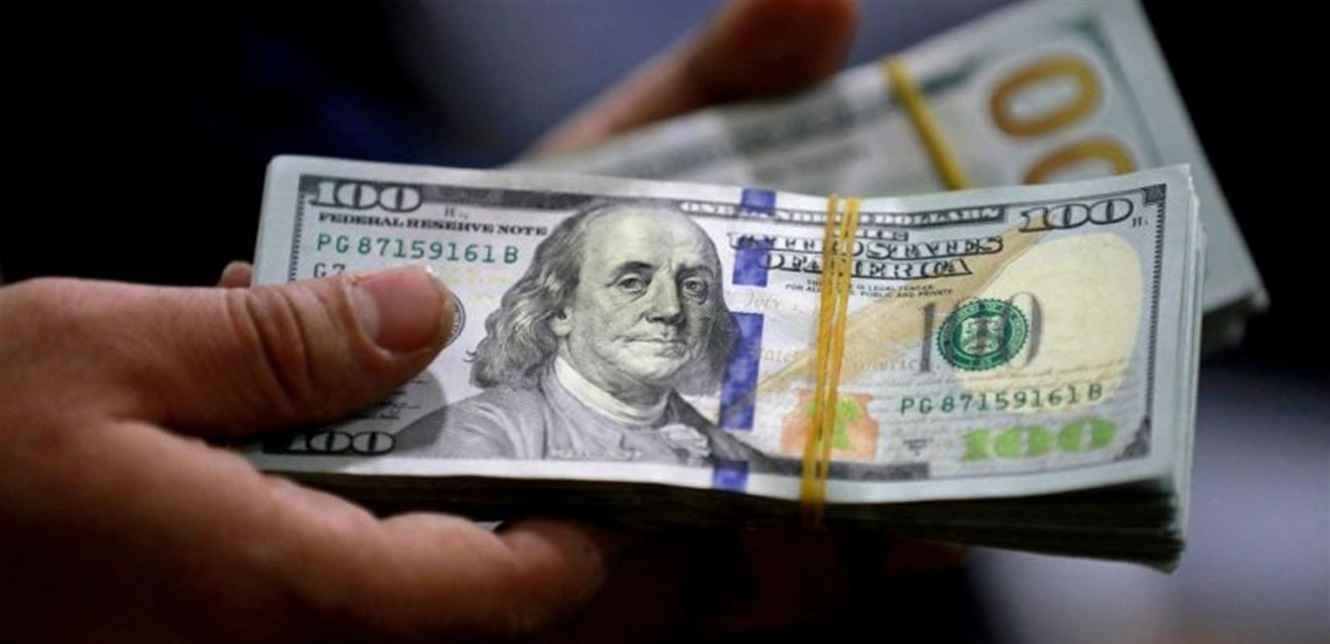
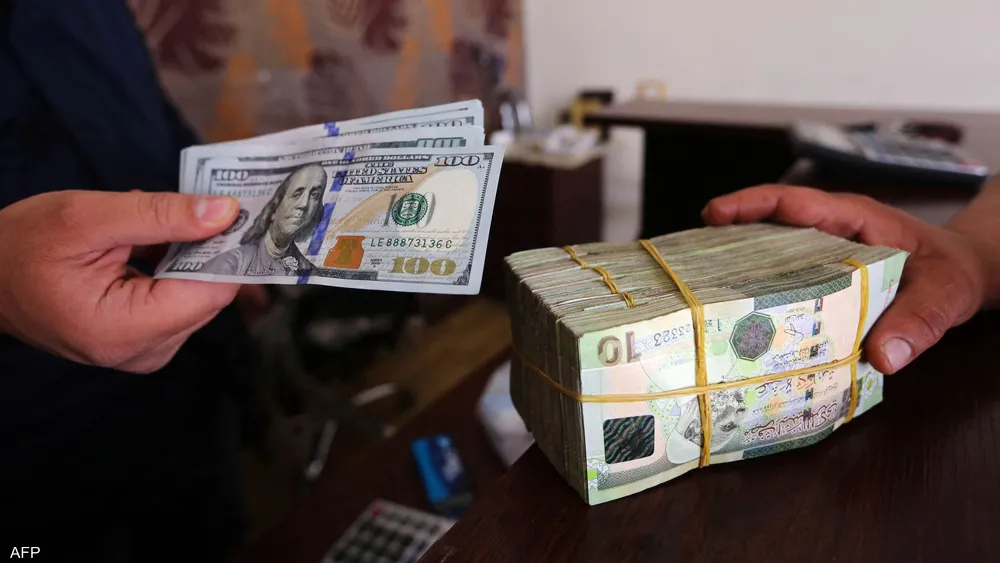
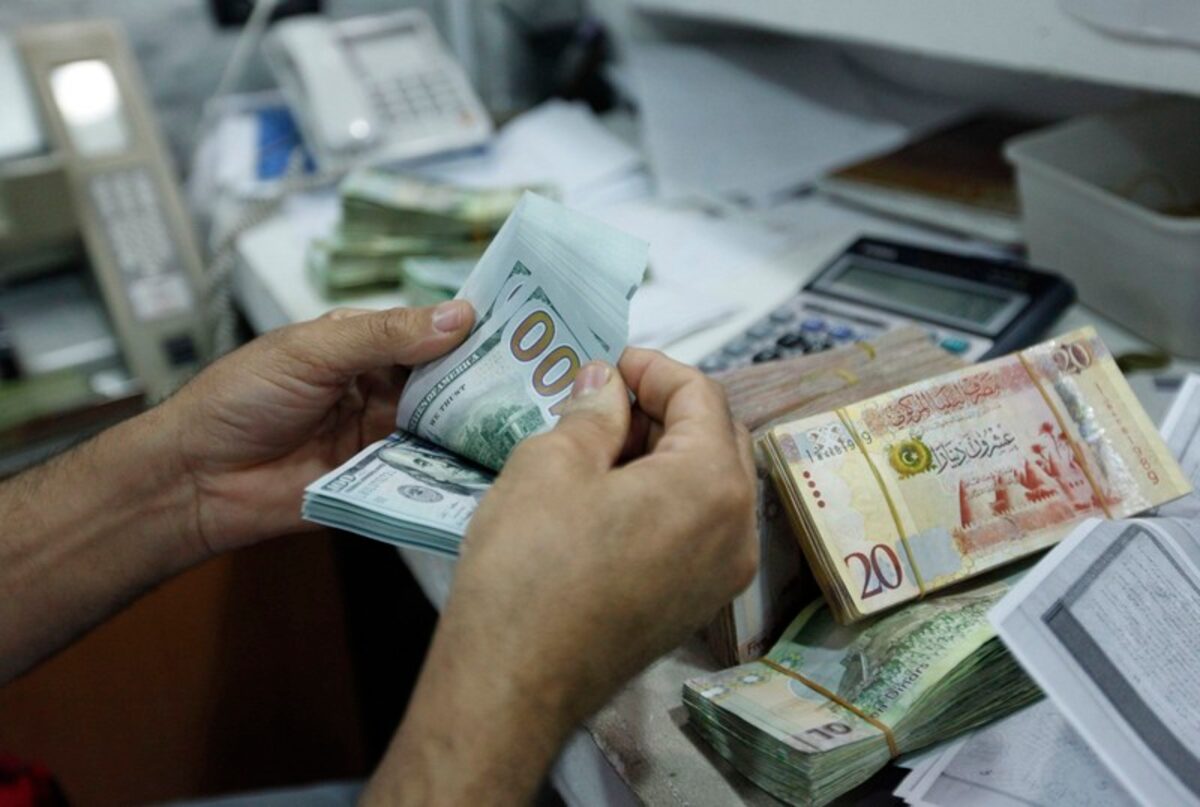
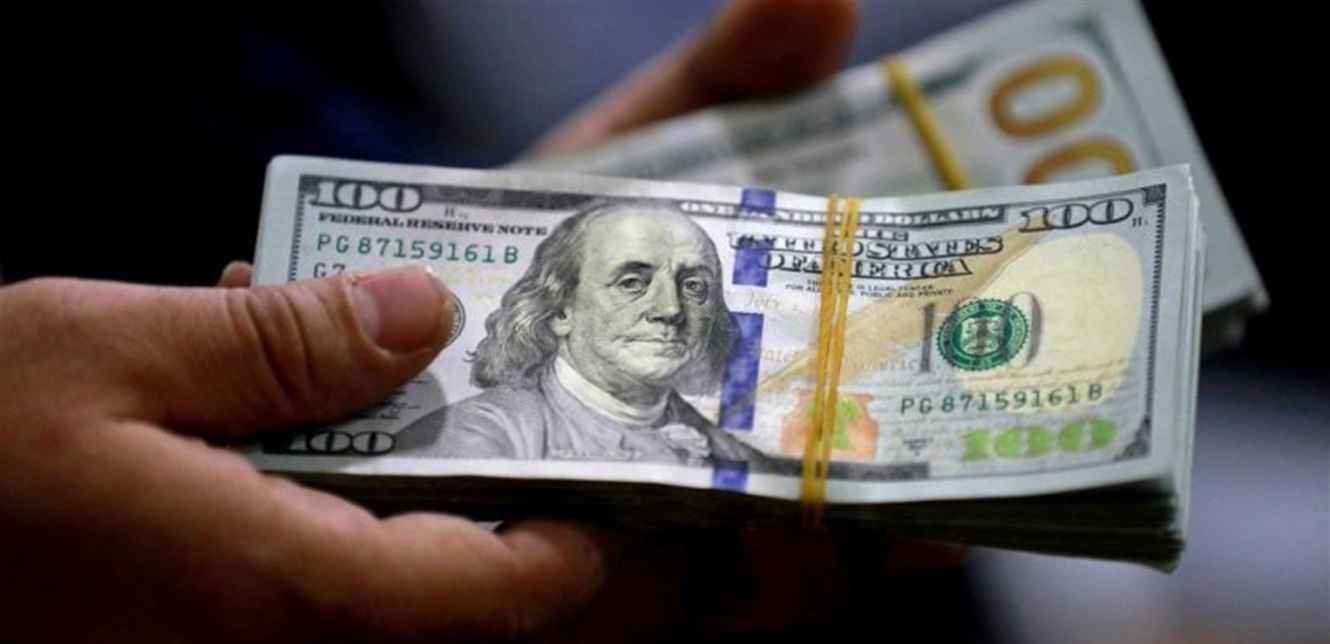
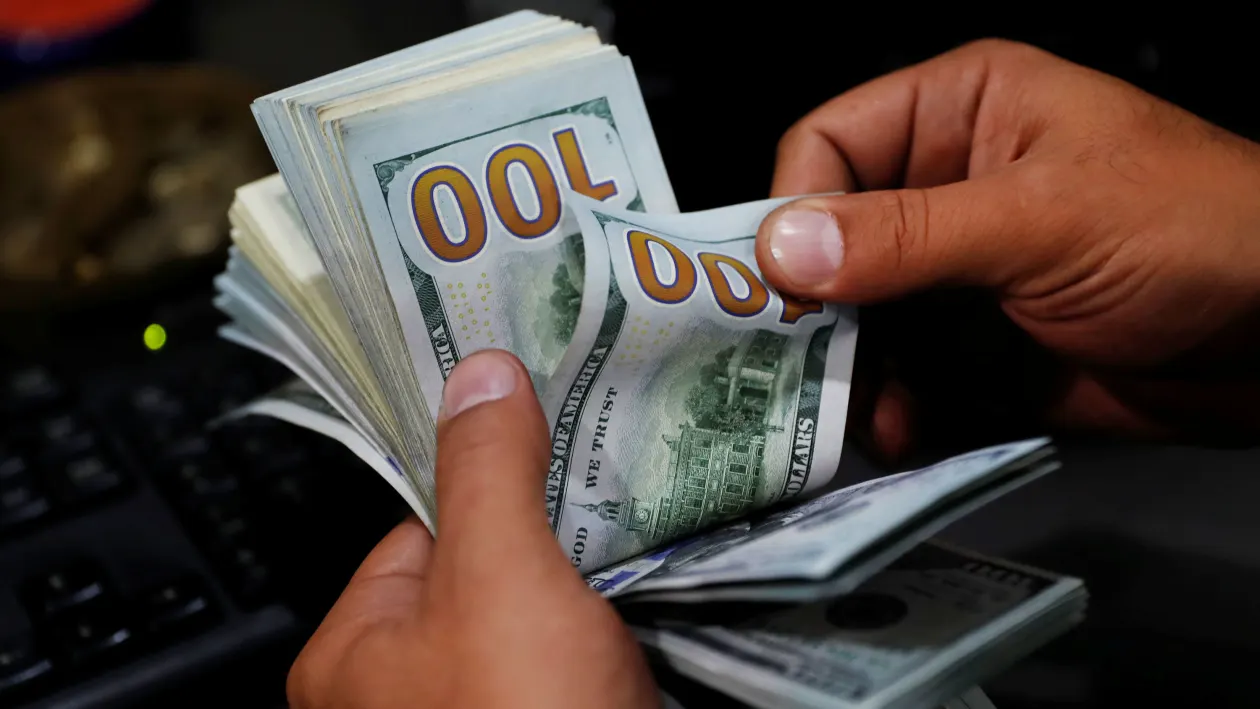
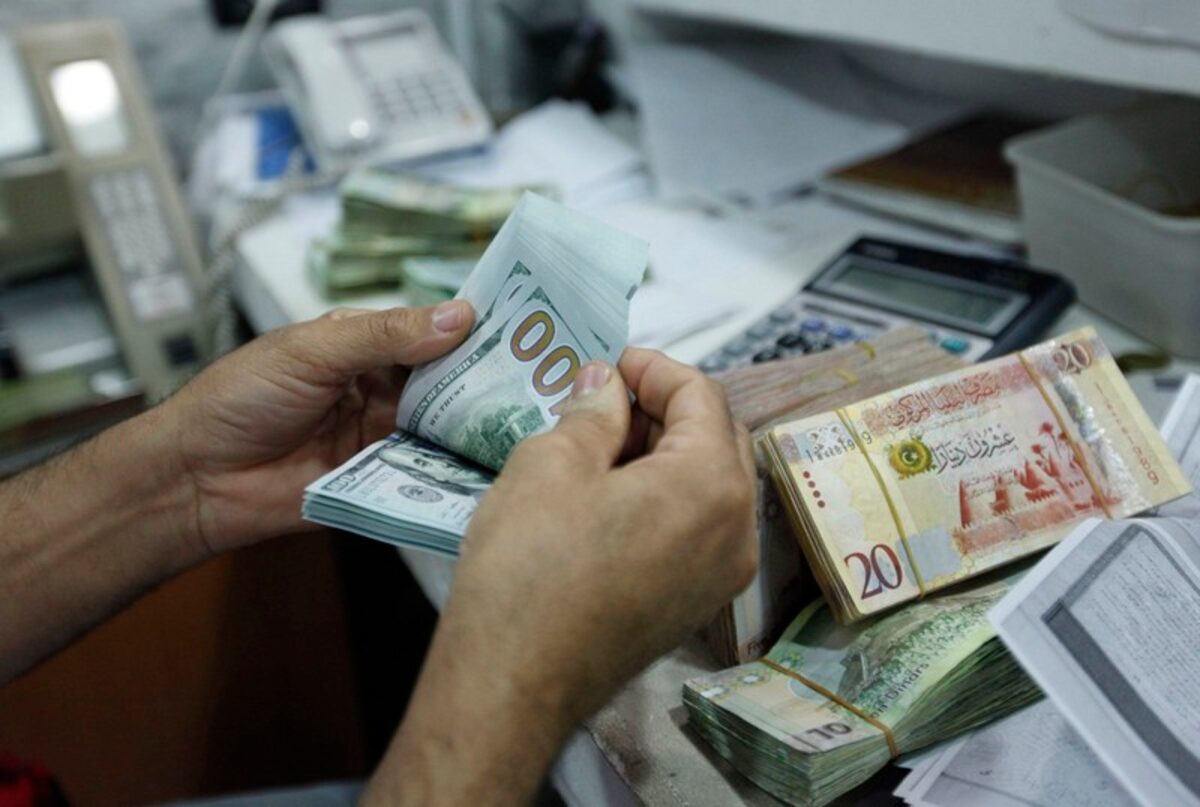
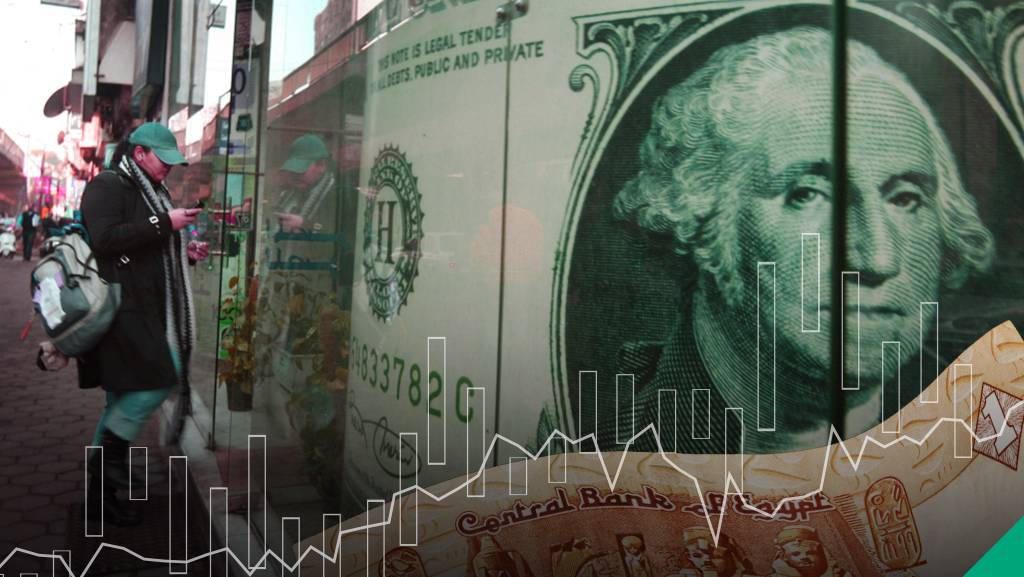
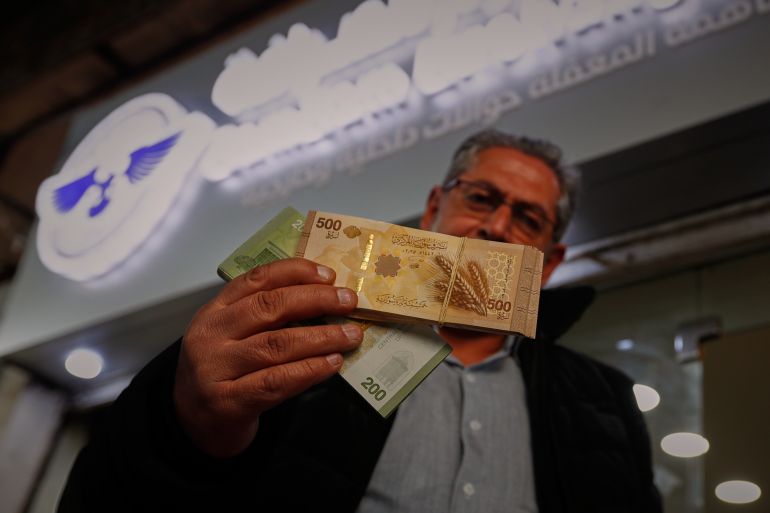
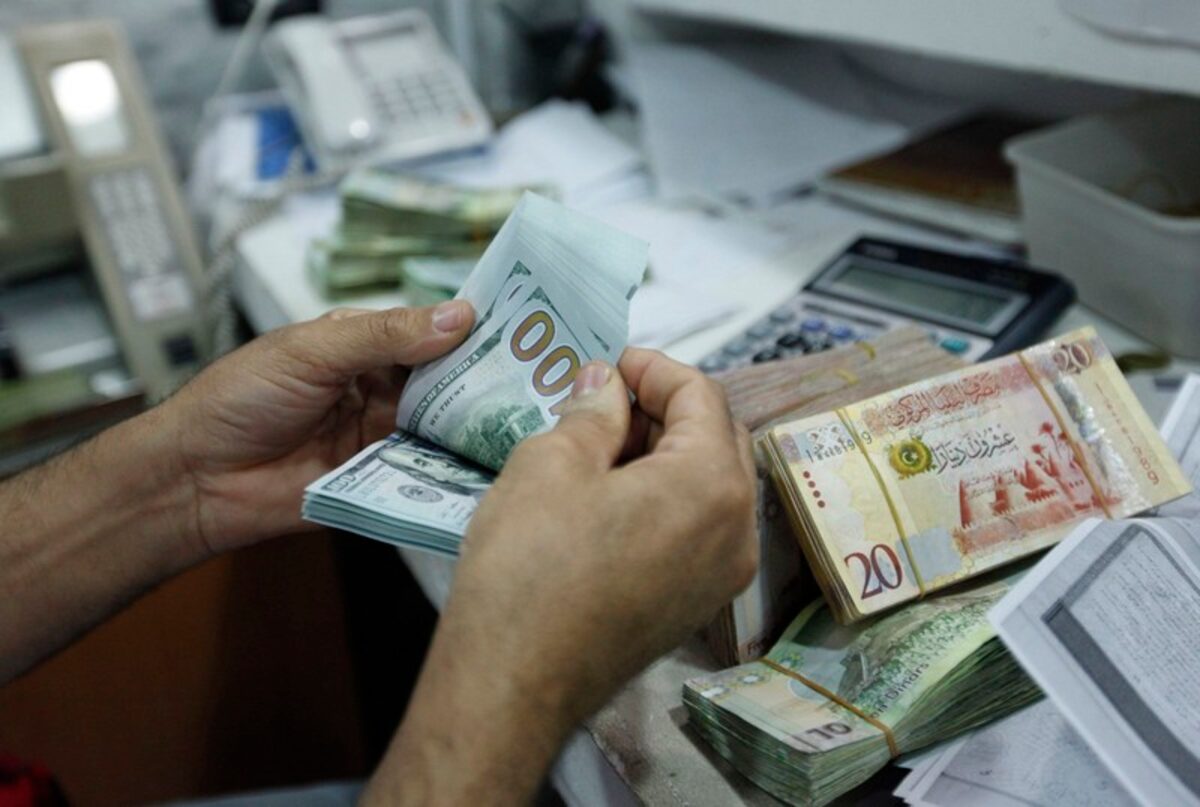
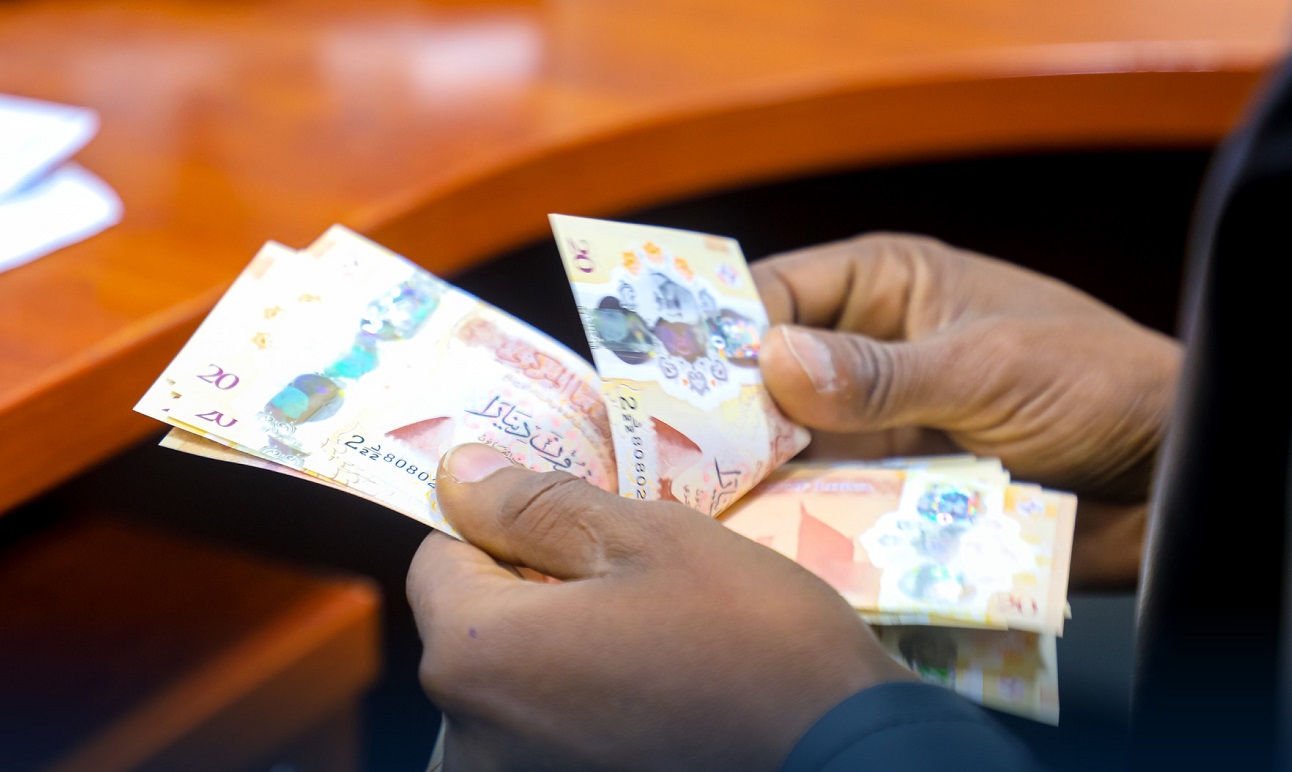
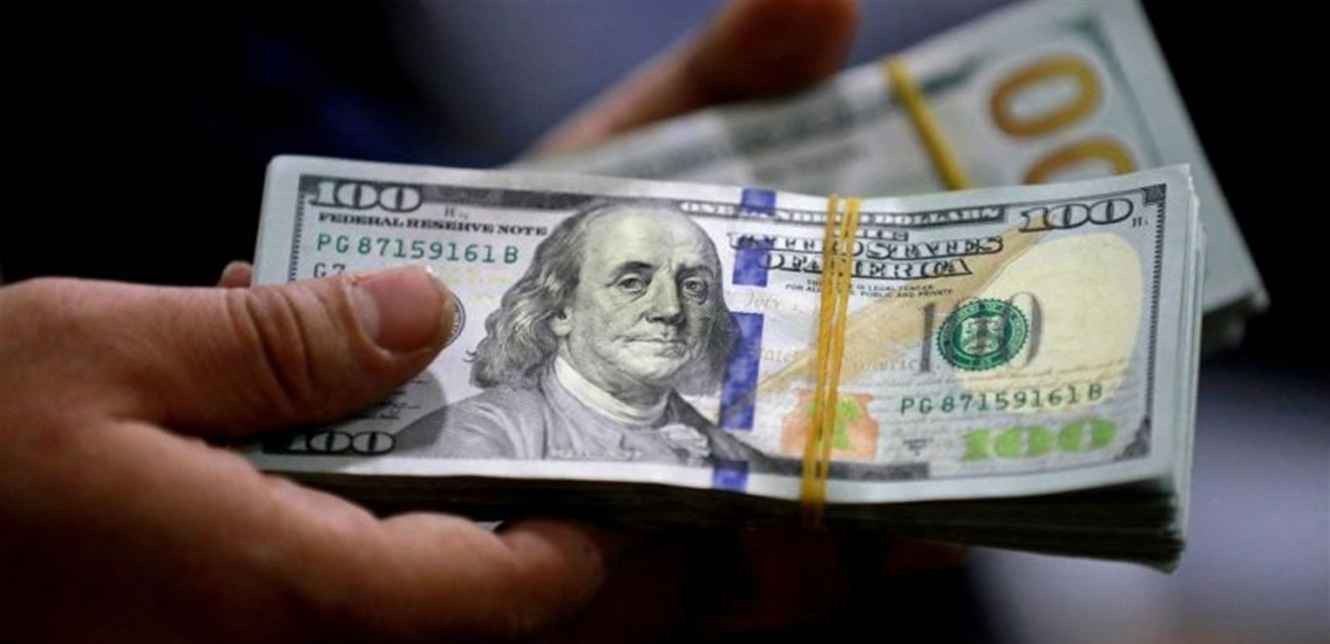
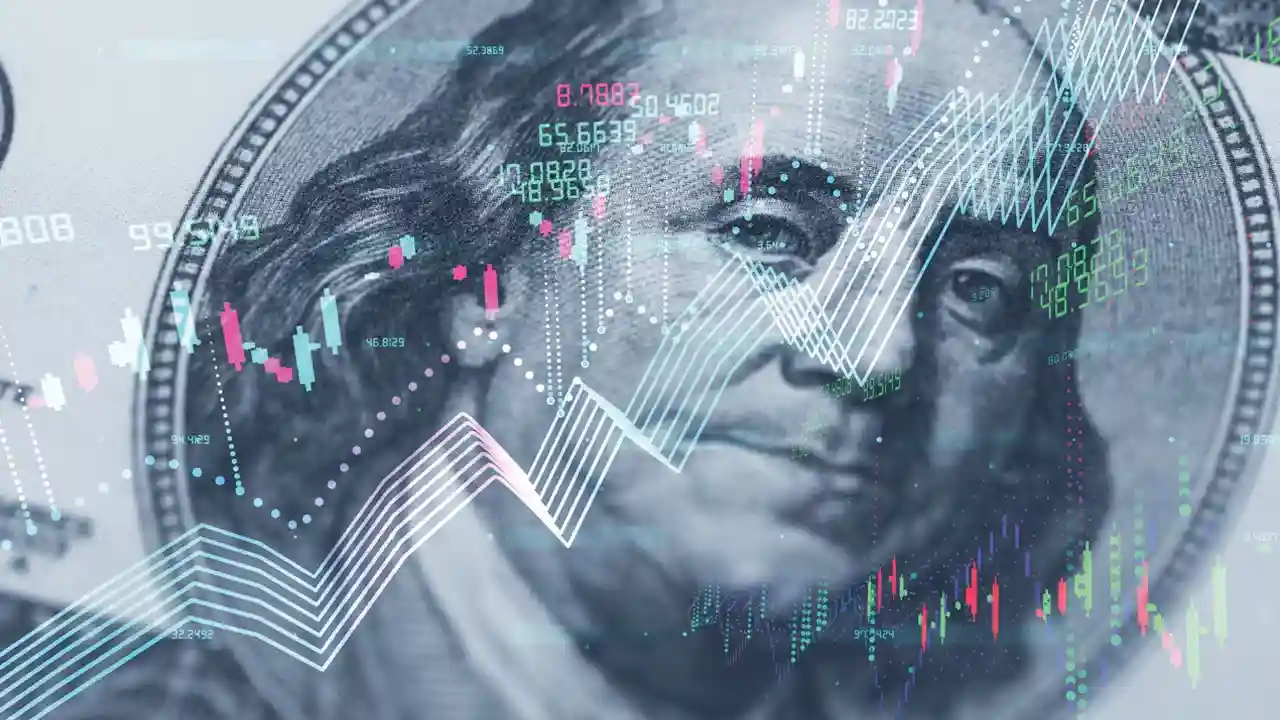
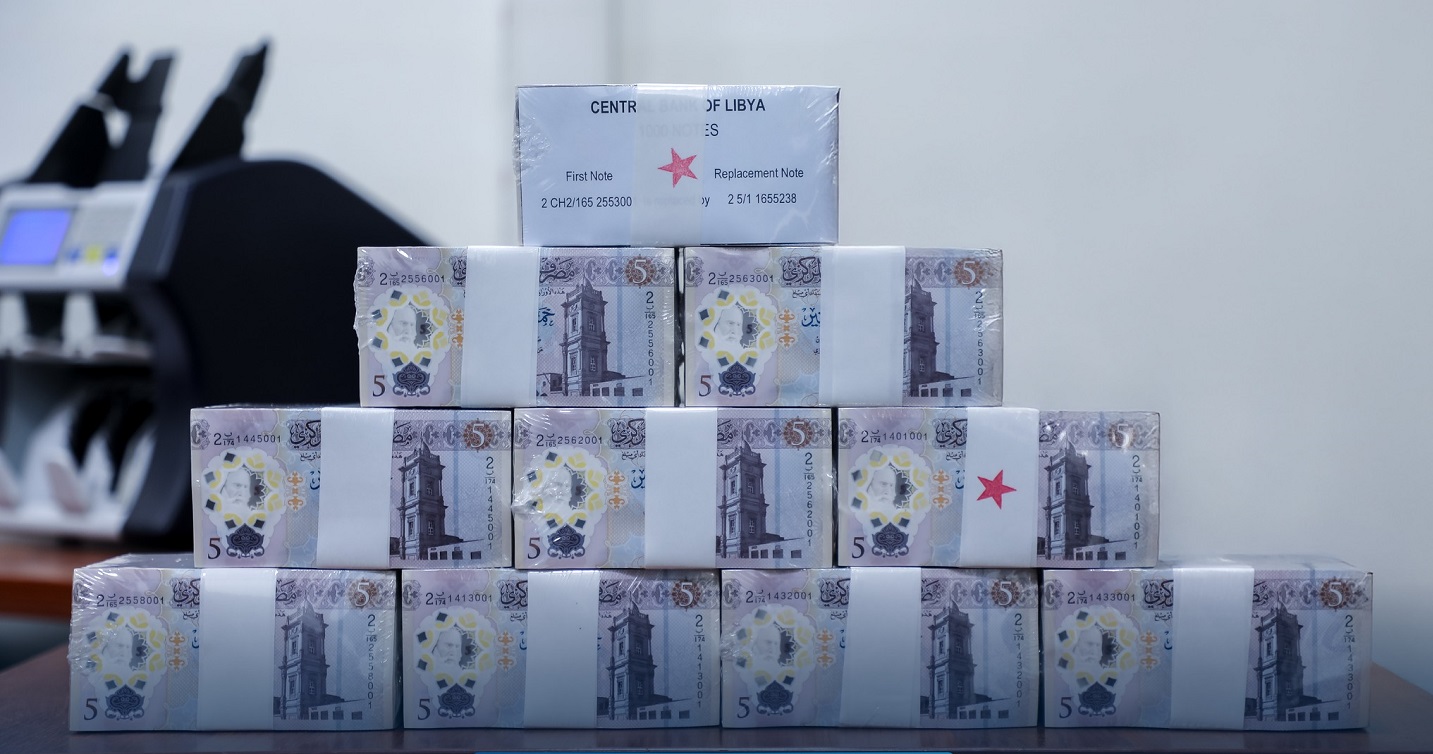
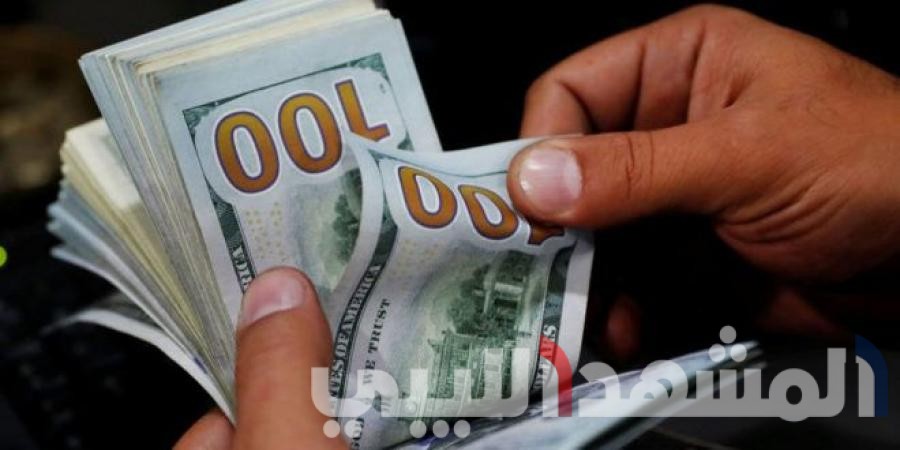
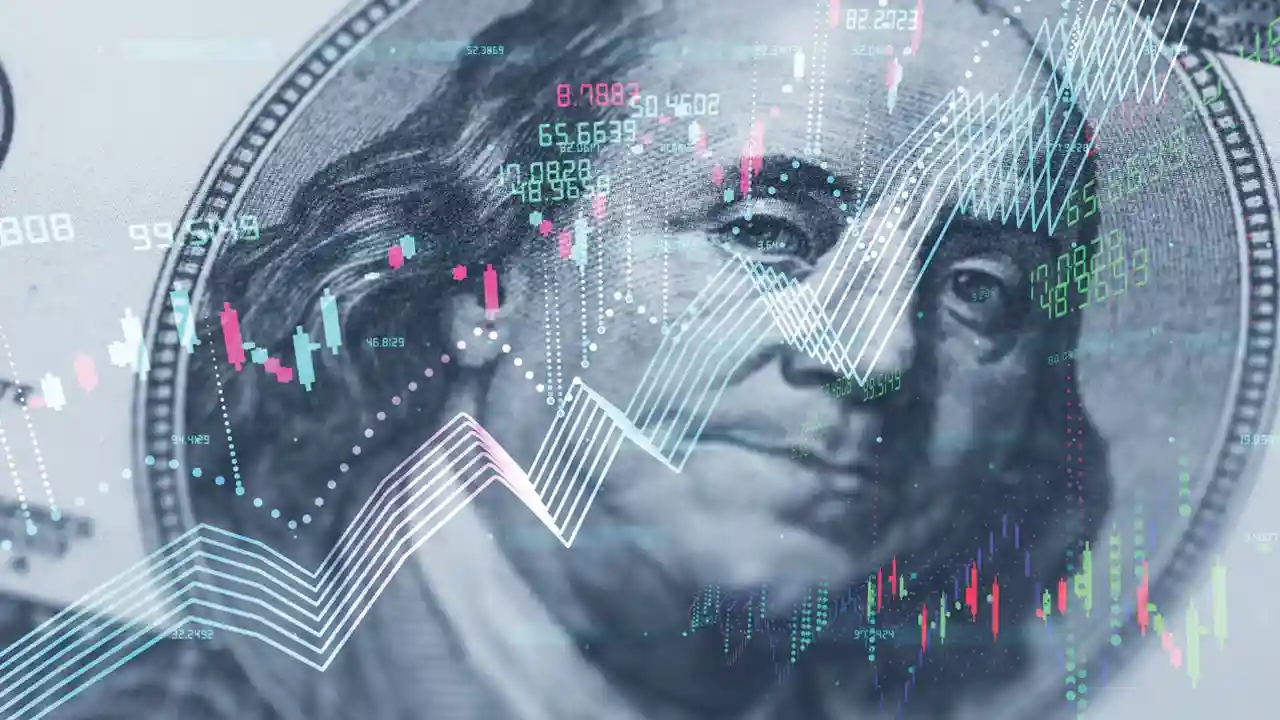
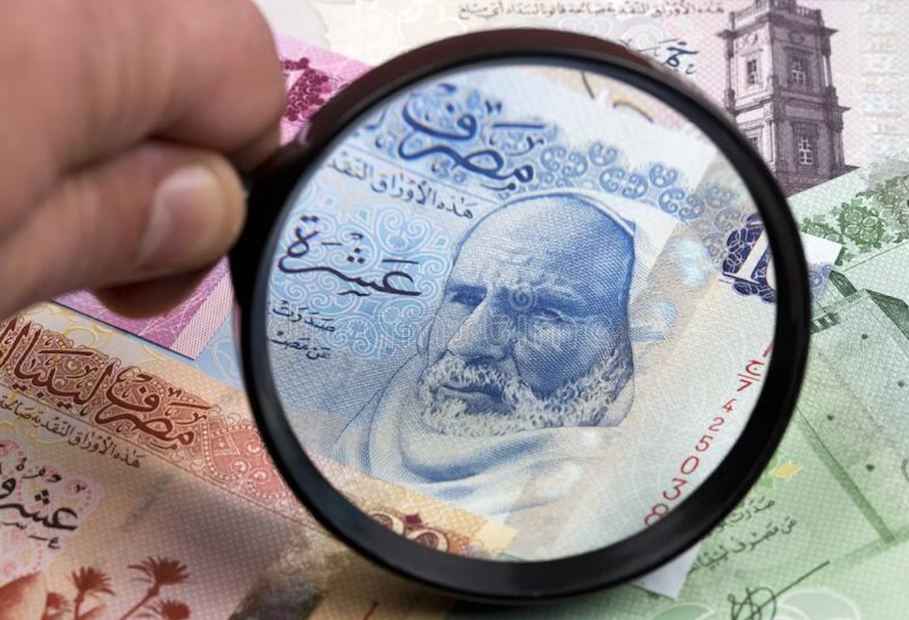
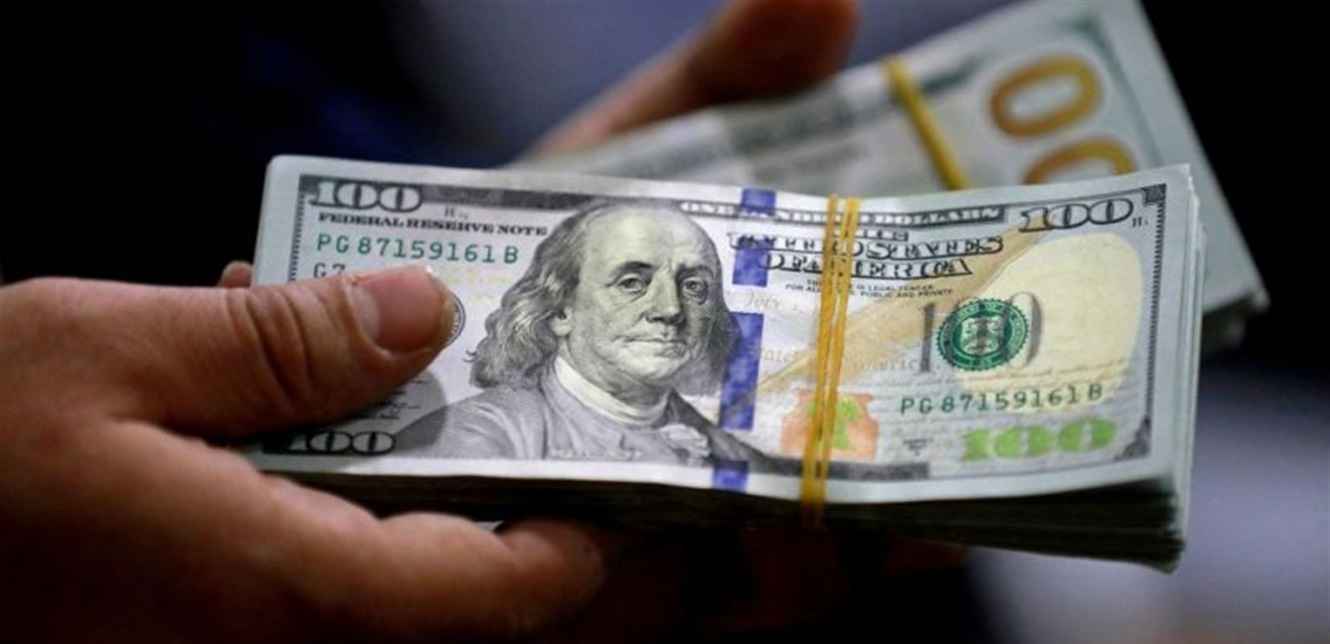
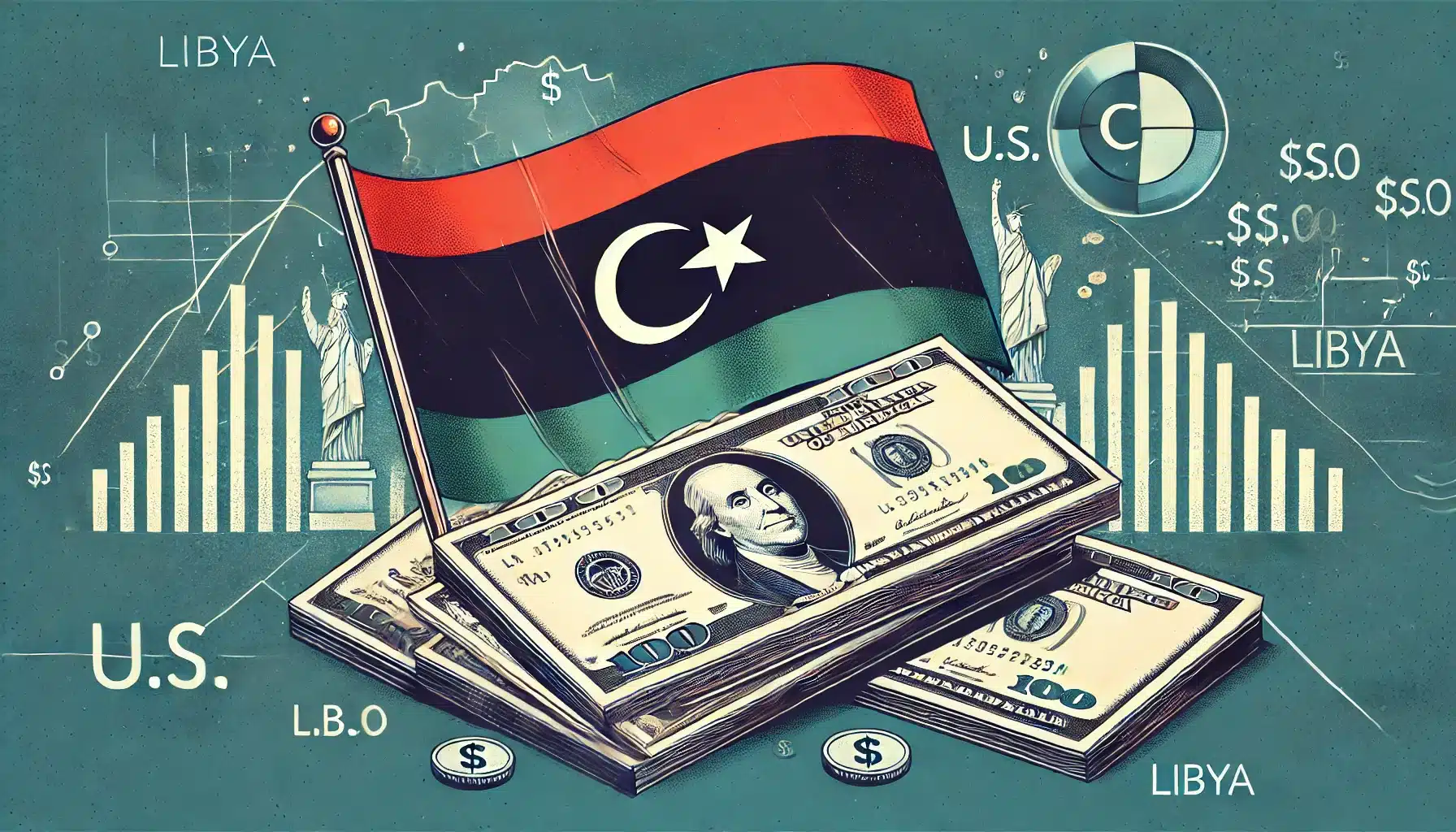
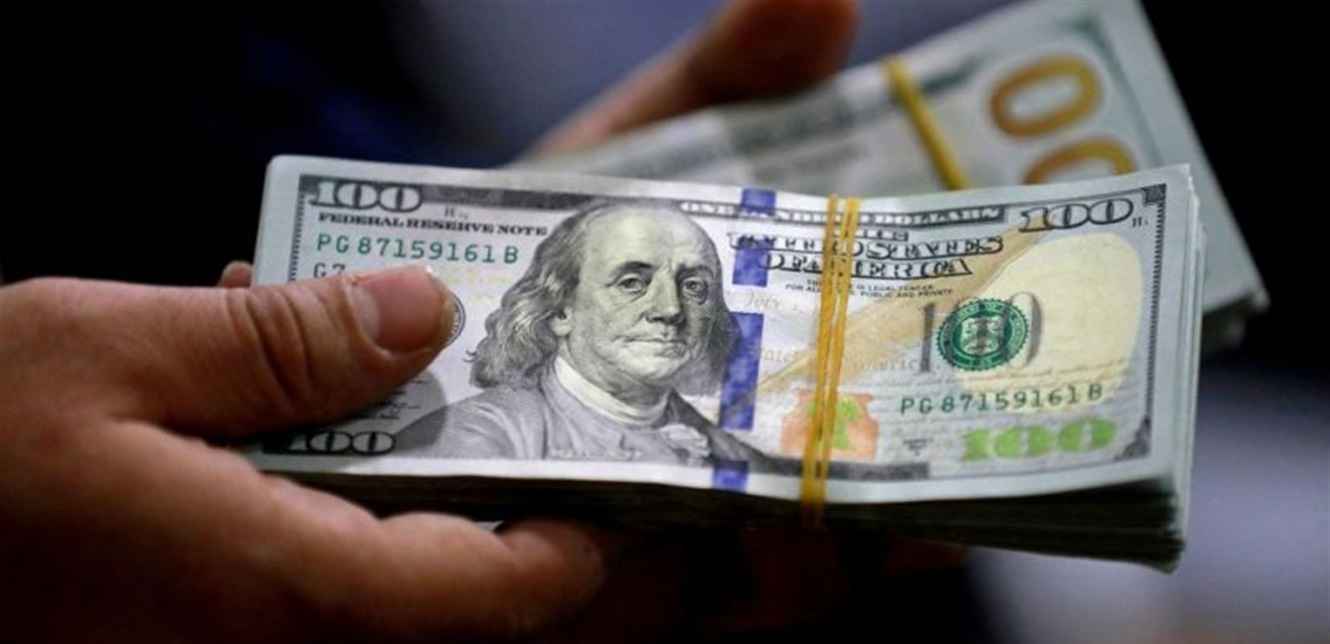
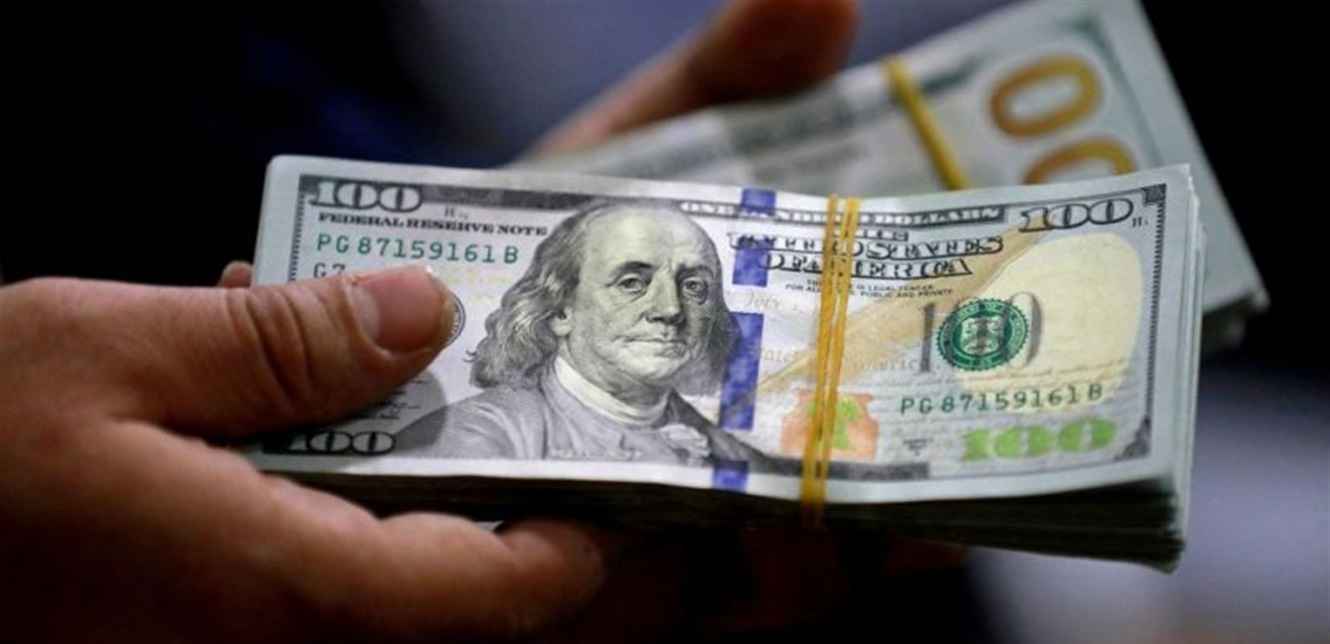
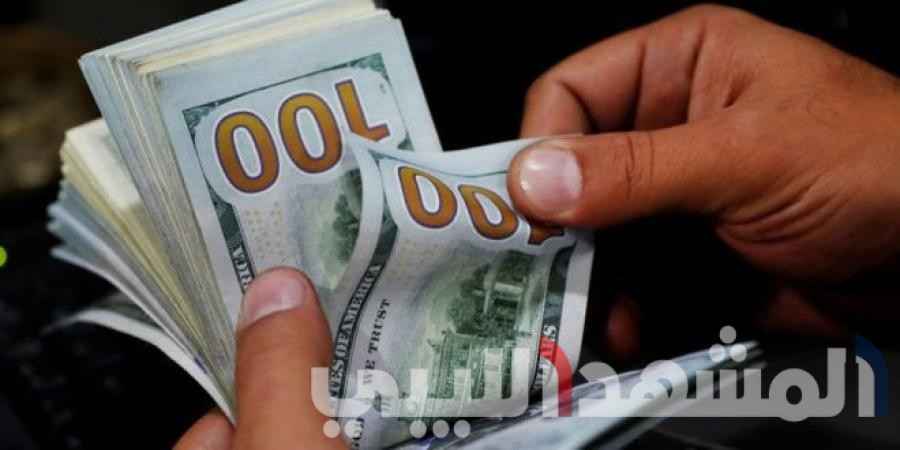
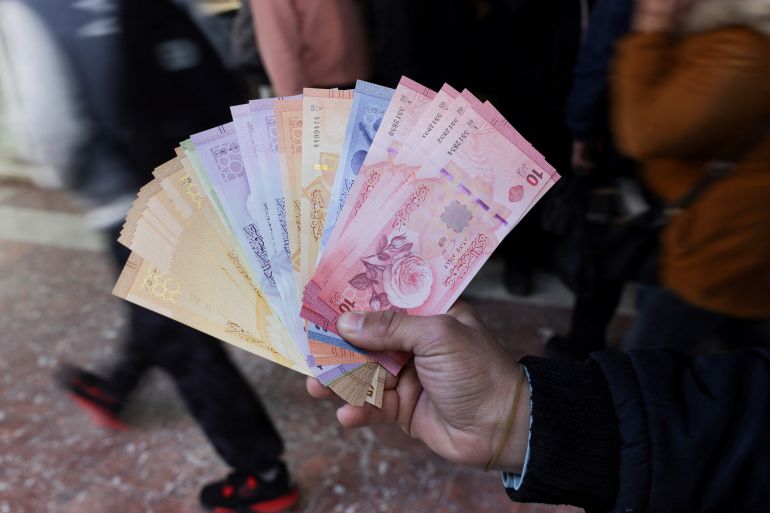
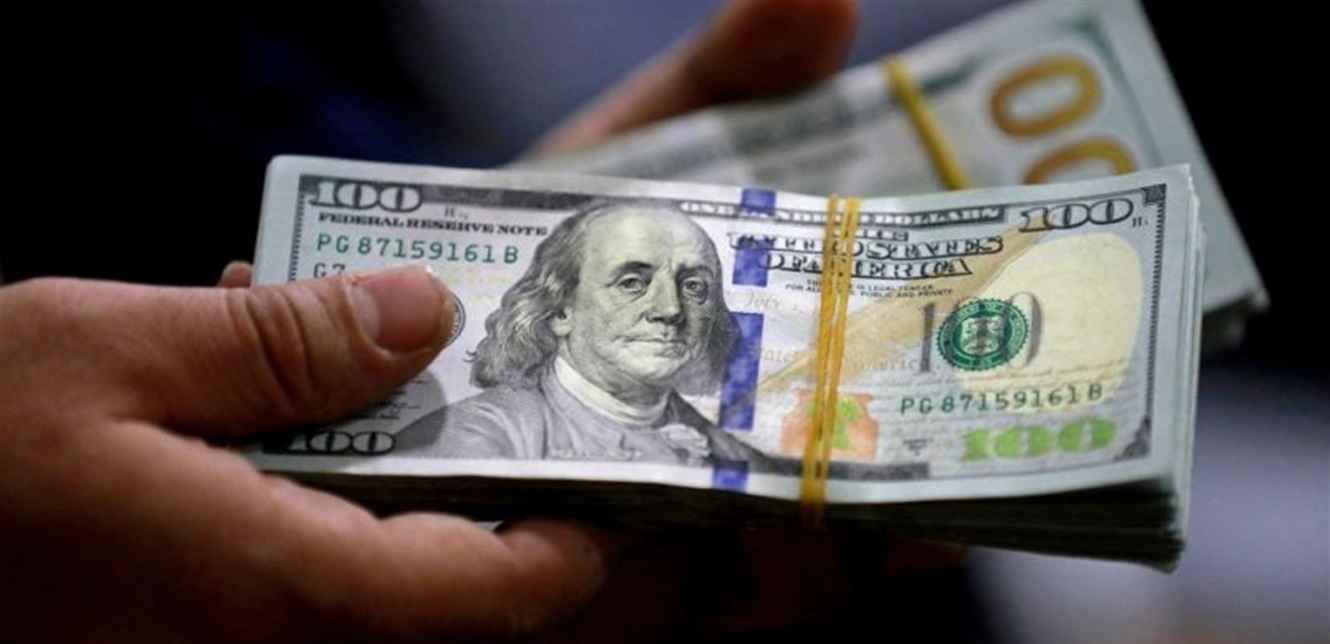
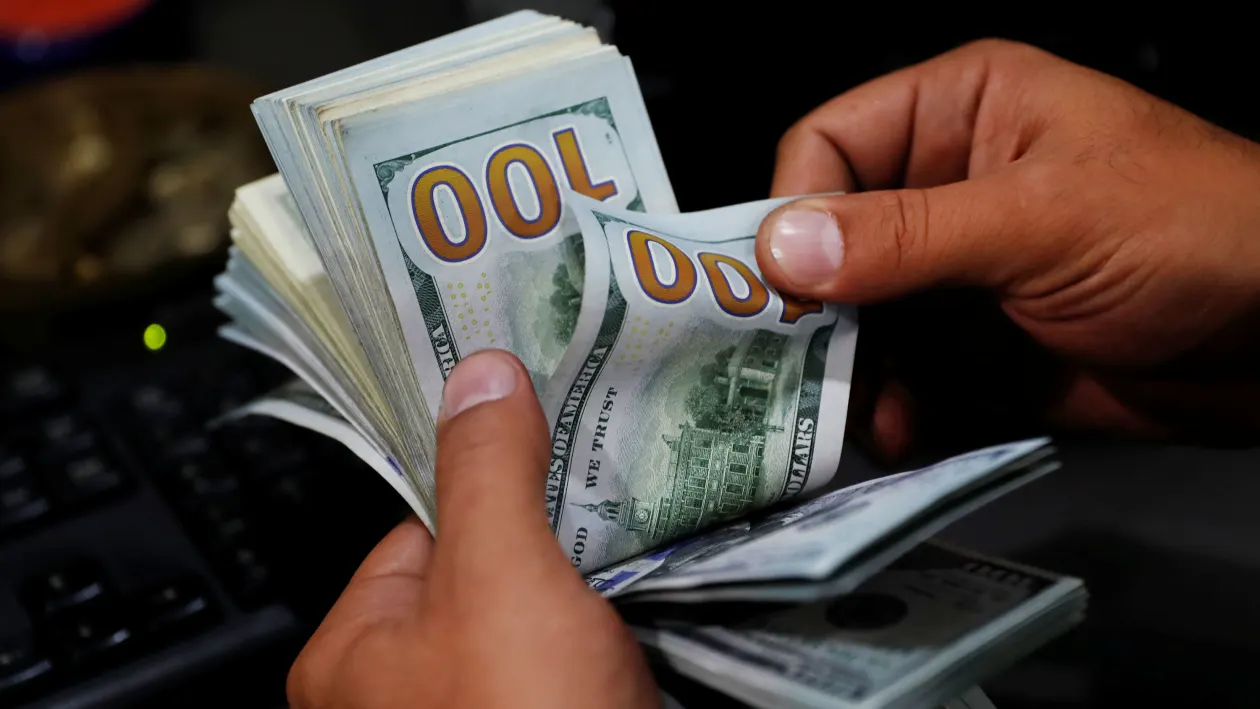
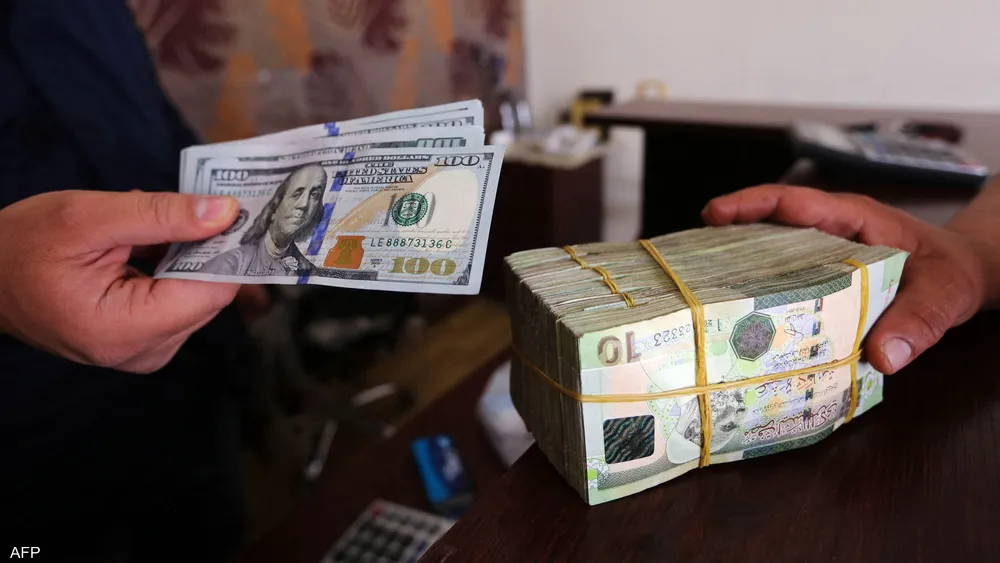
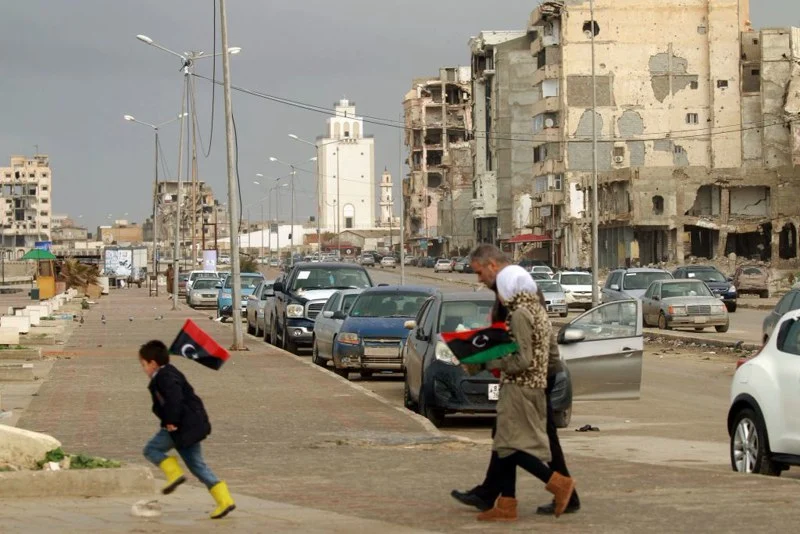
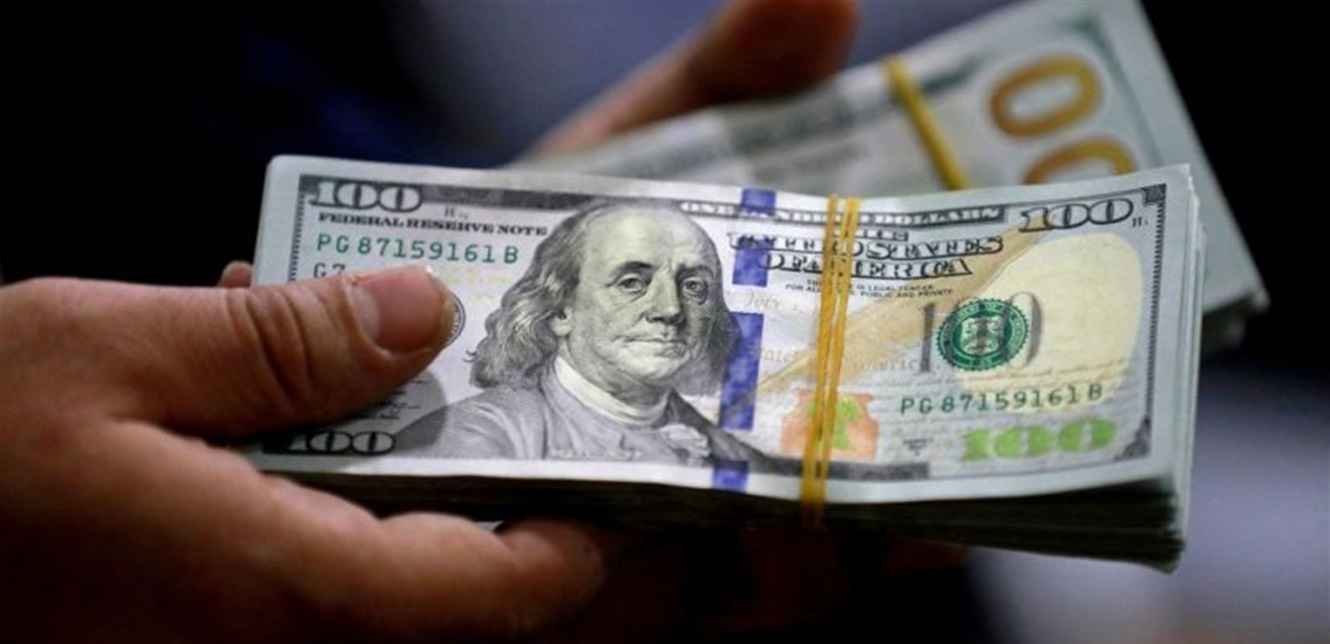
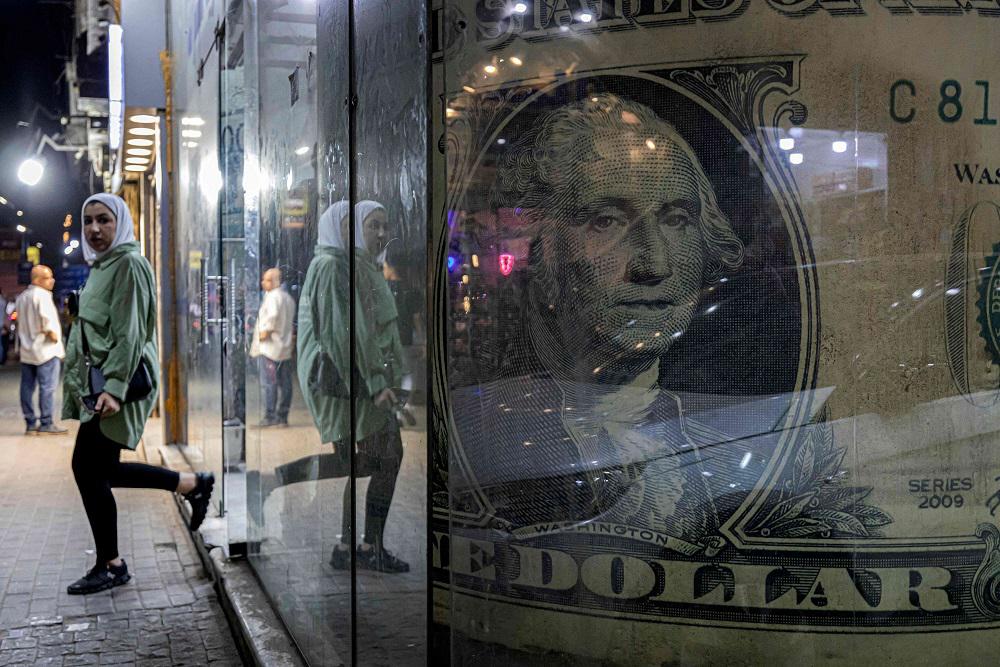
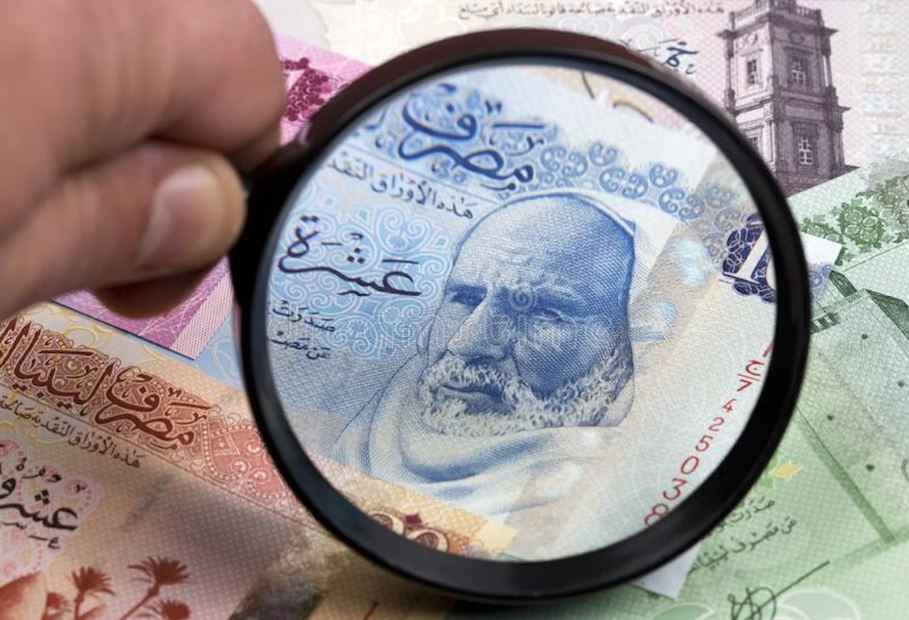
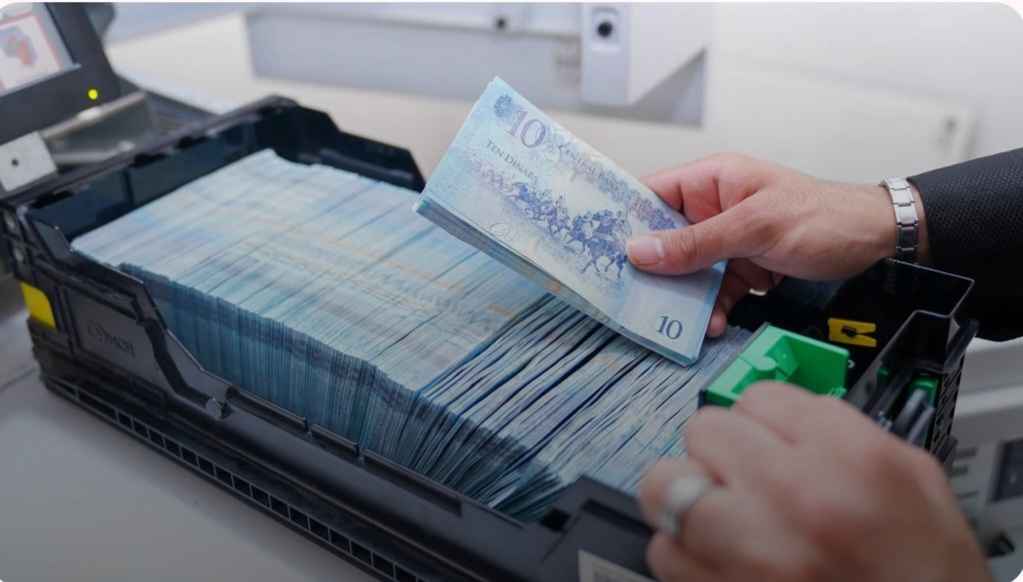
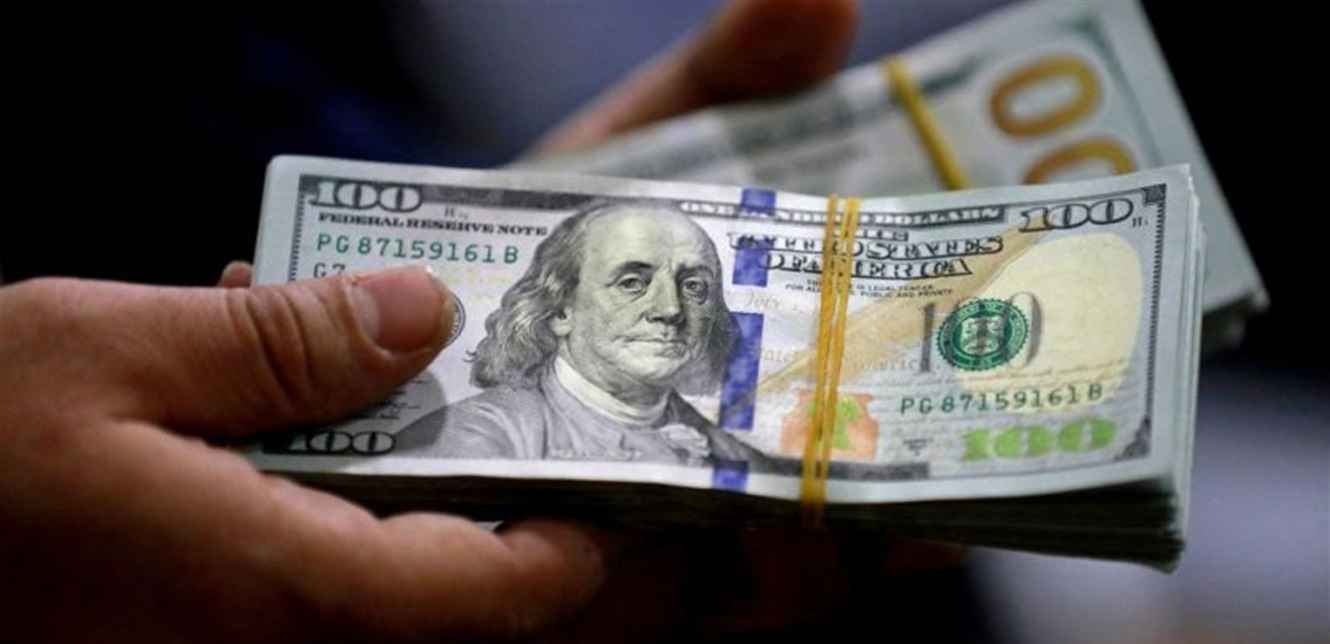
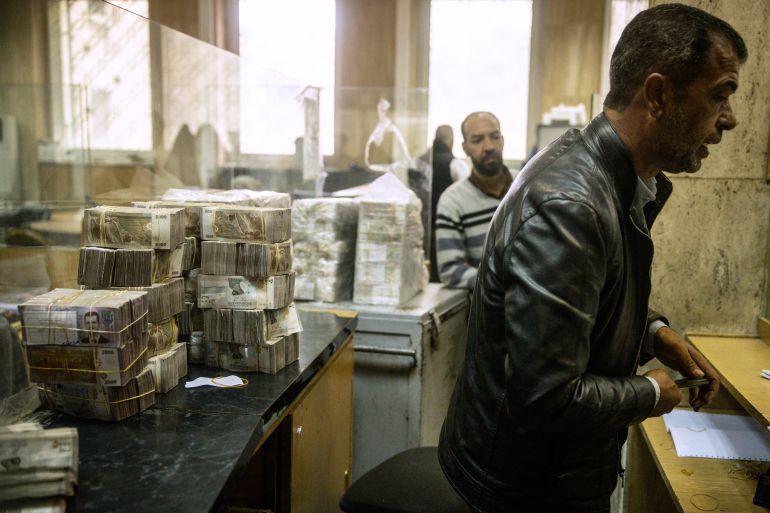
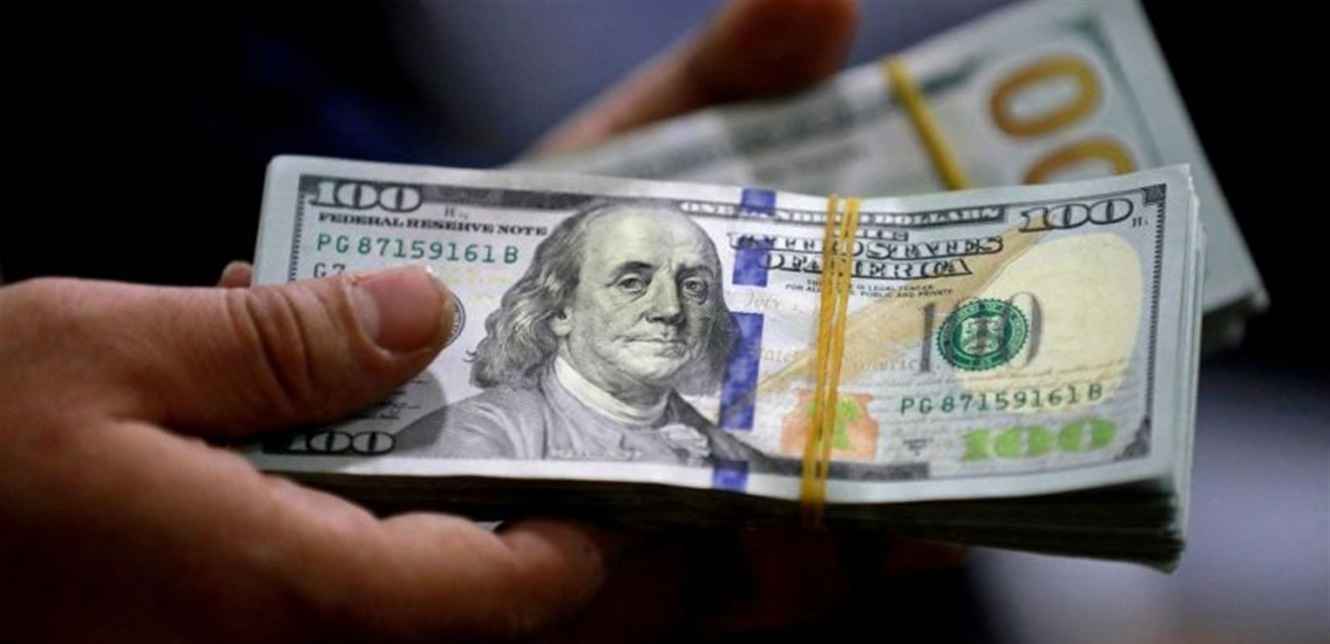
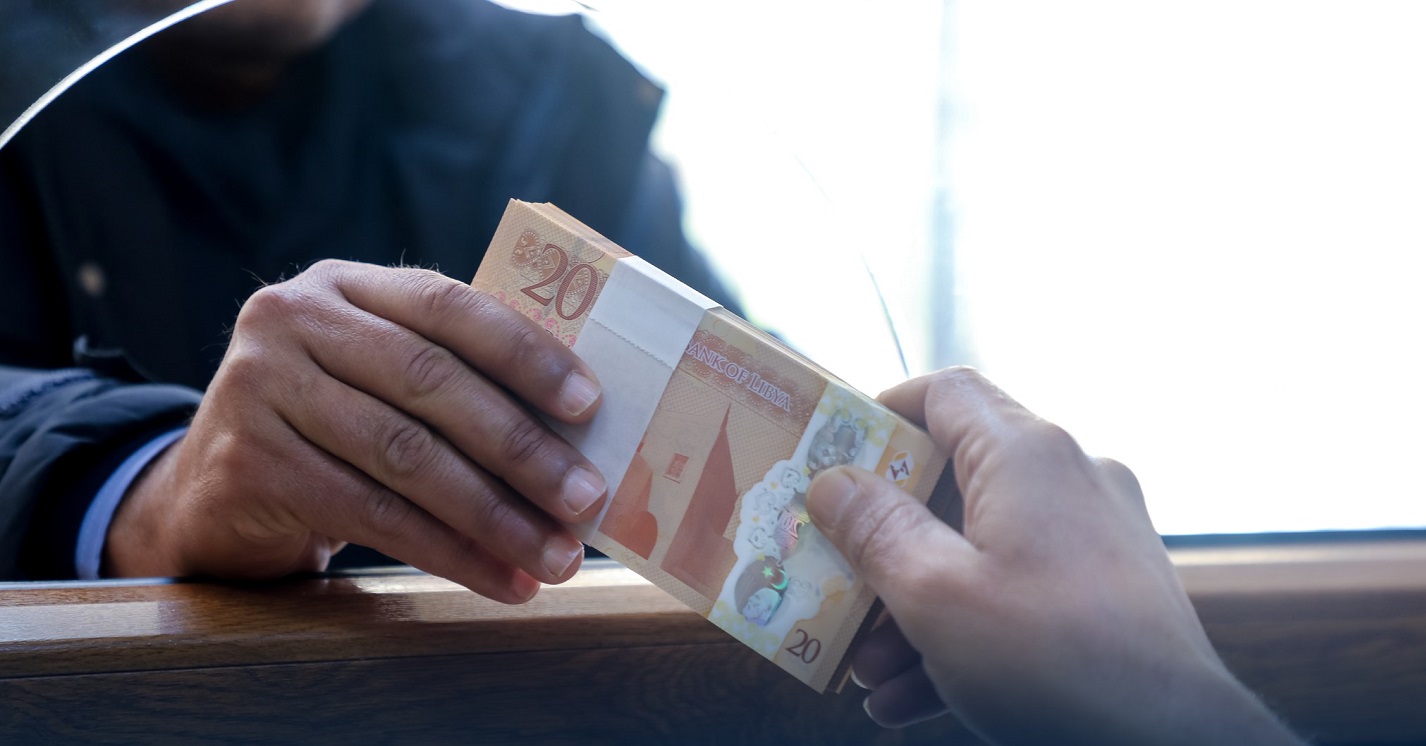
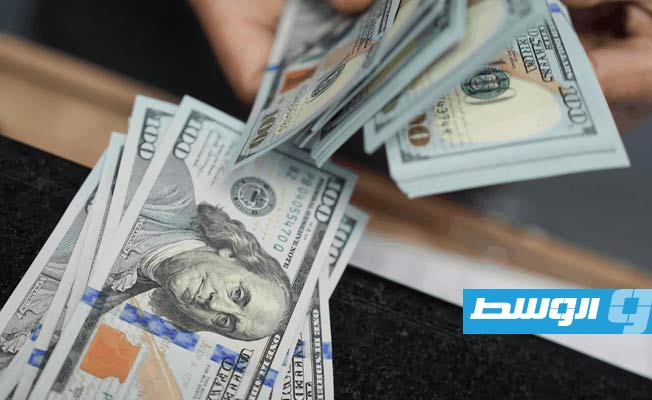
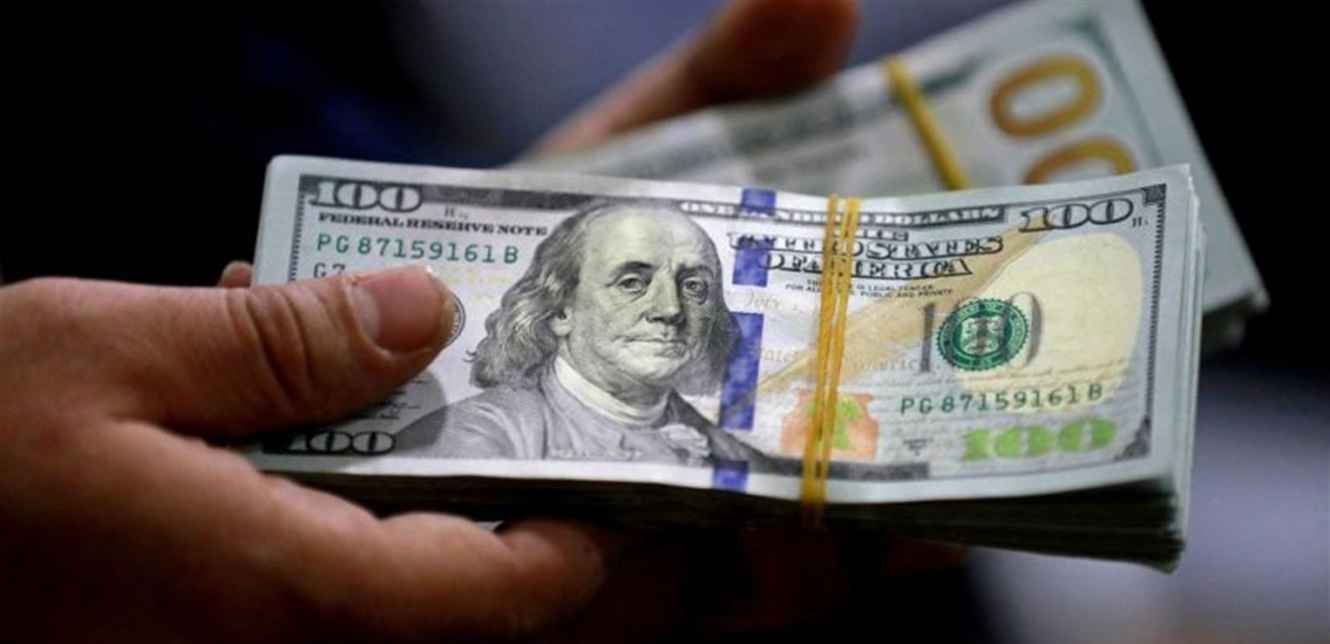
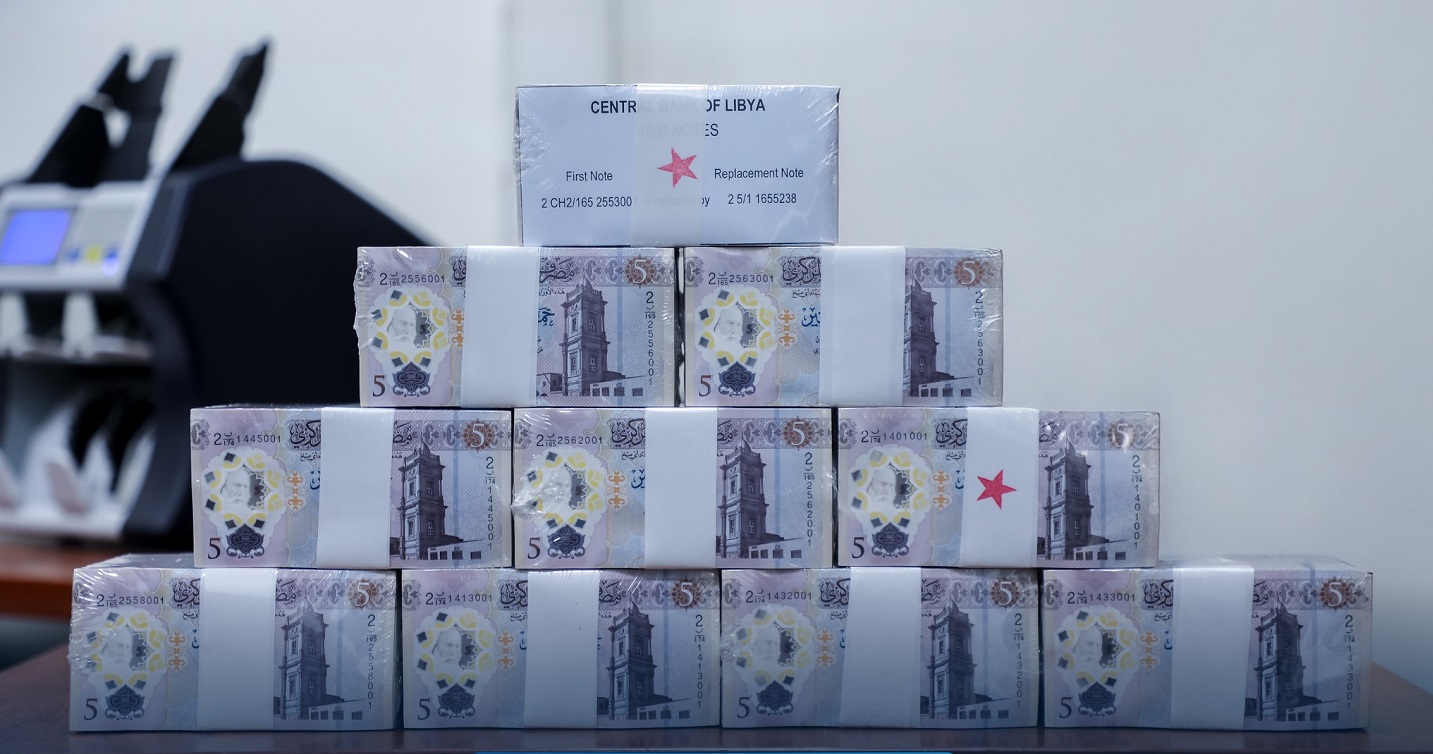
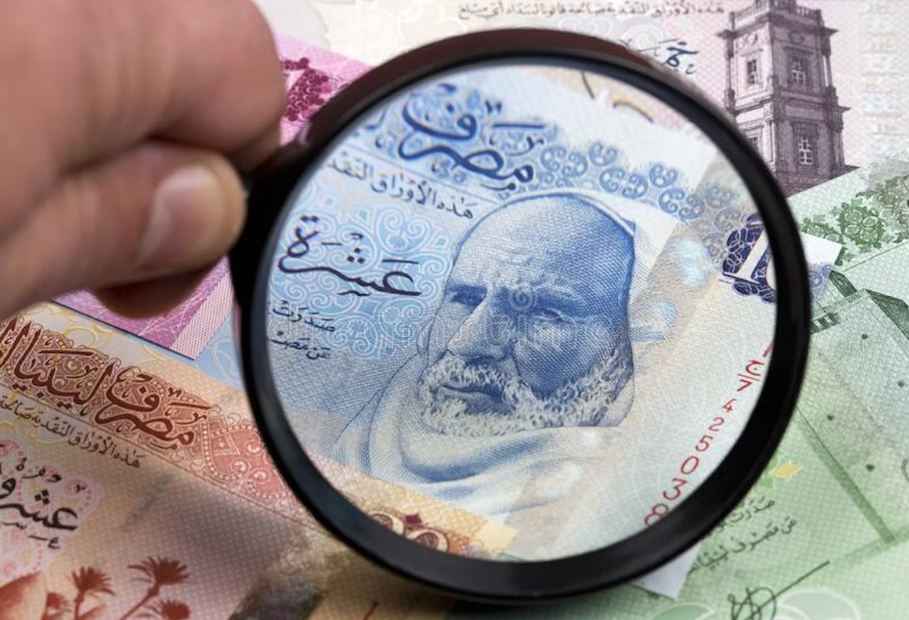
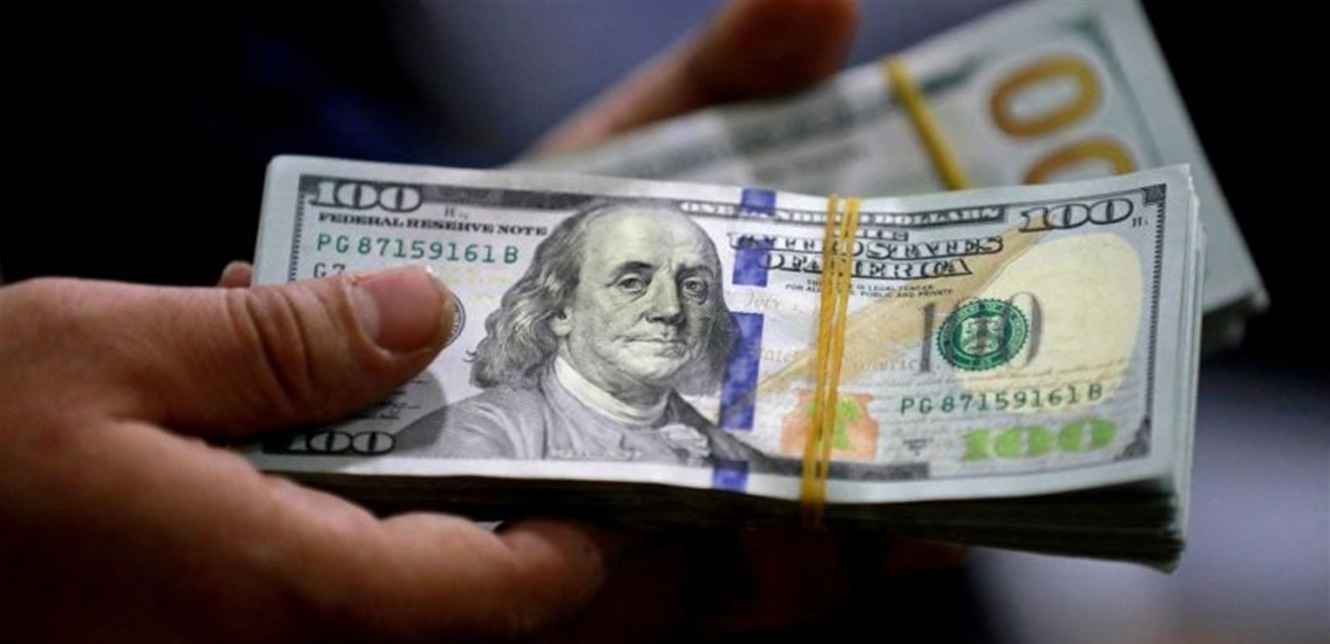
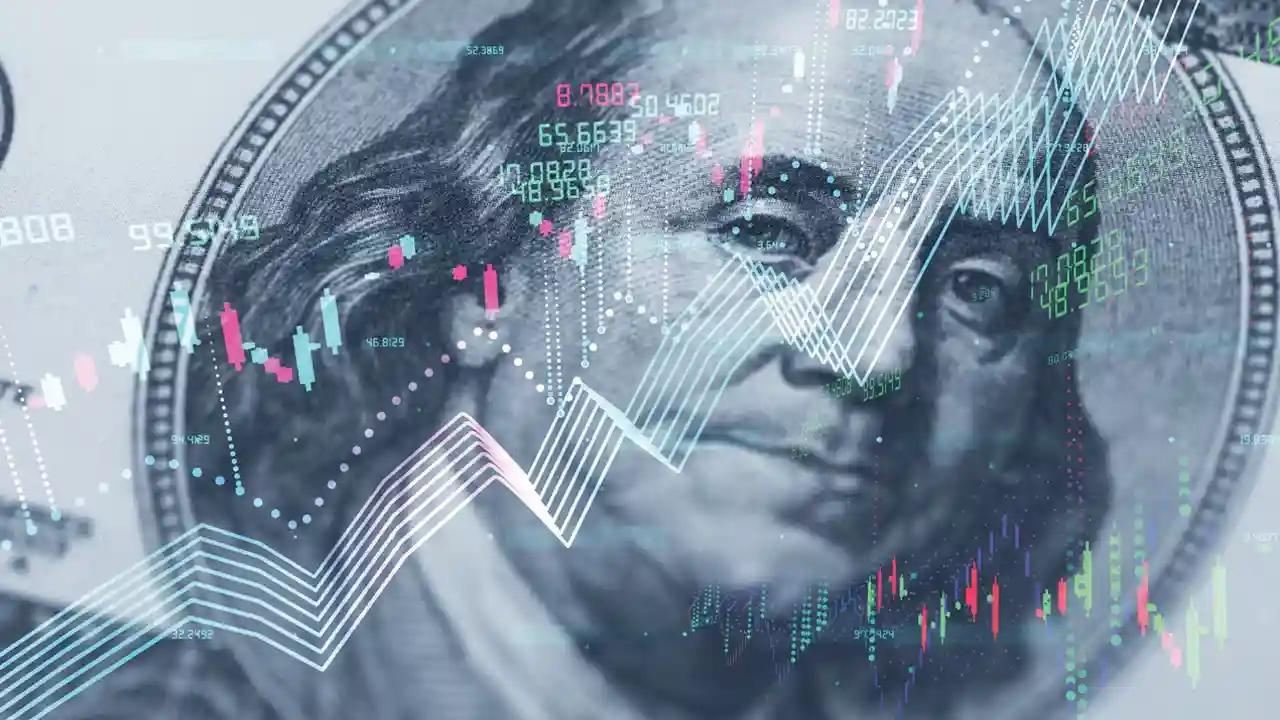
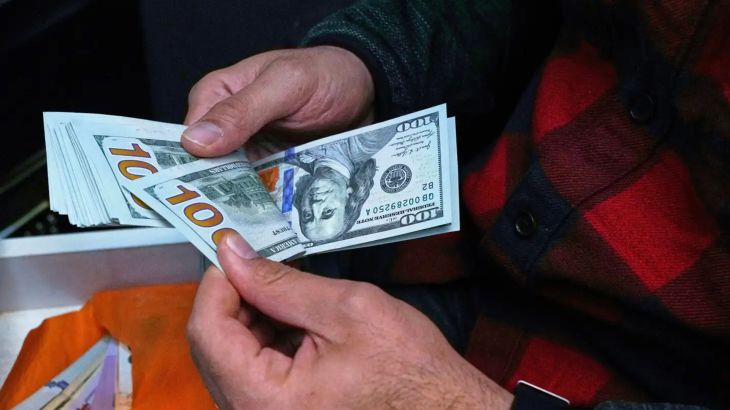
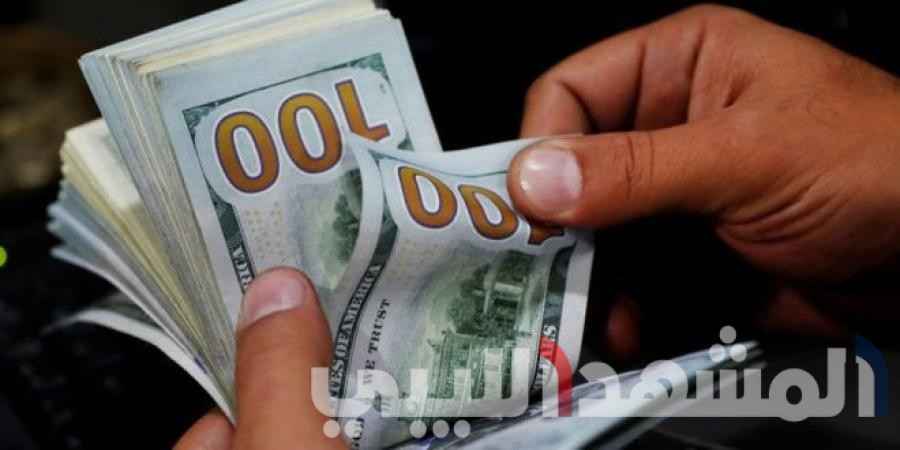
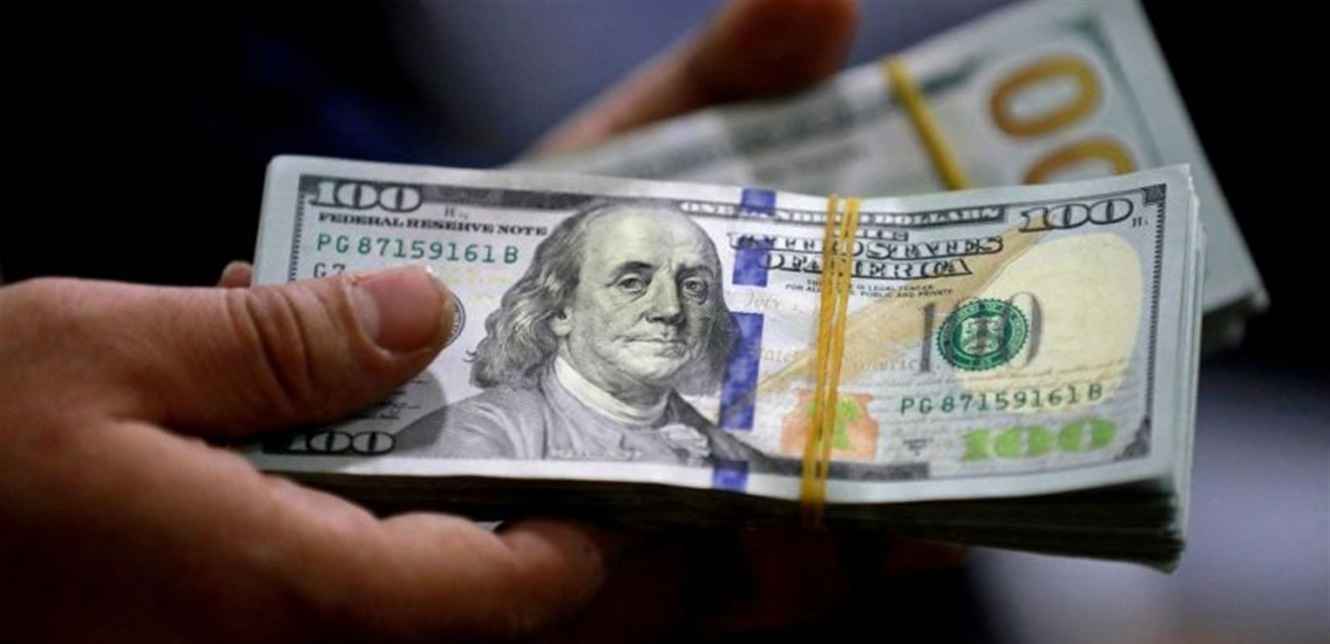
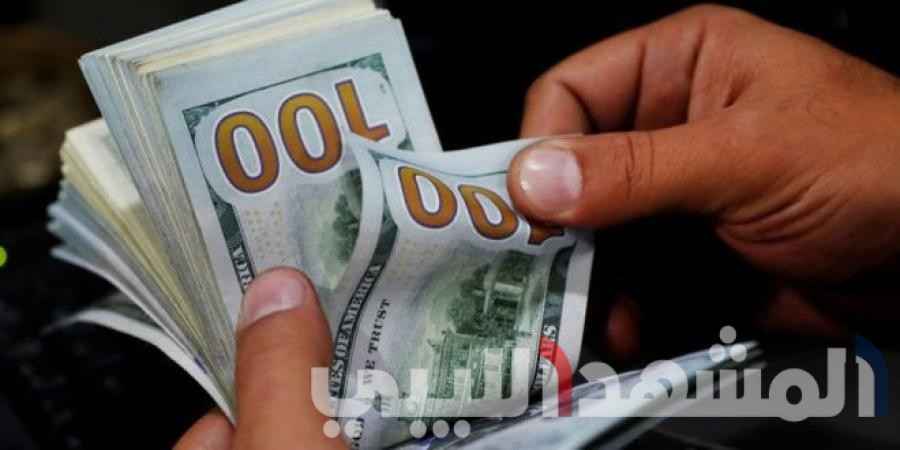
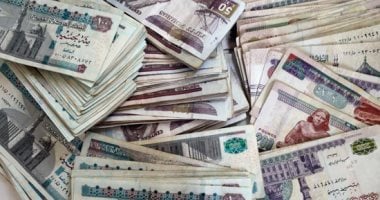
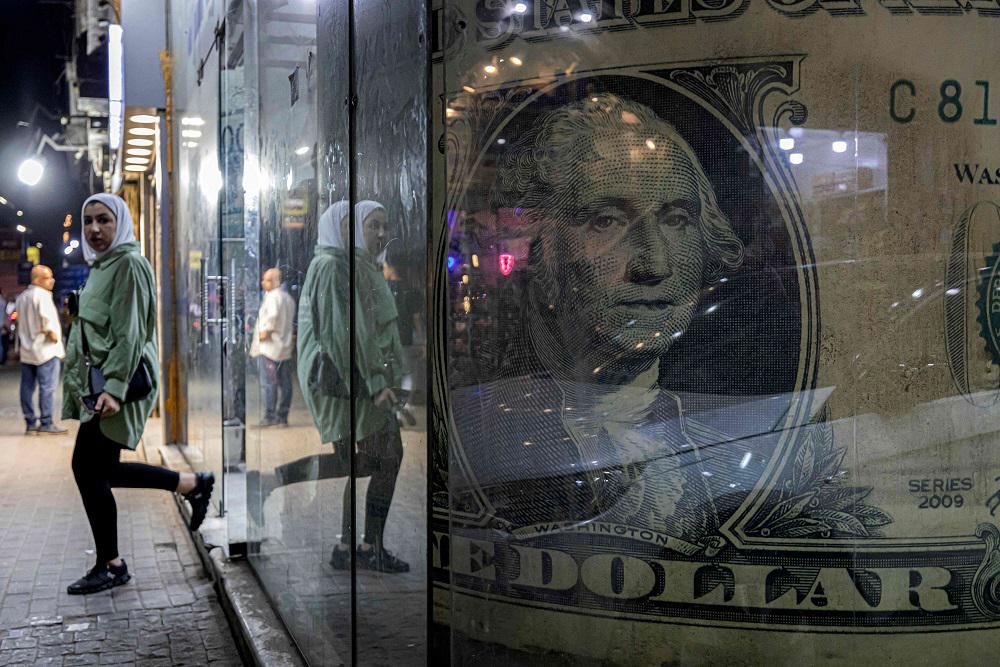
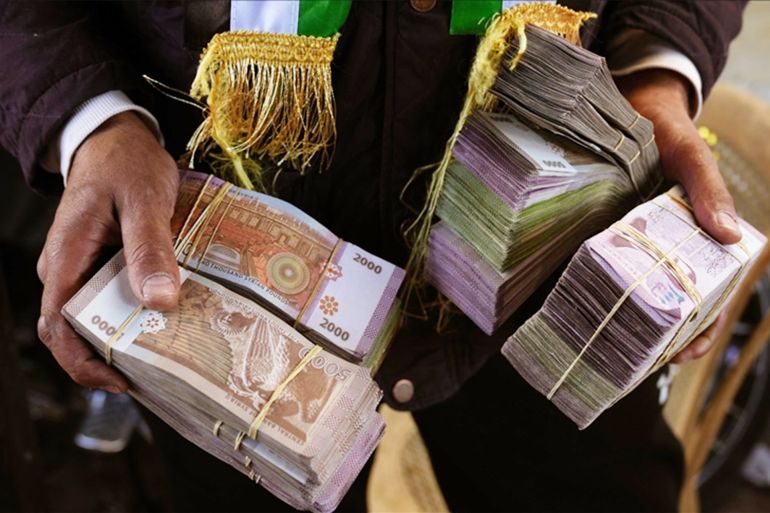
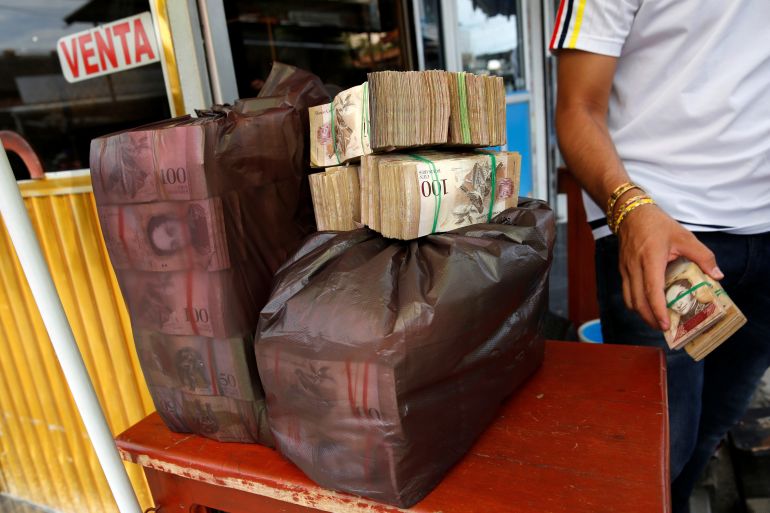
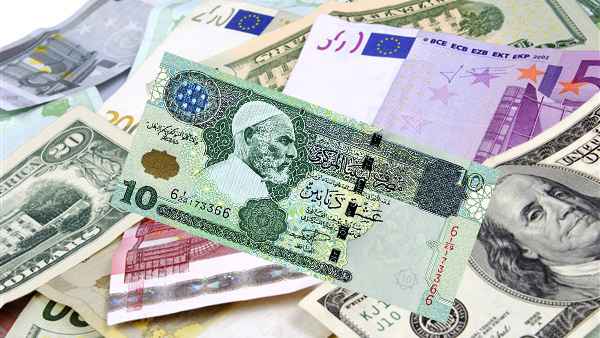
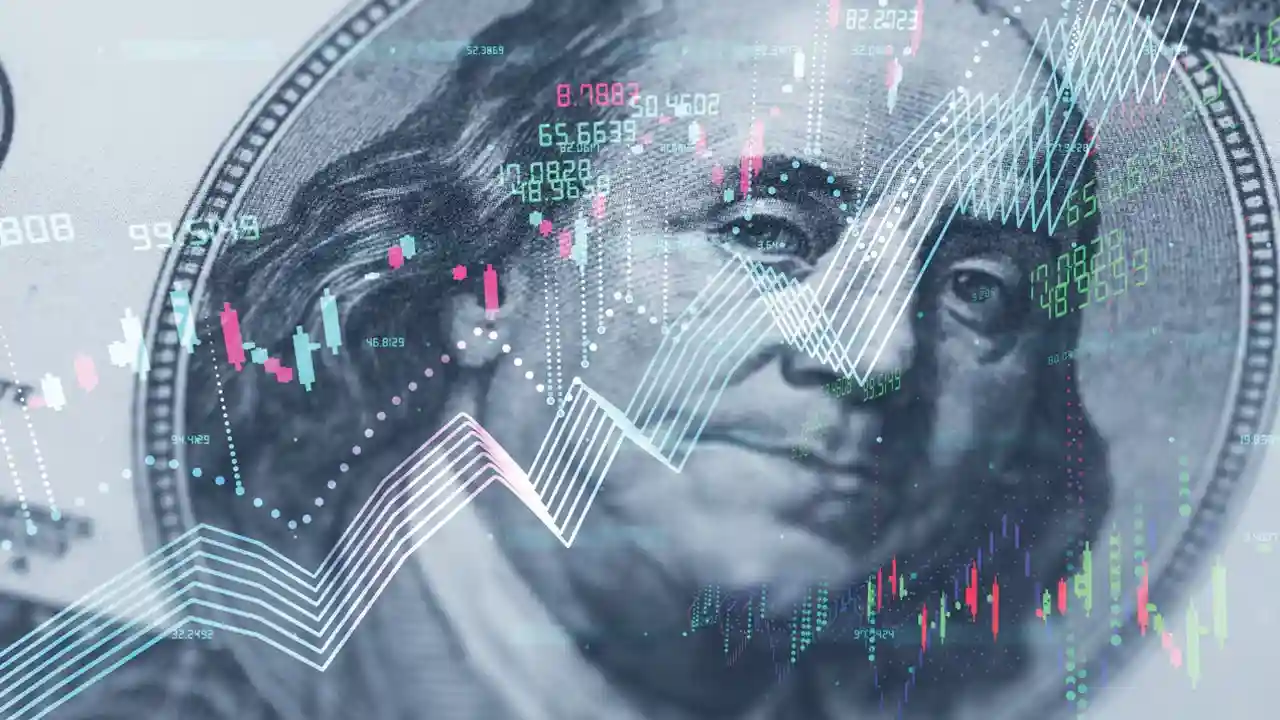
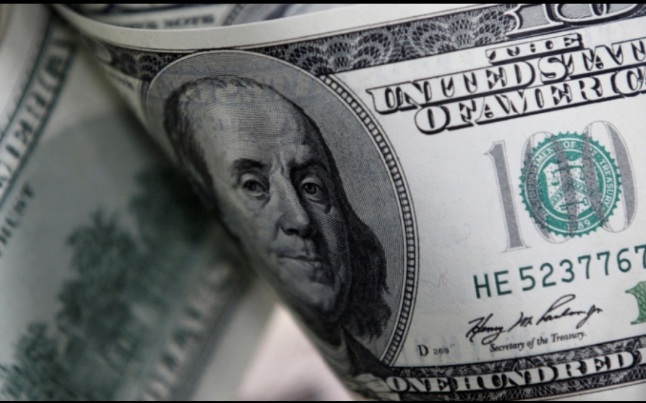
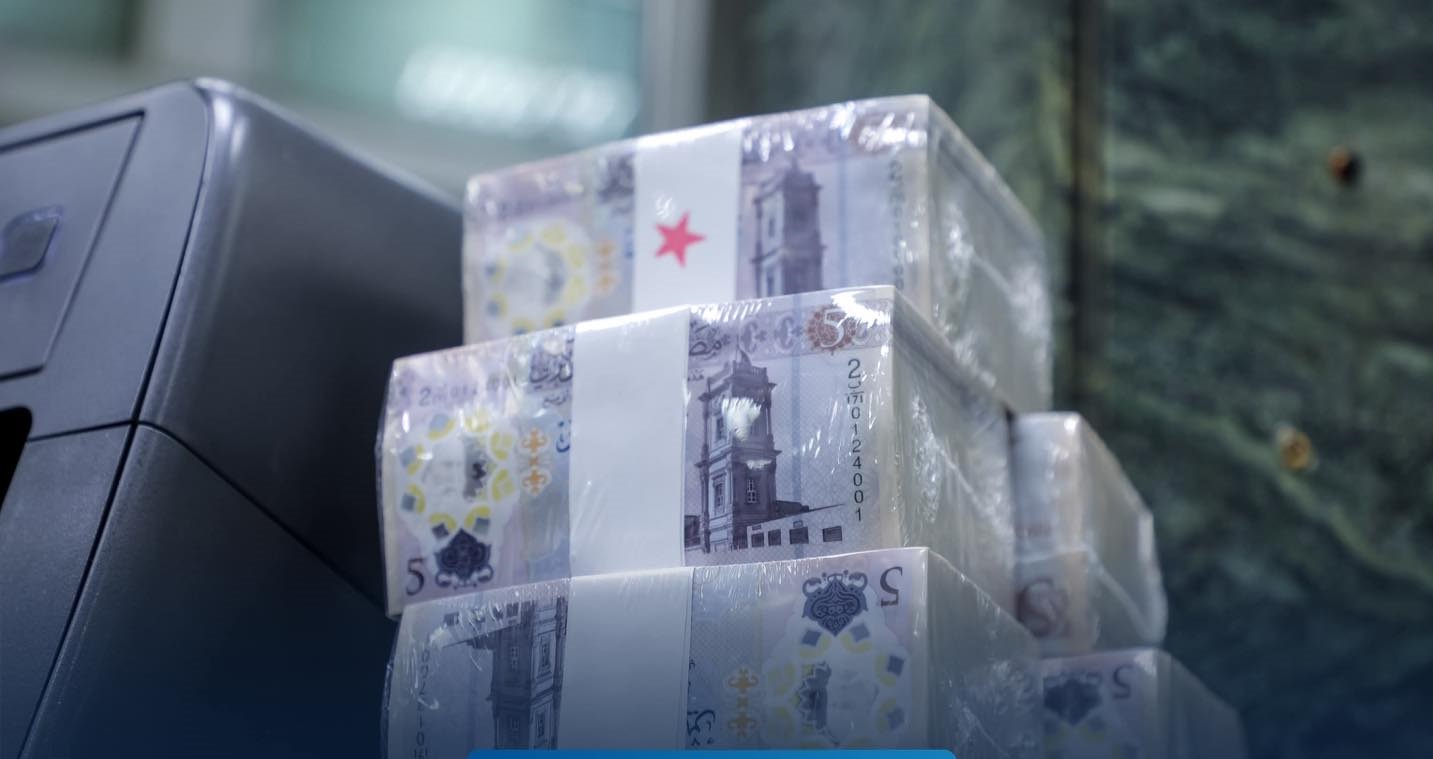
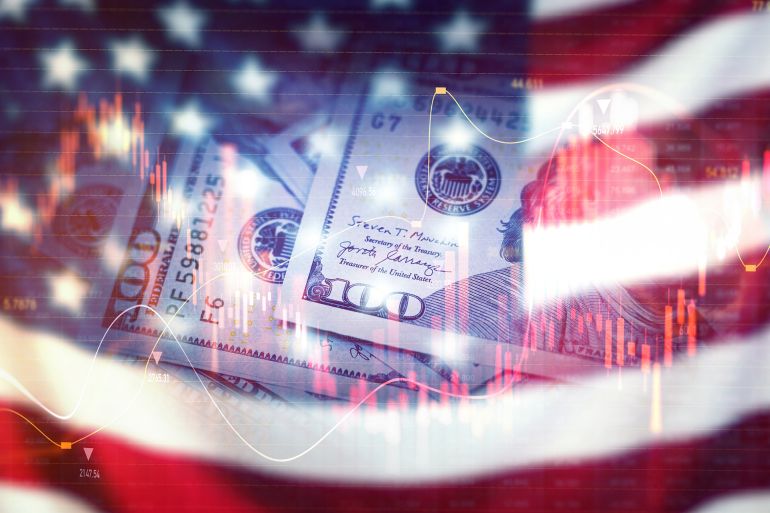
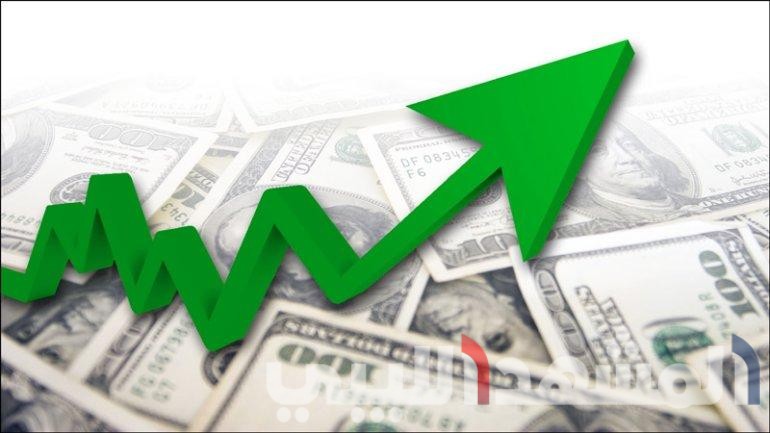
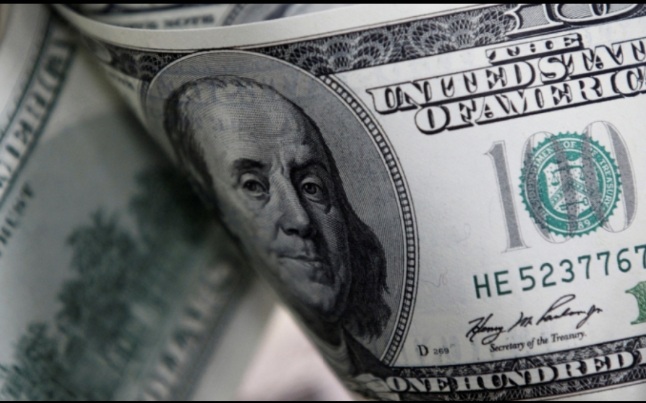
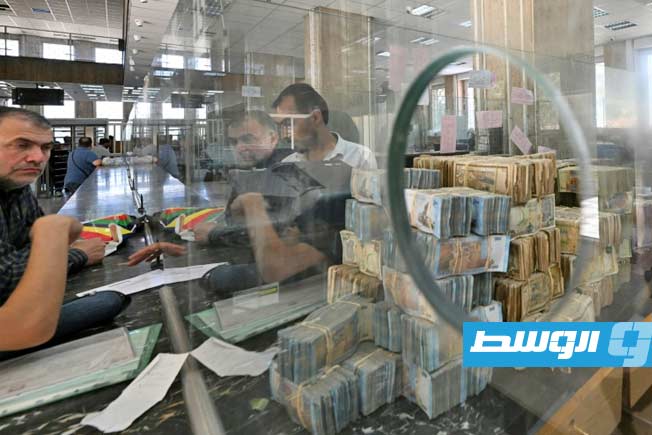
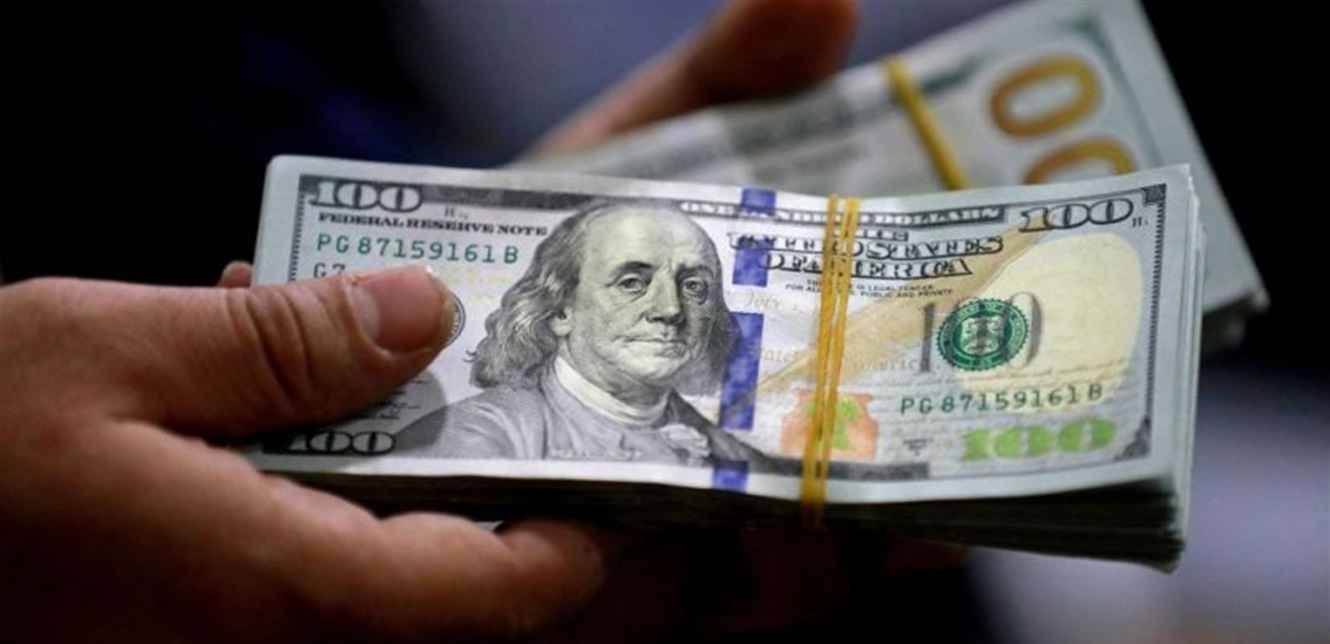
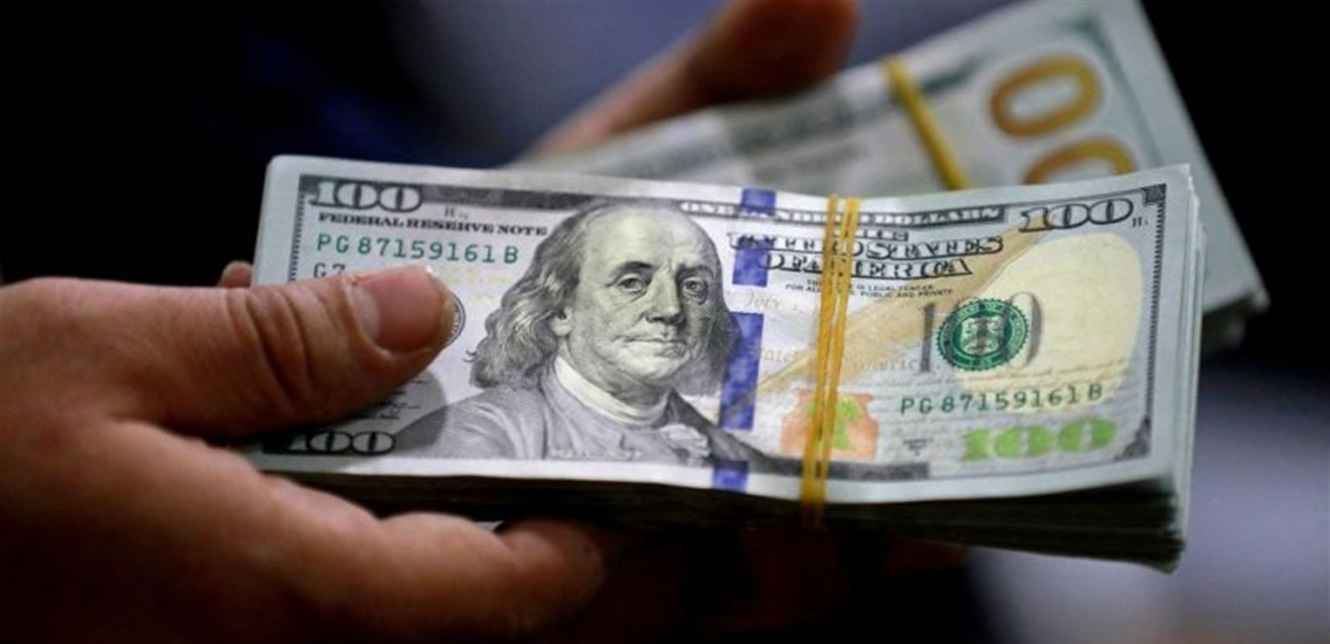
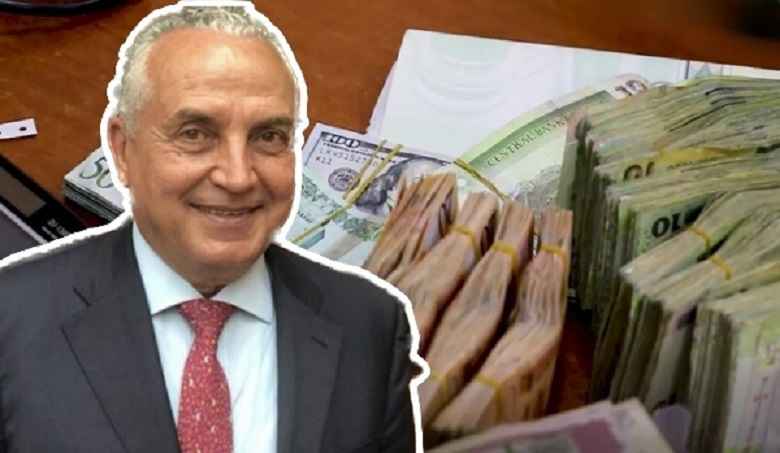
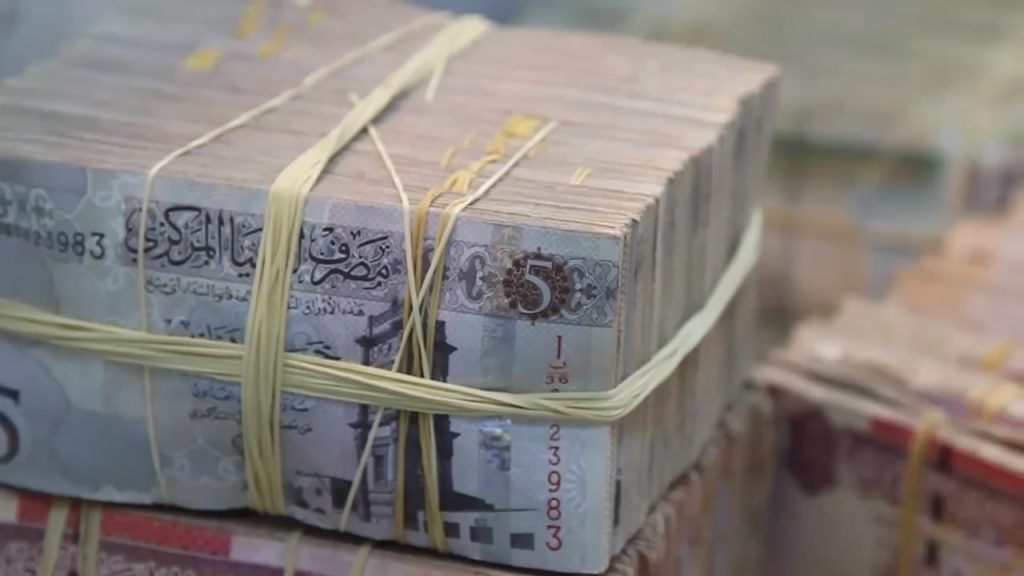
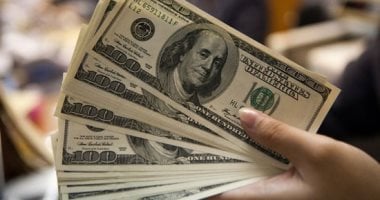
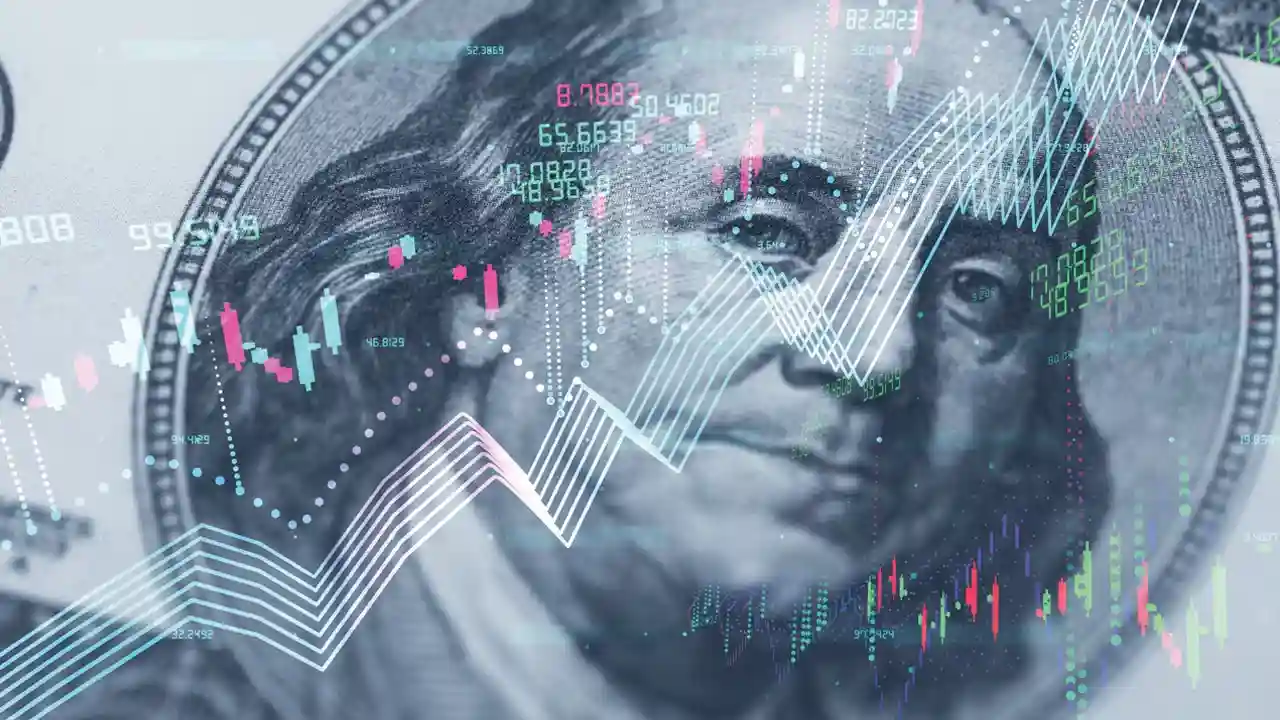
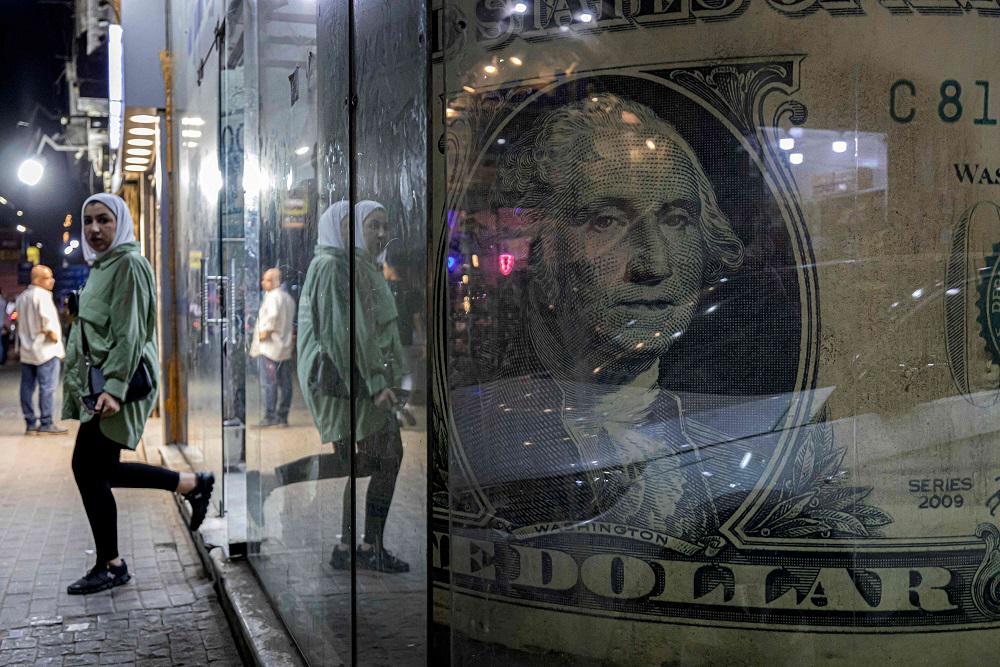
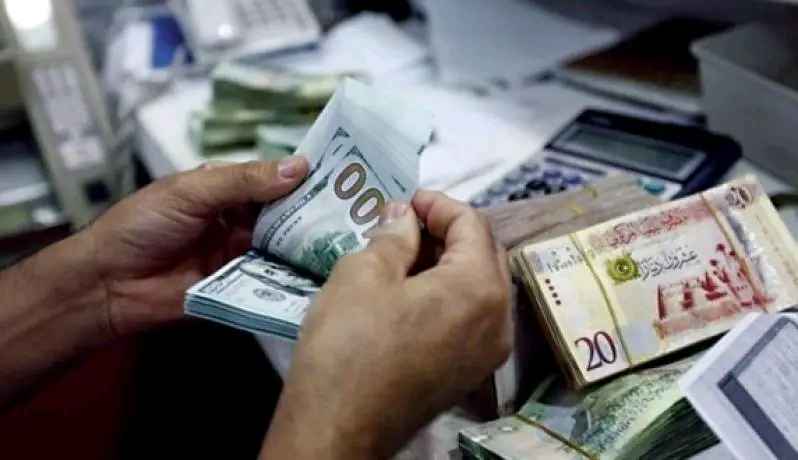
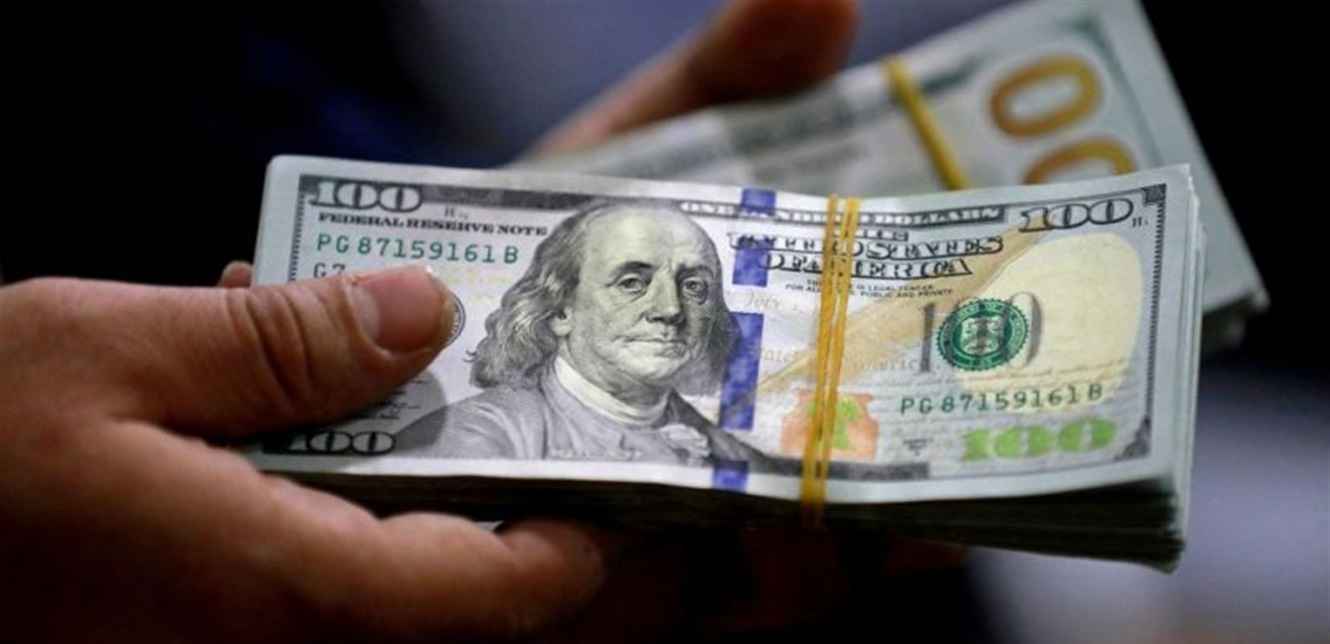
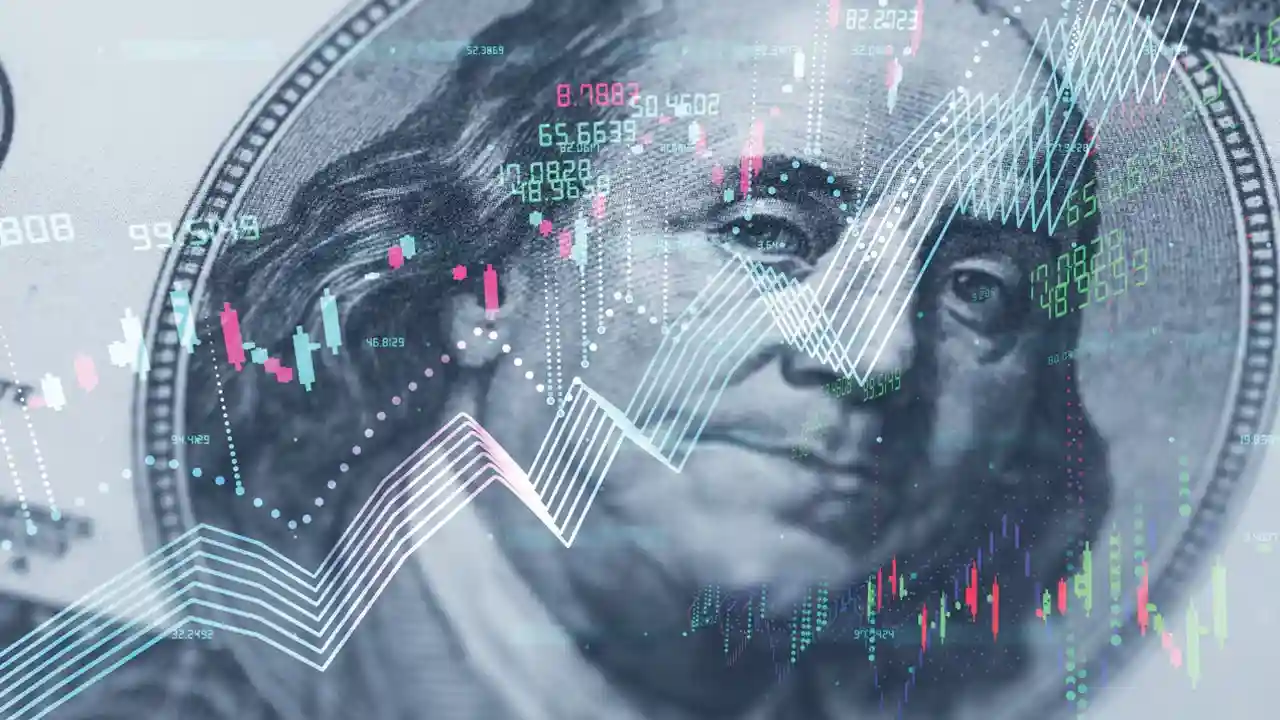
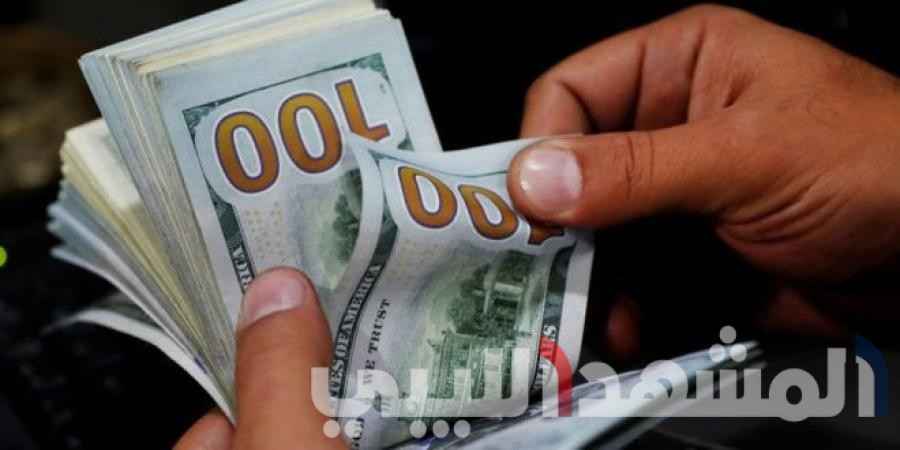
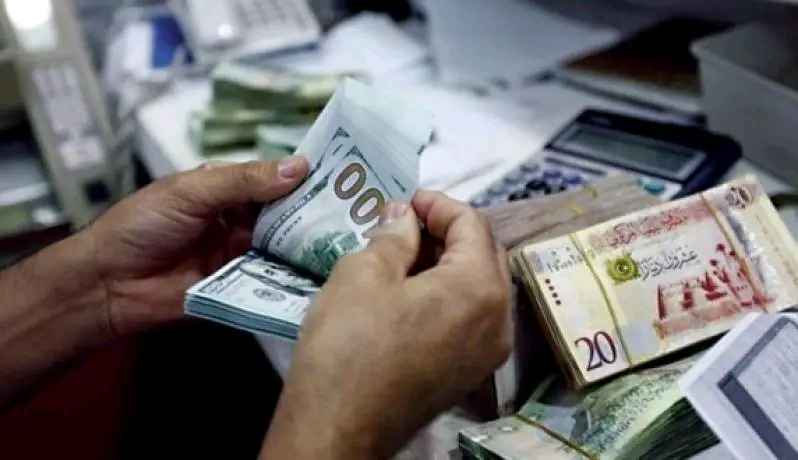
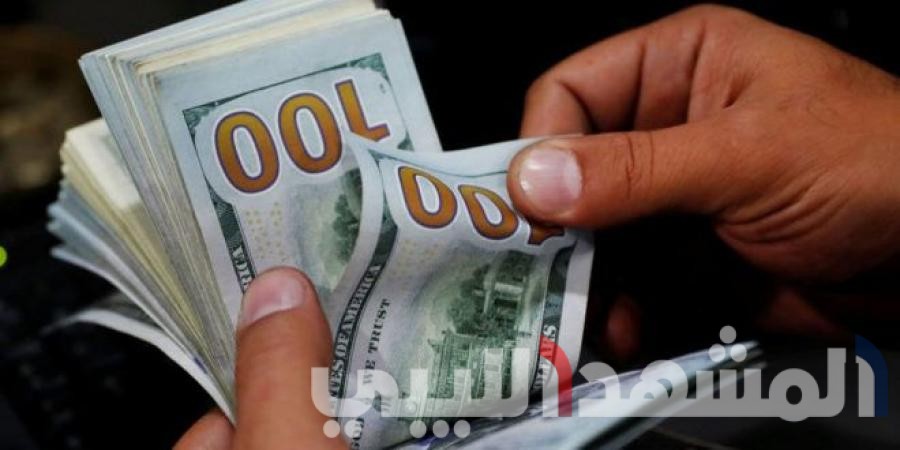
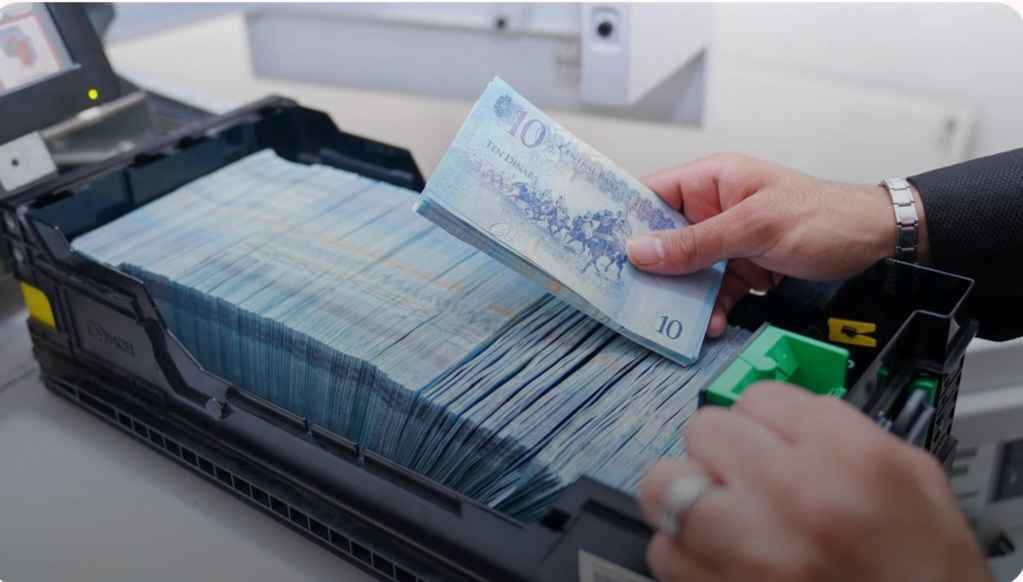
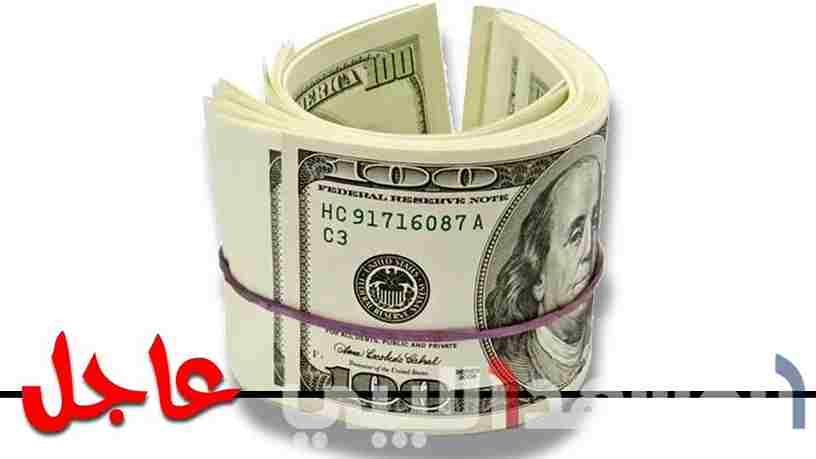
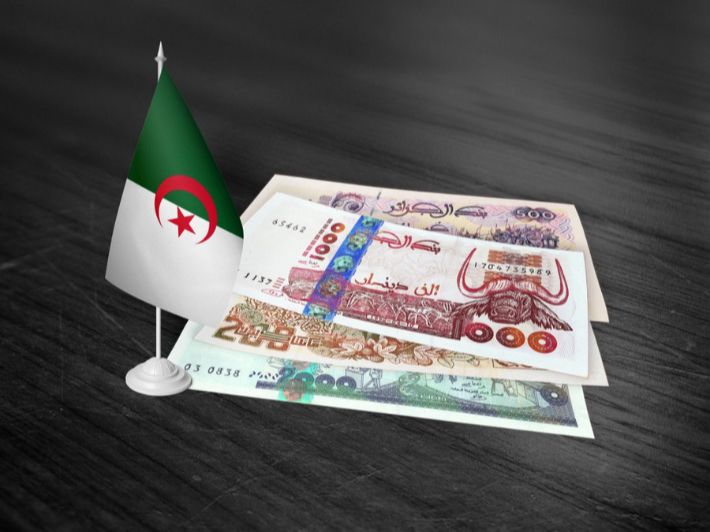
The US dollar recorded relative stability and limited trading against the Libyan dinar in the parallel market on Friday, January 9, 2026, closing in Tripoli at 8.83 dinars.
In other cities, the closing price in Zliten was 8.83 dinars, while in Benghazi and Ajdabiya it was around 8.81 dinars, reflecting the continued slight disparity between regions.
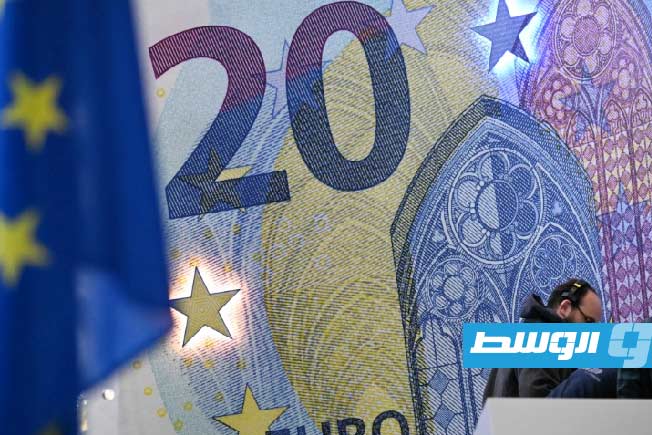
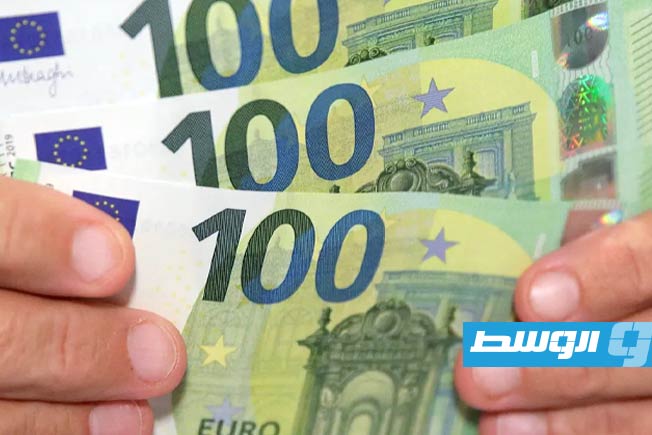
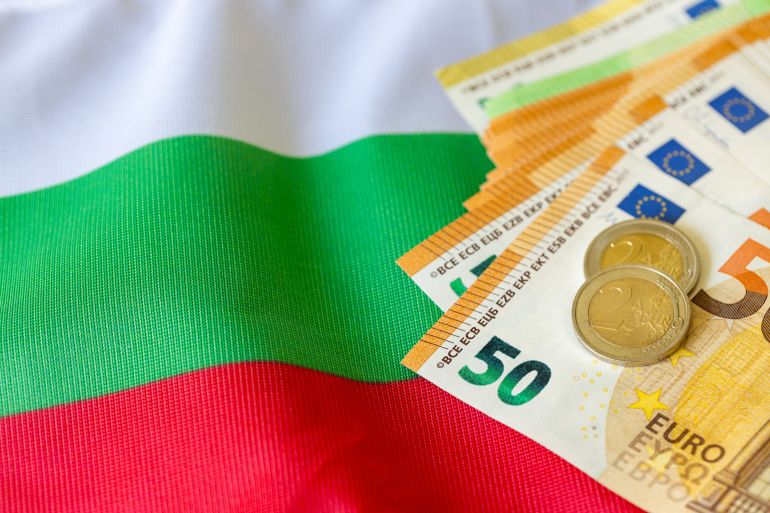
As for other foreign currencies, the euro rose to 10.15 dinars, while the British pound stabilized to record 11.60 dinars.
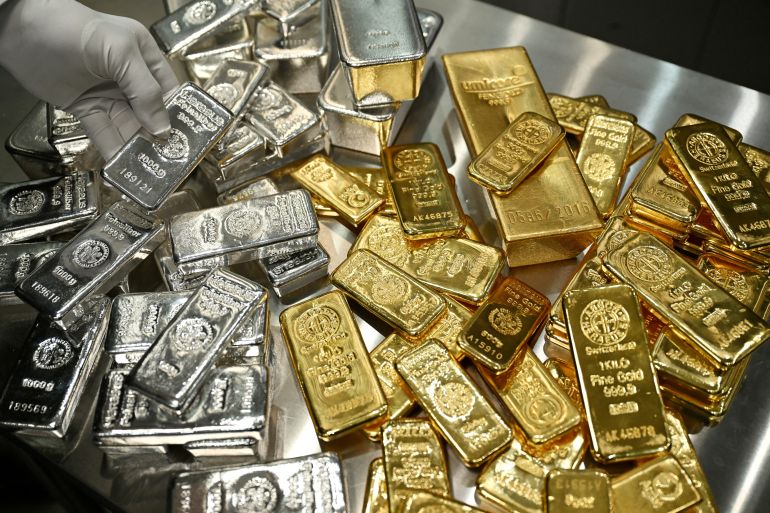
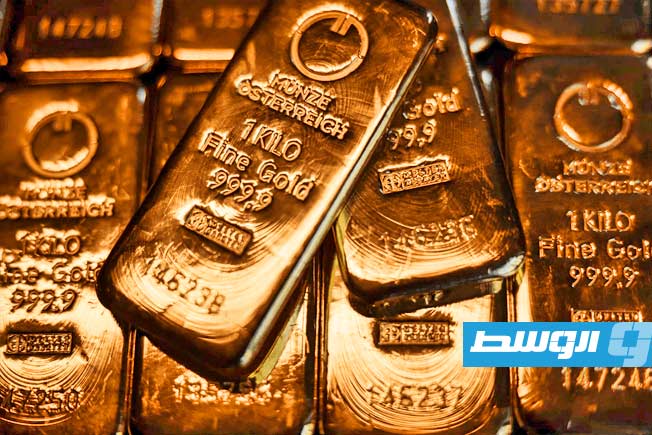
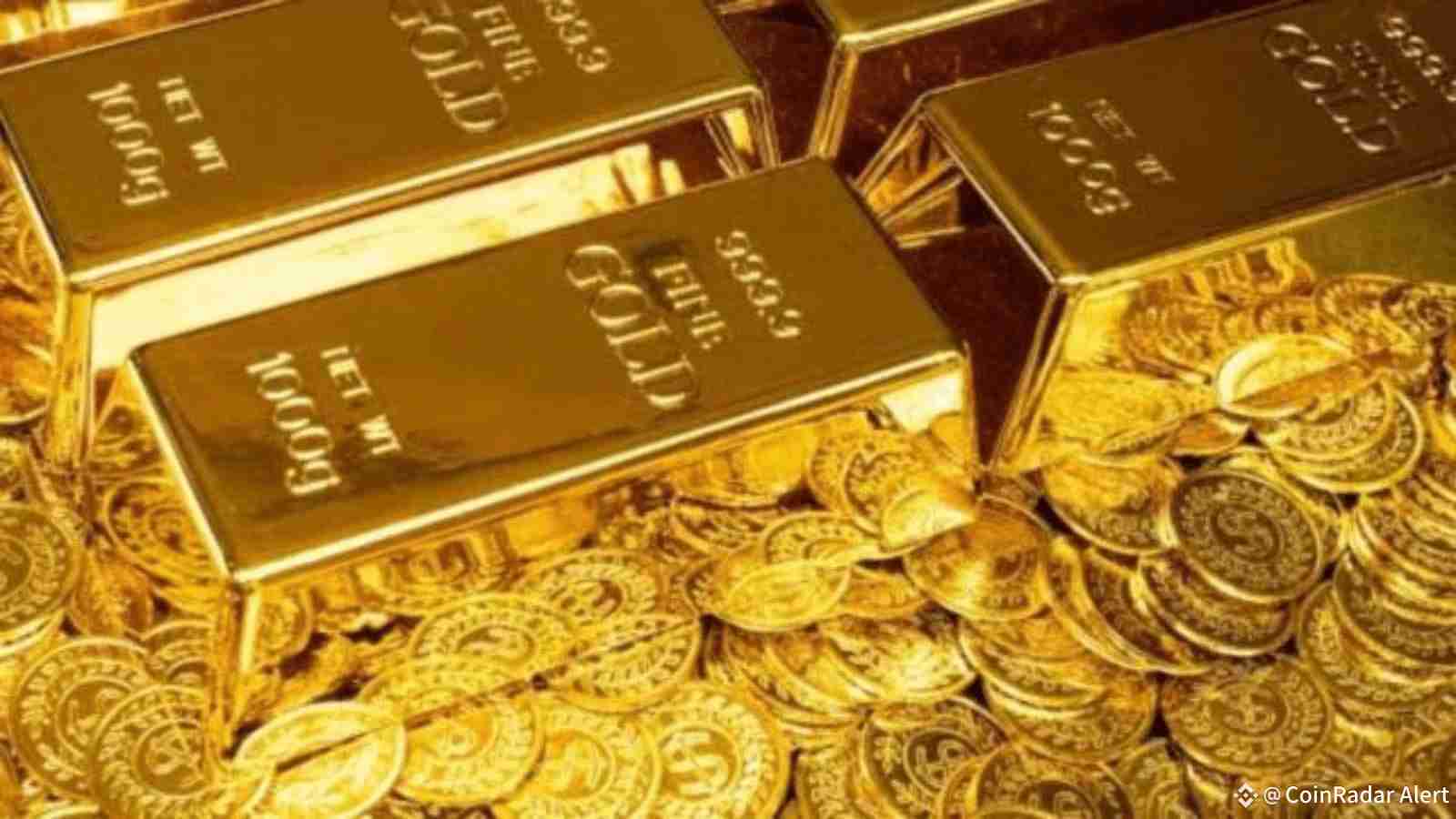
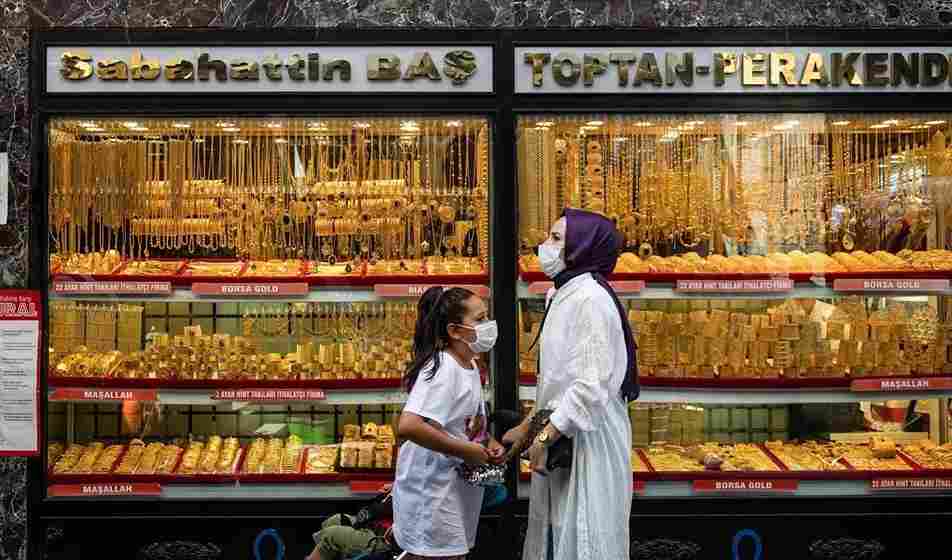
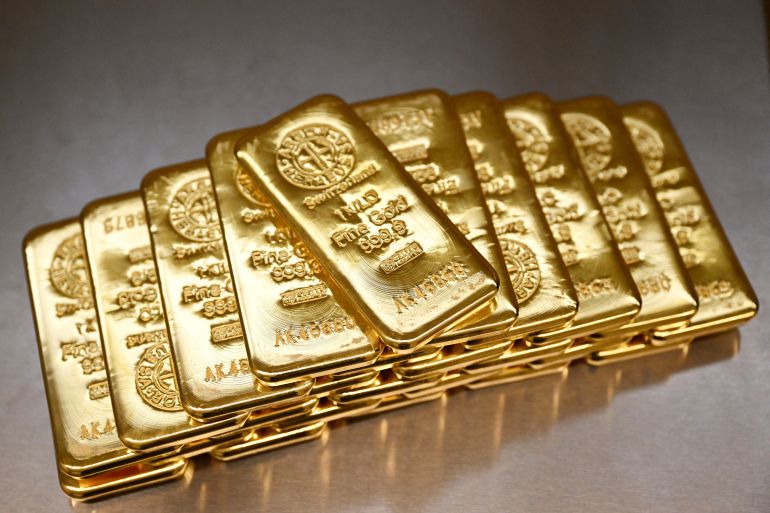
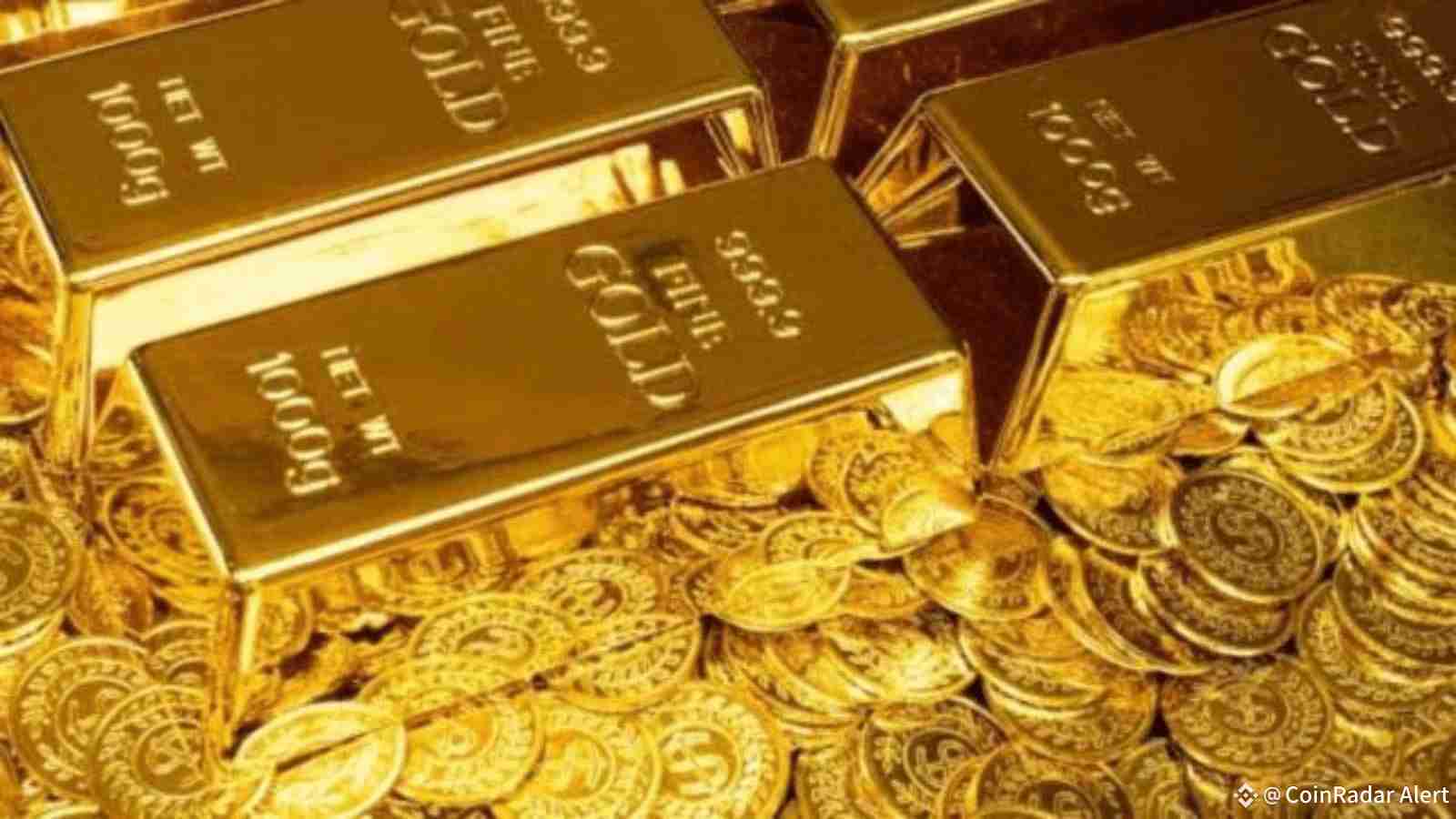
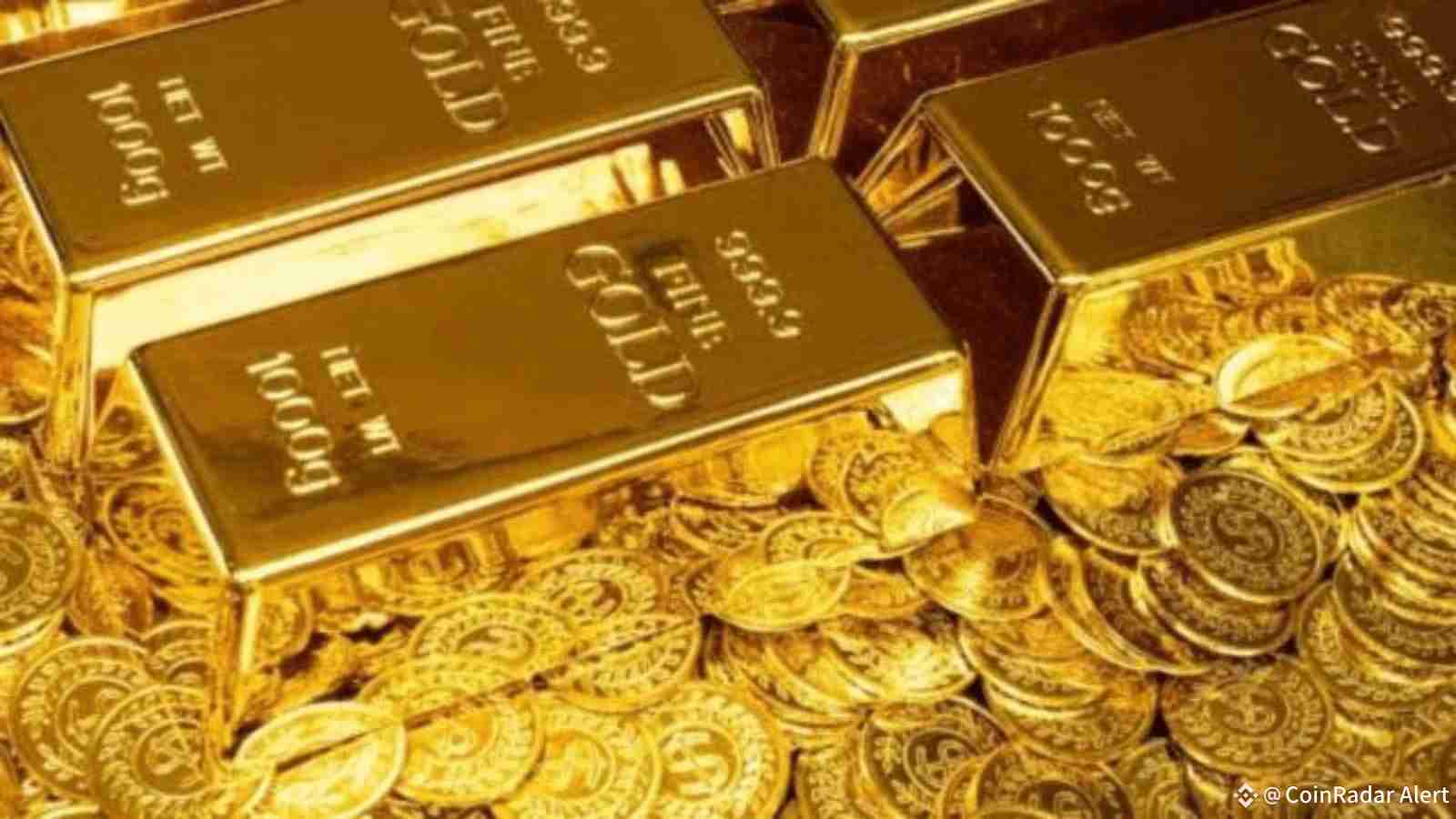
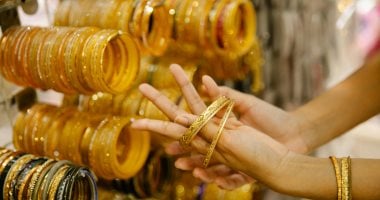
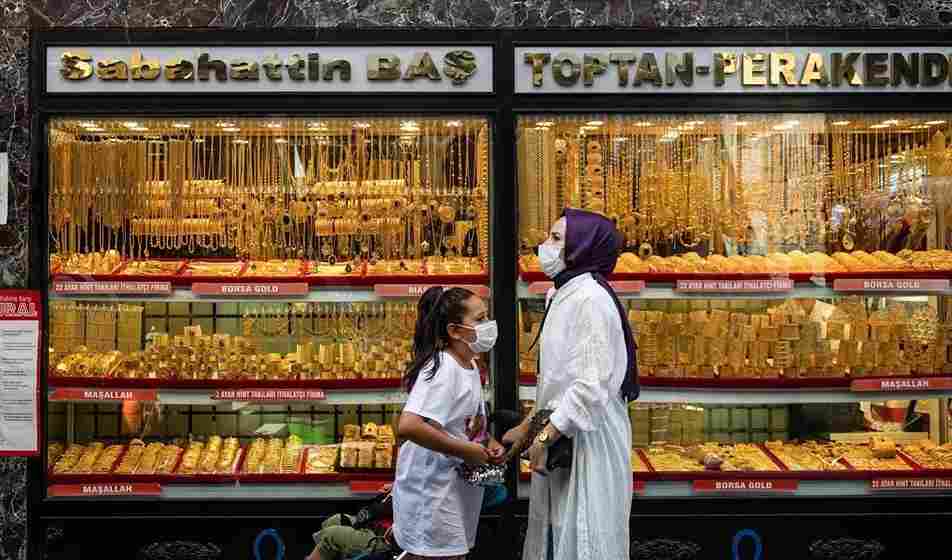
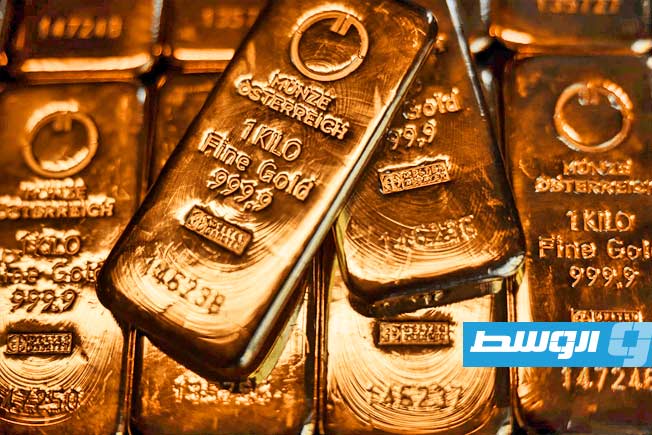
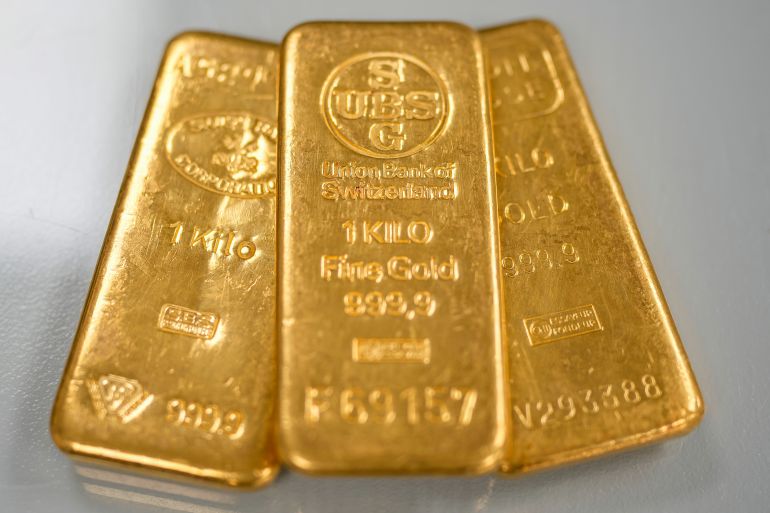
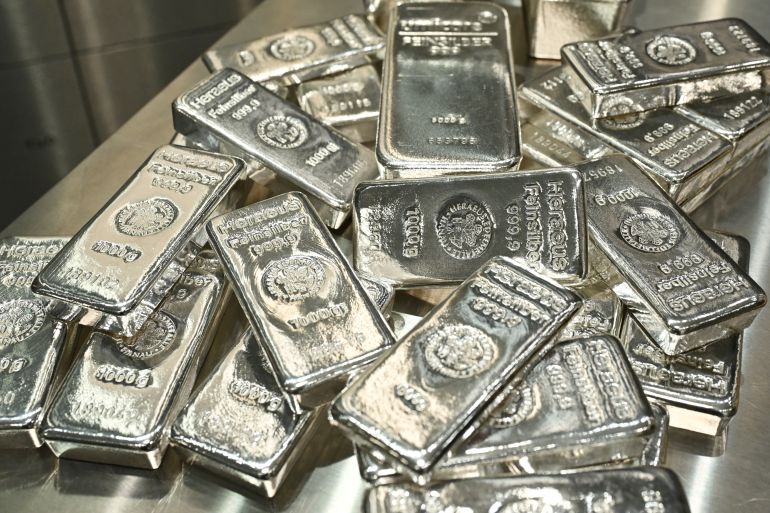
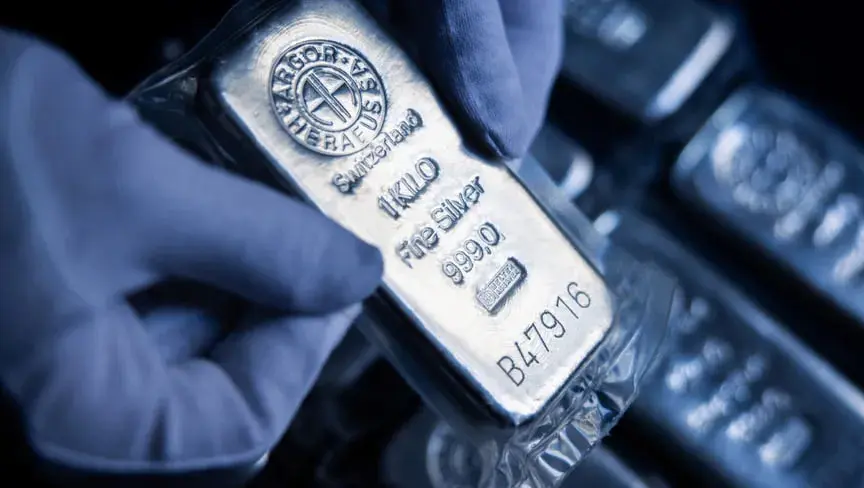
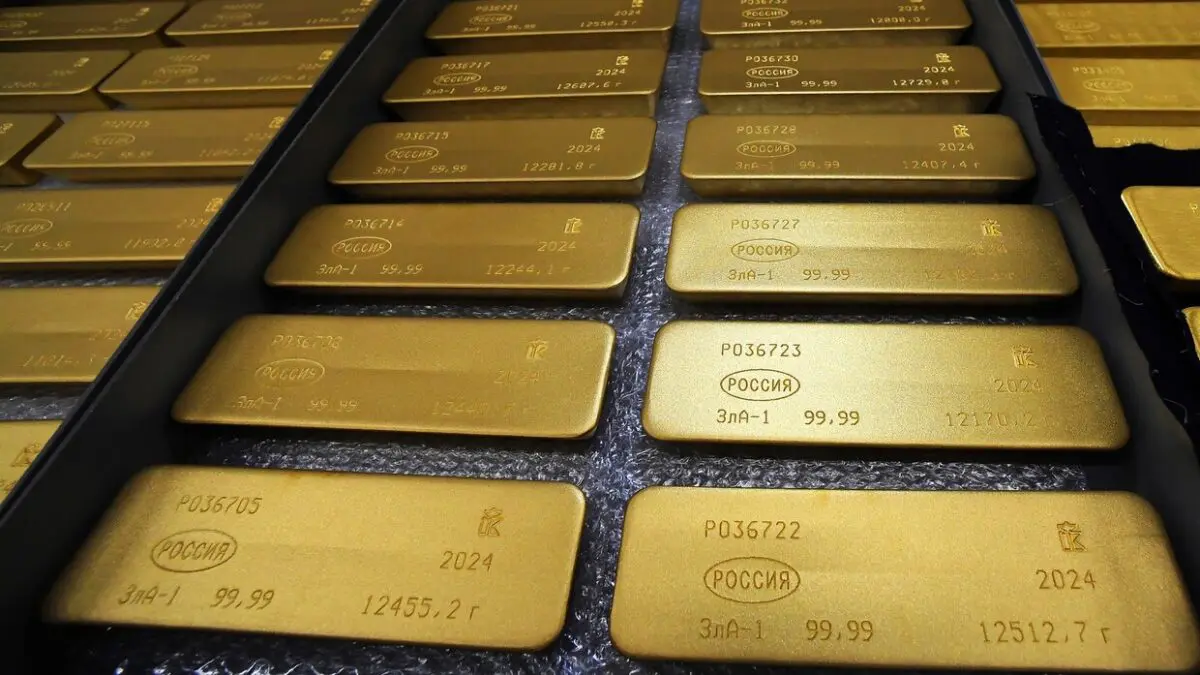
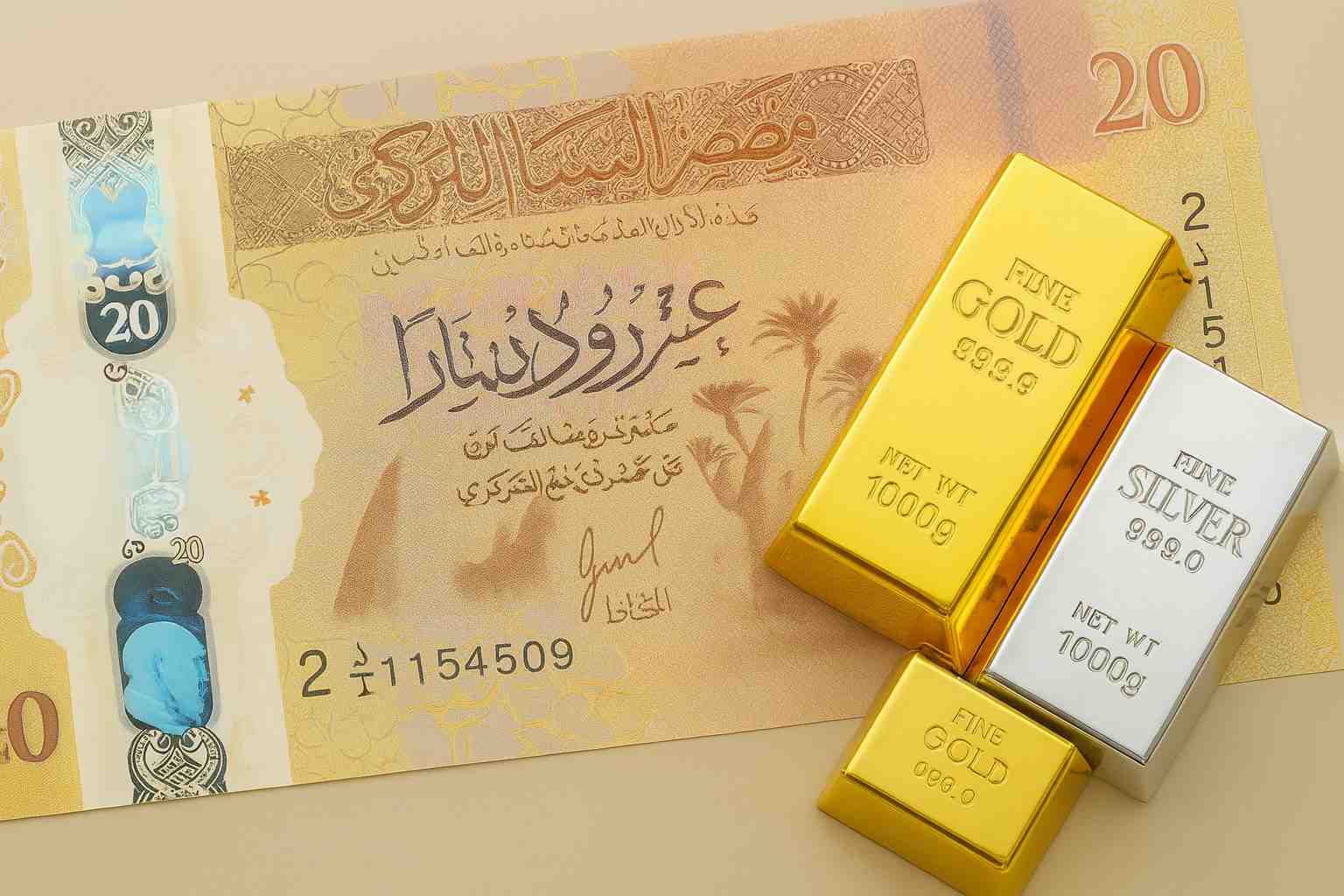
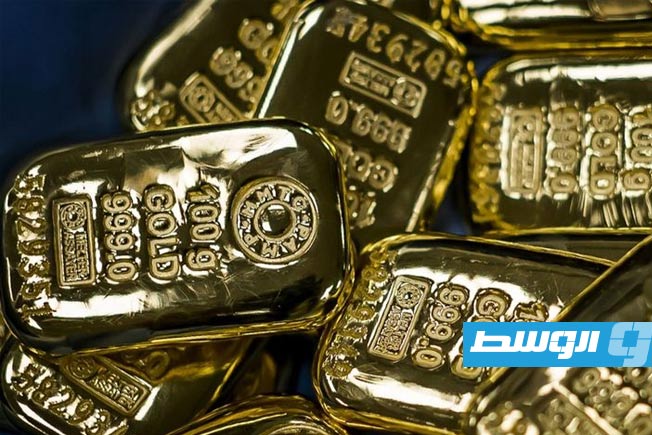
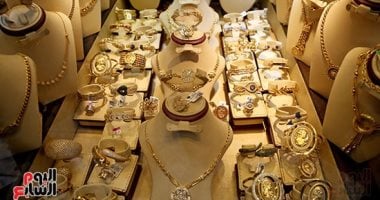
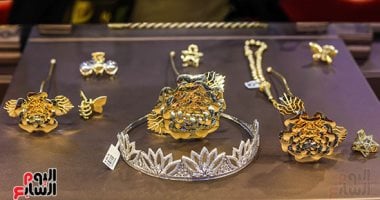
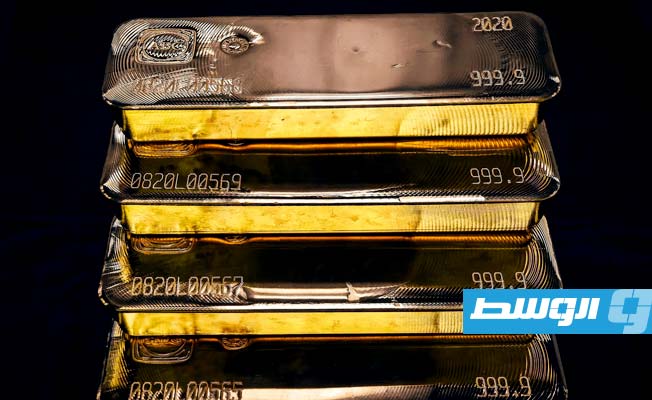
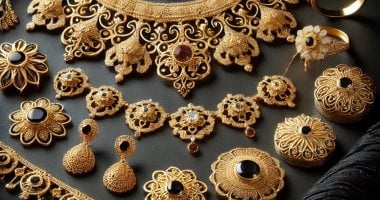
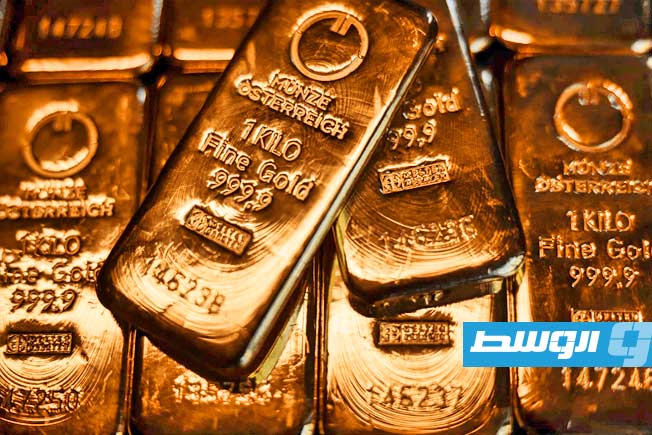
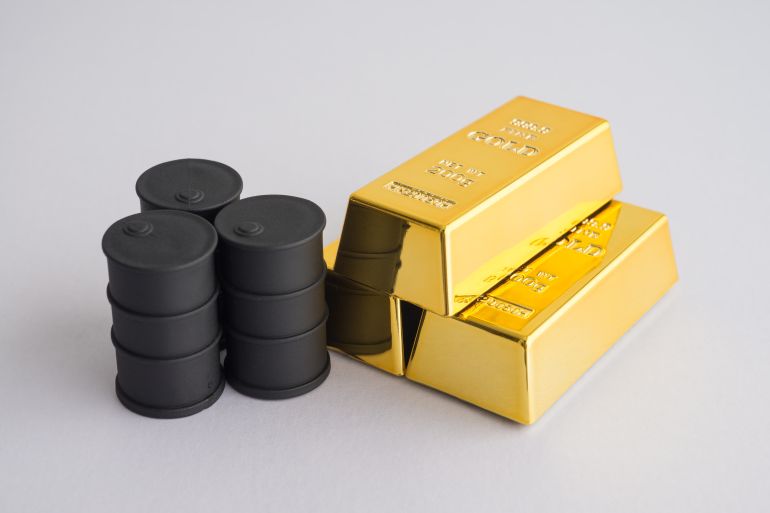
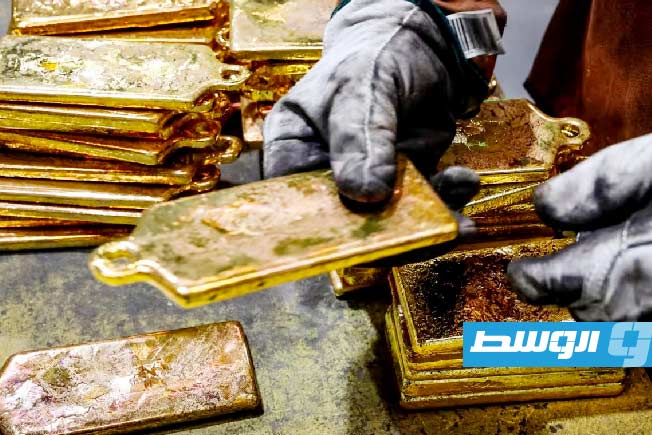
In the precious metals market, the price of an 18-karat scrap gold gram recorded a relative increase, reaching 925 dinars at the close, while external remittance prices were lower than the cash price, with the dollar remittance to Turkey at 8.81 dinars and Dubai remittances at 8.83 dinars.
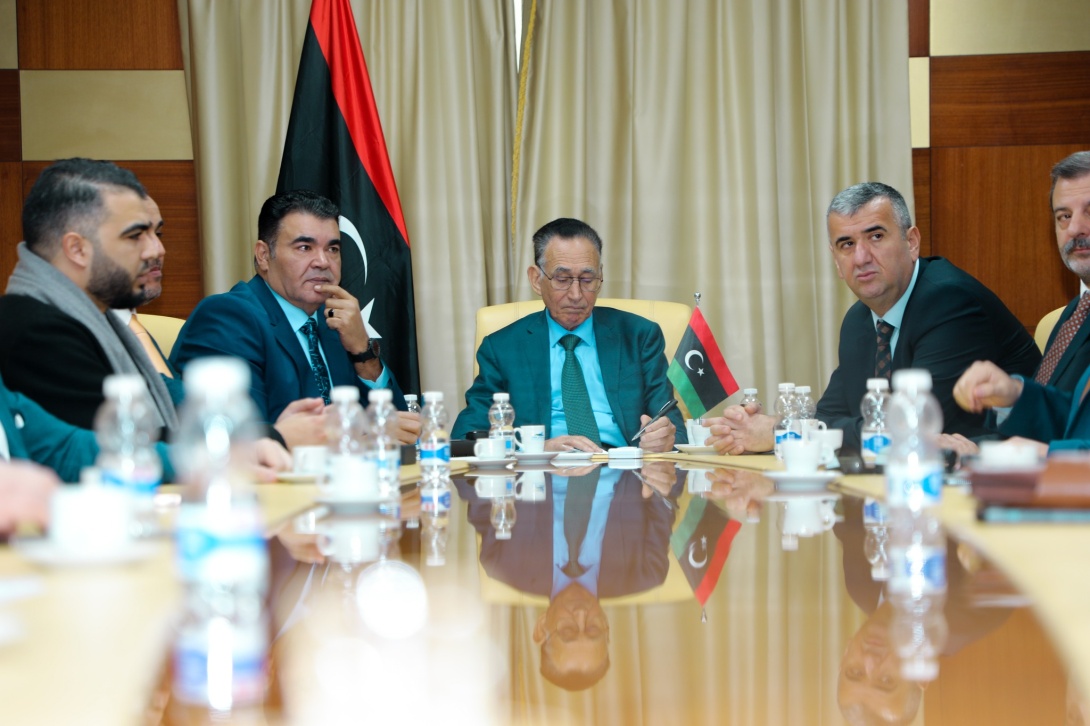
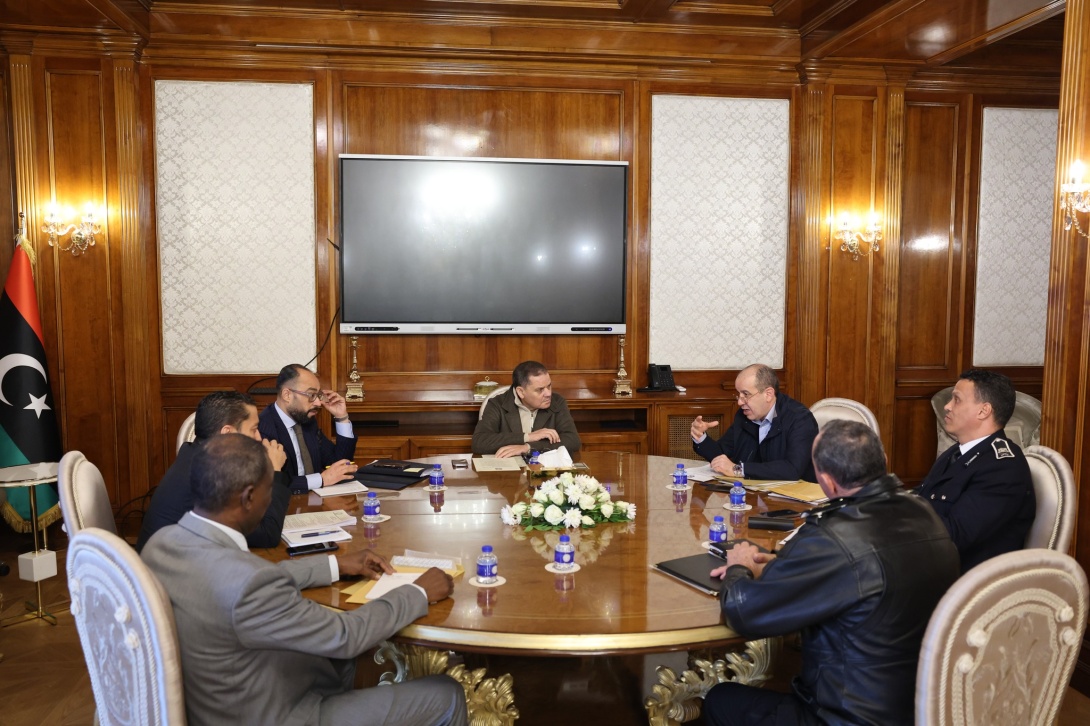
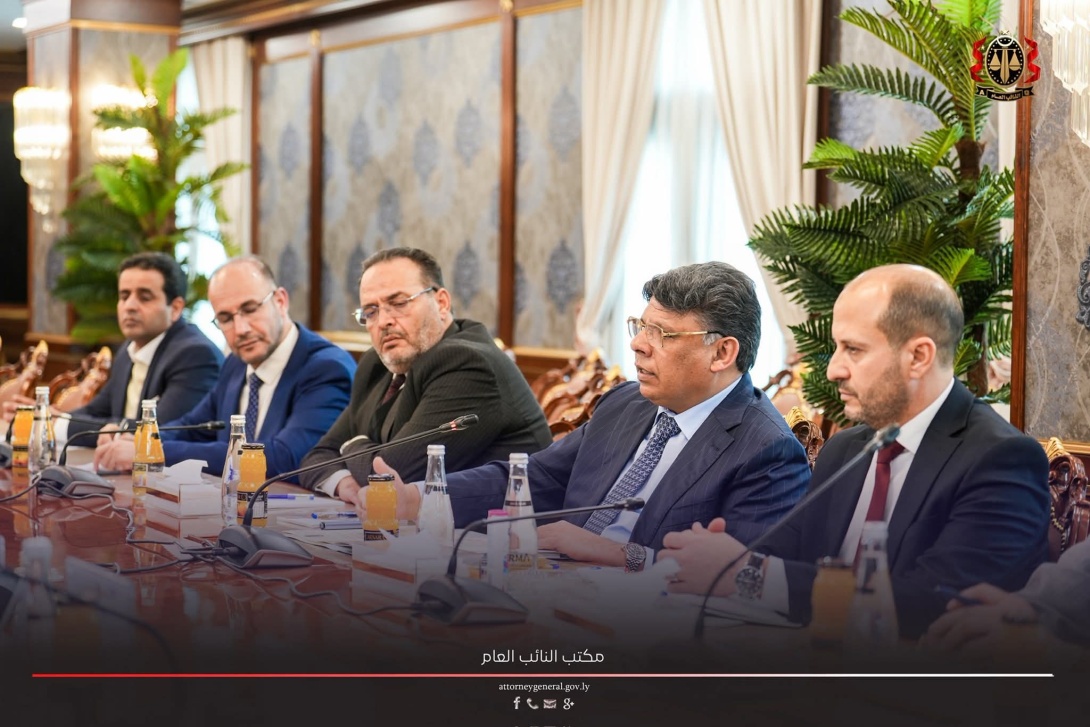
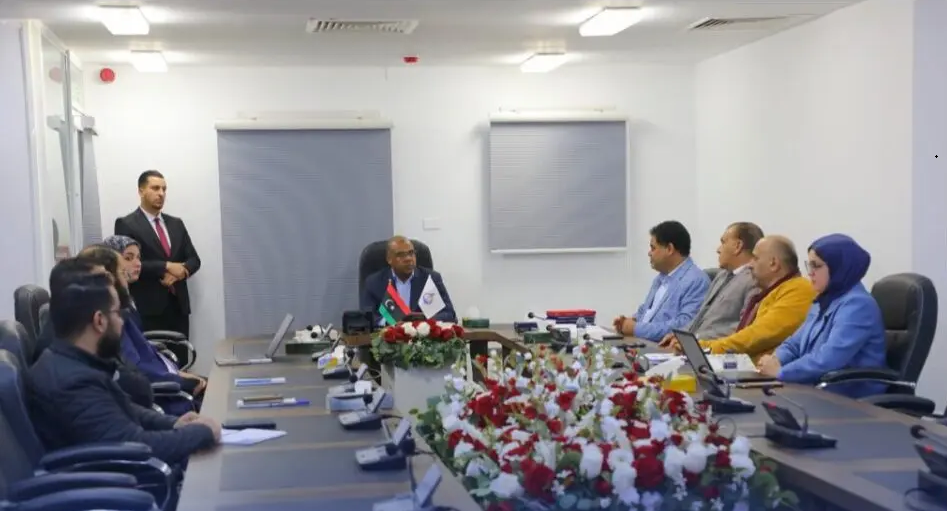
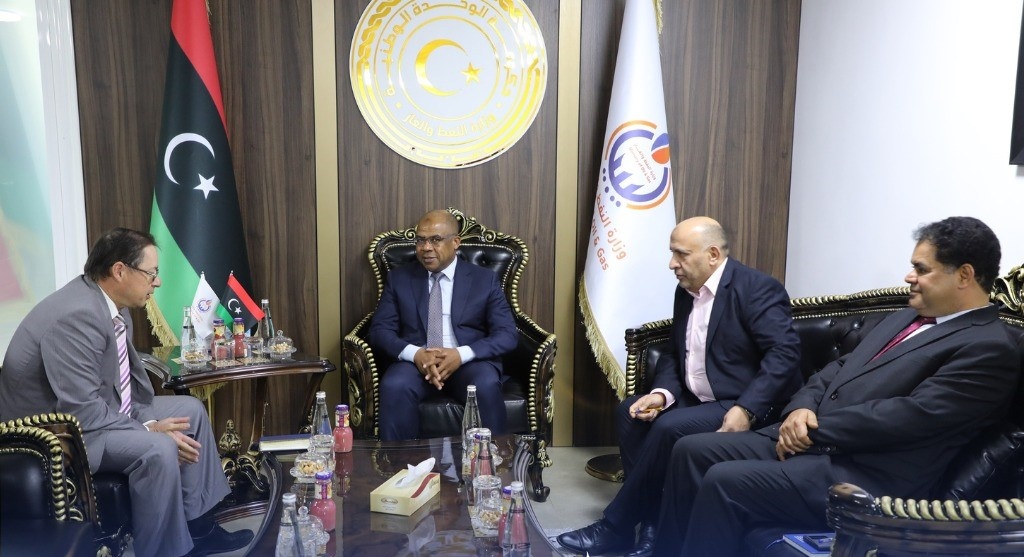
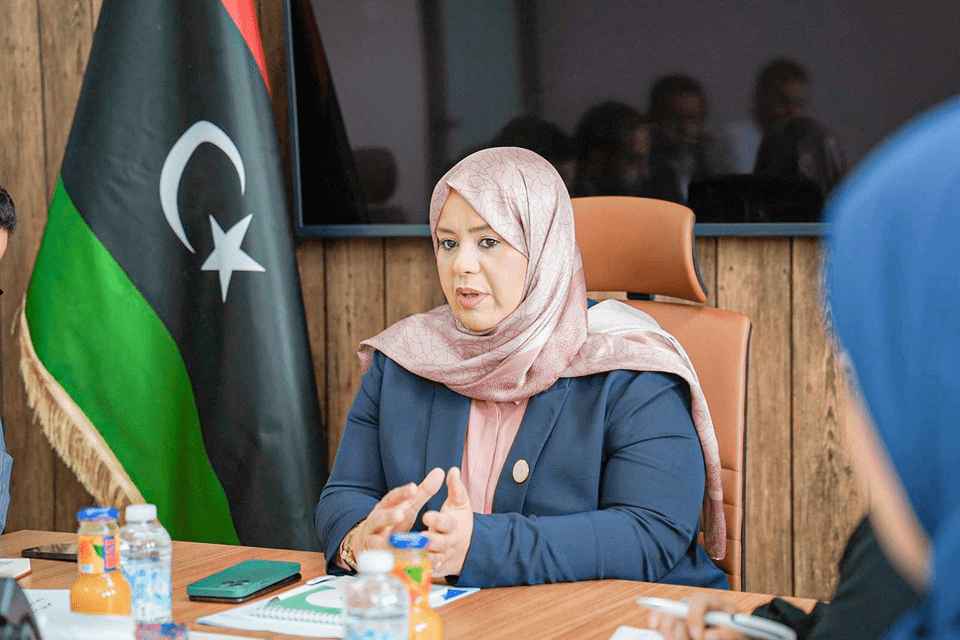
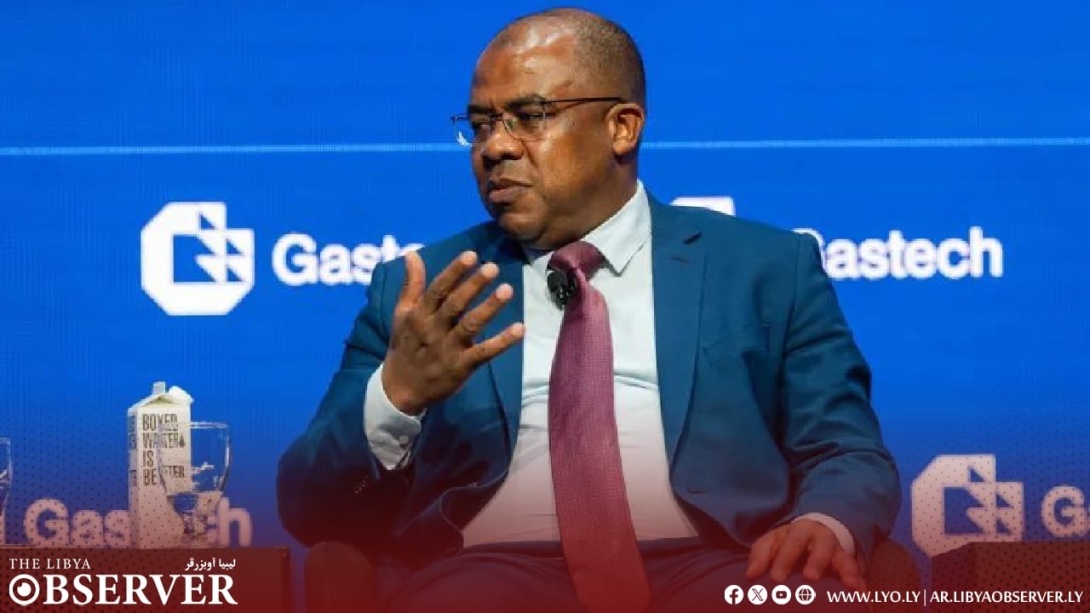
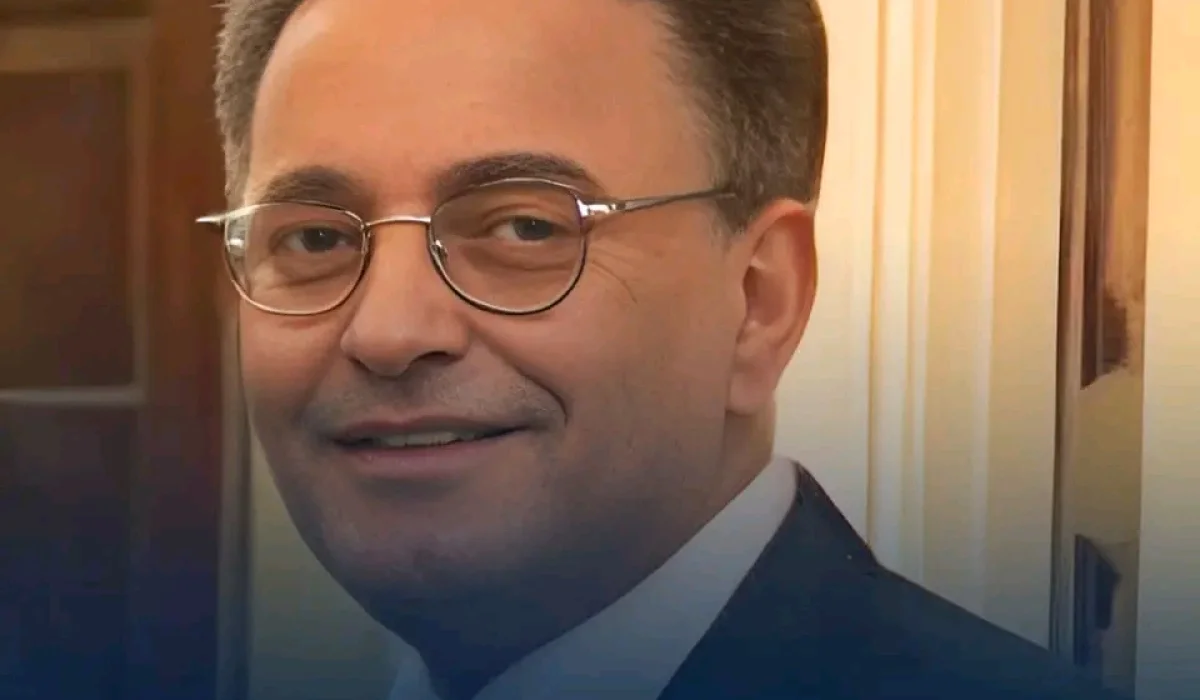
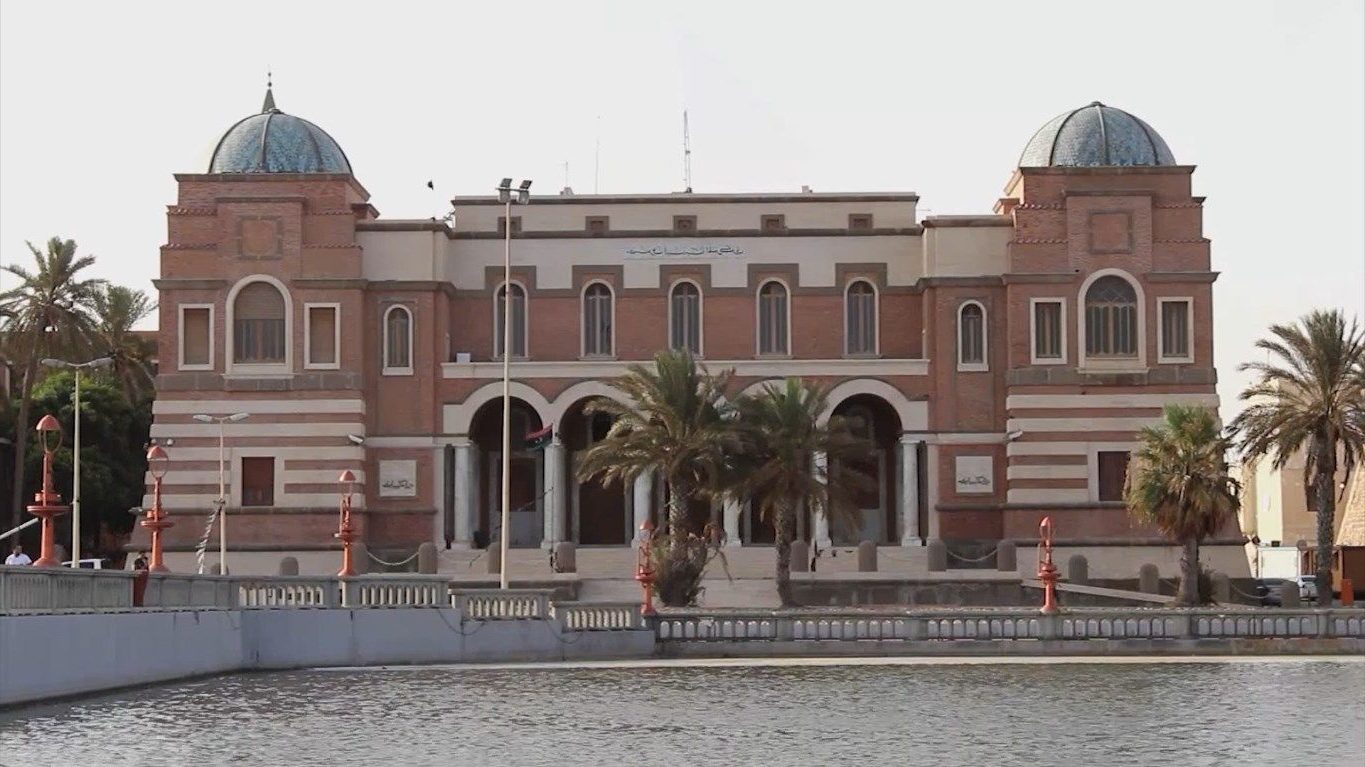
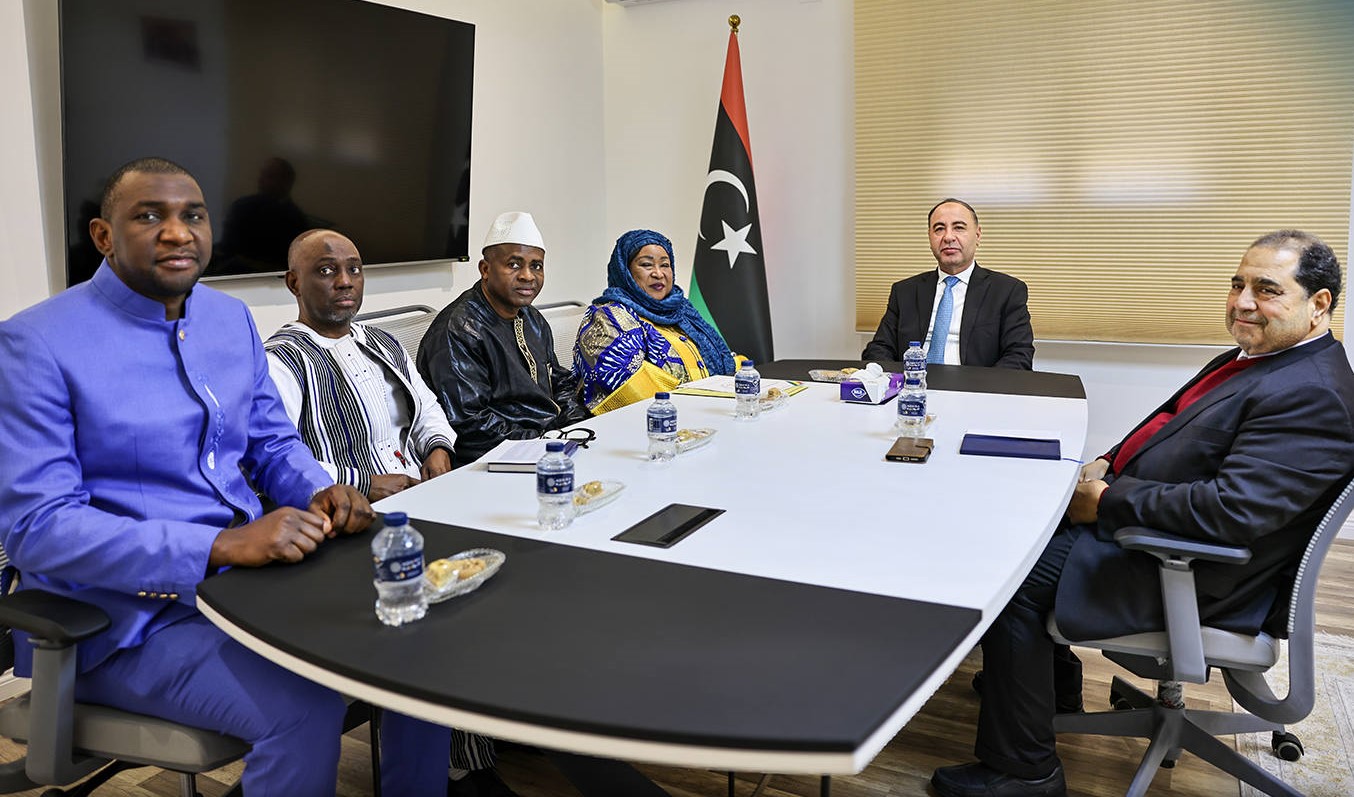
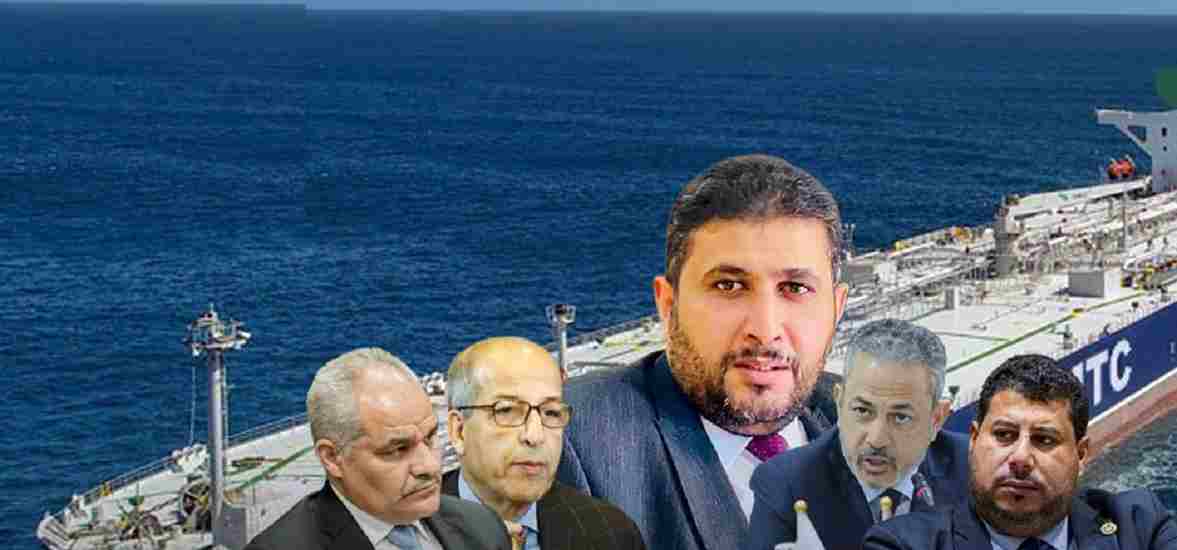
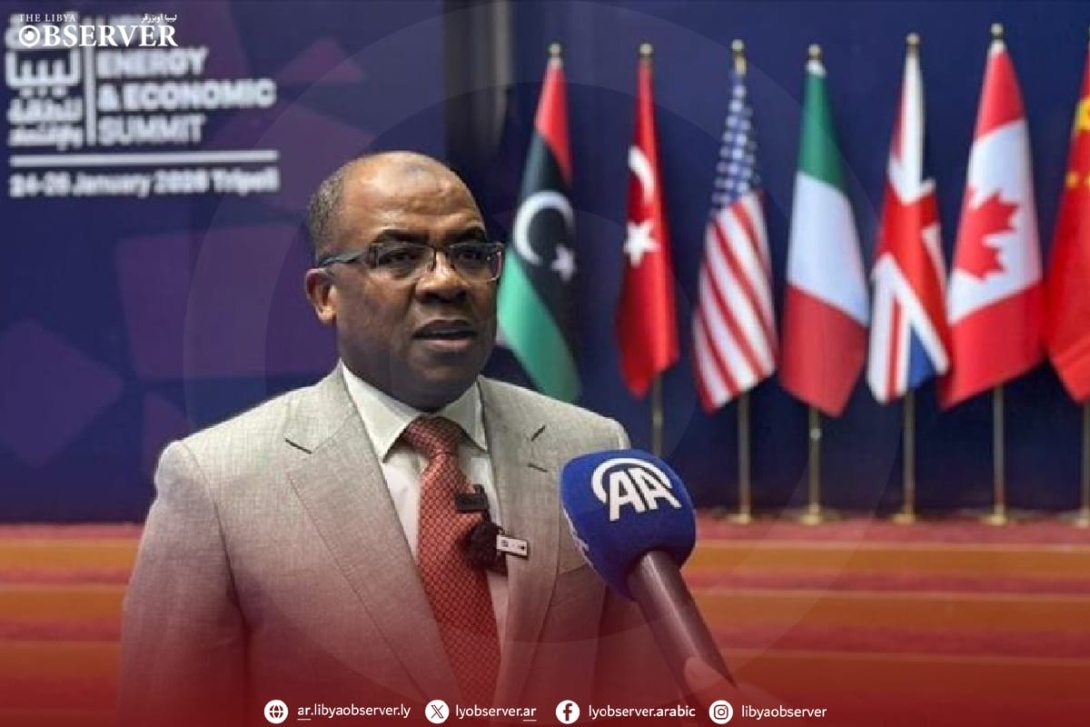
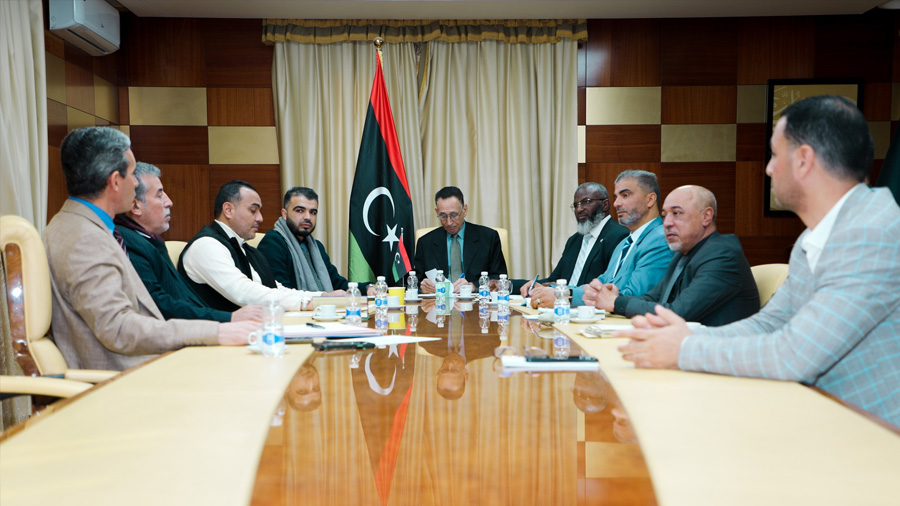
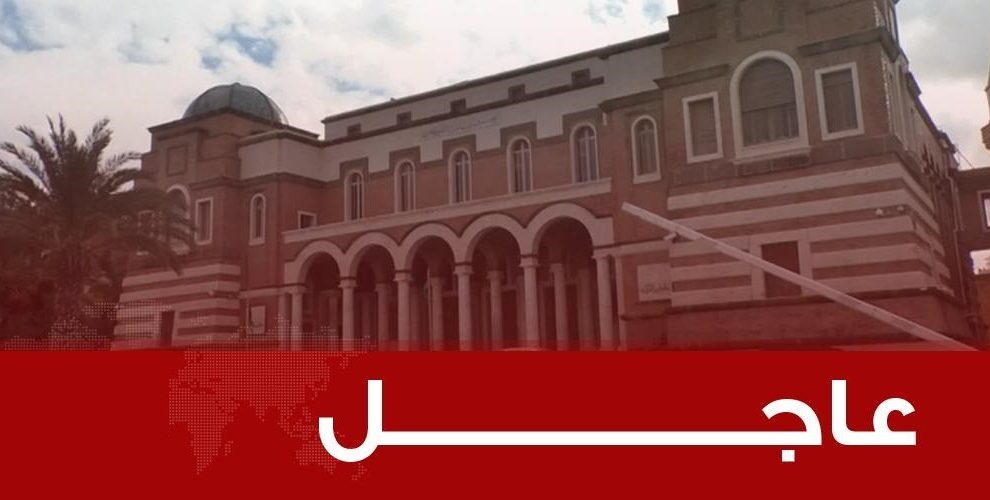
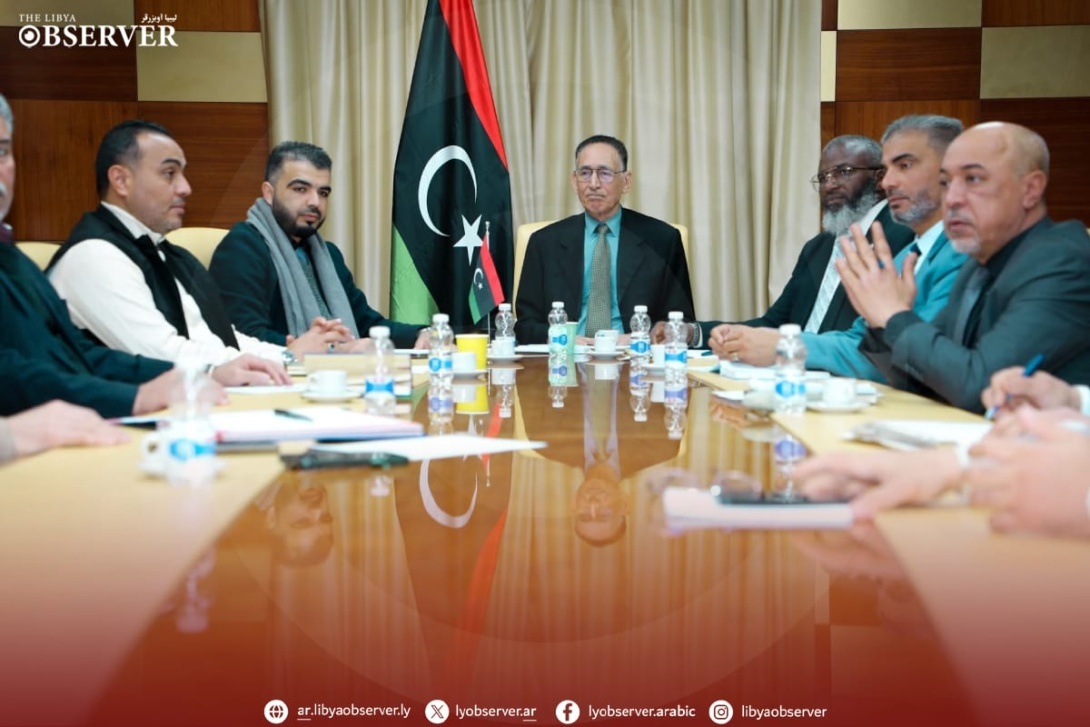
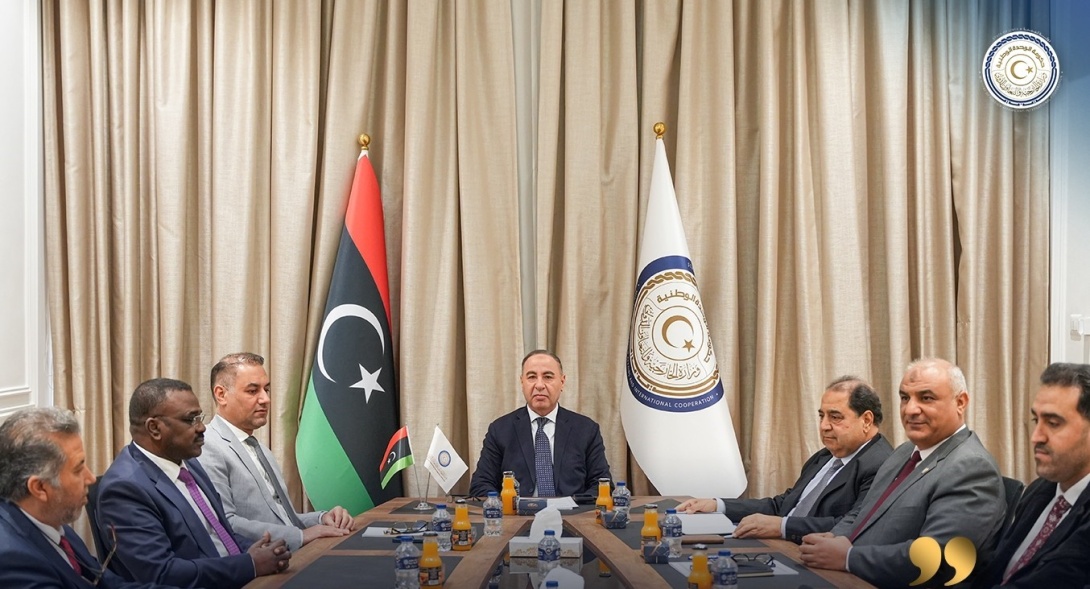
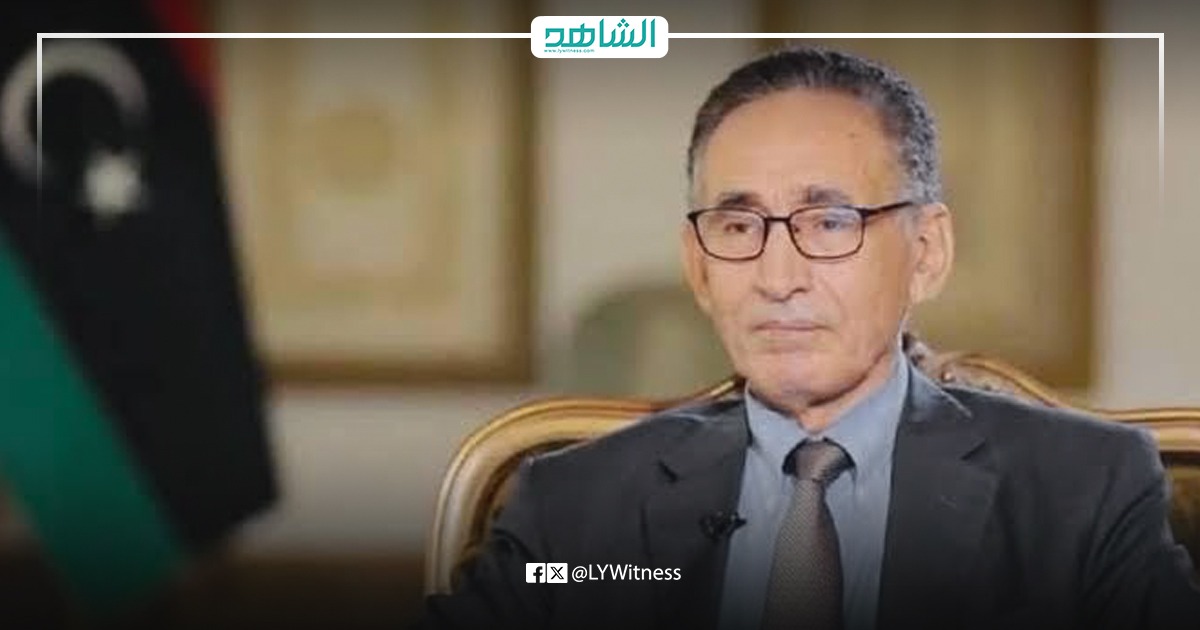
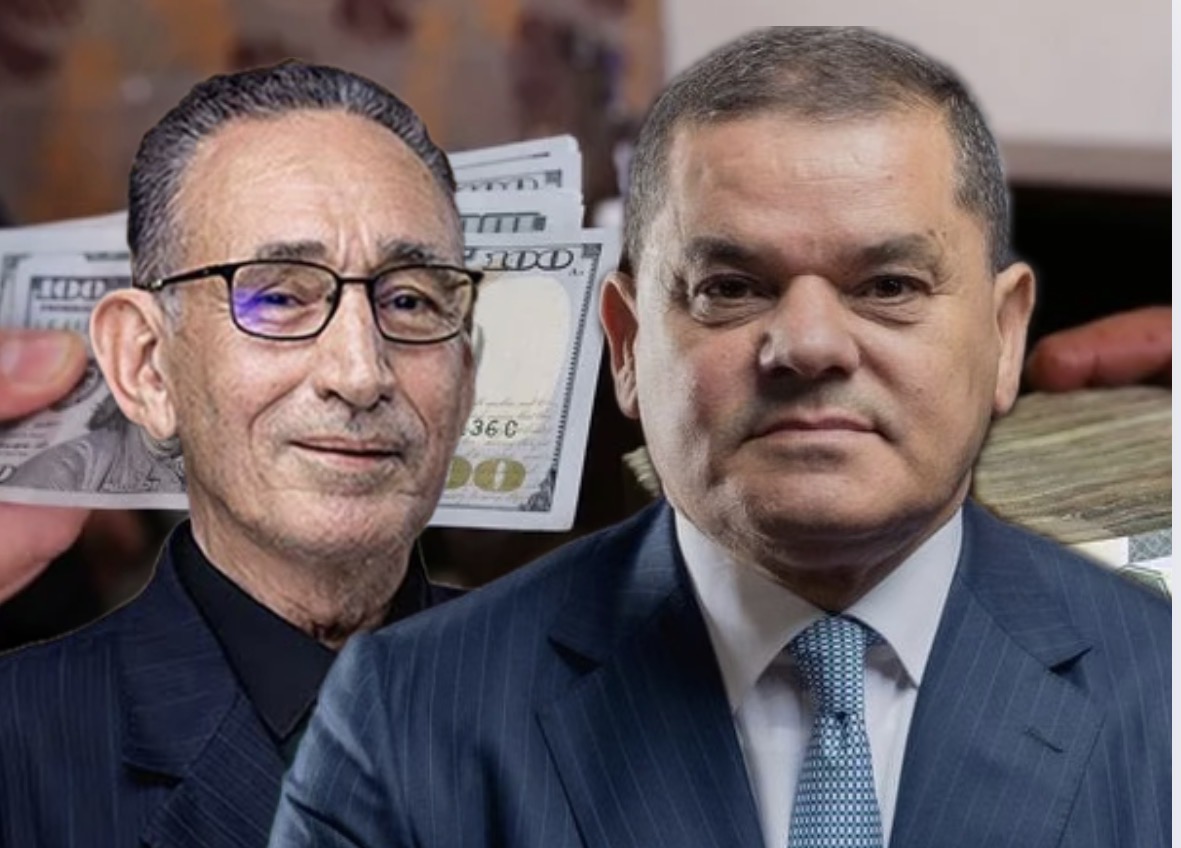
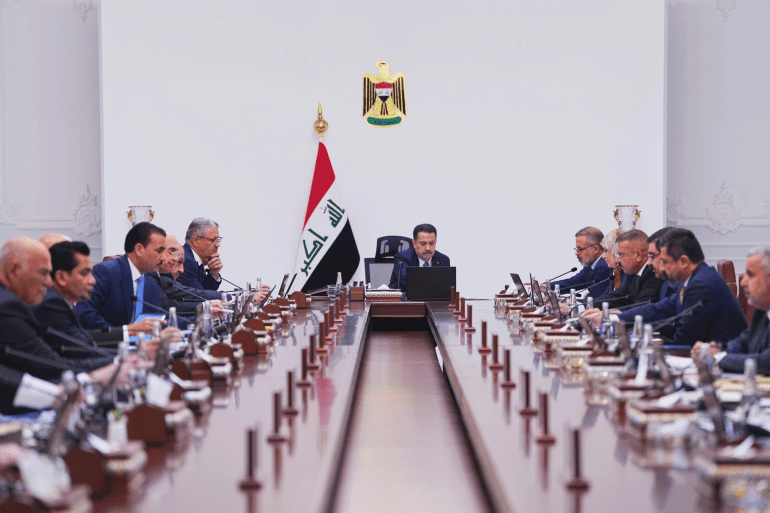
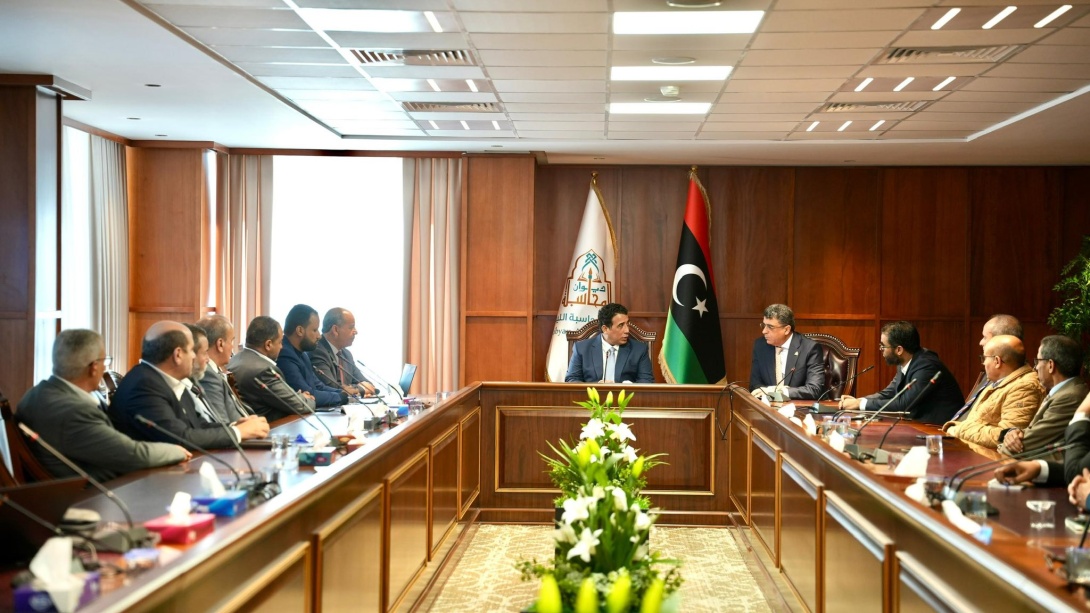
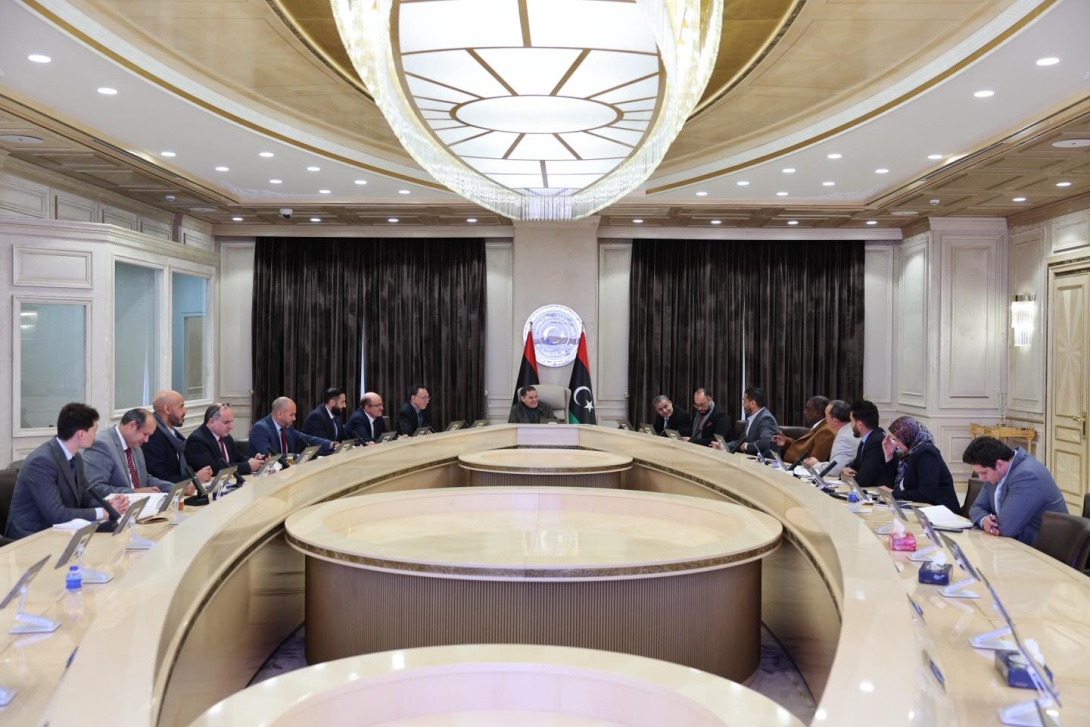
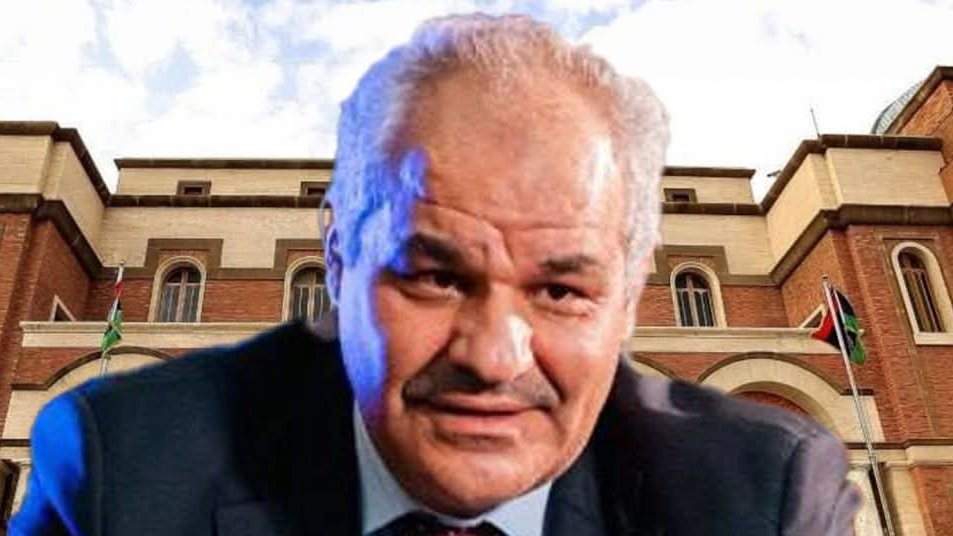
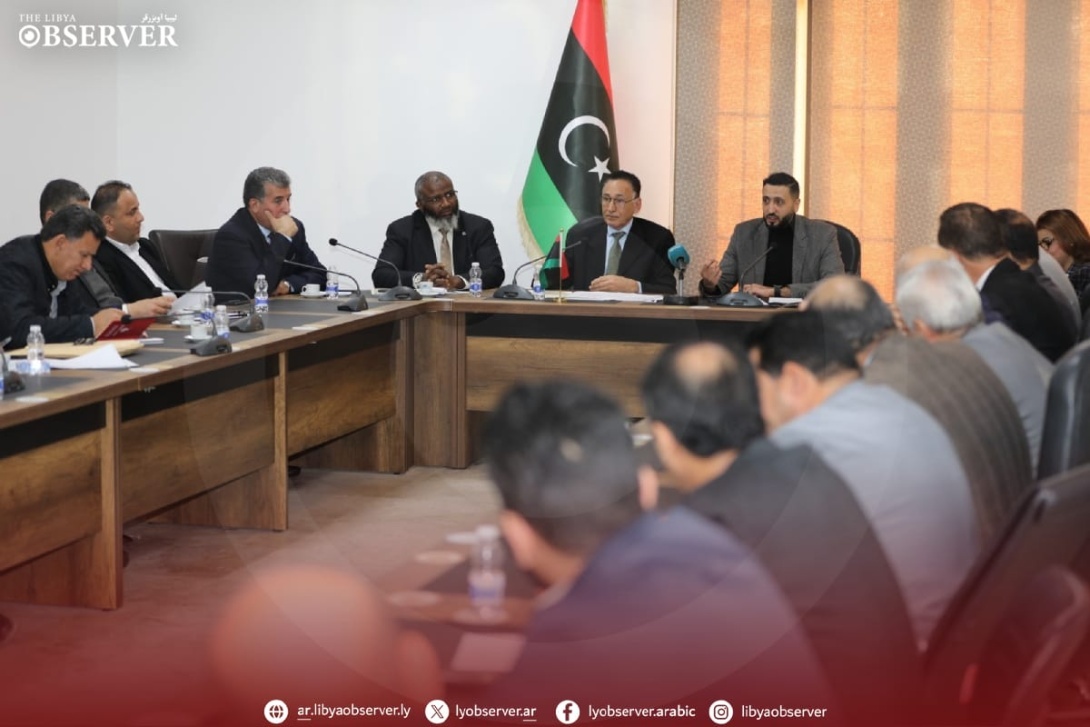
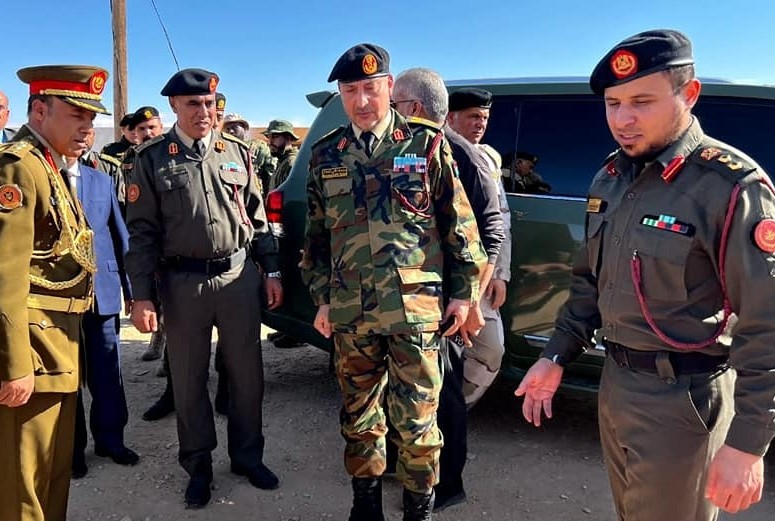
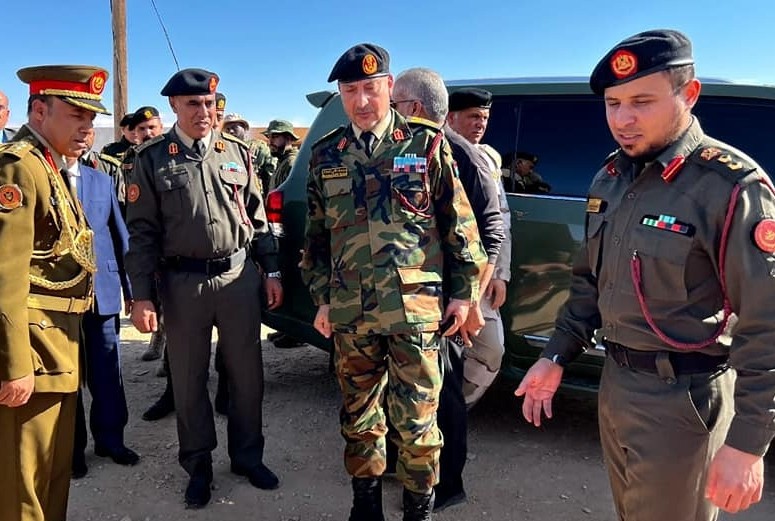
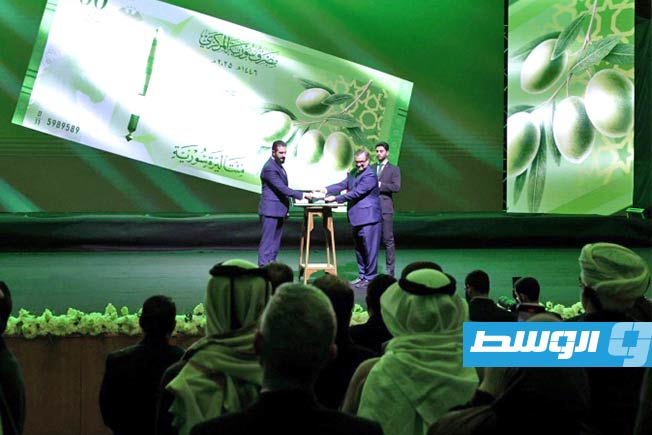
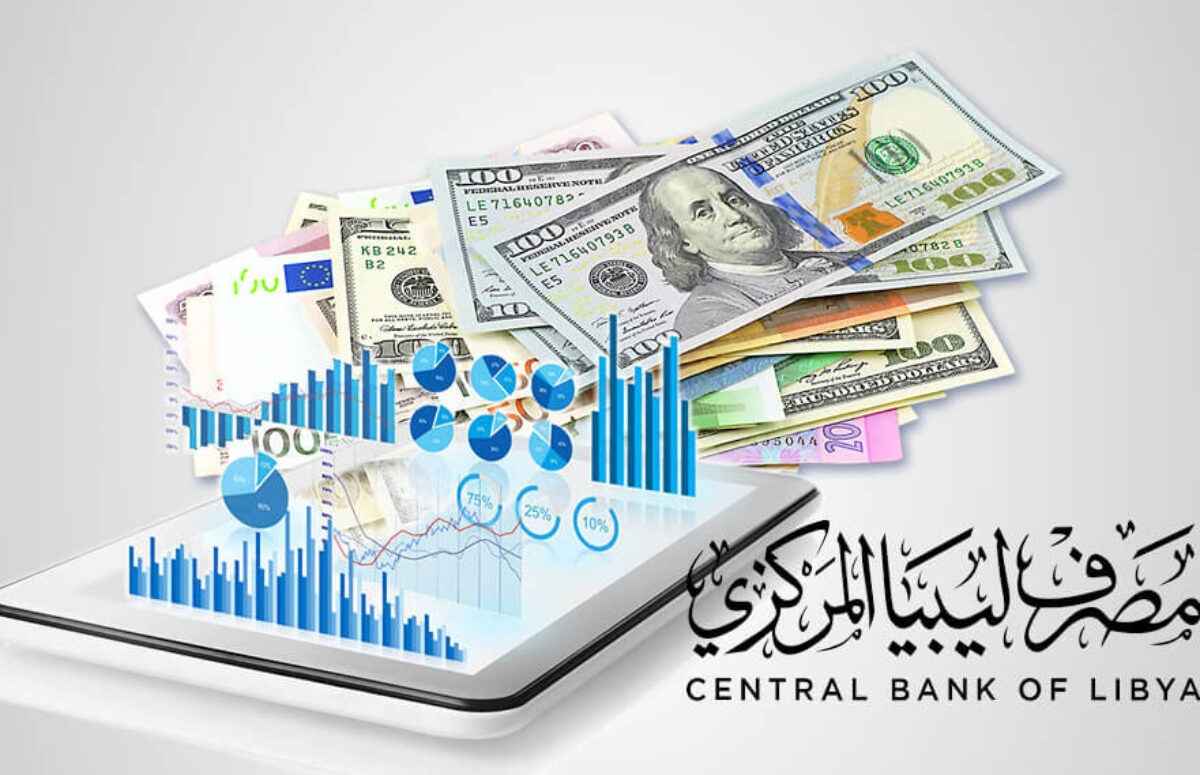
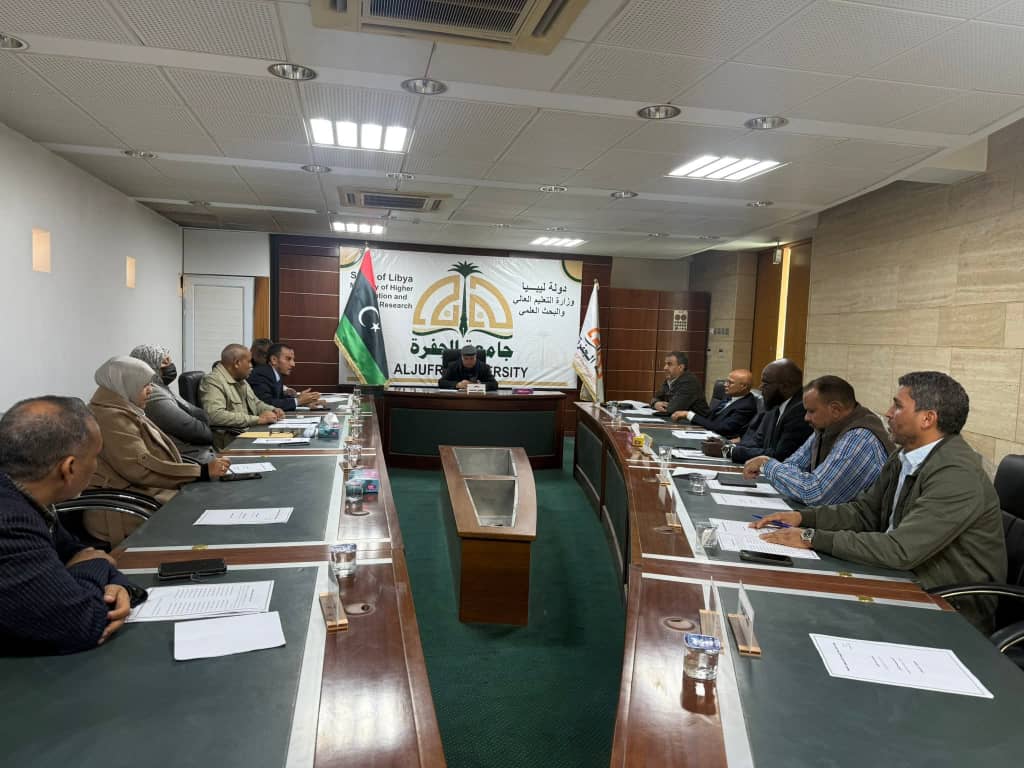
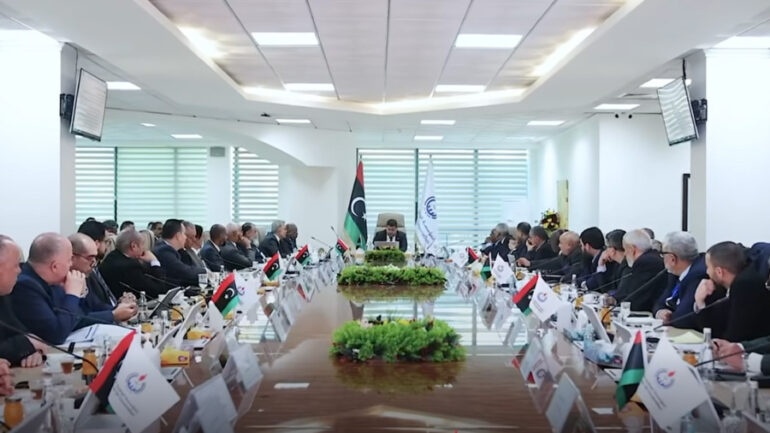
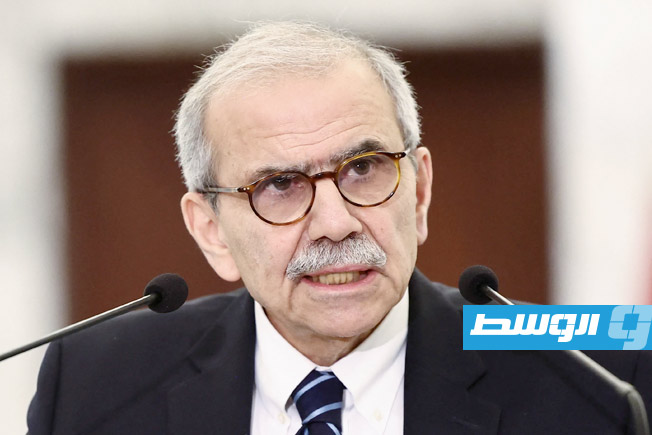
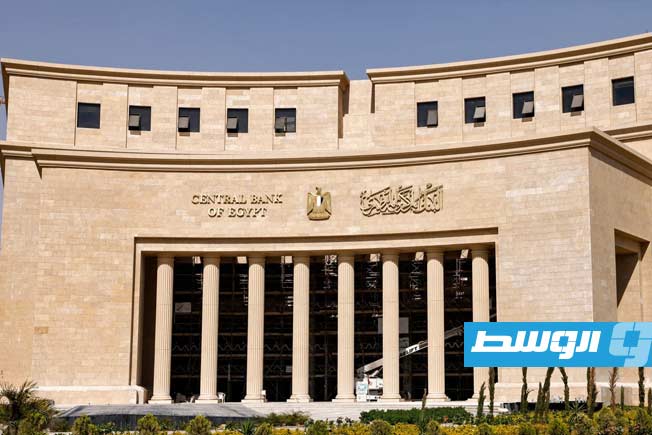
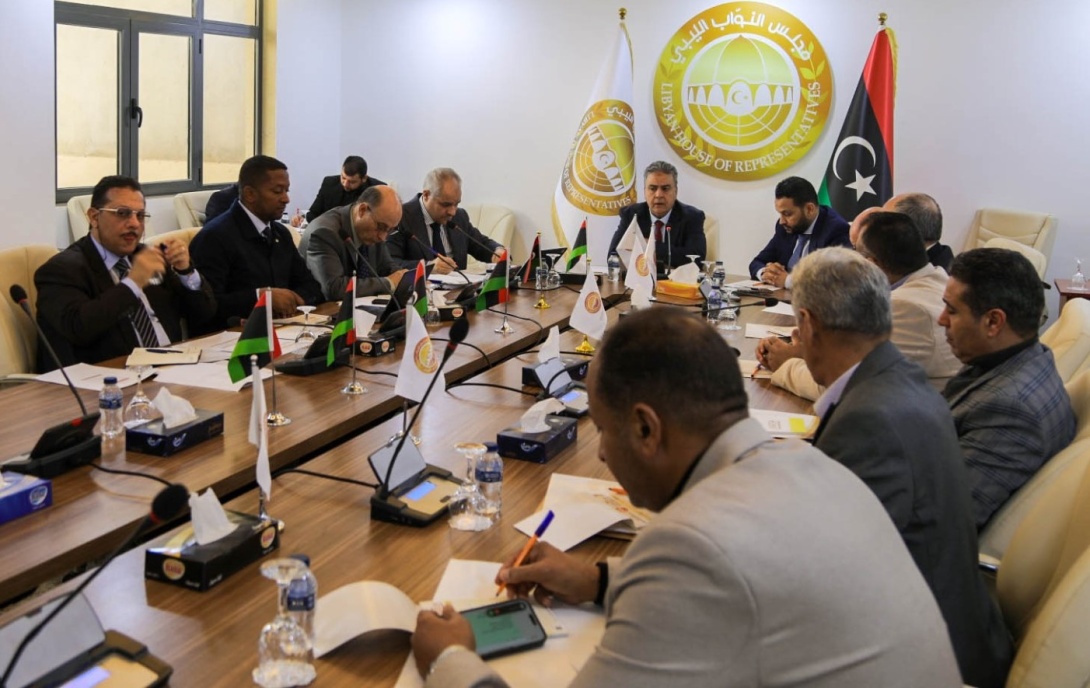
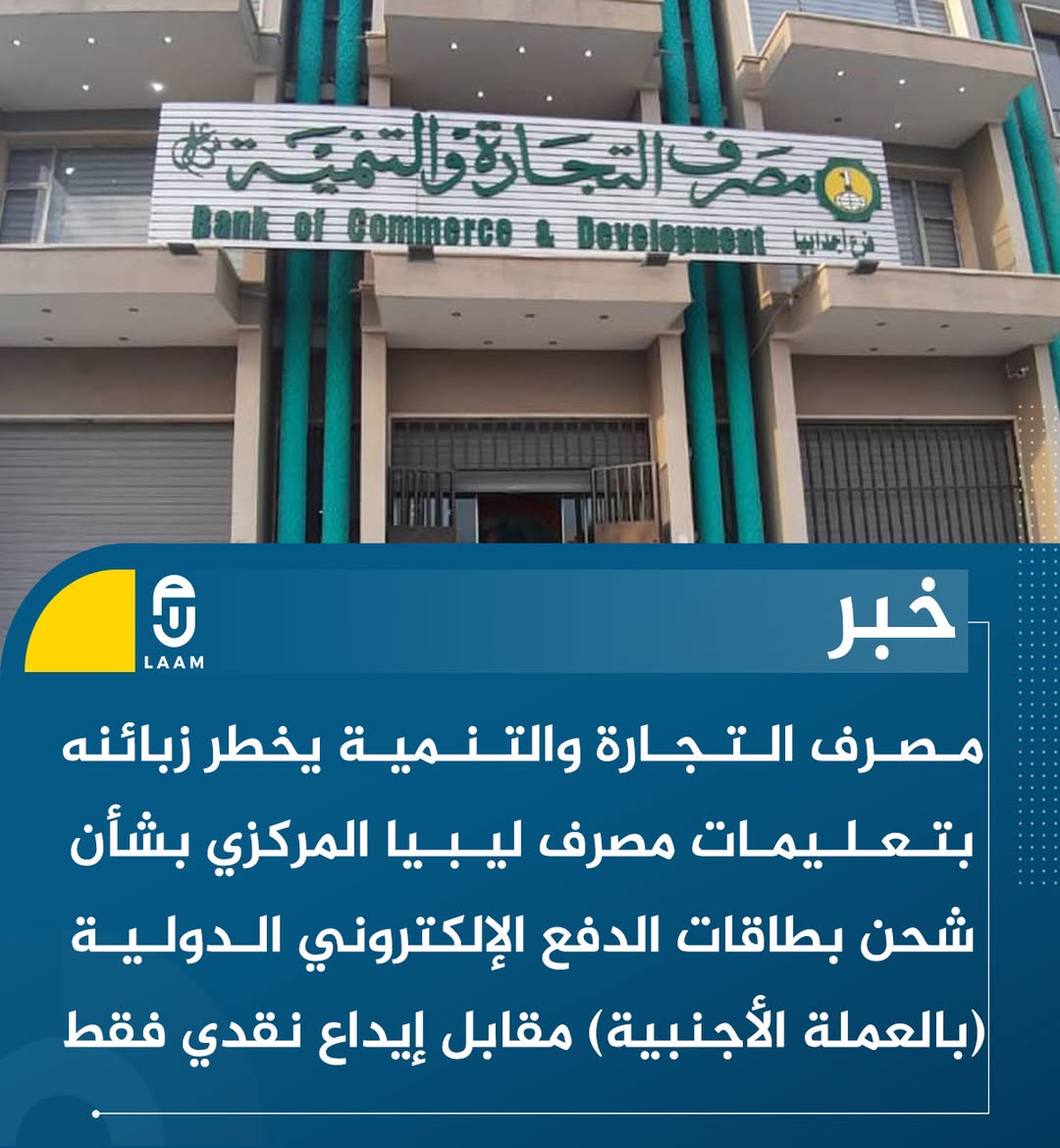
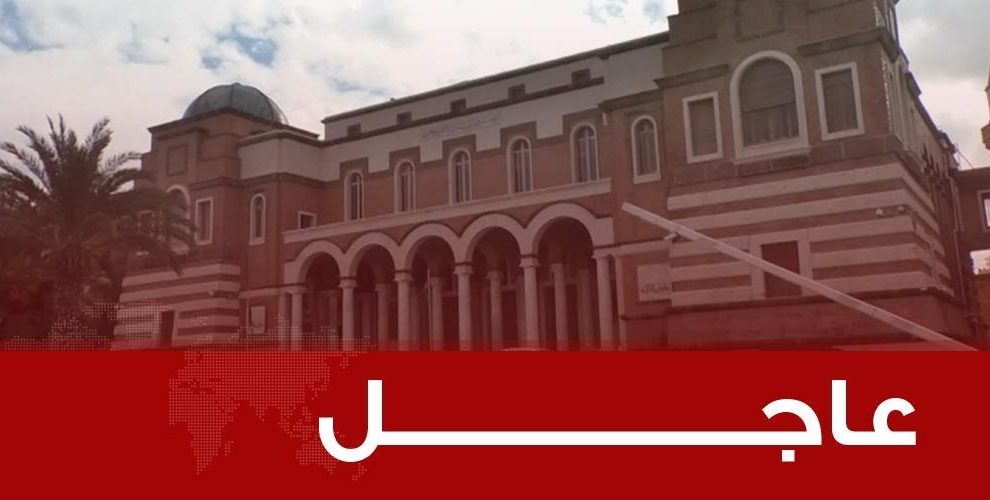
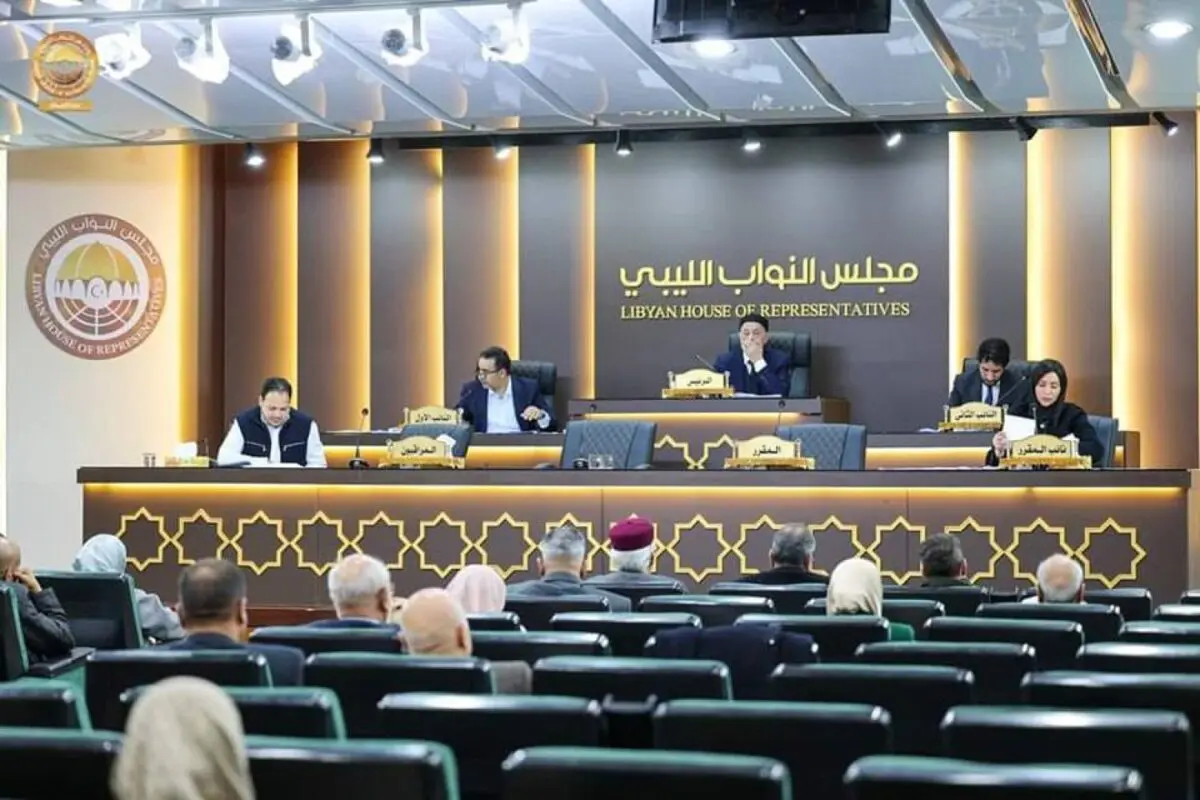
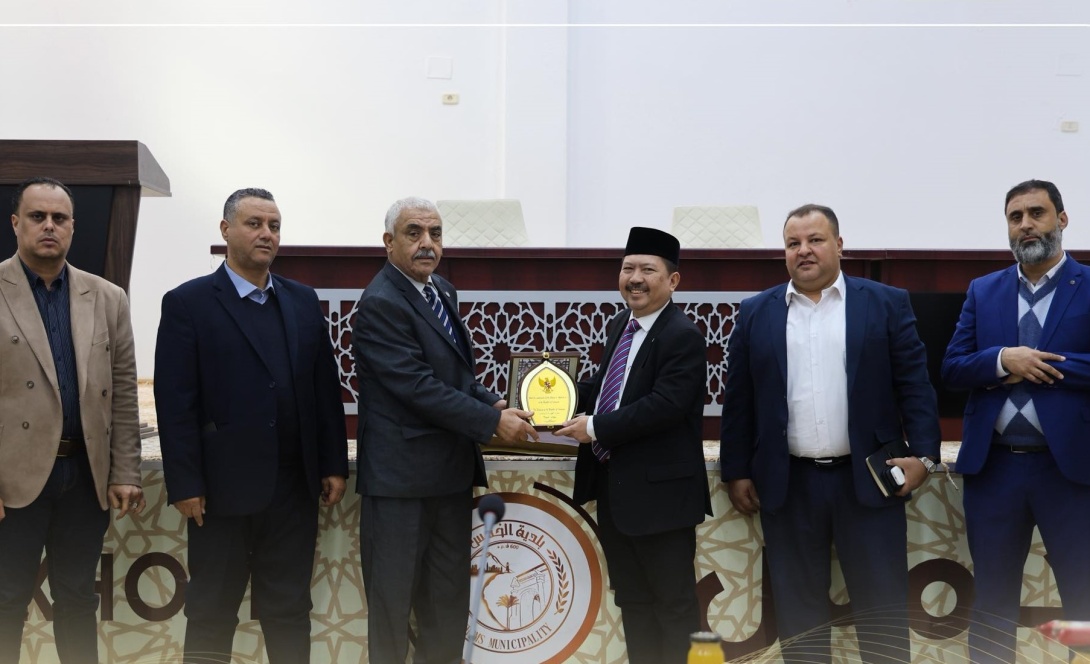
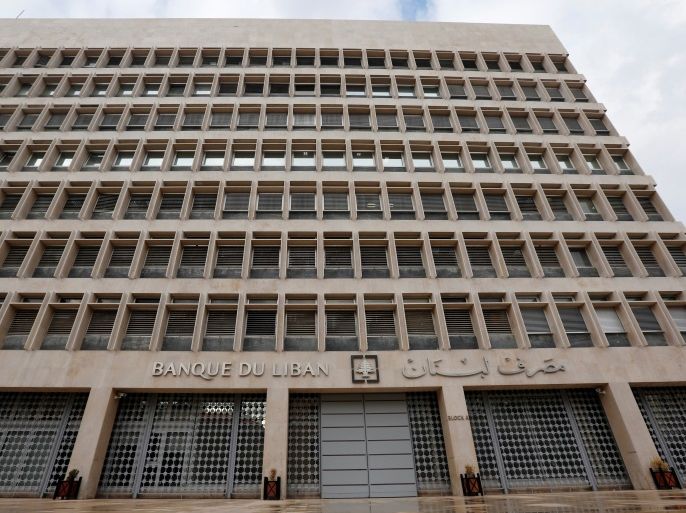
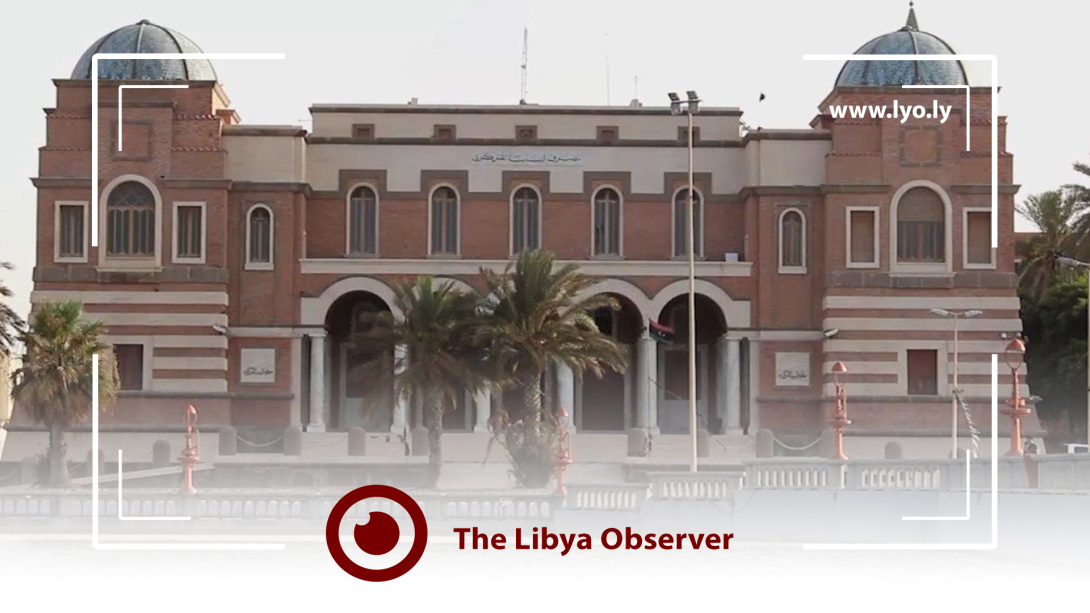
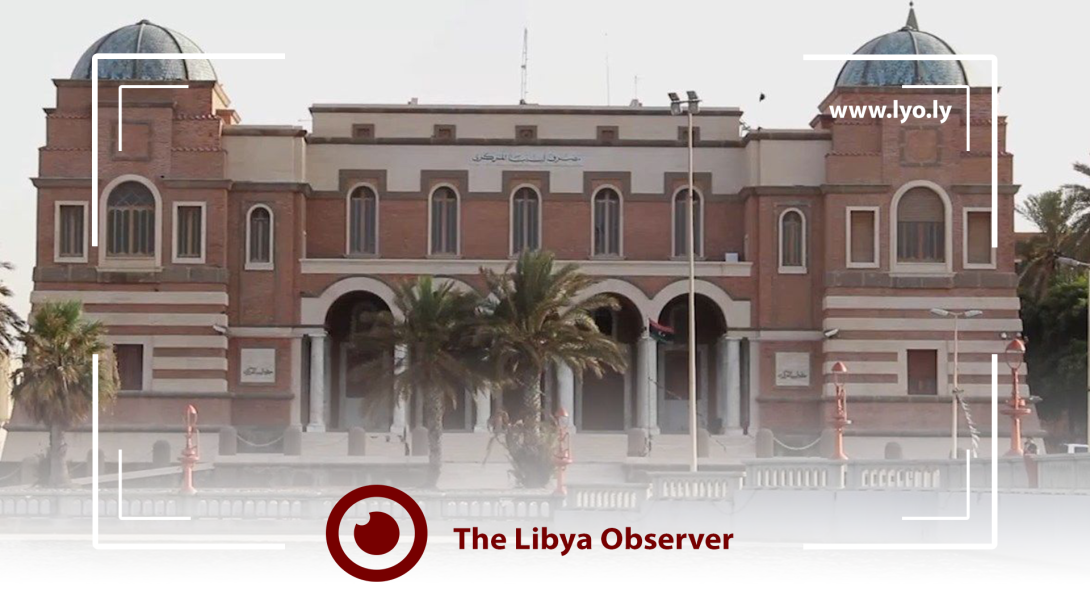
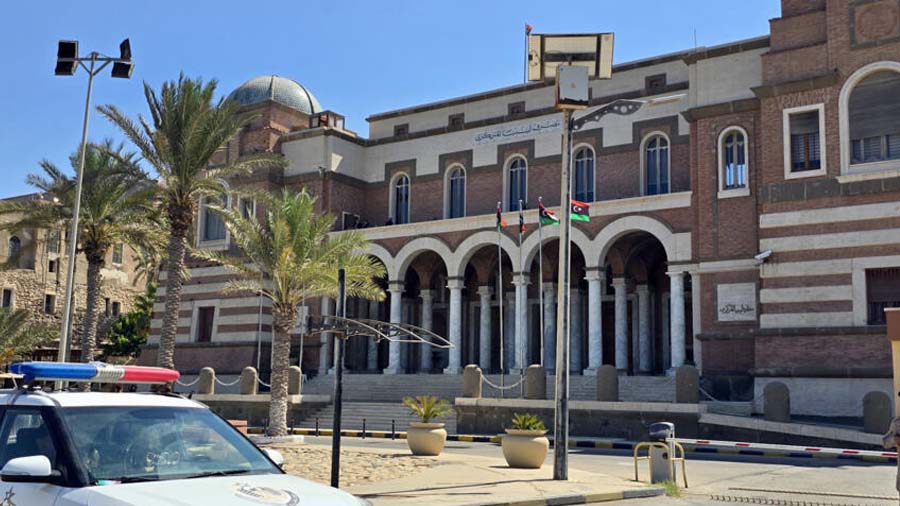
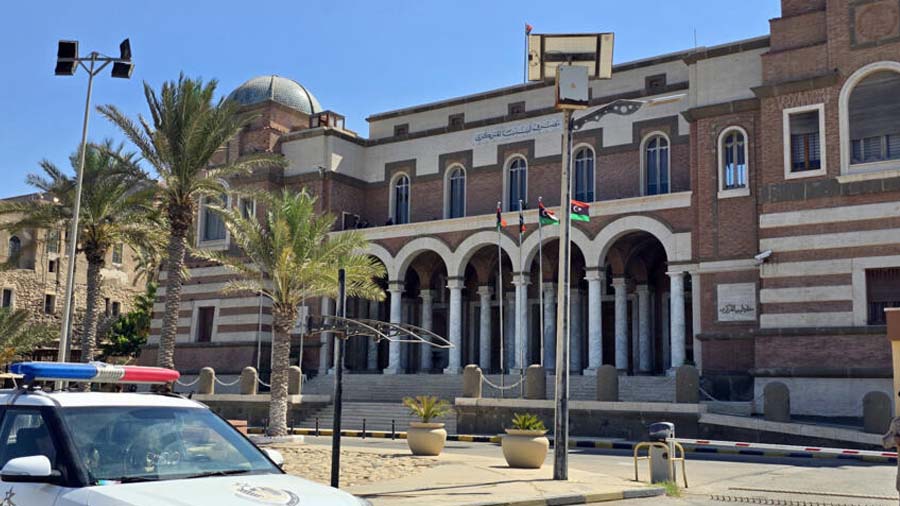
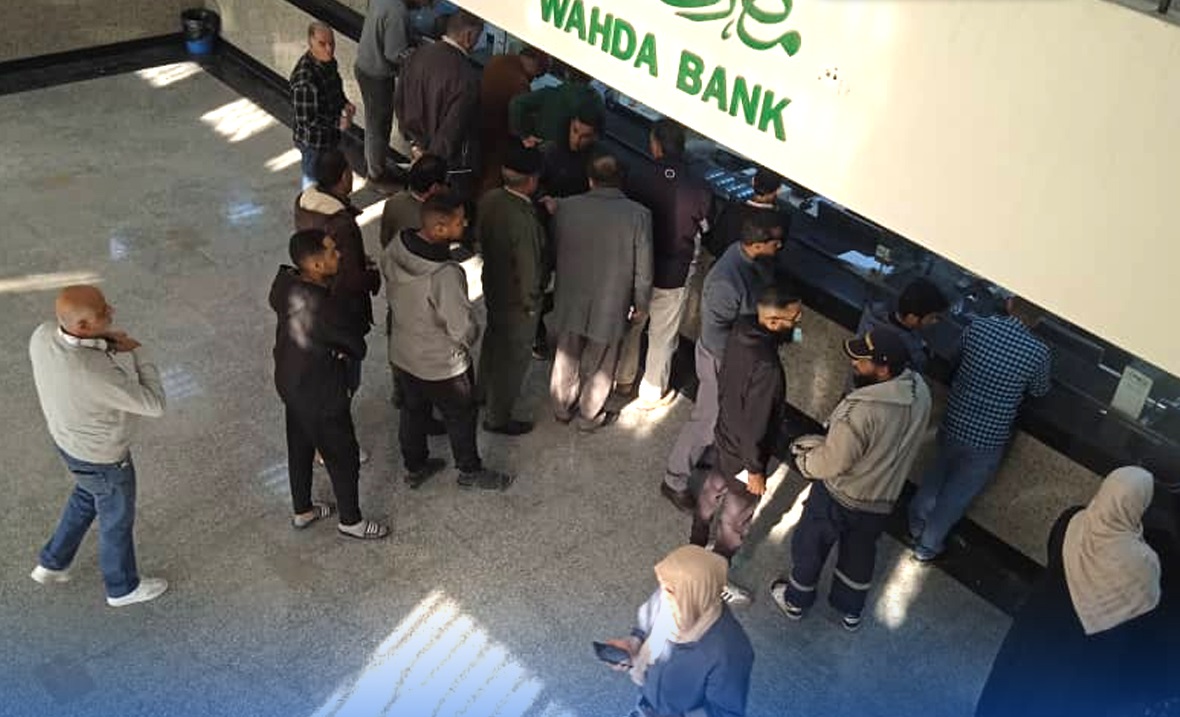
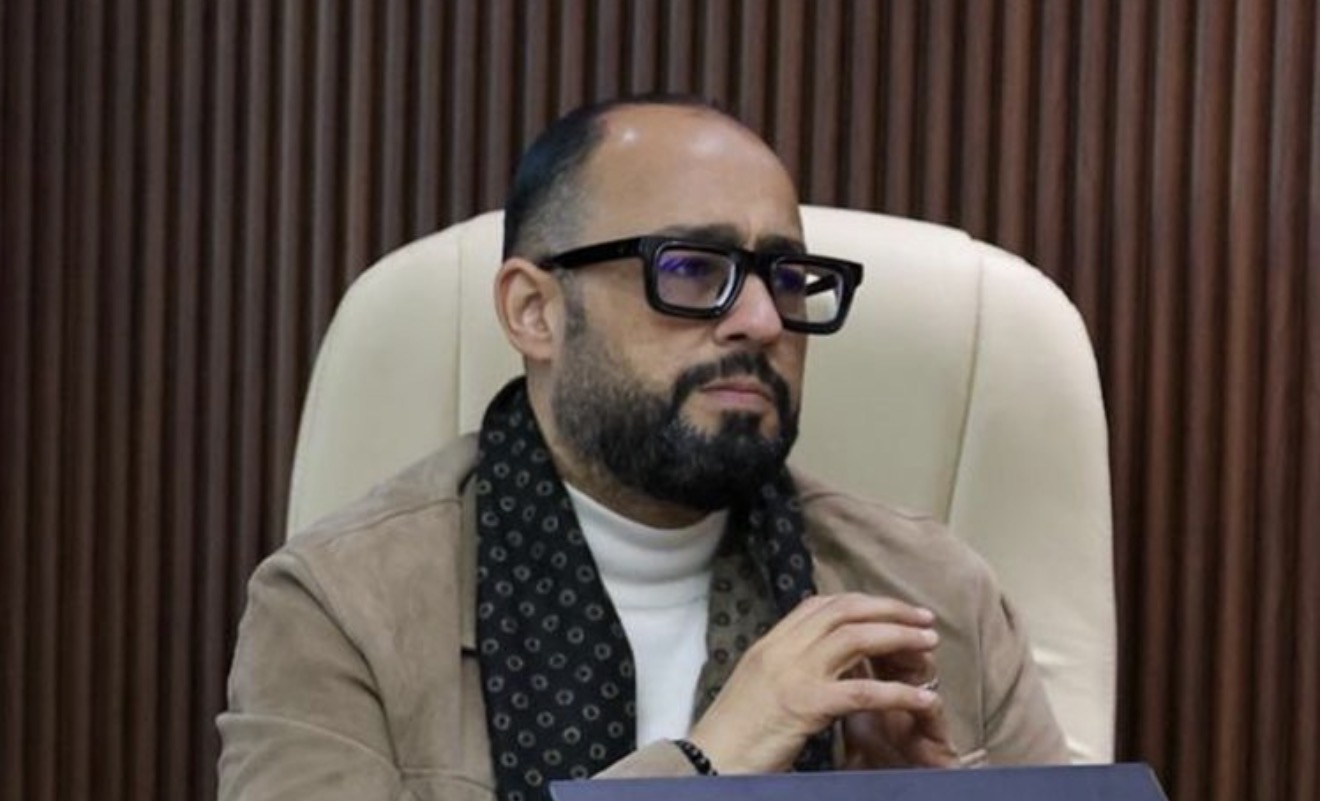
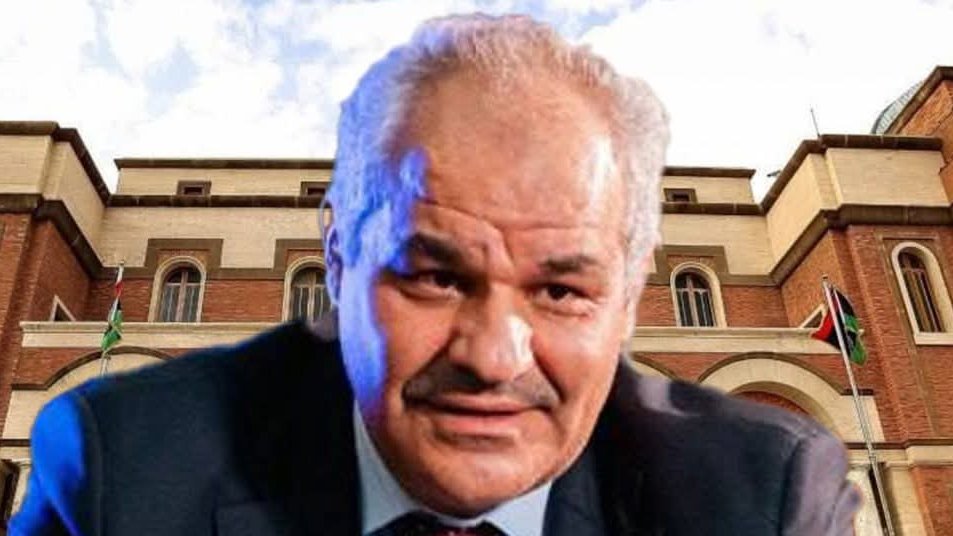
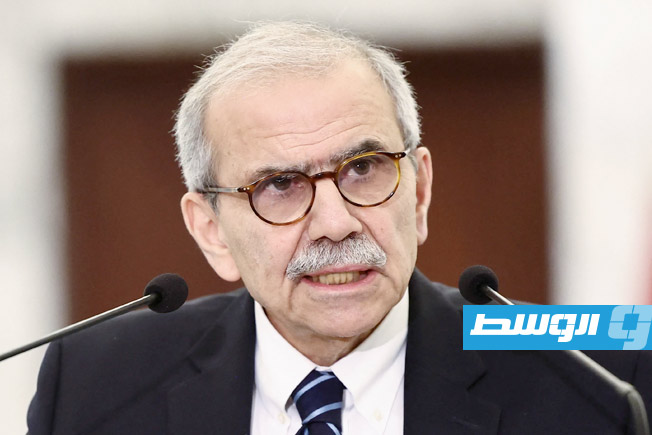
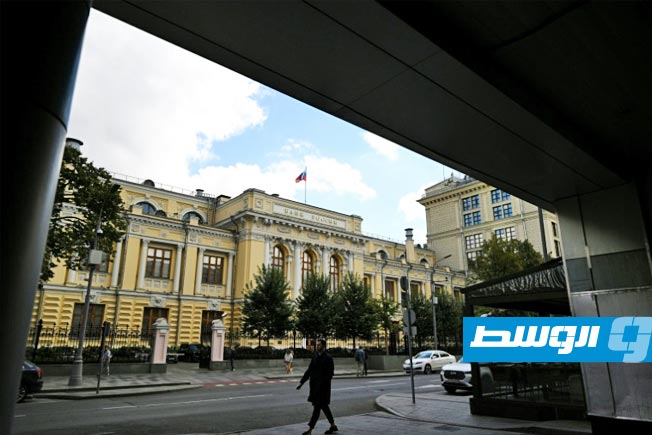
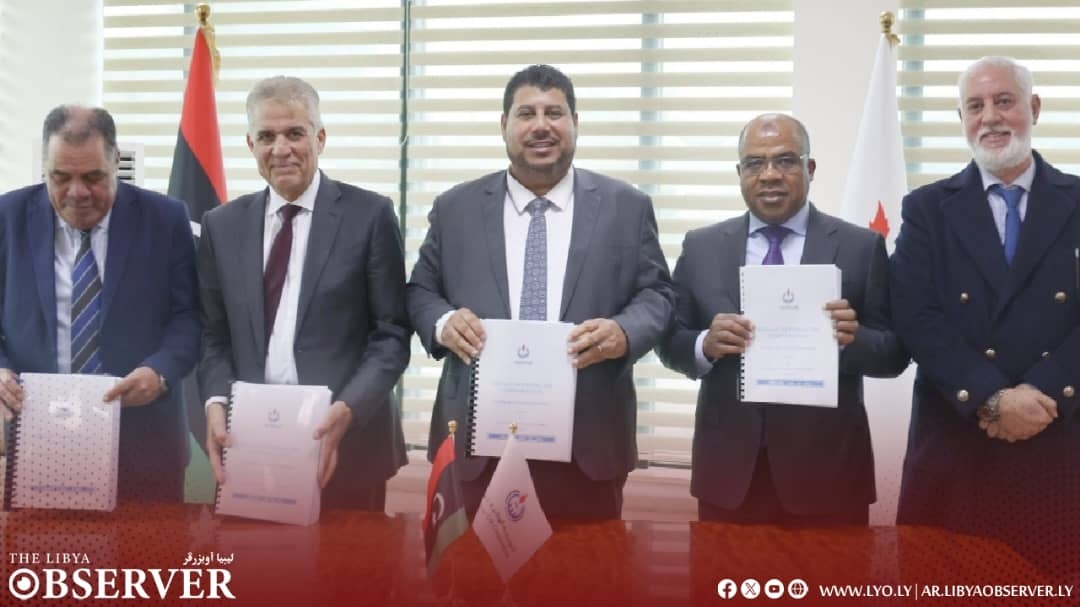
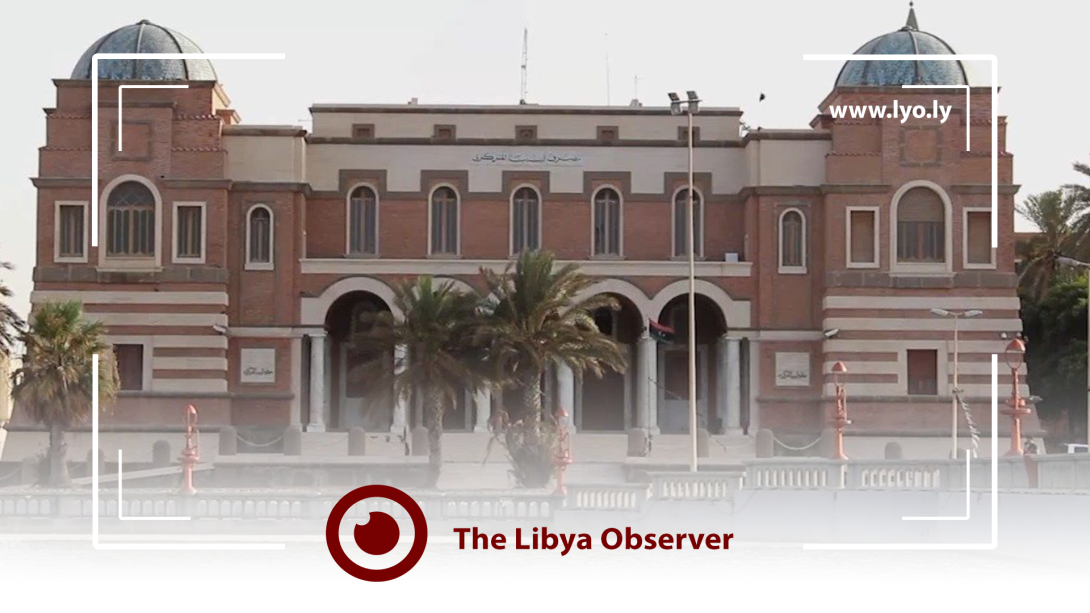
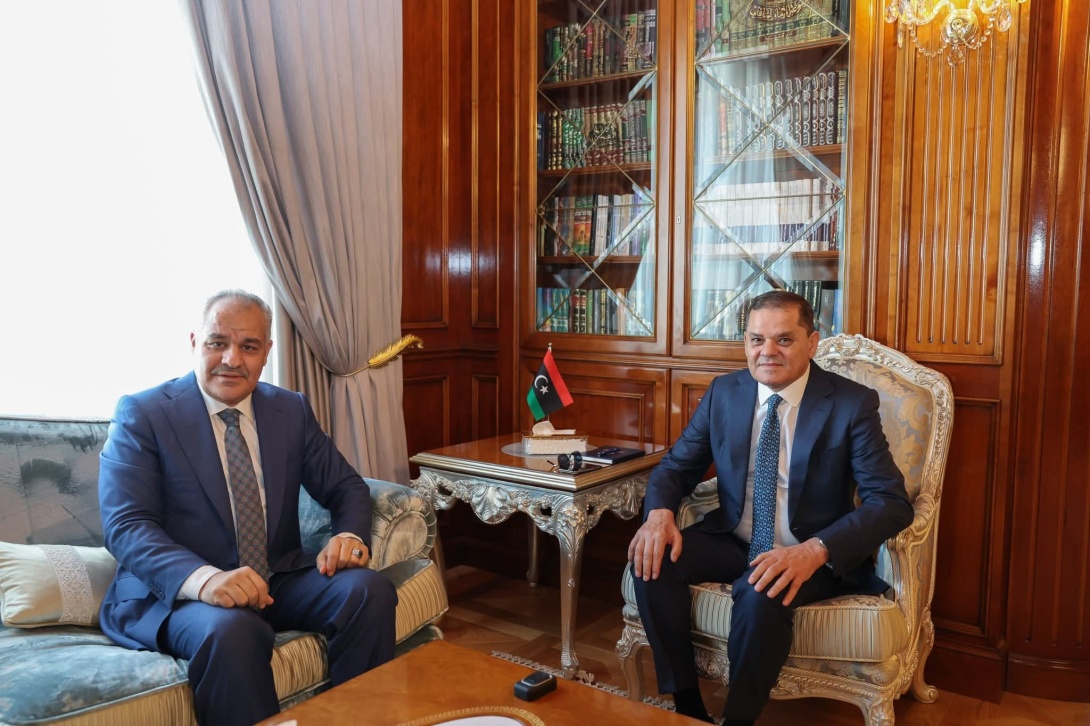
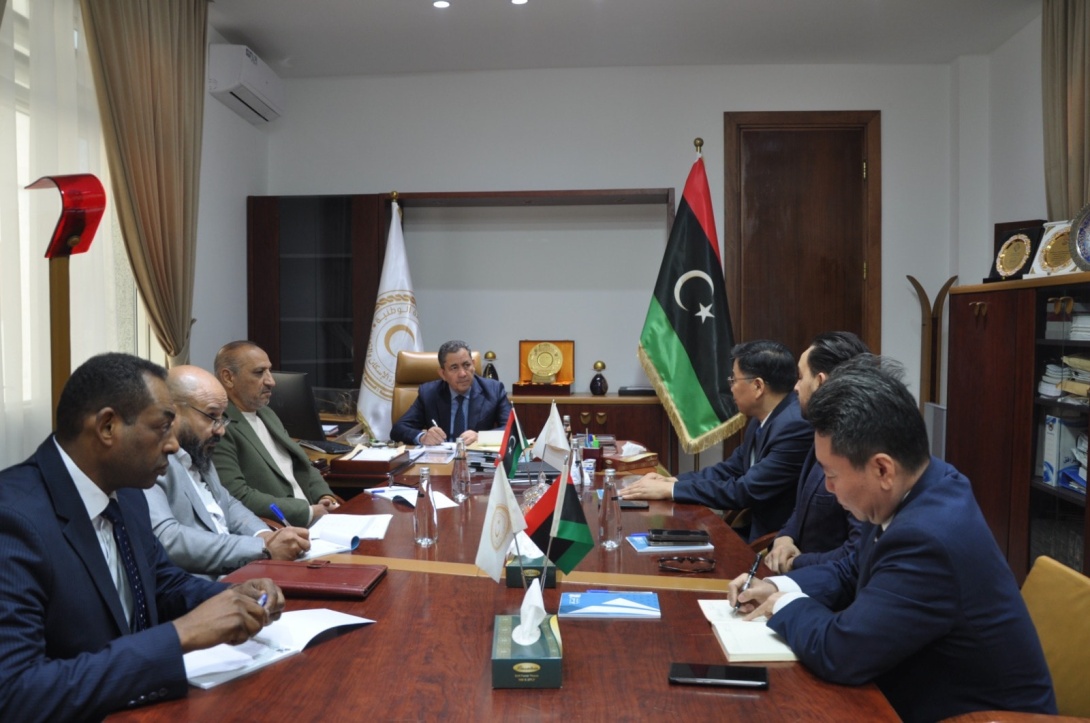
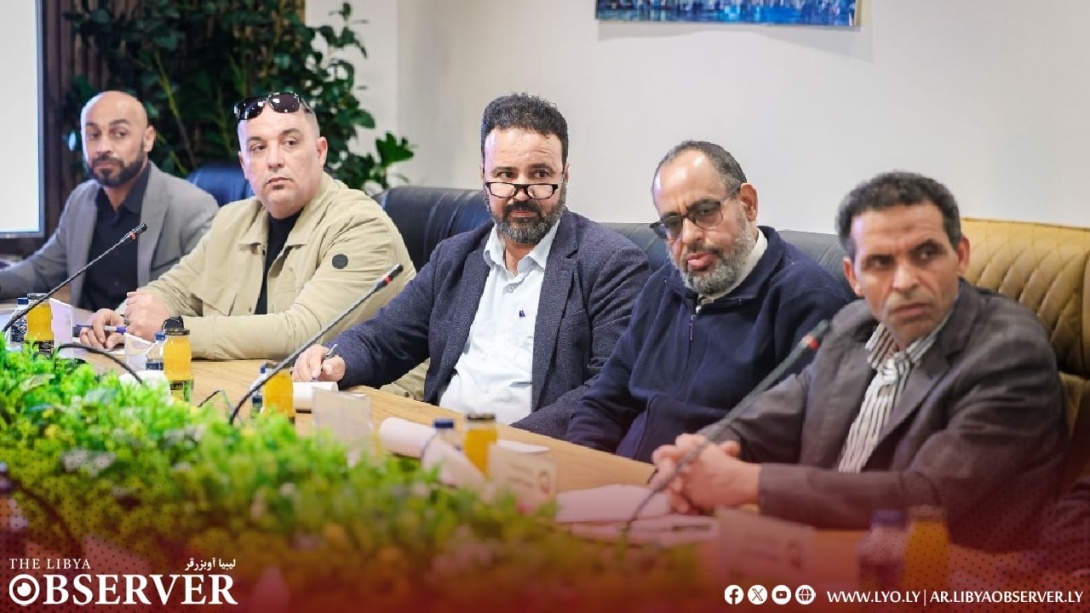
These movements come amid a state of anticipation in the market and heightened regulatory pressures, as the President of the House of Representatives has summoned the Governor of the Central Bank and its board of directors for an official session in Benghazi next Monday.
US dollar
The US dollar is the official currency of the United States, established by the Coinage Act of 1792. It evolved from a system based on Spanish milled dollars and has become the world’s primary reserve currency since the Bretton Woods Agreement in 1944.
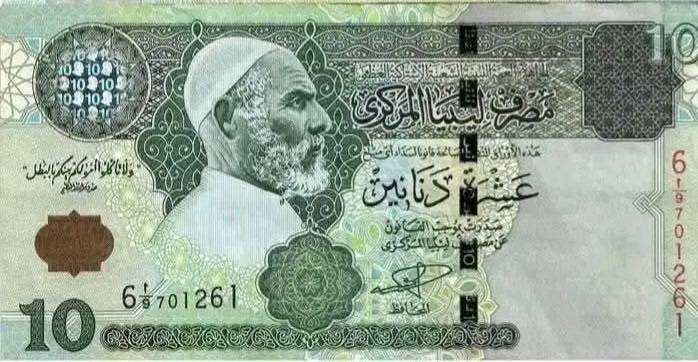
Libyan dinar
The Libyan dinar is the official currency of Libya, introduced in 1971 to replace the Libyan pound. It was established following the 1969 revolution that brought Muammar Gaddafi to power, symbolizing a move toward economic independence.
Tripoli
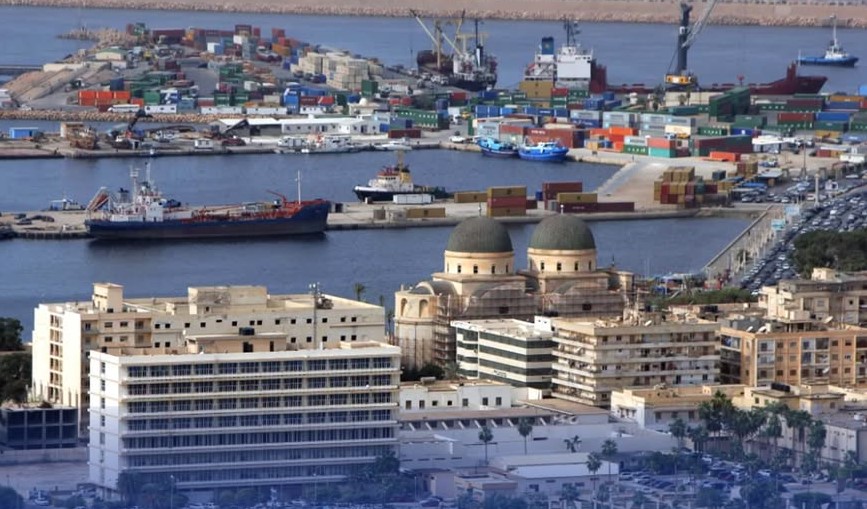
Tripoli is the capital and largest city of Libya, located on the country’s Mediterranean coast. Historically, it was founded by the Phoenicians in the 7th century BC and has since been ruled by the Romans, Arabs, Ottomans, and Italians, which is reflected in its diverse architecture like the ancient Red Castle (Assaraya al-Hamra).
Zliten
Zliten is a coastal city in northwestern Libya, historically known for its Roman-era ruins, including the Villa of Omira and remnants of ancient Leptis Magna nearby. It is also culturally significant as the site of the Zliten Mosque, which houses one of the oldest Islamic manuscripts in North Africa. The city has long been a center for Islamic scholarship and Sufi traditions in the region.
Benghazi
Benghazi is a major city in eastern Libya, historically significant as a center of trade and culture since its founding as the Greek colony of Euesperides. It played a pivotal role in the 2011 Libyan Civil War as a key base for the uprising against Muammar Gaddafi.
Ajdabiya
Ajdabiya is a city in northeastern Libya, historically significant as a major crossroads for trans-Saharan trade routes and a center for the Senussi religious movement in the 19th and early 20th centuries. It later became a key strategic location during the Libyan Civil War in 2011.
euro
The Euro is the official currency of the Eurozone, a monetary union of 20 European Union member states. It was introduced in non-physical form in 1999 and as physical banknotes and coins in 2002, replacing many national currencies like the French franc and German mark to facilitate economic integration.
British pound
The British pound, officially known as pound sterling, is the world’s oldest currency still in use, with origins tracing back to Anglo-Saxon times. It was historically linked to a pound weight of silver and became a major global reserve currency, with its modern decimal system introduced in 1971.
Turkey
Turkey is a transcontinental nation bridging Europe and Asia, with a rich history as the heart of the Byzantine and Ottoman Empires. Its cultural sites, such as the Hagia Sophia in Istanbul and the ancient ruins of Ephesus, reflect this layered heritage from classical antiquity through to a modern republic founded in 1923.
Dubai
Dubai is a major global city and emirate in the United Arab Emirates, historically known as a small fishing and pearling village. Its modern transformation began with the discovery of oil in the 1960s, but it has since strategically diversified its economy into tourism, aviation, real estate, and finance. It is now renowned for its ultramodern architecture, luxury shopping, and ambitious landmarks like the Burj Khalifa.
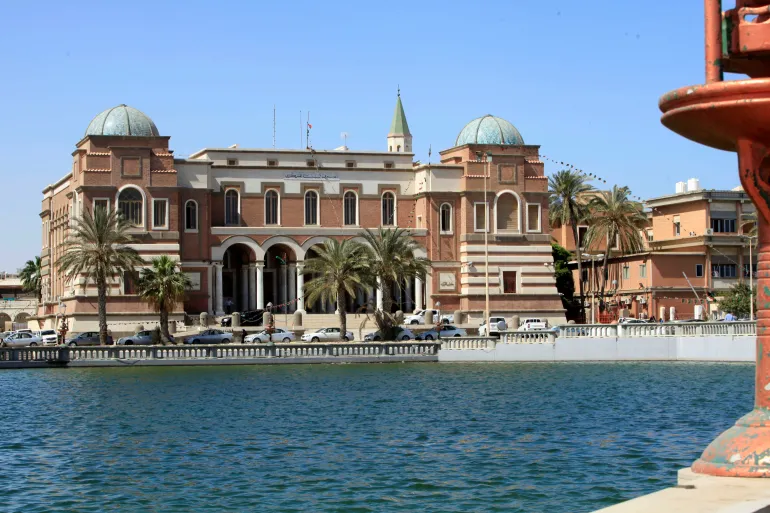
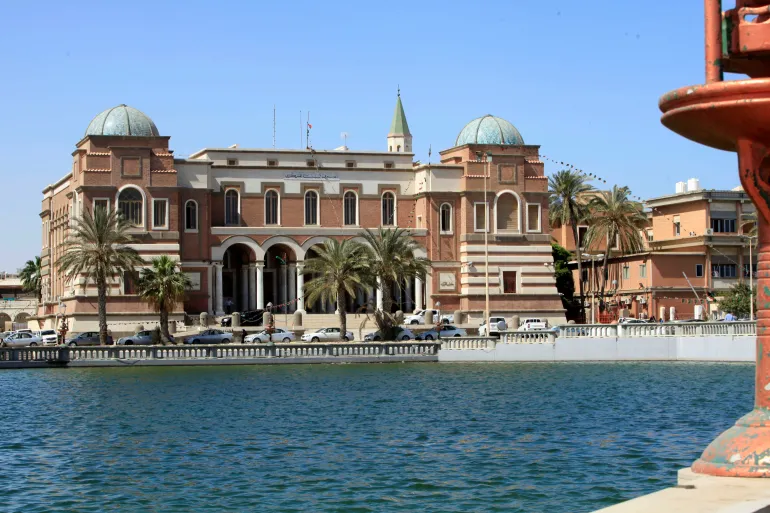
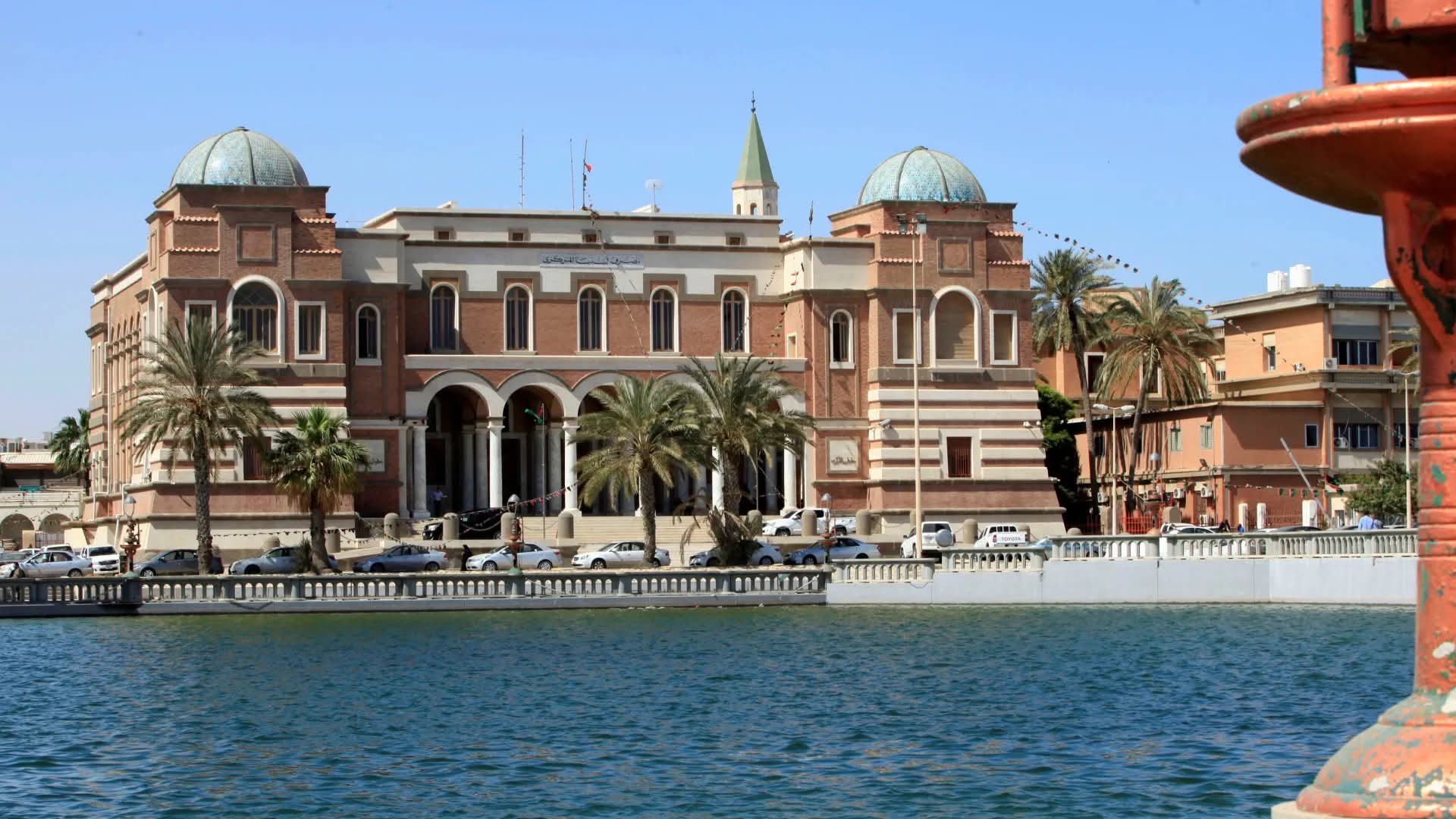
Central Bank
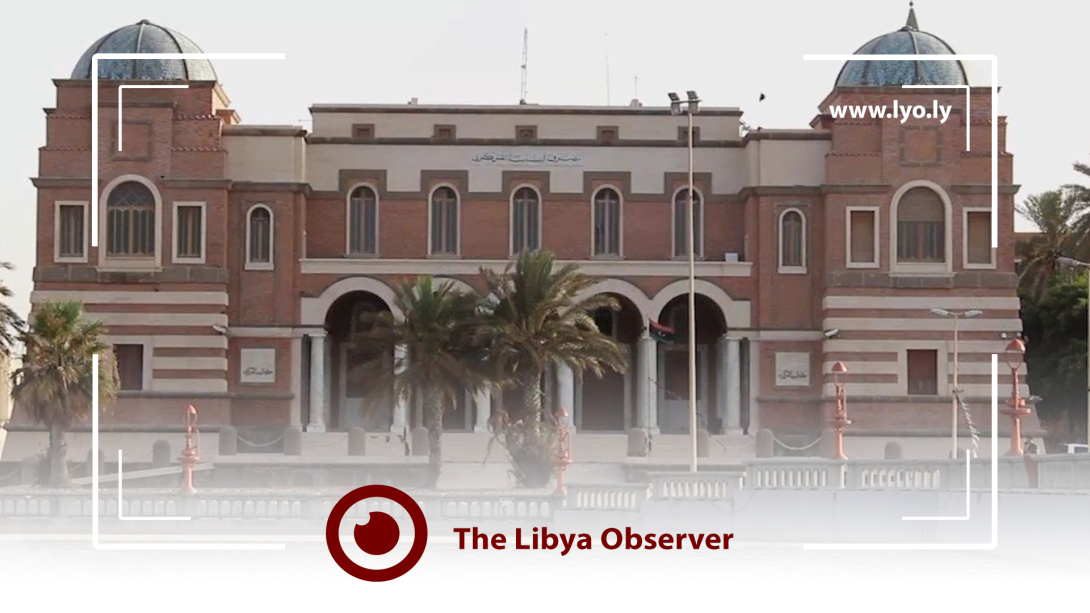
The Central Bank is a nation’s primary monetary authority, responsible for managing currency, controlling interest rates, and ensuring financial stability. Historically, such institutions, like the Bank of England (founded 1694) or the U.S. Federal Reserve (established 1913), were created to consolidate banking, provide a lender of last resort, and mitigate economic crises.
House of Representatives
The House of Representatives is the lower chamber of the United States Congress, established by the Constitution in 1789. It is composed of representatives elected from congressional districts, with representation based on state population.