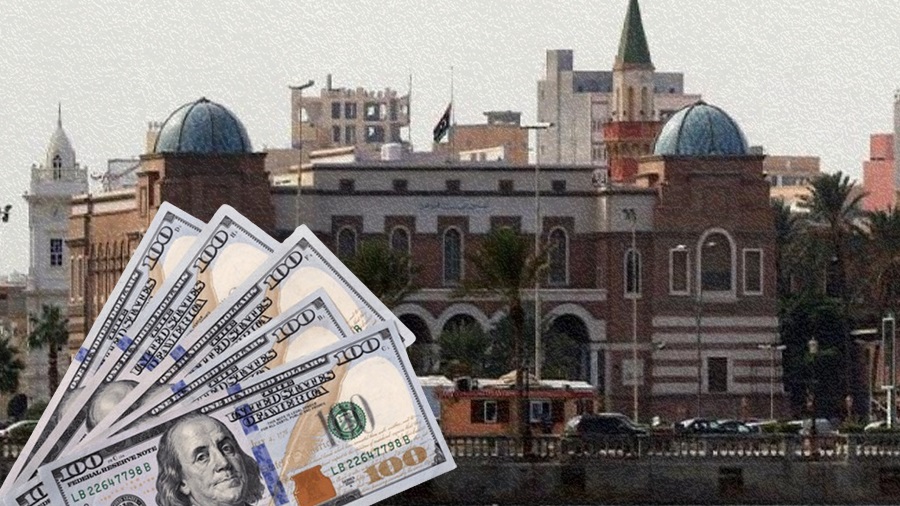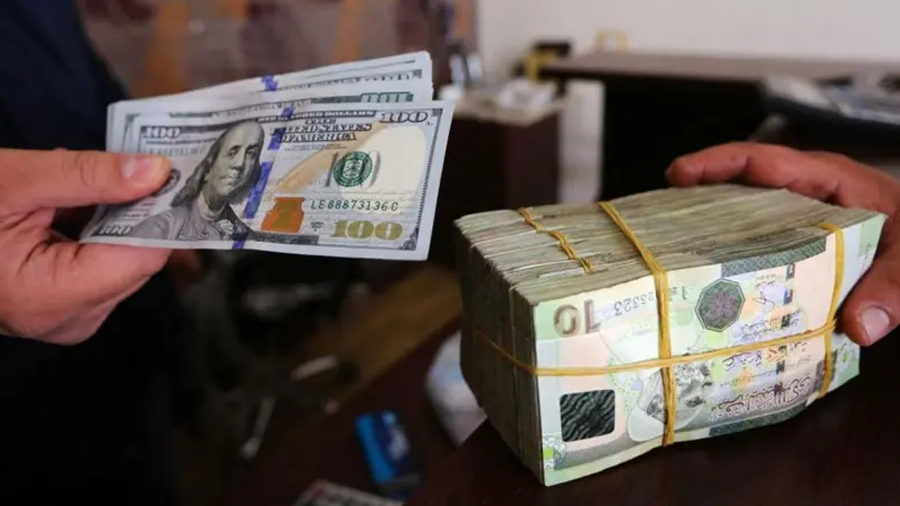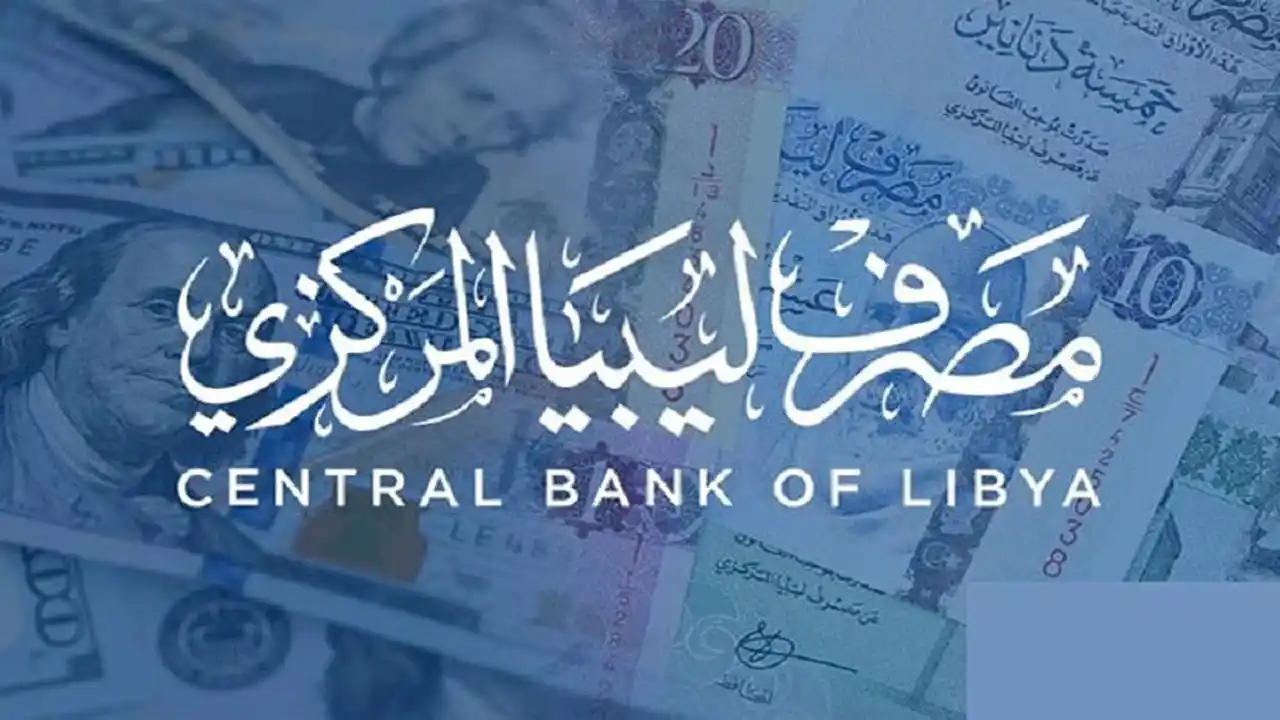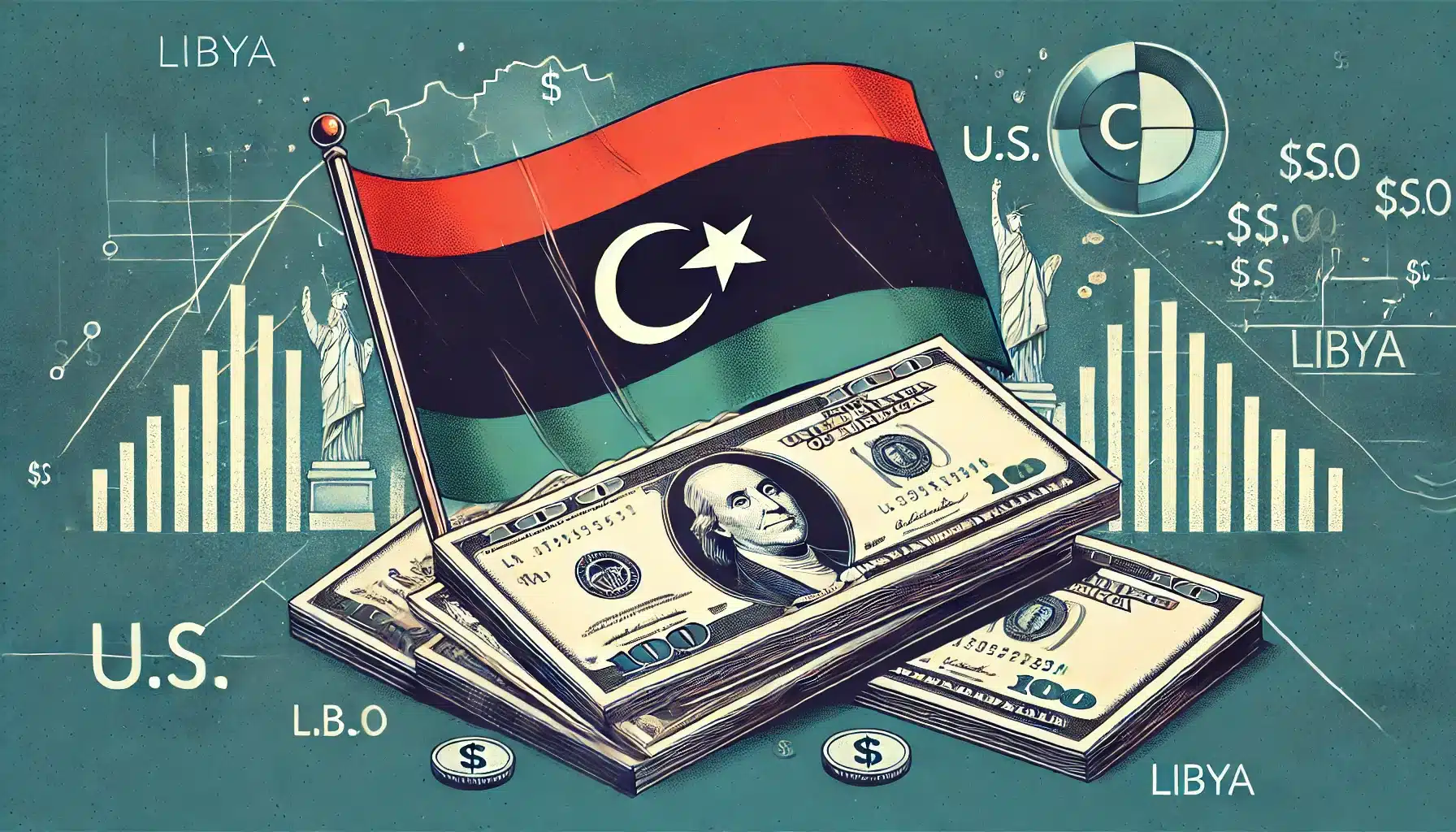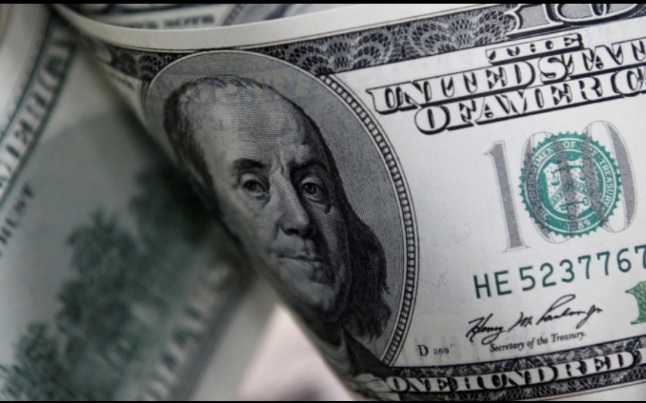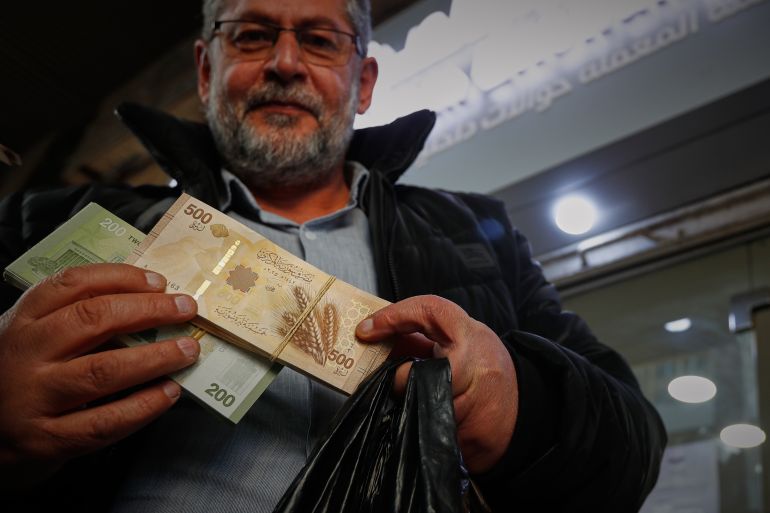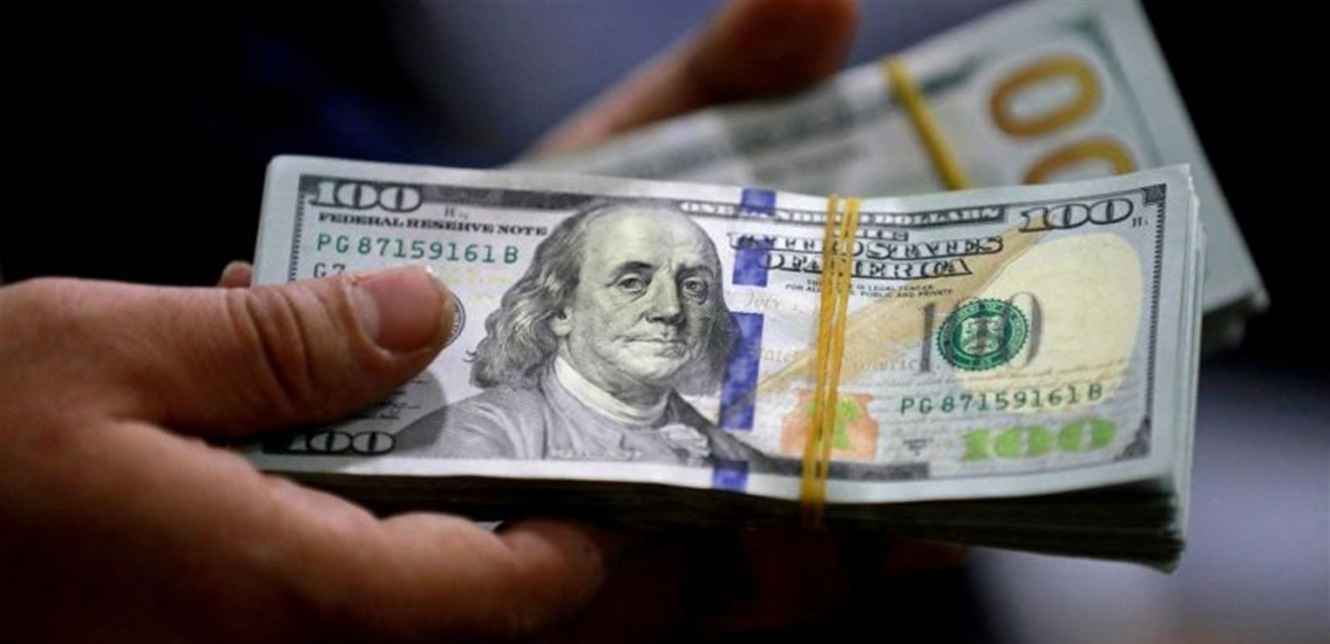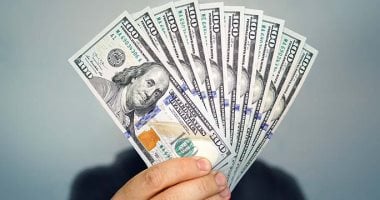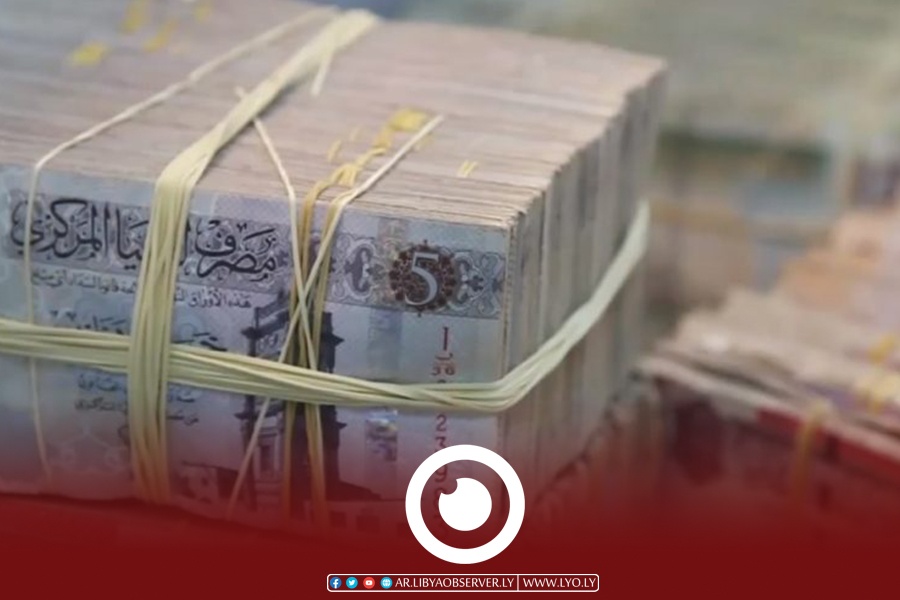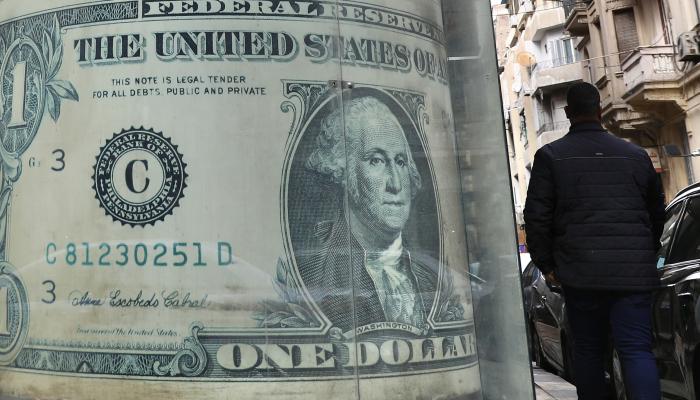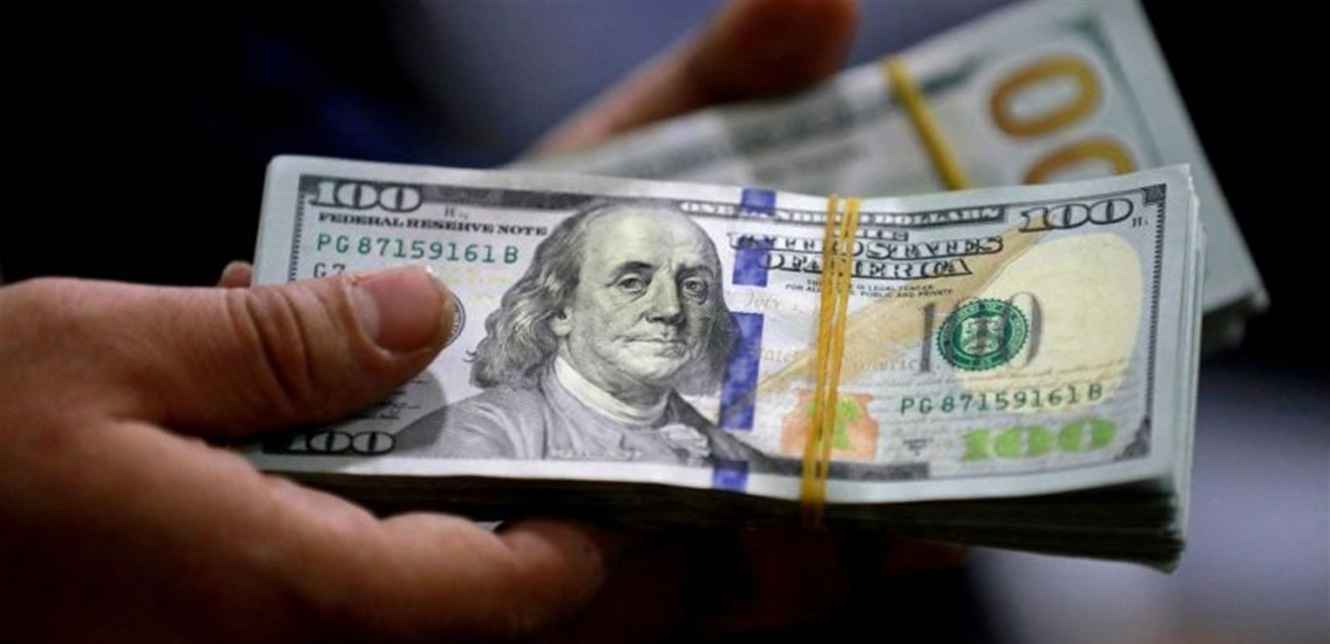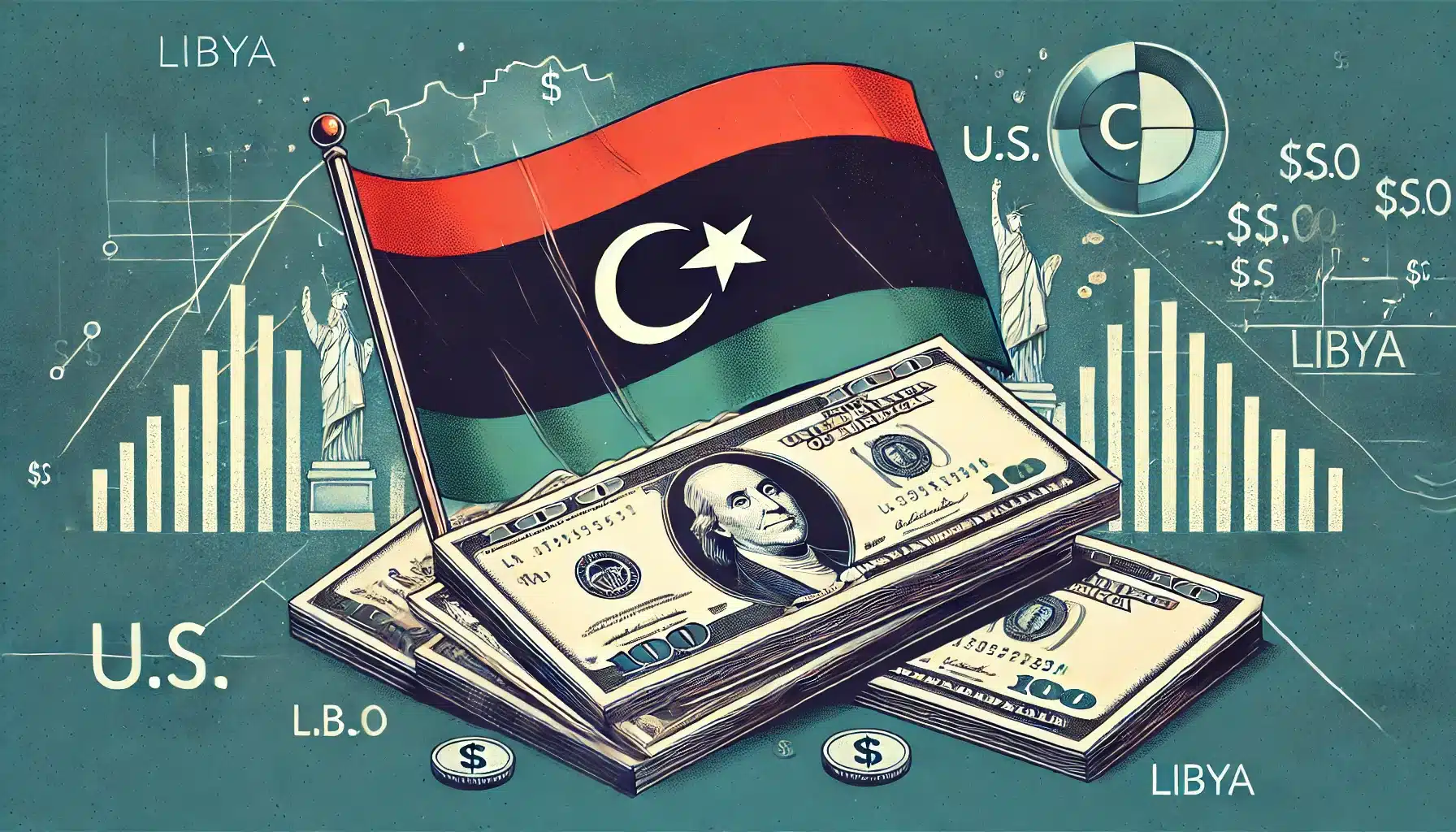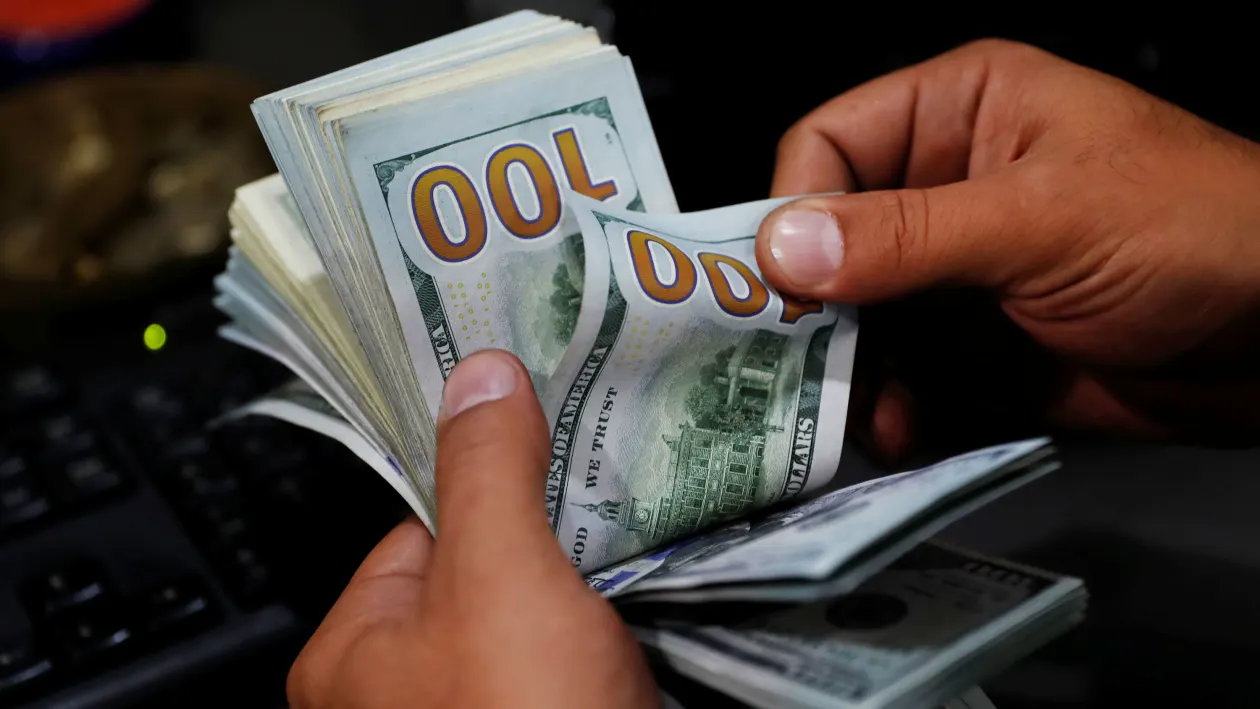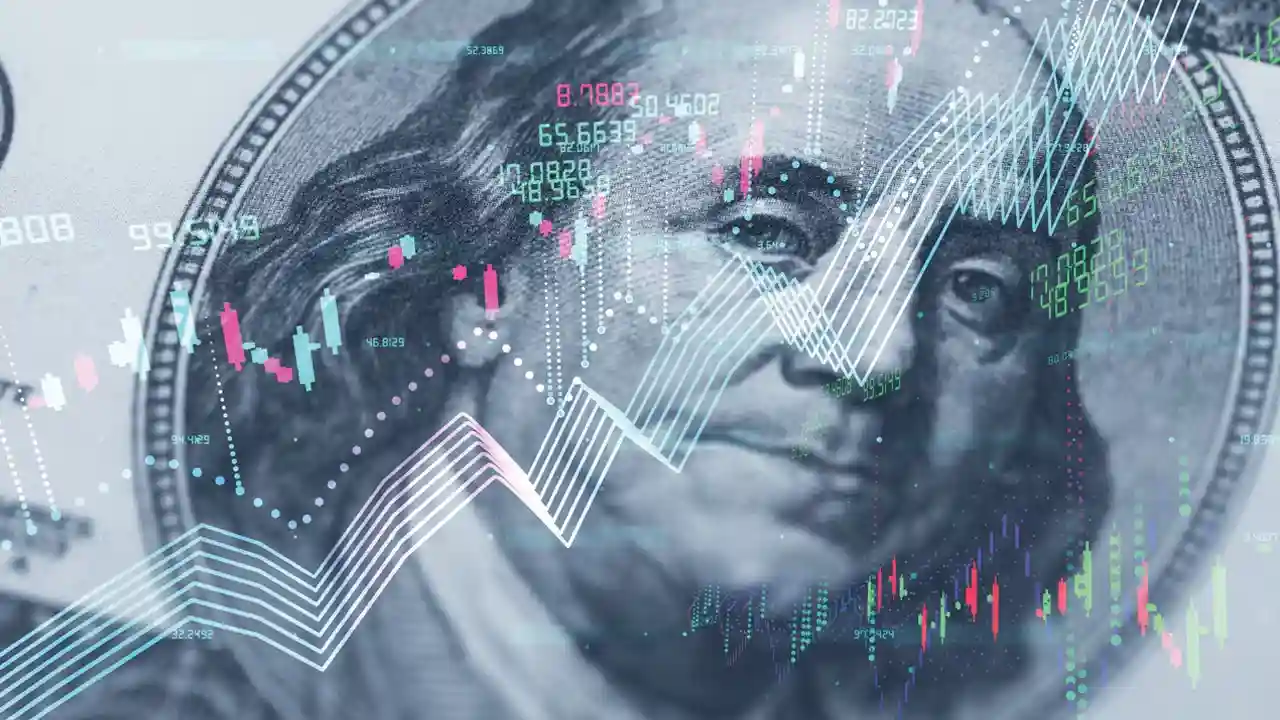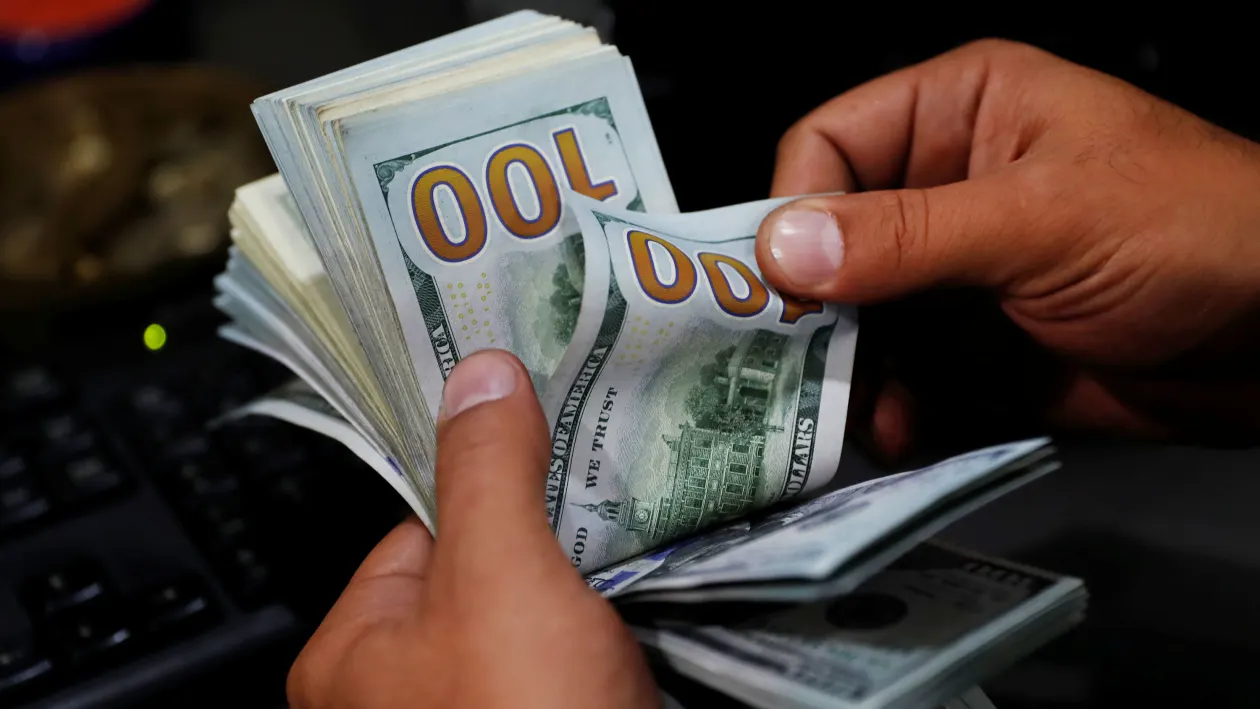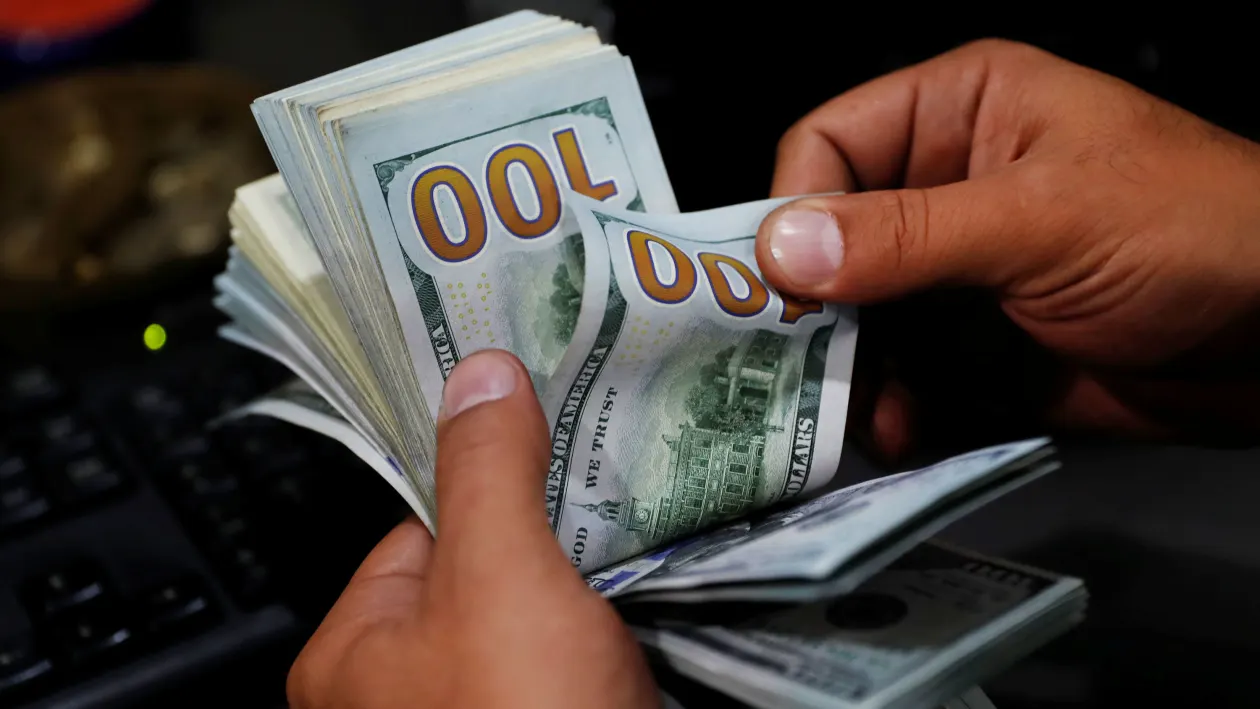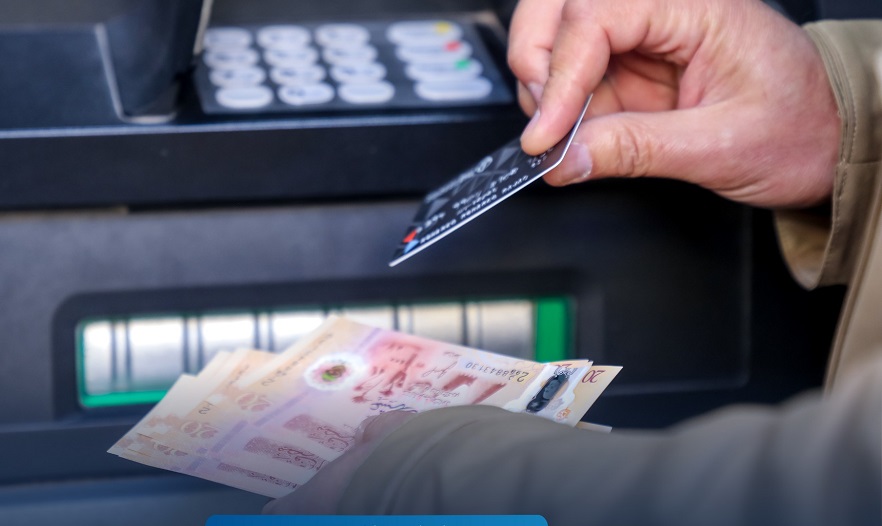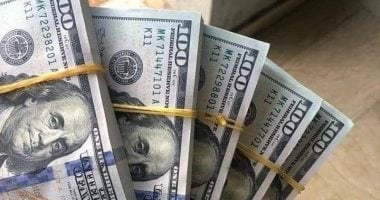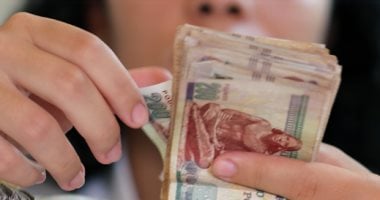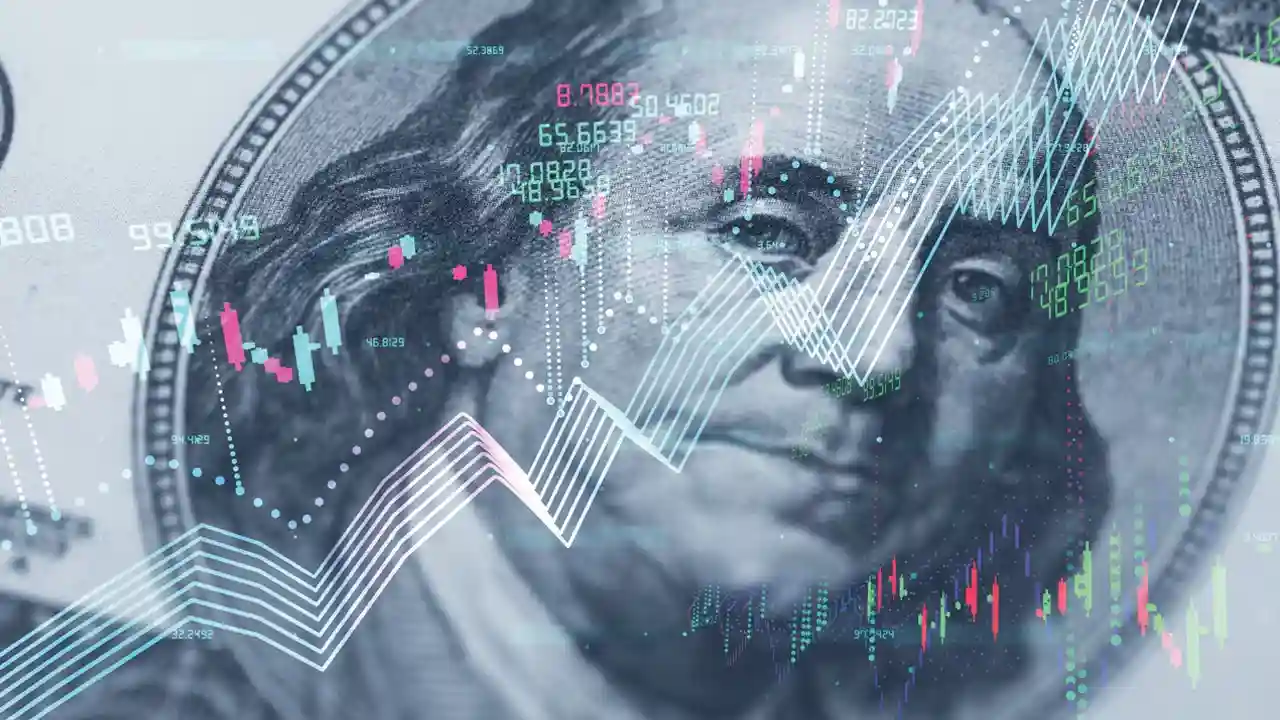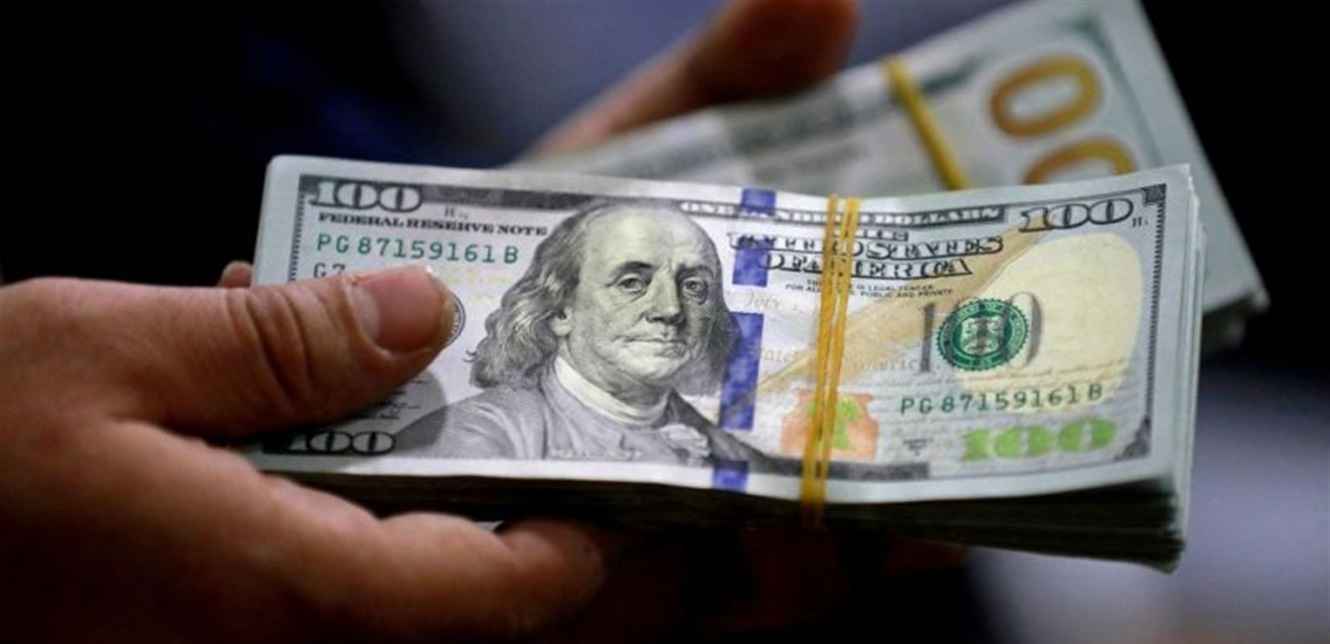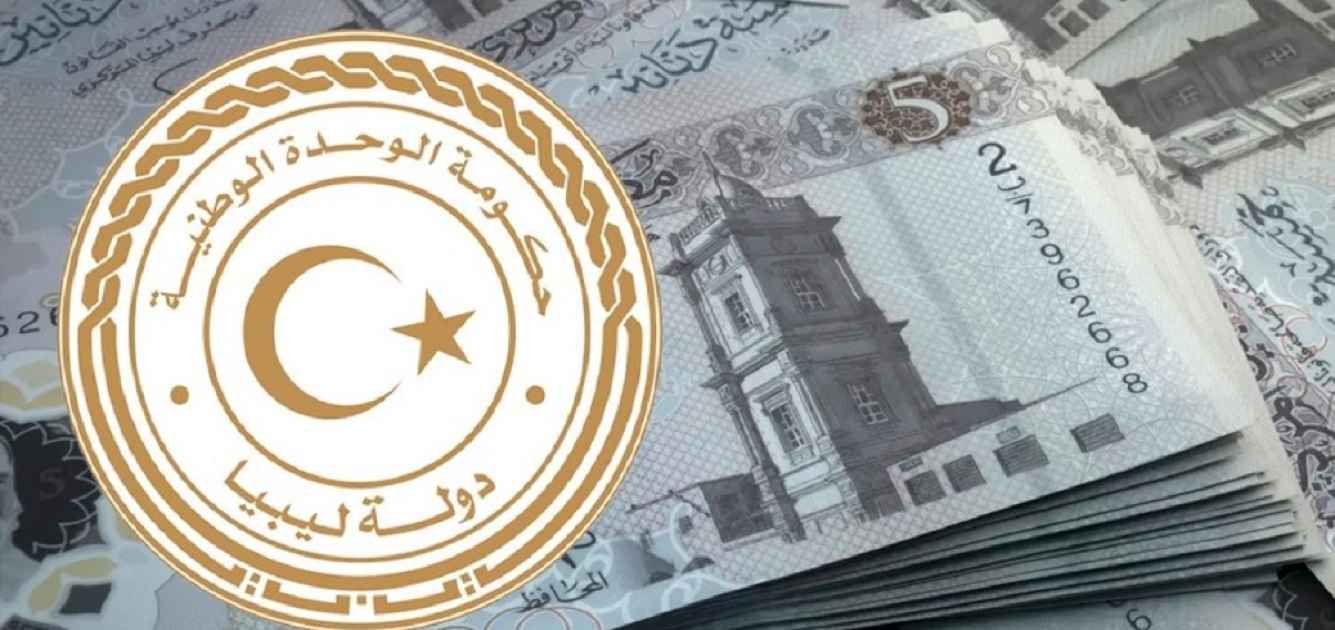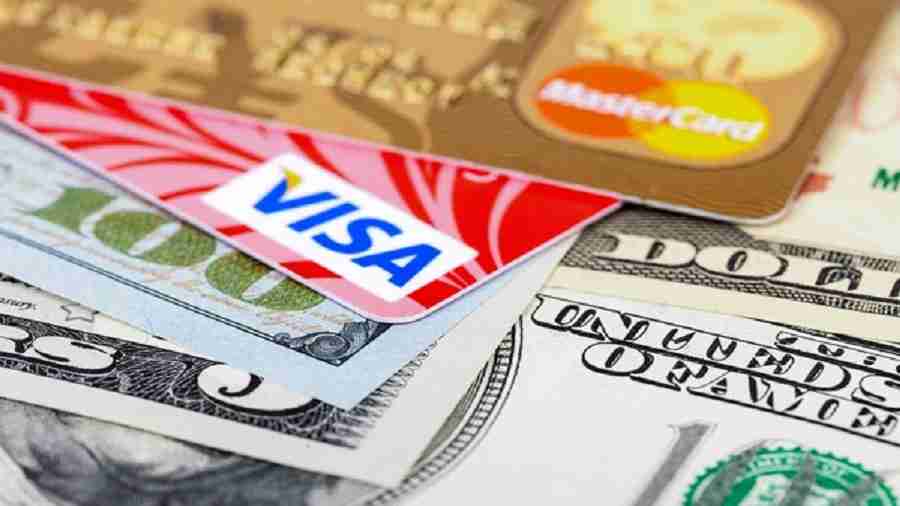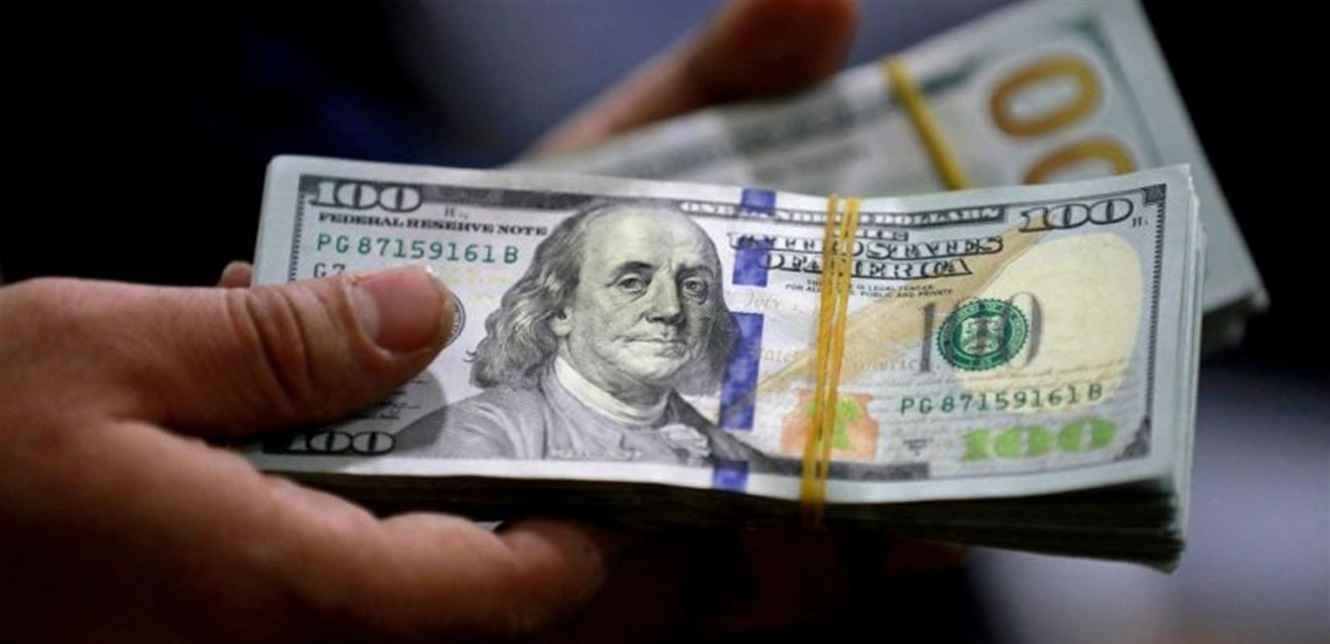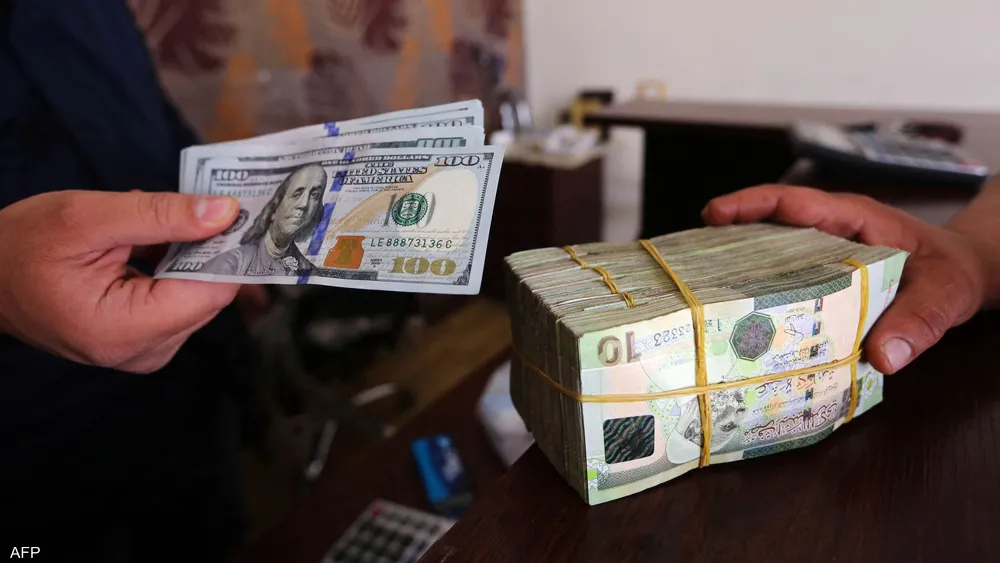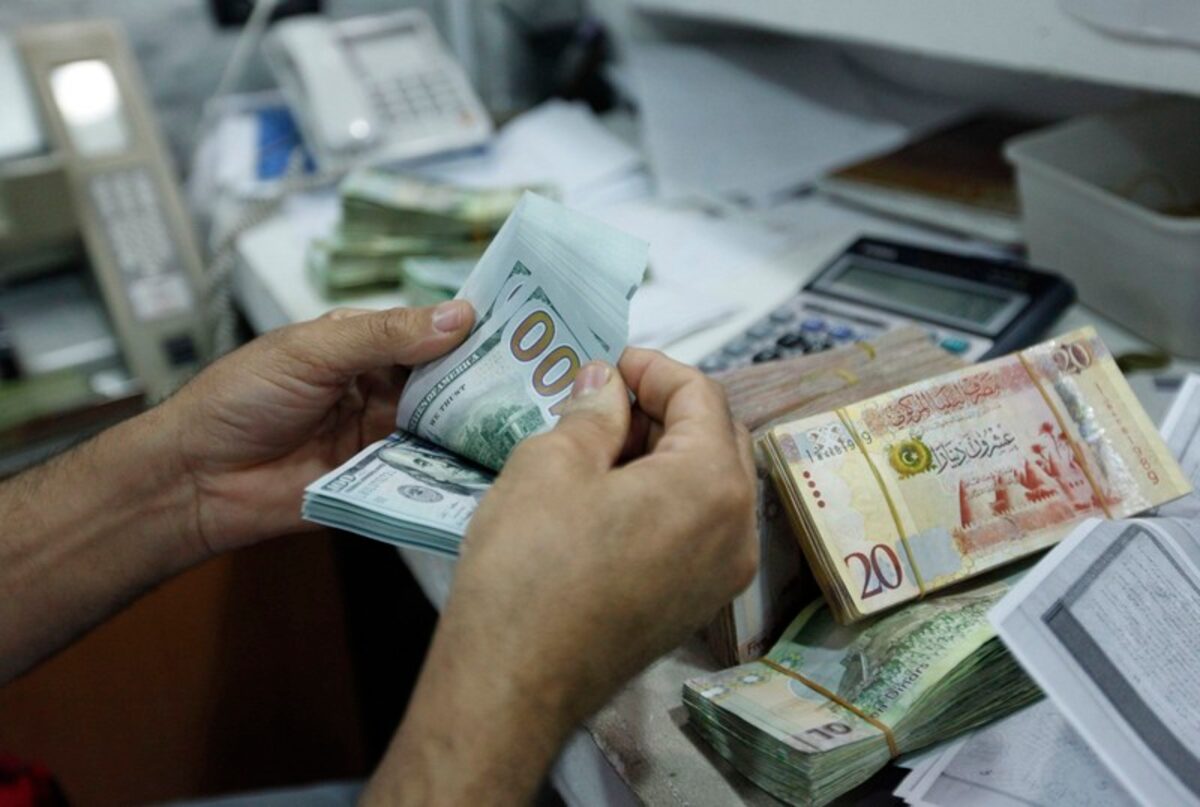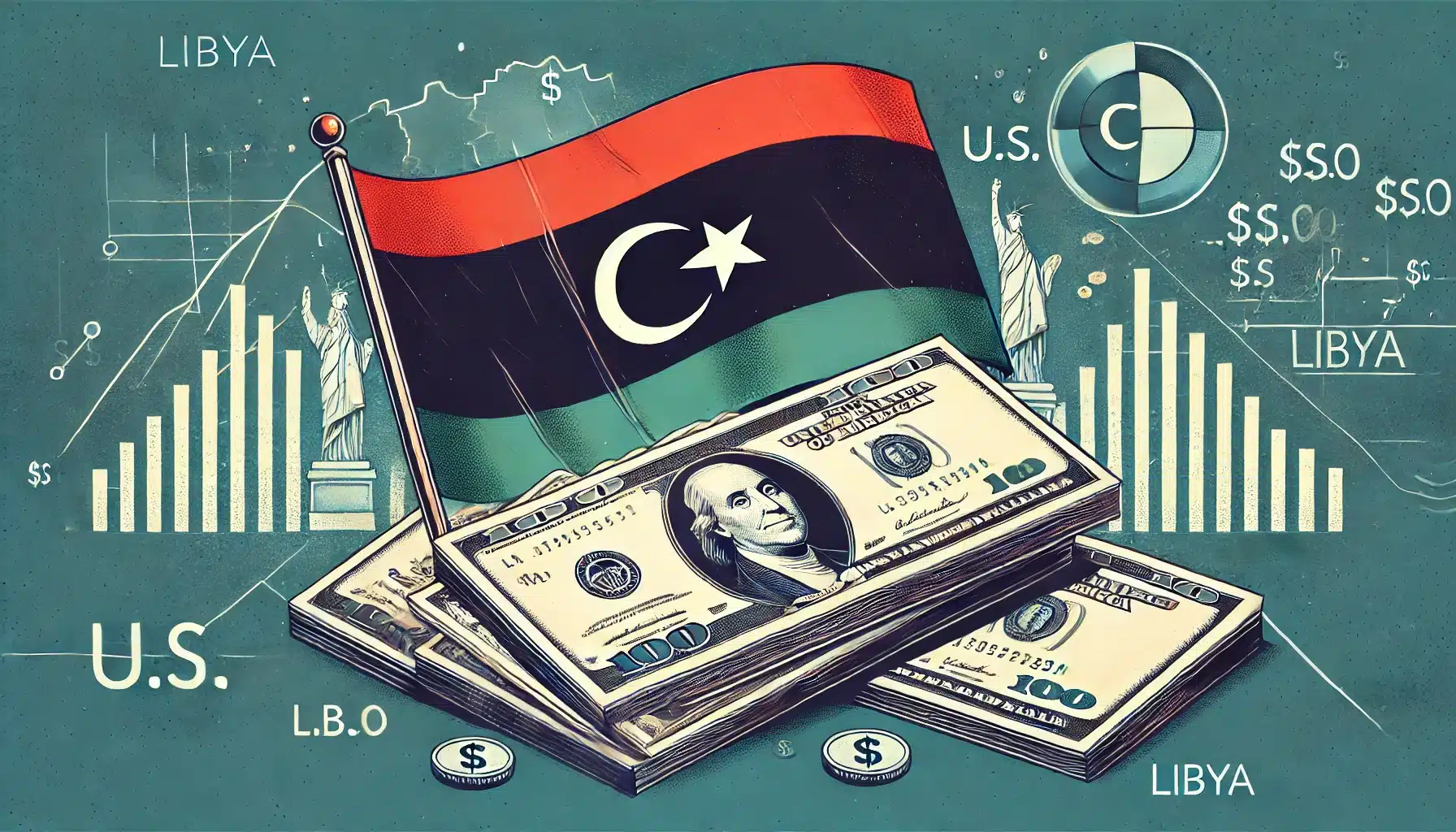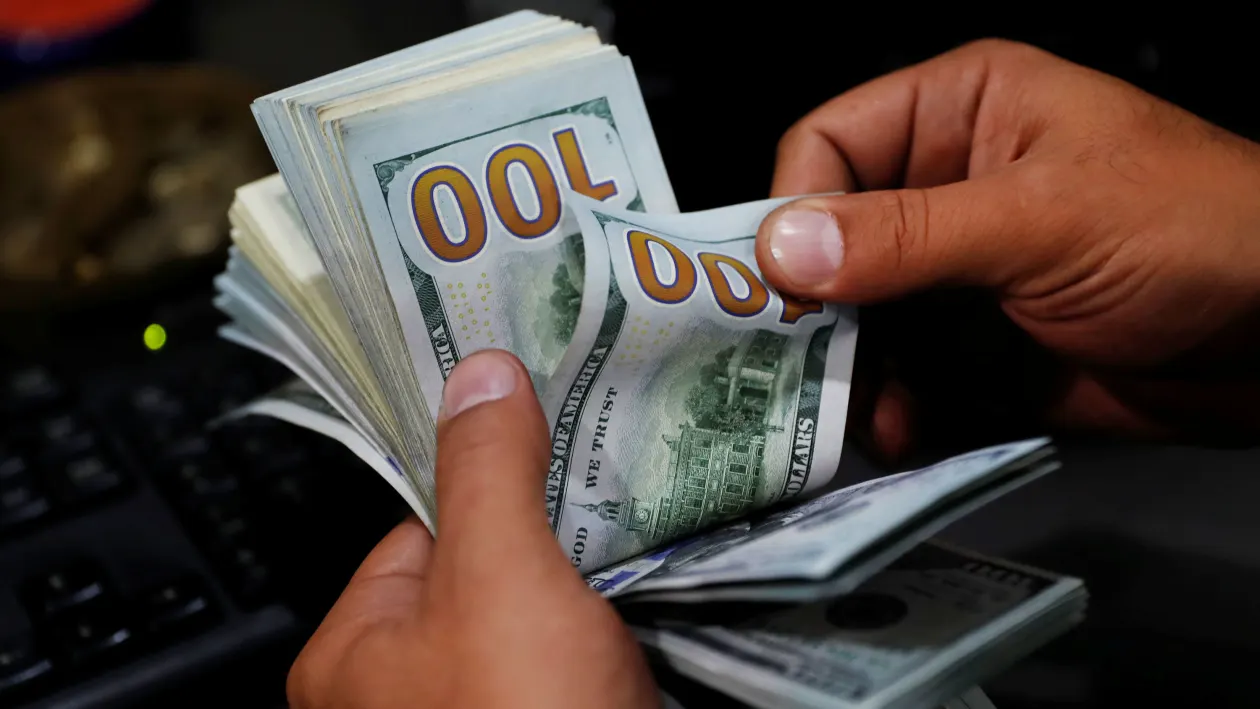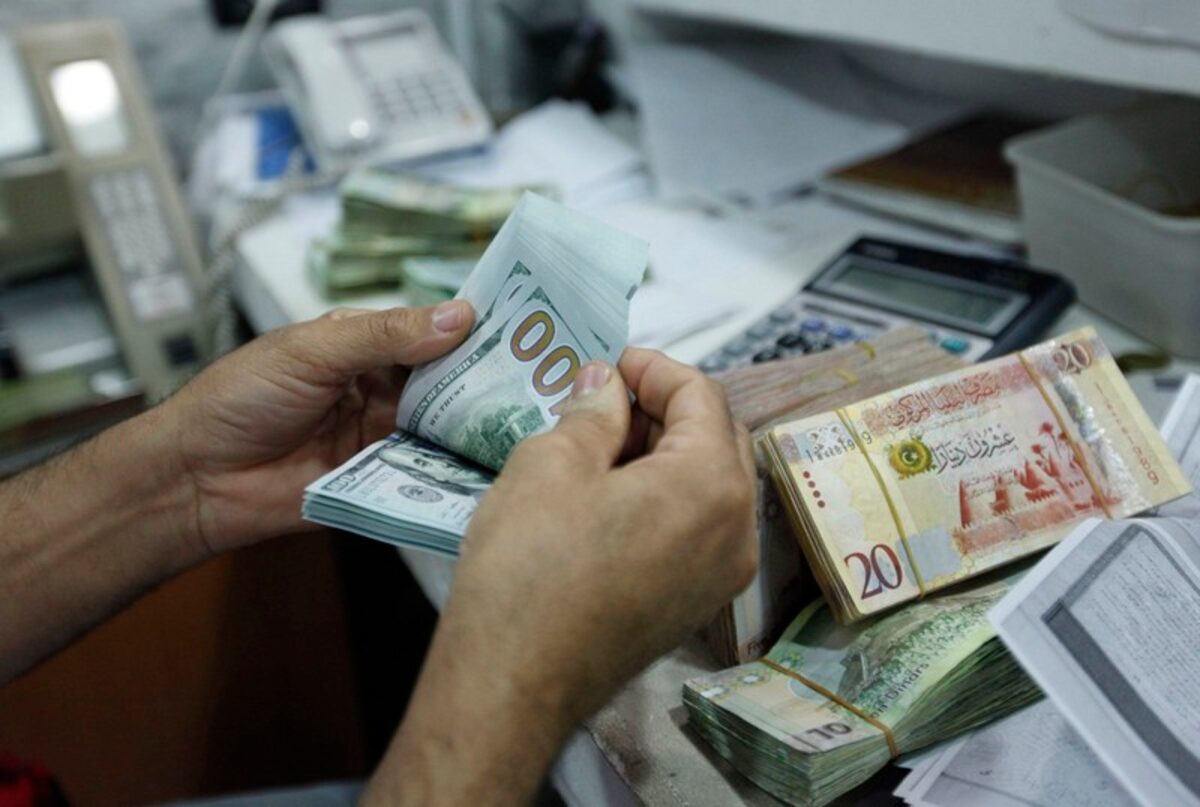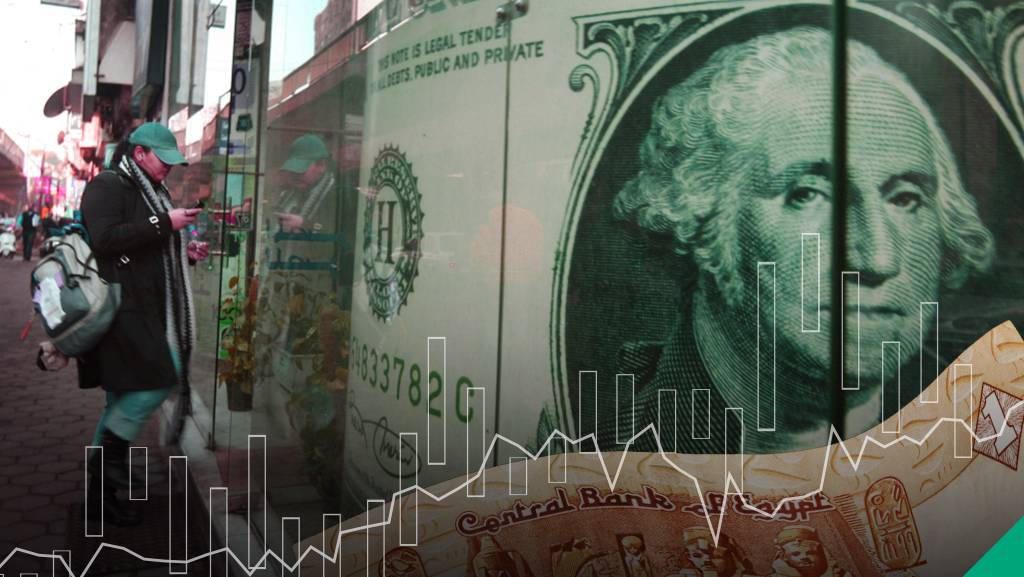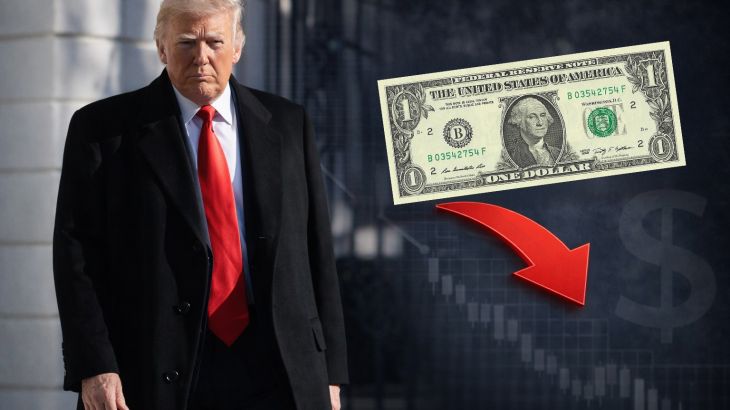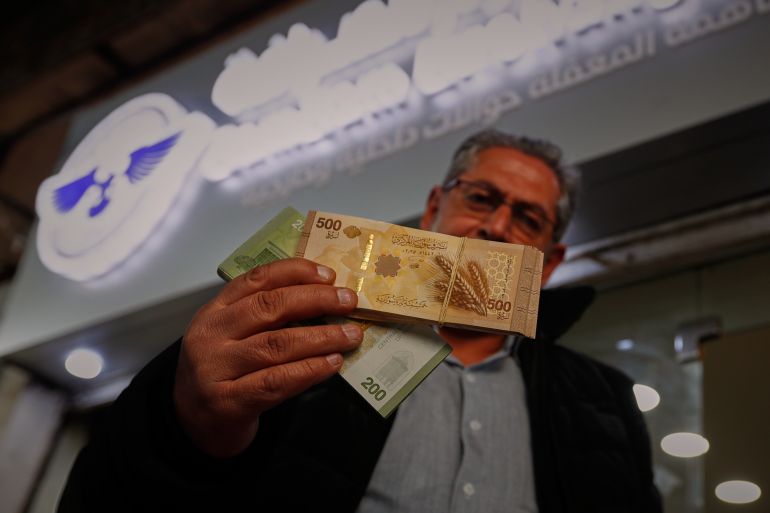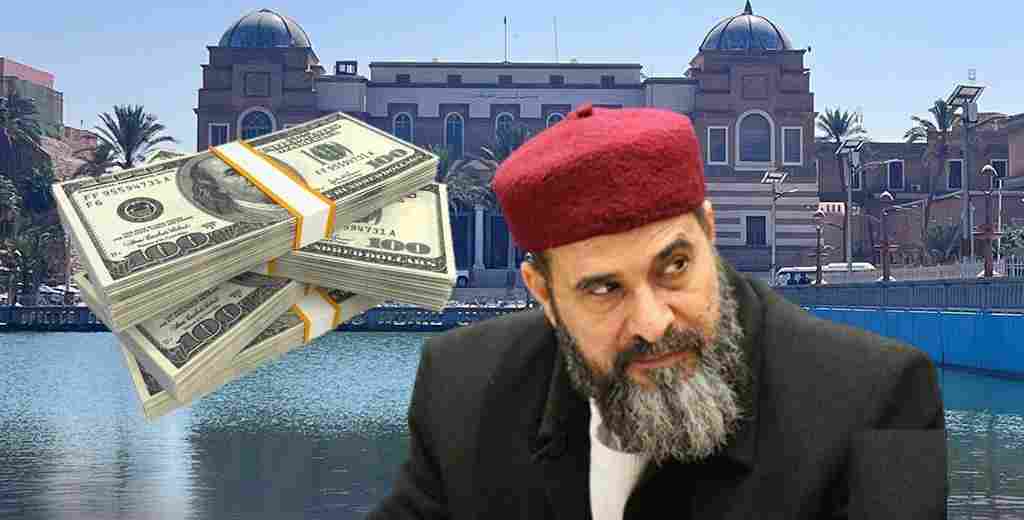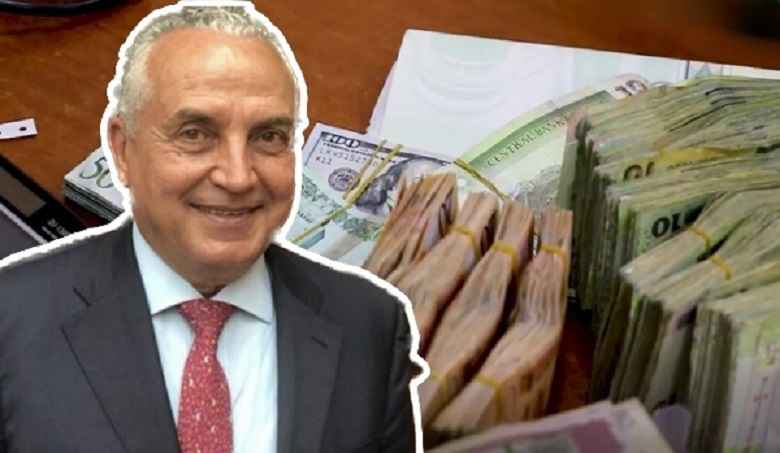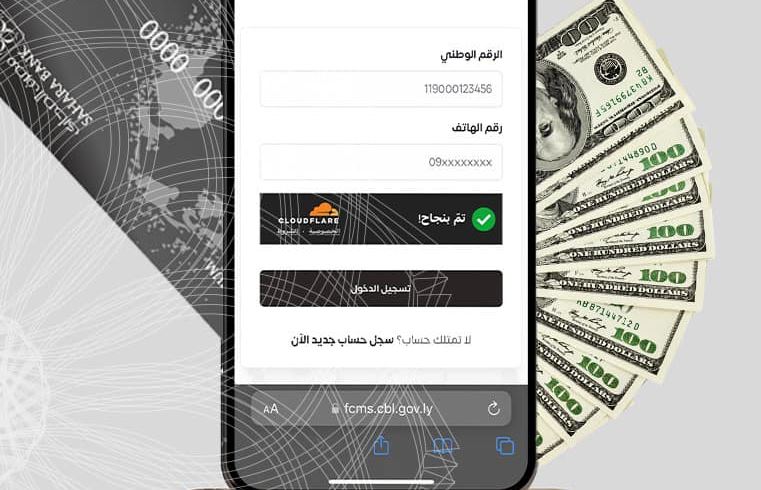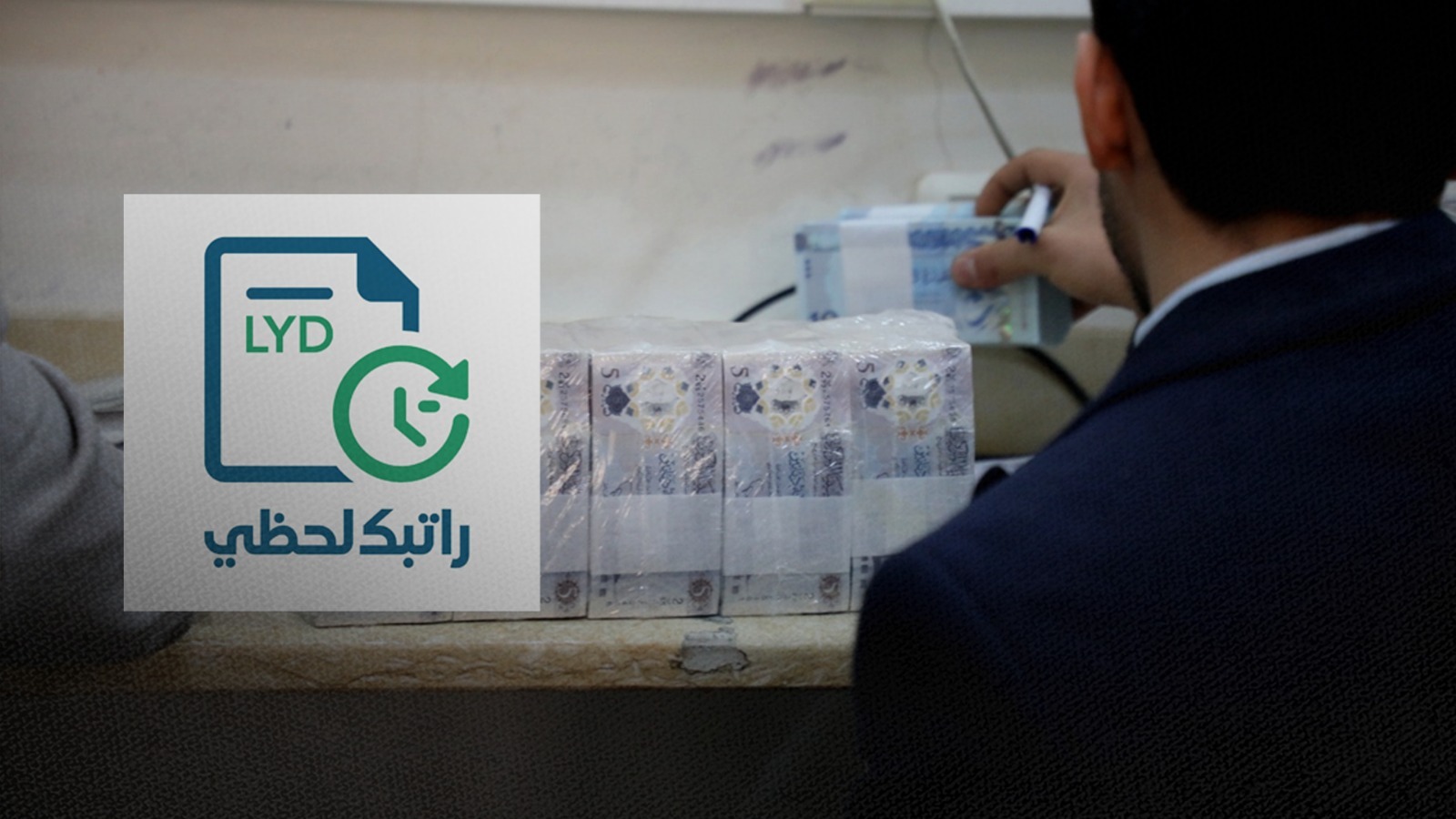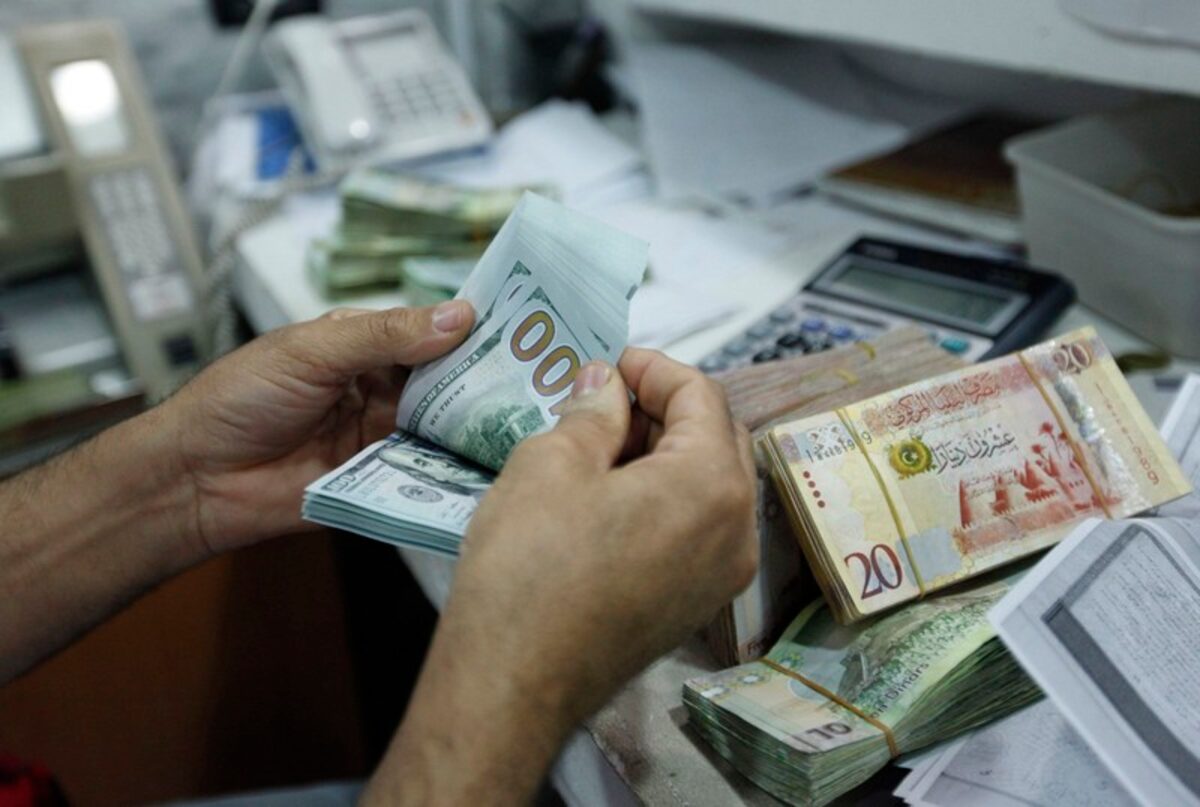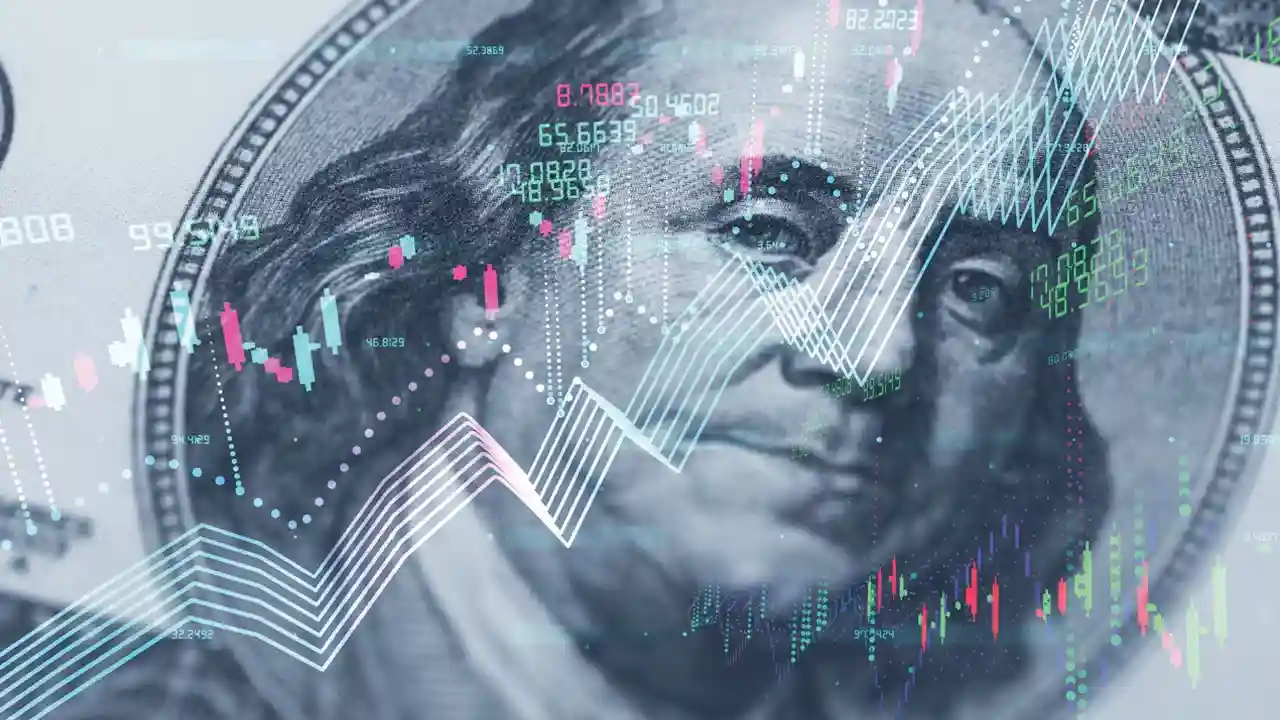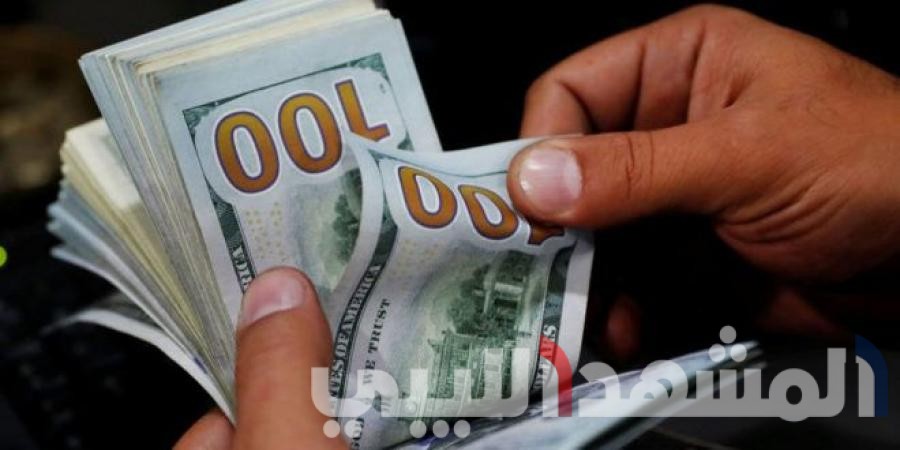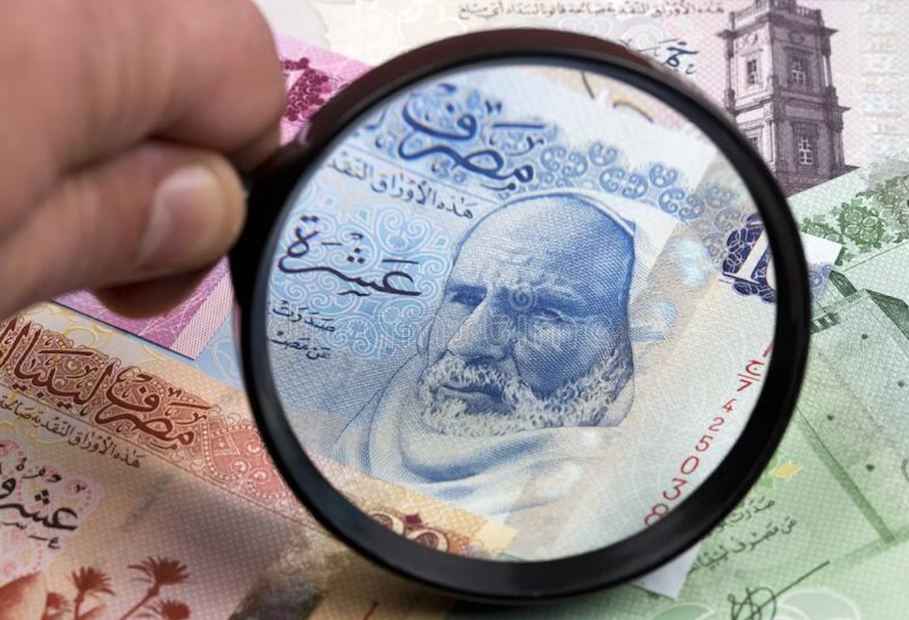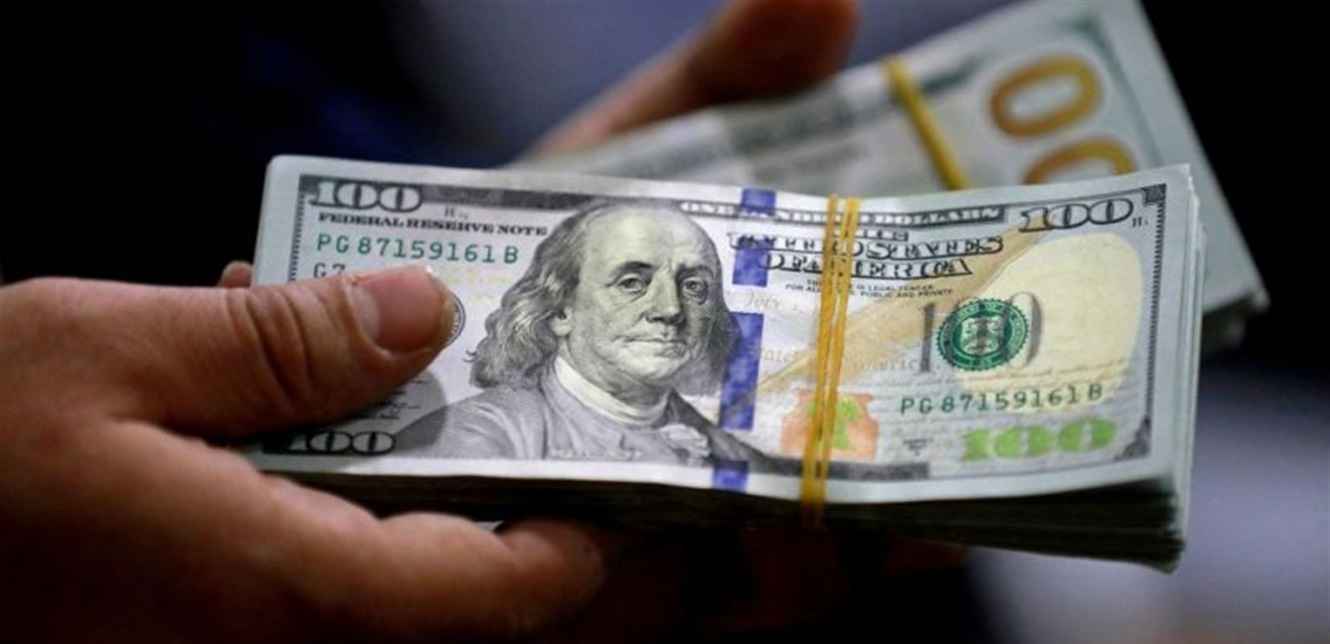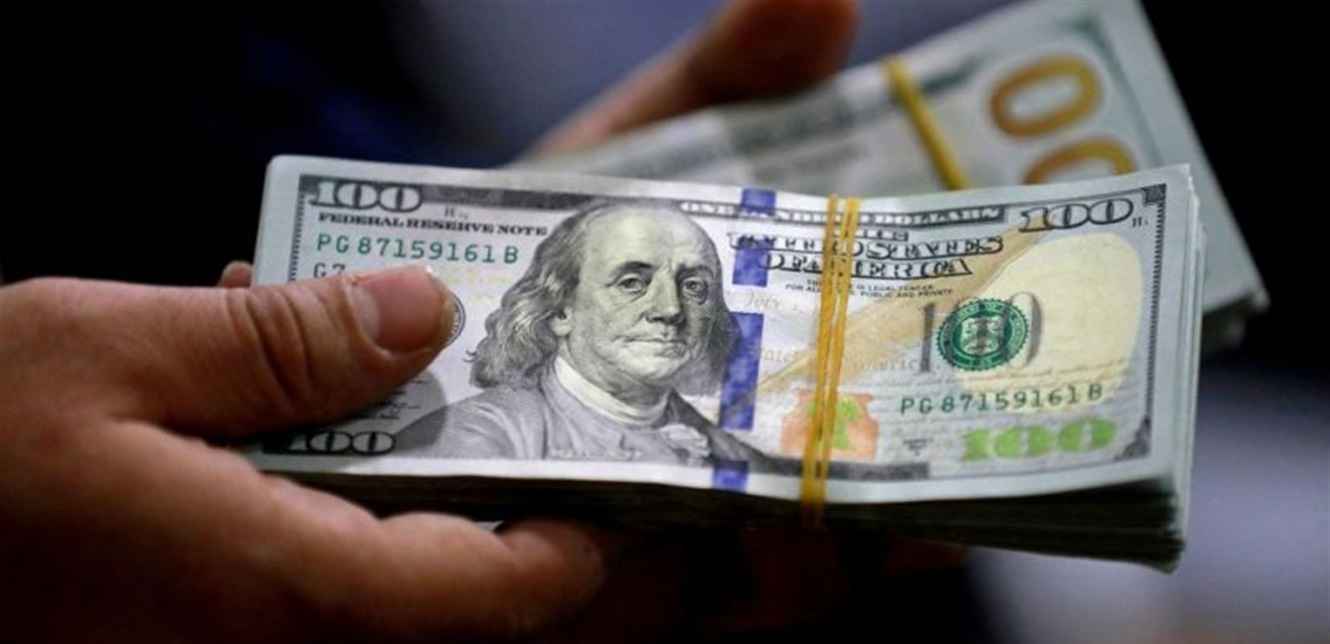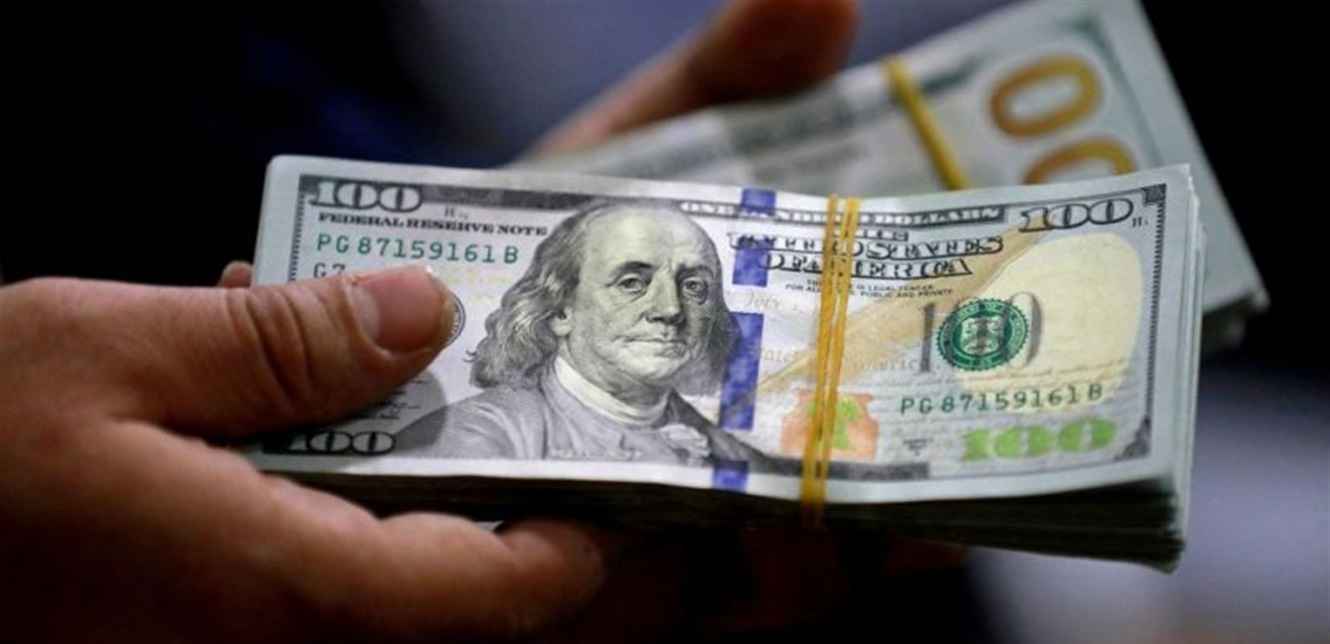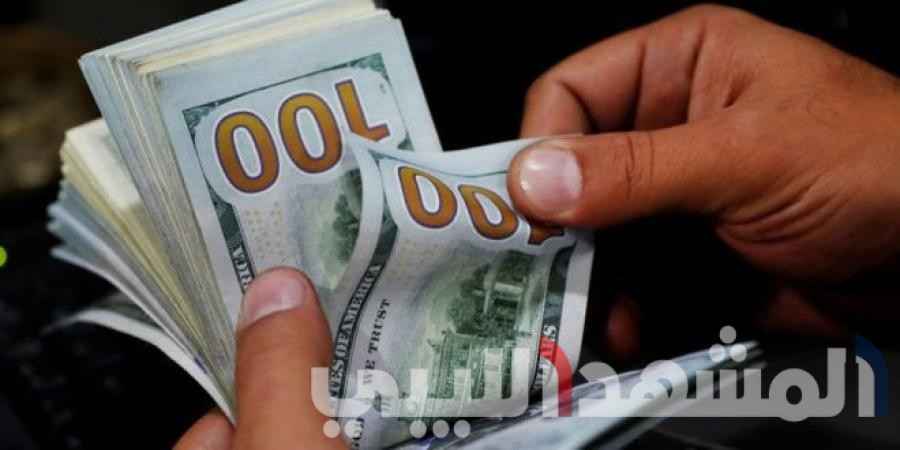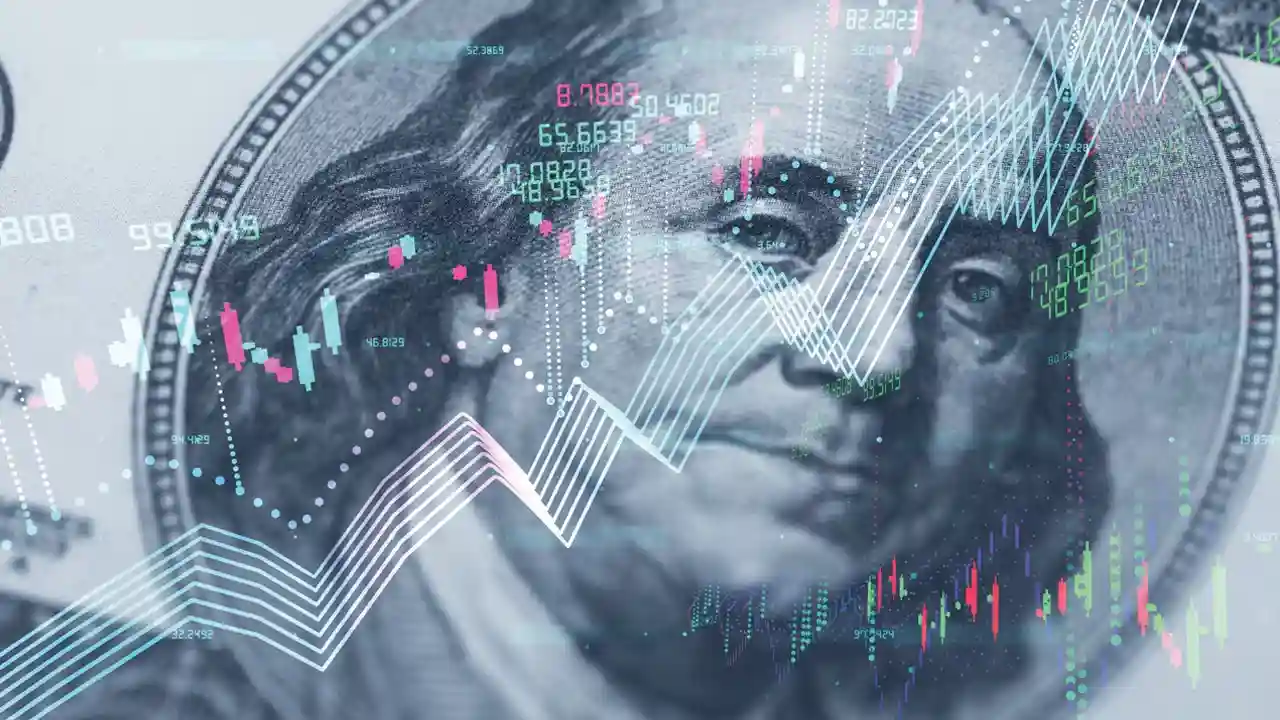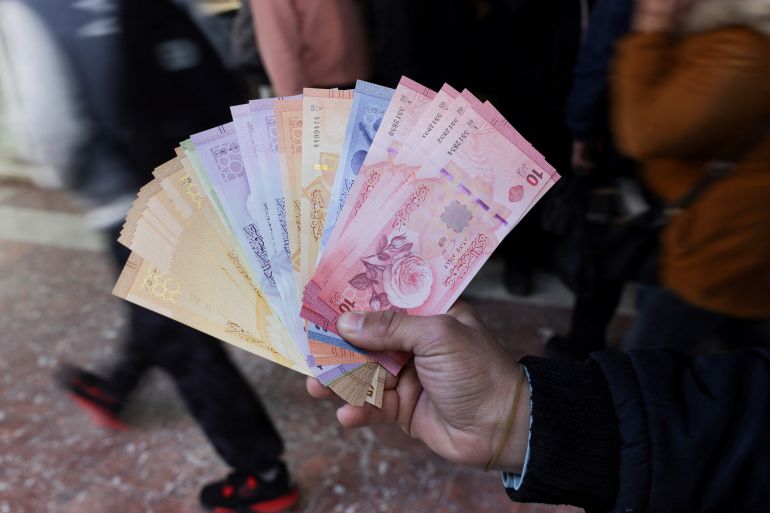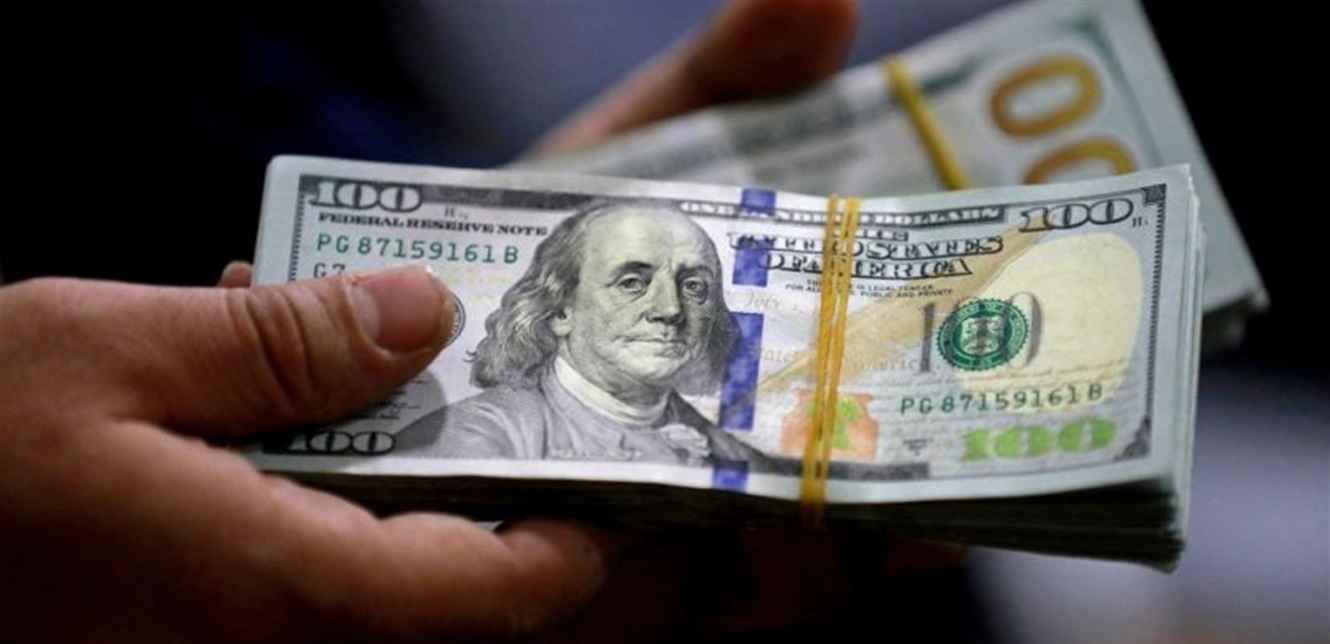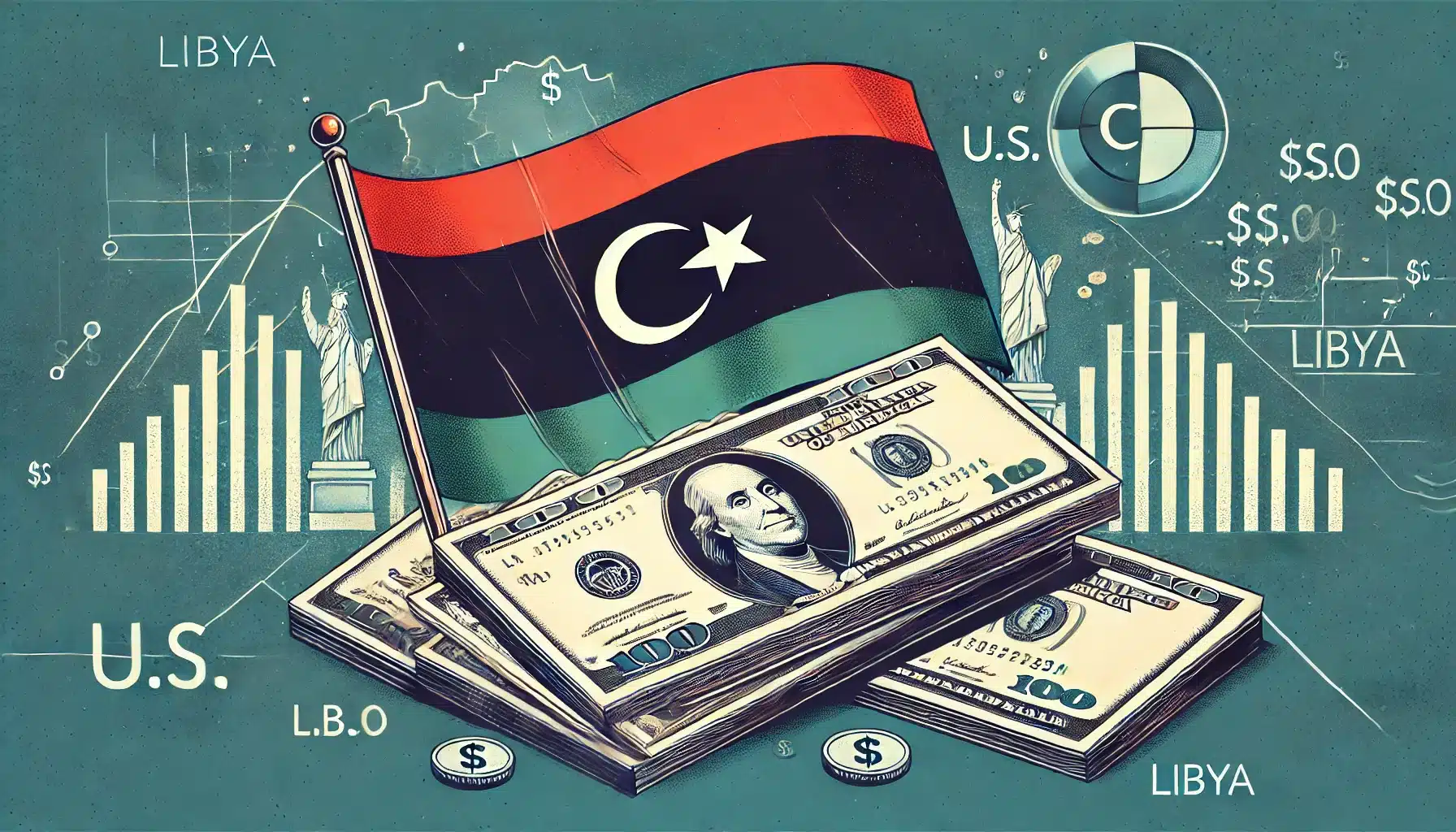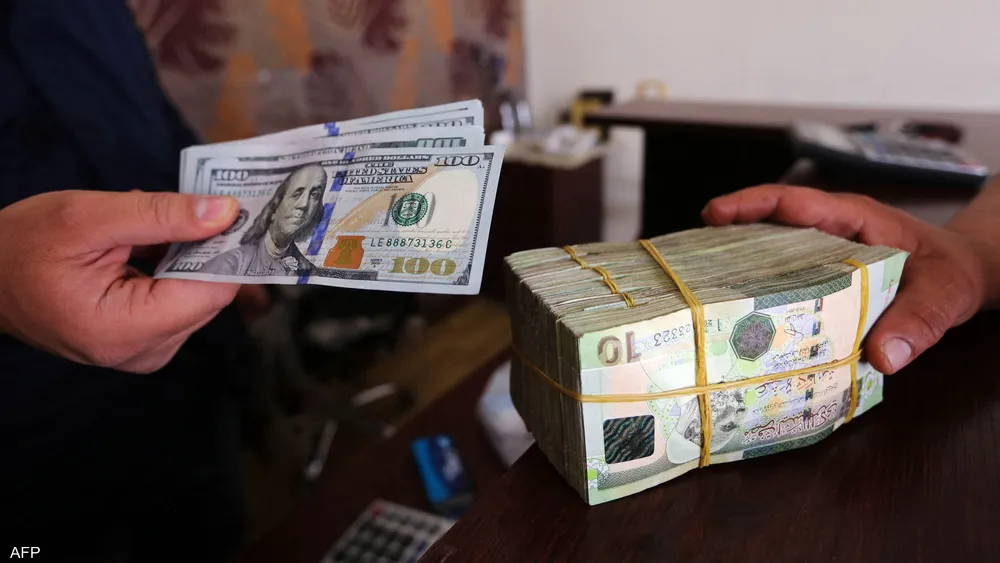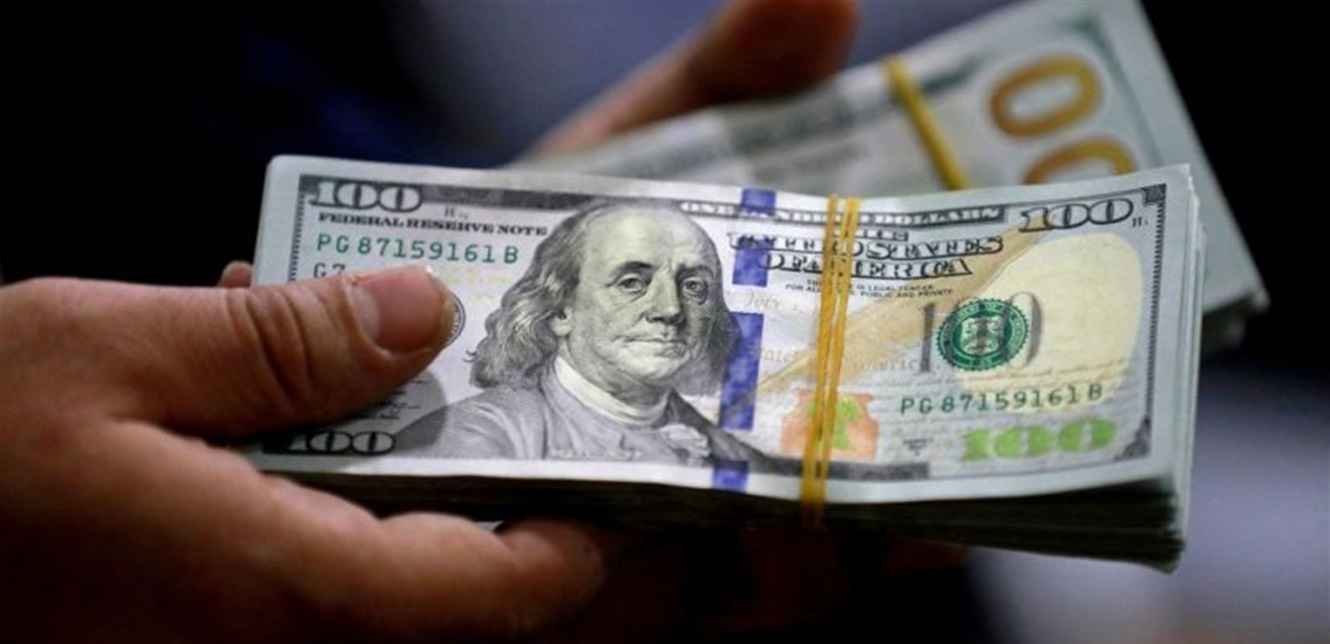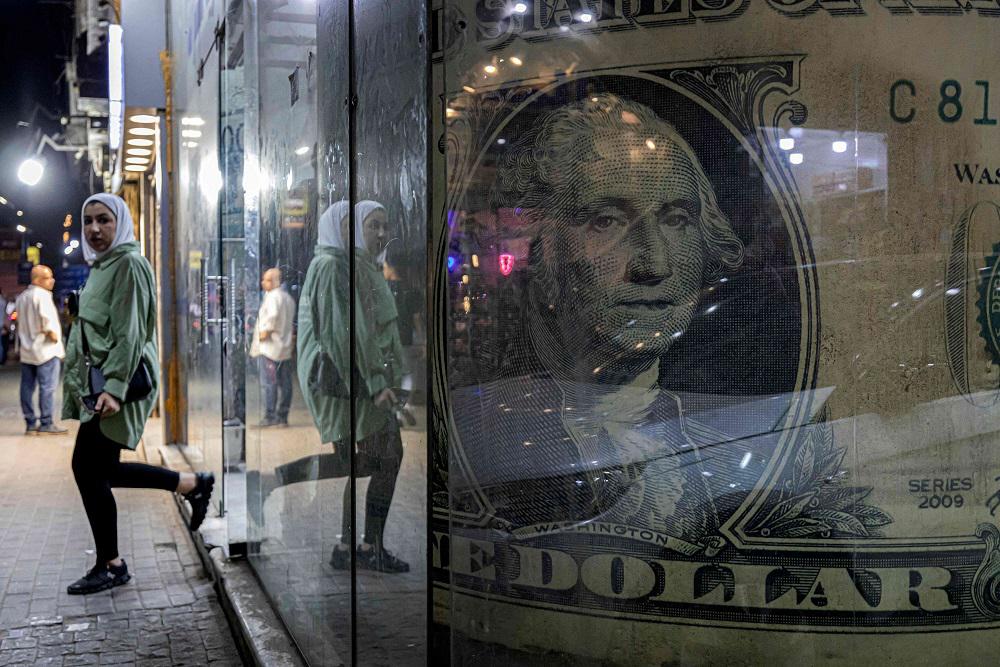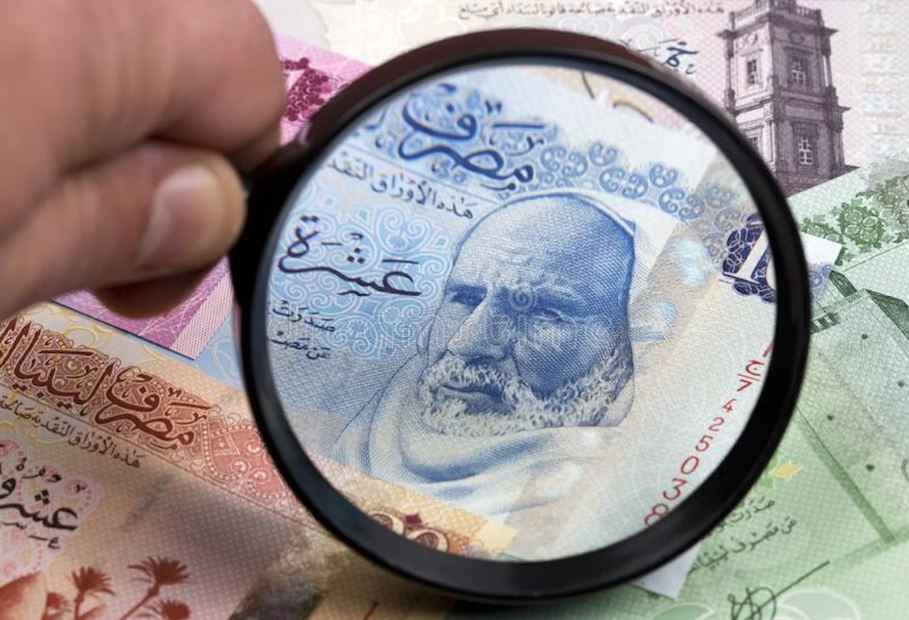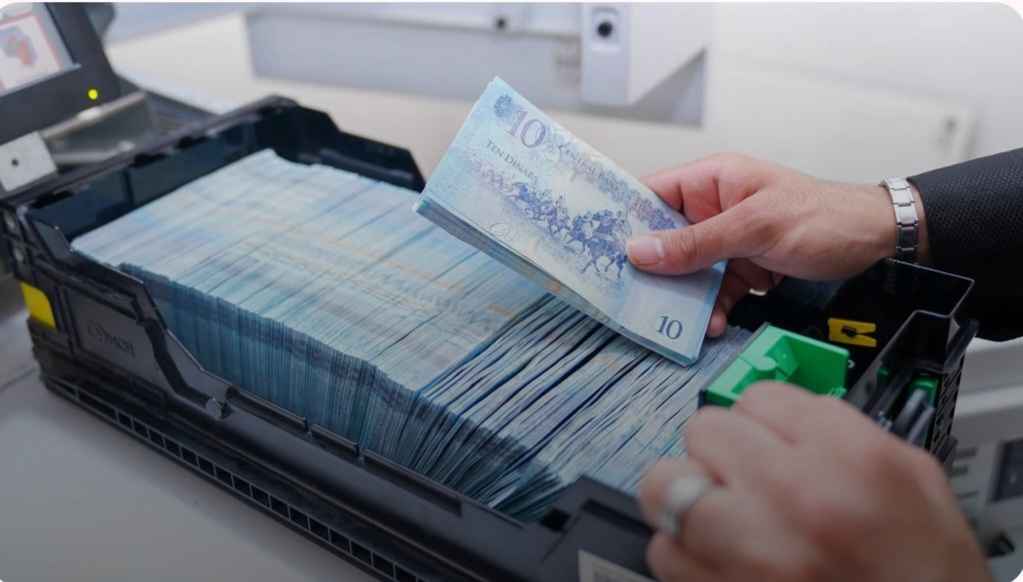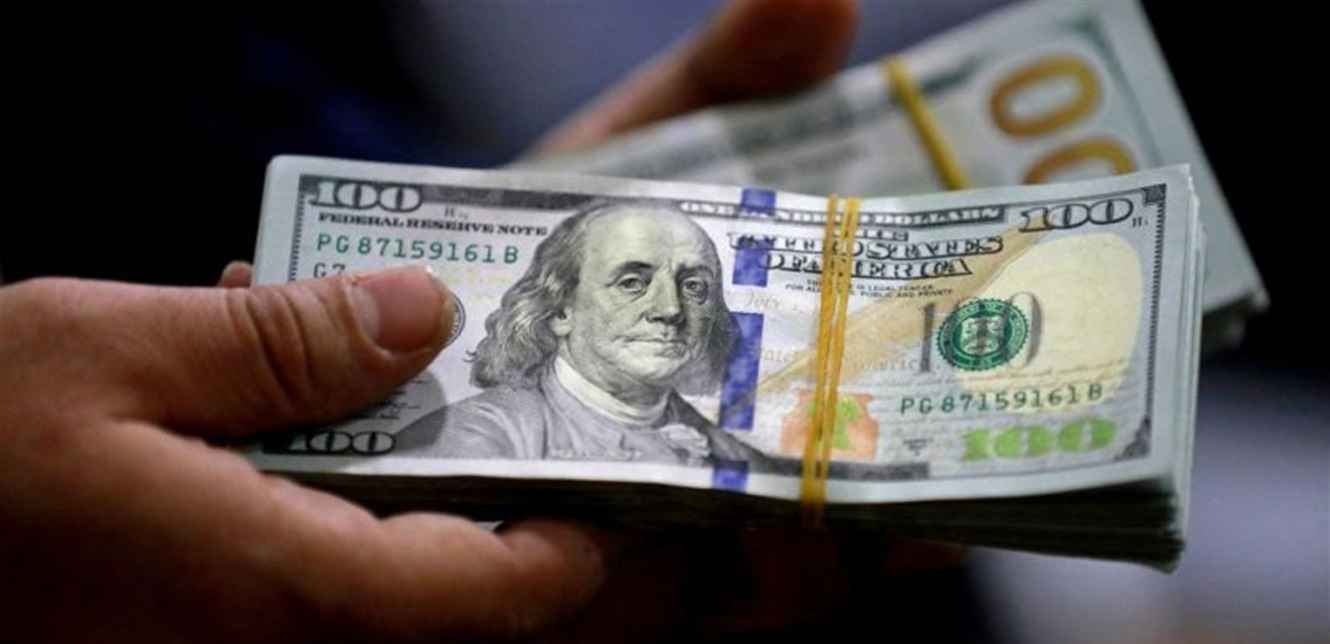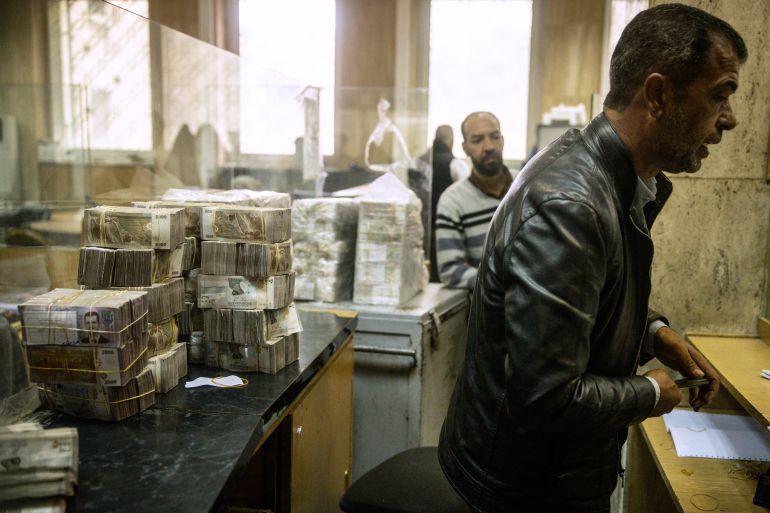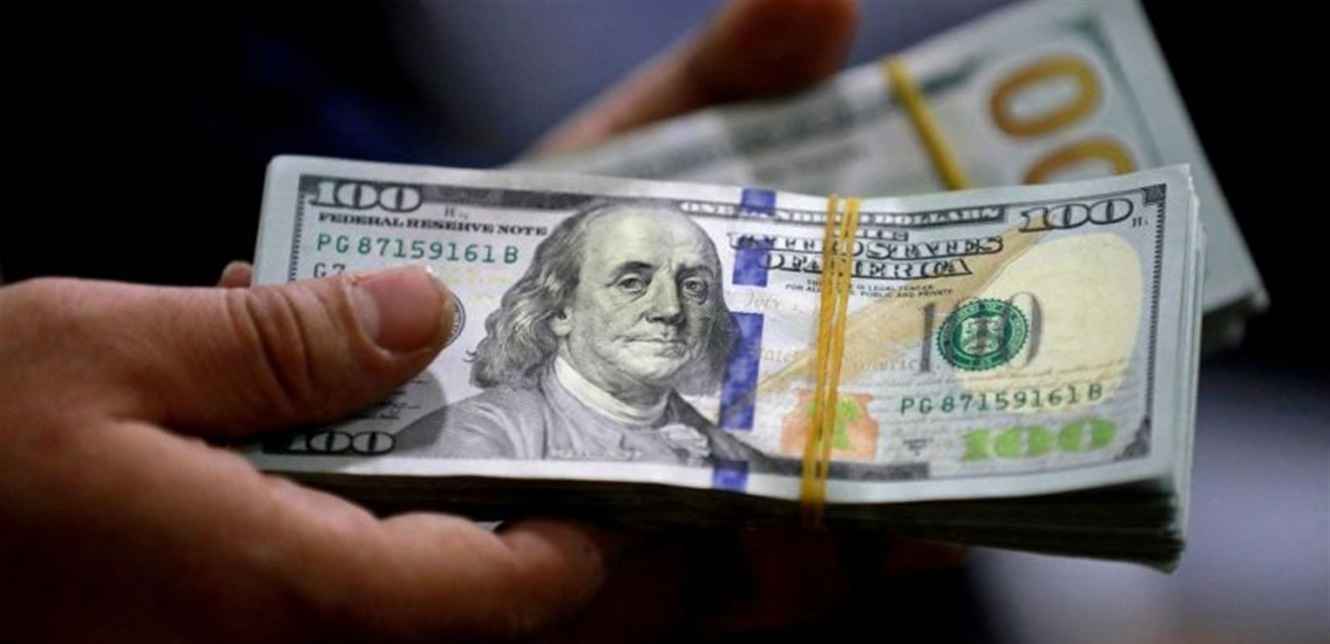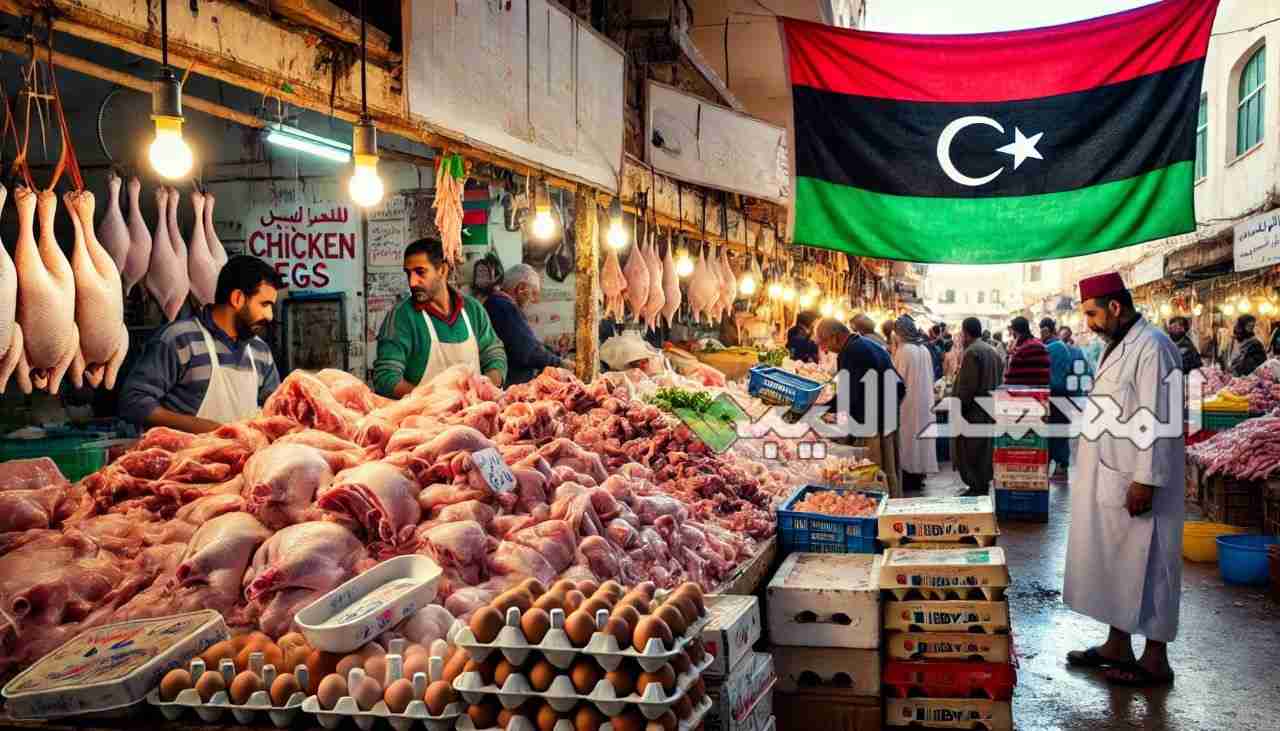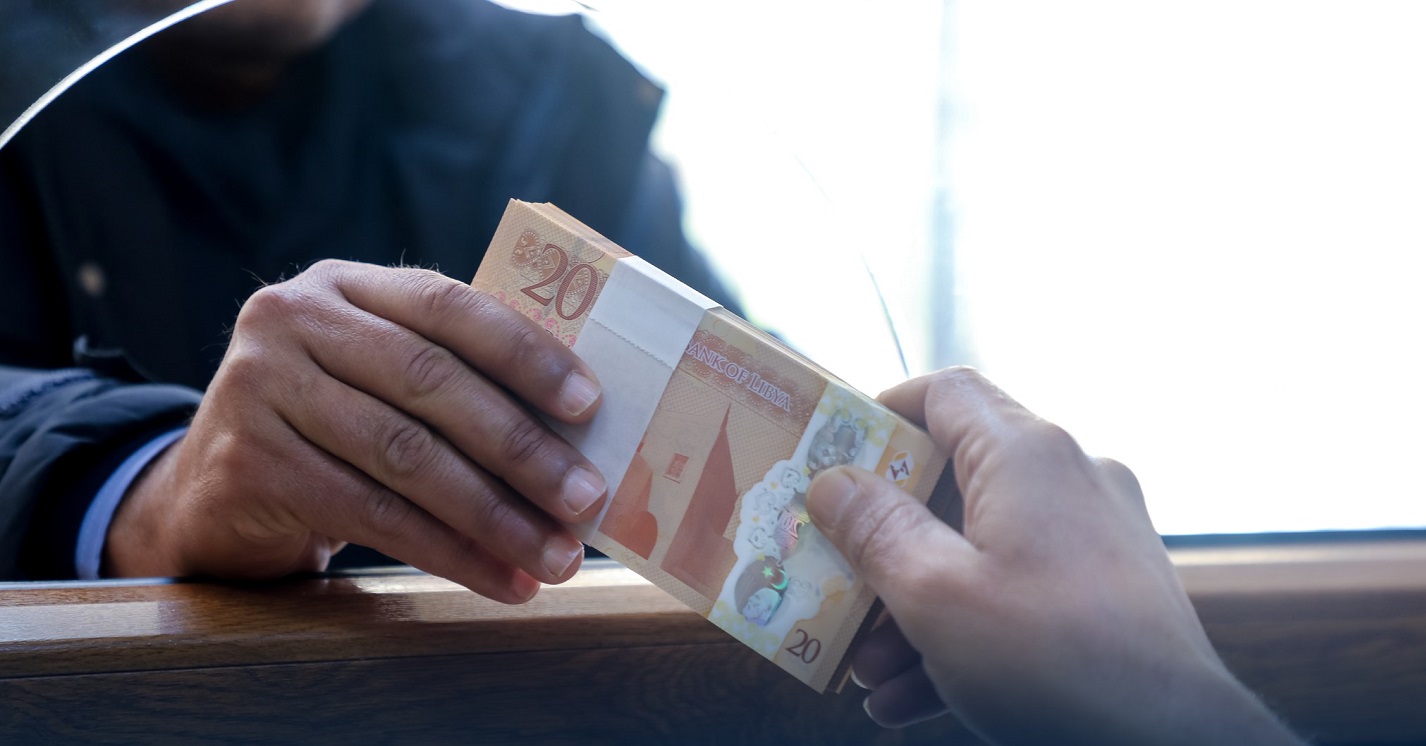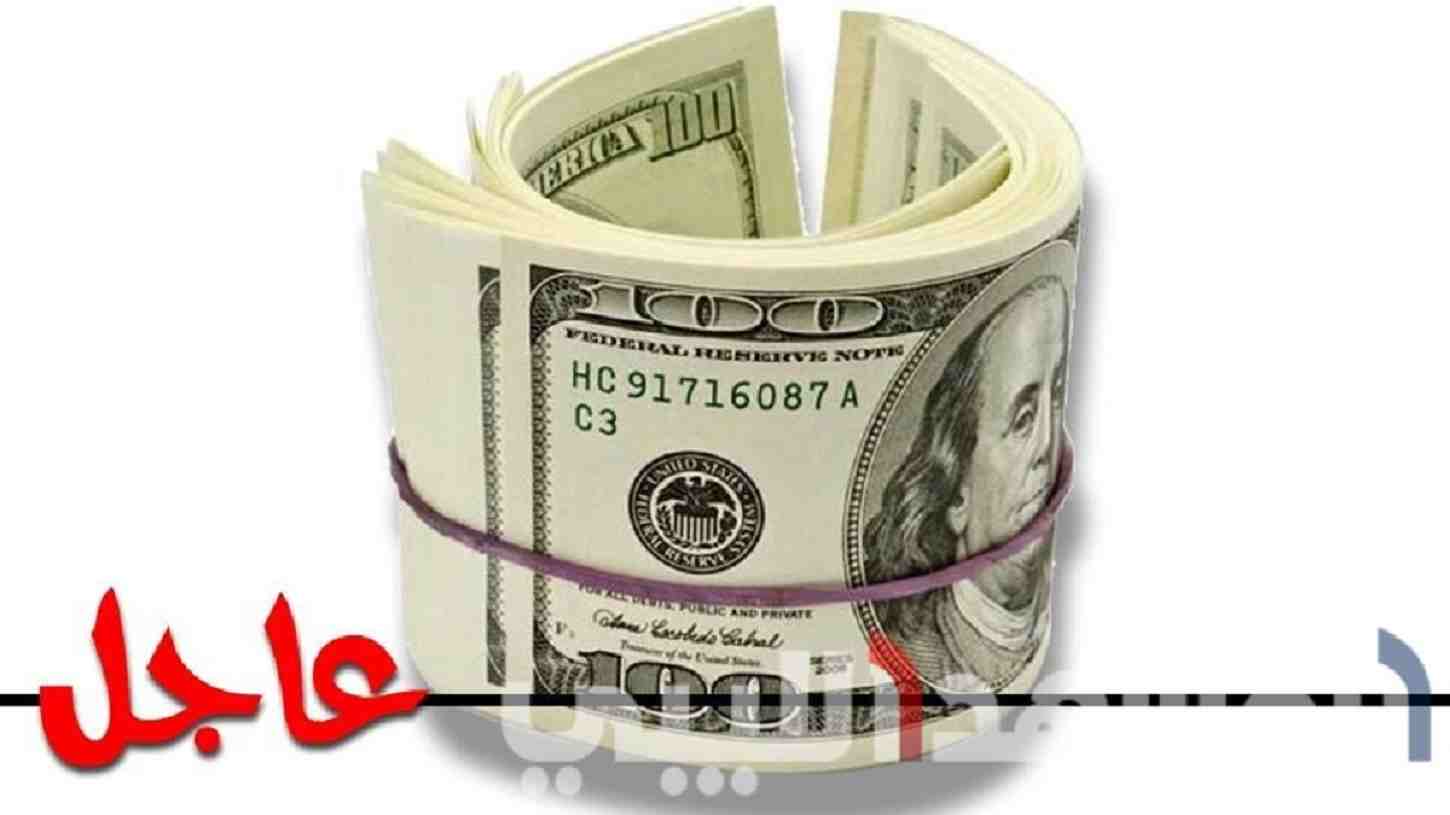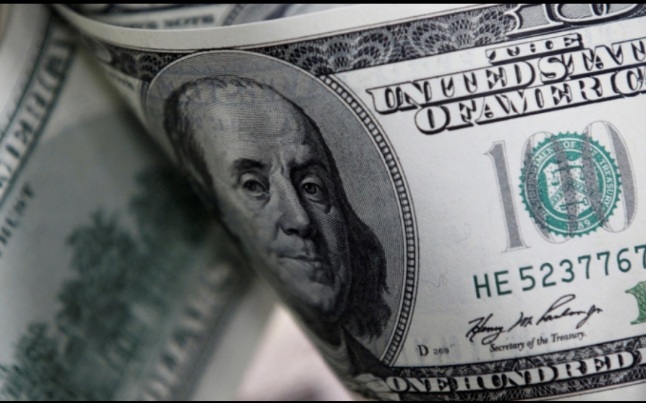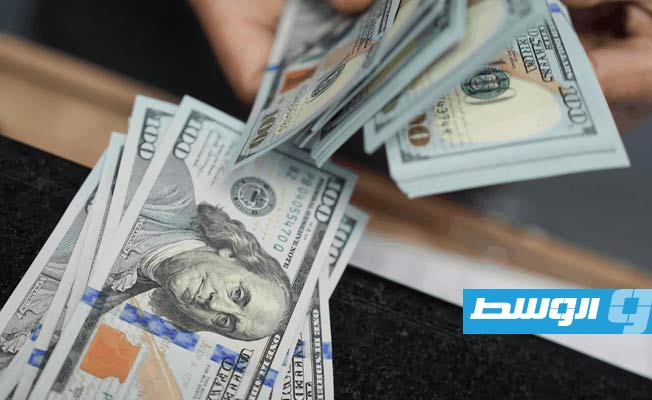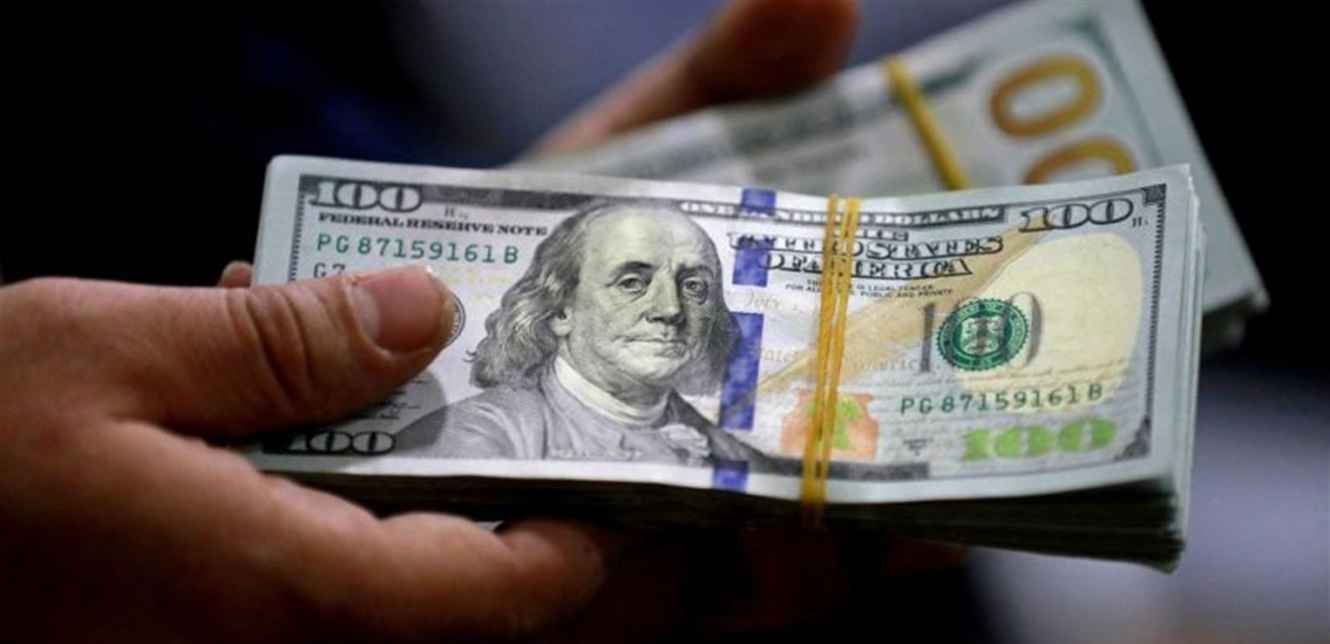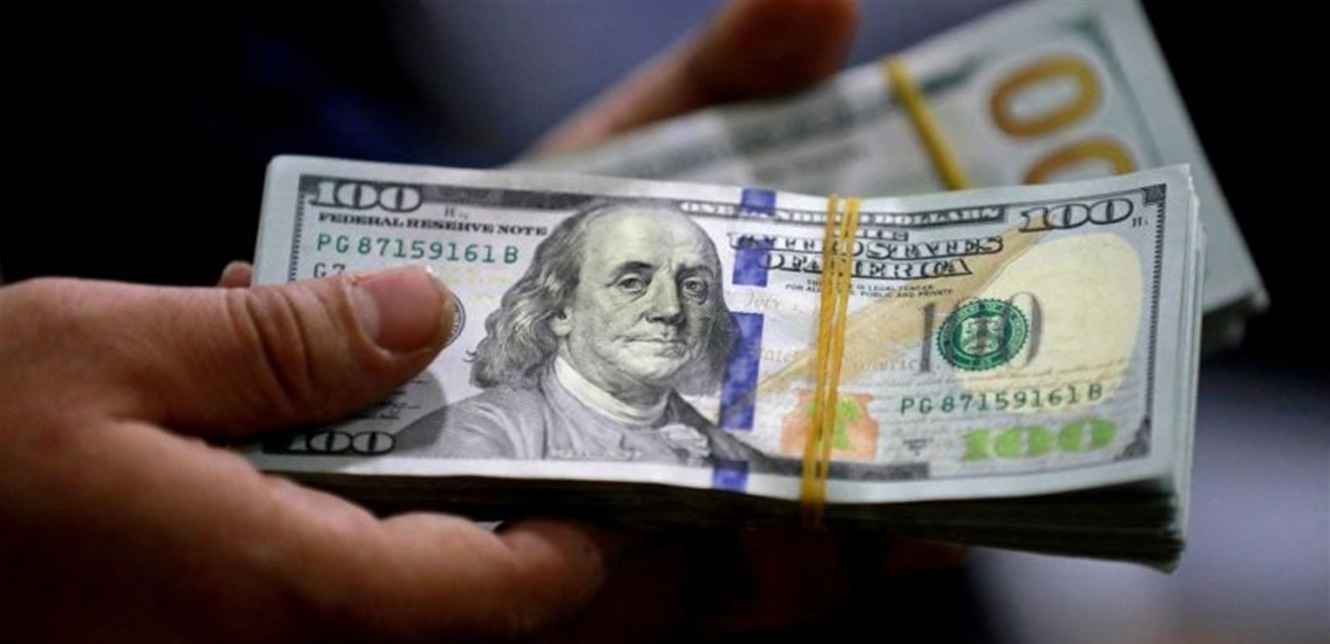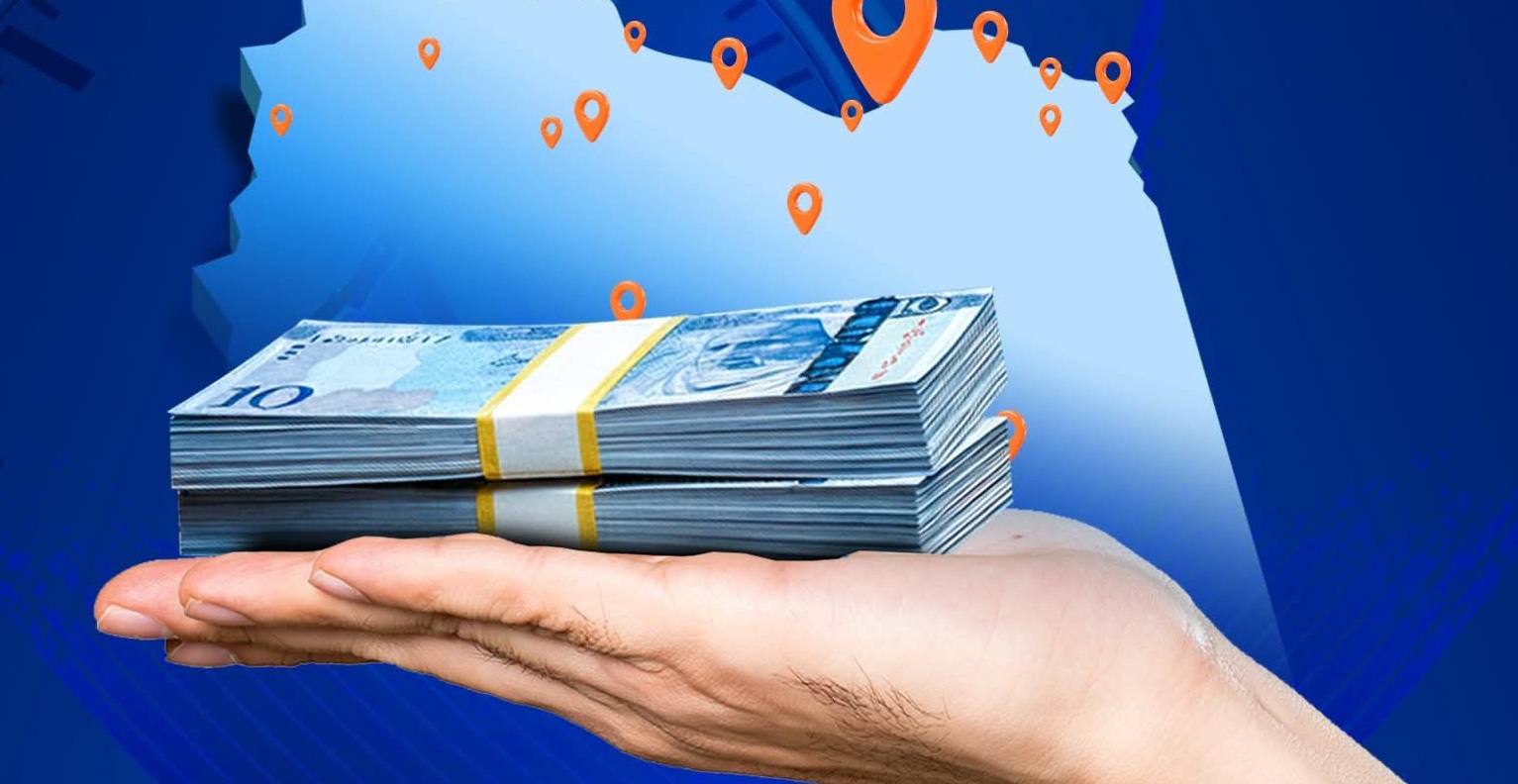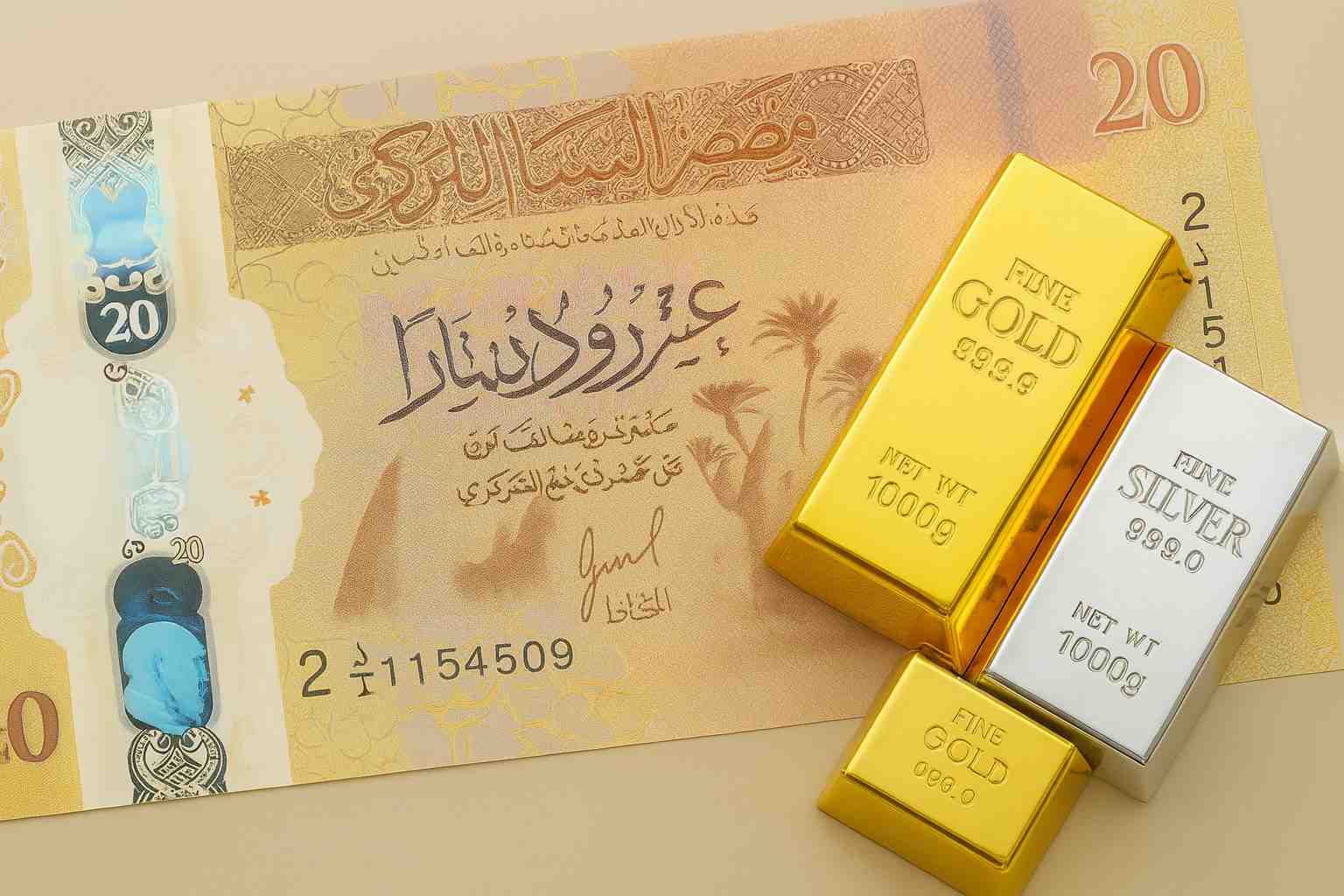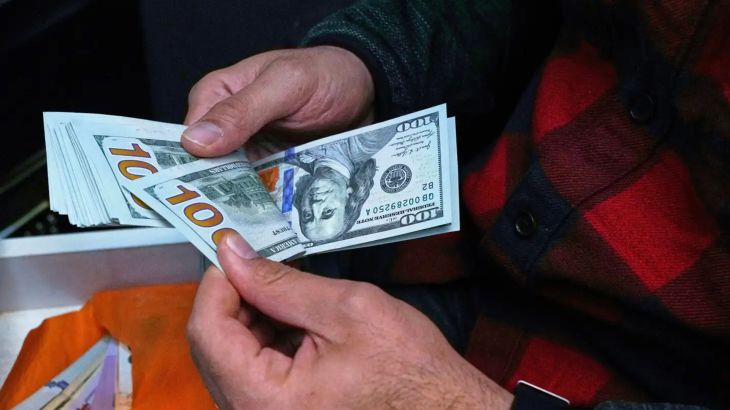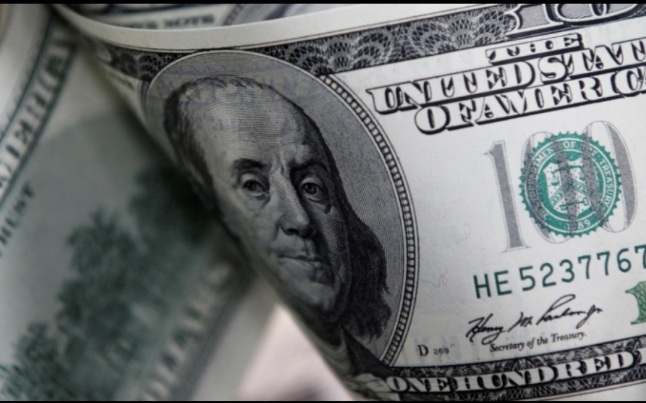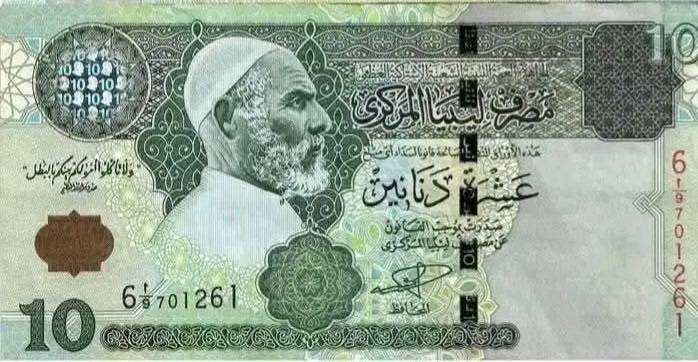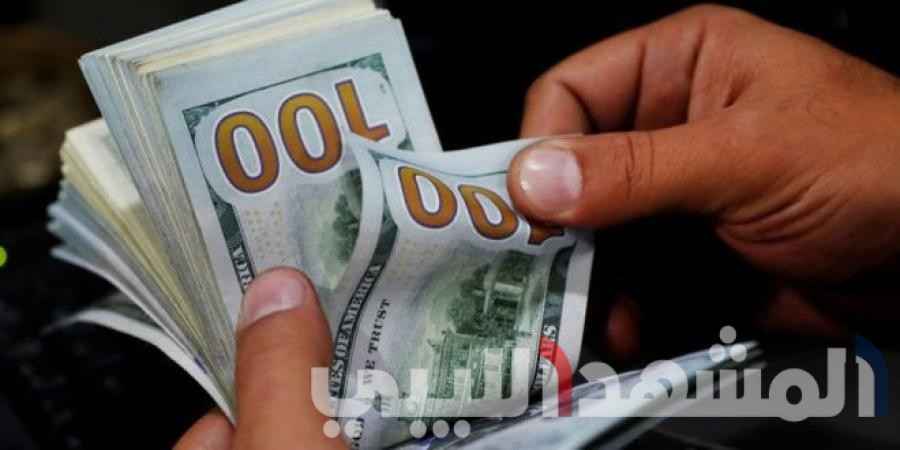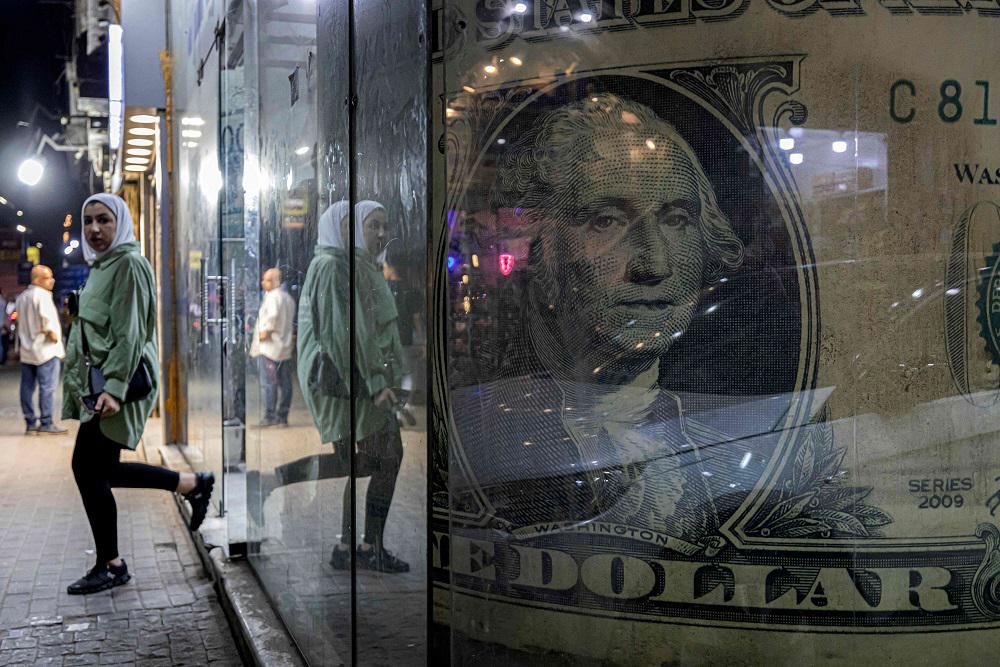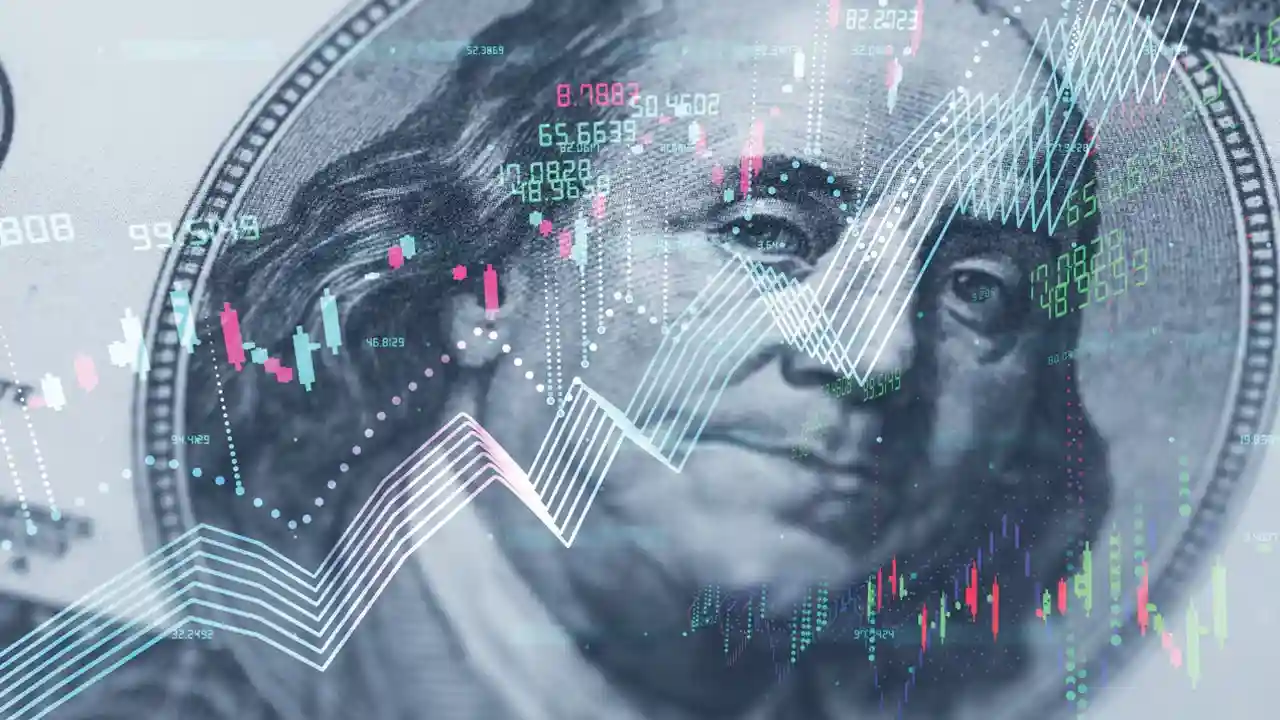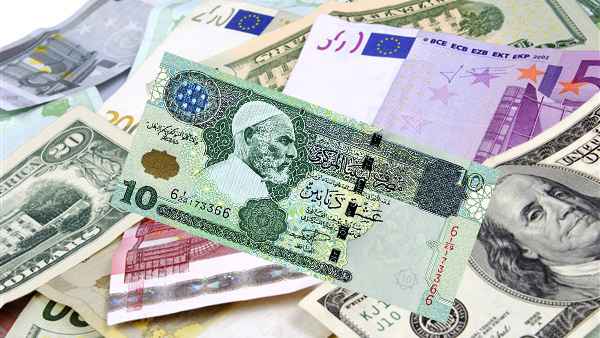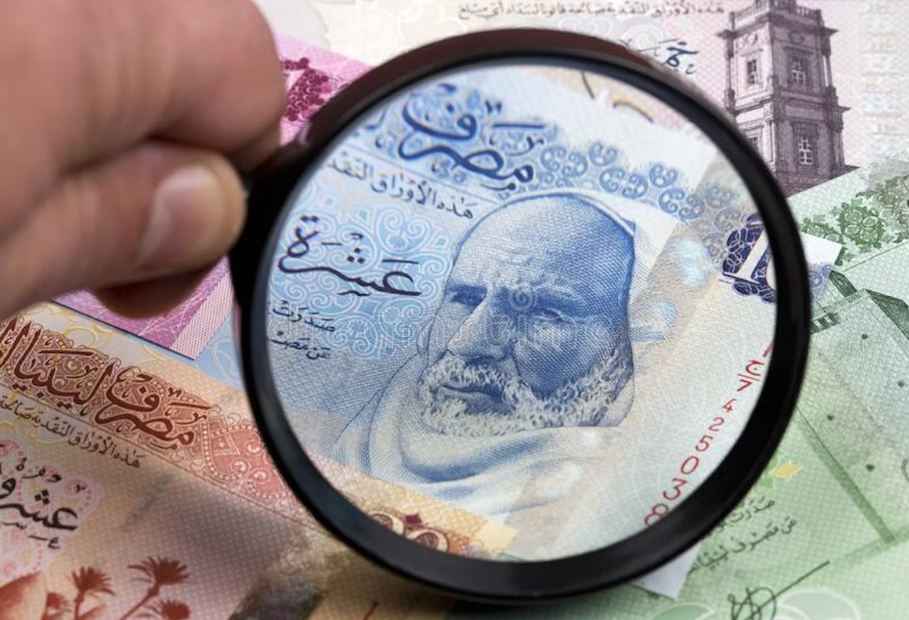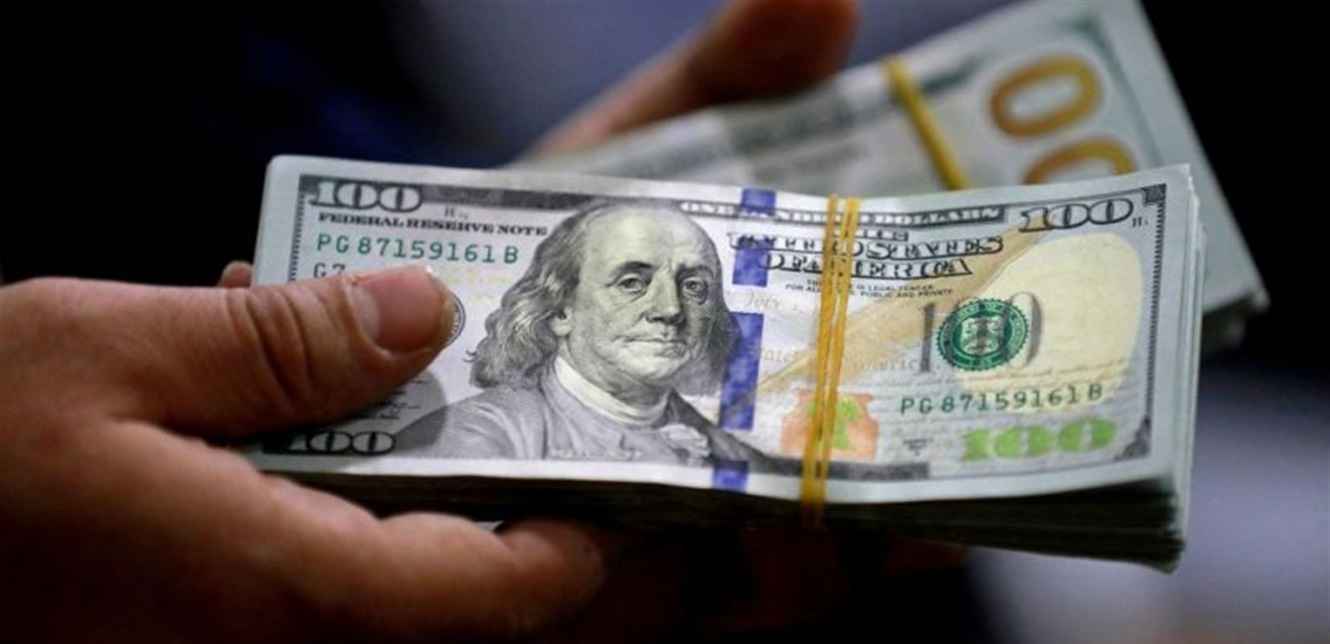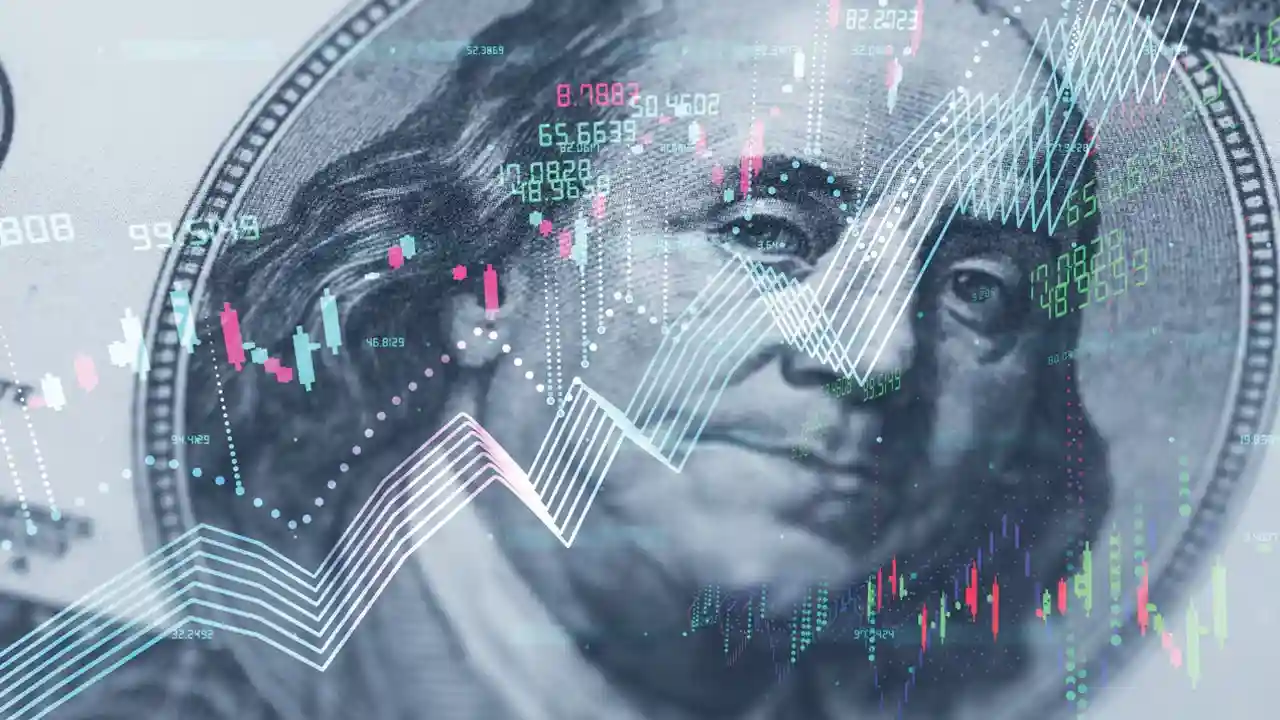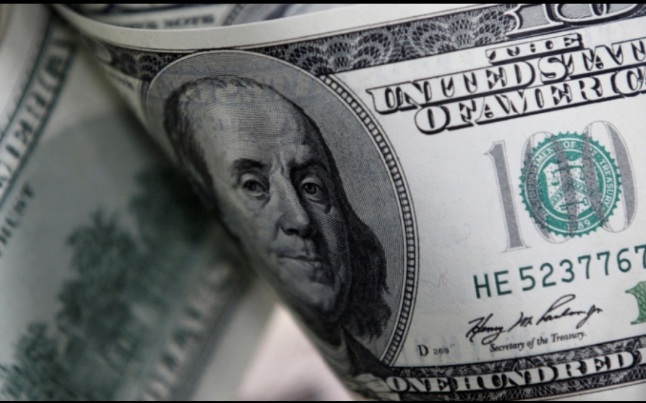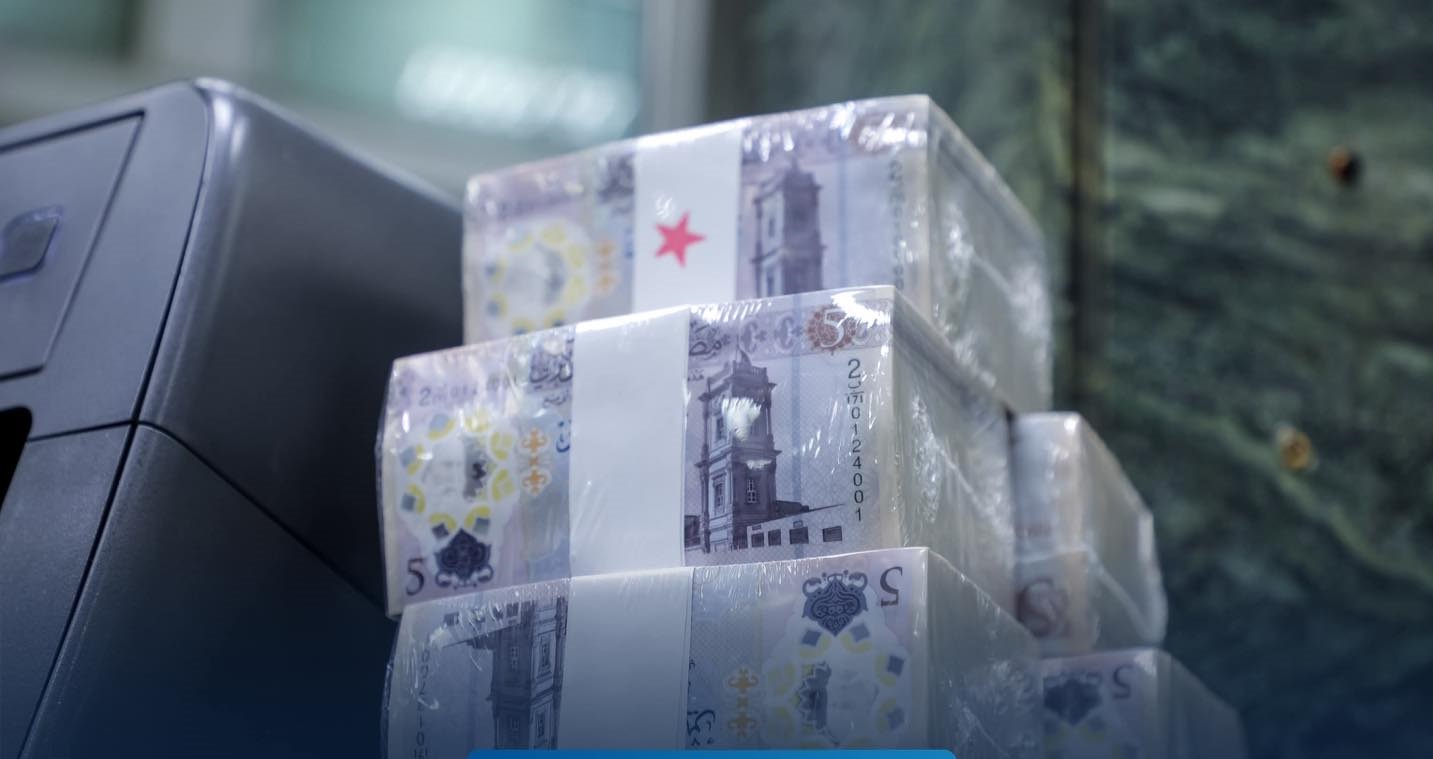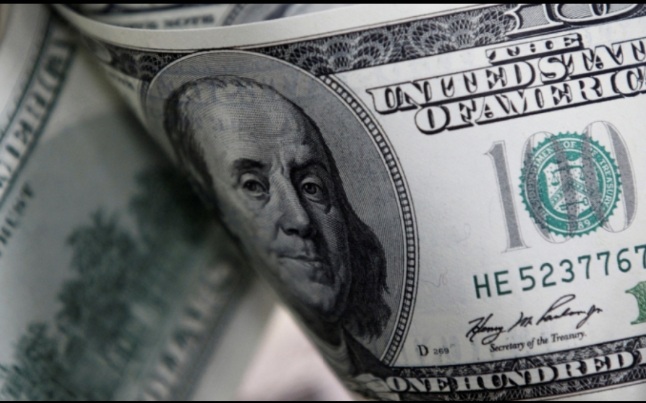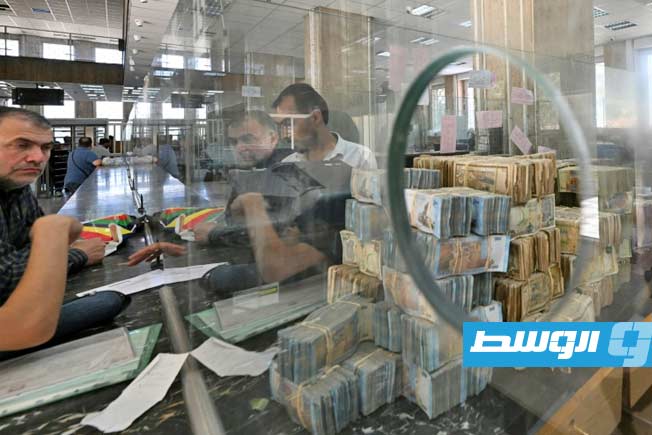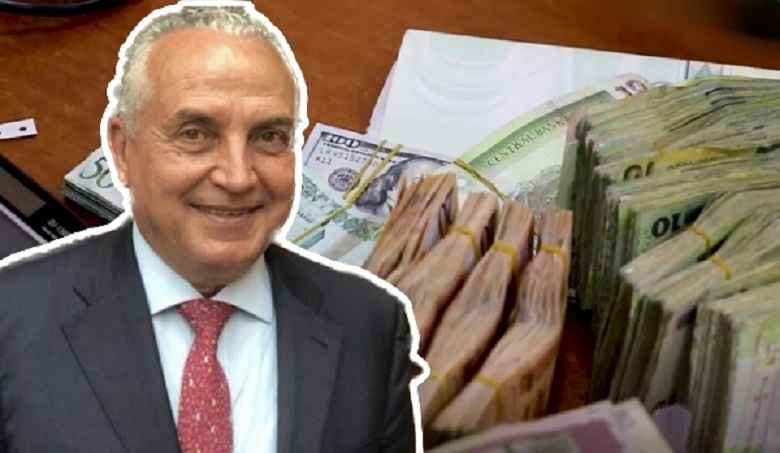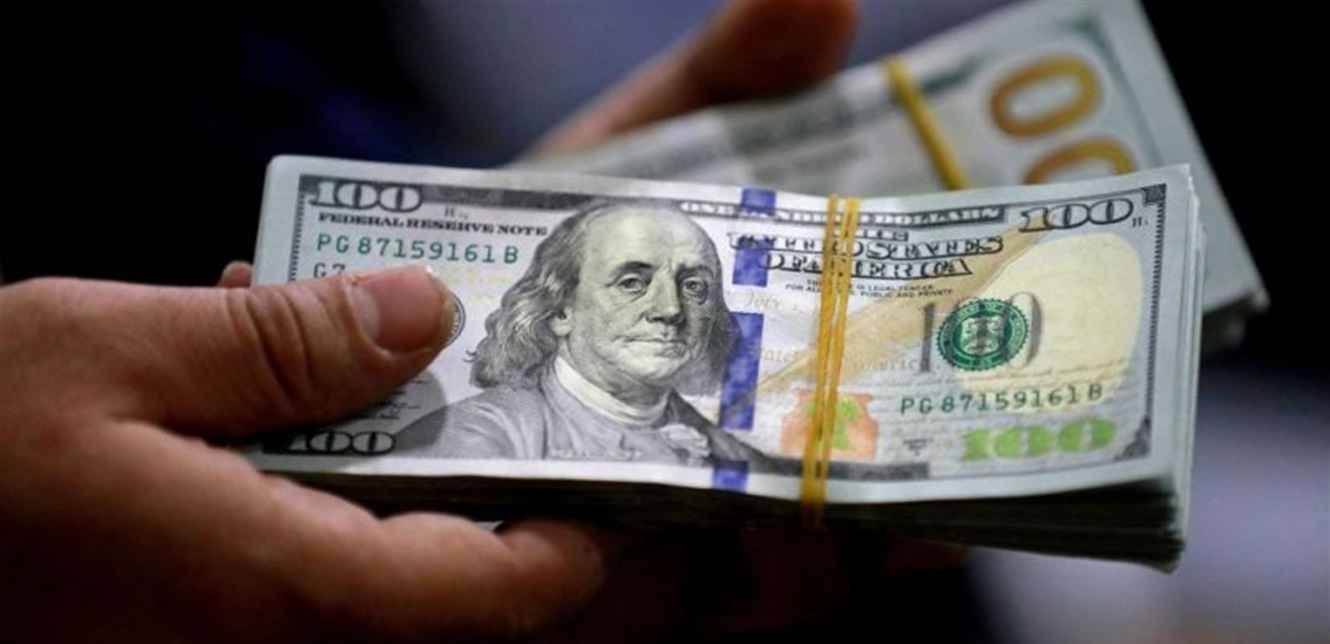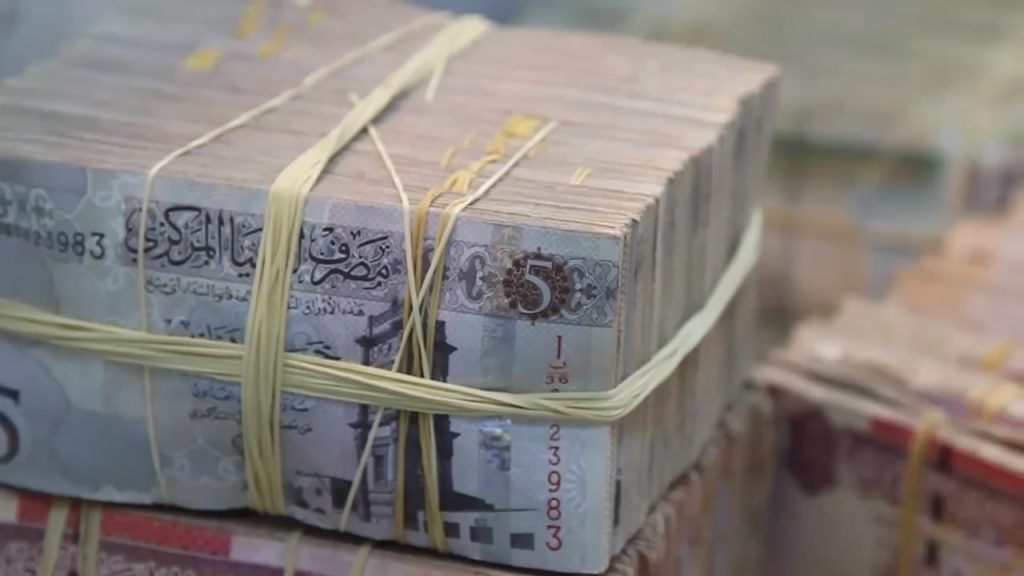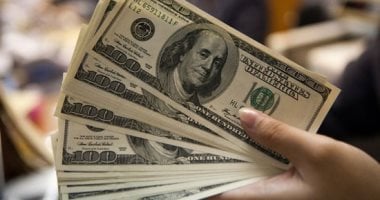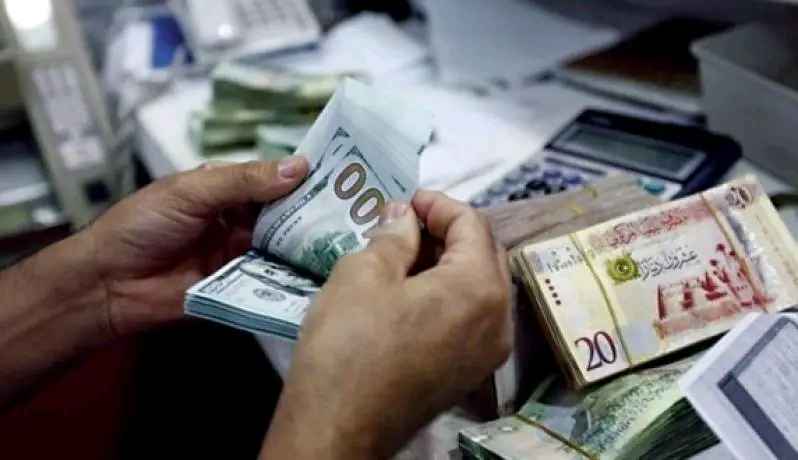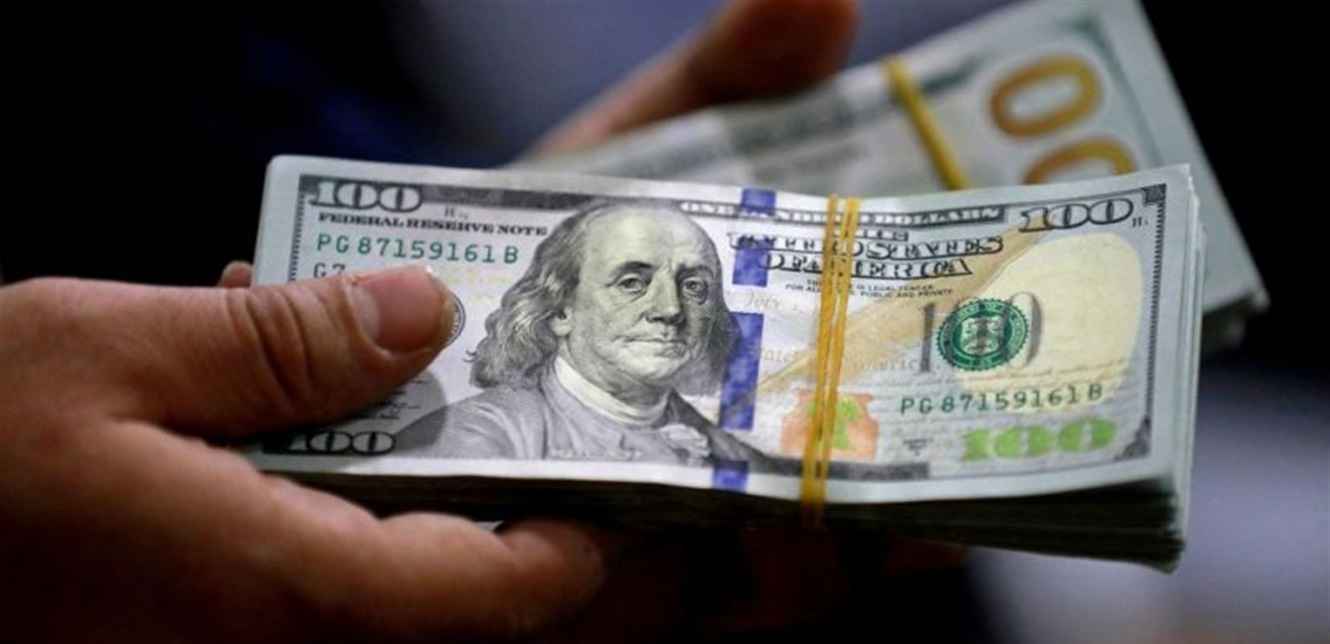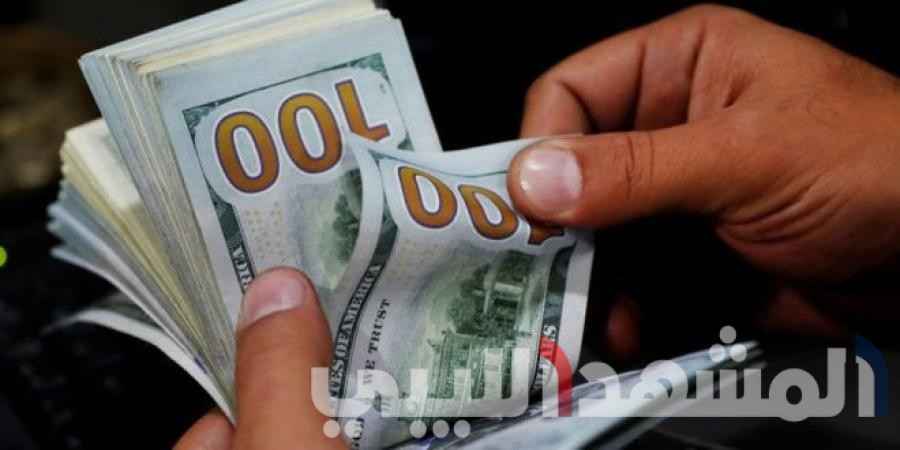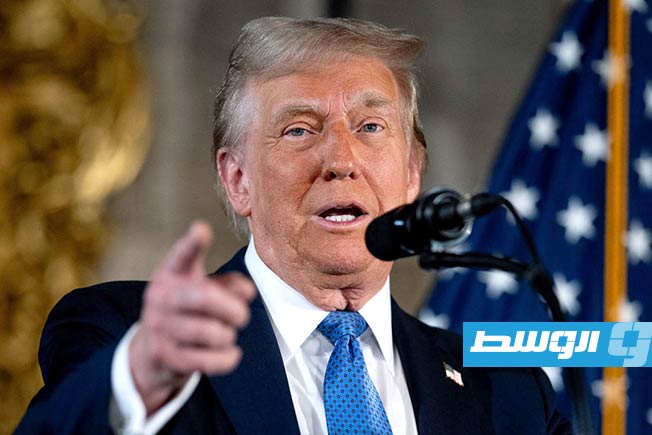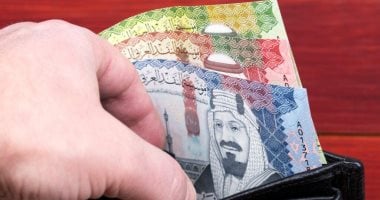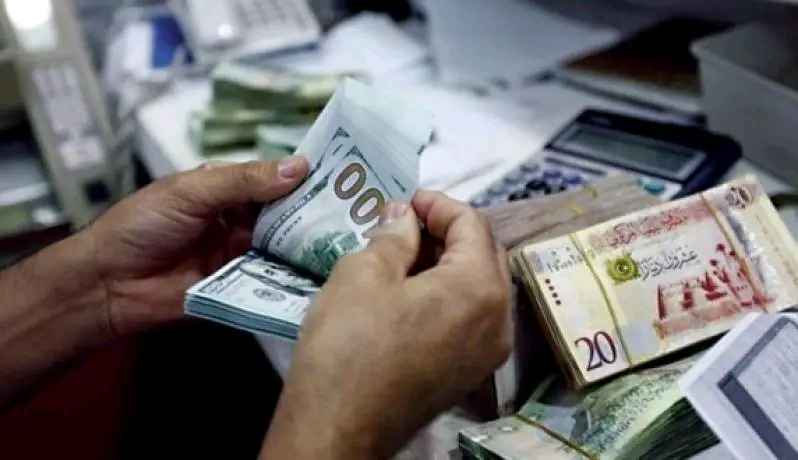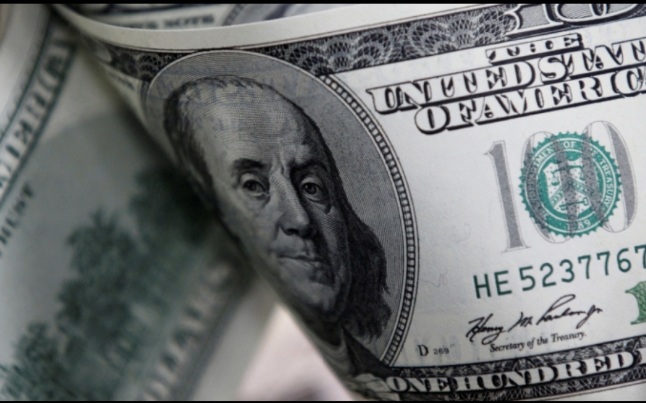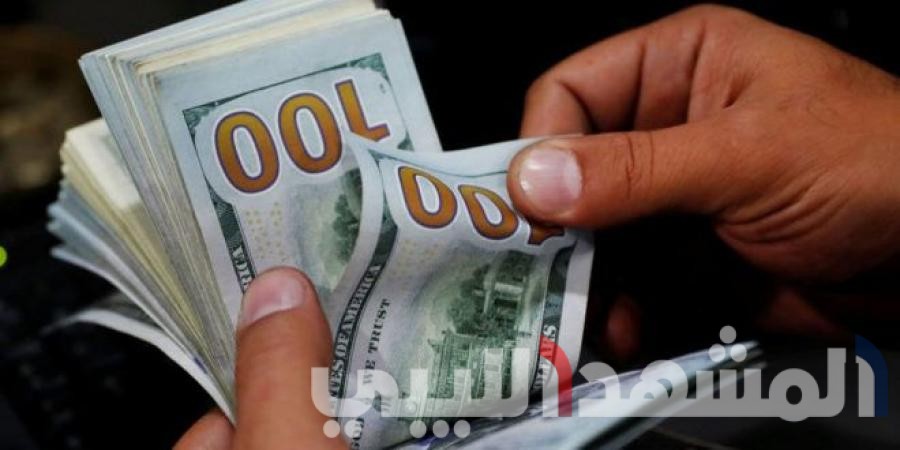
The US dollar showed mixed performance against the Libyan dinar in the parallel market during trading on Saturday, January 24, 2026. It closed in the capital, Tripoli, at 9.05 dinars, while rising slightly in trading rooms to 9.08 dinars.
Closing Prices in Libyan Cities
- Zliten: 9.07 dinars
- Benghazi and Ajdabiya: 9.10 dinars
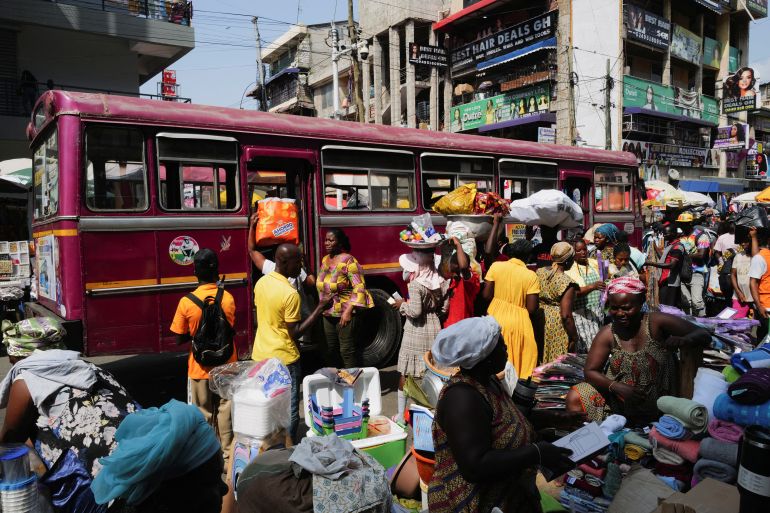
The continued slight disparity between regions reflects the state of instability in the market.
🌍 Foreign Currencies
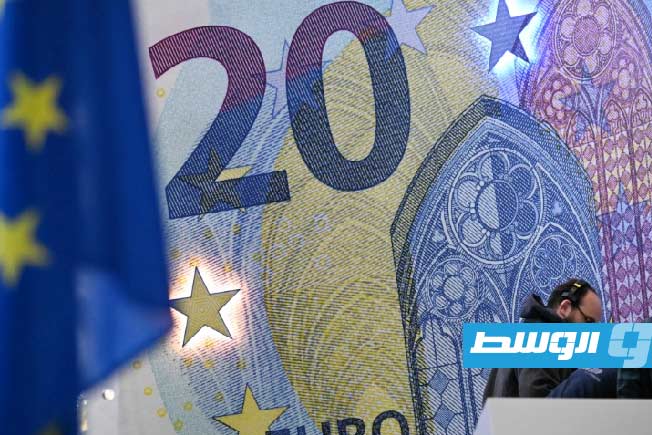
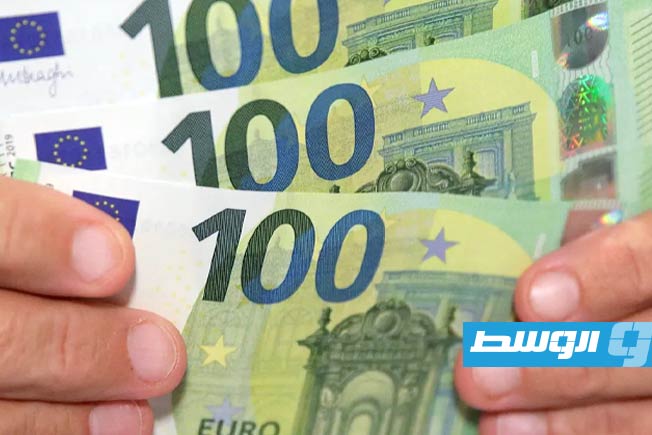
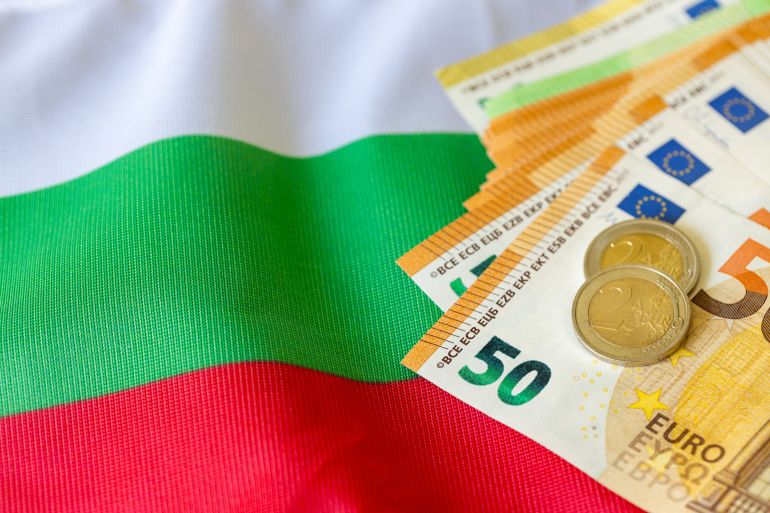
- Euro: Fell to 10.585 dinars
- British Pound: Stabilized at 12.00 dinars
Precious Metals and Remittances Market
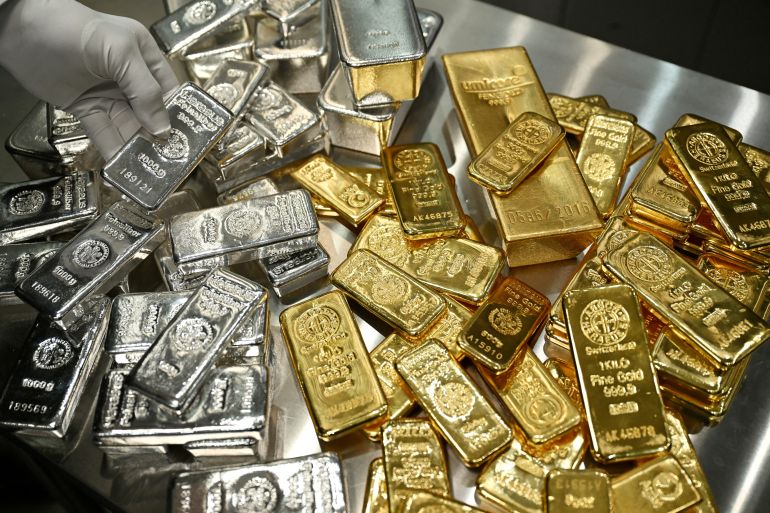
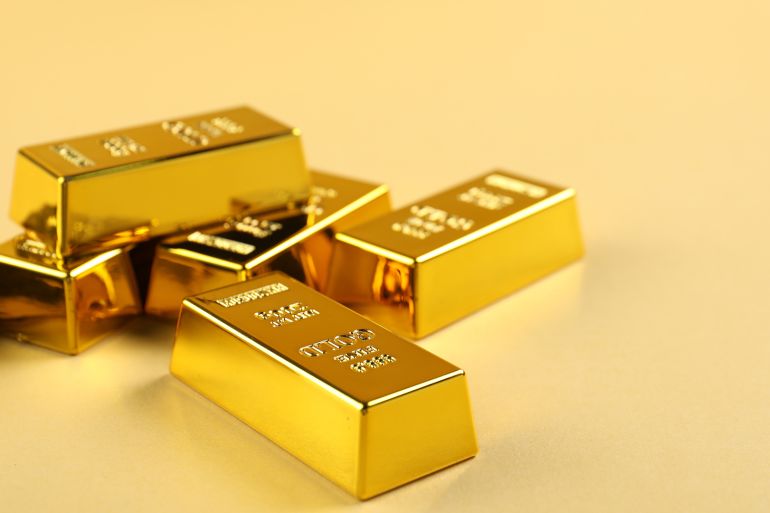
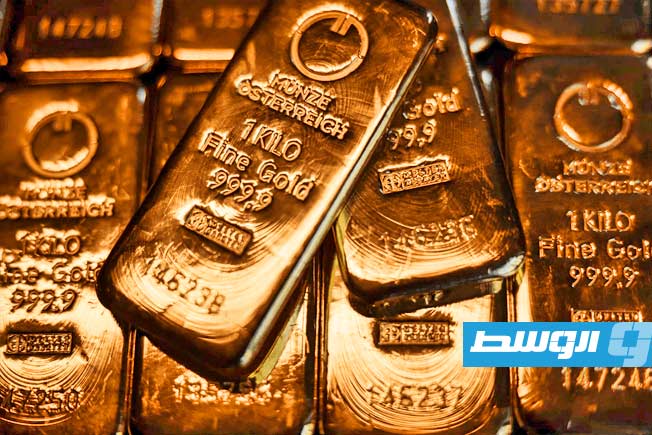
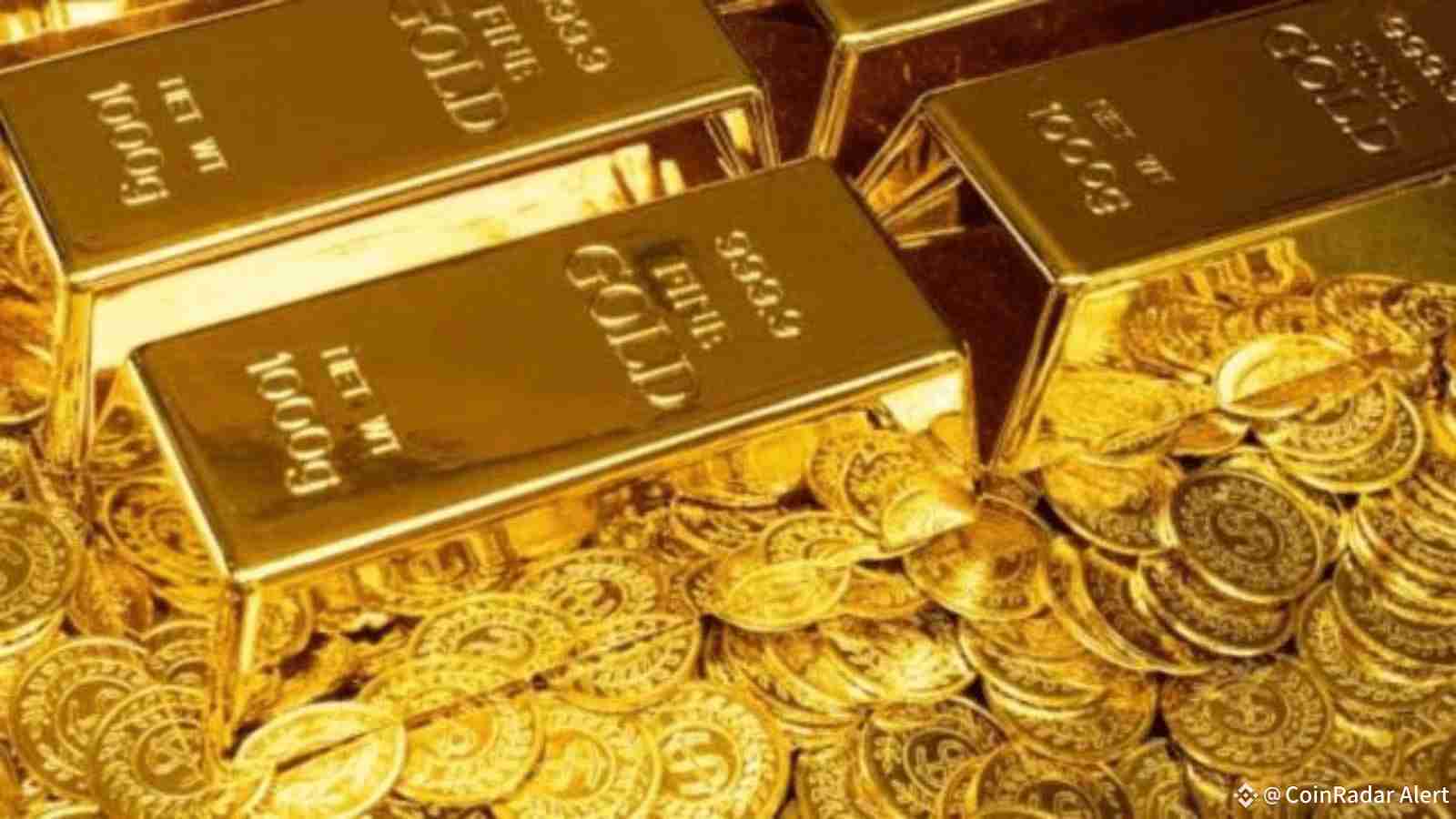
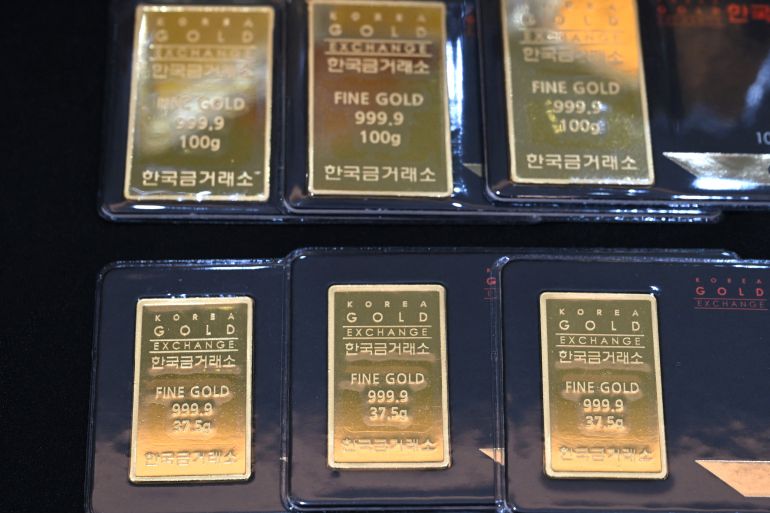
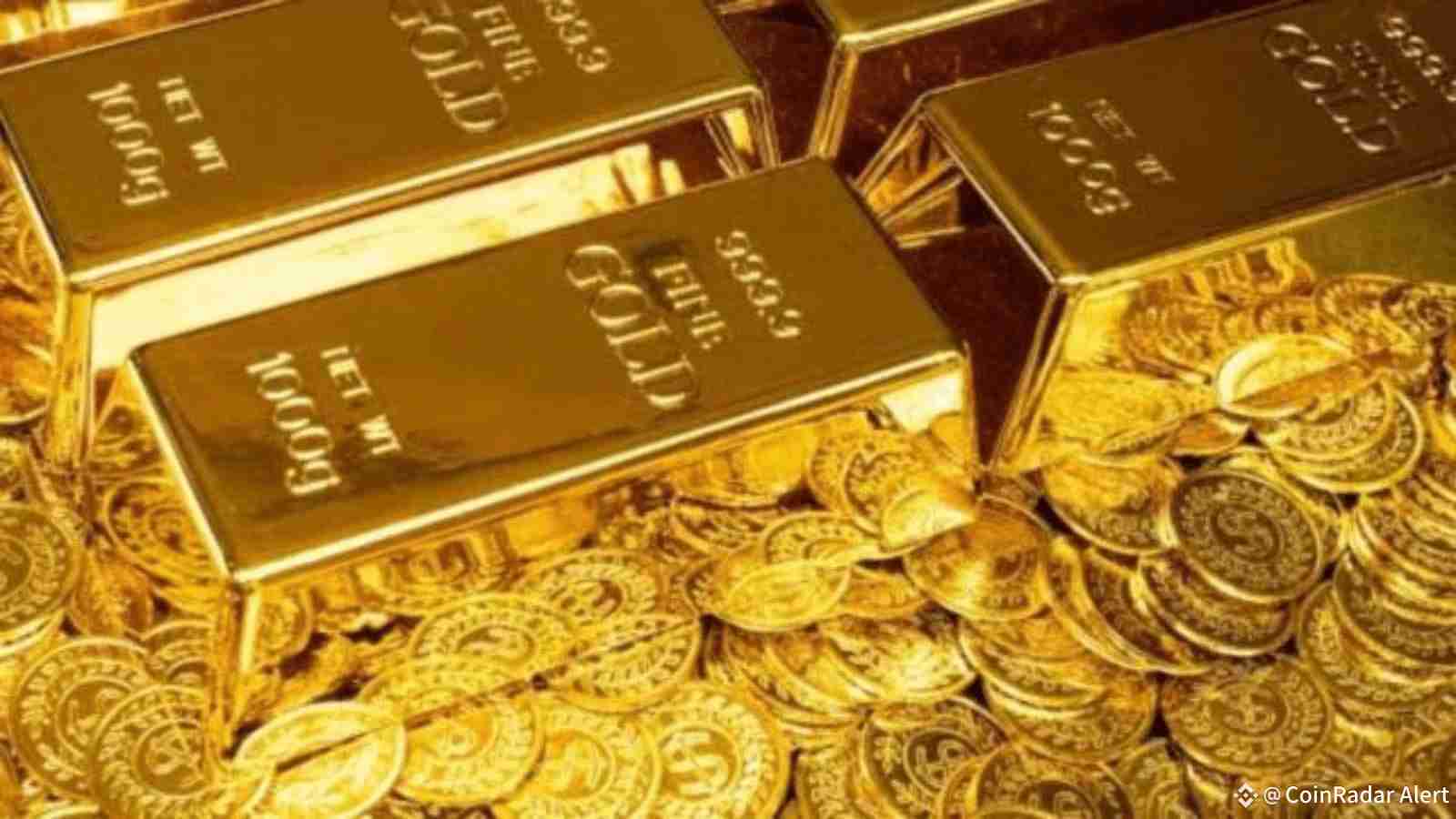
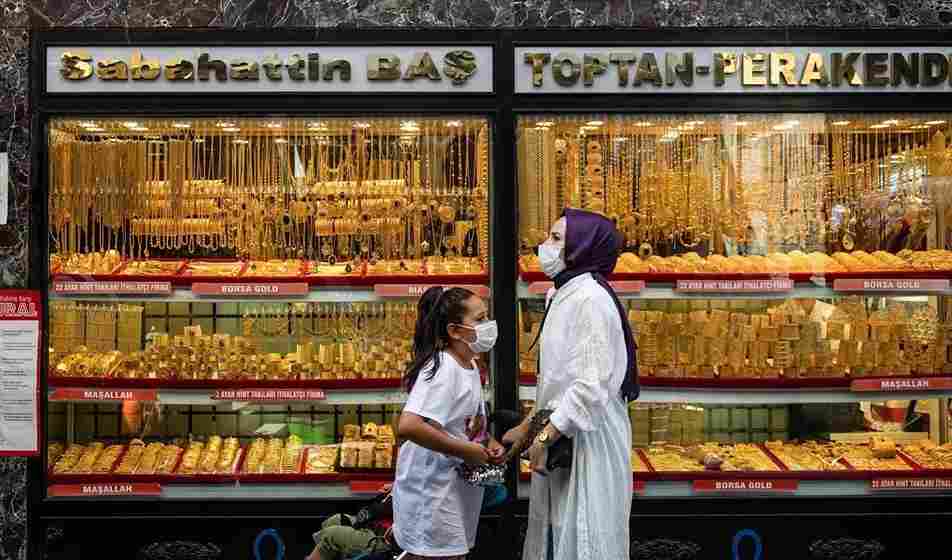
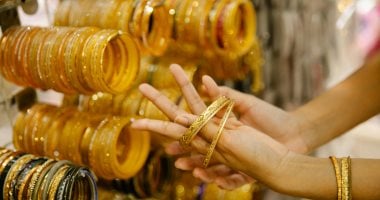
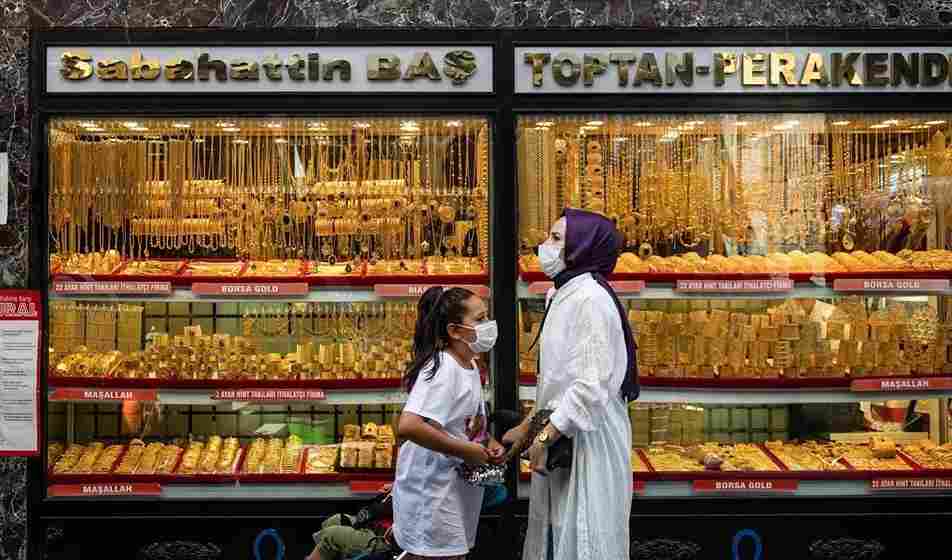
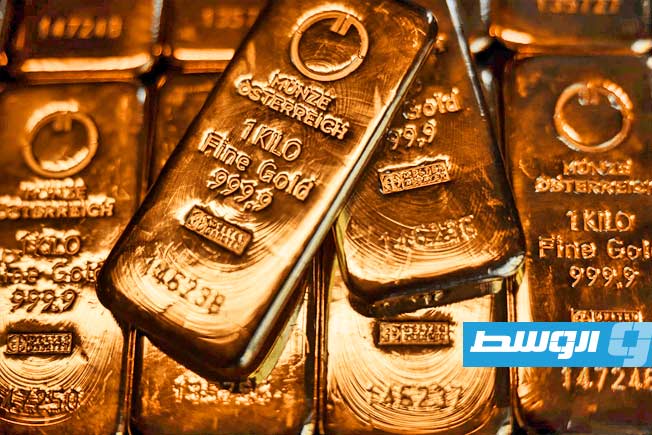
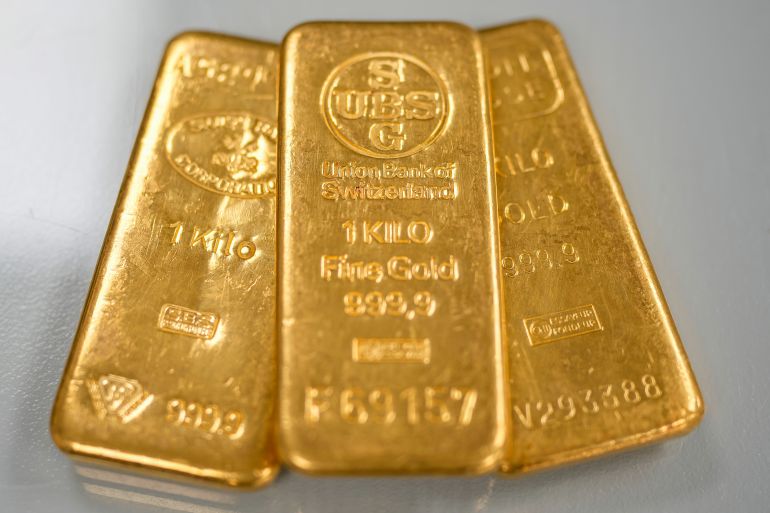
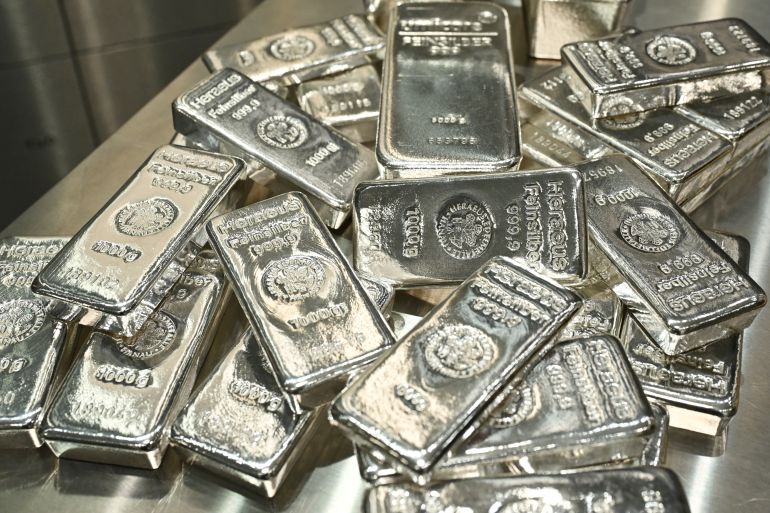
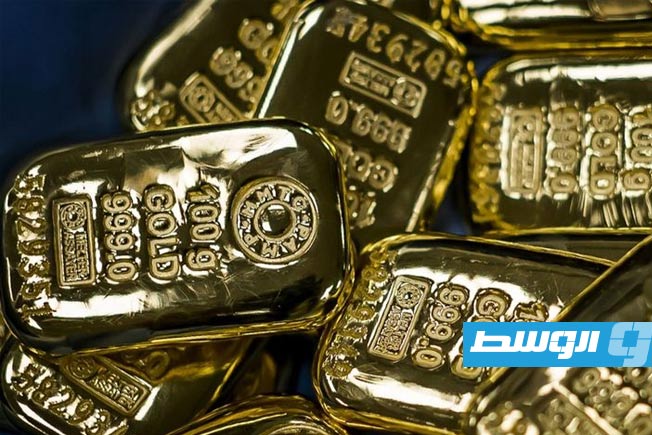
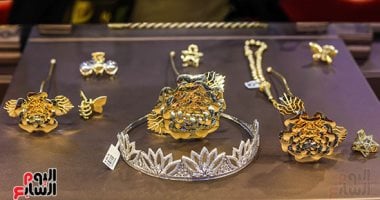
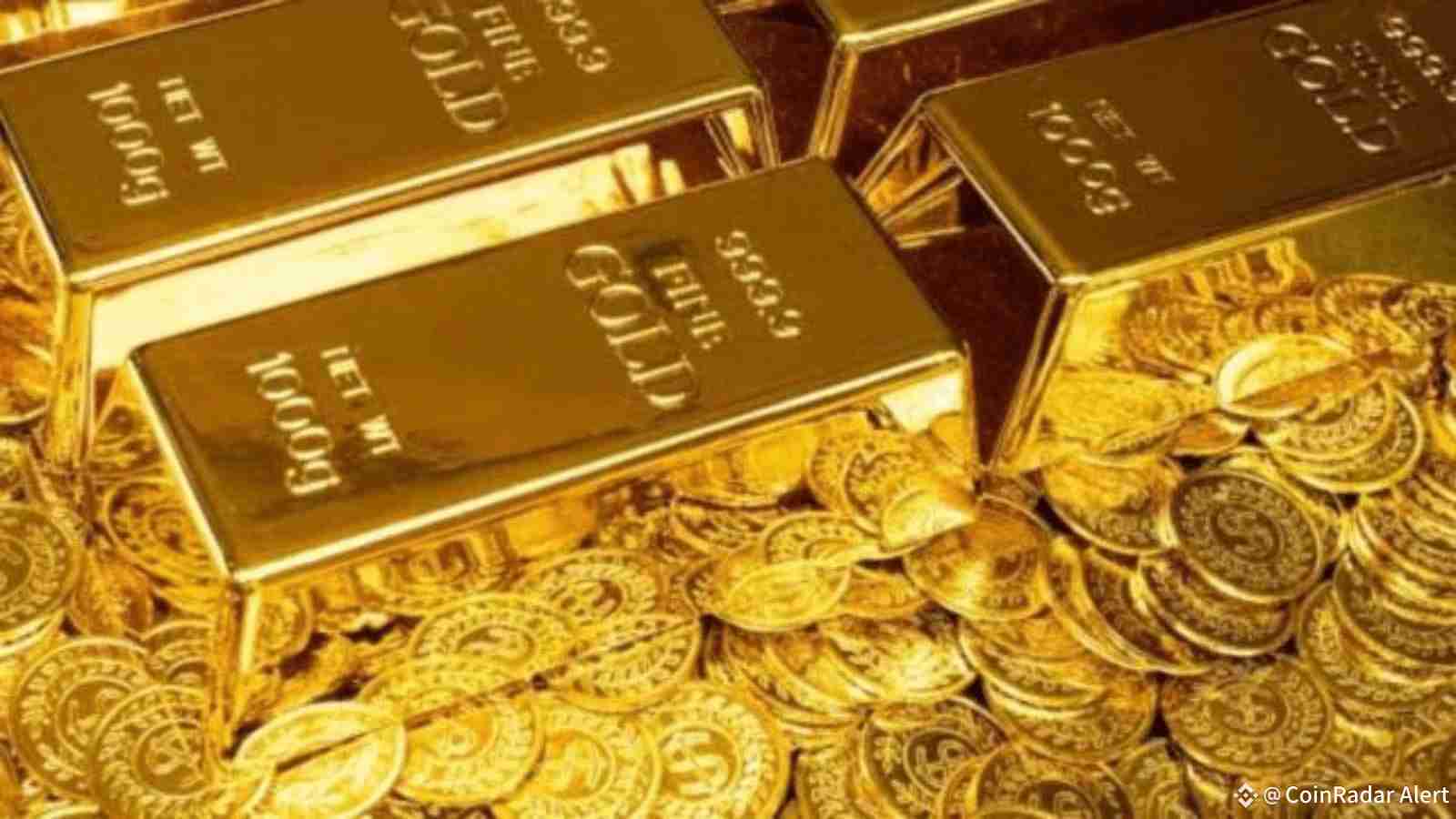
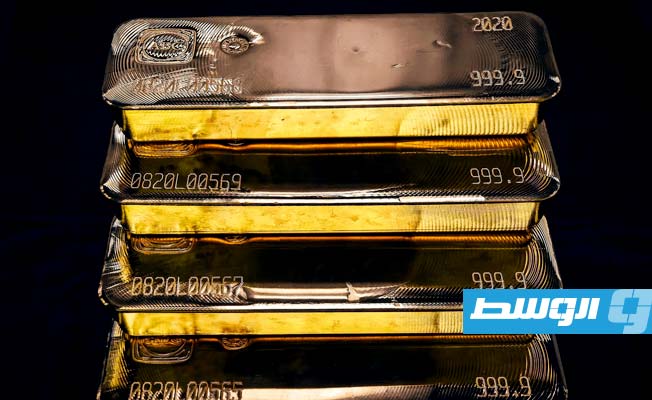
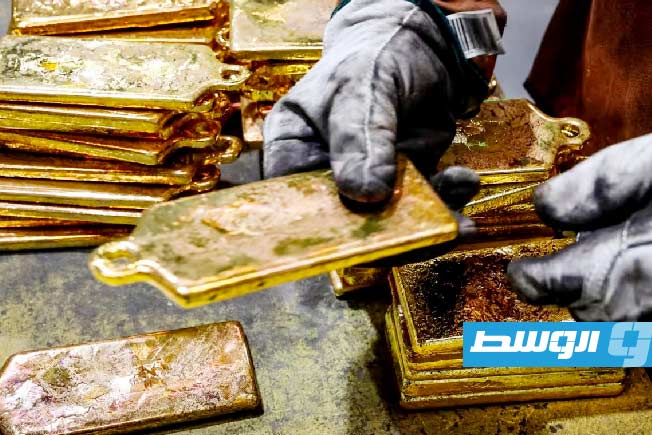
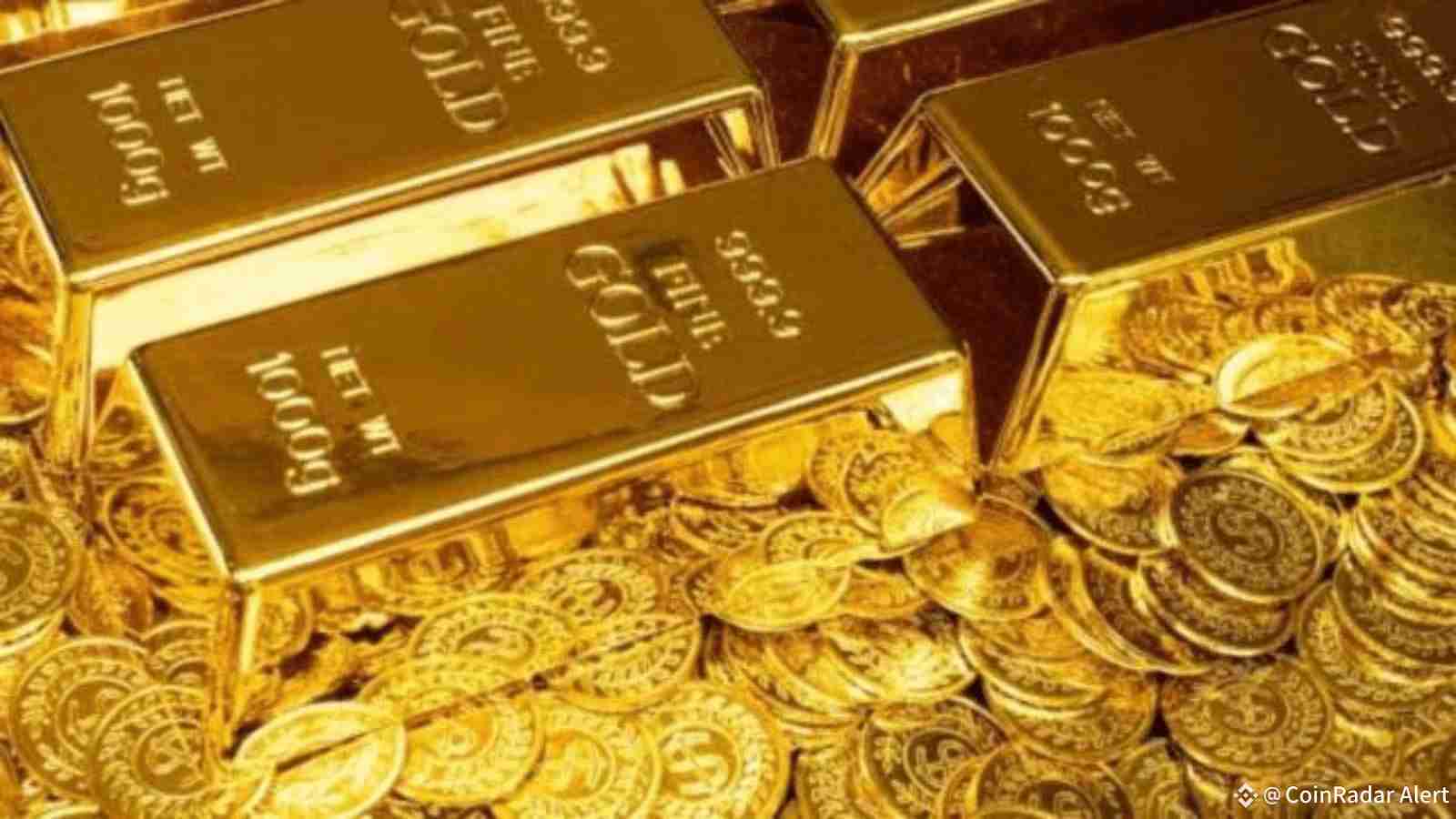
- 18-karat Gold: Rose to 1067 dinars per gram
- Foreign Remittances:
- To Turkey: 9.065 dinars
- To Dubai: 9.07 dinars
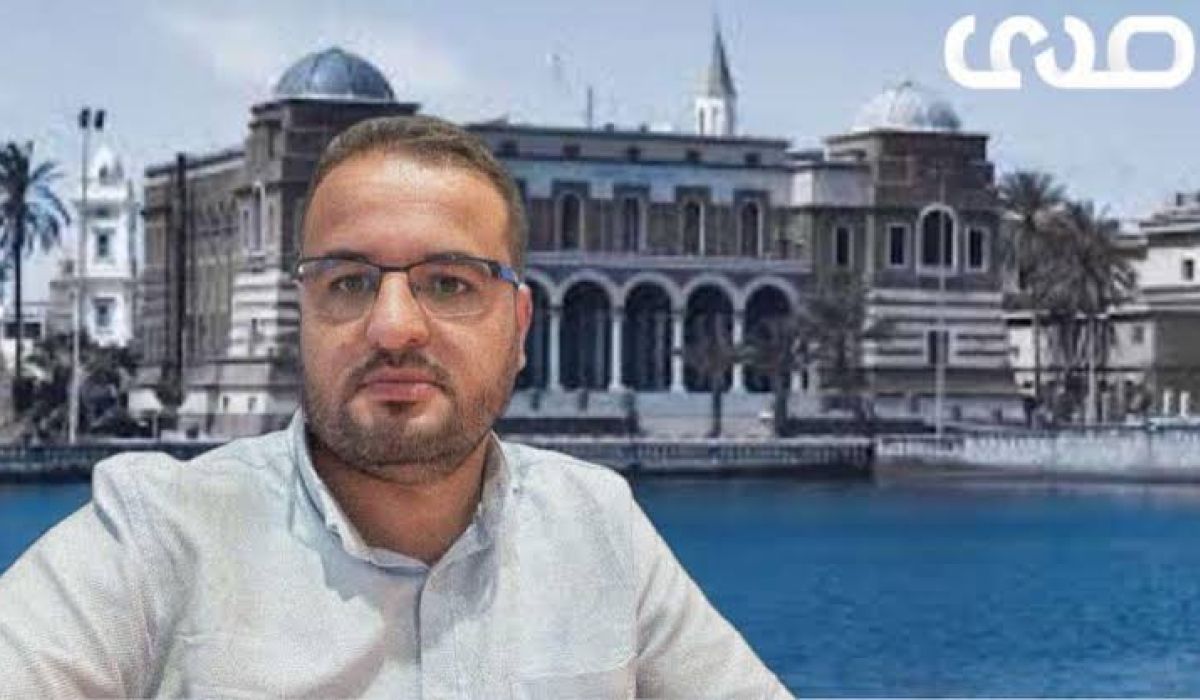
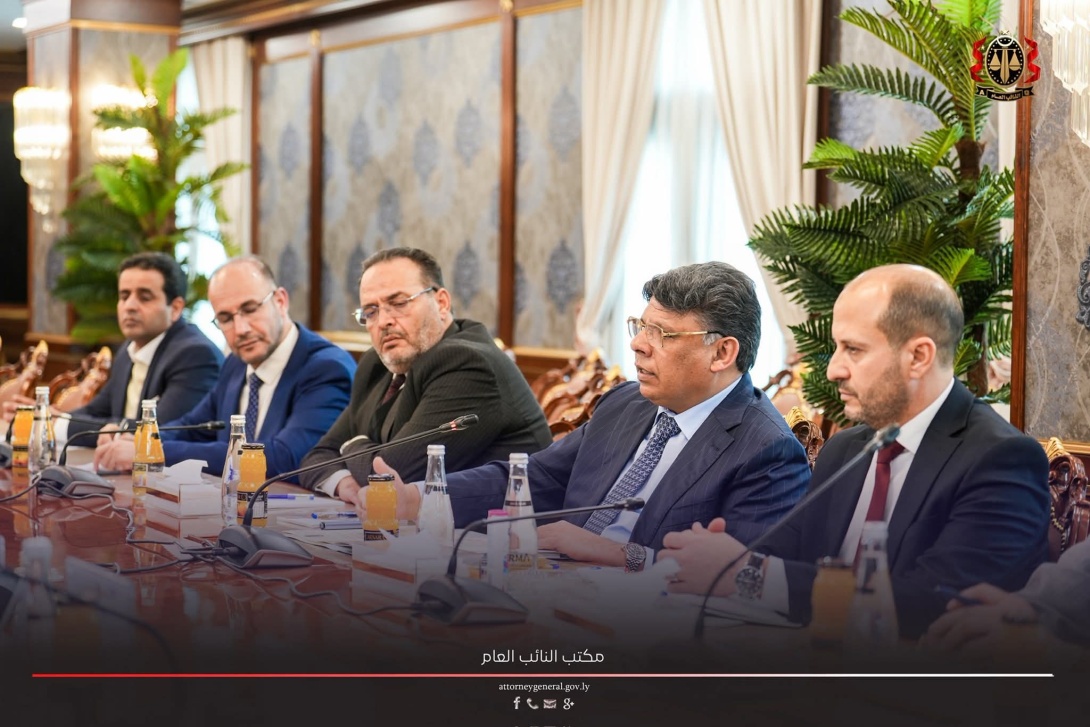
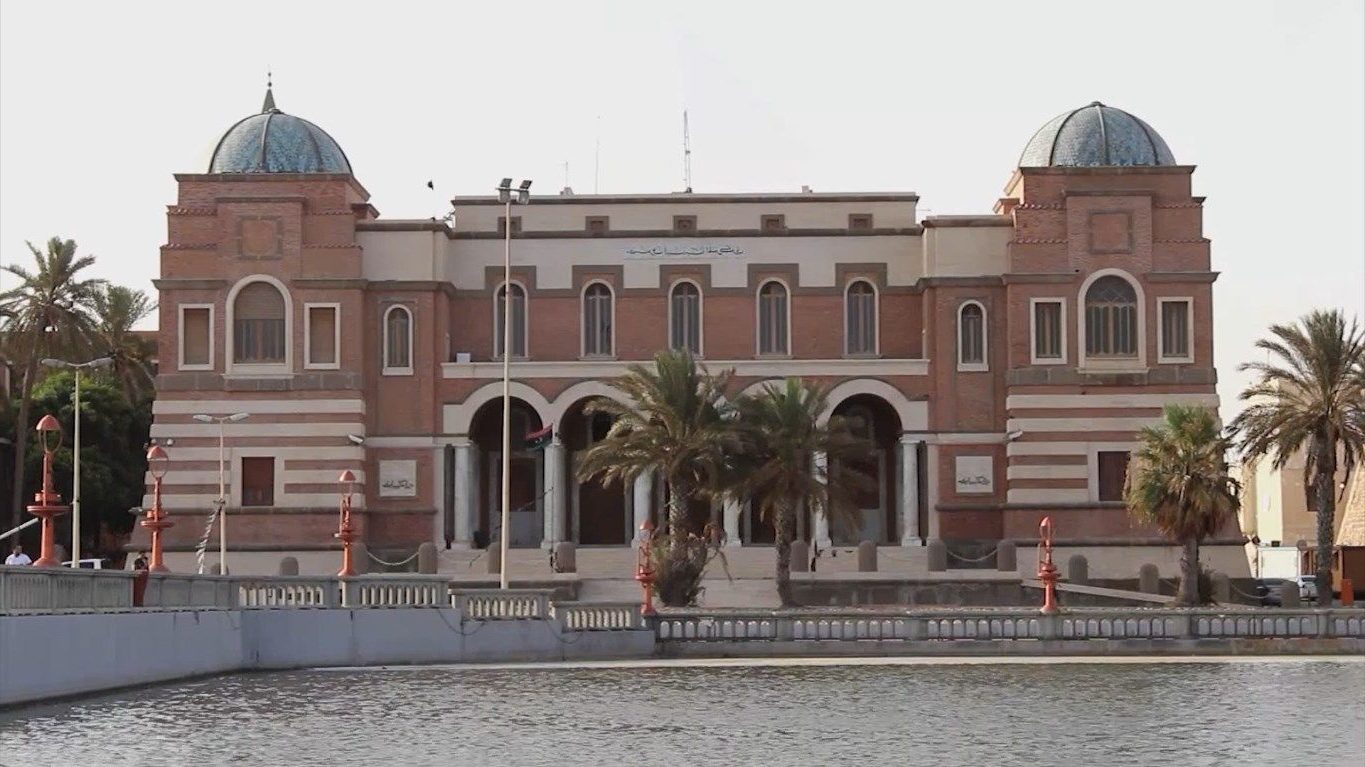
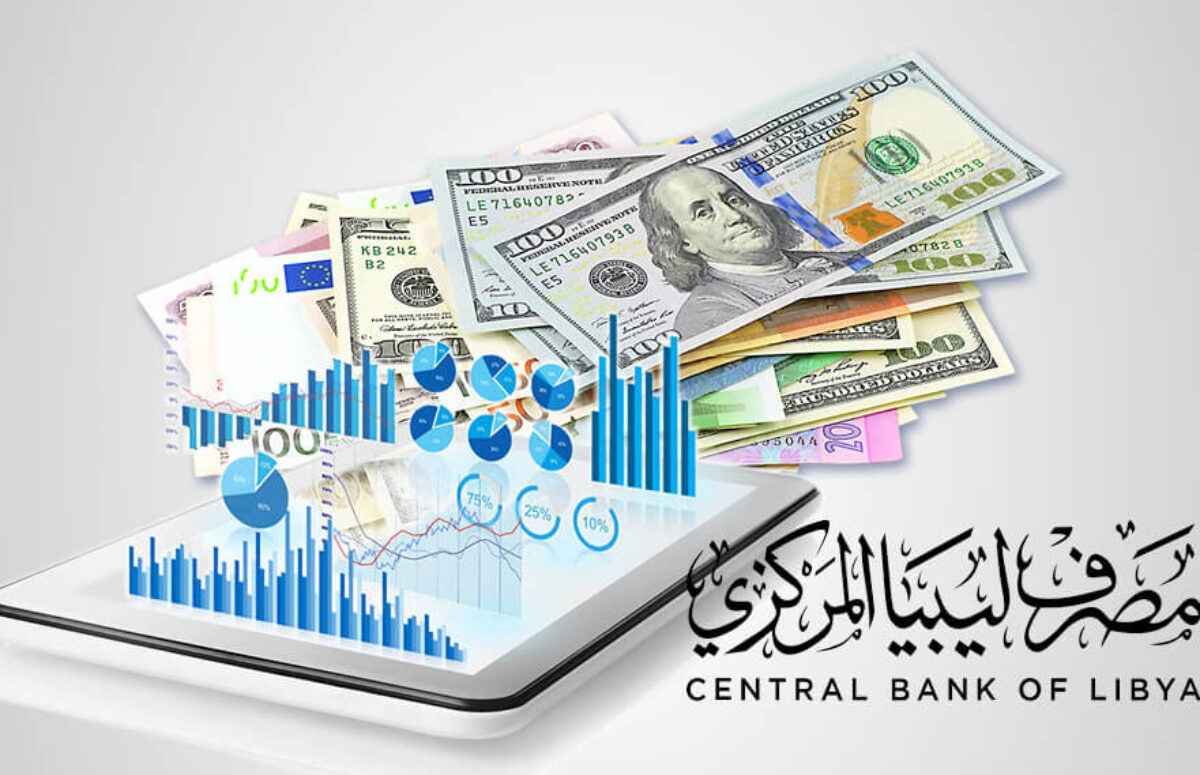
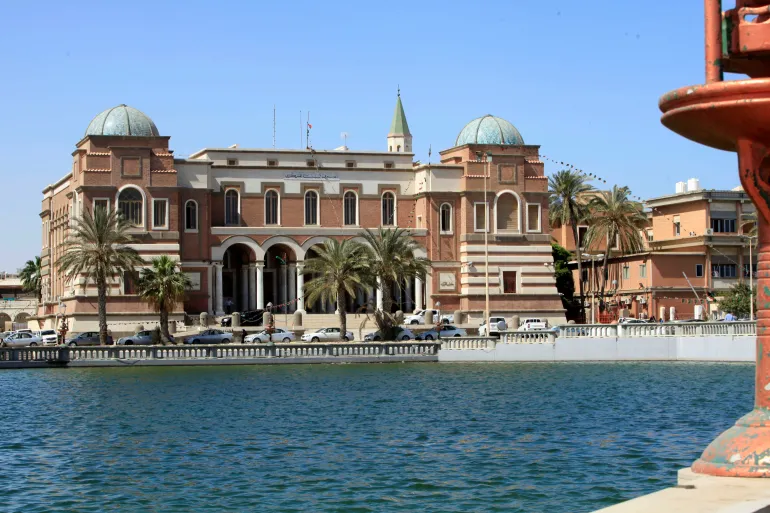
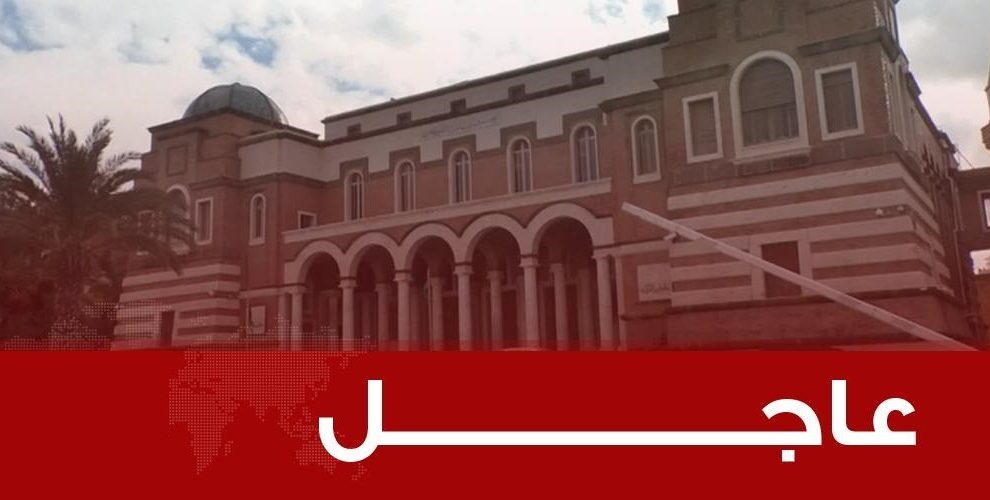
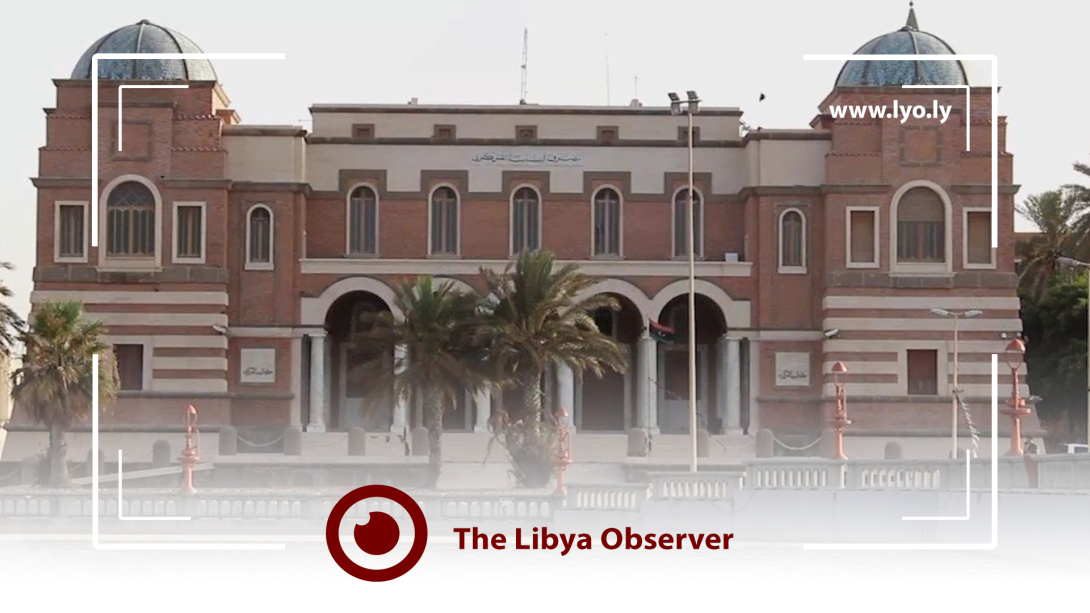
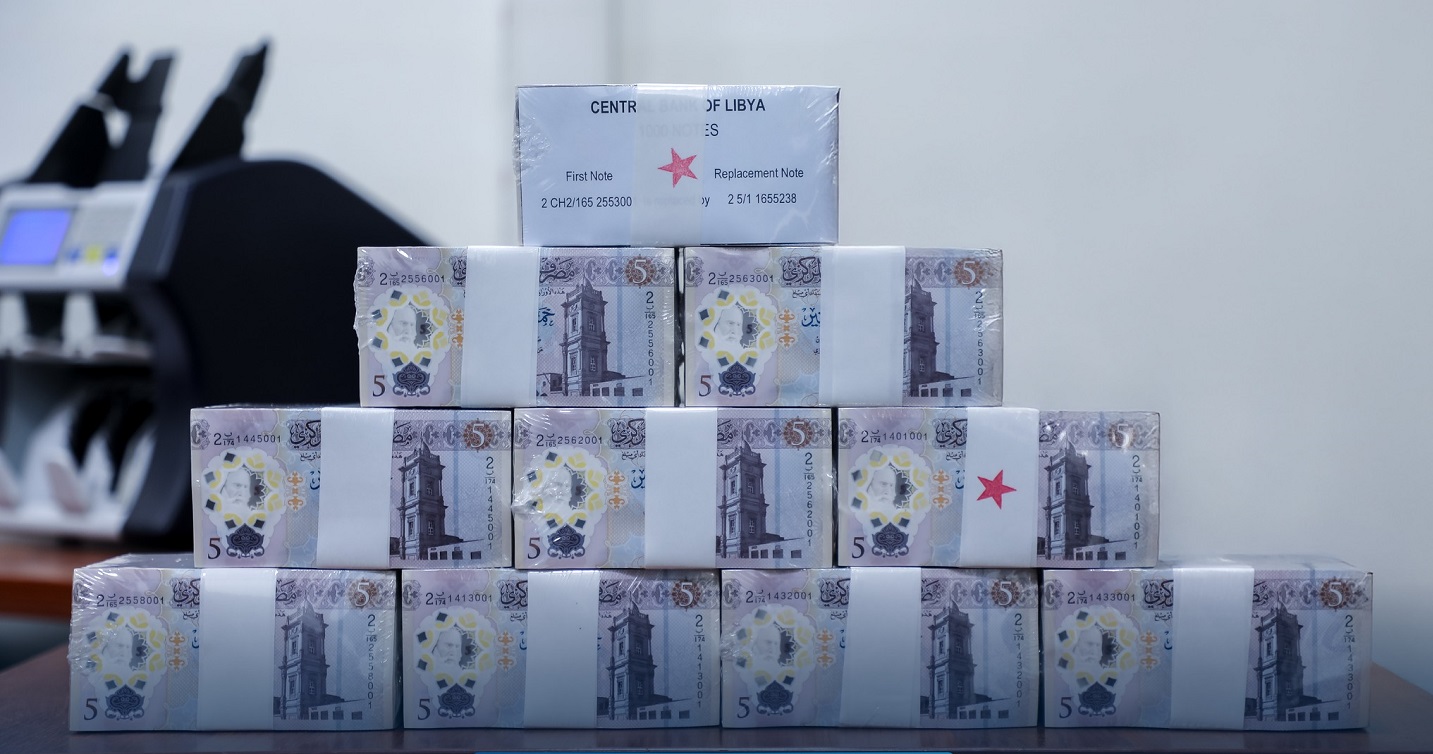
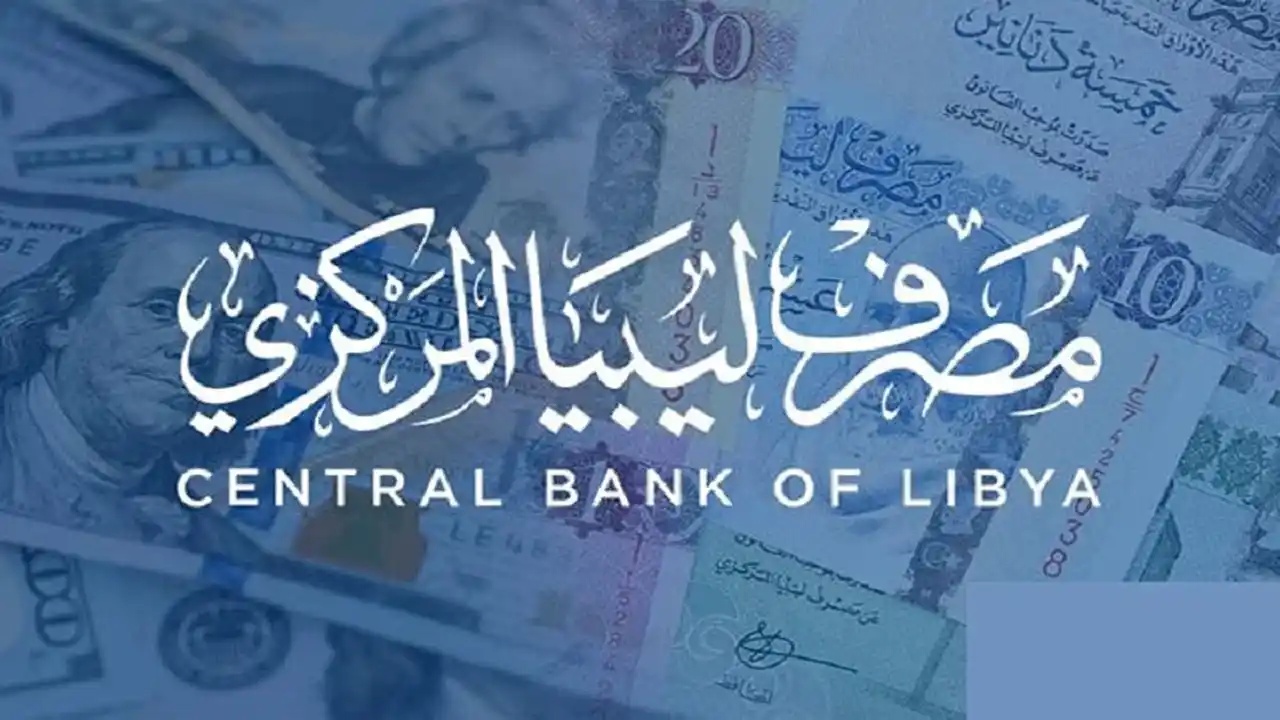
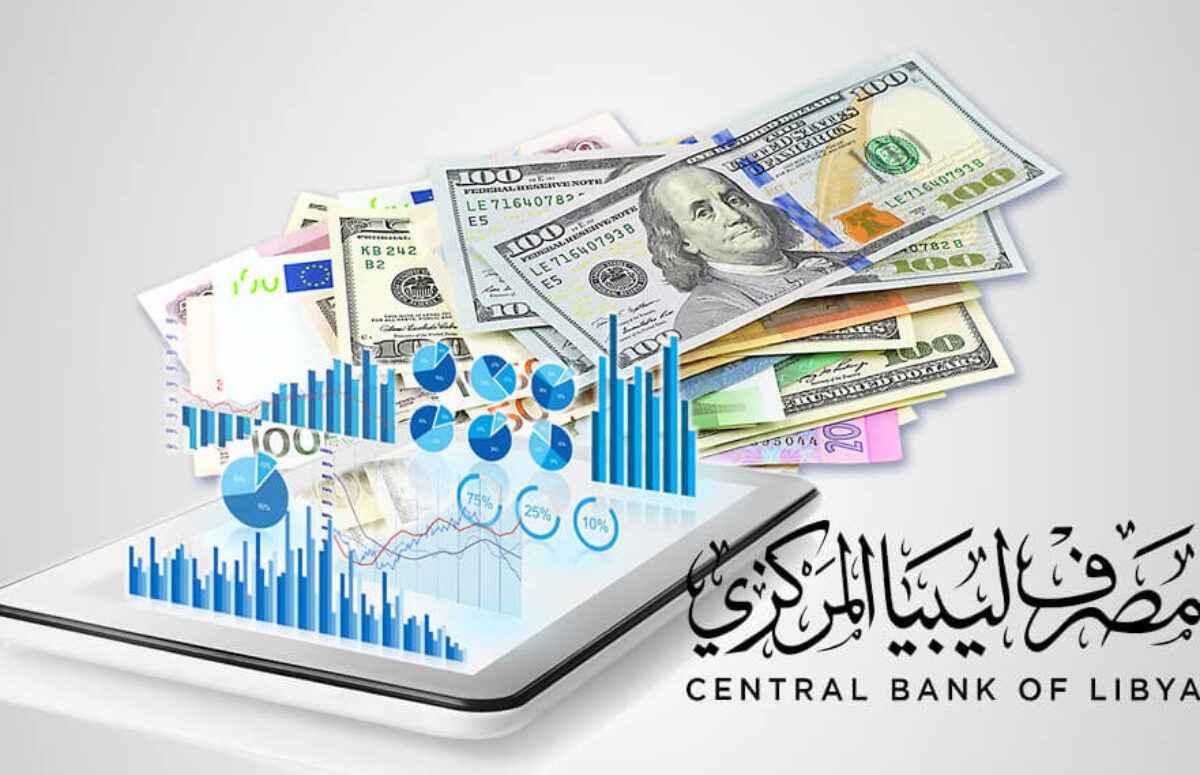
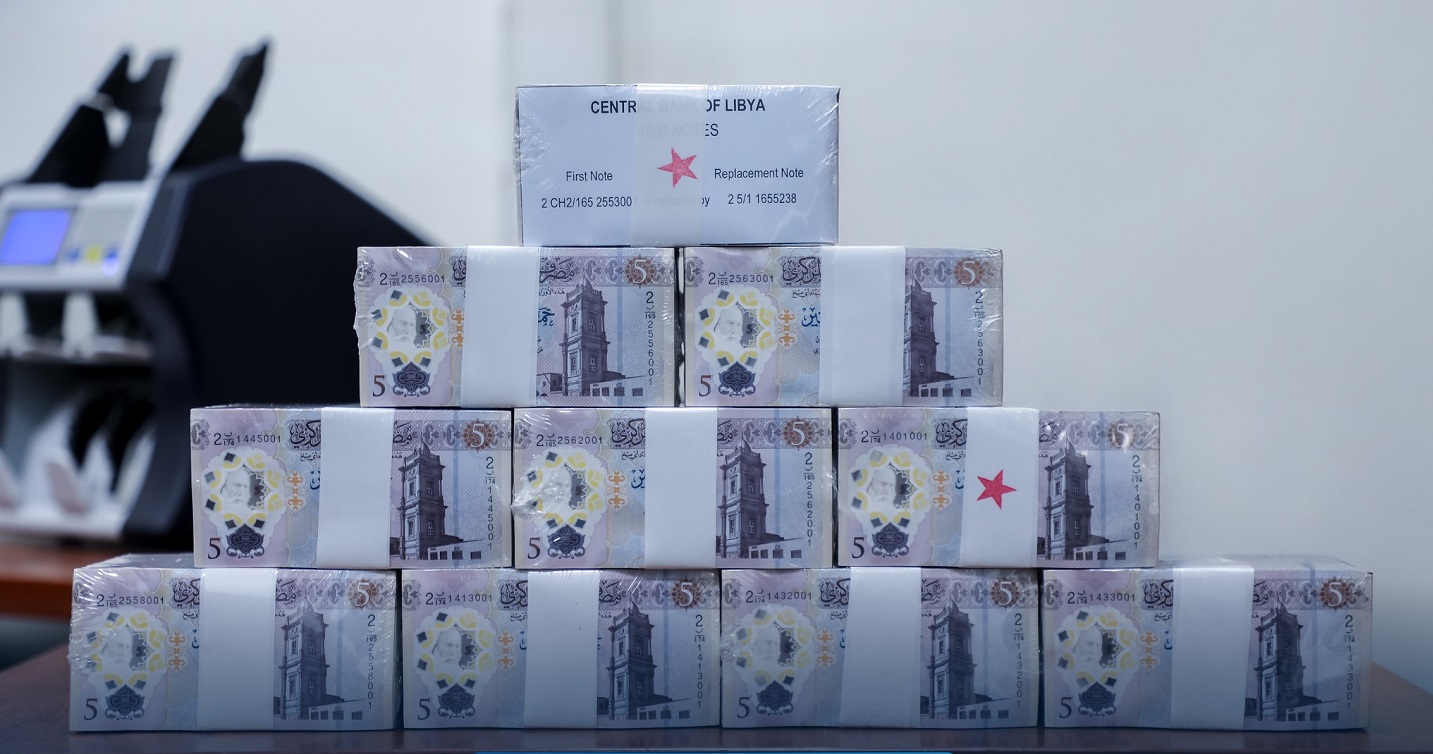
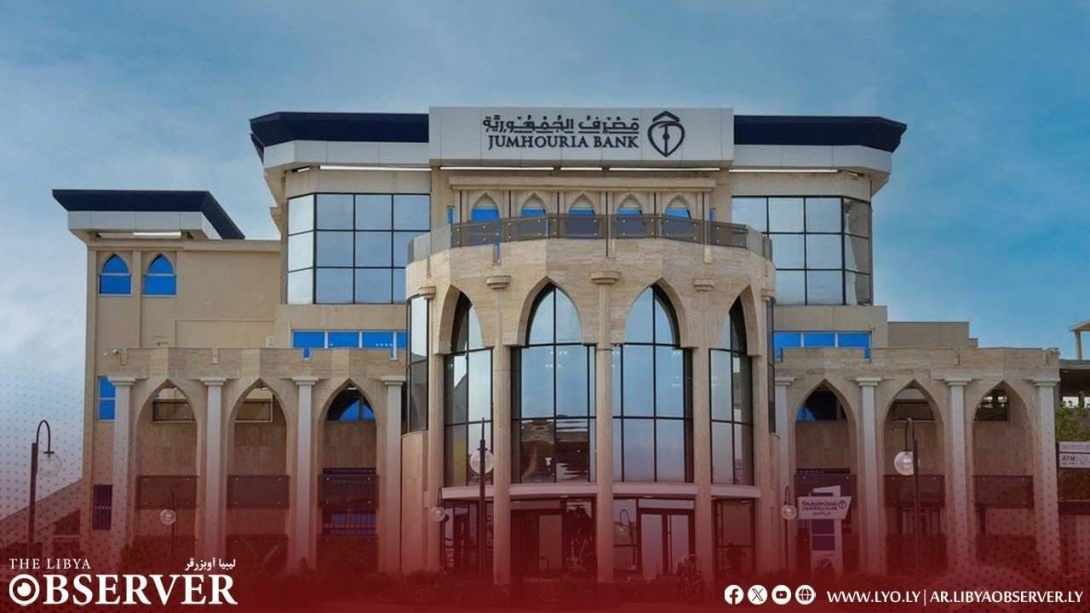
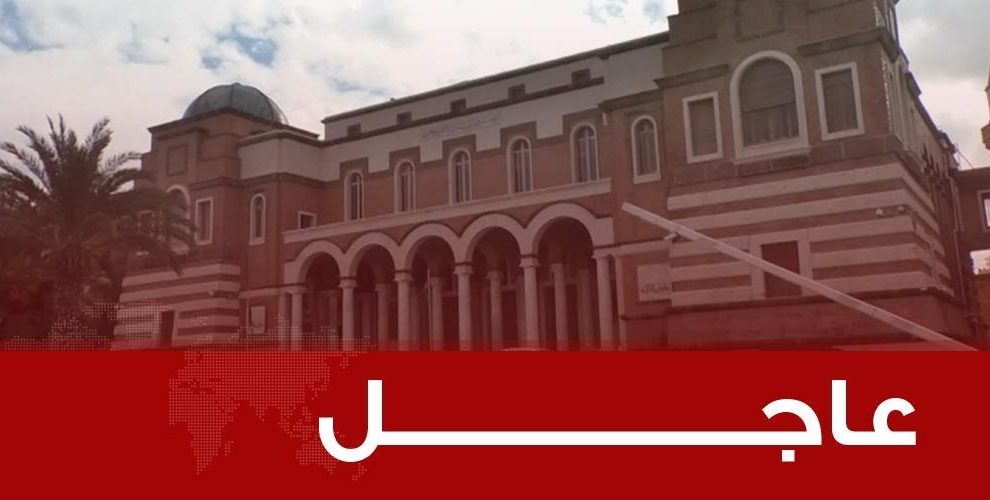
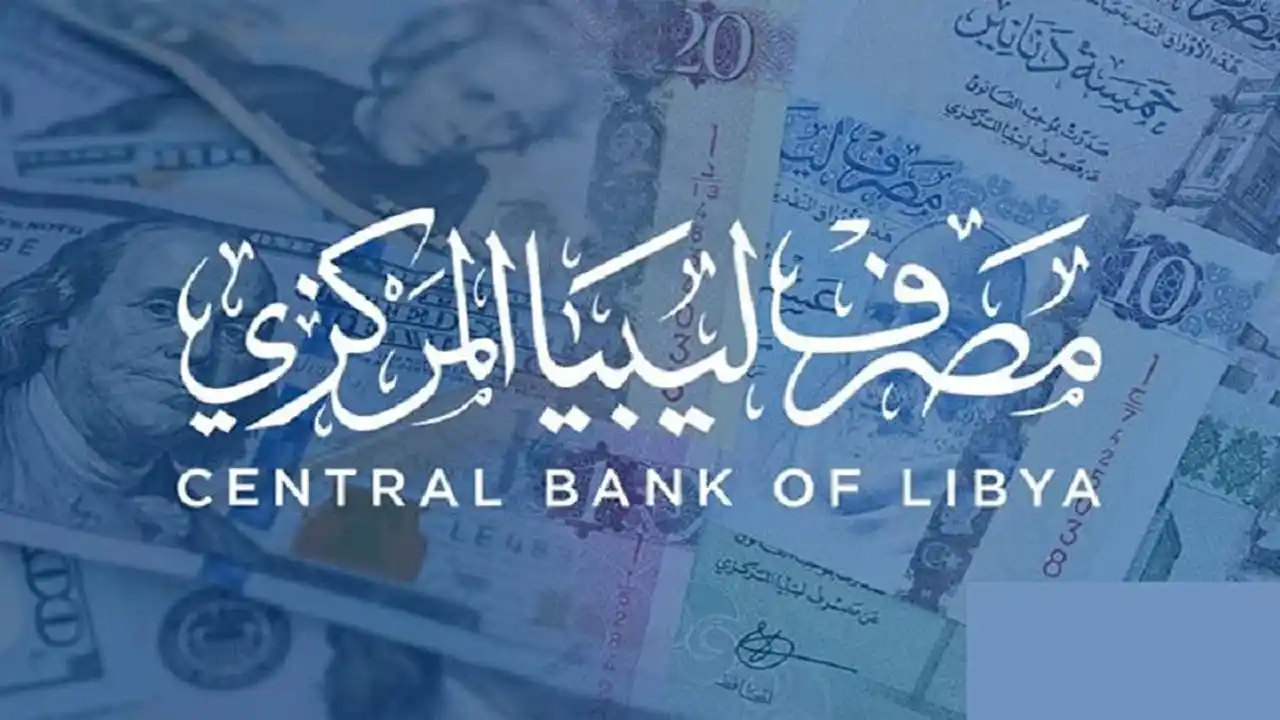
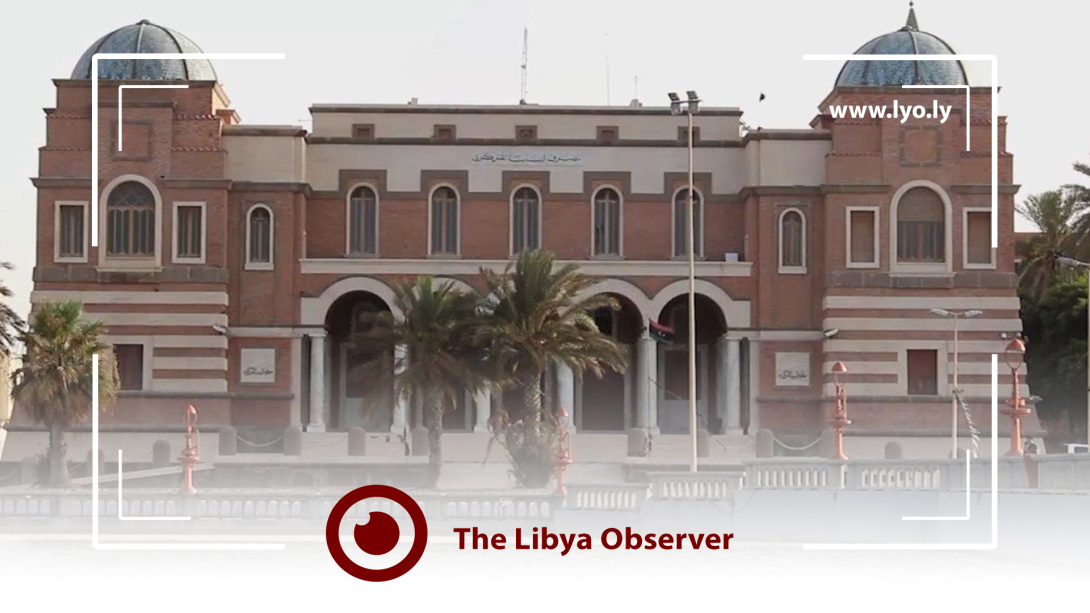
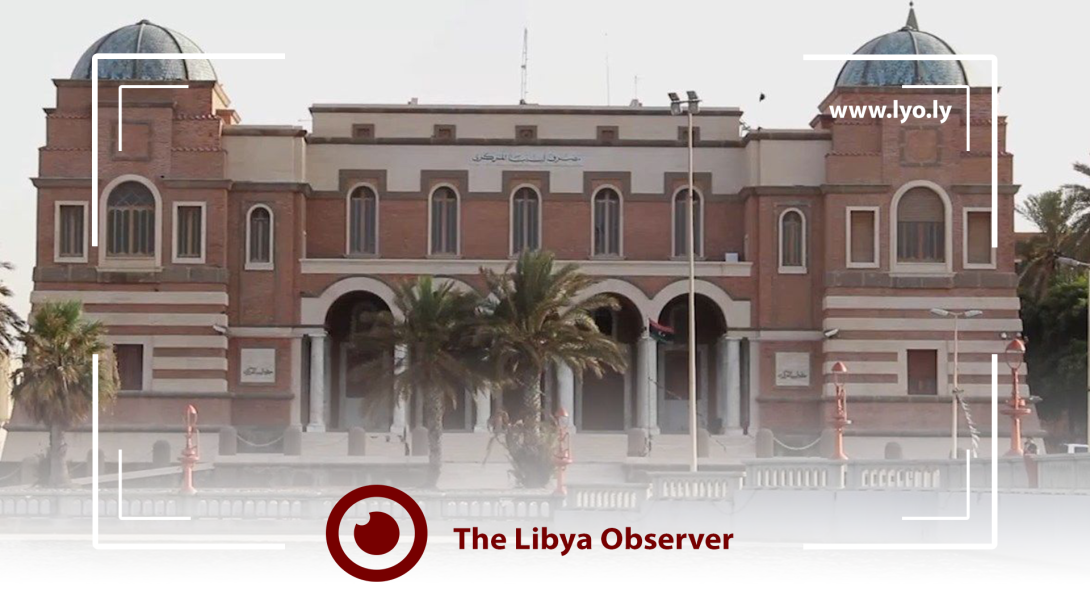
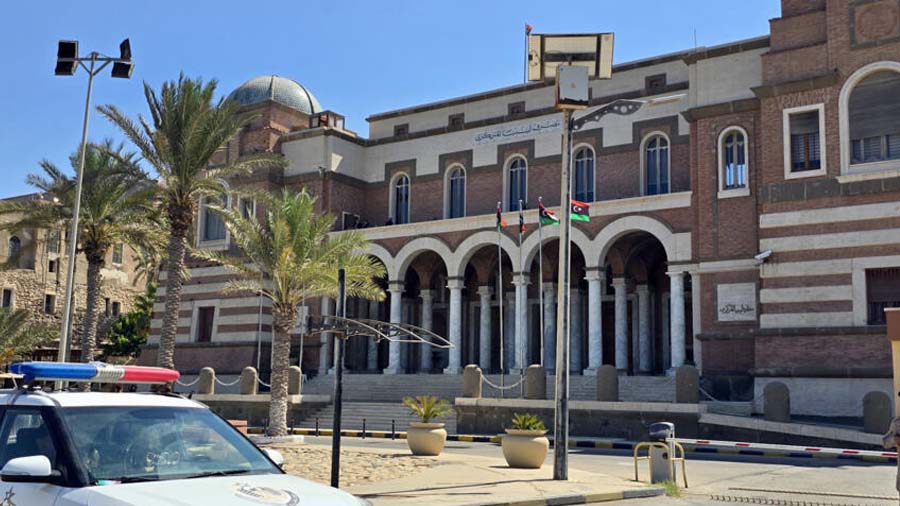
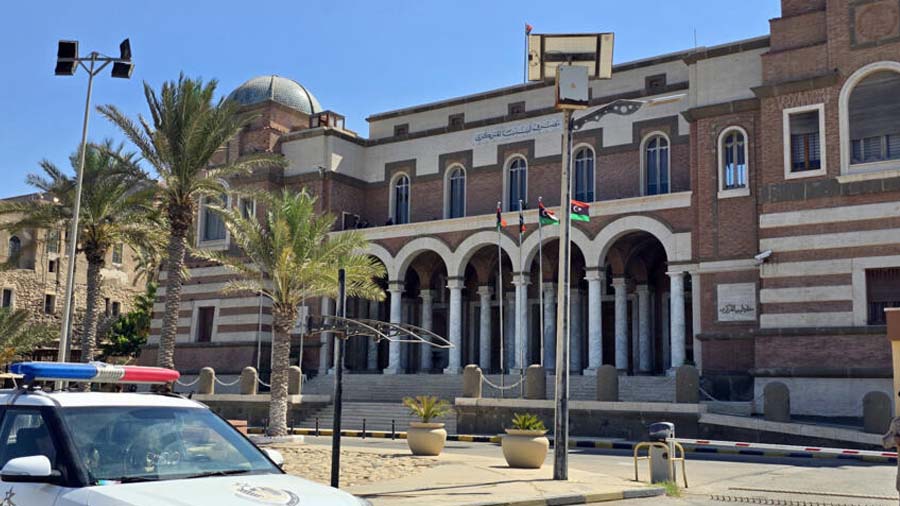
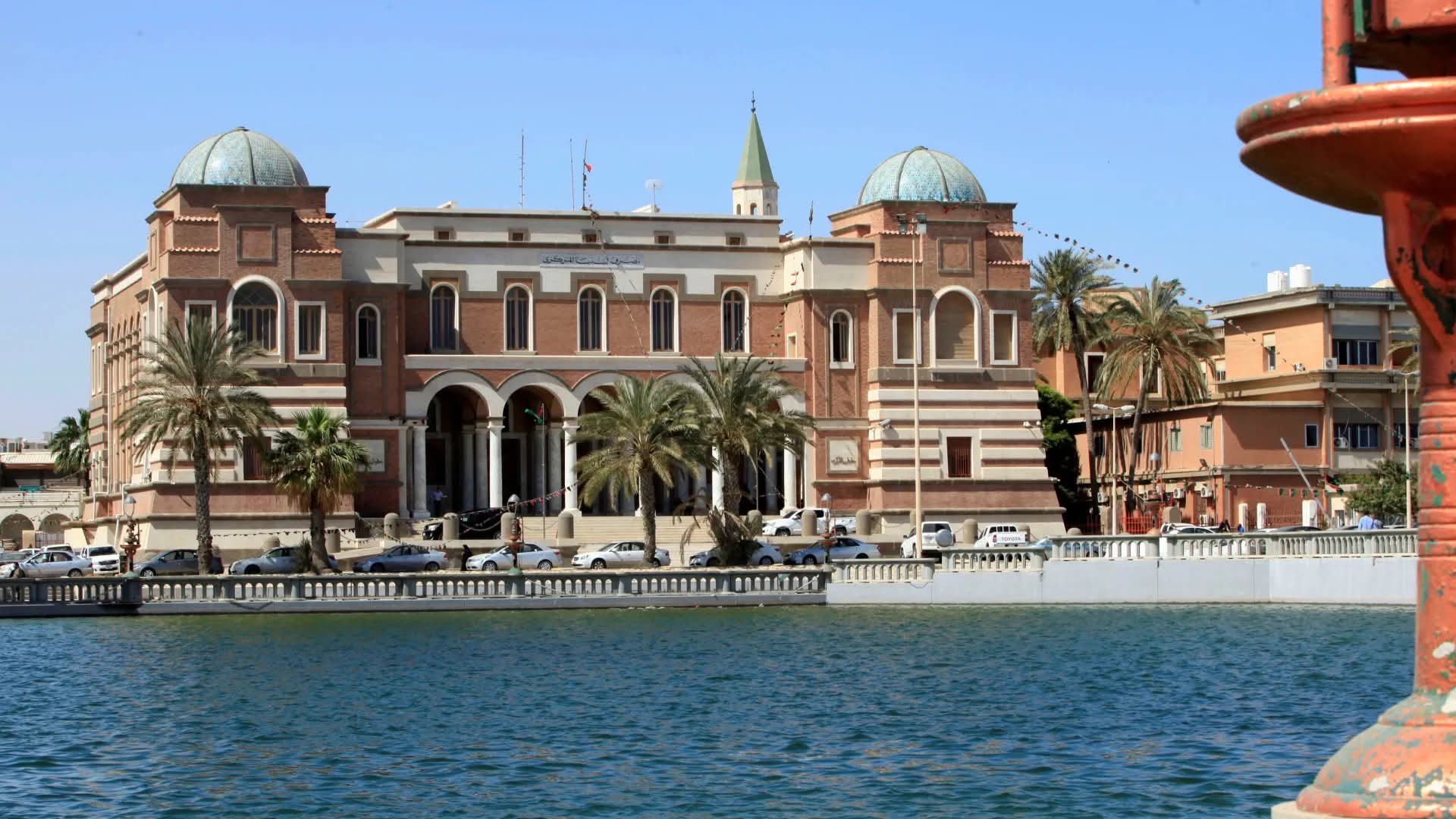
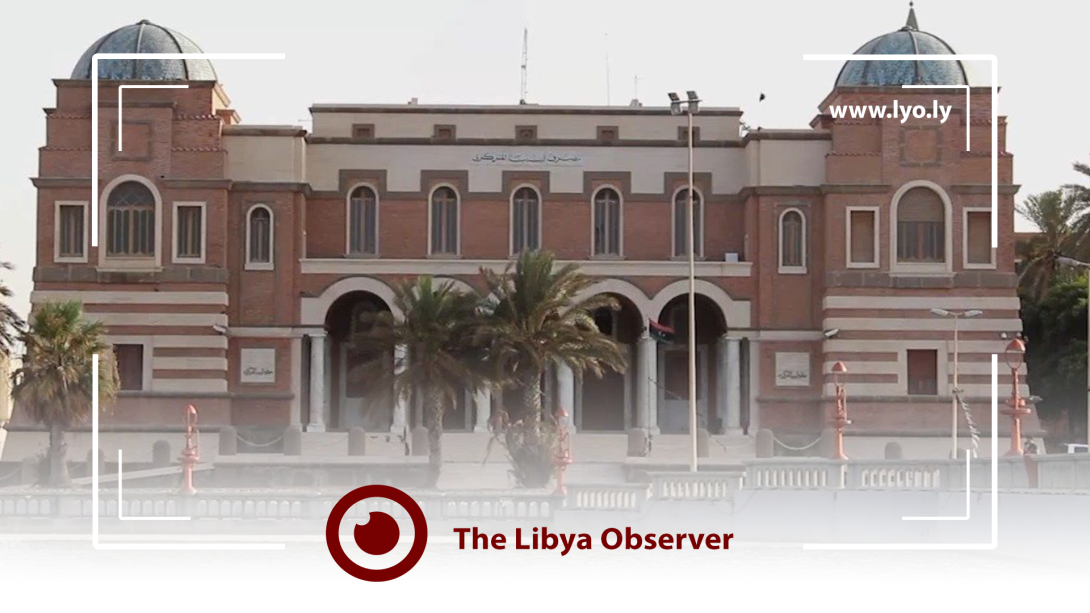
This variation in the parallel market comes after the Central Bank of Libya announced a devaluation of the Libyan dinar by 14.7% against the Special Drawing Rights (SDRs).
Under this decision, the dinar’s value became 0.1150 SDRs instead of 0.1348 SDRs, setting the new official rate at around 6.40 dinars per US dollar.
Reading the Situation
- The Central Bank’s move aims to reduce the gap between the official and parallel rates and achieve a degree of financial balance.
- The parallel market reacted quickly by increasing “cash” prices, reflecting a state of caution and anticipation among traders and dealers.
- Expectations indicate that volatility will continue in the coming days due to internal and external factors.
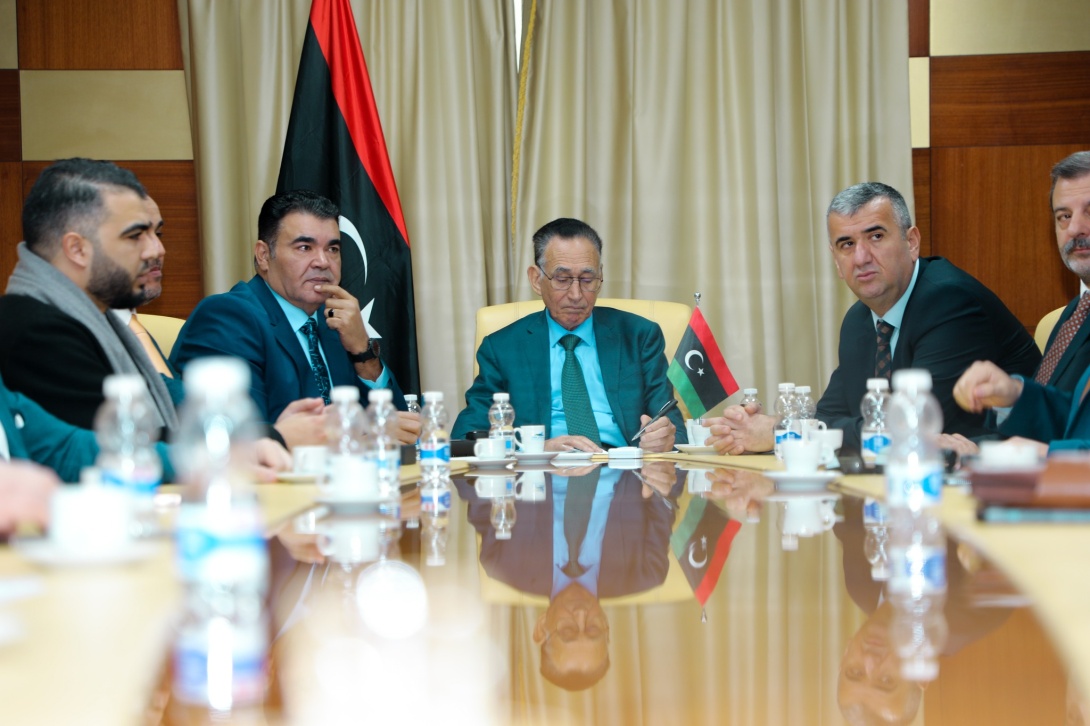
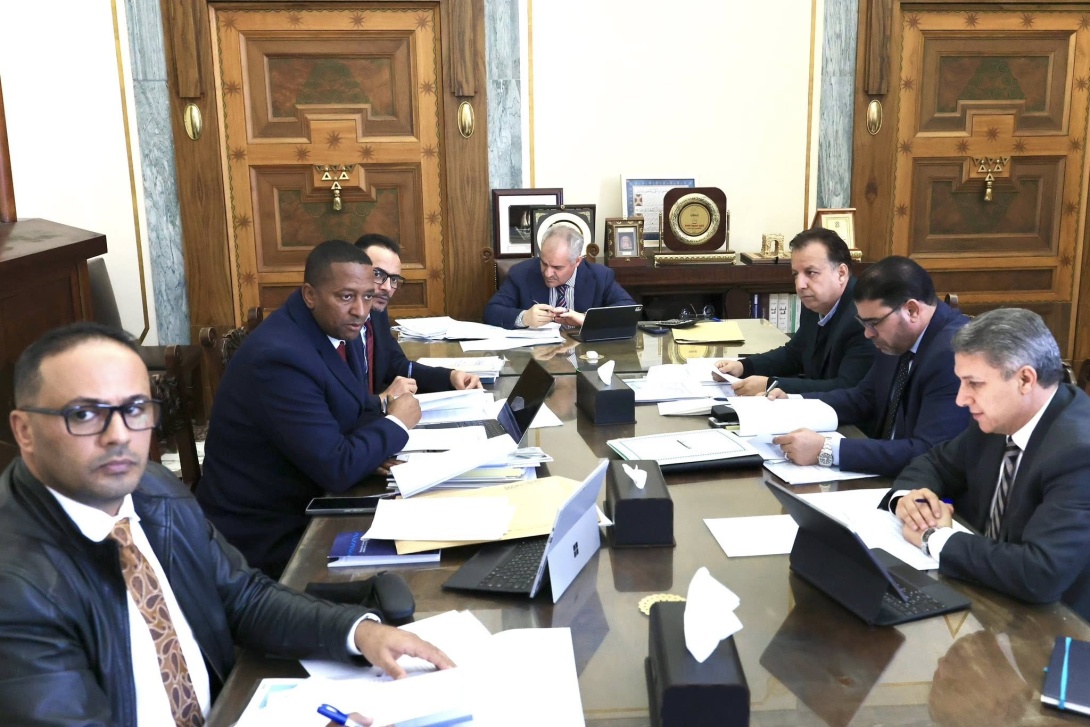
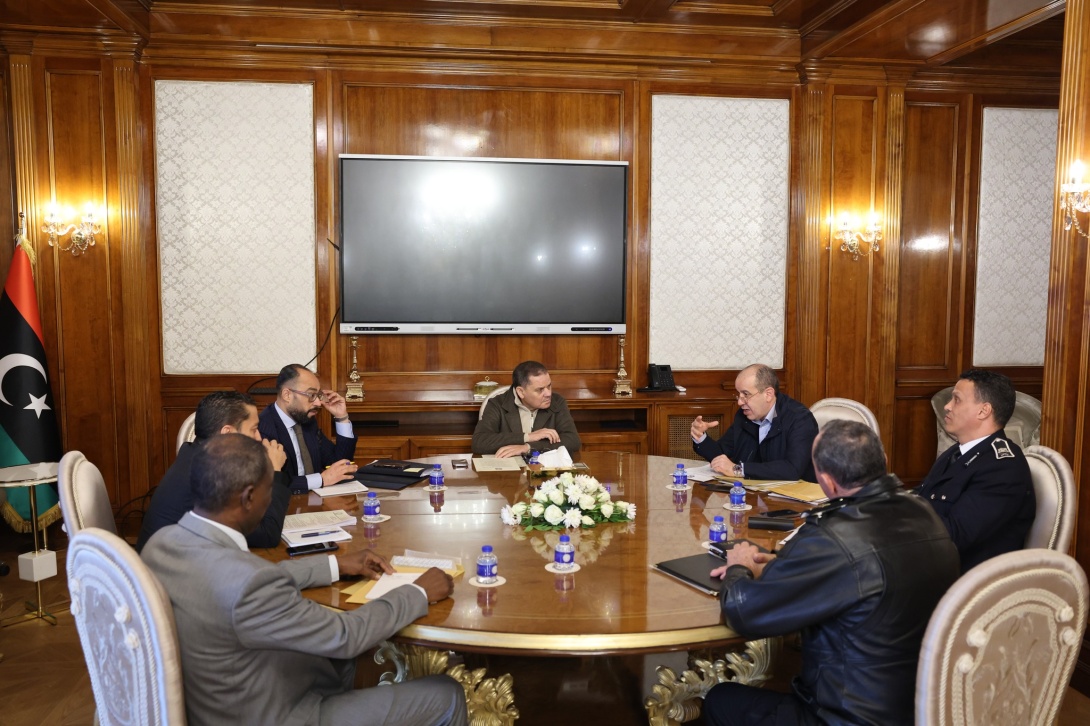
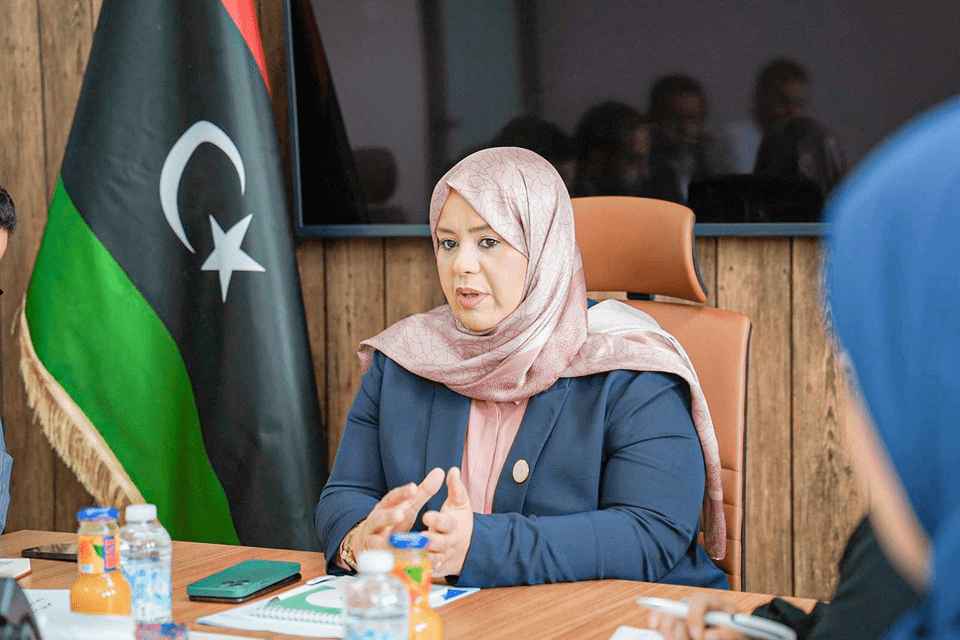
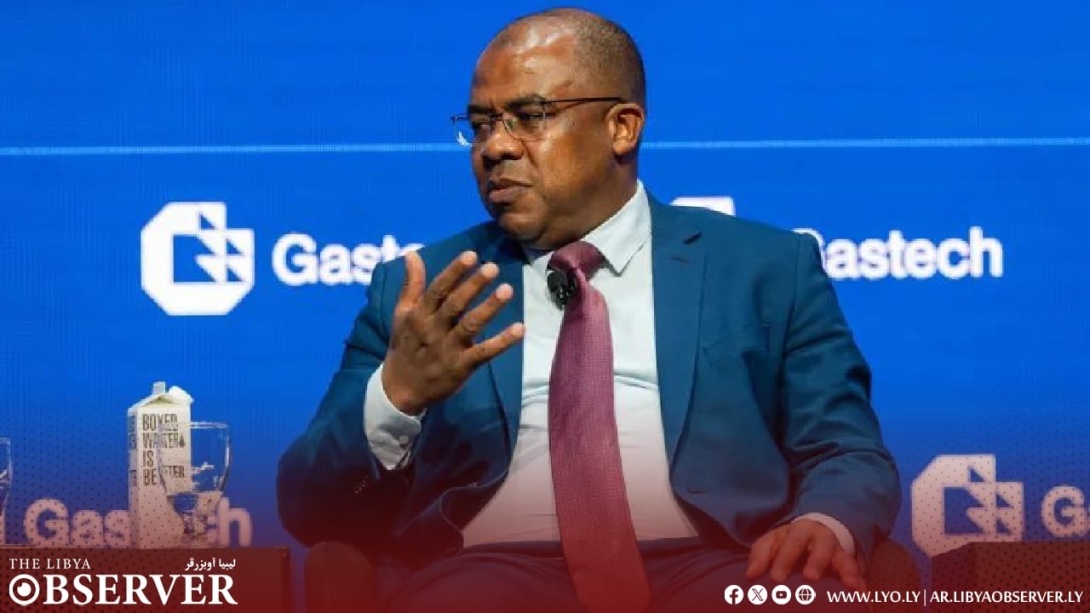
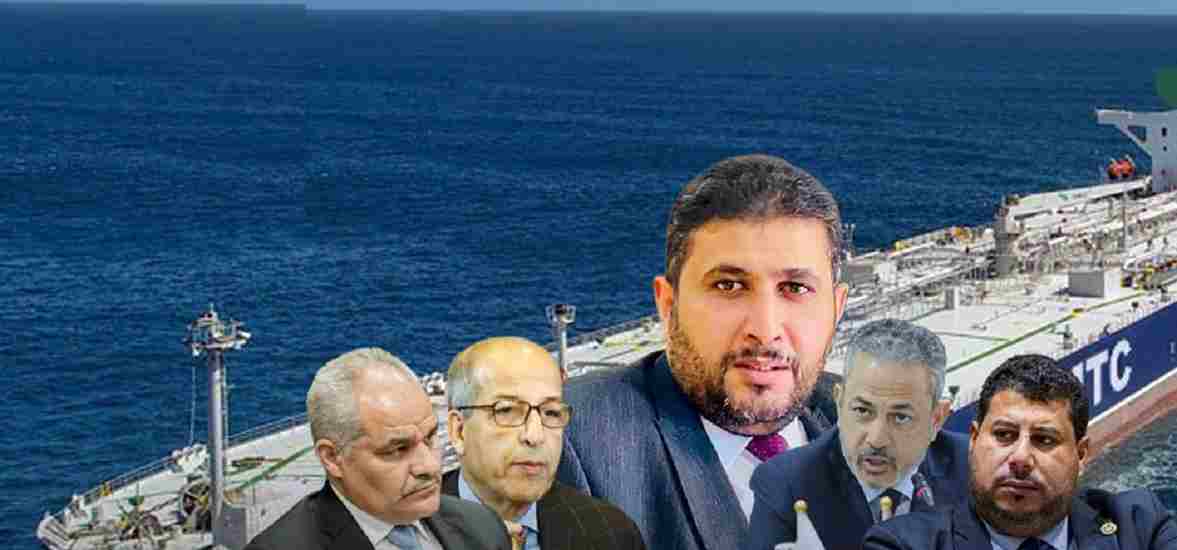
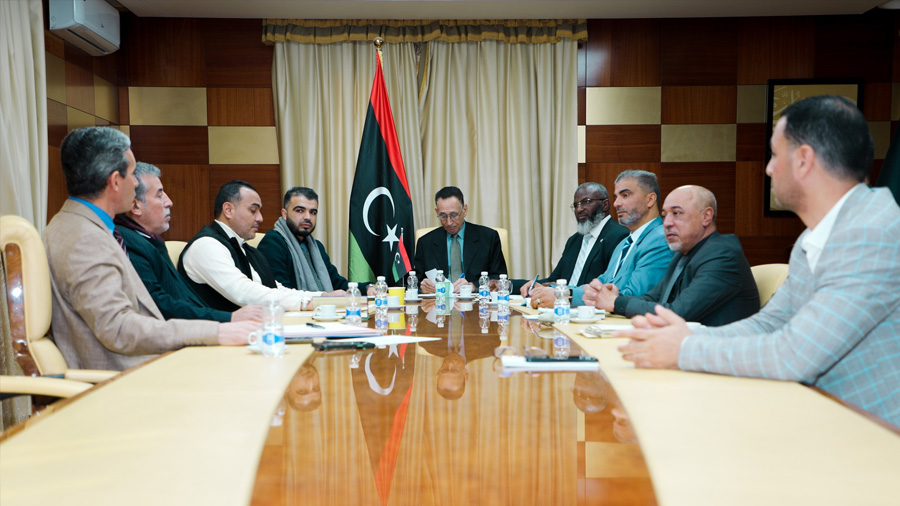
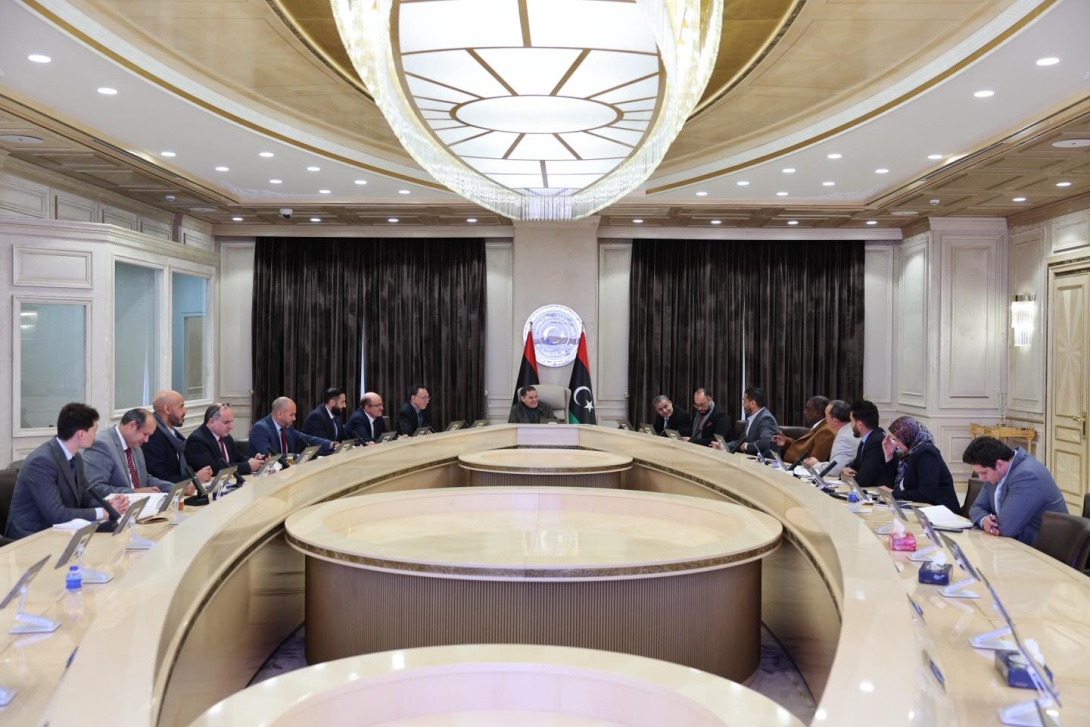
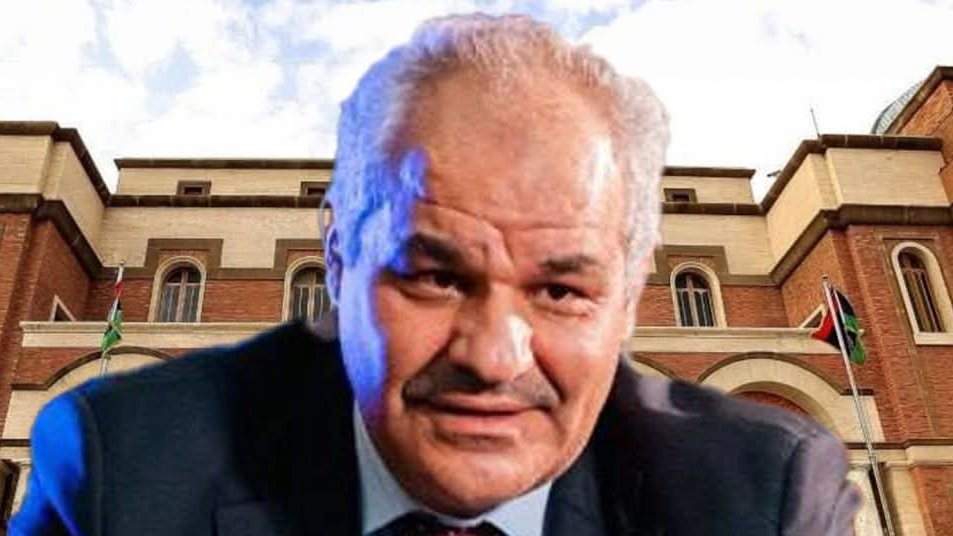
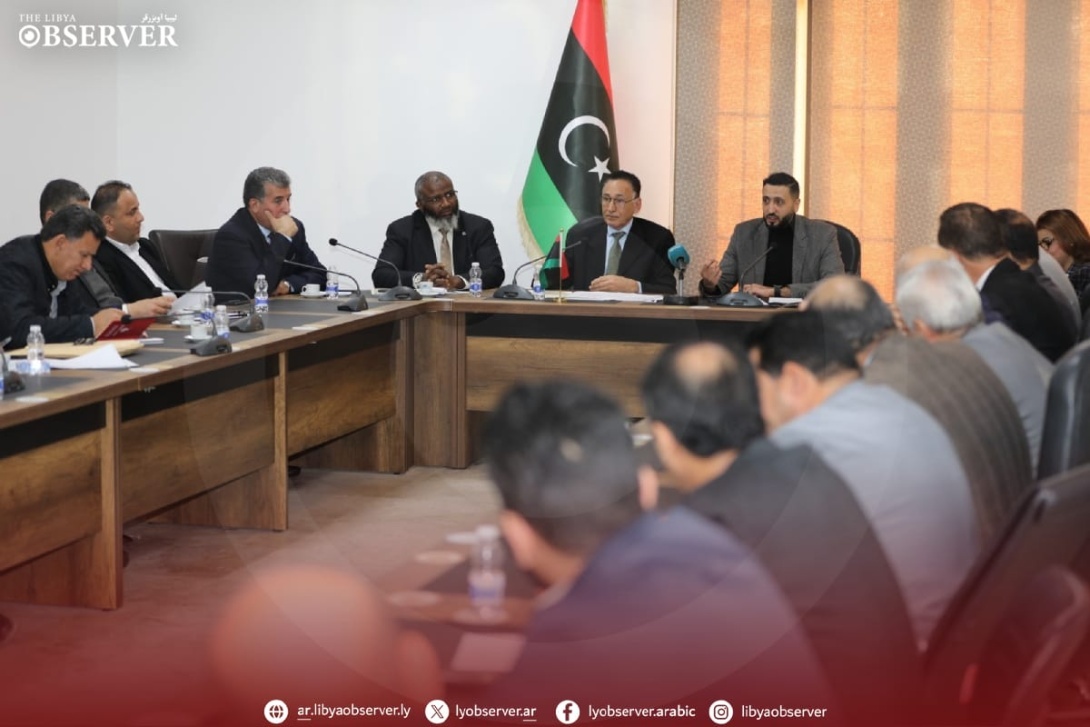
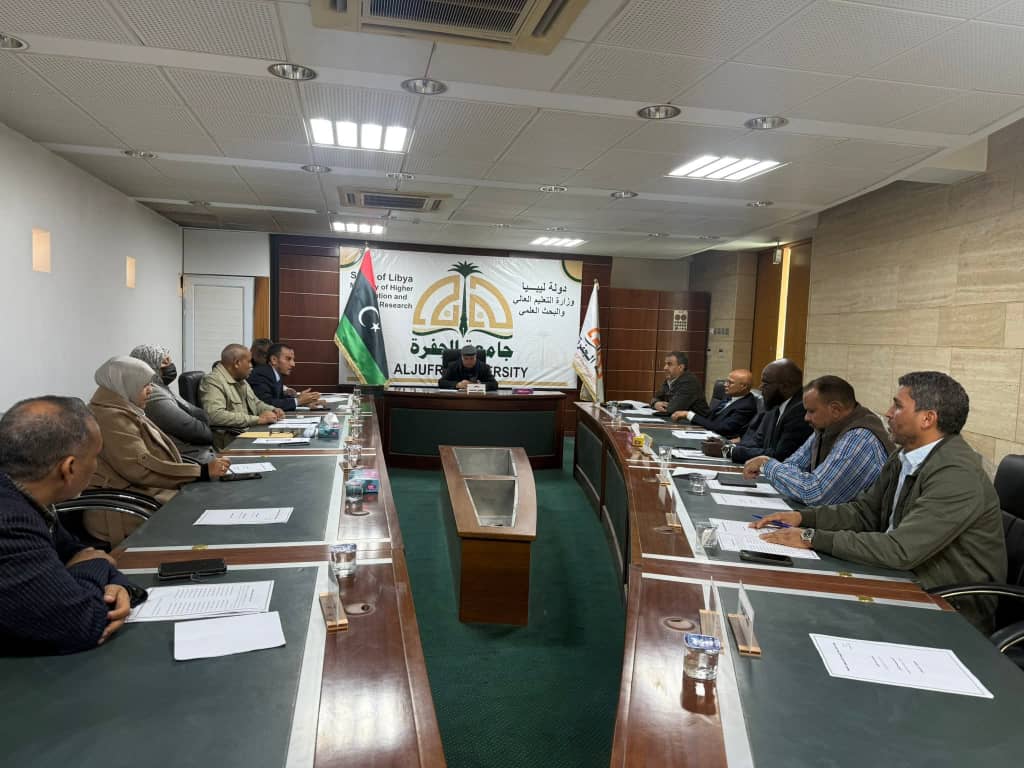
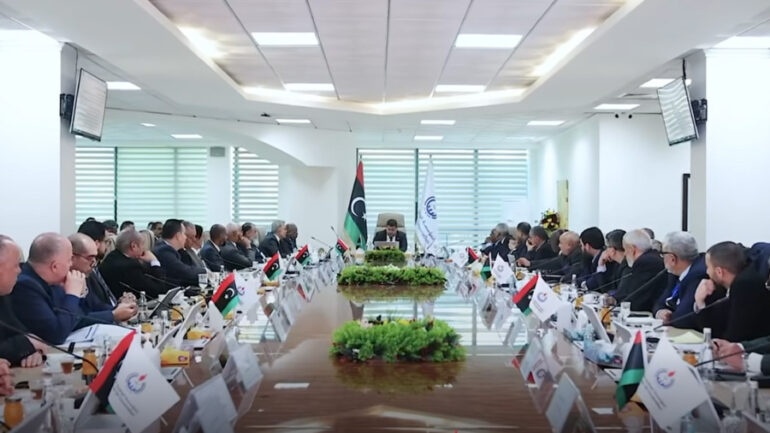
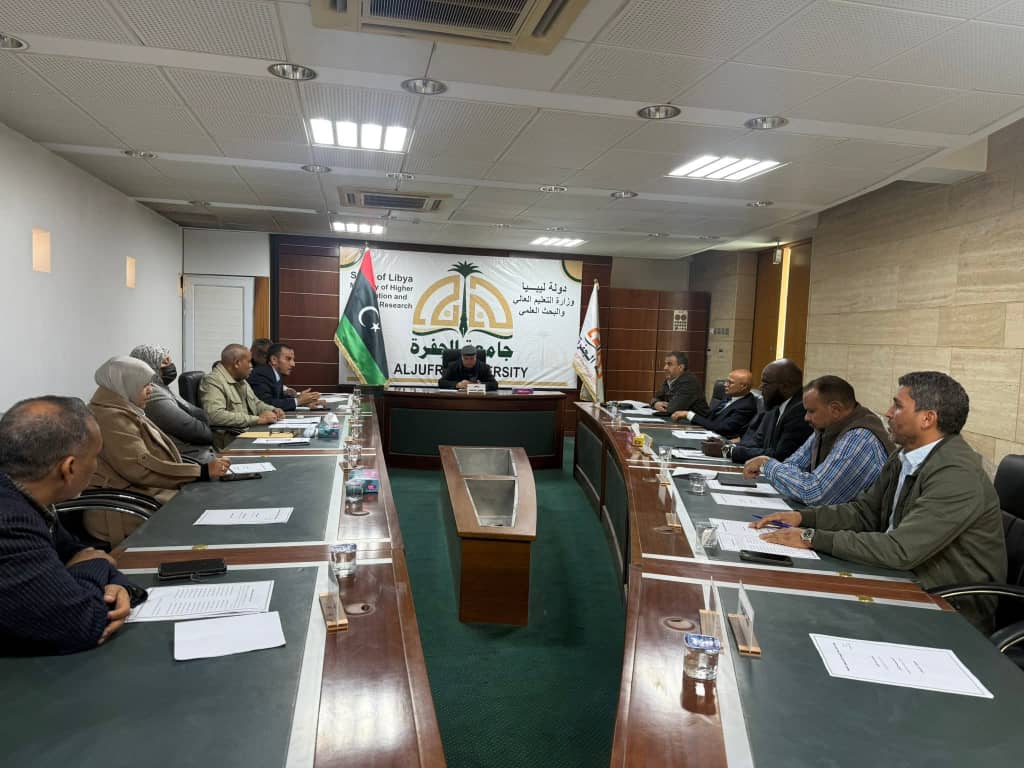
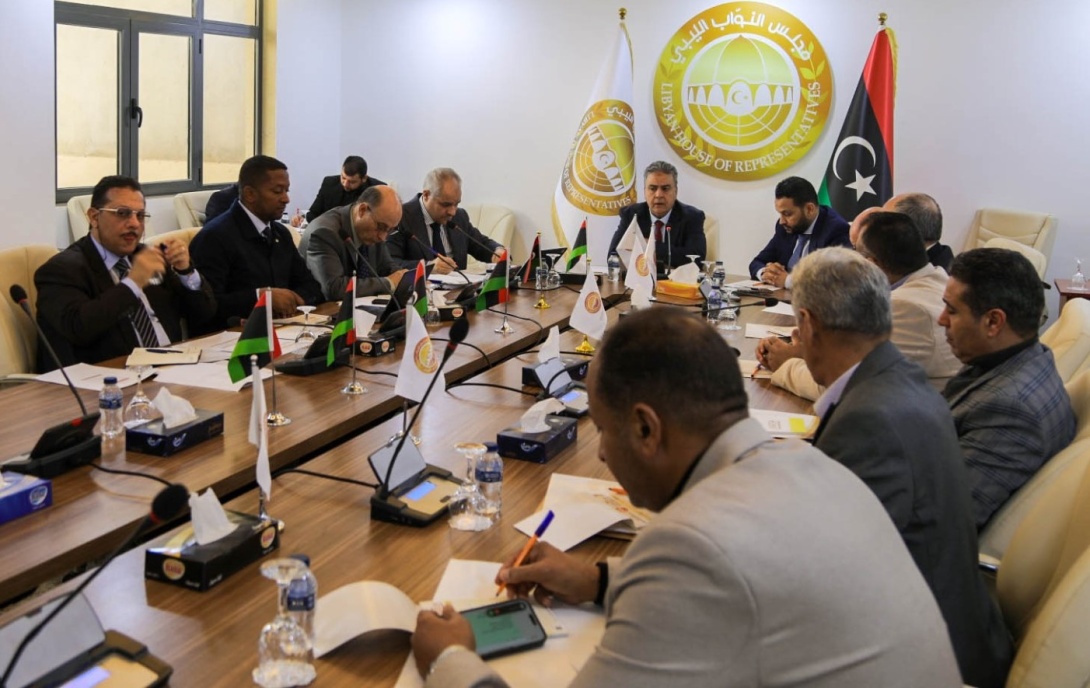
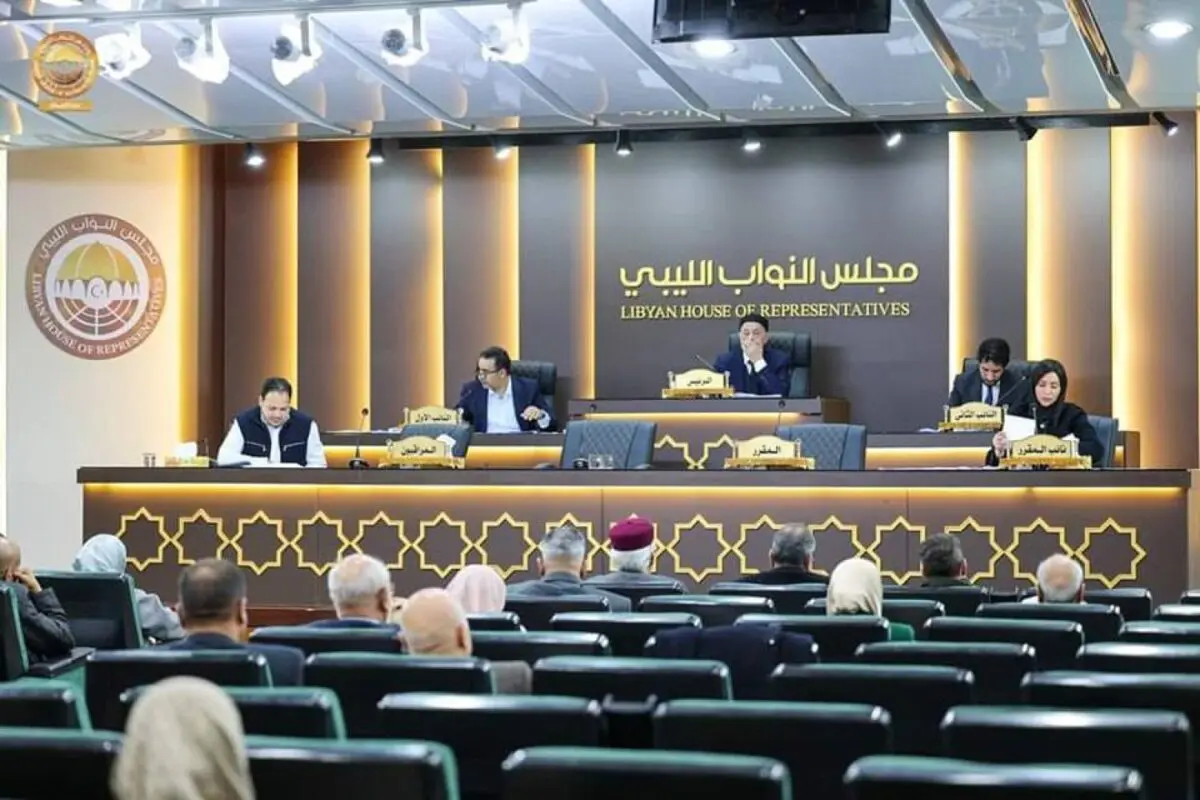
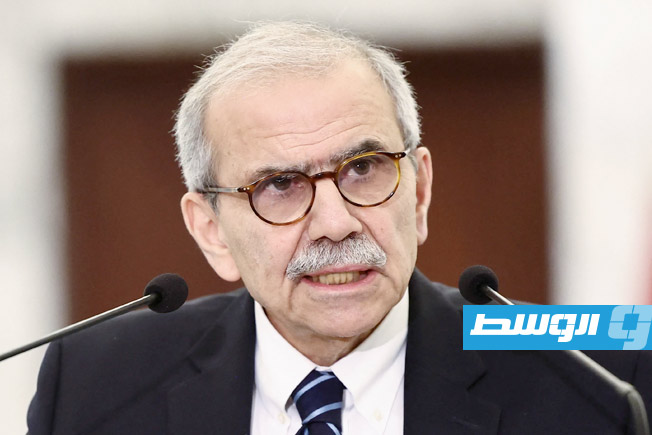
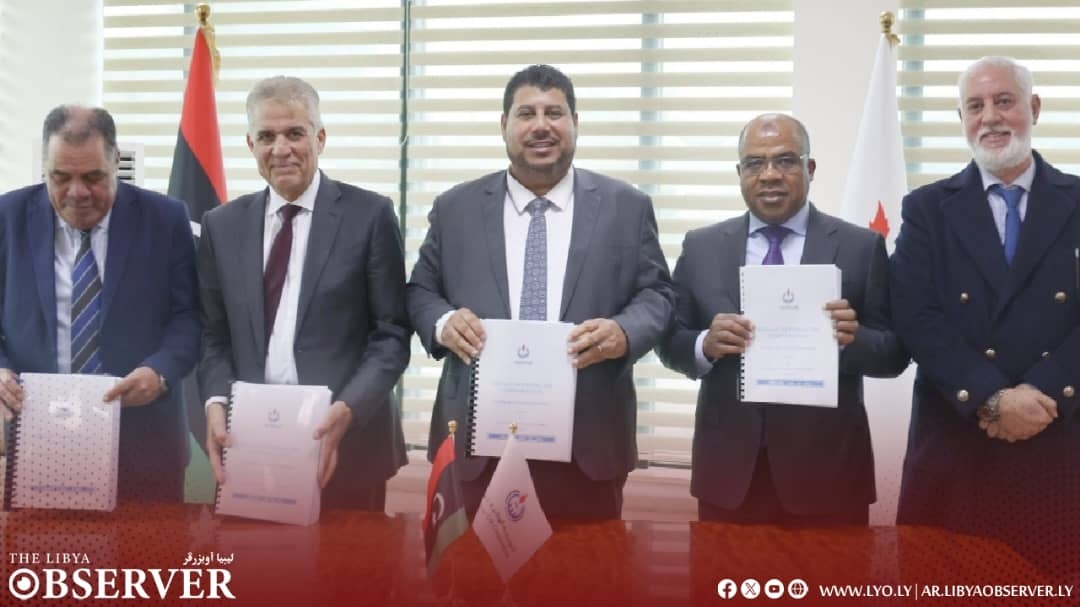
- A state of anticipation prevails in economic circles regarding the outcome of the upcoming official parliamentary session, which is expected to be attended by the Governor of the Central Bank of Libya, his deputy, and members of its board of directors.
US dollar
The US dollar is the official currency of the United States, established by the Coinage Act of 1792. It evolved from a system based on Spanish milled dollars and became the world’s primary reserve currency following the Bretton Woods Agreement in 1944.
Libyan dinar
The Libyan dinar is the official currency of Libya, introduced in 1971 to replace the Libyan pound. It was established following the 1969 revolution that brought Muammar Gaddafi to power, symbolizing a move toward economic independence.
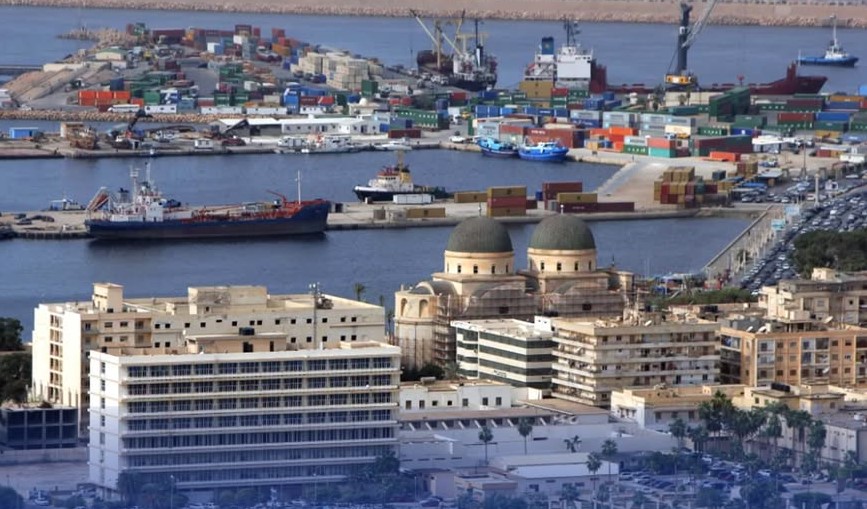
Tripoli
Tripoli is the capital and largest city of Libya, located on the country’s Mediterranean coast. Historically, it was founded by the Phoenicians in the 7th century BC and later became a significant Roman city, with its old town, the medina, reflecting centuries of influence from Arab, Ottoman, and Italian rule.
Zliten
Zliten is a coastal city in northwestern Libya, historically known for its Roman-era ruins such as the Villa of Omira and the Zliten Mosaic. It is also recognized for its Islamic heritage, including the Sidi Abd As-Salam Al-Asmar Mosque and zawiya, which date back to the 15th century and serve as a significant religious and educational center.
Benghazi
Benghazi is a major city in eastern Libya, historically significant as a center of trade and culture since its founding as the Greek colony of Euesperides. It played a pivotal role in Libya’s modern history, serving as the provisional capital after the 2011 revolution and being a key site during the 2012 attack on the U.S. diplomatic compound.
Ajdabiya
Ajdabiya is a city in northeastern Libya, historically significant as a major trading hub and crossroads for caravans traveling between Egypt and the Maghreb. It was the site of several important battles during both World War II and the 2011 Libyan Civil War.
Euro
The Euro is the official currency of the Eurozone, which consists of 20 of the 27 member states of the European Union. It was introduced in non-physical form in 1999 and as banknotes and coins in 2002, marking a major step in European economic integration following the Maastricht Treaty.
British Pound
The British Pound, officially known as the pound sterling, is the world’s oldest currency still in use, with origins tracing back to Anglo-Saxon times. It became a major global reserve currency during the height of the British Empire and remains the official currency of the United Kingdom.
Turkey
Turkey is a transcontinental nation straddling Eastern Europe and Western Asia, with a rich history as the heartland of the Byzantine and Ottoman Empires. Its cultural sites, such as the Hagia Sophia in Istanbul and the ancient ruins of Ephesus, reflect this layered heritage from classical antiquity through to its establishment as the modern Republic of Turkey in 1923.
Dubai
Dubai is a major global city and emirate in the United Arab Emirates, historically known as a small fishing and pearling village. Its modern transformation began with the discovery of oil in the 1960s, which funded massive infrastructure projects, leading to its current status as a hub for tourism, finance, and trade.
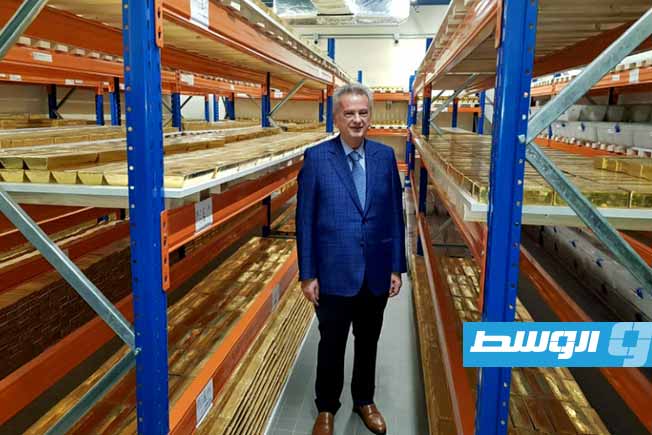
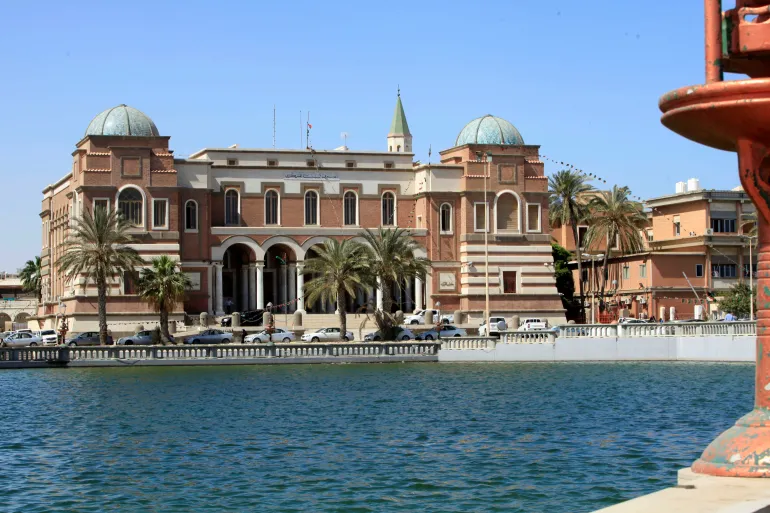
Central Bank of Libya
The Central Bank of Libya is the primary monetary authority of Libya, established in 1956 to issue currency and manage the country’s financial reserves. Its history has been deeply affected by the nation’s political conflicts, leading to periods where rival administrations in the east and west claimed control over separate branches of the institution.
Special Drawing Rights
Special Drawing Rights (SDR) is an international reserve asset created by the International Monetary Fund (IMF) in 1969 to supplement its member countries’ official reserves. Its value is based on a basket of five major currencies: the U.S. dollar, euro, Chinese renminbi, Japanese yen, and British pound sterling.