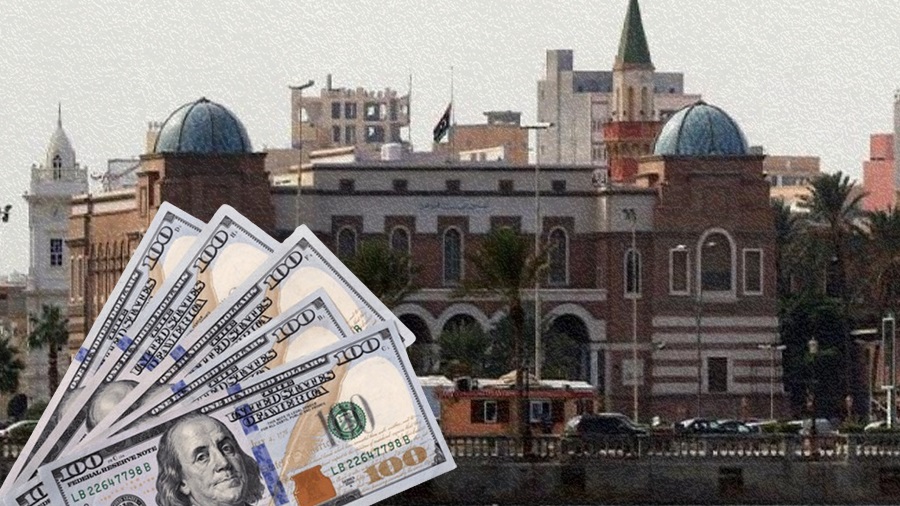
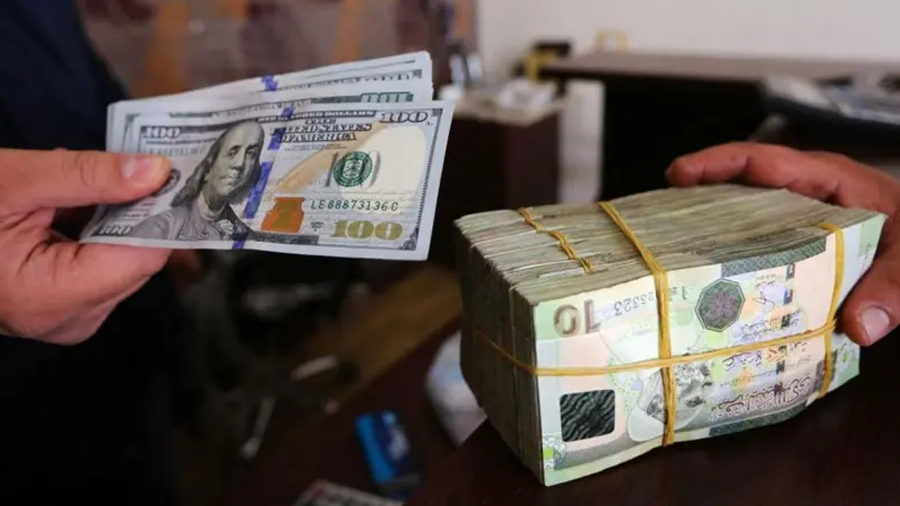
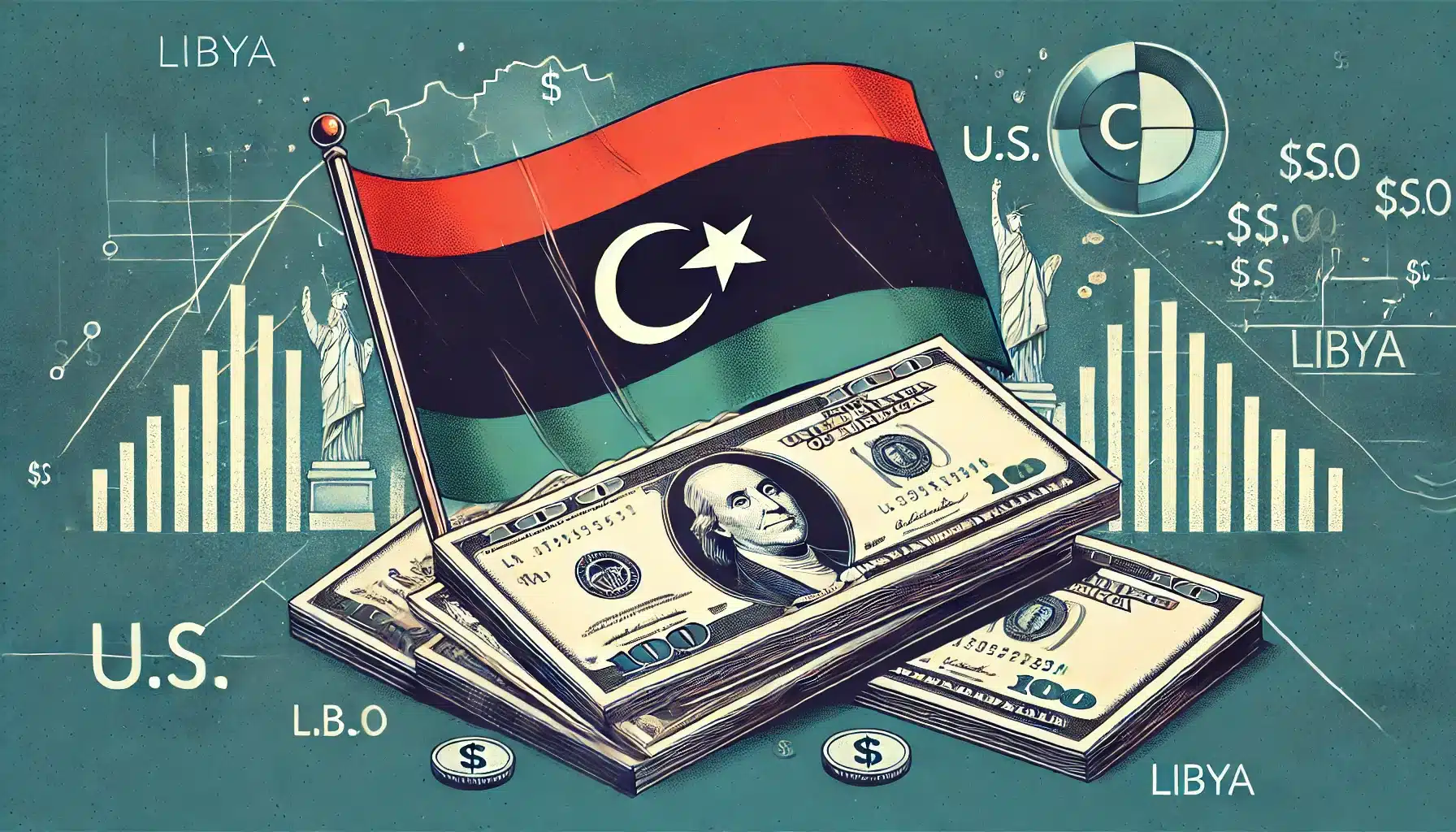
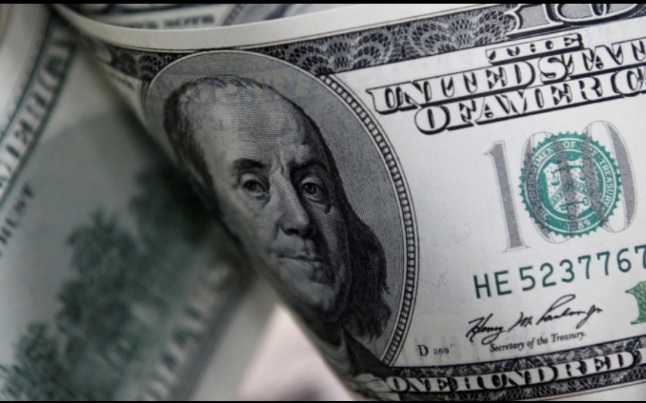
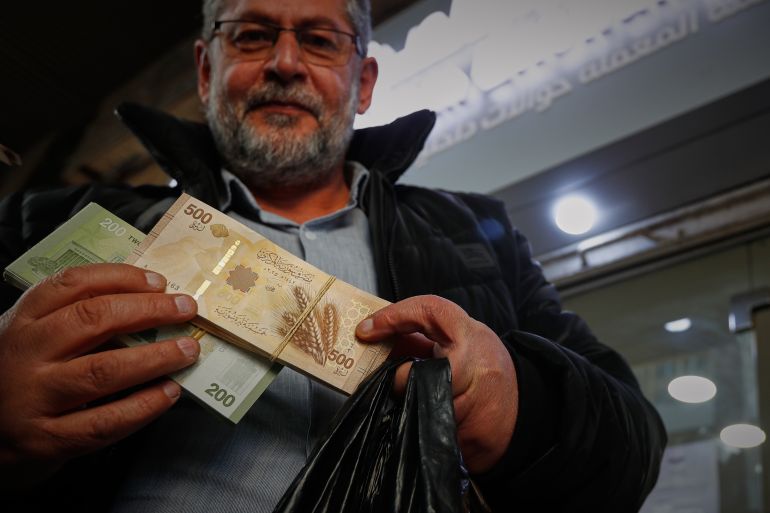
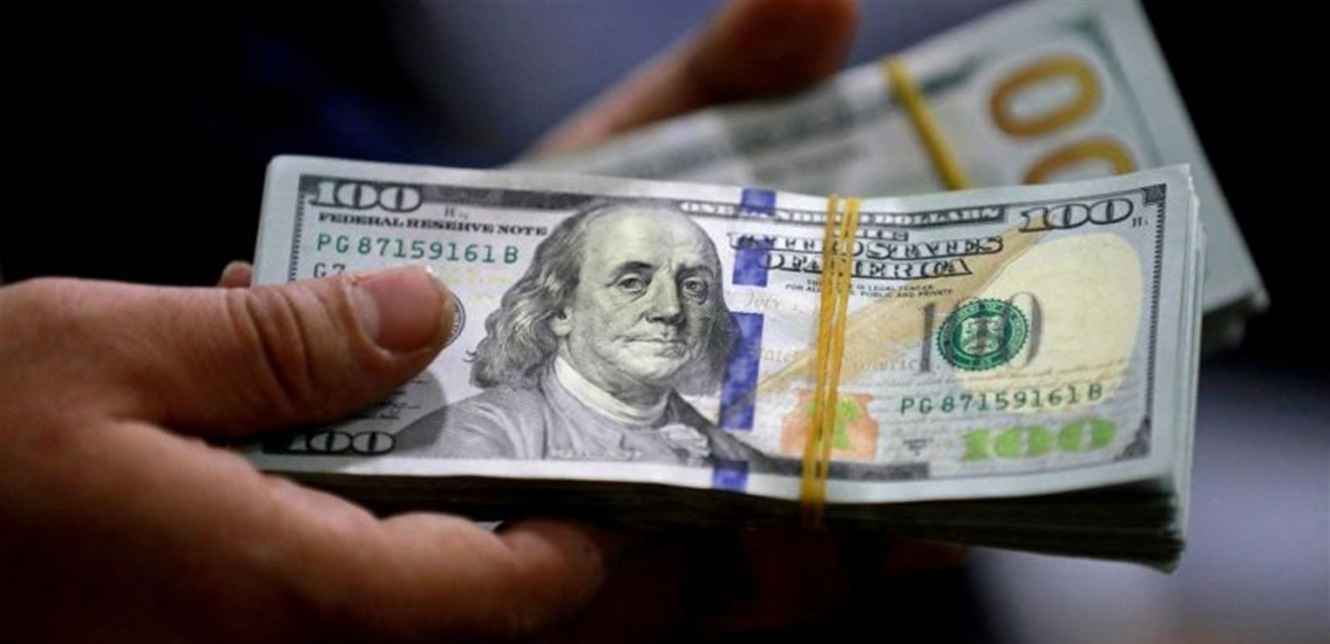
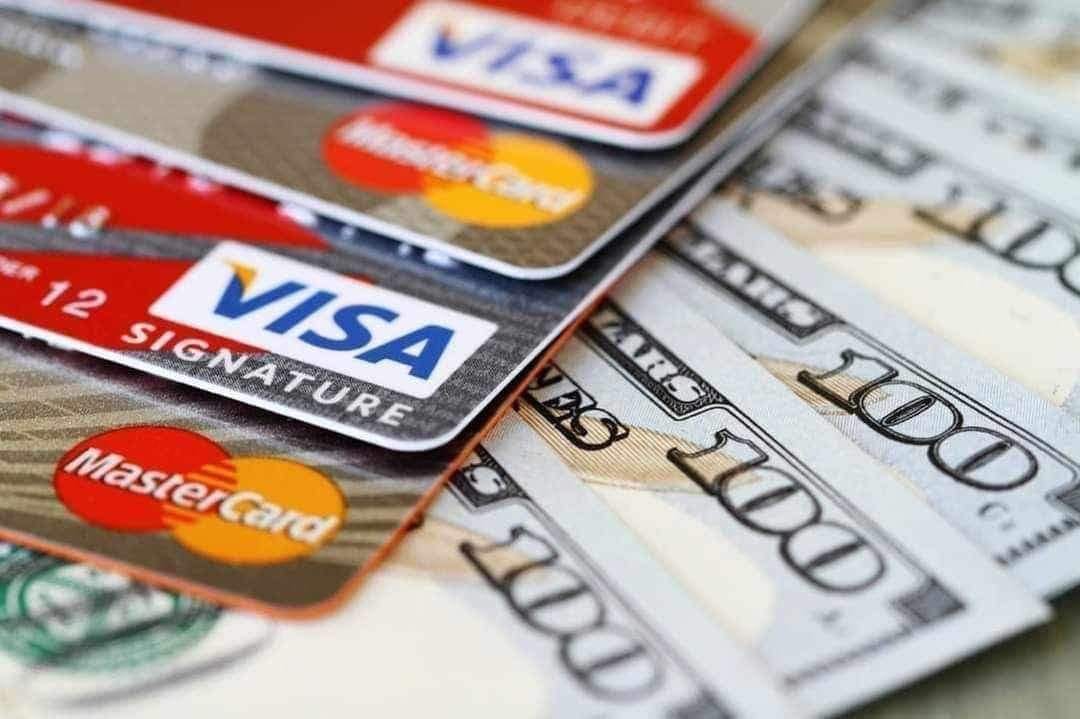
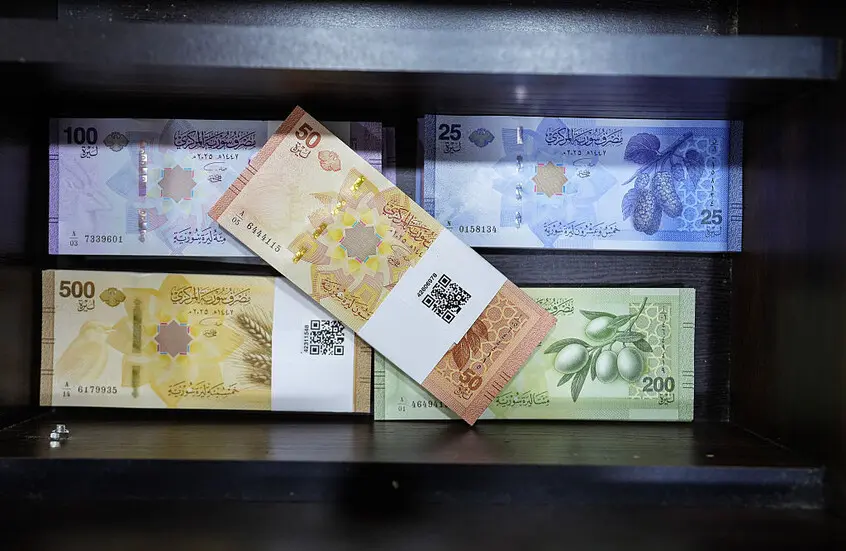
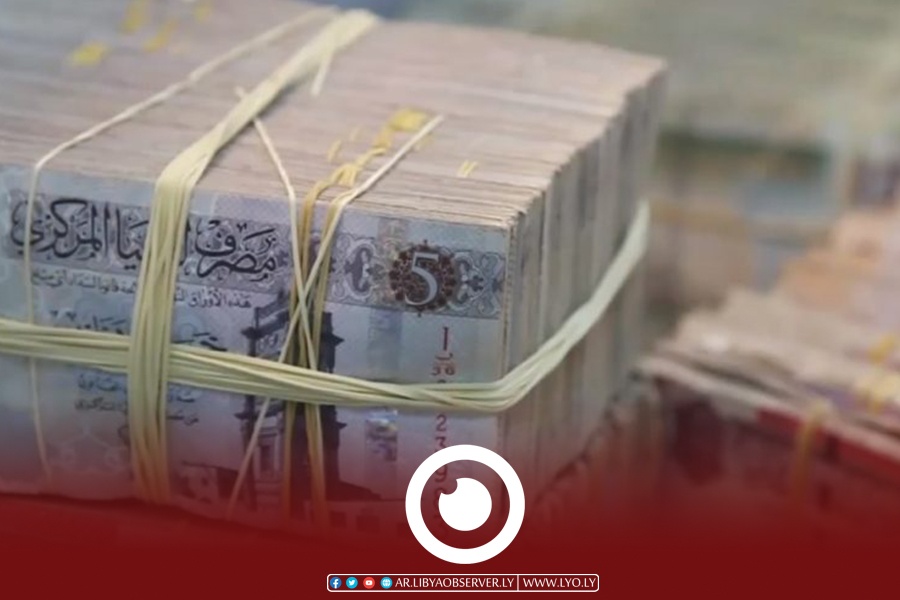
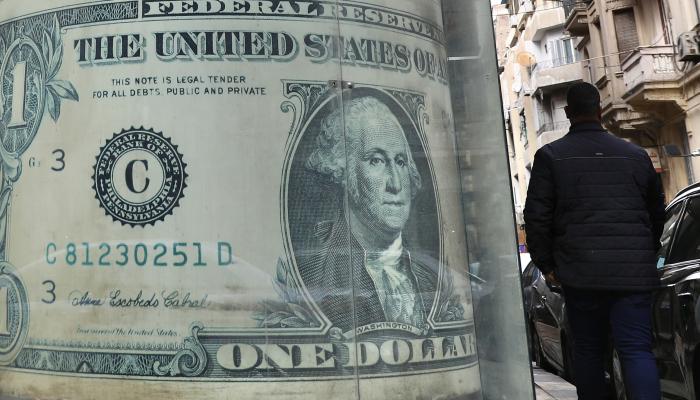
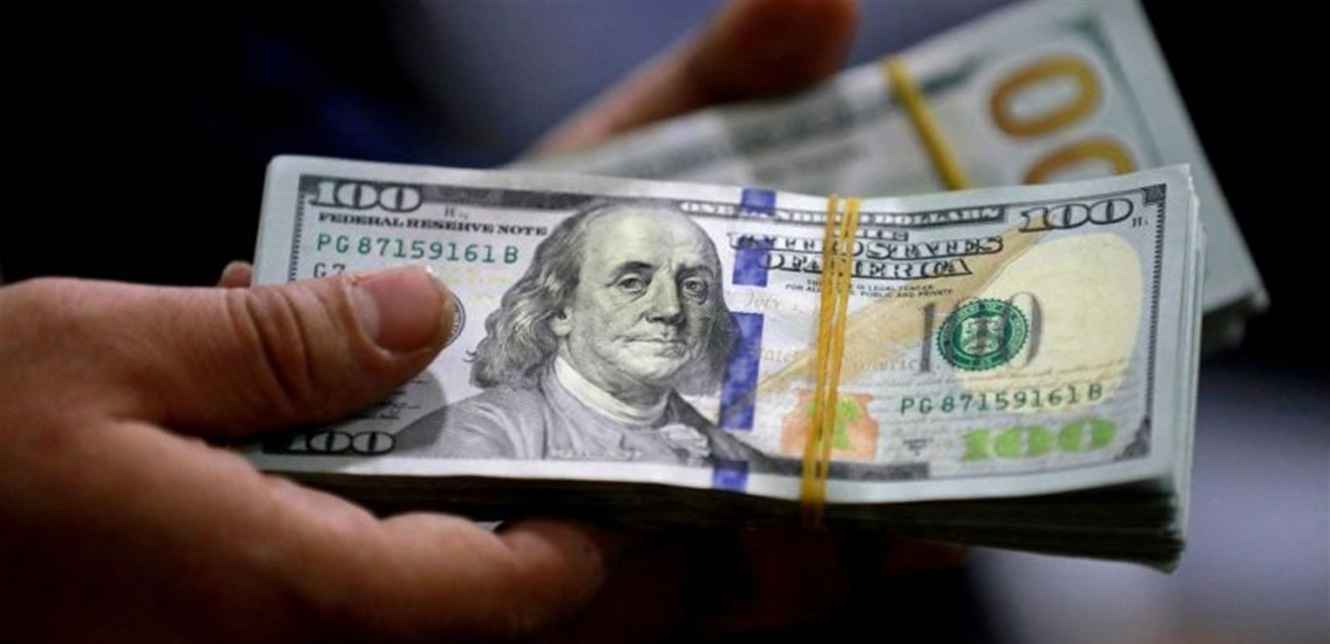
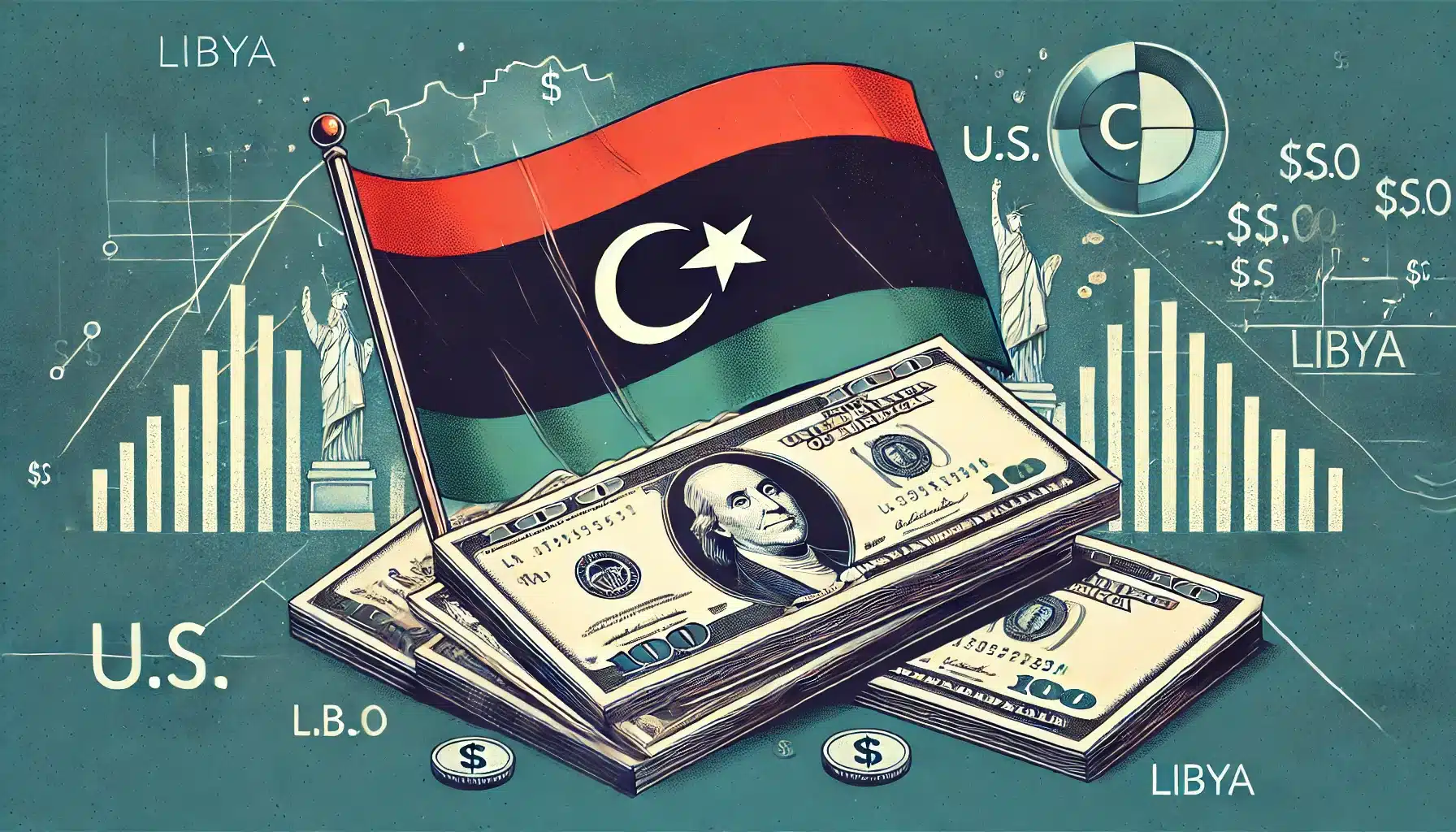
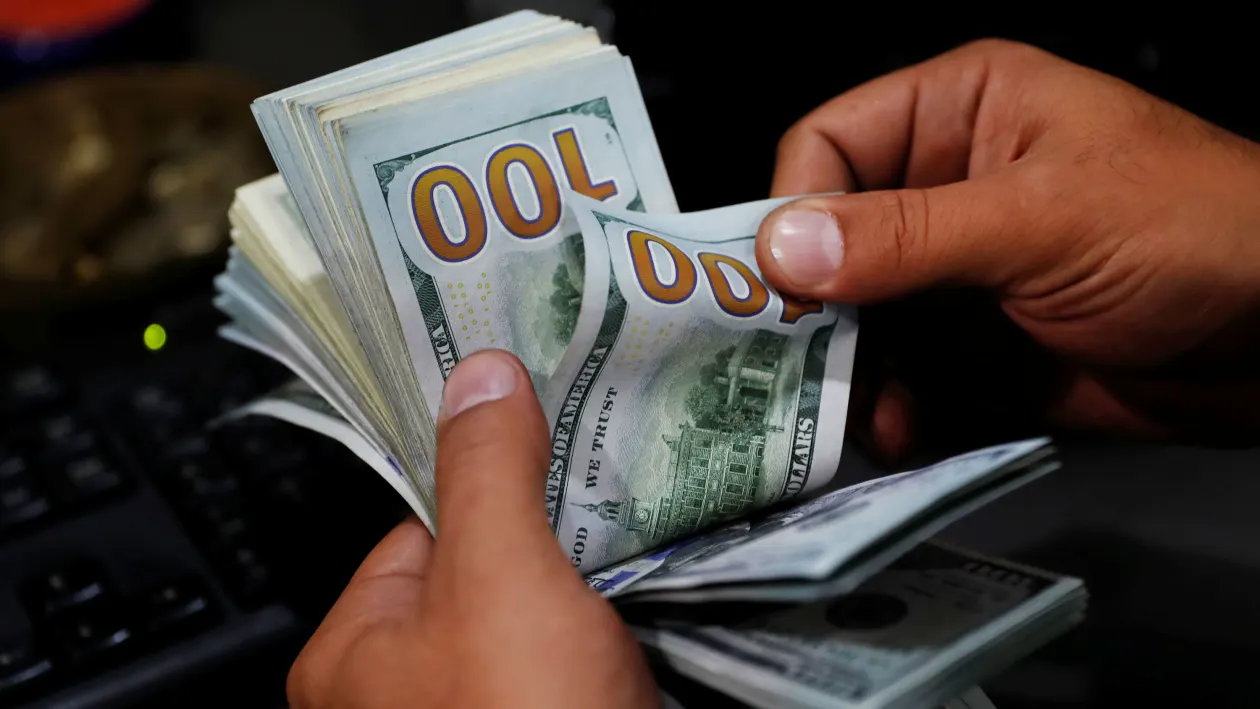
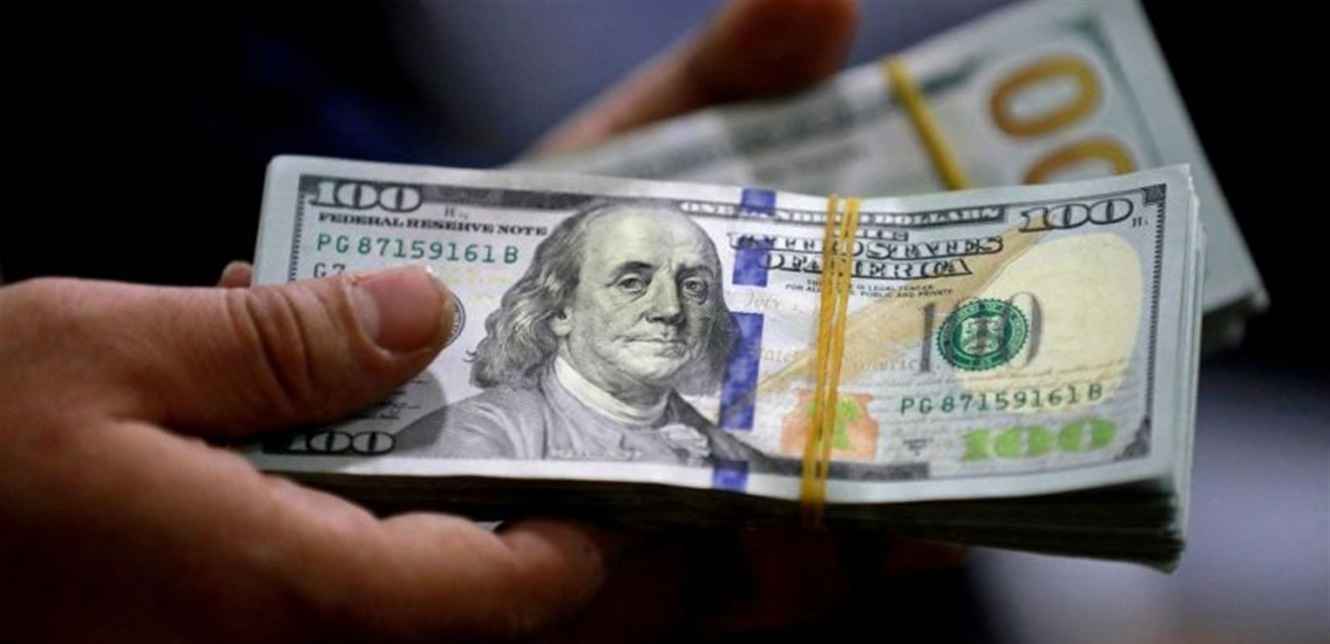
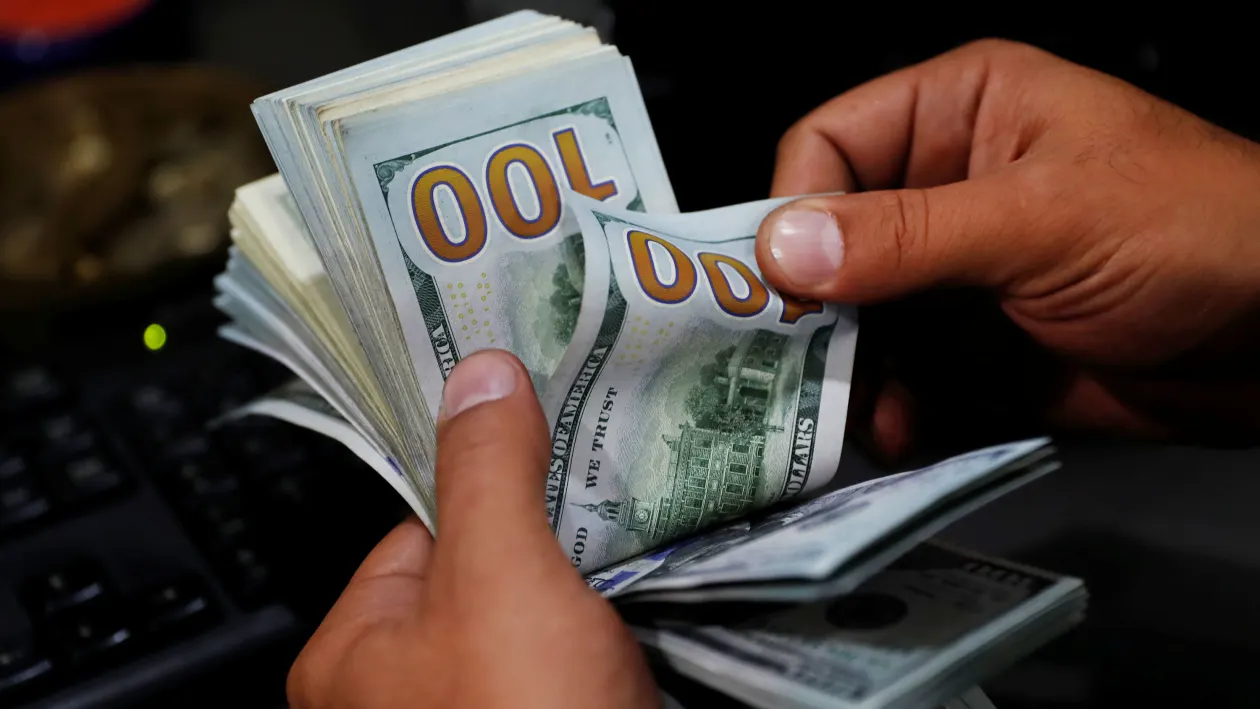
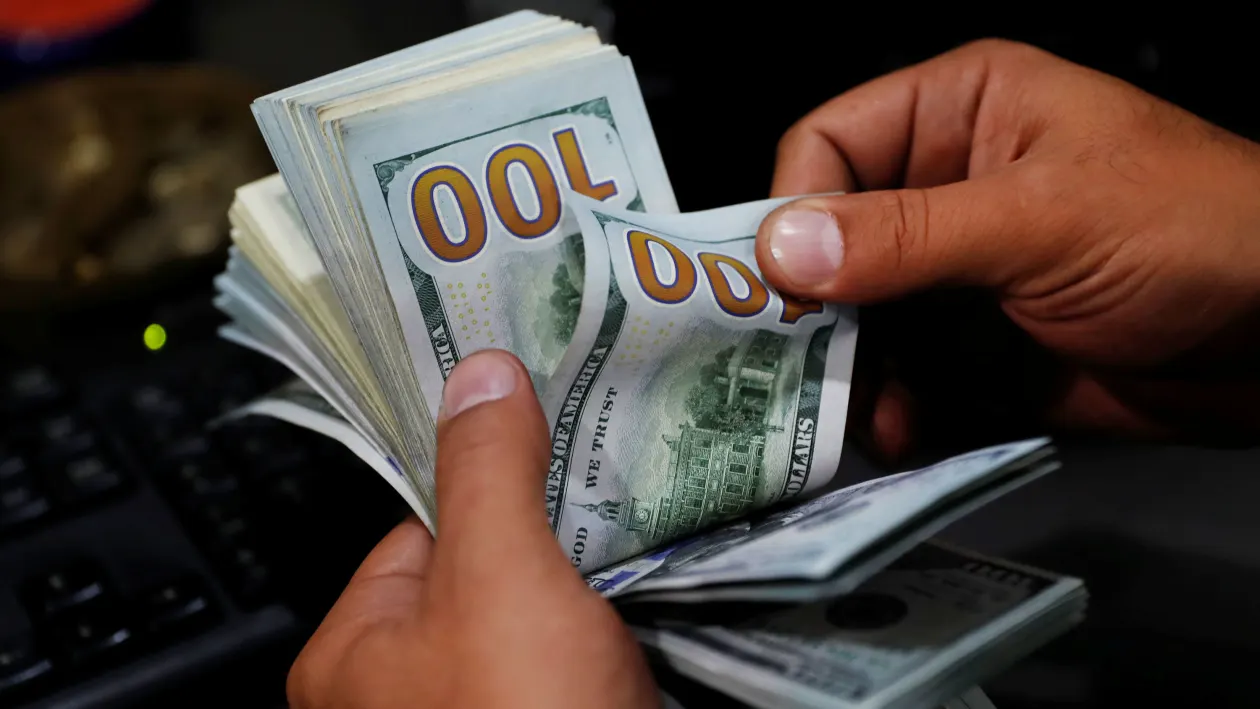
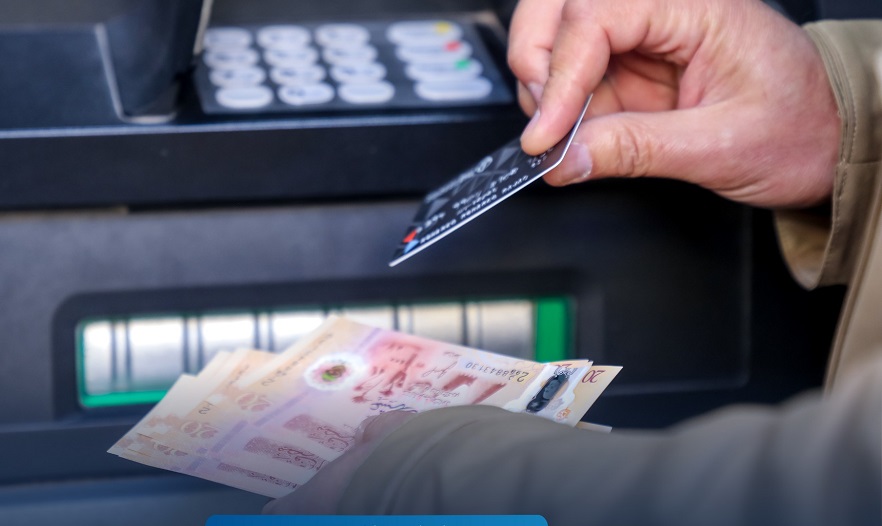
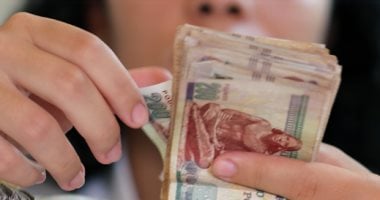
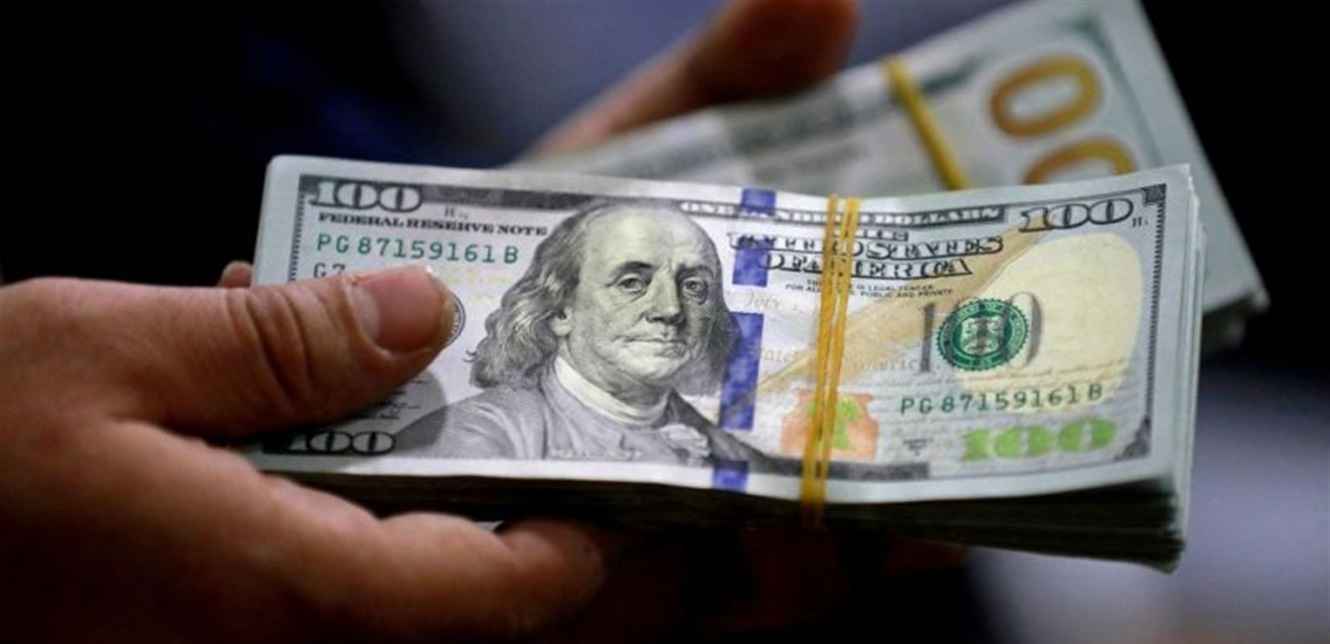
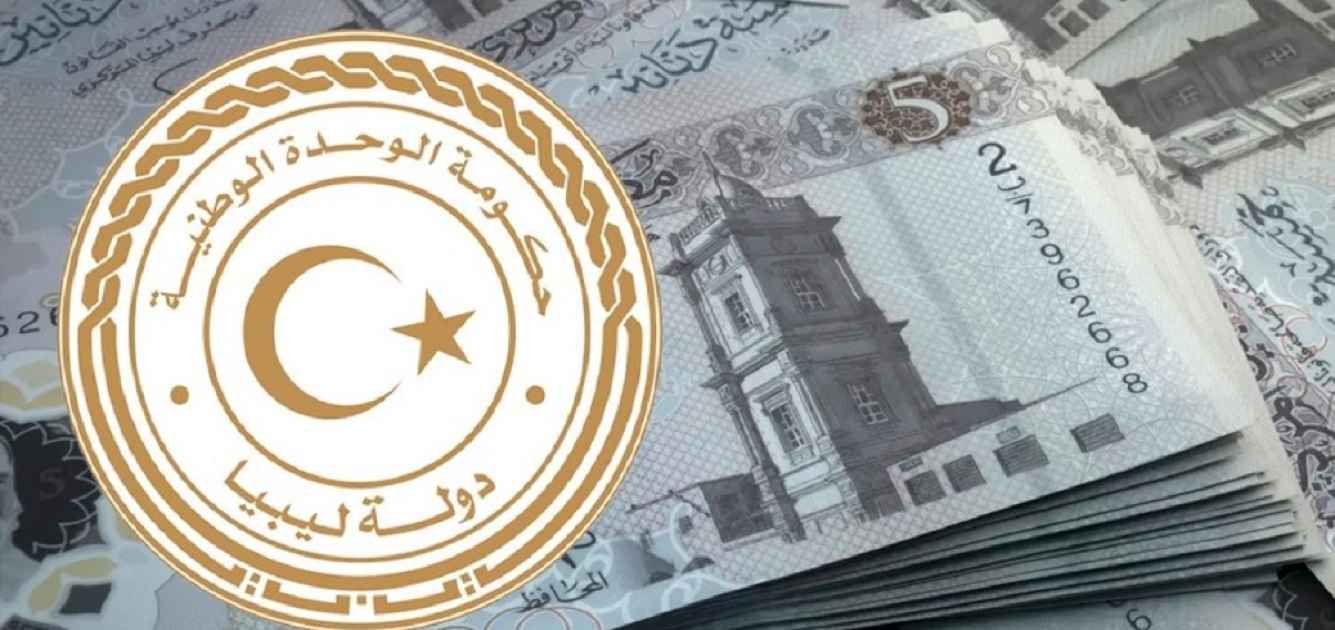
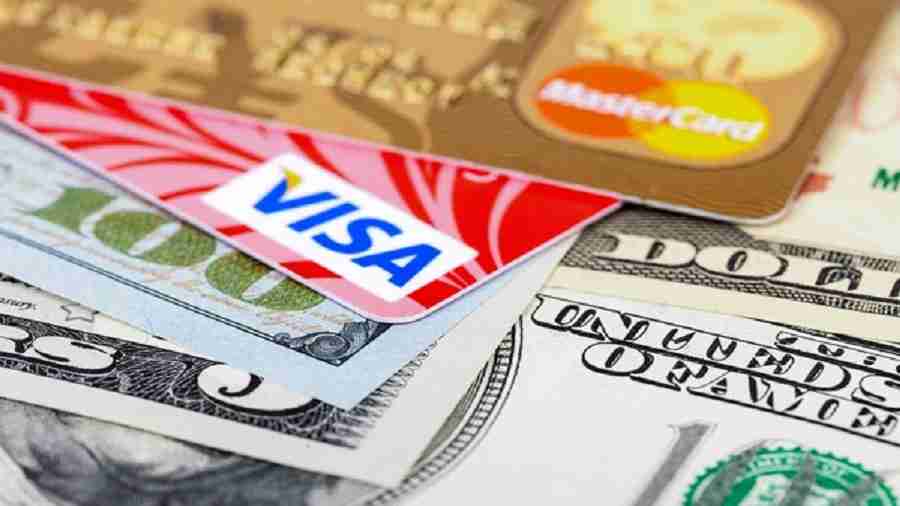
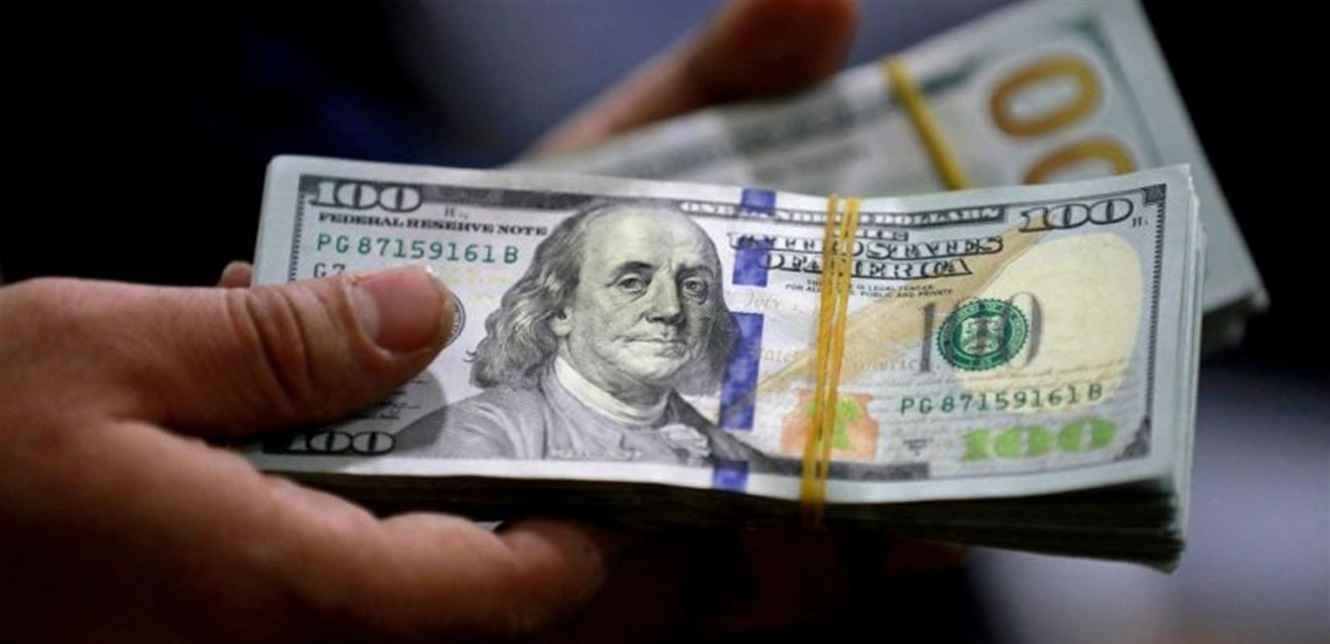
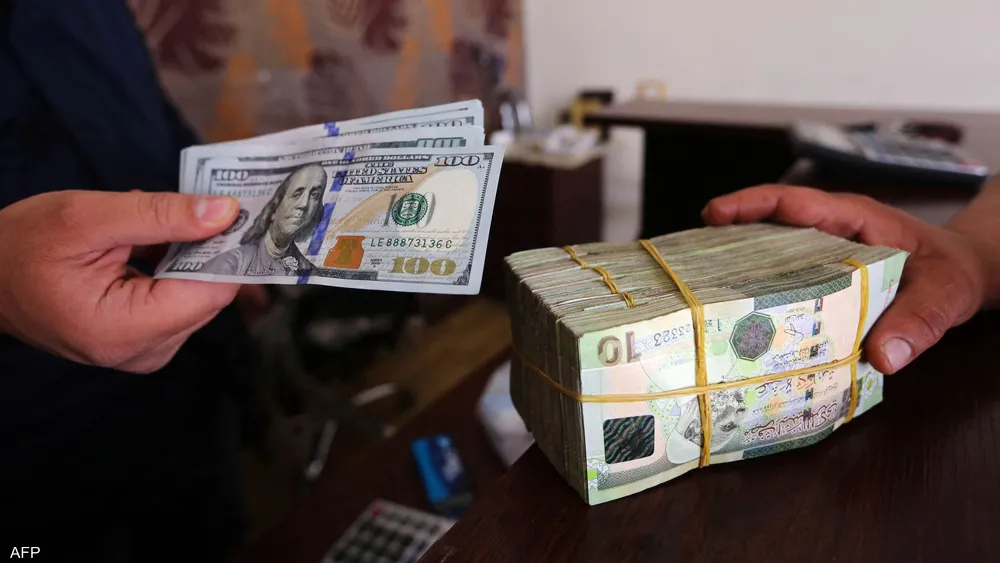
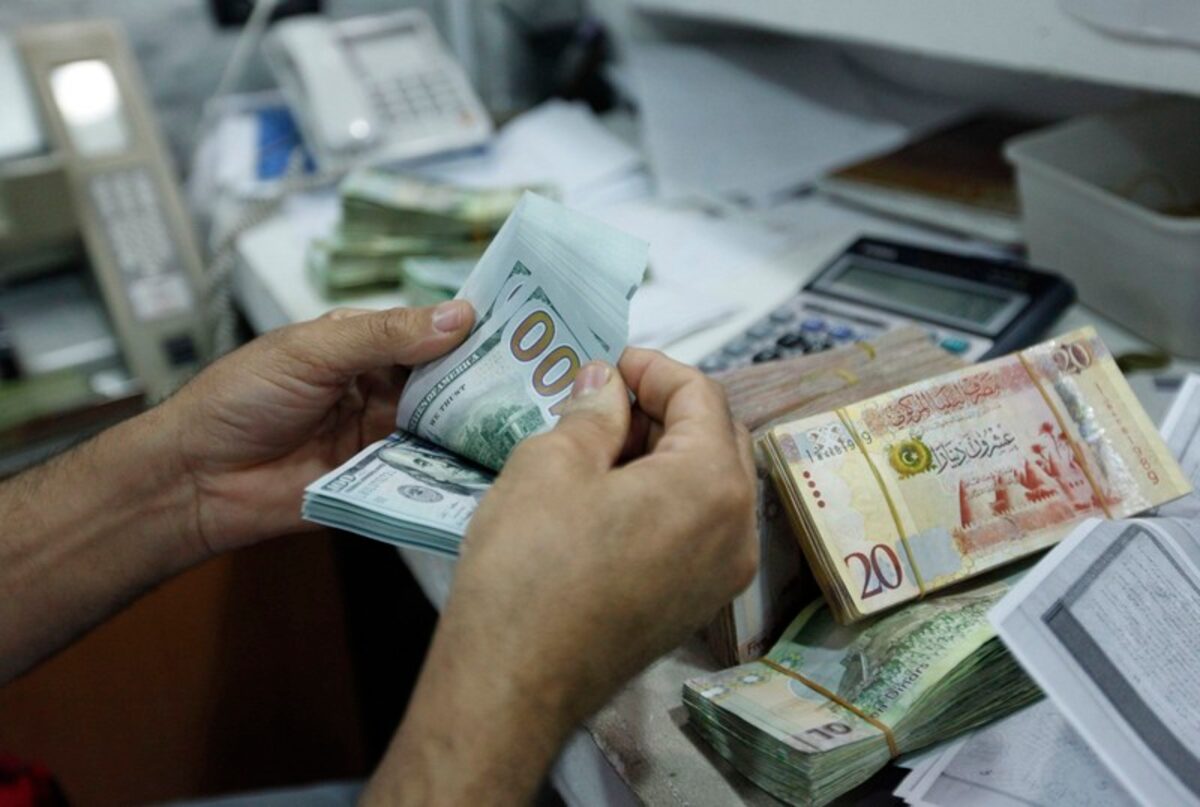
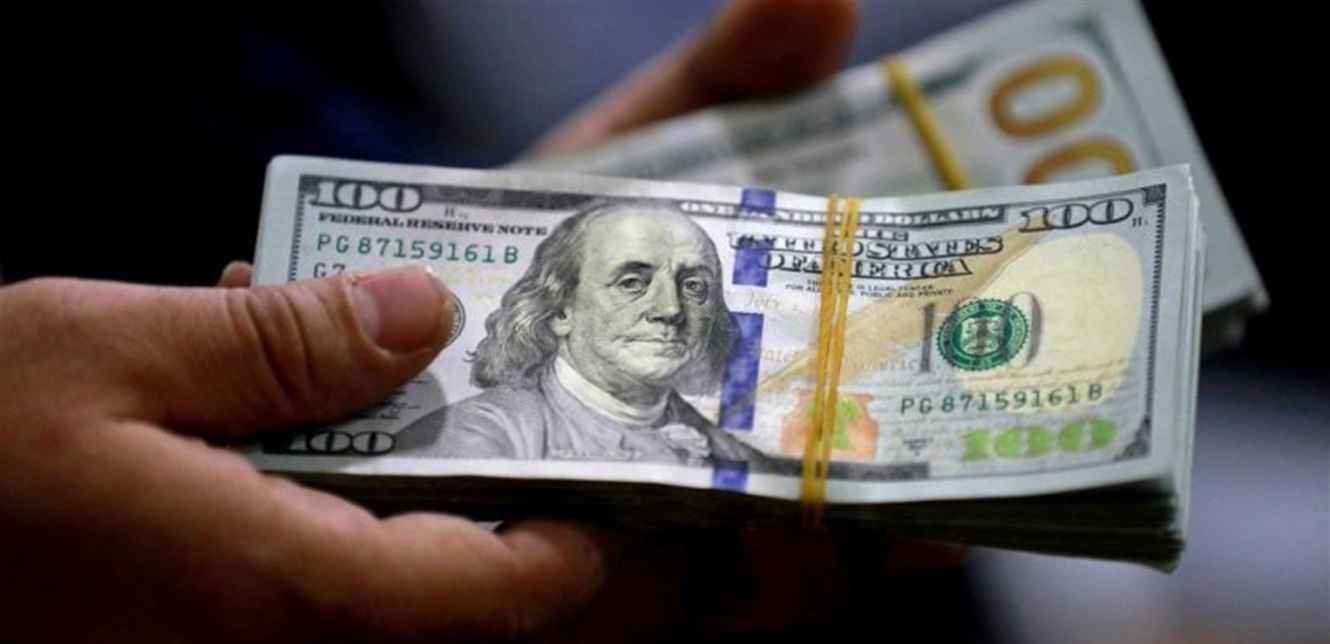
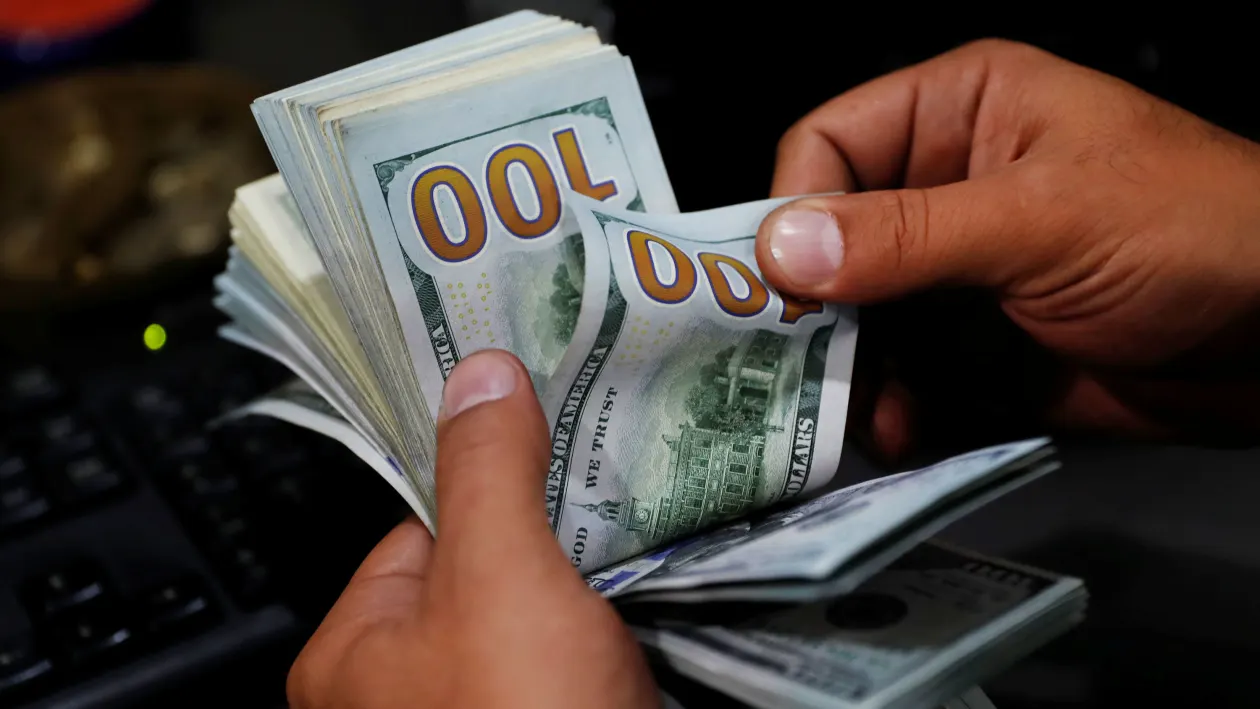
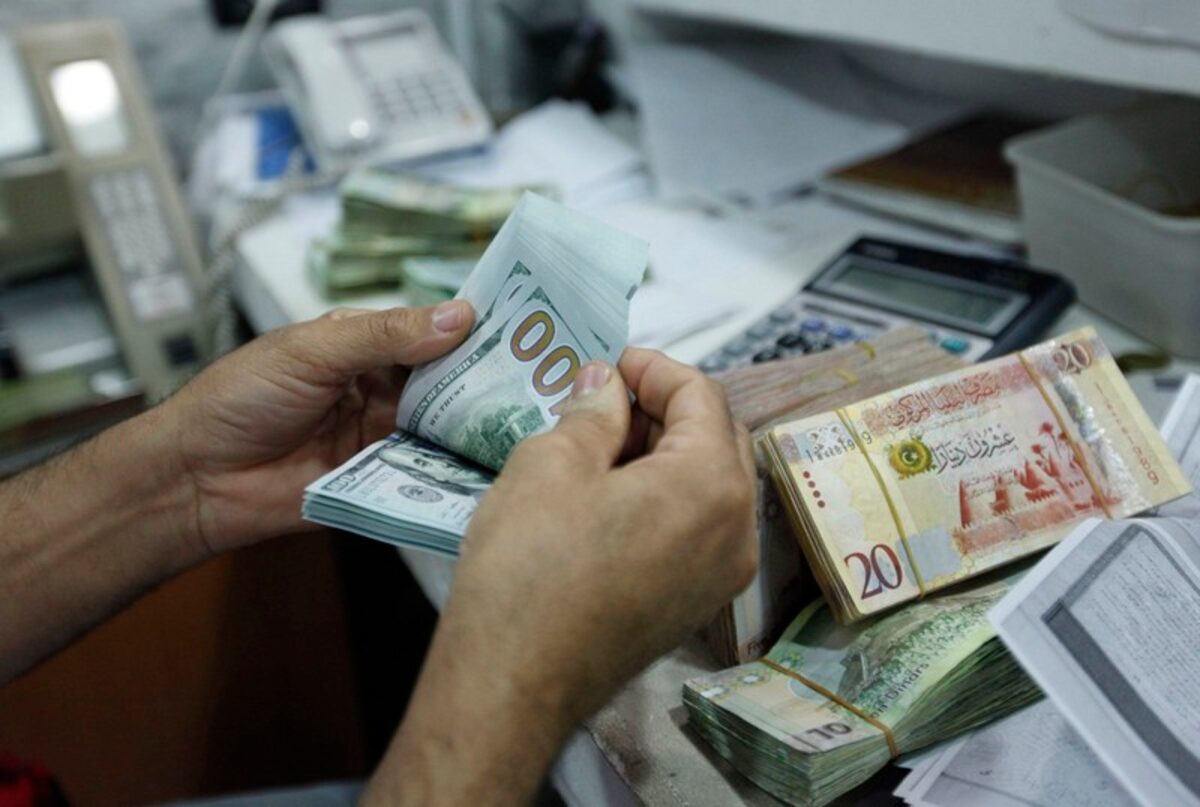
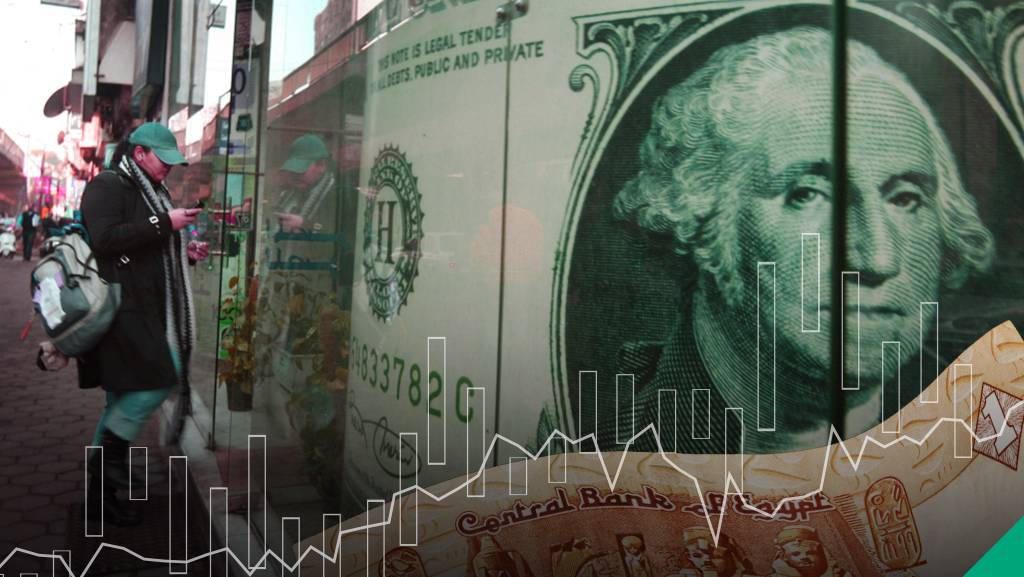
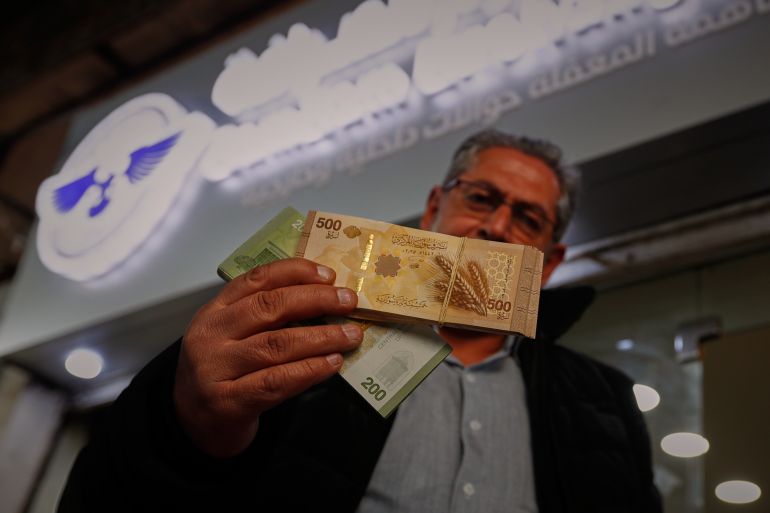
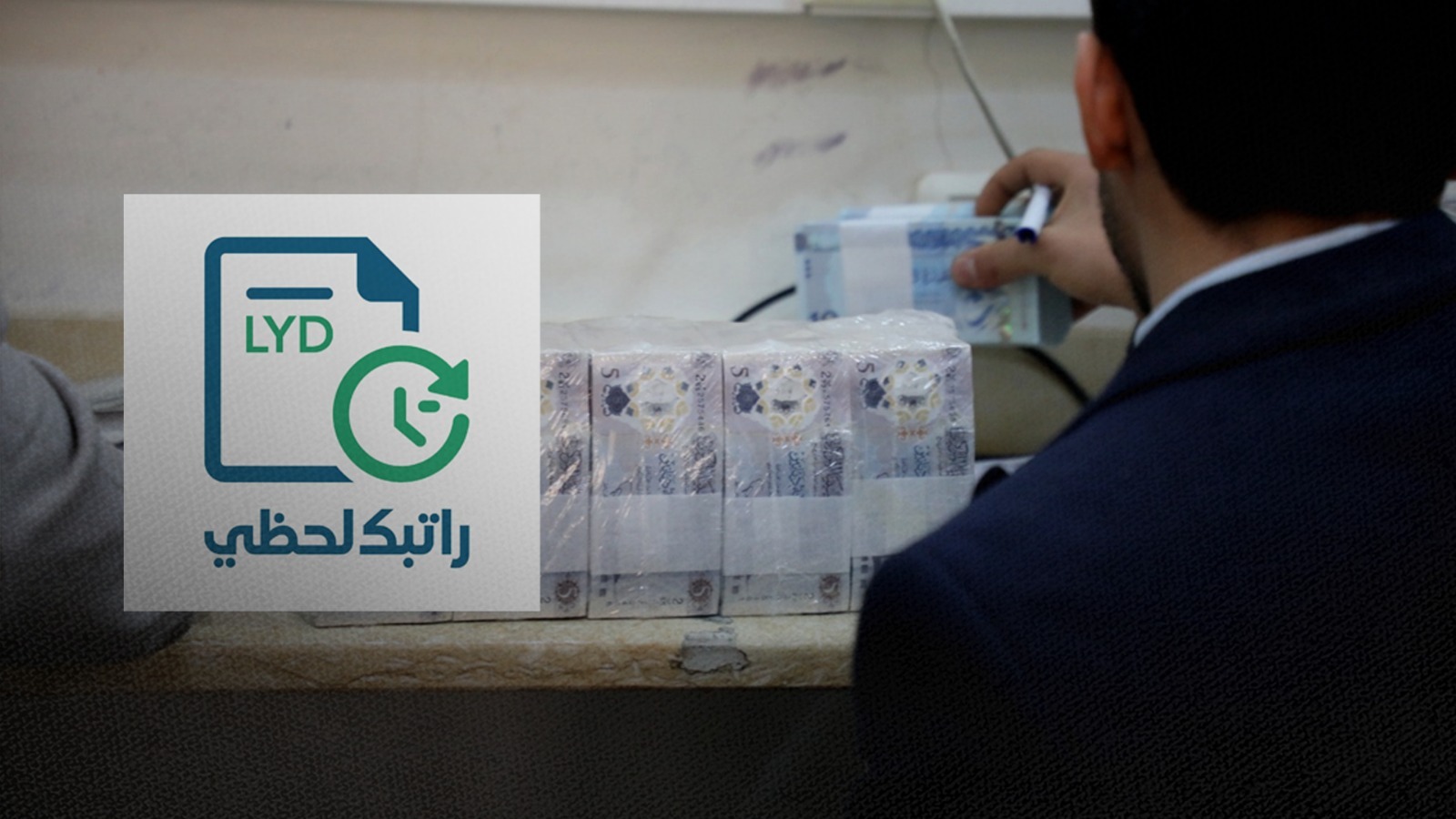
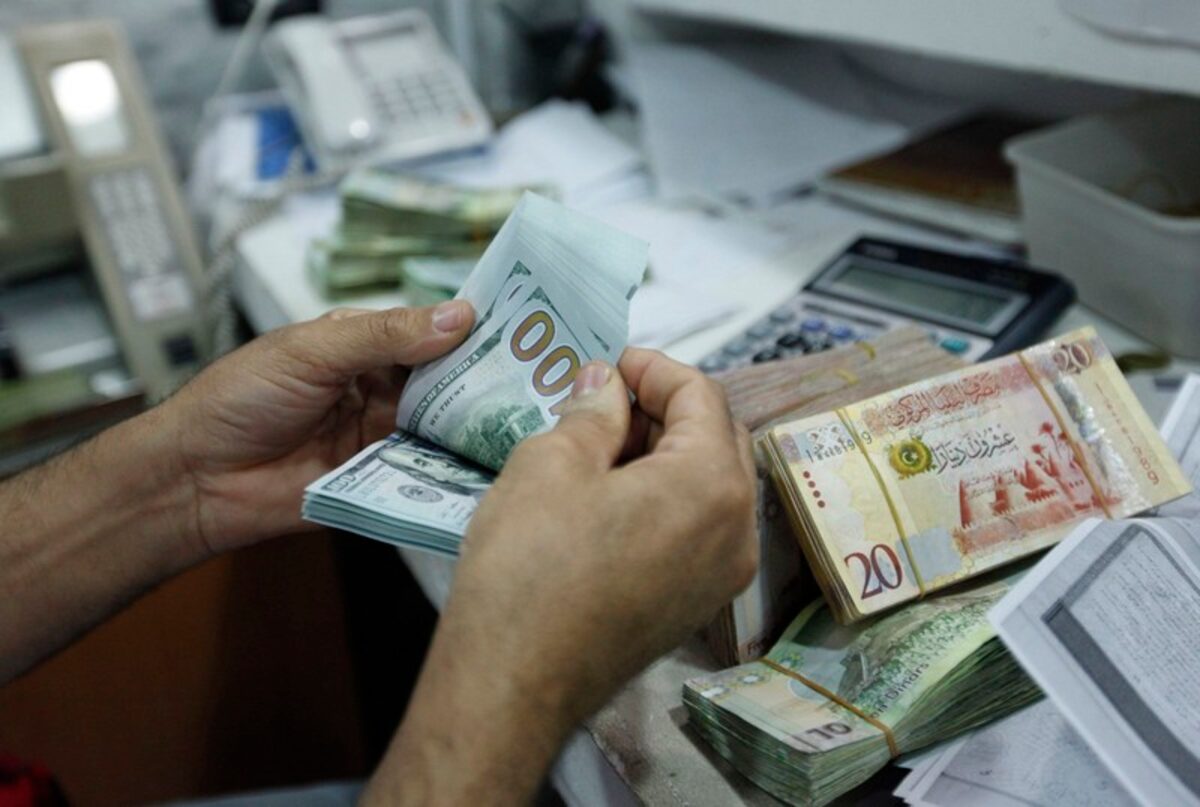
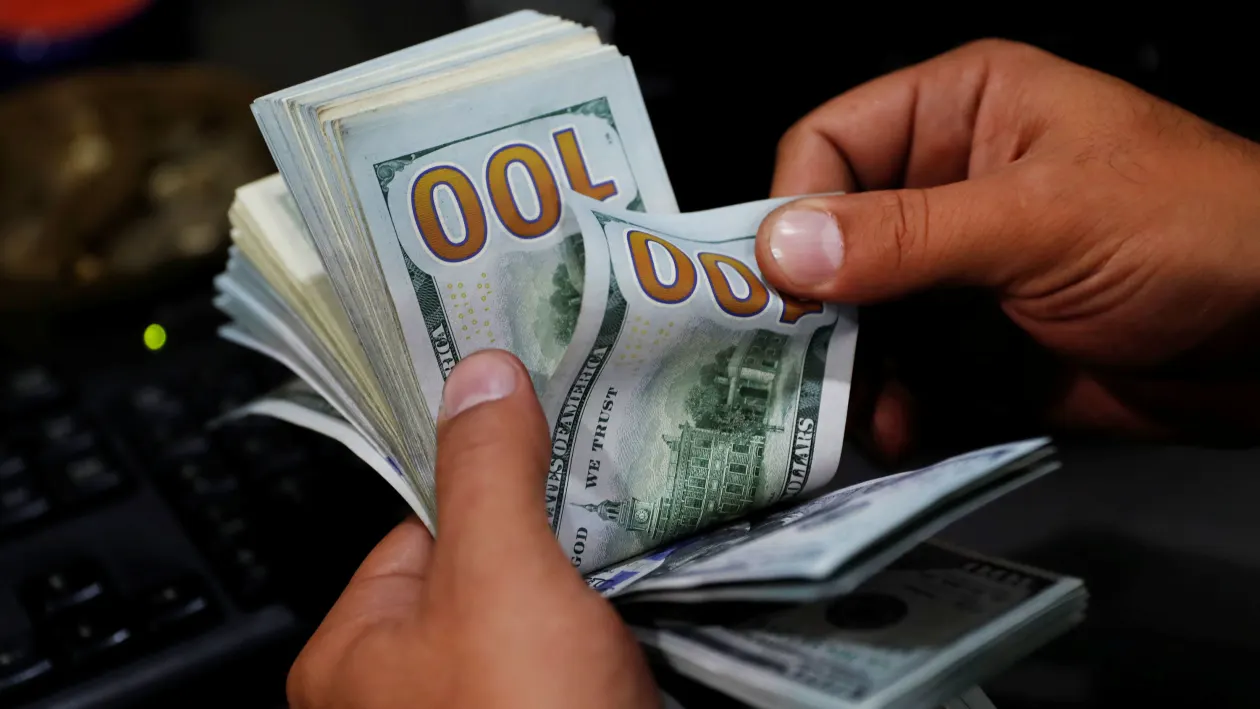
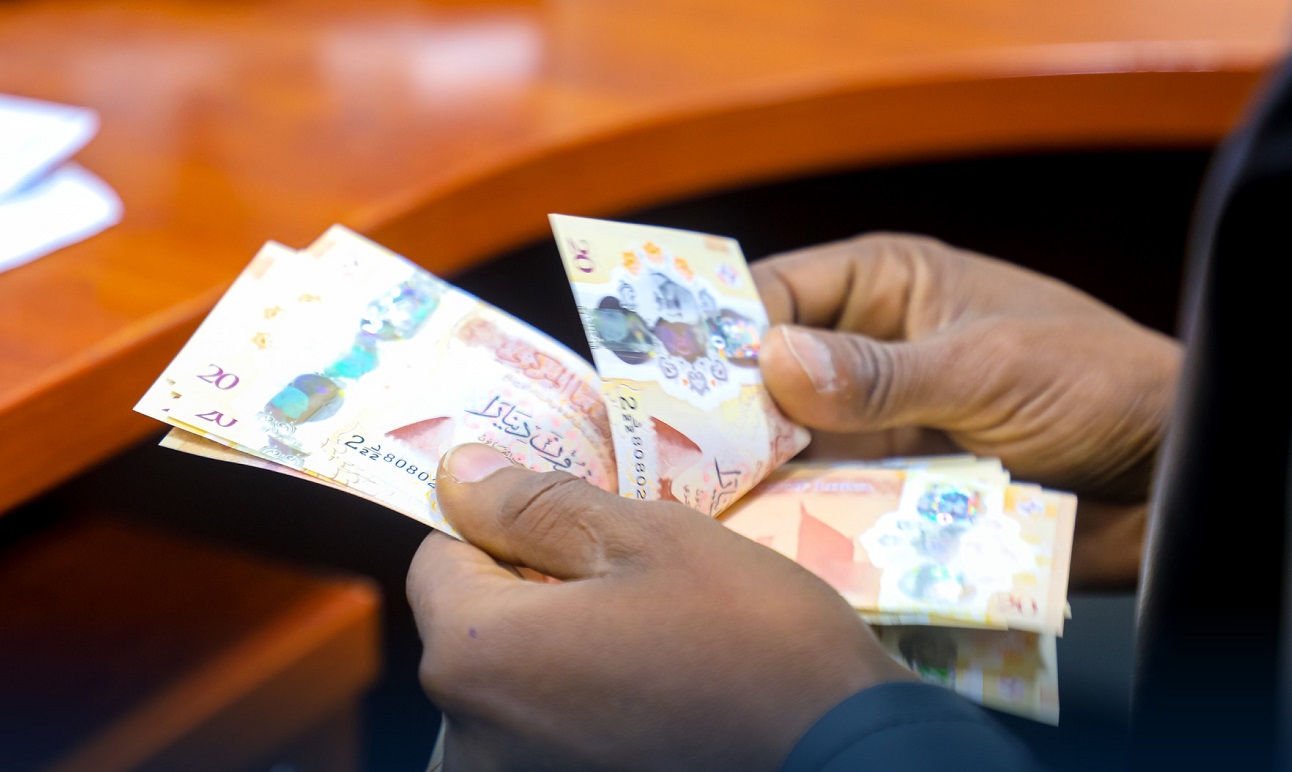
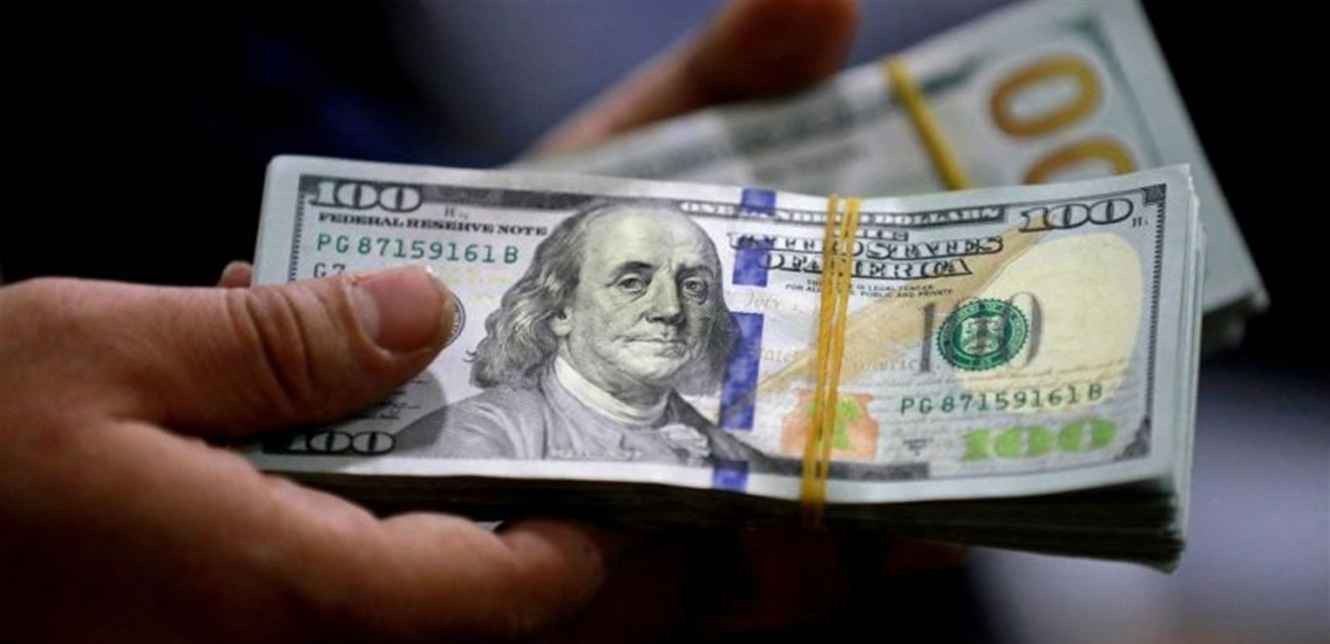
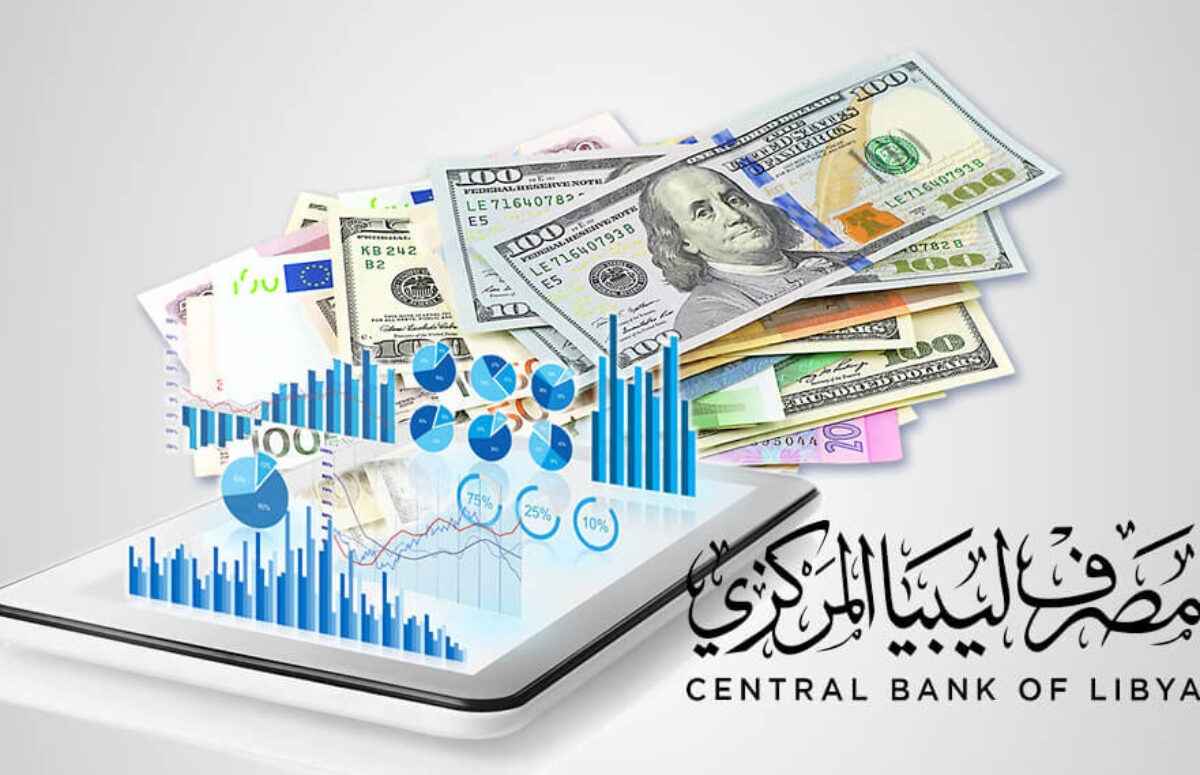
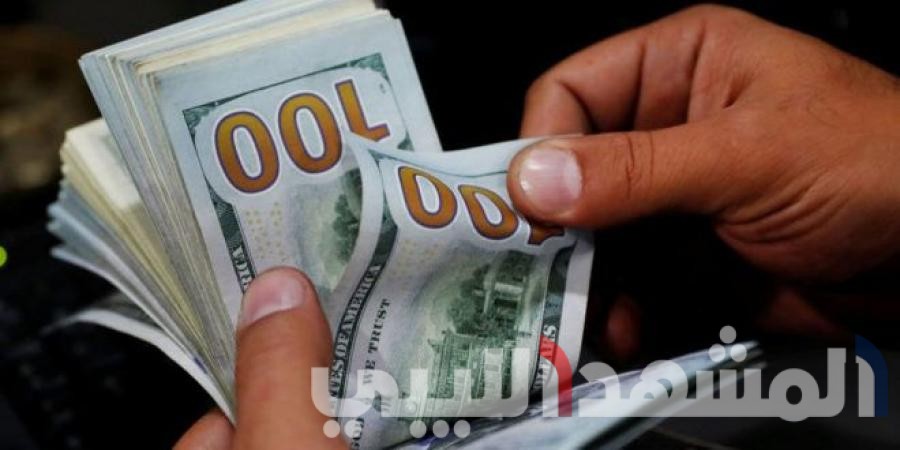
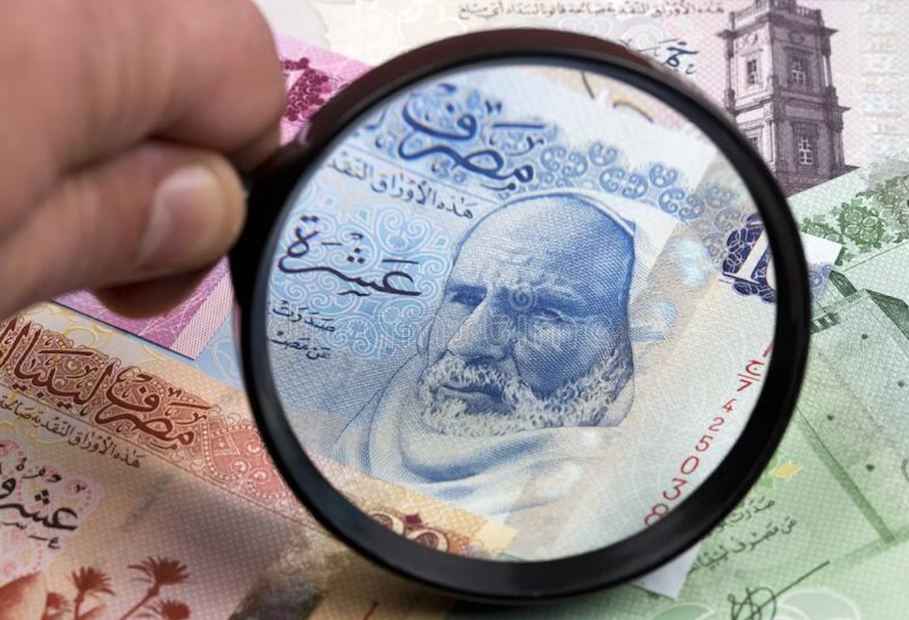
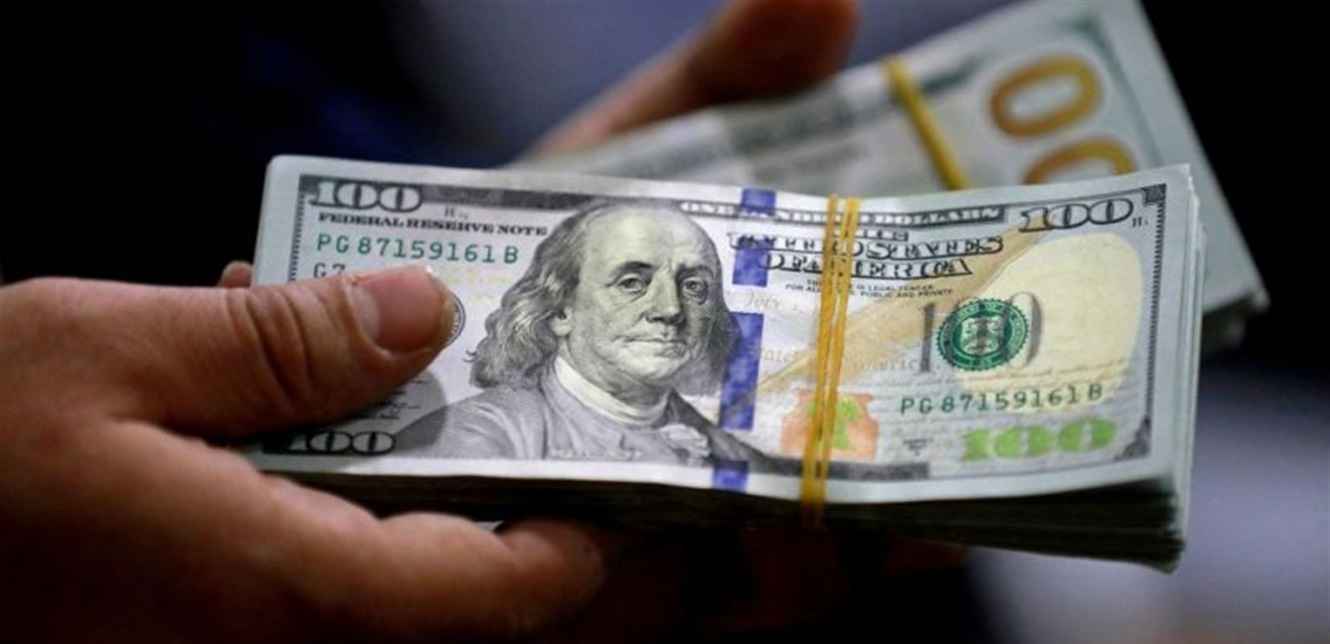
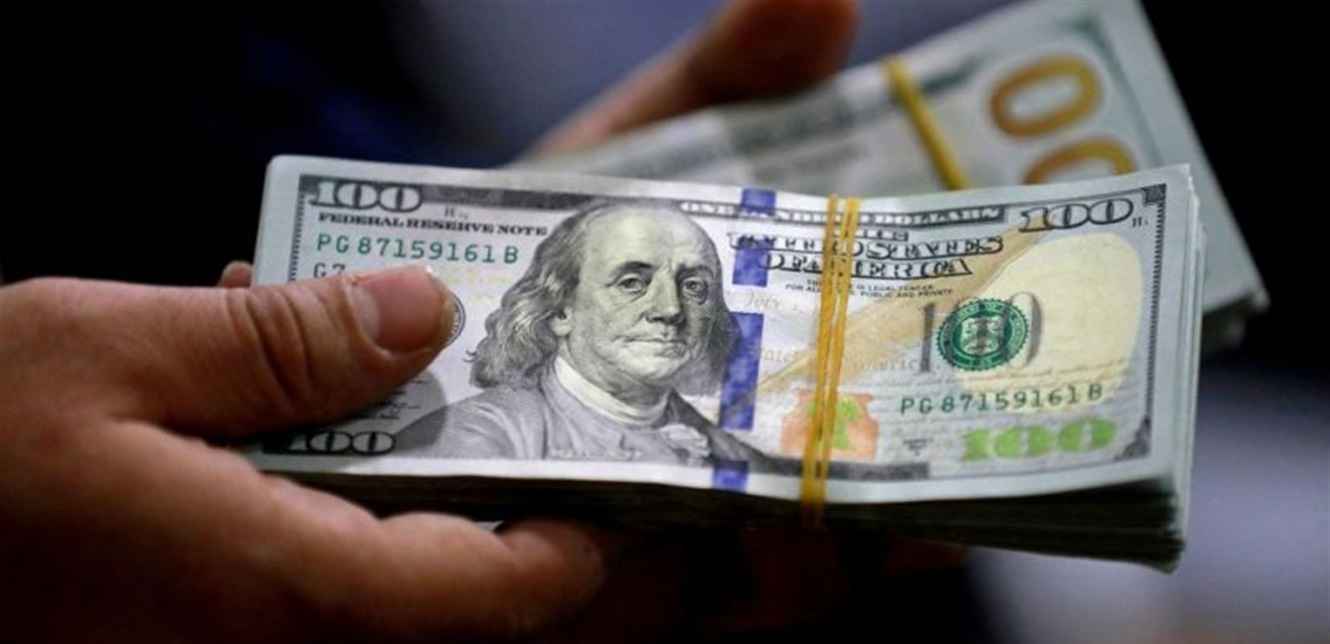
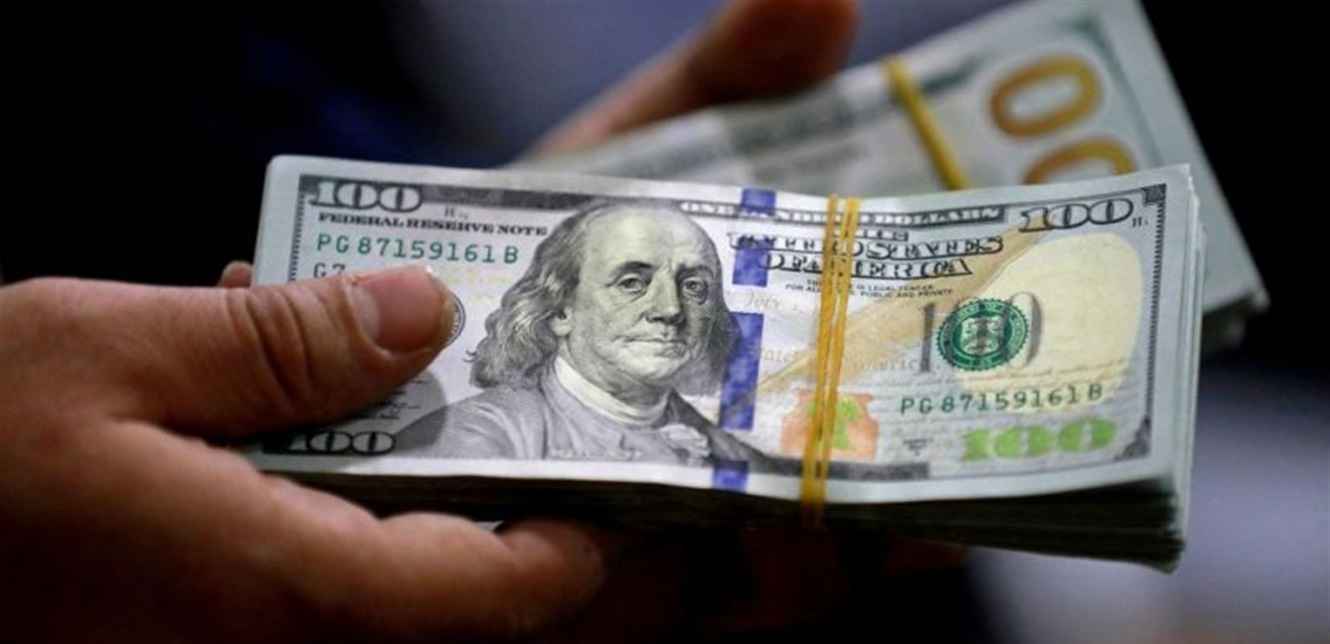
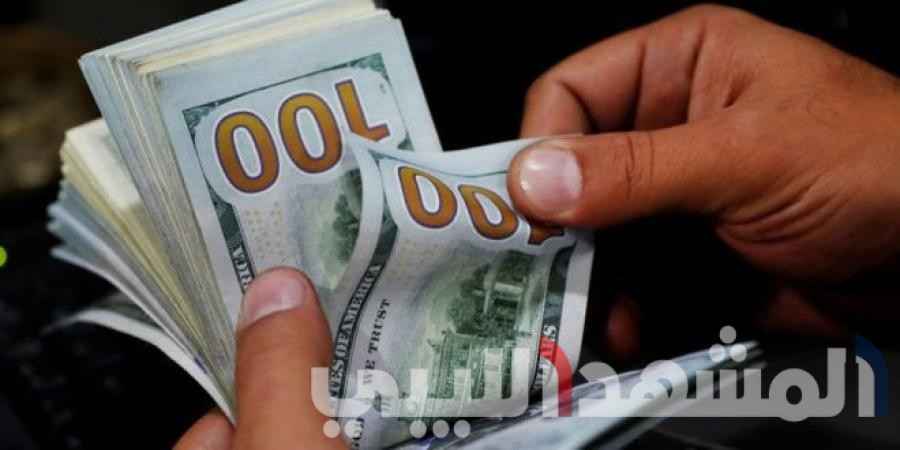
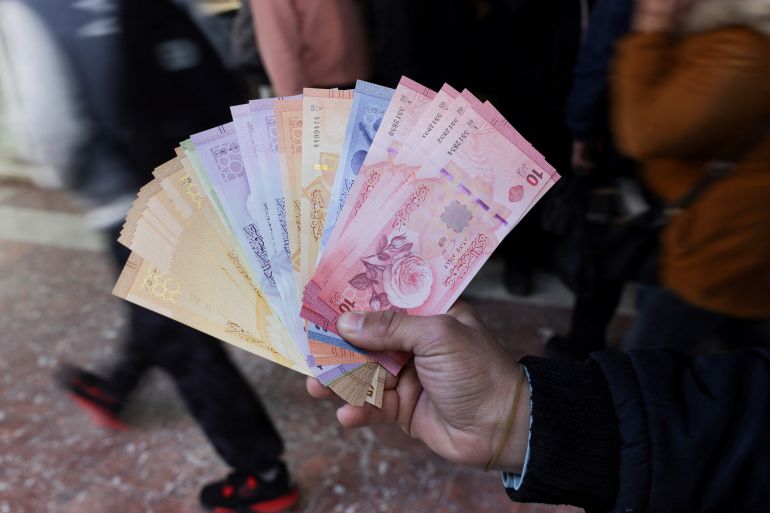
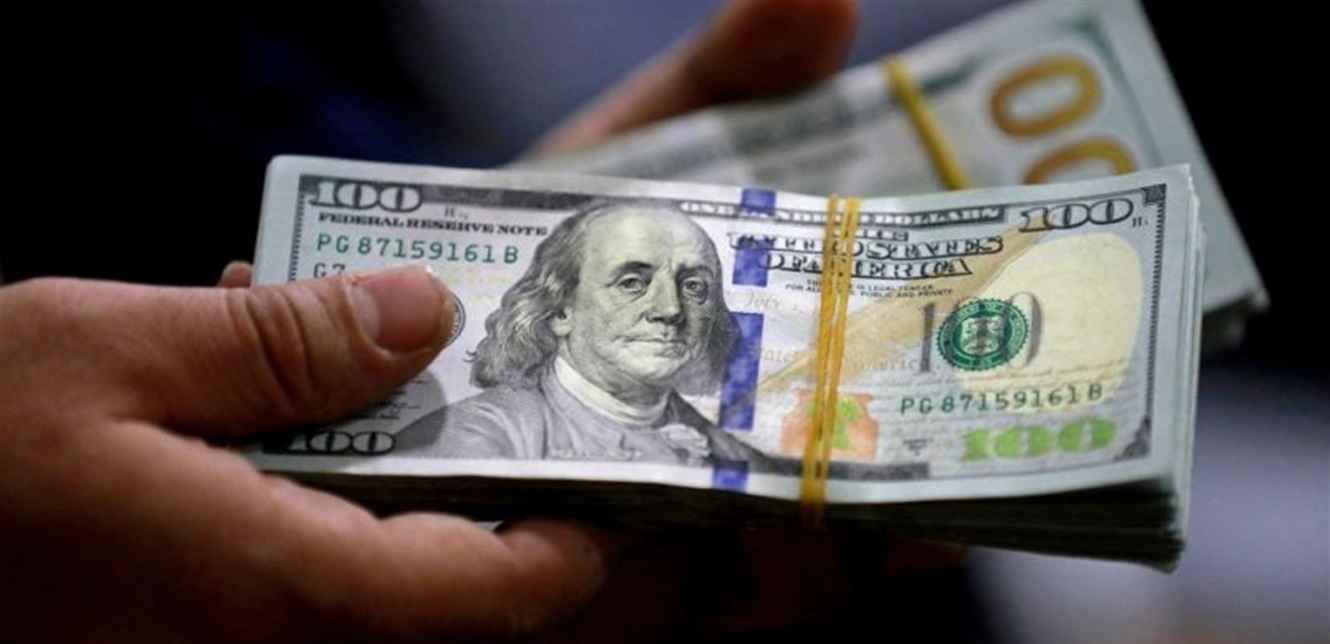
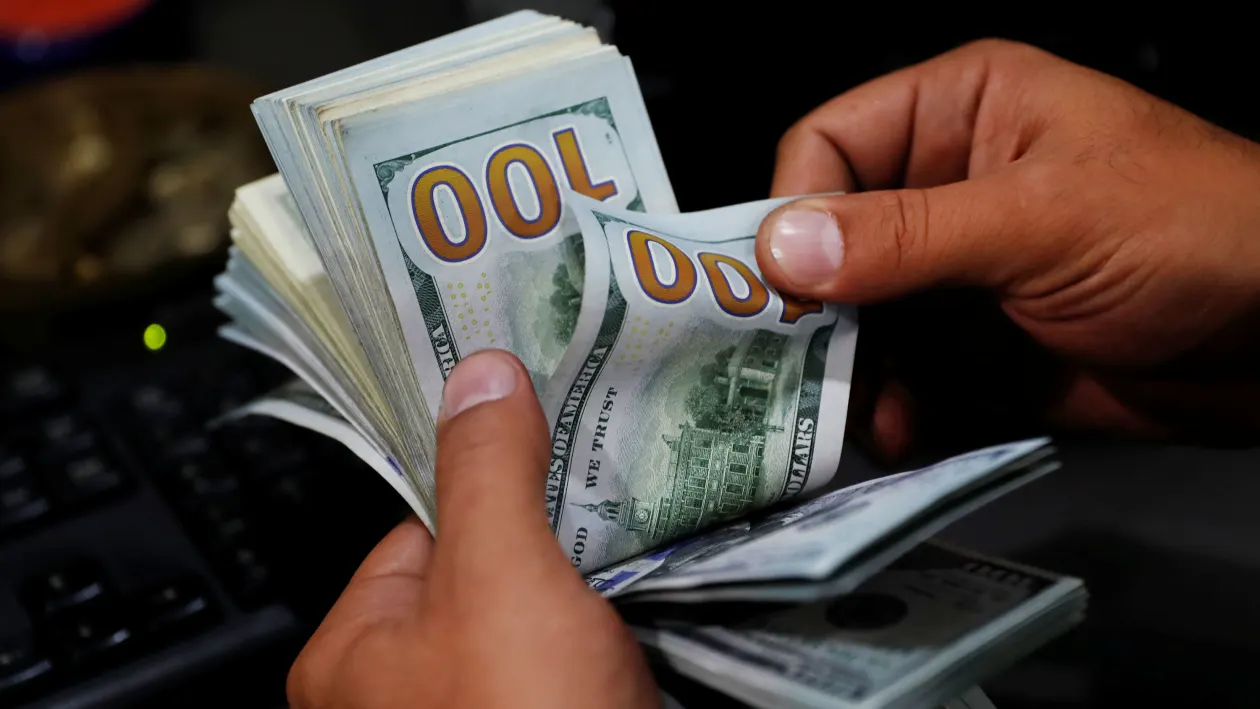
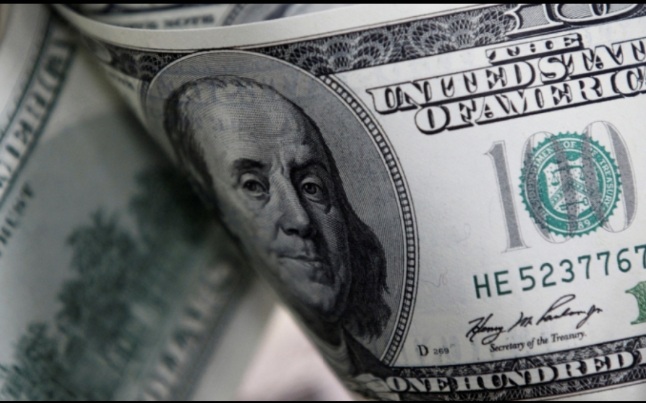
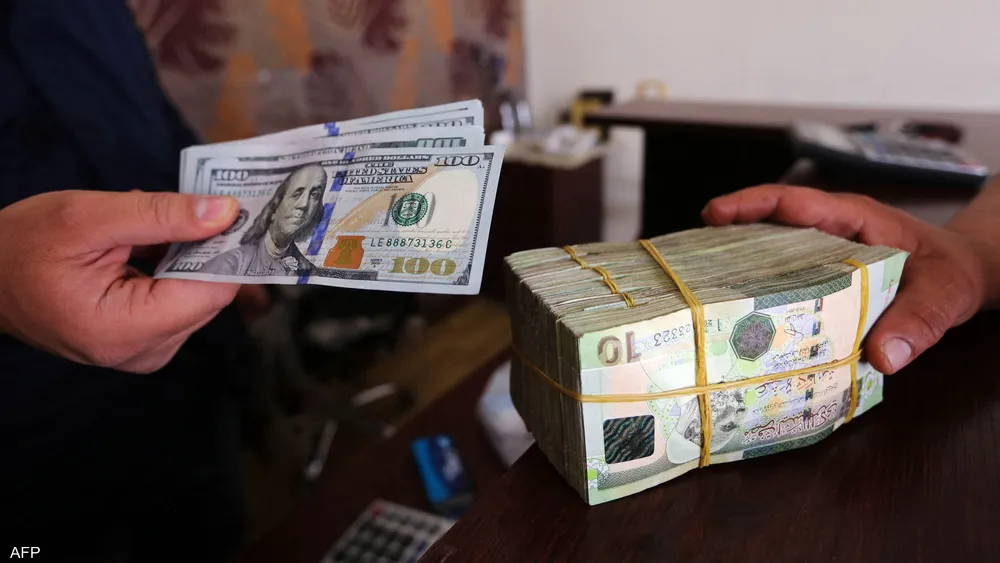
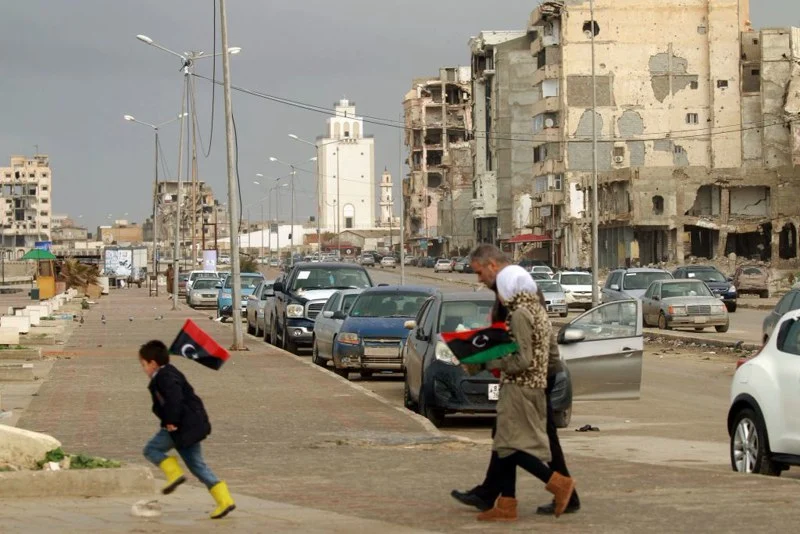
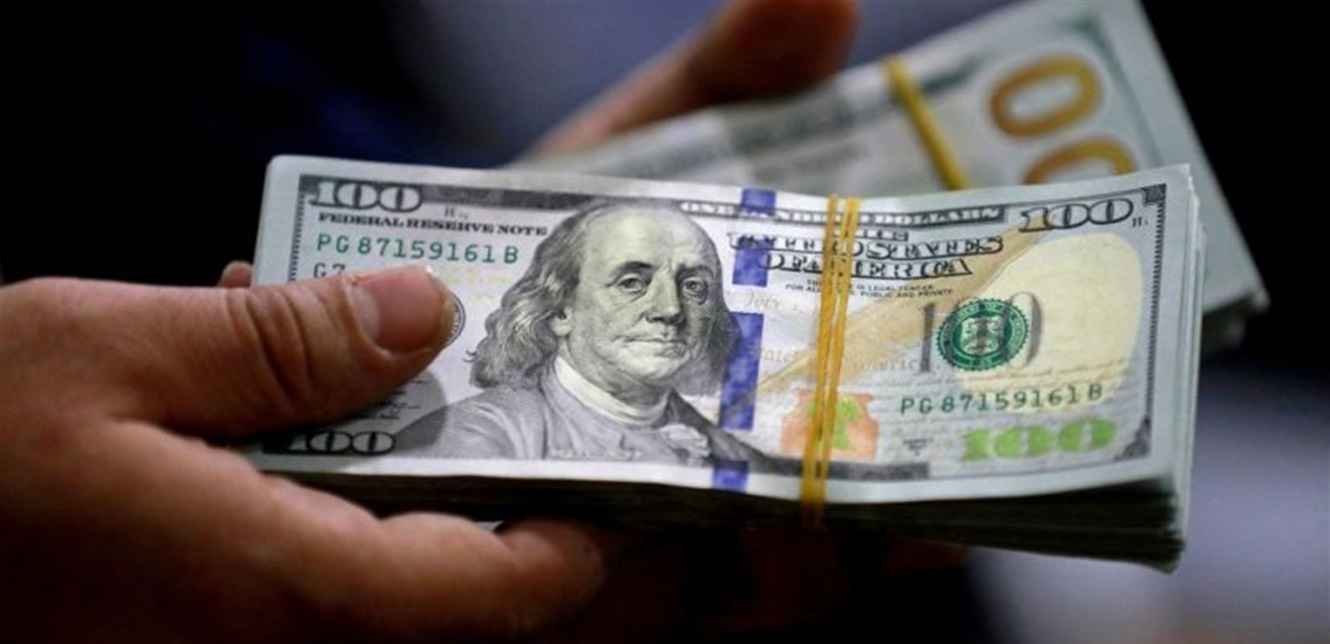
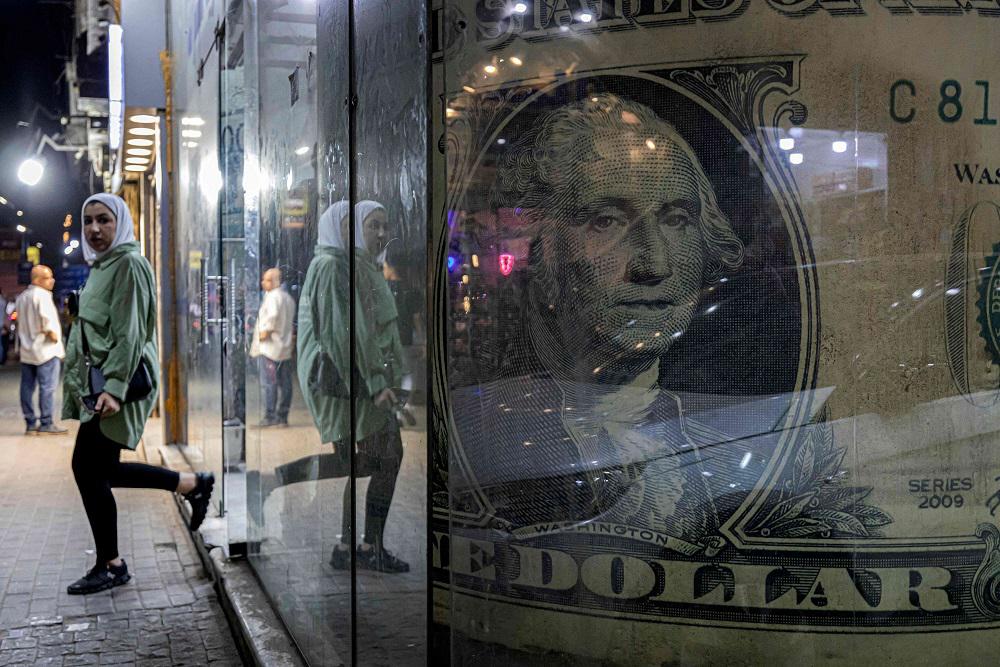
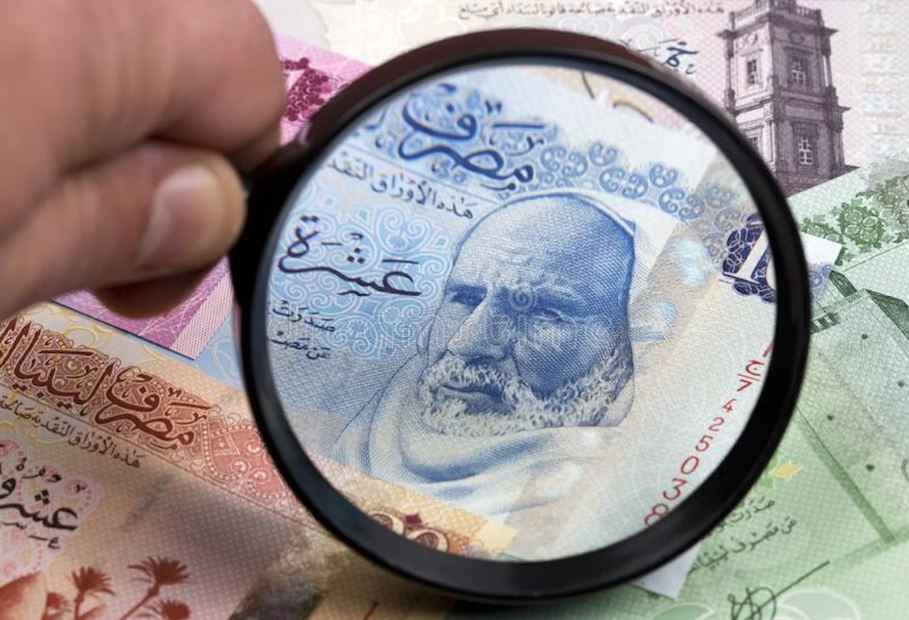
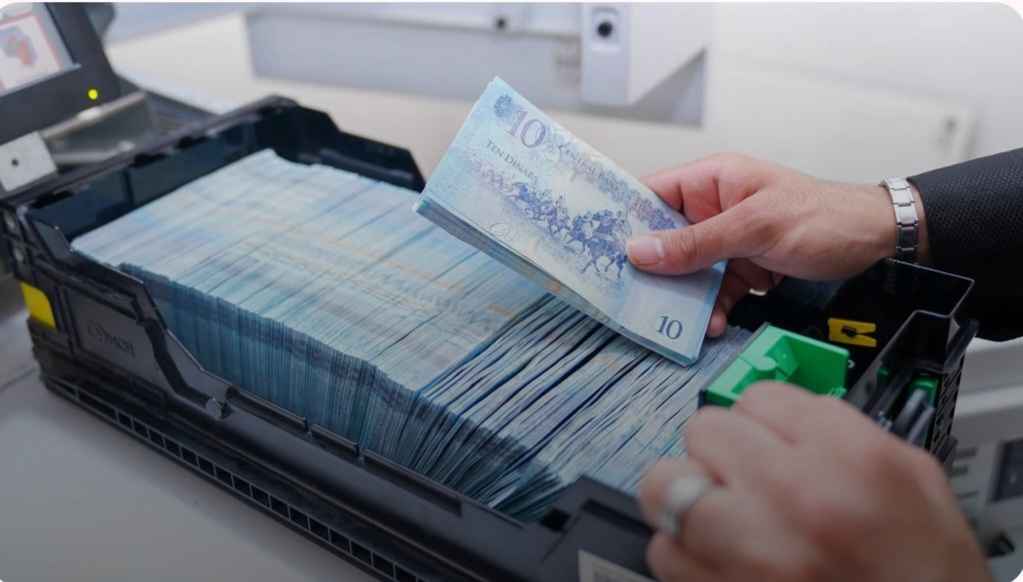
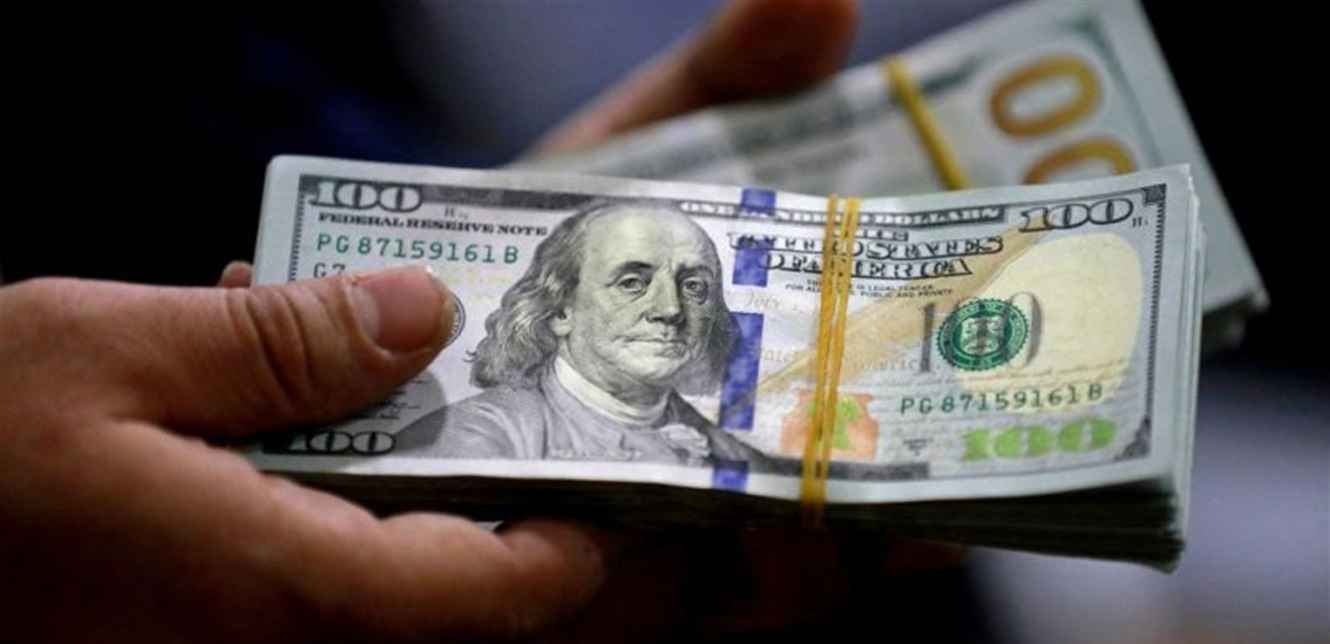
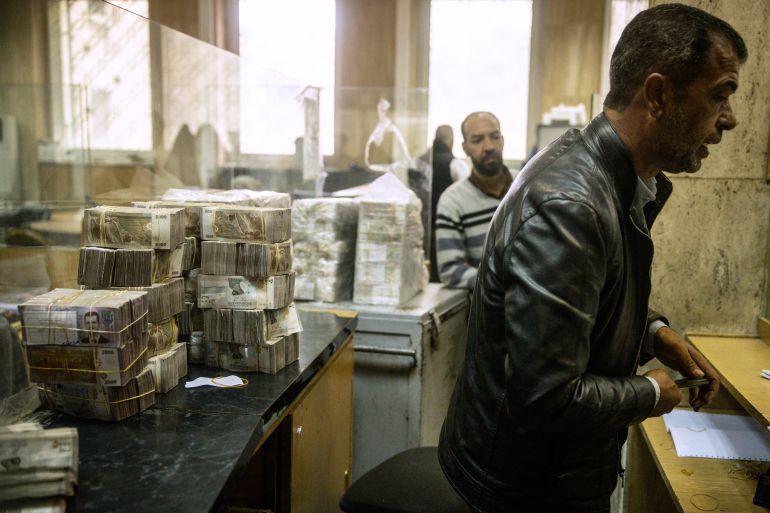
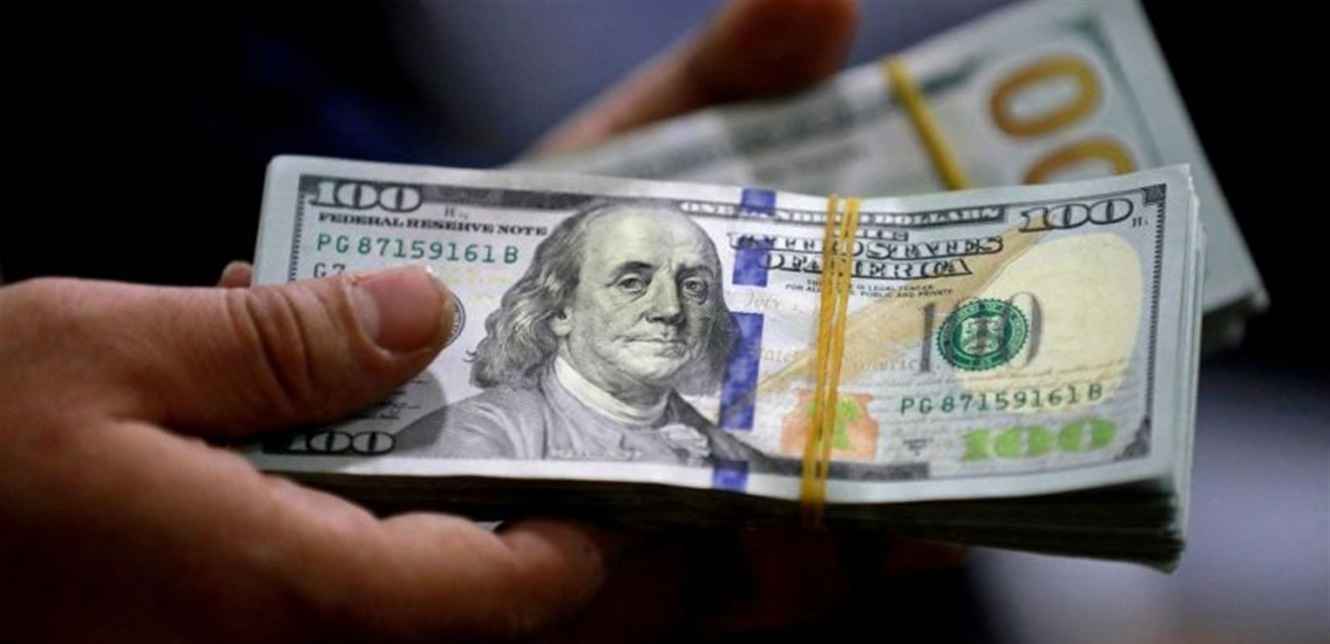
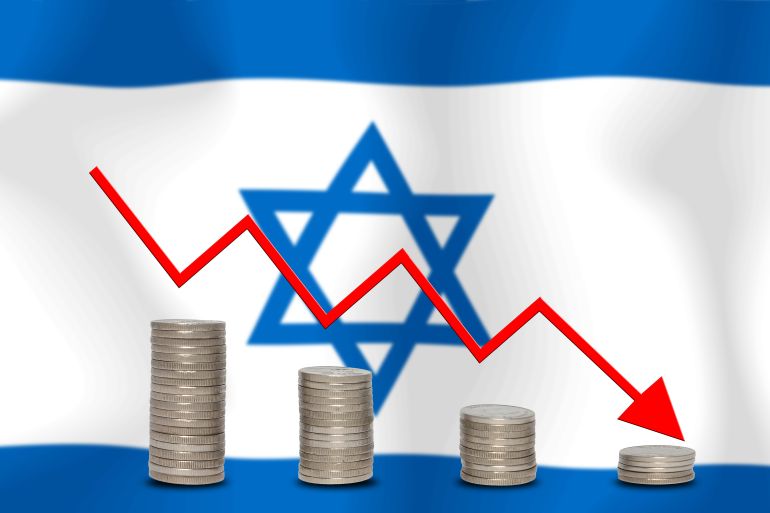
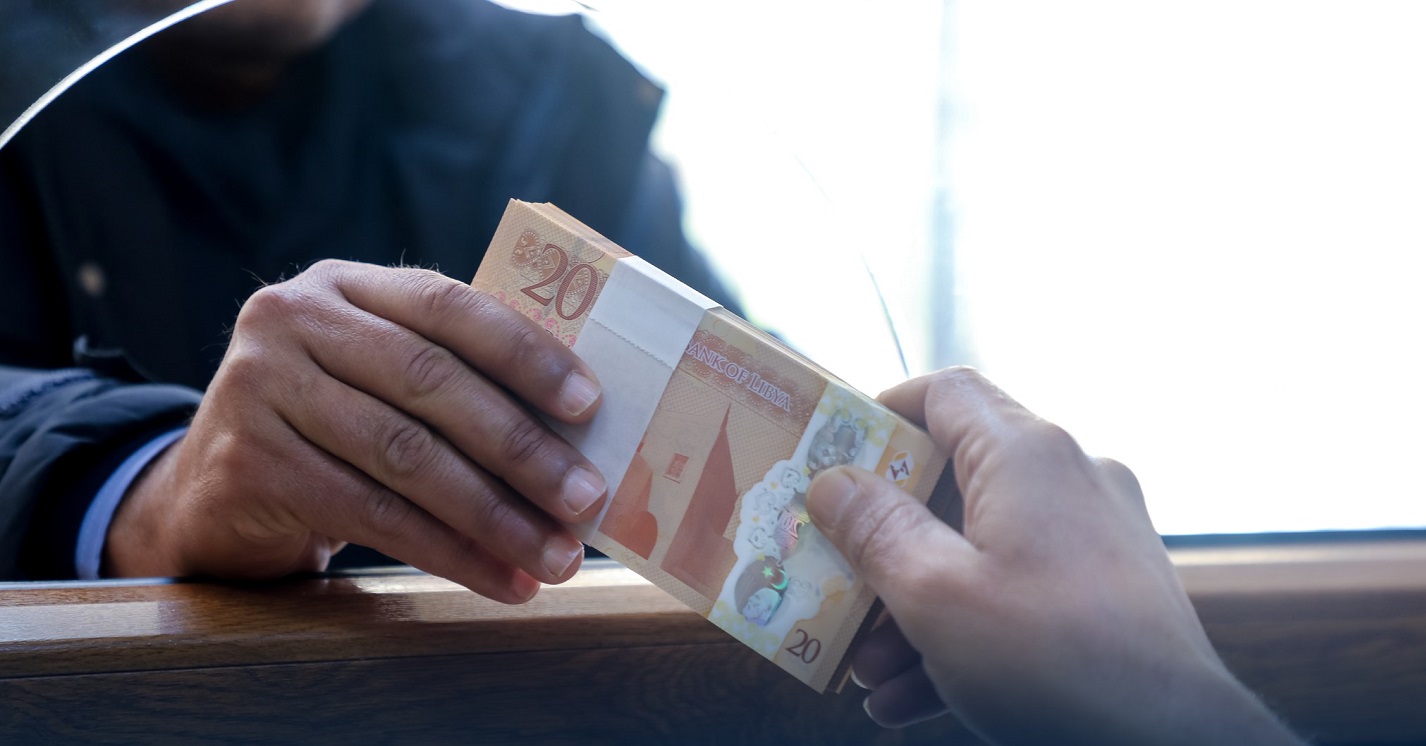
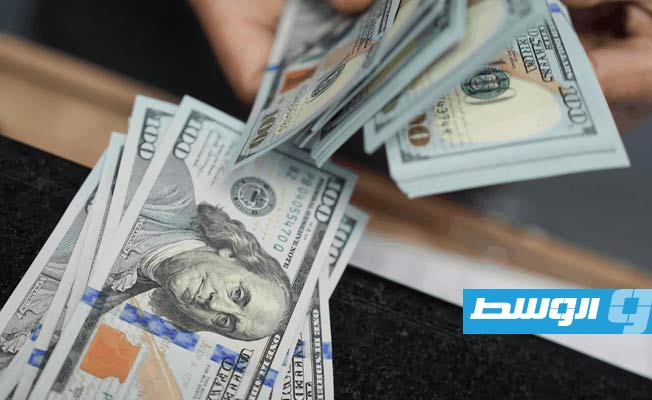
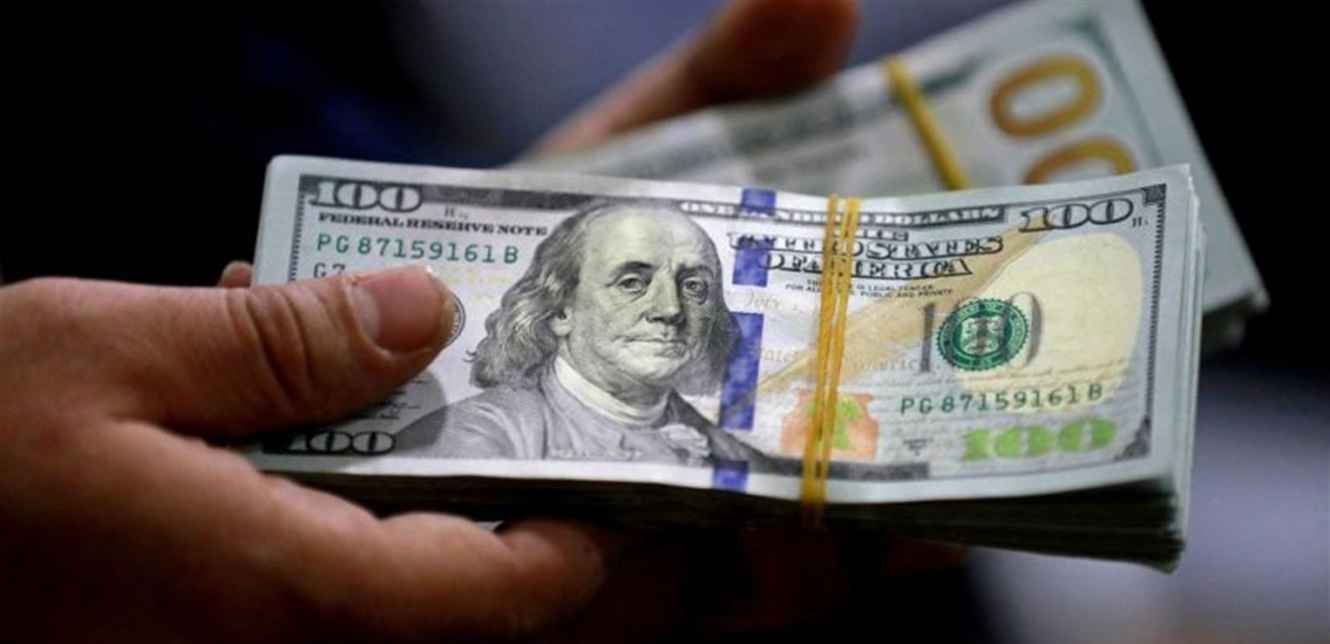
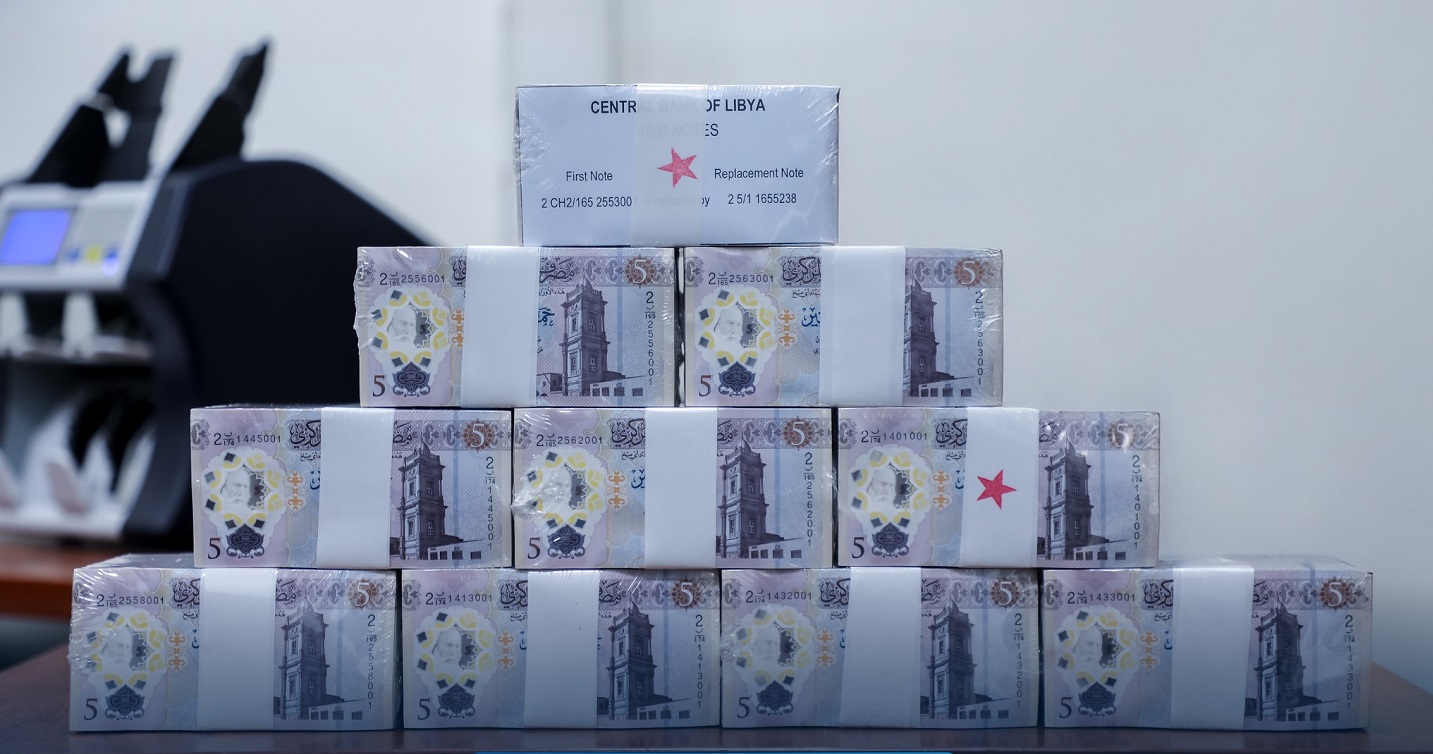
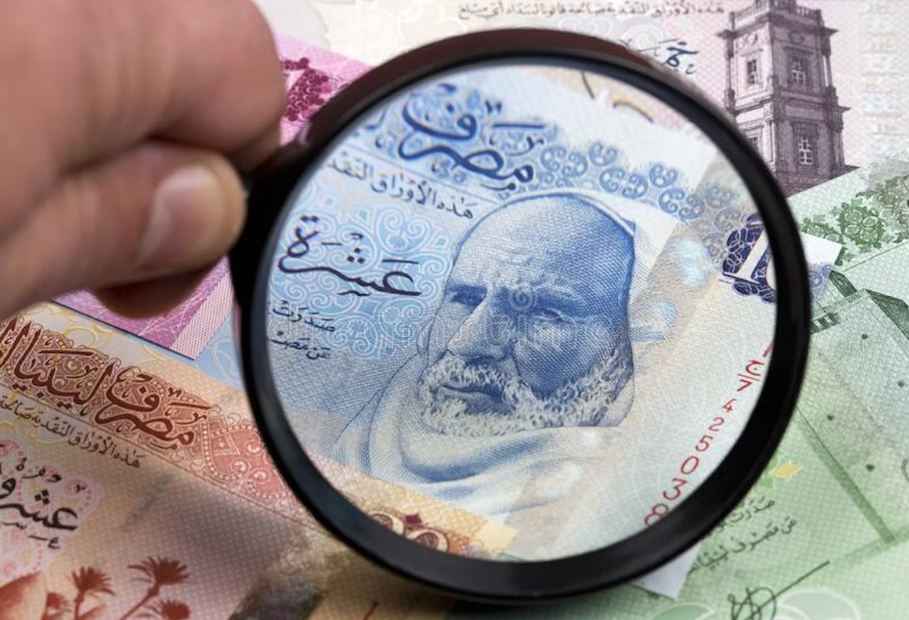
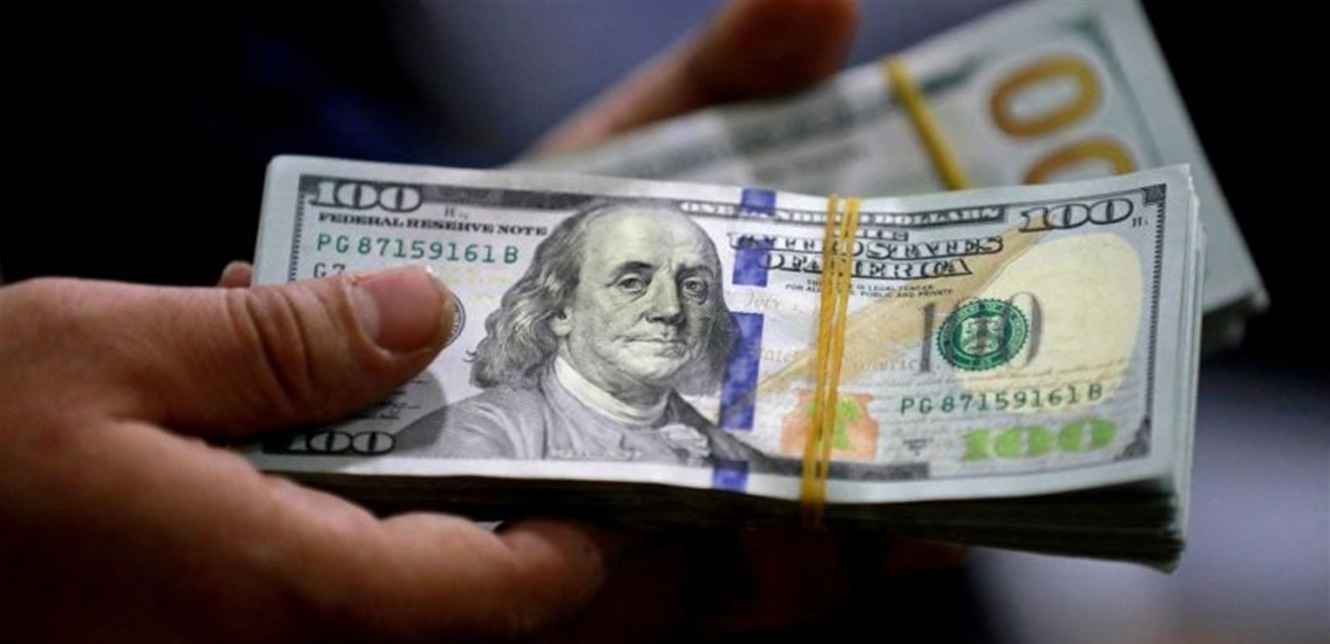
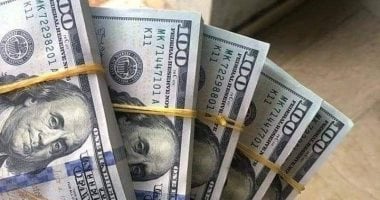
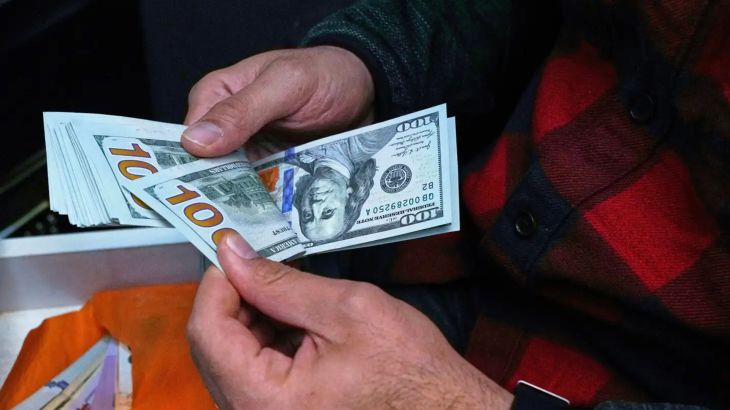
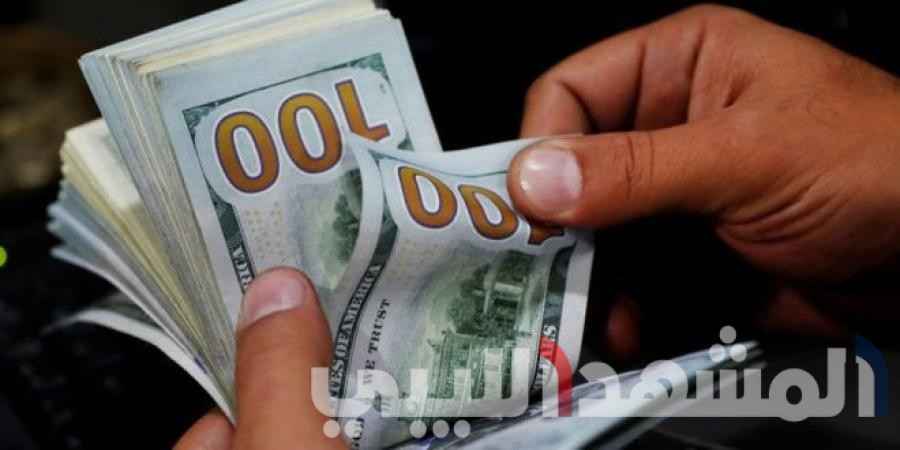
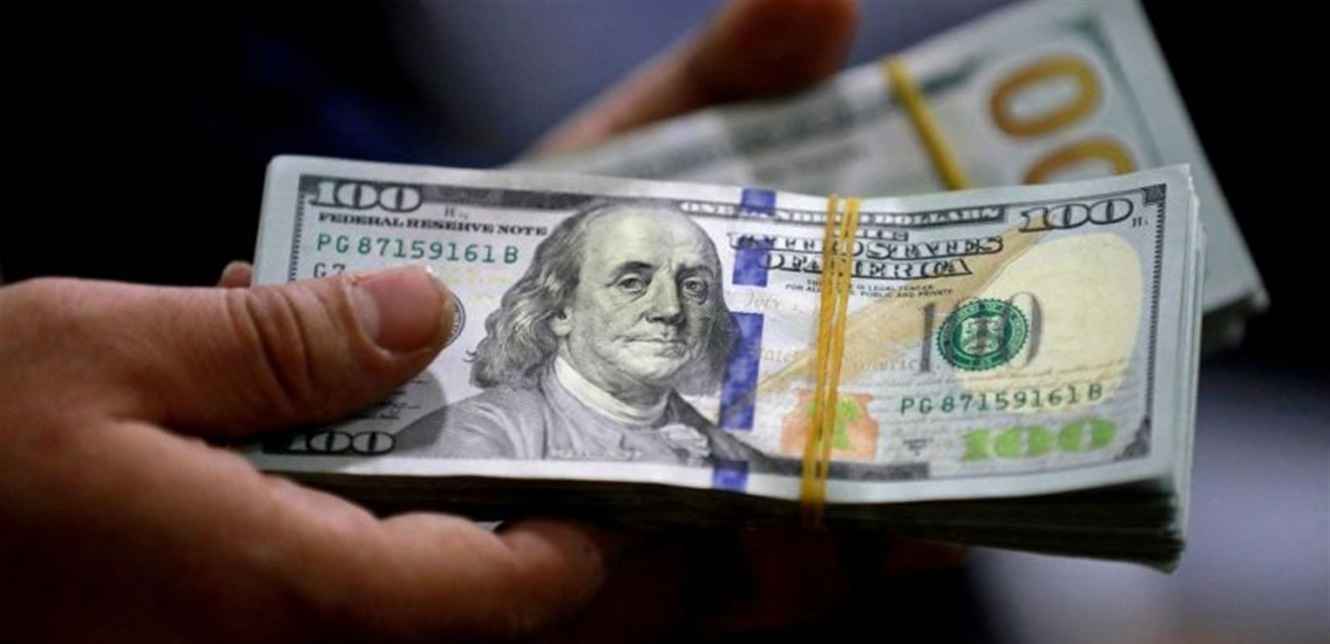
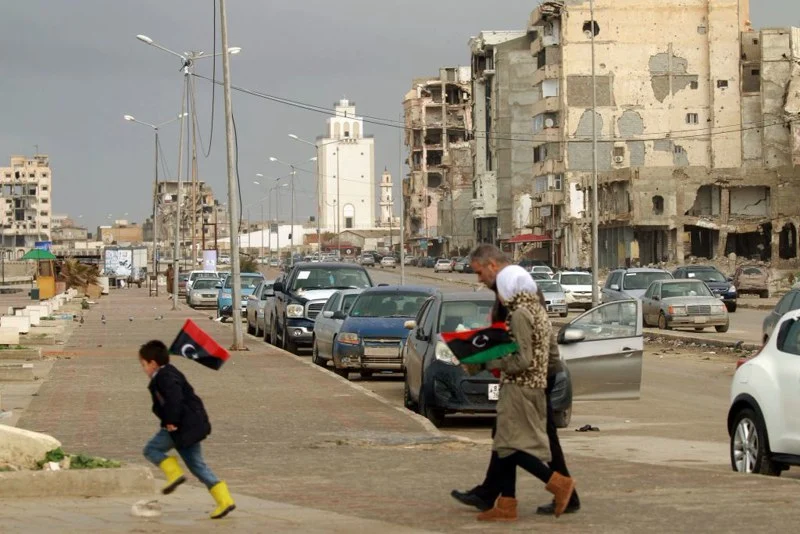
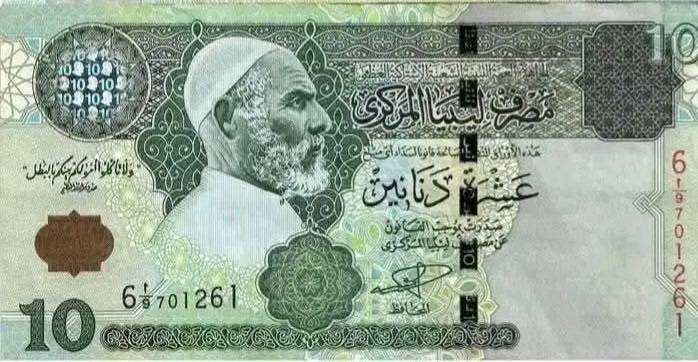
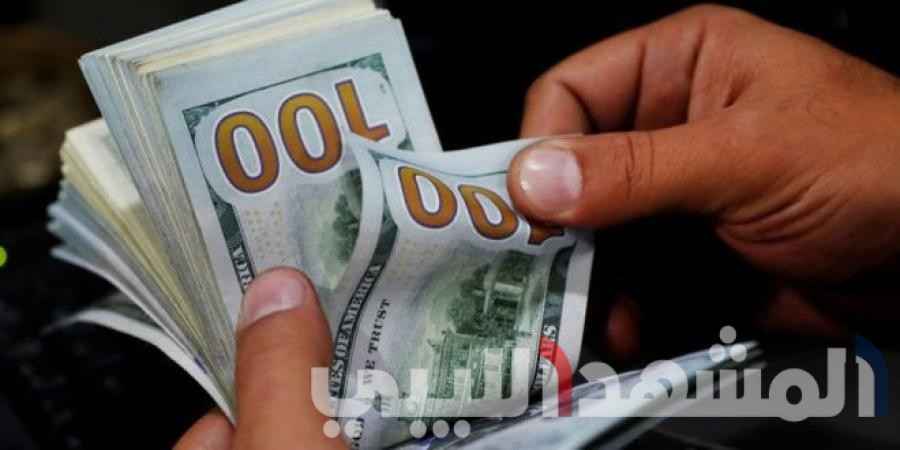
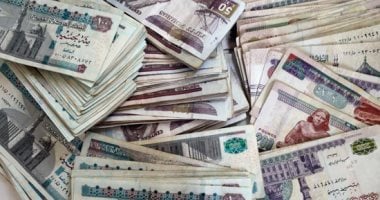
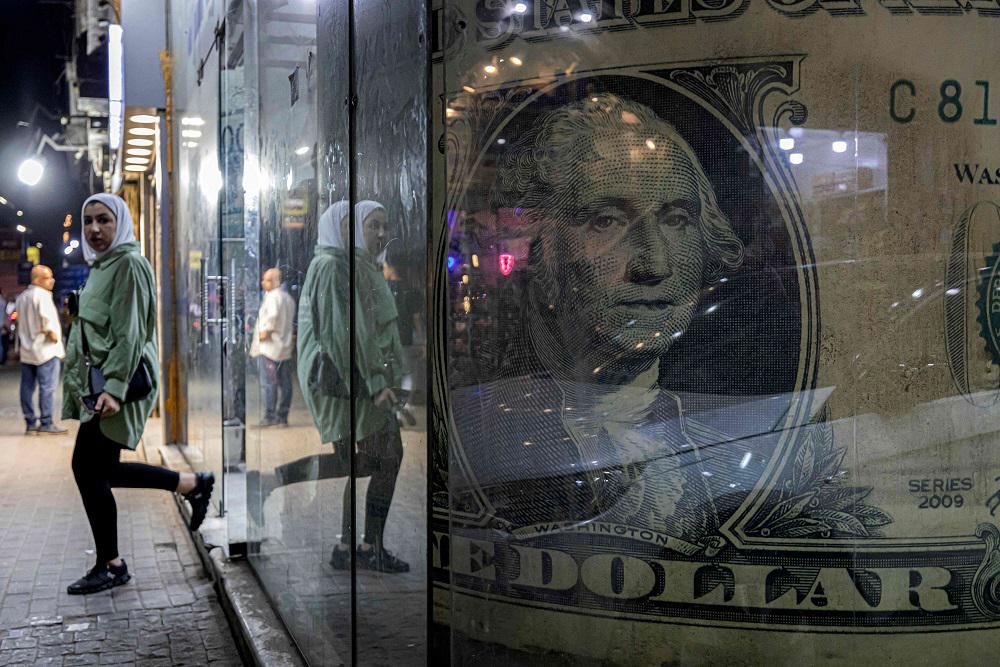
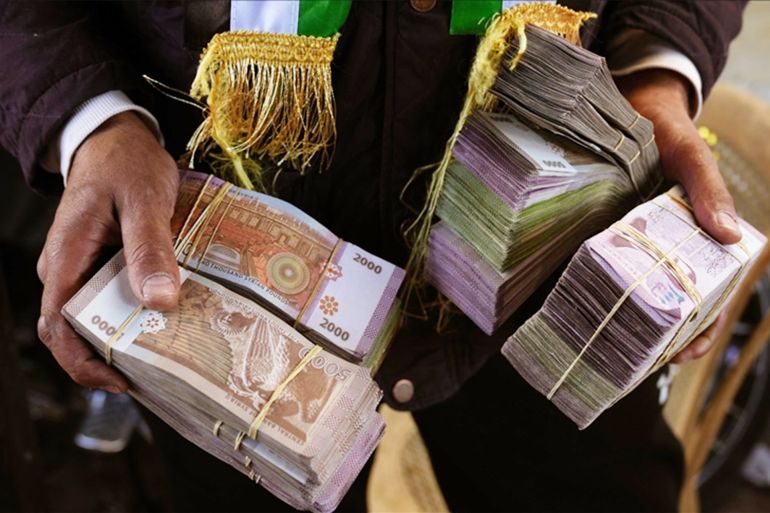
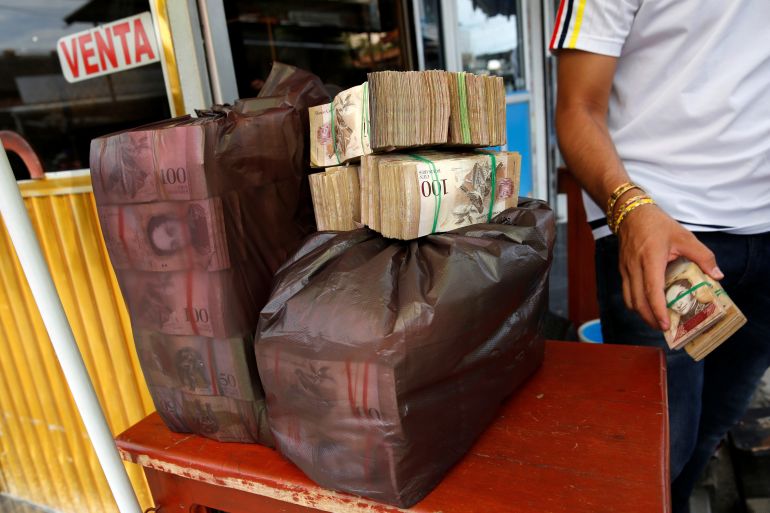
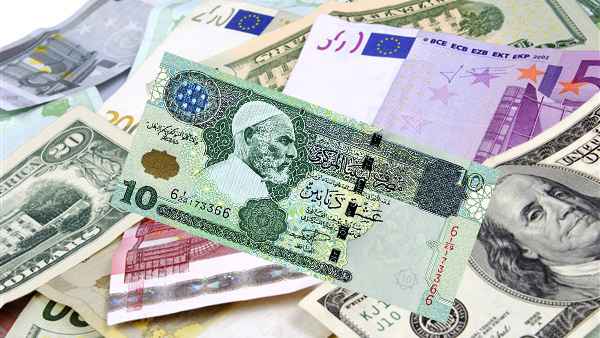
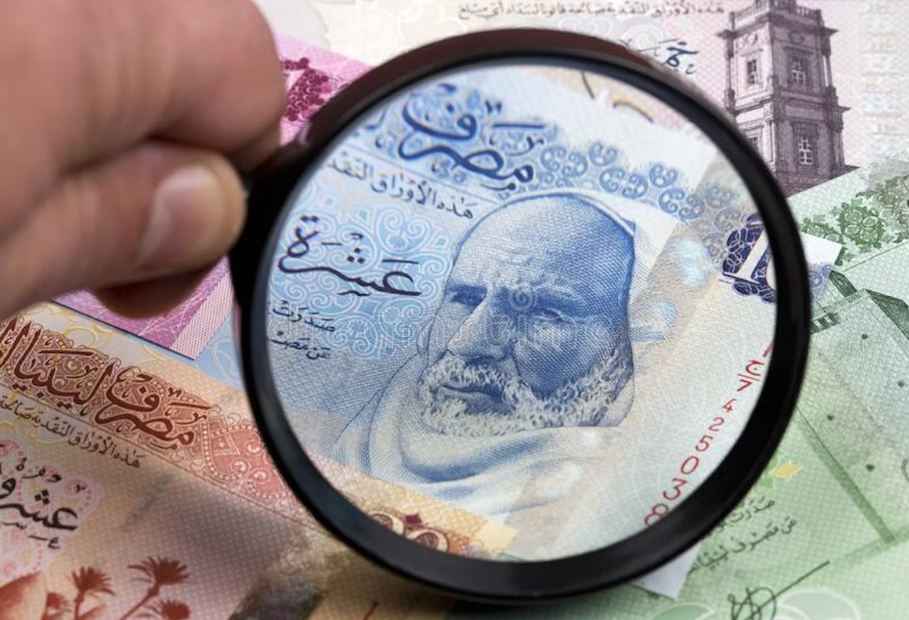
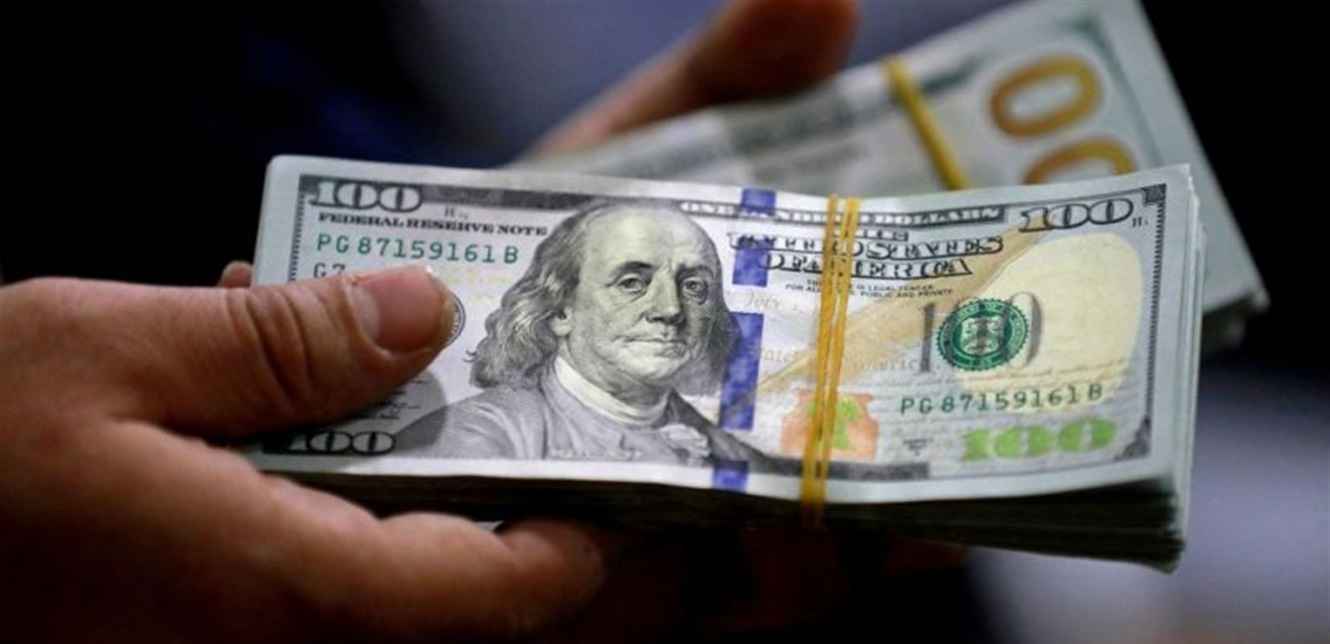
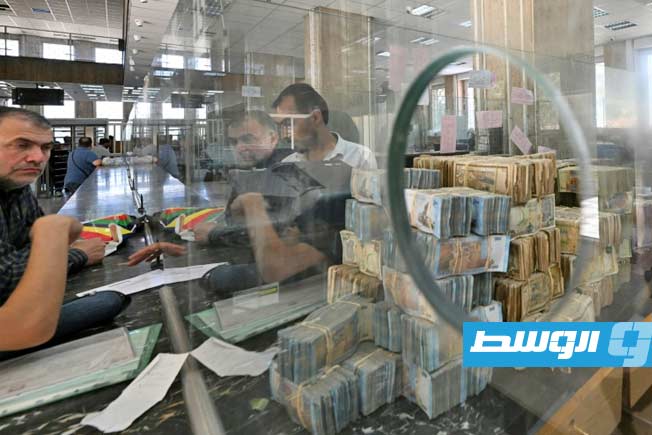
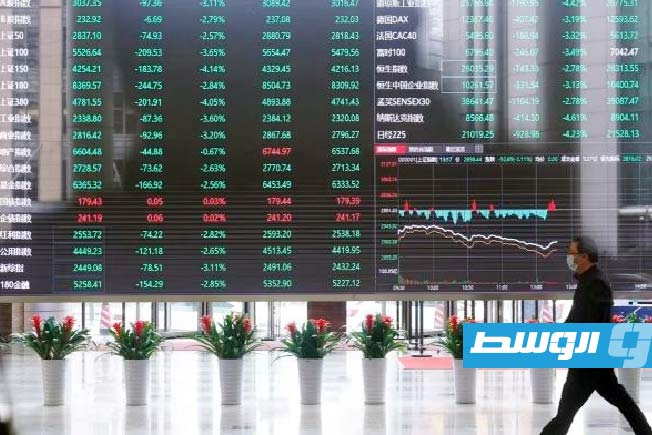
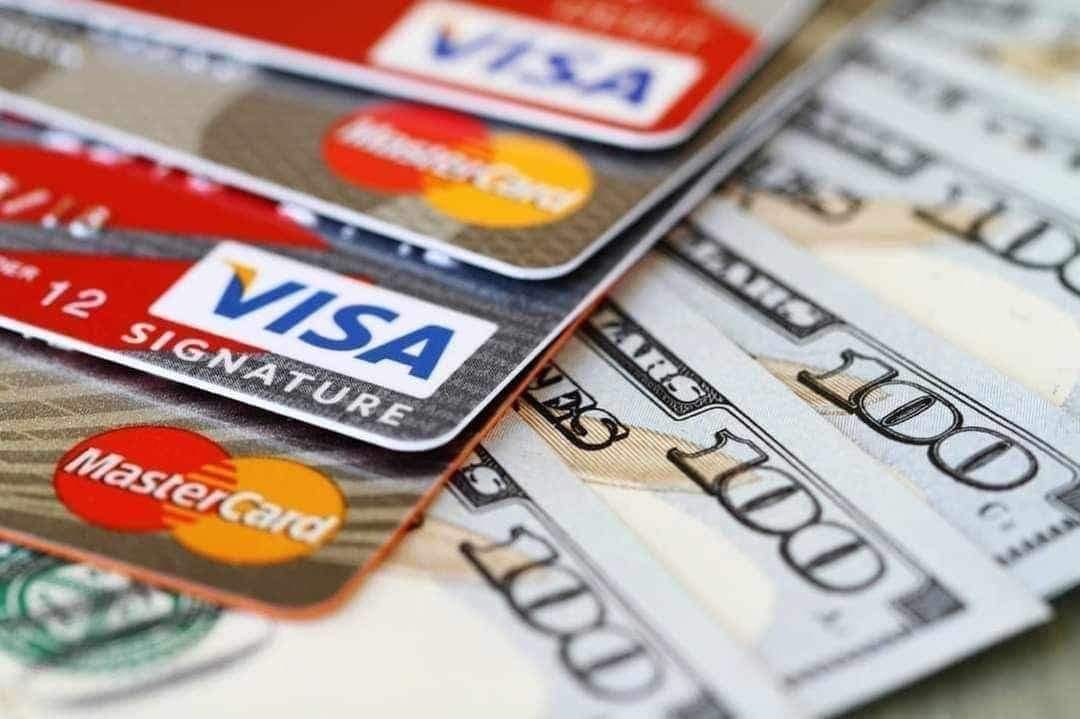
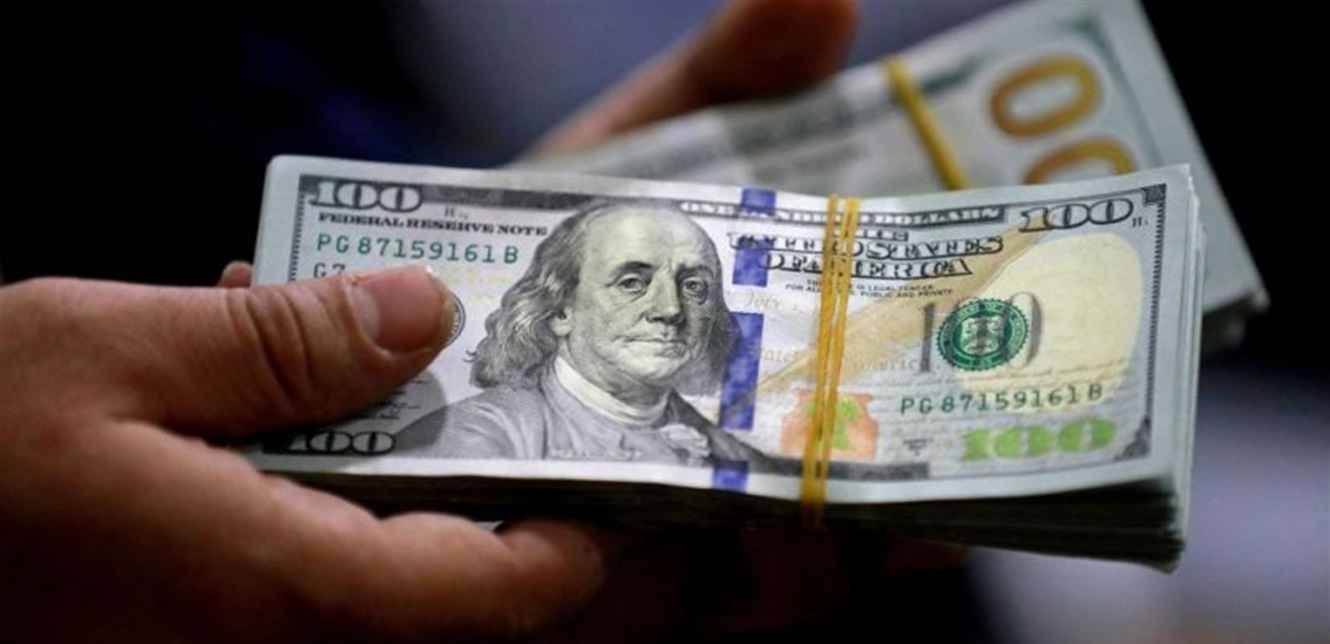
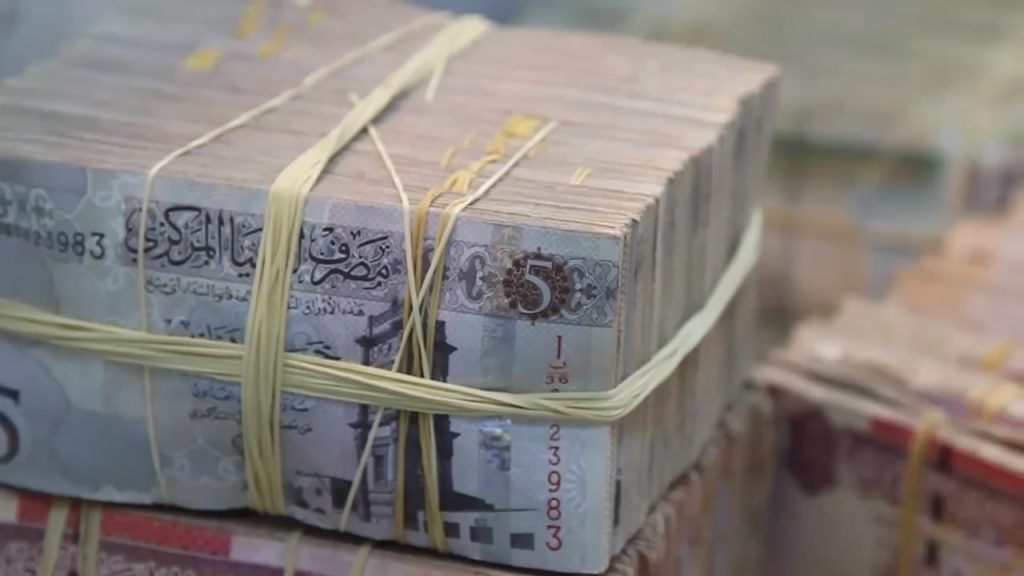
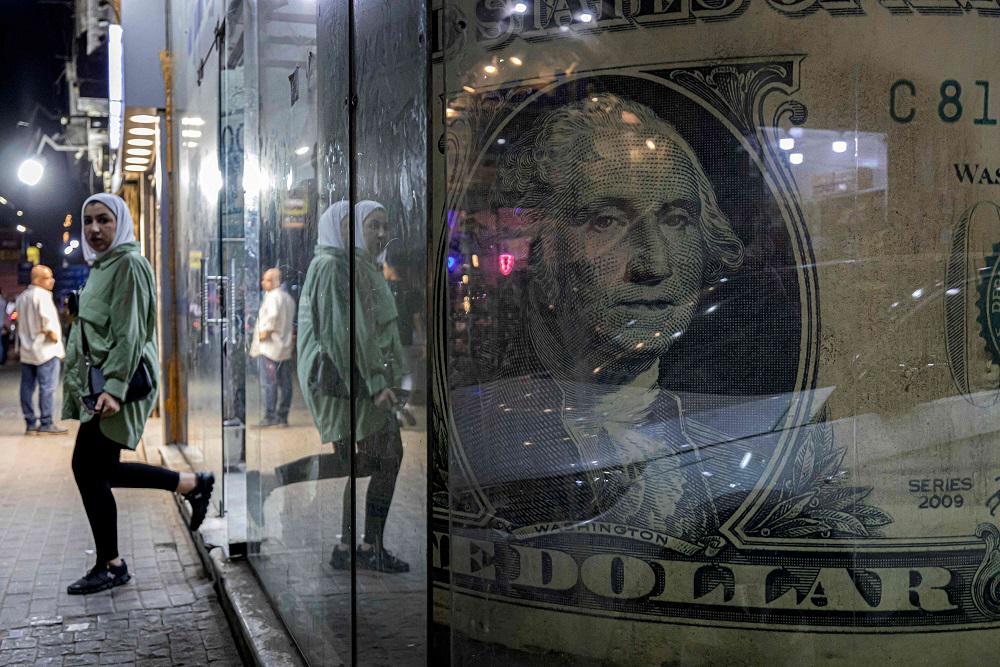
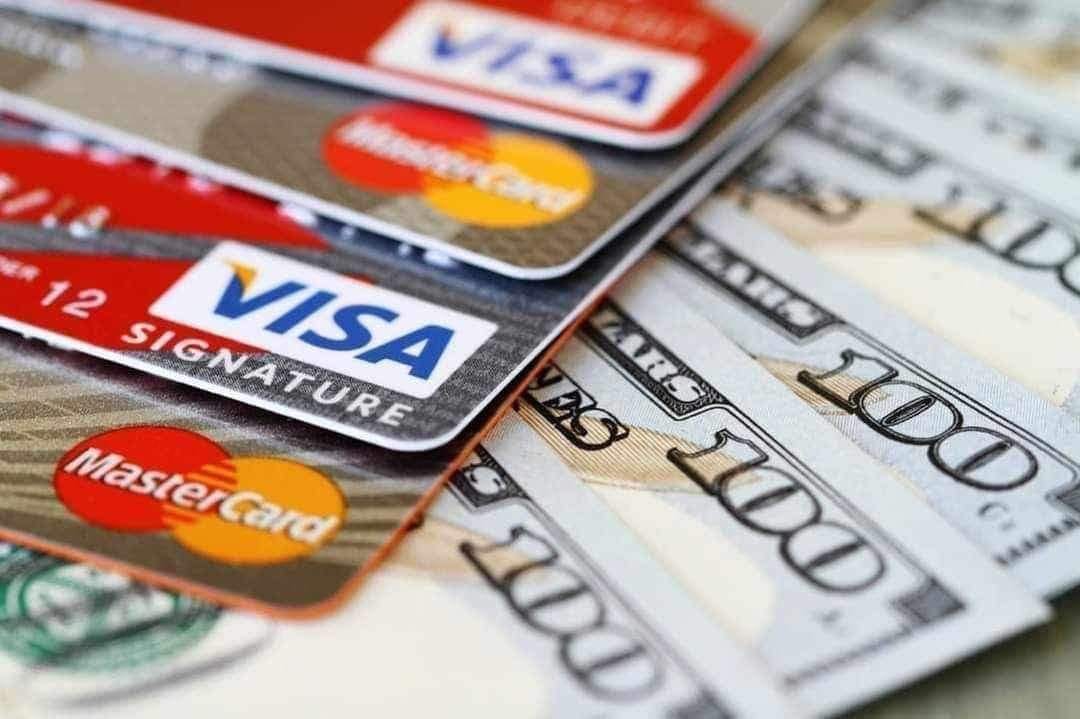
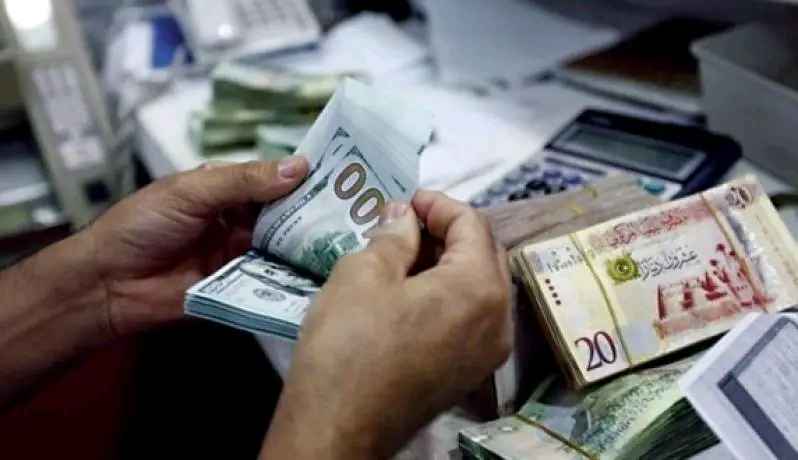
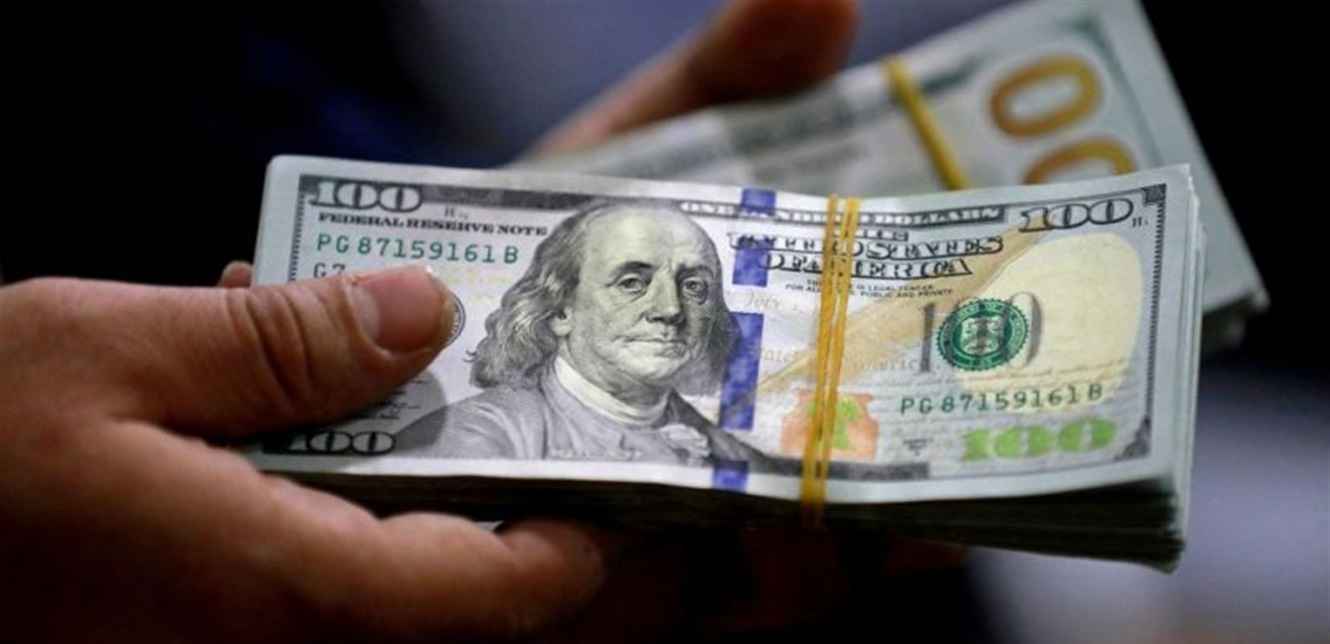
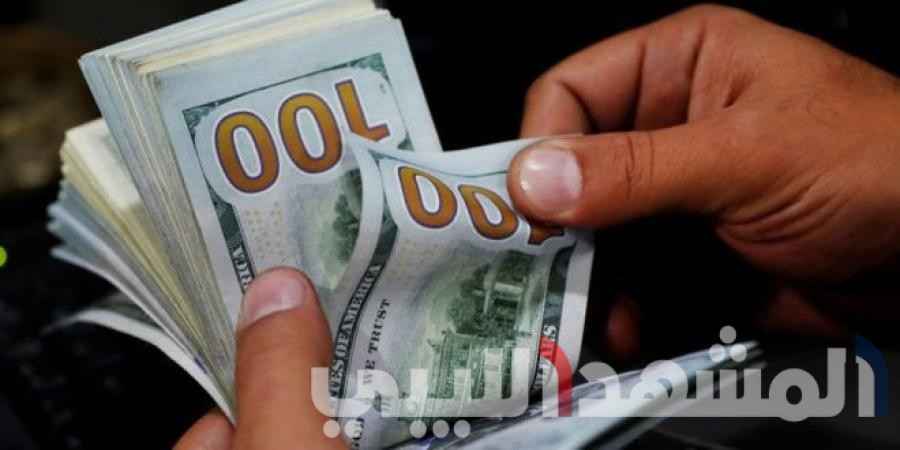
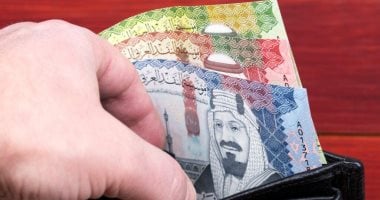
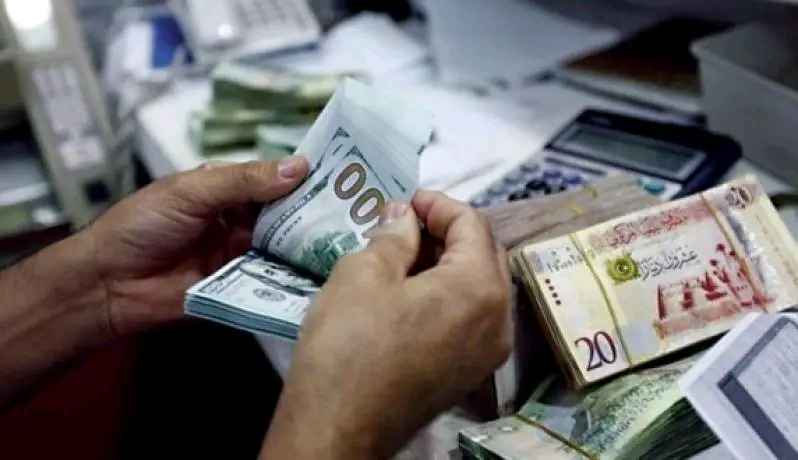
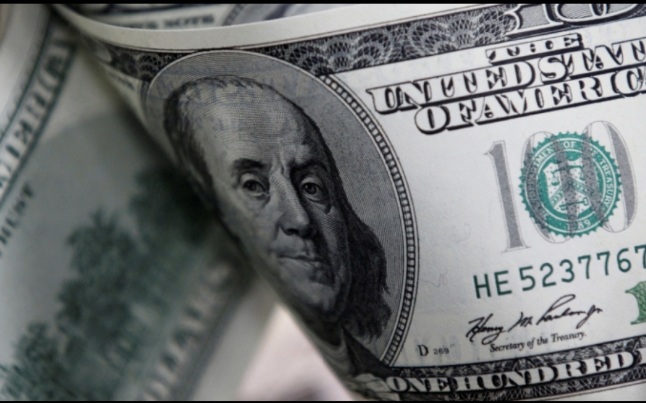
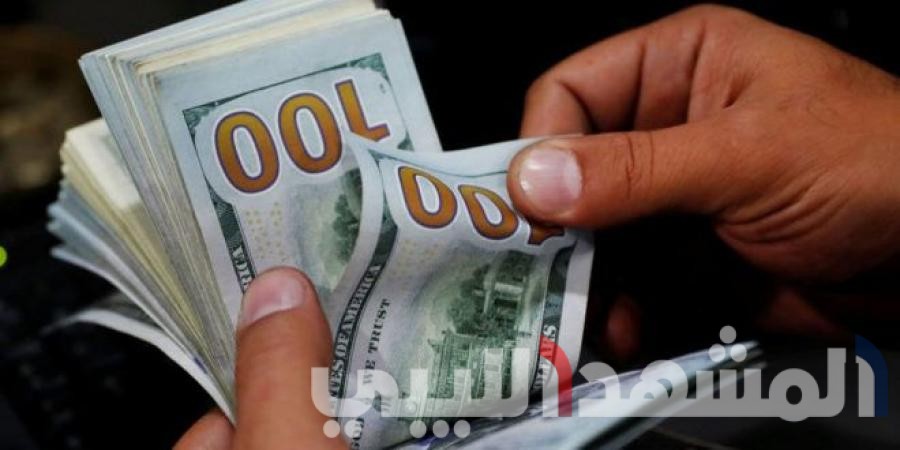
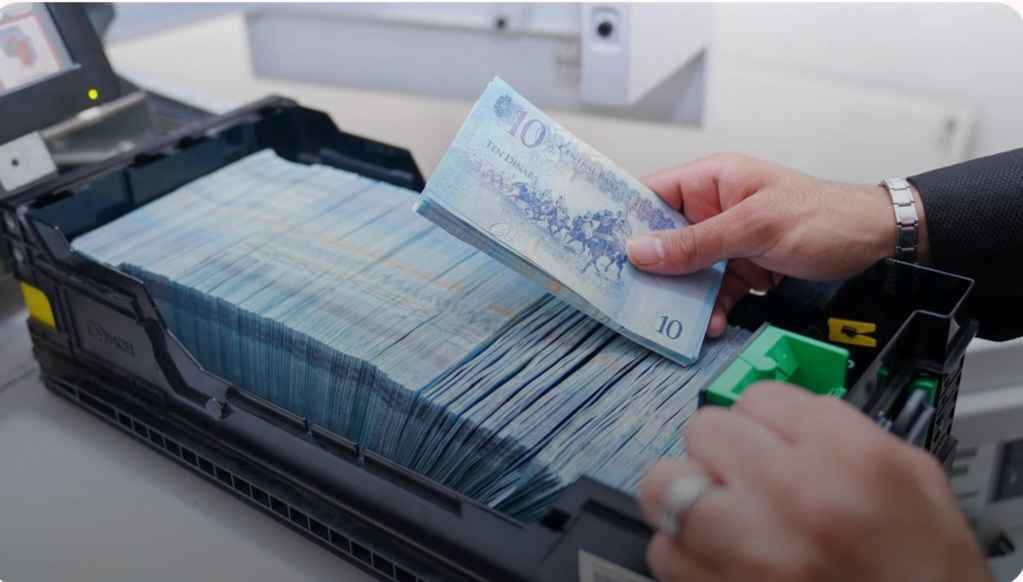
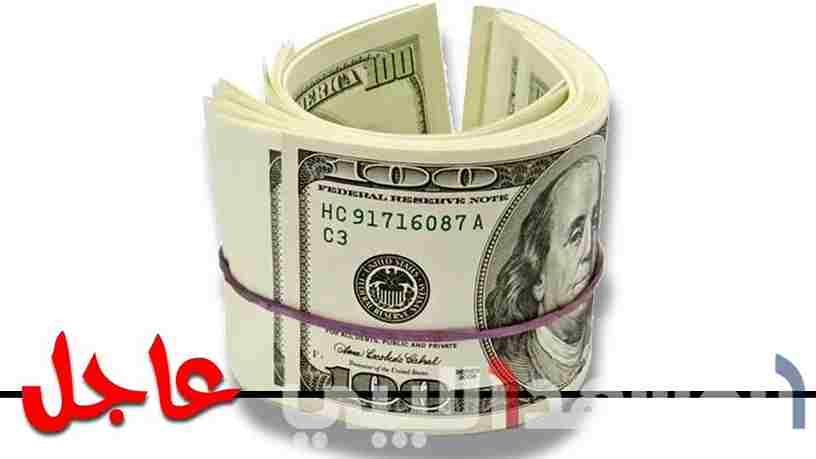
Wednesday, December 24, 2025, trading on the parallel market concluded with a continued rise for the US dollar against the Libyan dinar, closing in Tripoli at 8.59 dinars.
In Zliten, the closing price reached 8.60 dinars, the same price recorded in Benghazi, indicating a slight variation between cities with a general upward trend.
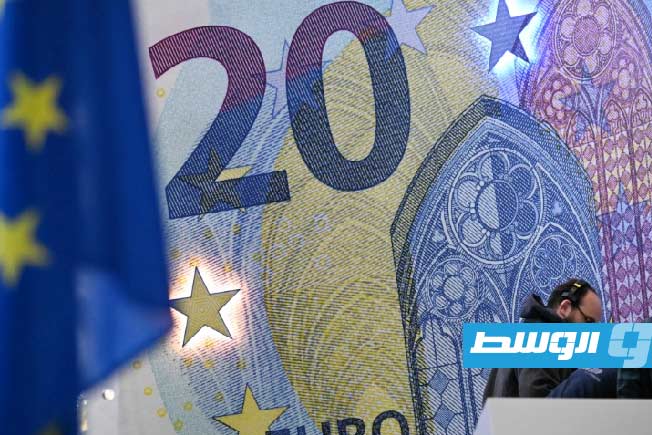
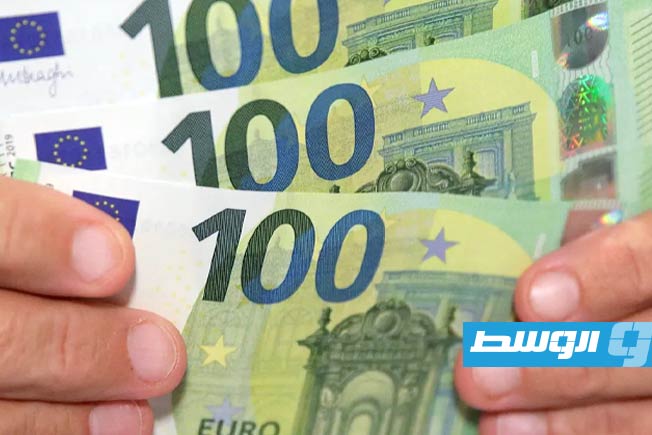
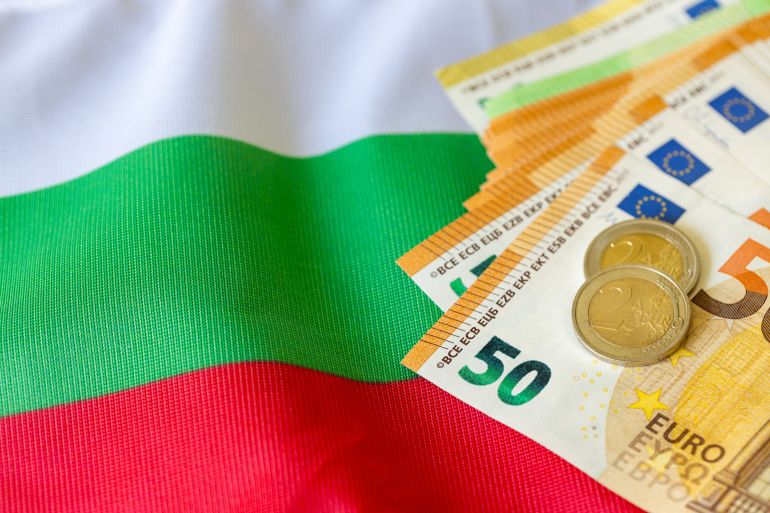
Other foreign currencies also recorded high levels, with the Euro reaching 9.91 dinars and the British Pound reaching 11.20 dinars, according to specialized exchange rate platforms.
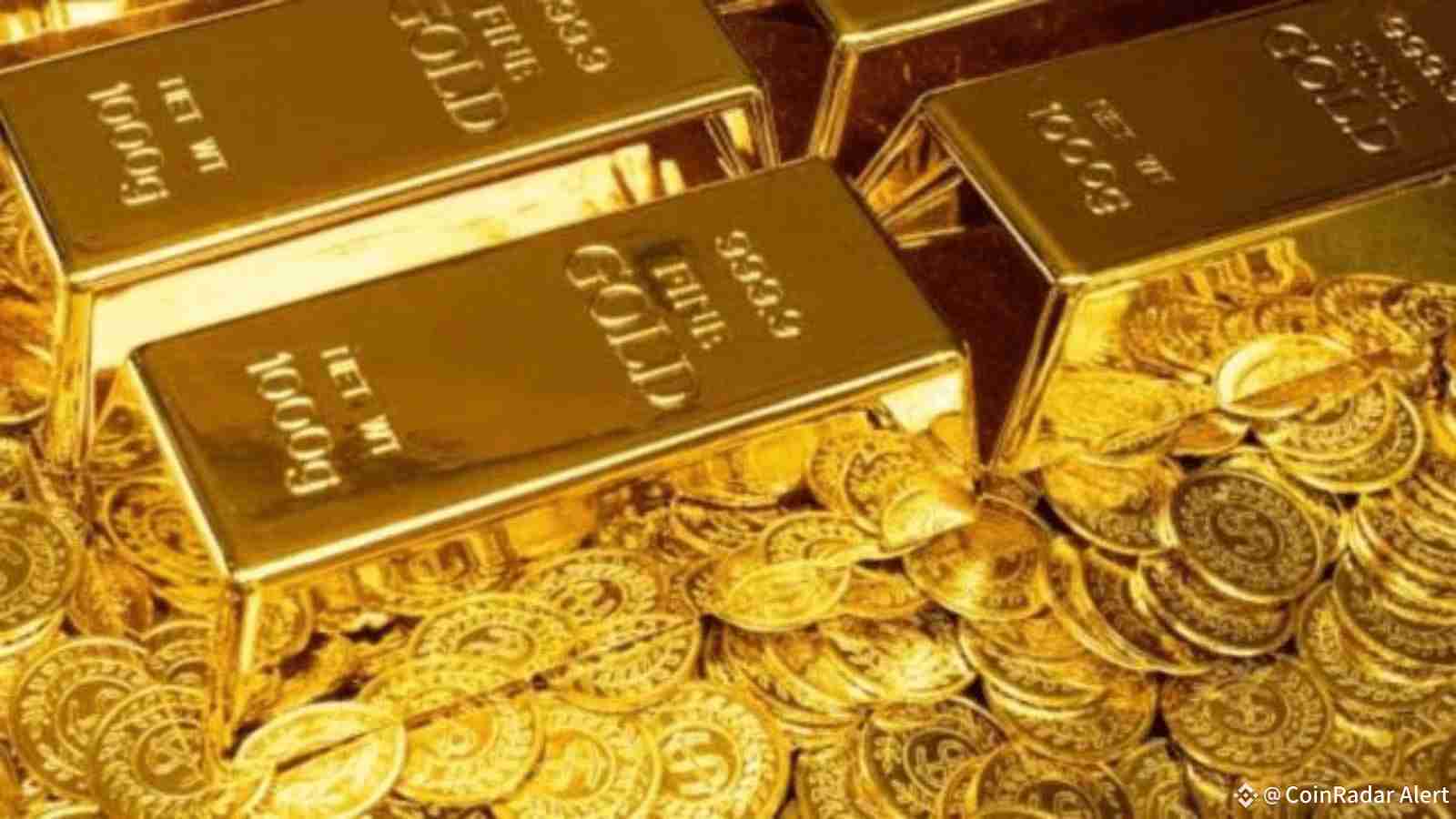
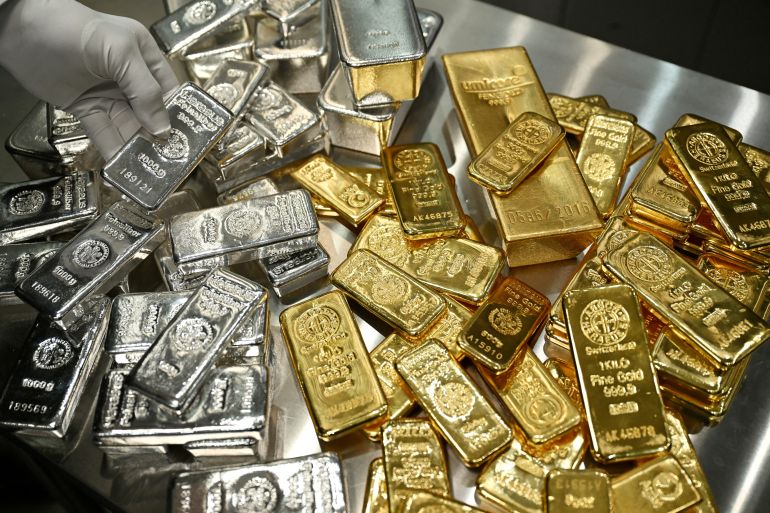
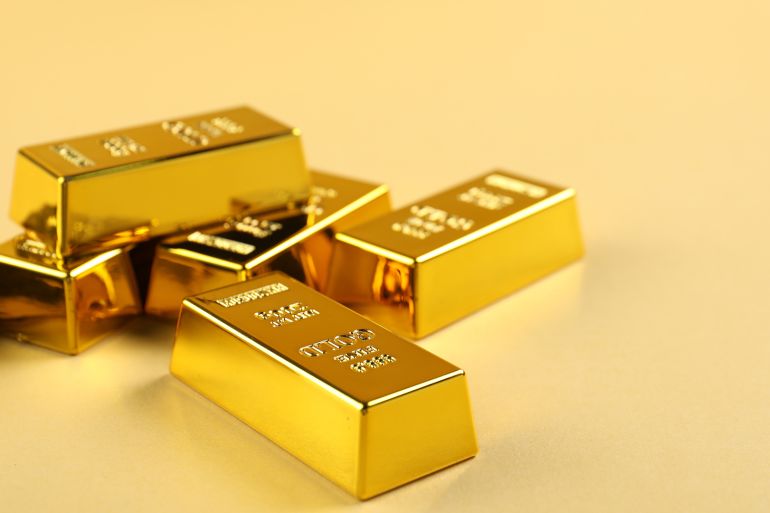
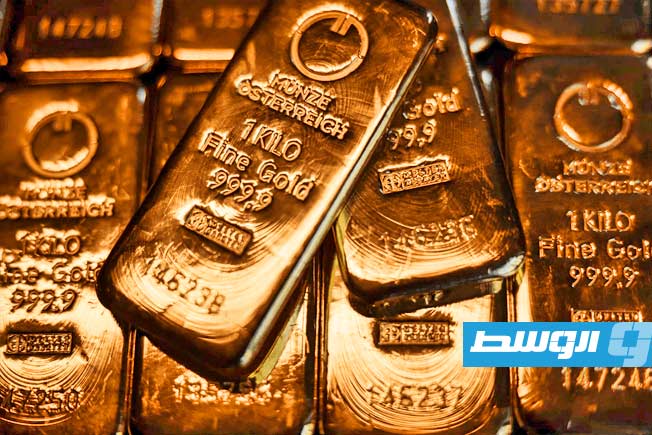
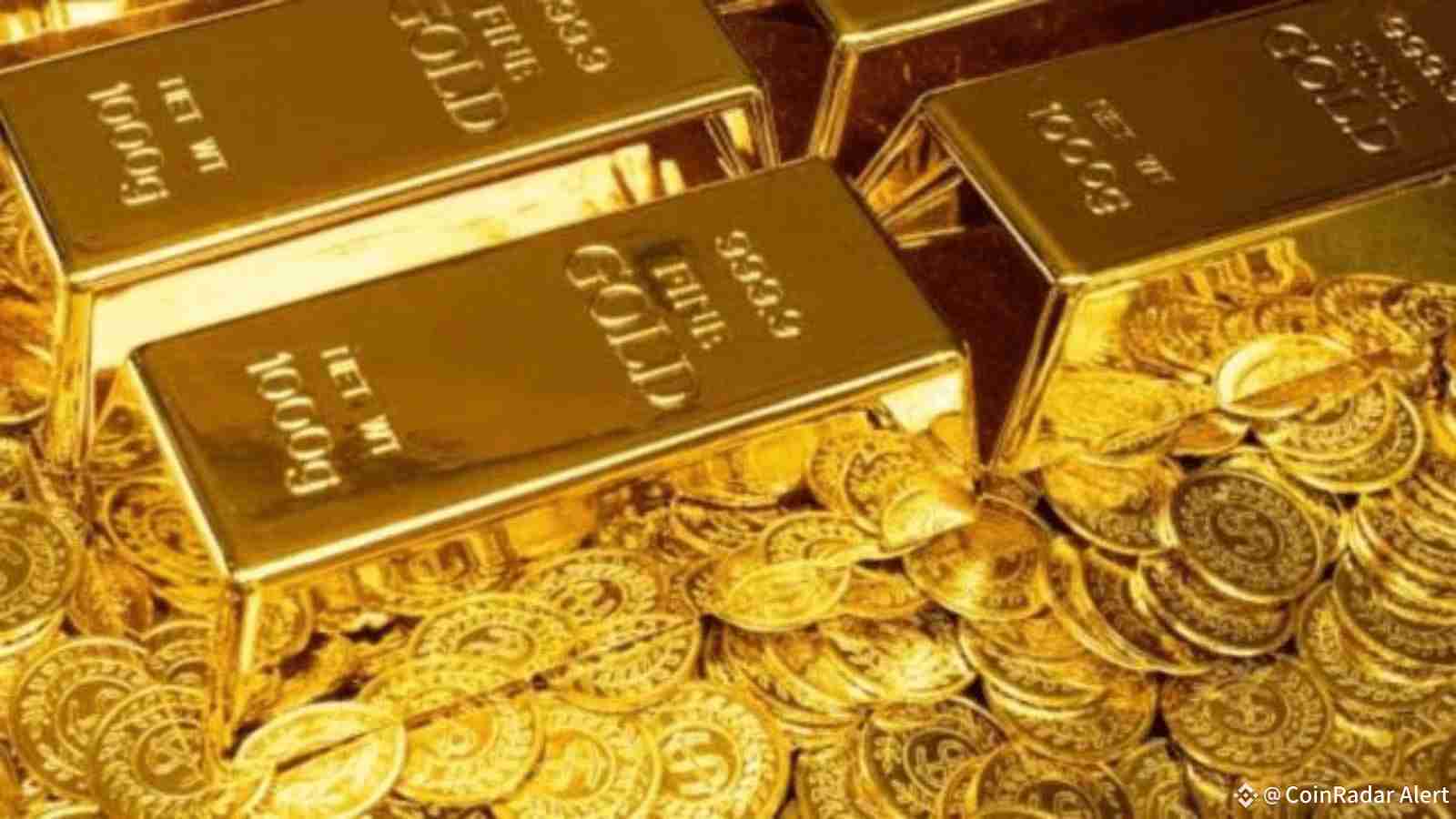
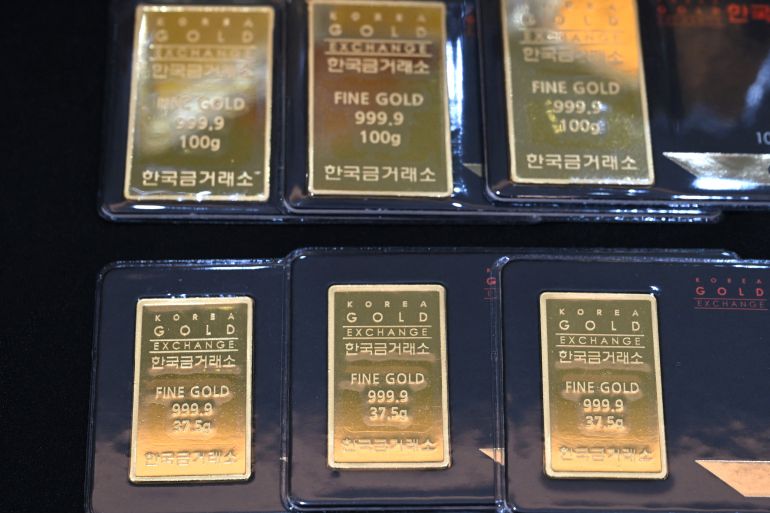
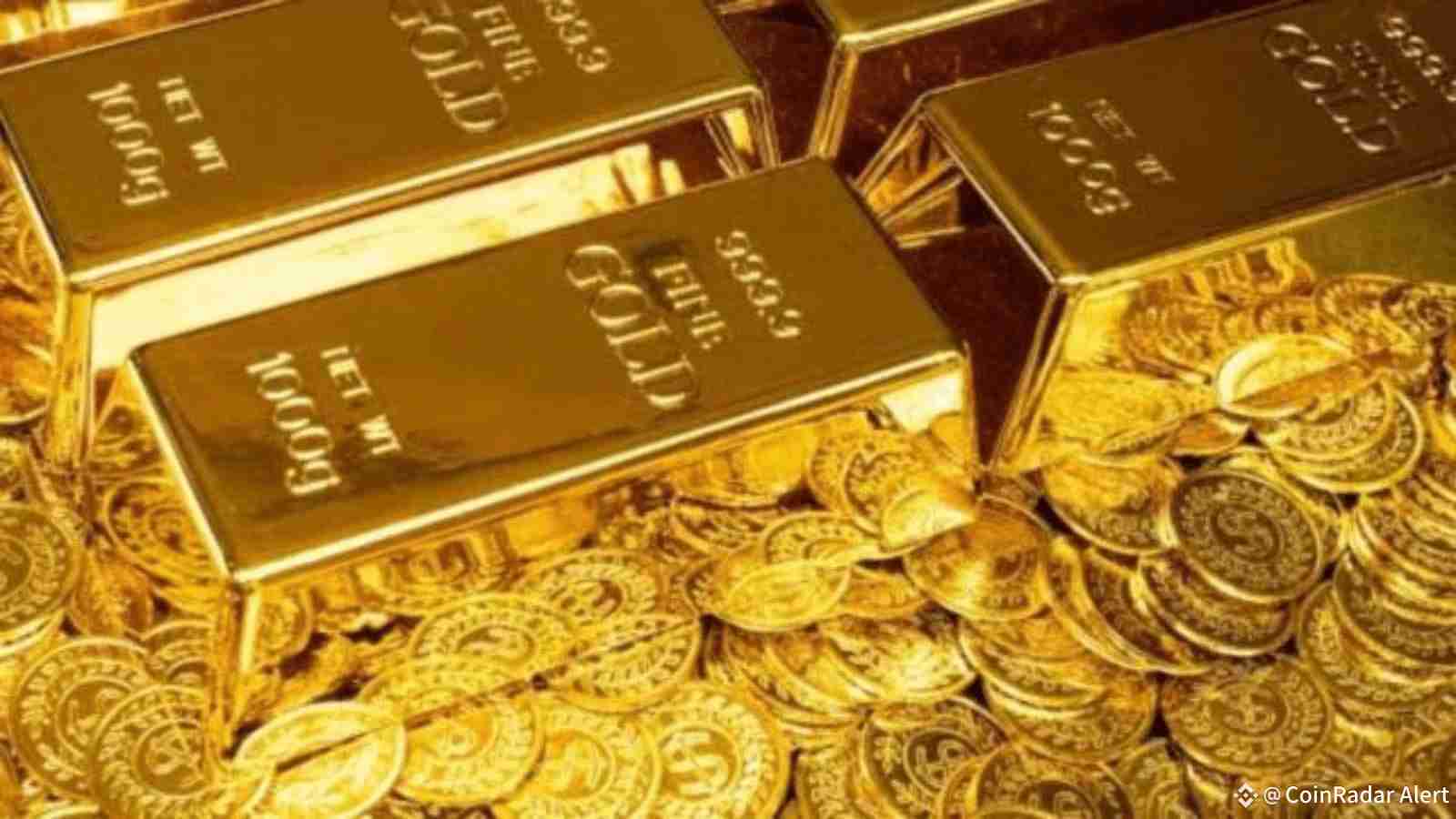
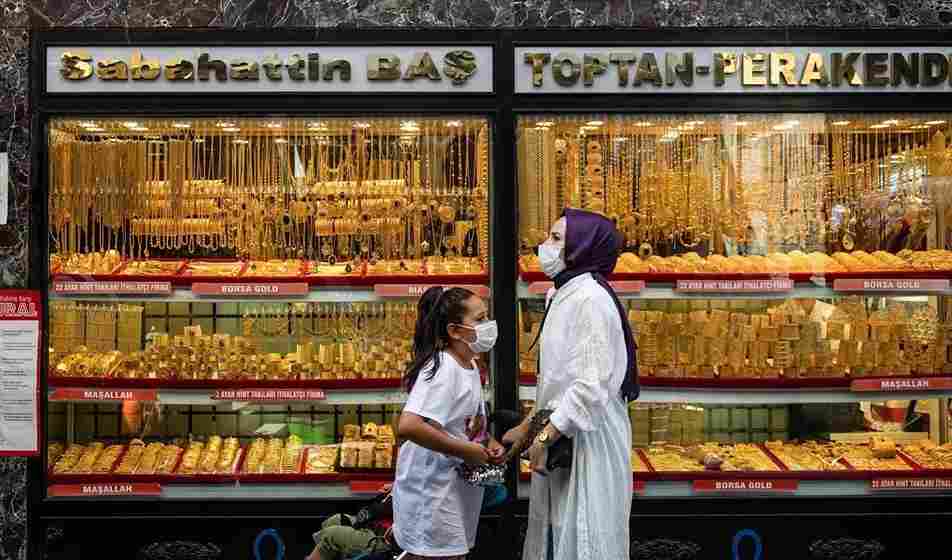
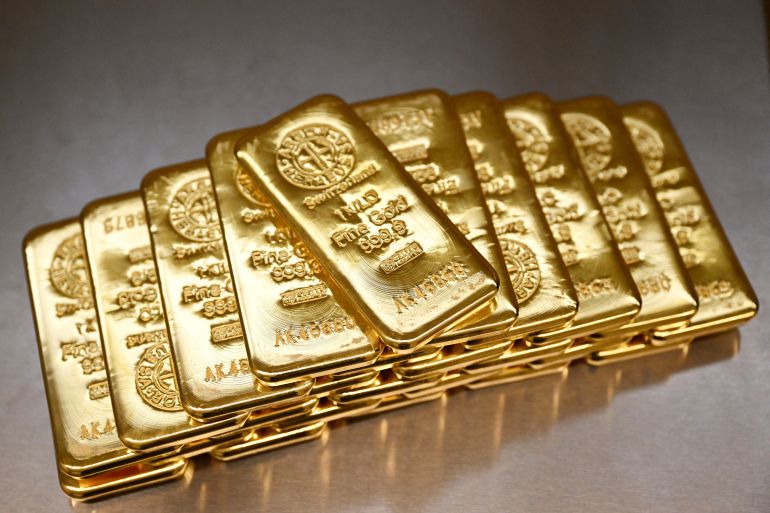
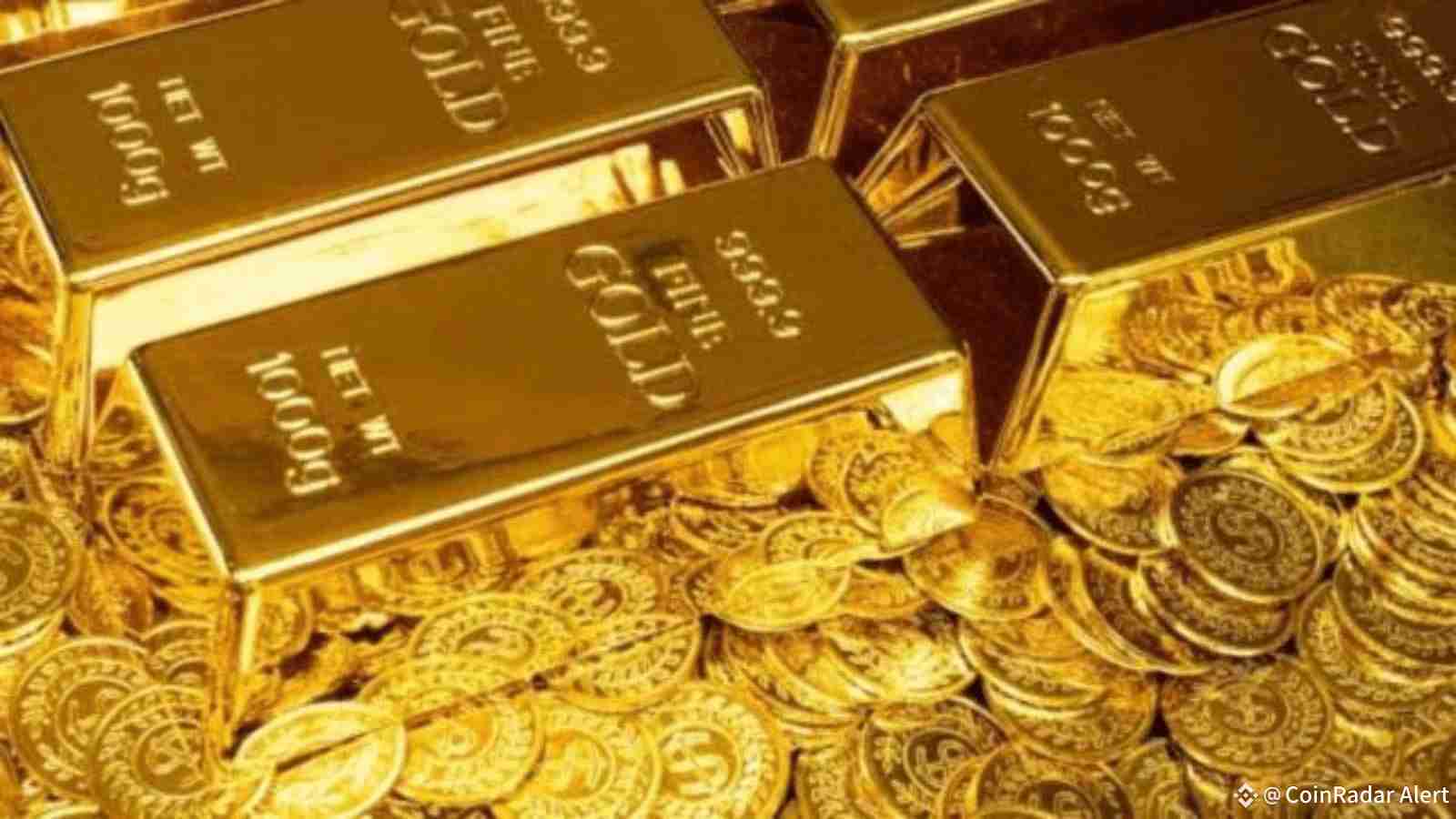
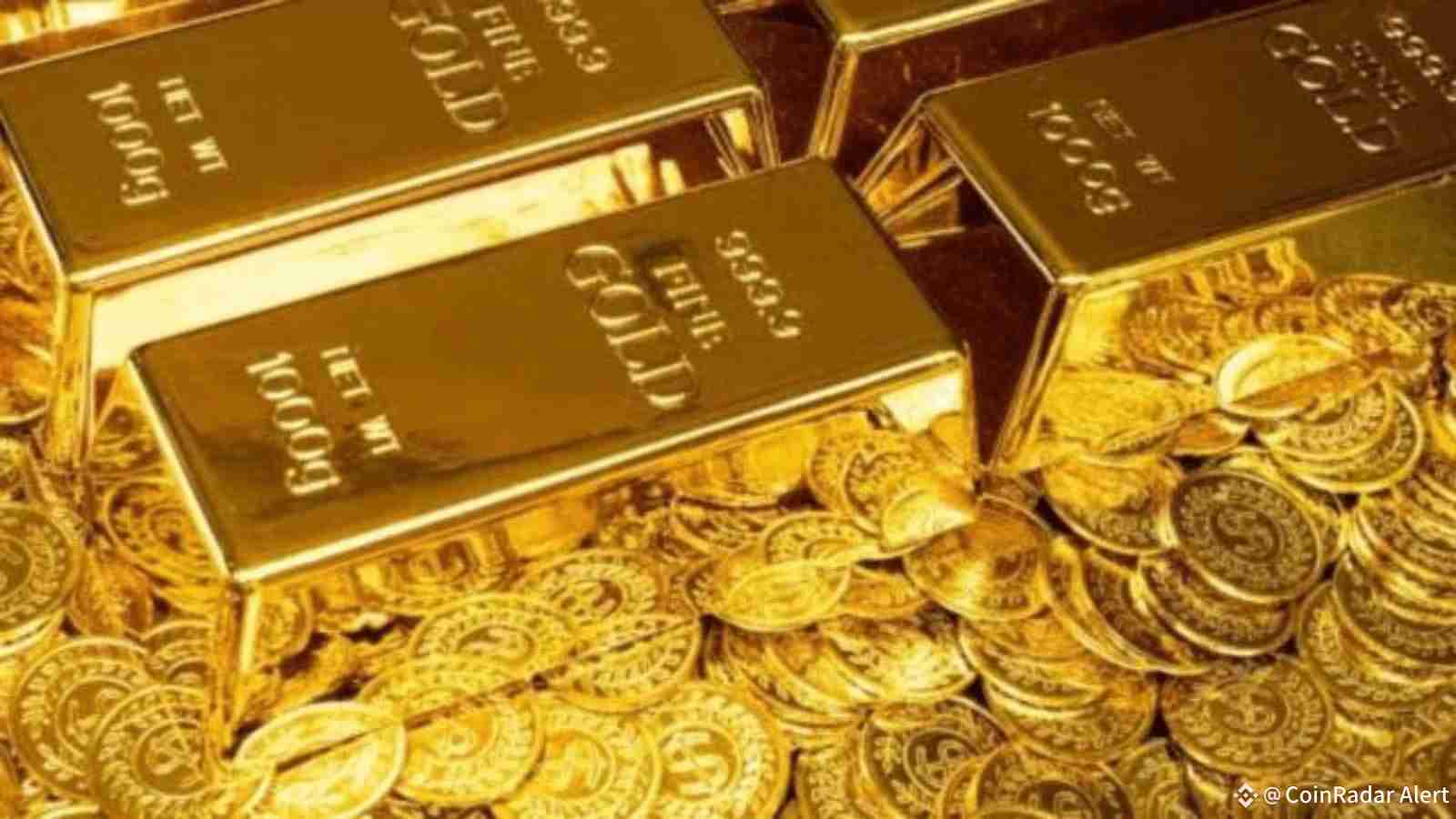
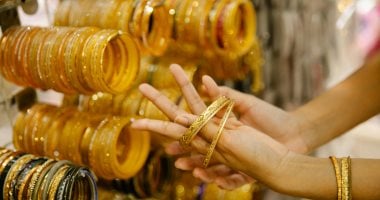
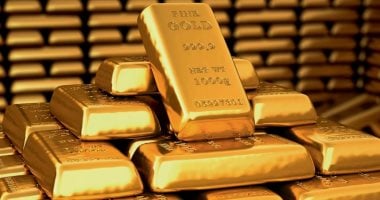
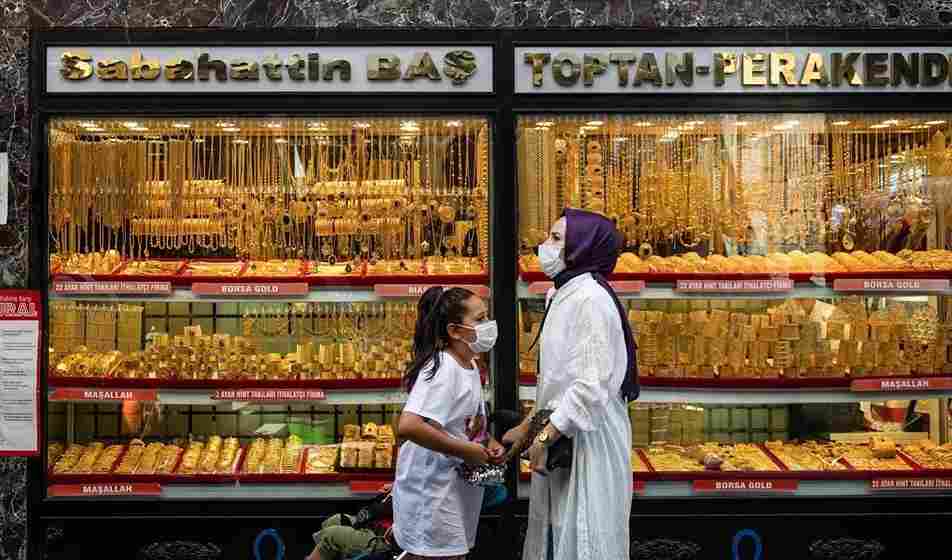
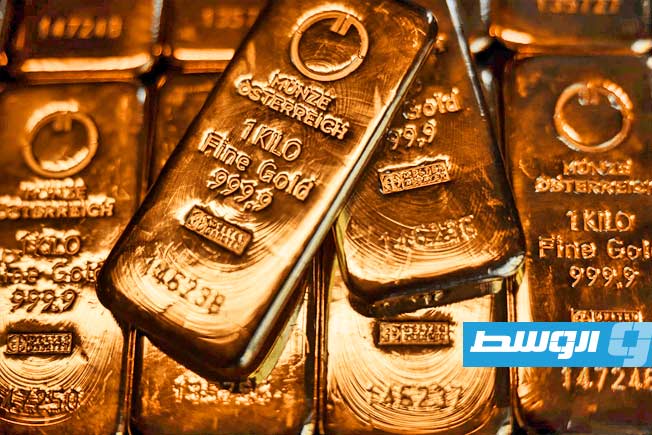
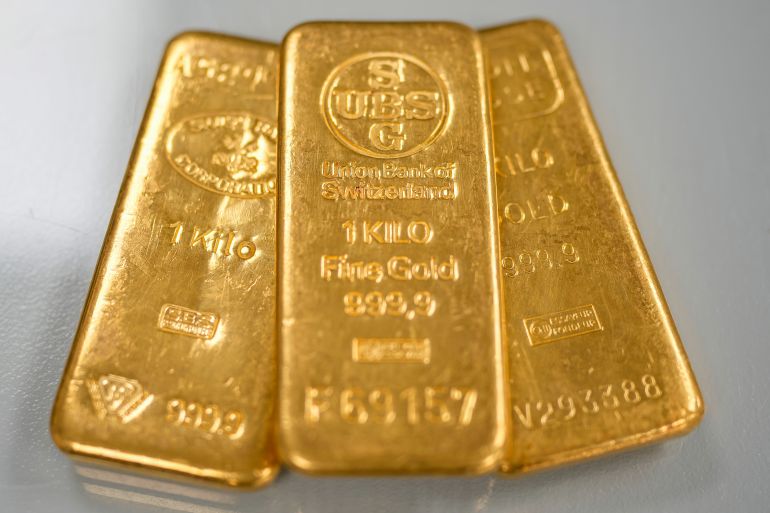
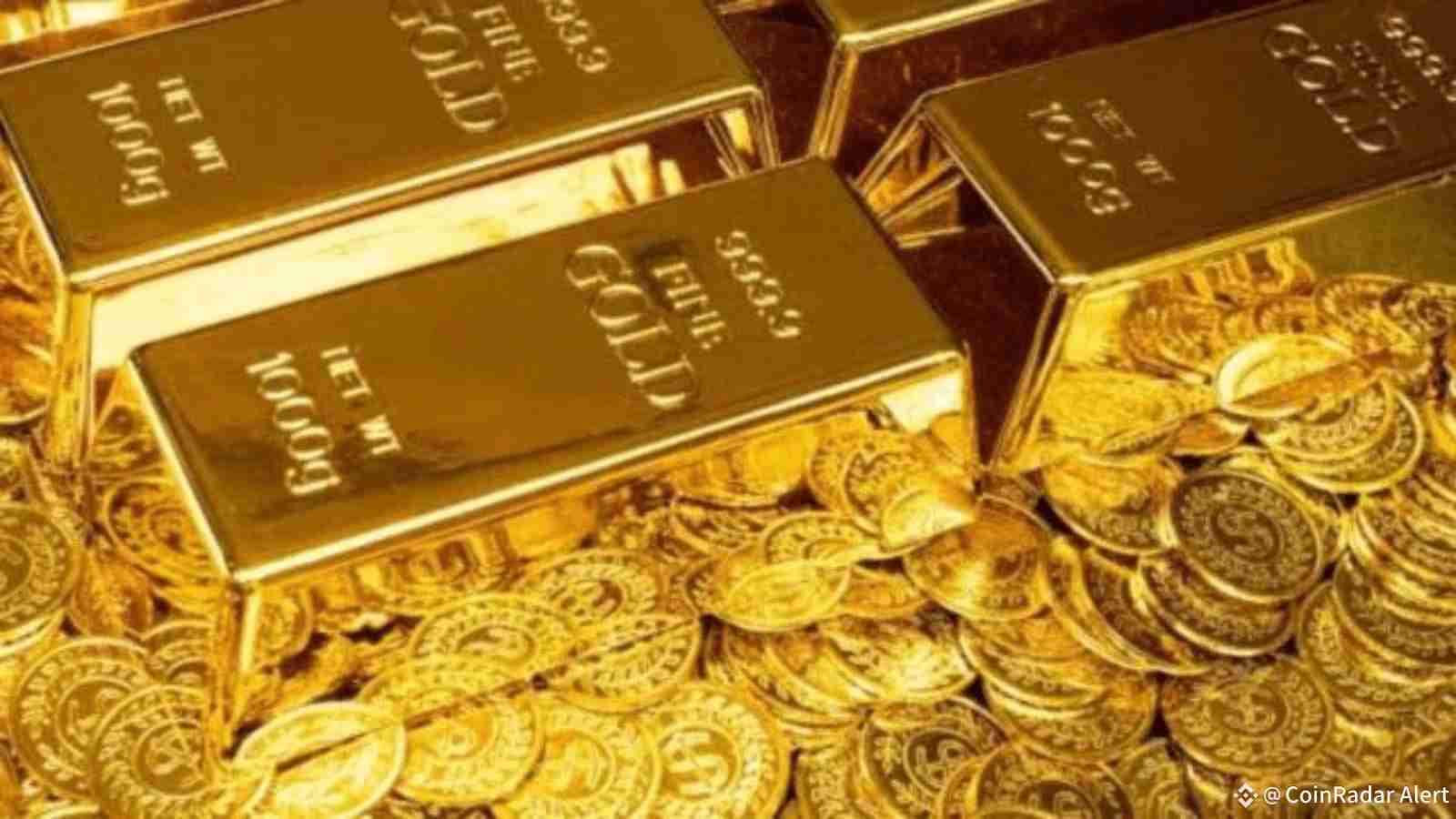
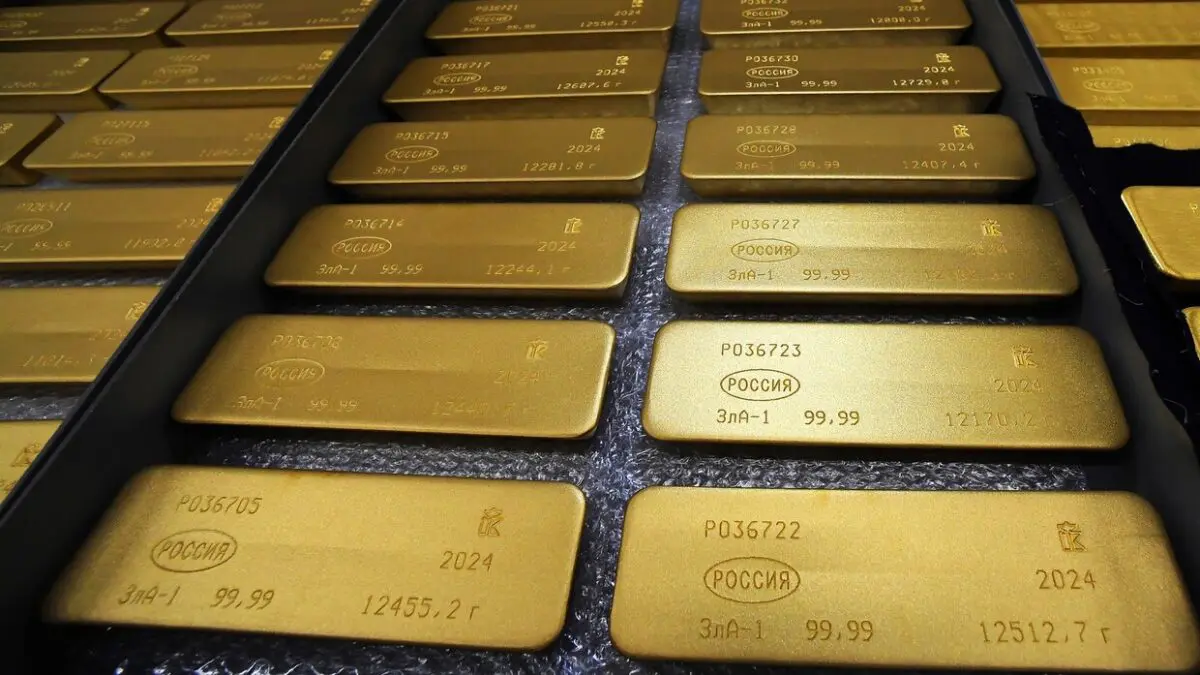
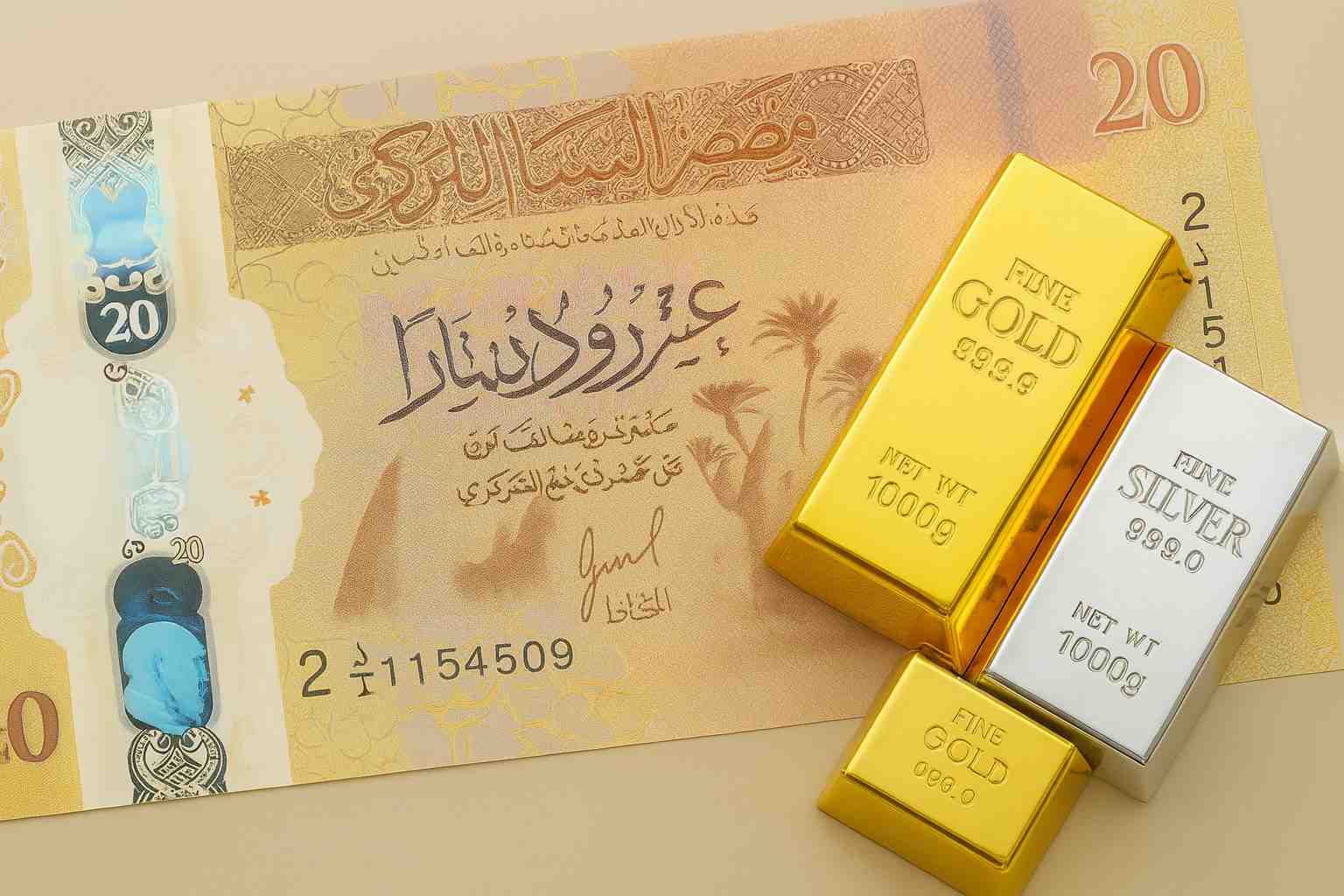
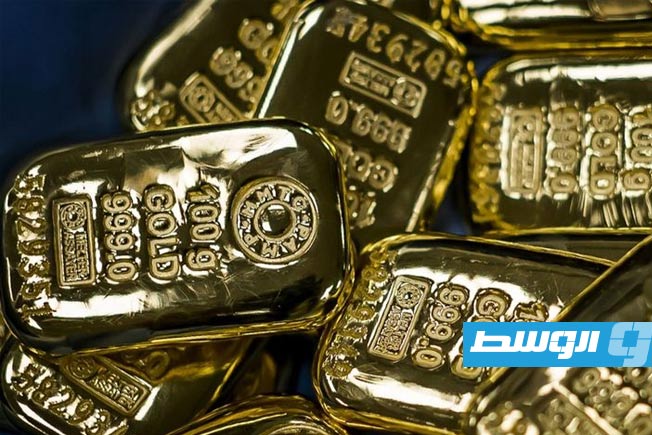
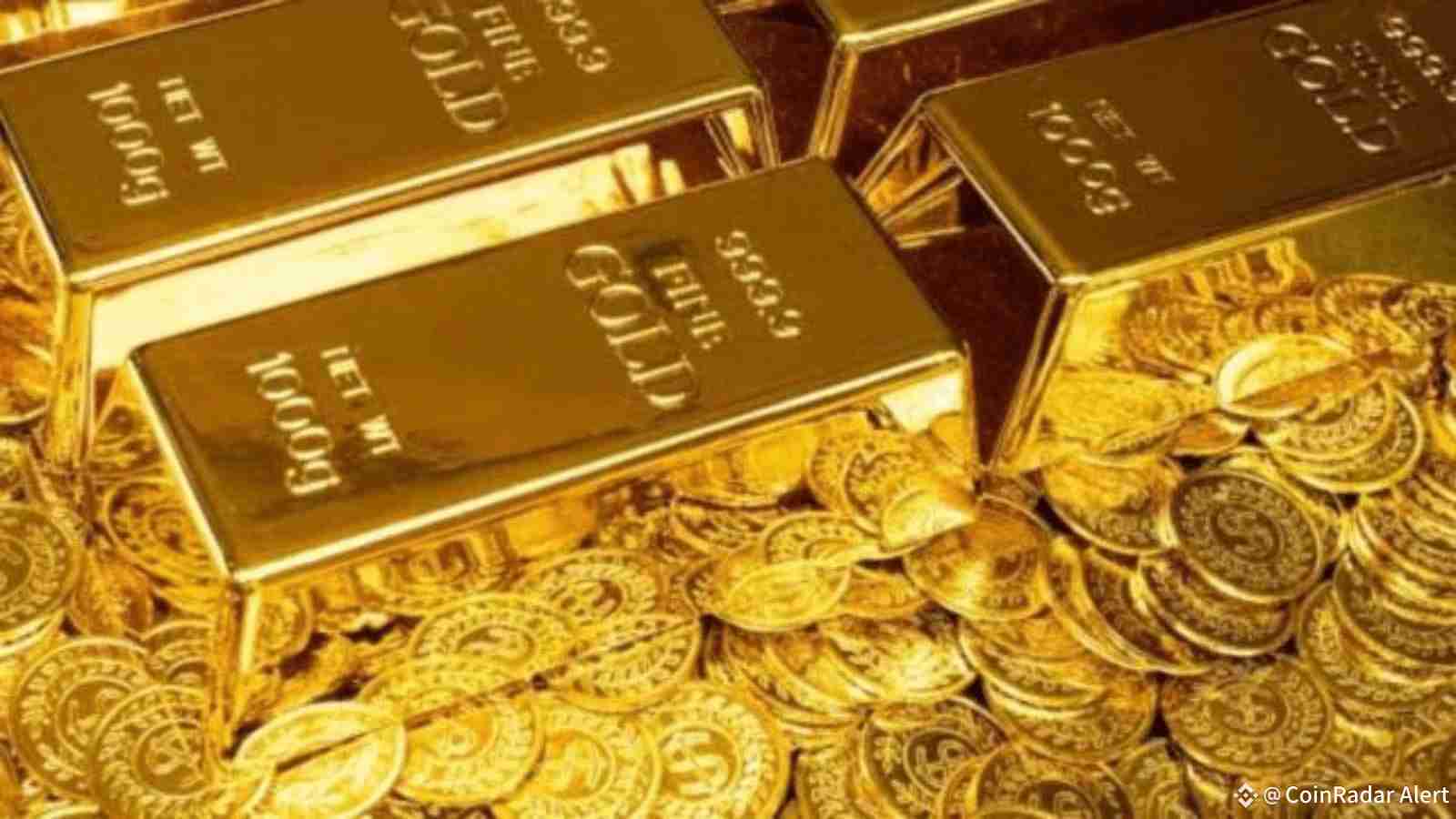
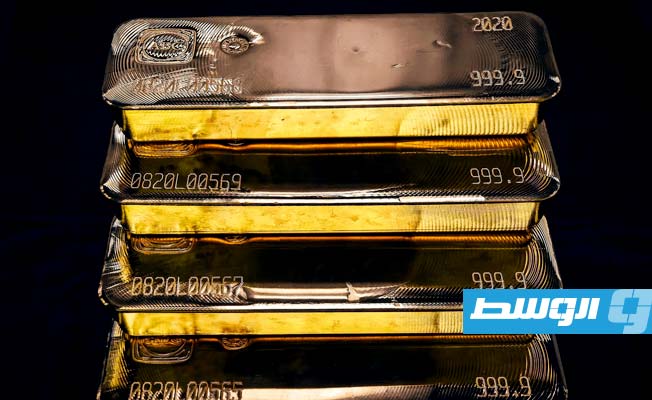
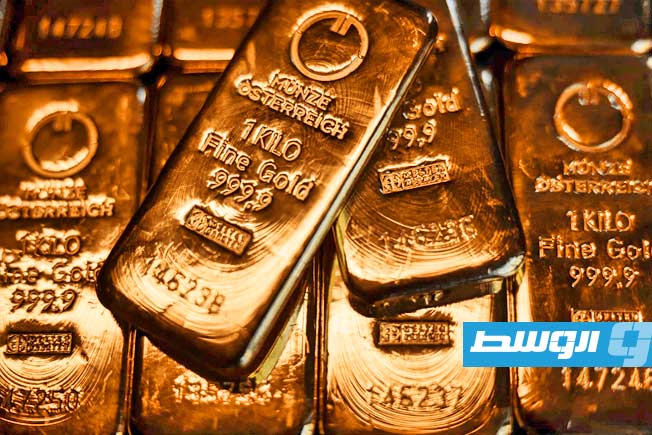
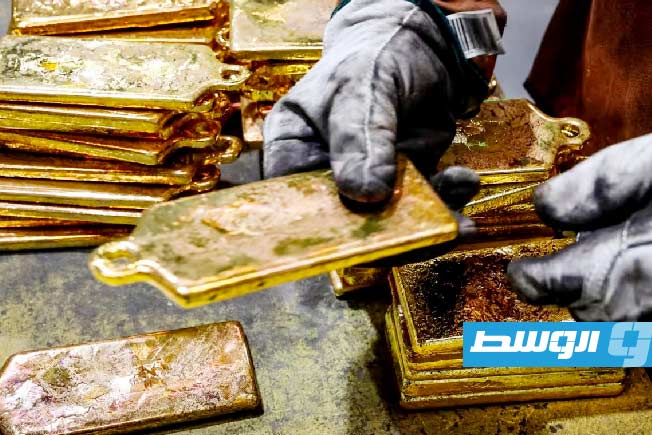
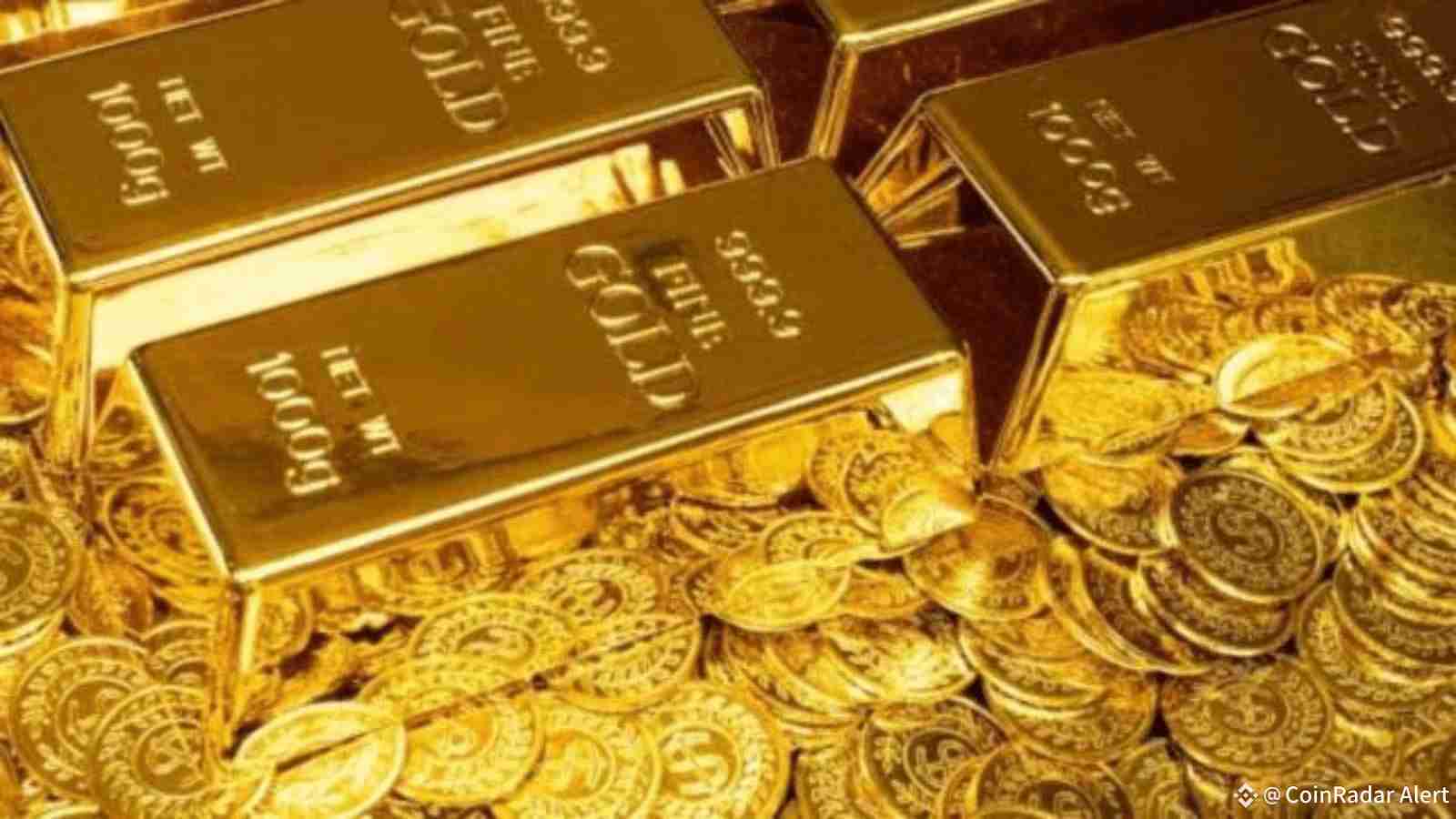
In the precious metals market, the price of an 18-karat scrap gold gram rose to 900 dinars, while external remittance prices remained close to cash rates, with the remittance dollar to Turkey at 8.59 dinars and to Dubai at 8.58 dinars.
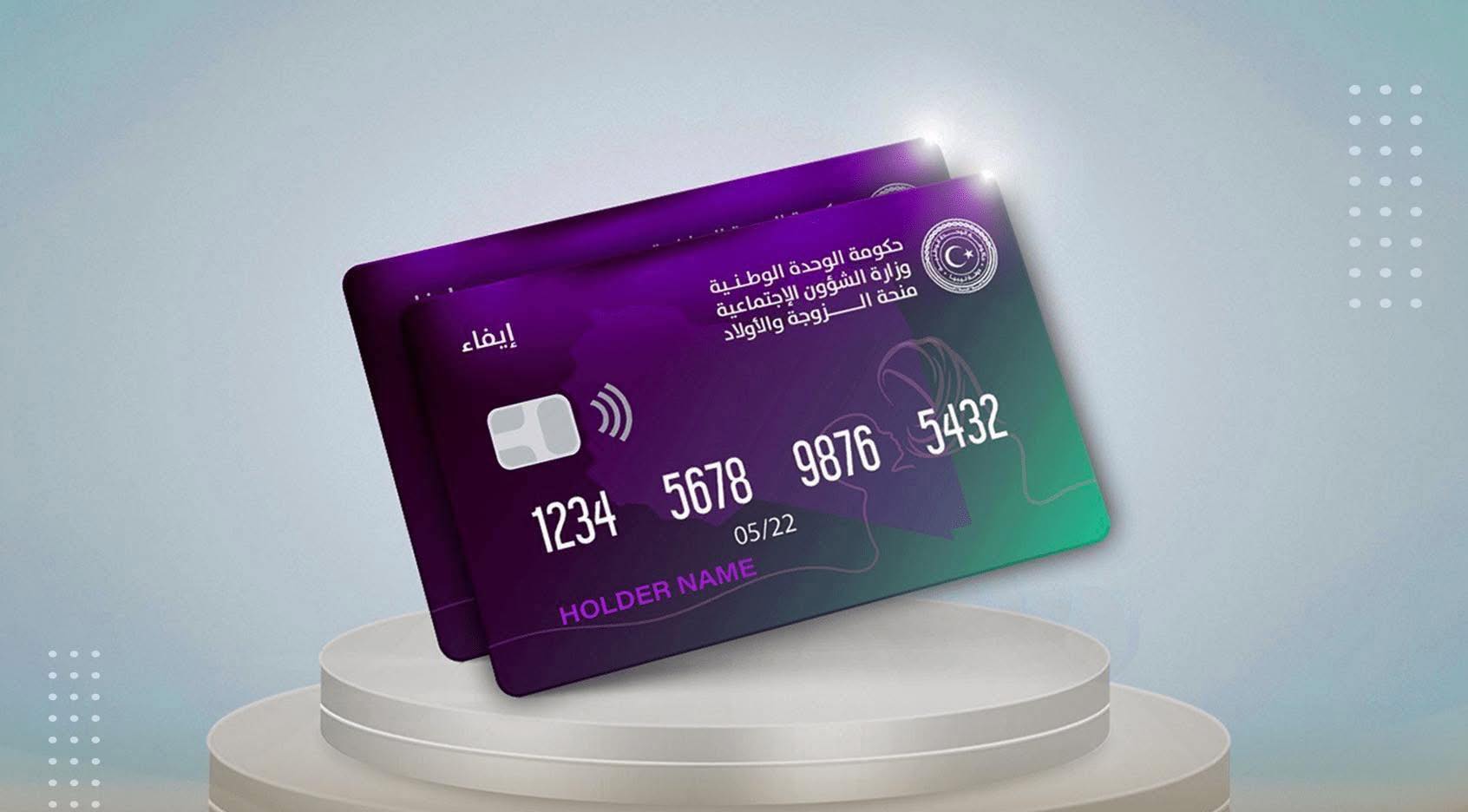
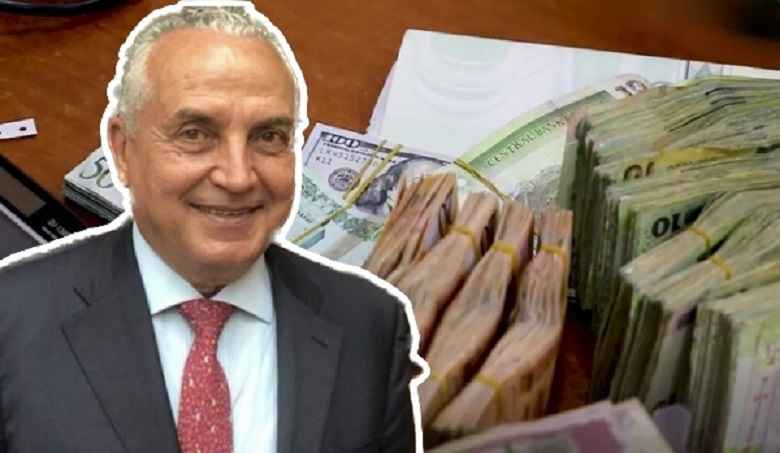
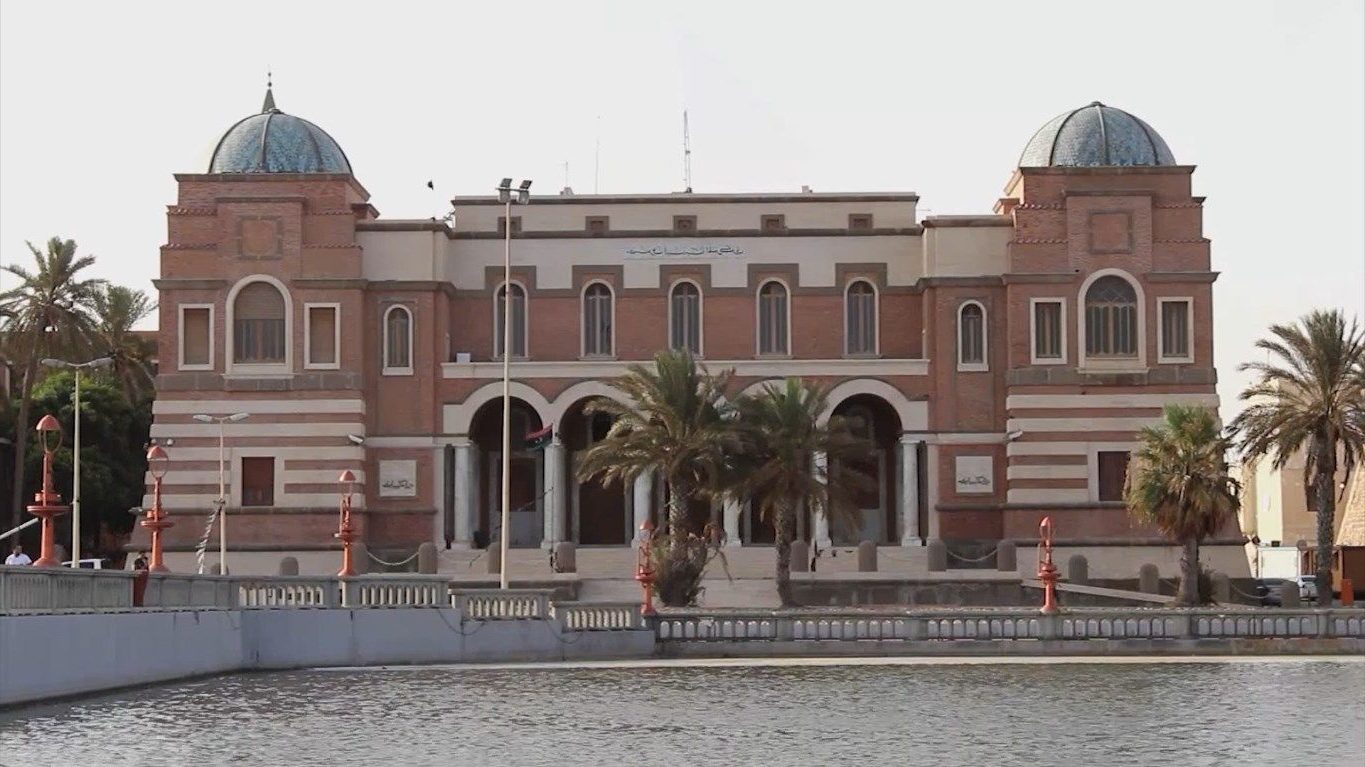
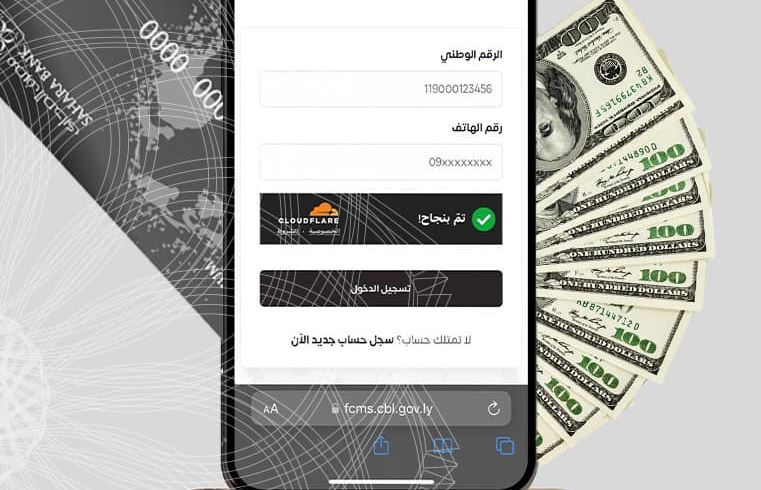
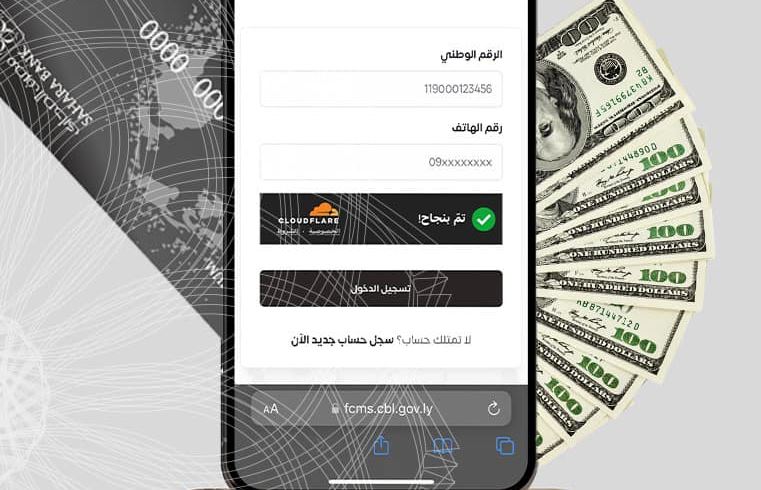
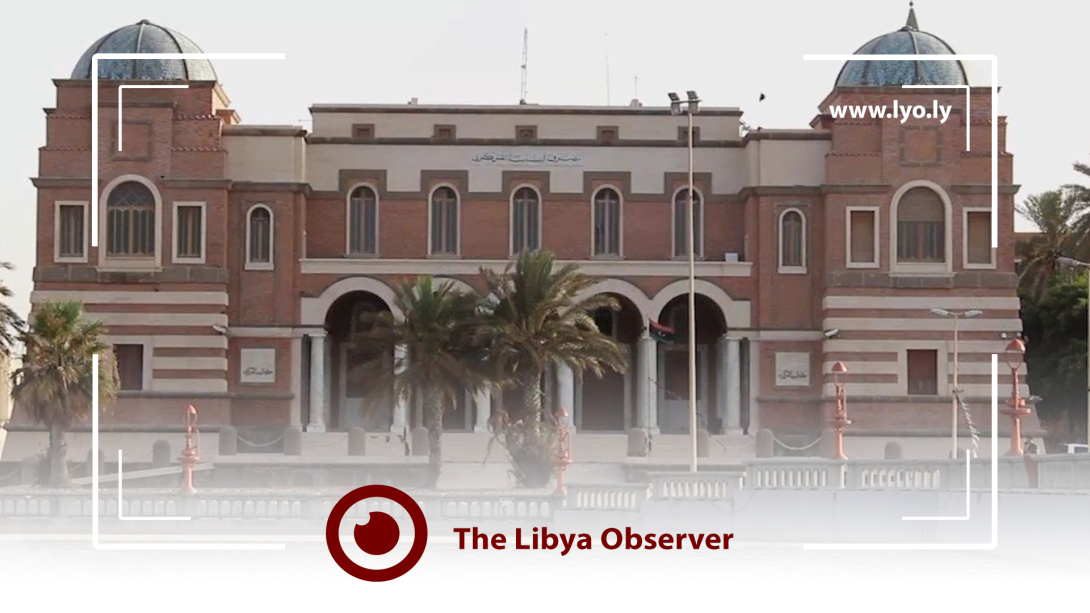
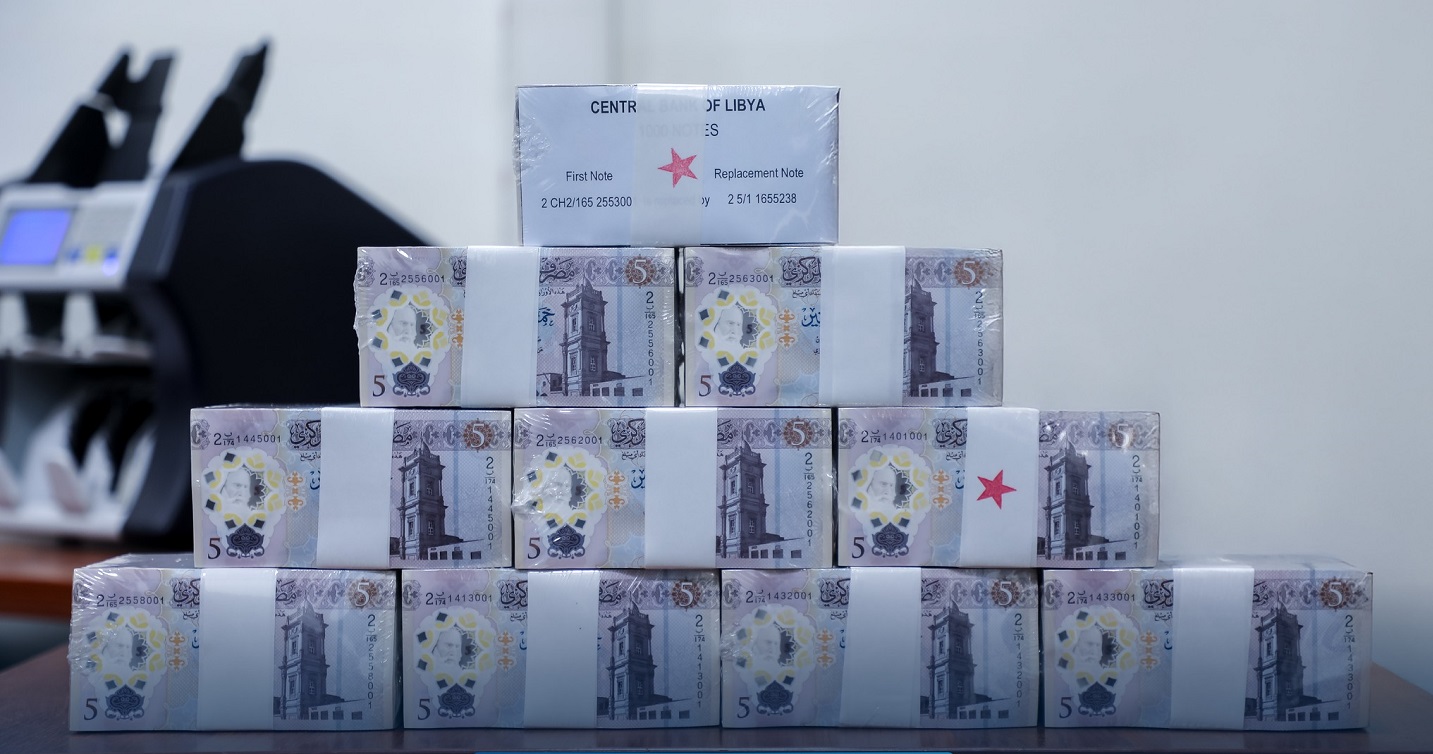
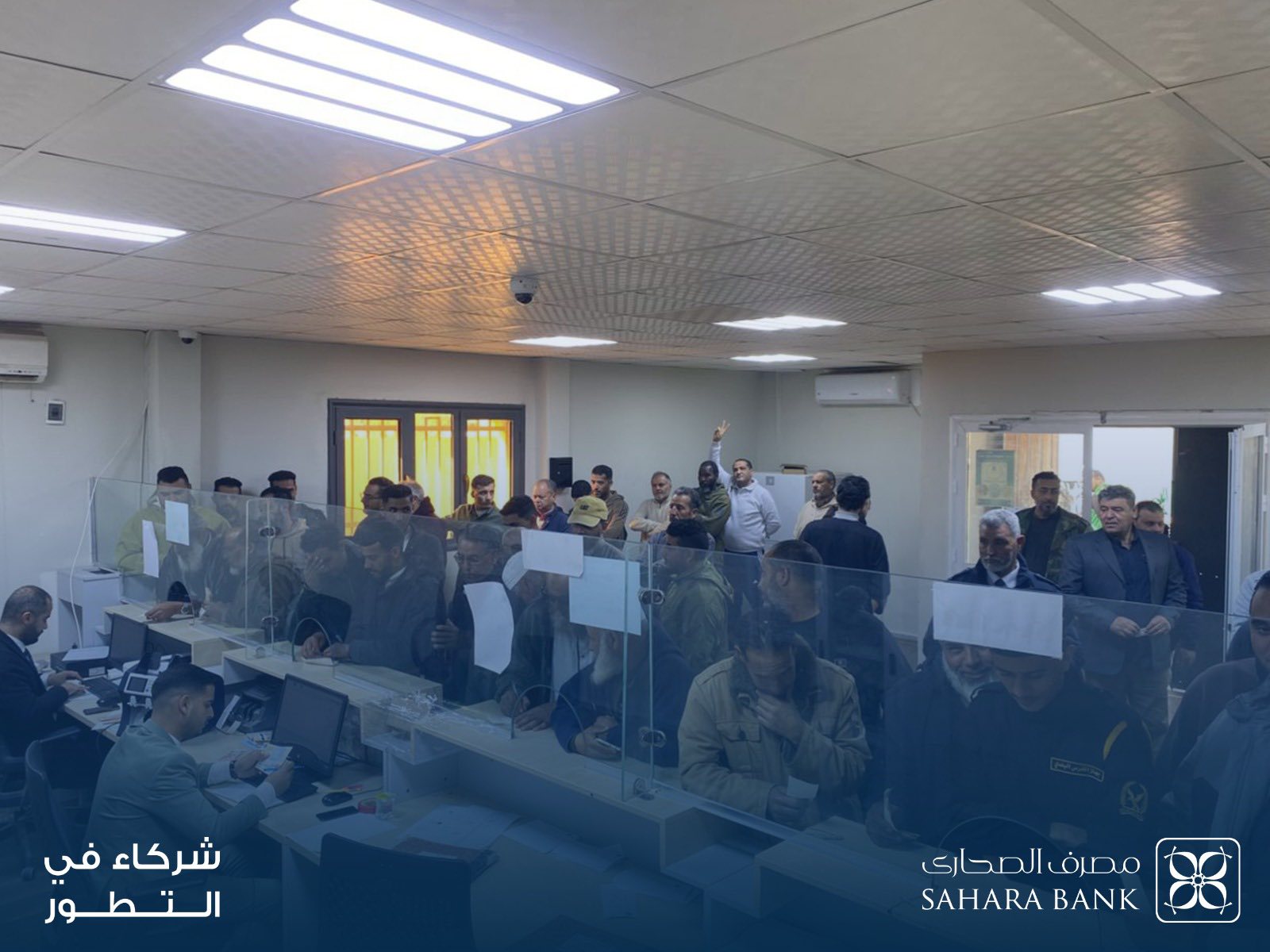
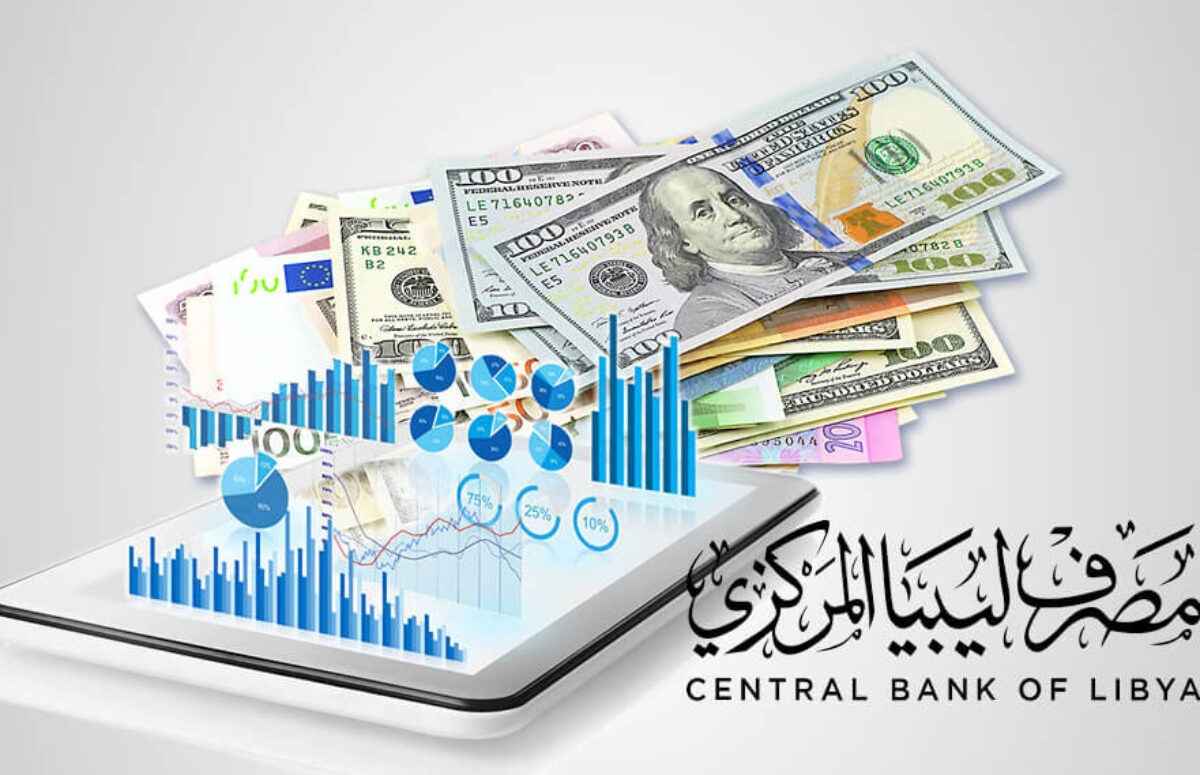
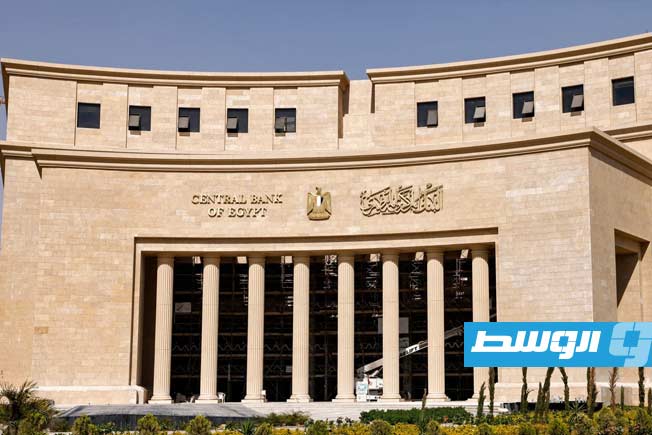
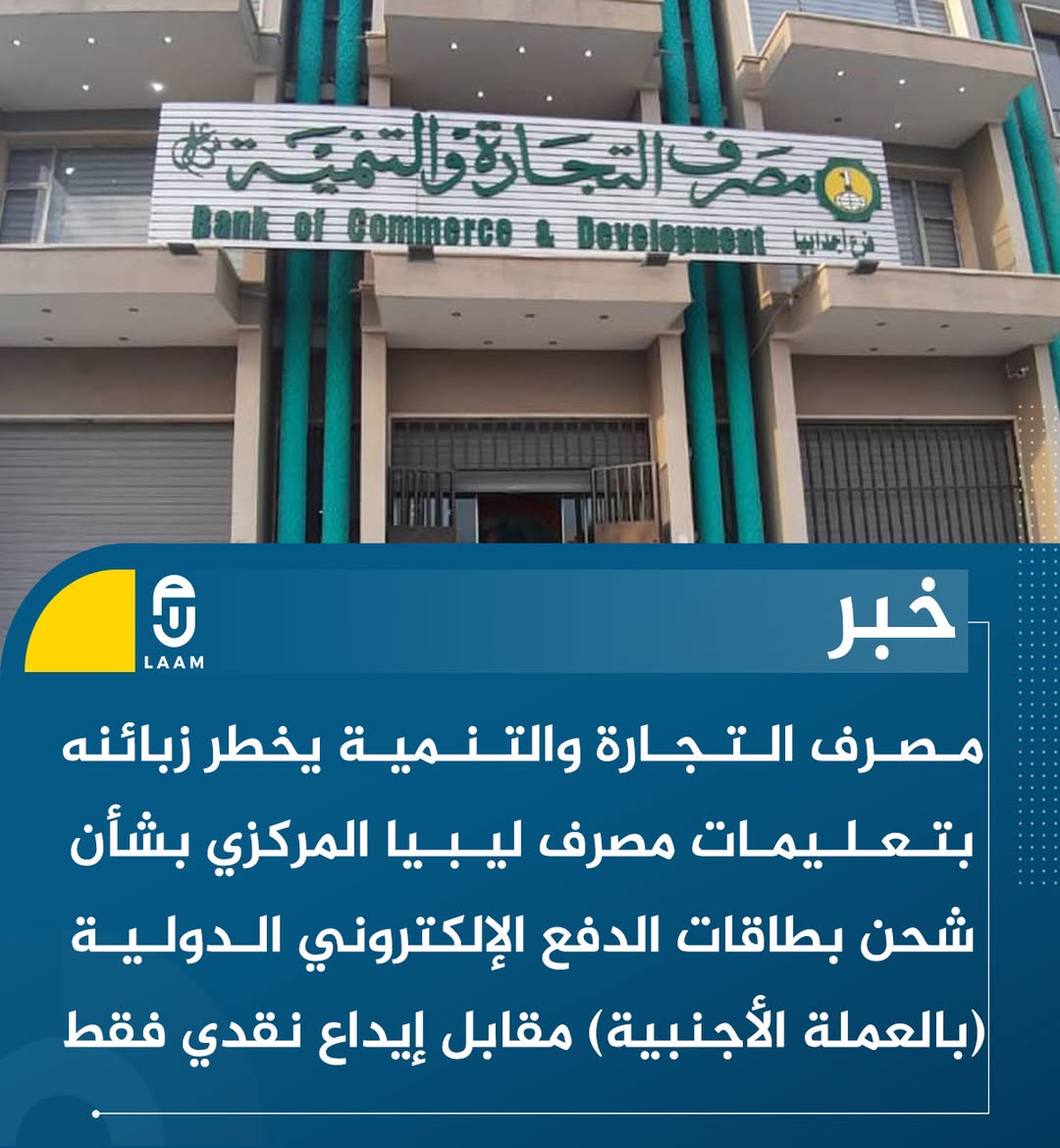
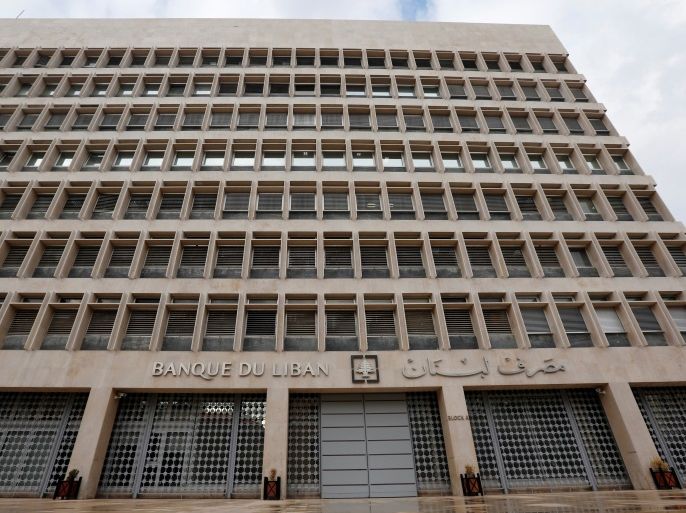
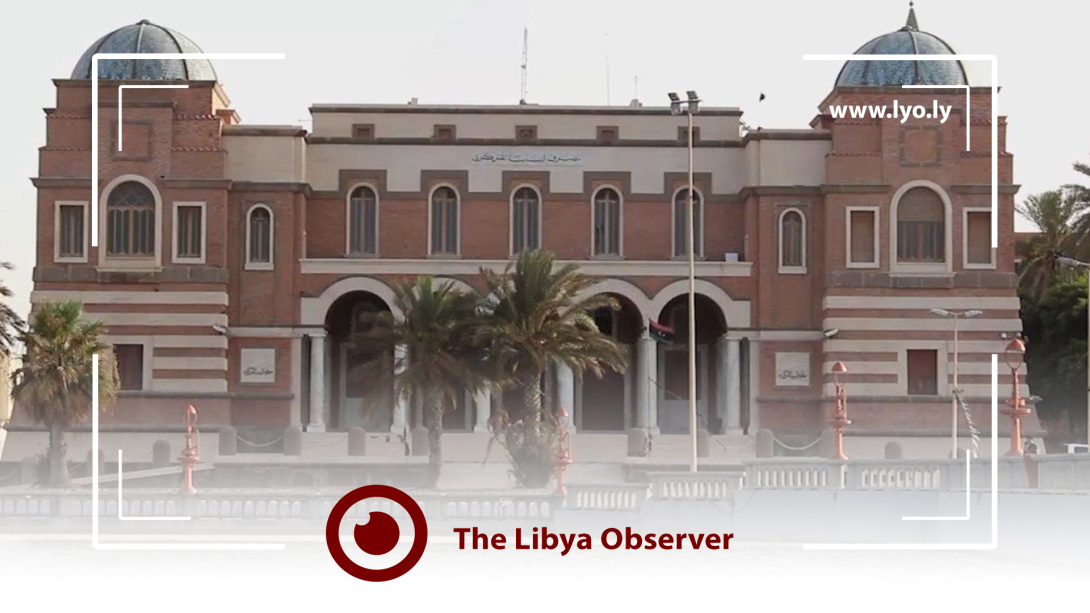
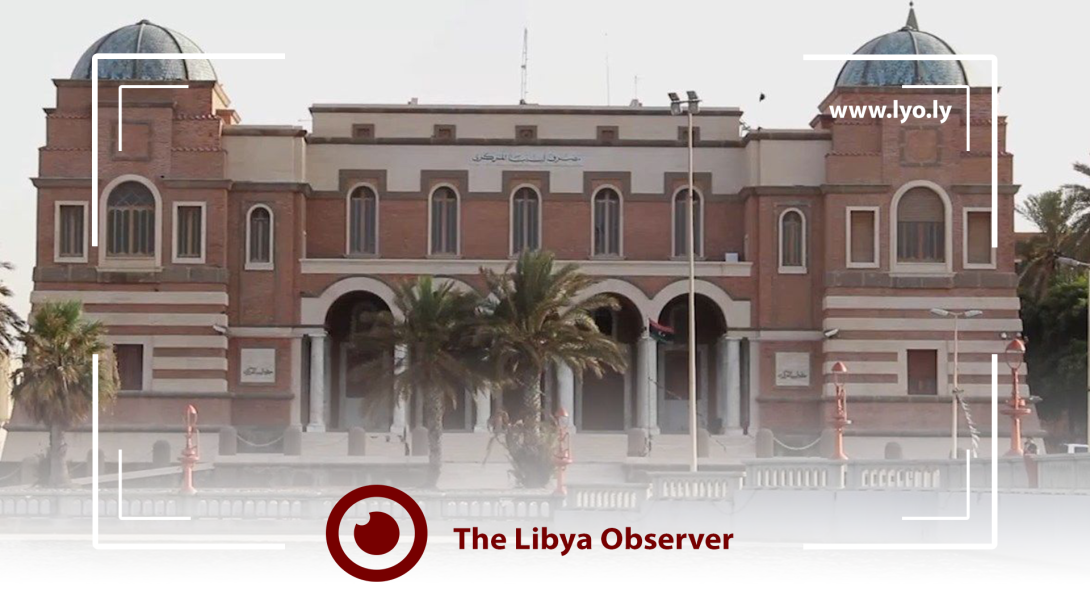
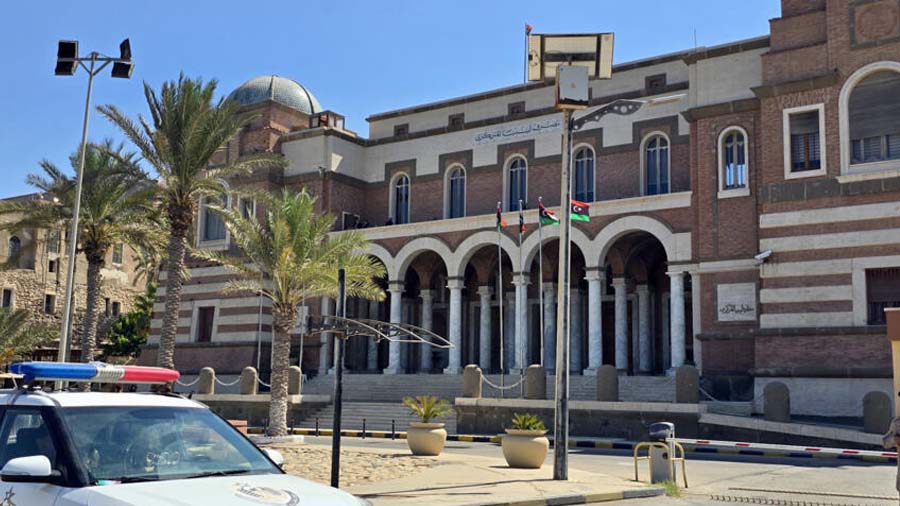
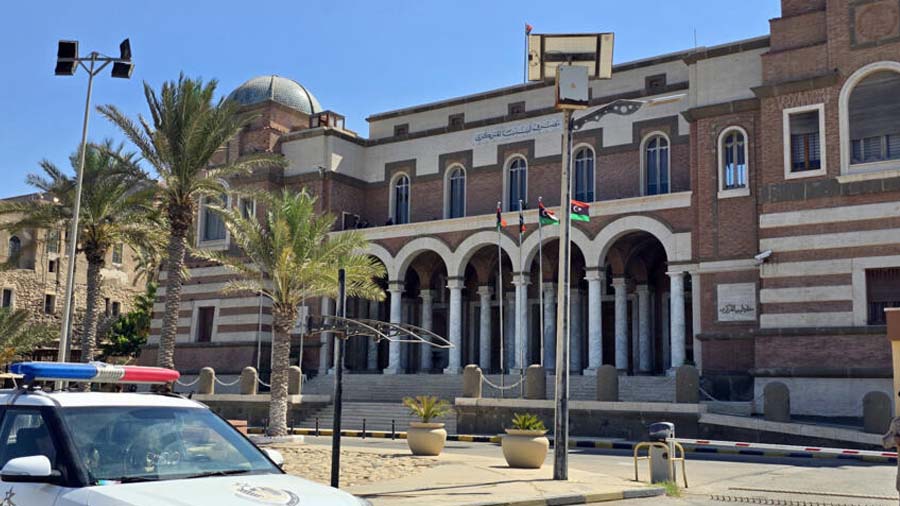
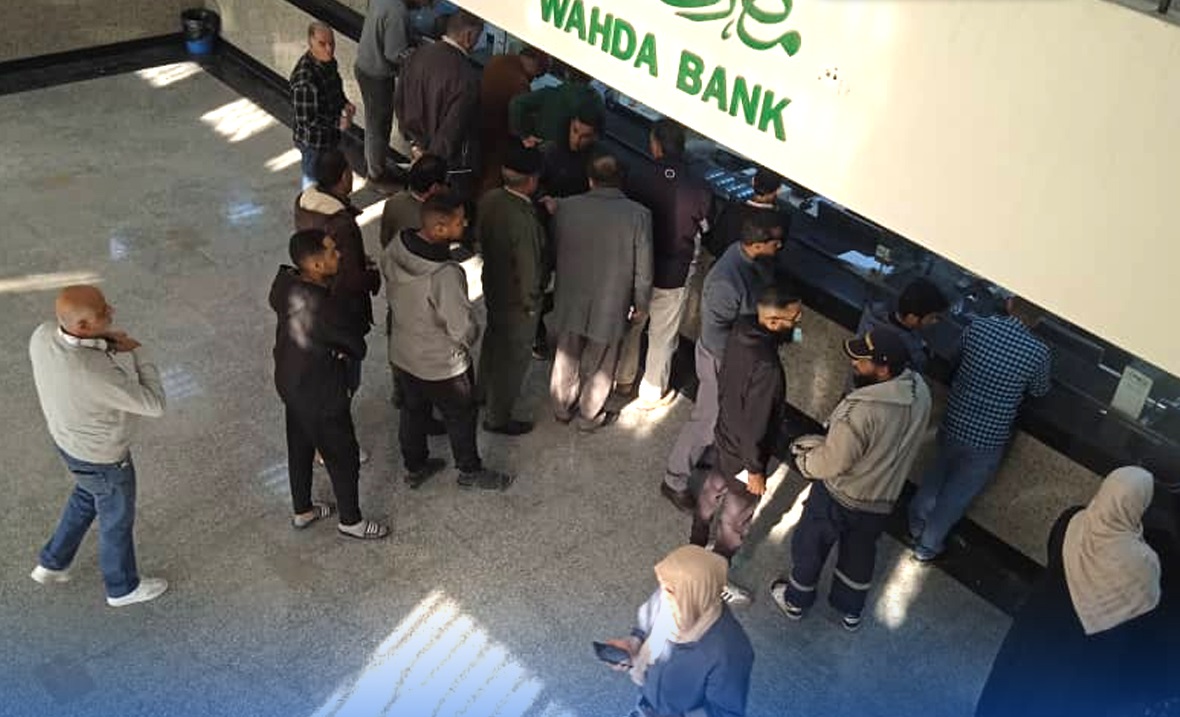
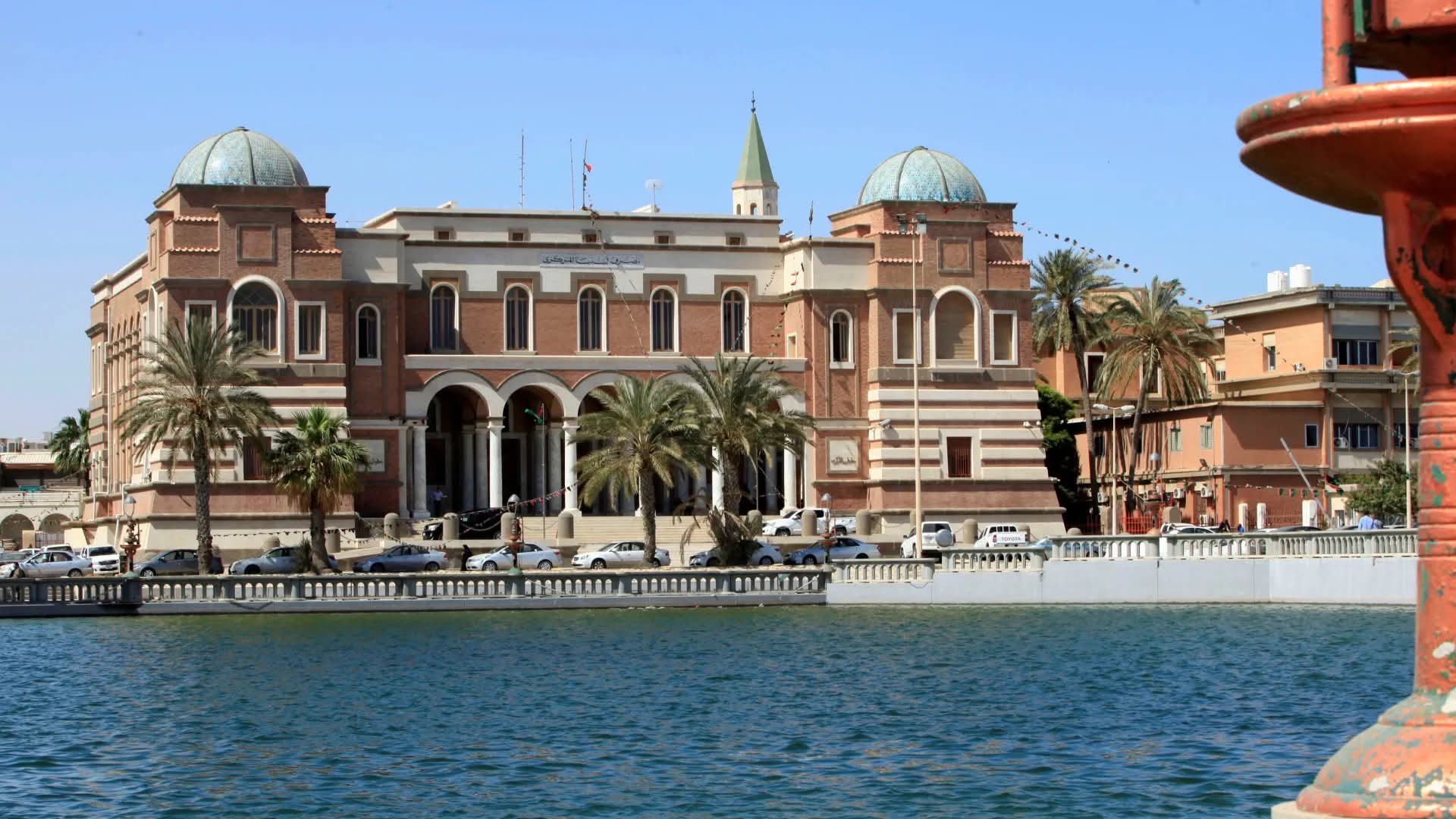
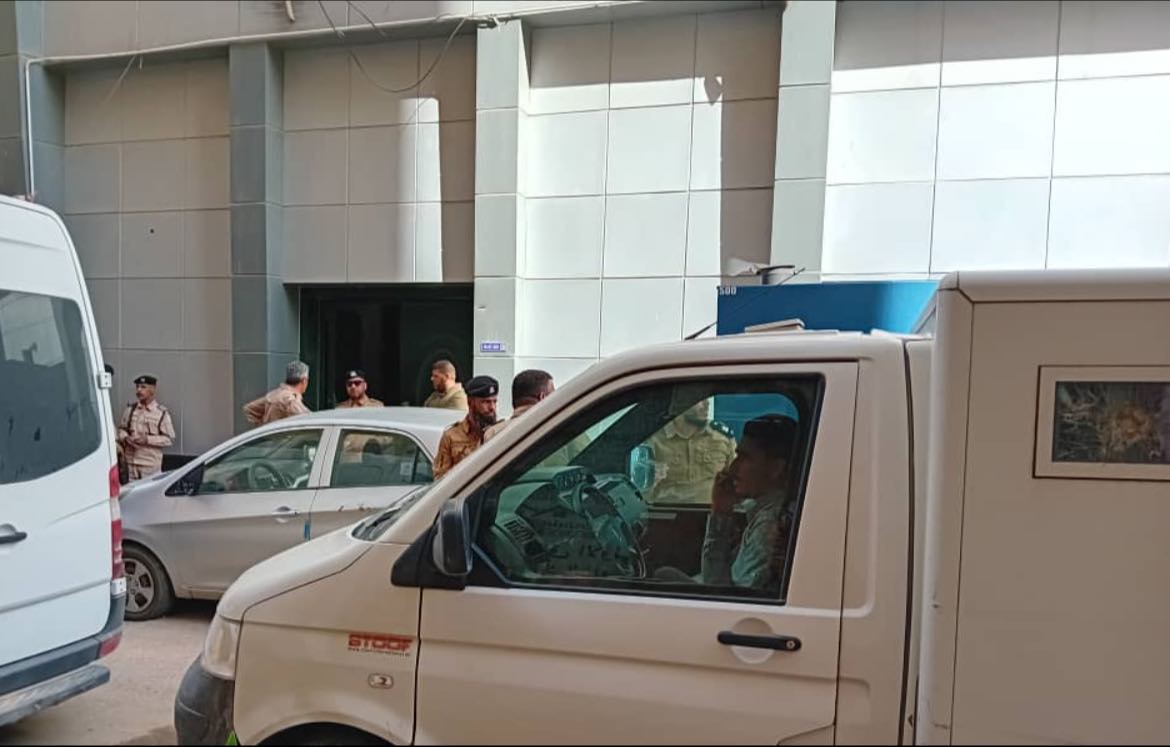
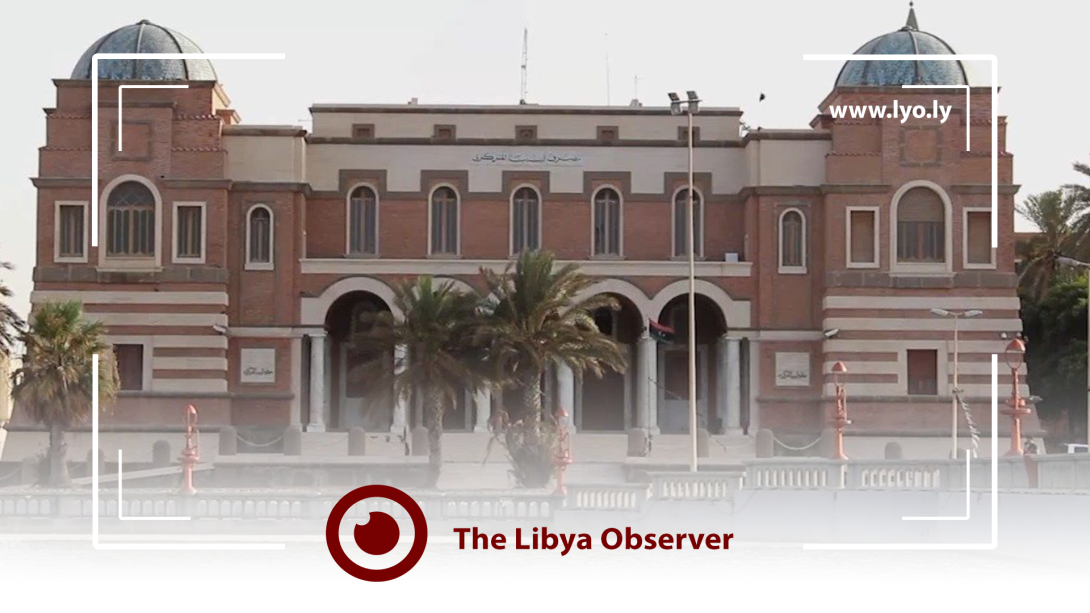
Despite the Central Bank of Libya pumping more than 2 billion dollars through credits and personal purposes since the beginning of the month, in addition to distributing 4 billion dinars in liquidity to banks, the parallel market continues to experience pressure and consecutive increases.
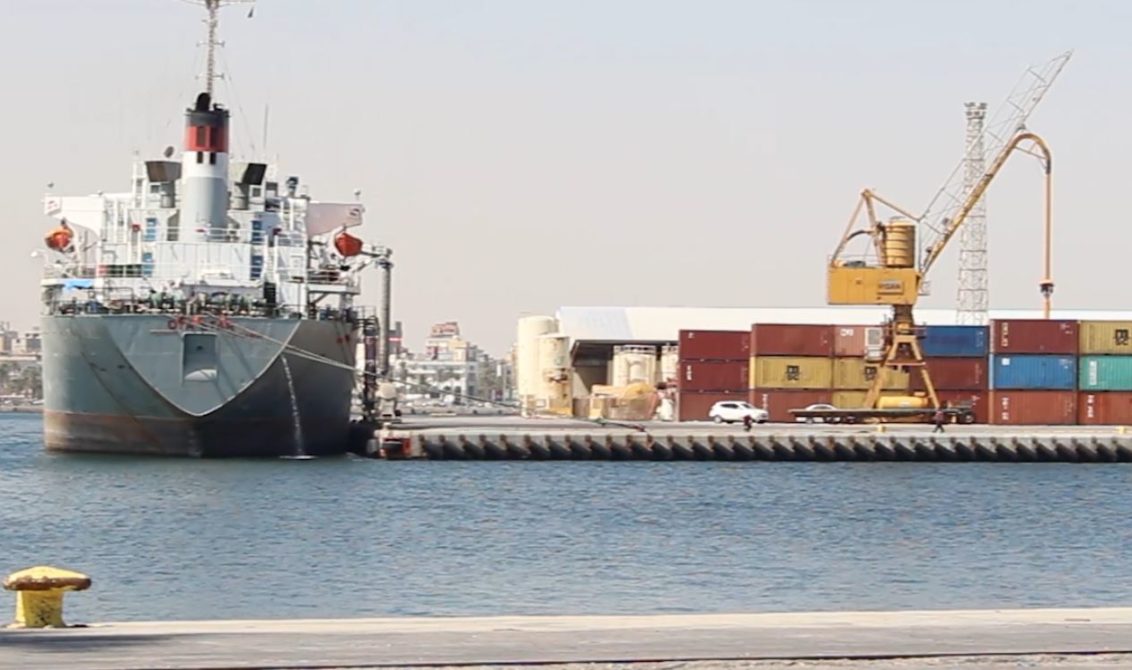
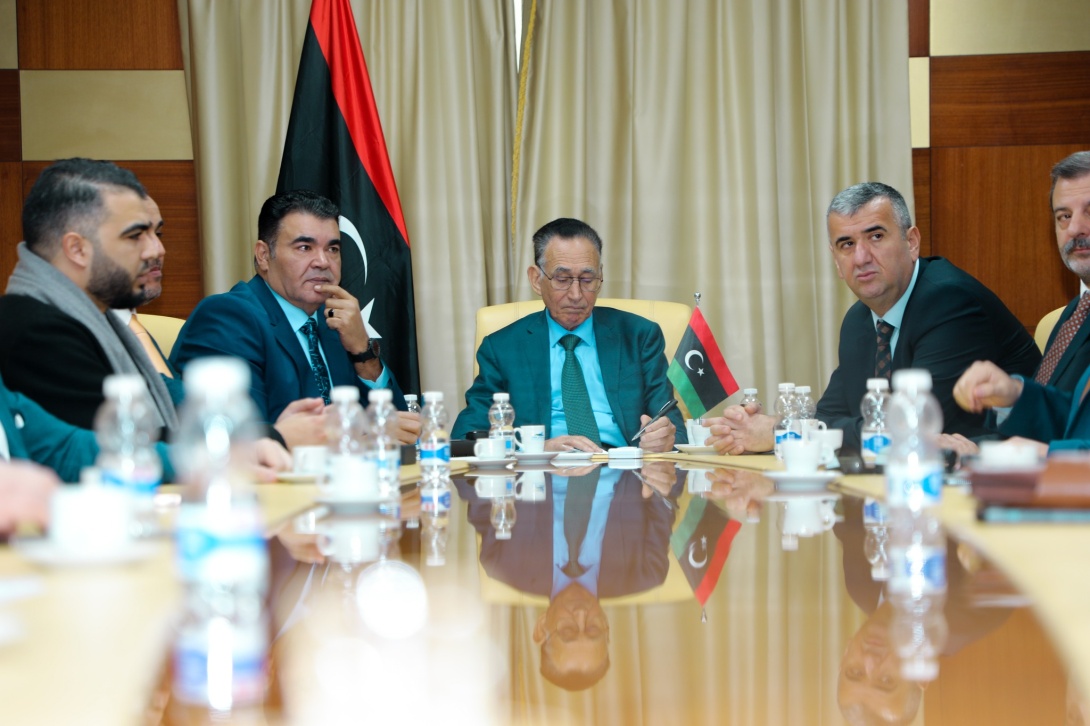
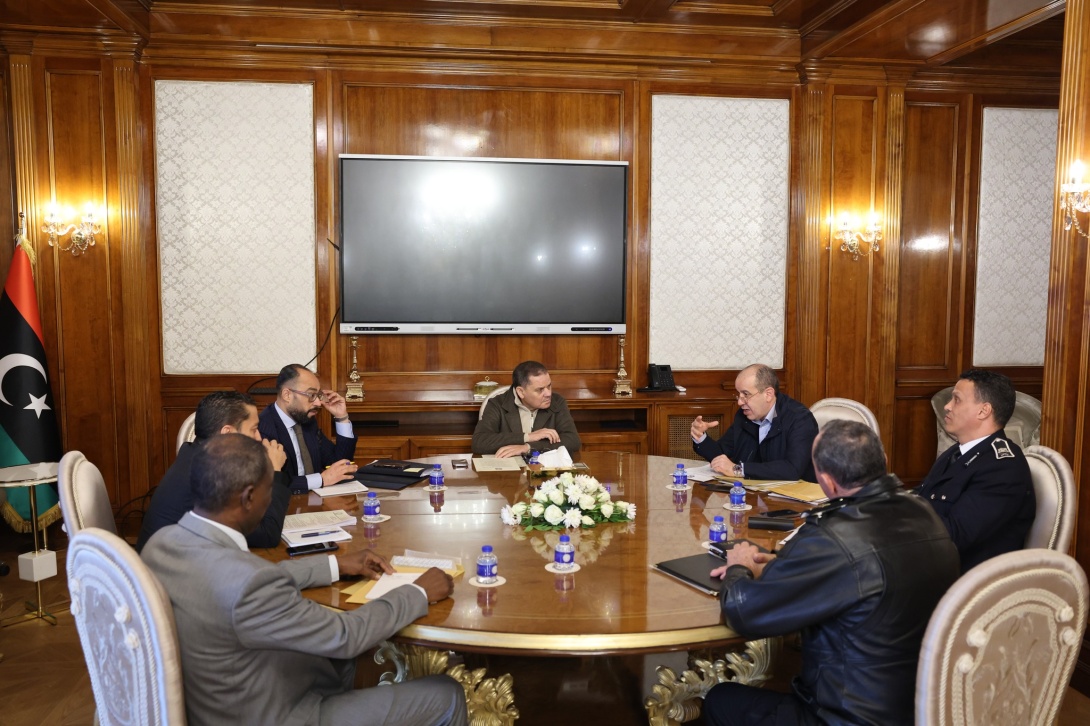
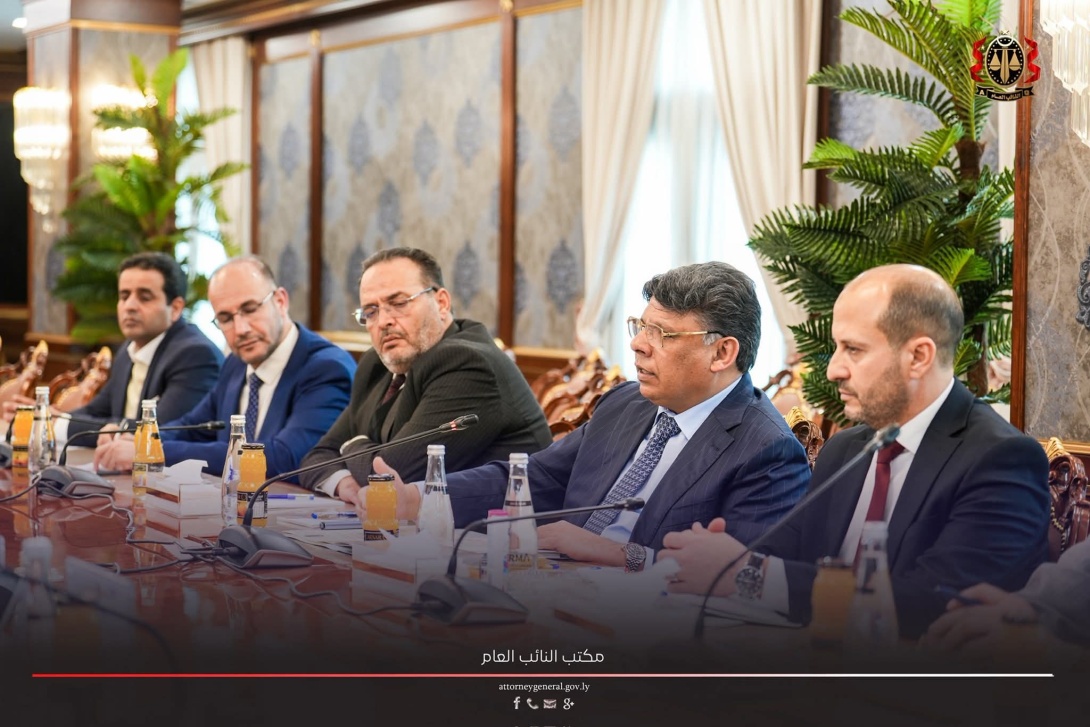
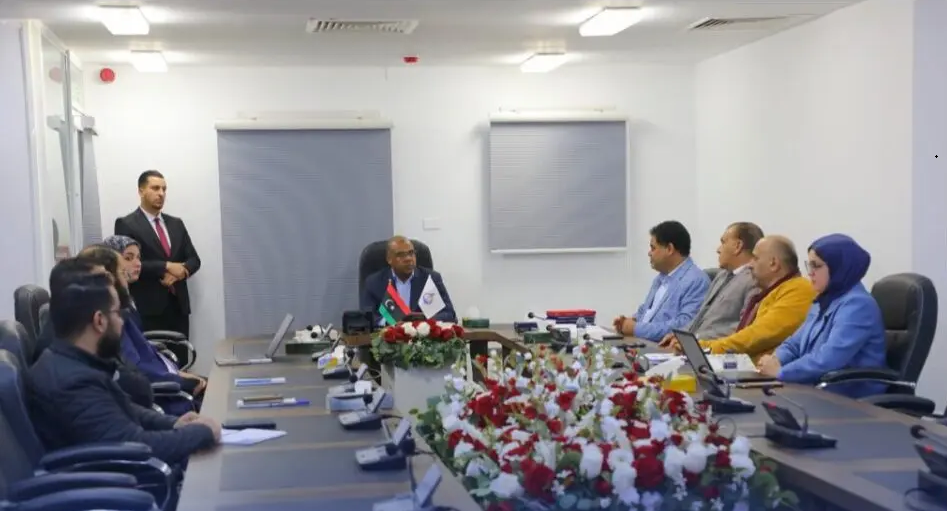
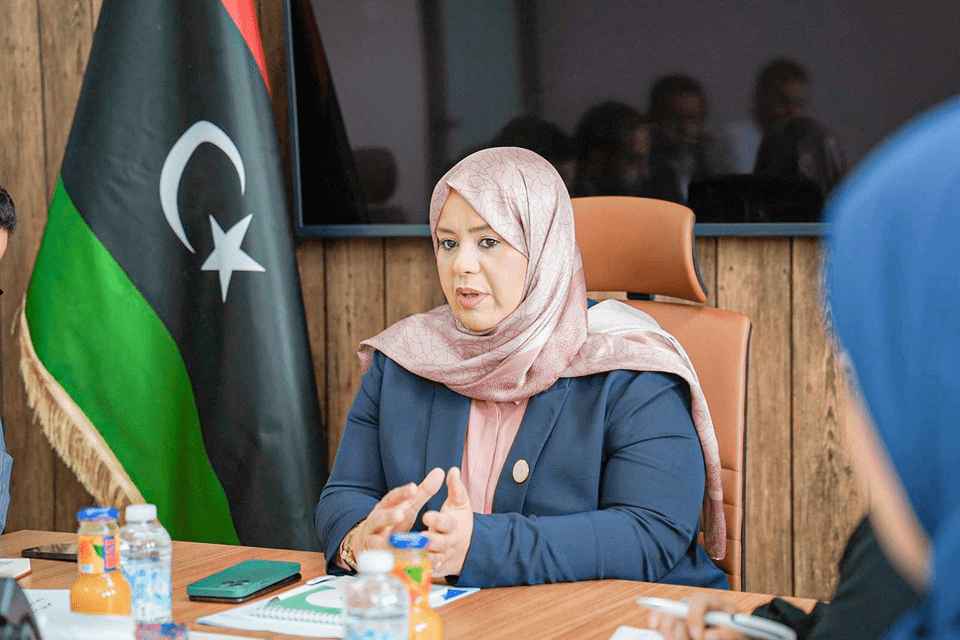
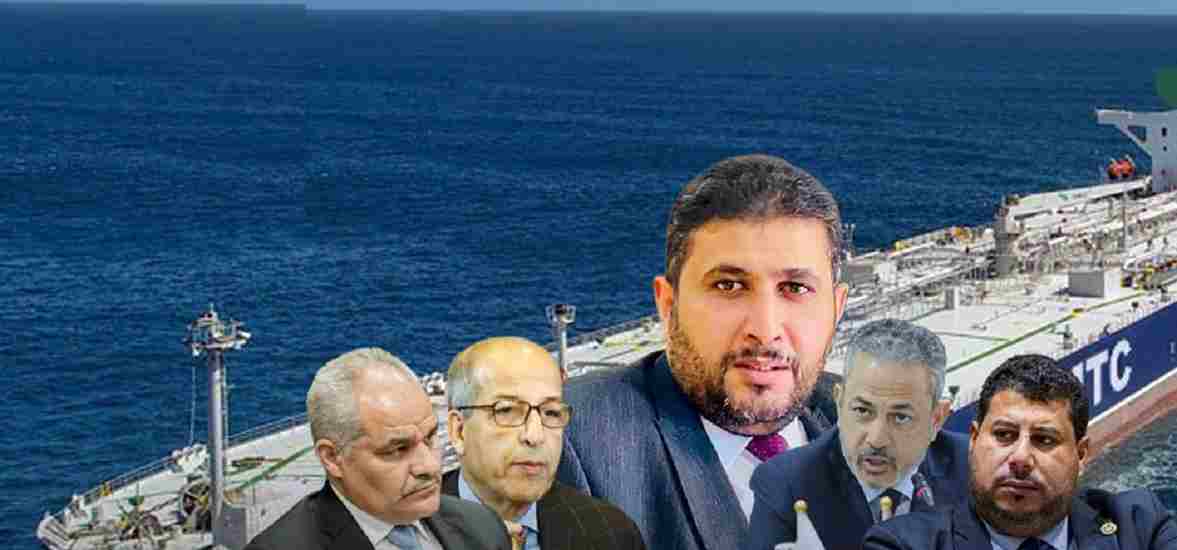
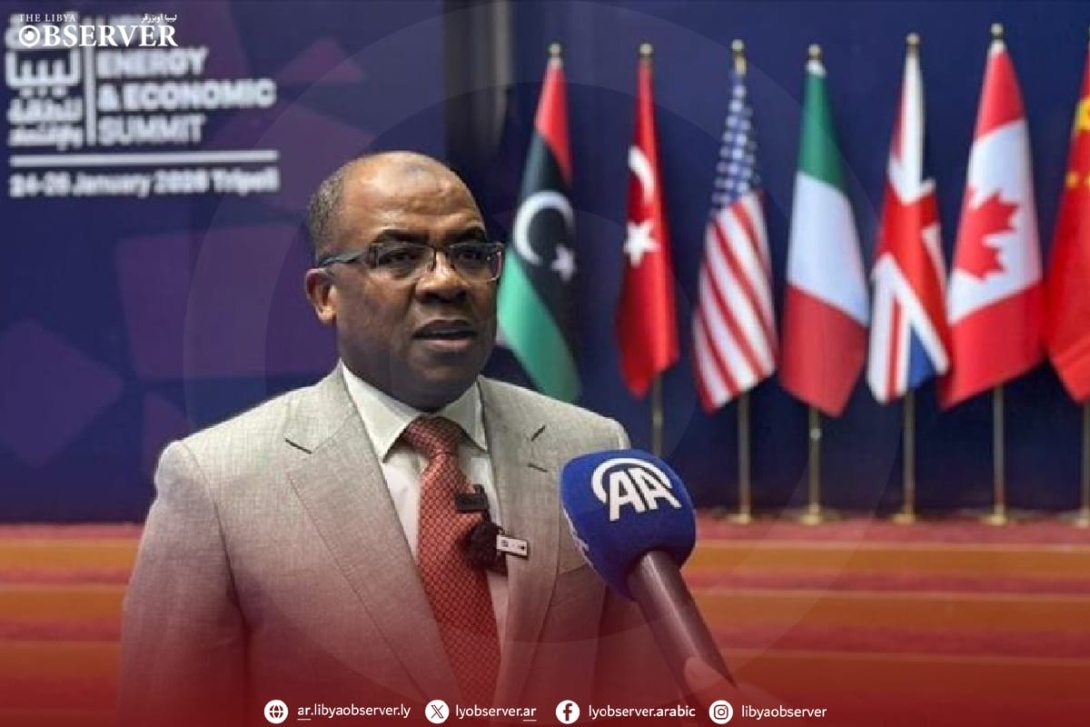
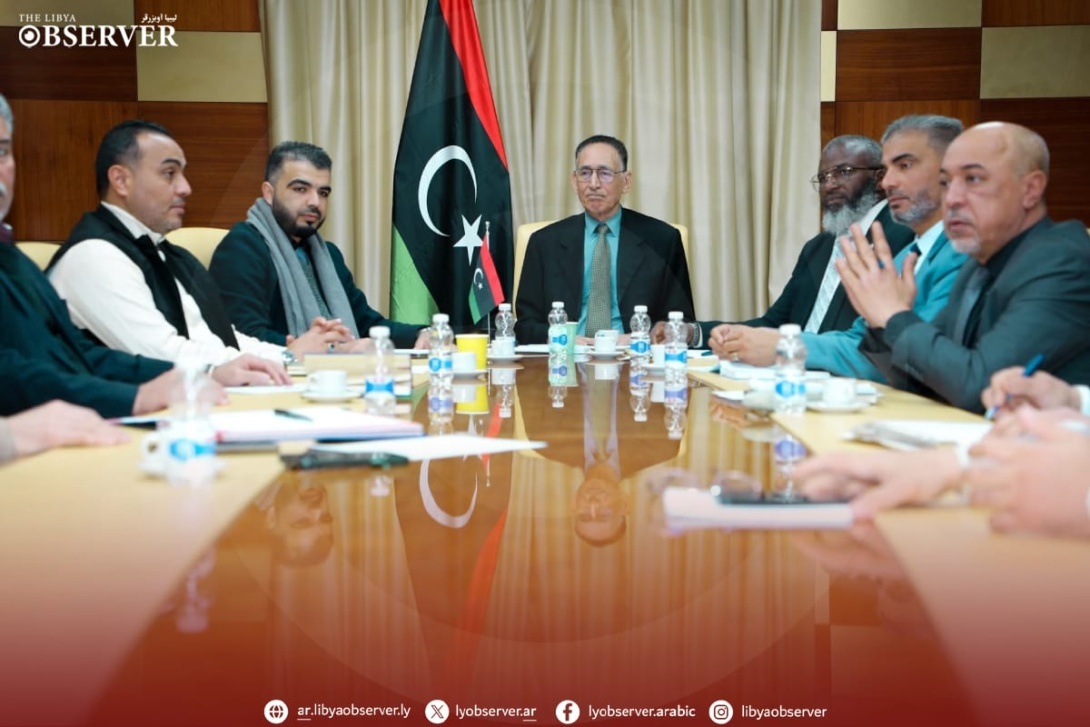
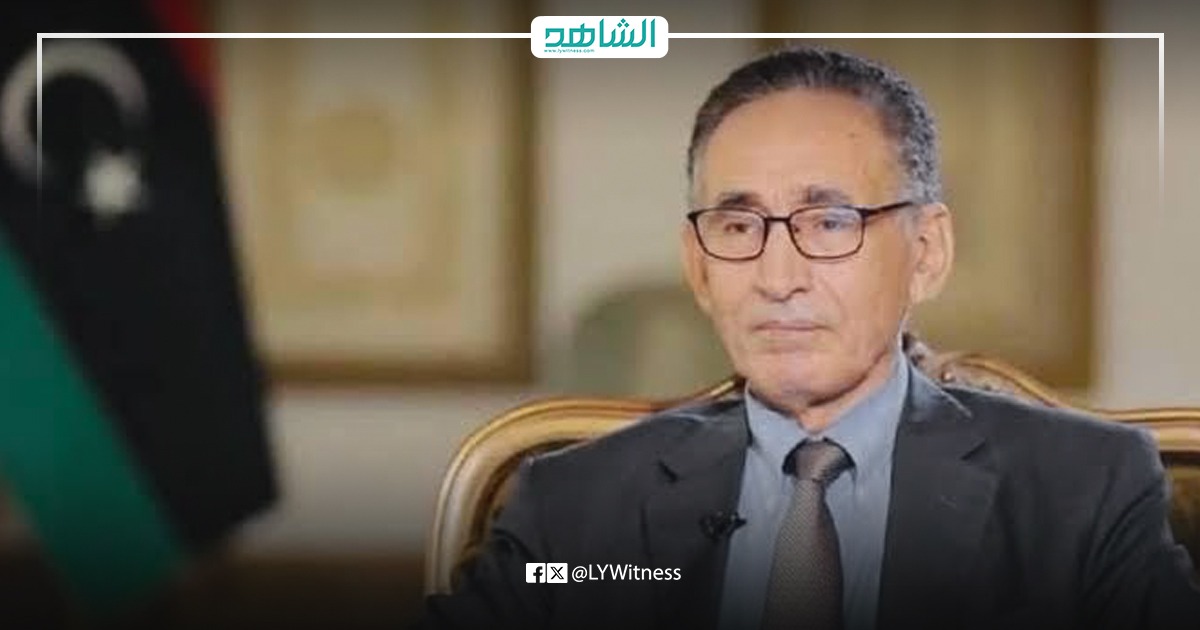
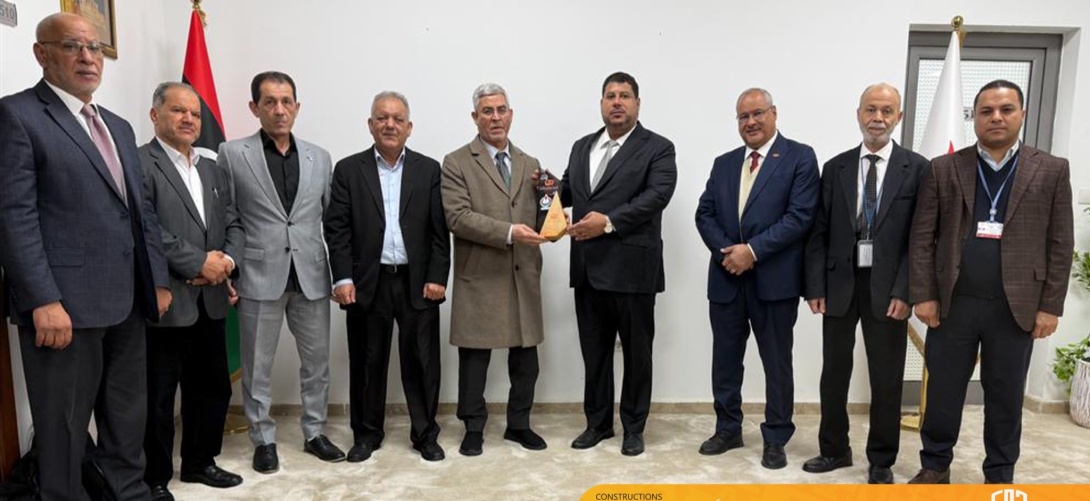
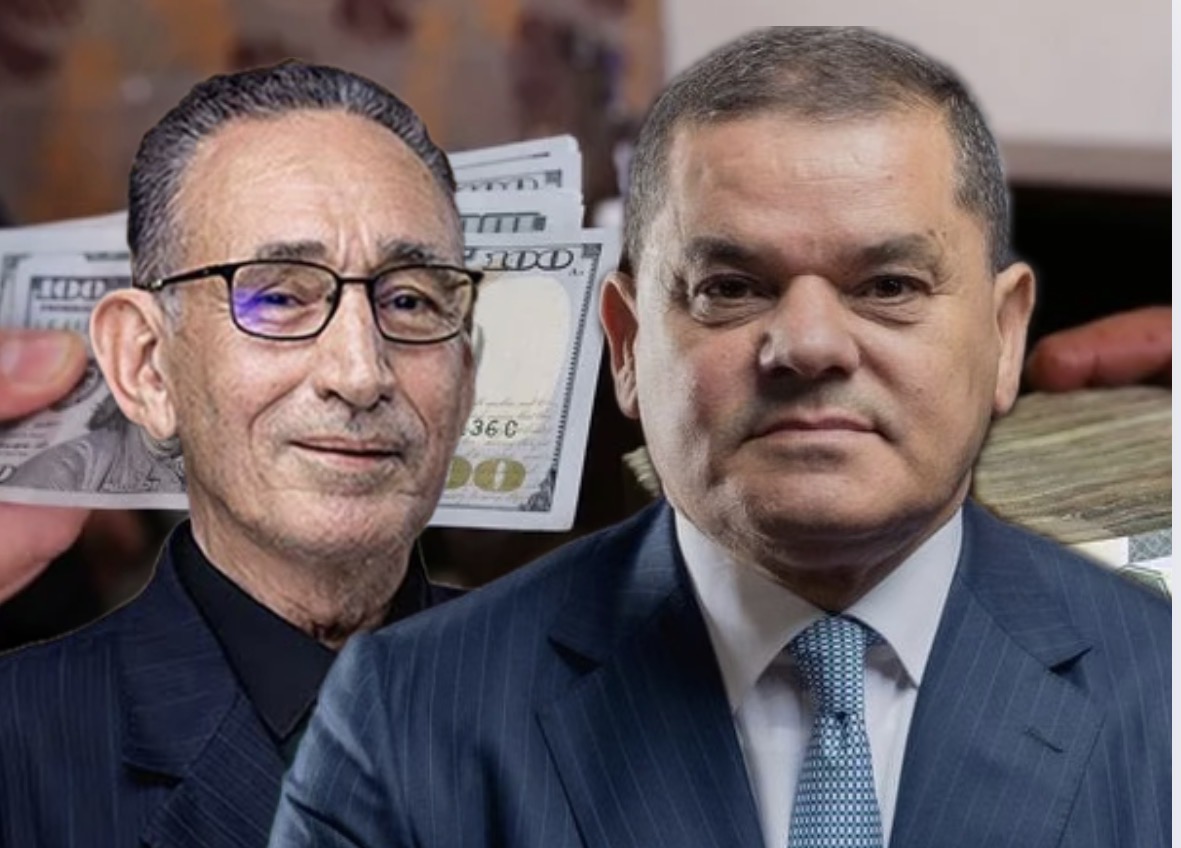
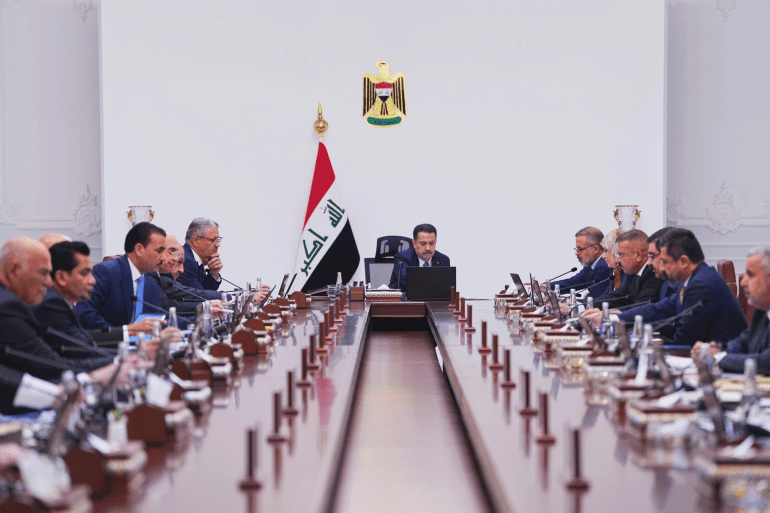
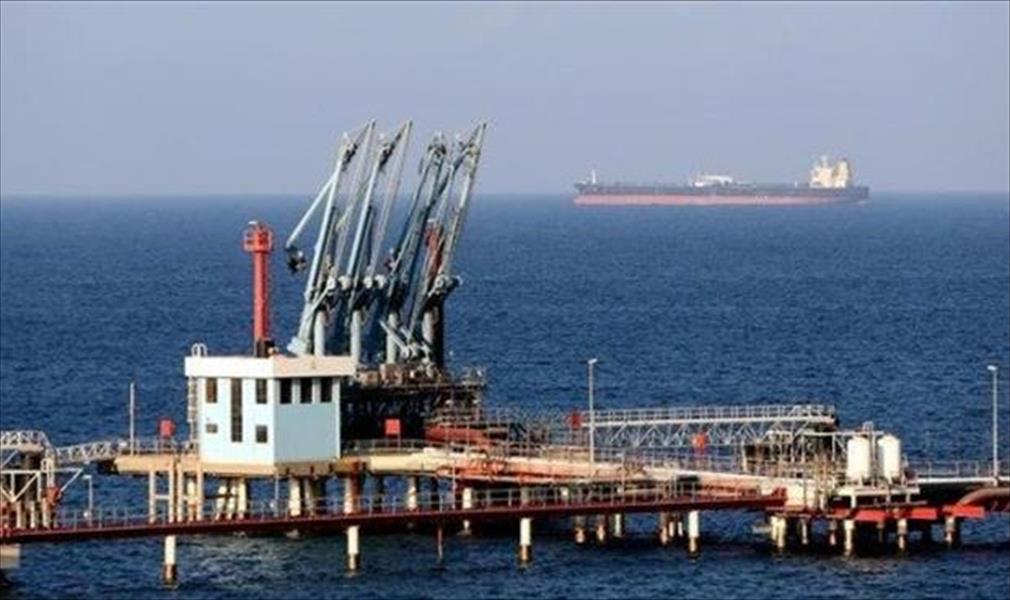
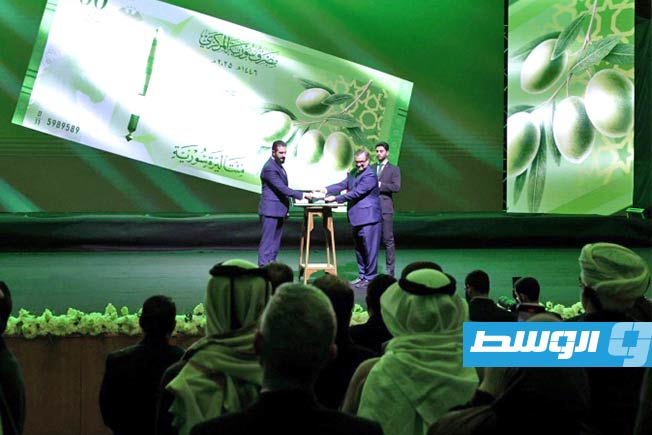
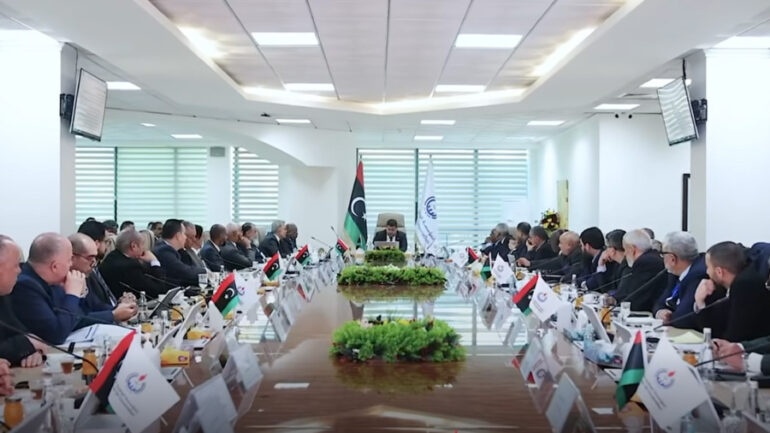
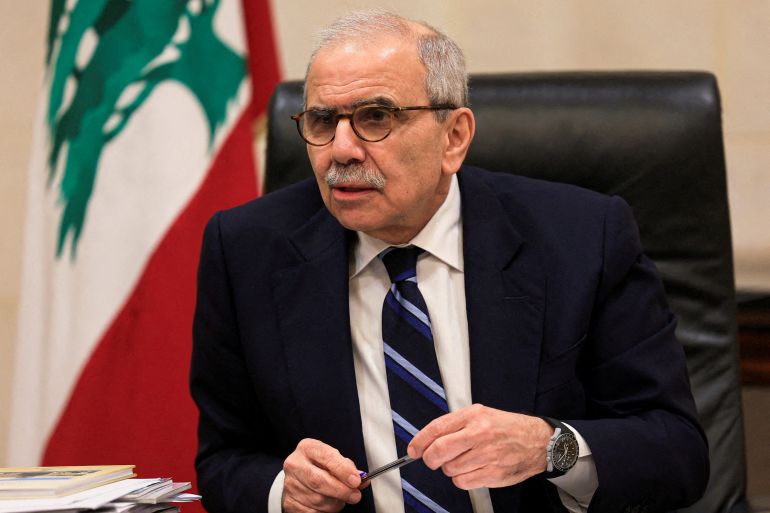
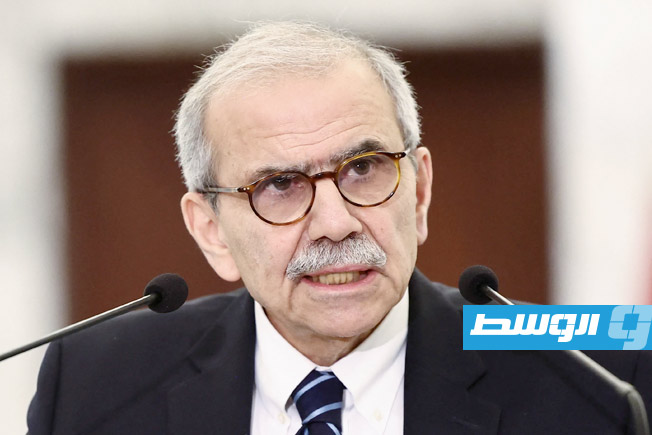
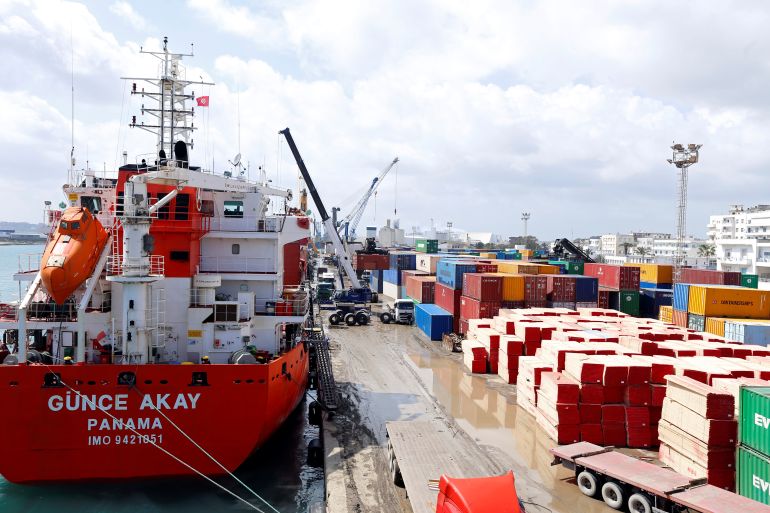
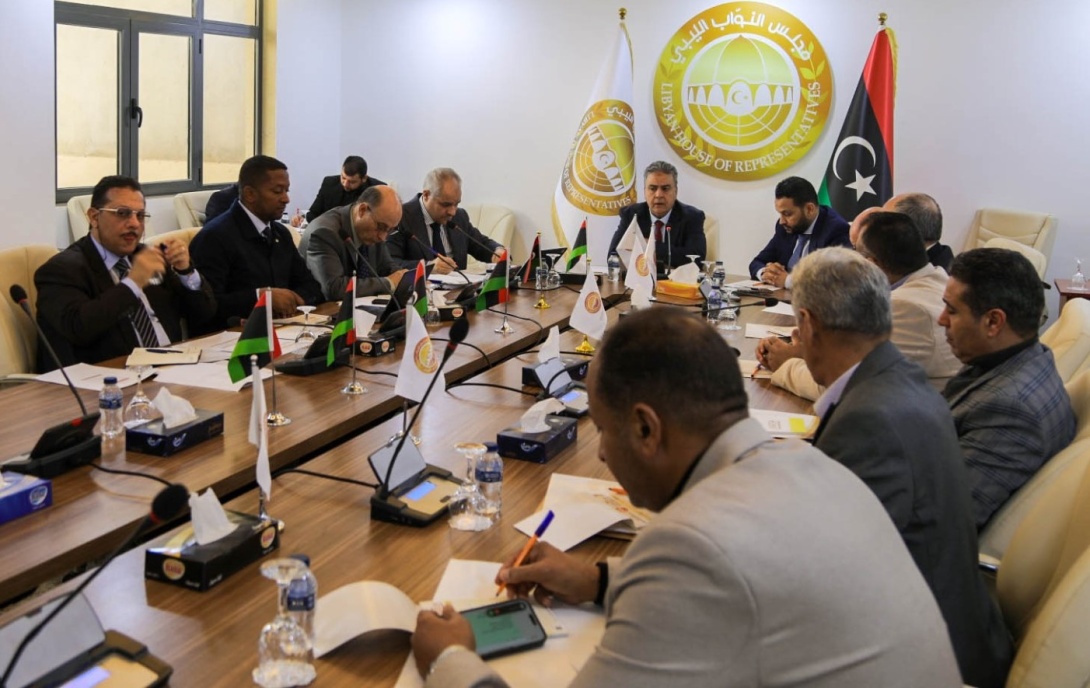
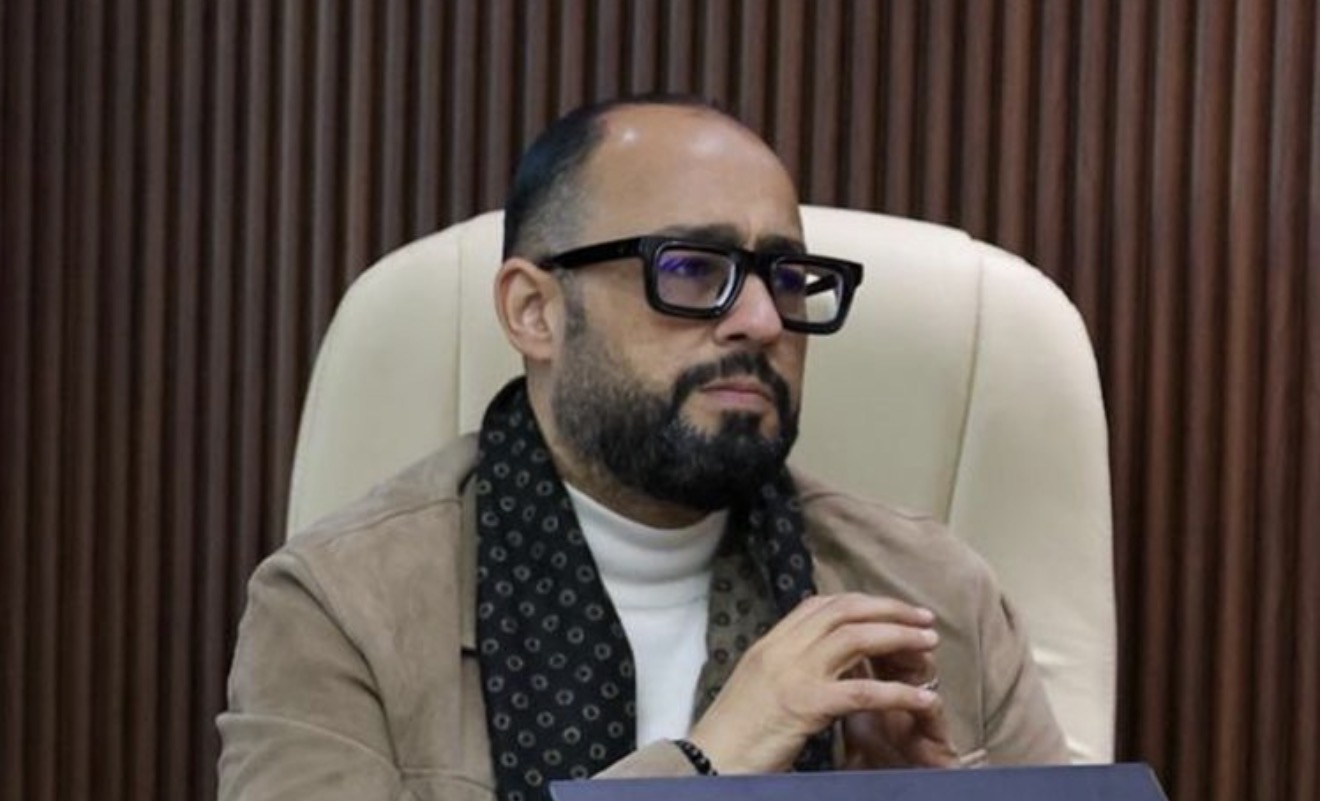
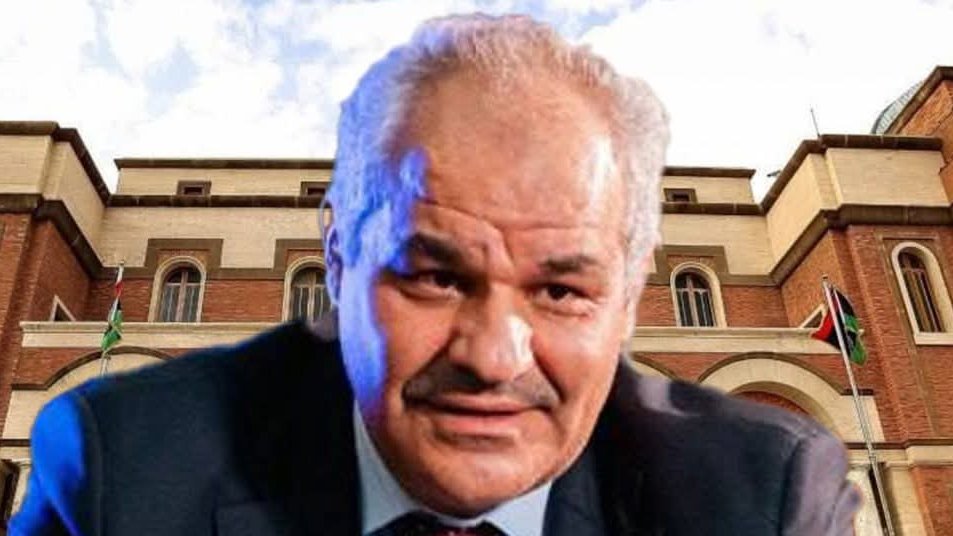
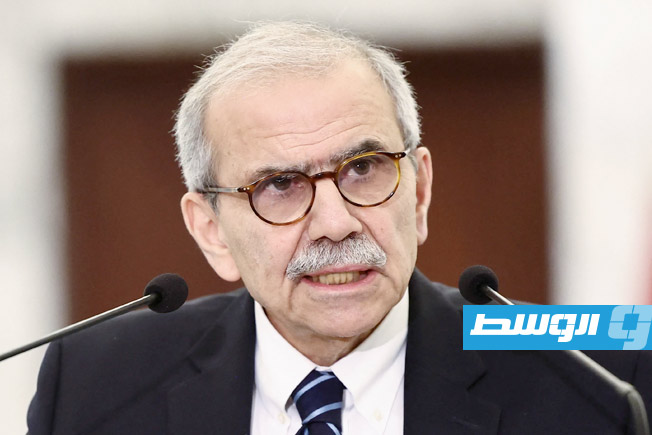
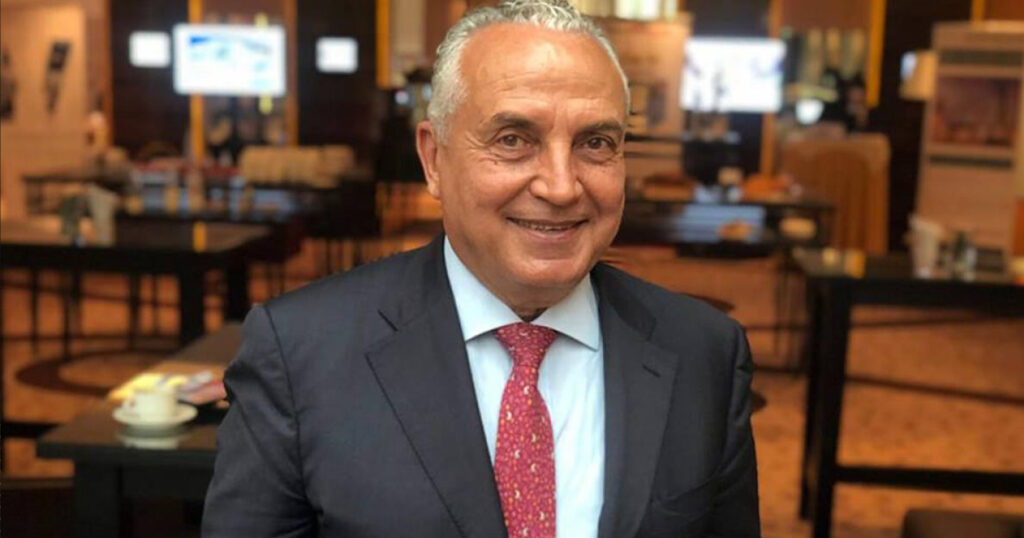
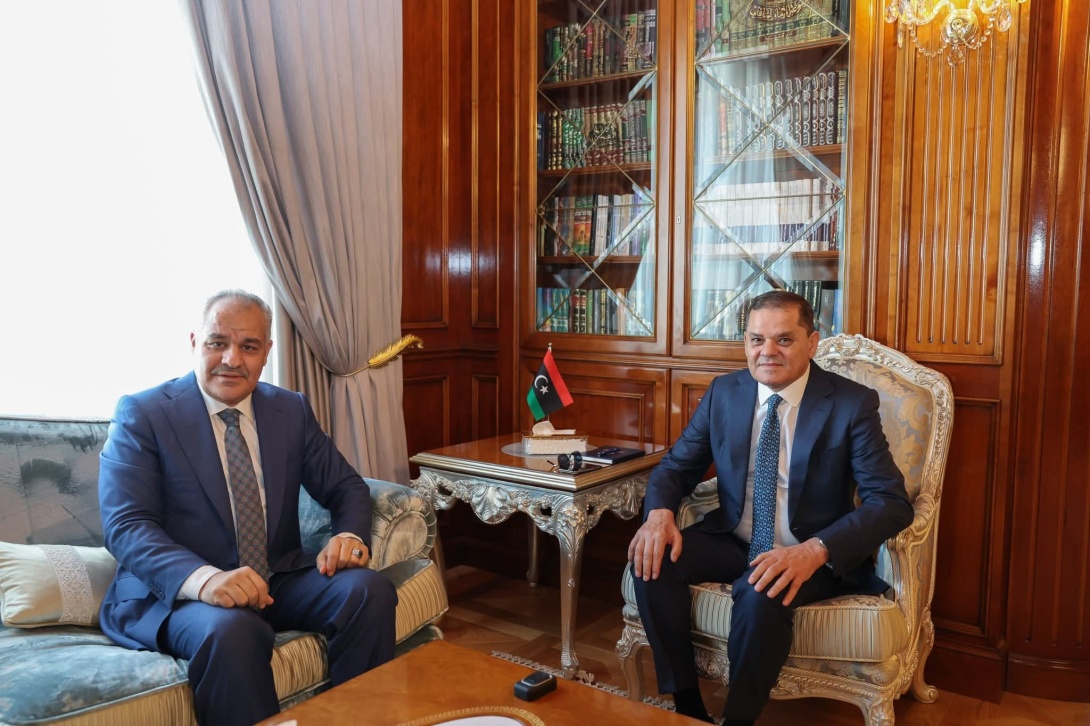
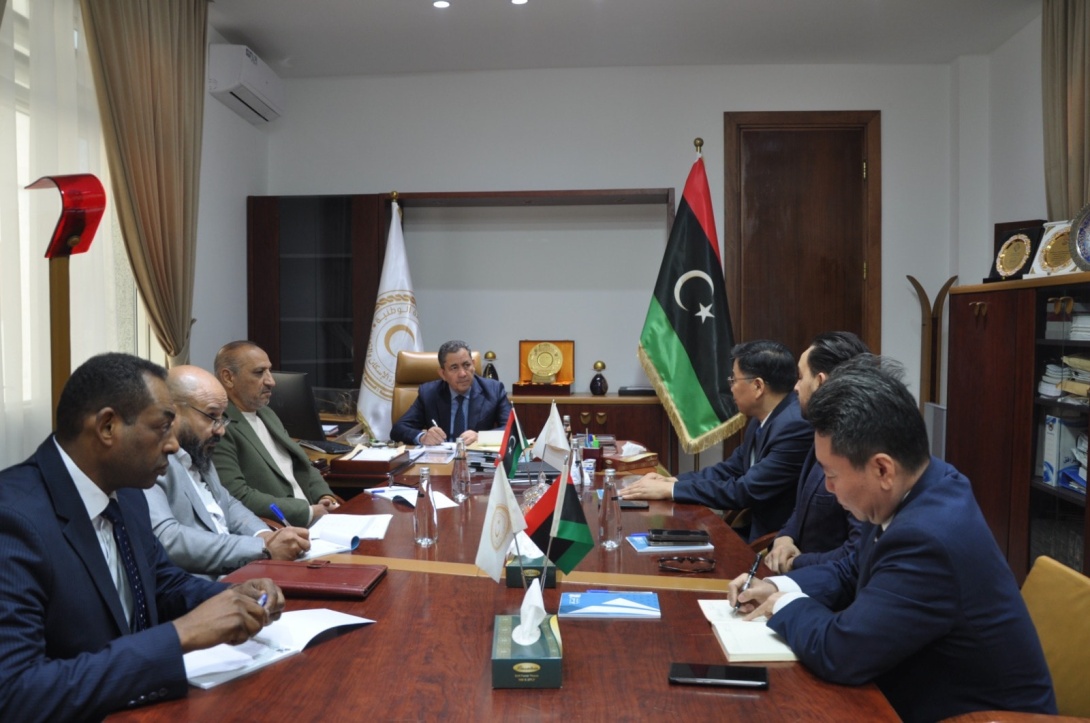
These developments coincided with a request from the Governor of the Central Bank of Libya to the head of the Government of National Unity, Abdul Hamid Dbeibah, to direct the Ministry of Economy to issue a decision prohibiting imports without a bank transfer starting from 2026, alongside contacting security agencies to close unlicensed exchange offices.
US dollar
The US dollar is the official currency of the United States, established by the Coinage Act of 1792. It evolved from a system based on precious metals to a fiat currency, and its global reserve status was solidified by the Bretton Woods Agreement in 1944.
Libyan dinar
The Libyan dinar is the official currency of Libya, introduced in 1971 to replace the Libyan pound. It was established following the country’s independence and the rise of the Libyan Arab Republic, symbolizing a move toward national economic sovereignty.
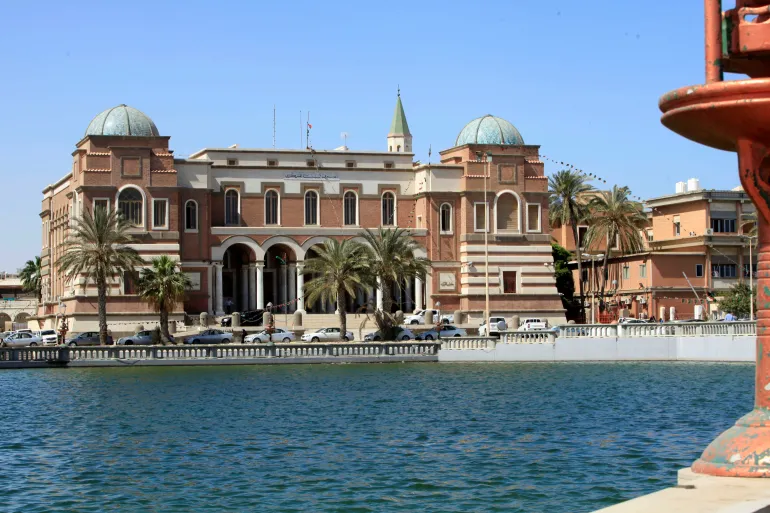
Tripoli
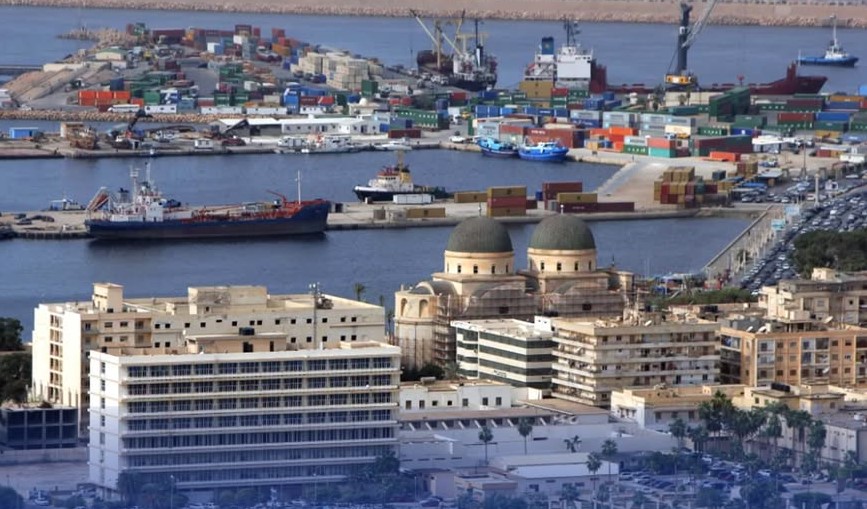
Tripoli is the capital and largest city of Libya, with a history dating back to the 7th century BCE when it was founded by the Phoenicians. It later came under Roman, Byzantine, Arab, Ottoman, and Italian rule, which is reflected in its historic architecture, such as the old Medina and the Red Castle (Assai al-Hamra).
Zliten
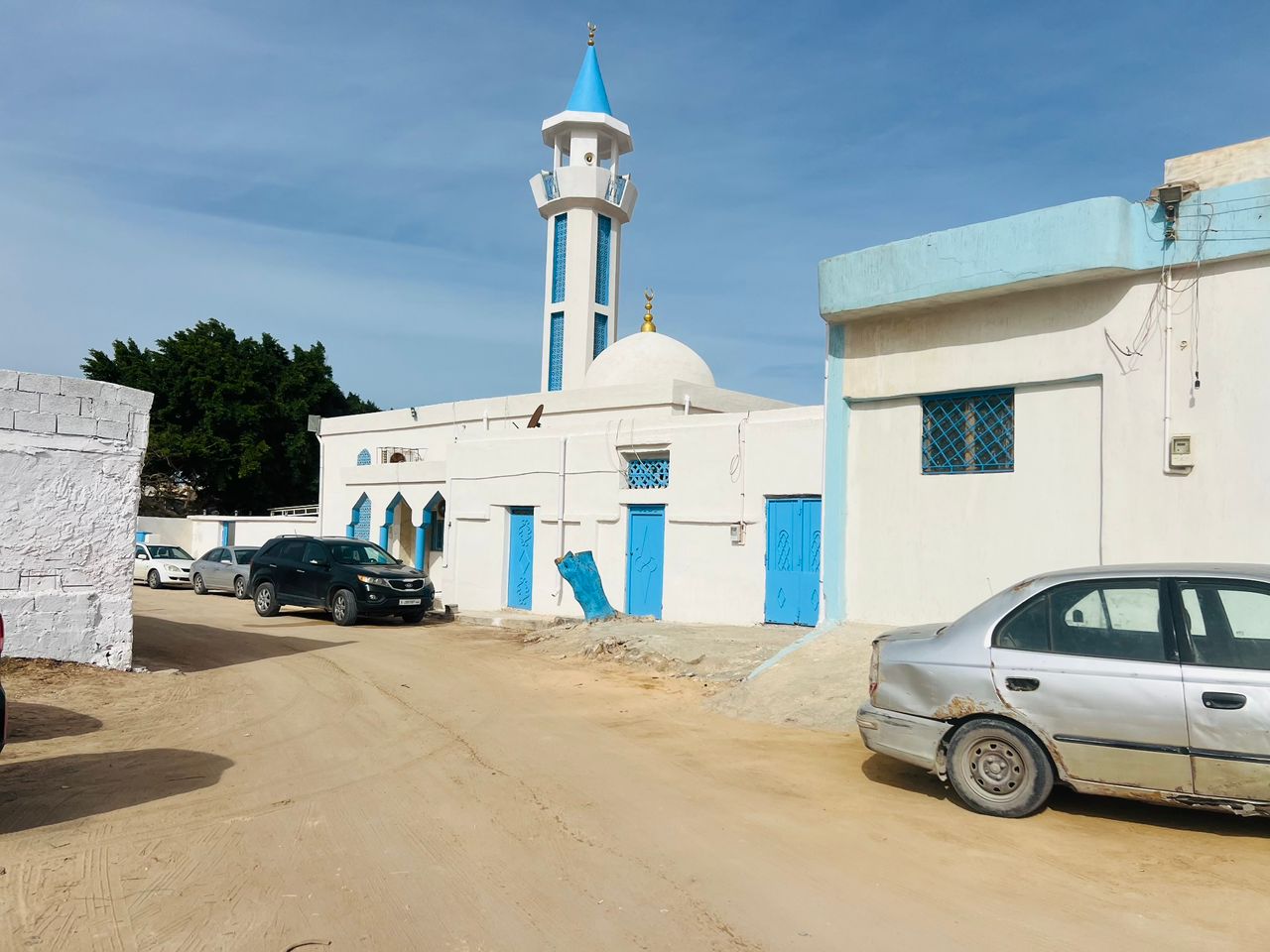
Zliten is a coastal city in northwestern Libya, historically known for its Roman-era ruins and as a center of Islamic scholarship. It is home to the Zliten Mosque, which dates back to the 10th century and is famous for its distinctive octagonal minaret. The city also contains the archaeological site of Leptis Minor, which was a significant Roman port.
Benghazi
Benghazi is a major city in eastern Libya, historically significant as a center of trade and culture since its founding as the Greek colony of Euesperides. It played a pivotal role in the 2011 Libyan Civil War as a key base for the uprising against Muammar Gaddafi.
Euro
The Euro is the official currency of the Eurozone, which consists of 20 of the 27 member states of the European Union. It was introduced in non-physical form in 1999 and as physical banknotes and coins in 2002, with the goal of fostering economic integration and stability across Europe.
British Pound
The British Pound, officially known as Pound Sterling, is the world’s oldest currency still in use, with origins tracing back to Anglo-Saxon times. Its name derives from the Latin “libra,” a unit of weight, and it was historically a silver coin before becoming a fully decimalized system in 1971.
Turkey
Turkey is a transcontinental nation straddling Eastern Europe and Western Asia, with a rich history as the heartland of the Byzantine and Ottoman Empires. Its modern identity was forged after the fall of the Ottomans, becoming a secular republic under Mustafa Kemal Atatürk in 1923. The country is renowned for its diverse cultural heritage, featuring historic sites like Hagia Sophia and the rock formations of Cappadocia.
Dubai
Dubai is a major global city and emirate in the United Arab Emirates, historically known as a small fishing and pearling village. Its modern transformation began with the discovery of oil in the 1960s, which funded massive infrastructure projects, leading to its current status as a hub for tourism, finance, and trade.
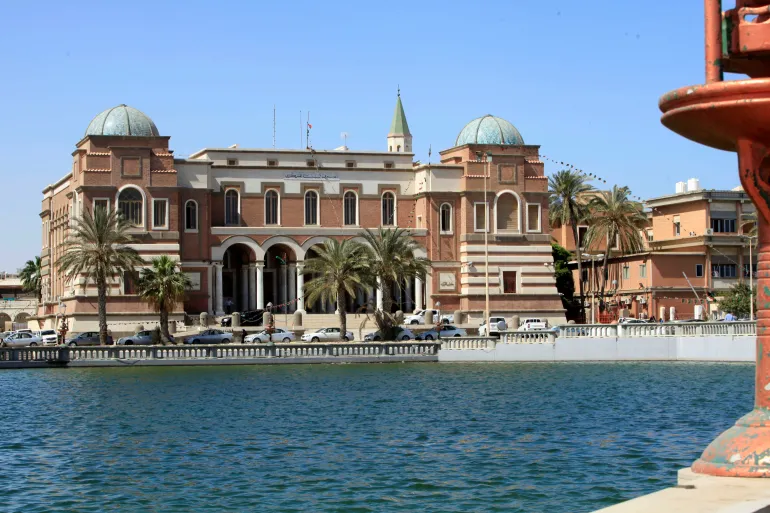
Central Bank of Libya
The Central Bank of Libya is the primary monetary authority of Libya, established in 1956 following the country’s independence. It has played a critical and often contentious role in the nation’s economy, especially in managing state finances and foreign reserves during periods of political division and conflict since 2011.
Government of National Unity
The Government of National Unity (GNU) is a power-sharing arrangement, most notably formed in South Africa following the 1994 elections that ended apartheid. Its primary purpose was to facilitate a peaceful transition to majority rule by including the major political parties in a coalition cabinet, with Nelson Mandela as President and F.W. de Klerk as Deputy President.
Ministry of Economy
The Ministry of Economy is a government department responsible for formulating and implementing national economic policy. Its history is tied to the development of the modern state, with such ministries typically being established or significantly reformed during periods of industrialization or major economic restructuring to guide fiscal, trade, and industrial strategies.