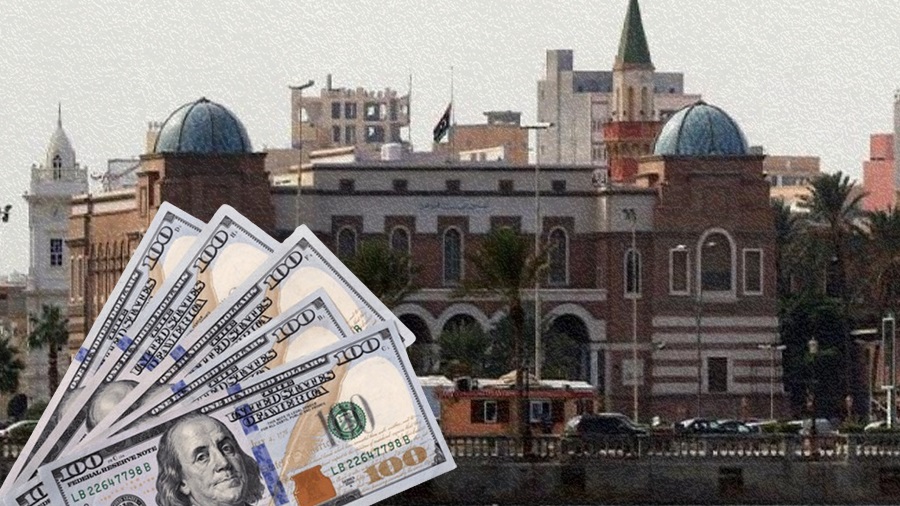
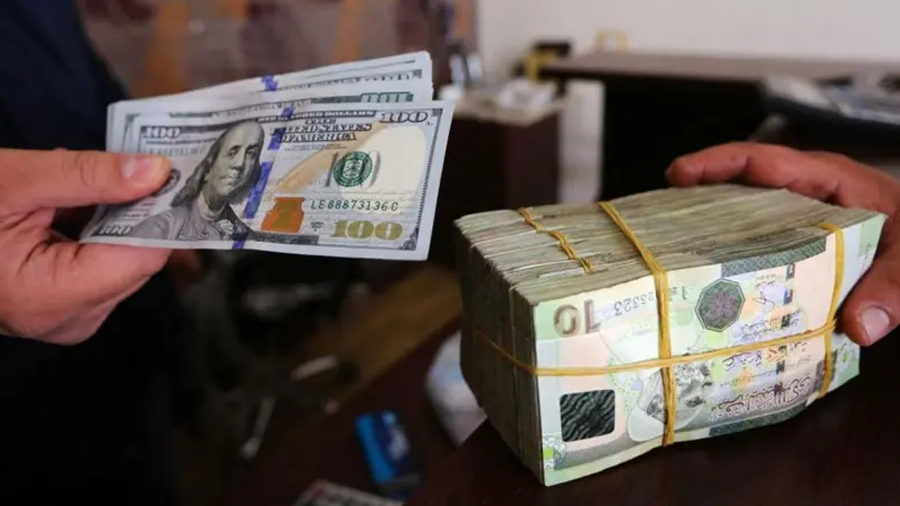
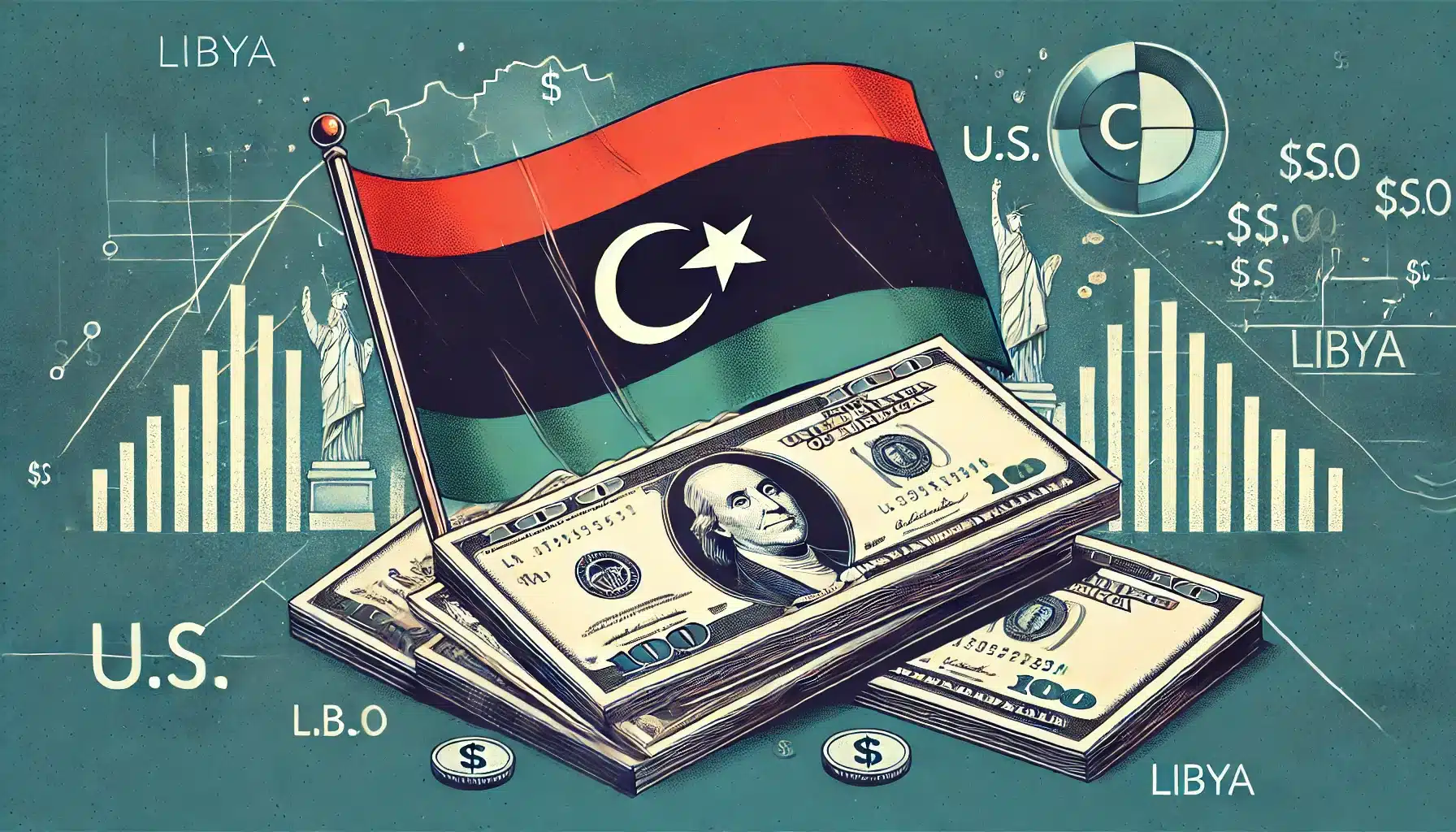
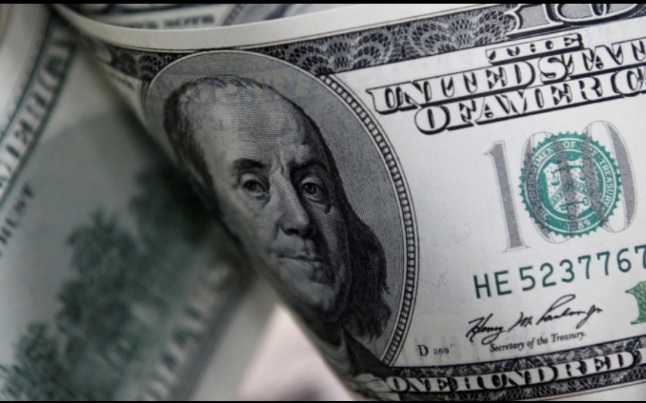
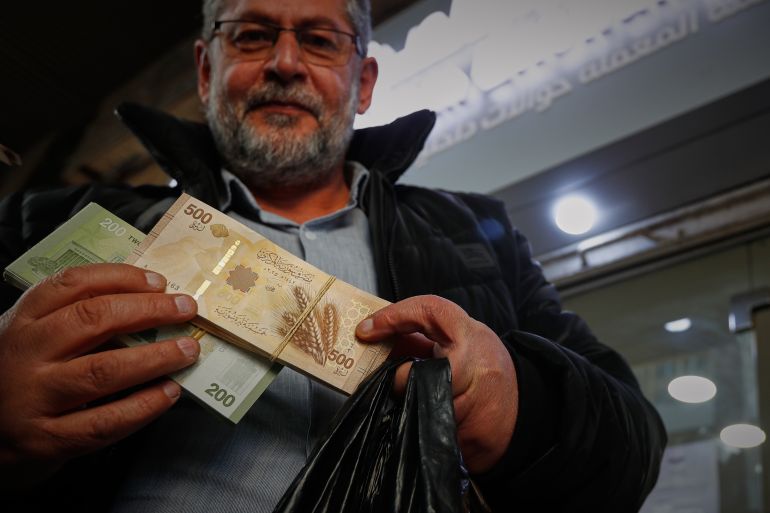
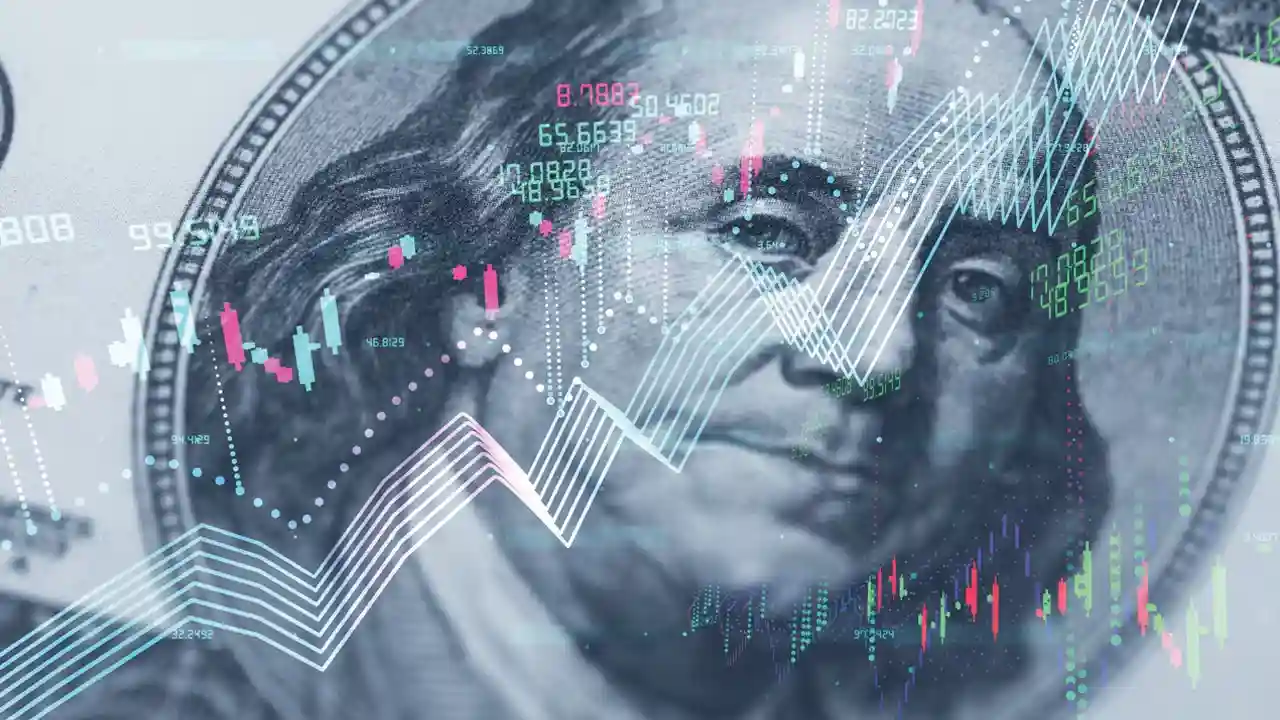
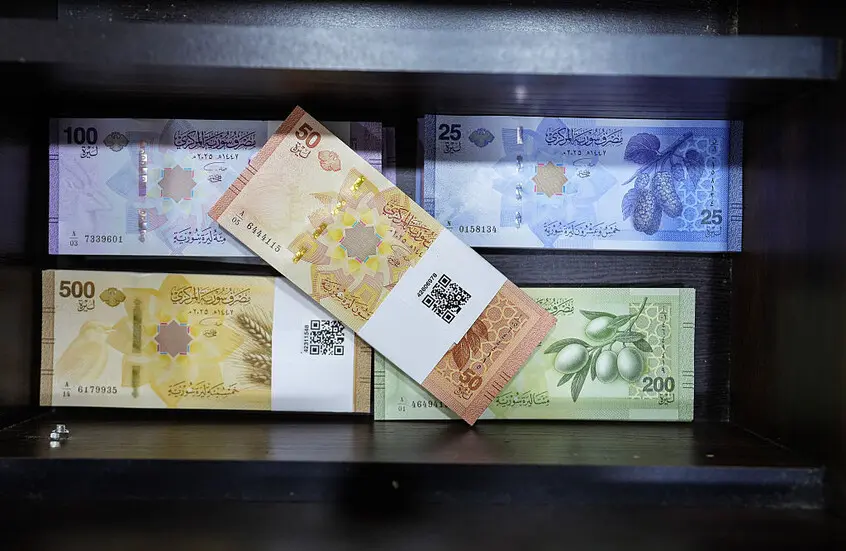
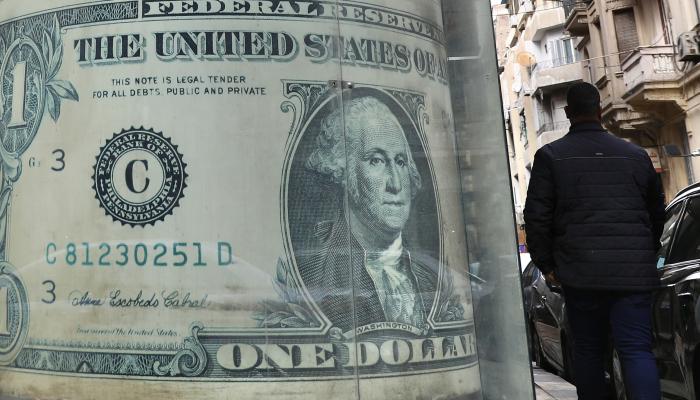
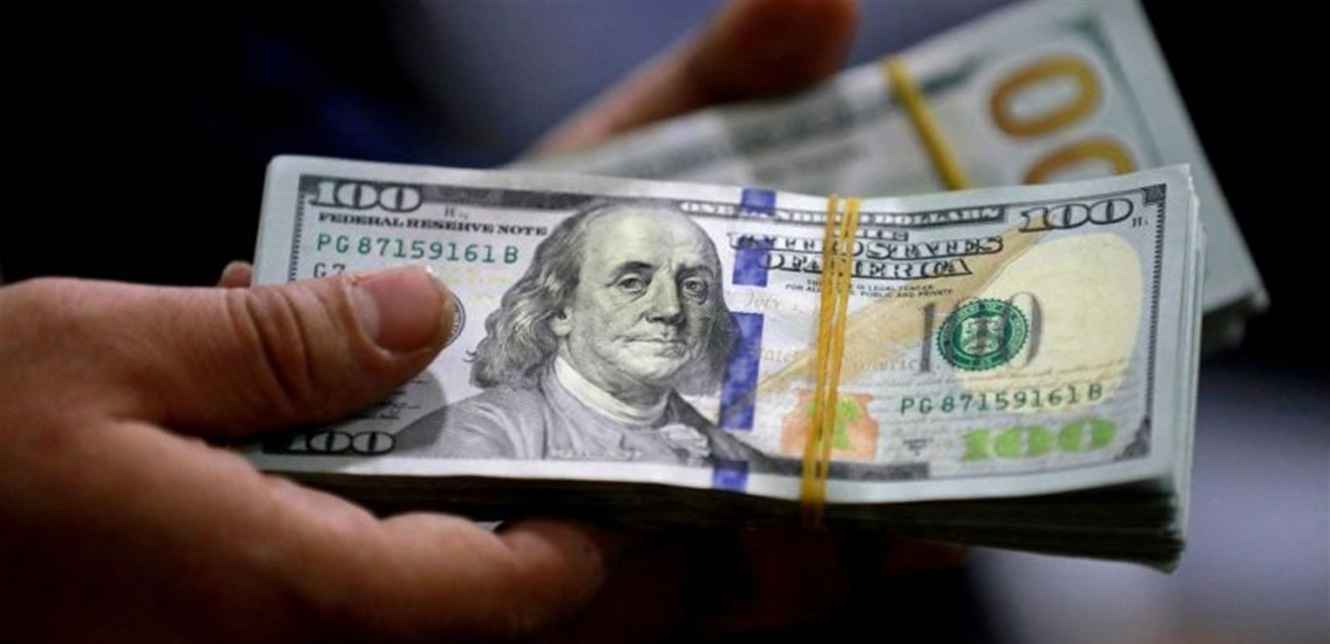
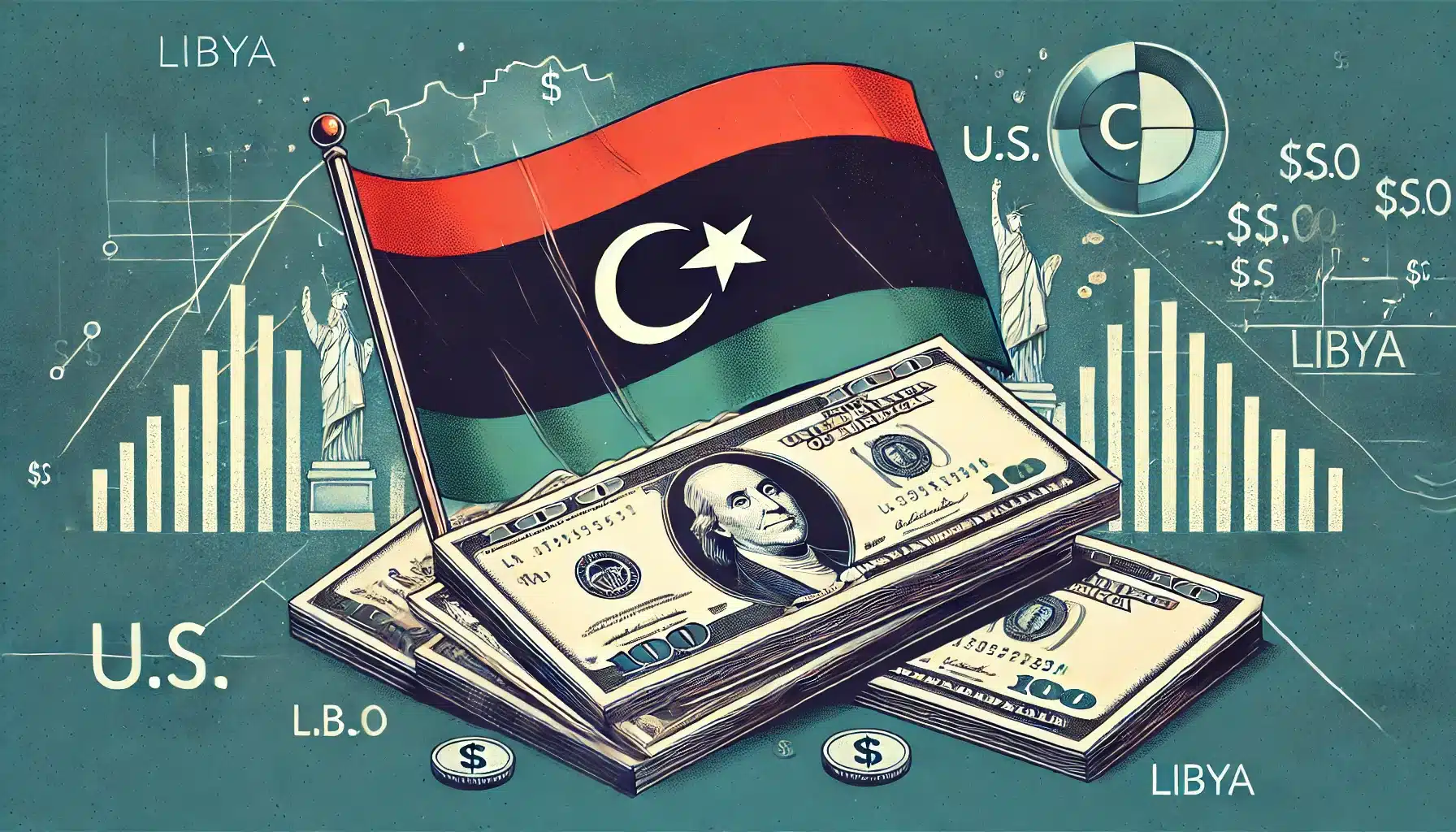
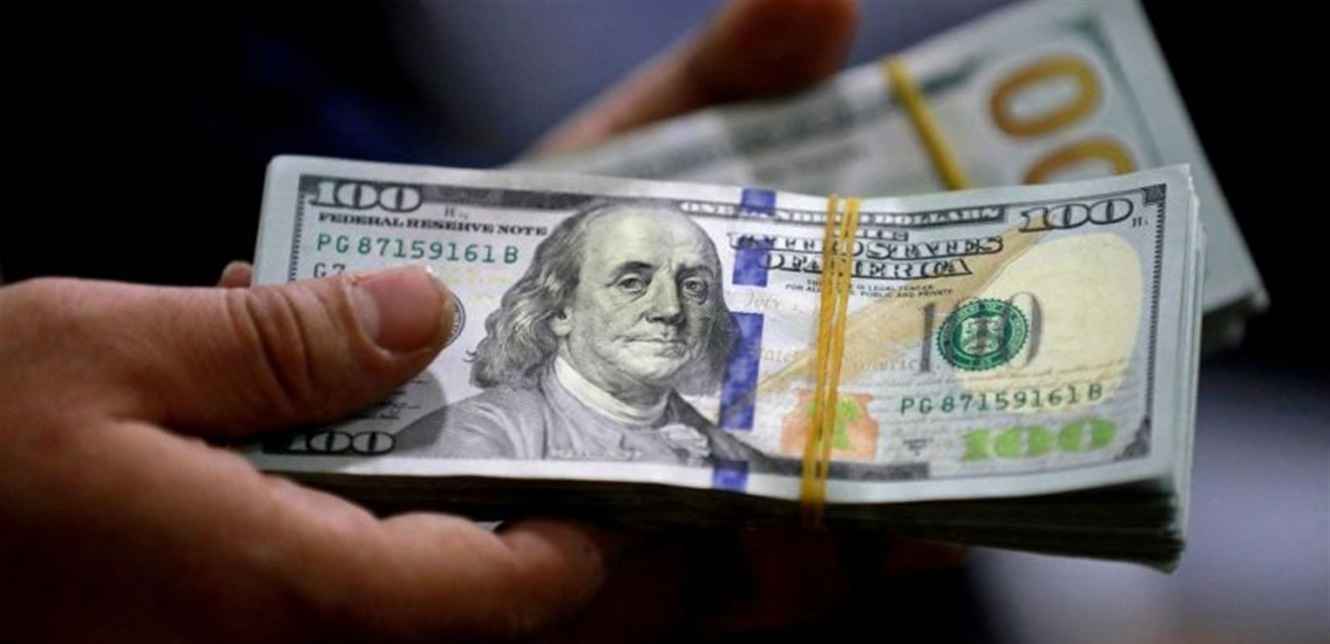
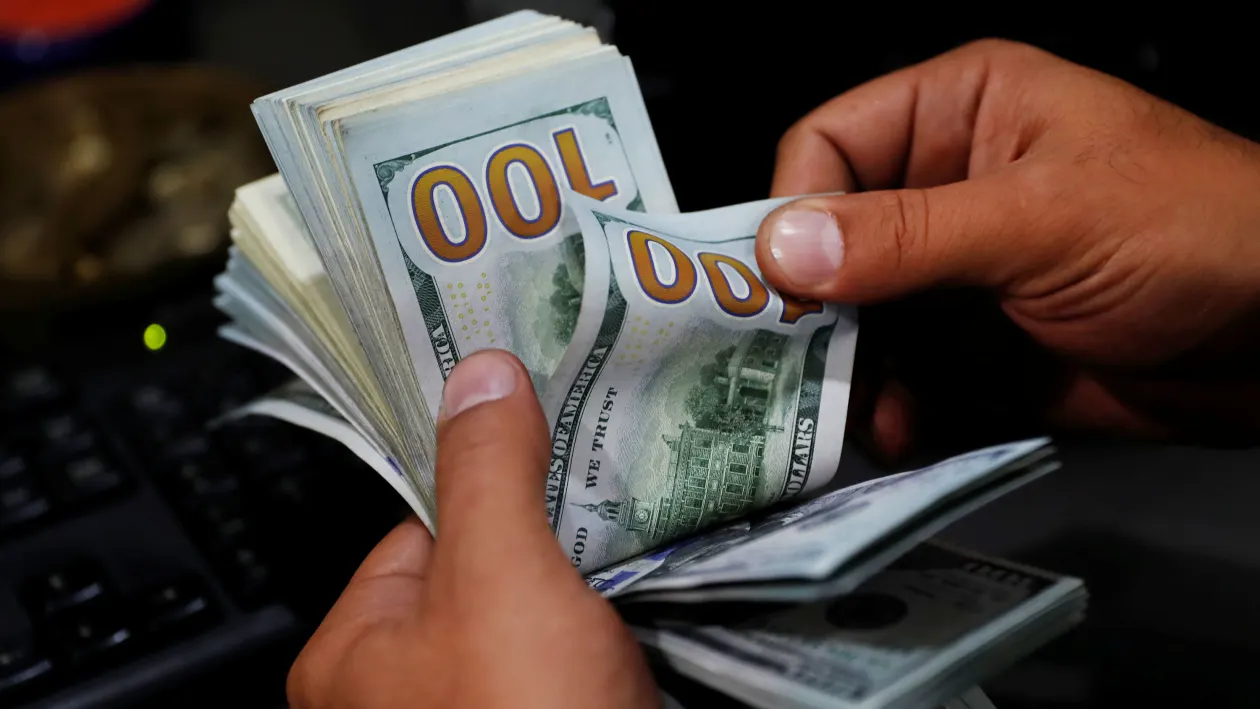
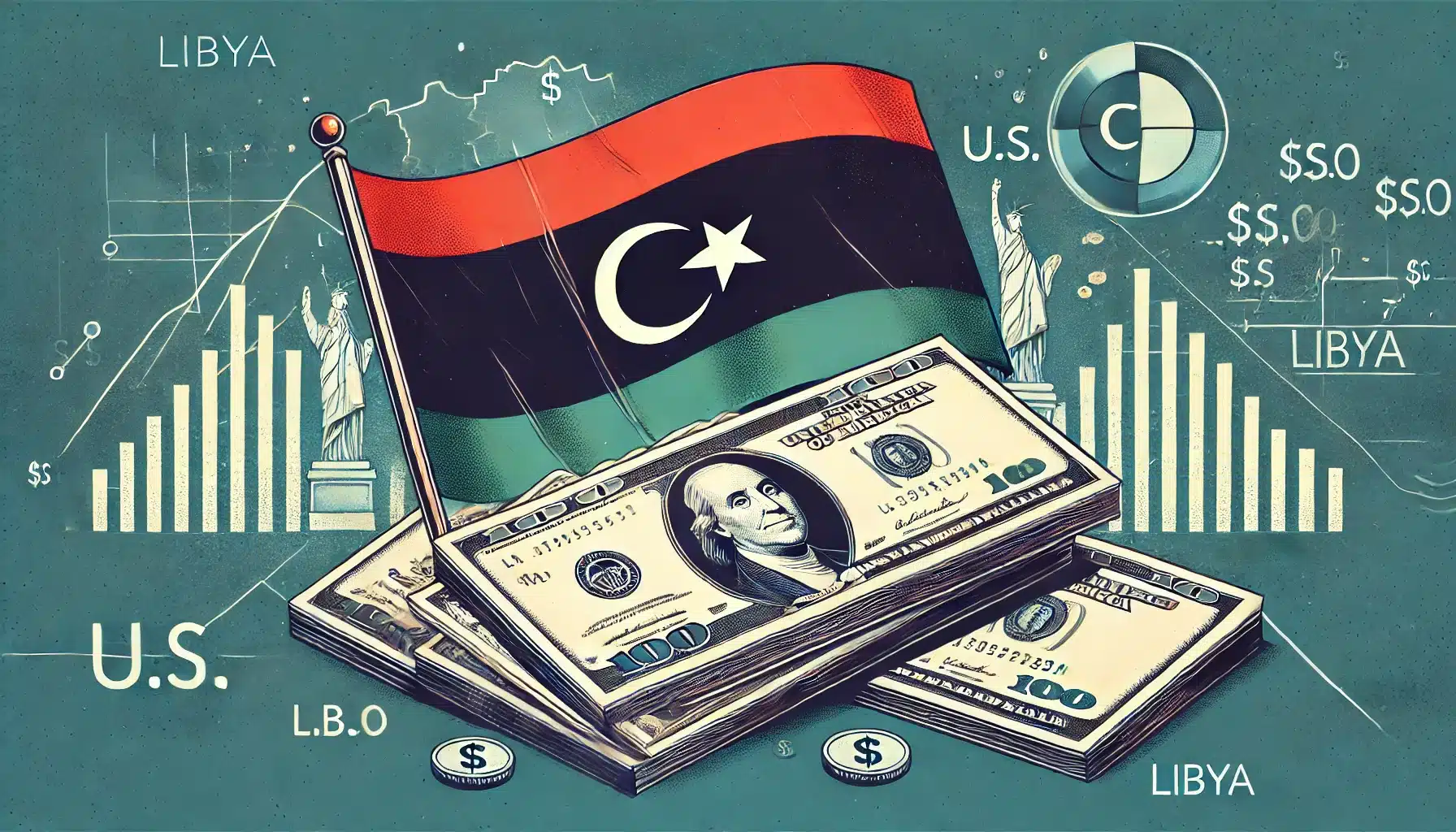
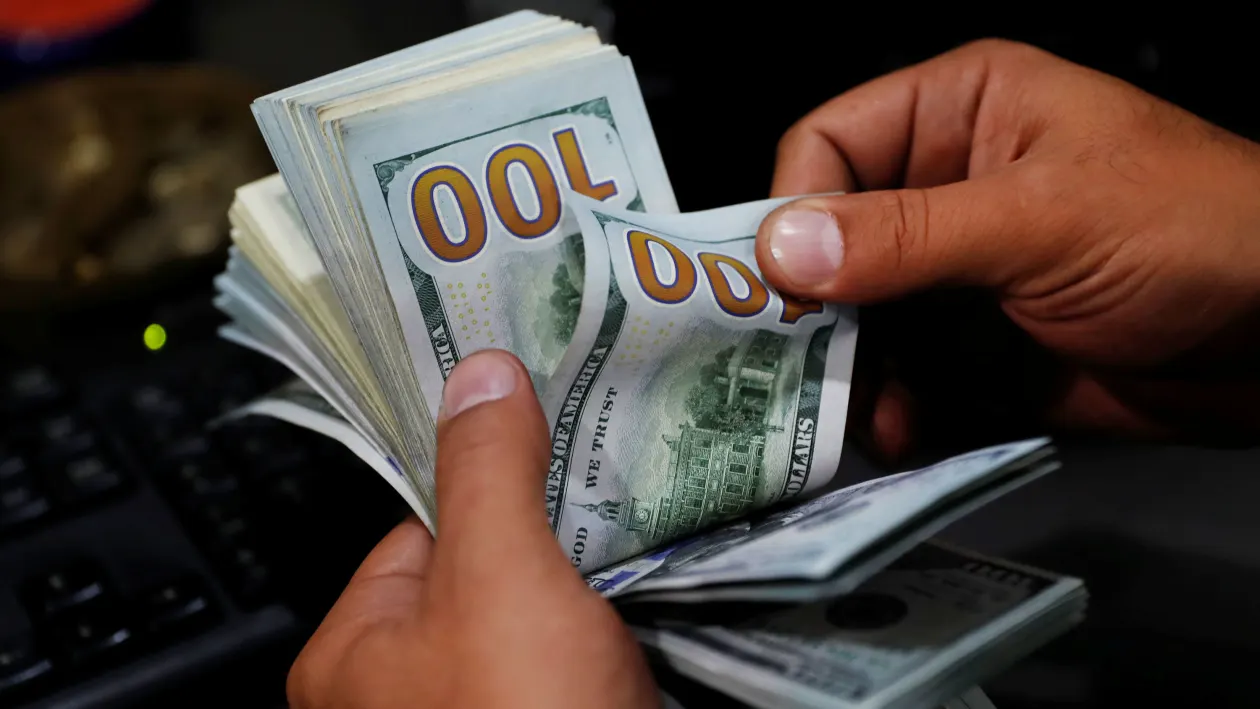
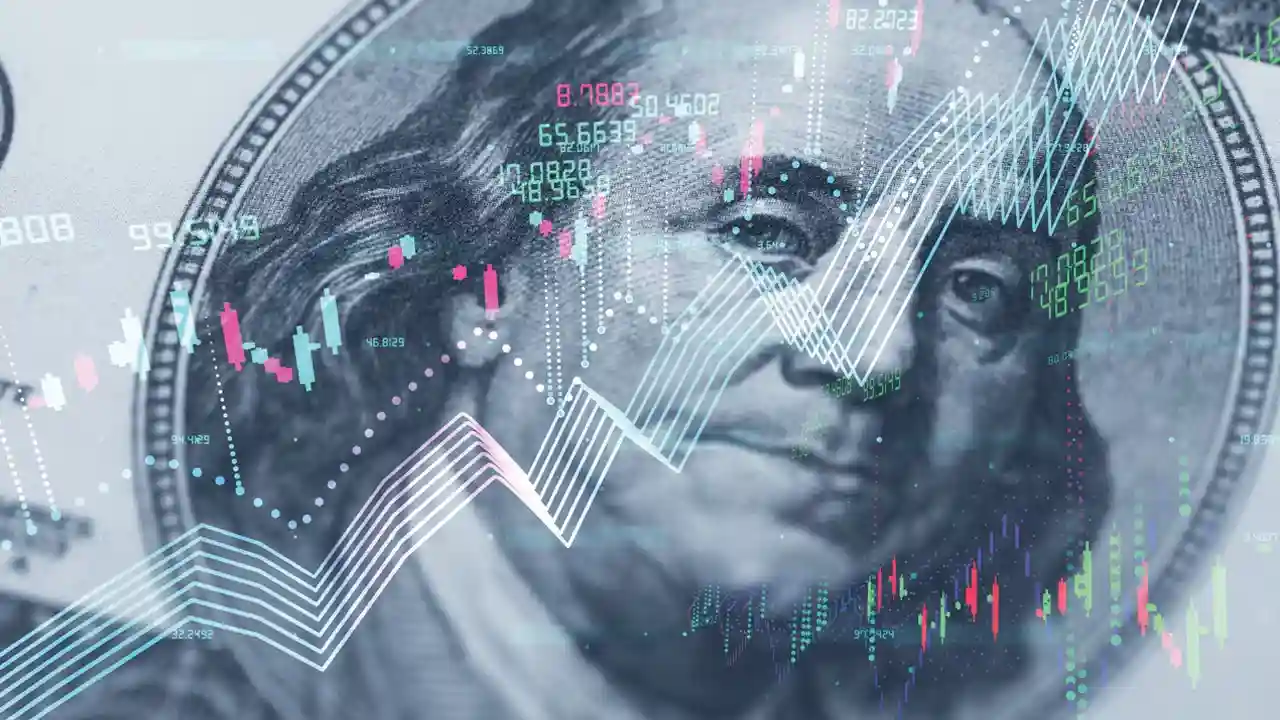
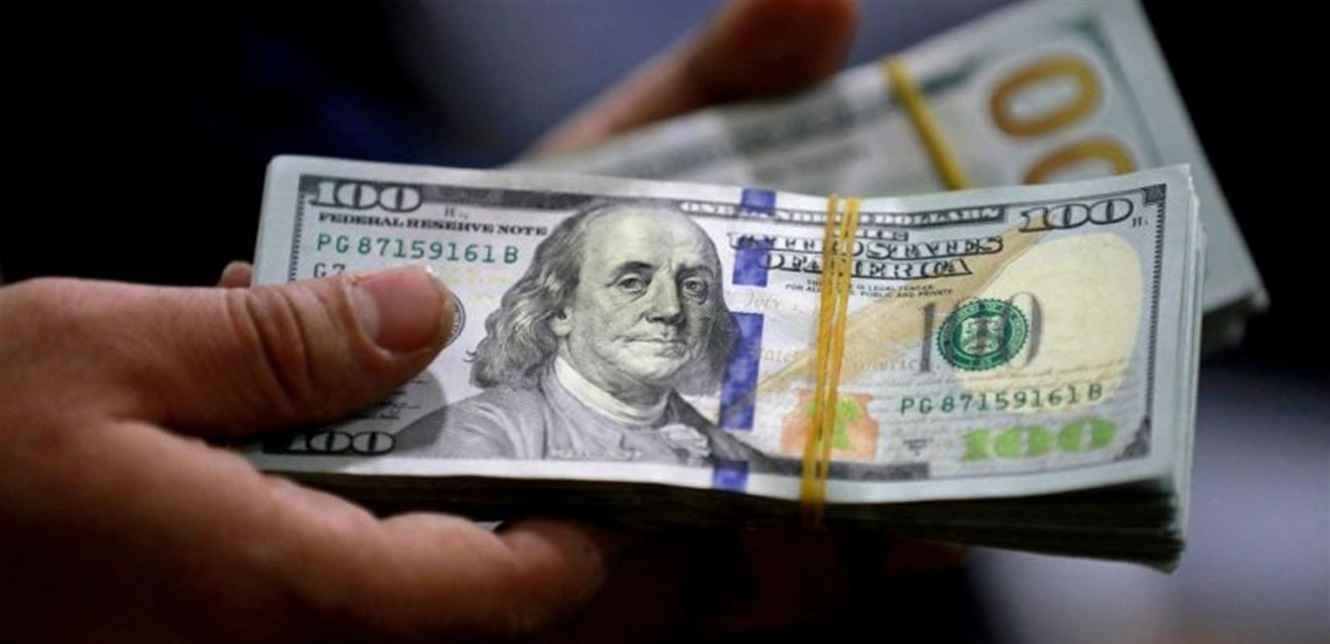
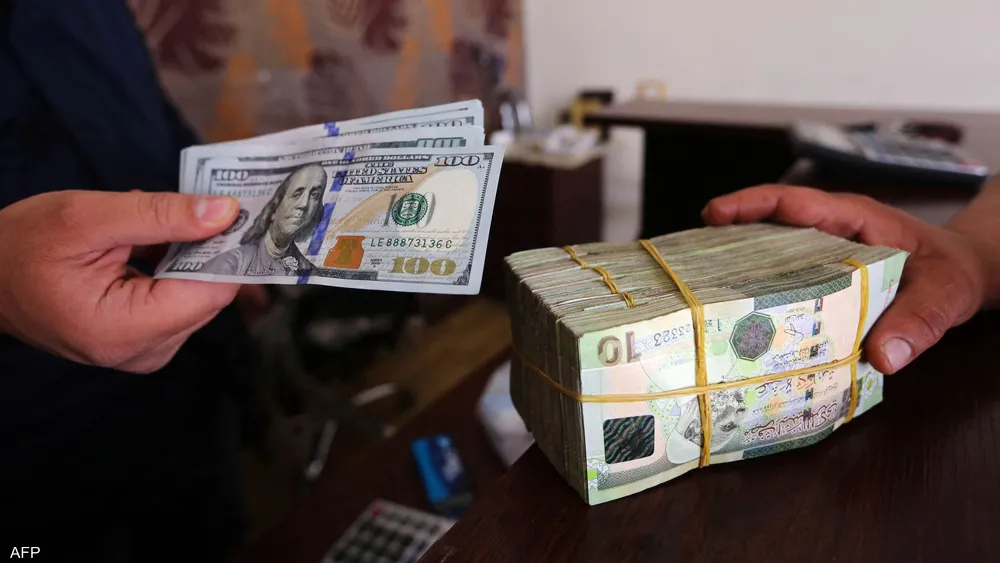
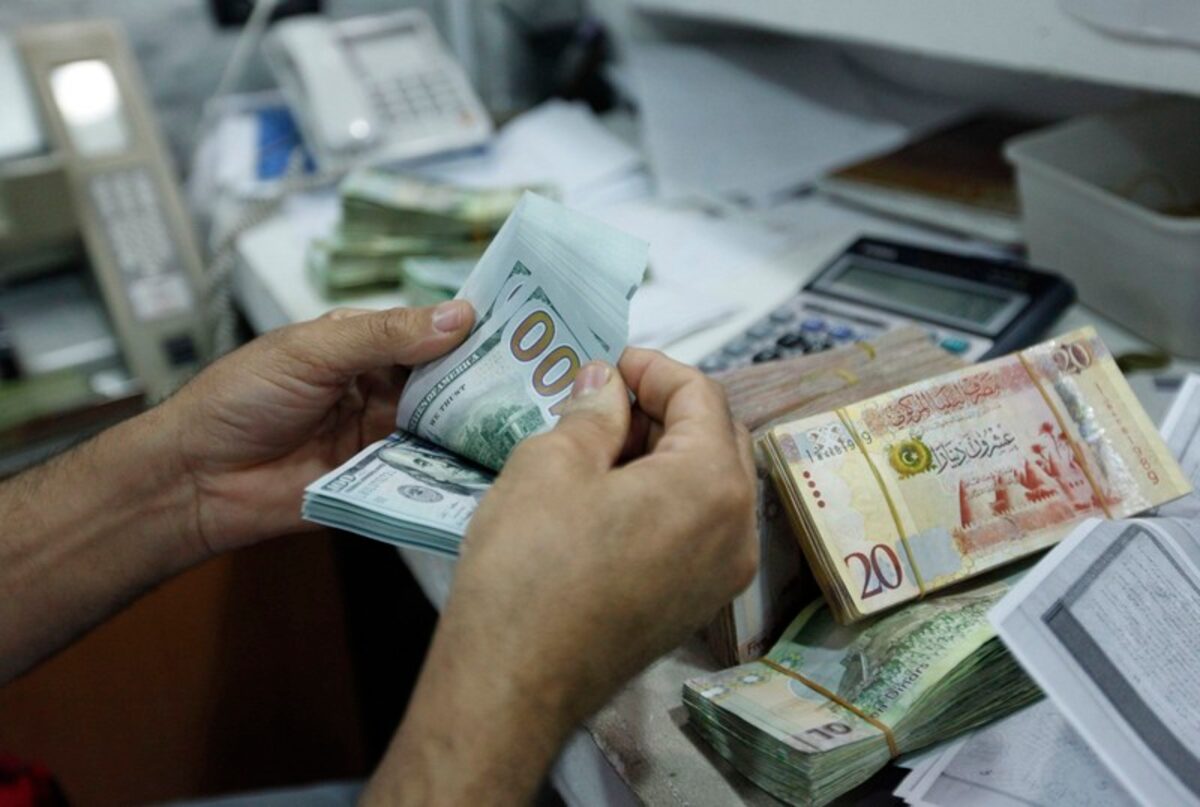
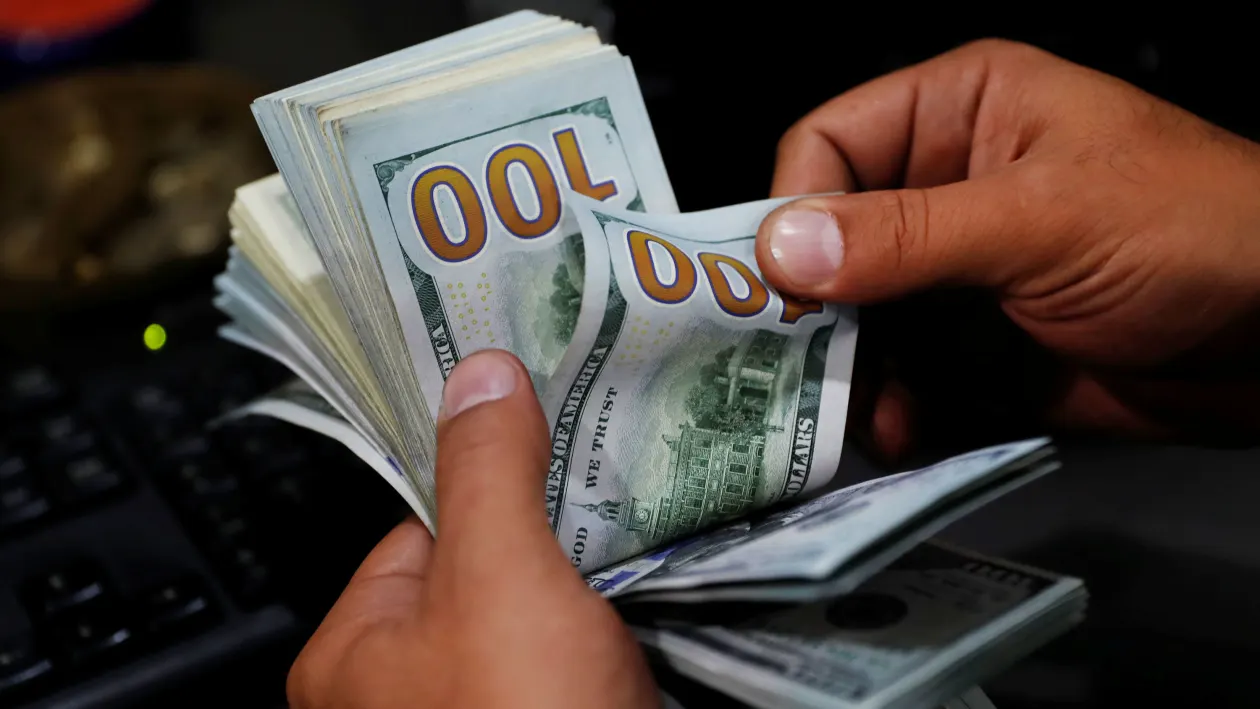
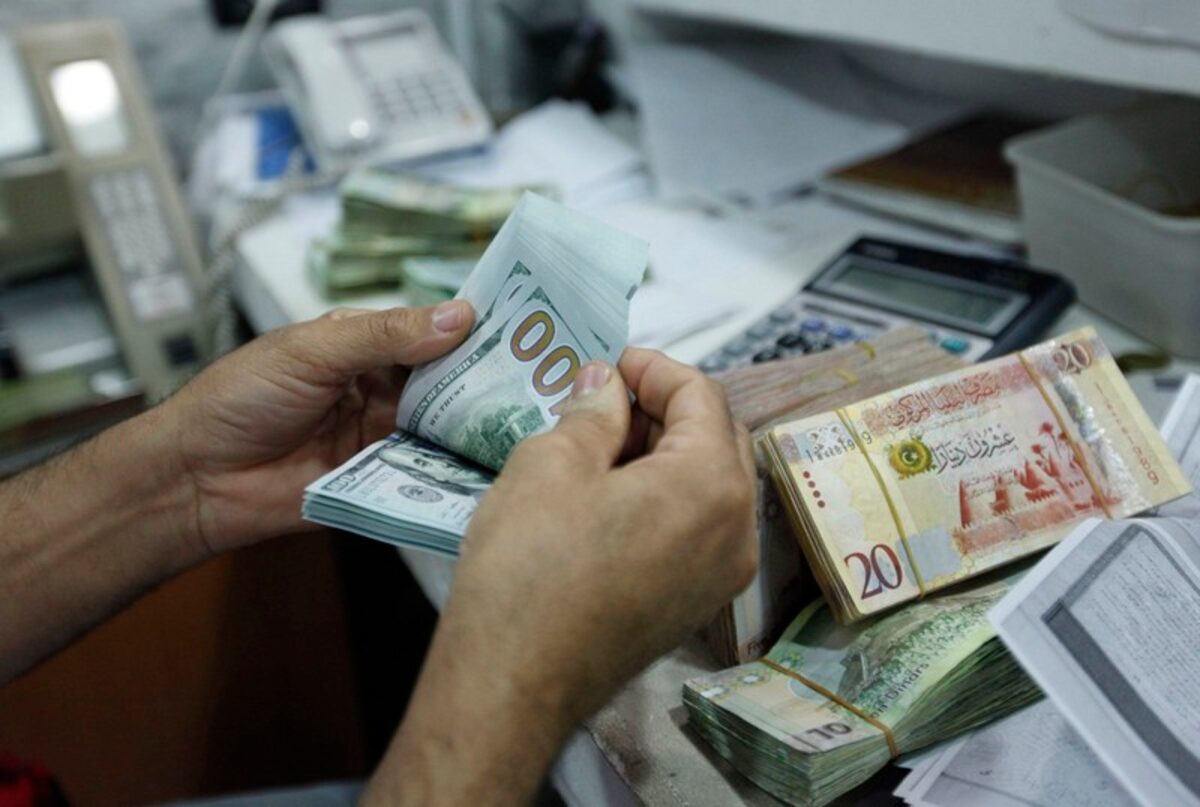
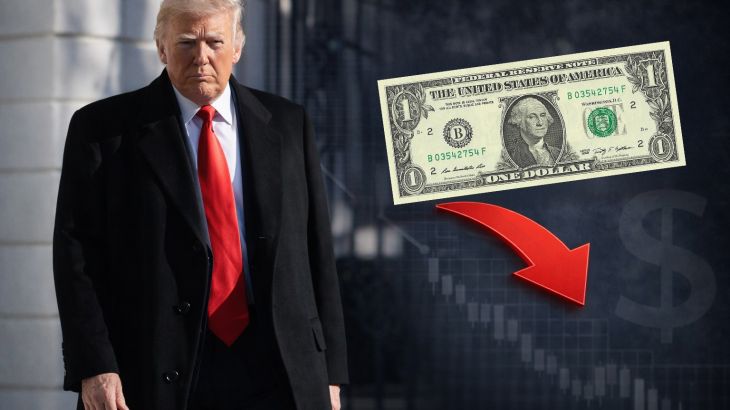
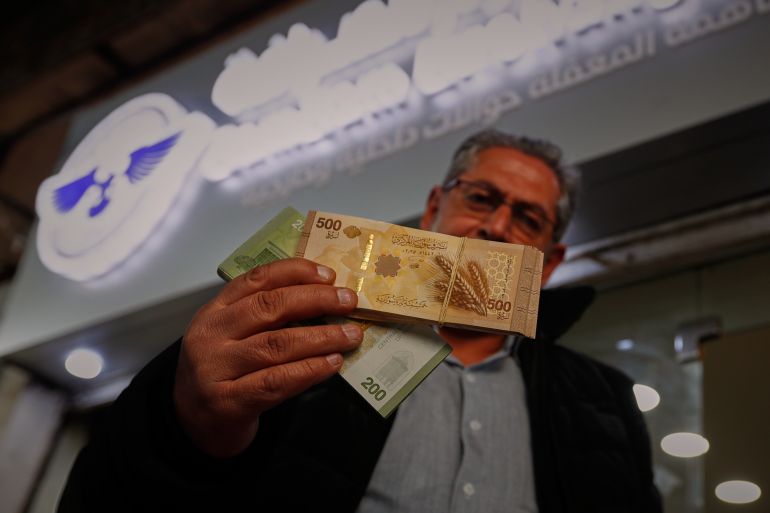
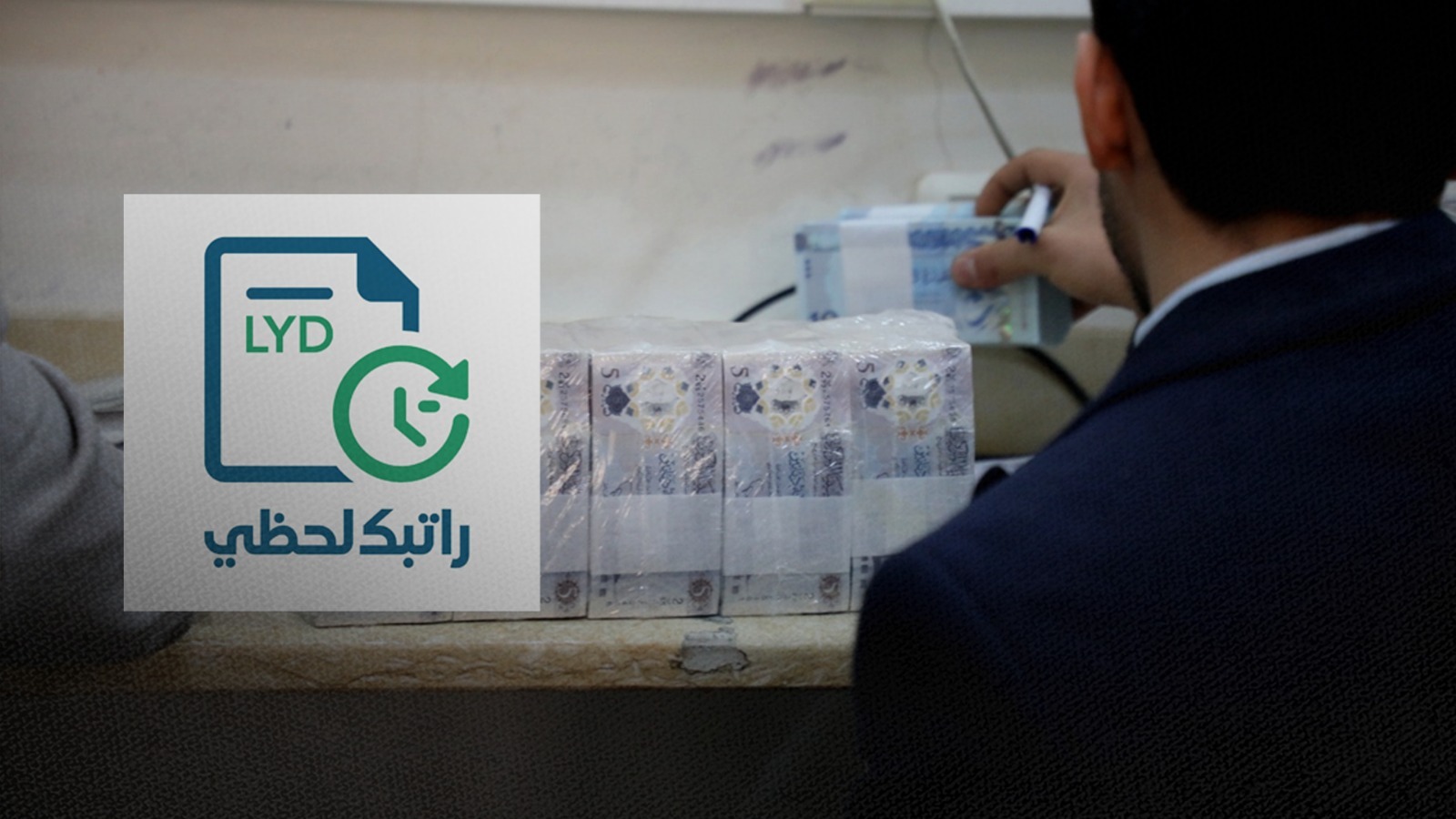
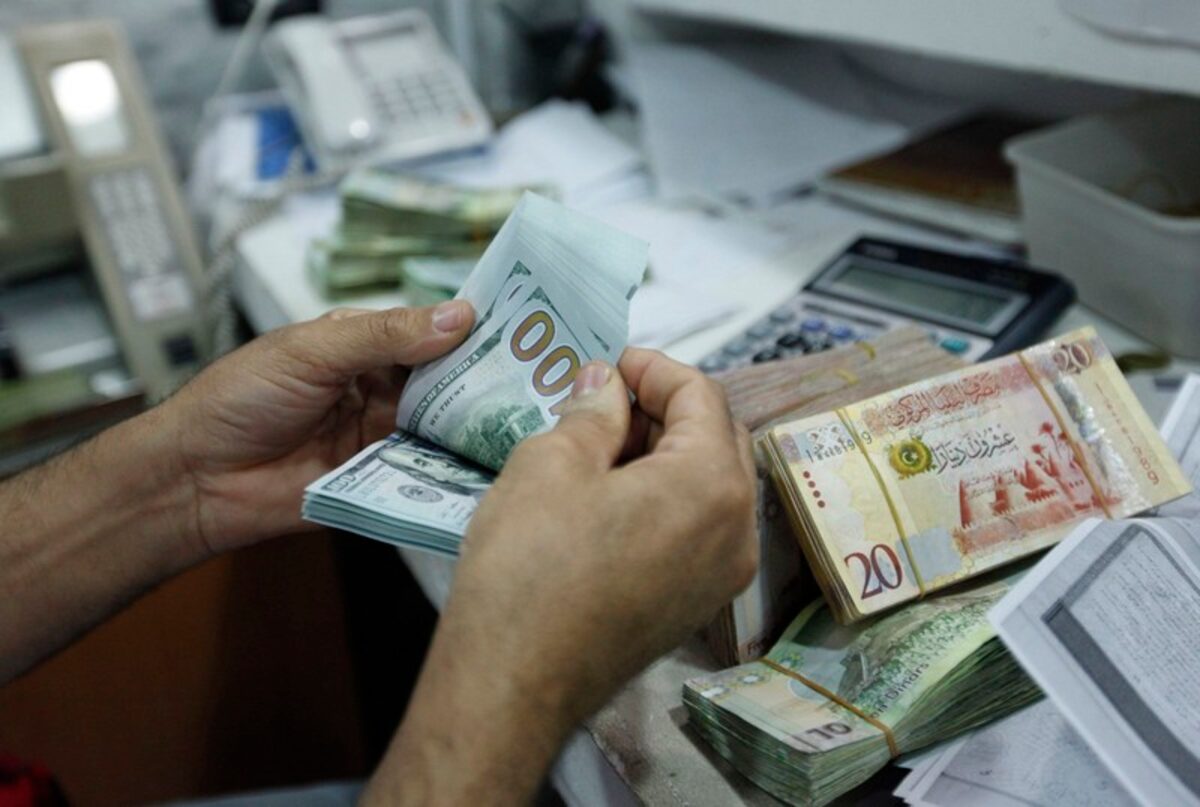
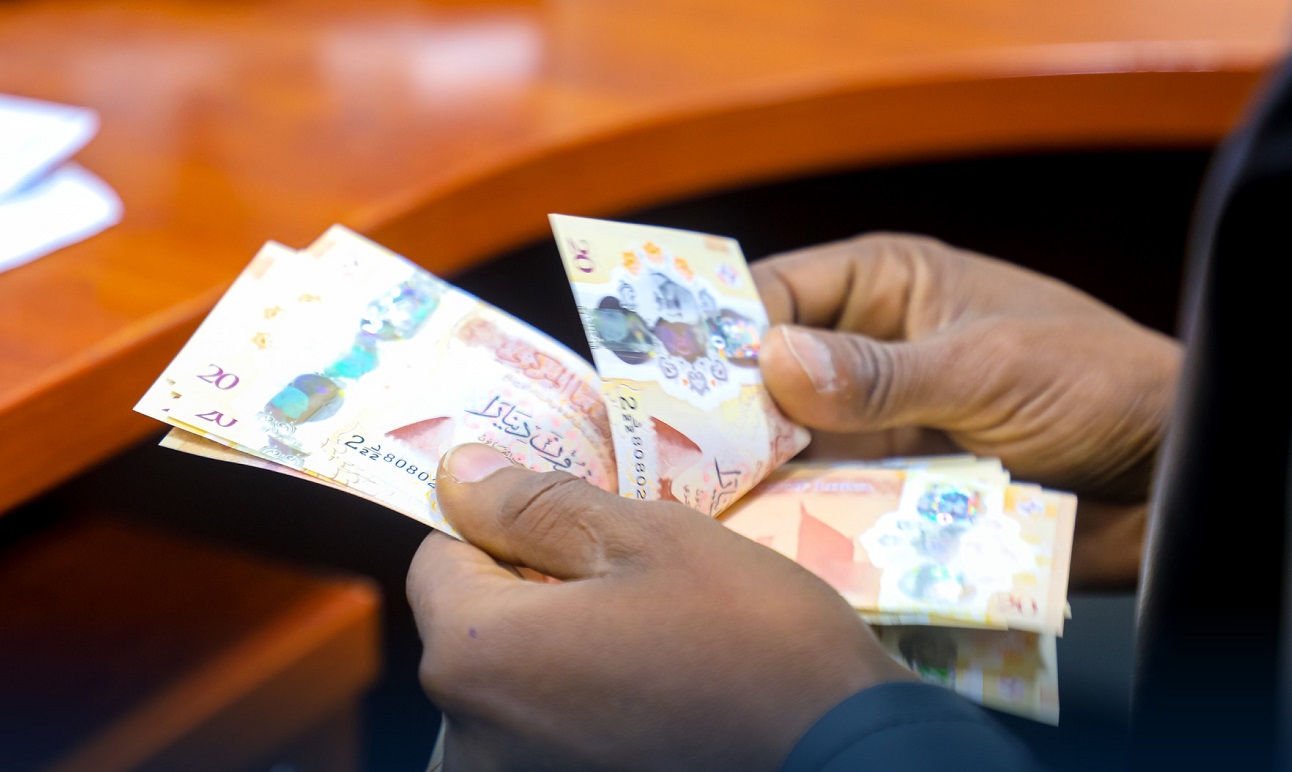
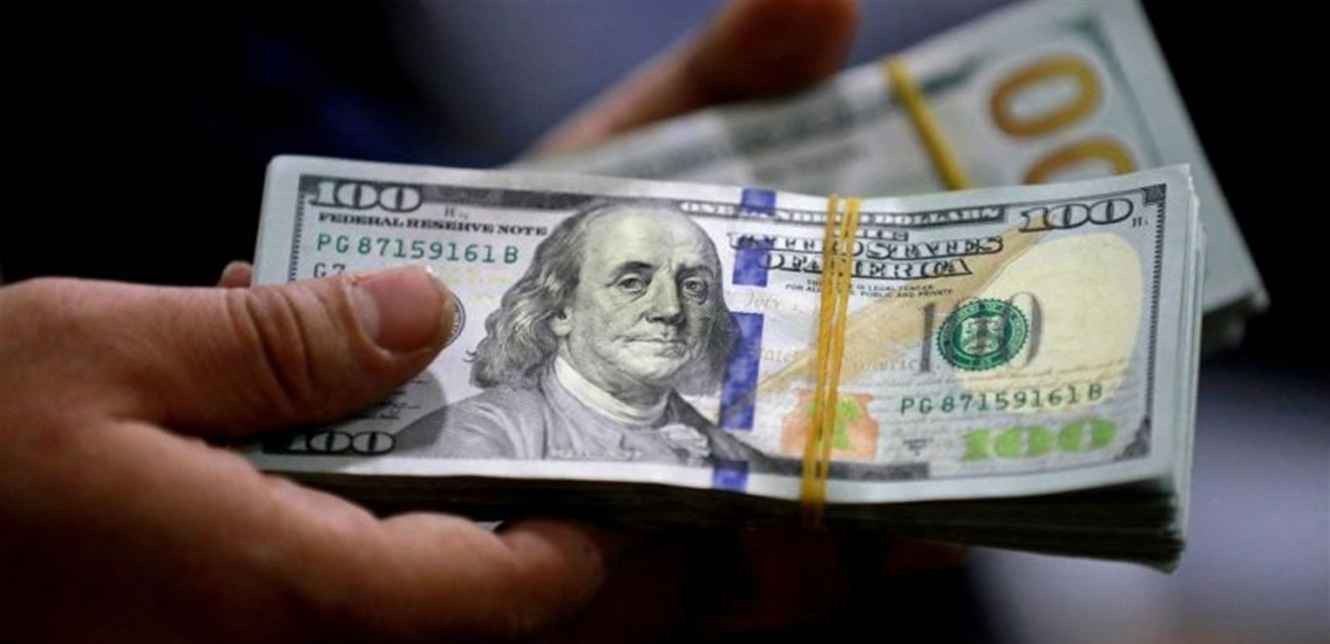
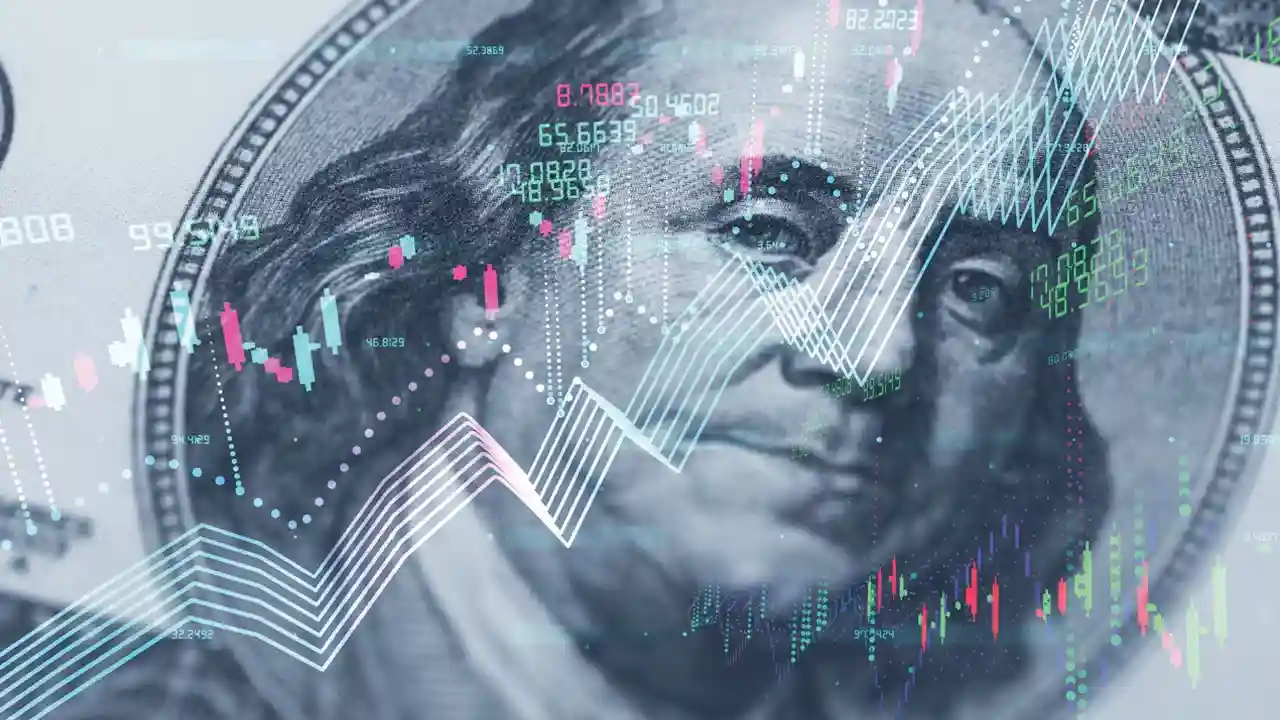
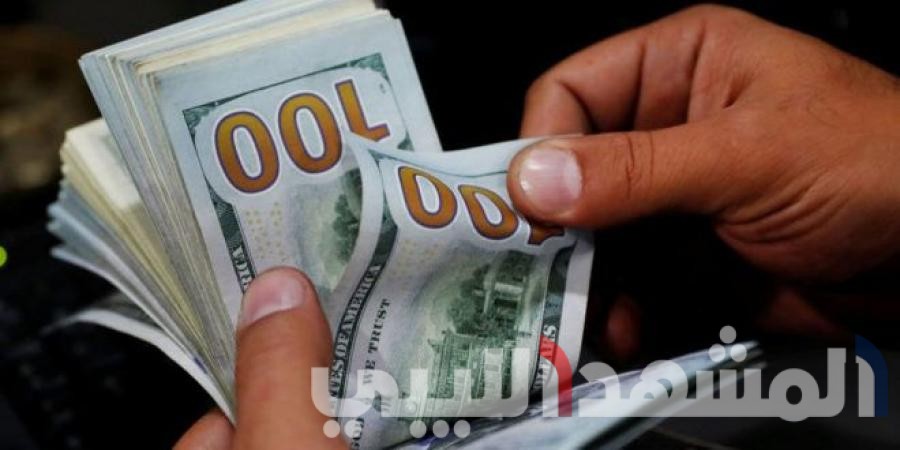
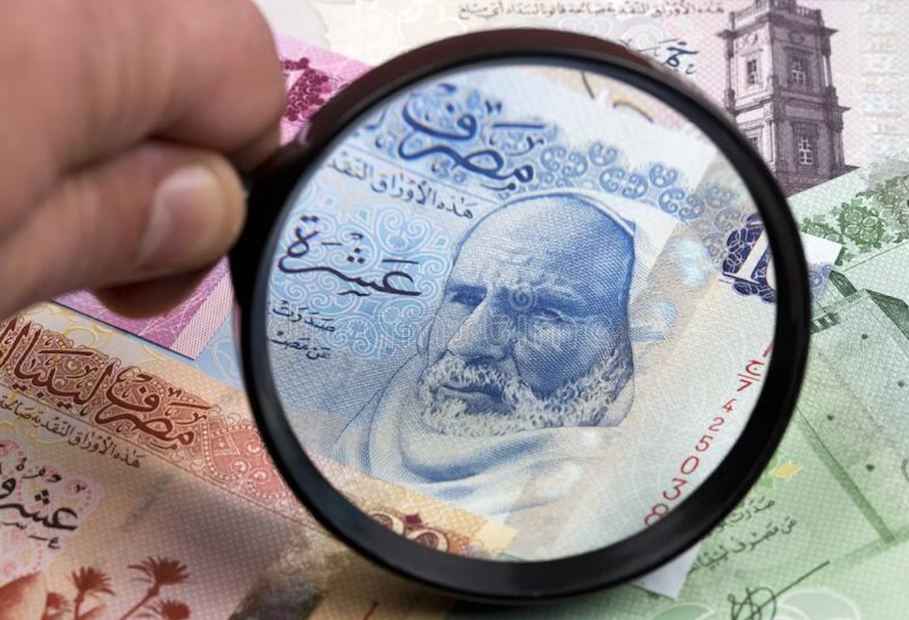
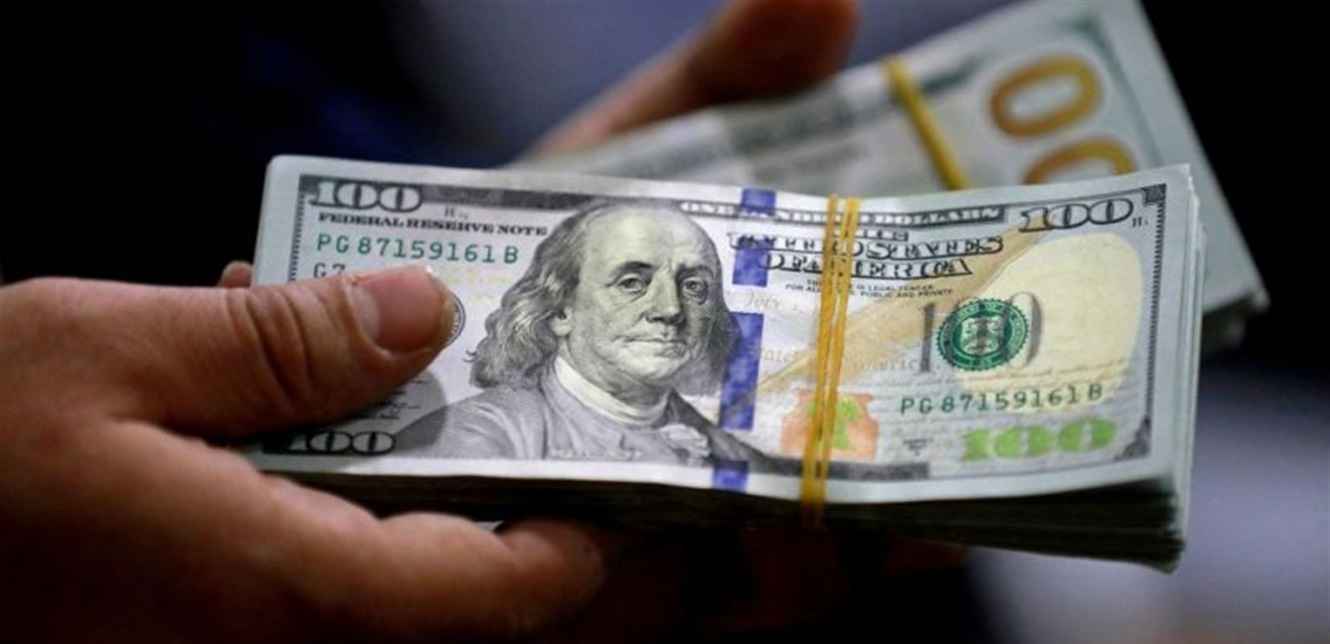
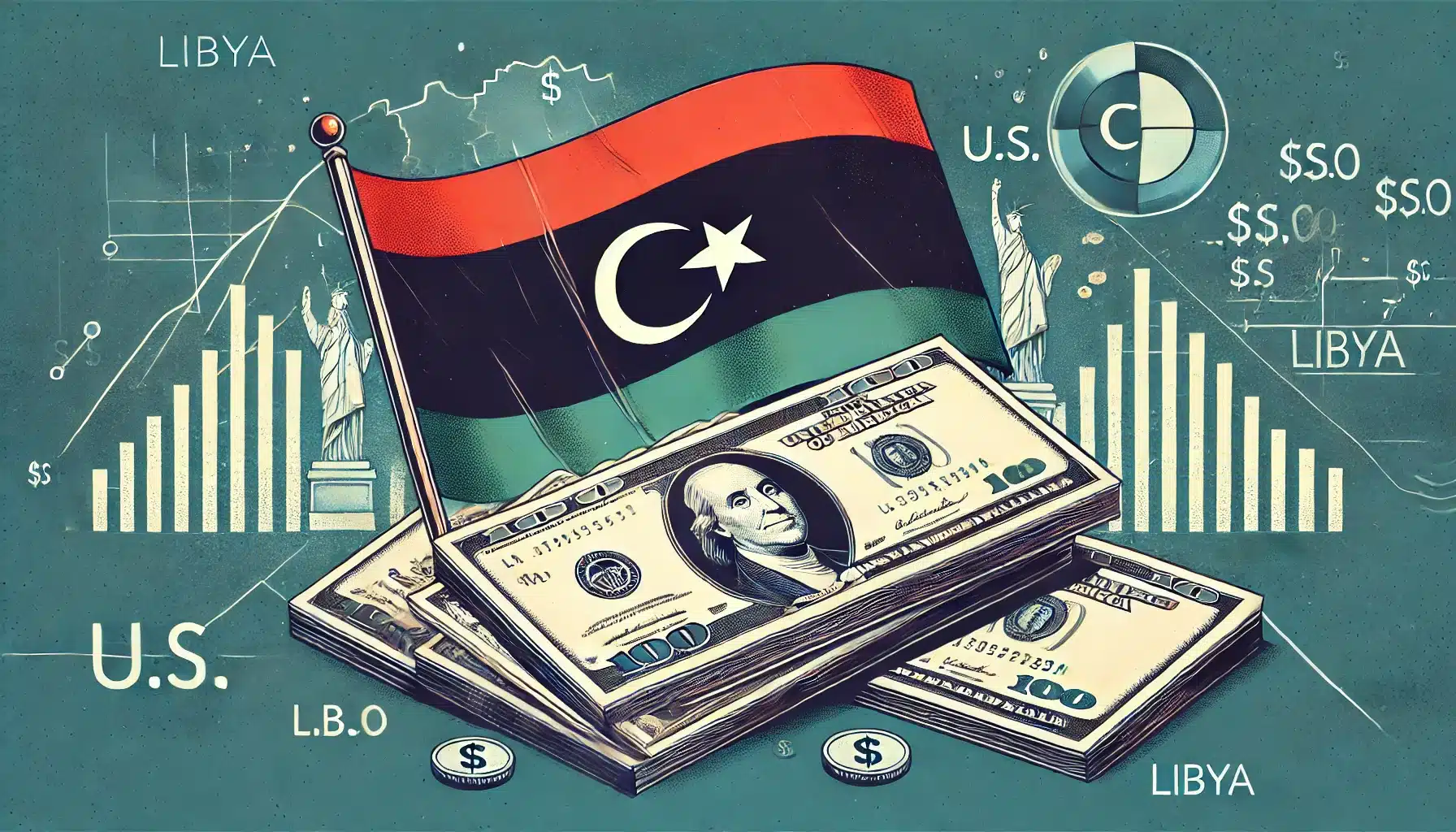
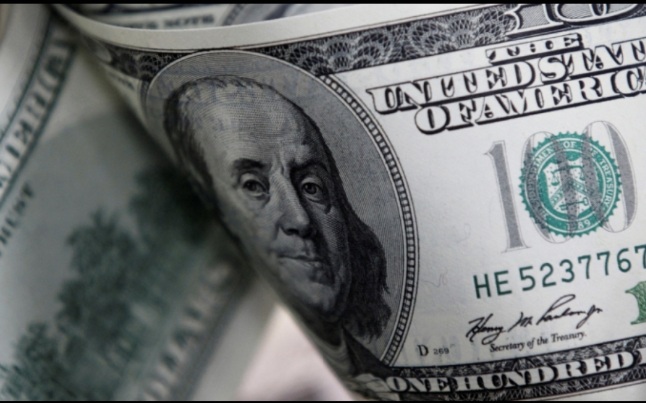
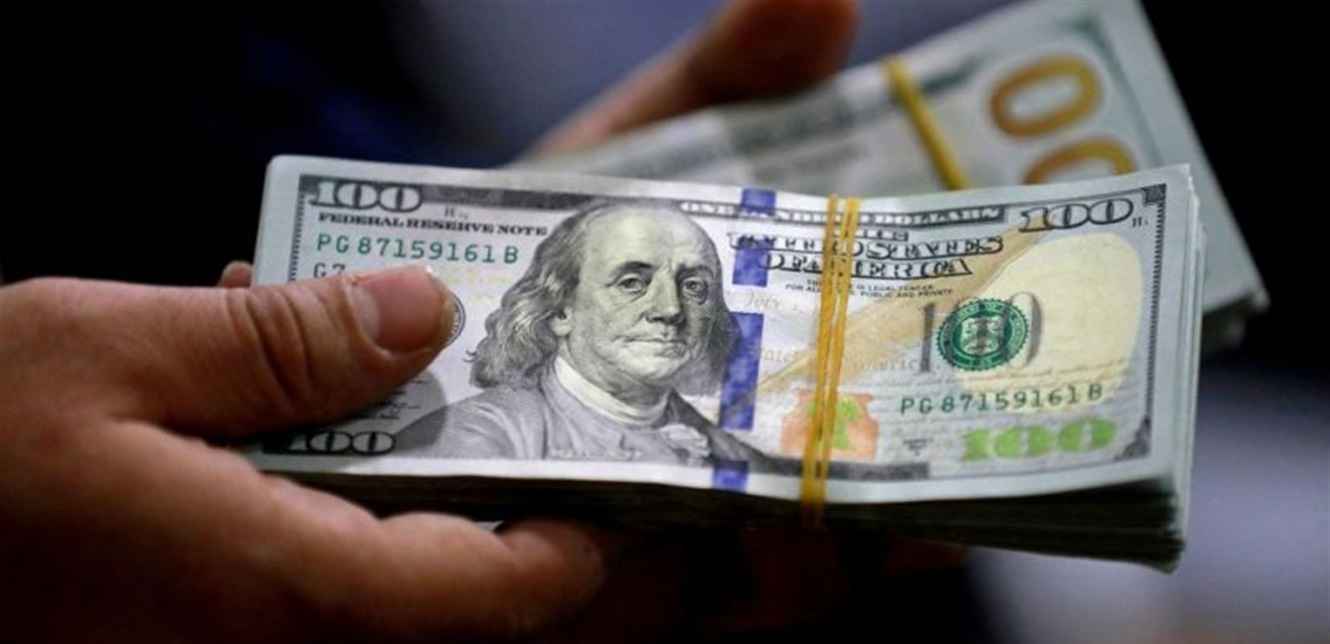
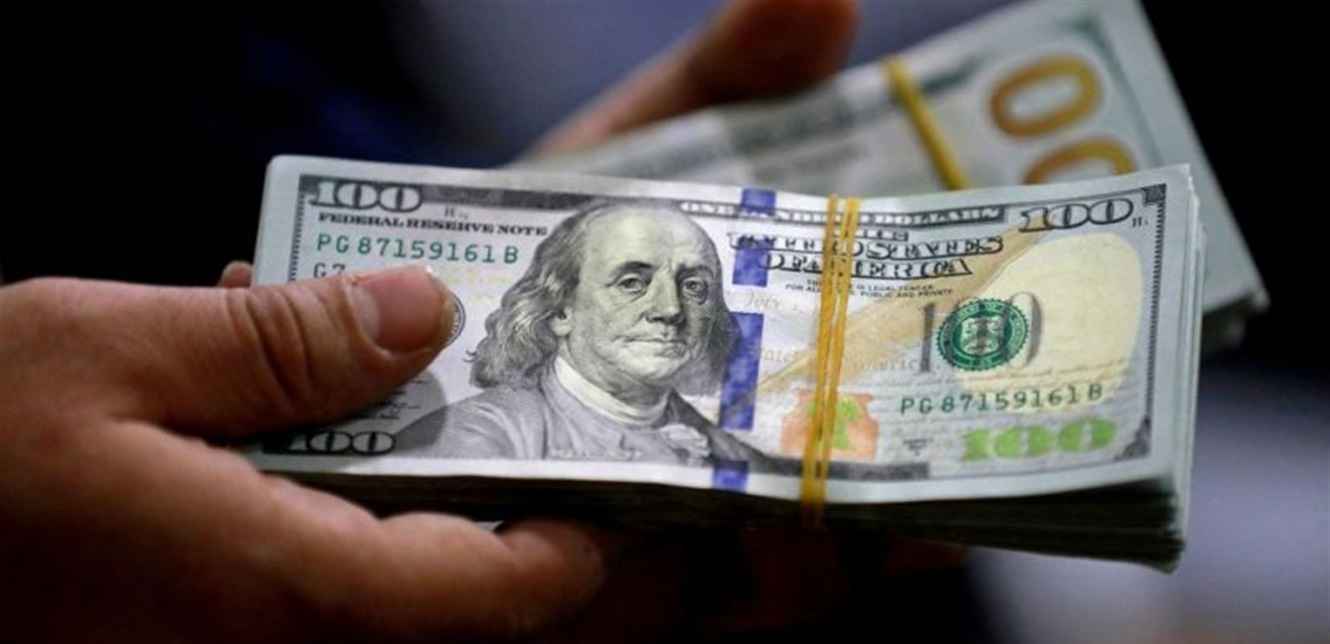
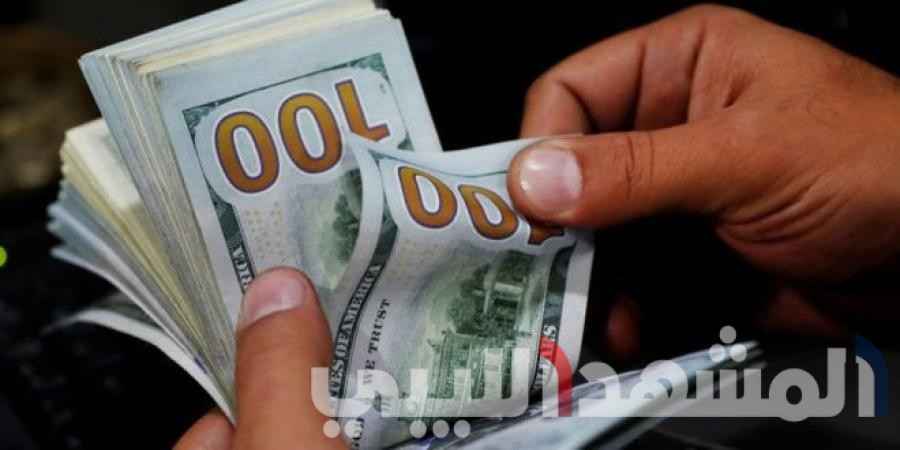
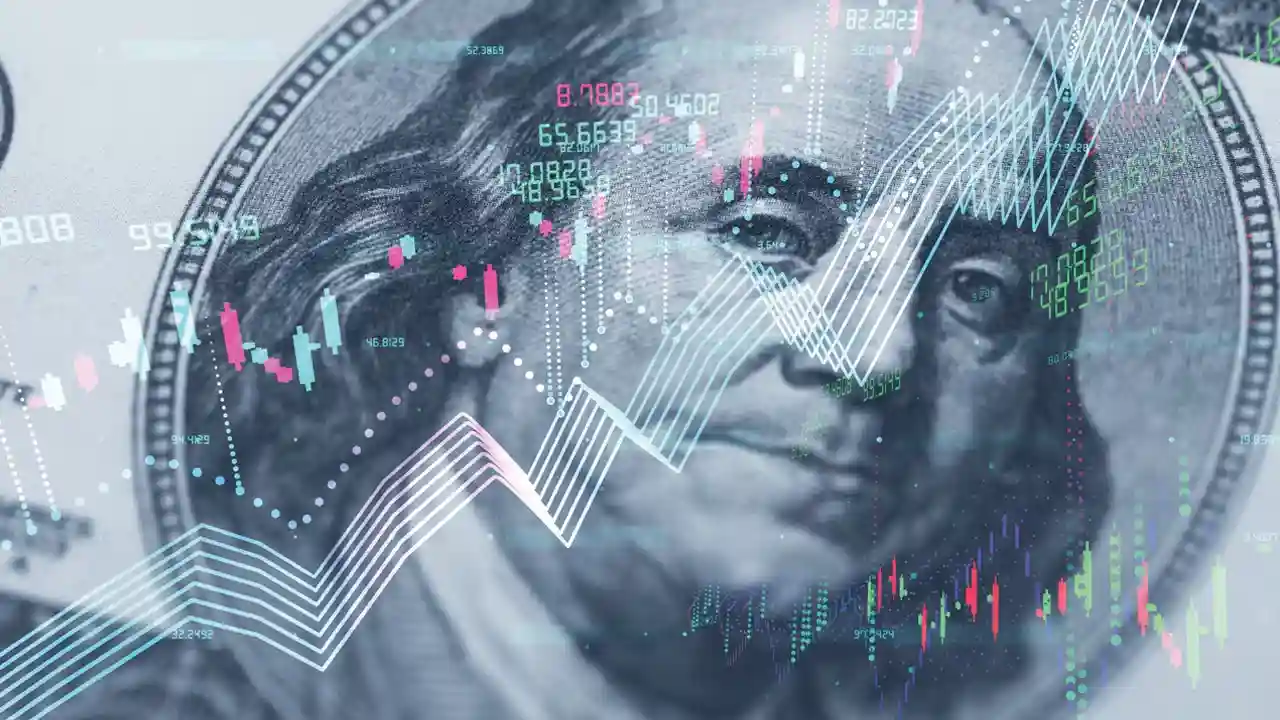
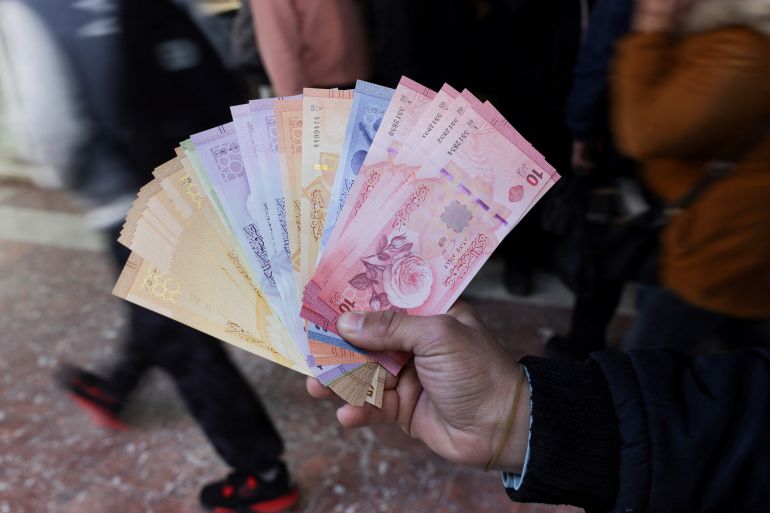
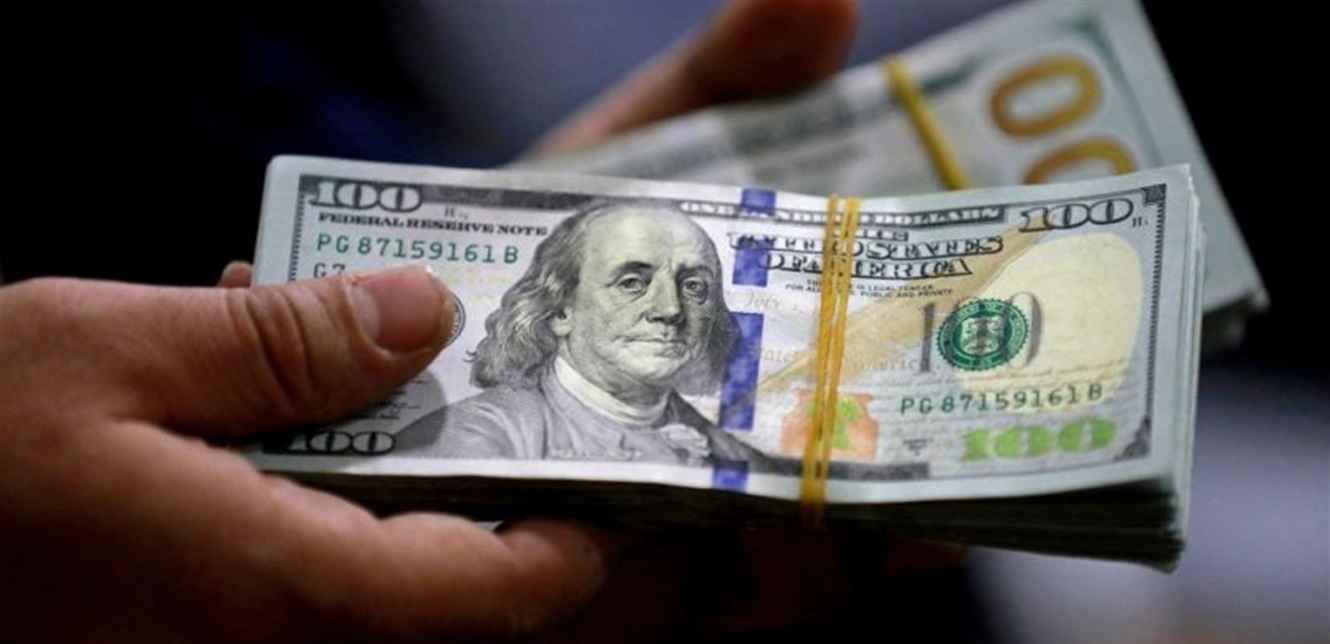
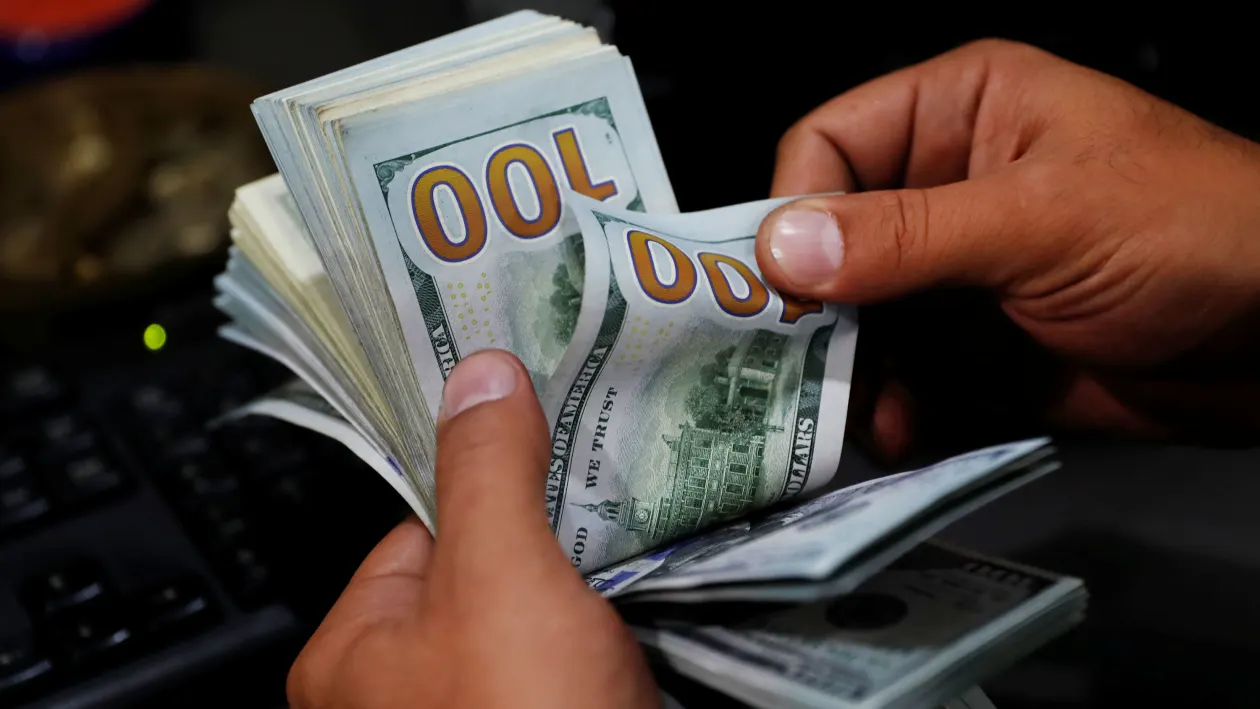
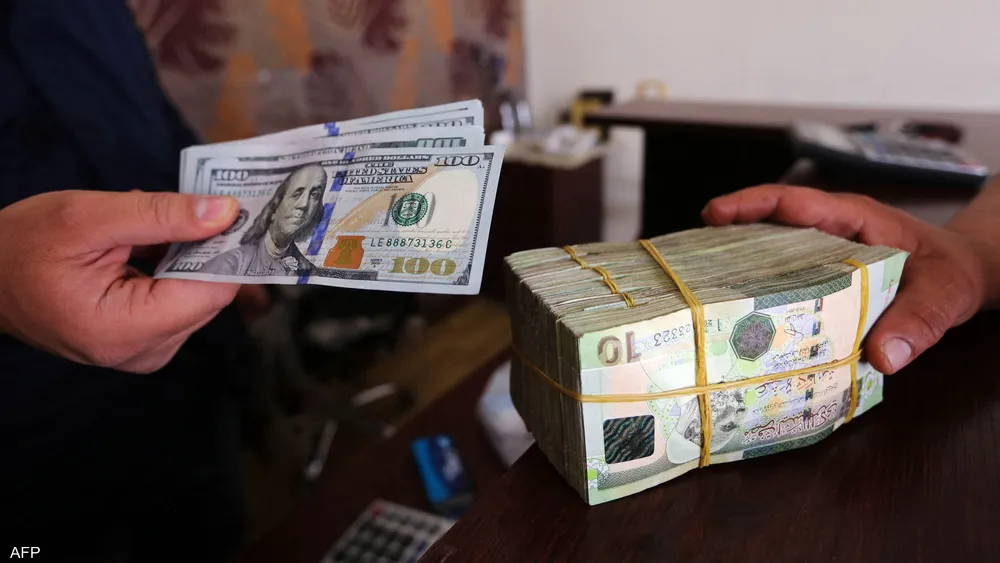
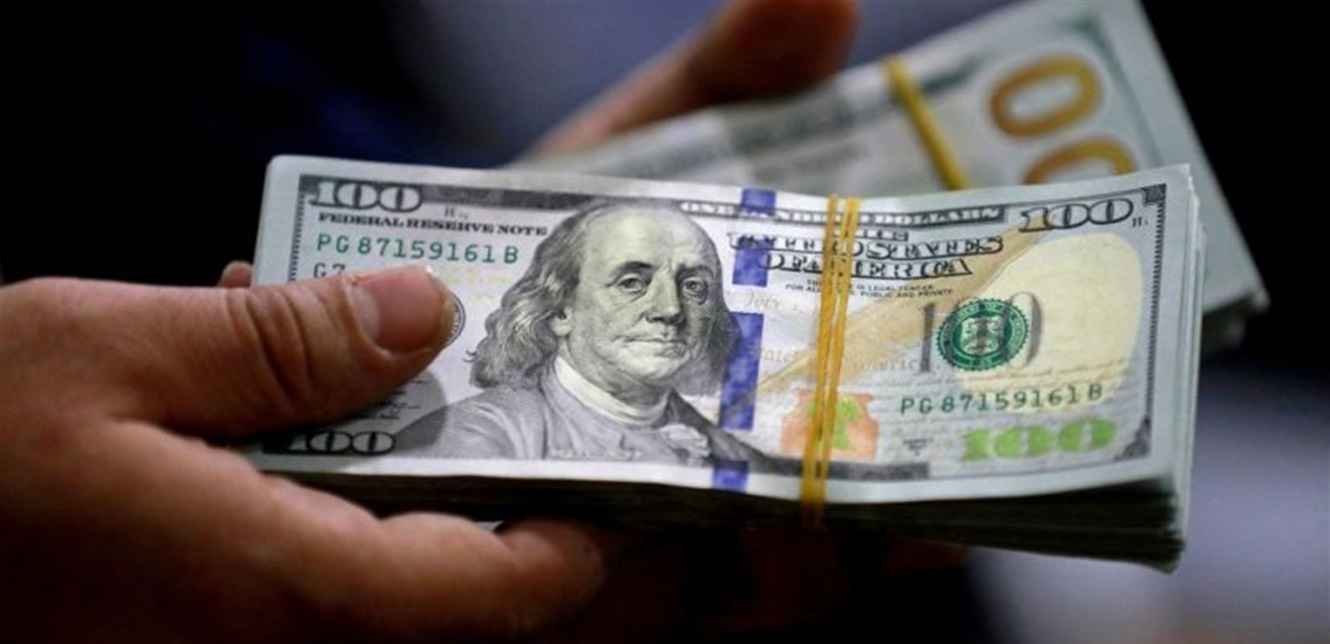
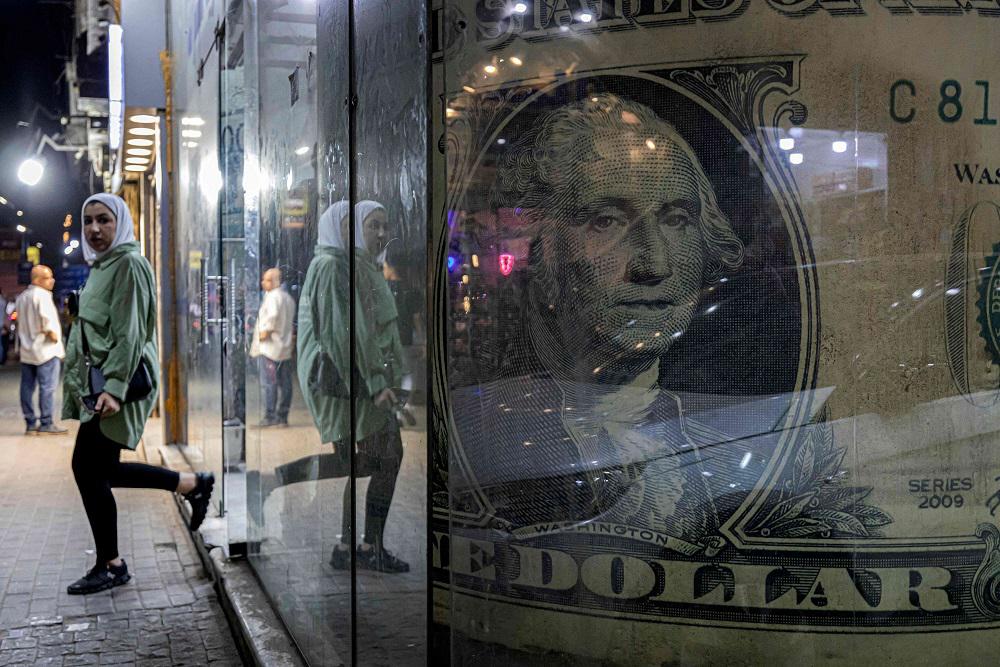
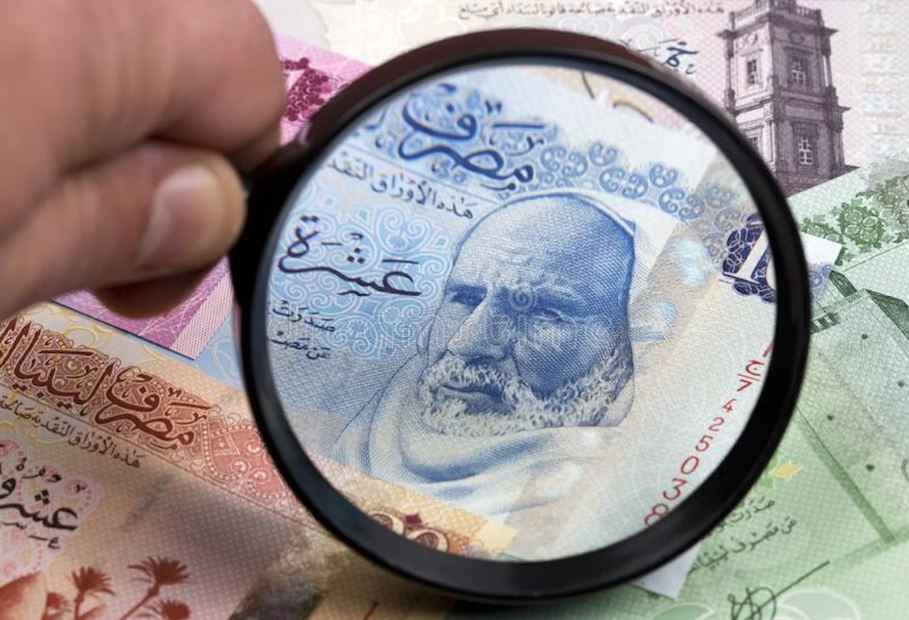
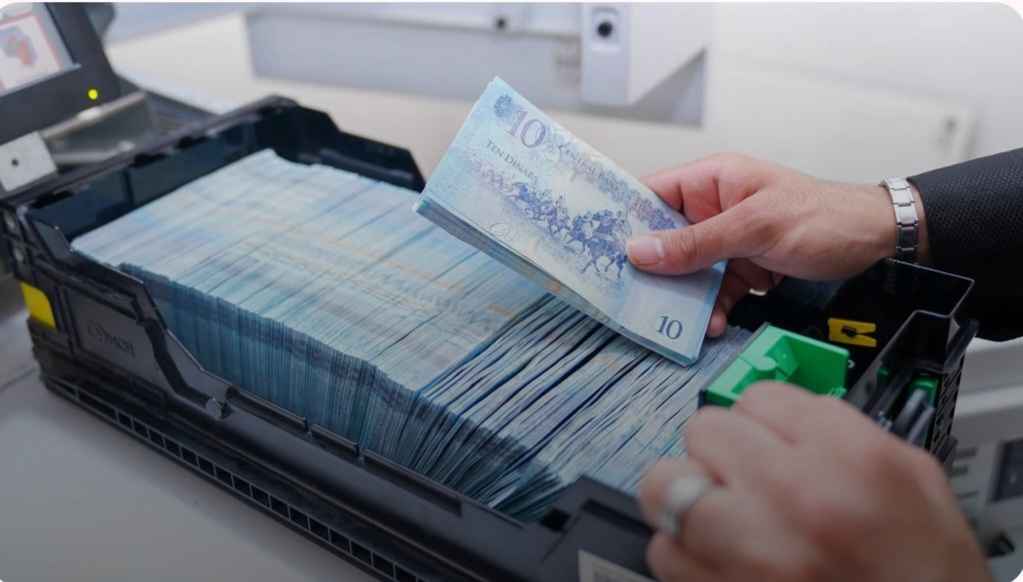
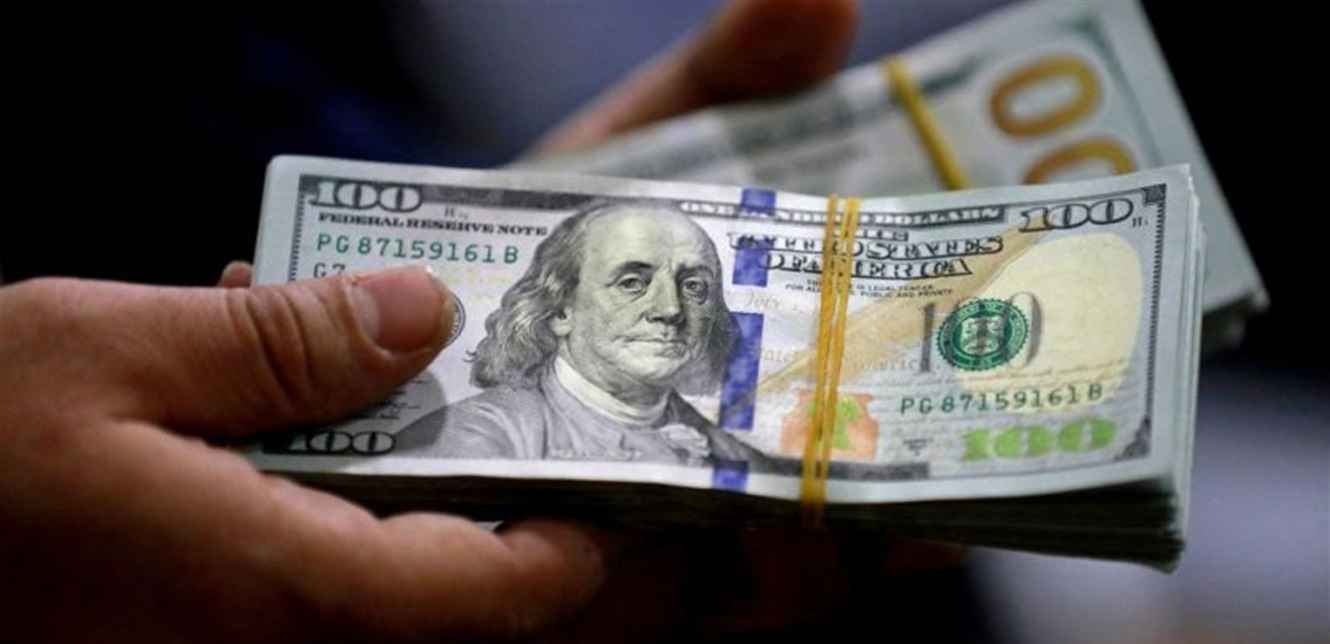
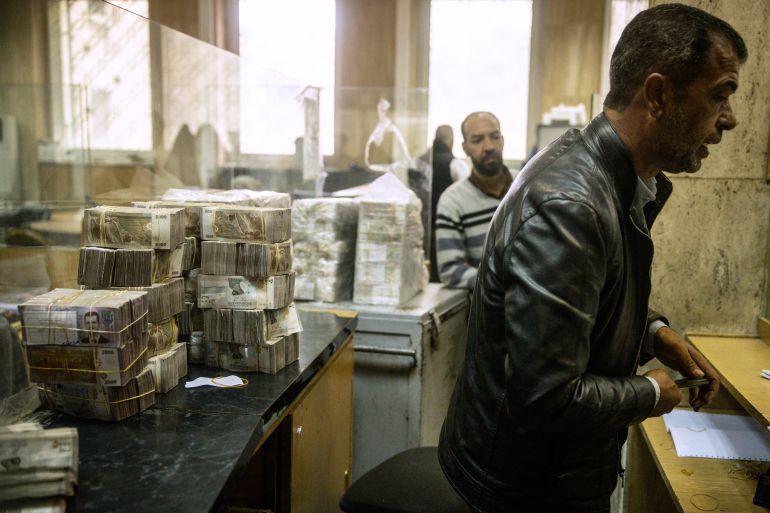
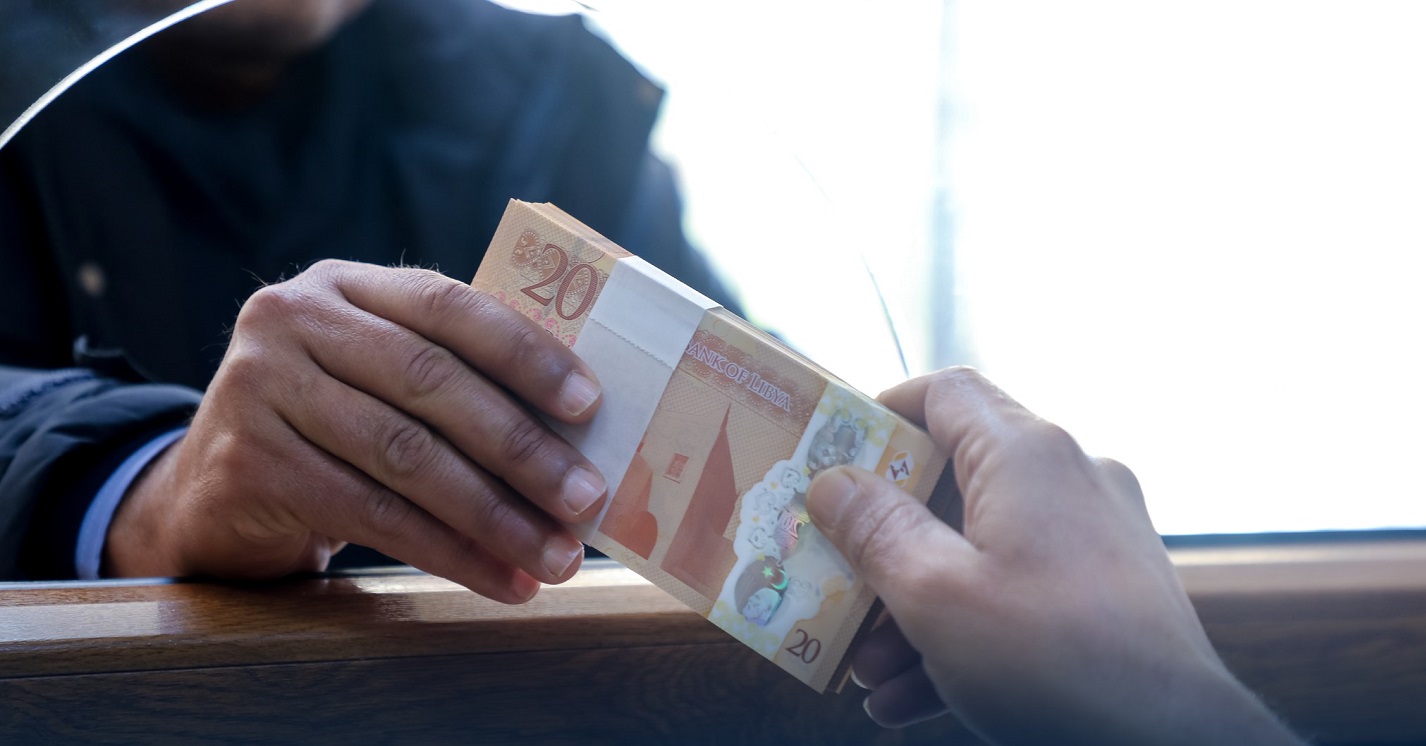
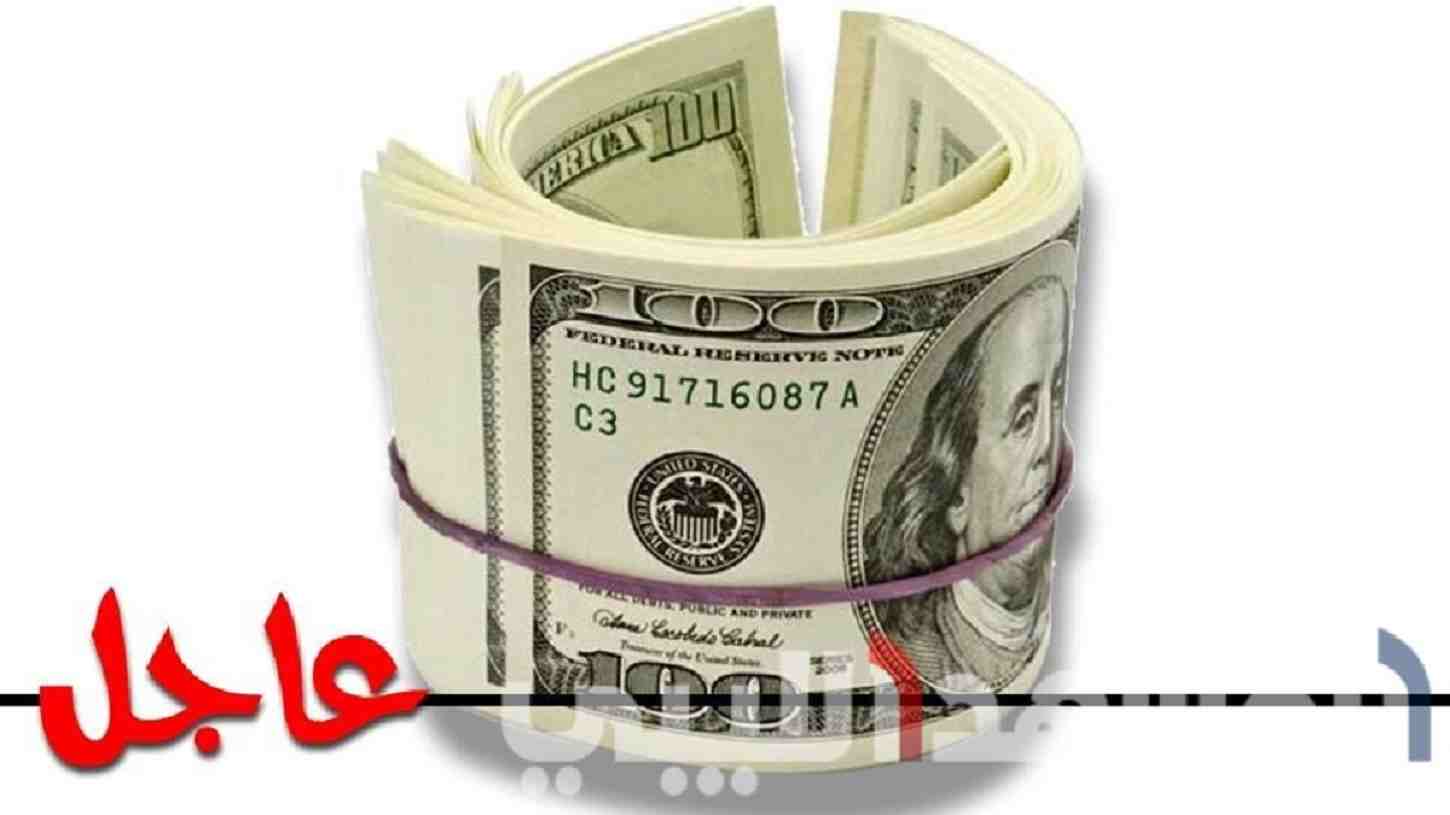
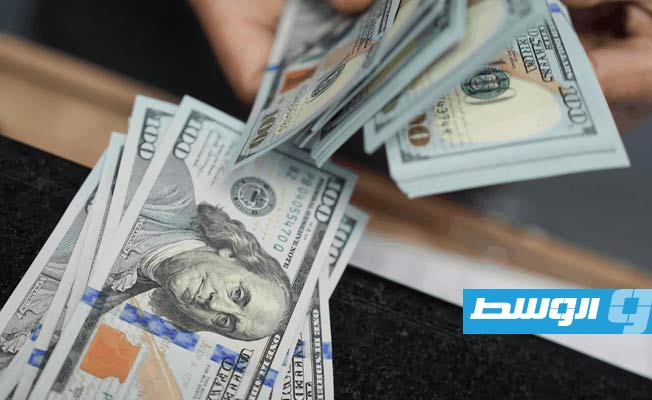
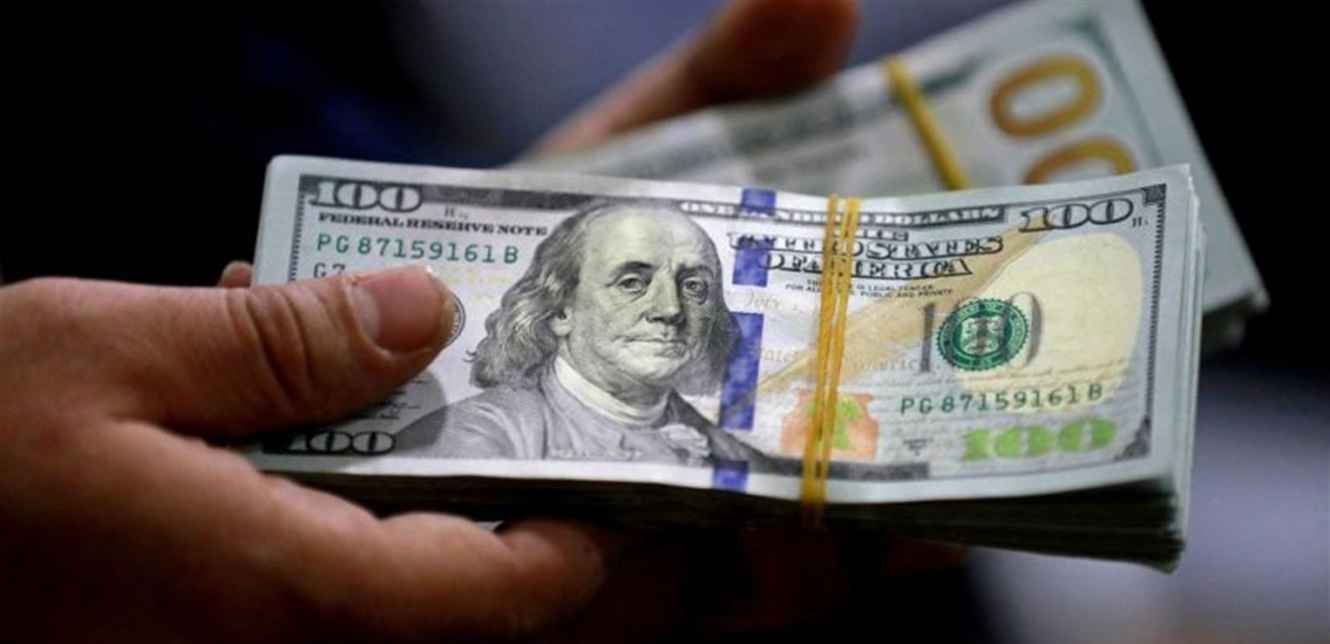
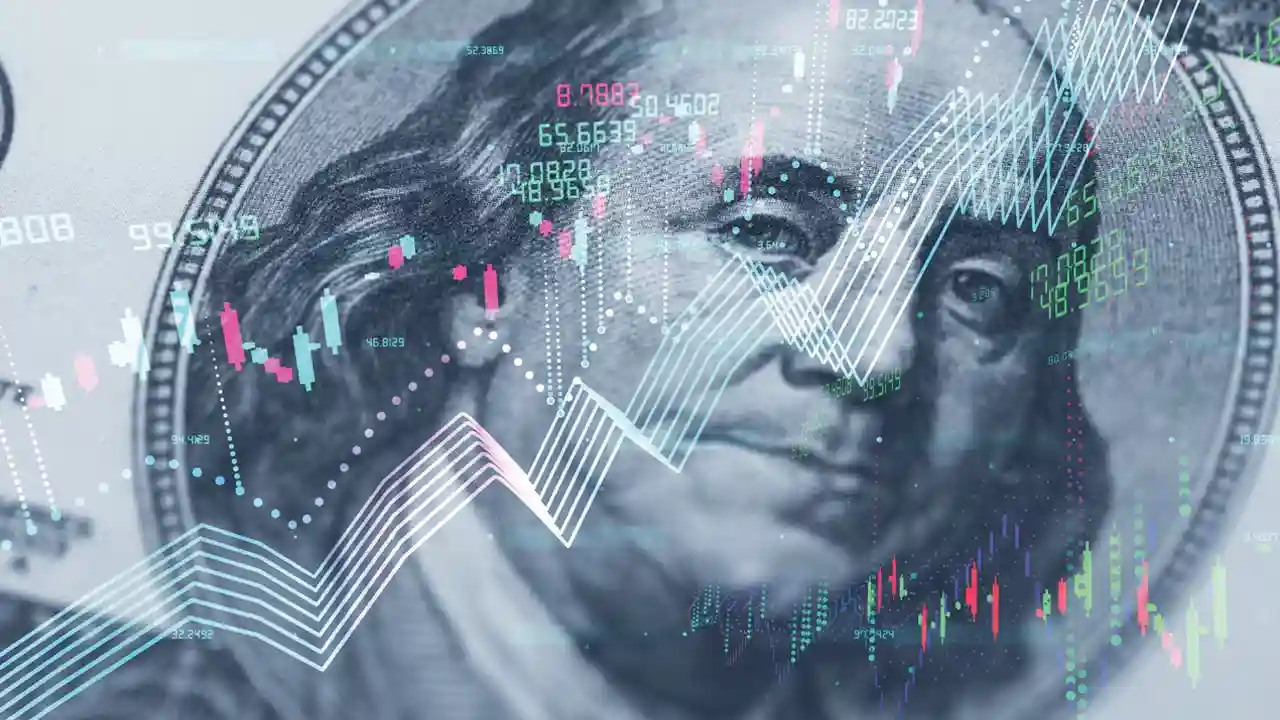
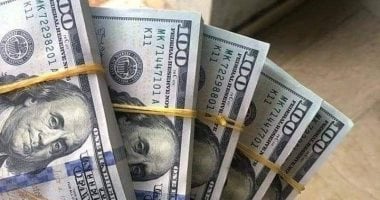
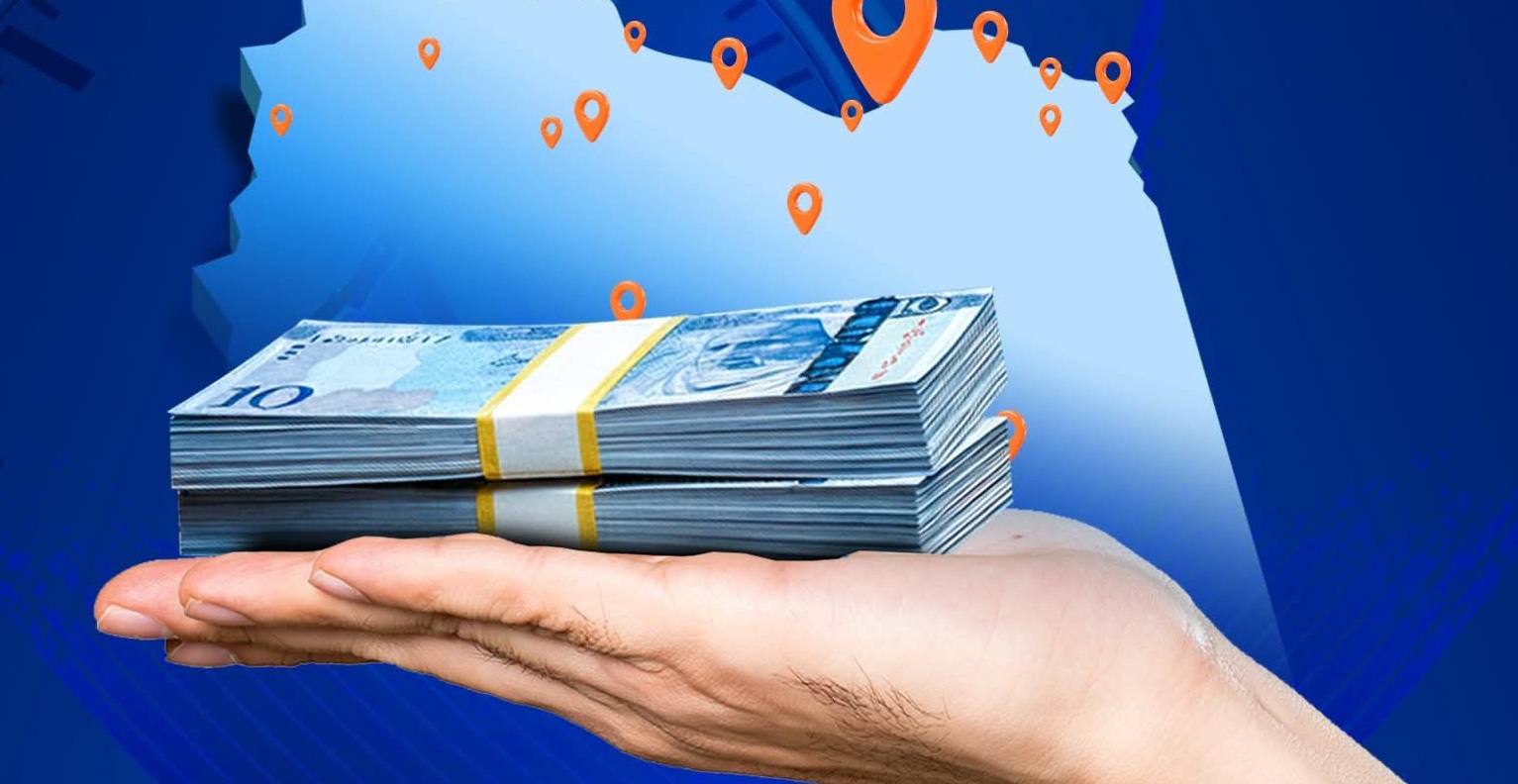
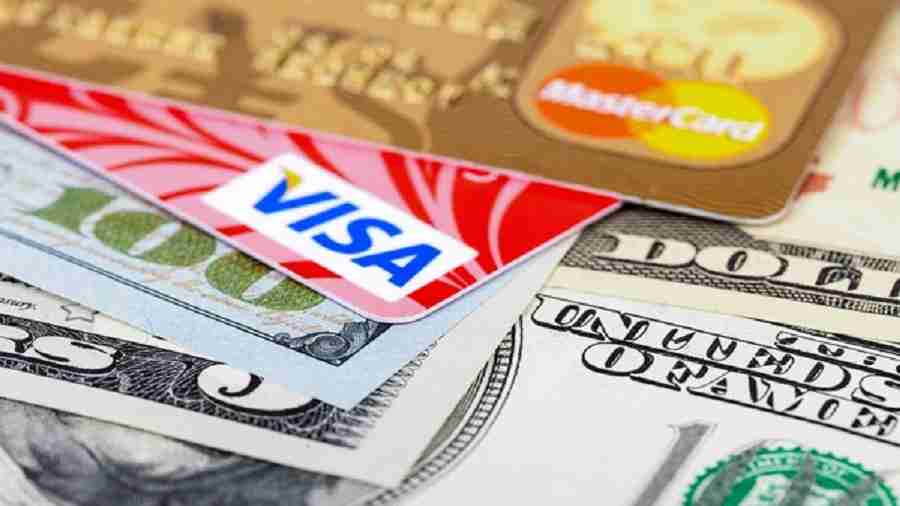
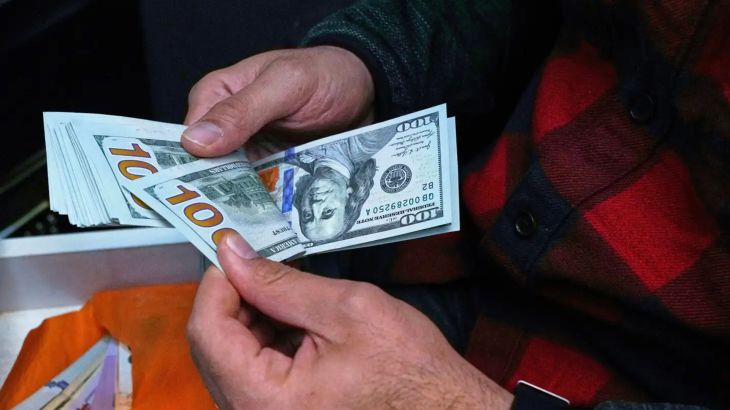
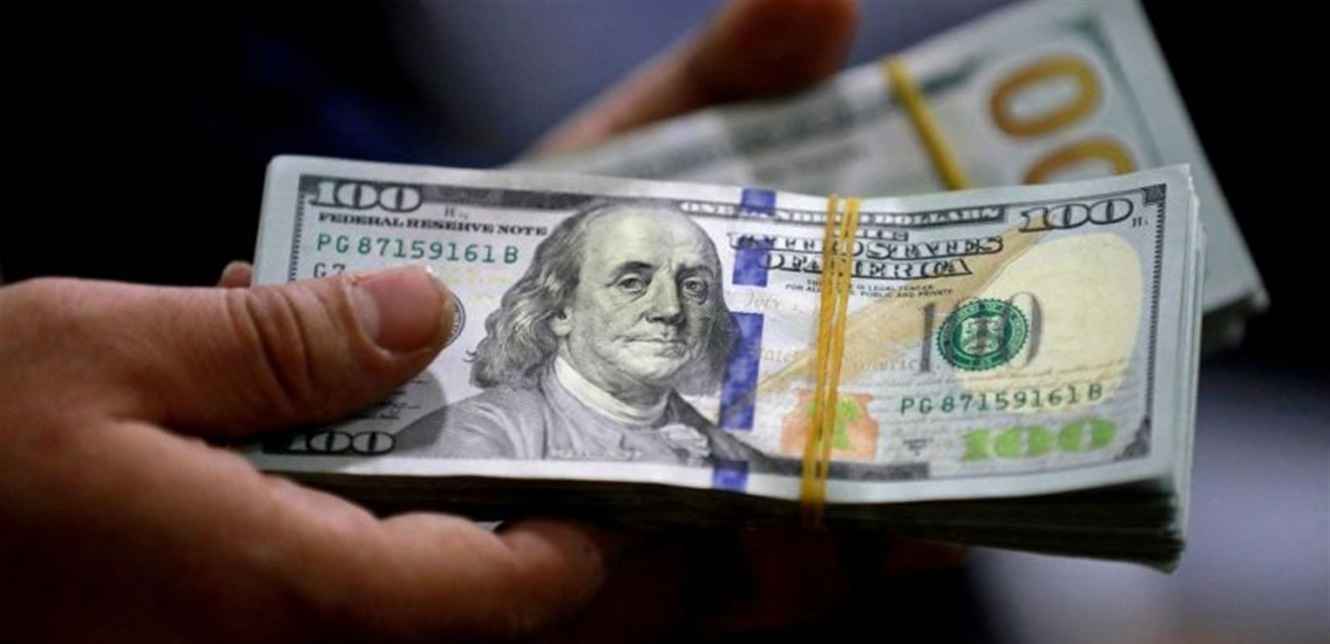
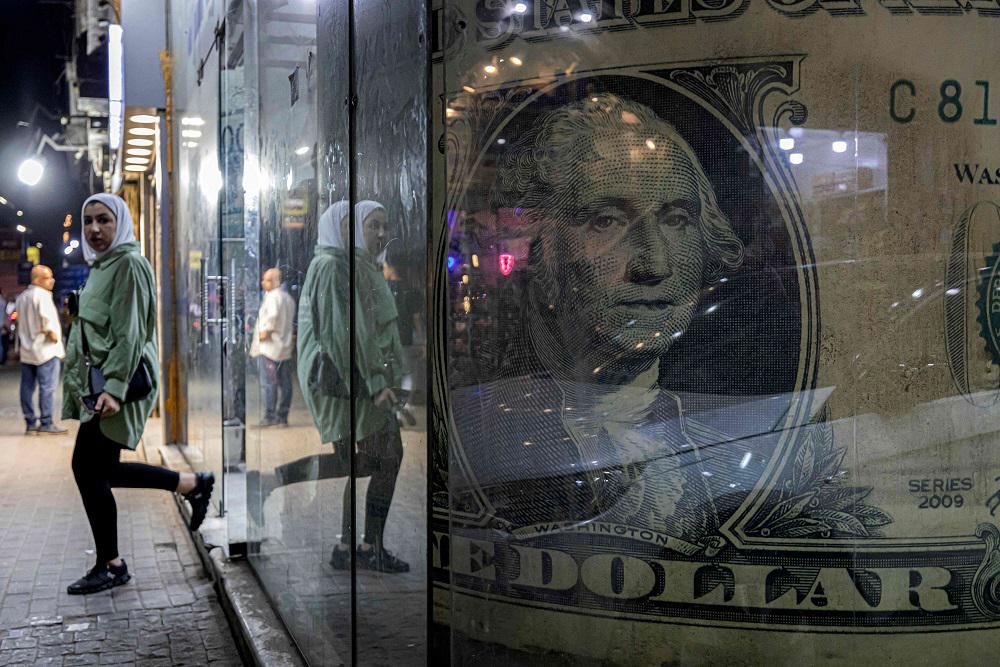
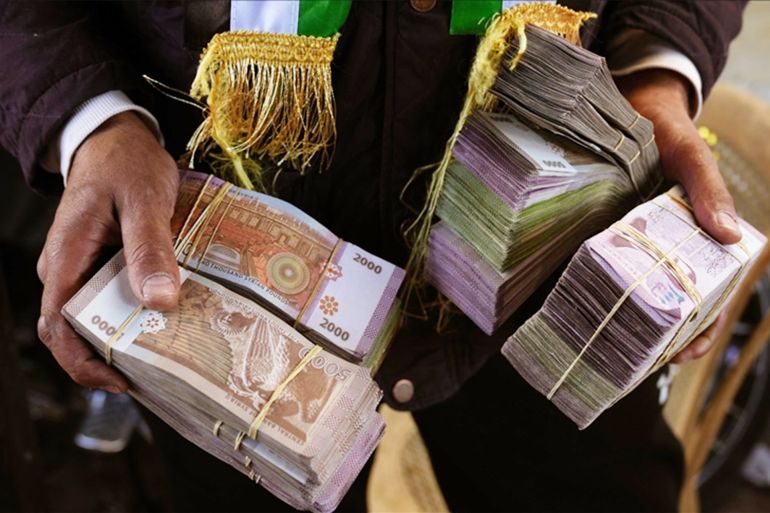
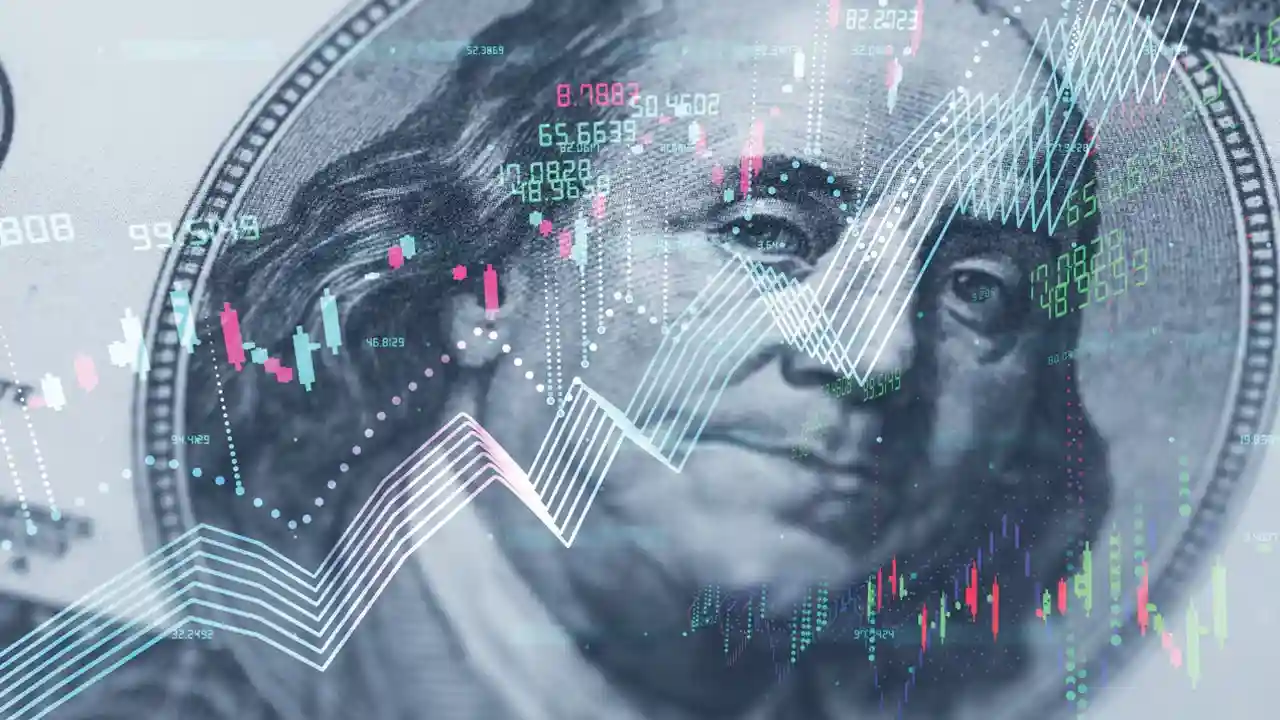
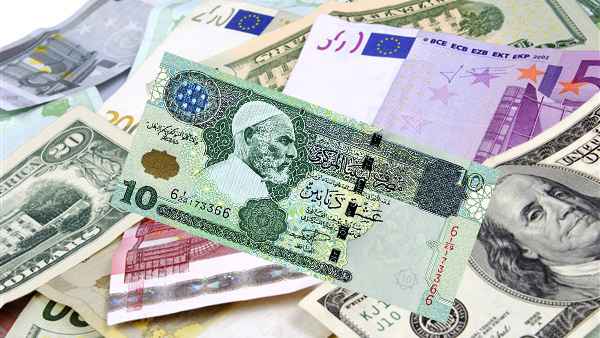
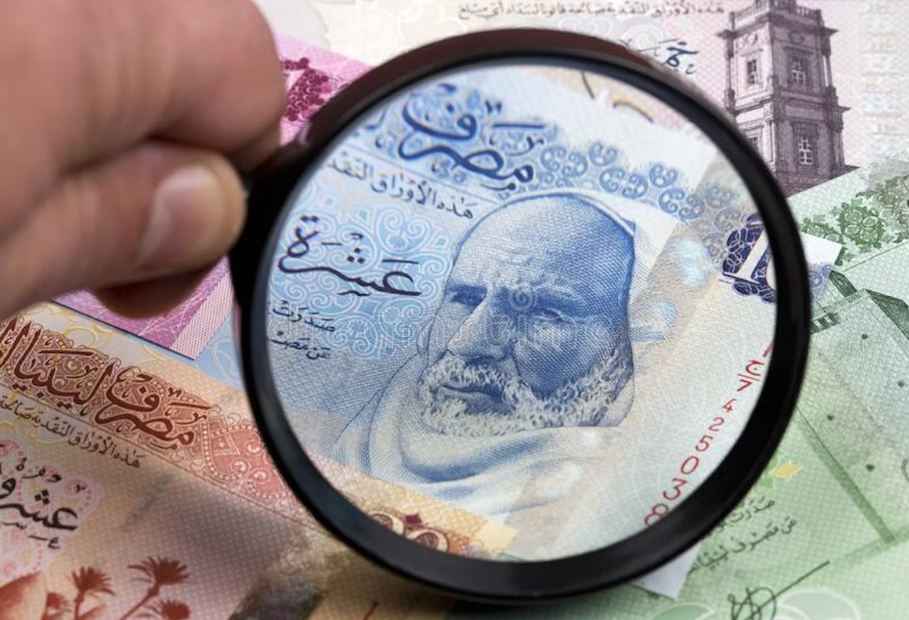
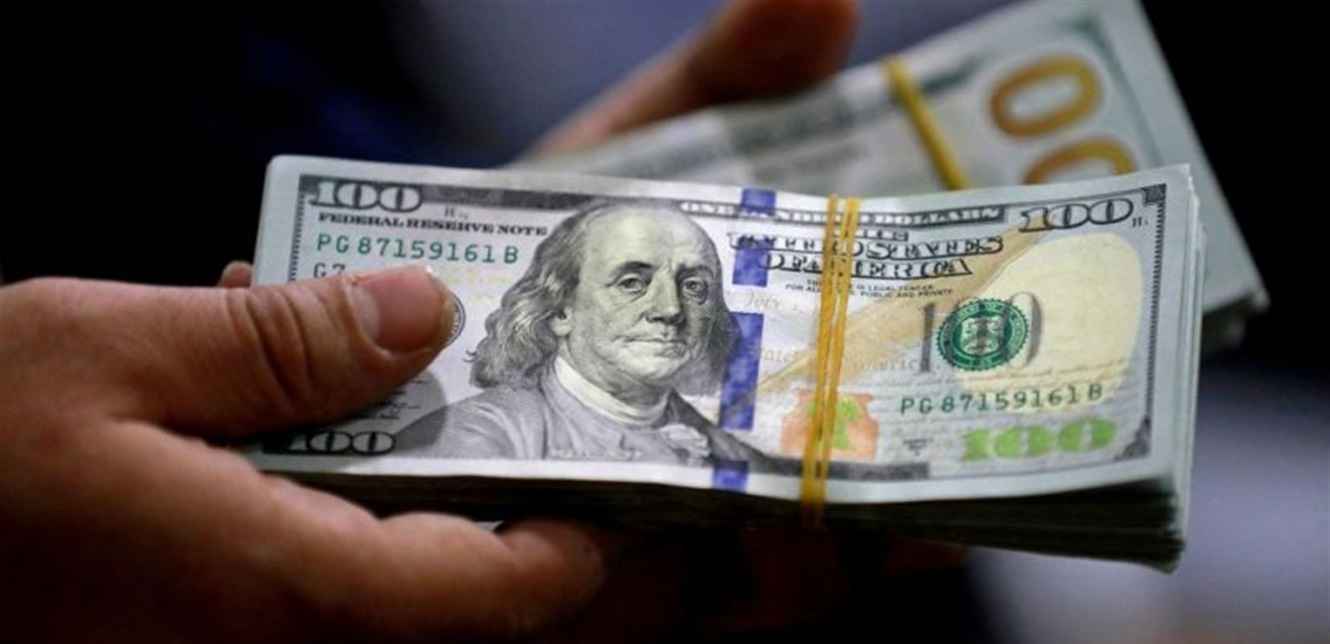
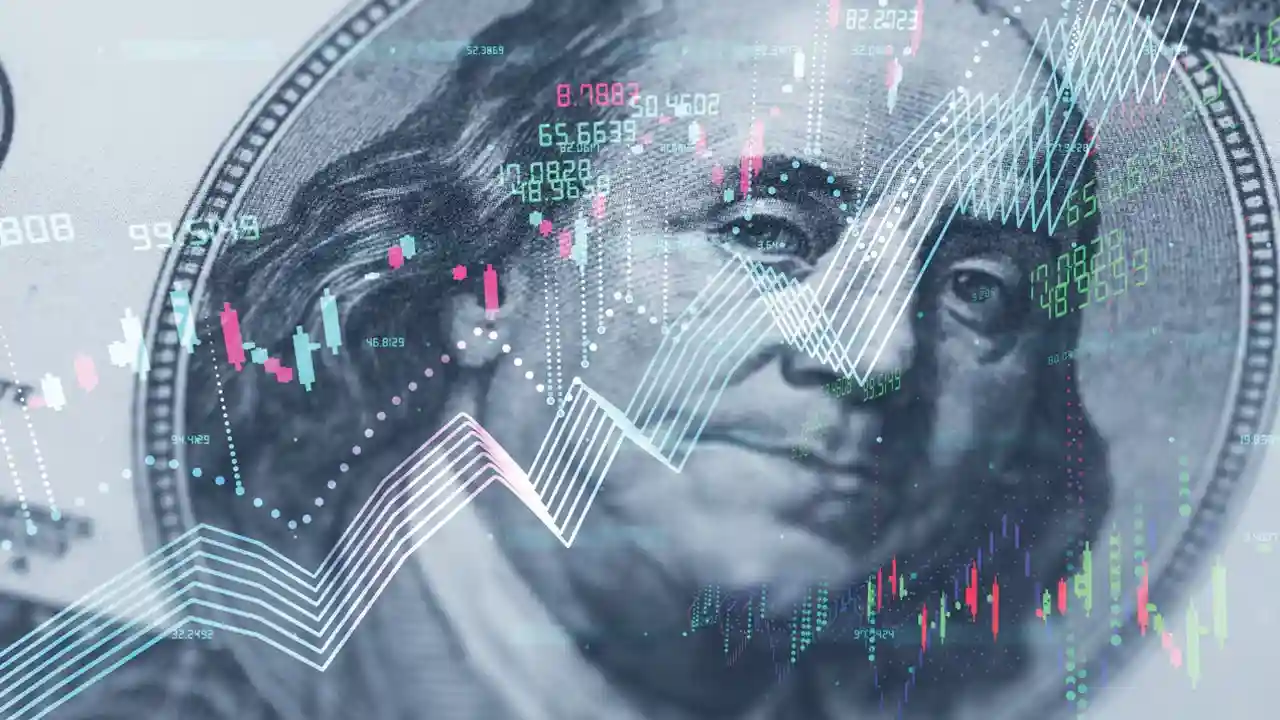
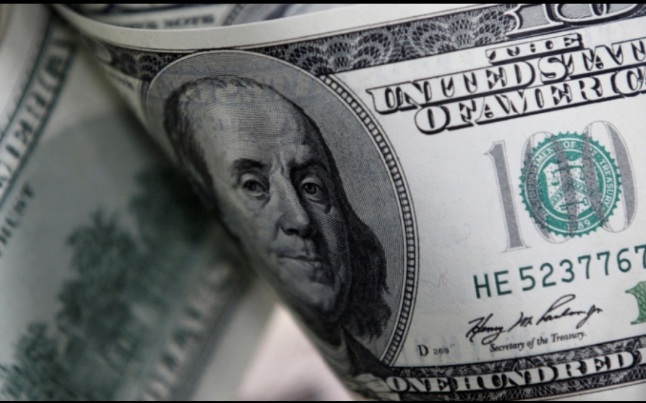
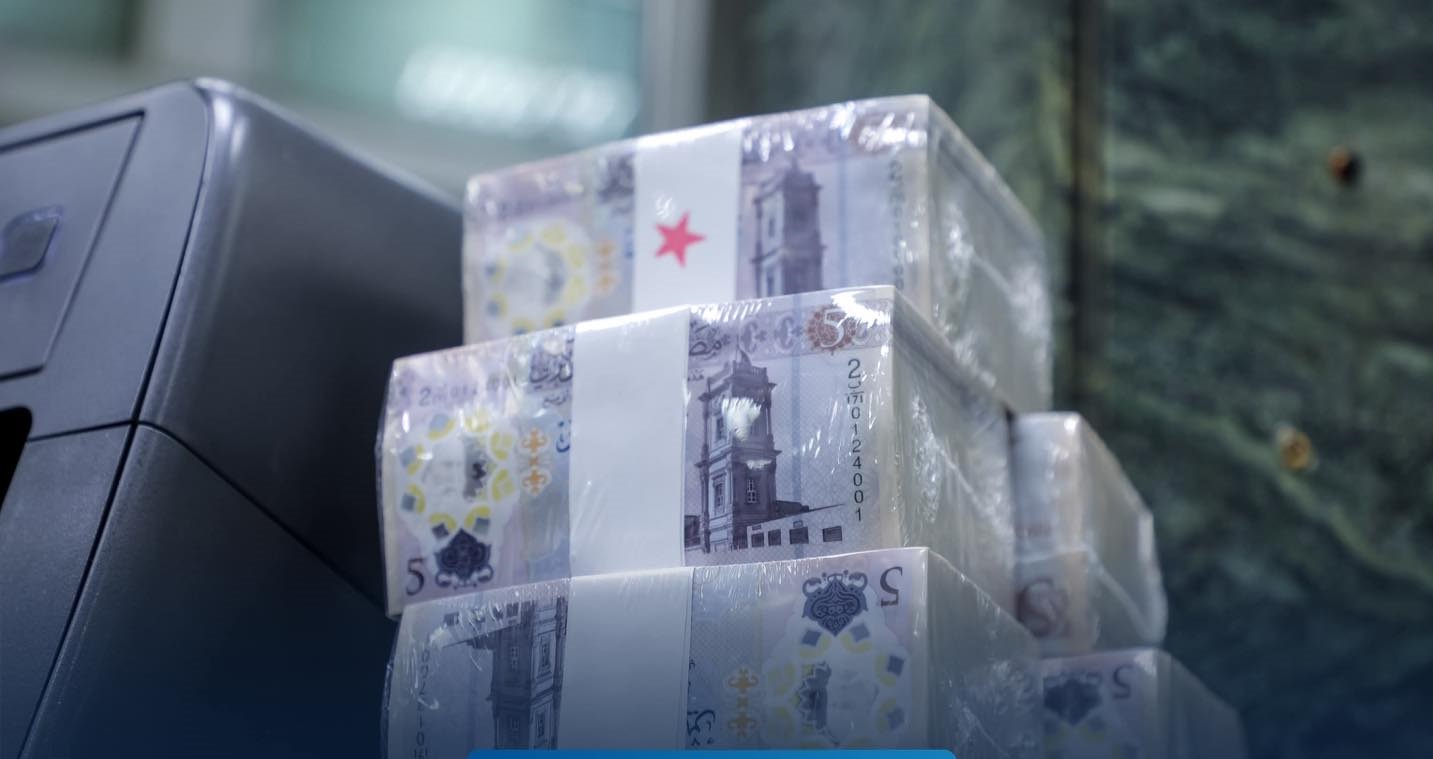
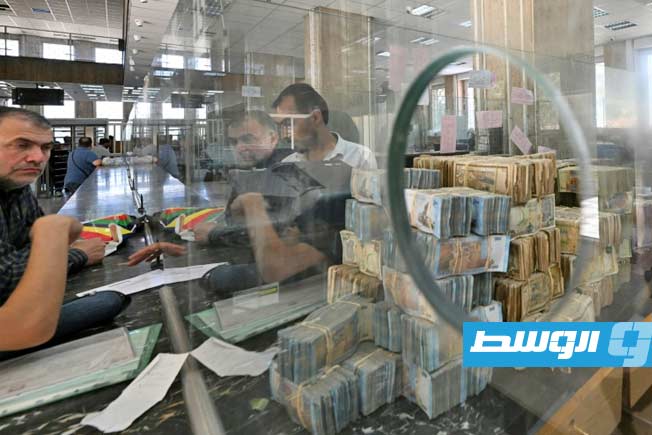
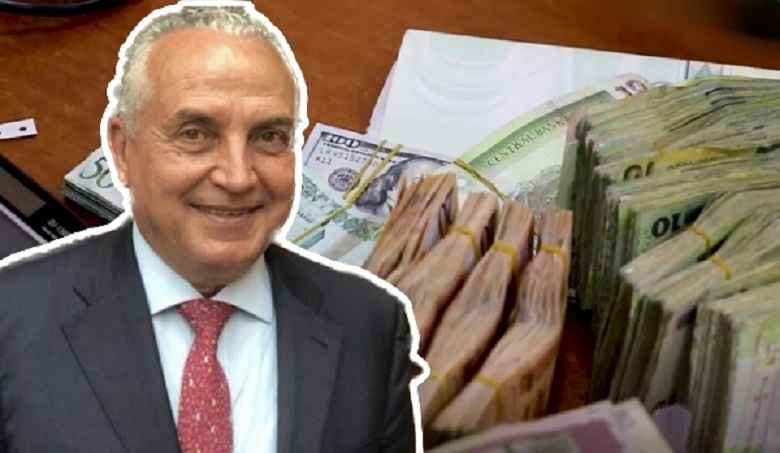
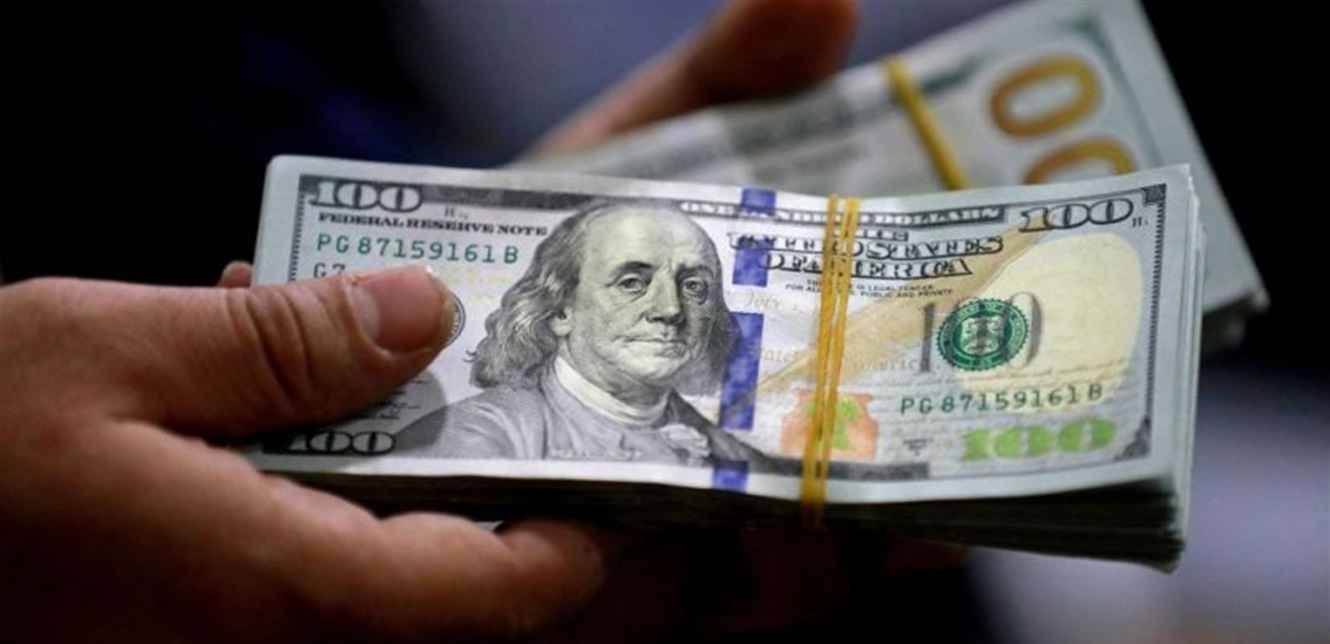
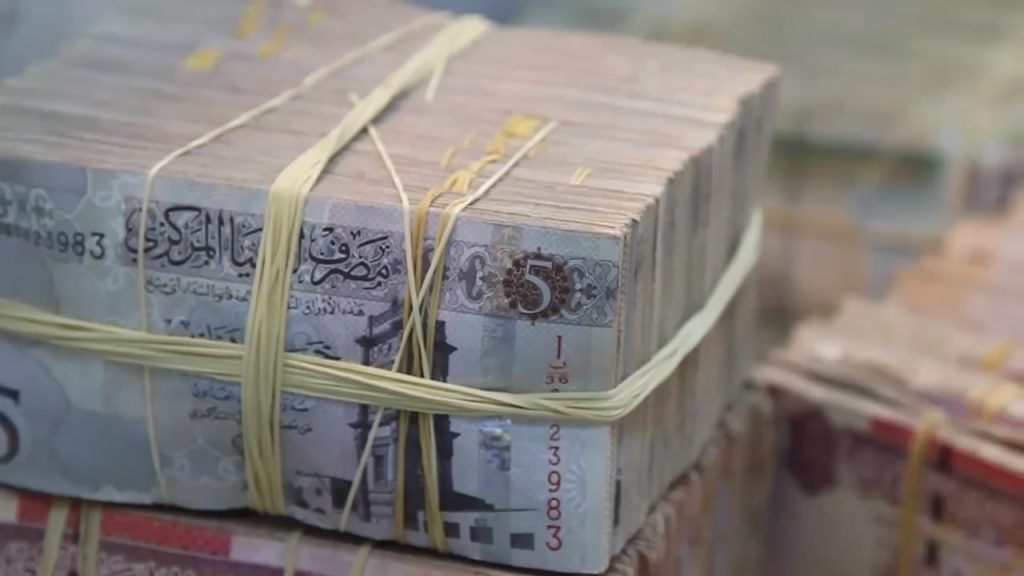
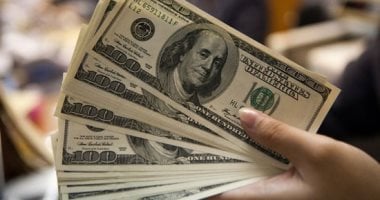
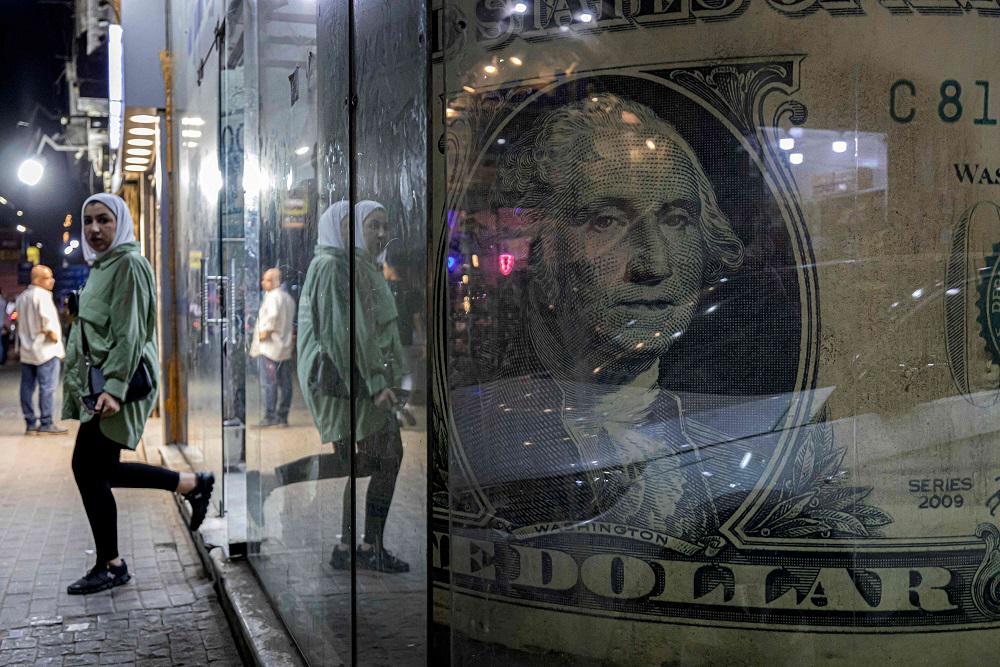
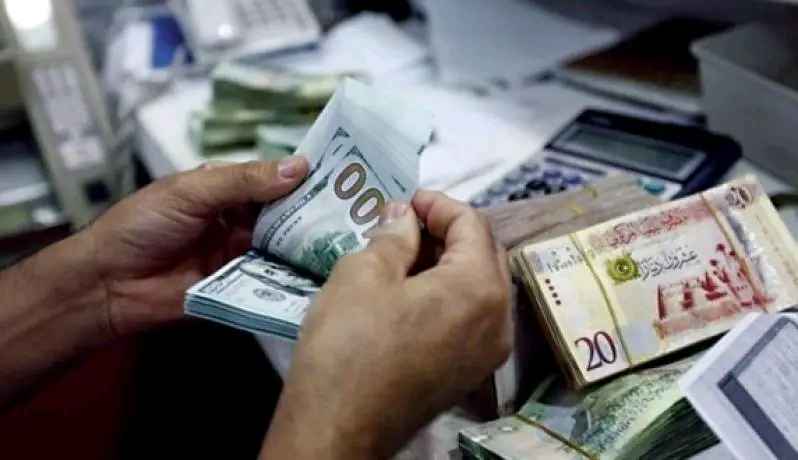
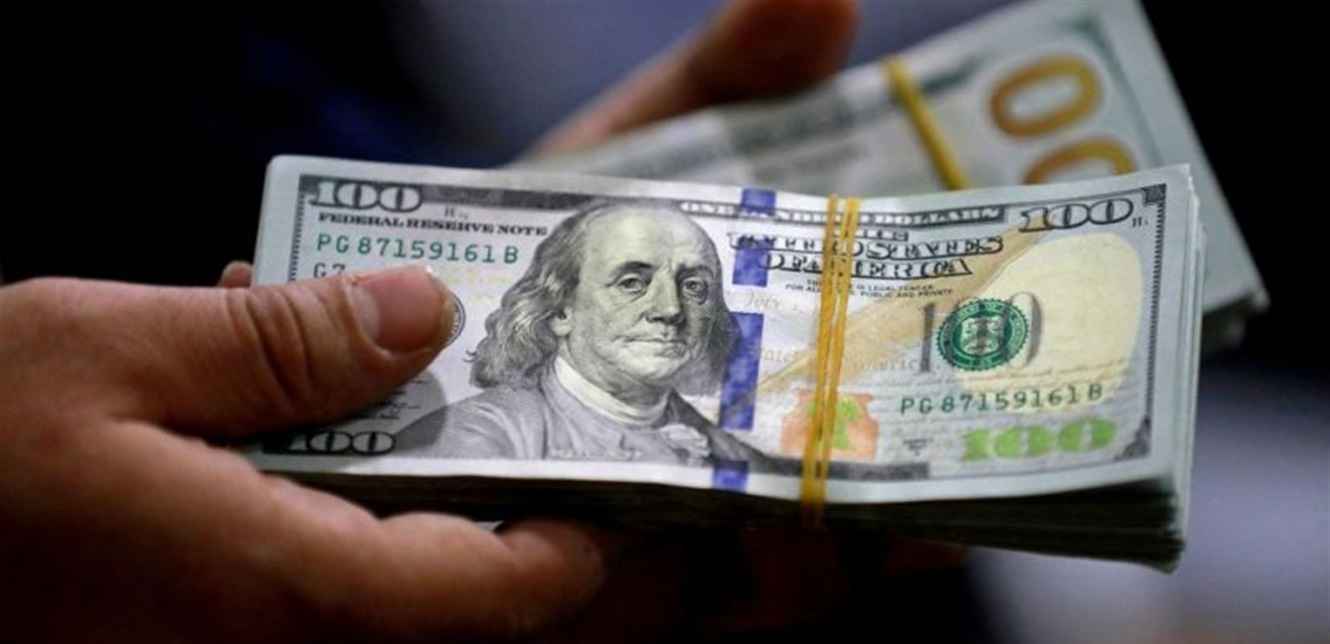
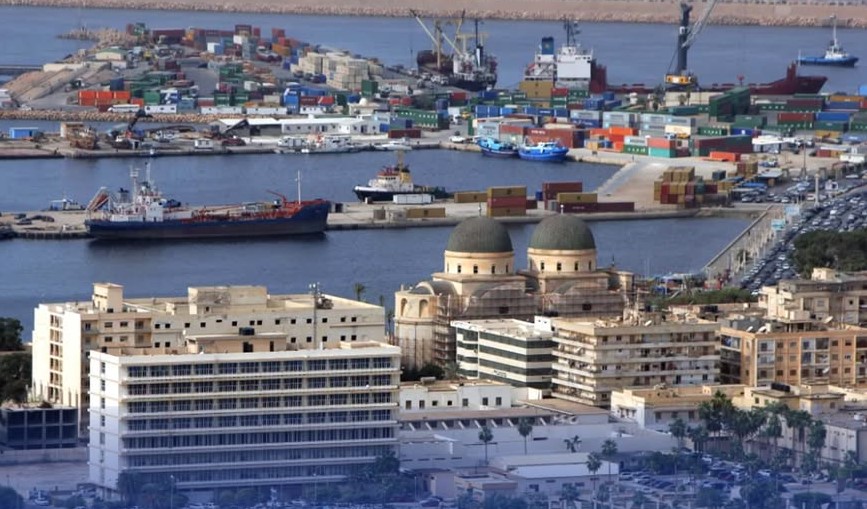
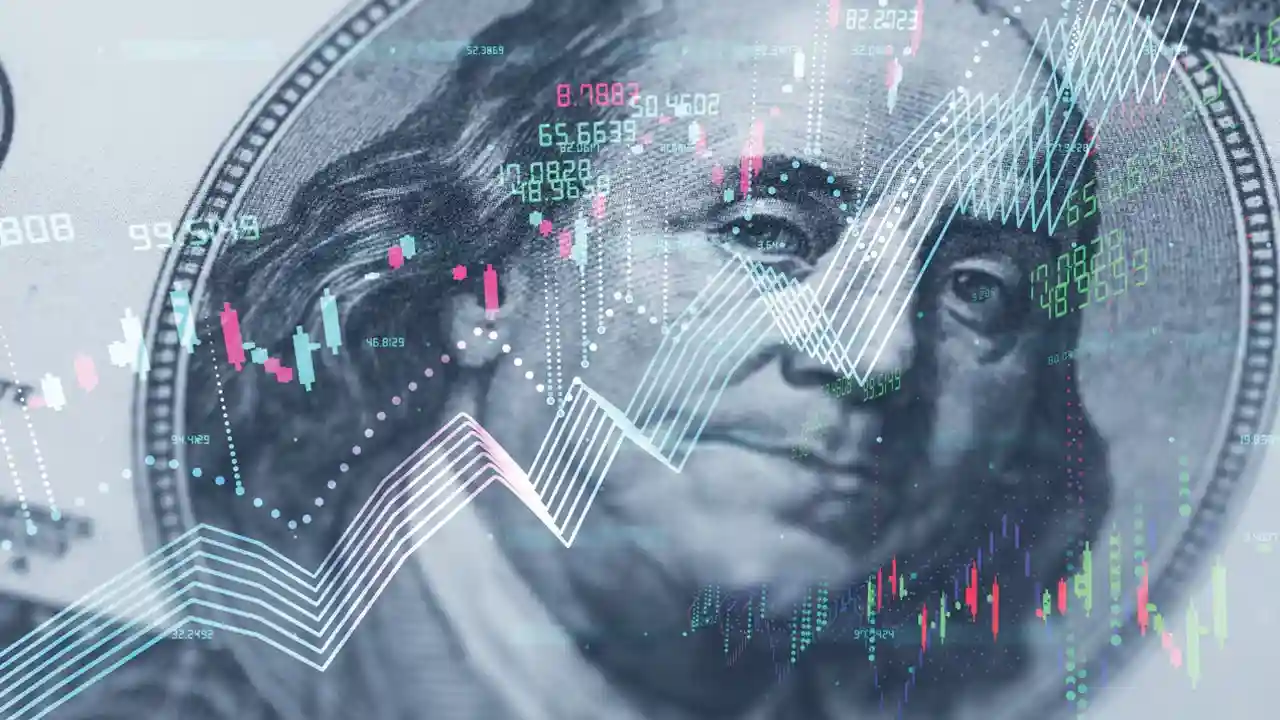
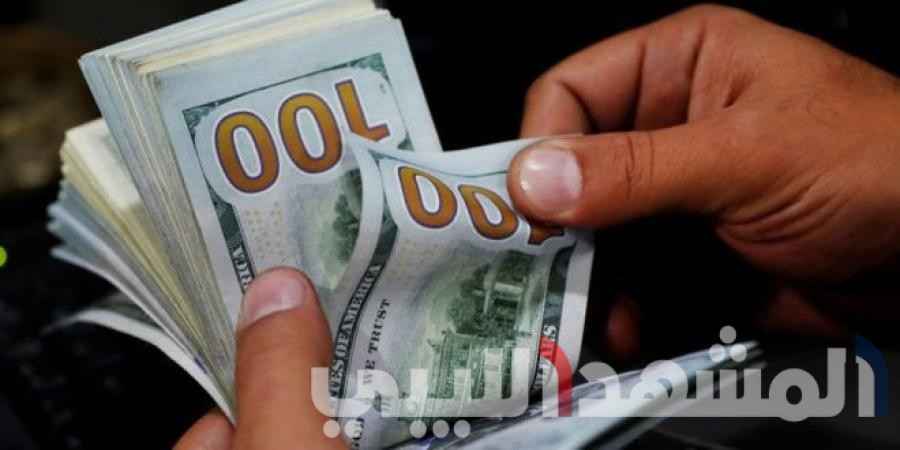
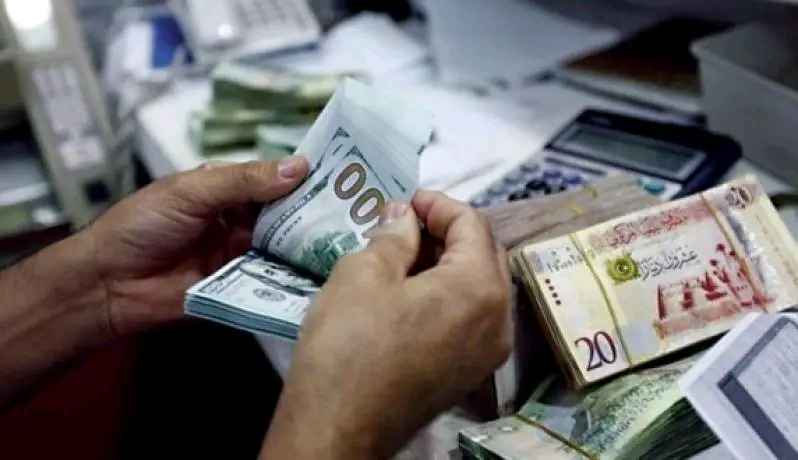
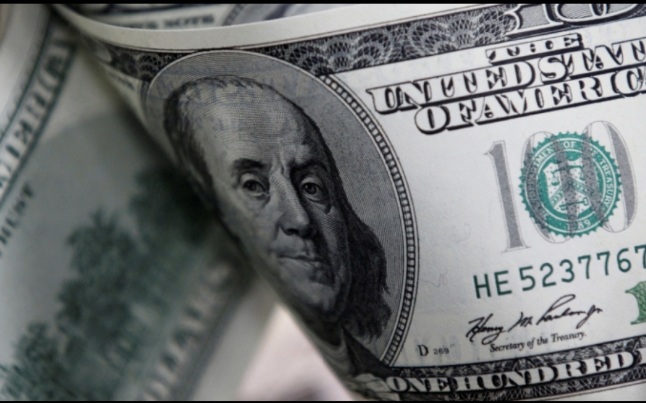
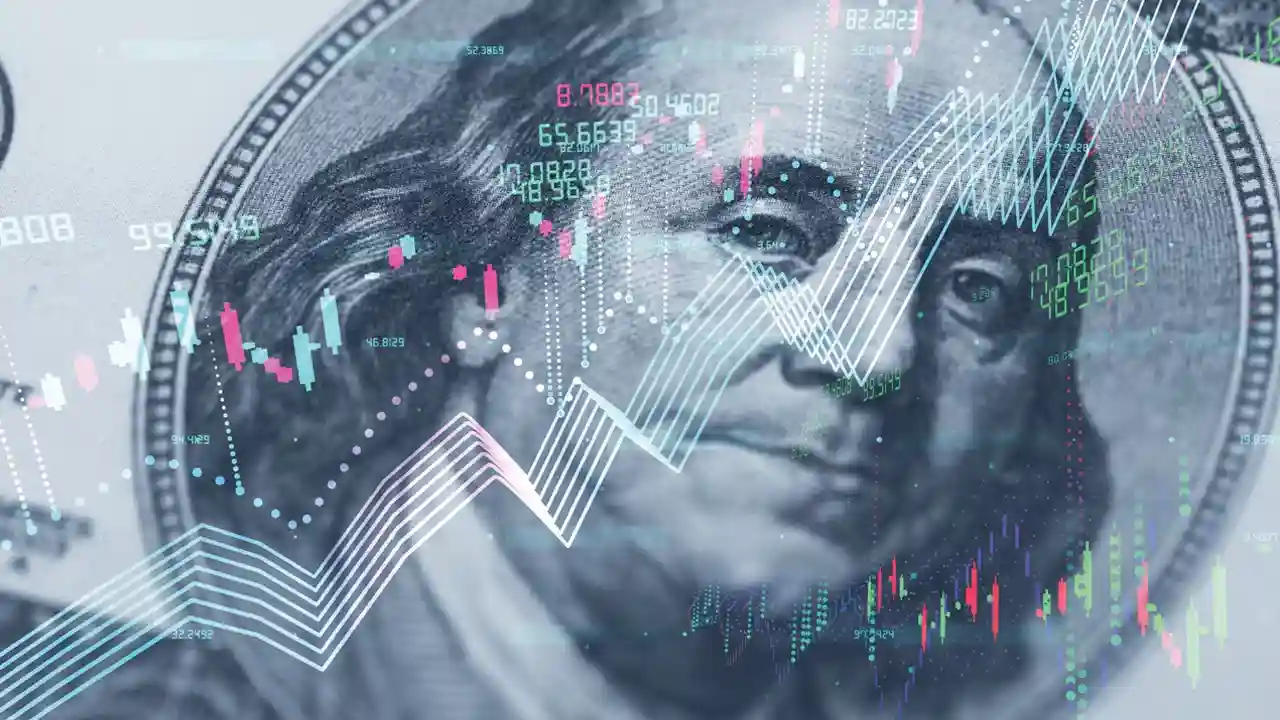
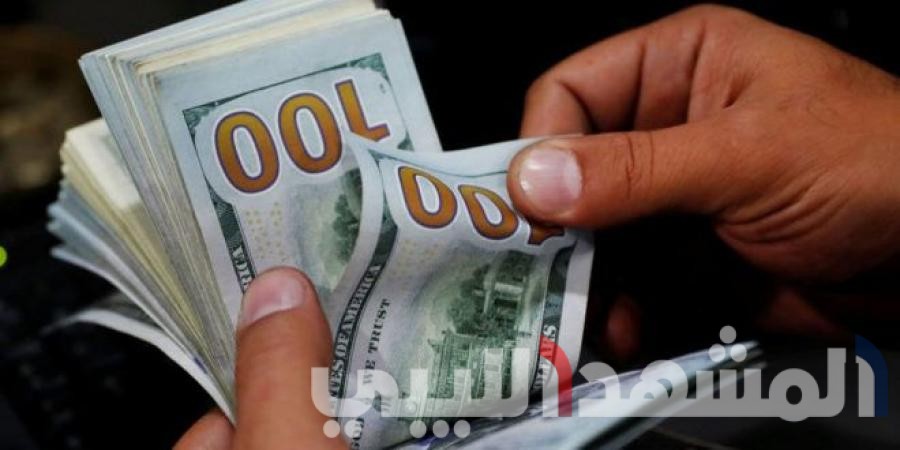
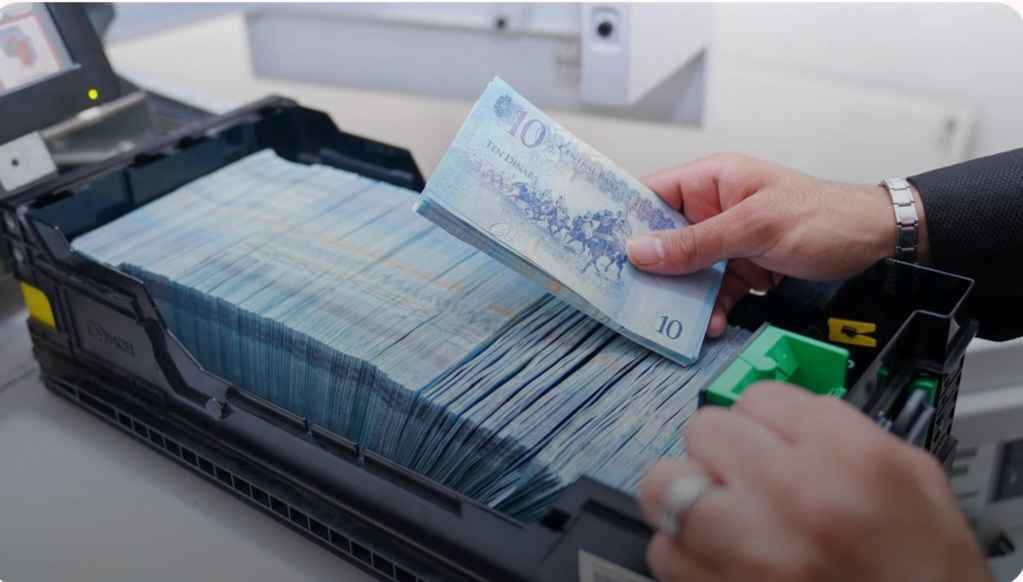
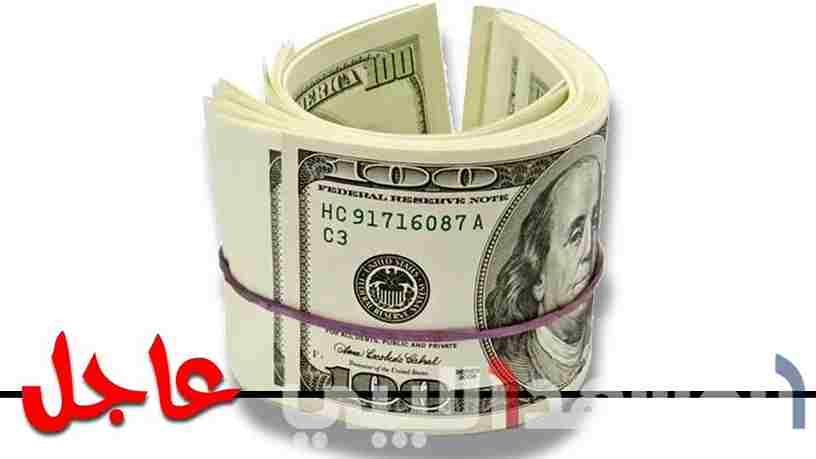
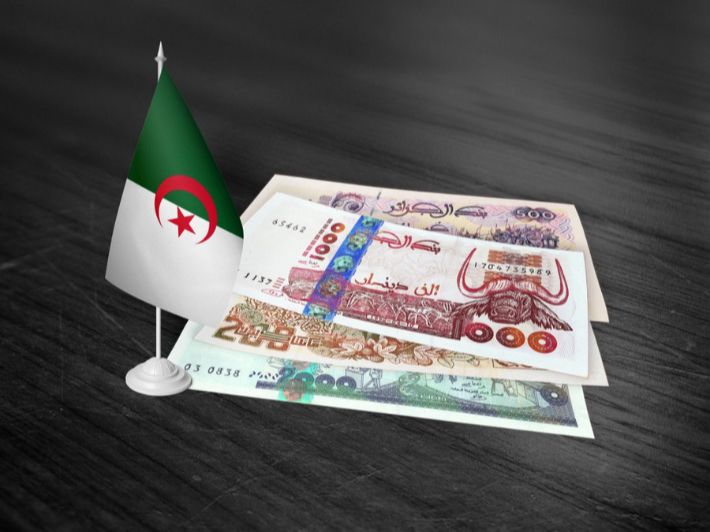
The US dollar recorded a decline against the Libyan dinar at the close of the parallel market on Thursday, December 18, 2025. It closed in Tripoli at 8.42 dinars and rose in trading rooms to 8.445 dinars.
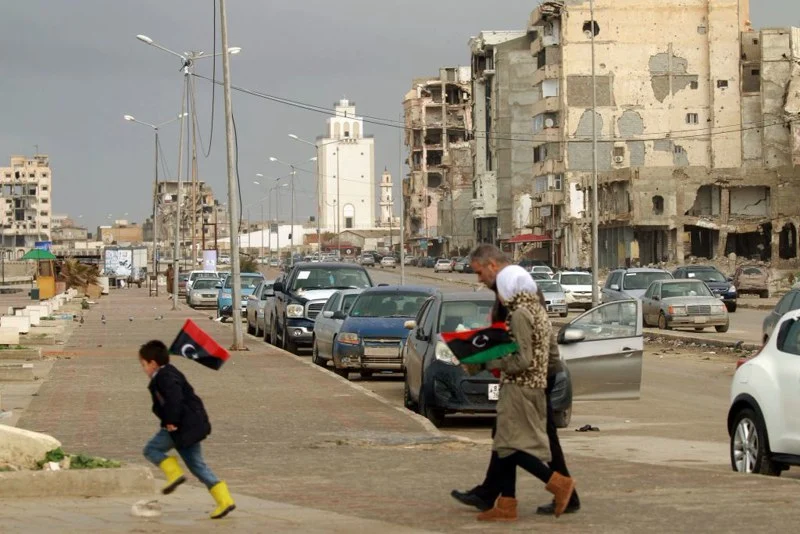
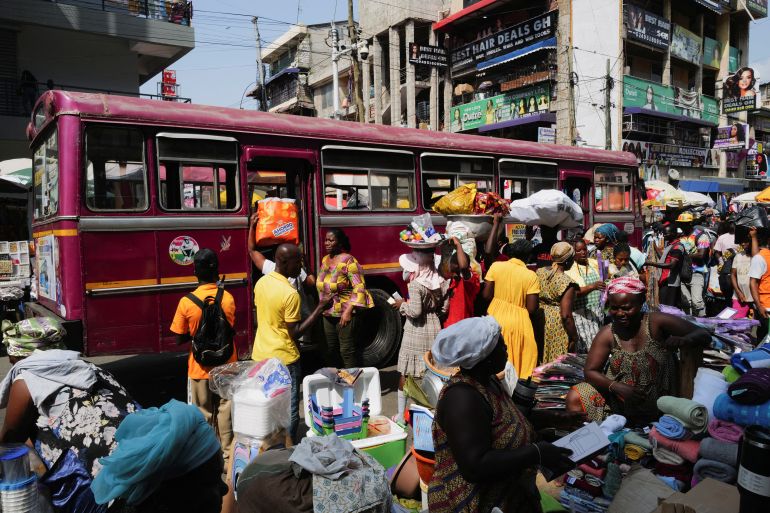
In Zliten, the closing price reached 8.45 dinars, while in Benghazi and Ajdabiya it recorded 8.43 dinars, reflecting a continued slight disparity between cities.
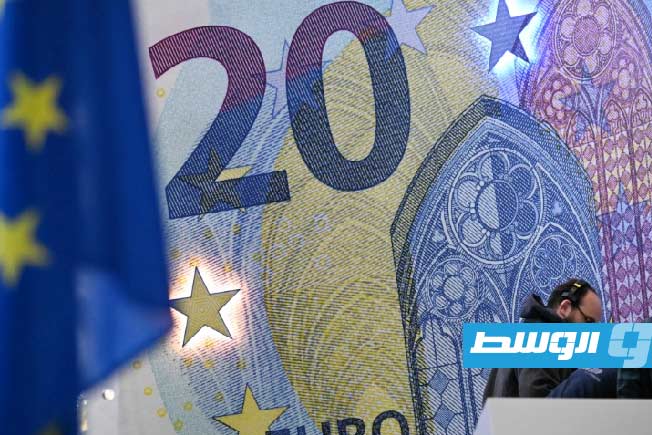
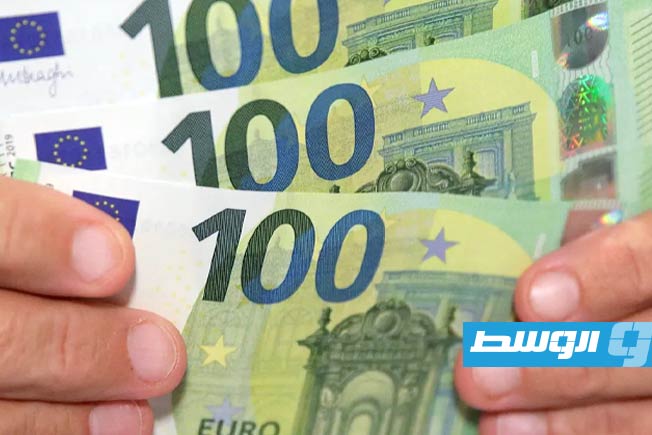
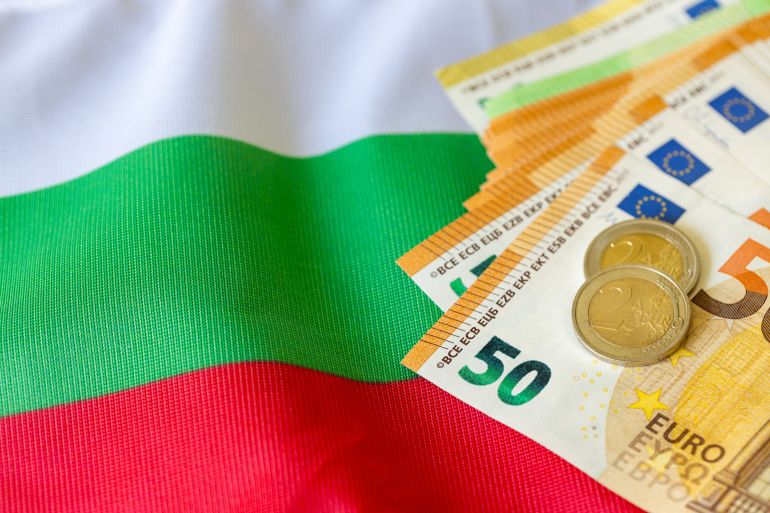
As for other foreign currencies, the euro declined to 9.75 dinars, and the British pound rose significantly to 11.00 dinars.
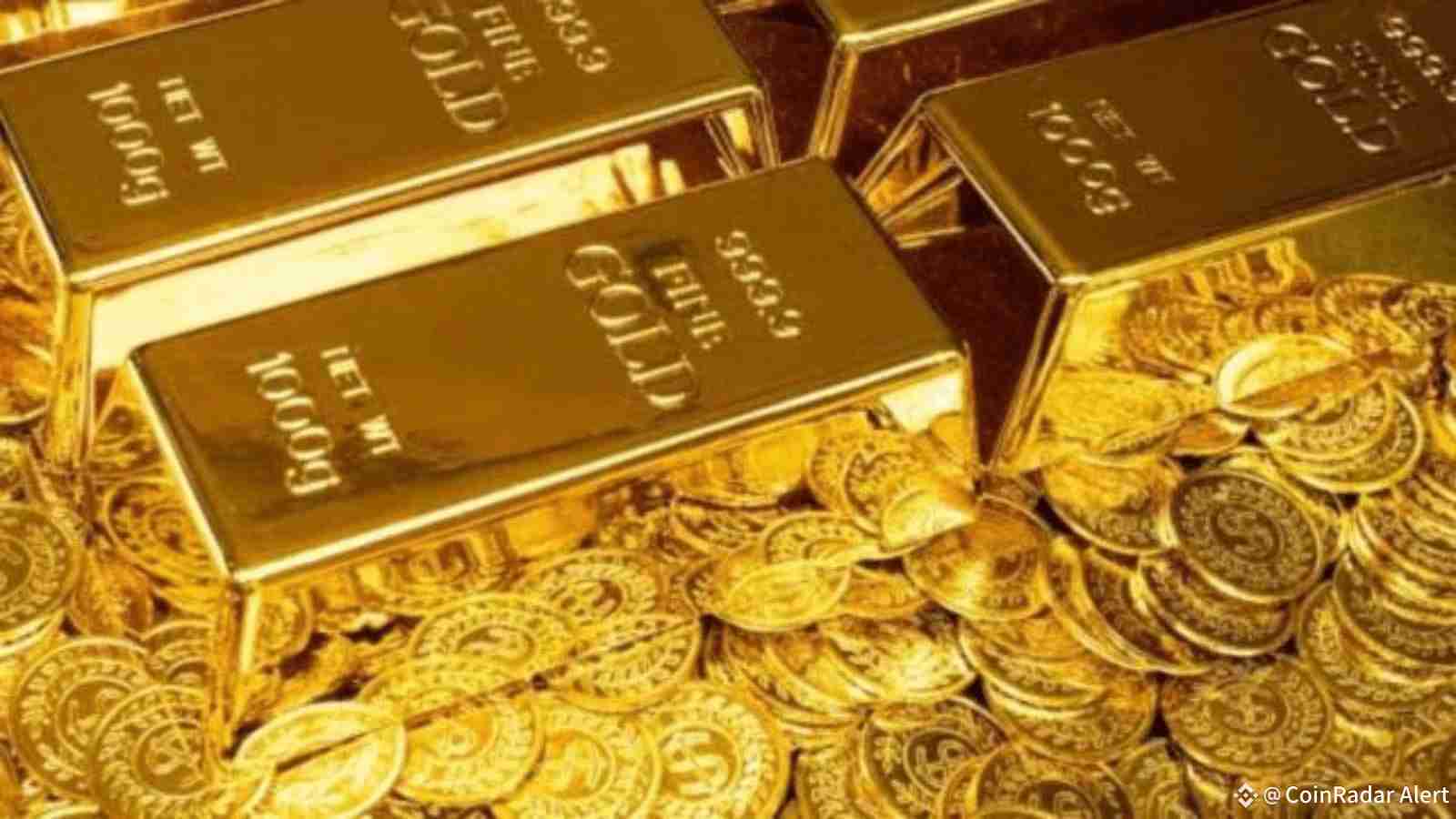
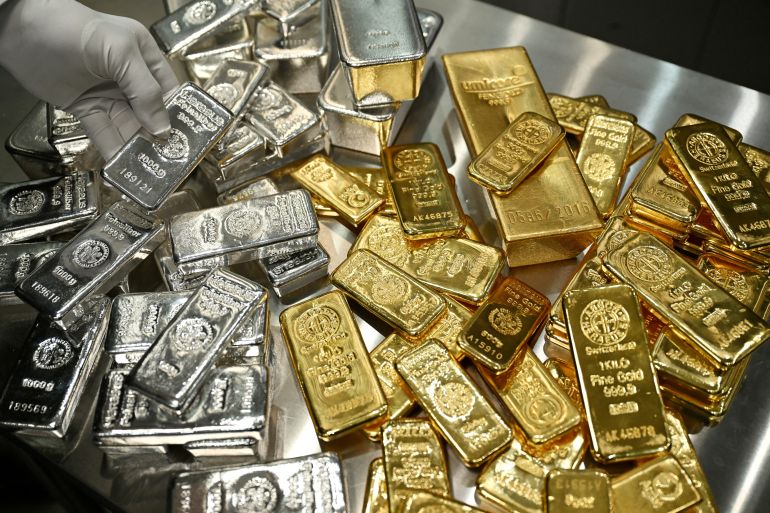
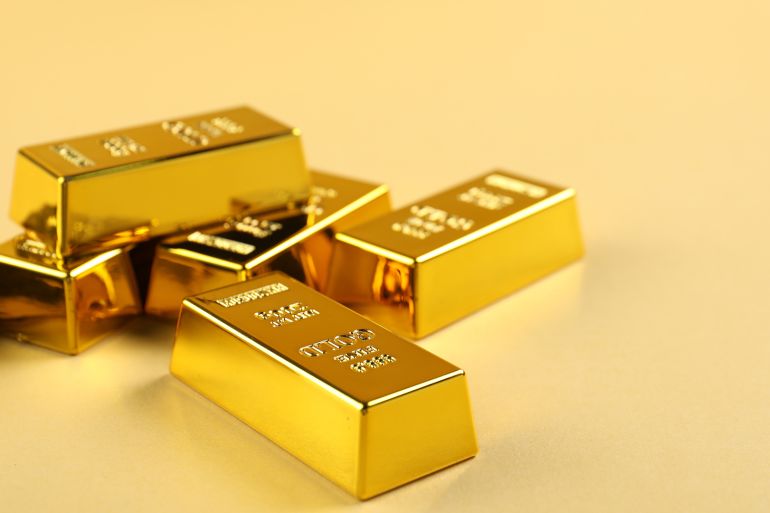
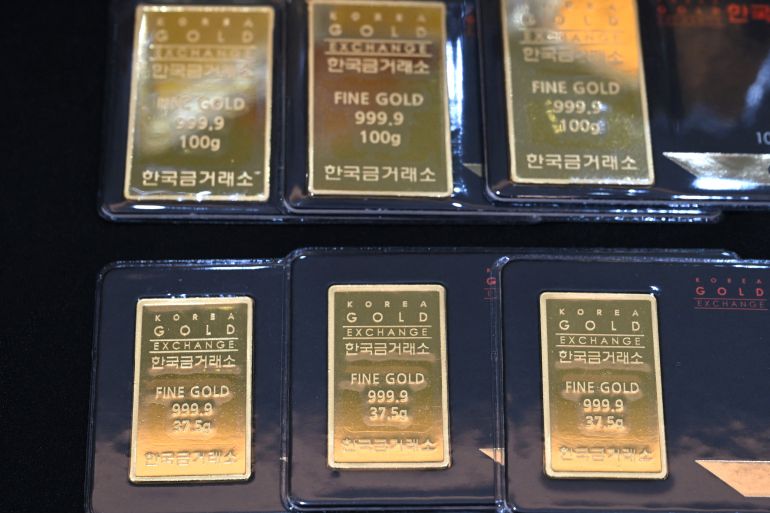
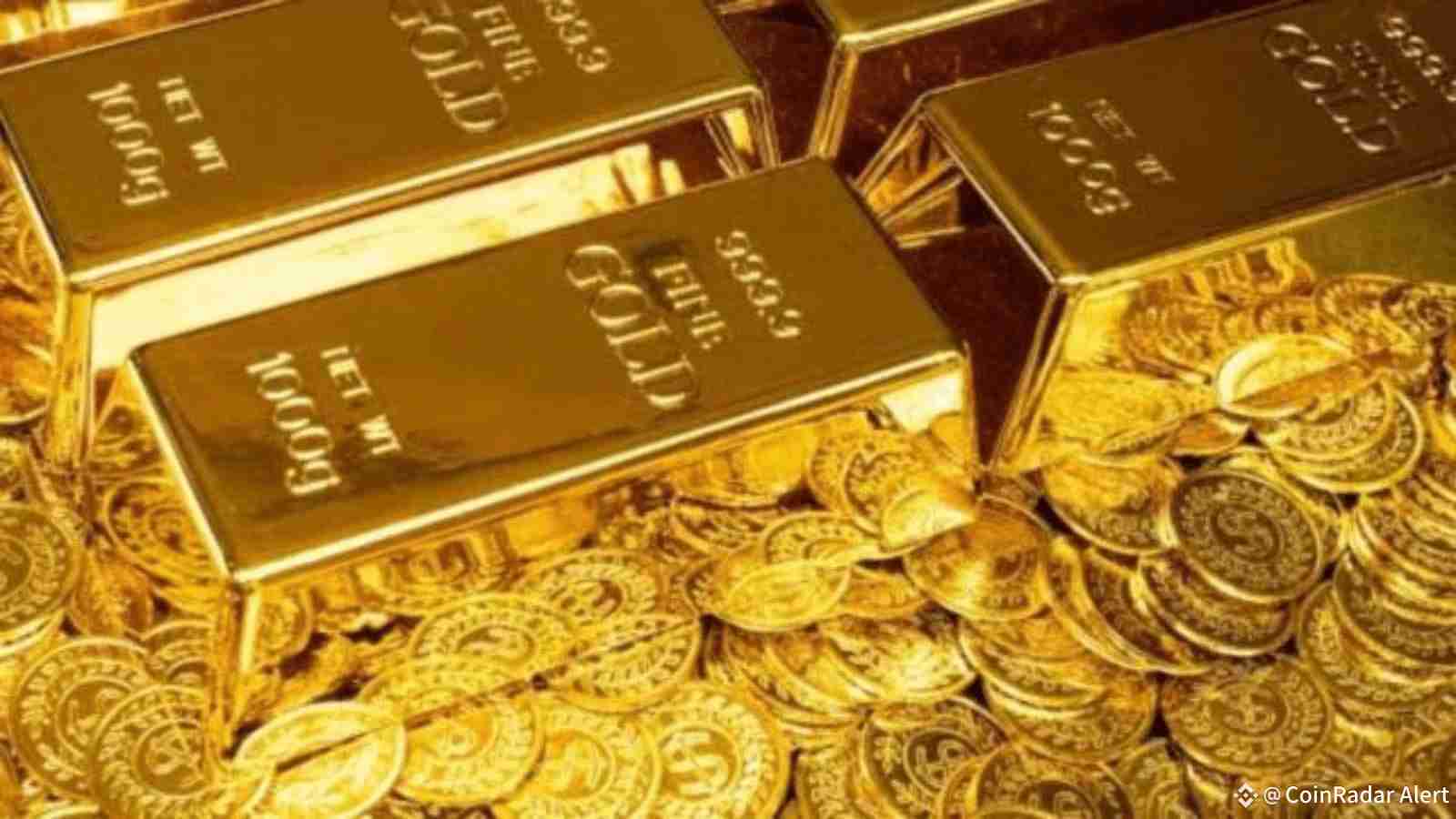
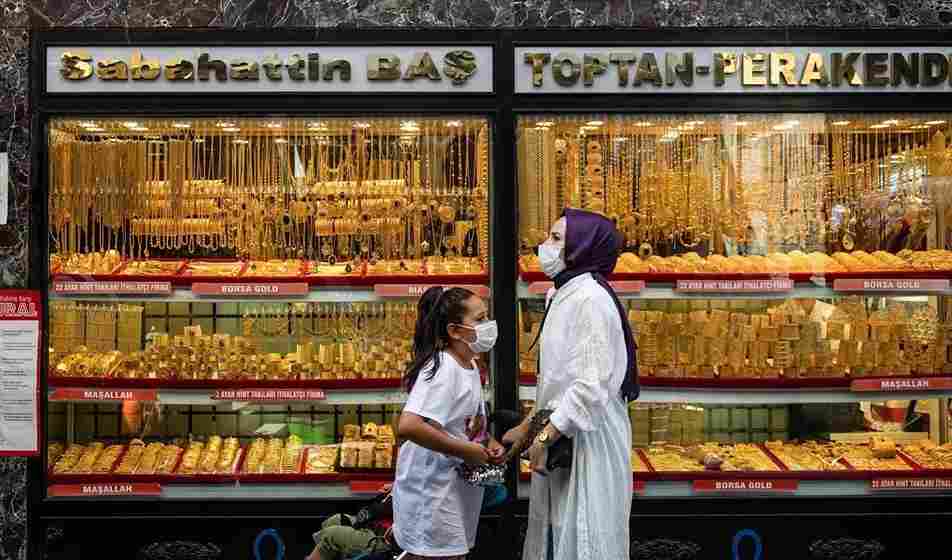
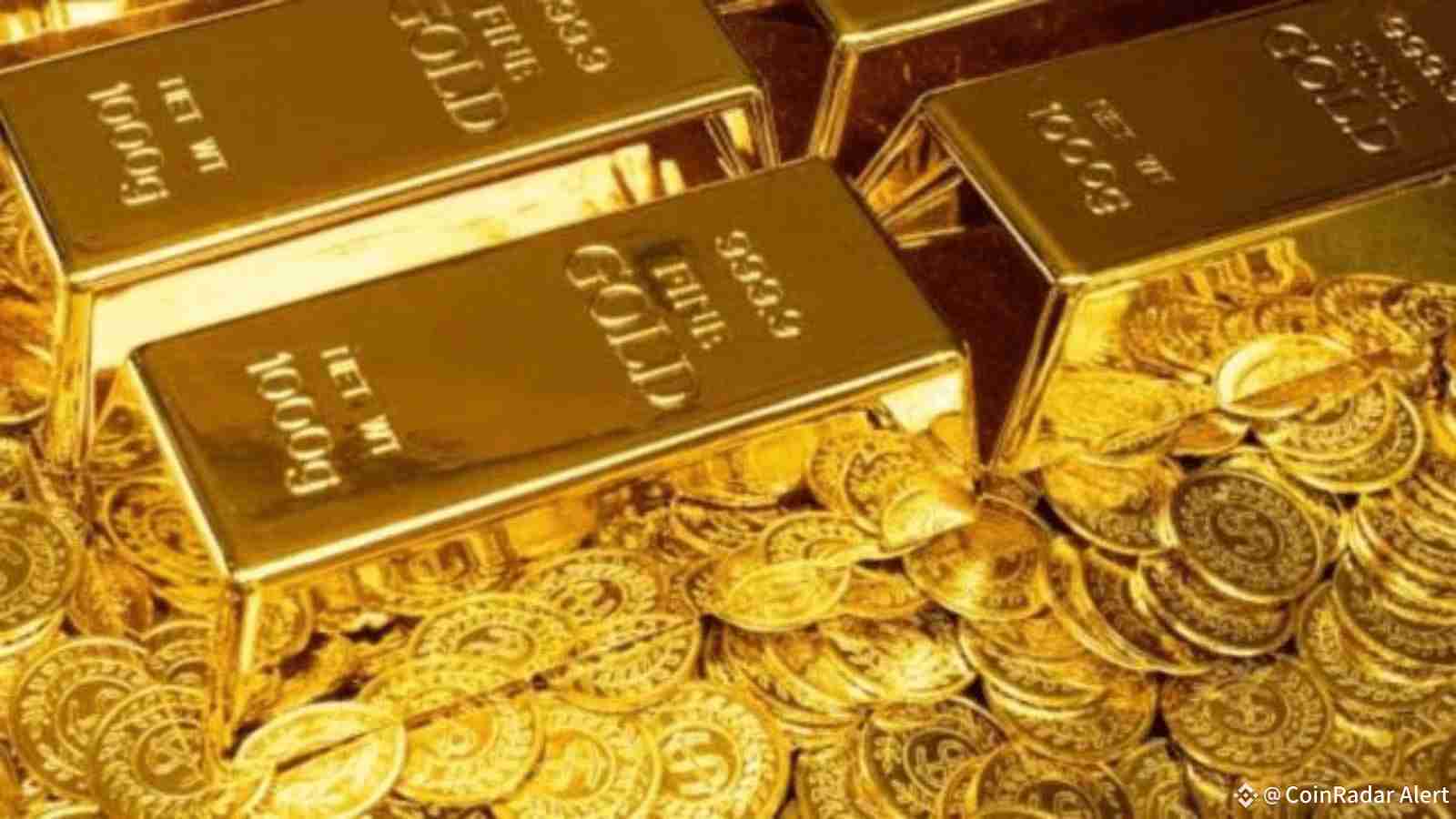
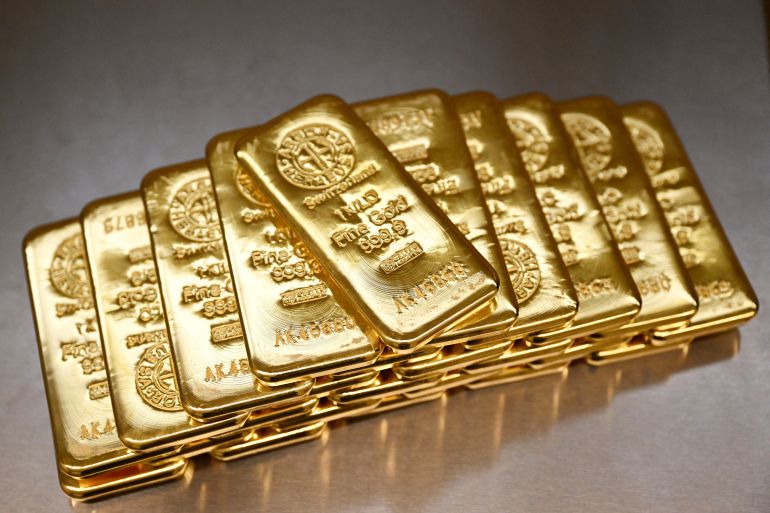
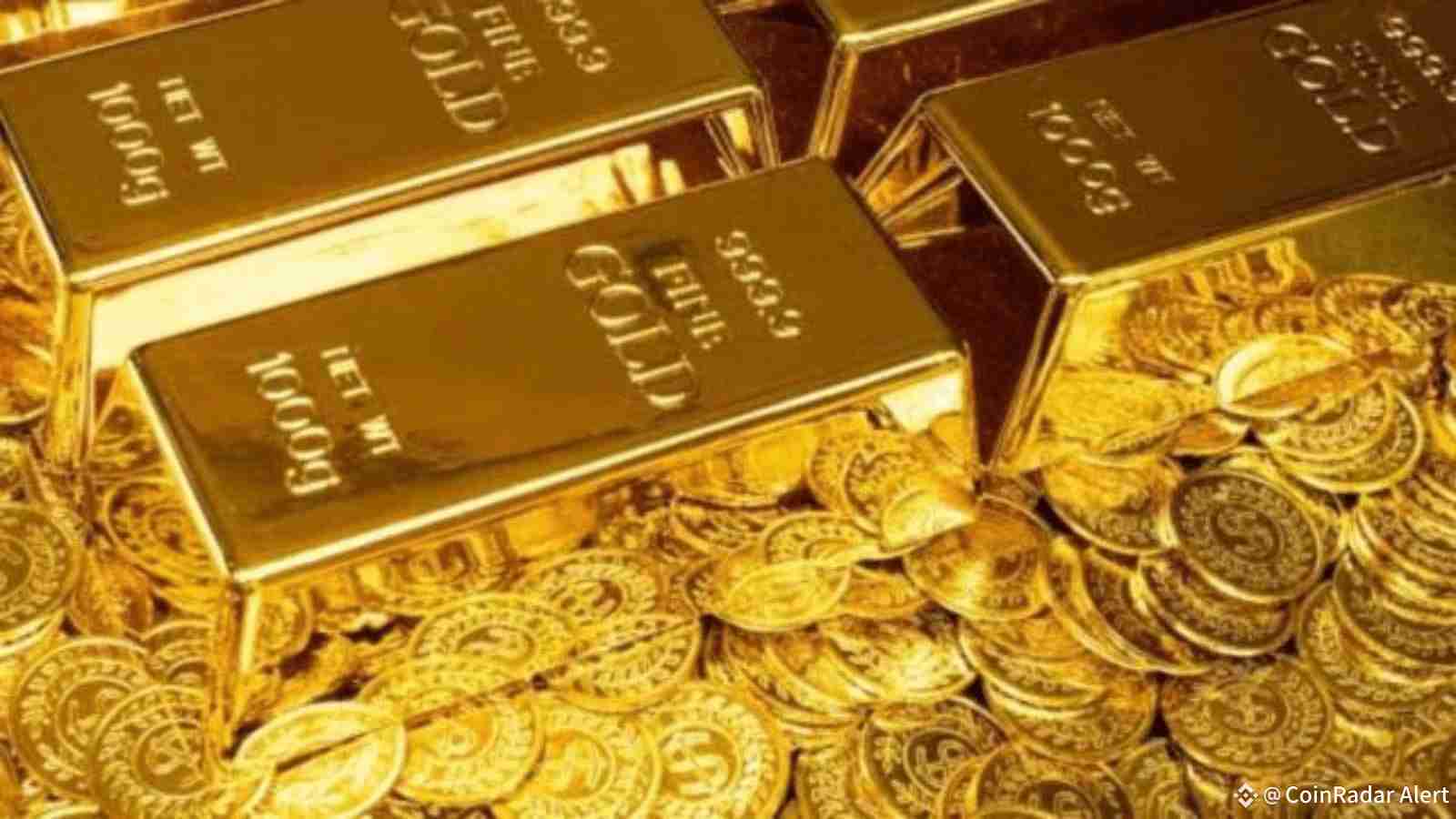
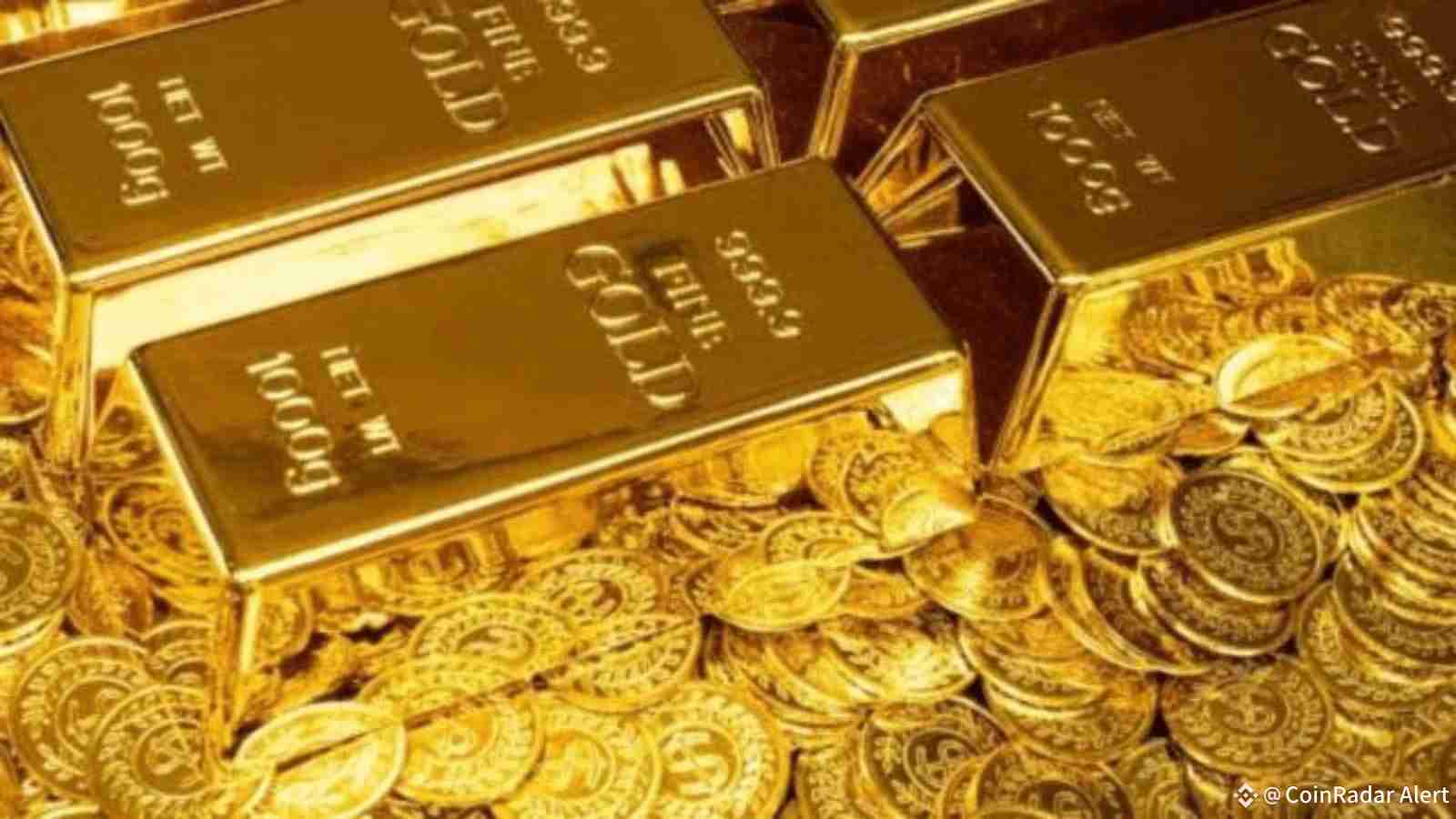
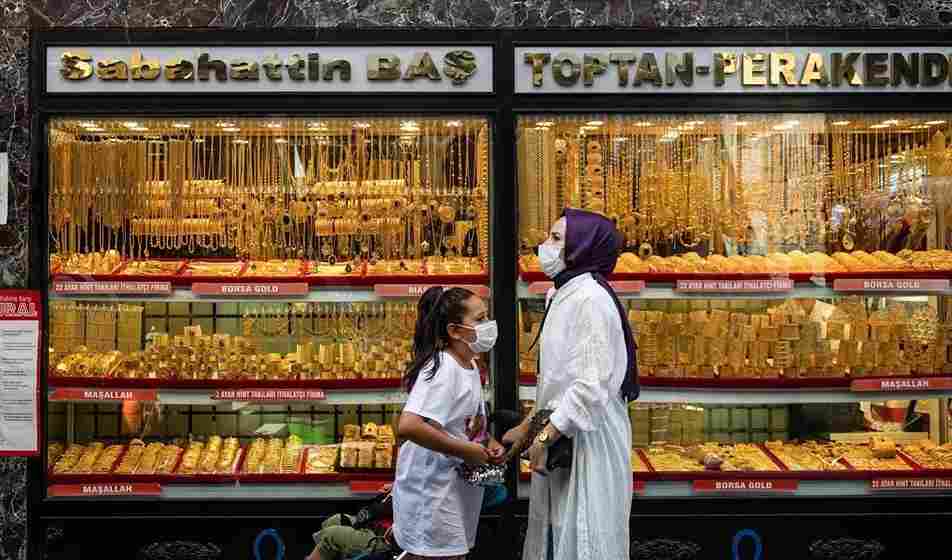
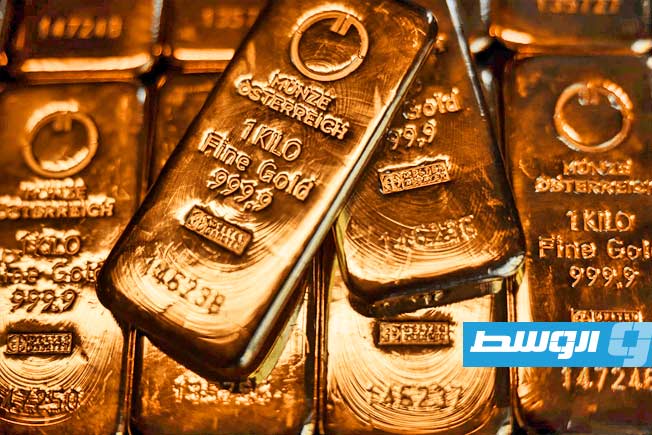
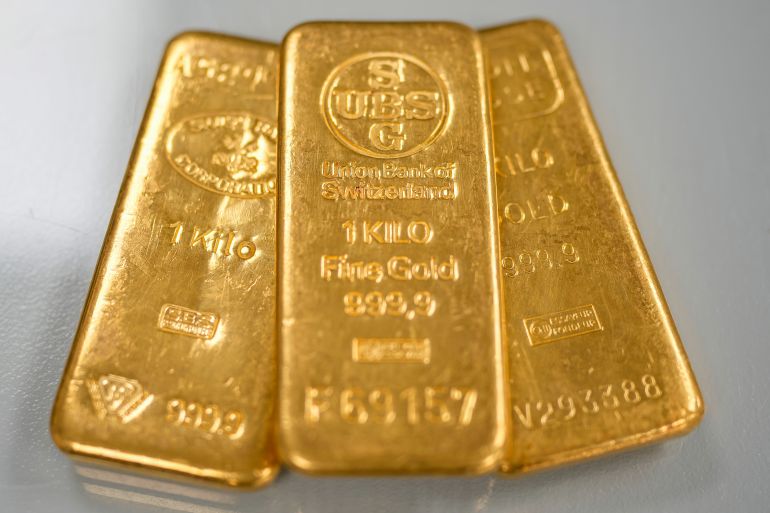
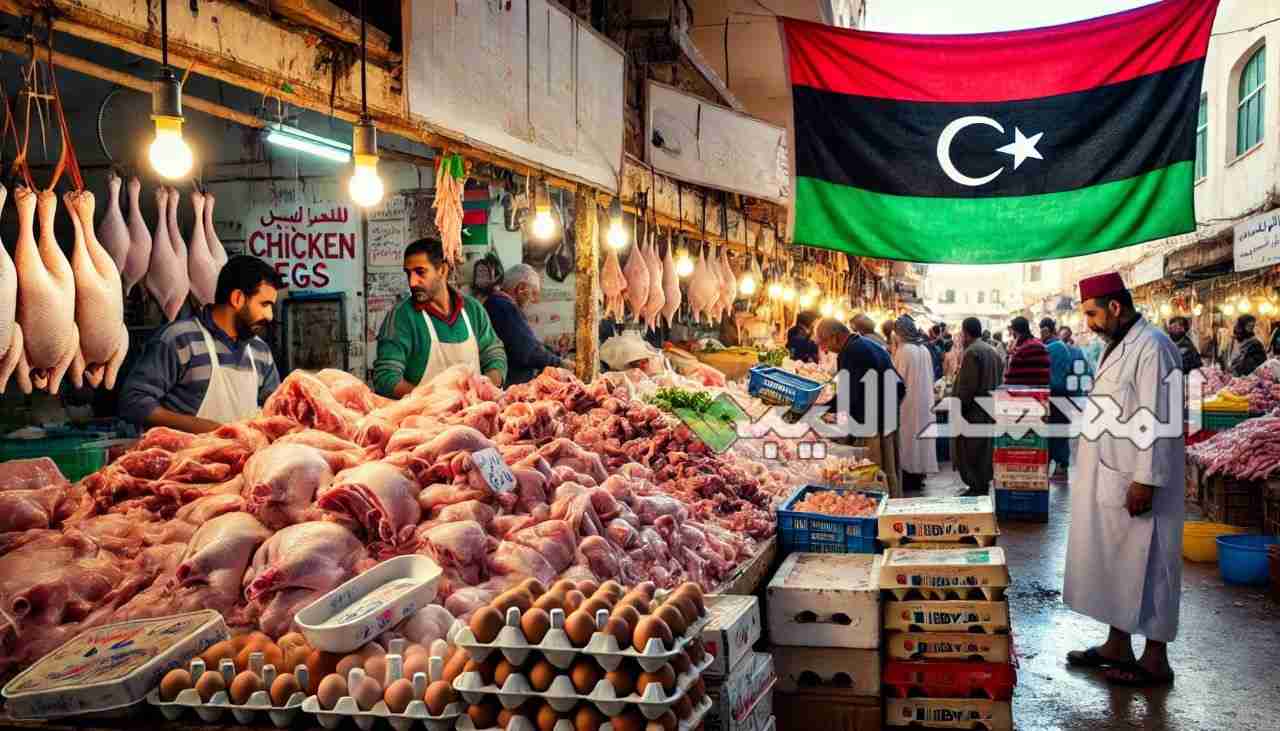
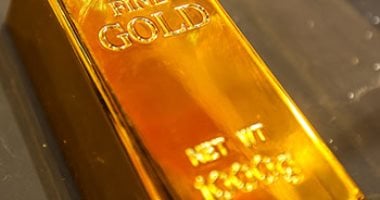
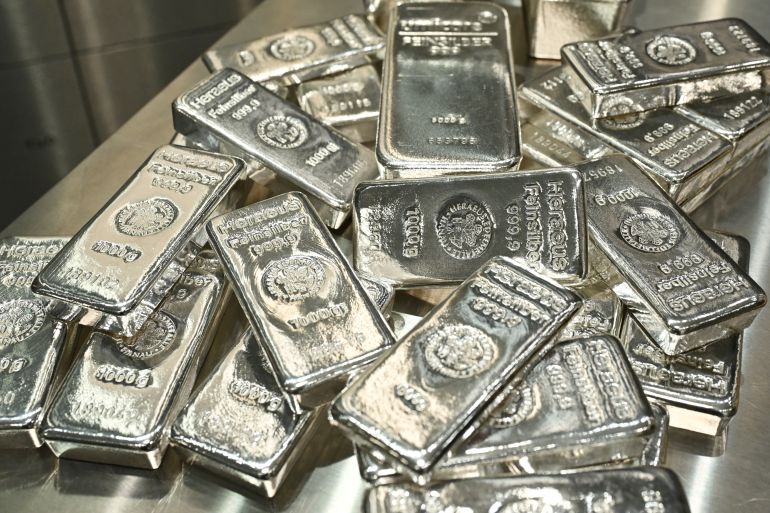
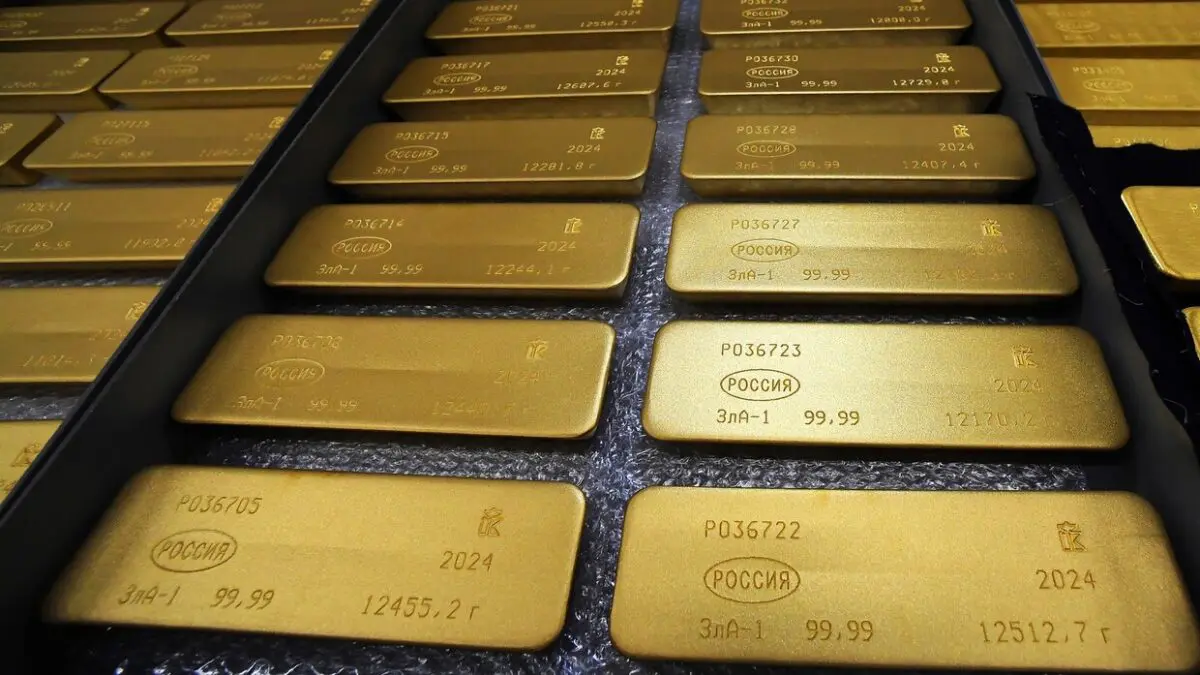
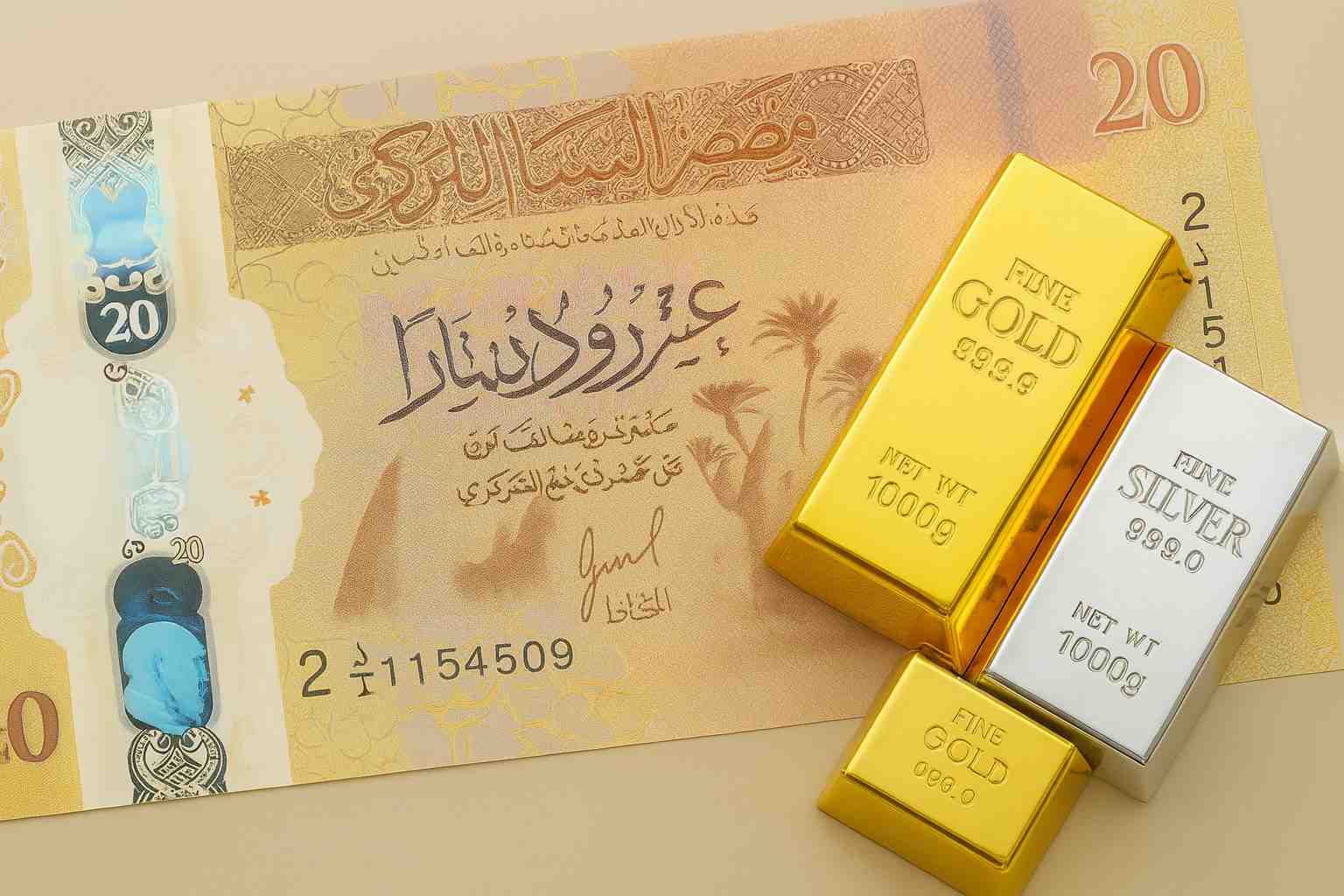
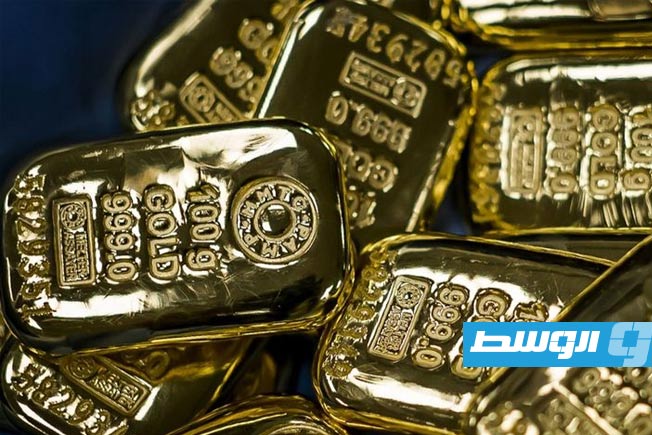
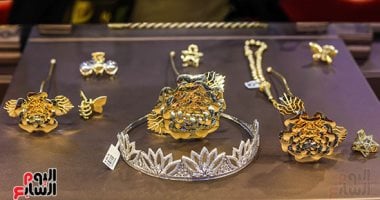
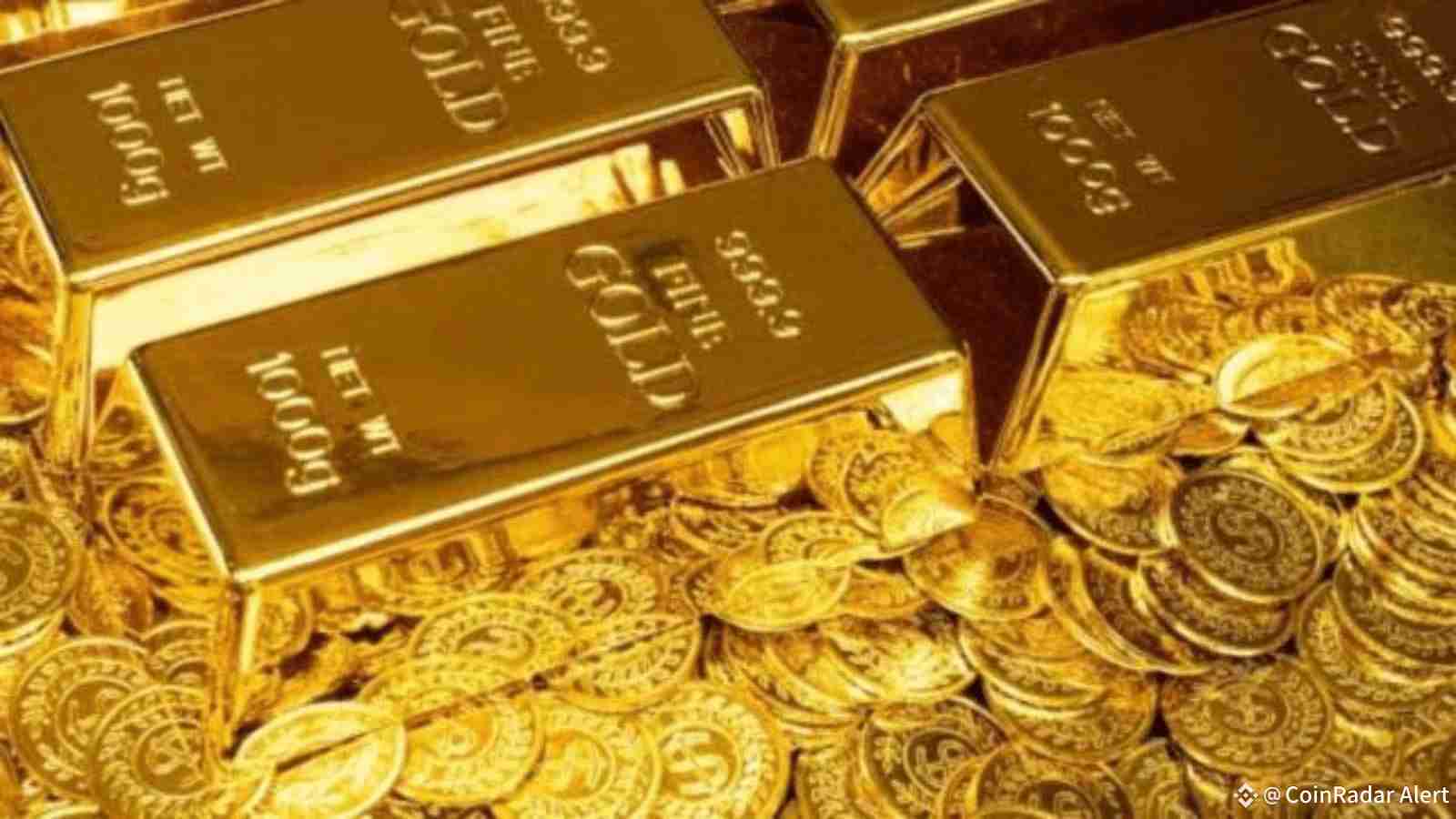
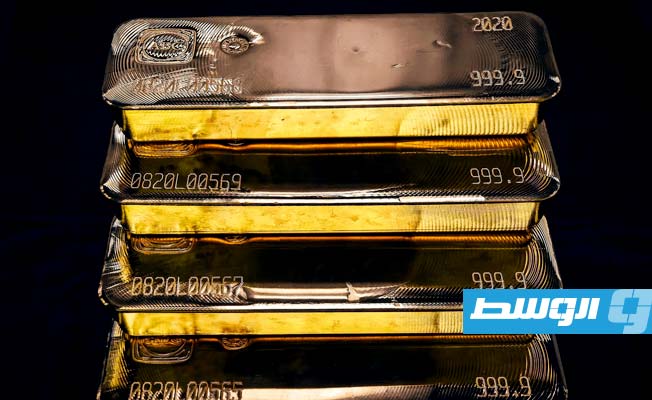
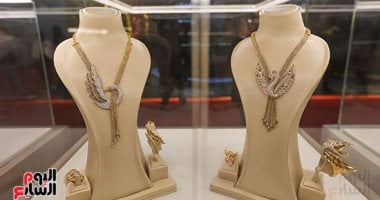
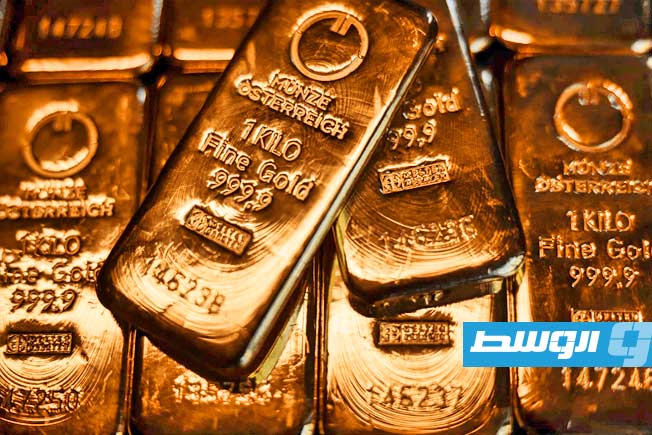
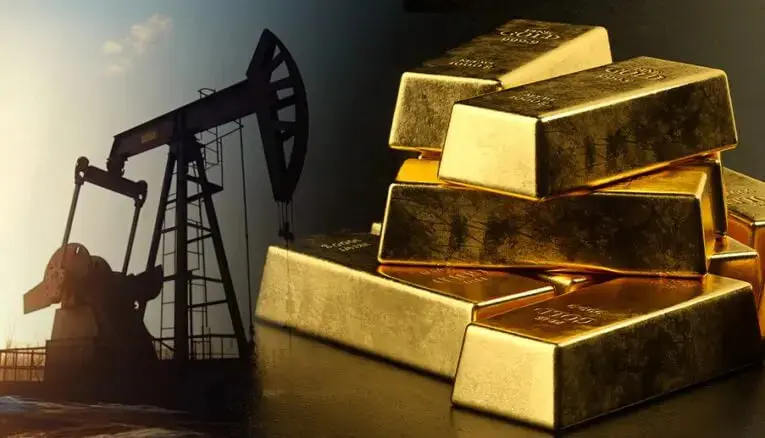
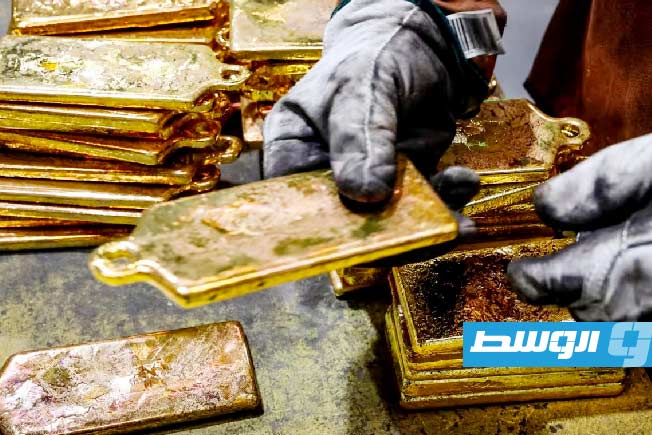
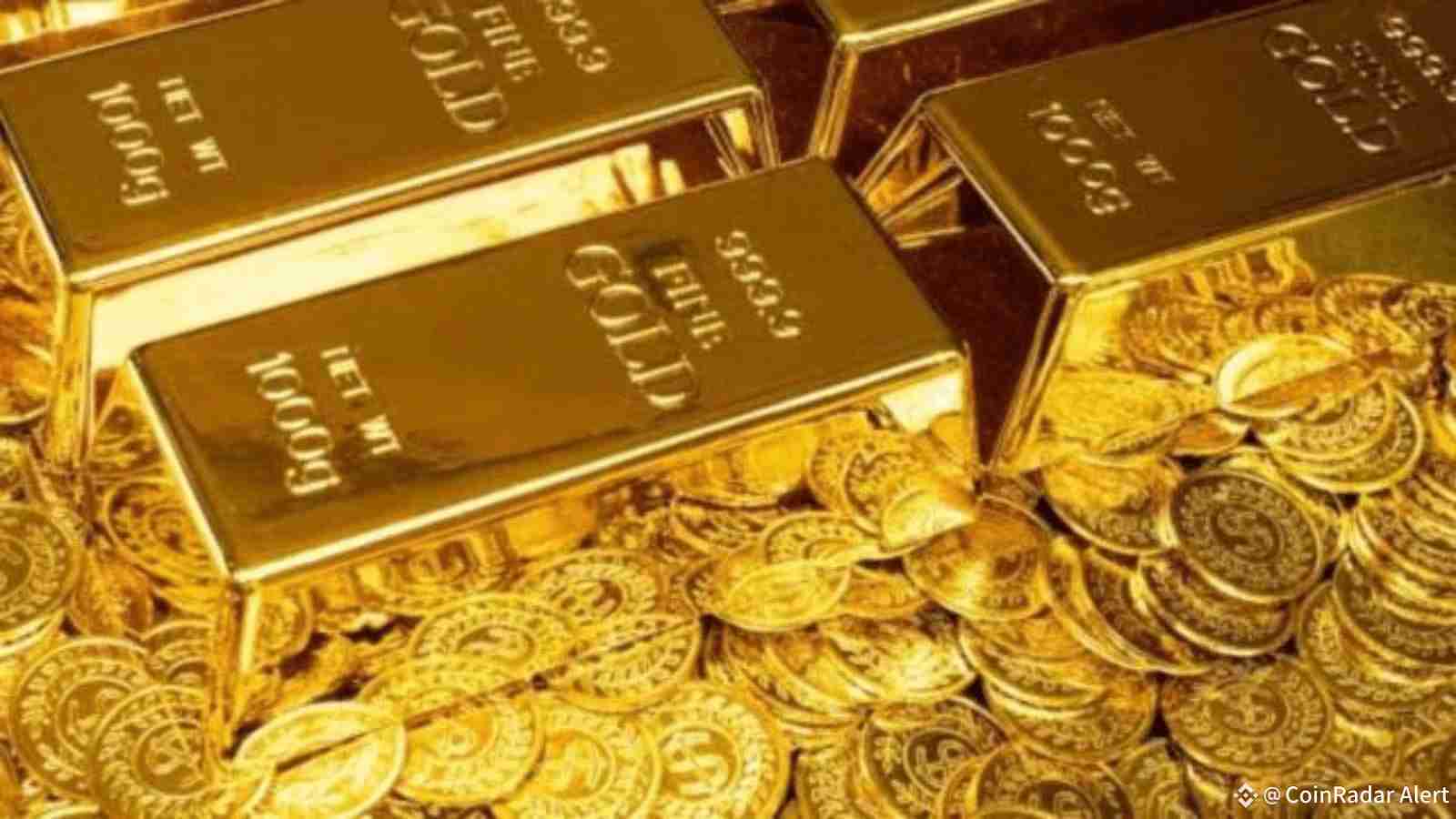
In the precious metals market, a gram of 18-karat broken gold recorded a continuous jump to 858 dinars. Meanwhile, foreign remittance prices remained close to cash rates, with the remittance dollar to Turkey at 8.415 dinars and to Dubai at 8.41 dinars.
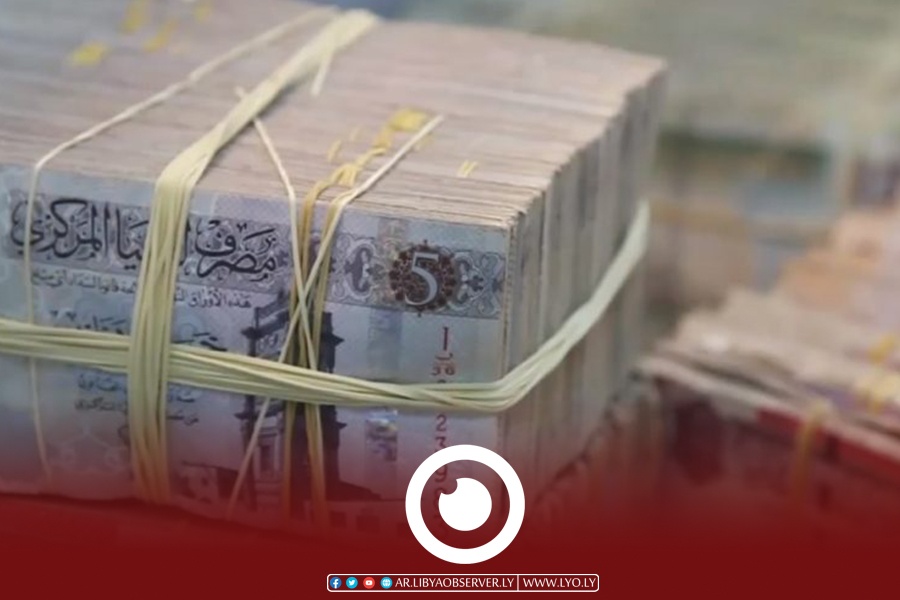
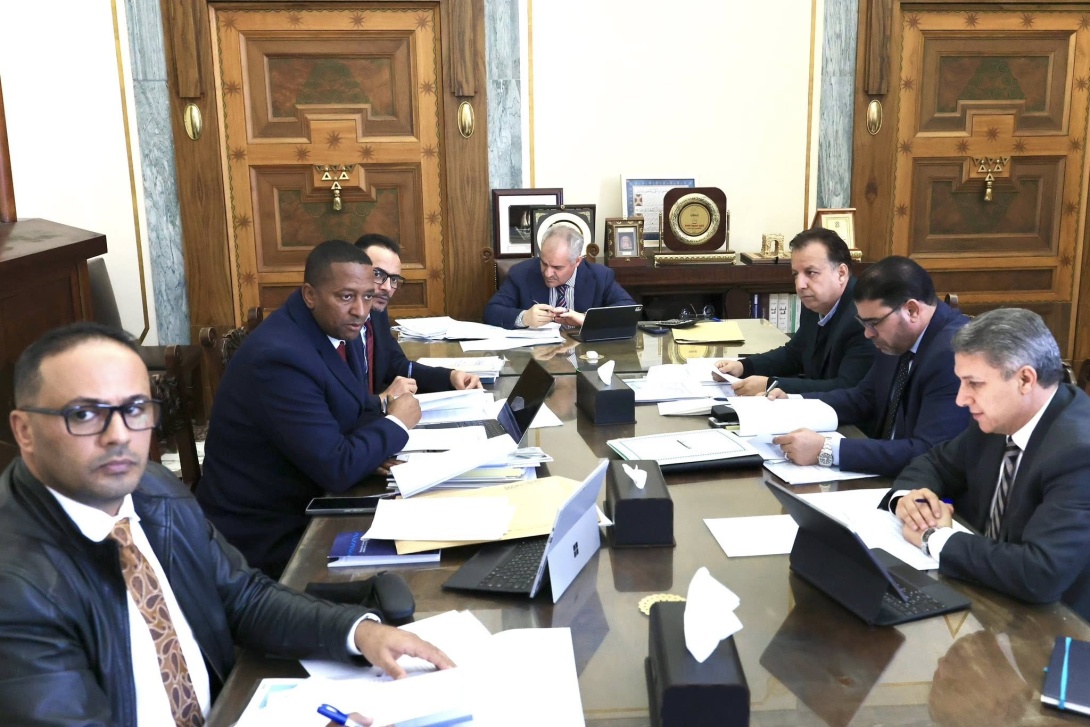
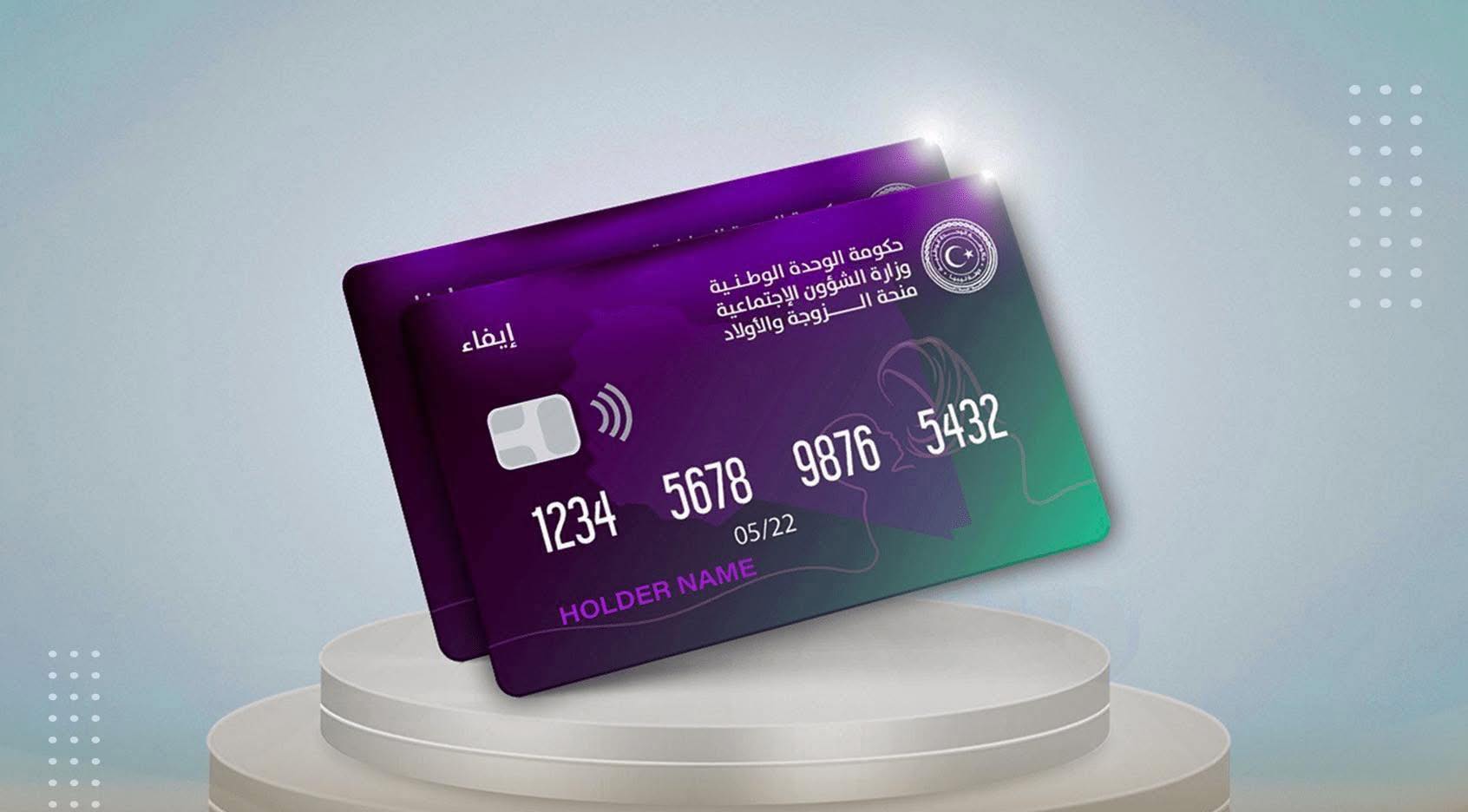
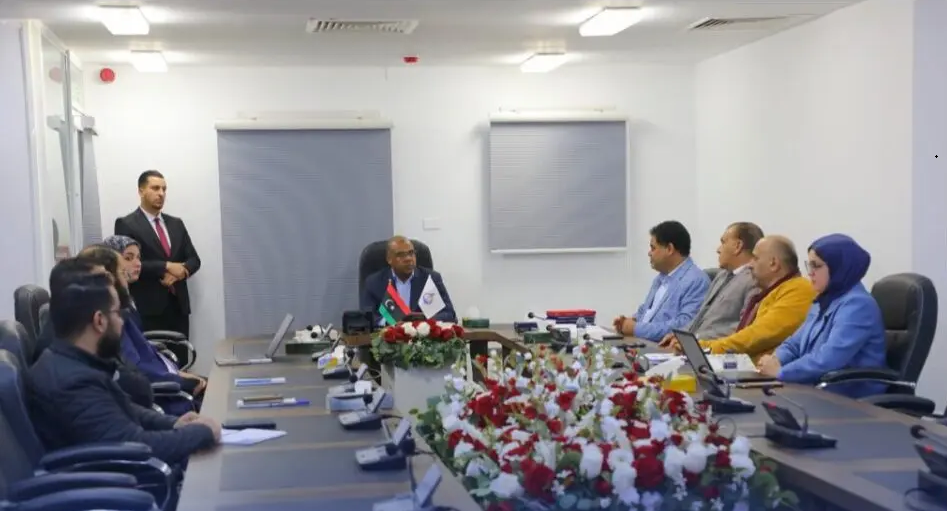
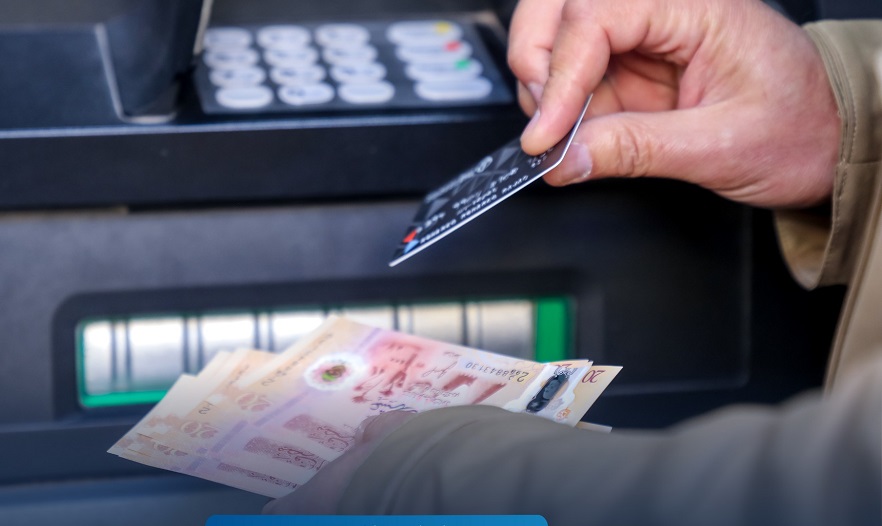
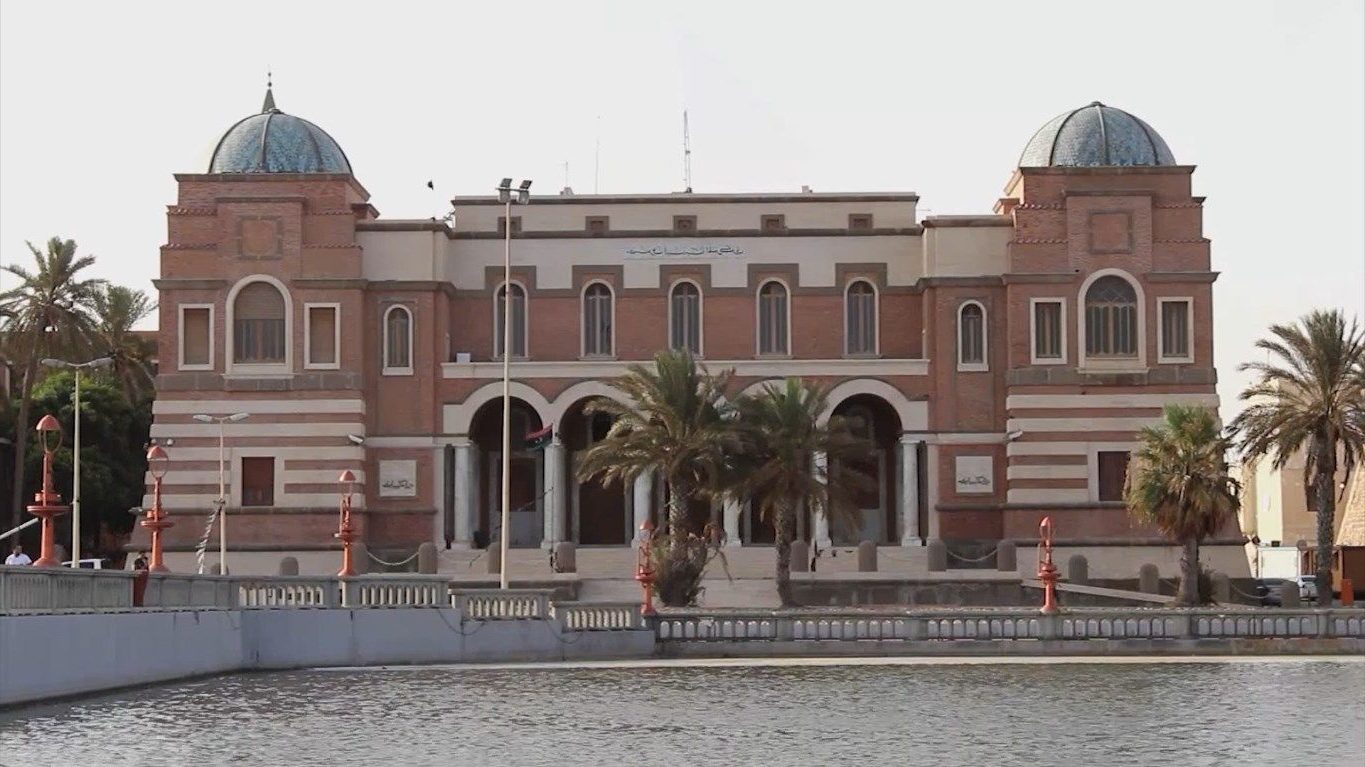
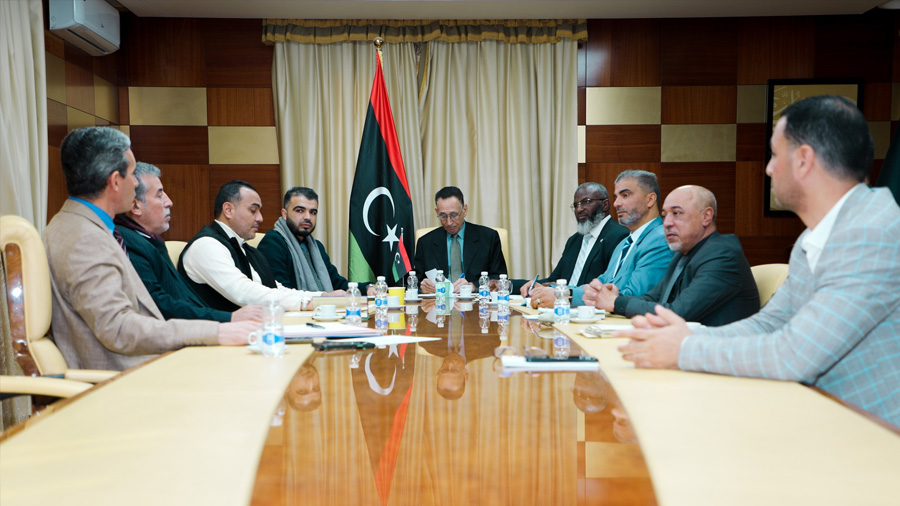
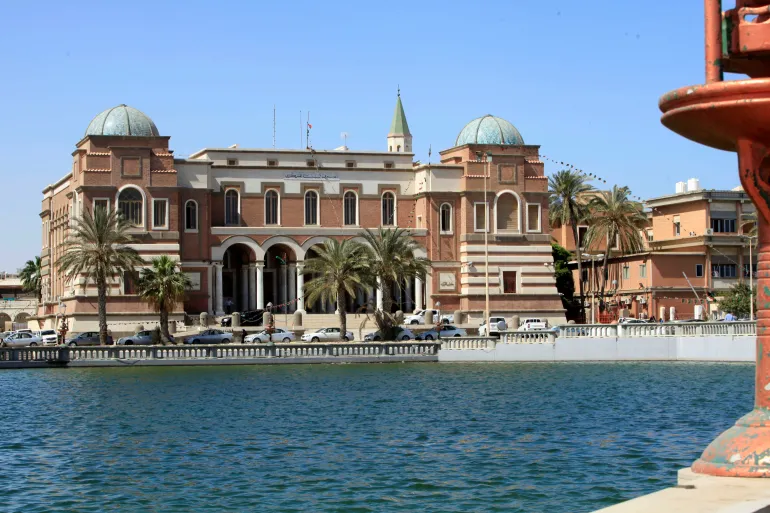
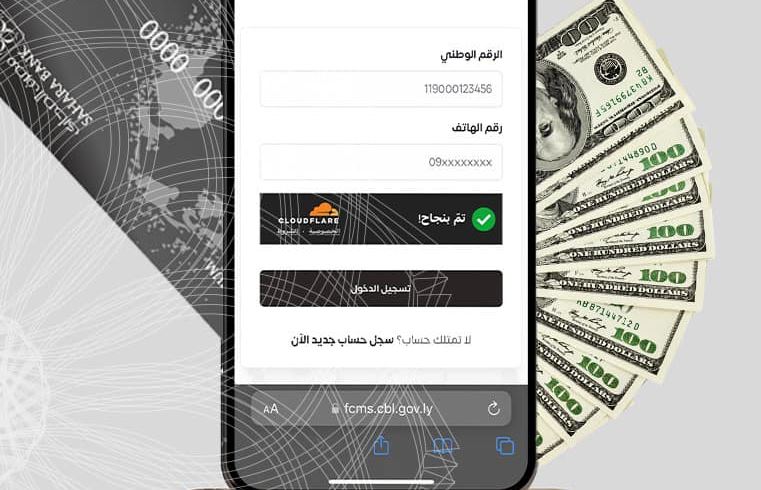
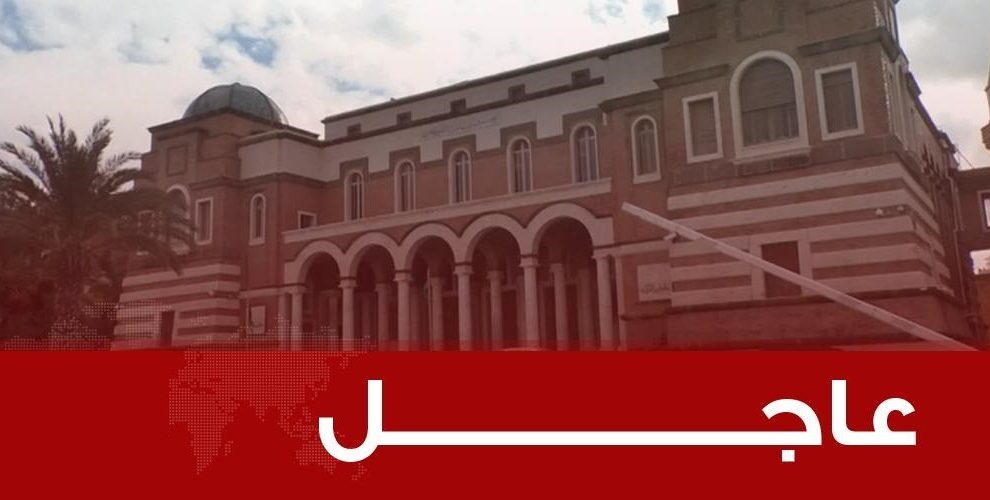
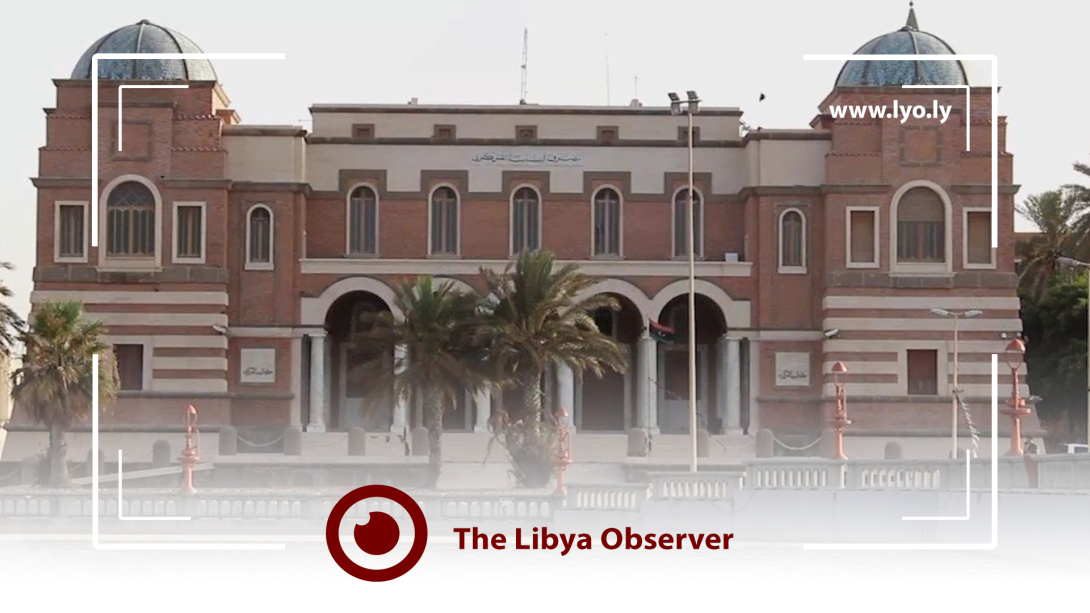
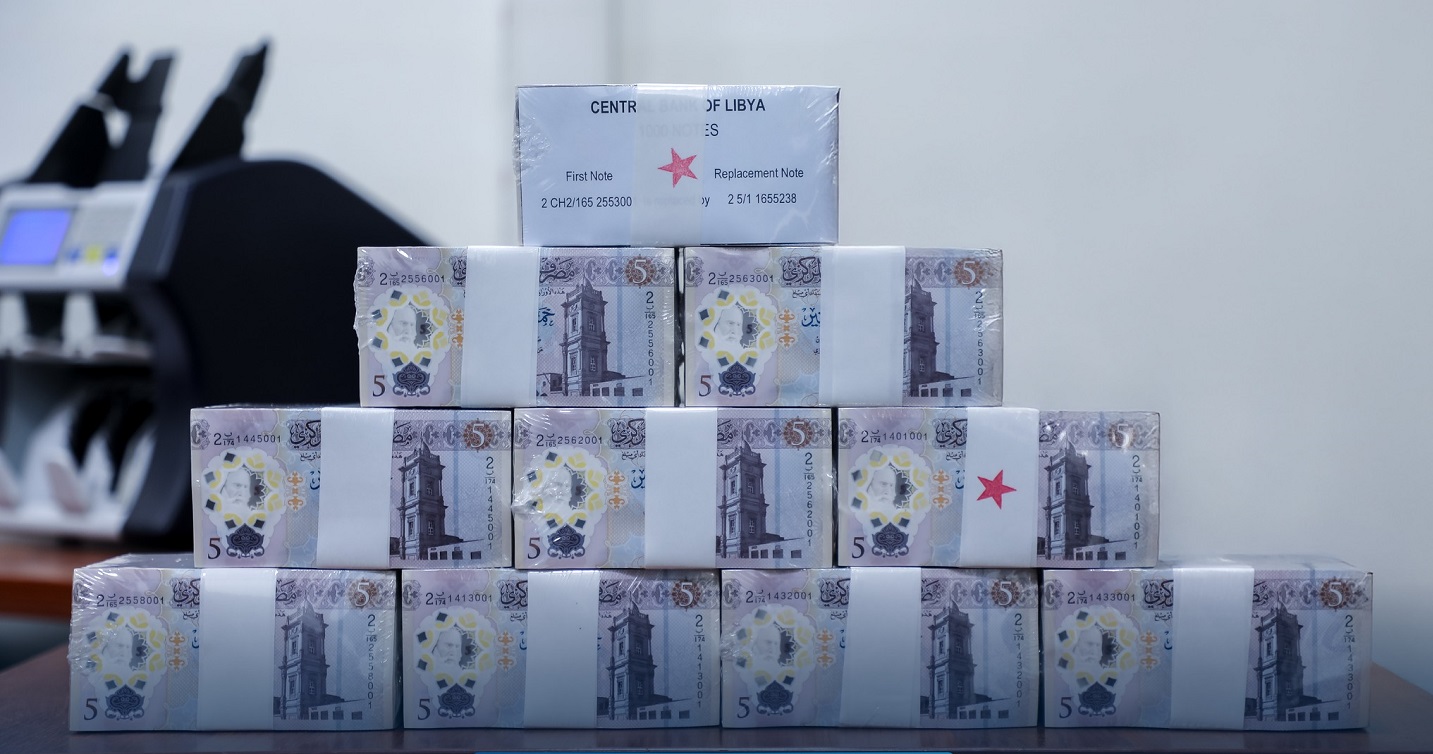
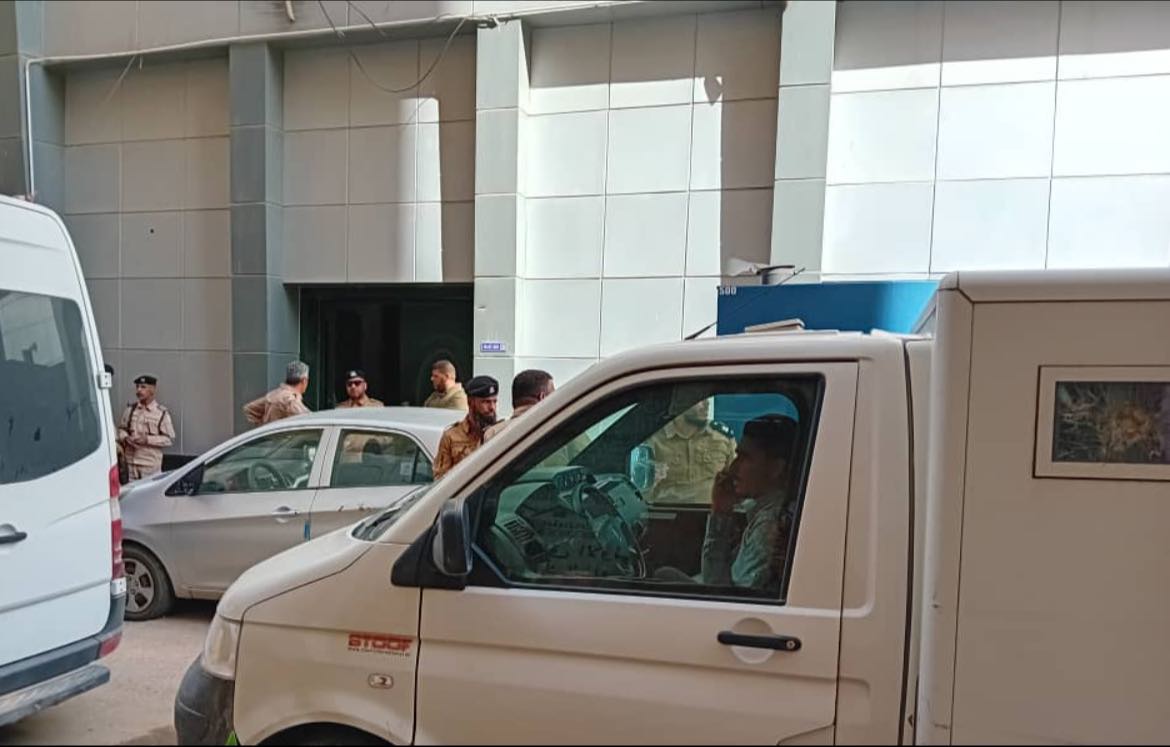
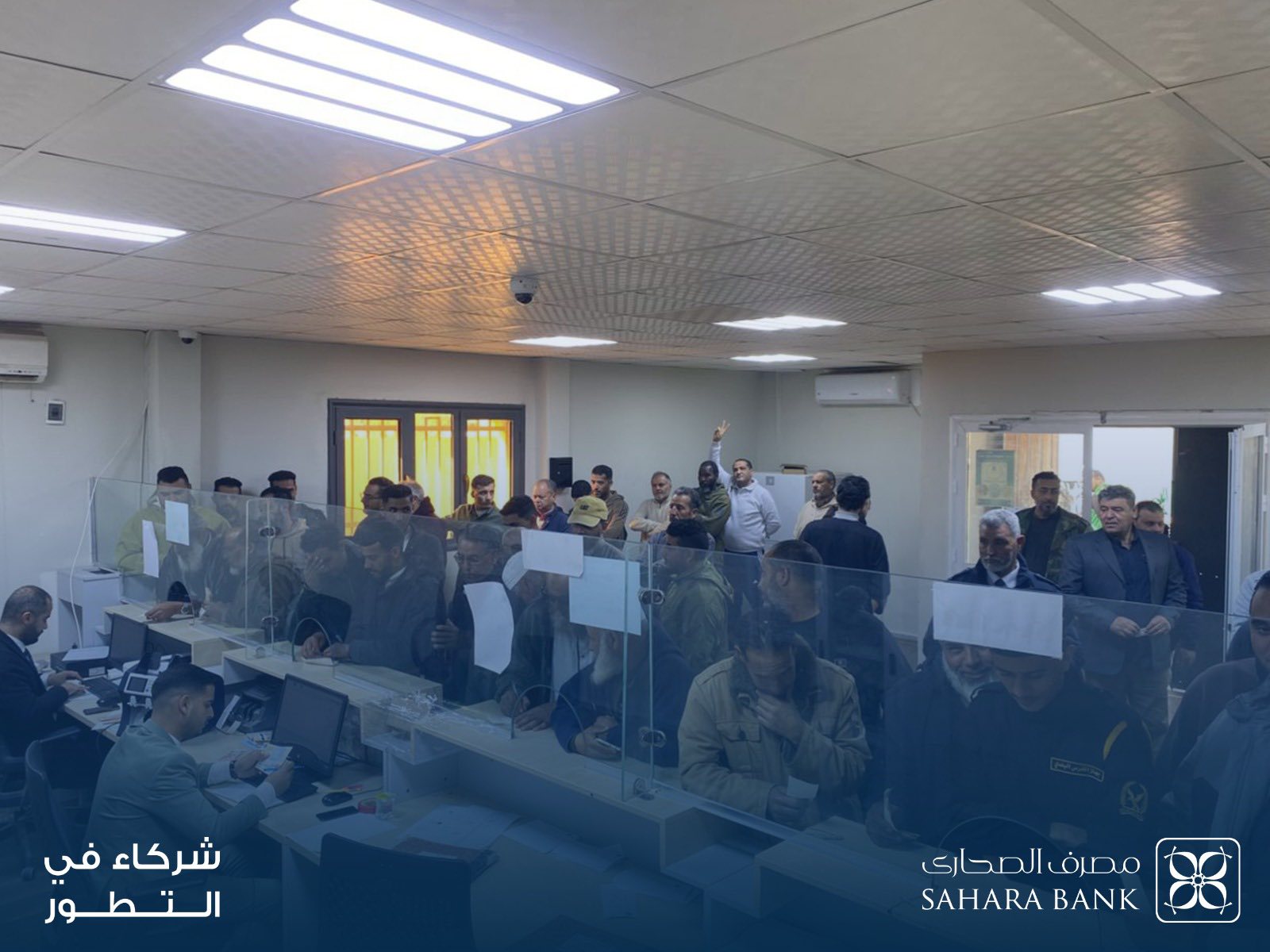
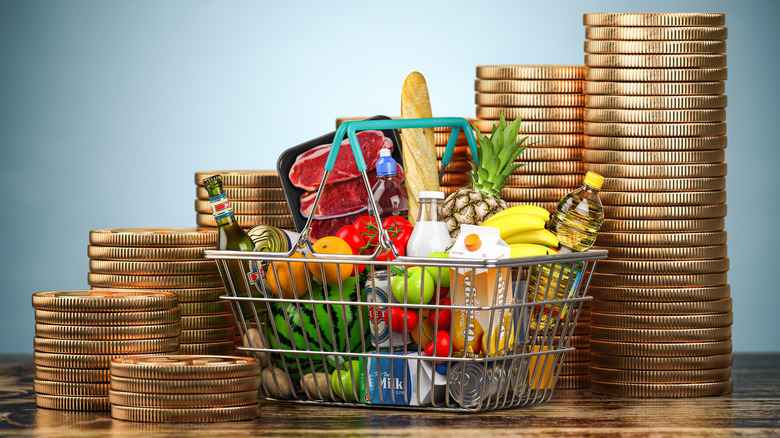
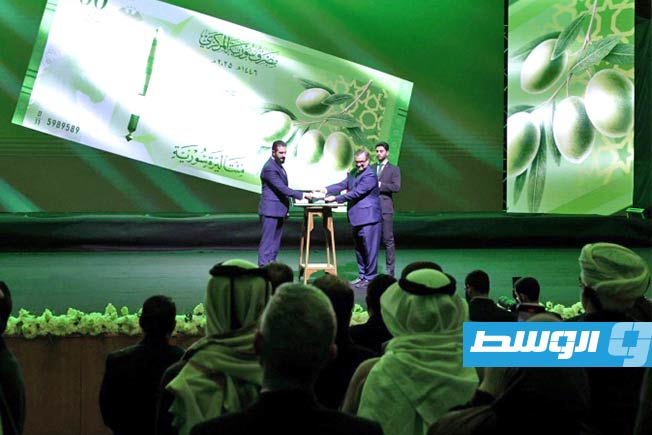
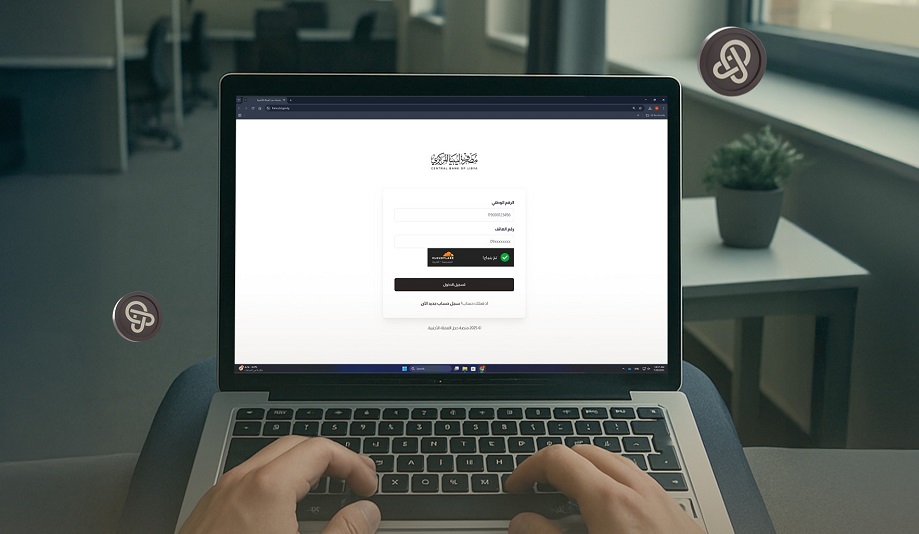
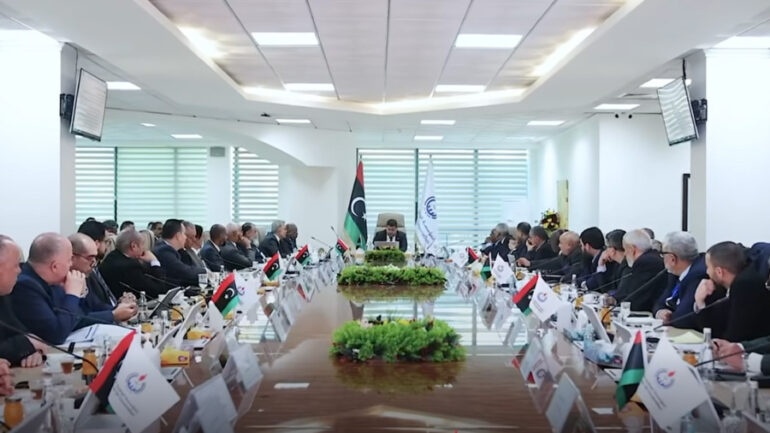
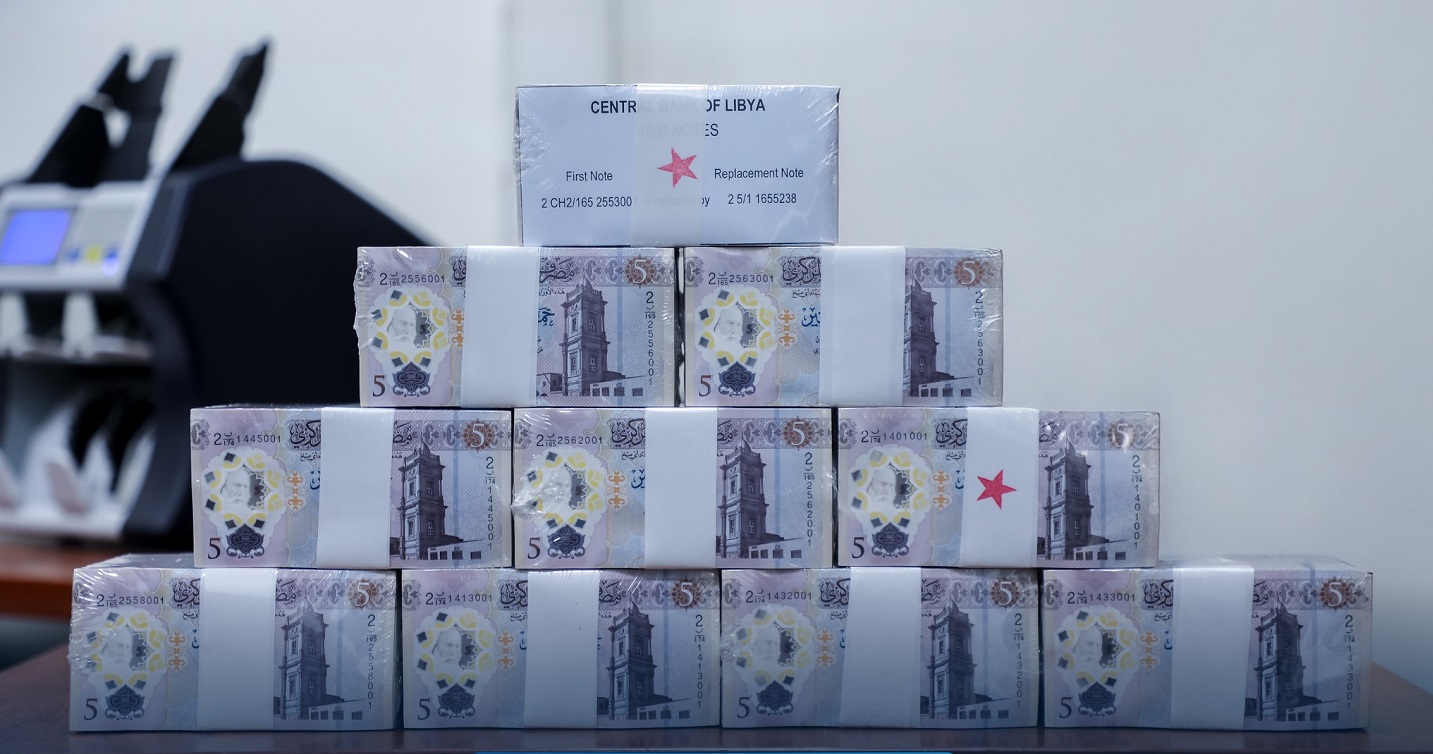
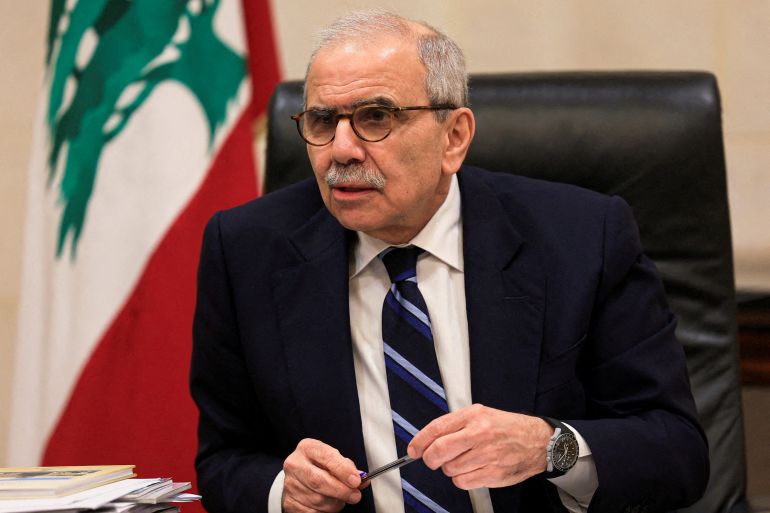
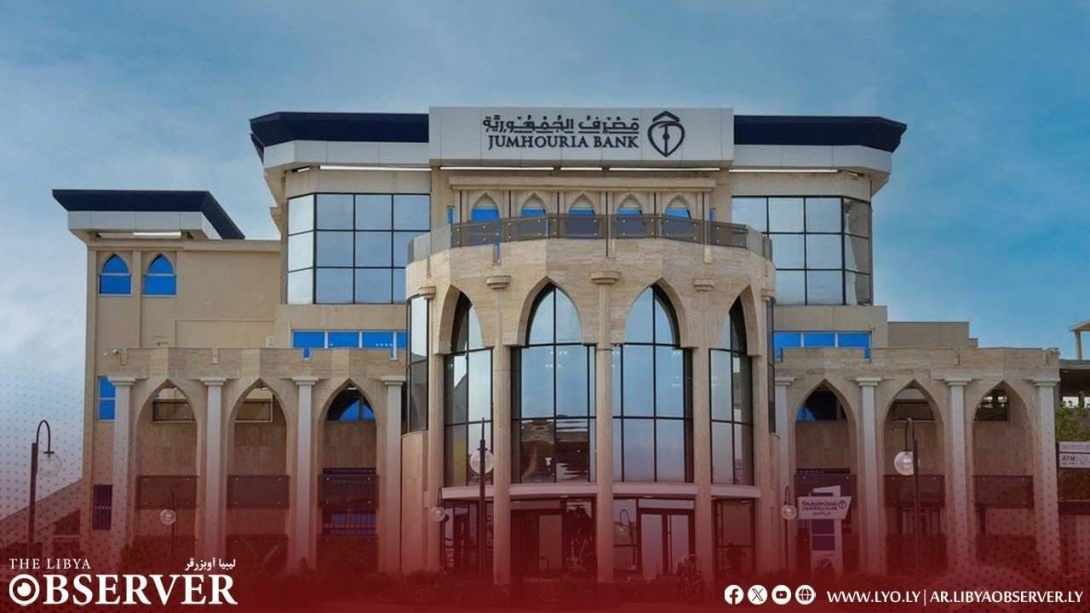
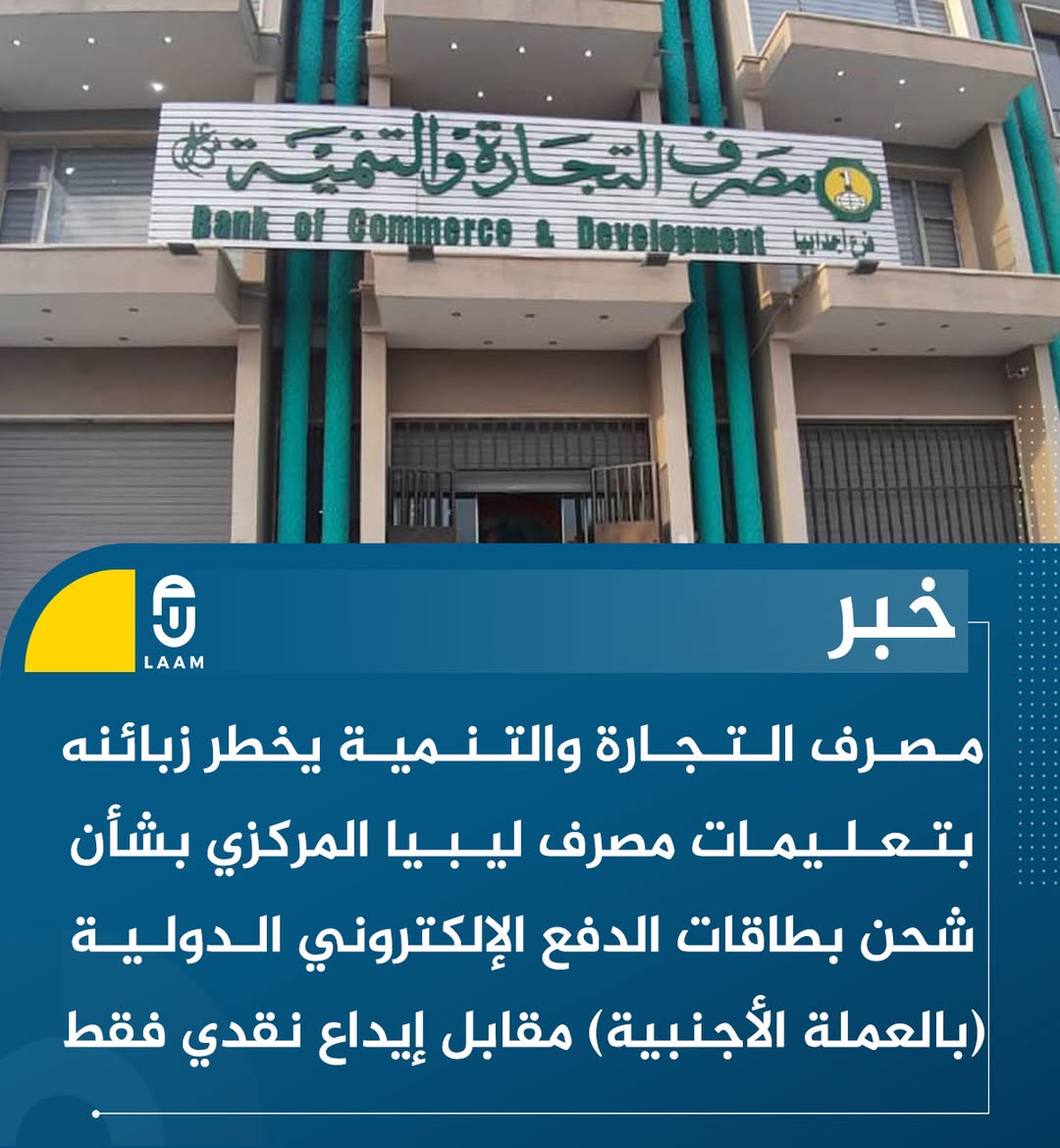
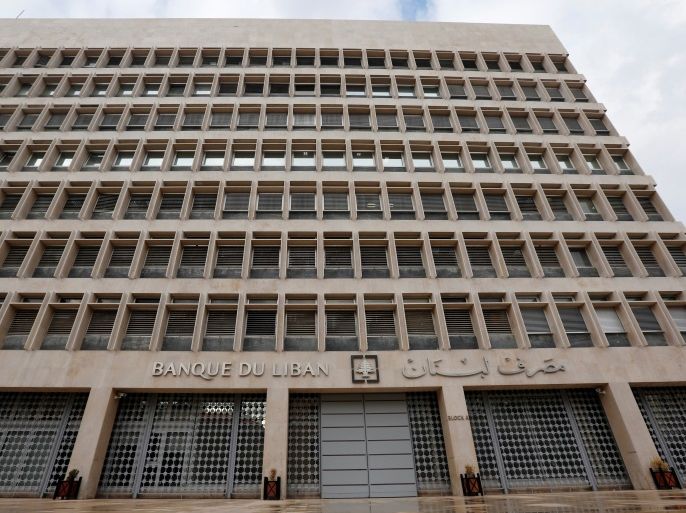
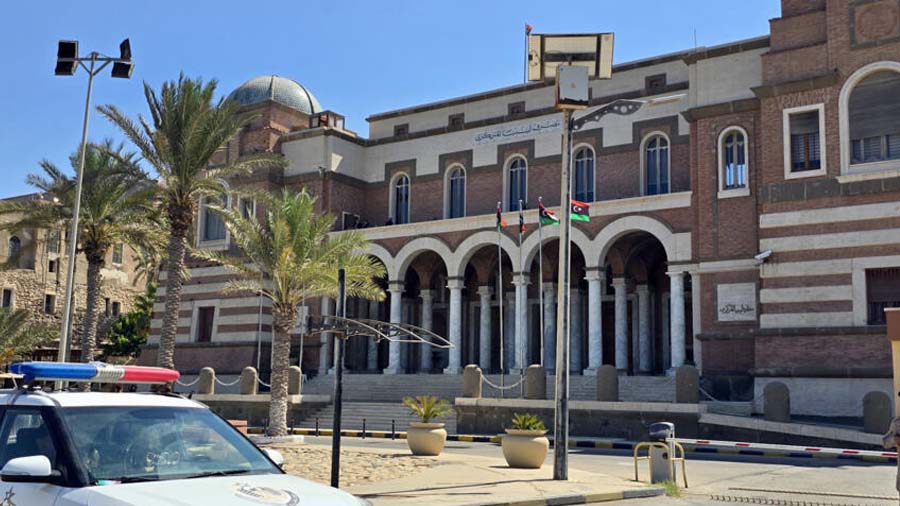
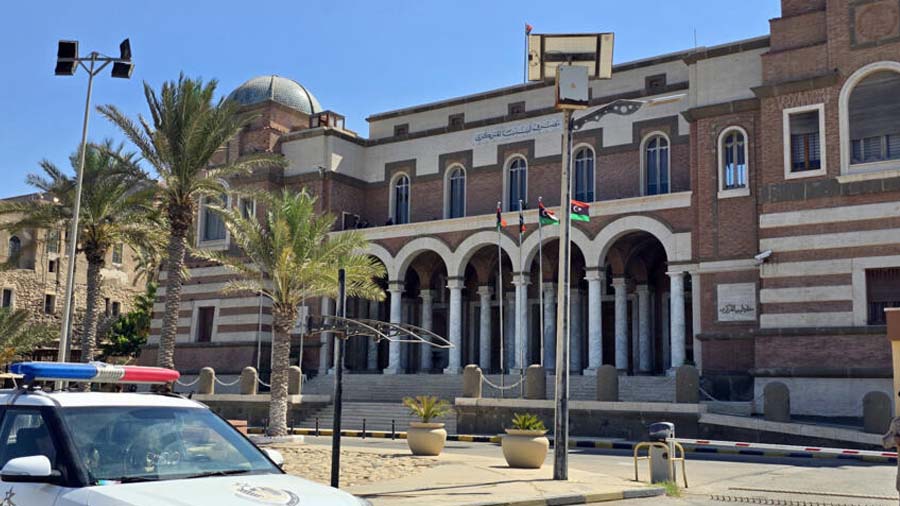
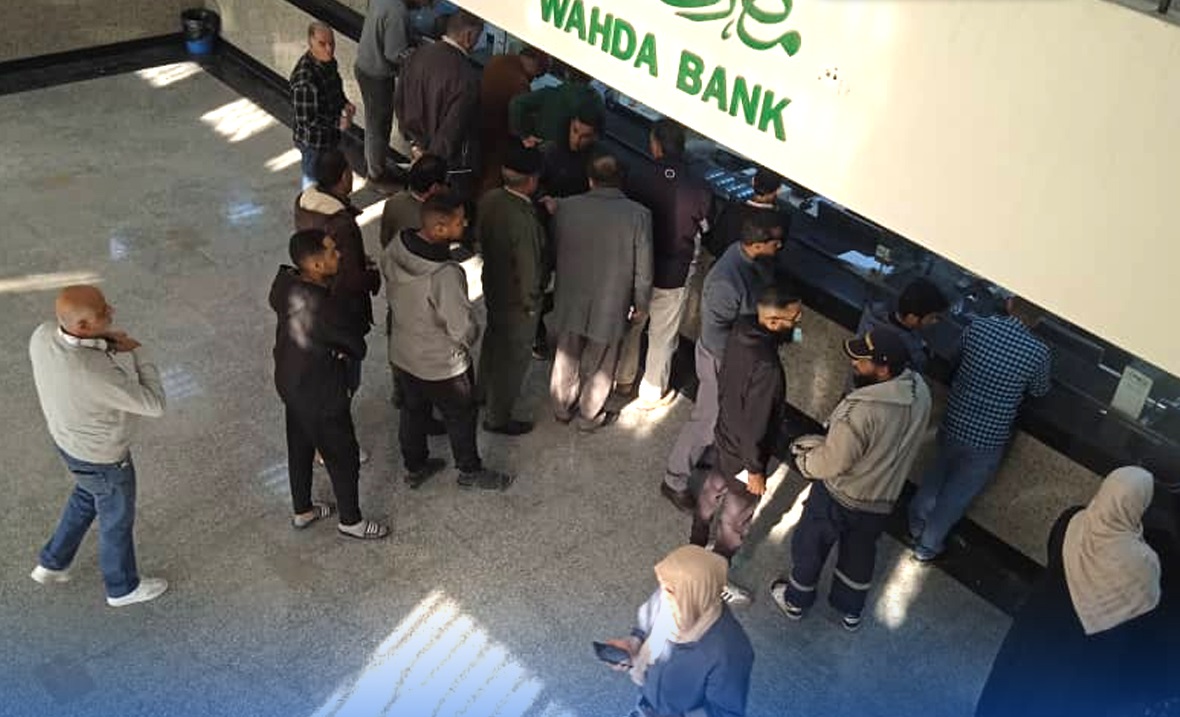
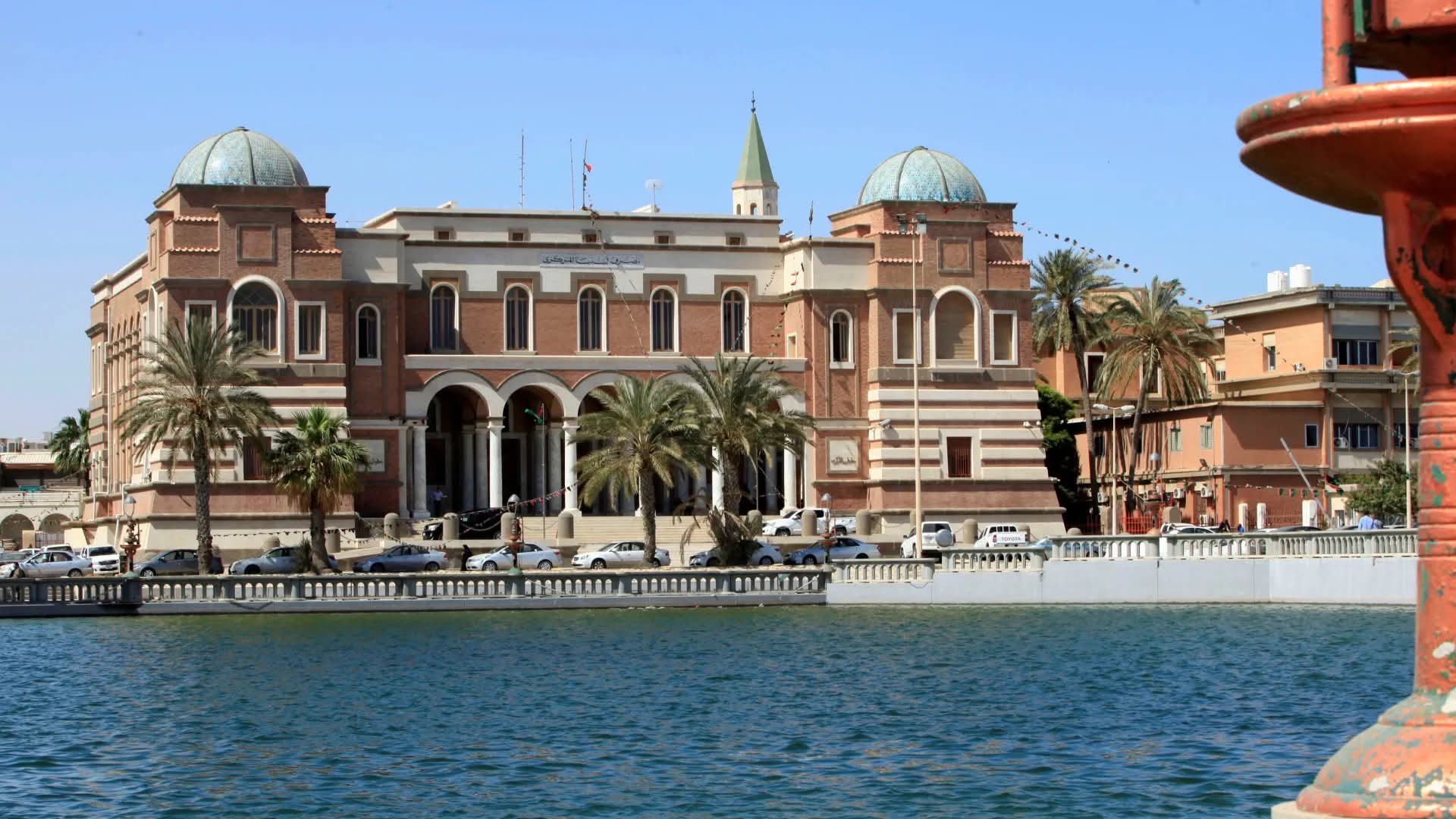
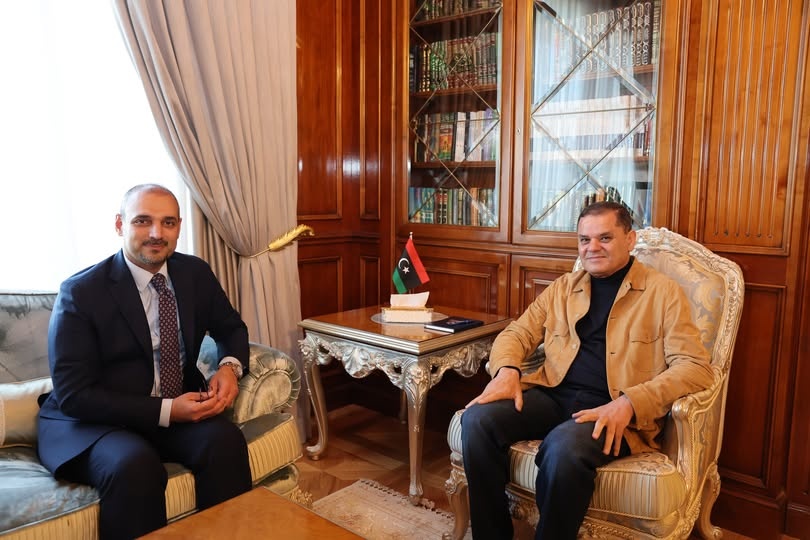
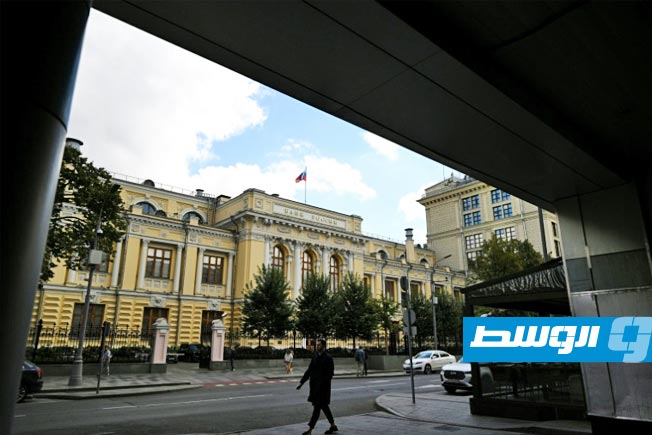
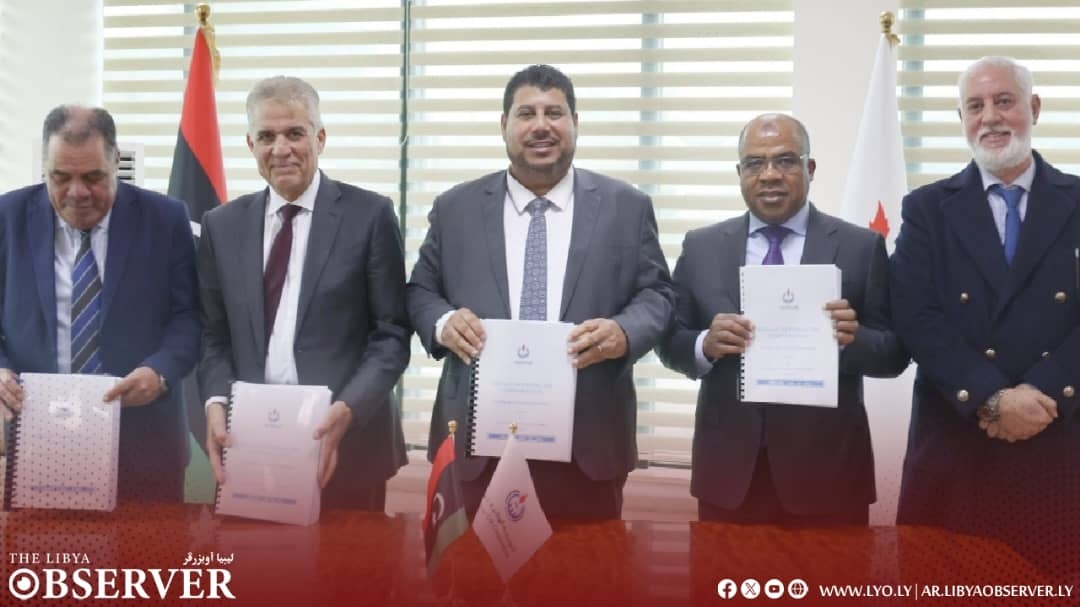
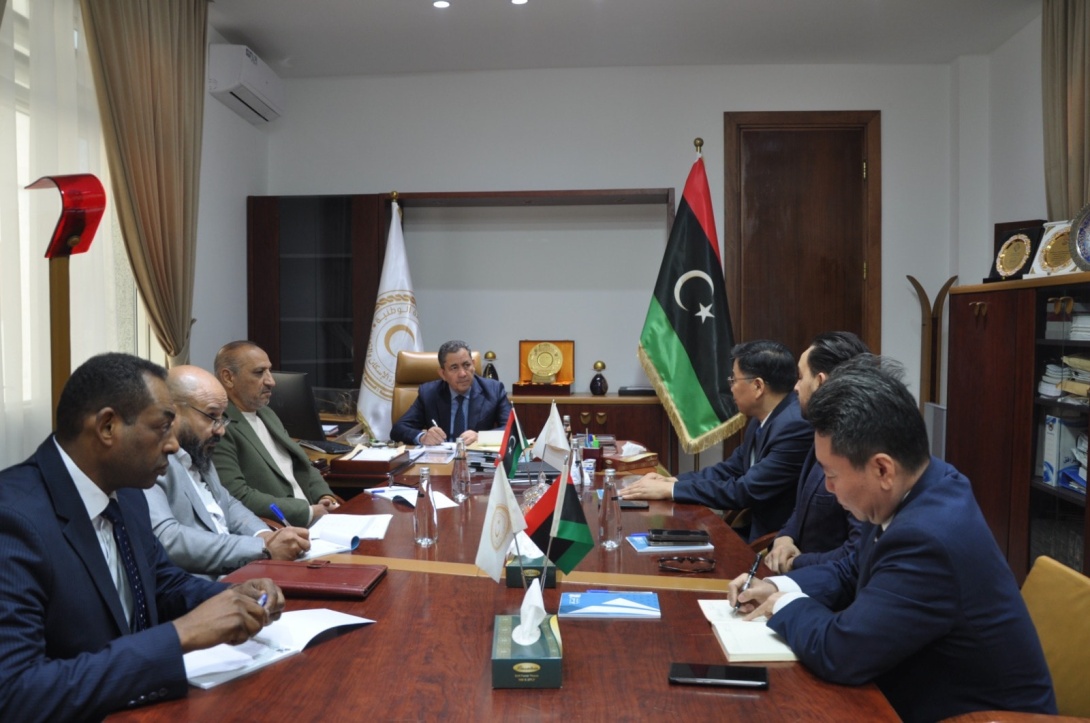
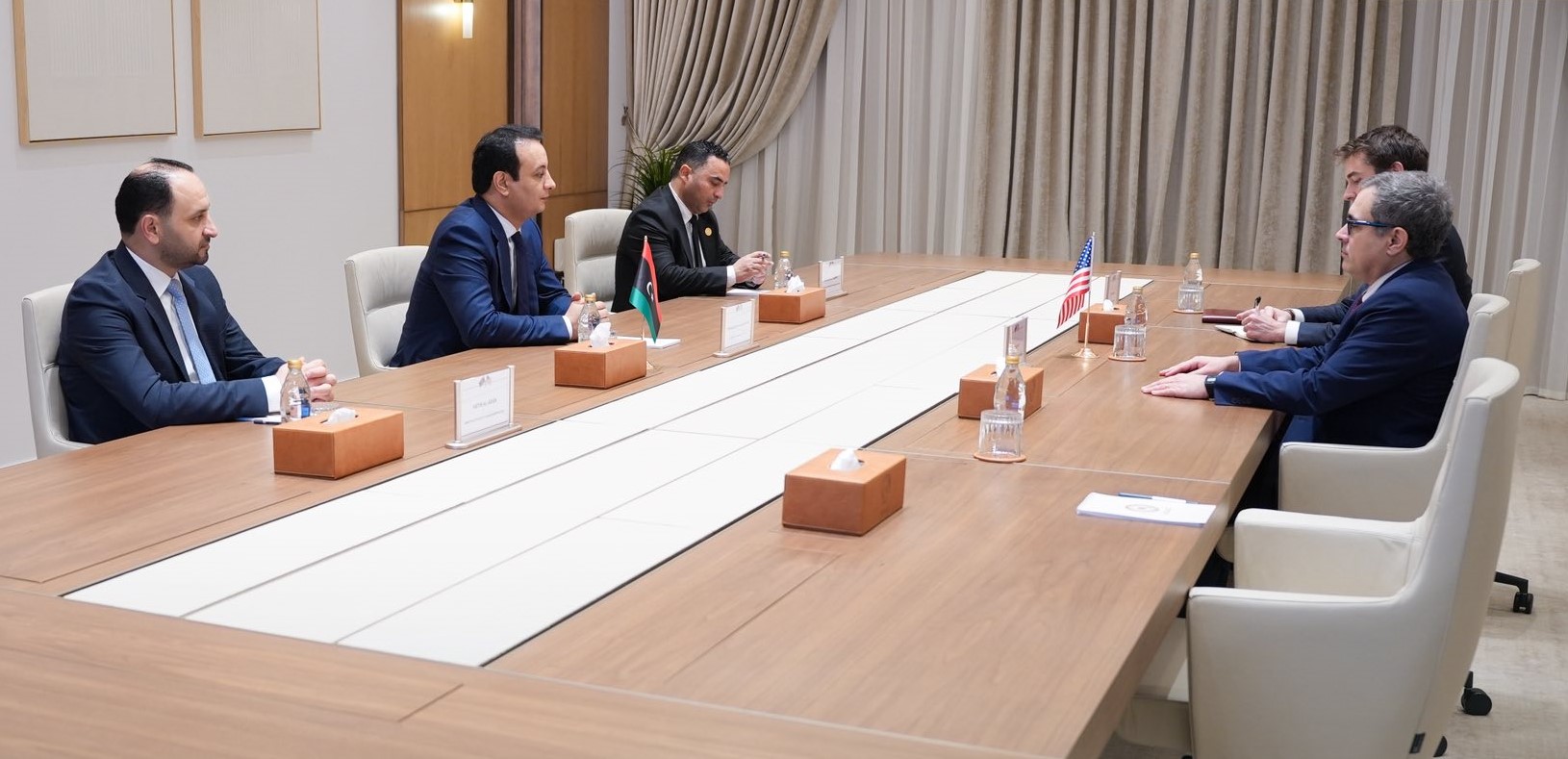
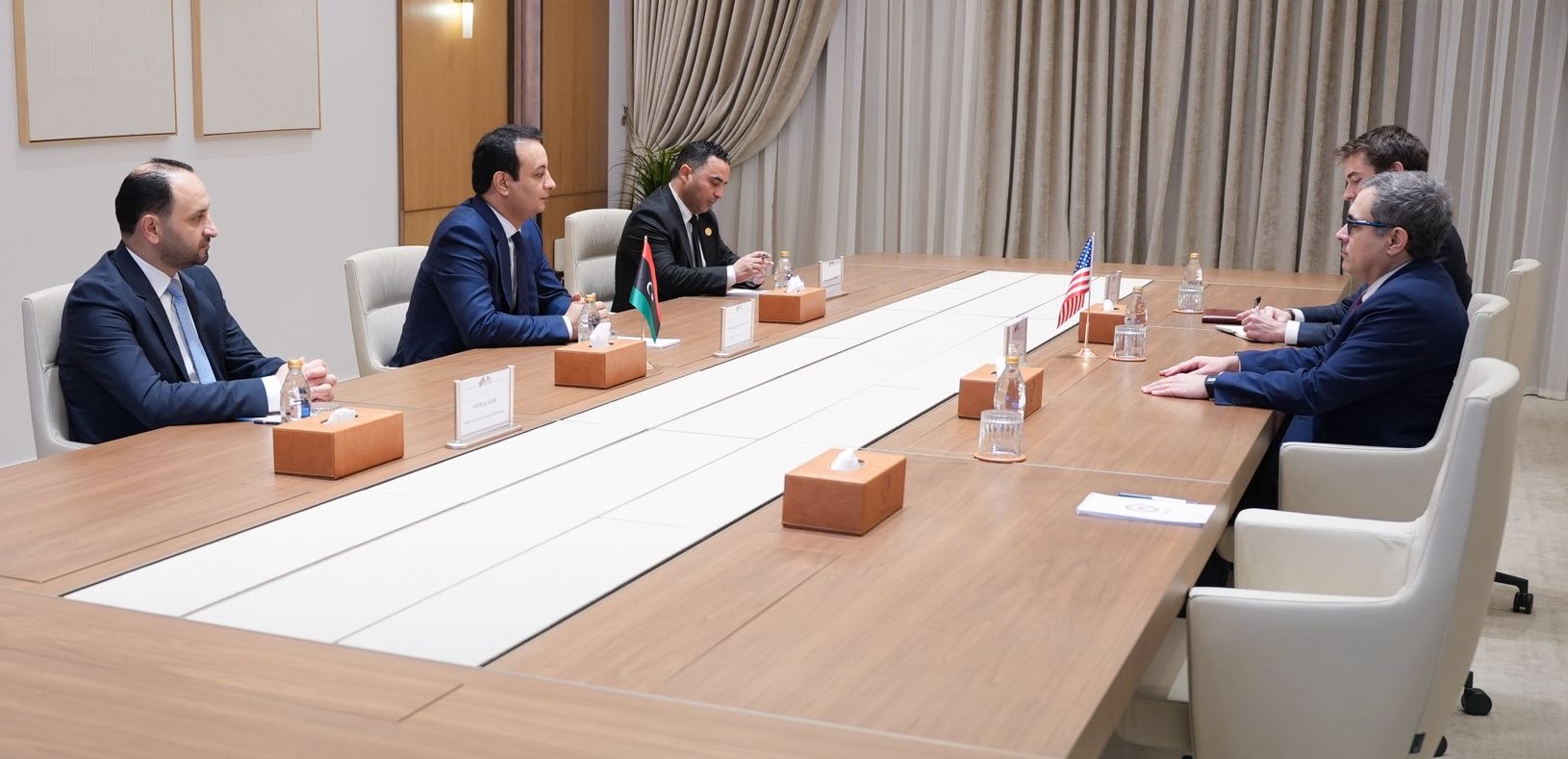
This performance reflects continued pressure on the market despite interventions by the Central Bank of Libya, which has pumped over 2 billion dollars through credits and personal purposes since the beginning of the month, in addition to distributing 4 billion dinars in liquidity to cover bank needs and ensure the provision of basic goods for the first quarter of 2026.
📊 Market Movement Implications:
- The dollar declines relatively but maintains high levels.
- A slight disparity between cities reflects differences in local supply and demand.
- The euro weakens against the dinar, while the sterling achieves clear gains.
- Gold continues to rise as a safe haven amid market volatility.
US dollar
The US dollar is the official currency of the United States, established by the Coinage Act of 1792. It evolved from a system based on Spanish milled dollars and became the world’s primary reserve currency following the Bretton Woods Agreement in 1944.
Libyan dinar
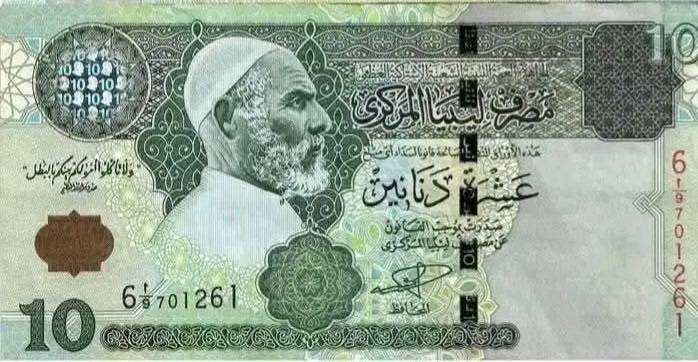
The Libyan dinar is the official currency of Libya, introduced in 1971 to replace the Libyan pound. It was established following the 1969 revolution that brought Muammar Gaddafi to power, marking a shift in the country’s economic identity.
Tripoli
Tripoli is the capital and largest city of Libya, located on the country’s Mediterranean coast. Historically, it was founded by the Phoenicians in the 7th century BC and has since been ruled by the Romans, Arabs, Ottomans, and Italians, serving as a major port and cultural crossroads. Its historic center, the medina, features well-preserved architecture from these various eras.
Zliten
Zliten is a coastal city in northwestern Libya, historically known for its Roman and Ottoman-era influences. It is particularly recognized for the Zliten Mosaic, a well-preserved Roman floor mosaic from the 2nd century AD discovered in a villa, depicting scenes of daily life and mythology. The city also holds cultural significance as the site of the Zawiyet El-Mahjoub, a traditional Islamic educational institution.
Benghazi
Benghazi is a major city in eastern Libya, historically significant as a center of trade and culture since its founding as the Greek colony of Euesperides. It played a pivotal role in the 2011 Libyan Civil War as a key base for the uprising against Muammar Gaddafi.
Ajdabiya
Ajdabiya is a city in northeastern Libya, historically significant as a major crossroads for trans-Saharan trade routes and later as a key site during the 2011 Libyan Civil War. Its strategic location has made it a contested area in various conflicts throughout Libya’s modern history.
euro
The Euro is the official currency of the Eurozone, which consists of 20 of the 27 member states of the European Union. It was introduced in non-physical form in 1999 and as physical banknotes and coins in 2002, with the goal of fostering economic integration and stability across Europe. Its creation was a major milestone in the history of the European Union, representing a significant political and economic union.
British pound
The British pound, officially known as pound sterling, is the world’s oldest currency still in use, with origins tracing back over 1,200 years to Anglo-Saxon times. It was historically a unit of weight for silver, and its symbol (£) derives from the Latin word *libra*, meaning a unit of weight.
gold
Gold is not a specific place or cultural site, but a precious metal that has been mined and treasured by civilizations worldwide for thousands of years. Historically, its rarity and lustre have made it a universal symbol of wealth, power, and divinity, driving exploration, trade, and economic systems like the gold standard.
Turkey
Turkey is a transcontinental nation straddling Eastern Europe and Western Asia, with a rich history as the heartland of the Byzantine and Ottoman Empires. Its cultural landscape is defined by iconic sites like the Hagia Sophia in Istanbul, which has served as a cathedral, mosque, and museum over the centuries. The modern Republic of Turkey was founded in 1923 by Mustafa Kemal Atatürk, establishing a secular state from the remnants of the Ottoman Empire.
Dubai
Dubai is a major global city and emirate in the United Arab Emirates, historically known as a small fishing and pearling village. Its modern transformation began with the discovery of oil in the 1960s, but it is now most famous for its ambitious architecture, luxury shopping, and tourism, having diversified its economy away from hydrocarbons. Landmarks like the Burj Khalifa and Palm Jumeirah symbolize its rapid development into a leading business and travel hub.
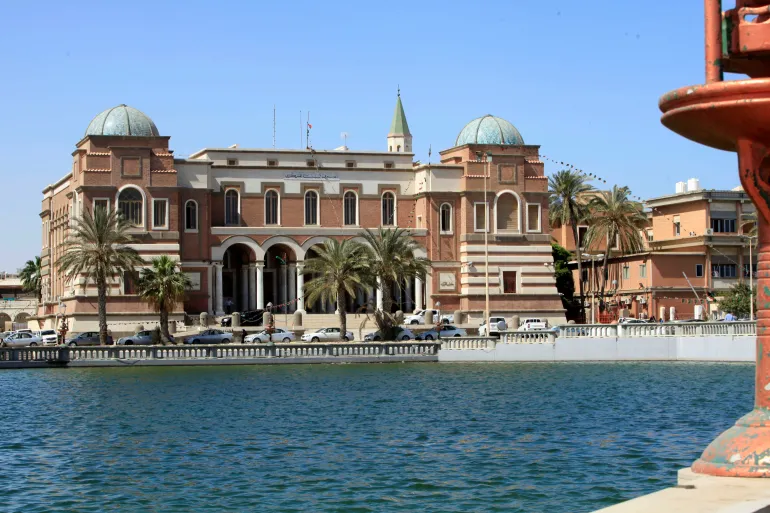
Central Bank of Libya
The Central Bank of Libya is the country’s primary monetary authority, established in 1956 to issue currency and manage monetary policy. It has played a critical and often divisive role in Libya’s recent history, notably functioning as a unified financial institution during the post-2011 civil war period despite the country’s political fragmentation.