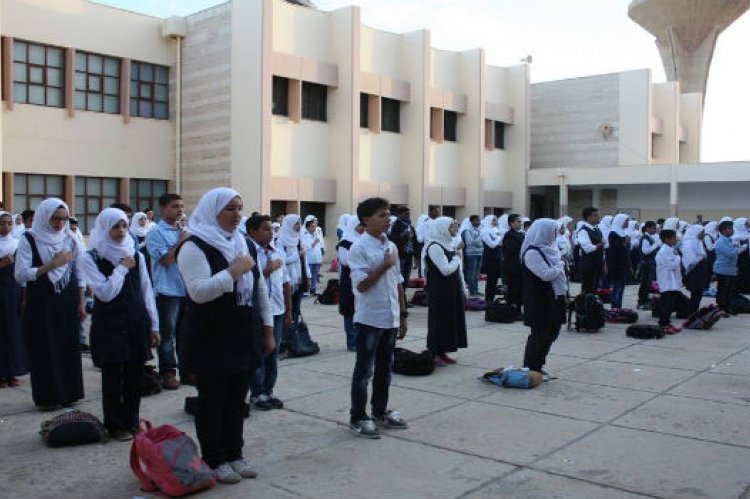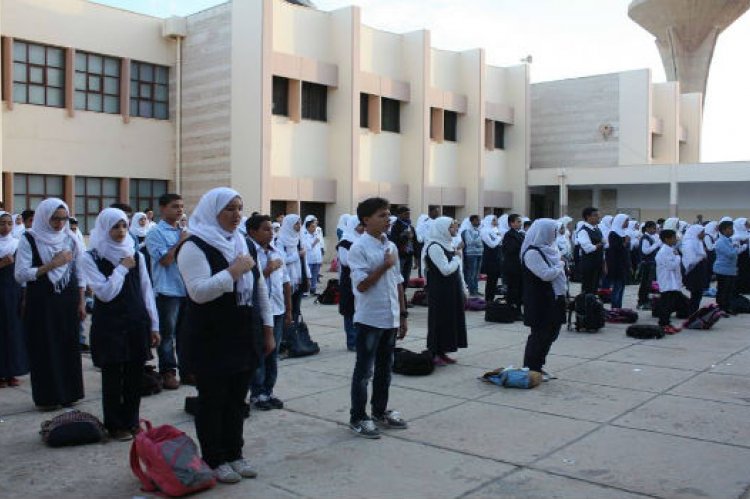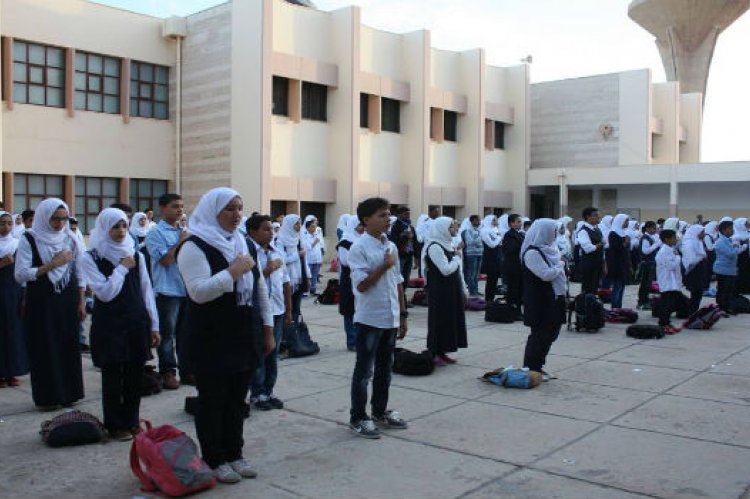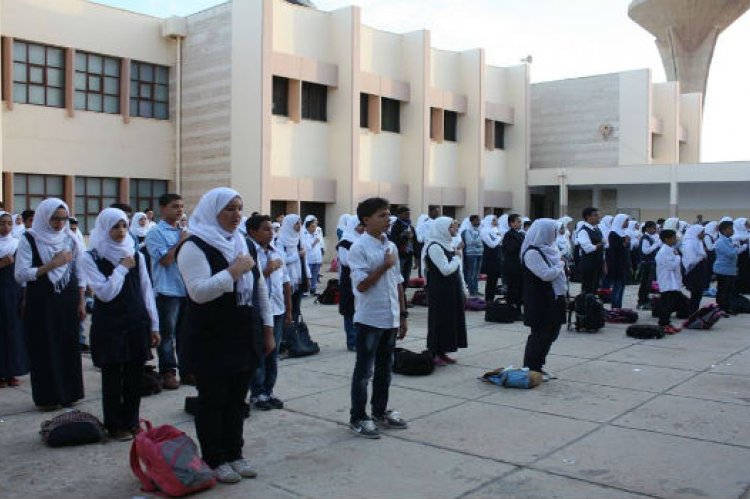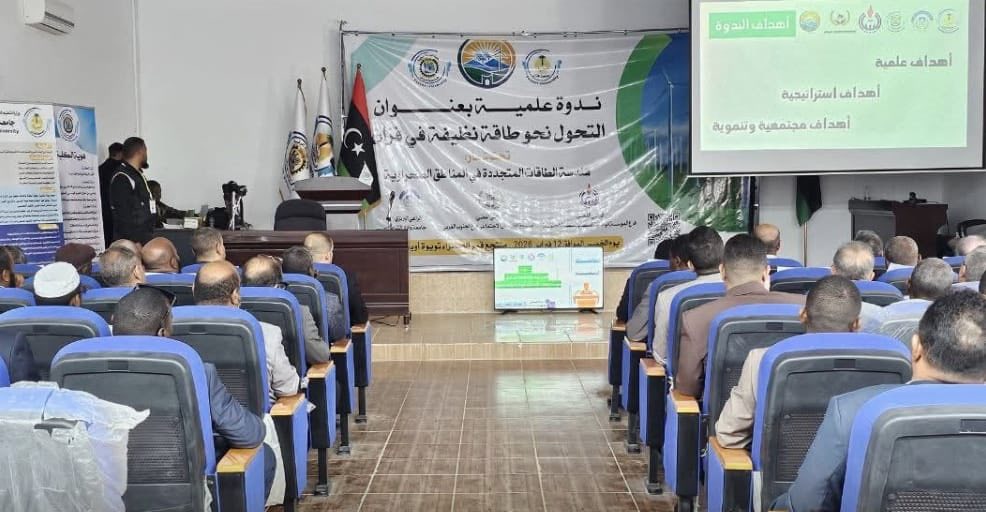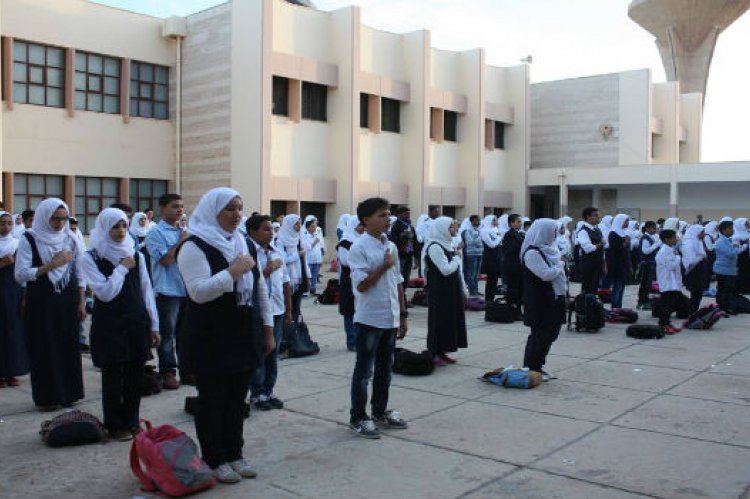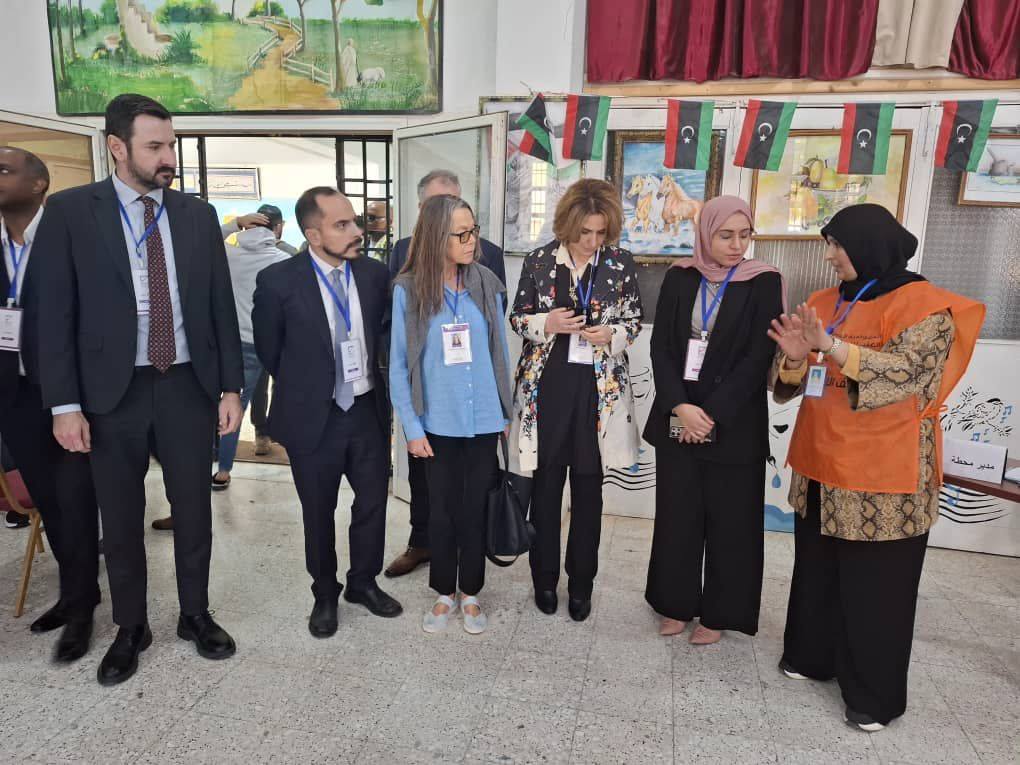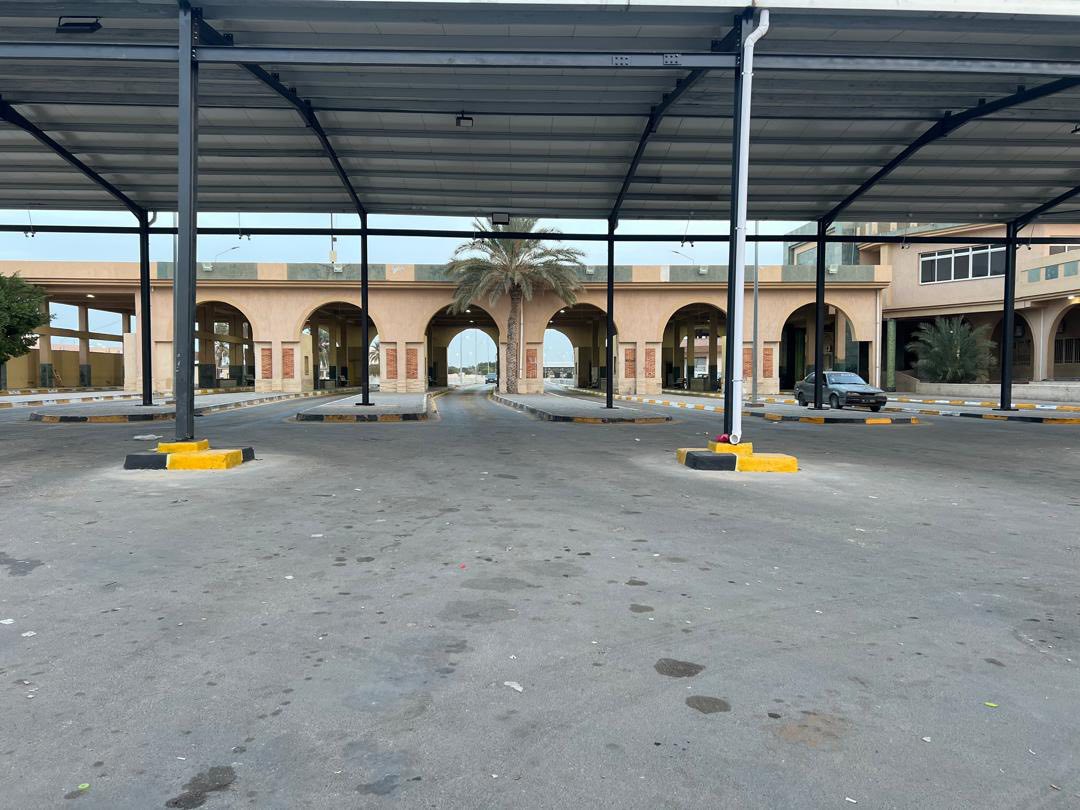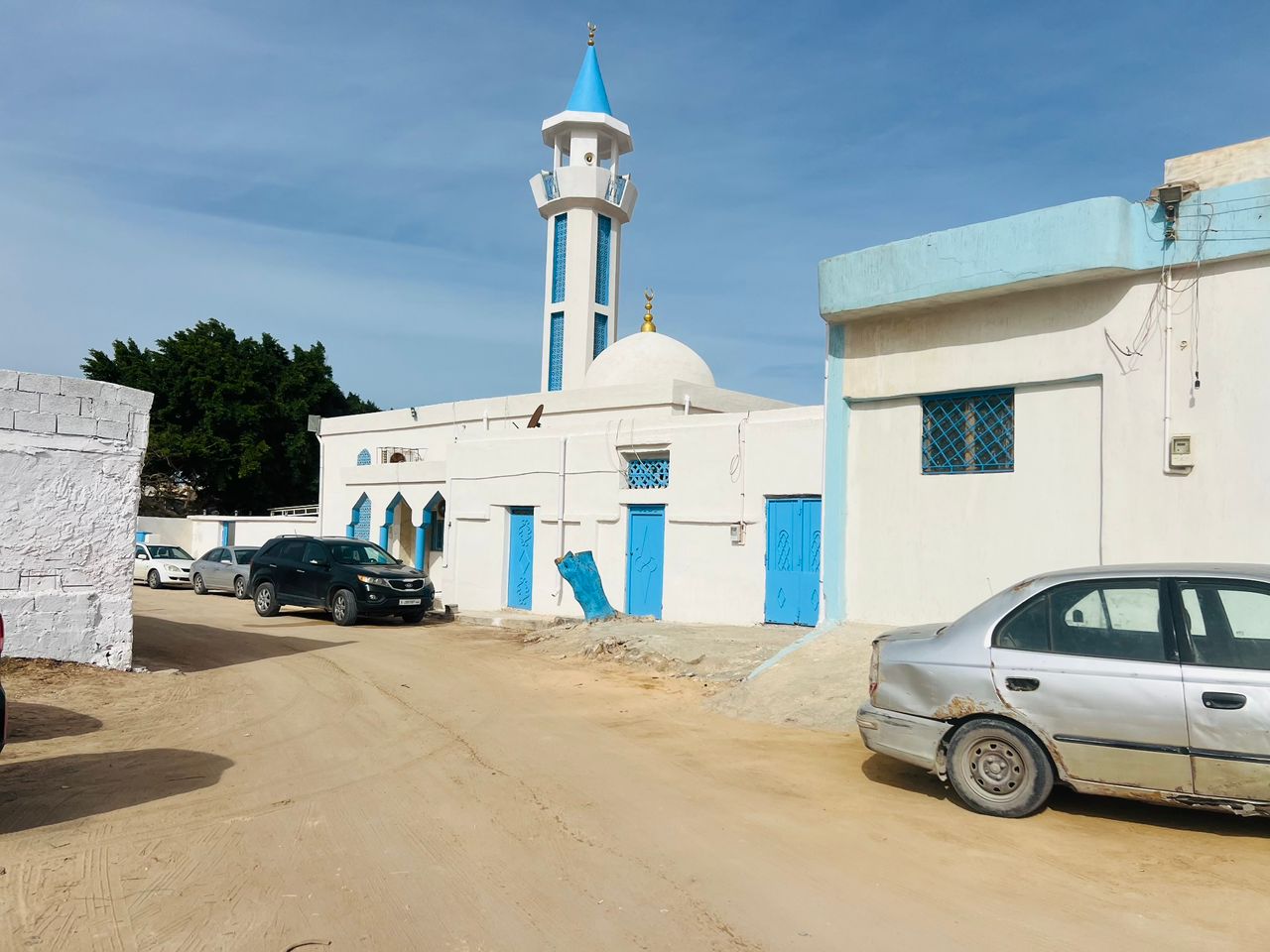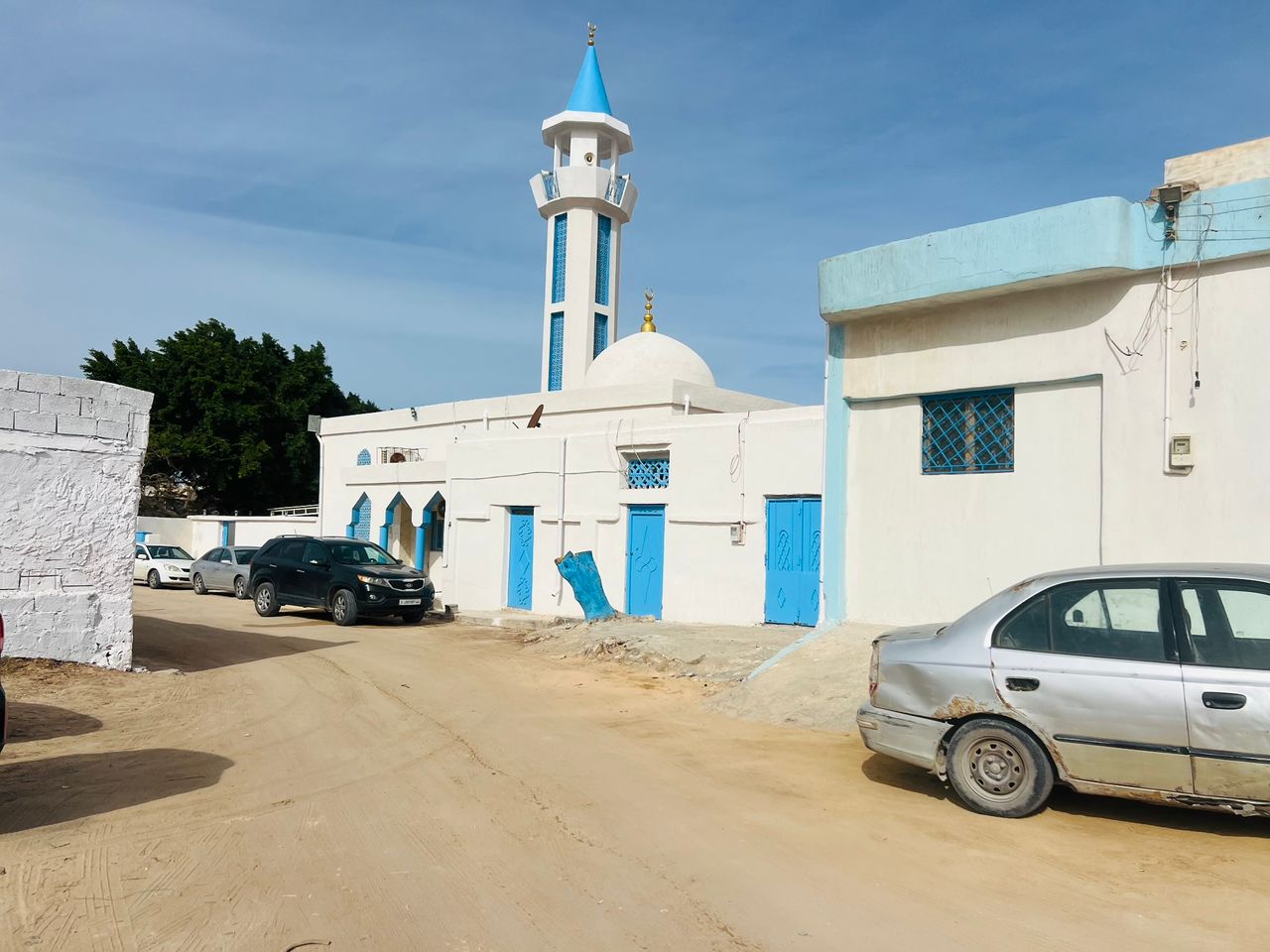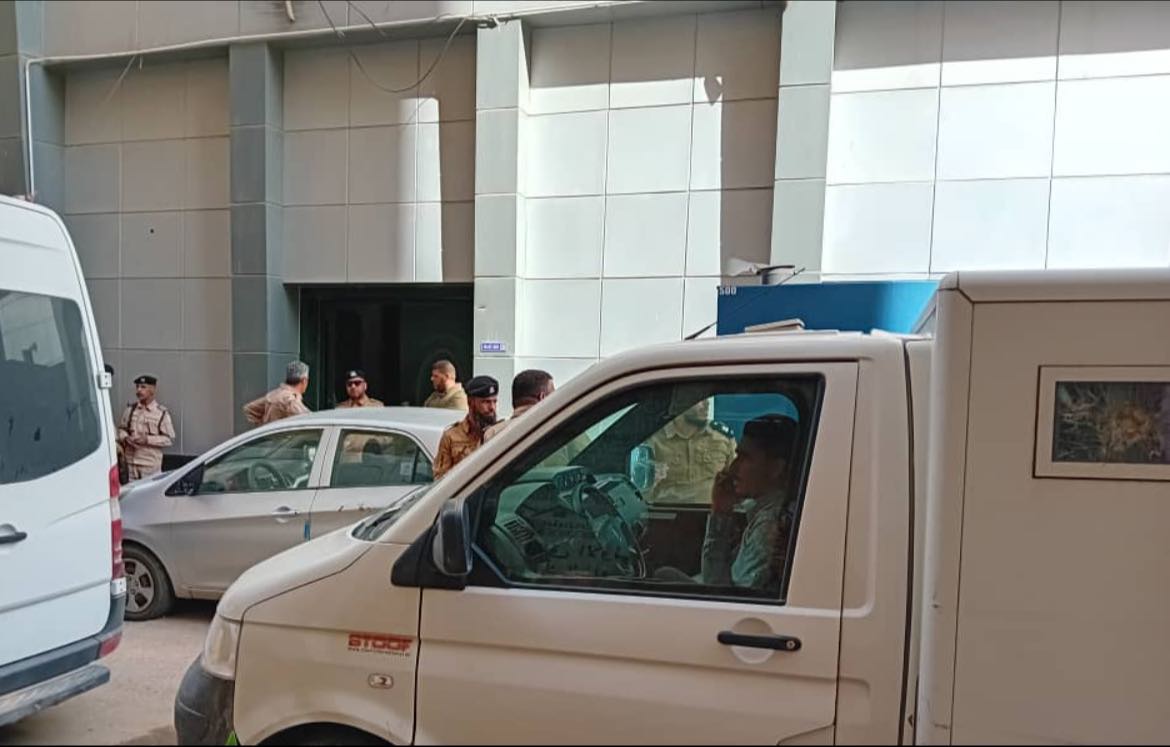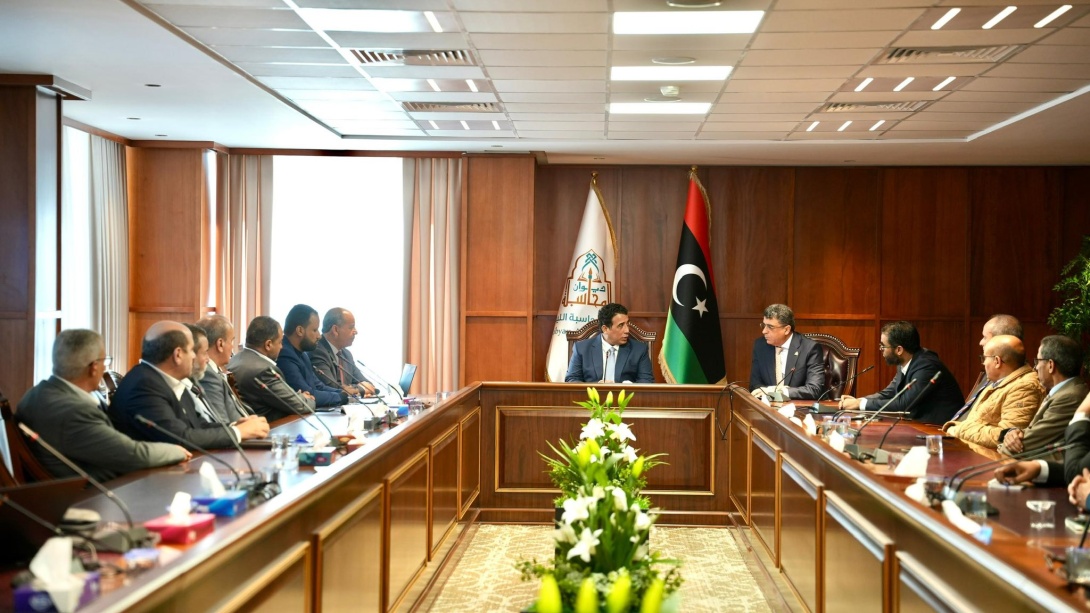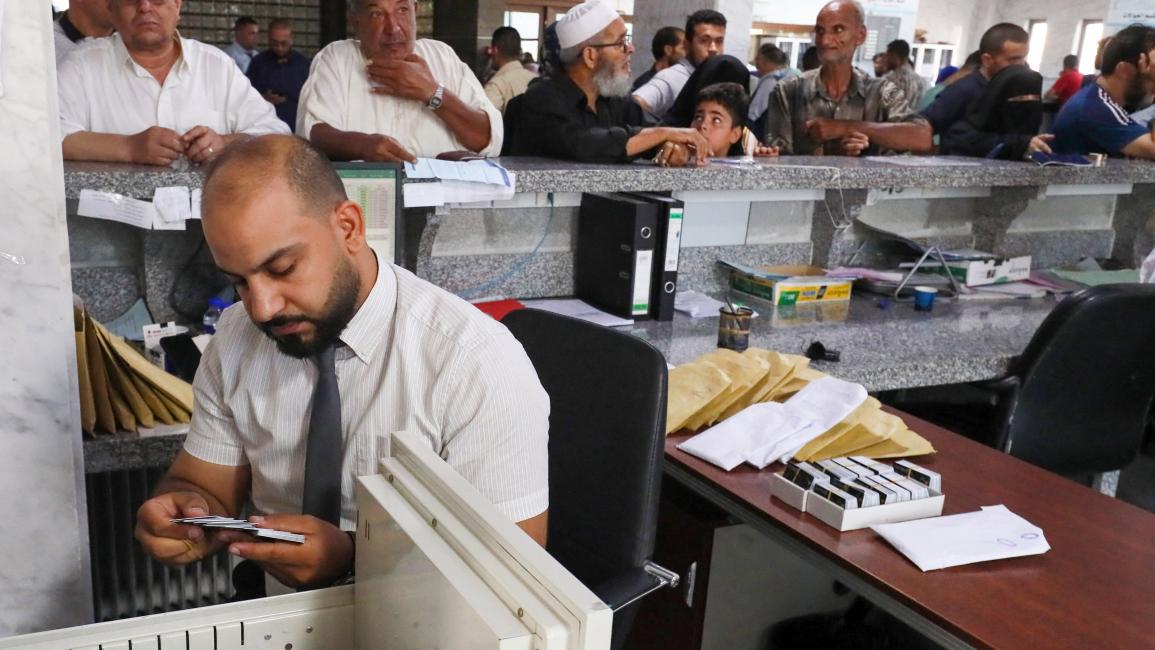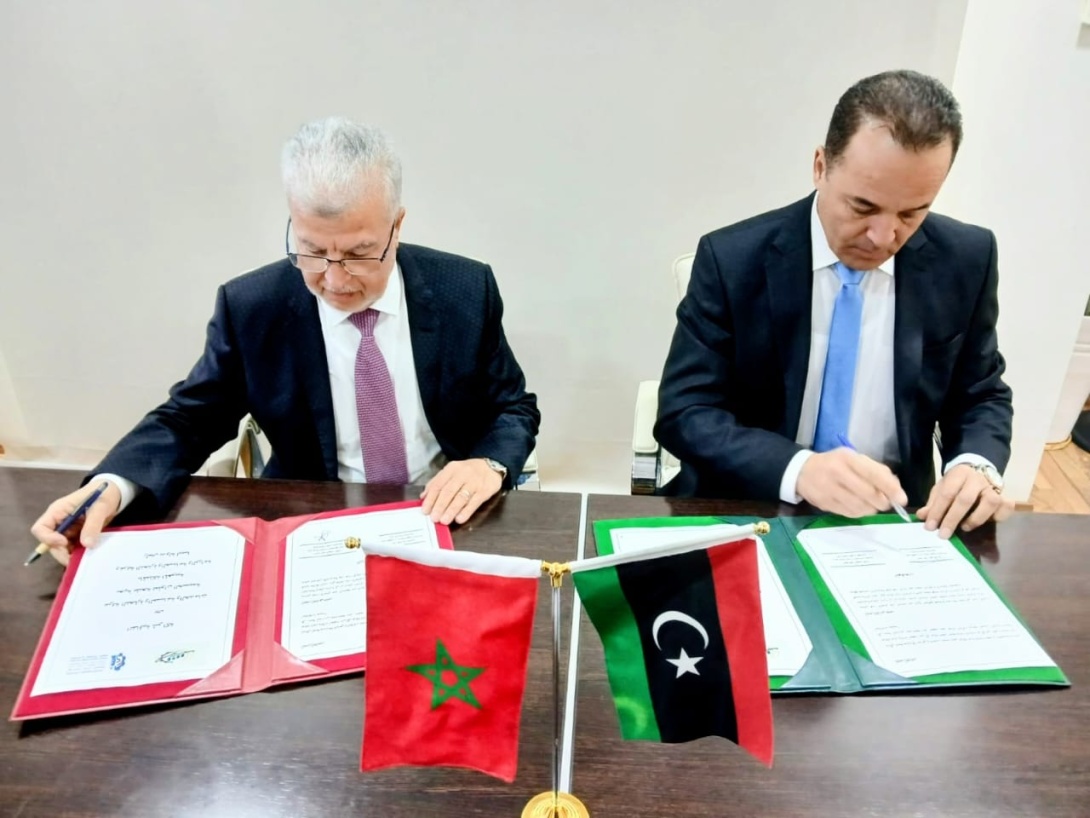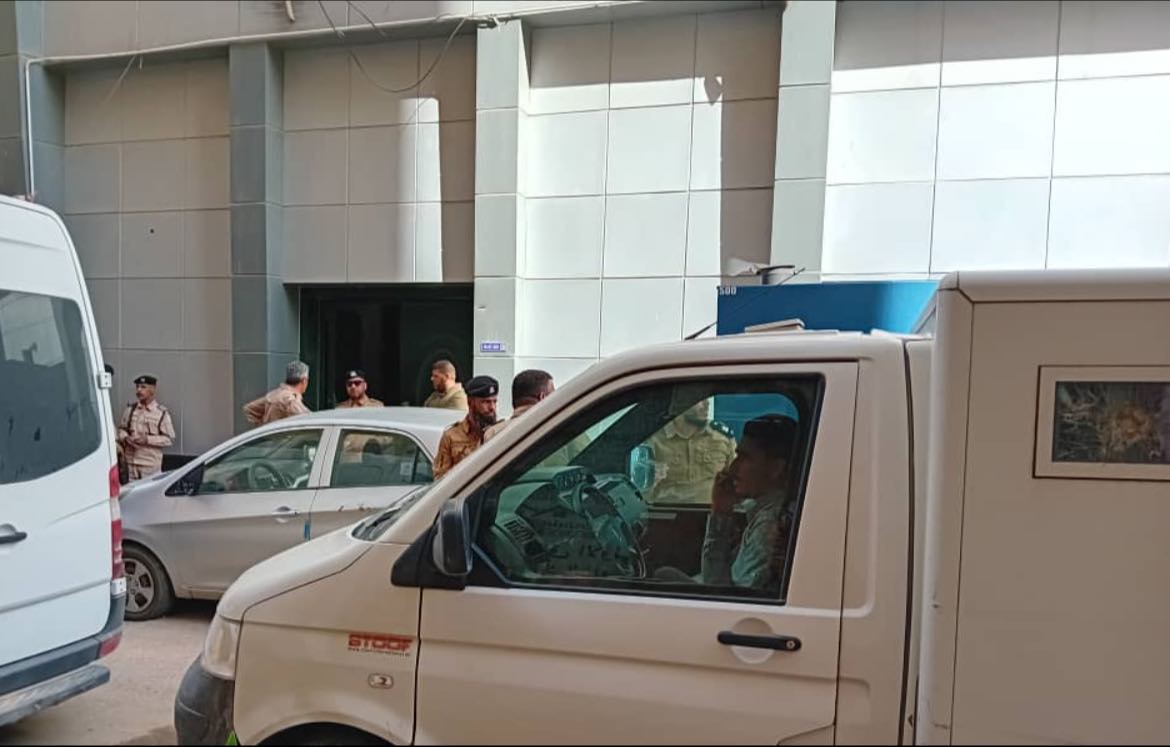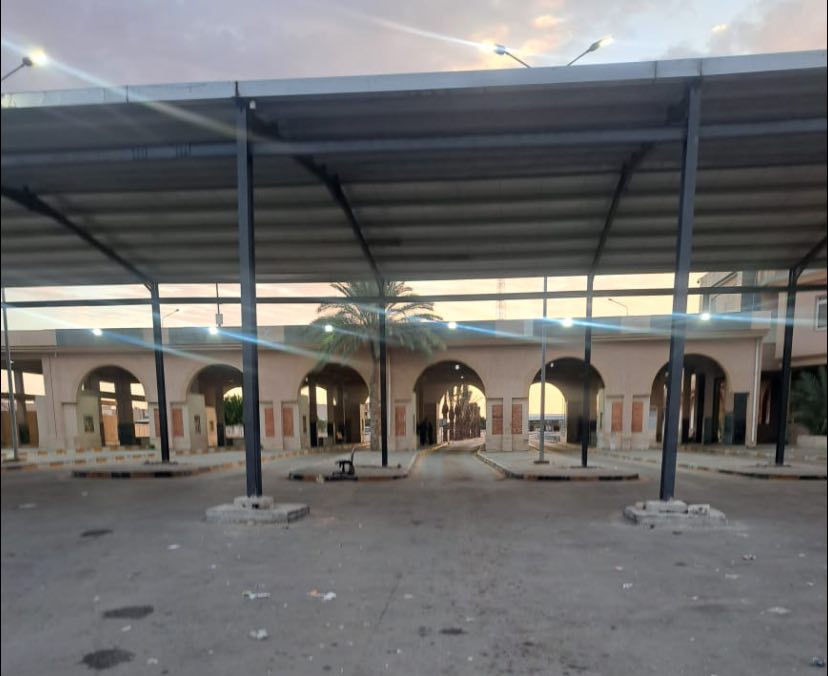
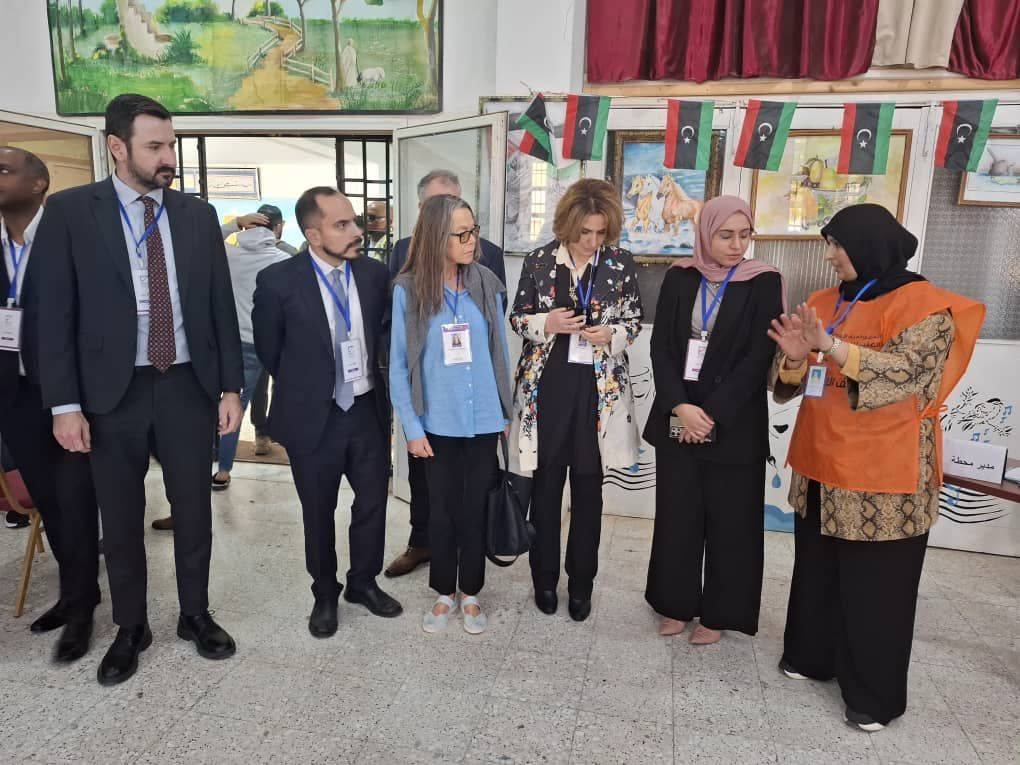
Tripoli, February 7, 2026 – The High National Elections Commission announced the opening of polling centers today, Saturday, to begin the voting process for electing the third group of municipal councils in the municipalities of Tajoura, Sayad, and Al-Hashan.
The Commission stated that the voting process will begin at 9:00 AM and continue until 6:00 PM, urging citizens to verify that their name is on the voter lists upon arrival at the polling center and to present their voter card and identity document to the designated official.
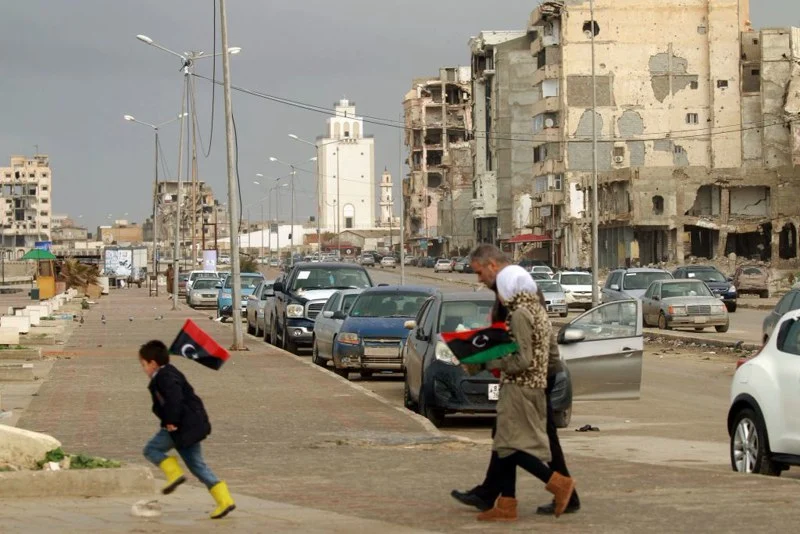
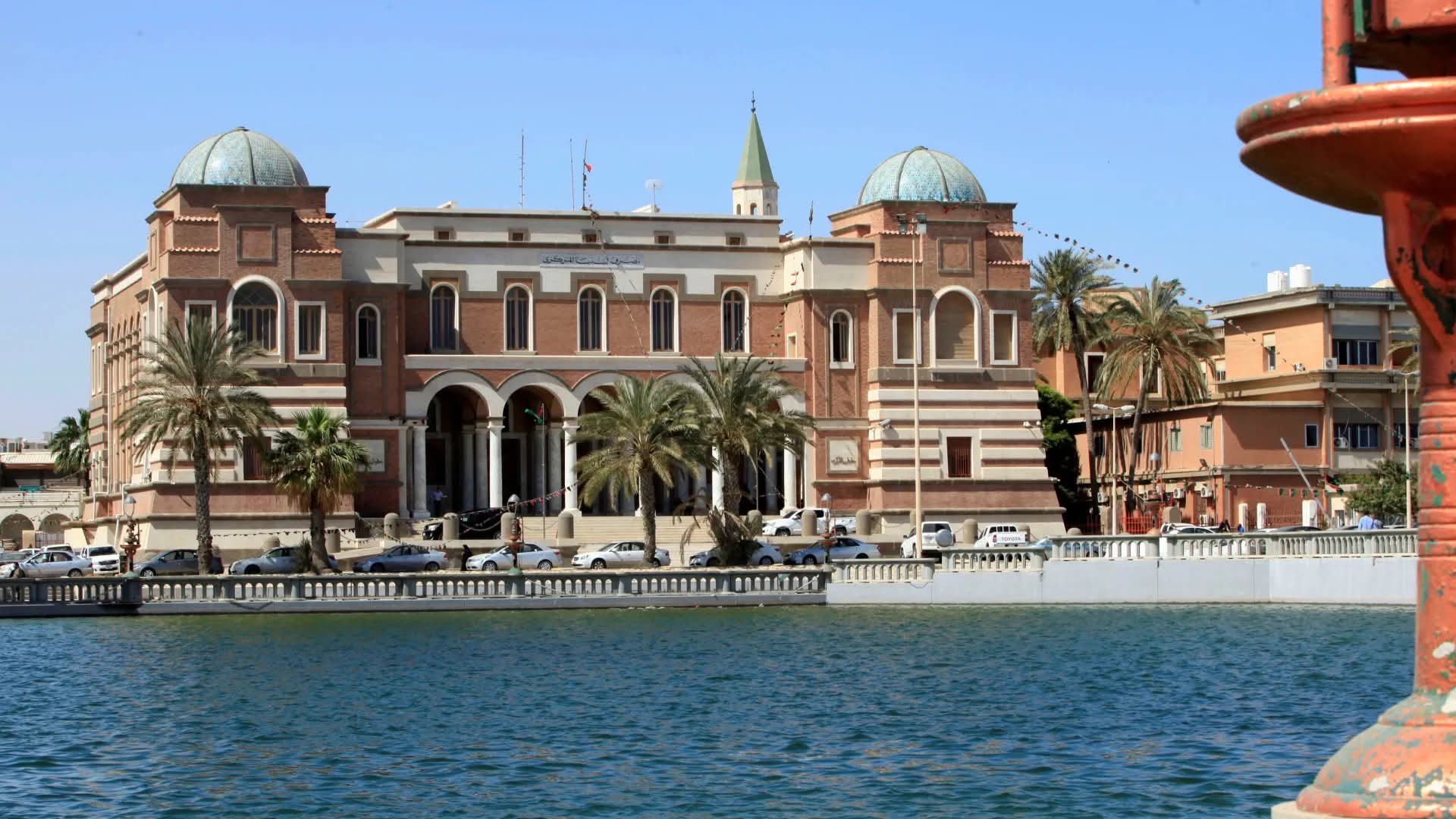
Tripoli
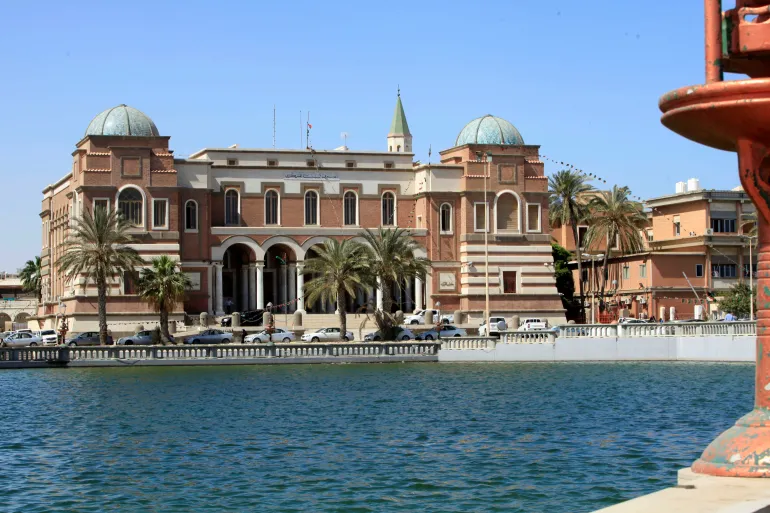
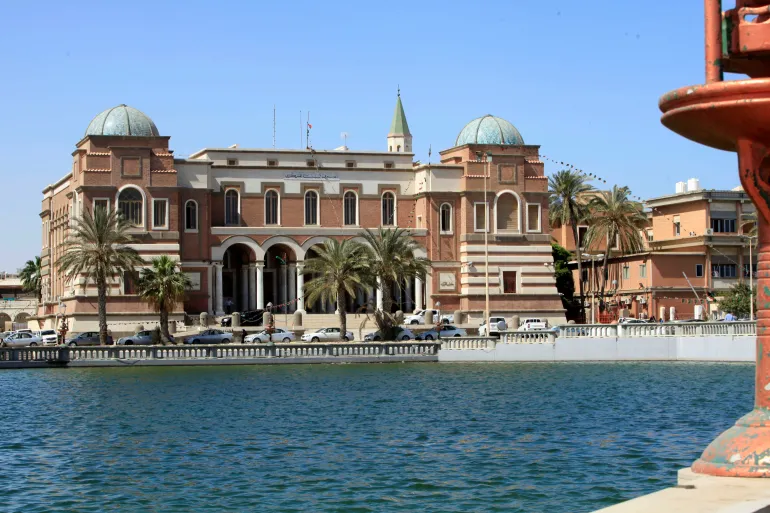
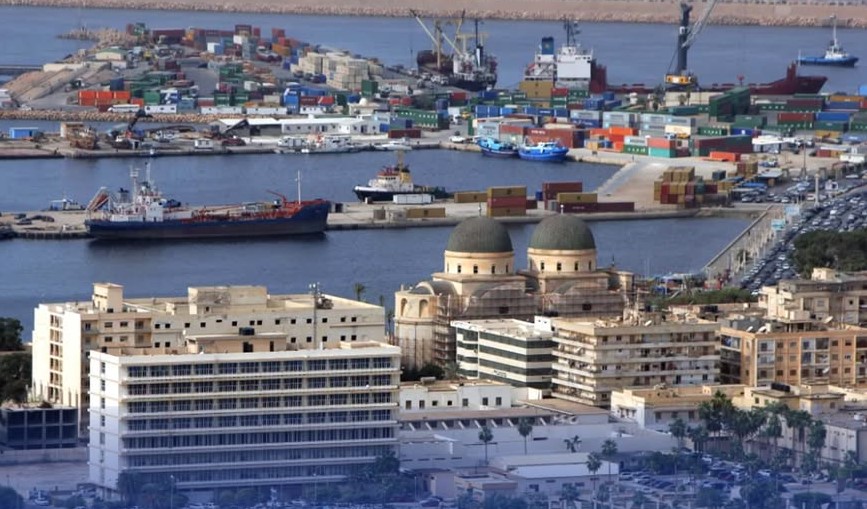
Tripoli is the capital and largest city of Libya, with a history dating back to the 7th century BC when it was founded by the Phoenicians. It later became a significant Roman city and a major port under various rulers, including the Ottomans and Italians, which is reflected in its historic medina and diverse architecture.
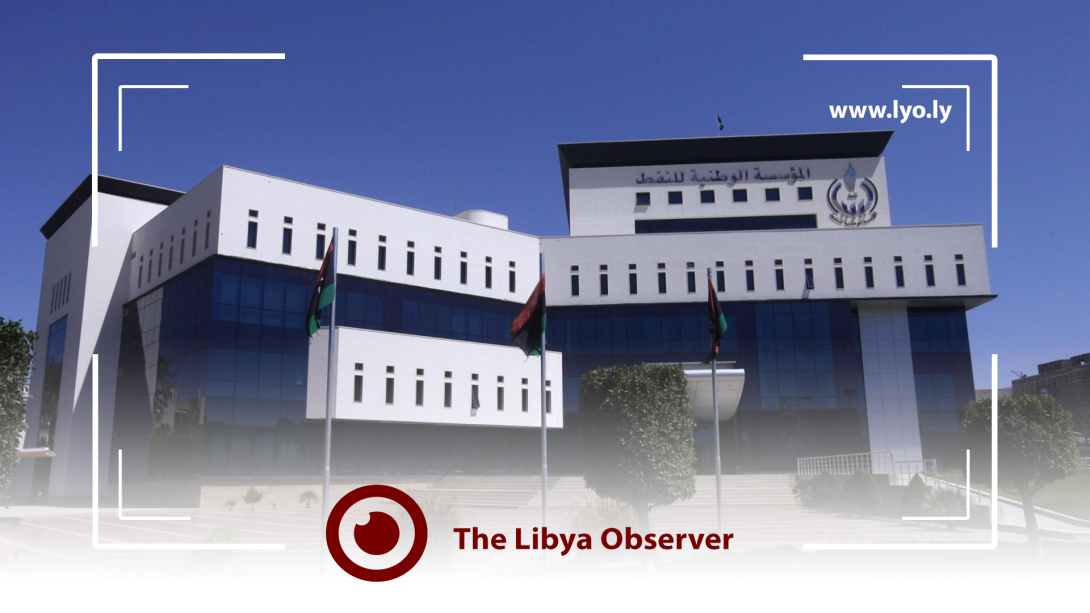
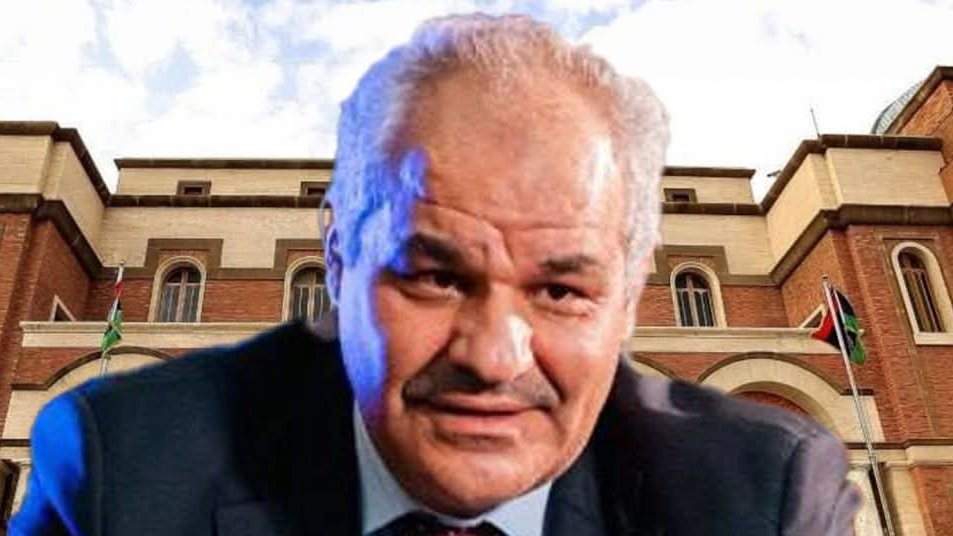
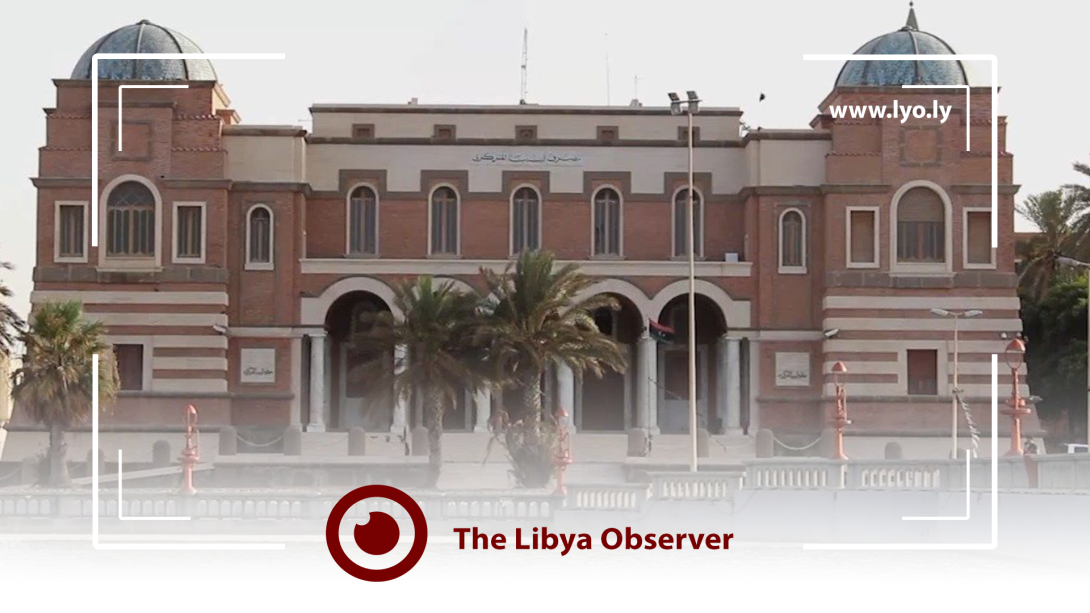
High National Elections Commission
The High National Elections Commission (HNEC) is Libya’s independent body responsible for organizing and supervising all electoral processes in the country. It was established in 2011 following the fall of the Gaddafi regime to manage the nation’s transition to democratic governance through elections.
Tajoura
Tajoura is a historic coastal town in Libya, located east of Tripoli, known for its long-standing role as a trading port and its cultural significance. Historically, it was an important center for maritime commerce and Islamic scholarship, with its old town featuring traditional Libyan architecture.
Sayad
Sayad is a village in Azerbaijan’s Khachmaz District, historically known for its role as a center of craftsmanship and trade along the Silk Road routes. Today, it is primarily recognized as the birthplace of the renowned 20th-century Azerbaijani composer and conductor, Muslim Magomayev, whose legacy is commemorated there.
Al-Hashan
Al-Hashan is a historical fortress located in the Asir Province of southwestern Saudi Arabia. It was traditionally used as a defensive stronghold and administrative center for the local tribes in the region. The structure is an example of the distinctive Najdi architectural style common in the area.