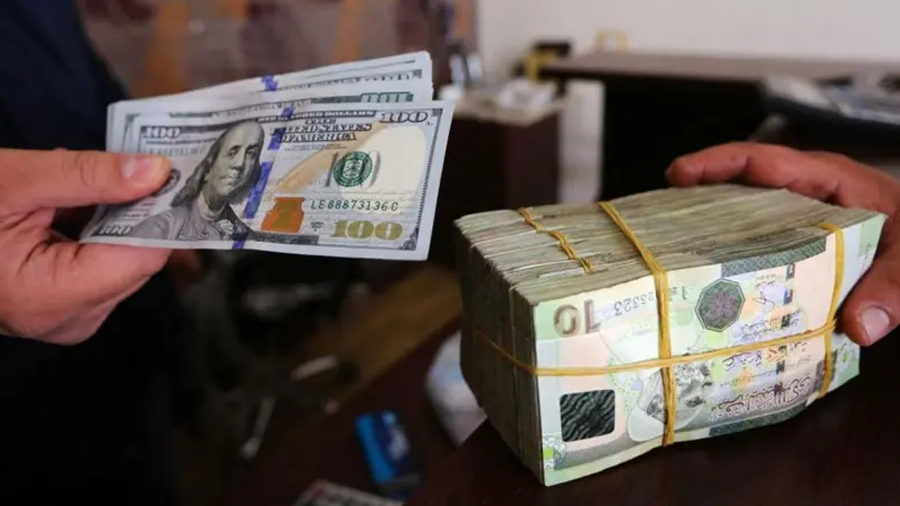
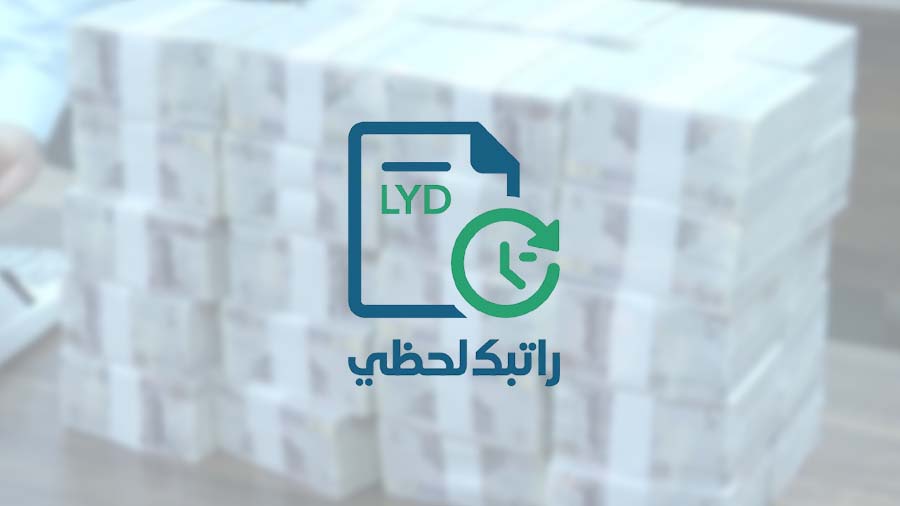
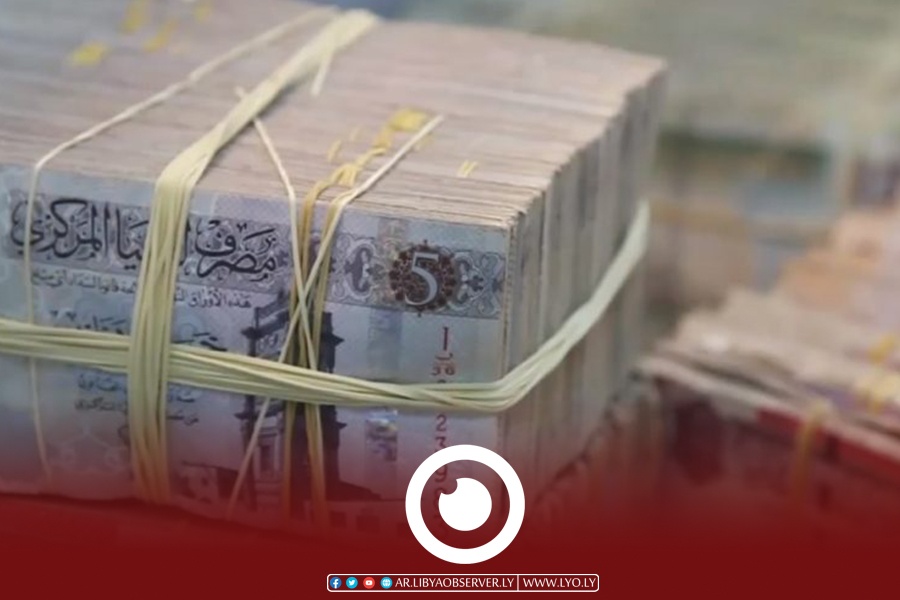
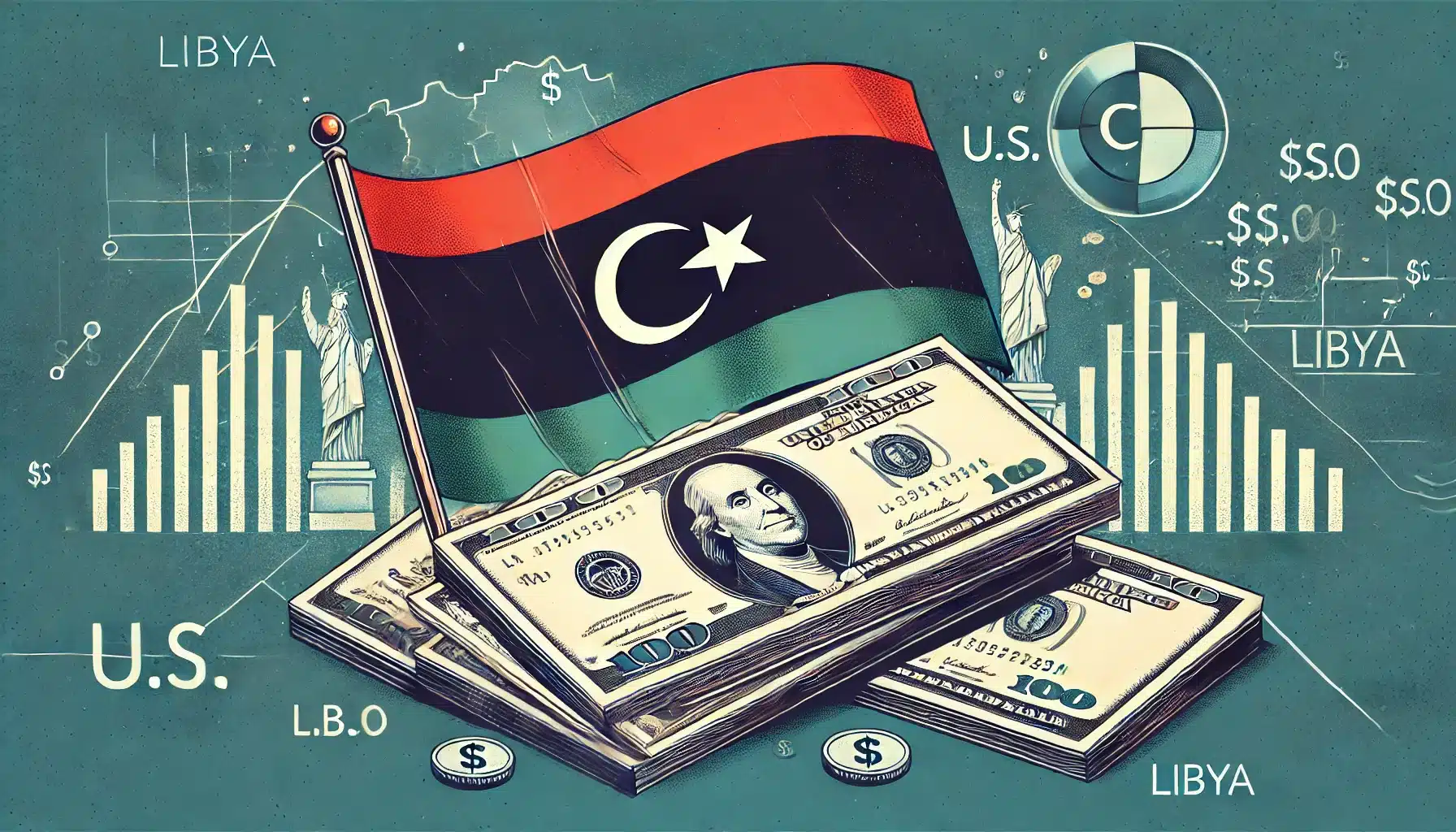
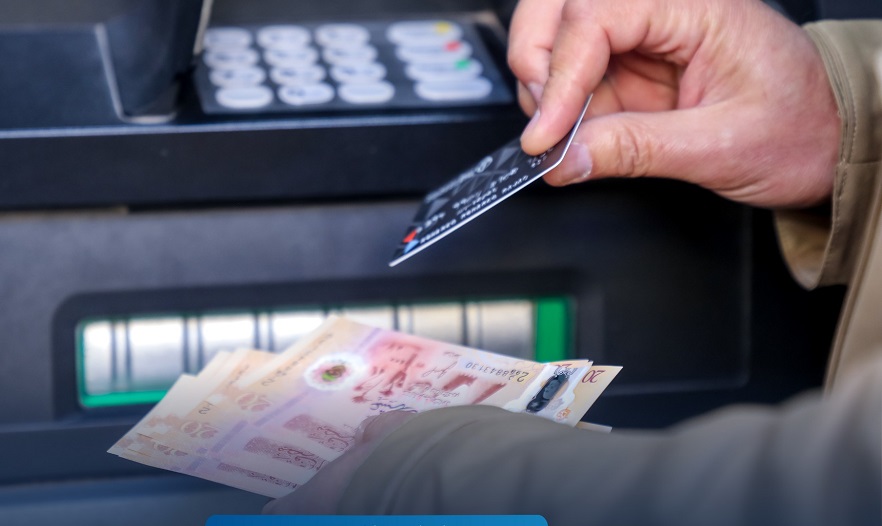
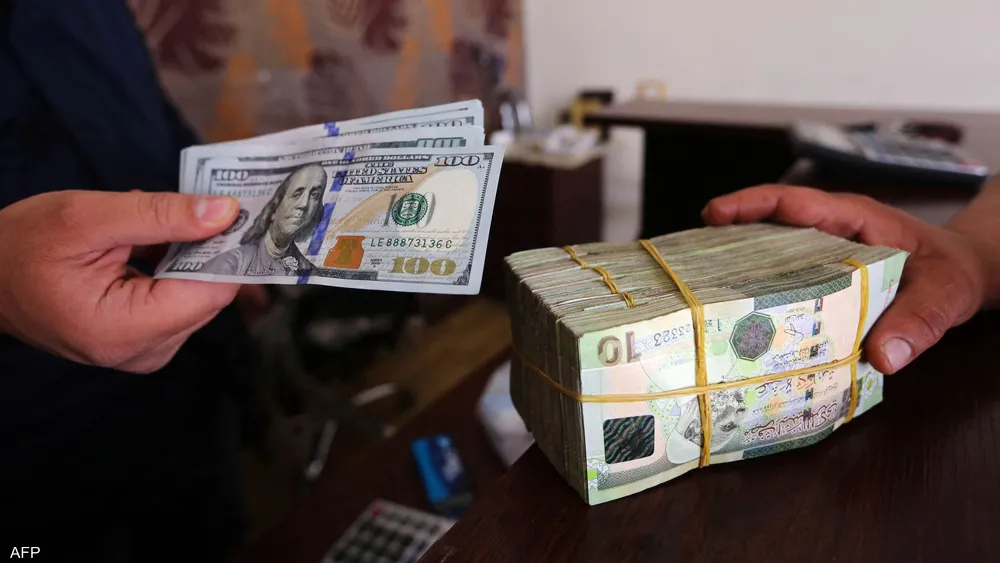
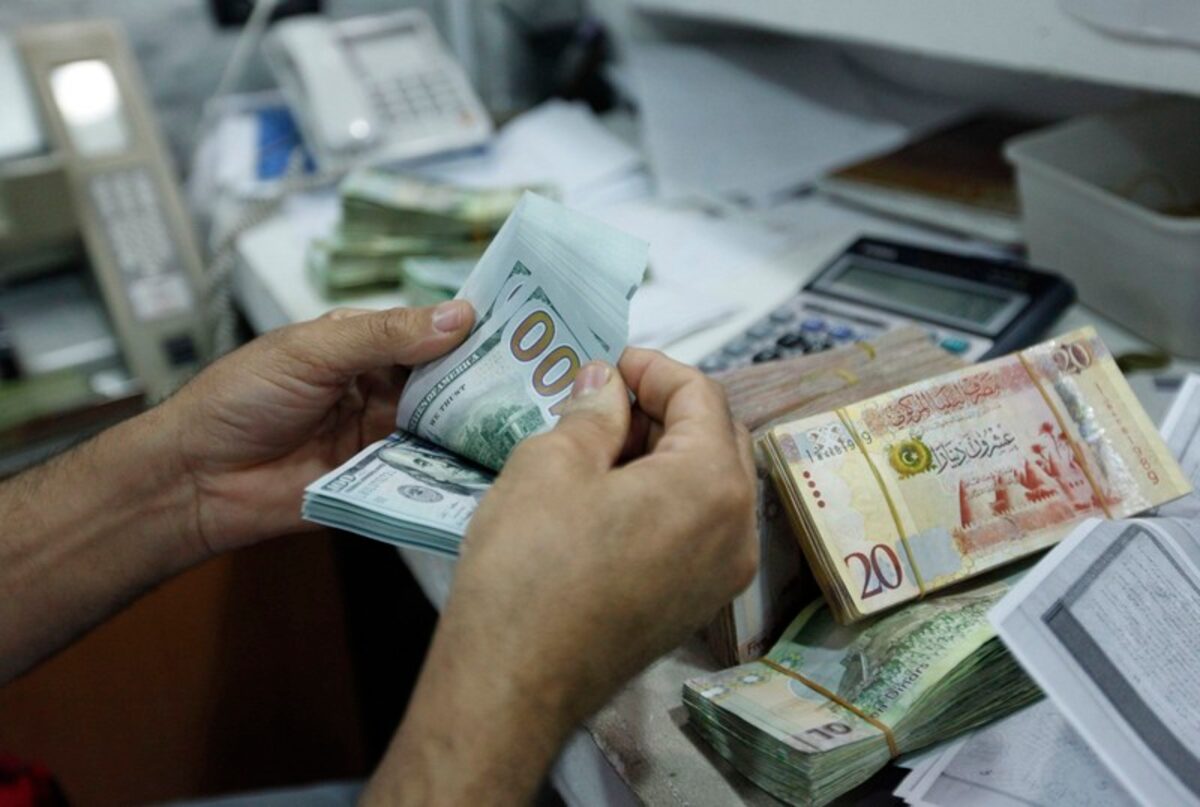
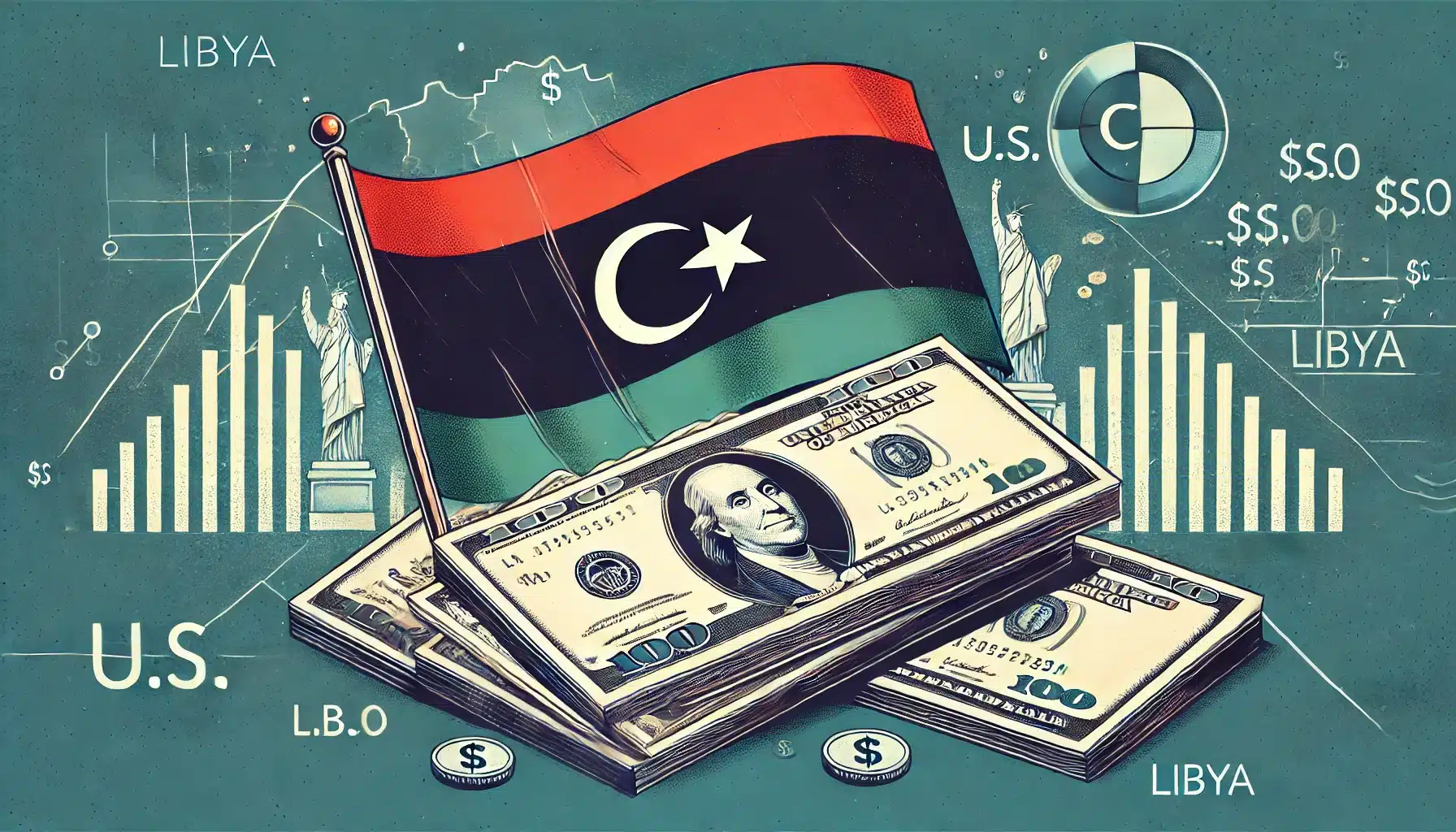
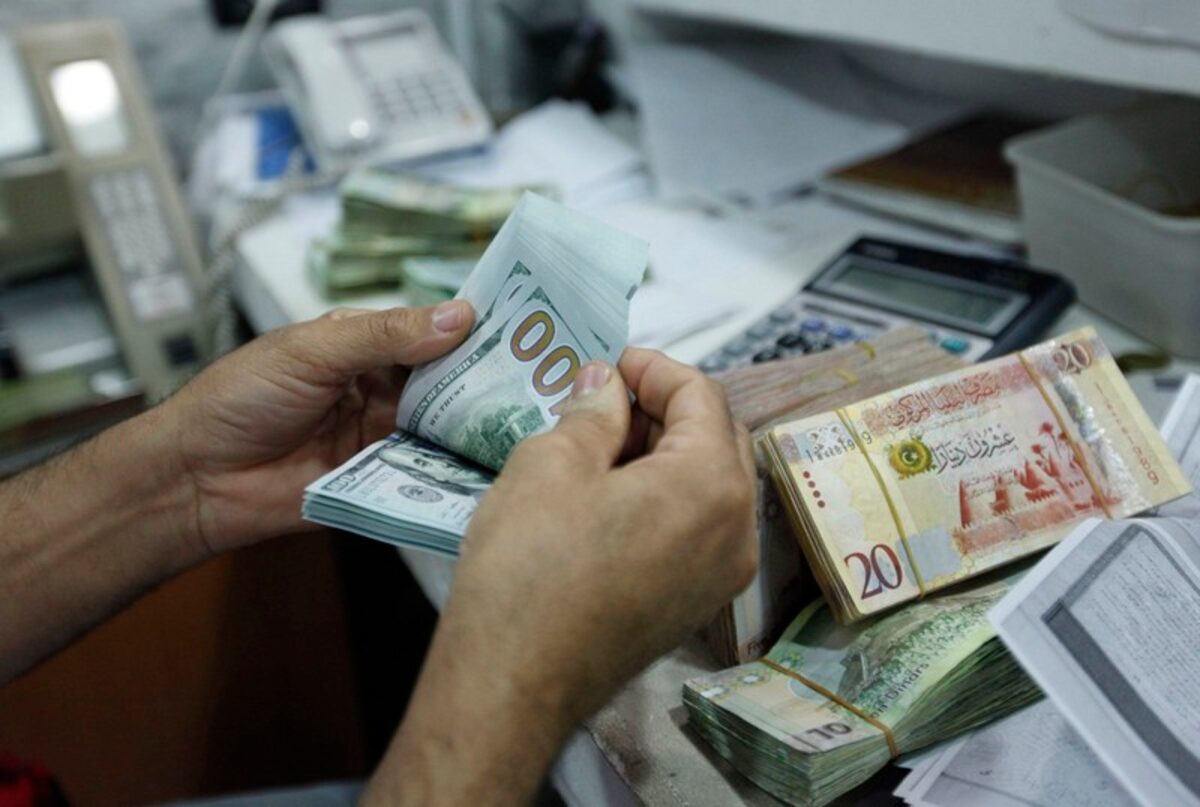
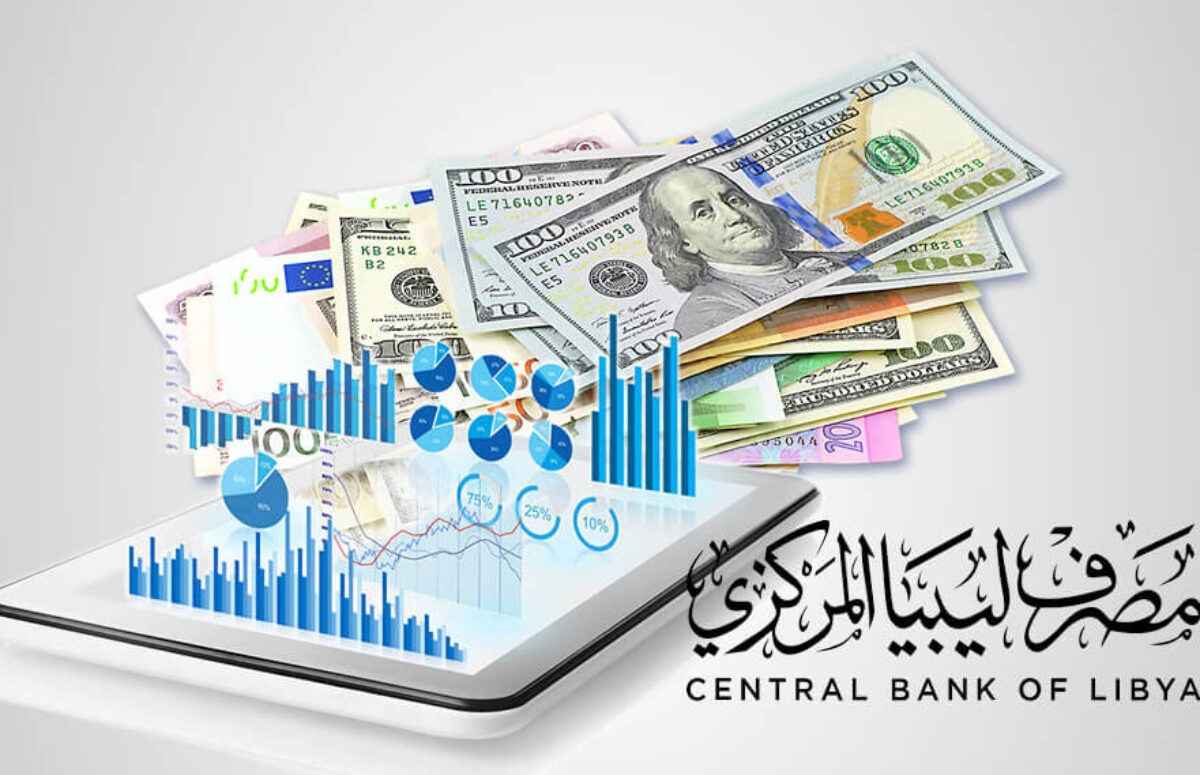
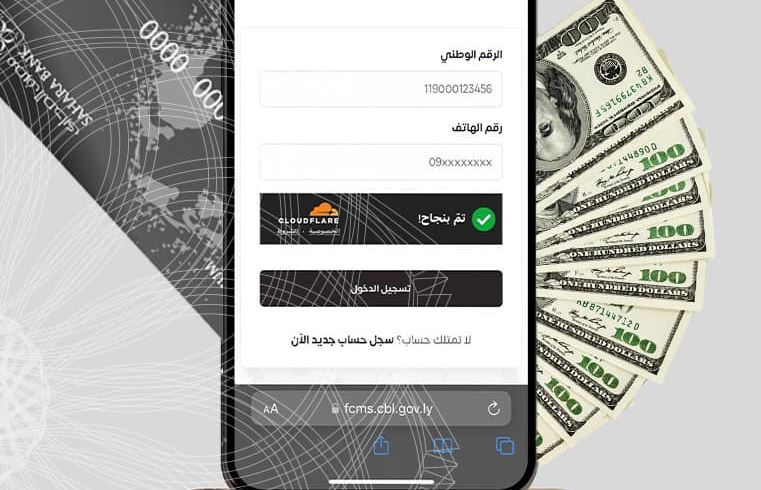
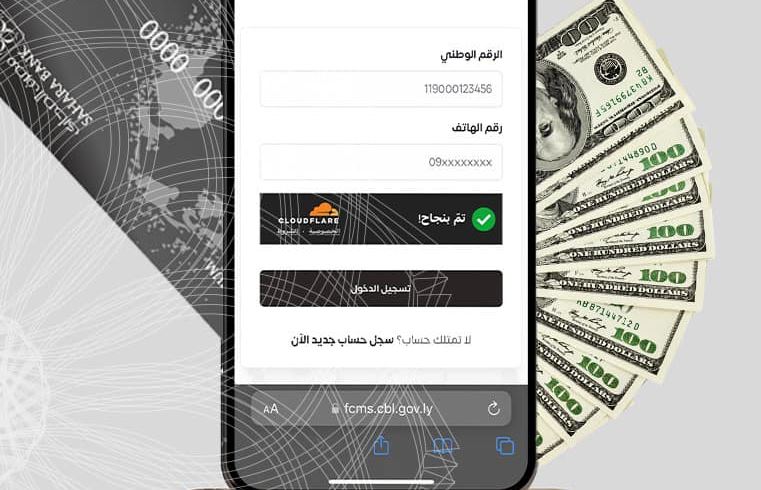
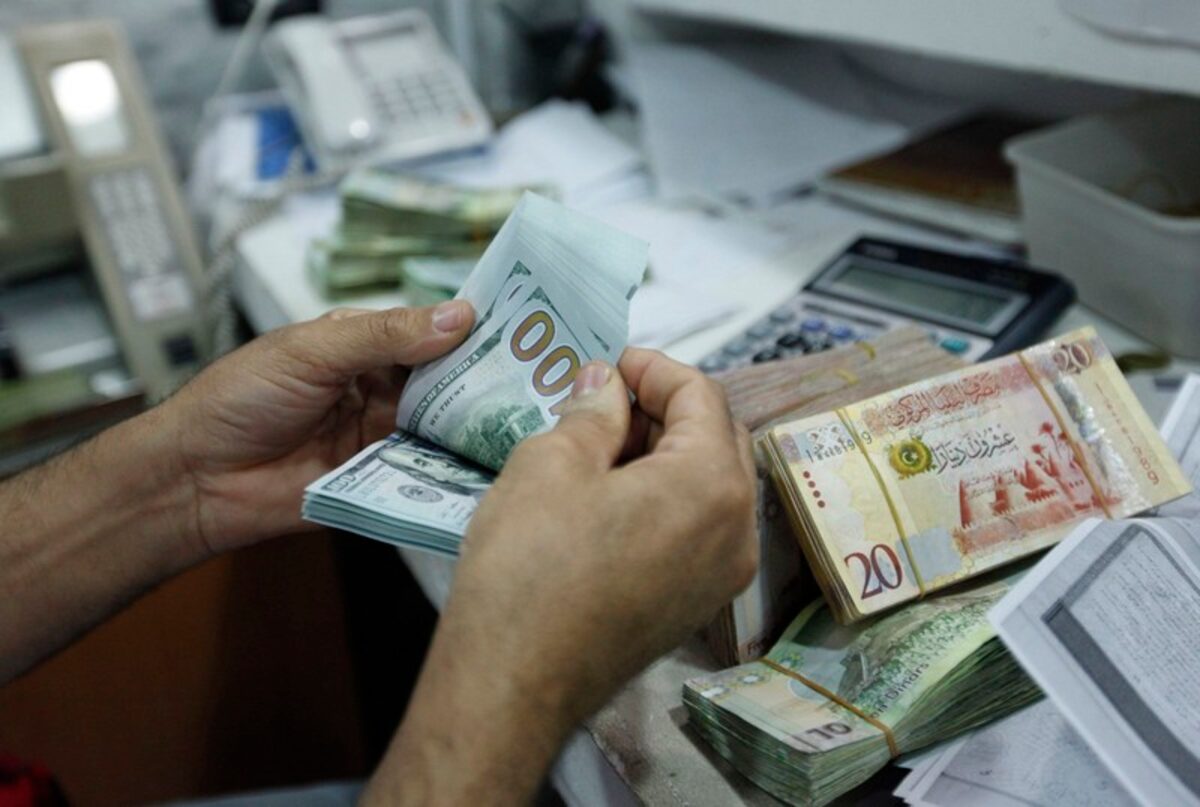
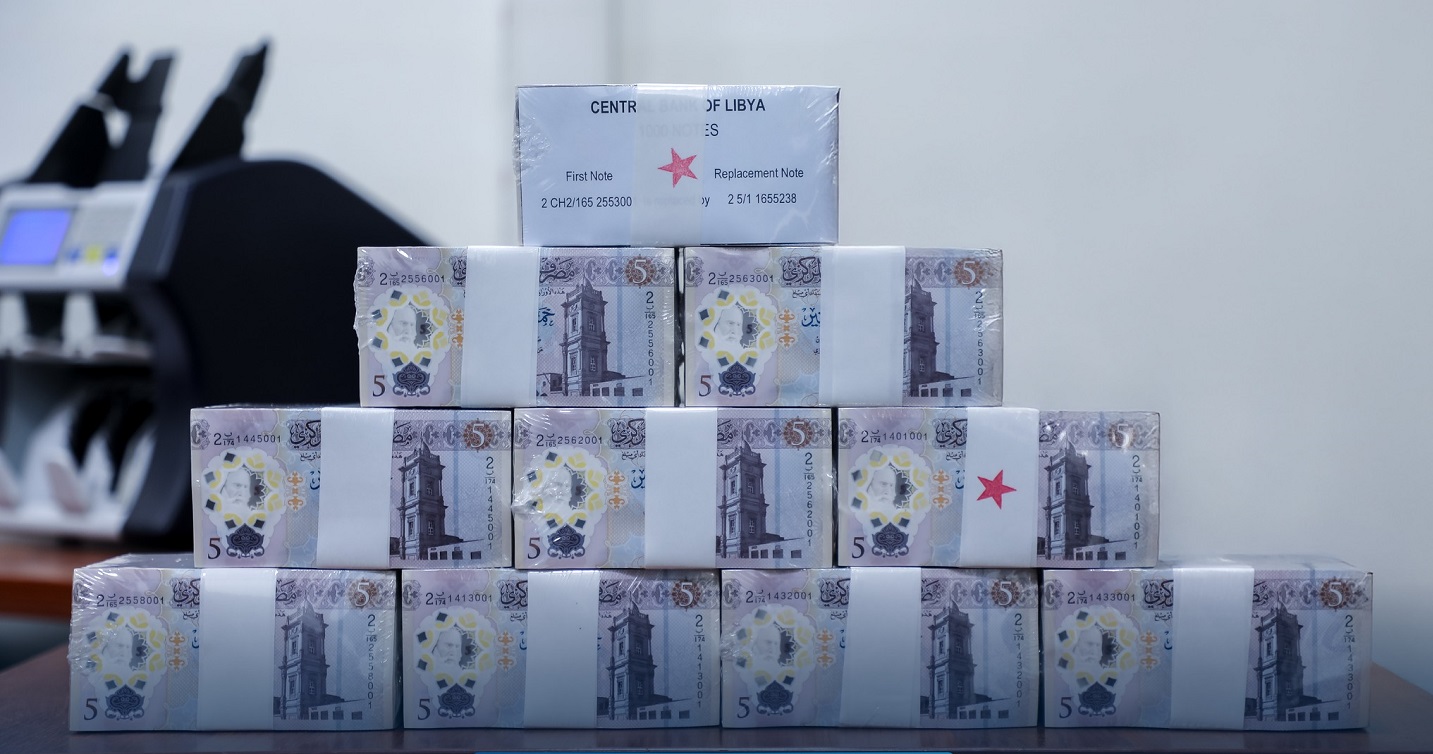
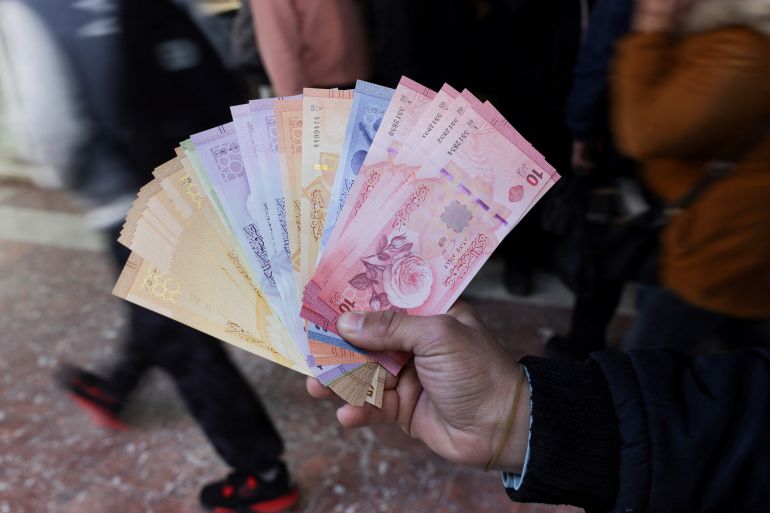
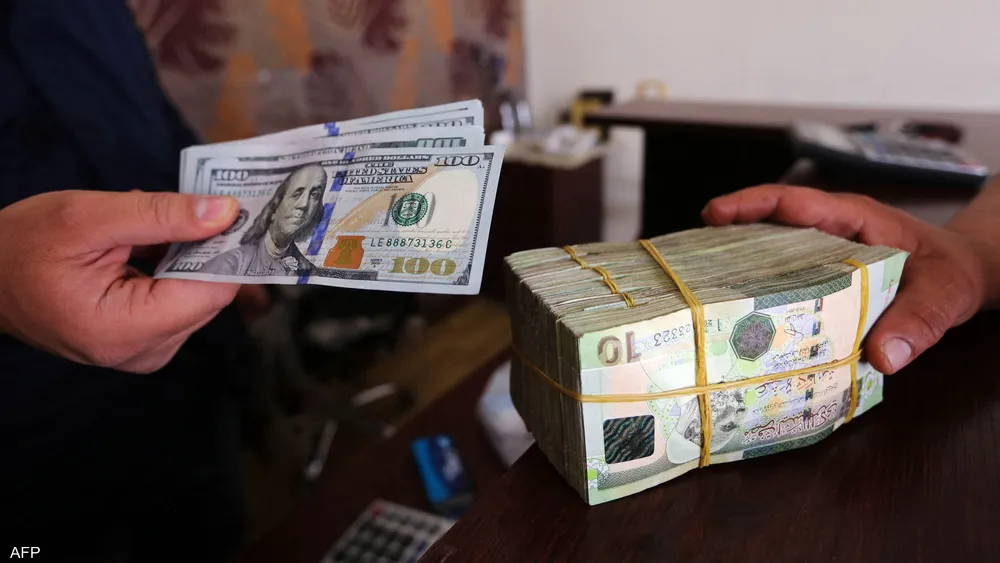
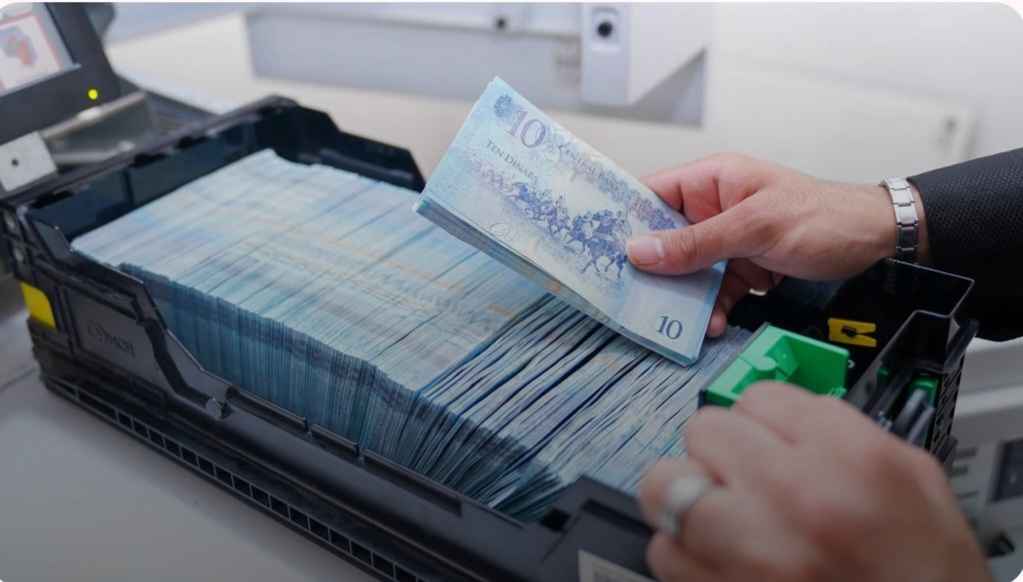
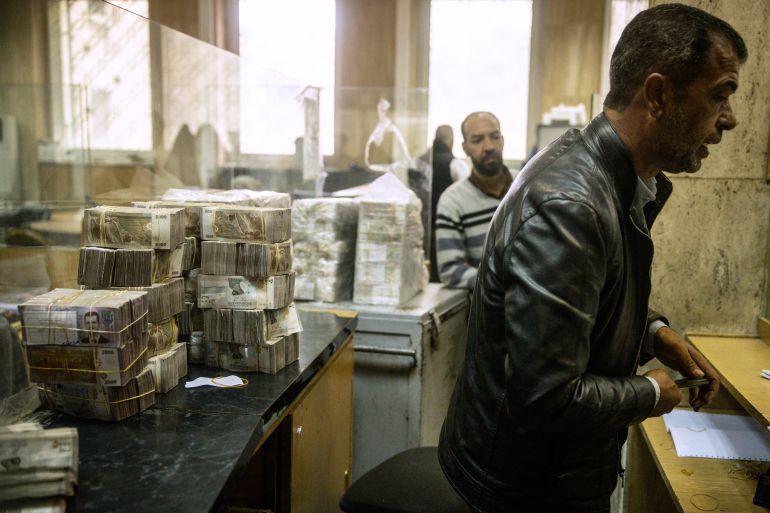
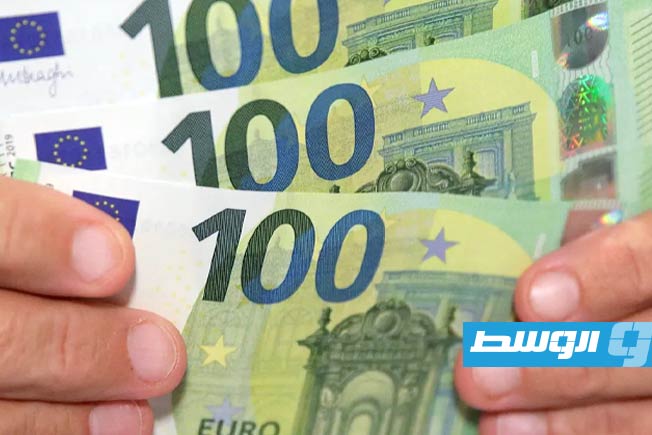
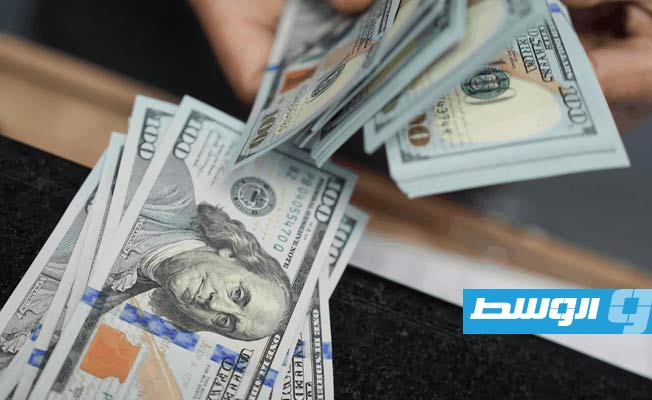
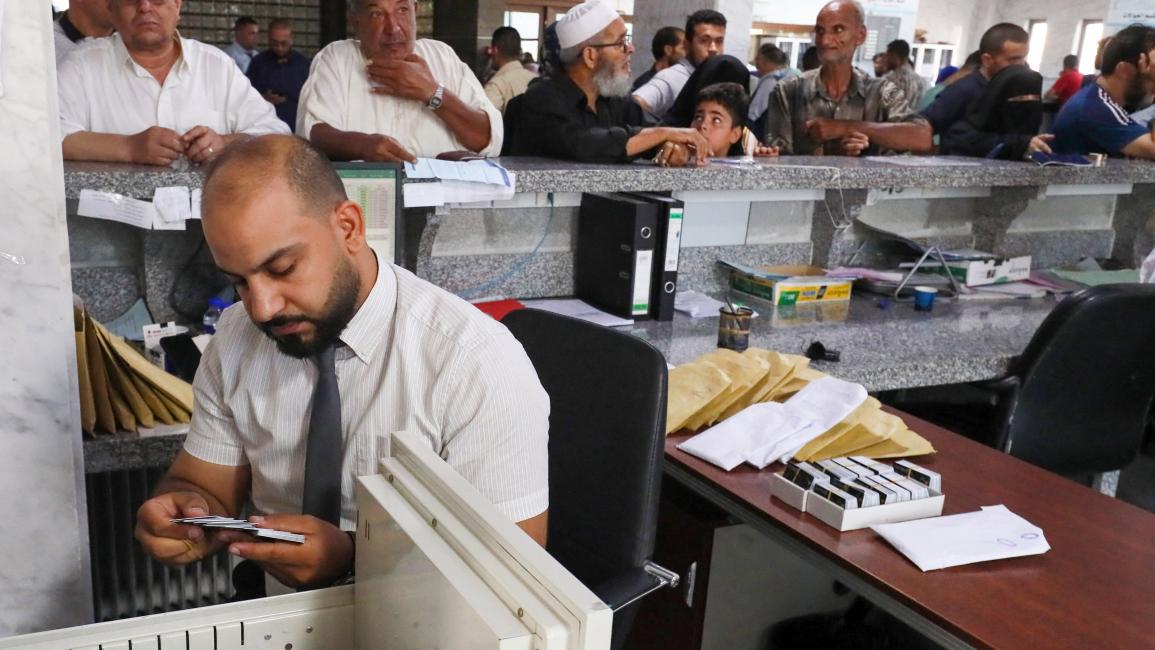
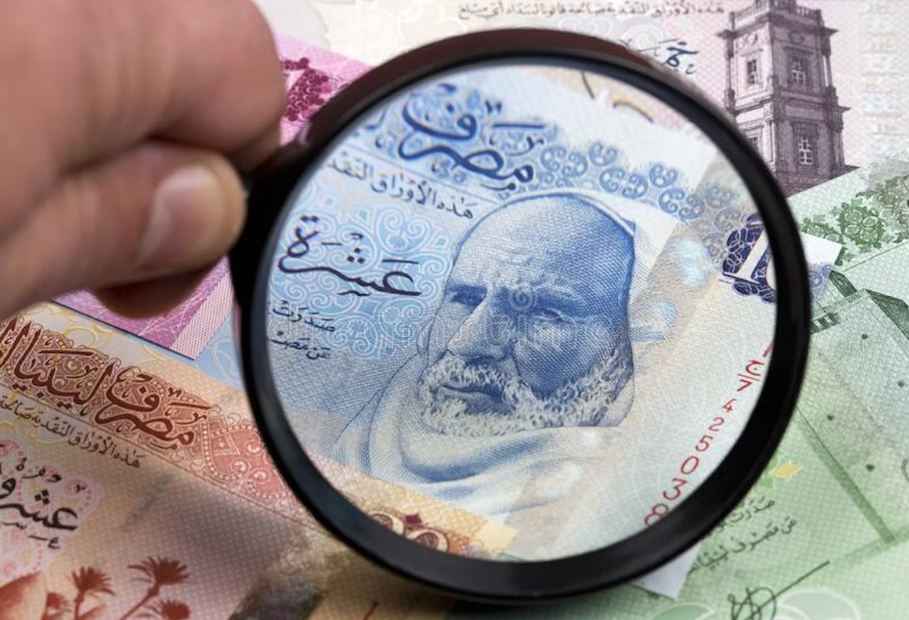
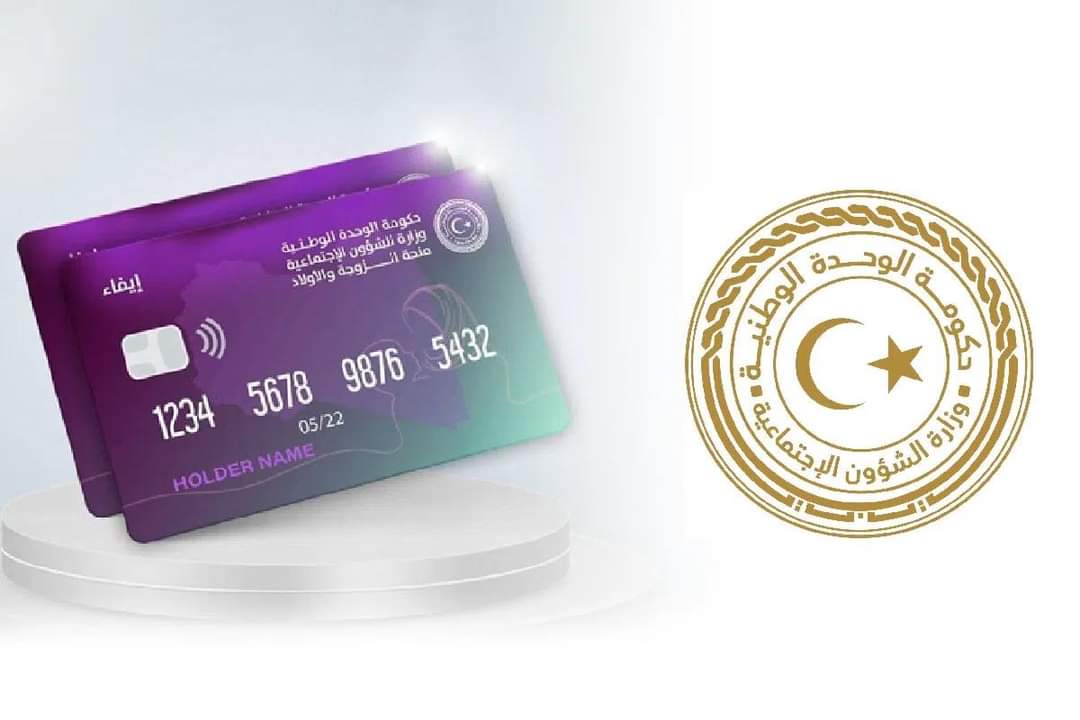
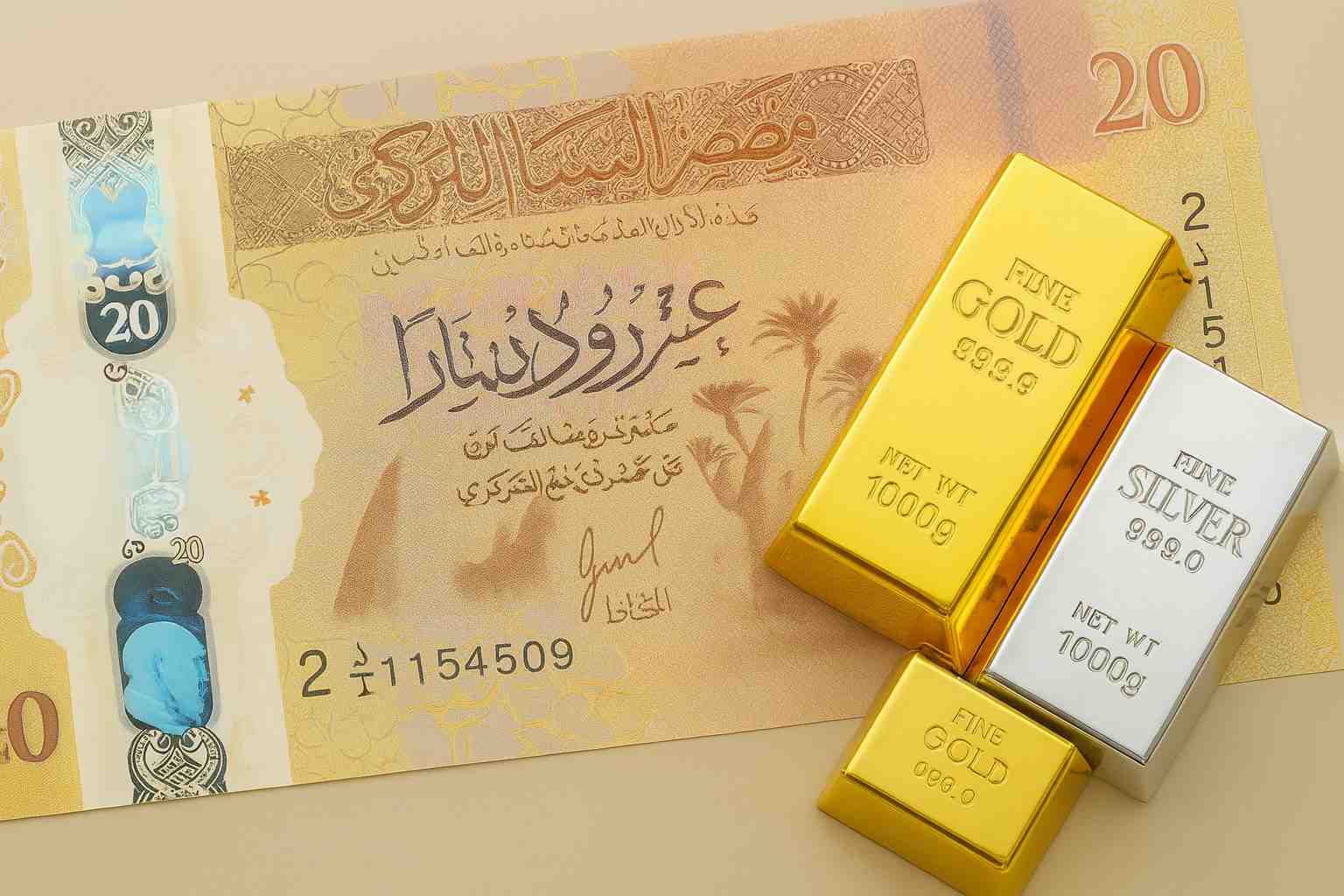
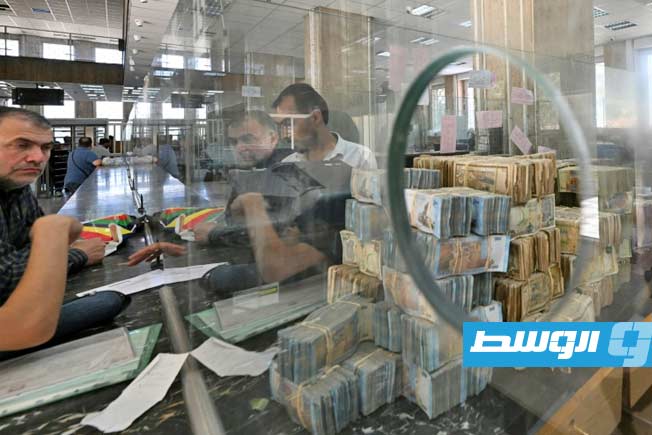
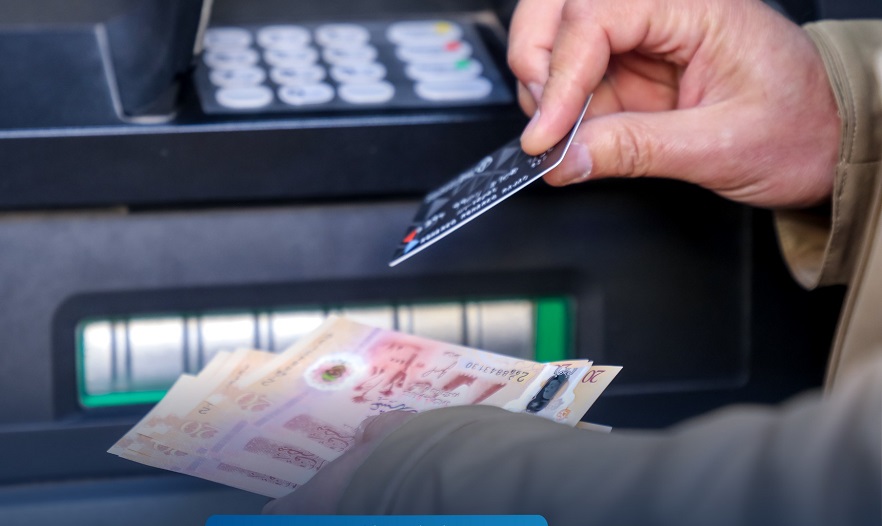
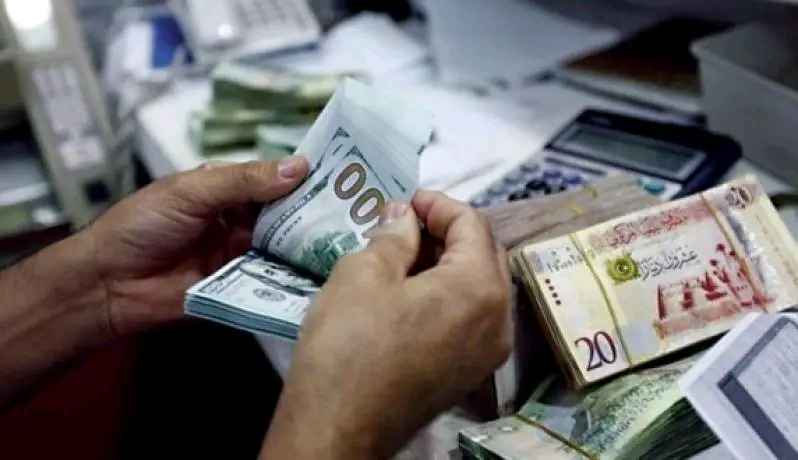
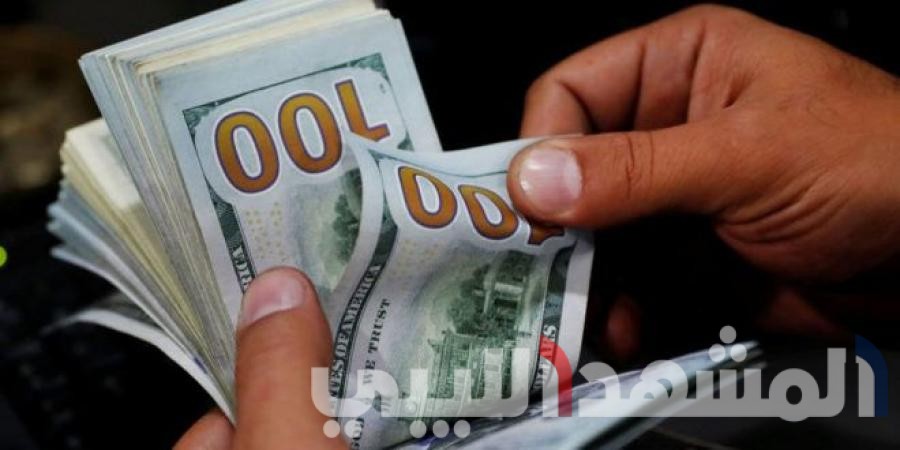
The Libyan scene publishes this Sunday, January 25, 2026, the latest prices for depositing personal use cards in Libyan banks, according to what has been circulated on specialized pages on social media platforms.
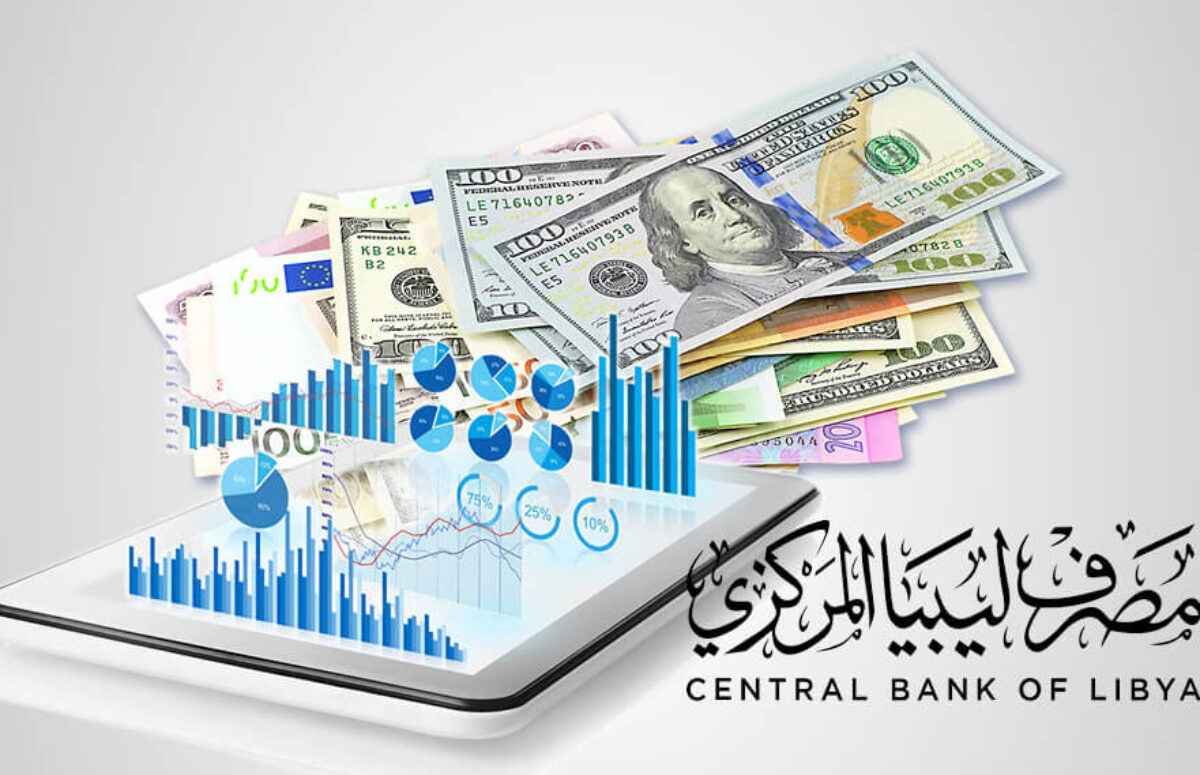
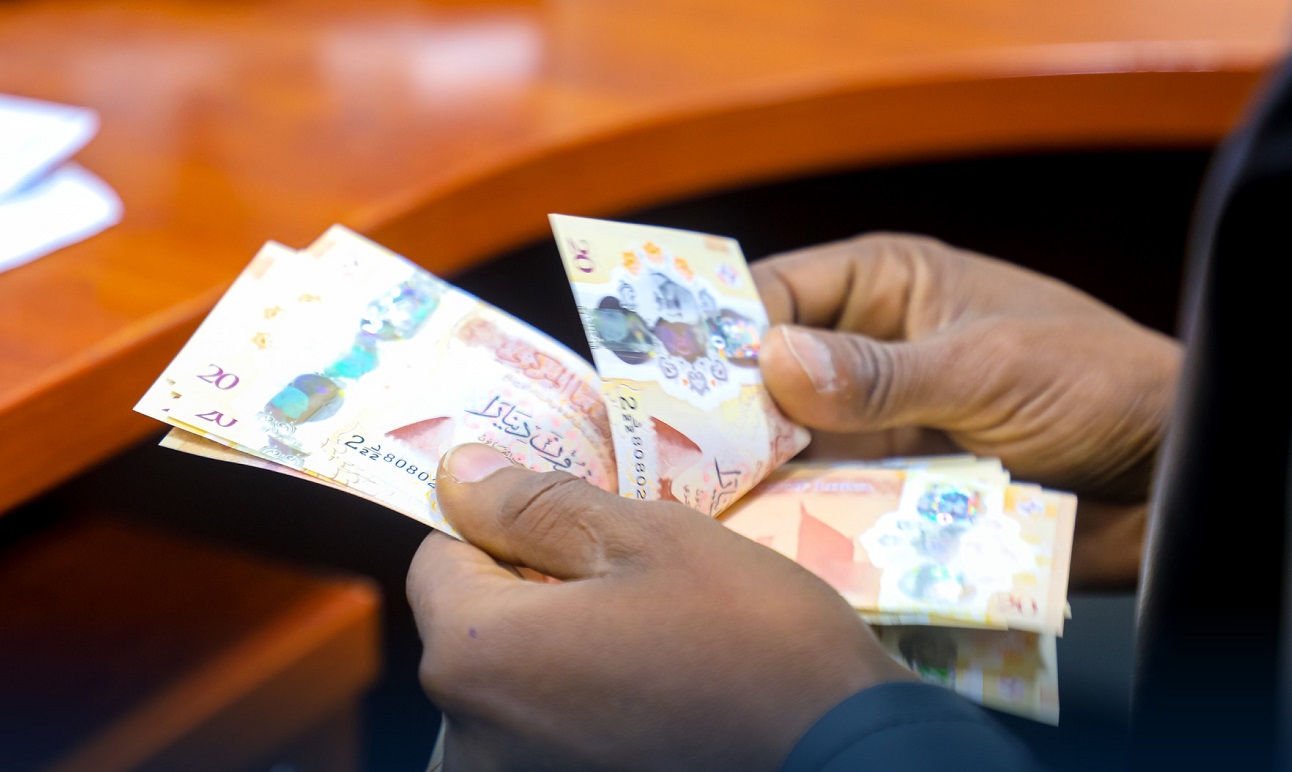
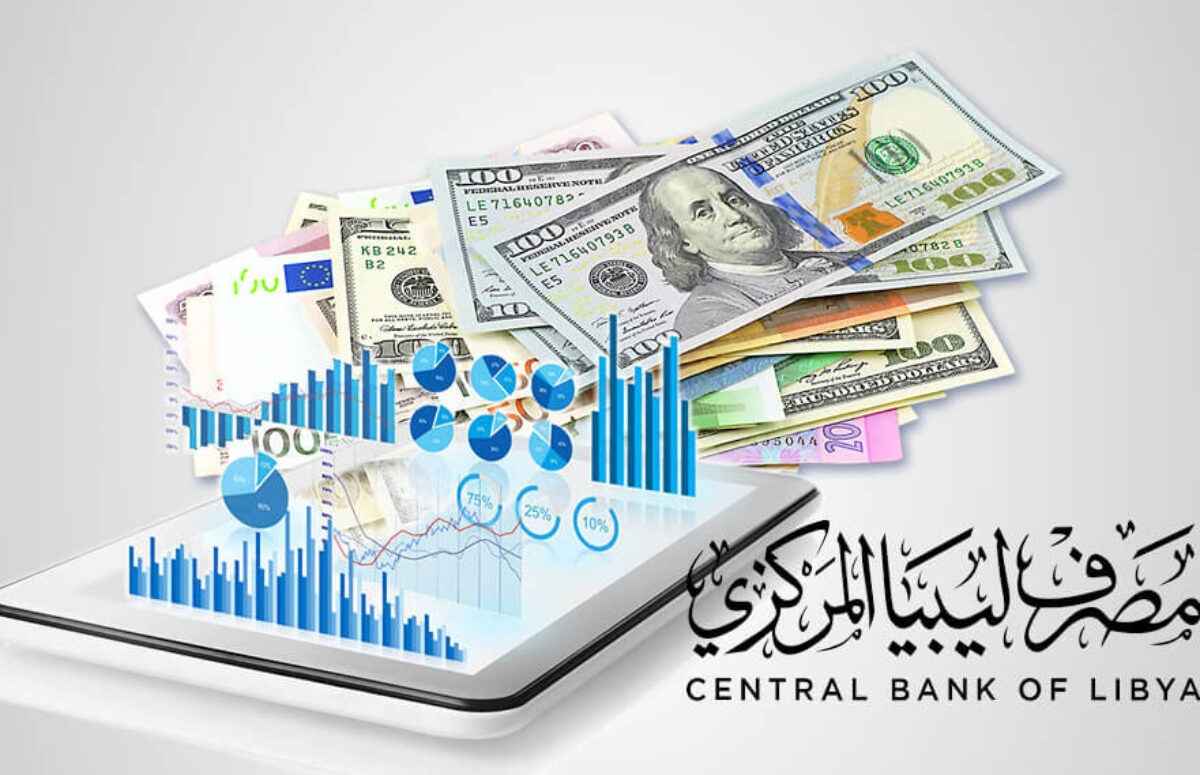
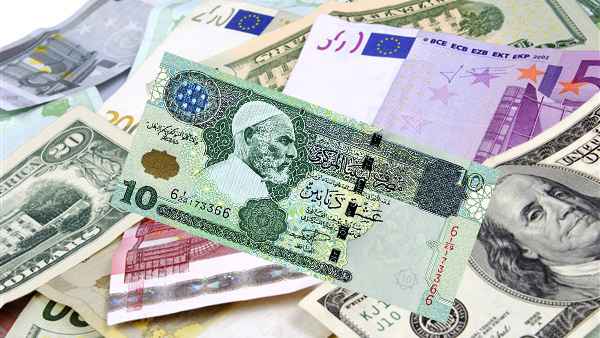
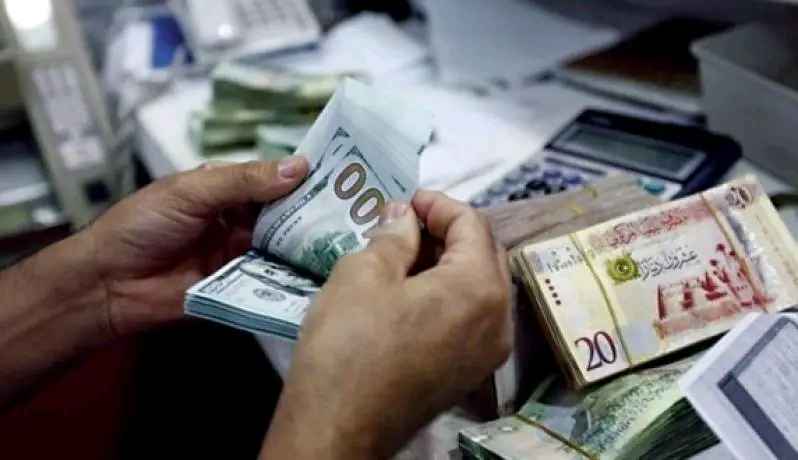
According to the Central Bank of Libya’s bulletin, today’s deposit prices for a value of $2000 recorded a noticeable decline, reaching 12,685 dinars, while the value of the added tax for personal purposes was about 1,905 dinars.
— Commercial Bank = 14,690 dinars including commissions
— Republic Bank = 14,640 dinars including commissions
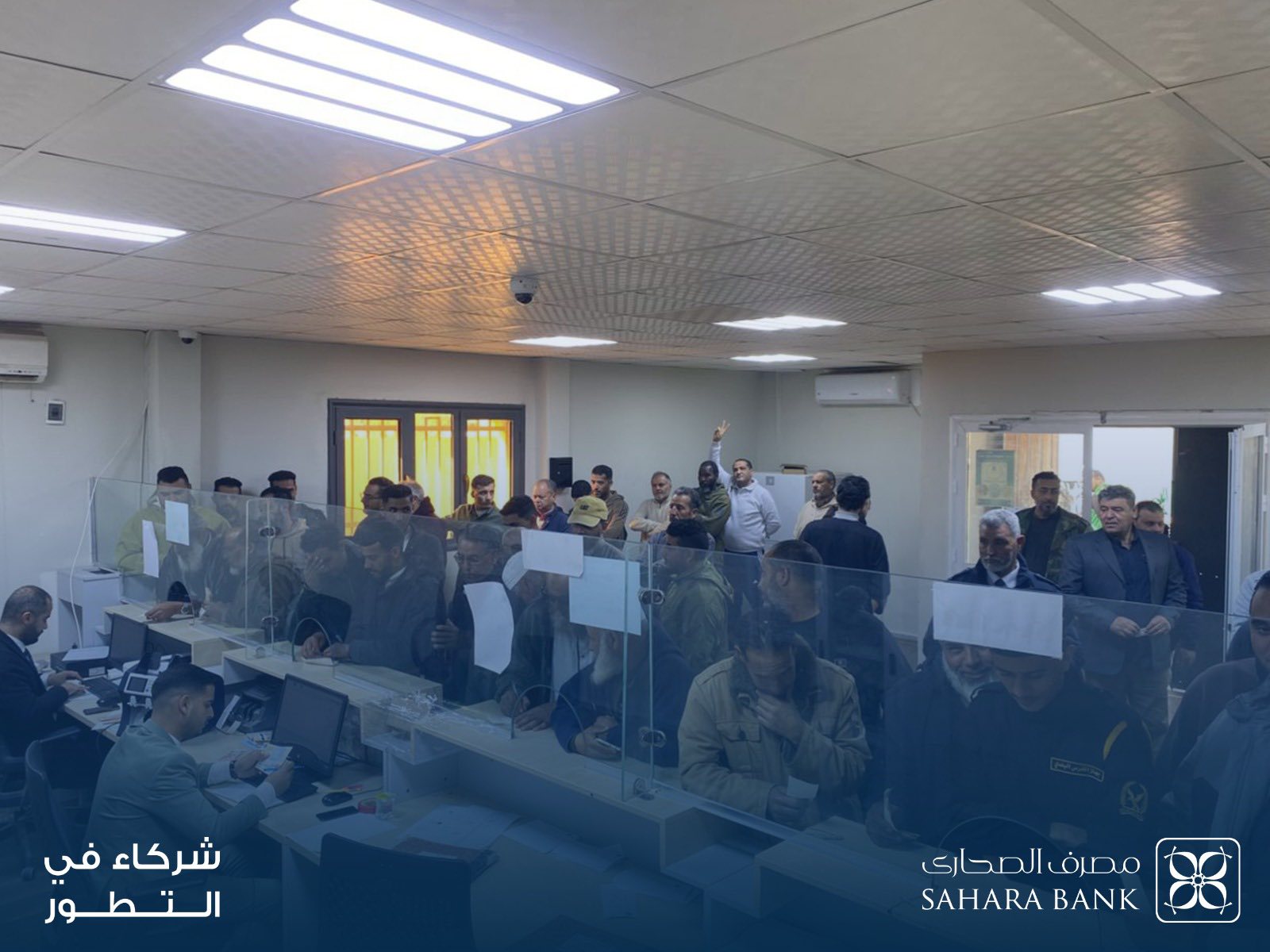
— Sahara Bank = 14,640 dinars including commissions
— Aman Bank = 14,690 dinars including commissions
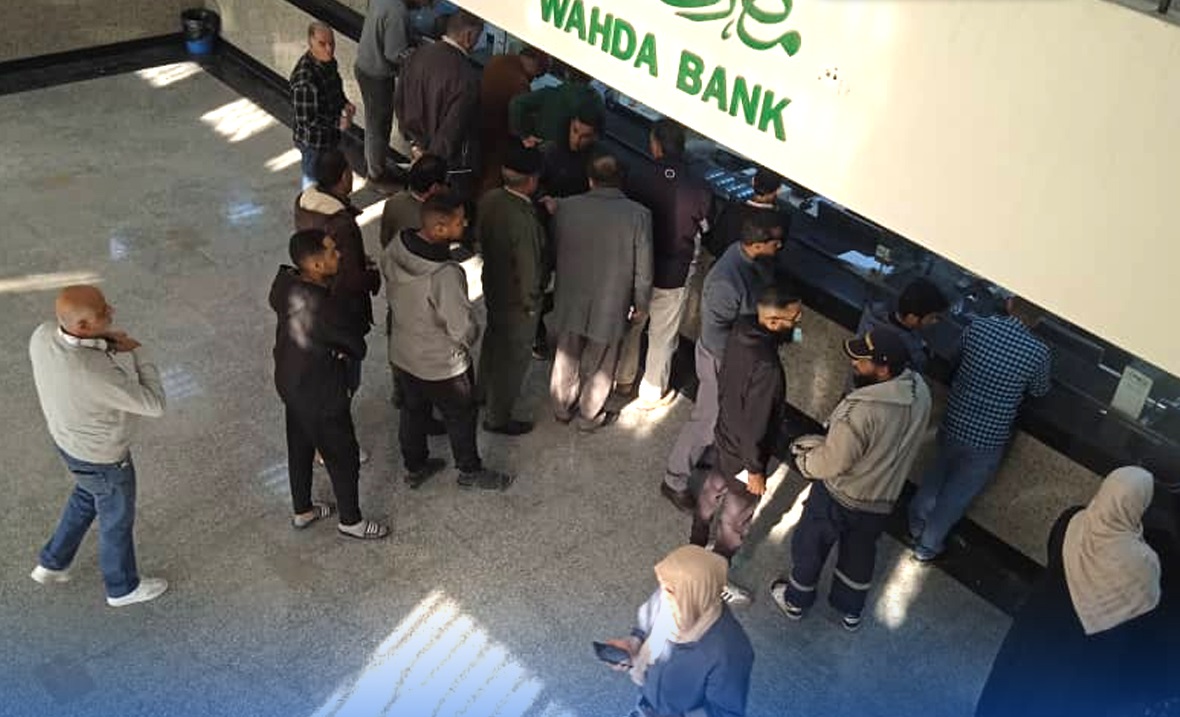
— Wahda Bank = 14,640 dinars including commissions
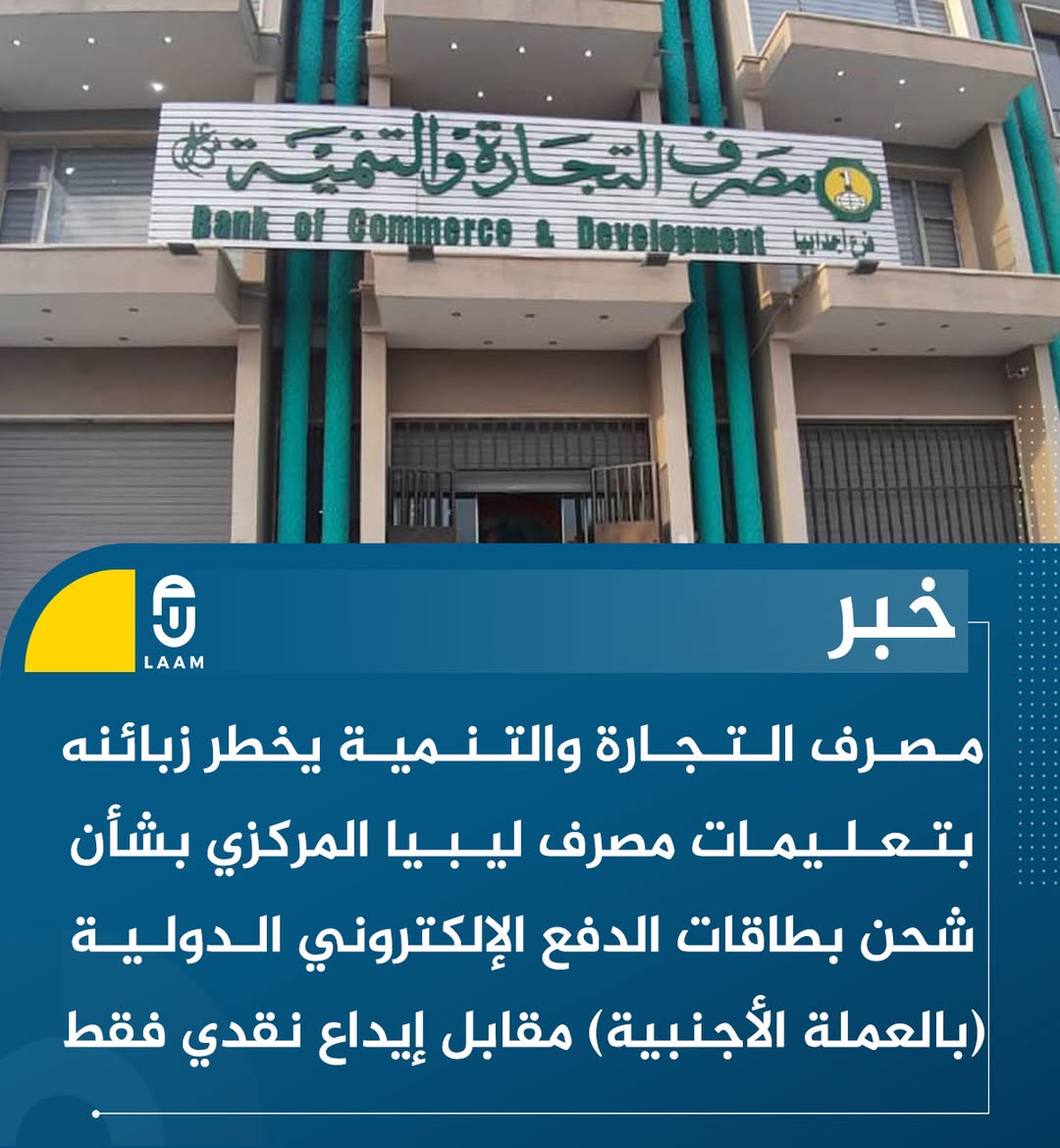
— Trade and Development Bank = 14,620 dinars including commissions
— North Africa Bank = 14,655 dinars including commissions
— Islamic Bank = 12,770 dinars including commissions
— United Bank = 14,590 dinars including commissions.
— Yaqeen Bank = 14,655 dinars including commissions.
— Nouran Bank = 14,655 dinars including commissions.
— Andalus Bank = 14,690 dinars including commissions.
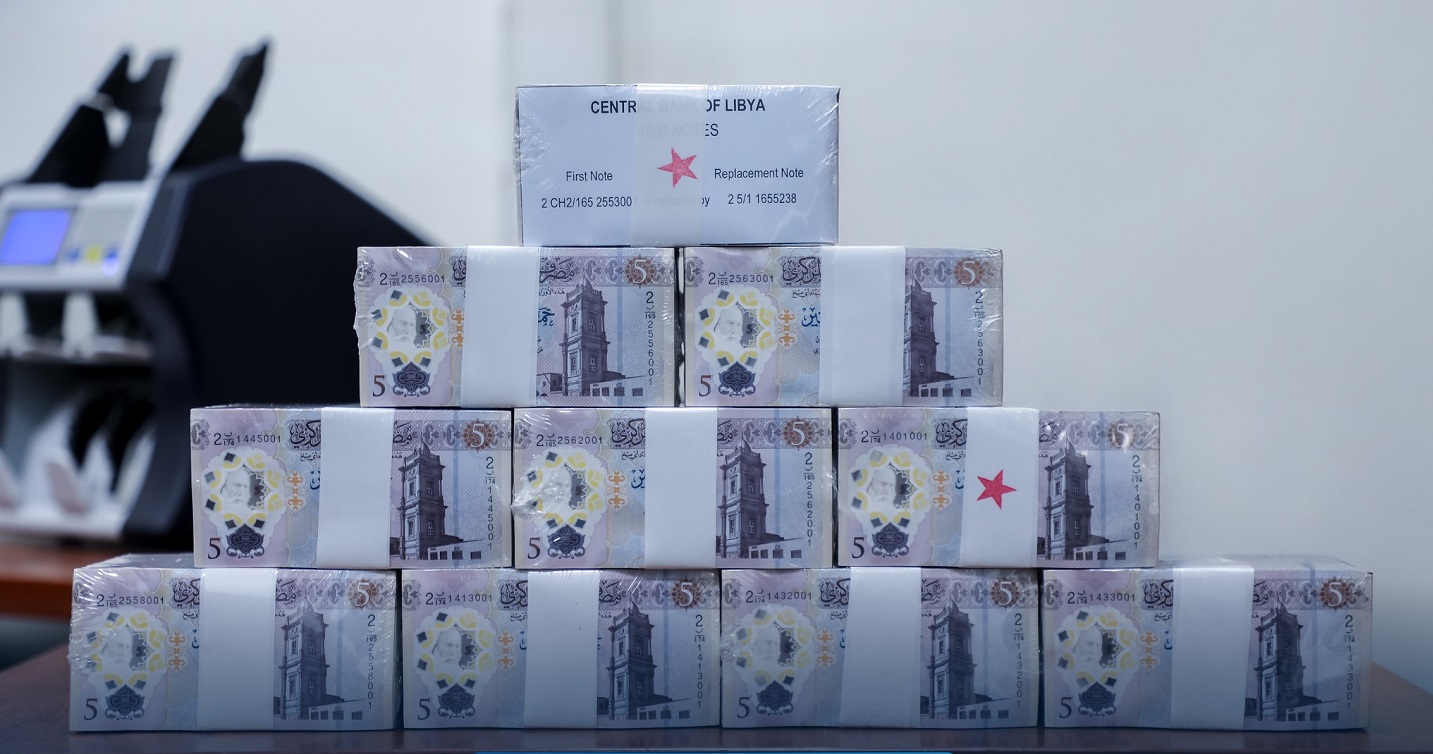
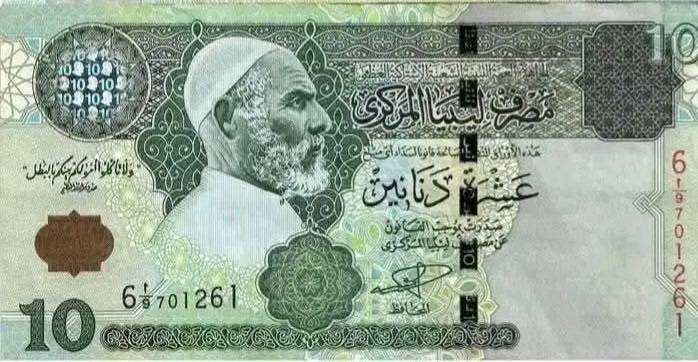
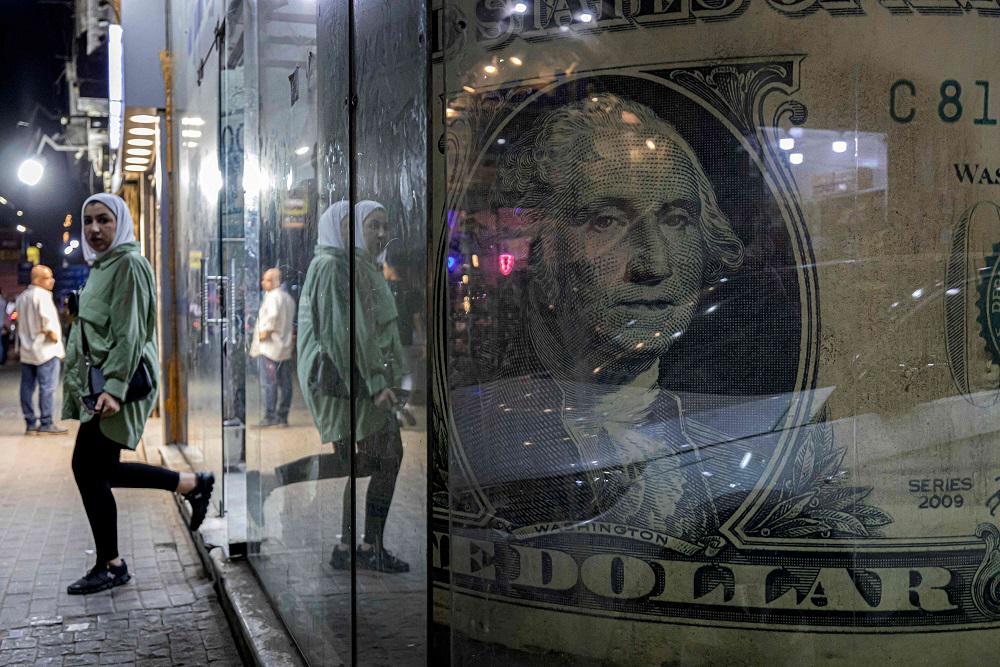
It is noted that the exchange rate of the US dollar, according to the bulletin issued by the Central Bank of Libya today, reached 6.3422 Libyan dinars, and with the addition of a 15% tax on official buying and selling operations, it reaches 7.29353 dinars.
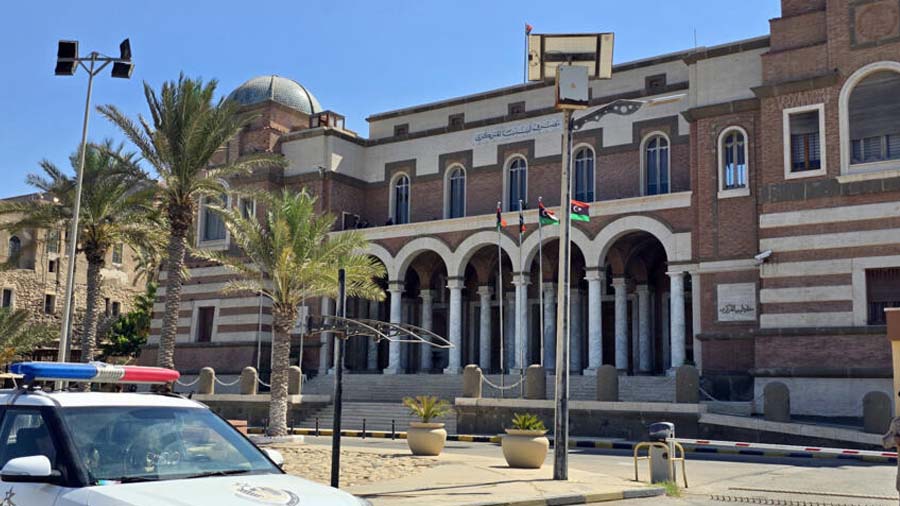
Libyan banks
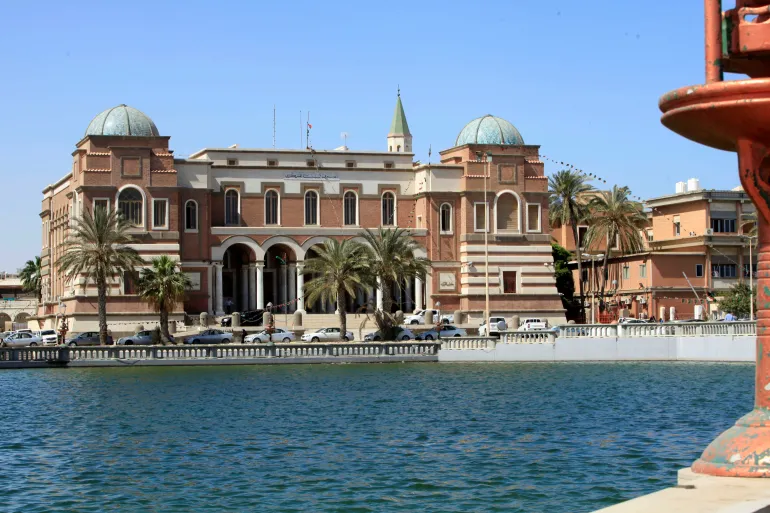
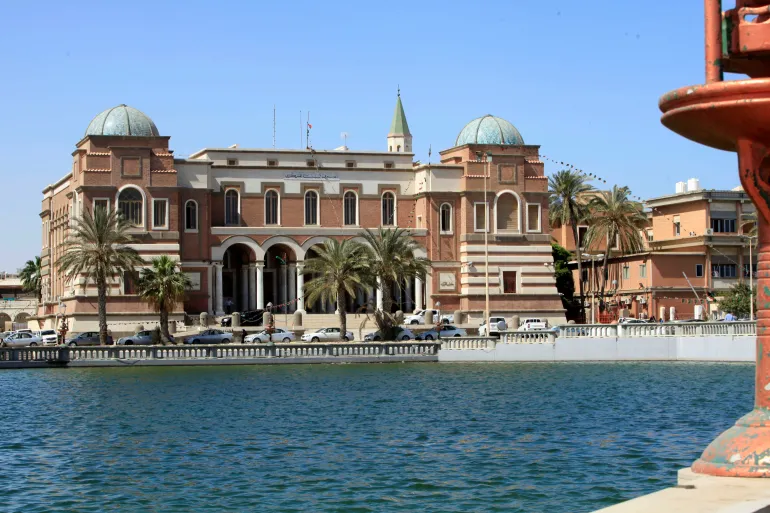
Libyan banks have a history rooted in the mid-20th century, with the Central Bank of Libya established in 1956 to issue currency and oversee the financial system. The sector has undergone significant changes, including nationalization and restructuring following the 2011 revolution, and continues to face challenges related to economic instability and fragmentation.
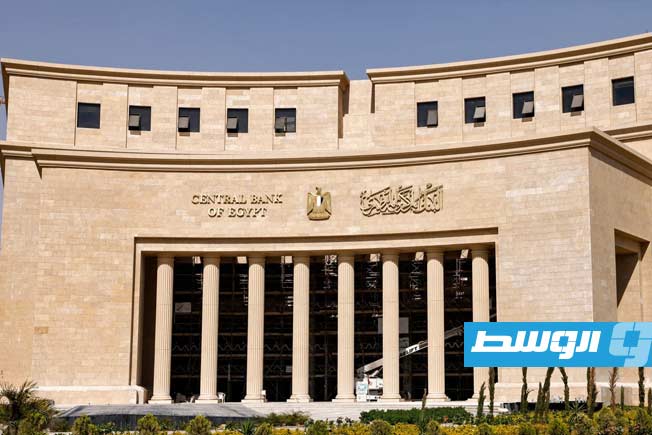
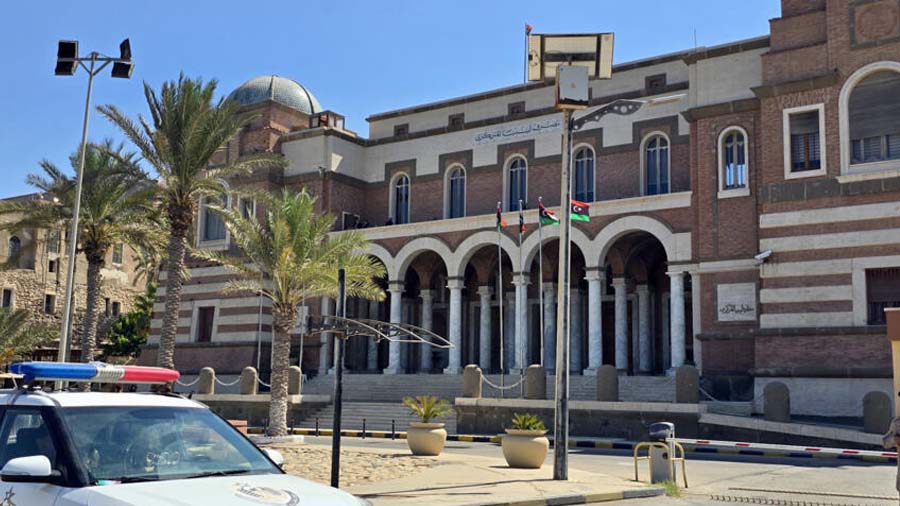
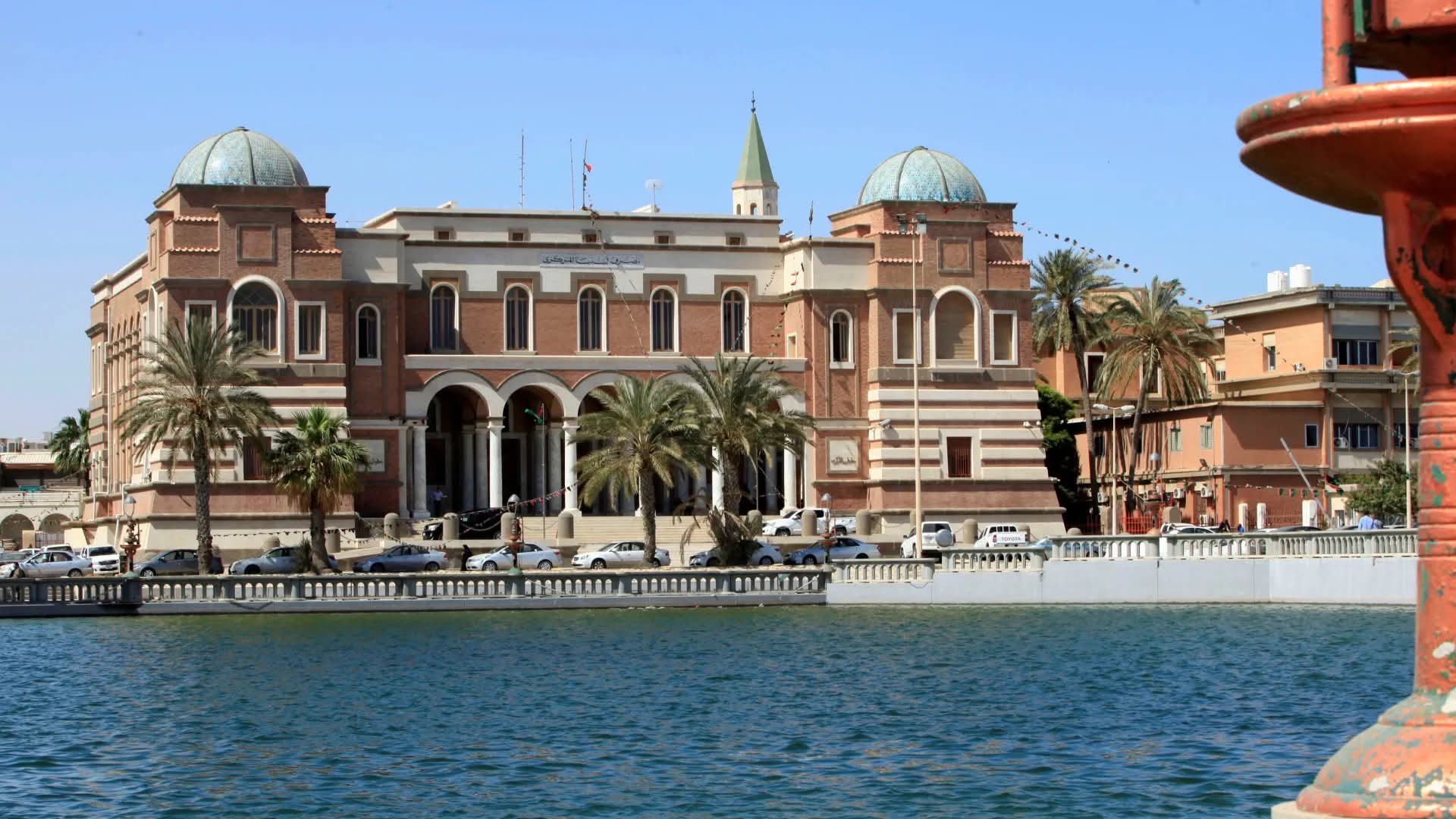
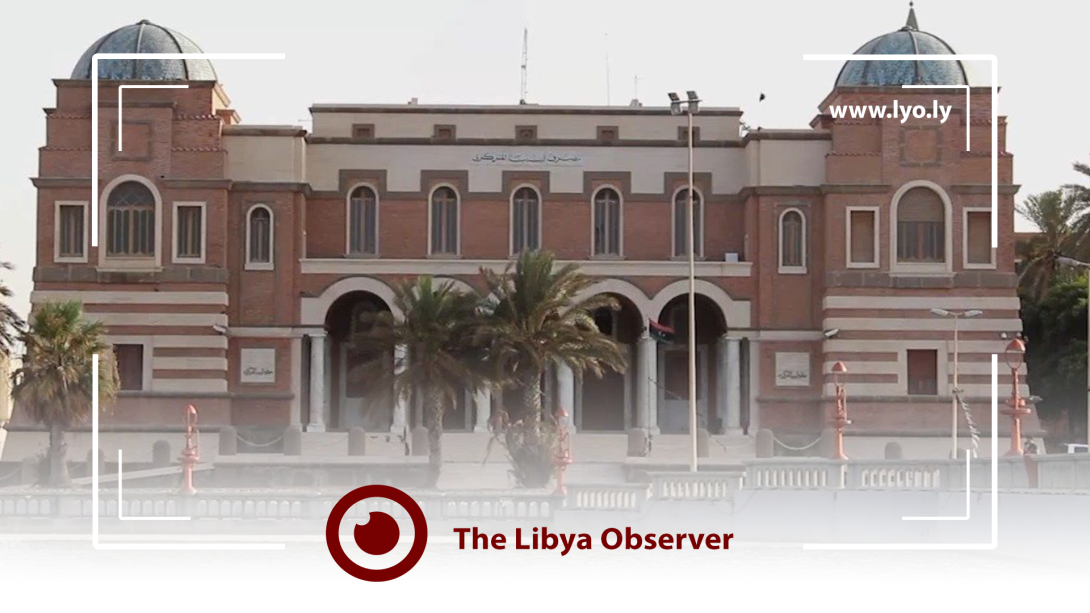
Central Bank of Libya
The Central Bank of Libya is the primary monetary authority of Libya, established in 1956 to issue currency and manage the country’s financial reserves. It has played a critical and often contested role throughout Libya’s modern history, including during the monarchy, the Gaddafi era, and the subsequent periods of conflict and division.
Commercial Bank
The Commercial Bank is a financial institution that emerged in the 19th century, primarily to serve the needs of merchants and businesses by facilitating trade and providing credit. Its history is tied to the growth of industrial capitalism, evolving from simple lending operations into complex corporations offering a wide range of services like savings accounts and investment products.
Republic Bank
Republic Bank is a major financial institution in Trinidad and Tobago, founded in 1837 as the Colonial Bank. It has played a central role in the country’s economic development, evolving through mergers and name changes to become the Republic Bank Limited known today.
Sahara Bank
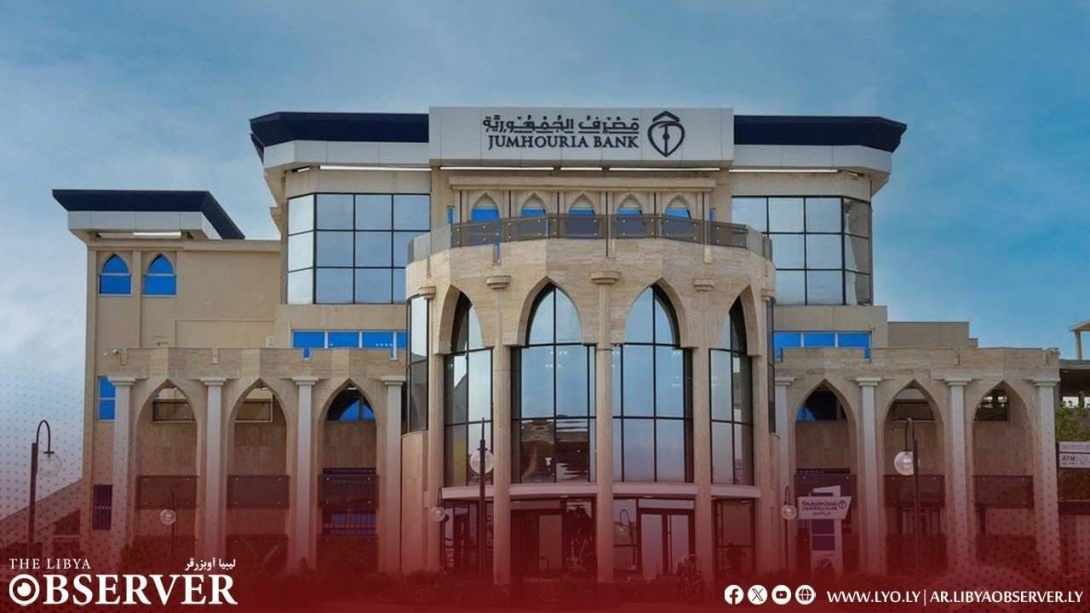
Sahara Bank is a commercial bank based in Libya, originally established in 1969 as Jamahiriya Bank before being renamed in 2011. It is one of the country’s major financial institutions, with its history closely tied to Libya’s economic and political developments over the past several decades.
Aman Bank
Aman Bank is a financial institution based in Libya, originally established in 1998 as a private shareholding company. It has grown to become one of the country’s major banks, providing a range of commercial and retail banking services to support the local economy.
Wahda Bank
Wahda Bank is a major commercial bank in Libya, founded in 1970 with its headquarters in Tripoli. It was established to support national economic development and has grown to become one of the country’s largest financial institutions, providing a wide range of banking services.
Trade and Development Bank
The Trade and Development Bank (TDB) is a multilateral, treaty-based financial institution founded in 1985 to foster economic development and regional integration in its member states across Eastern and Southern Africa. It provides financing and advisory services for projects in key sectors like infrastructure, energy, and trade to promote sustainable growth.
North Africa Bank
The North Africa Bank is a regional financial institution established to promote economic development and integration across North African countries. Its history is tied to efforts in the late 20th and early 21st centuries to strengthen investment, trade, and infrastructure cooperation among nations in the Maghreb and surrounding regions.
Islamic Bank
The Islamic Bank is a financial institution that operates in accordance with Islamic law (Sharia), which prohibits interest (riba) and promotes risk-sharing and ethical investments. Its modern history began in the 1970s with the establishment of pioneering institutions like the Islamic Development Bank, aiming to provide financial services aligned with religious principles for Muslim communities. Today, it represents a significant and growing sector within global finance.
United Bank
The United Bank is a financial institution founded in 1959 in Pakistan, originally established to support industrial development and trade. It has since grown into one of the country’s largest commercial banks, playing a significant role in its economic history.
Yaqeen Bank
Yaqeen Bank is a financial institution based in Pakistan, established in 2022 with a focus on Islamic banking principles. It operates as a subsidiary of the Pakistan Army’s welfare arm, the Fauji Foundation, aiming to provide Sharia-compliant financial services.
Nouran Bank
Nouran Bank is a financial institution based in Iran, established in 2010 as part of the country’s private banking sector. It was founded to provide Sharia-compliant banking services and has since expanded its network of branches across the nation.
Andalus Bank
The Andalus Bank, also known as the Bank of Andalusia, was a financial institution established in the early 20th century in the Andalusia region of Spain. It played a significant role in the regional economy before eventually being absorbed into larger banking consolidations in the latter part of the century.