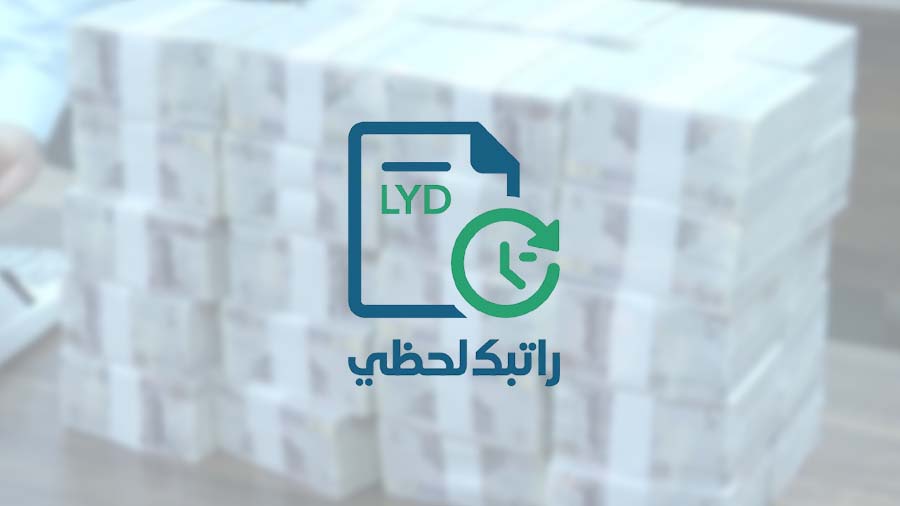
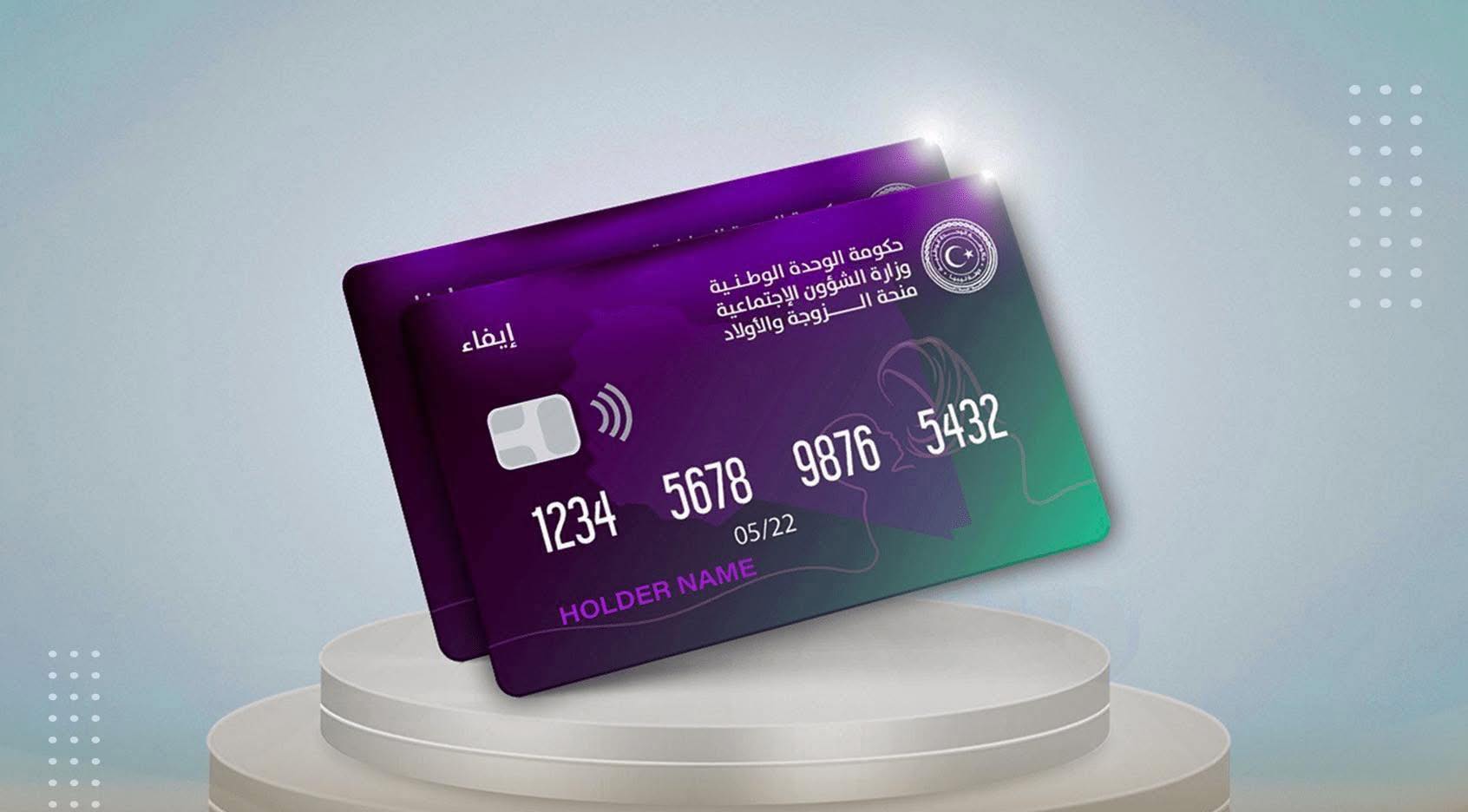
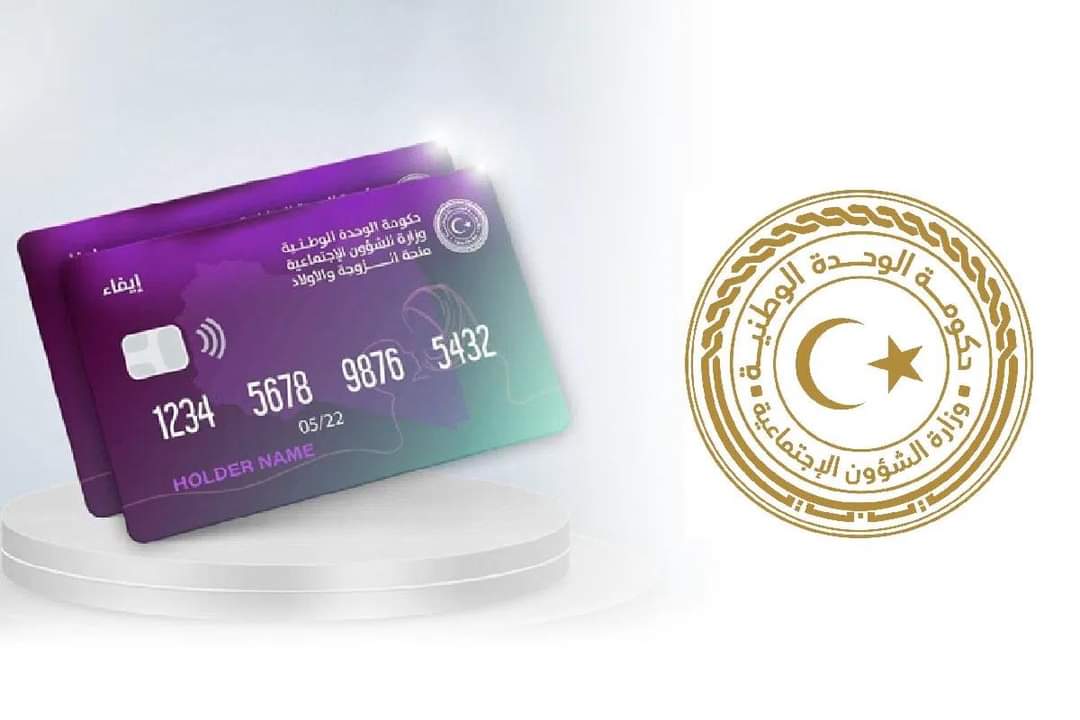
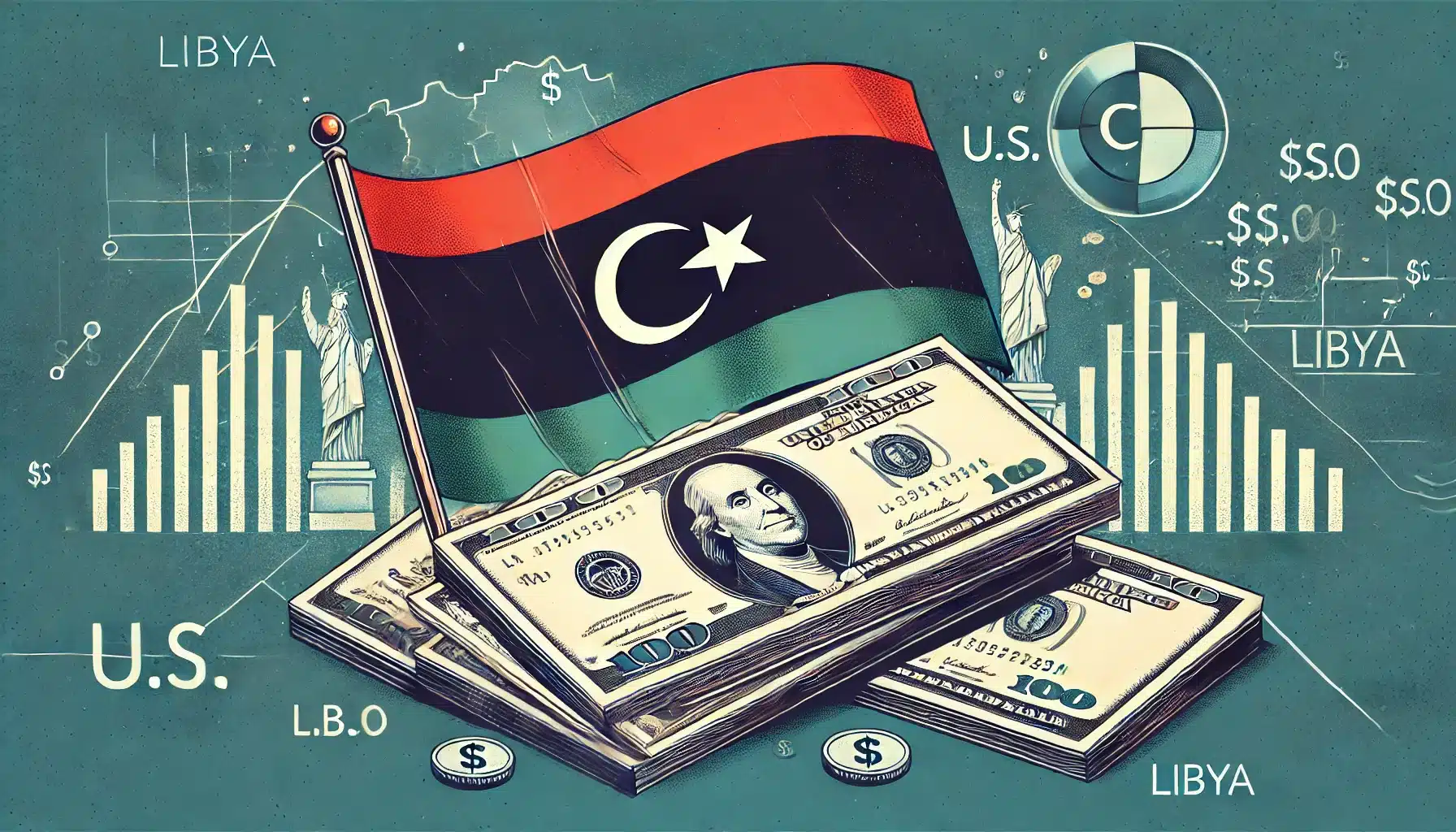
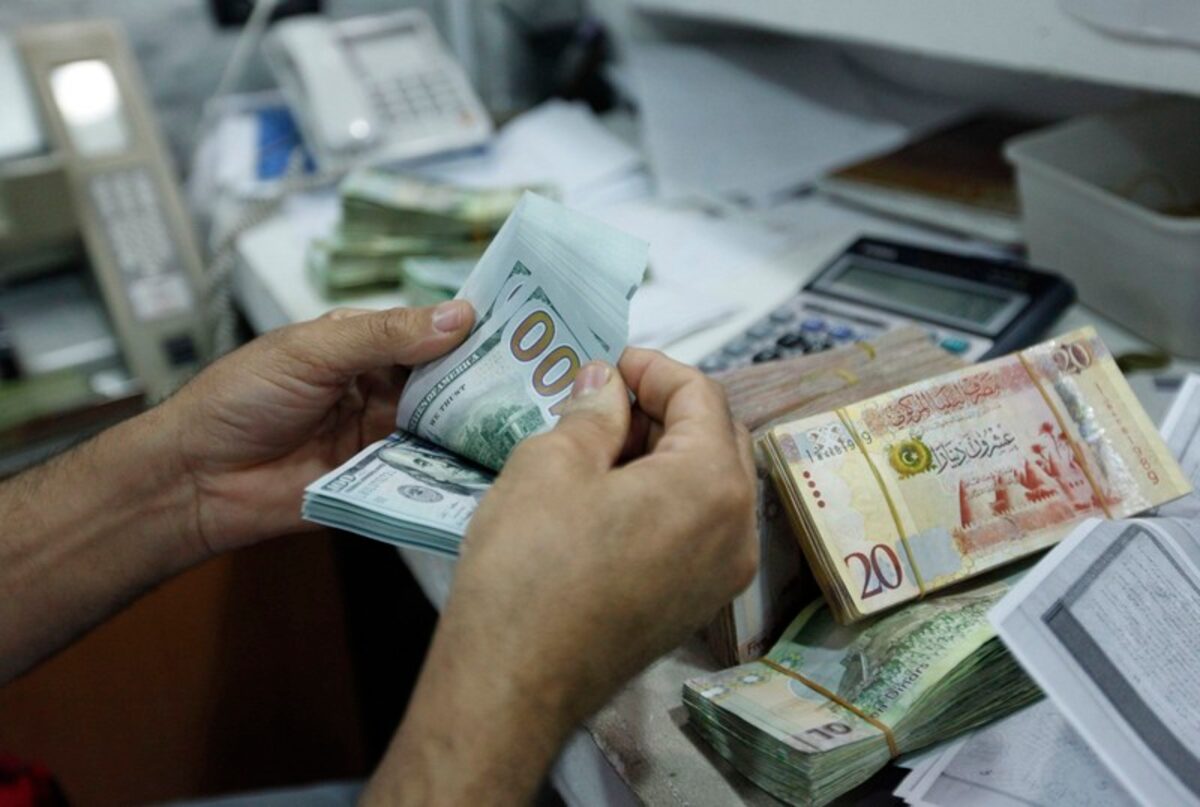
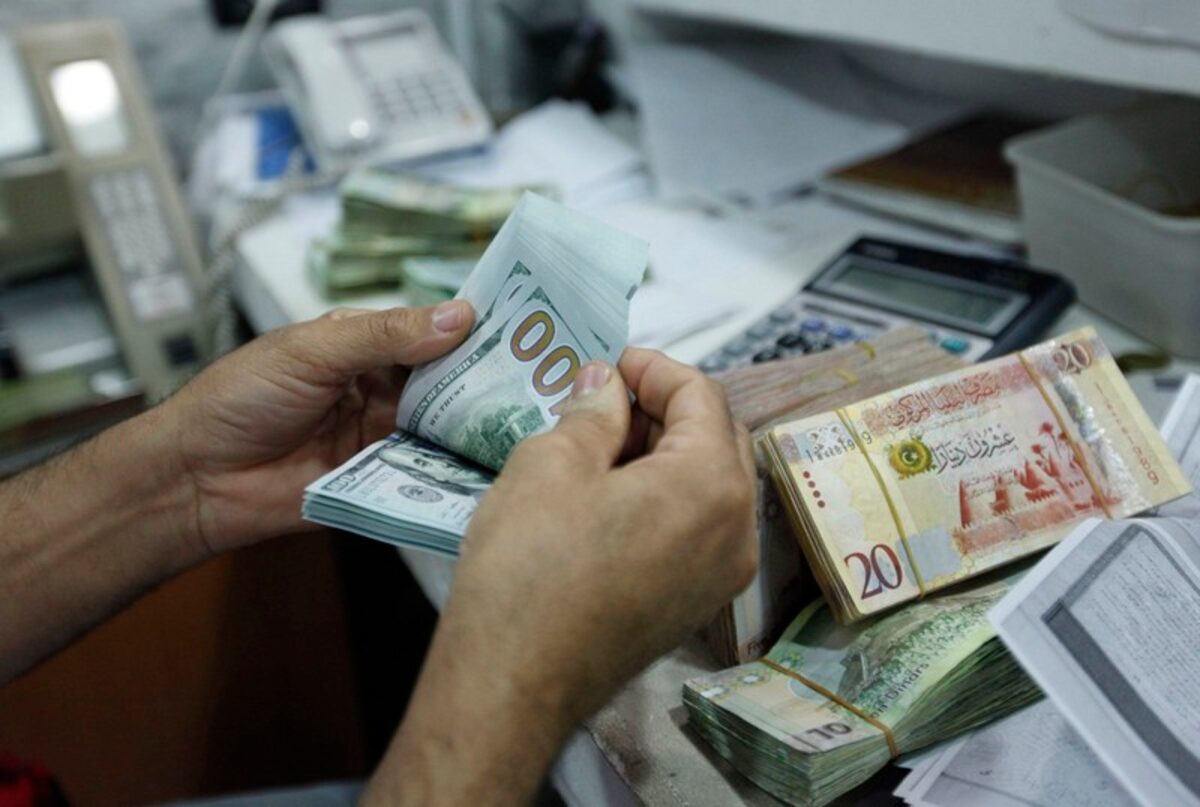
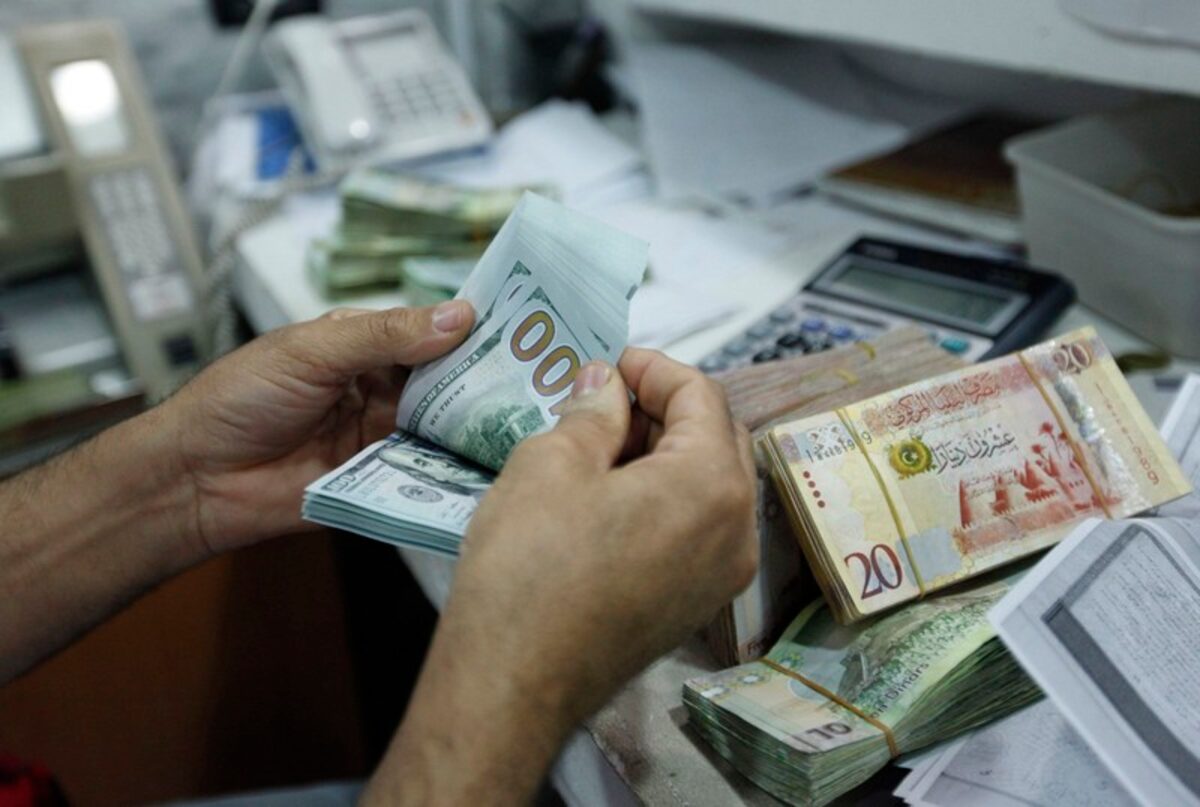
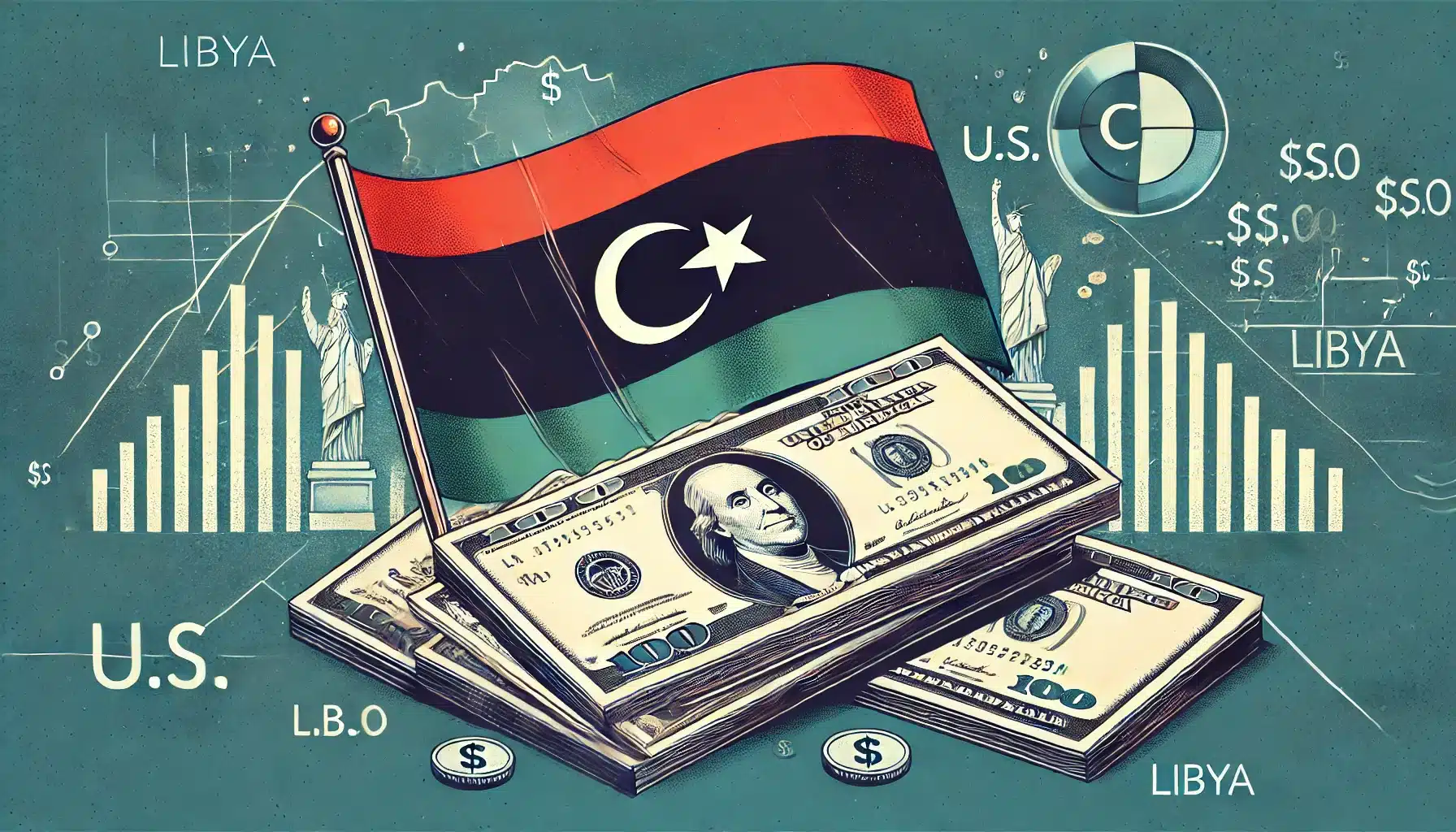
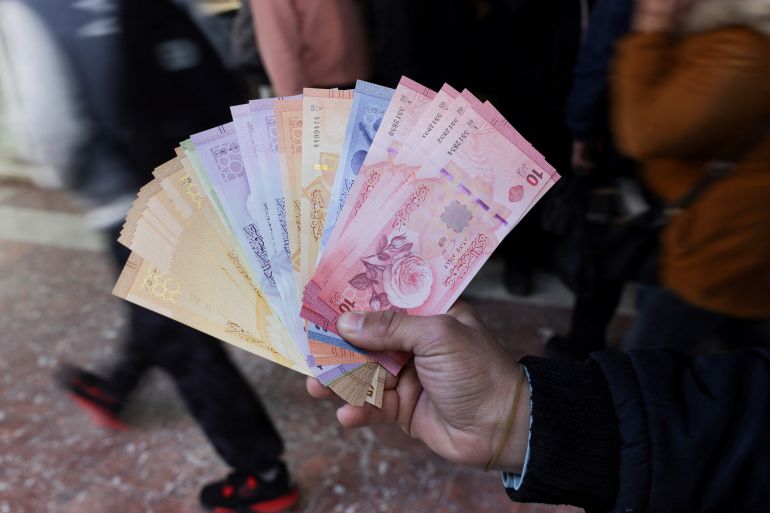
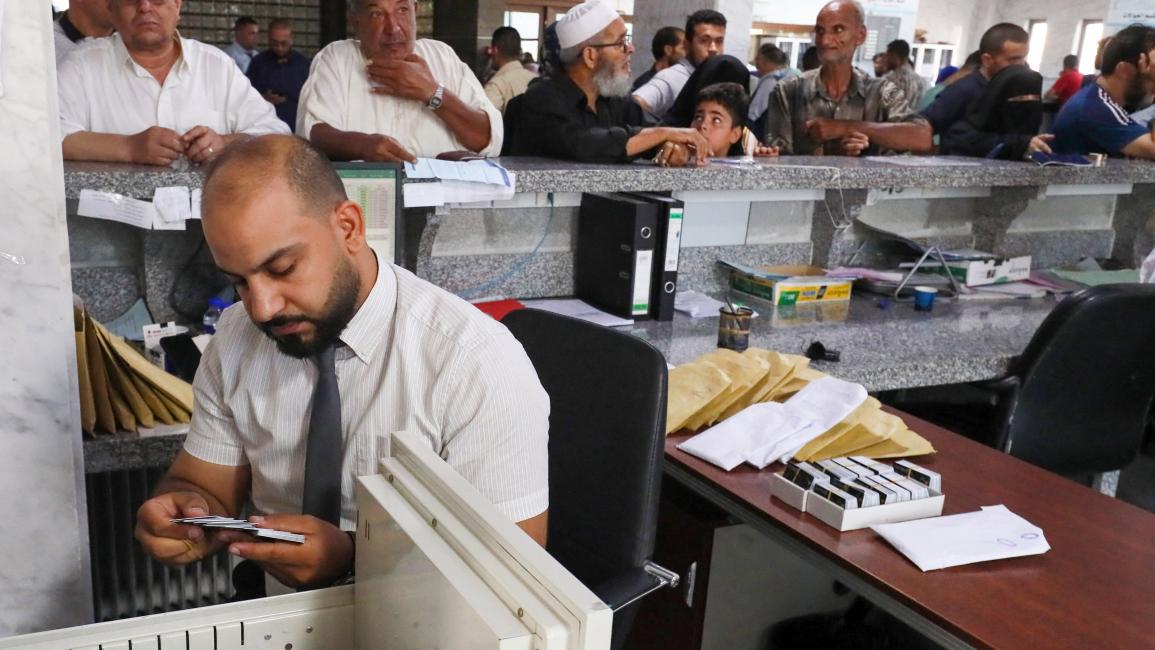
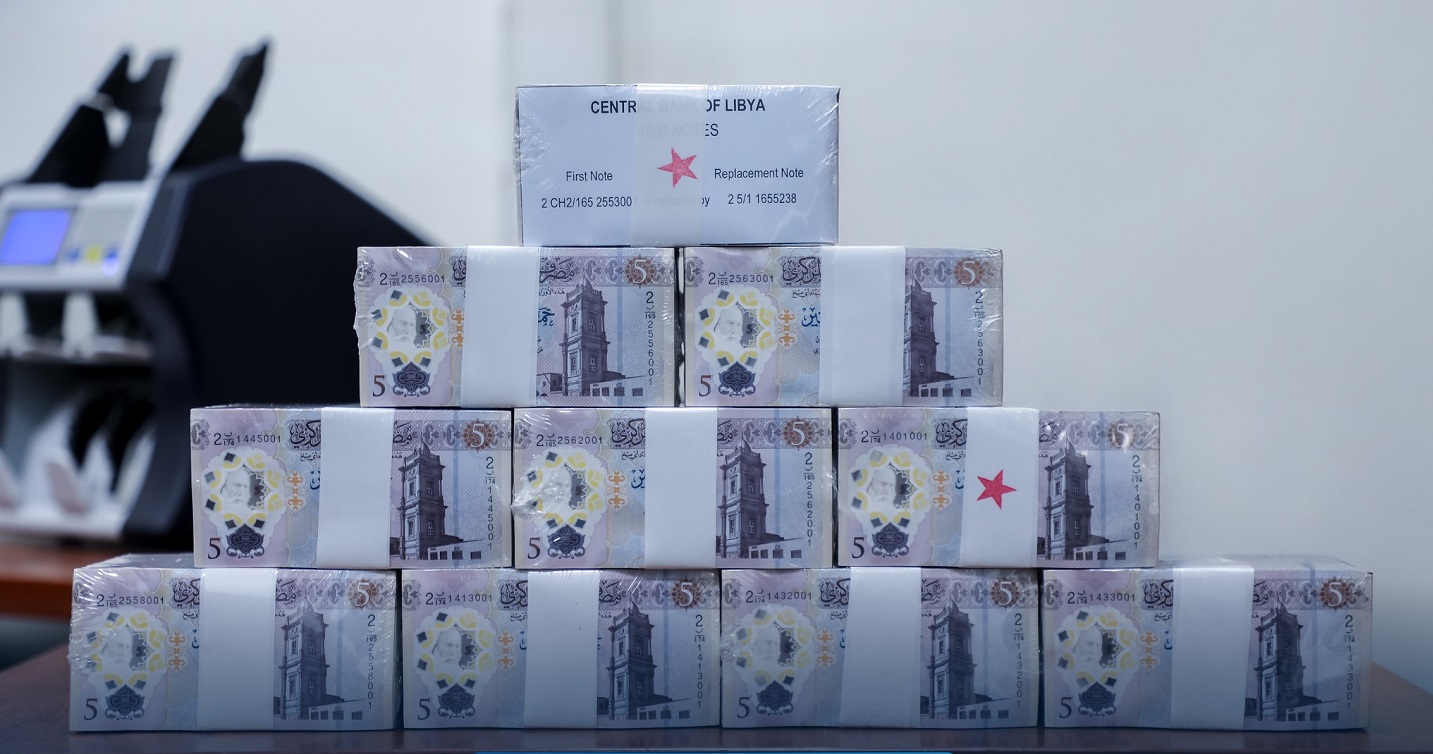
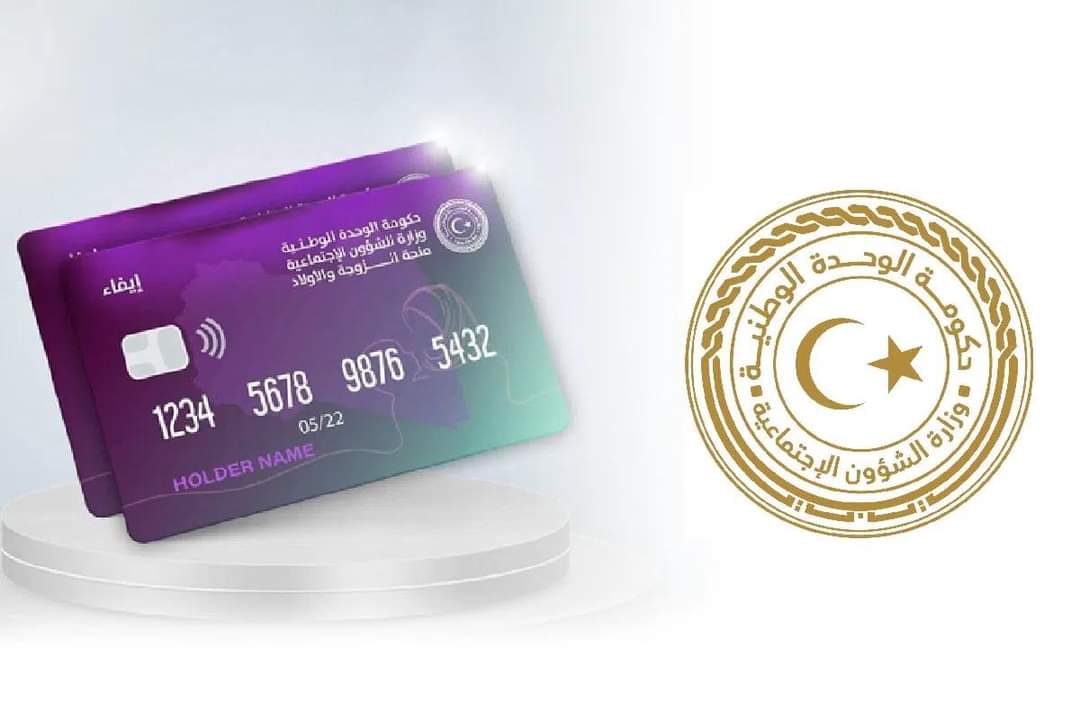
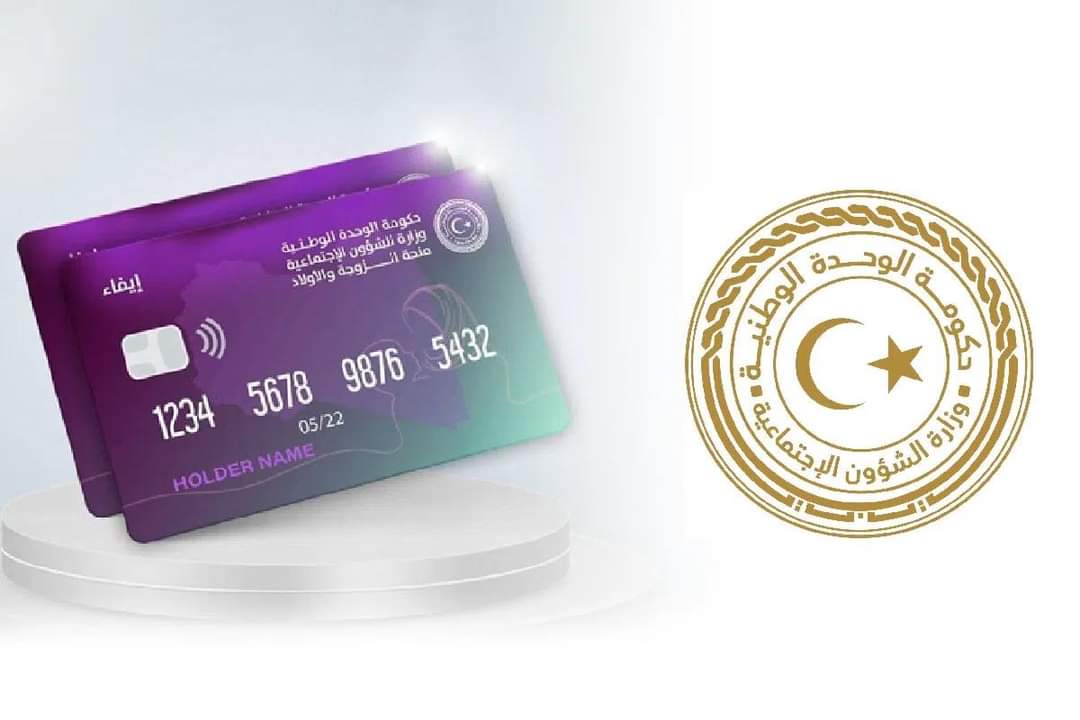
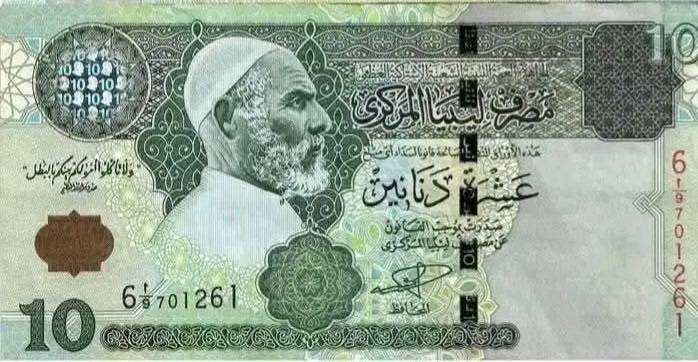
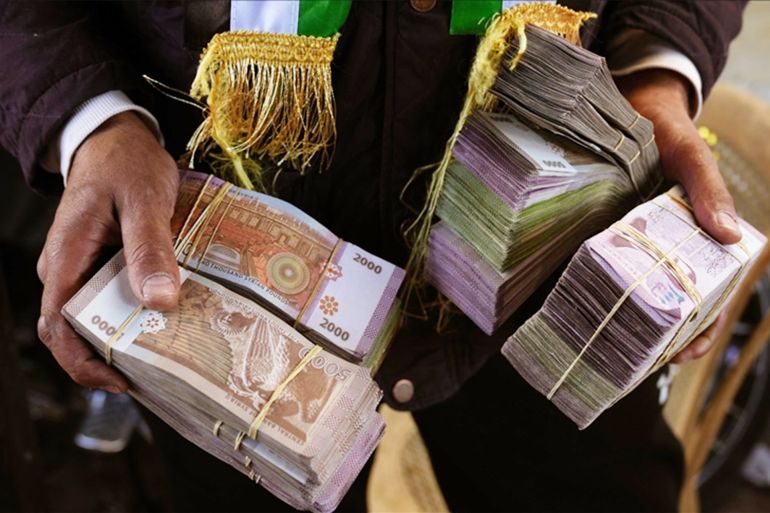
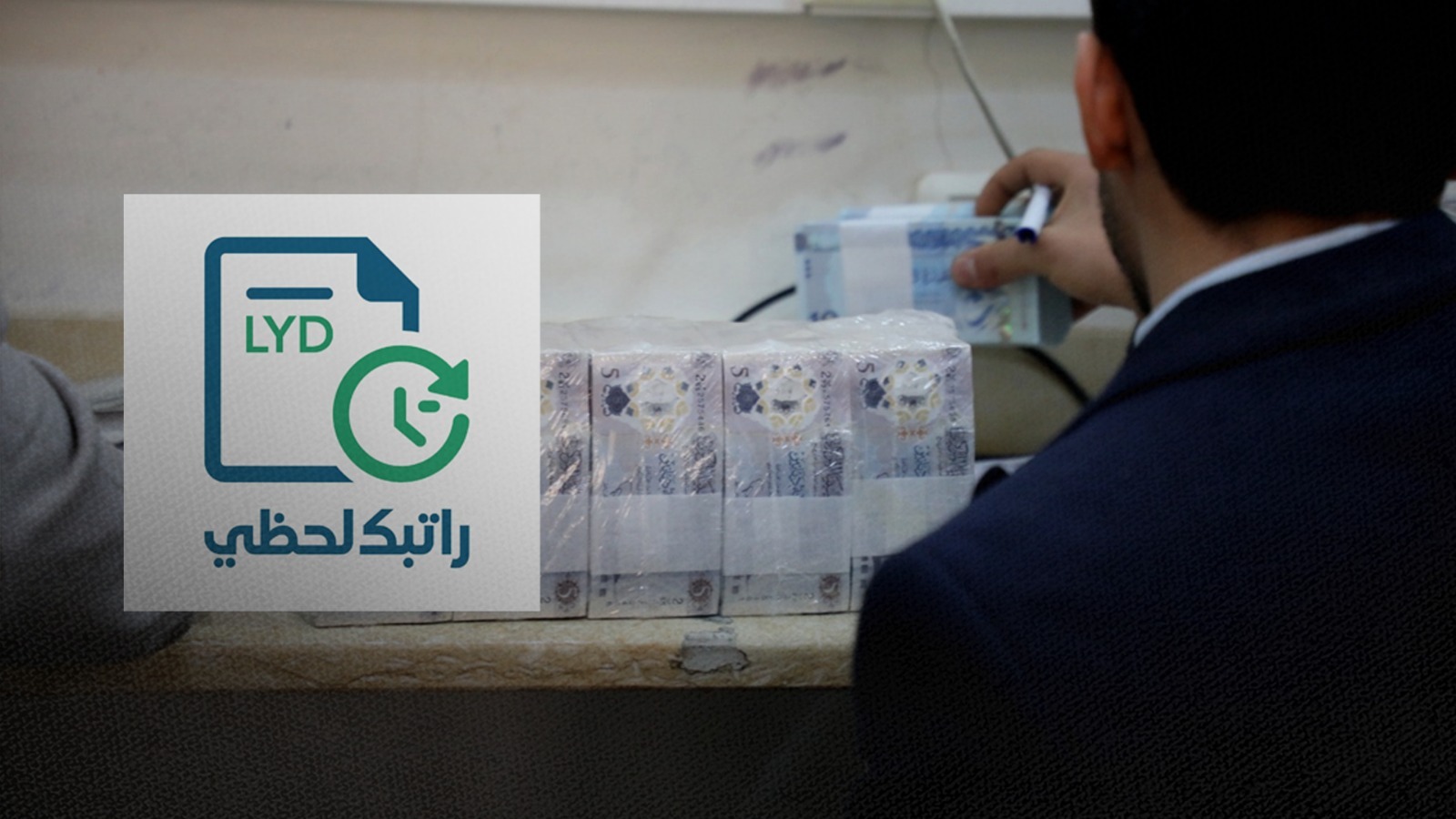
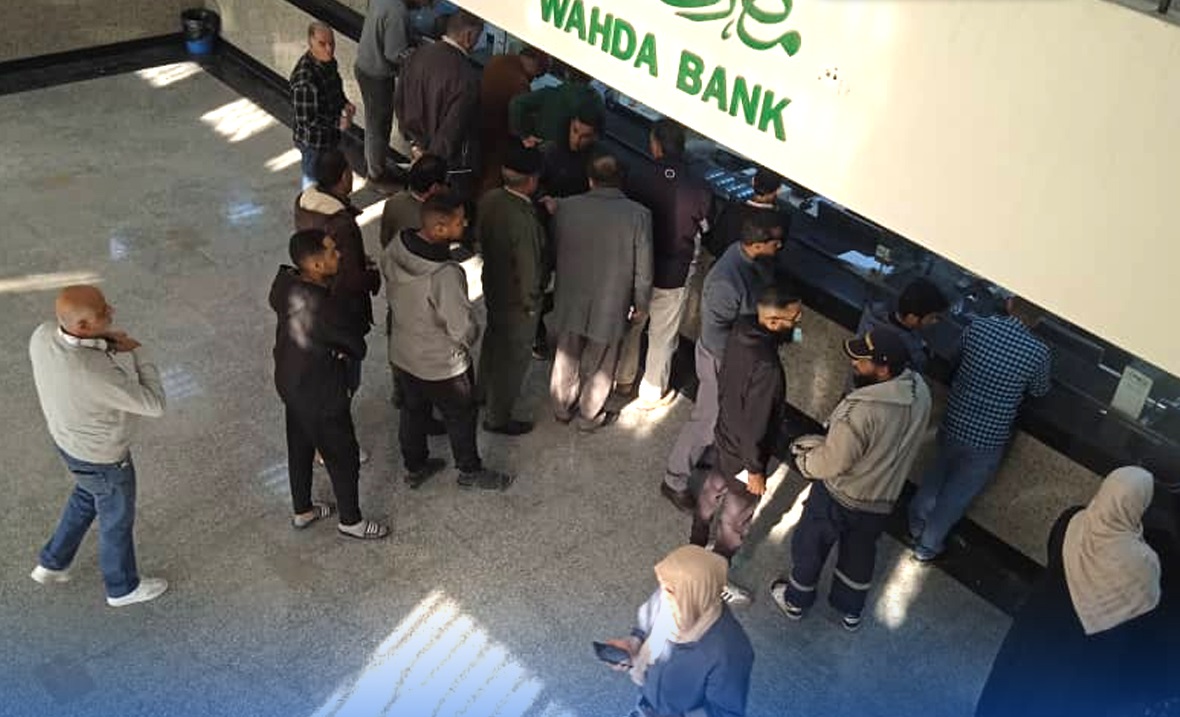
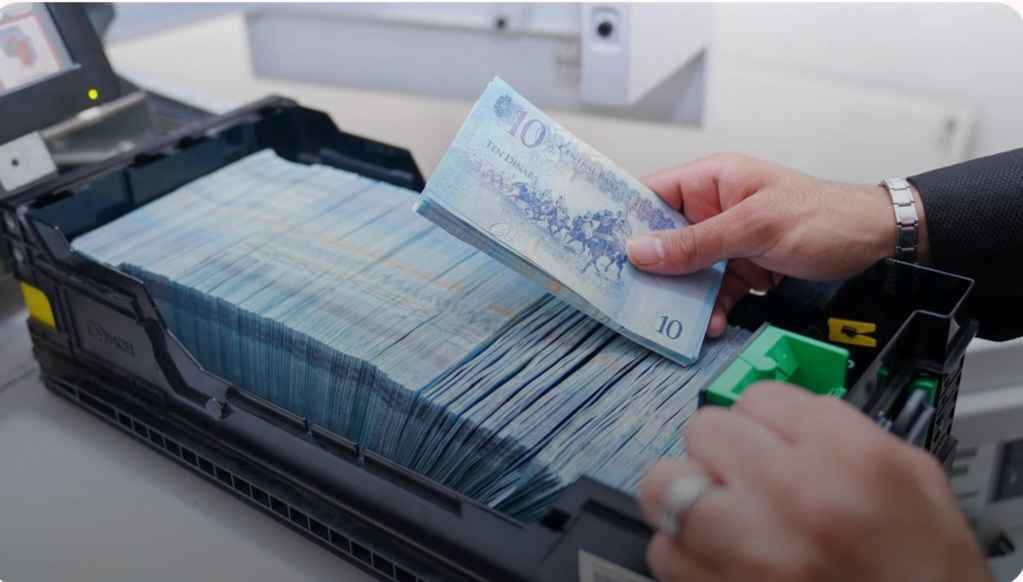
Libyan Scene publishes today, Thursday, December 18, 2025, the latest prices for personal purpose card deposits in Libyan banks, according to what has been circulated on specialized pages on social media platforms.
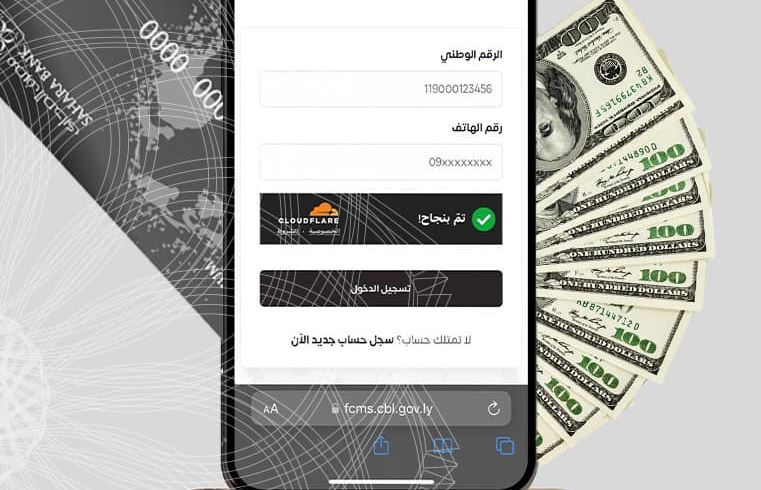
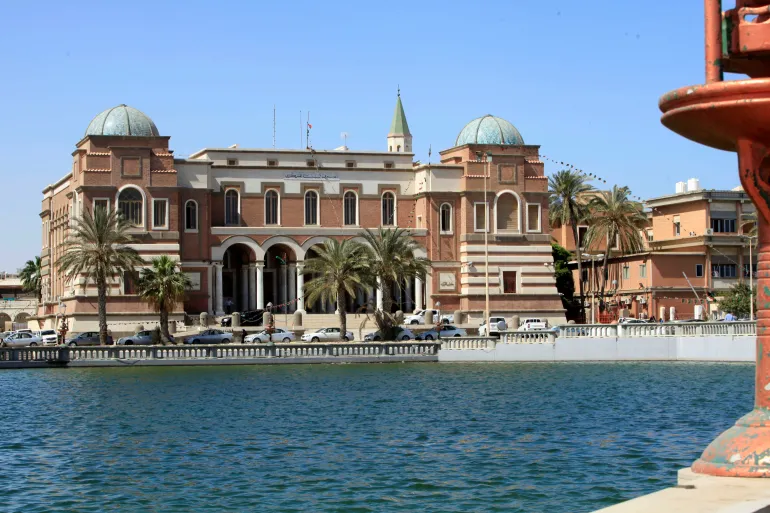
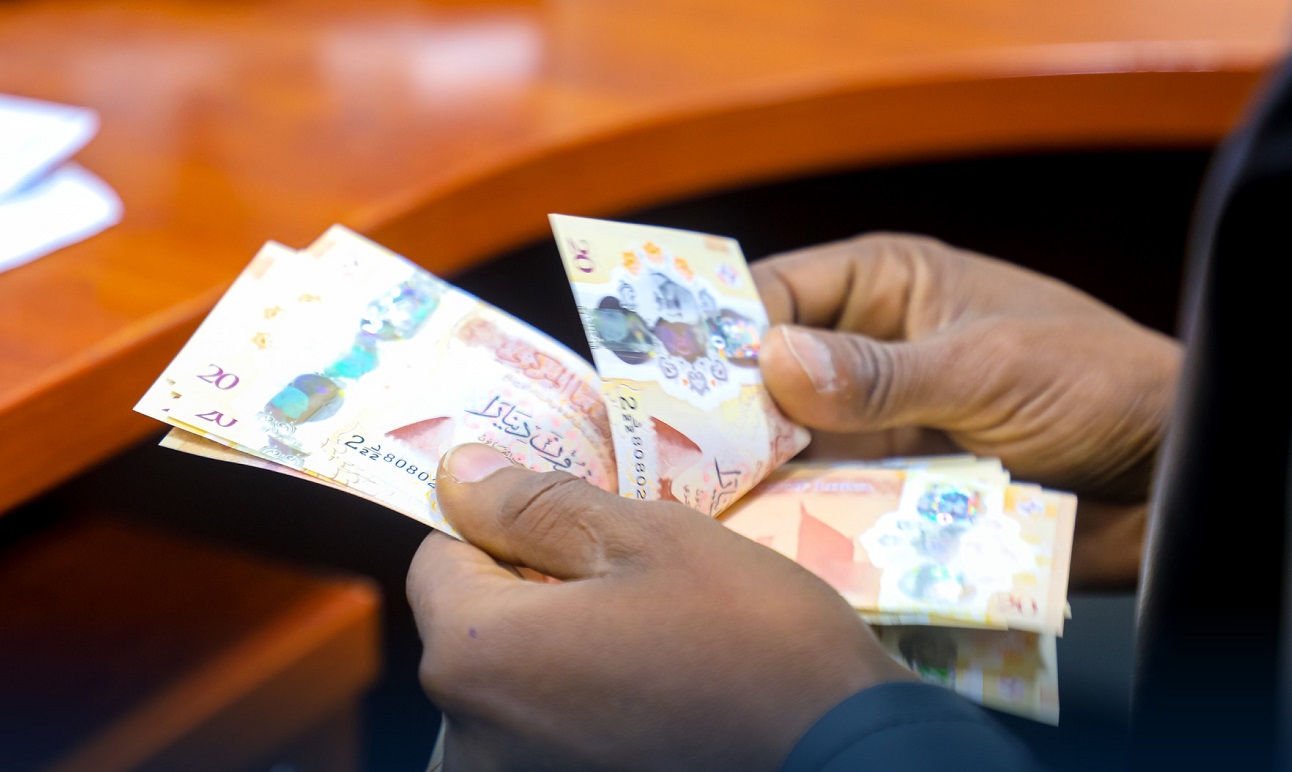
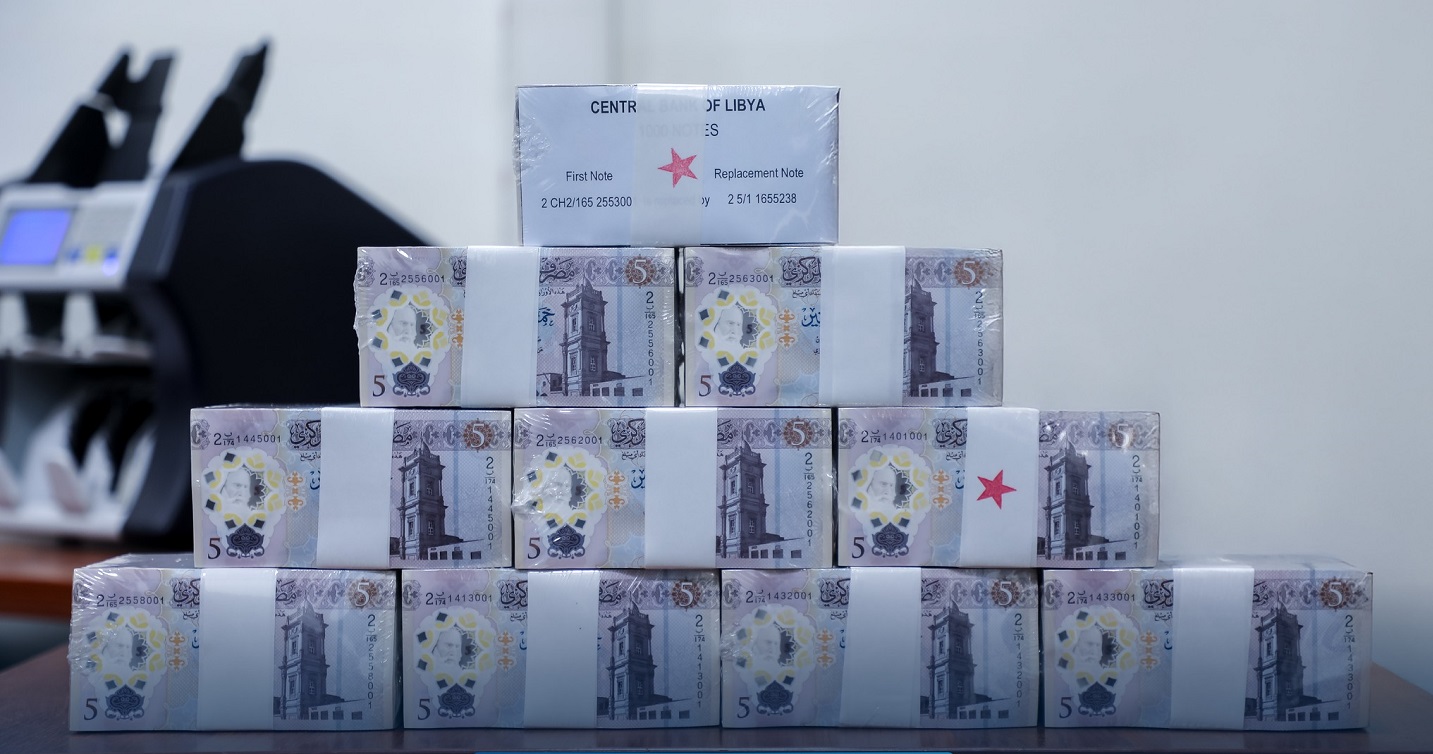
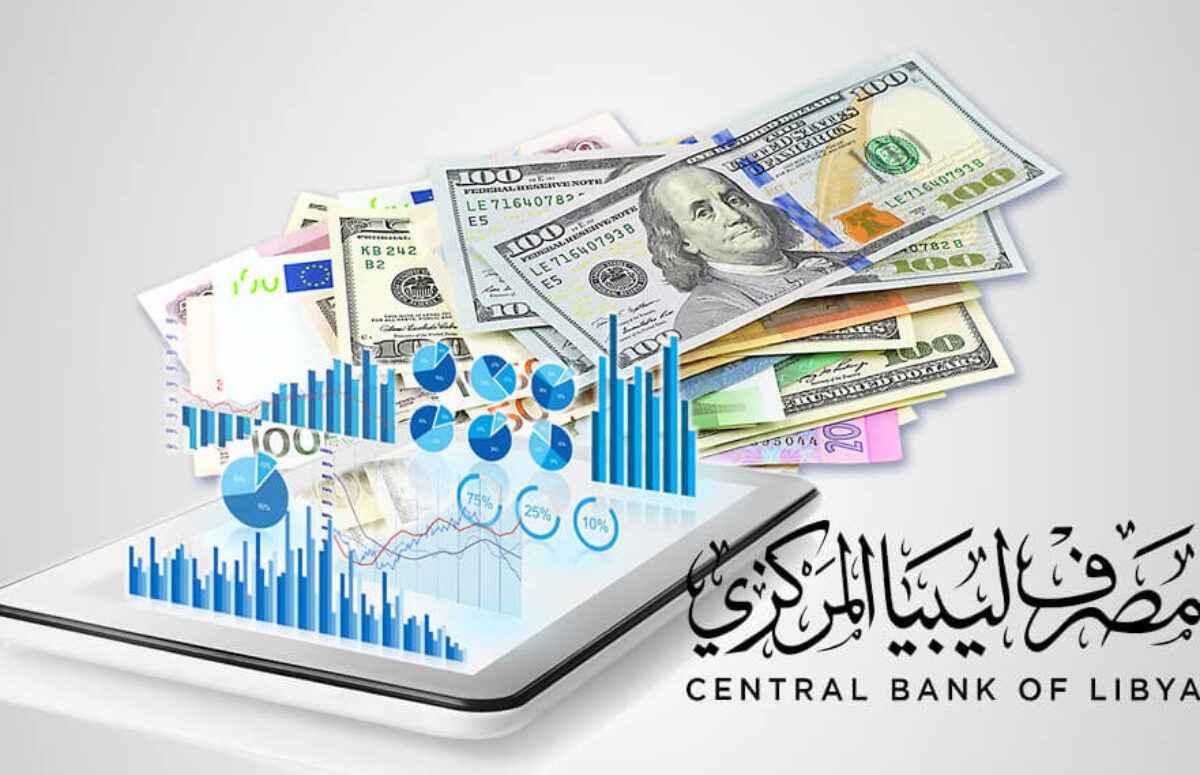
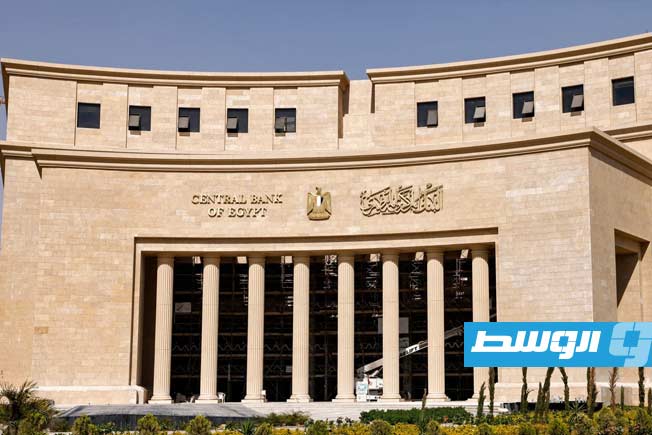
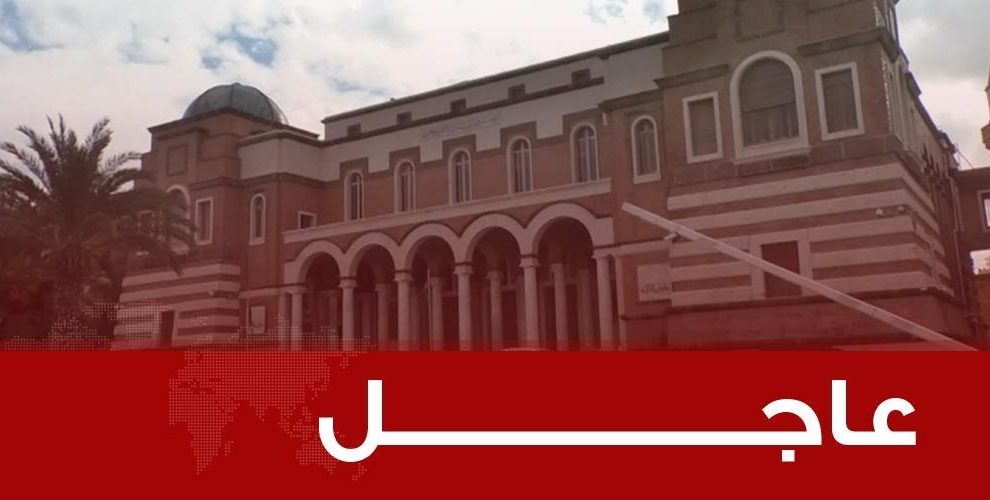
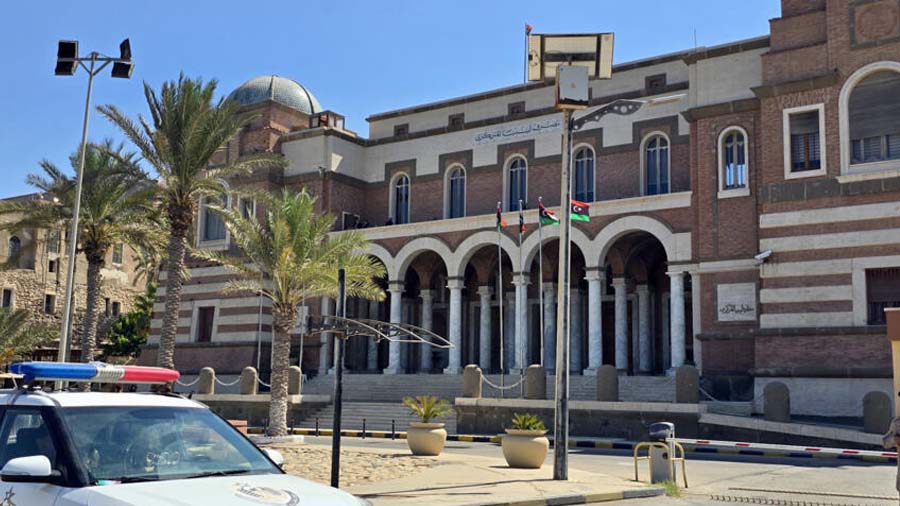
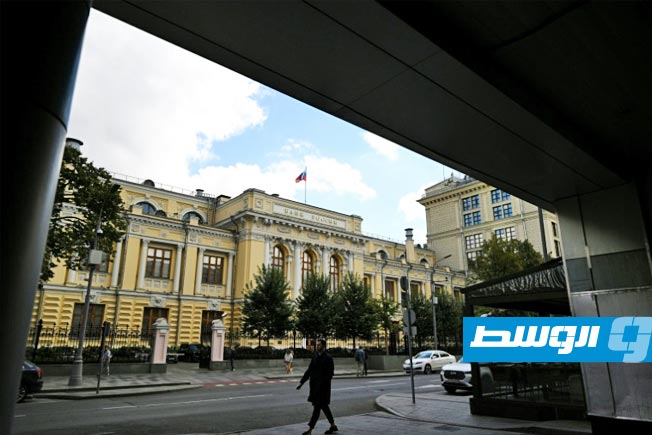
According to the Central Bank of Libya’s bulletin, deposits for cards worth $2000 saw a slight decline to reach 10,870 dinars, while the value of the added tax amounted to about 1,630 dinars.
— Commercial Bank = 12,600 dinars including commissions
— Republic Bank = 12,550 dinars including commissions
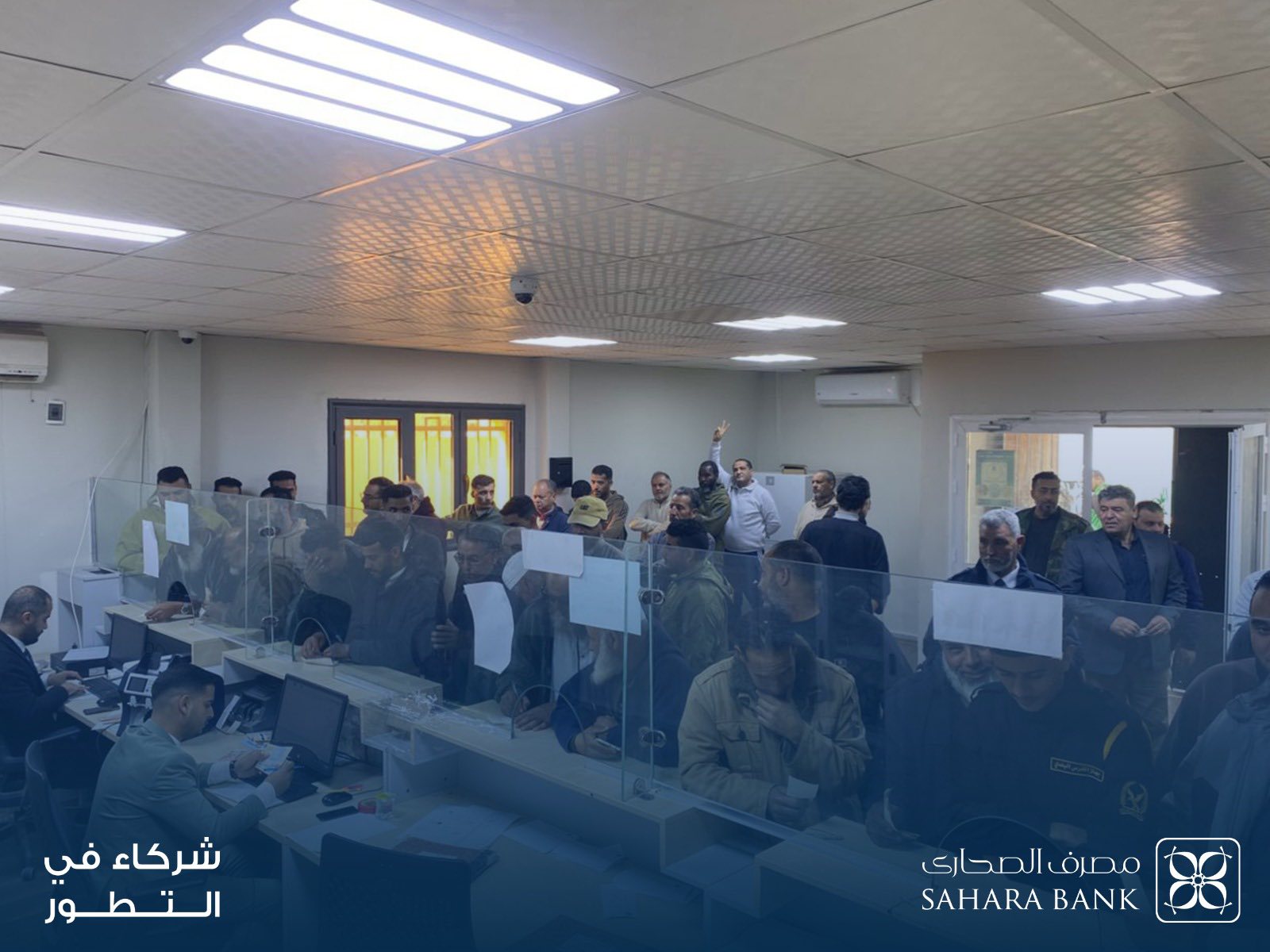
— Sahara Bank = 12,550 dinars including commissions
— Aman Bank = 12,600 dinars including commissions
— Unity Bank = 12,550 dinars including commissions
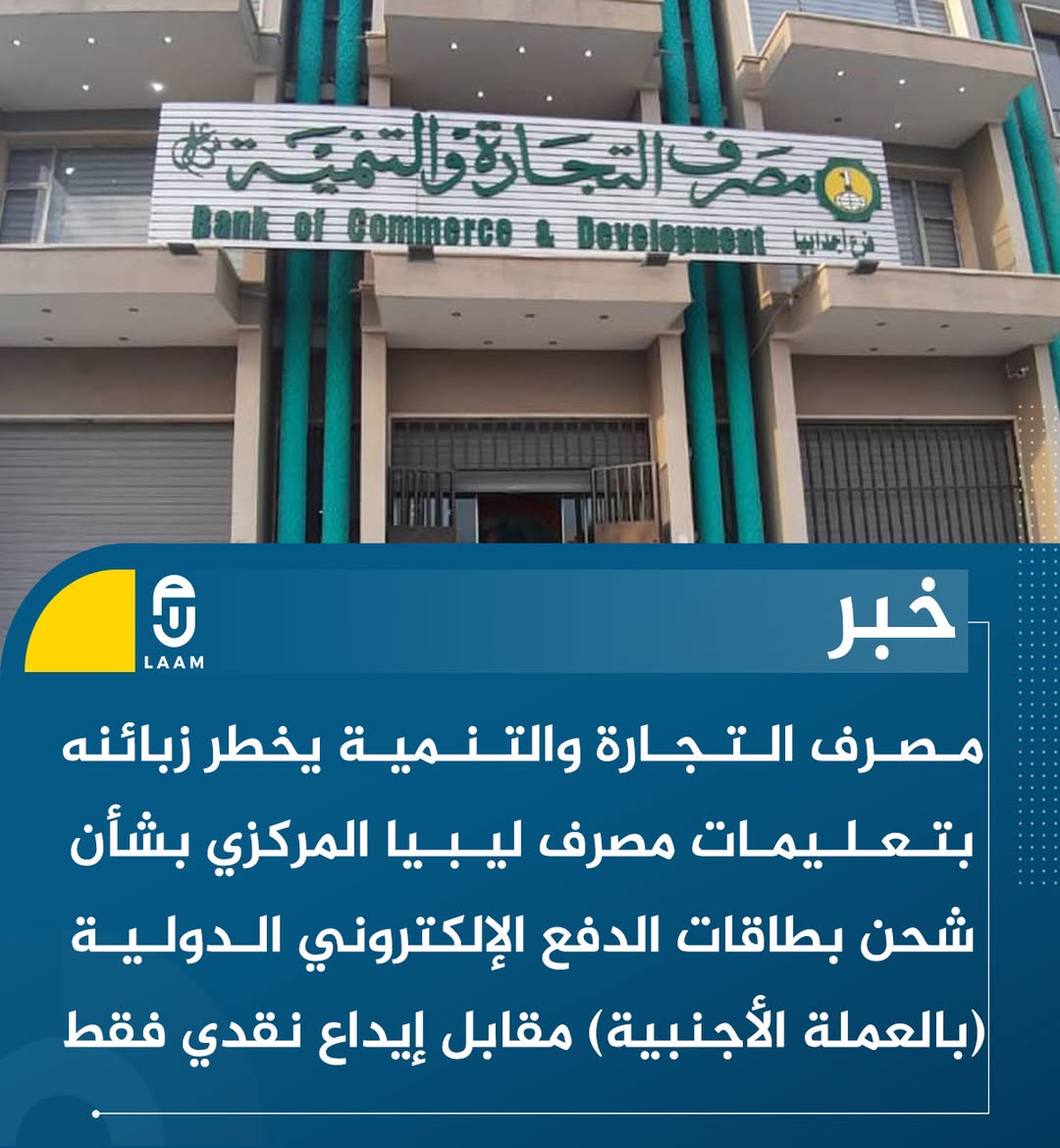
— Trade and Development Bank = 12,530 dinars including commissions
— North Africa Bank = 12,565 dinars including commissions
— Islamic Bank = 12,590 dinars including commissions
— United Bank = 12,500 dinars including commissions.
— Yaqeen Bank = 12,565 dinars including commissions.
— Nouran Bank = 12,565 dinars including commissions.
— Al-Andalus Bank = 12,600 dinars including commissions.
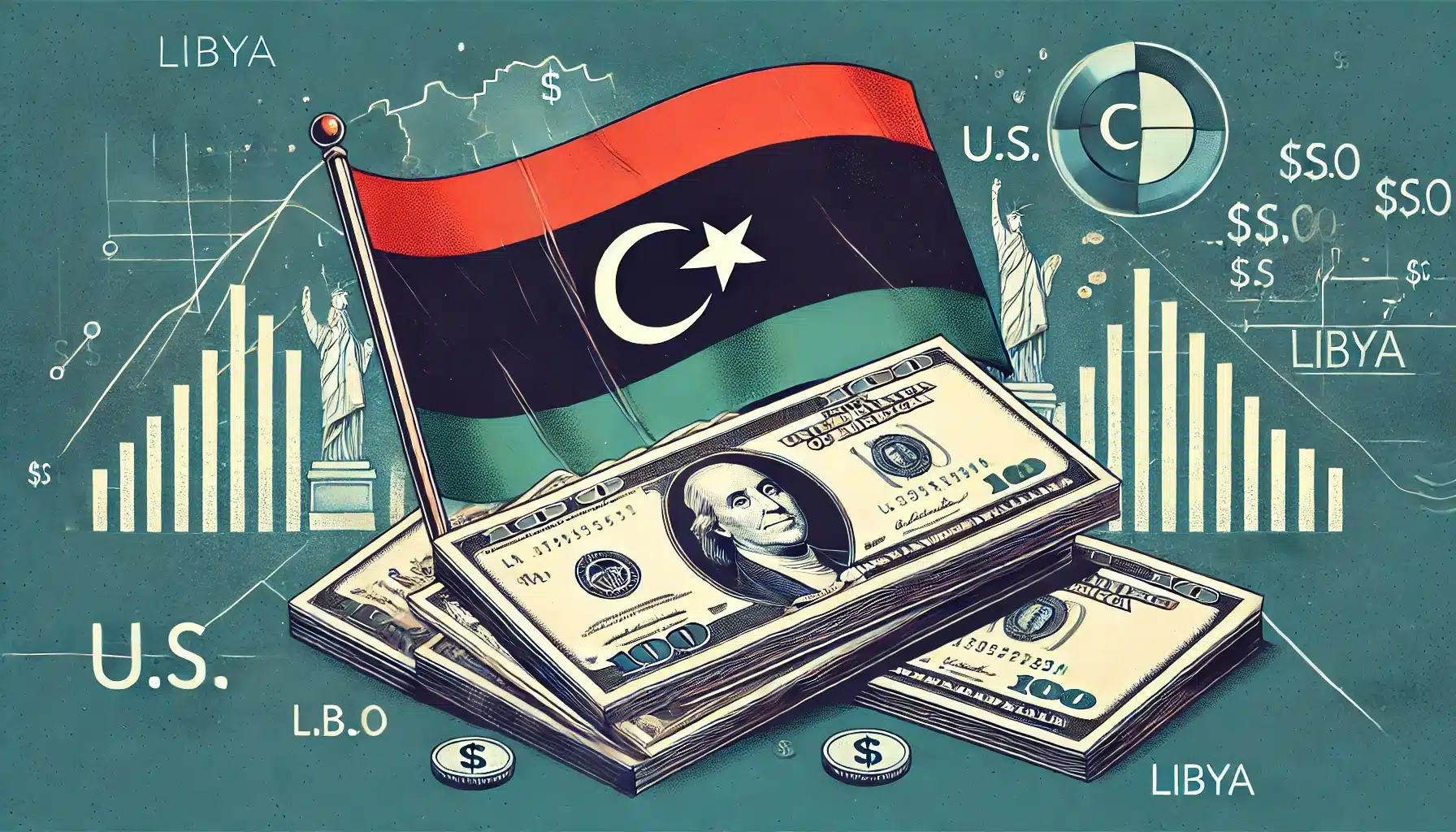
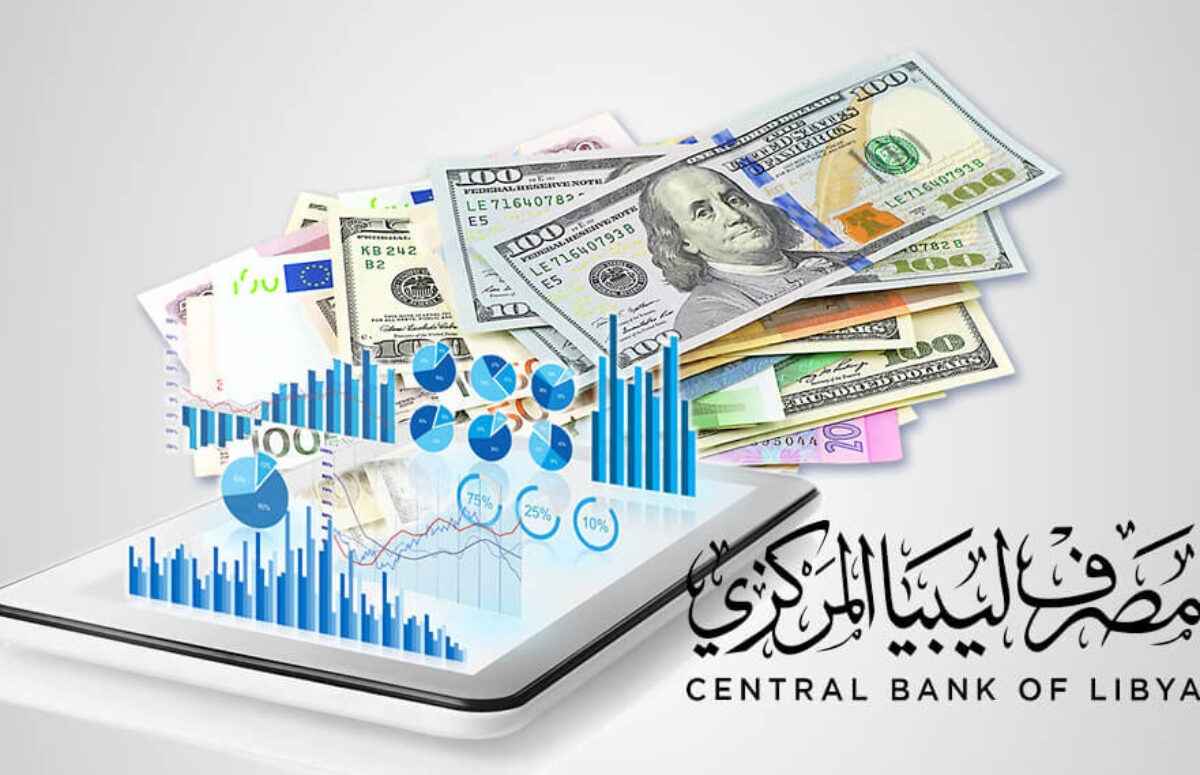
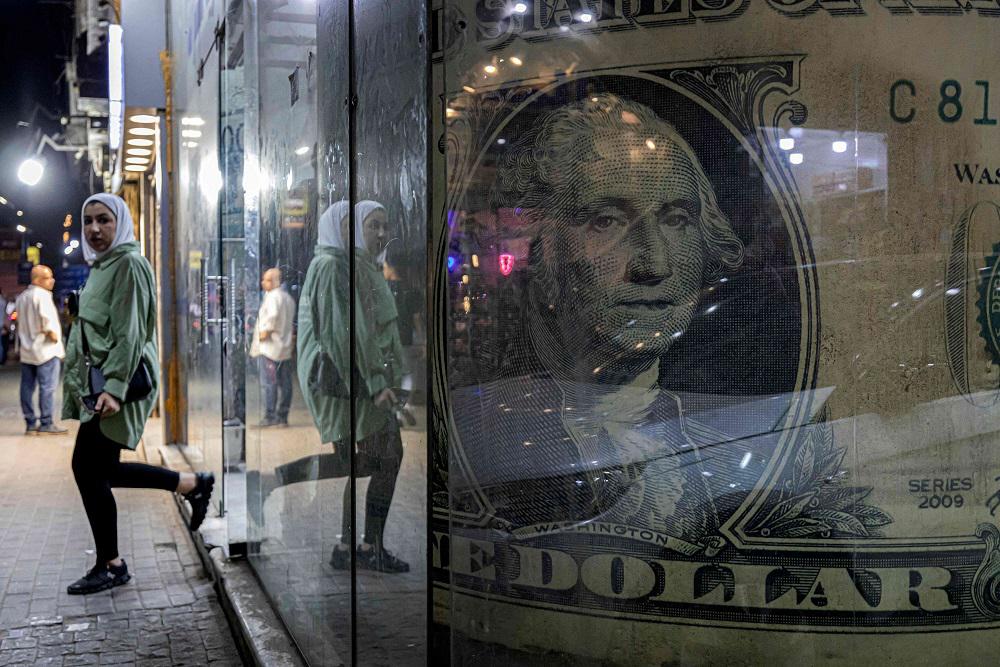
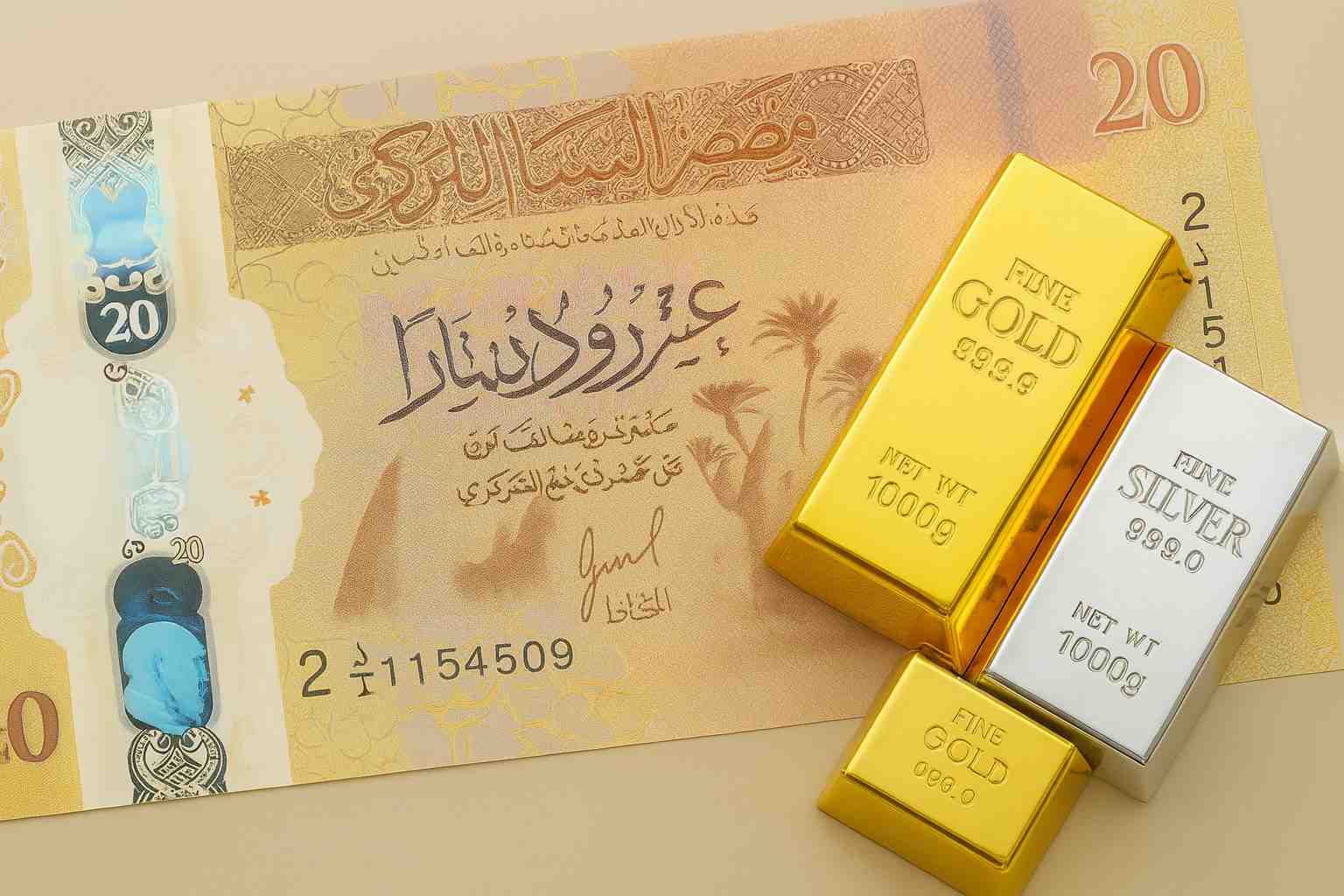
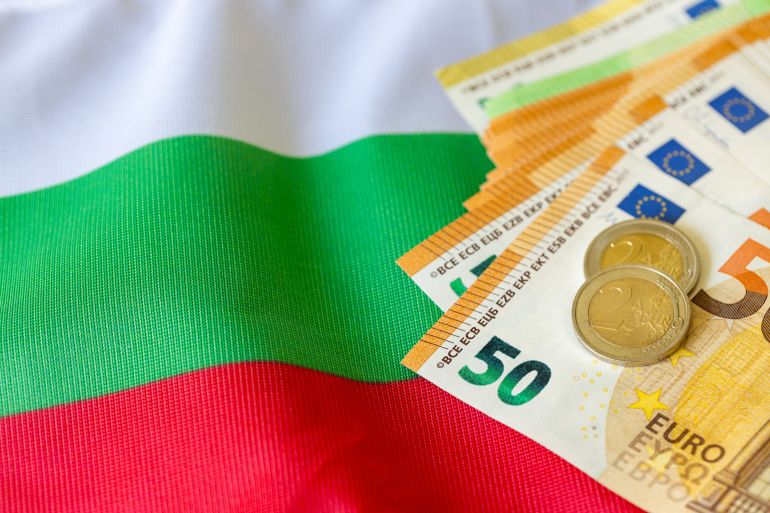
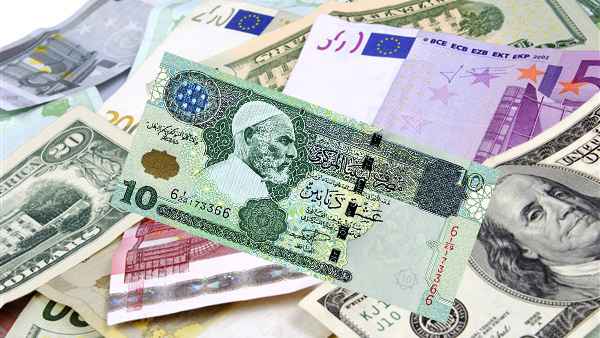
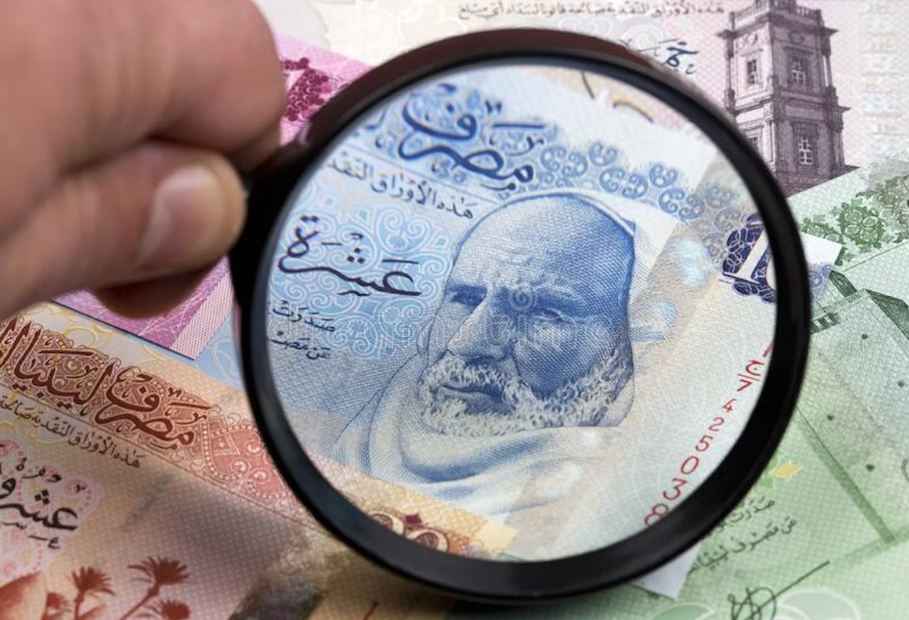
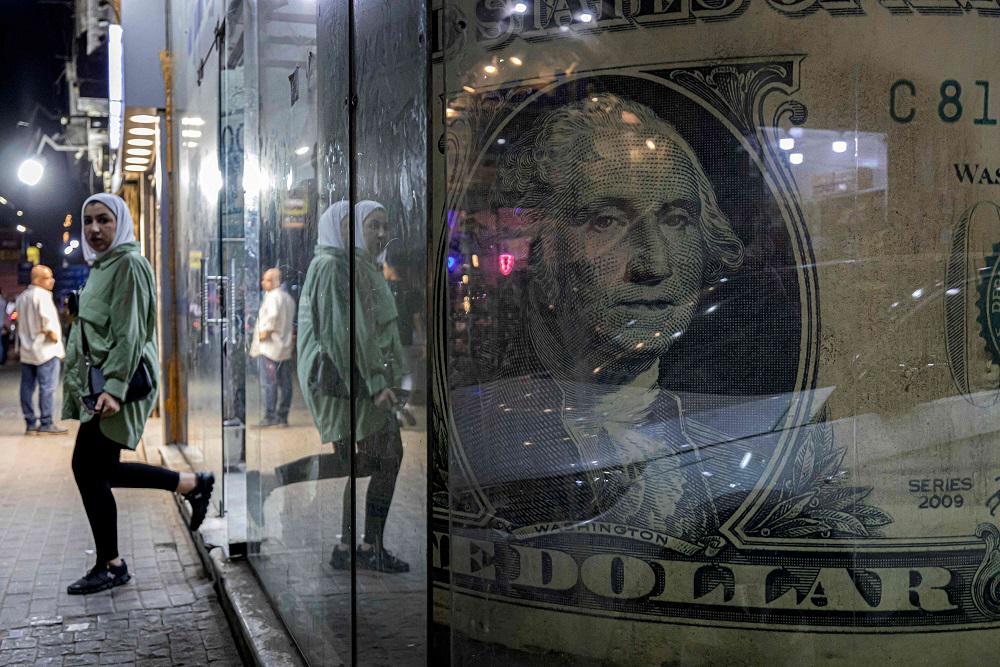
It is noted that the exchange rate of the US dollar, according to the bulletin issued by the Central Bank of Libya today, reached 5.434 Libyan dinars, and with the addition of a 15% tax on official buying and selling operations, it reaches 6.2491 dinars.
Libyan Scene
The “Libyan Scene” refers to the contemporary cultural, social, and political landscape of Libya, shaped significantly by its history as an Italian colony and later under the long rule of Muammar Gaddafi. Following the 2011 revolution and civil war, the scene is characterized by fragmentation, ongoing conflict, and a struggle to define a national identity amidst diverse regional and tribal affiliations.
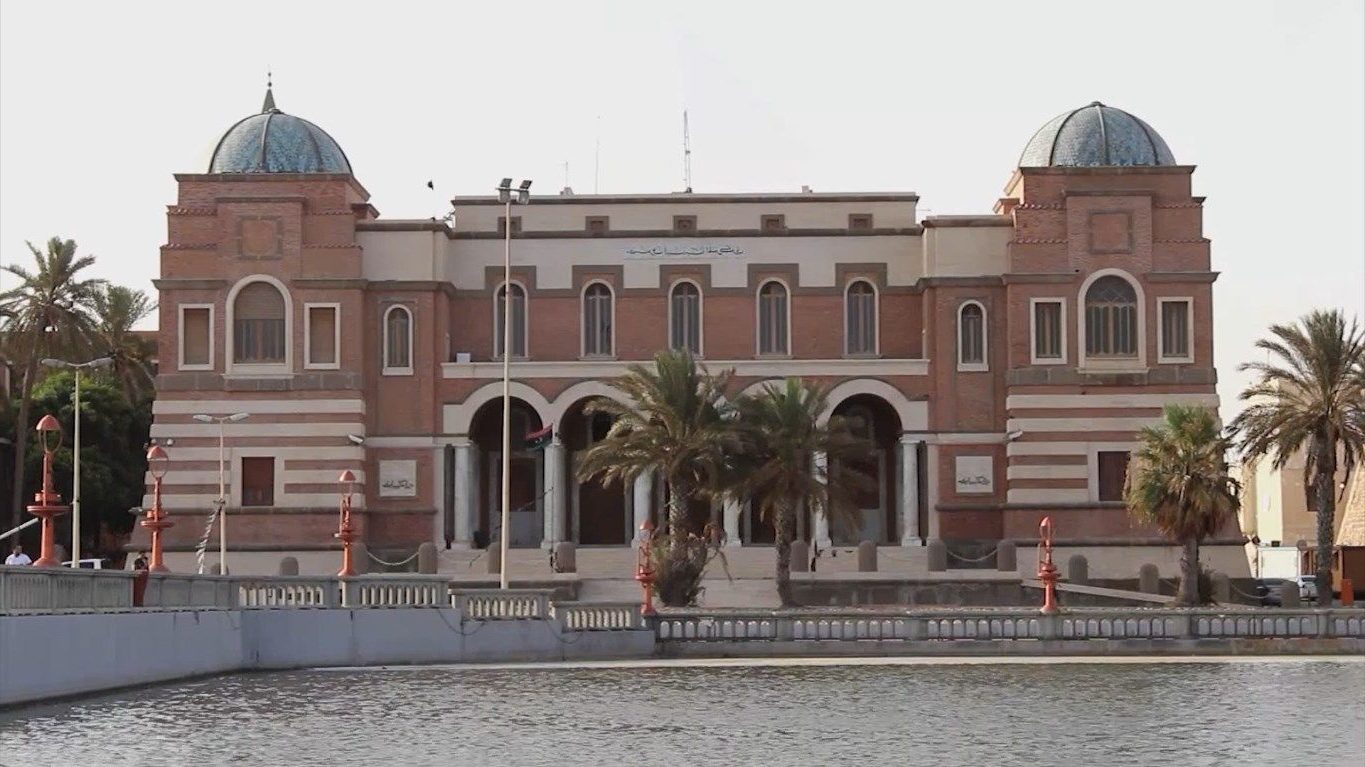
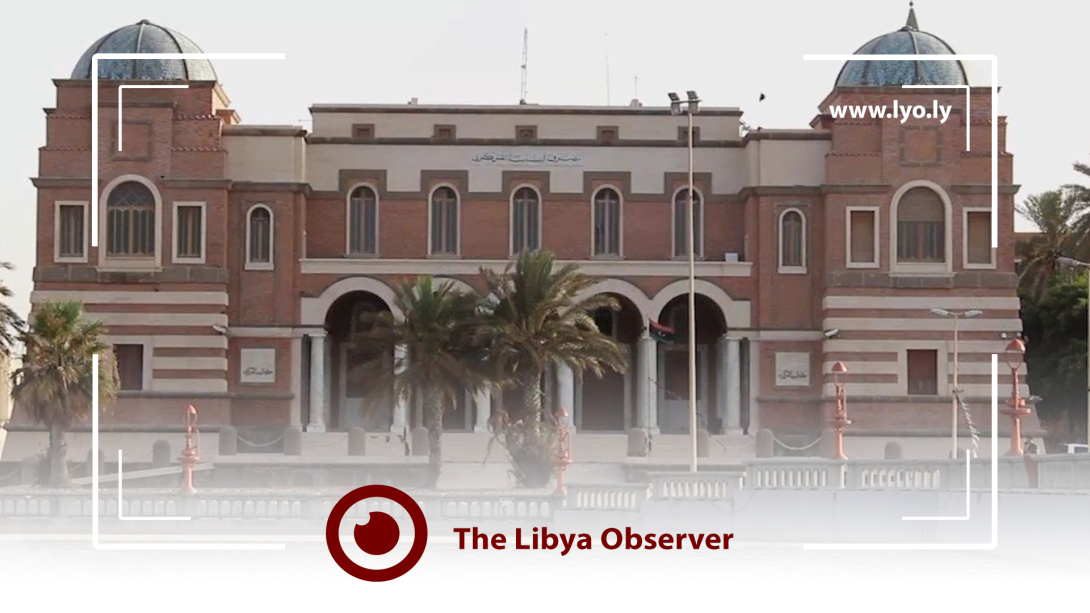
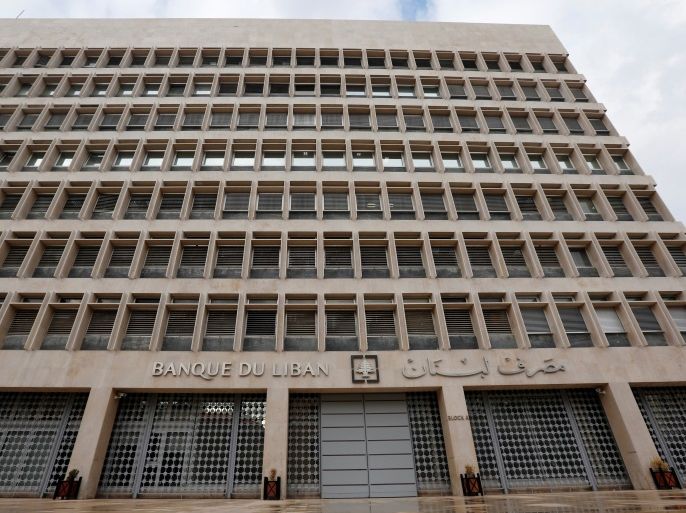
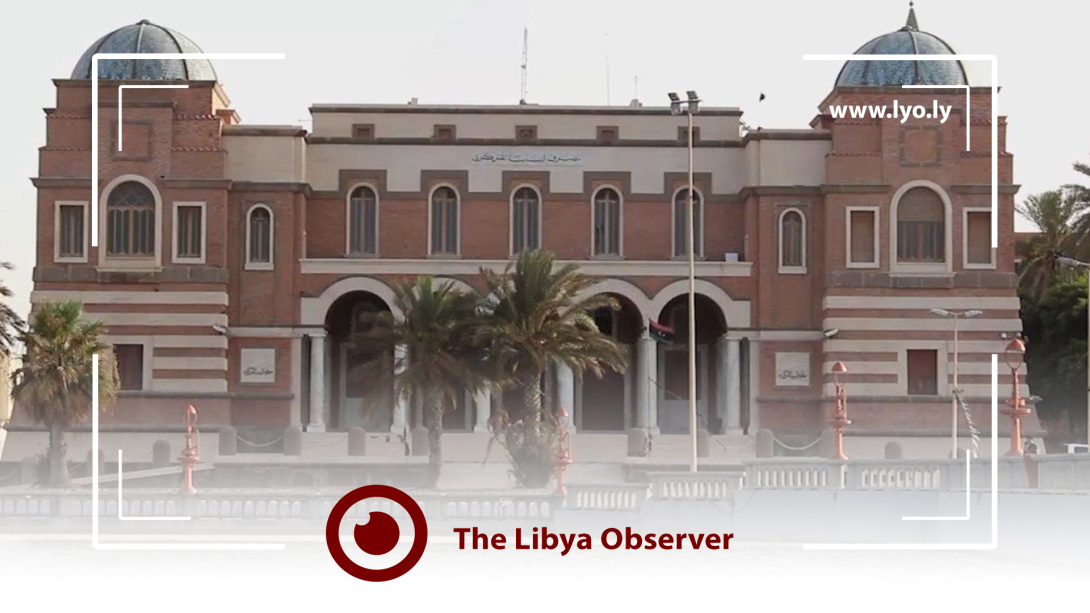
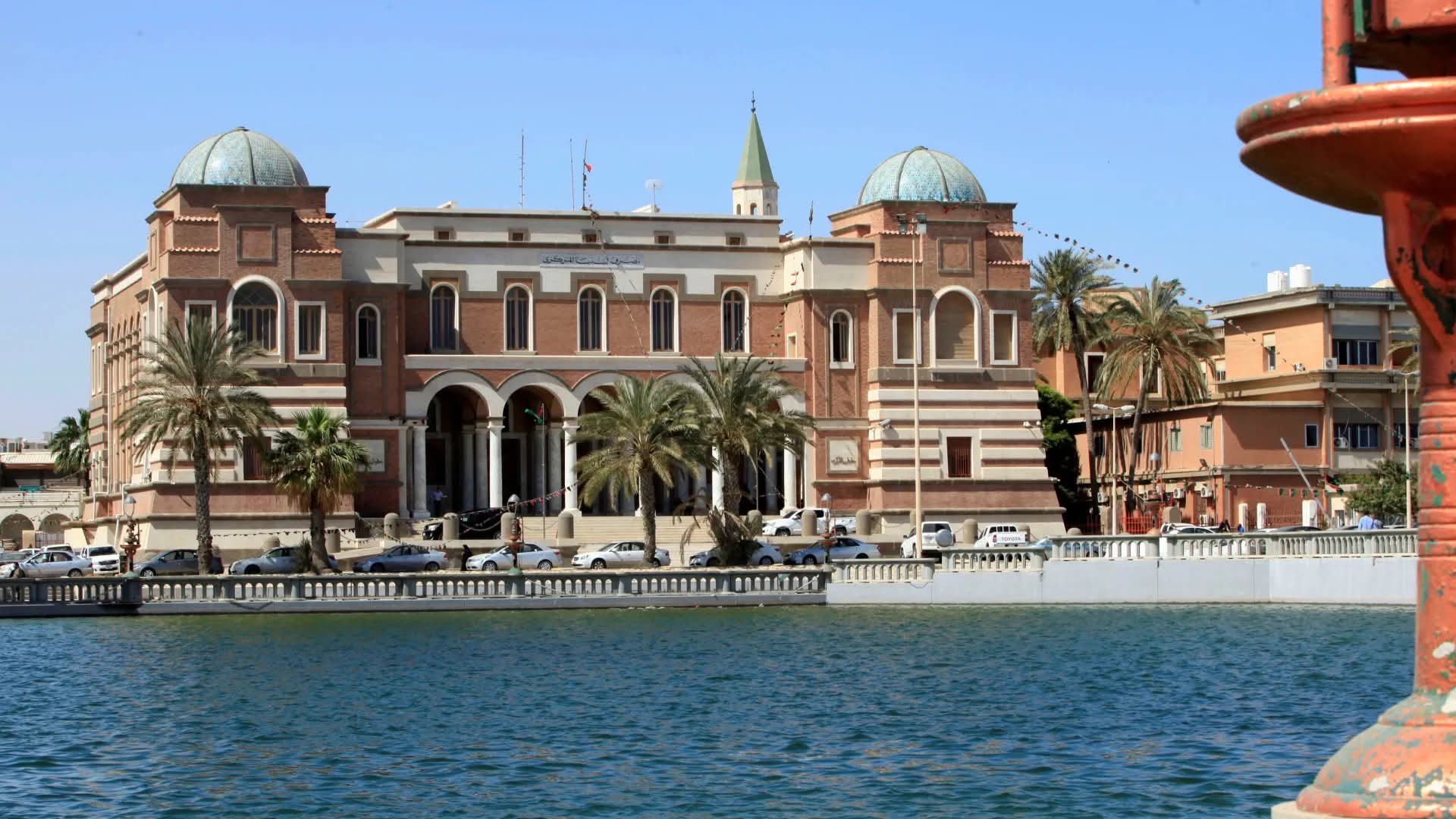
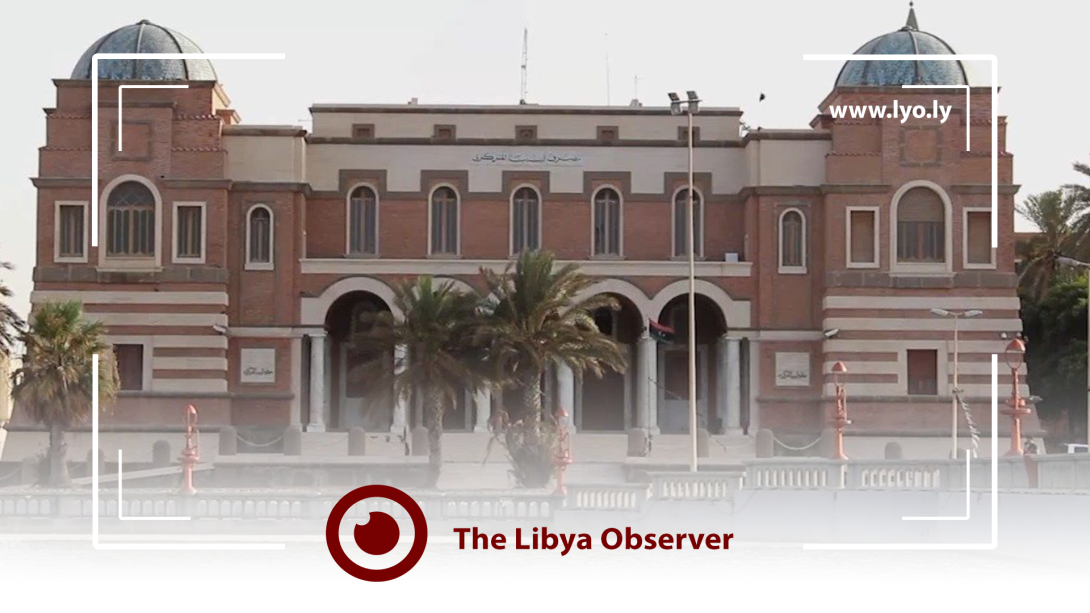
Central Bank of Libya
The Central Bank of Libya is the country’s primary monetary authority, established in 1956 to issue currency and manage monetary policy. It has played a critical and often divisive role in Libya’s recent history, notably functioning as a unified financial institution during the post-2011 civil war period despite the country’s political fragmentation.
Commercial Bank
The Commercial Bank is a financial institution that emerged during the Industrial Revolution to support growing trade and commerce, offering services like loans and deposits to businesses and individuals. Over time, it evolved into a cornerstone of modern economies, with many such banks expanding globally and adapting to digital banking.
Republic Bank
Republic Bank is a major financial institution in Trinidad and Tobago, originally established in 1837 as the Colonial Bank. It was later renamed Republic Bank after a merger in the early 1990s and has since grown to become one of the leading commercial banks in the Caribbean region.
Sahara Bank
Sahara Bank is a commercial bank based in Libya, originally established in 1969 as Jamahiriya Bank before being renamed in 2011. It is one of the country’s largest financial institutions and has played a significant role in Libya’s modern economic history.
Aman Bank
Aman Bank is a financial institution based in Libya, originally established in 1998 as a private shareholding company. It has grown to become one of the country’s major banks, providing a range of commercial and retail banking services, and it played a significant role in Libya’s economy following the lifting of international sanctions in the early 2000s.
Unity Bank
Unity Bank is a financial institution established in Nigeria in 2006, formed from the merger of nine regional banks. It was created as part of a broader consolidation effort by the Central Bank of Nigeria to strengthen the country’s banking sector. The bank provides commercial and retail banking services across the nation.
Trade and Development Bank
The Trade and Development Bank (TDB) is a multilateral, treaty-based financial institution founded in 1985 to foster trade, regional economic integration, and sustainable development across its member states in Eastern and Southern Africa. It provides trade finance, project and infrastructure lending, and asset management to support both the public and private sectors in the region.
North Africa Bank
The North Africa Bank, also known as Banque de l’Afrique du Nord, was a French colonial institution established in 1901 to issue currency and provide central banking services in French territories across North and West Africa. It played a key role in the colonial monetary system until its functions were gradually transferred to newly independent national banks following decolonization in the mid-20th century.
Islamic Bank
The Islamic Bank is a financial institution that operates in accordance with Islamic law (Sharia), which prohibits interest (riba) and promotes risk-sharing and ethical investments. Its modern history began in the 1970s with the establishment of institutions like the Islamic Development Bank, aiming to provide Sharia-compliant alternatives to conventional banking. Today, it represents a significant and growing sector within global finance, serving both Muslim and non-Muslim clients.
United Bank
The United Bank is a financial institution that was originally established in 1959 in Pakistan, following the nationalization of banks in the region. It has since grown into one of the country’s largest commercial banks, playing a significant role in its economic development.
Yaqeen Bank
Yaqeen Bank is a financial institution based in Pakistan, established in 2022 with a focus on Islamic banking principles. It operates as a subsidiary of Yaqeen Financial Services and aims to provide Sharia-compliant financial products and services.
Nouran Bank
Nouran Bank is a financial institution based in Iran, primarily known for its focus on providing interest-free Islamic banking services in accordance with Sharia law. It was established in 2016 as part of Iran’s development of its specialized banking sector.
Al-Andalus Bank
Al-Andalus Bank is a modern financial institution in Spain, whose name references the historical period of Al-Andalus when Muslim rule flourished in the Iberian Peninsula from the 8th to 15th centuries. The bank’s branding evokes this era’s legacy of cultural and scientific advancement, though the institution itself is a contemporary entity without a direct historical lineage to that time.