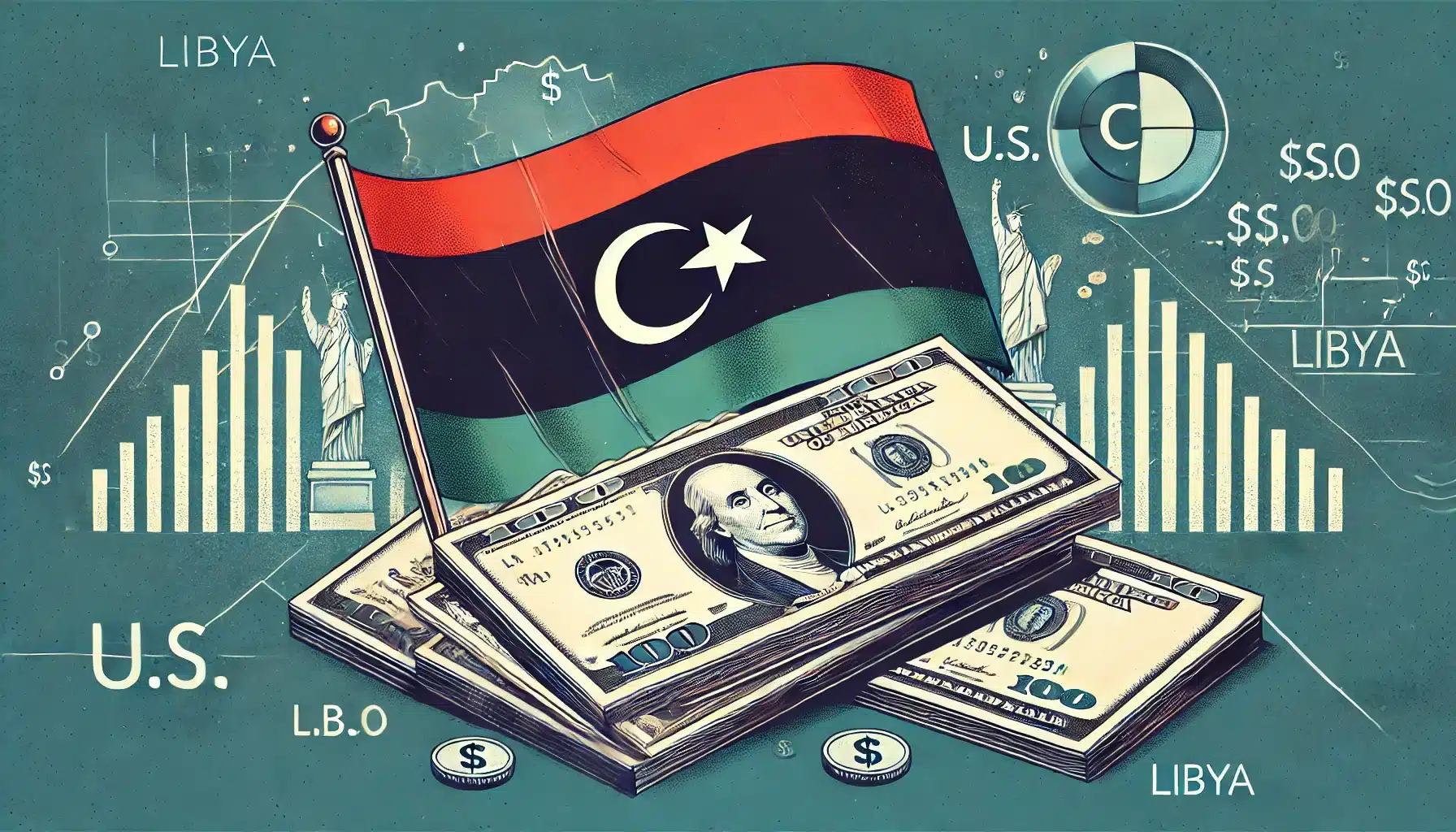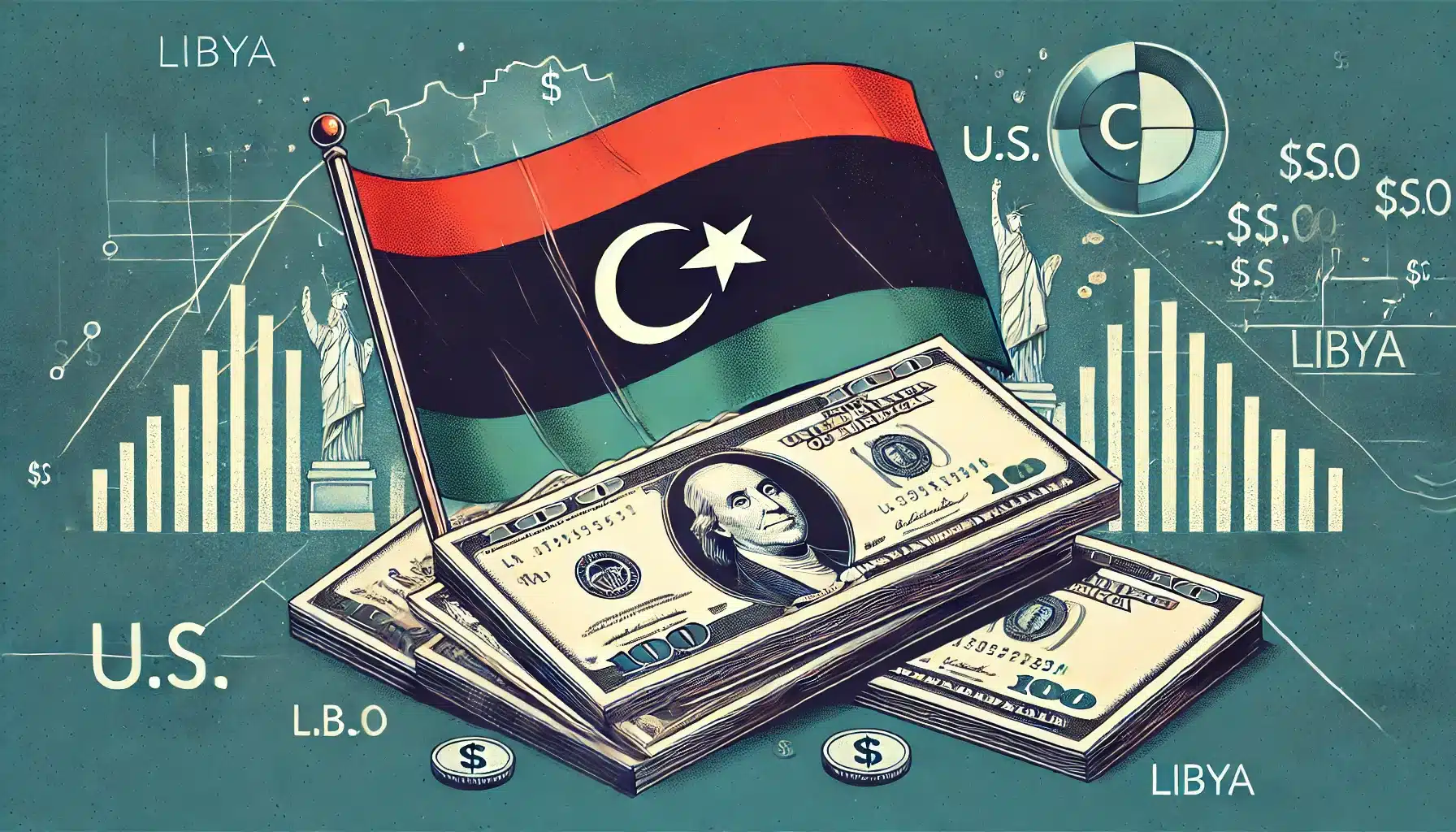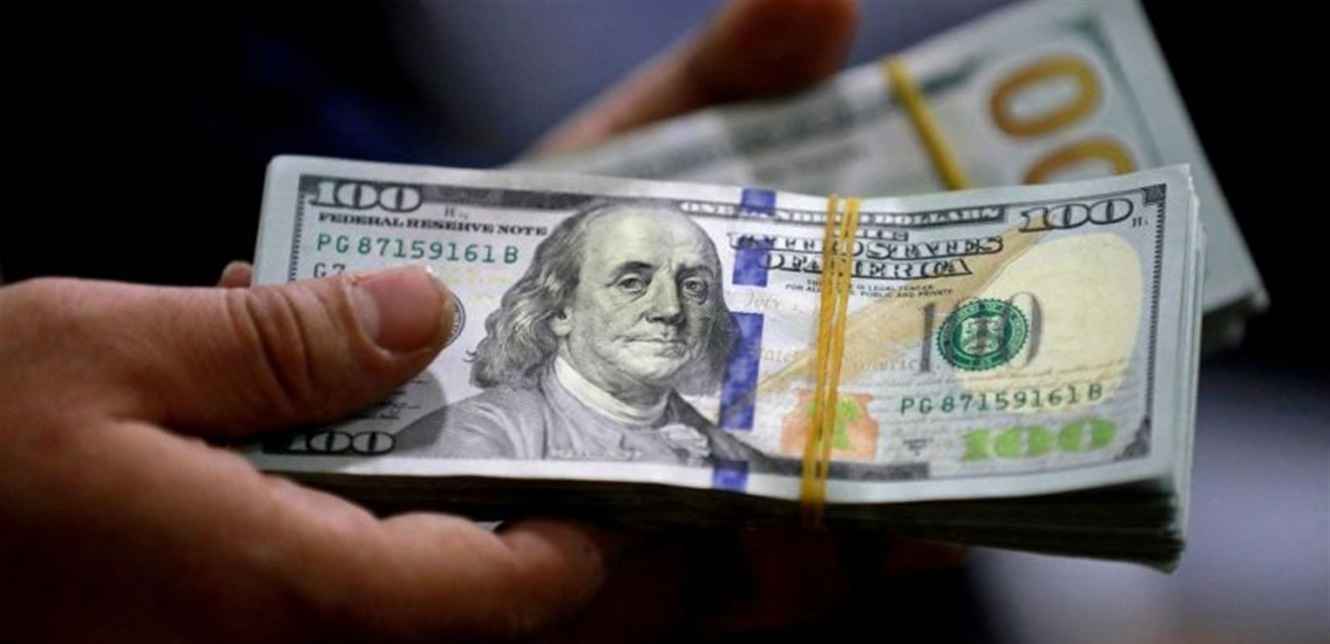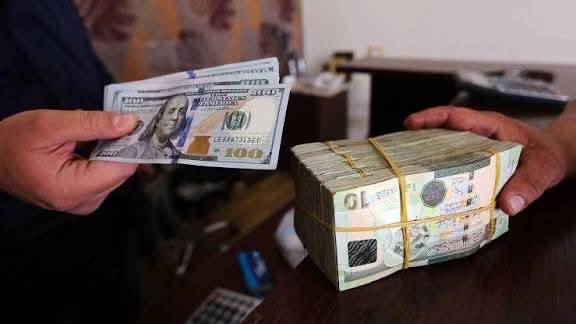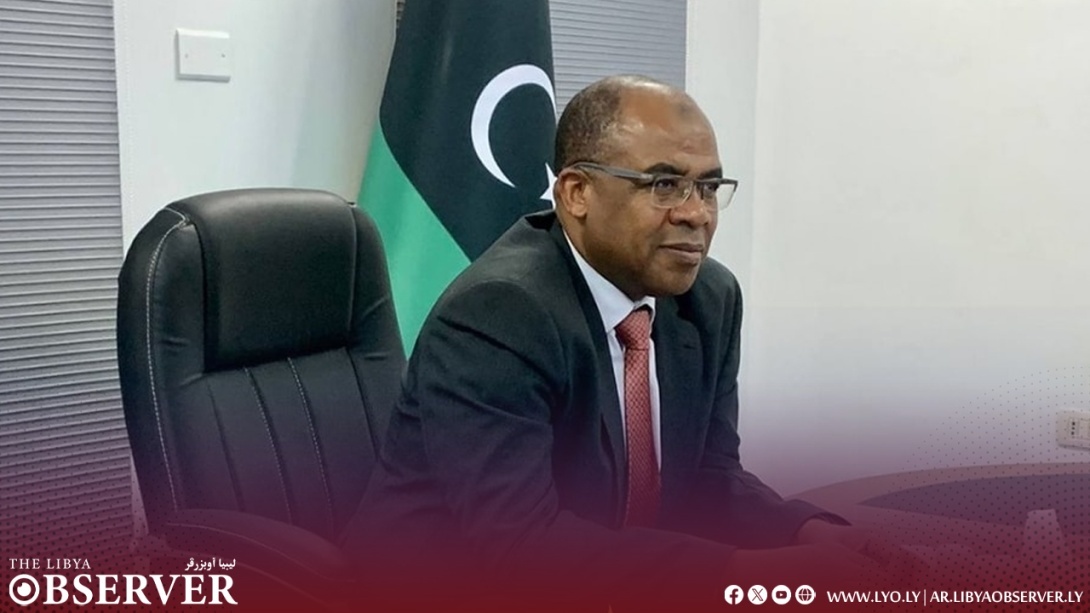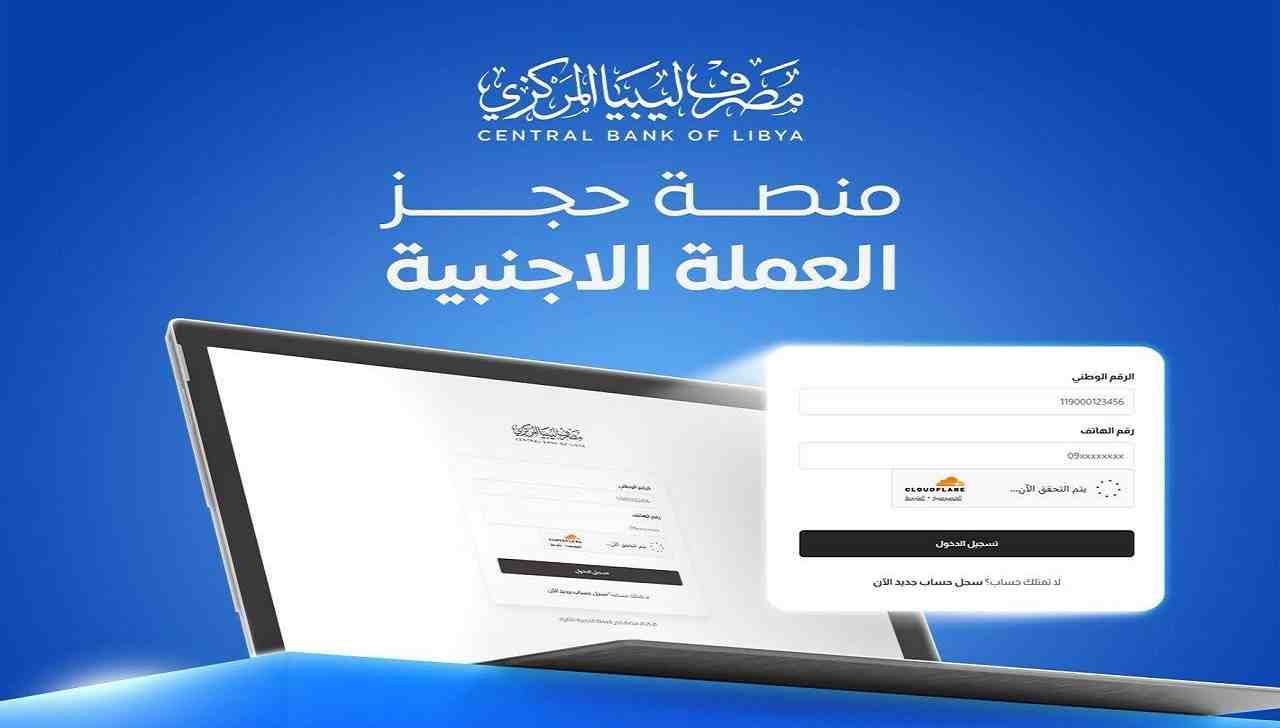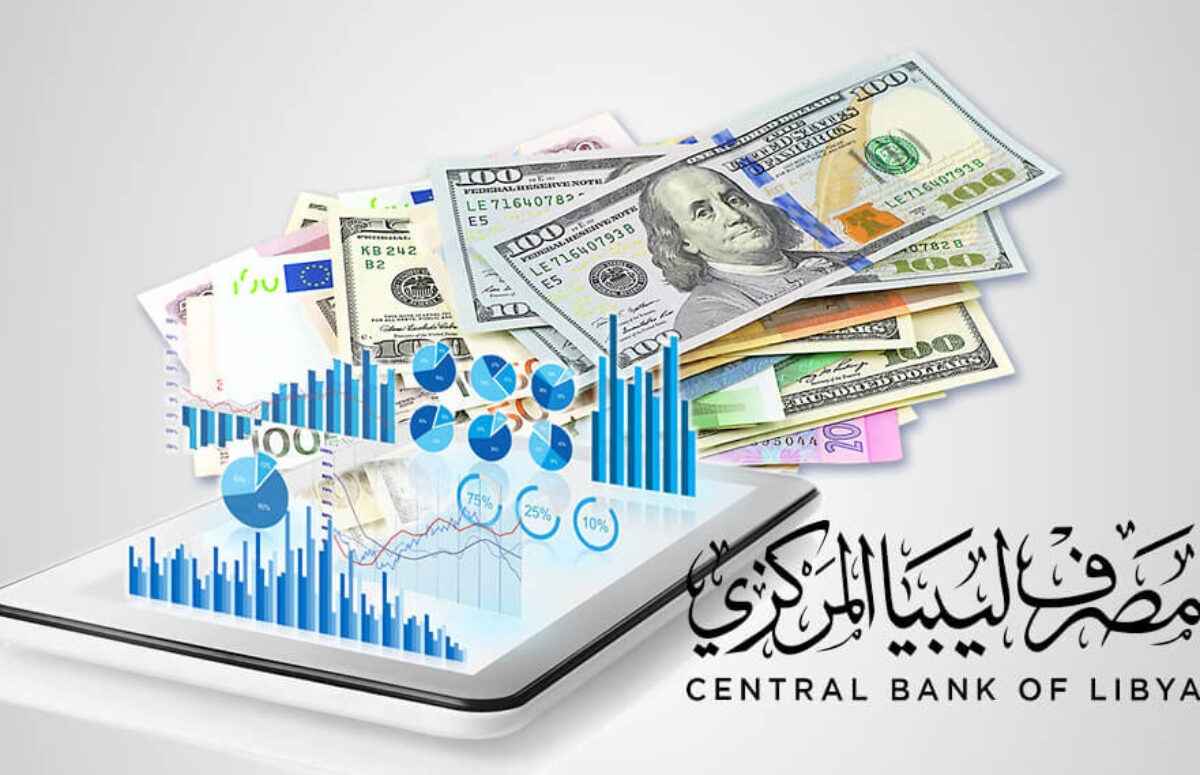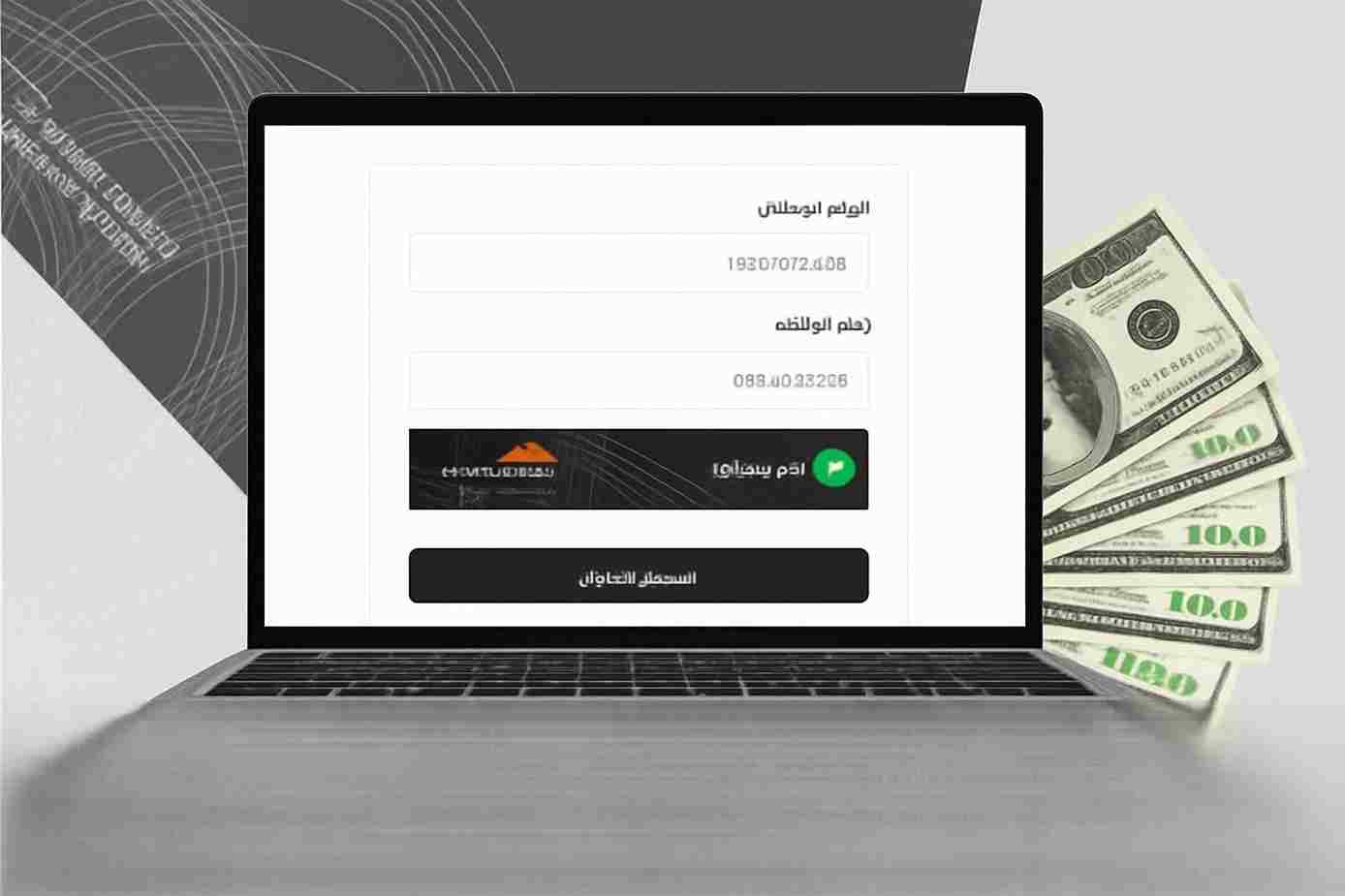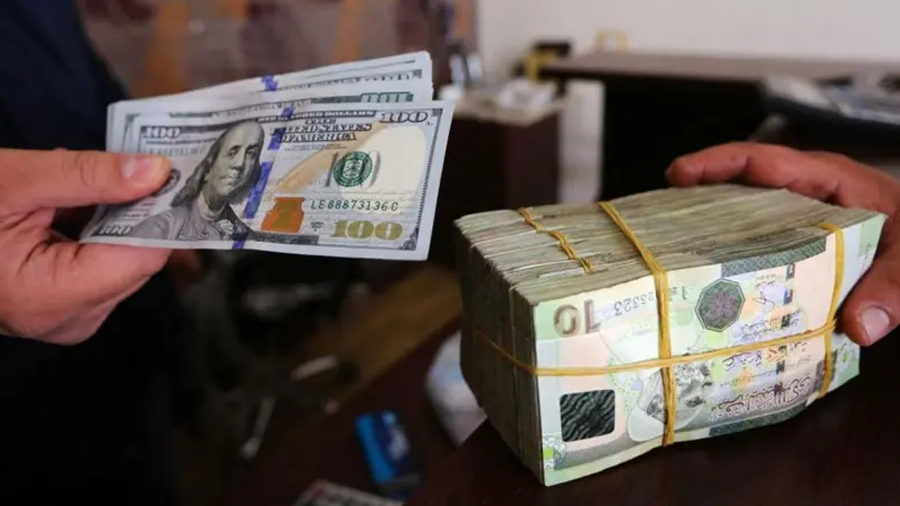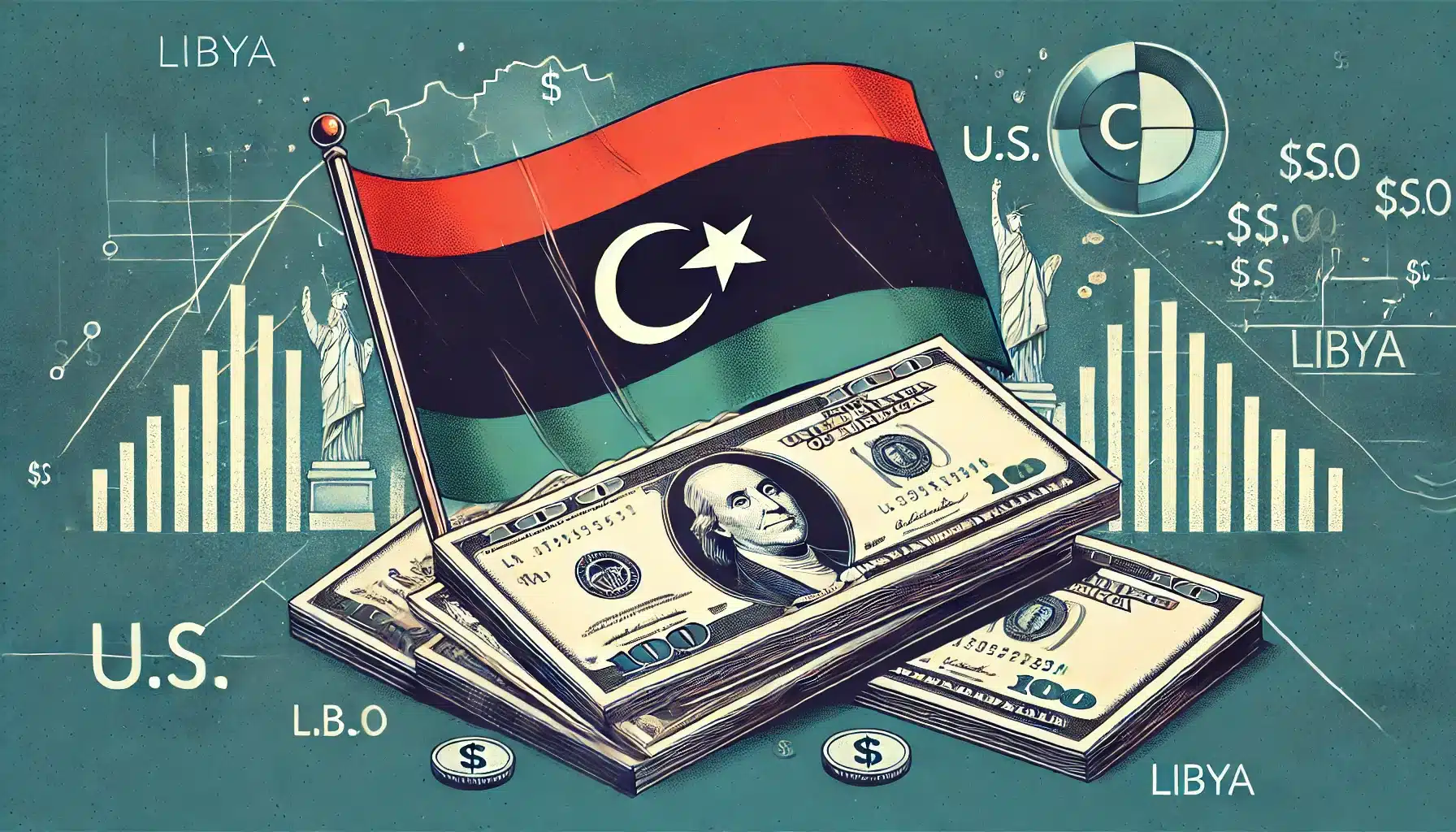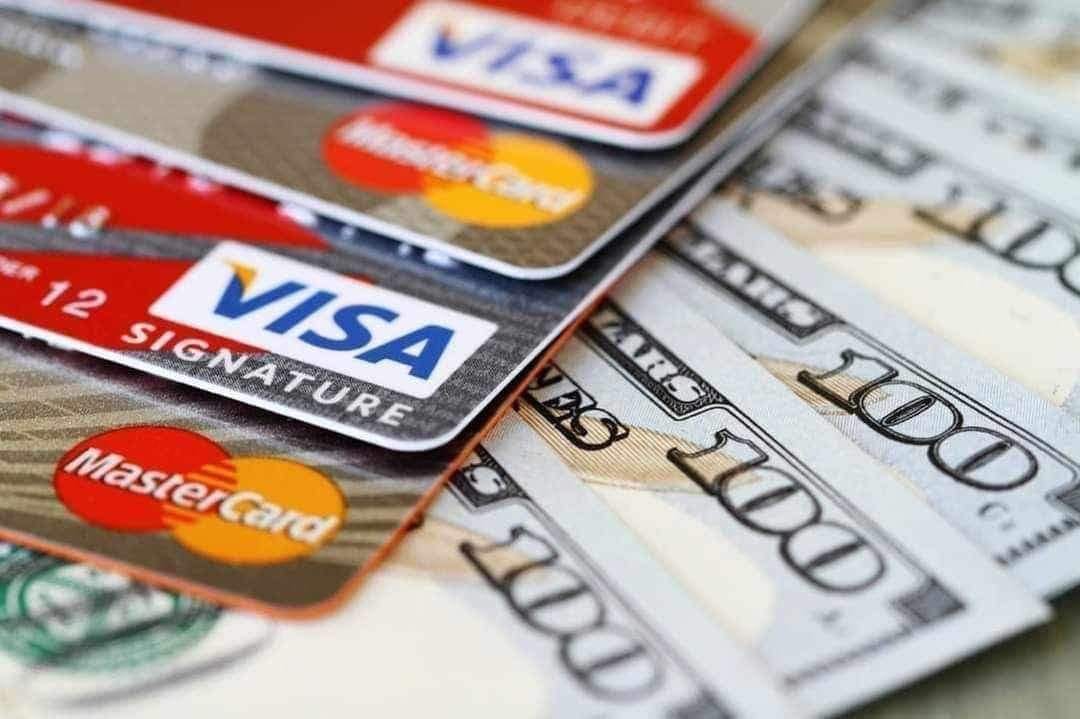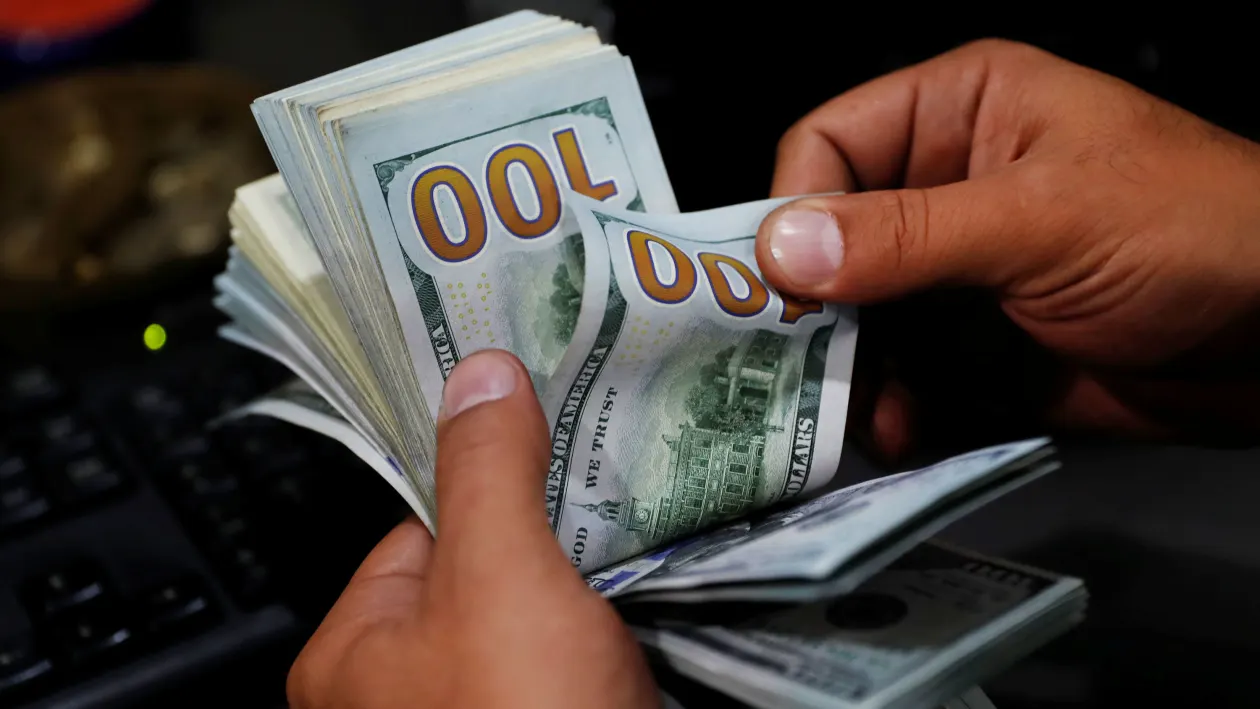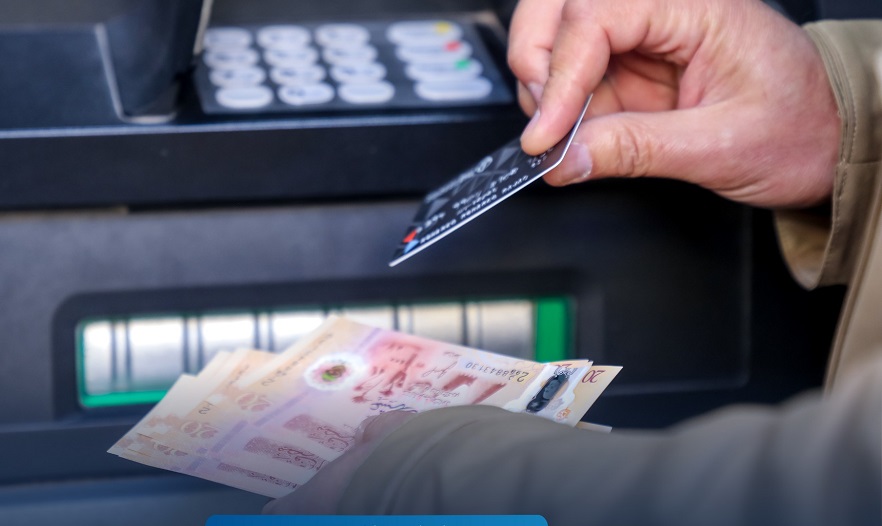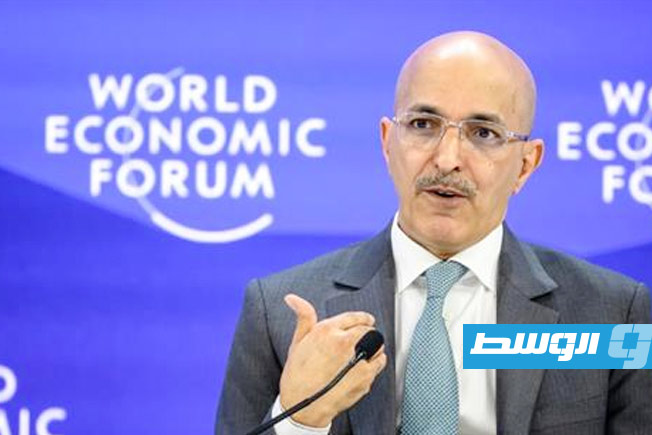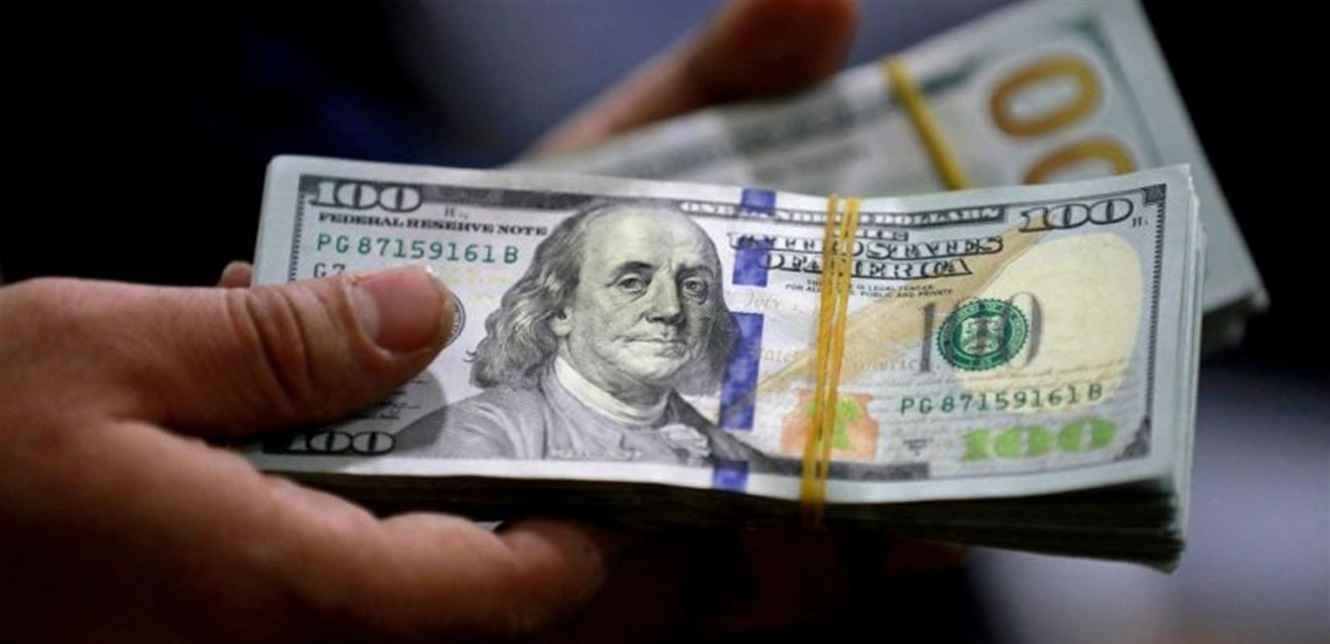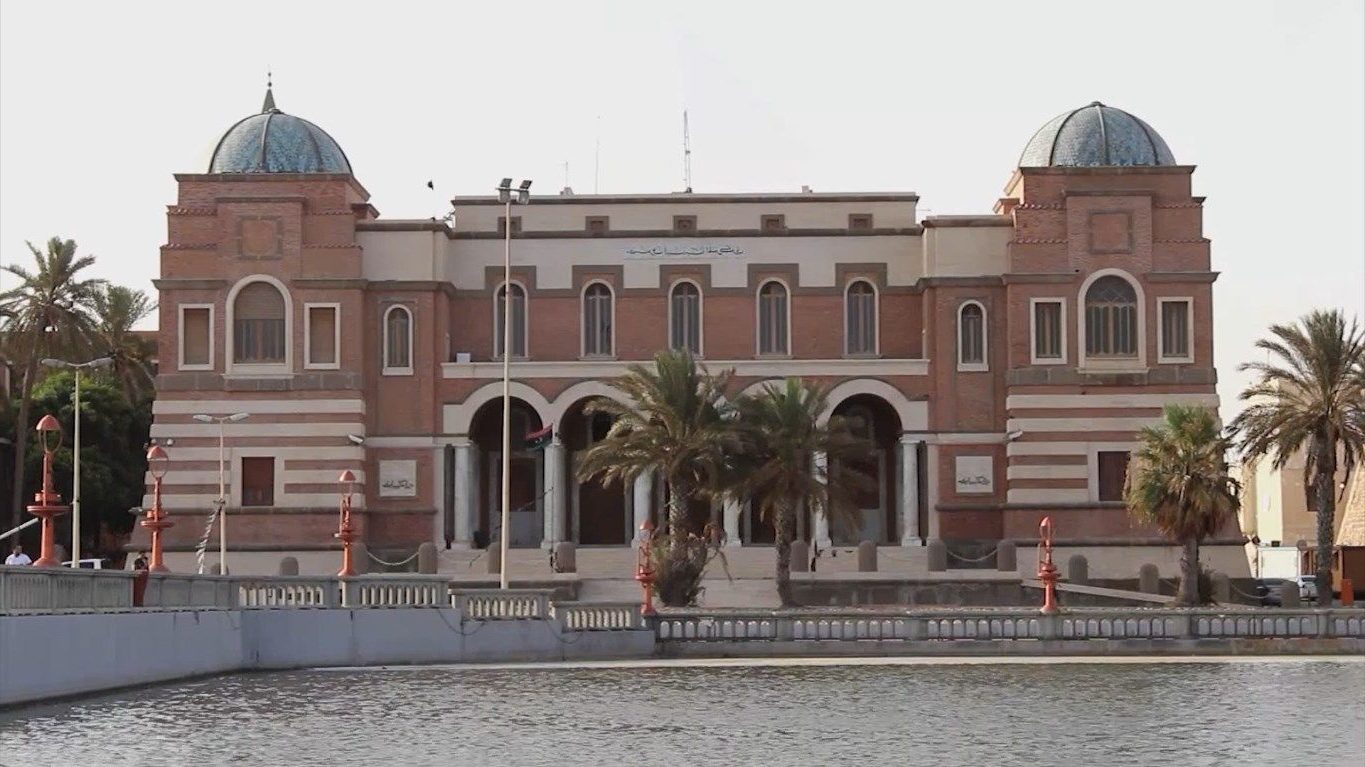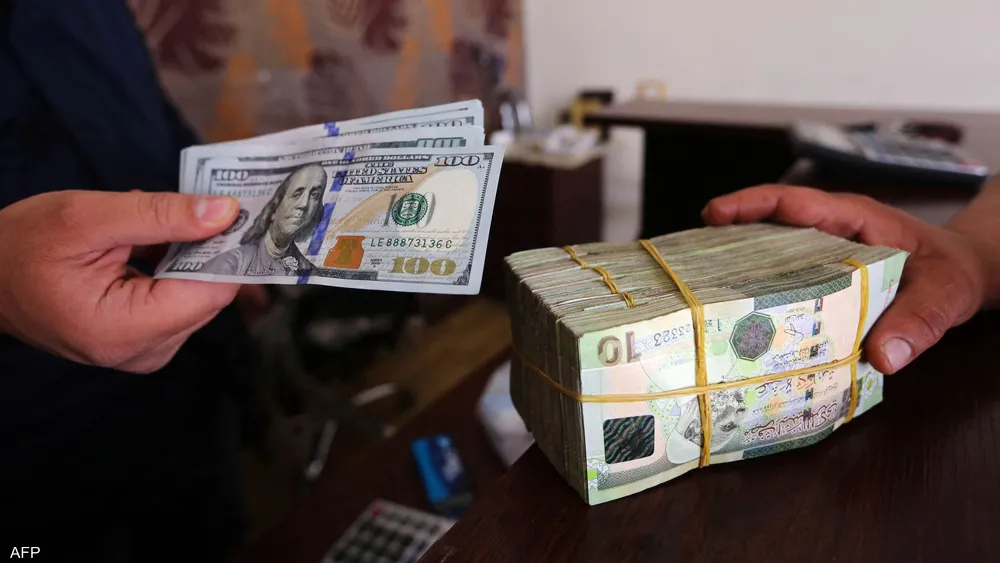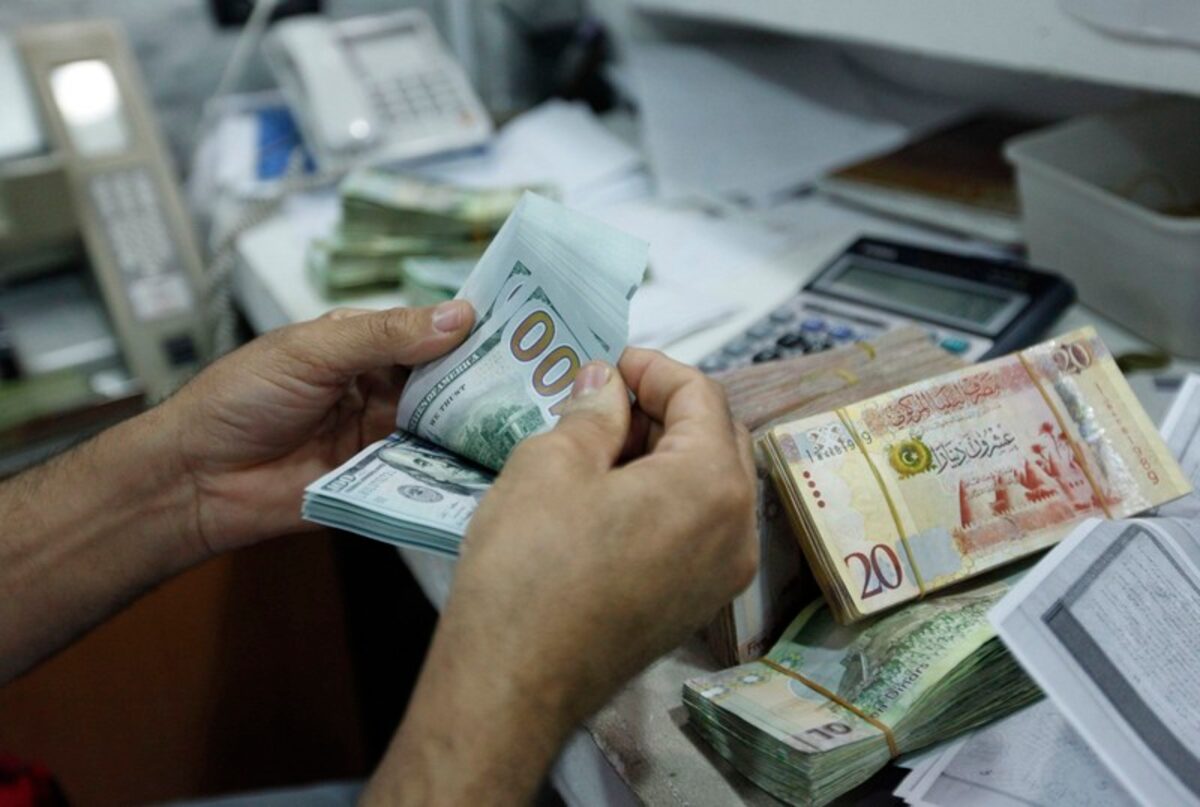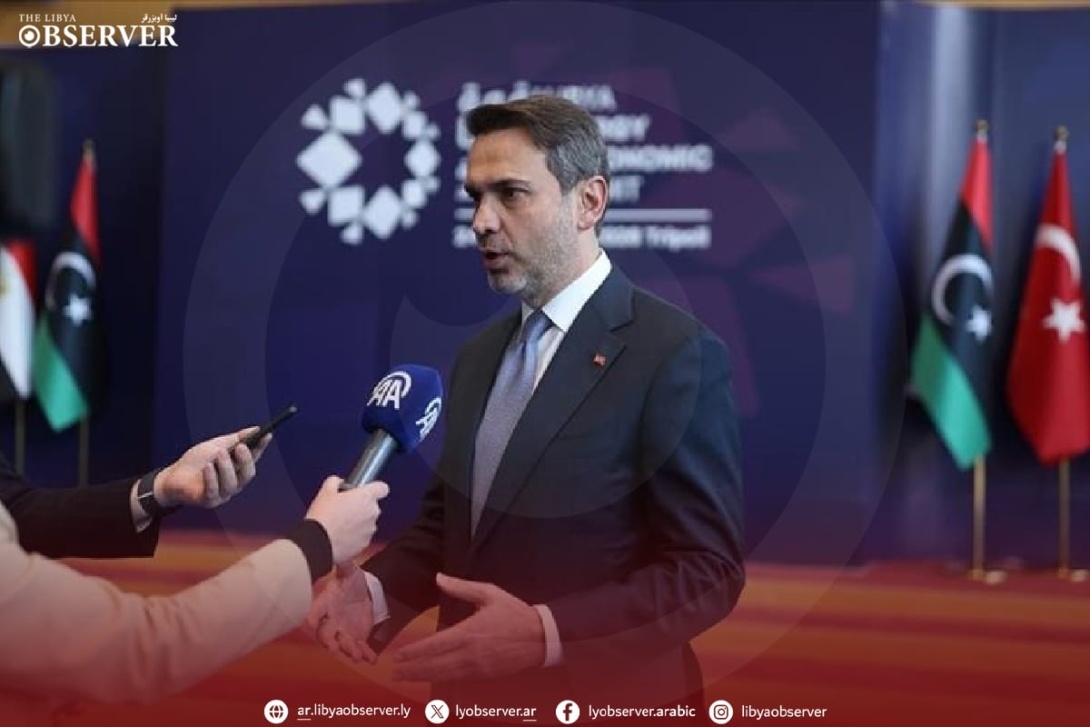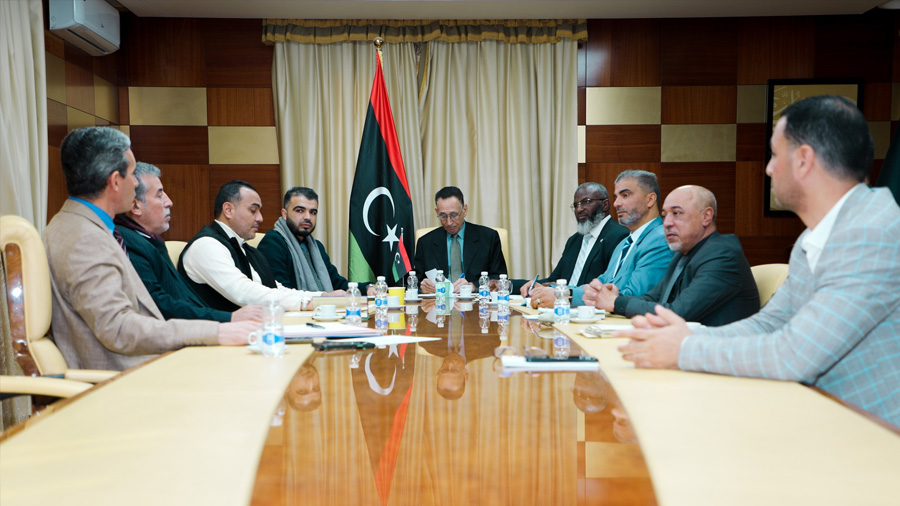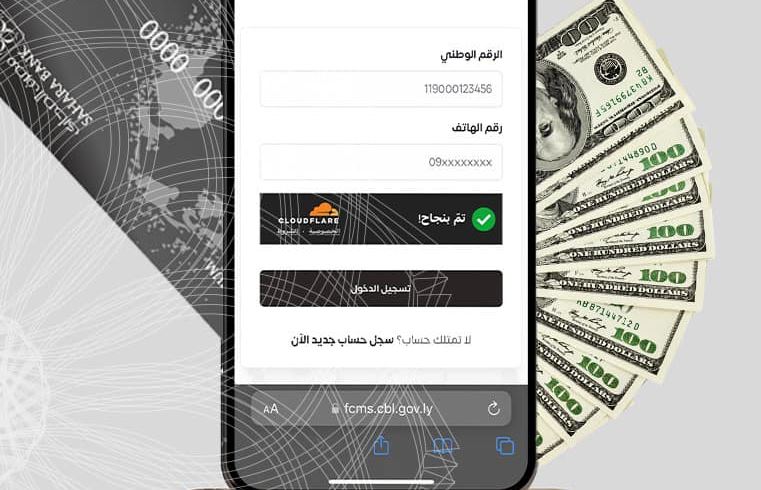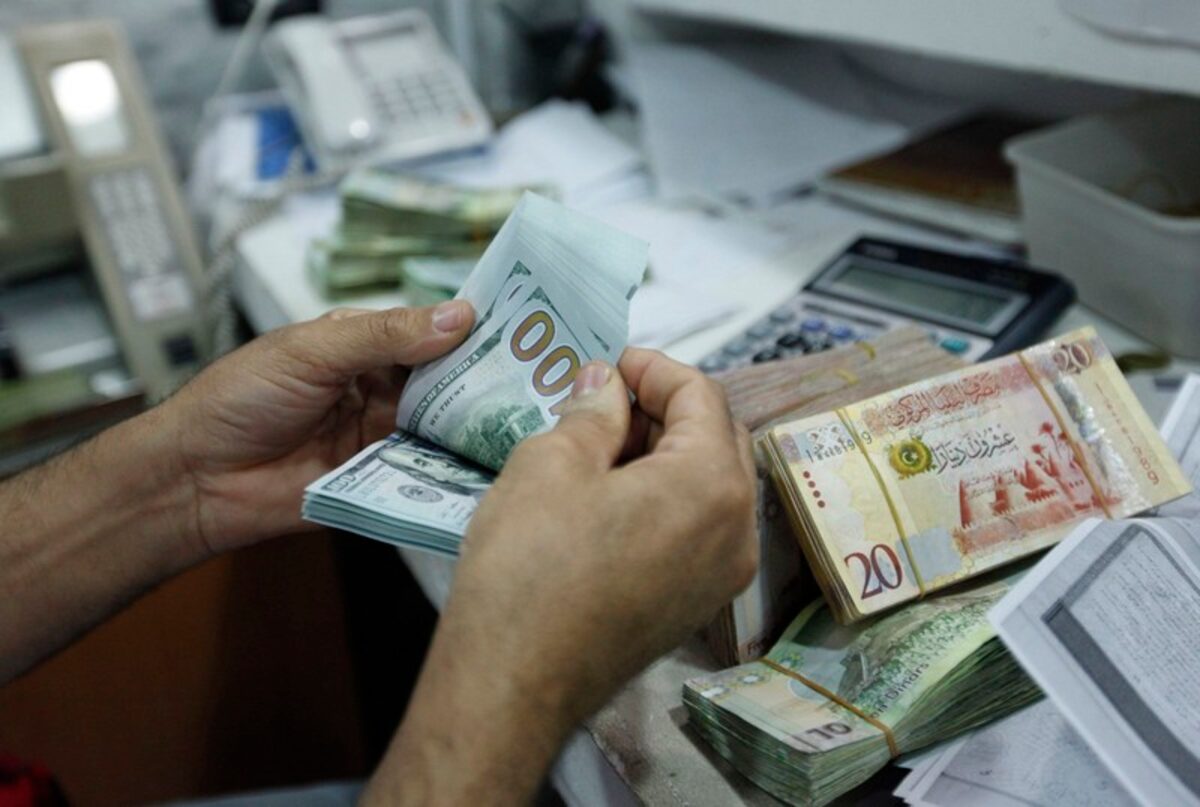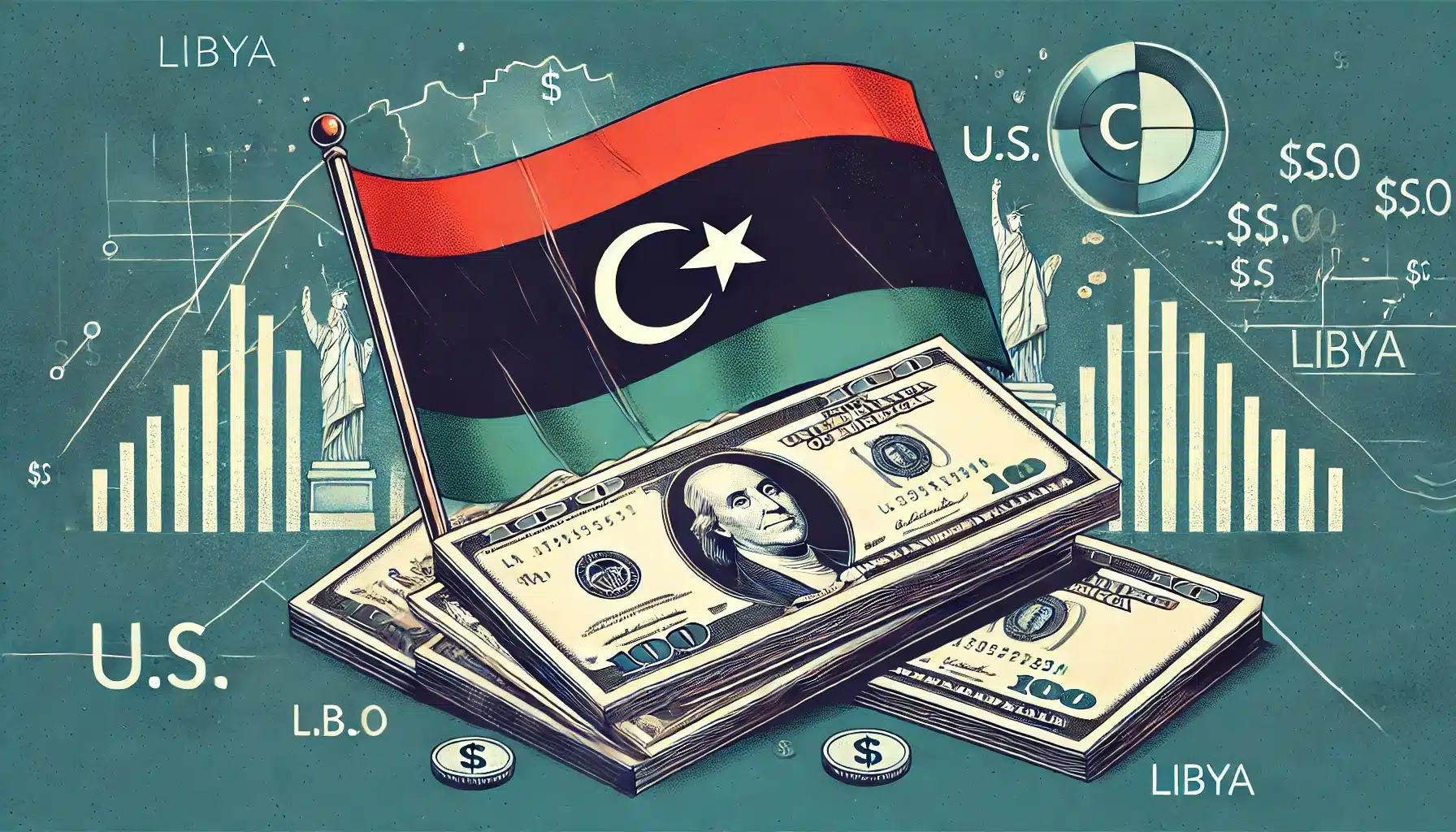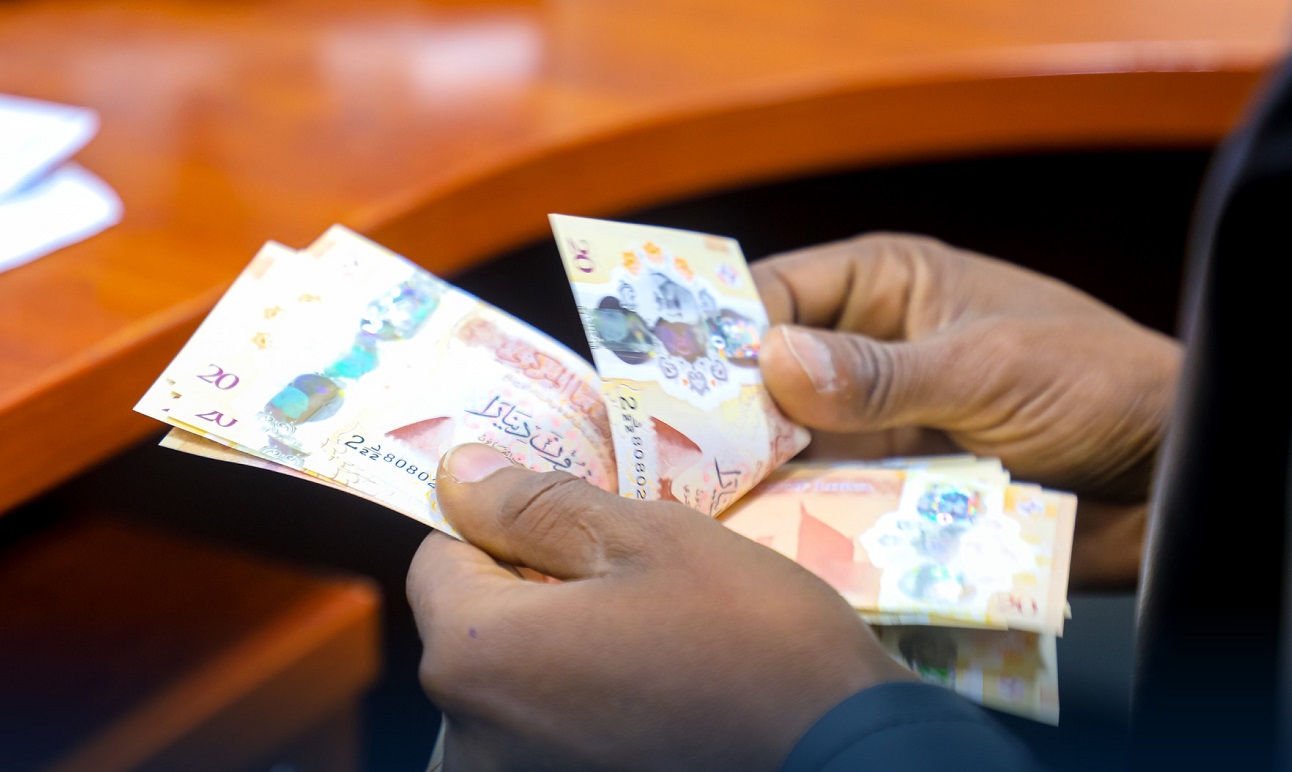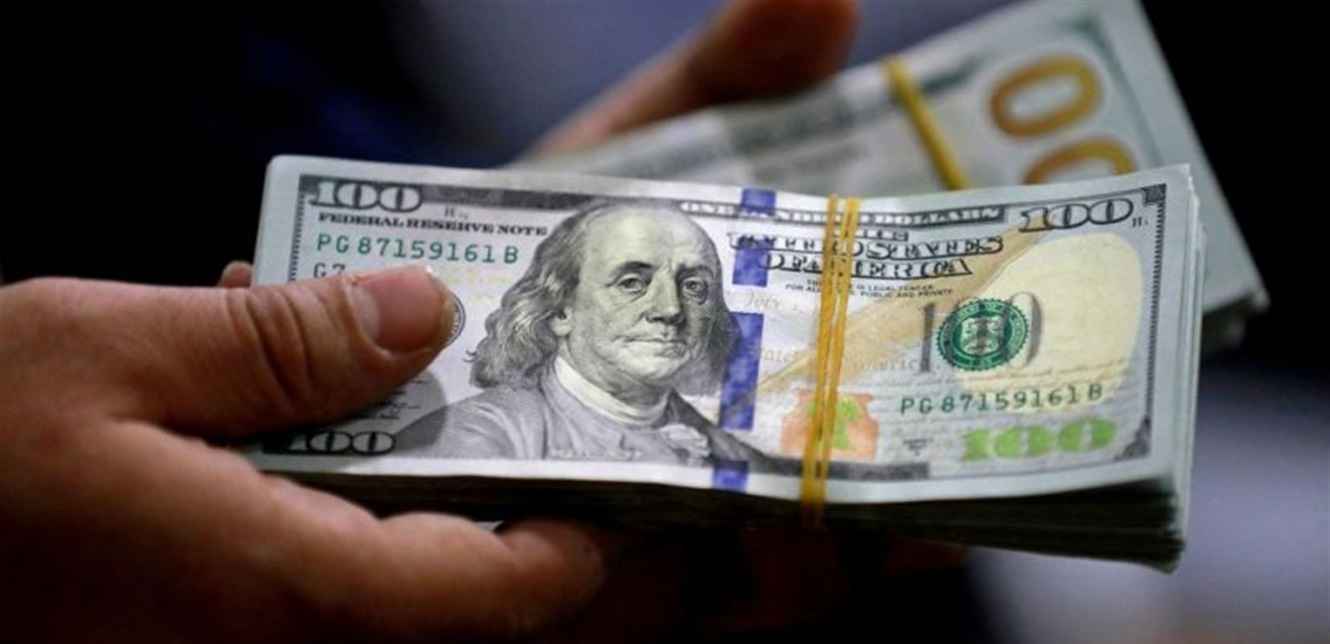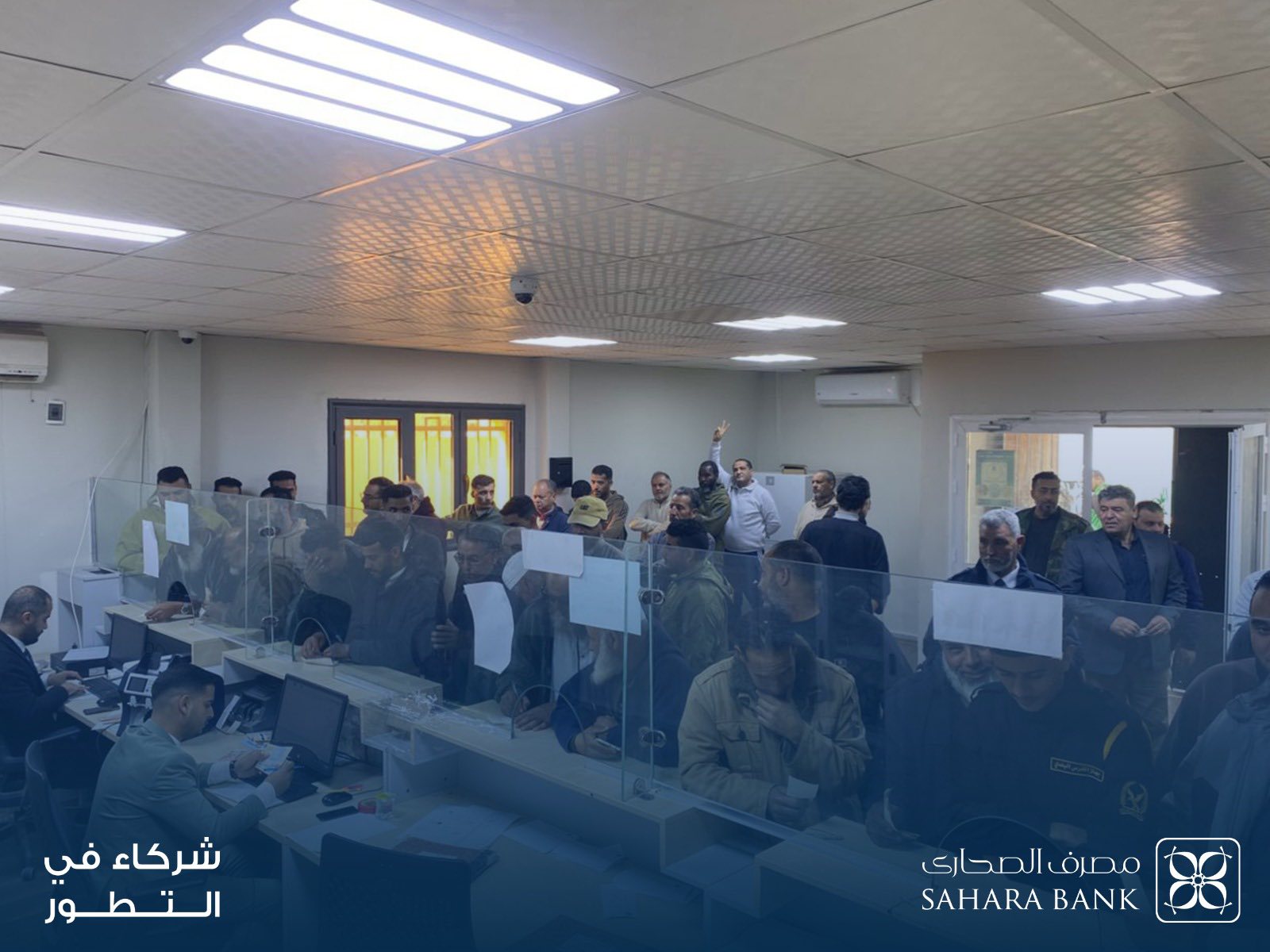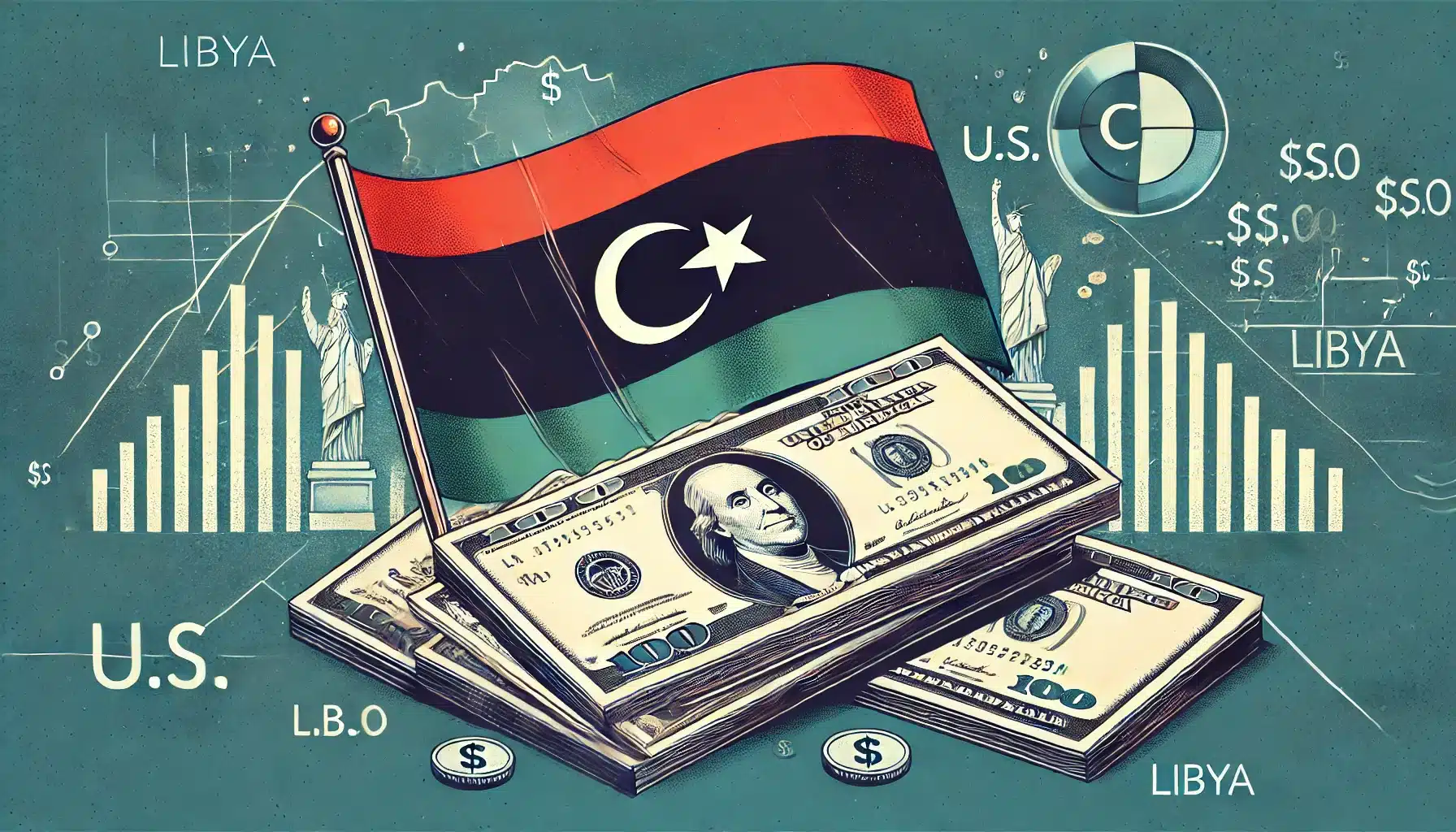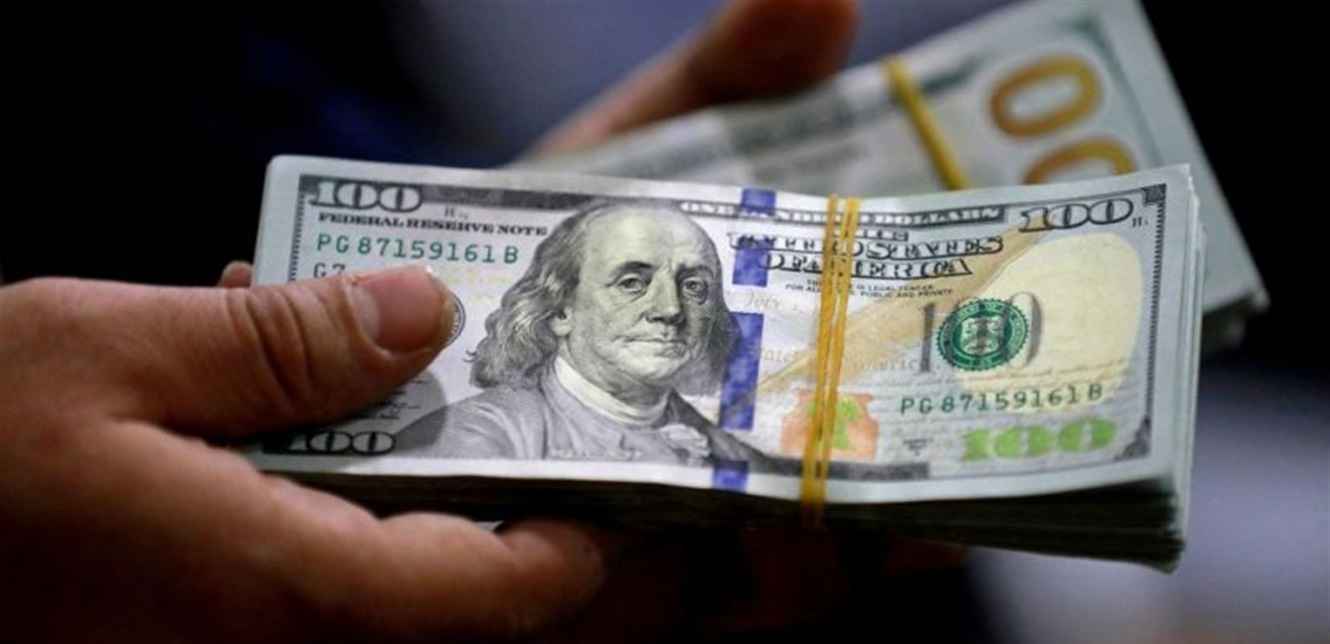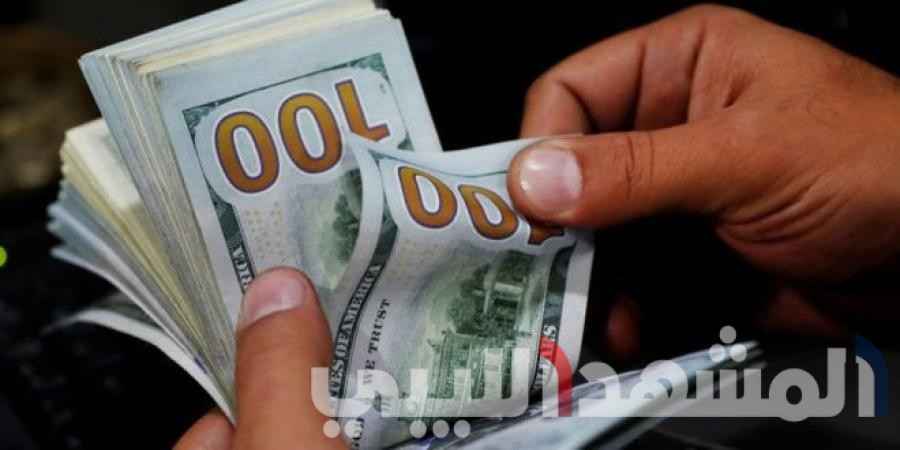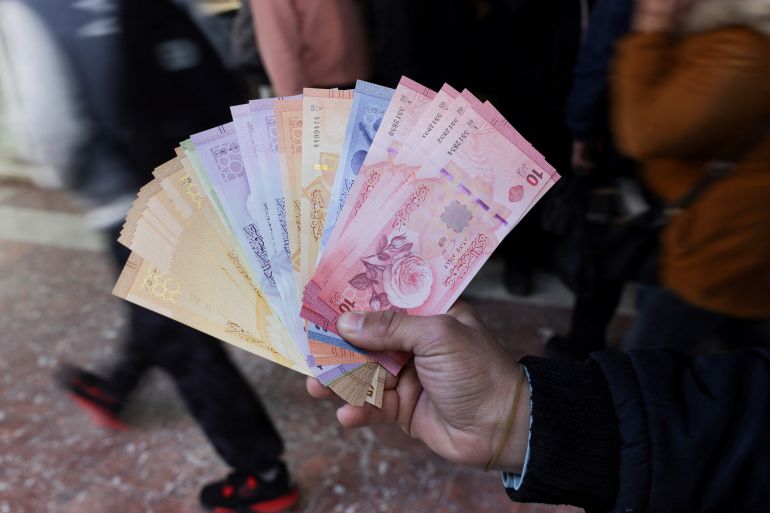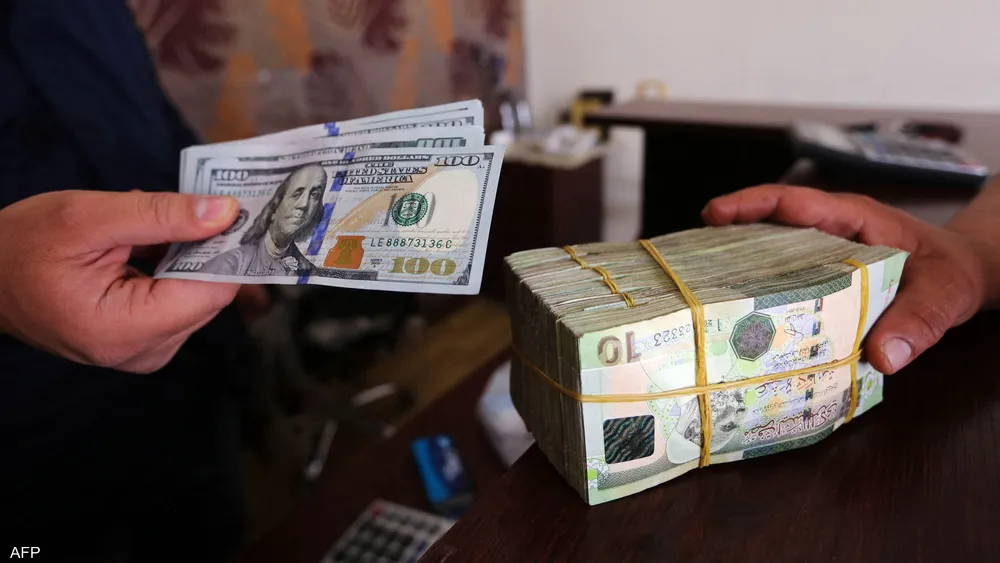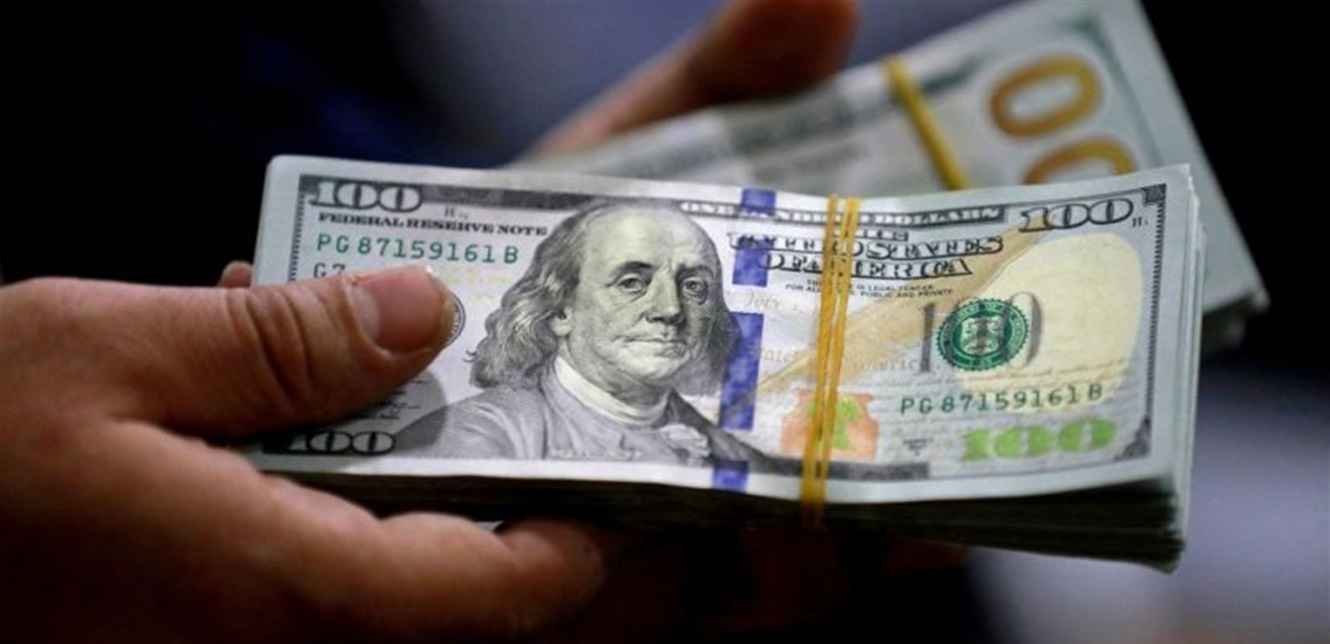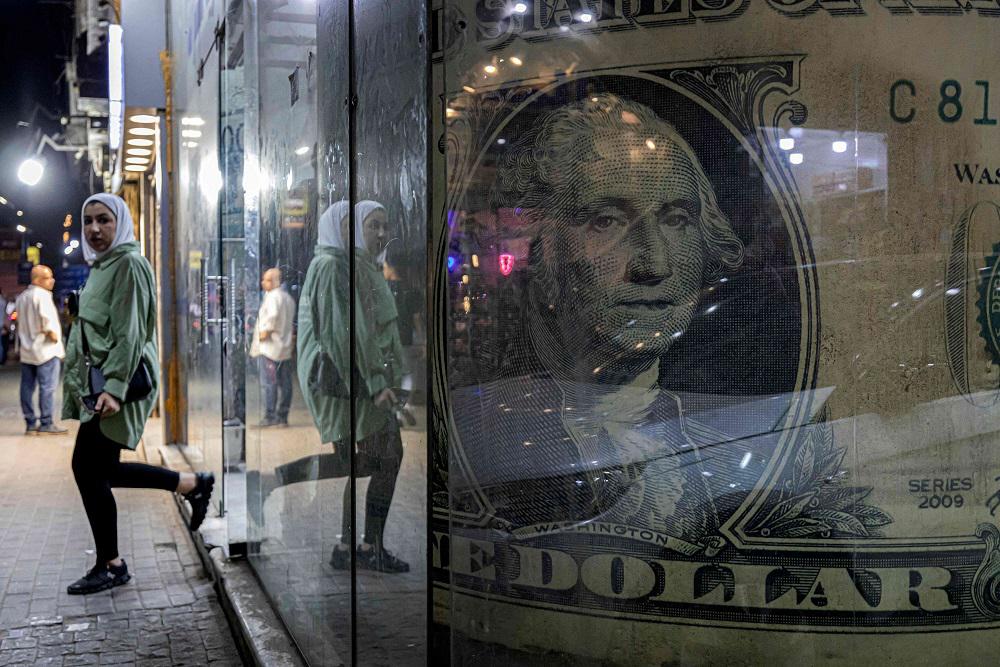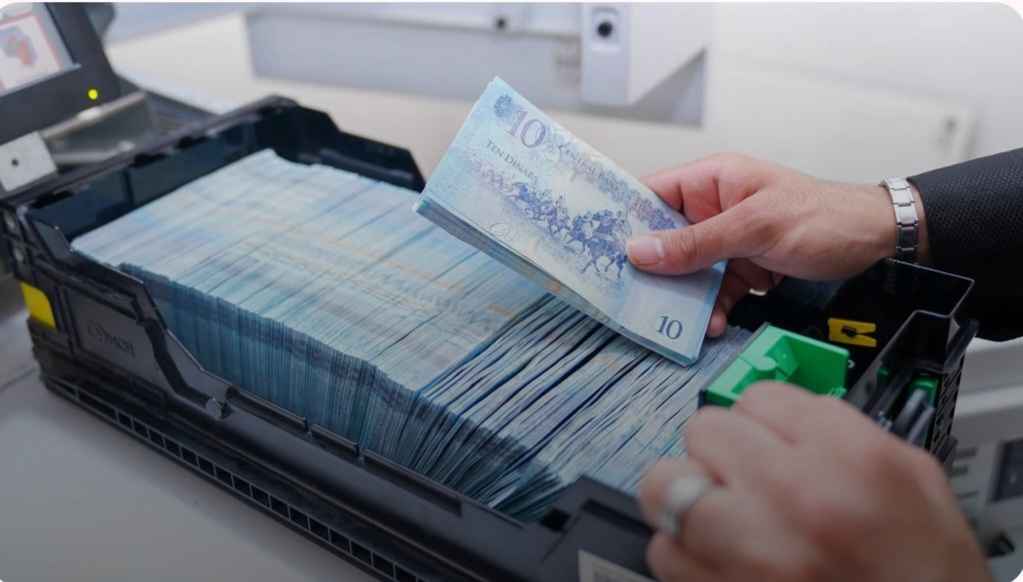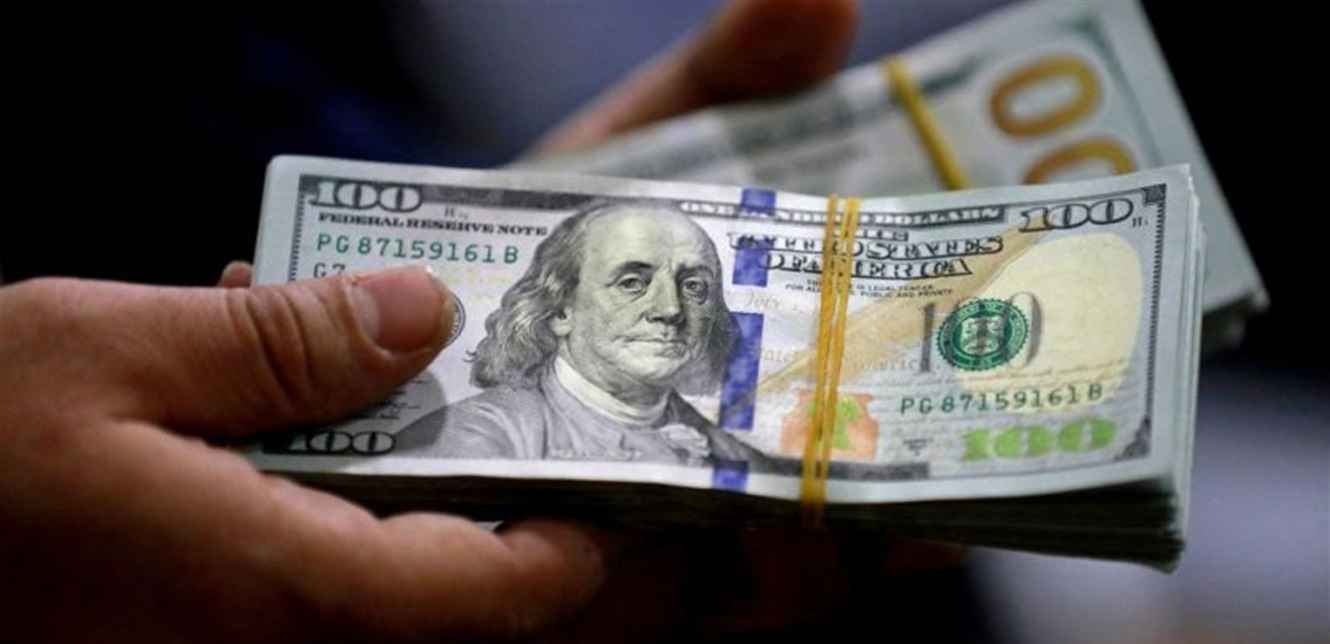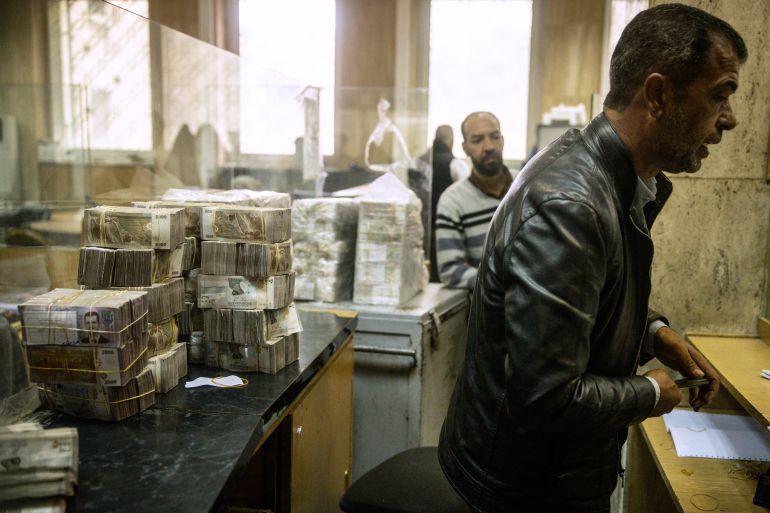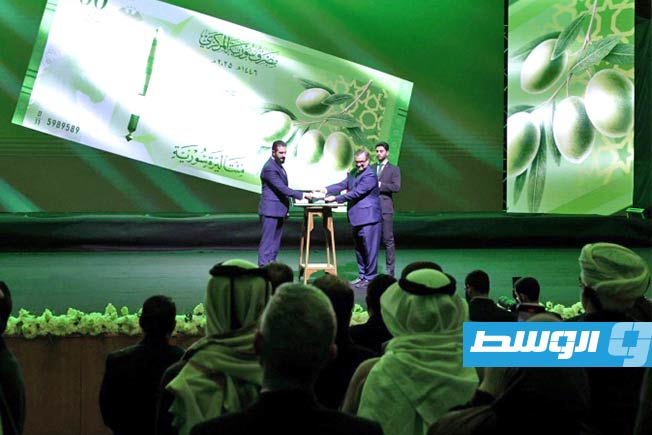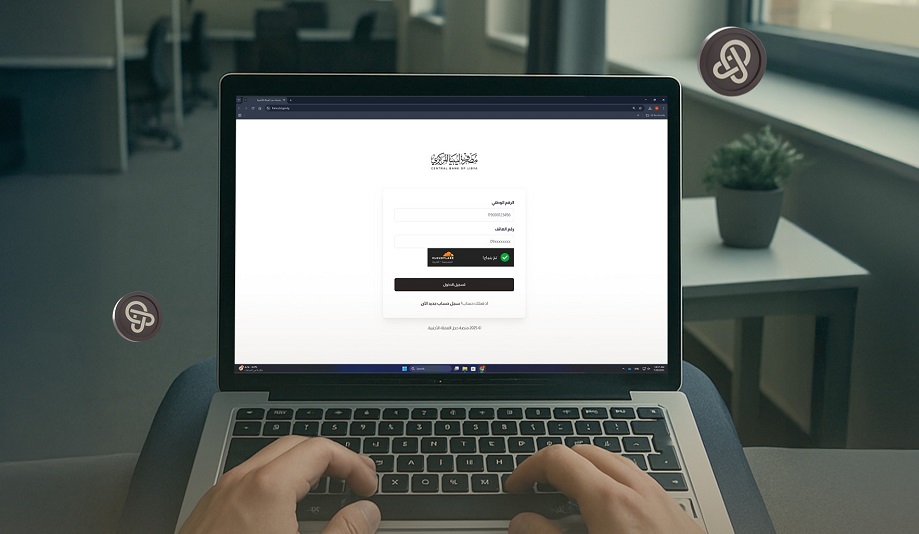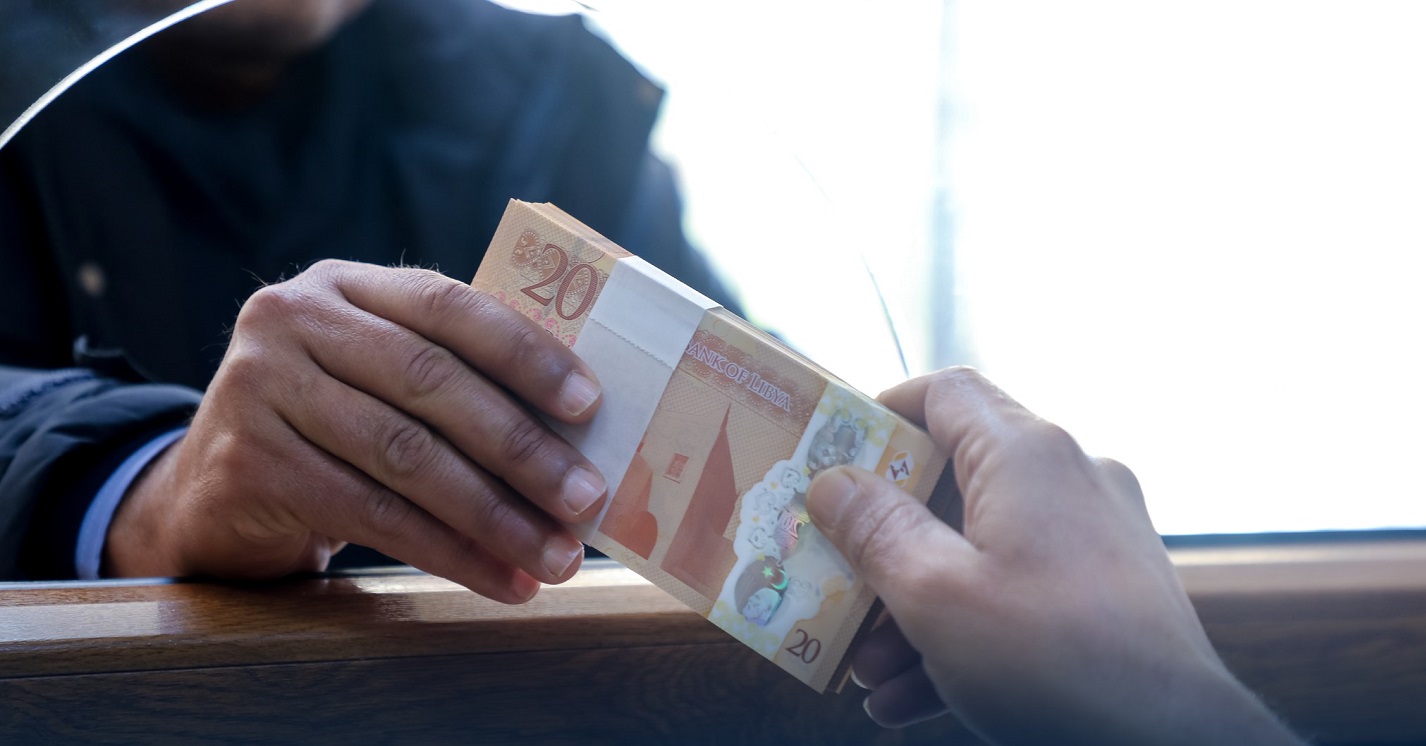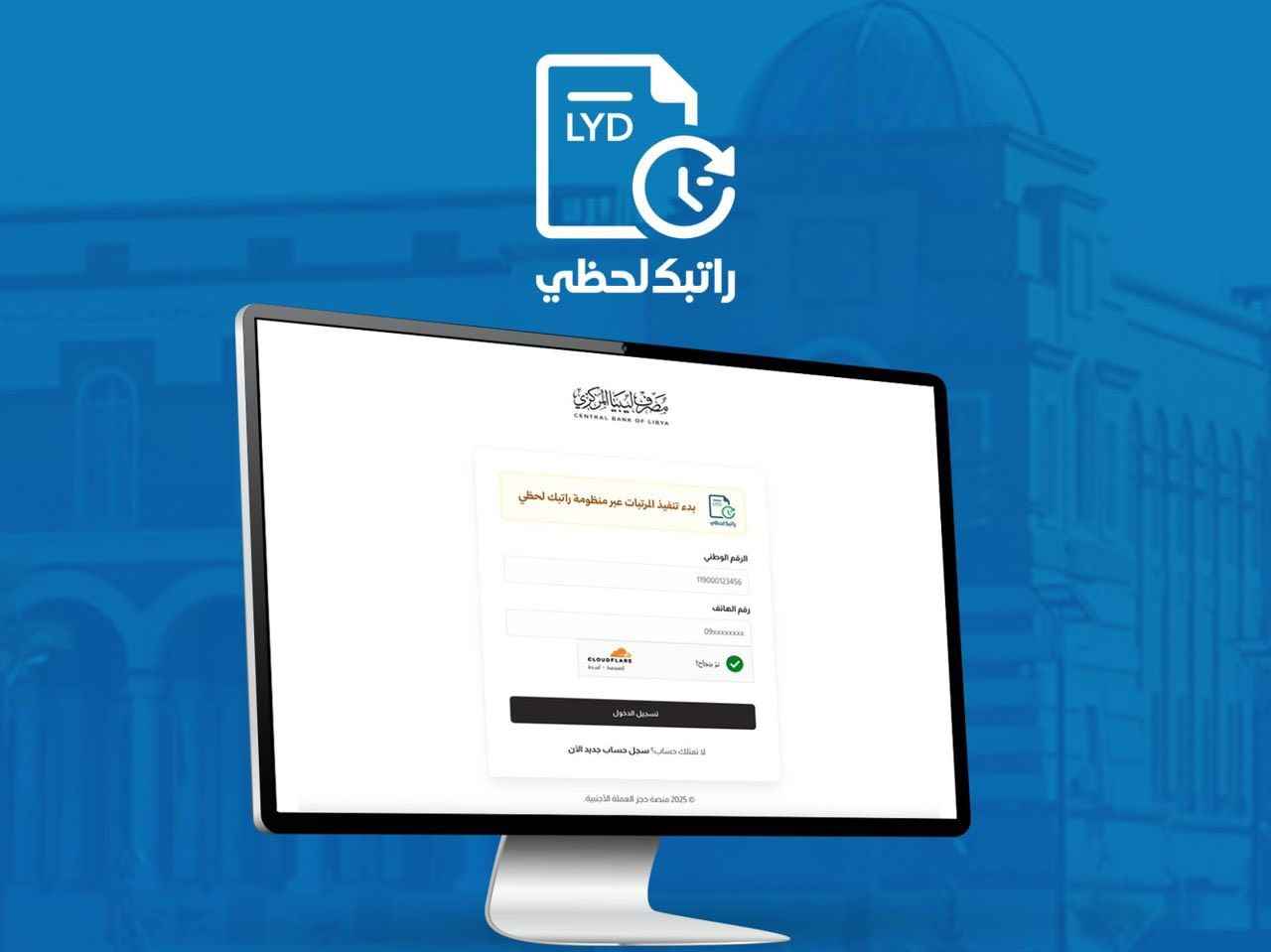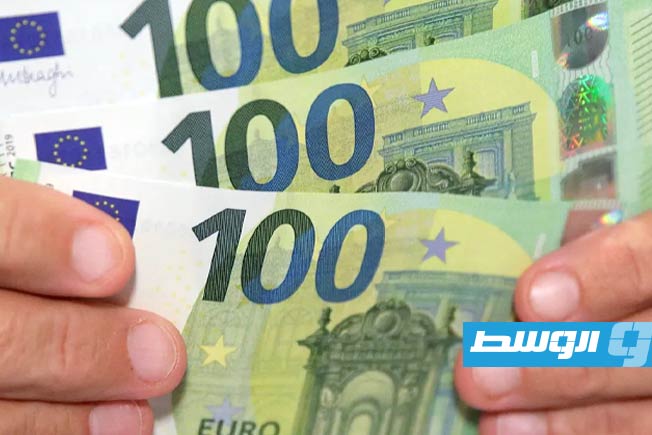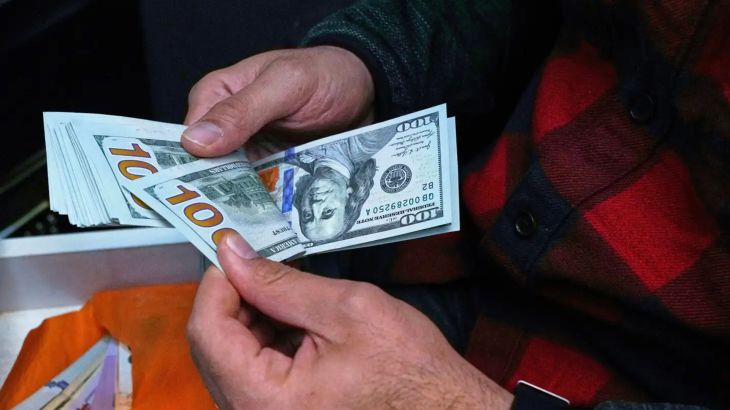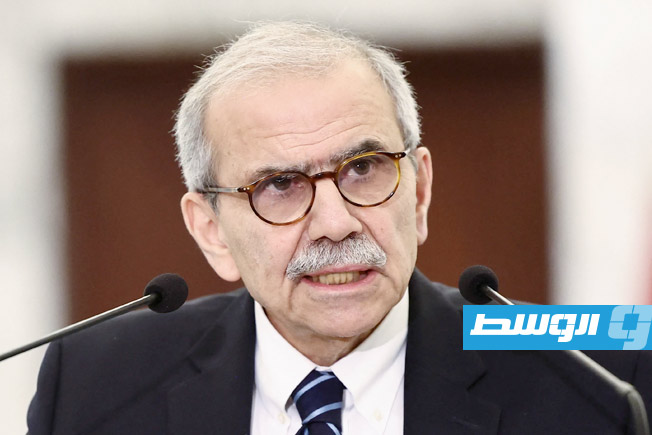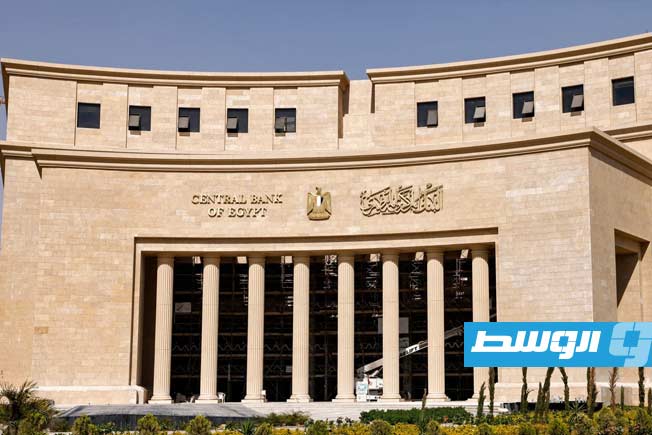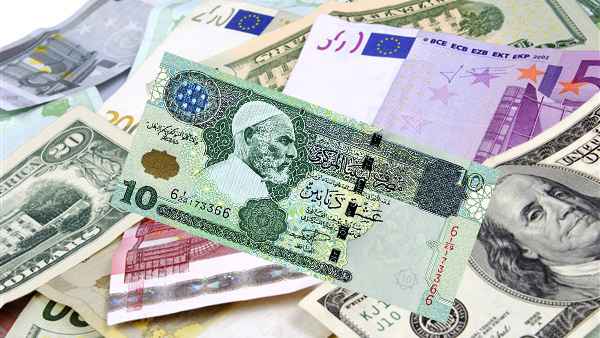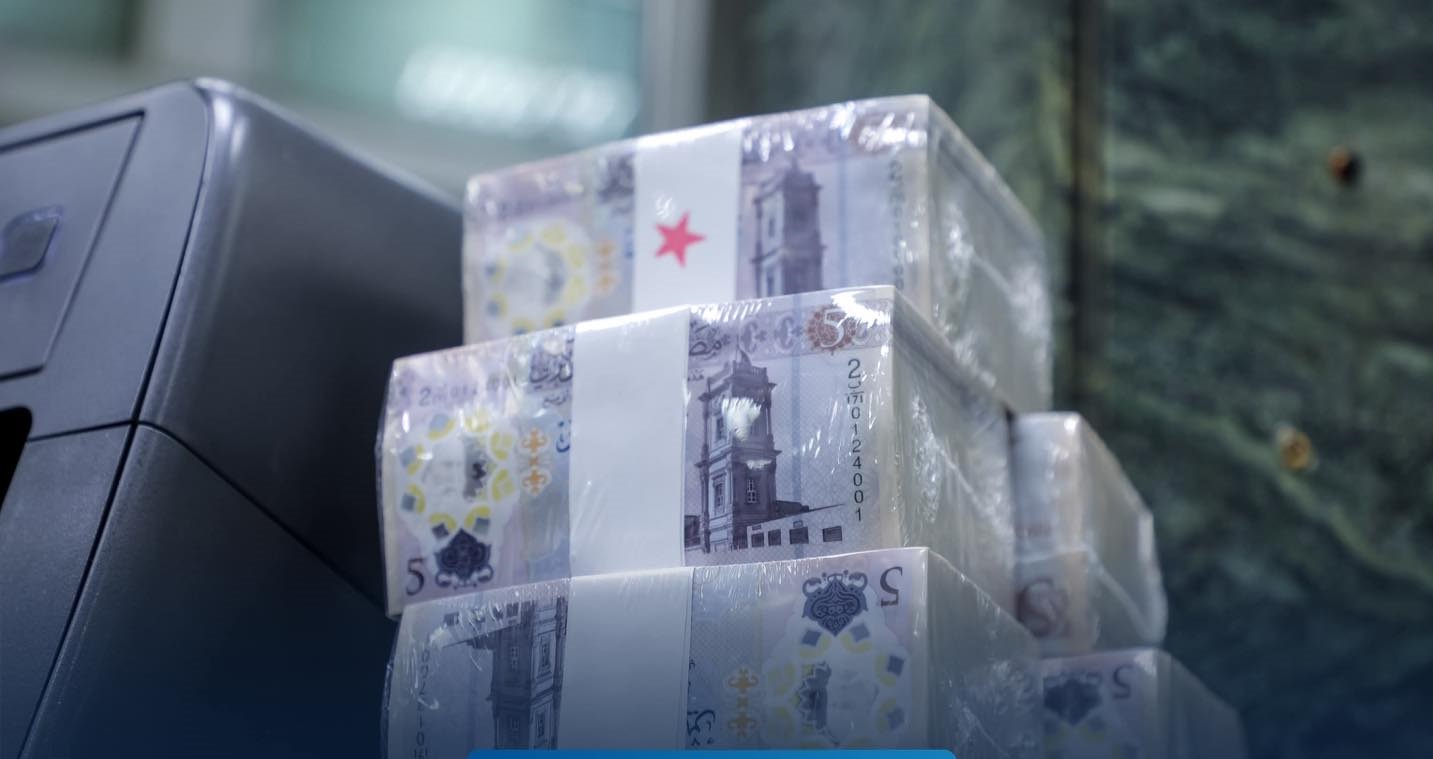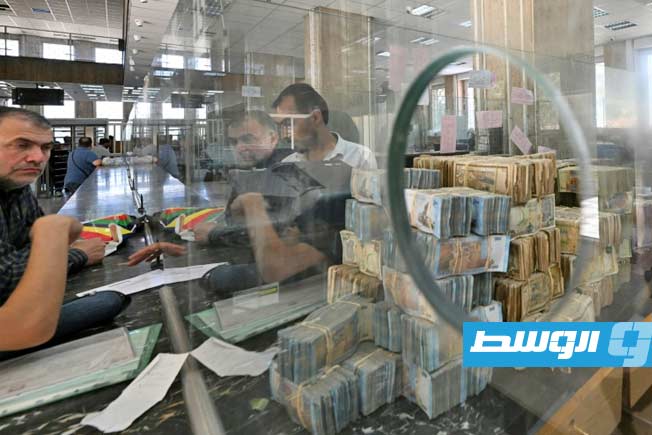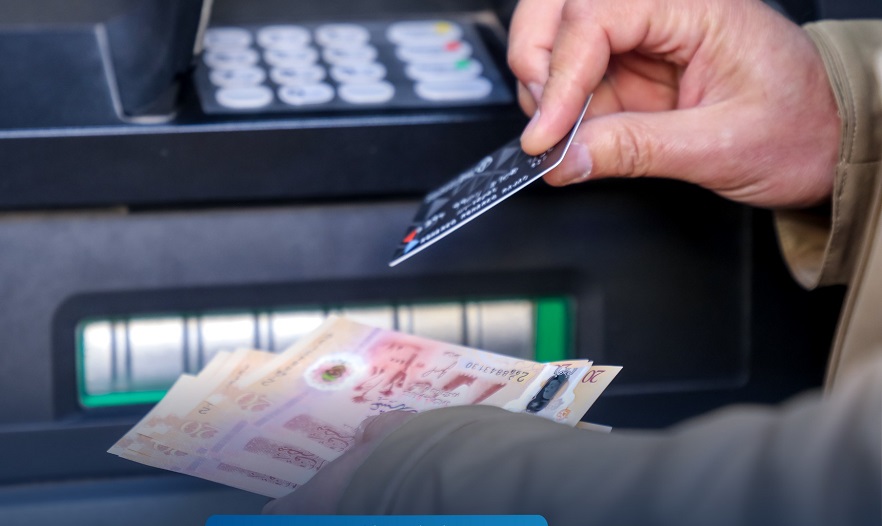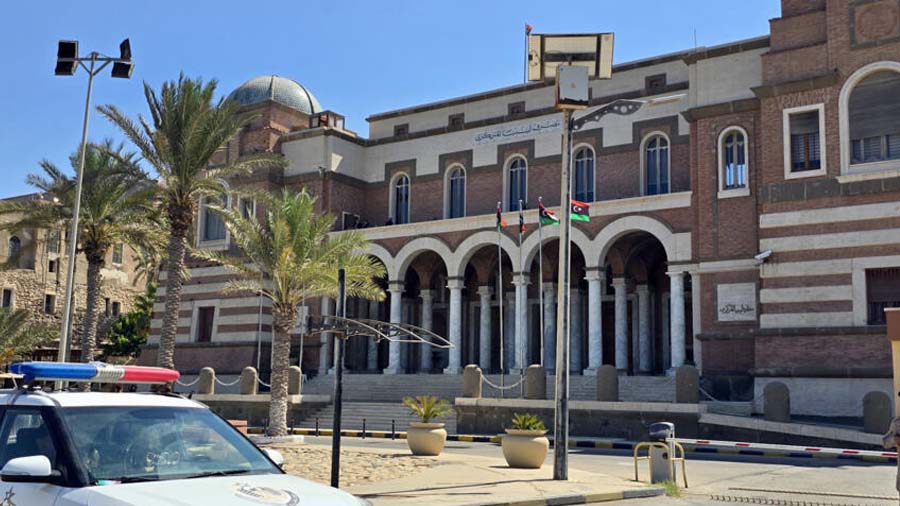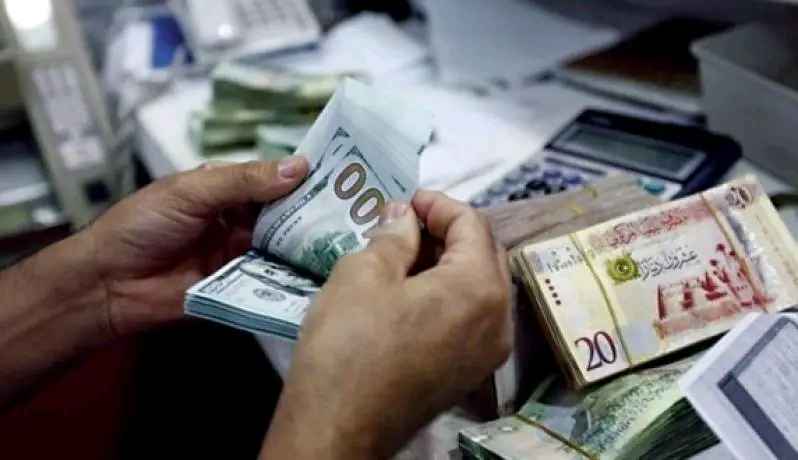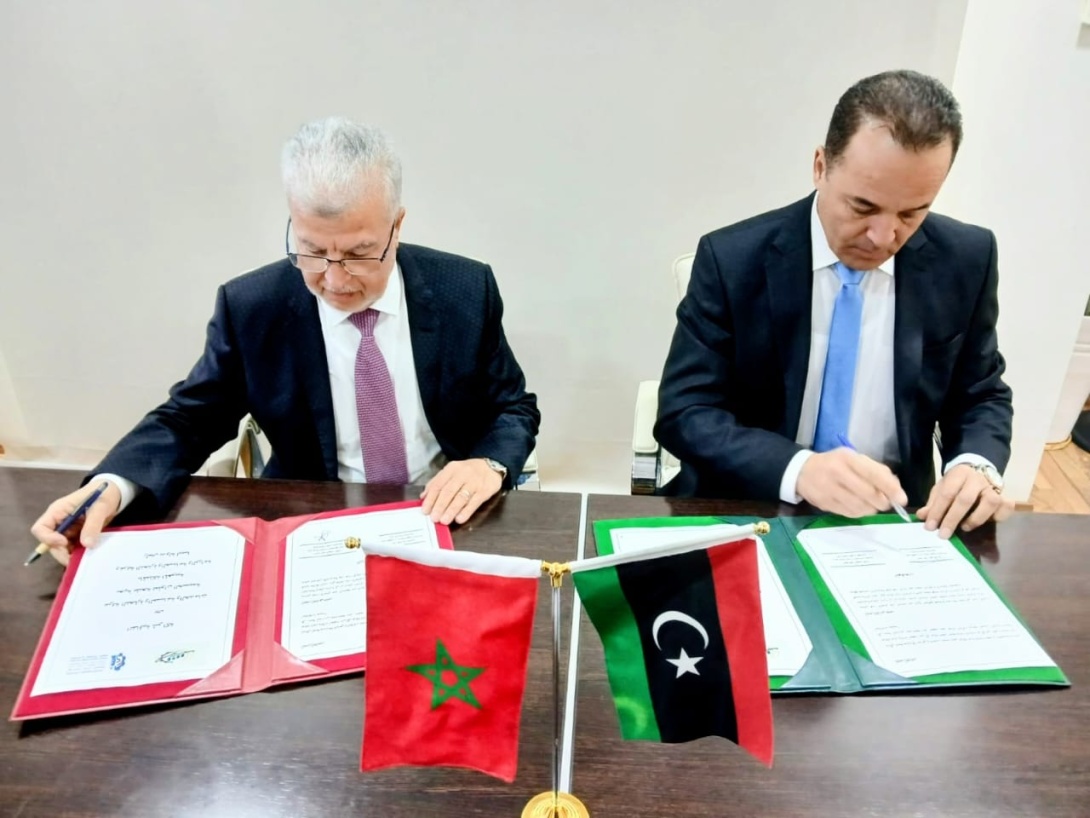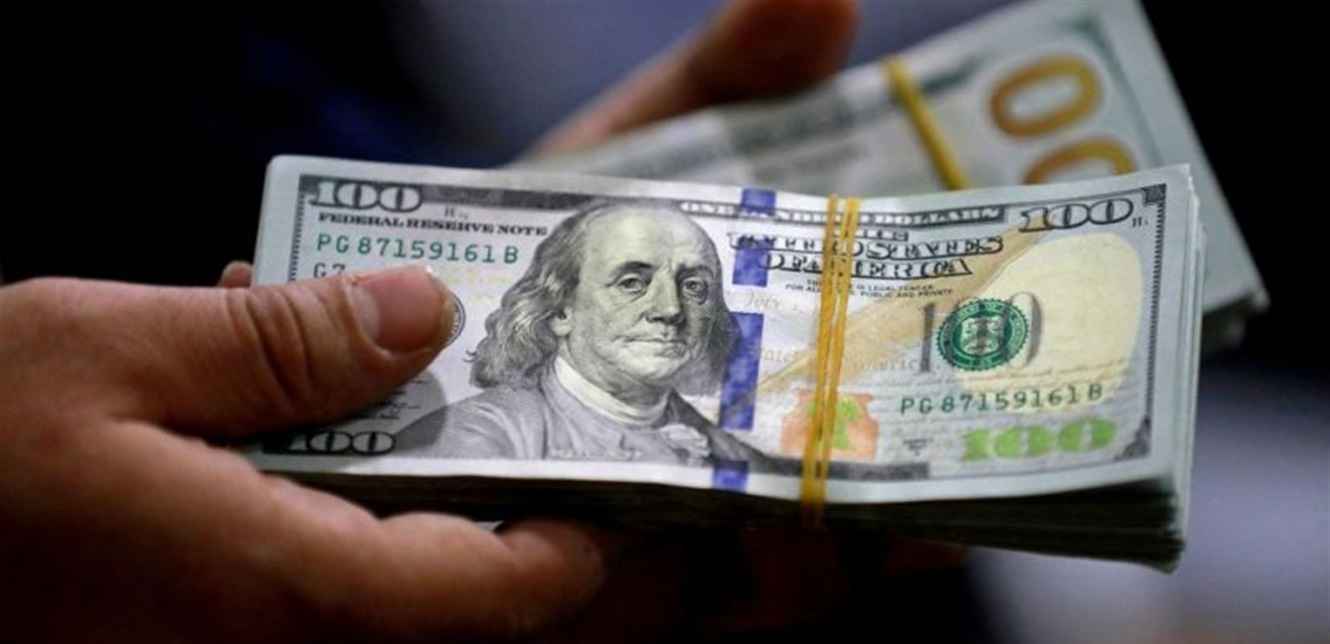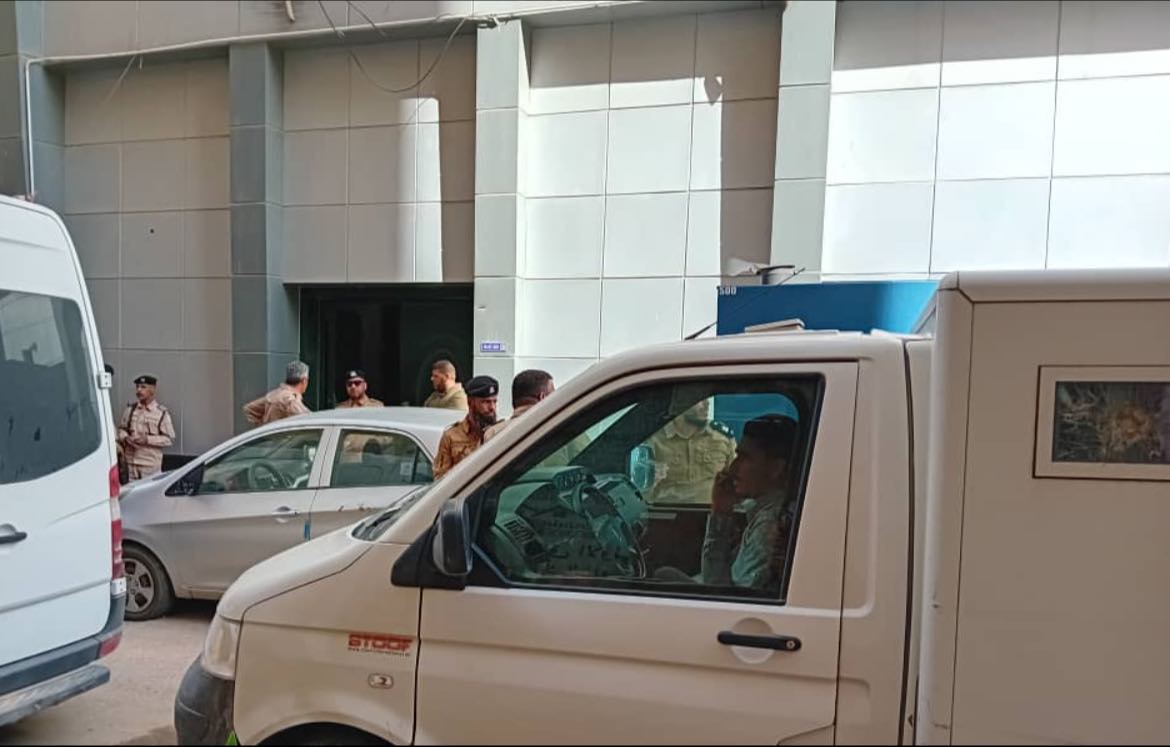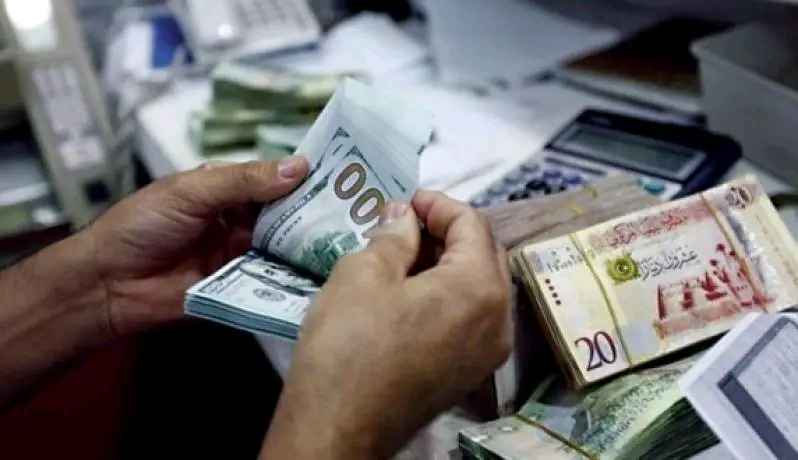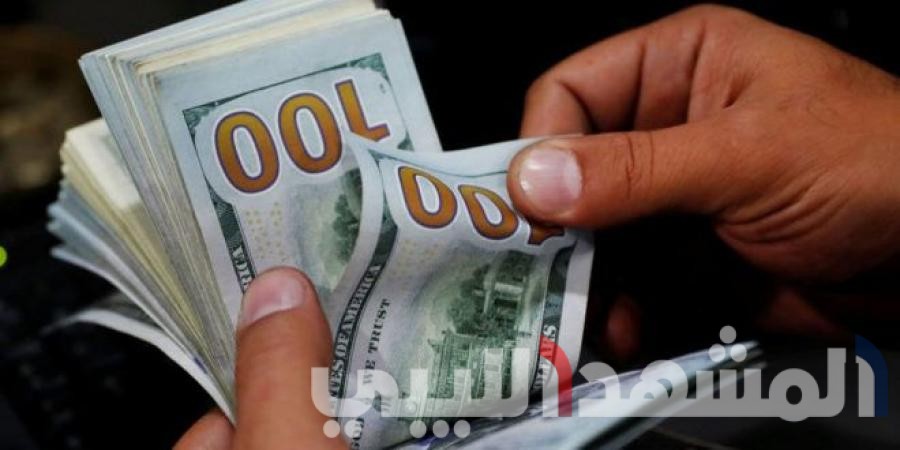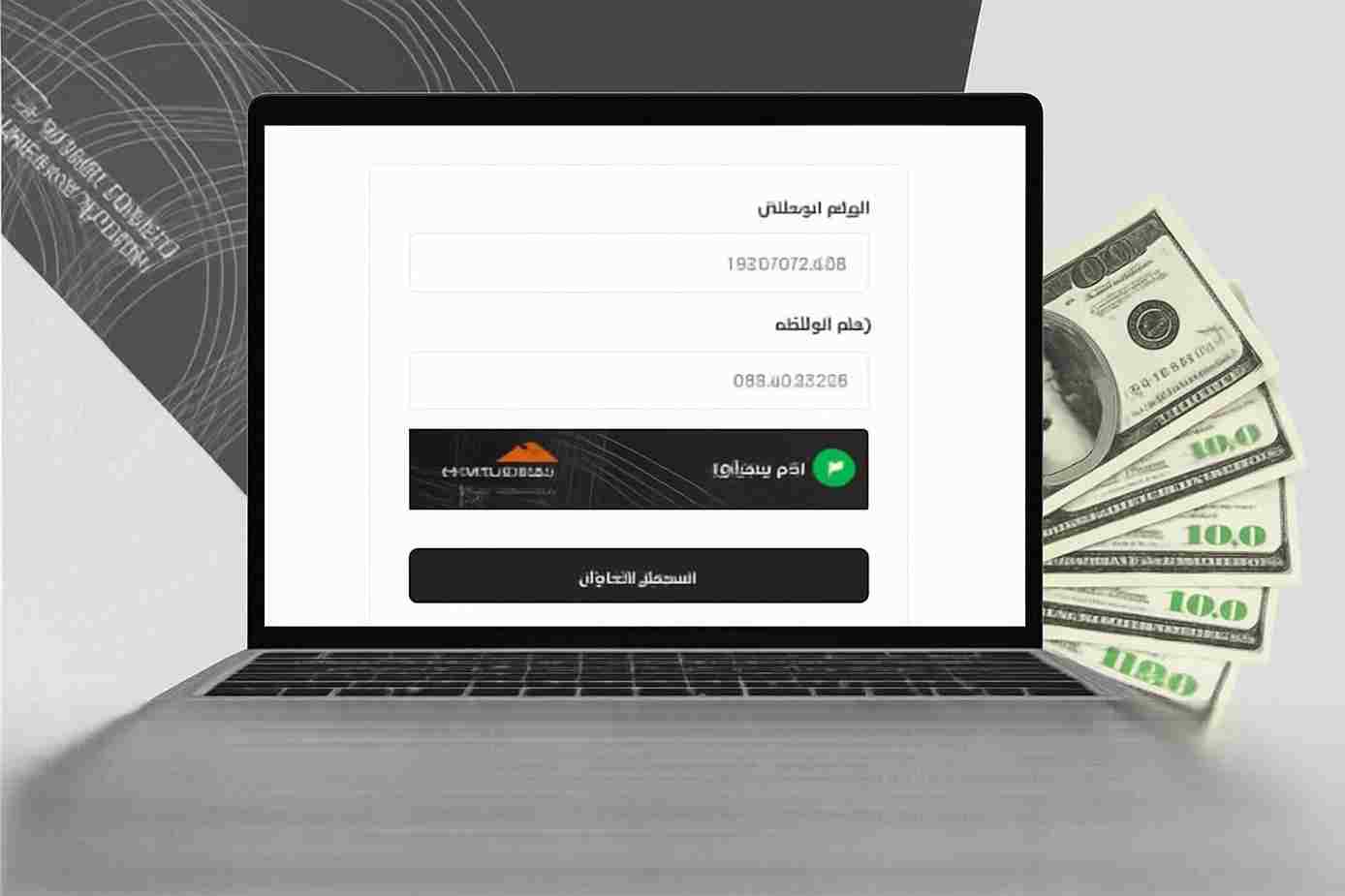
The first day of the relaunch of the 2026 Personal Purposes System through licensed exchange companies saw a strong start. The Central Bank of Libya confirmed the official commencement of the system’s operation, with over 14 million dollars recorded in reservations within the first few hours. The Central Bank described the performance of the exchange companies as “excellent.”
Details of the First Day
- Exchange companies offered competitive rates not exceeding 7.5 dinars per dollar.
- Transfer processes were completed instantly, reflecting the system’s readiness and speed of response.
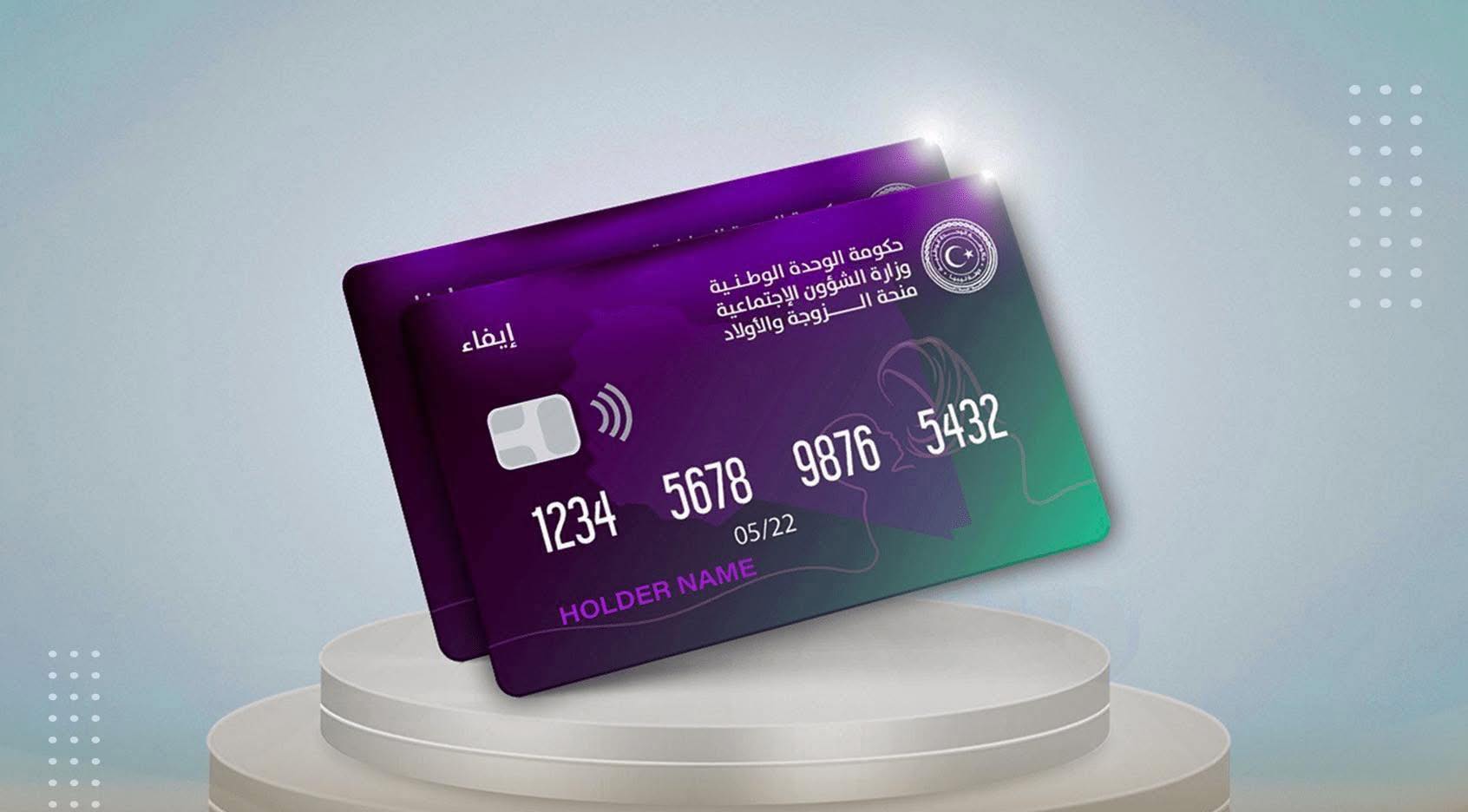
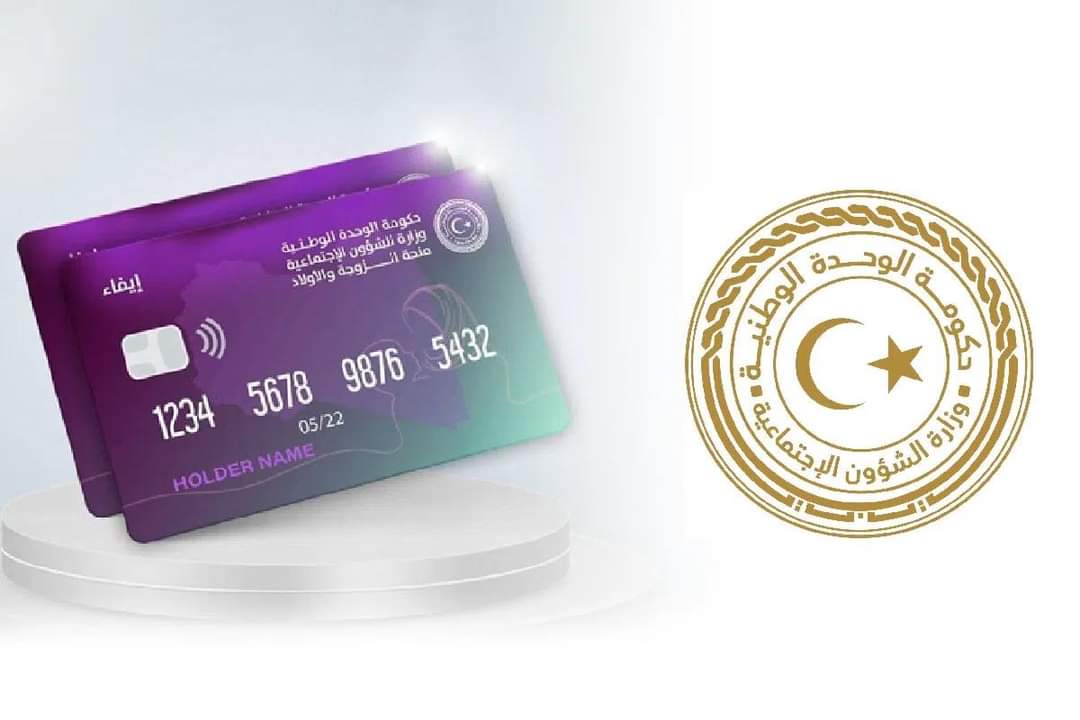
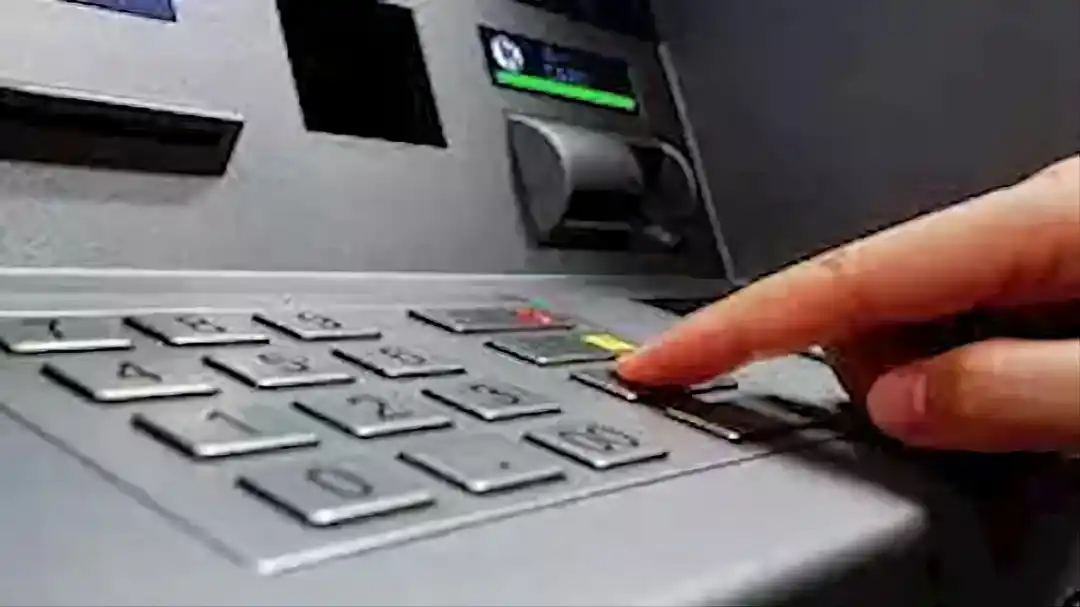
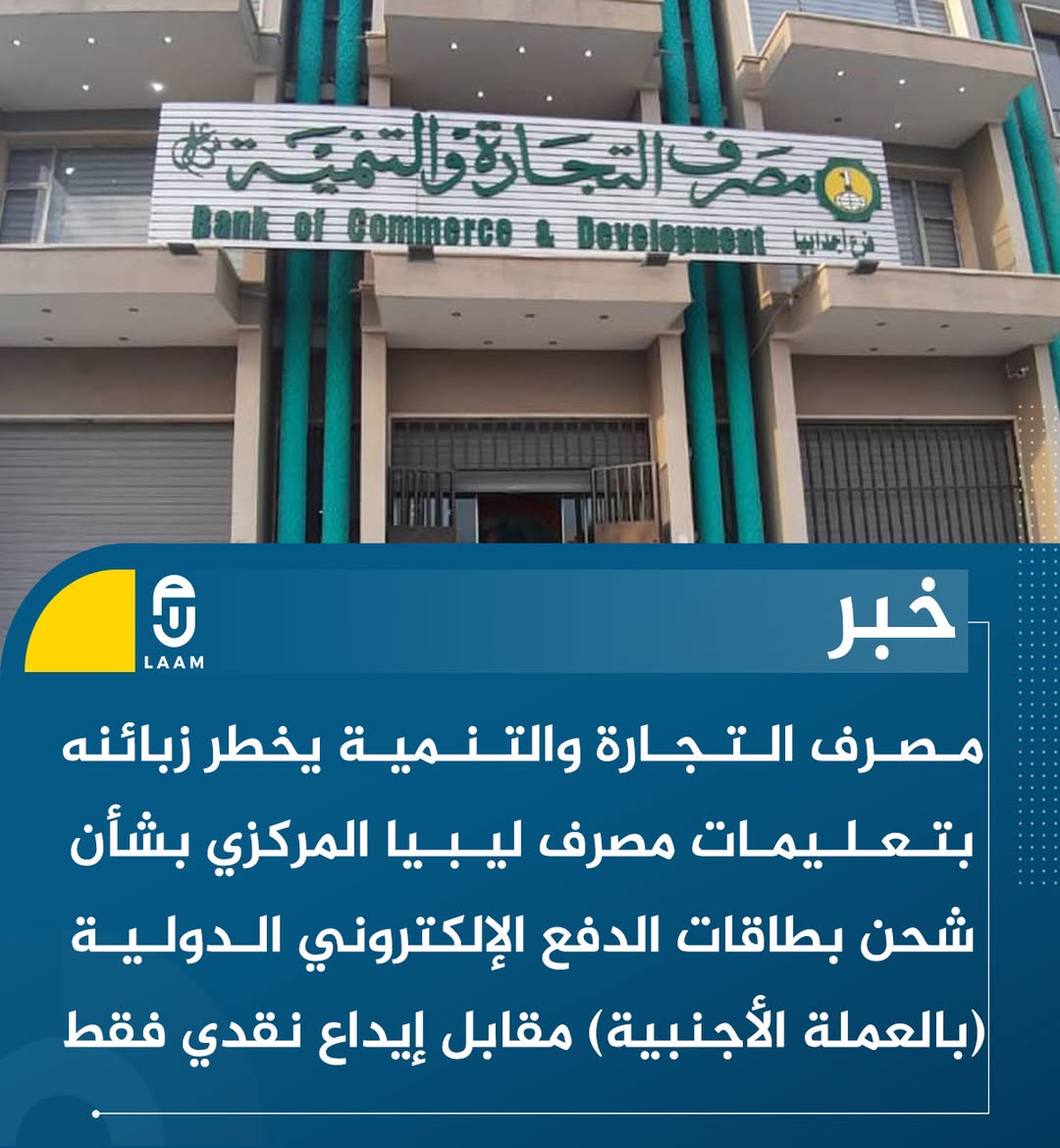
- The Central Bank confirmed it will issue additional clarifications regarding the mechanism linking companies and banks for direct card top-ups.
- The system needs a few days to stabilize, but it has proven successful from the very first moment.
The Payment Mechanism… A Controversial Clause
Despite this success, widespread concerns have emerged among citizens following the disclosure of the new payment mechanism, which stipulates:
- Once the request is completed, the client must contact the exchange company and coordinate with them to pay the amount on the same day.
- If payment is not made on the same day, the transaction is automatically rejected.
- The request cannot be deleted after submission except outside working hours (from 13:01 to 15:00).
These clauses have sparked a wave of criticism and are seen as a step that grants exchange companies direct authority to accept or reject transactions. This could open the door to selectivity and favoritism.
Fears of “Privatizing the Quota”
Citizens and experts believe that linking the completion of the process to direct communication with the company could lead to:
- Companies monopolizing the decision to accept or reject a transaction.
- Creating an environment that allows for discrimination among clients.
- Transforming the quota from an organized banking service into a privilege controlled by companies.
- The possibility of ignoring or rejecting requests without justification, especially for those outside the “preferred client network.”
The Central Bank: The System Will End Speculation and Reduce Costs
In contrast, the Central Bank of Libya asserts that the new system will provide significant benefits for citizens:
- The ability to purchase dollars via transfers at a rate lower than the cash rate.
- Ending speculation in checks and transfers.
- Providing a transparent and organized mechanism for obtaining foreign currency.
- Launching a long-awaited project, decades in the making, aimed at regulating the market and narrowing the gap with the parallel market.
The Relaunch Decision
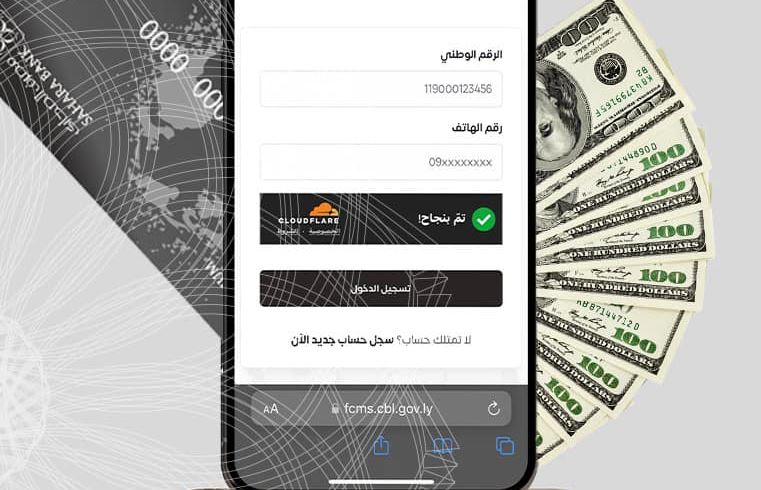
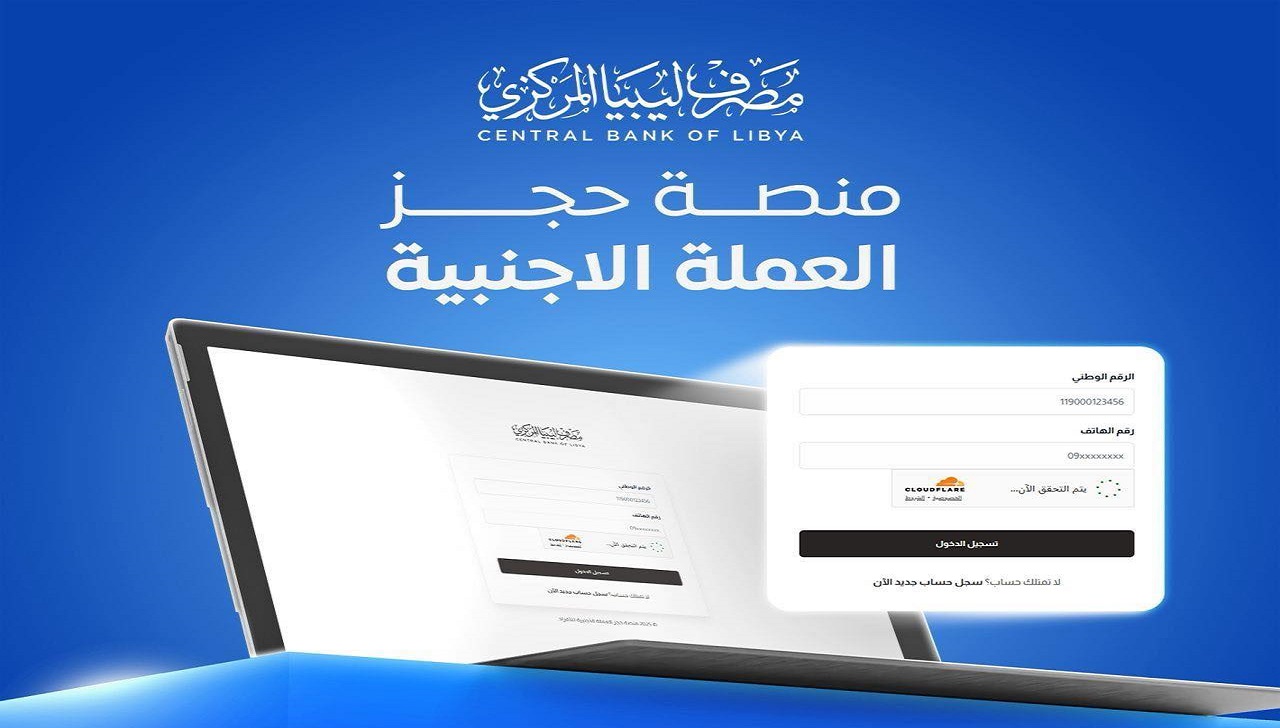
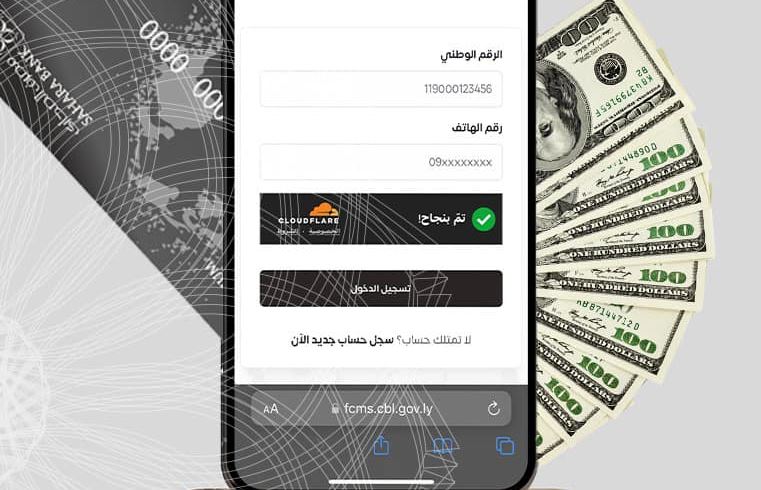
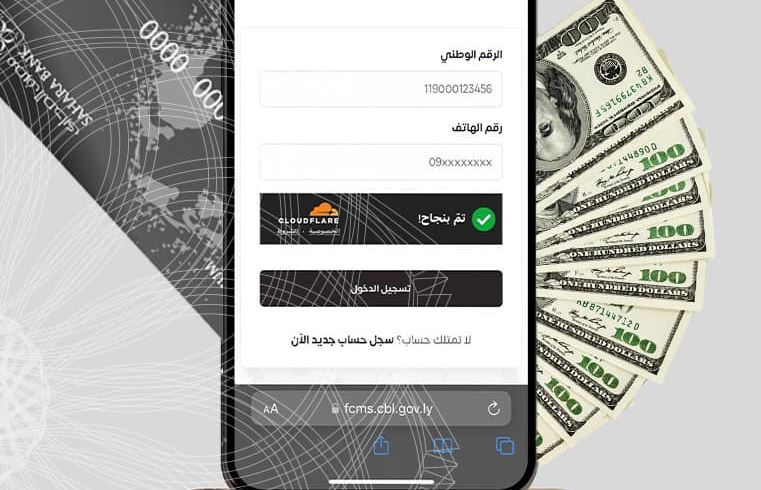
The Central Bank had previously announced the relaunch of the foreign currency reservation system through exchange companies, setting the official rate at 7.45 dinars per dollar. The clear mechanism includes: reservation via the electronic system, automatic assignment to a licensed company, payment on the same day of purchase, and preventing reservation cancellations during working hours.