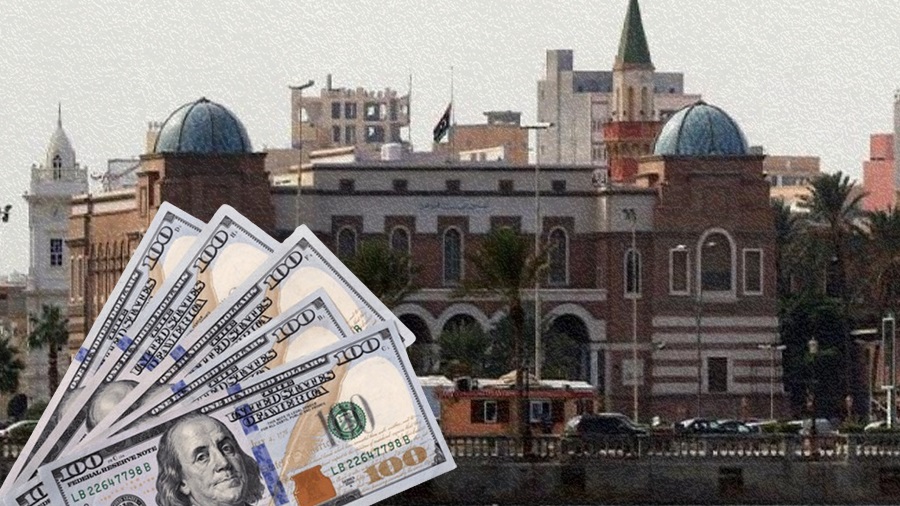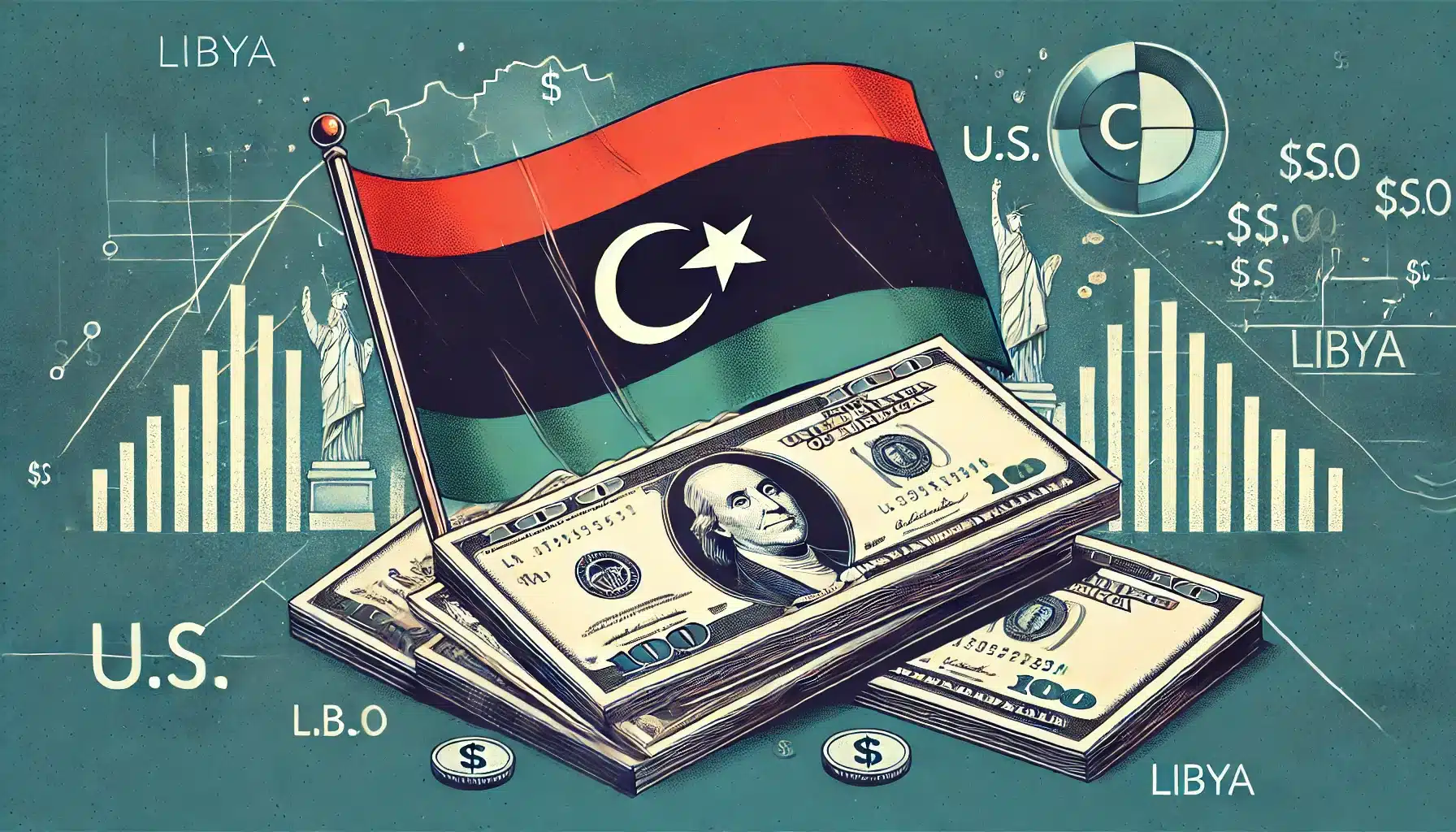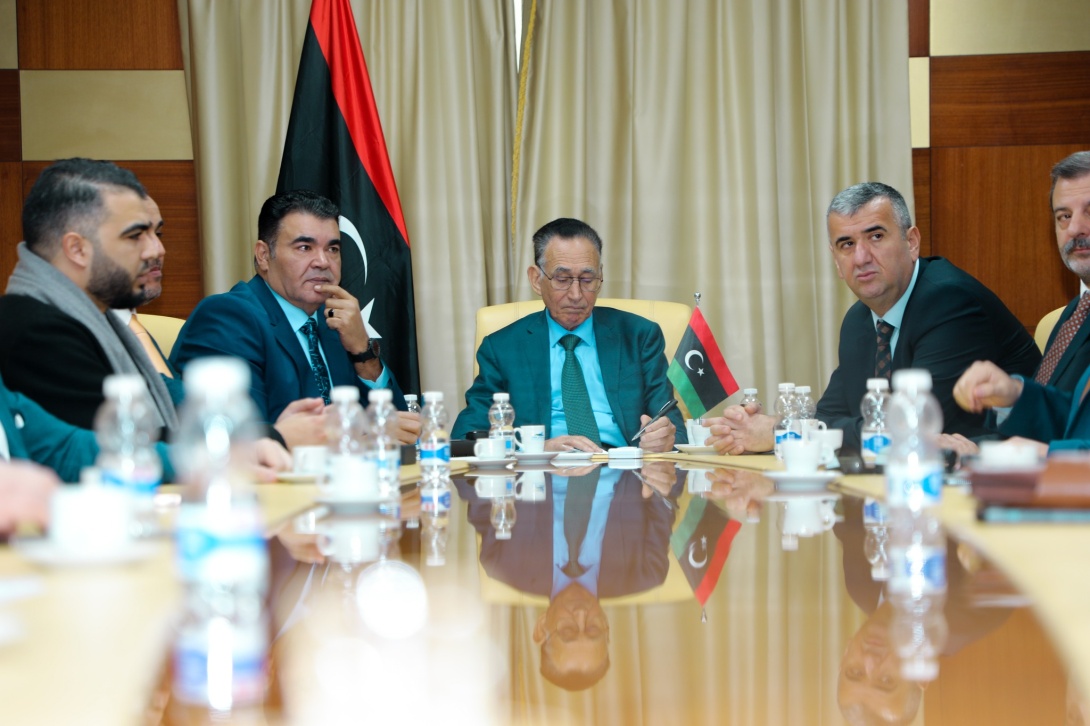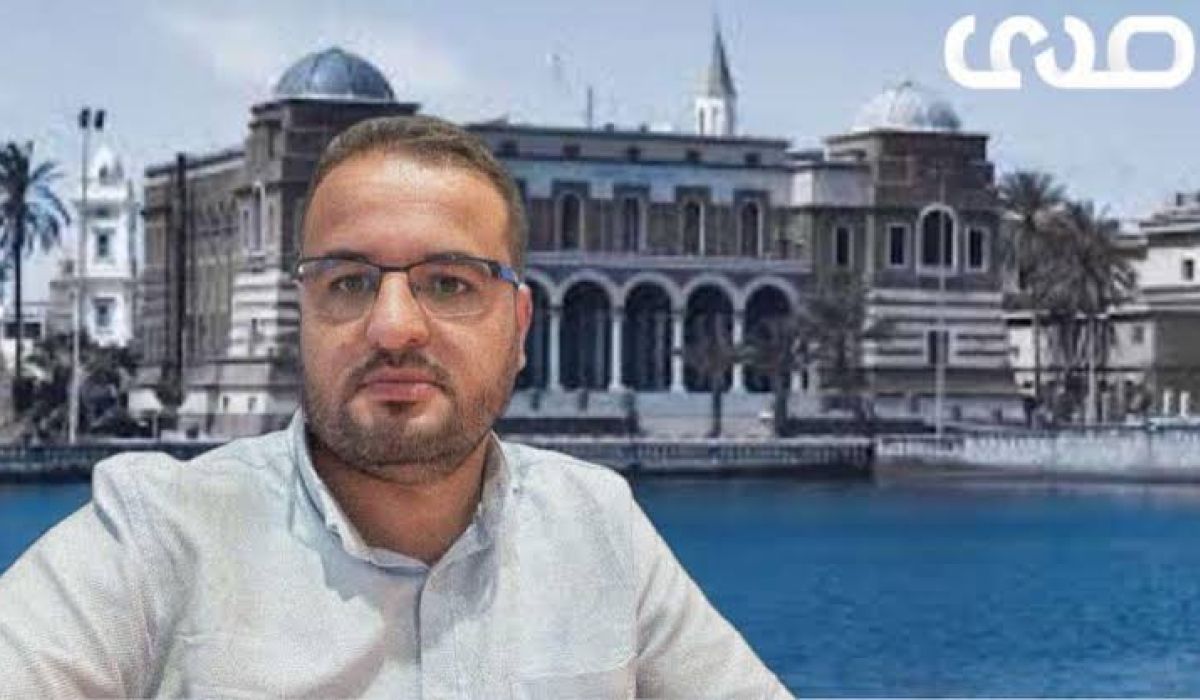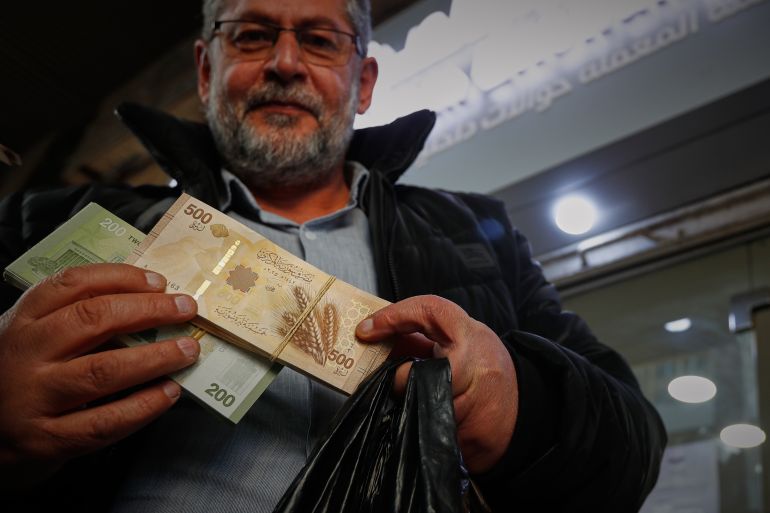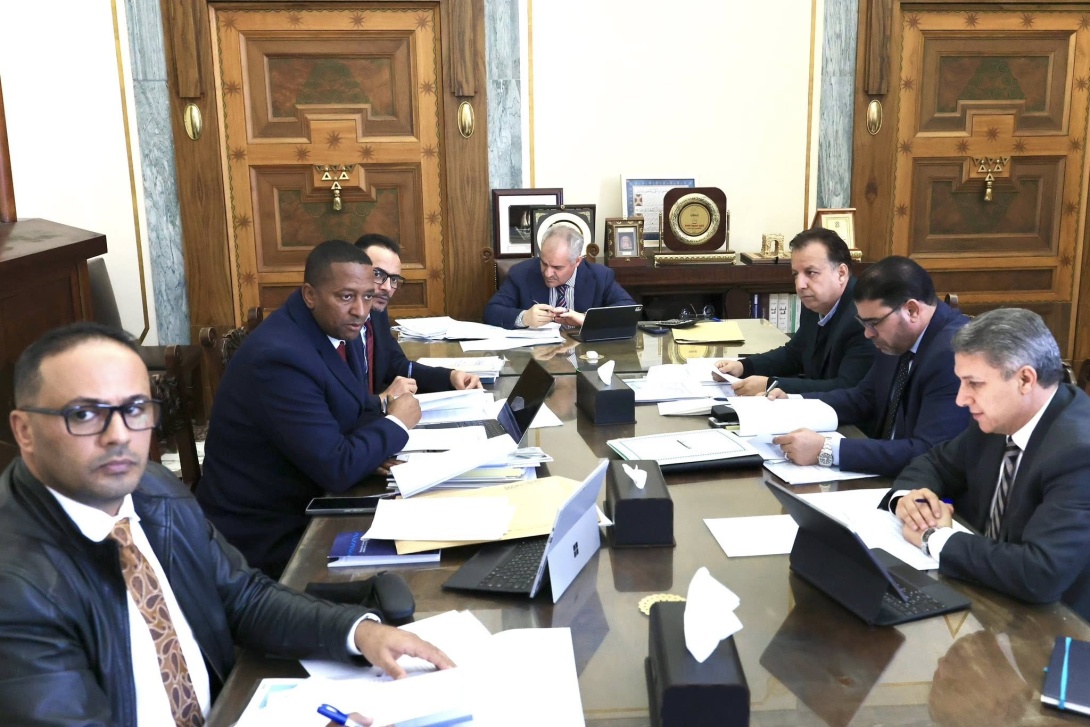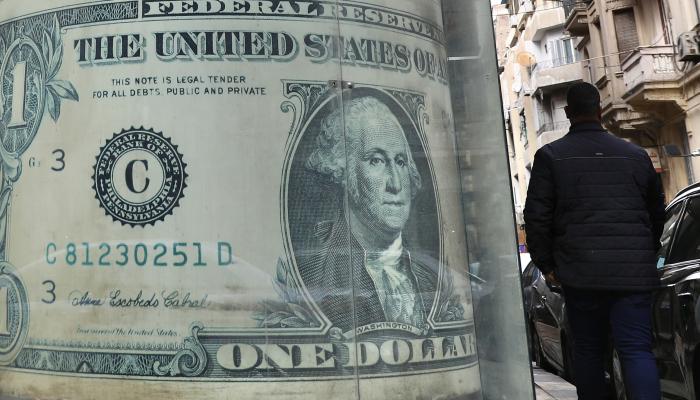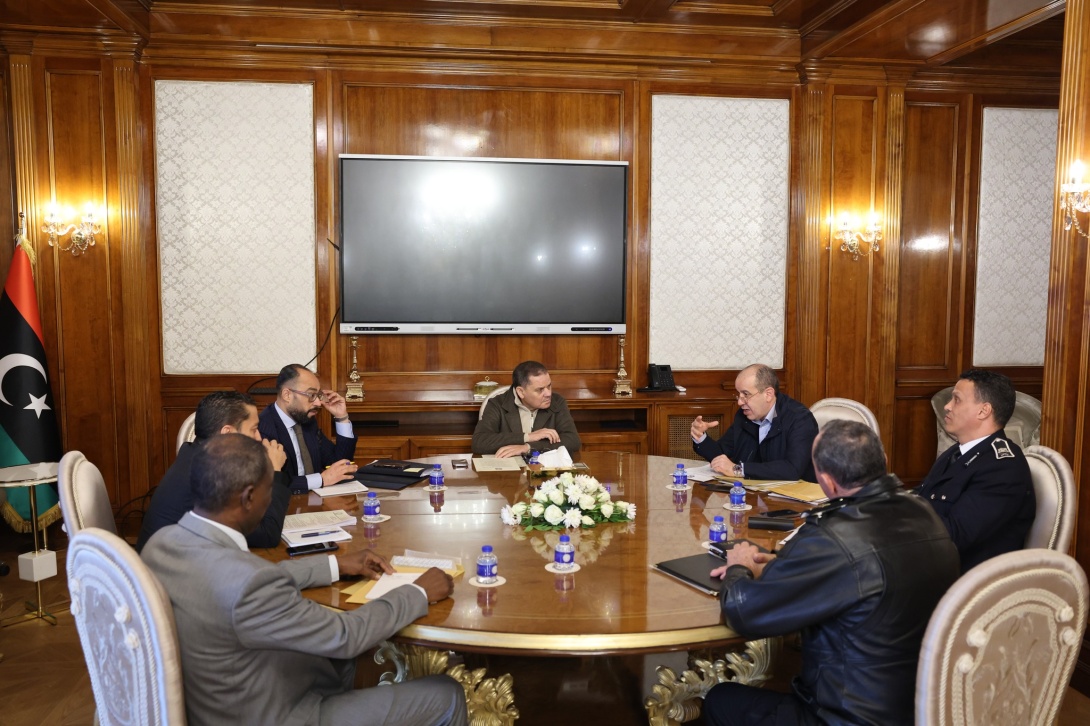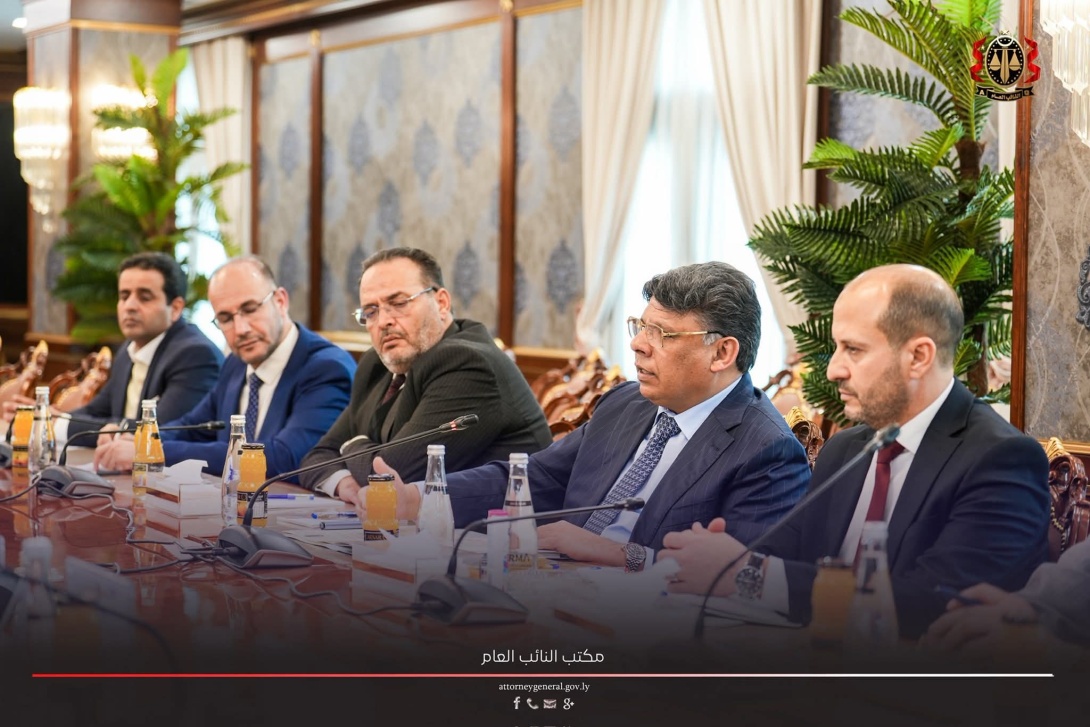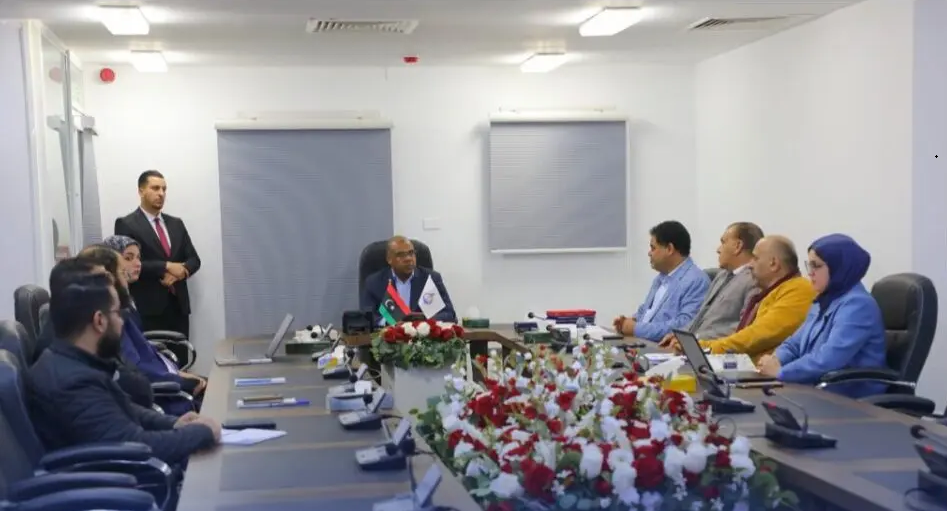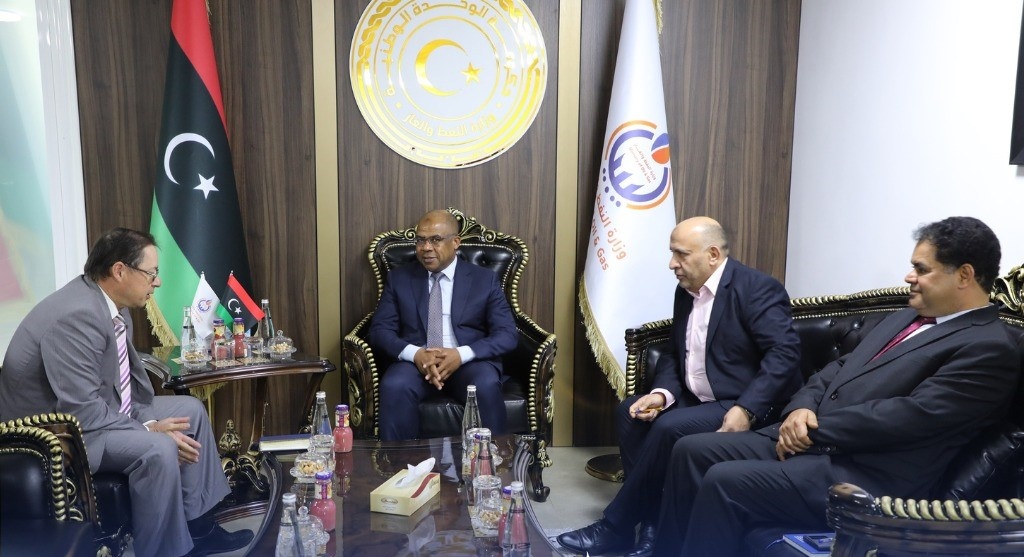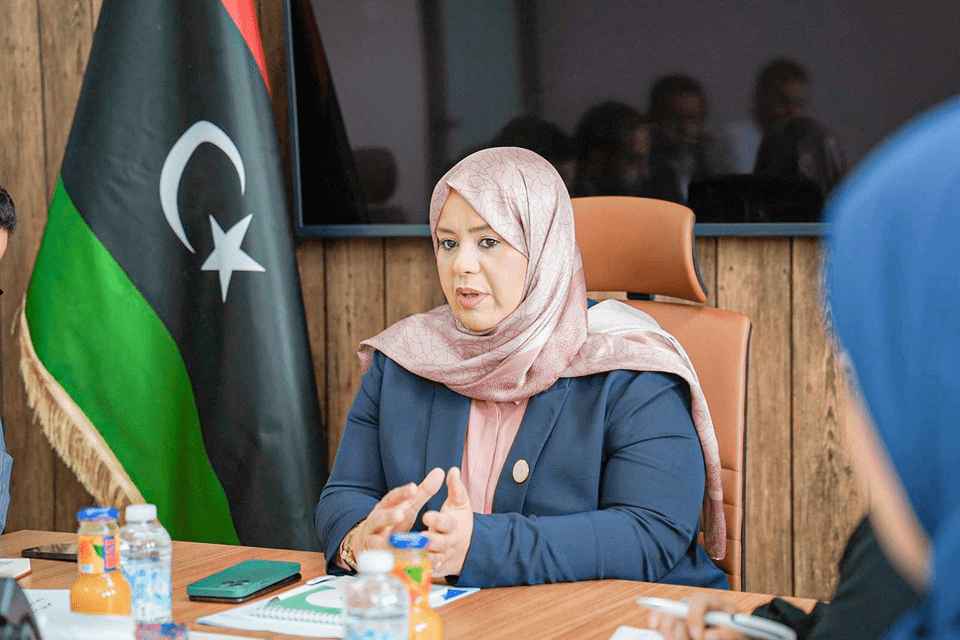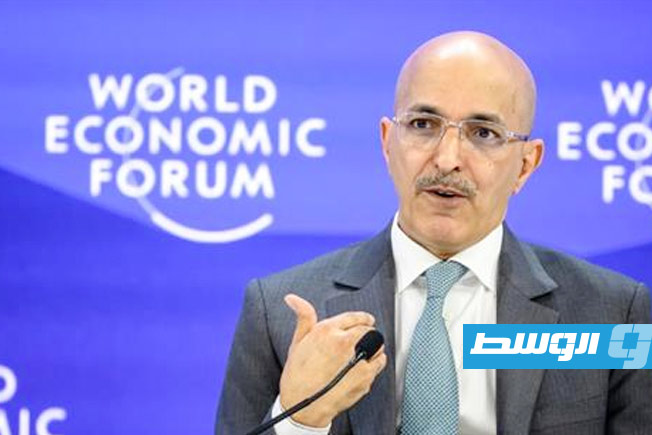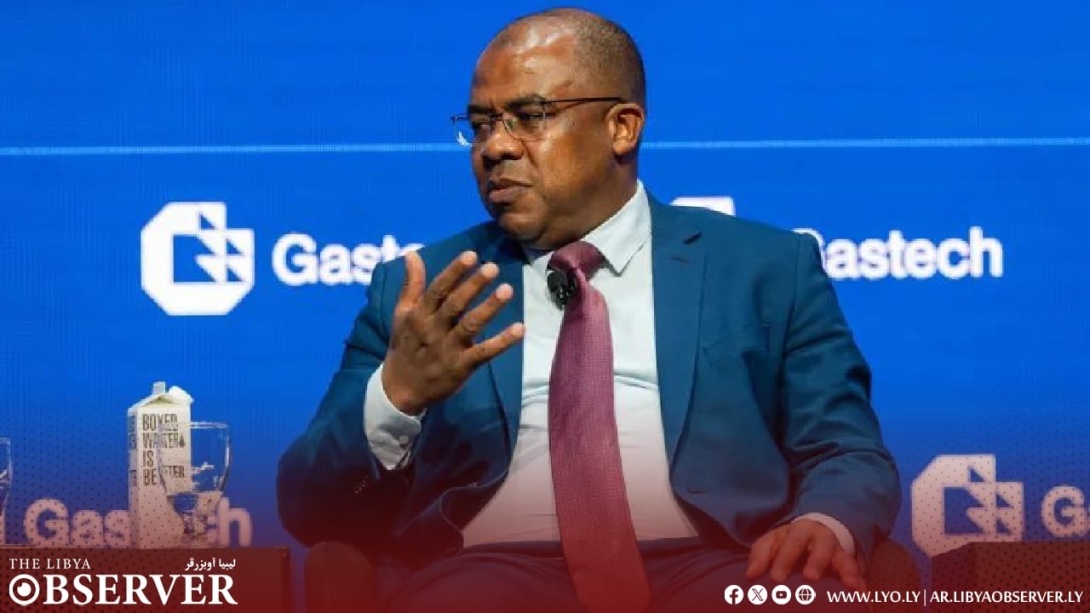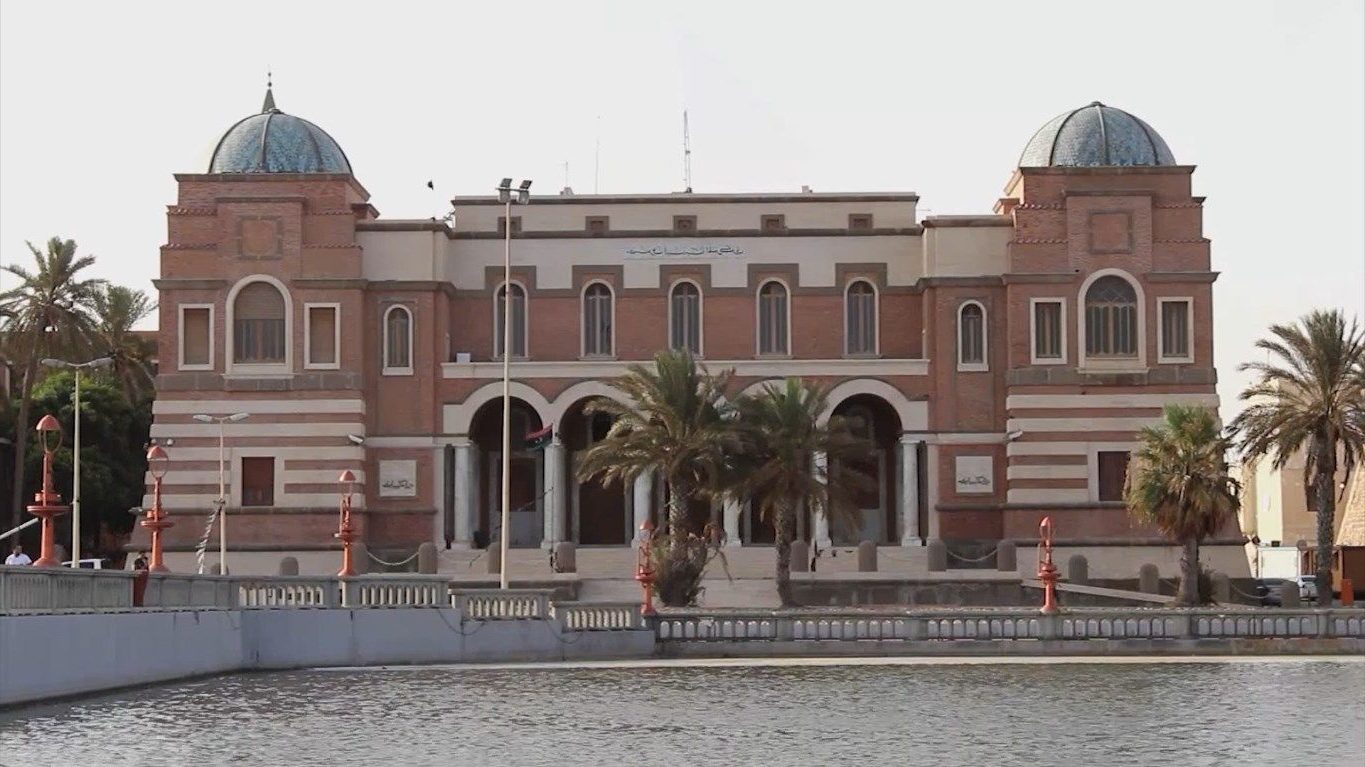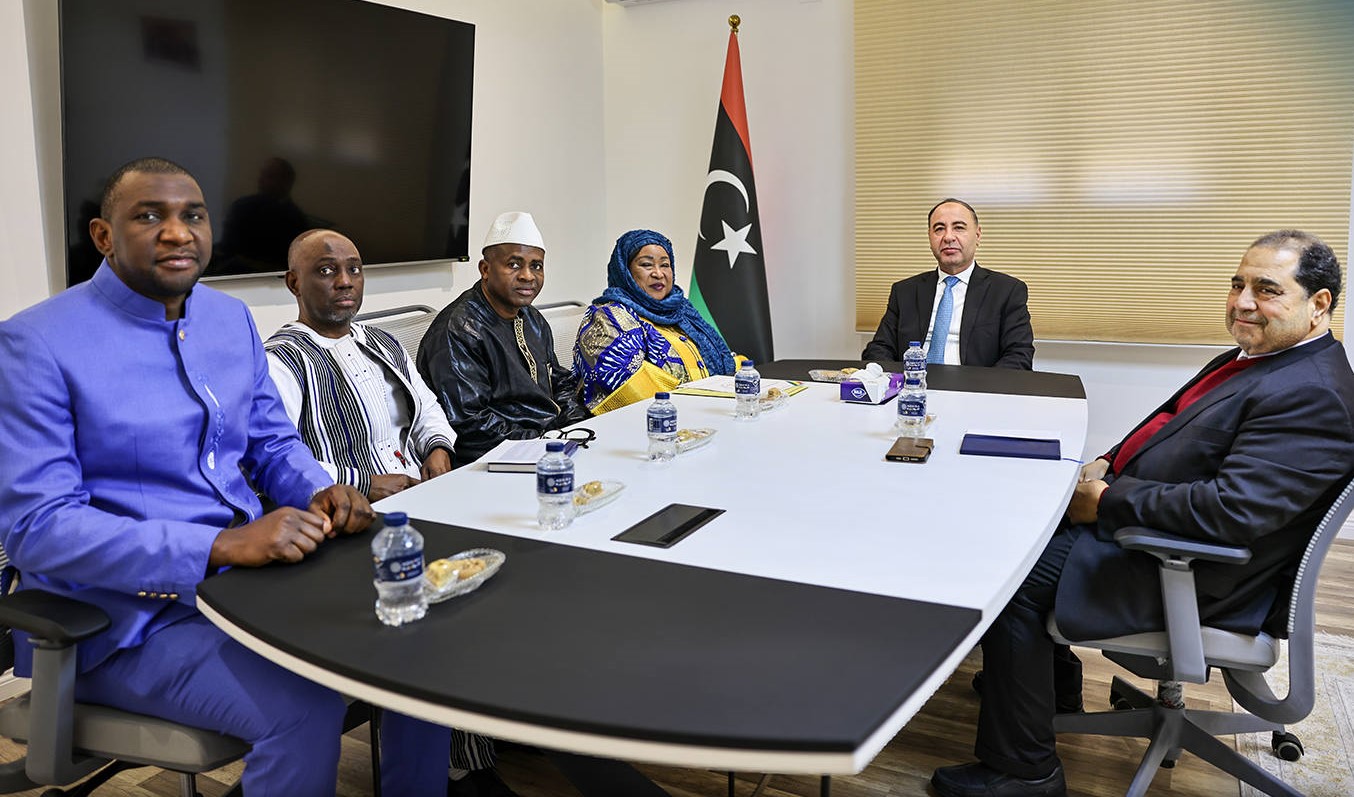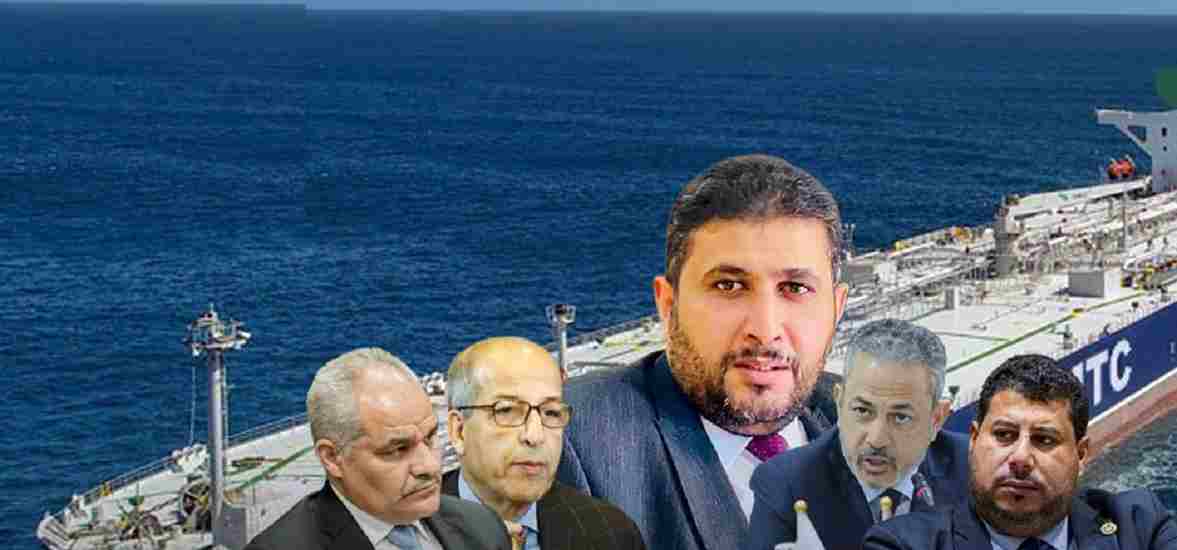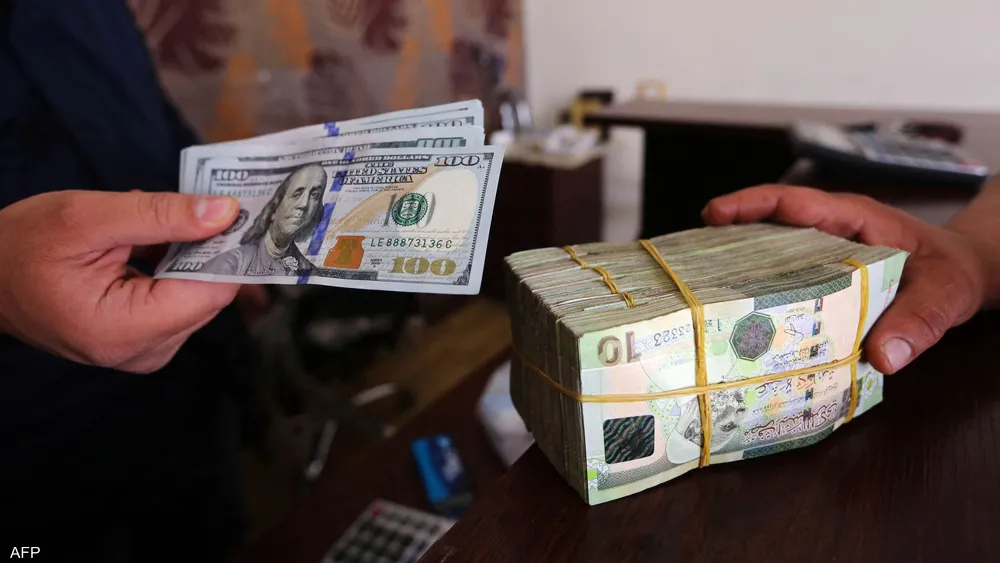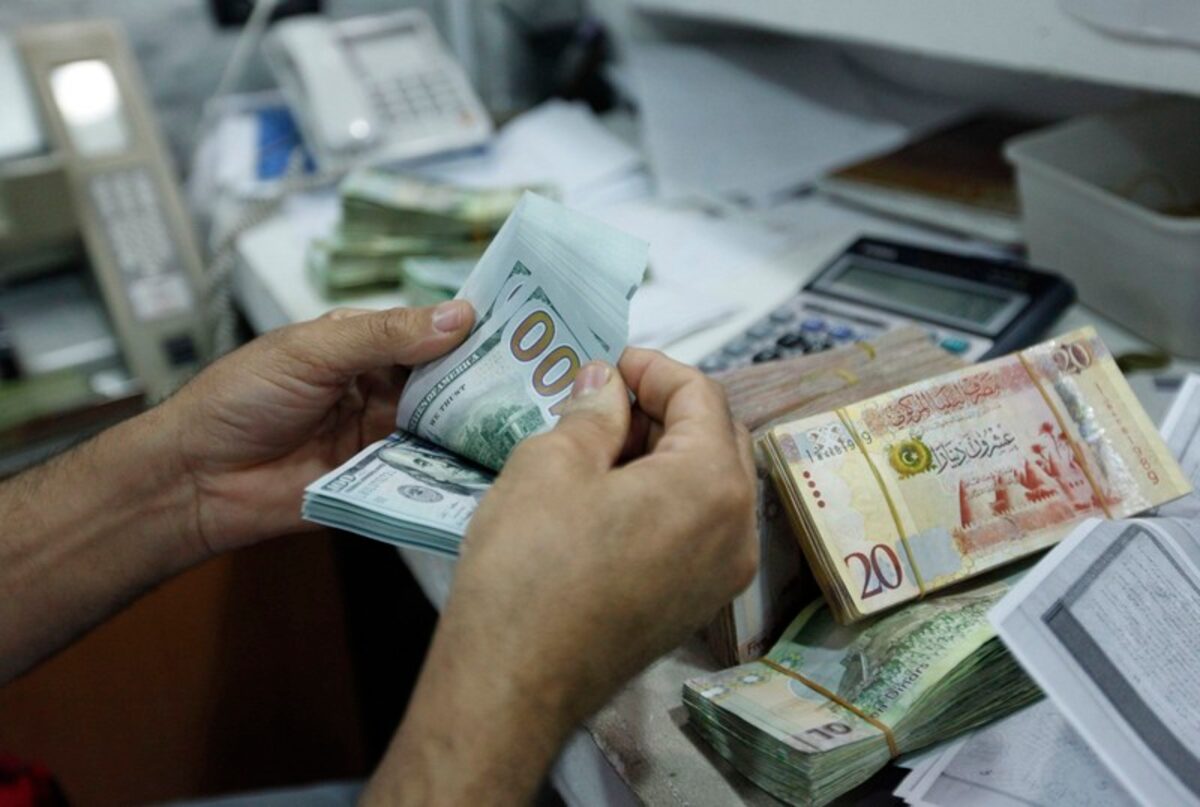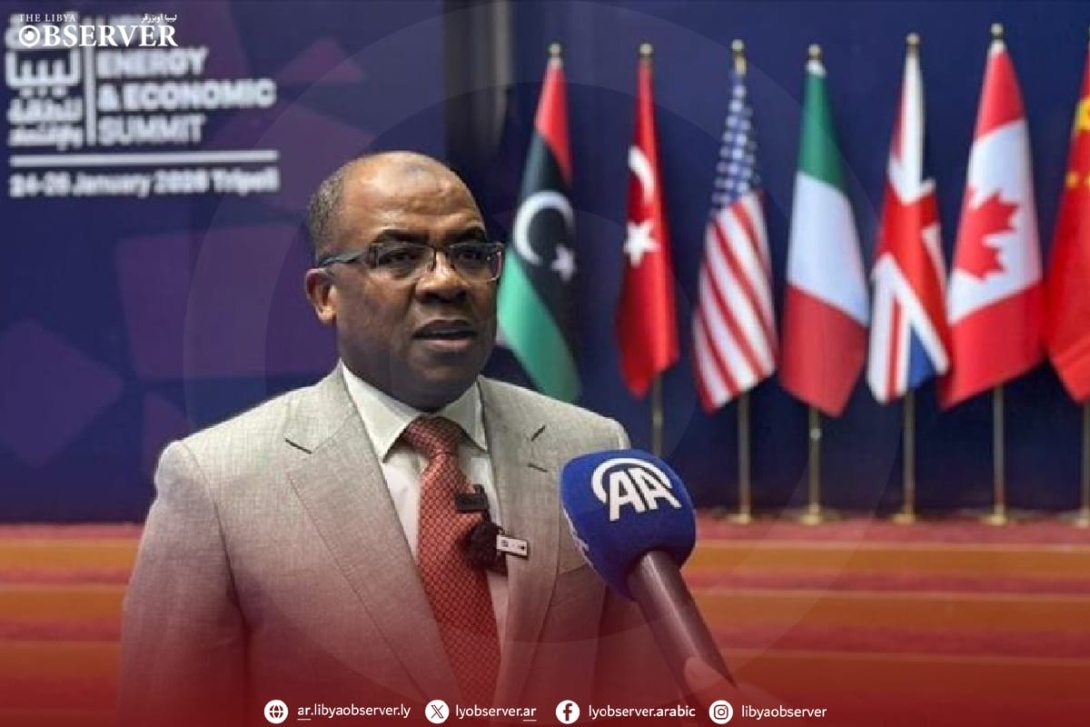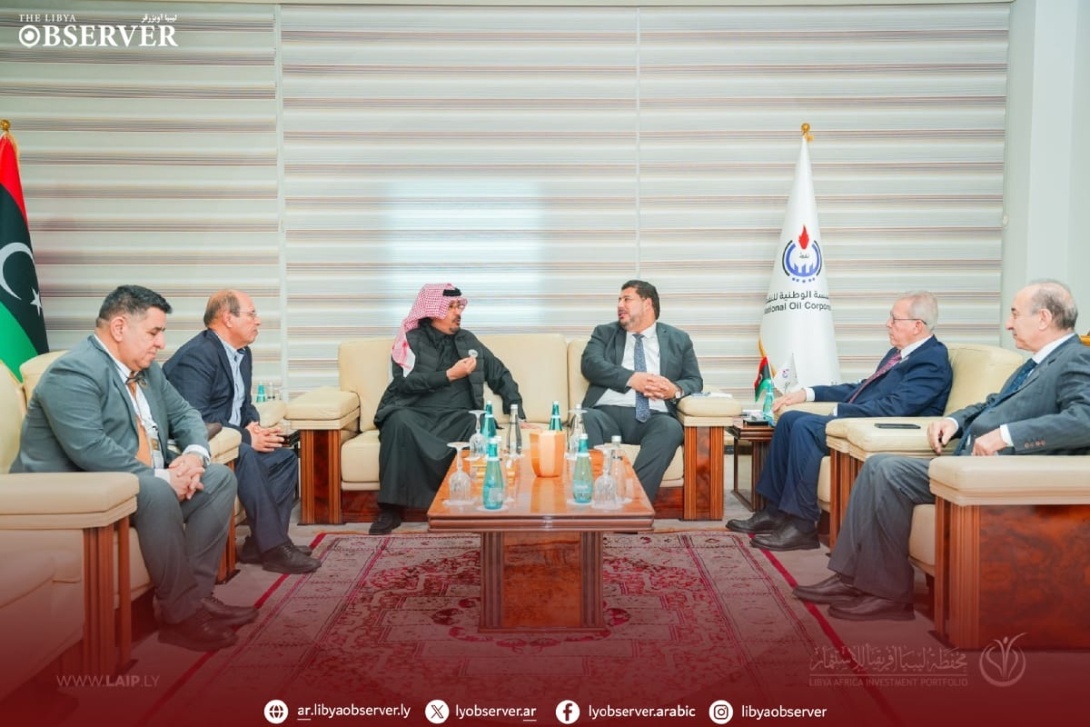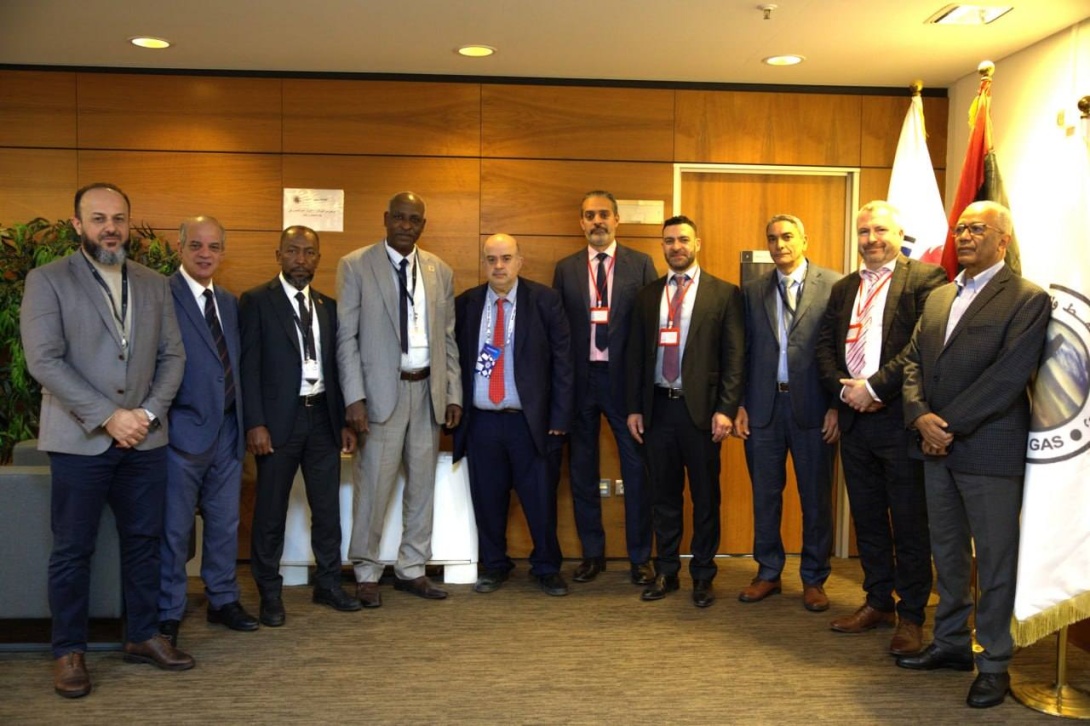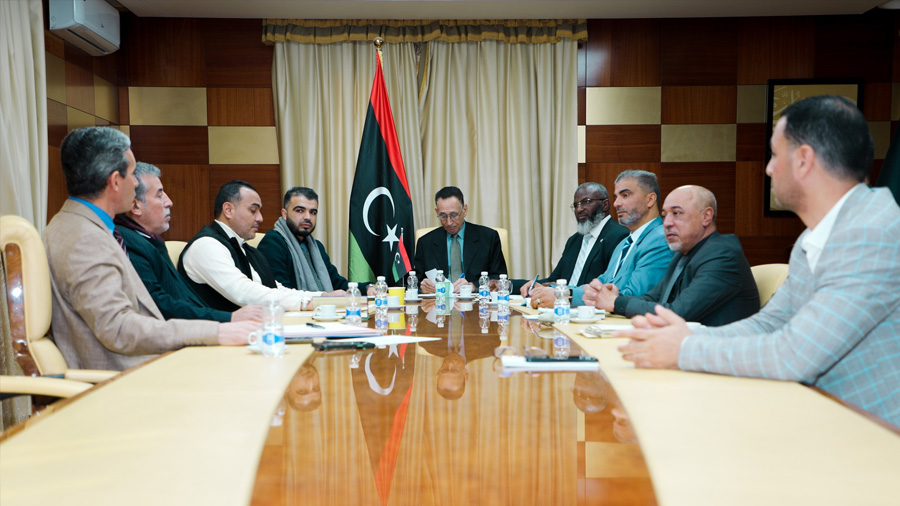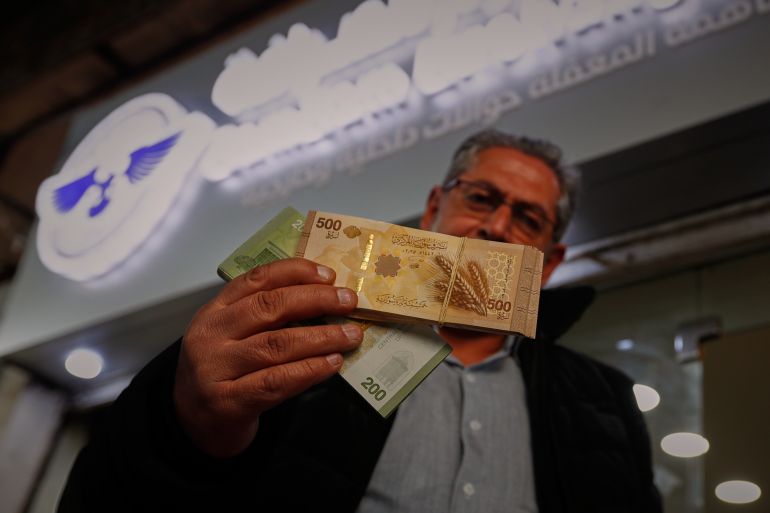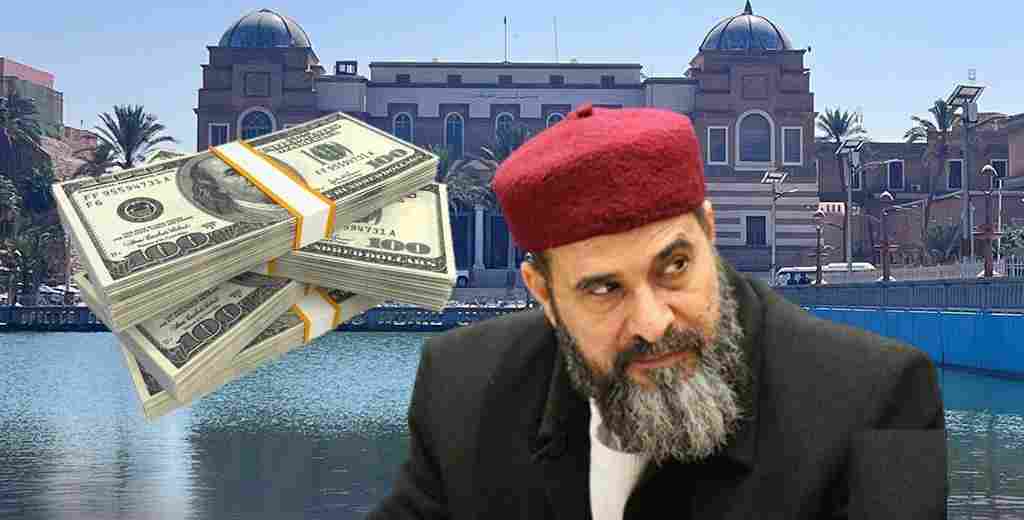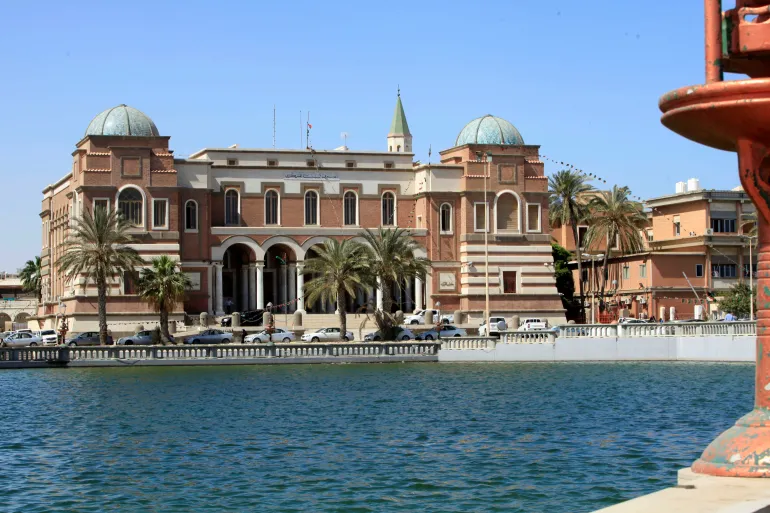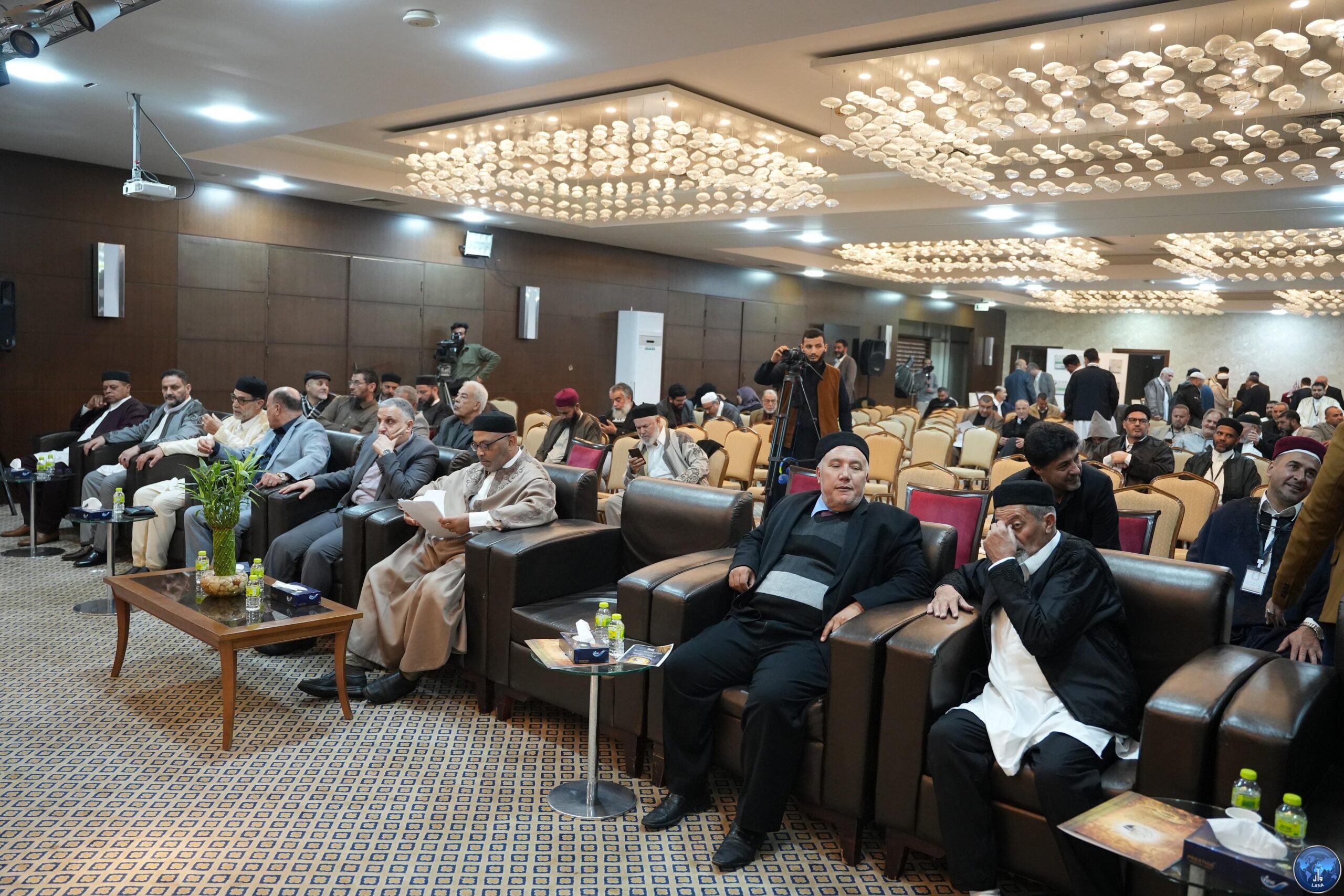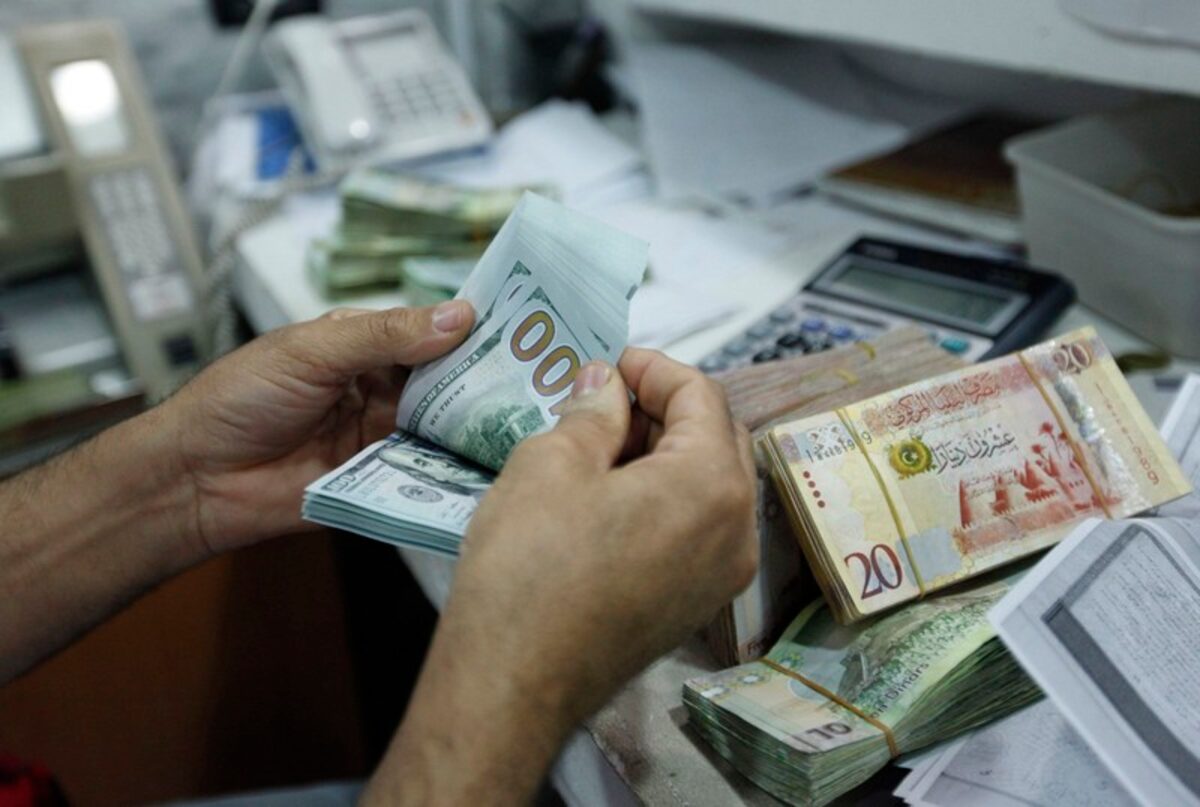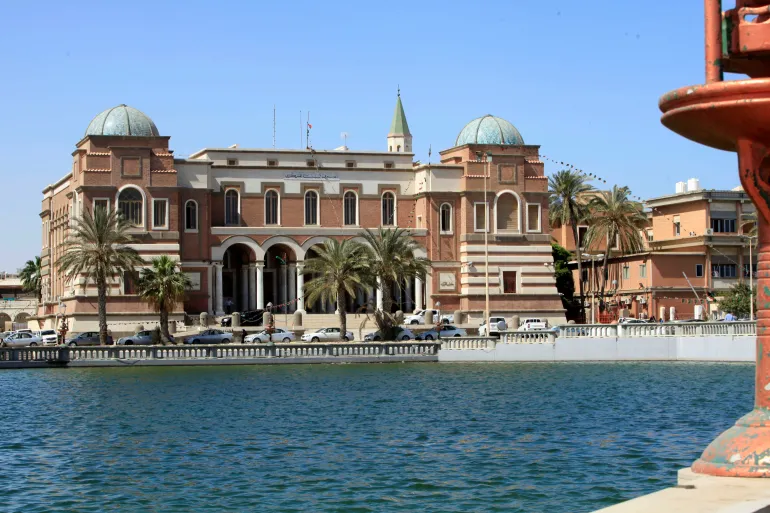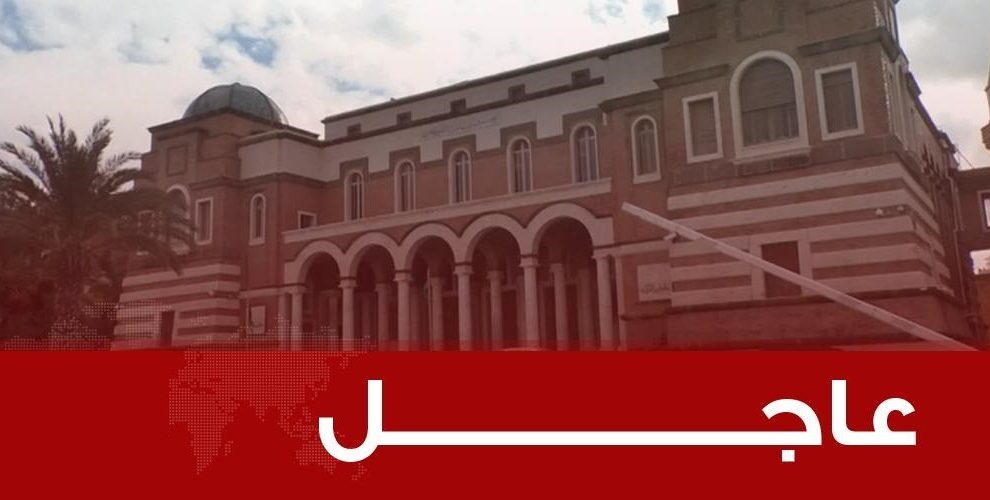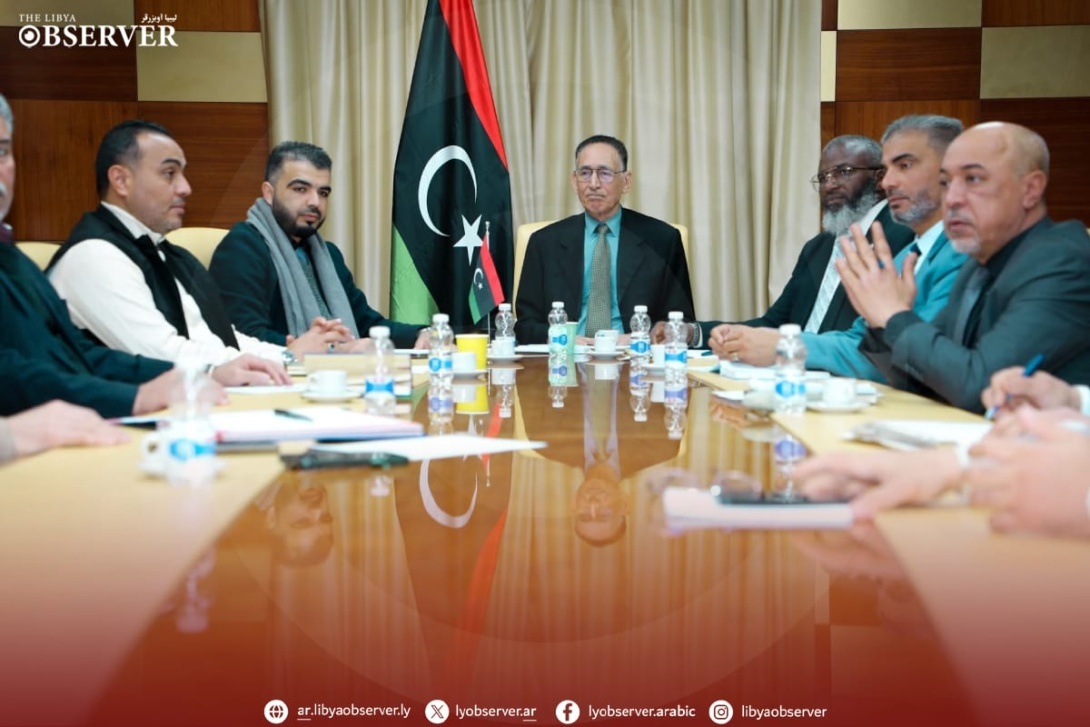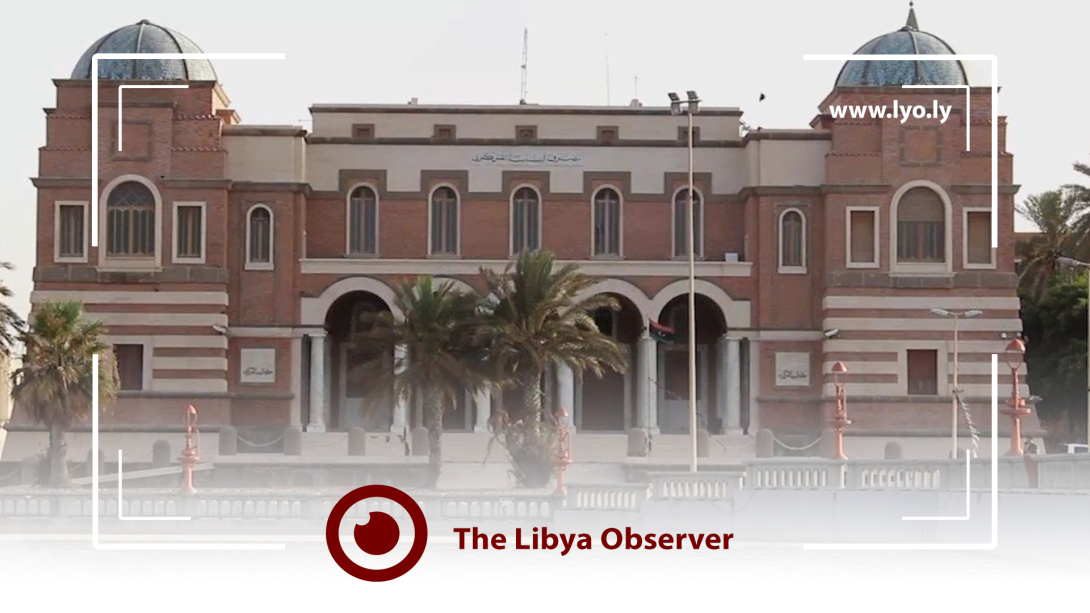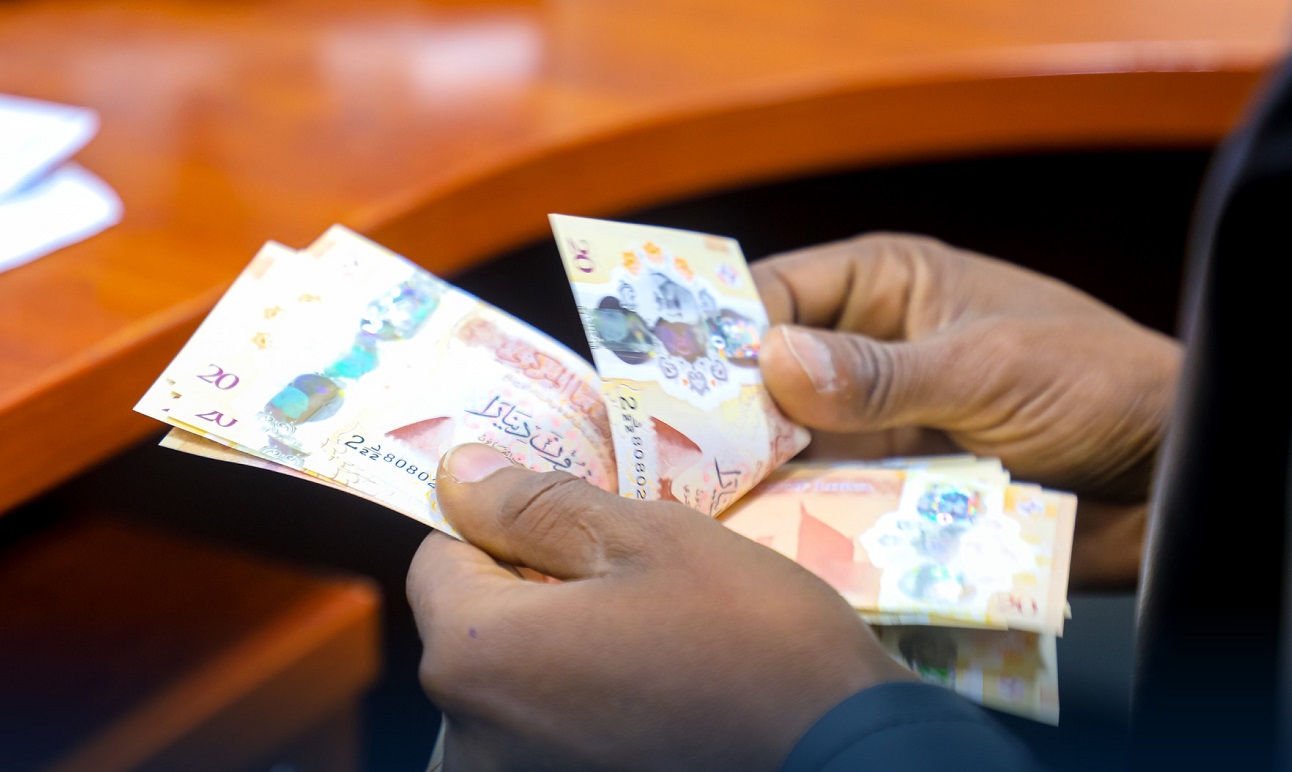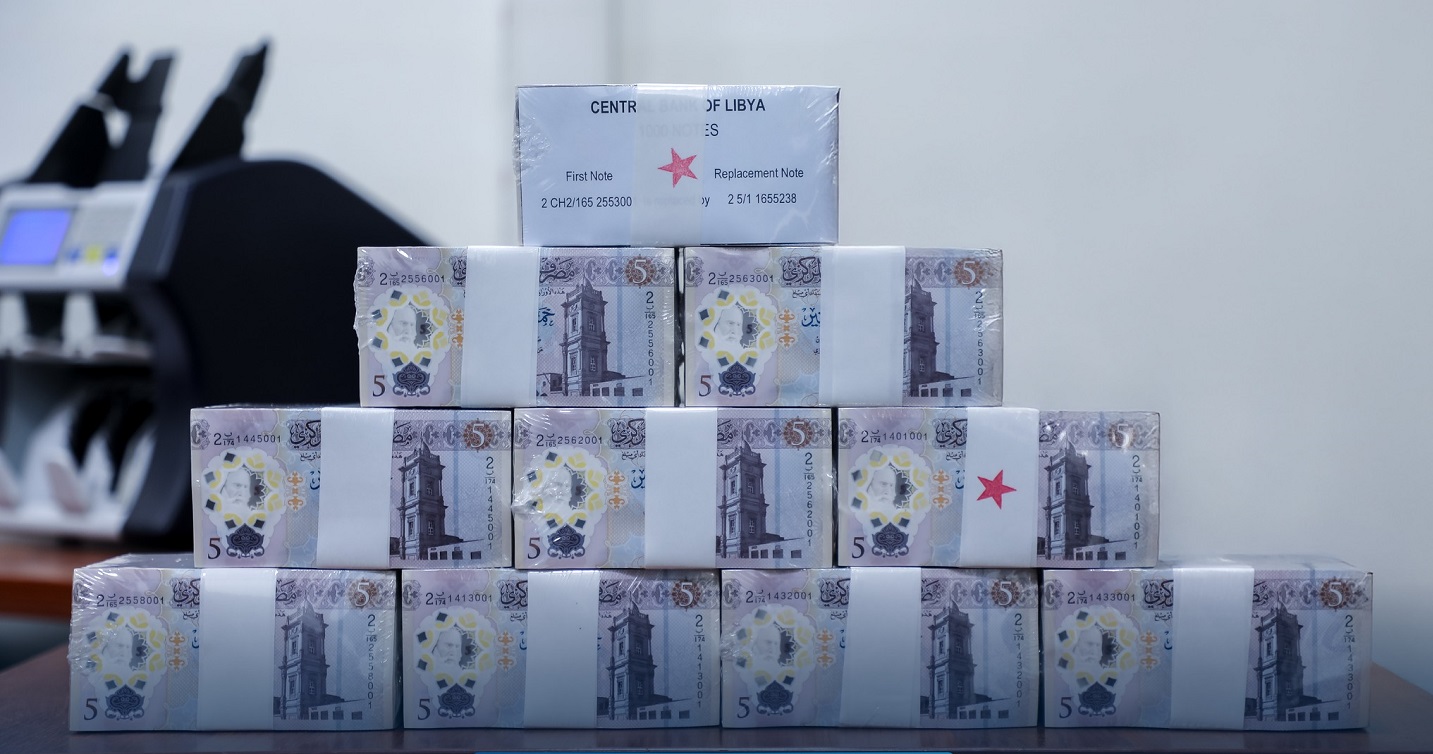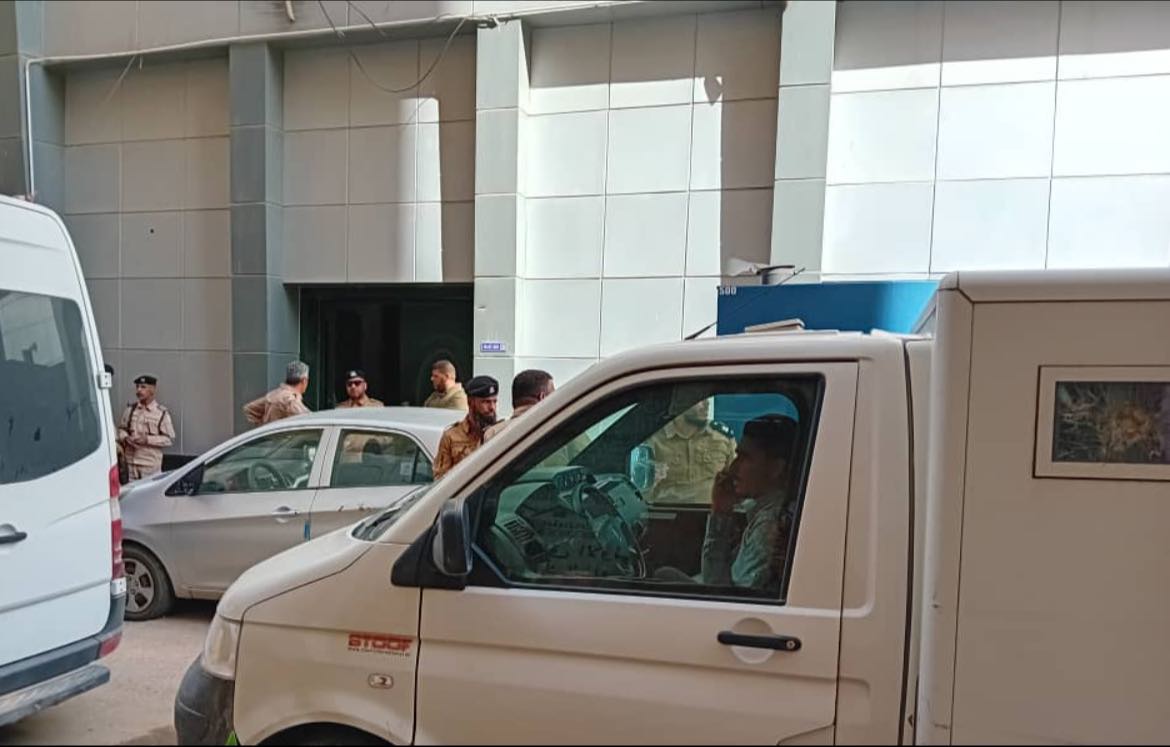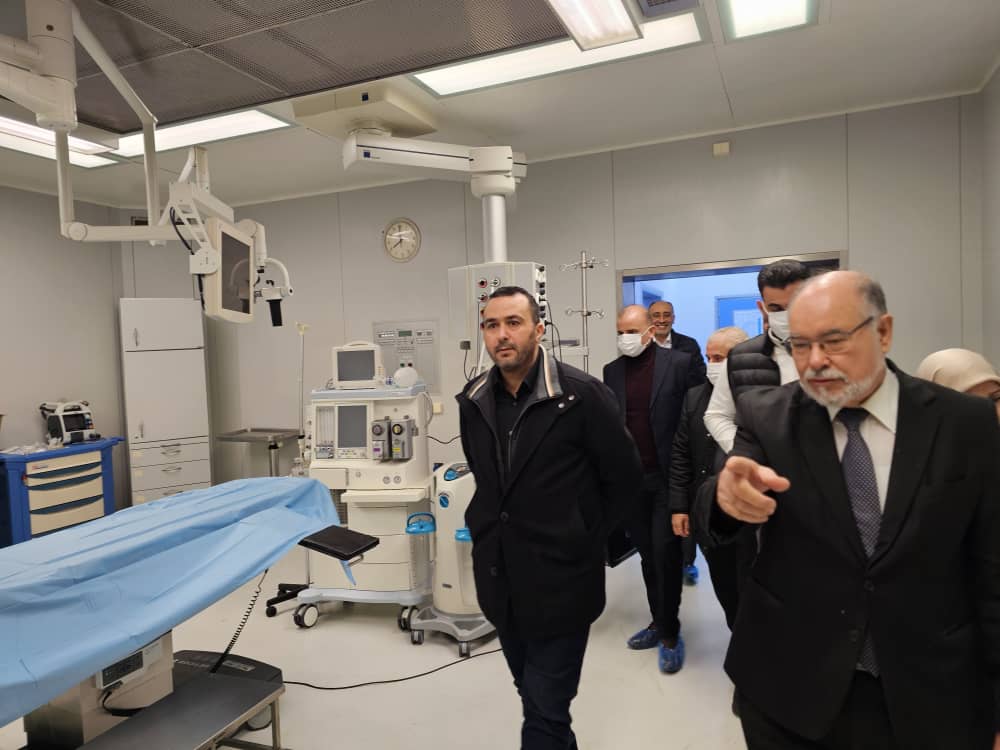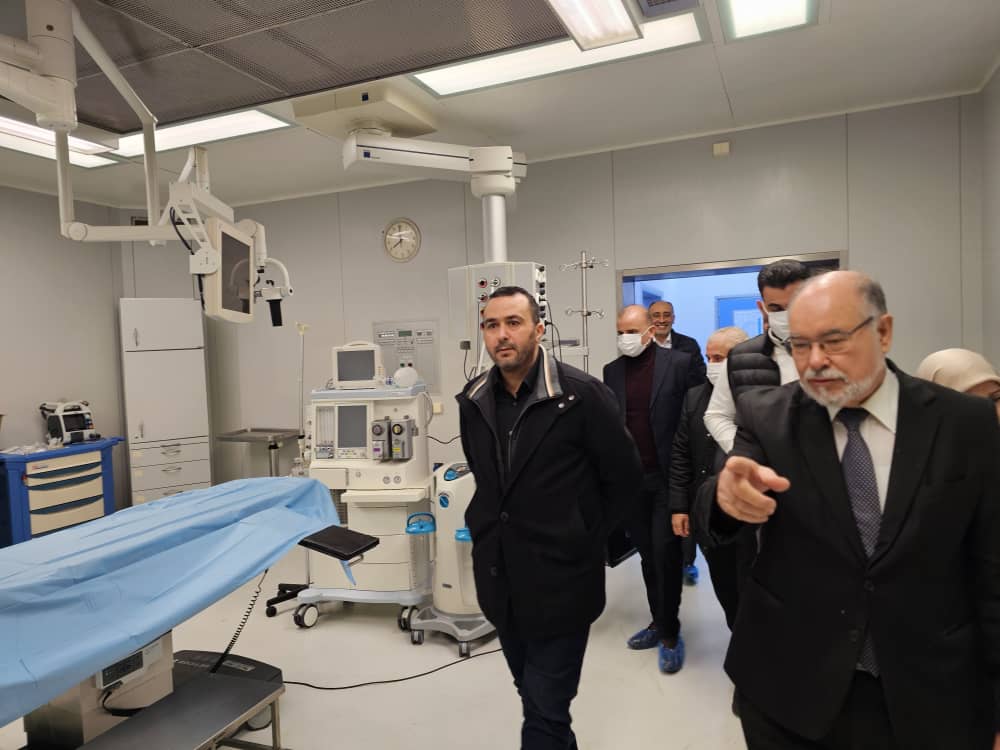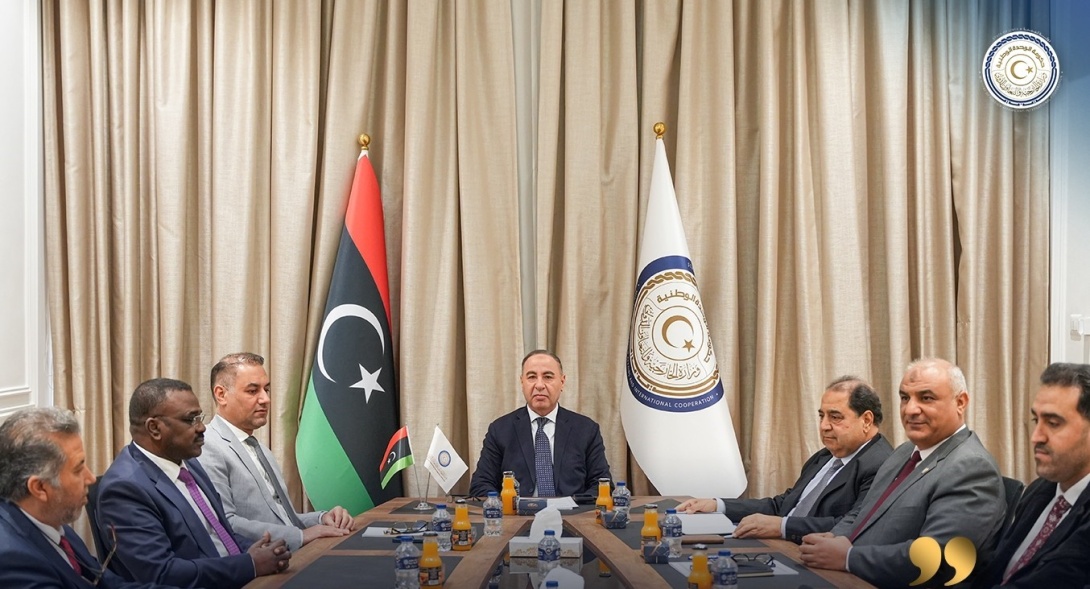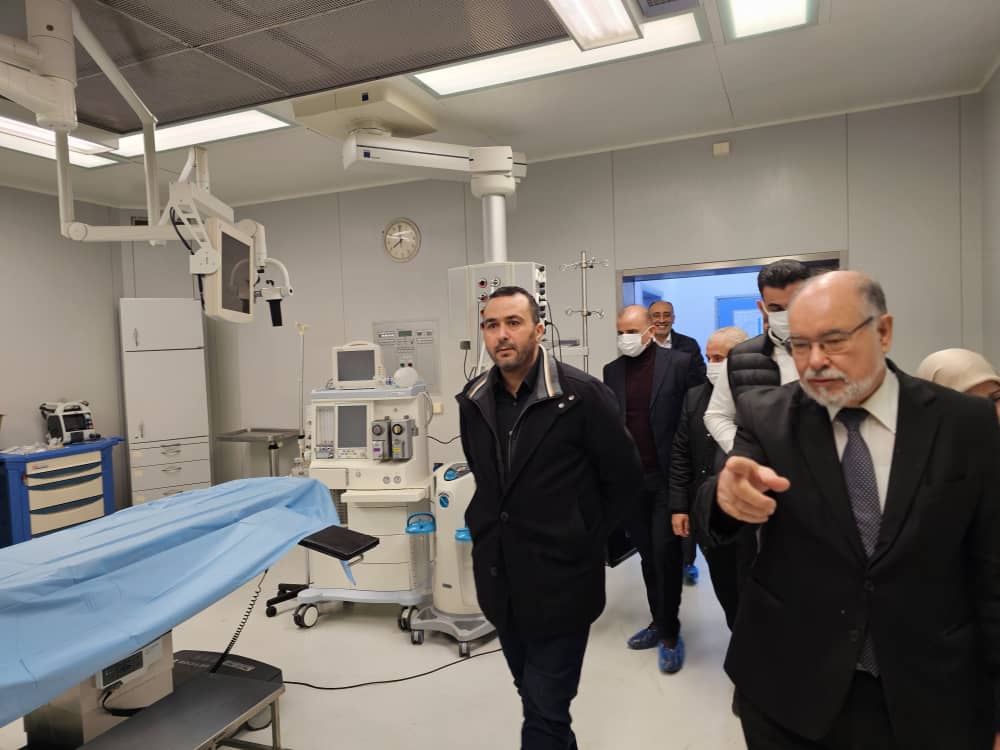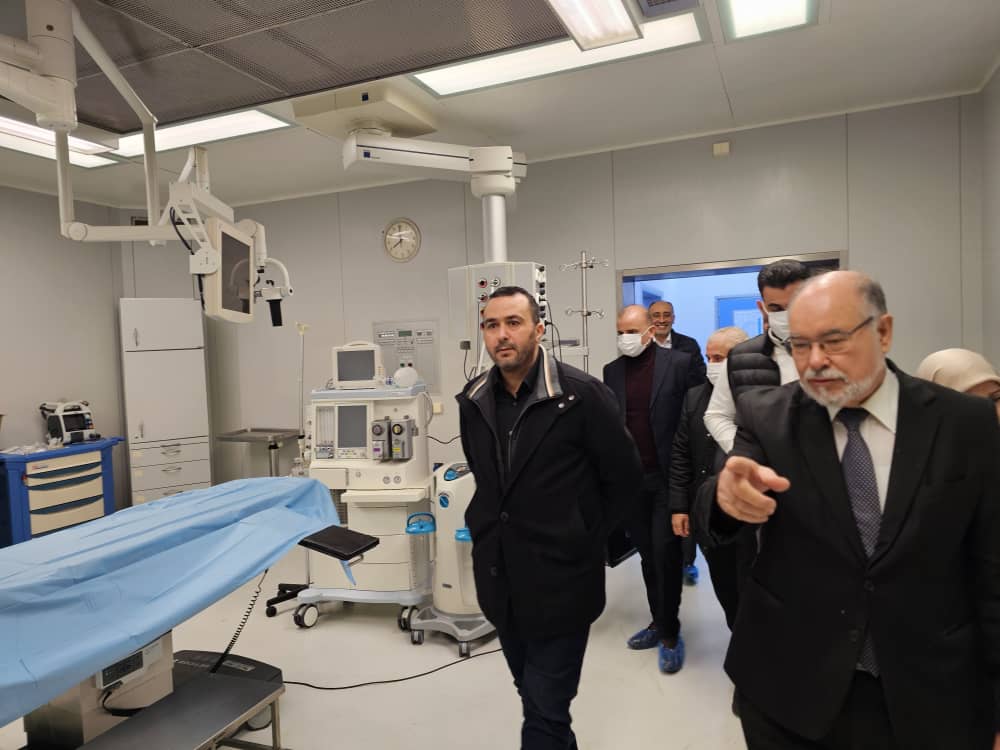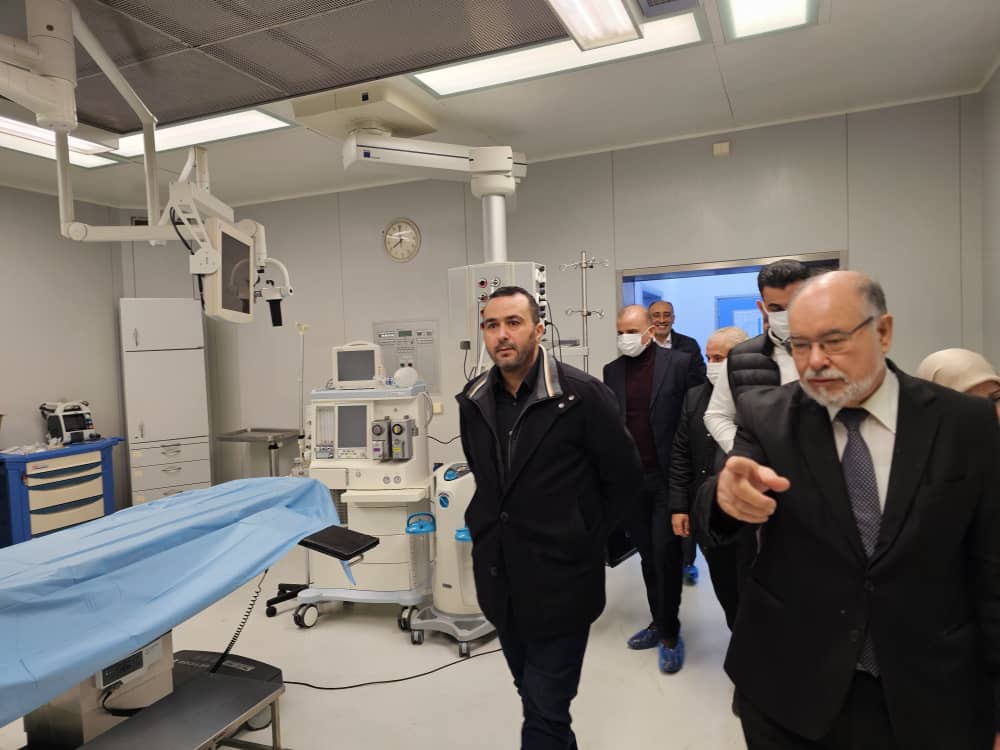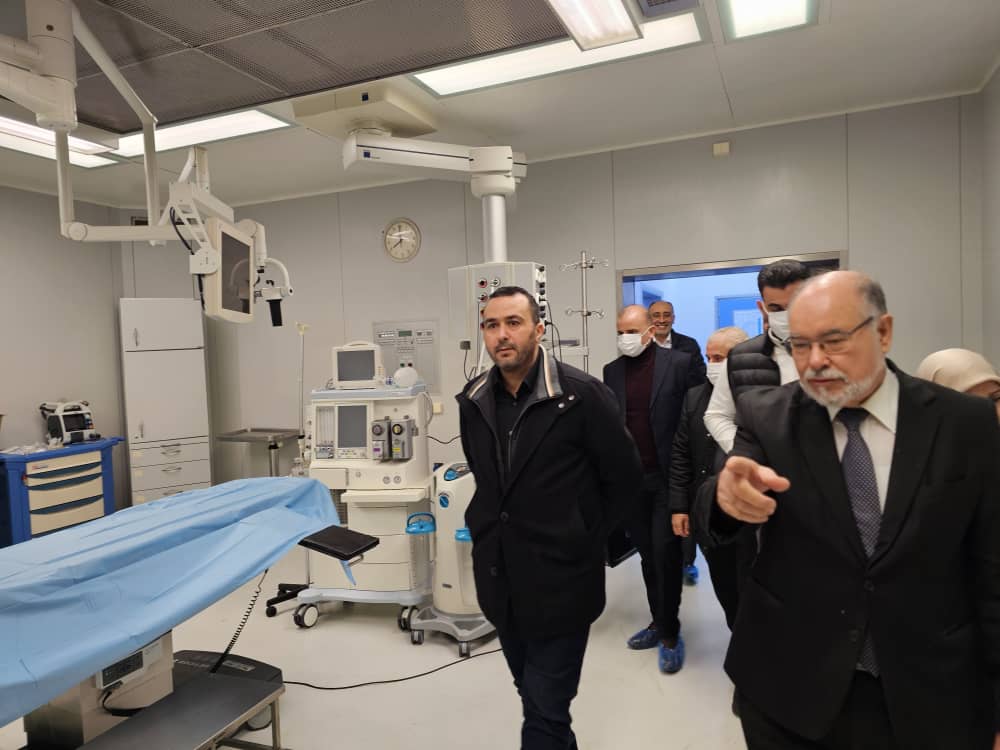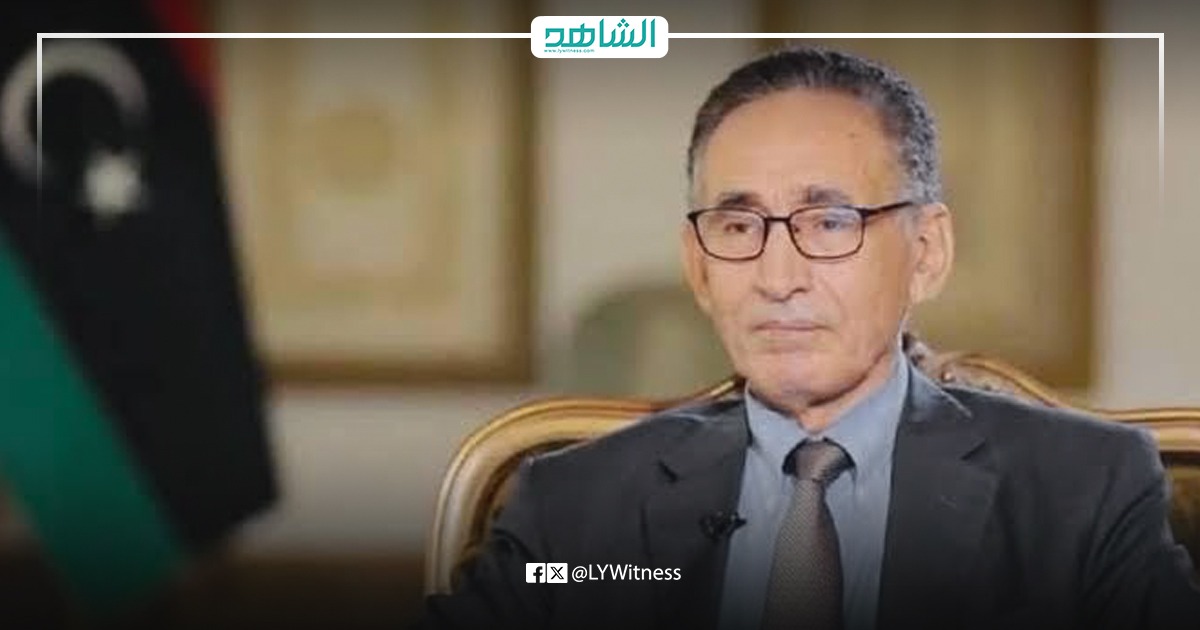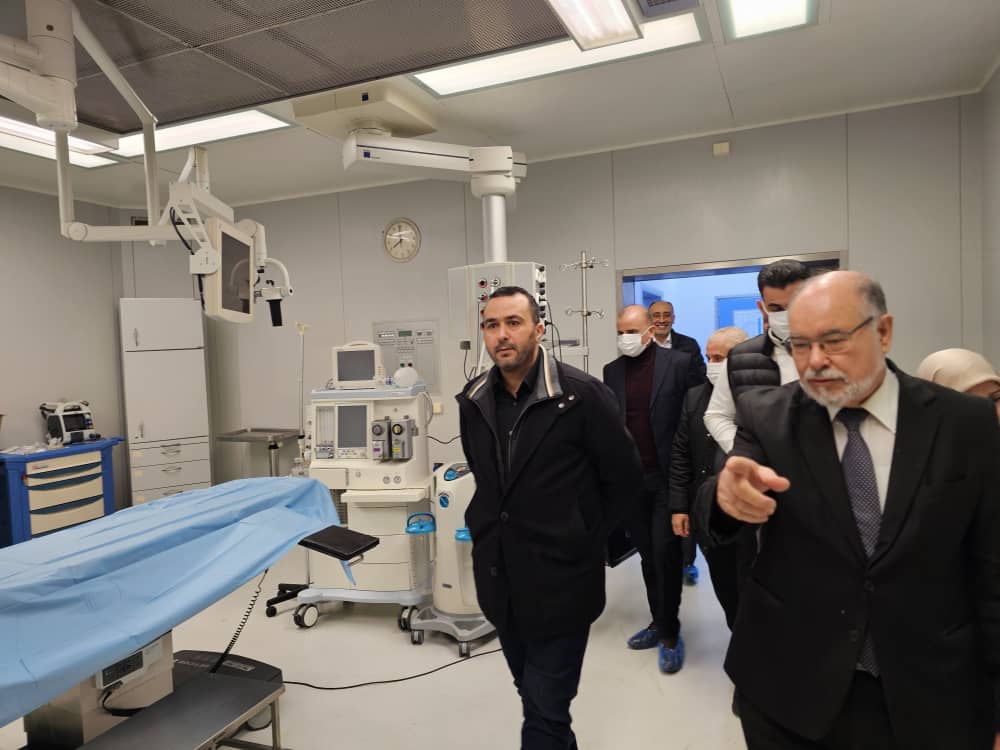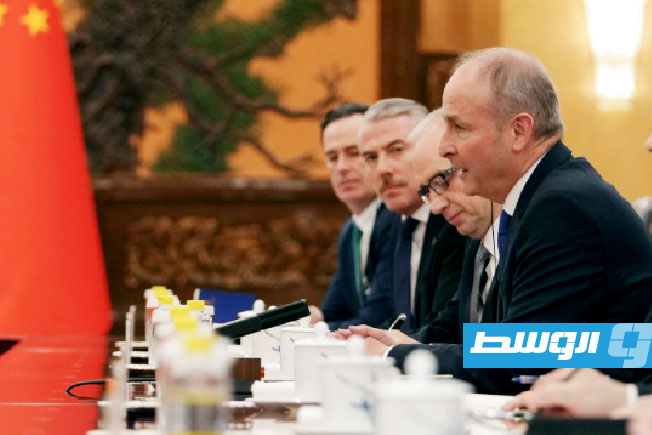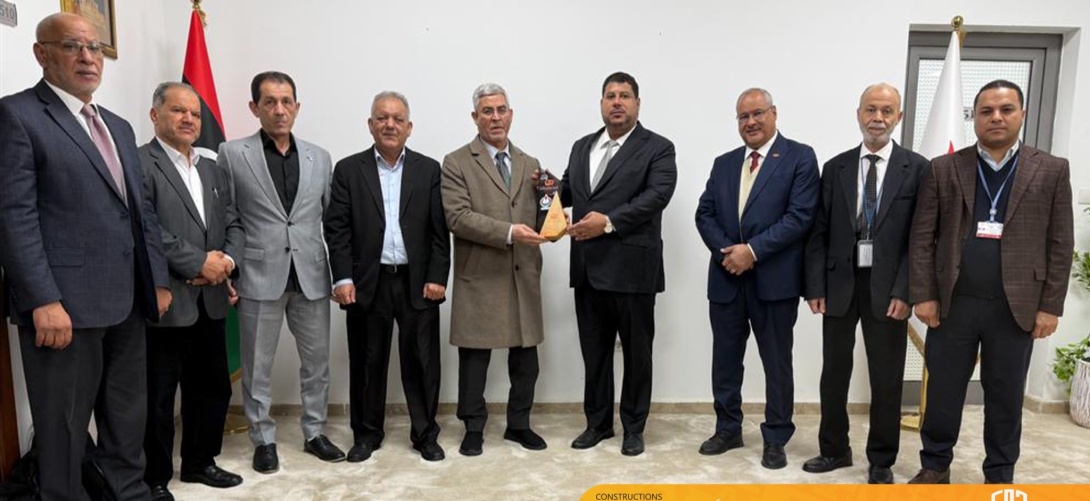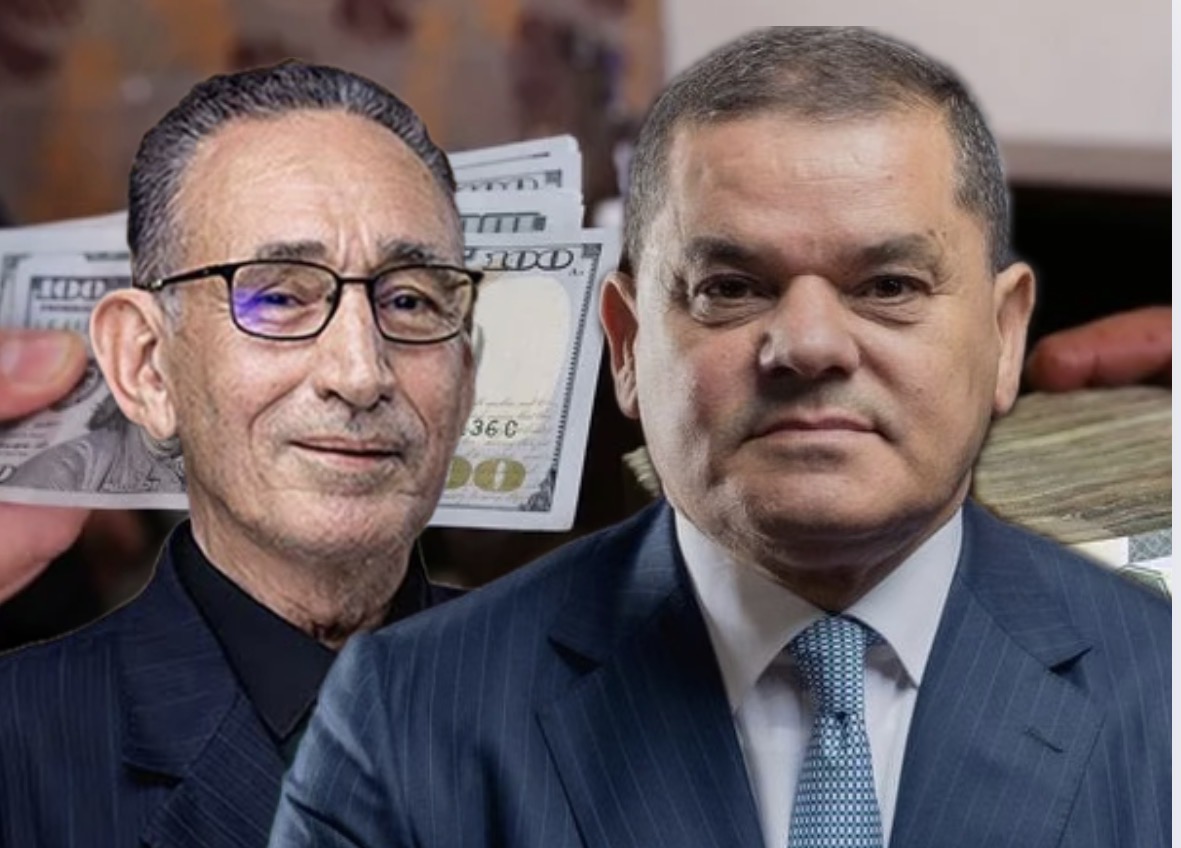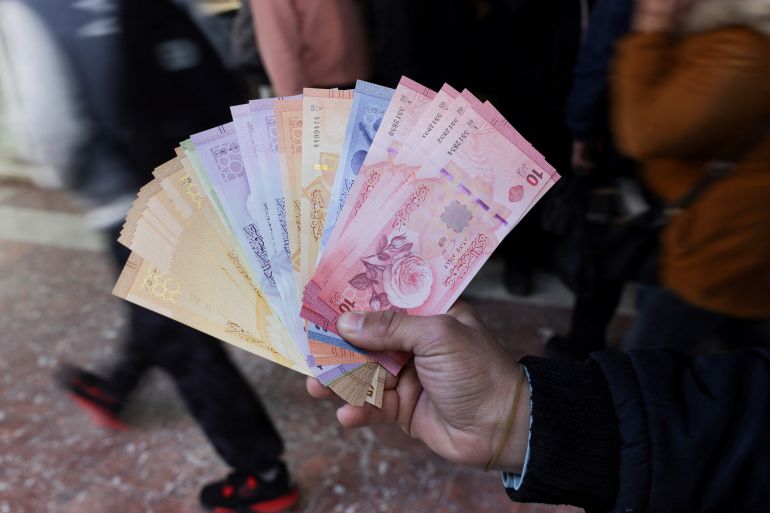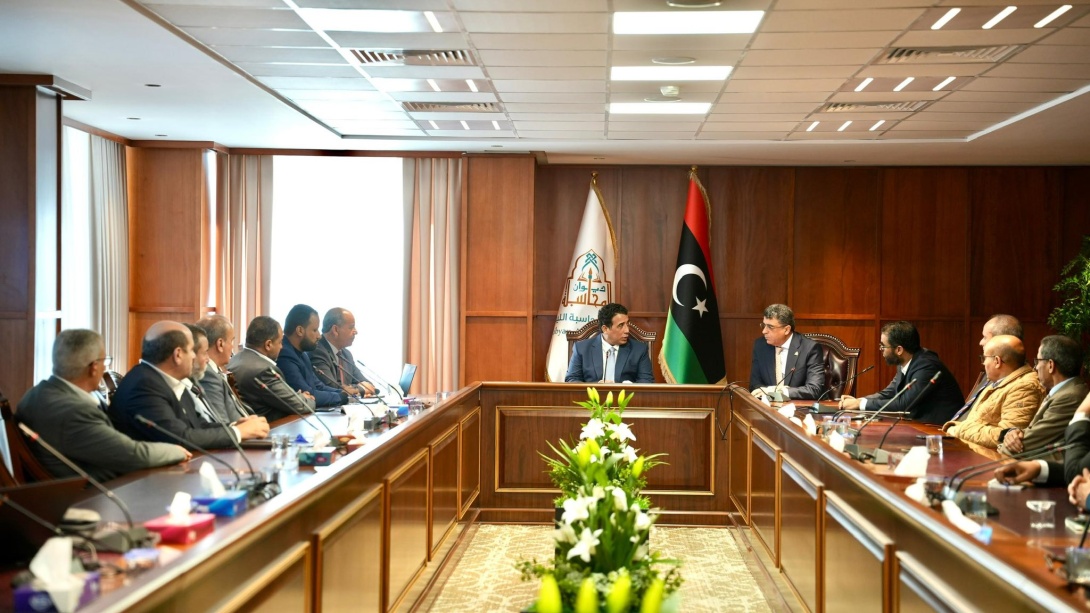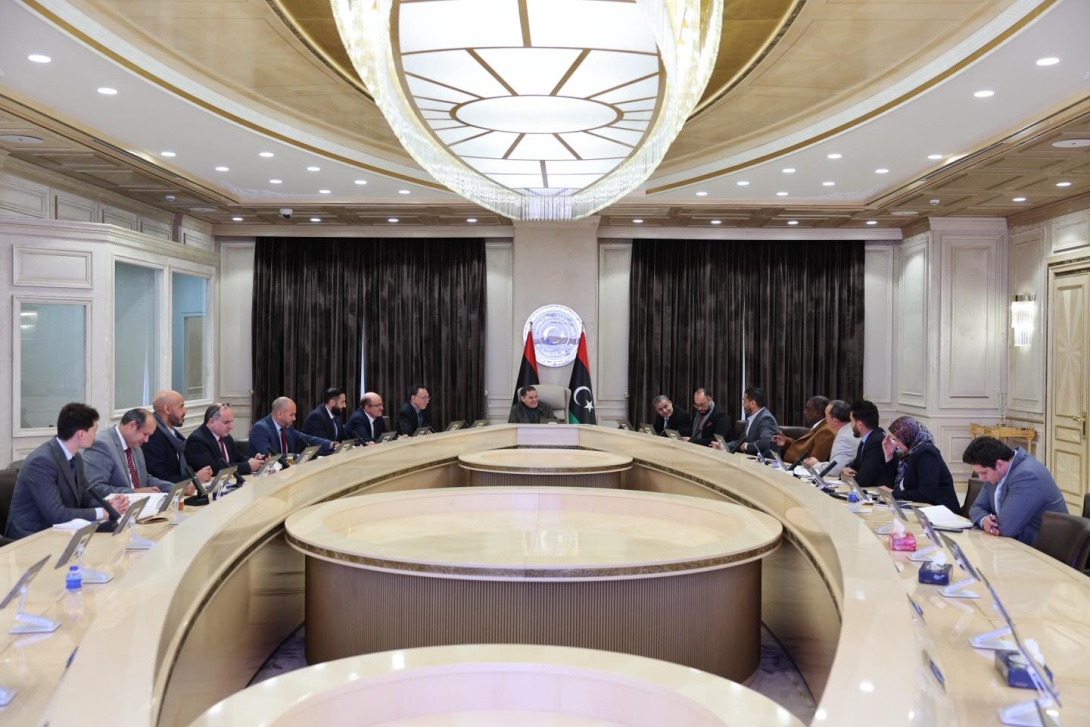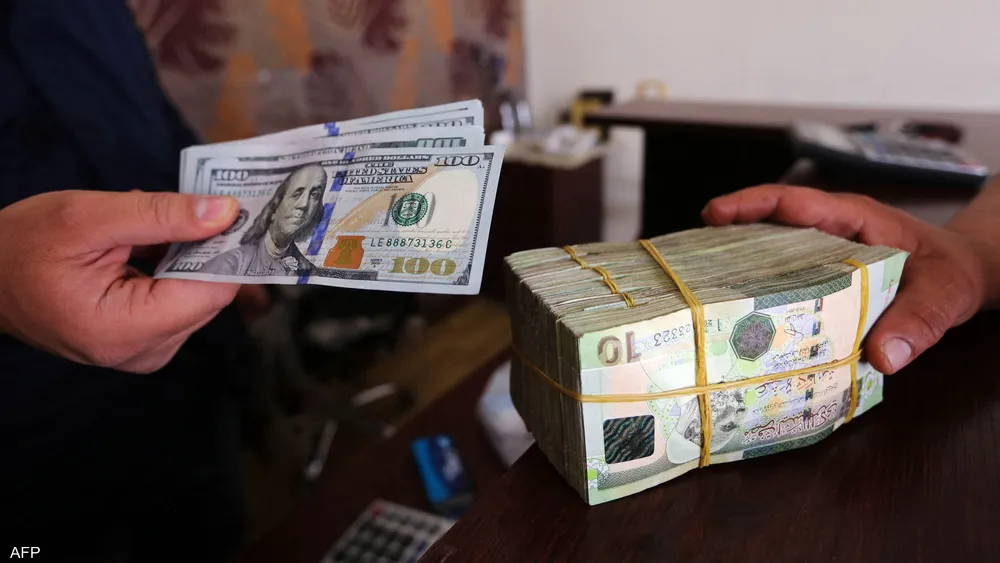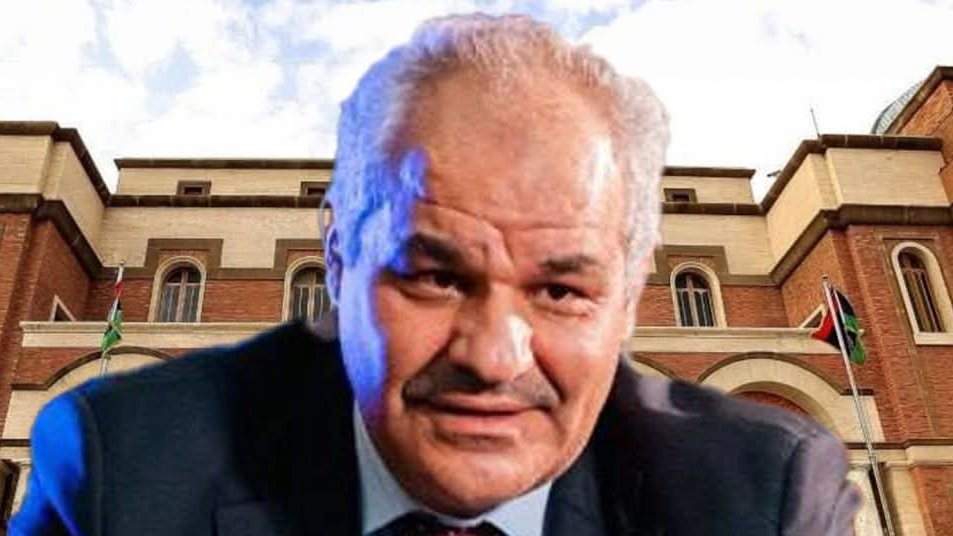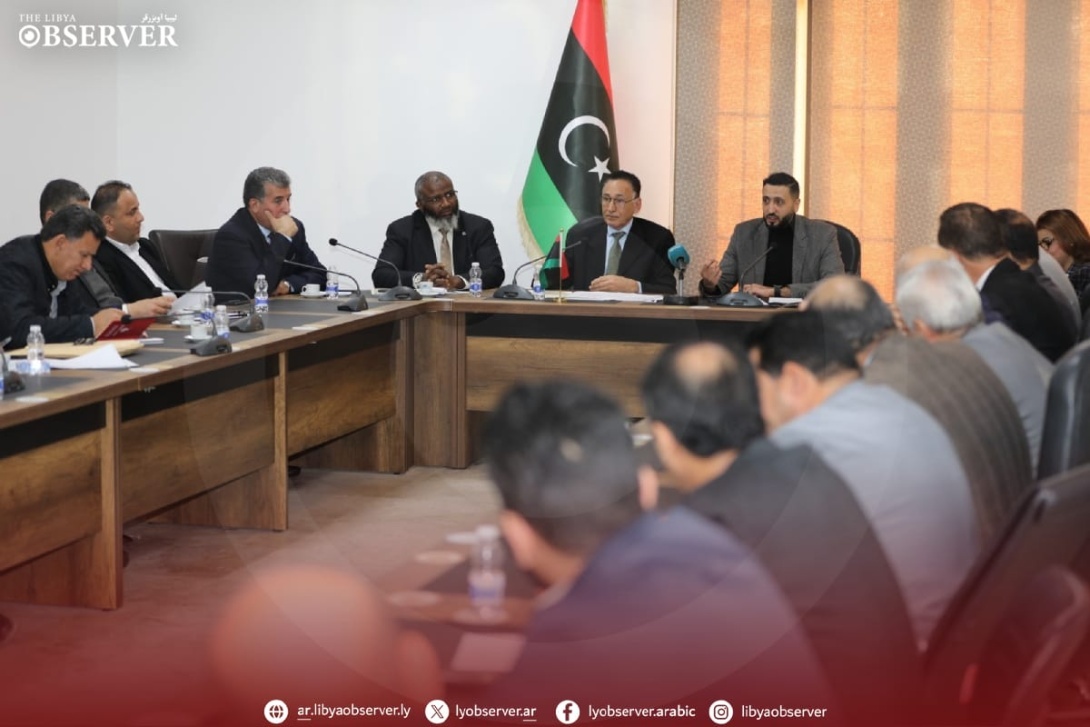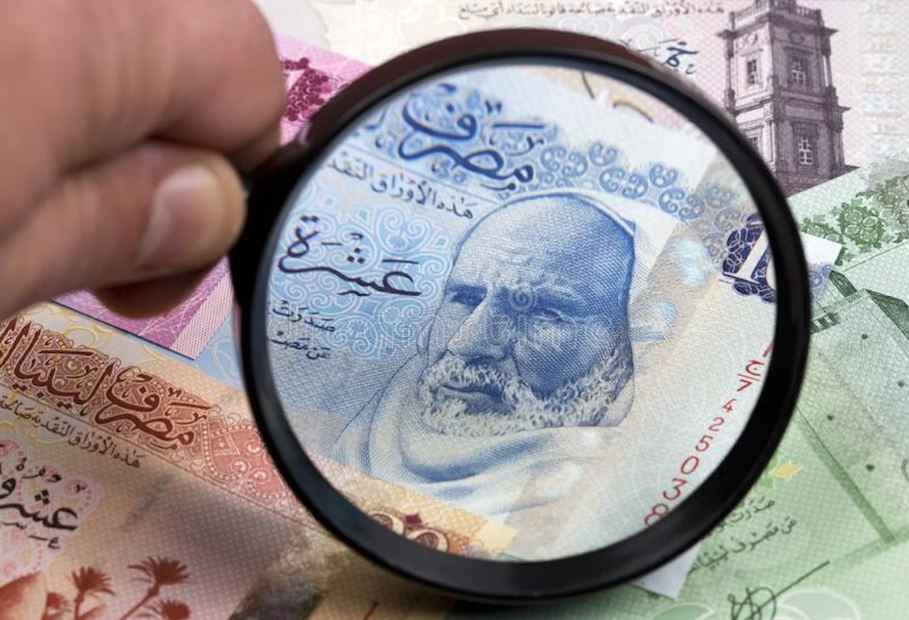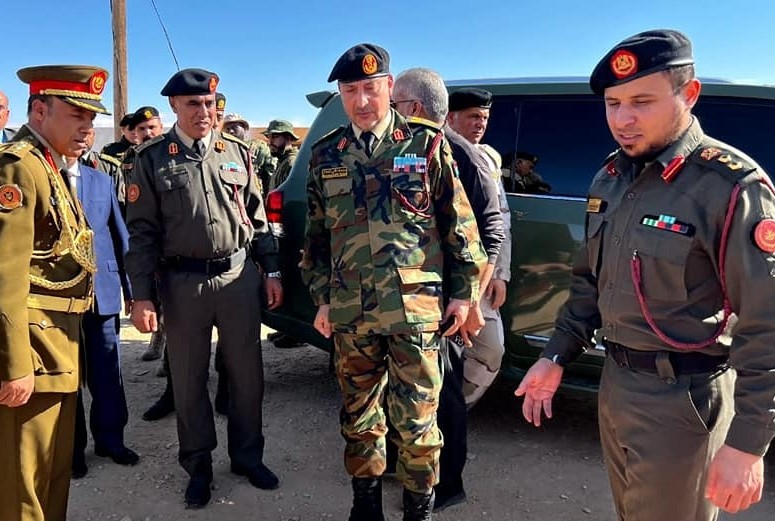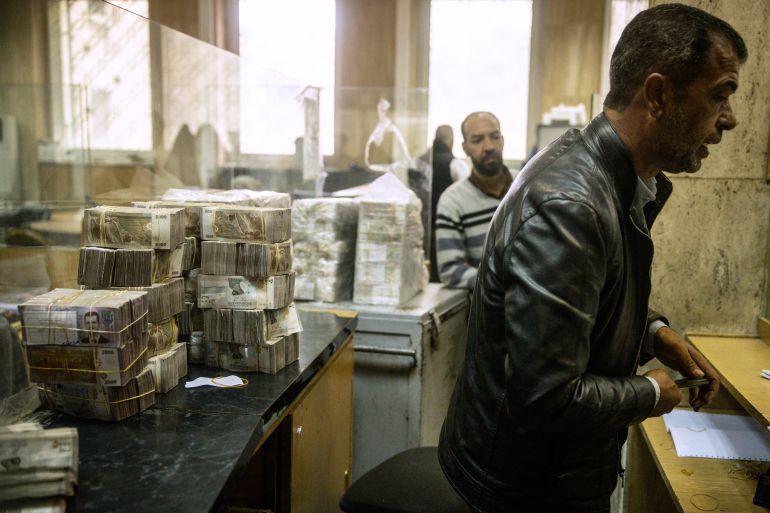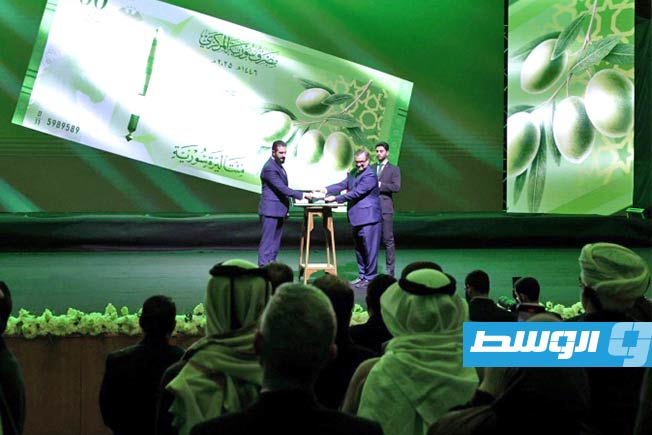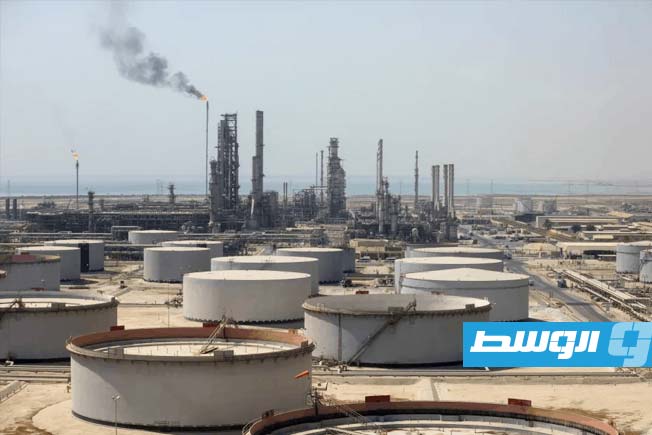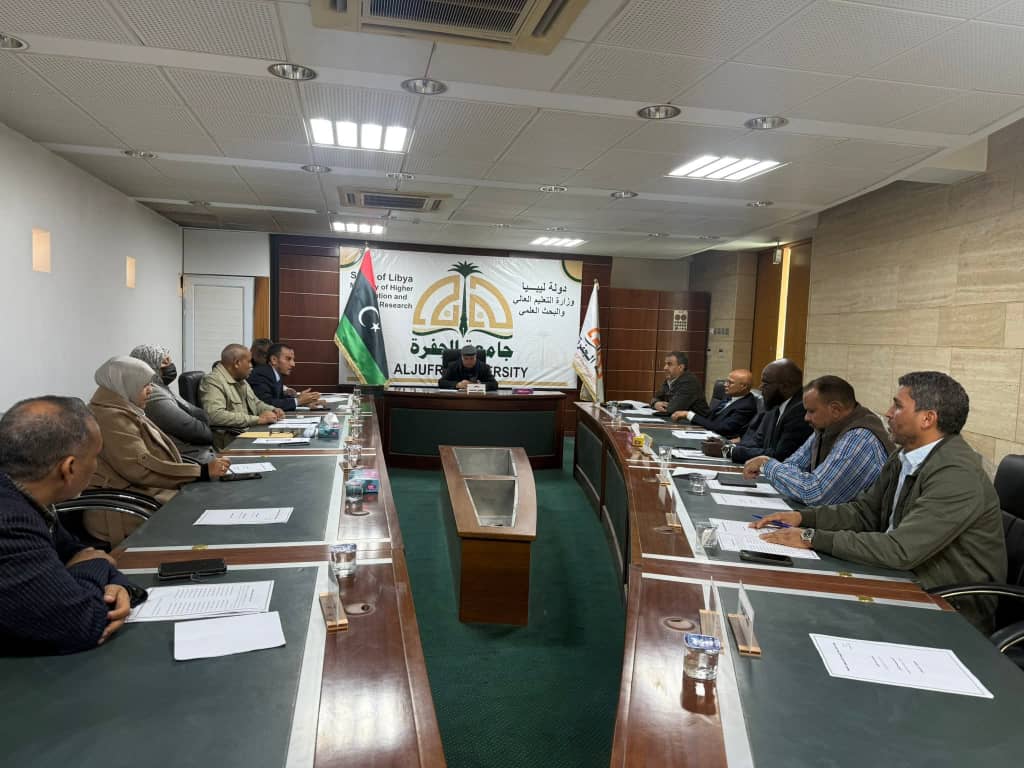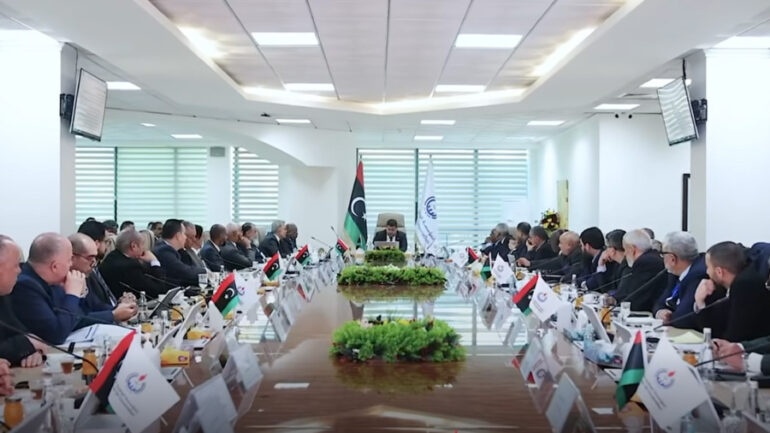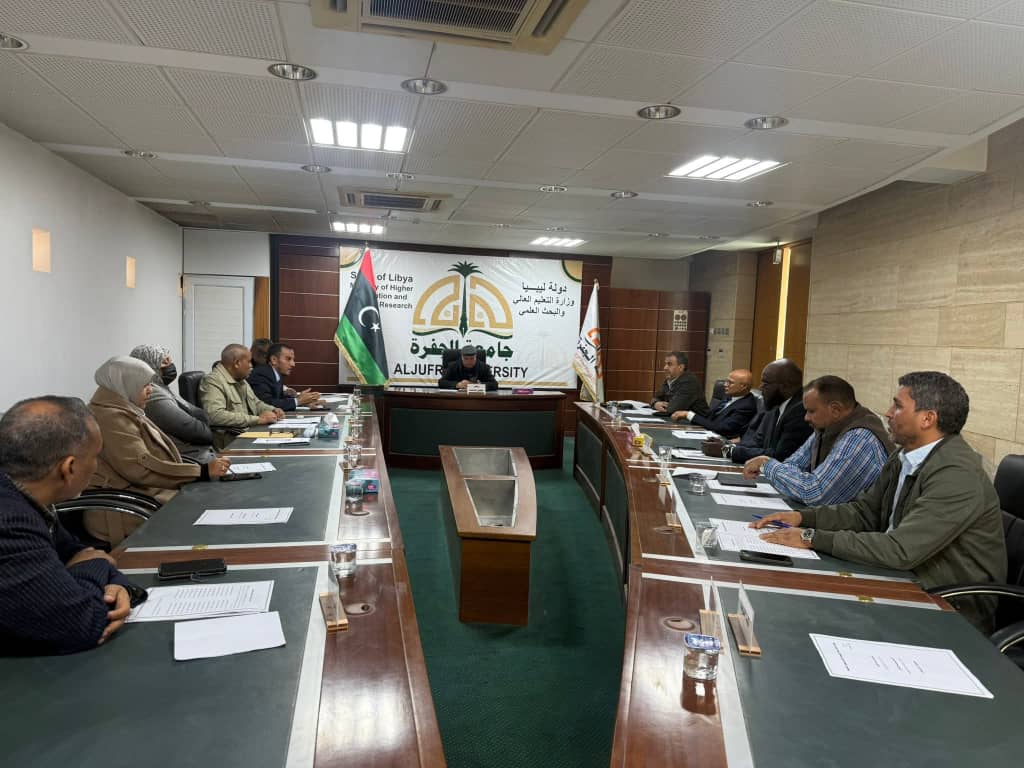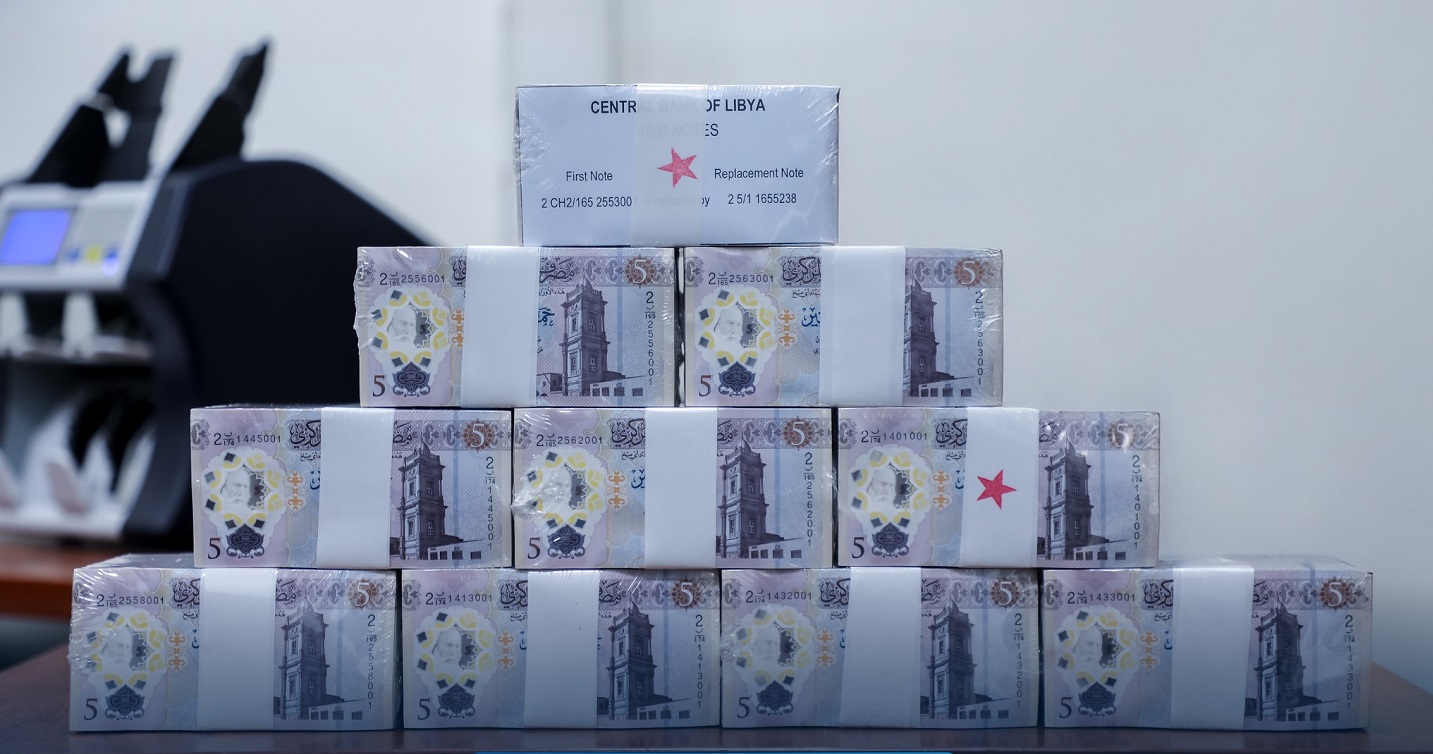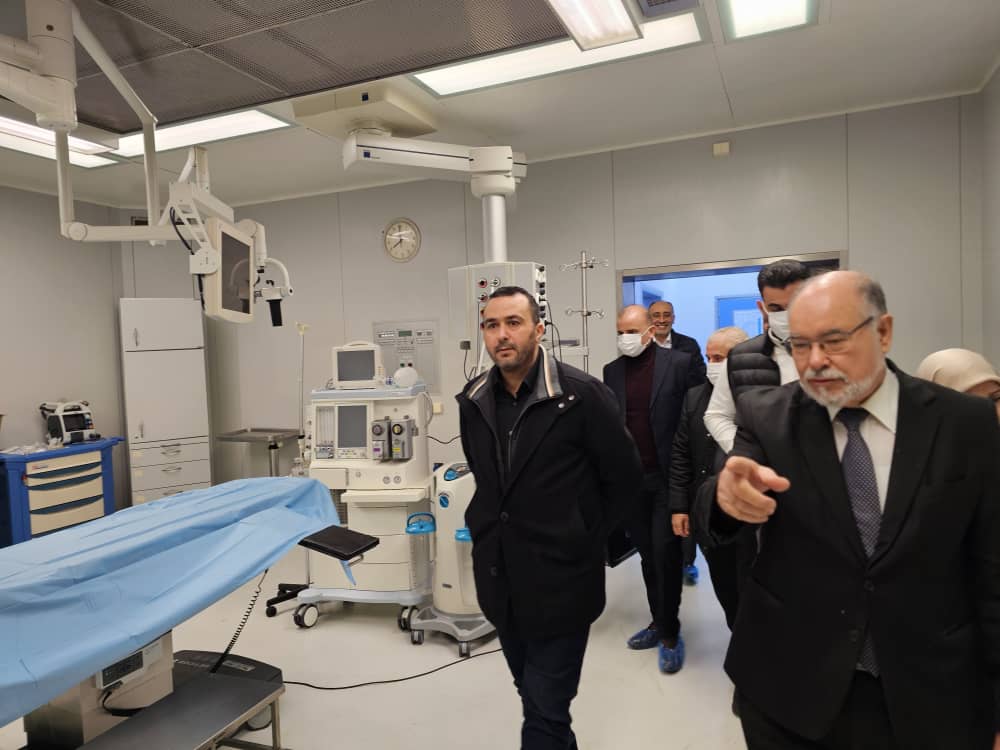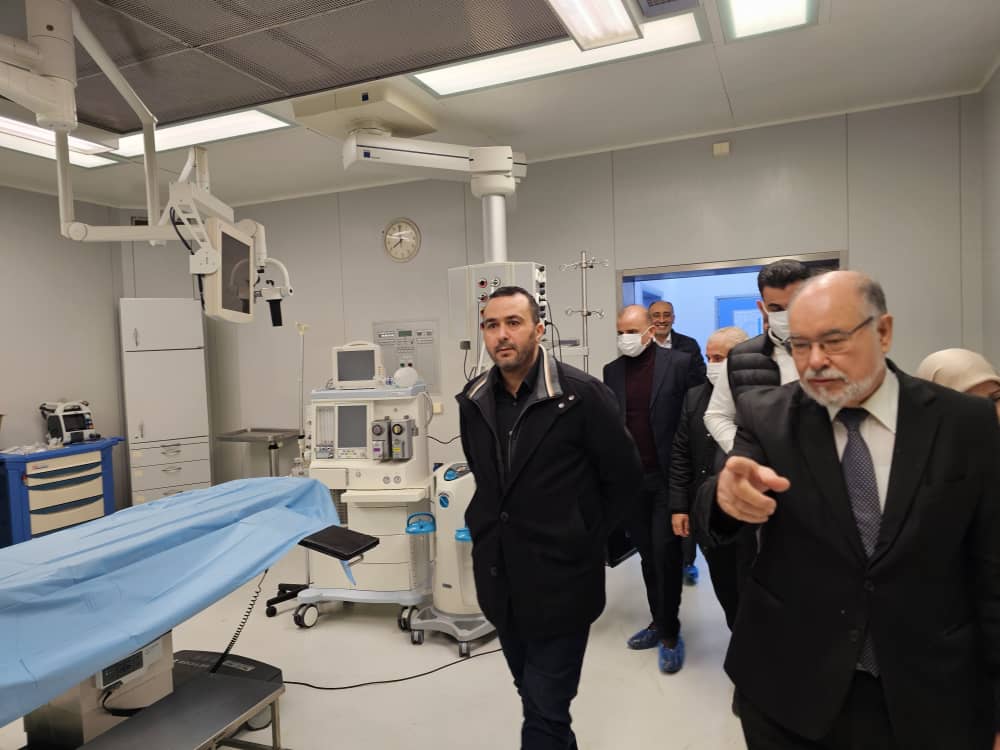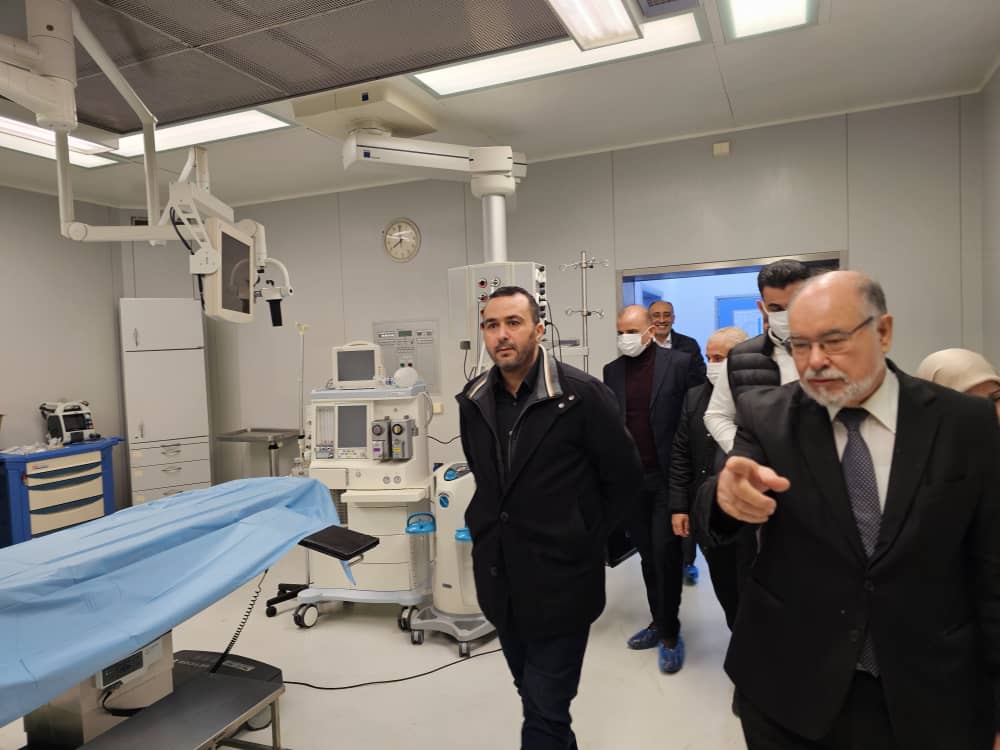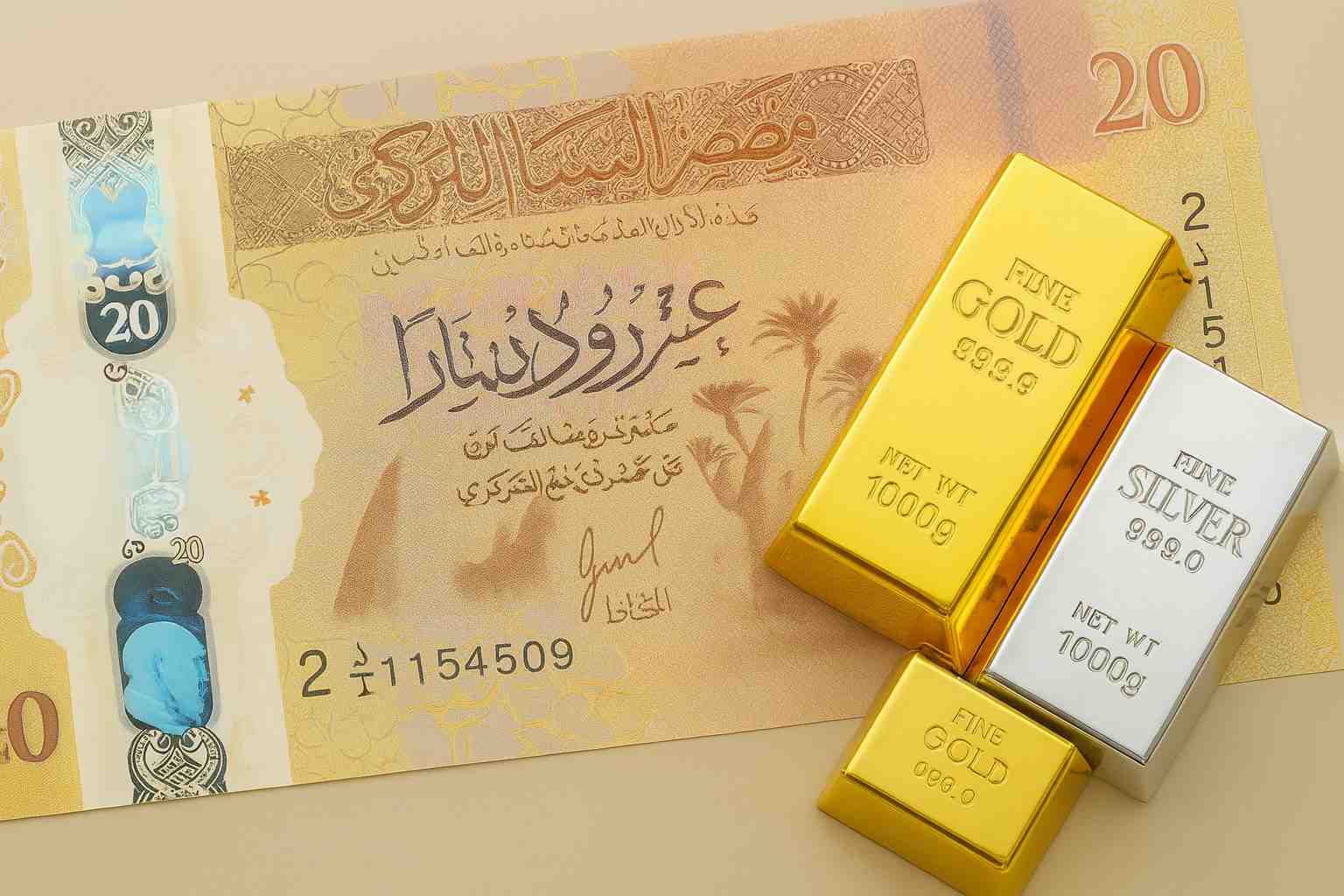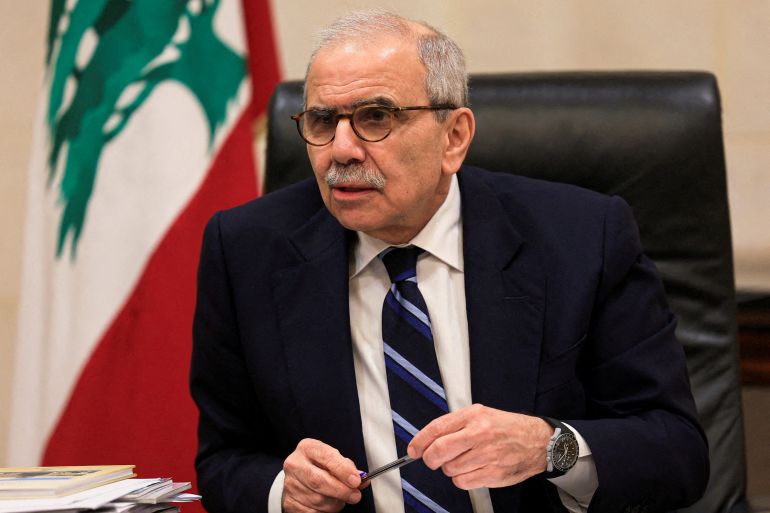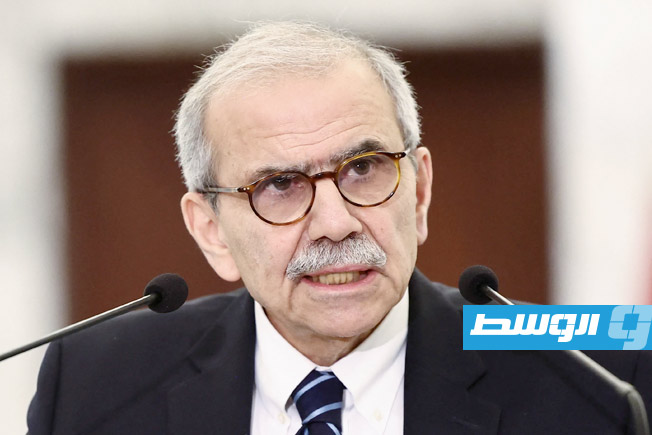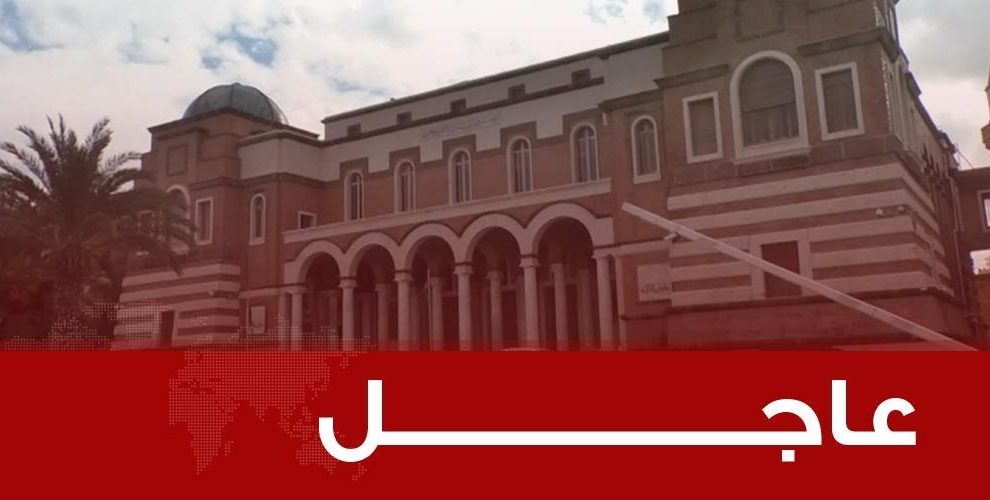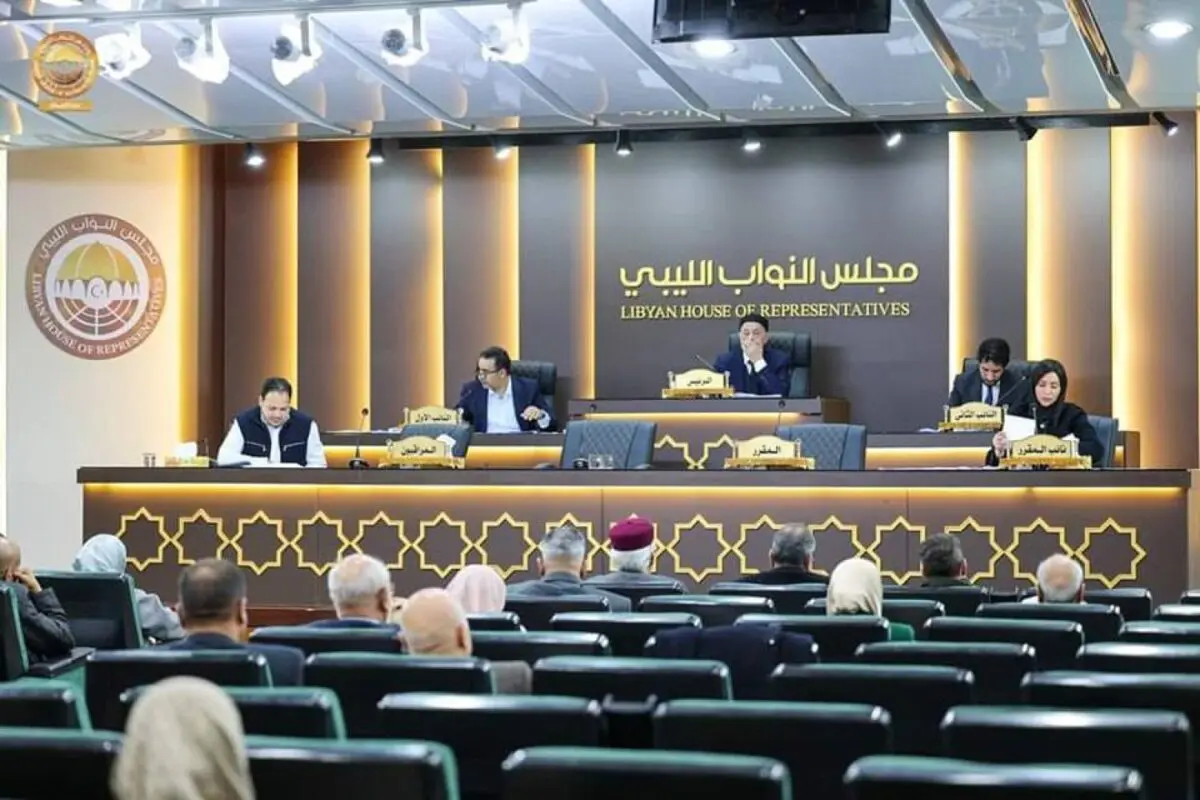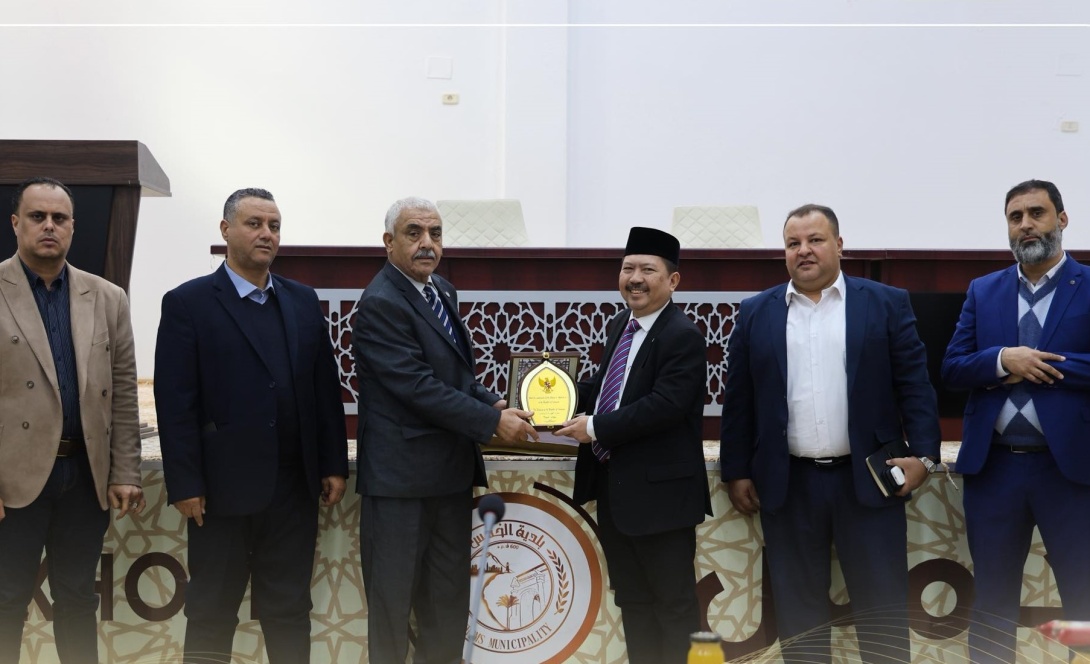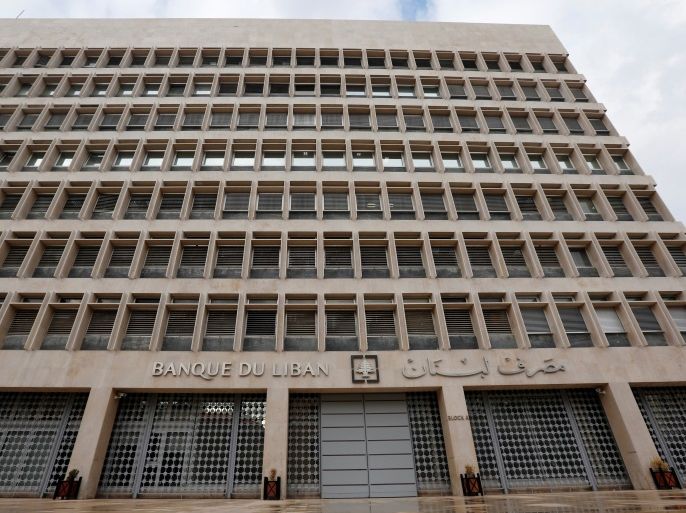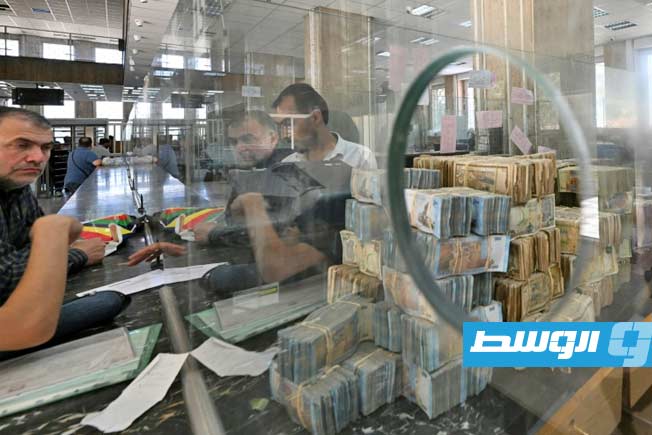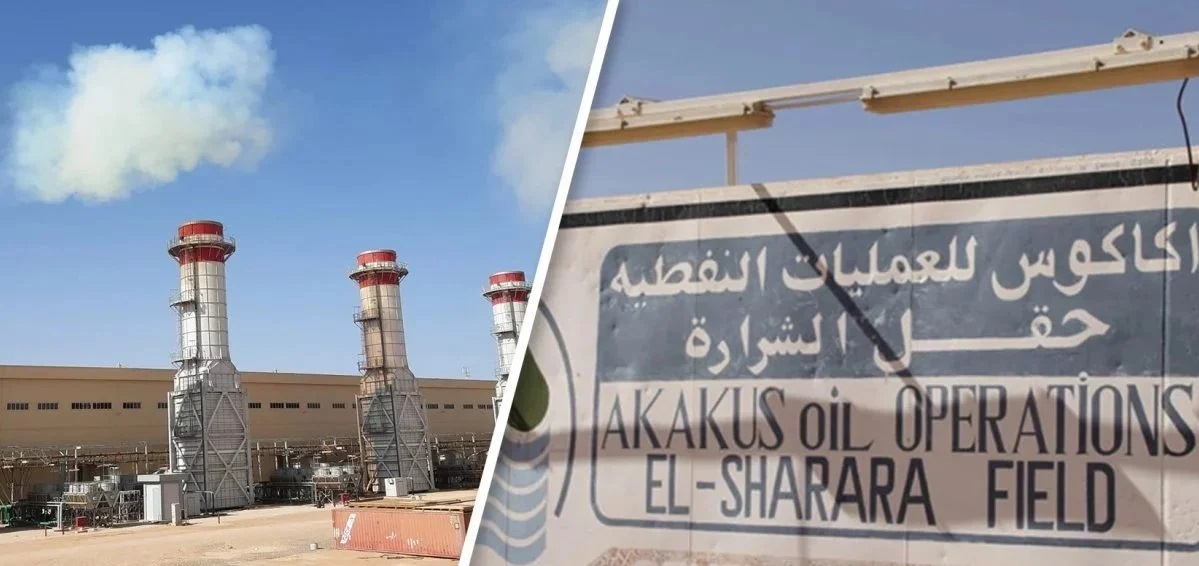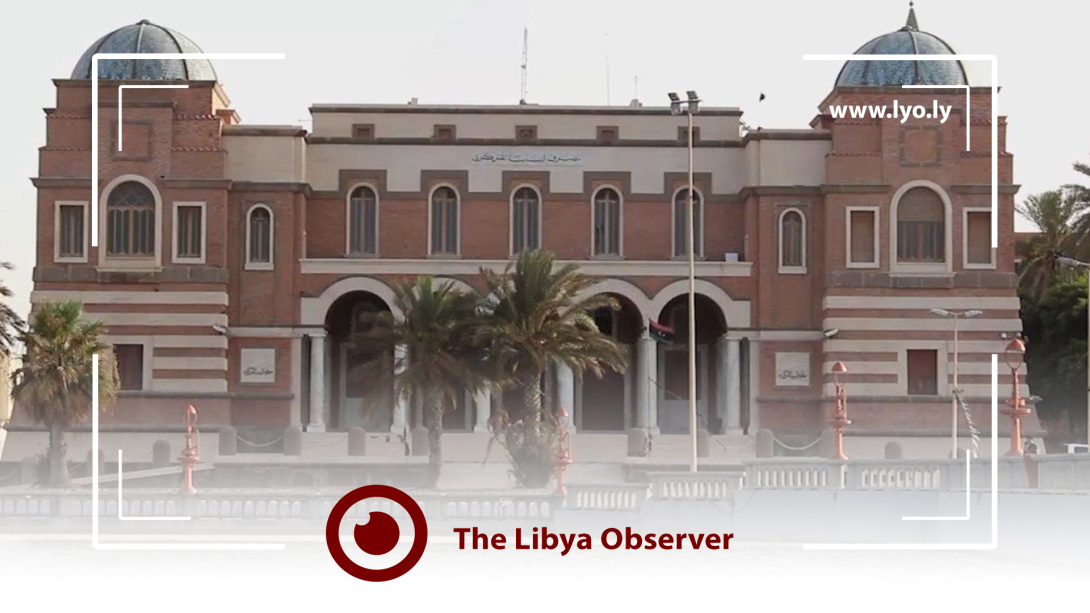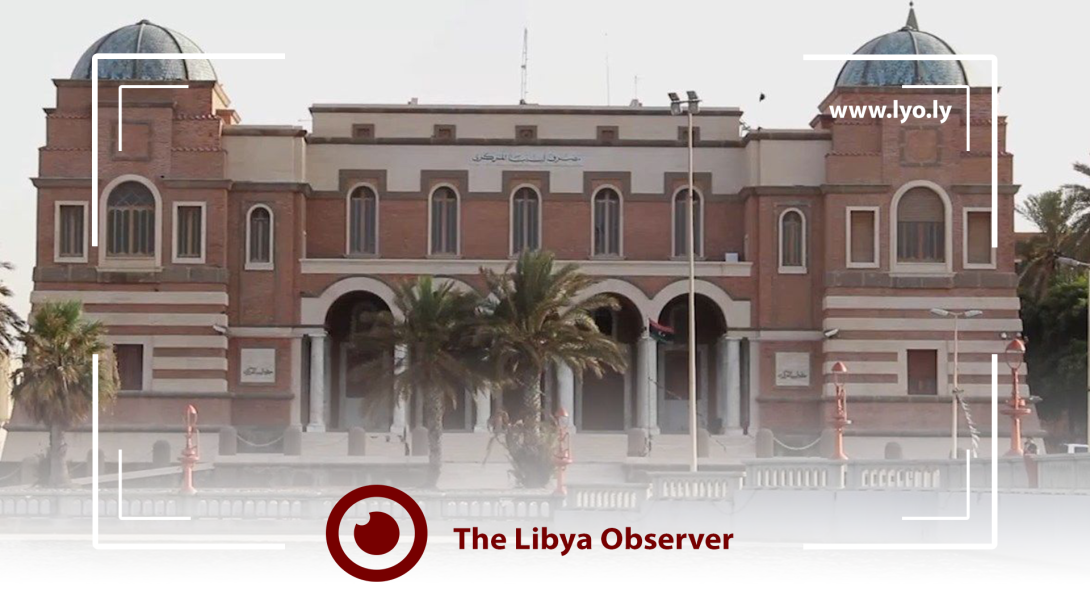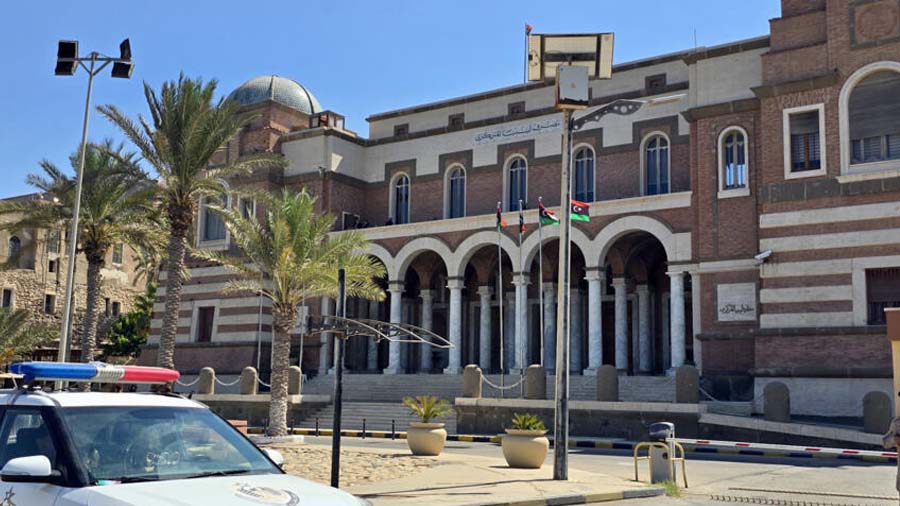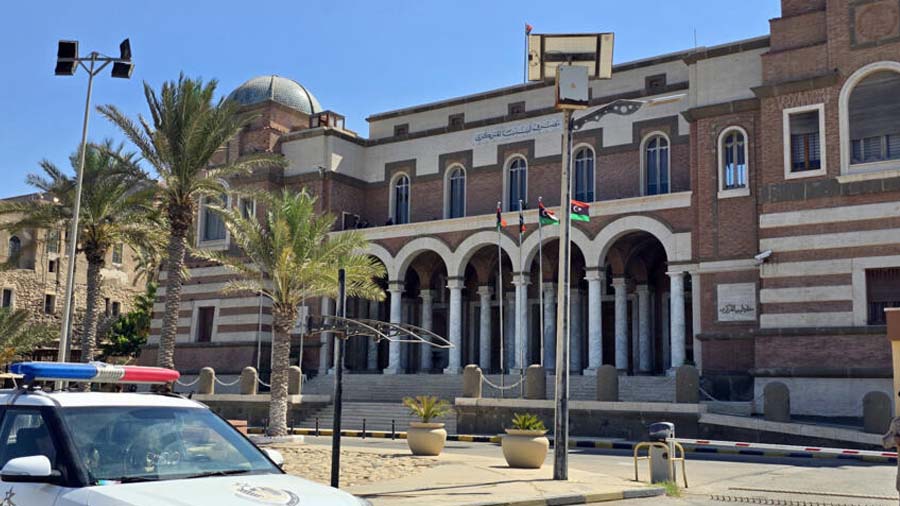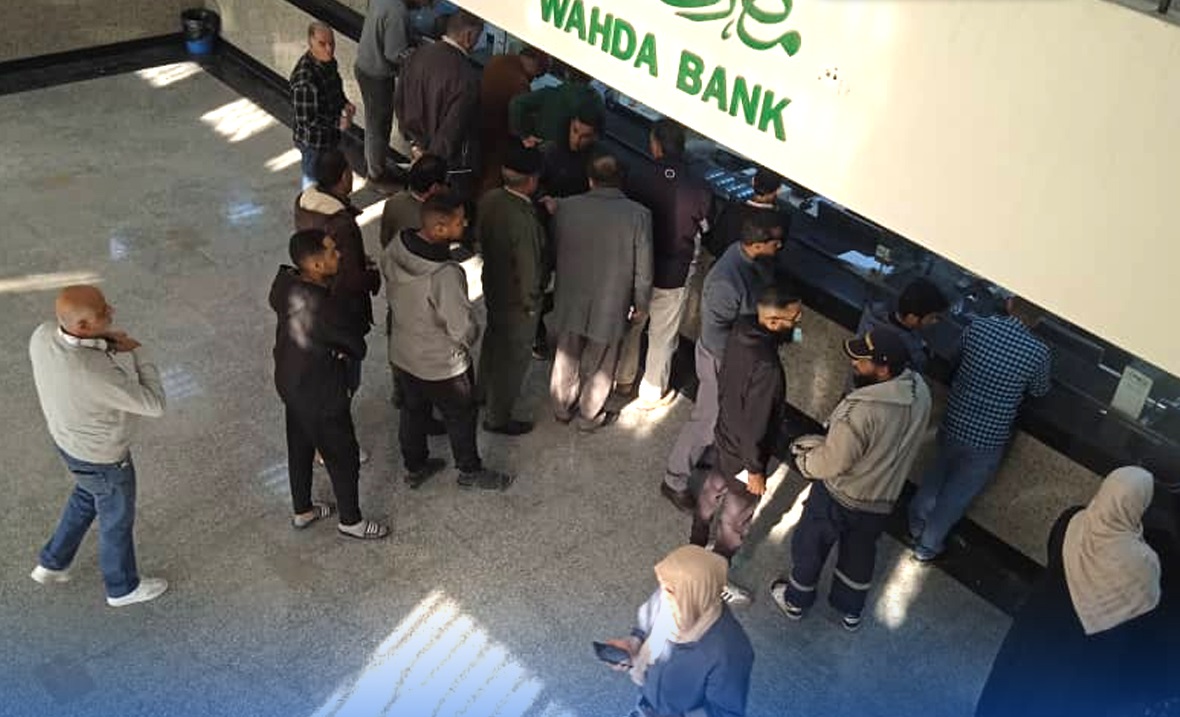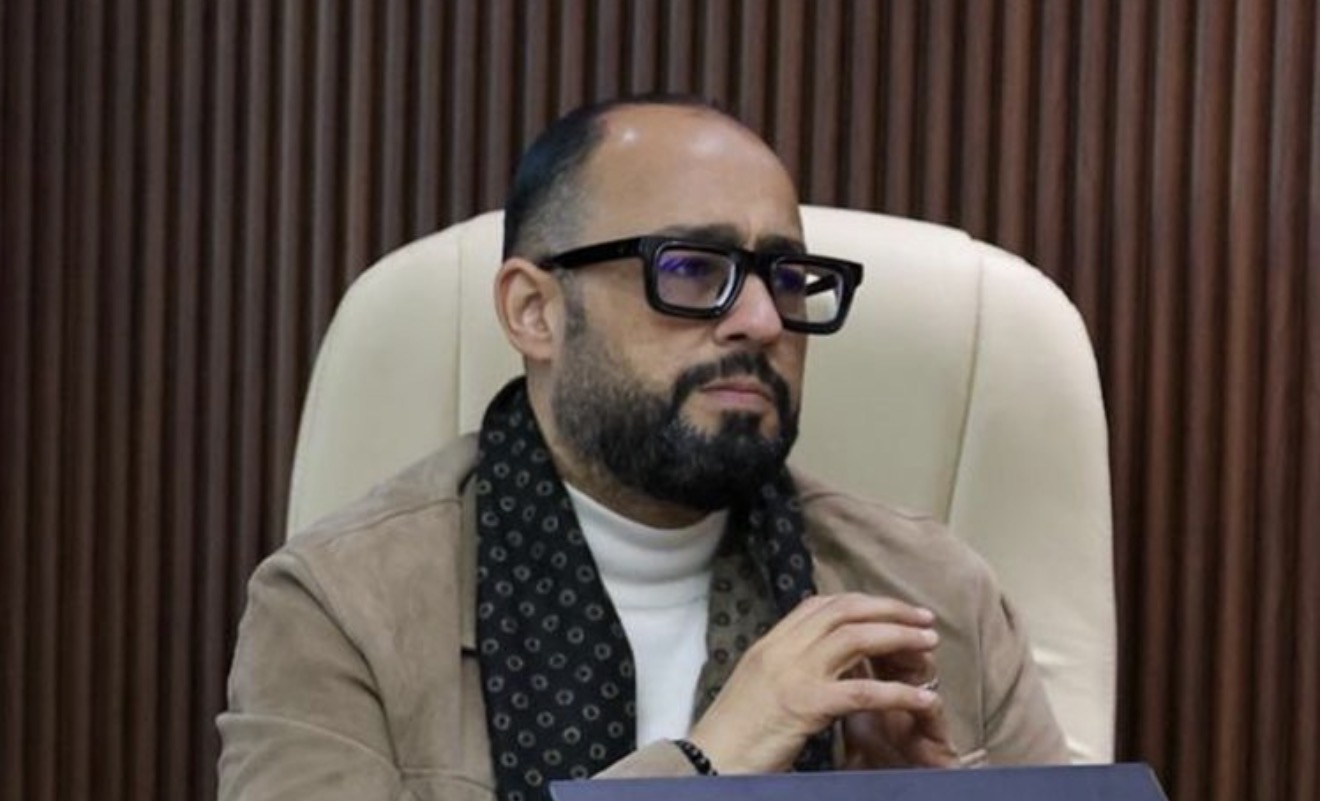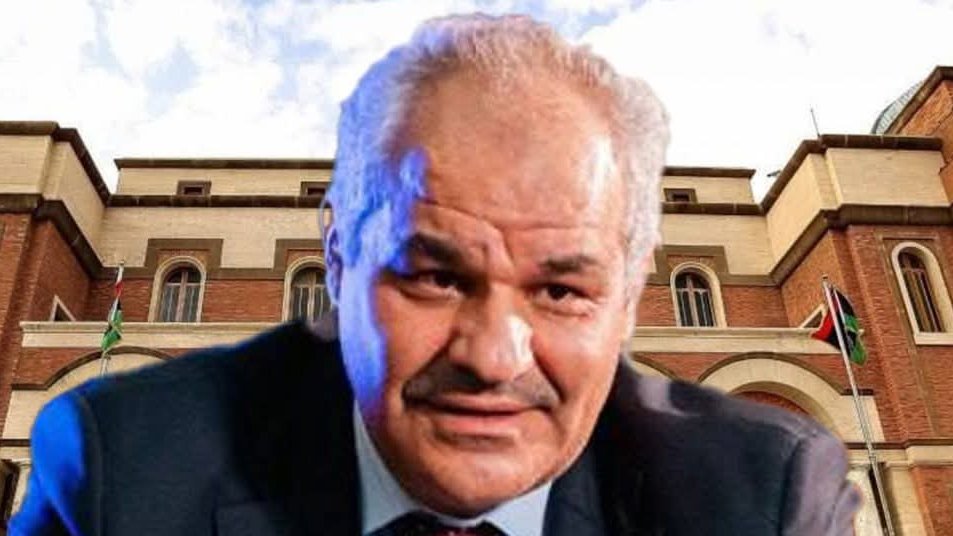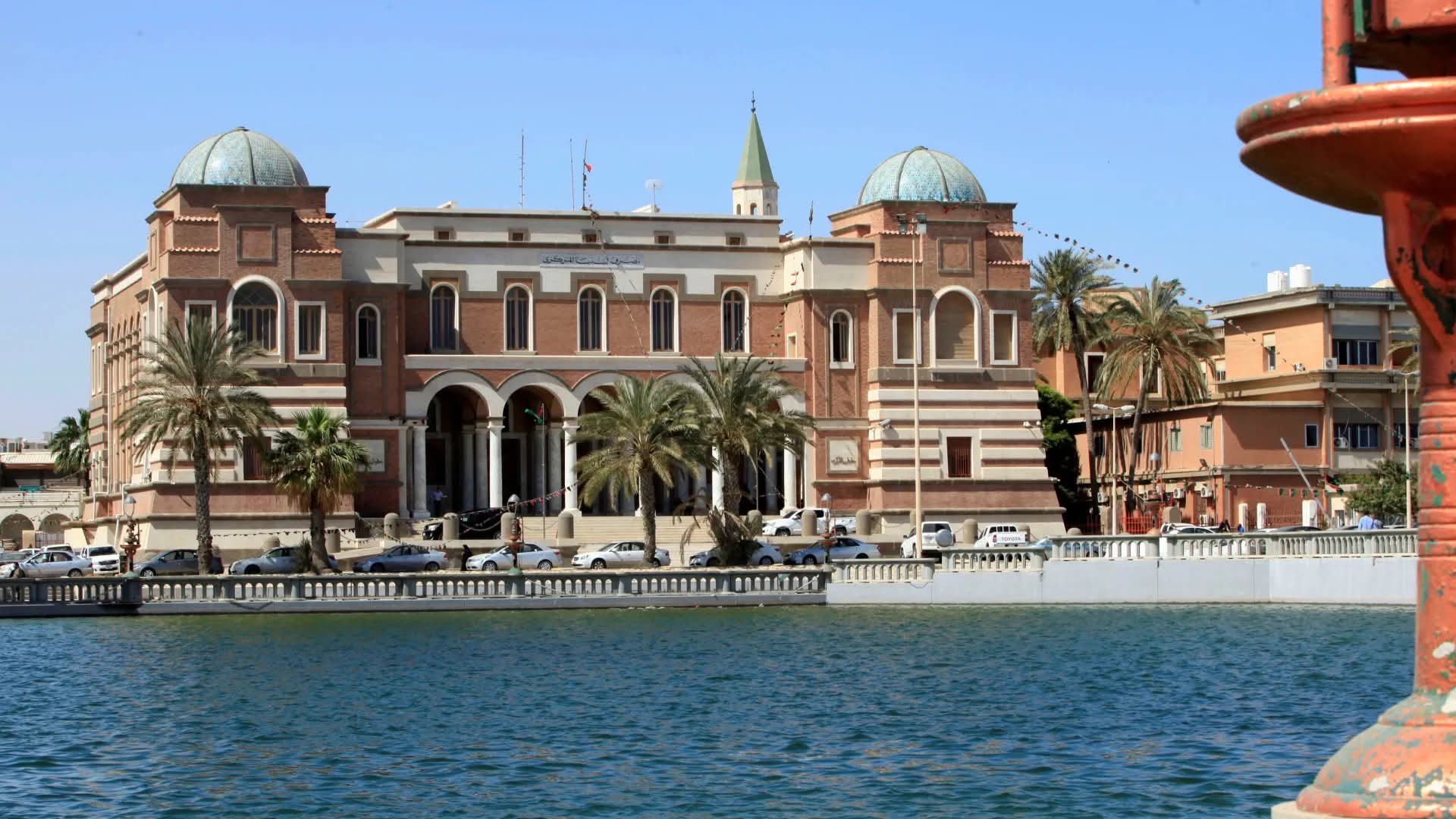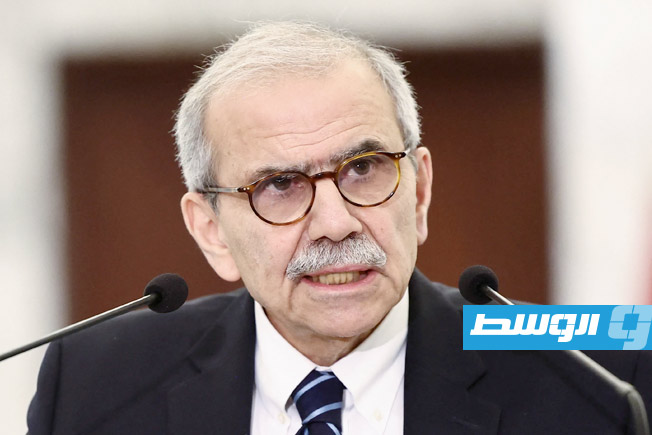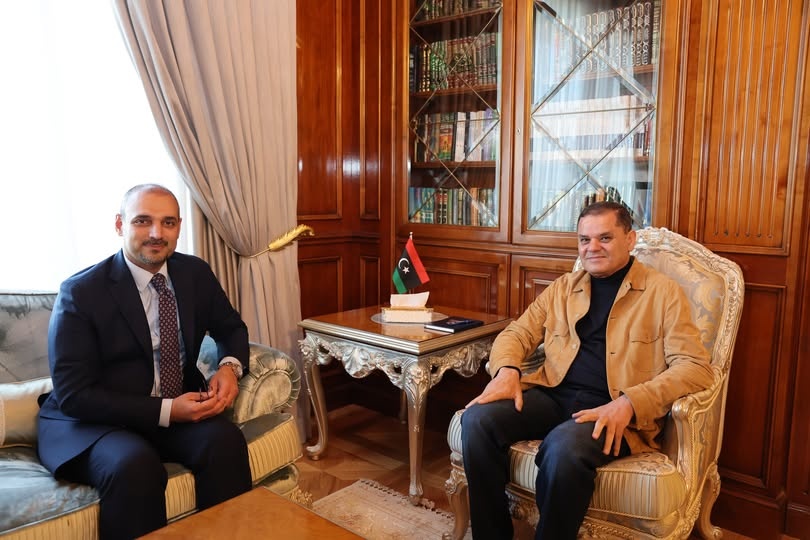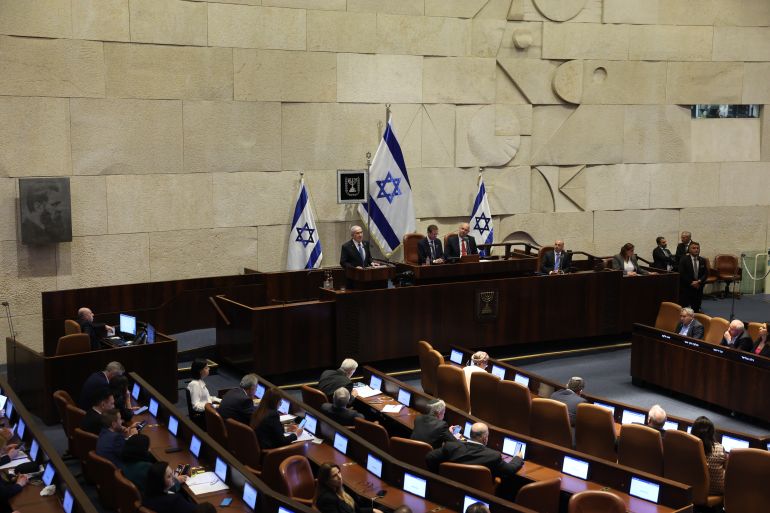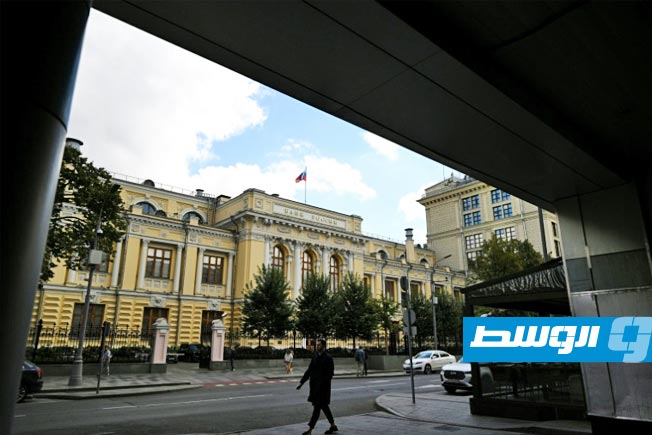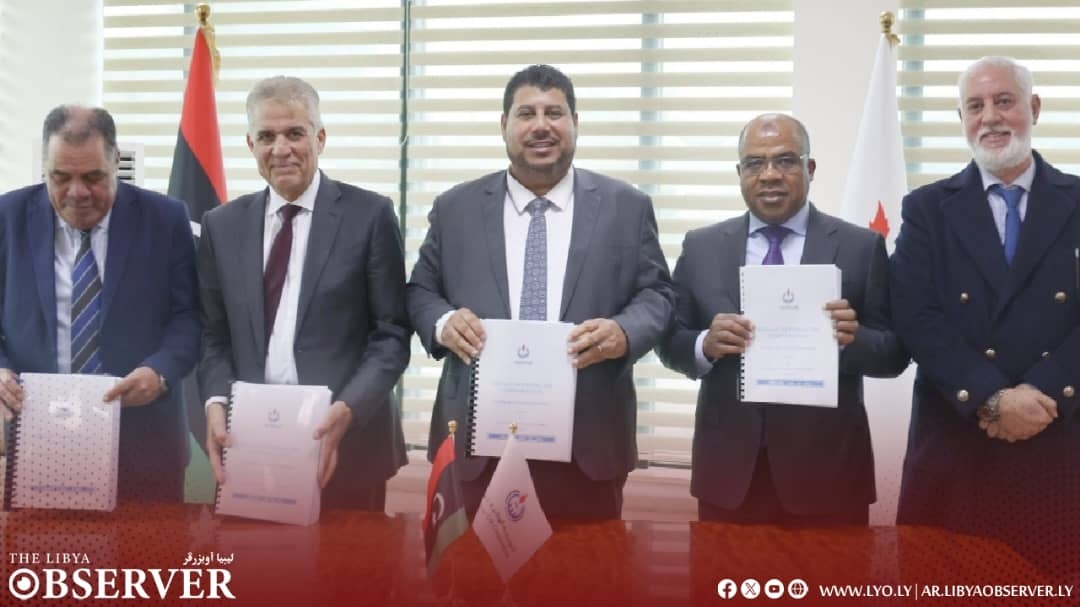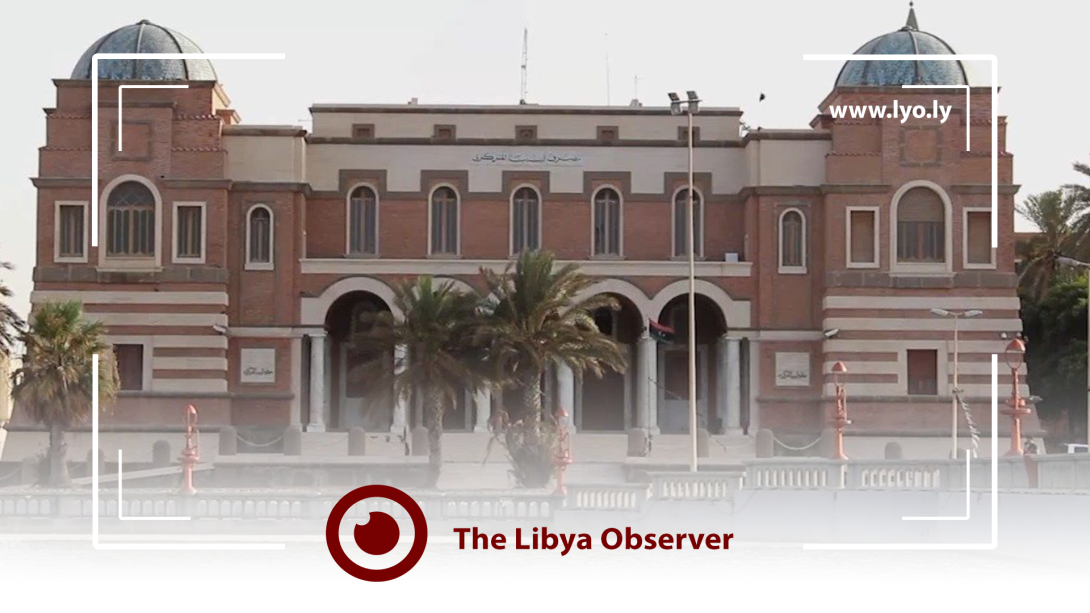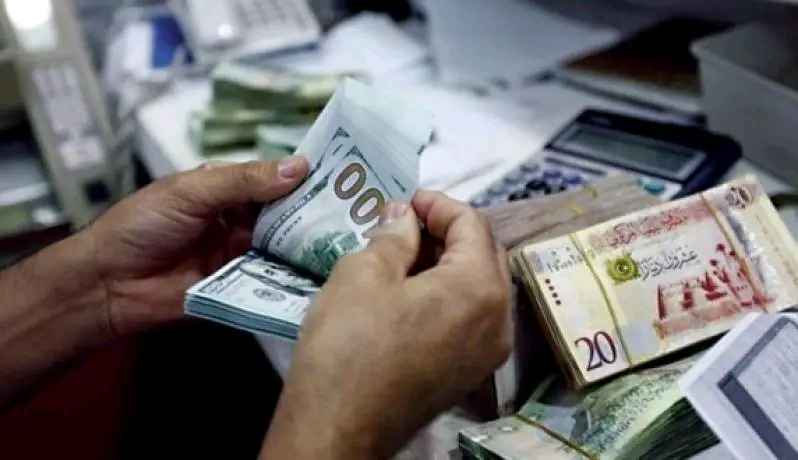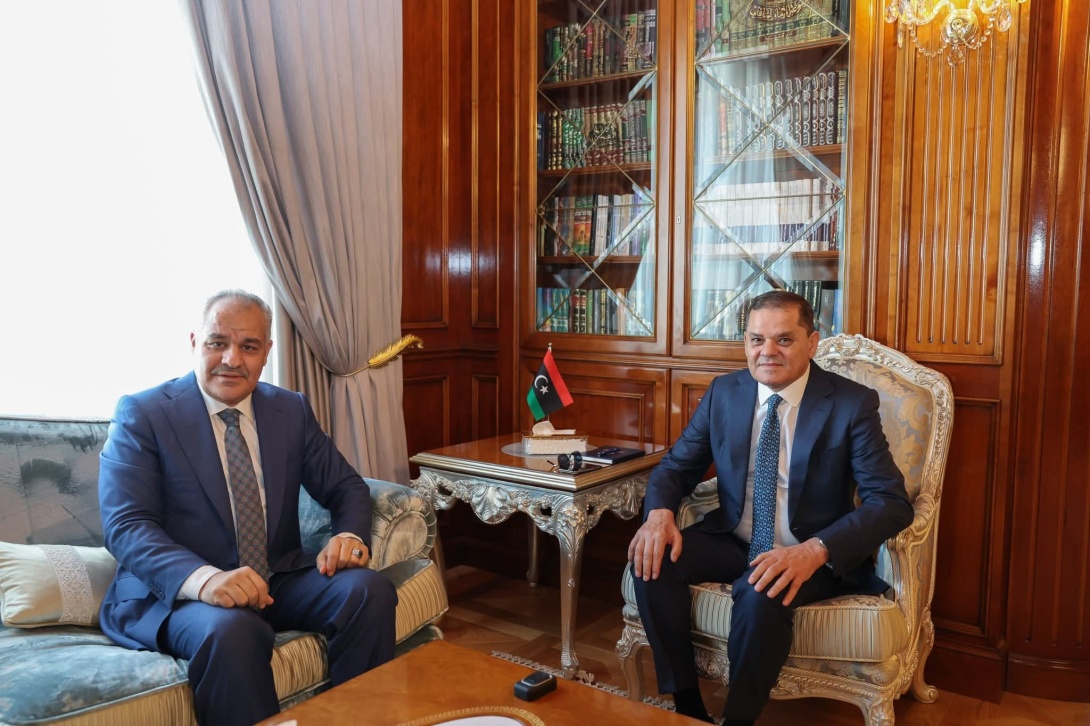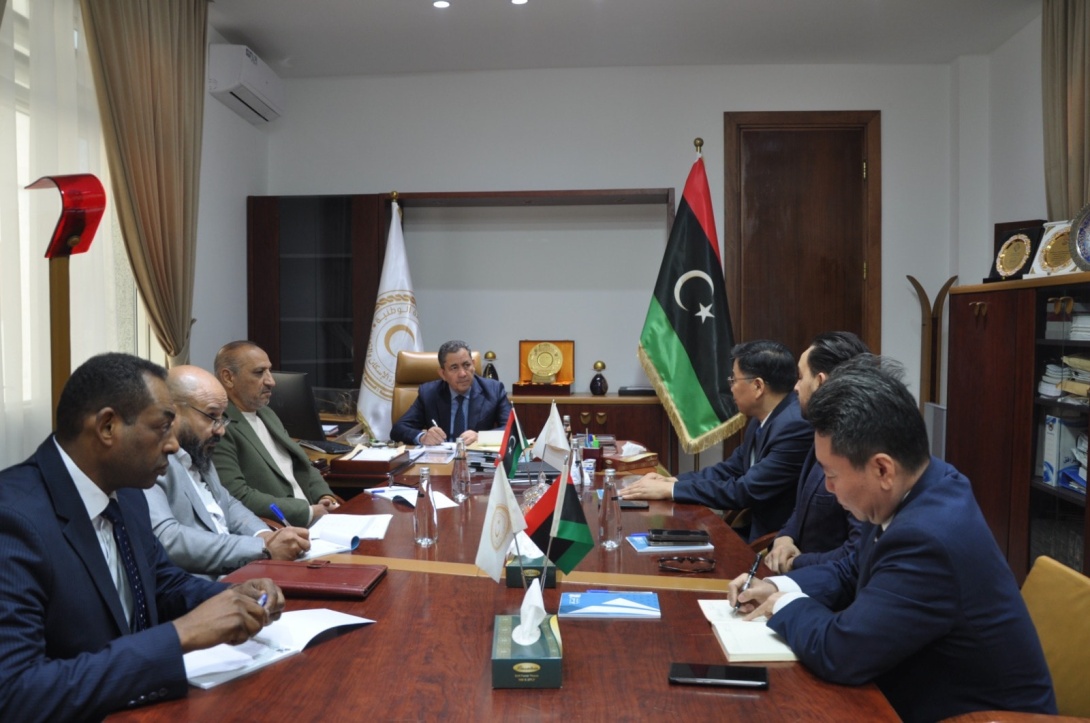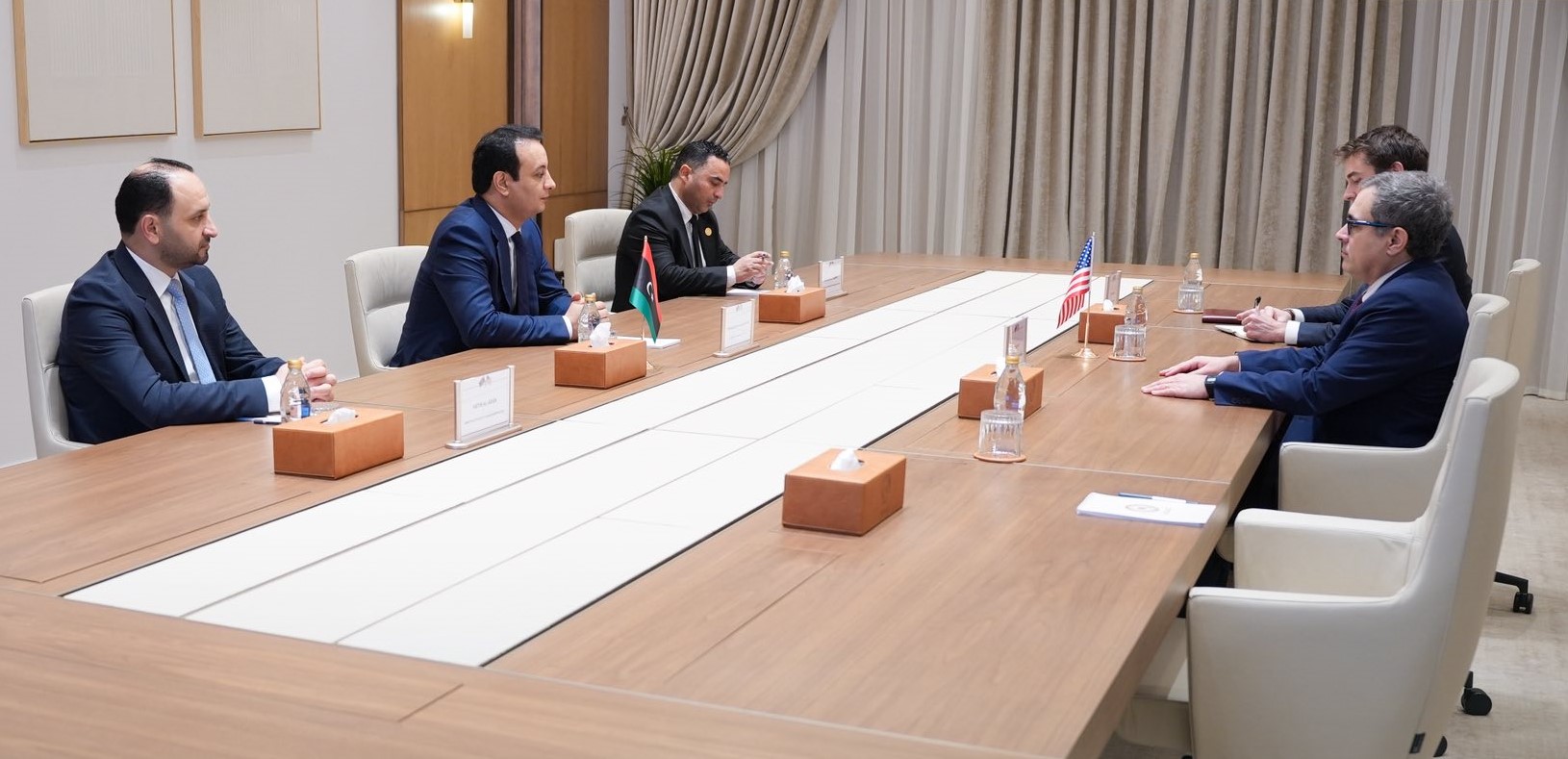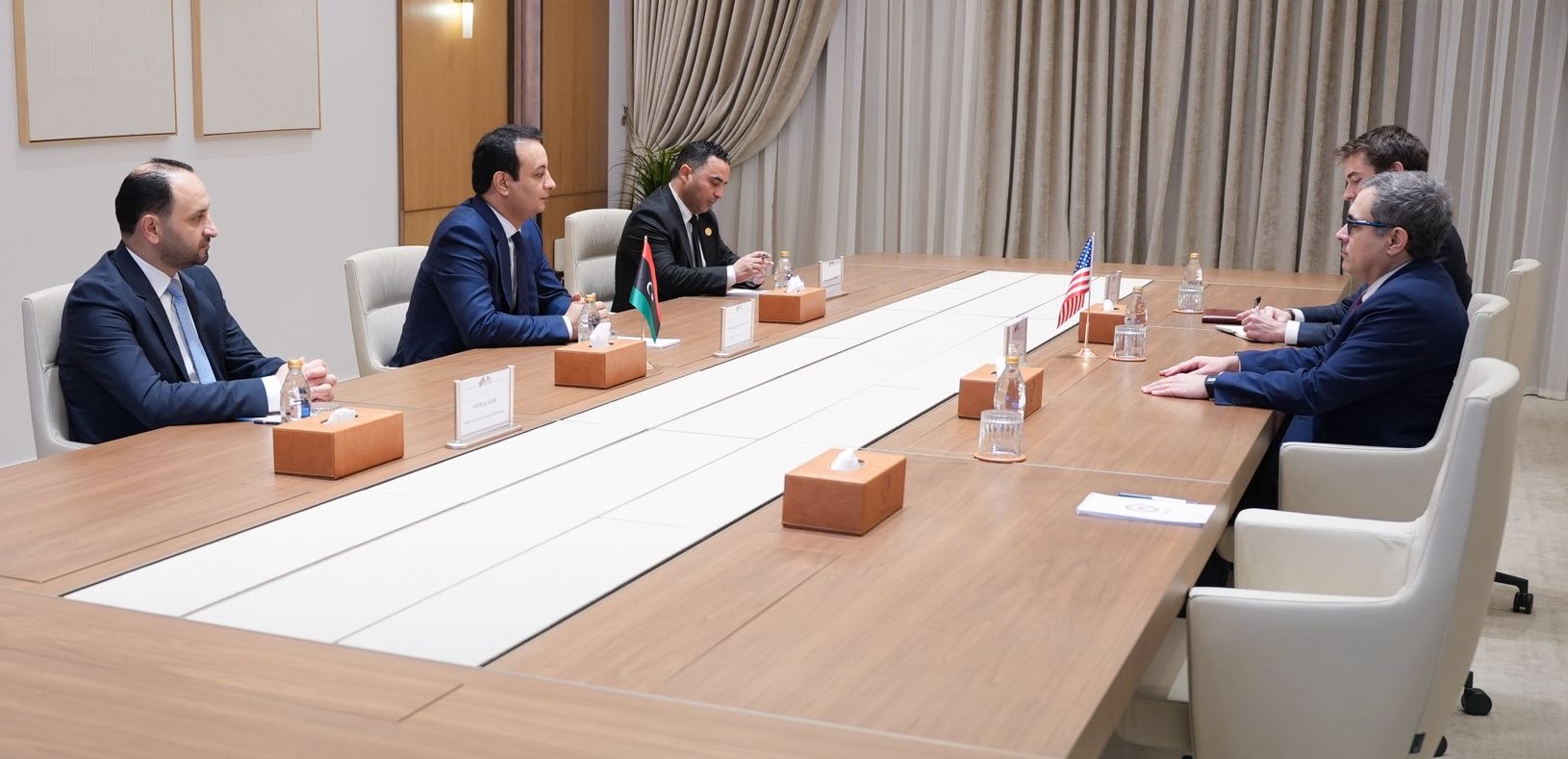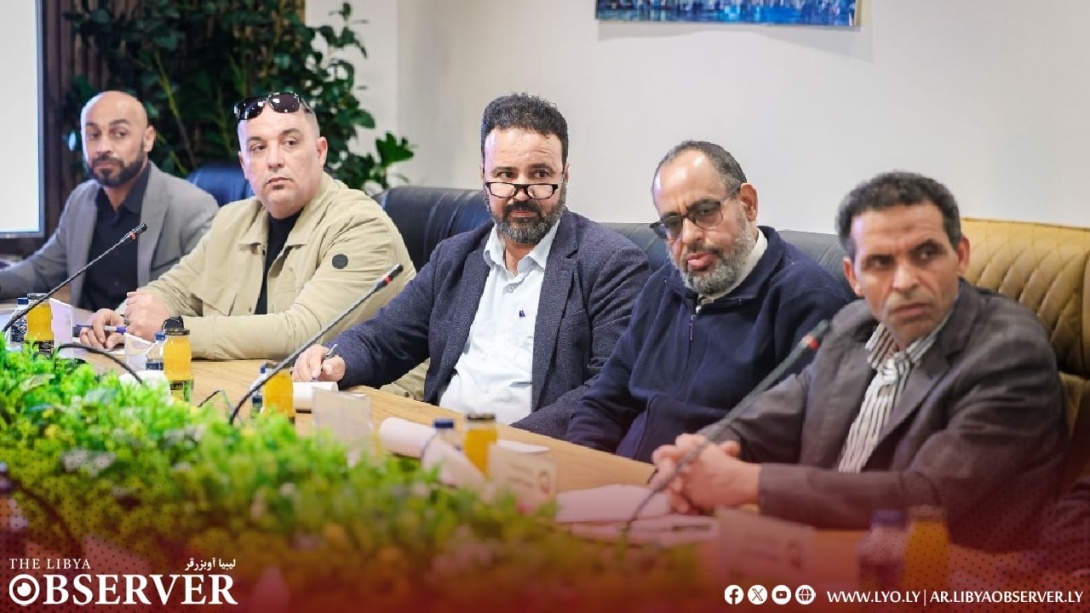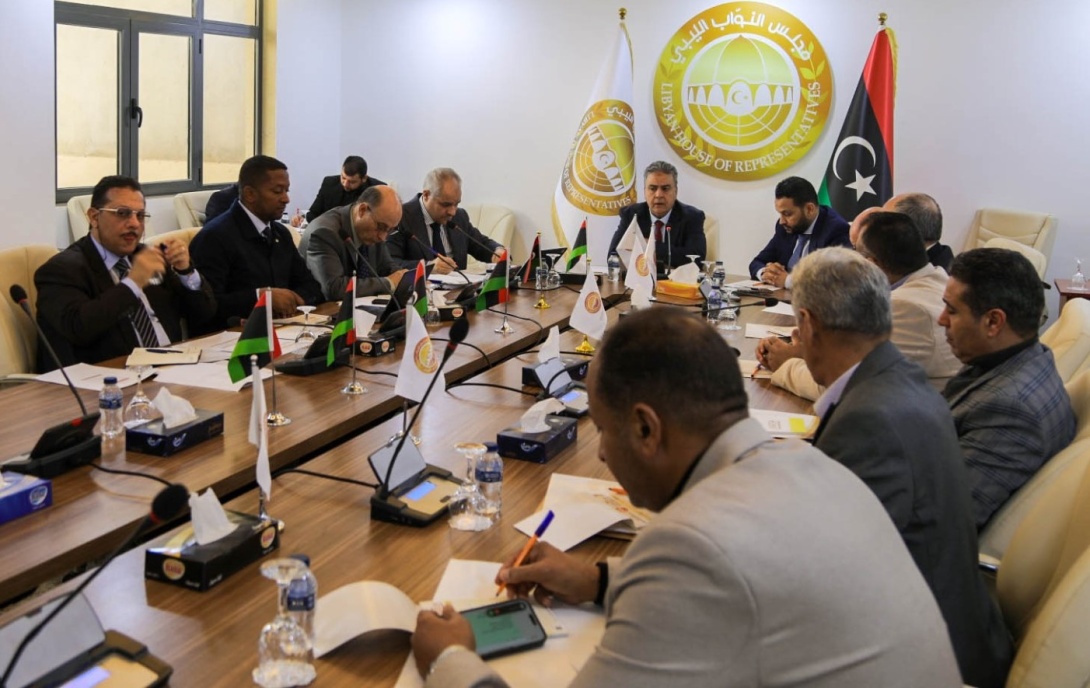
The House of Representatives (HoR) committee on planning, finance, and the state budget has held talks with the Governor of Libya’s Central Bank (CBL) regarding financial arrangements linked to the country’s 2026 state budget law.
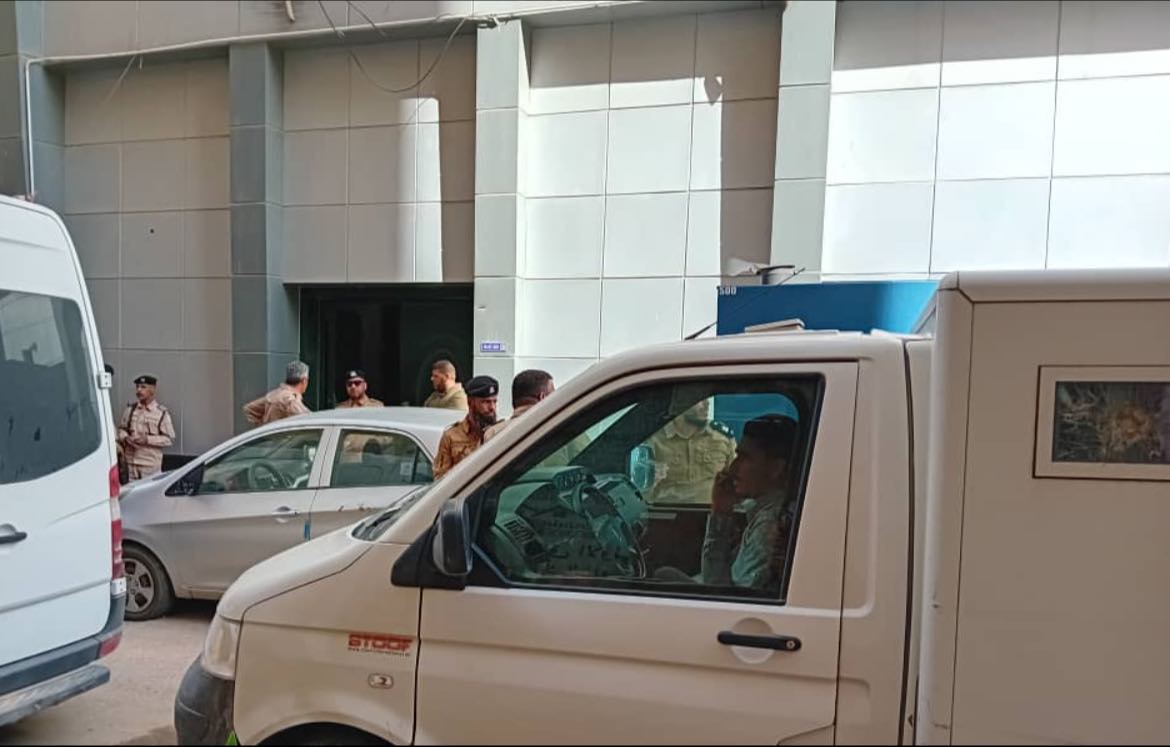
The meeting took place at the House’s branch office in Tripoli.
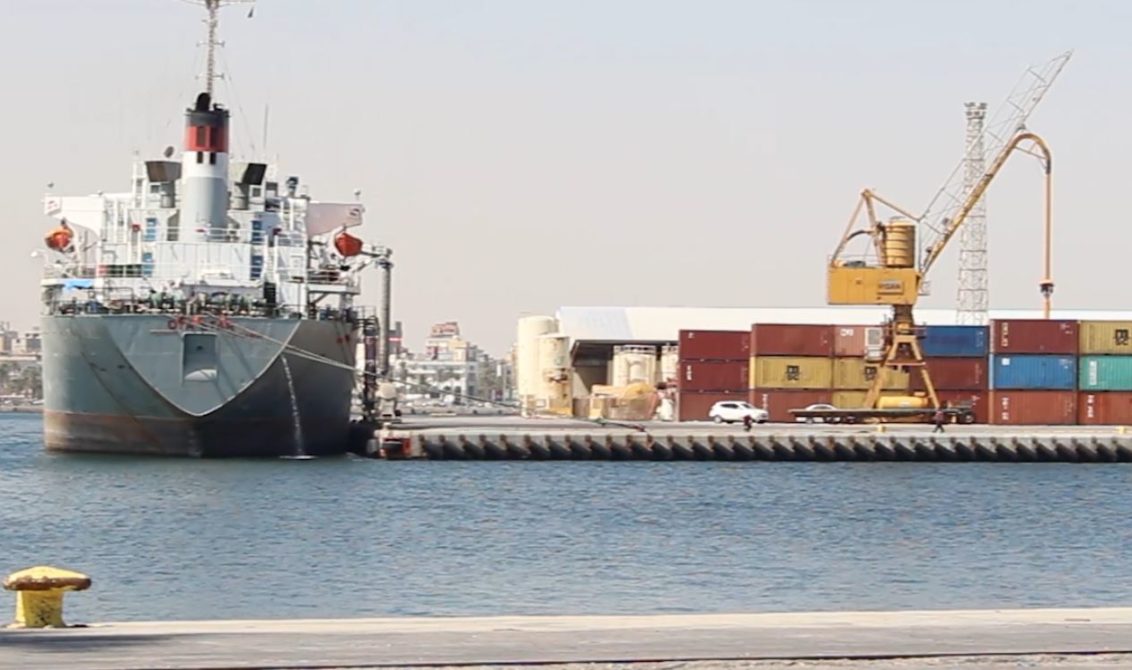
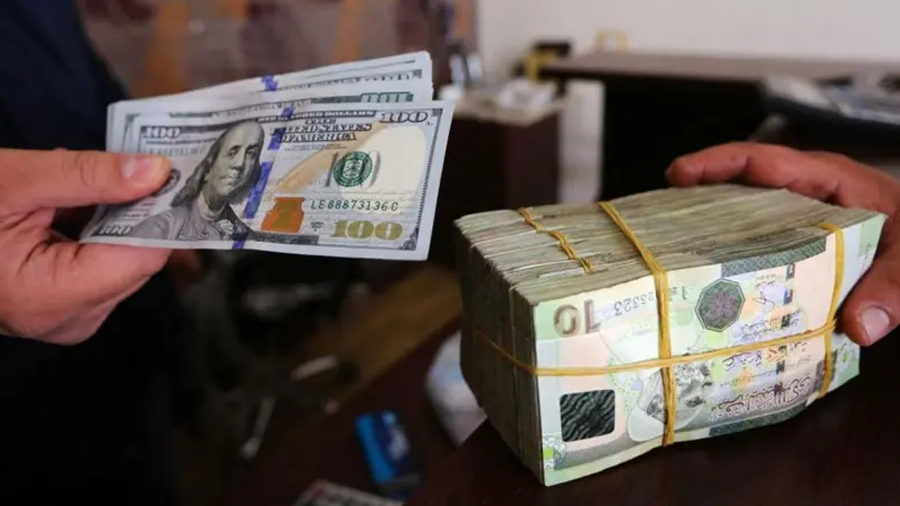
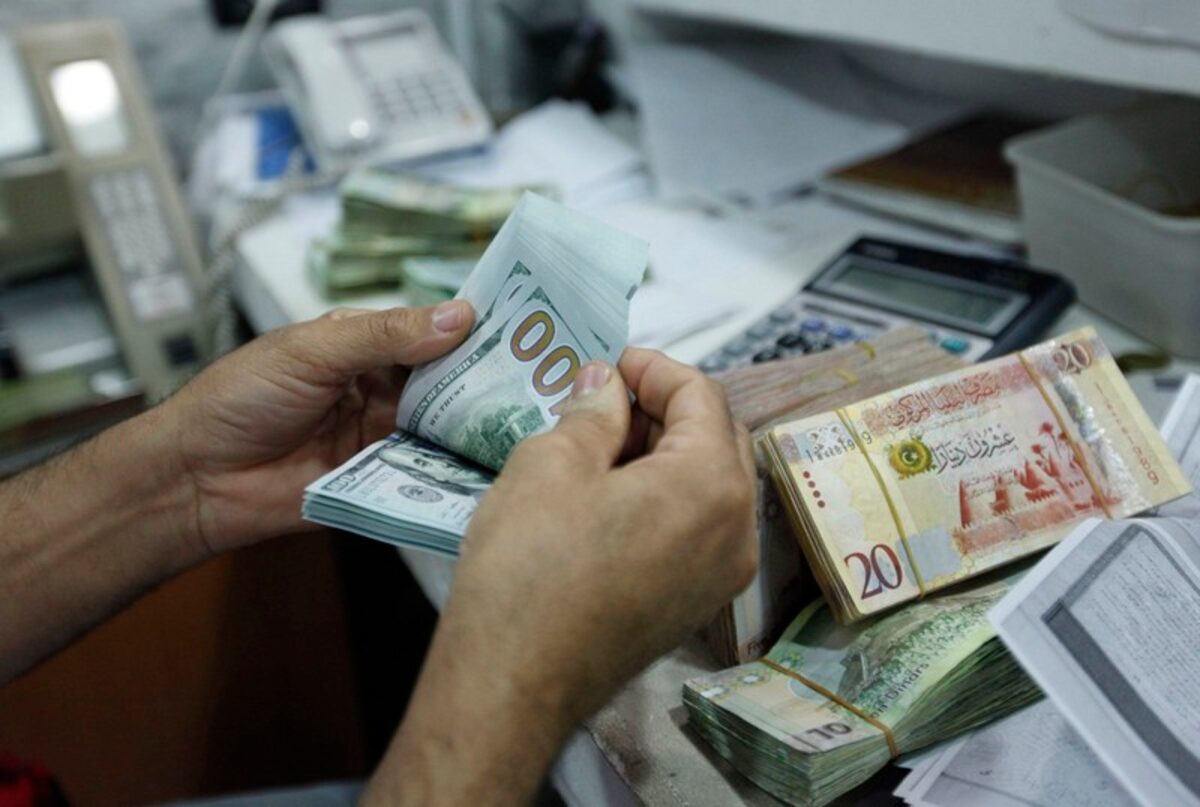
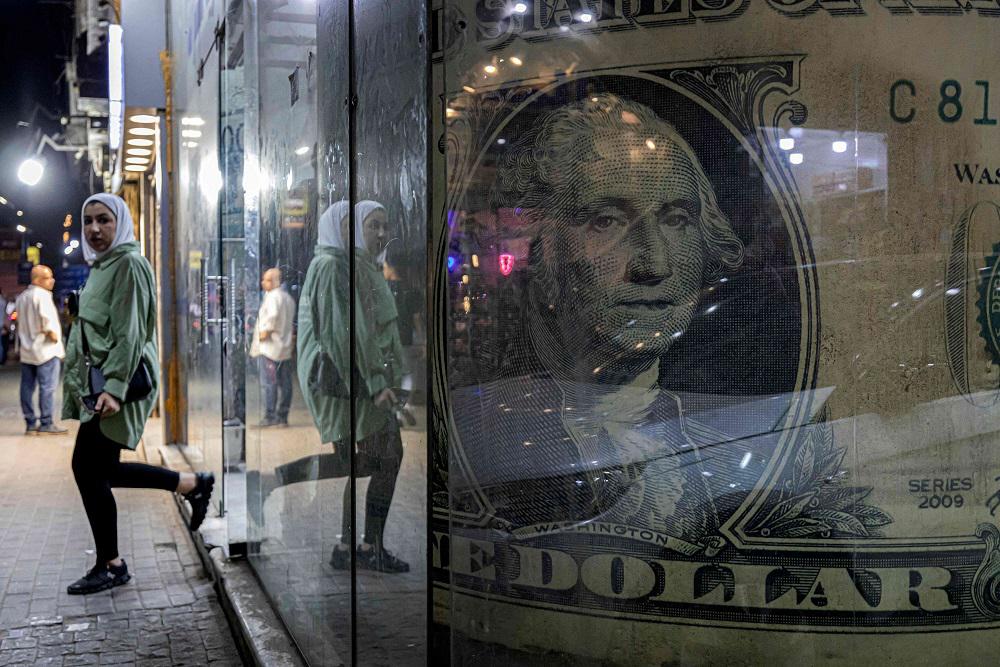
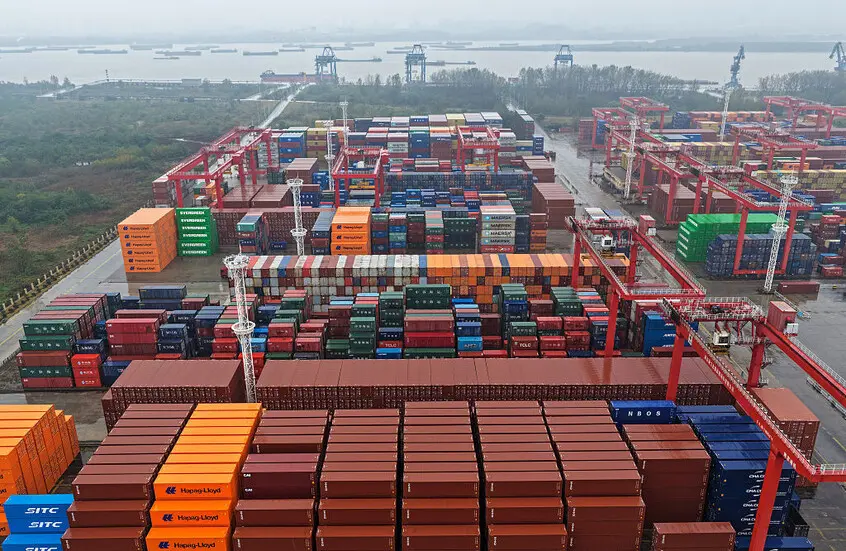
Discussions focused on curbing growth in public spending, reducing the import component of the budget, and improving revenue streams to the state treasury.
House of Representatives
The House of Representatives is the lower chamber of the United States Congress, established by the Constitution in 1789. It is composed of representatives elected from congressional districts, with representation based on state population, and holds primary responsibility for initiating revenue bills and impeaching federal officials.
Libya
Libya is a North African country with a rich history rooted in ancient civilizations such as the Phoenicians and Romans, followed by centuries of Arab influence and Ottoman rule. In the modern era, it was an Italian colony before gaining independence in 1951, later experiencing a long period of rule under Muammar Gaddafi from 1969 until the 2011 revolution. Its cultural landscape features significant archaeological sites like Leptis Magna and a diverse heritage shaped by its Berber, Arab, and Mediterranean connections.
Central Bank
The Central Bank is a nation’s primary monetary authority, responsible for managing currency, controlling interest rates, and ensuring financial stability. Its modern form evolved significantly in the 20th century, with institutions like the Bank of England (founded 1694) and the U.S. Federal Reserve (established 1913) serving as key historical models for central banking systems worldwide.
Tripoli
Tripoli is the capital and largest city of Libya, located on the country’s Mediterranean coast. Historically, it was founded by the Phoenicians in the 7th century BC and later became a significant part of the Roman Empire, known as Oea. The city’s rich history is reflected in its architecture, including the ancient Red Castle (Assaraya al-Hamra) and the old medina.
UN
The United Nations (UN) is an international organization founded in 1945 after World War II to promote peace, security, and cooperation among nations. Its headquarters in New York City serves as the primary venue for diplomatic meetings and houses its main administrative bodies.
Qatar
Qatar is a sovereign country on the Arabian Peninsula, historically shaped by its Bedouin heritage and maritime pearl-diving economy. Its modern history is defined by the discovery of vast oil and natural gas reserves in the mid-20th century, which rapidly transformed it into a wealthy, influential global hub. Notable cultural sites include the Museum of Islamic Art in Doha and the archaeological zone of Al Zubarah, a UNESCO-listed 18th-century pearling and trading port.