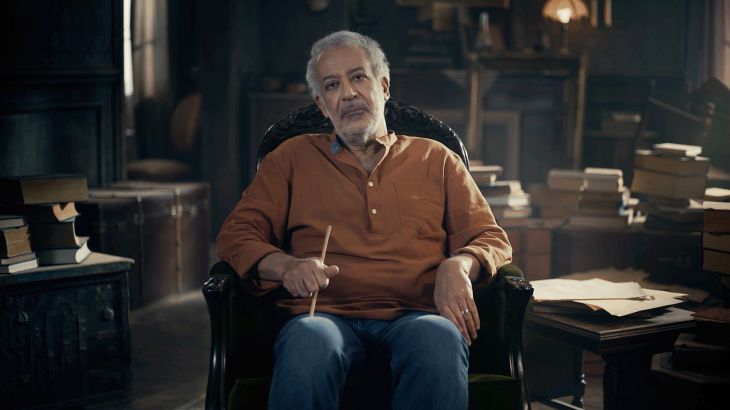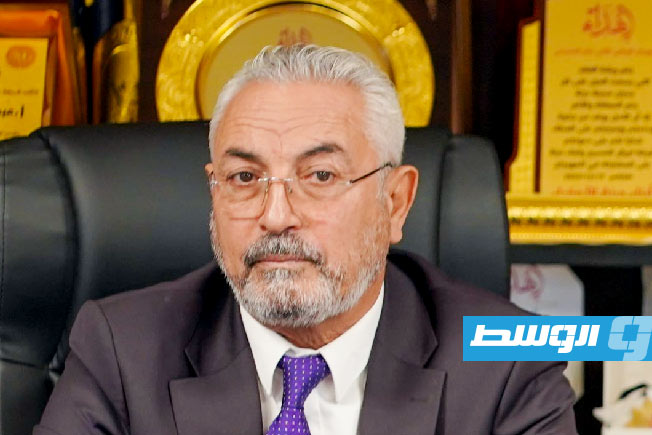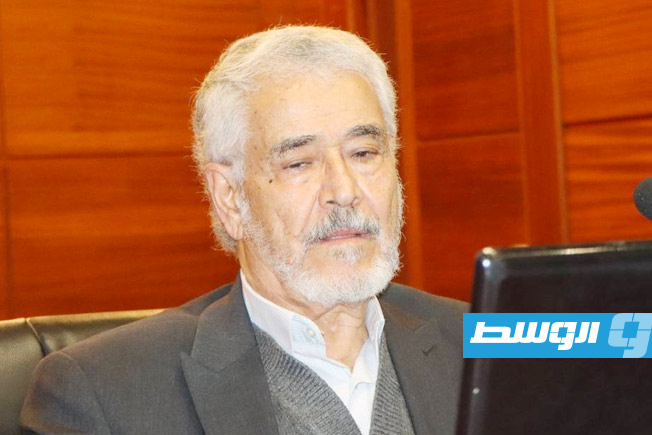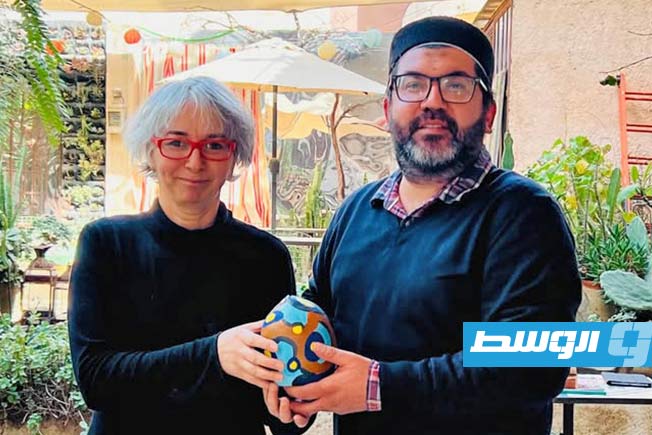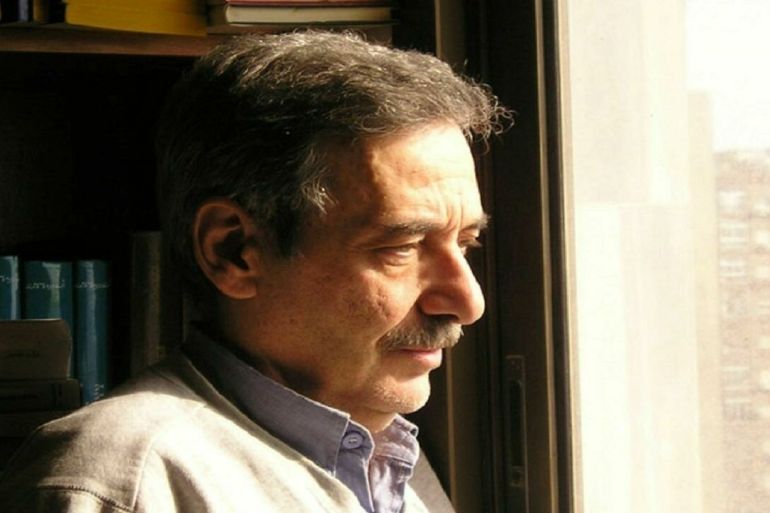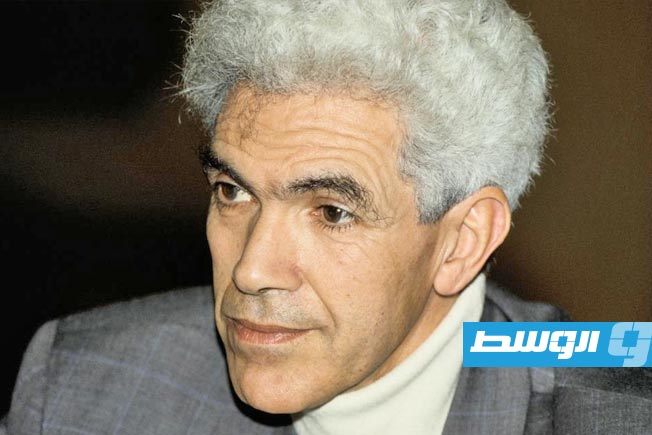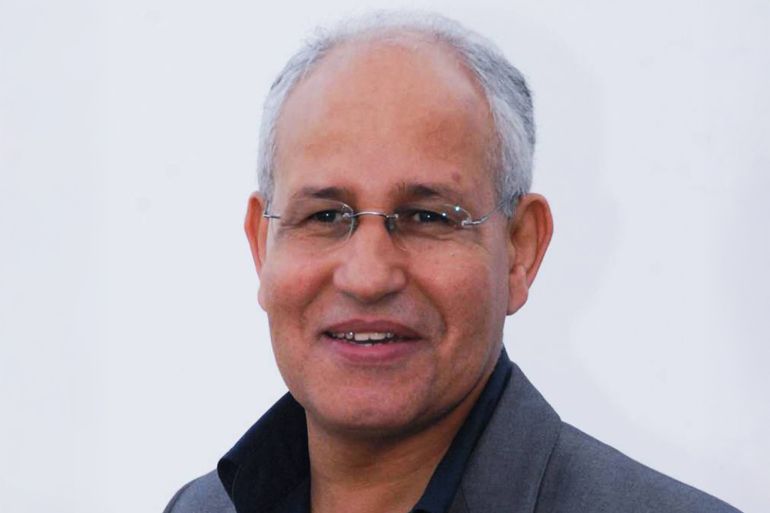
The intellectual project of the Moroccan academic is based on the concept of critique. Since his university studies and early writings, he has been concerned with philosophical and aesthetic critique, delving into the realms of critical thinking, its contexts, tools, and its human and universal goals.
He has also presented many important writings and studies that were not limited to the theoretical field of philosophical critique alone, but extended to researching questions of identity and otherness, the state and the public sphere, creativity and communication, and aesthetic thought, specifically the cinematic field and visual culture, in which he produced a number of significant intellectual works.
This interest in critique within intellectual, theoretical, and cultural production, and its necessity, does not come from a vacuum. It stems from his belief that critical thought derives its validity, deserves its name, and acquires its function whenever it carves out an appropriate space for itself in intellectual, theoretical, cultural, and political production.
For him, philosophy cannot rise without being “critique,” especially since “philosophy lives through critique, and critique lives through philosophy,” as he says.
The primary task of critical thought is to question assumptions, destabilize frameworks of thinking and discussion that aim to package minds, strip them of their will, subjugate them, and expose them to the “voluntary servitude” produced by social media, and the resulting weakening of human faculties for attention, concentration, and thought.
He points out that all the indicators on the basis of which countries in the world and Arab nations, including Morocco, are classified indicate that our renaissance will remain “suspended” as long as we do not know how to invest in infrastructure as much as we invest in building people and human capital.
He confirms that “when decision-makers are able to change major orientations and choices, and practically achieve what they have declared hypothetically, and when the largest number of people feel the returns of these choices in their lives, their freedom, their dignity, and their humanity, then it becomes necessary to change the dictionary of description and evaluation criteria.”
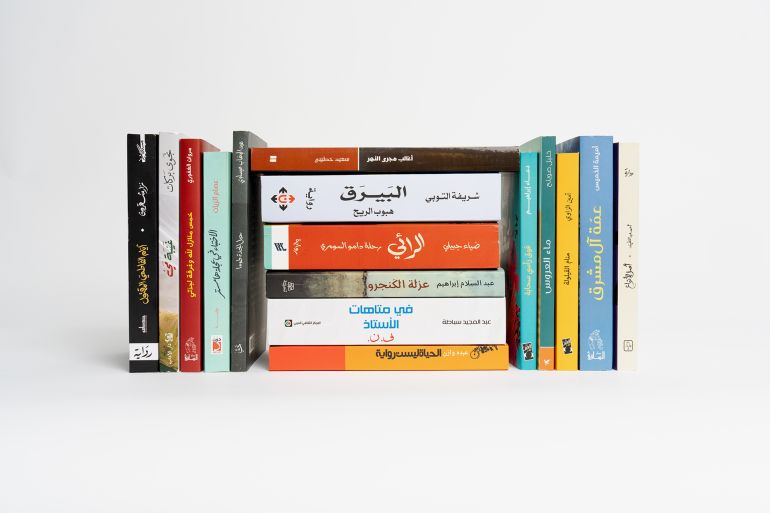
He has enriched the Moroccan and Arab library with a collection of valuable studies in both Arabic and French, distributed across diverse fields of knowledge and covering various topics. He has written on philosophy, cinema, women, identity, social transformations, and the question of renaissance, not to mention some cultural aspects related to Arab history.
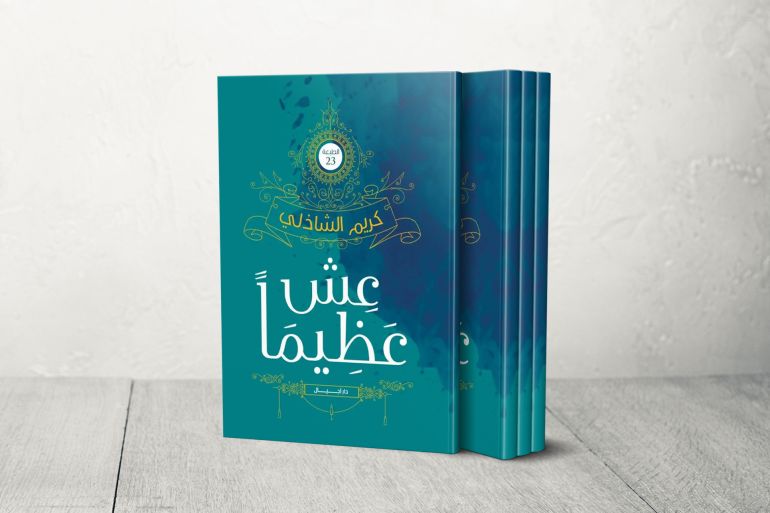
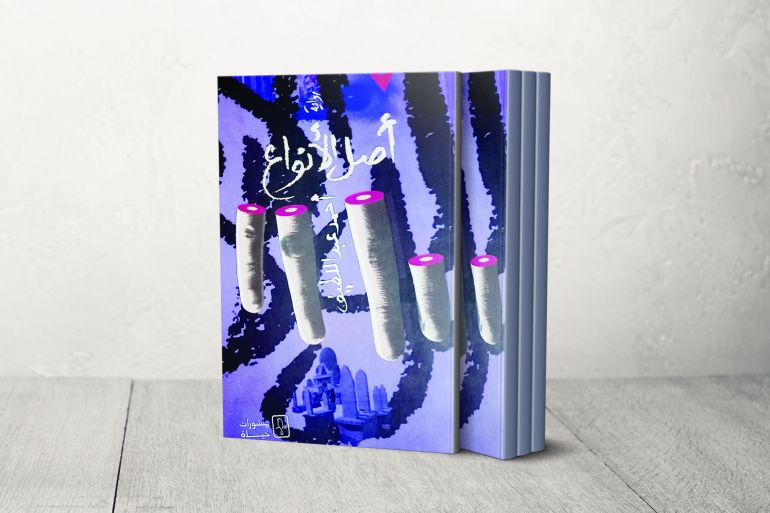
Among his writings are “Deficient Democracy, Possibilities and Obstacles for Exiting Authoritarianism” (2013), “On Contemporary Philosophical Critique: Its Western Sources and Arab Manifestations” (2014), which was awarded the prize for the most important Arabic book for the 2015 cycle, “Consciousness of Recognition: Identity, Woman, Knowledge” (2017), “The Suspended Renaissance” (2021), “Escaped Time: Is the Future Still Desirable?” (2024), and recently “Shores of Sight… A Shared Visual Language in the Mediterranean Basin” published in French.
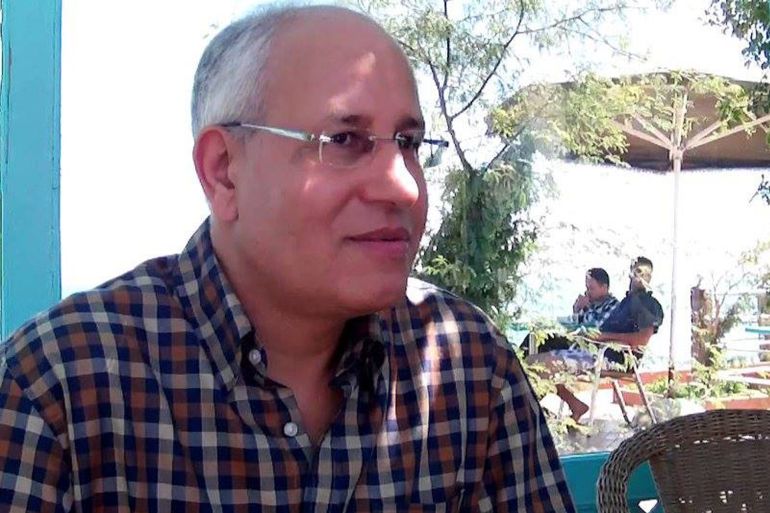
Regarding his intellectual project and his interest in critique across the various fields and issues he has addressed, including his latest book on the Mediterranean, this interview was conducted with him:
- Your intellectual project is based on the concept of critique. From your early writings to the current ones that have enriched the Arab library, you have delved into the realms of critical thinking, its contexts, tools, and its human and universal goals. After this important journey, what concept does the professor present today for critique and critical thought in general?
It is true that since my university studies, I have been concerned with the question of critique in philosophy and aesthetics, and it has consistently formed a theoretical preoccupation in addressing many topics I found myself writing about, whether related to critical theory, identity and otherness, the state and the public sphere, creativity and aesthetic thought, communication and strategies of manipulation and use, among other issues I have approached in intellectual engagement.
Whether we settle for the word ‘critique’ or what people have tacitly agreed to call ‘critical sense,’ it is subject to much ambiguity and, most often, regurgitation. It is difficult to claim to present a ‘concept’ of critique outside of what thinkers and philosophers who made critique a horizon for their