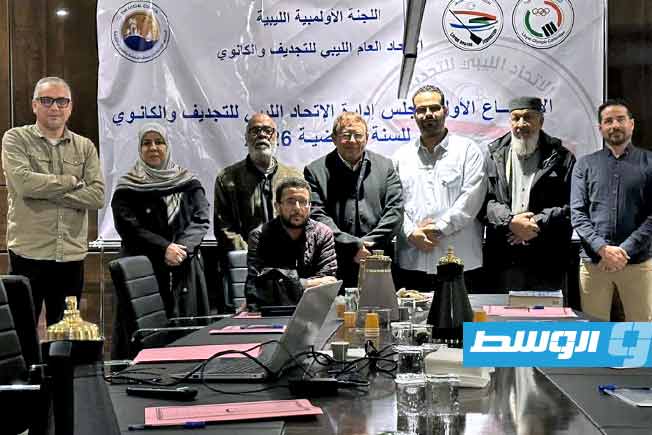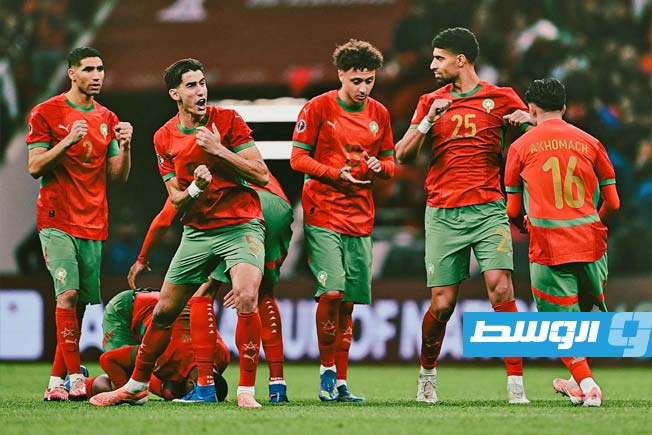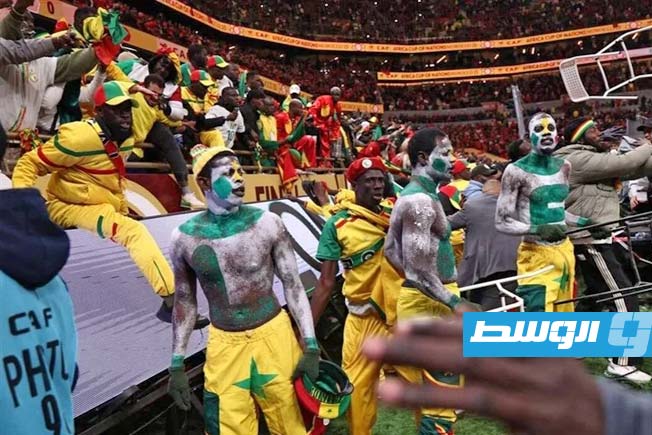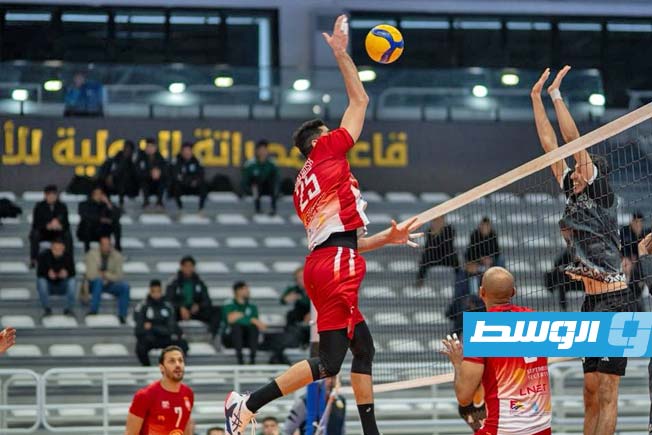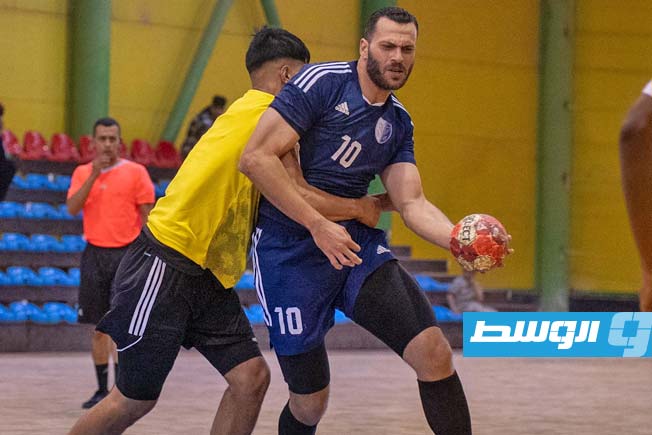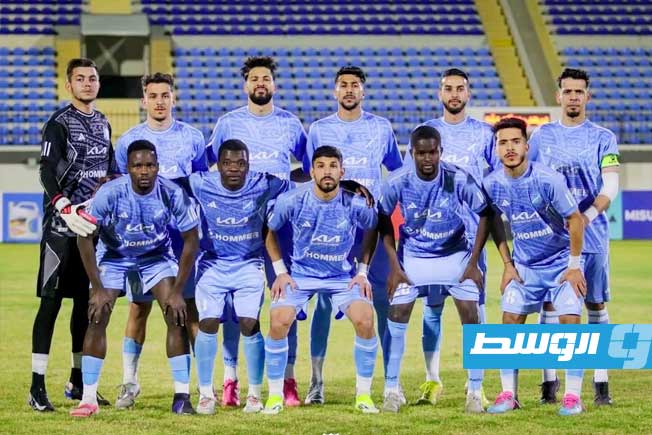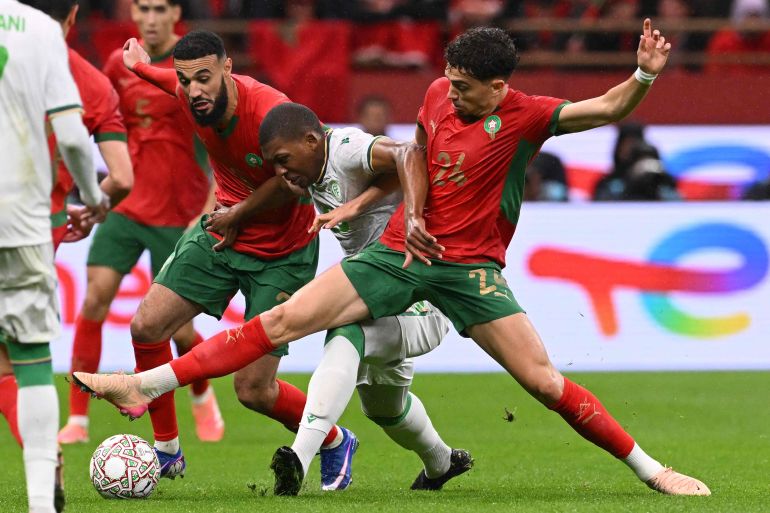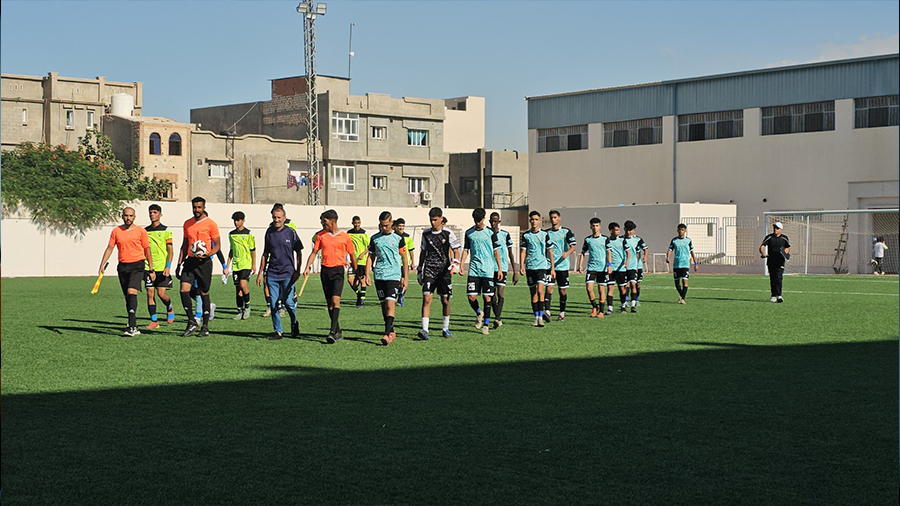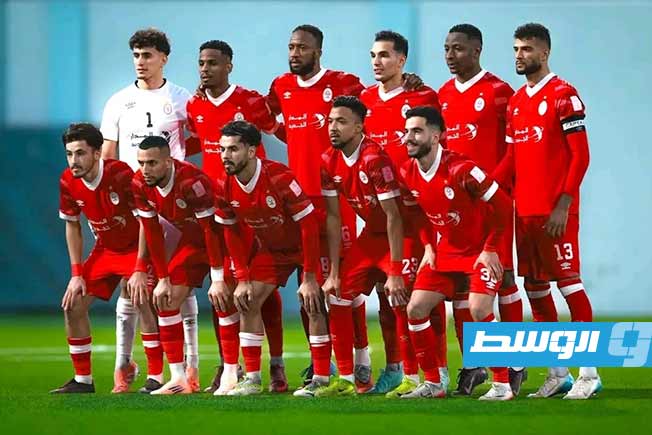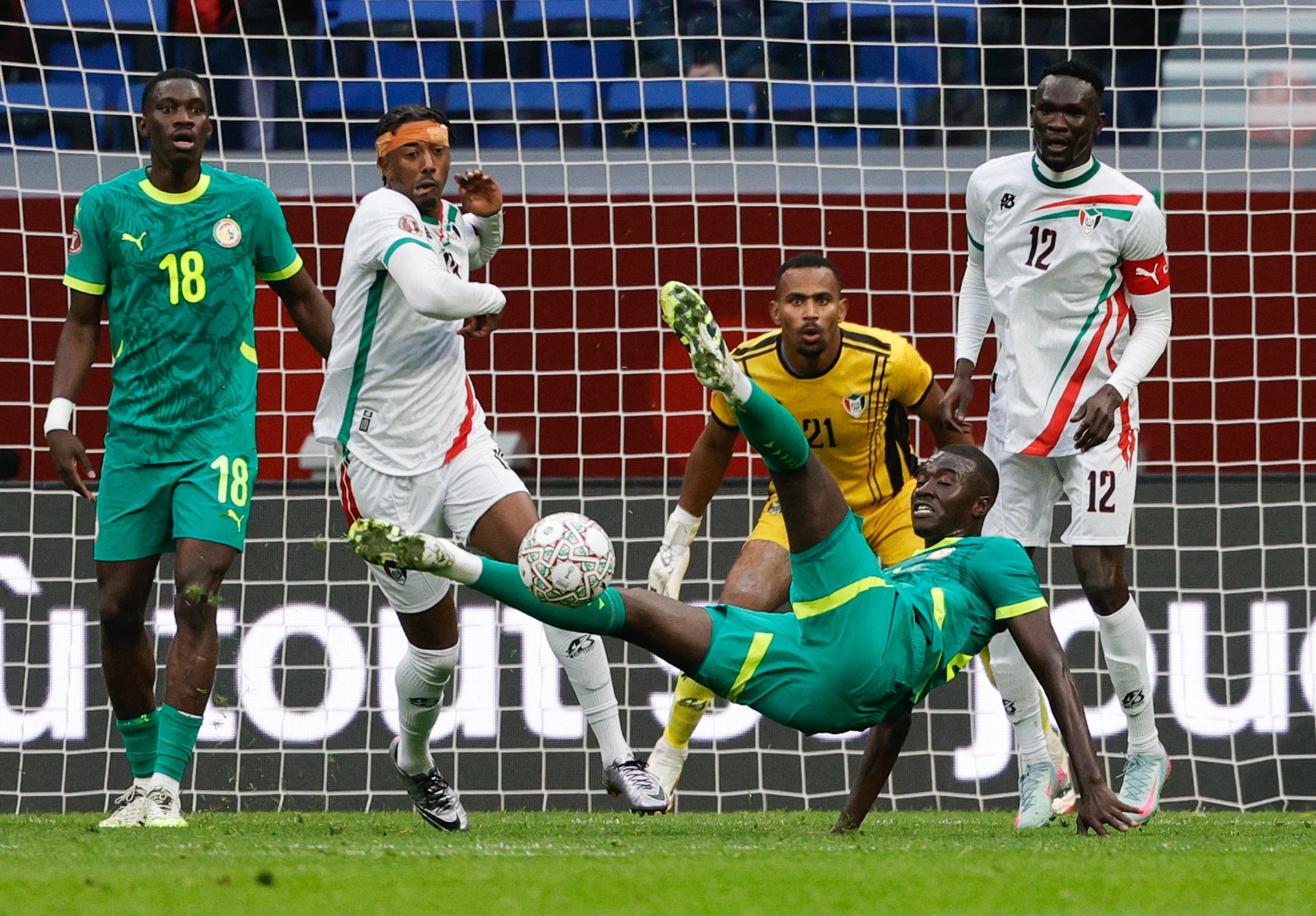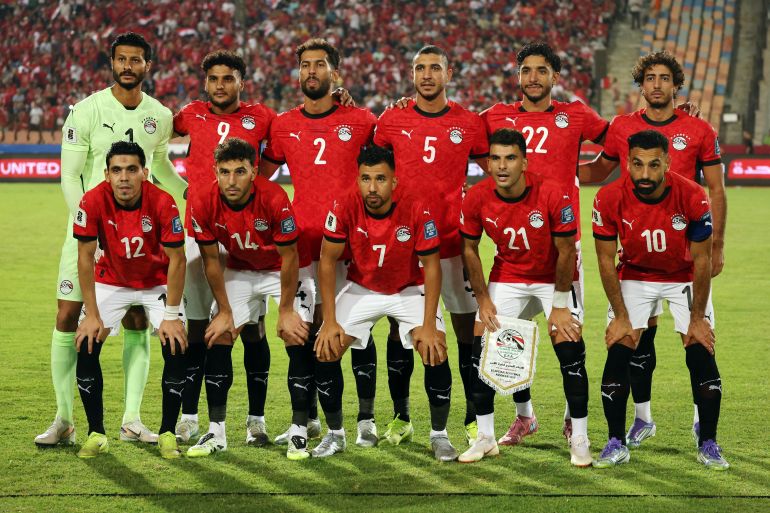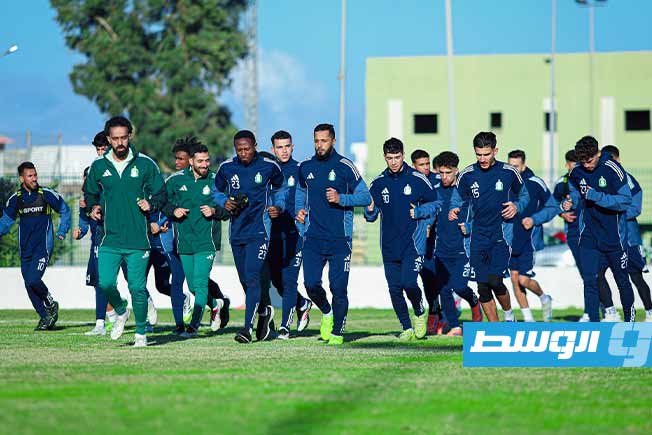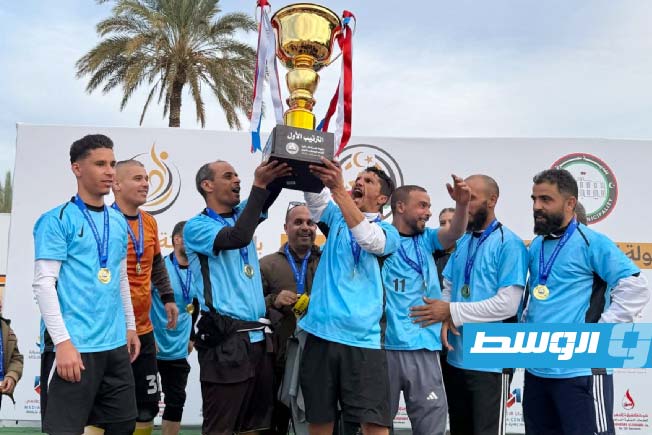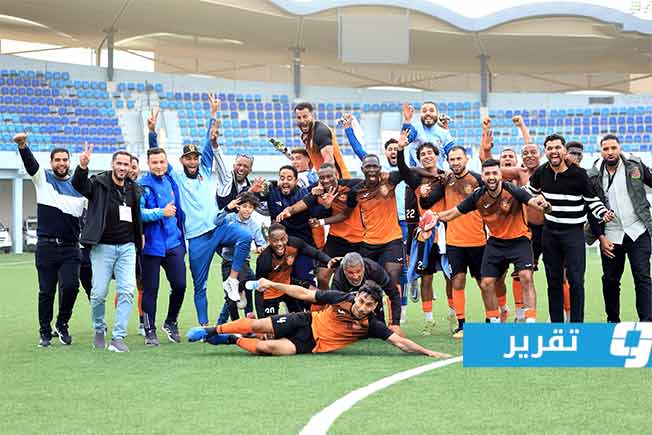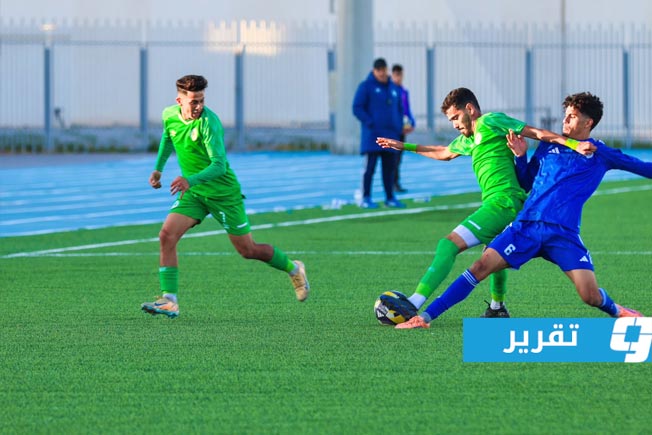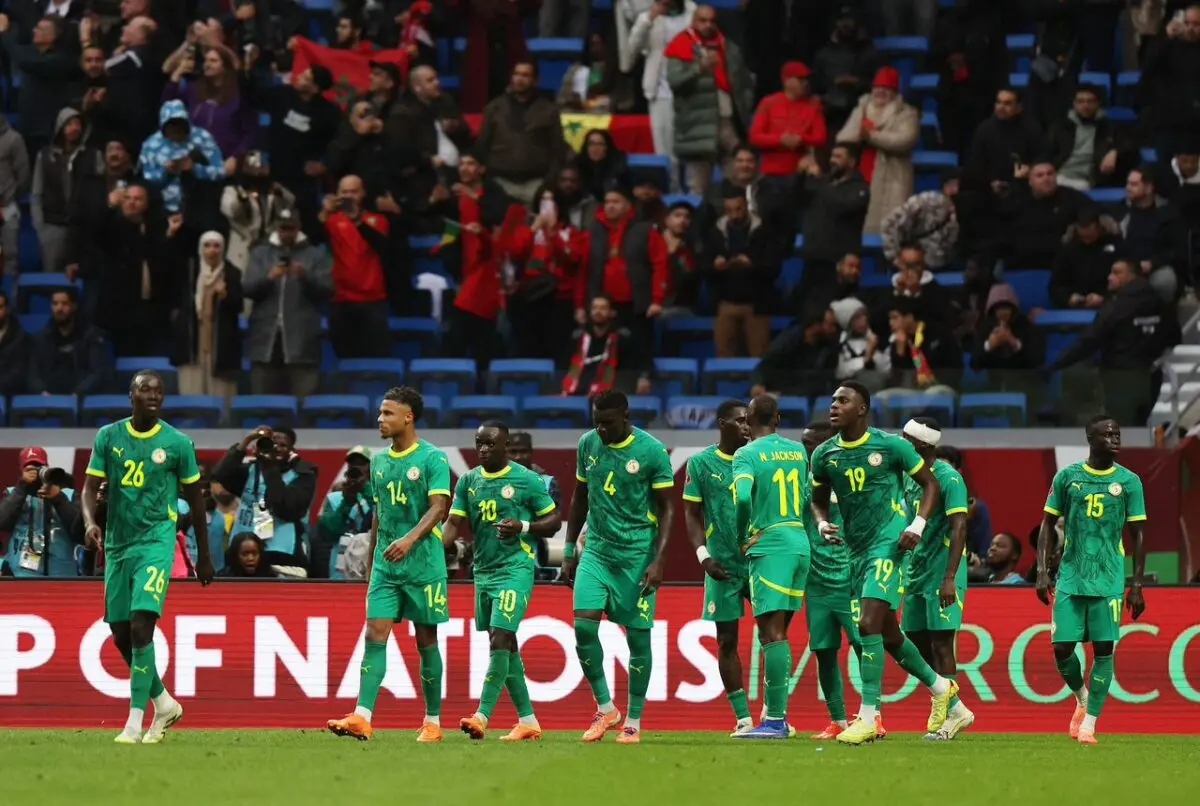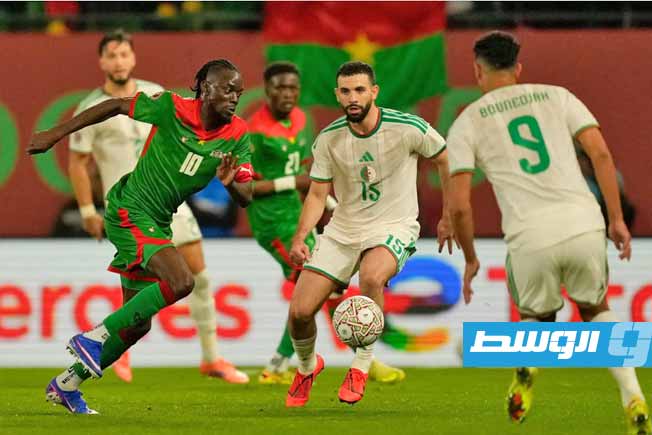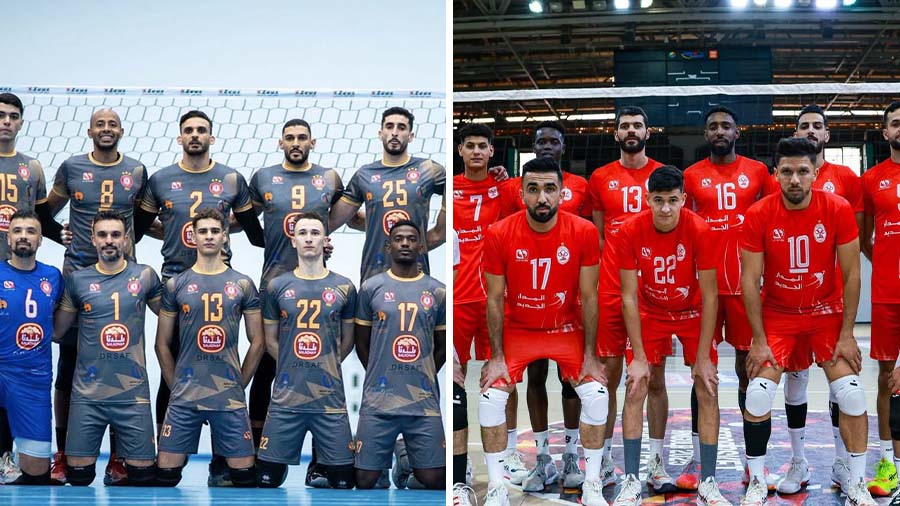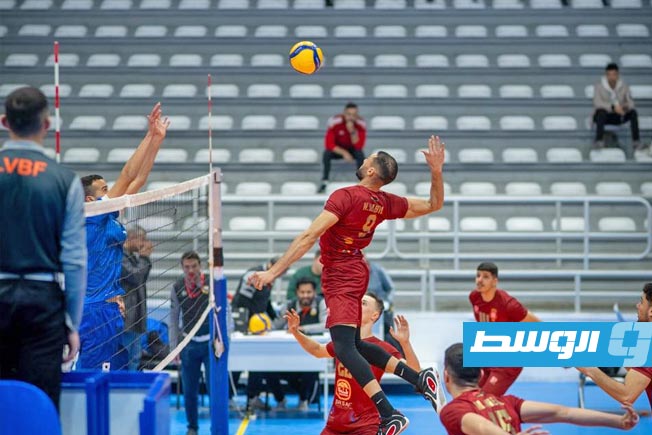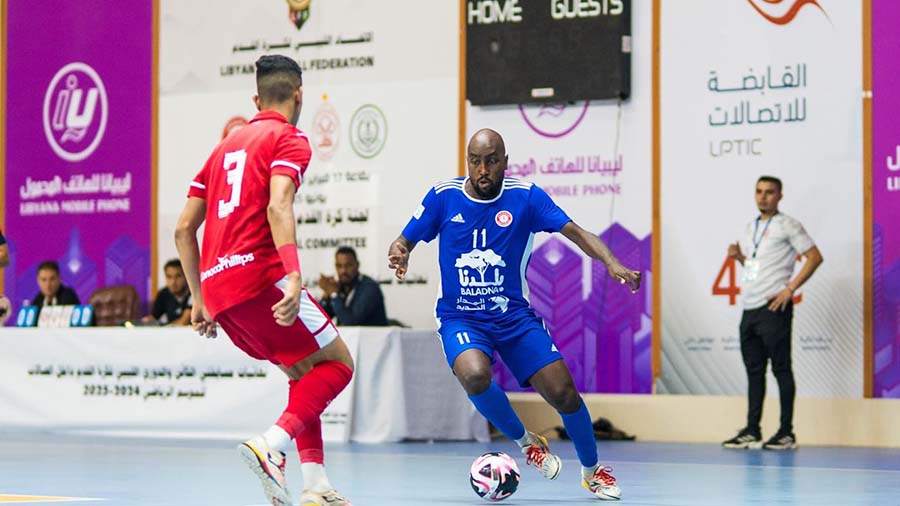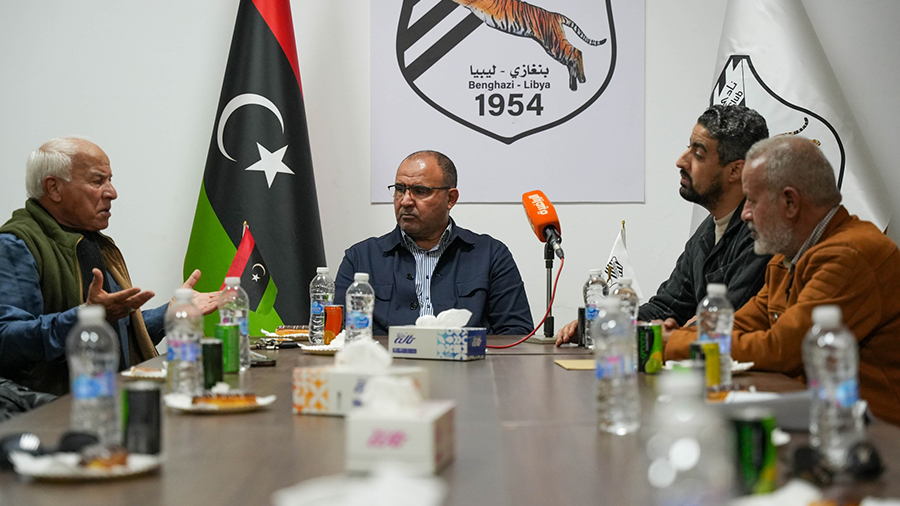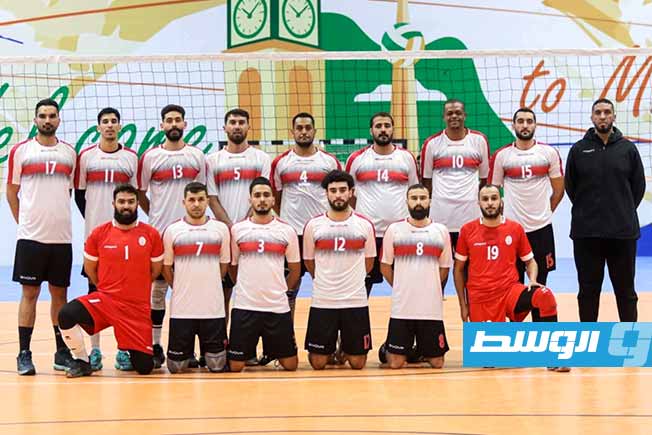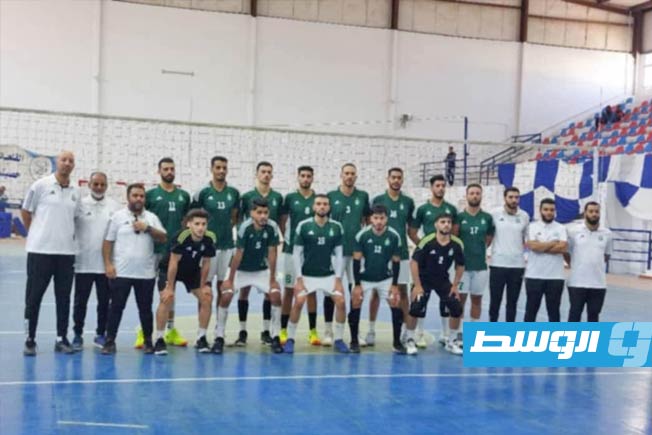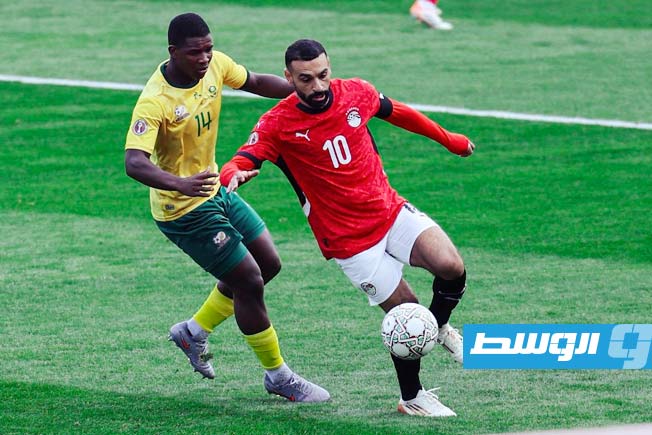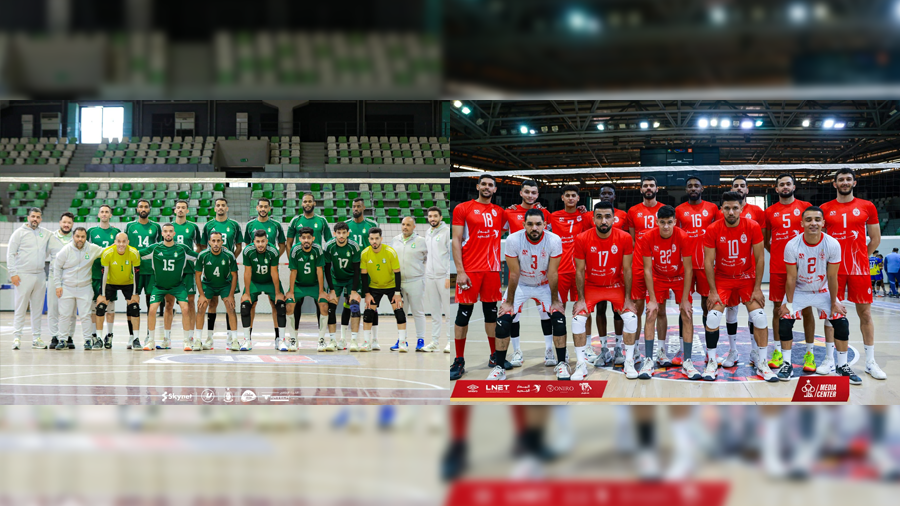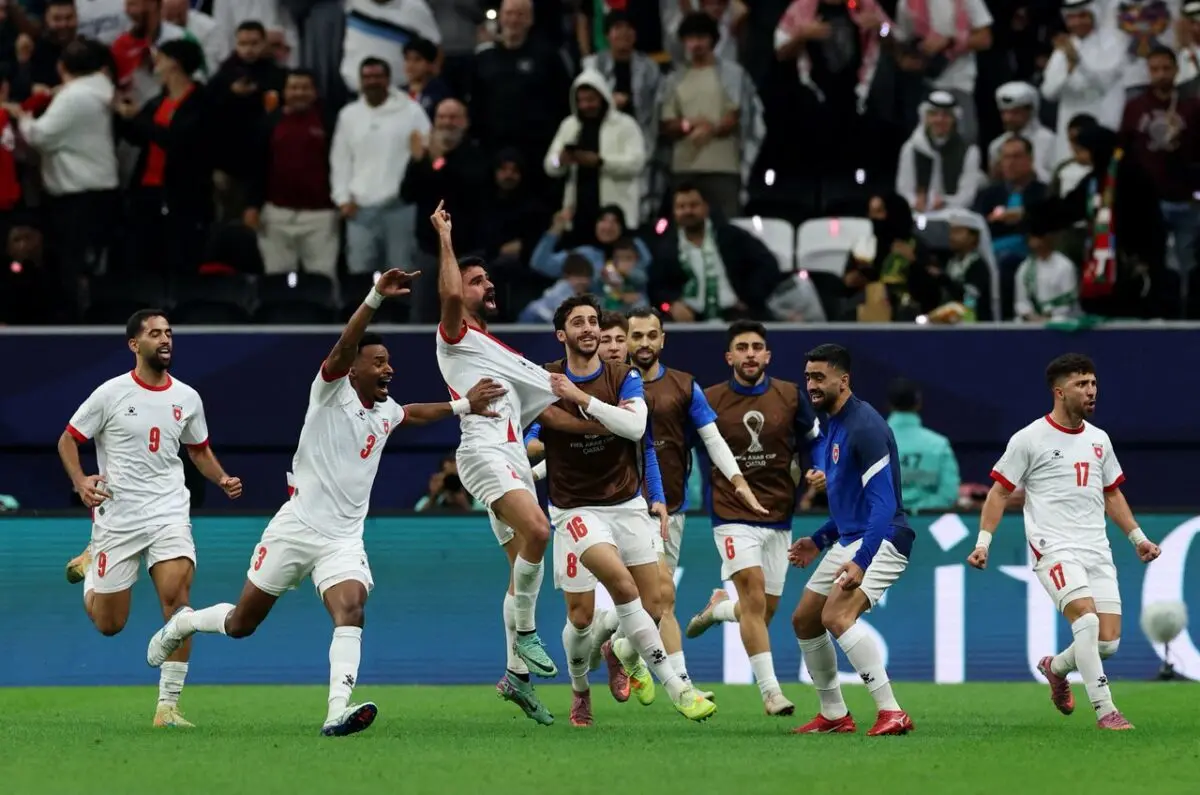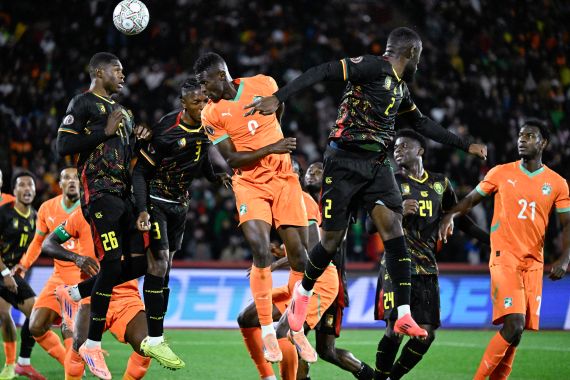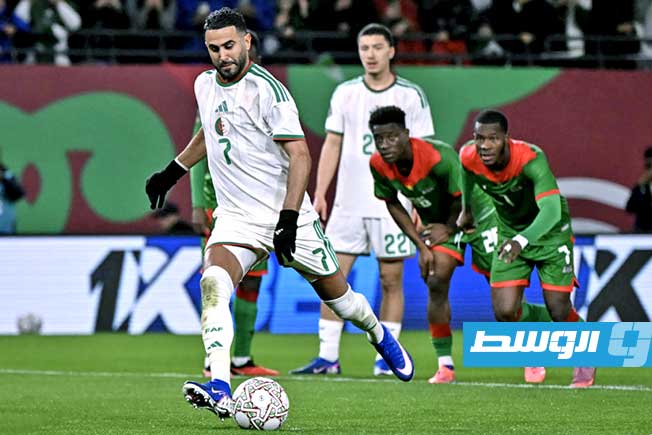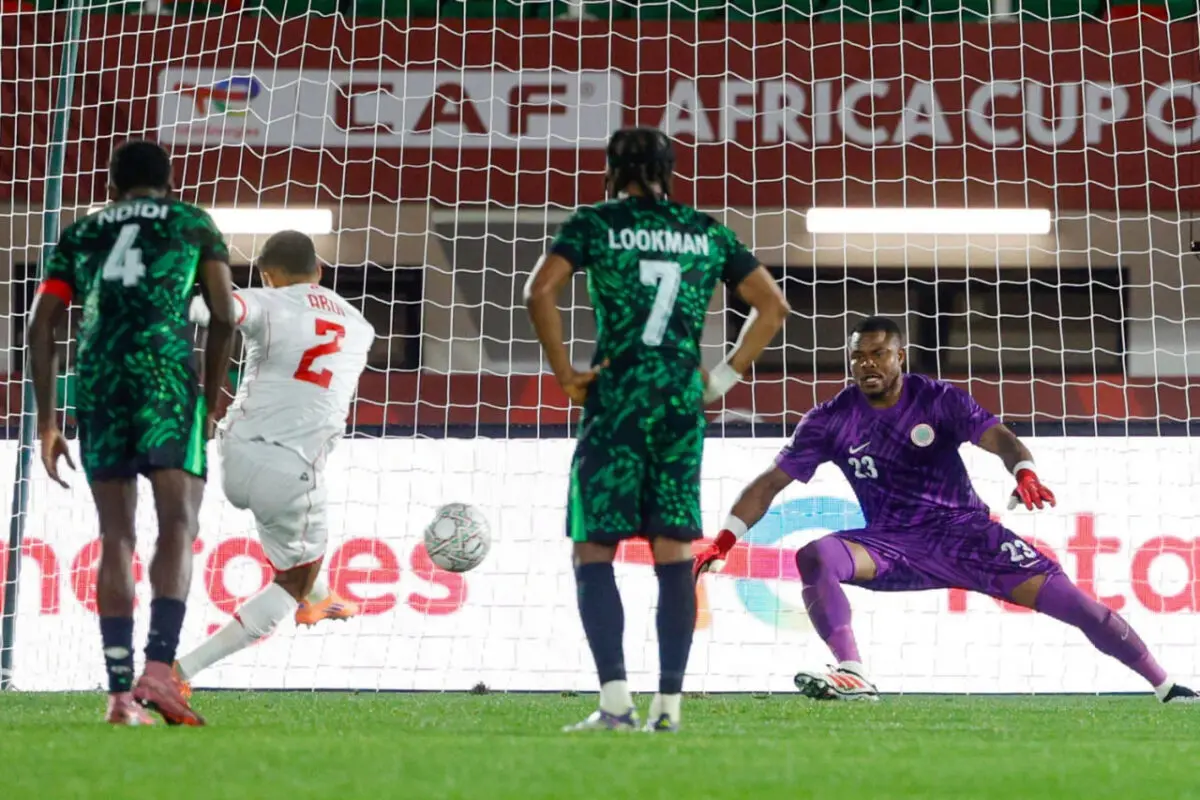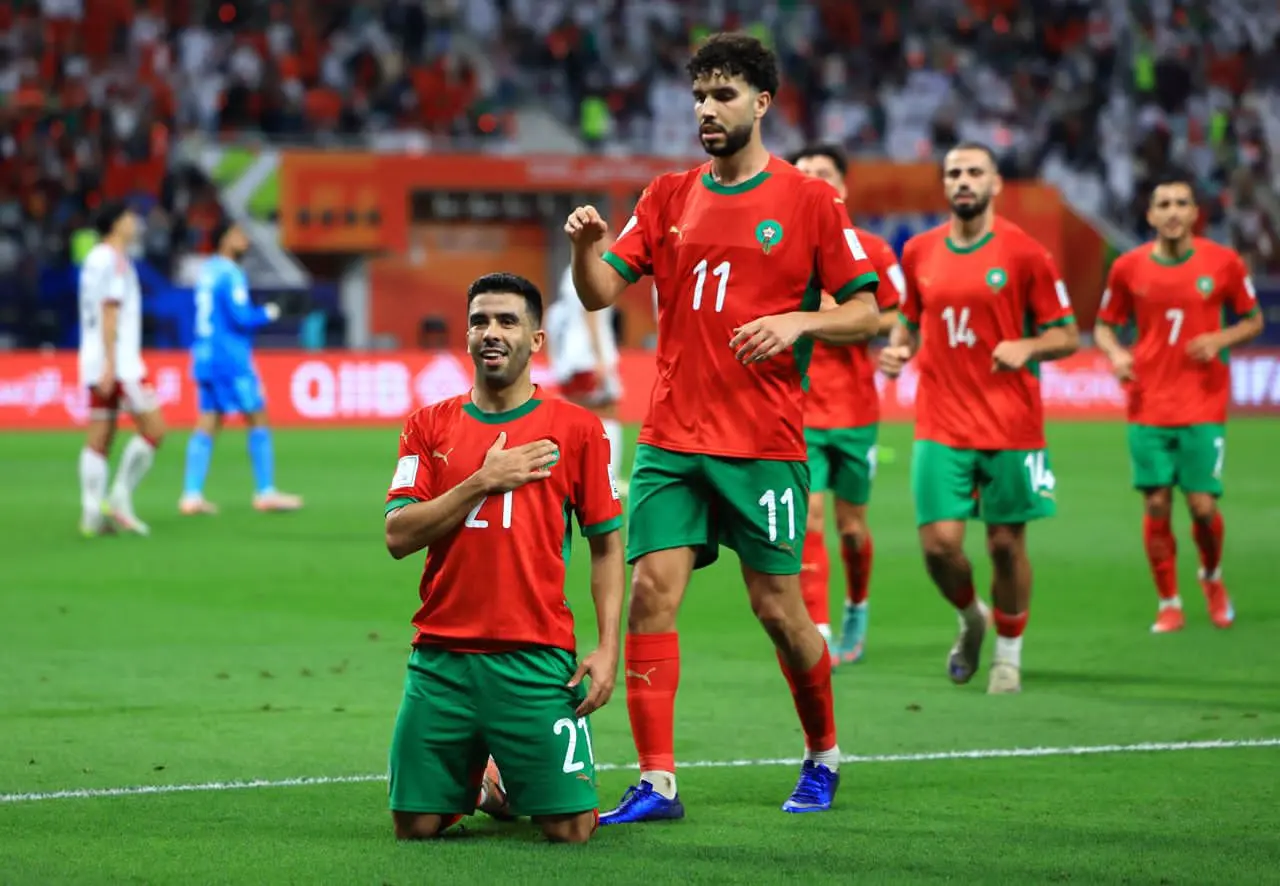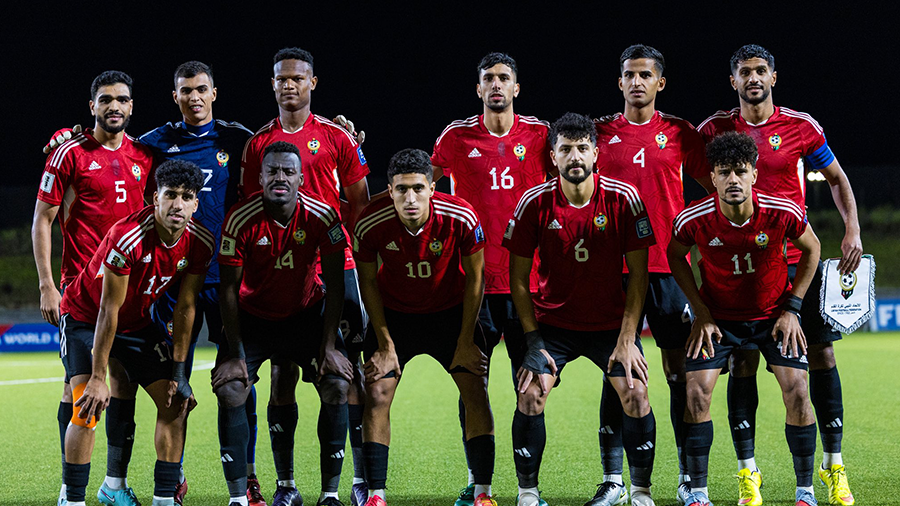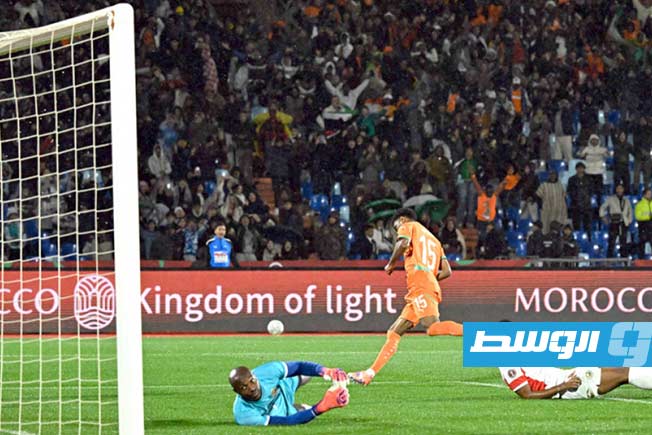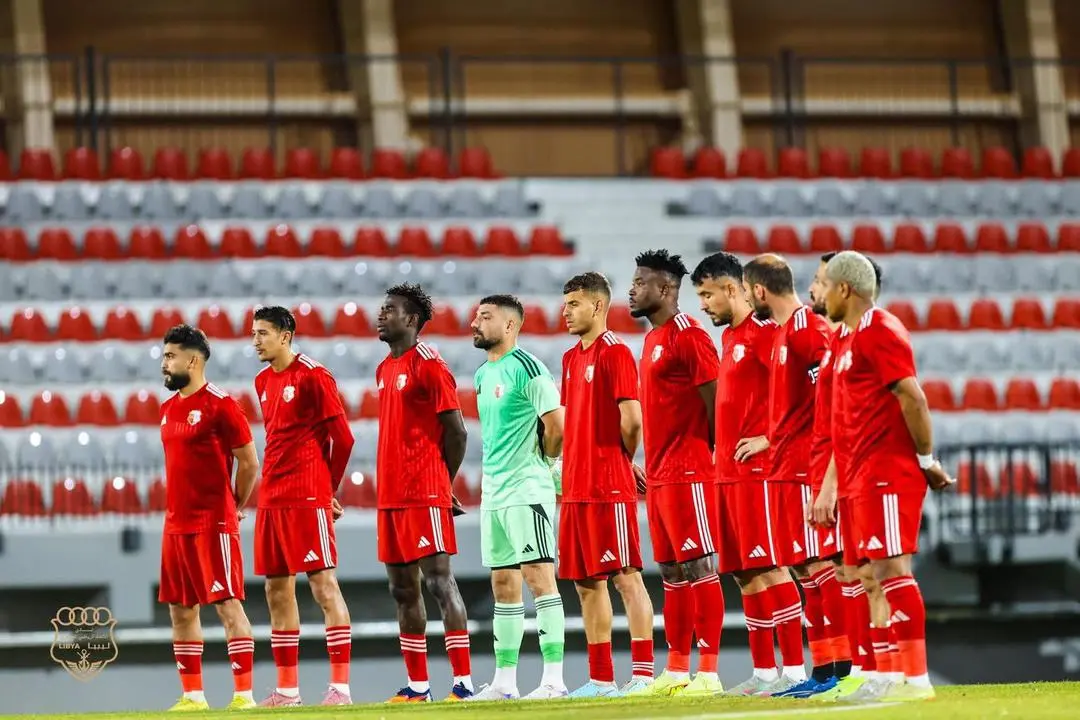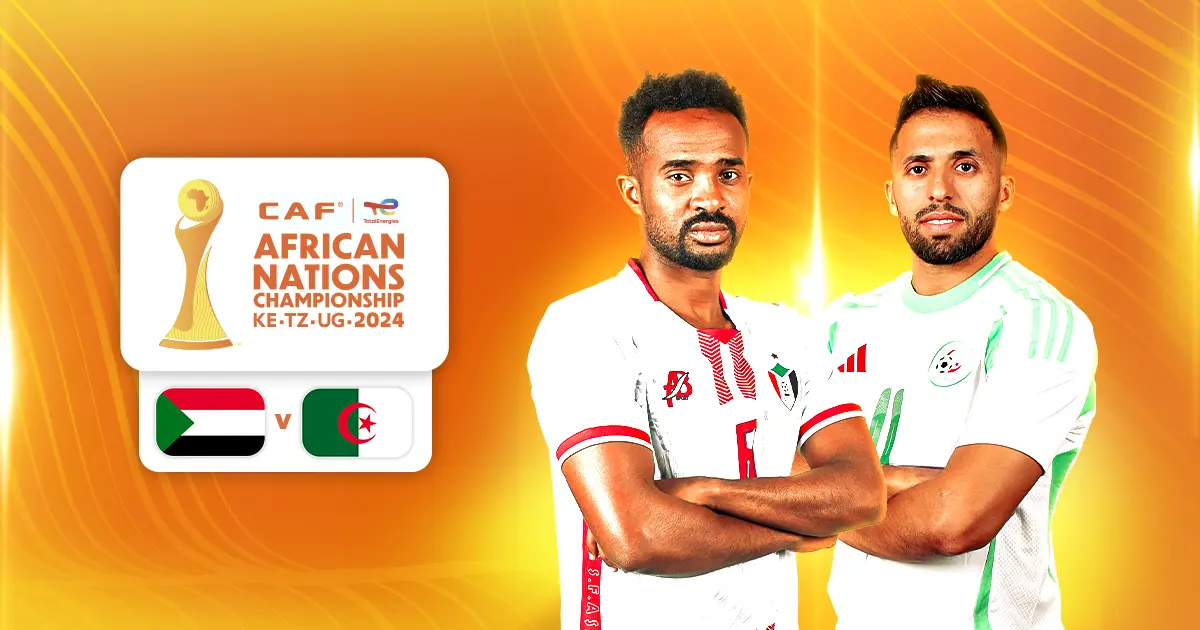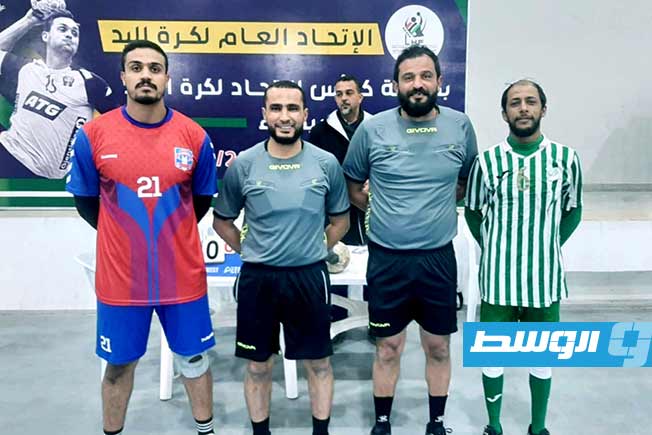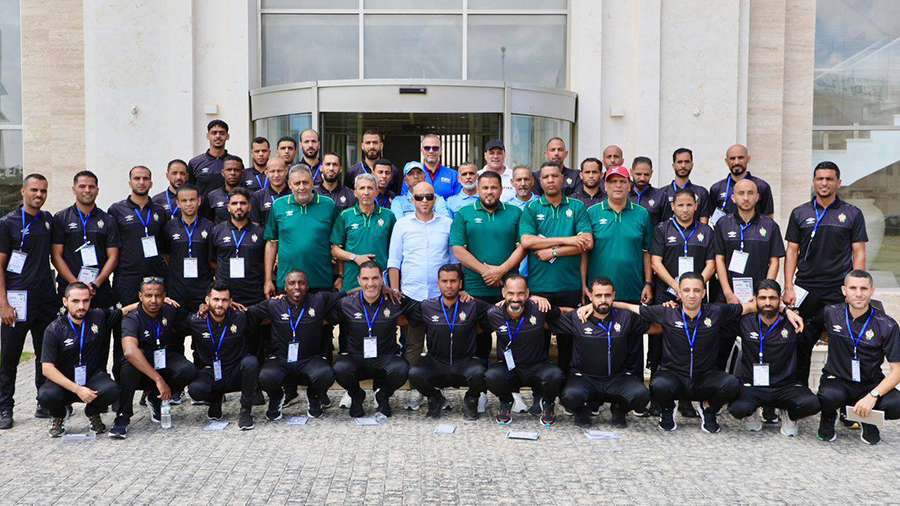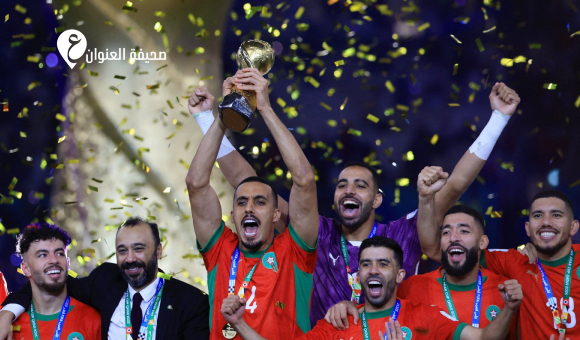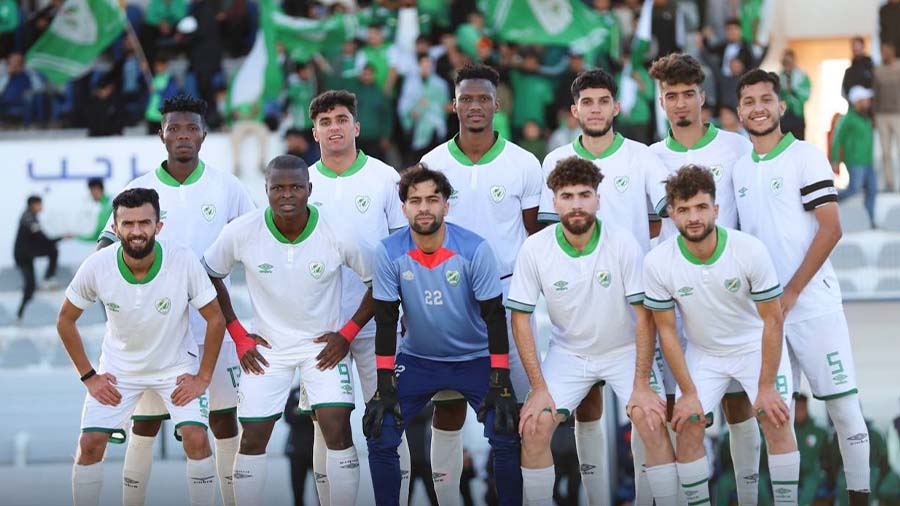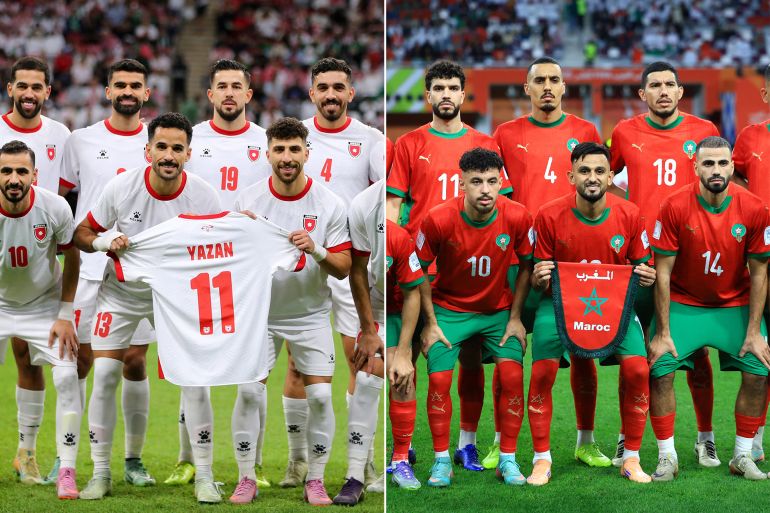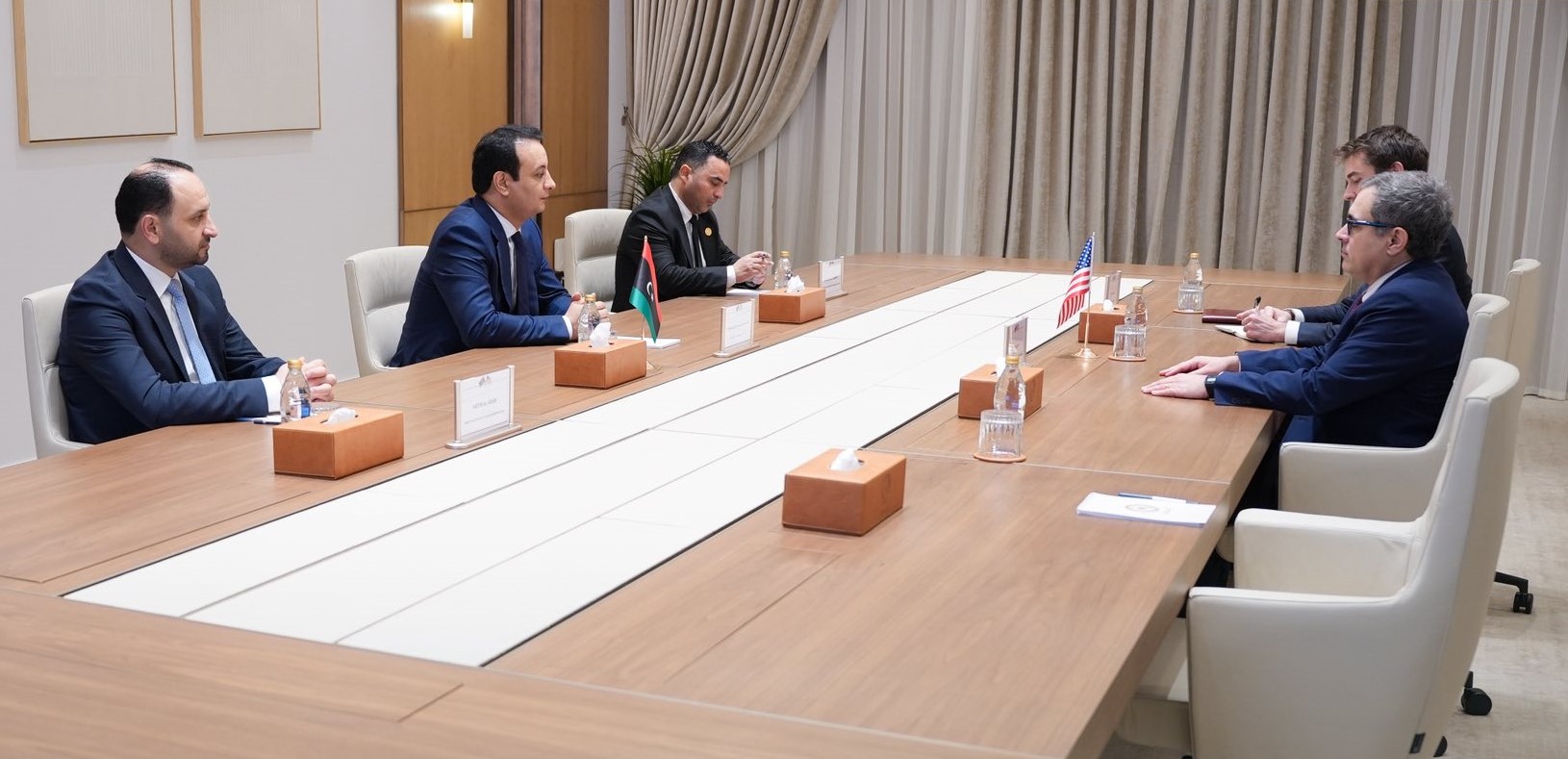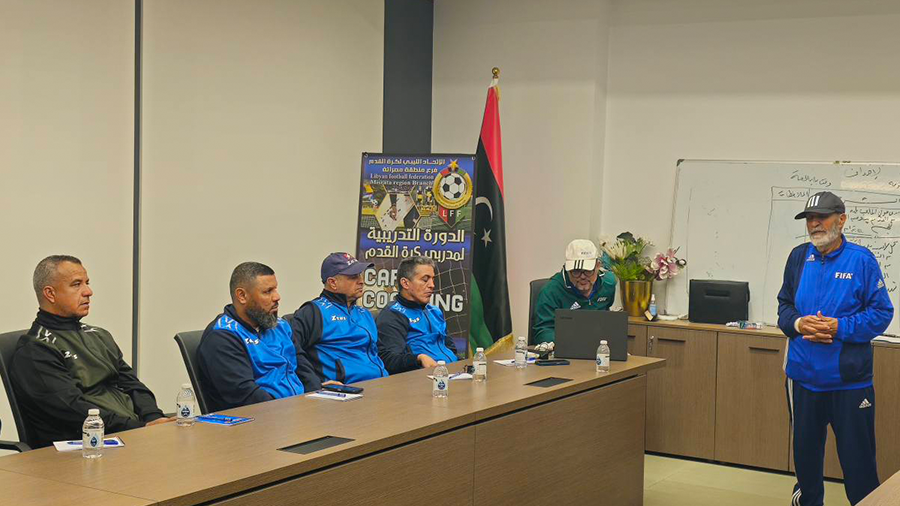
The draw for the qualifying rounds of the Africa Cup of Nations for Futsal, to be held in Morocco this year, has placed our national team against the winner of the Kenya vs. Namibia match in a decisive playoff that will determine who qualifies for the continental finals.
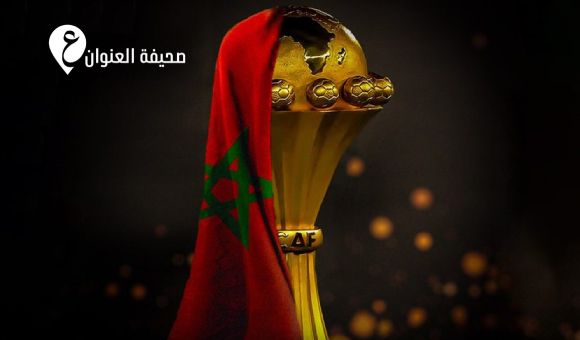
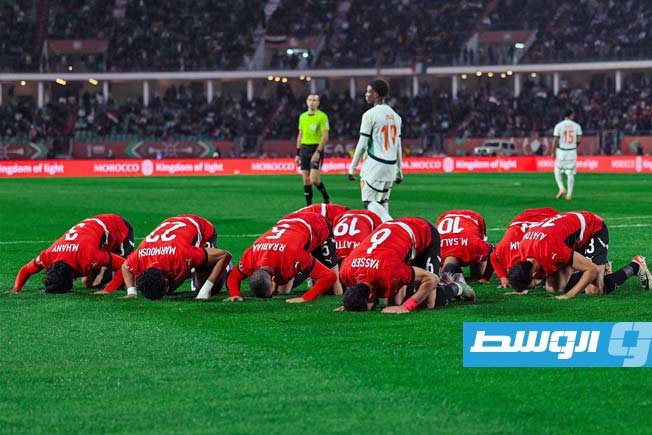
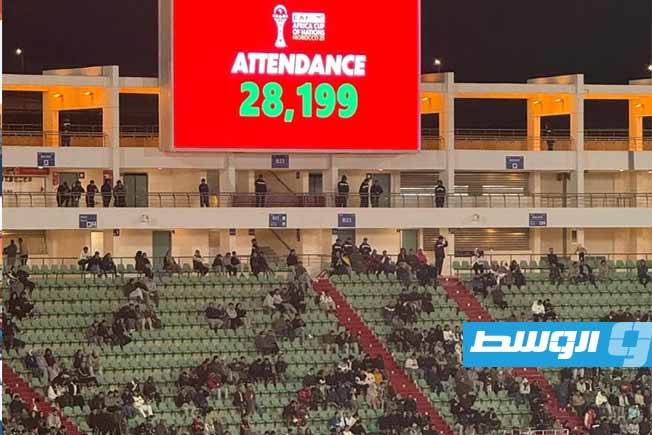
The winner of this encounter will secure direct qualification to the Africa Cup of Nations finals, scheduled to take place in the Kingdom of Morocco next April, in an anticipated edition that will bring together the elite of African national teams.
Libyan fans are eagerly awaiting this decisive match, hoping our team will succeed in passing this test, reaching the finals, and continuing its presence in continental forums.
Africa Cup of Nations
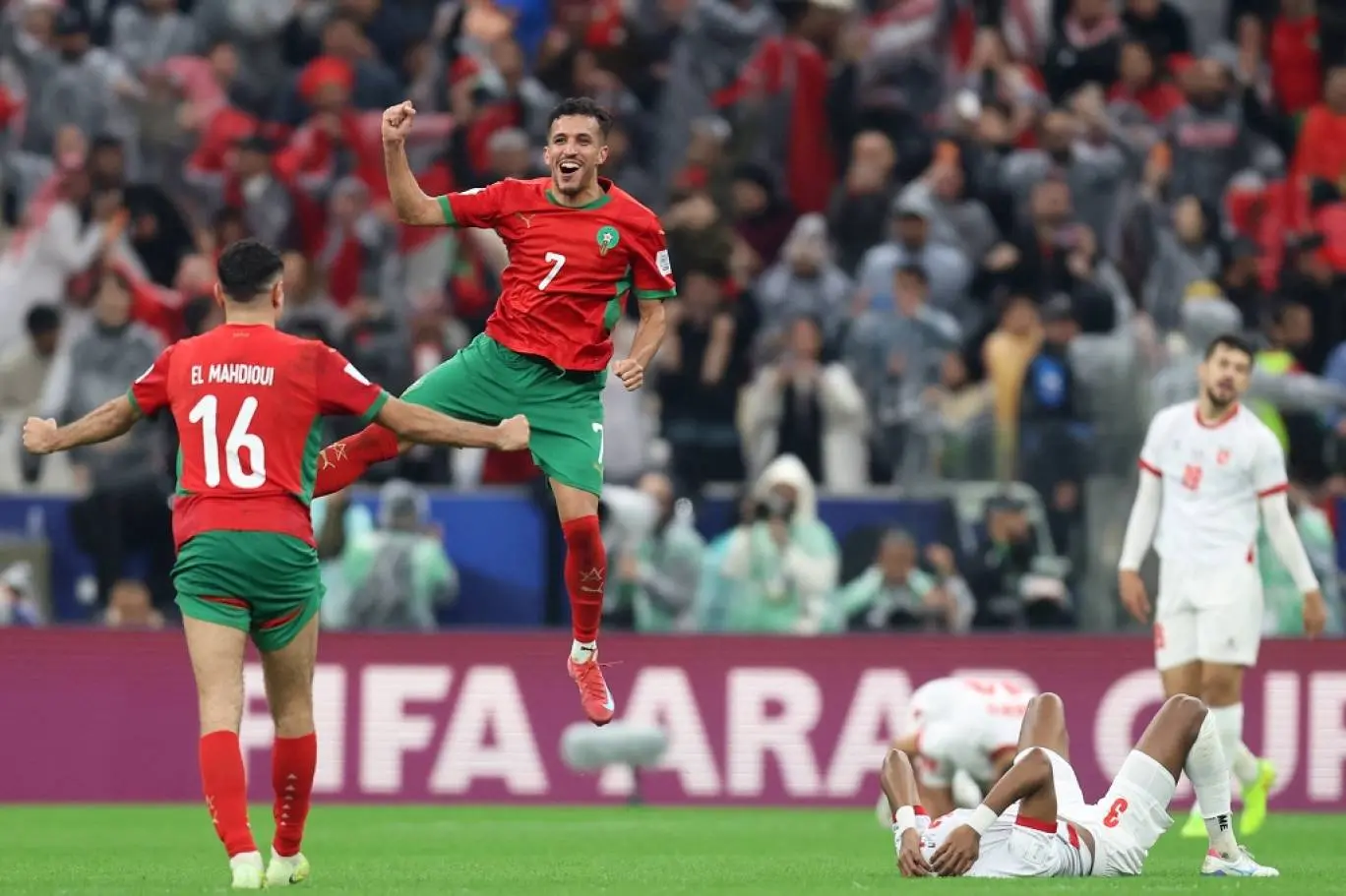
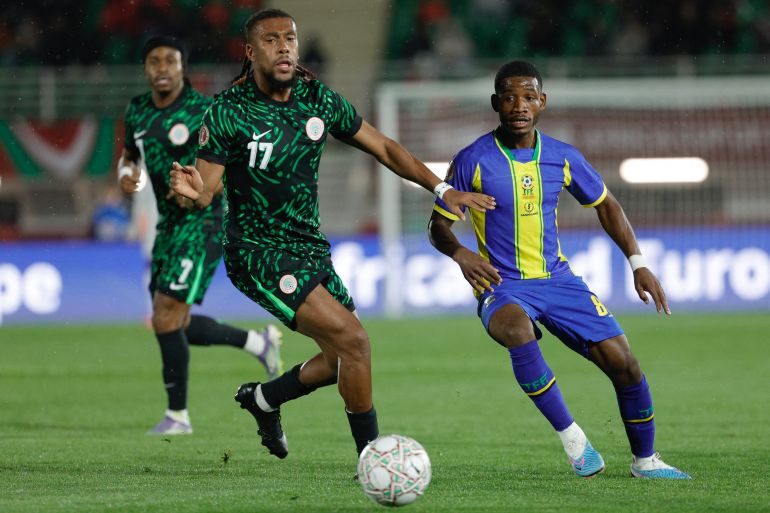
The Africa Cup of Nations (AFCON) is the premier international men’s football competition in Africa, first held in 1957. It was founded to unite African nations through sport and has grown from three initial participants to include 24 national teams competing for the continental title every two years.
Morocco
Morocco is a North African country with a rich history shaped by indigenous Amazigh (Berber) cultures, Arab influence from the 7th century, and successive dynasties like the Almoravids and Almohads. Its cultural sites include imperial cities such as Fez, home to the ancient University of Al Quaraouiyine, and Marrakech with its bustling Jemaa el-Fnaa square. The country’s diverse heritage is also reflected in its architecture, from Roman ruins at Volubilis to intricate Islamic mosaics and historic kasbahs.
Kenya
Kenya is a country in East Africa renowned for its diverse landscapes, wildlife, and the Great Rift Valley. Historically, it was a hub for trade and later a British colony before gaining independence in 1963, with its rich cultural heritage stemming from numerous ethnic groups like the Maasai and Kikuyu.
Namibia
Namibia is a country in southwestern Africa known for its vast Namib Desert, Atlantic coastline, and diverse wildlife. It gained independence from South African rule in 1990, following a long colonial history under Germany and later a League of Nations mandate administered by South Africa. The country’s cultural heritage includes ancient San rock art and a blend of indigenous and colonial influences.
Kingdom of Morocco
The Kingdom of Morocco is a North African nation with a rich history shaped by indigenous Amazigh (Berber) cultures, successive Arab dynasties, and influences from European colonial powers. Its historical significance is embodied in imperial cities like Fez and Marrakech, which were major centers of Islamic learning and trade for centuries. Today, it is known for its diverse cultural heritage, blending Arab, Amazigh, and European elements.