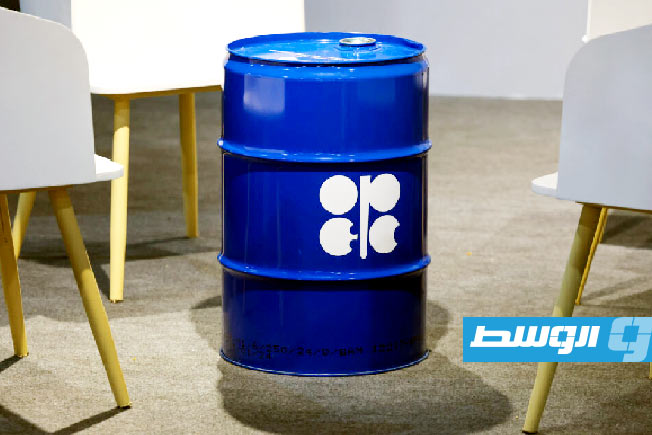
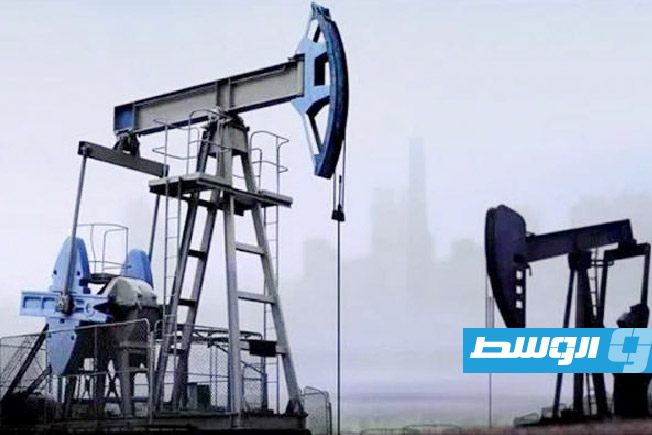
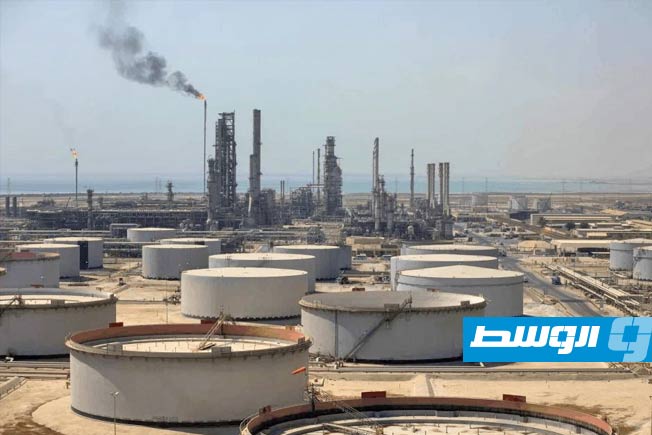
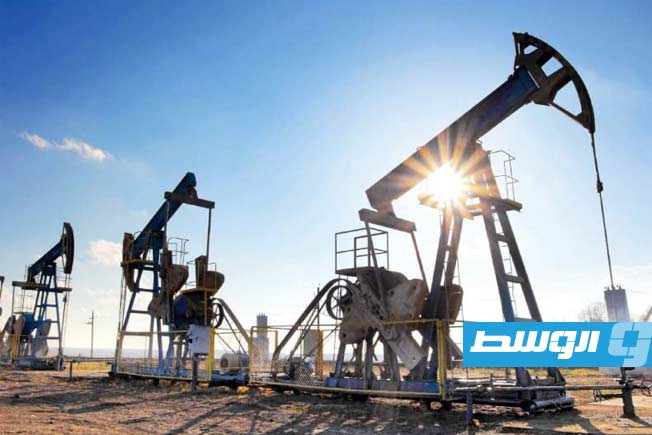
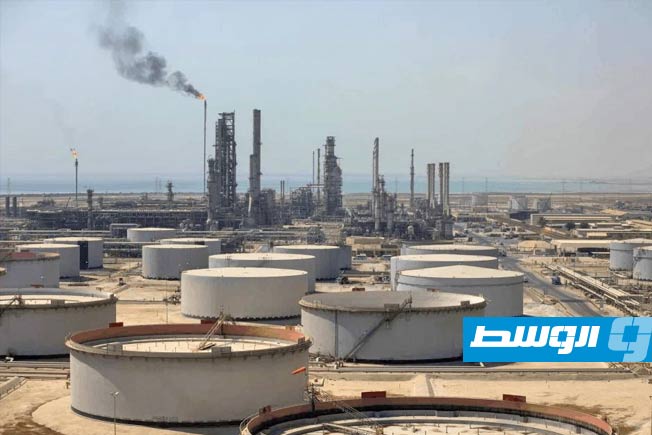
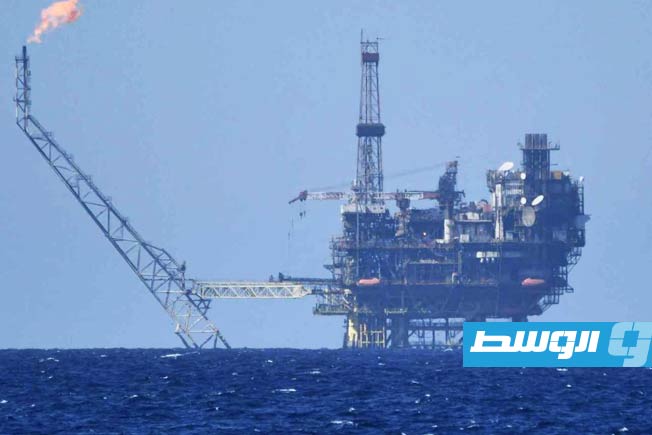
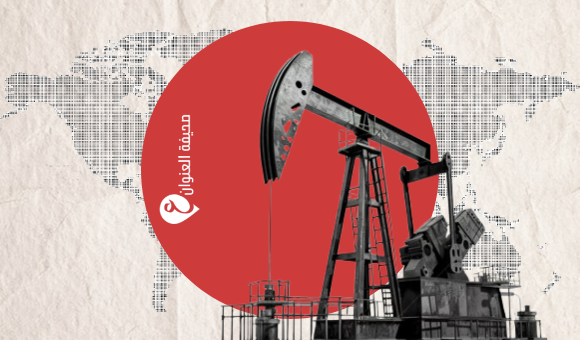
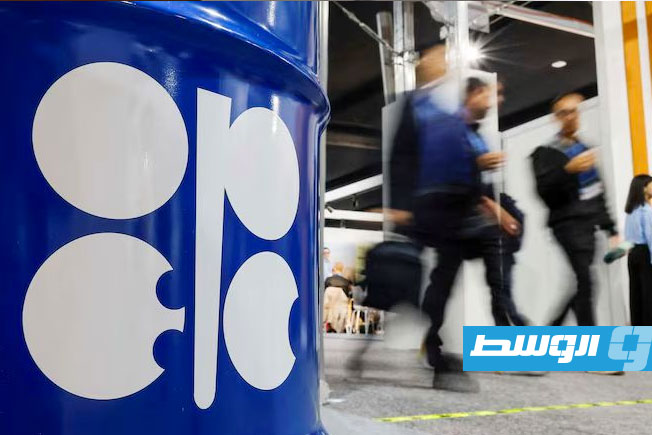
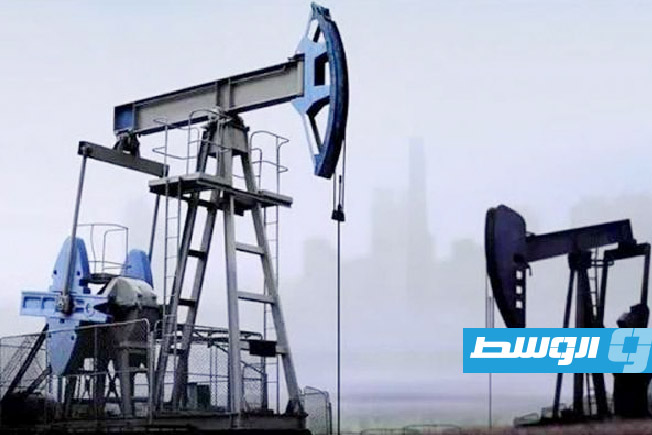
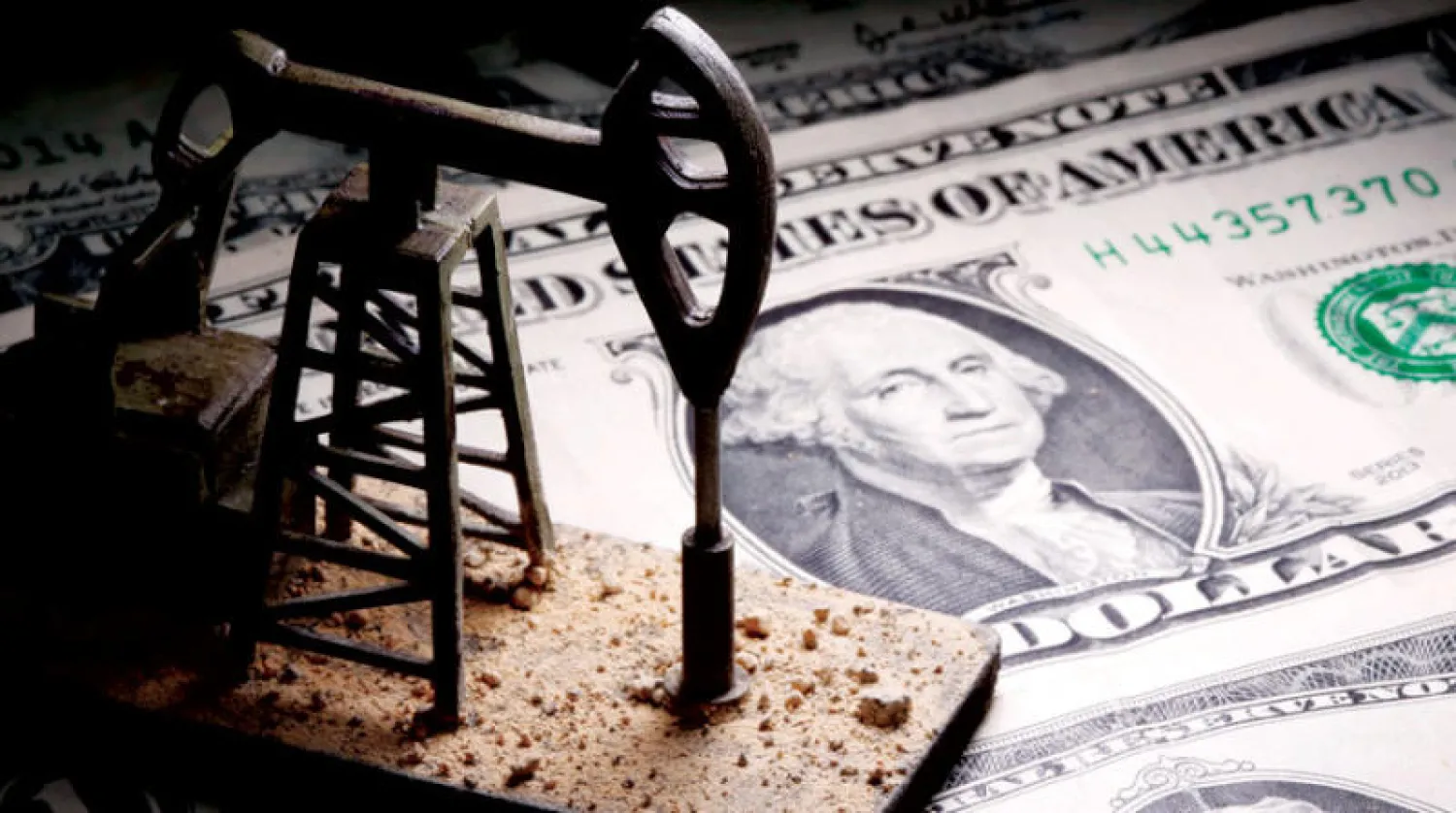
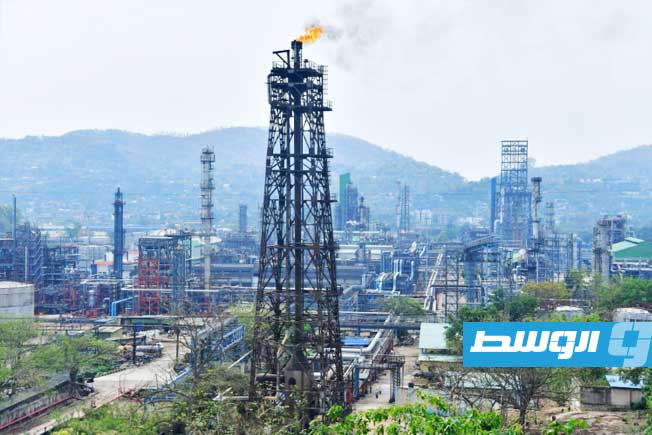
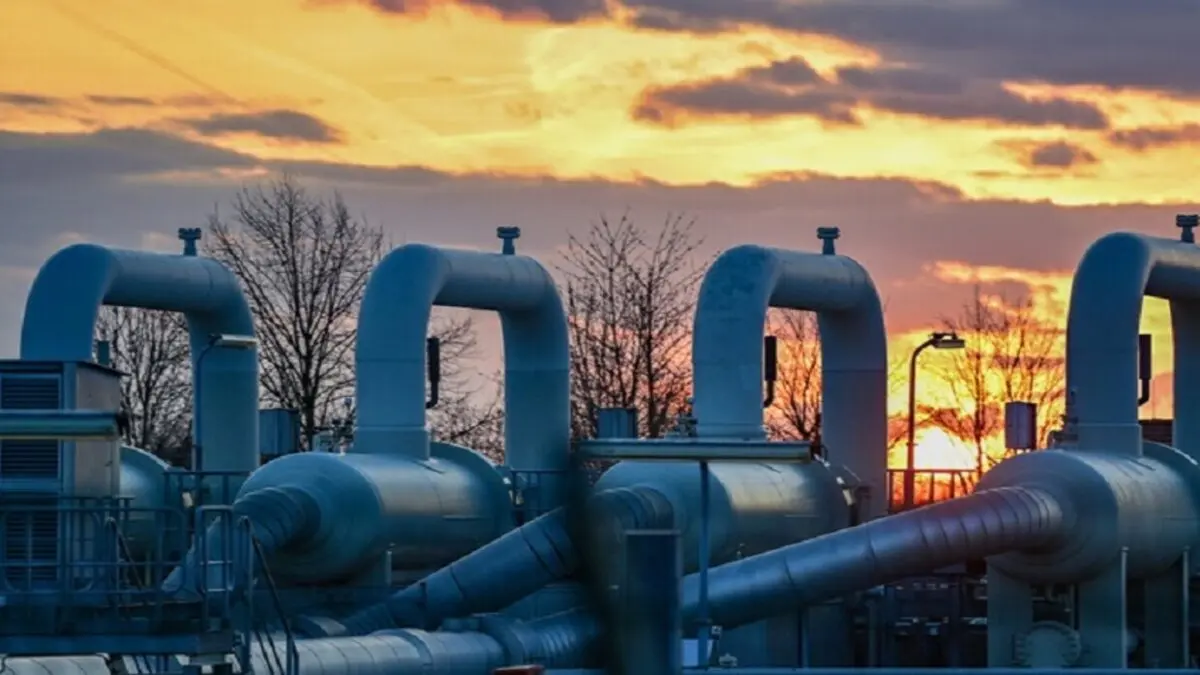
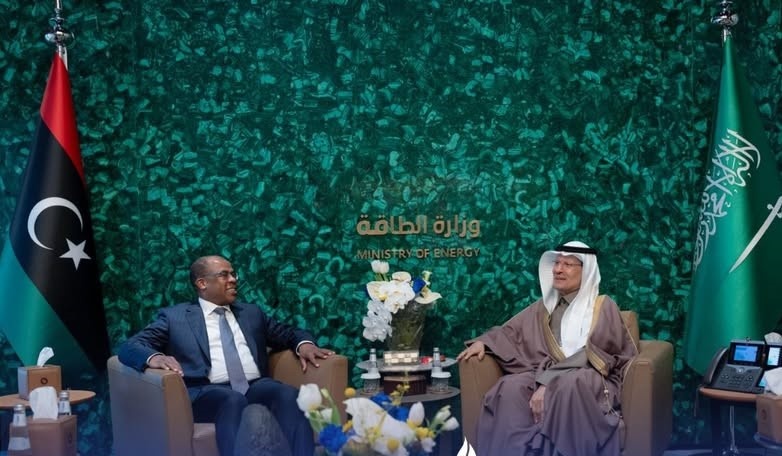
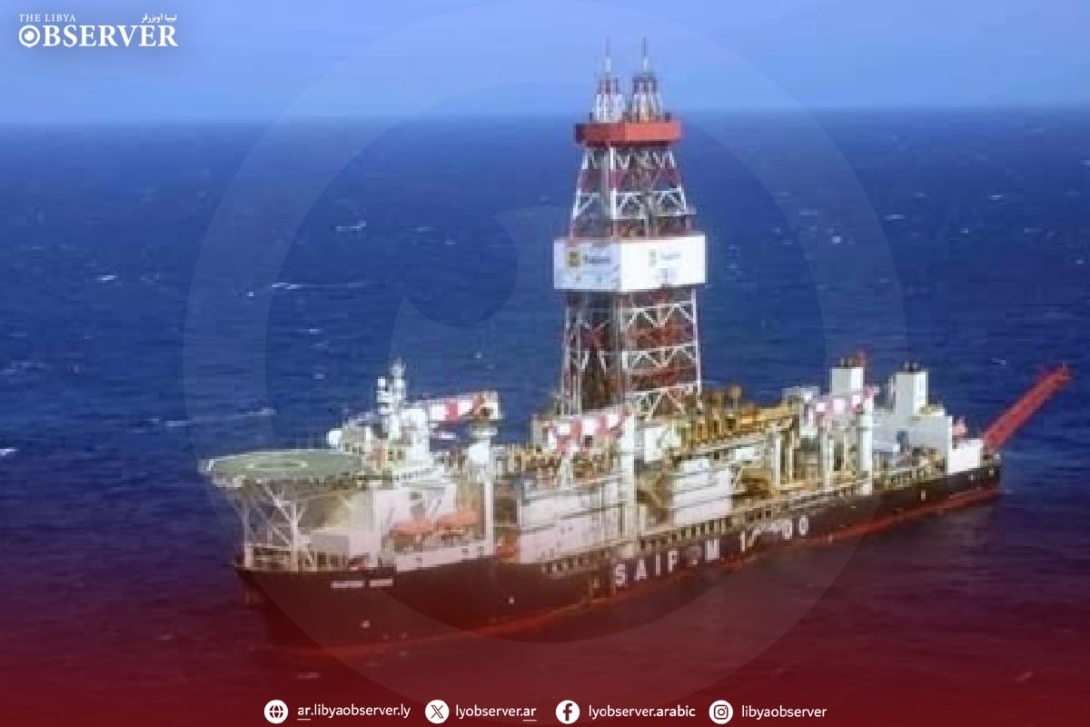
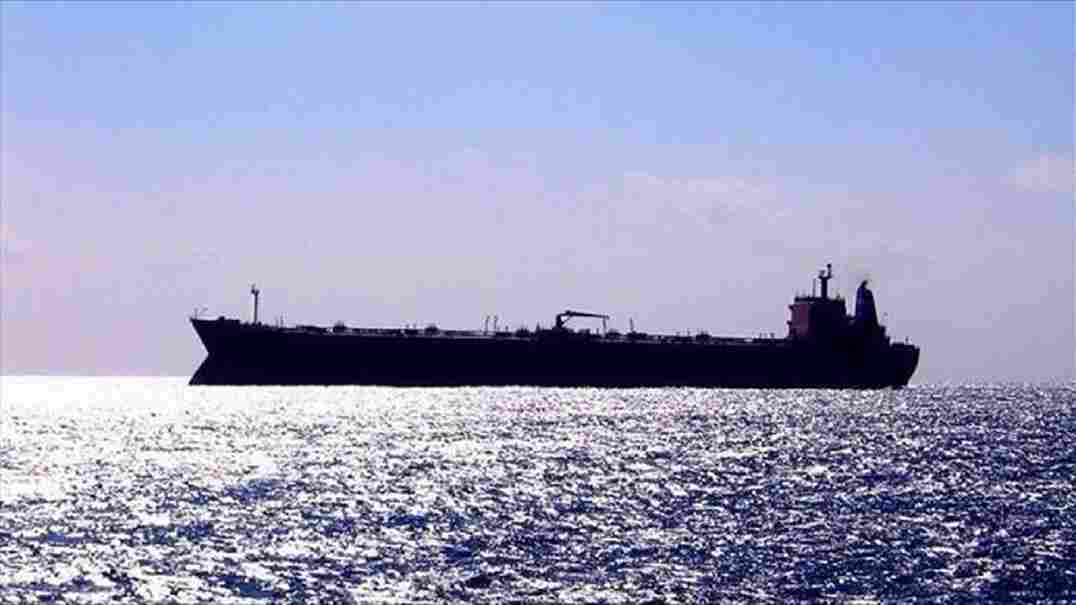
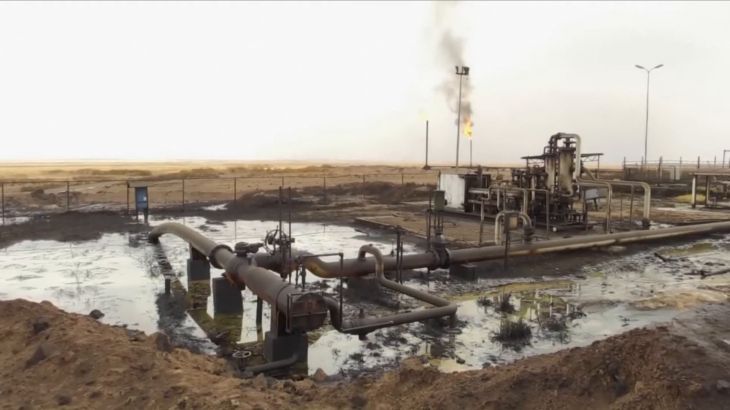
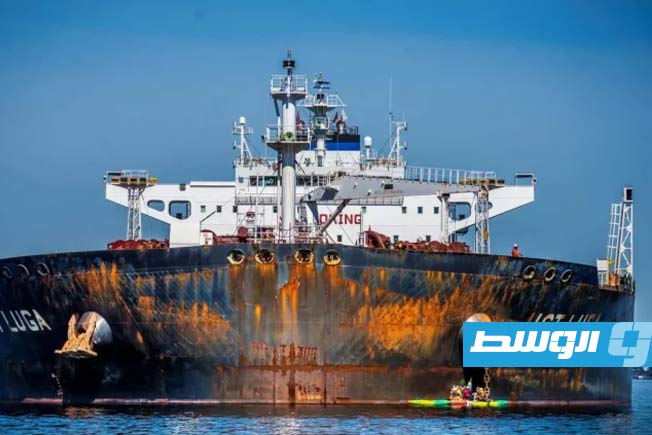
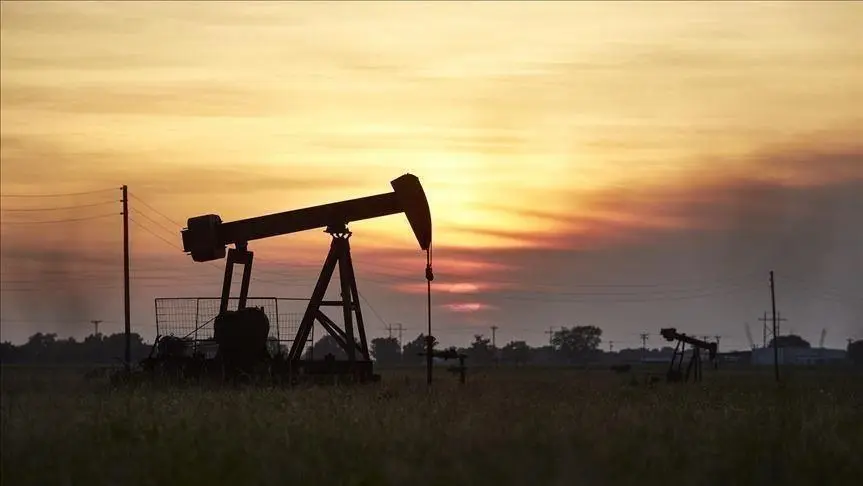
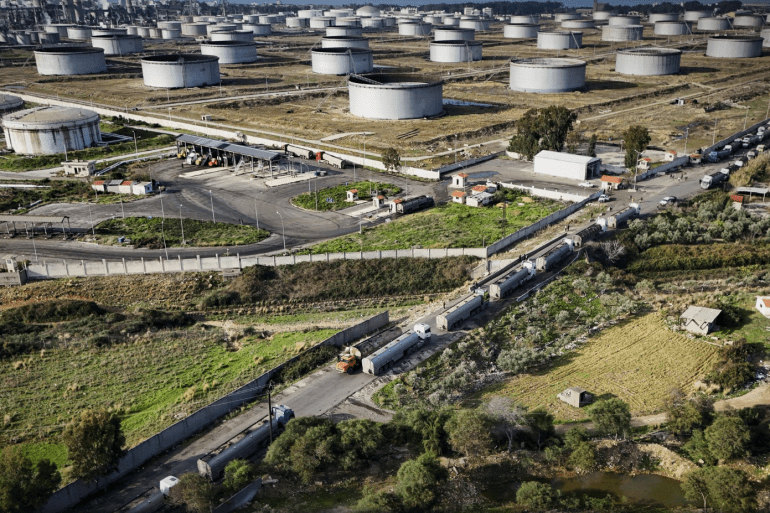
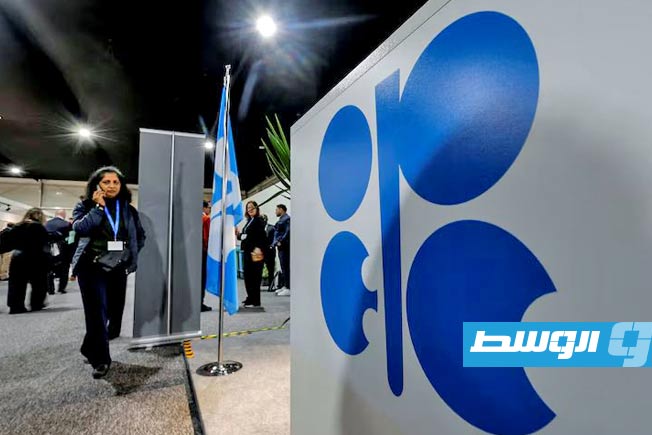
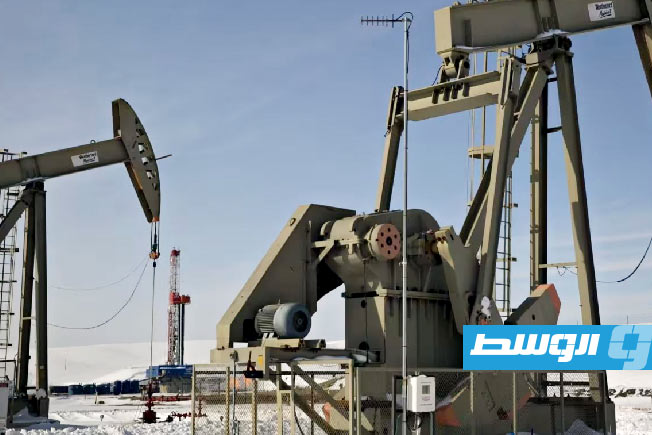
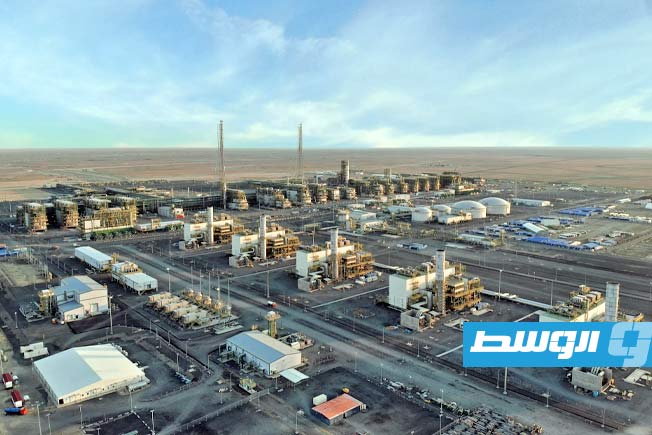
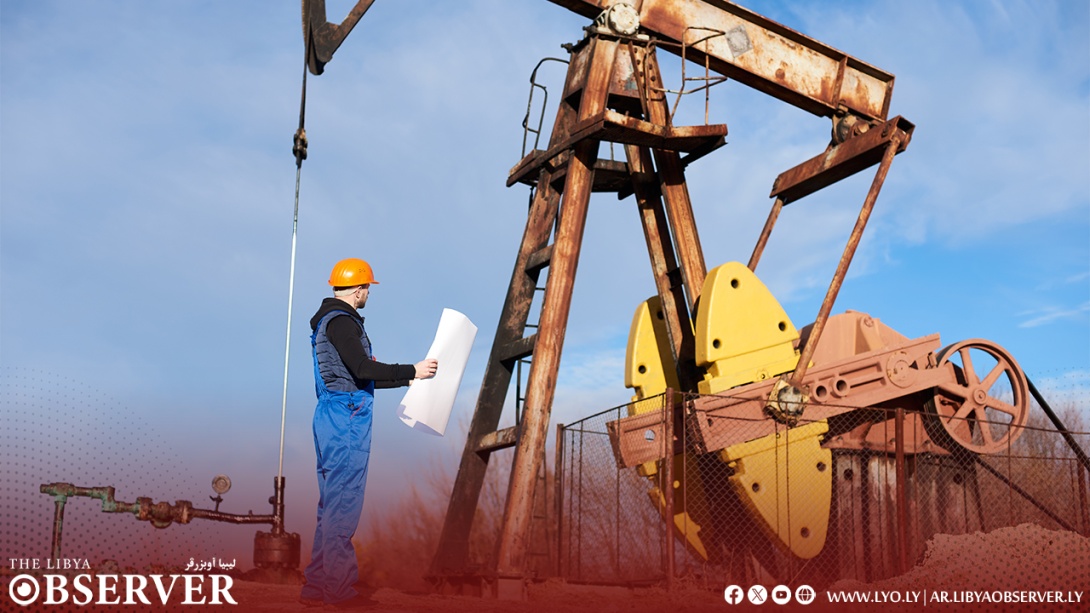
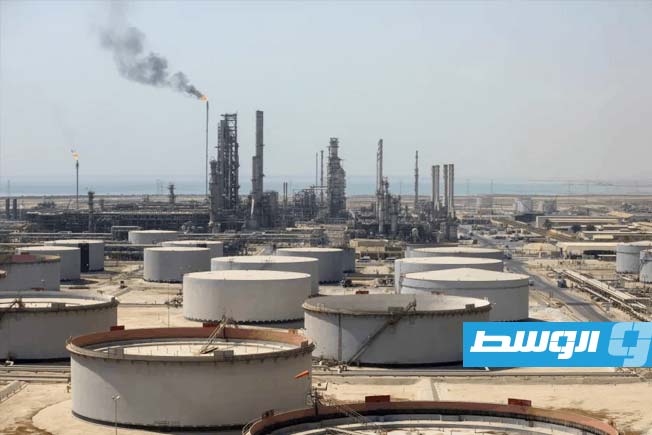
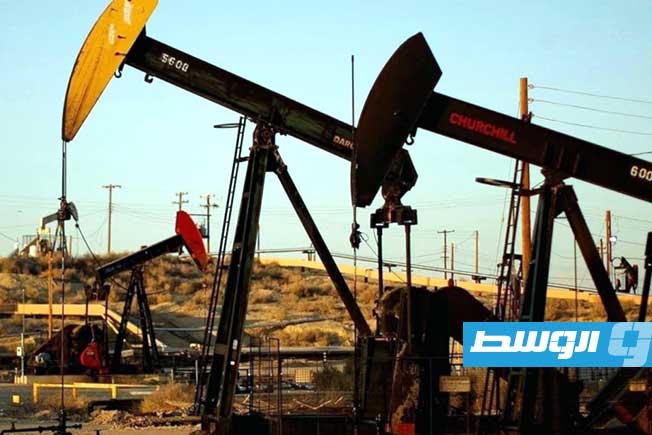
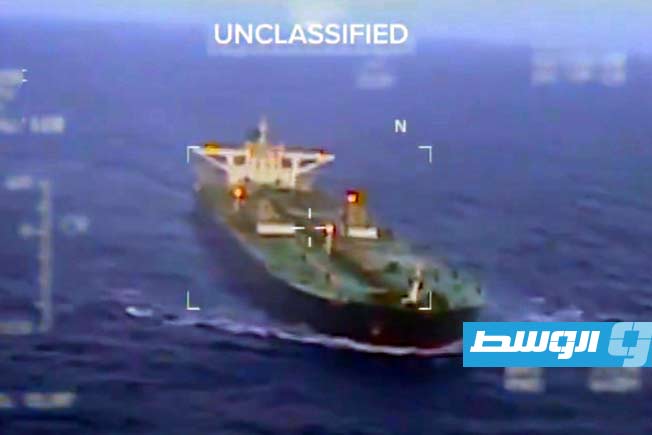
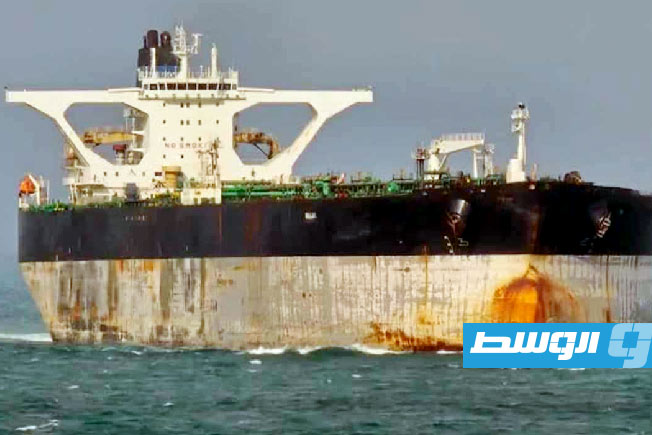
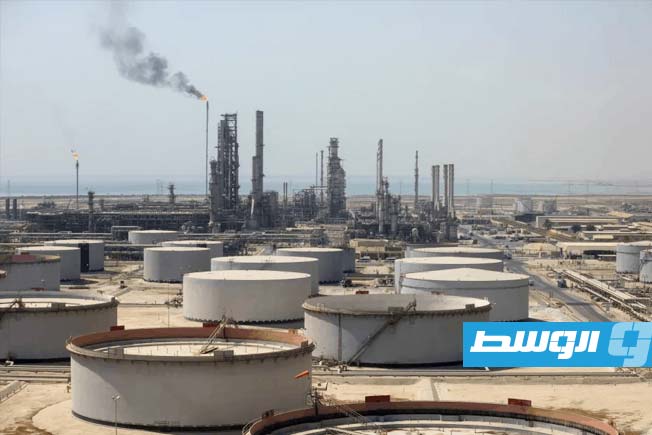
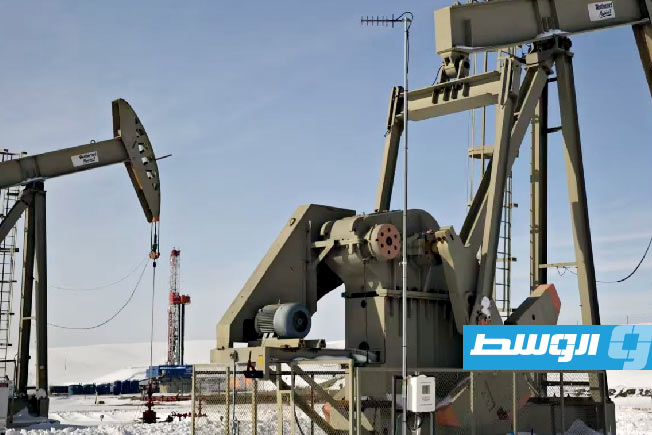
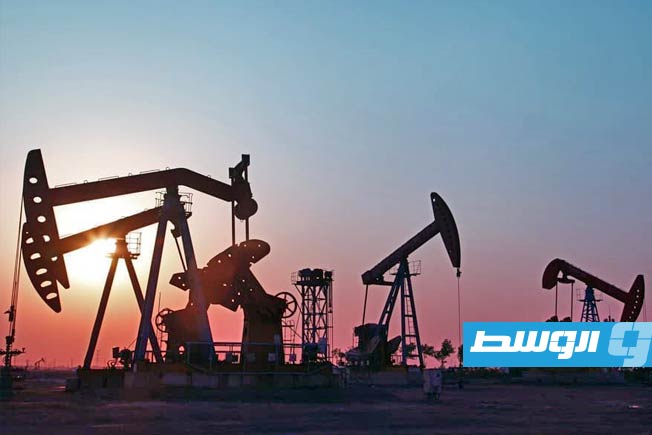
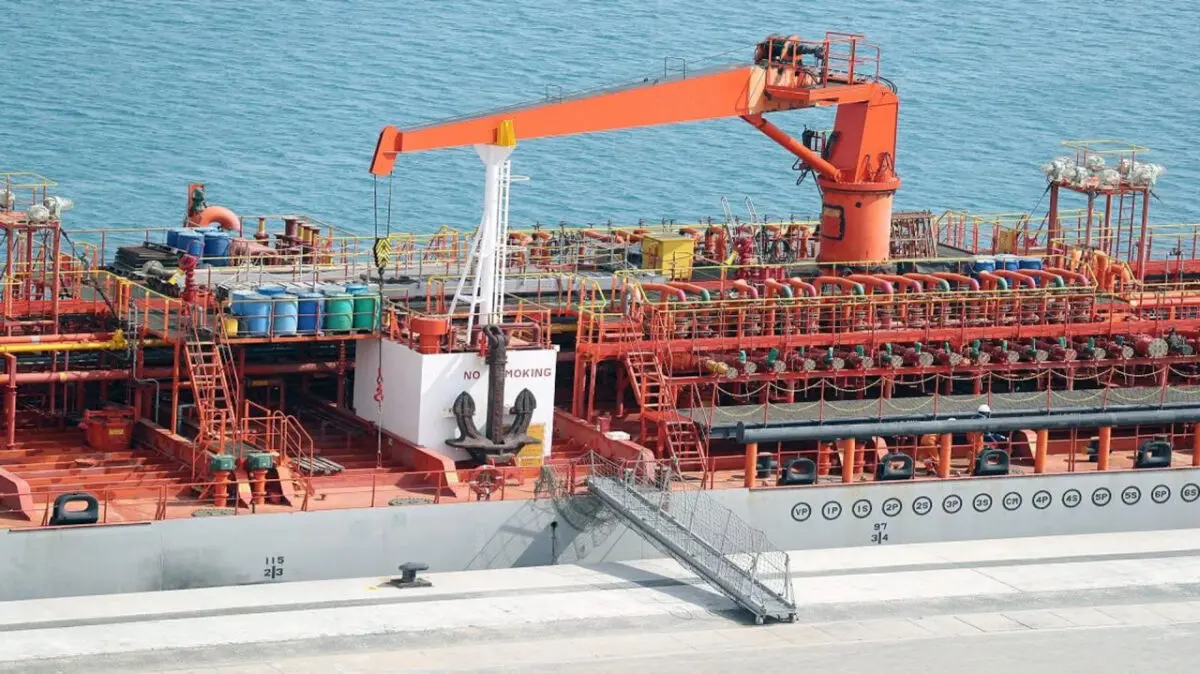
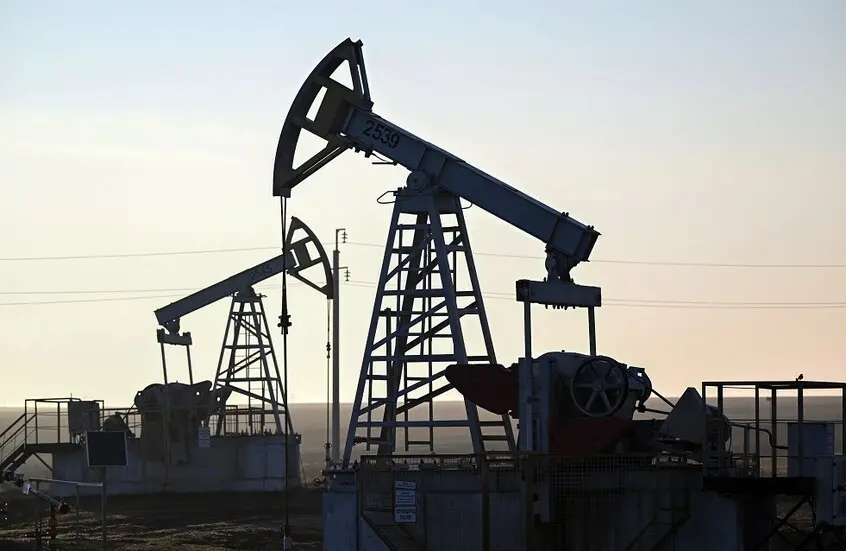
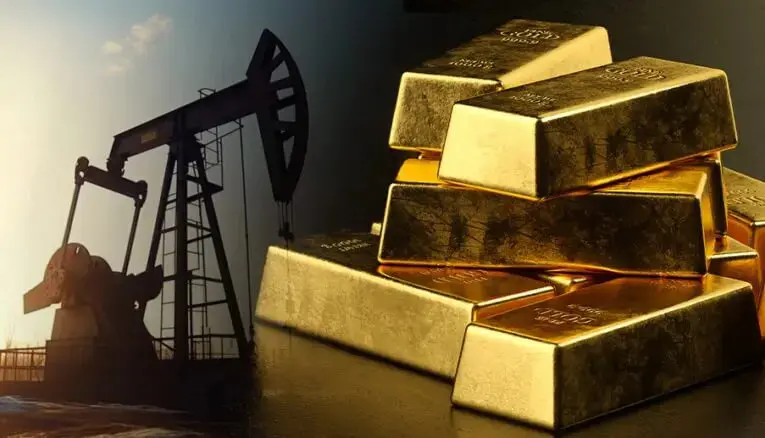
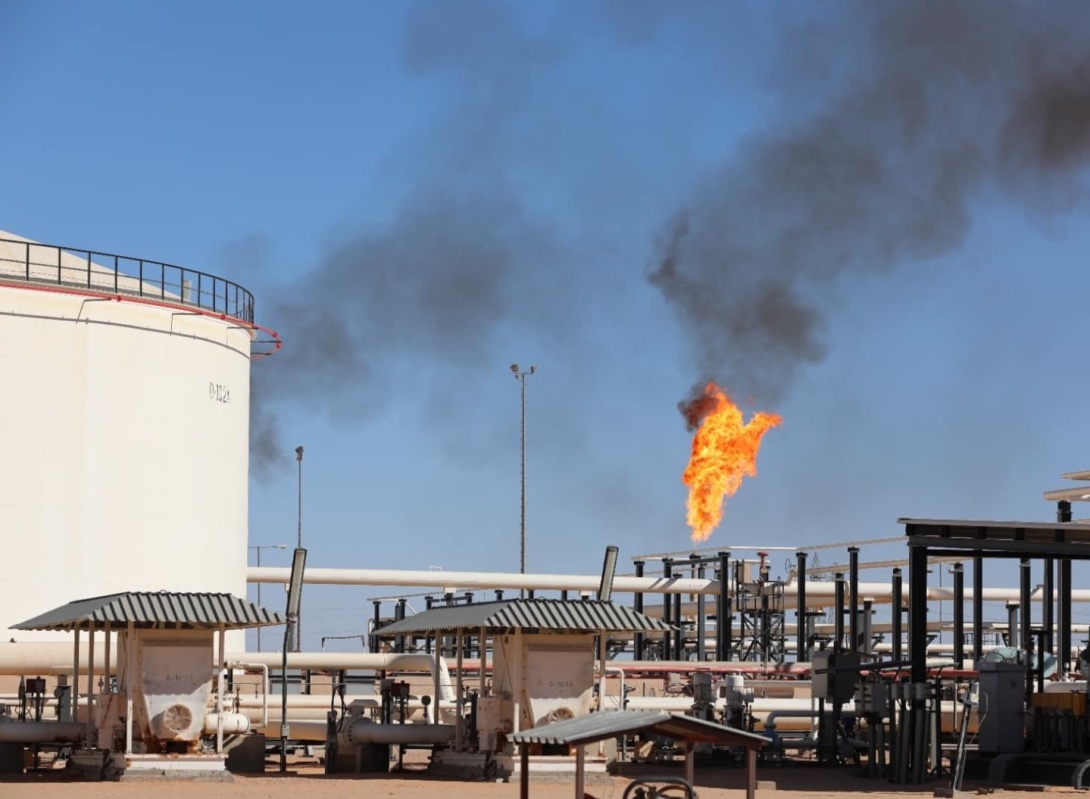
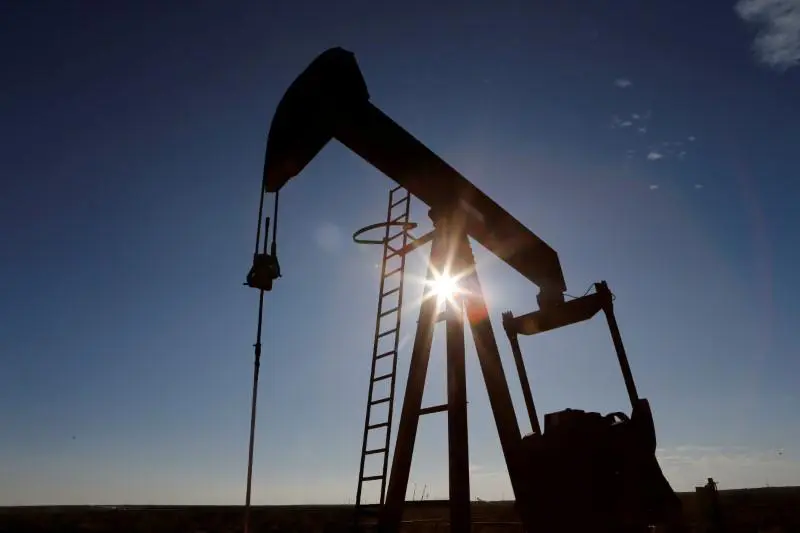
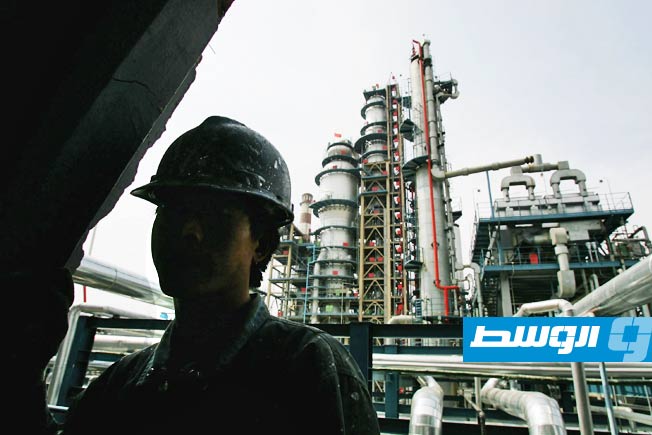
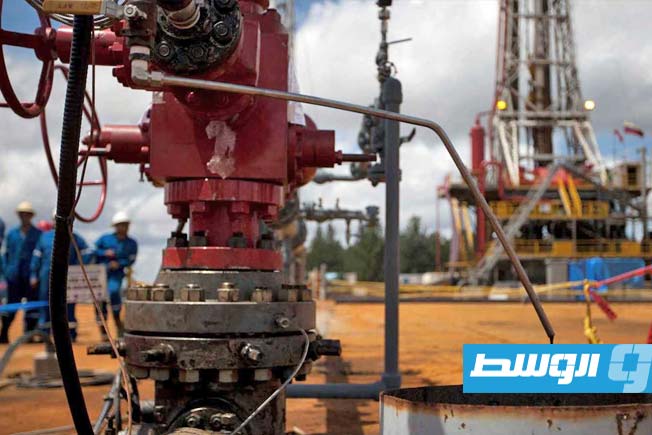
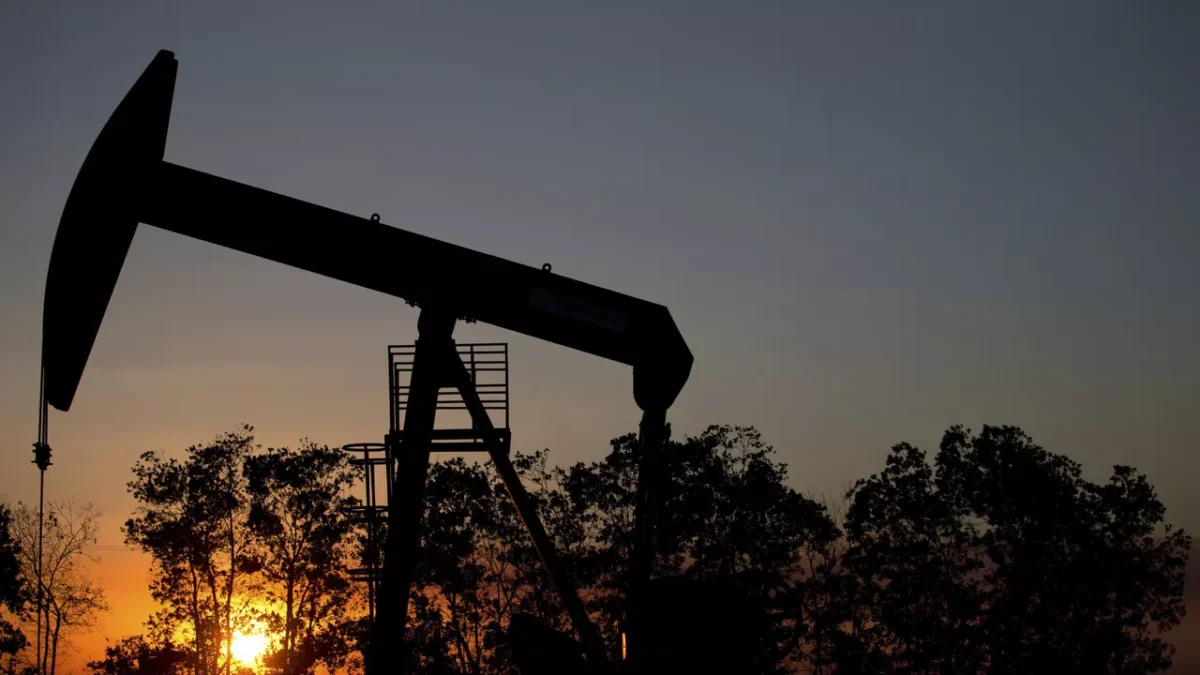
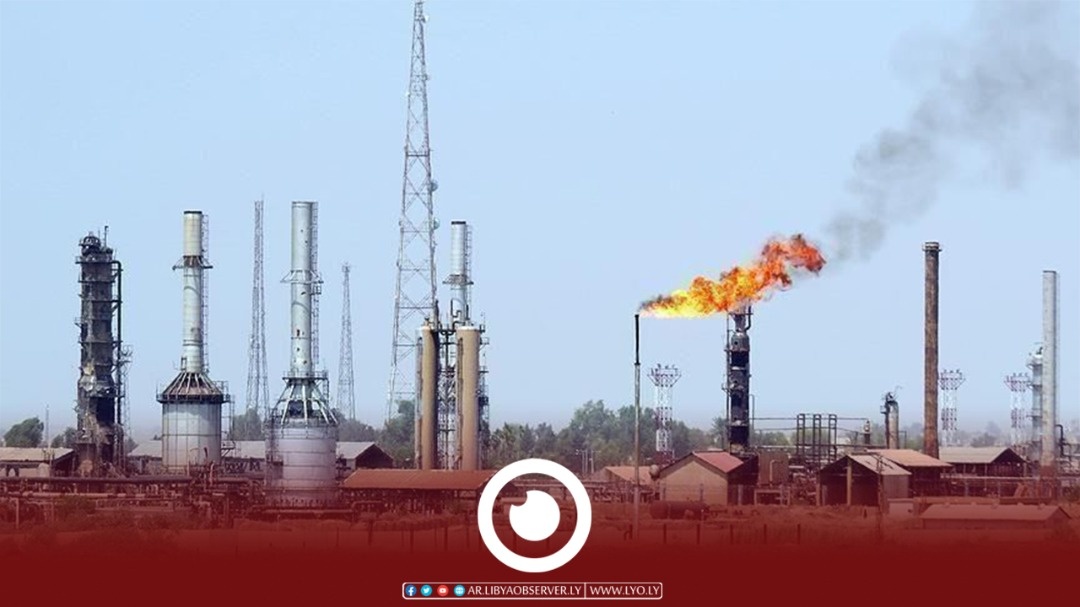
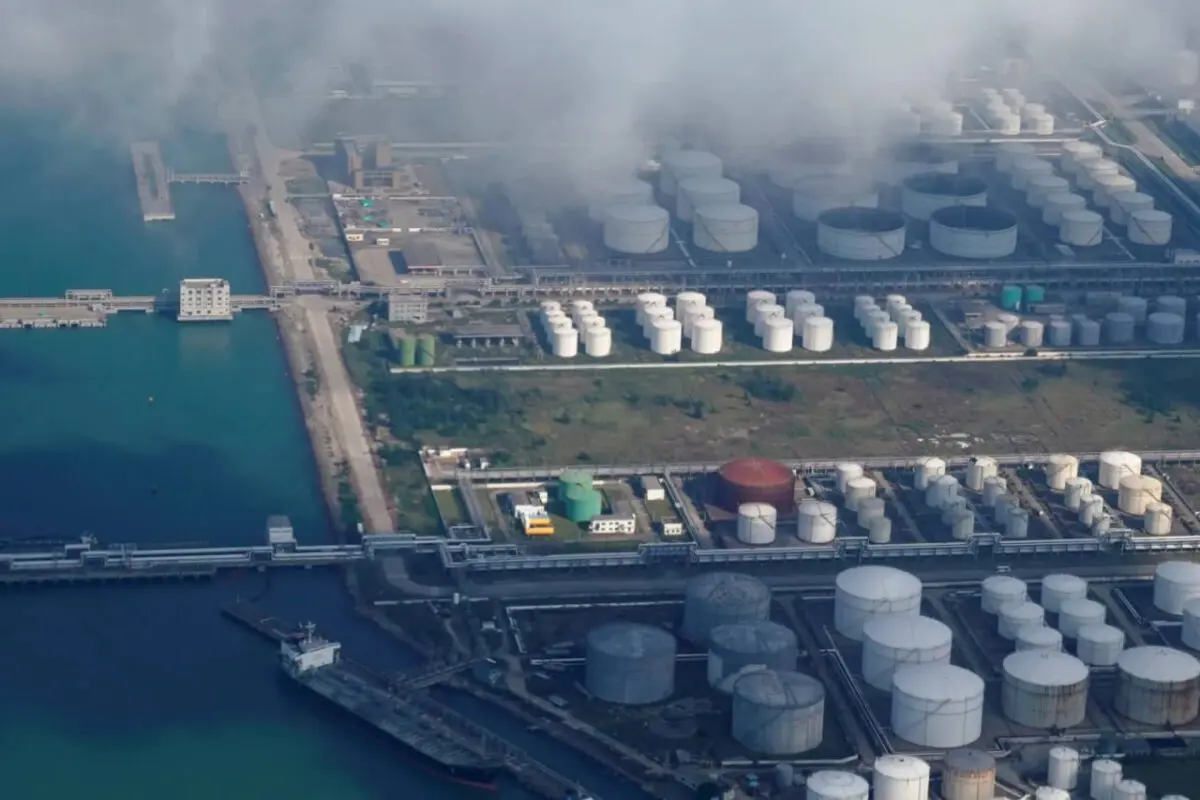
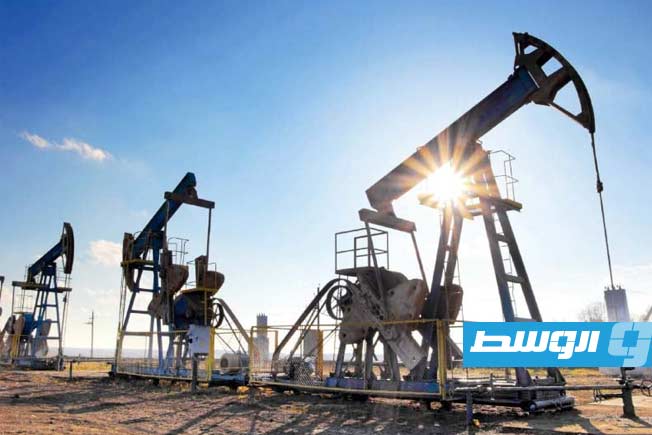
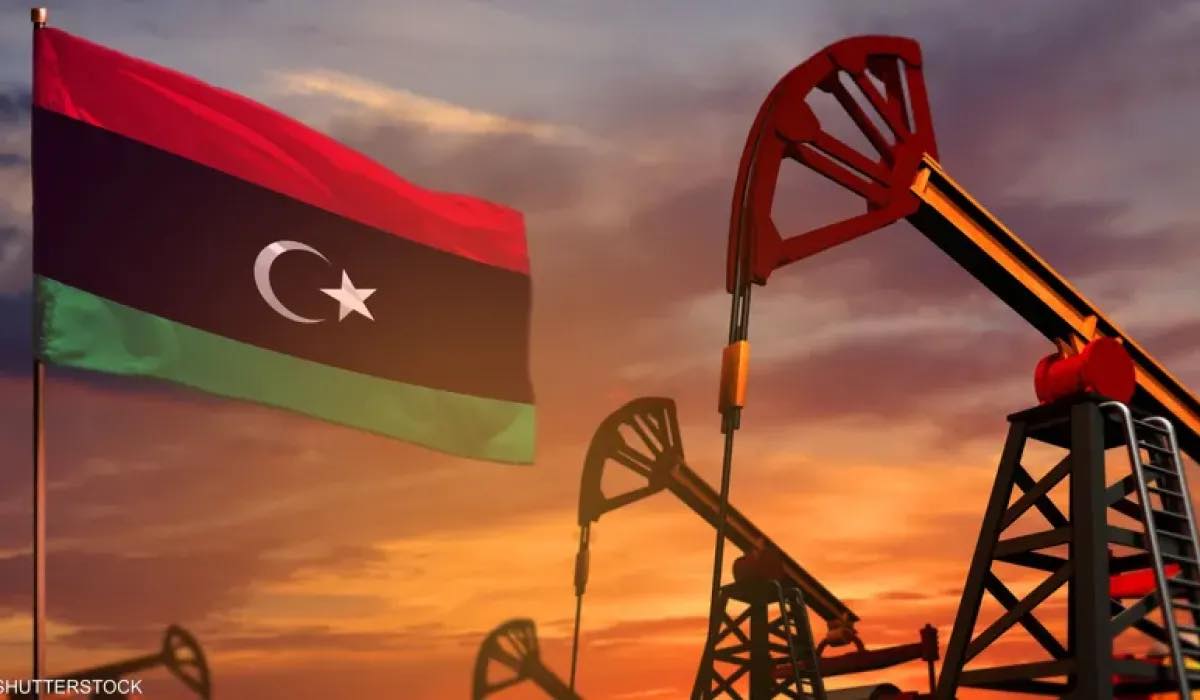
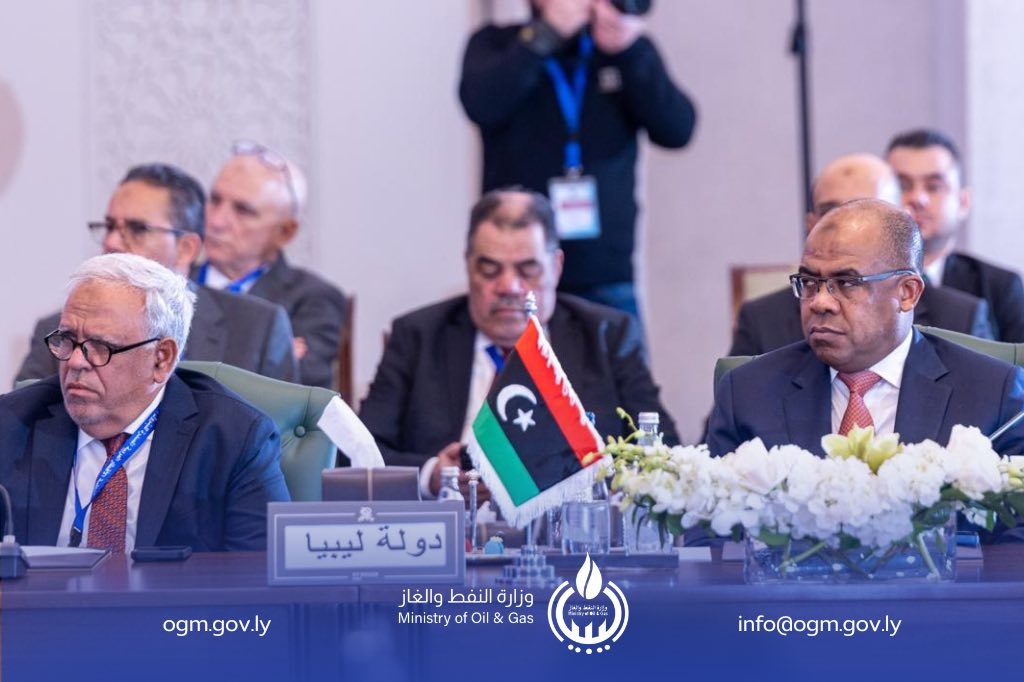
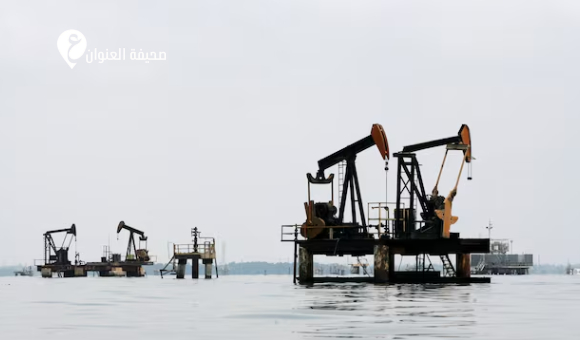
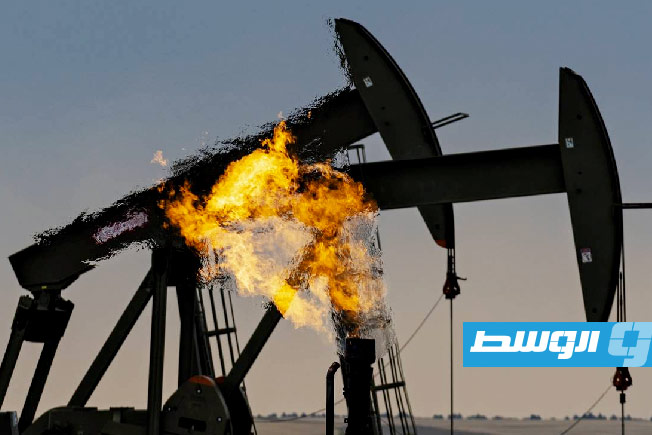
The American agency reported that some members of the OPEC+ group support increasing total oil supplies next April, viewing concerns about a surplus in global markets as “exaggerated.”
It reported on Friday, citing delegations, that the oil group, led by Saudi Arabia and Russia, has not yet committed to any course or begun formal discussions on production policy ahead of its meeting scheduled for the first of March.
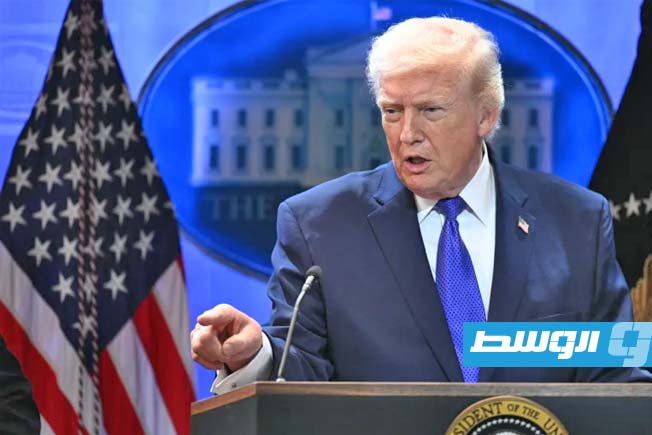
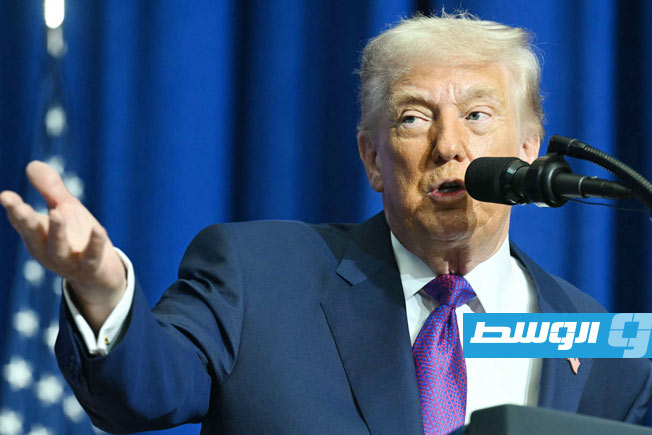
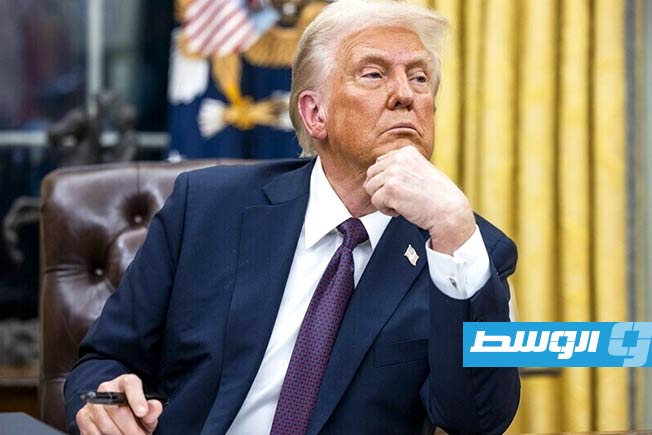
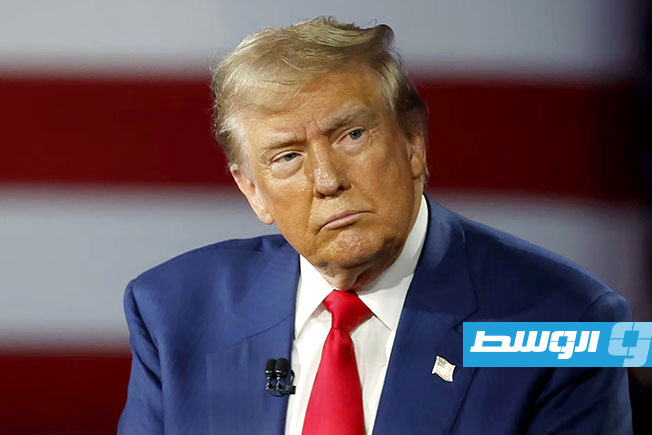
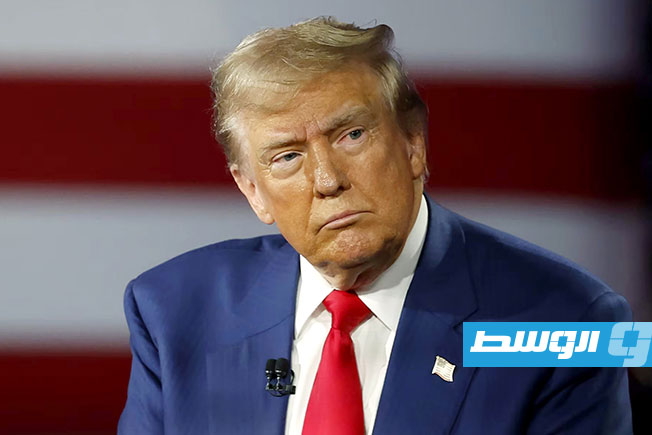
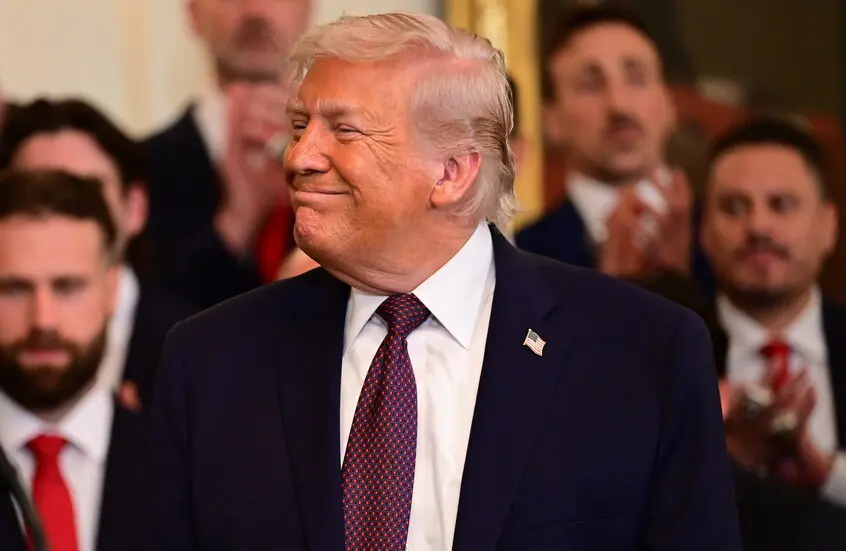
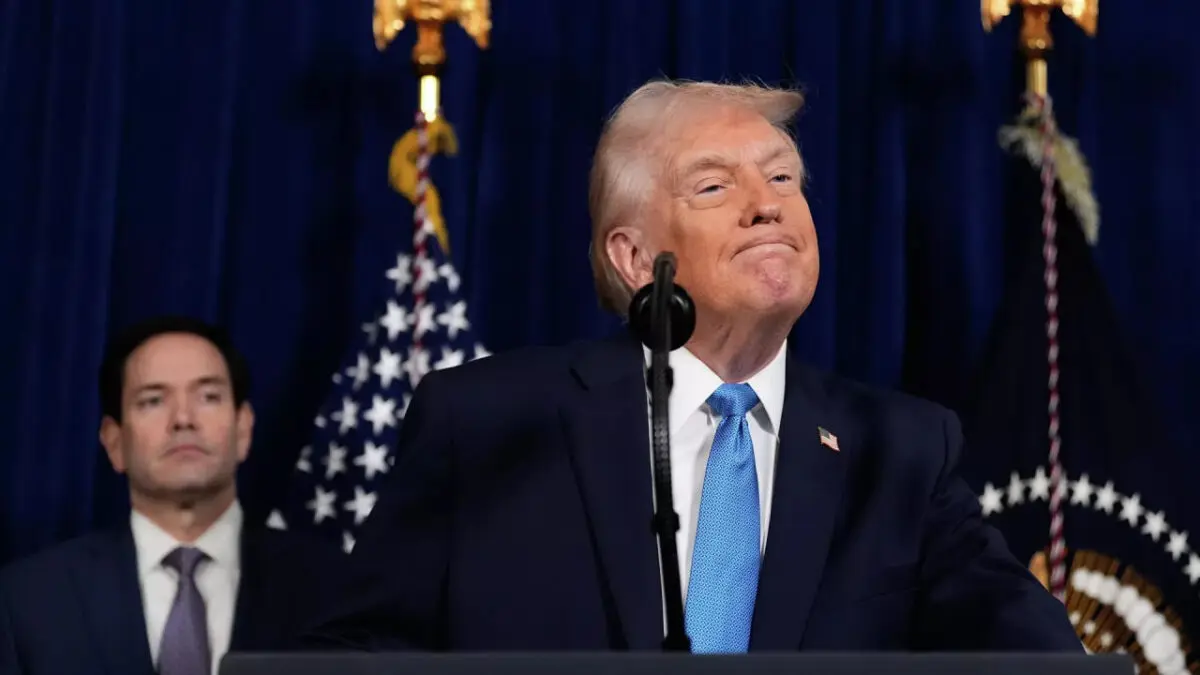
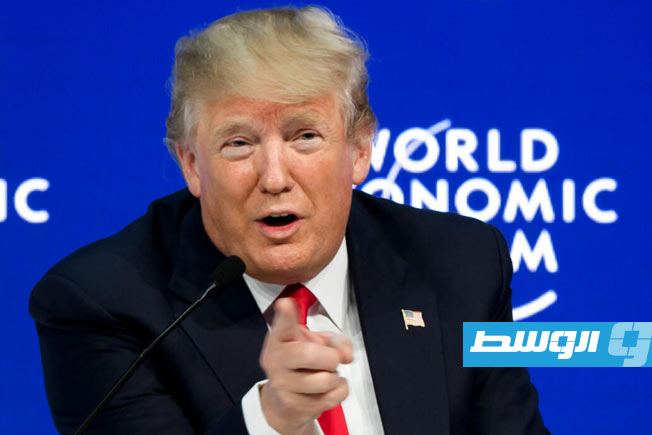
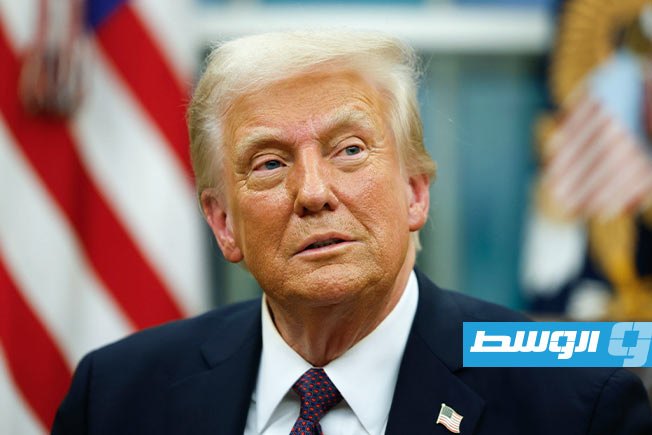
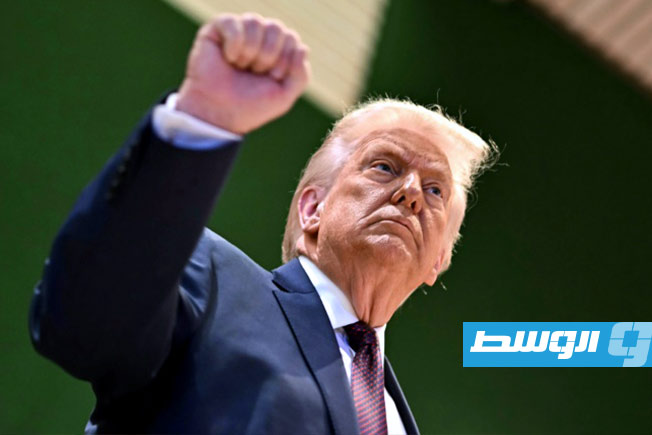
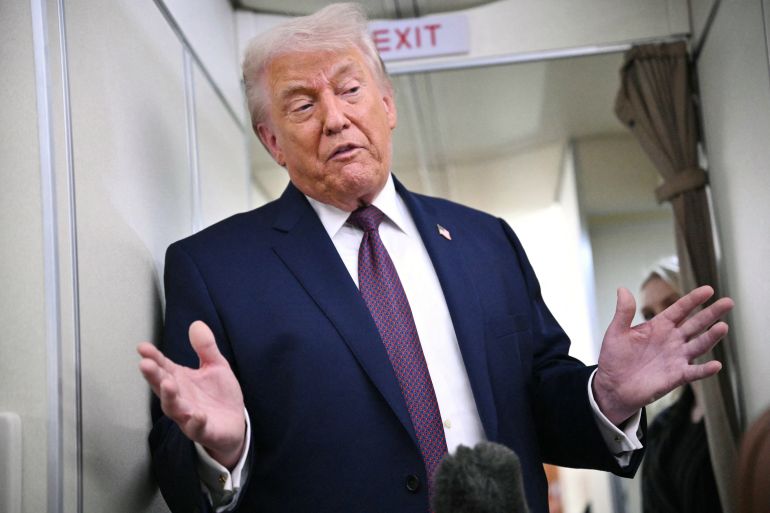
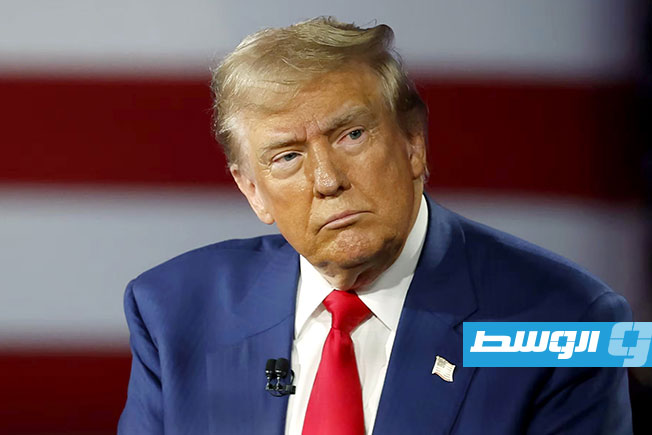
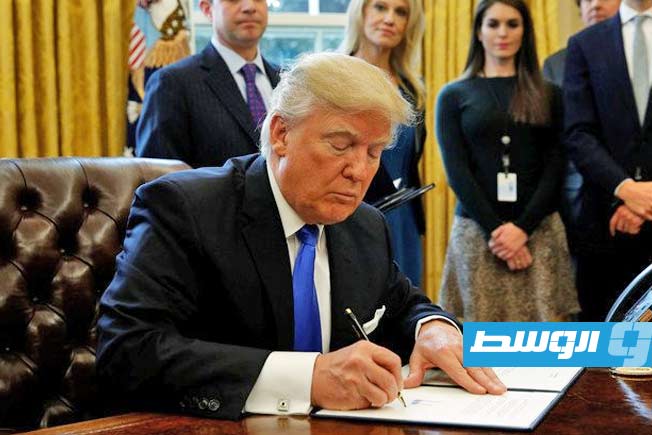
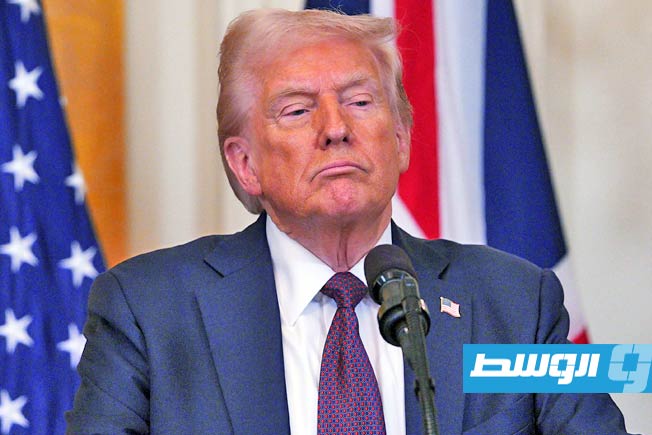
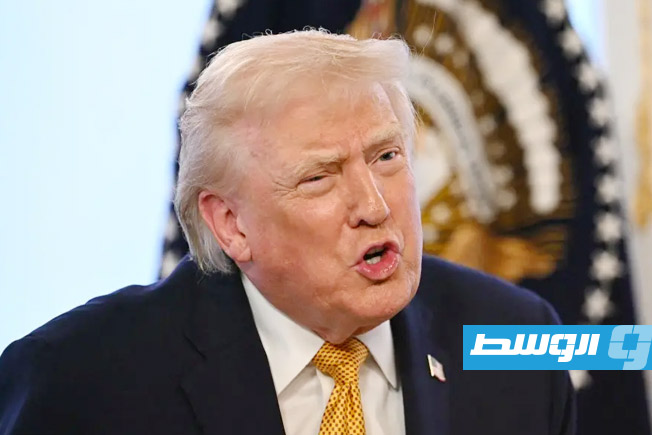
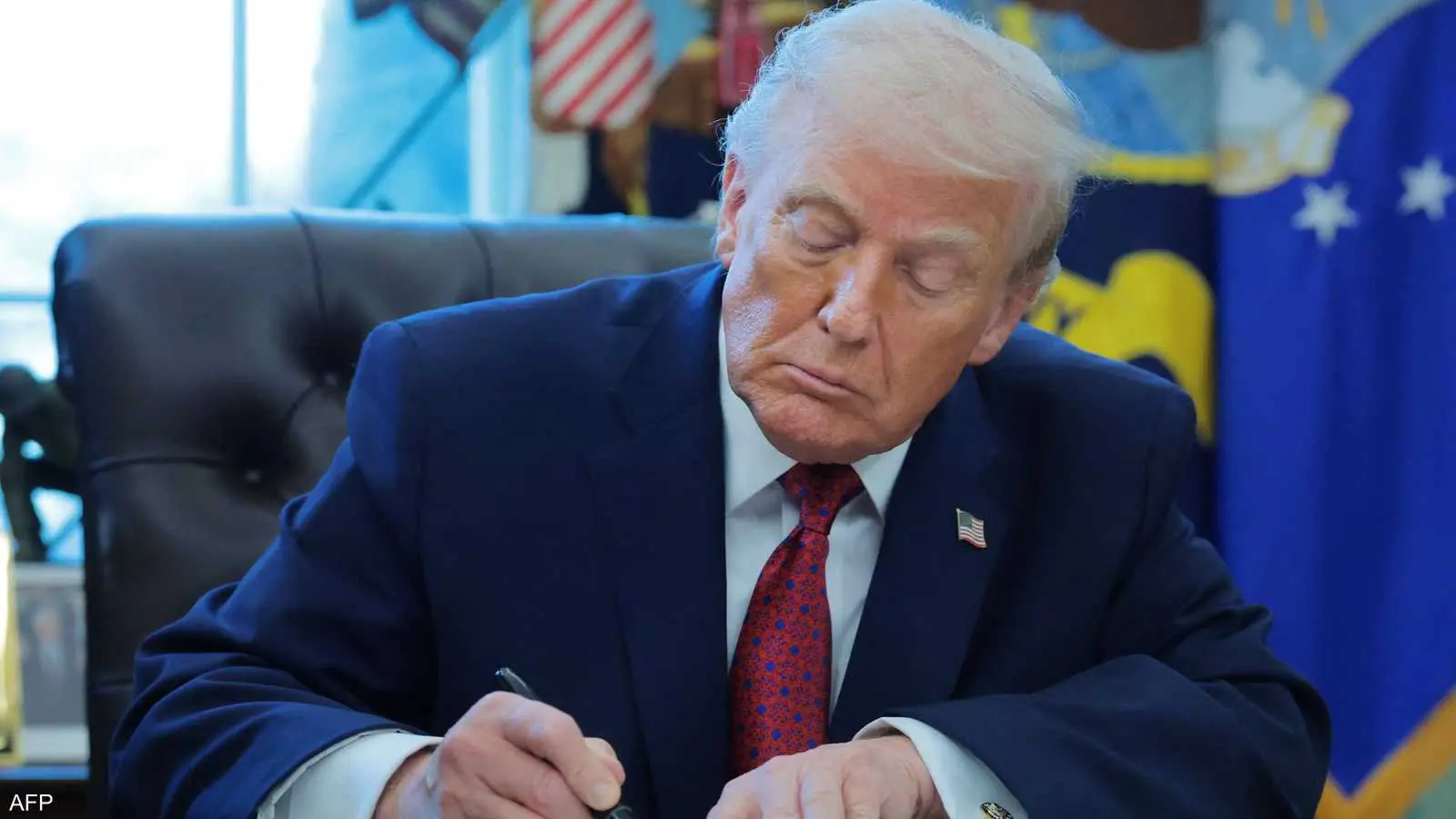
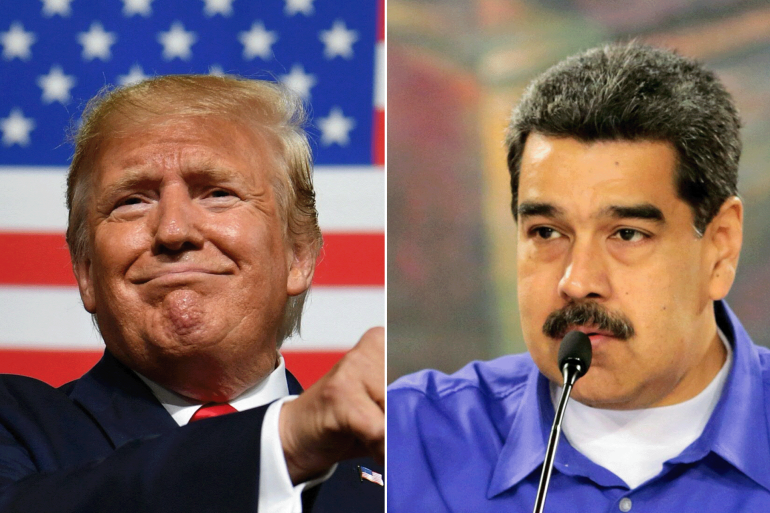
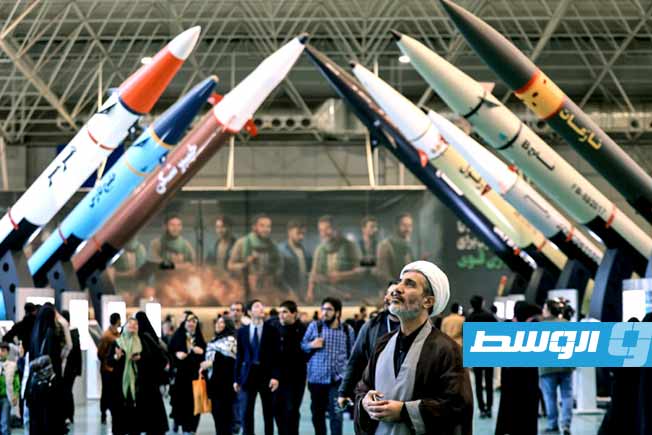
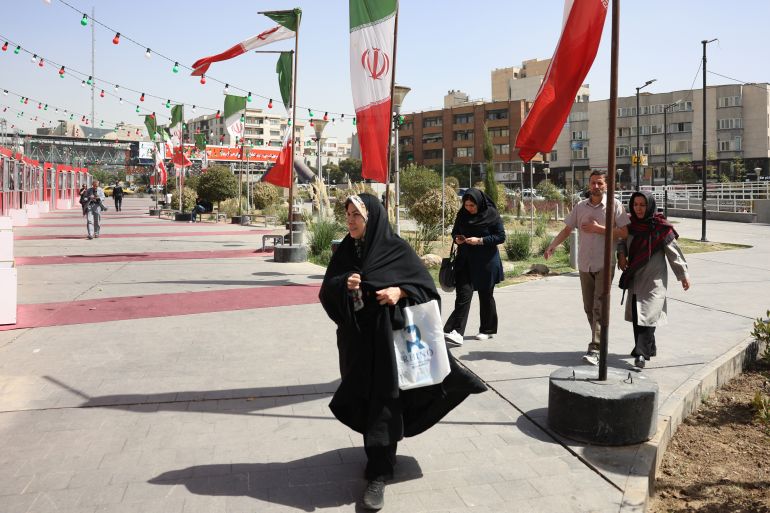
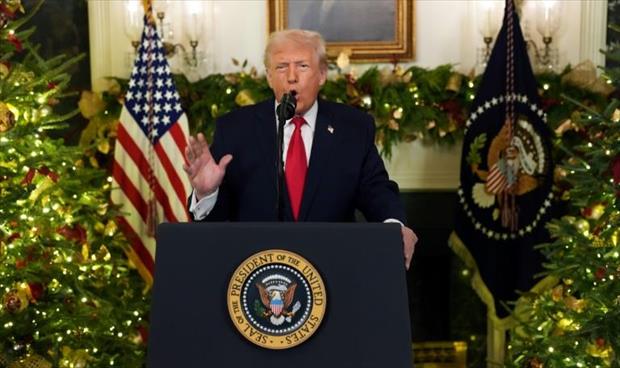
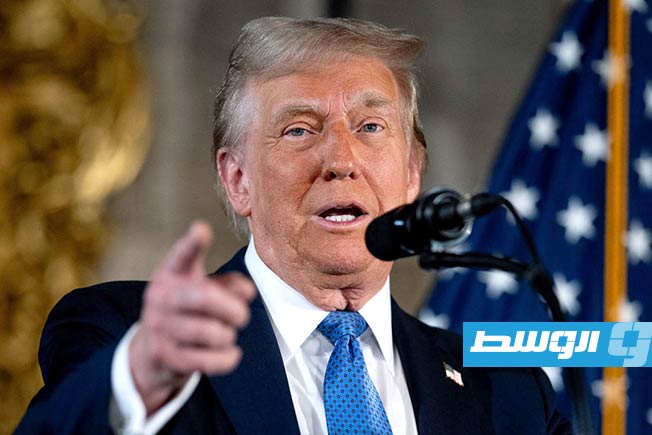
The sources, who requested not to be named, added that “the group’s final decision will depend on the development of tensions between the United States and Iran, and whether President Donald Trump decides to launch military action against Tehran or reach a nuclear agreement with it.”
Increasing Oil Supplies
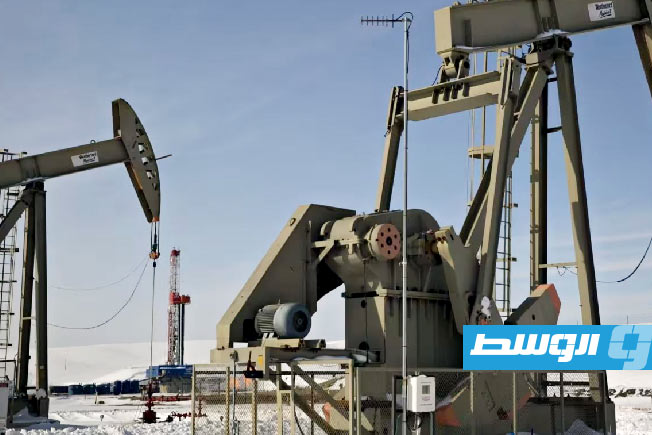
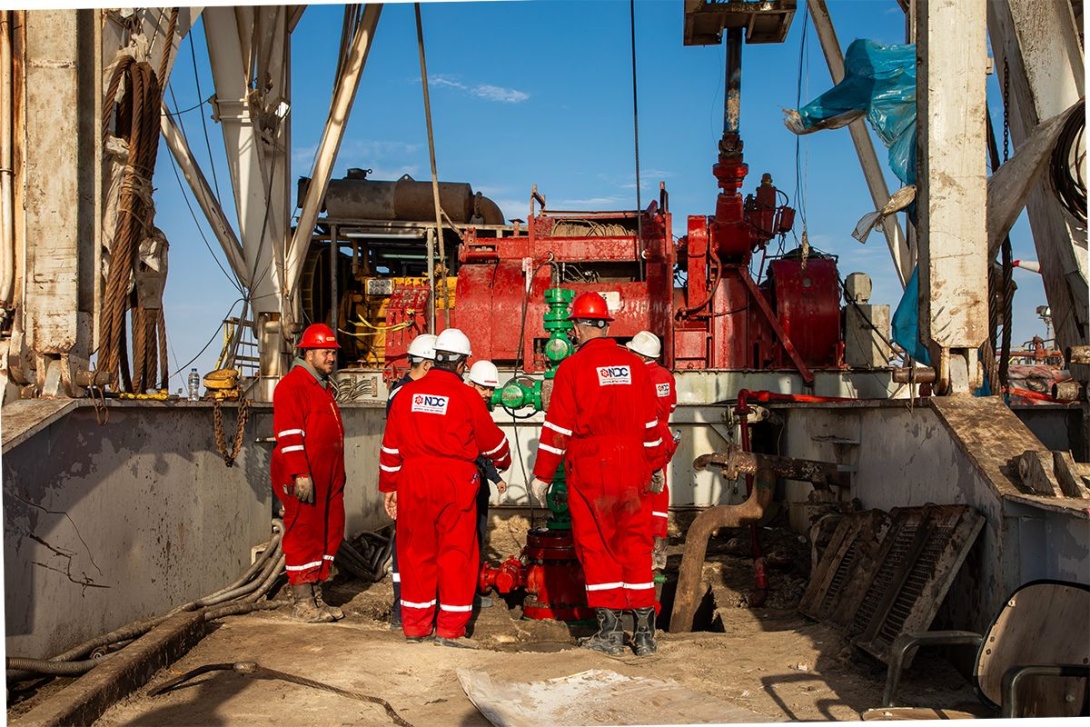
Despite oil price fluctuations in recent days, delegations said: “Some countries in (OPEC+) see room to resume the policy of raising total supplies, which the group halted during the first quarter of the year coinciding with slowing demand.”
It is unclear whether the group will decide on a new increase in oil supplies during its scheduled meeting on March 1. The sources clarified that “there is a tendency towards increasing crude supplies.”
Only six out of 18 traders and analysts surveyed on Friday expected the group to raise interest rates in April, while others expected the suspension of production increases to continue.
U.S.-Iranian Tensions
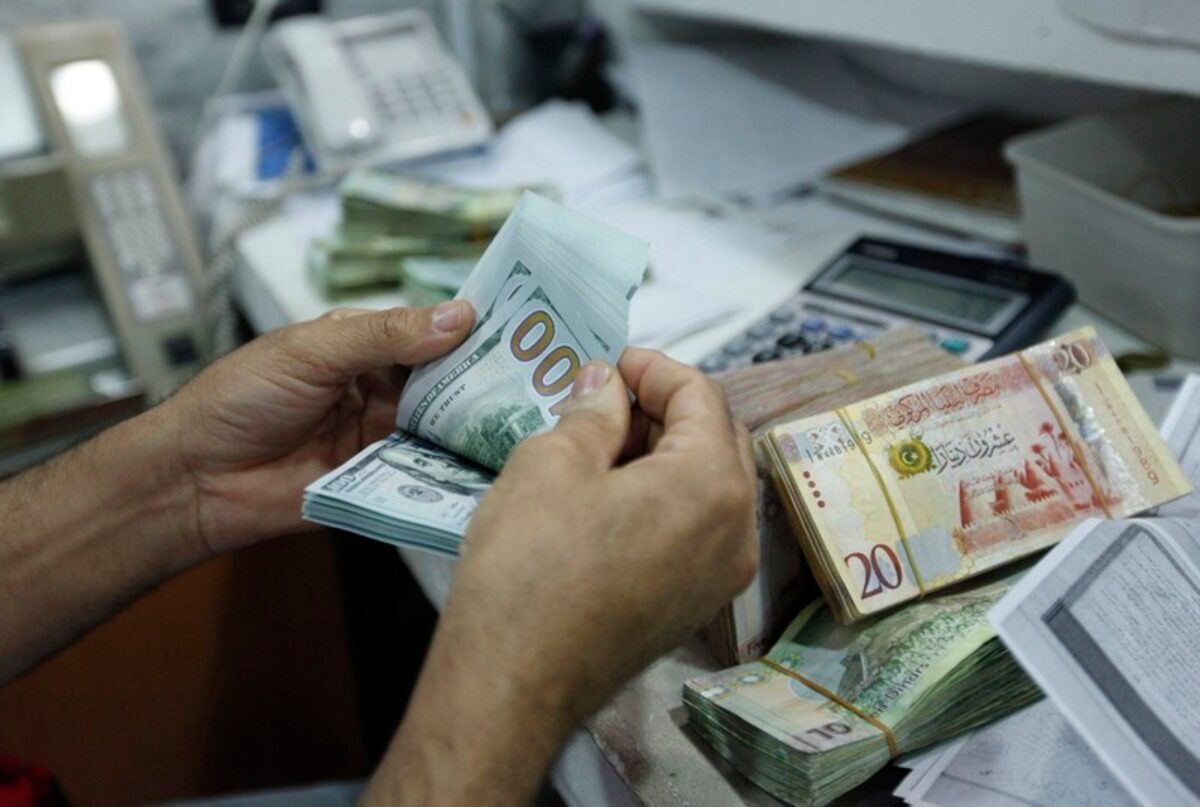
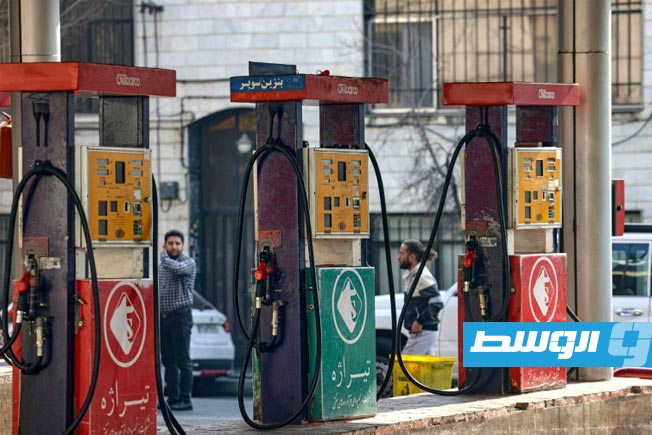
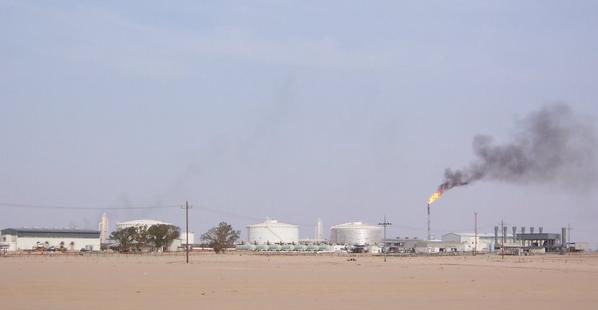
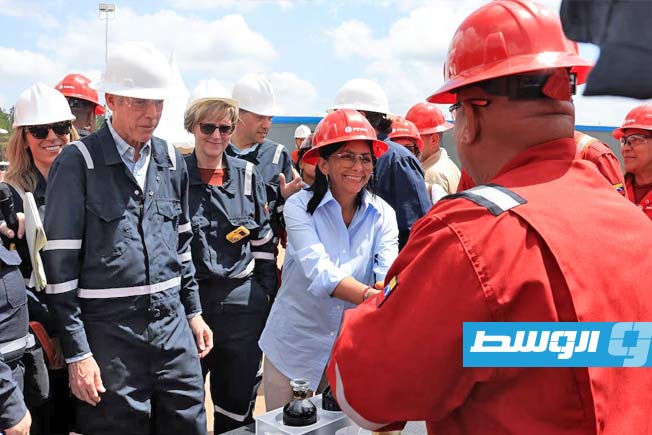
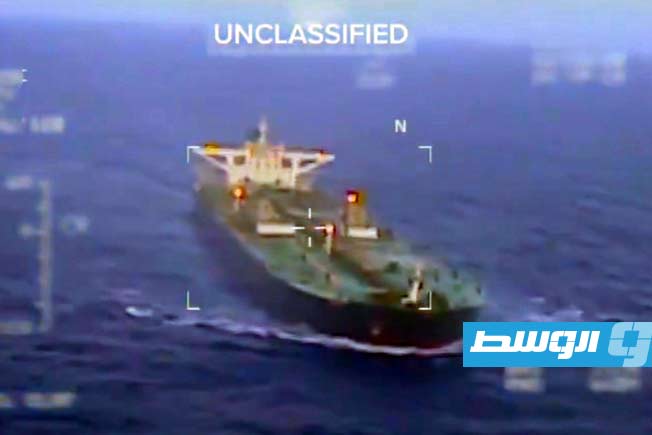
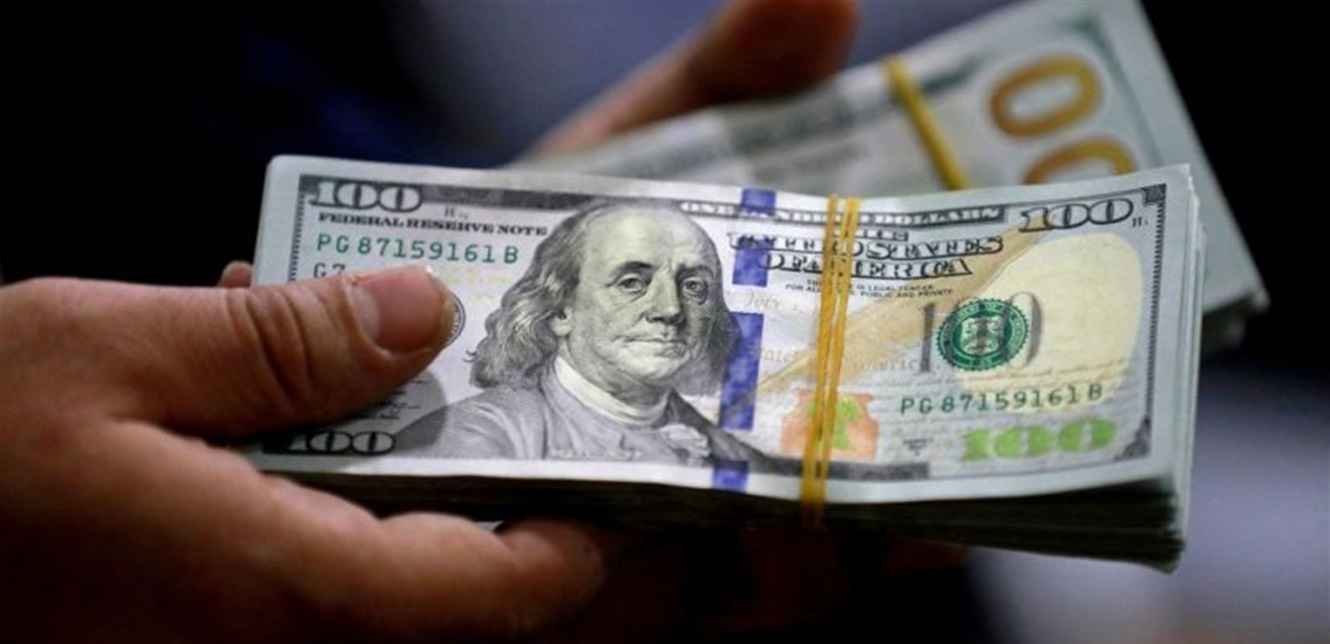
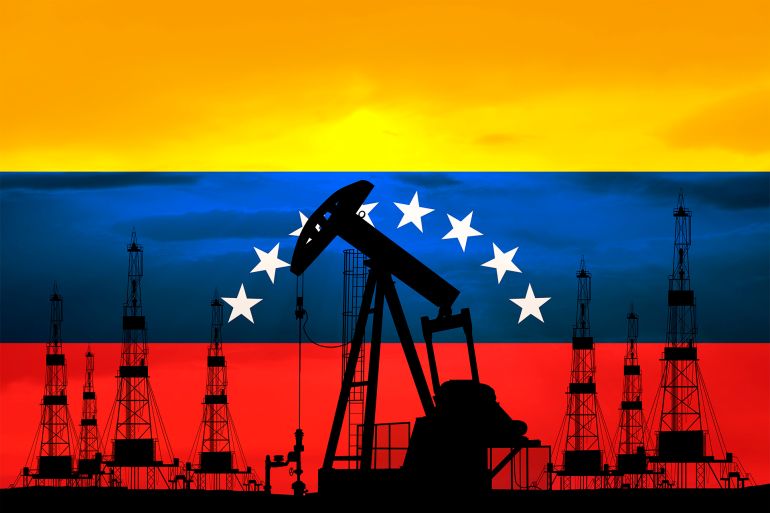
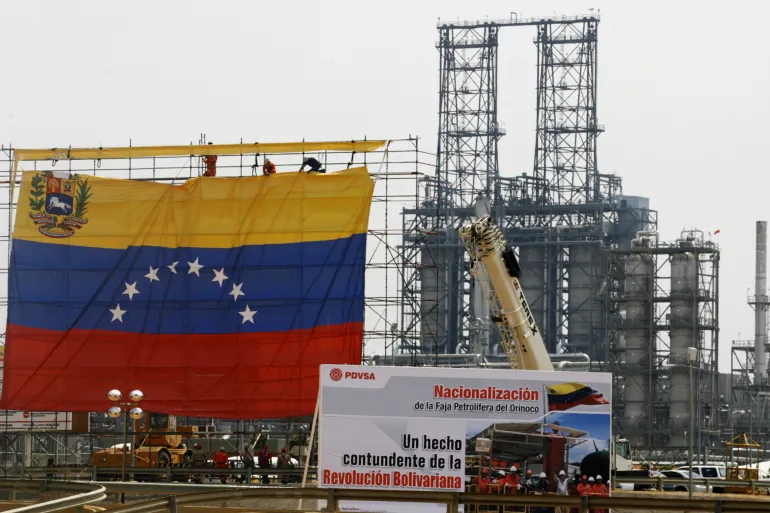
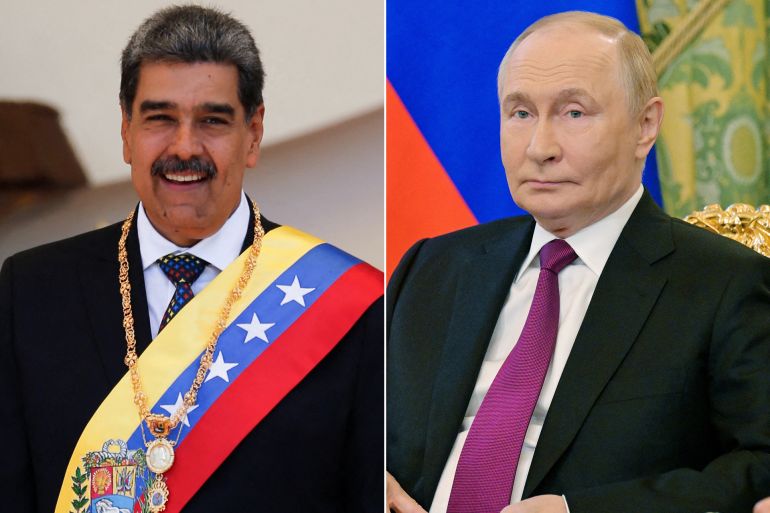
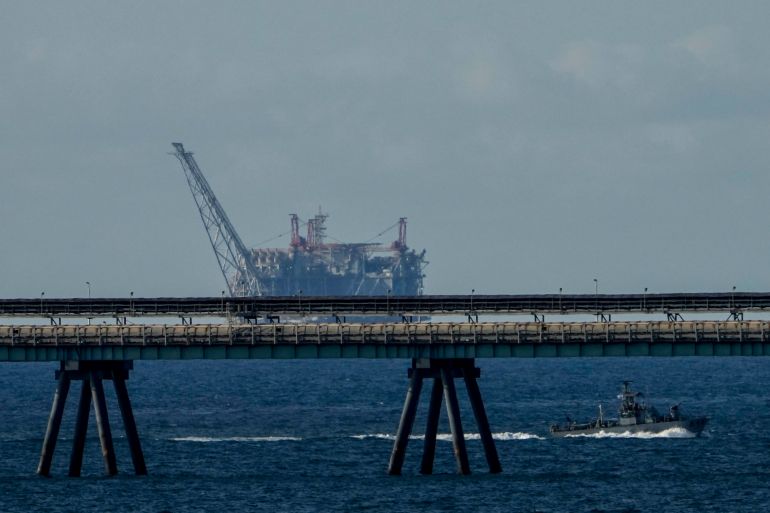
Tensions between the United States and Venezuela on one hand, and with Iran on the other, in addition to other disruptions, have pushed oil prices to record a strong start this year despite concerns about a supply glut.
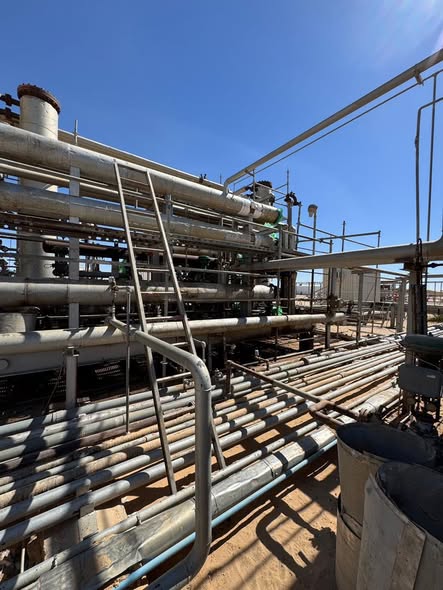
Traders say prices are supported by tight supply in key markets, as many surplus barrels come from sanctioned producers like Russia and Iran, thus remaining unavailable to a wider range of buyers.
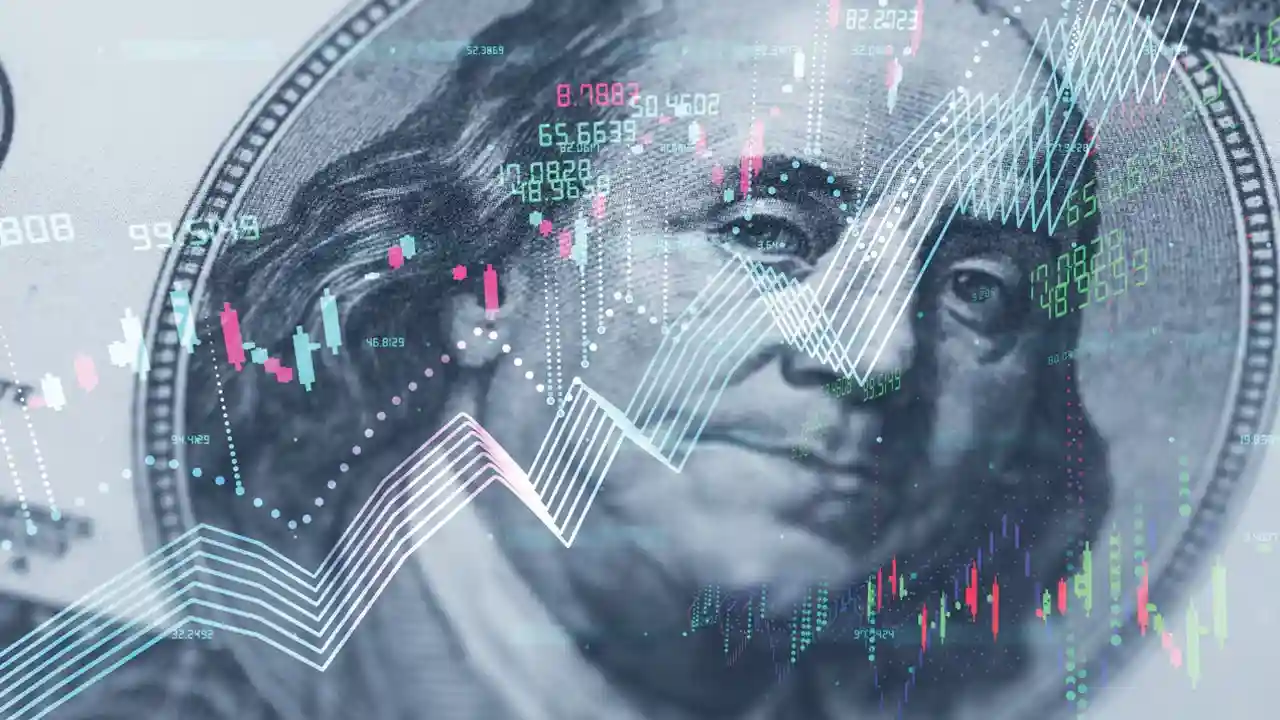
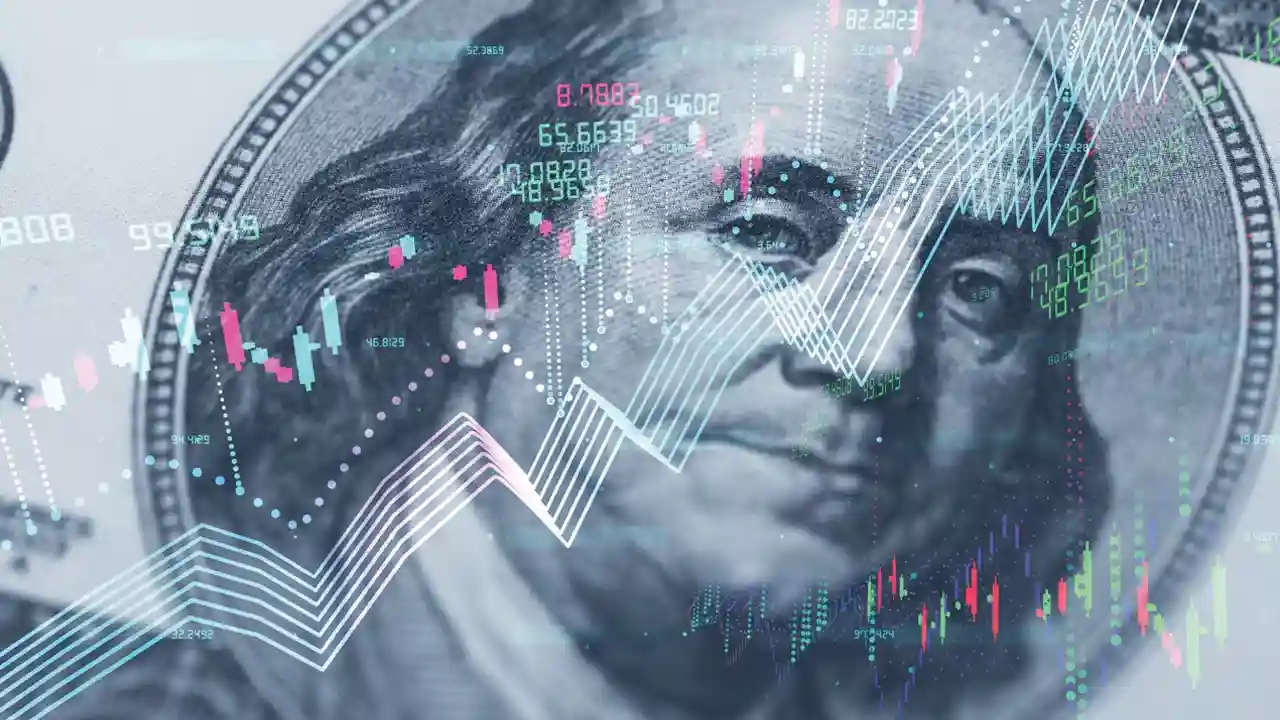
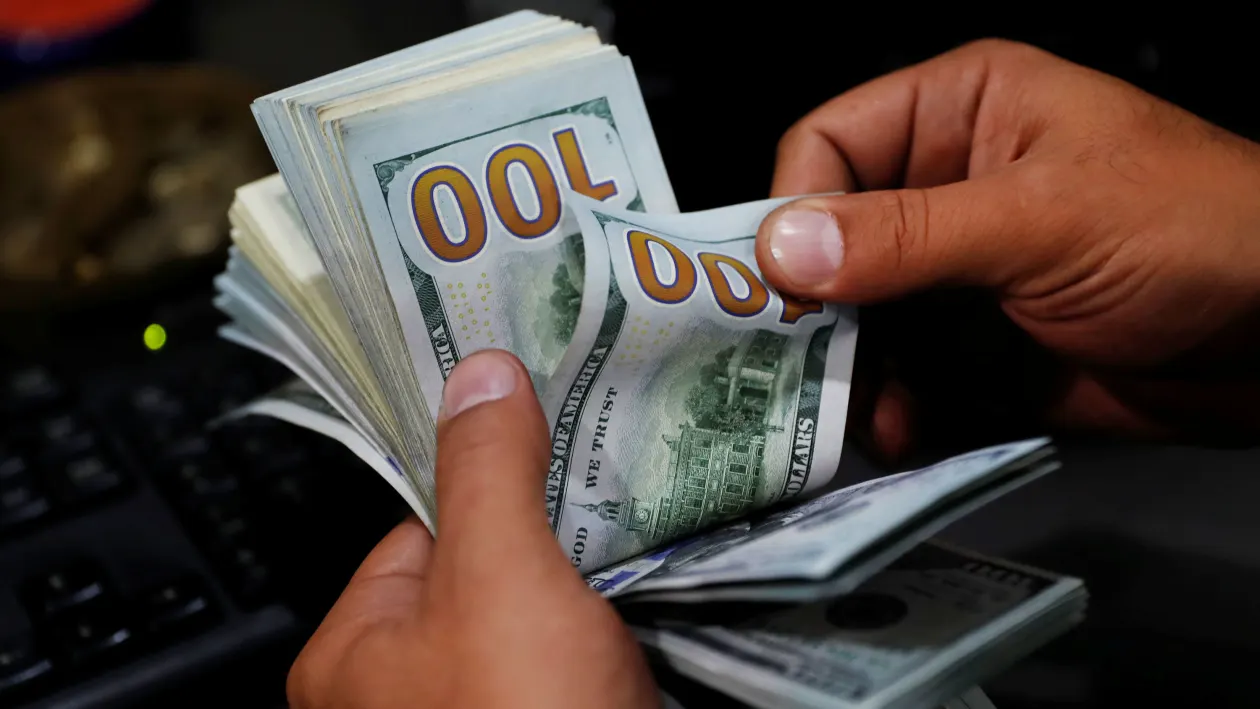
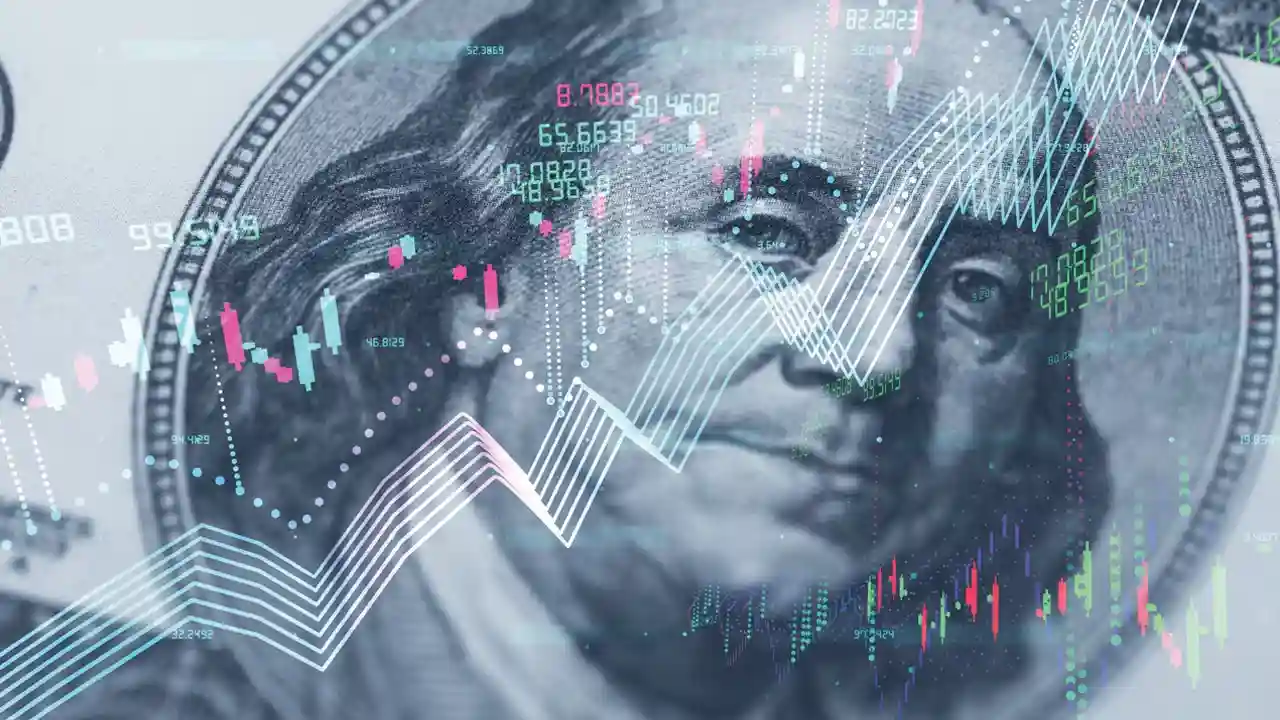
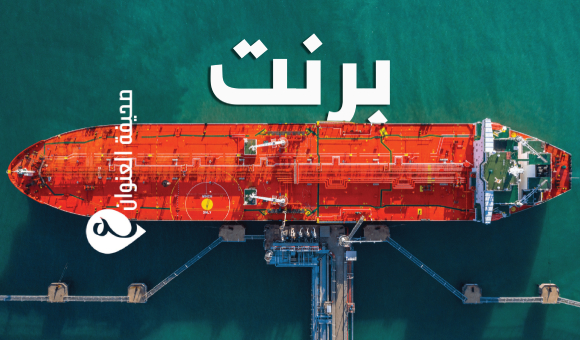
Brent crude futures have risen 11% since the start of the year, jumping to a six-month high near $72 per barrel at the end of last January, driven by fears of a military conflict erupting in the Middle East region.
OPEC+
OPEC+ is an expanded alliance of oil-producing nations that builds upon the original Organization of the Petroleum Exporting Countries (OPEC), founded in 1960. Formally established in 2016, the “Plus” includes major non-OPEC producers like Russia to coordinate on crude oil production levels and influence global oil prices through collective supply agreements. This cooperation aims to stabilize the volatile oil market for the benefit of its member economies.
Saudi Arabia
Saudi Arabia is a Middle Eastern nation founded in 1932 by King Abdulaziz Al Saud, unifying the regions of Najd and Hejaz. It is the birthplace of Islam, home to the religion’s two holiest cities, Mecca and Medina, and its history and culture are deeply intertwined with the Islamic faith. The country’s modern economy and global influence are largely built upon its vast reserves of petroleum, discovered in the 1930s.
Russia
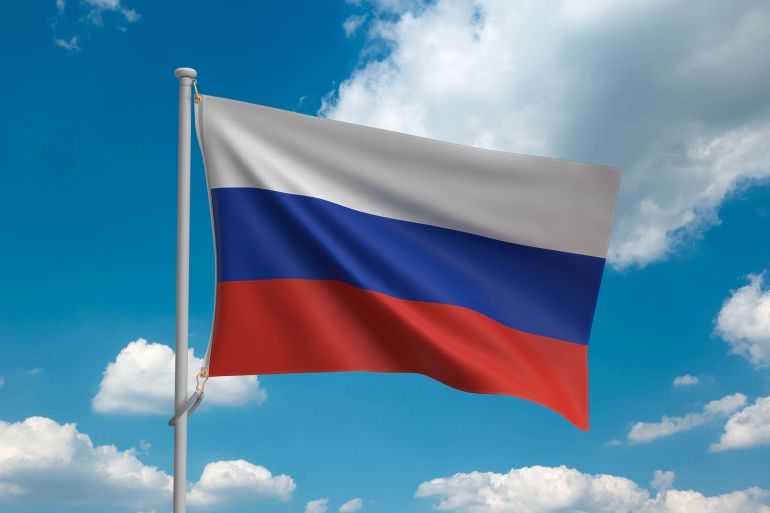
Russia is the world’s largest country by area, spanning Eastern Europe and Northern Asia. Its history is marked by the rule of the Tsars, the rise and fall of the Soviet Union in the 20th century, and its establishment as the modern Russian Federation in 1991. It is renowned for its vast landscapes, rich literary and artistic traditions, and globally influential cultural figures.
United States
The United States is a federal republic founded in 1776 following its declaration of independence from Great Britain, establishing itself through a revolutionary war and the ratification of its Constitution in 1789. It grew from thirteen original colonies into a global superpower, with its history significantly shaped by westward expansion, the Civil War, industrialization, and its role in 20th-century world affairs.
Iran
Iran, historically known as Persia, is home to one of the world’s oldest continuous civilizations, with a rich cultural history spanning thousands of years. It is renowned for its significant contributions to art, science, and literature, as well as for iconic sites like Persepolis, the ancient ceremonial capital of the Achaemenid Empire. Today, Iran is a modern nation with a deep cultural heritage rooted in its pre-Islamic and Islamic history.
Tehran
Tehran is the capital and largest city of Iran, officially becoming the capital in 1786 under the Qajar dynasty. It serves as the country’s political, economic, and cultural center, home to significant historical sites like the Golestan Palace, a UNESCO World Heritage site from the 19th century.
Donald Trump
Donald Trump is a prominent American businessman and media personality who served as the 45th President of the United States from 2017 to 2021. His presidency was marked by a populist and unconventional political style, significant tax reforms, and a focus on immigration restriction and “America First” foreign policy.
Venezuela
Venezuela is a South American country with a history of indigenous cultures, Spanish colonization beginning in the 16th century, and independence achieved in 1821 under Simón Bolívar. It is known for its diverse natural landscapes, including the Andes Mountains, the Amazon rainforest, and Angel Falls, the world’s highest waterfall. The nation’s modern history and economy have been profoundly shaped by the discovery and exploitation of its vast petroleum reserves.
Middle East
The Middle East is a transcontinental region centered on Western Asia and Egypt, historically home to some of the world’s earliest civilizations, including Mesopotamia and Ancient Egypt. It is the birthplace of major Abrahamic religions—Judaism, Christianity, and Islam—and has been a central crossroads of trade, empire, and cultural exchange for millennia. Its modern history has been heavily shaped by the Ottoman Empire, European colonialism, the discovery of vast oil reserves, and ongoing geopolitical conflicts.
Brent crude
Brent crude is a major trading classification of sweet light crude oil that serves as a key global price benchmark. It originates from the Brent oil field in the North Sea, which began production in the 1970s. The term now refers to a blend of oils from several North Sea fields and is a primary pricing reference for much of the world’s petroleum.