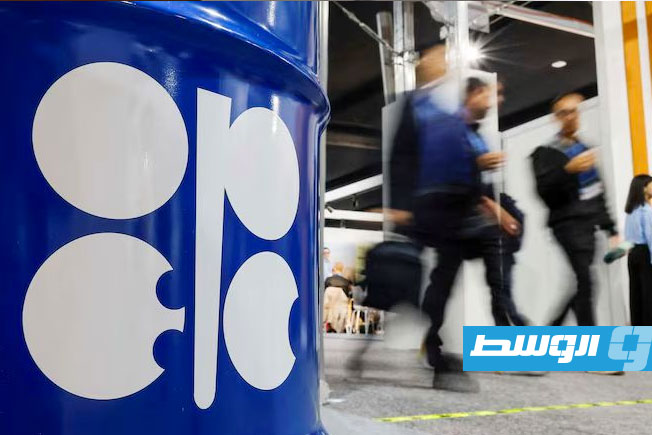
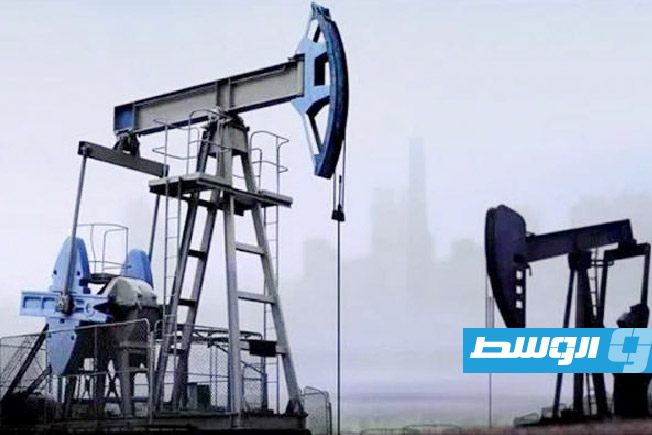
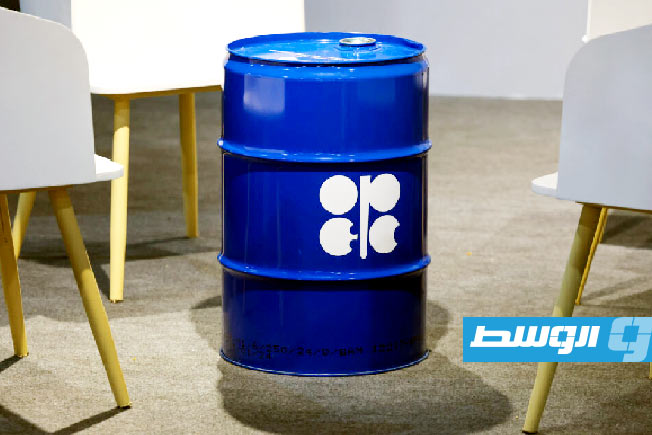
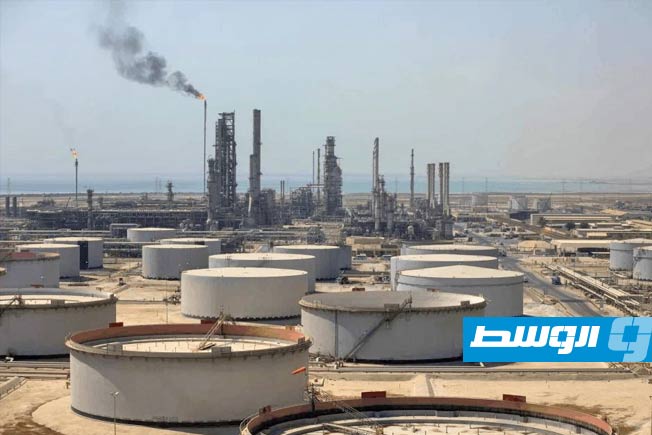
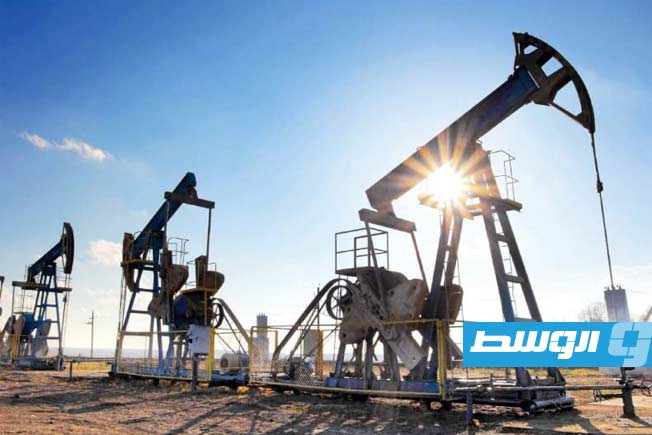
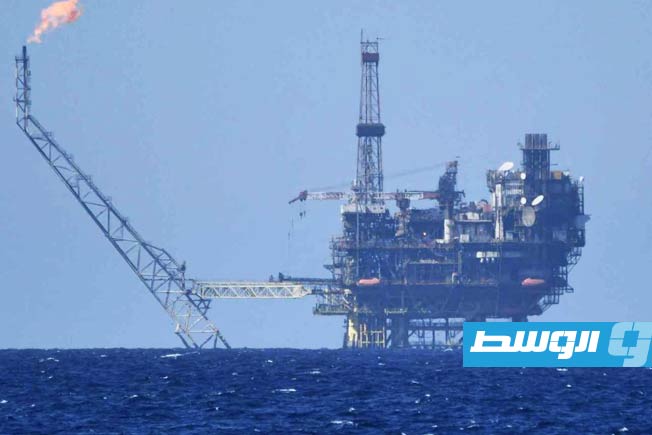
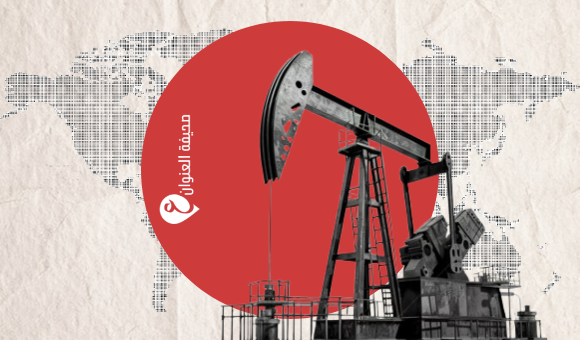
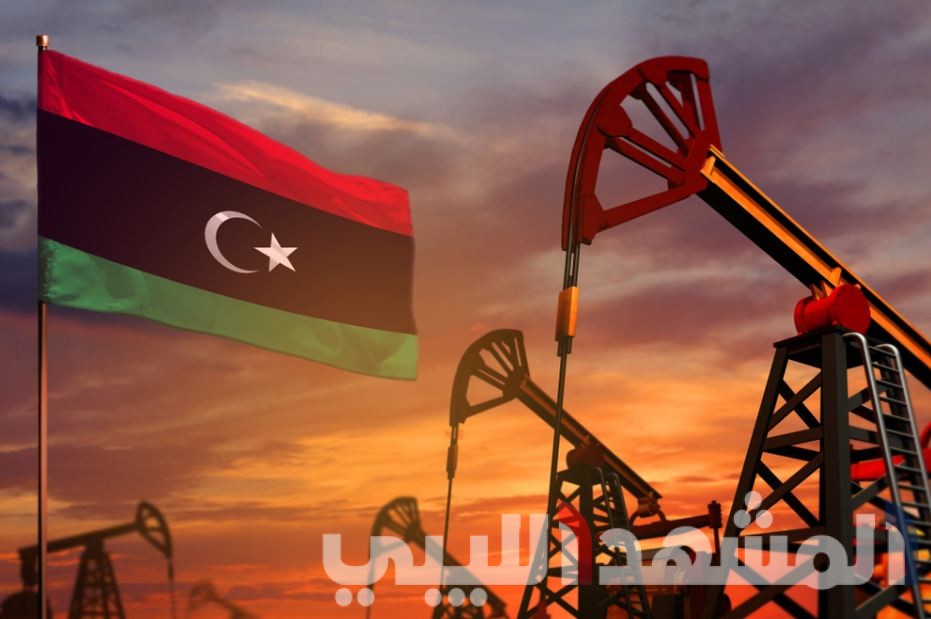
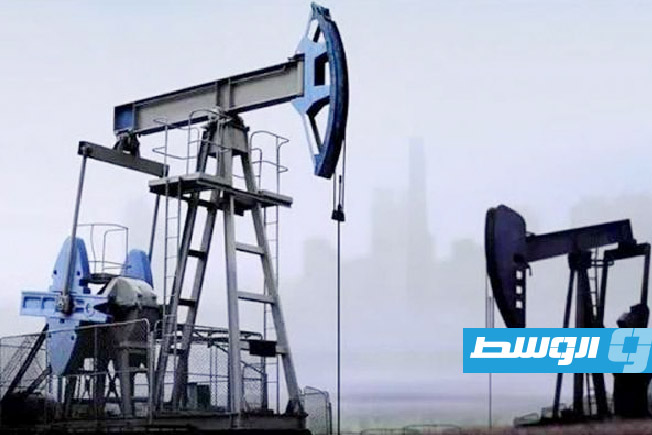
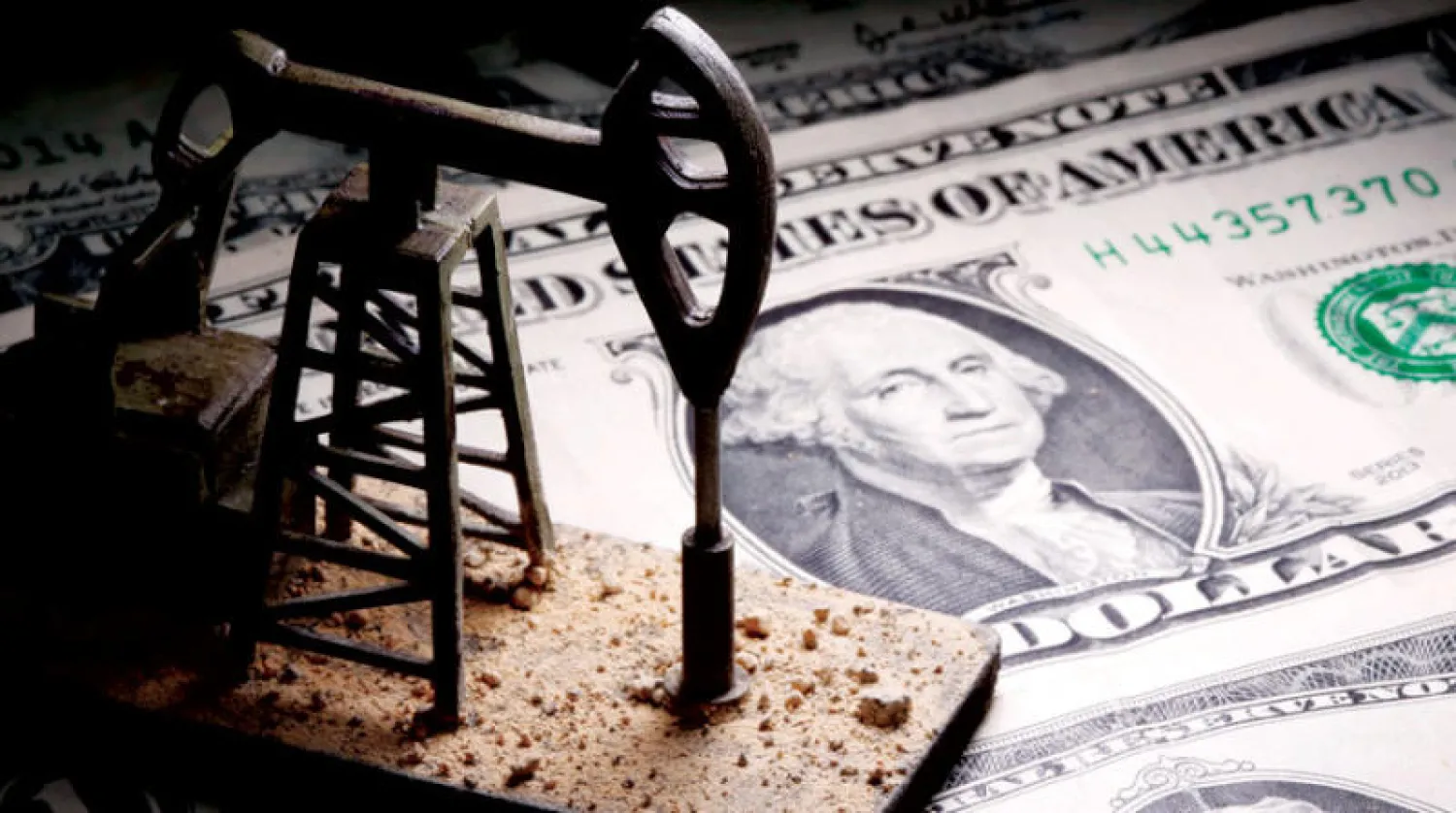
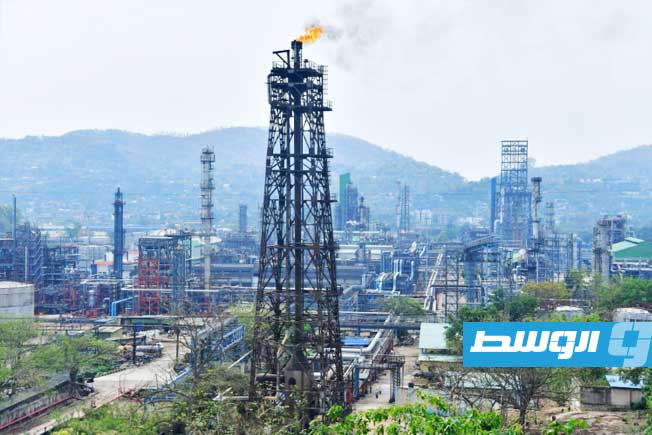
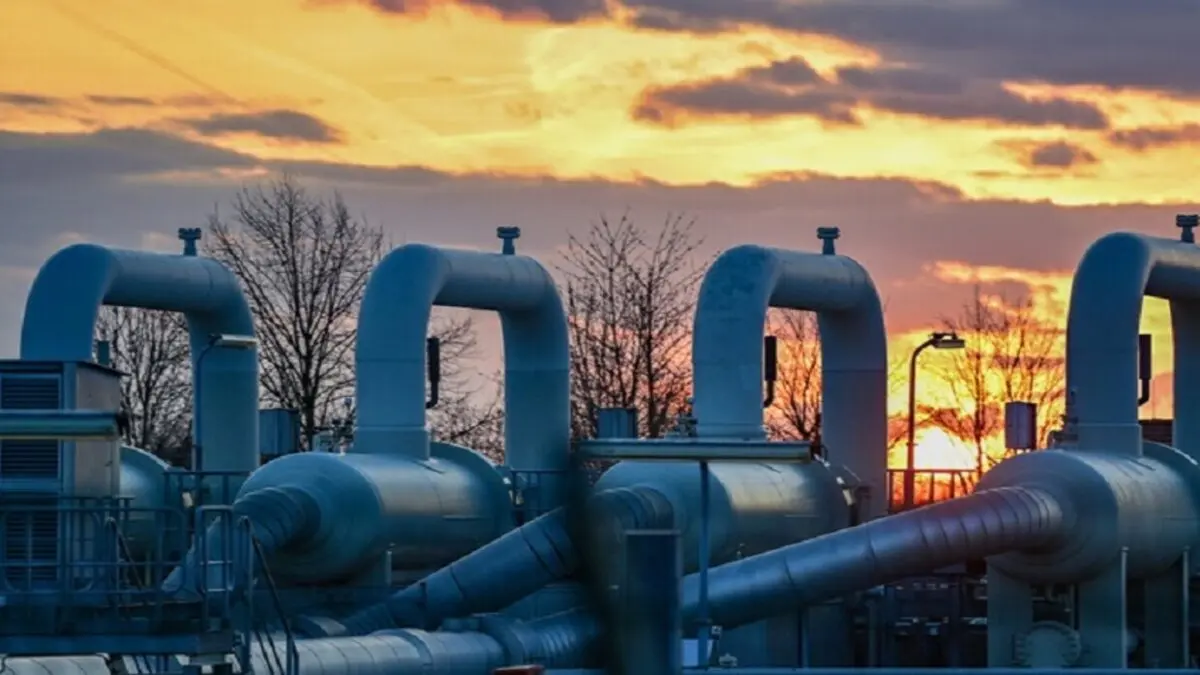
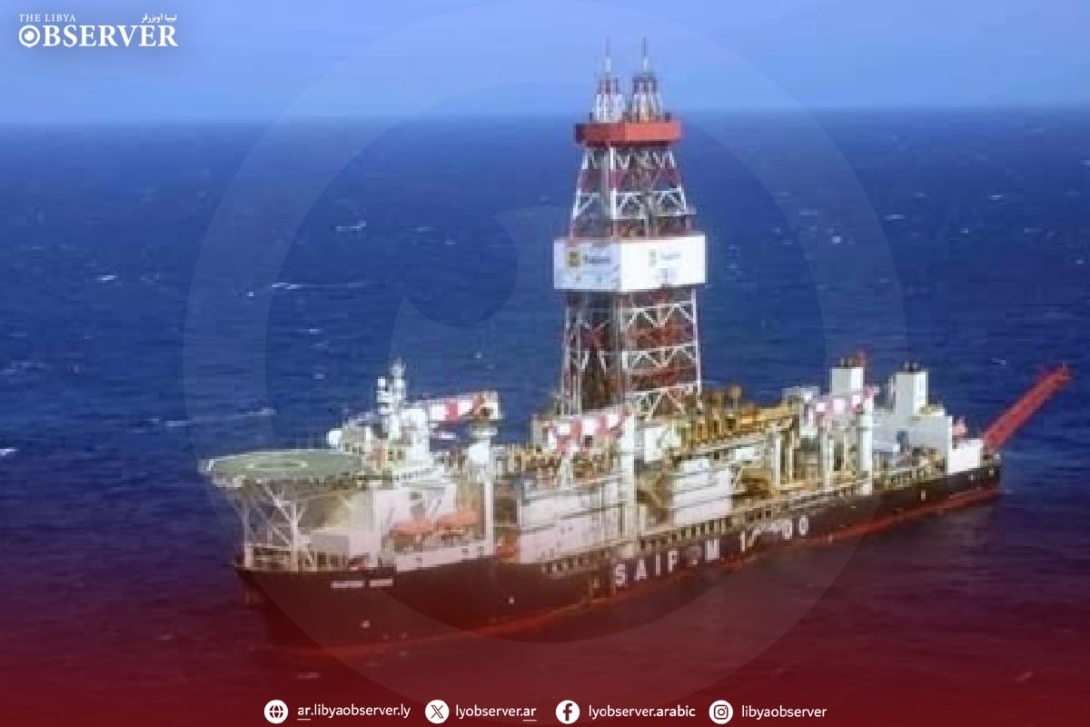
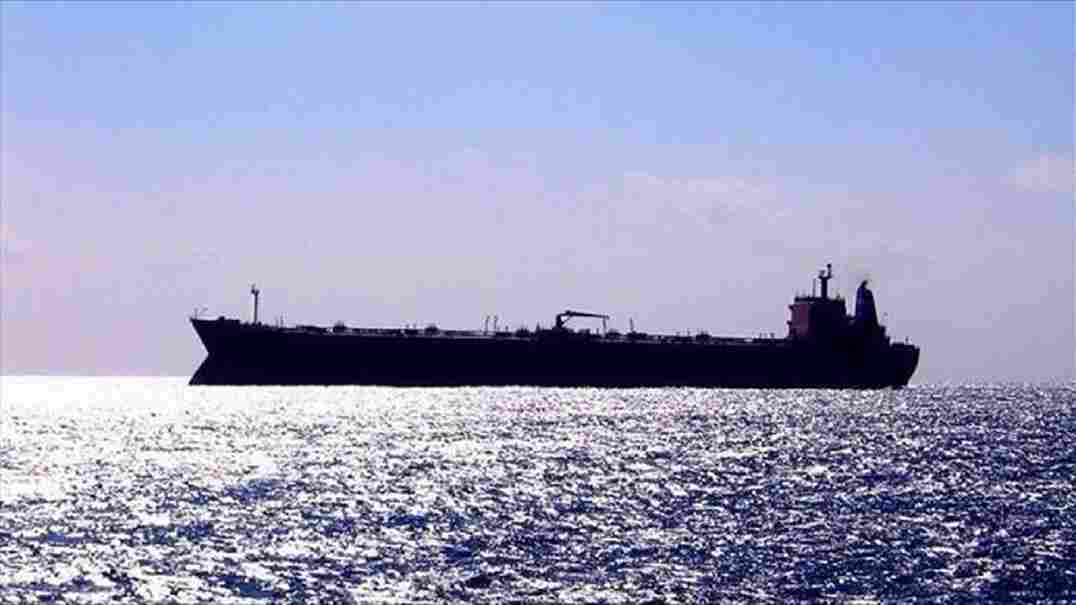
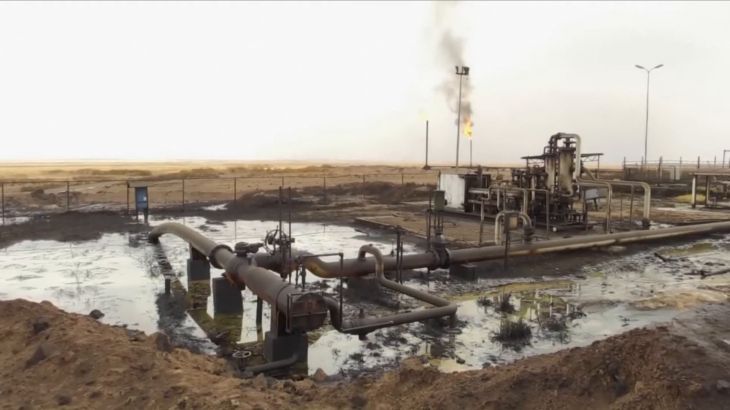
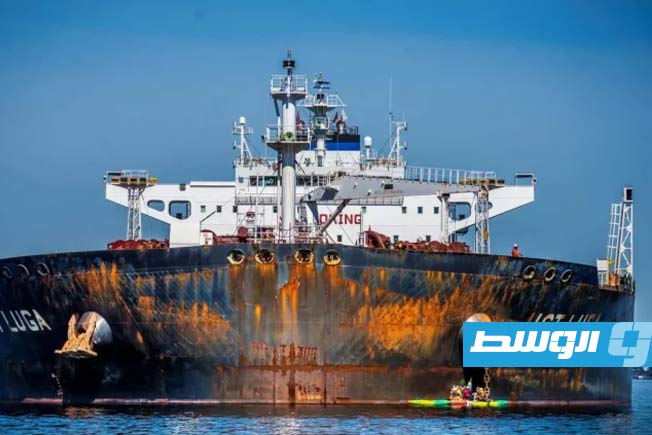
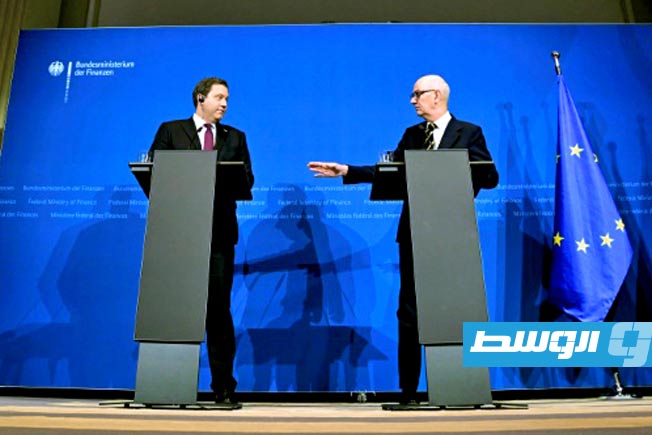
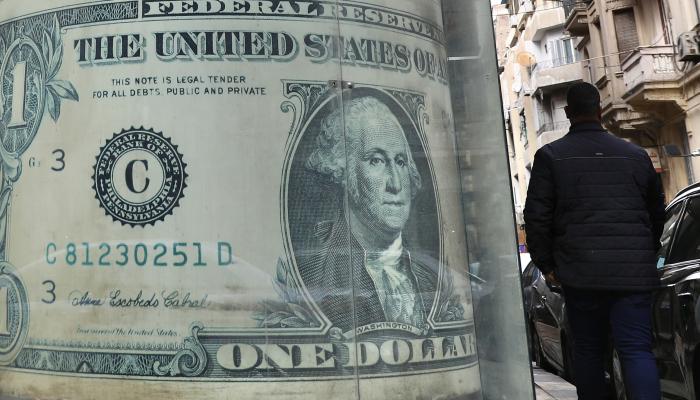
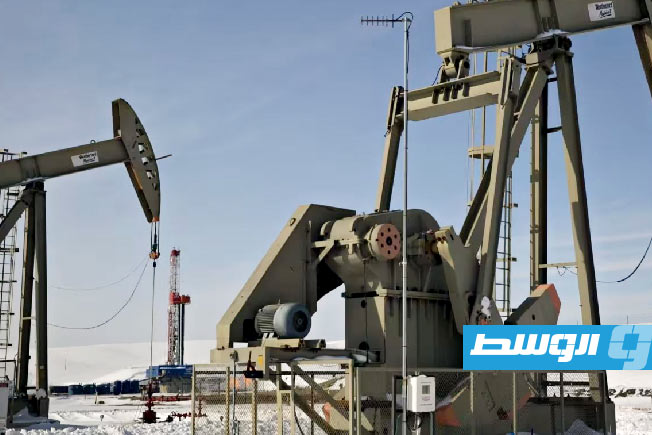
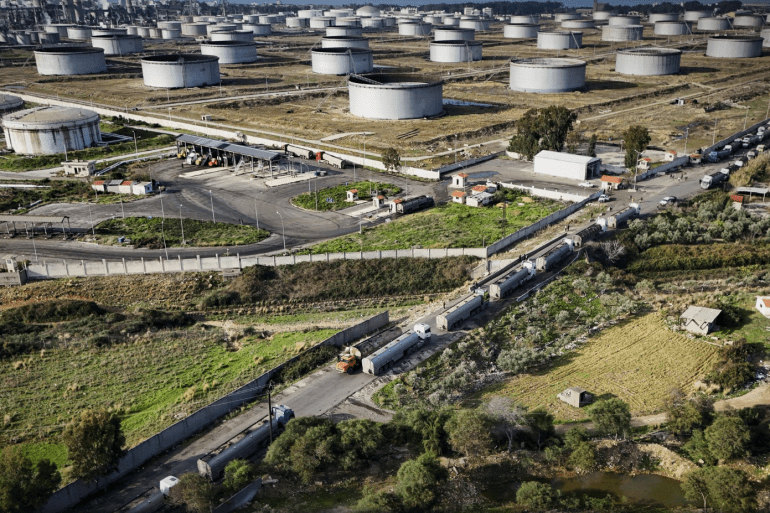
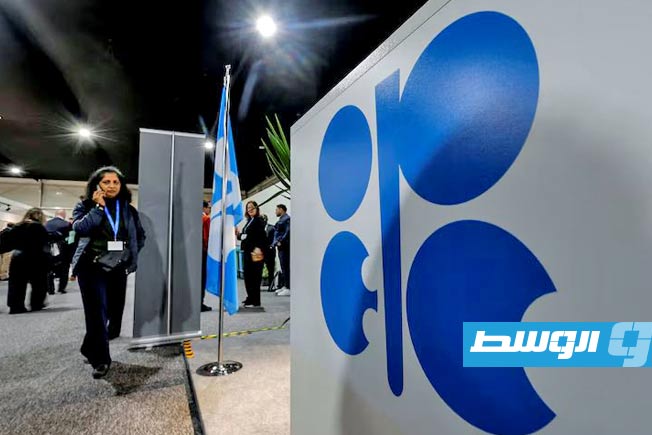
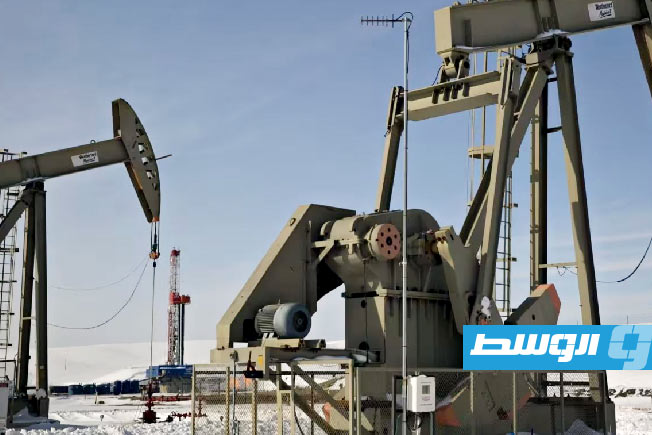
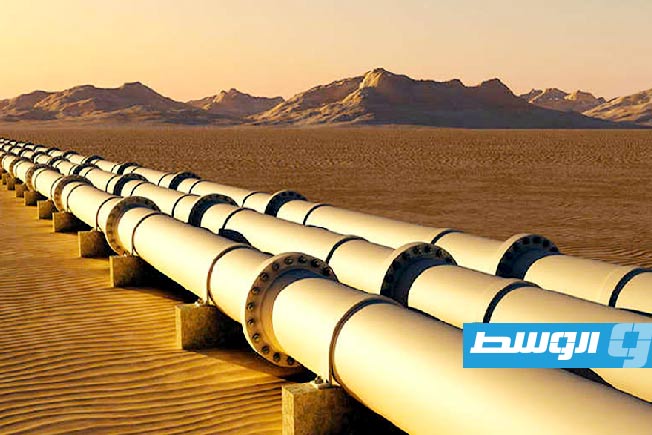
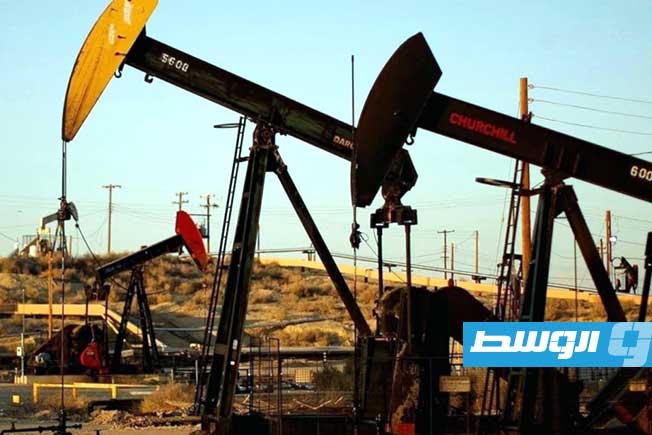
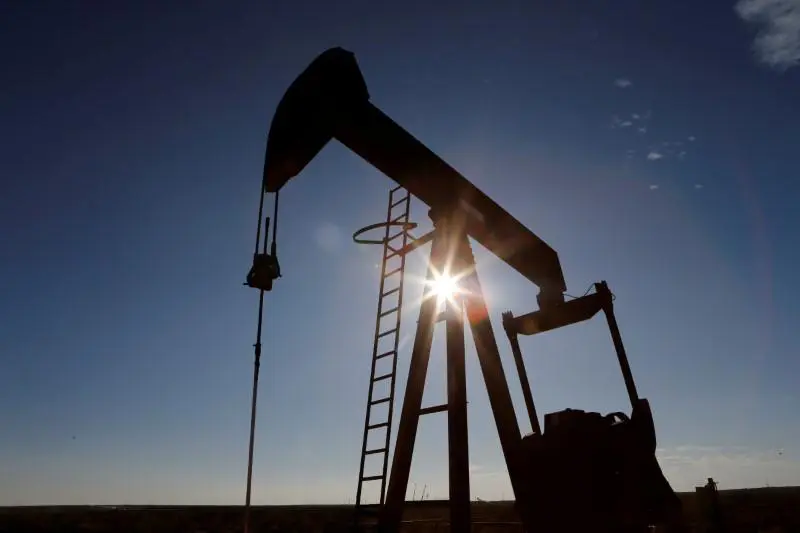
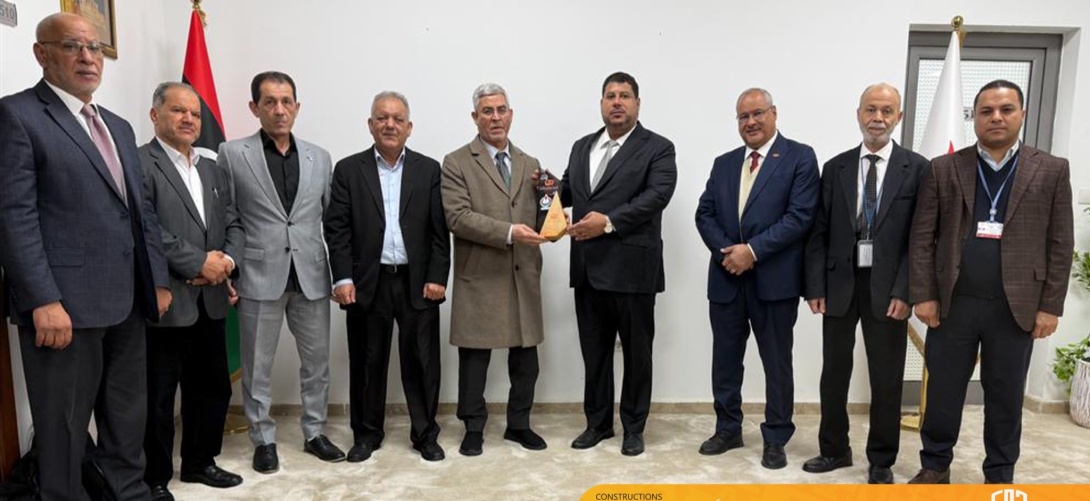
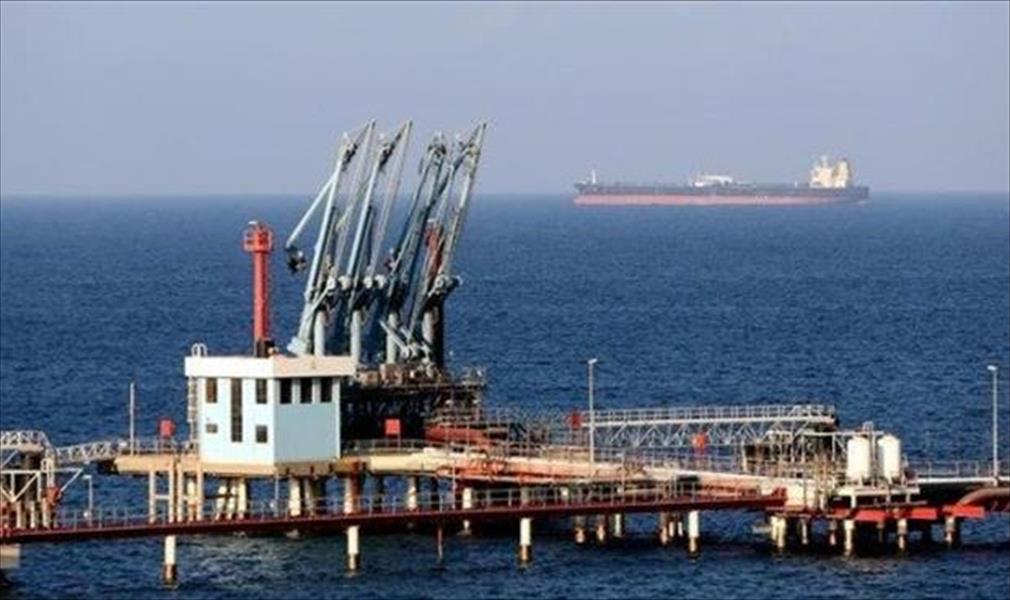
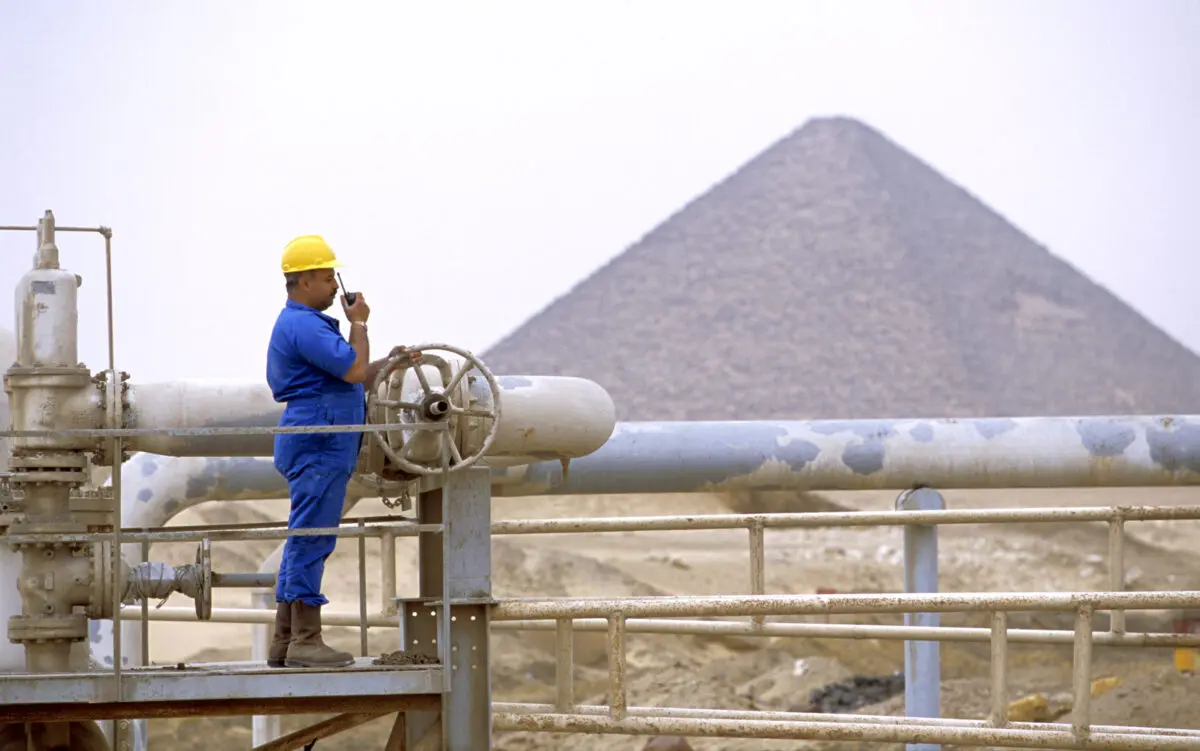
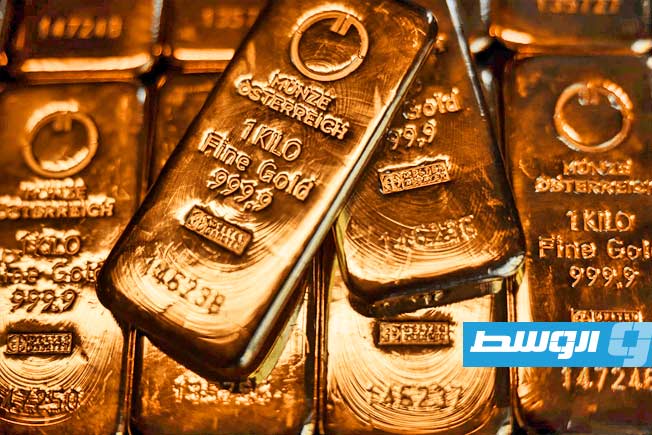
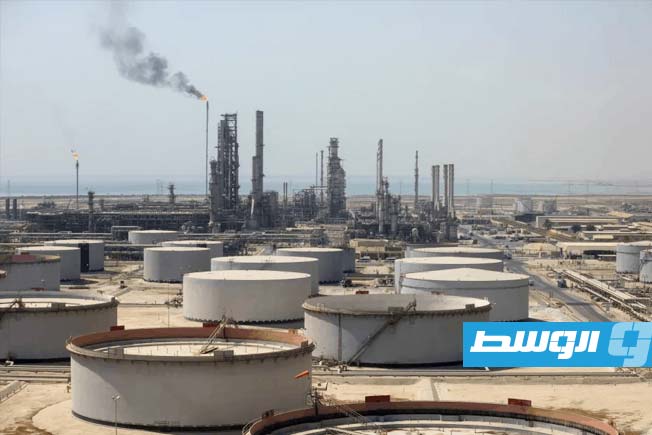
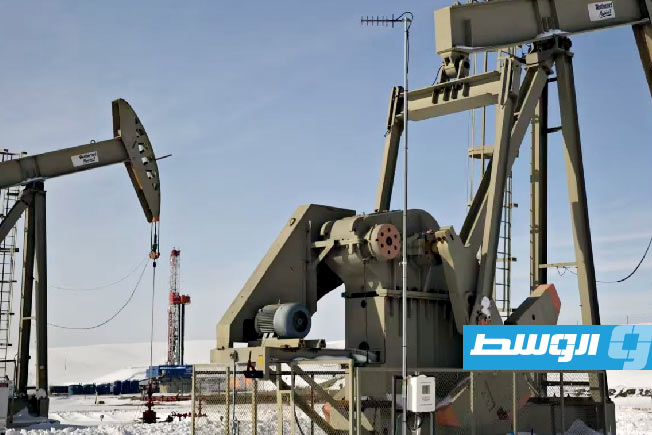
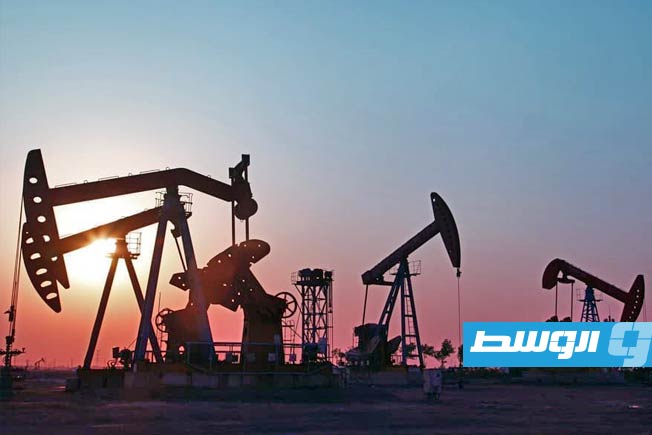
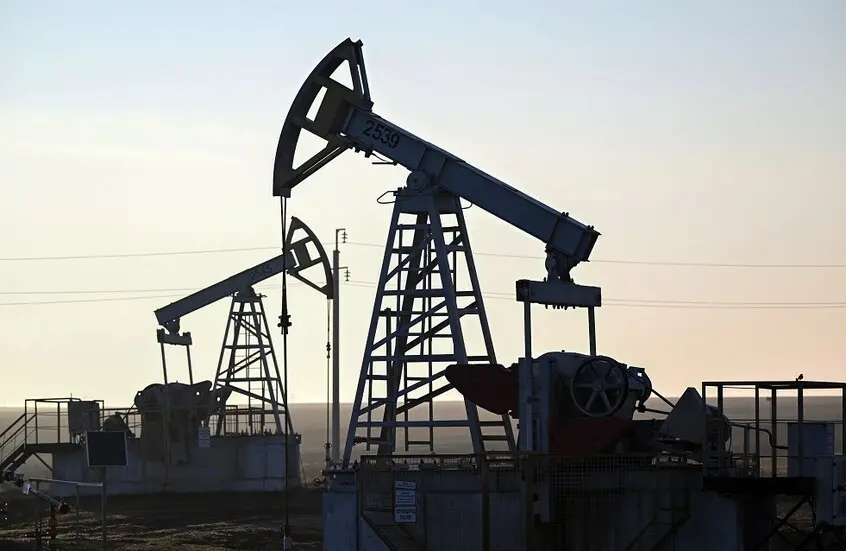
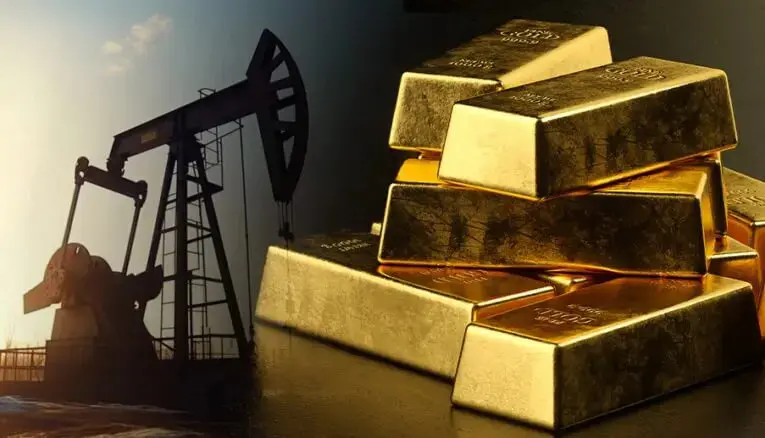
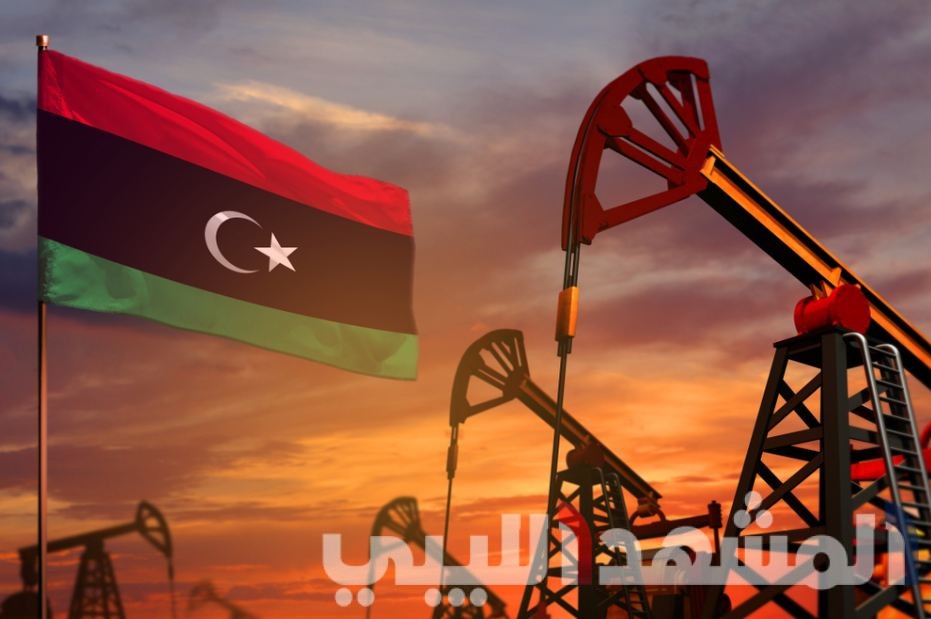
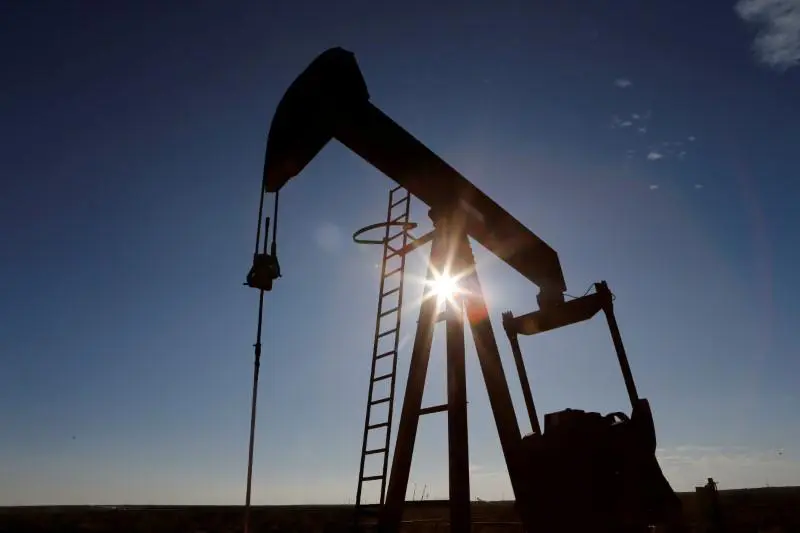
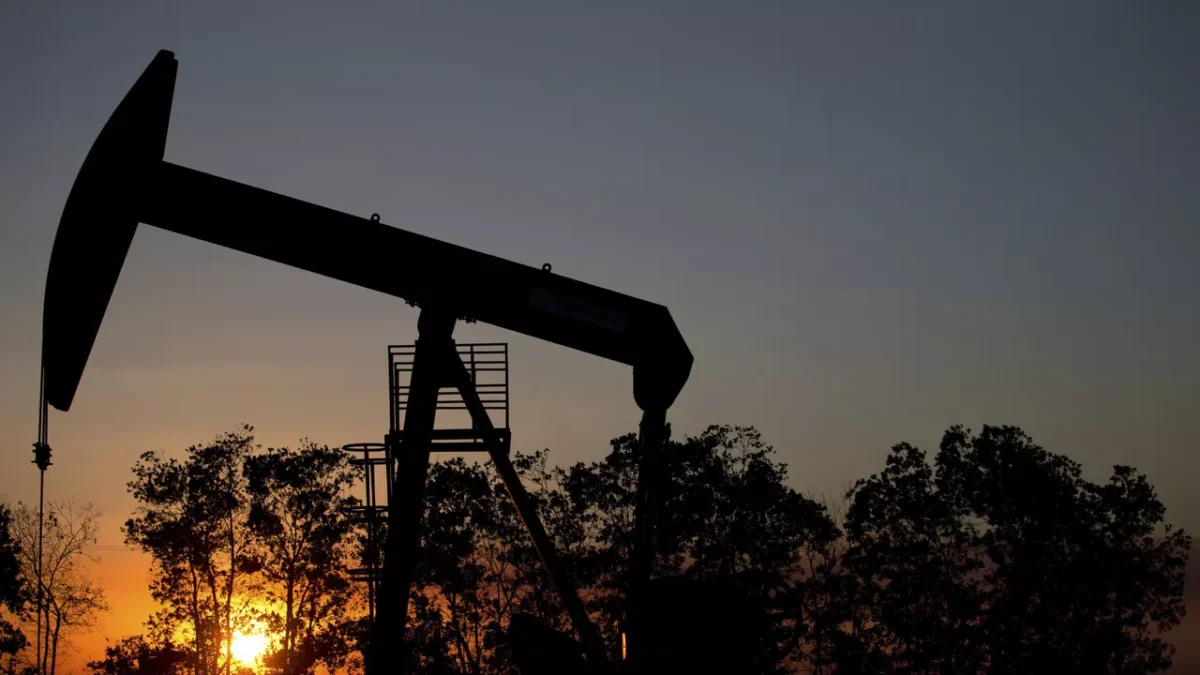
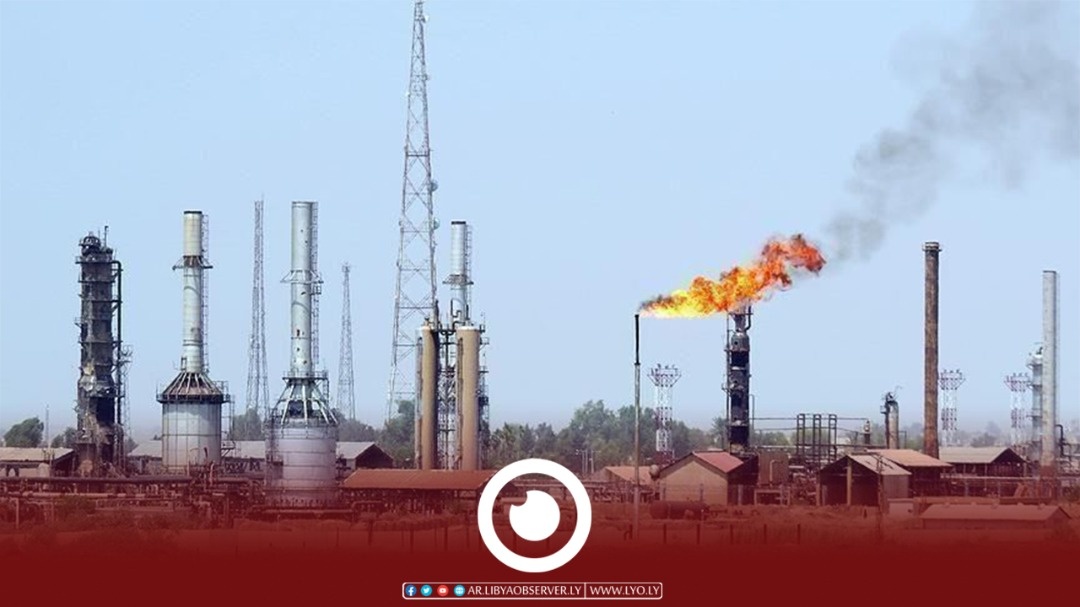
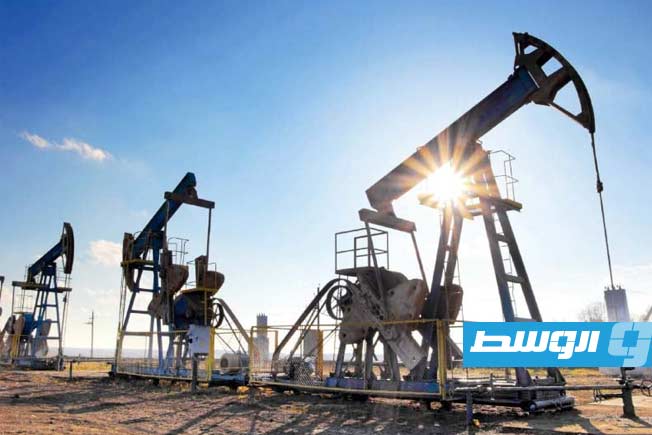
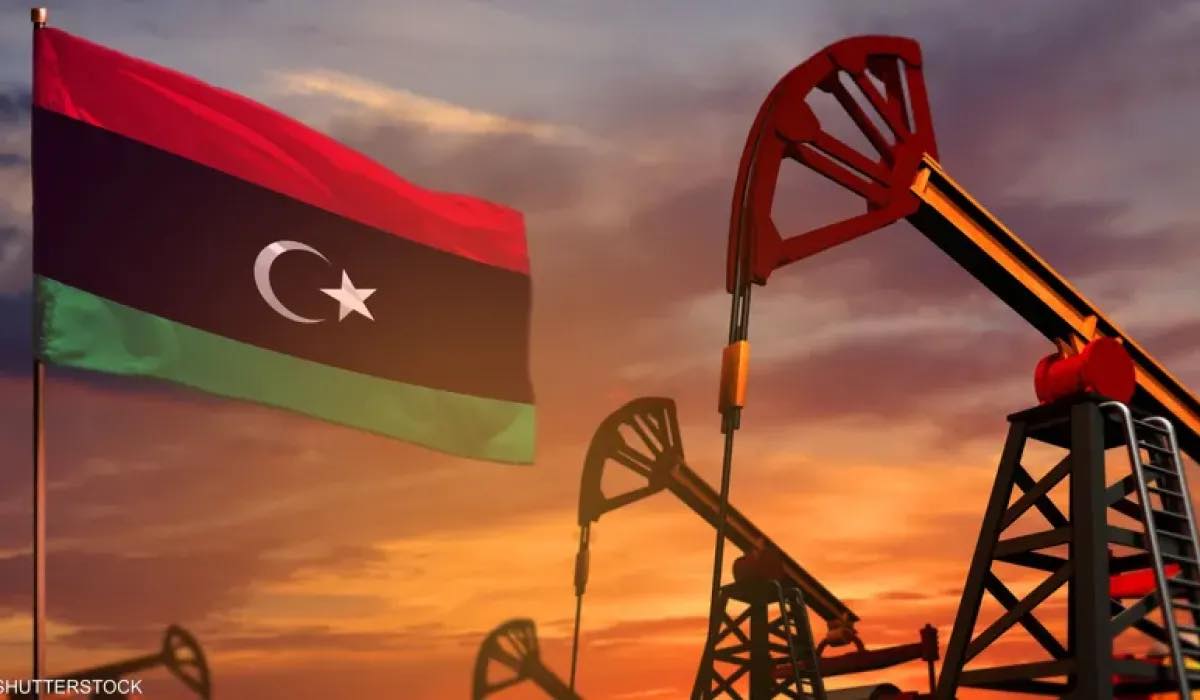
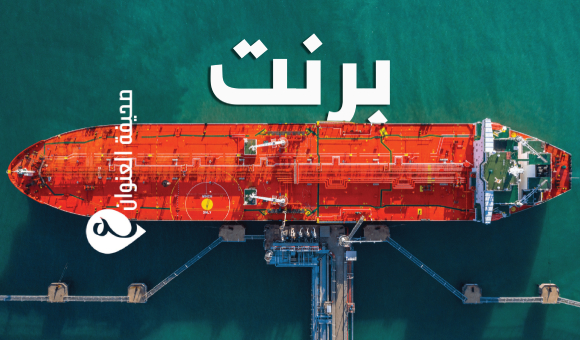
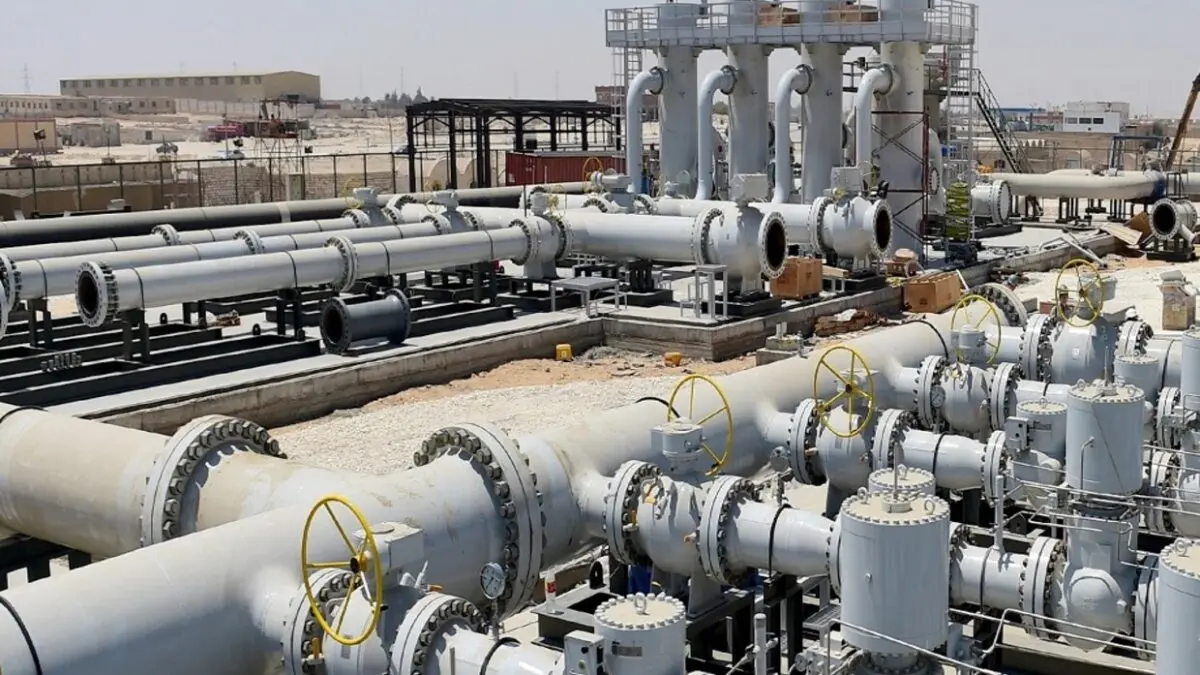
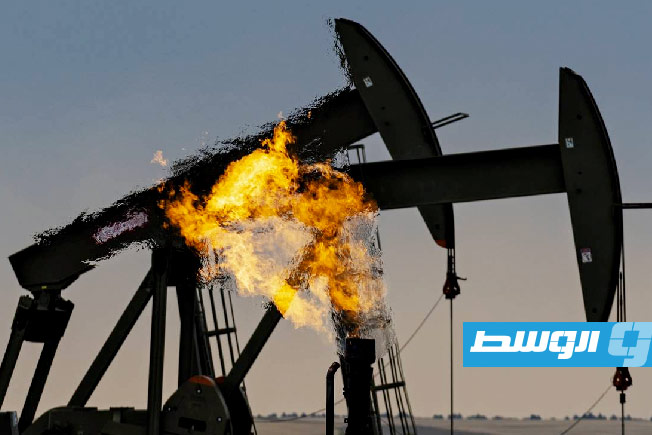
Member countries of the OPEC+ oil group have agreed to maintain the suspension of the total production increase next March, while committing to supporting the markets, despite crude prices rising to their highest level in four months driven by escalating tensions between the United States and Iran.
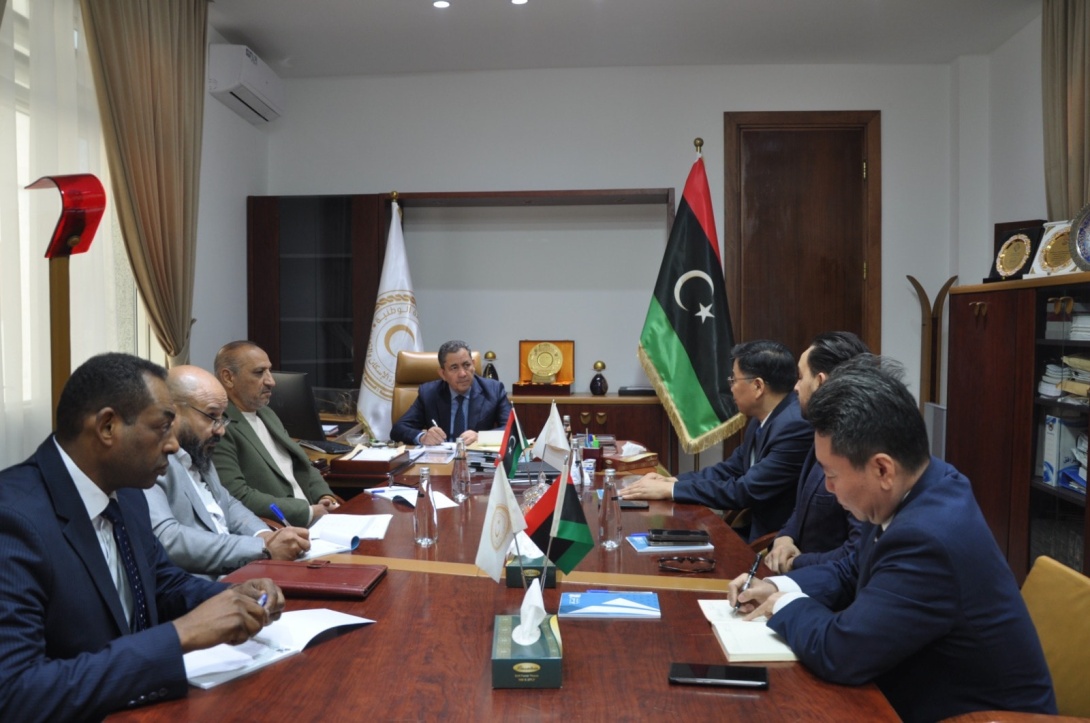
Eight OPEC+ countries, led by Saudi Arabia, confirmed their commitment to suspending the production increase next March, during a meeting held yesterday evening, Sunday.
Delegations stated that “the oil bloc countries left the decision regarding the next step after the end of the first quarter of the year, agreed upon last November, for the next meeting scheduled for March 11.”
Continued State of Uncertainty
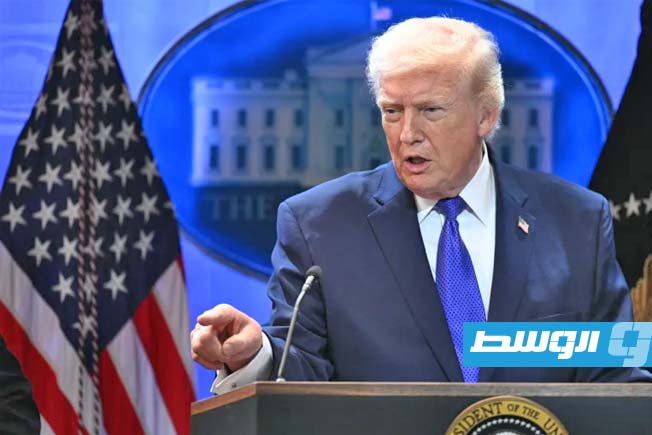
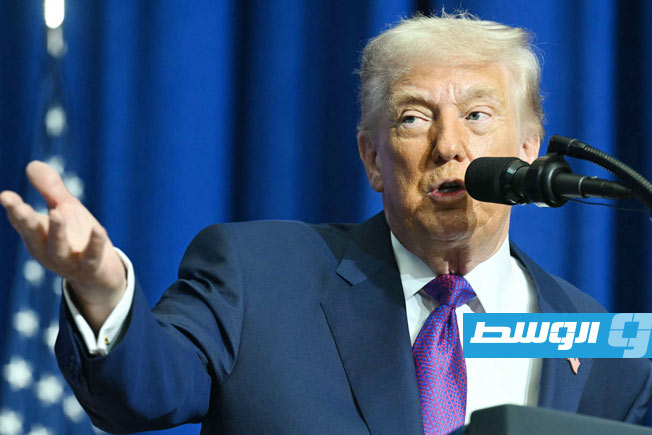
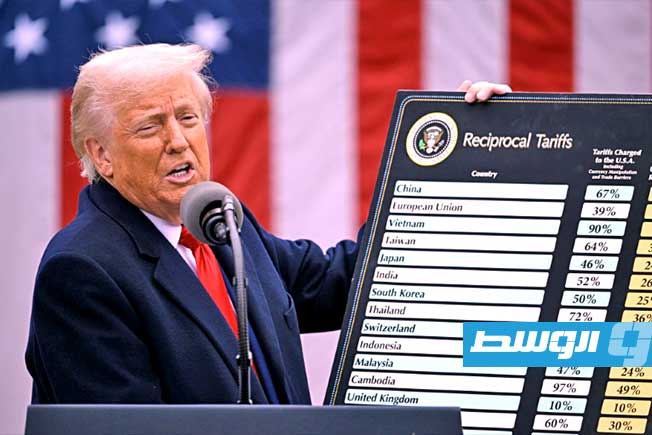
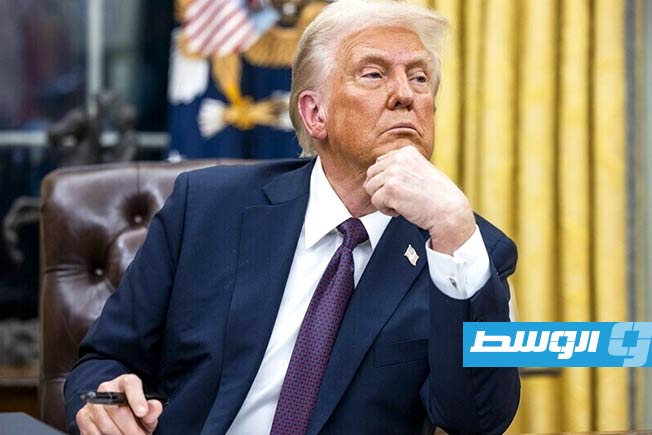
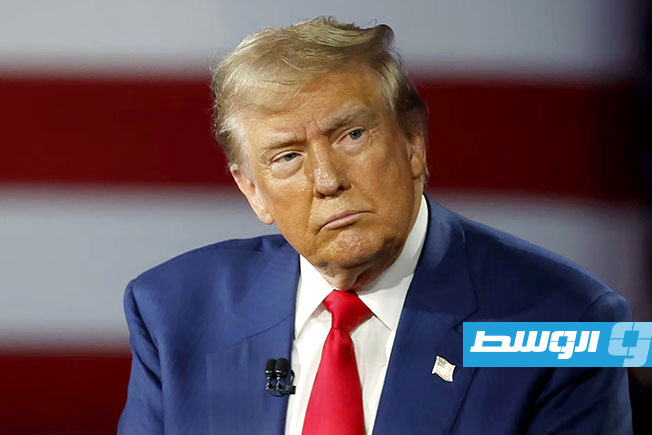
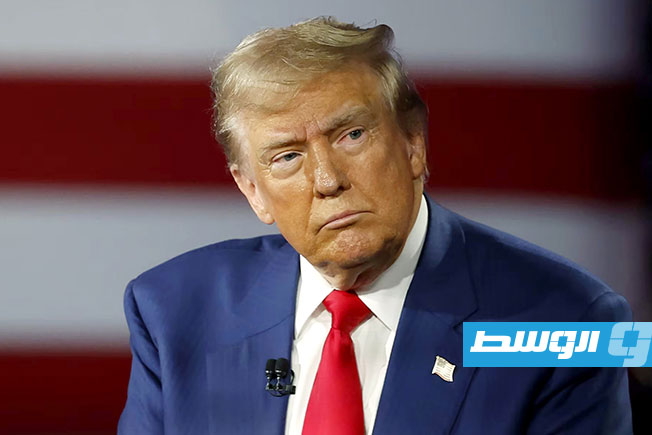
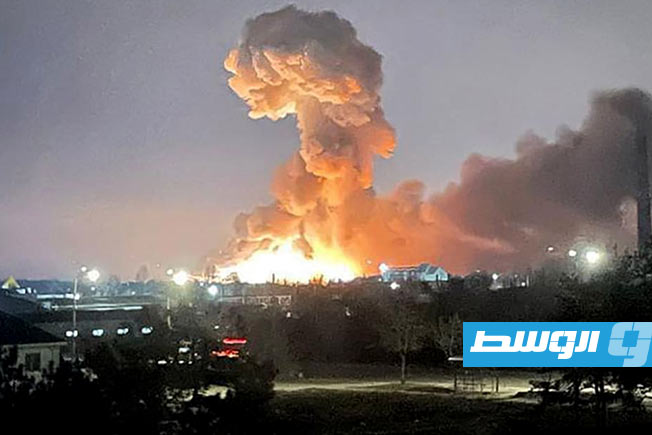
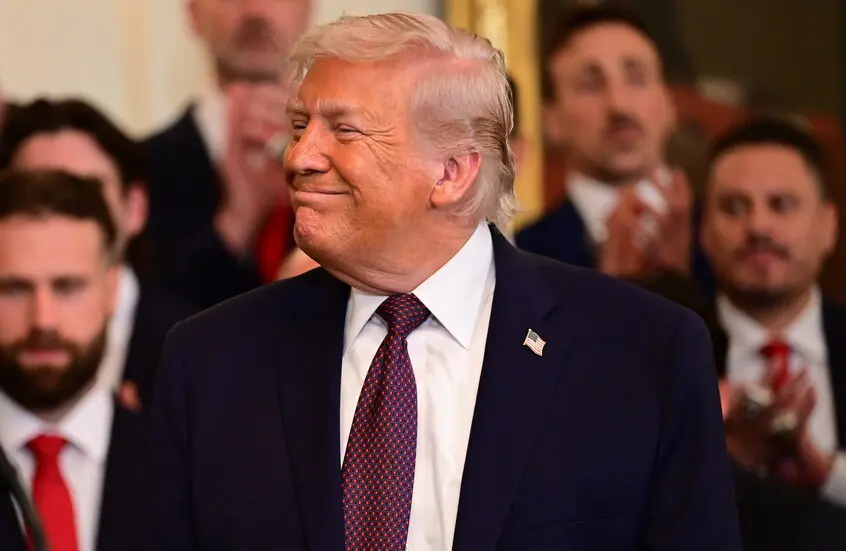
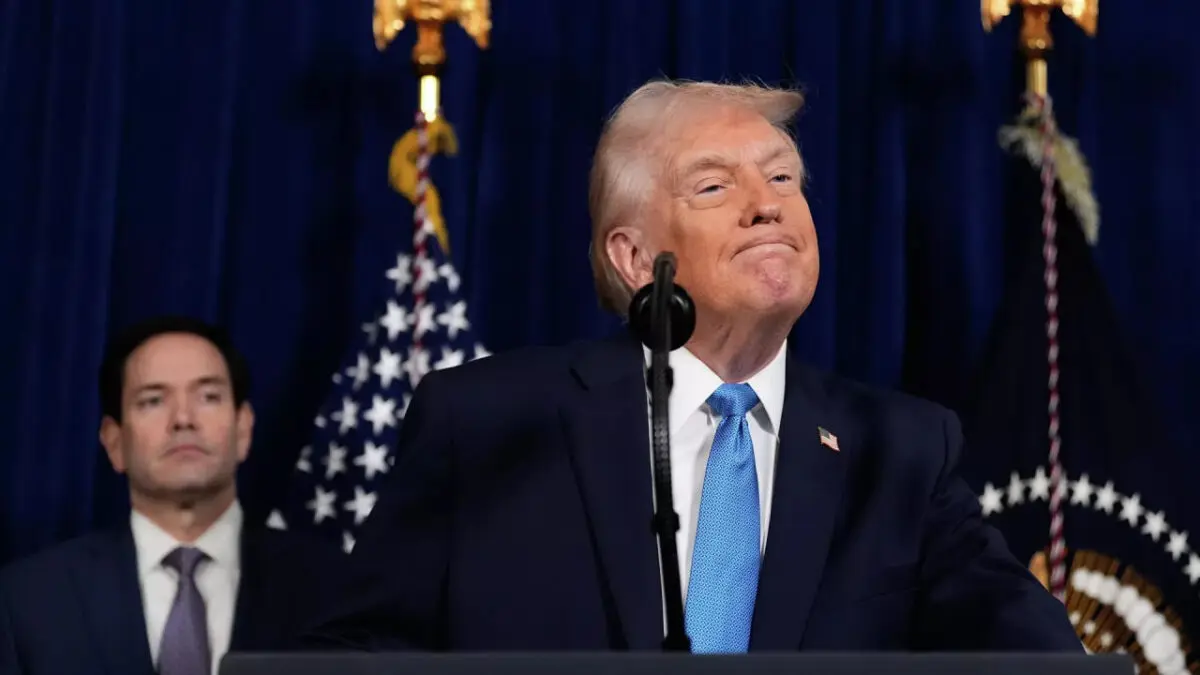
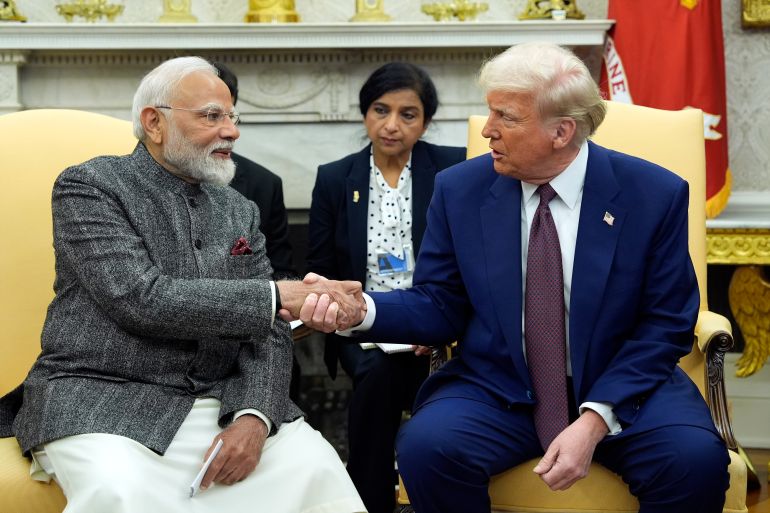
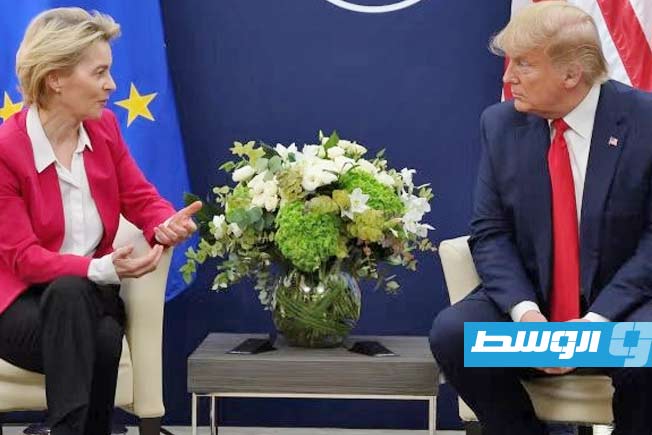
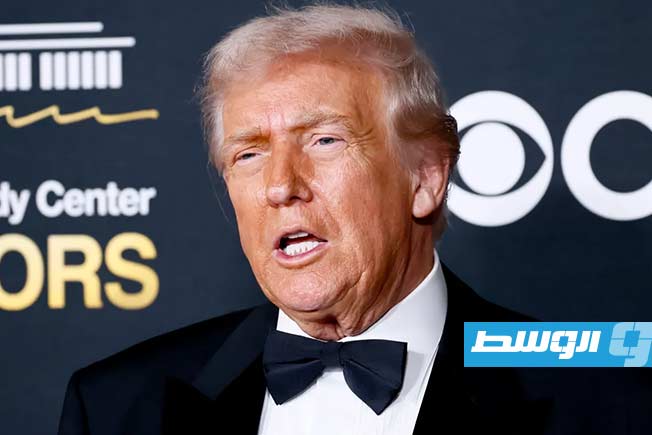
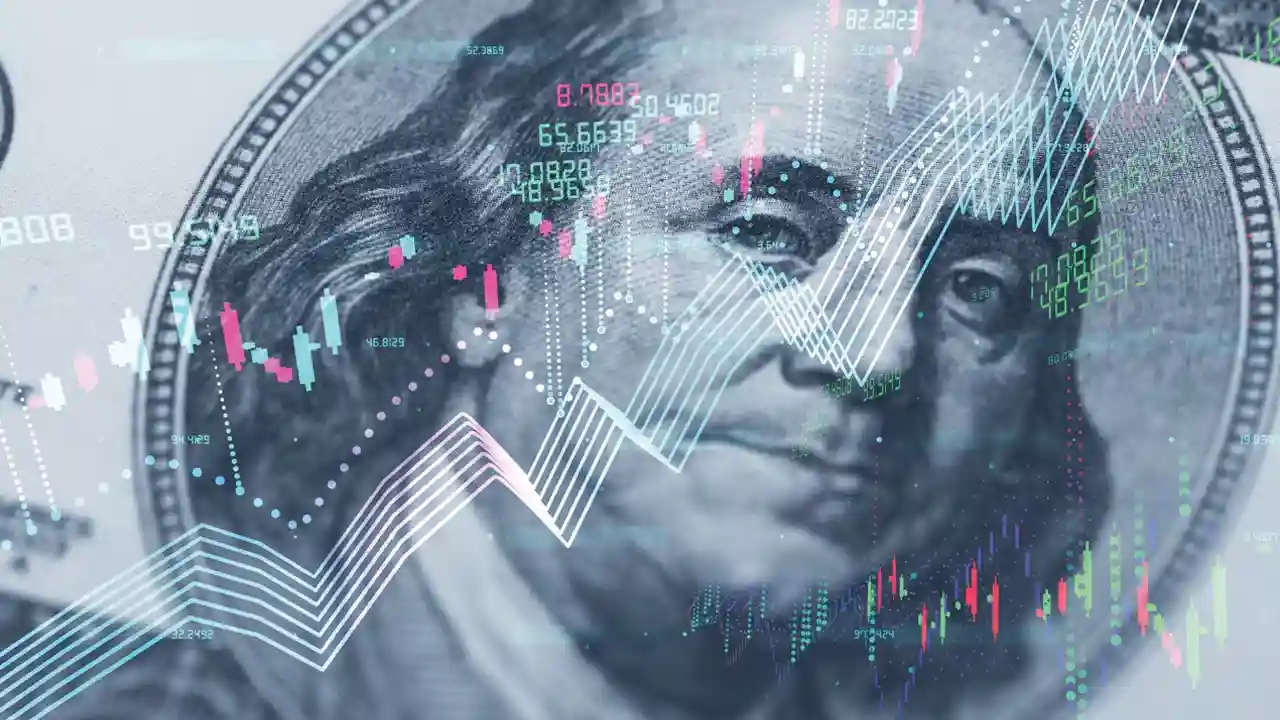
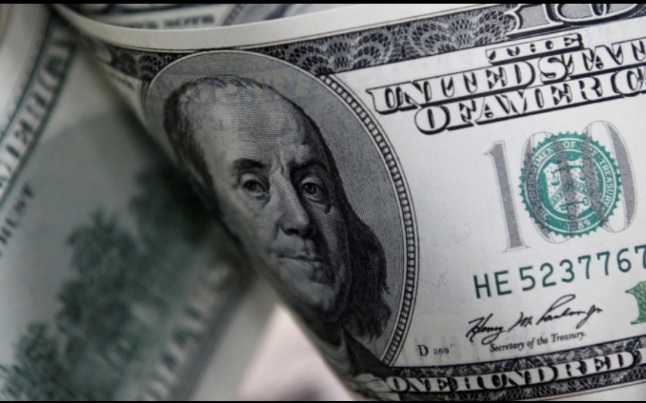
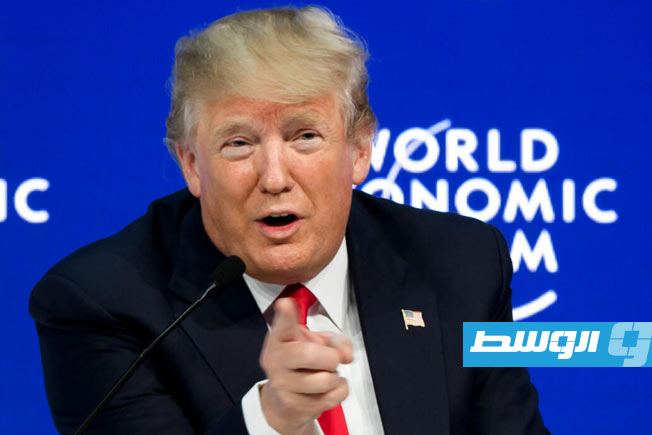
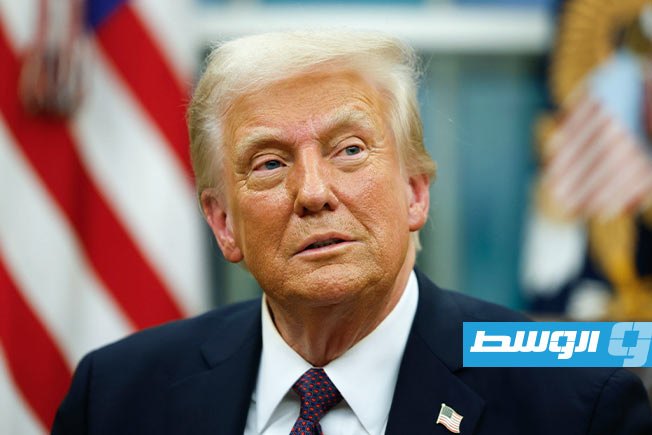
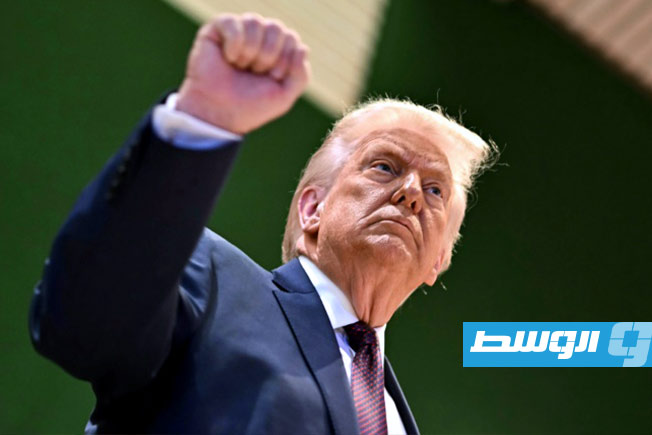
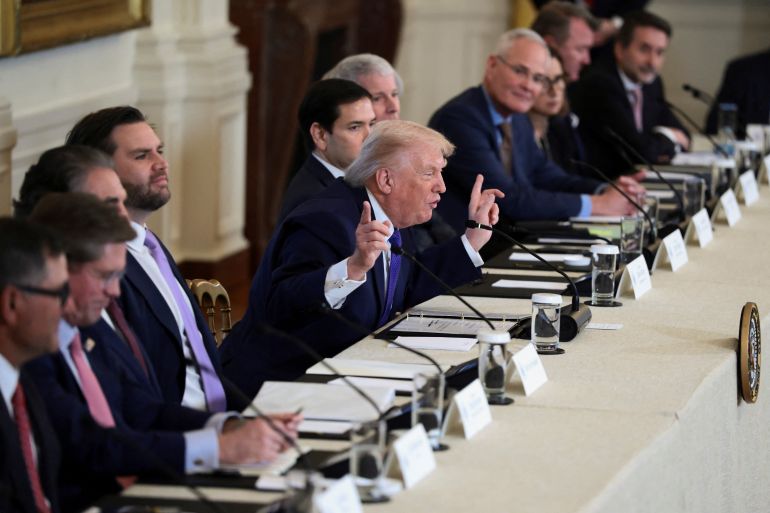
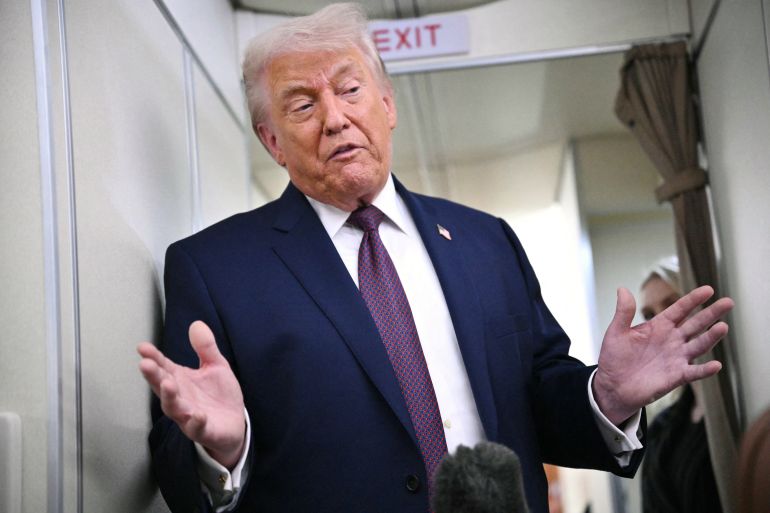
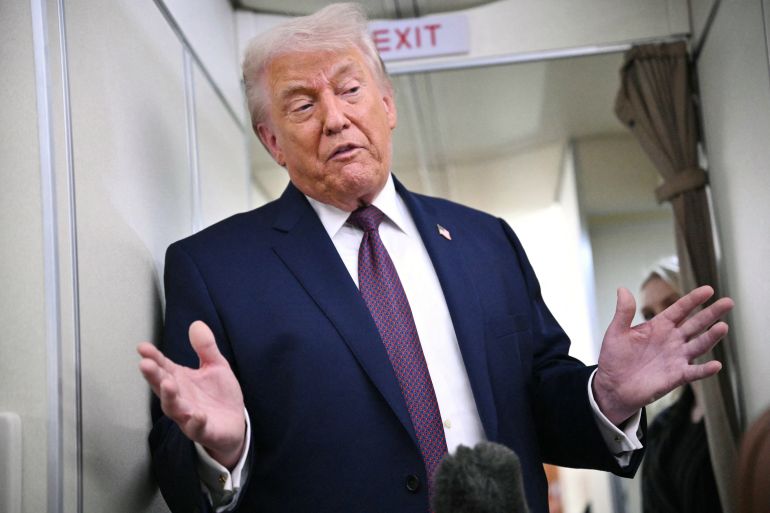
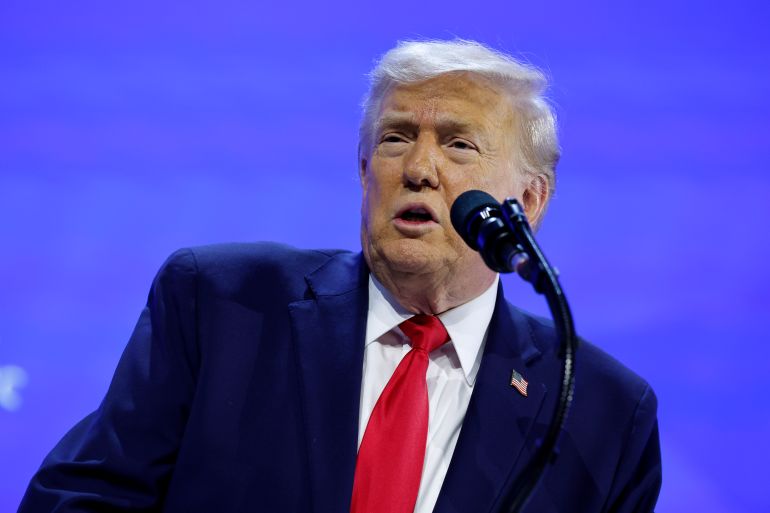
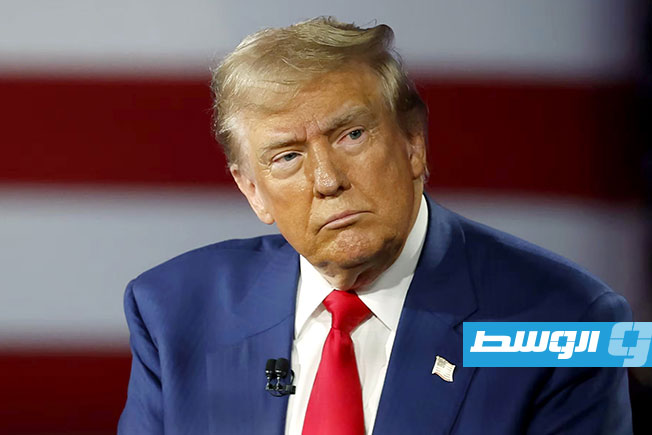
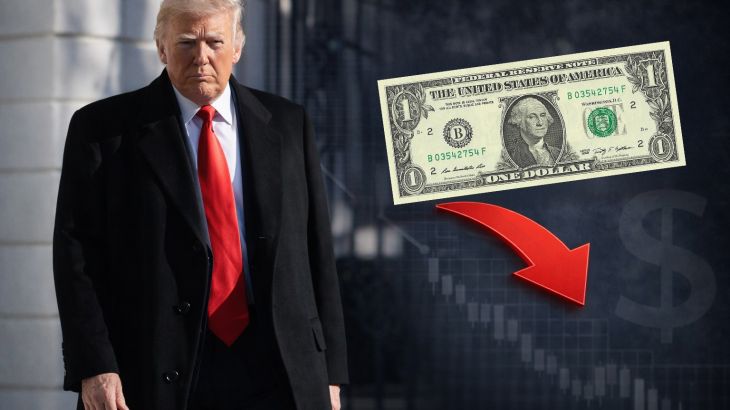
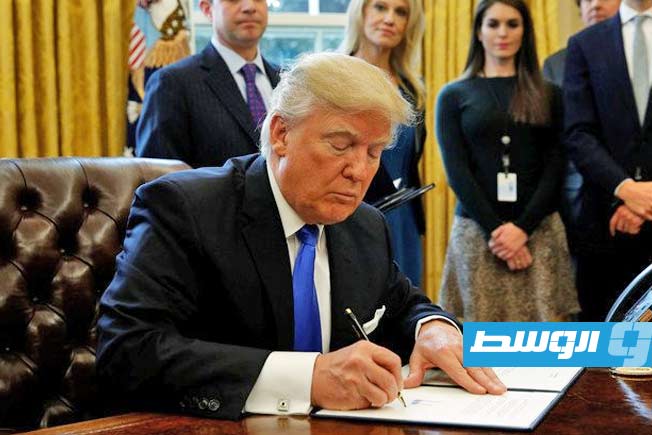
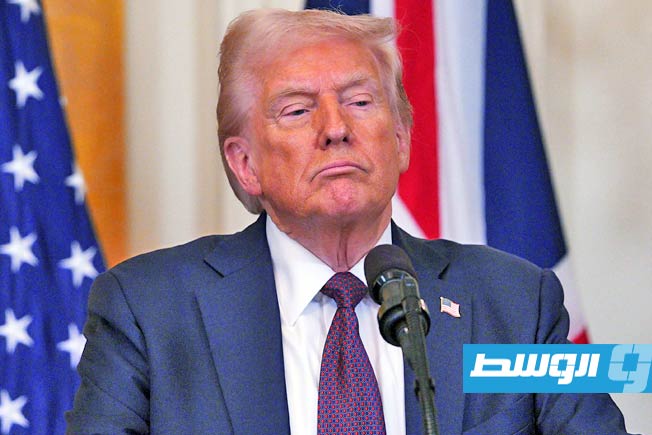
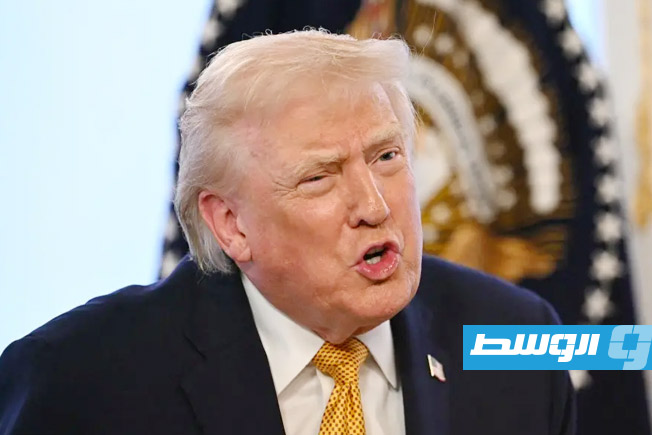
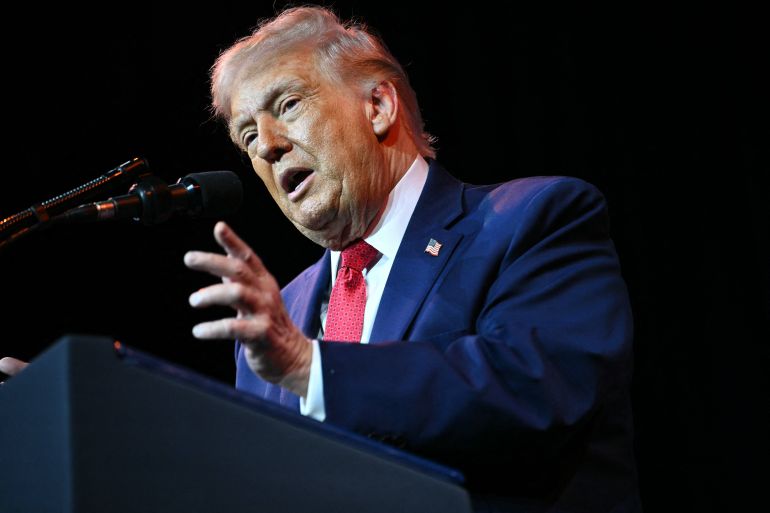
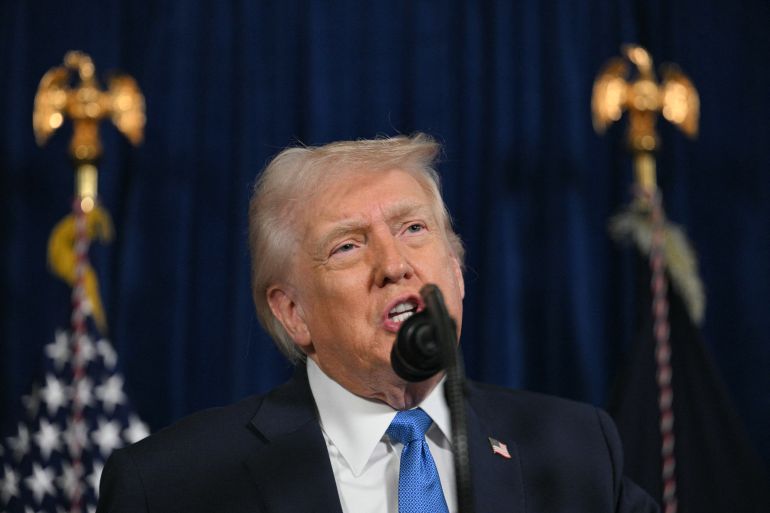
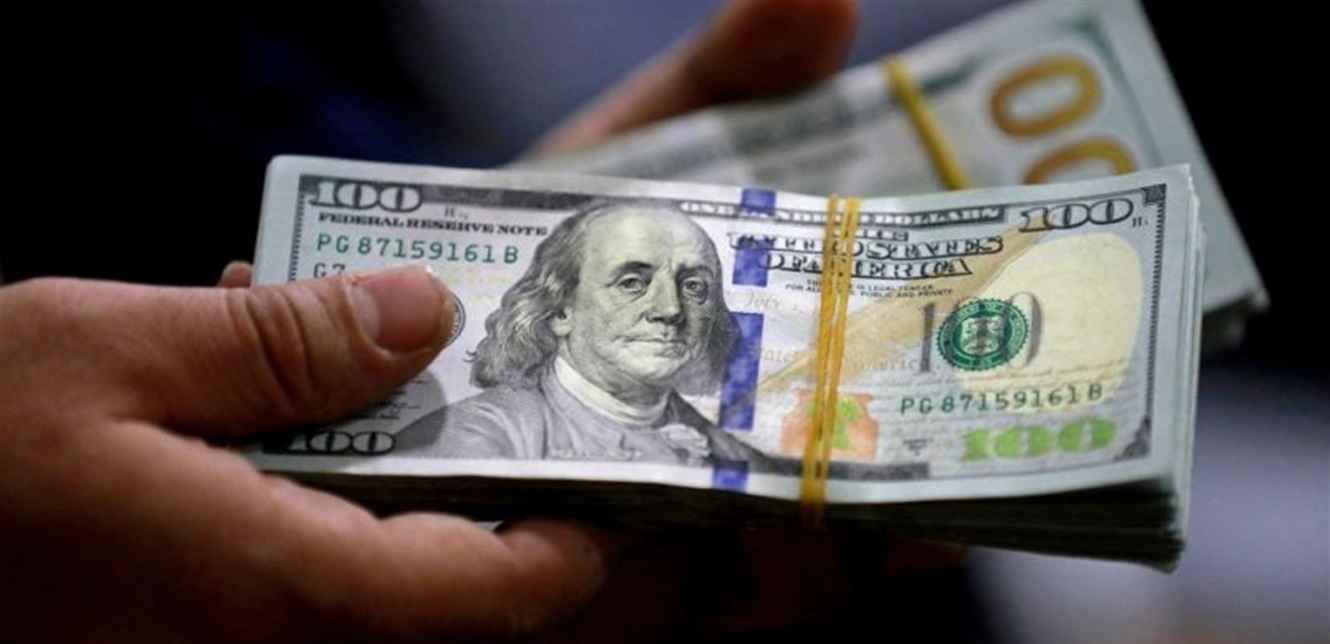
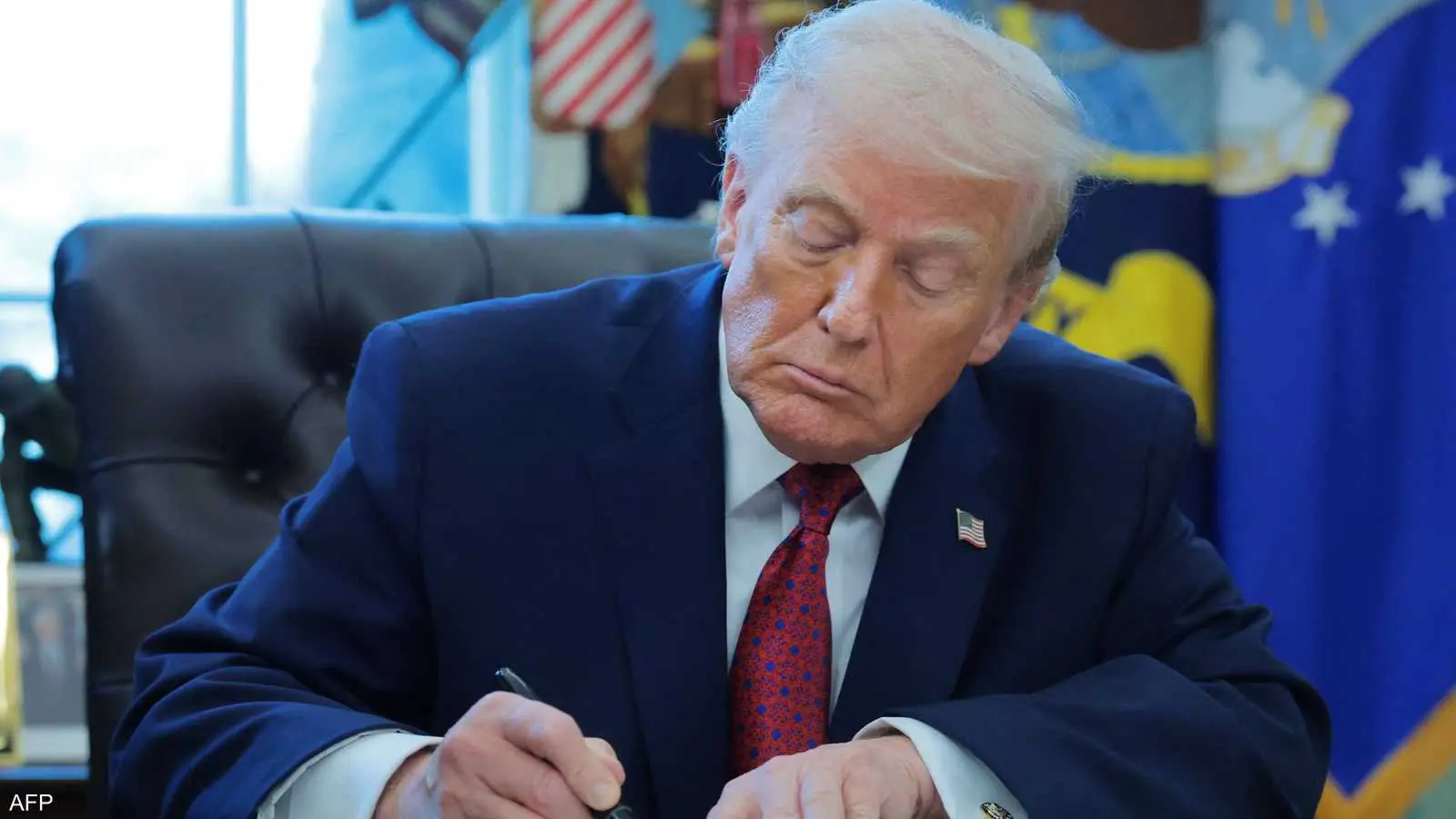
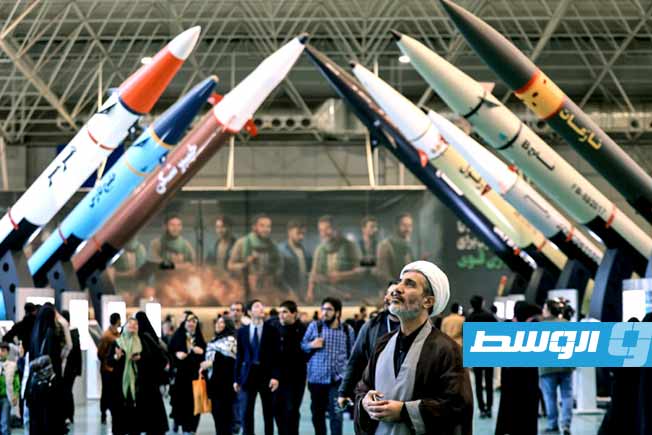
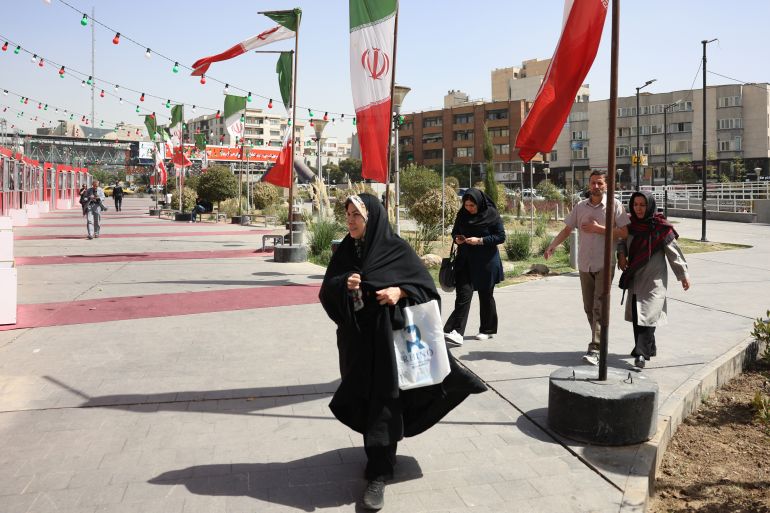
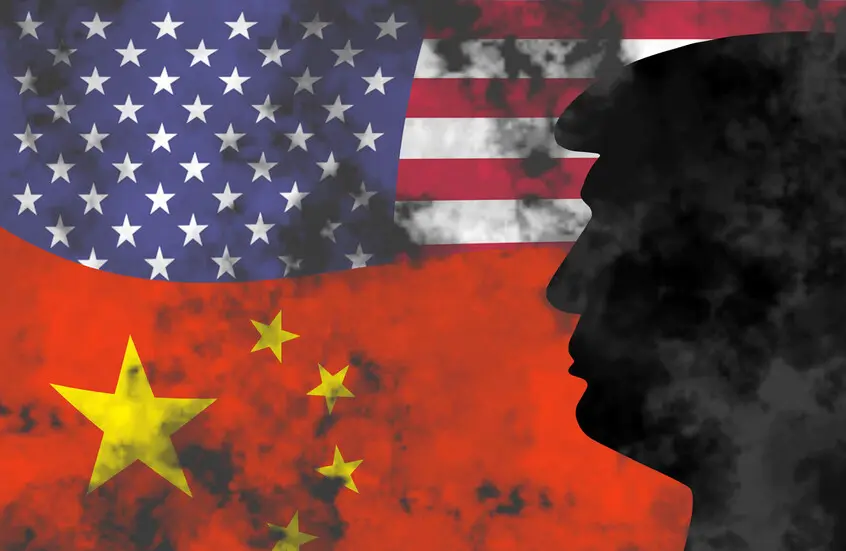
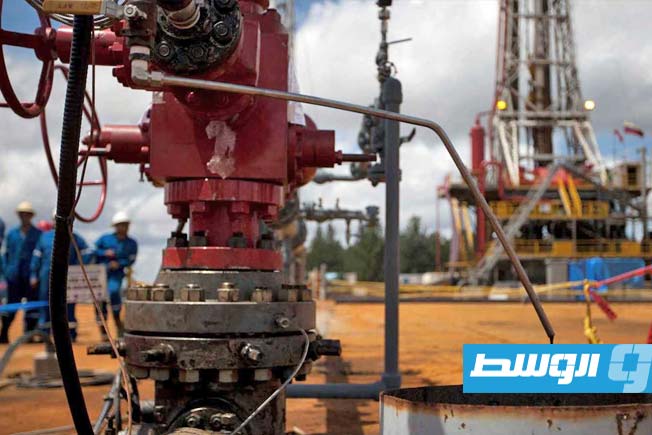
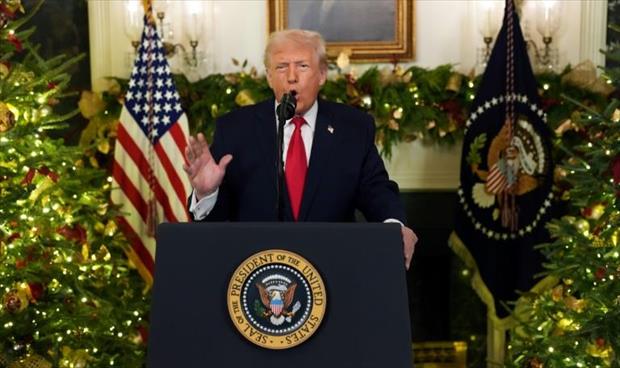
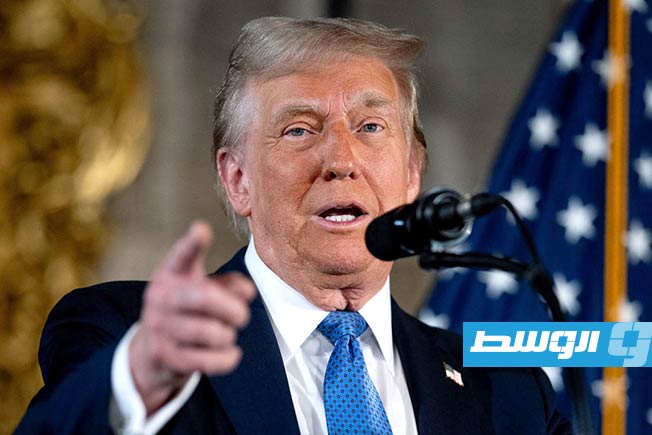
The oil group chose to maintain its policy and extend the suspension of the total production increase despite crude futures rising above $70 per barrel last week, coinciding with US President Donald Trump’s warning of striking Iran, an OPEC member.
– Oil prices fall more than 3% amid Trump’s desire to reach a deal with Iran
https://alwasat.ly/news/economy/506895
– OPEC+ Commits to Suspending Production Increase in Q1 2026
https://alwasat.ly/news/economy/503174
OPEC member countries and producers outside it have often reacted with great caution regarding escalating geopolitical tensions, usually waiting for actual supply changes before taking any action.
An analyst stated: “The essence of the story lies in what OPEC+ chose not to disclose regarding the second quarter. With increasing uncertainty about Iran and tensions with the United States, the group is keeping all options strongly on the table.”
OPEC+ Members’ Capacity to Increase Production
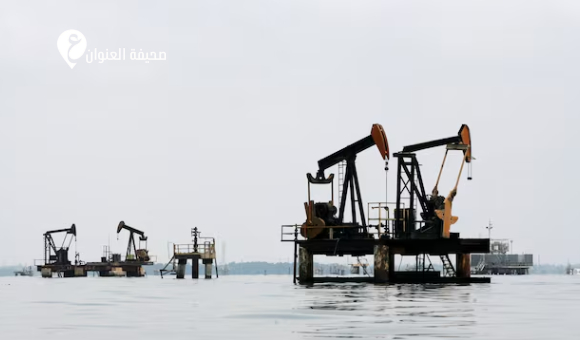
While OPEC+ countries, especially Saudi Arabia and the UAE, wish to regain market share lost to the accelerating production of US shale oil, analysts raise questions about the actual ability of the oil bloc countries to increase crude production at the agreed pace.
Some analysts have suggested that OPEC+ may be forced to cut production to prevent a decline in crude oil prices.
This comes as the International Energy Agency expects a record surplus in global oil markets with slowing demand growth, while it continues to rise among OPEC’s competitors, such as the United States, Brazil, Canada, and Guyana.
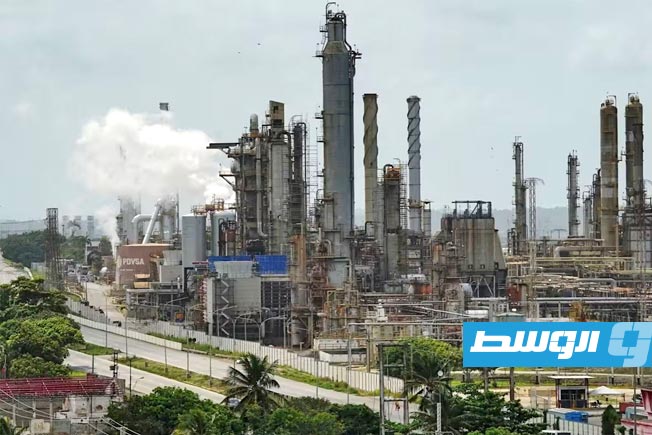
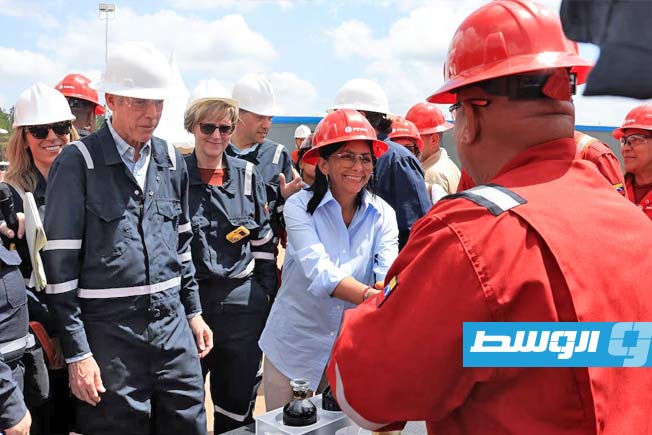
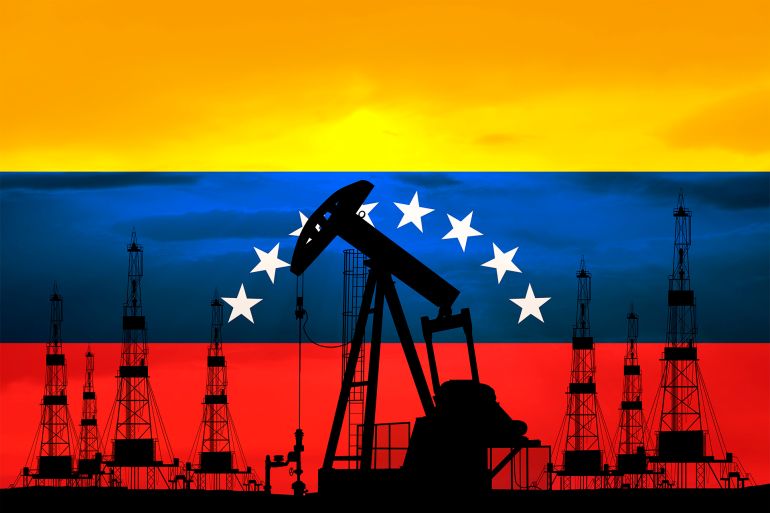
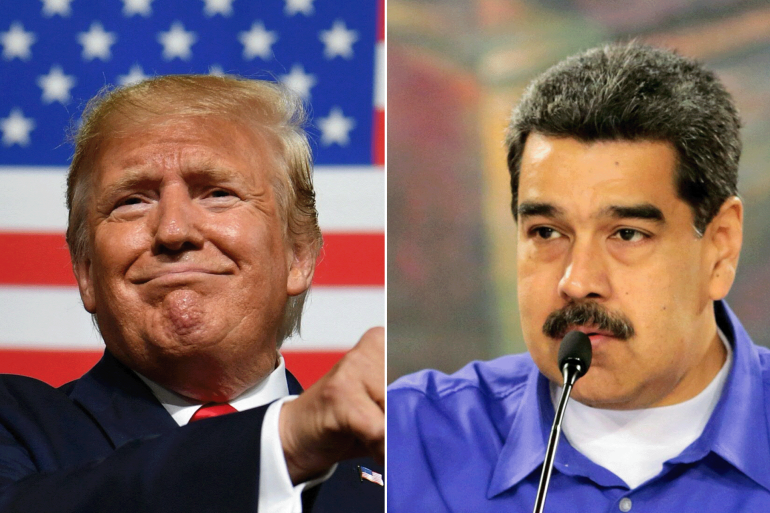
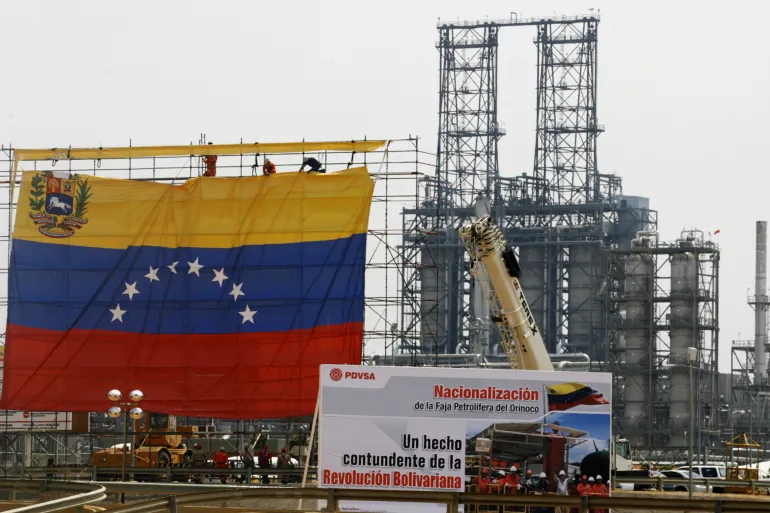
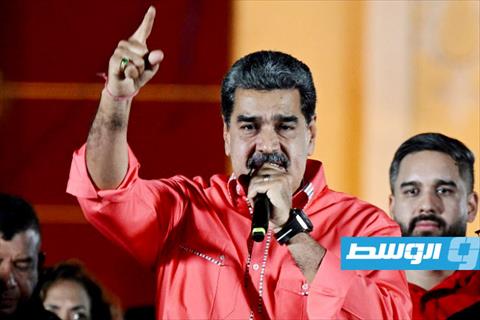
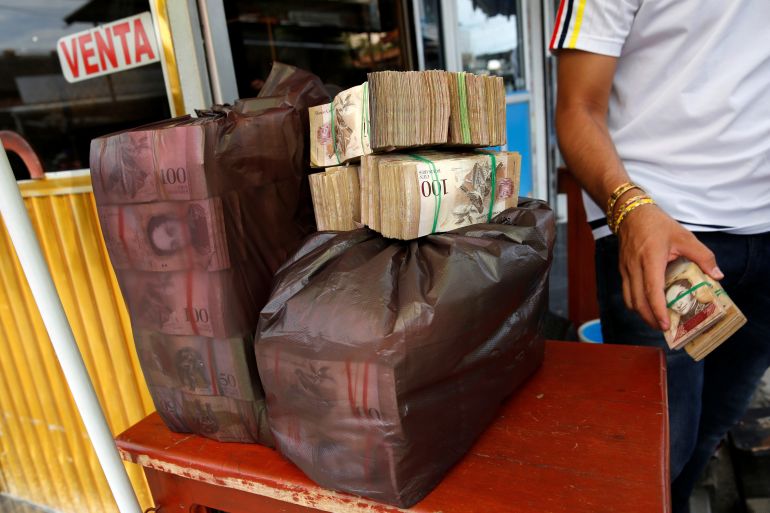
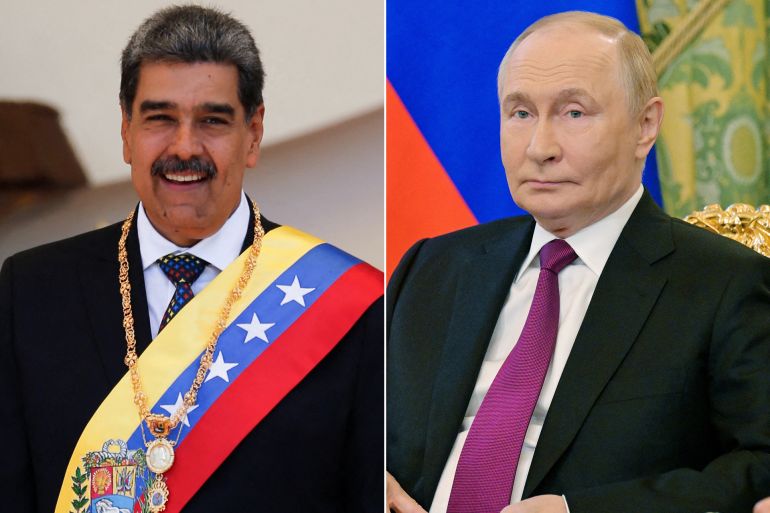
Crude oil prices have shown surprising strength this year, supported by disruptions in Iran and unrest in Kazakhstan. The oil sector in Venezuela, an OPEC member, is also shrouded in uncertainty, with President Trump pledging to rehabilitate it after ousting former President Nicolas Maduro.
It is worth noting that OPEC+ countries decided, at the beginning of 2025, to increase total oil production and restore more than 1.25 million barrels per day that they had cut in recent years to support the markets.
OPEC+
OPEC+ is an expanded version of the Organization of the Petroleum Exporting Countries (OPEC), formed in 2016 to include other major oil-producing nations like Russia. Its primary purpose is to coordinate and stabilize global oil markets through negotiated production quotas. This alliance builds upon OPEC’s original 1960 founding by key producing countries to collectively influence petroleum prices and policies.
United States
The United States is a federal republic founded in 1776 following the American Revolution, which established its independence from Great Britain. Its history includes westward expansion, a civil war over slavery, and its emergence as a global superpower in the 20th century. The nation is defined by its diverse population, democratic institutions, and significant cultural influence worldwide.
Iran
Iran, historically known as Persia, is home to one of the world’s oldest continuous civilizations, with a recorded history spanning thousands of years. Its rich cultural heritage includes numerous UNESCO World Heritage sites, such as the ancient ruins of Persepolis and the architectural marvels of Isfahan, reflecting the influence of successive empires from the Achaemenids to the Safavids. Modern Iran is an Islamic Republic established after the 1979 revolution, blending its deep historical identity with contemporary political and religious structures.
Saudi Arabia
Saudi Arabia is a Middle Eastern nation founded in 1932 by King Abdulaziz Al Saud, unifying the regions of Najd and Hejaz. It is the birthplace of Islam, home to the religion’s two holiest cities, Mecca and Medina, which have been central to Islamic history and pilgrimage for over fourteen centuries. The modern kingdom is an absolute monarchy whose economy and global influence are heavily defined by its vast reserves of petroleum.
UAE
The United Arab Emirates (UAE) is a federation of seven emirates on the Arabian Peninsula, established in 1971 following the end of British protection. Historically a region of pearl diving and trade, it has rapidly transformed into a global hub known for its modern architecture, such as the Burj Khalifa, and its significant cultural sites, including historic forts and the Sheikh Zayed Grand Mosque.
Brazil
Brazil is the largest country in South America, known for its vast Amazon rainforest and vibrant cultural exports like samba and football. Its modern history began with Portuguese colonization in 1500, leading to an independent empire in 1822 and the establishment of a republic in 1889. The nation is characterized by its diverse population, a legacy of indigenous peoples, European settlers, and Africans brought during the transatlantic slave trade.
Canada
Canada is a North American country formed in 1867 through Confederation, evolving from earlier British and French colonial territories. It is known for its vast landscapes, multicultural society, and a historical development deeply influenced by Indigenous peoples, colonization, and immigration.
Guyana
Guyana is a country on the northern coast of South America, known for its vast rainforests and cultural blend of Indigenous, African, Indian, and European influences. Historically, it was colonized by the Dutch and later the British, gaining independence in 1966. Its cultural heritage is reflected in sites like the colonial-era St. George’s Cathedral in Georgetown and the natural landmark of Kaieteur Falls.
Kazakhstan
Kazakhstan is a Central Asian nation with a rich nomadic history, historically shaped by the Silk Road and various empires. It gained independence in 1991 following the dissolution of the Soviet Union, which had a profound impact on its modern development. Culturally, it is known for traditions like eagle hunting, yurt dwellings, and the modern capital city of Nur-Sultan (Astana).
Venezuela
Venezuela is a South American country with a history of indigenous inhabitation before Spanish colonization in the 16th century. It gained independence in the early 19th century and is known for its significant oil reserves and diverse natural landscapes, including Angel Falls, the world’s tallest waterfall.
Nicolas Maduro
Nicolas Maduro is the current president of Venezuela, having assumed the office in 2013 following the death of his predecessor, Hugo Chávez. His presidency has been marked by a severe political and economic crisis in the country, leading to significant international controversy and sanctions.
International Energy Agency
The International Energy Agency (IEA) is an intergovernmental organization founded in 1974 in response to the 1973 oil crisis, initially to coordinate measures for oil supply security. Today, it serves as a key global authority on energy data, analysis, and policy advice, focusing on energy security, economic development, and environmental awareness.