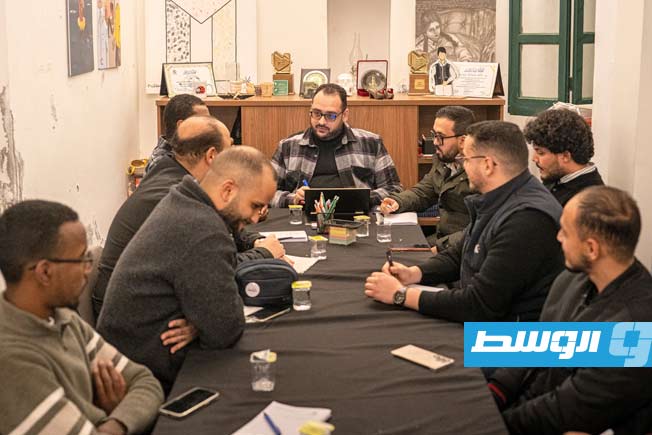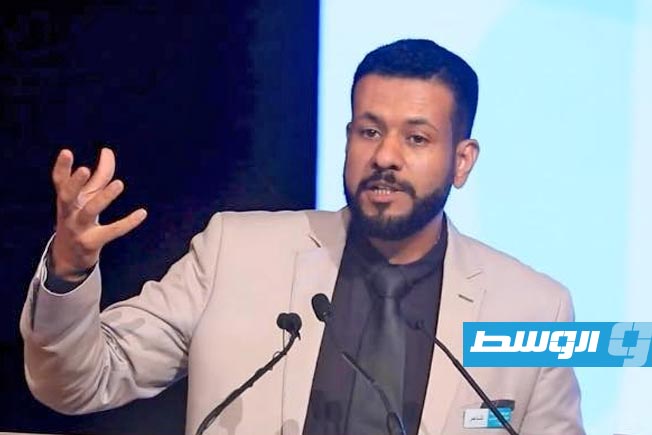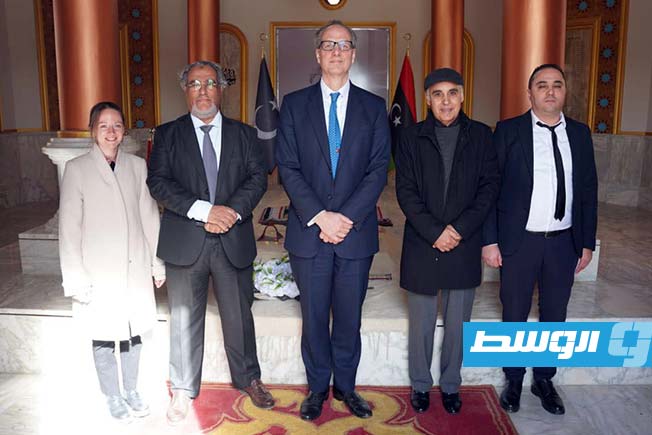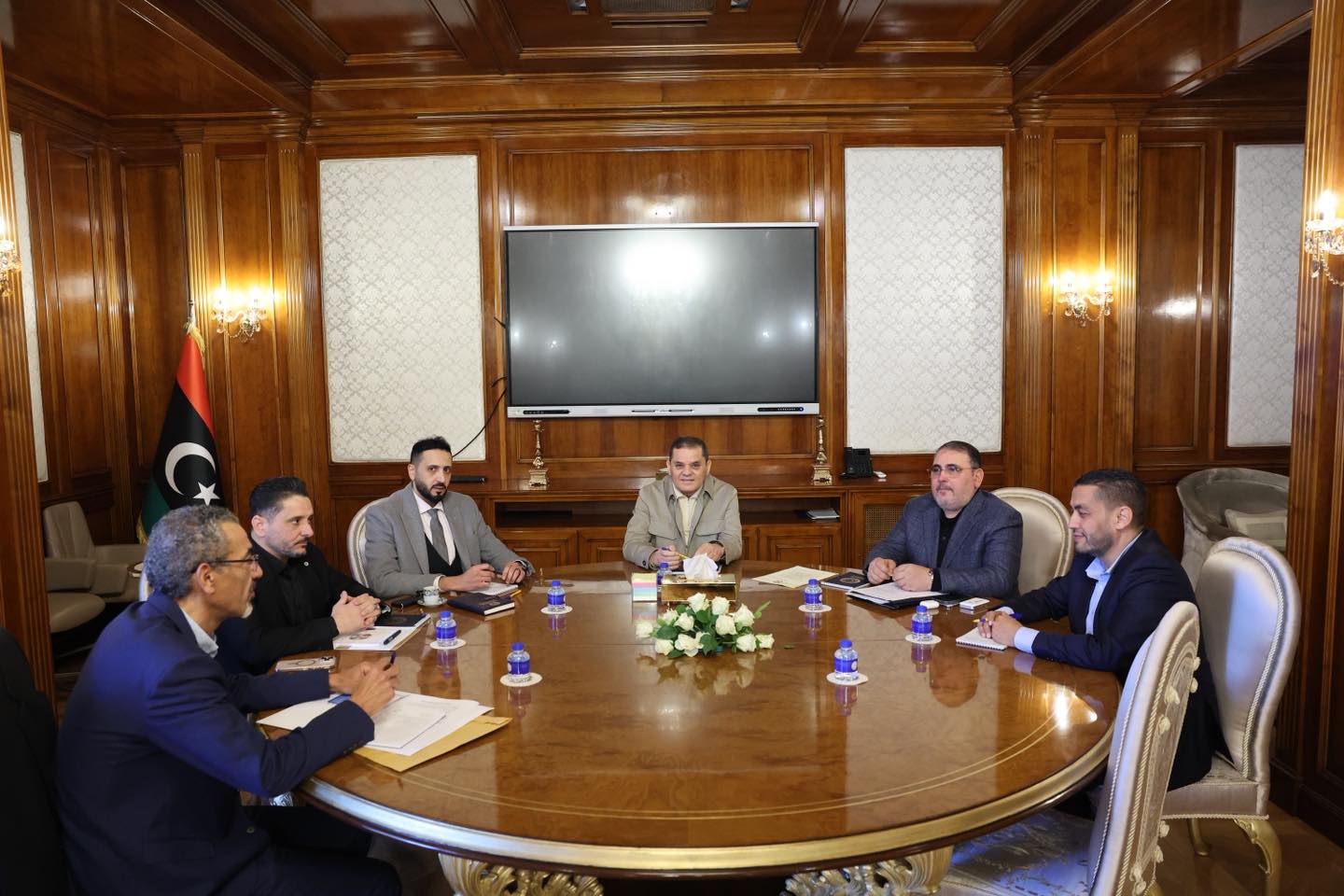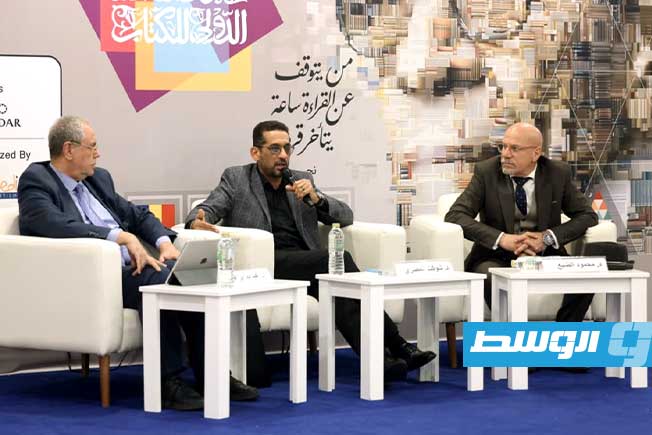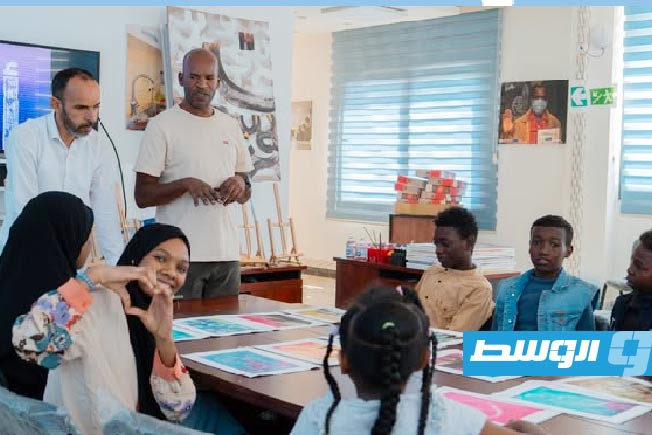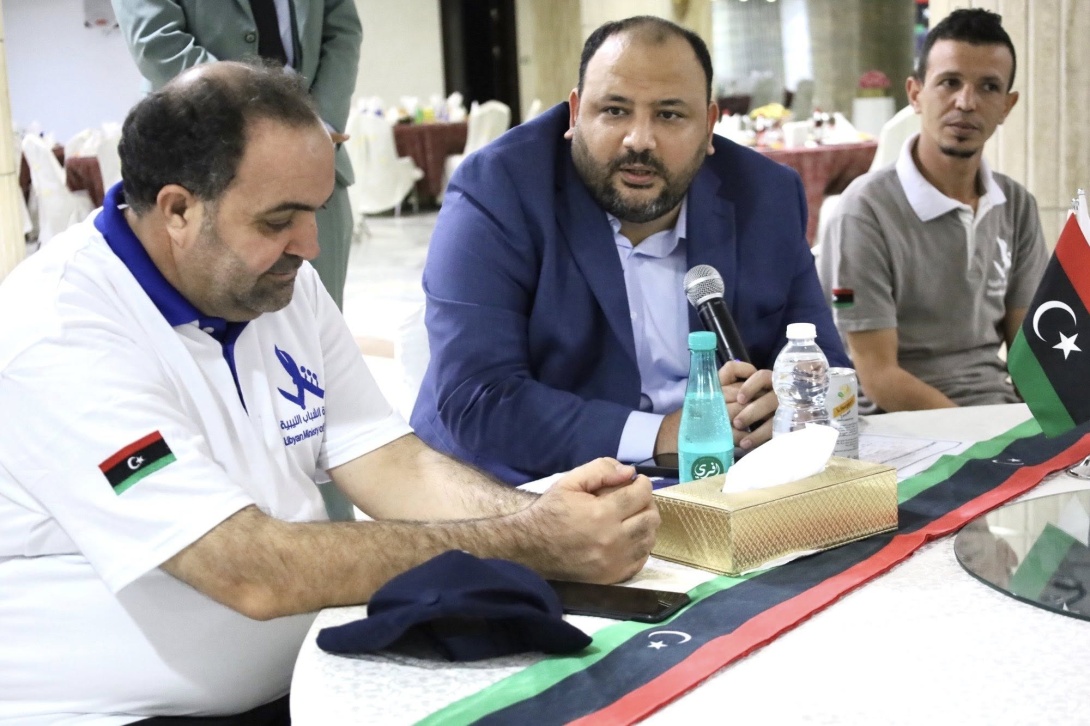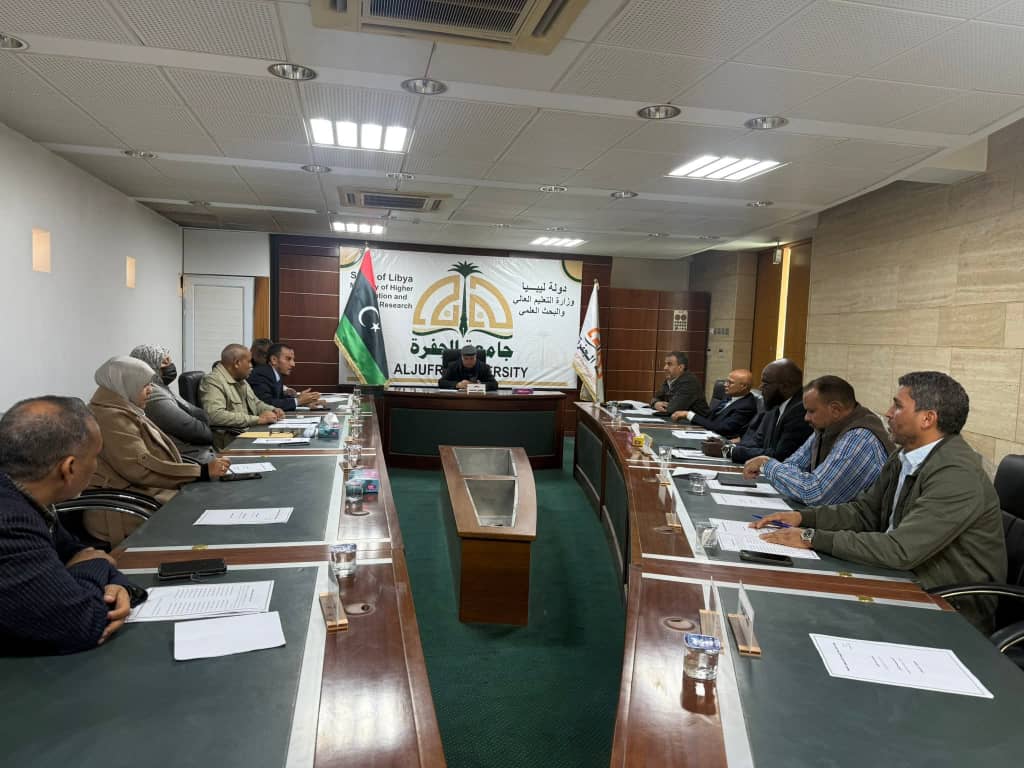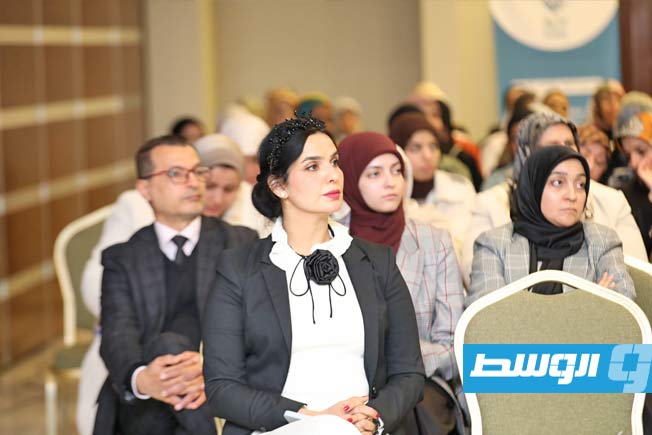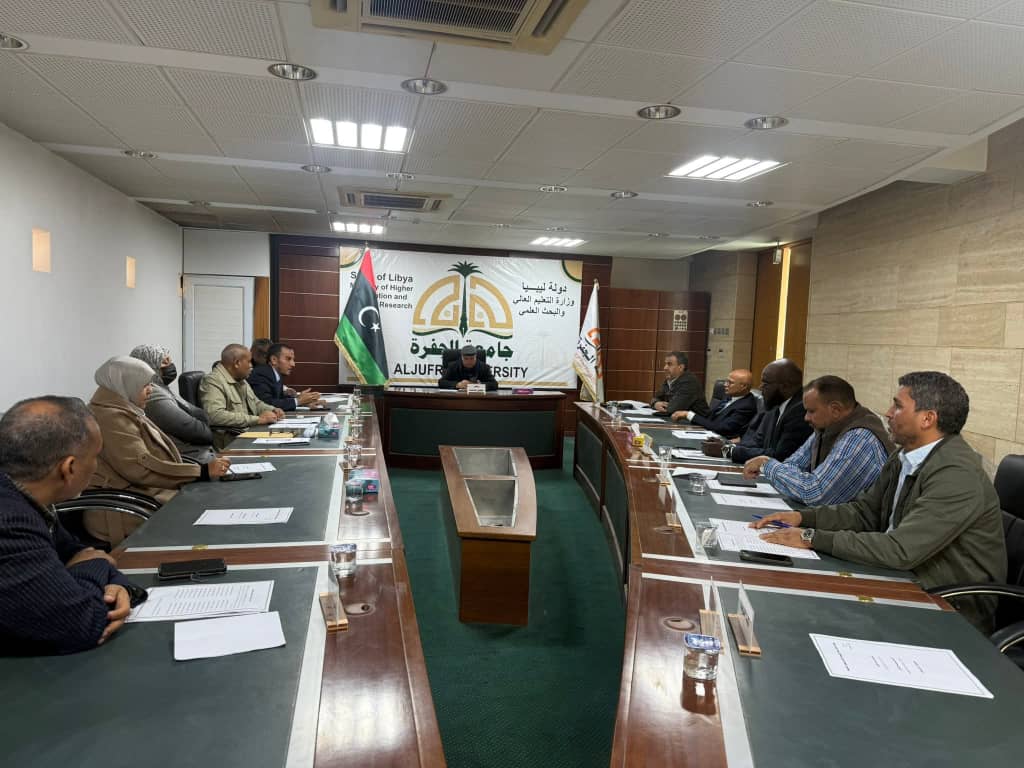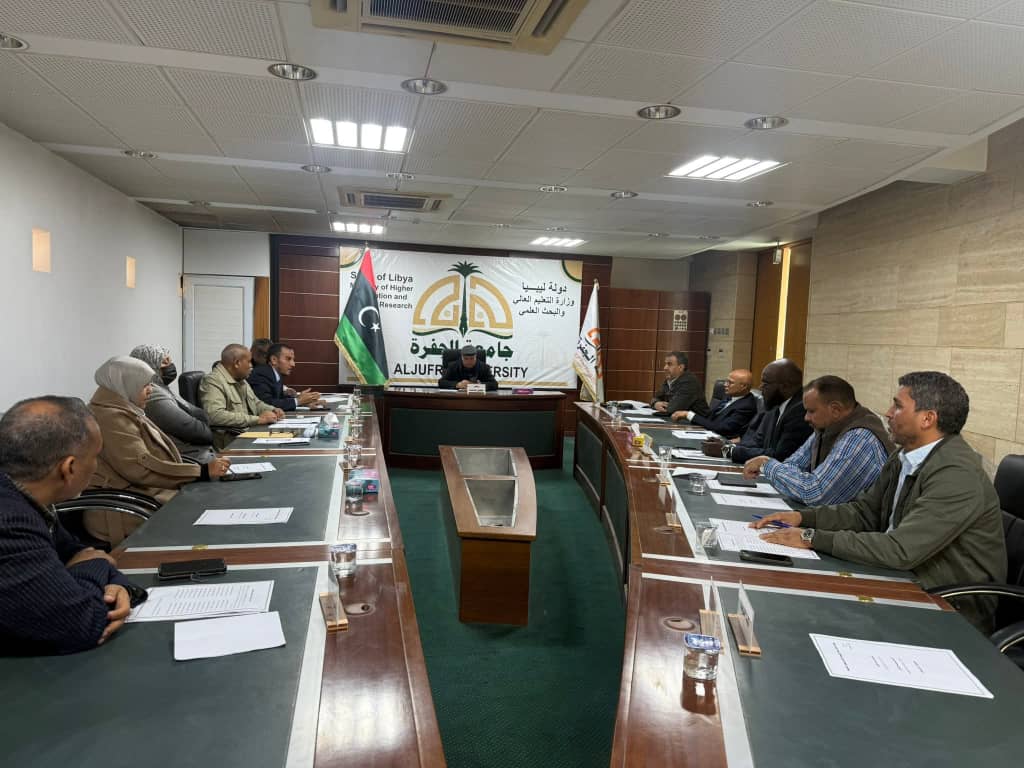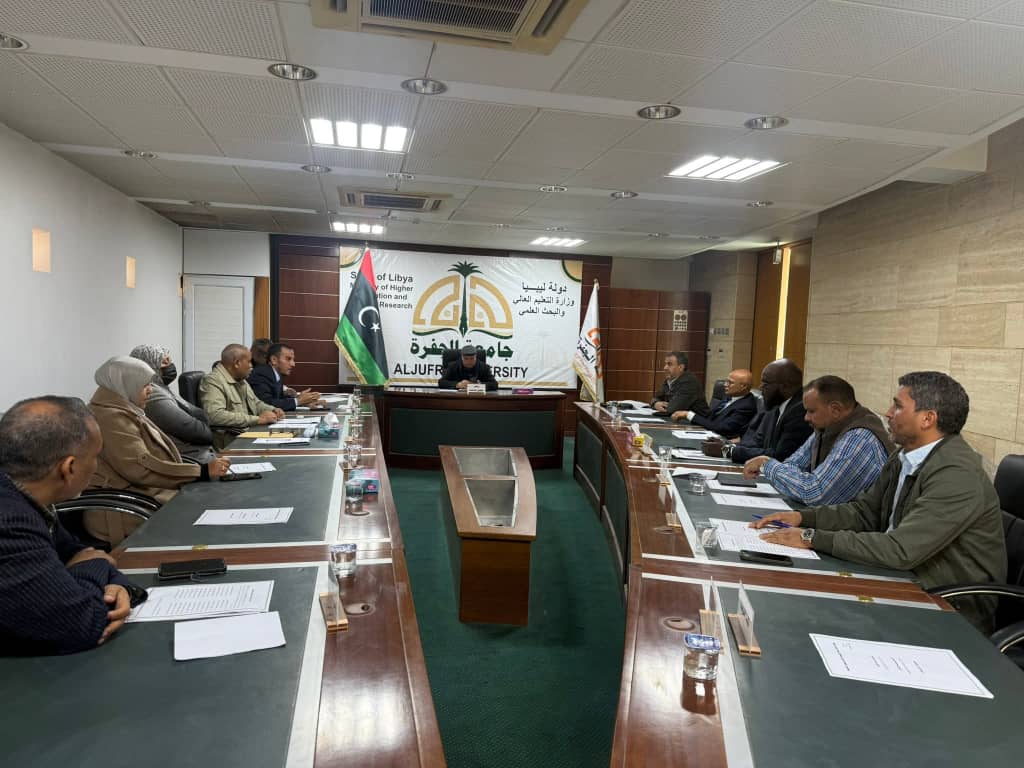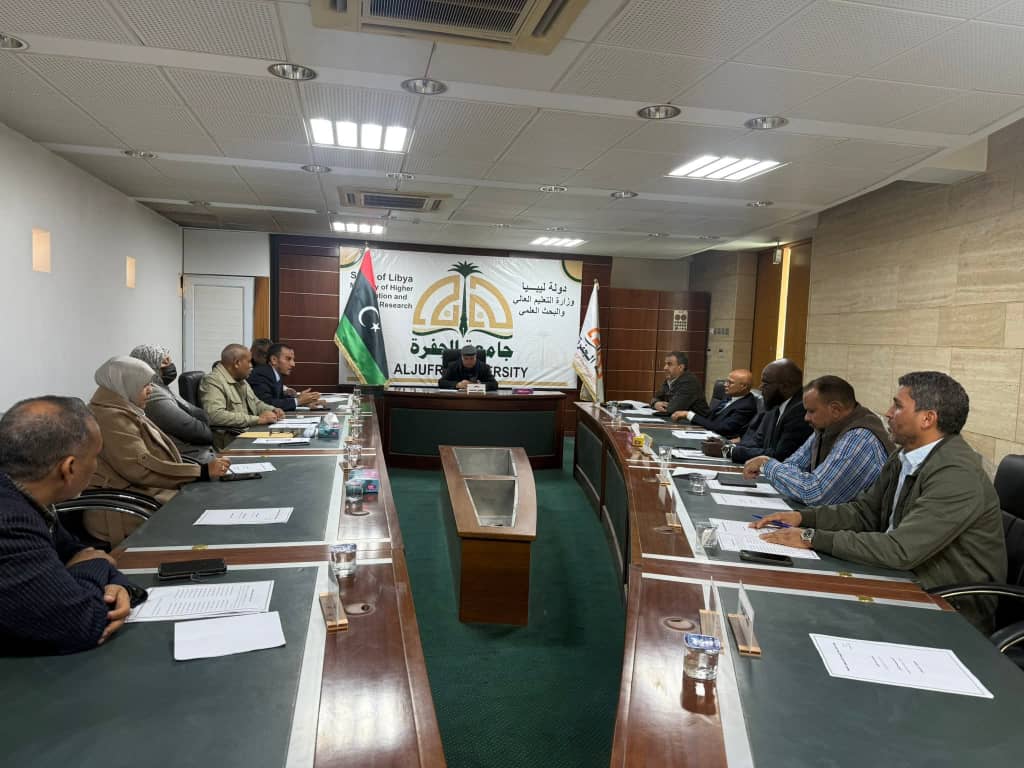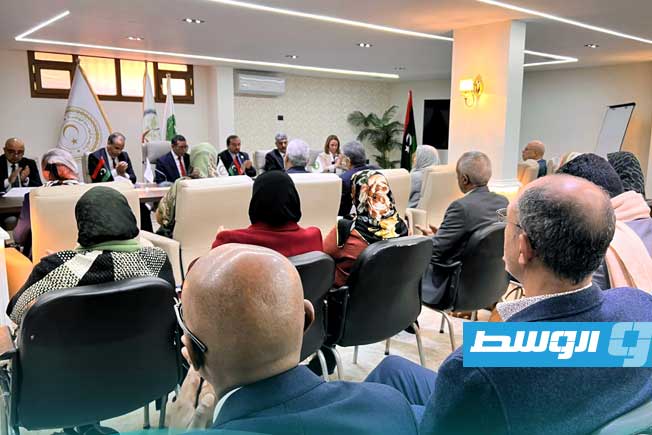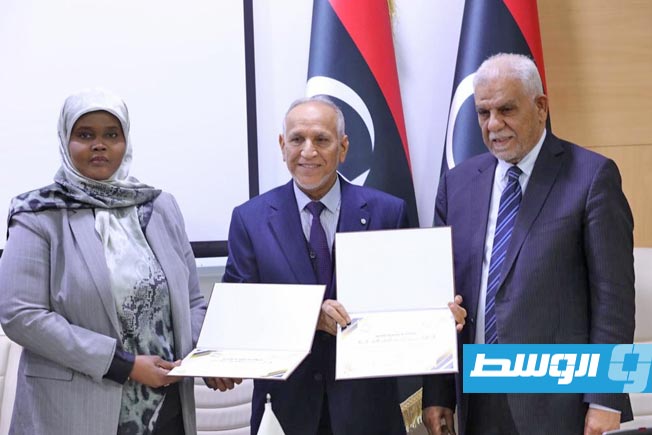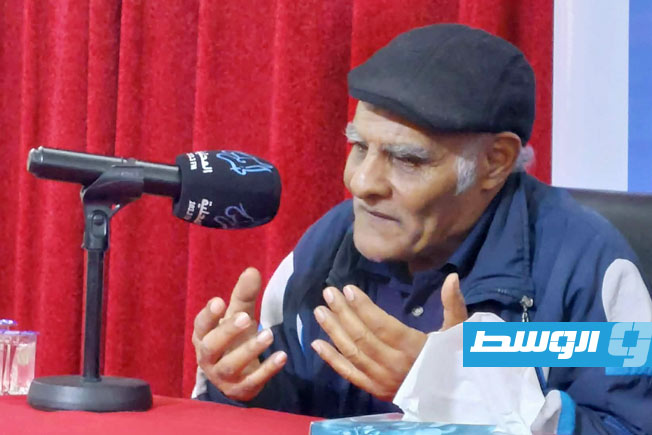
Tripoli, December 17, 2025 – The Language Planning Committee of the Libyan Arabic Language Academy in Tripoli organized a scientific symposium on Wednesday titled “Linguistic Foundation for Libya’s Children Before the Basic Education Stage,” with the participation of a number of academics, researchers, and specialists in the Arabic language and educational sciences.
The symposium, organized on the occasion of World Arabic Language Day, aimed to formulate a comprehensive methodological vision for early linguistic foundation. This vision is based on studying the linguistic reality of this stage and laying a solid cornerstone in the structure of language planning in Libya, which enhances the care for the Arabic language and instills it in the hearts of the youth from their earliest childhood years.
The symposium discussed the latest theories and experiences in the field of children’s language development and presented practical solutions to the challenges facing Arabic language education in kindergartens. It also emphasized the role of early foundation in preparing a generation proficient in its mother tongue and proud of its linguistic and cultural identity.
The symposium included two scientific sessions. The first session was dedicated to the topic of the theoretical foundations of linguistic foundation. It addressed the objectives, curricula, and theories of language development for children before basic education, as well as Arabic language curricula for the preschool stage between preparation and application, in addition to cultural and educational segments.
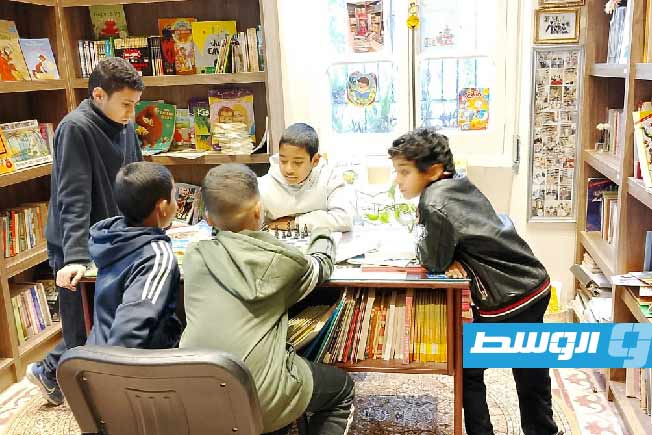
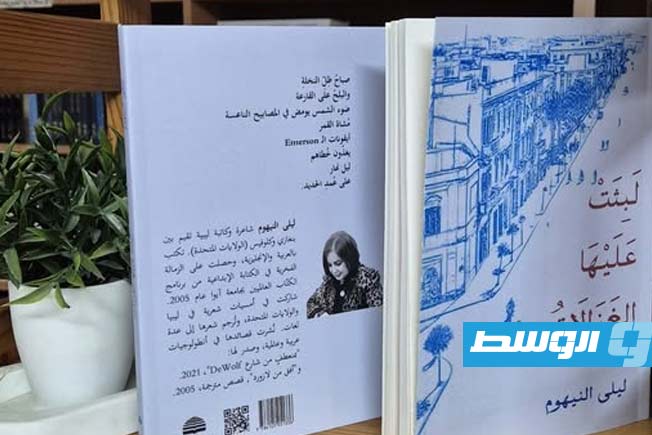
The second session discussed the mediums and applications of linguistic foundation. It presented scientific papers on the use of technological means in teaching Arabic to children, the role of imitation in language acquisition, children’s literature and its relationship to language development, as well as a presentation of a spoken educational program for acquiring the skill of correct pronunciation of Arabic sounds.
The symposium concluded by presenting the most prominent results and recommendations, which emphasized the importance of the foundational stage in a child’s life and the necessity of unifying institutional efforts to develop scientific language programs that contribute to the advancement of the Arabic language and building generations capable of keeping pace with educational and knowledge pathways.