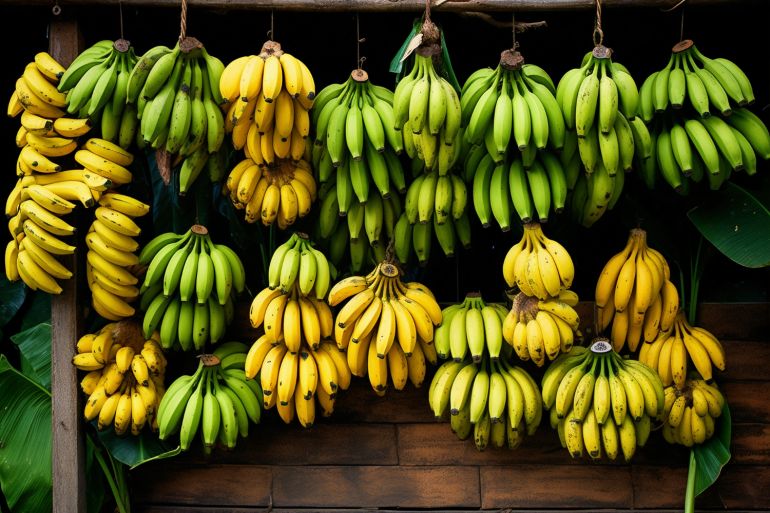
Humanity’s relationship with spices did not begin as a passion for food flavor; it was primarily a spiritual and medicinal journey. Ancient civilizations revered them, using them in mummification rituals, dyeing fabrics, and as natural remedies centuries before they entered the culinary world. This cumulative path turned spices into strategic commodities that shaped the economy of the ancient world and drew the maps of major trade routes.
The Pepper Duality: The Clash of the East and the New World
Historically, a distinction must be made between two types of “pepper,” separated by geography but united by a spicy taste:
Black Pepper: The authentic “gold of India” that dominated Asian trade routes and was sold for its weight in gold.
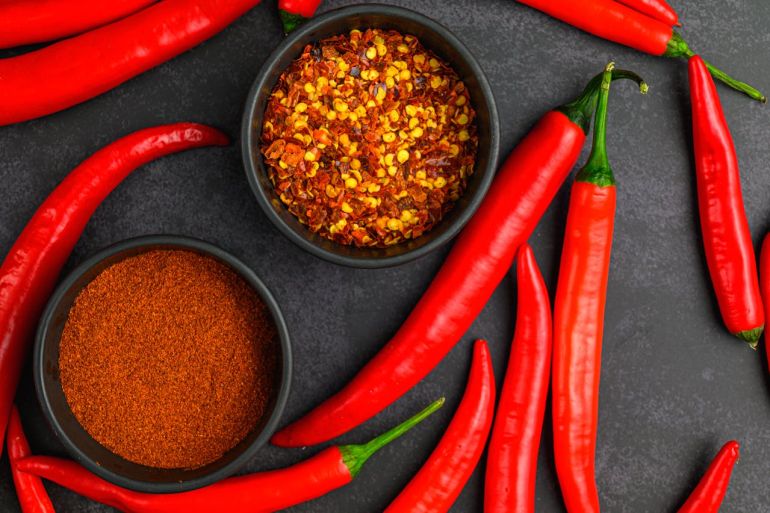
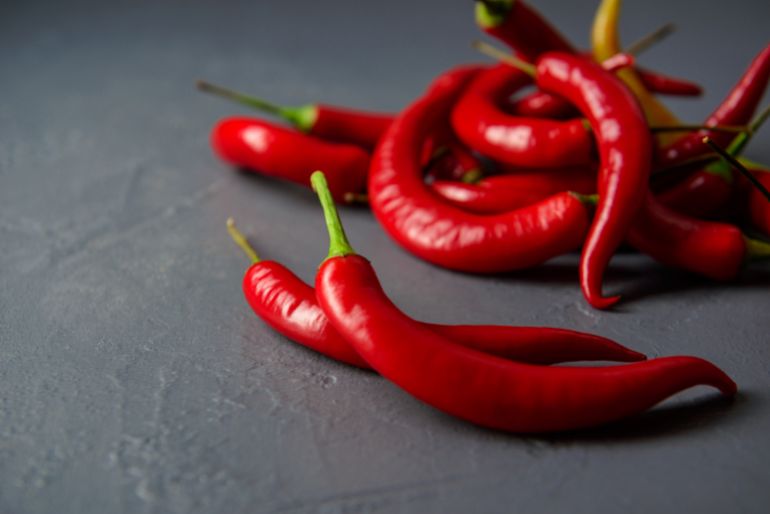
Red Pepper (Chili): The astonishing discovery in the “New World” (the Americas), where civilizations in Mexico, Peru, and Bolivia cultivated it for thousands of years as part of their food identity.
The “Columbus” Revolution and Global Spread
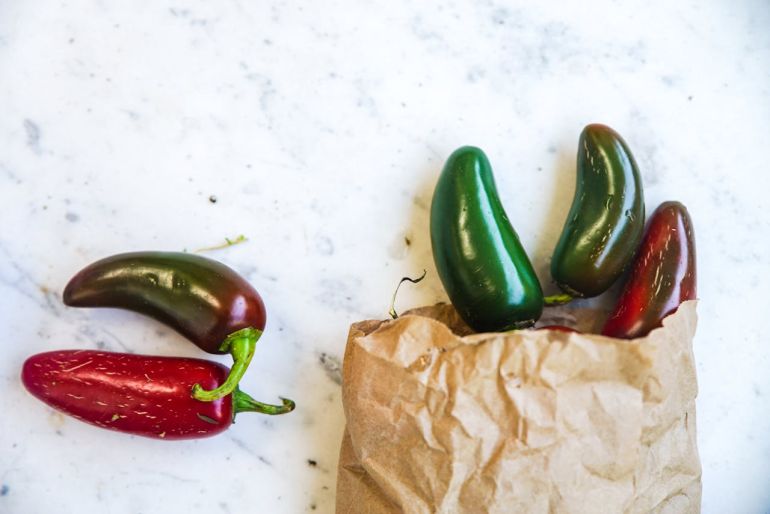
The late 15th century witnessed a radical transformation when Spanish sailors, following Christopher Columbus’s voyages, transported chili pepper seeds from the heart of the Amazon to Europe. From there, it launched its conquest of Asian and African kitchens. Today, this crop belonging to the Capsicum genus reigns supreme over global flavors and is celebrated annually on January 16th as “International Hot Pepper Day,” in appreciation of its diverse varieties that range from sweet mildness to extreme heat measured on the Scoville scale.
Chili Pepper: From Food Flavor to Cultural Symbol
In the study of culinary arts and anthropology, a perspective is offered that goes beyond the sensory dimension of food, considering that the chili pepper in Mexican culture is not merely an ingredient for adding flavor, but a social tool that contributes to shaping identity. In the popular imagination, the chili pepper has been associated with meanings of strength, toughness, and proving capability among men. It has also acquired symbolic connotations linked to energy and activity among women, transforming heat into a cultural language that expresses status and vitality within society.
Medicinal Use and Cultural Memory
This view converges with perspectives from food anthropology, which indicate that the human relationship with chili peppers extends over six thousand years, since the peoples of the Americas knew it before it spread to the rest of the world. Its wide dissemination was not confined to its nutritional value but was linked to practical and functional properties, including its ability to contribute to food preservation in hot environments before the emergence of modern refrigeration methods.
Chili peppers also entered the traditional medical practices of several cultures, where they were often used, mixed with ingredients like garlic and ginger, in folk recipes to combat inflammation and alleviate certain pains such as headaches and joint problems. These uses are clearly evident in traditional medical philosophies, especially in the Indian subcontinent, with the emphasis that these are heritage practices and not a substitute for modern medical treatment.
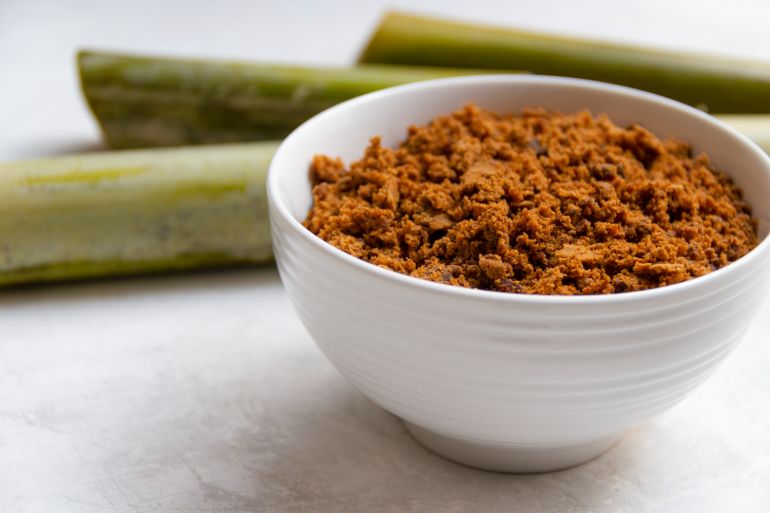
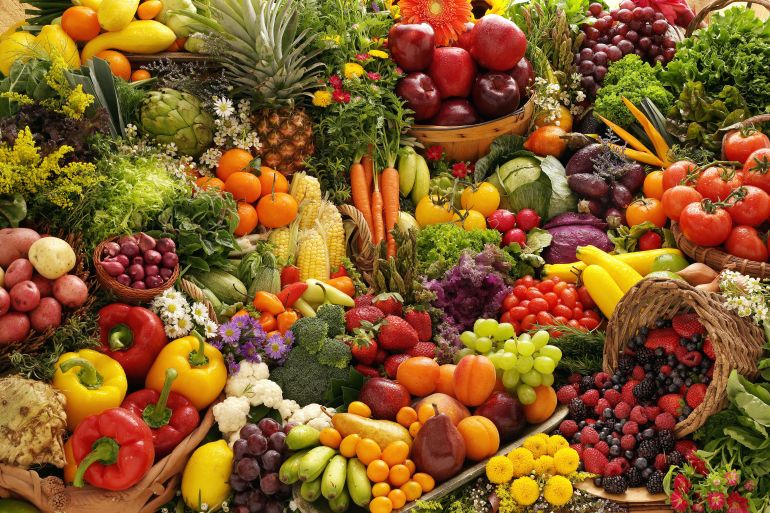
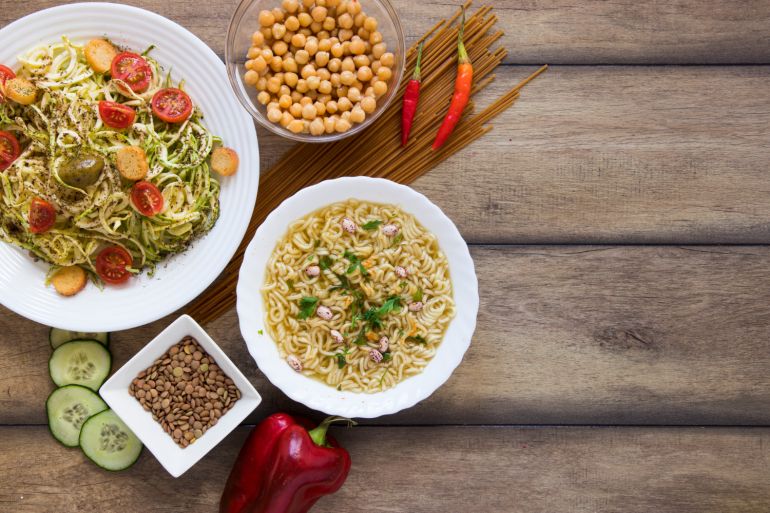
Spices formed strategic commodities that shaped major trade routes and contributed to building influence in the ancient world (Pexels)
Pepper Between Climate and Popular Identity
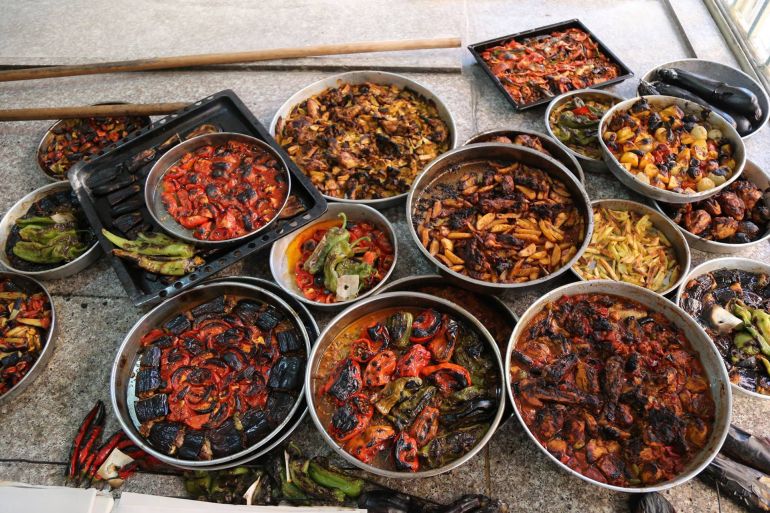
The presence of chili peppers is not limited to the body; it extends to shaping collective consciousness and the food identity of peoples. In Egypt, for example, “shatta” (hot sauce) has become an inseparable element of the koshary dish, and its quality and balance have turned into an unspoken standard for the superiority of popular eateries, reflecting the presence of chili peppers in daily culture as part of the public palate.
In cold environments, chili peppers gained additional importance, as the active compound capsaicin in them helps stimulate blood circulation and provide a feeling of warmth by raising the metabolic rate. This has made it a common choice in the cuisines of
India
India is a South Asian country with one of the world’s oldest civilizations, dating back to the Indus Valley Civilization around 2500 BCE. Its long history includes the rise of major empires, the spread of religions like Hinduism and Buddhism, British colonial rule, and its emergence as an independent republic in 1947. Today, it is known for its vast cultural, linguistic, and religious diversity.
Mexico
Mexico is a country with a rich pre-Columbian history, including advanced civilizations like the Maya and Aztecs, followed by Spanish colonization in the 16th century. Its cultural sites, such as the ancient city of Teotihuacán and the historic center of Mexico City, reflect this layered heritage. Today, it is known for its vibrant traditions, cuisine, and UNESCO World Heritage sites.
Peru
Peru is a South American country renowned for the ancient Inca Empire and its iconic citadel of Machu Picchu, built in the 15th century. Its history spans millennia, with complex pre-Columbian cultures like the Norte Chico civilization, followed by Spanish colonization in the 16th century. Today, Peru’s cultural heritage is a rich blend of these indigenous and colonial influences.
Bolivia
Bolivia is a landlocked South American nation known for its diverse geography, including the Andes Mountains and Amazon Basin, as well as its rich indigenous cultures. Historically, it was the heart of the ancient Tiwanaku empire and later part of the Inca Empire before becoming a Spanish colony; it gained independence in 1825. A significant cultural site is the Salar de Uyuni, the world’s largest salt flat, and the city of Potosí, whose Cerro Rico mountain was a major silver source for the Spanish Empire.
Amazon
The Amazon refers to the vast Amazon Rainforest in South America, which is the world’s largest tropical rainforest and is traversed by the Amazon River. This region has been inhabited by indigenous peoples for thousands of years and was significantly impacted by European exploration and colonization starting in the 16th century. Today, it is a critical global ecosystem facing major environmental threats.
Europe
Europe is a continent with a rich and complex history, shaped by ancient civilizations like Greece and Rome, the Middle Ages, the Renaissance, and transformative events such as the Industrial Revolution and two World Wars. It is home to a vast array of cultural sites, from prehistoric cave paintings to grand cathedrals and castles, reflecting its diverse peoples and artistic movements. Today, it is largely united under the political and economic framework of the European Union.
Asia
Asia is the world’s largest and most populous continent, home to ancient civilizations such as those in Mesopotamia, the Indus Valley, and China. Its history spans millennia, featuring the rise and fall of vast empires, the birth of major world religions, and profound cultural and scientific advancements.
Africa
Africa is the world’s second-largest continent, widely recognized as the birthplace of humanity, with fossil evidence tracing the origins of Homo sapiens back hundreds of thousands of years. It is home to countless diverse cultures and historic sites, from the ancient civilizations of Egypt and Mali to the natural wonders of the Serengeti and the Sahara Desert.
Indian subcontinent
The Indian subcontinent is a vast geographical region in South Asia, defined by the Indian Plate and bordered by the Himalayan mountains. It is historically the cradle of ancient civilizations like the Indus Valley and has been home to major empires and religions, including Hinduism, Buddhism, and Islam. Today, it encompasses the modern nations of India, Pakistan, Bangladesh, Nepal, Bhutan, Sri Lanka, and the Maldives.
Egypt
Egypt is home to one of the world’s oldest civilizations, with a recorded history spanning over 5,000 years and iconic monuments like the Pyramids of Giza and the Sphinx from the Old Kingdom era. Its rich cultural legacy includes pharaonic, Greco-Roman, Coptic Christian, and Islamic influences, centered for millennia along the fertile Nile River valley.