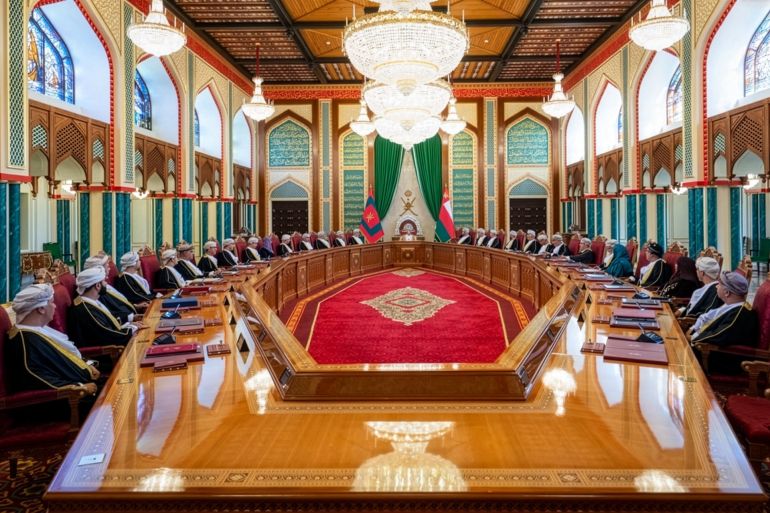
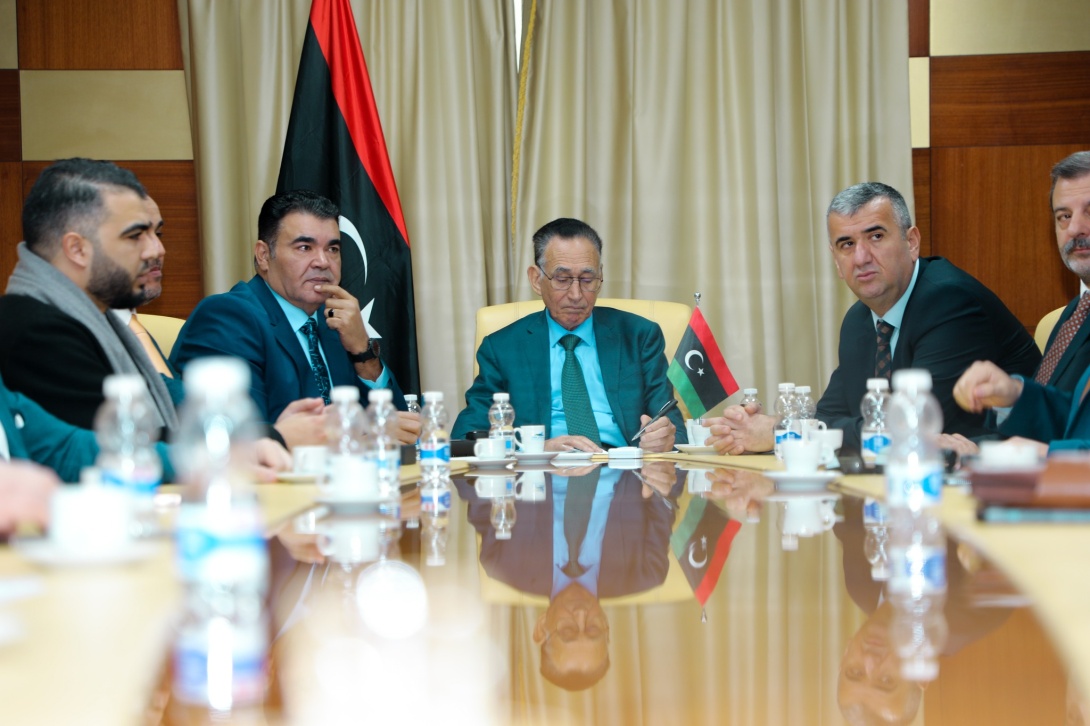
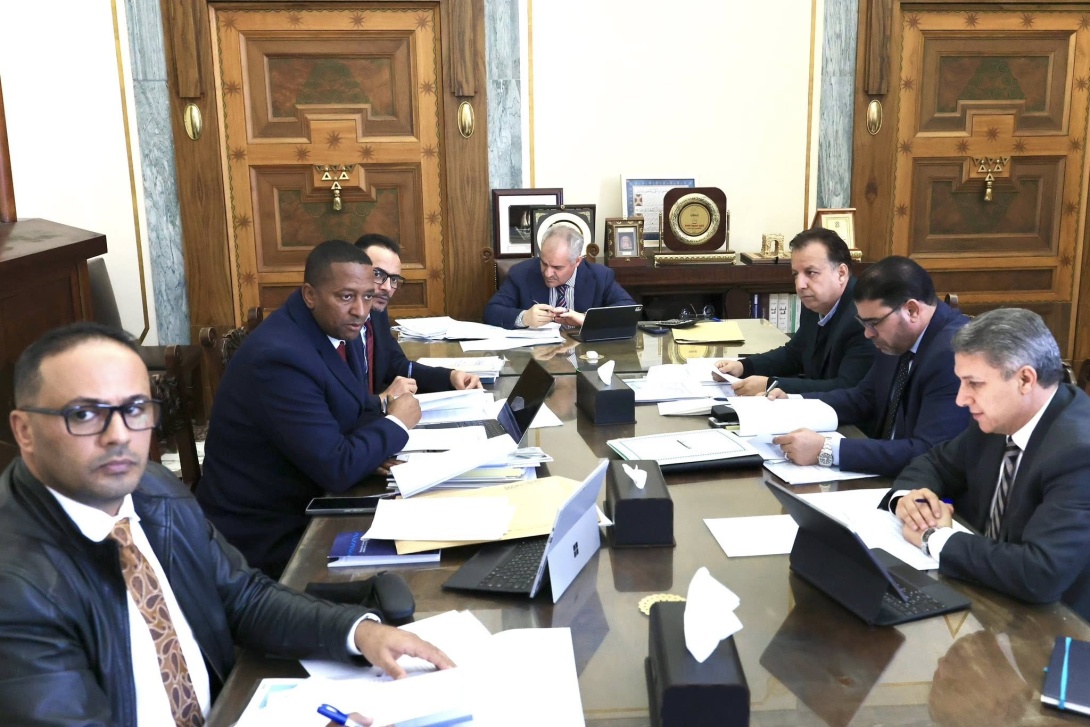
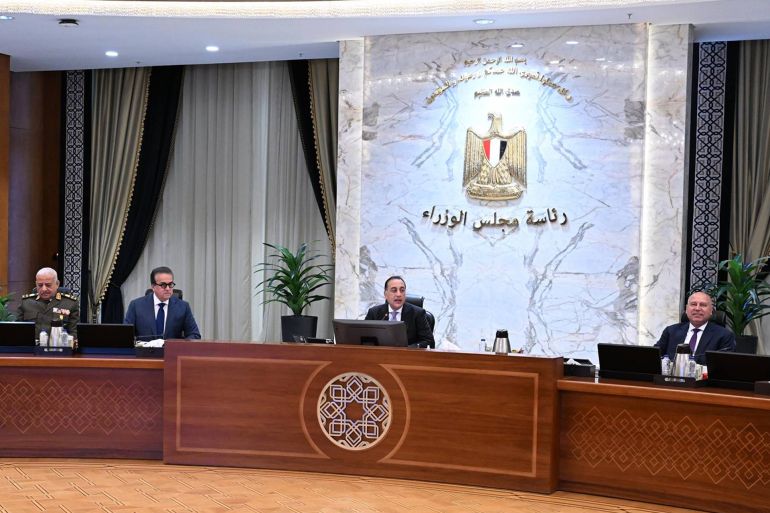
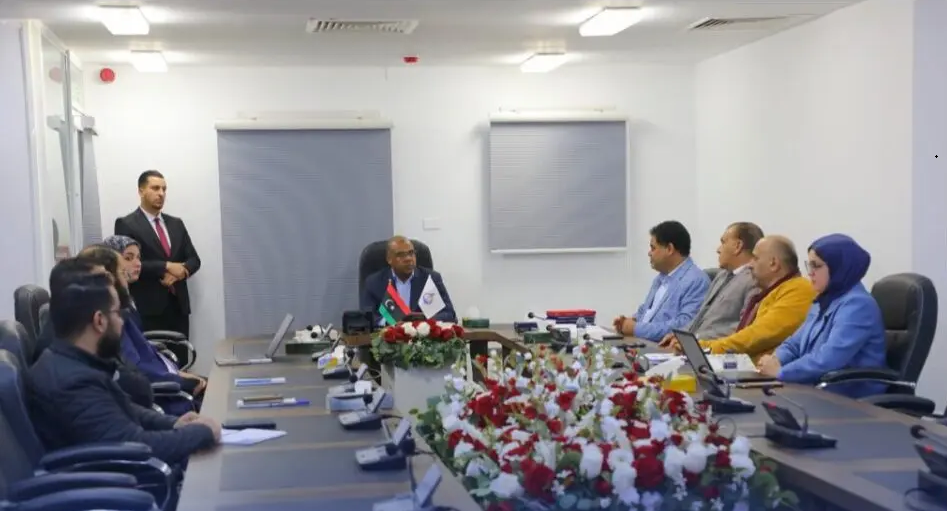
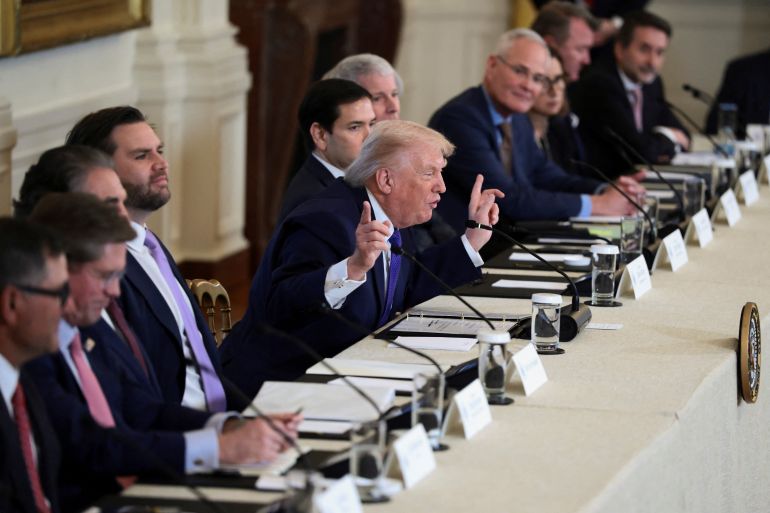
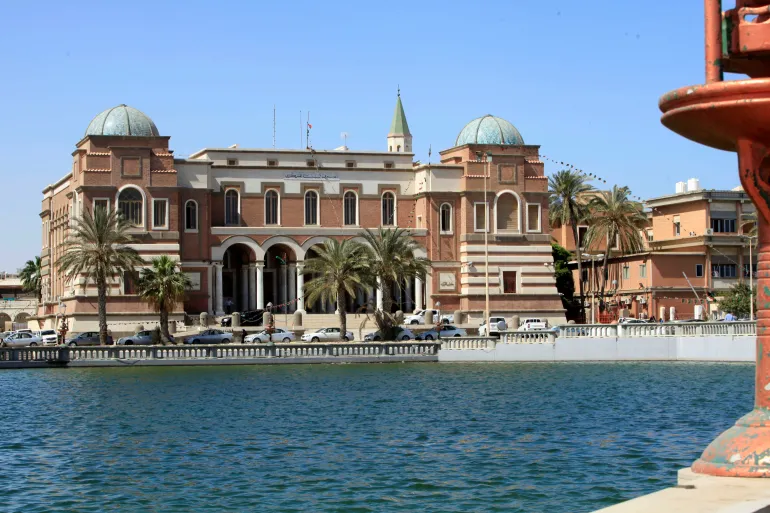
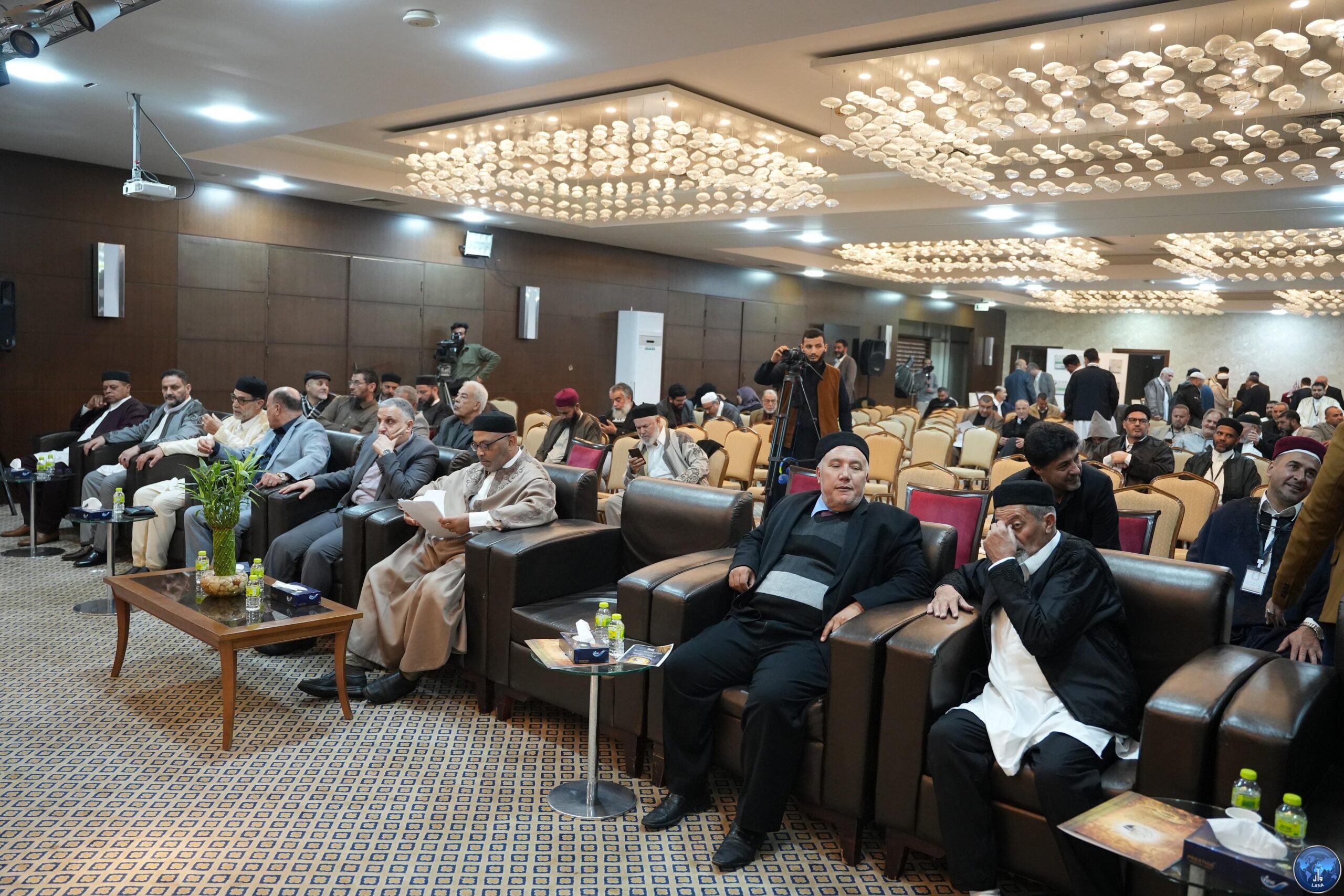
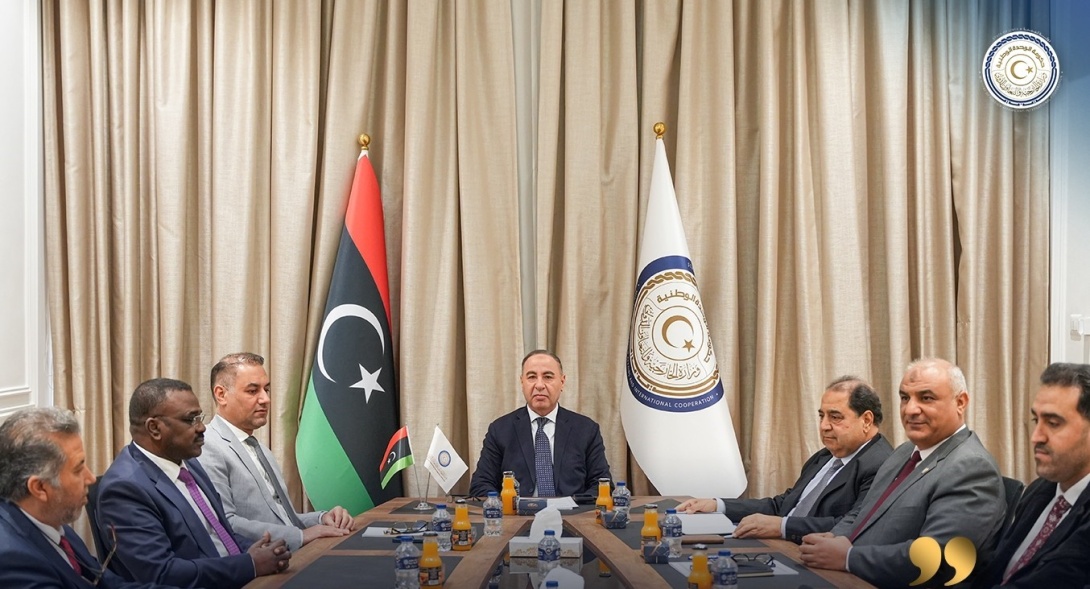
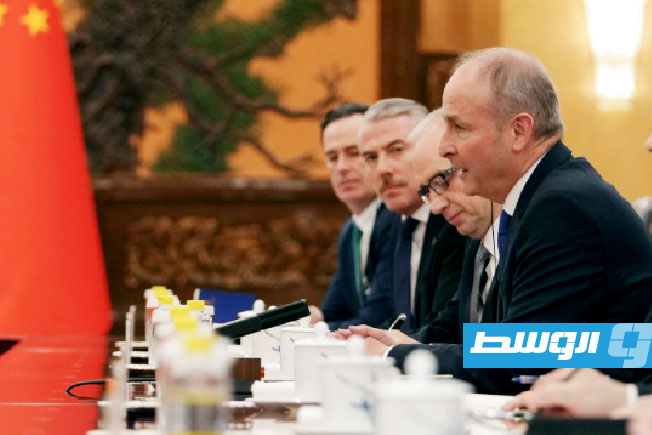
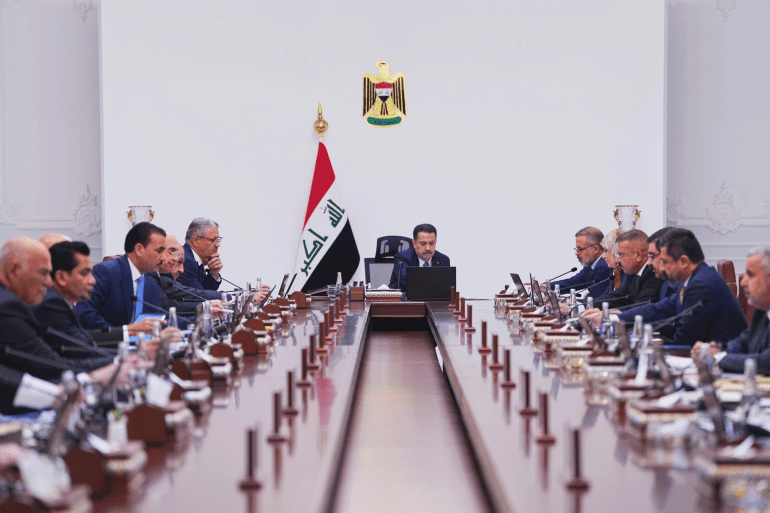
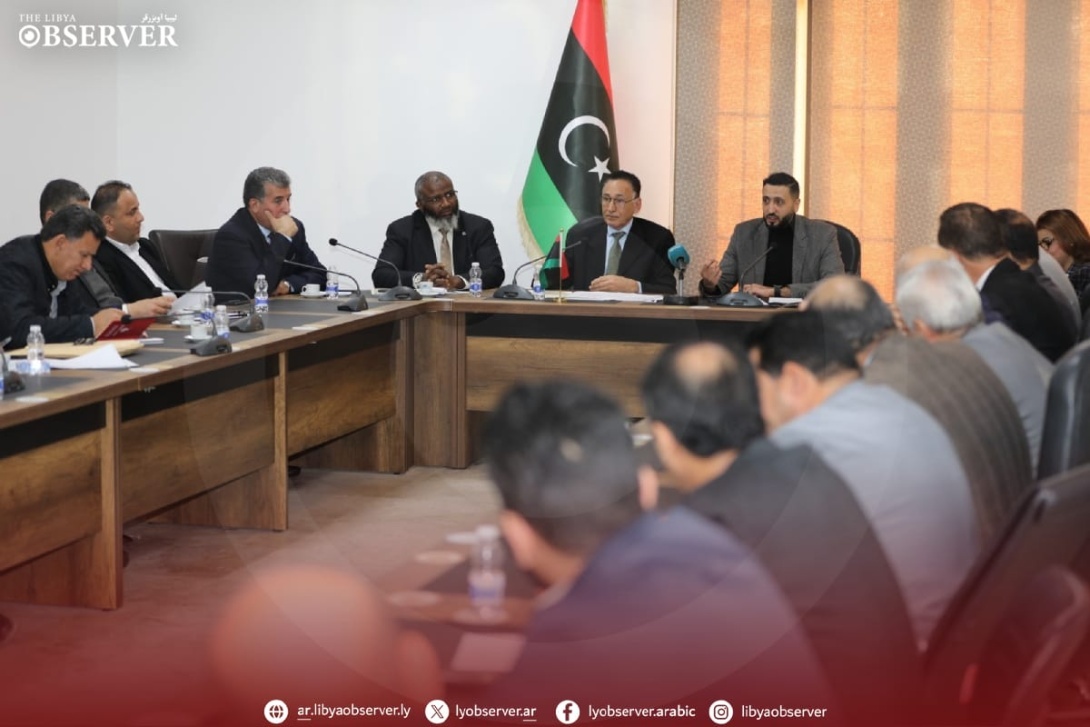
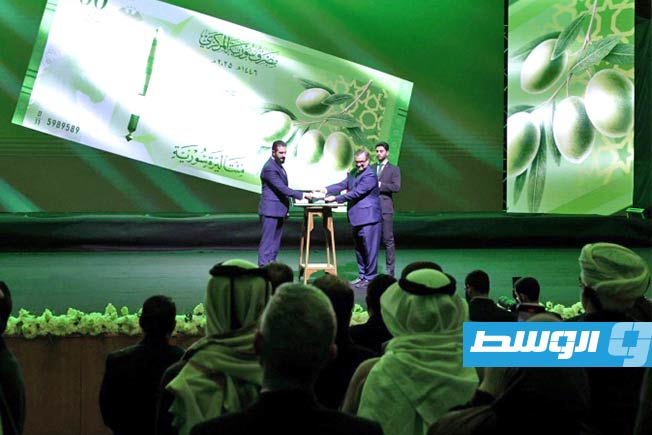
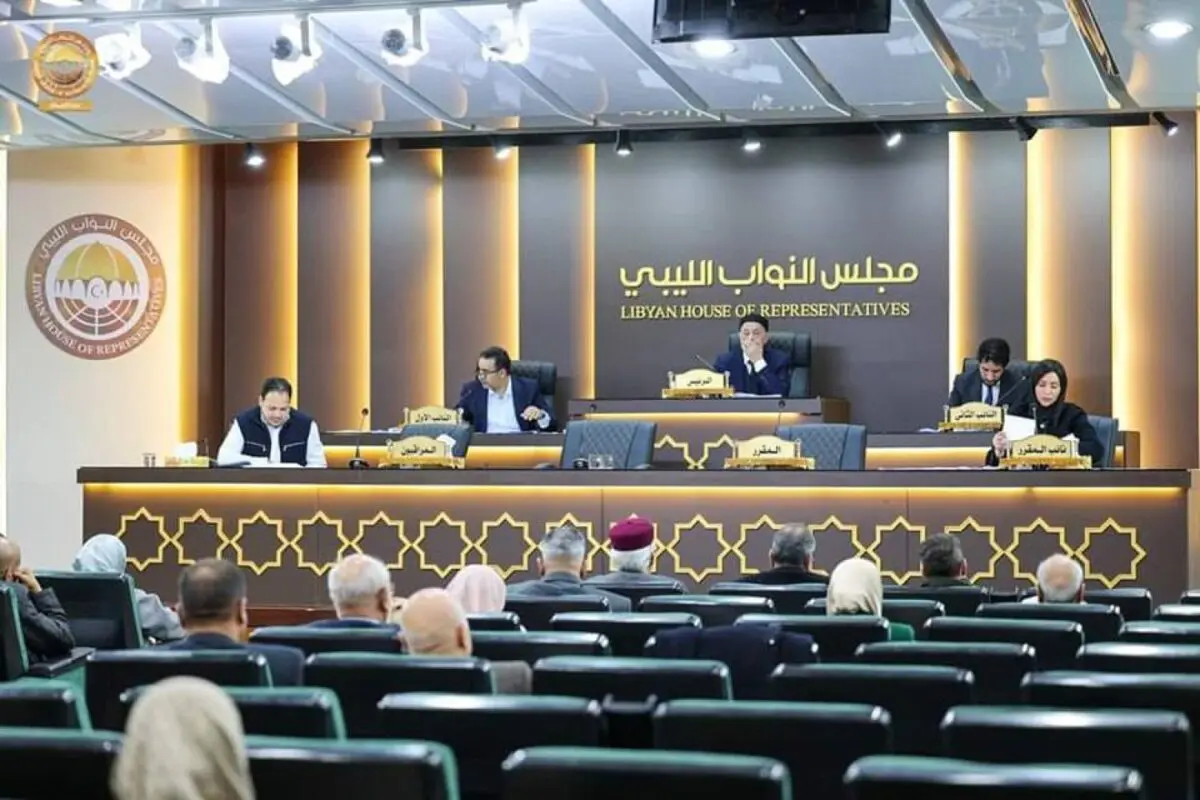
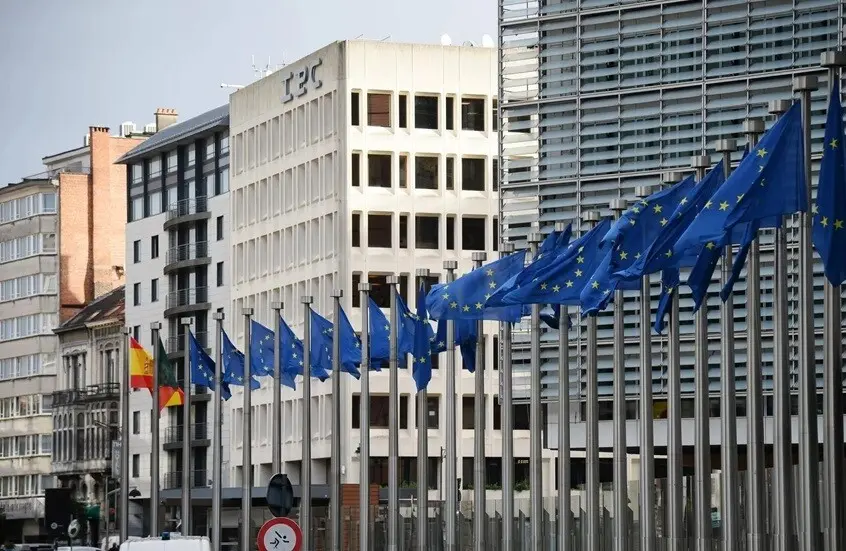
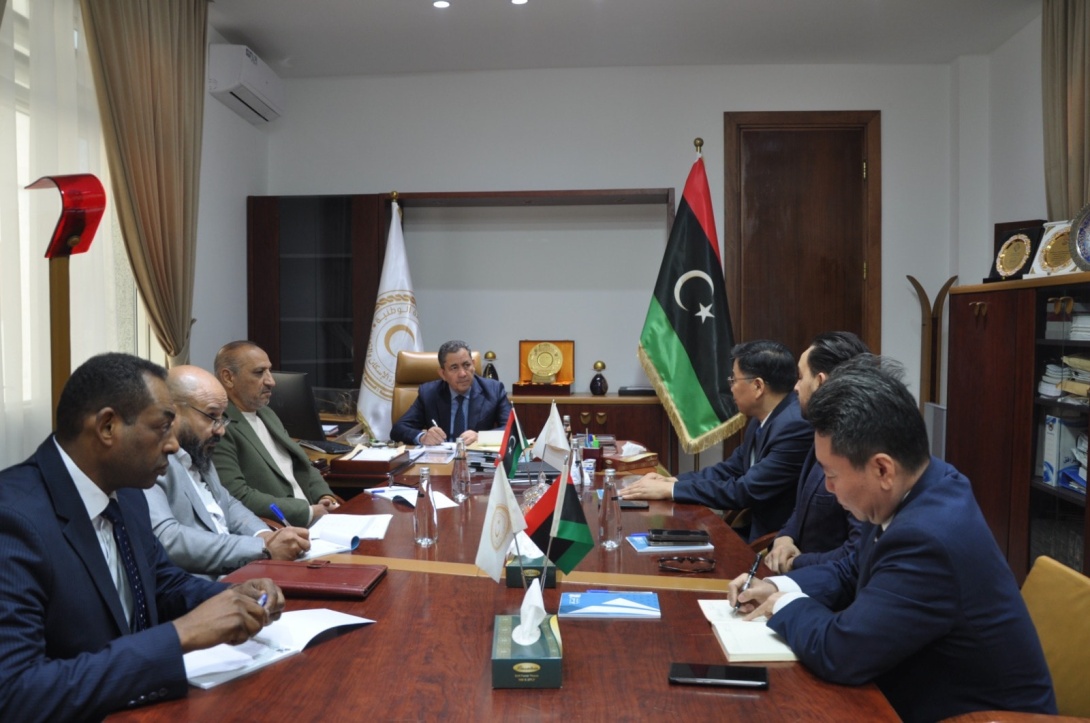
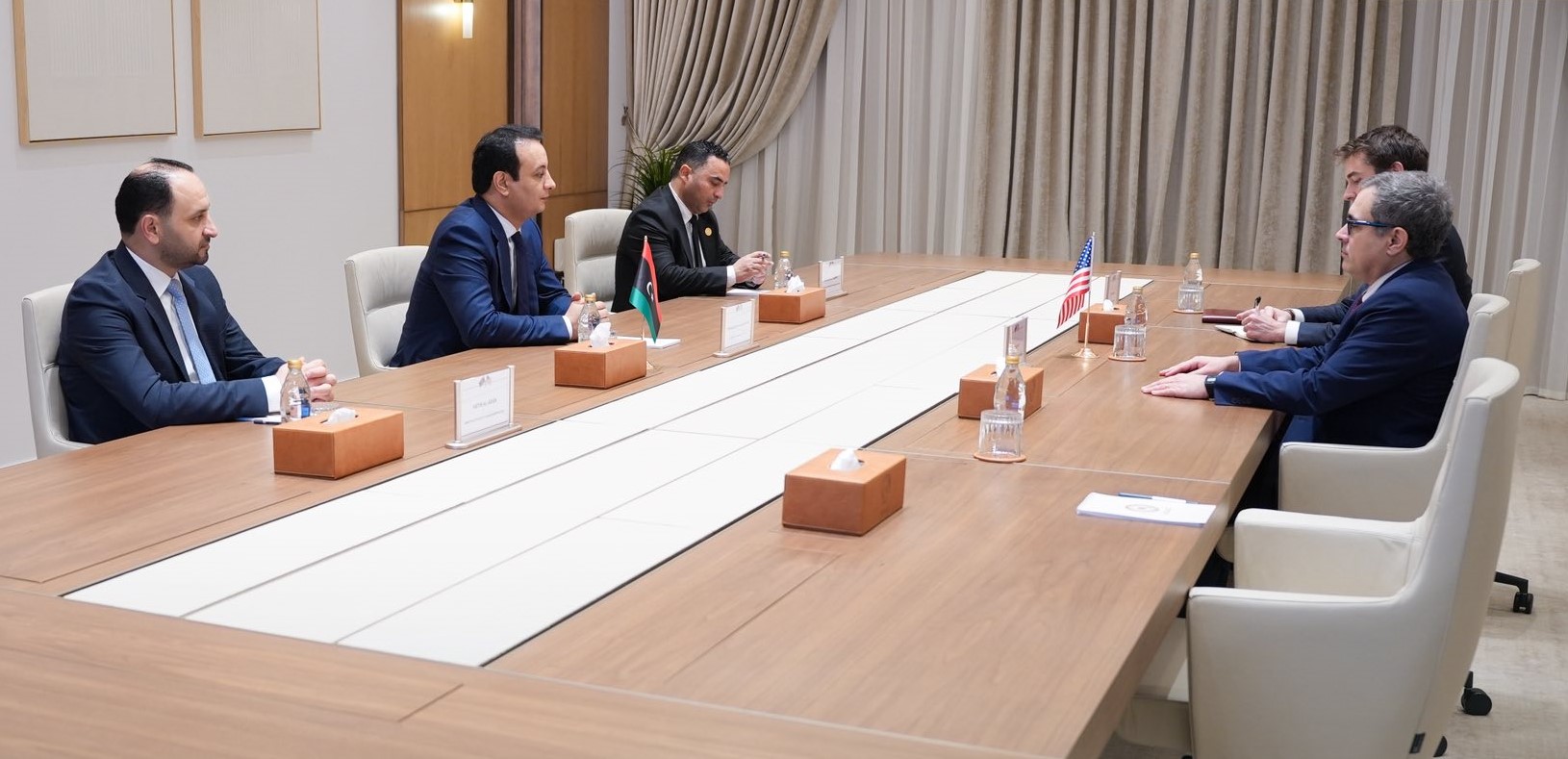
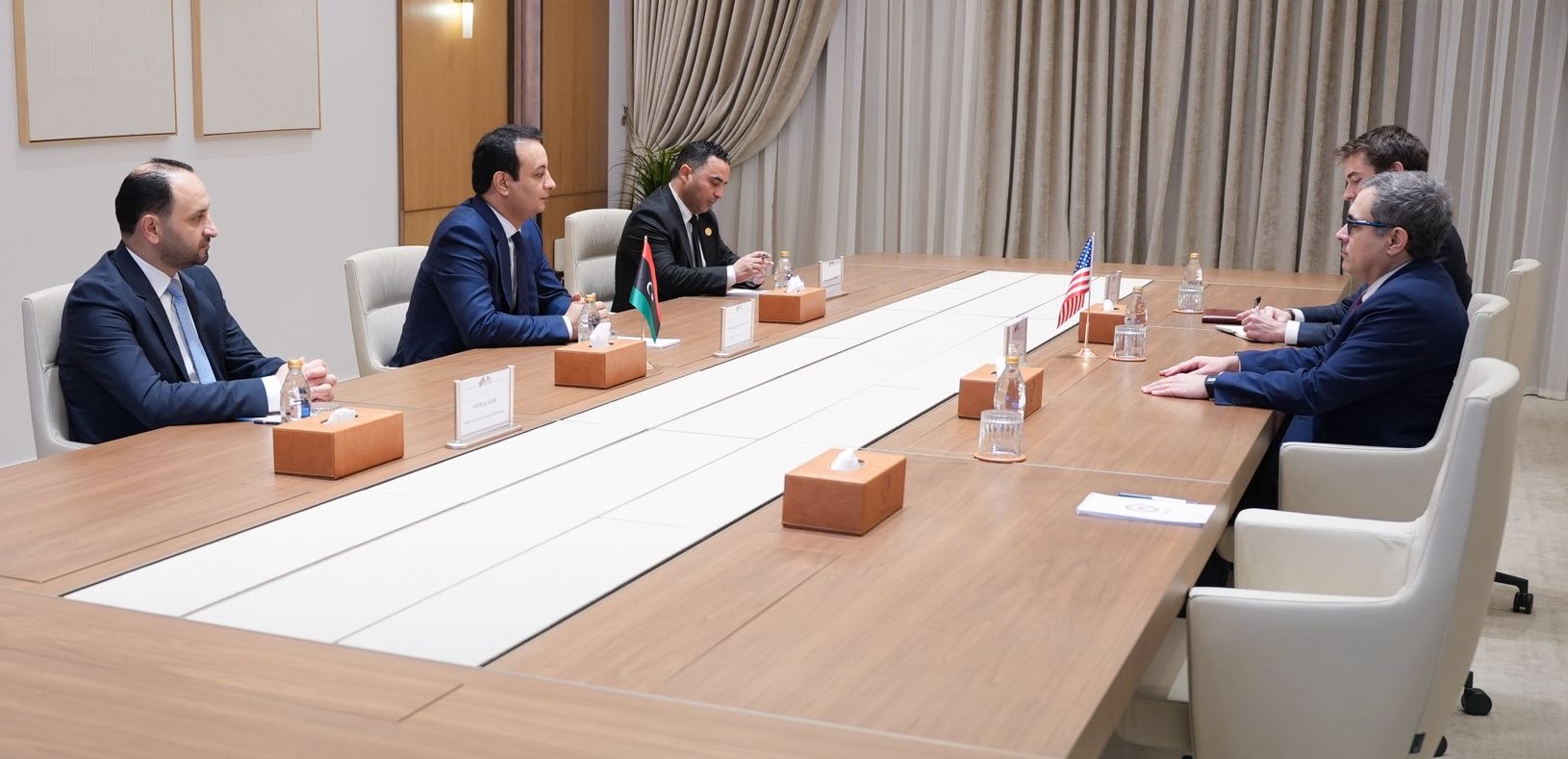
The Council of Ministers in the Sultanate of Oman approved the establishment of the Oman Global Financial Centre, as reported on Tuesday.
It was clarified that the centre “will enjoy legislative, administrative, and regulatory autonomy and will be built on a new financial and judicial system in line with global standards,” without providing further details.
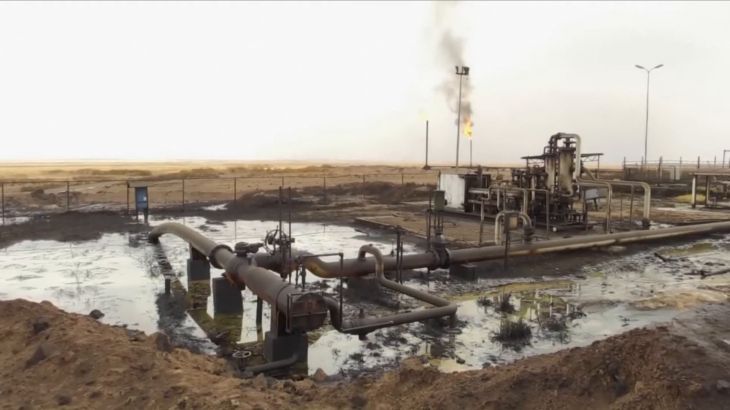
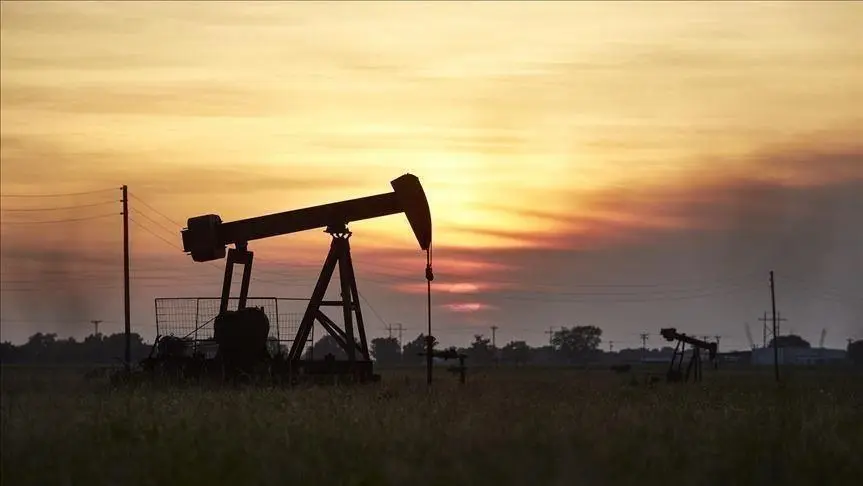
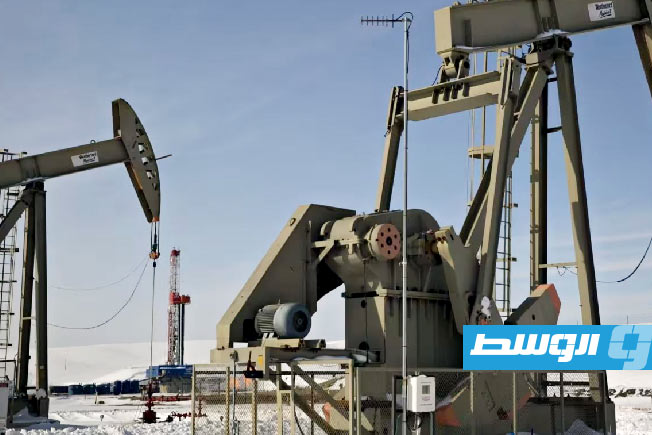
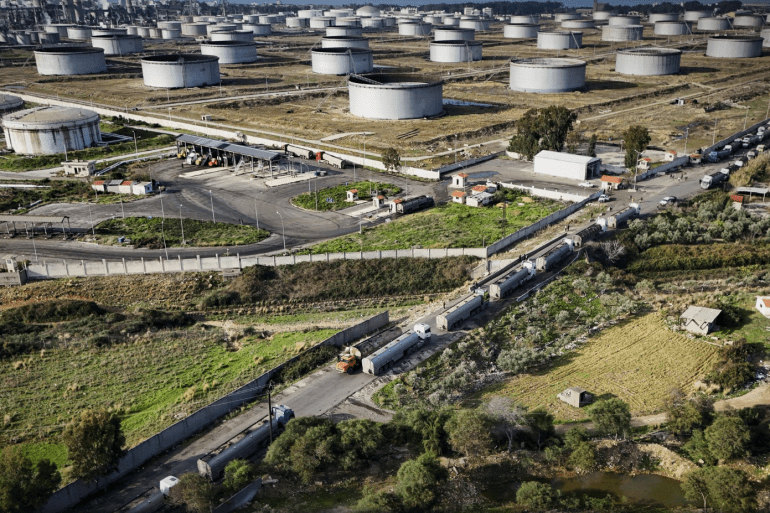
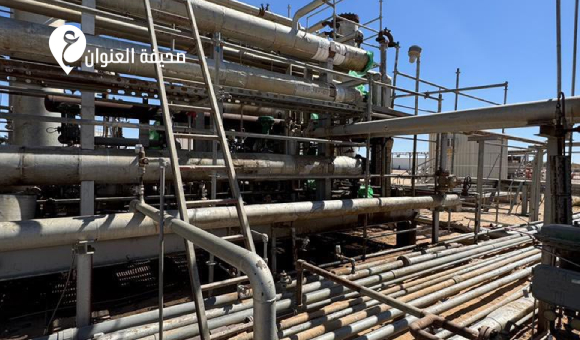
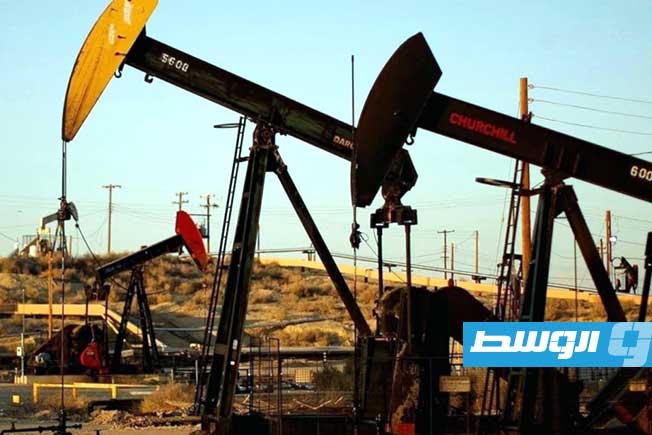
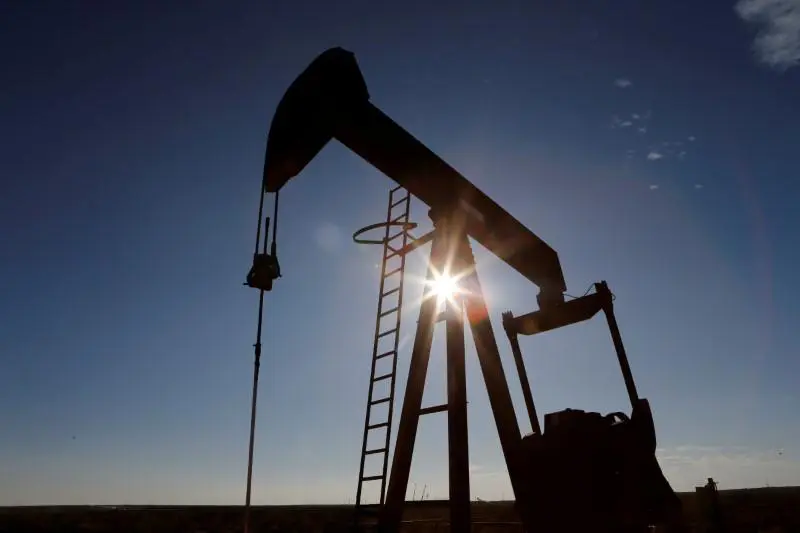
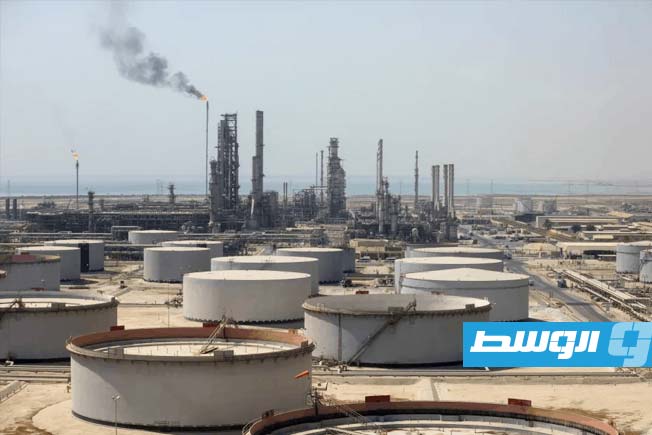
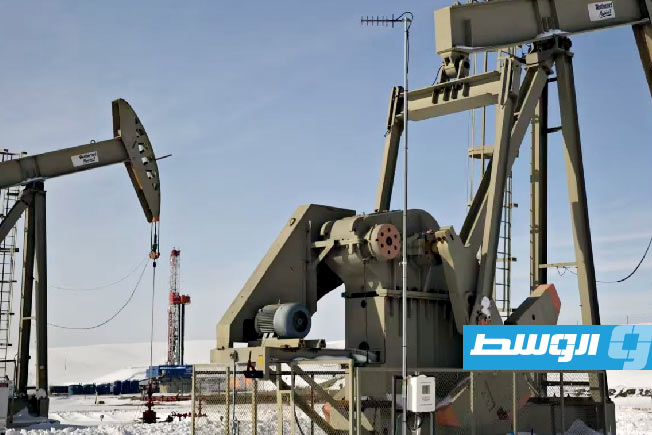
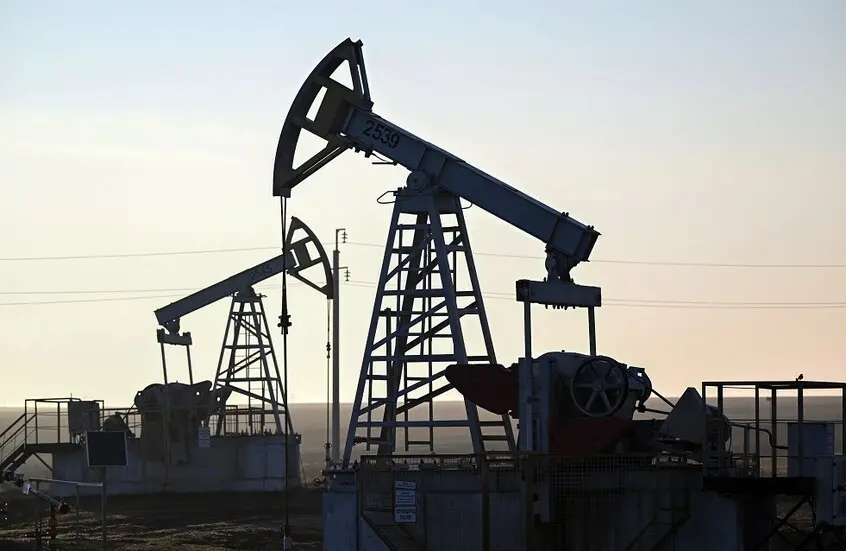
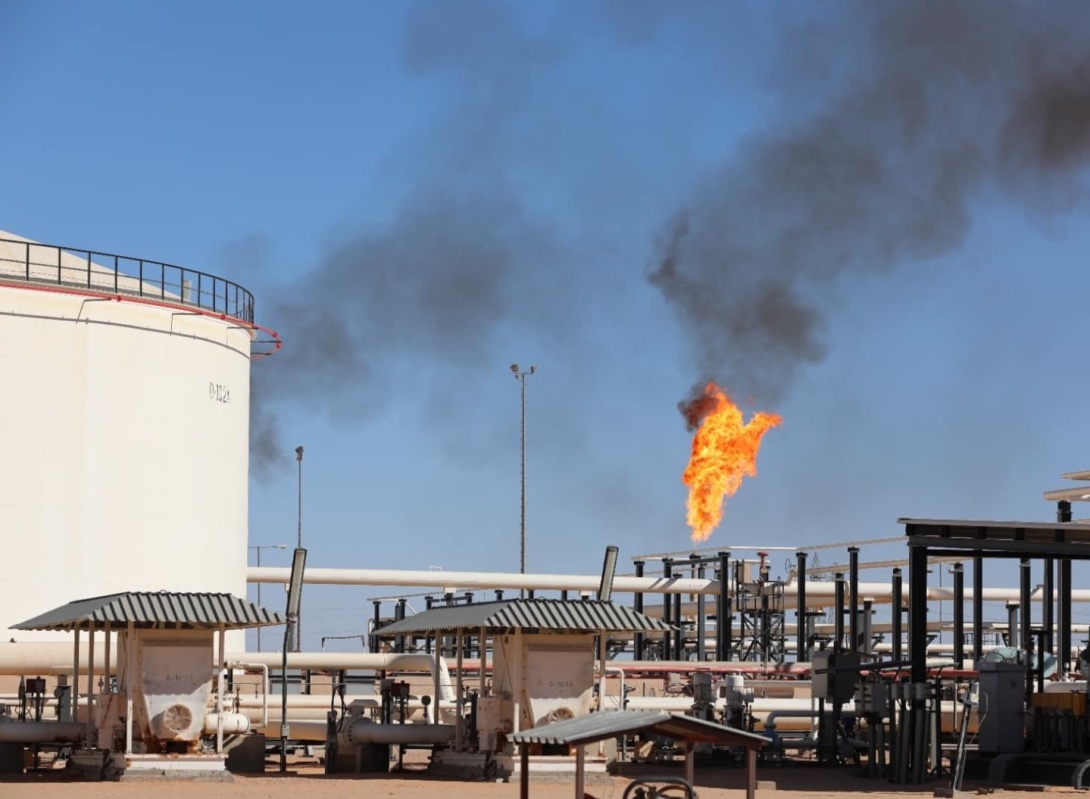
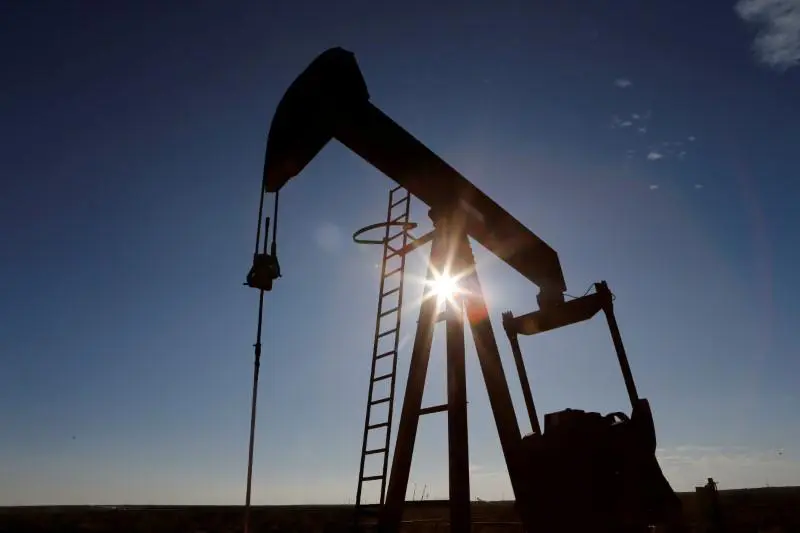
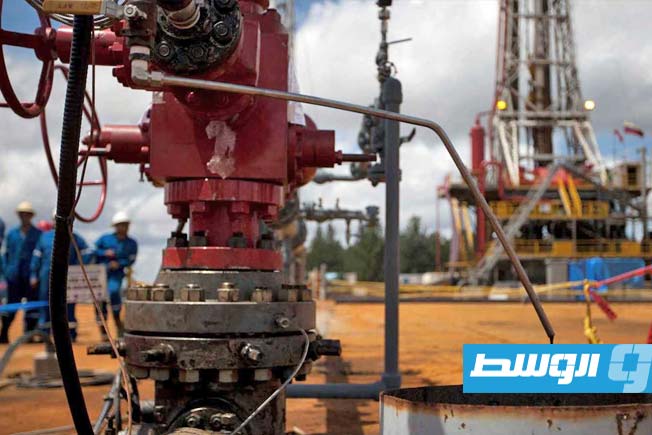
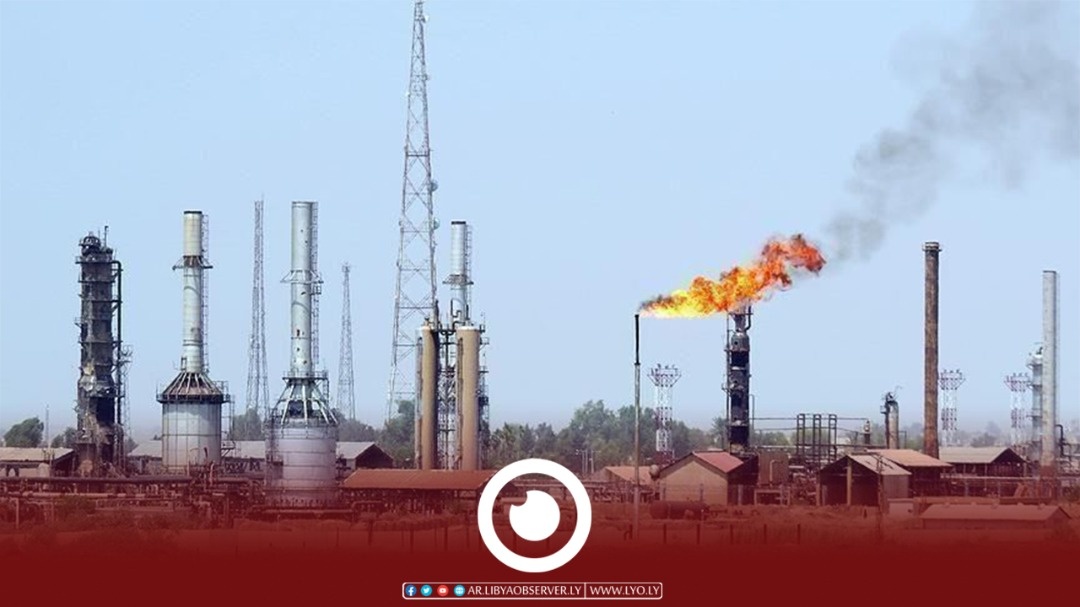
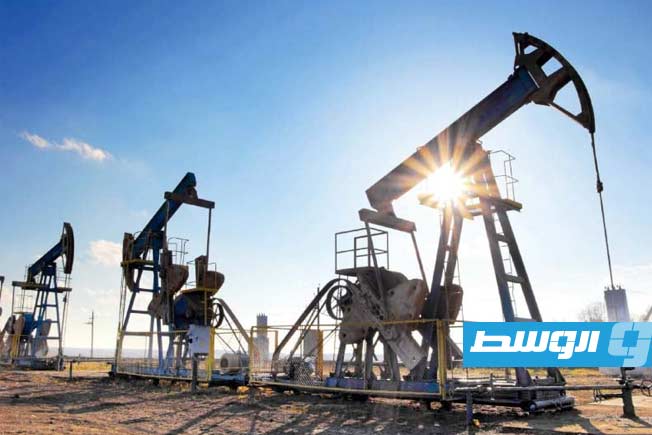
The Sultanate of Oman – an oil producer not a member of OPEC – is seeking to diversify its economy by investing in the financial sector and launching a privatization campaign to attract foreign investors.
Foreign Investment
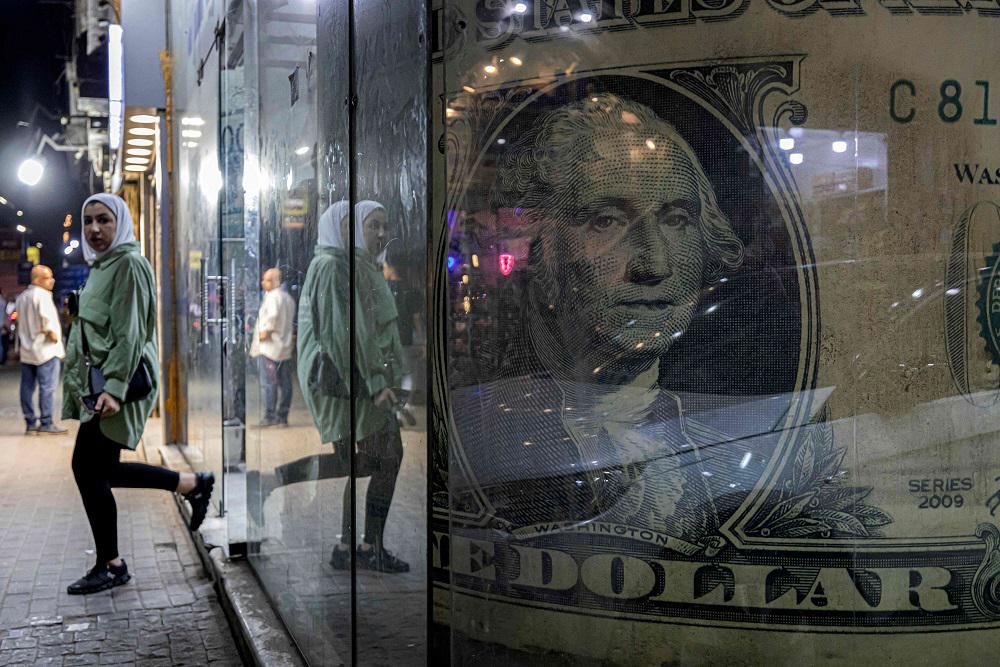
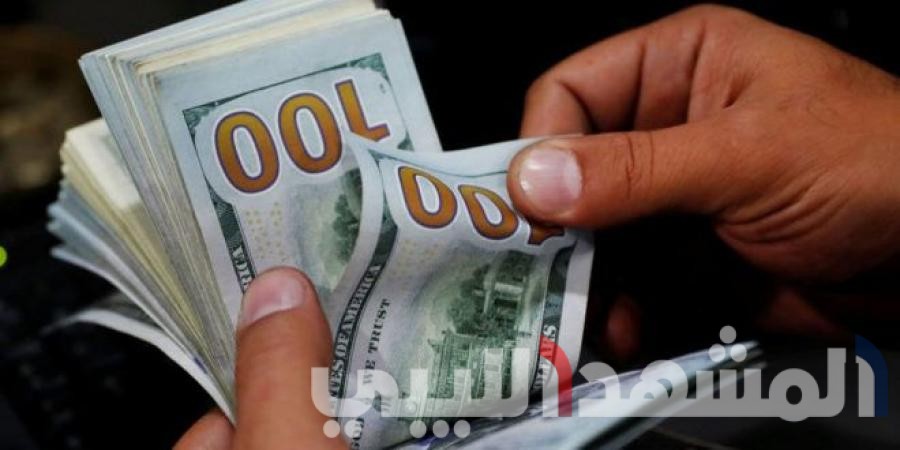
The volume of foreign direct investment in the Sultanate grew to reach 30.3 billion riyals (48.4 billion dollars) by the end of the third quarter of 2025, an increase of 71% compared to the same period in 2021, according to a statement made earlier this year.
This was attributed to the facilitation of the business environment, the reduction of procedures, growing confidence in the Omani economy, alongside efforts made to attract investments.
It was added that inflation rates stabilized within the targeted range, with the average until last November being about 0.9%.
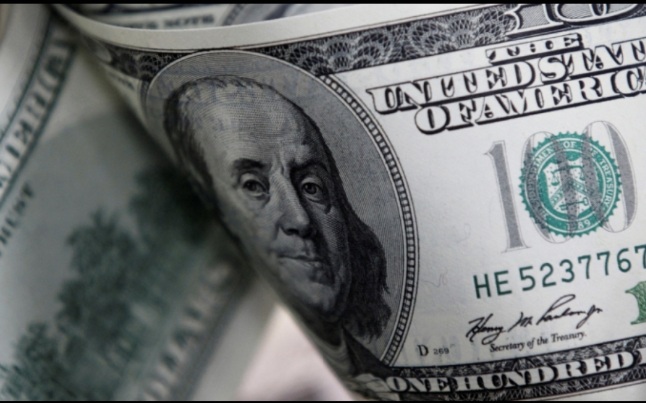
The Sultanate of Oman approved the general budget for the new year, which included a deficit of 530 million Omani riyals (1.3 billion dollars), representing 1.3% of the size of the Omani economy.
The Sultanate expects public expenditure to exceed 19 billion dollars, an increase of 1.5% over last year, and authorities set the 2026 budget based on an assumed average oil price of 60 dollars per barrel.
Estimated revenues in the budget are 18.3 billion dollars, an increase of 2.4% over last year.
The country expects the volume of public debt to reach 23.3 billion dollars by the end of 2026, which represents about 36% of GDP.
Council of Ministers
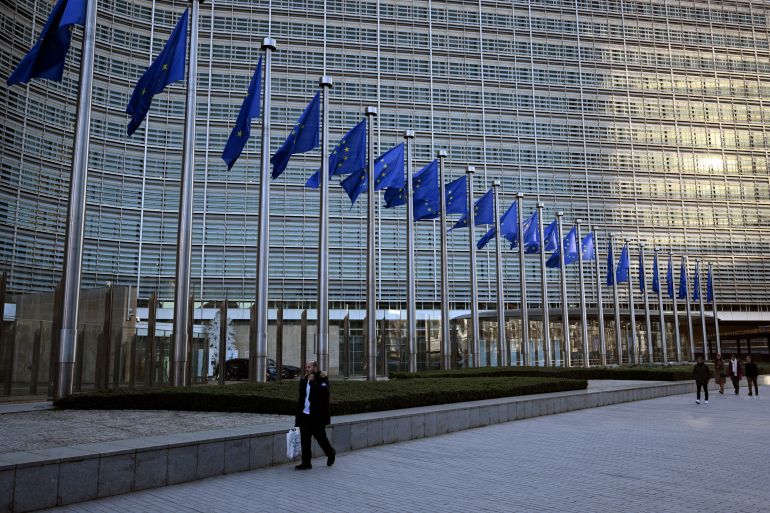
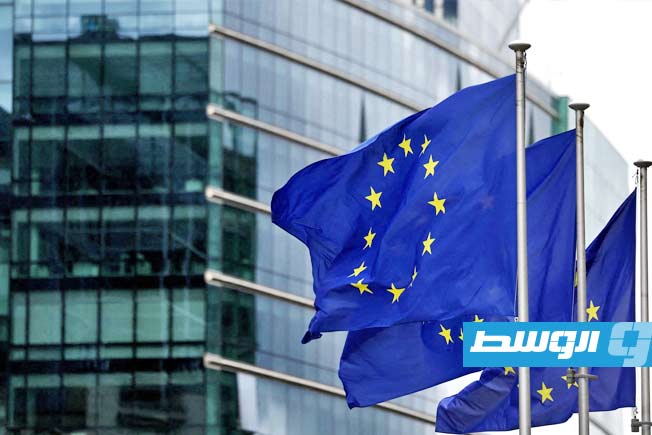
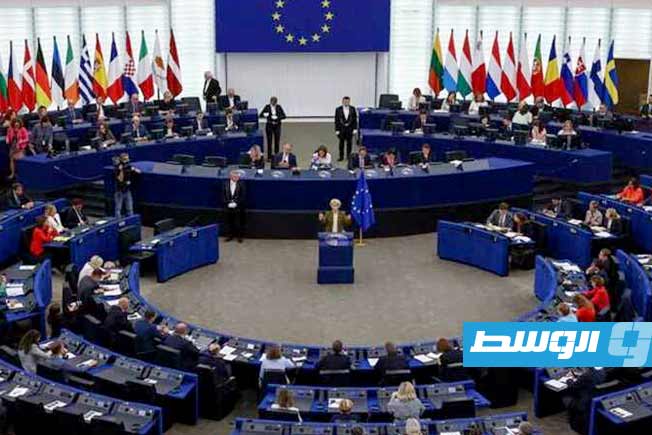
The Council of Ministers is the principal executive and administrative body of the European Union, responsible for proposing legislation, implementing decisions, and managing EU policies. It originated from the 1957 Treaty of Rome as the “Council of the European Economic Community,” evolving through subsequent treaties to become a key institution representing the member states’ governments.
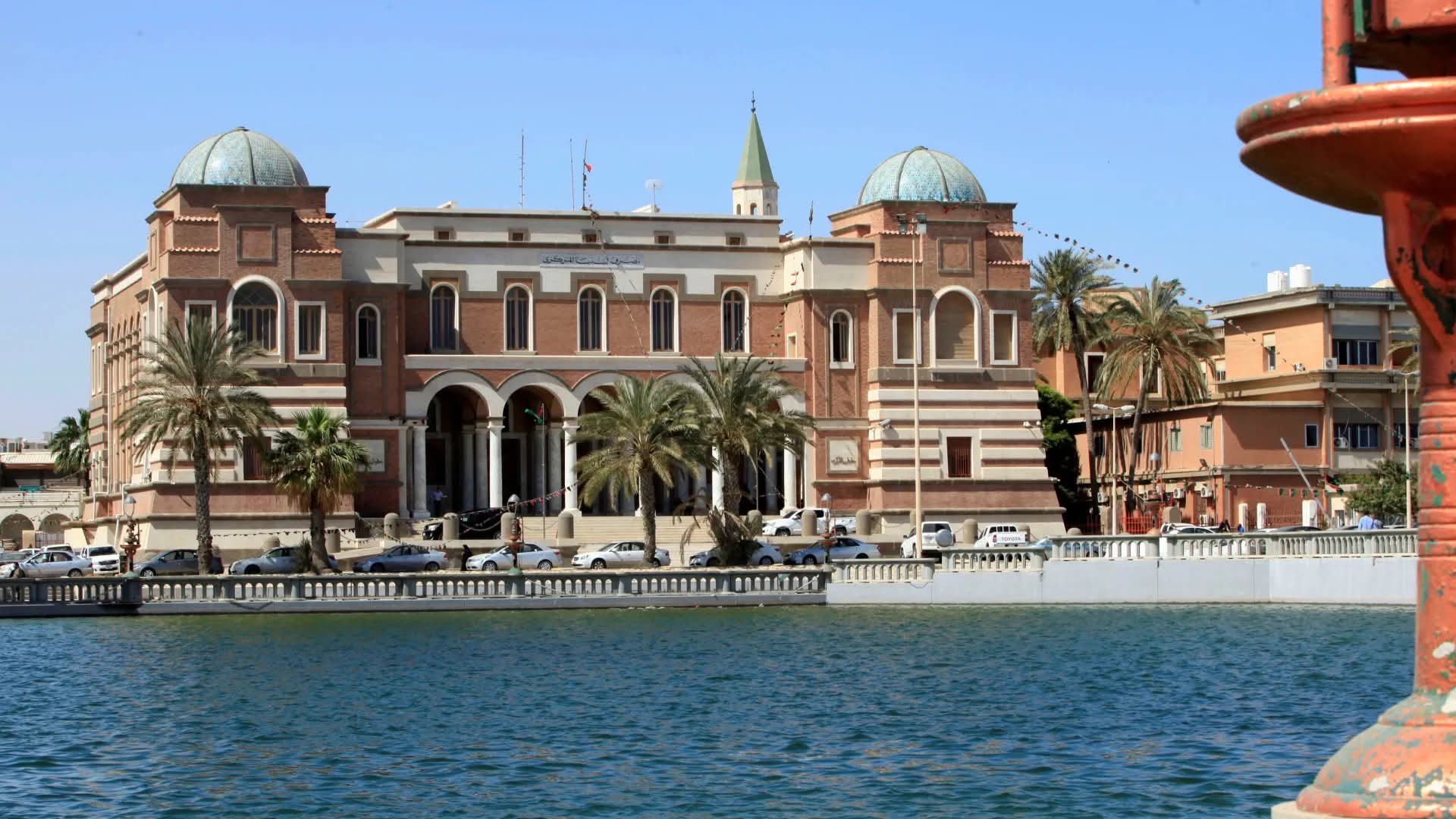
Council building
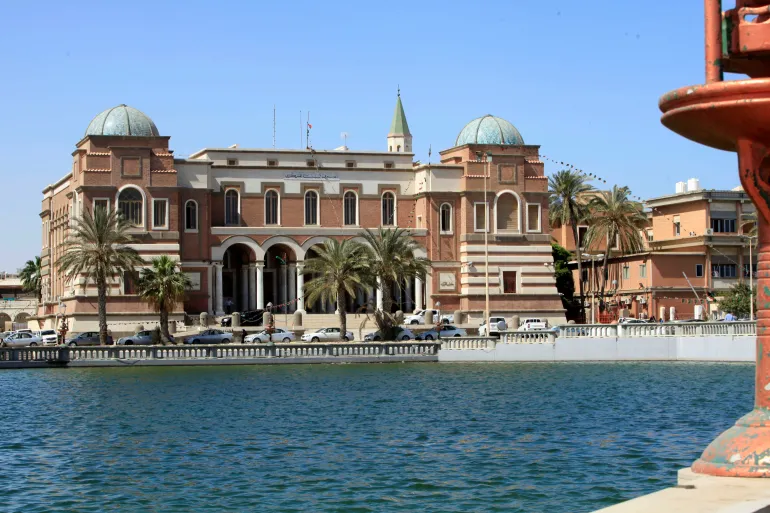
The Council building typically refers to a structure housing local government offices, such as a town or city hall. Its history is often tied to the development of civic administration in a community, serving as a center for public meetings and decision-making since its construction.
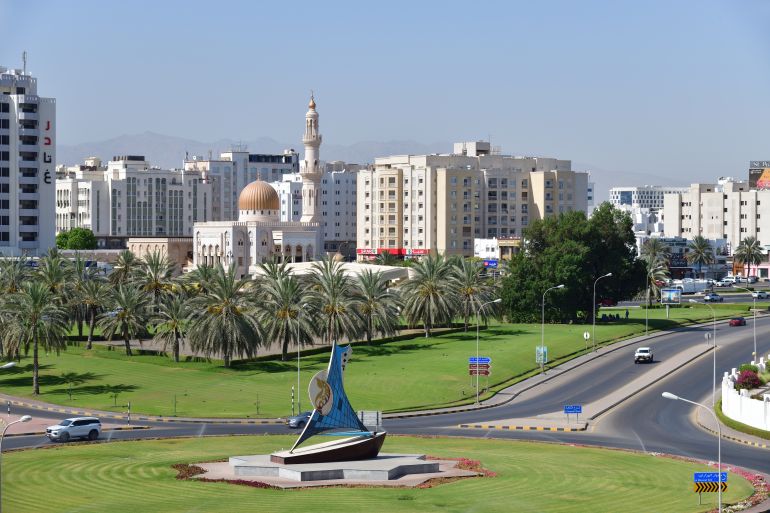
Muscat
Muscat is the capital city of Oman, with a history as a significant trading port dating back over two millennia. It is known for its scenic location between the Hajar Mountains and the Gulf of Oman, and its architecture blends traditional Omani style with modern development, featuring landmarks like the Sultan Qaboos Grand Mosque and historic forts such as Al Jalali and Al Mirani.
Sultanate of Oman
The Sultanate of Oman is a nation on the southeastern coast of the Arabian Peninsula with a rich maritime history as a powerful trading empire. Its modern era began in 1970 with Sultan Qaboos bin Said, whose reign focused on modernization and neutrality in foreign policy. The country is known for its diverse landscapes, ancient forts, and the frankincense trade that shaped its historical significance.
Oman Global Financial Centre
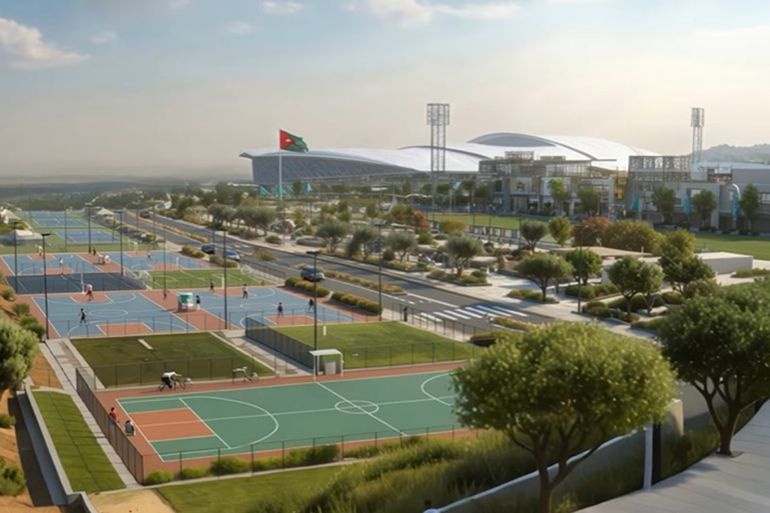
The Oman Global Financial Centre (OGFC) is a financial free zone established in Muscat to attract international investment and diversify the Omani economy beyond oil. It was officially launched in 2021, operating under a common law framework and independent regulations to provide a competitive environment for financial services firms.
OPEC
OPEC, or the Organization of the Petroleum Exporting Countries, is an intergovernmental organization founded in 1960 by Iran, Iraq, Kuwait, Saudi Arabia, and Venezuela. Its primary purpose is to coordinate and unify the petroleum policies of its member countries to ensure stable oil markets and secure a steady income for producers.