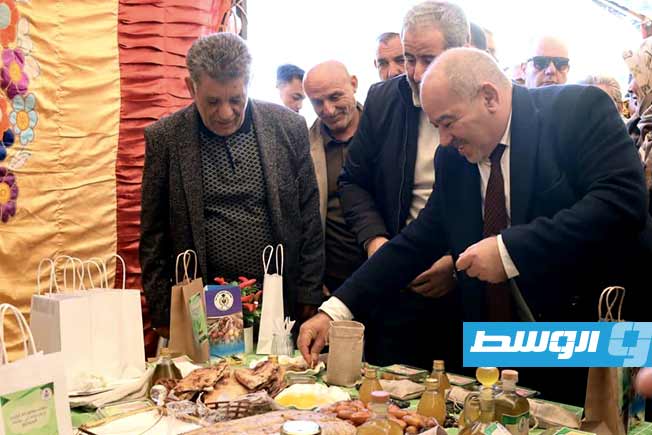
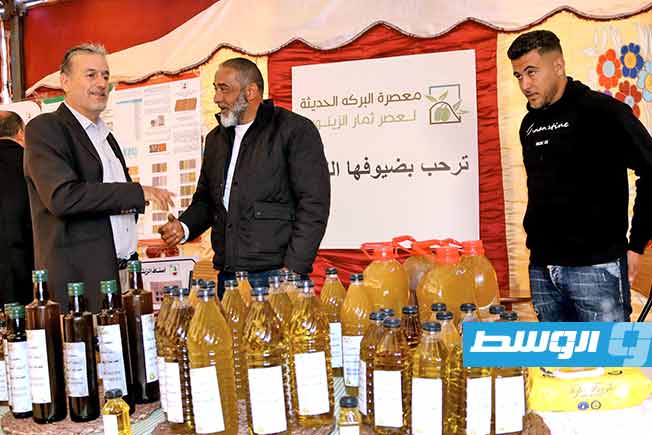
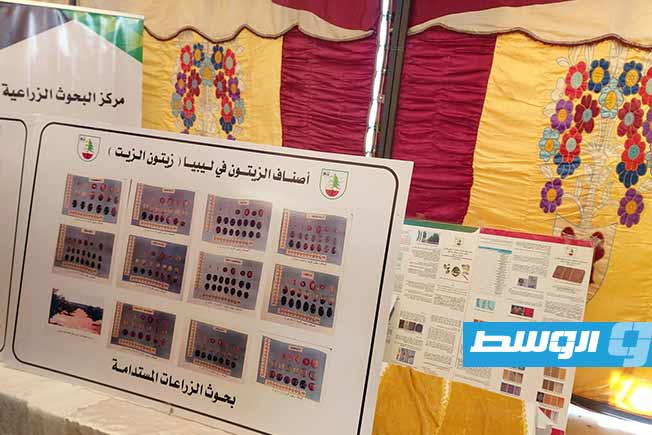
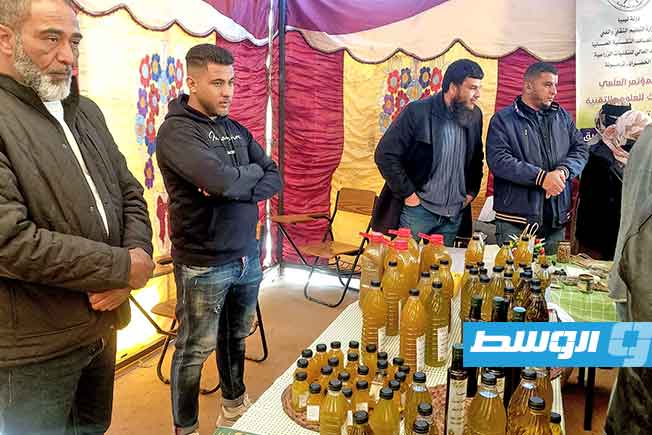
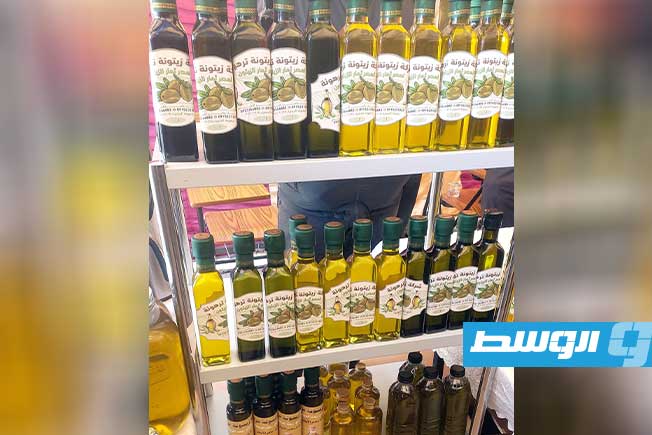
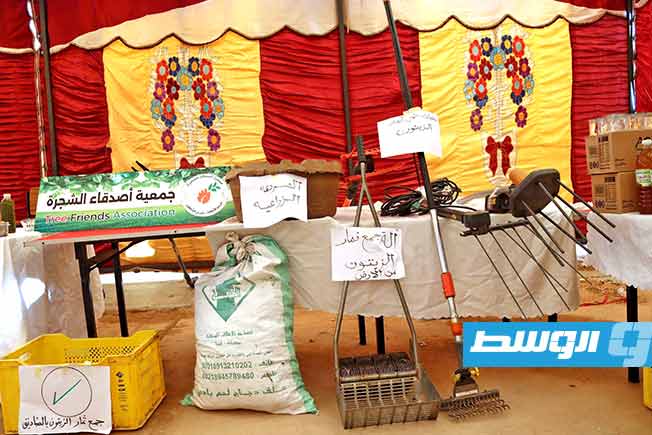
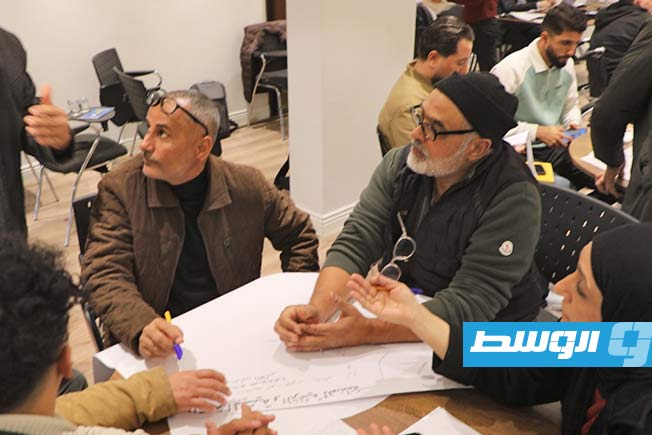
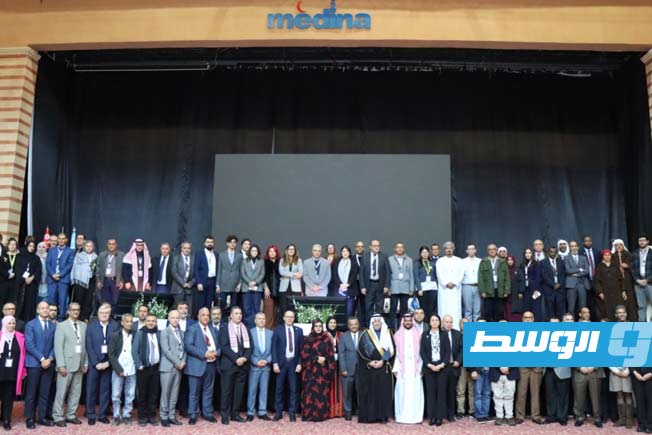
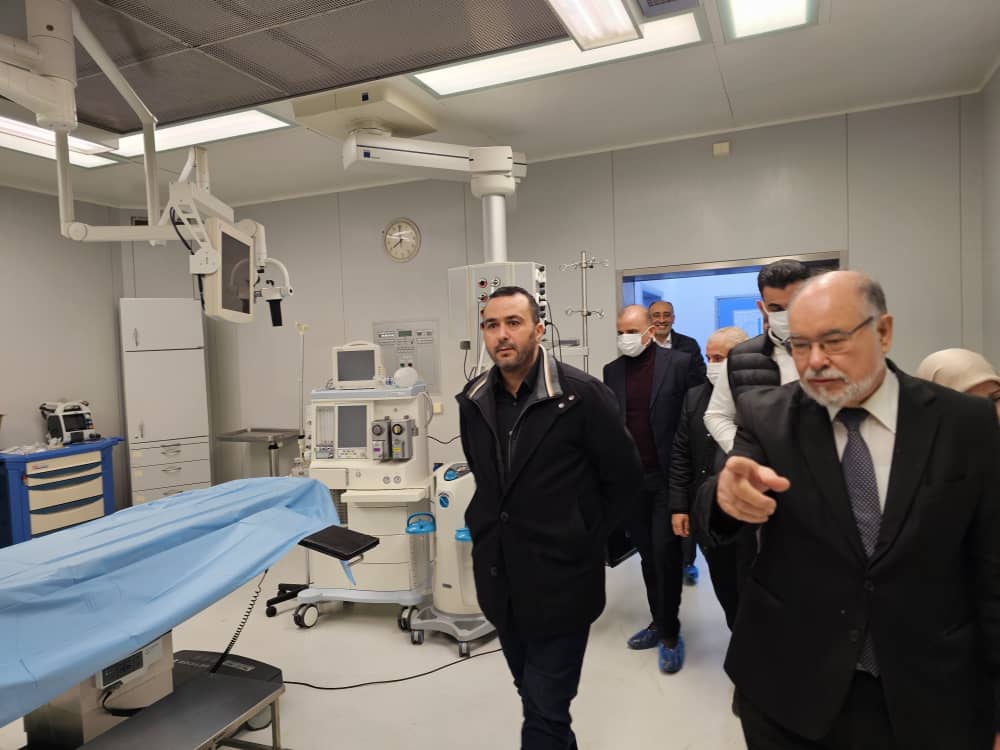
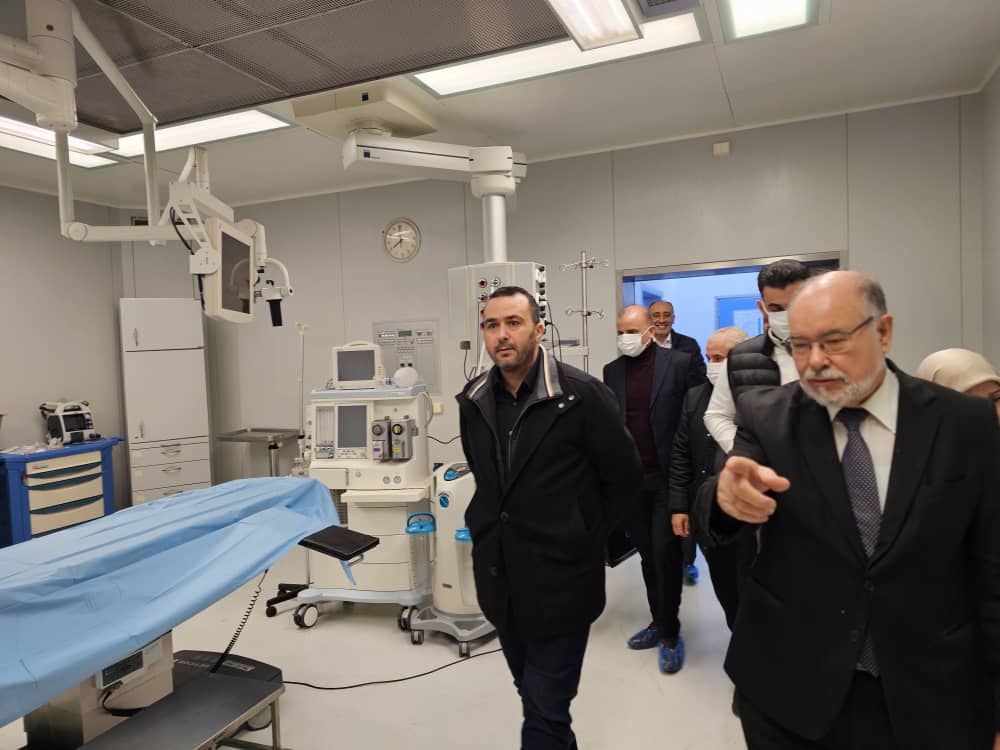
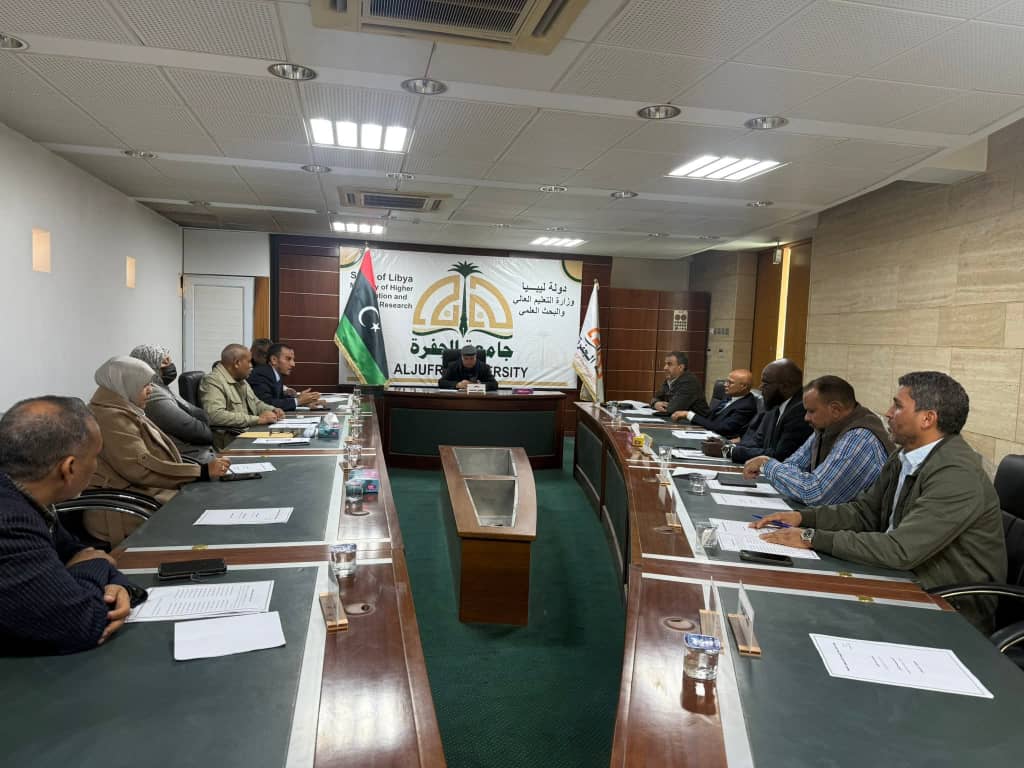
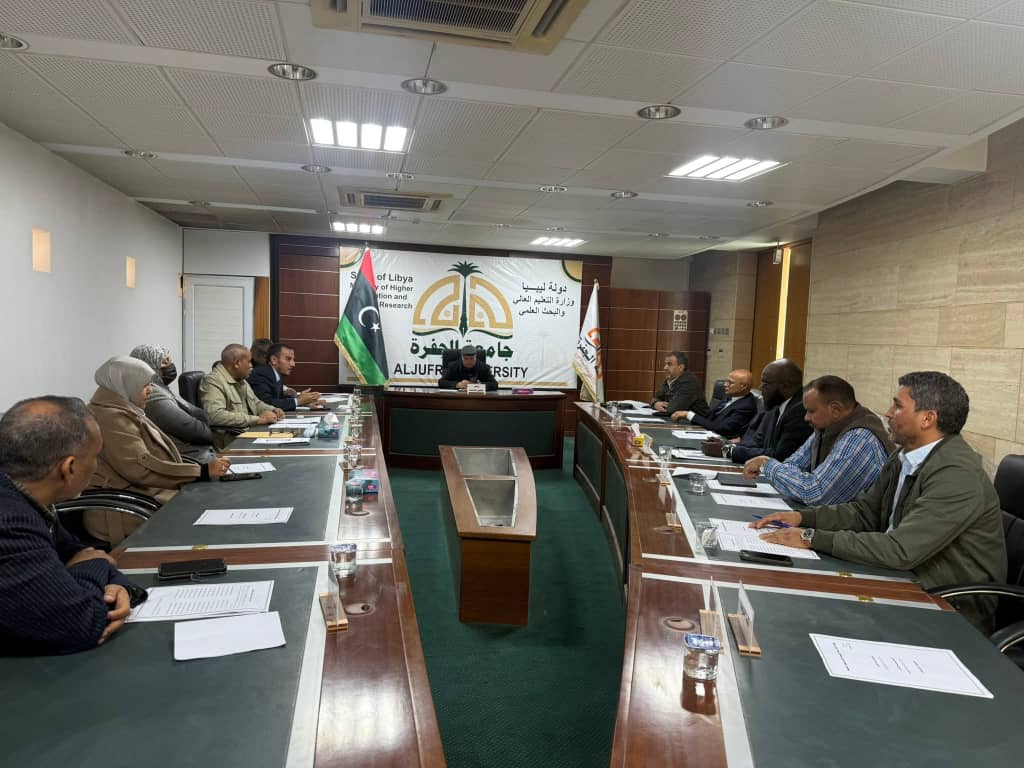
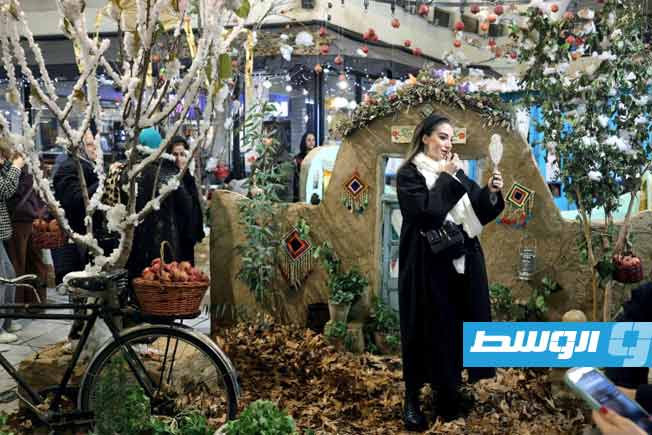
The “First Tarhuna Olive Tree Exhibition,” held at the Higher Institute of Agricultural Technologies in the Al-Khadra area on Thursday, witnessed a distinguished presence from the Libyan Olive Tree Research Center.
This participation came as part of the exhibition’s activities, which were organized under the slogan “The Olive Tree… Heritage, Economy, and Sustainability,” with the aim of supporting the olive sector and promoting agricultural investment in the region.
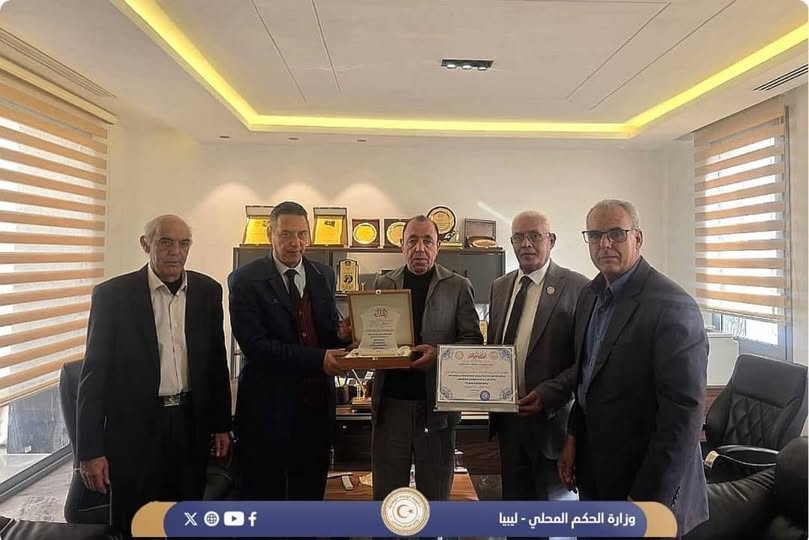
The center’s delegation, led by its director, oversaw the center’s pavilion, which was transformed into an educational and interactive platform that attracted exhibition visitors.
– Planting more than 6,000 seedlings in Tarhuna as part of the “Green Libya” initiative.
– A research team conducts field visits to develop the cultivation of the “White Tarhuni Olive.”
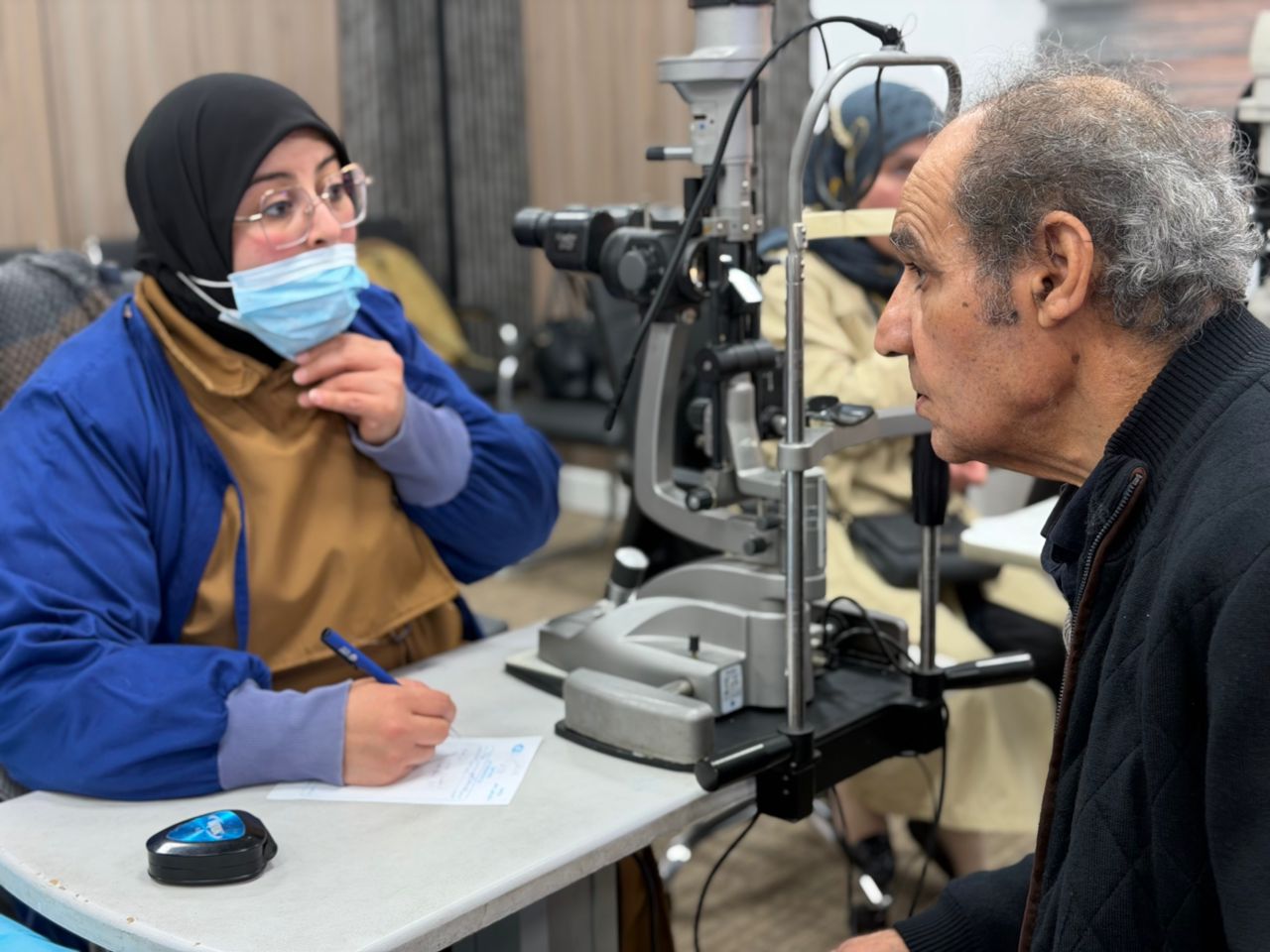
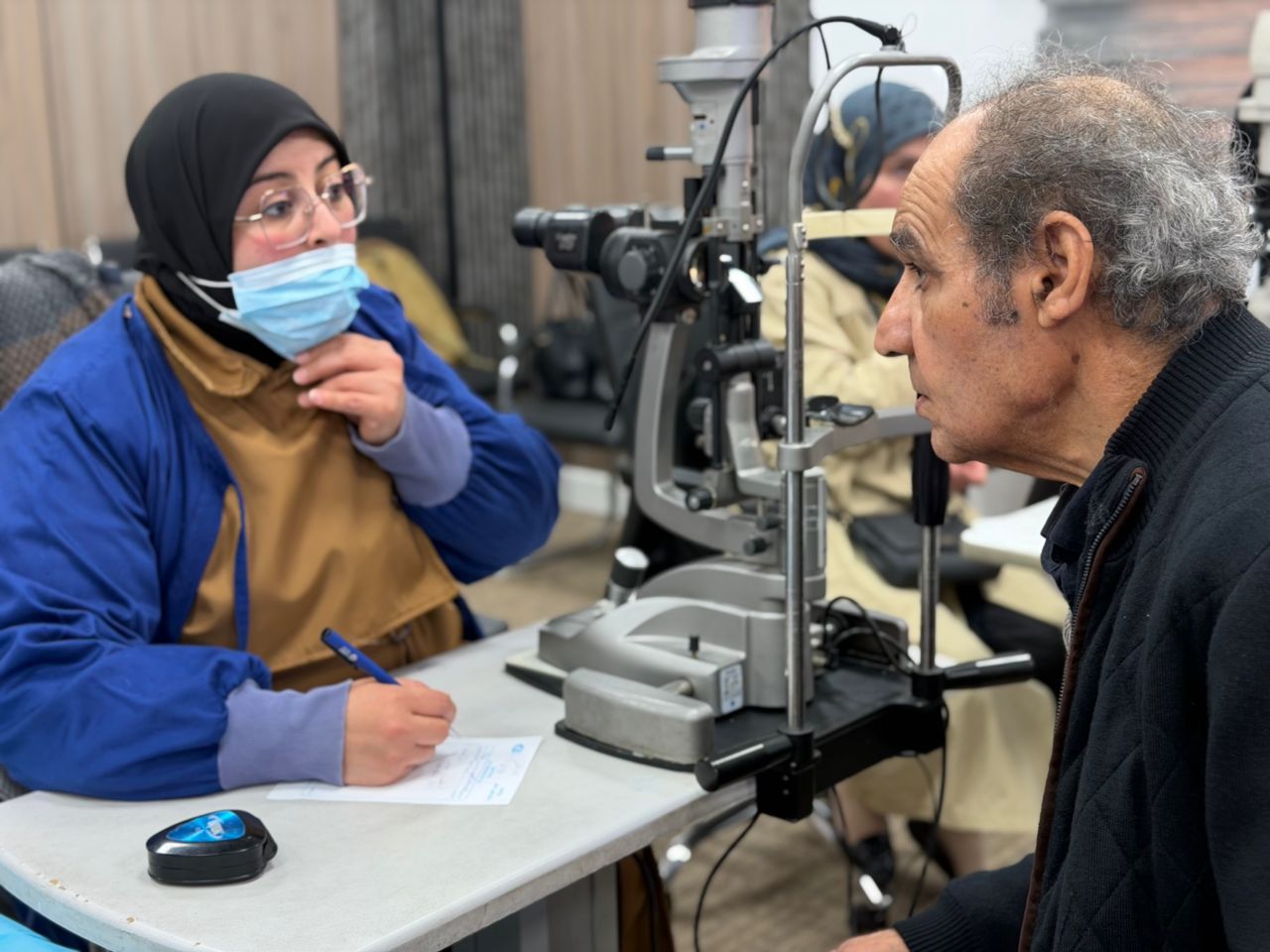
The team provided detailed explanations about the research tasks undertaken by the center to develop this vital sector. Researchers also conducted practical demonstrations for the public, including chemical and sensory analyses of olive oil to assess its quality, contributing to raising awareness of scientific standards and product specifications.
Scientific Contributions to Production Sustainability
As part of the festival’s scientific program, an expert from the center delivered a specialized lecture on “Diseases of Olive Trees in Tarhuna.” The lecture focused on diagnosing the health challenges facing trees in the region and presenting modern scientific solutions to address them, ensuring crop protection and production sustainability.
The importance of this event stems from the agricultural significance of the city of Tarhuna, which includes approximately 1,535 farms and 17 olive presses, producing more than 33 varieties of olives.
Through its participation, the center sought to build bridges of communication with farmers and investors, highlighting the importance of scientific research in transforming olive fruits “from the tree to the bottle” according to the highest global quality standards, serving the national economy and achieving sustainable development.
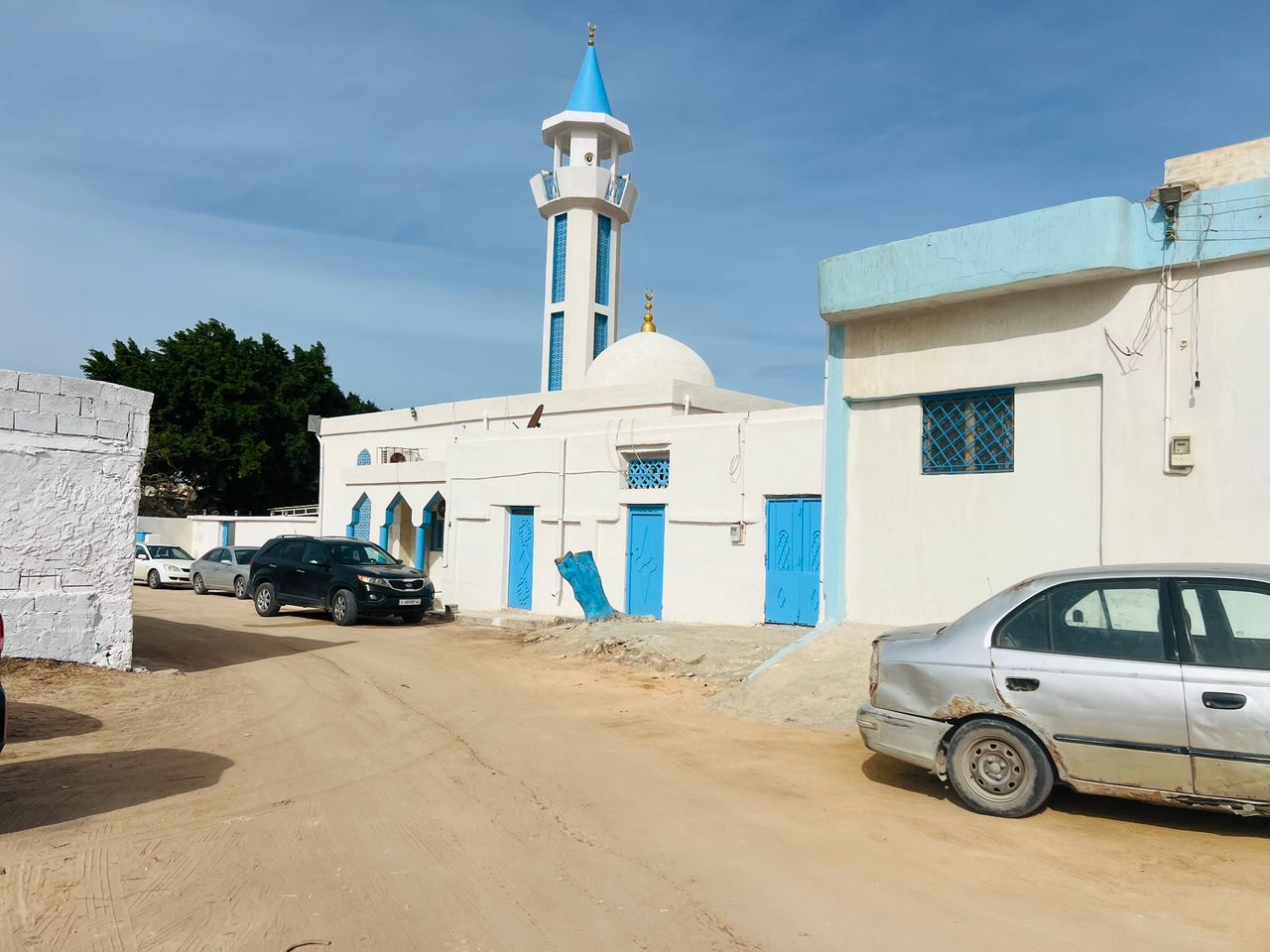
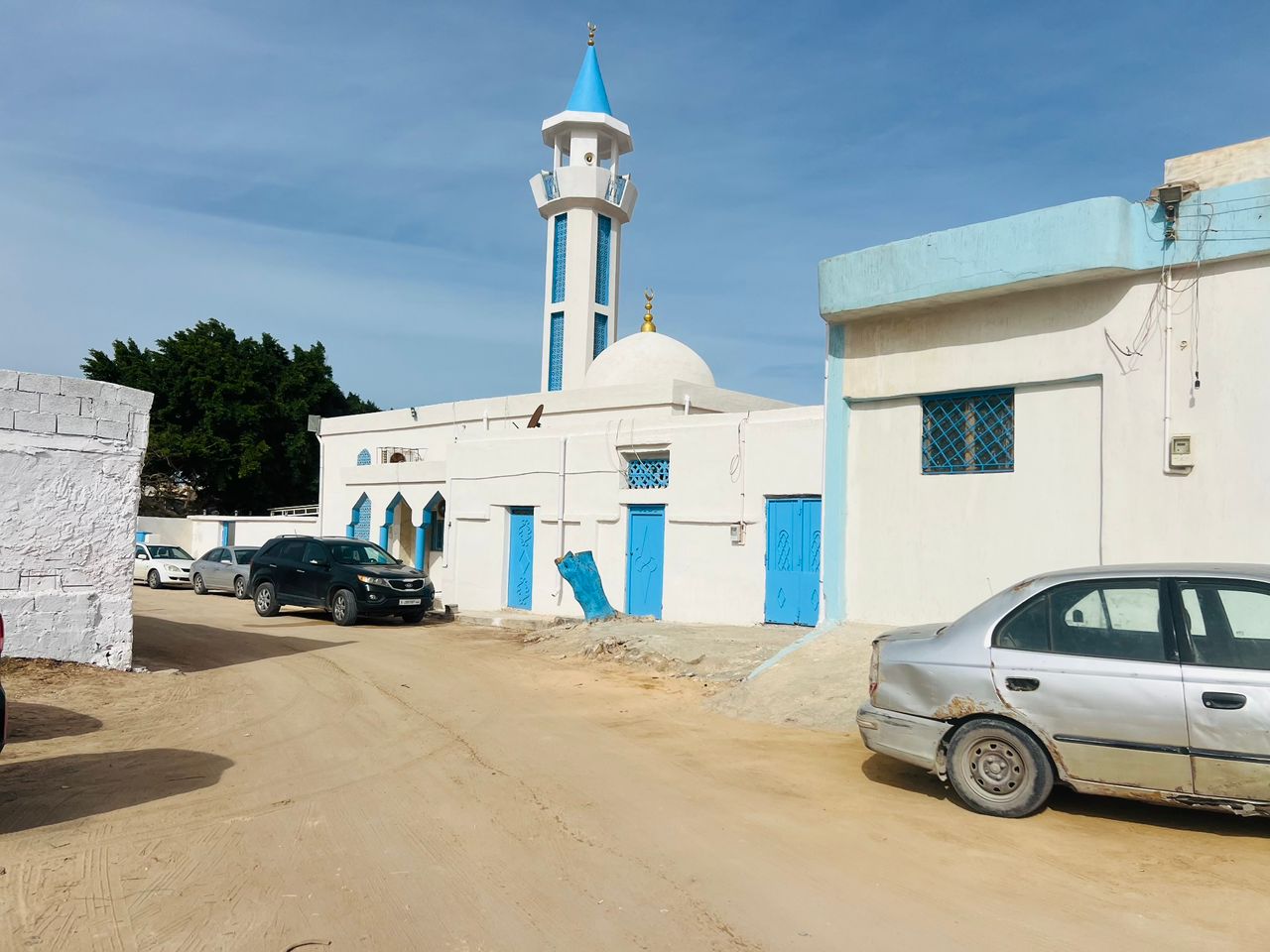
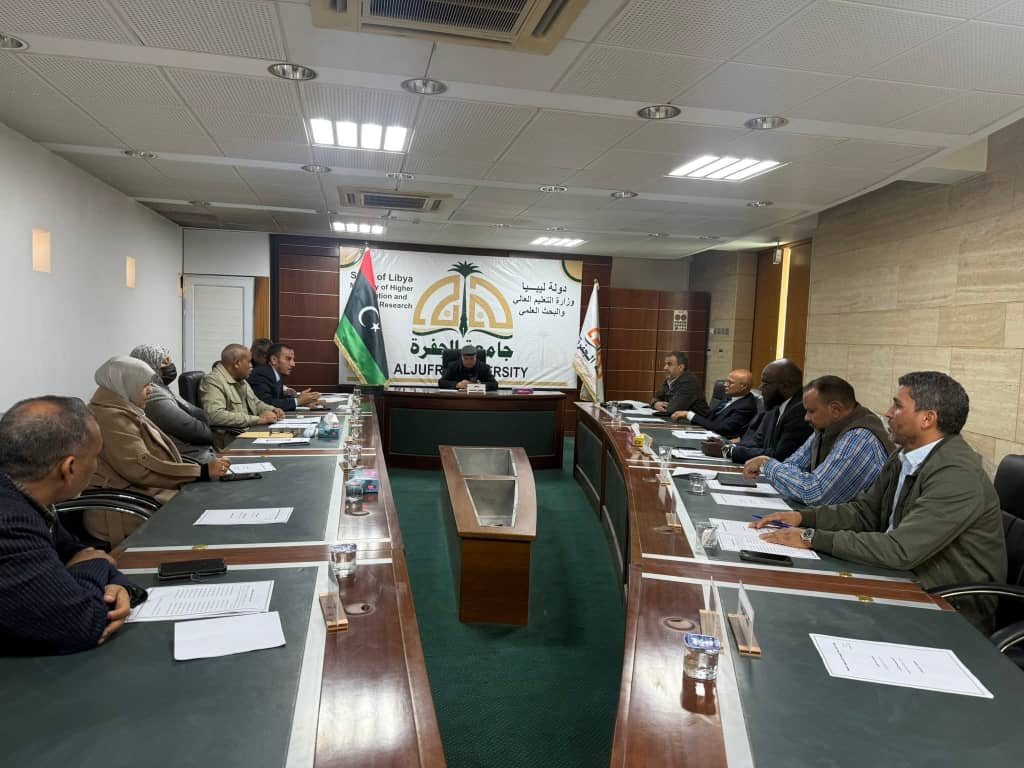
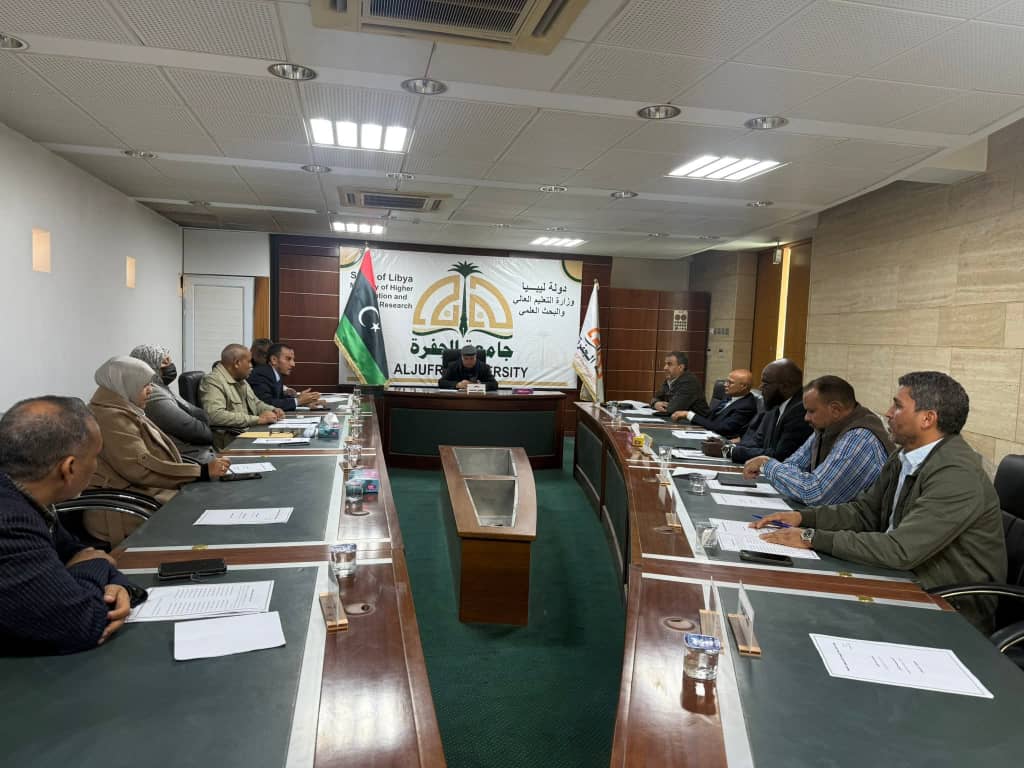
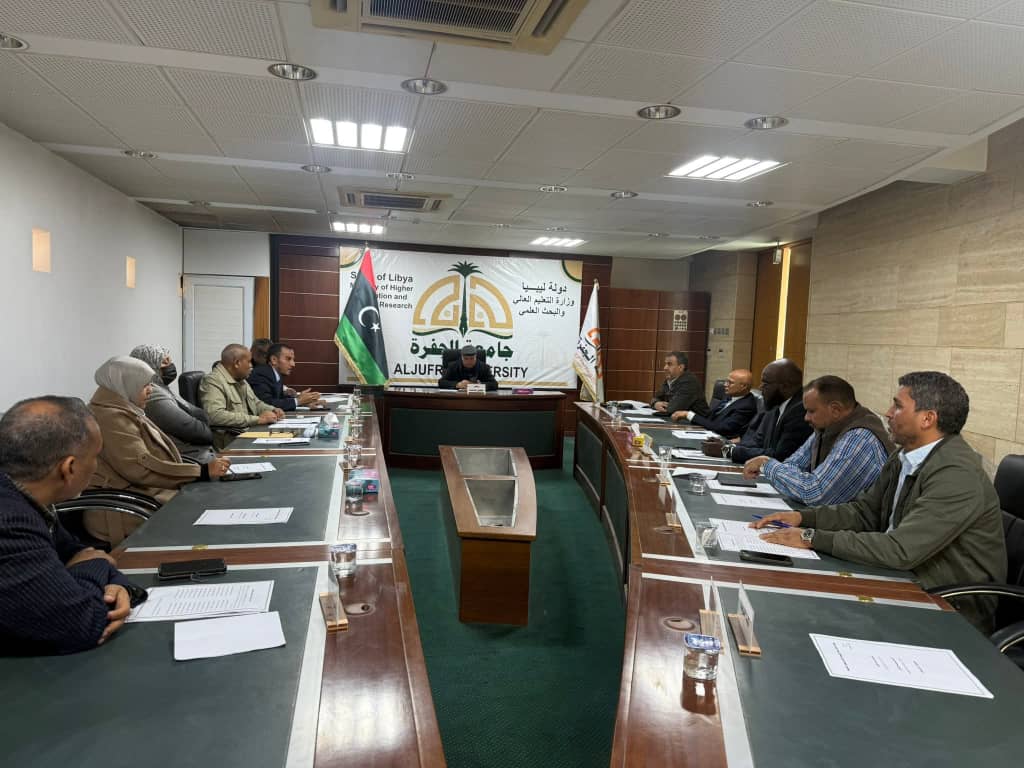
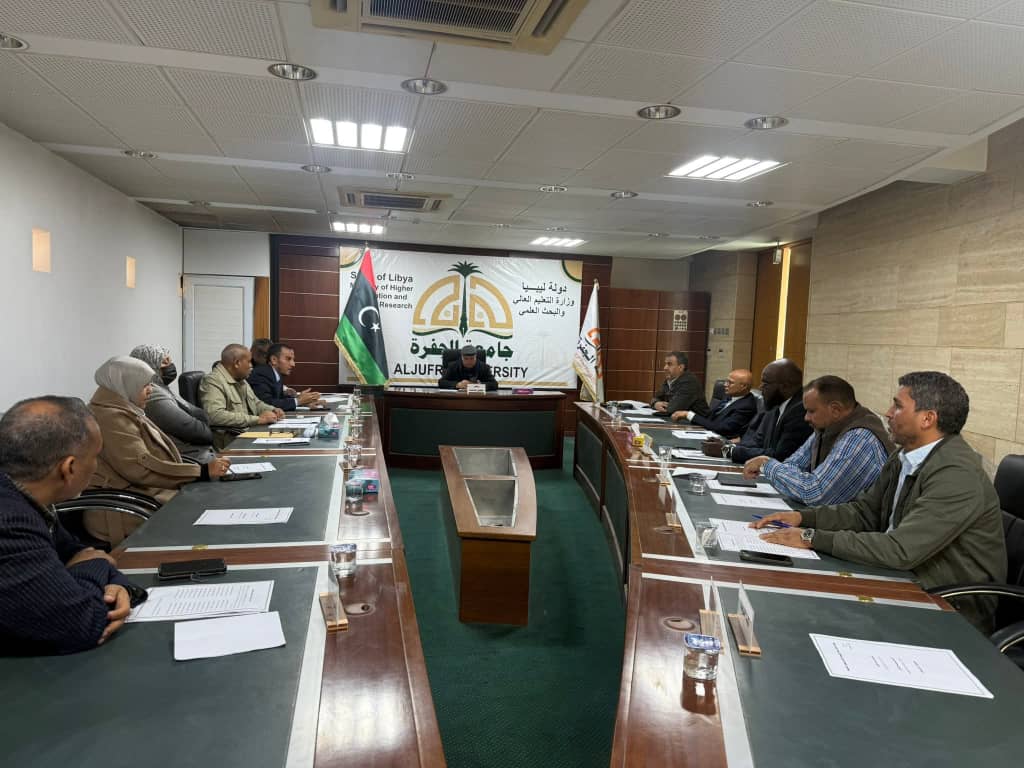
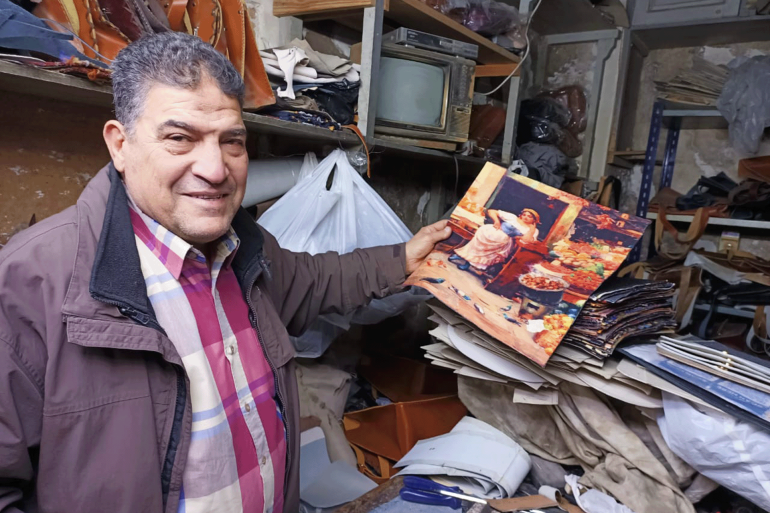
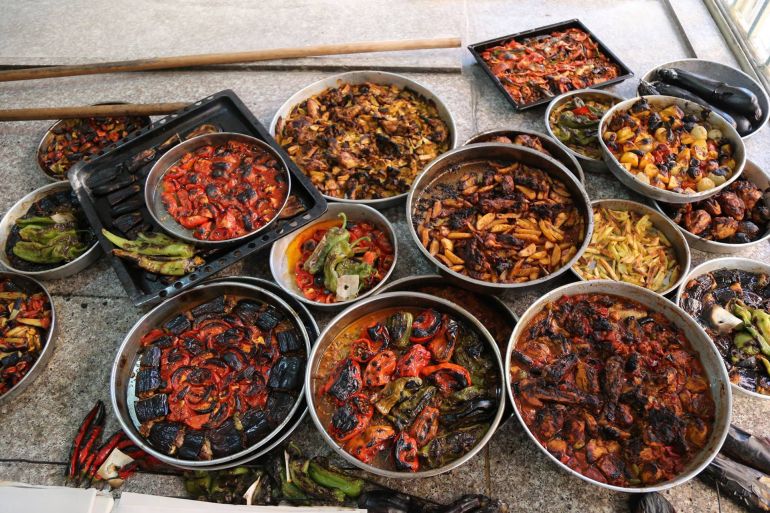
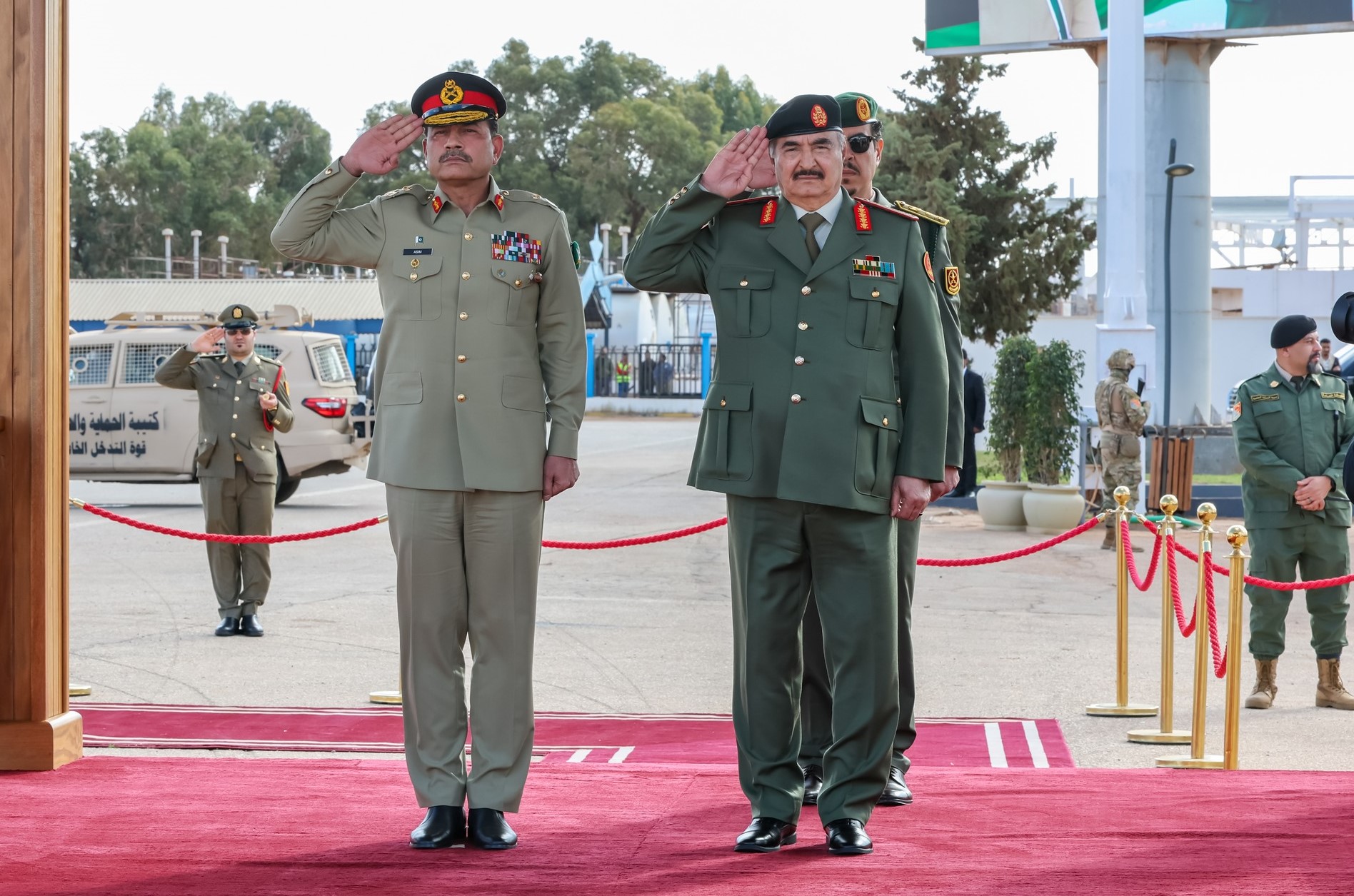
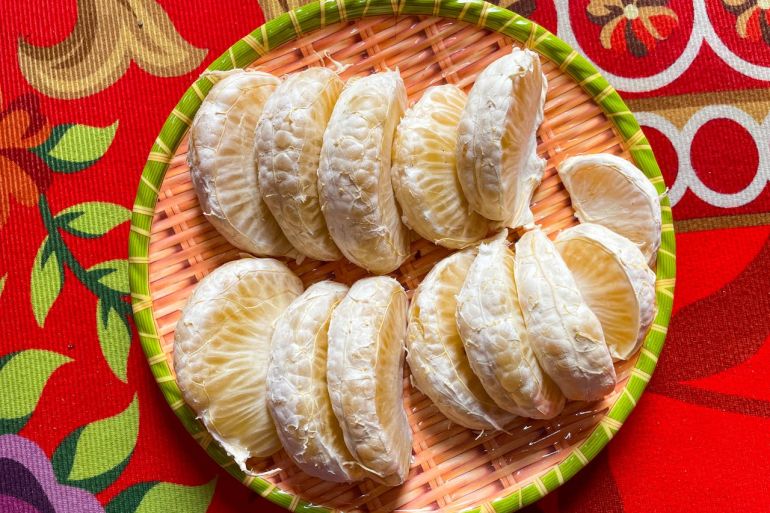
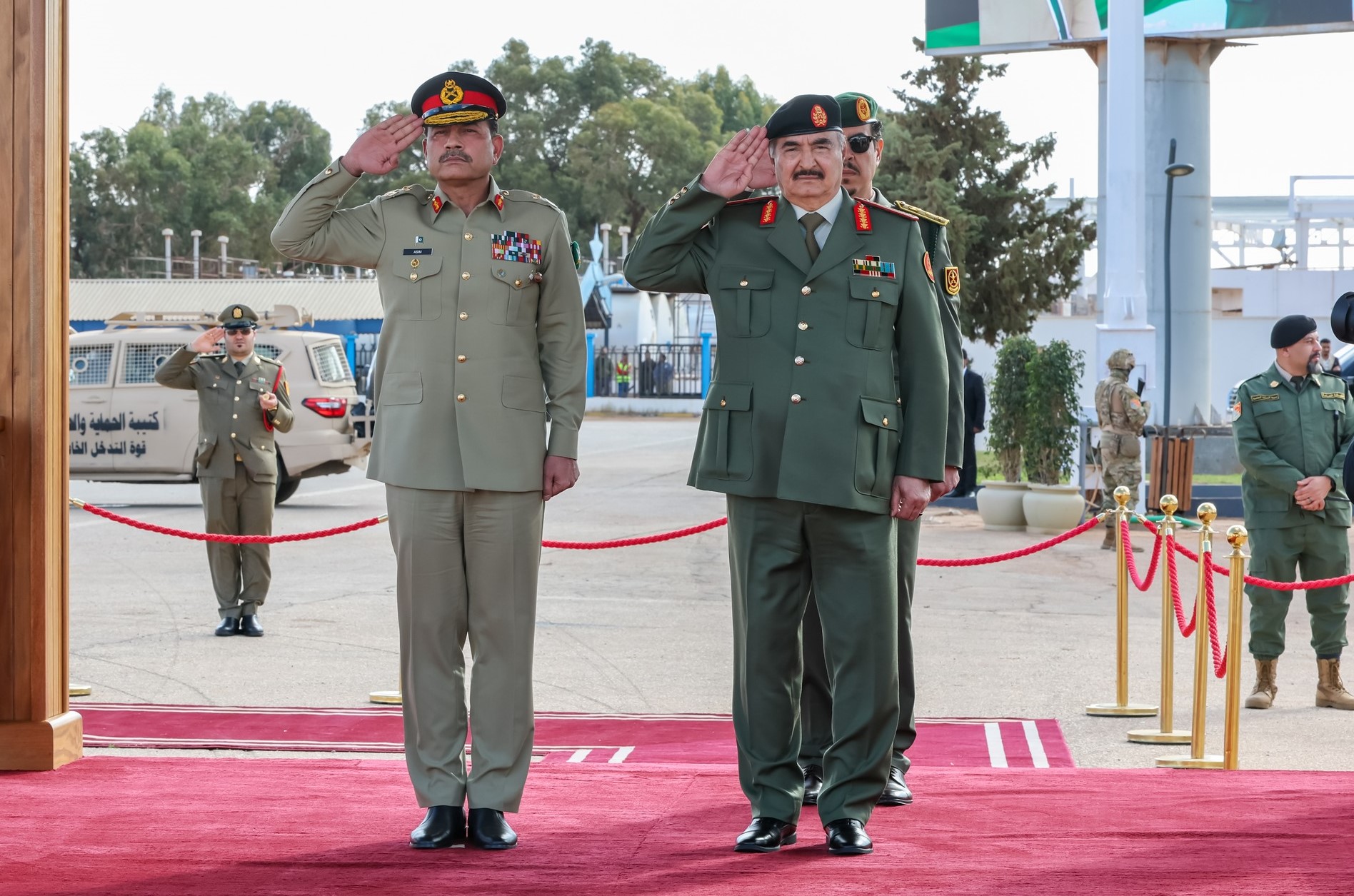
A view of the ‘First Tarhuna Olive Tree Exhibition,’ held at the Higher Institute of Agricultural Technologies in the Al-Khadra area.A view of the ‘First Tarhuna Olive Tree Exhibition,’ held at the Higher Institute of Agricultural Technologies in the Al-Khadra area.A view of the ‘First Tarhuna Olive Tree Exhibition,’ held at the Higher Institute of Agricultural Technologies in the Al-Khadra area.A view of the ‘First Tarhuna Olive Tree Exhibition,’ held at the Higher Institute of Agricultural Technologies in the Al-Khadra area.<img alt="A view of the 'First Tarhuna Olive Tree Exhibition,'
Olive Tree Research Center
The Olive Tree Research Center, often associated with institutions like the International Olive Council or national agricultural bodies, is dedicated to the scientific study and cultivation of olive trees. Its history is rooted in efforts to improve olive oil production, preserve genetic diversity, and support sustainable farming practices for this historically and economically vital crop.
First Tarhuna Olive Tree Exhibition
The First Tarhuna Olive Tree Exhibition is a cultural and agricultural event held in Tarhuna, Libya, celebrating the region’s ancient olive cultivation heritage. It highlights the historical significance of olive farming in the area, which dates back to Phoenician and Roman times, through displays of local products and traditional practices.
Higher Institute of Agricultural Technologies
The Higher Institute of Agricultural Technologies is an educational institution in Tunisia, established in 1968. It was founded to provide advanced training and research in agricultural sciences and engineering, playing a key role in the country’s agricultural development and modernization.
Al-Khadra
Al-Khadra is a historic palace located in the city of Mosul, Iraq, traditionally believed to have been built by the Umayyad Caliph Marwan II in the 8th century. It served as a governmental center and symbol of Islamic rule, though much of its original structure was lost over time and it suffered significant damage during the 2014-2017 conflict in the region.
Tarhuna
Tarhuna is a city in northwestern Libya historically known for its Roman-era granaries, which were crucial to supplying the Roman Empire with grain. In more recent history, it gained notoriety during the 2011 Libyan Civil War and subsequent conflicts as a significant stronghold and site of reported human rights abuses.
Libyan Olive Tree Research Center
The Libyan Olive Tree Research Center is a scientific institution dedicated to studying and preserving olive cultivation in Libya, a tradition dating back to ancient Roman and Phoenician times. Its work focuses on improving olive varieties, sustainable farming, and supporting the country’s important agricultural heritage.
Green Libya
“Green Libya” is not a widely recognized historical or cultural site, but it is a term that has been used to refer to an ambitious agricultural and environmental project initiated under Muammar Gaddafi’s rule, notably the Great Man-Made River. This massive irrigation system, begun in the 1980s, was designed to transport freshwater from ancient Saharan aquifers to coastal cities for agriculture and drinking water. It stands as one of the largest engineering projects in the world.
White Tarhuni Olive
The White Tarhuni Olive is a renowned, centuries-old olive tree located in Libya’s Tarhuna region, famous for its distinctive light-colored fruit. It is a significant cultural and agricultural symbol, with local history suggesting it has been cultivated since the time of the Ottoman Empire or earlier. The tree represents a living heritage of traditional Libyan olive farming and the region’s enduring agricultural practices.
olive oil
Olive oil is a liquid fat traditionally obtained by pressing whole olives, a fruit primarily grown in the Mediterranean Basin. Its history of production spans over 6,000 years, with evidence of its use in ancient civilizations like the Minoans, Greeks, and Romans for cooking, religious rituals, medicine, and as fuel for lamps.