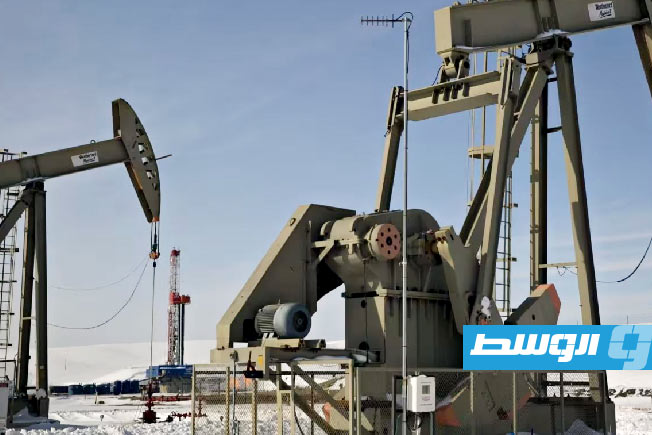
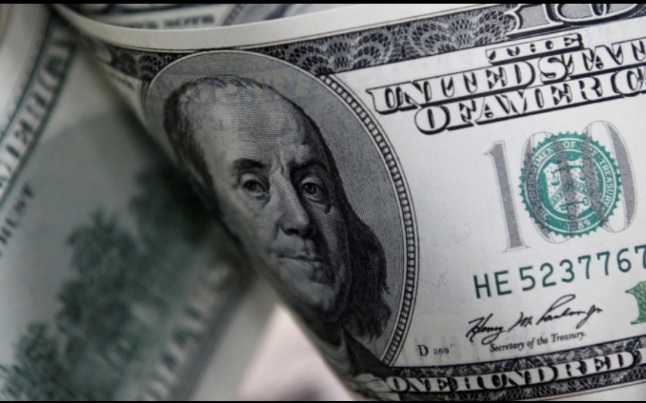
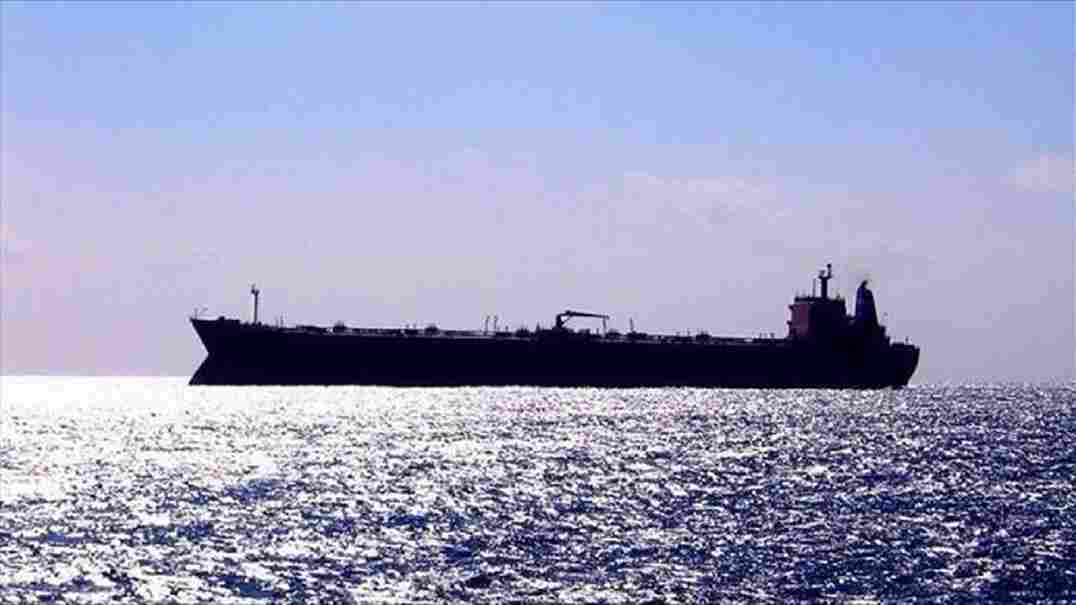
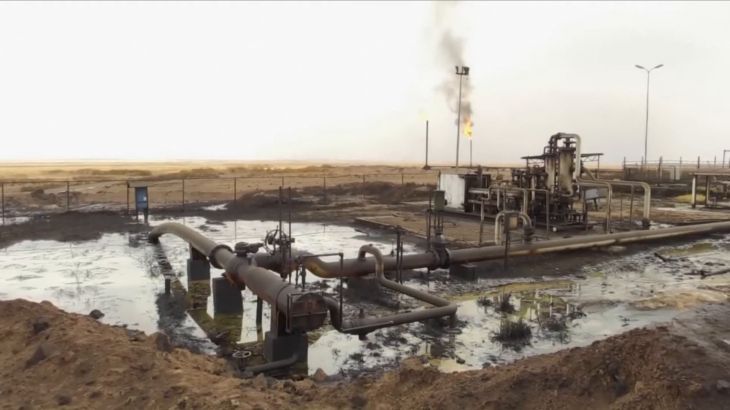
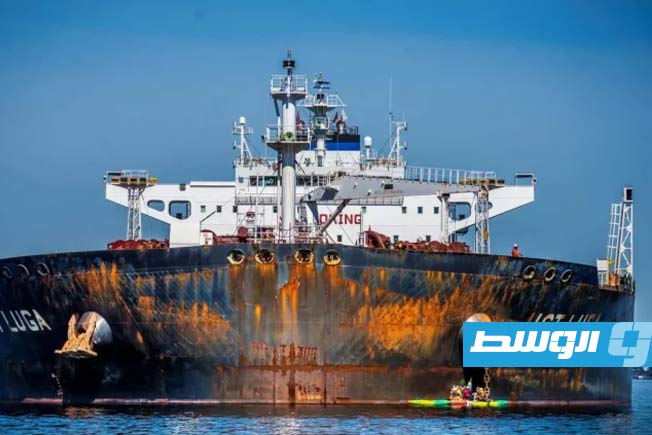
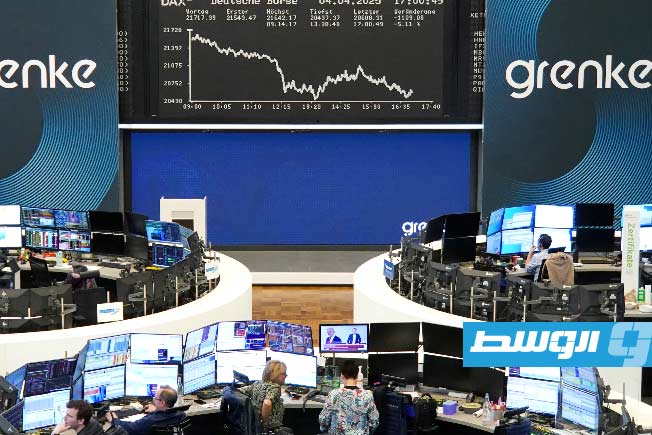
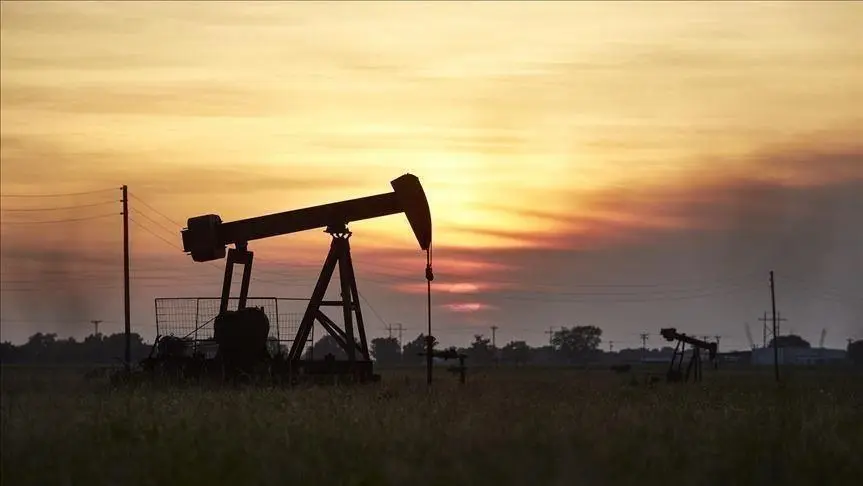
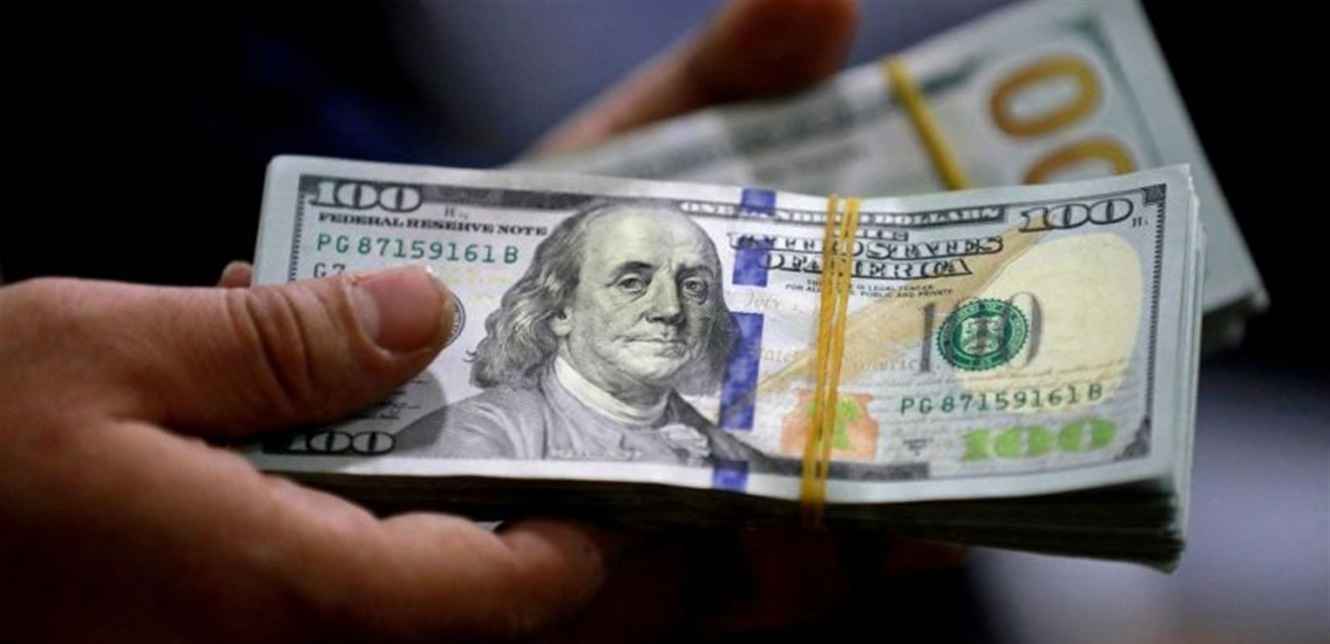
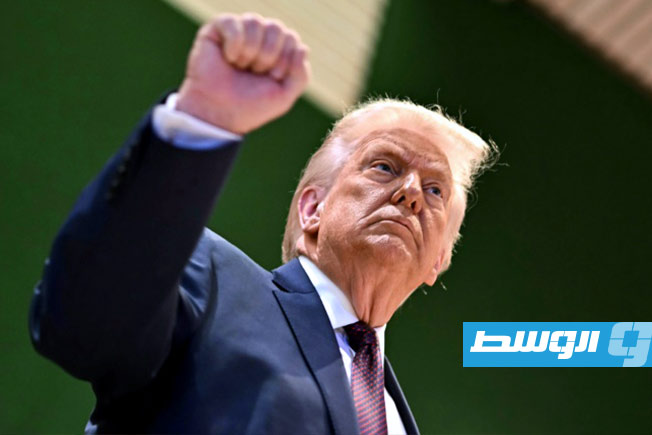
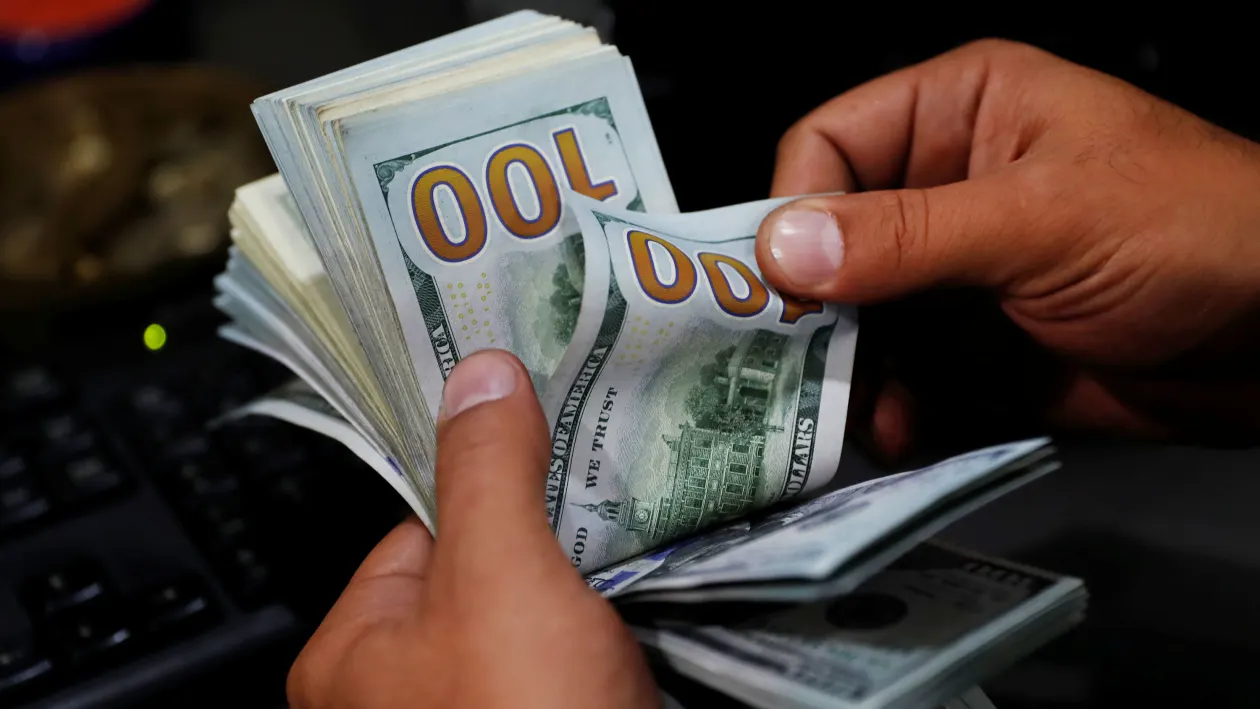
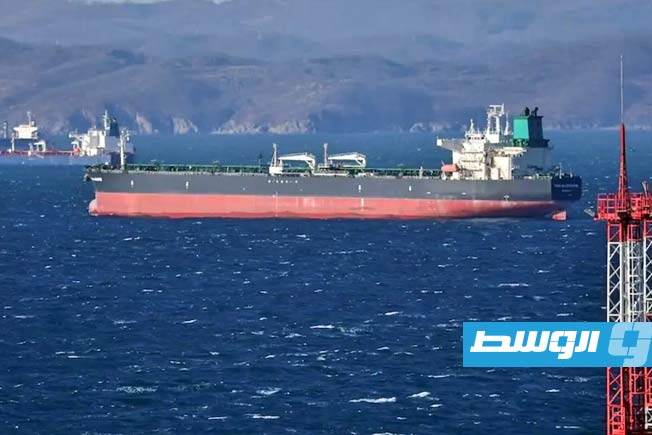
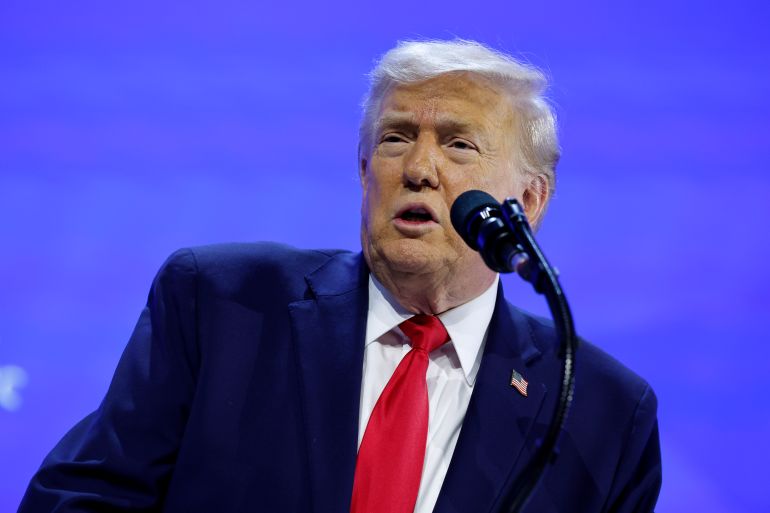
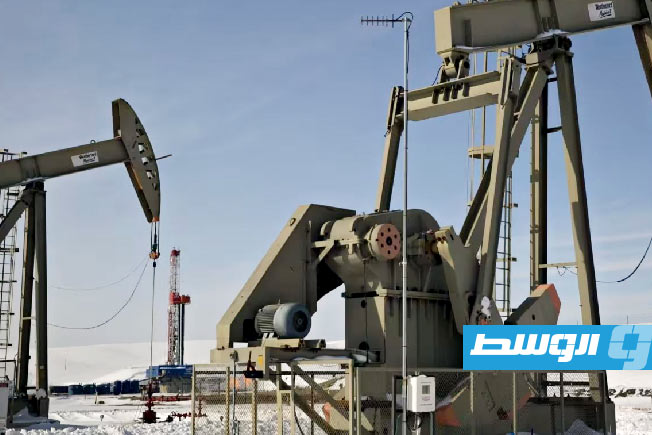
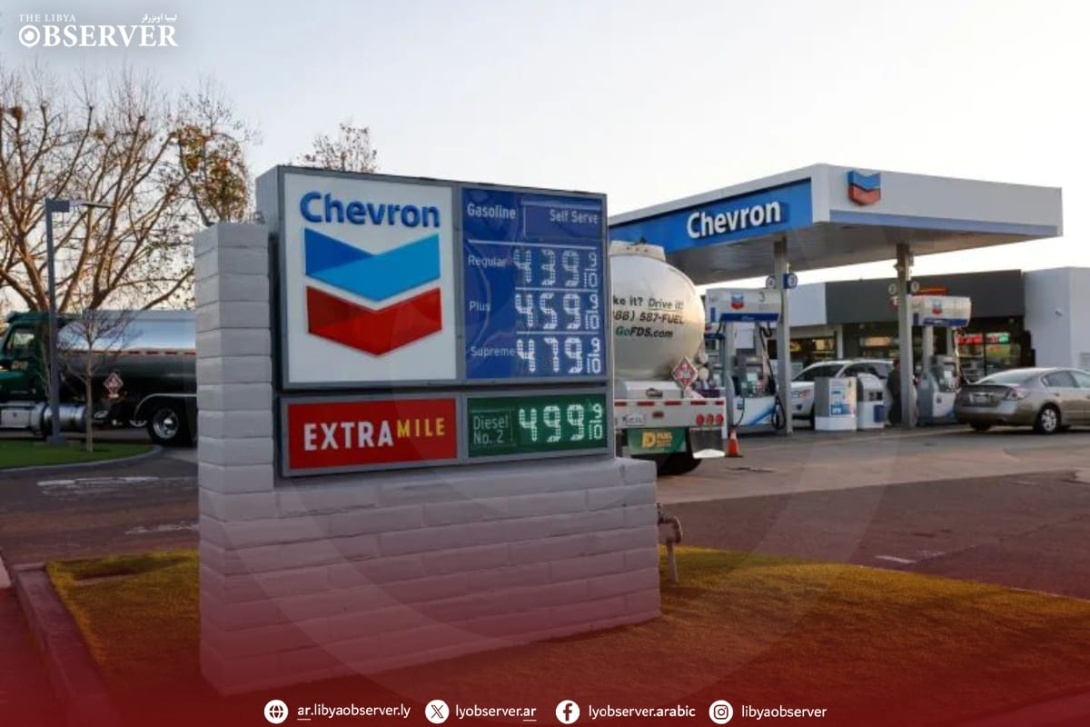
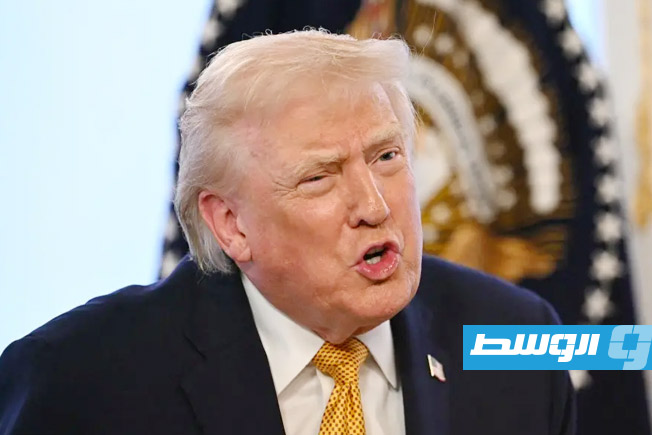
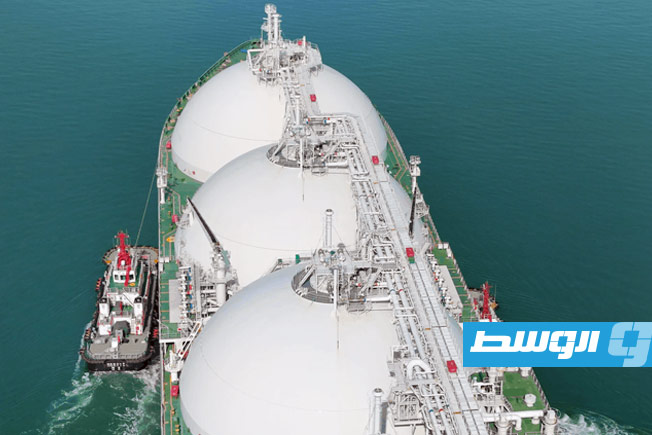
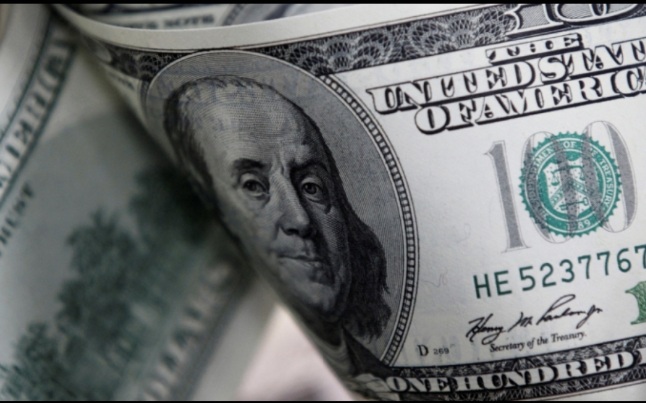
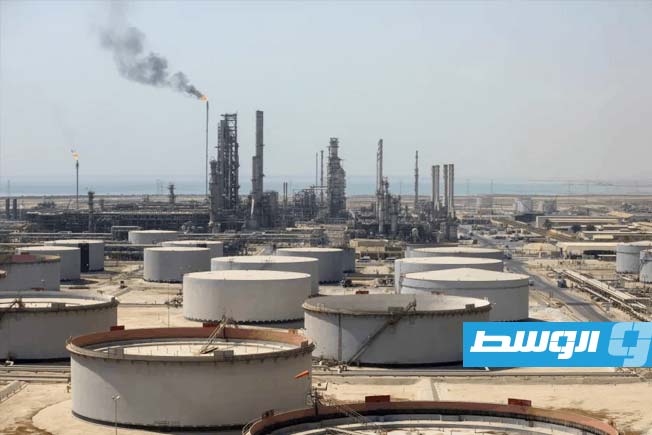
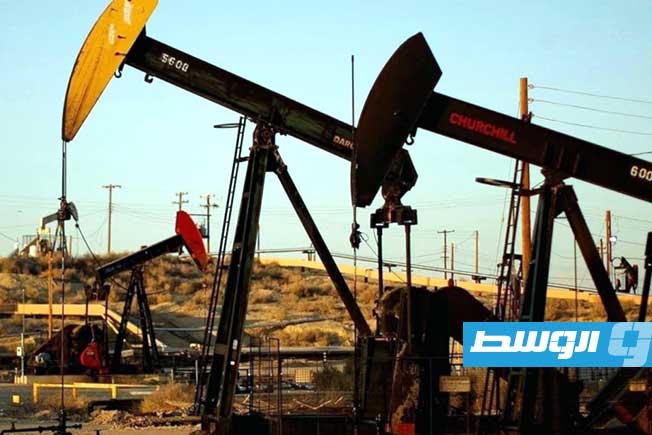
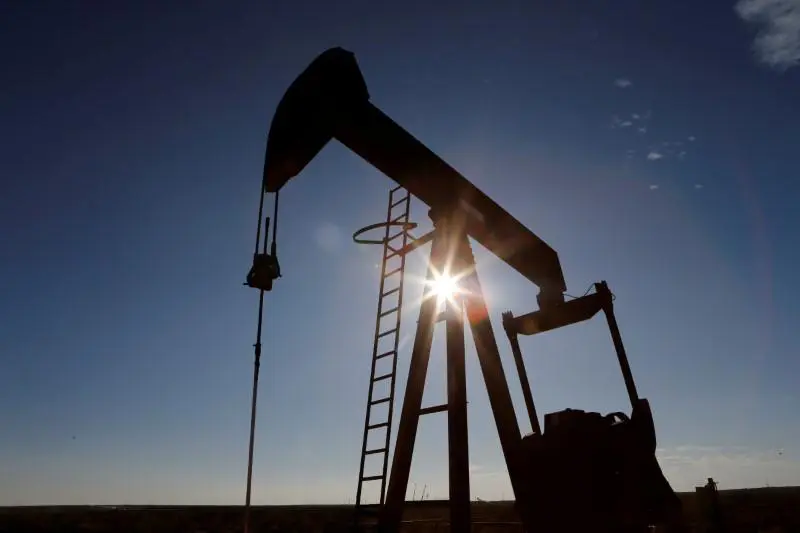
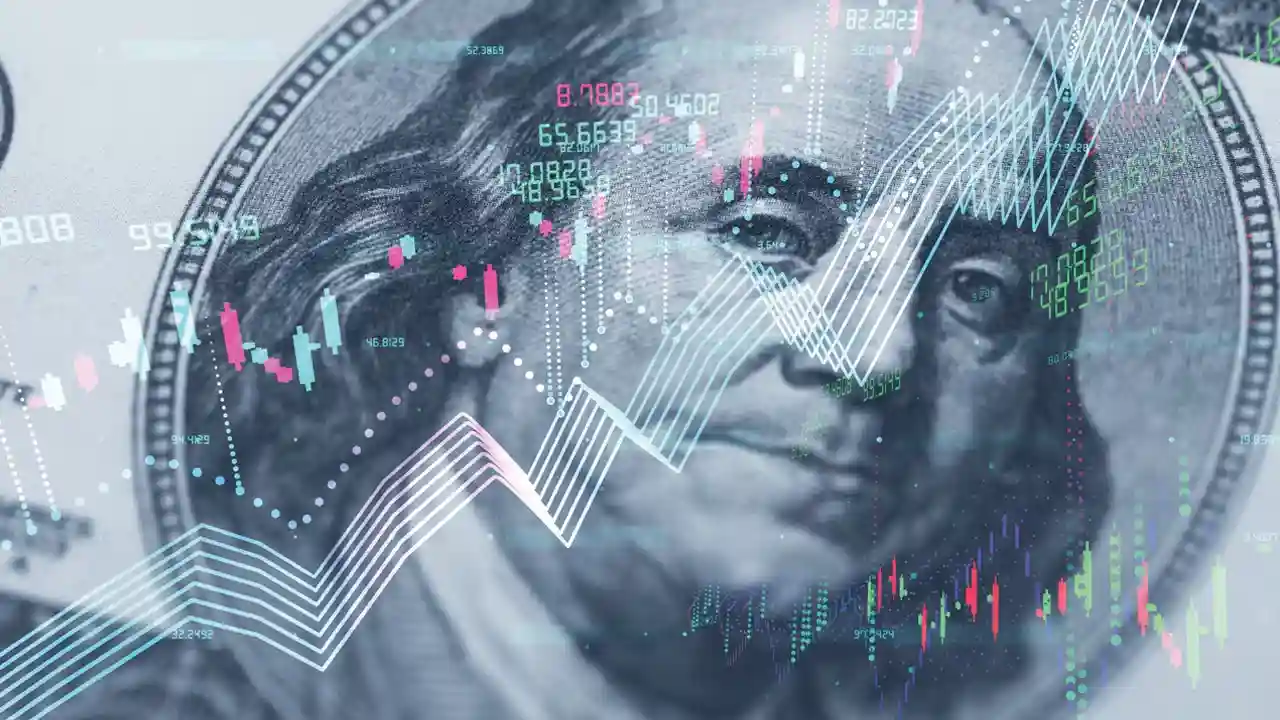
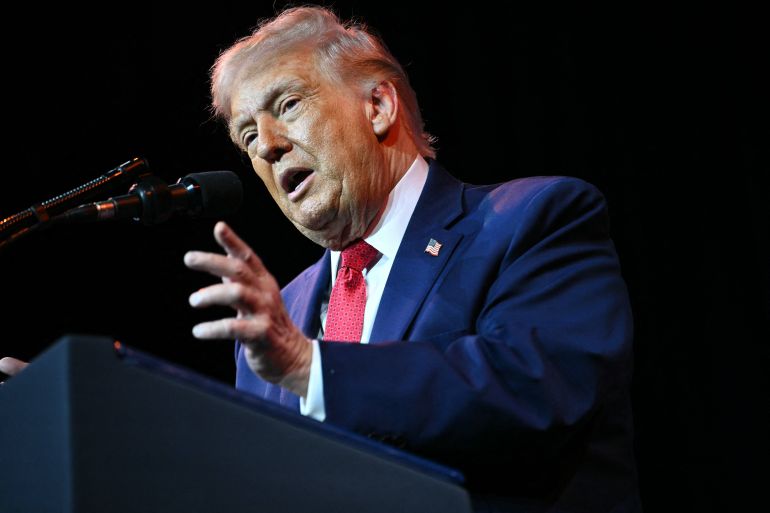
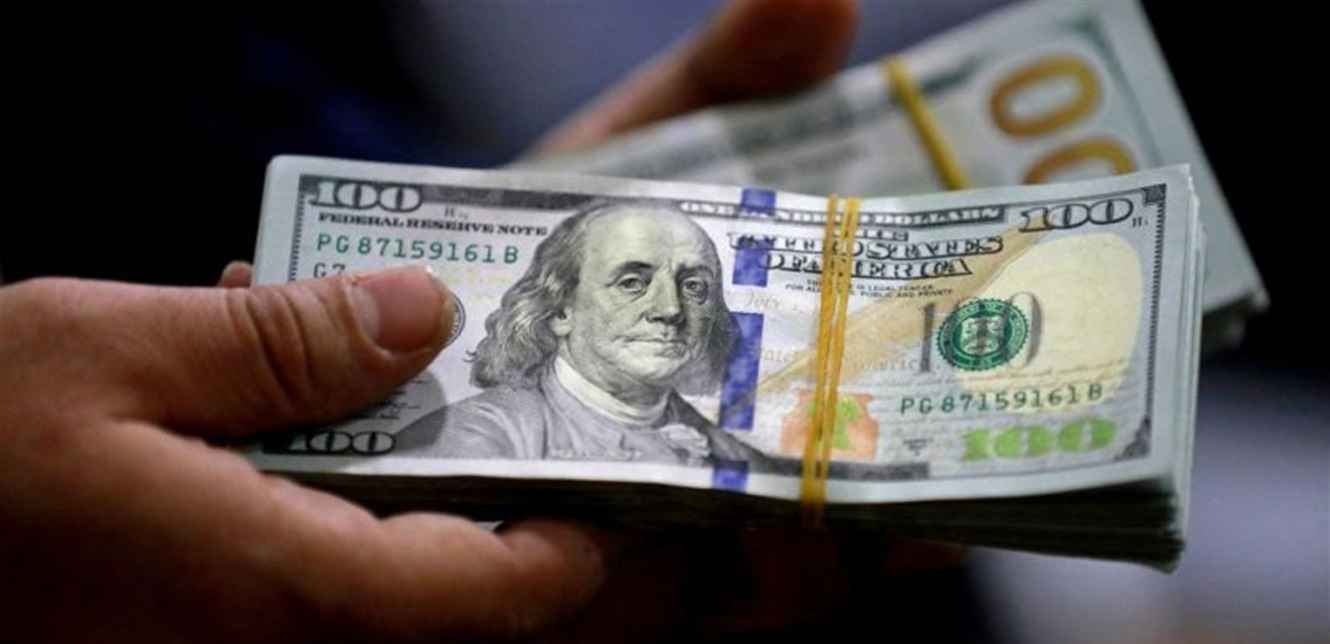
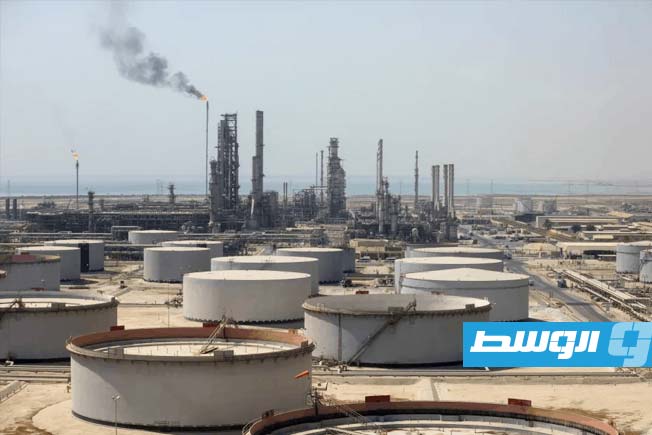
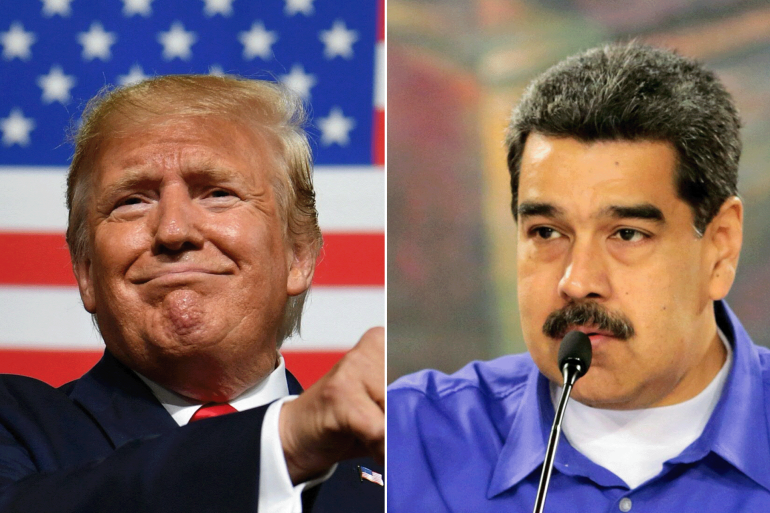
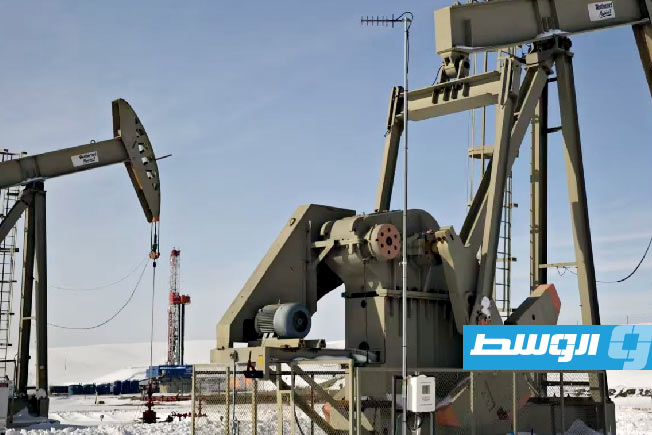
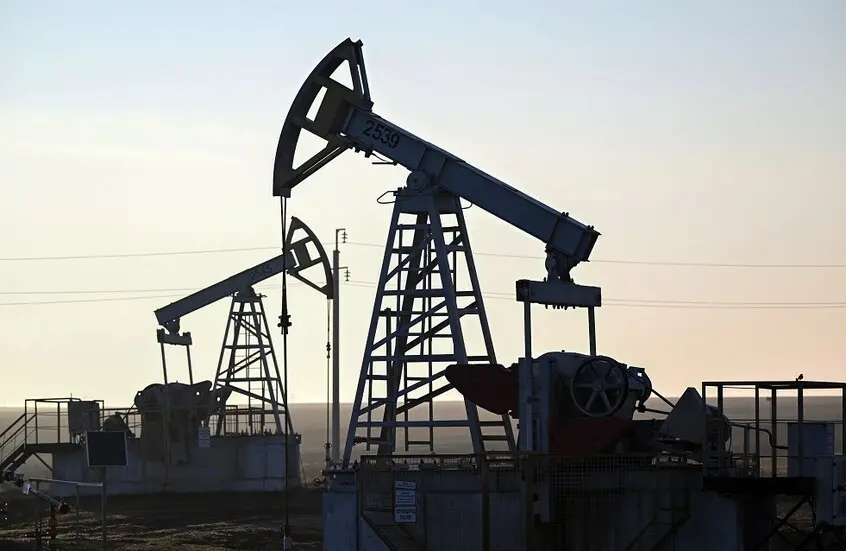
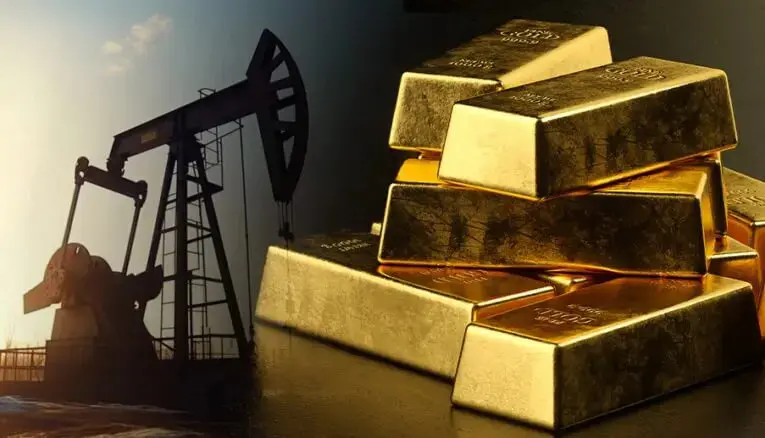
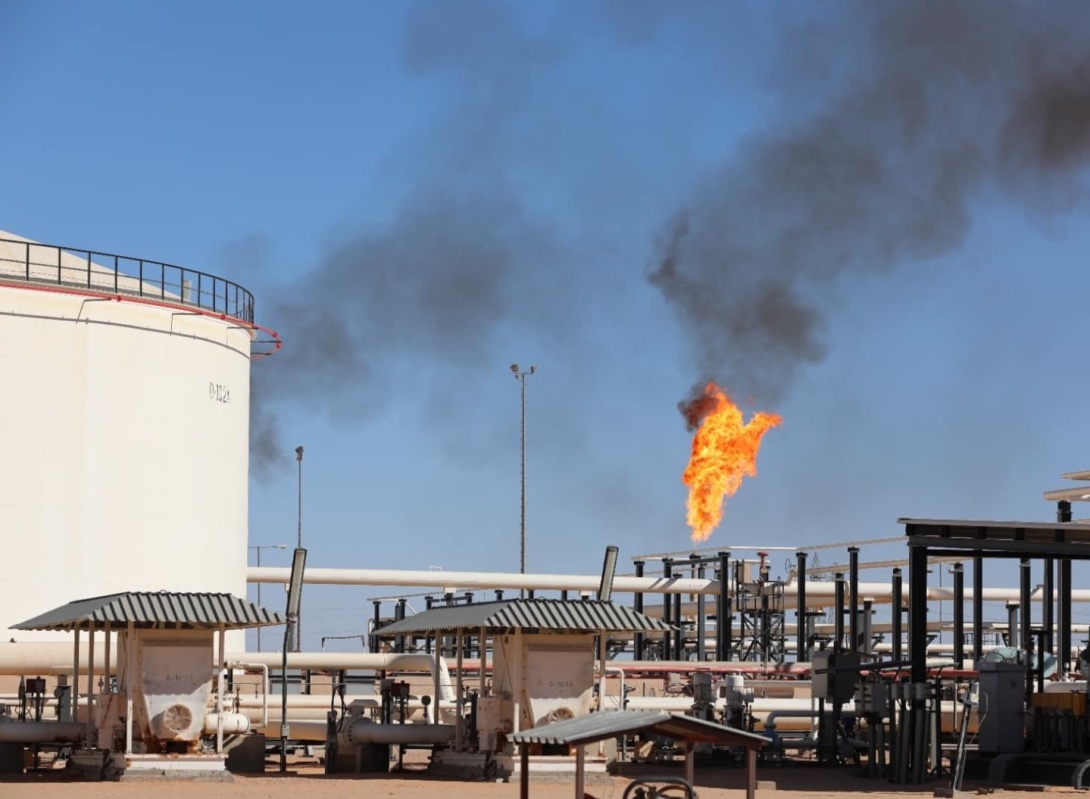
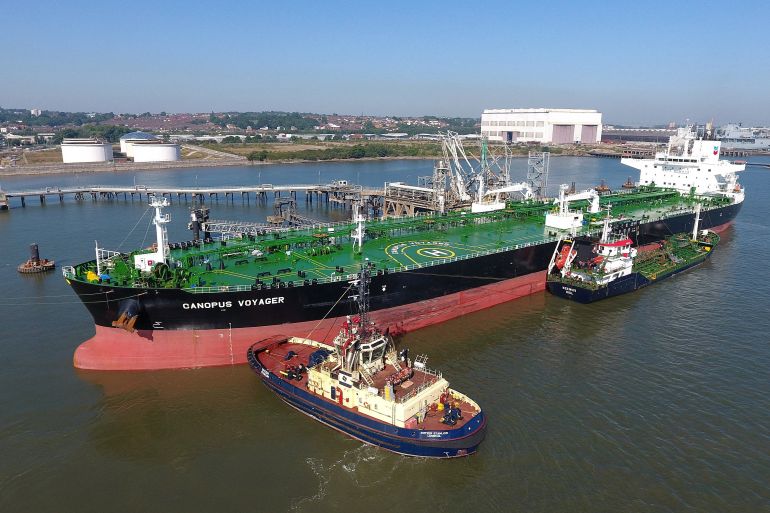
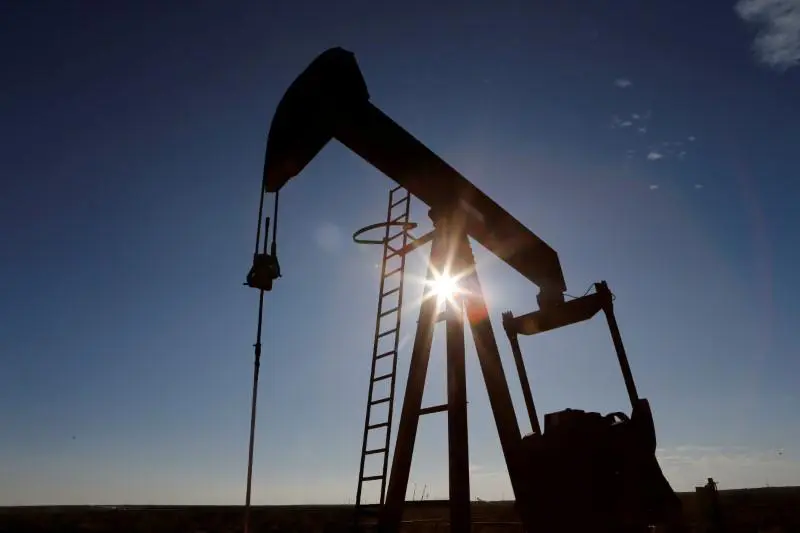
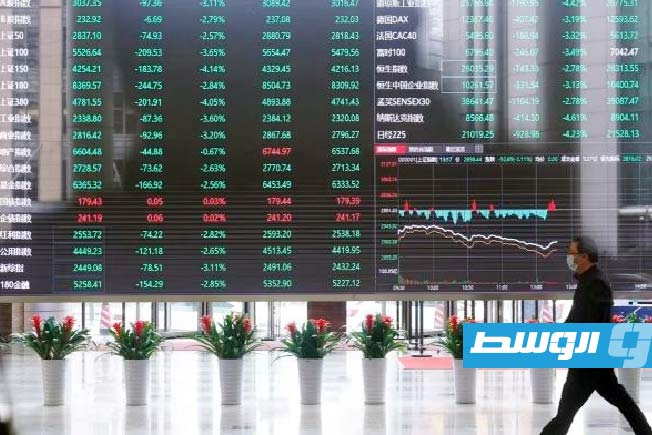
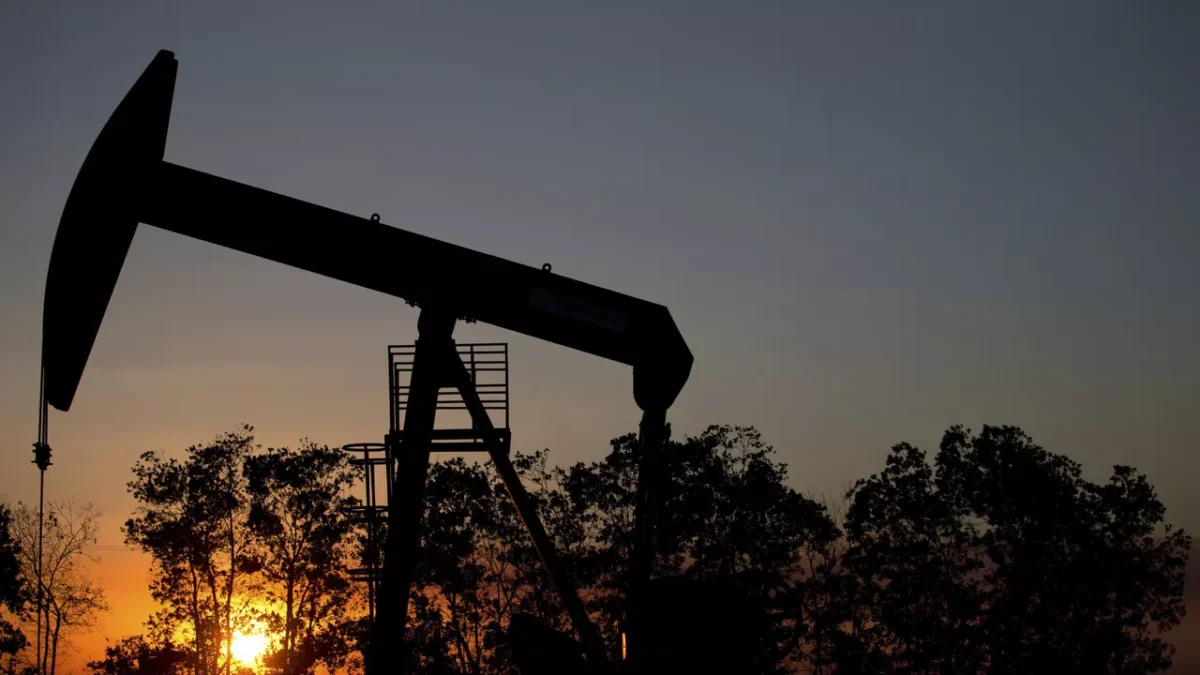
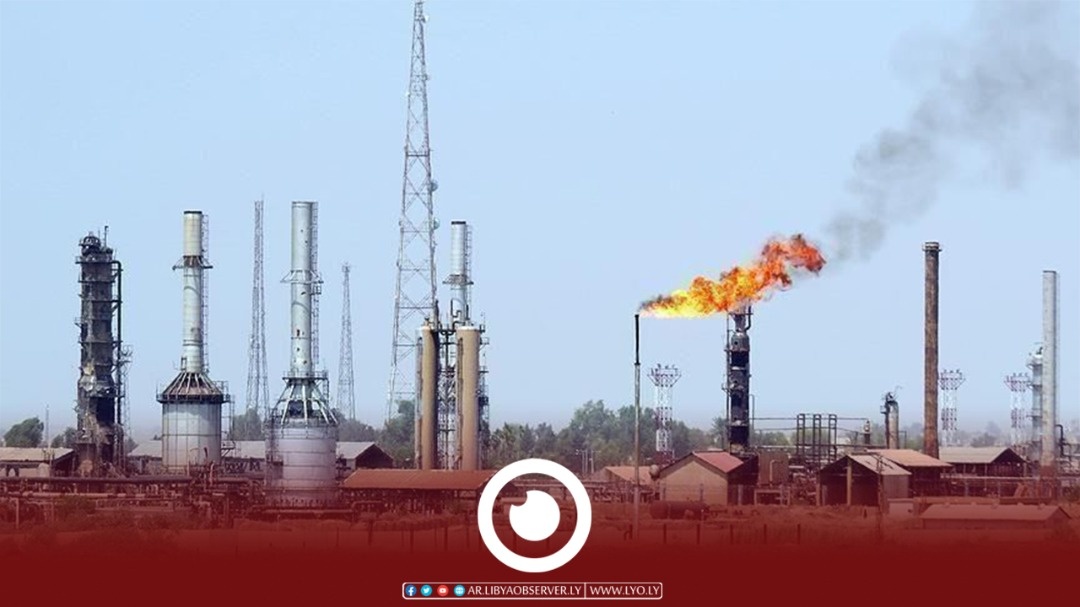
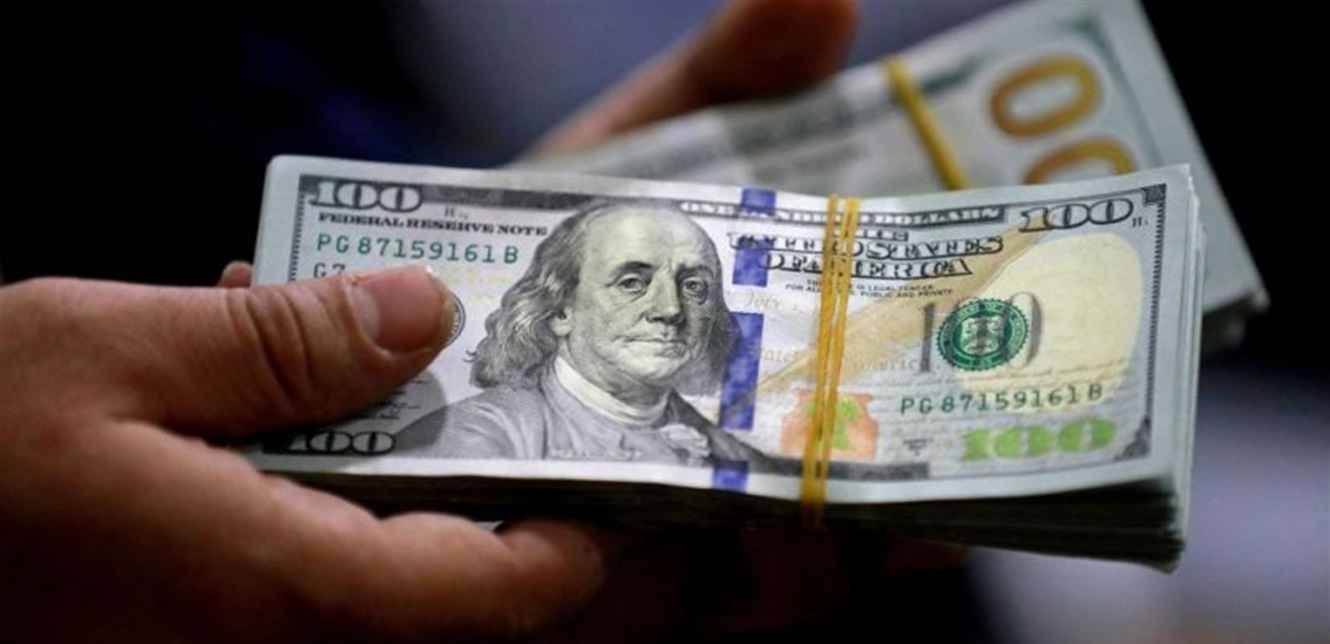
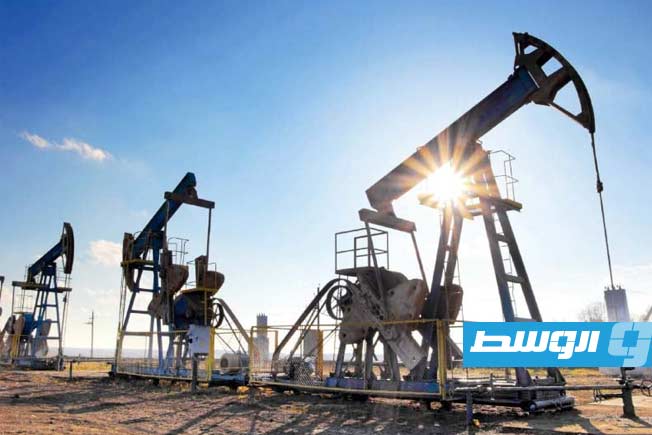
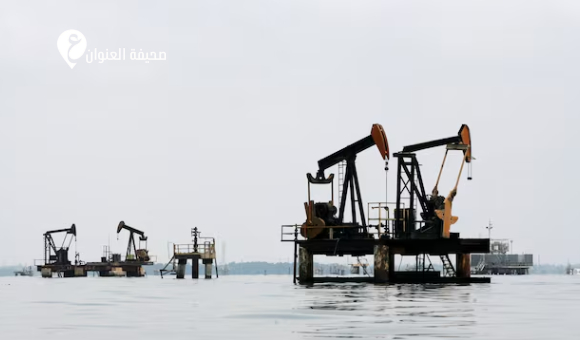
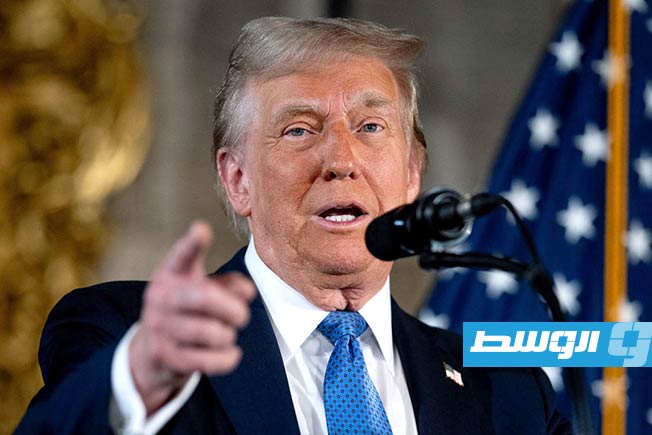
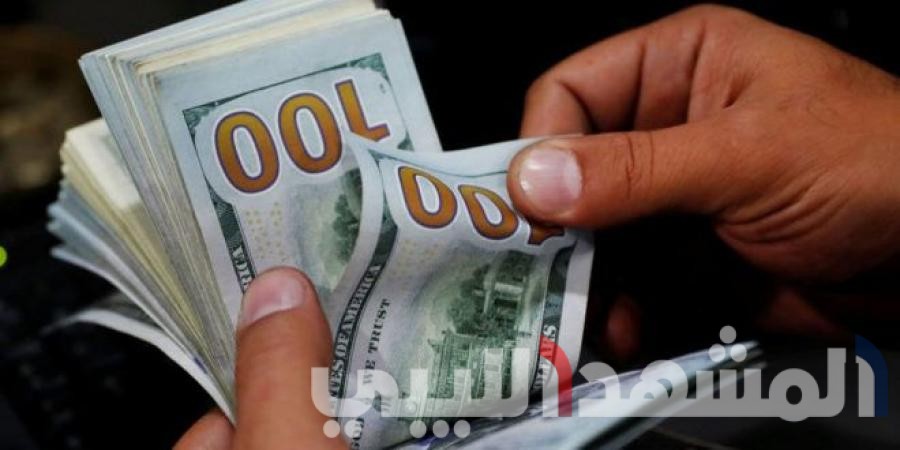
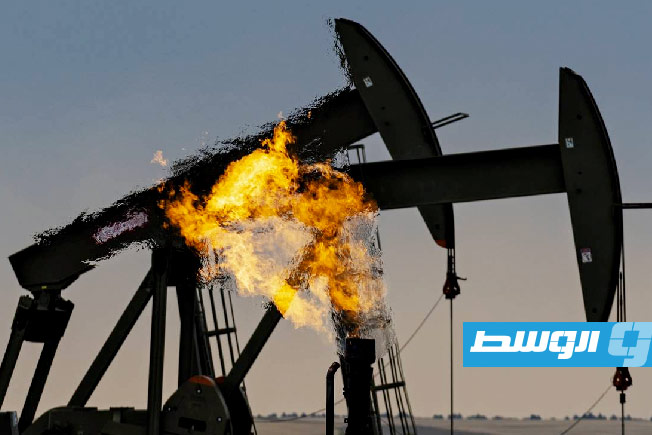
Oil prices rose slightly on Thursday, after U.S. President Donald Trump backed down from imposing tariffs on Europe over his bid to acquire Greenland. Meanwhile, supply disruptions from two major fields in Kazakhstan and positive demand forecasts for 2026 supported prices.
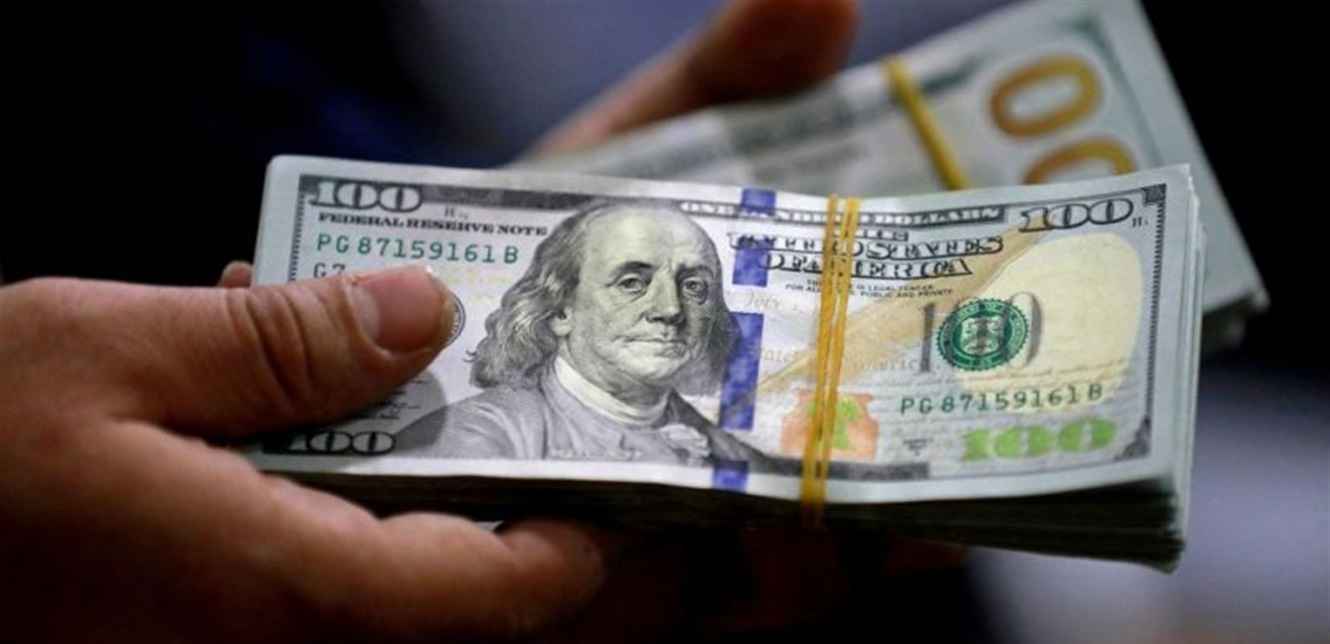
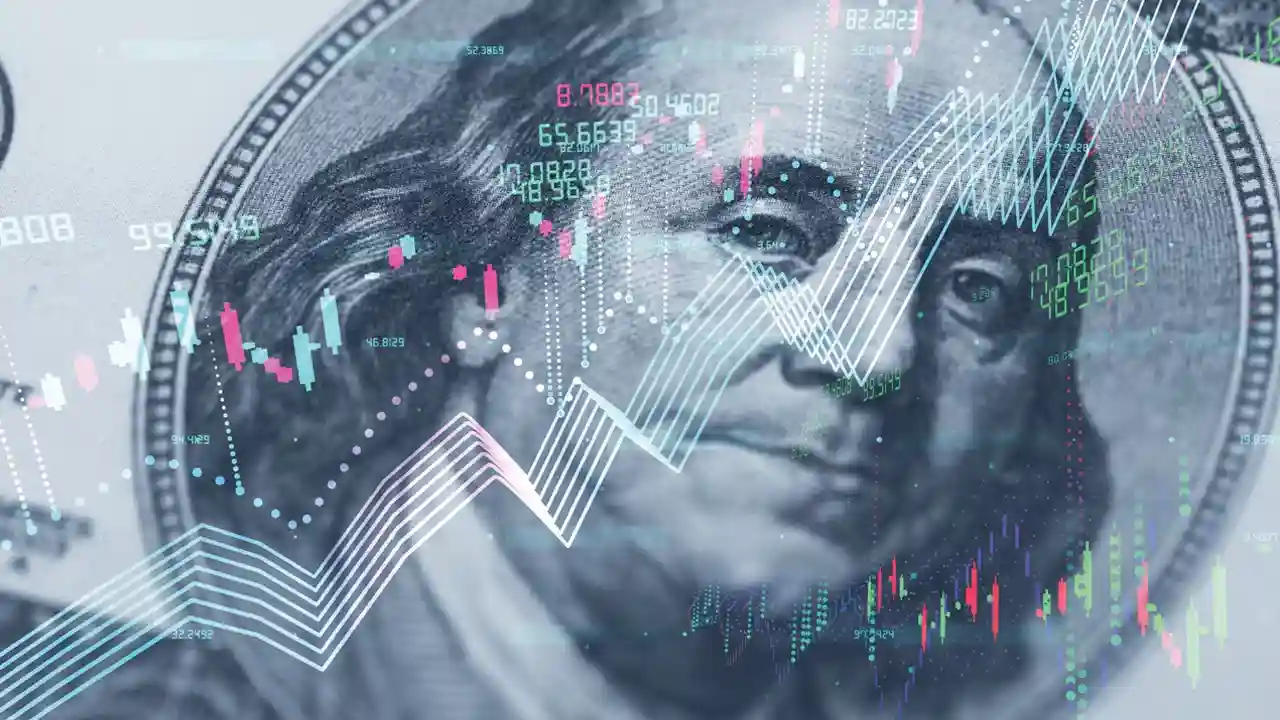
Brent crude futures gained 9 cents, or 0.14%, to $65.33 a barrel. The price of West Texas Intermediate crude for March delivery rose 13 cents, or 0.21%, to $60.75 a barrel.
Factors Driving the Rise in Oil Prices
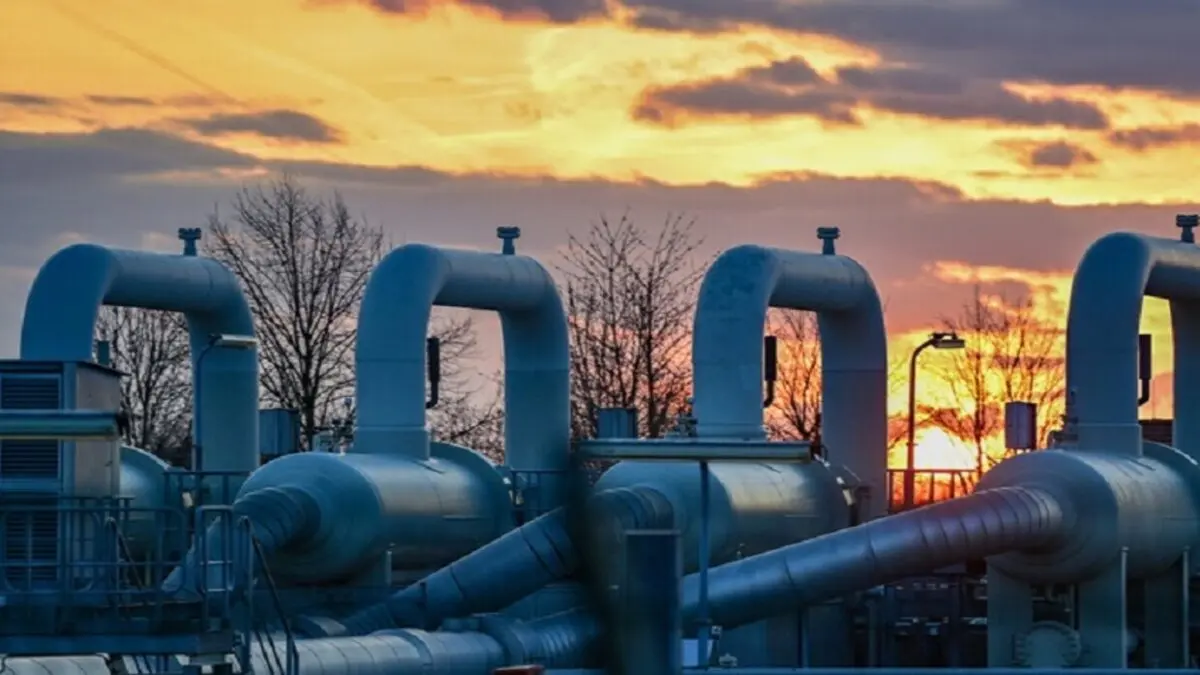
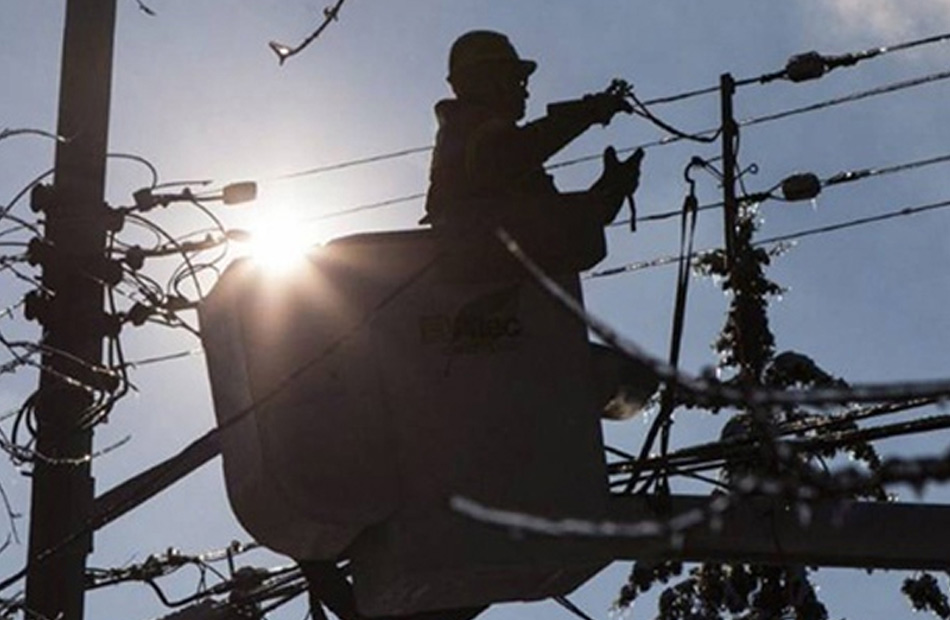
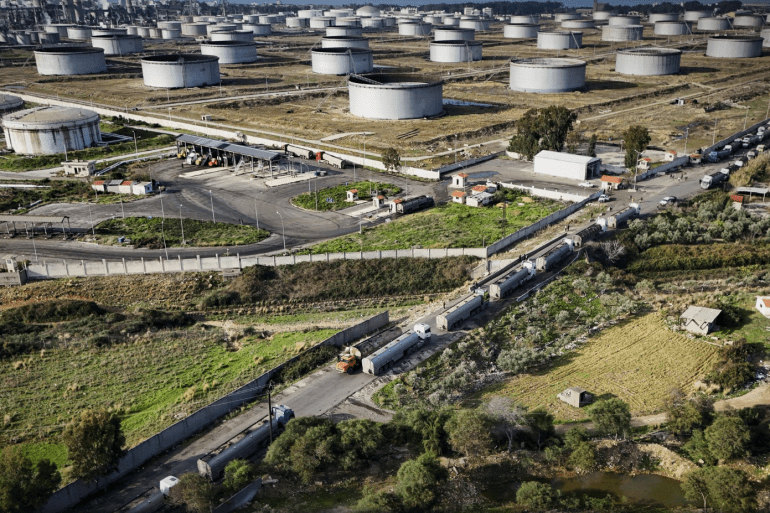
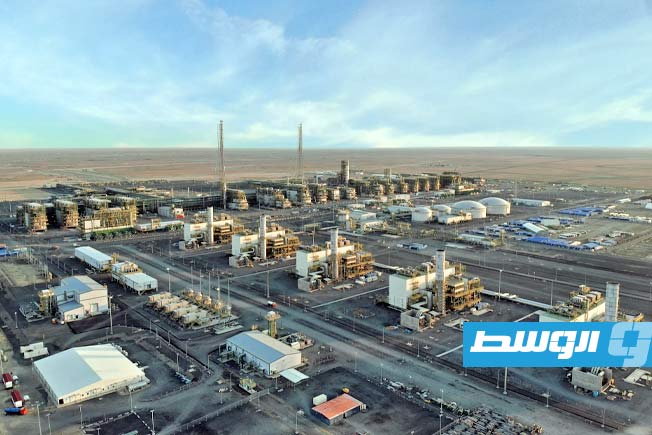
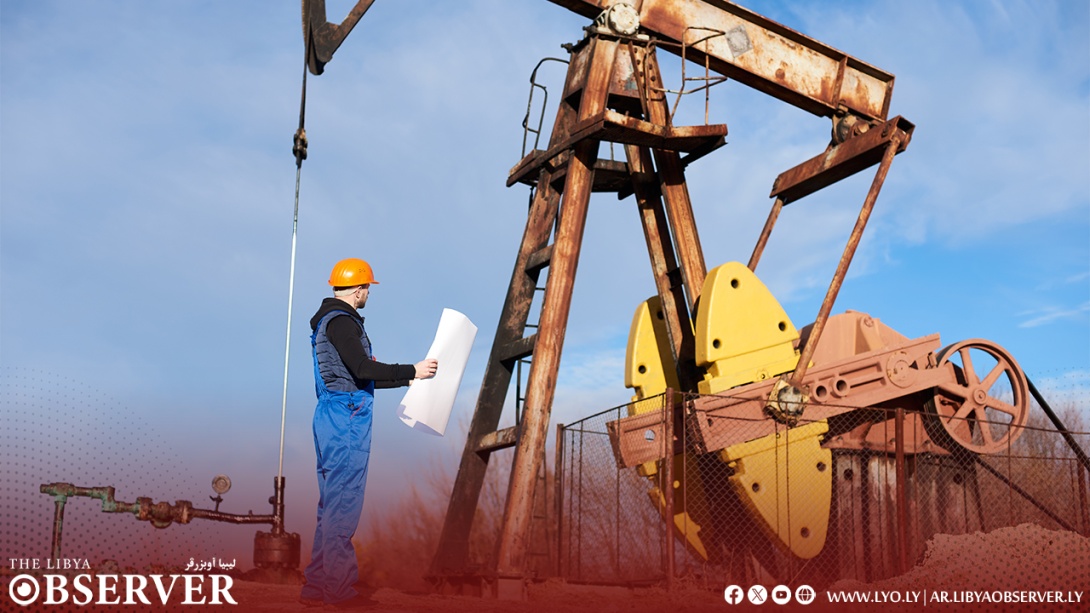
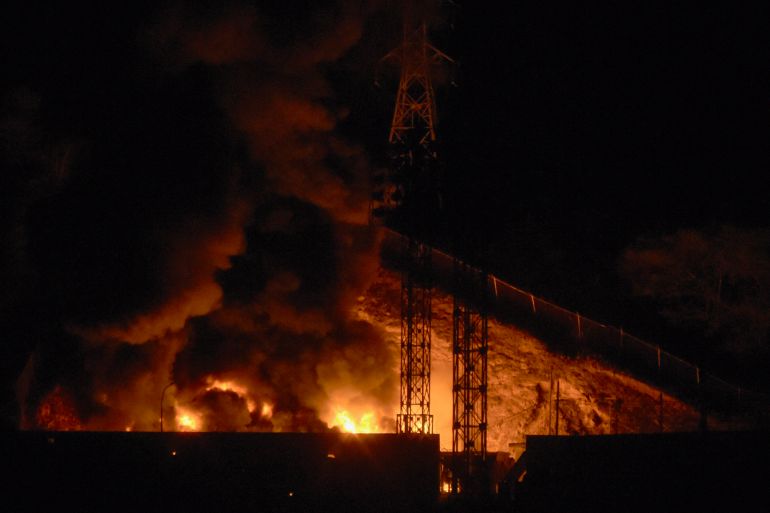
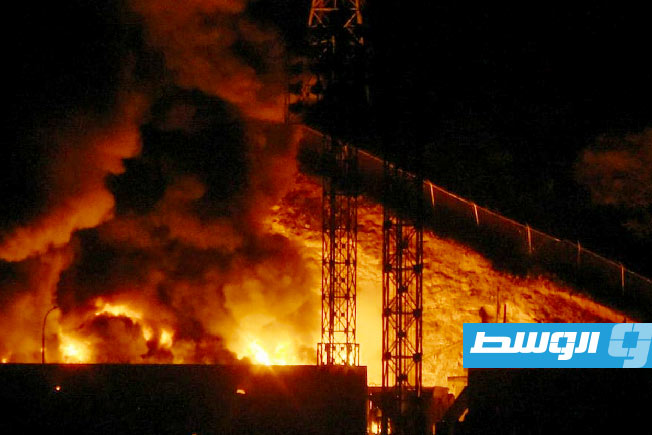
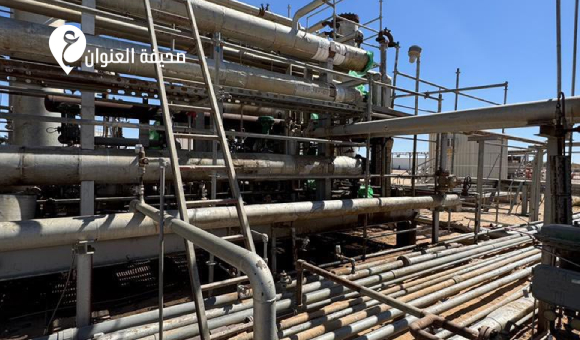
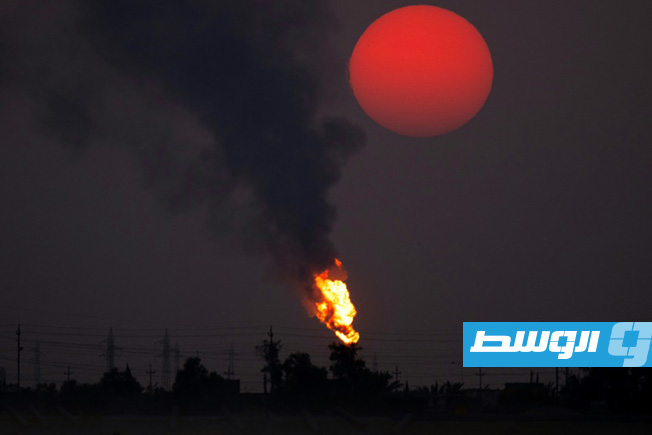
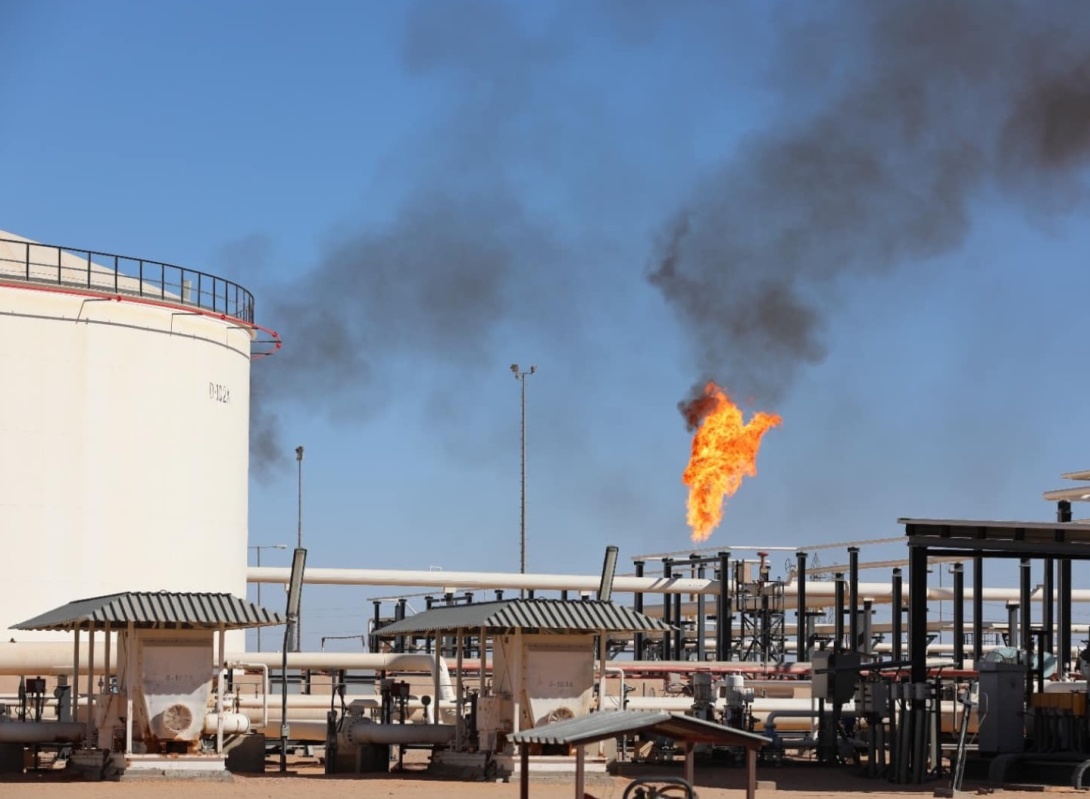
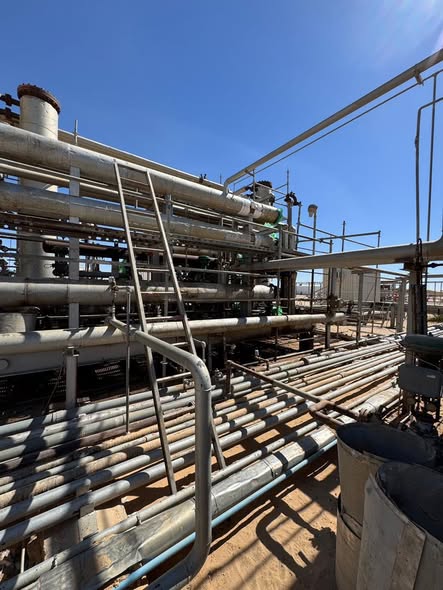
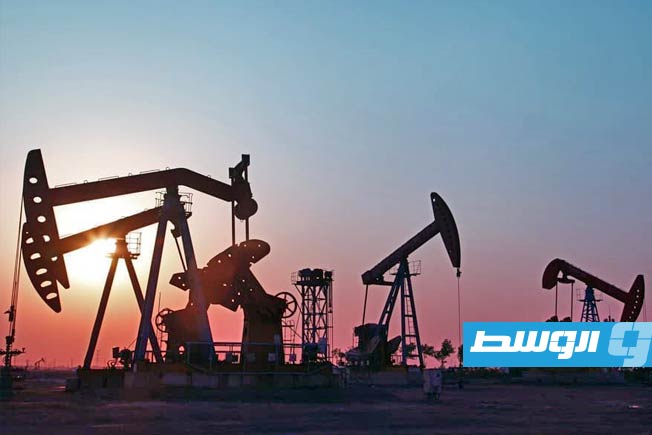
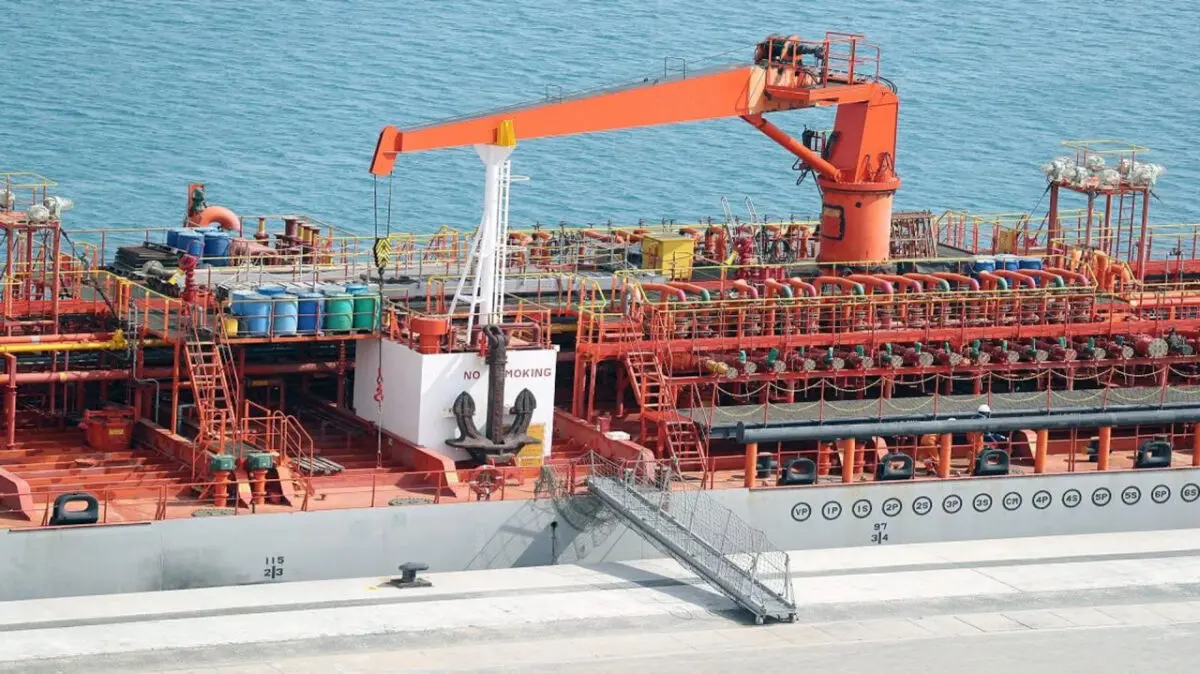
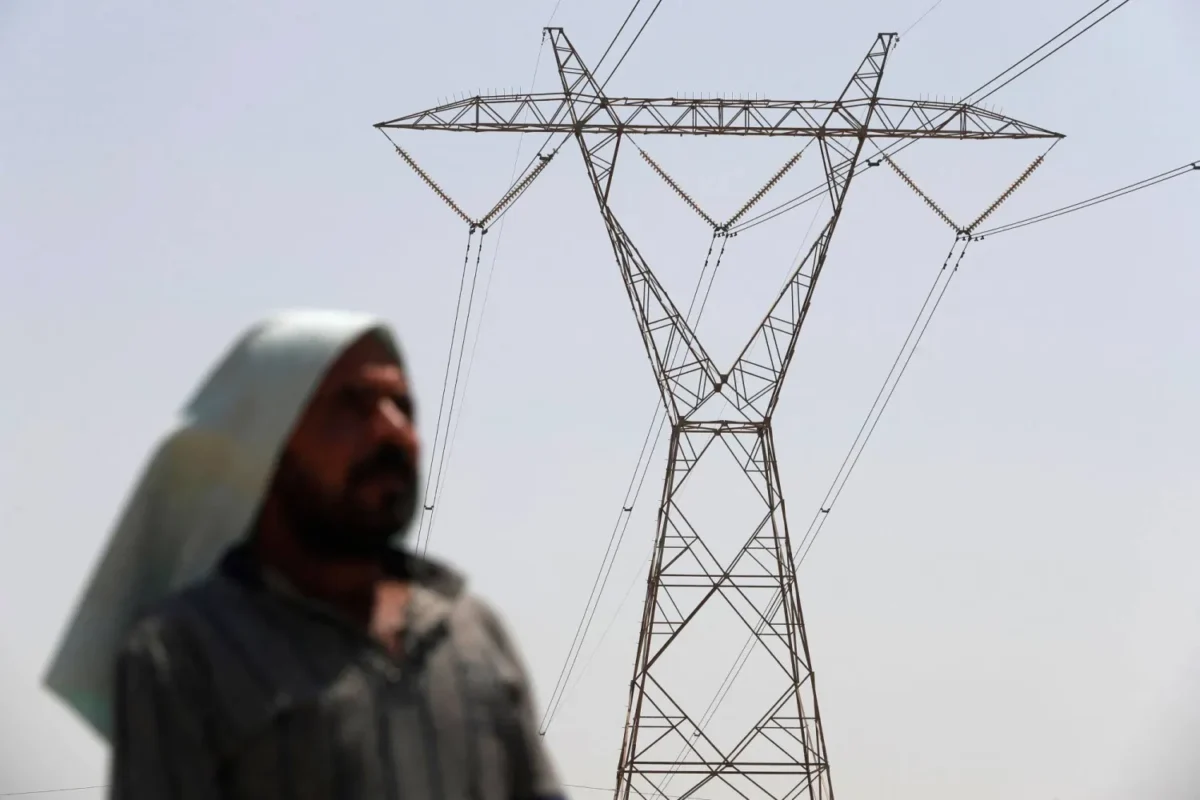
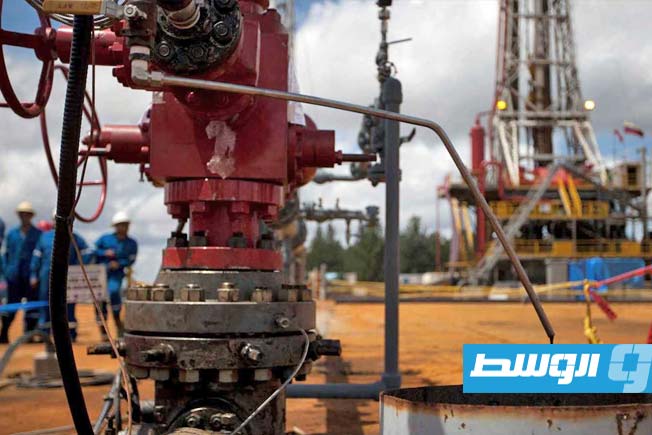
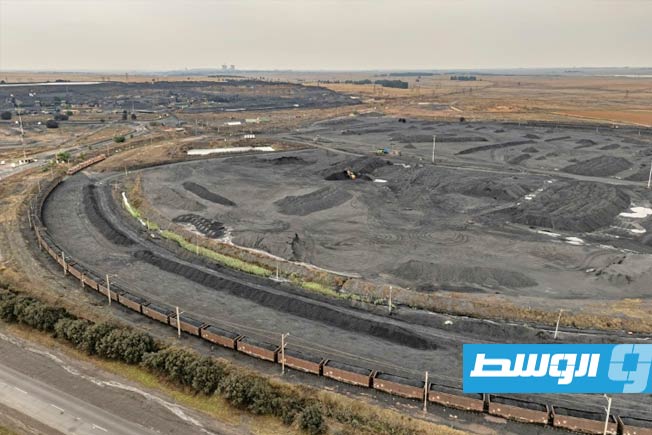
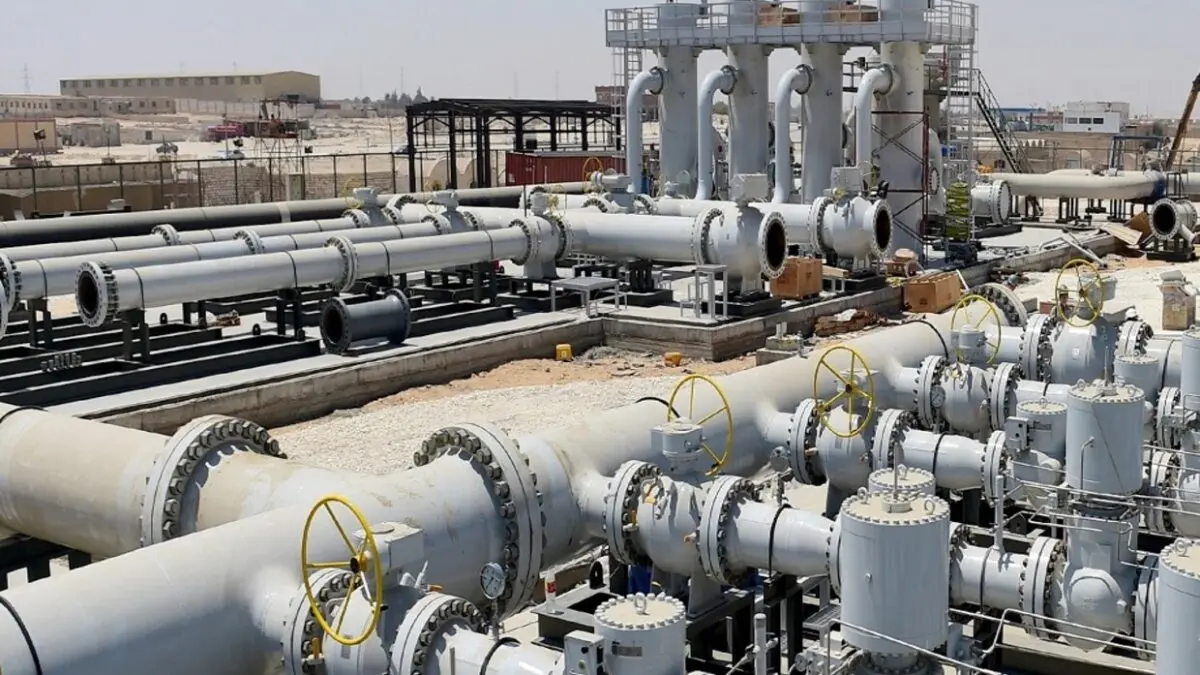
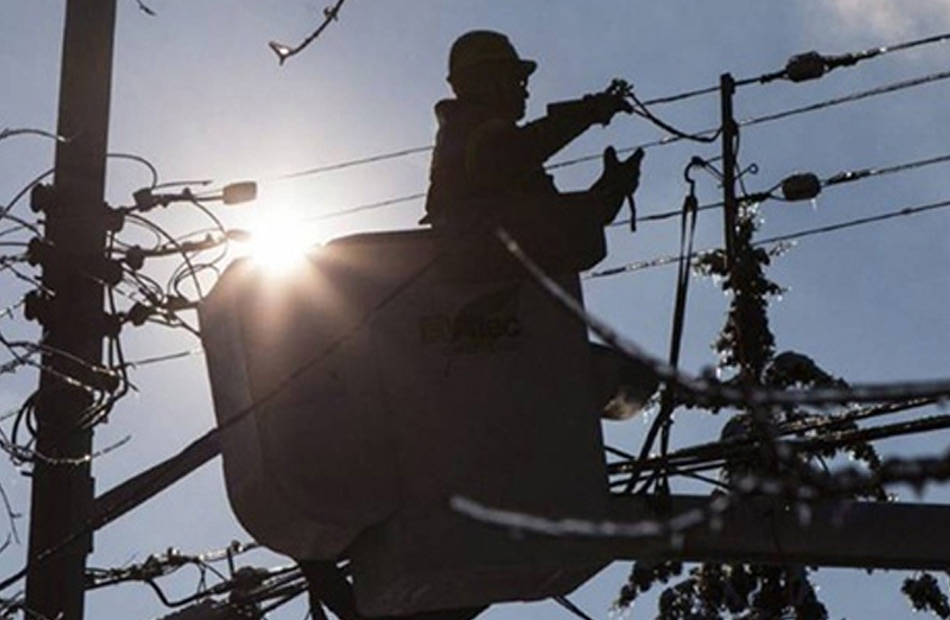
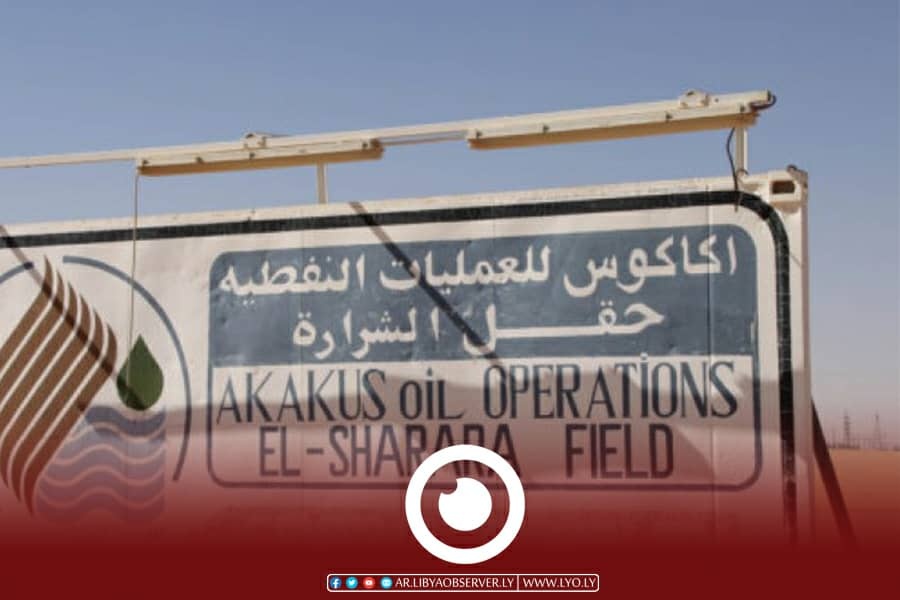
Futures contracts rose by more than 0.4% on Wednesday, following a 1.5% increase the previous day. This came after Kazakhstan, a member of the OPEC+ alliance, halted production at the Tengiz and Korolev oil fields due to power distribution issues.
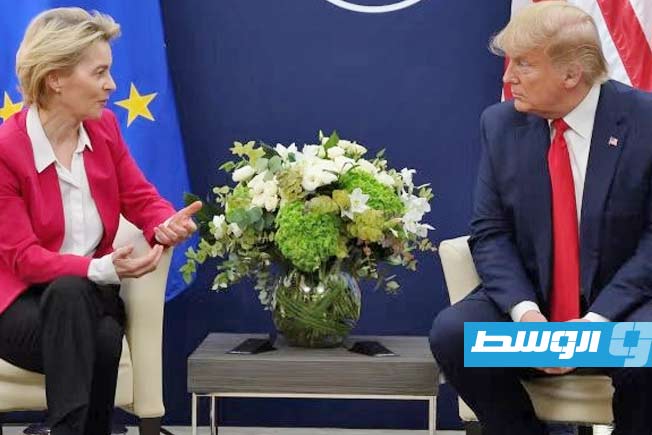
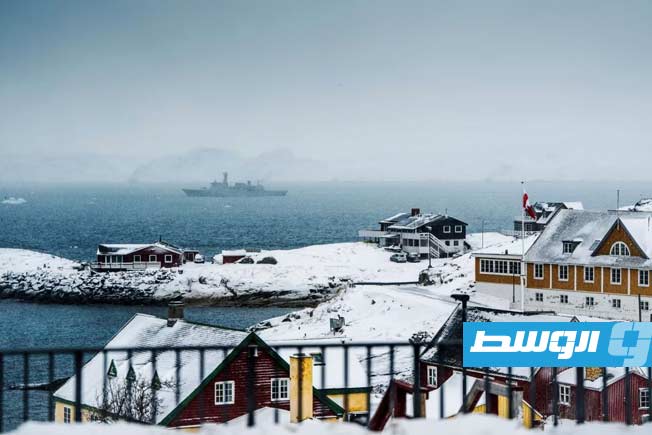
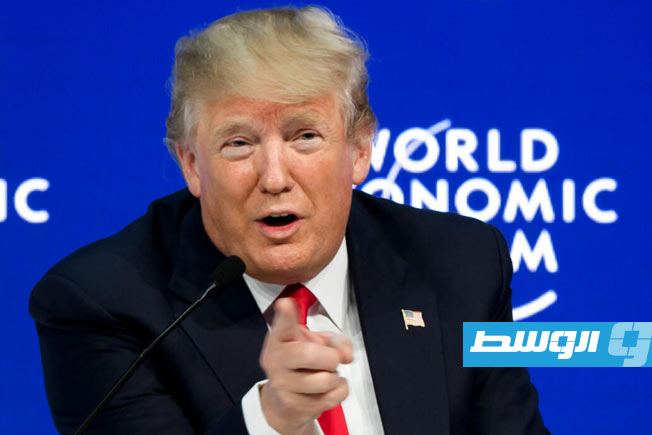
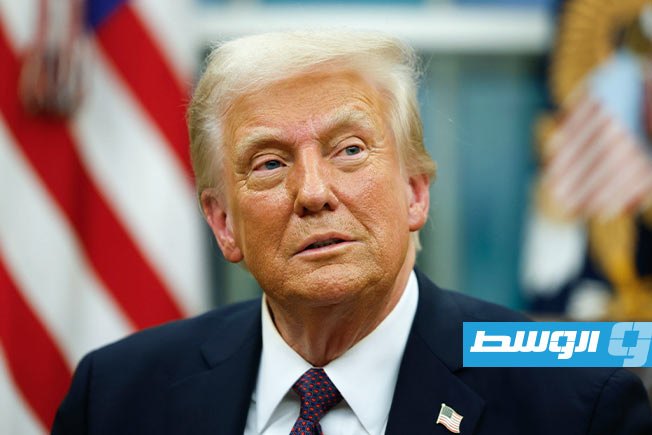
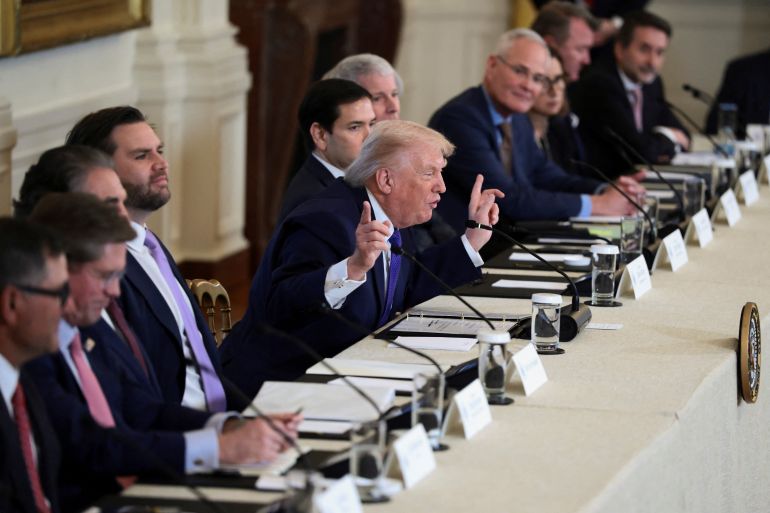
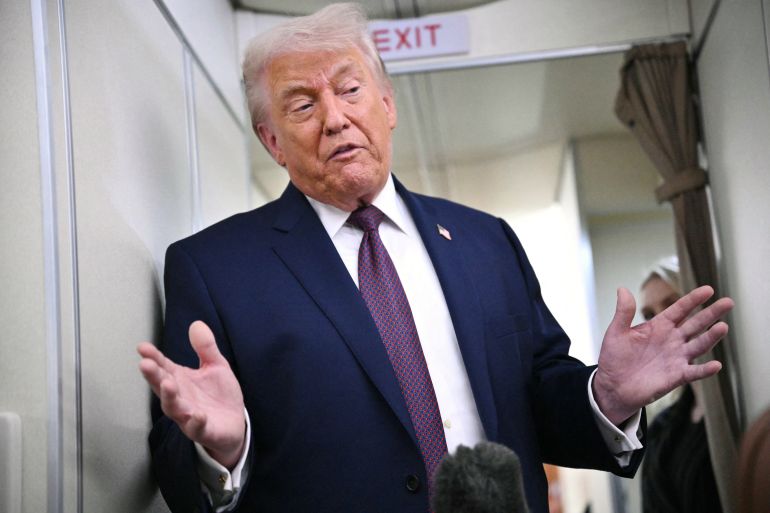
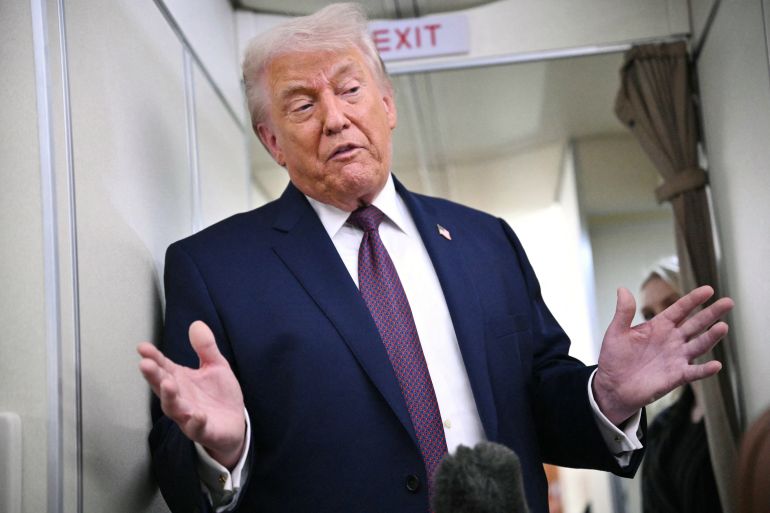
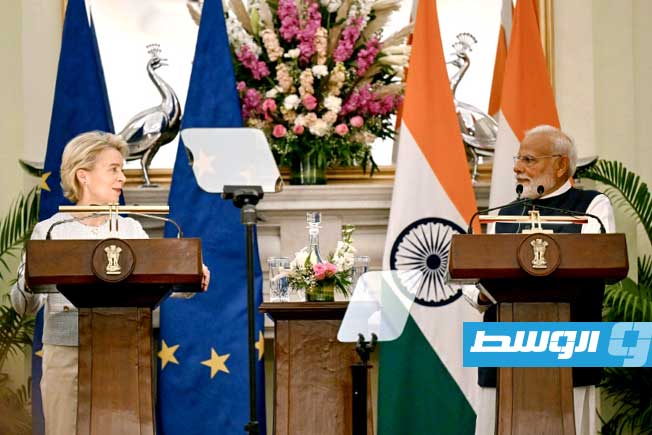
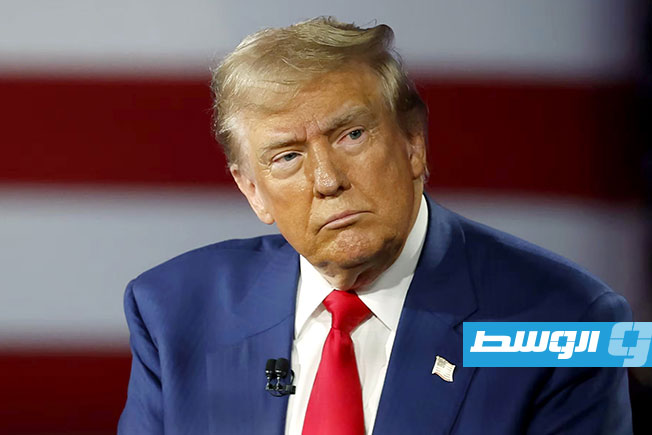
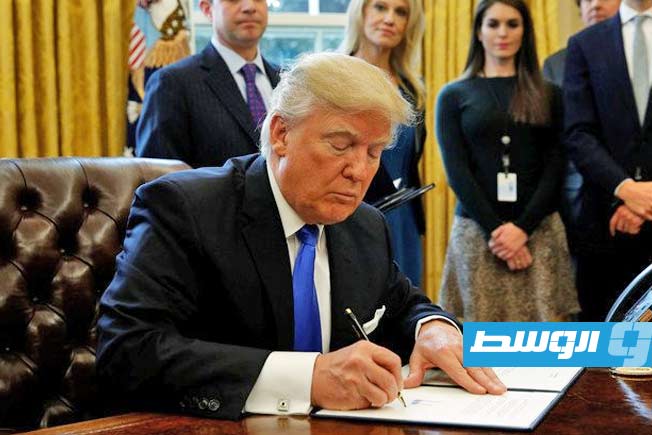
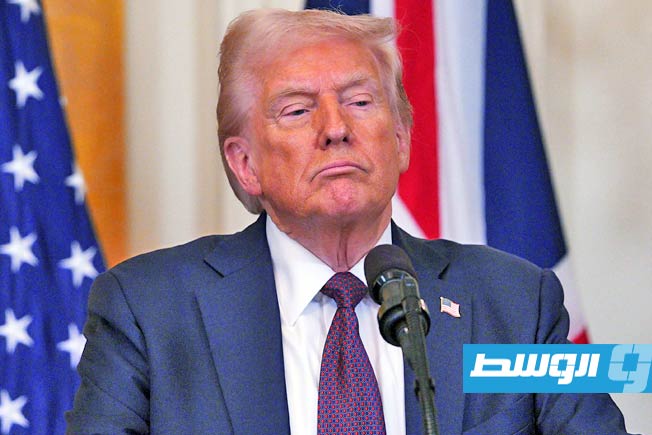
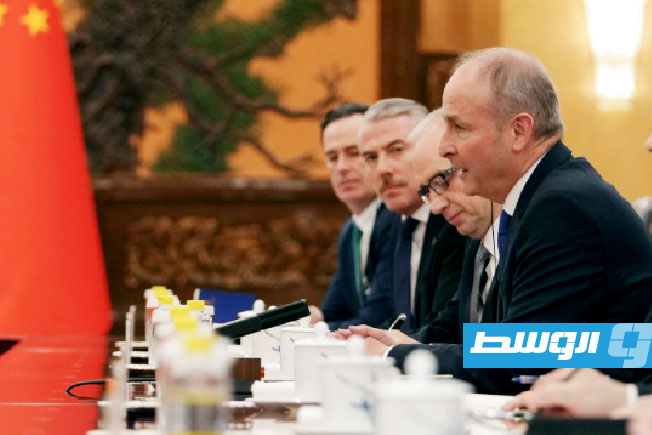
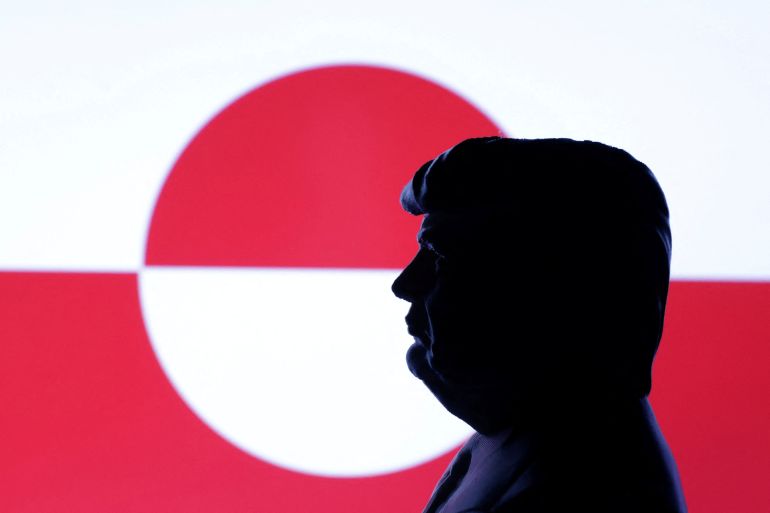
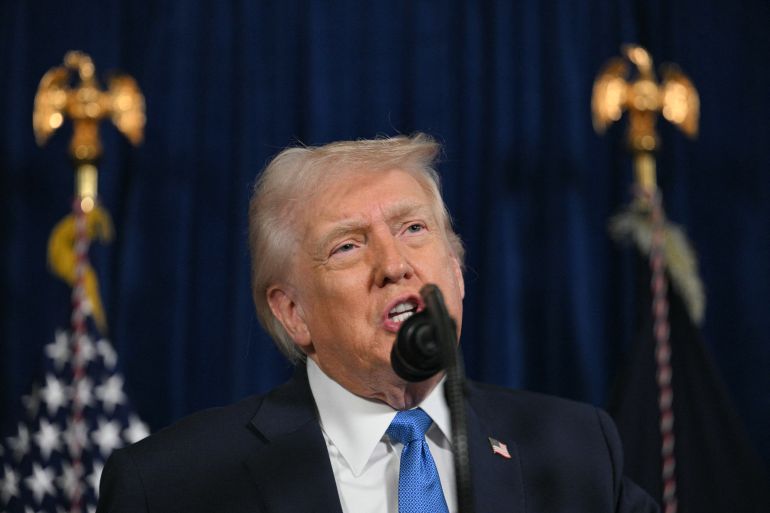
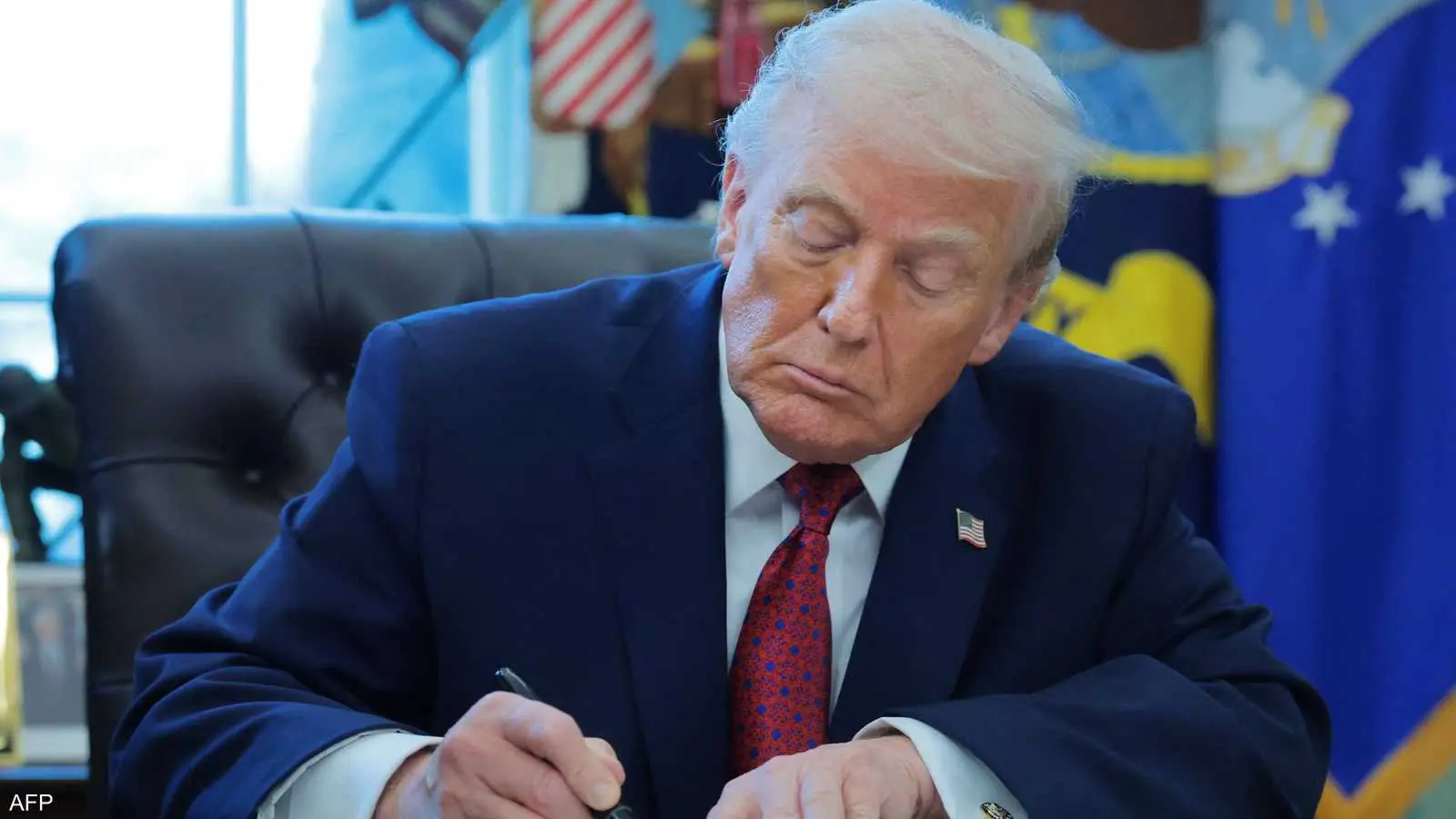
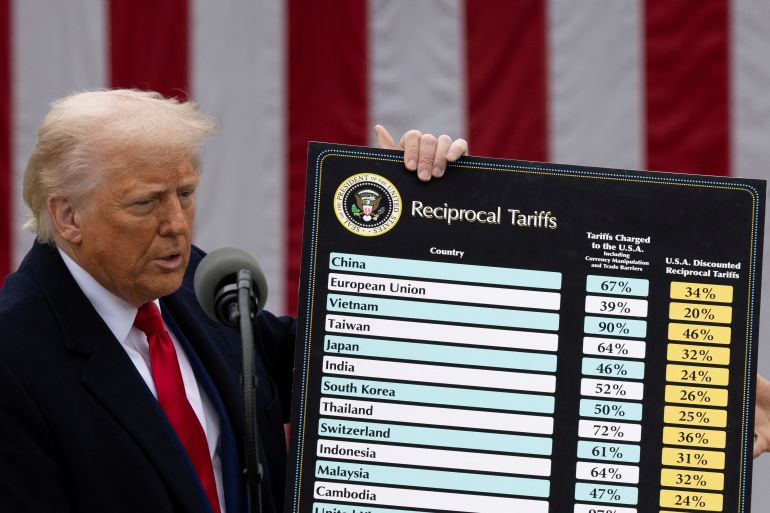
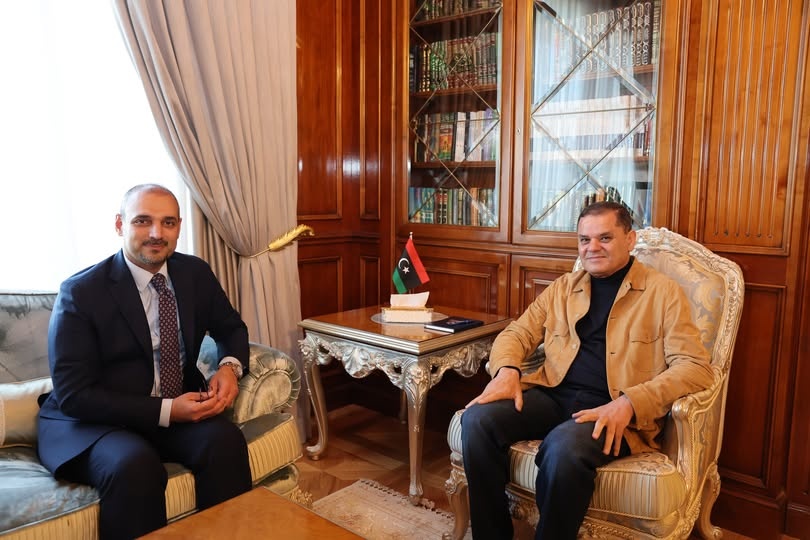
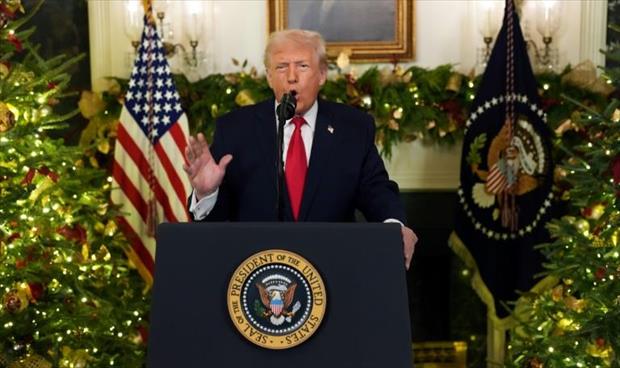
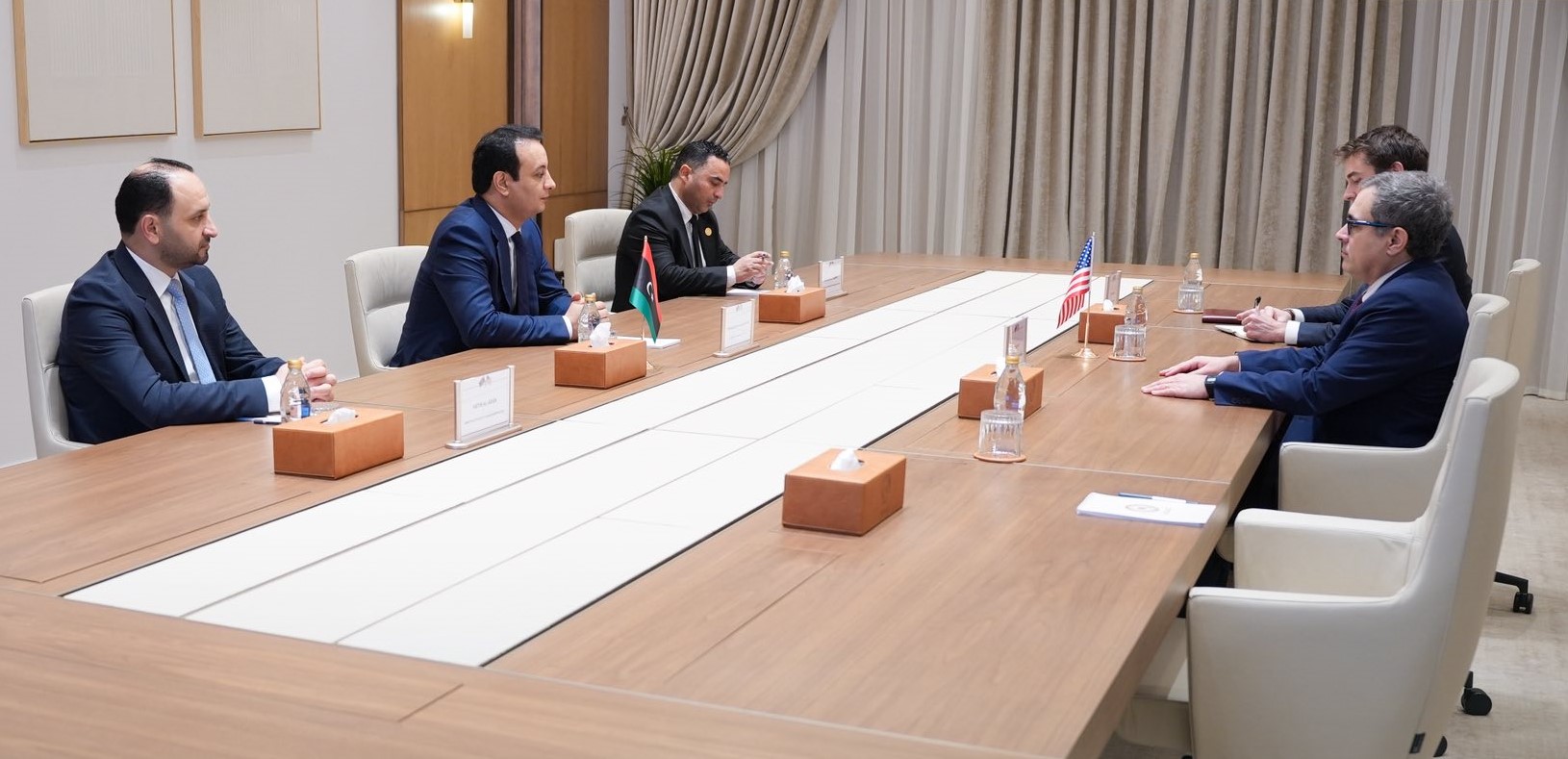
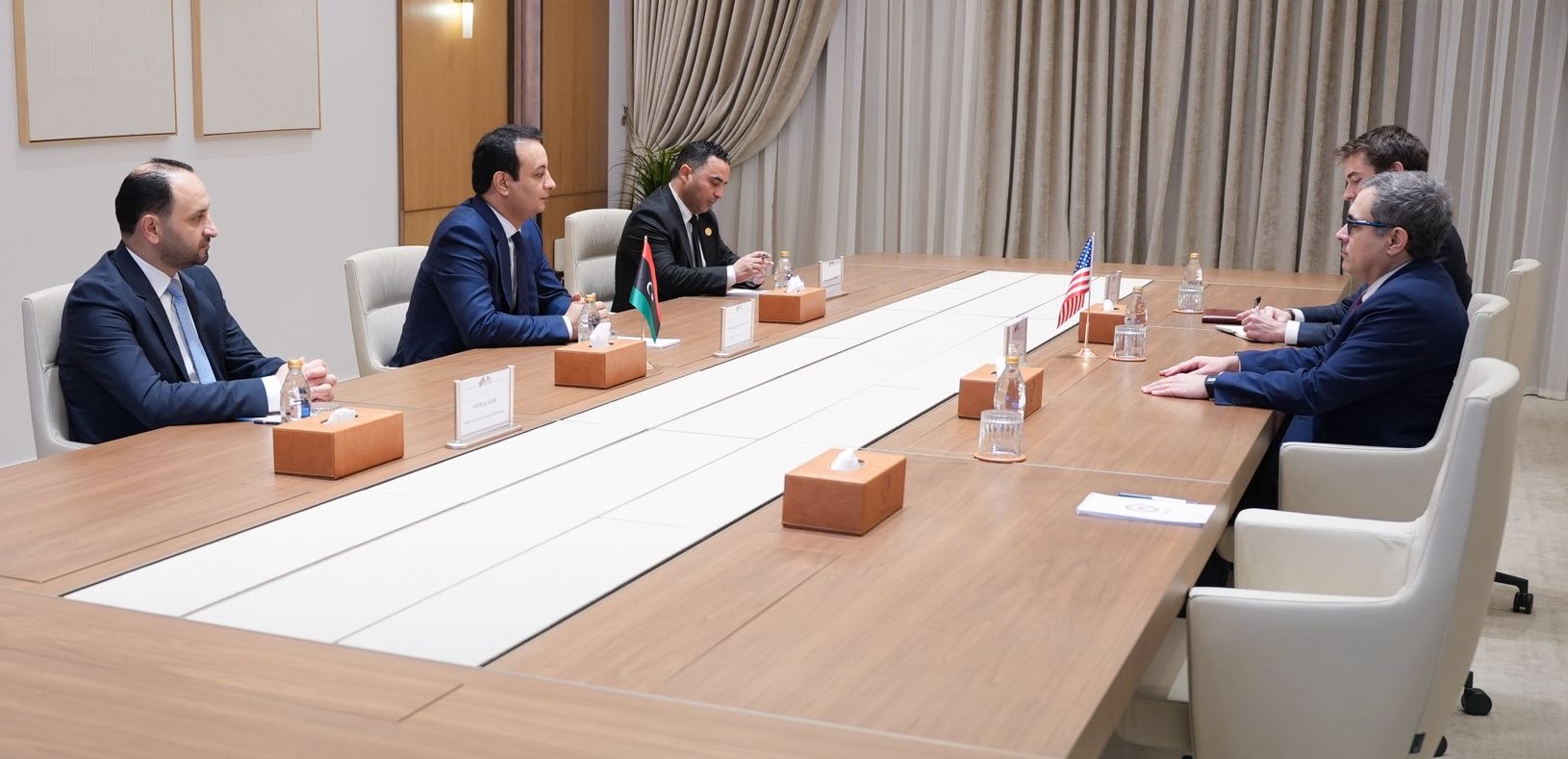
Yesterday, Trump hinted that an agreement on Greenland was near, while also ruling out the use of force to end a dispute that had threatened the worst rift in transatlantic relations in decades.
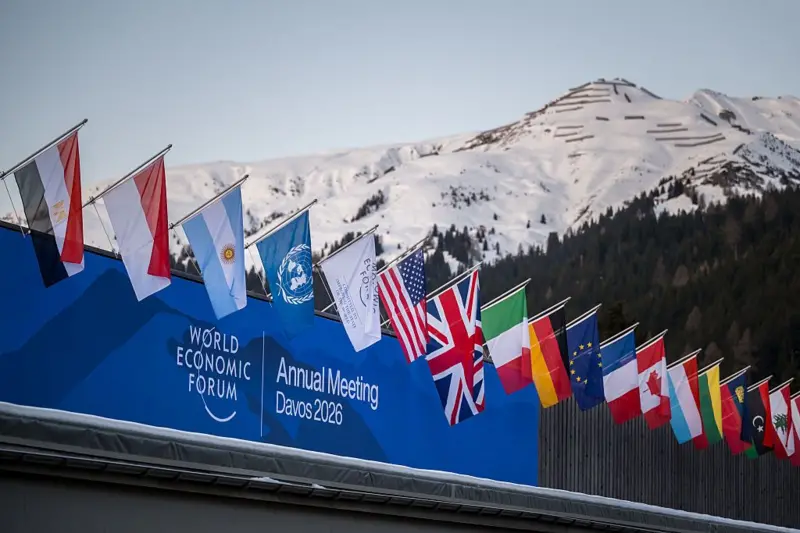
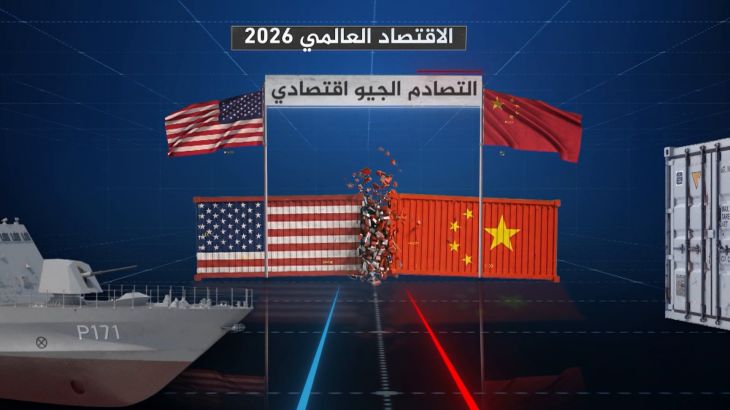
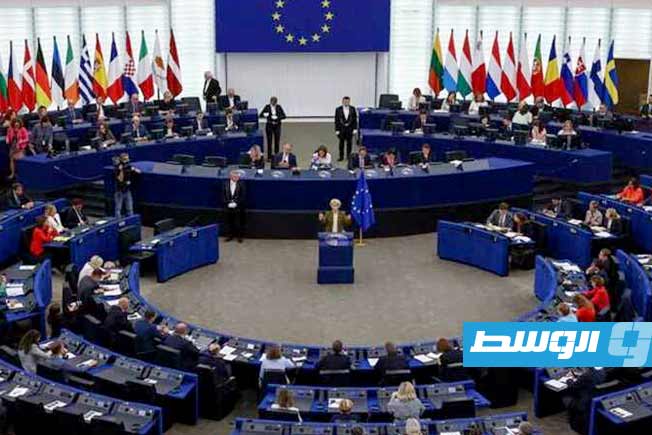
It was noted that an agreement on Greenland would reduce the risks of a trade war between the United States and Europe, supporting the global economy and demand for oil.
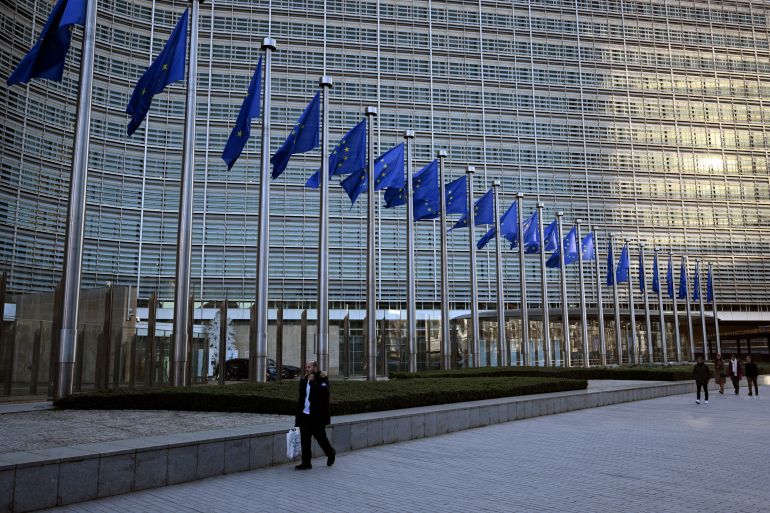
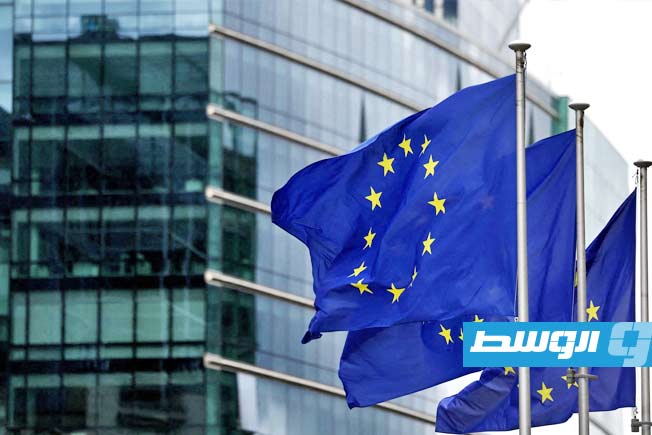
Europe
Europe is a continent with a rich and complex history, shaped by ancient civilizations like Greece and Rome, the transformative periods of the Middle Ages and the Renaissance, and the profound impacts of two World Wars. Culturally, it is renowned for its diverse artistic heritage, architectural landmarks, and as the birthplace of influential movements in philosophy, science, and politics. The formation of the European Union in the late 20th century represents a modern effort to foster economic and political cooperation among its many nations.
Greenland
Greenland is the world’s largest non-continental island, located between the Arctic and Atlantic Oceans. It has a long history of Inuit habitation and was later settled by Norse Vikings in the 10th century before coming under Danish rule, from which it now exercises extensive self-government.
Kazakhstan
Kazakhstan is a Central Asian nation with a rich nomadic history, historically inhabited by Turkic tribes and later part of the Mongol Empire and the Russian Empire before becoming a Soviet republic. It gained independence in 1991 following the dissolution of the USSR, and its cultural heritage is exemplified by sites like the ancient Silk Road city of Turkistan and the modern capital, Nur-Sultan (Astana).
Tengiz oil field
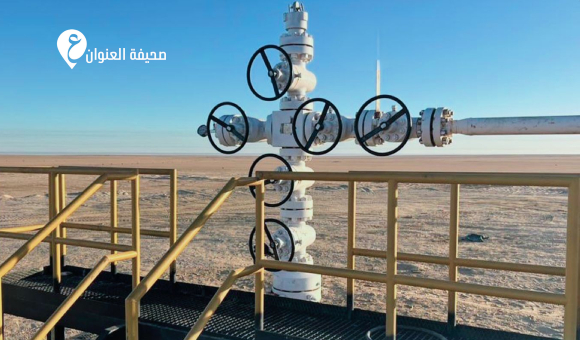
The Tengiz oil field is a major onshore oil field in northwestern Kazakhstan, discovered in 1979. It is one of the world’s deepest and largest supergiant fields, with production beginning in 1991 following the collapse of the Soviet Union and expanding significantly through a series of international joint ventures.
Korolev oil field
The Korolev oil field is a major onshore oil field located in western Kazakhstan, discovered in 1979 and named after the Soviet rocket engineer Sergei Korolev. It is part of the larger North Caspian oil-producing region and has been a significant contributor to Kazakhstan’s petroleum industry since its development.
United States
The United States is a federal republic founded in 1776 after declaring independence from Great Britain, establishing itself through a revolutionary war and the adoption of a constitution in 1787. It grew from thirteen original colonies to span the North American continent, becoming a global superpower shaped by waves of immigration, industrial expansion, and a civil war that ended legal slavery. Its culture is a diverse blend of indigenous, European, African, and other global influences, reflected in its political ideals, innovations, and popular media.