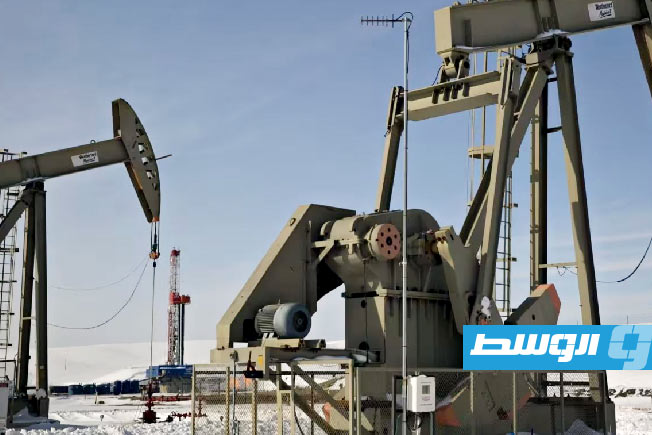
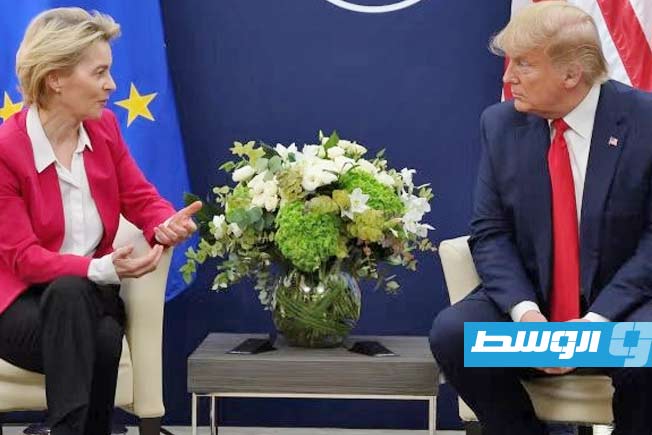
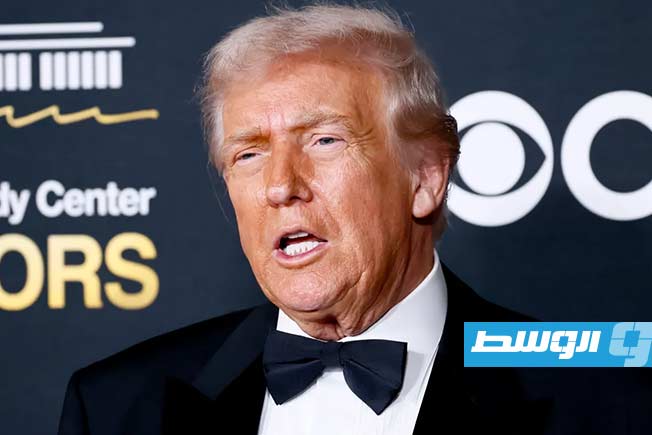
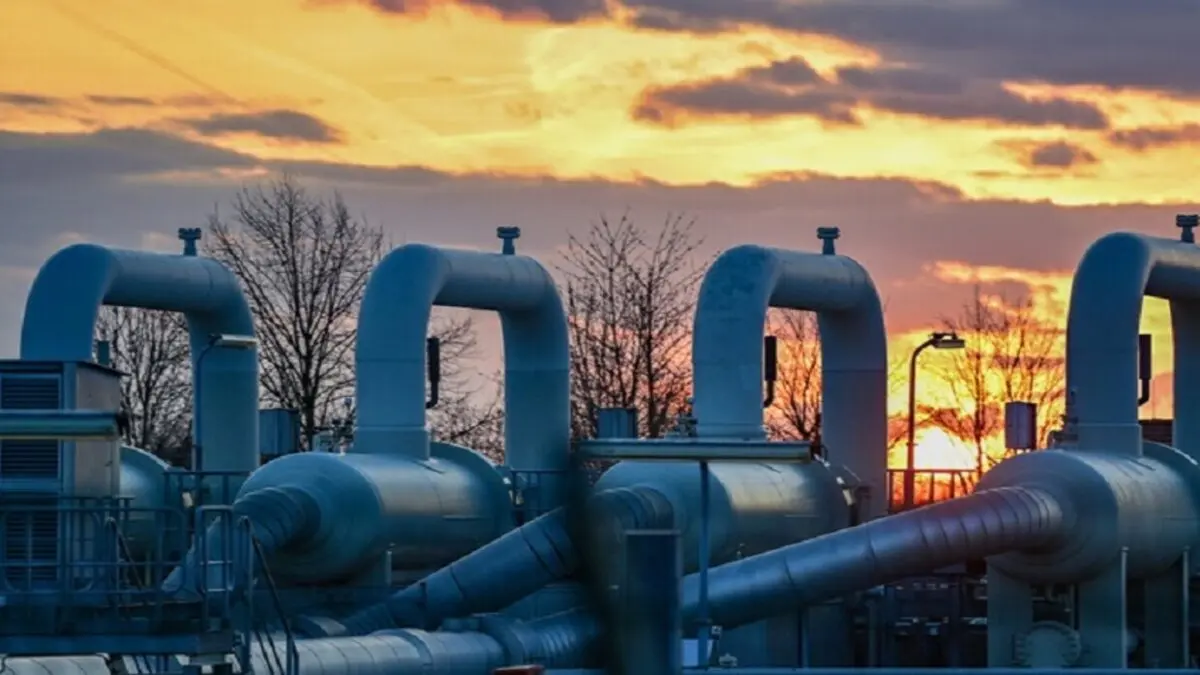
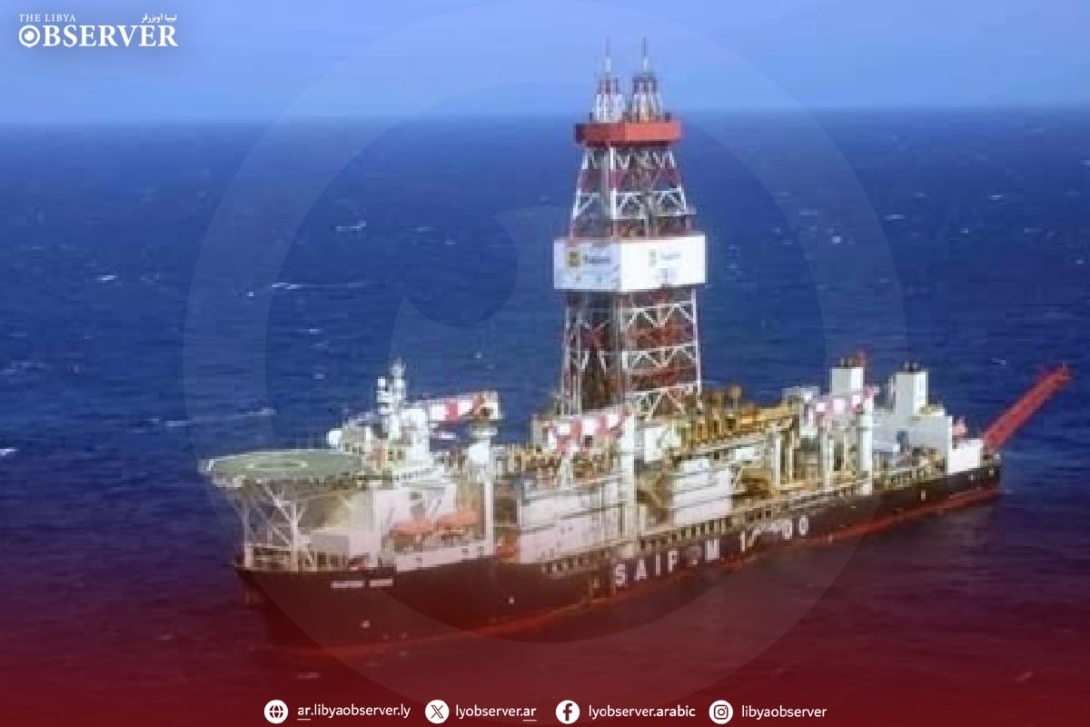
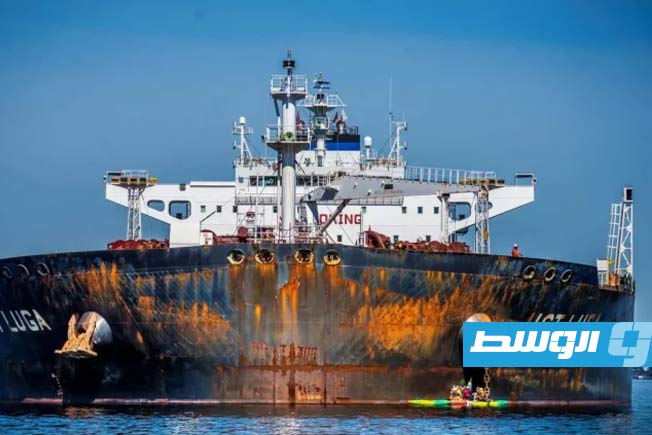
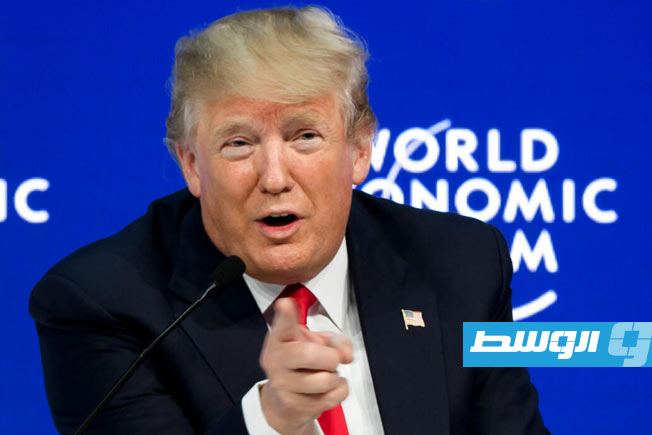
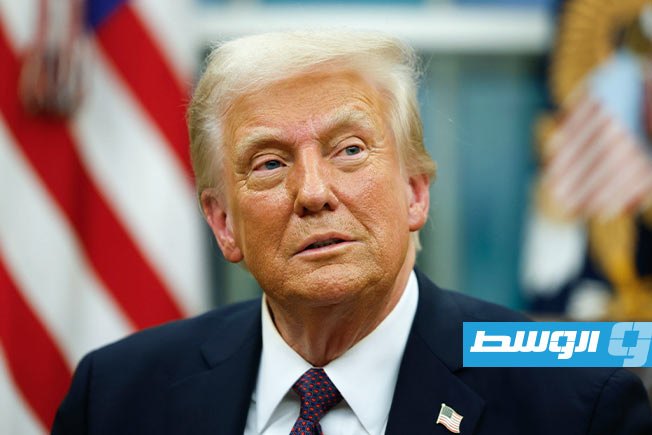
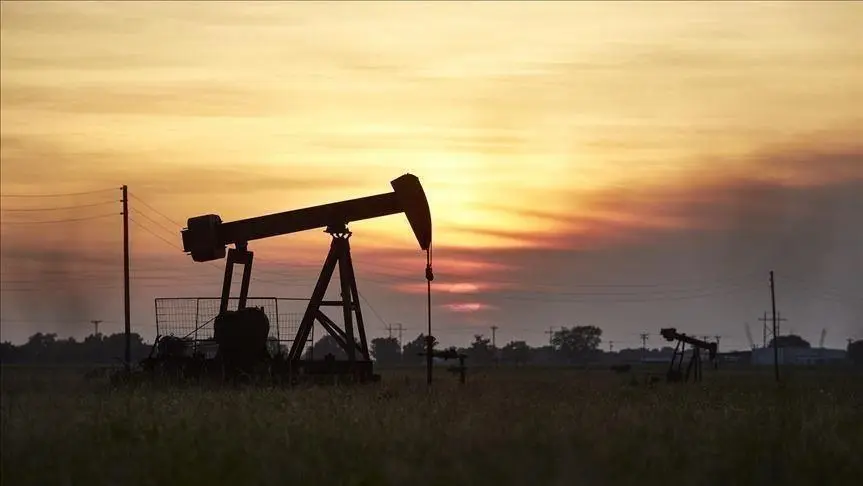
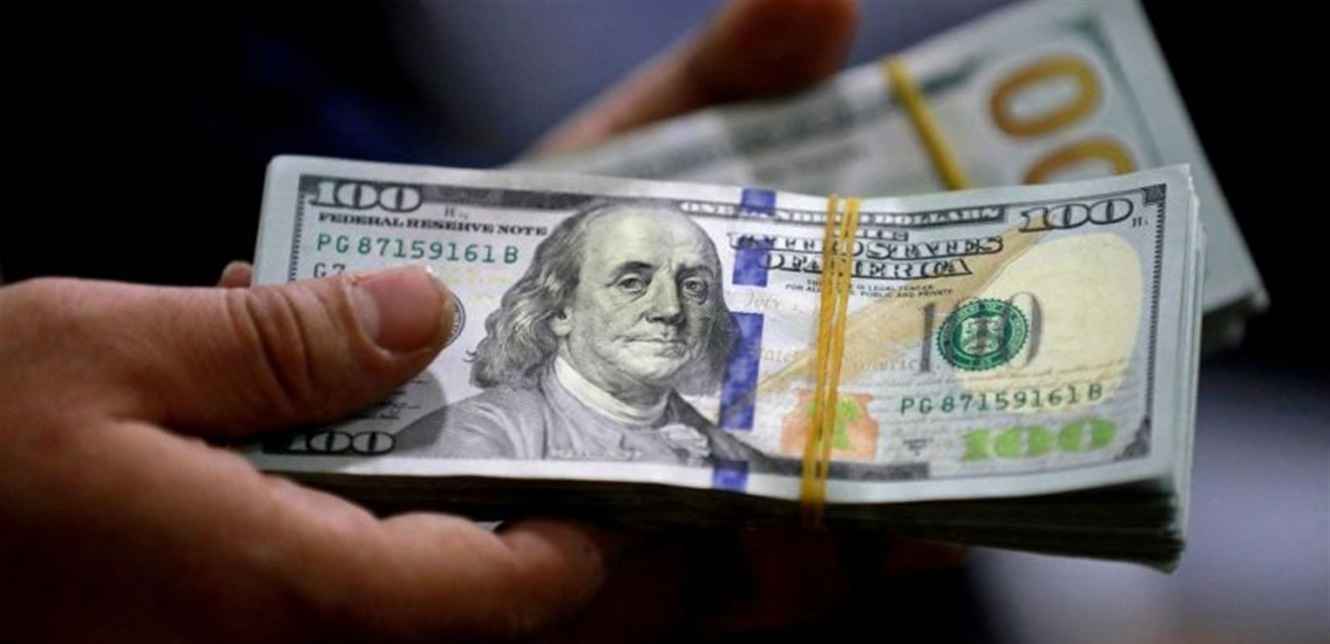
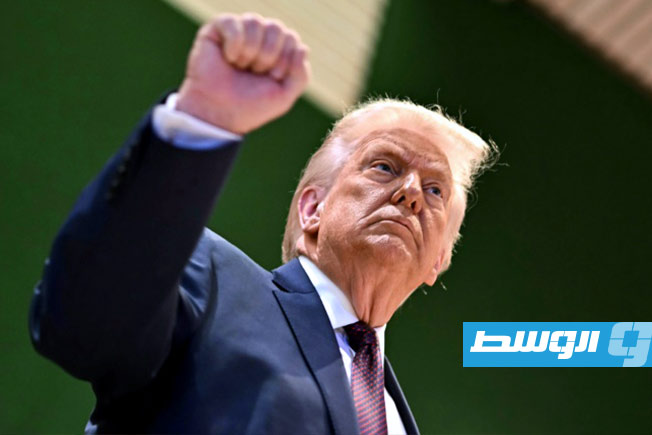
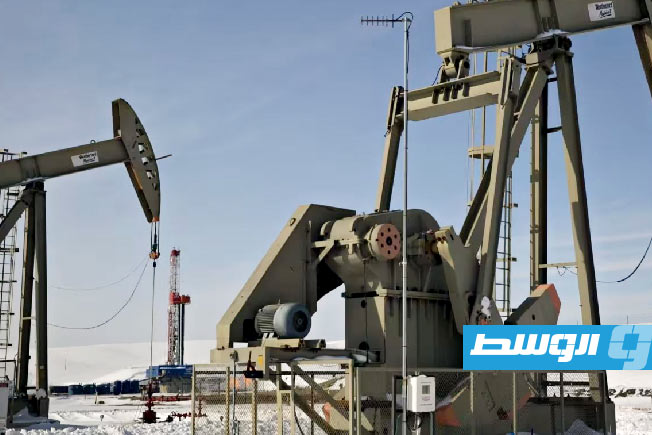
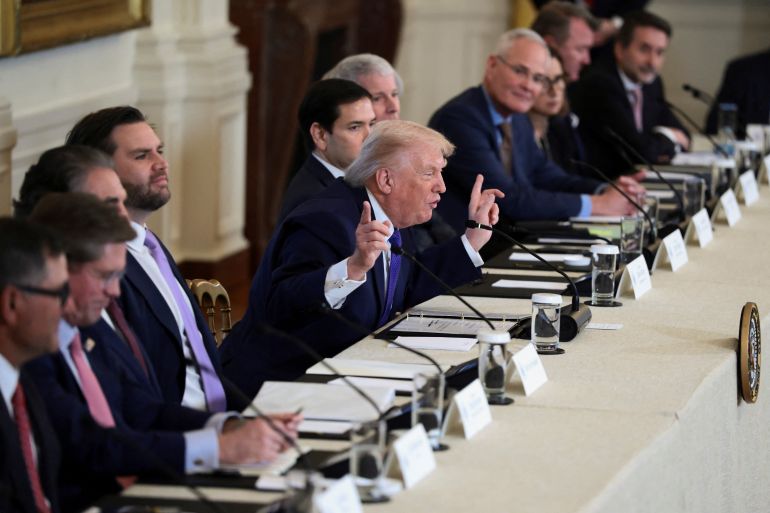
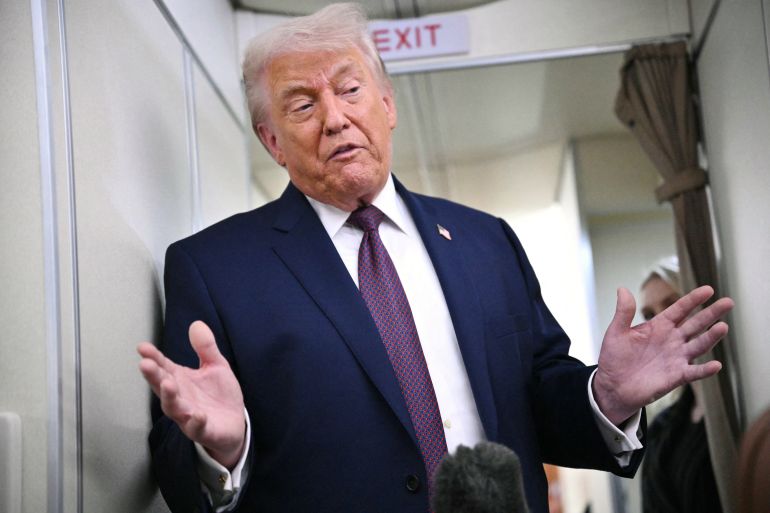
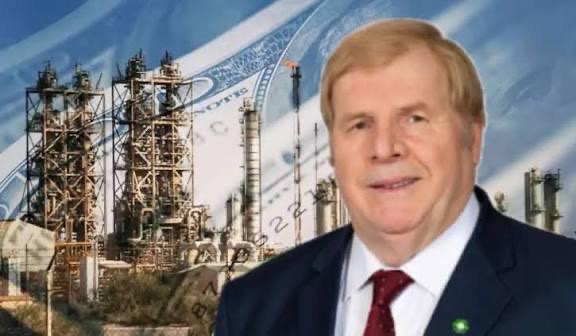
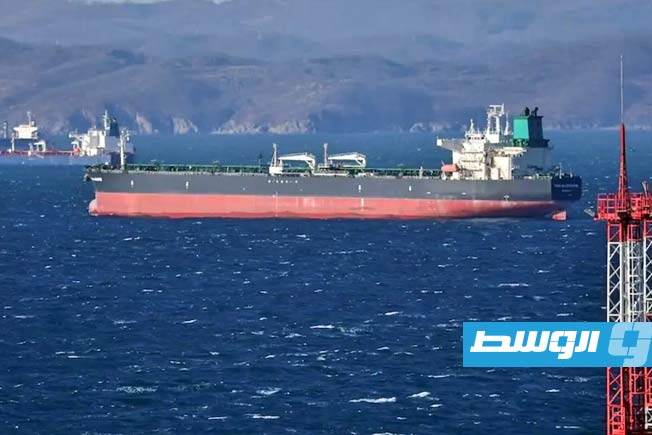
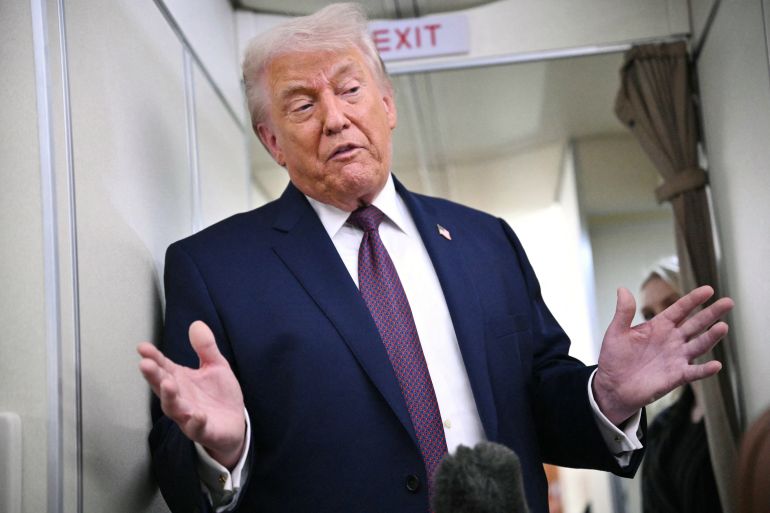
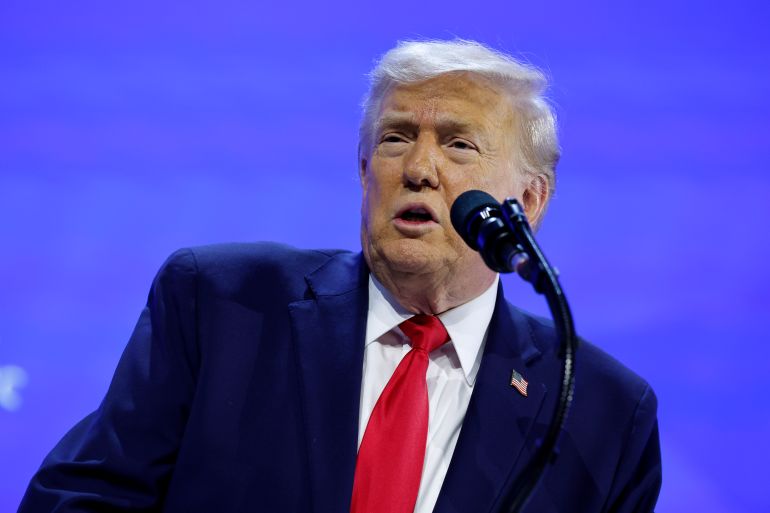
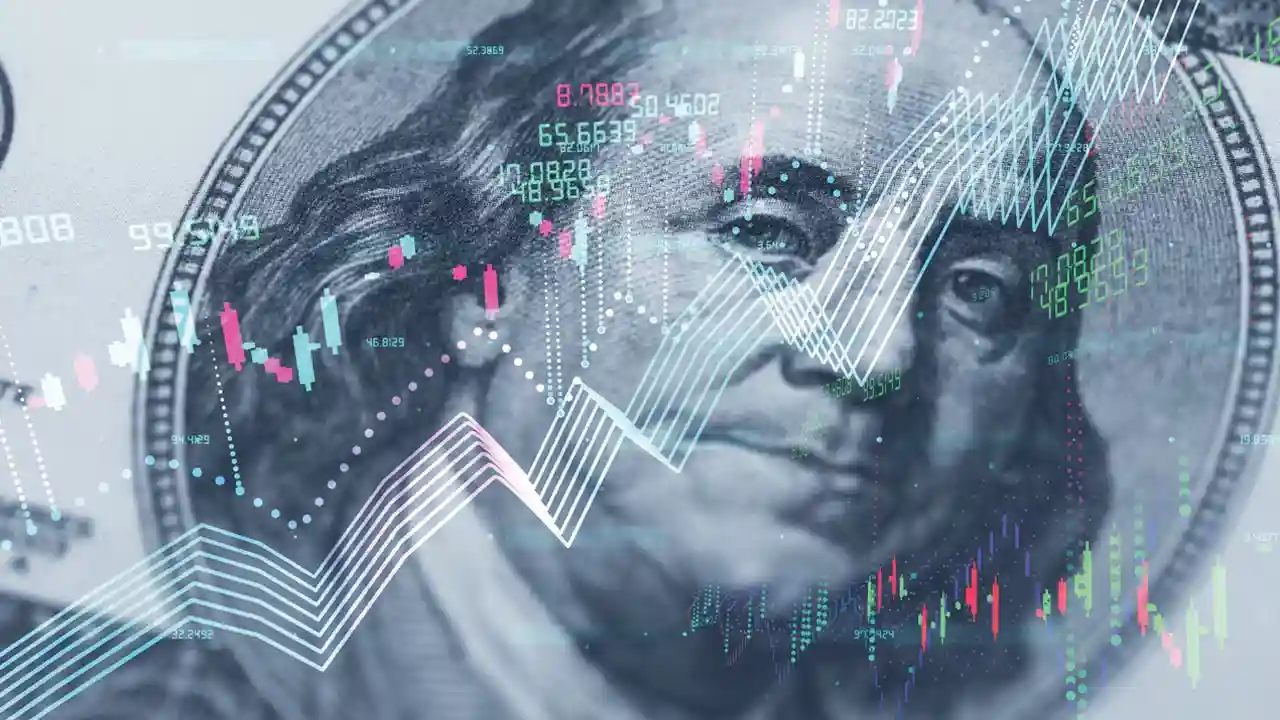
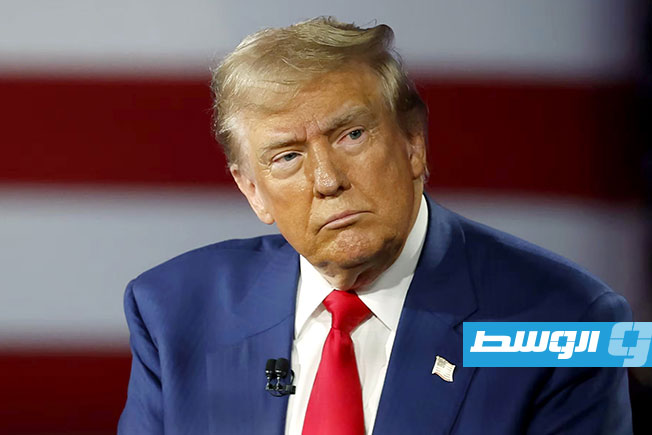
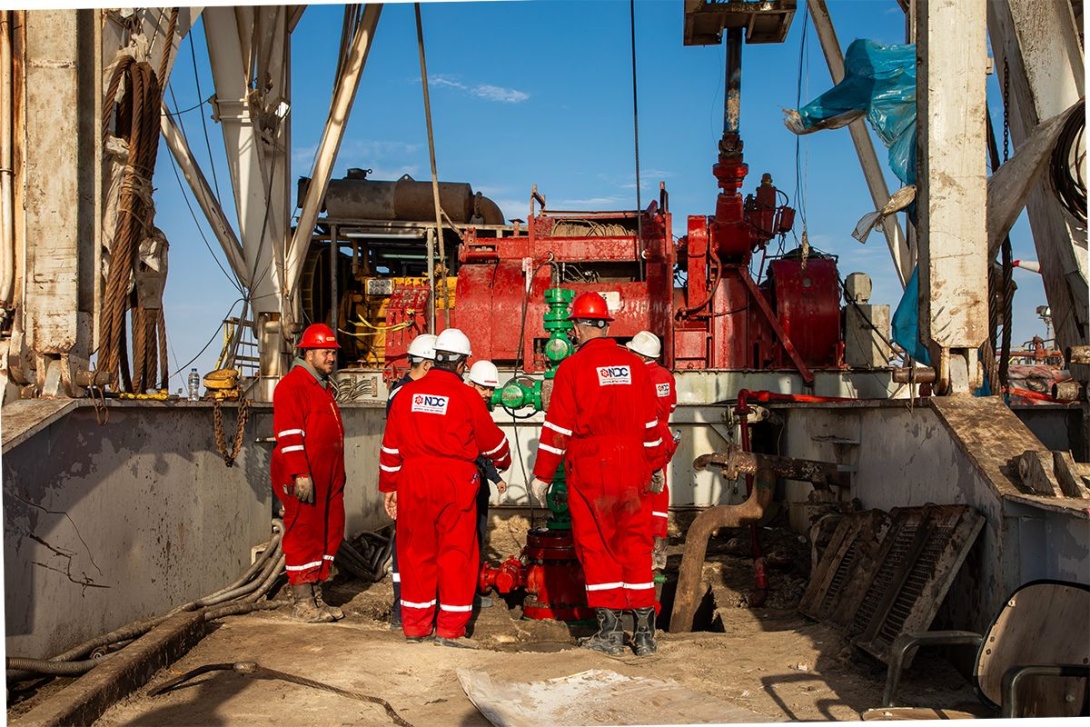
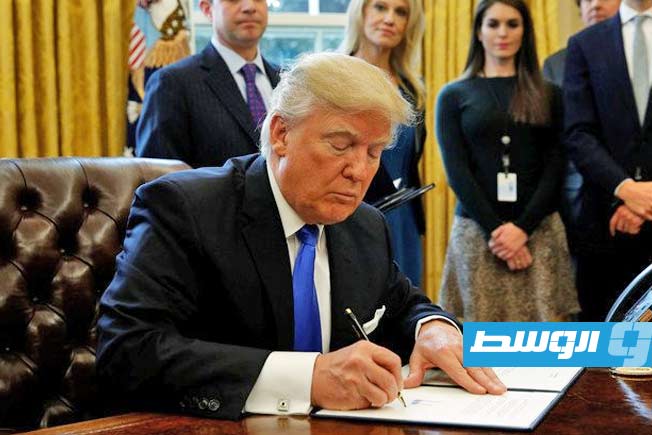
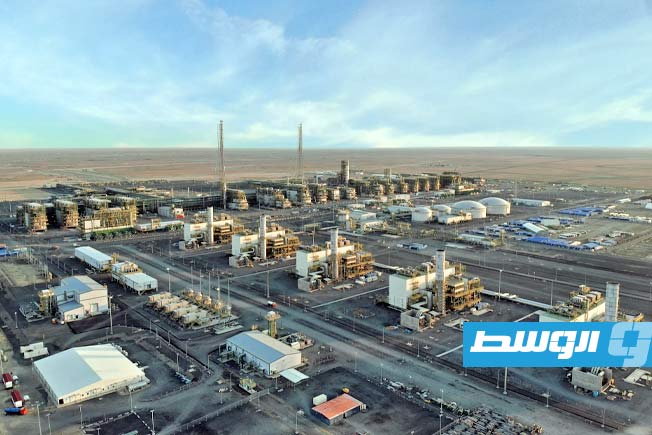
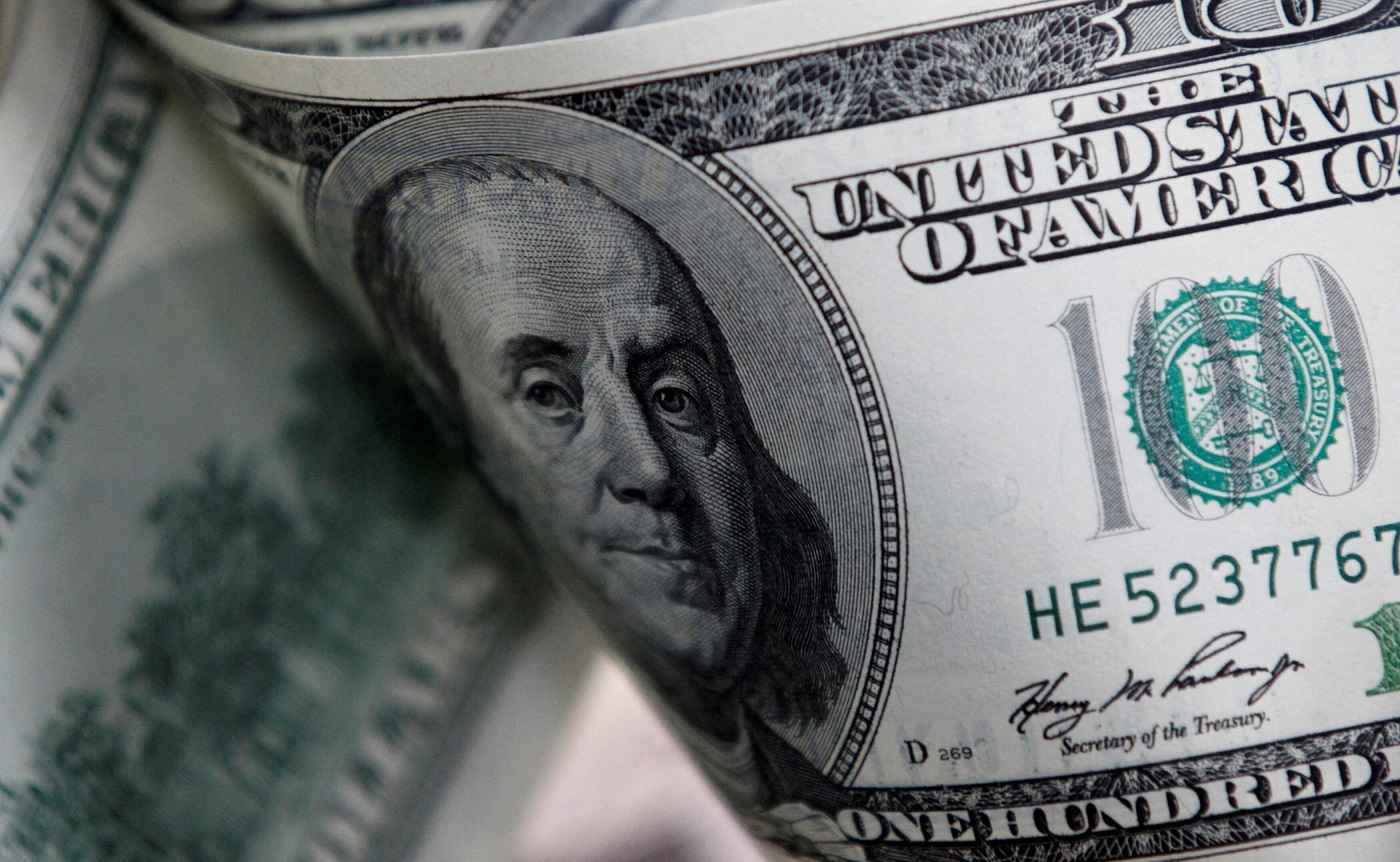
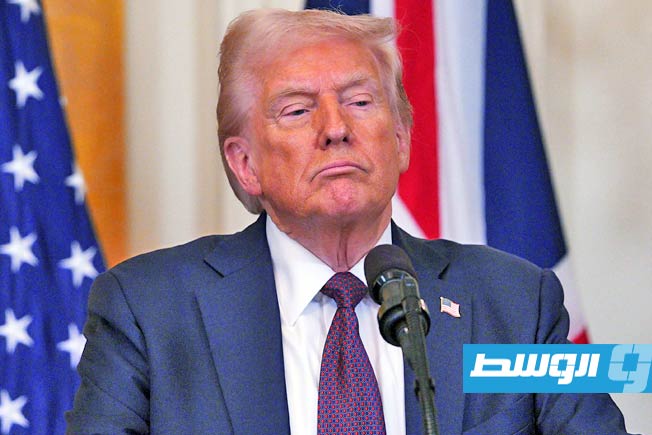
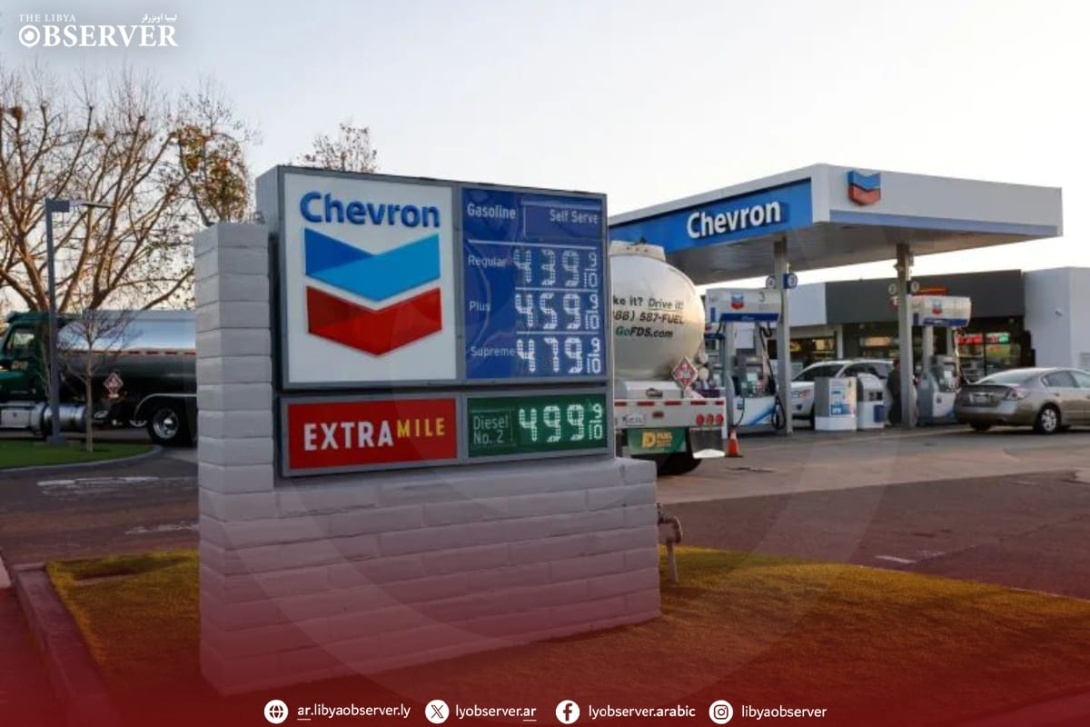
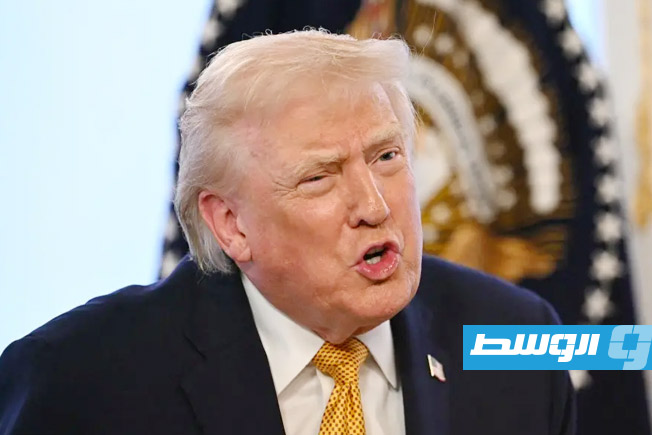
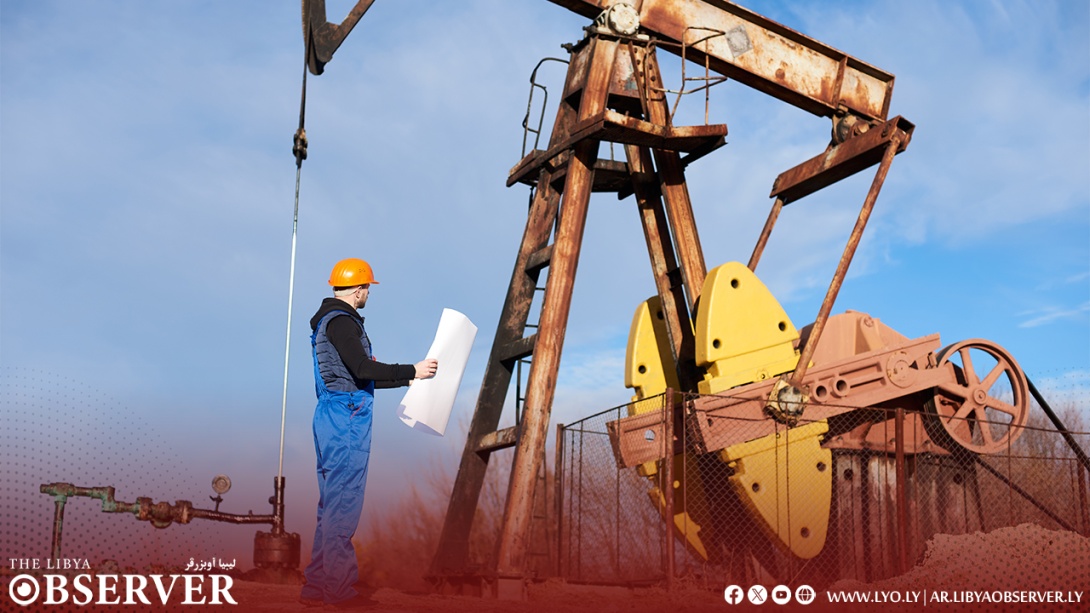
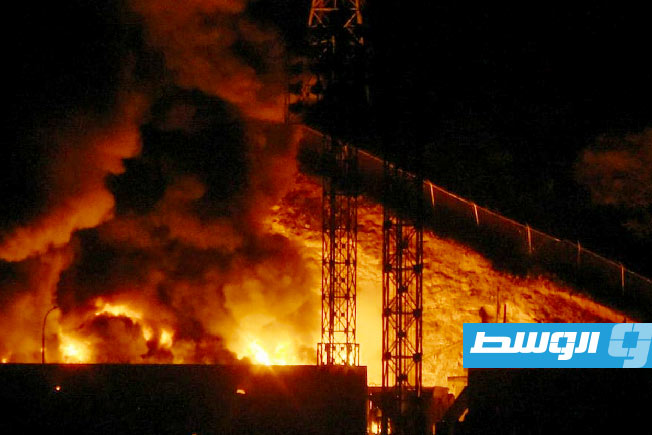
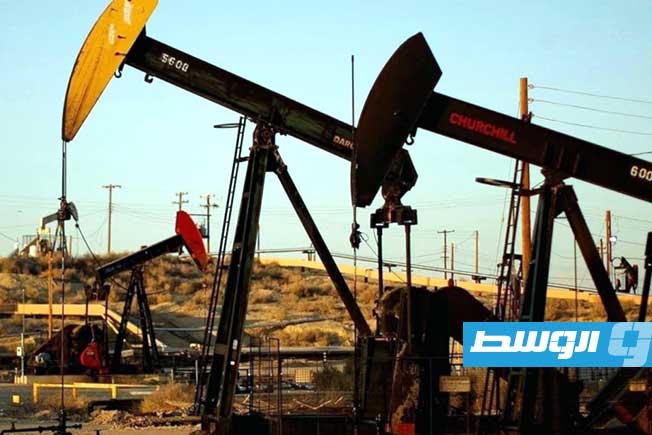
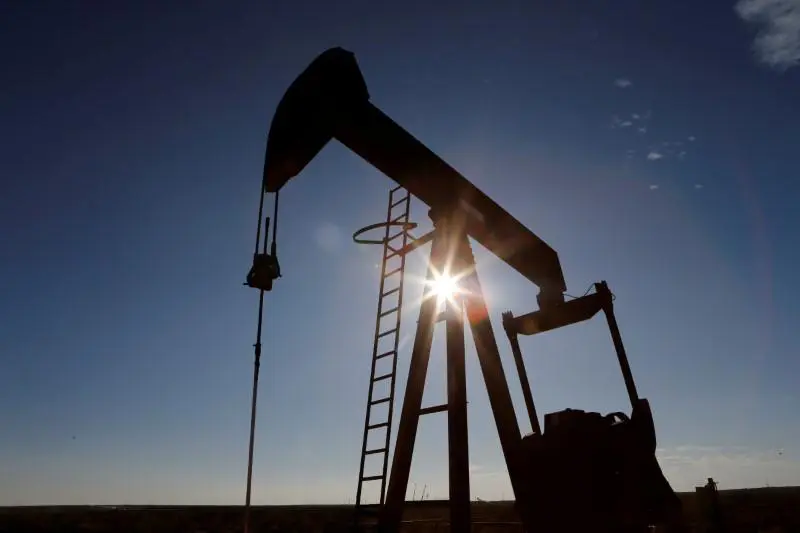
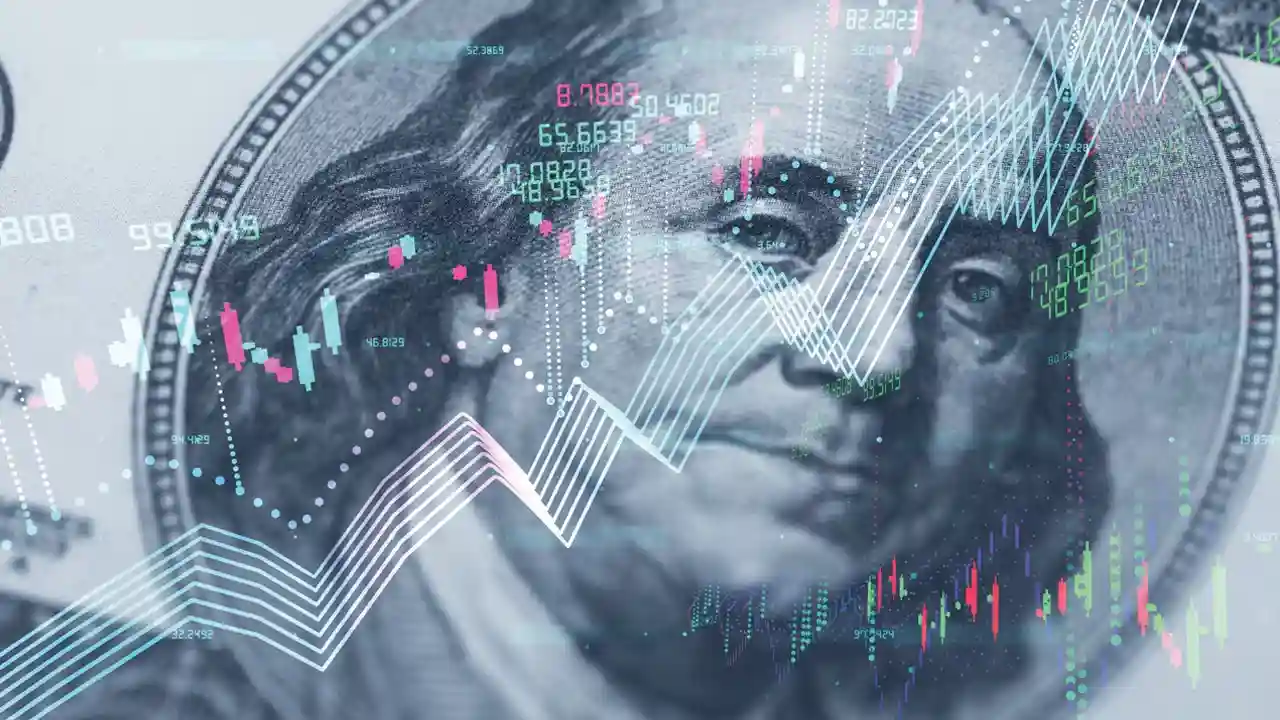
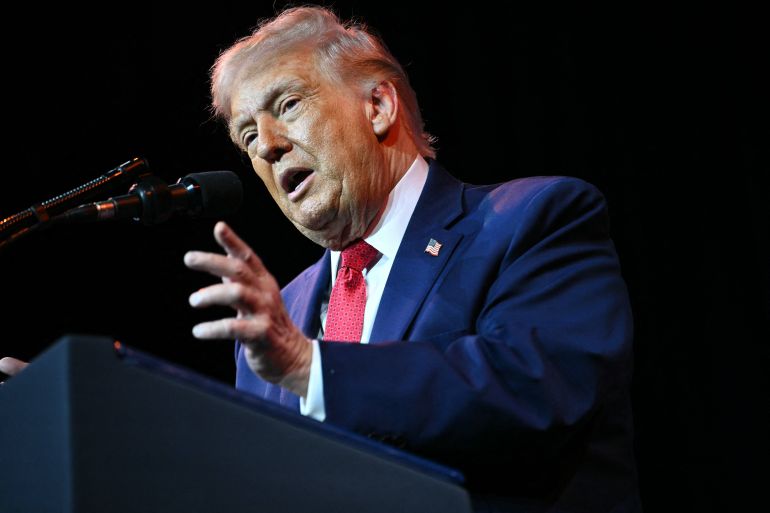
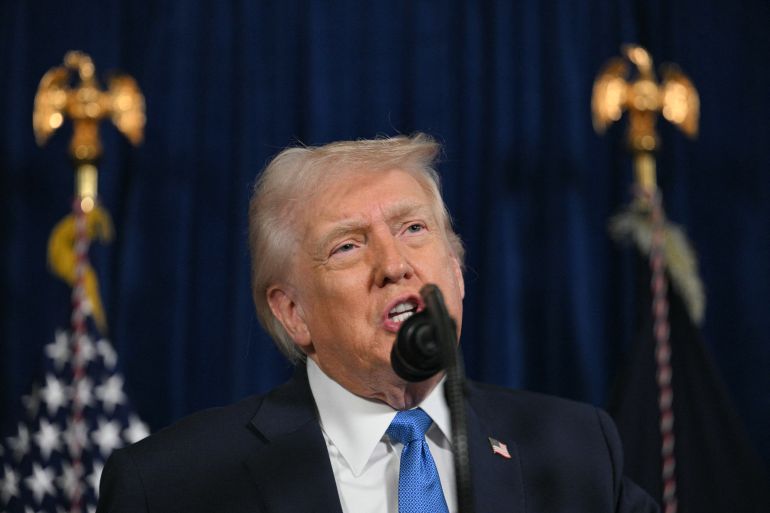
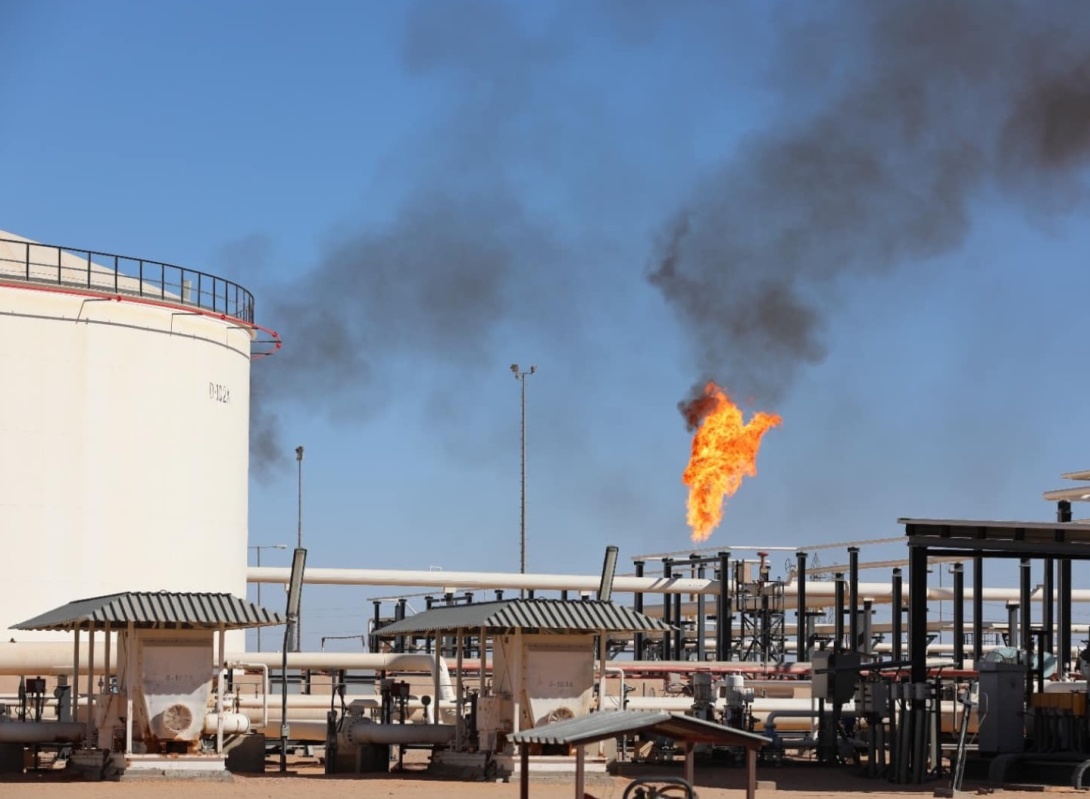
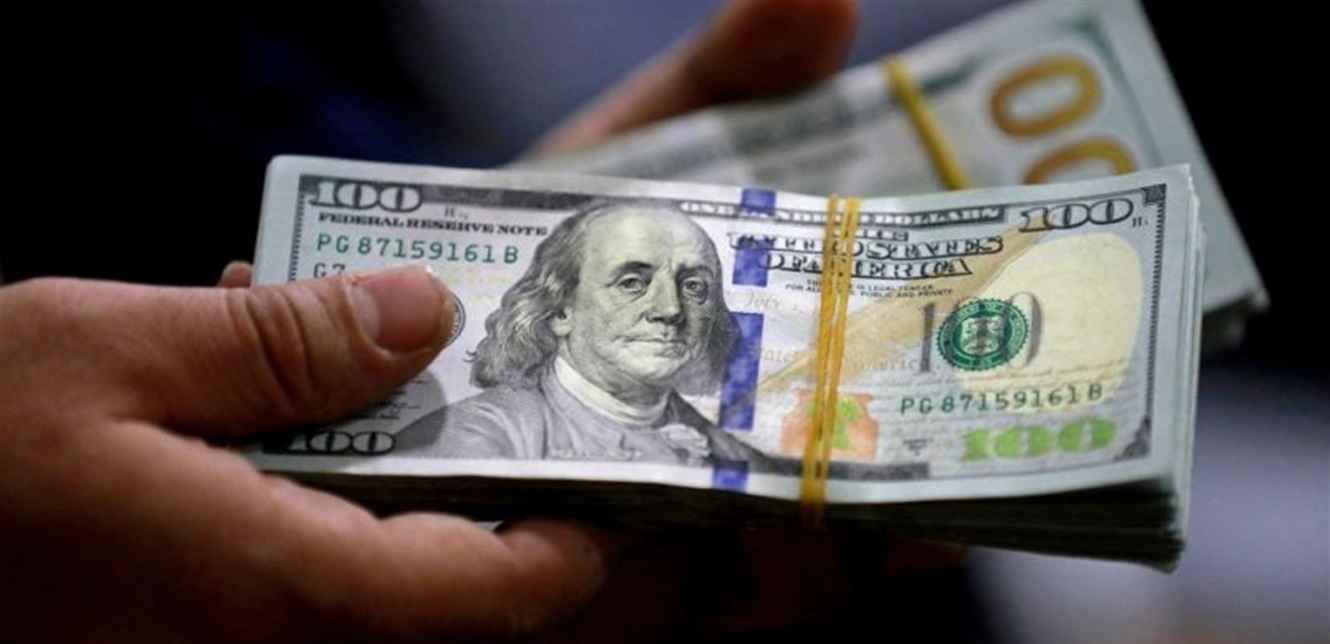
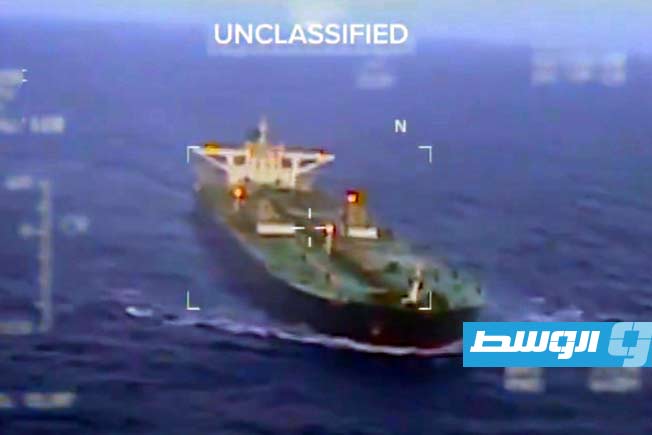
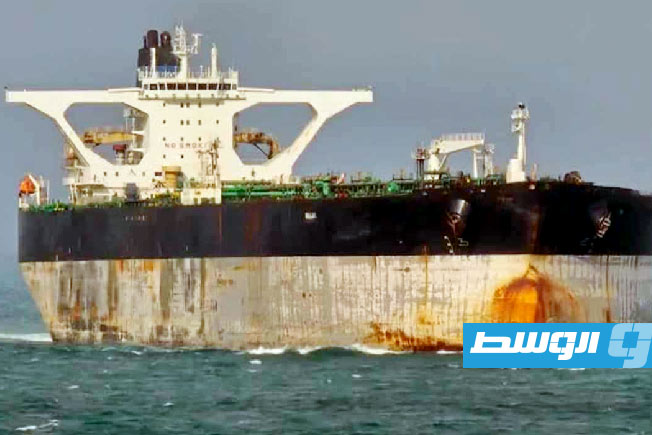
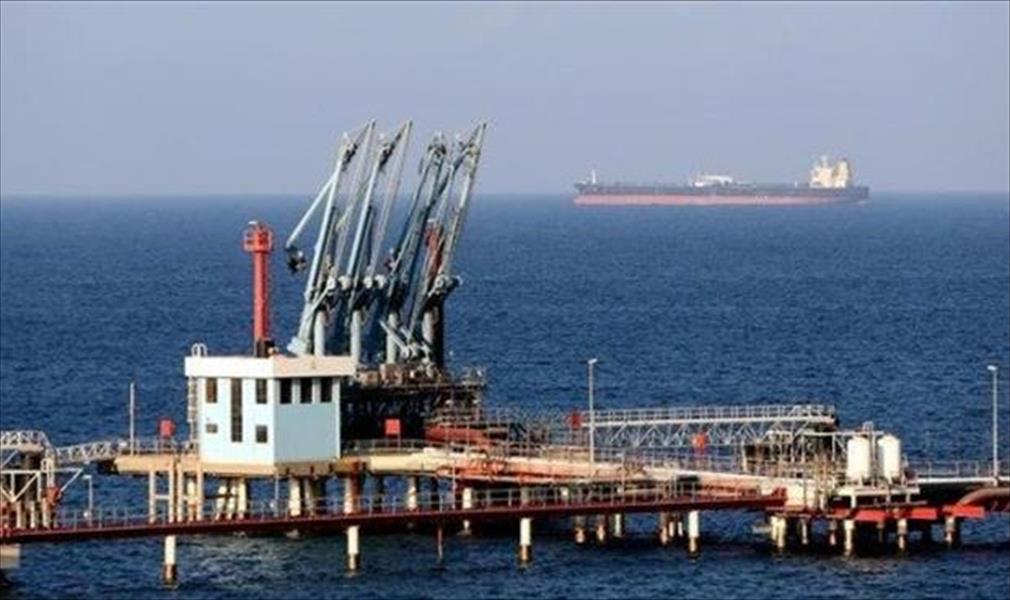
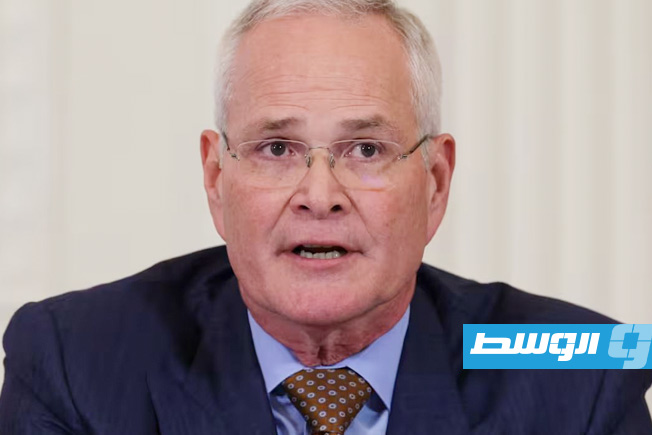
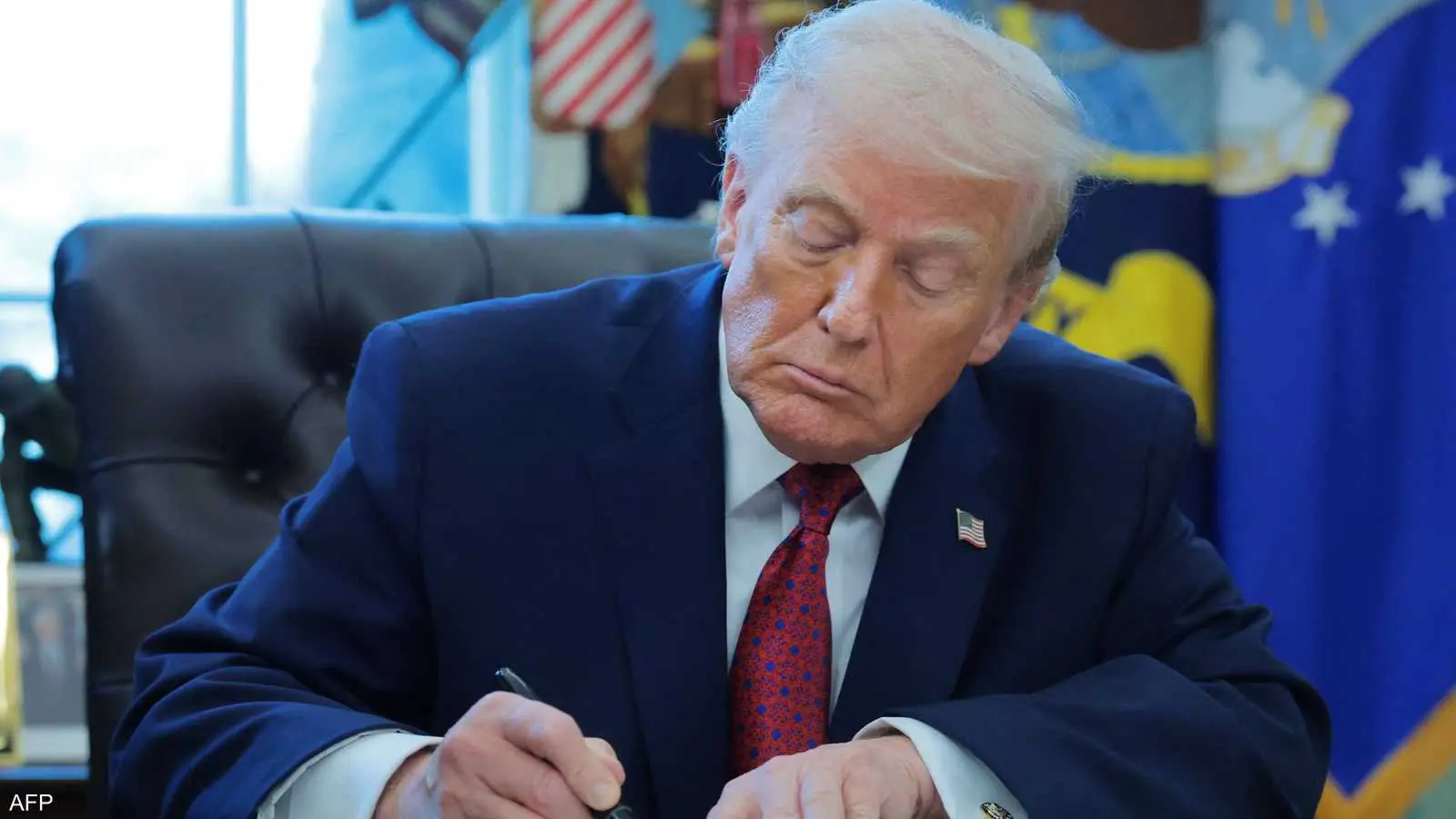
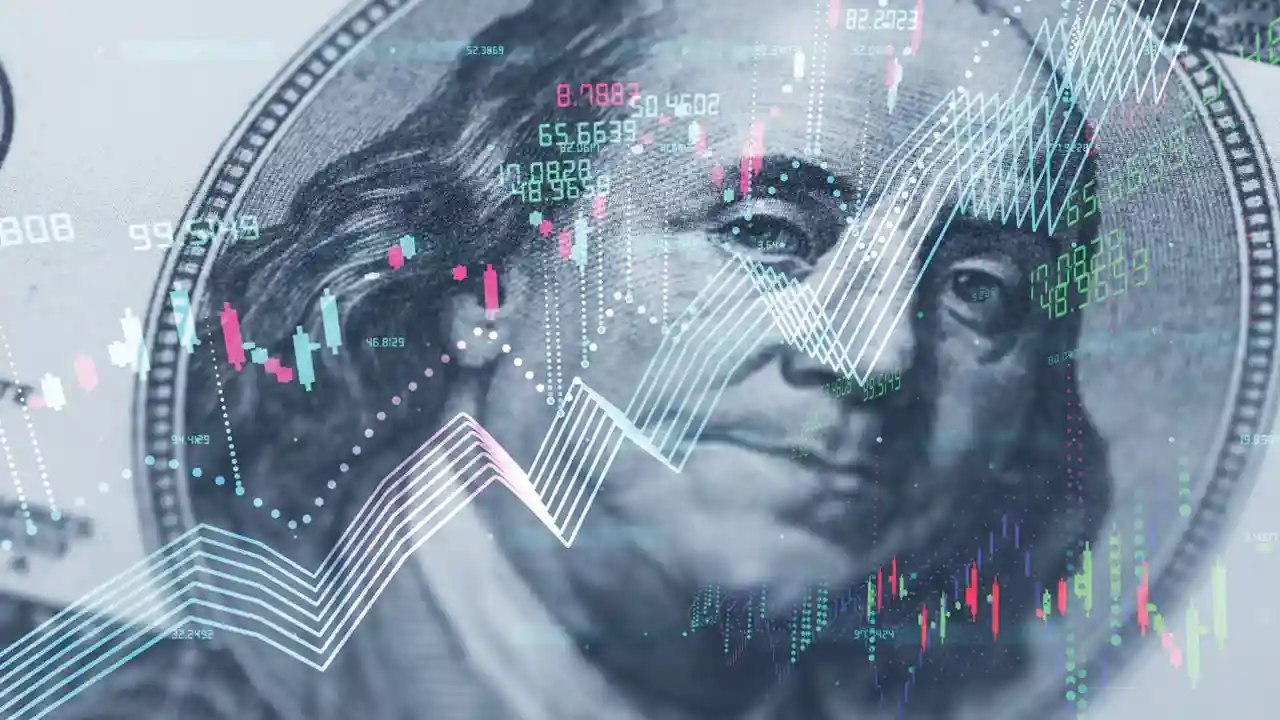
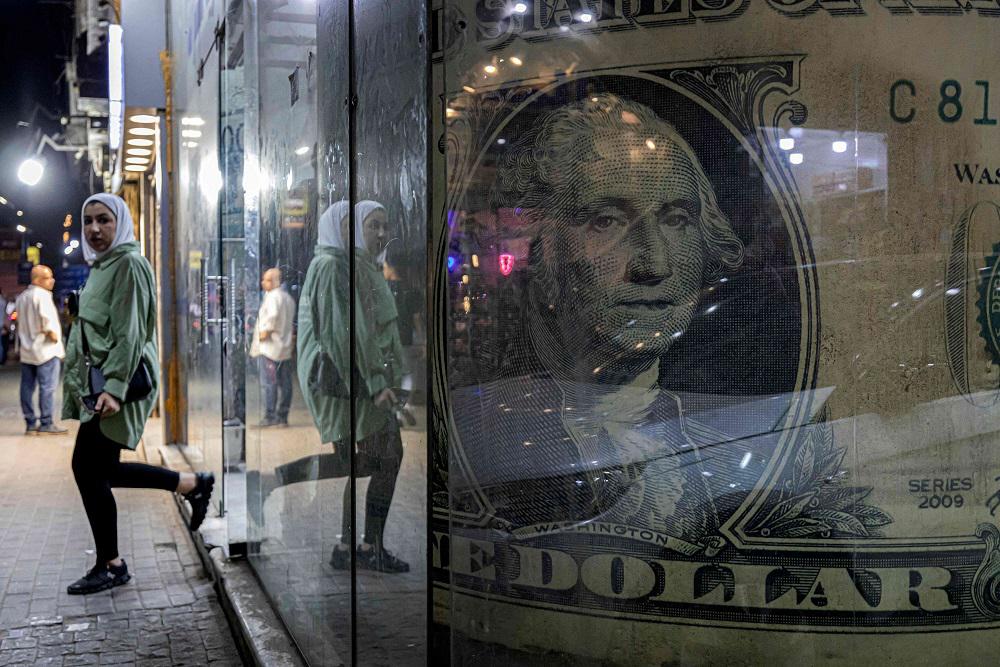
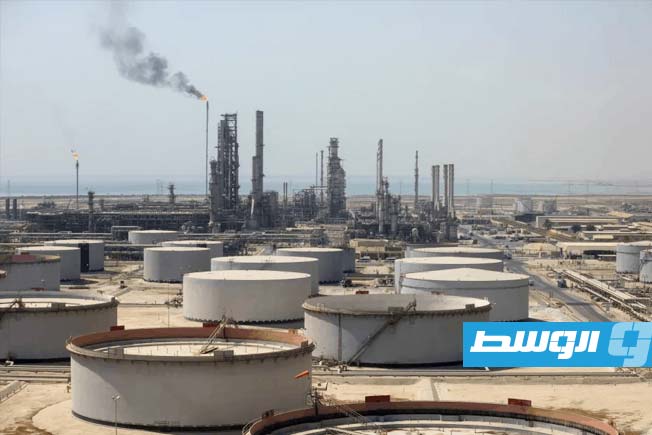
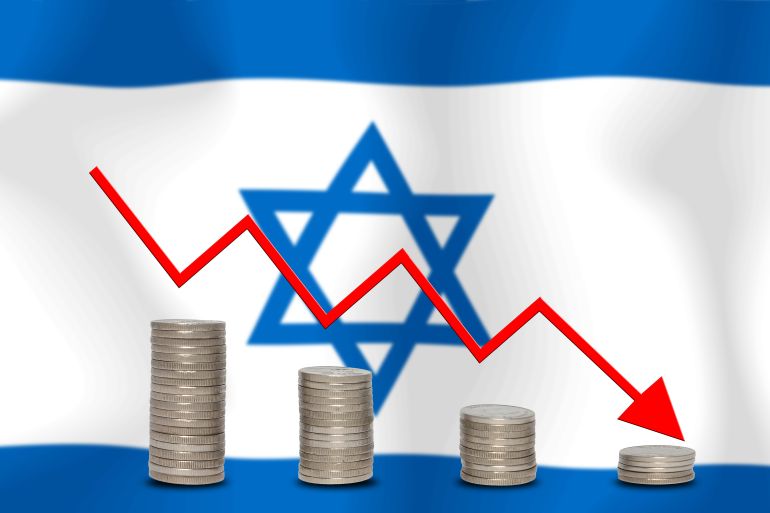
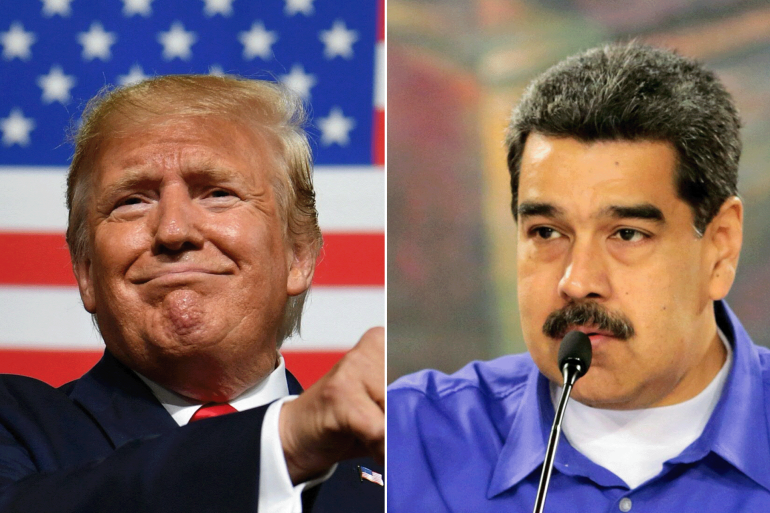
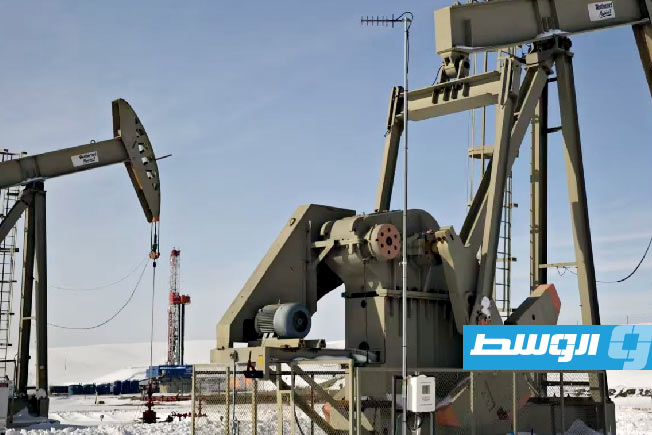
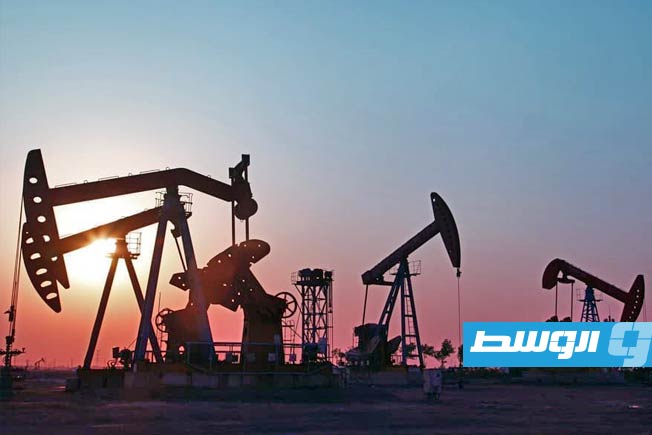
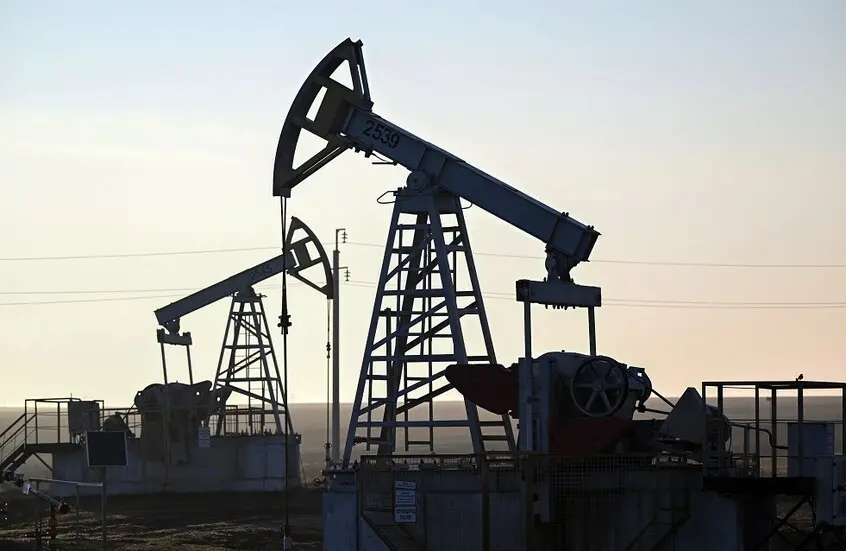
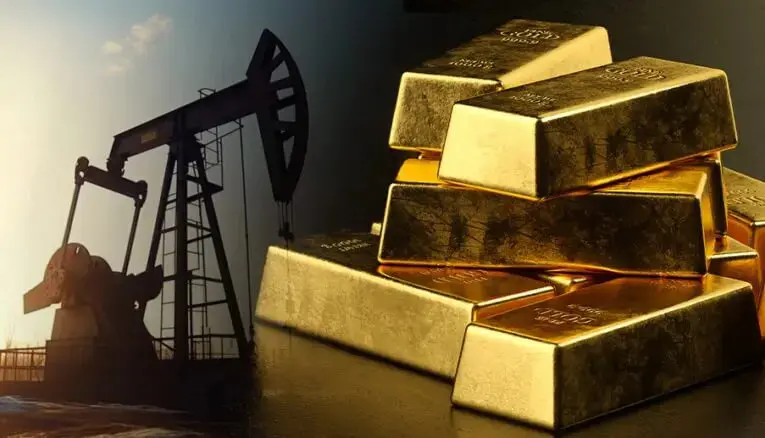
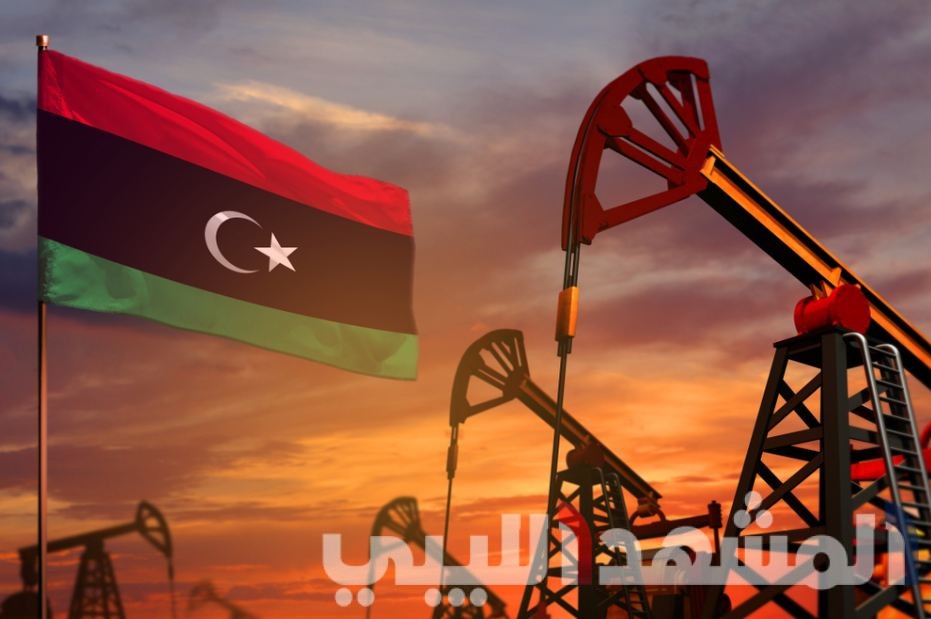
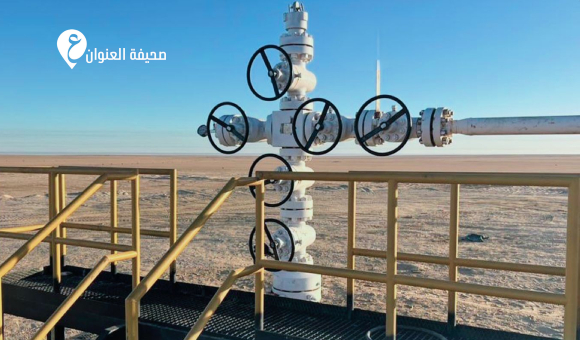
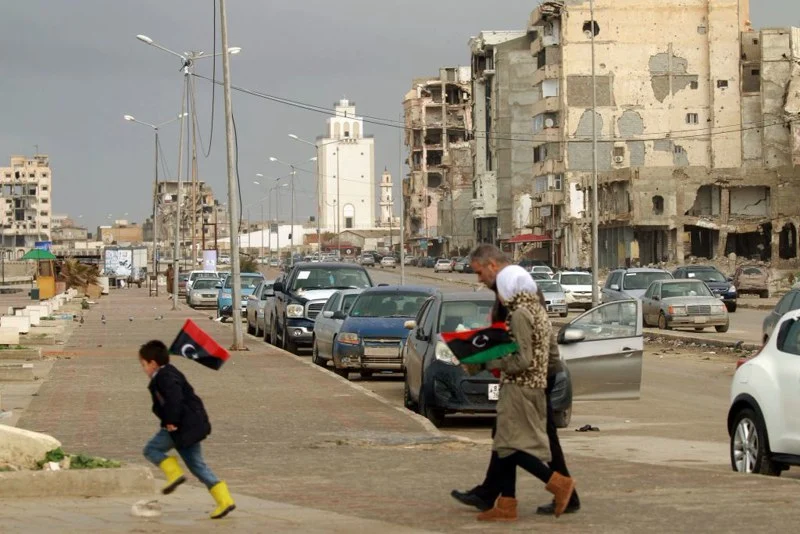
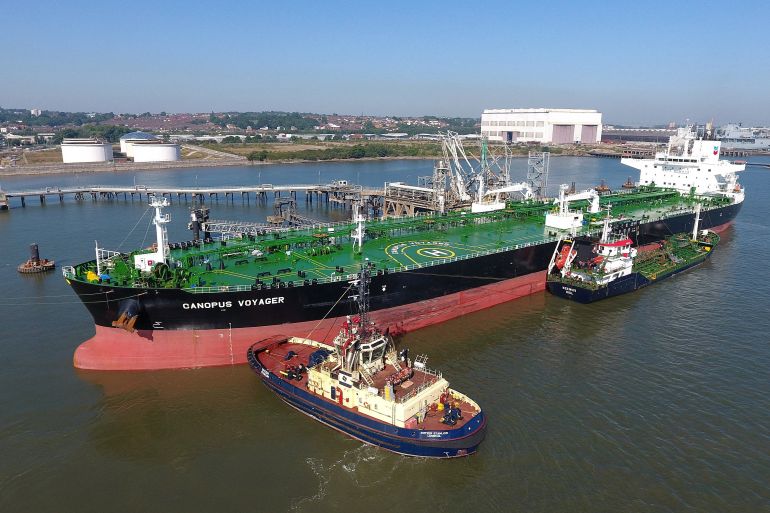
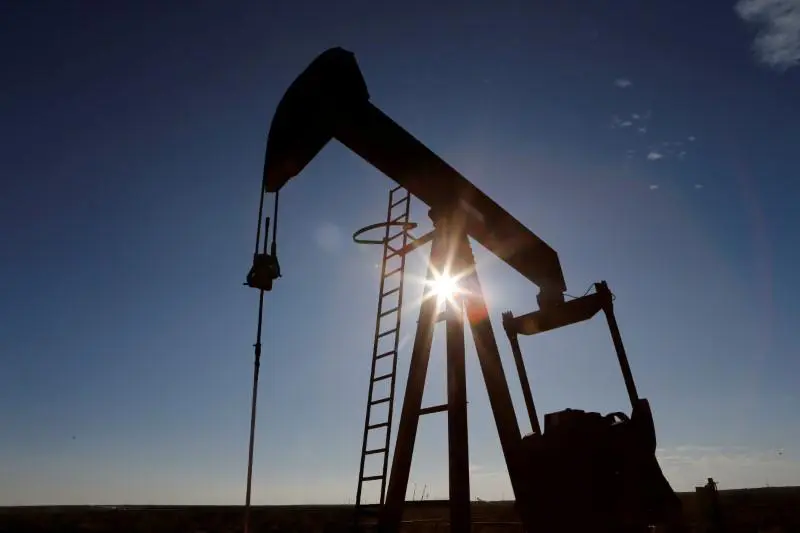
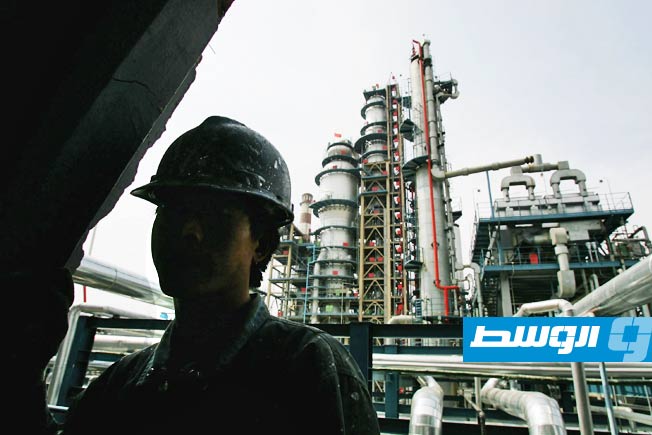
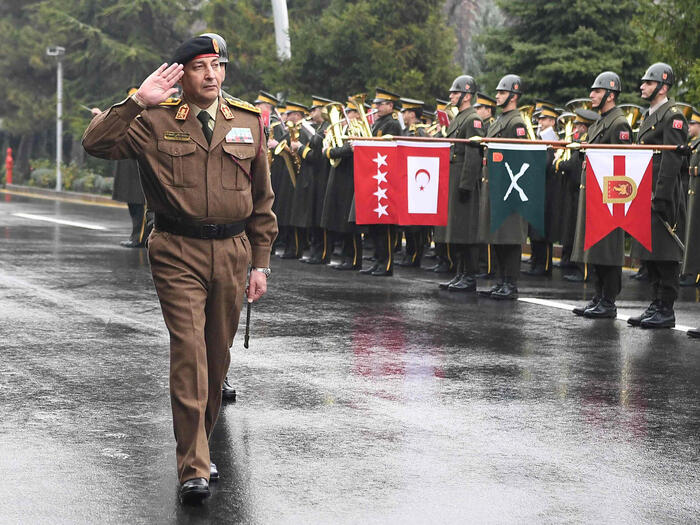
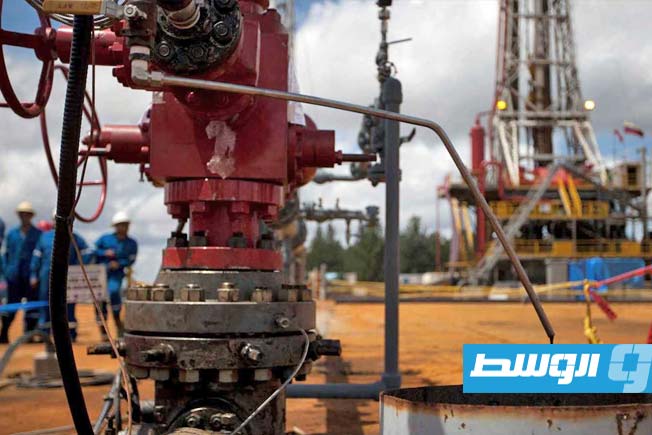
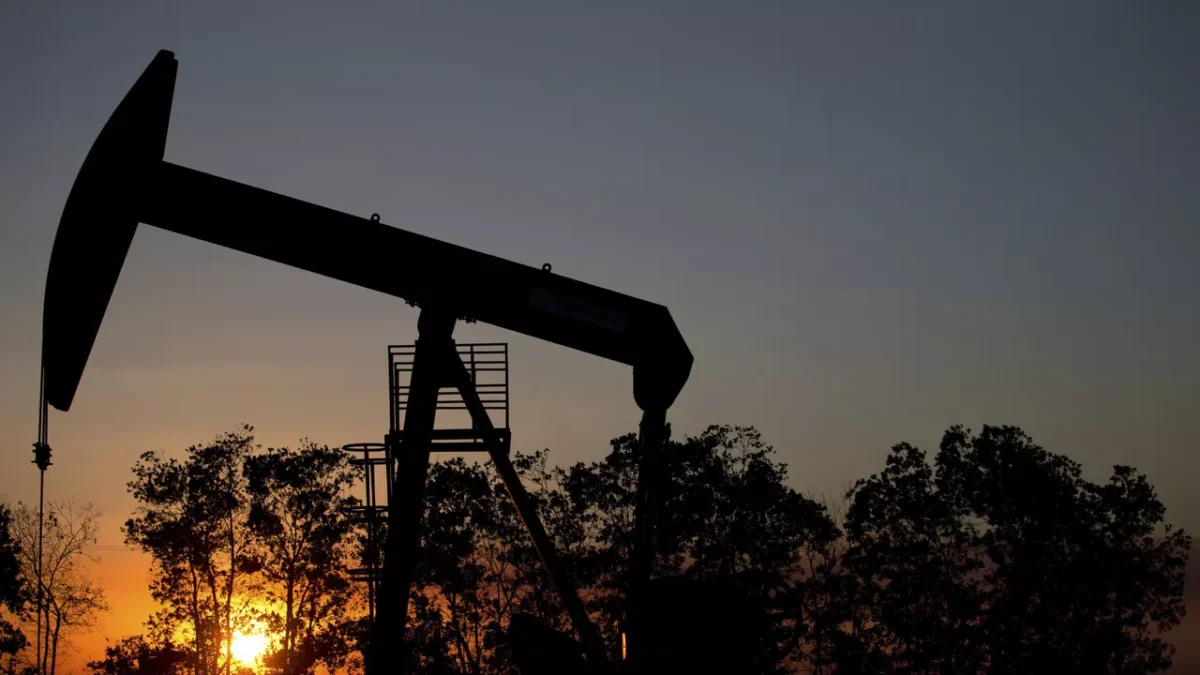
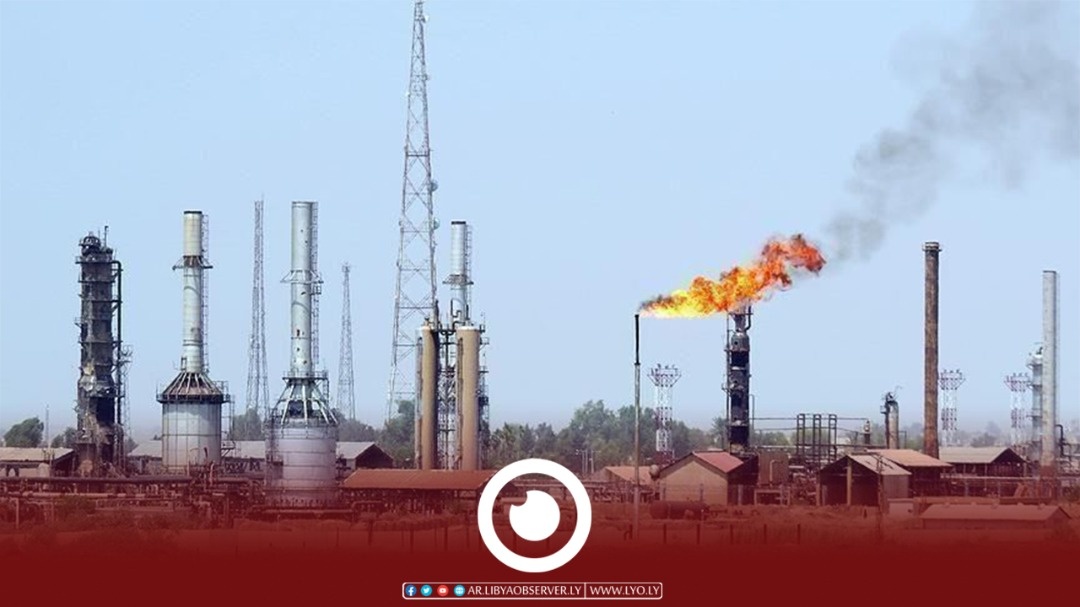
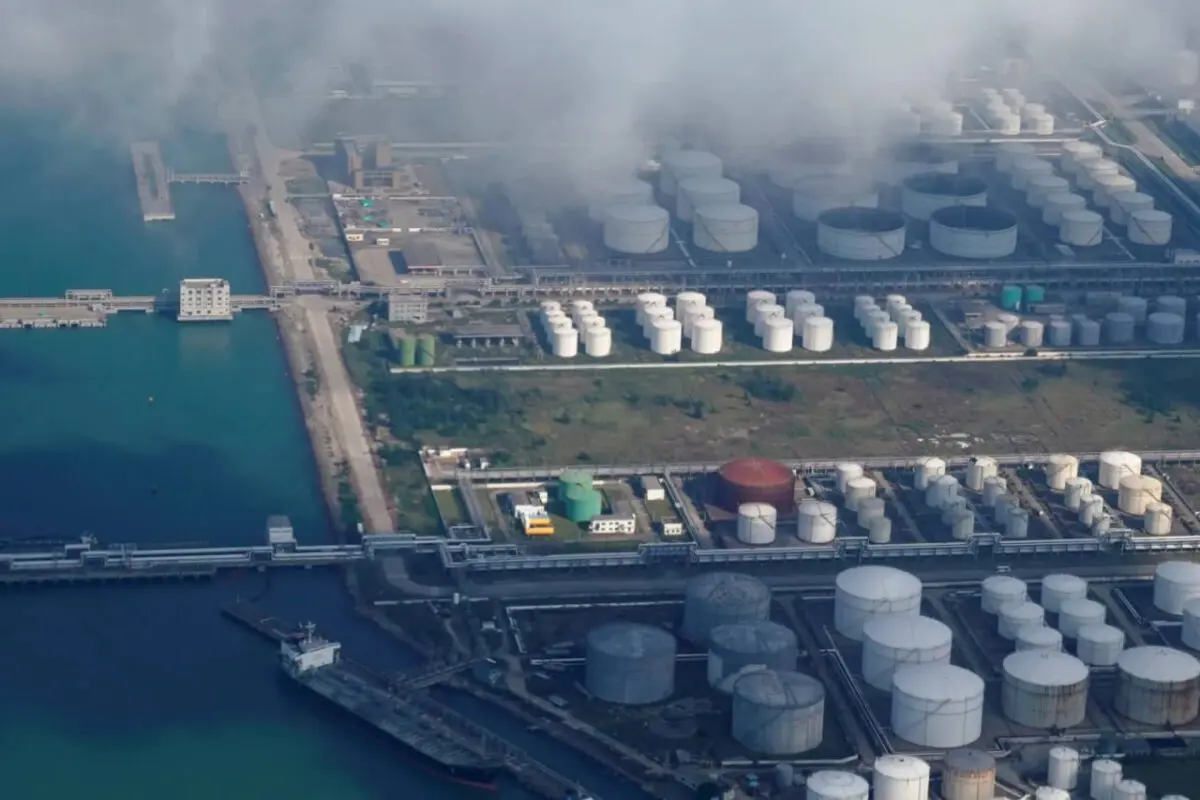
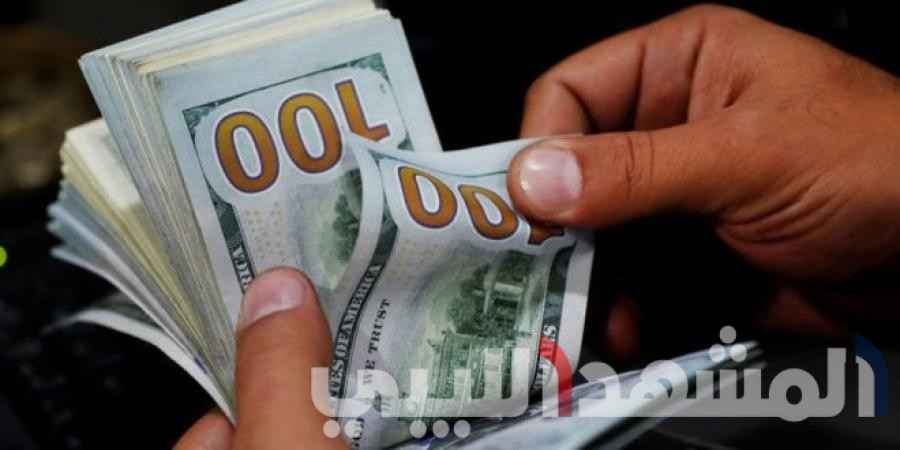
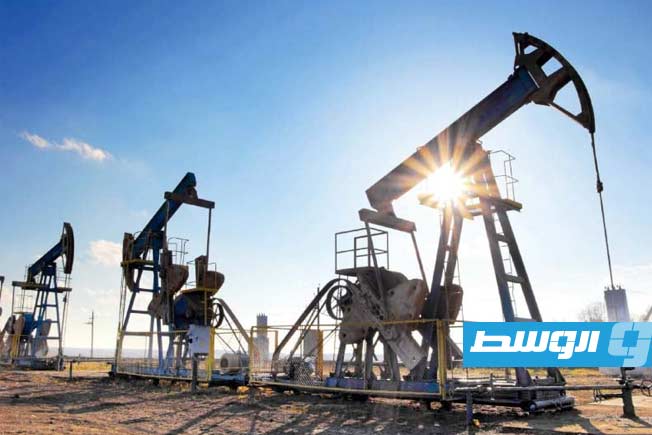
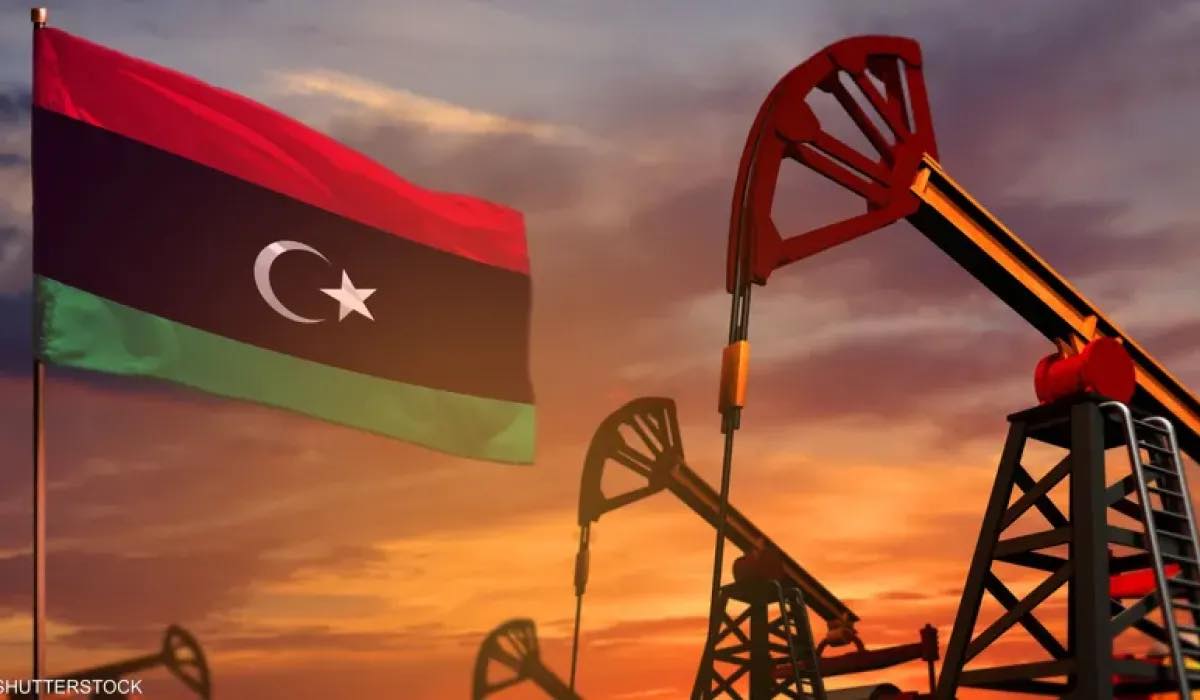
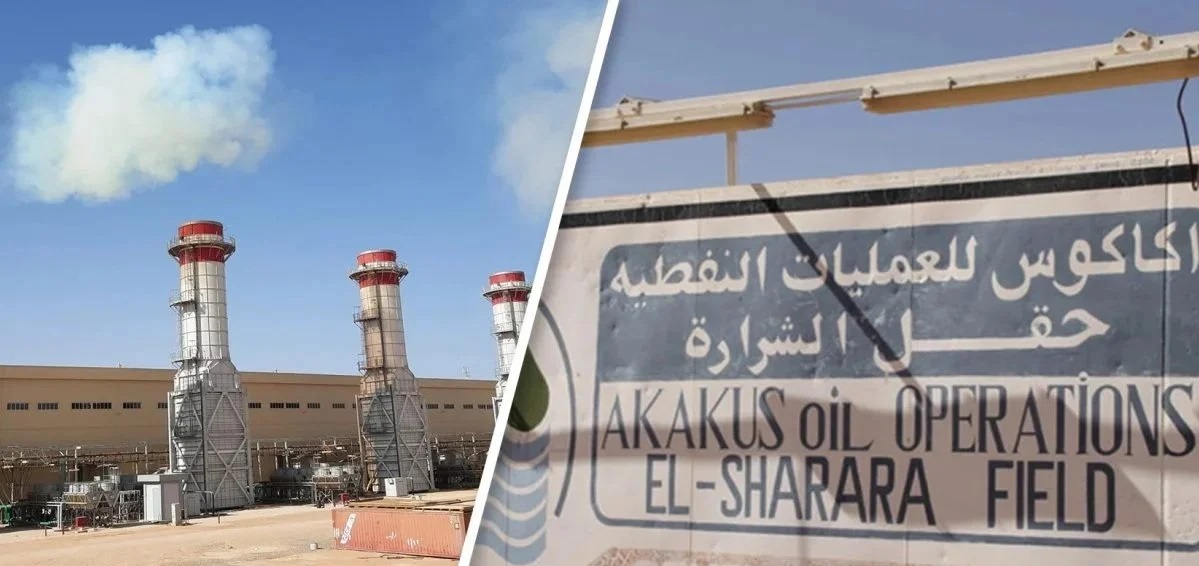
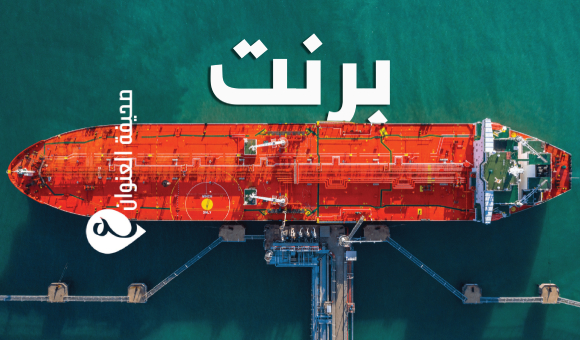
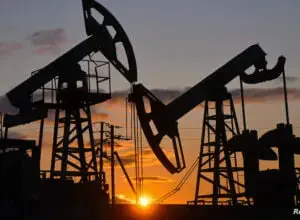
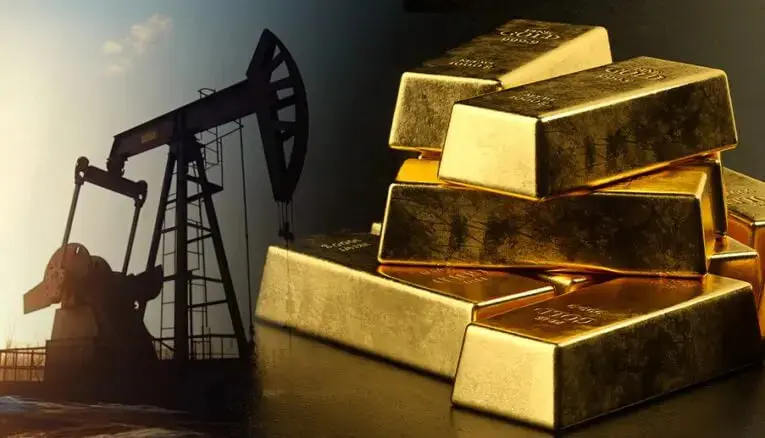
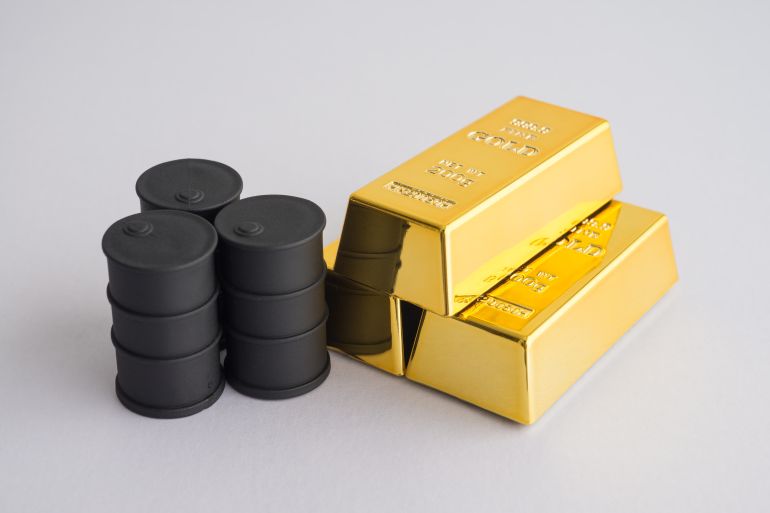
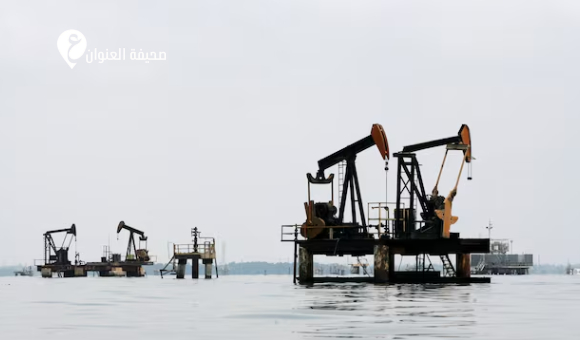
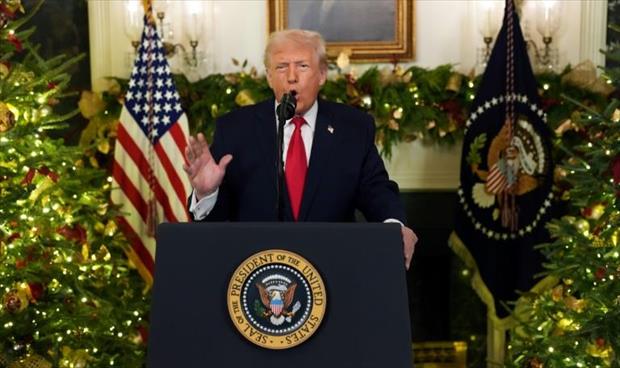
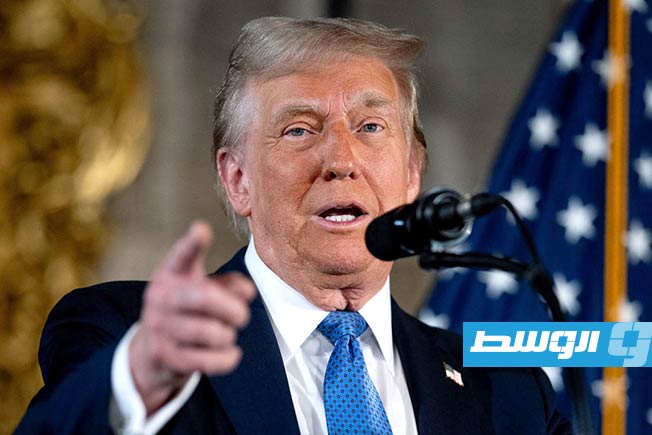
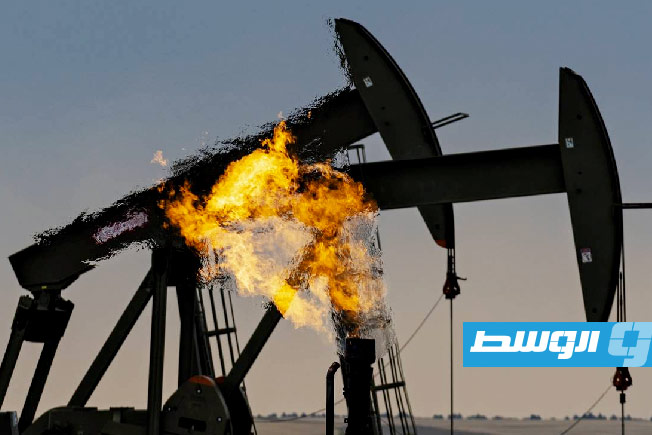
Oil prices rose by more than 5% on Thursday, reaching levels not seen in at least four months, following threats from U.S. President Donald Trump to launch a military strike against Iran.
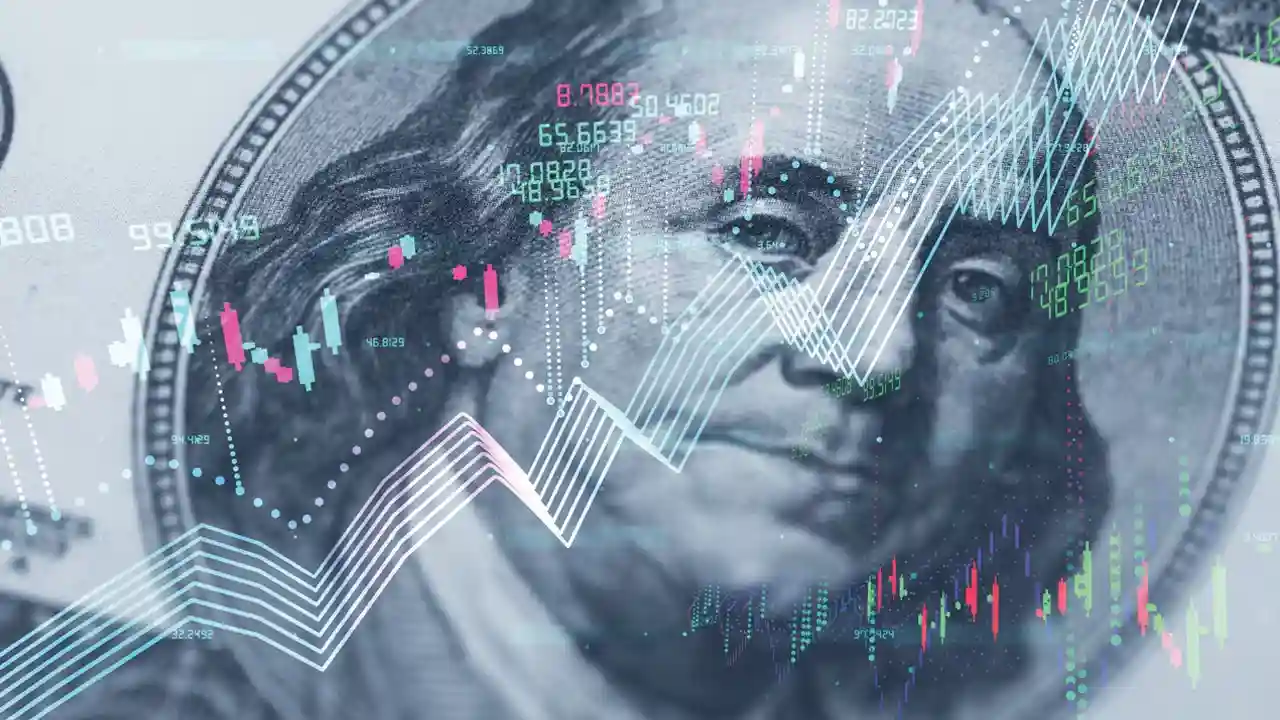
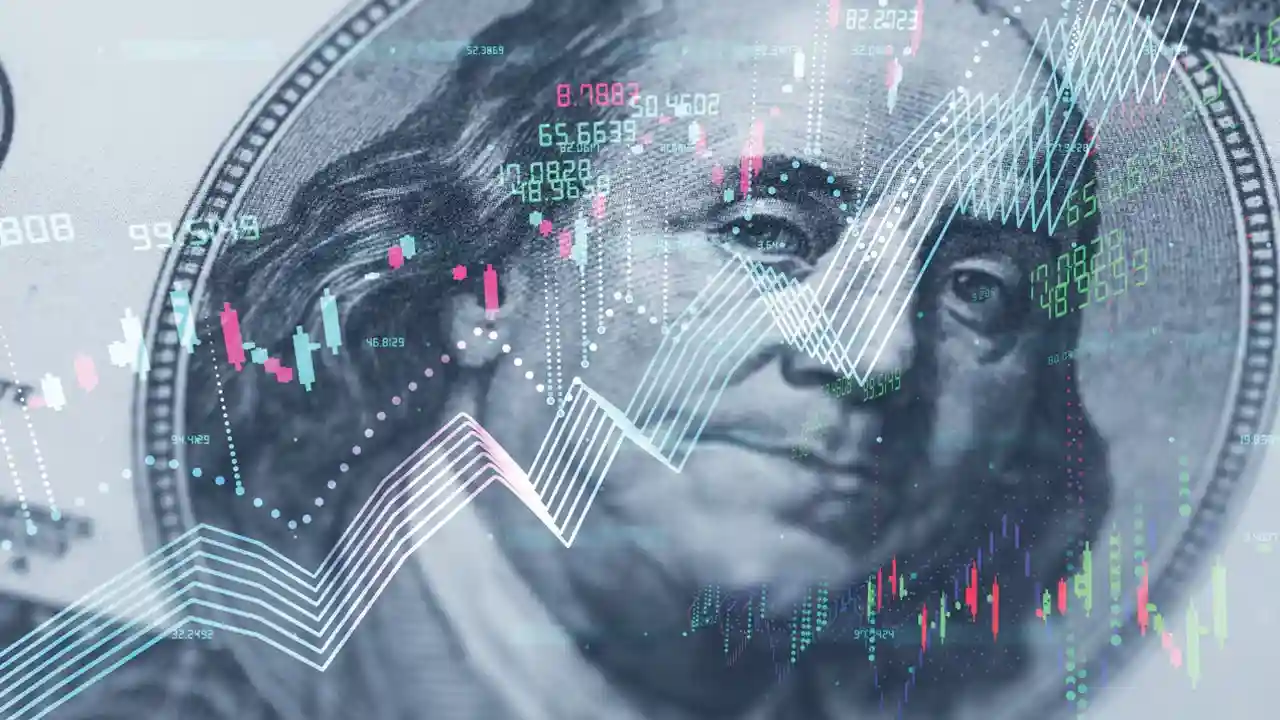
In afternoon trading in London, West Texas Intermediate crude rose by 5.1% to $65.43 per barrel, while North Sea Brent crude rose by 5% to $71.84 per barrel.
In morning trading in London, the price of North Sea Brent crude rose by 2.4% to $70.06 per barrel, while the price of West Texas Intermediate crude rose by 2.6% to $64.82 per barrel.
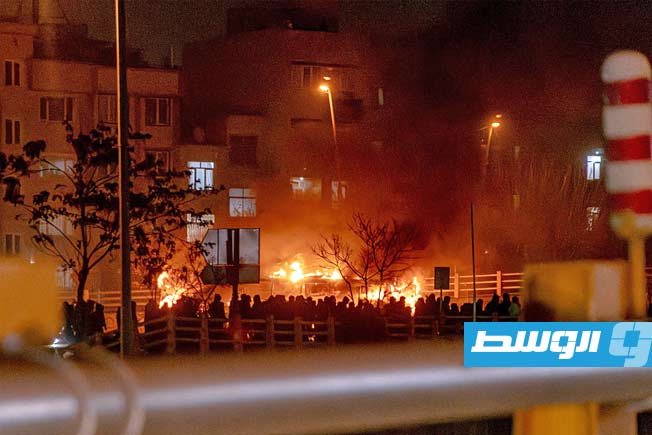
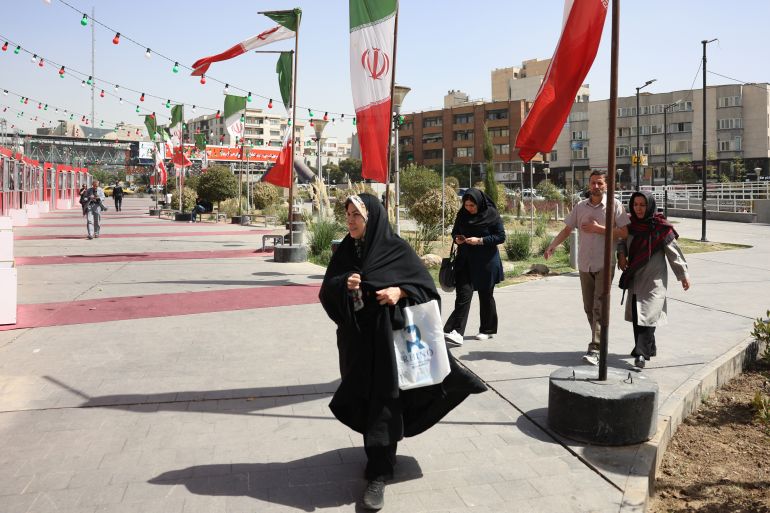
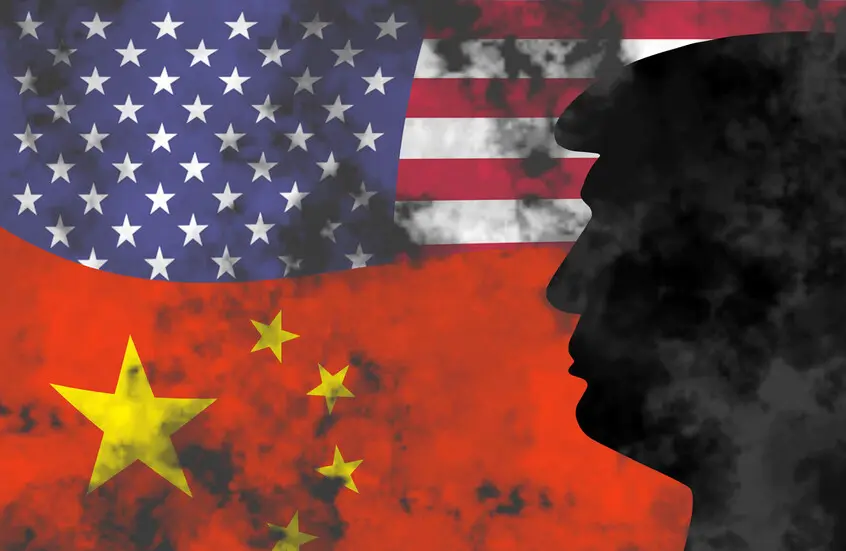
Tensions between Washington and Tehran have escalated in recent weeks against the backdrop of protests inside Iran. Trump had previously warned Tehran against continuing to “kill protesters,” hinting at the possibility of intervention, before indicating last week that Iran “wants to talk,” opening the door to a potential diplomatic path.
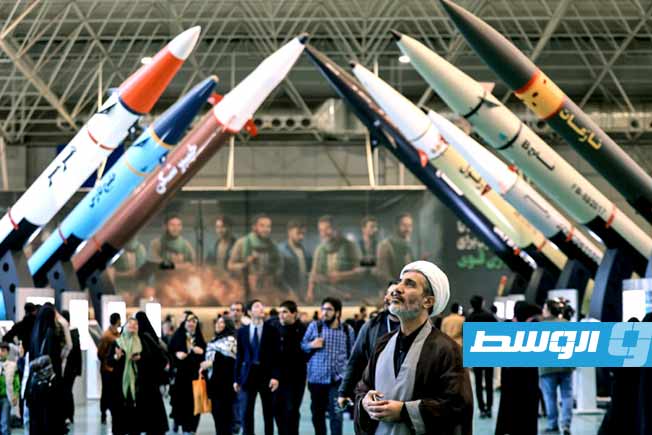
In response, Iran has escalated its rhetoric, warning that any U.S. attack would be met with a response that could destabilize the entire region.
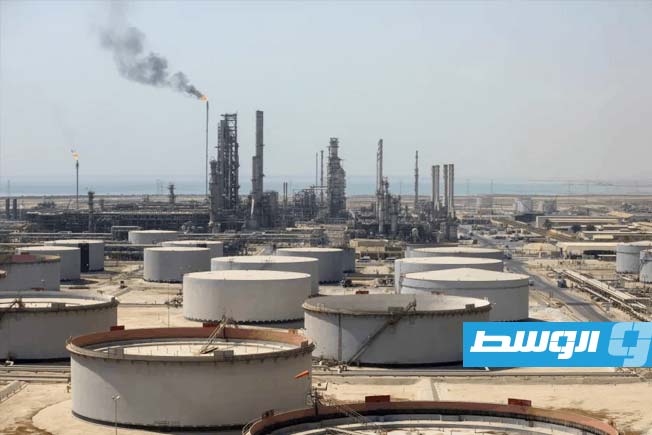
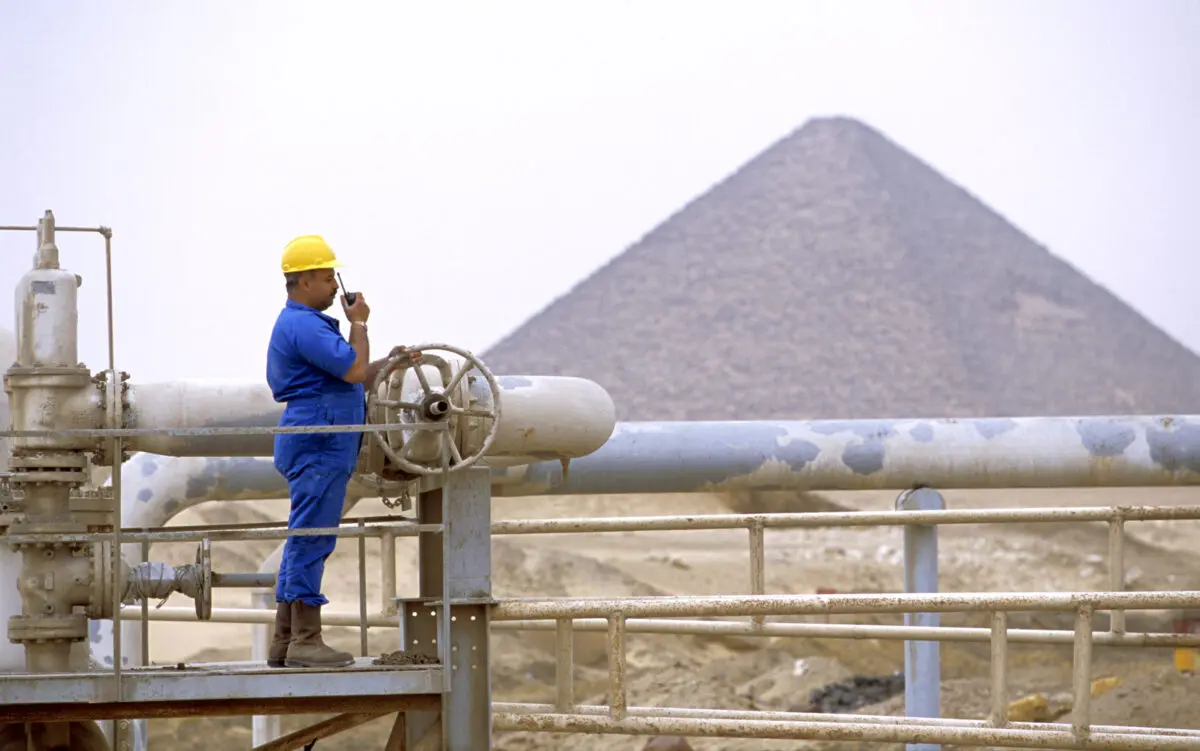
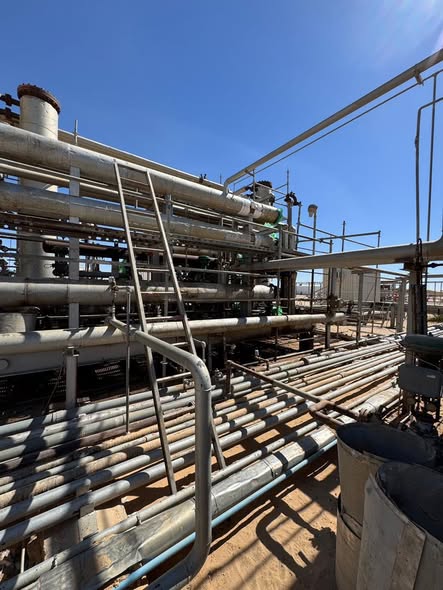
Oil
Oil is not a specific place or cultural site but a natural resource that has profoundly shaped global history and modern civilization. Its extraction and use, particularly since the 19th century, have driven industrial development, geopolitical conflicts, and economic transformations worldwide. Regions rich in oil reserves, such as the Middle East, have seen their cultural and political landscapes heavily influenced by its discovery and exploitation.
U.S.
The United States is a federal republic founded in 1776 after declaring independence from Great Britain. It expanded across North America to become a global superpower, with a history shaped by immigration, industrialization, and the ongoing pursuit of its democratic ideals.
Donald Trump
Donald Trump is a businessman and media personality who served as the 45th President of the United States from 2017 to 2021. His presidency was marked by significant political polarization and a focus on issues such as immigration reform, tax cuts, and deregulation.
Iran
Iran, historically known as Persia, is home to one of the world’s oldest continuous major civilizations, dating back to the Elamite kingdoms in the 4th millennium BCE. Its rich cultural heritage is exemplified by numerous UNESCO World Heritage sites, including the ancient ruins of Persepolis, the capital of the Achaemenid Empire founded in the 6th century BCE. The modern Islamic Republic was established in 1979 following a revolution that transformed the country from a monarchy into a theocratic state.
London
London is the capital of the United Kingdom, a major global city founded by the Romans as Londinium nearly 2,000 years ago. Its long history is reflected in landmarks like the Tower of London, Westminster Abbey, and the modern financial district, showcasing its evolution from a Roman settlement to a medieval powerhouse and a modern metropolis.
West Texas Intermediate crude
West Texas Intermediate (WTI) crude is a specific grade of crude oil used as a major global pricing benchmark. It originated from oil fields in Texas and the surrounding U.S. region, historically prized for its relatively low density and sulfur content, which makes it easier to refine. Its pricing point is physically based at the pipeline hub in Cushing, Oklahoma.
North Sea Brent crude
North Sea Brent crude is a major classification of sweet light crude oil that serves as a key global pricing benchmark. It is sourced from the Brent oil field in the North Sea, which began production in 1976 and is located between the Shetland Islands and Norway.
Washington
Washington, D.C., is the capital city of the United States, founded in 1790 following the ratification of the U.S. Constitution. It was established as a federal district through the Residence Act and named after the first U.S. president, George Washington, with its core design influenced by architect Pierre Charles L’Enfant. The city is home to iconic national monuments, museums, and the branches of the U.S. government.
Tehran
Tehran is the capital and largest city of Iran, officially becoming the national capital in 1796 under the Qajar dynasty. It is a major economic and cultural center, home to significant sites like the Golestan Palace, a UNESCO World Heritage site from the 19th century.