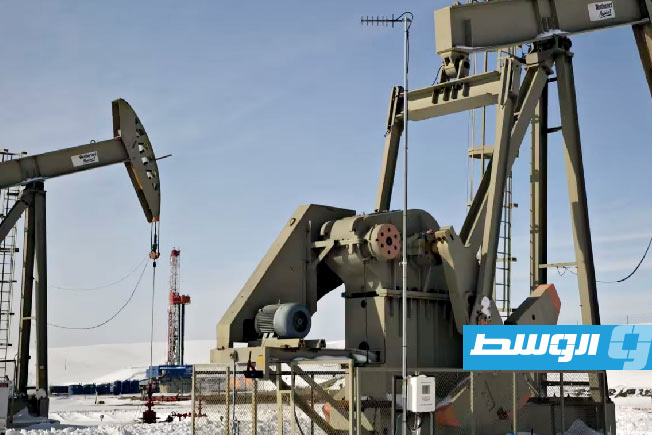
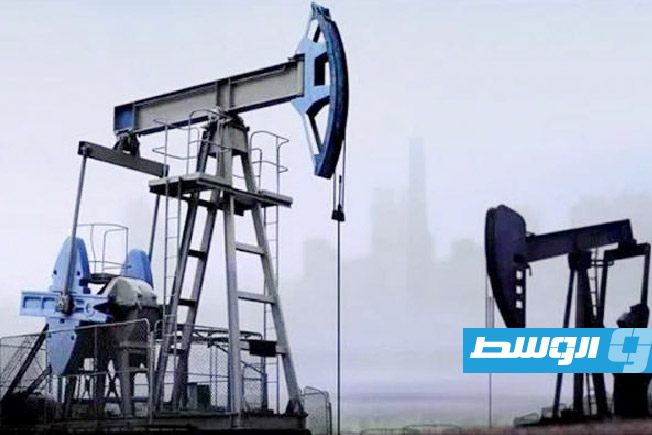
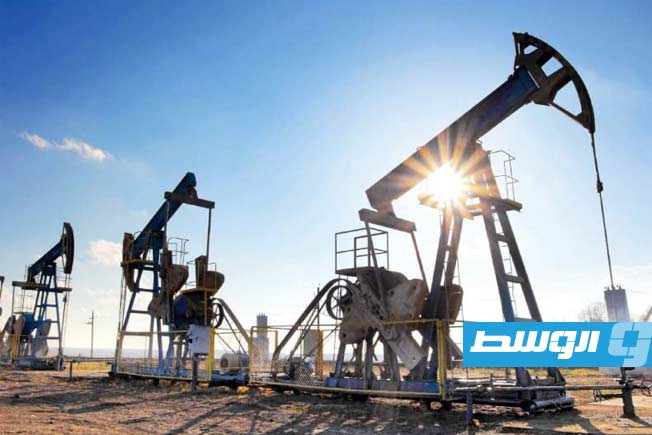
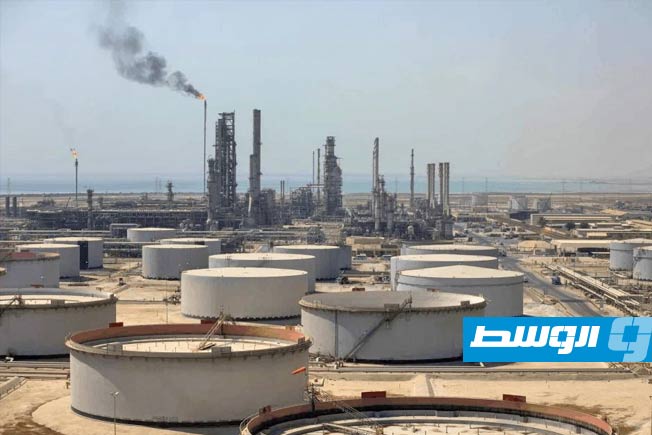
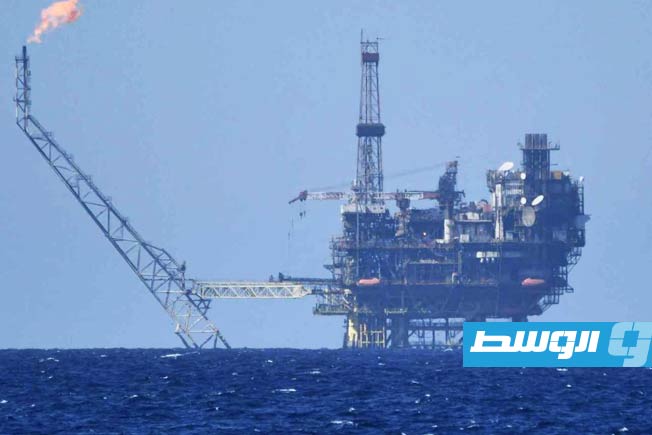
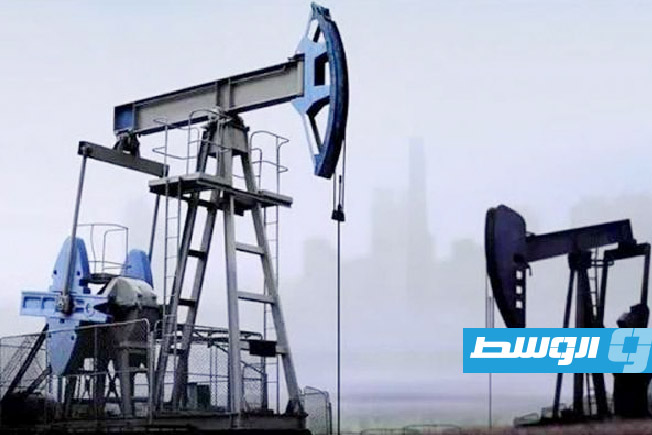
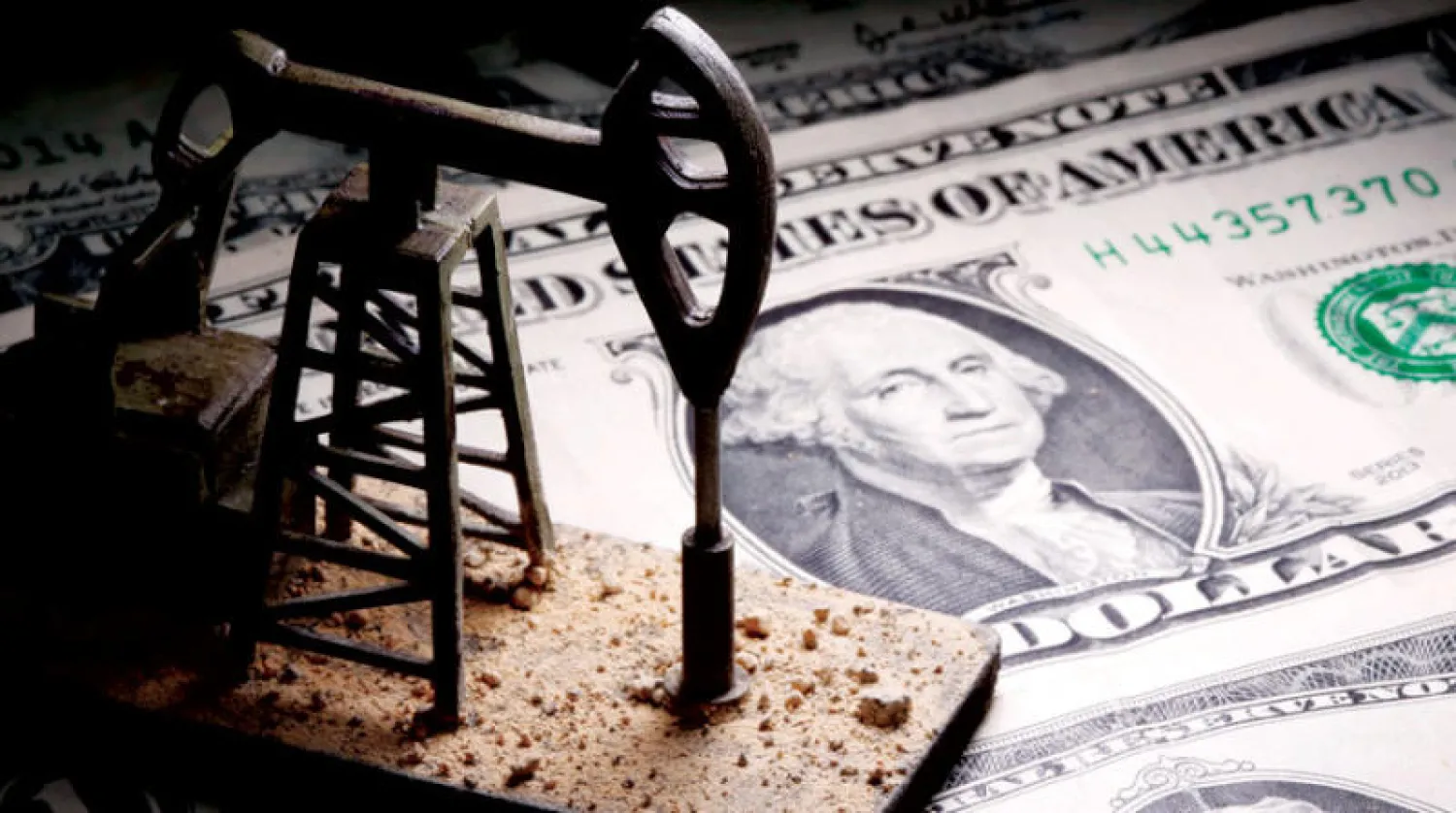
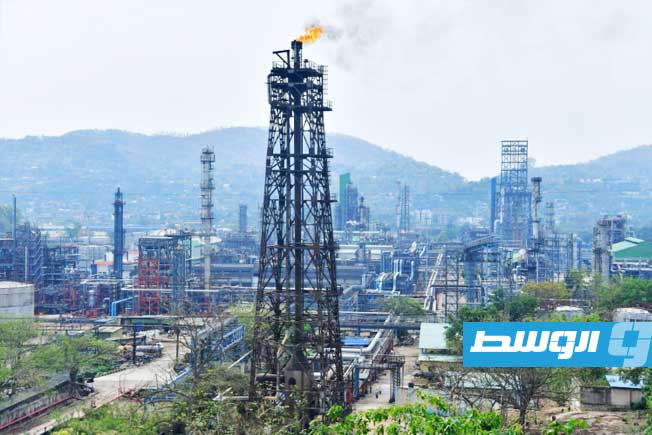
Oil prices declined slightly on Tuesday, as traders monitored the potential for supply disruptions after U.S. guidance for vessels transiting the Strait of Hormuz kept attention focused on tensions between Washington and Tehran.
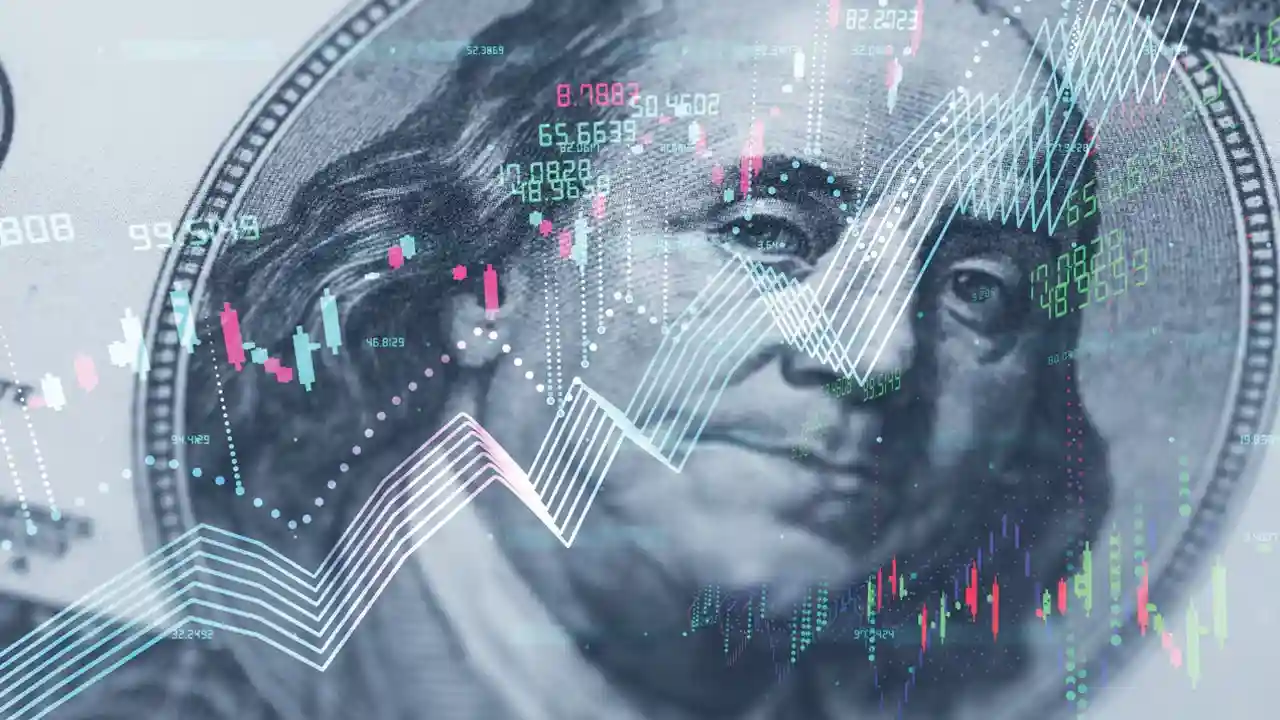
Brent crude futures fell by 18 cents, or 0.26%, to $68.85 per barrel, while U.S. West Texas Intermediate crude contracts lost 21 cents, or 0.33%, recording $64.15 per barrel.
Price increase in the previous session
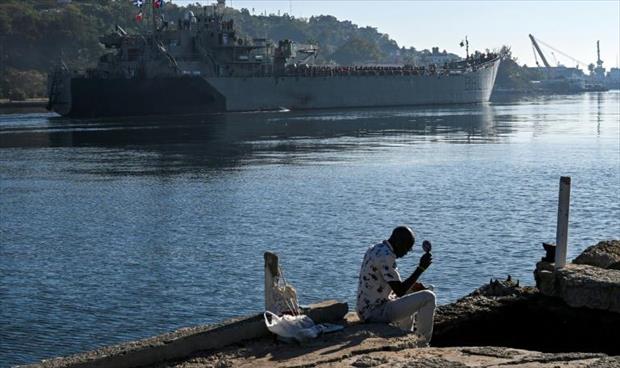
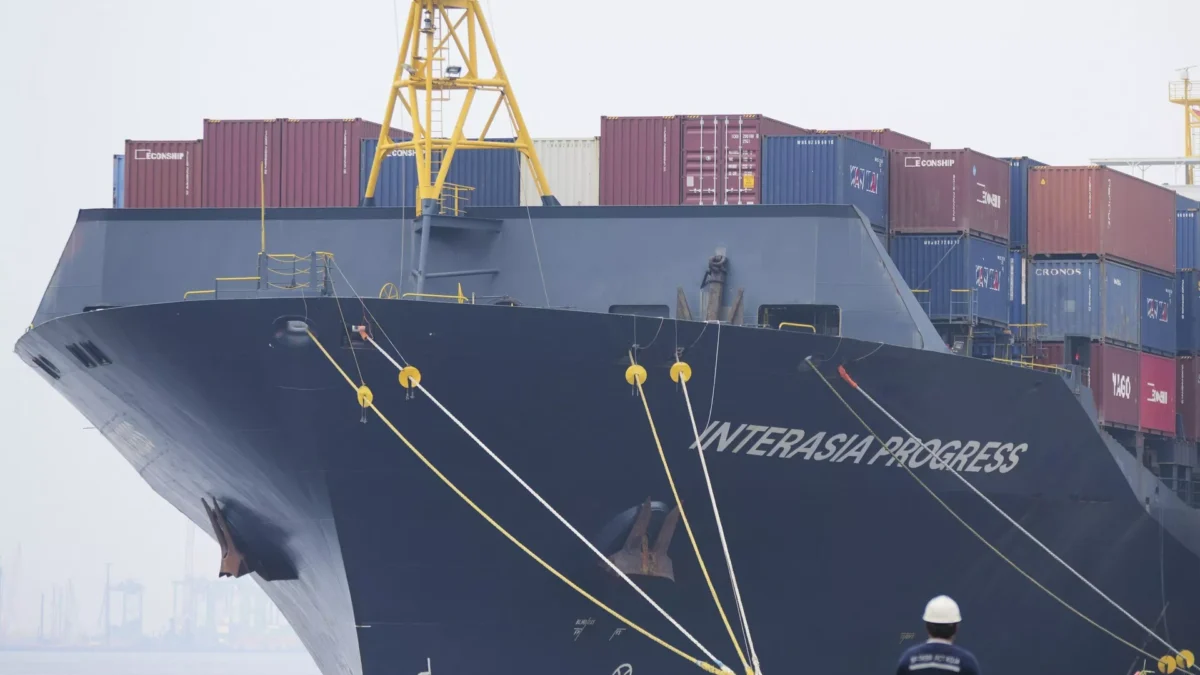
This comes after prices rose by more than 1% on Monday, when the U.S. Department of Transportation’s Maritime Administration advised U.S.-flagged commercial vessels to stay as far away as possible from Iranian territorial waters and to verbally refuse permission for Iranian forces to board if requested.
Approximately one-fifth of the world’s consumed oil passes through the Strait of Hormuz between Oman and Iran, making any escalation in the region a significant risk to global oil supplies.
Strait of Hormuz
The Strait of Hormuz is a strategically vital maritime chokepoint connecting the Persian Gulf with the Gulf of Oman and the wider Indian Ocean. Historically, it has been a key trade route for centuries and remains critically important today for the global transit of oil and natural gas. Its geopolitical significance has made it a focal point of international tension and naval presence throughout modern history.
U.S.
The United States of America is a federal republic founded in 1776 following its Declaration of Independence from Great Britain. It established a constitutional government in 1789 and expanded across North America, becoming a global superpower in the 20th century.
Washington
Washington, D.C., is the capital city of the United States, founded in 1790 following the ratification of the U.S. Constitution. It was established as a federal district through the Residence Act and named after the first U.S. president, George Washington, with its core design influenced by architect Pierre Charles L’Enfant. The city is home to iconic national monuments, museums, and the branches of the U.S. government.
Tehran
Tehran is the capital and largest city of Iran, officially becoming the capital in 1786 under the Qajar dynasty. It serves as the country’s political, economic, and cultural center, home to significant sites like the Golestan Palace, a former Qajar royal residence and a UNESCO World Heritage Site.
Iran
Iran, historically known as Persia, is home to one of the world’s oldest continuous civilizations, with a rich cultural history spanning thousands of years. It is renowned for its significant contributions to art, science, and literature, as well as for iconic sites like Persepolis, the ancient ceremonial capital of the Achaemenid Empire. Today, Iran is an Islamic Republic with a unique cultural identity deeply rooted in both its pre-Islamic and Islamic heritage.
Oman
Oman is a country on the southeastern coast of the Arabian Peninsula with a rich maritime history as a powerful trading empire. Its historical and cultural identity is deeply tied to its role in the frankincense trade and its legacy of seafaring, with landmarks like the Bahla Fort and the ancient port of Sohar reflecting this past. Today, it is known for its distinct architecture, traditional souqs, and the modern renaissance initiated under the late Sultan Qaboos bin Said.