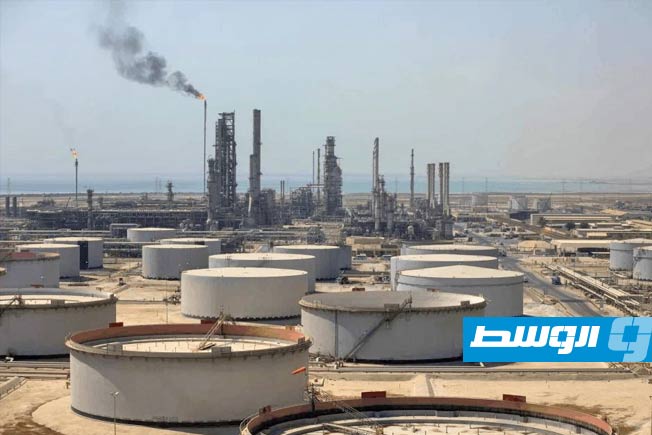
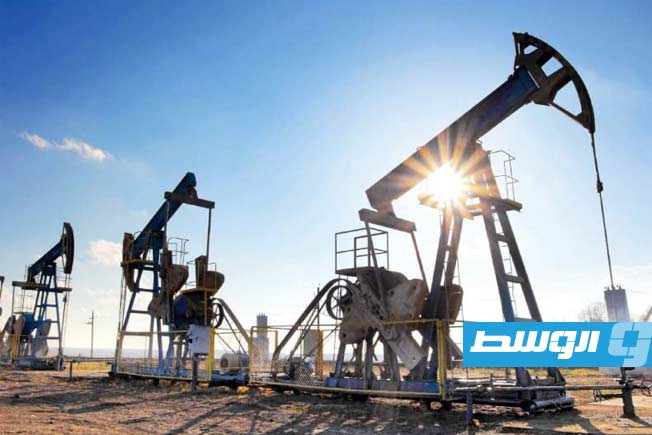
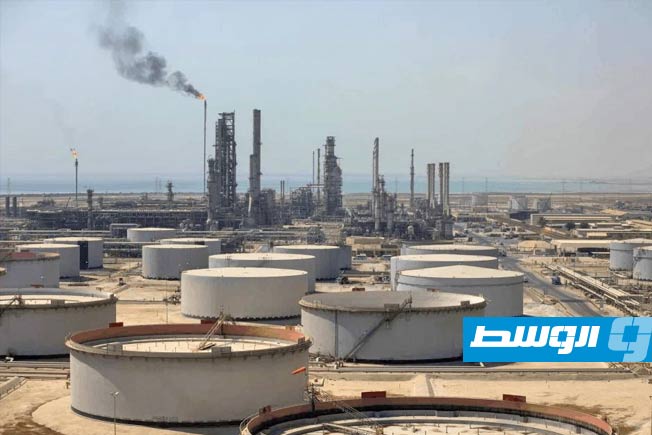
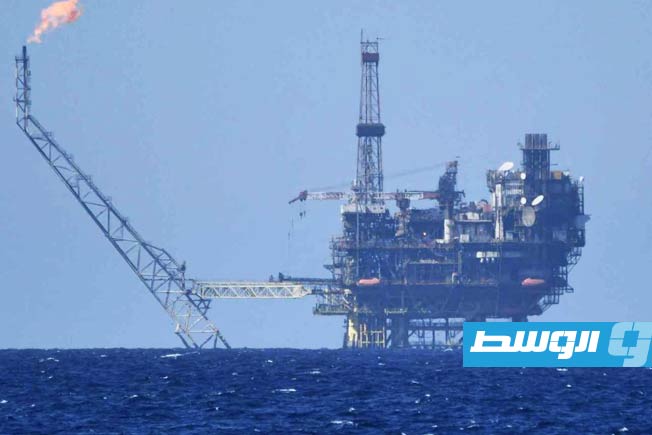
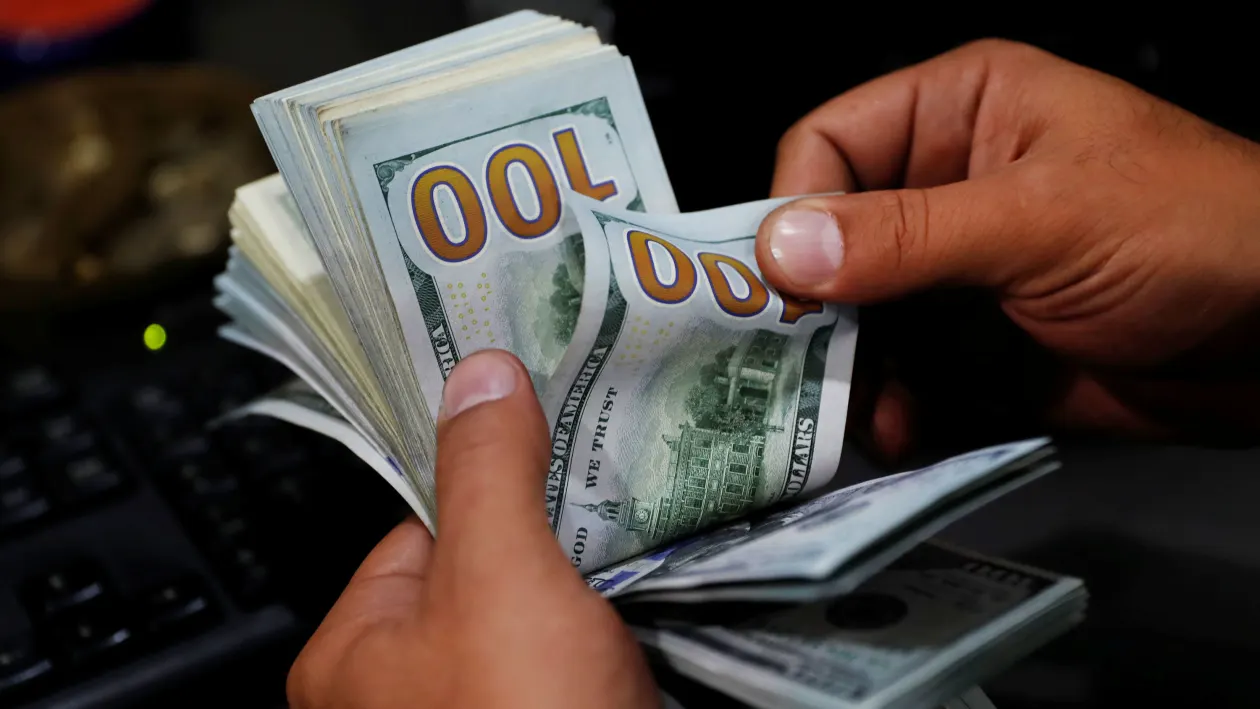
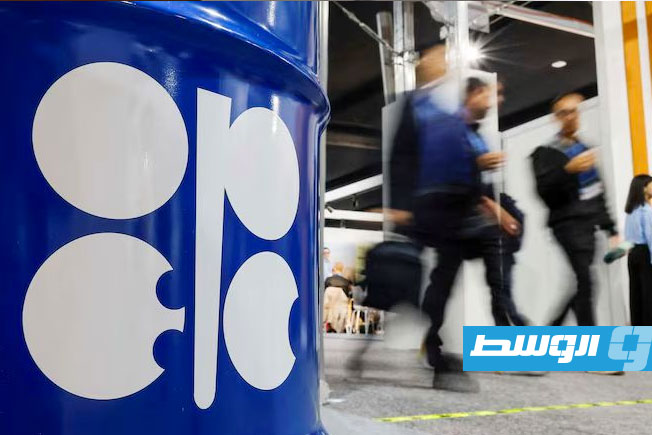
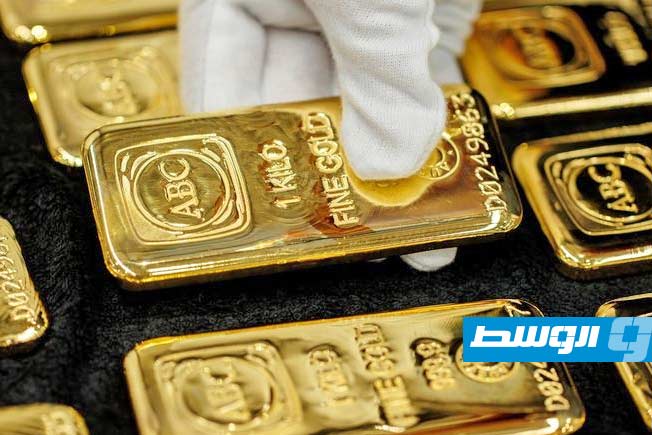
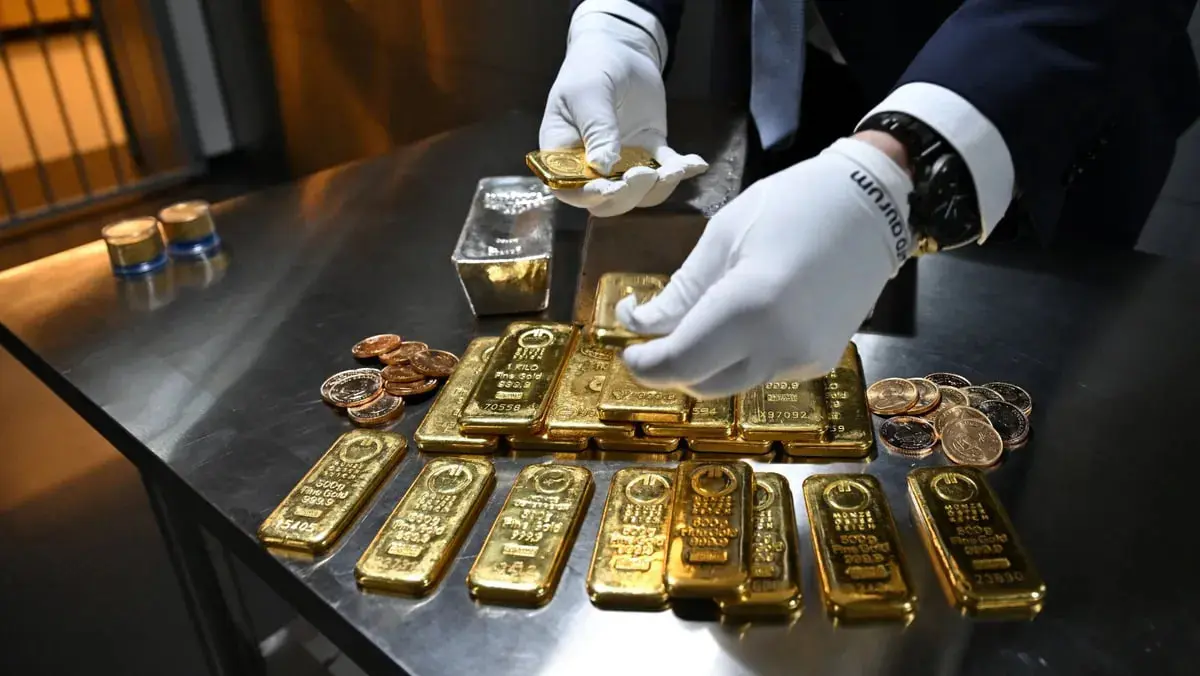
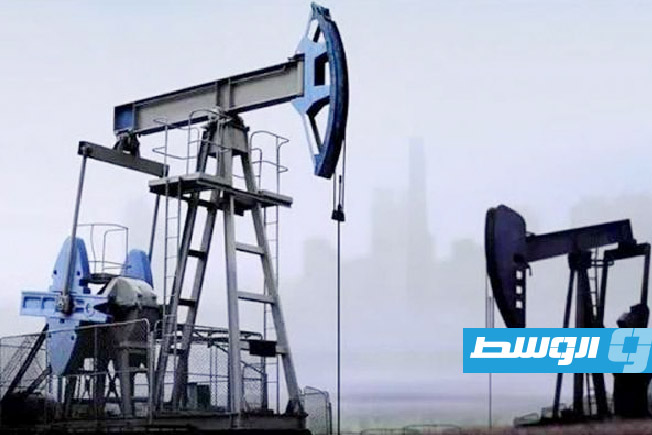
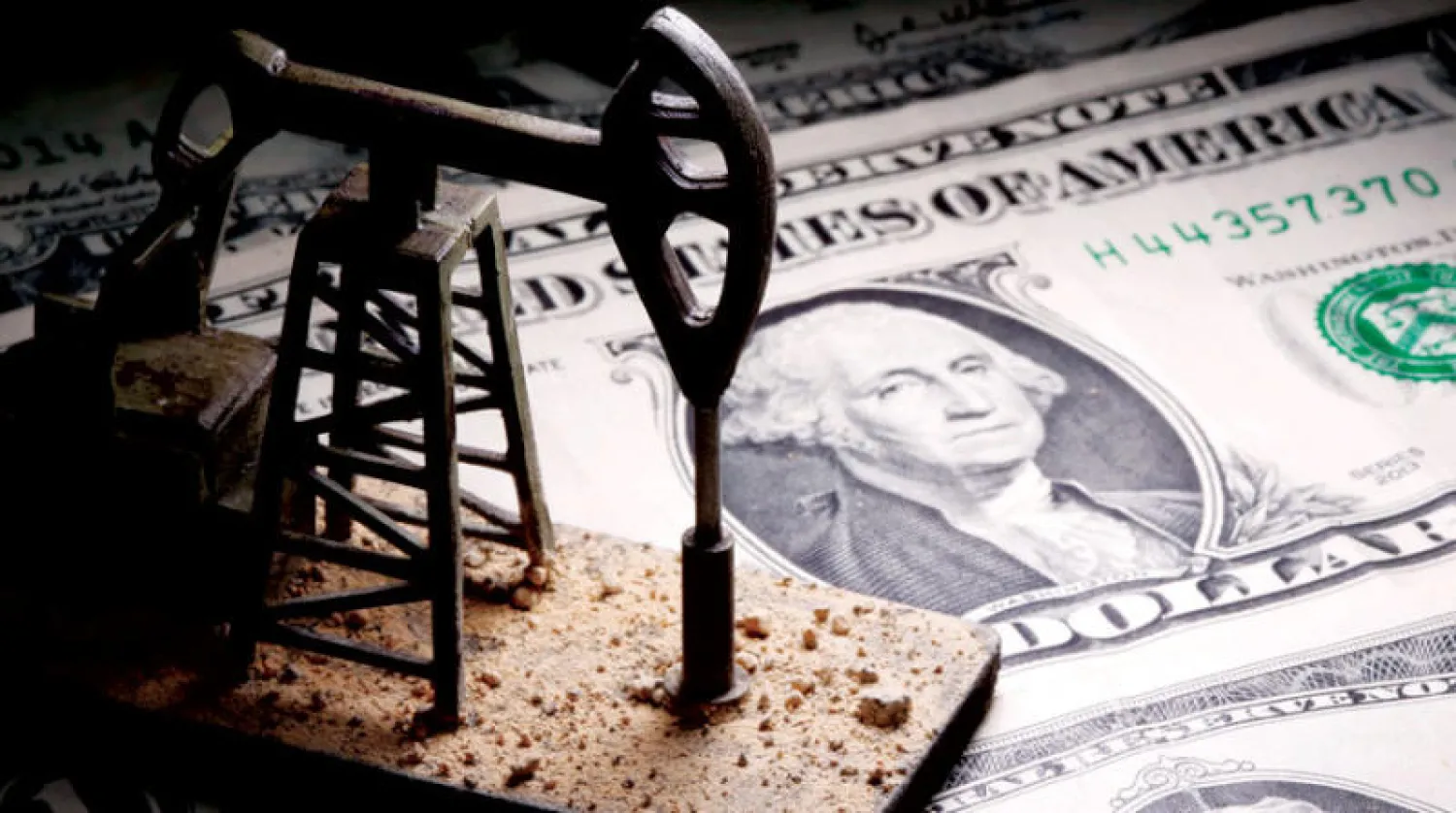
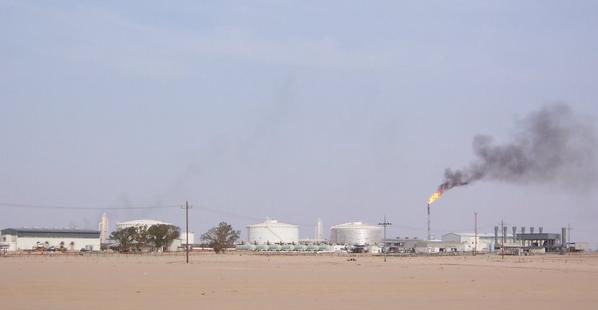
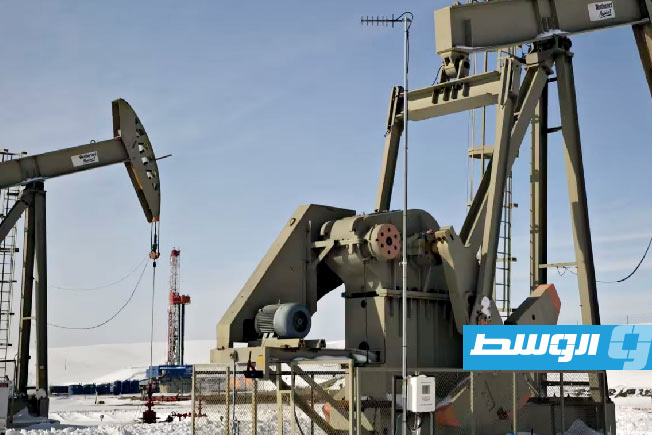
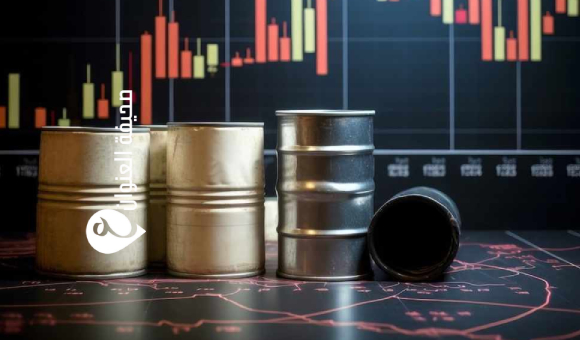
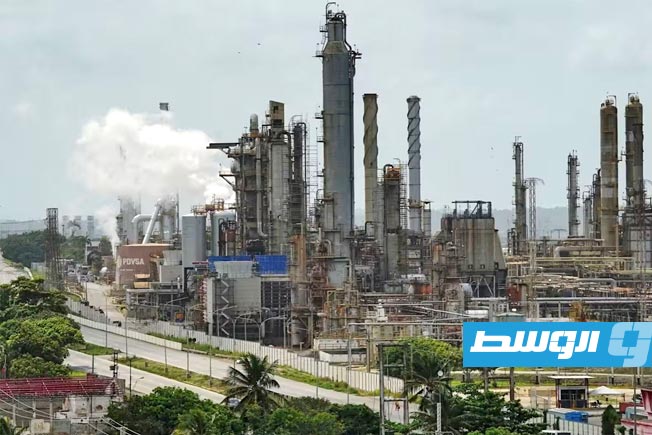
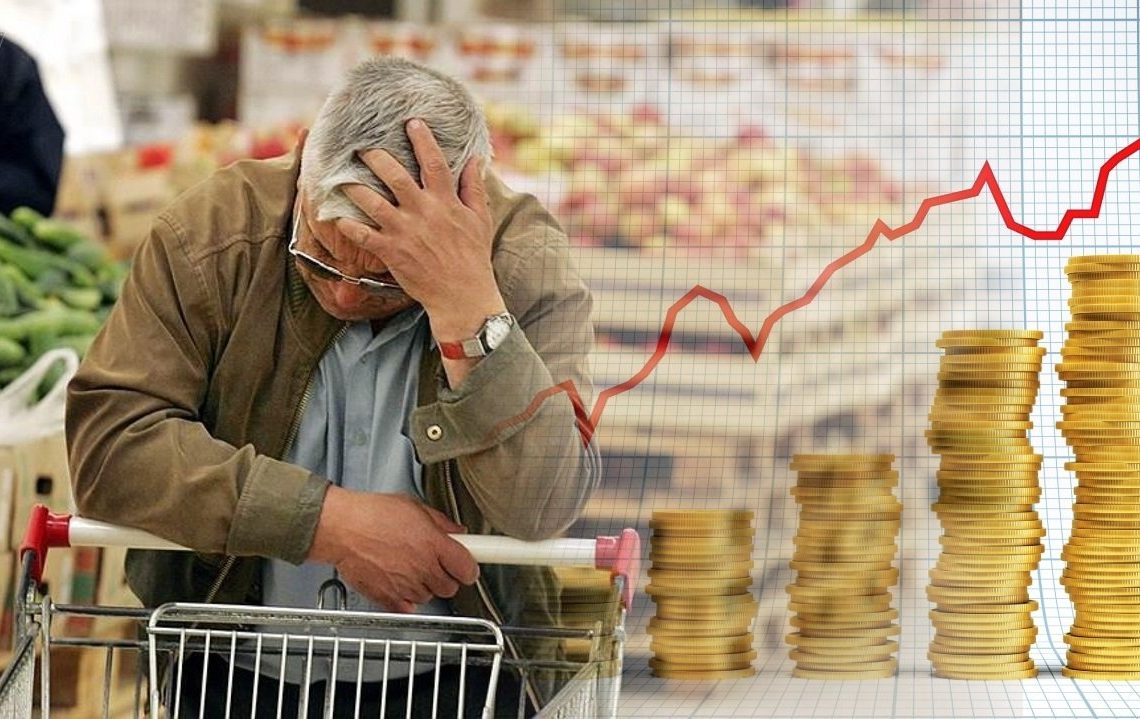
Oil prices fell by about 2% to their lowest level in two weeks, as hopes grew for a de-escalation of tensions between the United States and Iran. This followed an announcement by the Iranian Foreign Minister regarding reaching an understanding on the main “guiding principles” for nuclear talks between the two countries.
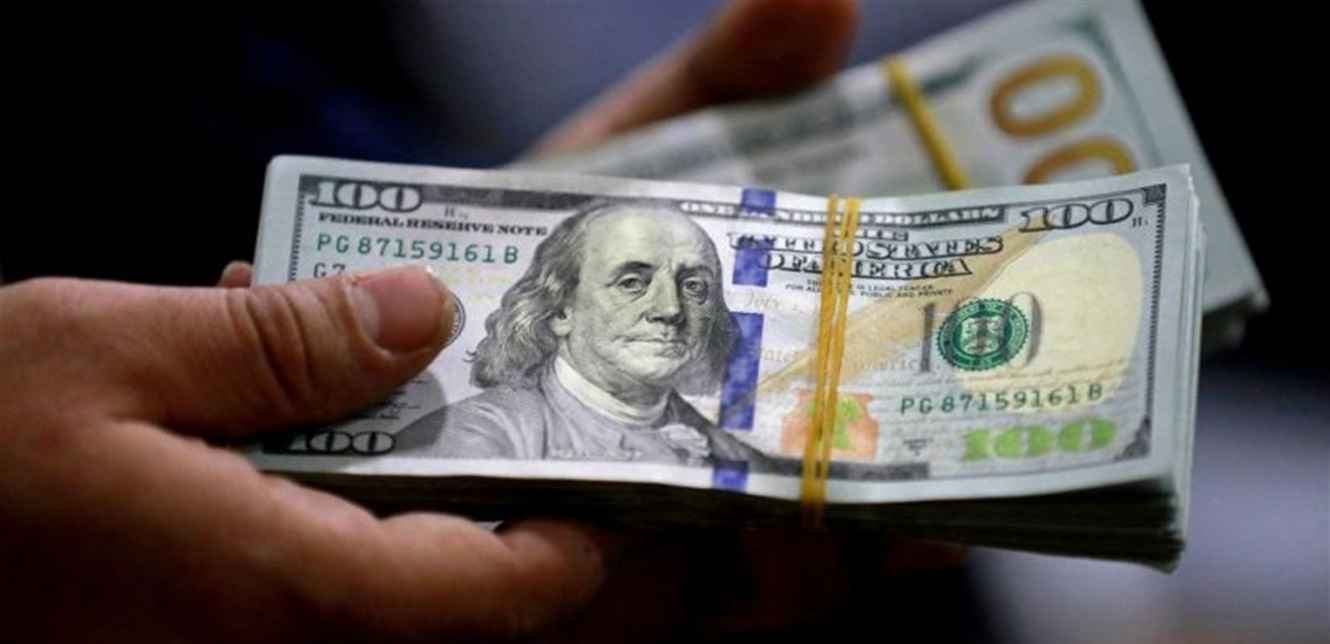
Brent crude futures fell by $1.23, or 1.8%, to close at $67.42 per barrel. U.S. West Texas Intermediate crude fell by 56 cents, or 0.9%, to close at $62.33 per barrel.
Understanding on “Guiding Principles”
The Iranian Foreign Minister stated that Tehran and Washington reached an understanding on the basic “guiding principles” during a second round of indirect talks in Geneva concerning the nuclear dispute. However, he stressed that this does not mean a final agreement is imminent.
Investors are closely watching developments in U.S.-Iranian relations, as any escalation could push Iran to close the Strait of Hormuz. Approximately one-fifth of global oil consumption passes through this strait between Oman and Iran, making any disruption there a significant threat to global energy supplies.
United States
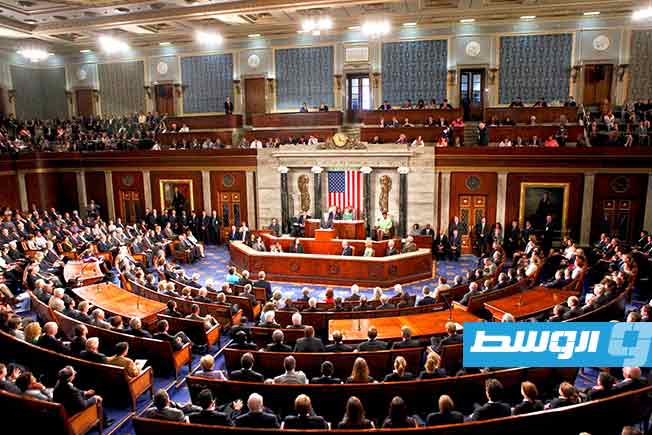
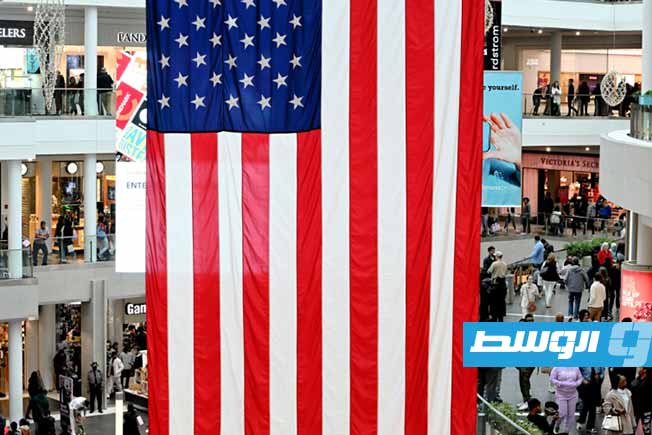
The United States is a federal republic founded in 1776 after declaring independence from Great Britain, with its modern government established by the Constitution in 1789. Its history encompasses westward expansion, the Civil War, industrialization, and its emergence as a global superpower in the 20th century. The nation is defined by its diverse cultural heritage, democratic institutions, and significant global influence across political, economic, and cultural spheres.
Iran
Iran, historically known as Persia, is home to one of the world’s oldest continuous civilizations, with a recorded history spanning thousands of years. Its rich cultural heritage is exemplified by numerous UNESCO World Heritage sites, including the ancient ruins of Persepolis, which was the ceremonial capital of the Achaemenid Empire founded in the 6th century BCE. Modern Iran is an Islamic republic established after the 1979 revolution, blending its deep historical identity with contemporary political and religious structures.
America
The United States of America is a federal republic founded in 1776 after declaring independence from Great Britain. Its history spans from indigenous civilizations and European colonization through westward expansion, the Civil War, and its emergence as a global superpower in the 20th century.
Geneva
Geneva is a major global city in Switzerland, historically known as a center for the Protestant Reformation under John Calvin in the 16th century. It is now a key hub for international diplomacy, hosting numerous United Nations agencies and the Red Cross.
Strait of Hormuz
The Strait of Hormuz is a strategically vital maritime chokepoint connecting the Persian Gulf with the Gulf of Oman and the wider Indian Ocean. Historically, it has been a key trade route for centuries and remains critically important today for the global transit of oil and natural gas. Its geopolitical significance has led to periods of tension and conflict, particularly in the late 20th and early 21st centuries.
Oman
Oman is a nation on the southeastern coast of the Arabian Peninsula with a rich maritime history as a powerful trading empire. Its historical significance is deeply tied to the frankincense trade, and it is home to several UNESCO World Heritage Sites, including the ancient Land of Frankincense and the impressive Bahla Fort. The country is known for its distinct cultural traditions, stunning desert and mountain landscapes, and its modern capital, Muscat.