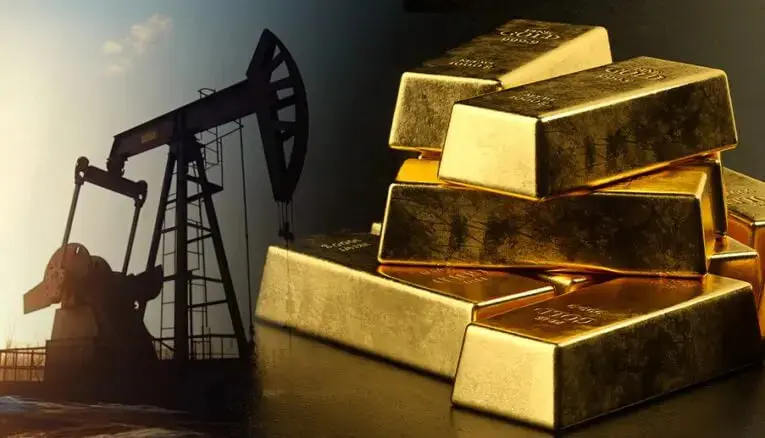
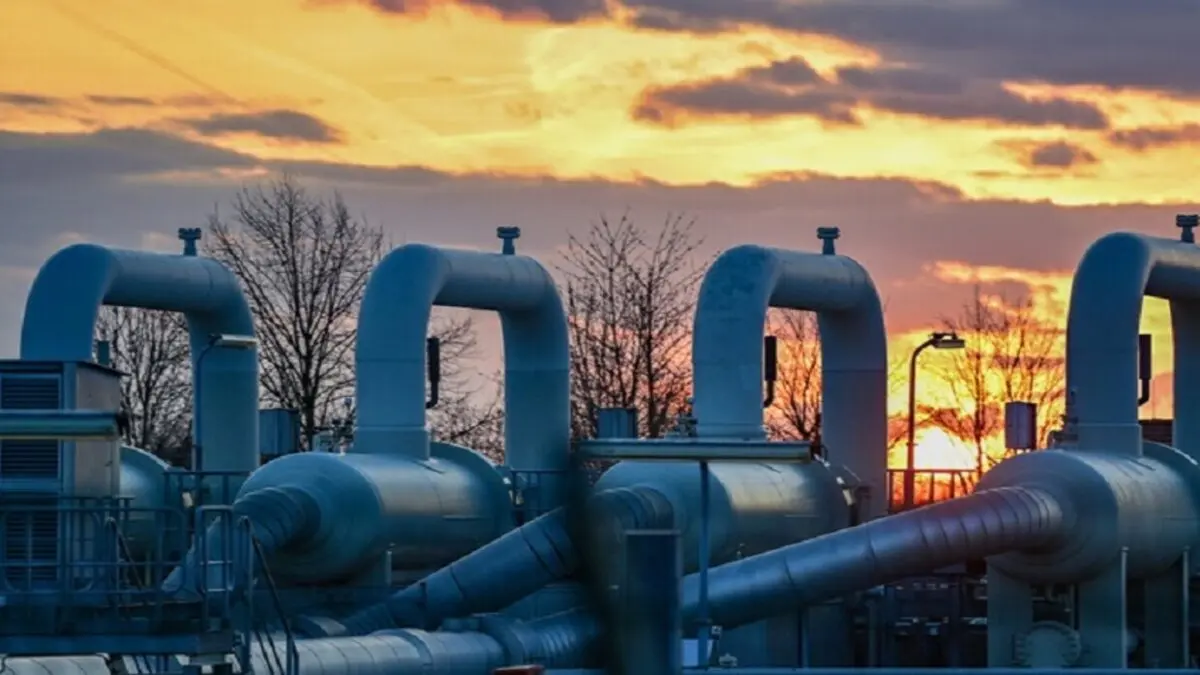
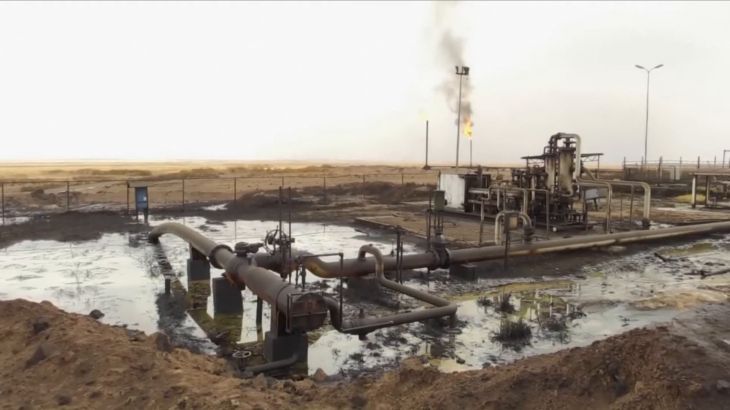
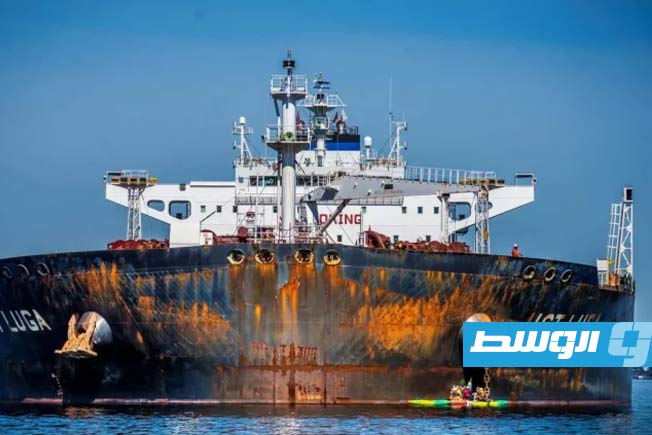
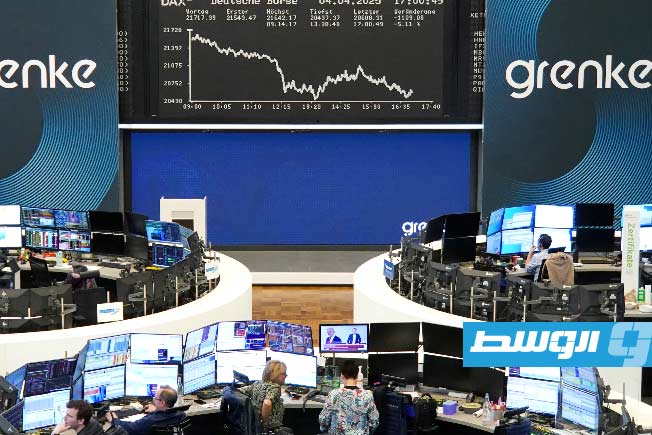
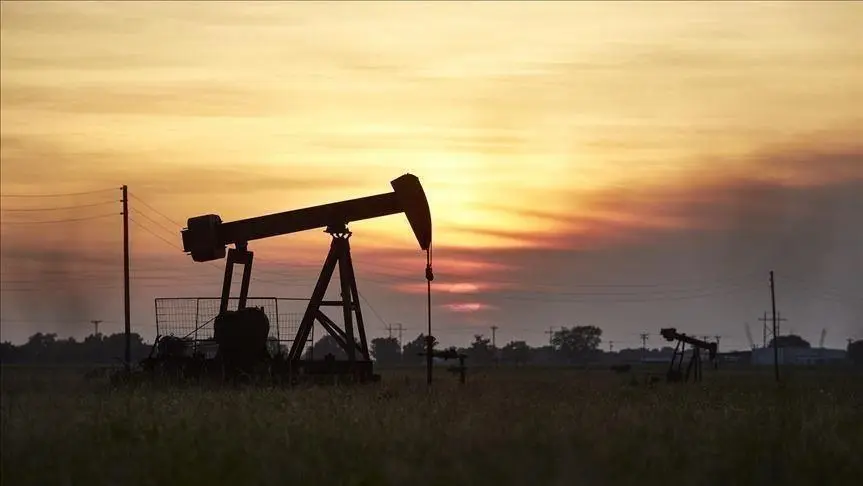
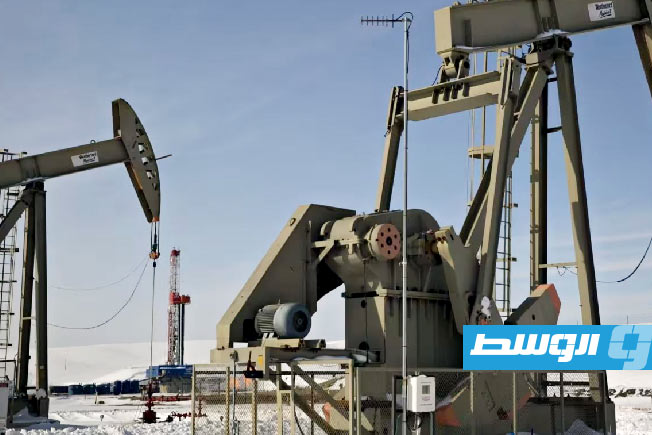
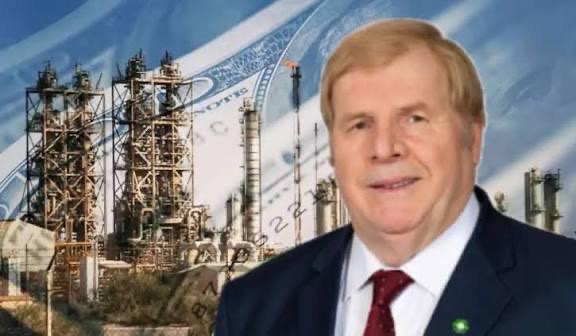
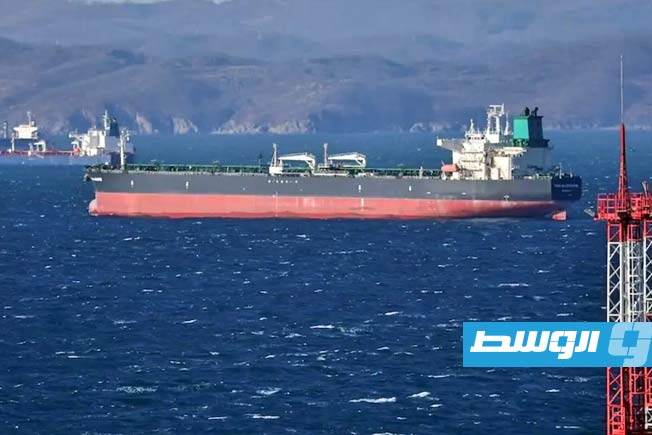
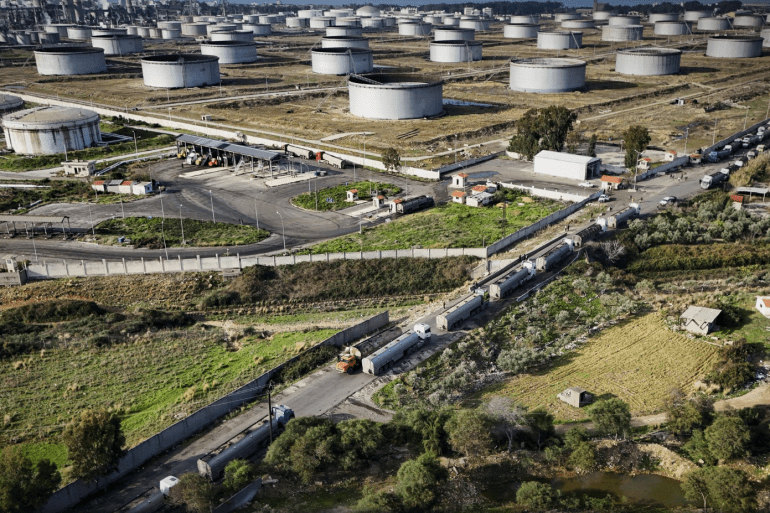
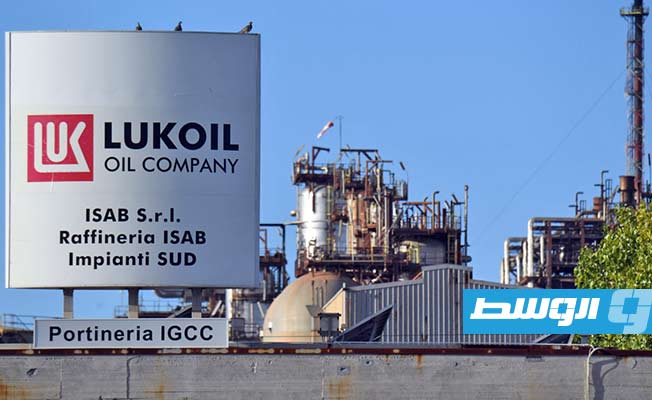
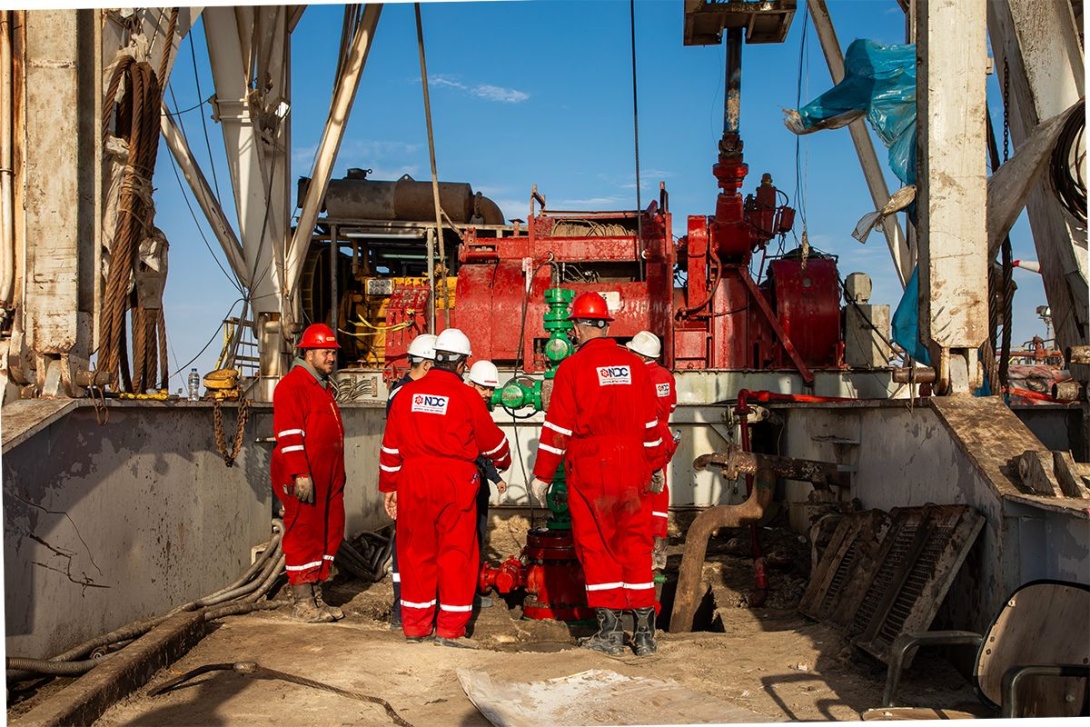
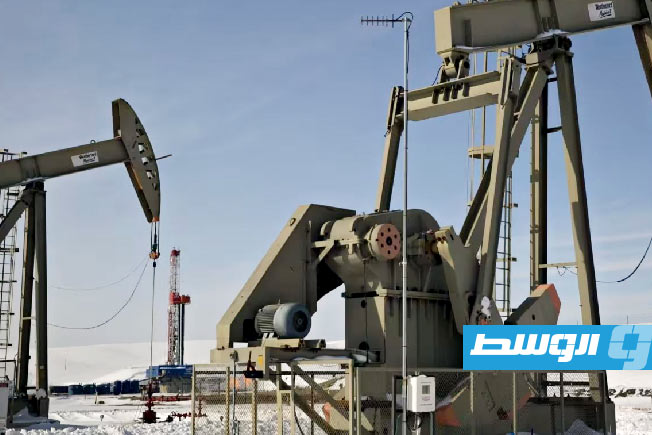
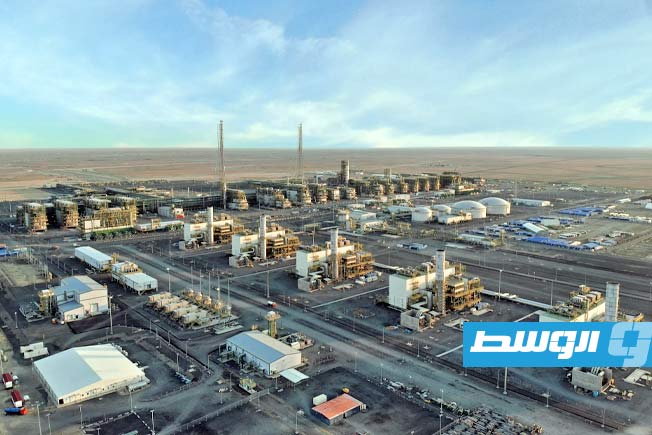
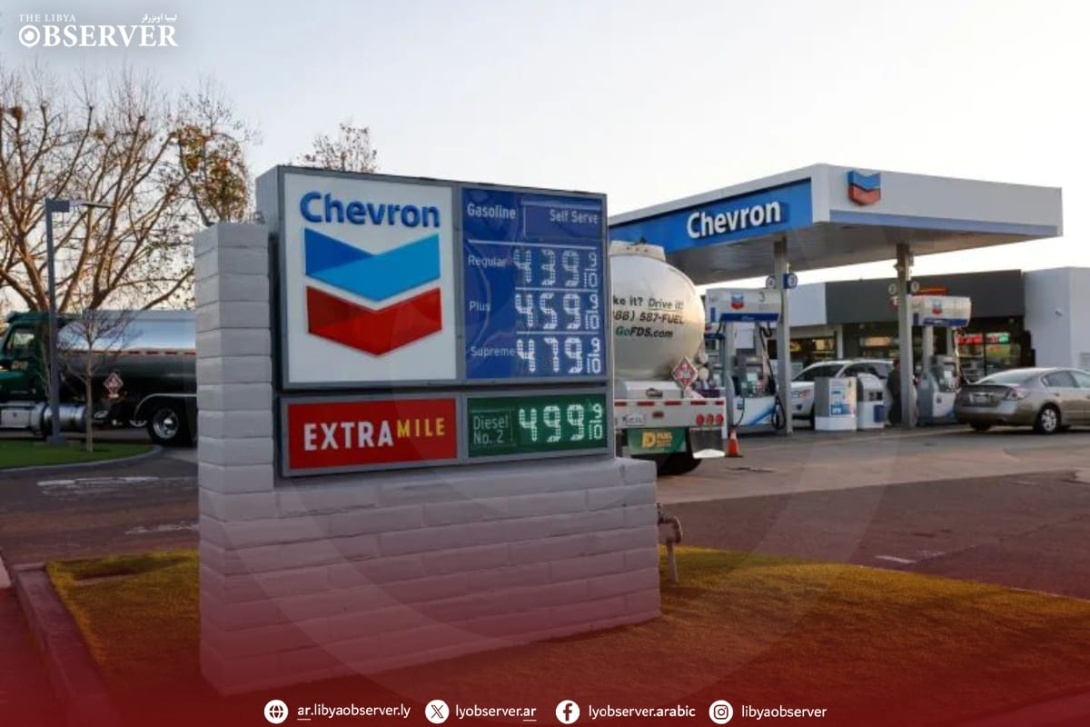
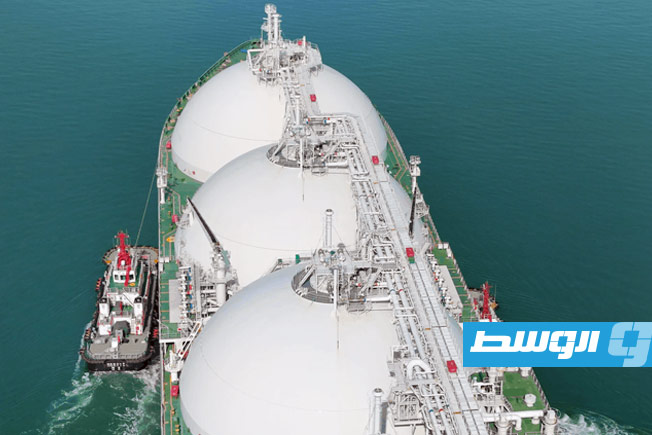
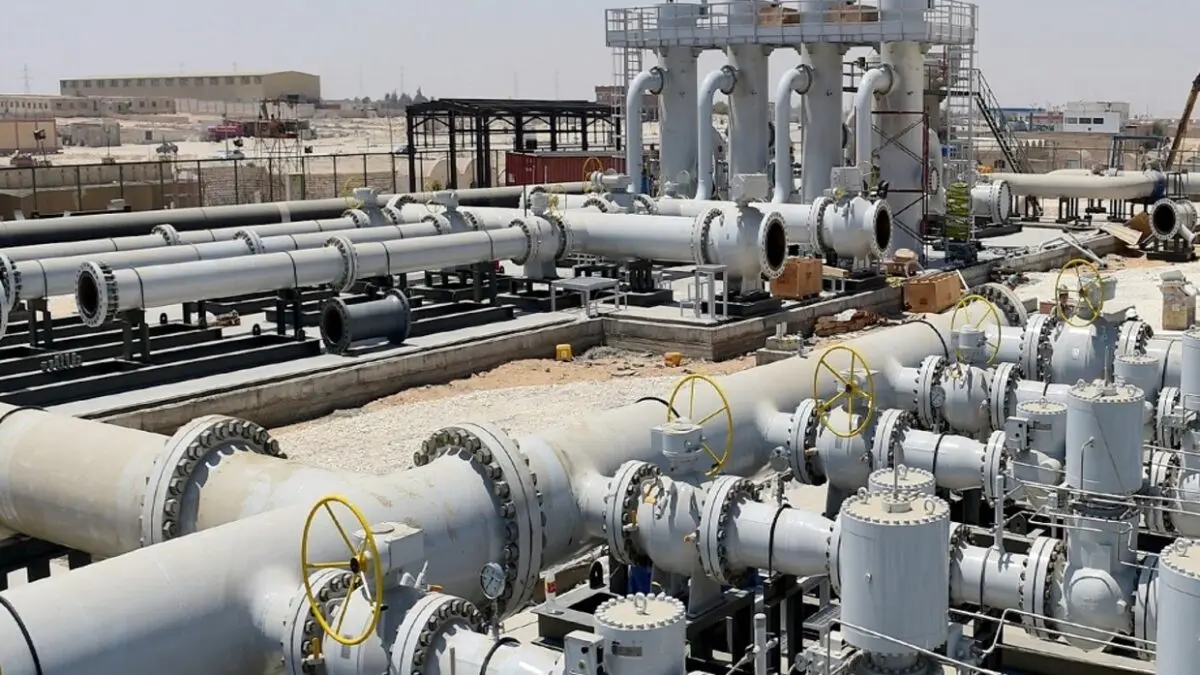
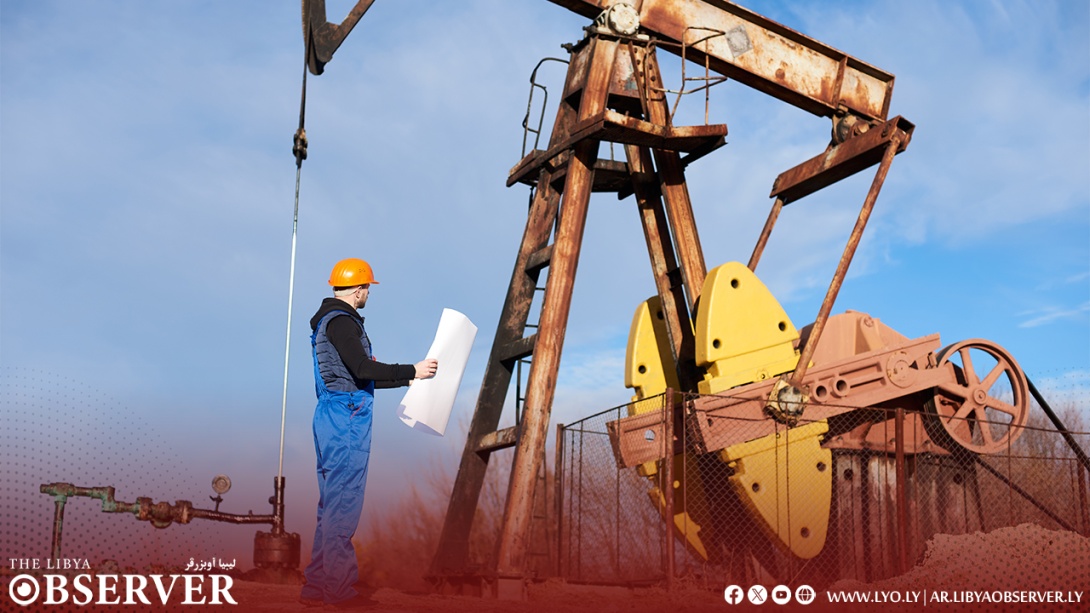
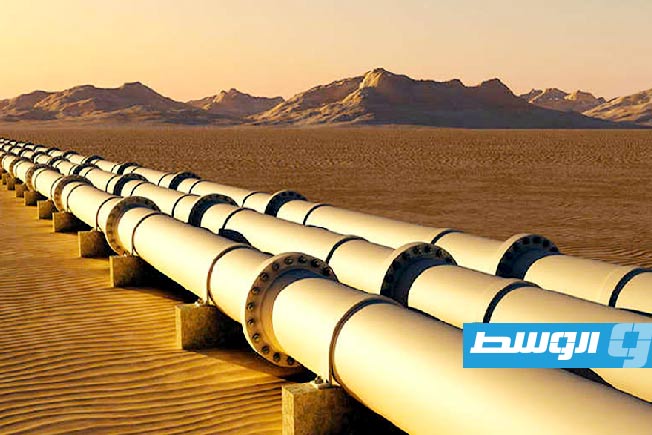
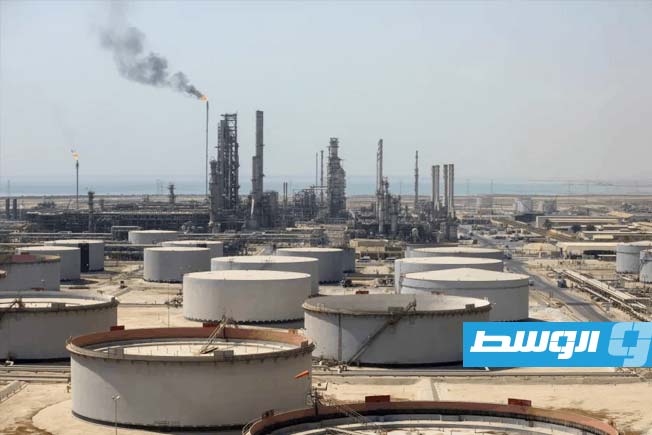
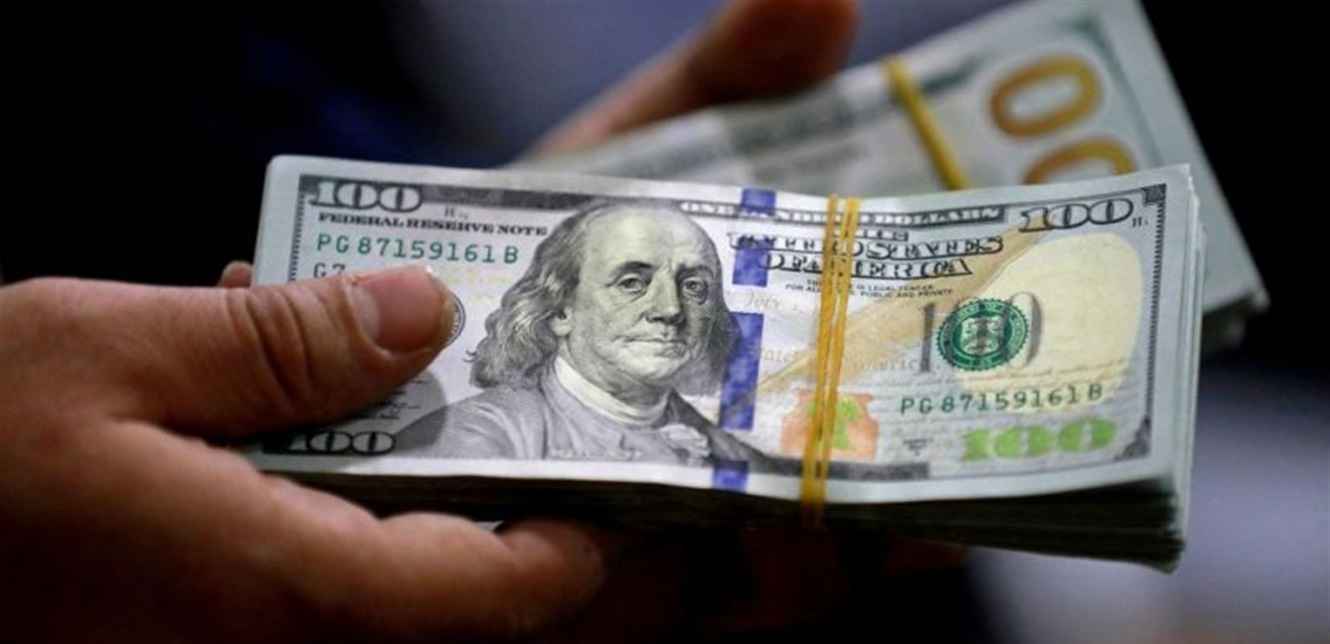
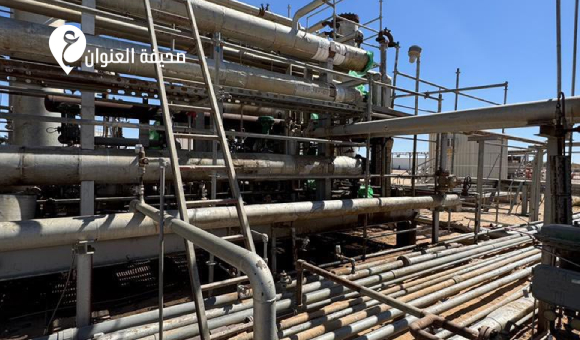
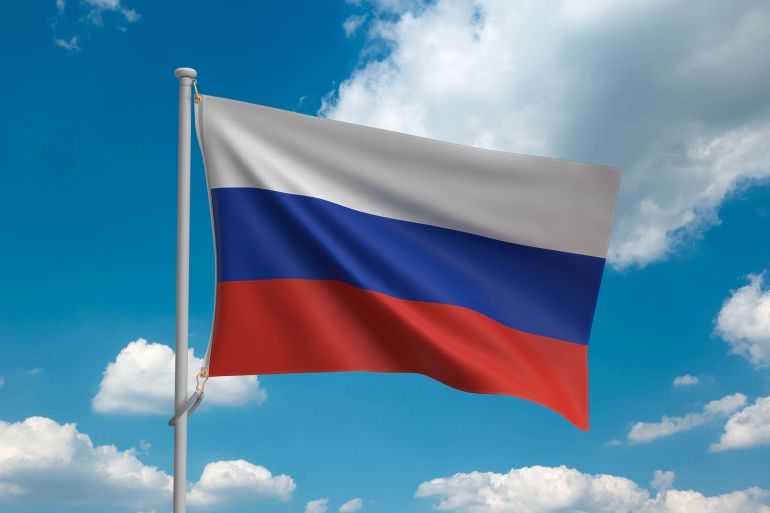
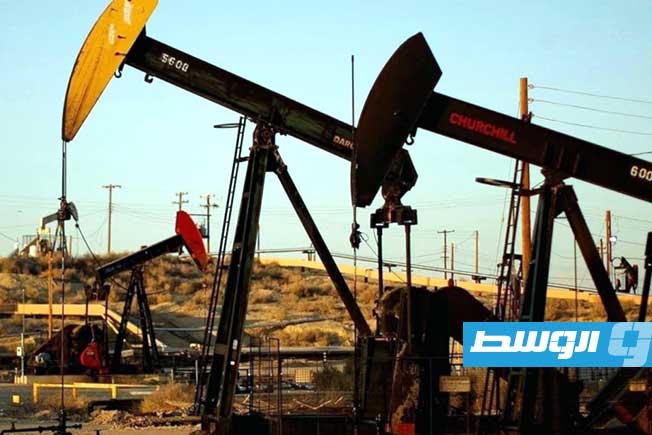
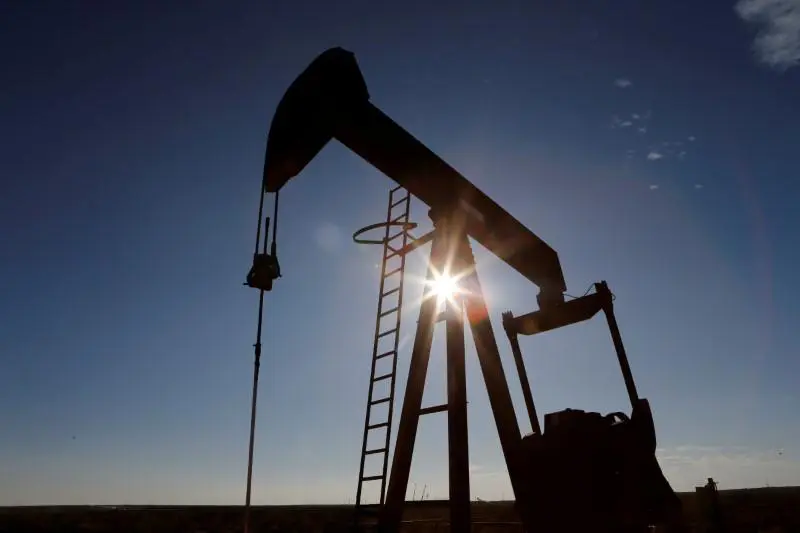
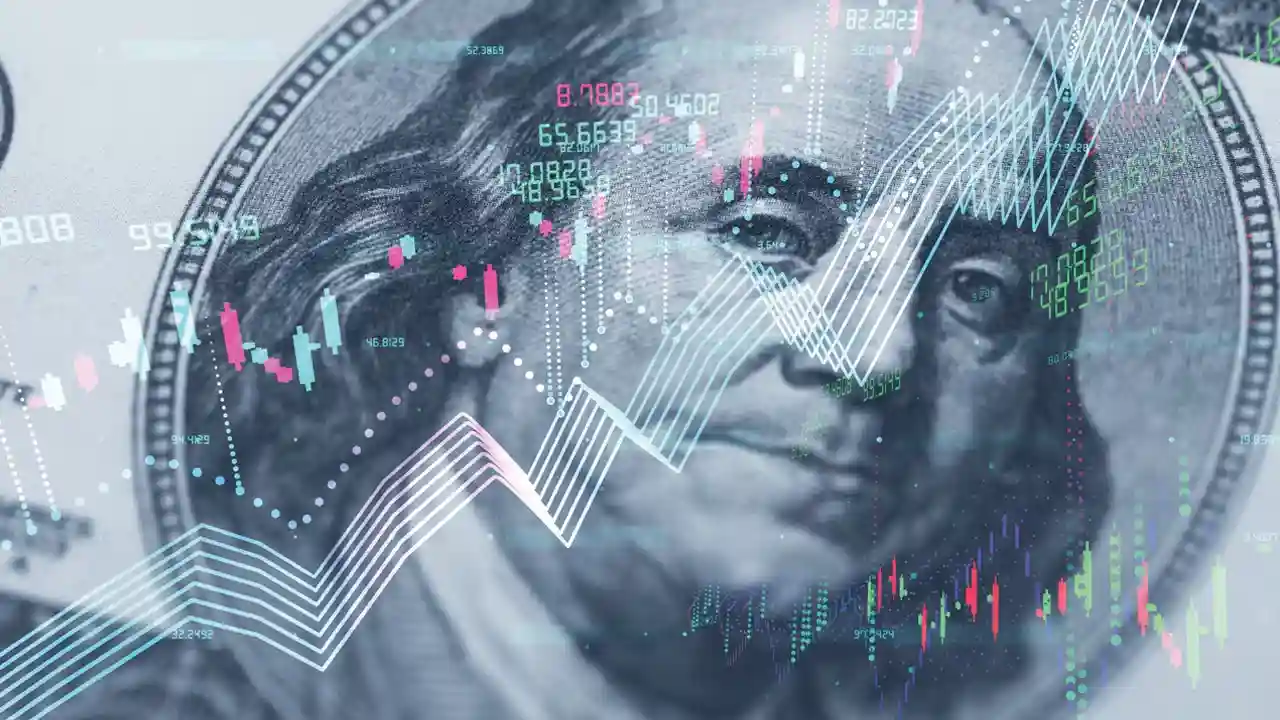
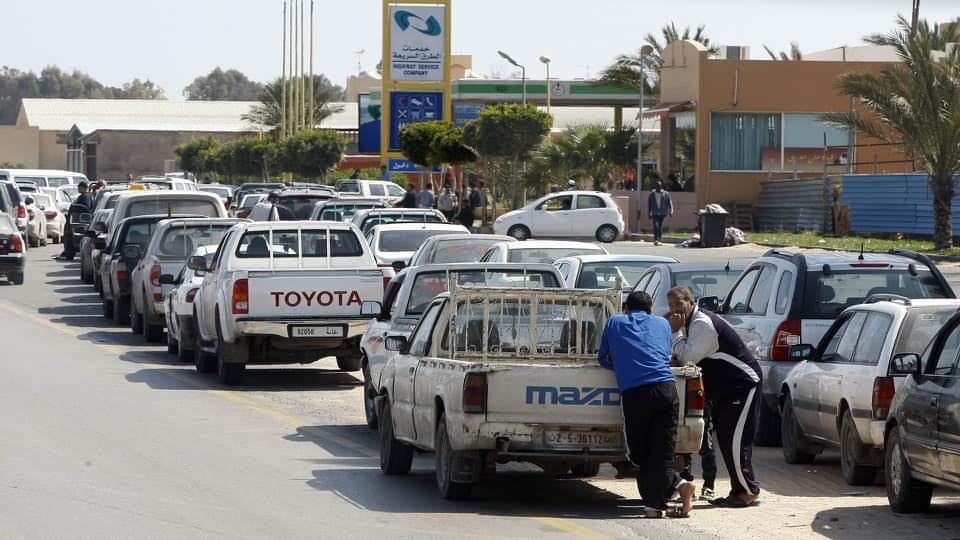
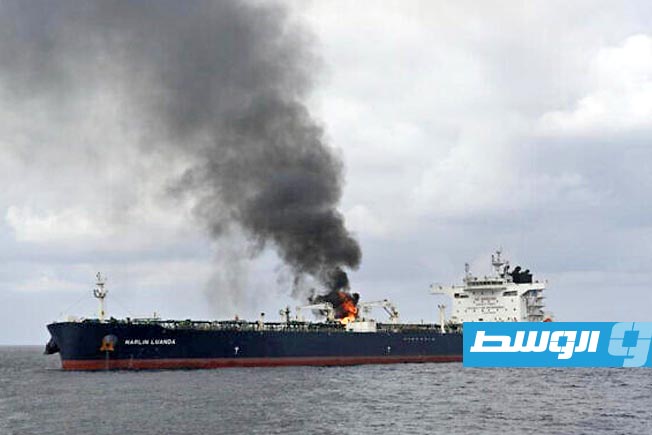
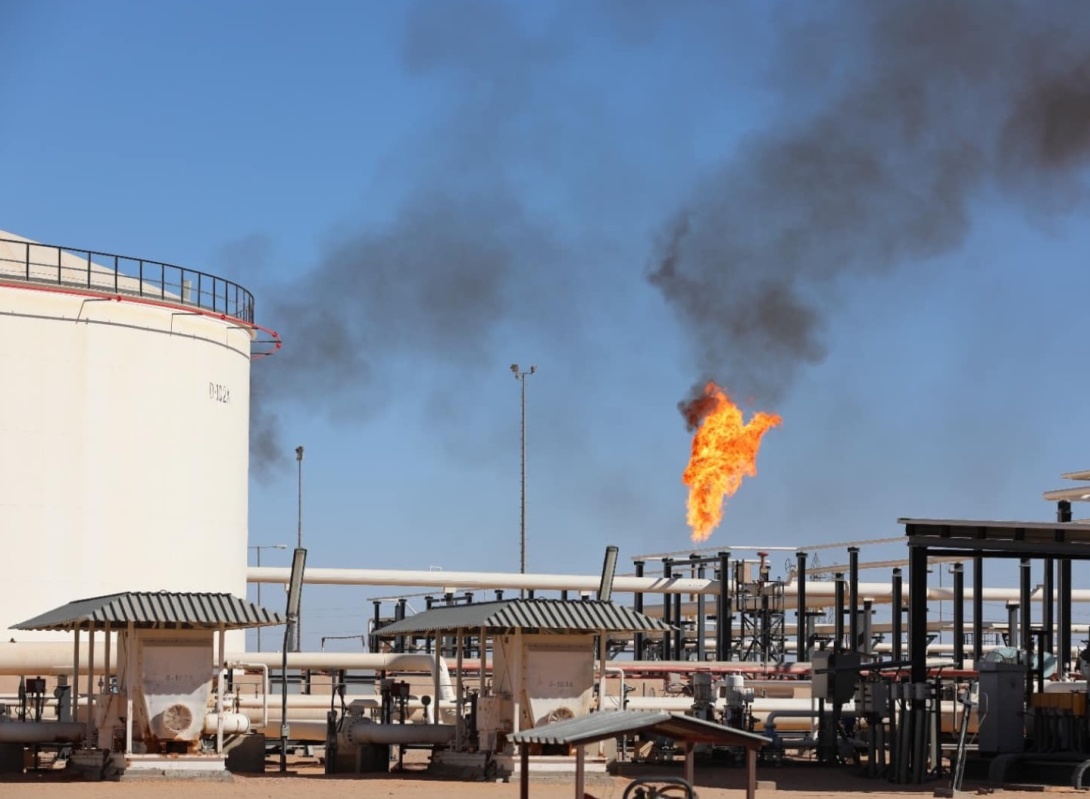
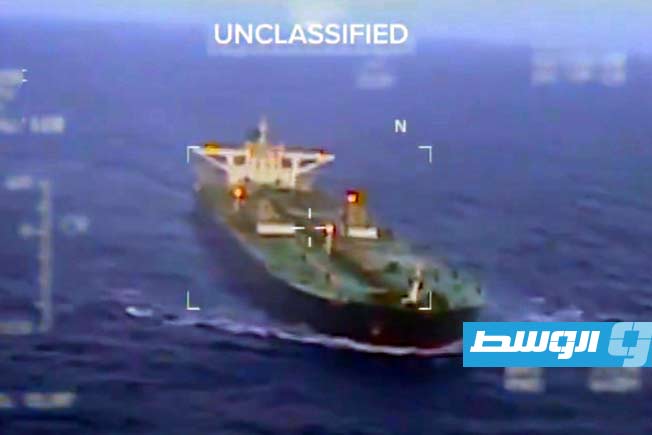
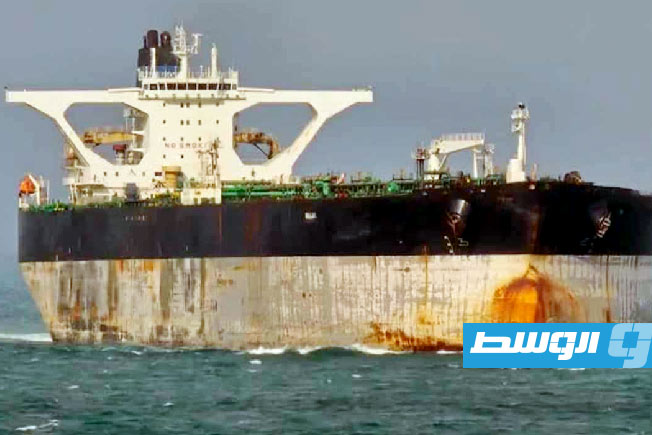
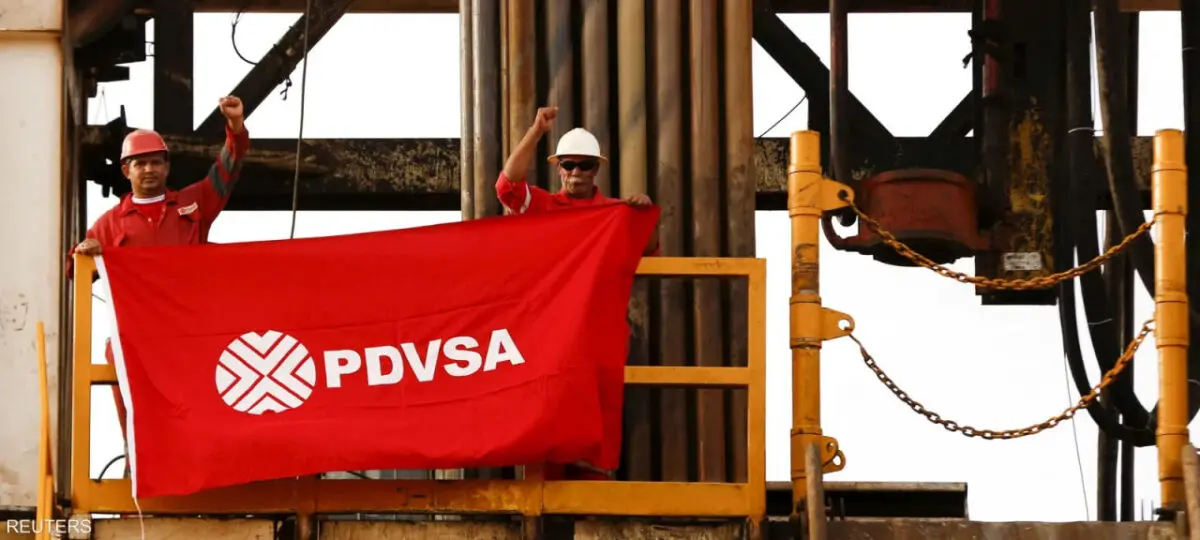
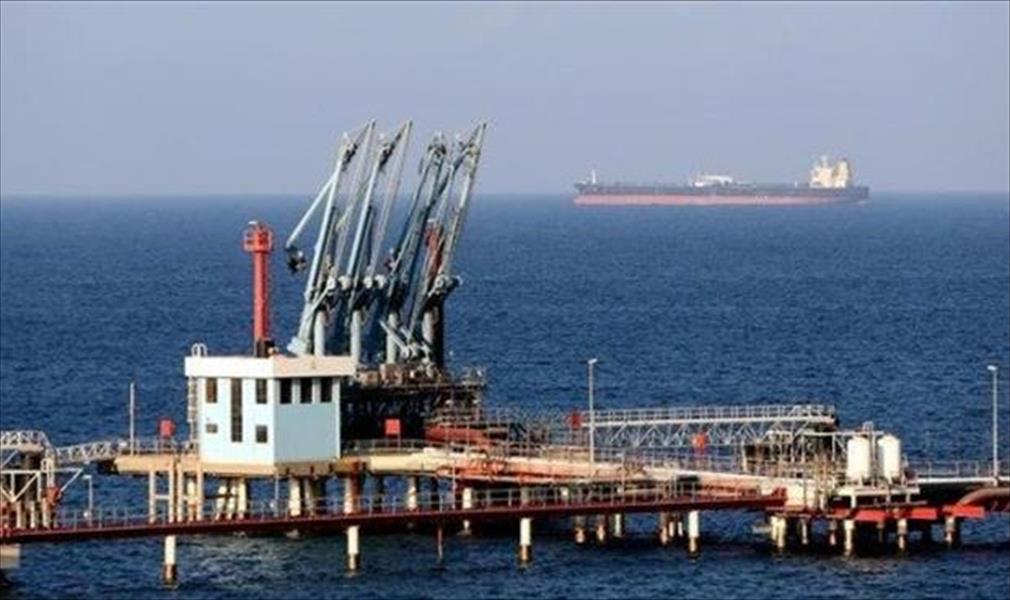
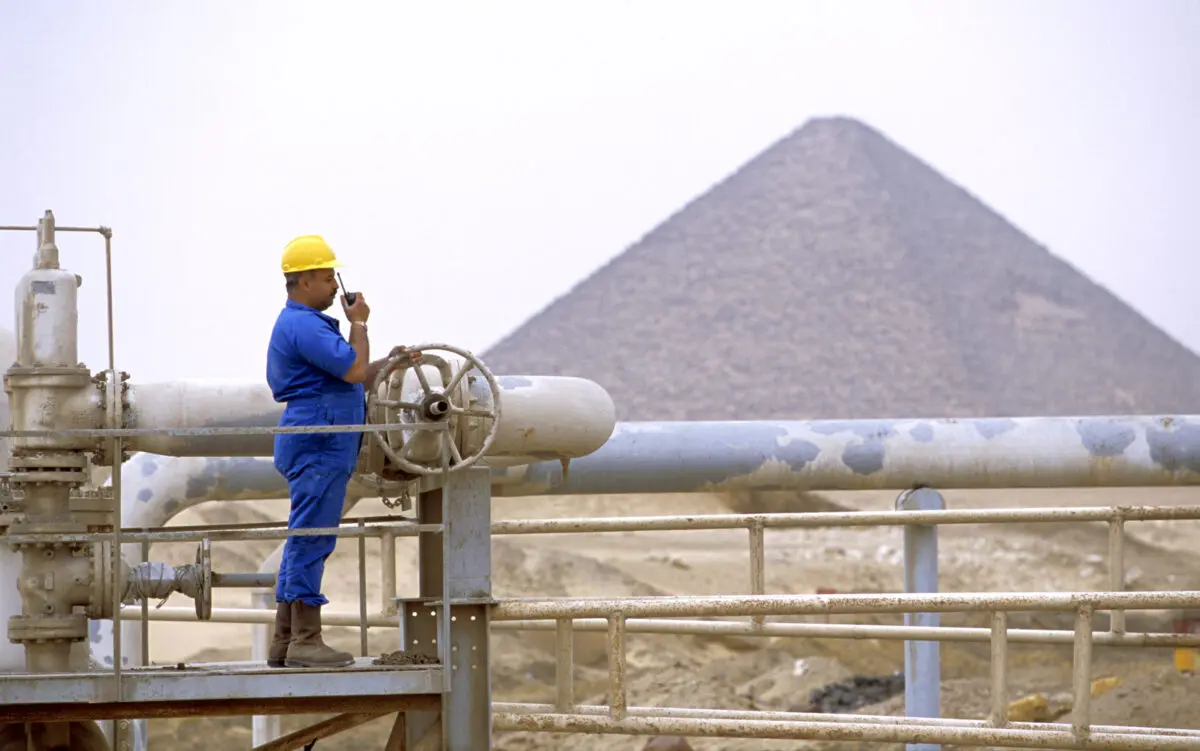
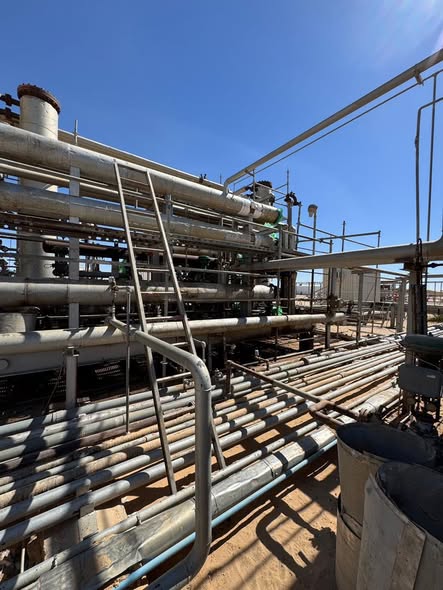
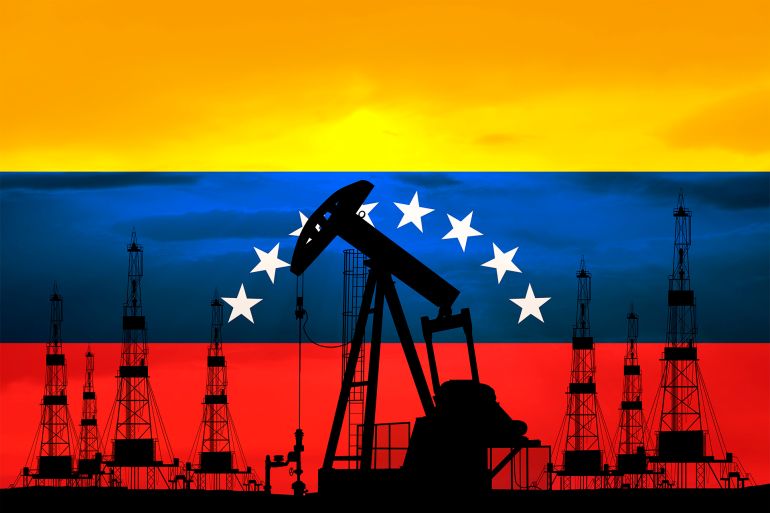
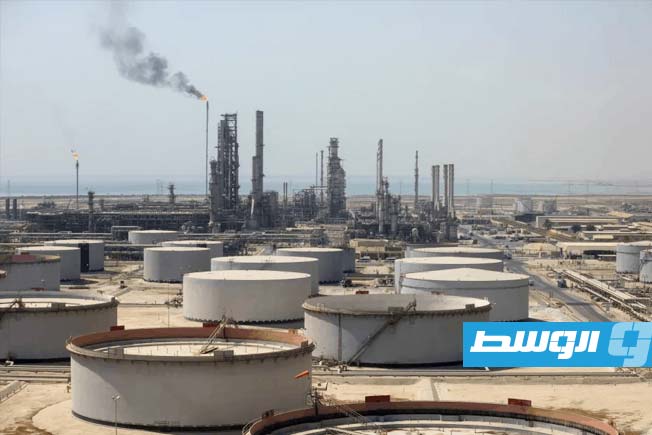
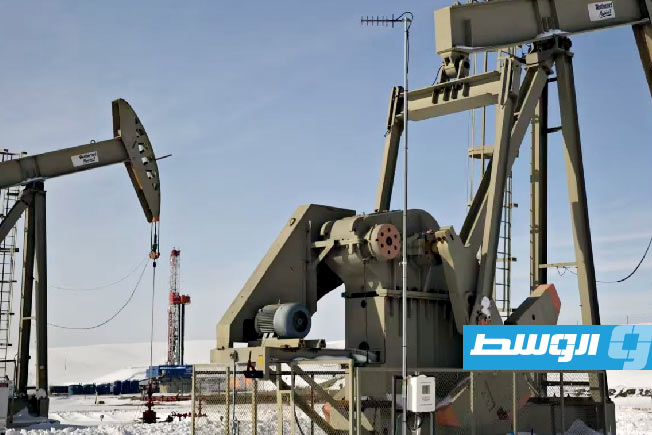
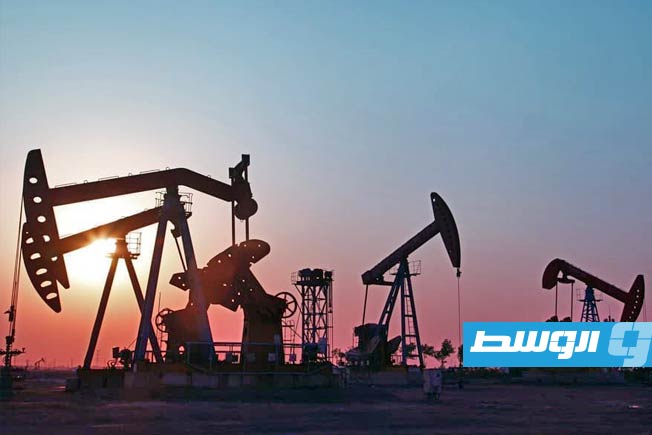
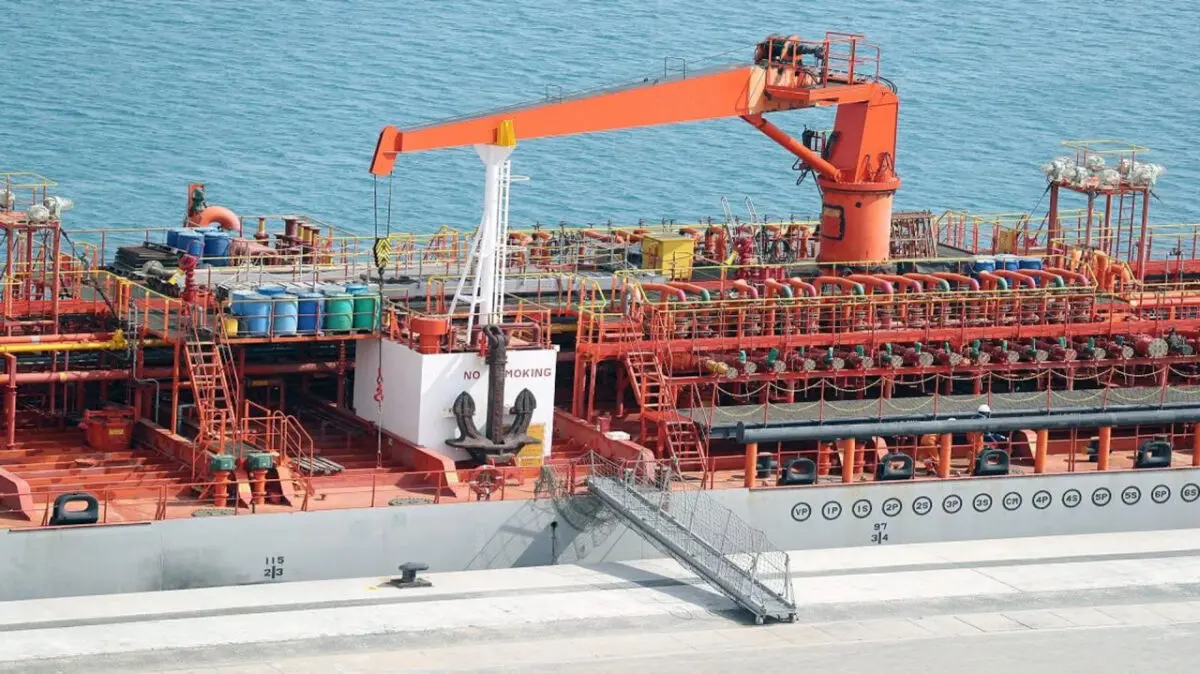
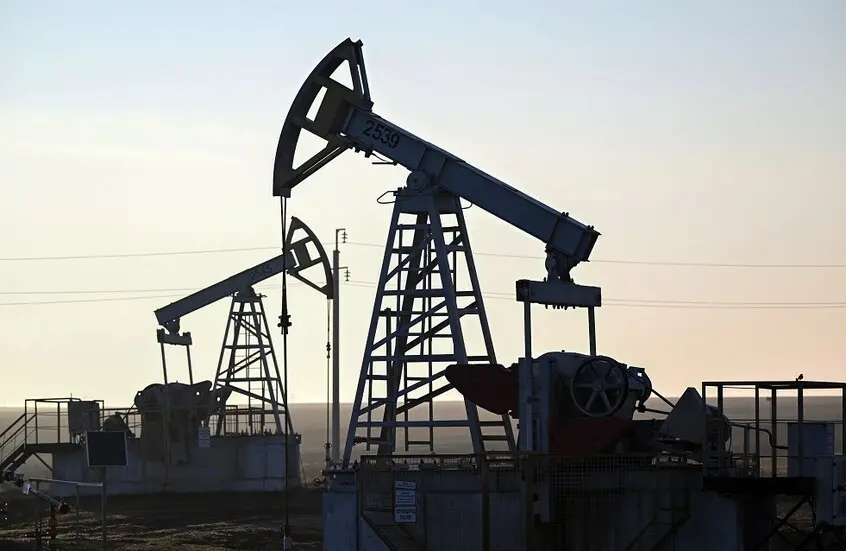
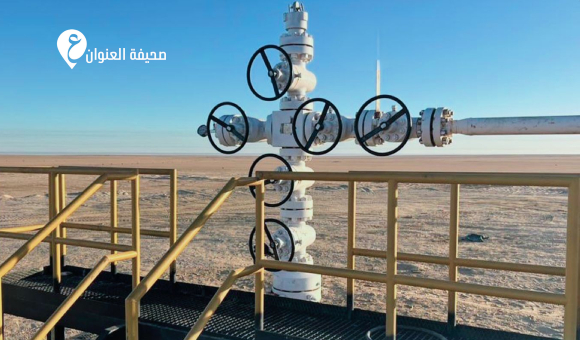
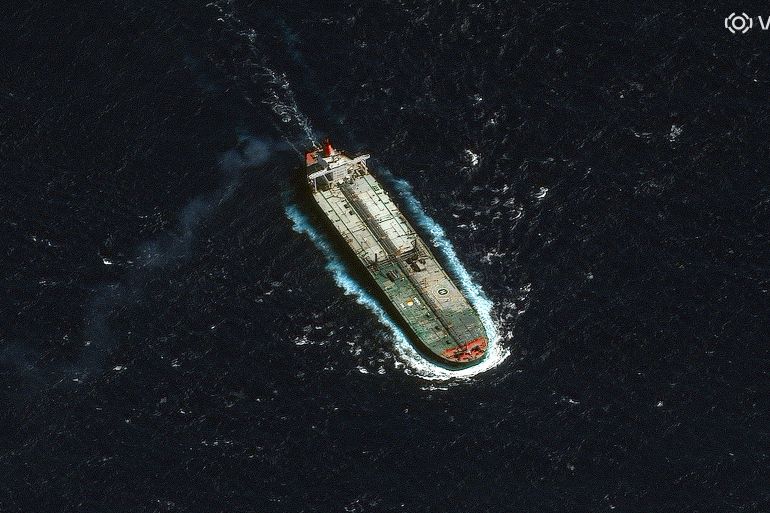
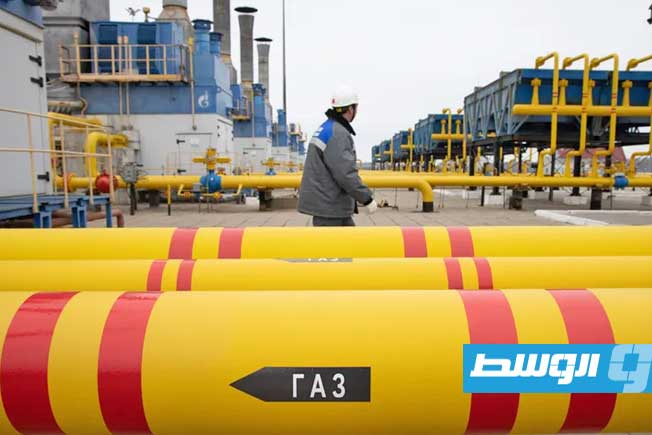
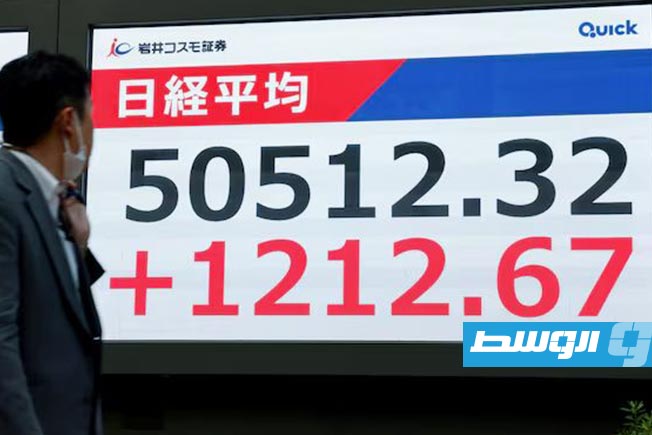
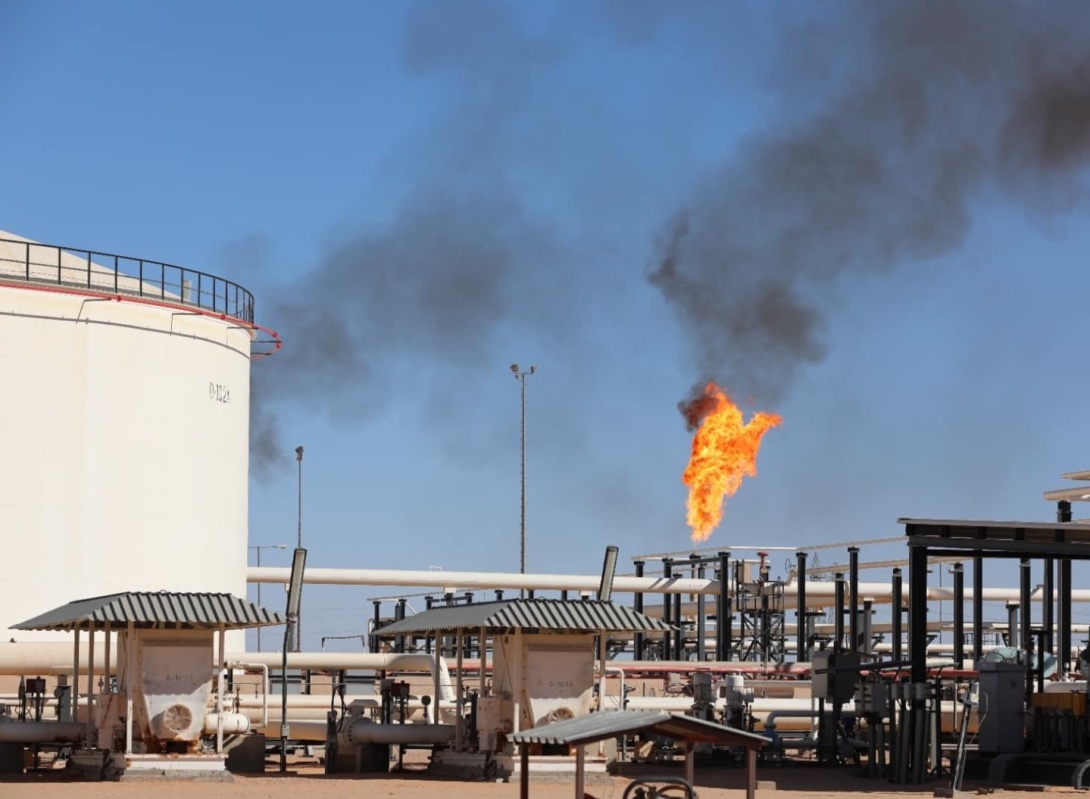
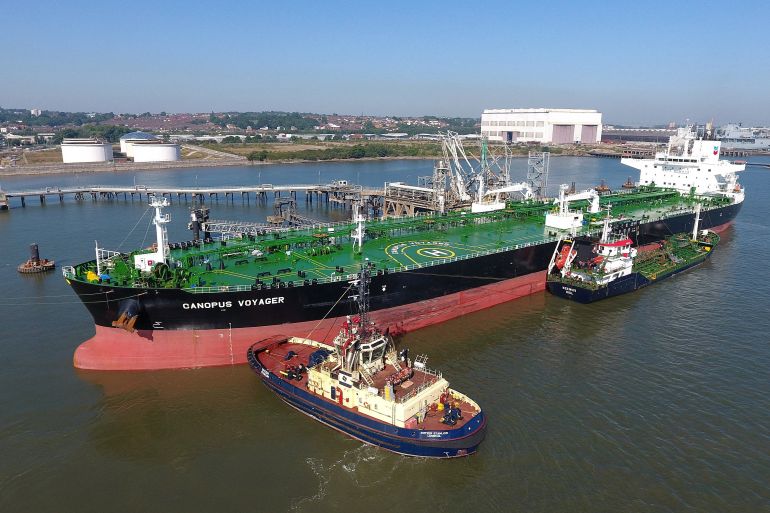
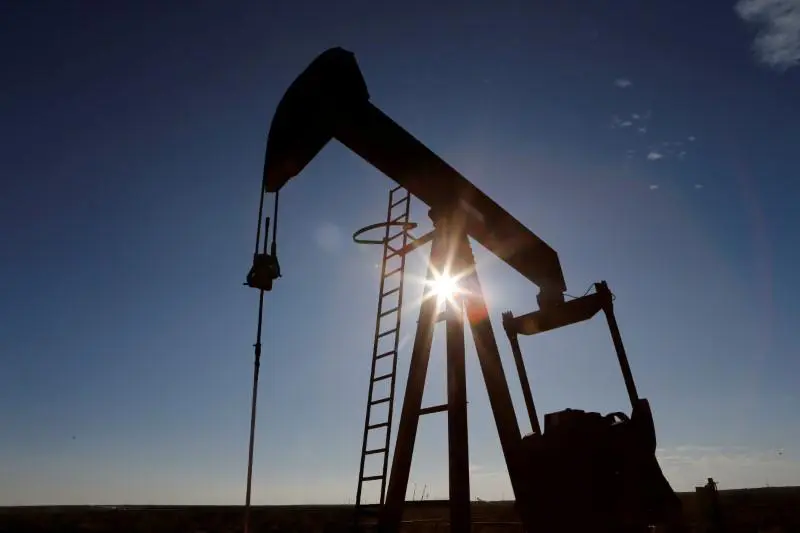
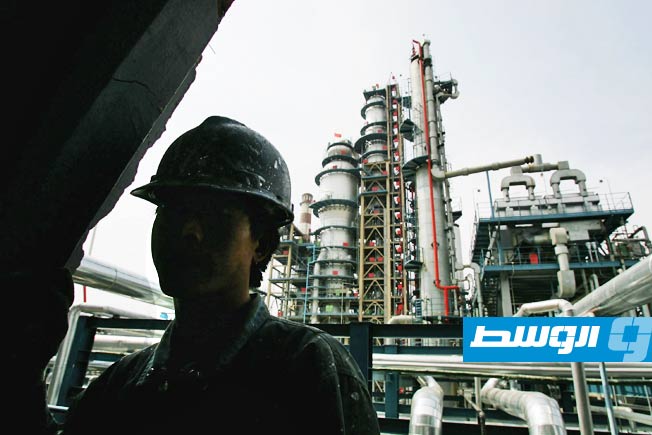
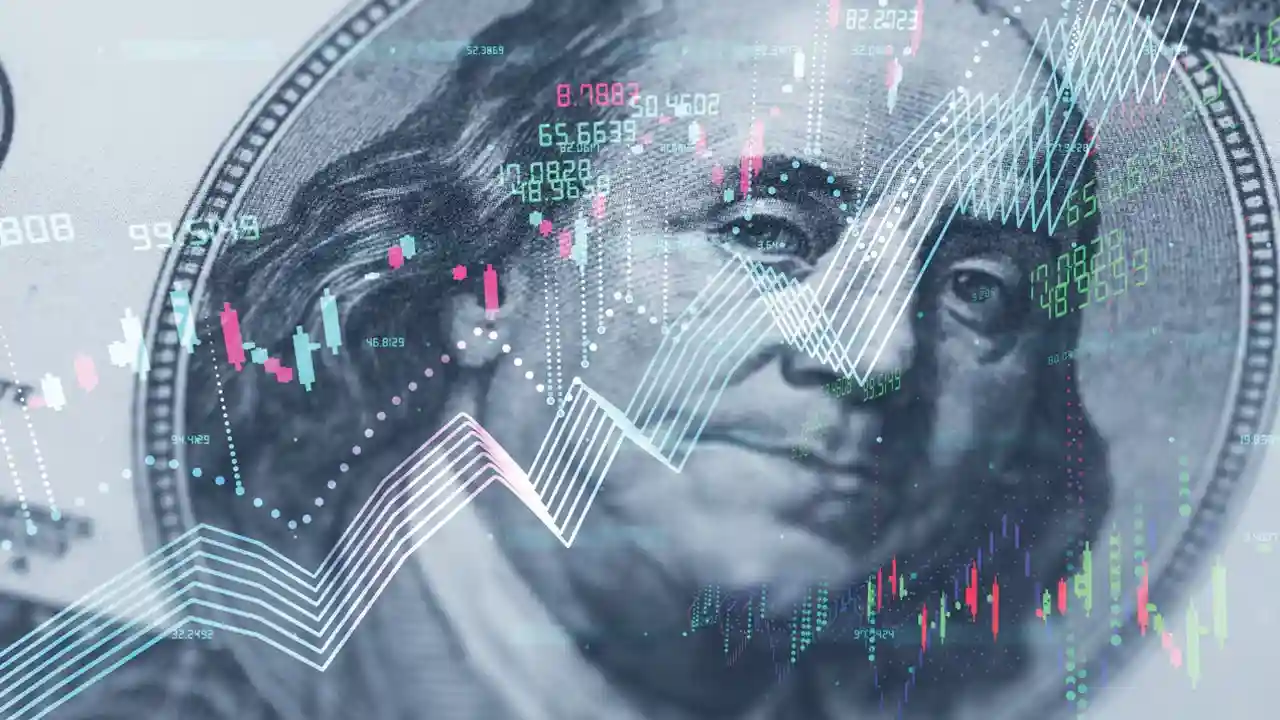
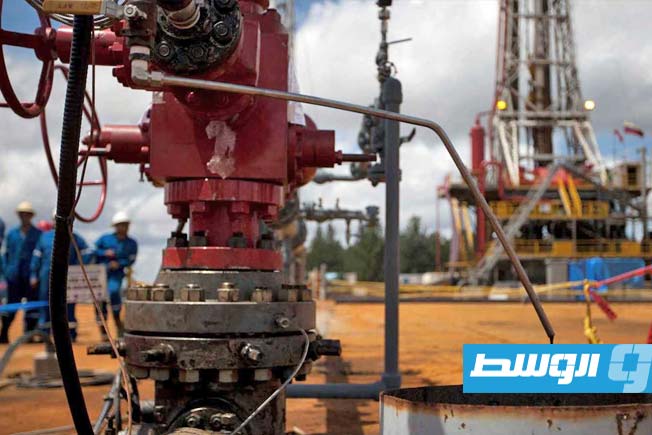
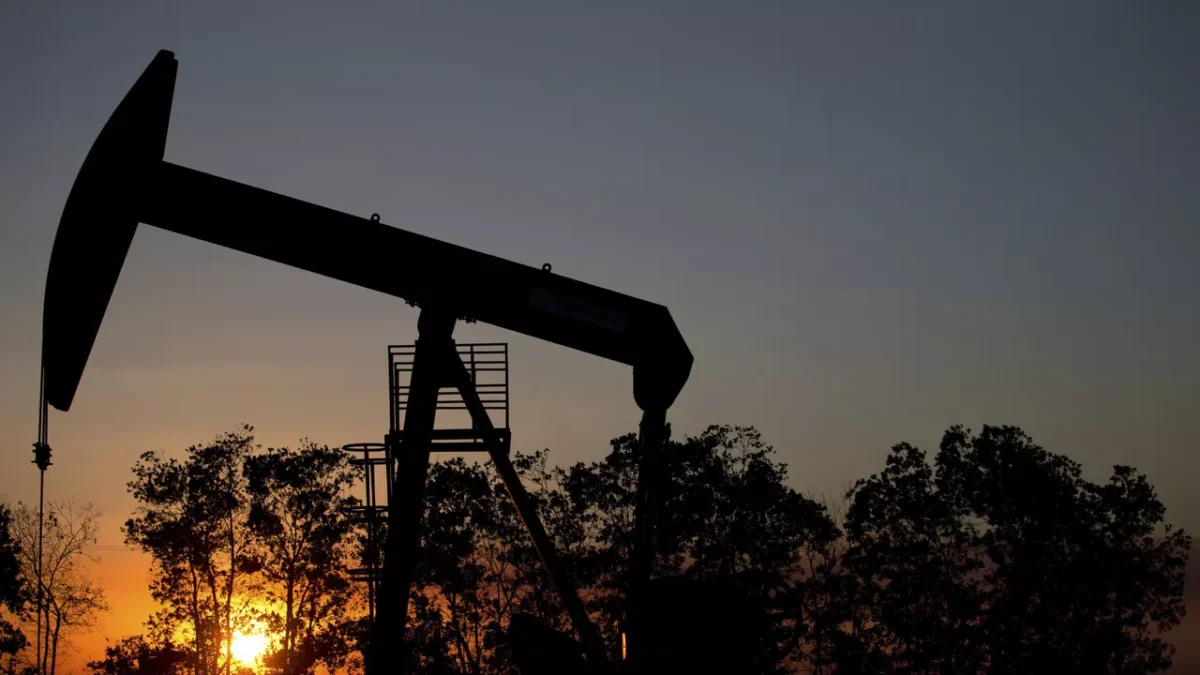
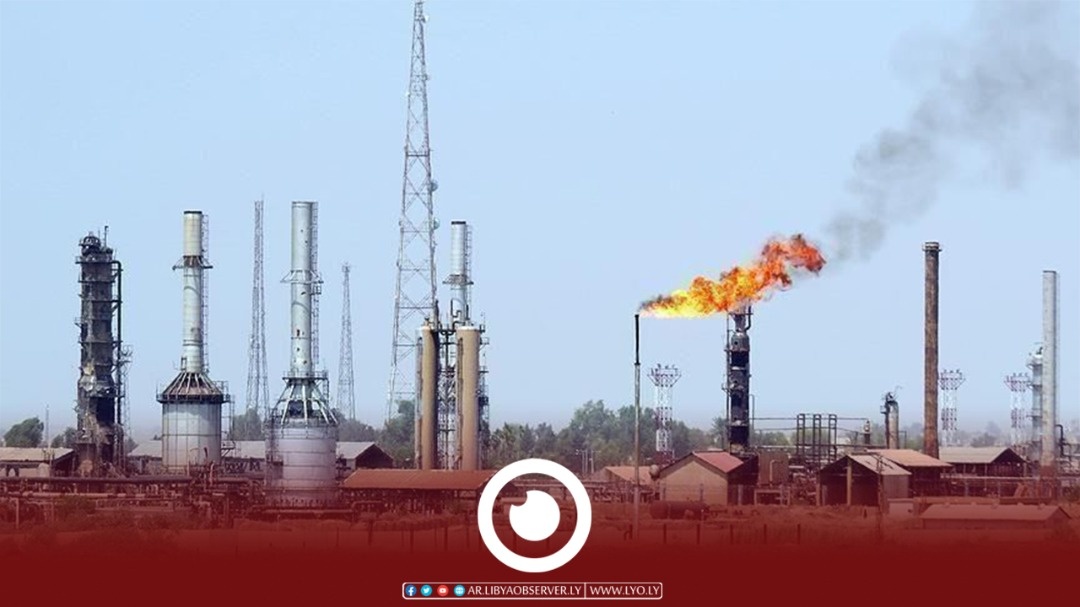
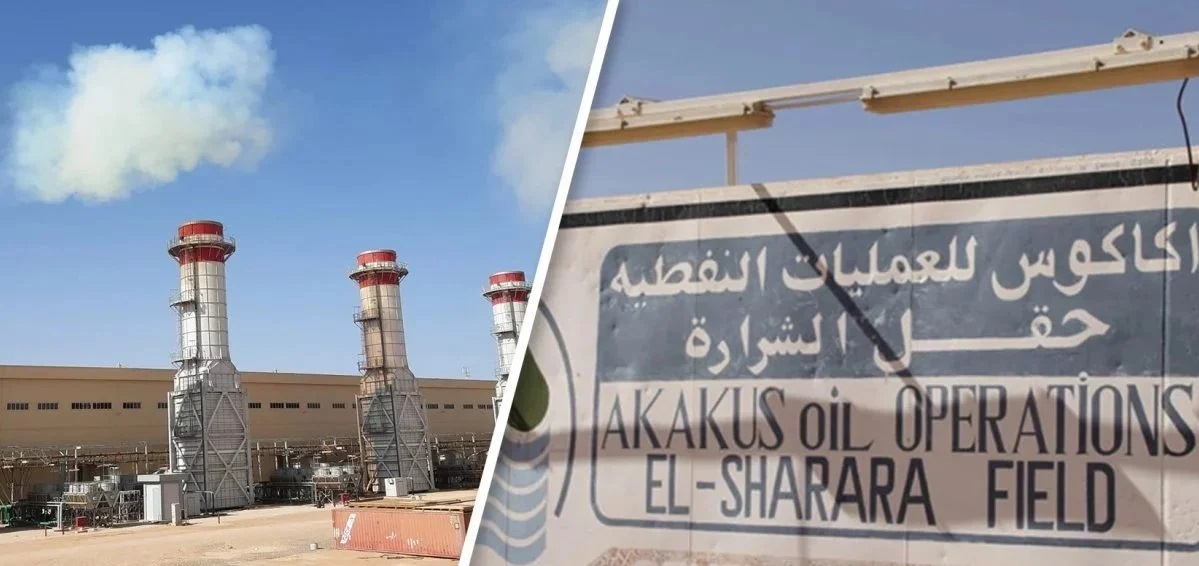
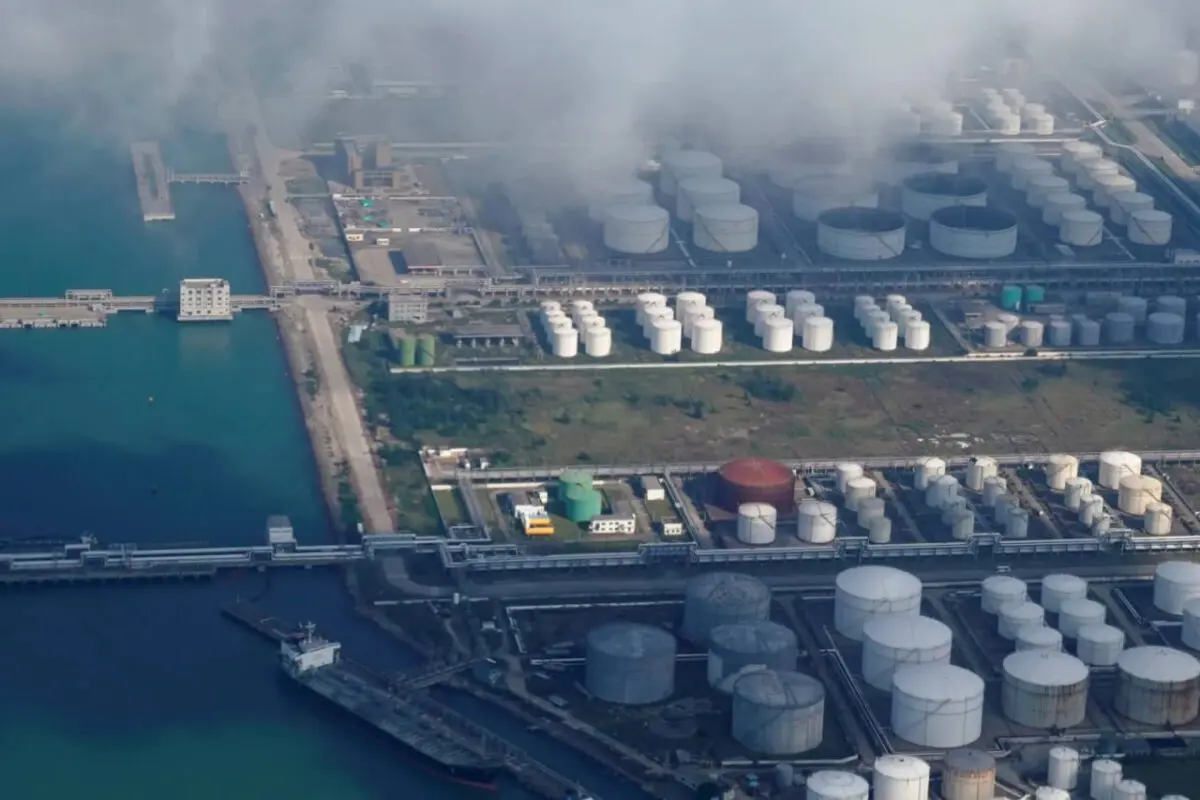
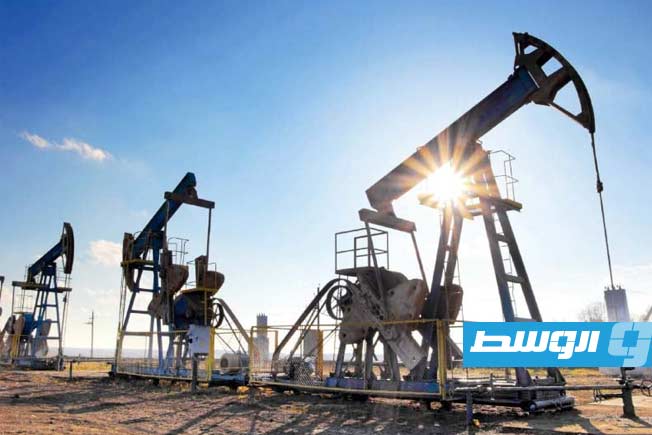
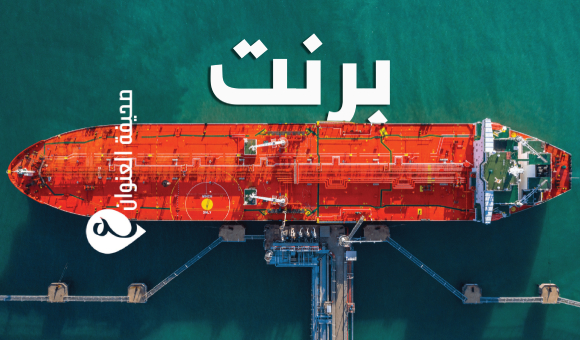
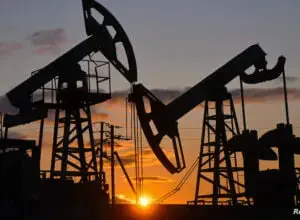
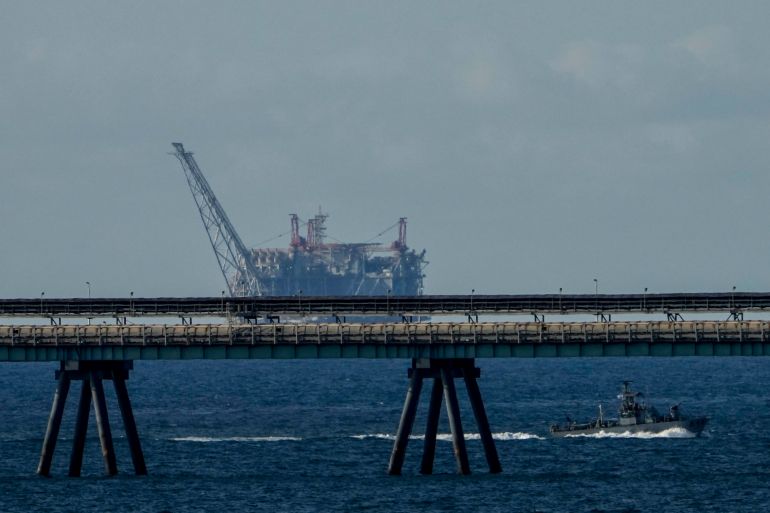
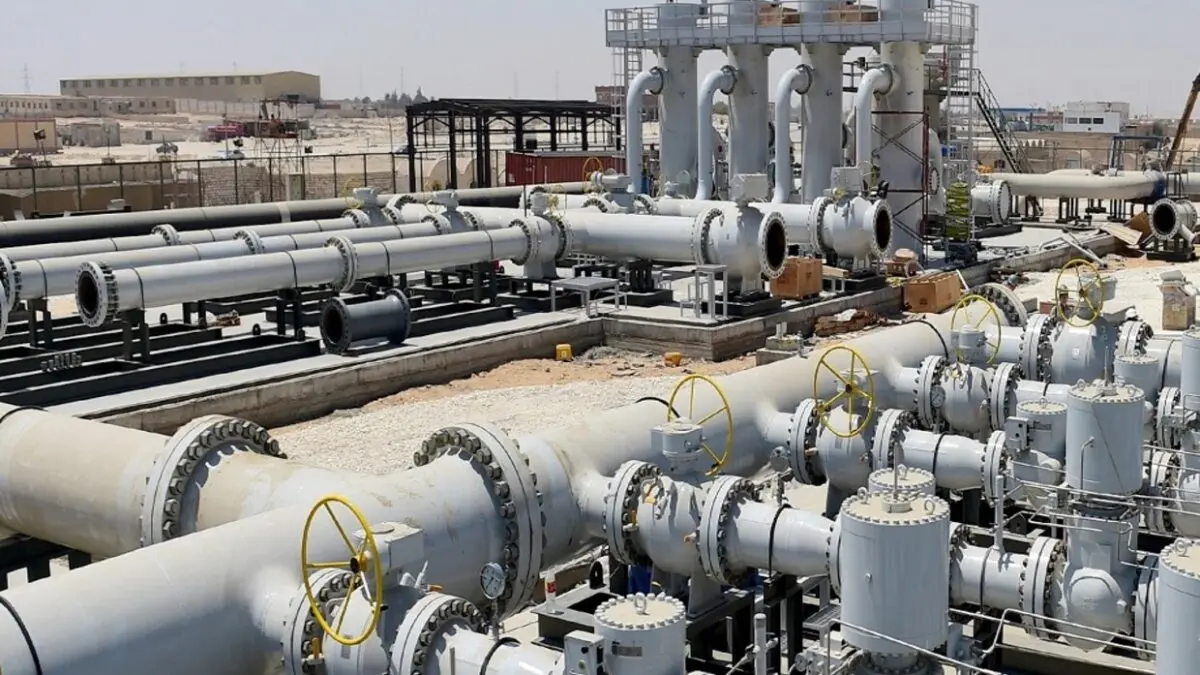
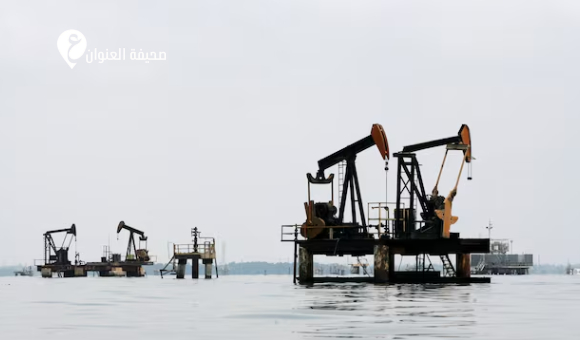
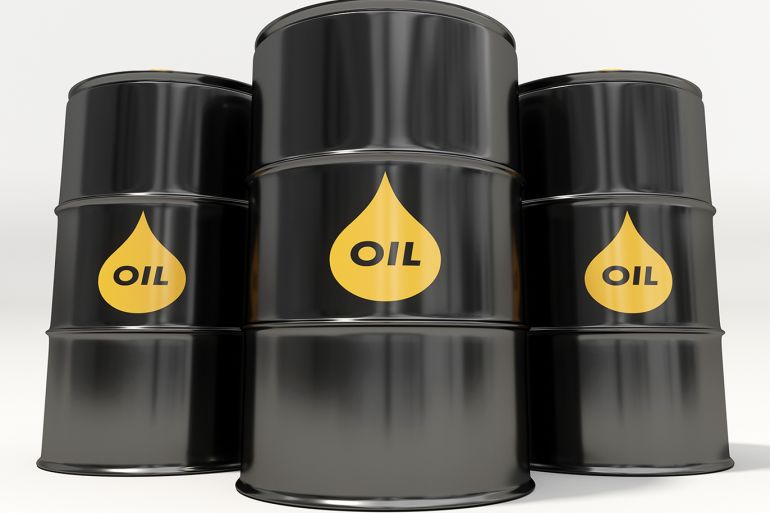
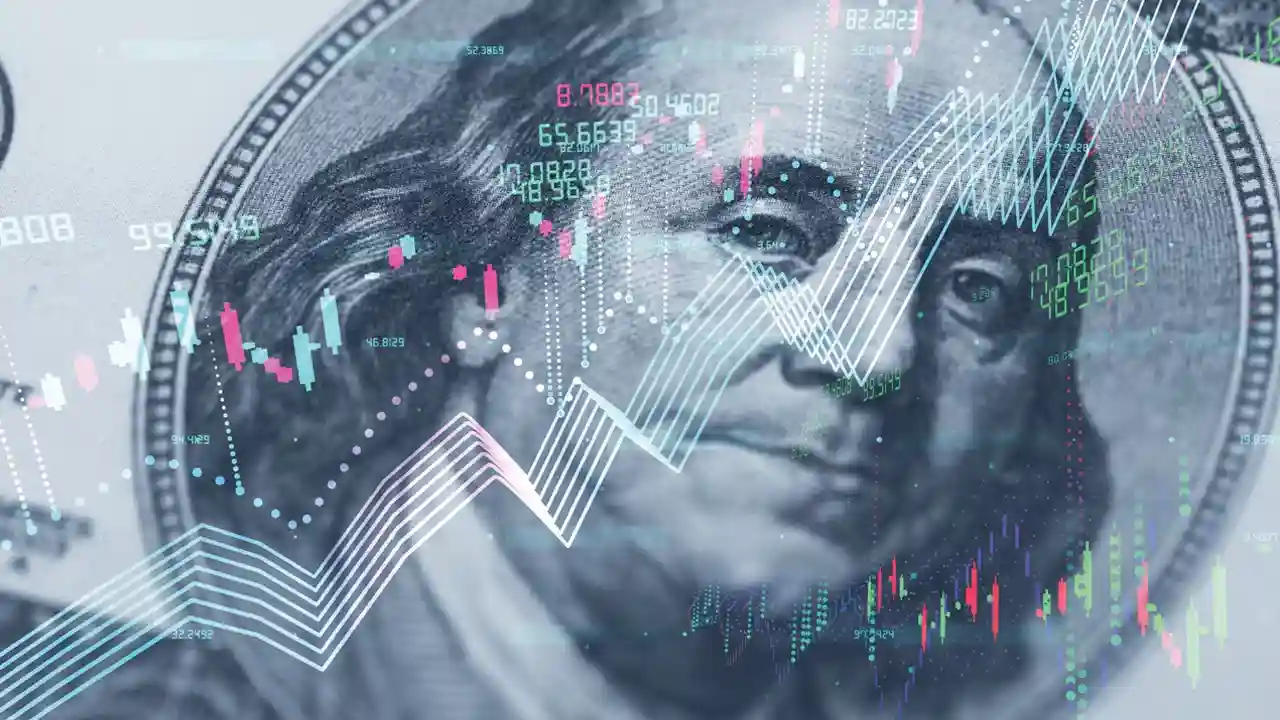
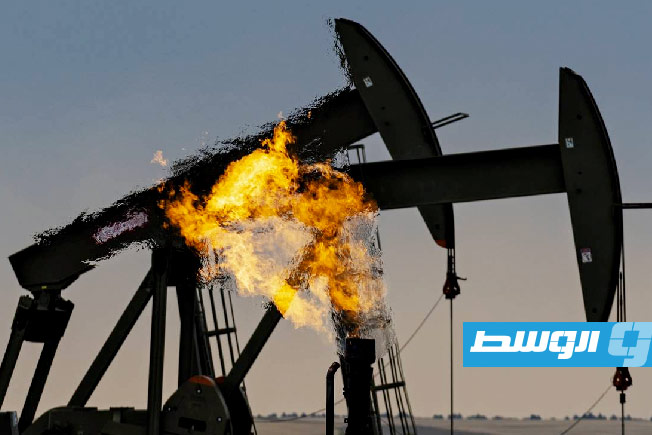
U.S. oil prices stabilized near their lowest levels since 2021, with West Texas Intermediate crude trading near $57 per barrel and Brent crude around $60, as traders assessed the prospects for a ceasefire in Ukraine, which could ease restrictions on Russian oil exports and increase global supply.
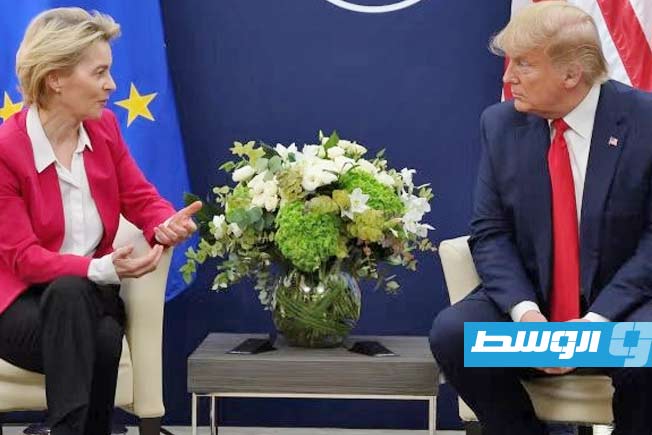
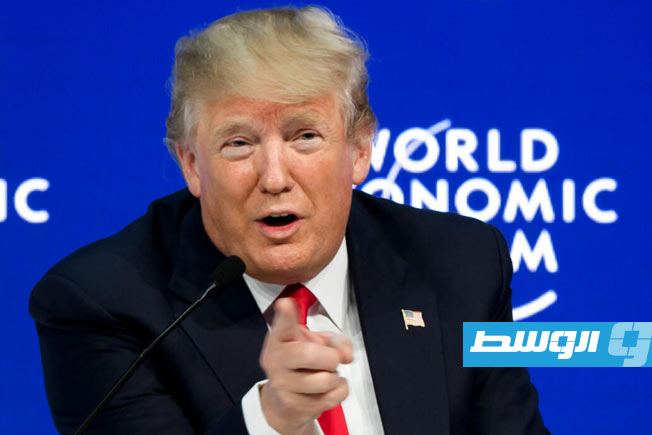
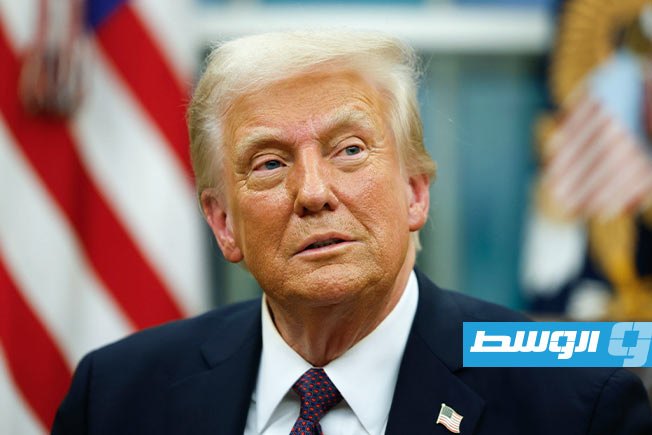
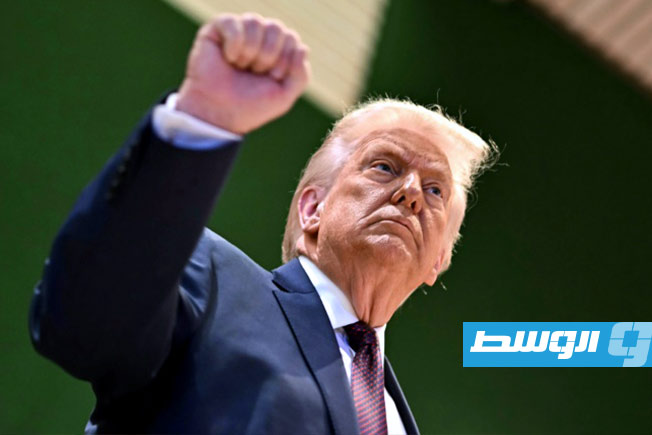
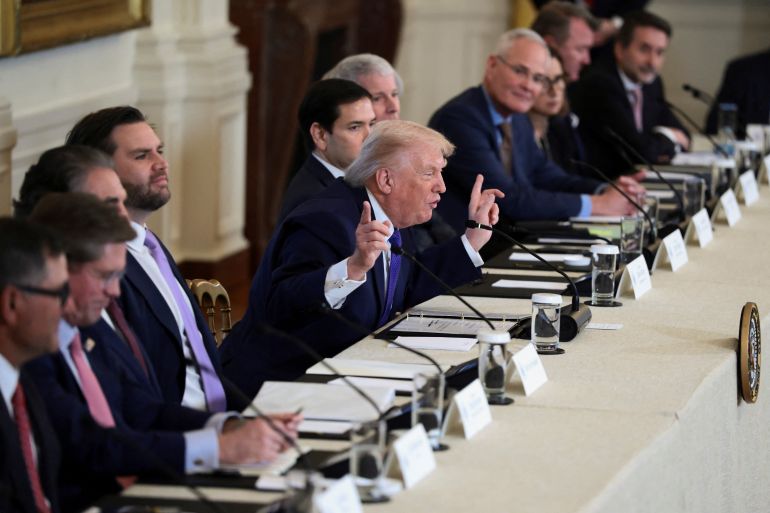
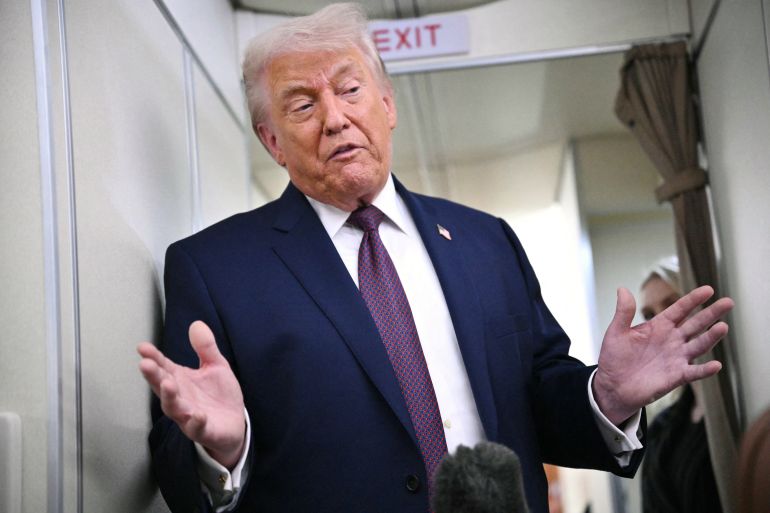
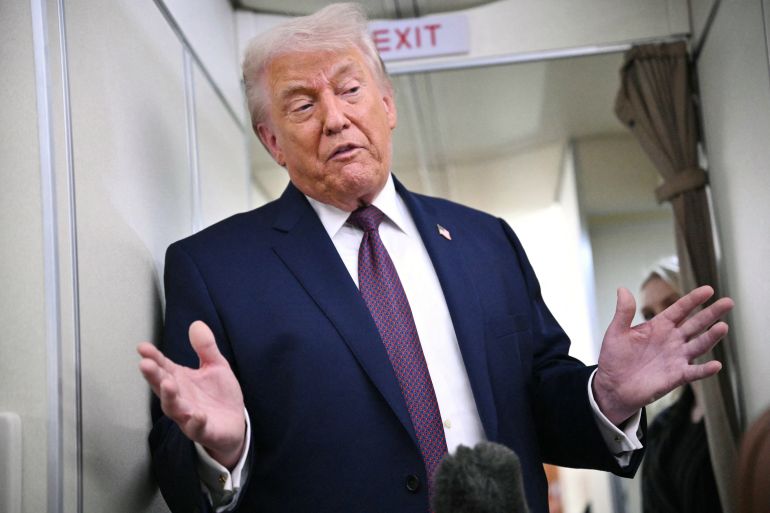
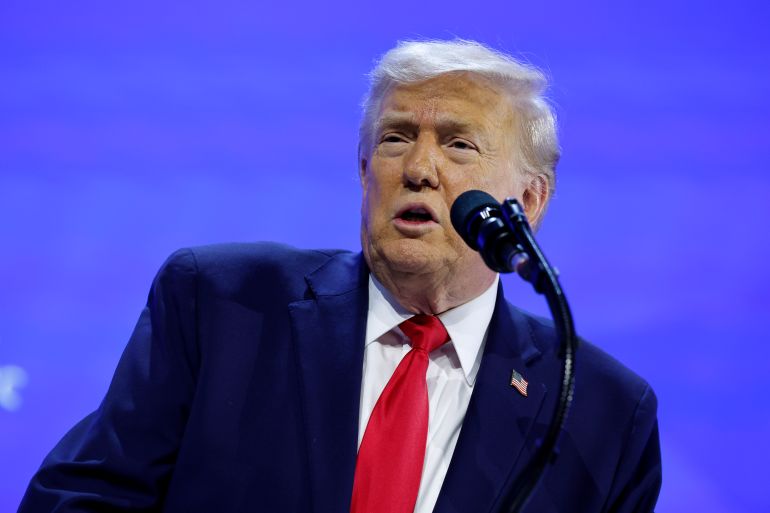
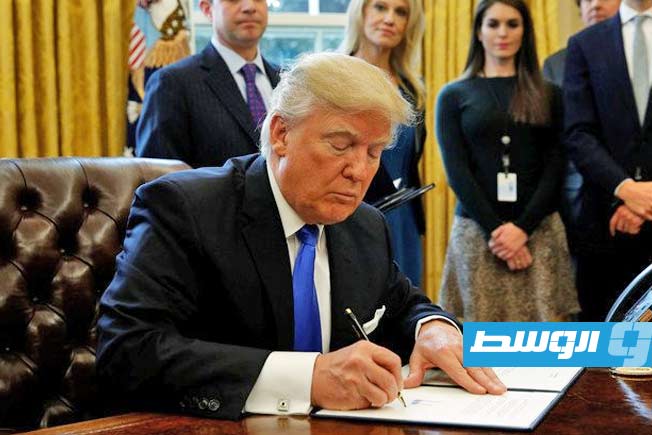
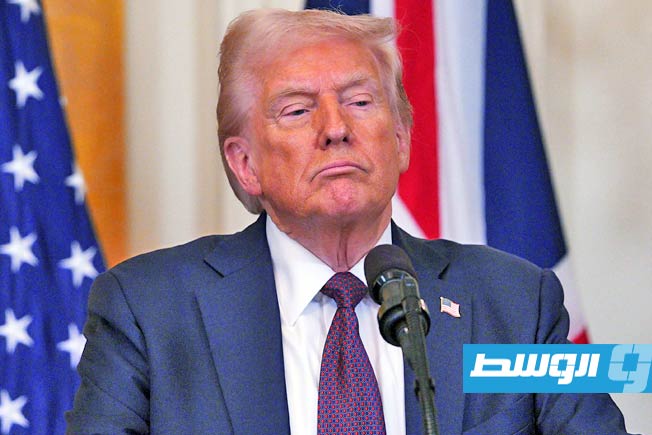
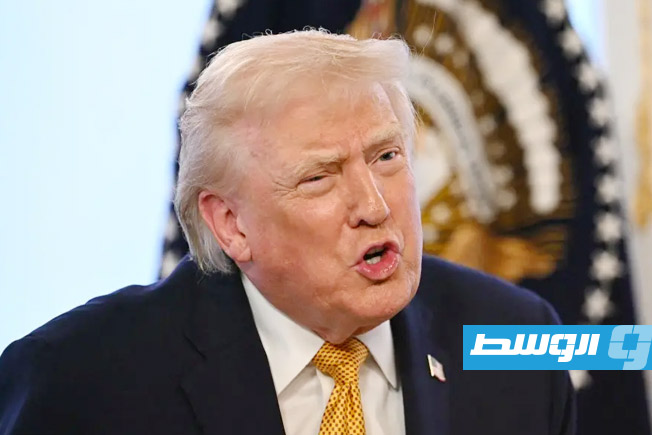
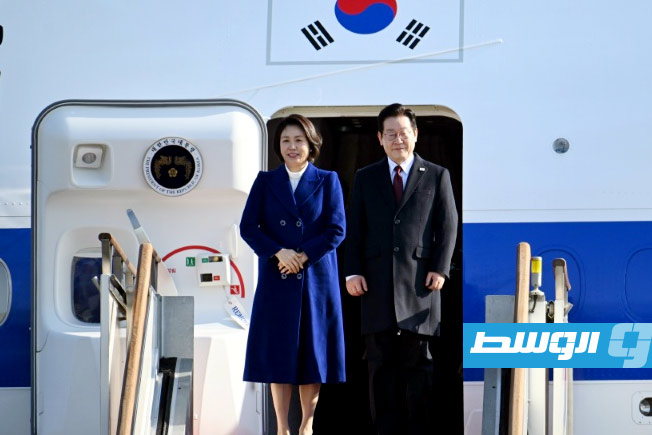
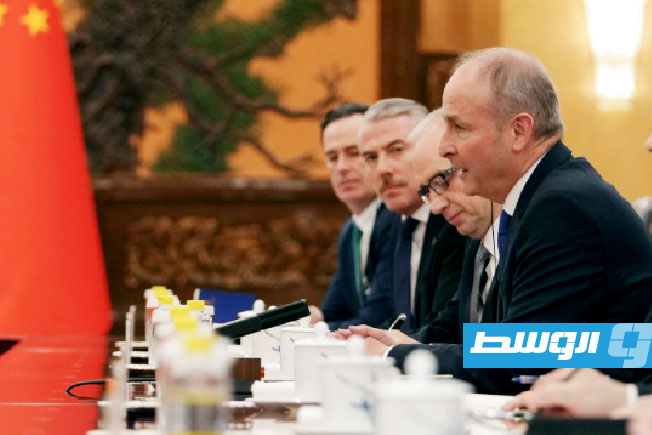
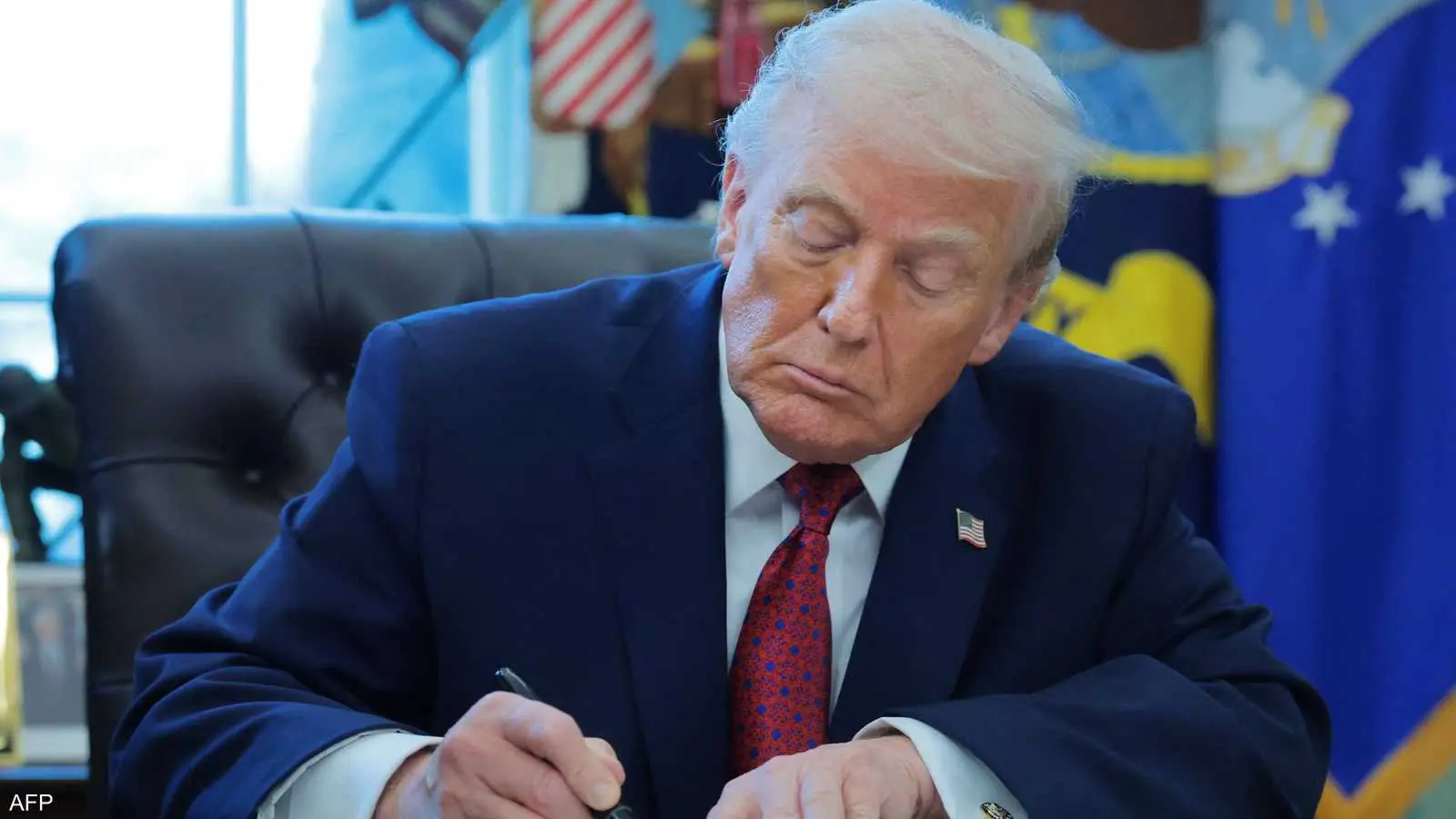
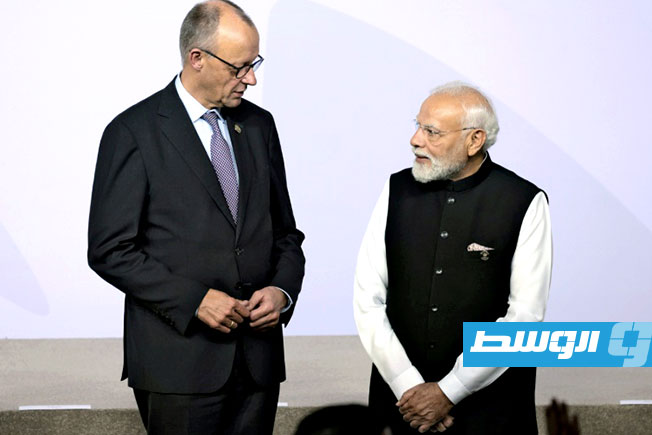
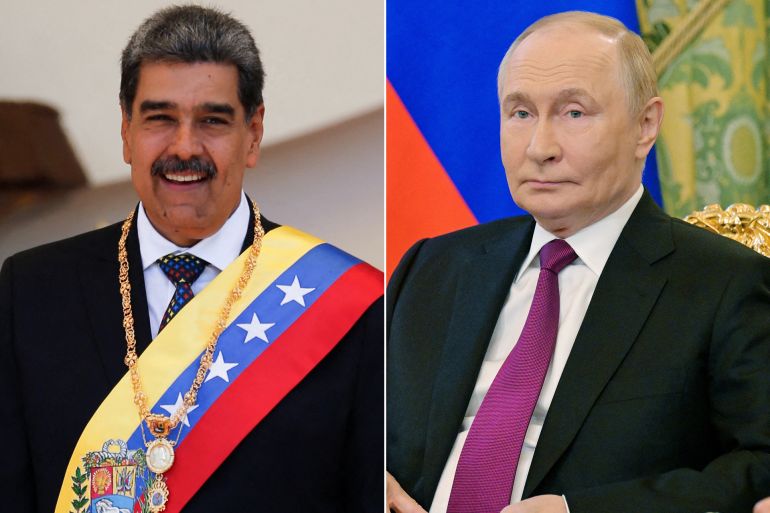
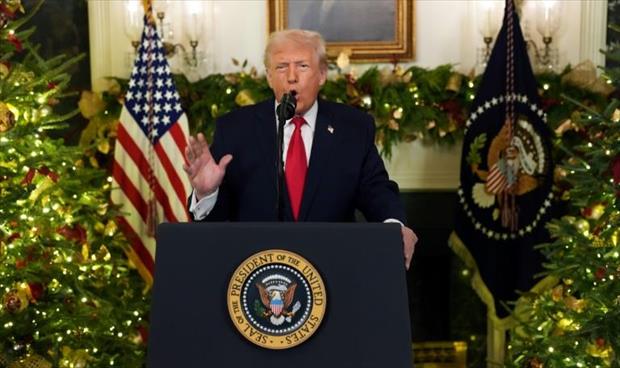
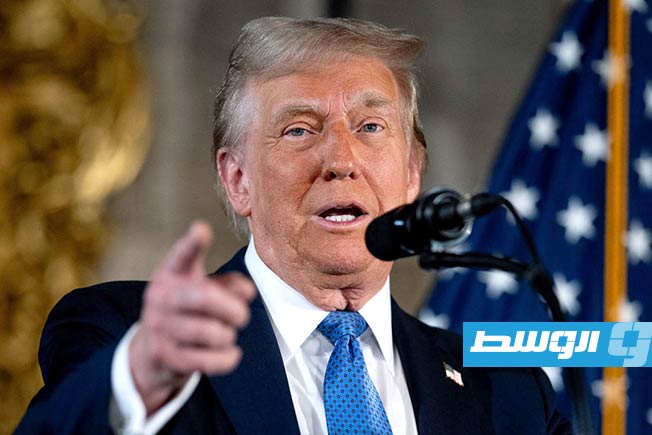
The American president reported that reaching an agreement to end the war in Ukraine is closer than ever, following talks with the Ukrainian president and European leaders. However, the Russian president has not retreated from his demands to control vast territories, leaving doubts about the possibility of achieving a comprehensive peace agreement.
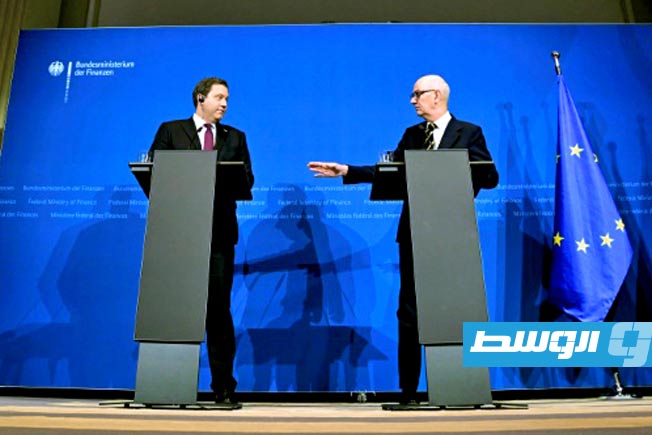
Progress was noted in talks held in Berlin. Meanwhile, experts expect Brent crude to move within a volatile range of $60 to $65 per barrel, amid an expanding global supply surplus resulting from increased production from two different producers and the OPEC+ alliance restarting previously halted output.
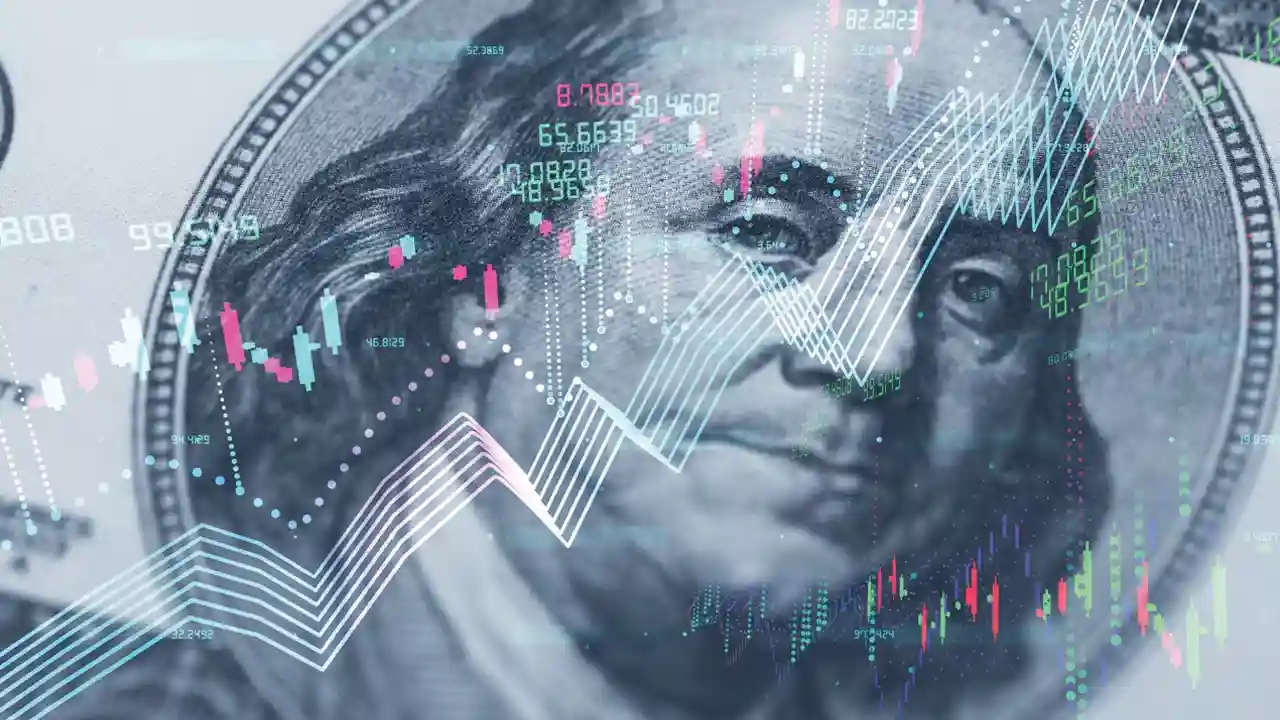
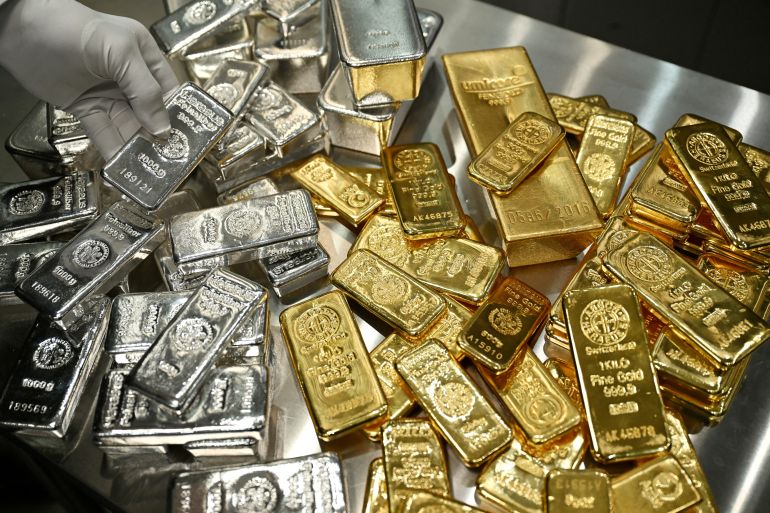
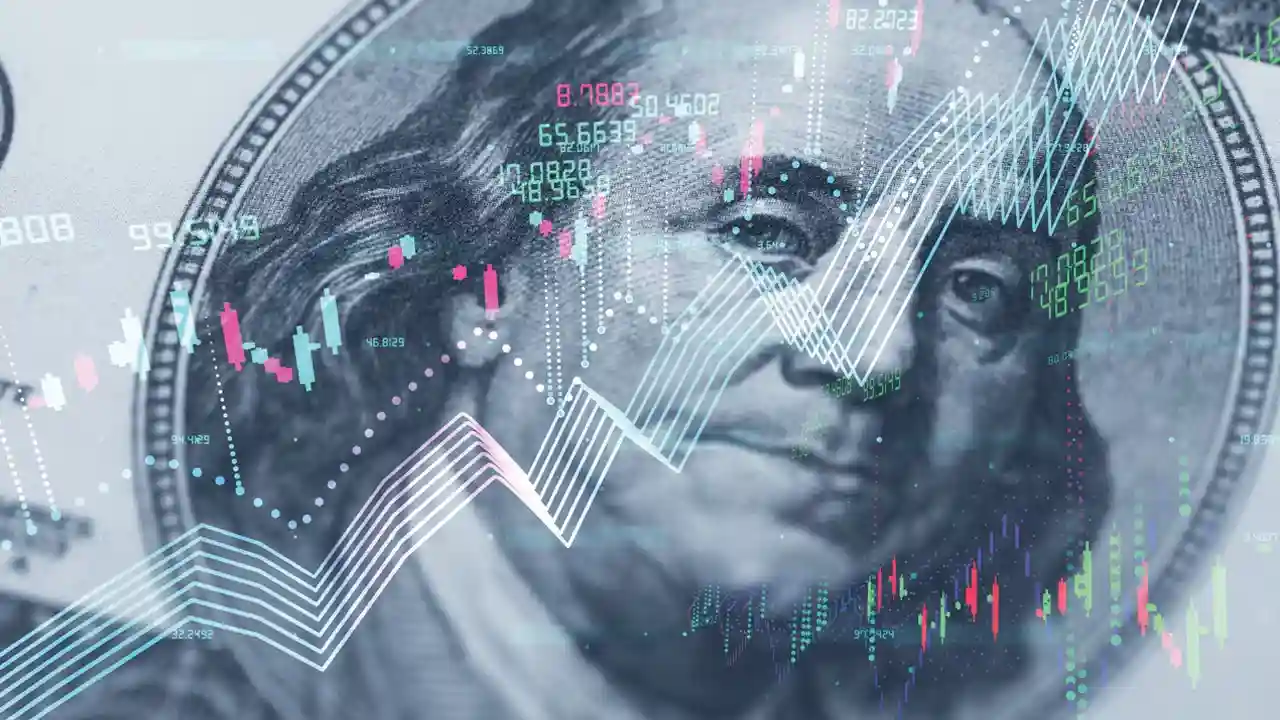
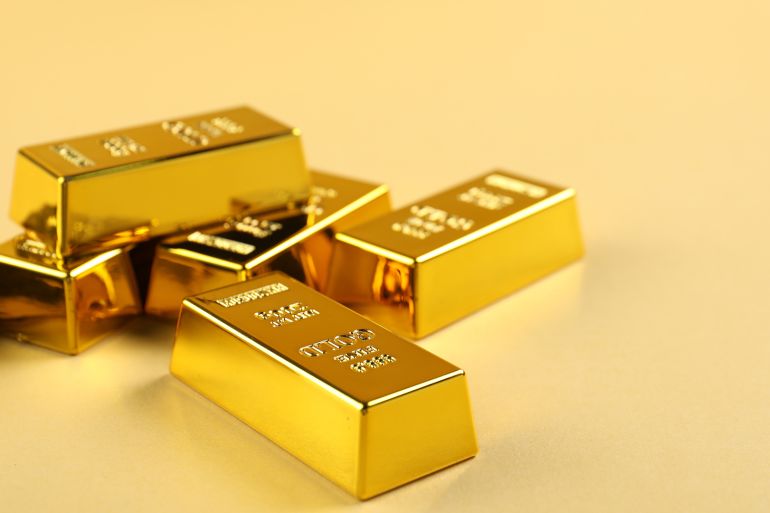
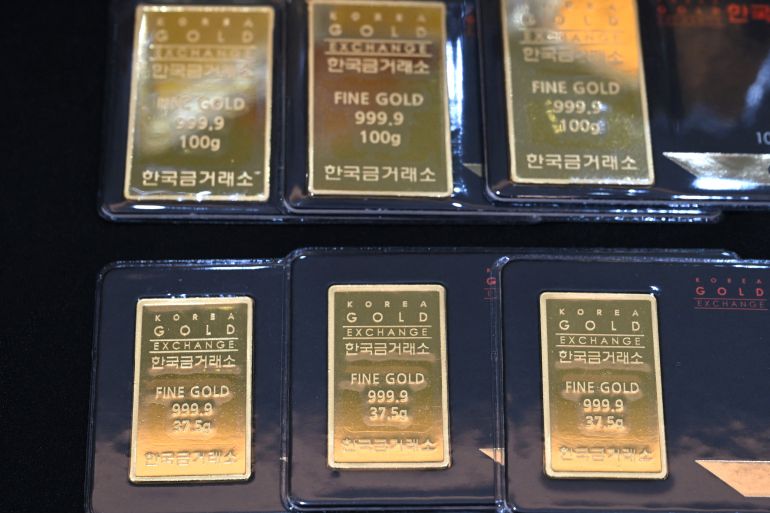
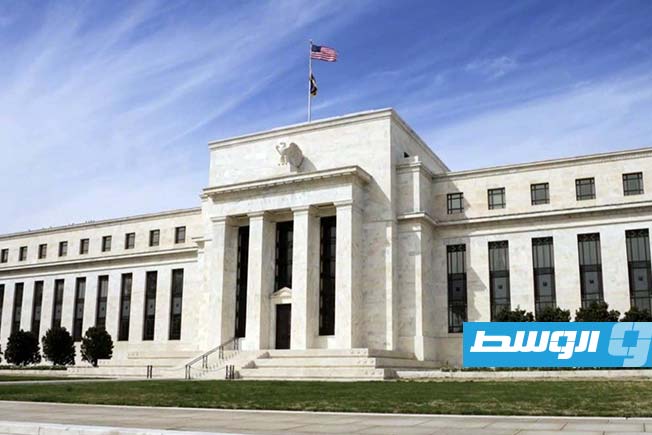
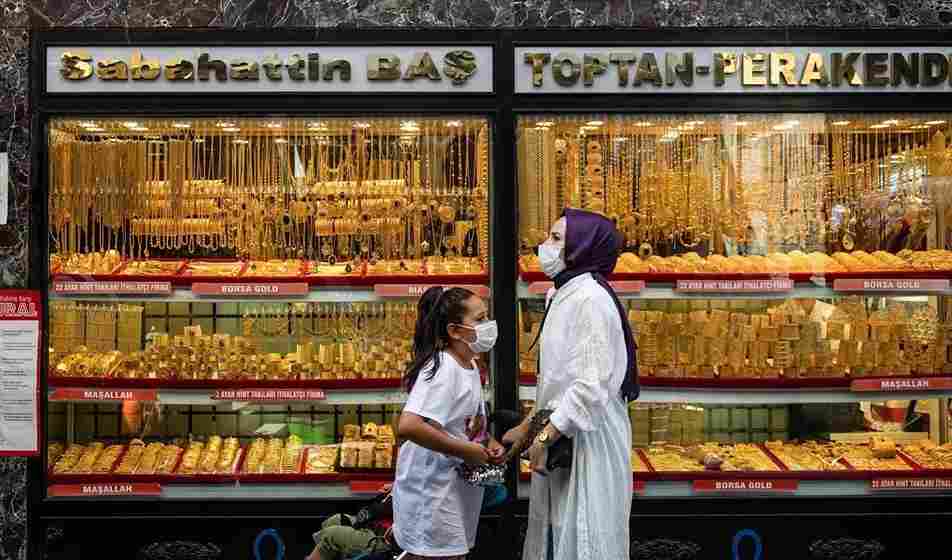
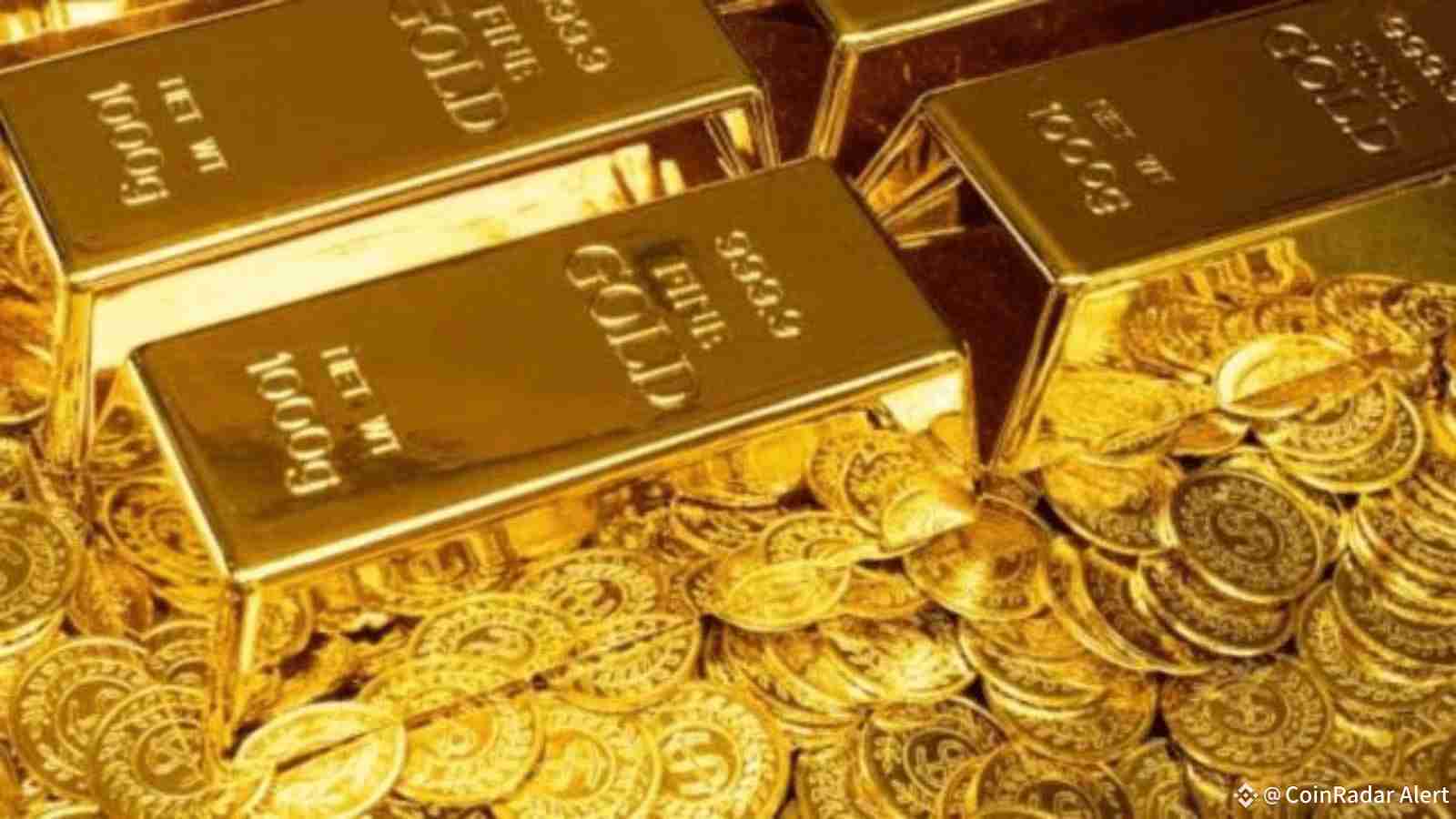
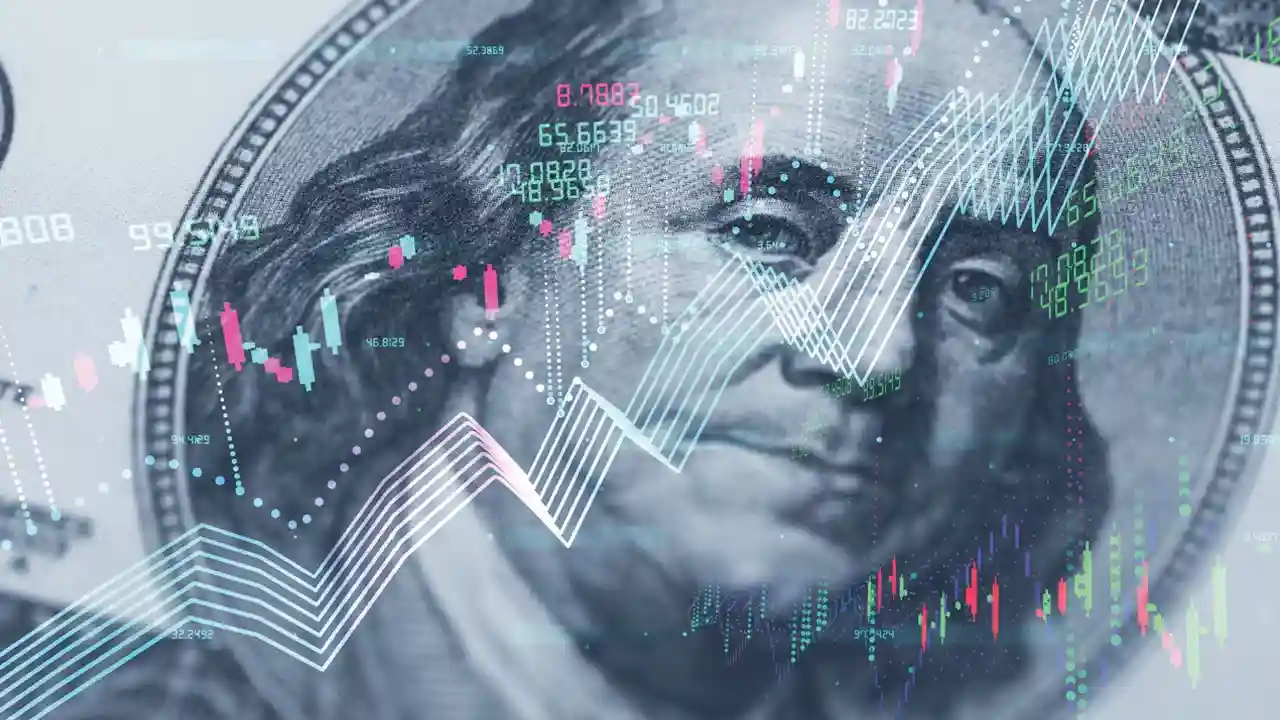
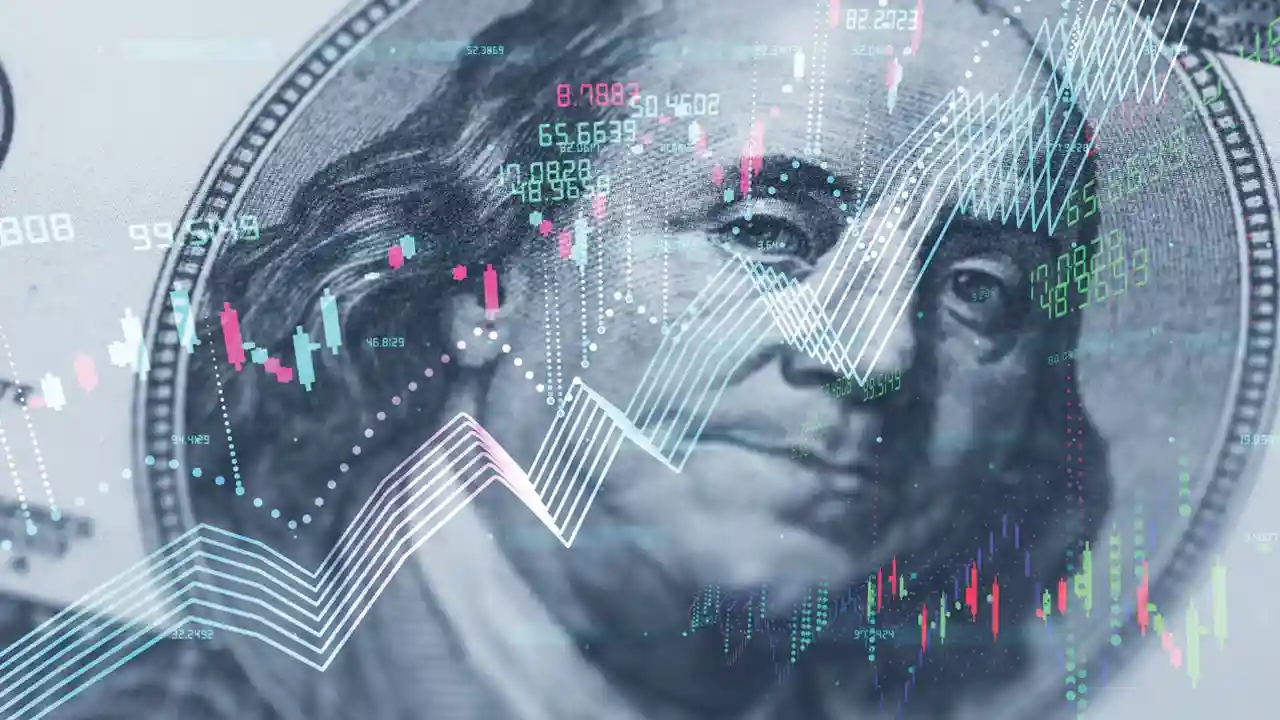
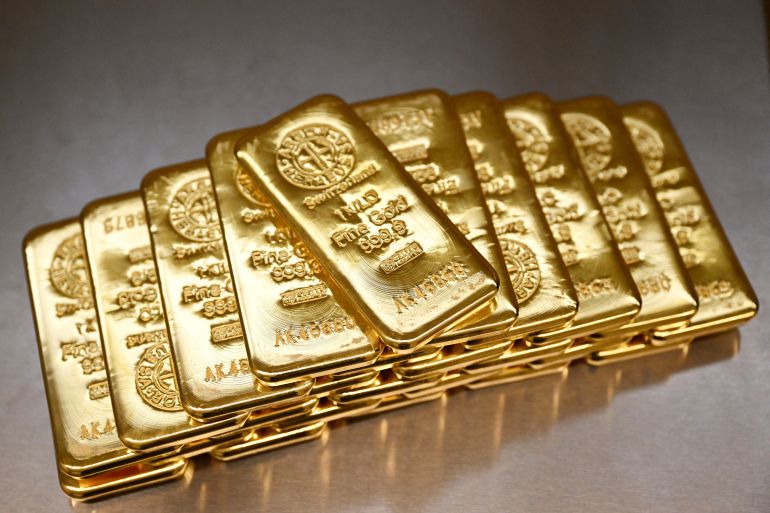
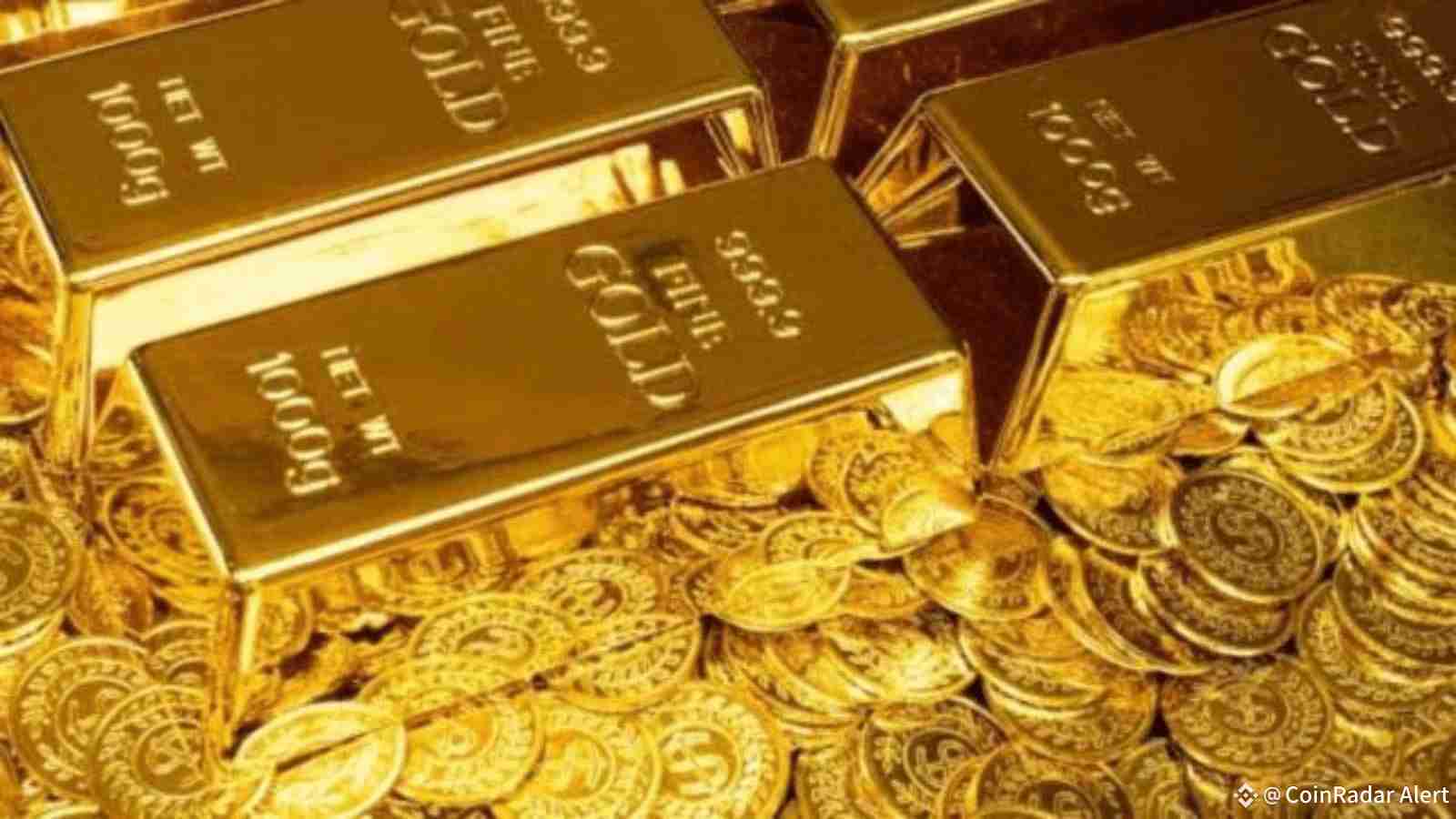
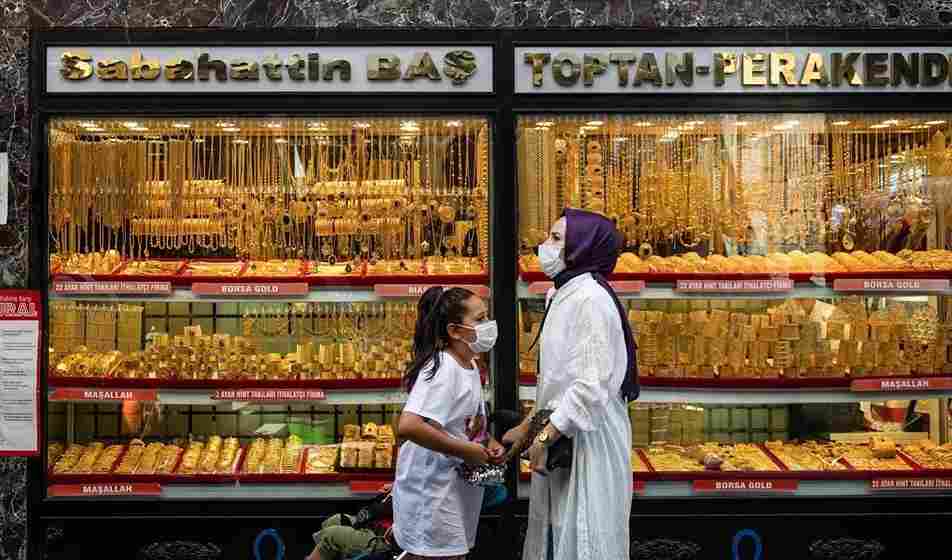
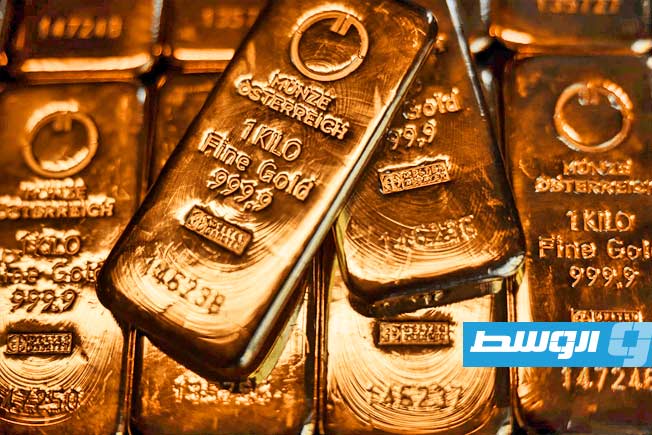
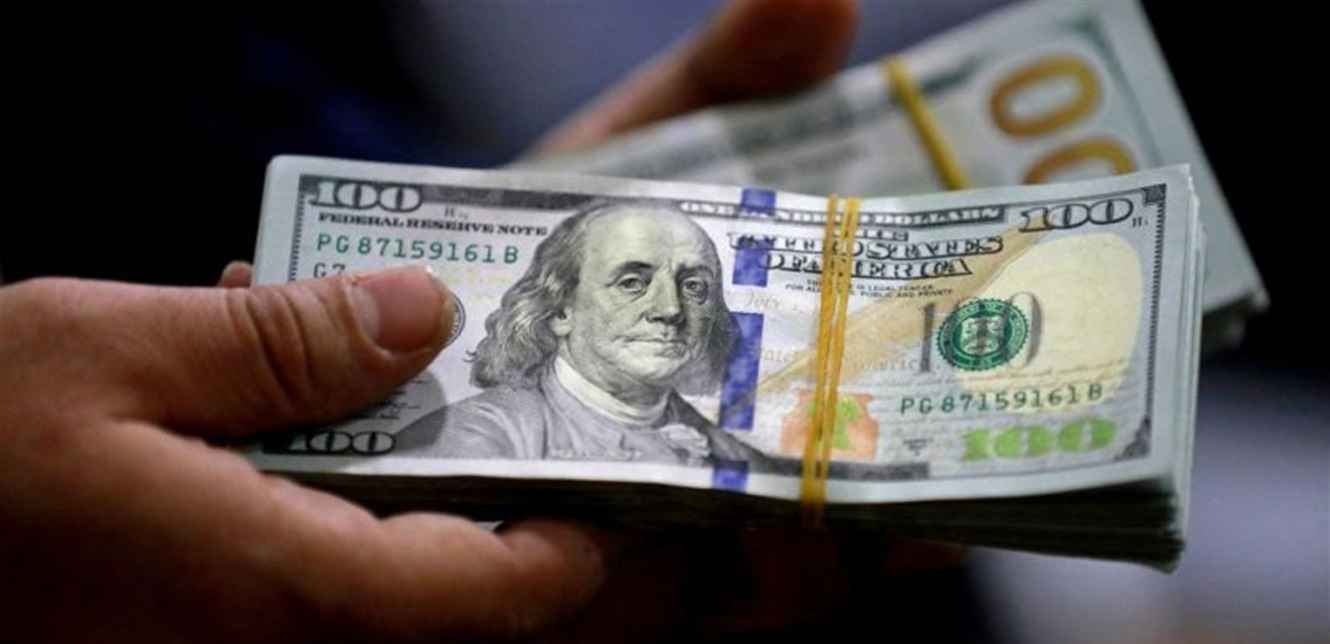
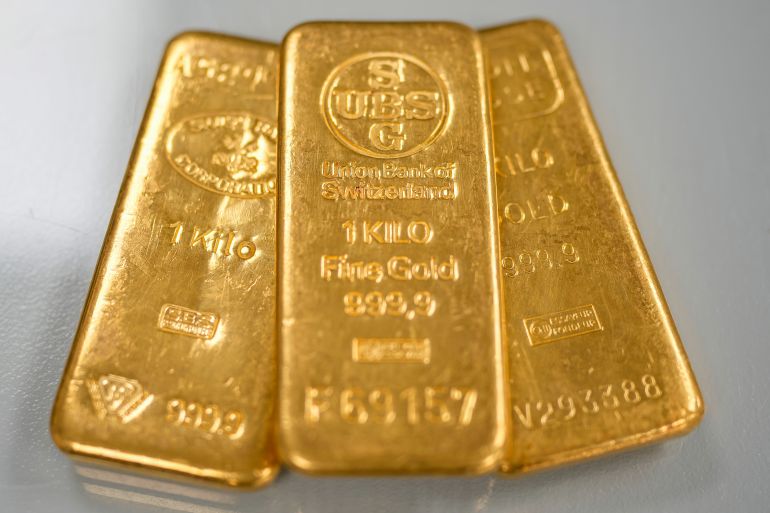
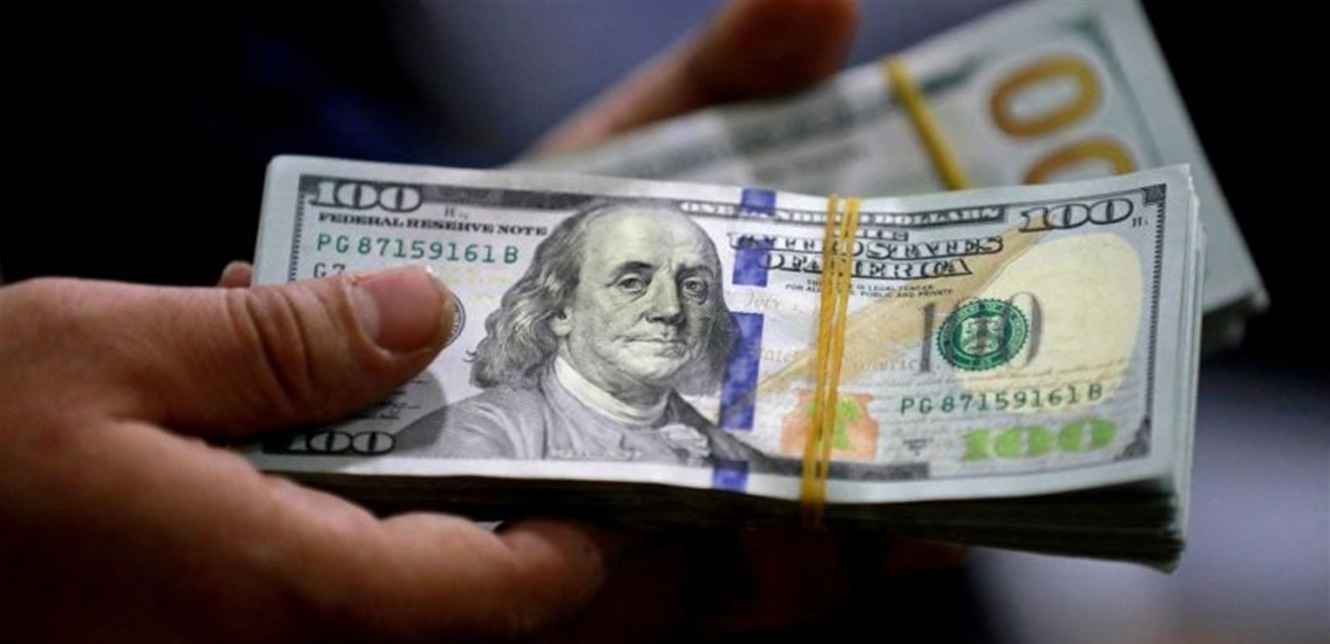
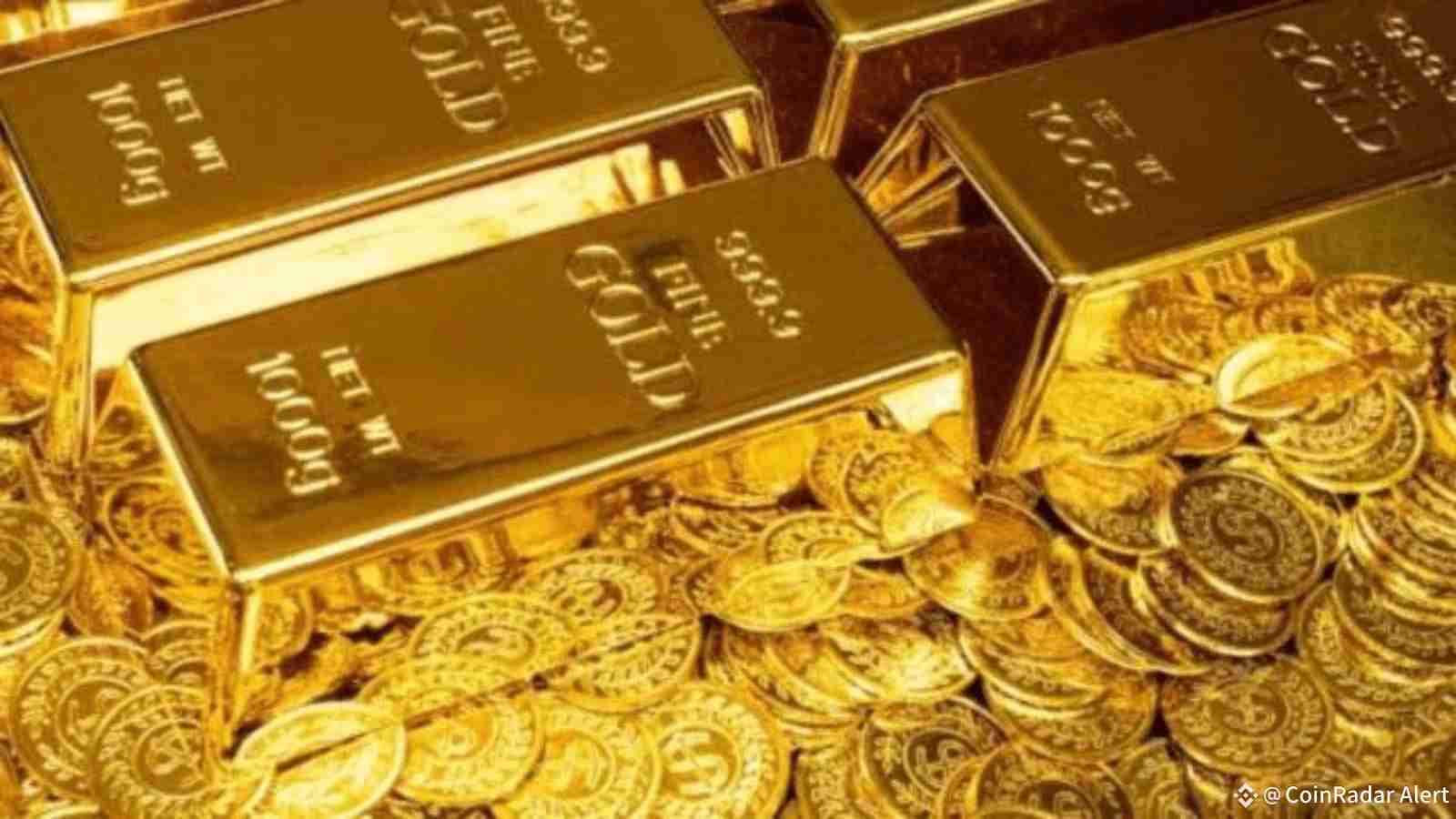
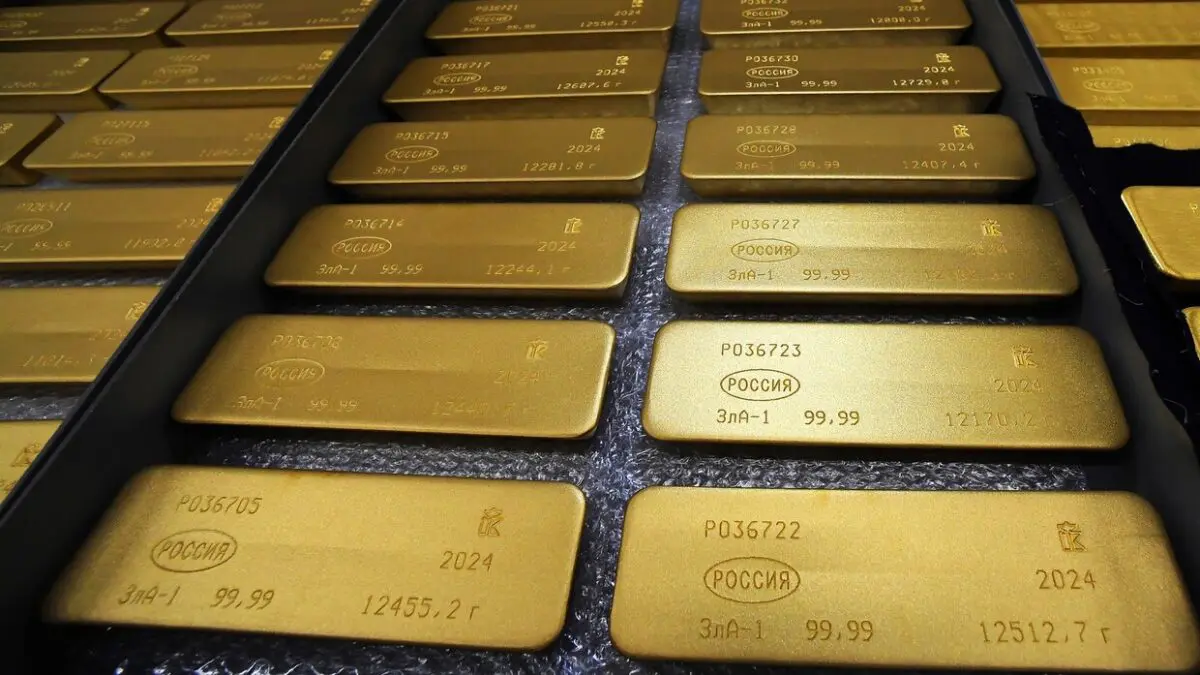
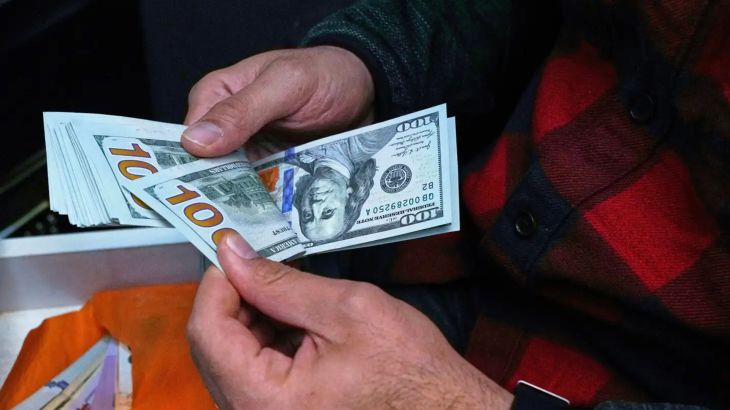
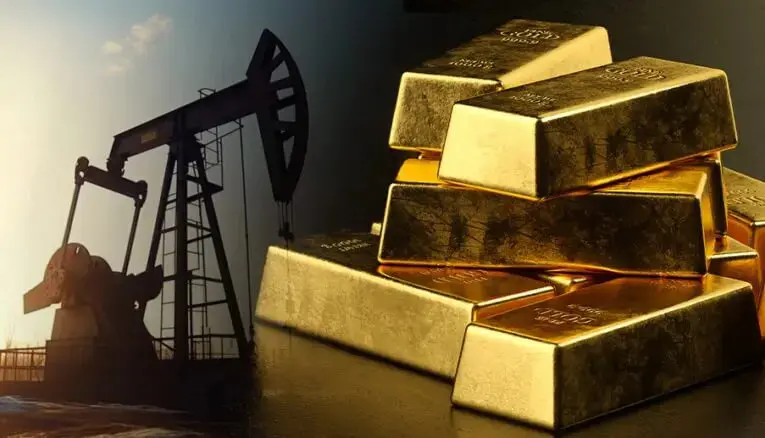
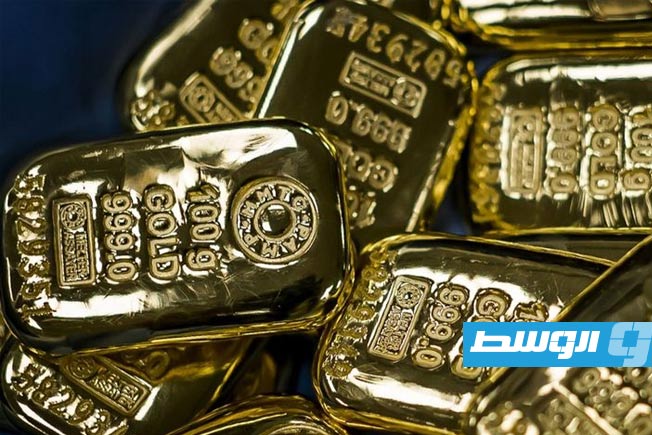
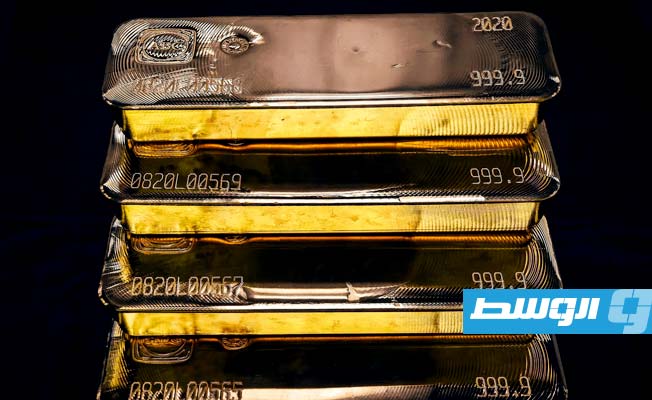
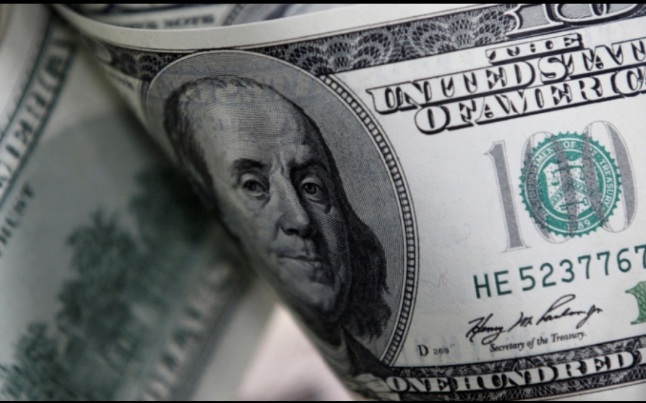
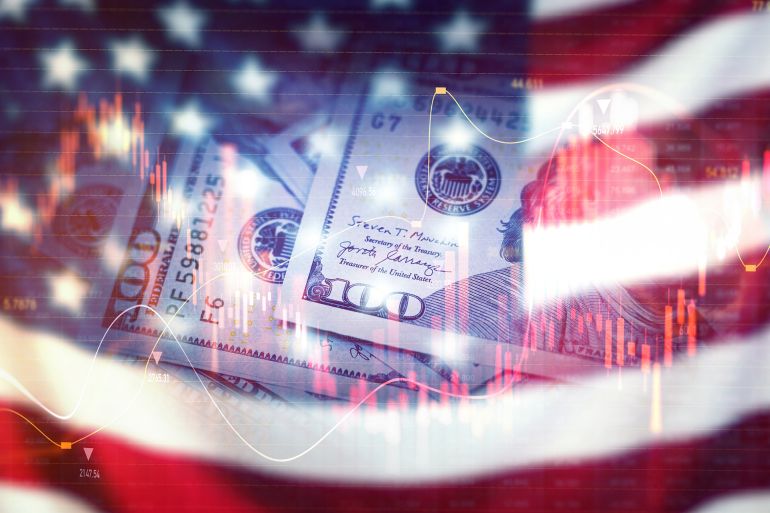
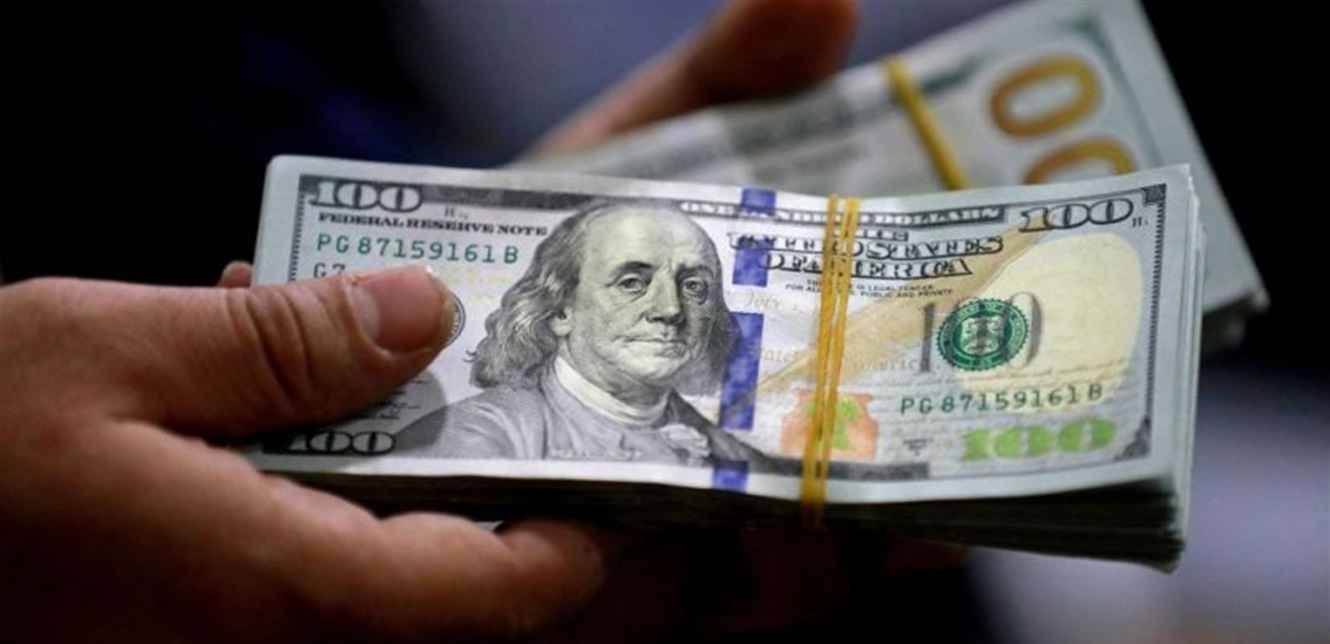
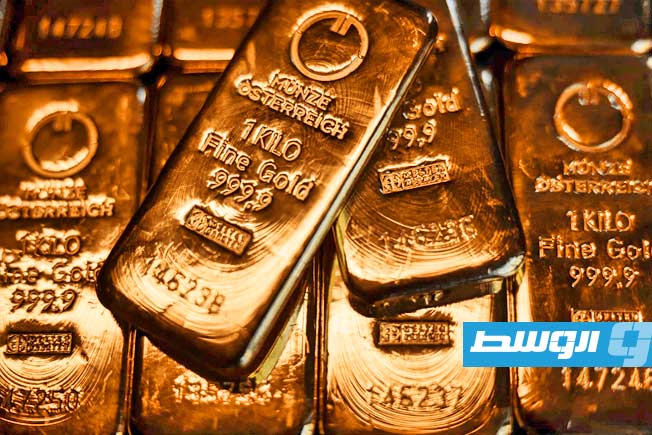
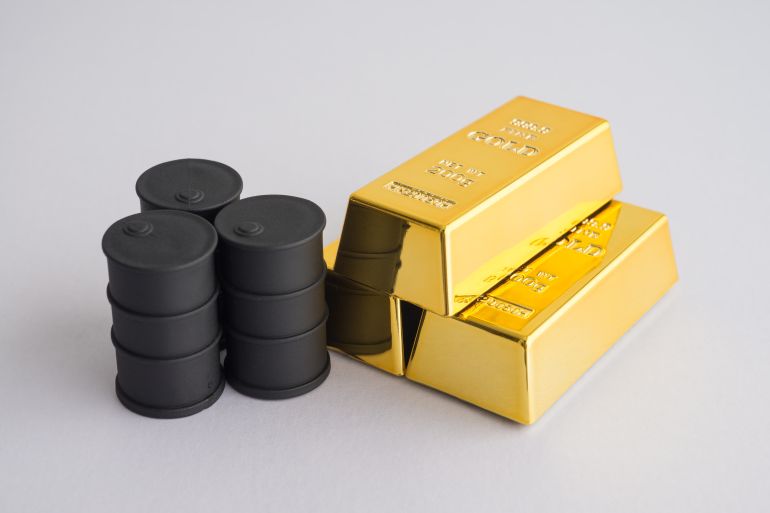
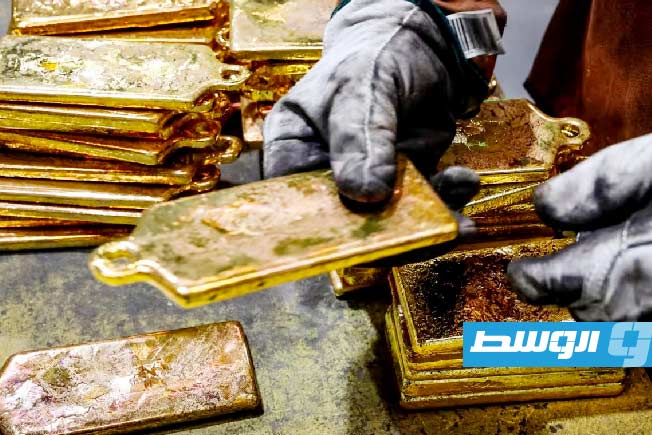
In a related context, gold prices declined after five days of gains, with the precious metal trading at $4,280 per ounce, awaiting the release of U.S. jobs and inflation data, which will determine the Federal Reserve’s monetary policy direction for 2026.
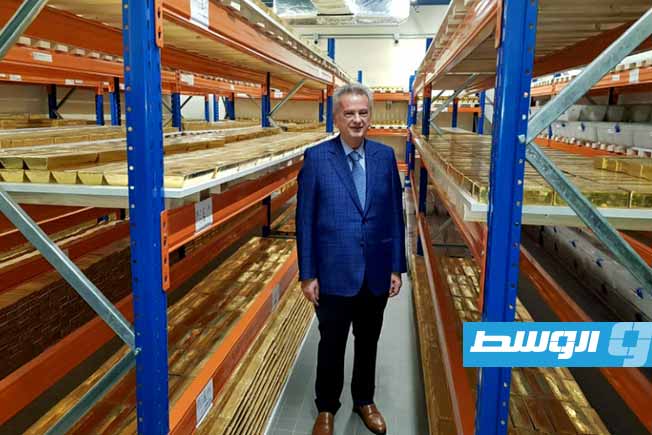
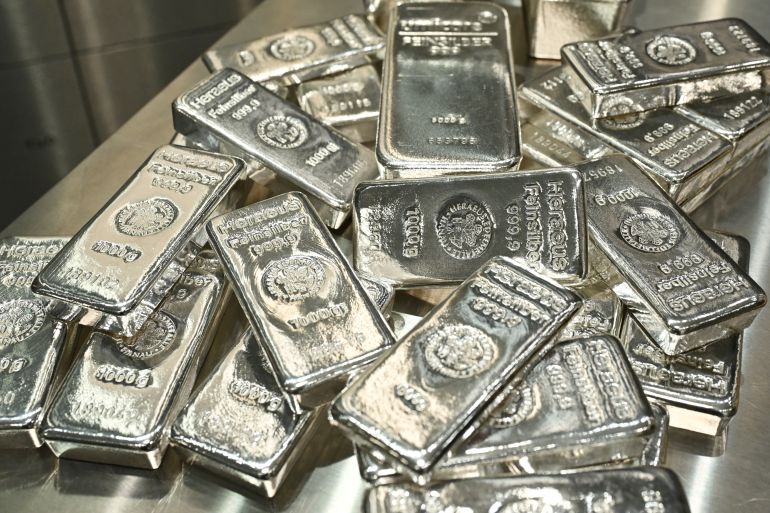
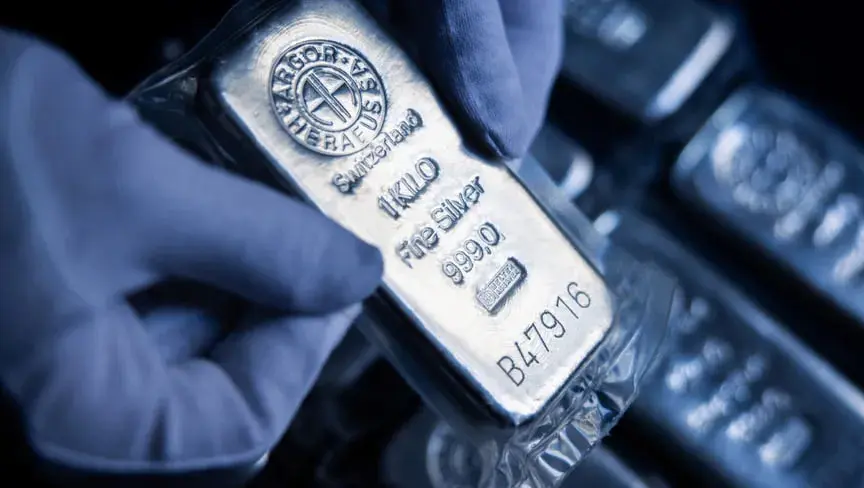
Gold and silver achieved exceptional annual performance, with gold rising more than 60% and silver doubling in value, marking their best performance since 1979, supported by central bank purchases and weak demand for sovereign bonds and currencies.
West Texas Intermediate crude
West Texas Intermediate (WTI) crude is a specific grade of crude oil used as a major global pricing benchmark. It originated from oil fields in Texas and the surrounding U.S. region, historically prized for its relatively low density and sulfur content, which makes it easier to refine into gasoline. Its pricing point is physically based at the pipeline hub in Cushing, Oklahoma.
Brent crude
Brent crude is a major global benchmark for oil prices, originating from the Brent oil field in the North Sea. It is named after the Brent goose and has been a key pricing reference since its discovery in the 1970s, influencing the cost of two-thirds of the world’s internationally traded crude oil.
Ukraine
Ukraine is a country in Eastern Europe with a long history of statehood dating back to the medieval Kyivan Rus’. It has faced periods of foreign rule and, after the dissolution of the Soviet Union, declared independence in 1991. The country is known for its rich cultural heritage, including Orthodox Christian cathedrals, Cossack traditions, and a distinct national identity.
United States
The United States is a federal republic founded in 1776 after declaring independence from Great Britain, with its modern government established by the Constitution in 1789. Its history encompasses westward expansion, the Civil War, industrialization, and its emergence as a global superpower in the 20th century. The nation is defined by its diverse population, democratic ideals, and significant cultural and economic influence worldwide.
Russia
Russia is the world’s largest country by area, spanning Eastern Europe and Northern Asia. Its history is marked by the rise and fall of the Kievan Rus’, the Tsardom of Russia, the Russian Empire, the Soviet Union, and the modern Russian Federation established in 1991. It is renowned for its vast landscapes, rich cultural heritage in literature, music, and art, and its influential role in global geopolitics.
Berlin
Berlin is the capital of Germany, historically significant as the divided epicenter of the Cold War following World War II, symbolized by the Berlin Wall. It has since been reunified and transformed into a major European hub for politics, culture, and science. The city’s complex history is visible through landmarks like the Brandenburg Gate, the Reichstag building, and numerous memorials.
OPEC+
OPEC+ is an expanded coalition of oil-producing nations, formed in 2016, that builds upon the original Organization of the Petroleum Exporting Countries (OPEC) founded in 1960. It aims to coordinate and stabilize global oil markets through negotiated production quotas, with its membership including OPEC countries led by Saudi Arabia and additional major producers like Russia.
Federal Reserve
The Federal Reserve is the central banking system of the United States, established in 1913 by the Federal Reserve Act to provide the nation with a safer, more flexible, and more stable monetary and financial system. It conducts national monetary policy, supervises and regulates banks, and works to maintain the stability of the financial system.