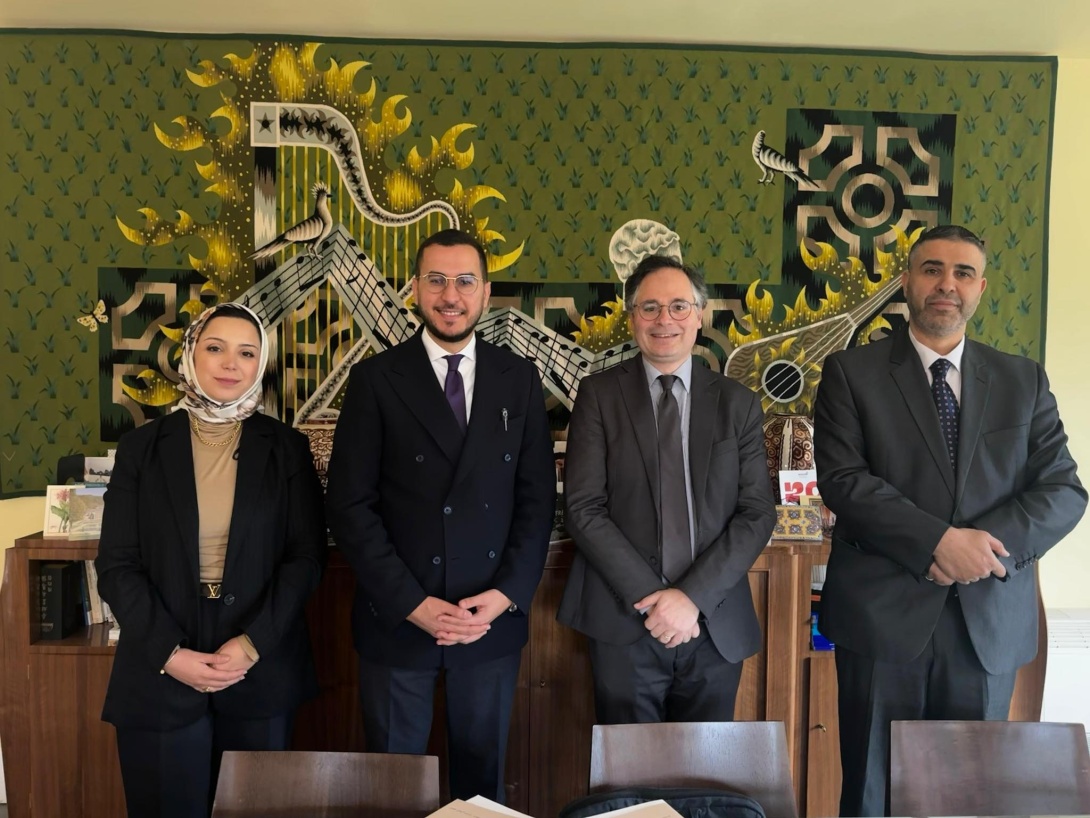
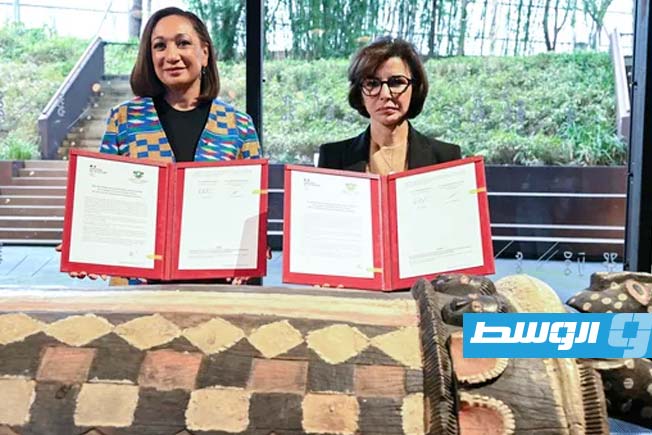
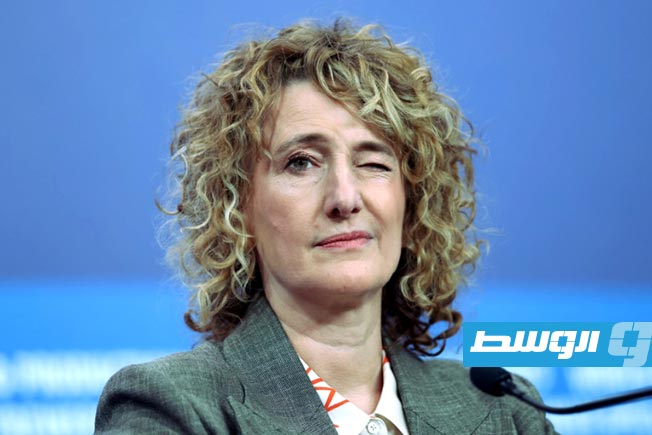
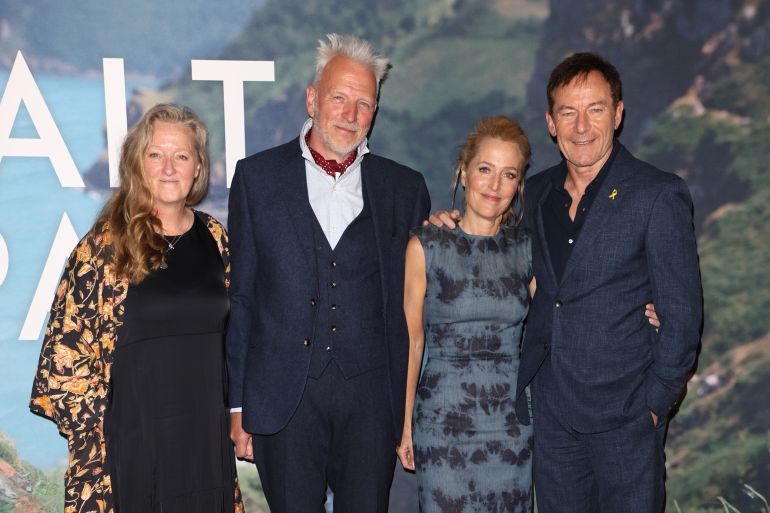
It was announced on February 17, 2026, that the appointment of diplomat Anne-Claire Legendre as President of the Board of Directors of the Arab World Institute (IMA) has been proposed.
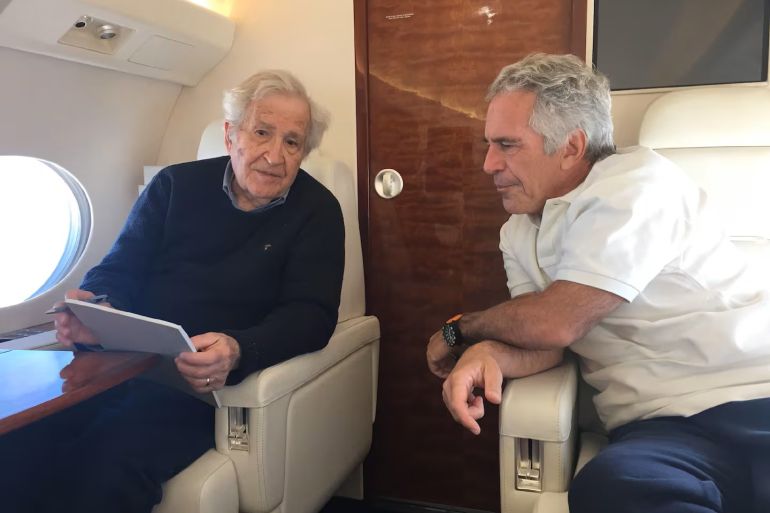
Legendre, who previously served as an advisor to the President on North African and Middle Eastern affairs, succeeds Jack Lang, who resigned from his position following revelations about his links to Jeffrey Epstein.
She supported France’s recognition of the State of Palestine
Legendre is a prominent diplomatic figure; she has worked as a spokesperson for the French Ministry of Foreign Affairs and served in French embassies in Kuwait and Yemen. Her role has also been notable in sensitive dossiers such as supporting France’s recognition of the State of Palestine.
If elected, Anne-Claire Legendre will become the first woman to chair the Institute’s Board of Directors in its history.
–
–
–
The new presidency carries an ambitious roadmap coinciding with the Institute’s 40th anniversary, focusing on implementing structural reforms aimed at modernizing governance, achieving greater transparency, and restoring the institution’s sustainable financial balance.
Regarding administrative and legal reforms, it has been decided to assign an inspection mission to conduct a comprehensive audit of the Institute’s financial management and human resources issues.
Plans also include proposing amendments to the Institute’s statutes, involving setting the maximum age for the President at appointment at 64 years old and establishing limits on the number of consecutive terms.
Ethics and Compensation Committee
The proposed reforms also include the creation of an Ethics and Compensation Committee, and strengthening rules for preventing conflicts of interest and protecting integrity by imposing declarations of interest and strict rules on accepting gifts and benefits.
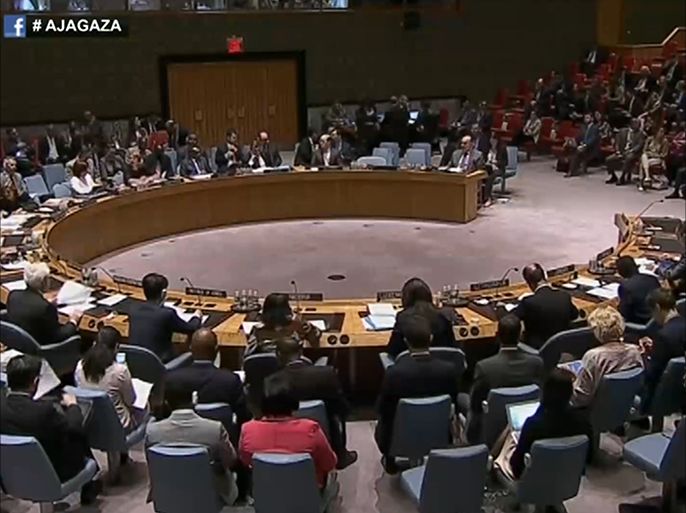
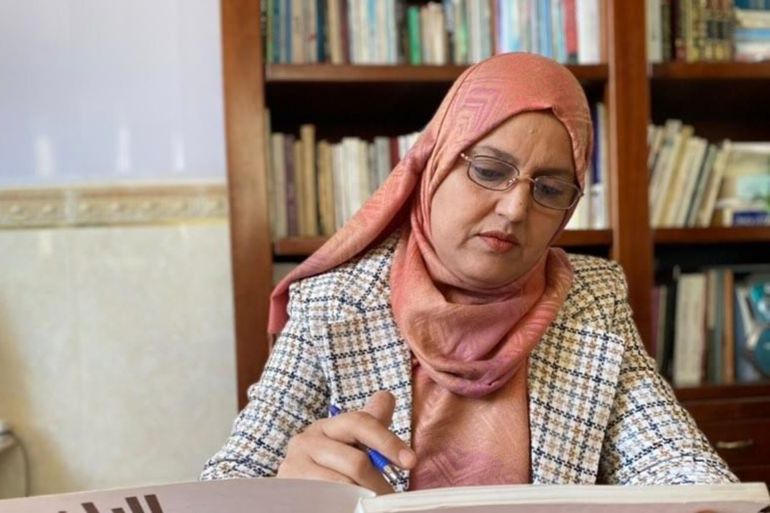
Anne-Claire Legendre (47 years old), of Breton origin, combines an academic background in political science and the Arabic language, having graduated from the Paris Institute of Political Studies and studied Arabic at the National Institute of Oriental Languages and Civilizations in Paris, with field diplomatic experience including work in Yemen, Kuwait, and the French Mission to the United Nations.
She is known for her work as a spokesperson for the French Foreign Ministry and as a presidential advisor on Middle Eastern affairs, and for her understanding of international diplomacy mechanisms.
Arab World Institute
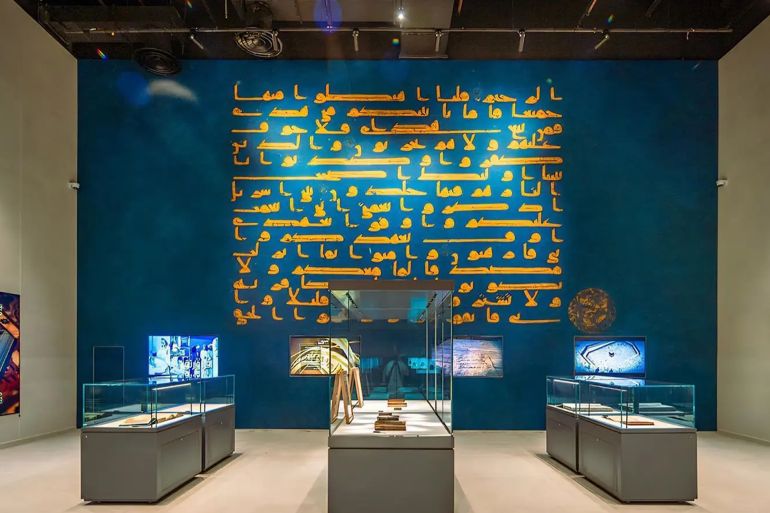
The Arab World Institute in Paris is a cultural center founded in 1980 through a partnership between France and 18 Arab League nations to foster cultural exchange. Its most iconic feature is its southern façade, which is covered with hundreds of geometric, light-sensitive apertures that function like camera diaphragms, designed by architect Jean Nouvel. The institute houses a museum, library, and hosts exhibitions dedicated to the art, science, and civilization of the Arab world.
France
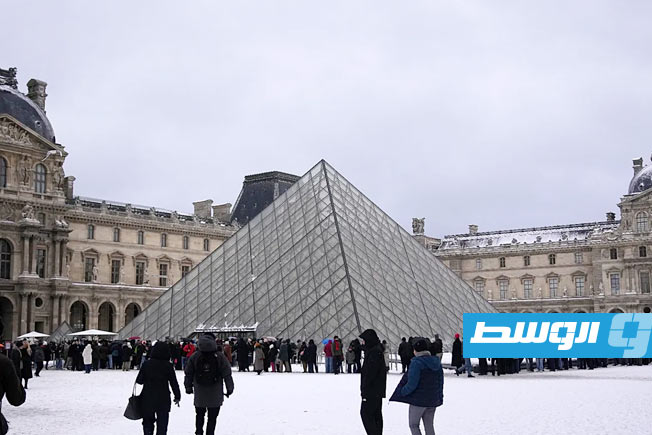
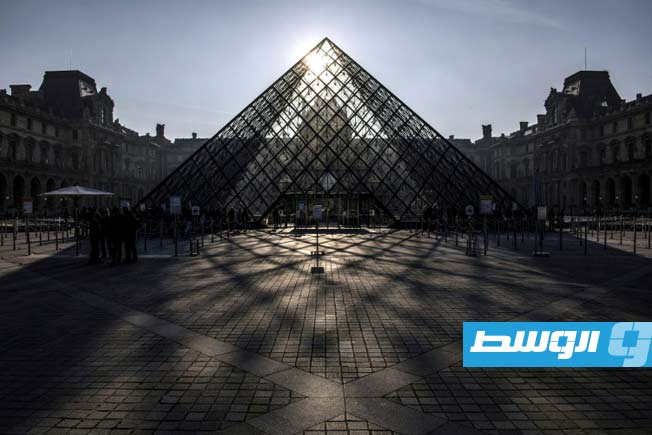
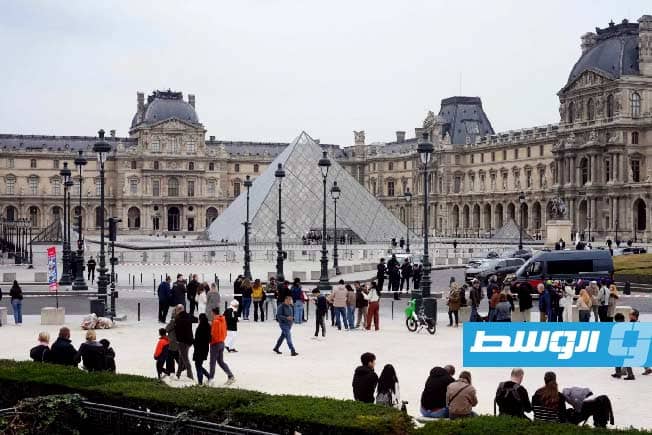
France is a Western European nation with a rich history dating back to ancient Gaul, later evolving into a powerful kingdom and empire that profoundly influenced global politics, art, and philosophy. Its capital, Paris, is a major world cultural center, home to iconic landmarks like the Eiffel Tower and the Louvre Museum, which houses historic artifacts like the Mona Lisa.
State of Palestine
The State of Palestine is a partially recognized sovereign state in the Middle East, with historical claims to the West Bank and Gaza Strip. Its modern political identity is rooted in the Palestinian national movement, following the 1948 Arab-Israeli war and the subsequent Israeli occupation of territories after 1967.
French Ministry of Foreign Affairs
The French Ministry of Foreign Affairs, often called the Quai d’Orsay for its Parisian address, is the government department responsible for France’s diplomatic relations and foreign policy. It was formally established in 1589, making it one of the oldest diplomatic services in the world, and has been headquartered in its iconic building on the Left Bank of the Seine since the mid-19th century.
Kuwait
Kuwait is a sovereign Arab state on the Persian Gulf, historically established as a sheikhdom in the 18th century by clans from the Arabian interior. Its modern history was profoundly shaped by the discovery of oil in the 1930s, which transformed it into a wealthy nation, and by the Iraqi invasion and subsequent Gulf War in 1990-1991. The country is known for its modern architecture, such as the Kuwait Towers, and its traditional *diwaniyas* (gathering spaces) that remain central to its social and political life.
Yemen
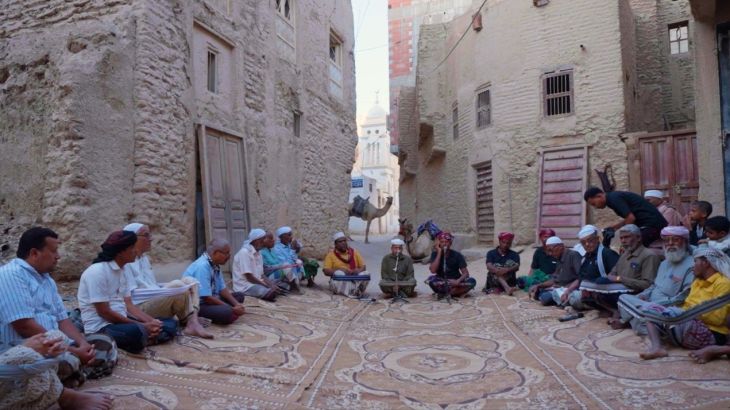
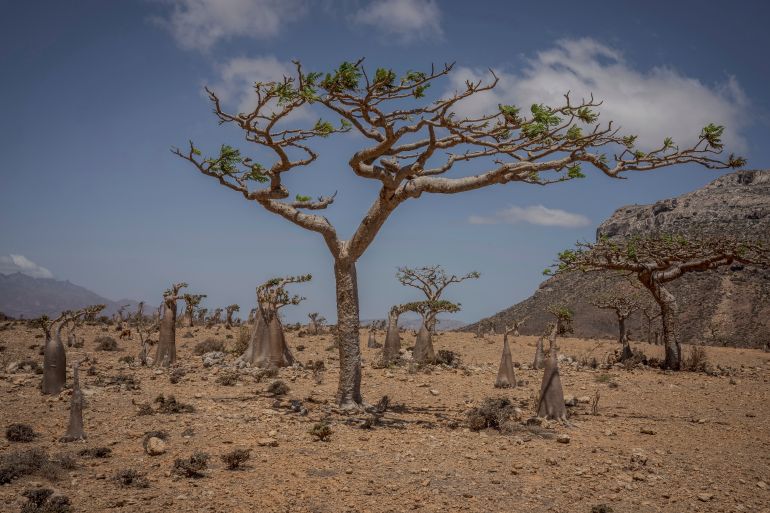
Yemen is a country on the Arabian Peninsula with a rich history as a center of ancient civilizations and trade, notably the Kingdom of Saba (Sheba). It is home to significant cultural sites like the Old City of Sana’a, with its distinctive multi-story tower houses, and the historic port of Aden.
Paris Institute of Political Studies
The Paris Institute of Political Studies, commonly known as Sciences Po, is a prestigious French university specializing in the social sciences, founded in 1872 in the aftermath of the Franco-Prussian War to modernize the education of the country’s political and administrative elite. It has since expanded to multiple campuses across France and is renowned for its influential alumni in politics, law, and business.
National Institute of Oriental Languages and Civilizations
The National Institute of Oriental Languages and Civilizations (INALCO) in Paris is a prestigious French university institution specializing in the study of languages, civilizations, and societies of non-Western worlds. Founded in 1795 as the “School of Living Oriental Languages,” it was established to train interpreters and experts to support France’s diplomatic and commercial interests across Asia, Africa, Eastern Europe, and Oceania.
Paris
Paris is the capital of France, historically founded as the Roman town of Lutetia in the 3rd century BC. It is globally renowned as a center for art, fashion, and culture, home to iconic landmarks like the Eiffel Tower, the Louvre Museum, and Notre-Dame Cathedral.
French Mission to the United Nations
The French Mission to the United Nations is the diplomatic delegation representing France at the UN headquarters in New York. It was established following the founding of the United Nations in 1945, with France being one of the five permanent members of the Security Council. The mission’s primary role is to articulate and advance French foreign policy, engage in multilateral negotiations, and uphold France’s interests across the UN’s agenda.
French Foreign Ministry
The French Foreign Ministry, officially the Ministry for Europe and Foreign Affairs, is headquartered at the Quai d’Orsay in Paris. Established in 1589, it is one of the oldest government departments in France, responsible for conducting the nation’s foreign policy, diplomatic relations, and international development.