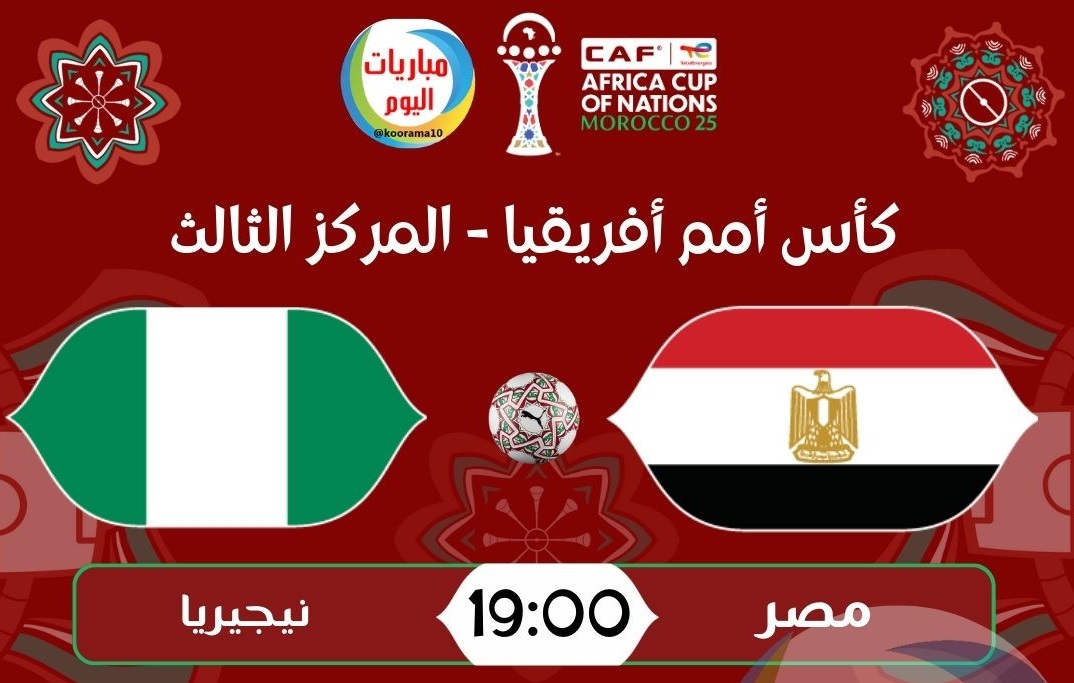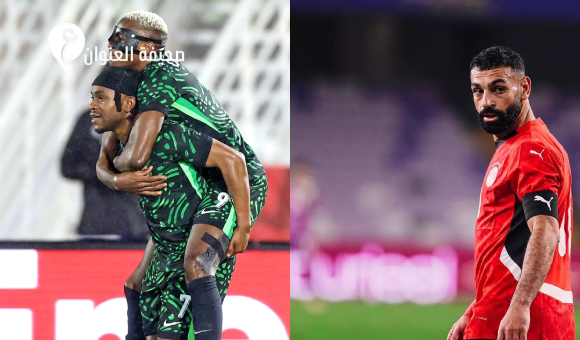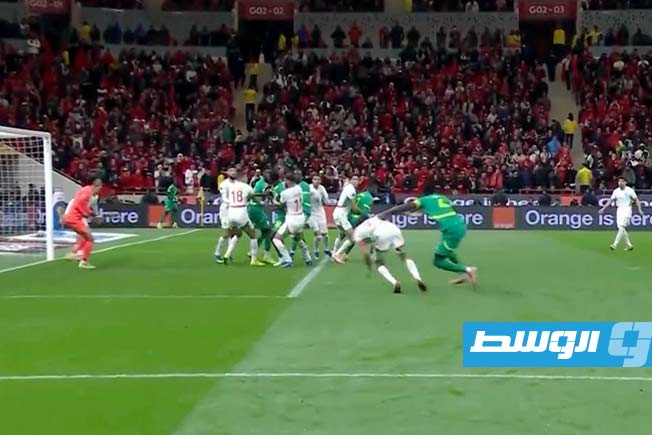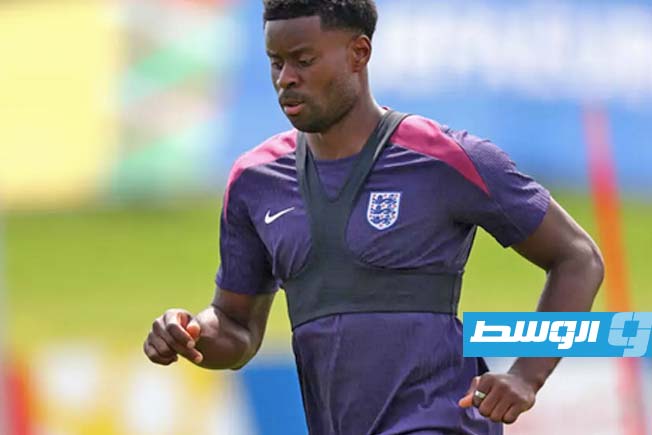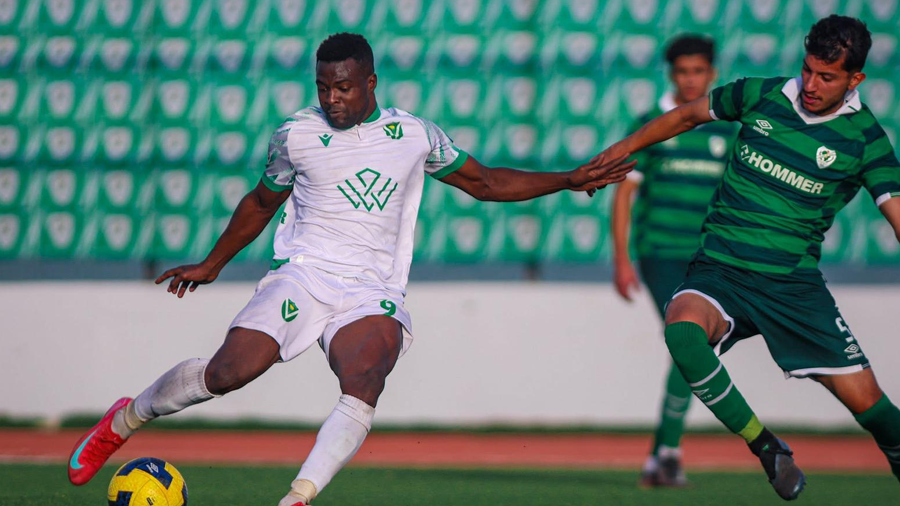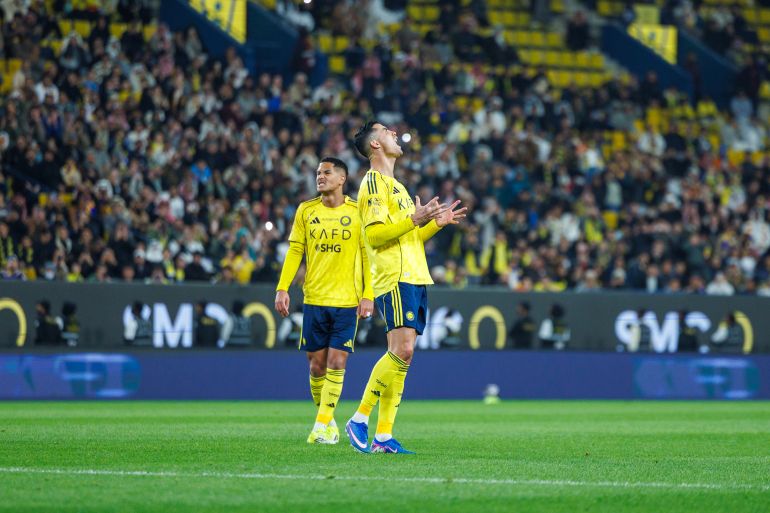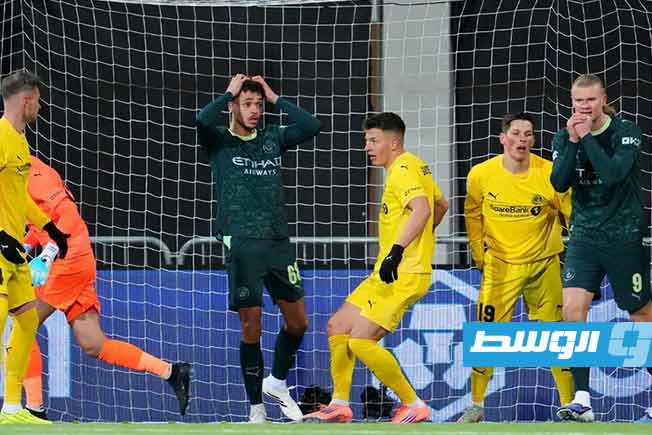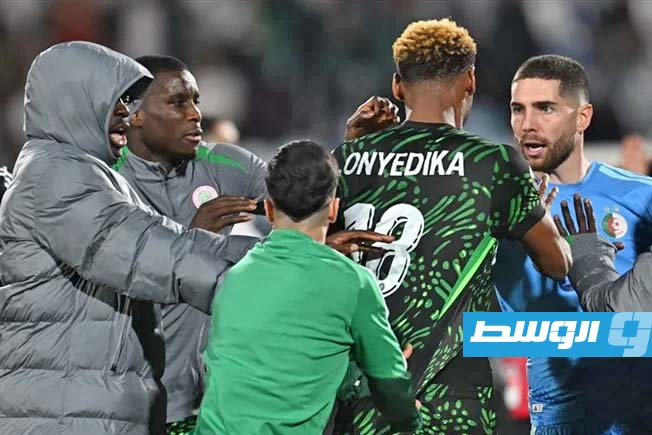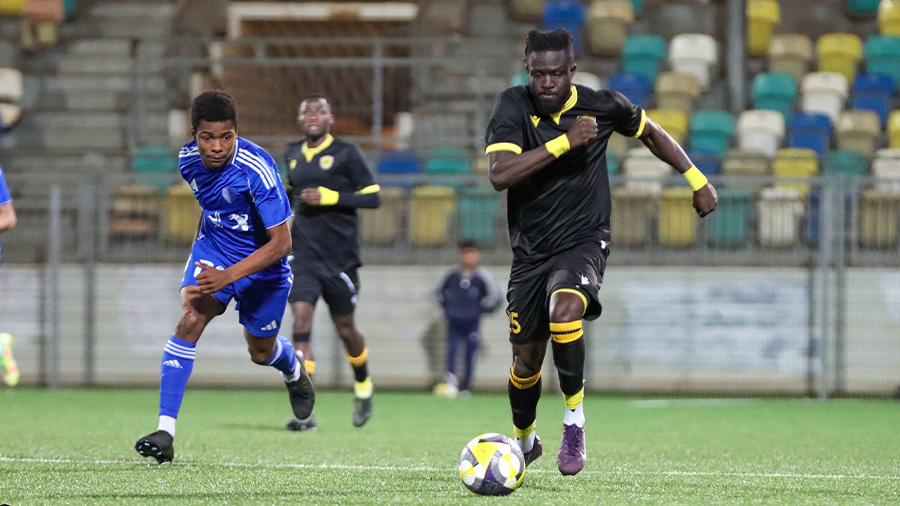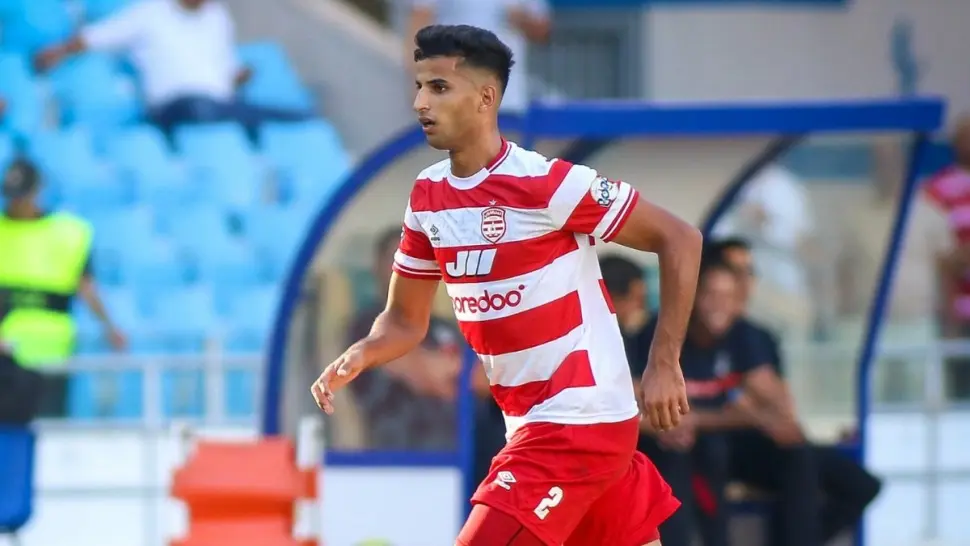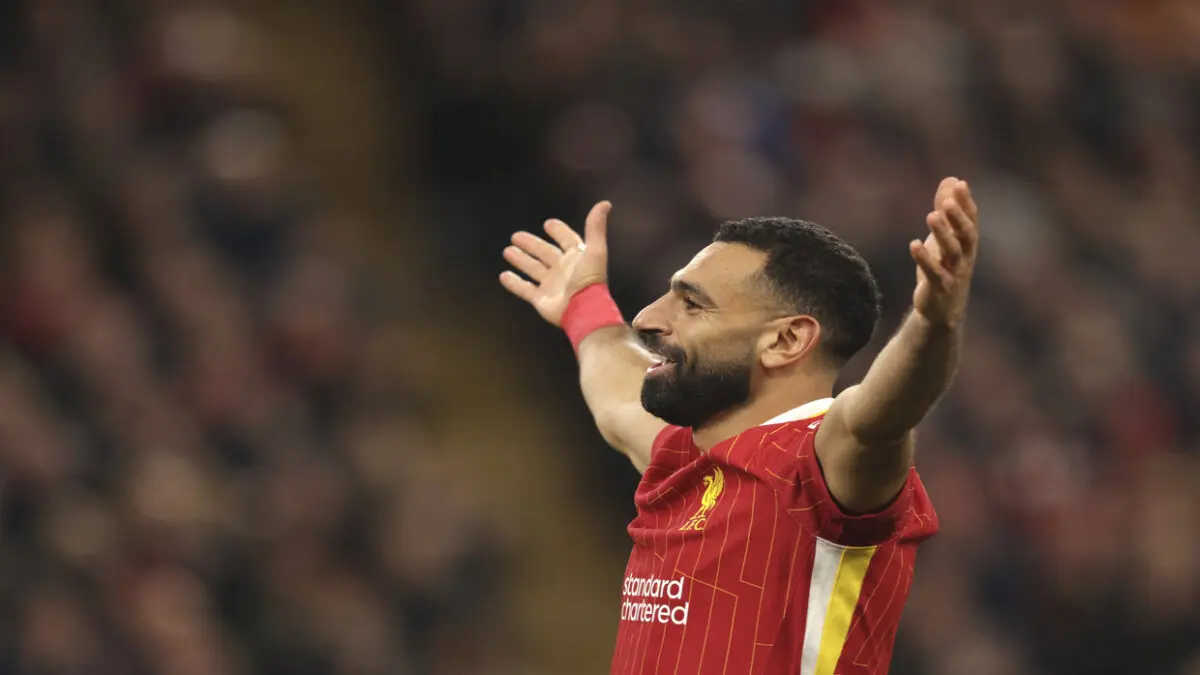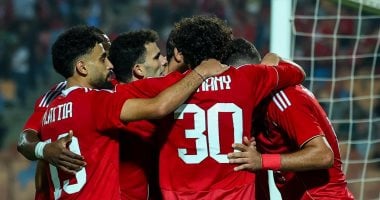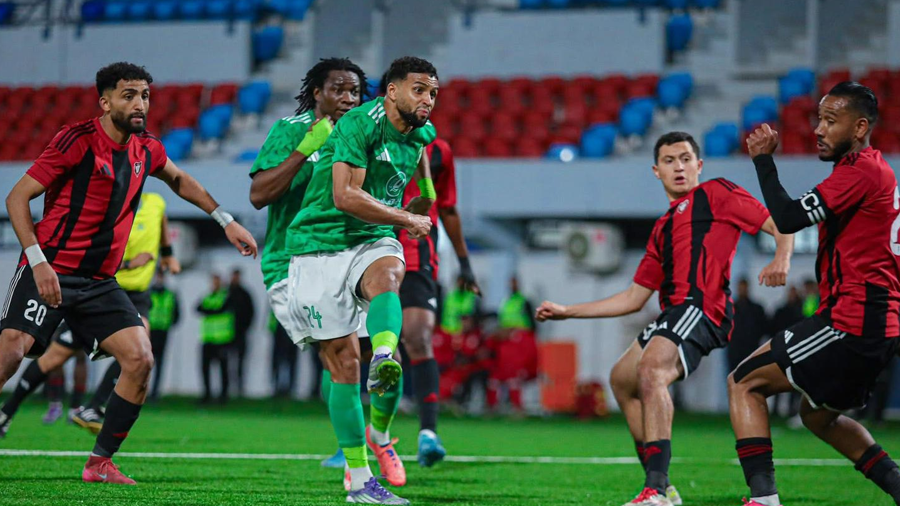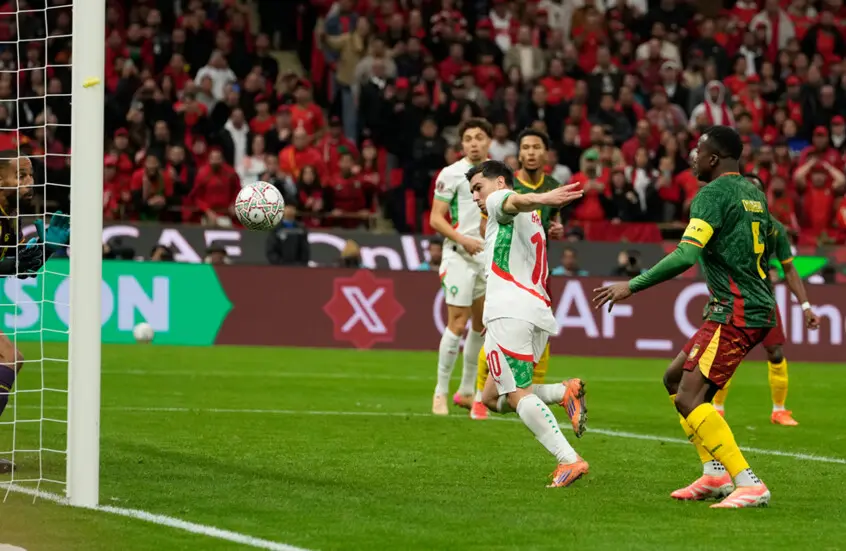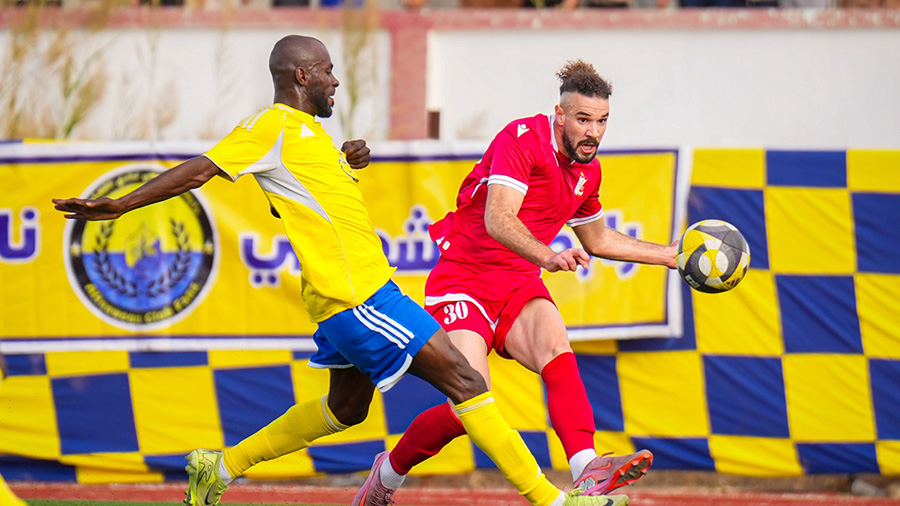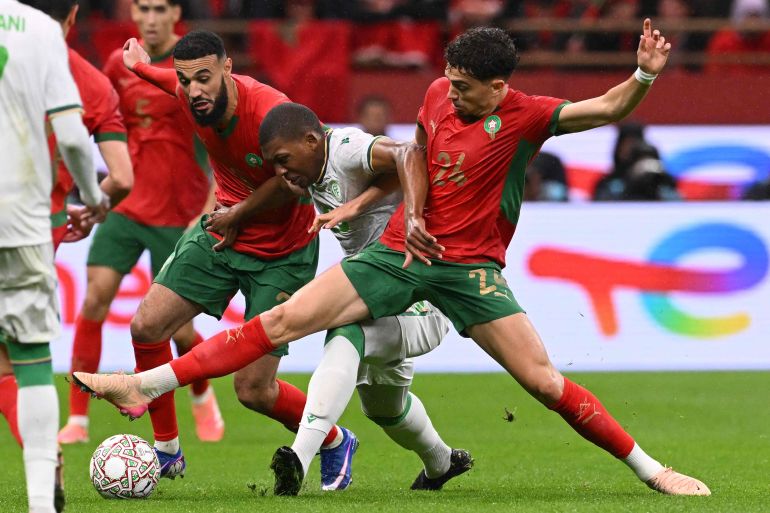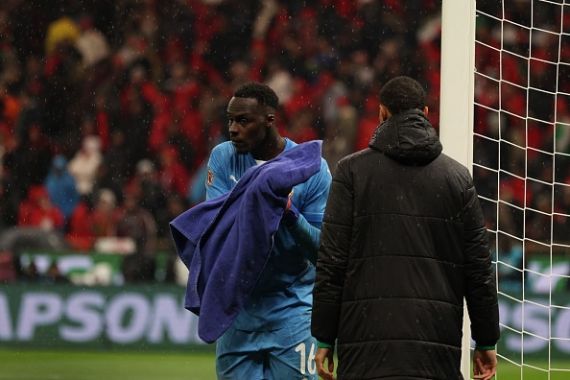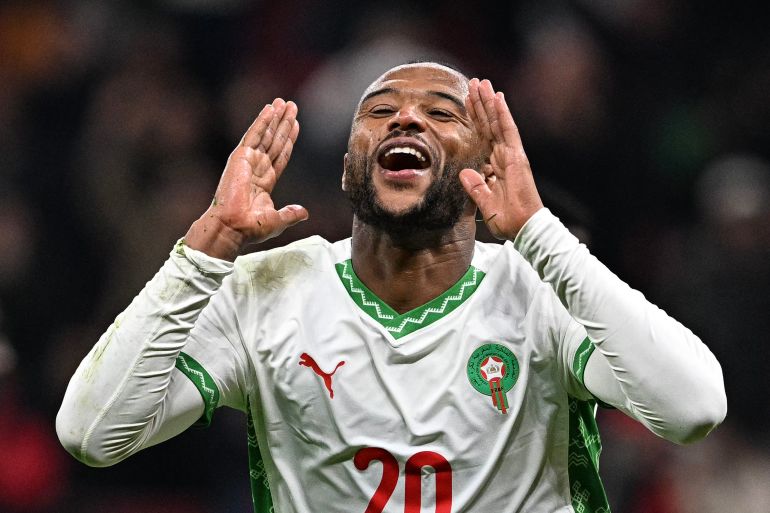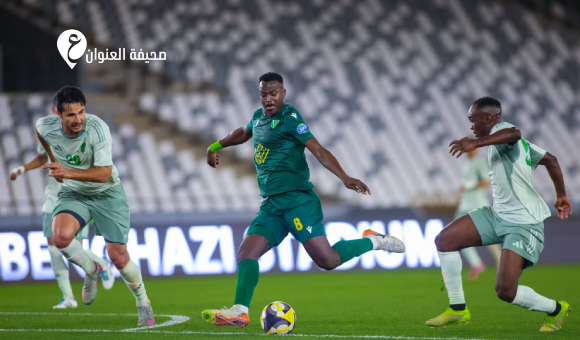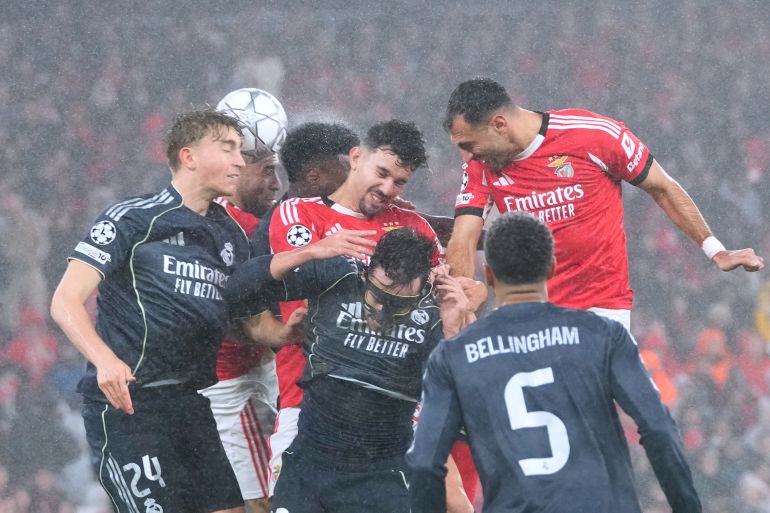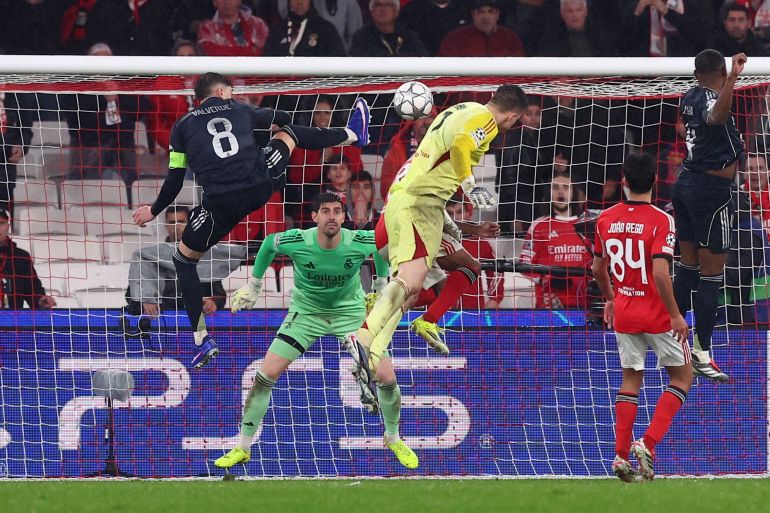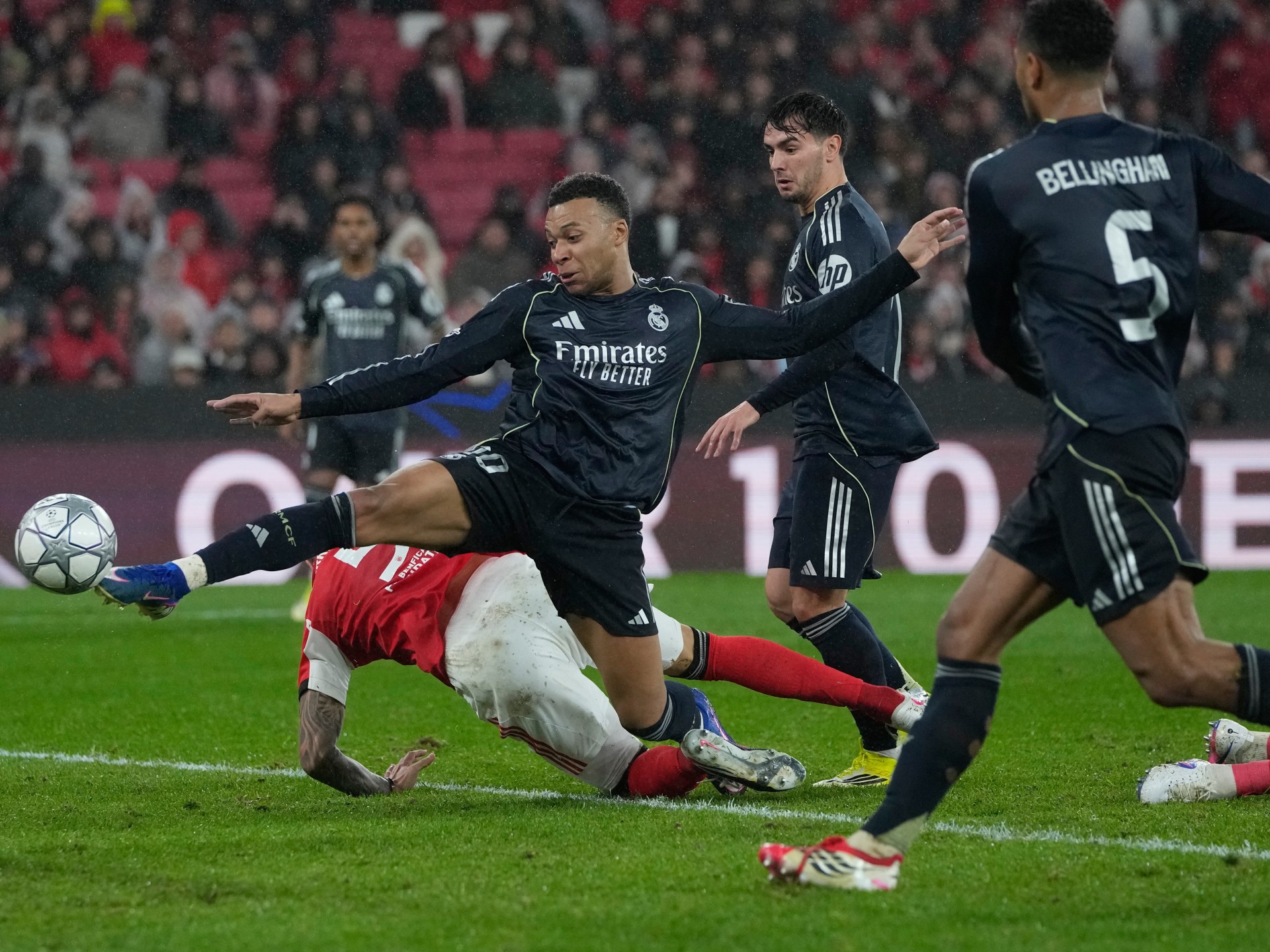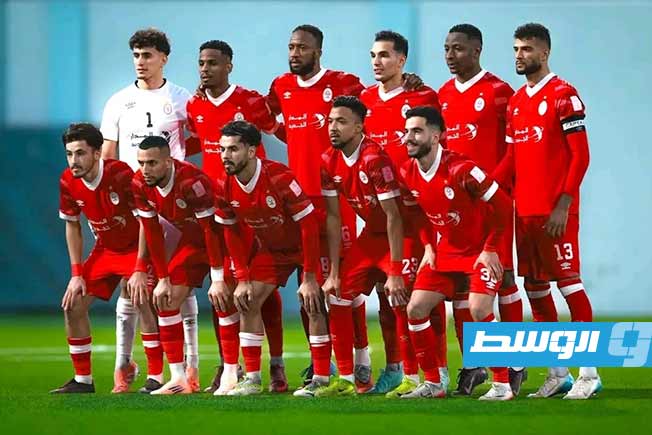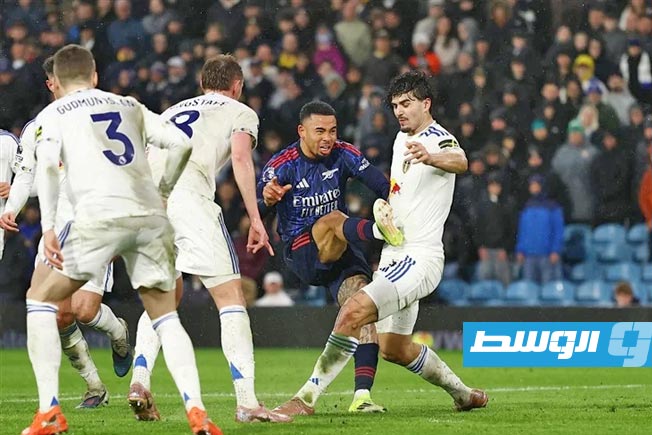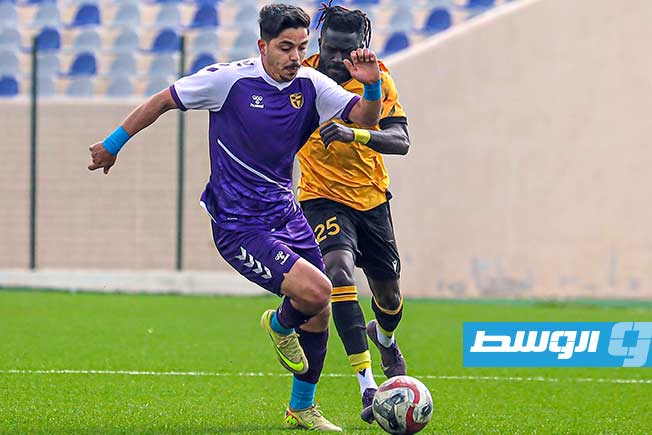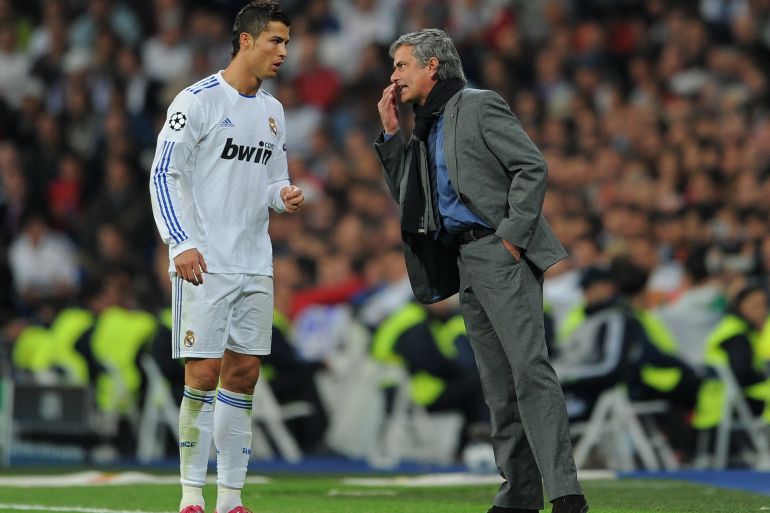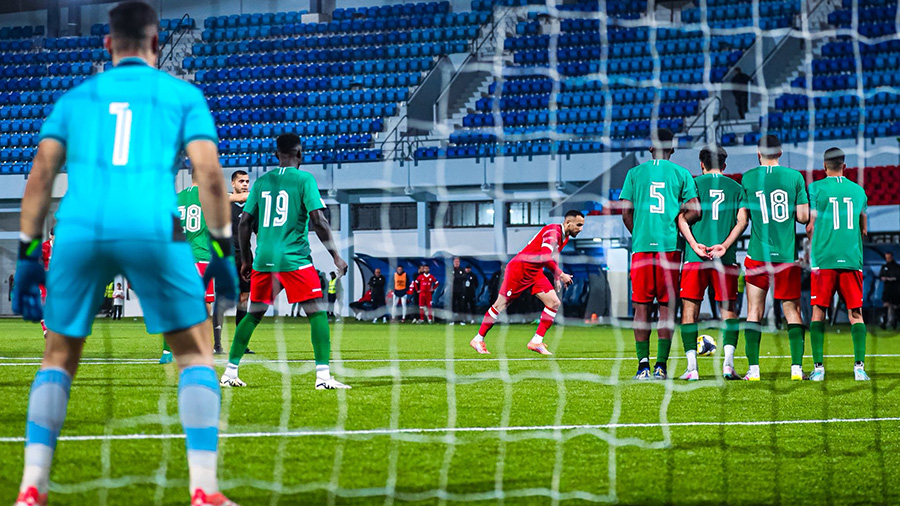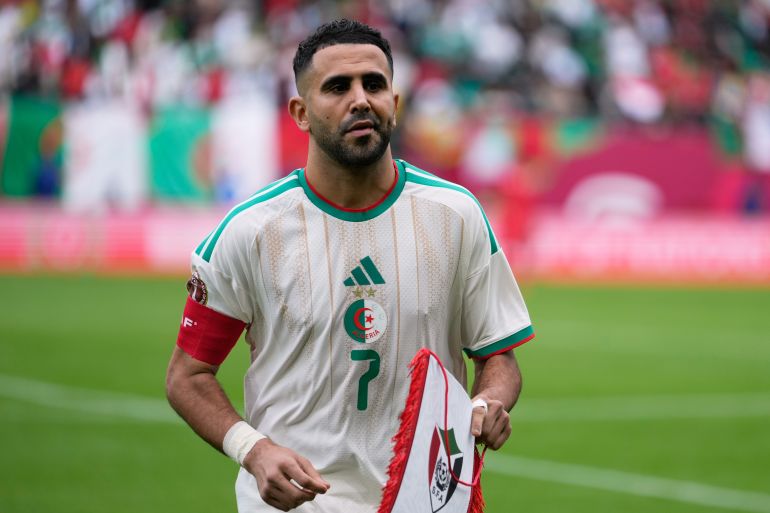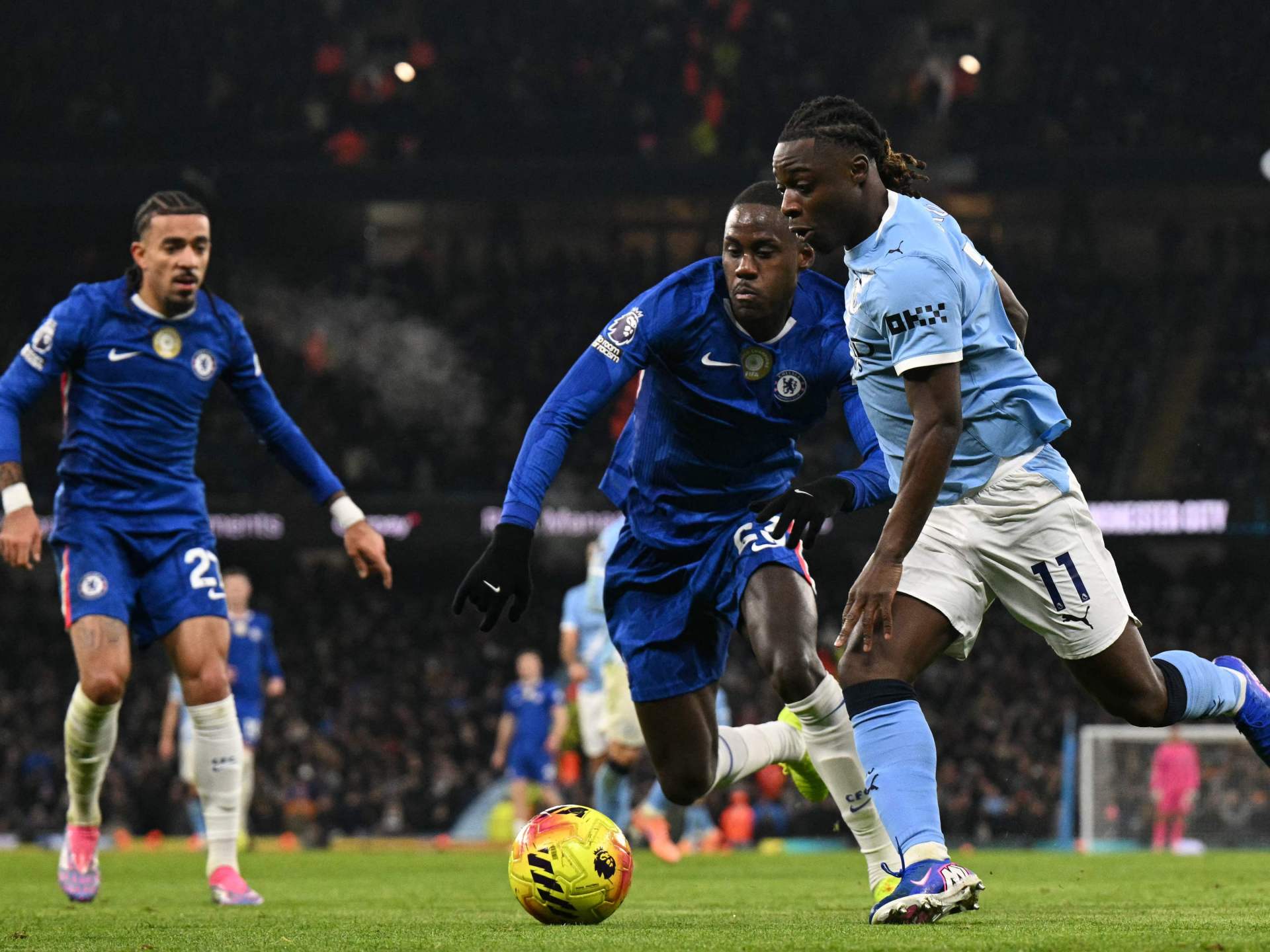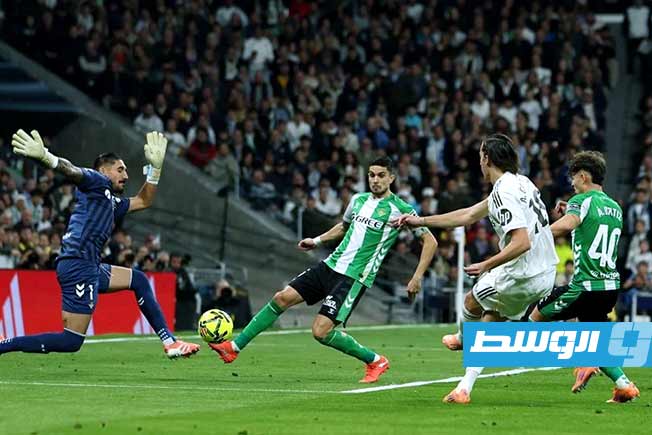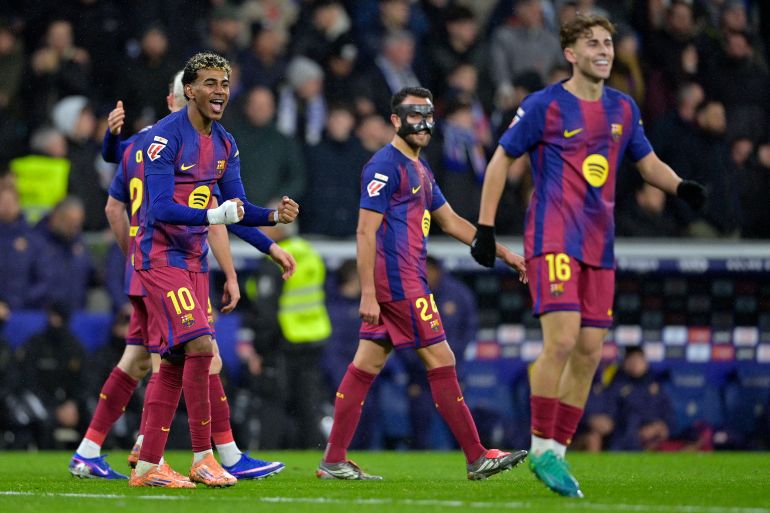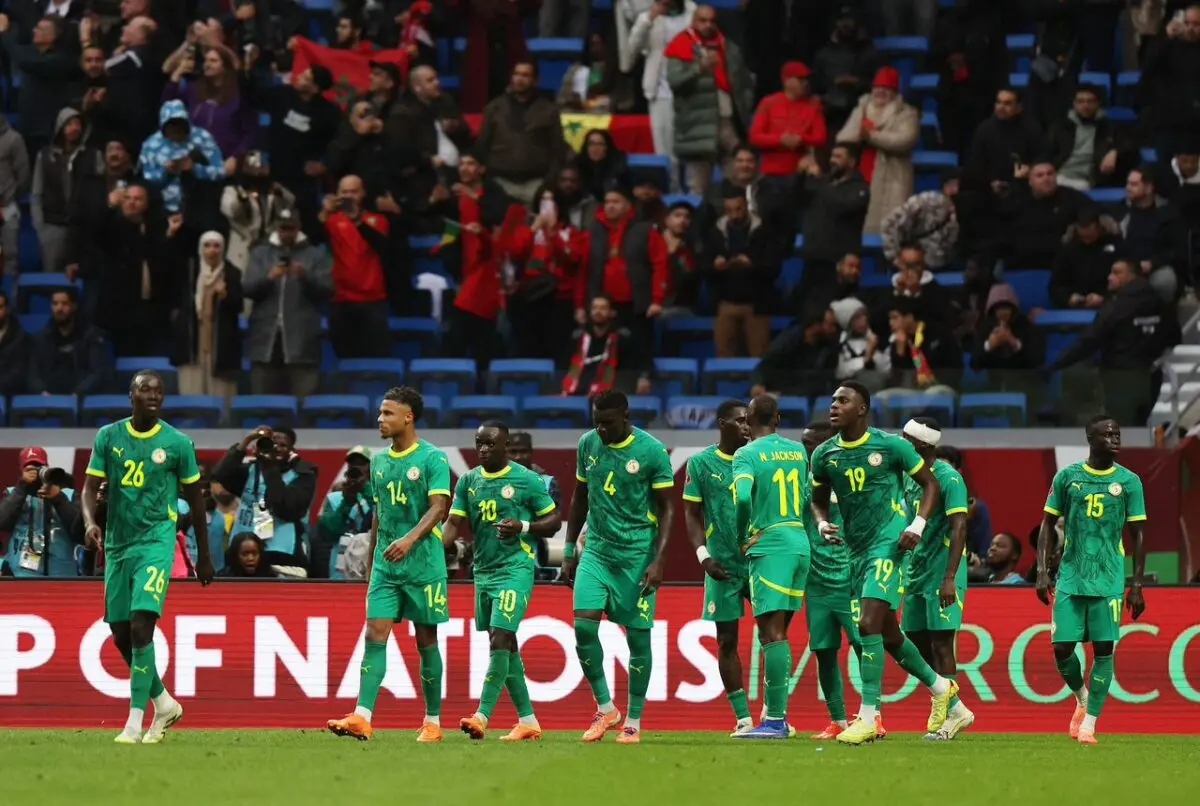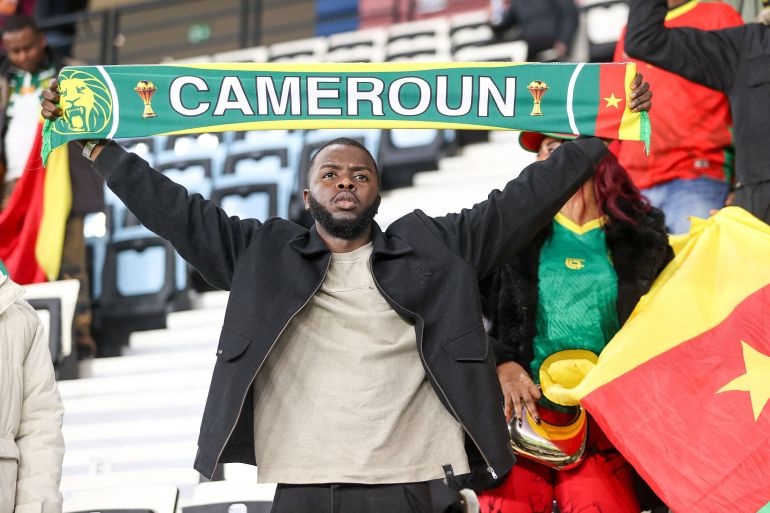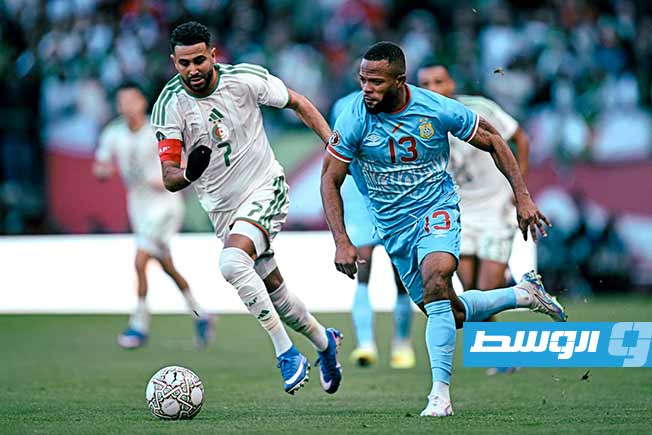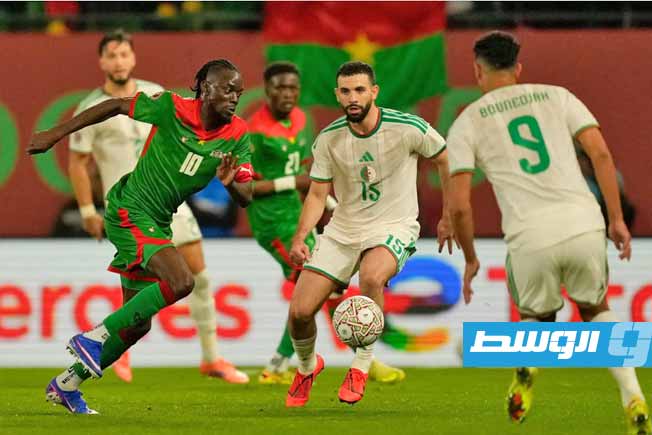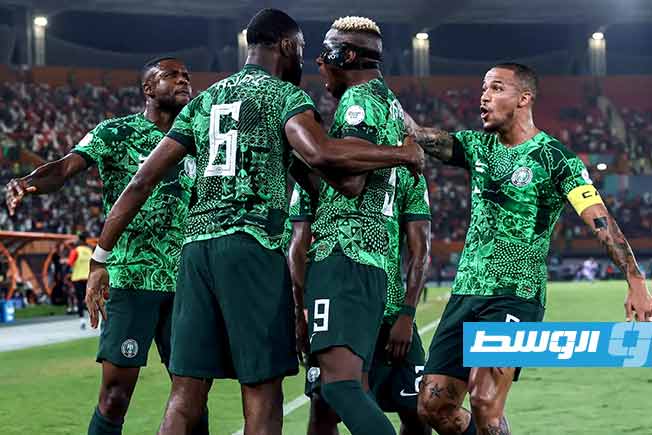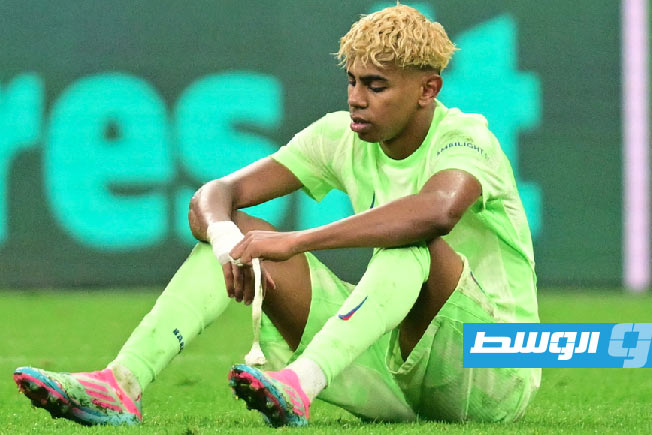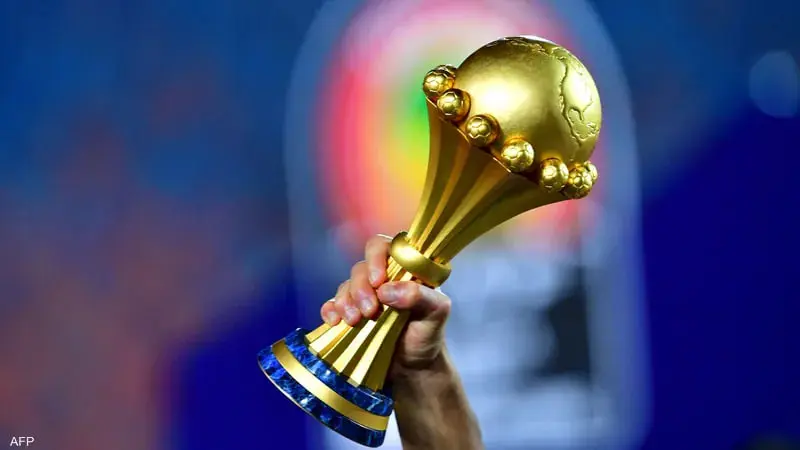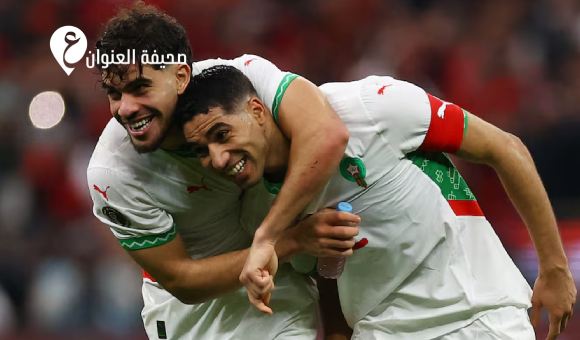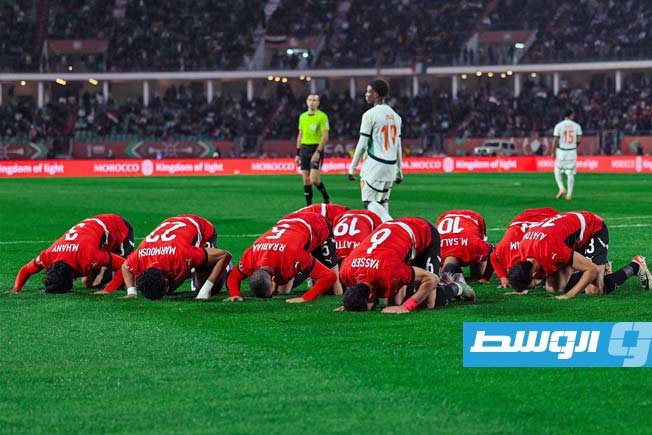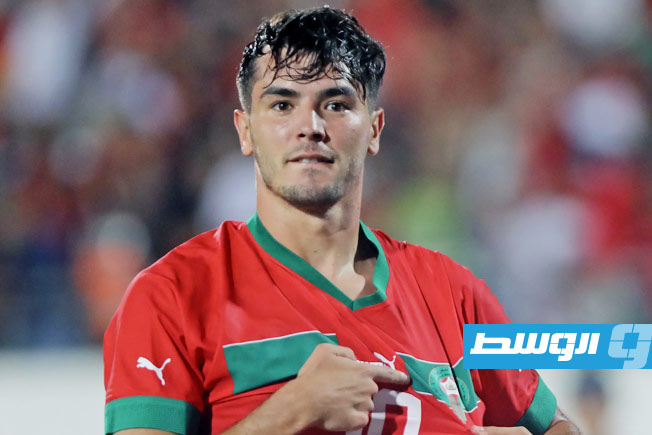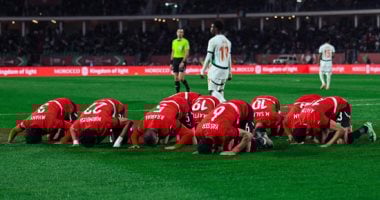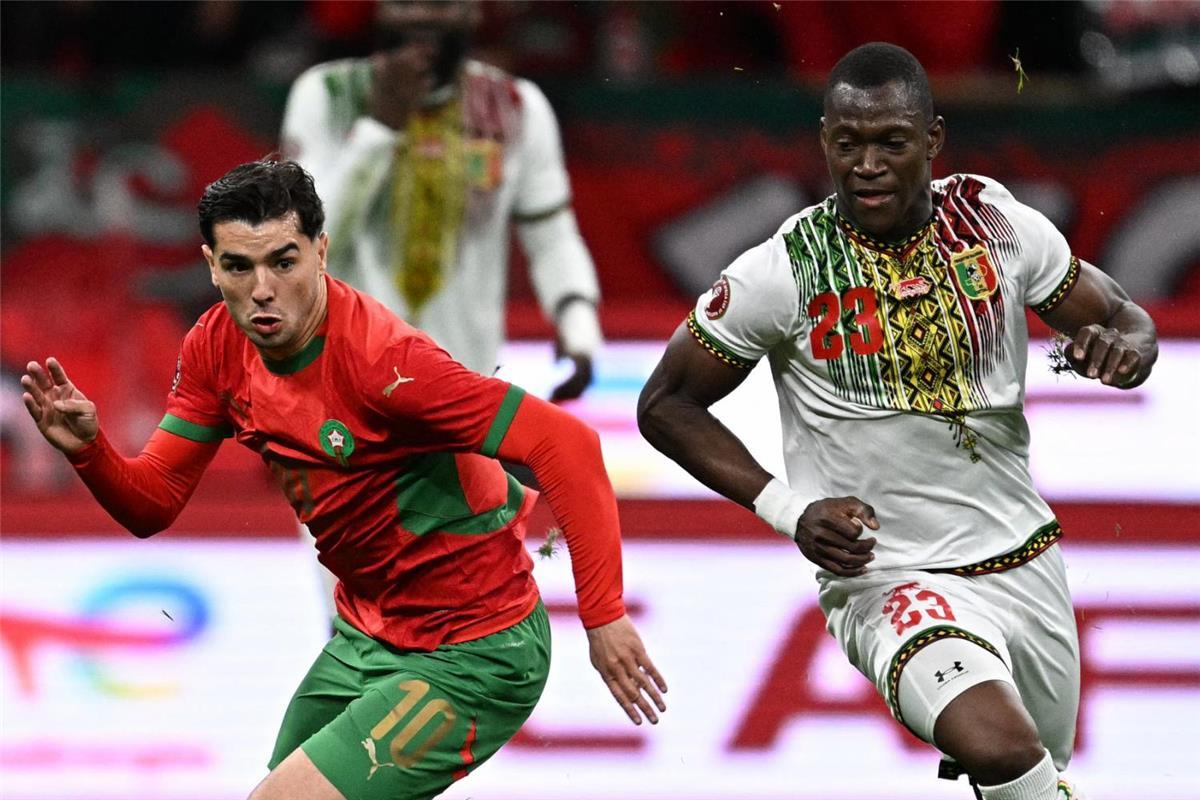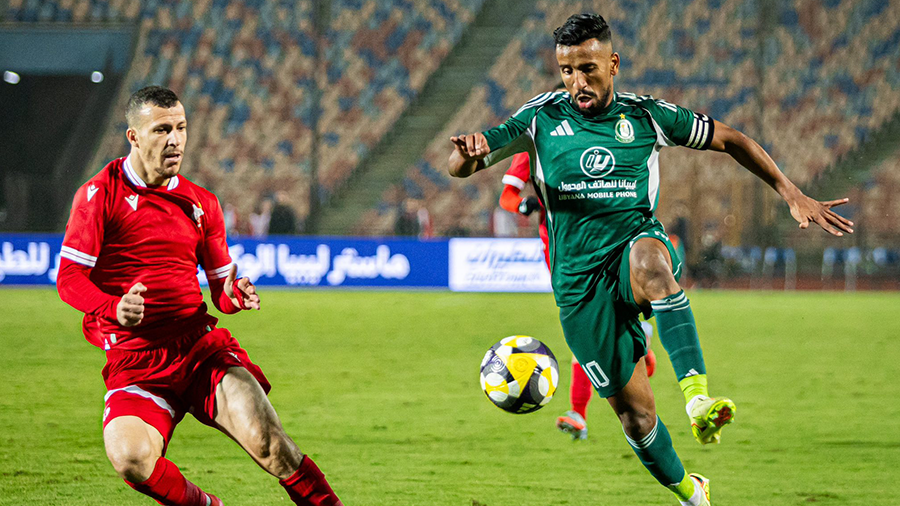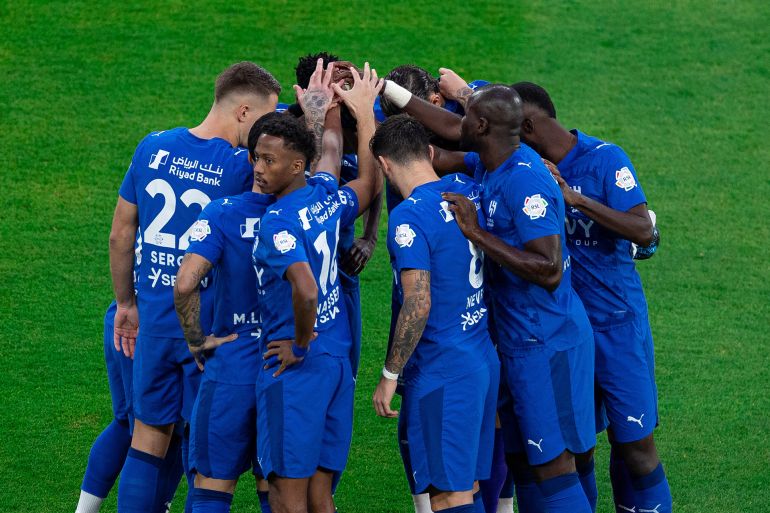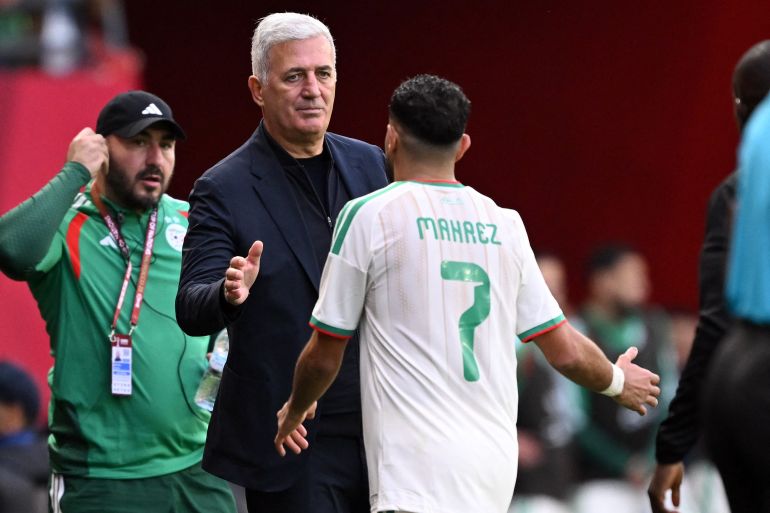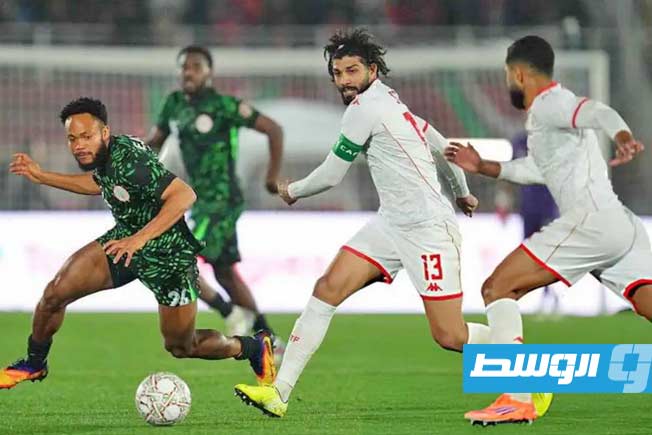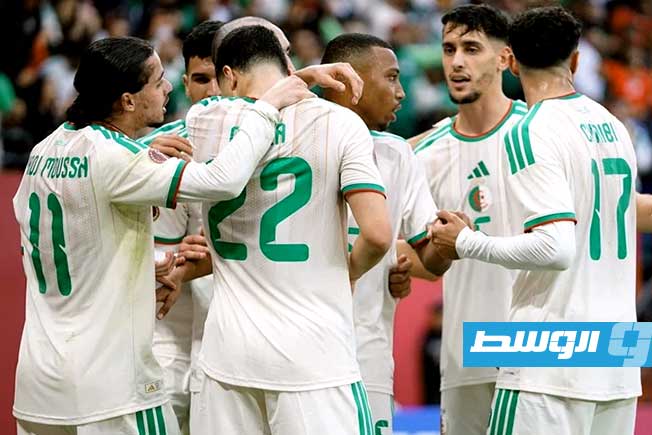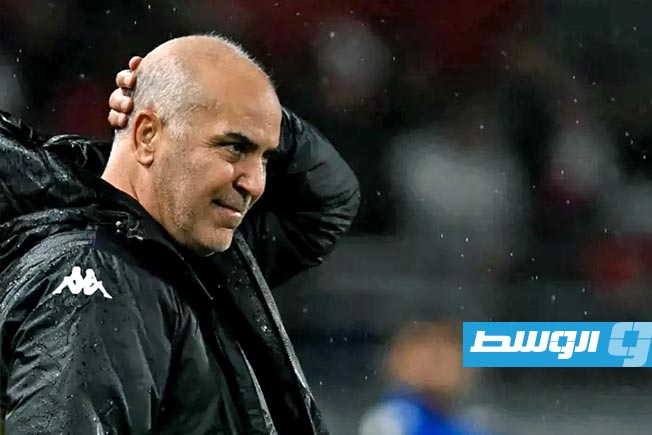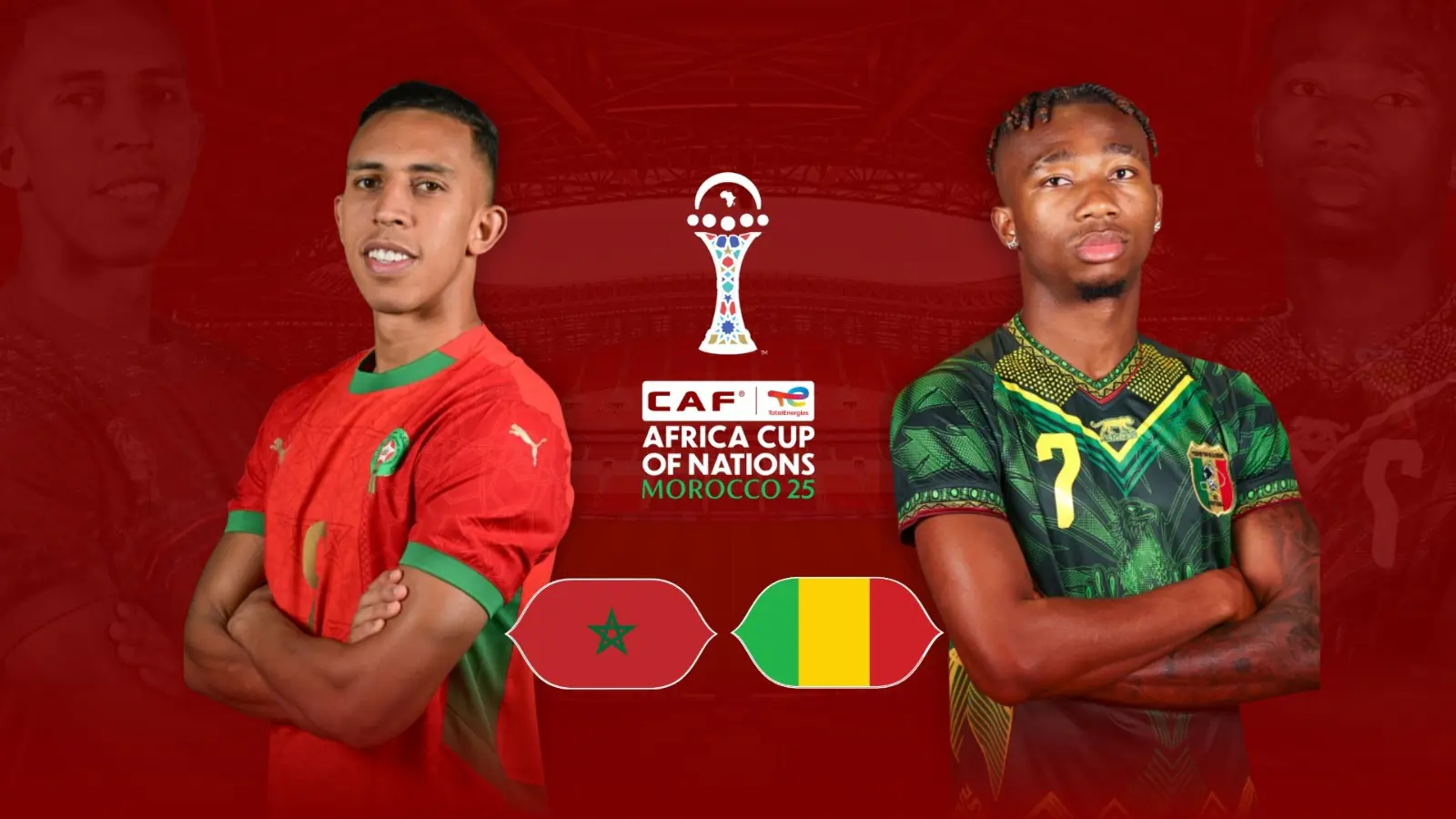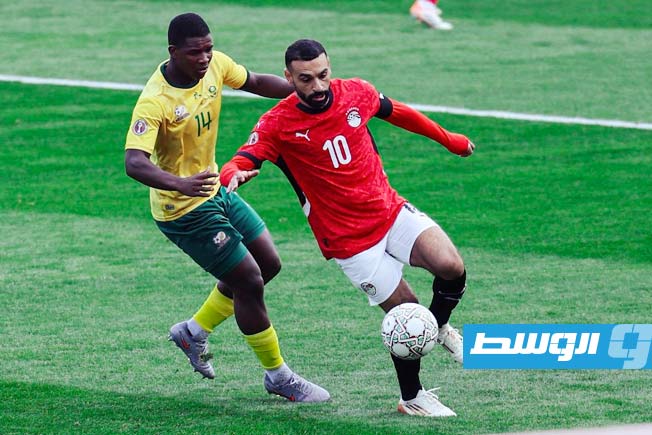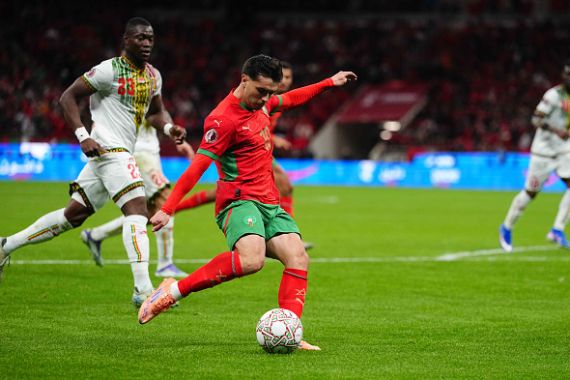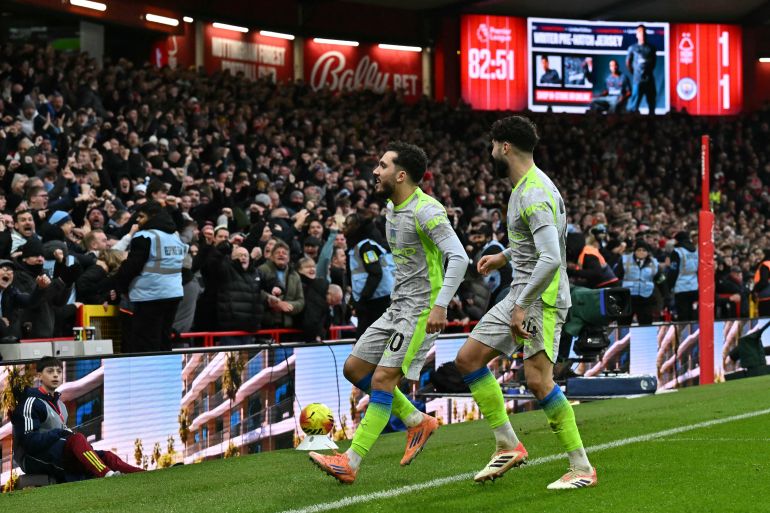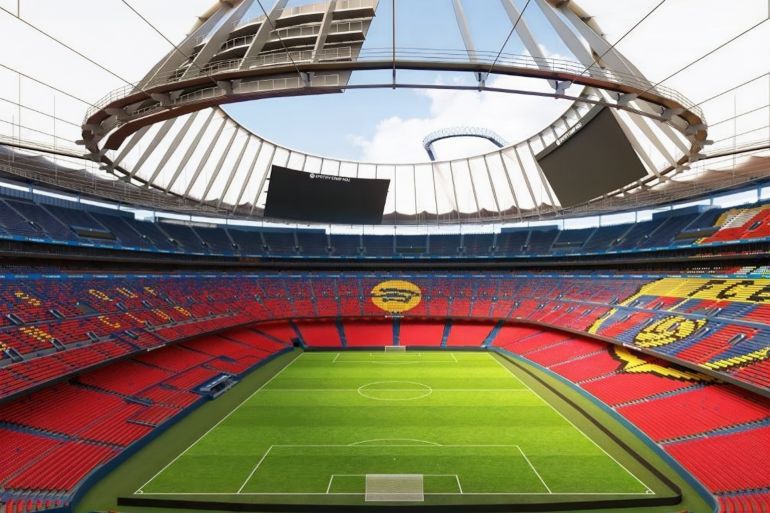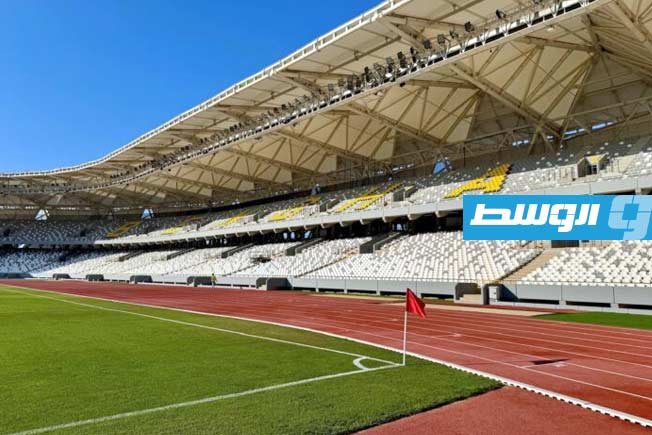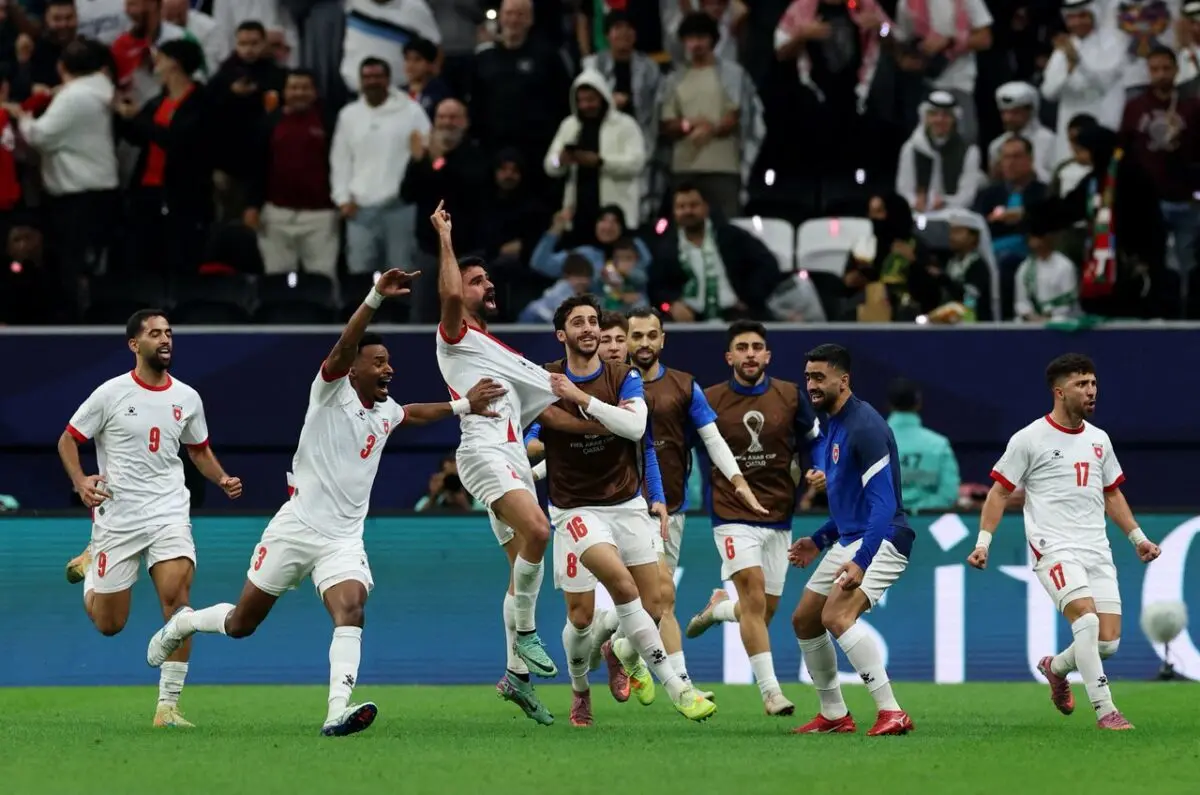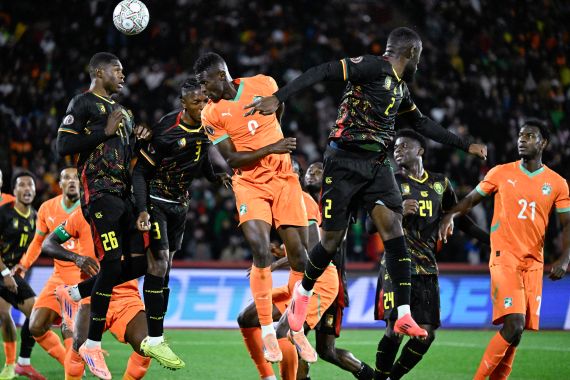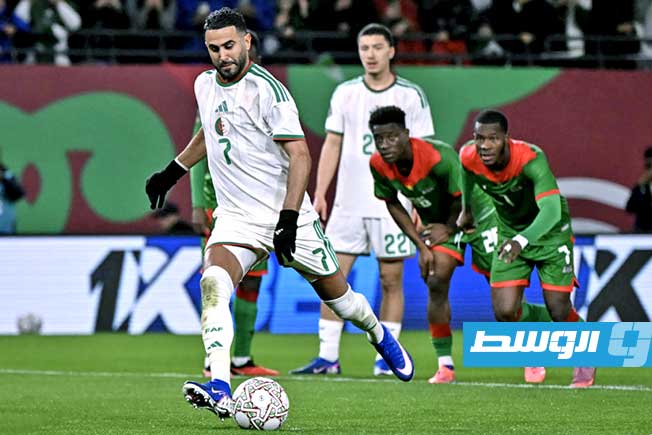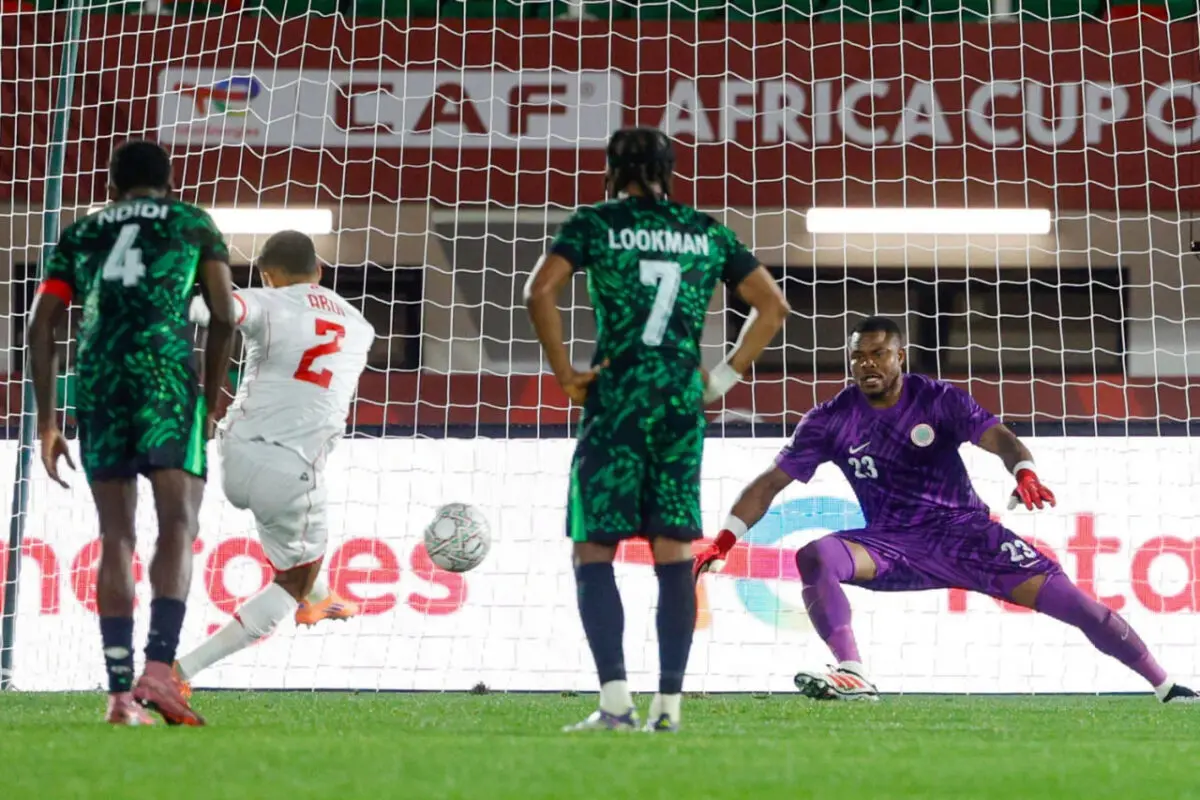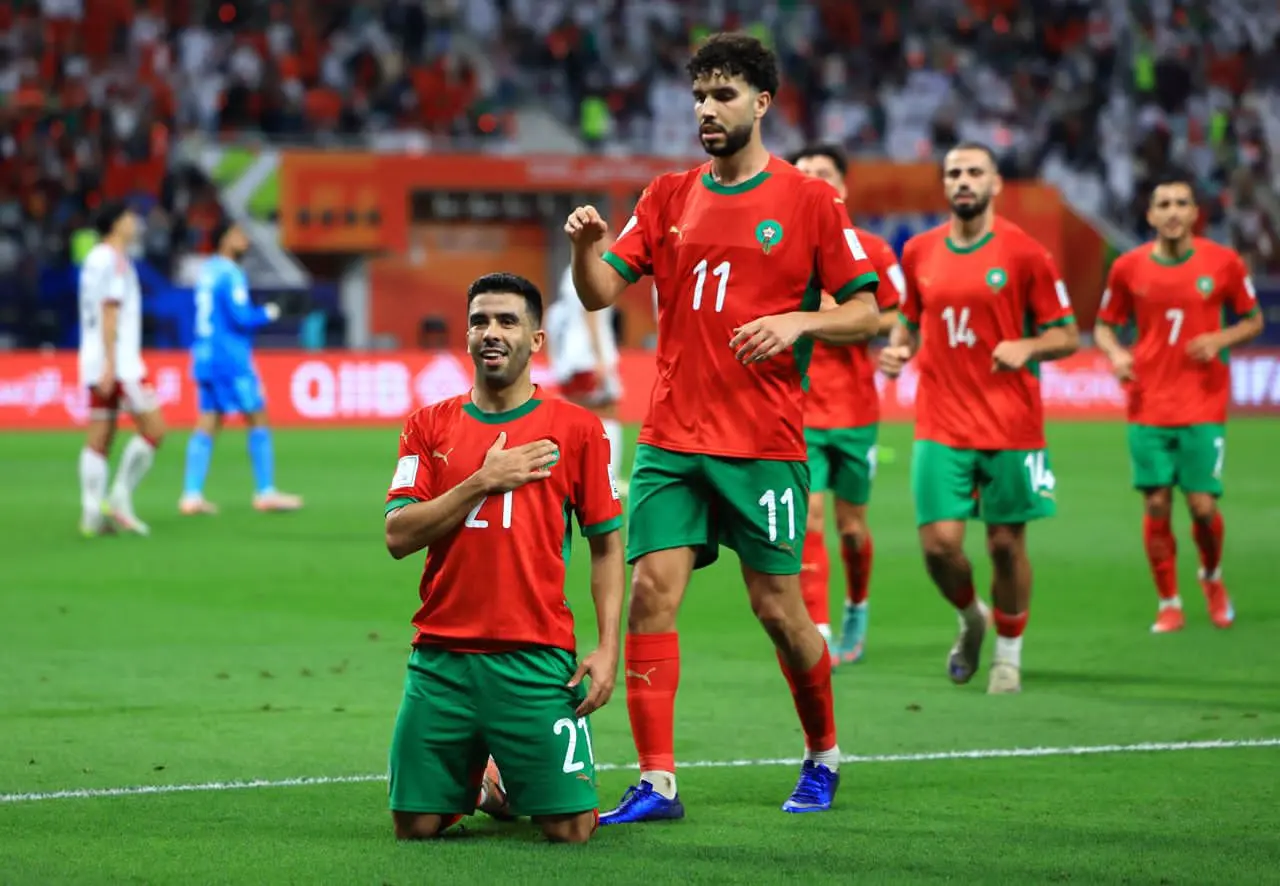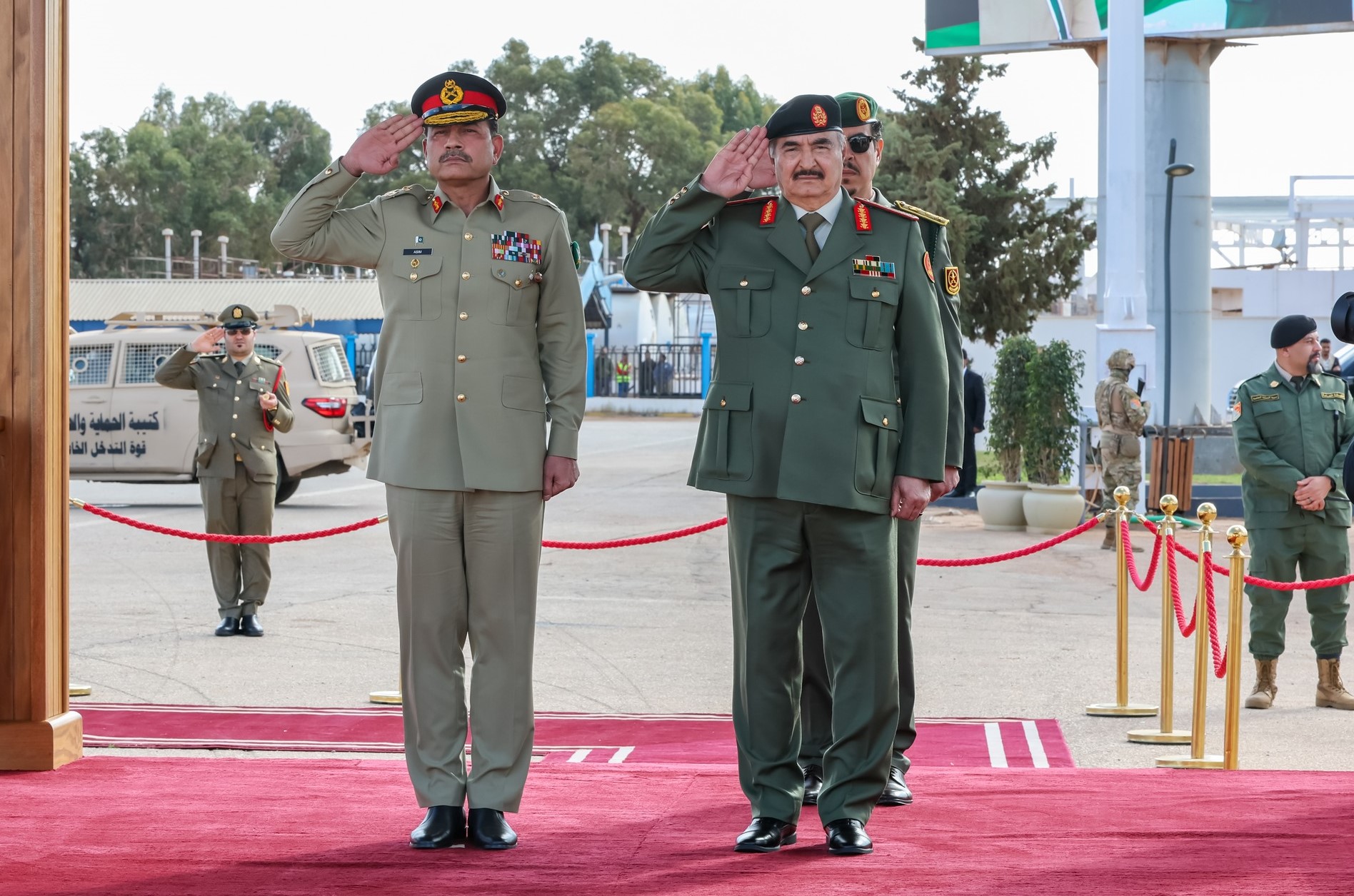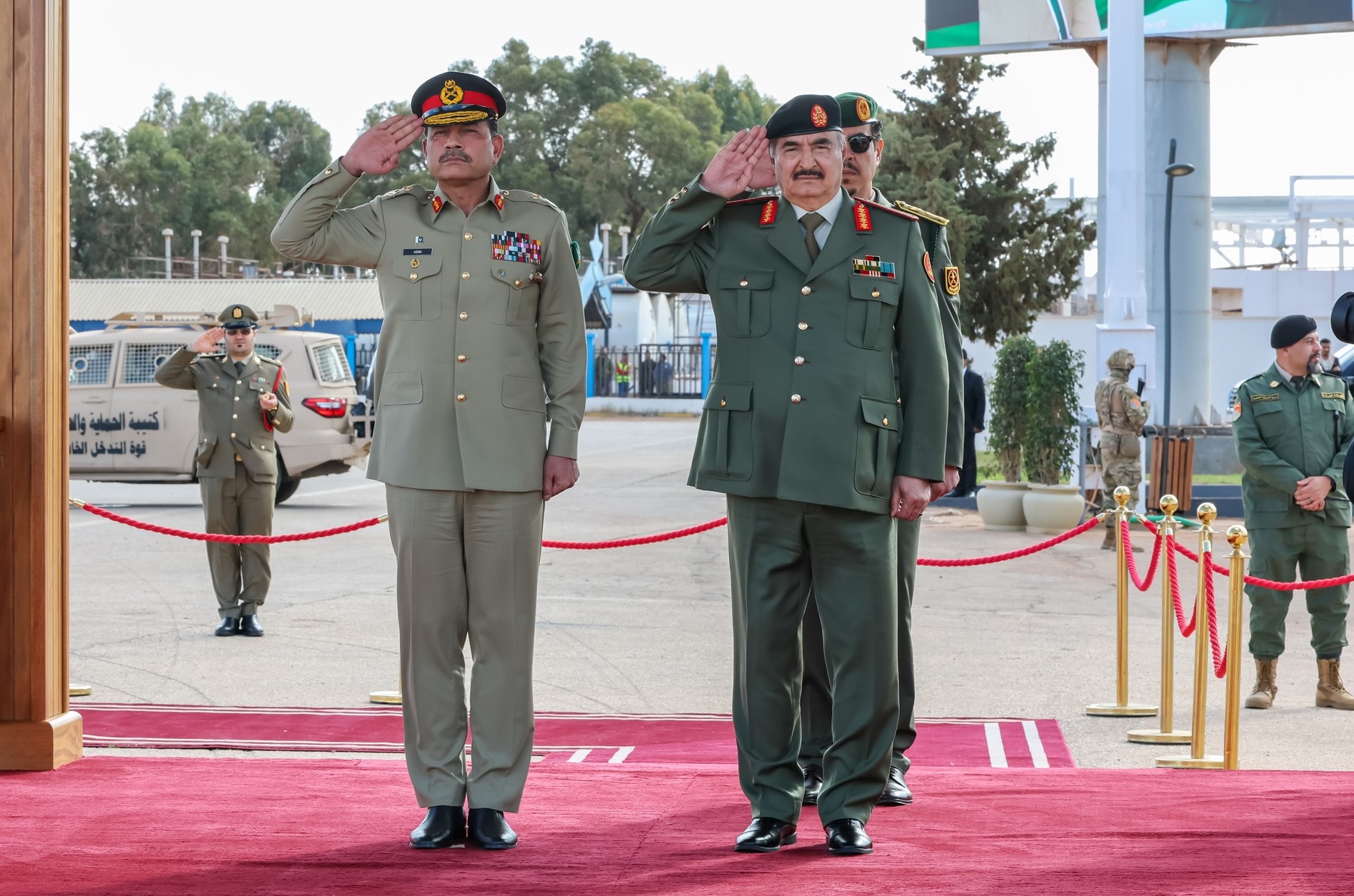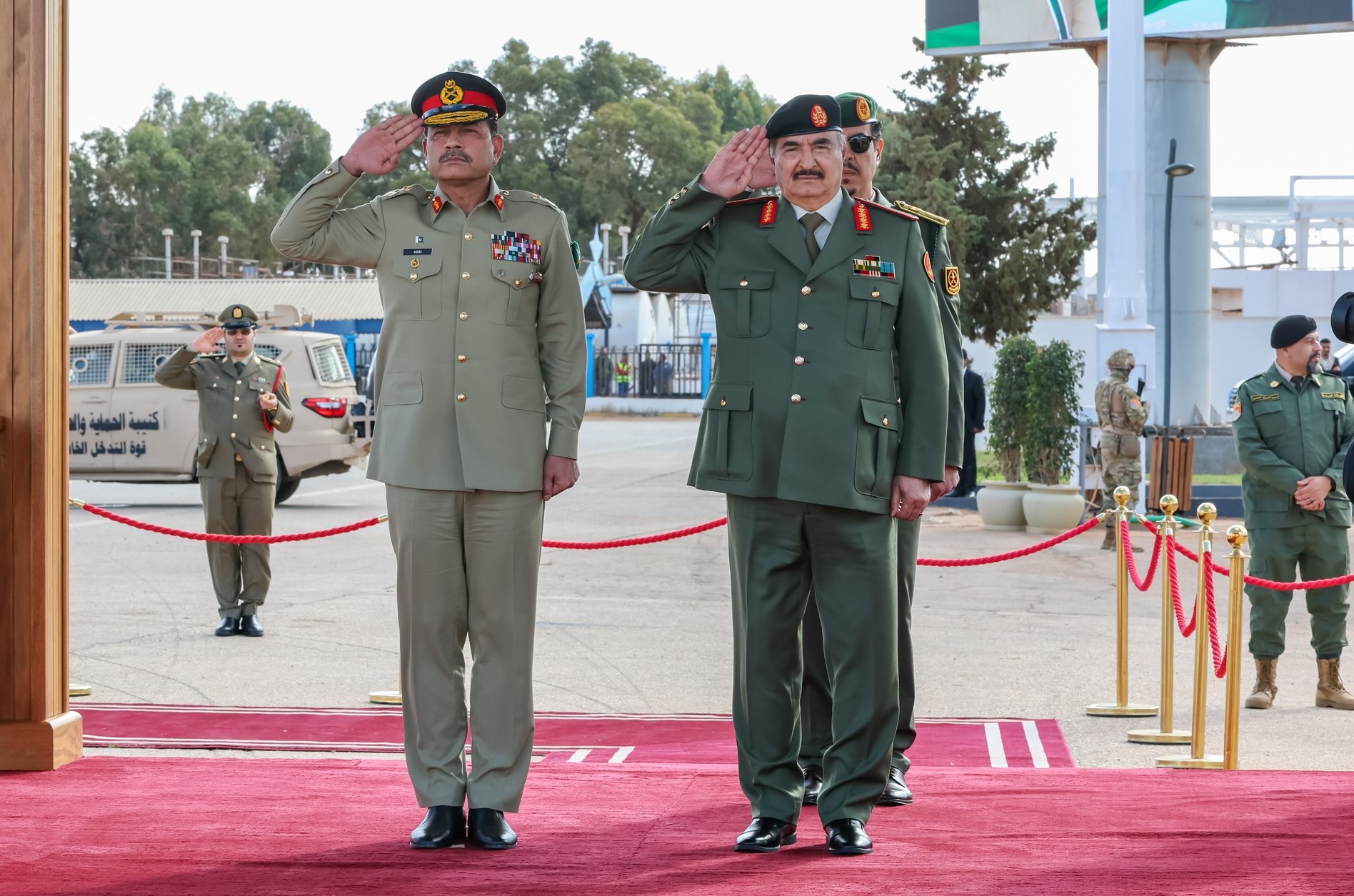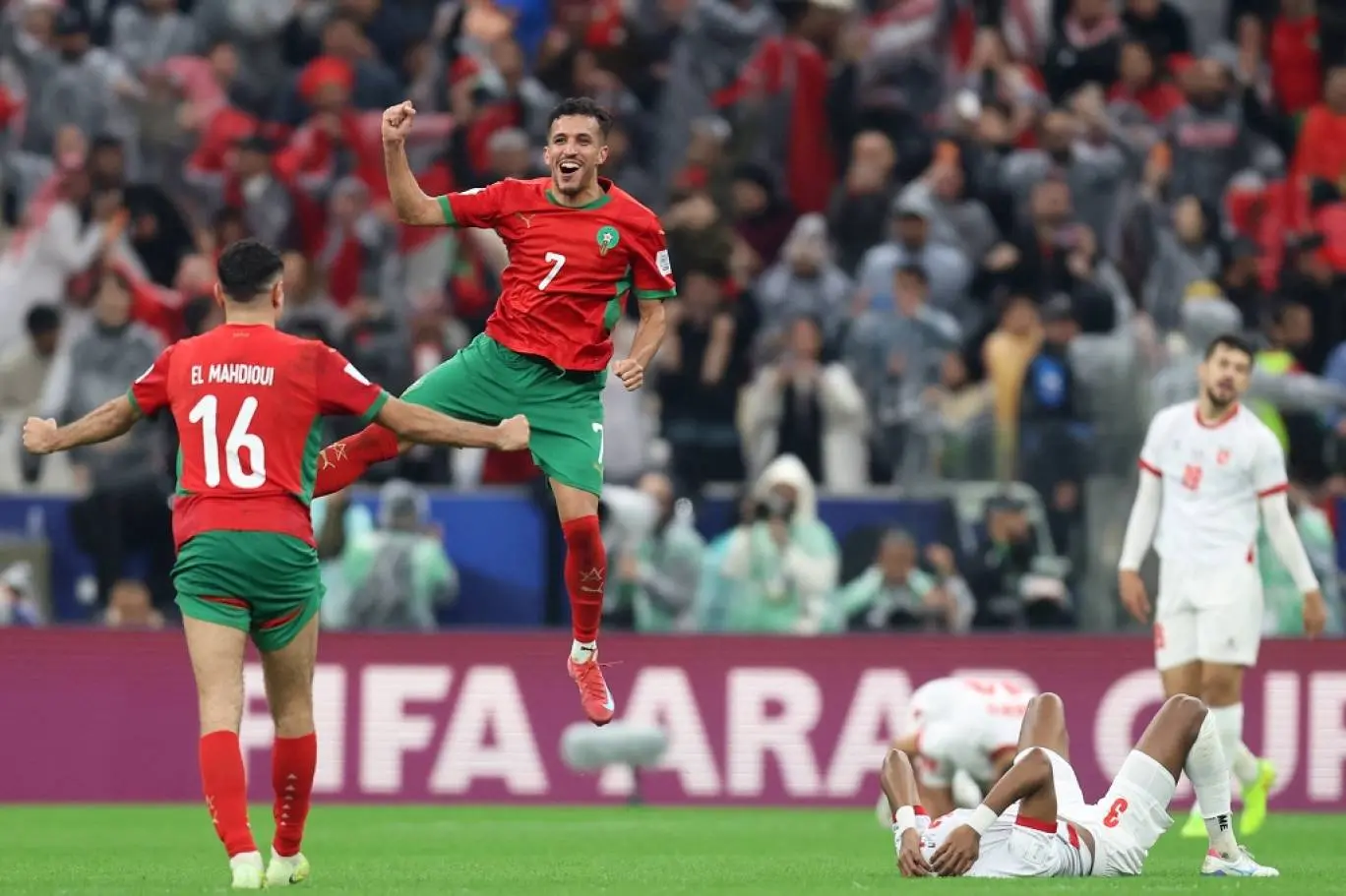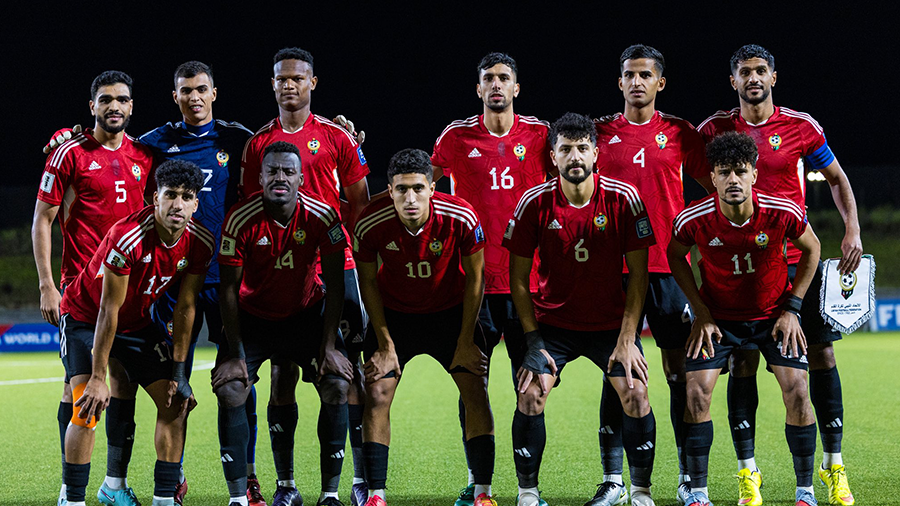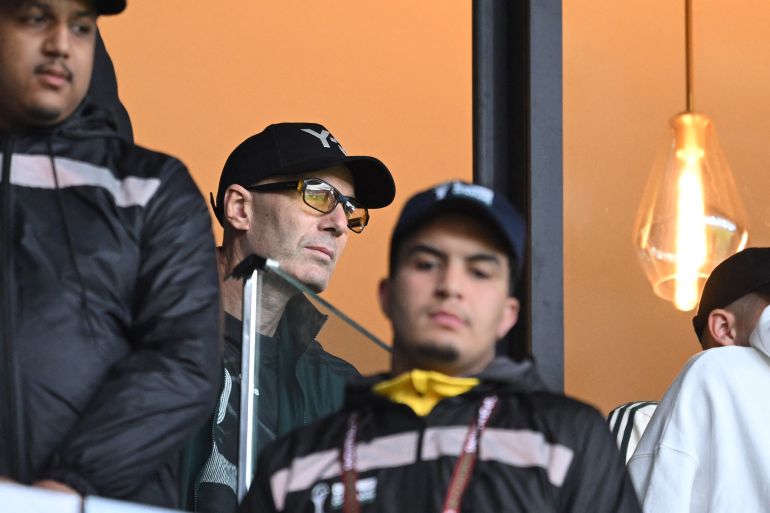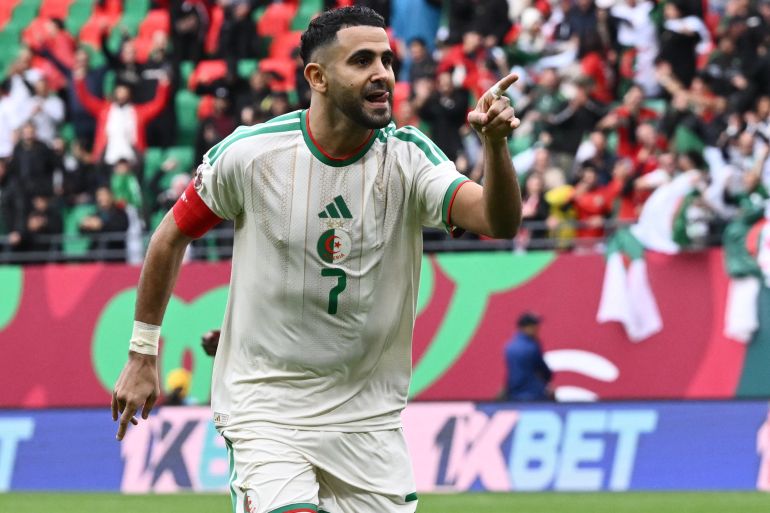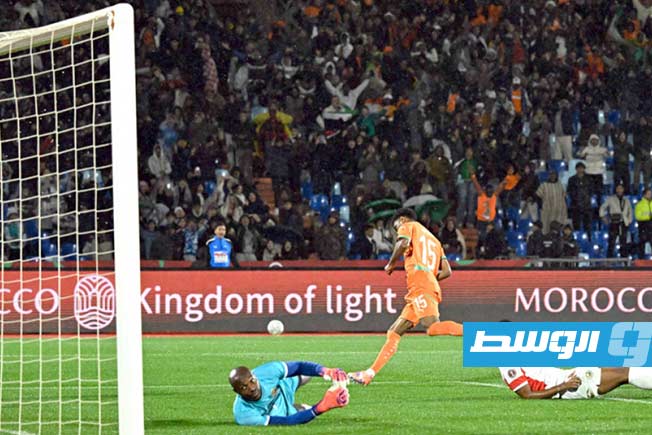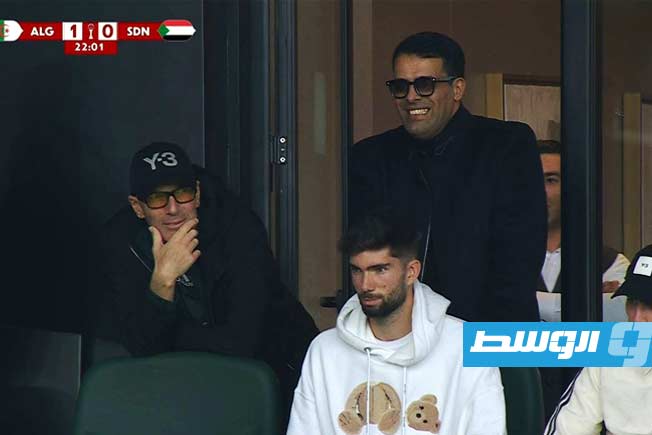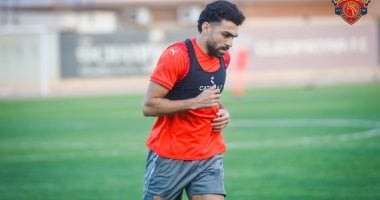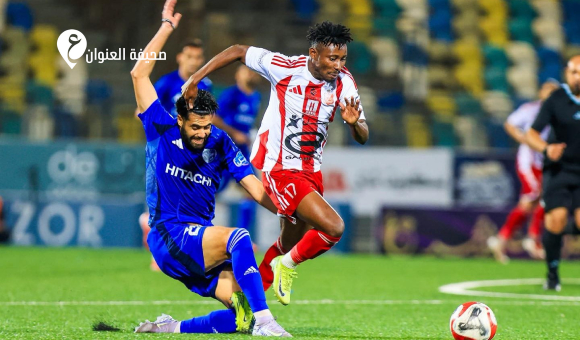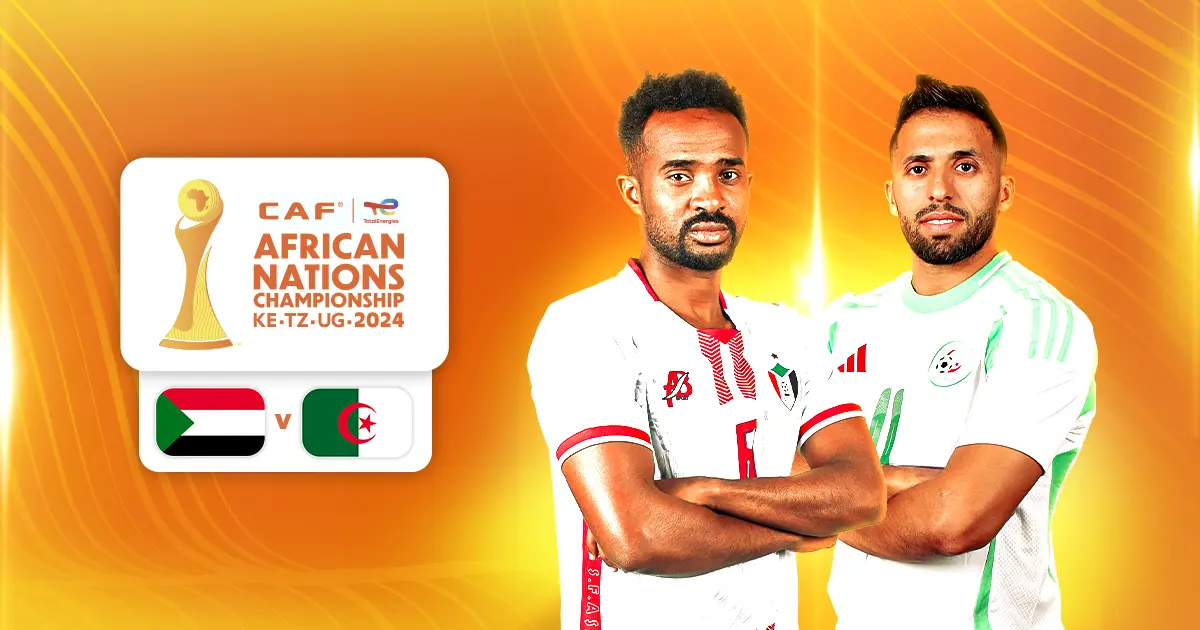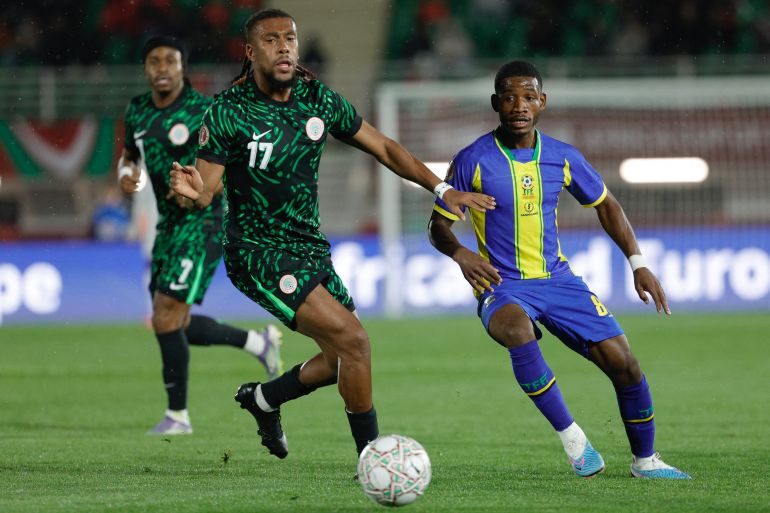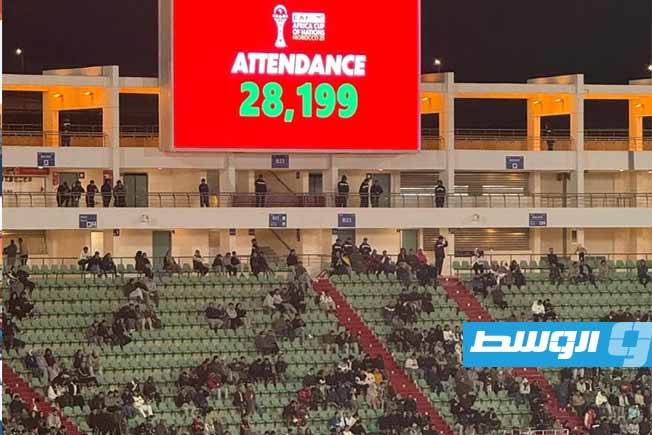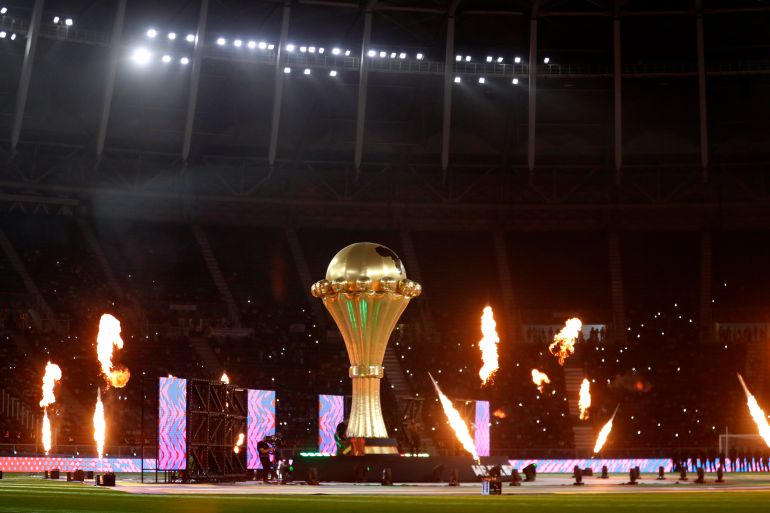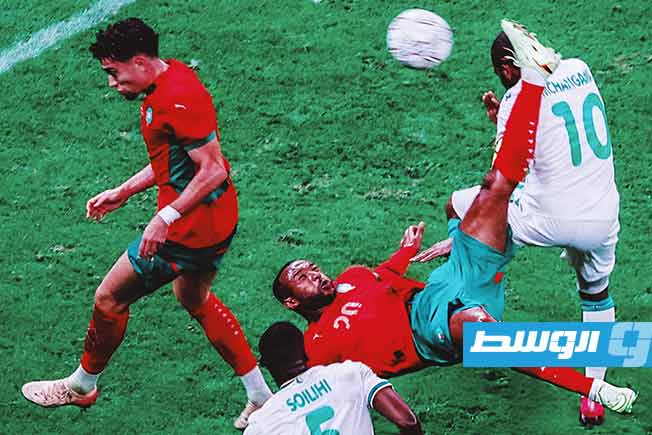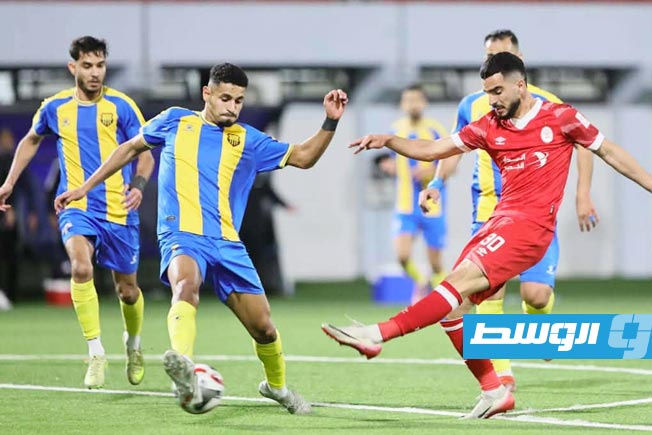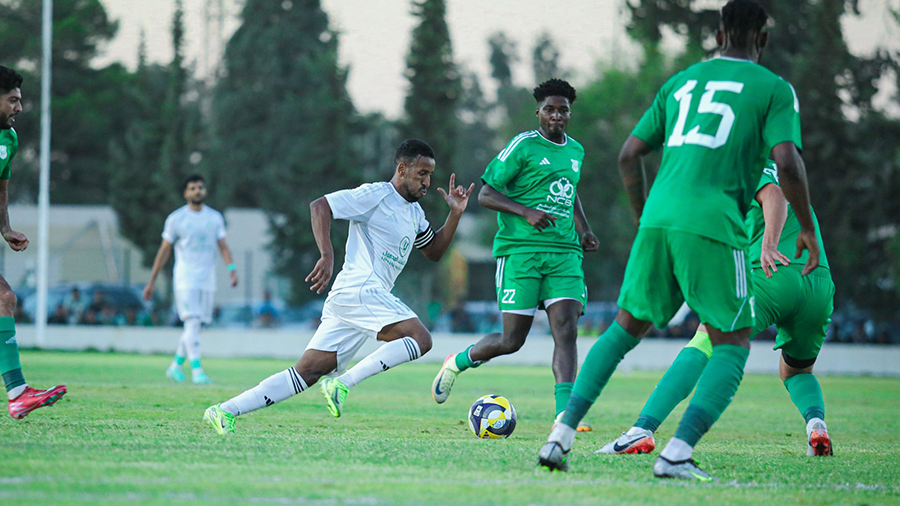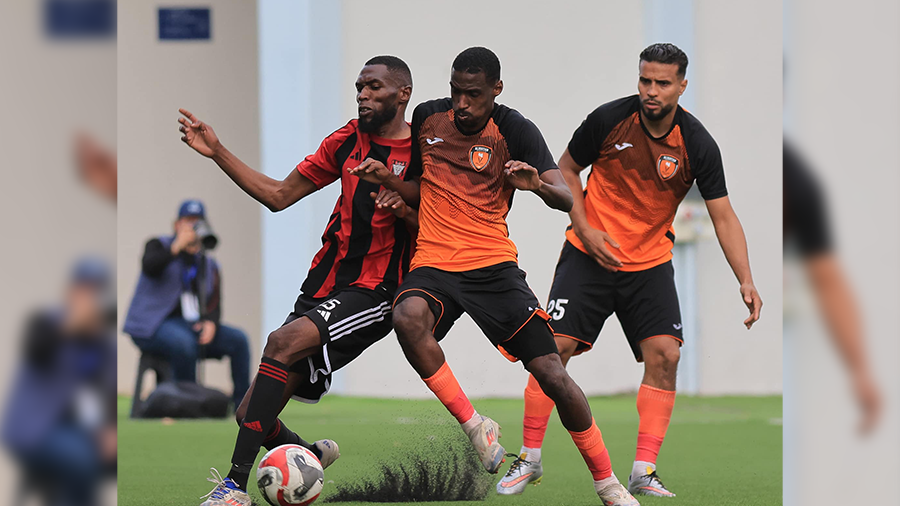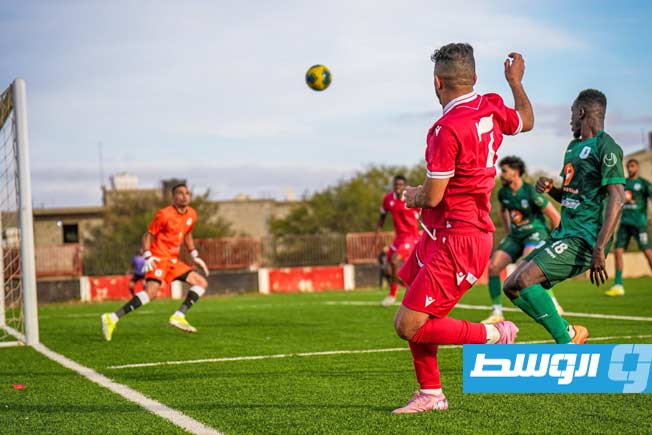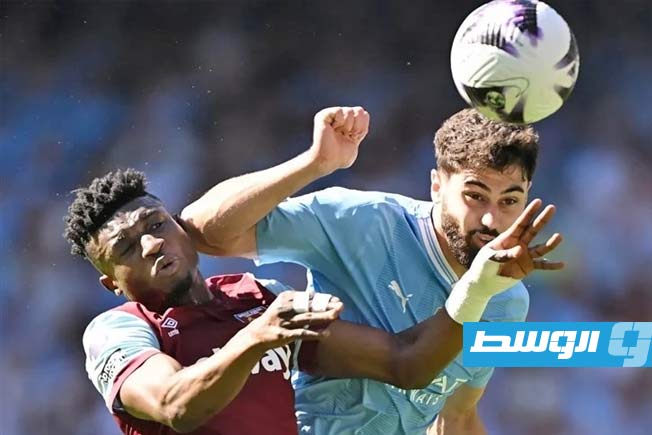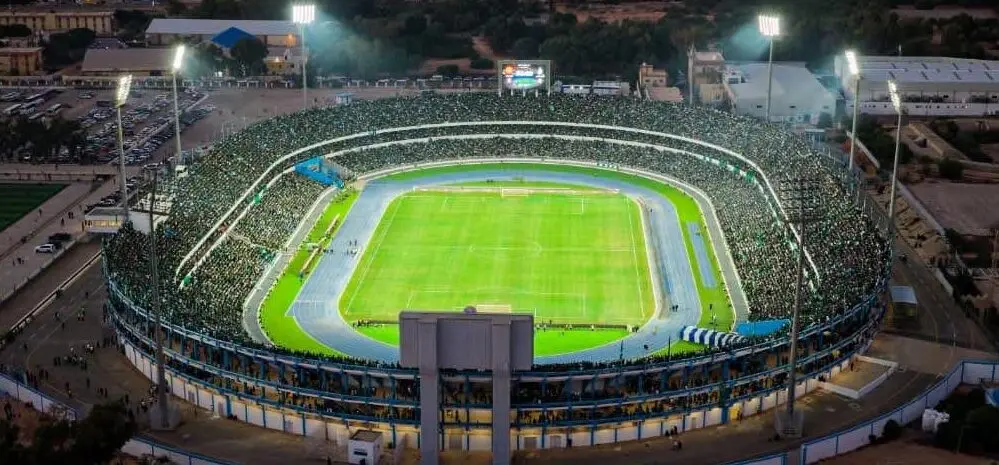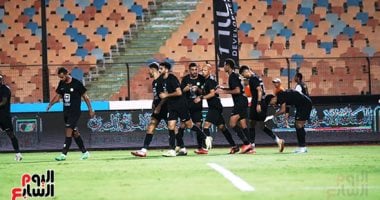

Nigeria’s national team has qualified for the semi-finals of the Africa Cup of Nations football tournament being held in Morocco, after defeating Algeria’s national team 2-0 in the quarter-final match held today, Saturday, at the Grand Stadium in Marrakech.
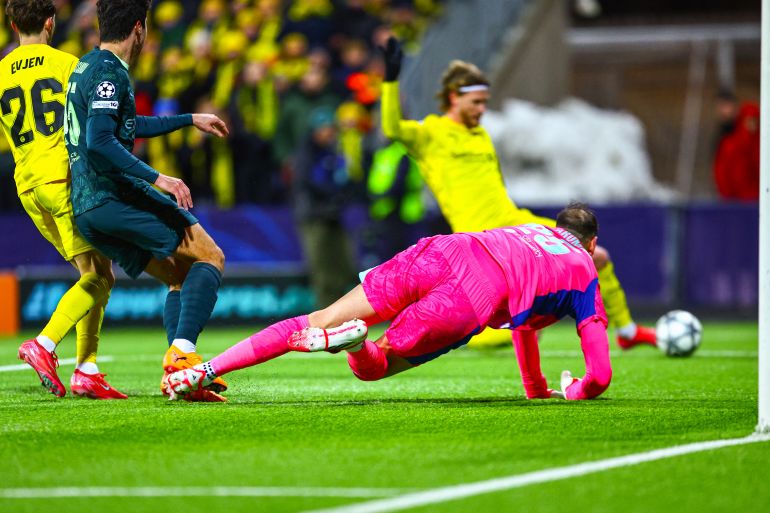
Nigeria’s goals were scored by Victor Osimhen in the 47th minute with a header, and Akor Adams in the 57th minute, capitalizing on a precise pass from Osimhen in front of the goal, which Algerian goalkeeper Luca Zidane was unable to save.
– <a>”Jeep” gift from the Congolese government to the lookalike of leader Lumumba
–
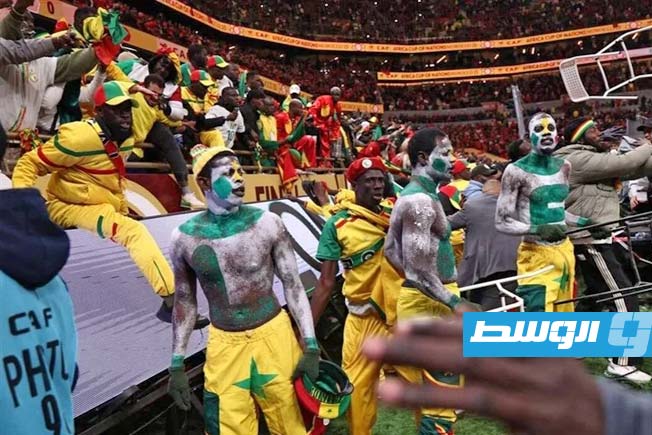
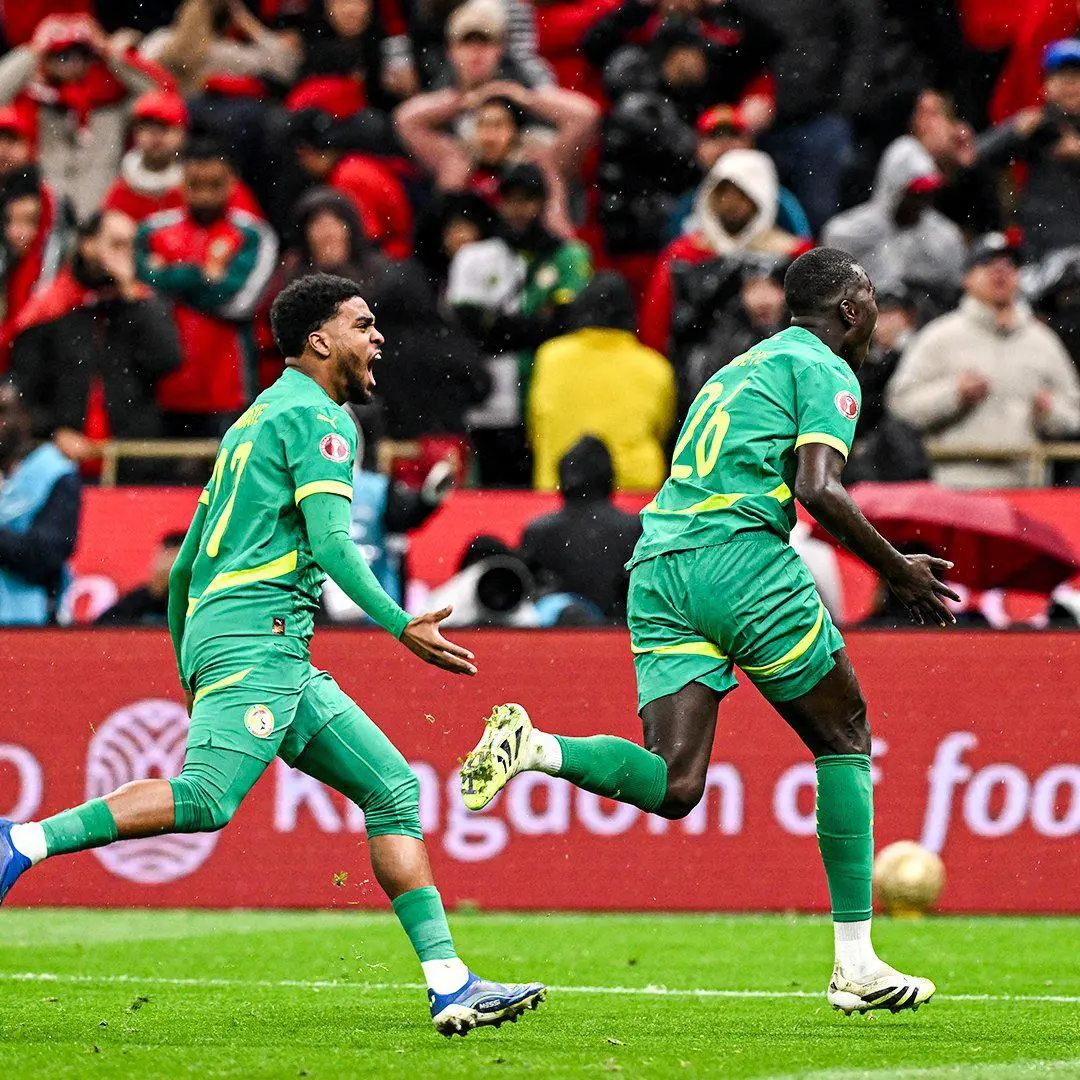
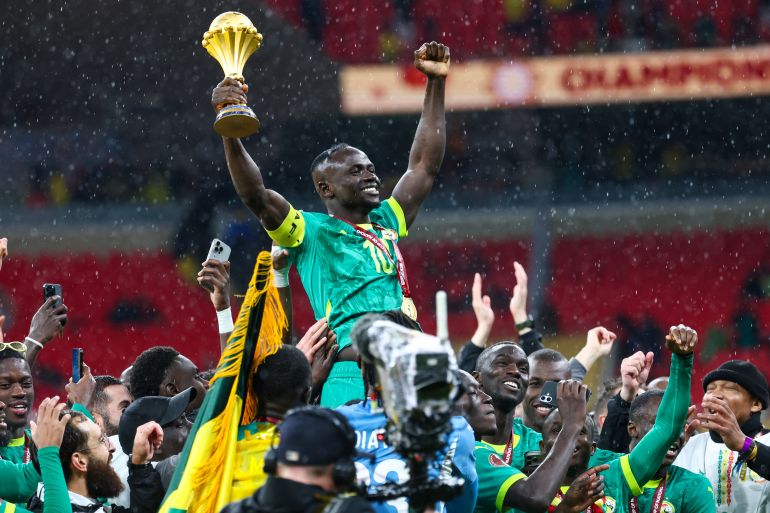
<a>Impressive numbers for the Senegalese national team in the Africa Cup of Nations
Nigeria
Nigeria is a West African country with a rich history shaped by ancient kingdoms like the Nri and Benin, followed by British colonization until its independence in 1960. It is Africa’s most populous nation and is renowned for its diverse cultural heritage, including vibrant music, film (Nollywood), and artistic traditions.
Algeria
Algeria is a North African country with a rich history shaped by ancient Berber kingdoms, Roman rule, and centuries as part of the Ottoman Empire before becoming a French colony in the 19th century. It gained independence in 1962 after a protracted war of liberation, and its cultural heritage includes numerous UNESCO World Heritage sites, such as the Roman ruins of Timgad and the Casbah of Algiers.
Morocco
Morocco is a North African country with a rich history shaped by indigenous Amazigh (Berber) cultures, Arab influence from the 7th century, and successive dynasties like the Almoravids and Almohads. Its cultural sites, such as the ancient city of Fez and the Koutoubia Mosque in Marrakech, reflect this blend of Arab, Islamic, and Amazigh heritage. The country’s historic medinas, kasbahs, and varied landscapes from the Sahara to the Atlas Mountains are central to its identity.
Africa Cup of Nations
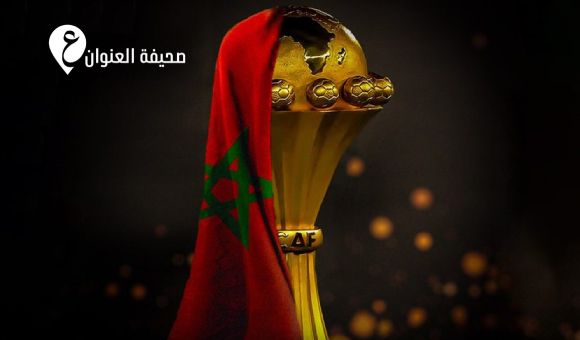
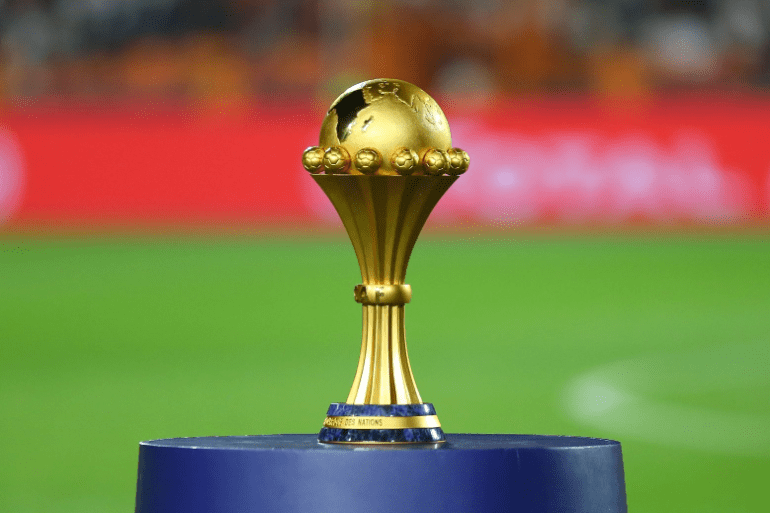
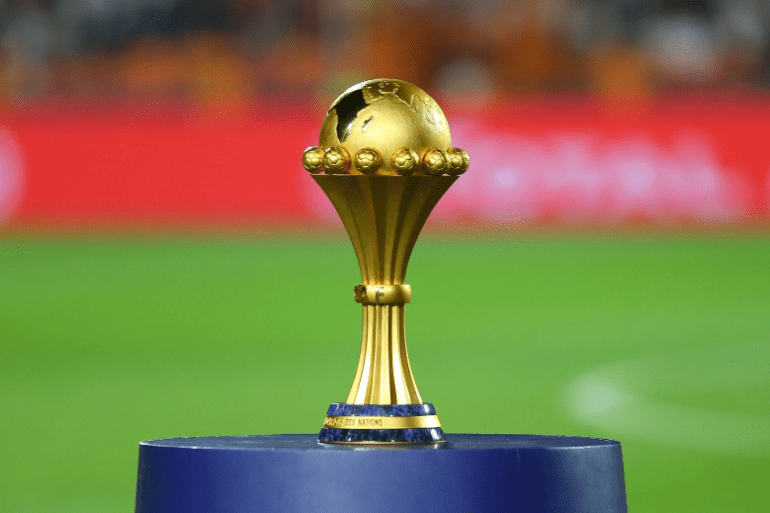
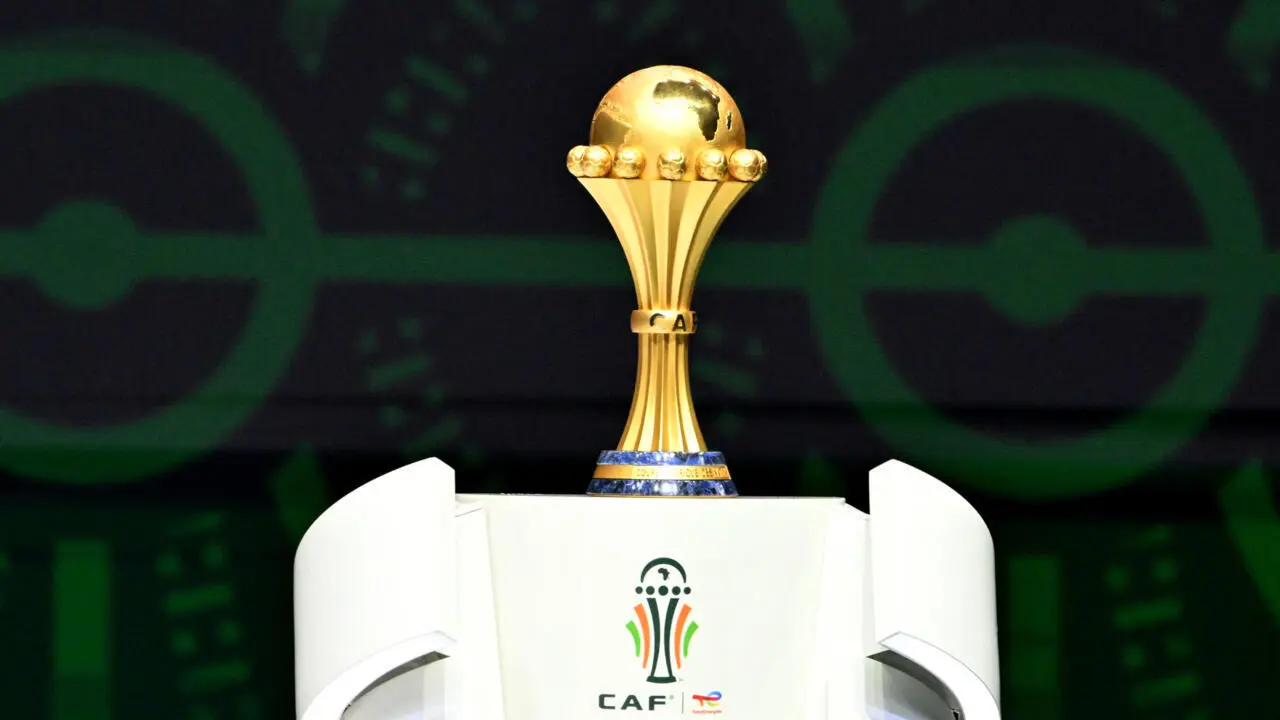
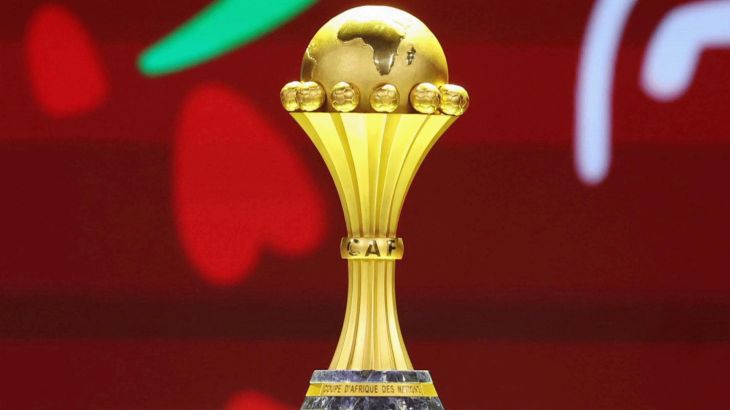
The Africa Cup of Nations (AFCON) is the premier international men’s football competition in Africa, first held in 1957. It was founded by the Confederation of African Football (CAF) to promote unity and showcase the continent’s football talent, with Egypt winning the inaugural tournament.
Grand Stadium
The Grand Stadium is a major sports and entertainment venue, often constructed in the 20th century to host large-scale events like the Olympic Games or international football matches. Its history is typically tied to a significant national or international exposition, serving as a modern architectural landmark and a focal point for major public gatherings.
Marrakech
Marrakech is a historic city in western Morocco, founded in 1062 by the Almoravid dynasty and serving as a key political, economic, and cultural center for centuries. It is renowned for its vibrant medina, a UNESCO World Heritage site, and iconic landmarks like the Koutoubia Mosque and the bustling Jemaa el-Fnaa square.
Victor Osimhen
Victor Osimhen is a professional footballer from Nigeria, currently playing as a striker for Napoli in Italy’s Serie A and the Nigerian national team. He rose to prominence after winning the Golden Boot at the 2015 FIFA U-17 World Cup, which launched his professional career in Europe.
Akor Adams
Akor Adams is a Nigerian professional footballer who plays as a forward for the French Ligue 1 club Montpellier HSC. He began his senior career in Norway with Lillestrøm and Sogndal before transferring to Montpellier in 2023, where he quickly established himself as a key goal scorer.
Luca Zidane
Luca Zidane is a French professional footballer, not a place or cultural site. He is the son of former football legend Zinedine Zidane and has played as a goalkeeper for clubs including Real Madrid Castilla and Rayo Vallecano.
Jeep
The Jeep is a cultural icon of American automotive history, originally developed for military use during World War II by Willys-Overland and Ford. Its rugged design and versatility led to its adaptation for civilian use after the war, profoundly influencing off-road vehicle culture and becoming a symbol of adventure and durability.
Congolese government
The Congolese government refers to the political authority of the Democratic Republic of the Congo, a nation with a complex history of colonial rule under Belgium, followed by independence in 1960 and subsequent periods of conflict and political instability. Its current structure is a semi-presidential republic, established by the constitution of 2006, which aimed to decentralize power after years of centralized and often authoritarian rule.
Lumumba
Lumumba typically refers to Patrice Lumumba, a key figure in Congolese history and the first Prime Minister of the independent Democratic Republic of the Congo in 1960. He was a prominent leader in the anti-colonial movement but was assassinated in 1961, shortly after taking office. Today, he is widely remembered as a martyr for African independence and sovereignty.
Senegalese national team
The Senegalese national football team, nicknamed the Lions of Teranga, represents Senegal in international men’s football. It gained prominence by reaching the quarter-finals in its FIFA World Cup debut in 2002 and achieved a historic victory by winning the Africa Cup of Nations in 2021.