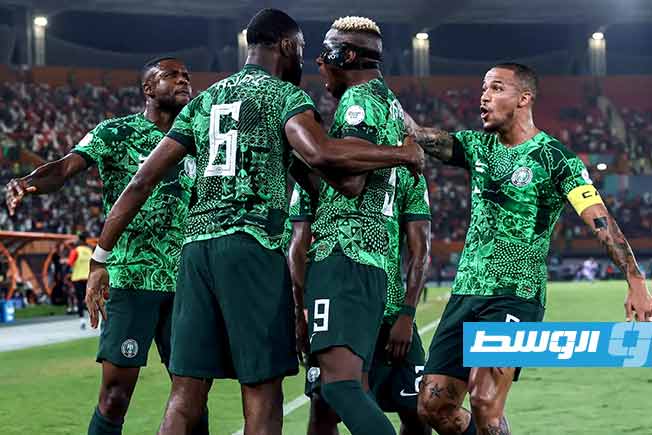
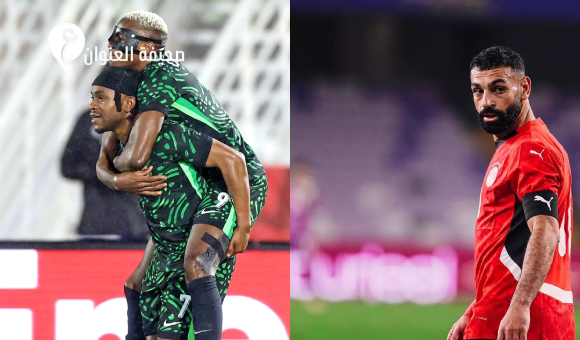
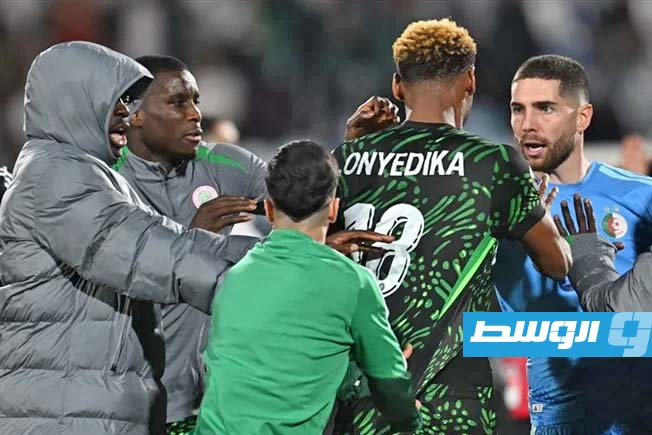
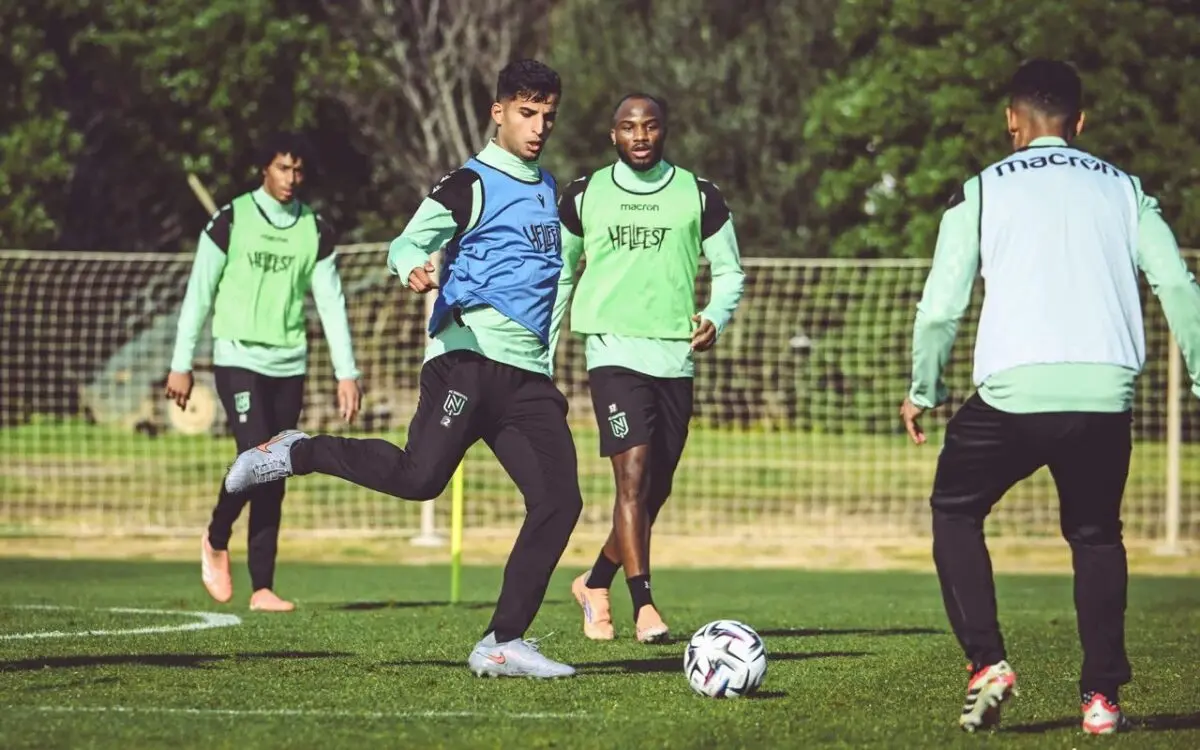
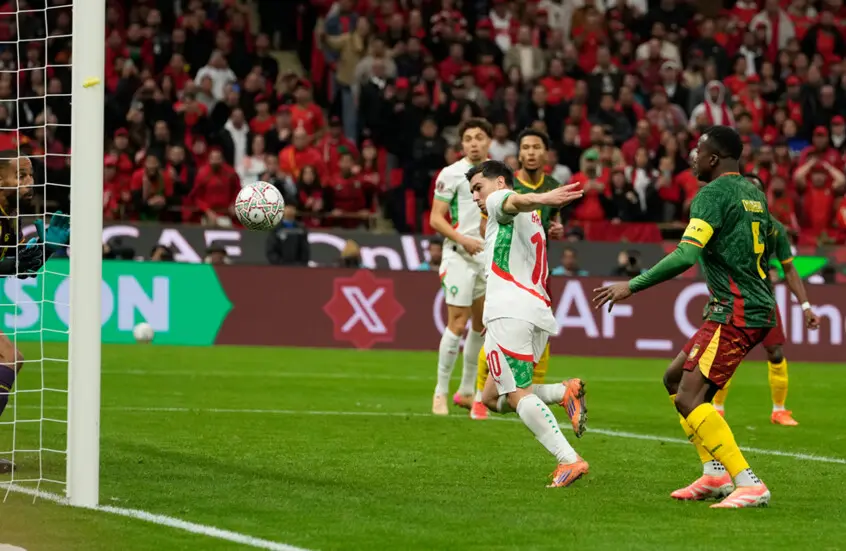
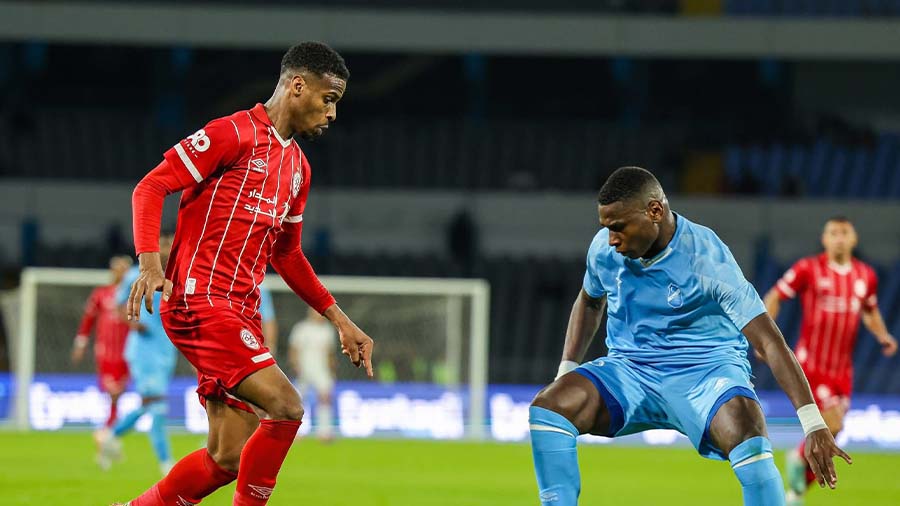
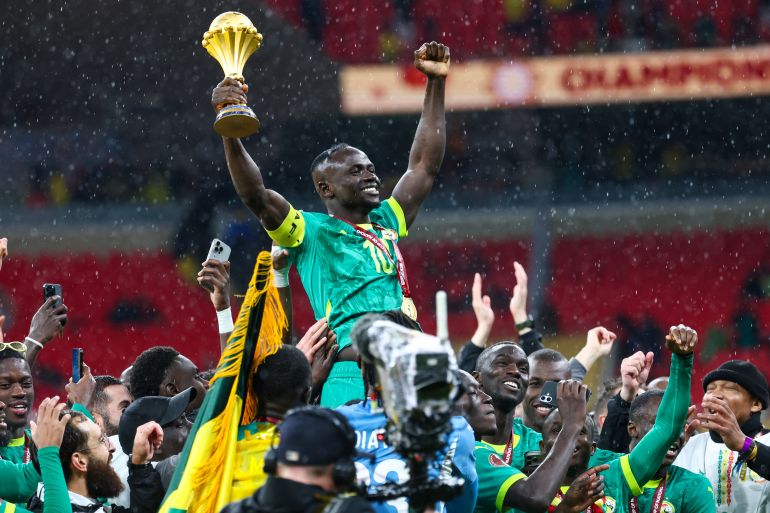
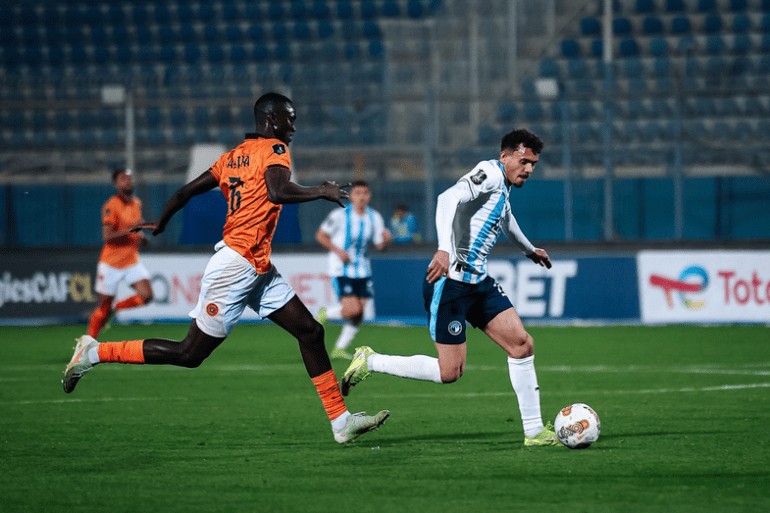
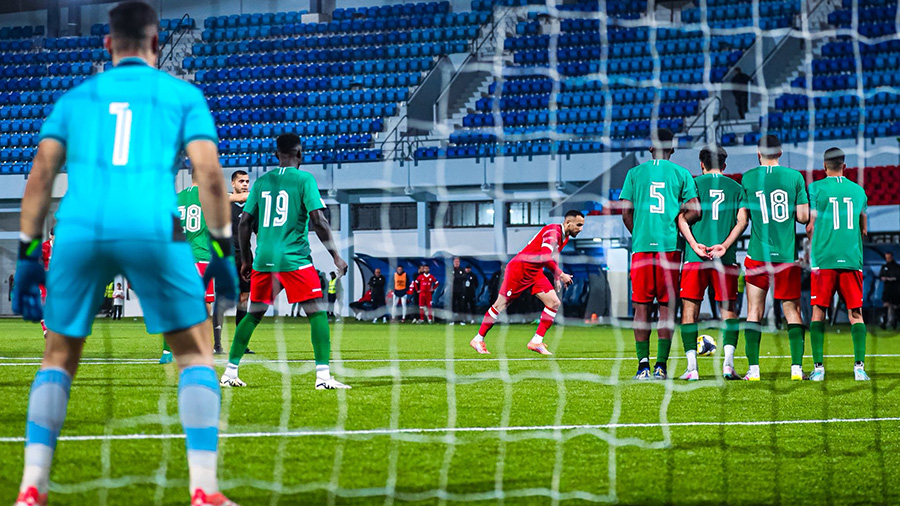
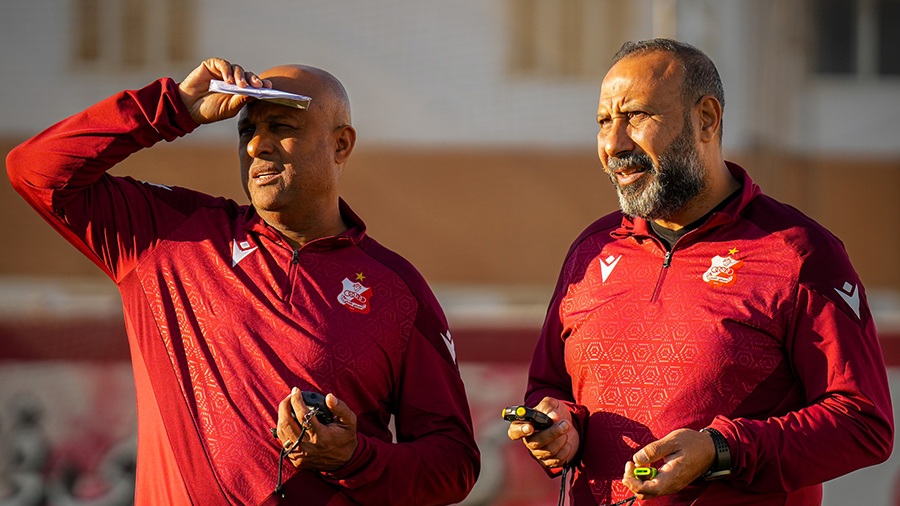
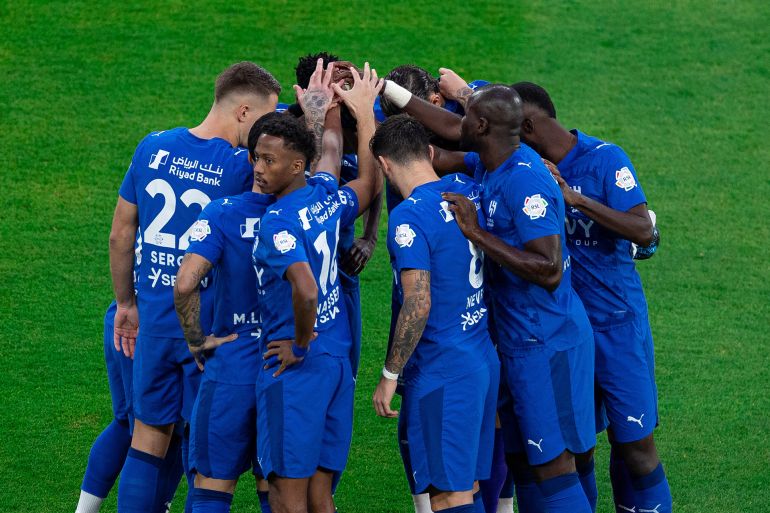
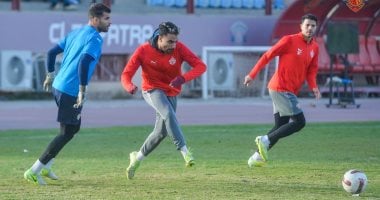
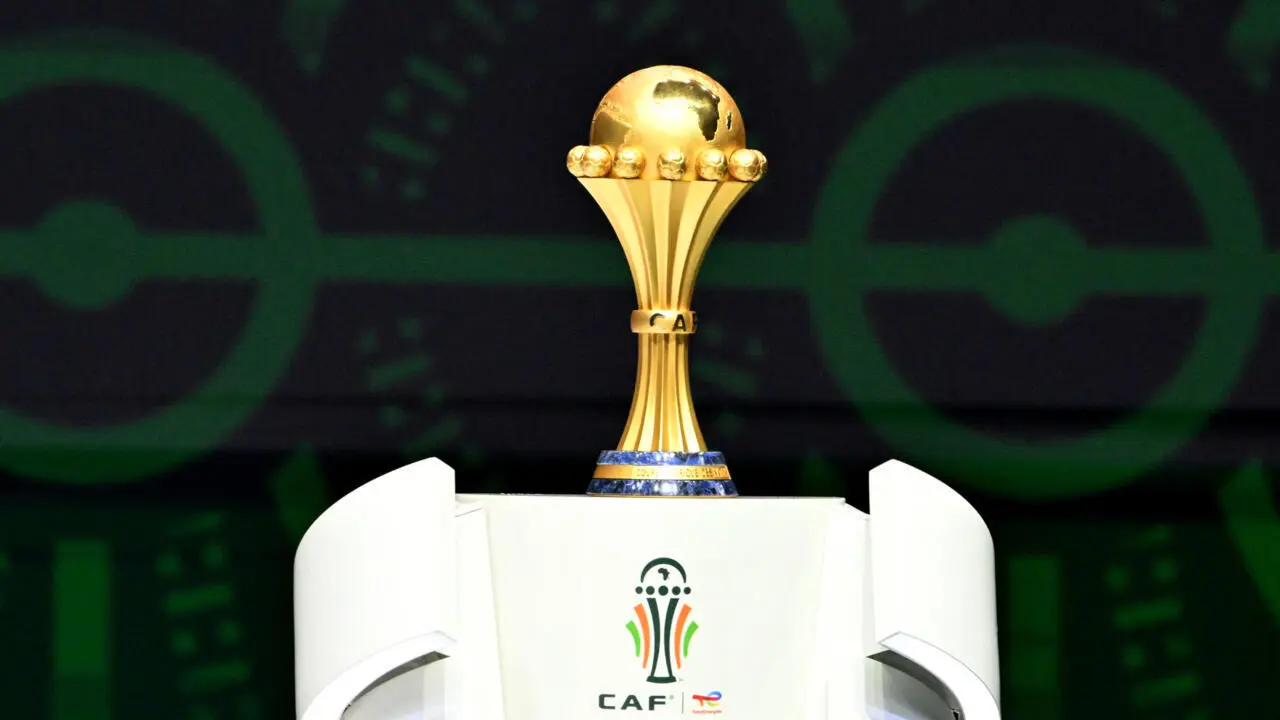
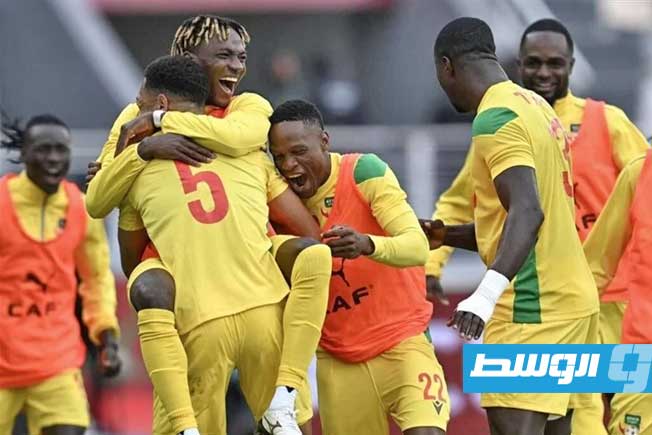
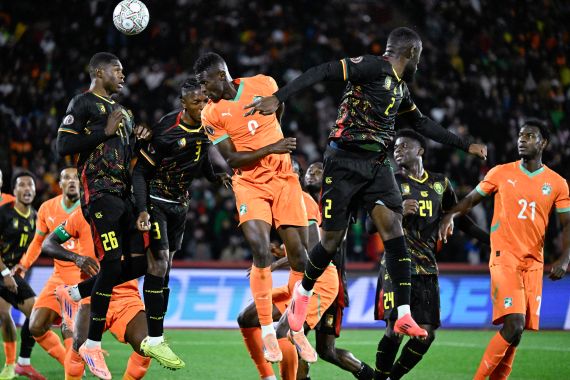
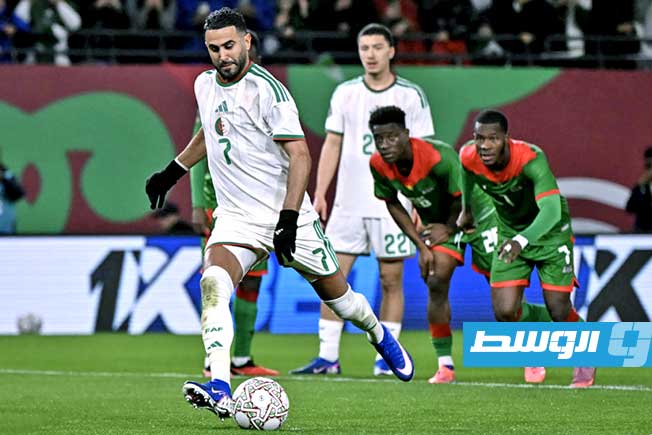
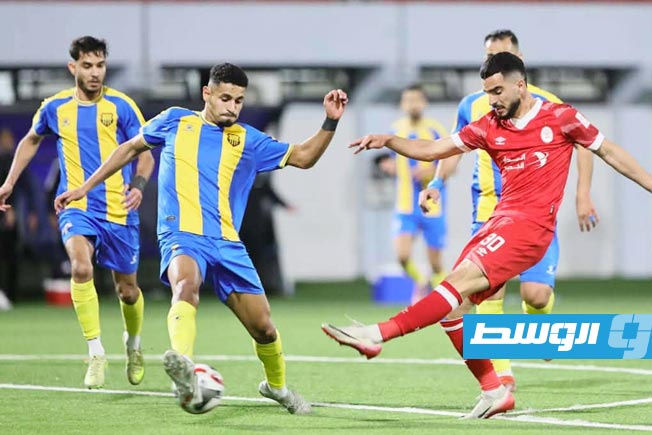
The Nigeria national team has refused to train at the ongoing 2025 Africa Cup of Nations football tournament in Morocco, in protest over unpaid victory bonuses.
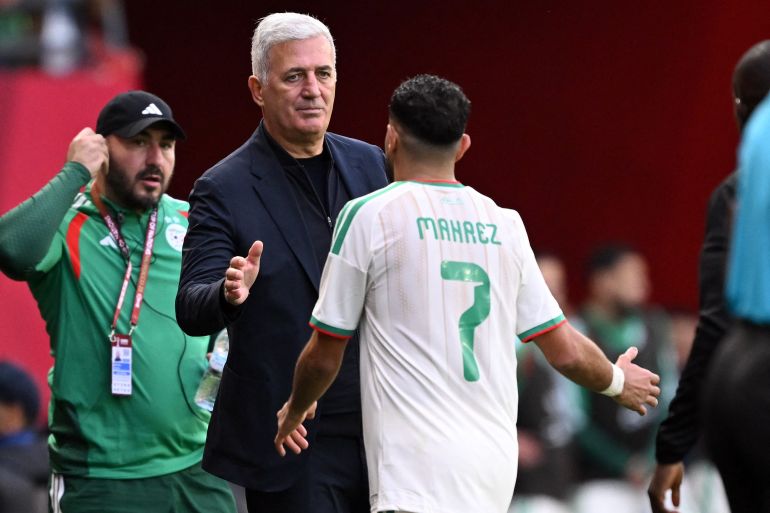
It was reported today, Wednesday, that the players and technical staff refused to go to the pitch for training in preparation for their match against the Algeria national team this coming Saturday in the quarter-finals of the Africa Cup of Nations.
A perfect start for the Nigeria national team
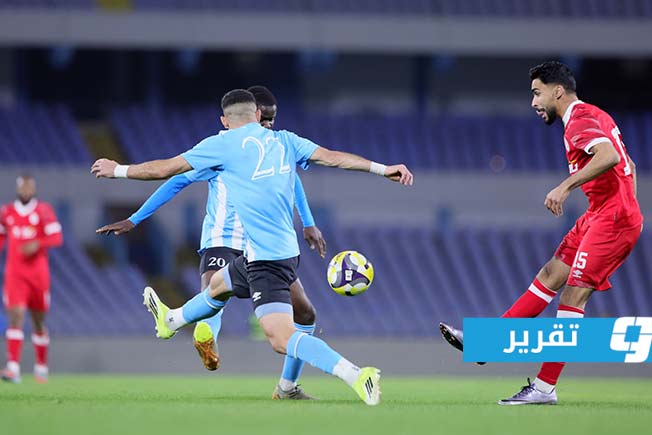
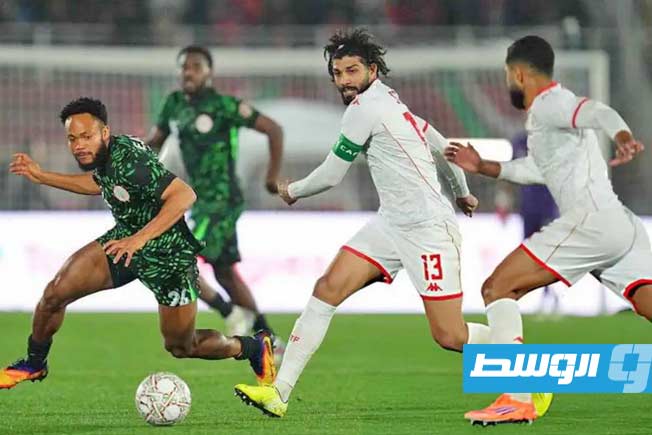
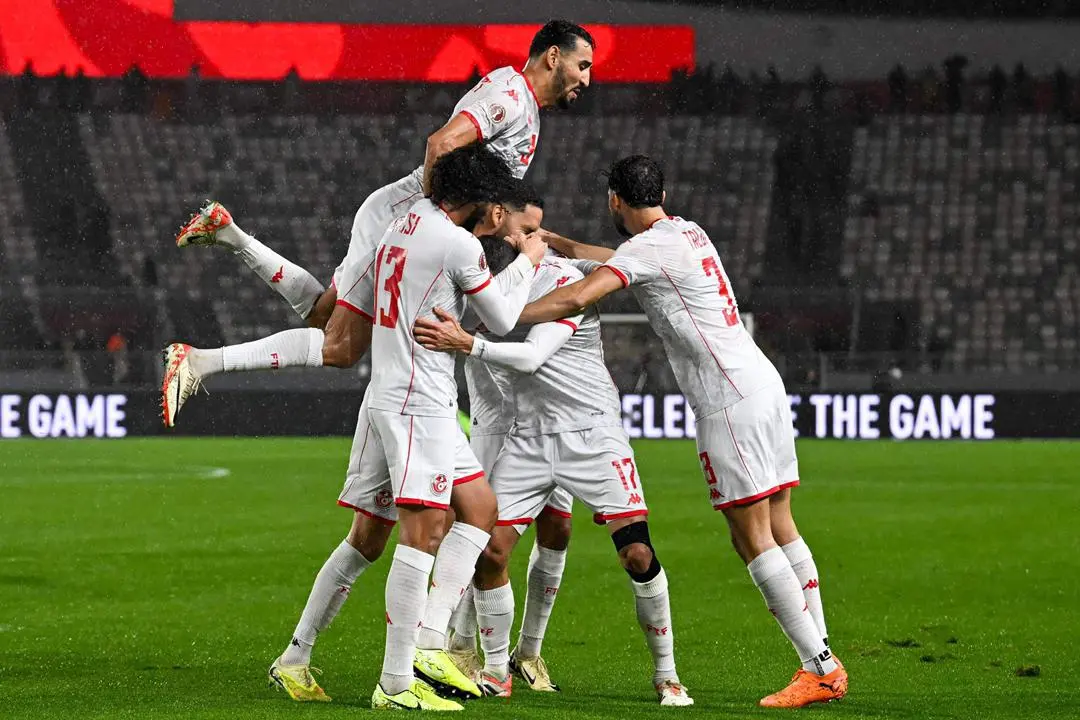
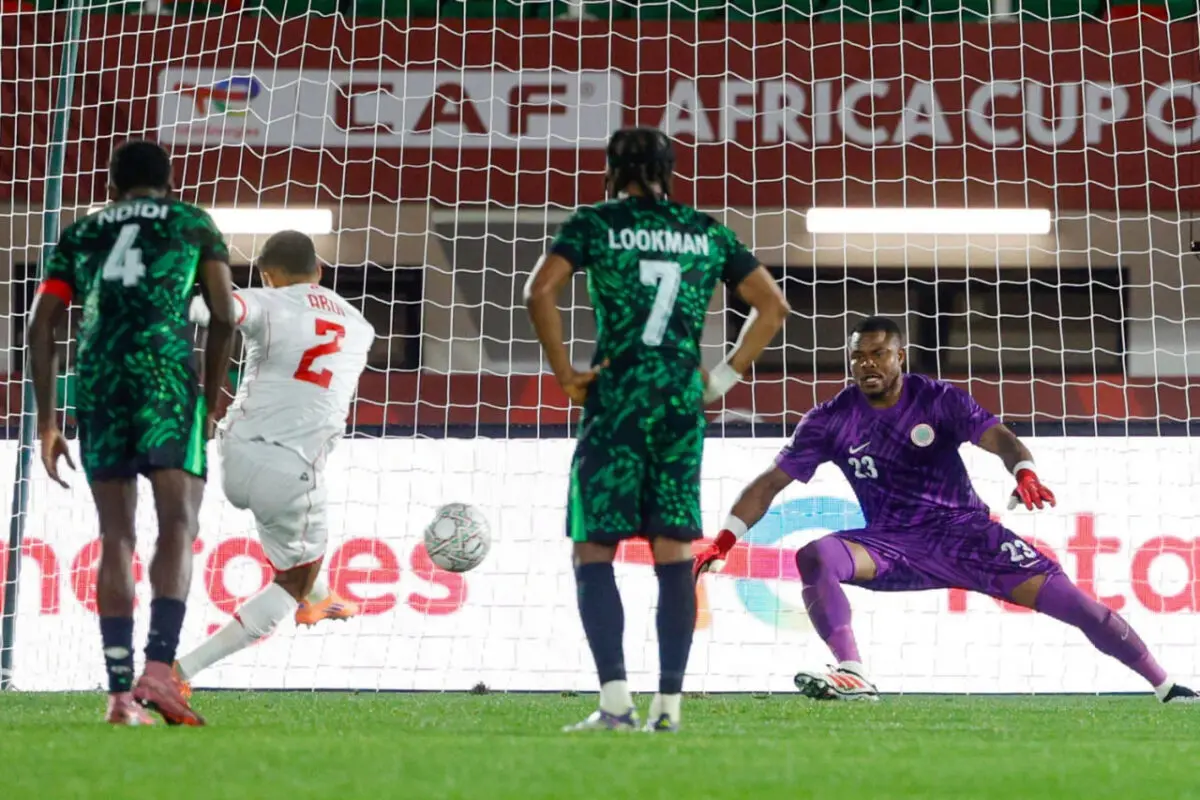
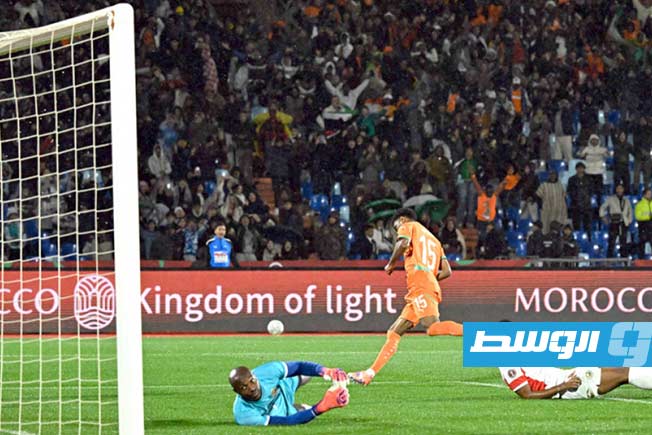
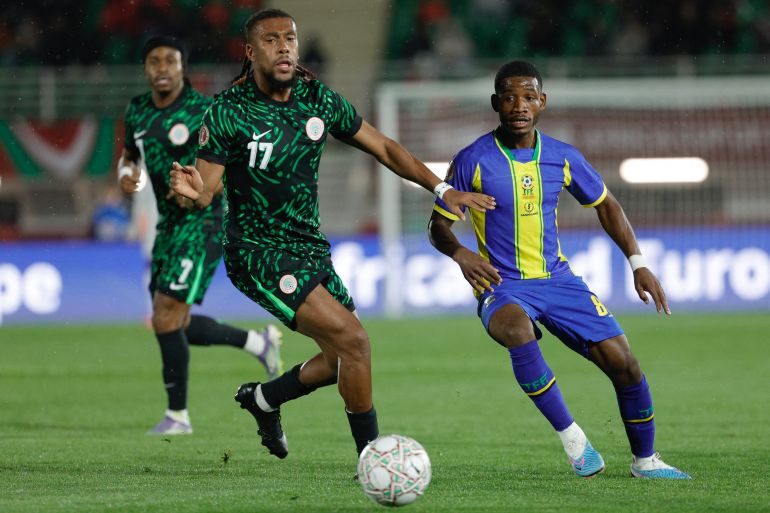
The Nigeria national team had a perfect start to the Africa Cup of Nations, advancing to the knockout stages after winning all three of its matches in Group Three against Tunisia, Tanzania, and Uganda, topping the standings with a full nine points.
The “Super Eagles” continued their impressive results in the Africa Cup of Nations, qualifying for the quarter-finals after a crushing 4-0 victory over Mozambique last Monday in the round of 16, achieving the biggest win of the tournament so far.
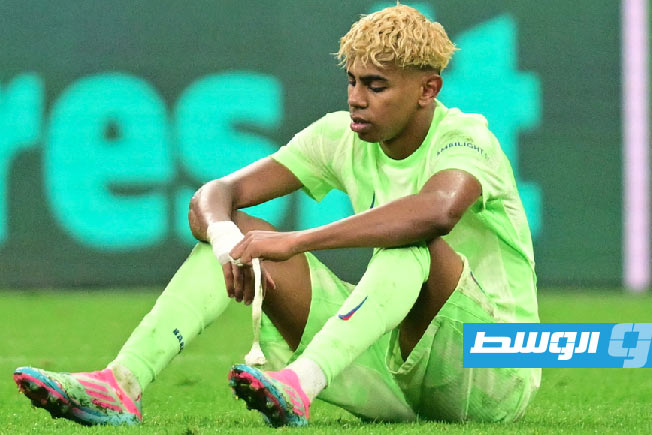
Despite this distinguished performance, the Nigeria national team refused to train today, Wednesday, and threatened to continue the boycott until the overdue bonuses are paid.
The Nigerian team is scheduled to travel to the city of Marrakesh tomorrow in preparation for its anticipated match against the Algeria national team.
– Injury ends Onahi’s Africa Cup of Nations journey
–
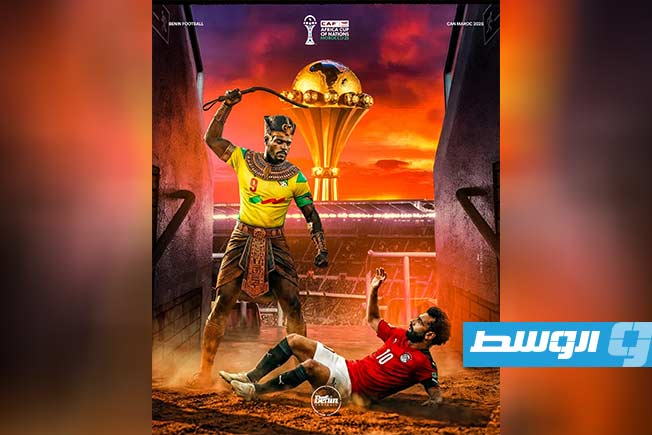
Benin national team angers Egyptian fans with disrespectful image of Mohamed Salah
This is not the first incident of its kind. Before the team played in the African World Cup qualifying playoffs last year, players and officials boycotted training in protest over unpaid bonuses as well. Although that dispute was later settled, Nigeria lost the final World Cup playoff match to the Democratic Republic of the Congo, thus failing to qualify for the World Cup for the second consecutive time.
Concerns about wages also emerged before the start of the Africa Cup of Nations tournament, with reports indicating that the team’s technical director, Mali’s Eric Chelle, had not received his salary and bonuses for three months.
Nigeria
Nigeria is a West African country with a rich history shaped by ancient kingdoms like the Nok, Benin, and Oyo, followed by British colonization until its independence in 1960. It is Africa’s most populous nation and a major cultural hub, renowned globally for its influential music, film (Nollywood), and literary traditions.
Algeria
Algeria is a North African country with a rich history shaped by ancient Berber kingdoms, Roman rule, and centuries as part of the Ottoman Empire before being colonized by France in the 19th century. It gained independence in 1962 after a prolonged war of liberation, and its cultural heritage includes numerous UNESCO World Heritage sites, such as the Roman ruins of Timgad and the historic Casbah of Algiers.
Morocco
Morocco is a North African country with a rich history shaped by indigenous Amazigh (Berber) cultures, Arab influence from the 7th century, and successive dynasties like the Almoravids and Almohads. Its cultural sites, such as the ancient city of Fez and the Koutoubia Mosque in Marrakech, reflect this blend of Arab, Islamic, and Amazigh heritage. The country’s historic medinas, kasbahs, and varied landscapes from the Sahara Desert to the Atlas Mountains contribute to its distinct cultural identity.
Marrakesh
Marrakesh is a historic city in western Morocco, founded in 1062 by the Almoravid dynasty. It served as a capital and a major political, economic, and cultural center, renowned for its iconic medina, bustling Jemaa el-Fnaa square, and architectural landmarks like the Koutoubia Mosque.
Tunisia
Tunisia is a North African country with a rich history shaped by ancient civilizations, including the Phoenician city of Carthage, Roman rule, and later Arab-Islamic influence. Its cultural sites, such as the well-preserved Roman amphitheater at El Jem and the historic medina of Tunis, reflect this diverse heritage. Today, it is known as the birthplace of the Arab Spring and for its blend of Mediterranean and Arab cultures.
Tanzania
Tanzania is an East African nation renowned for its rich cultural heritage and significant historical sites, most notably the island of Zanzibar, a historic center of Swahili culture and the spice trade. It is also home to several UNESCO World Heritage Sites, including the Stone Town of Zanzibar and the Kondoa Rock-Art Sites, which feature ancient paintings dating back thousands of years. Furthermore, Tanzania’s history includes its role as a German and later British colony before gaining independence in 1961.
Uganda
Uganda is a landlocked East African nation known for its diverse landscapes, including the source of the Nile River and mountain gorilla habitats. Its history includes powerful pre-colonial kingdoms like Buganda, followed by British colonization until independence in 1962, and a subsequent period of political turmoil. Today, it is recognized for its rich cultural heritage and wildlife tourism.
Mozambique
Mozambique is a country in Southeast Africa with a rich history shaped by Bantu-speaking peoples, Arab trade, and Portuguese colonization, which lasted nearly five centuries until independence in 1975. It is known for its diverse cultural heritage, extensive Indian Ocean coastline, and notable sites like the Island of Mozambique, a UNESCO World Heritage site that was the former Portuguese colonial capital.
Benin
Benin refers to both a modern West African country and the historic Kingdom of Benin, which was a major pre-colonial power centered in present-day Nigeria. The kingdom, known for its sophisticated artistry in bronze and ivory, flourished from the 13th to the 19th century before being annexed by the British Empire in 1897. The modern Republic of Benin, formerly known as Dahomey, gained independence from France in 1960.
Egypt
Egypt is home to one of the world’s oldest civilizations, with a recorded history spanning over 5,000 years and famed for its pharaonic monuments like the Pyramids of Giza and the Great Sphinx. Its rich cultural heritage, from ancient temples along the Nile to Islamic Cairo, reflects successive influences including Greek, Roman, and Arab, making it a cornerstone of human history.
Democratic Republic of the Congo
The Democratic Republic of the Congo, located in Central Africa, is a vast country with a complex history marked by the pre-colonial Kingdom of Kongo, a brutal period as the personal colony of King Leopold II of Belgium, and a turbulent post-independence era since 1960. It is culturally rich and geographically diverse, home to the Congo River basin and significant mineral resources, but has been plagued by prolonged conflict and instability.
Mali
Mali, located in West Africa, was the heart of several powerful empires, most notably the Mali Empire (c. 1235–1670), which became renowned for its wealth, trade networks, and centers of Islamic scholarship like Timbuktu. Today, the country is home to significant UNESCO World Heritage Sites, including the ancient cities of Timbuktu and Djenné, though many of its cultural treasures have faced threats from conflict and environmental degradation.
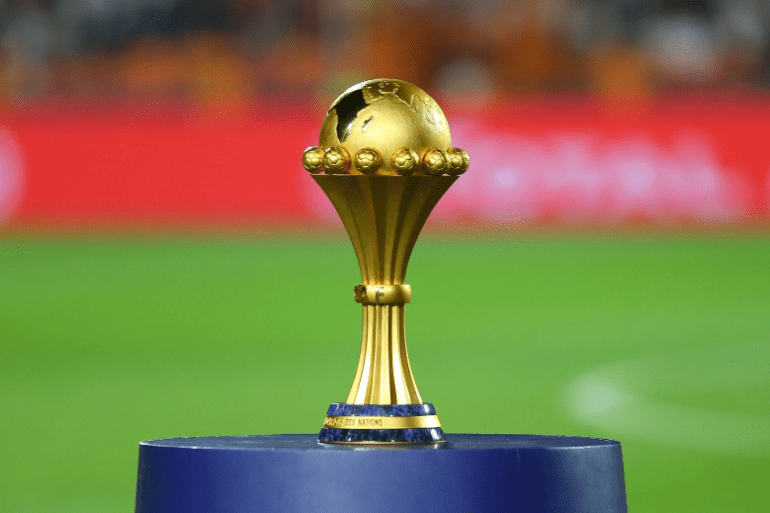
Africa Cup of Nations
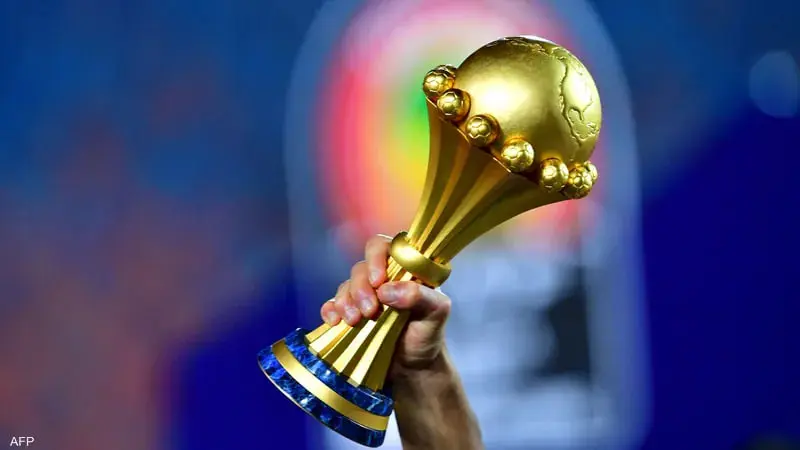
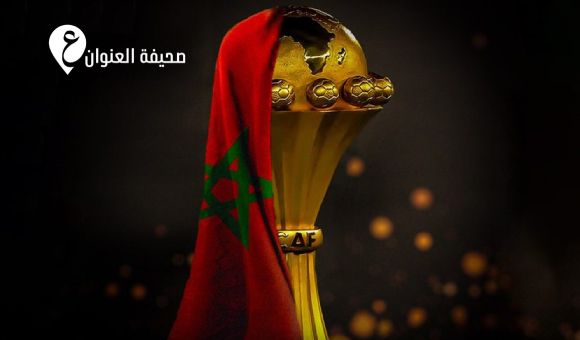
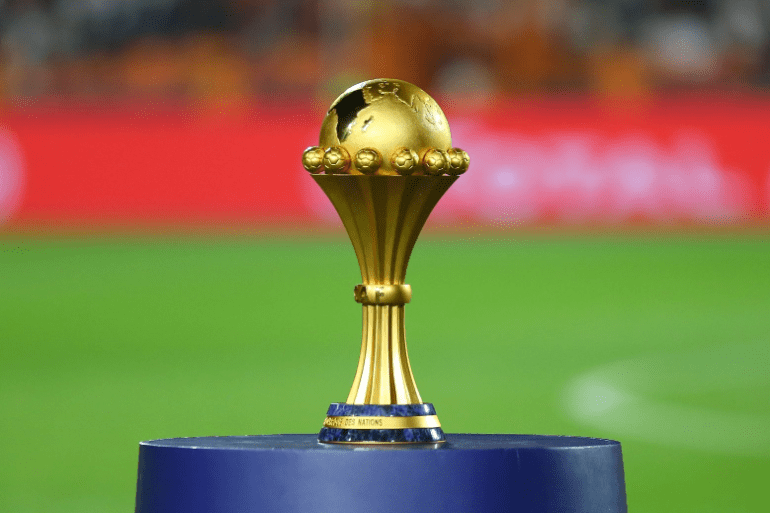
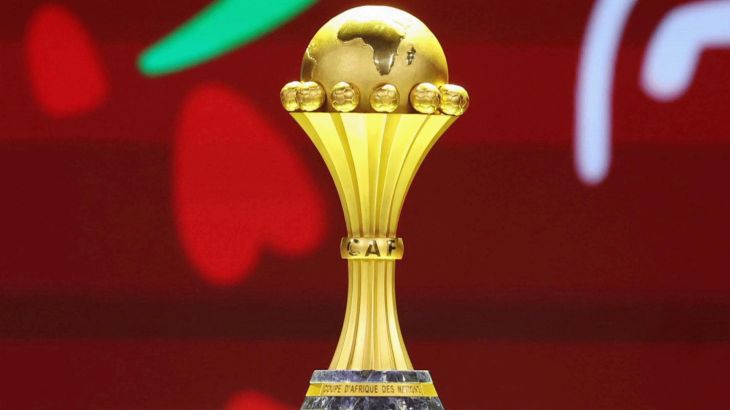
The Africa Cup of Nations (AFCON) is the premier international men’s football competition in Africa, first held in 1957. It was founded by the Confederation of African Football (CAF) to foster unity and showcase the continent’s football talent, with Egypt winning the inaugural tournament.
World Cup
The FIFA World Cup is an international football tournament first held in 1930 in Uruguay. It is organized by FIFA and takes place every four years, bringing together national teams from around the globe to compete for the sport’s most prestigious trophy.
Super Eagles
The Super Eagles are the national football team of Nigeria, first formed in 1949. They adopted their iconic name in 1988 and have since become one of Africa’s most successful teams, winning the Africa Cup of Nations three times and making multiple FIFA World Cup appearances.