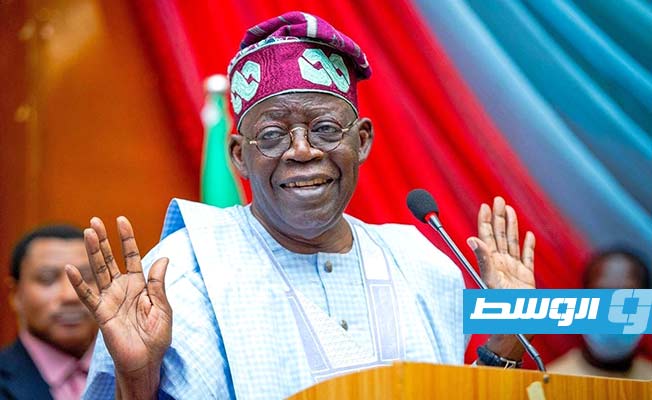
Britain’s King Charles III is hosting Nigerian President Bola Tinubu during a state visit by the African leader to Britain on March 18th and 19th.
Buckingham Palace announced in a statement on Saturday that King Charles and his wife Queen Camilla will receive the Nigerian President and his wife Oluremi Tinubu at Windsor Castle, west of London.
This trip will be the first official state visit by a Nigerian president to Britain in 37 years. King Charles visited Nigeria four times when he was the Prince of Wales before the death of his mother, Queen Elizabeth II, in 2022.
Strategic Partnership in Economy, Migration, and Security
London and Abuja entered into a strategic partnership in November 2024 to enhance their cooperation in the fields of economy, migration, and security. They also signed an economic cooperation agreement at the beginning of 2024 during the previous British government.
On Friday, Nigeria’s Ministry of Defense announced that the two countries intend to strengthen their defense cooperation following a week that saw a massacre claiming the lives of more than 160 people in Kwara State in central Nigeria, which Tinubu said was carried out by jihadists.
Nigeria, a former British colony and member of the Commonwealth, was the first African country visited by the British Foreign Secretary shortly after the Labour Party government came to power in July 2024.
£8.1 Billion in Trade Volume Between the Two Countries
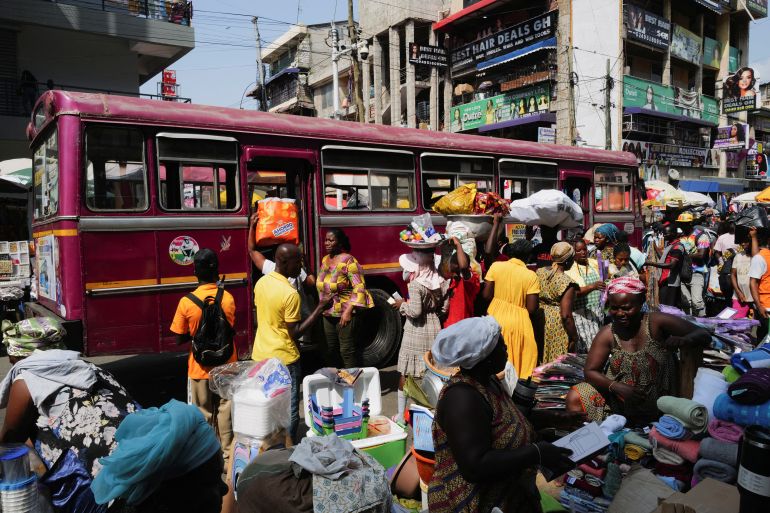
Nigeria, the continent’s most populous country with 230 million people and one of Africa’s largest economies, receives significant amounts of development aid from the United Kingdom, which is home to a large Nigerian community.
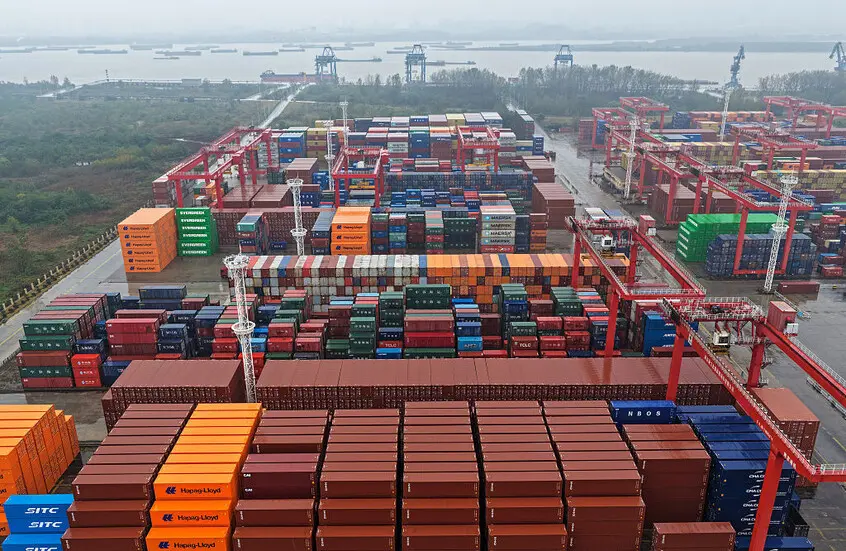
The trade volume between the two countries reached £8.1 billion (USD 11 billion) in the fiscal year ending in September 2025, an increase of 11.4% year-on-year, according to data from the British business ministry.
British exports to Nigeria rose by 14.2%, reaching a value of £5.7 billion.
On Friday, a Nigerian court ordered the British government to pay £420 million to the families of miners who were killed in 1949 by colonial authorities after they protested their working conditions and unpaid wages by occupying the mine where they worked.
Britain
Britain is a sovereign island nation in northwestern Europe with a rich history spanning millennia, including the Roman occupation, the formation of the medieval kingdoms of England and Scotland, and the expansive British Empire. Culturally, it is renowned for its global influence in language, literature, constitutional government, and institutions like the monarchy and Parliament.
Nigeria
Nigeria is a West African country with a rich history shaped by ancient kingdoms like the Nok, Benin, and Oyo, followed by British colonization until its independence in 1960. It is Africa’s most populous nation and a major cultural hub, renowned globally for its influential music, film (Nollywood), and literary traditions.
King Charles III
King Charles III is the current monarch of the United Kingdom and 14 other Commonwealth realms, ascending to the throne on September 8, 2022, following the death of his mother, Queen Elizabeth II. His coronation ceremony took place at Westminster Abbey on May 6, 2023, continuing a royal lineage that dates back over a thousand years.
Bola Tinubu
Bola Tinubu is not a place or cultural site, but a Nigerian politician who served as the Governor of Lagos State from 1999 to 2007. He later became a national leader of the All Progressives Congress (APC) and was elected President of Nigeria in 2023.
Queen Camilla
Queen Camilla refers to Camilla, Queen Consort of the United Kingdom, who is the wife of King Charles III. She became the Queen Consort following the death of Queen Elizabeth II in 2022, after a long history of being a prominent figure in the British royal family.
Oluremi Tinubu
Oluremi Tinubu is not a place or cultural site, but a prominent Nigerian politician. She is the current First Lady of Nigeria, the wife of President Bola Tinubu, and a former three-term Senator representing Lagos Central. Her public career has focused on legislative work and advocacy through initiatives like her “Renewed Hope Initiative.”
Windsor Castle
Windsor Castle is a royal residence located in Berkshire, England, originally constructed by William the Conqueror in the 11th century following the Norman invasion. It is the oldest and largest occupied castle in the world, having served as a fortress, royal home, and final resting place for many English monarchs throughout its nearly 1,000-year history.
London
London is the capital of the United Kingdom, a historic city founded by the Romans as *Londinium* nearly two millennia ago. It has since evolved into a major global financial and cultural centre, with landmarks like the Tower of London and Westminster Abbey reflecting its long and layered history.
Abuja
Abuja is the purpose-built capital city of Nigeria, officially replacing Lagos in 1991. Its central location was chosen to promote national unity, and its modern design and architecture were master-planned by international firms beginning in the 1980s.
Kwara State
Kwara State is a region in western Nigeria established in 1967 during the country’s administrative reorganization. It is historically significant as part of the old Northern Region and was once the capital of the former Northern Region before the Nigerian Civil War. The state is known for its diverse ethnic groups and cultural heritage, including traditional festivals and the historic Jebba and Kaiama towns.
United Kingdom
The United Kingdom is a sovereign nation comprising England, Scotland, Wales, and Northern Ireland, with a history shaped by the Acts of Union in 1707 and 1801. It emerged as a global power during the British Empire and is known for its constitutional monarchy and parliamentary democracy. Its cultural influence is profound, from the English language and literature to landmarks like Stonehenge, Westminster Abbey, and Edinburgh Castle.
Buckingham Palace
Buckingham Palace is the London residence and administrative headquarters of the British monarch, originally built in 1703 as a large townhouse for the Duke of Buckingham. It was acquired by King George III in 1761 and was later enlarged and transformed into a palace, becoming the official royal residence upon Queen Victoria’s accession in 1837.