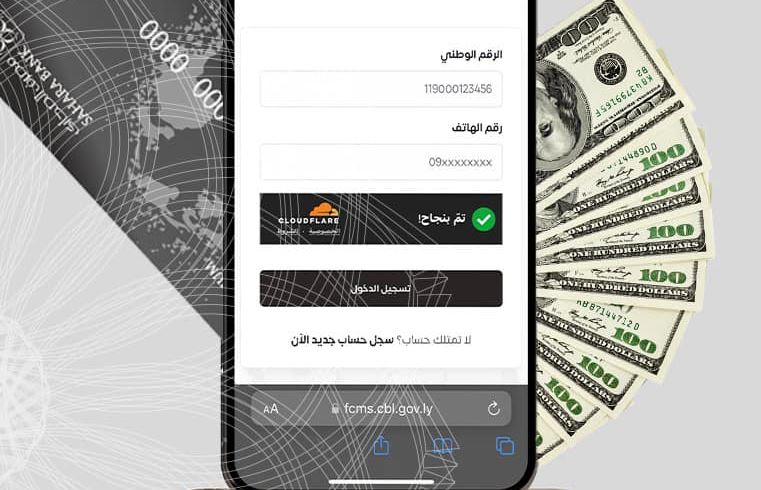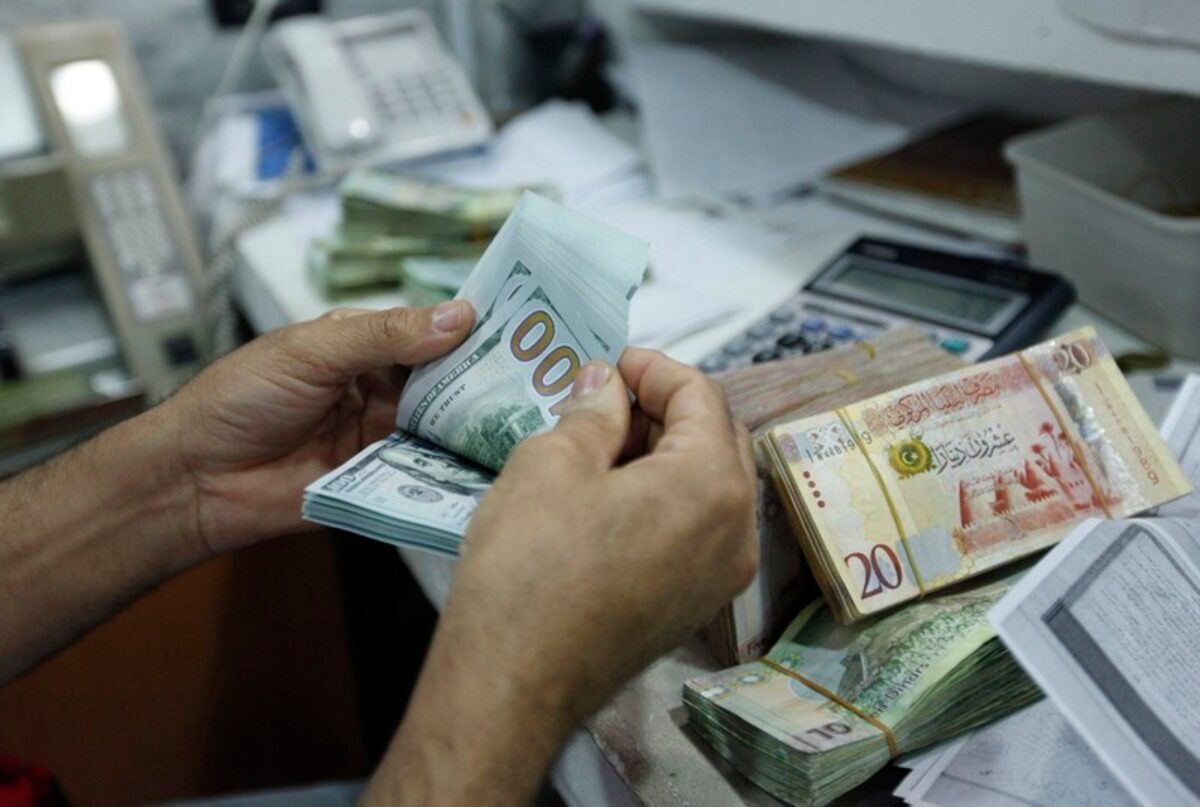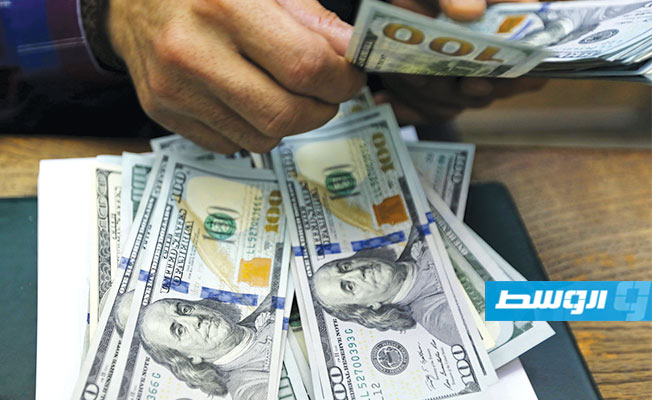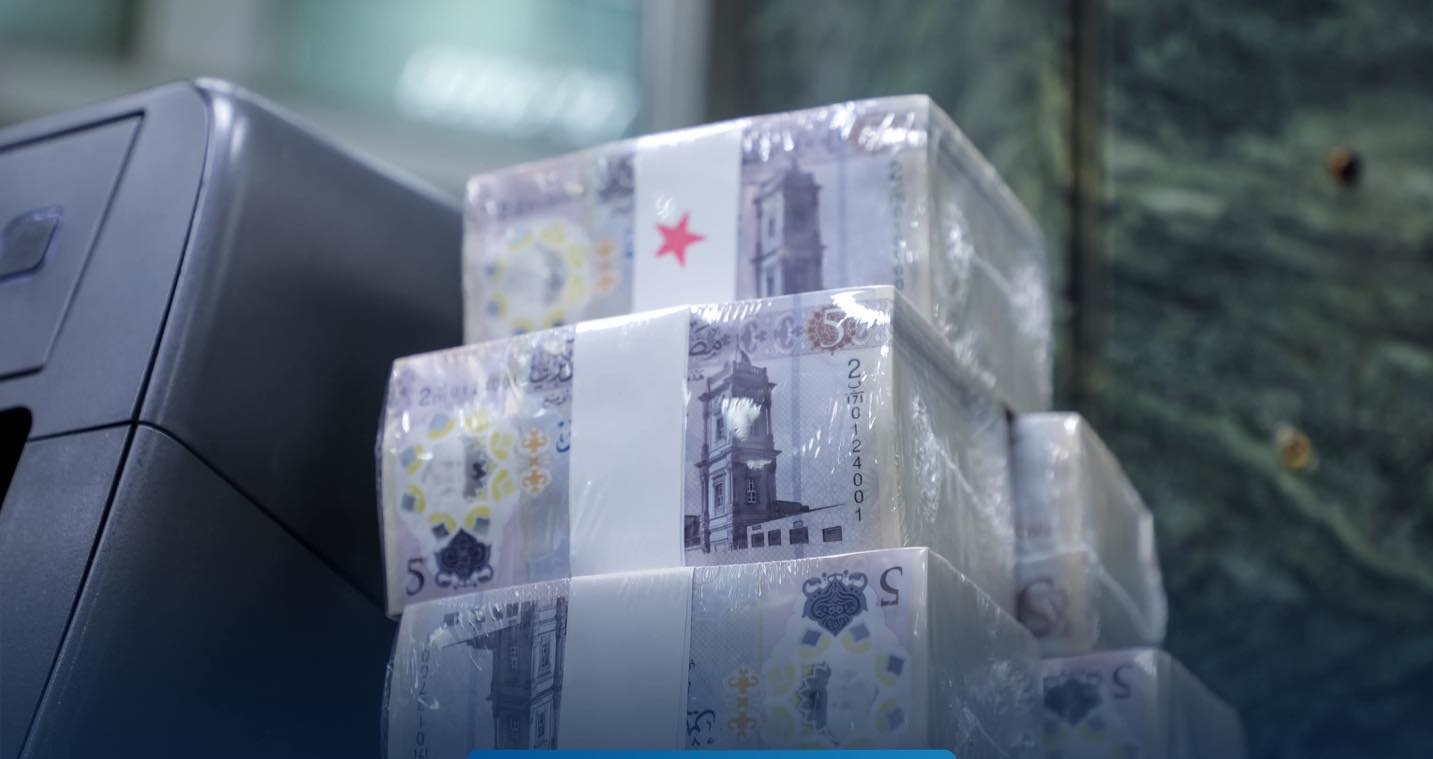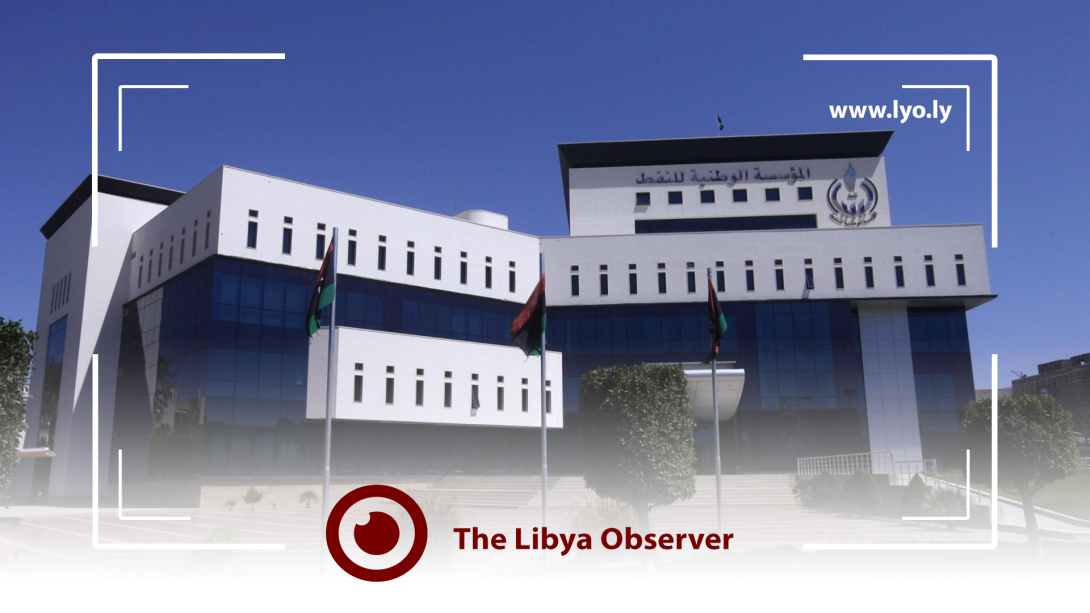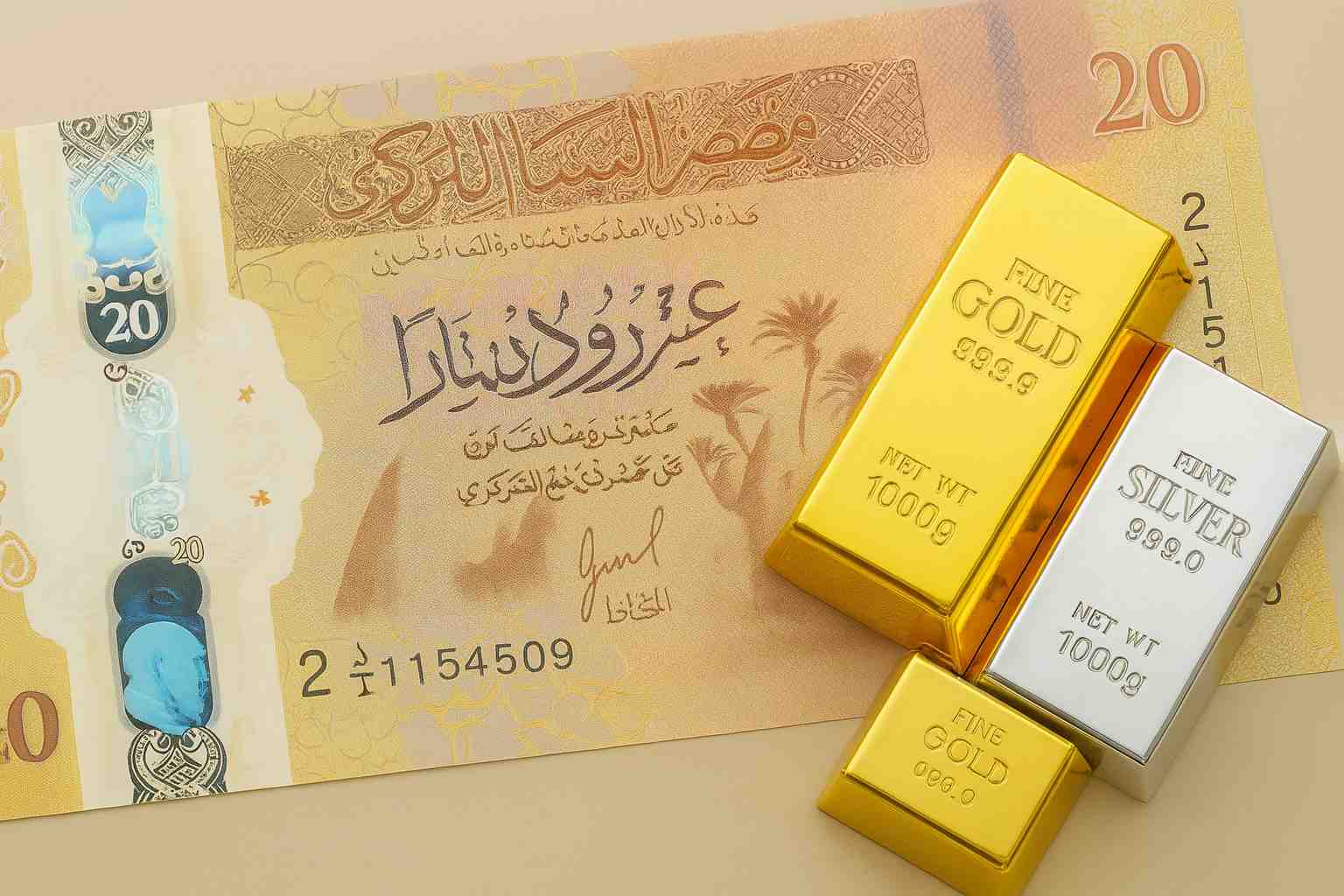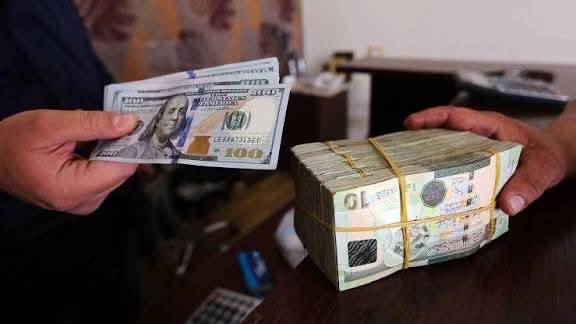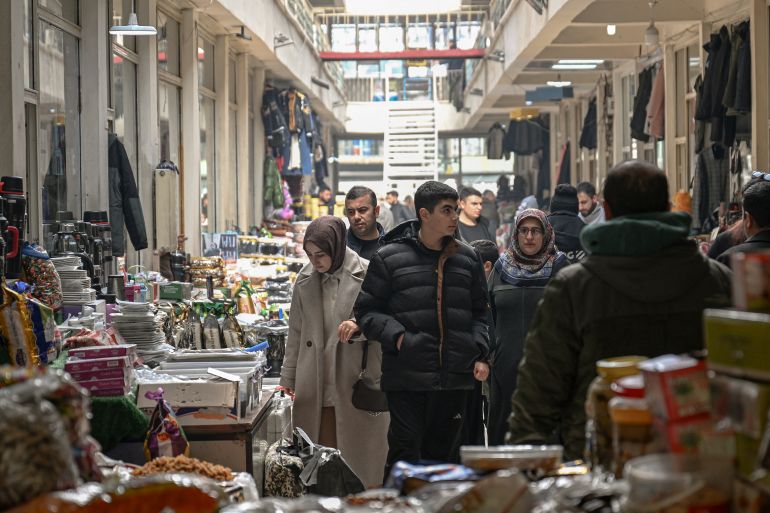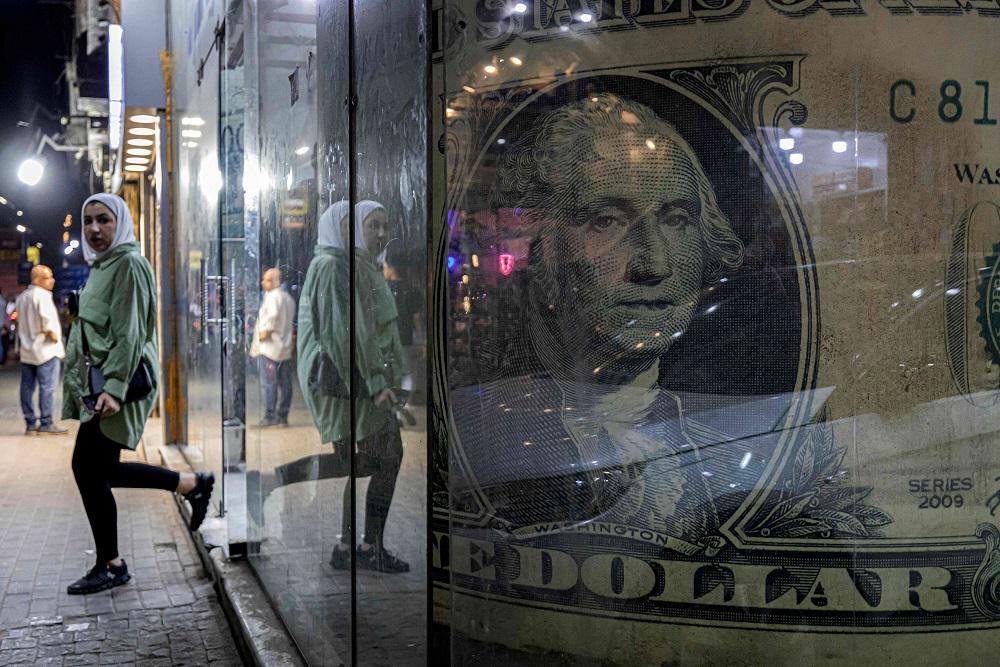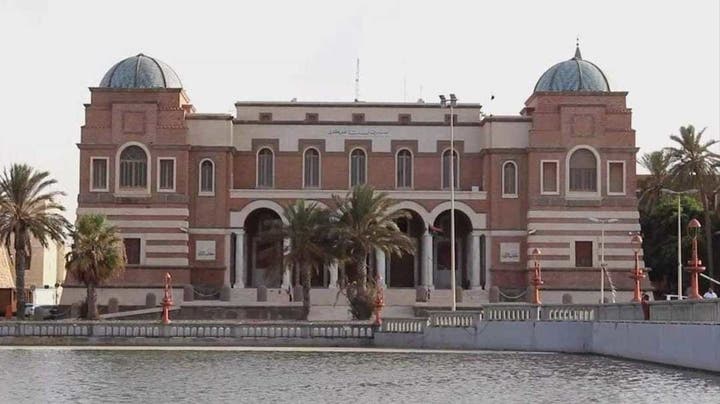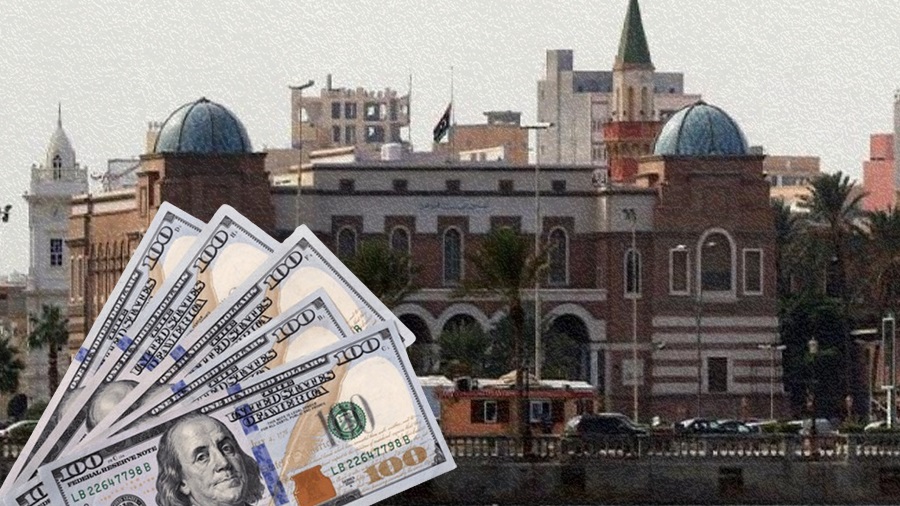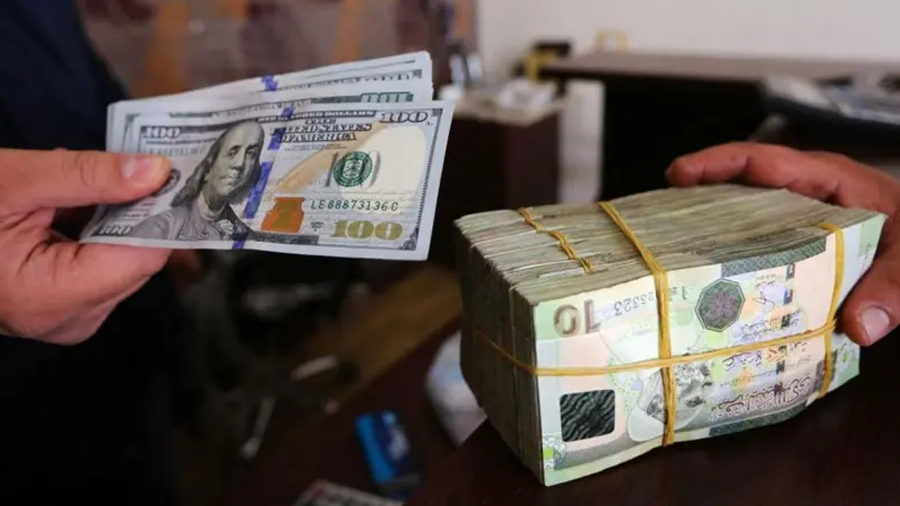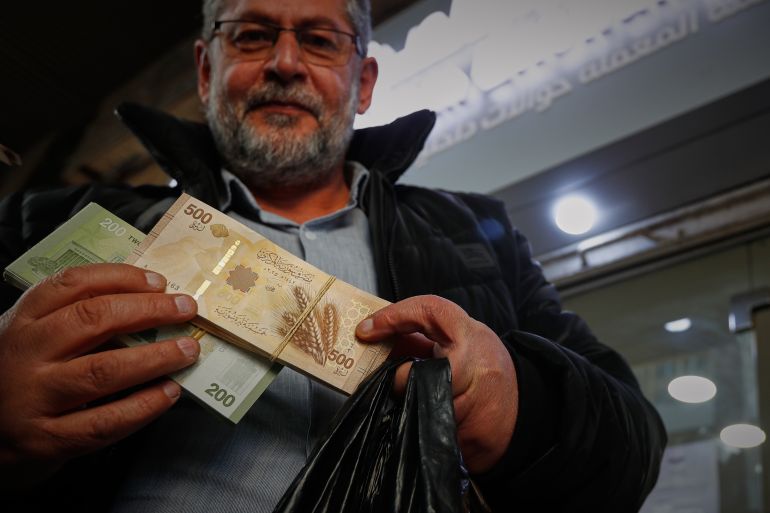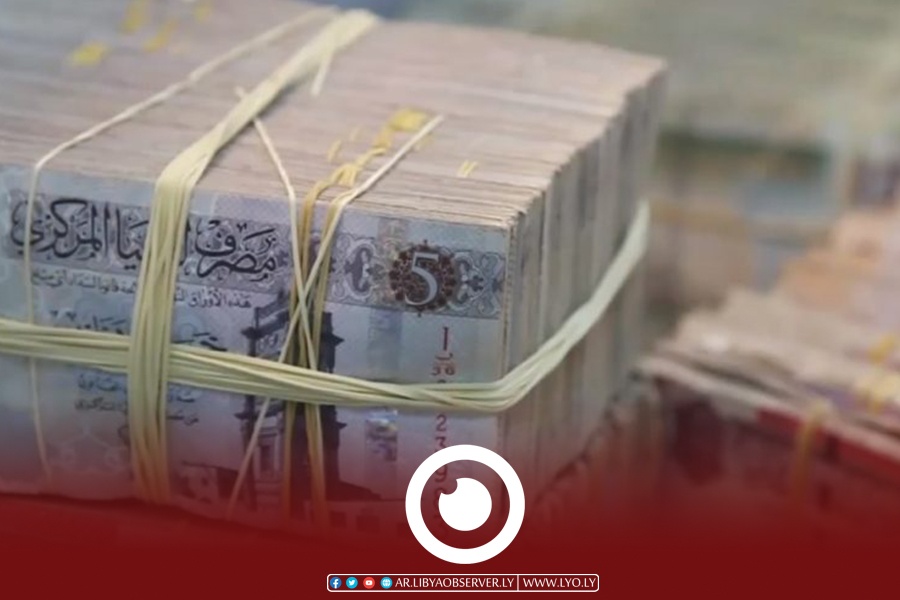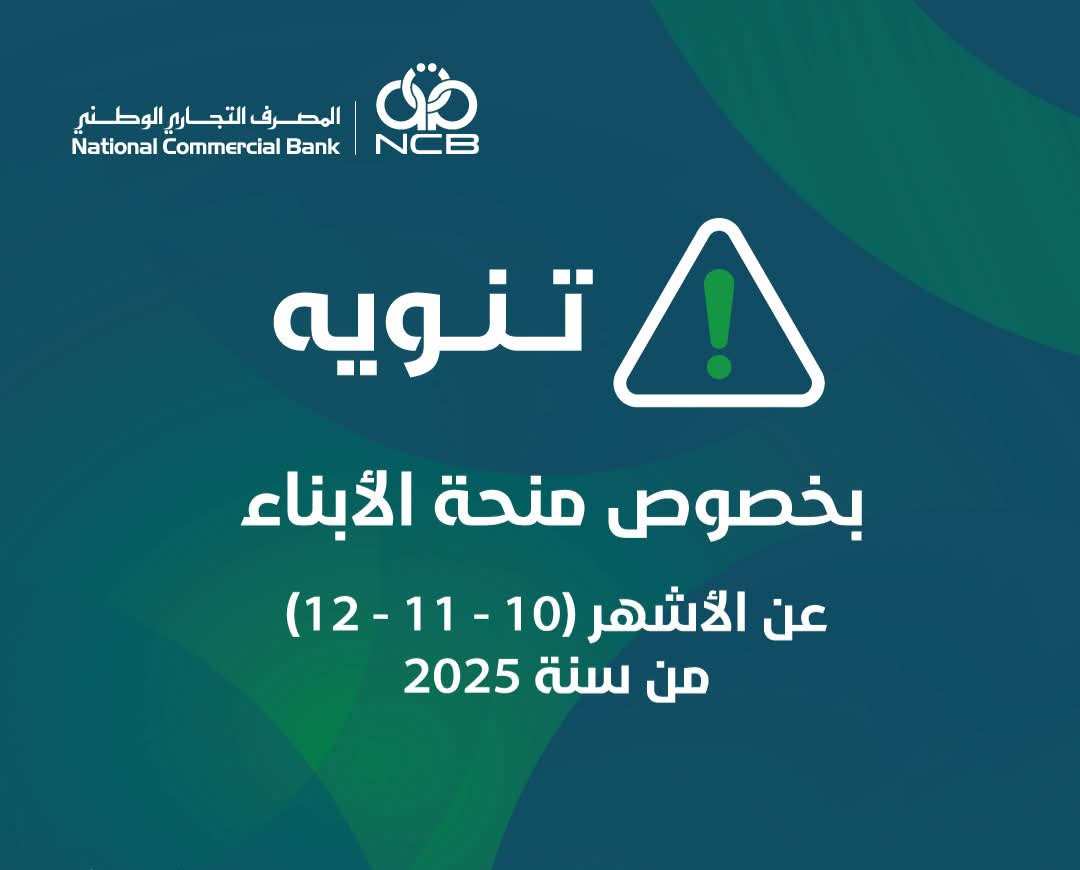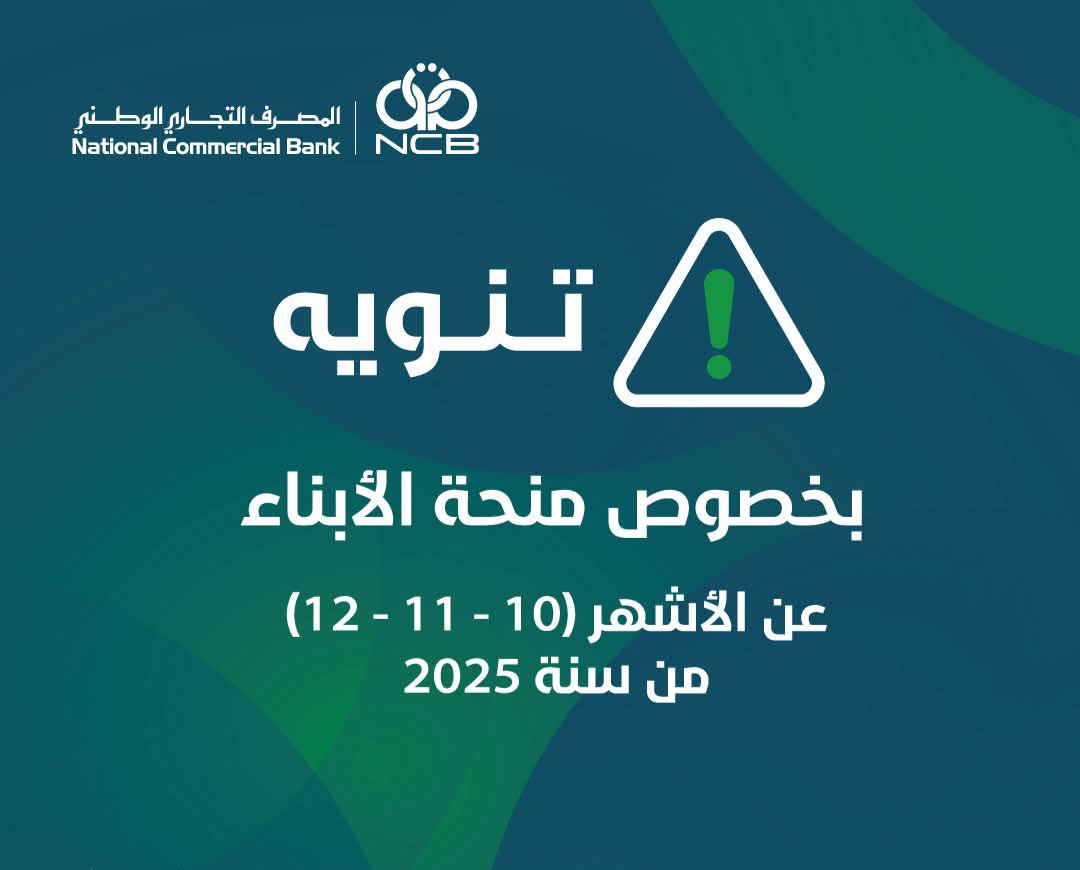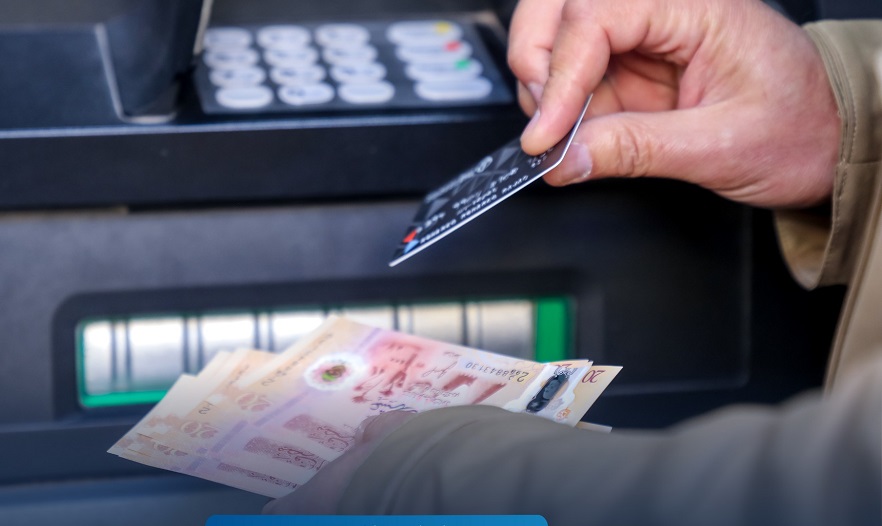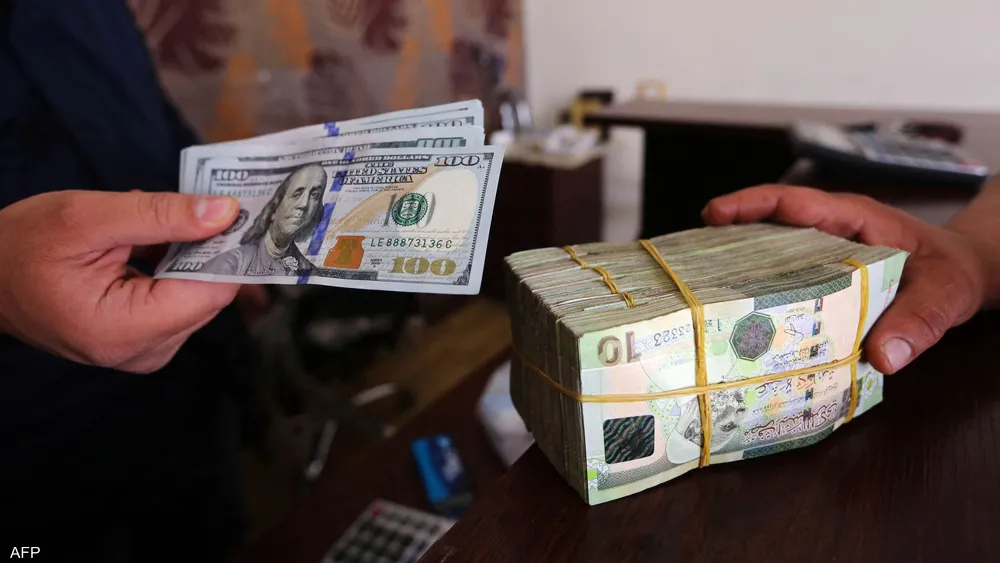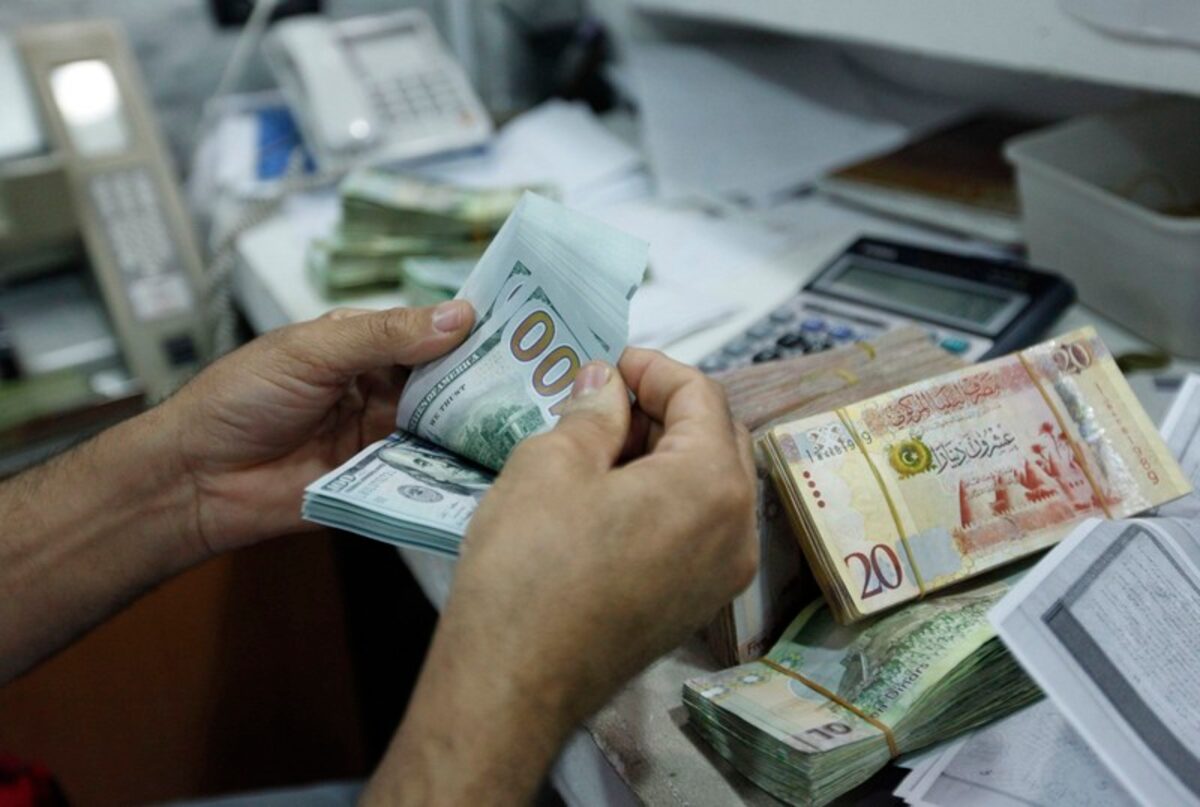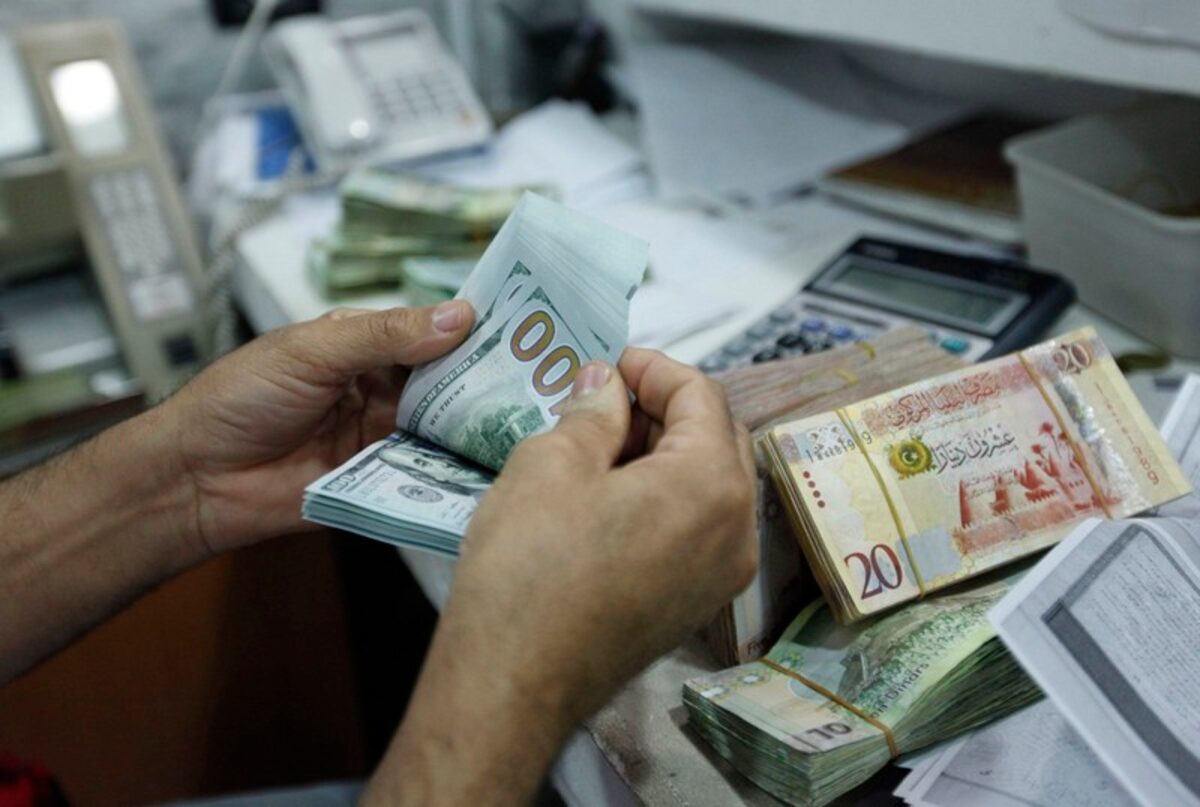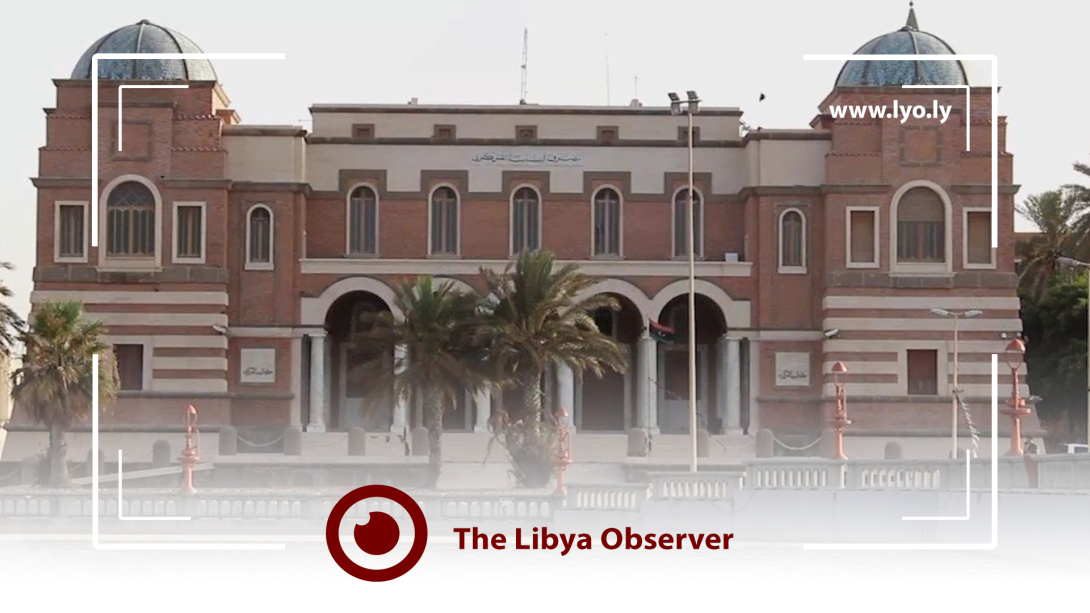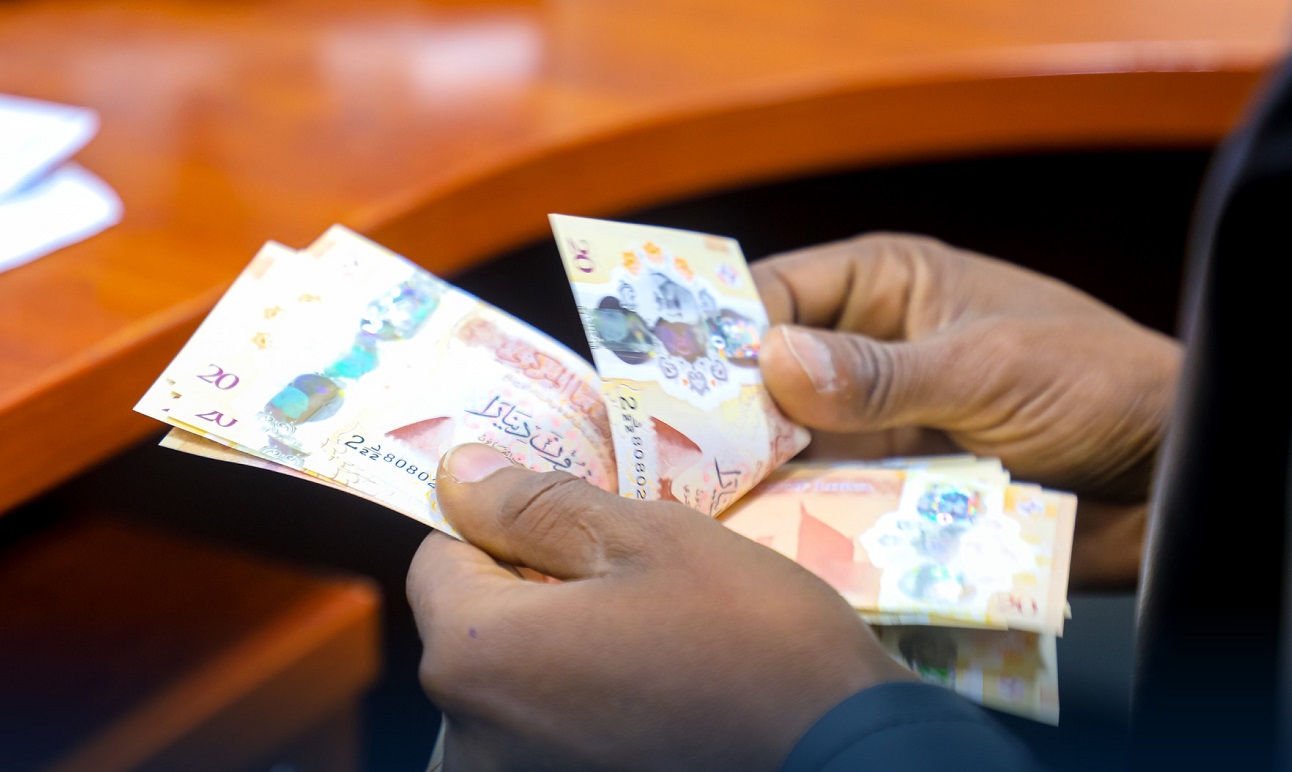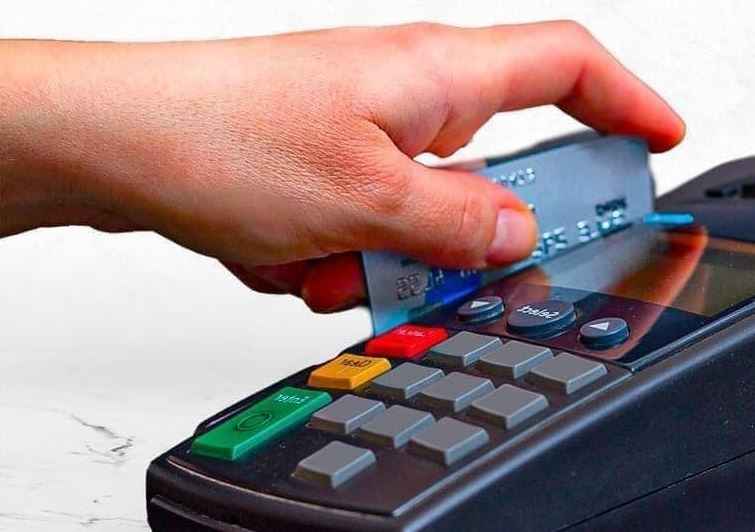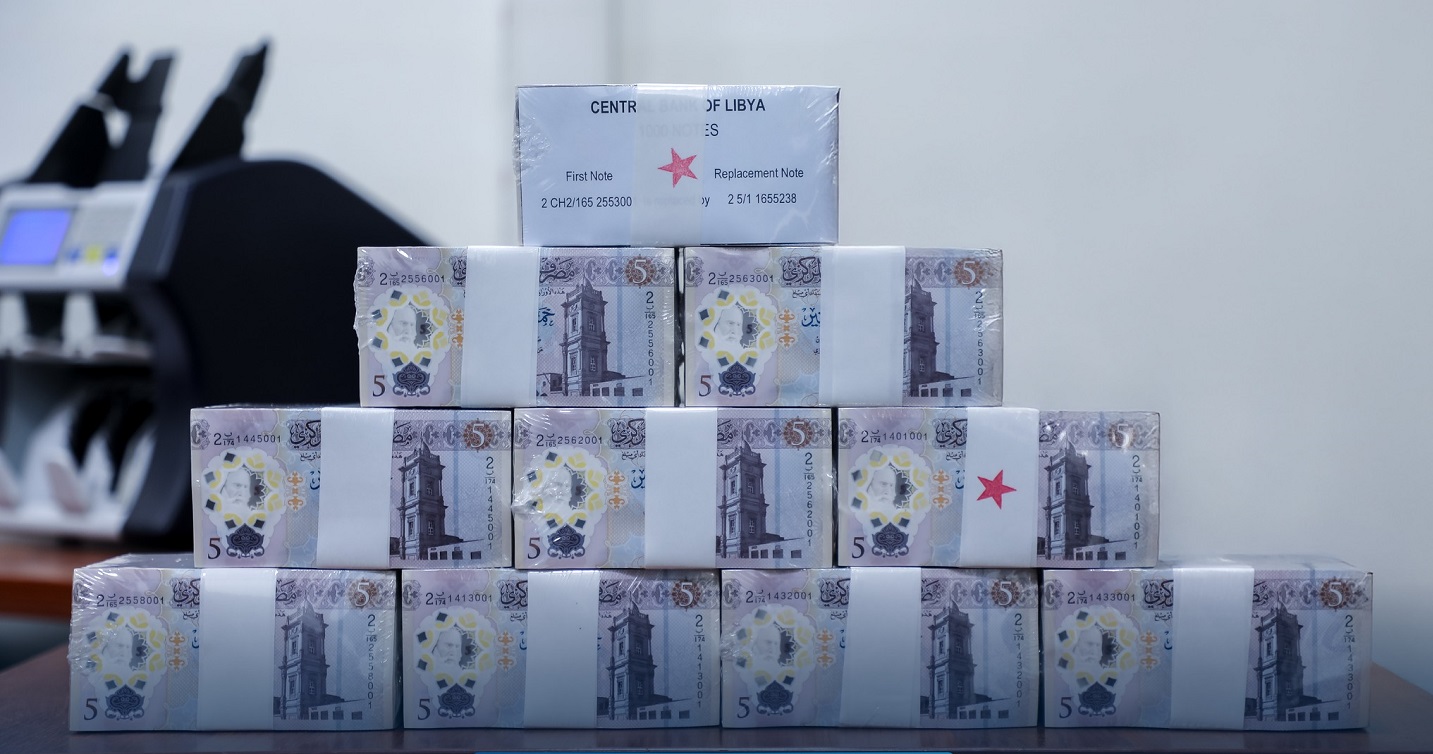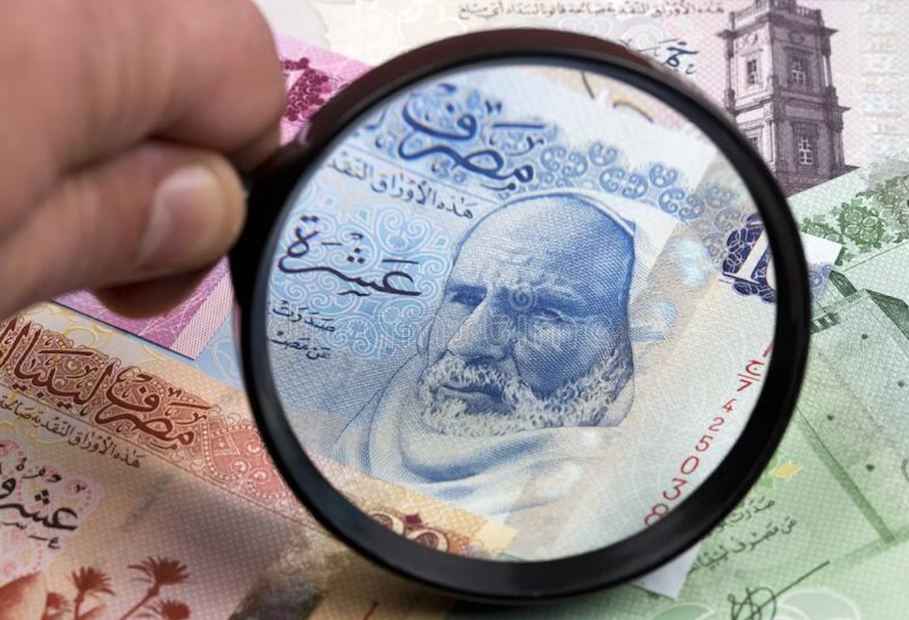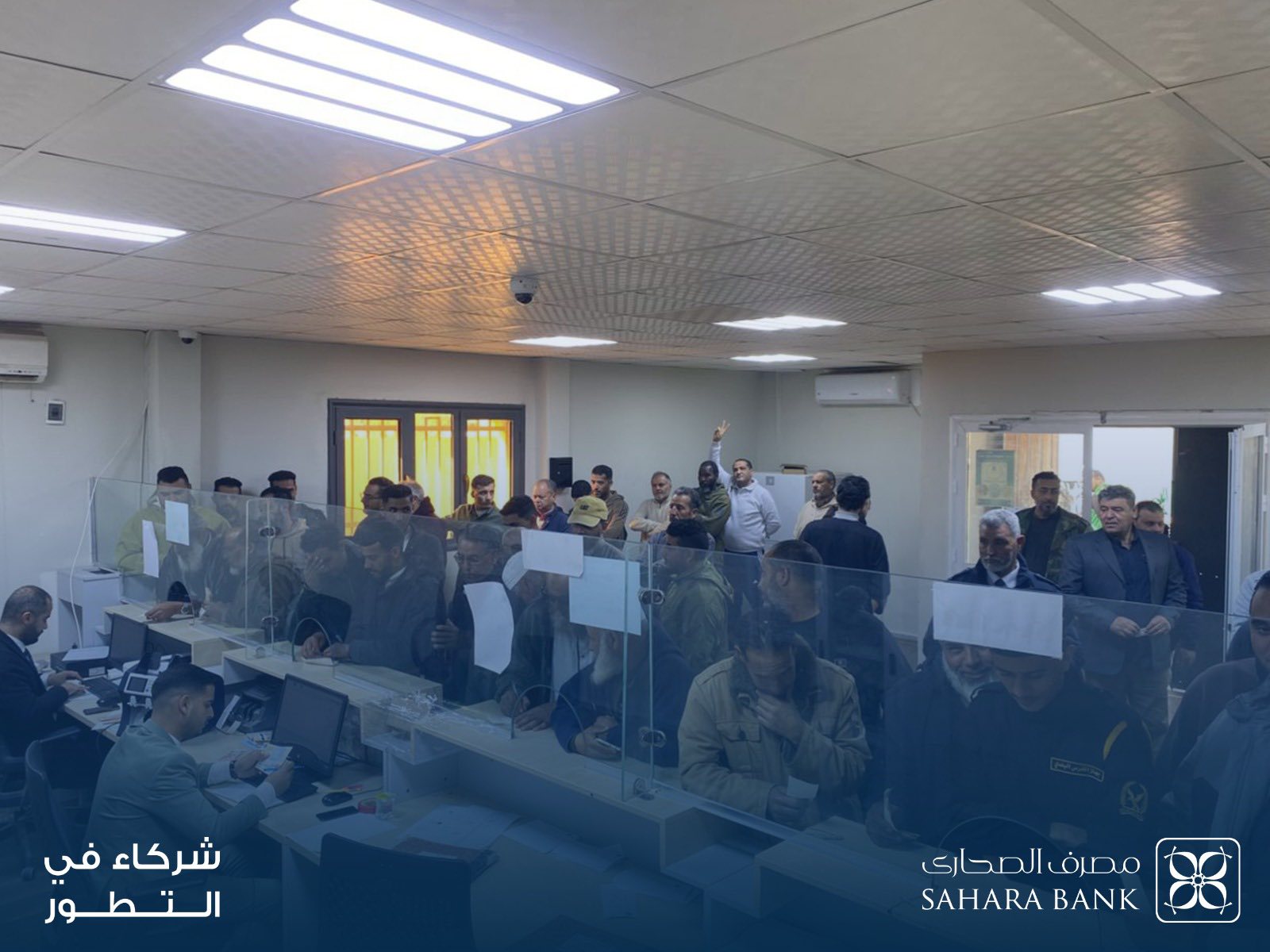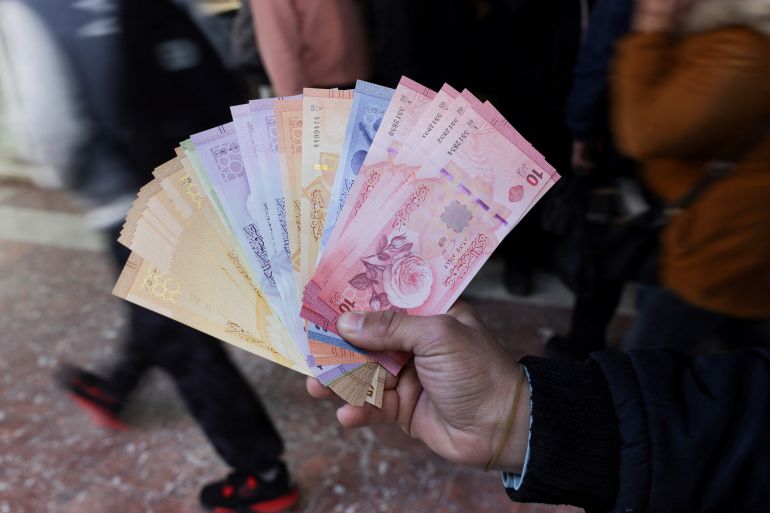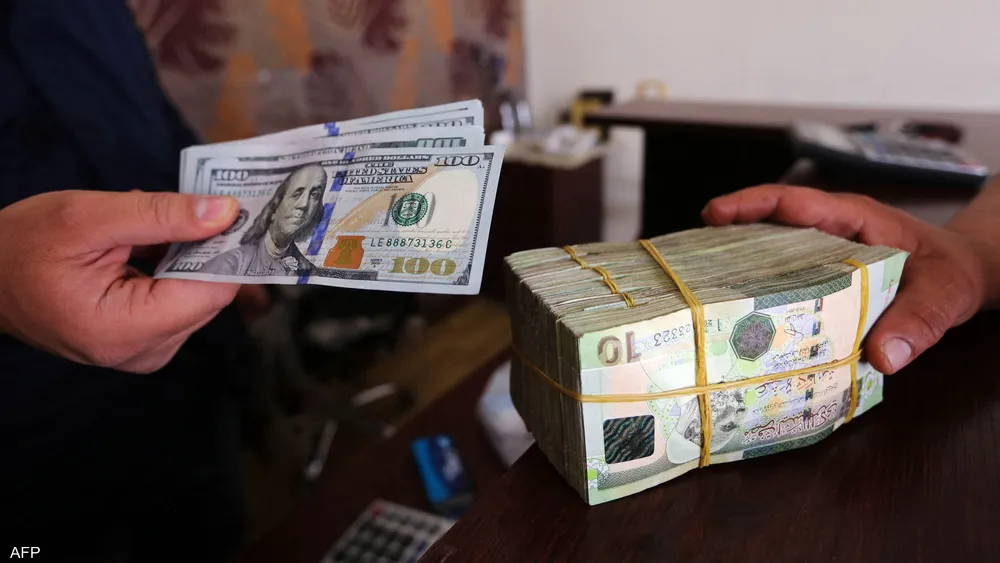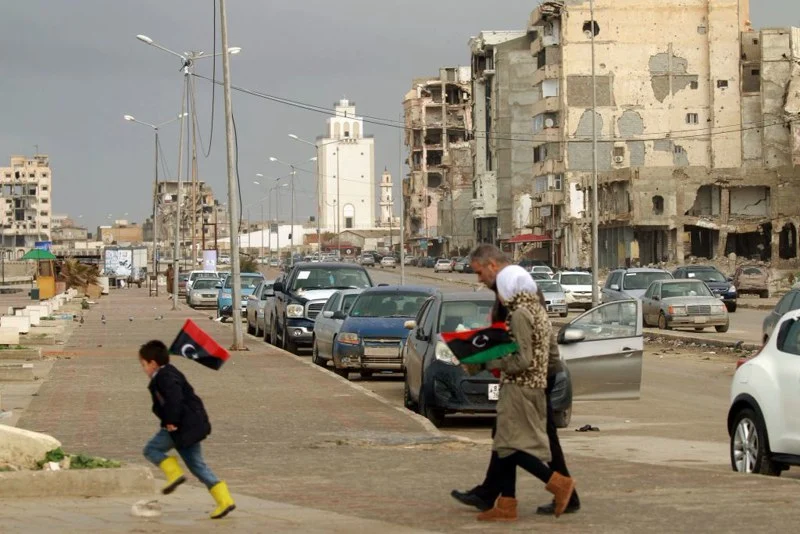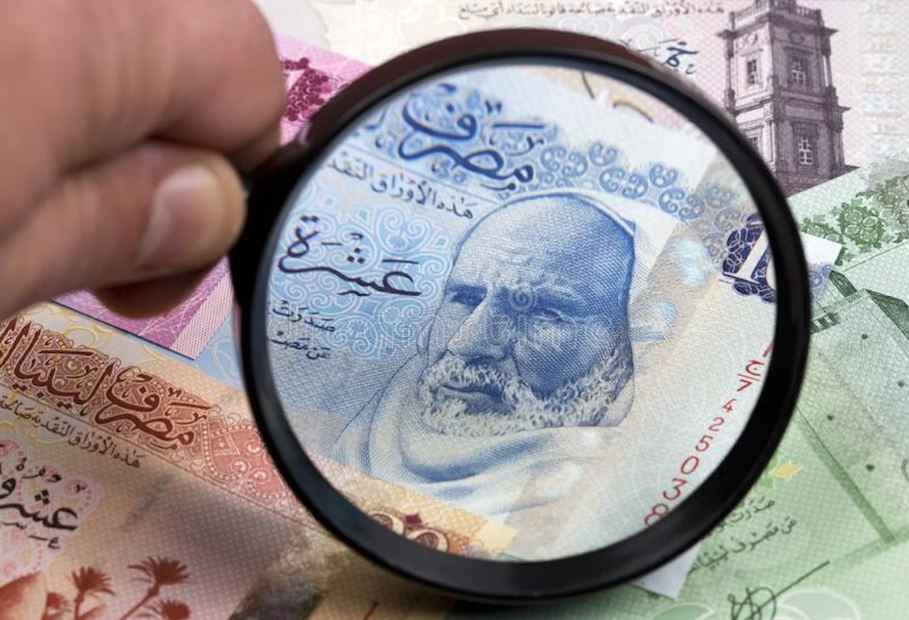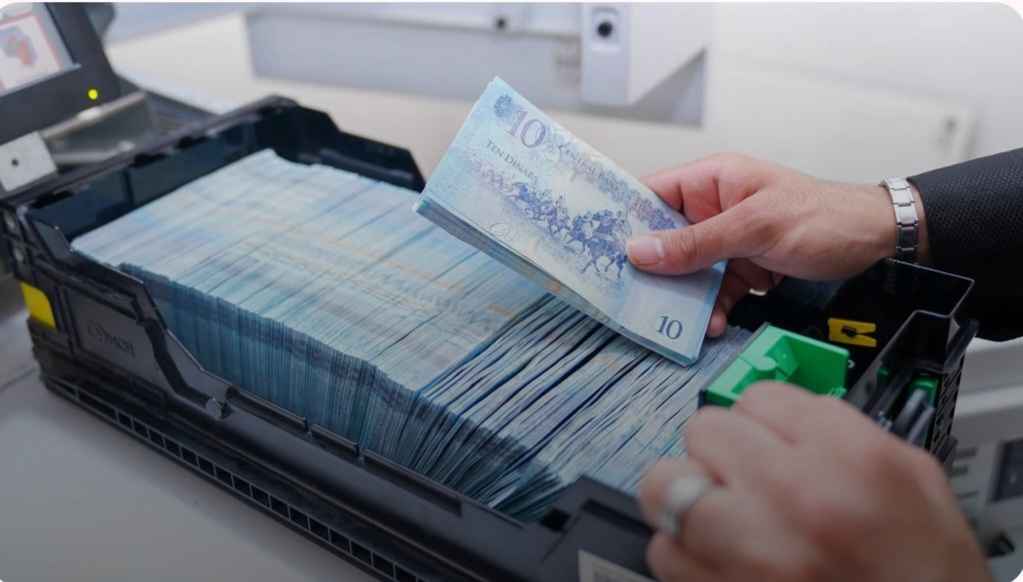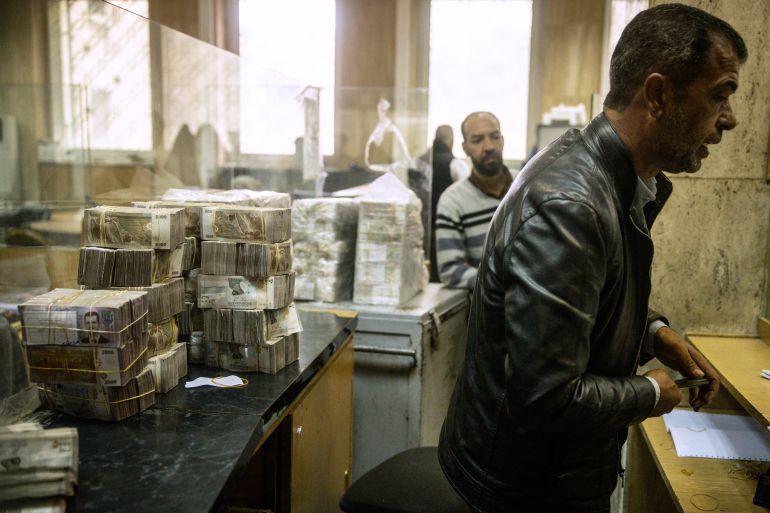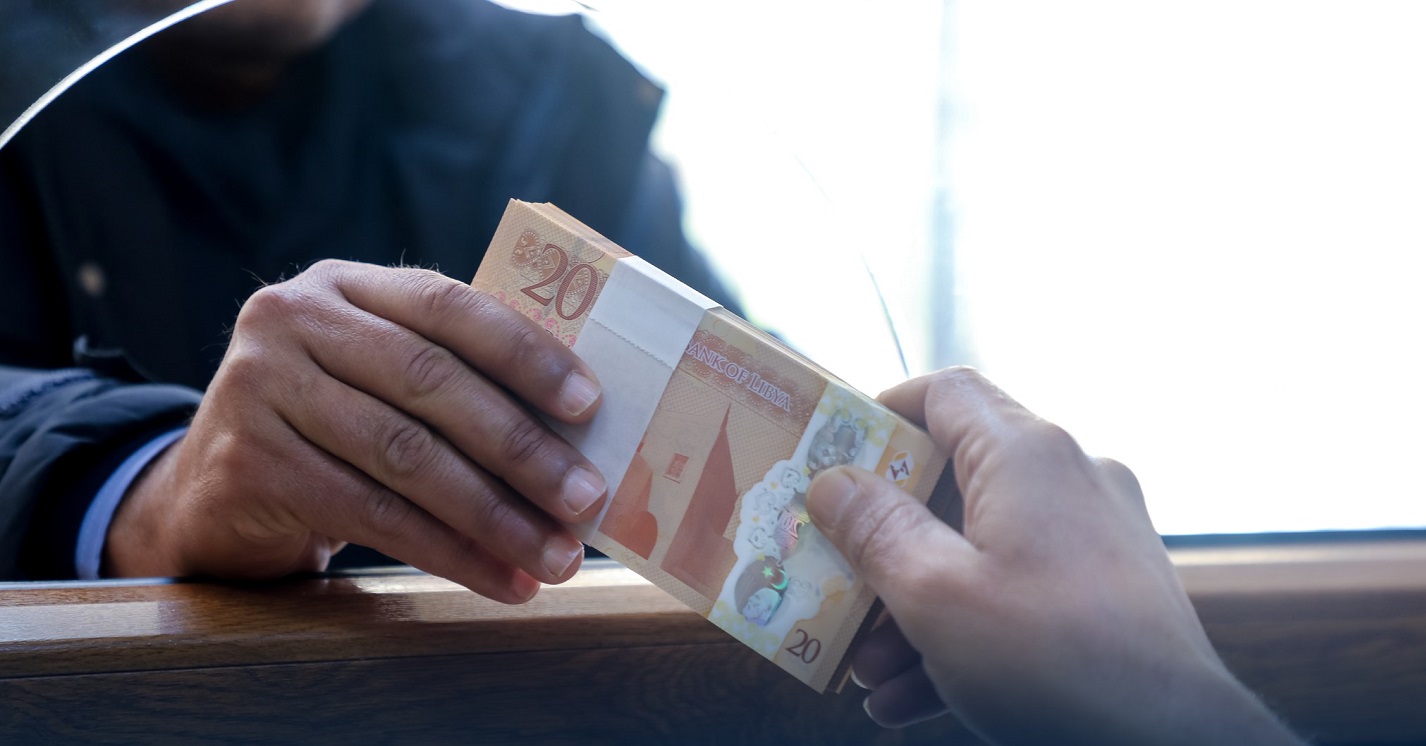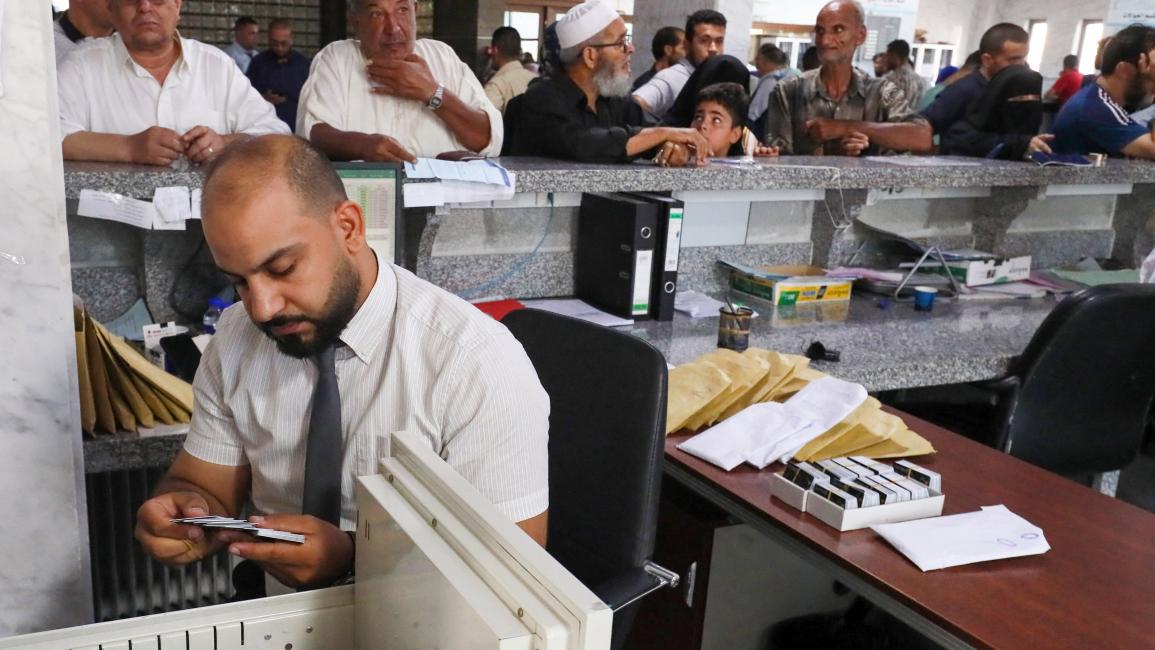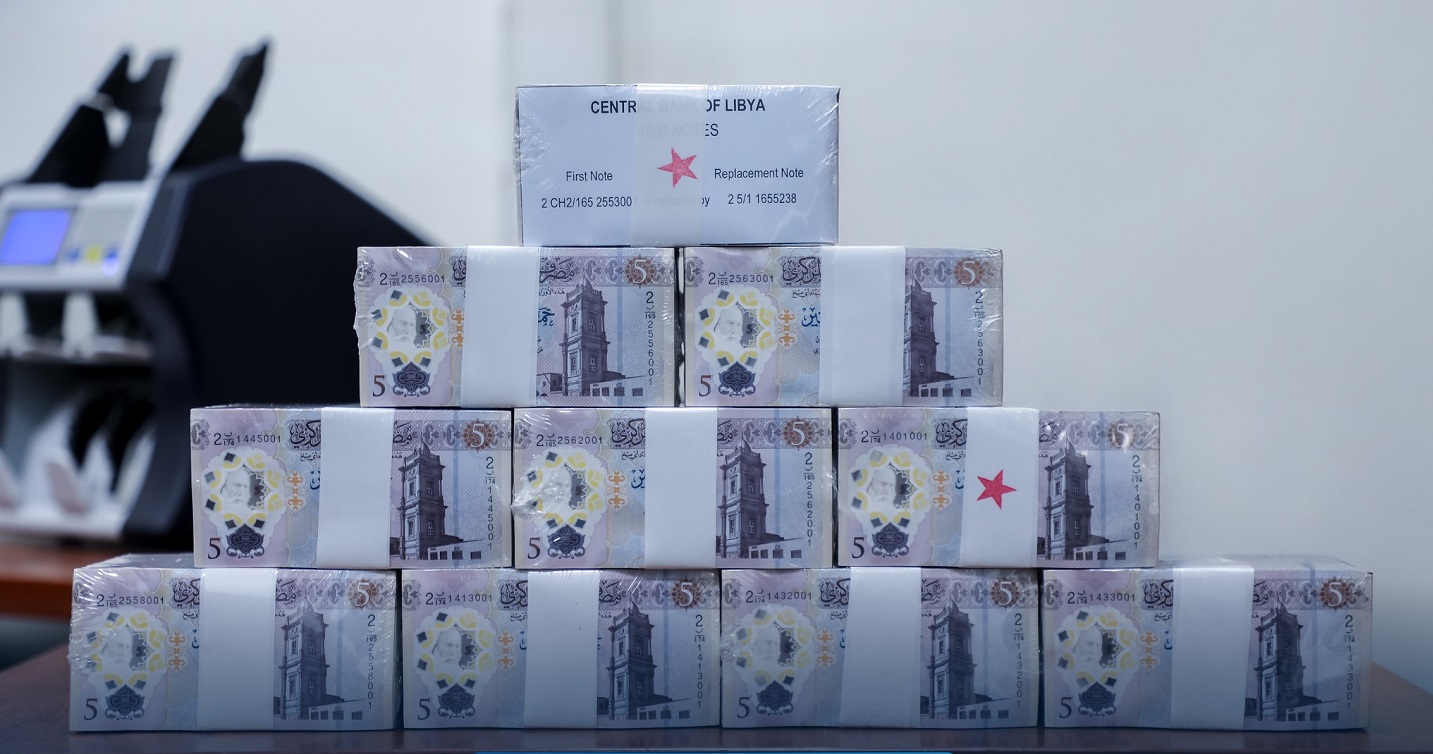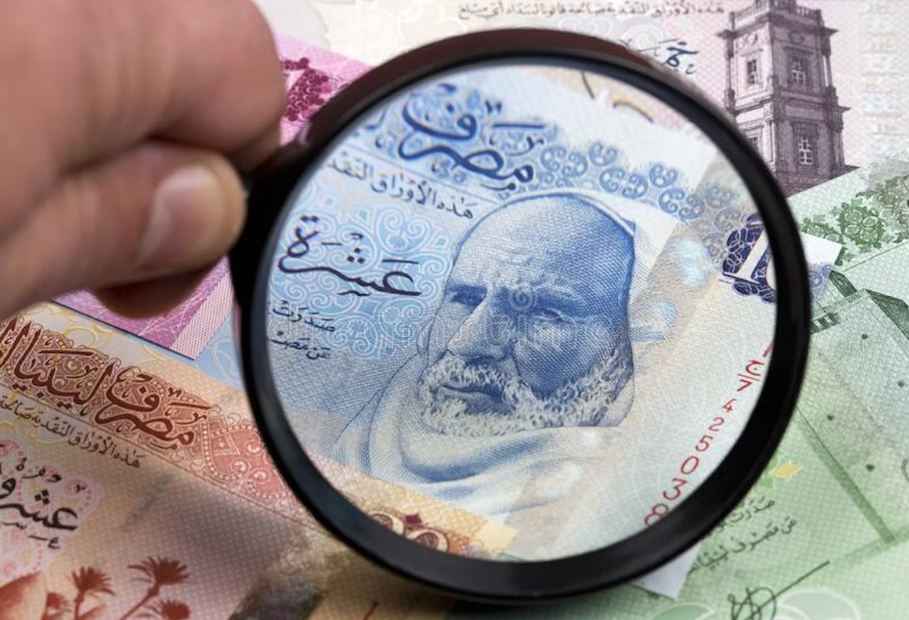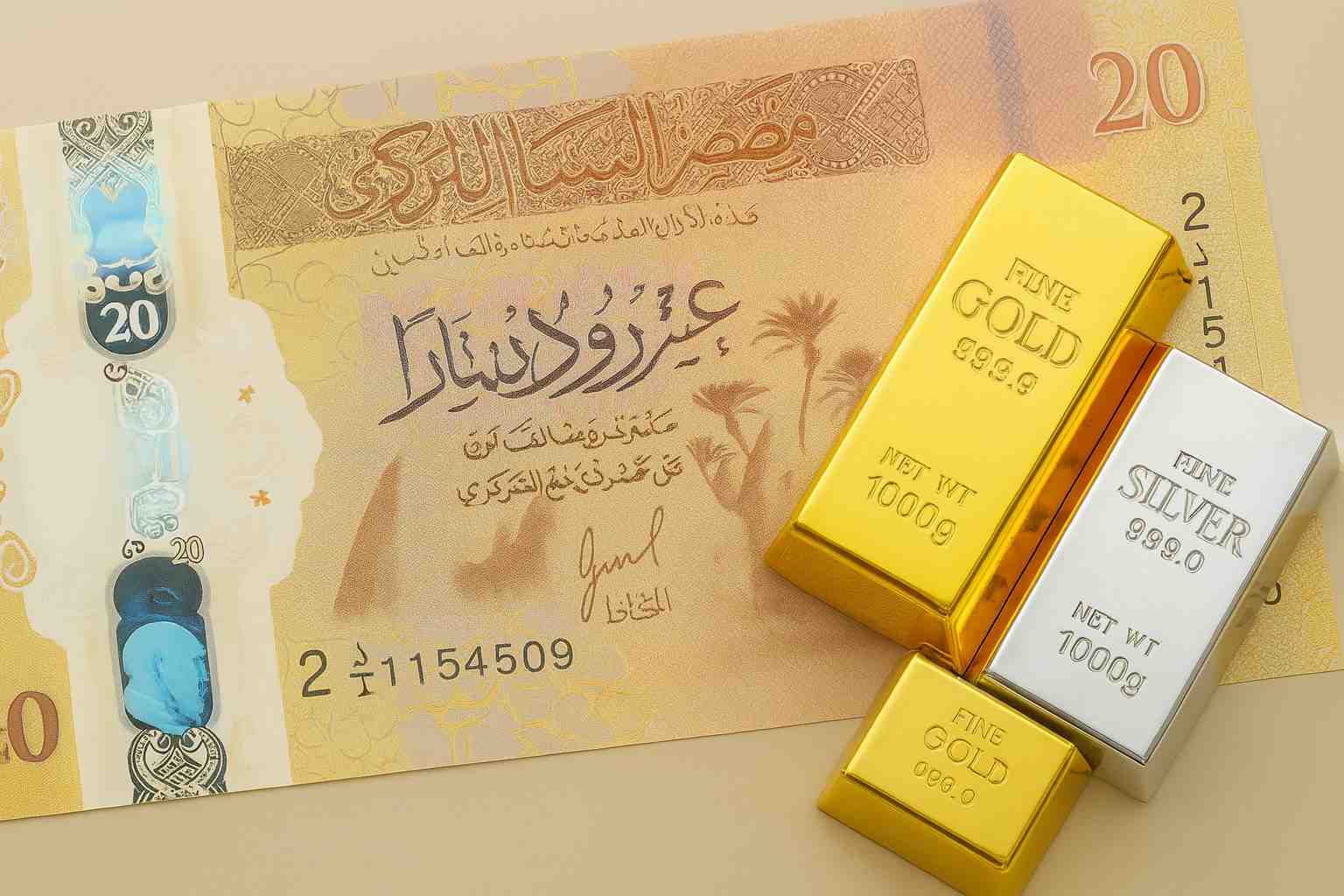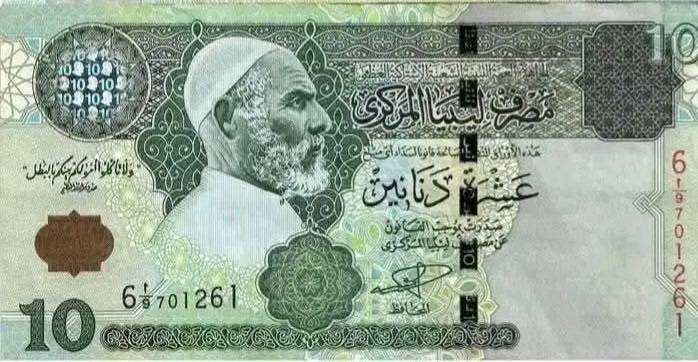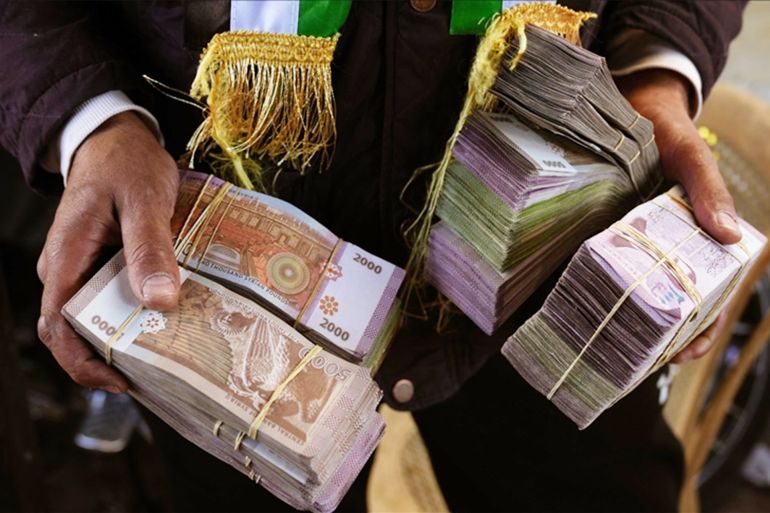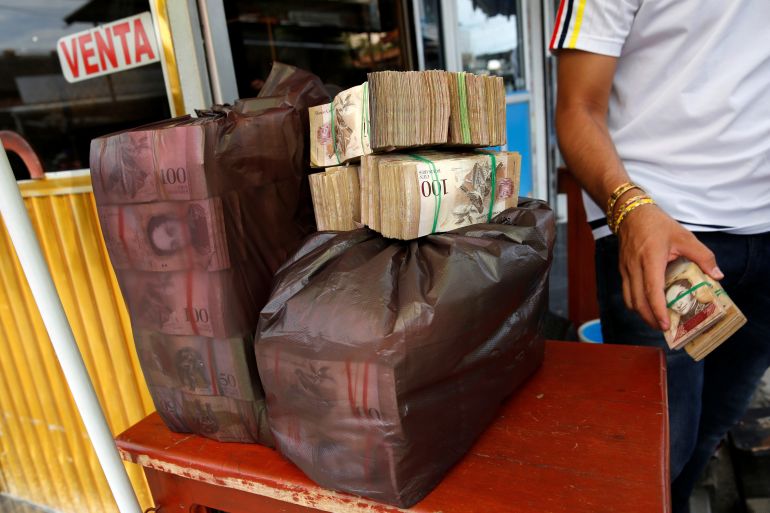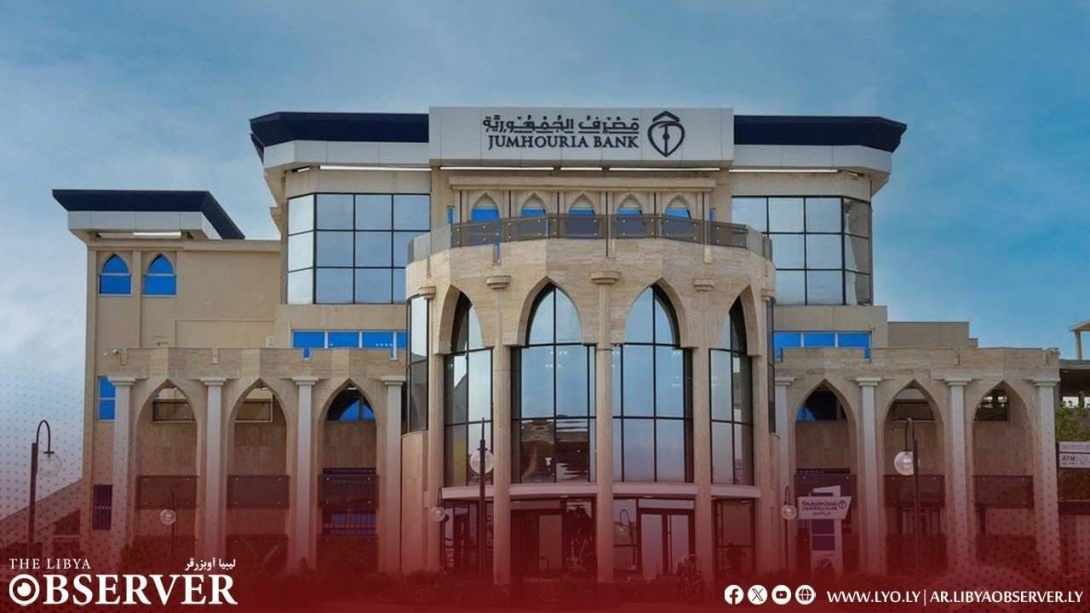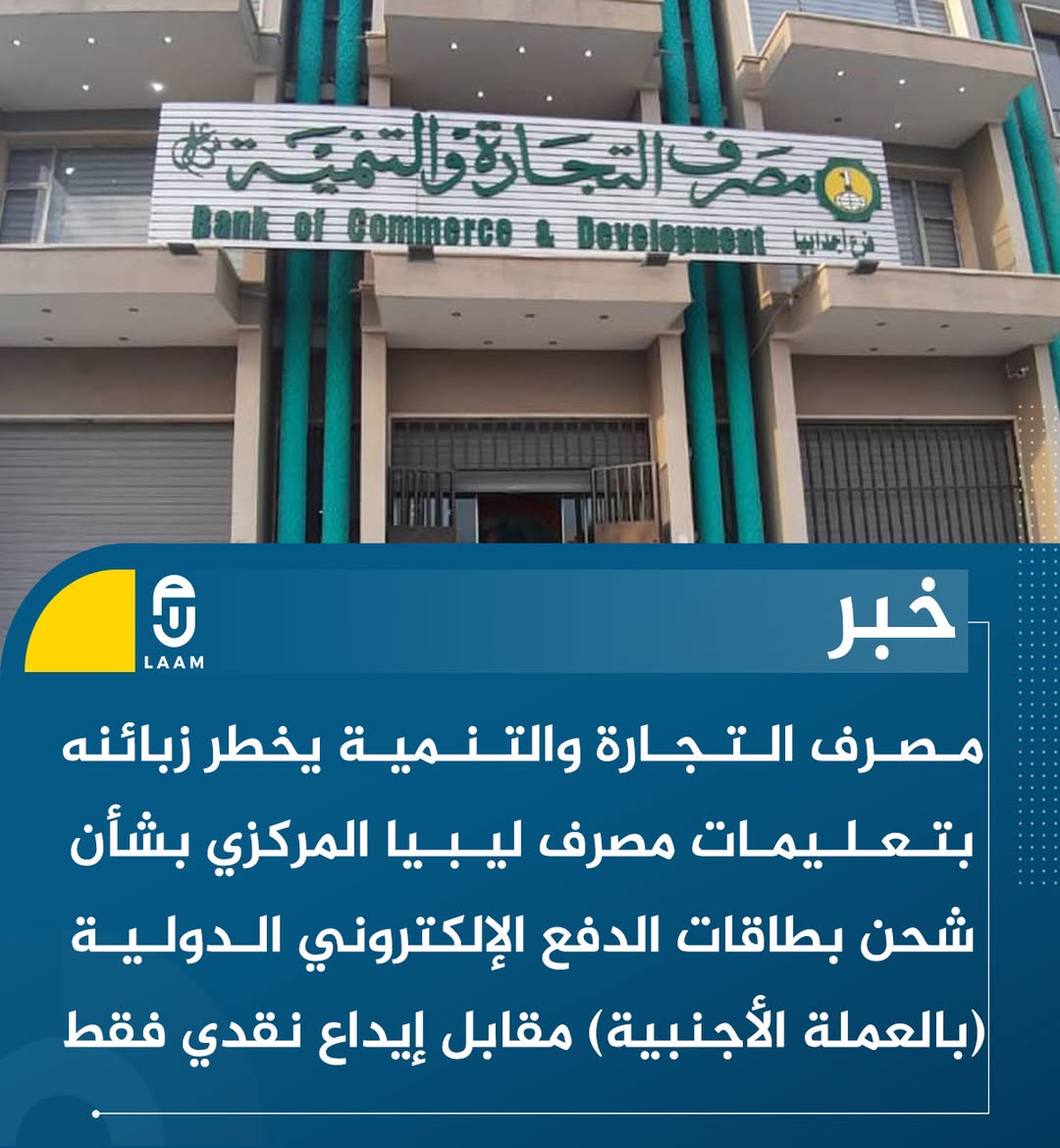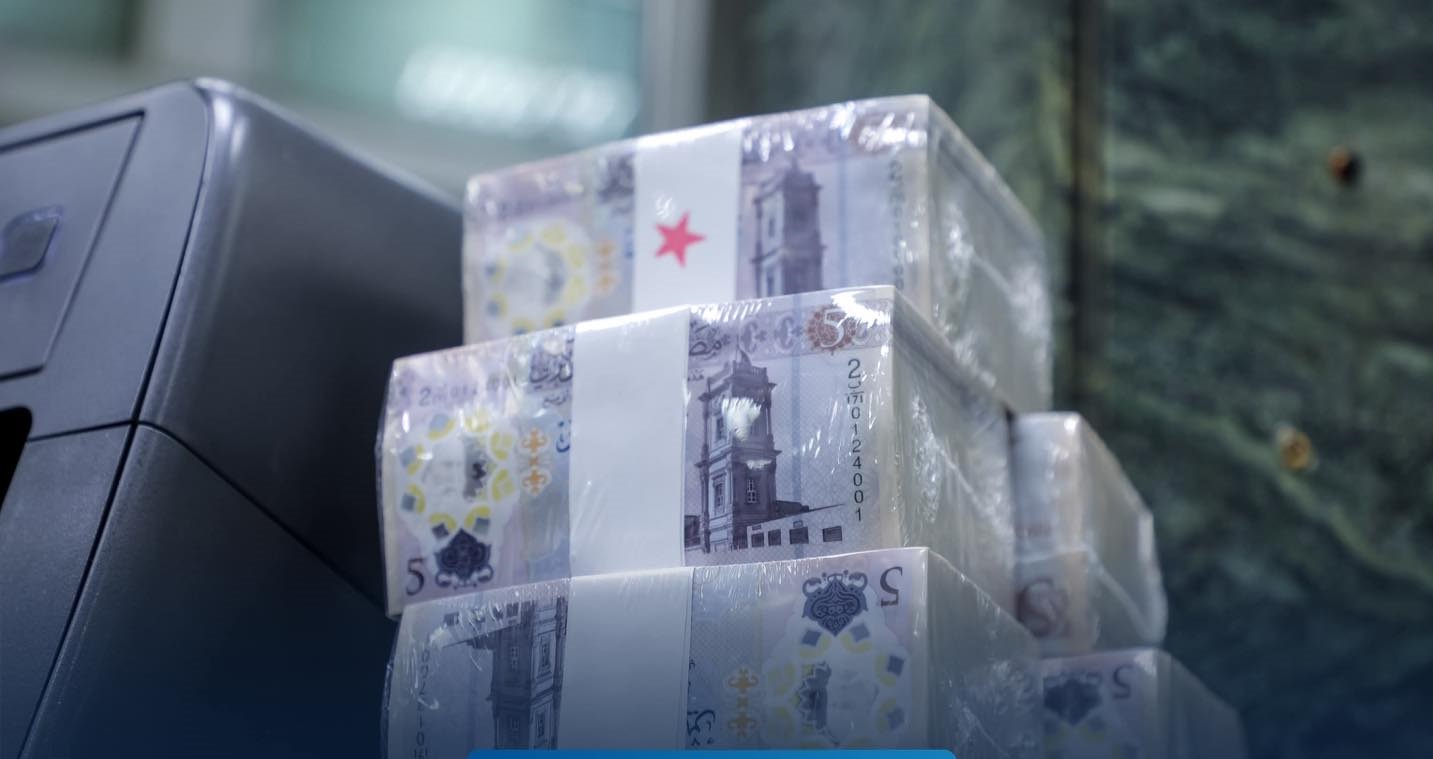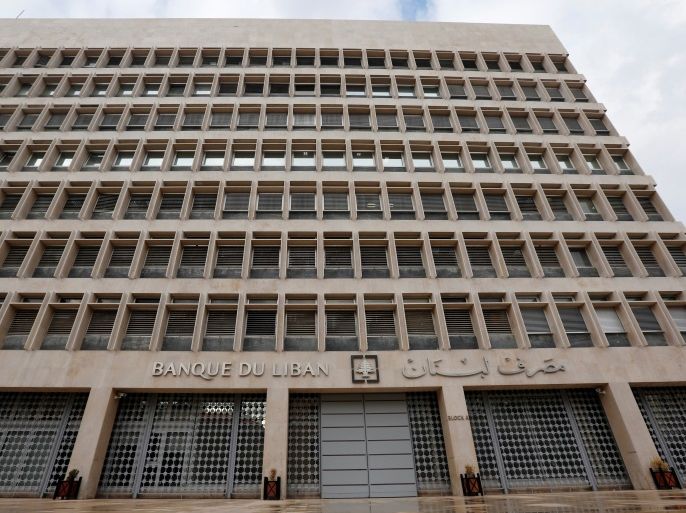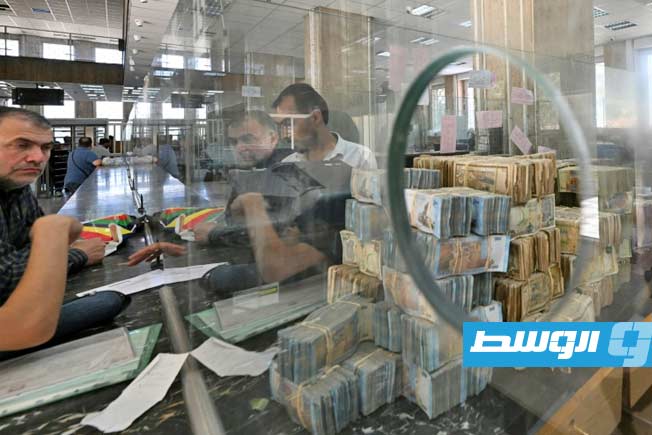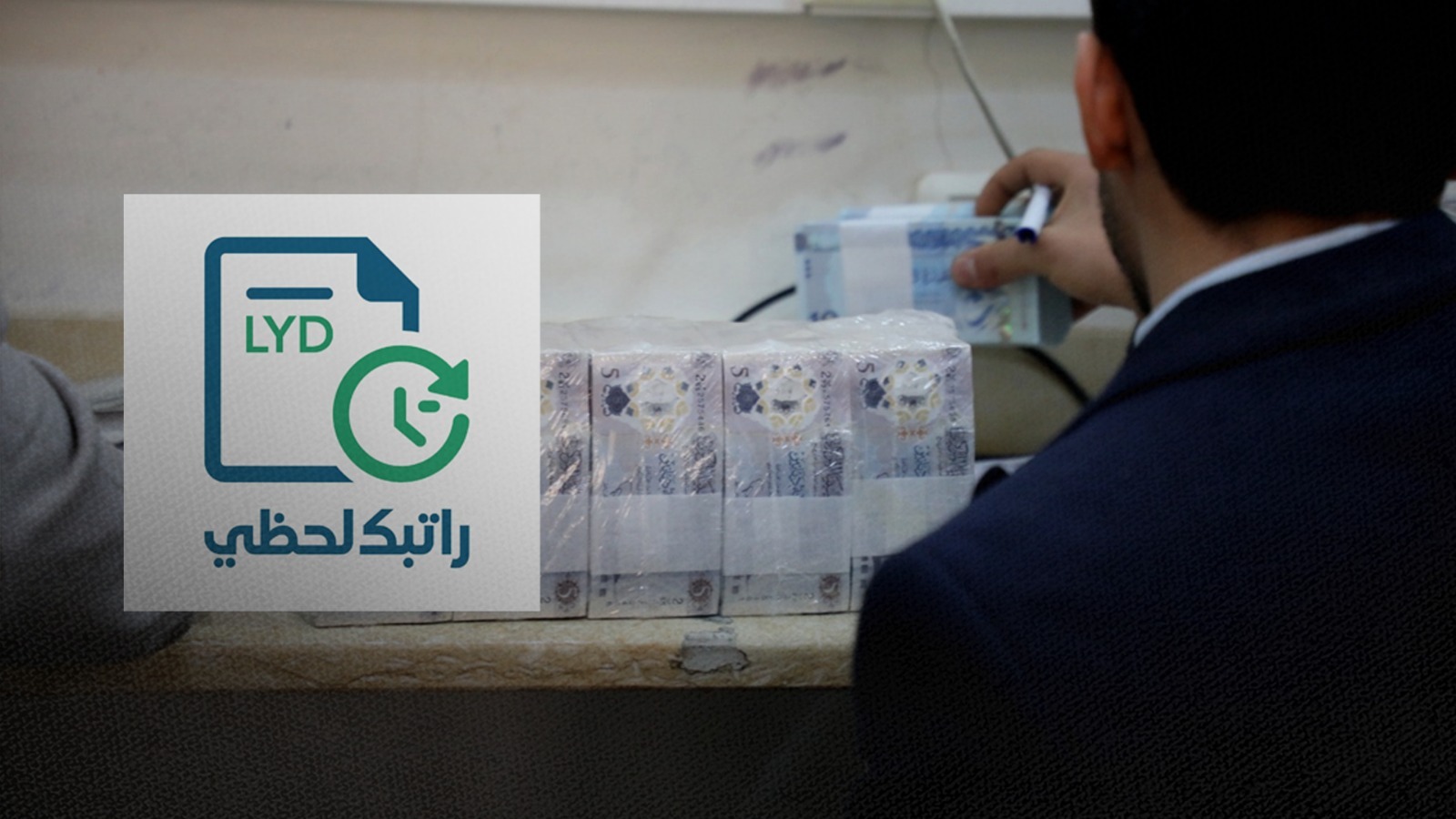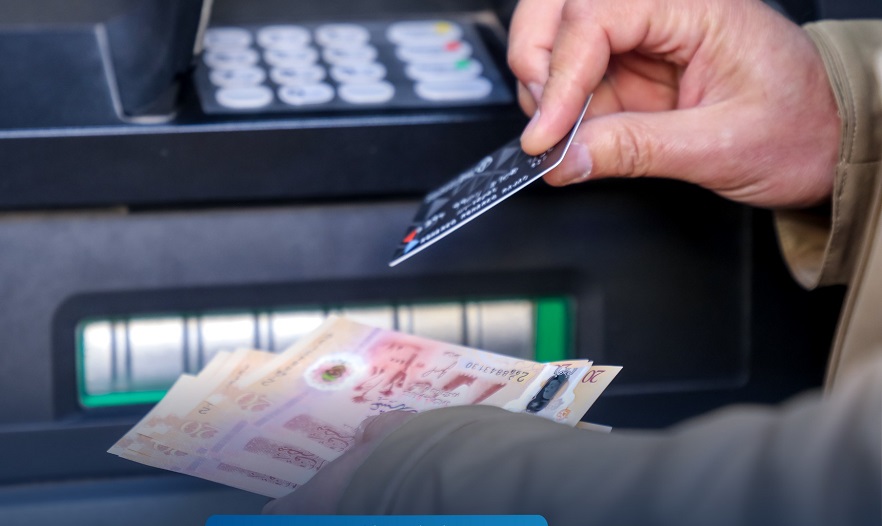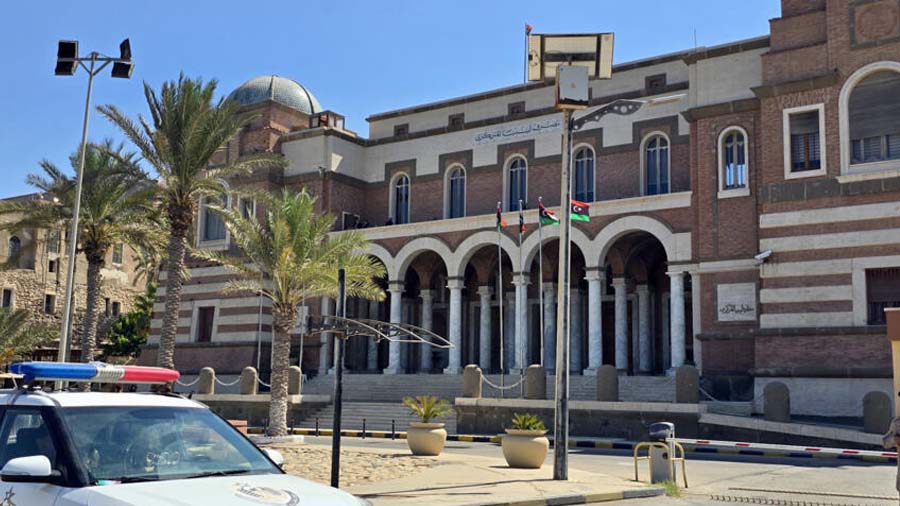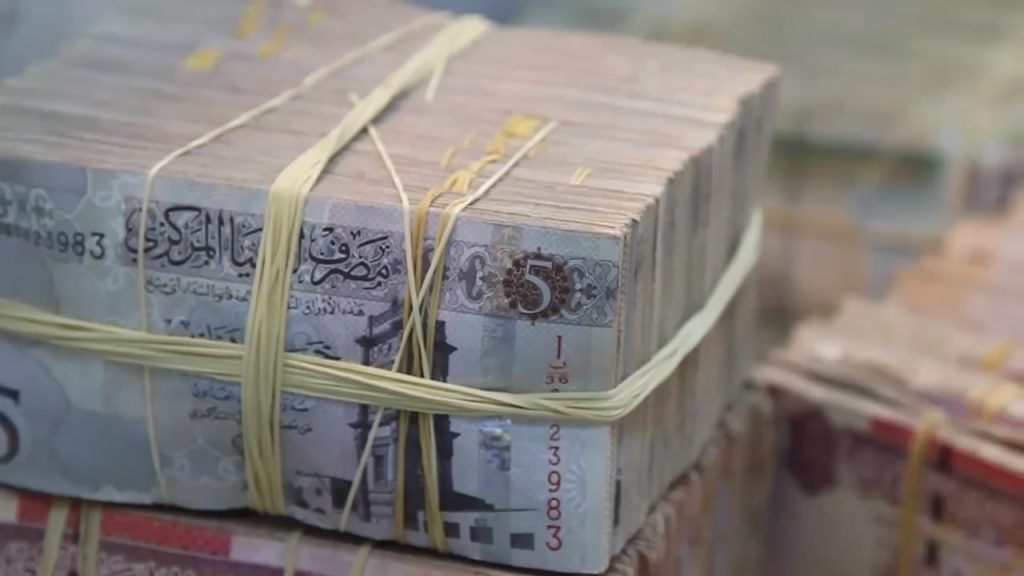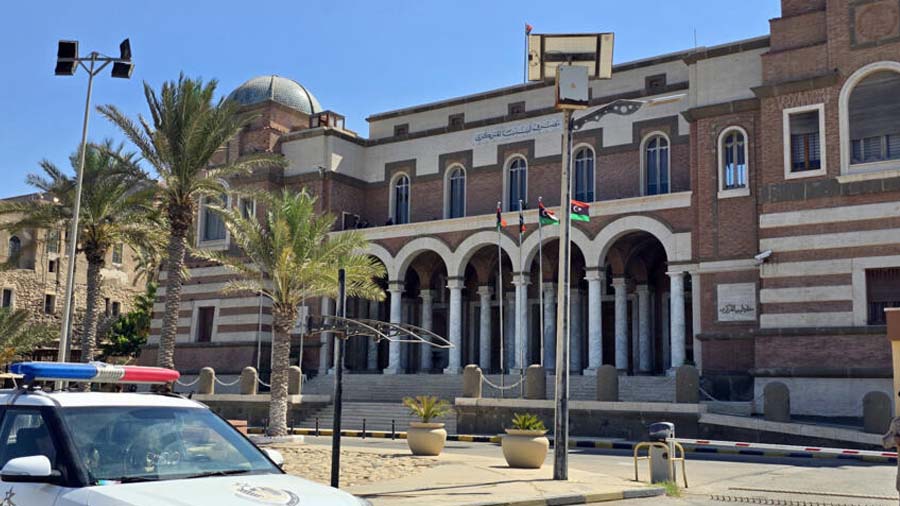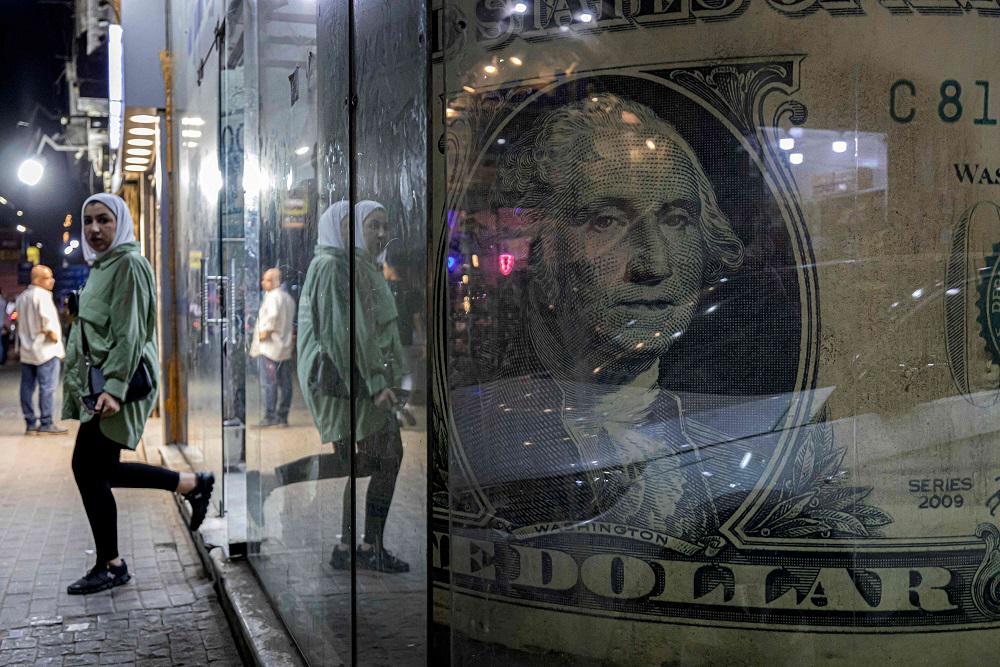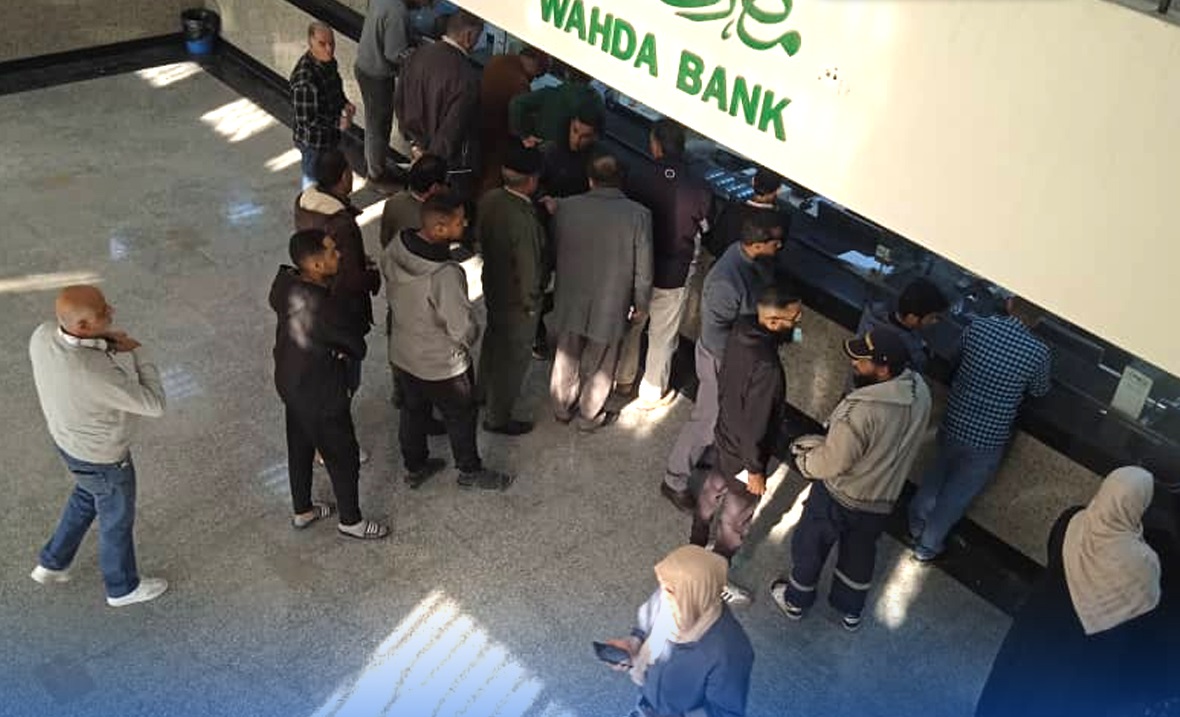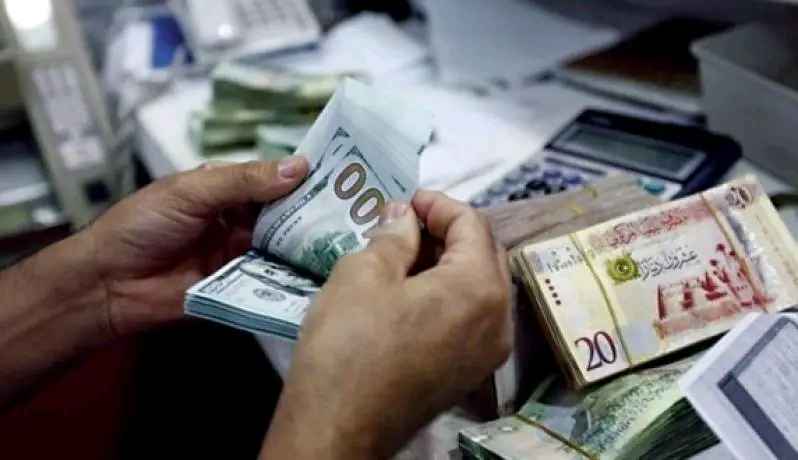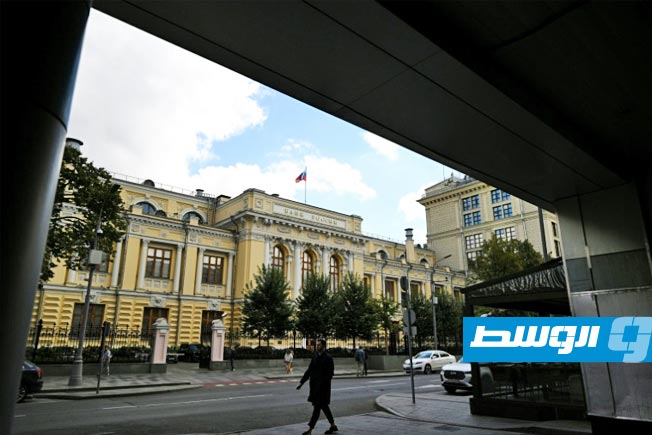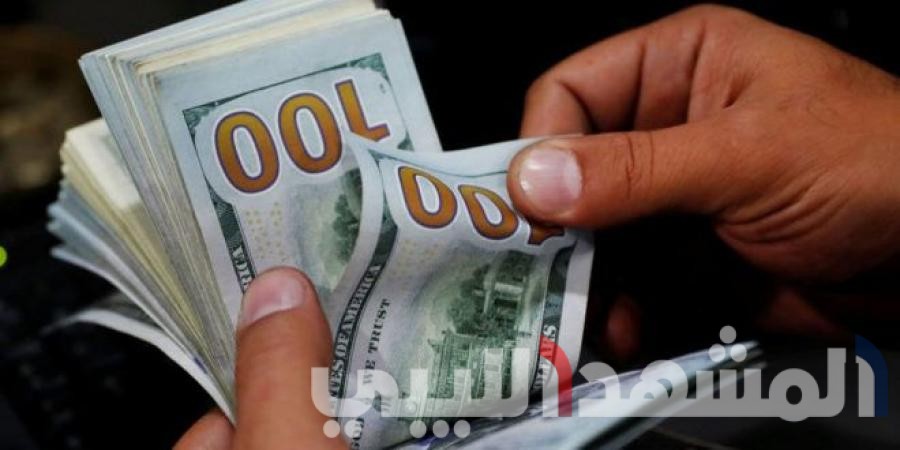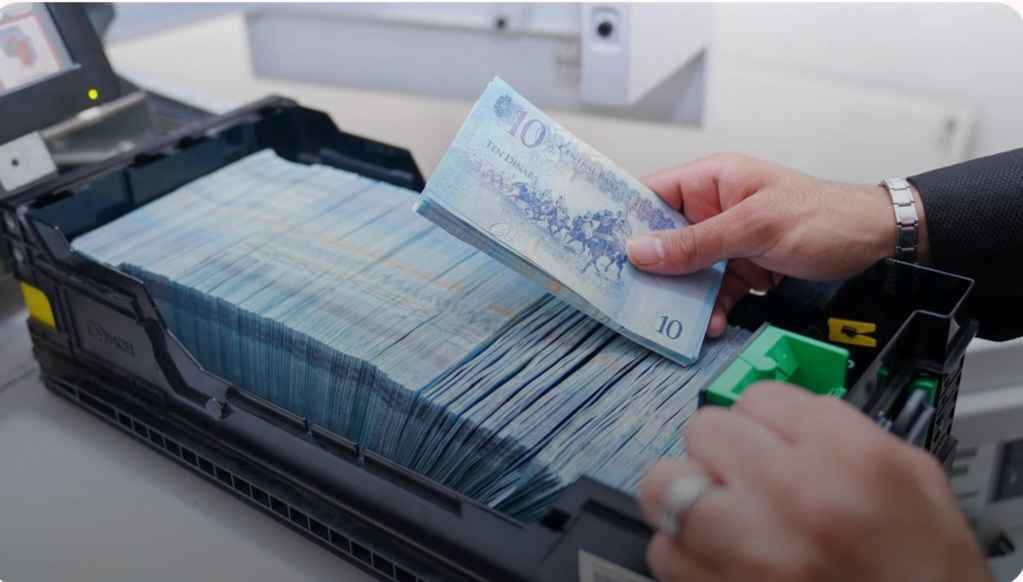
The National Commercial Bank has circulated new instructions to its customers issued by the Benghazi Control Department, mandating limits on cash withdrawals. This move has sparked widespread discontent among citizens, especially with the approach of Ramadan and the rising daily needs of families.
According to the circular, the withdrawal limit for accounts not receiving salary deposits is set at:
- 250 dinars via check
- 250 dinars via ATMs
Meanwhile, the limit for accounts receiving salary deposits has been raised to:
- 1000 dinars via check
- 1000 dinars via ATMs
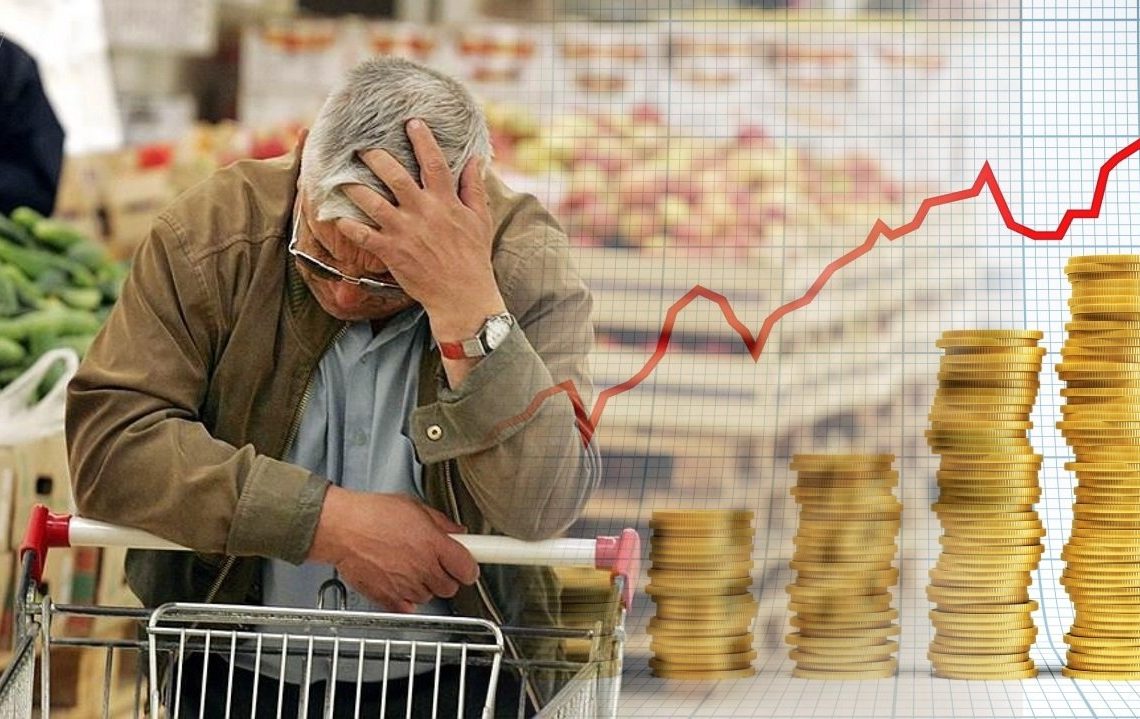
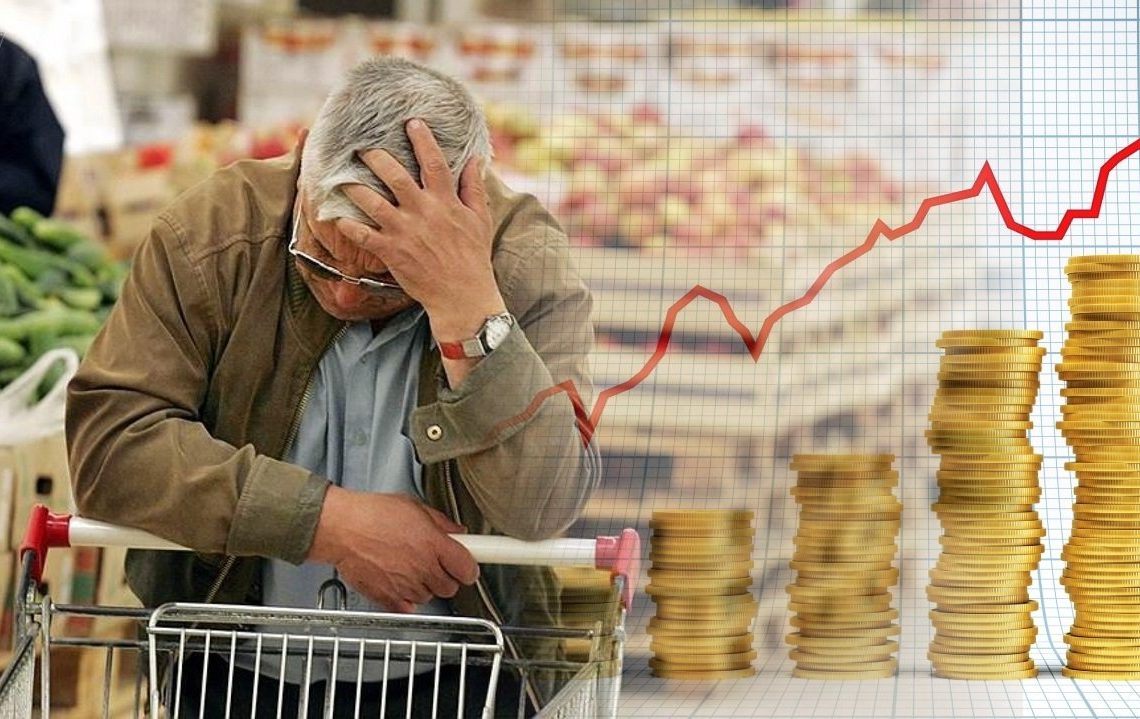
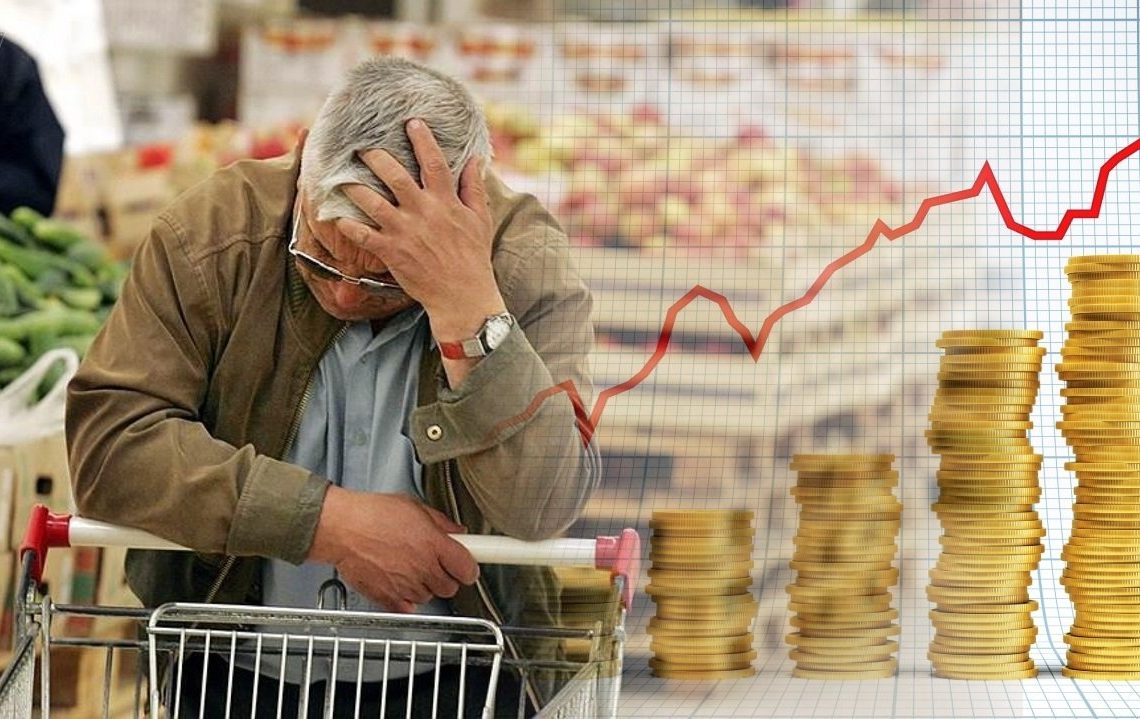
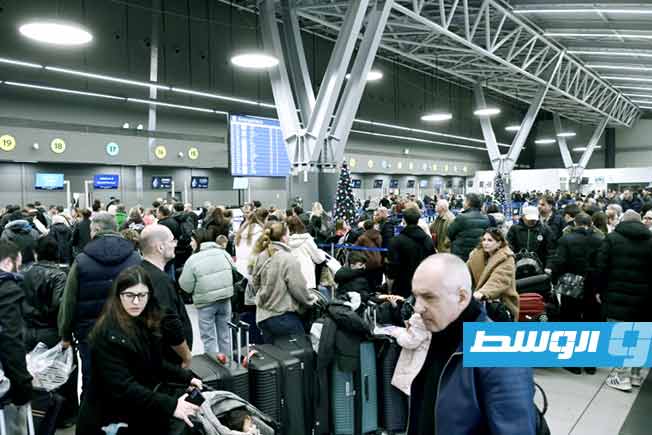
These measures have provoked angry reactions, as many citizens consider the new limits insufficient for their daily needs and out of step with rising prices, increasing pressure on families as the holy month approaches.
Central Bank Sets Withdrawal Priorities
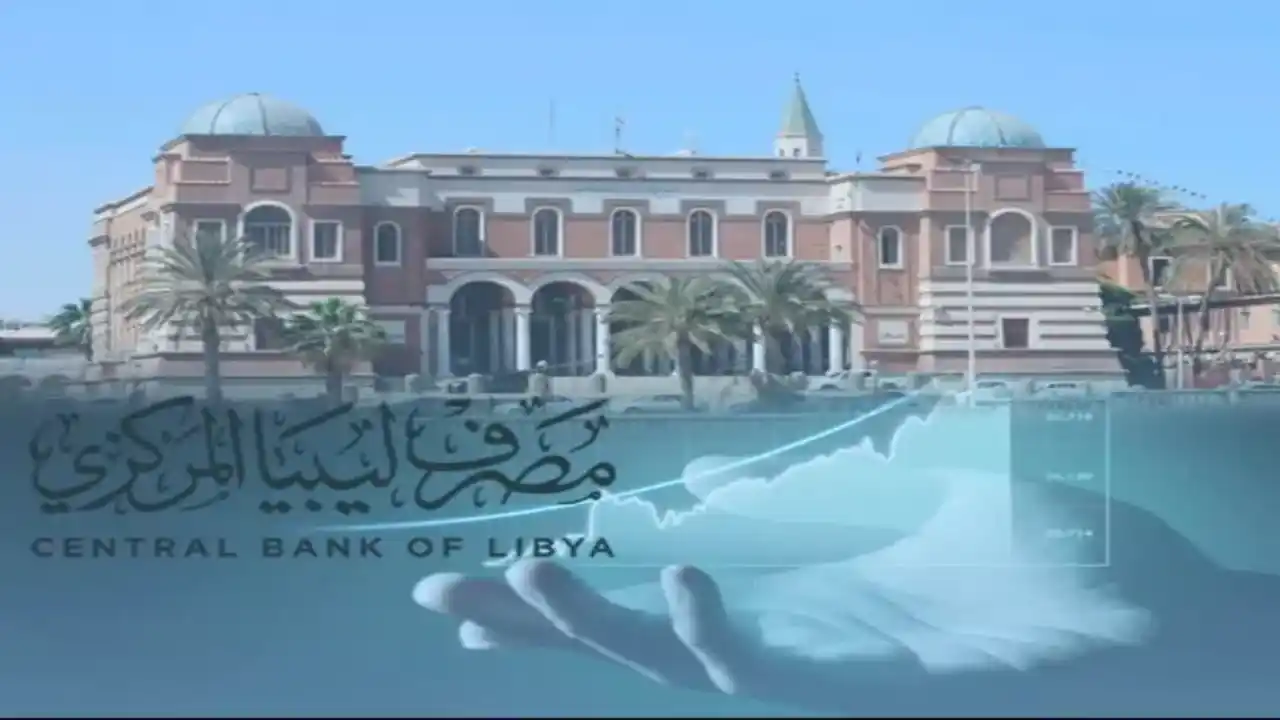
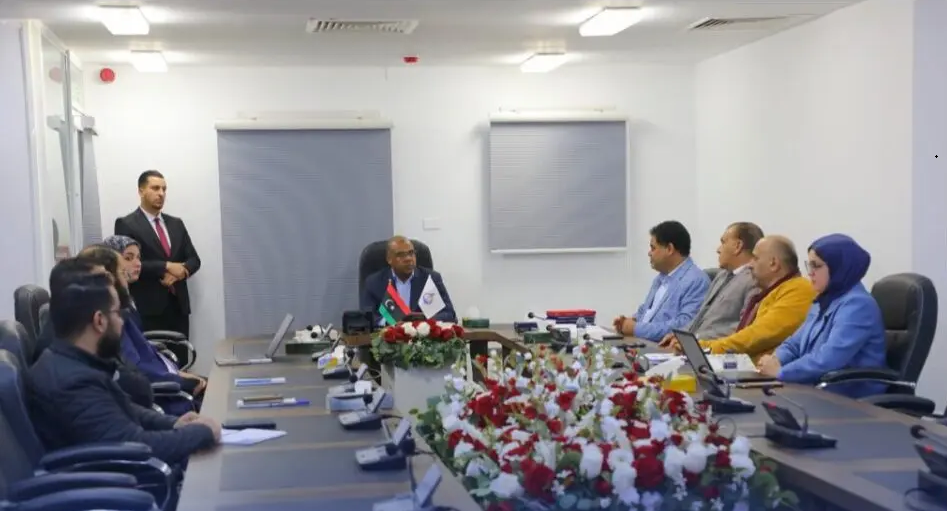
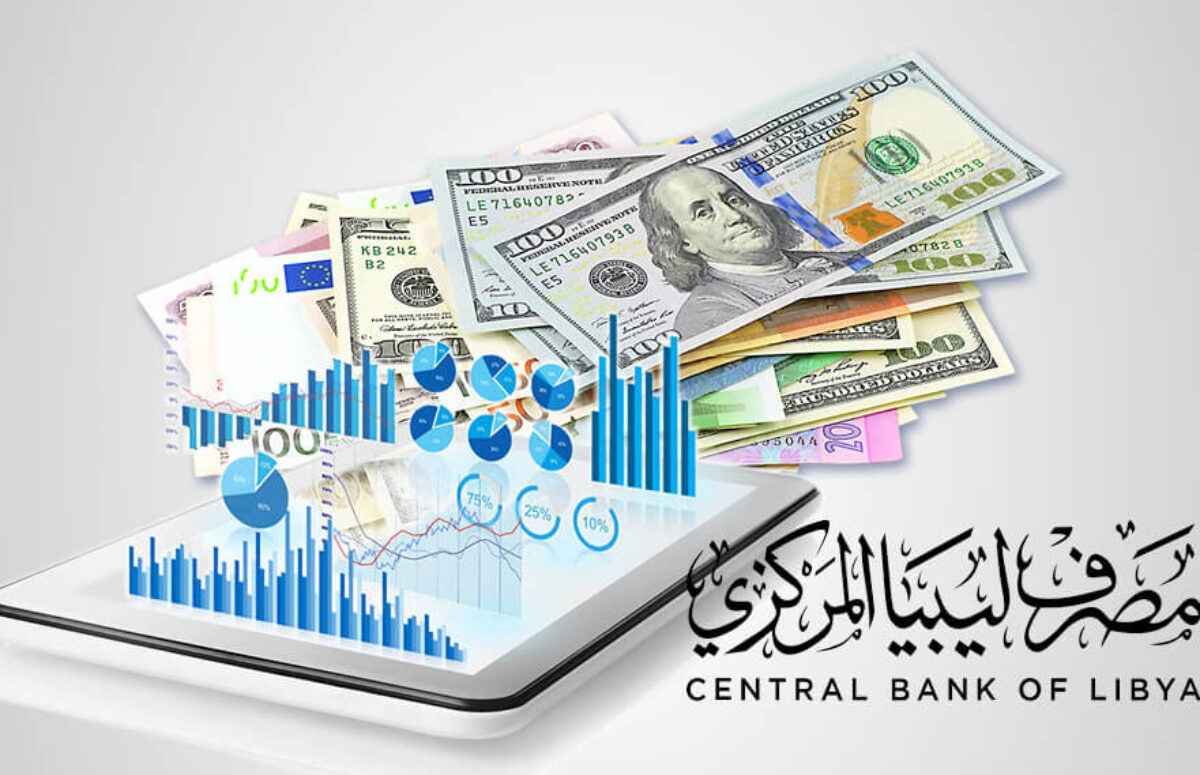
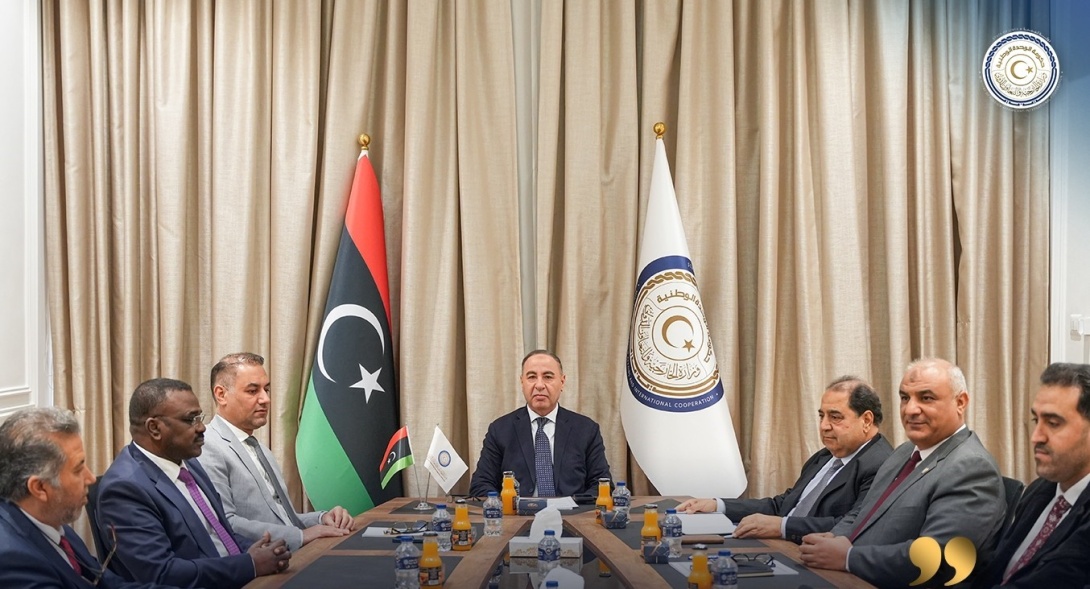
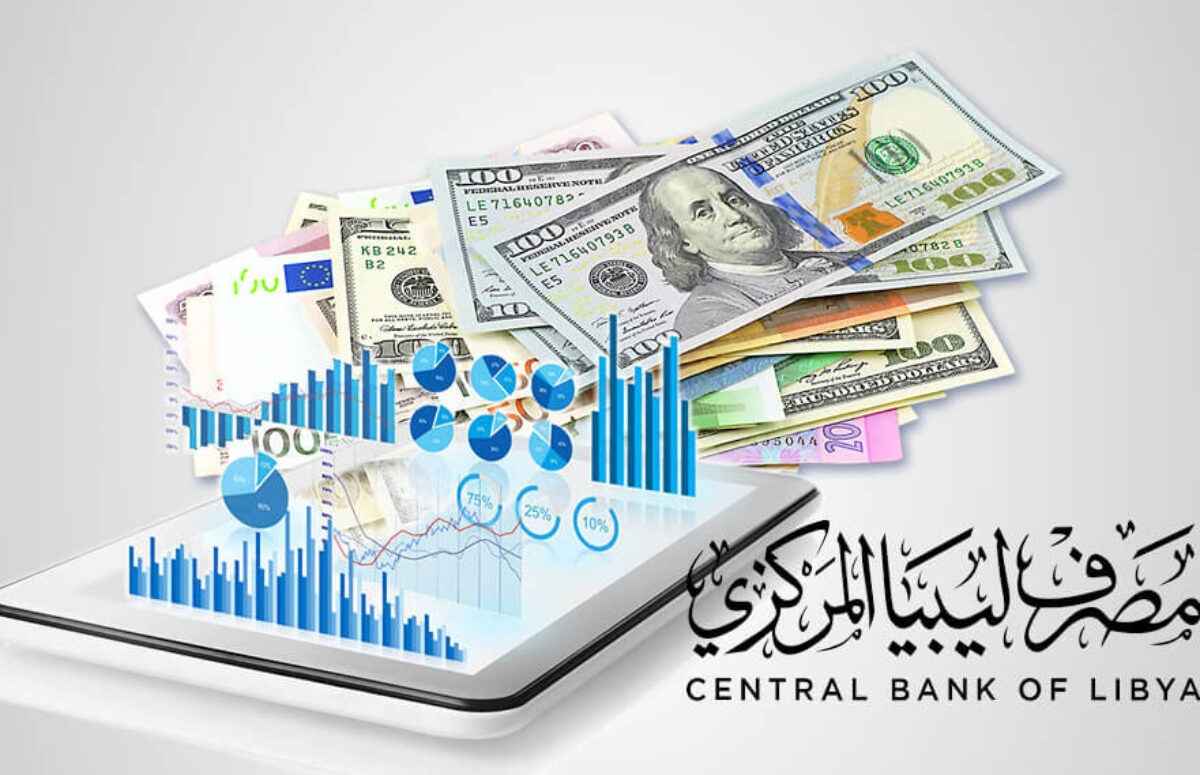
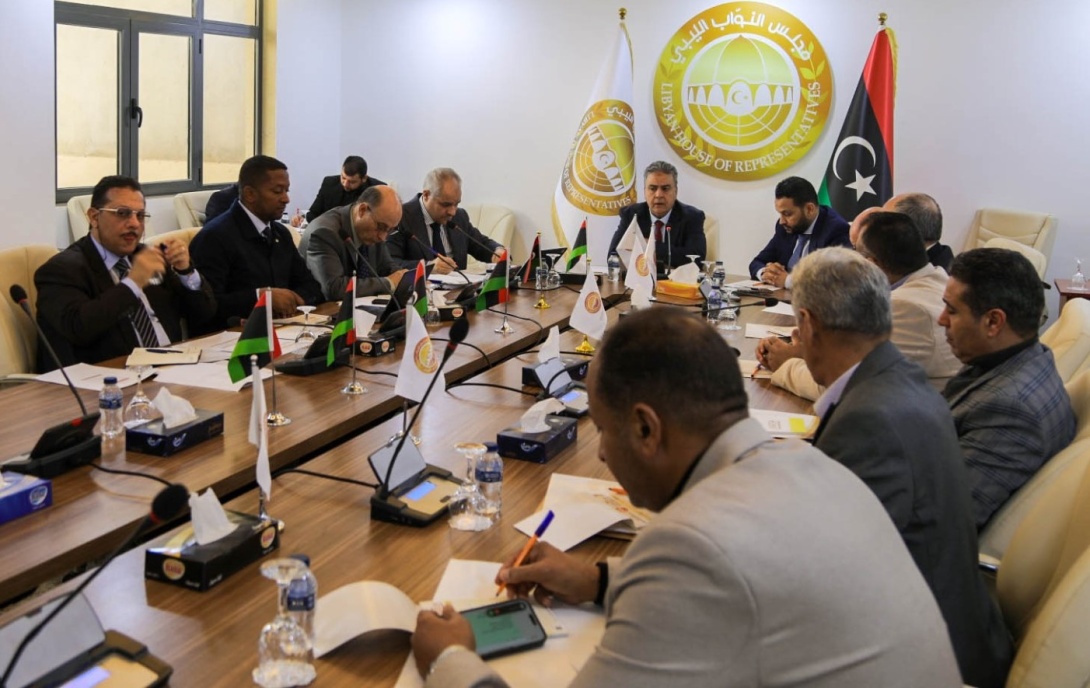
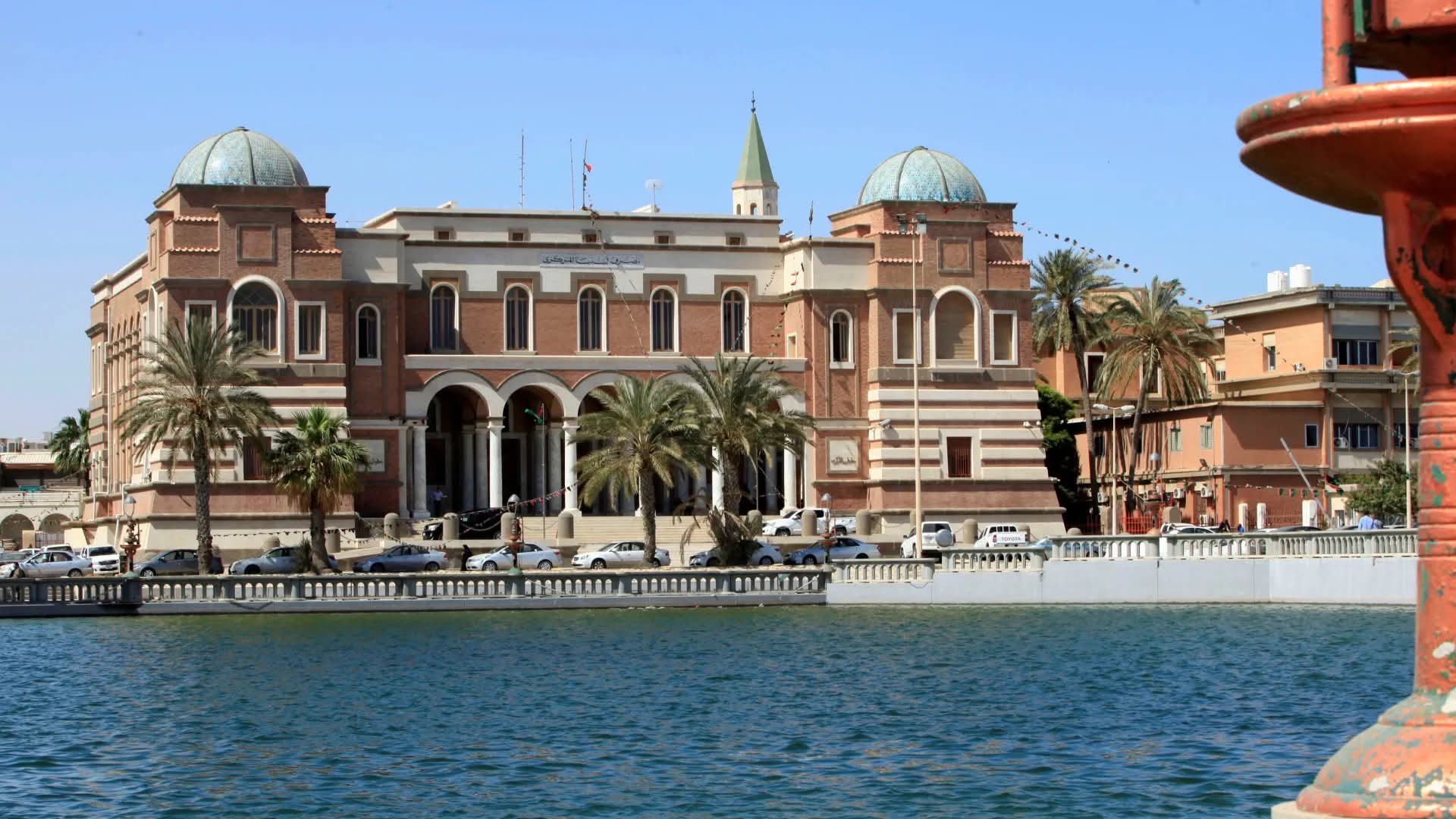
In a related context, The Central Bank of Libya – Eastern Region issued a circular directed at commercial banks regarding the mechanism for distributing cash liquidity. It stipulates that withdrawals are to be restricted to individual current accounts only.
The circular emphasized the necessity of separating salary accounts from other accounts and granting them absolute priority in obtaining liquidity, considering them the category most reliant on cash withdrawals to cover basic needs.
The circular also stated that withdrawals from non-salary accounts must not exceed 20% compared to accounts designated for salaries, in an attempt to ensure liquidity reaches the most needy groups and reduce pressure on bank branches.