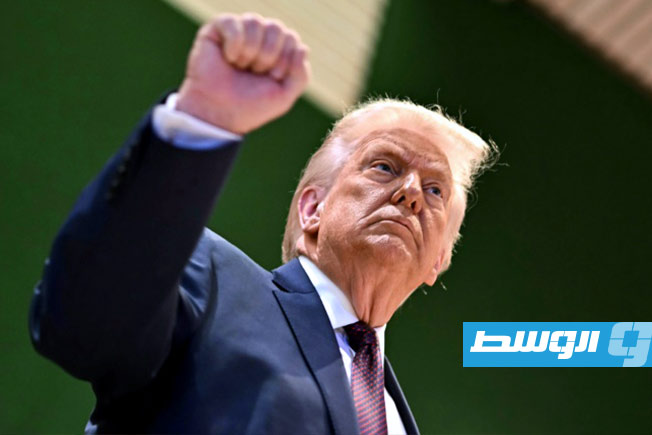
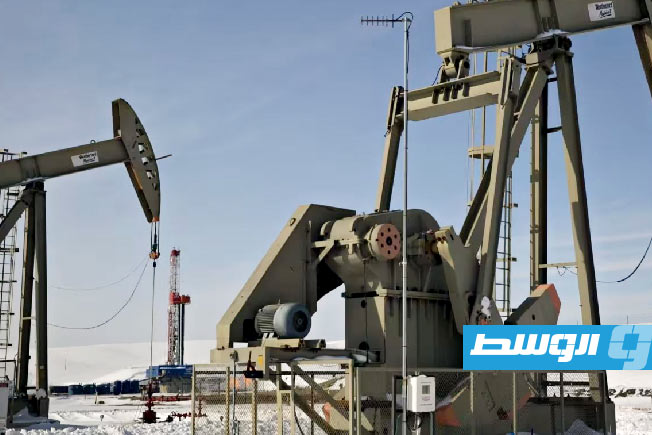
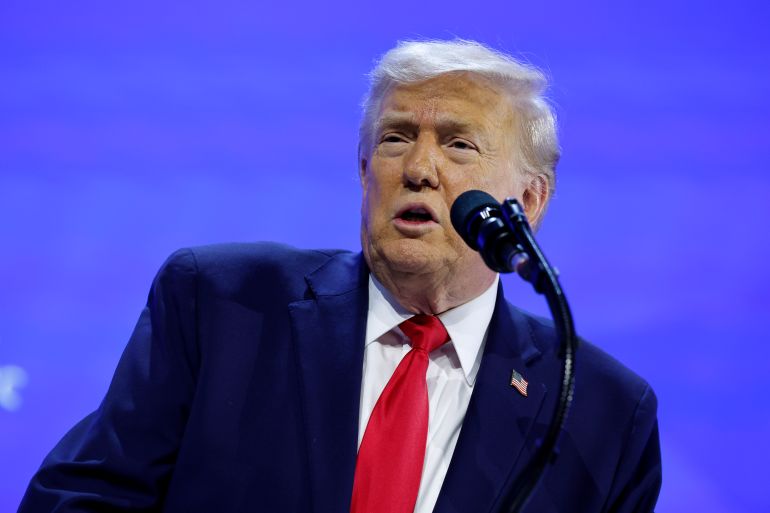
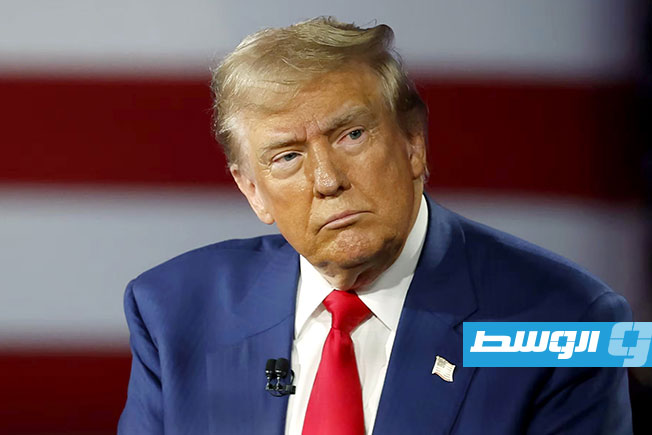
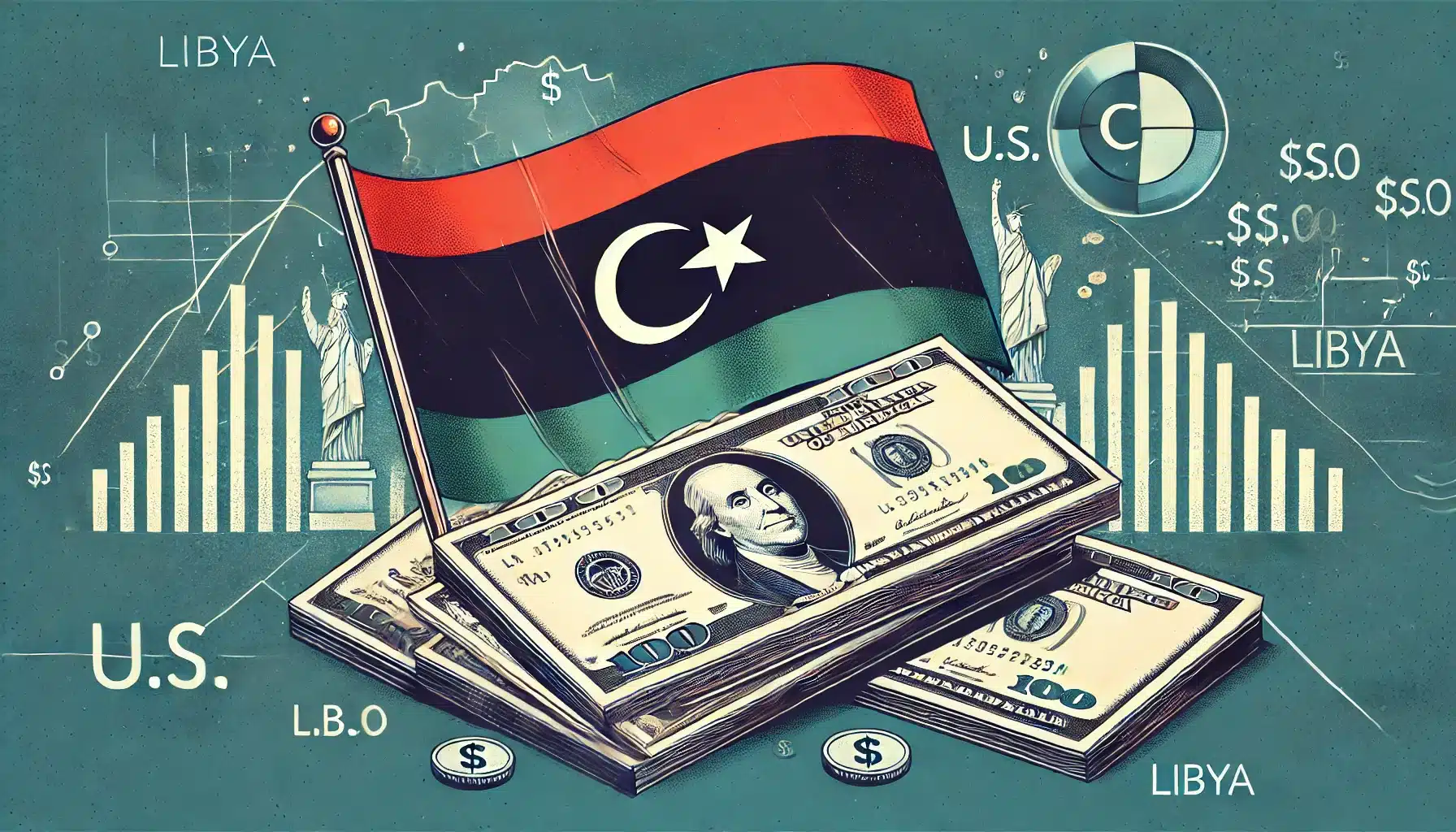
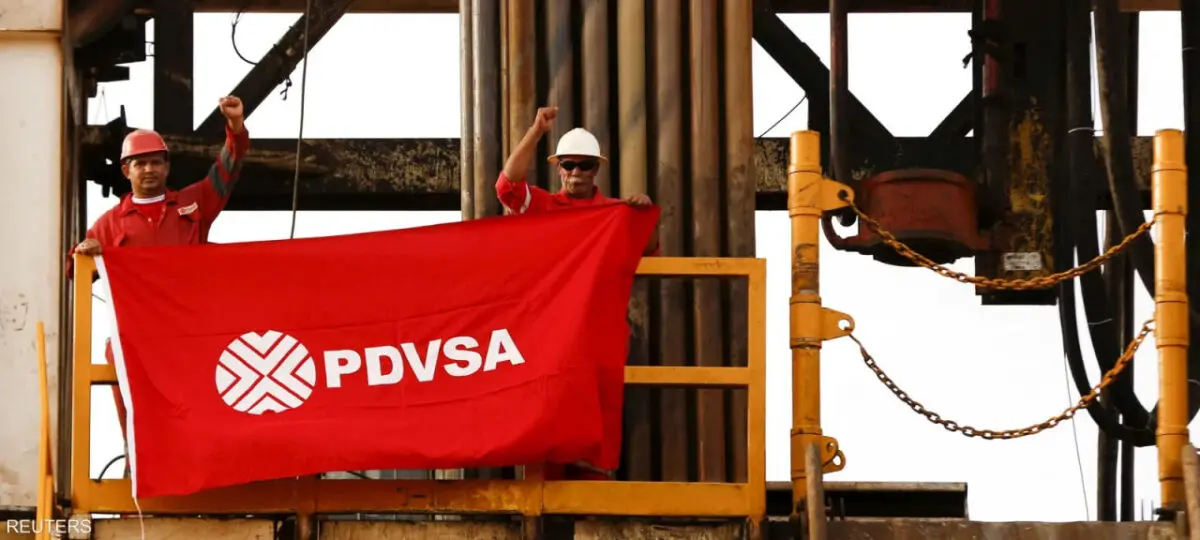
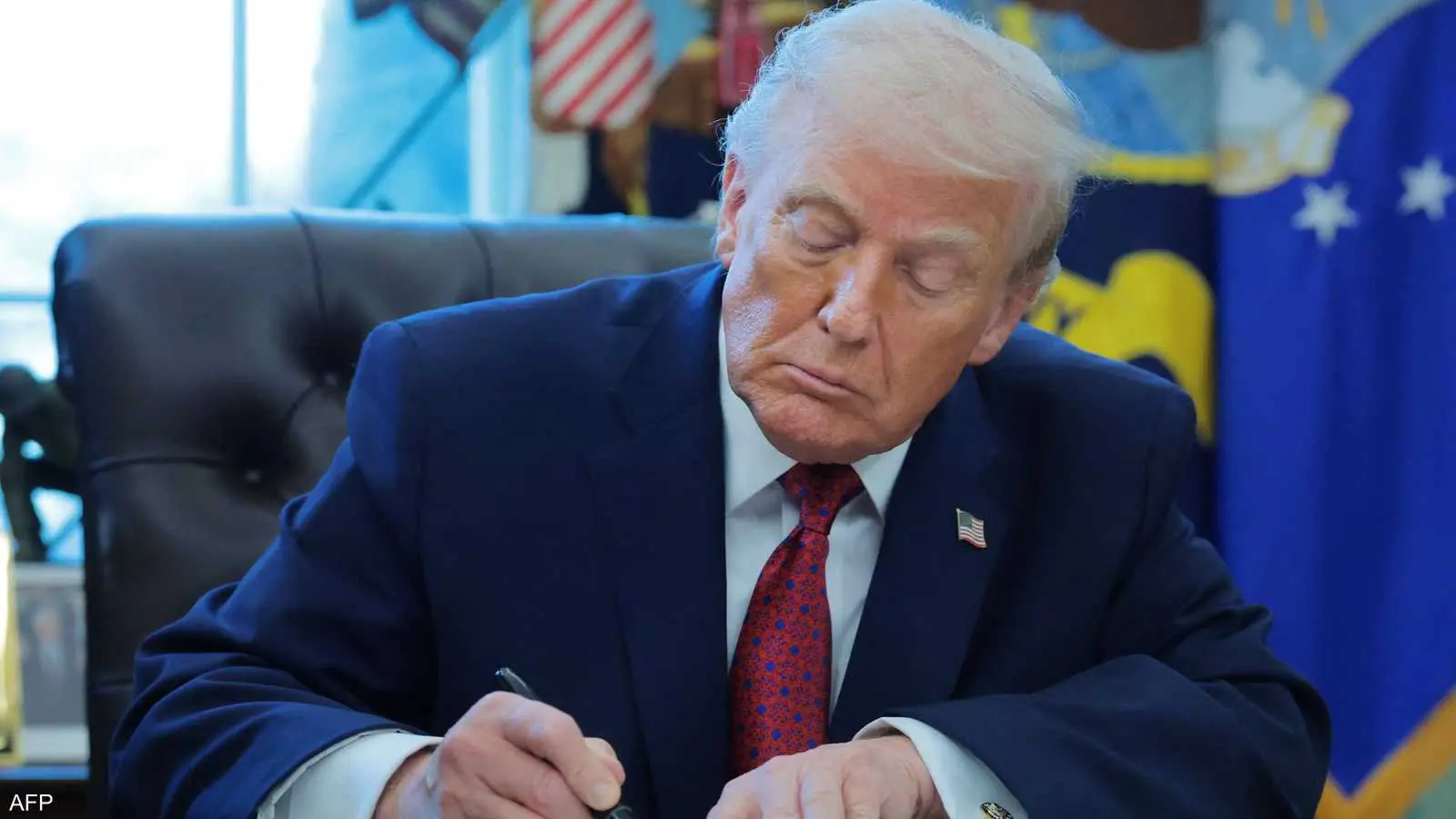
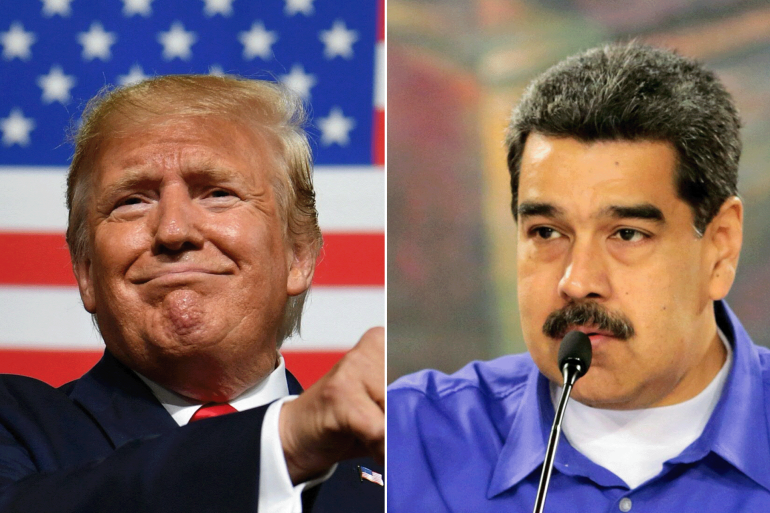
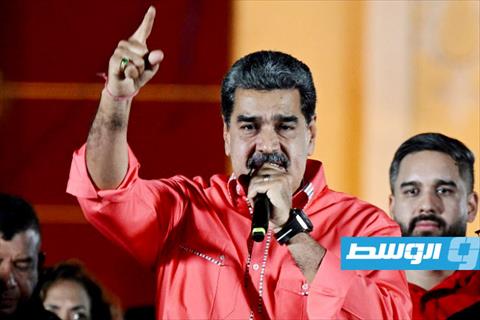
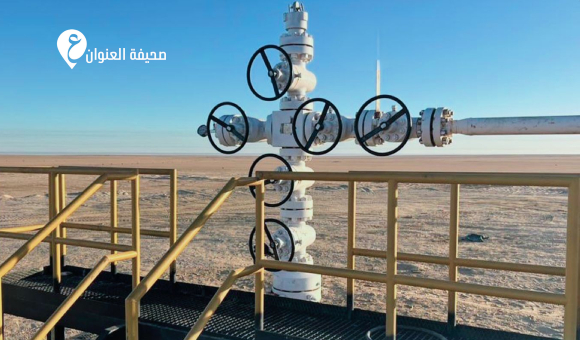
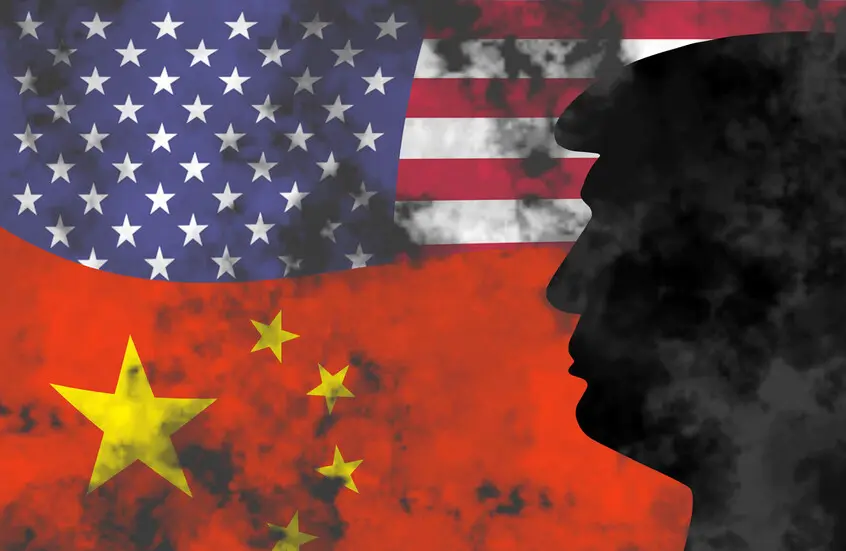
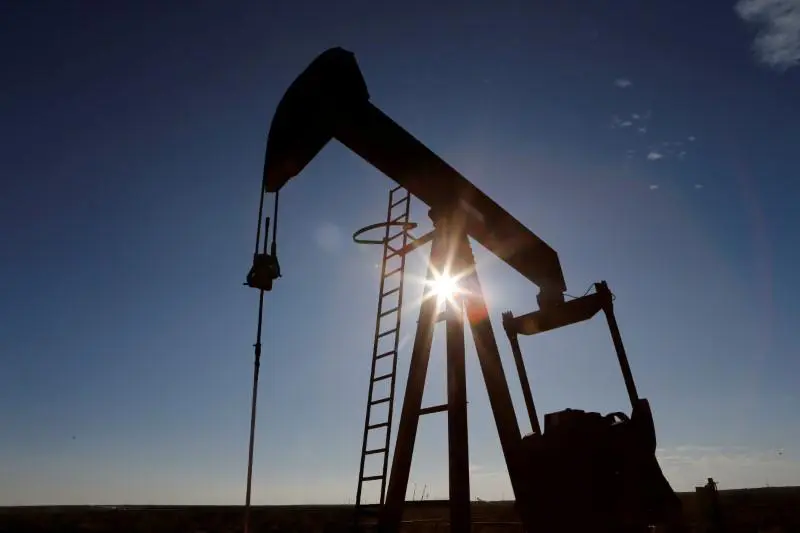
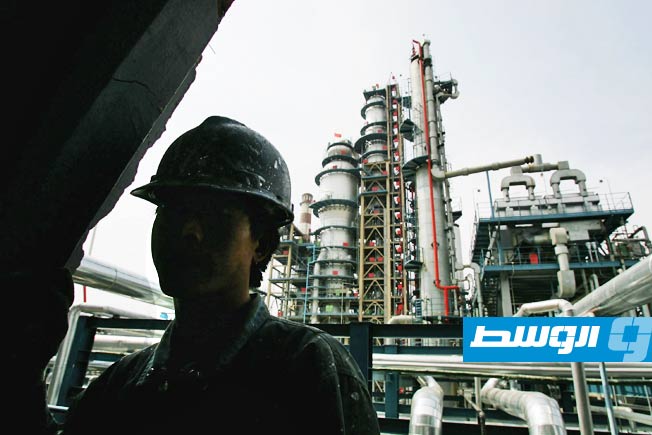
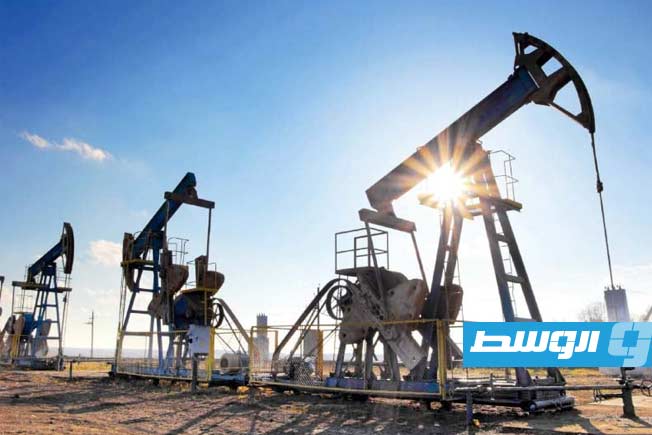
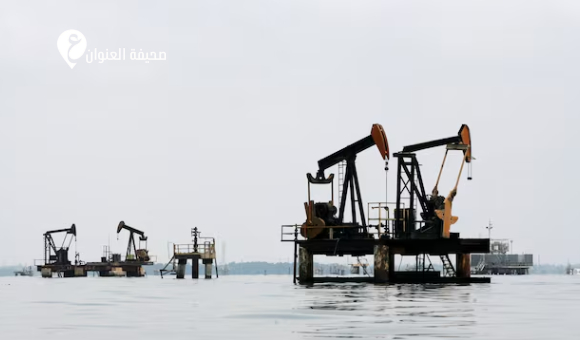
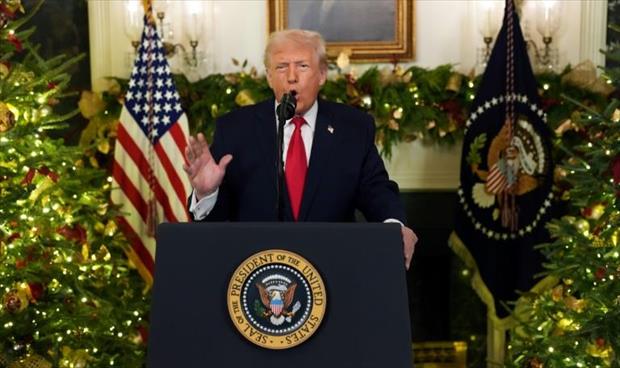
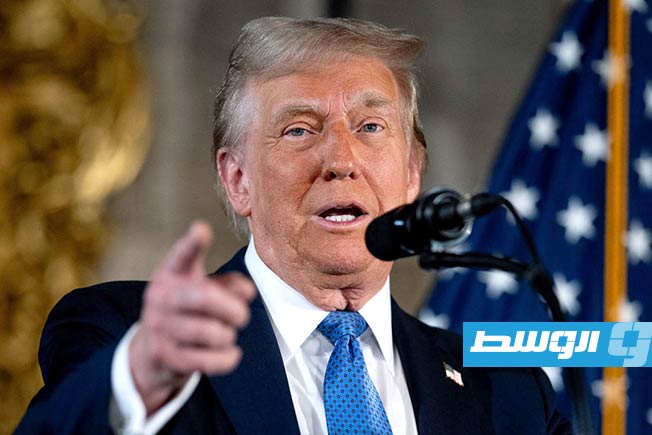
The United States has imposed sanctions on four companies operating in the Venezuelan oil sector, as well as oil tankers belonging to them, as part of the Trump administration’s escalation of pressure on Venezuelan President Nicolás Maduro.
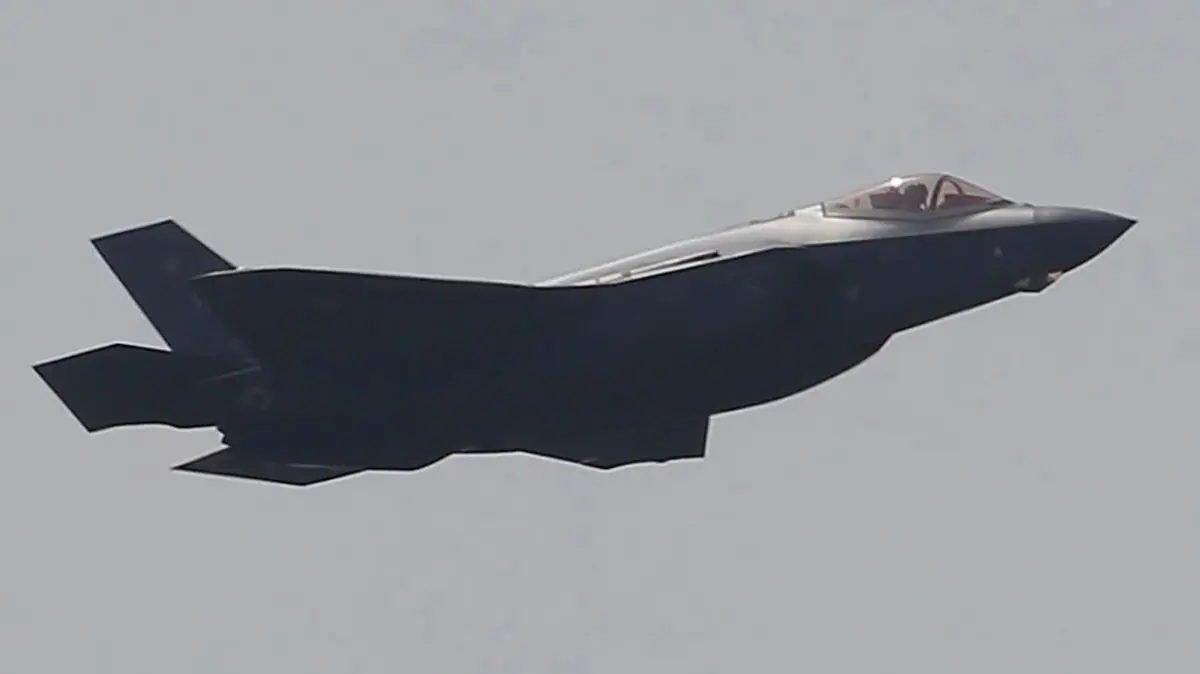
These sanctions are the latest measure in the pressure campaign Trump has been waging against Maduro, which has included bolstering the US military presence in the region and launching more than twenty raids on ships allegedly involved in drug smuggling in the Pacific Ocean and the Caribbean Sea.
Blockade on Venezuelan Oil
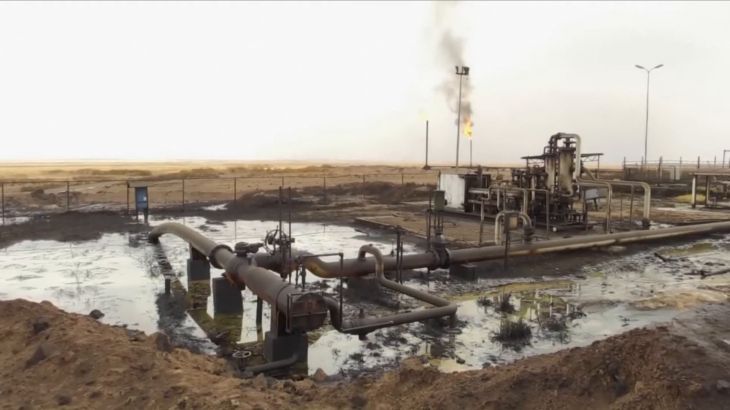
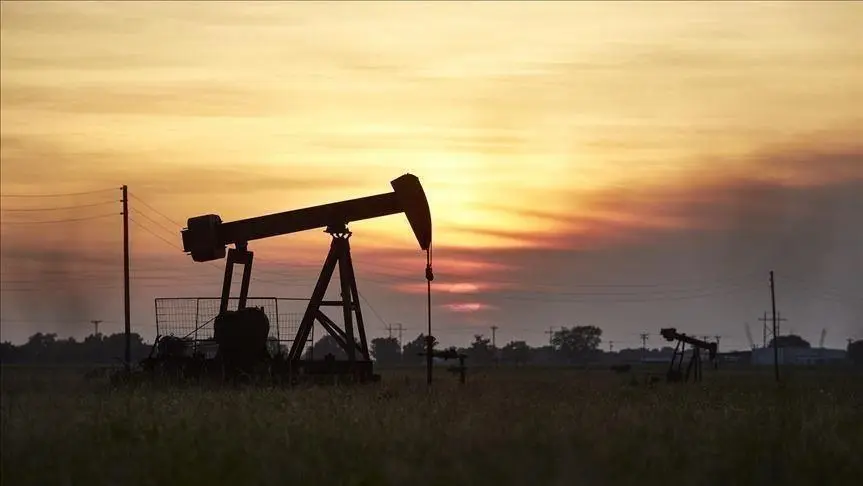
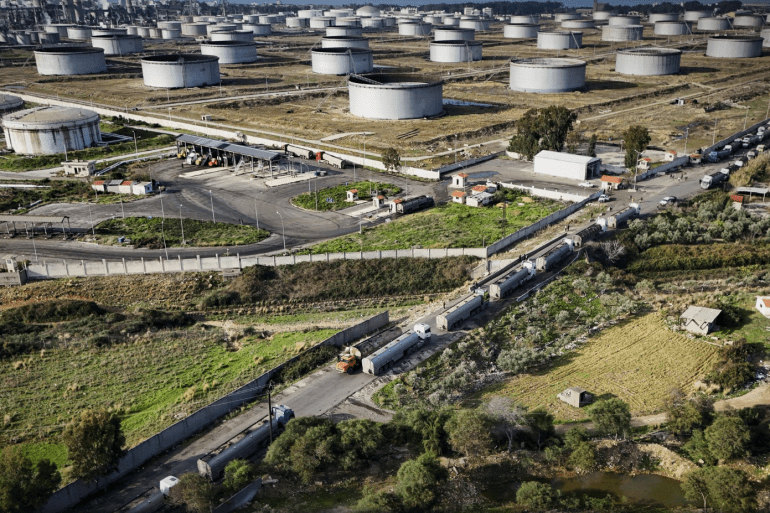
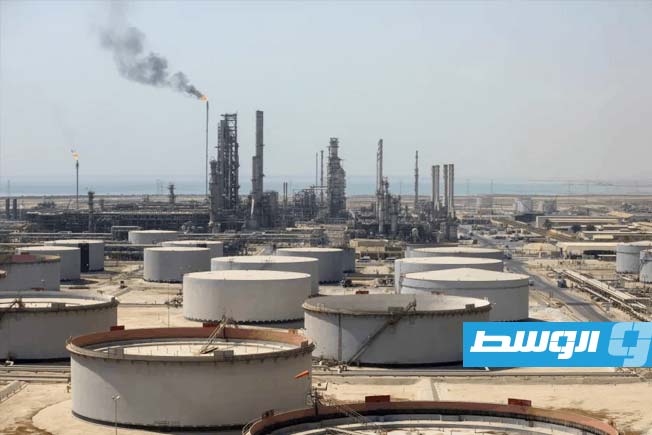
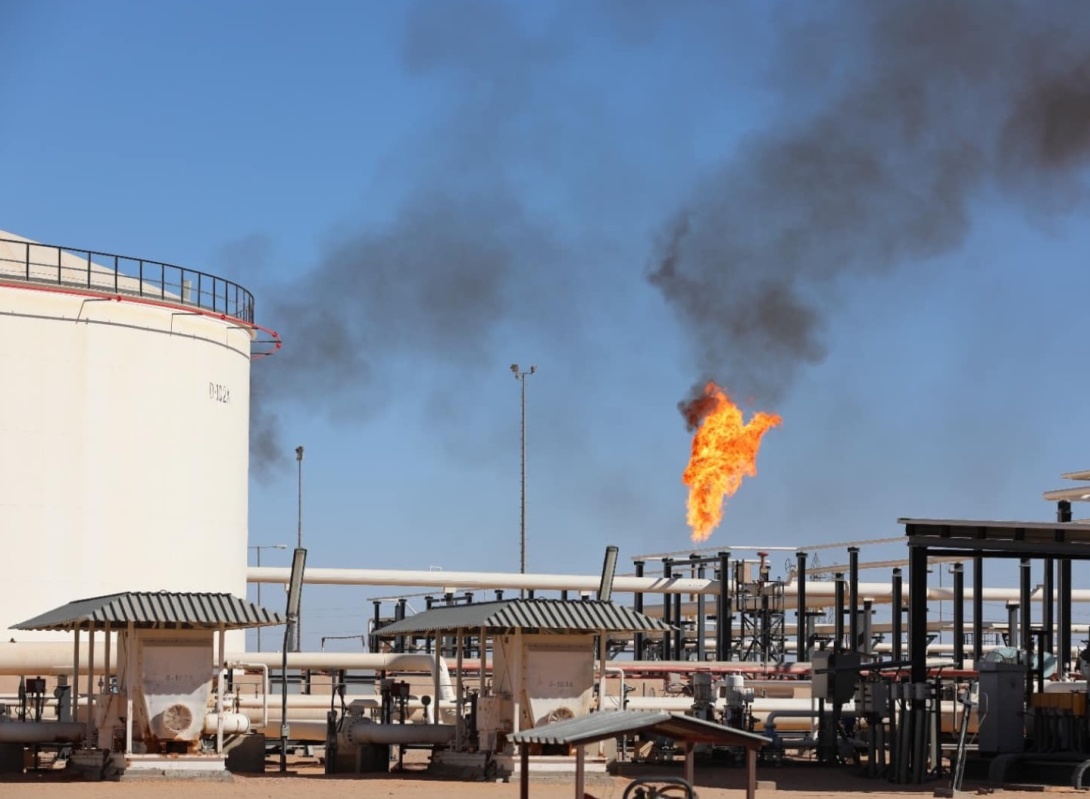
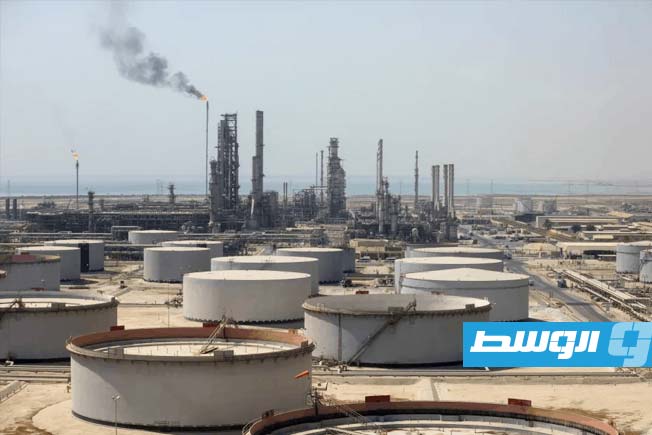
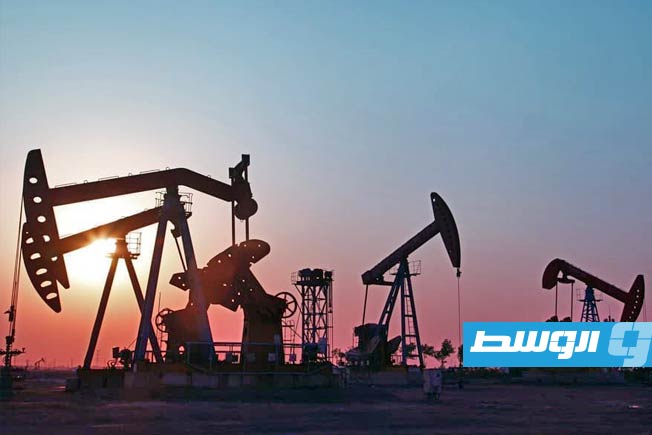
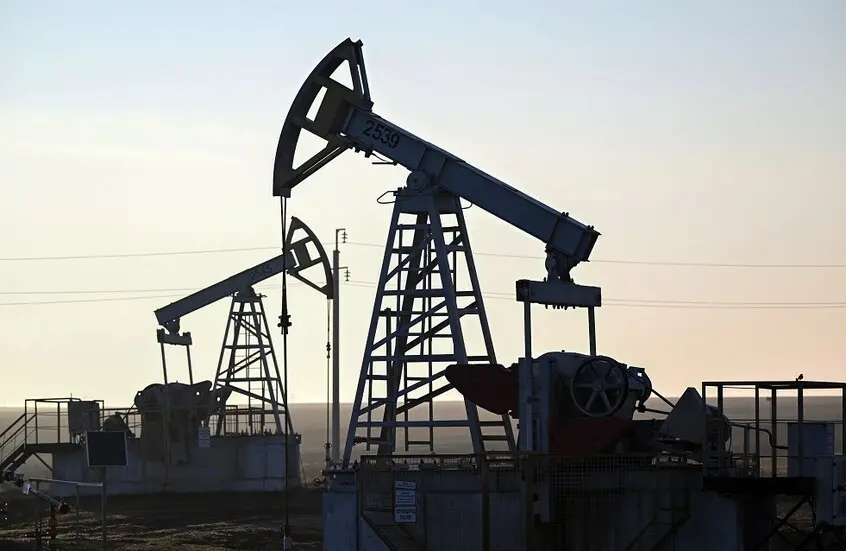
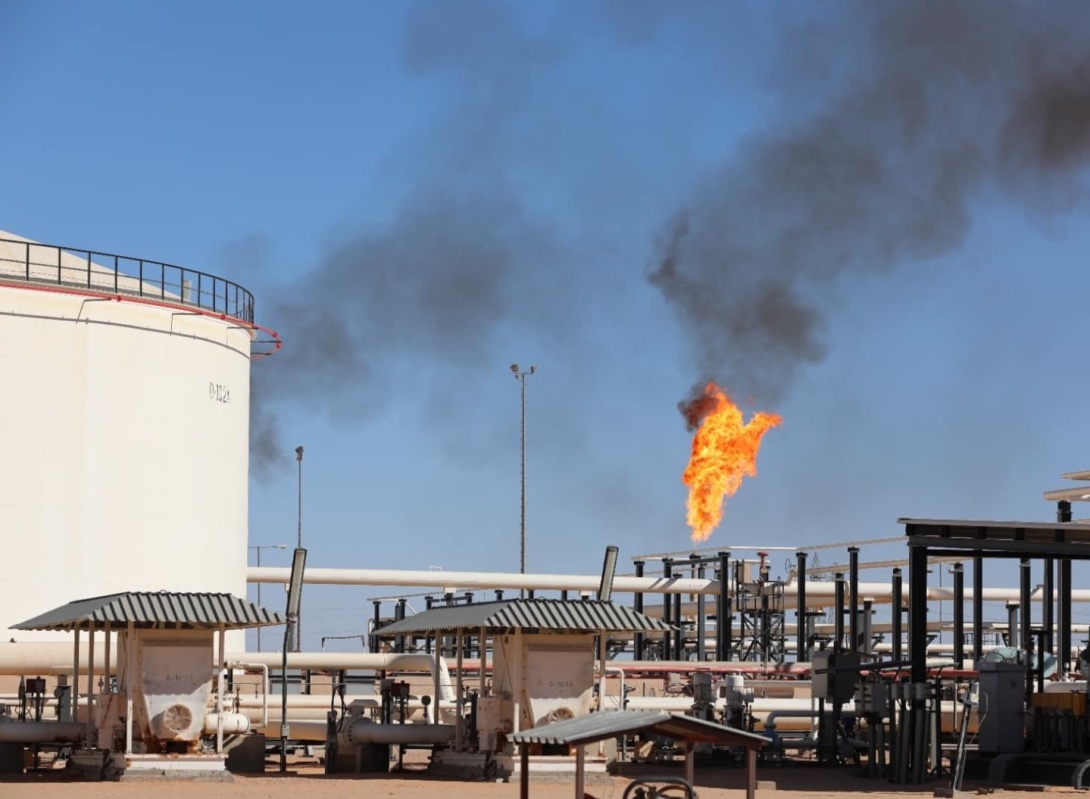
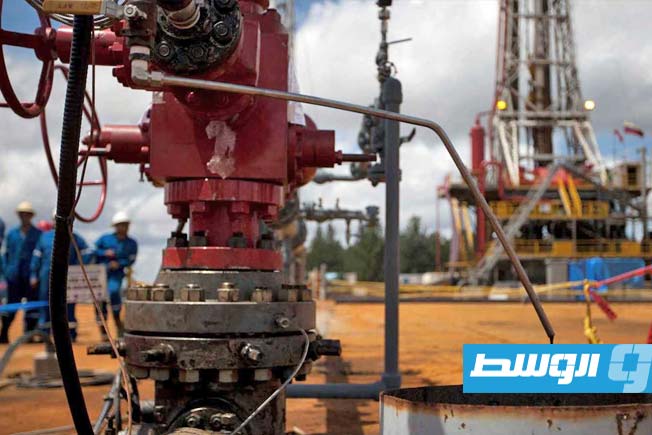
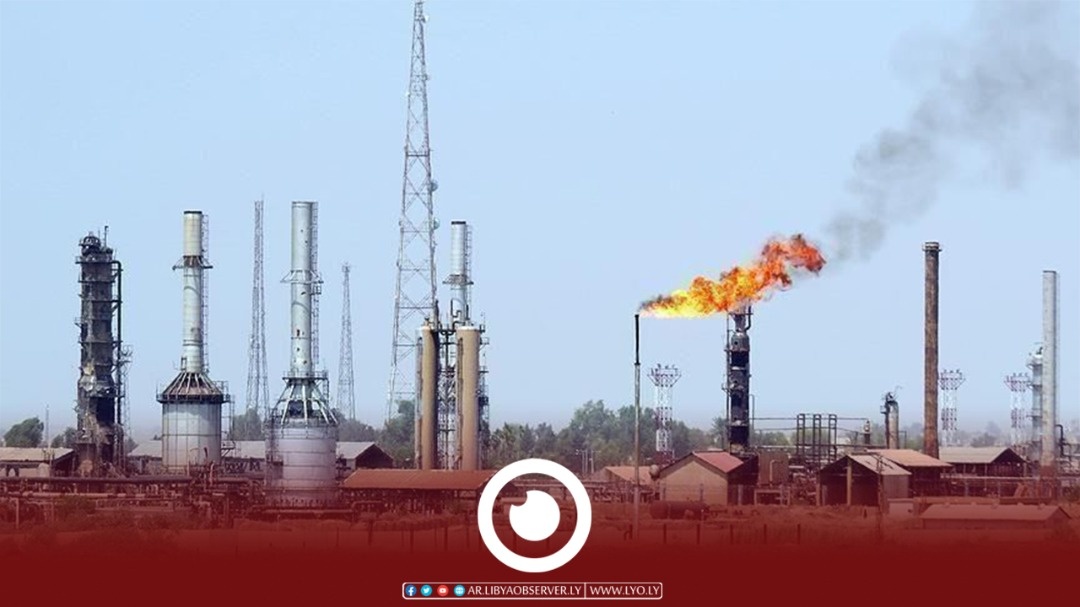
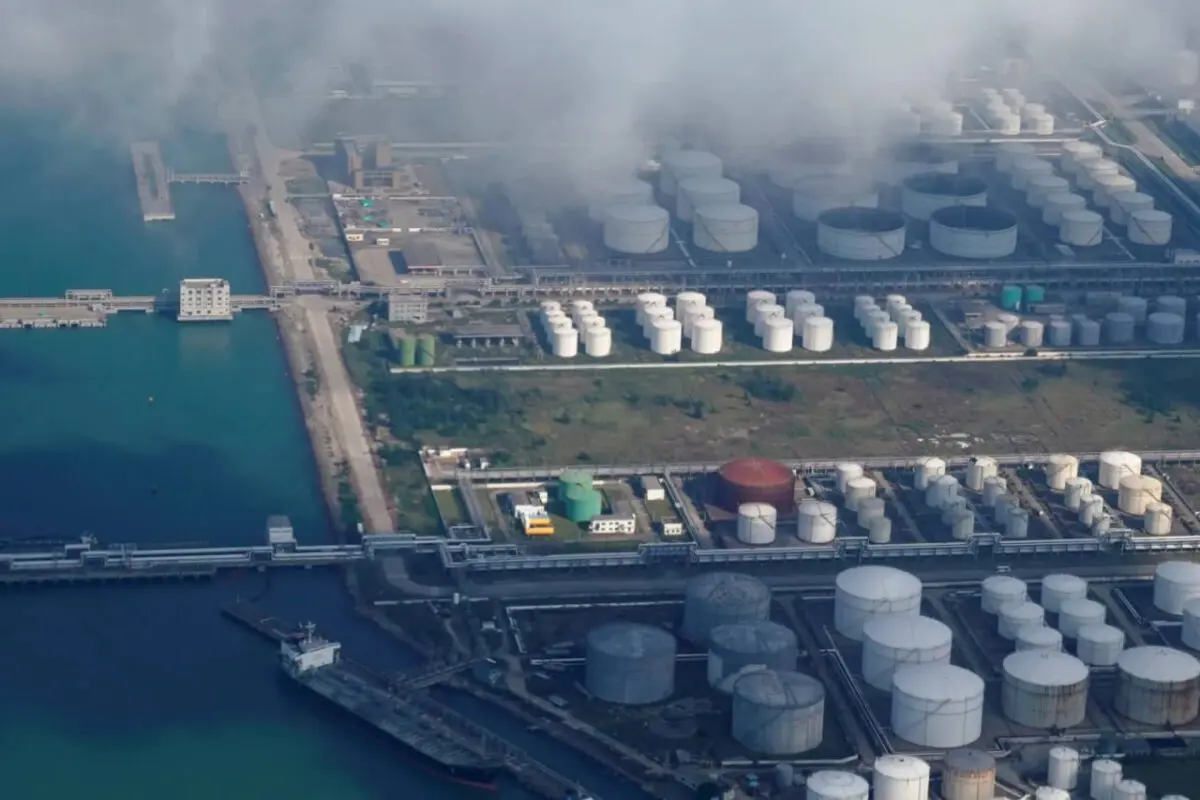
In December of last year, Trump announced a blockade on all sanctioned ships entering or leaving Venezuelan waters, as part of a strategy to pressure Maduro, a move that contributed to reducing Venezuela’s oil exports this month to about half of their November levels.
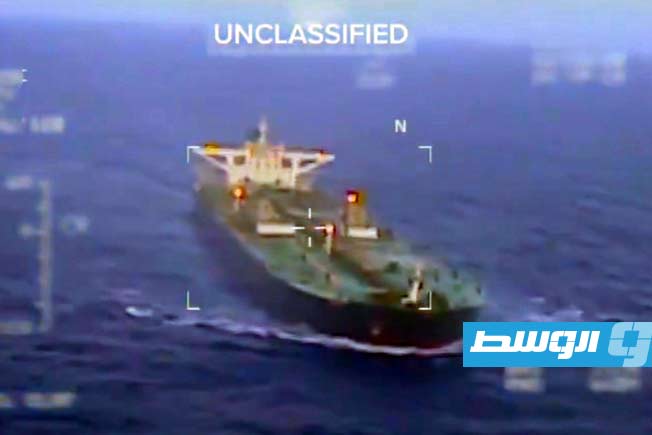
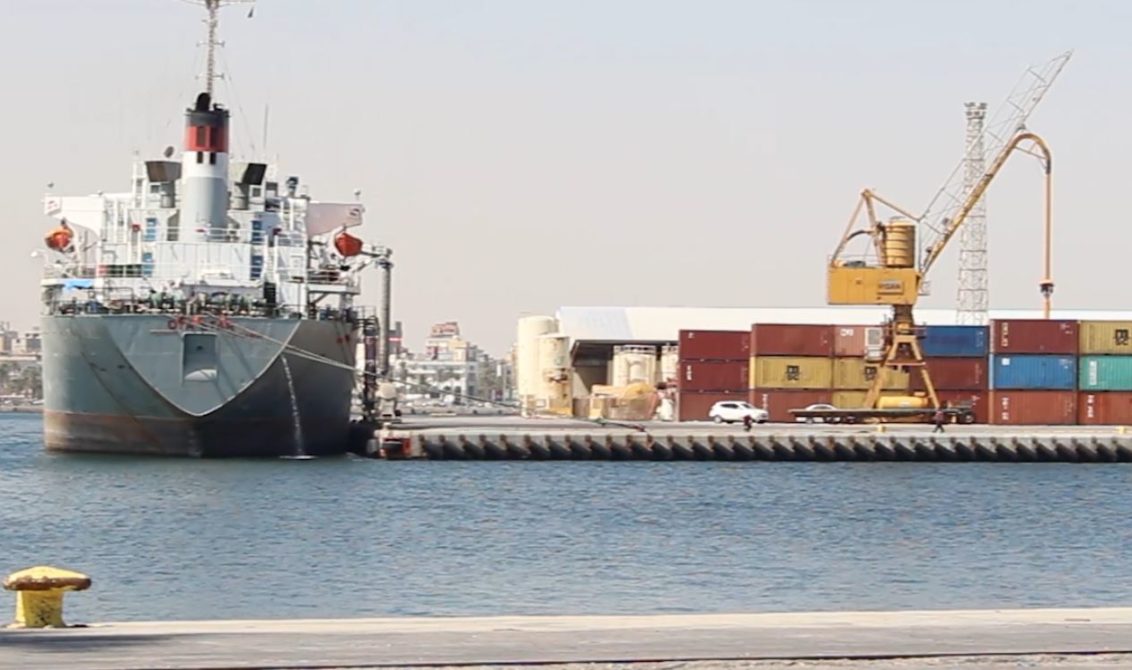
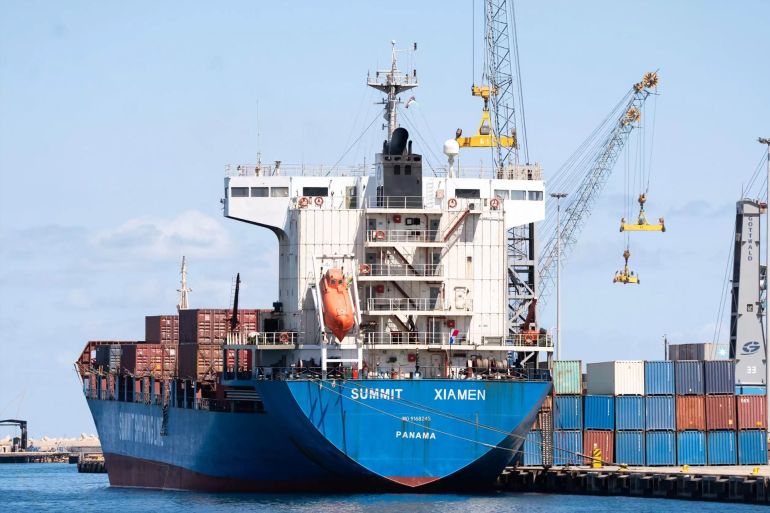
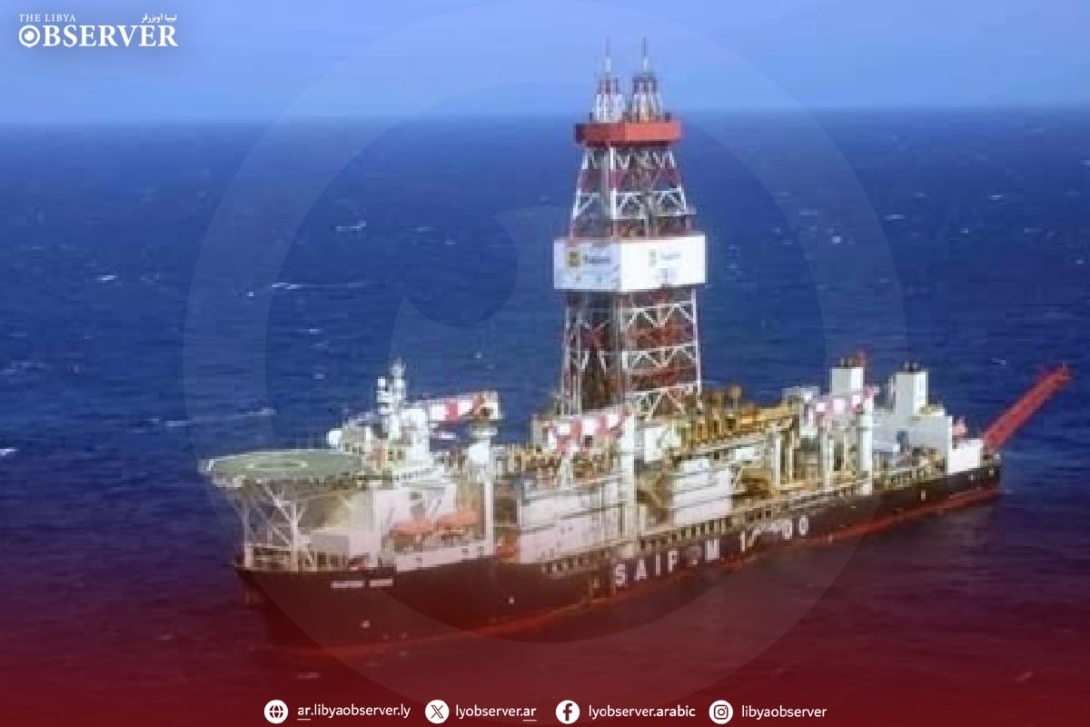
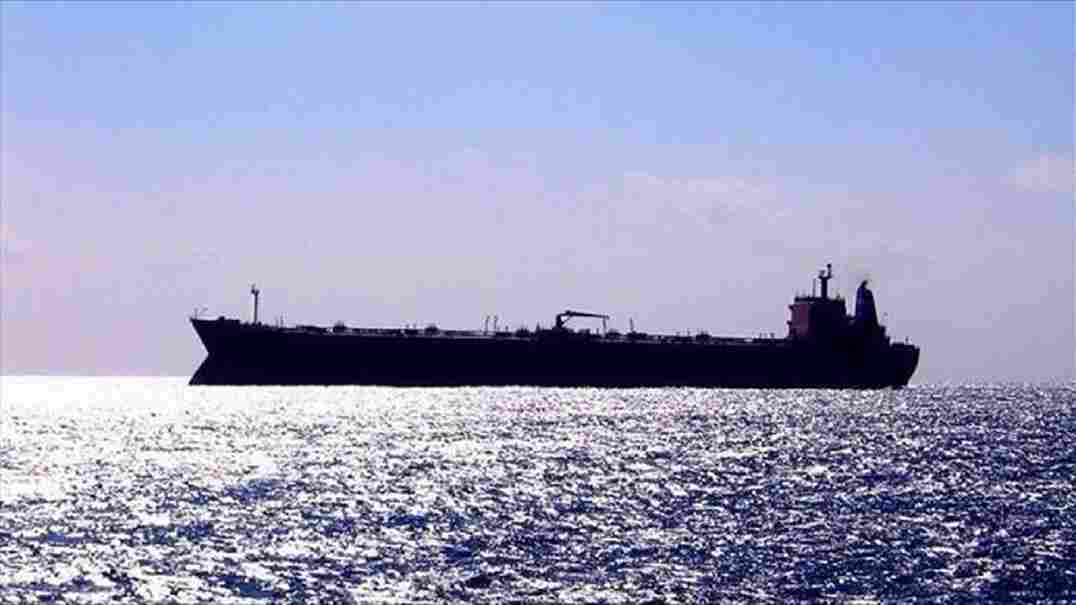
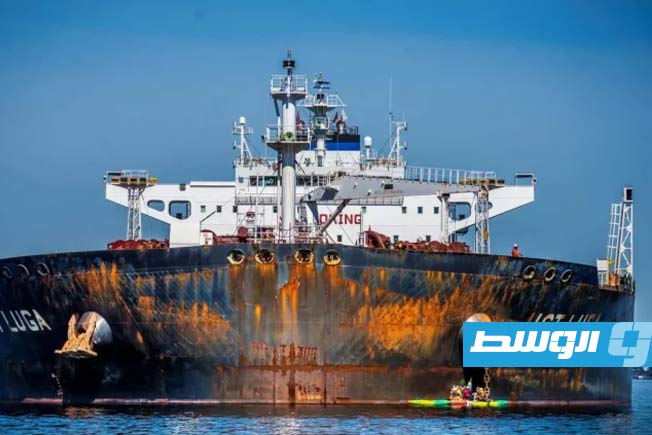
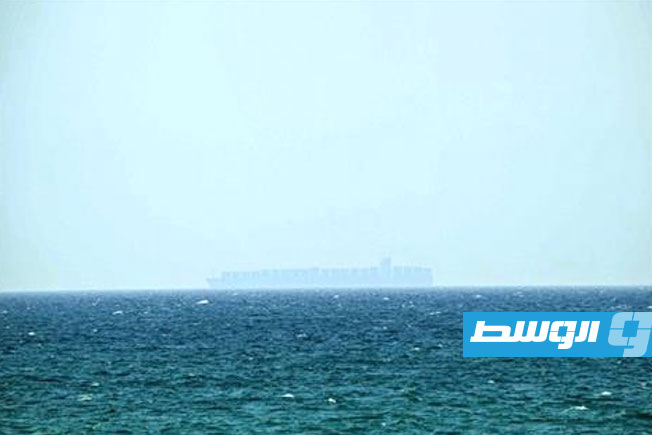
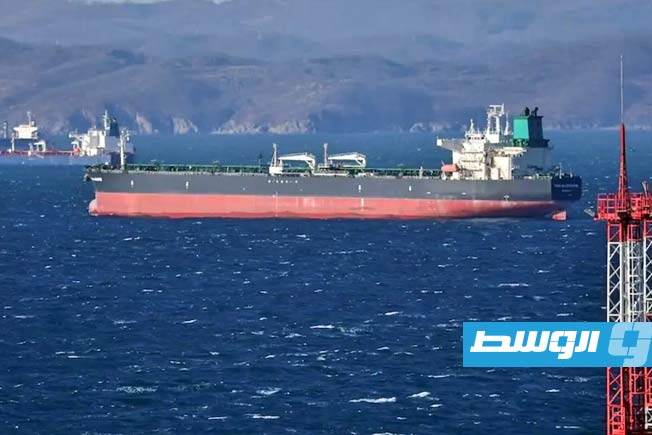
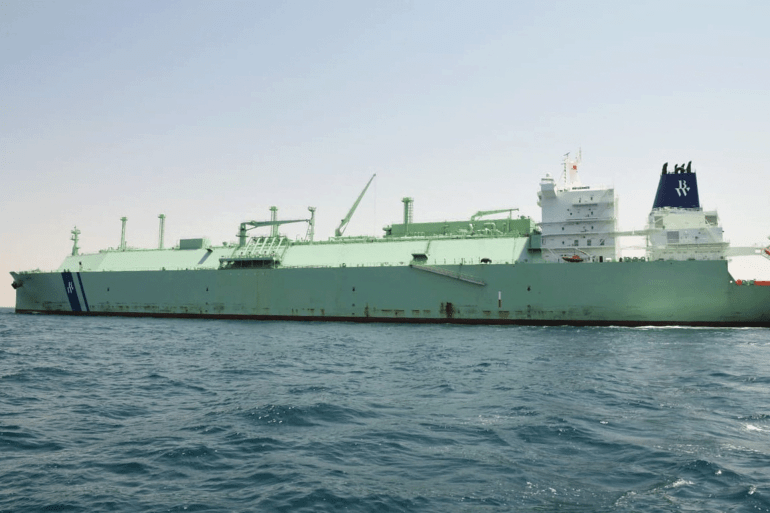
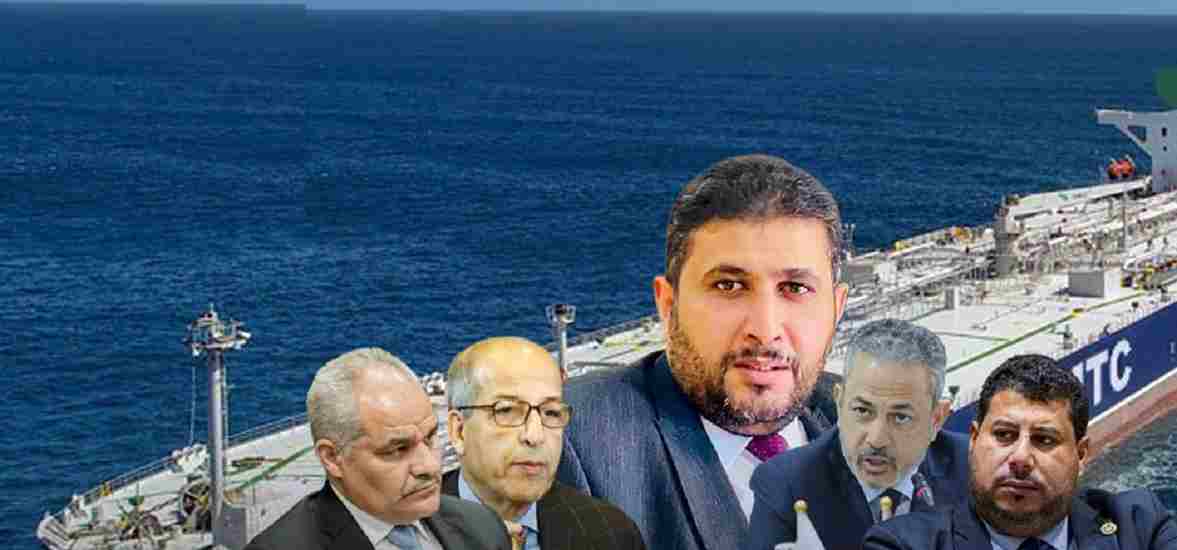
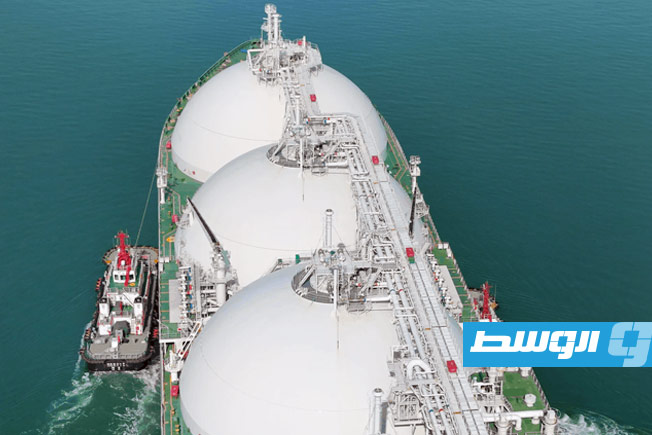
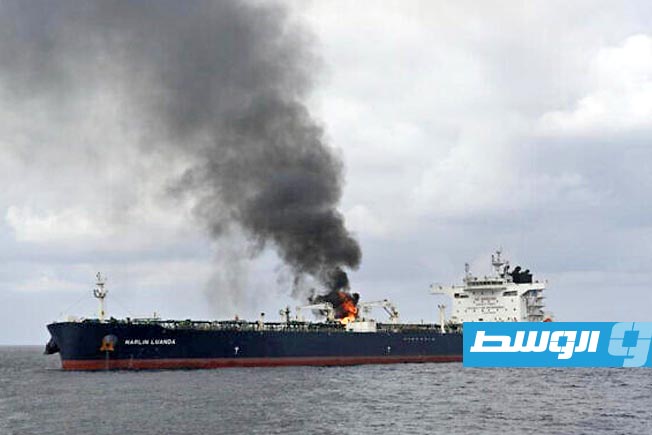
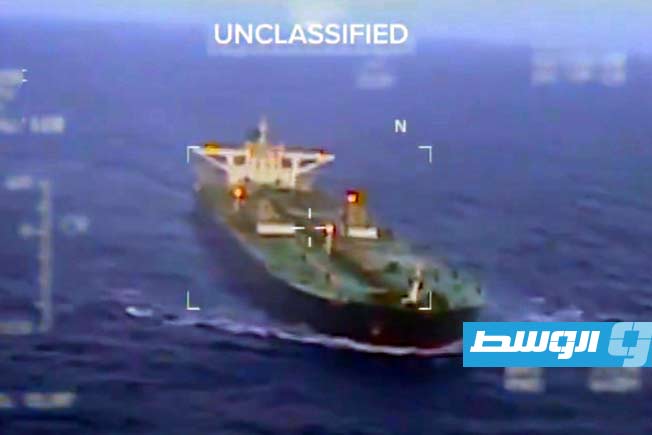
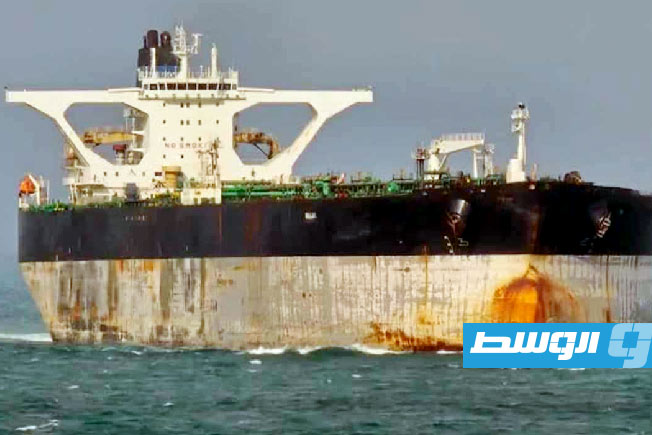
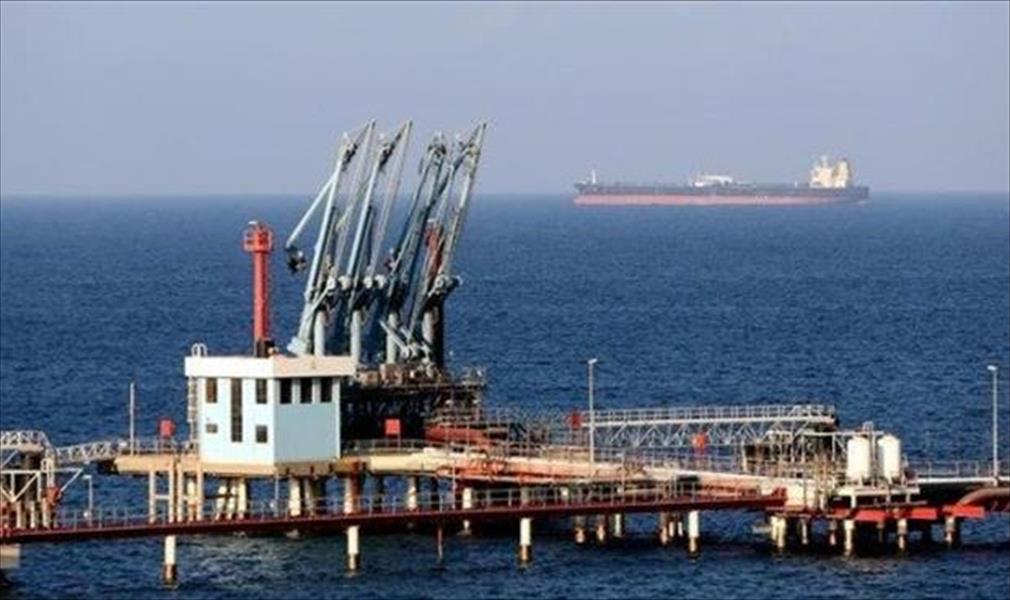
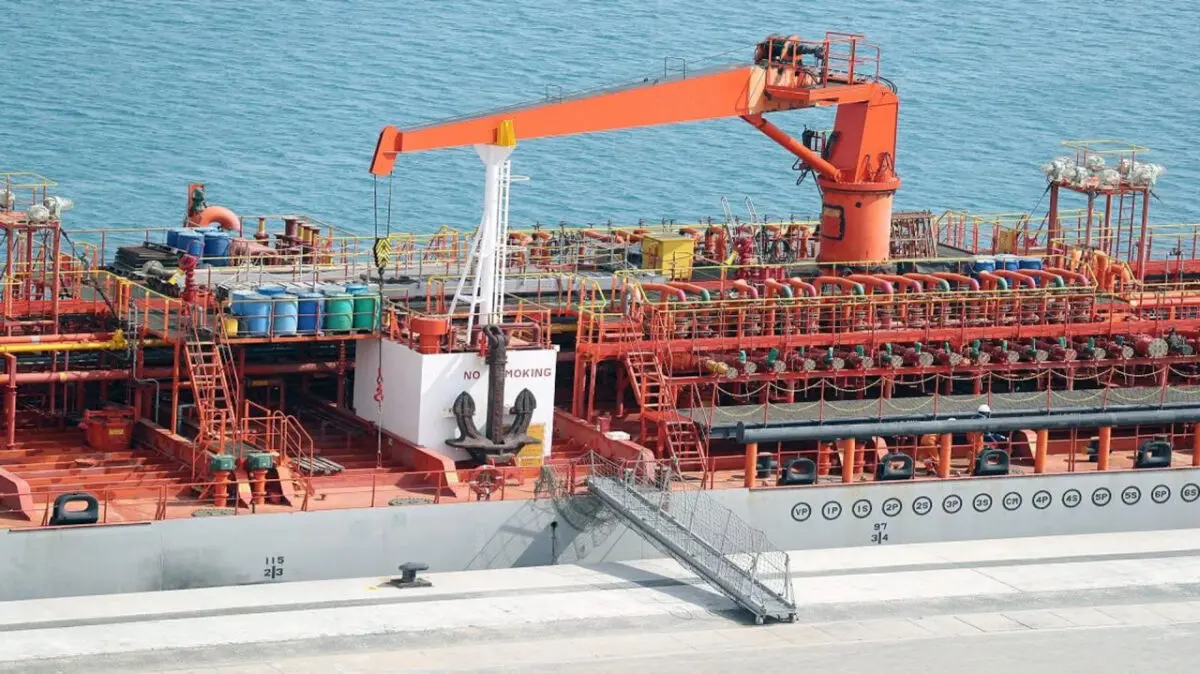
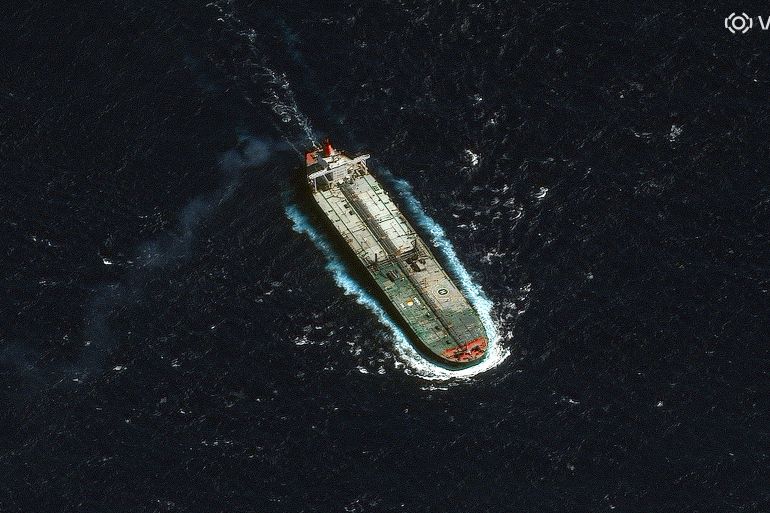
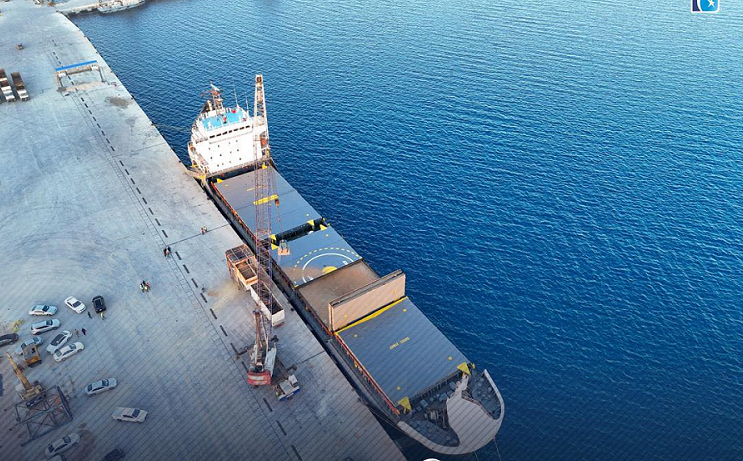
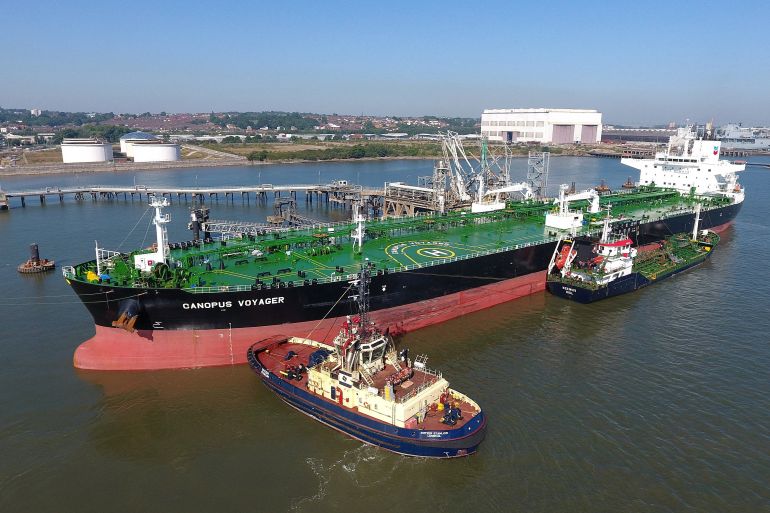
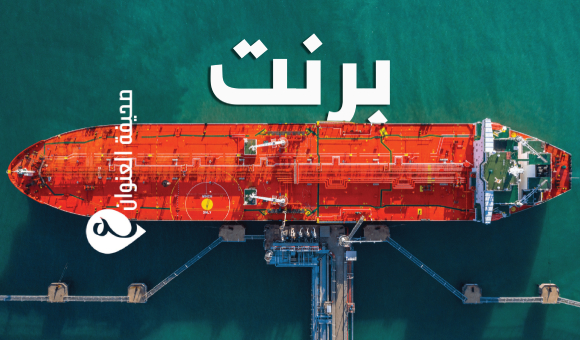
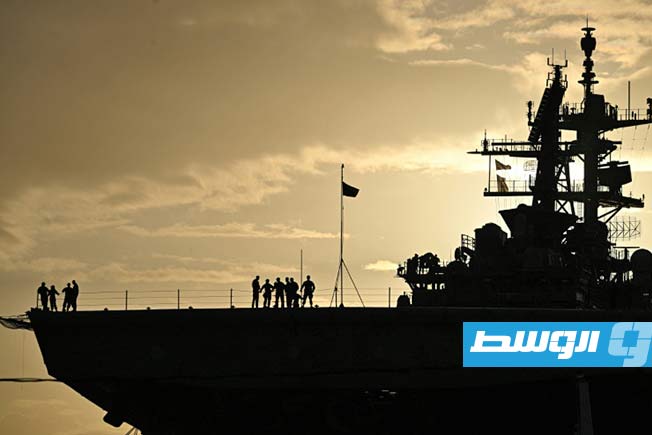
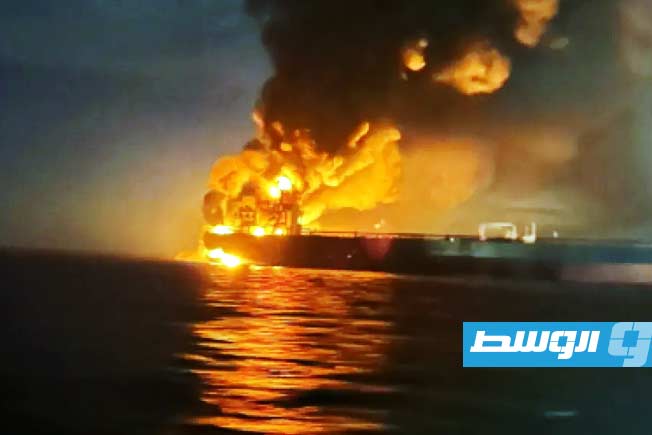
The US Treasury Department stated in an announcement that it has imposed sanctions on oil traders involved in circumventing sanctions for the benefit of Maduro’s government. Among the targets are four tankers, with the Treasury accusing some of them of being part of what is called the “shadow fleet.”
–
The US Treasury Department clarified in an announcement that it has imposed sanctions on “oil traders involved in circumventing sanctions for the benefit of Maduro’s government.” Among the targets are four tankers, with the Treasury accusing some of them of being part of what is called the “shadow fleet.”
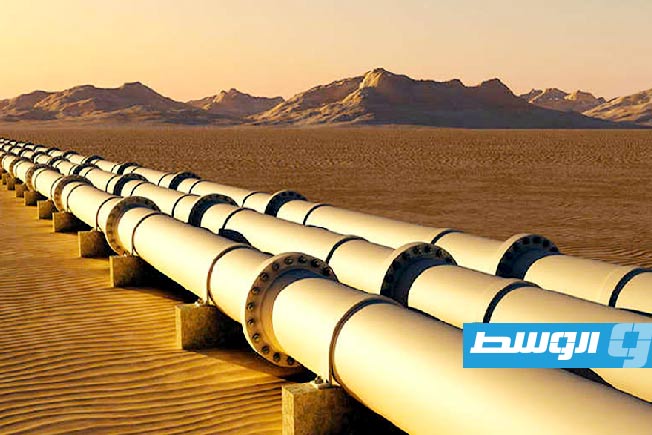
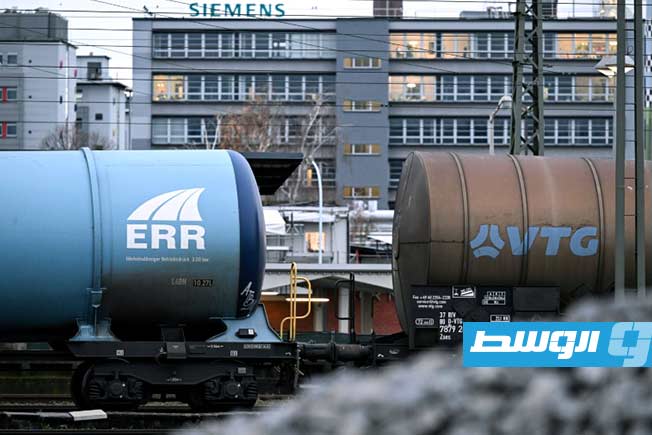
The term “shadow fleet” refers to ships that transport sanctioned oil. These are typically old vessels, their ownership is unclear, and they sail without comprehensive insurance that meets the international standards required by major oil companies and many ports.
United States
The United States is a federal republic founded in 1776 after declaring independence from Great Britain, with its modern government established by the Constitution in 1789. Its history encompasses westward expansion, a civil war over slavery, and its emergence as a global superpower in the 20th century. The nation is defined by its diverse population, democratic ideals, and significant cultural and economic influence worldwide.
Venezuela
Venezuela is a South American country known for its diverse landscapes, including the Andes Mountains, Amazon rainforest, and the world’s highest waterfall, Angel Falls. Historically, it was a Spanish colony until achieving independence in the early 19th century under leaders like Simón Bolívar, and its modern economy has been heavily shaped by its vast petroleum reserves.
Pacific Ocean
The Pacific Ocean is the world’s largest and deepest ocean, covering more than 60 million square miles. It was named by the explorer Ferdinand Magellan in 1520 for its seemingly calm waters, though it has a long history of human migration, trade, and cultural exchange across its many islands and surrounding continents.
Caribbean Sea
The Caribbean Sea is a tropical body of water in the Western Hemisphere, bounded by the islands of the Caribbean and the coasts of Central and South America. Historically, it was a crucial corridor for European exploration and colonization after Christopher Columbus’s 1492 voyage, becoming a center for the transatlantic trade and cultural exchange.
US Treasury Department
The United States Department of the Treasury was established by an act of Congress in 1789 and is responsible for managing the federal government’s revenue, currency production, and economic policy. Its historical functions include collecting taxes, paying bills, minting coins, and overseeing national banks, playing a central role in the nation’s financial system since its founding.