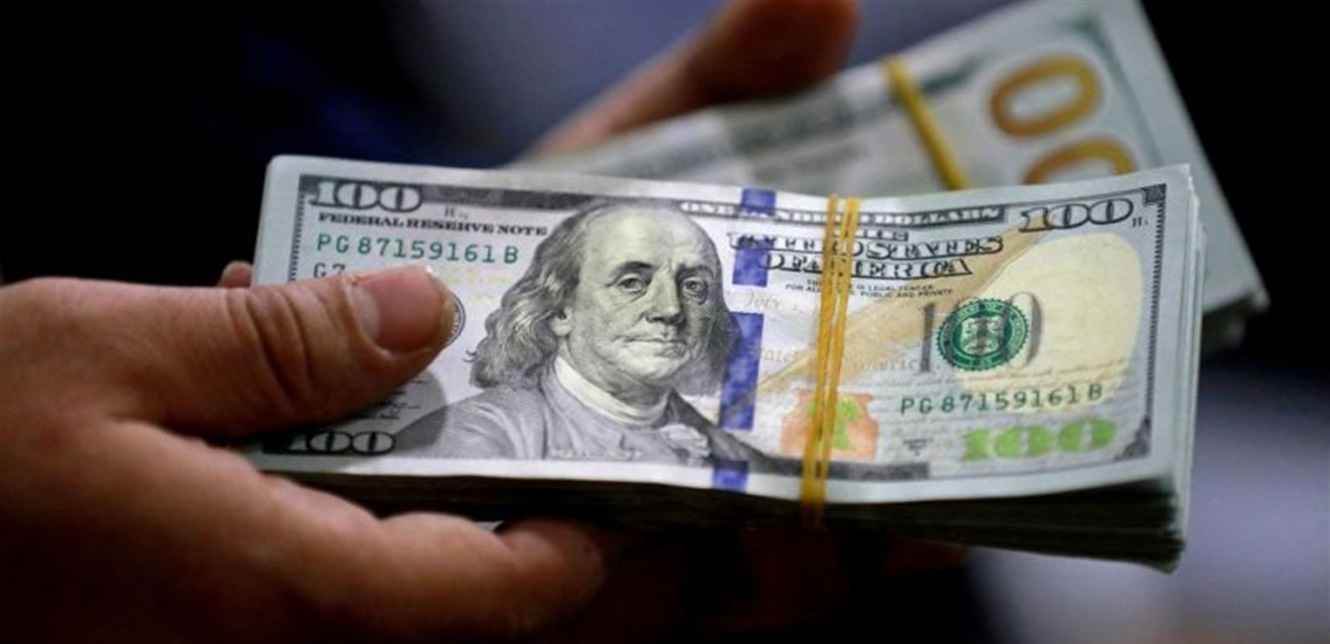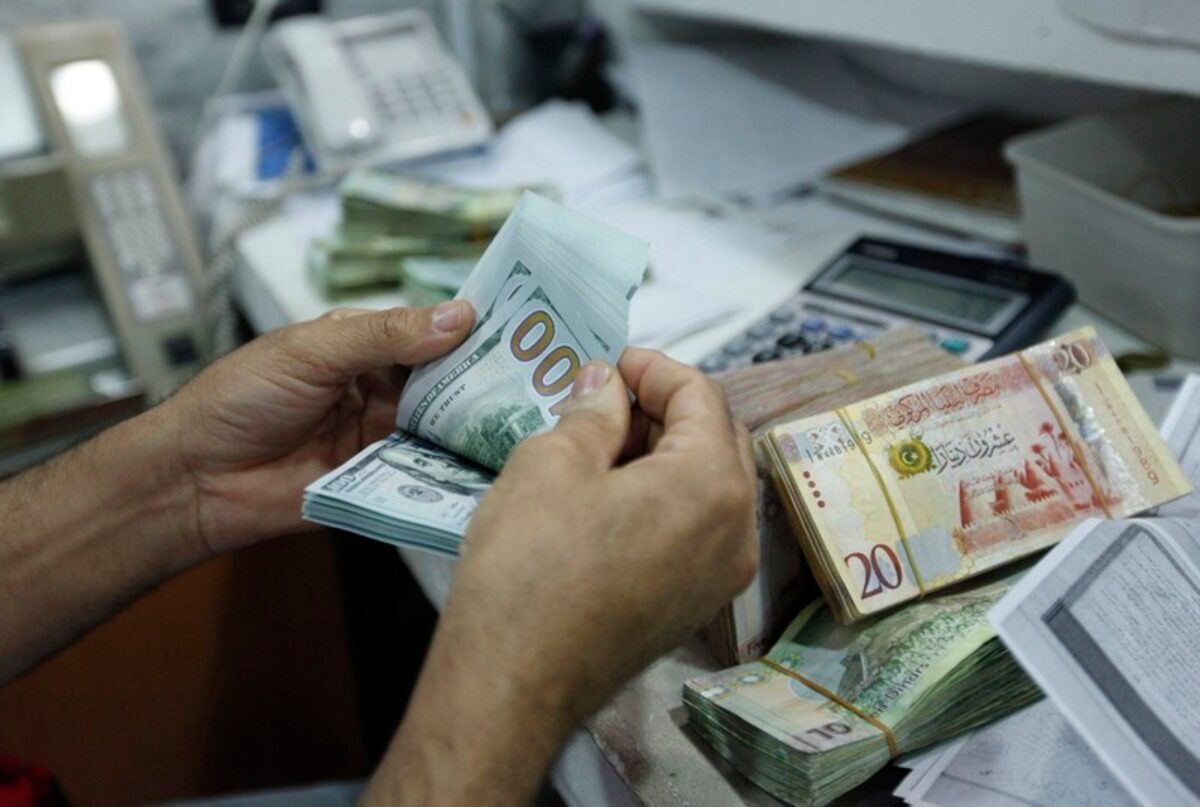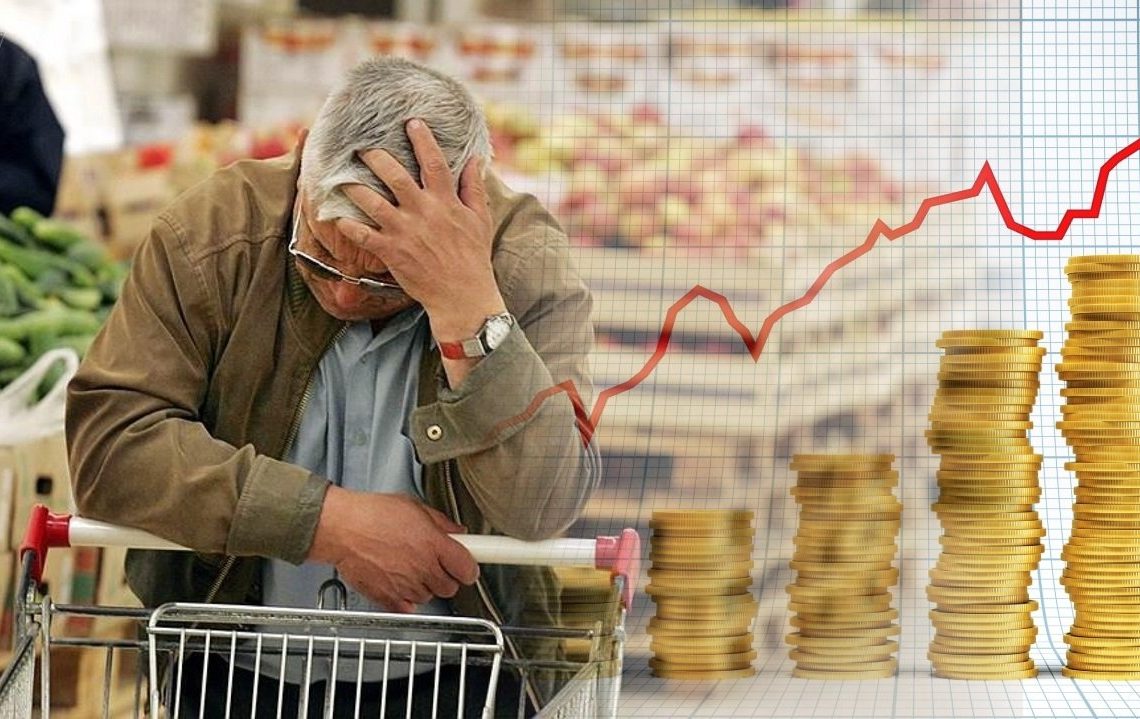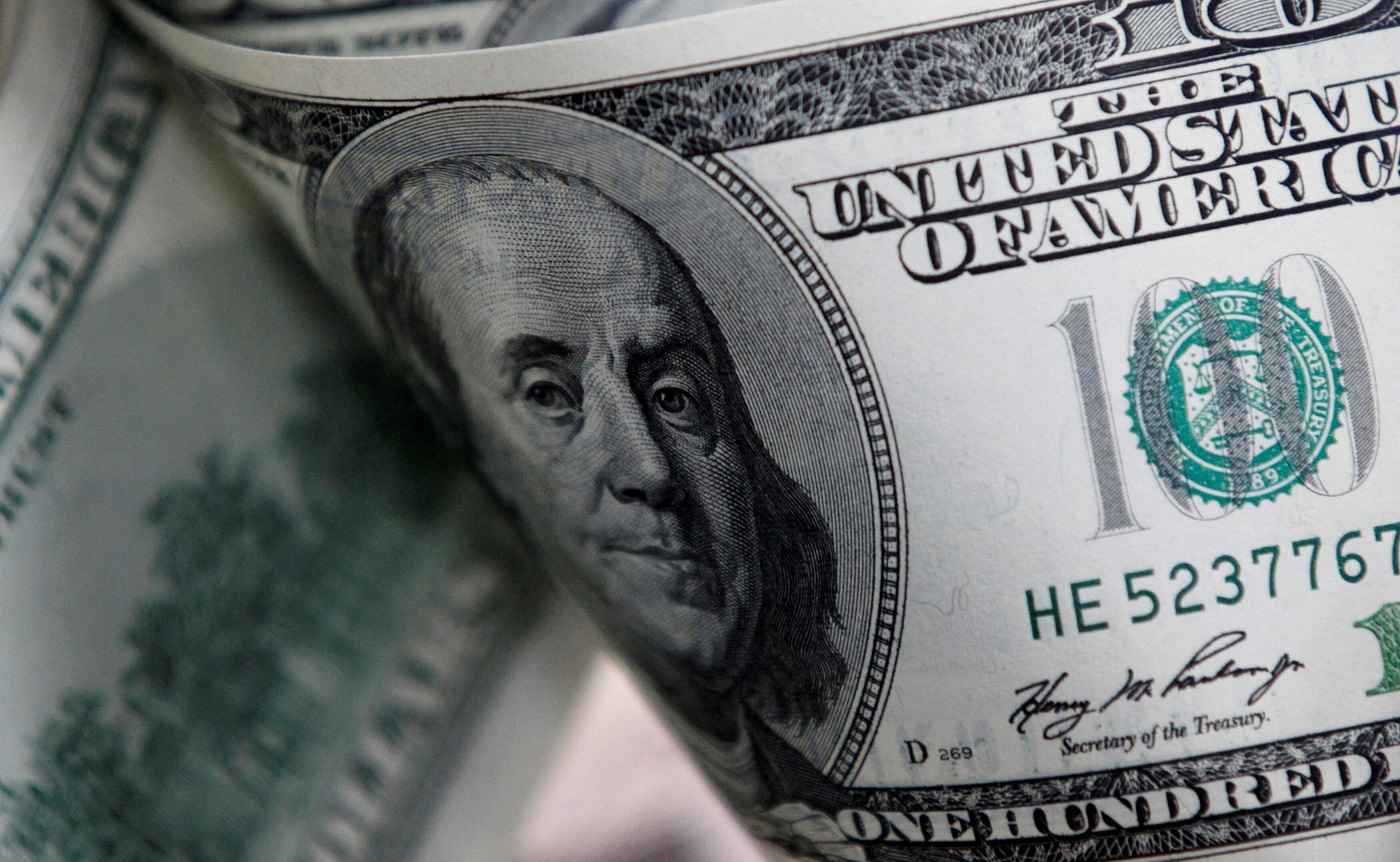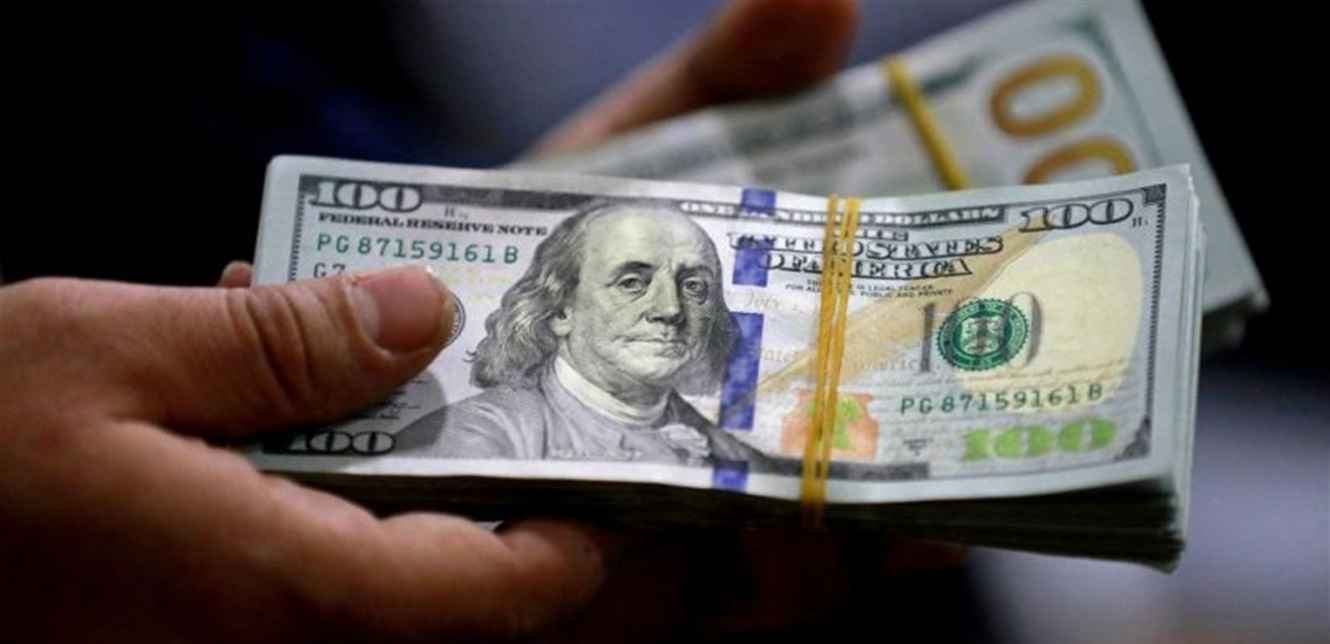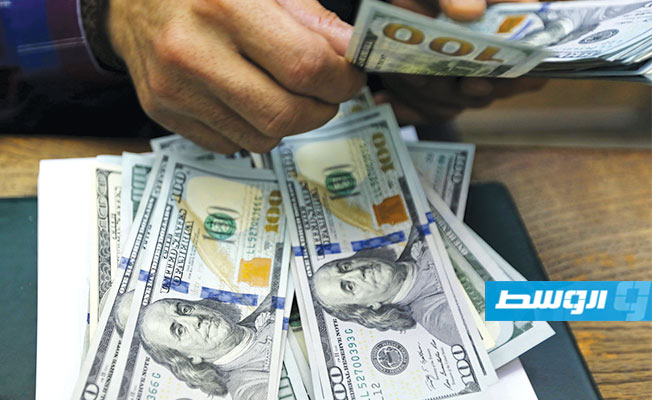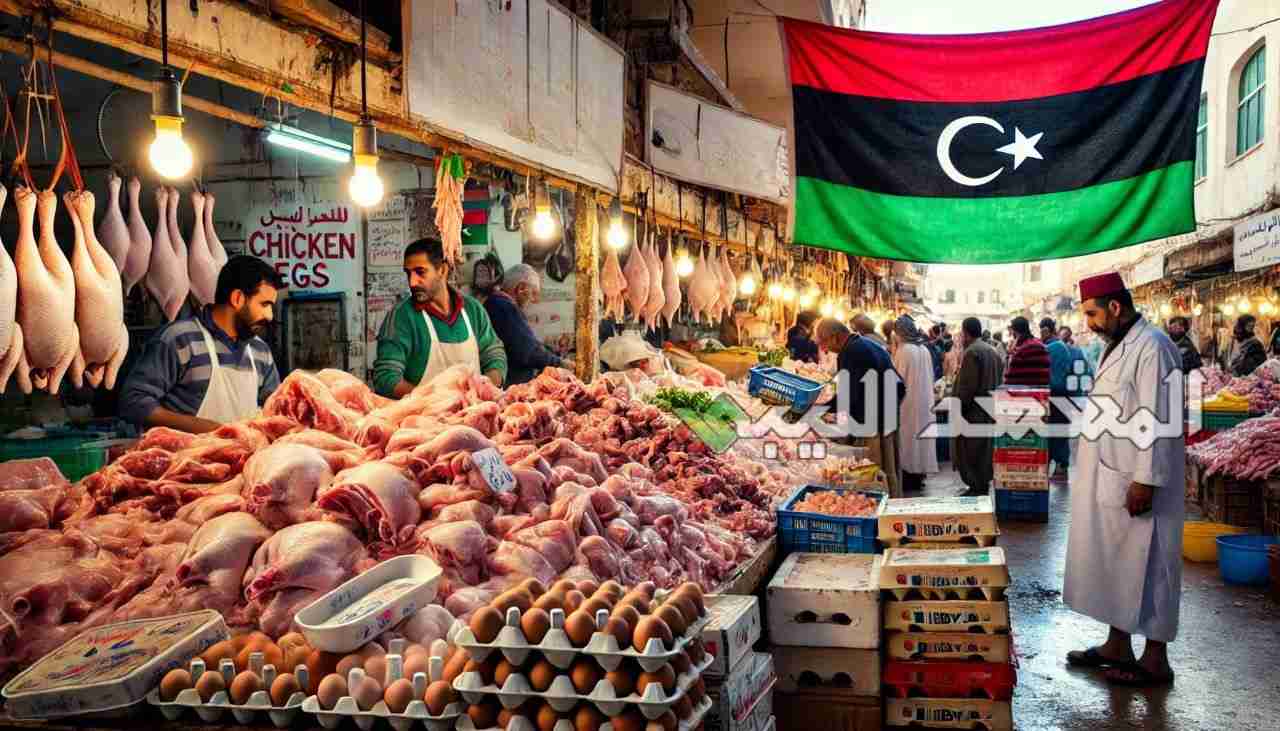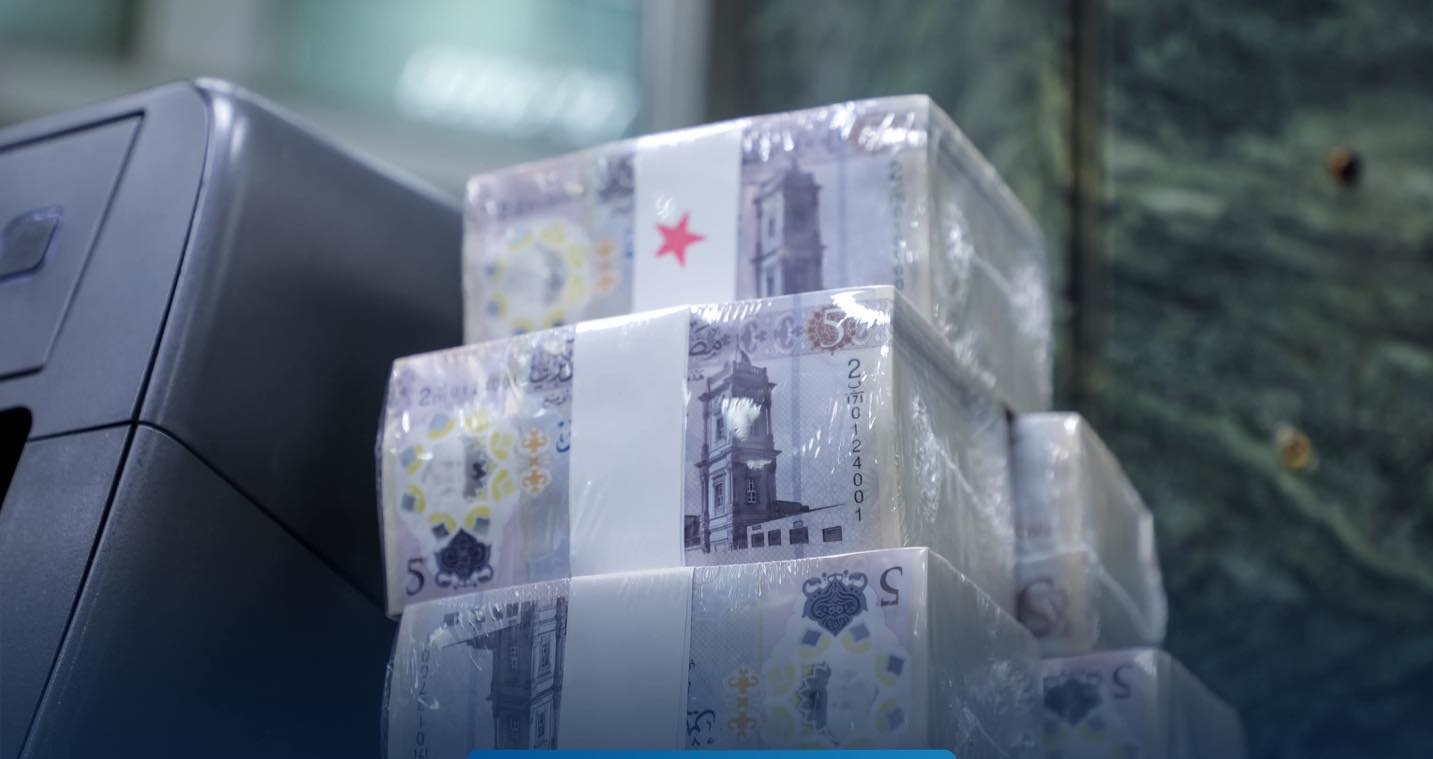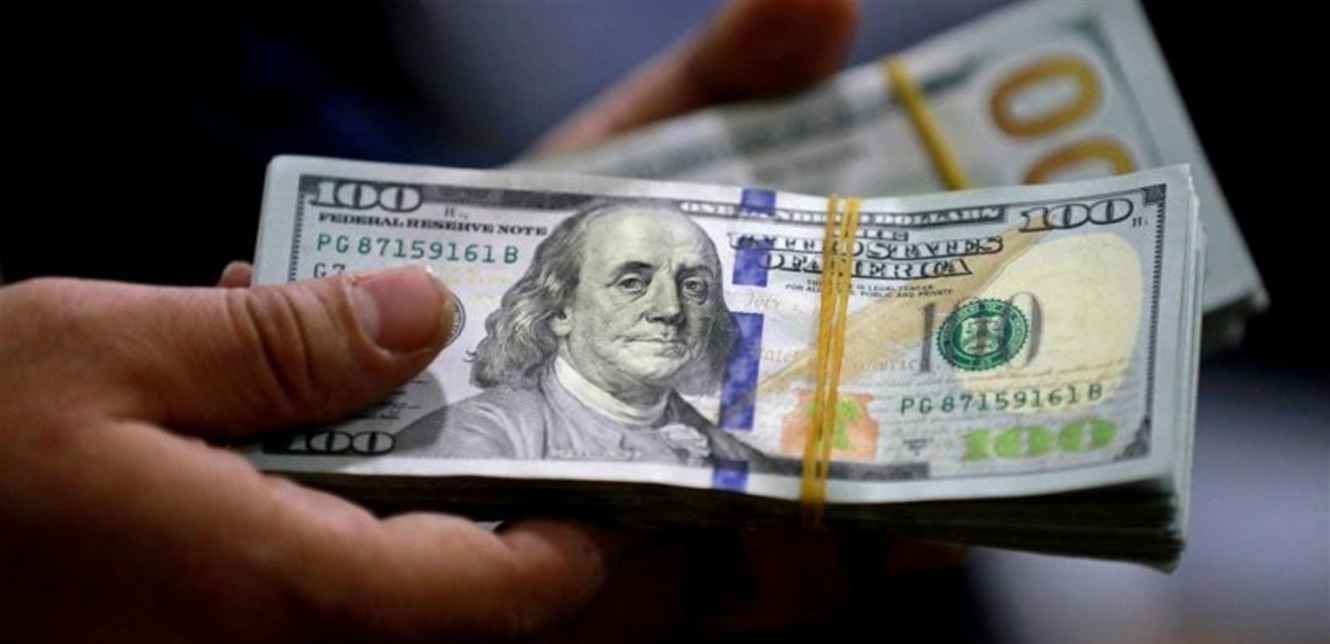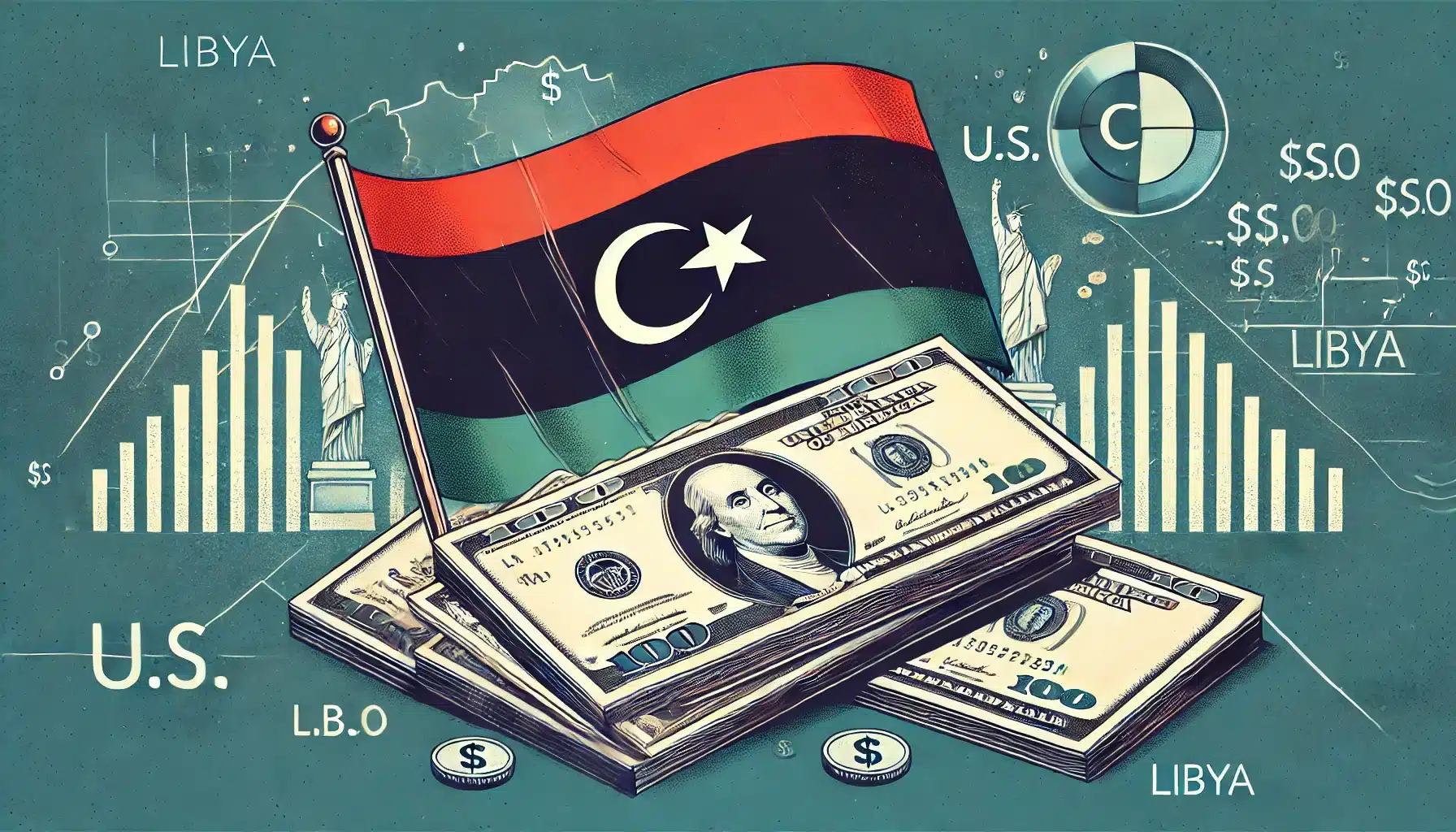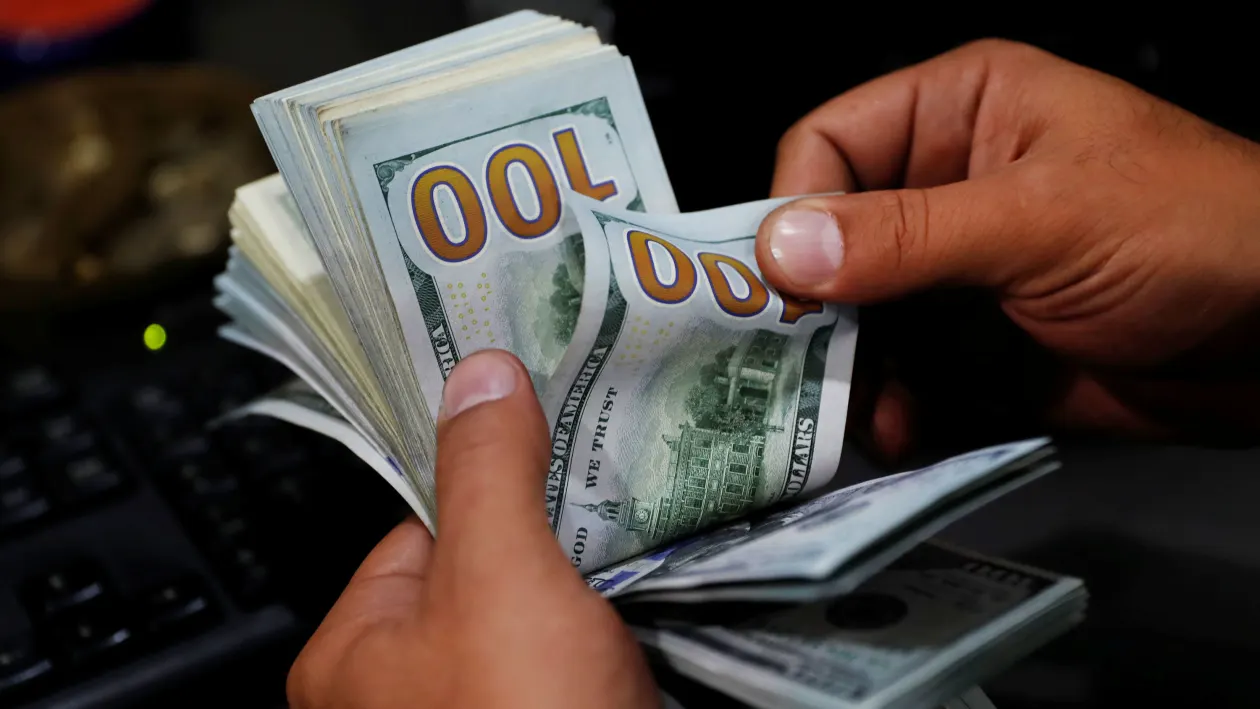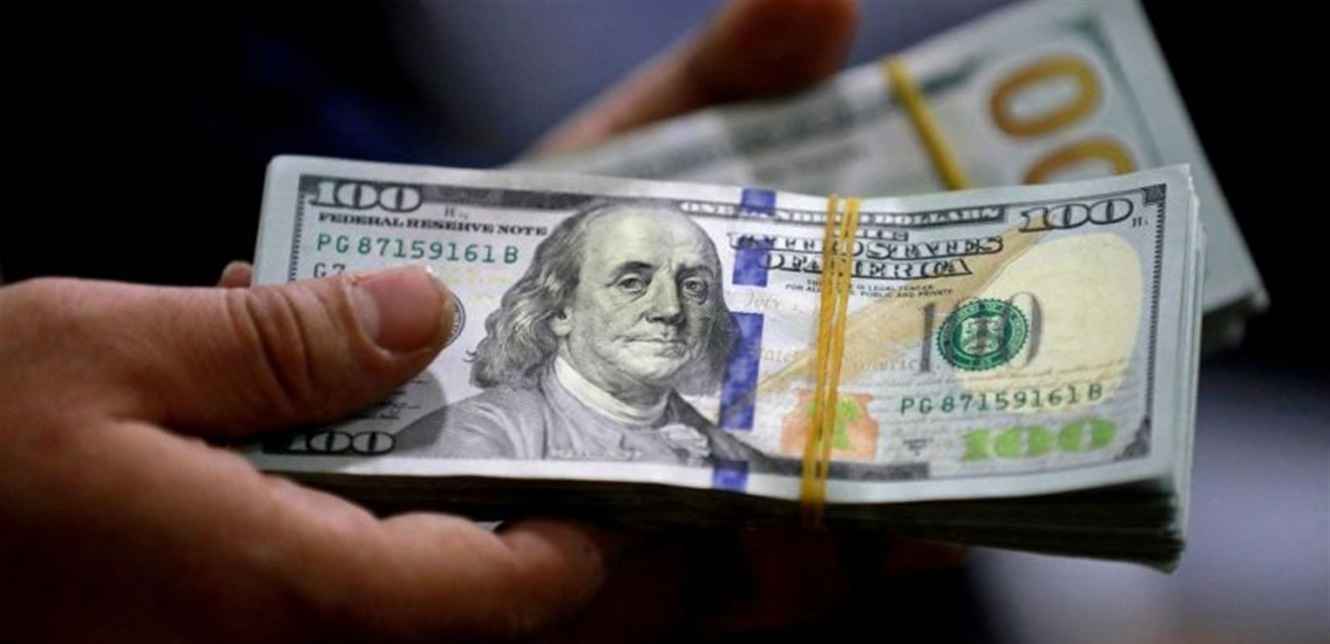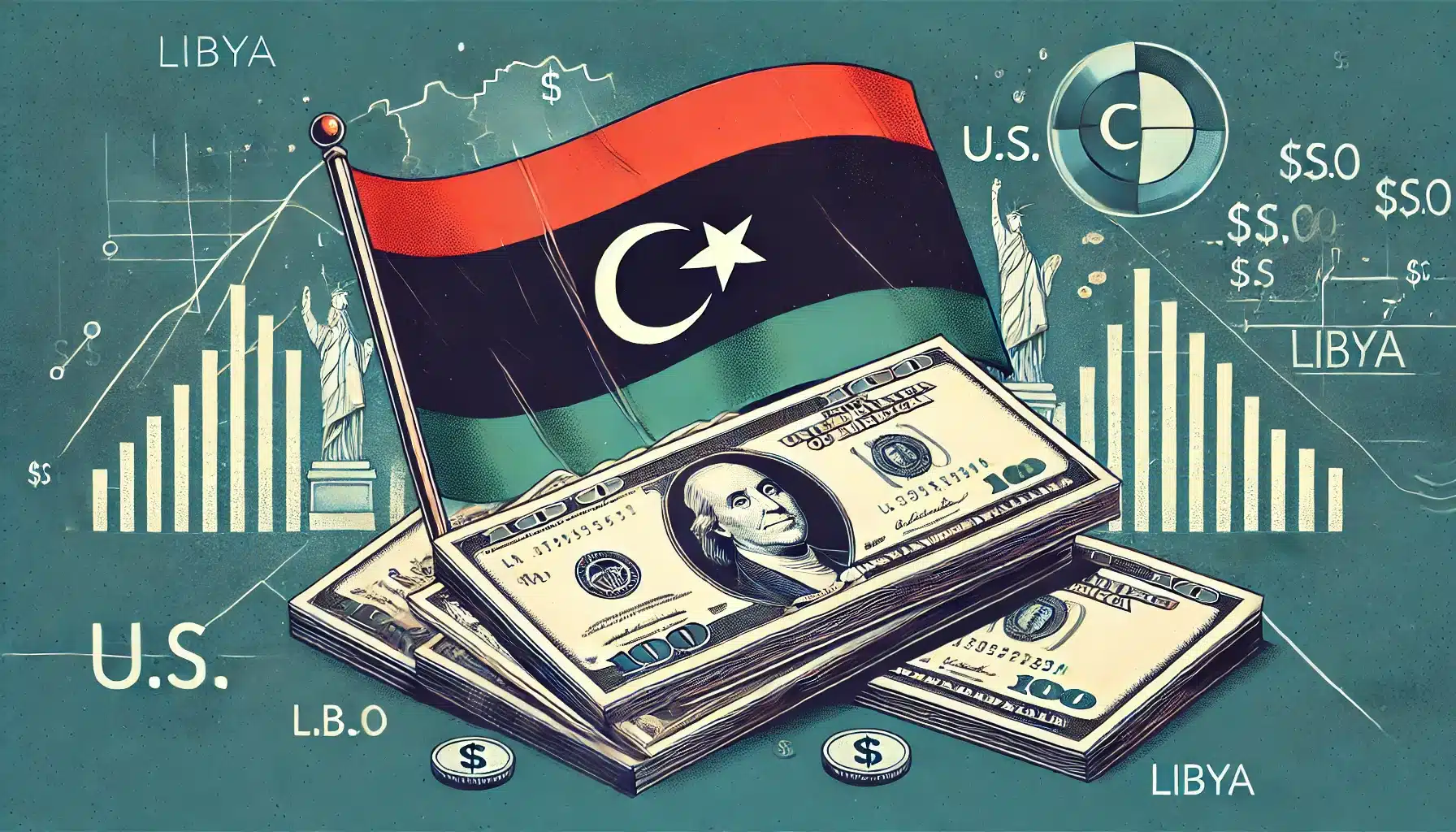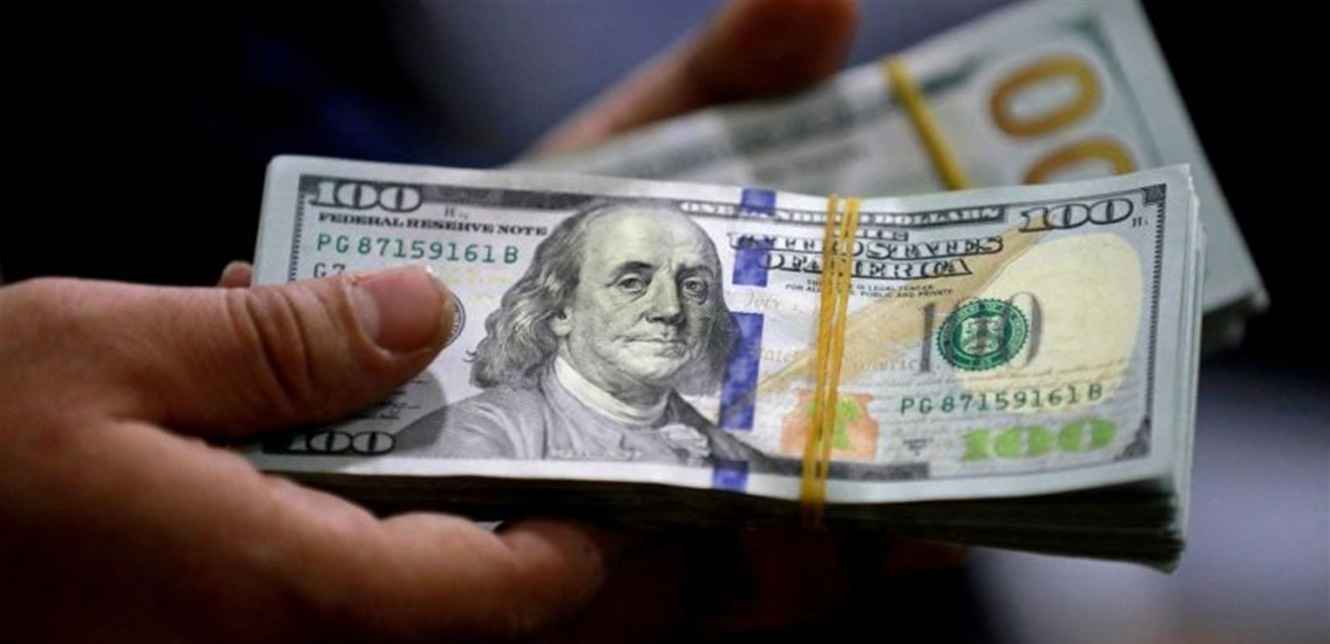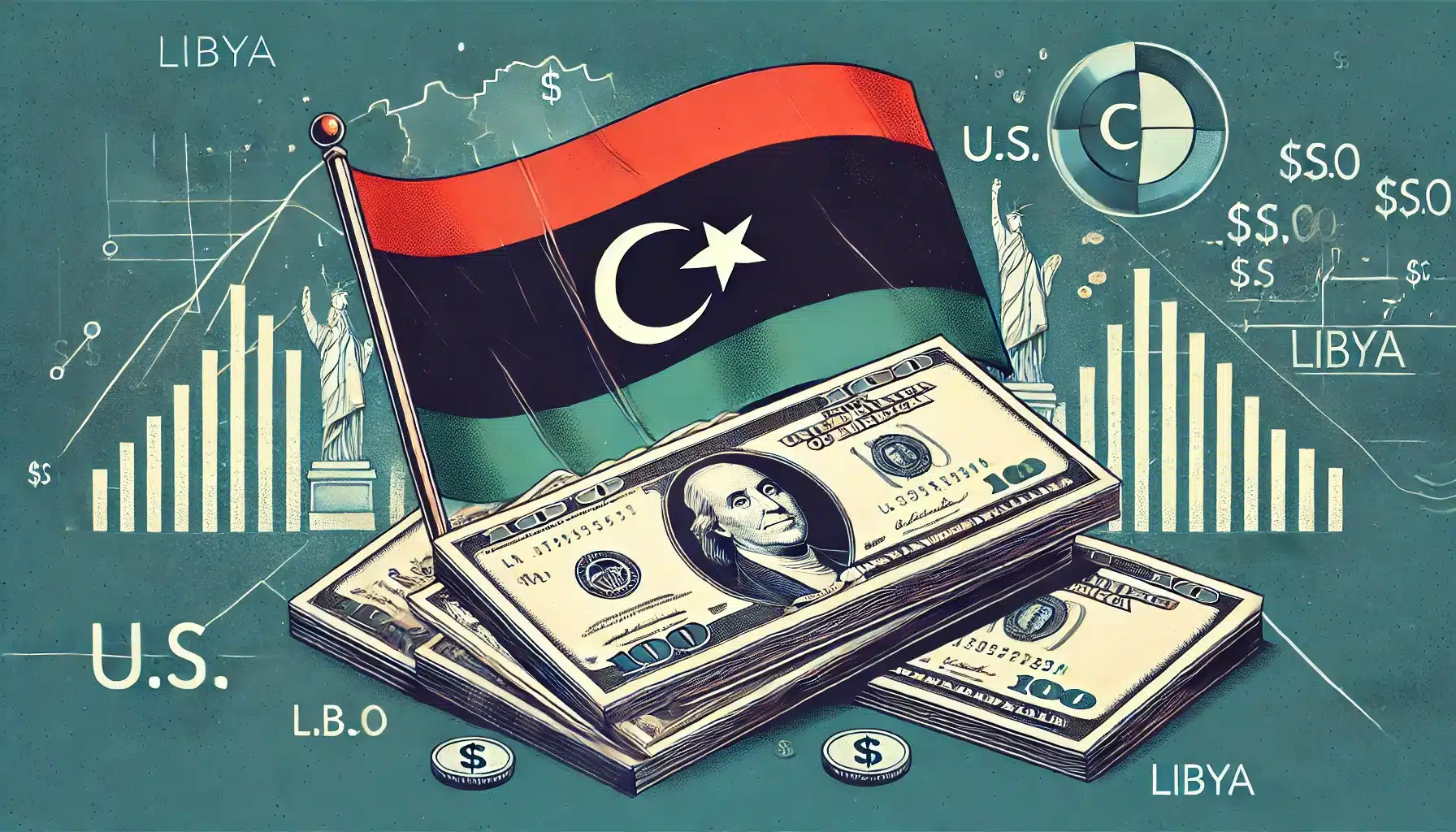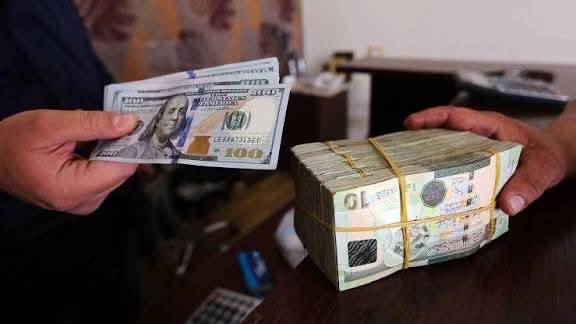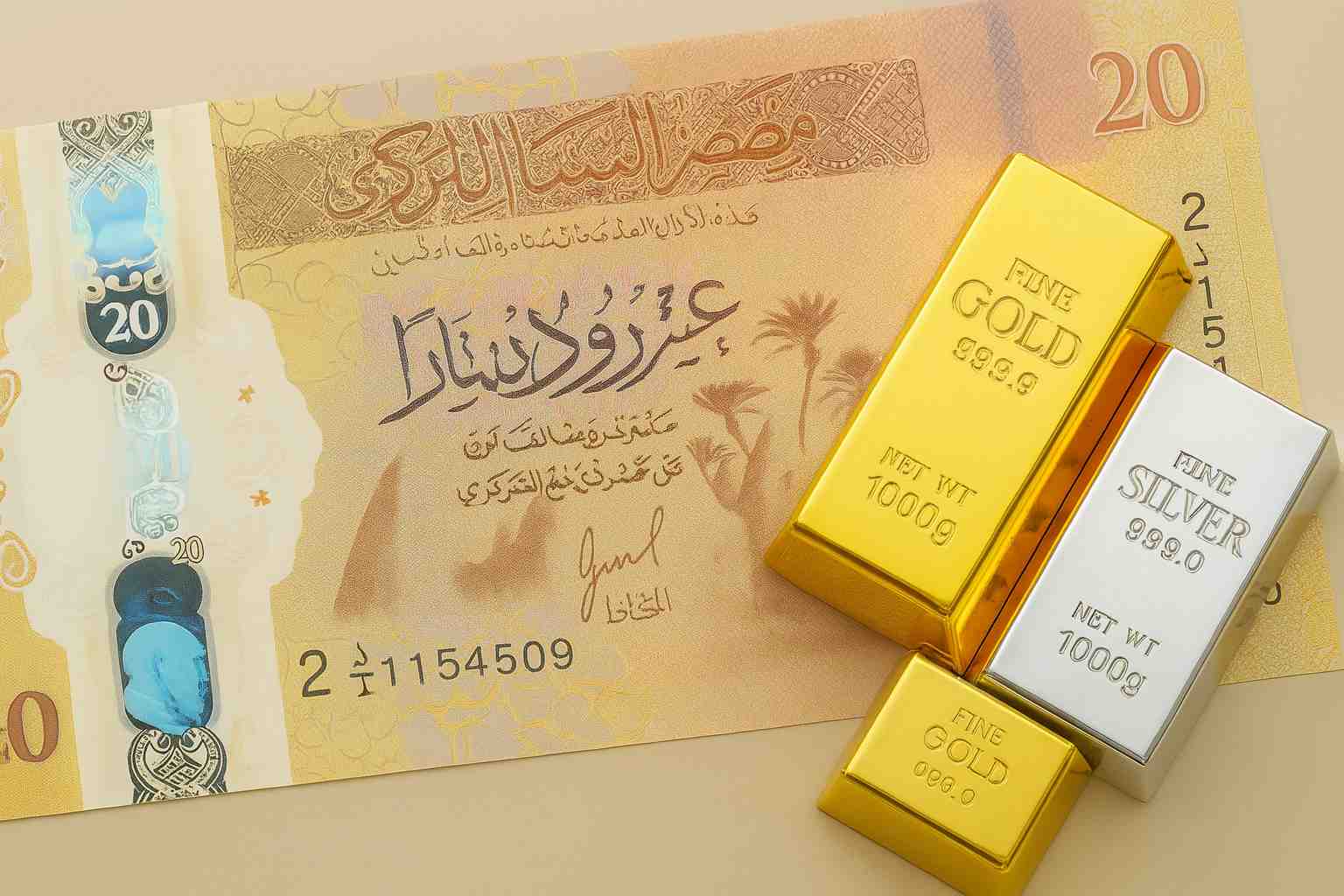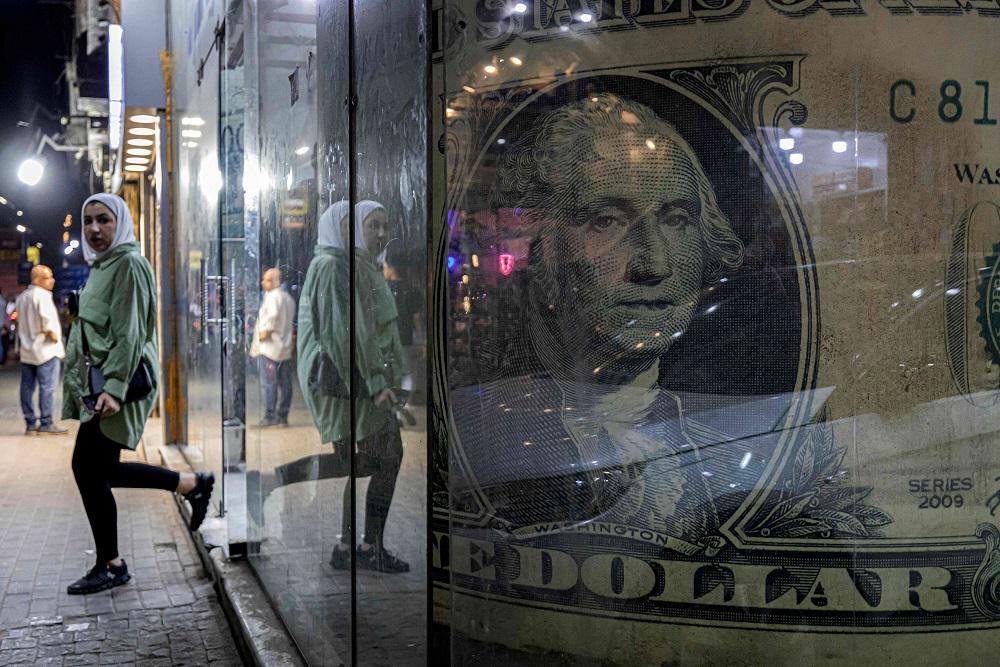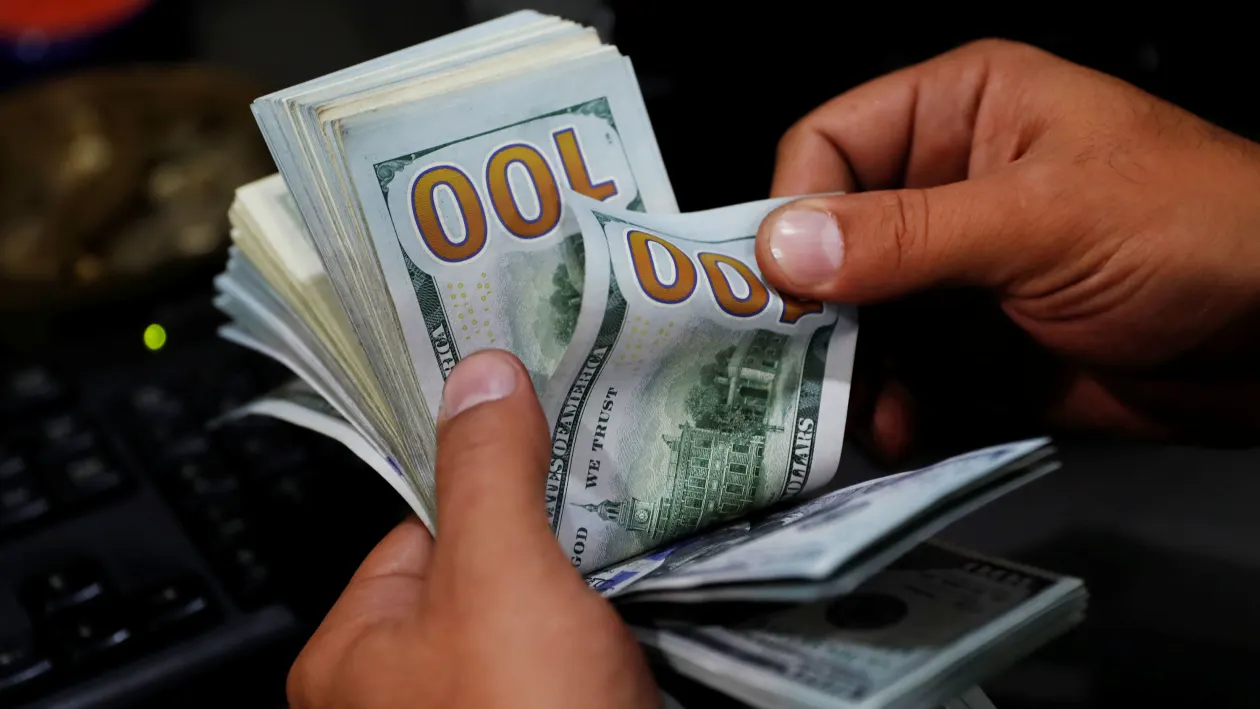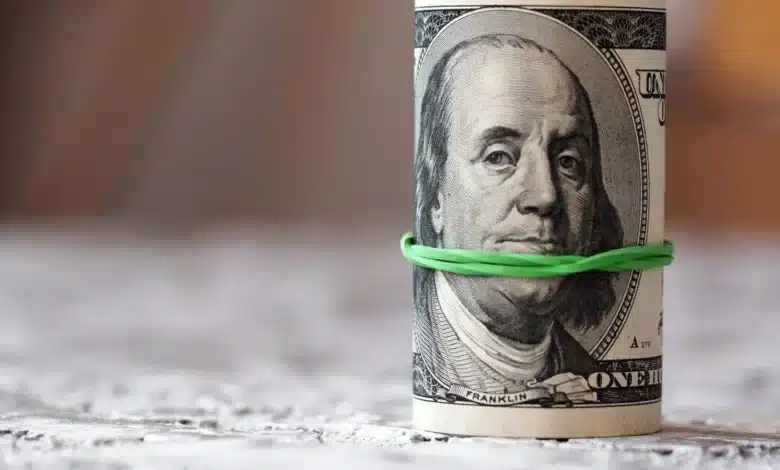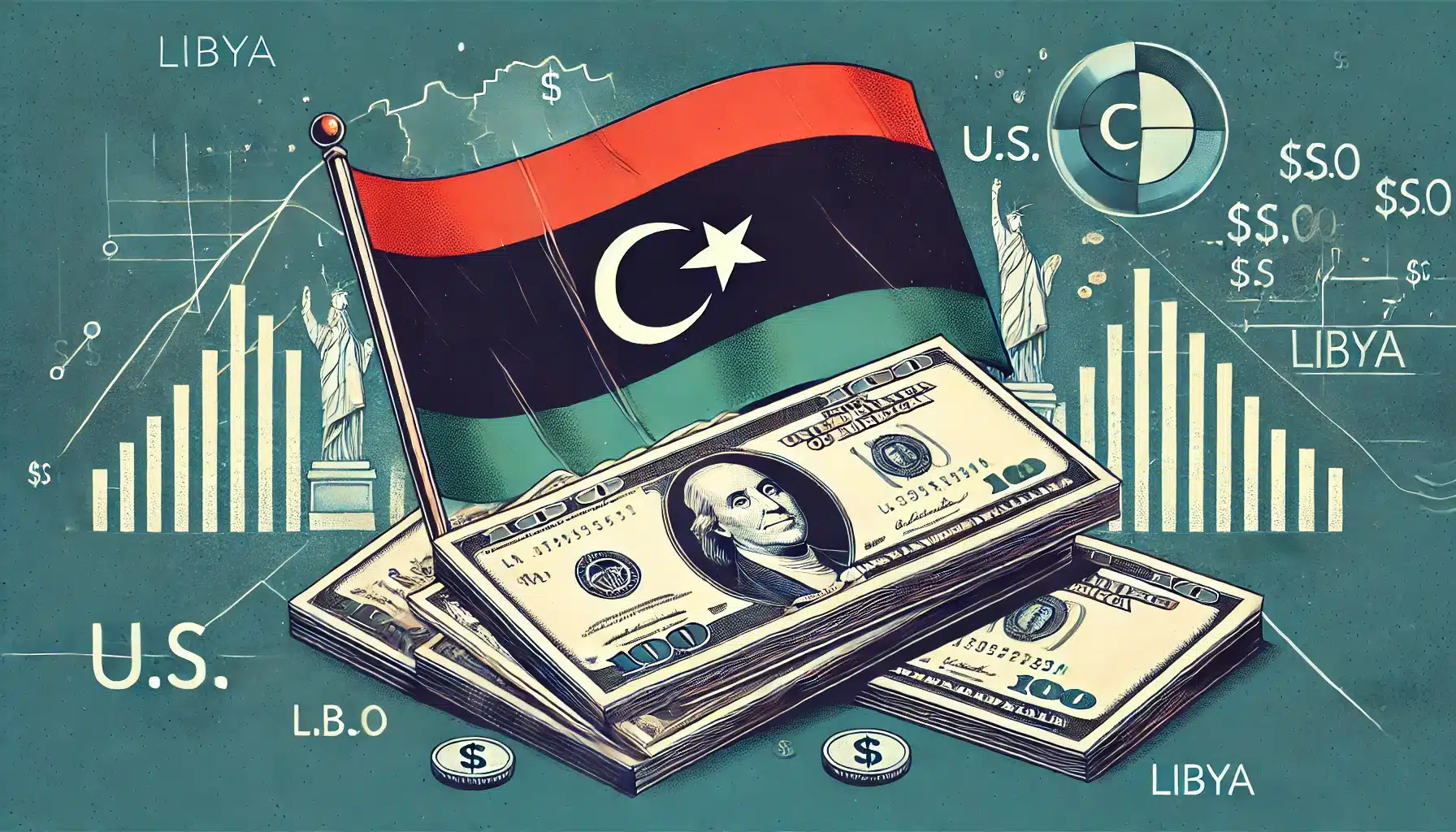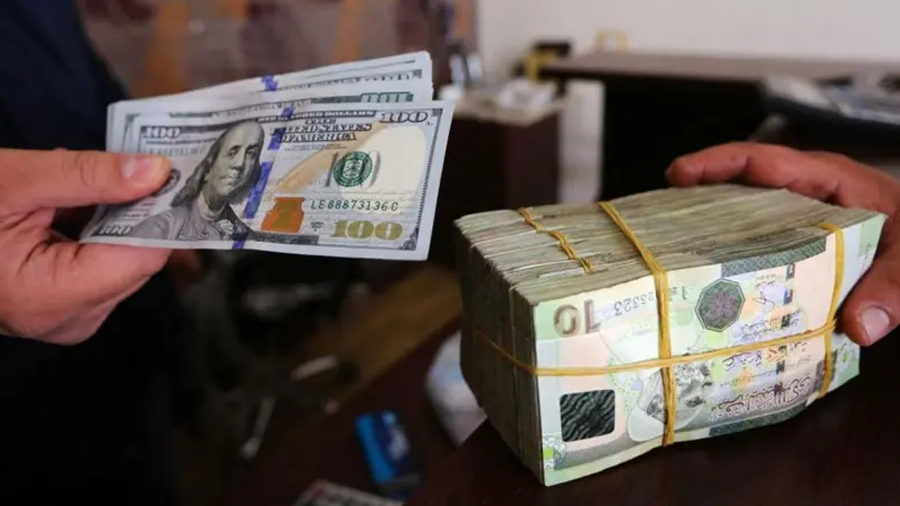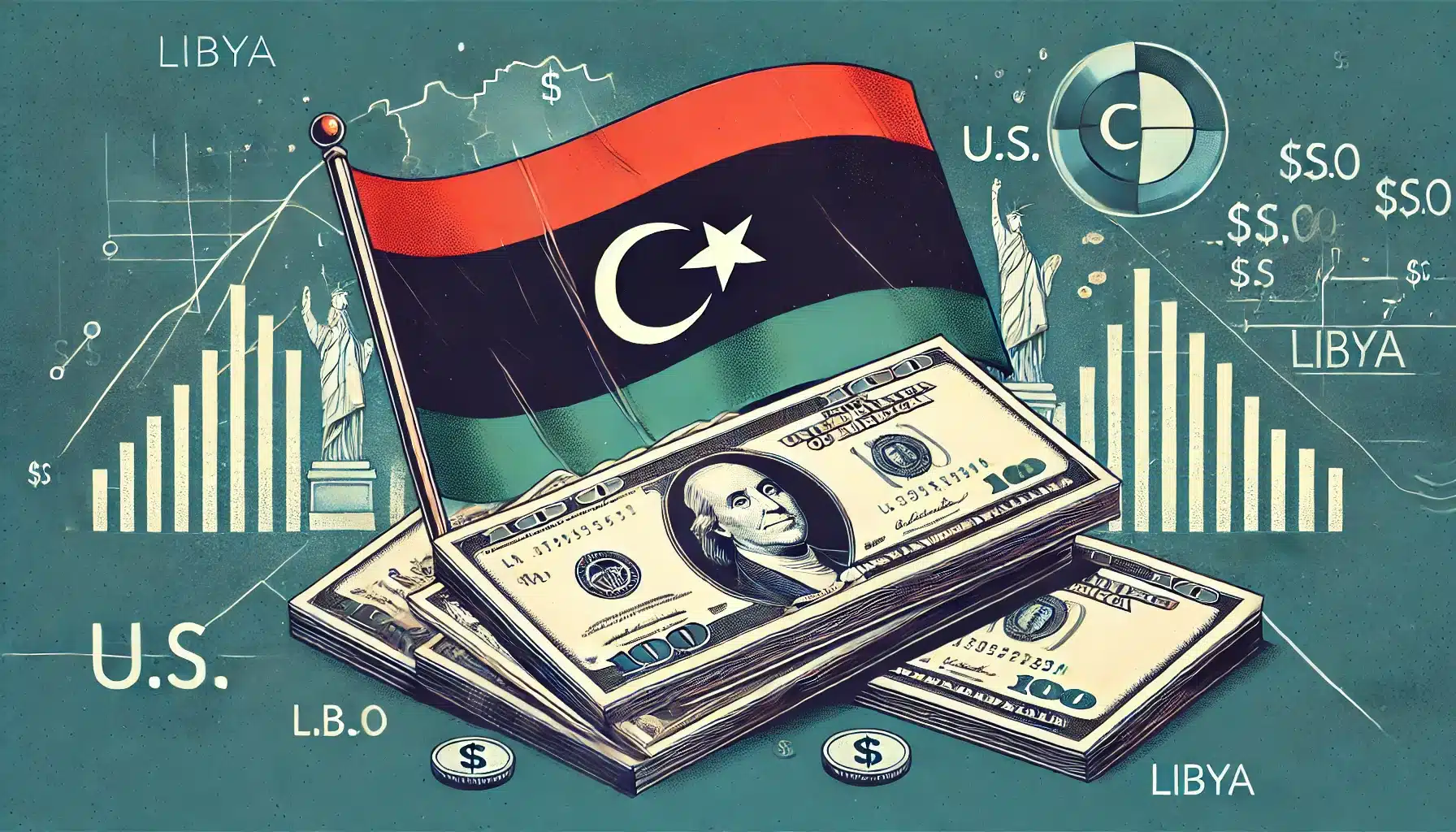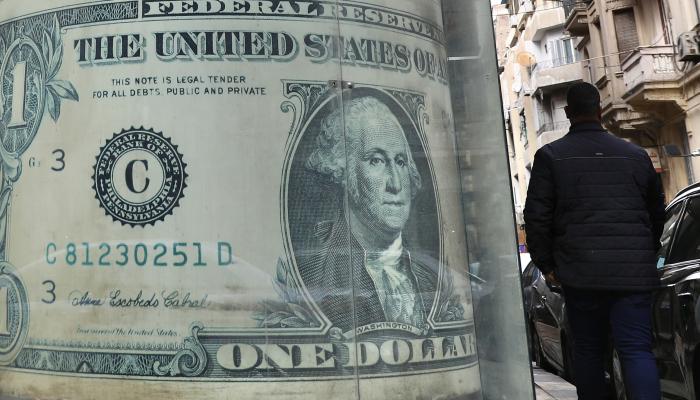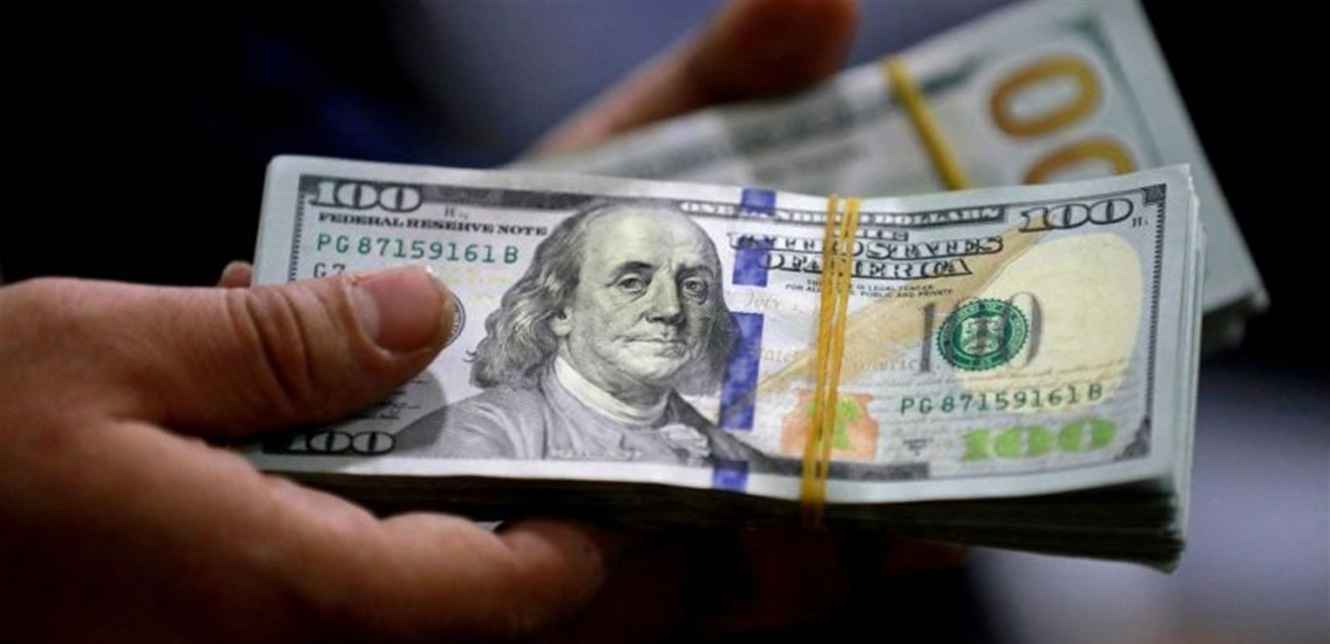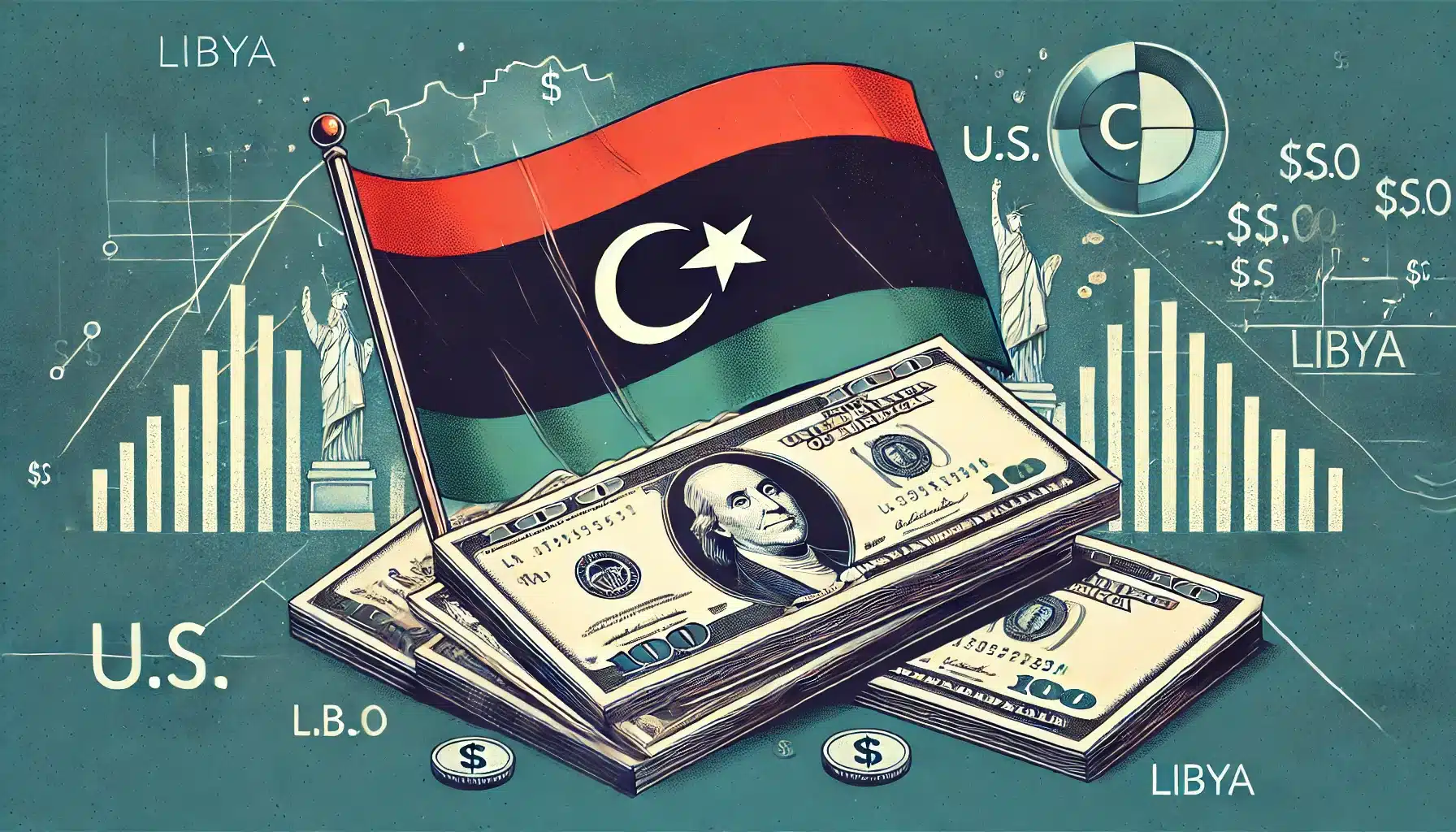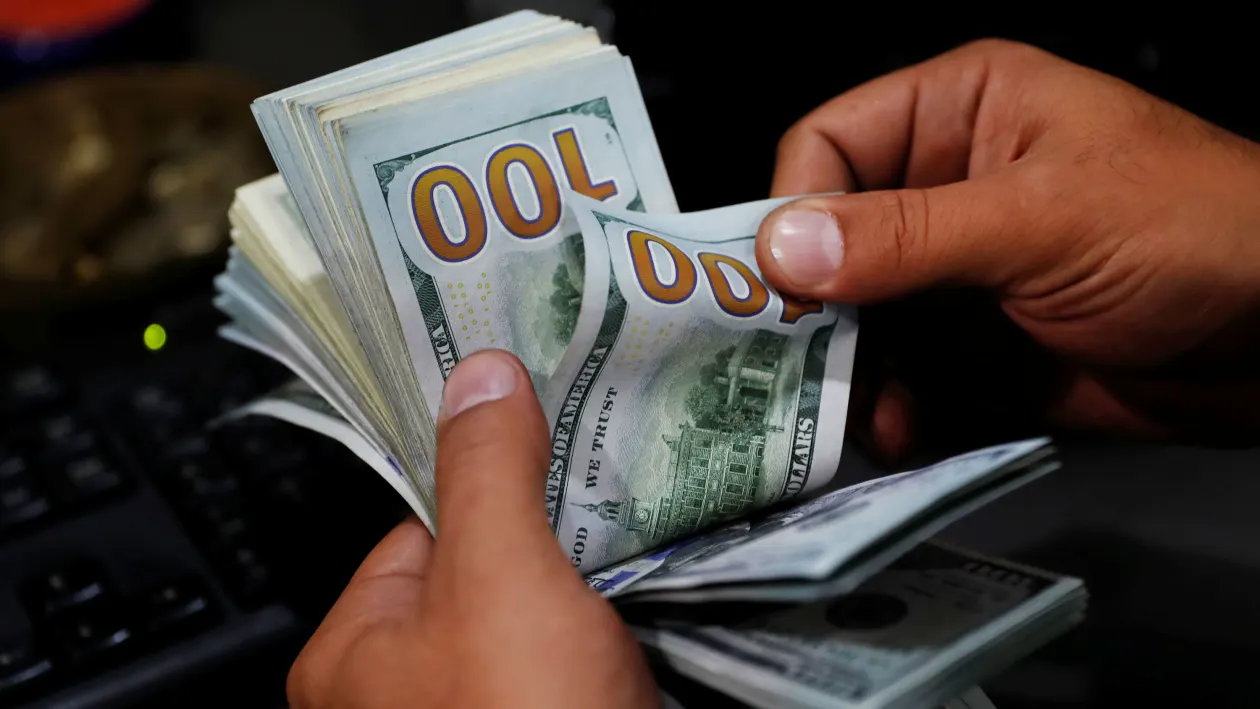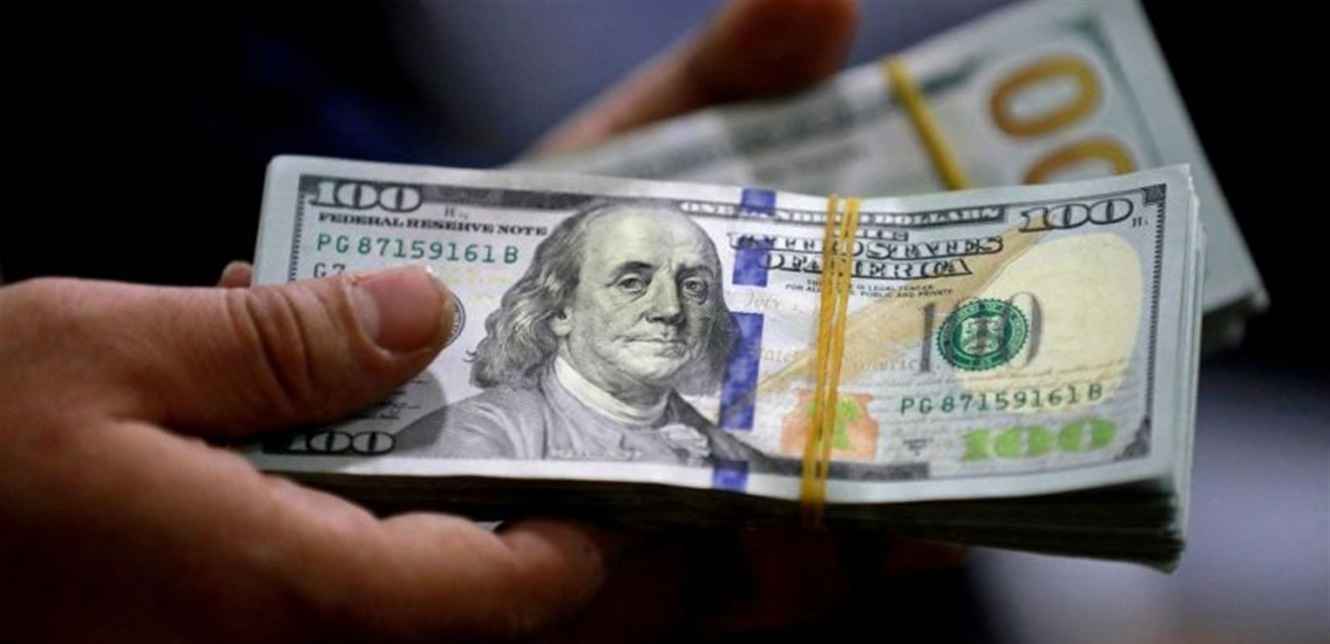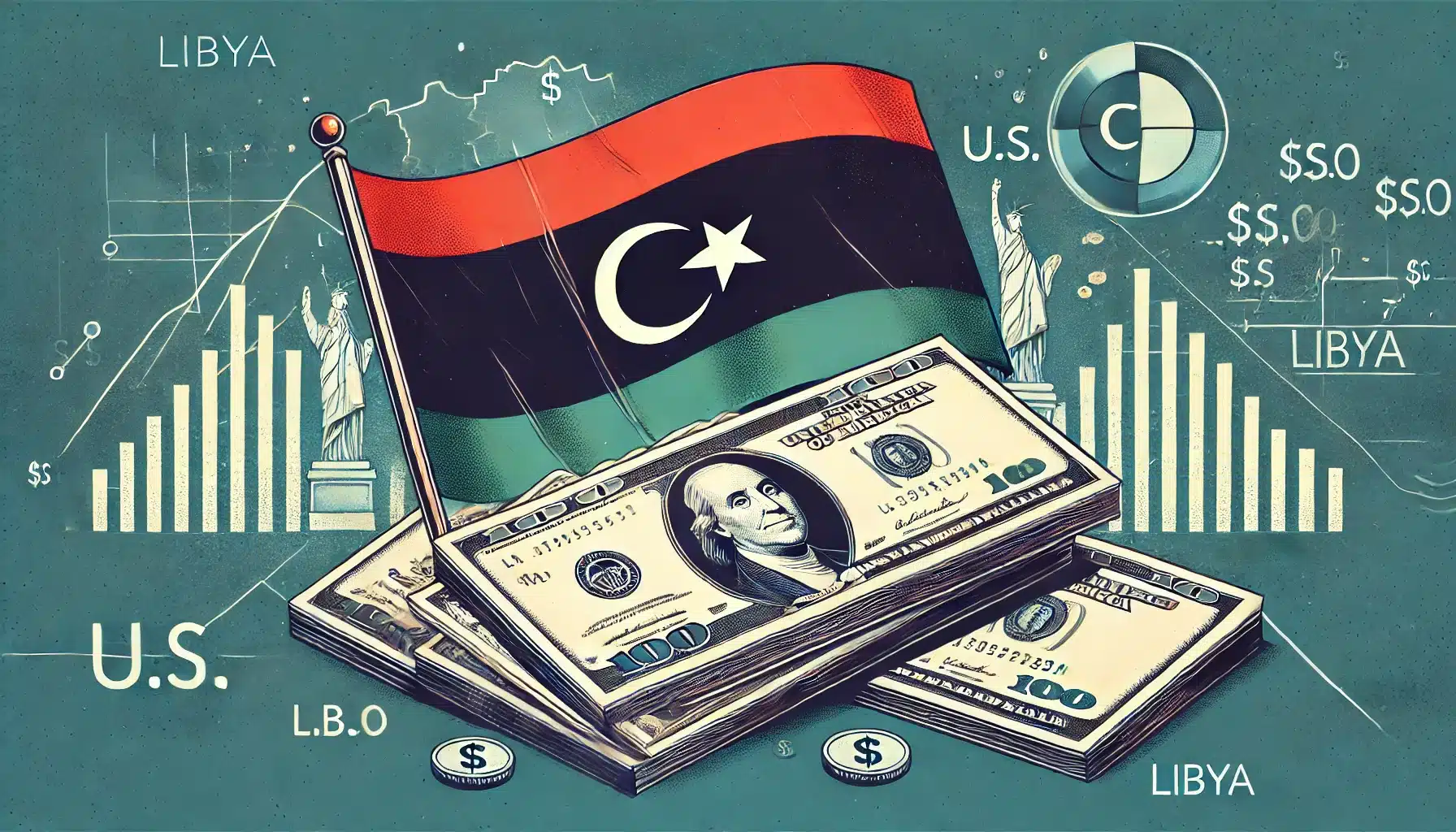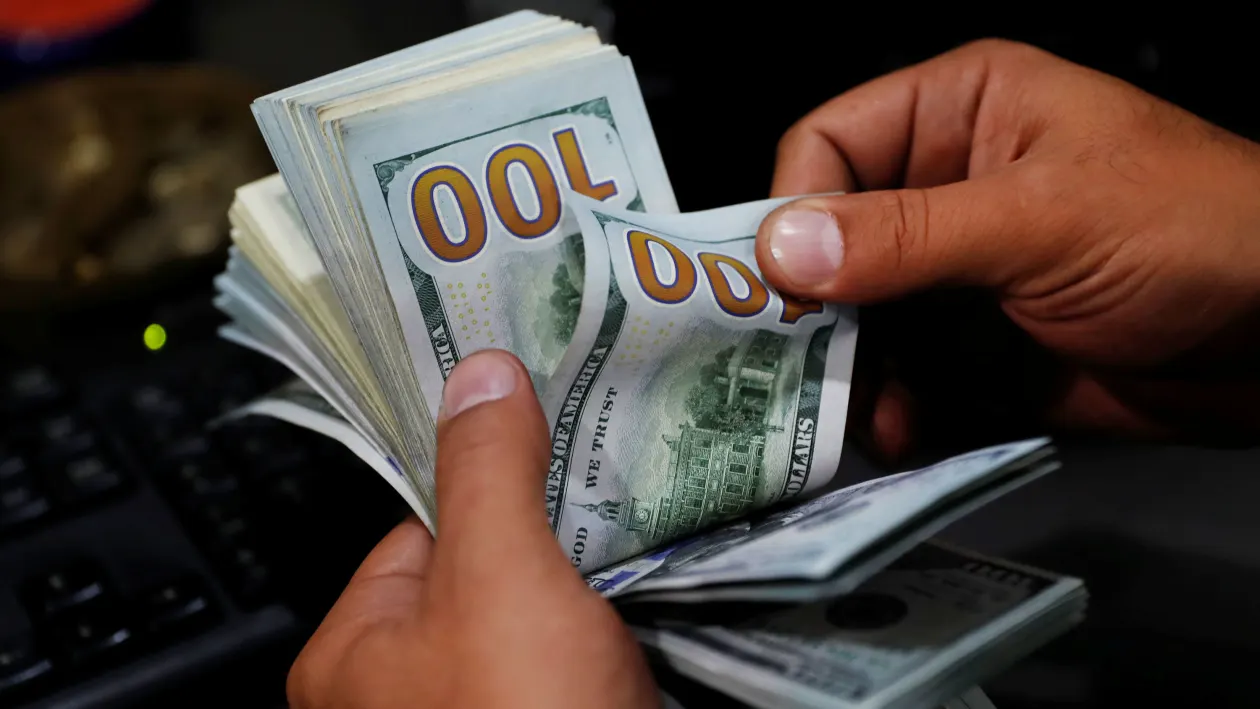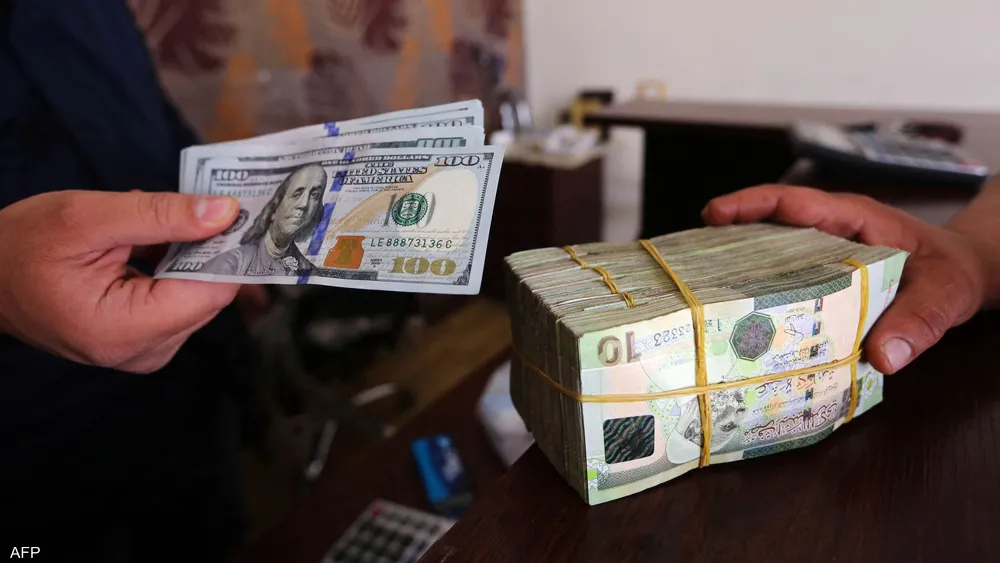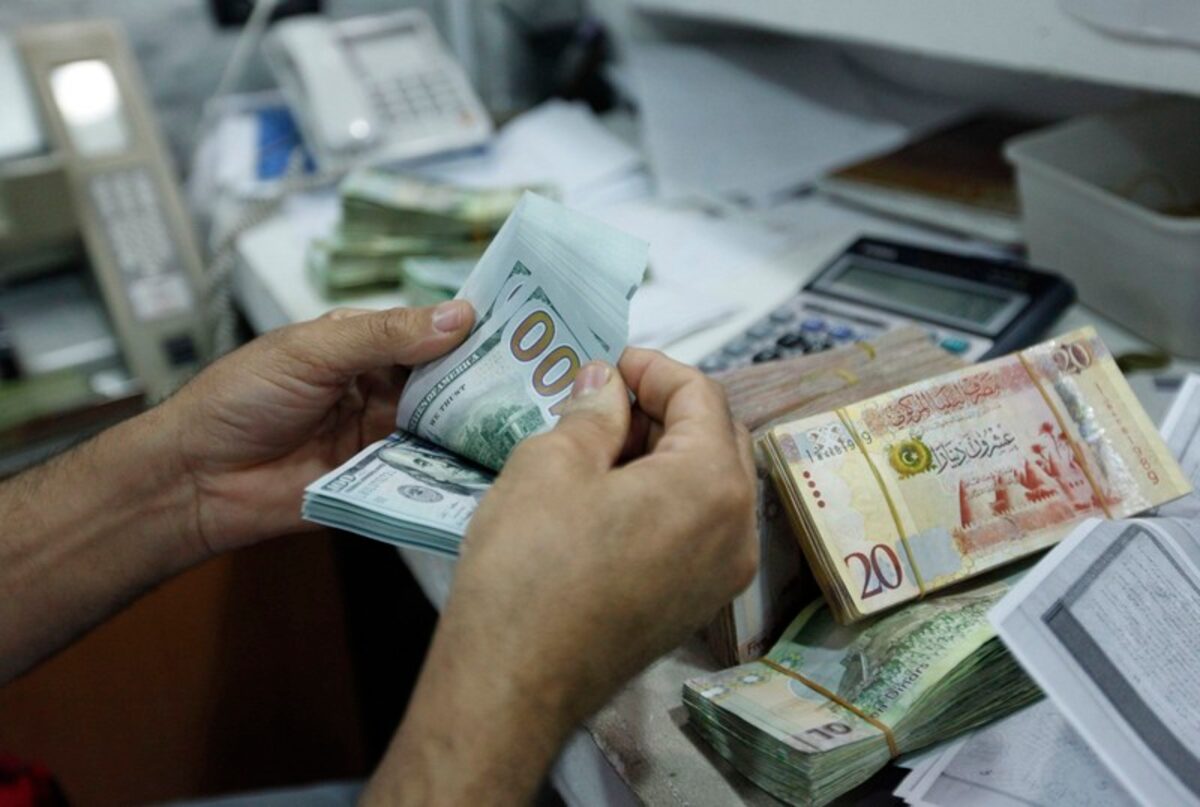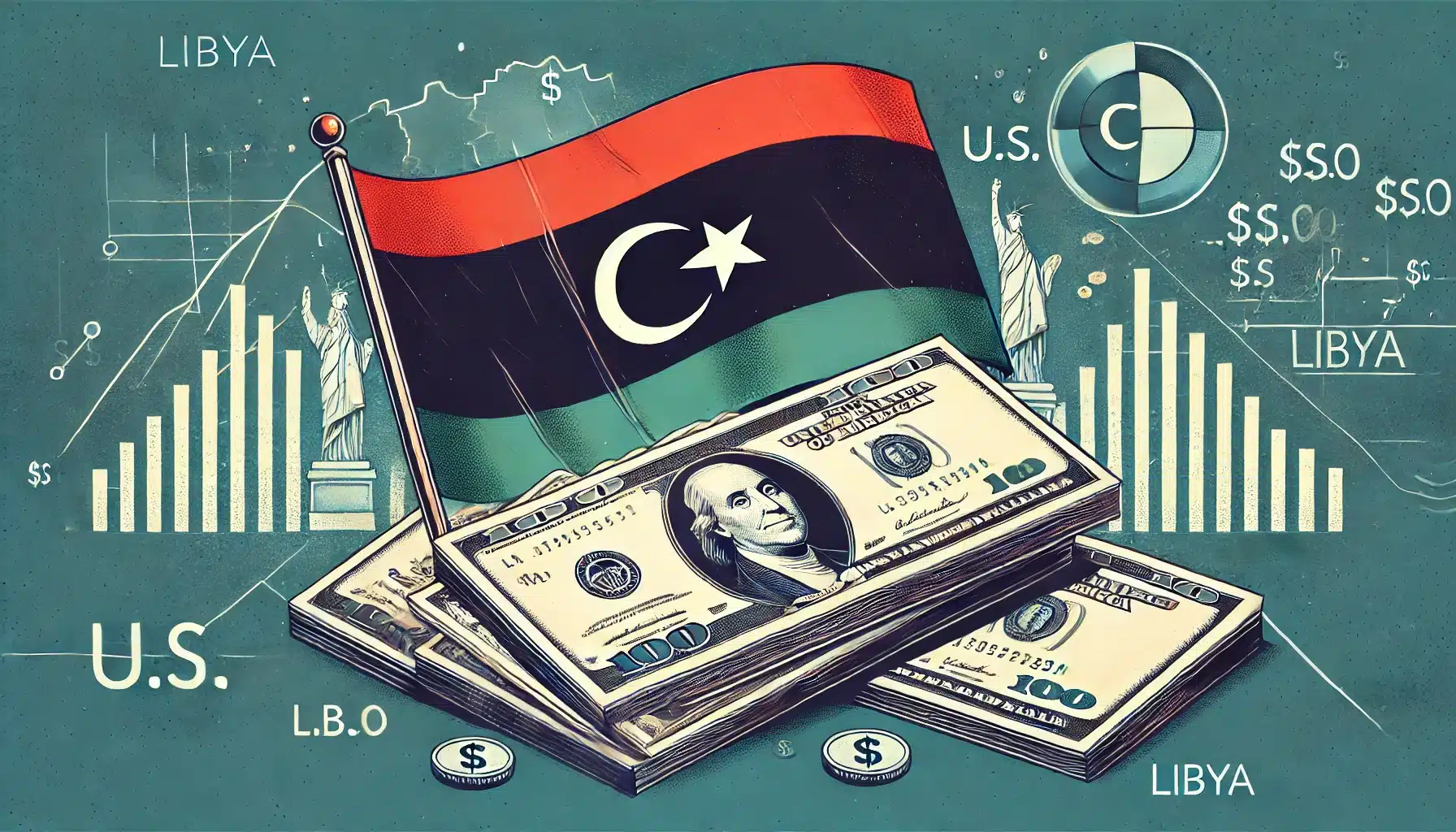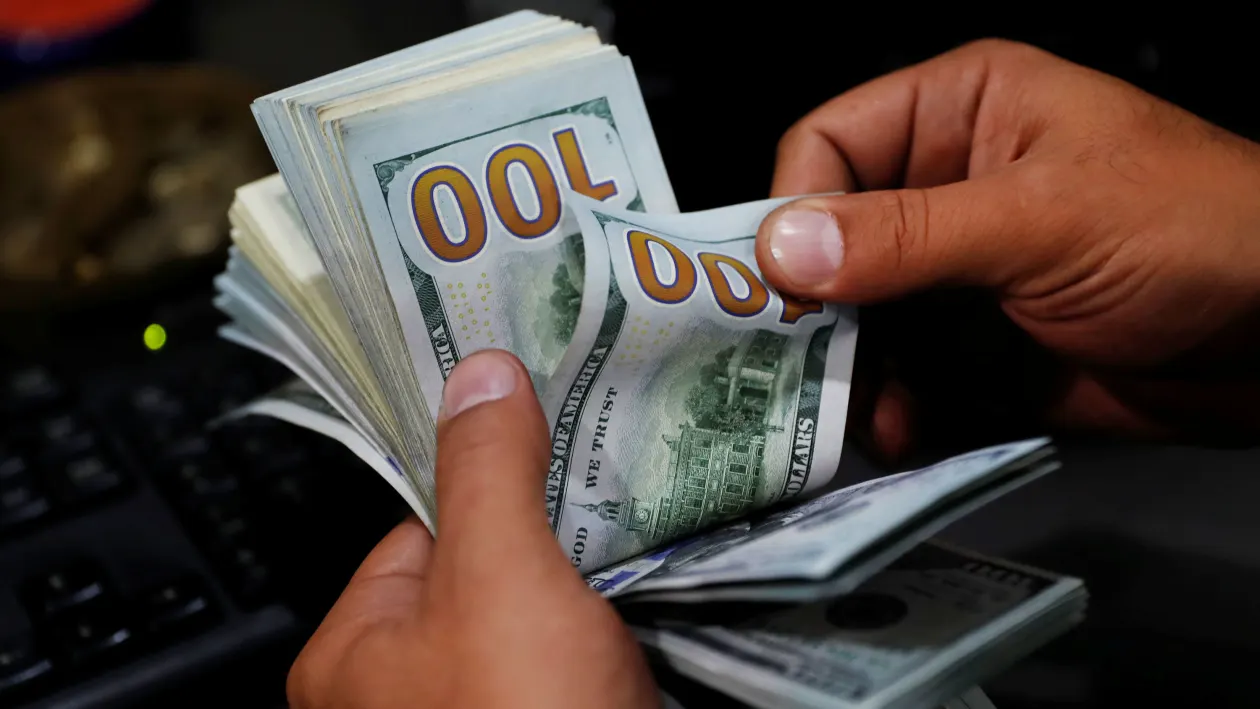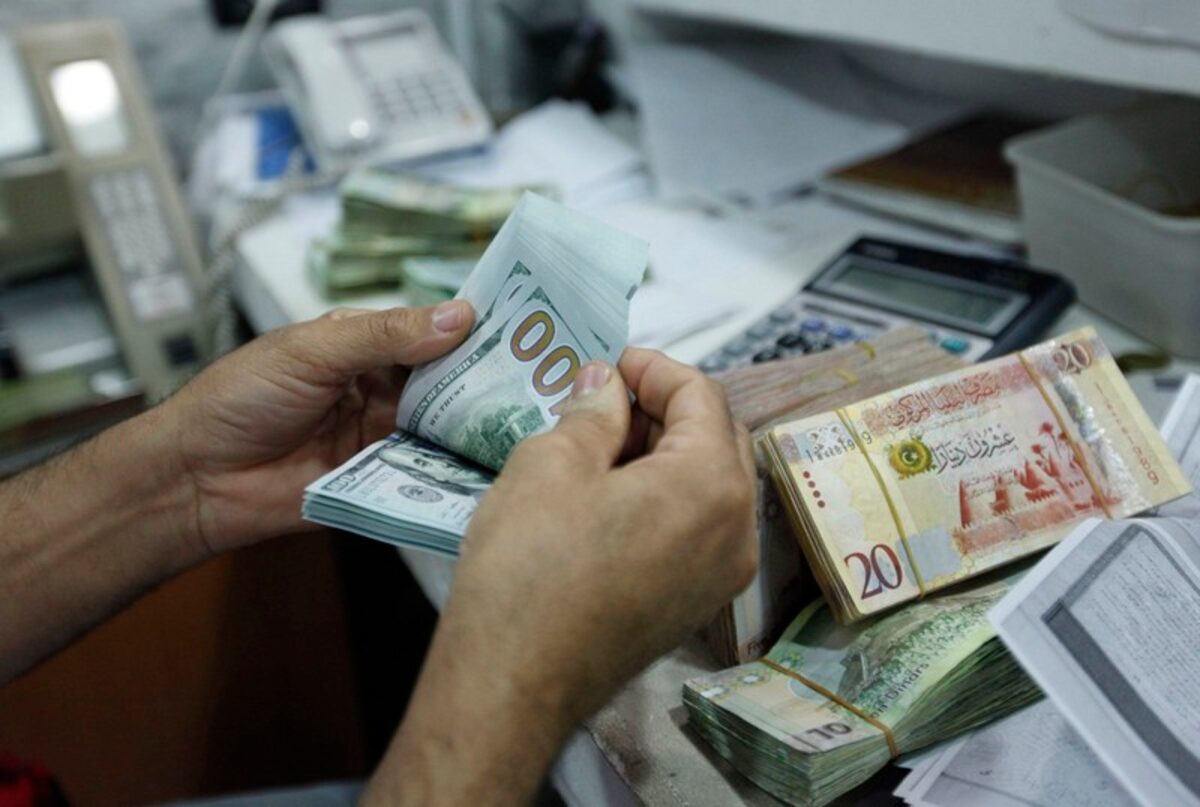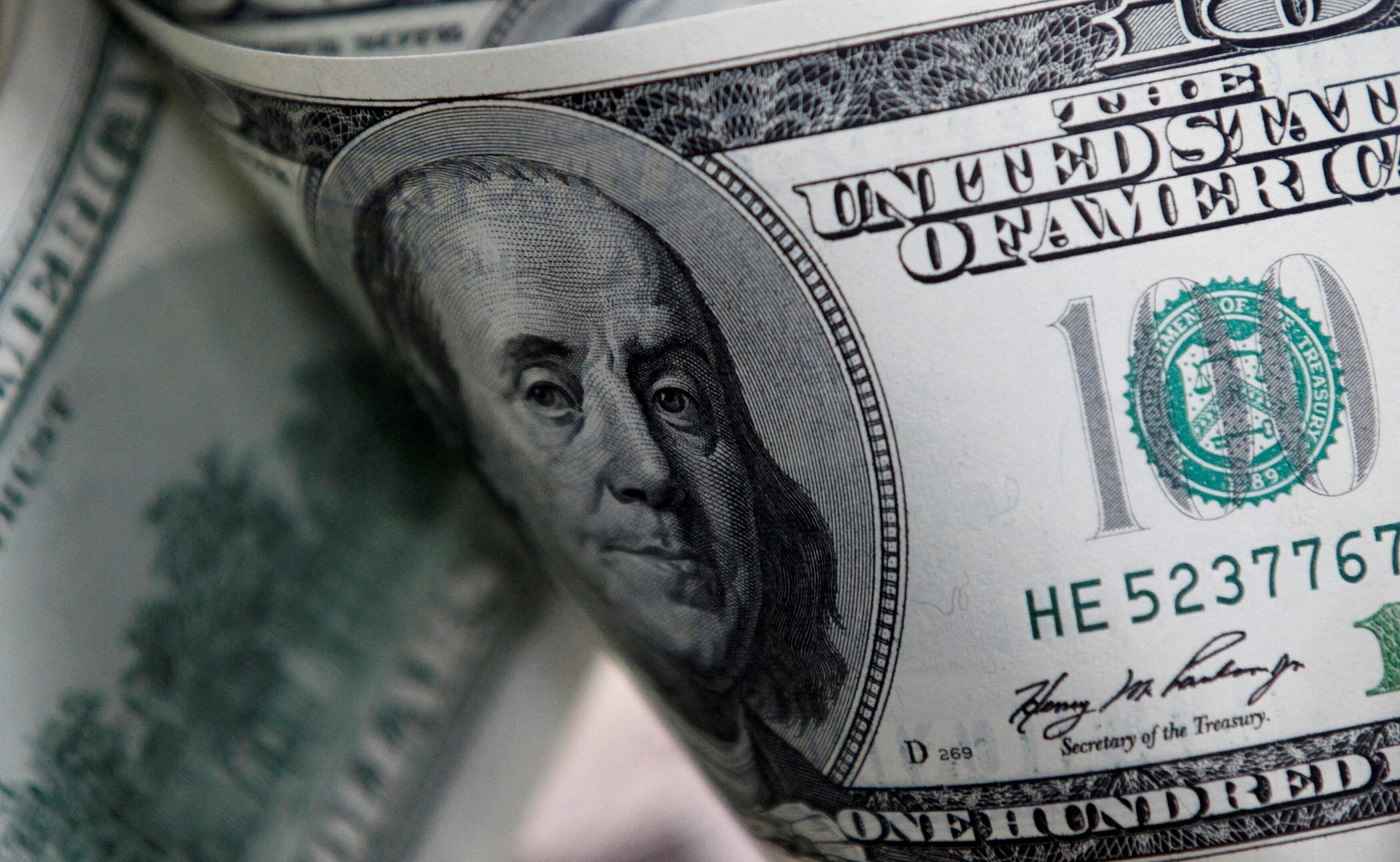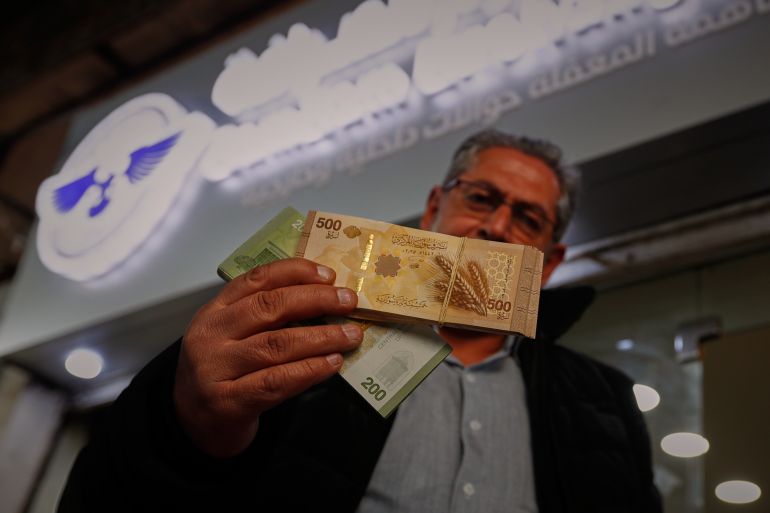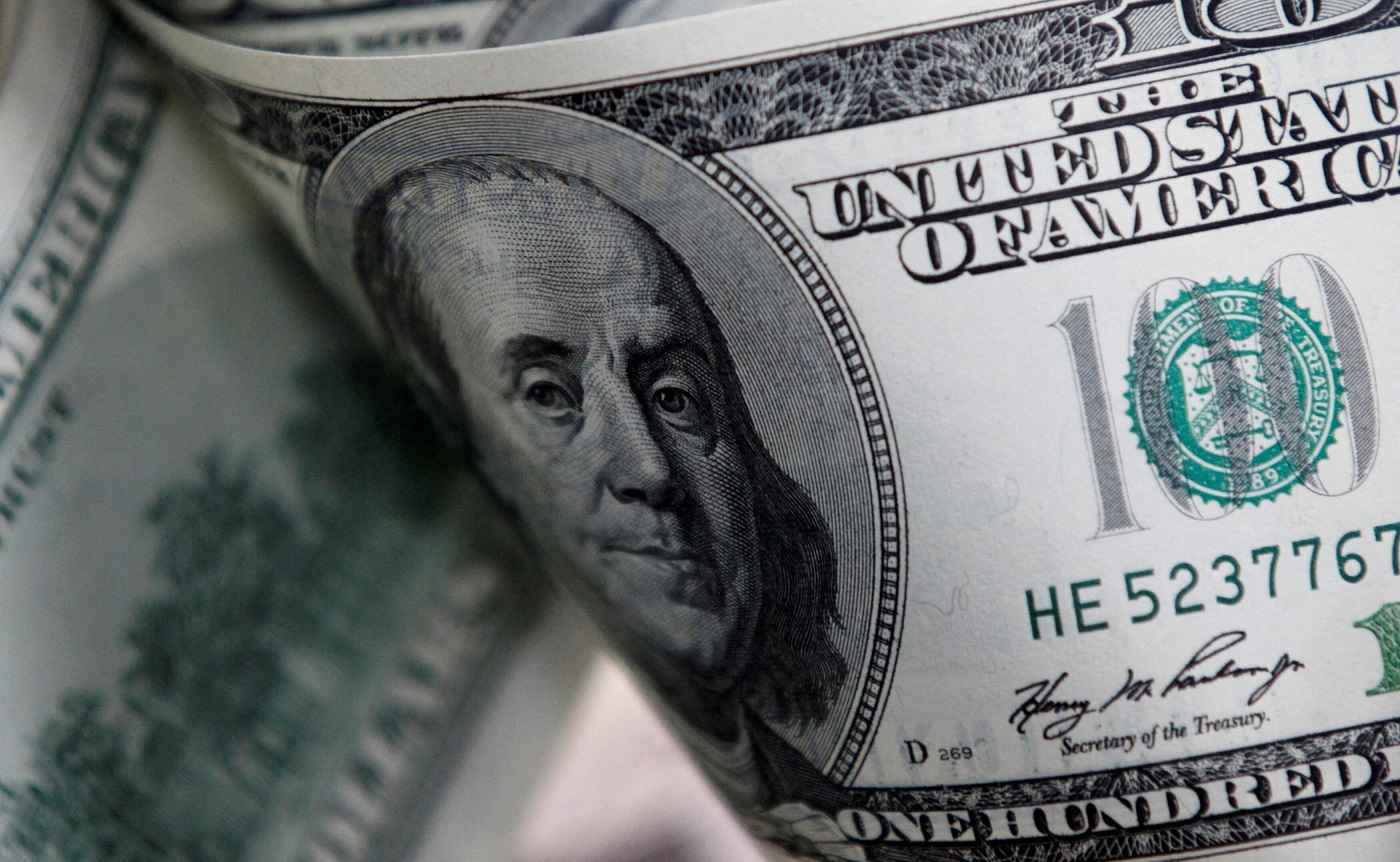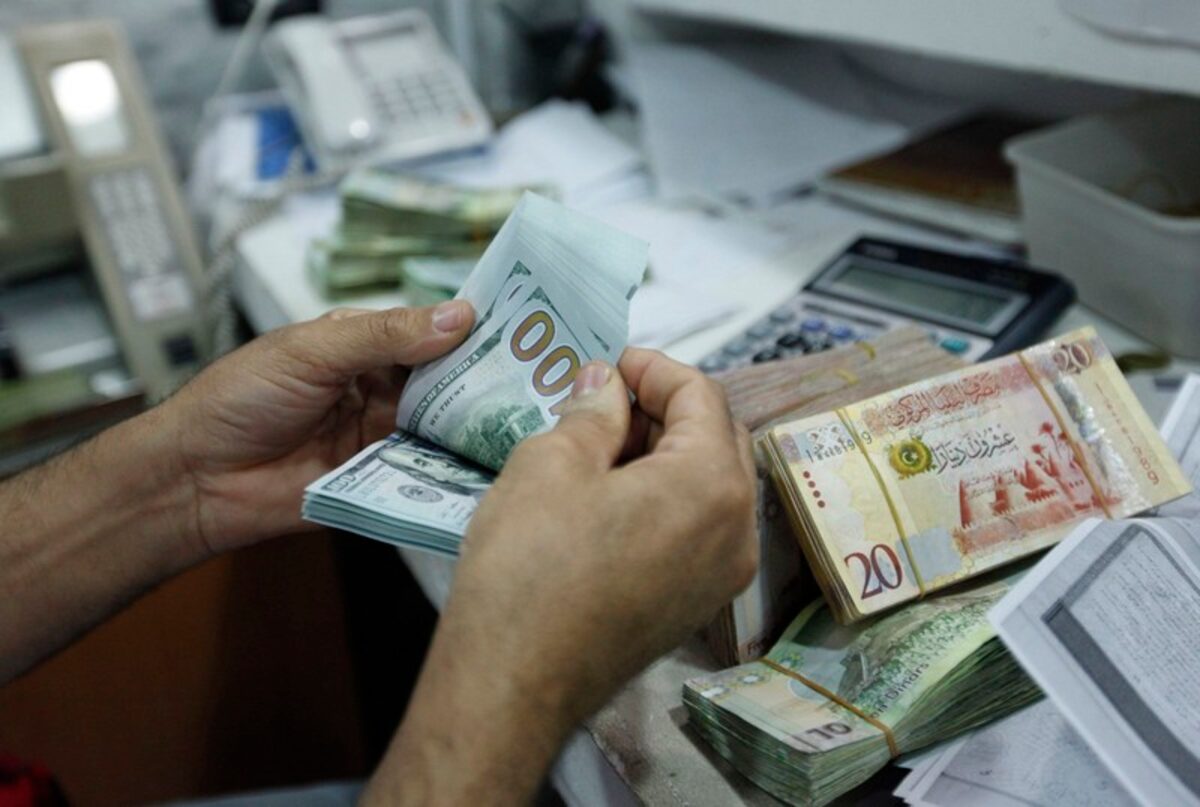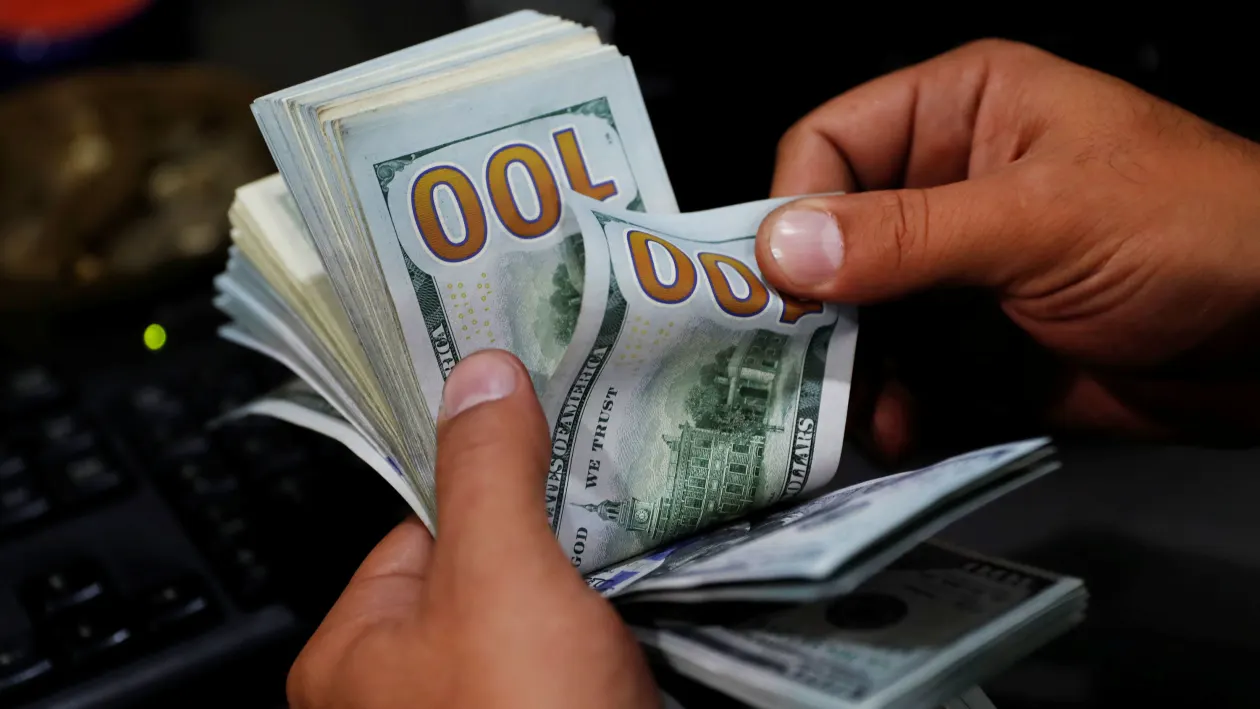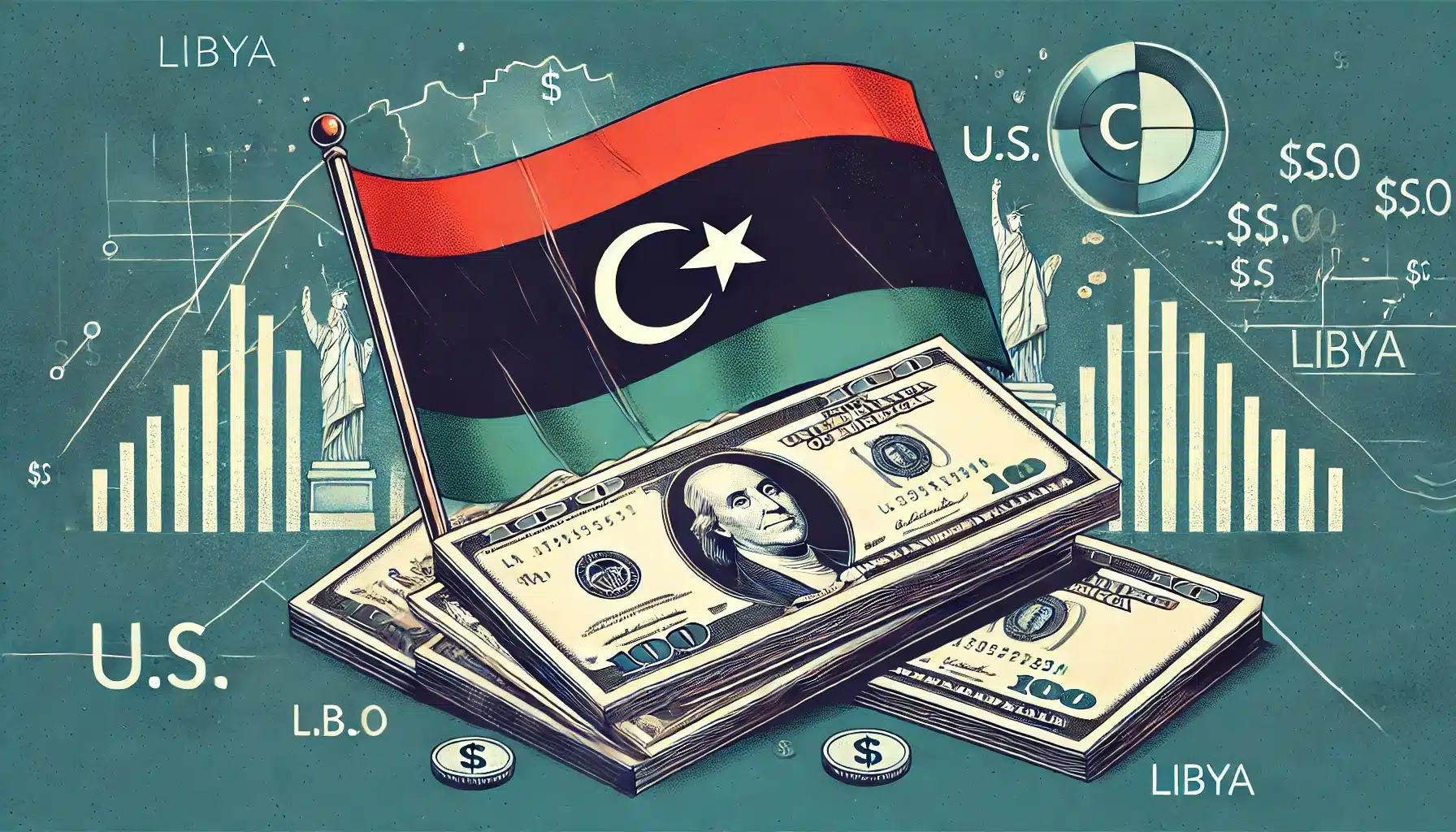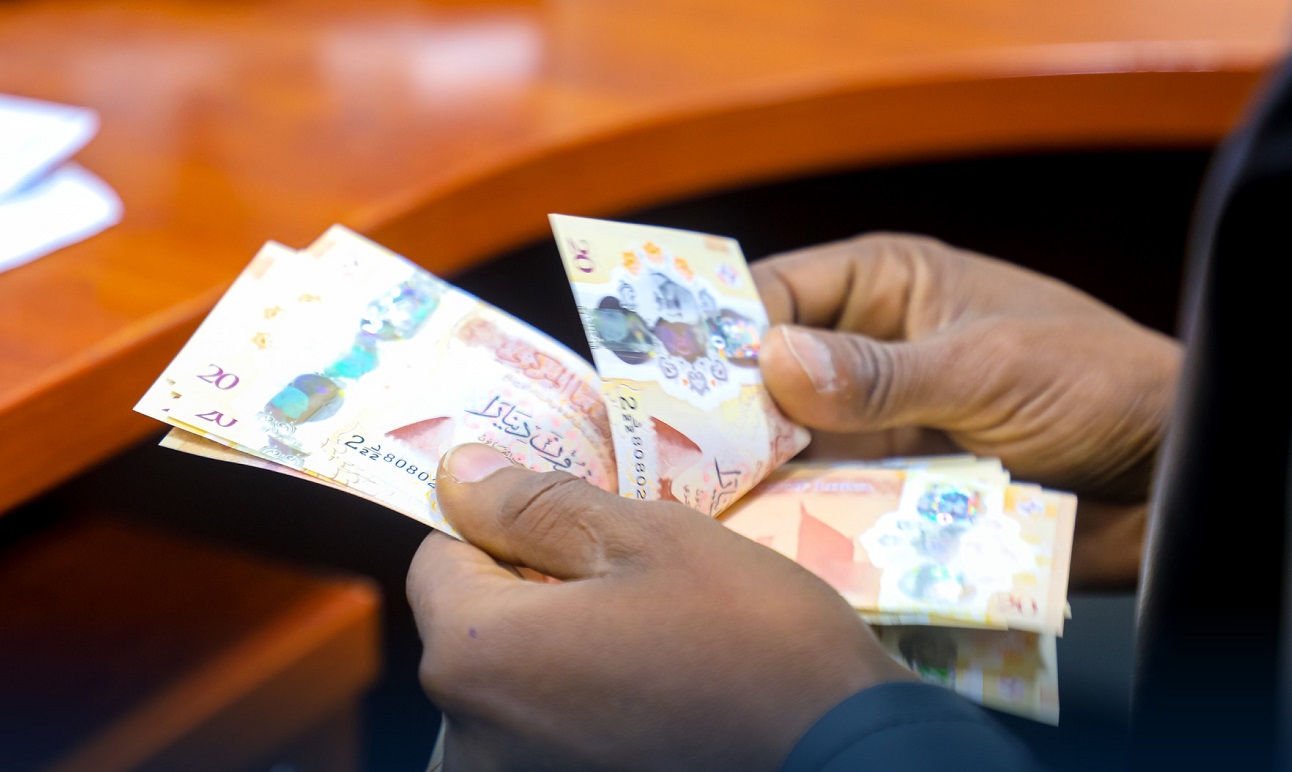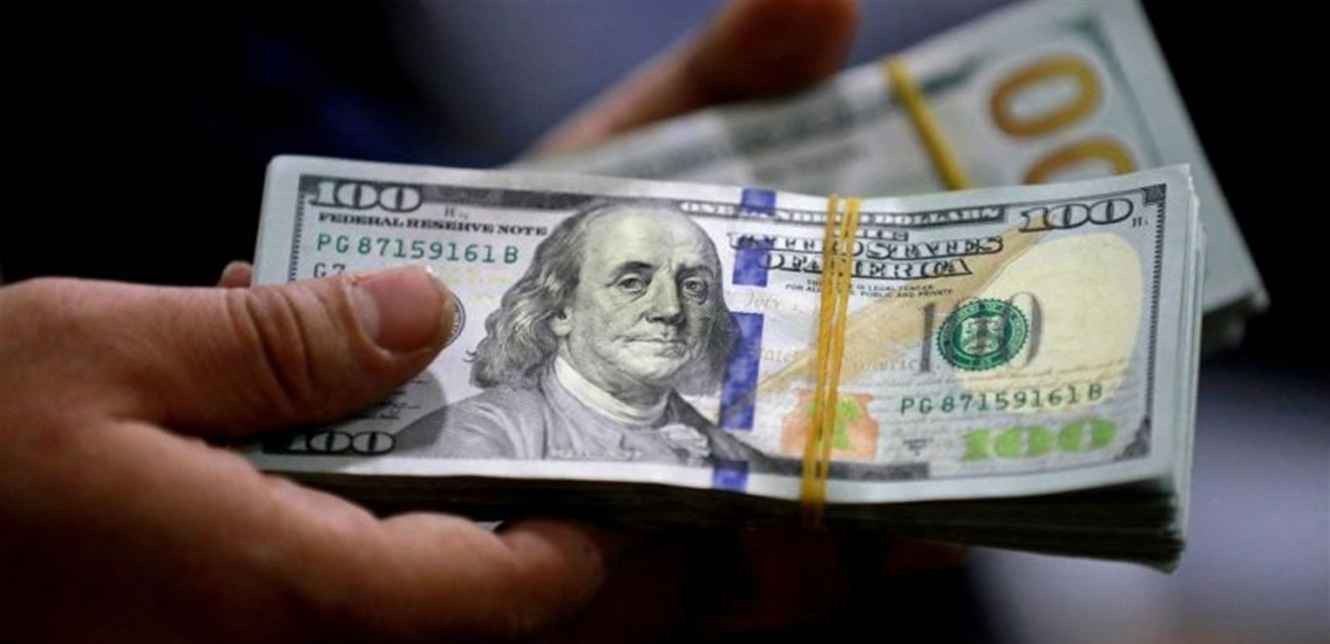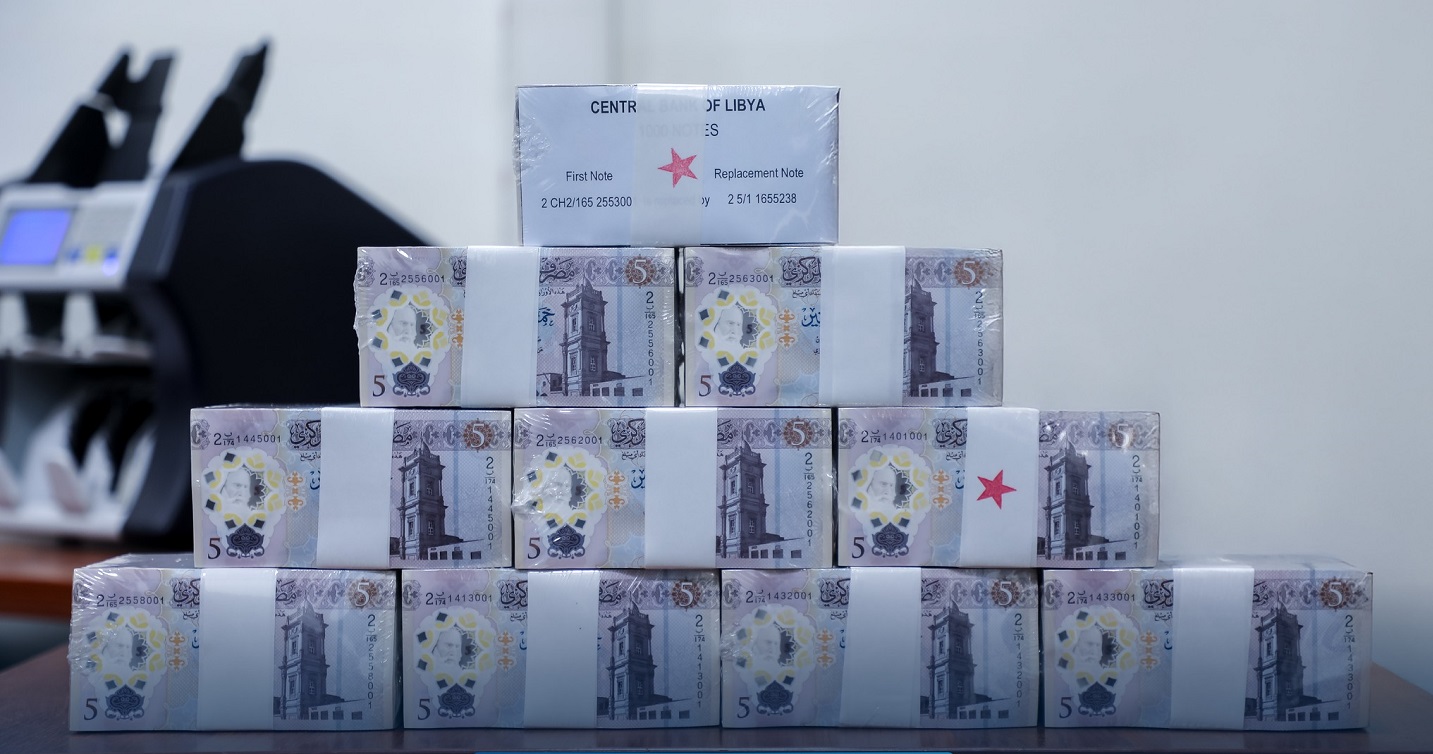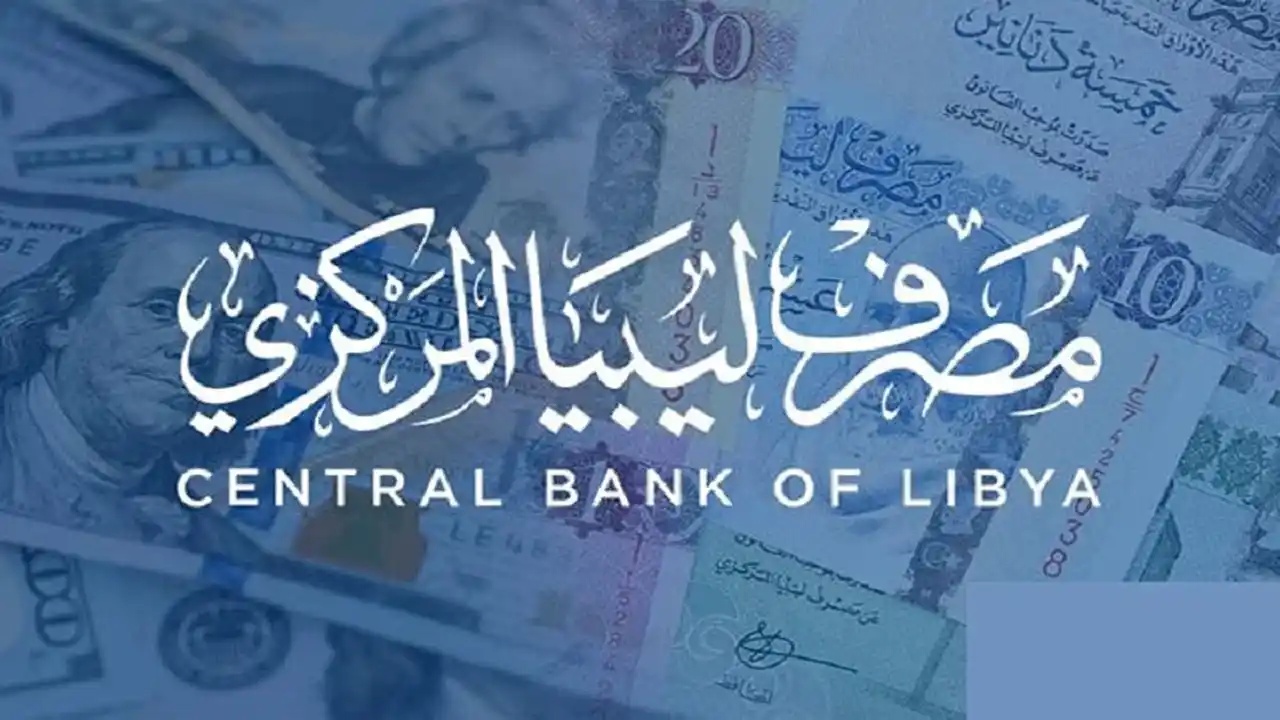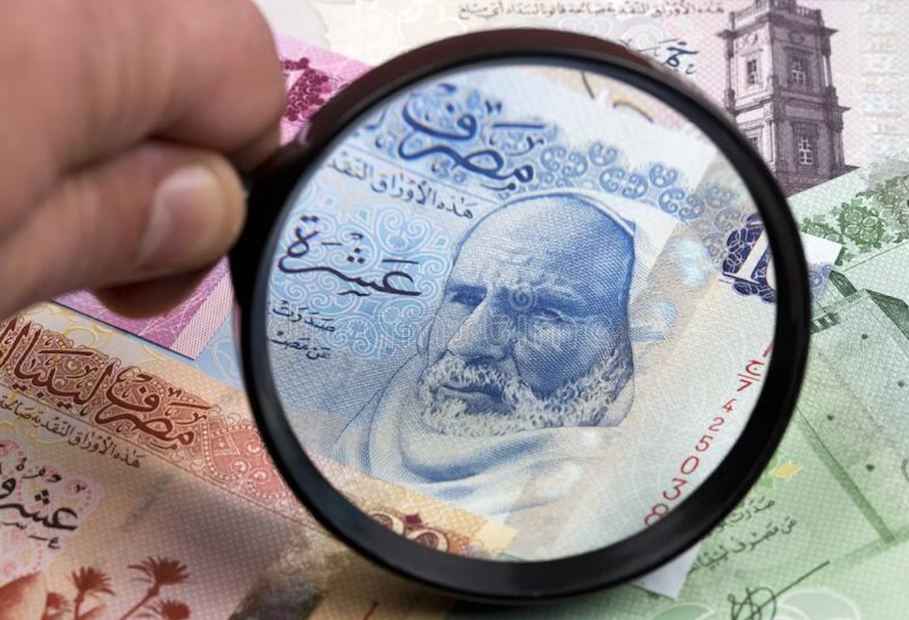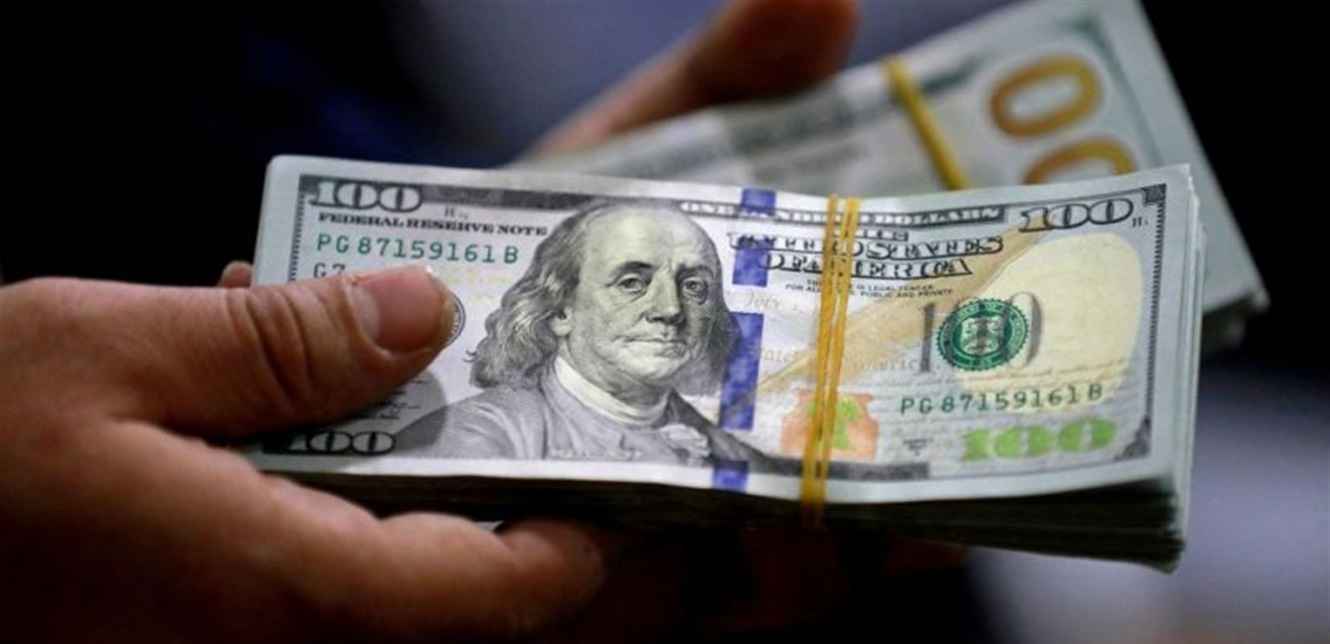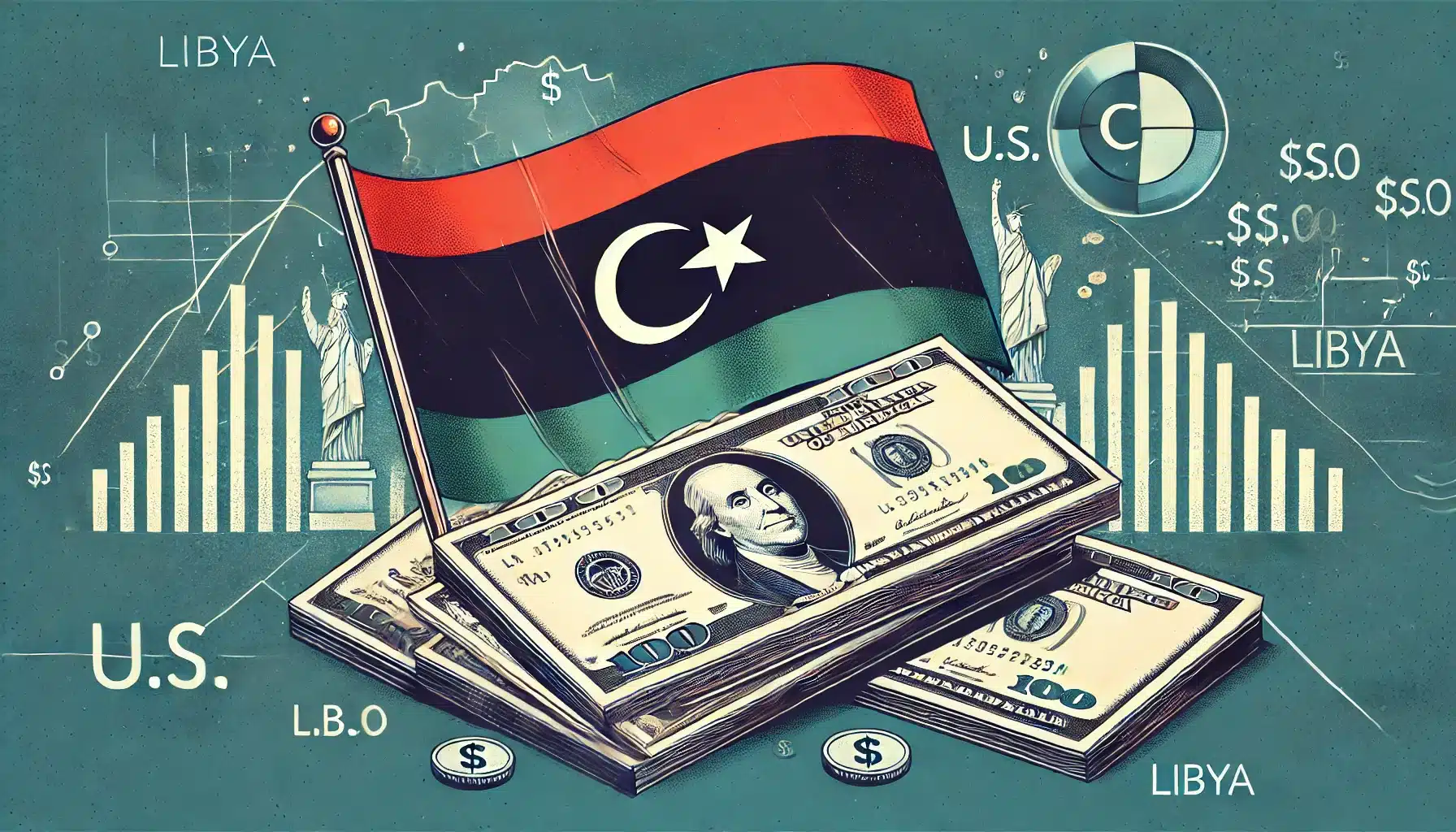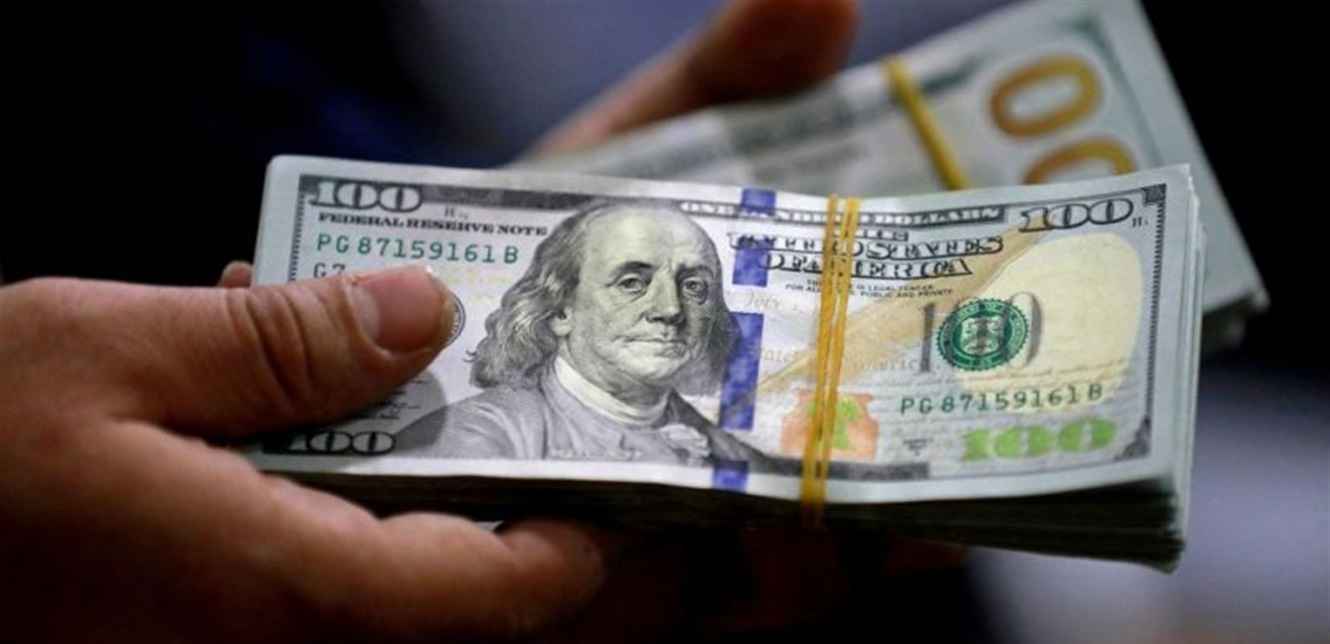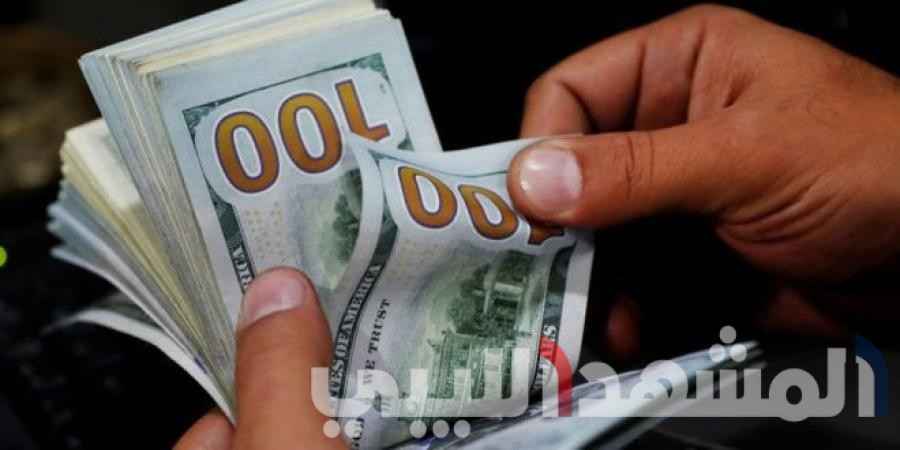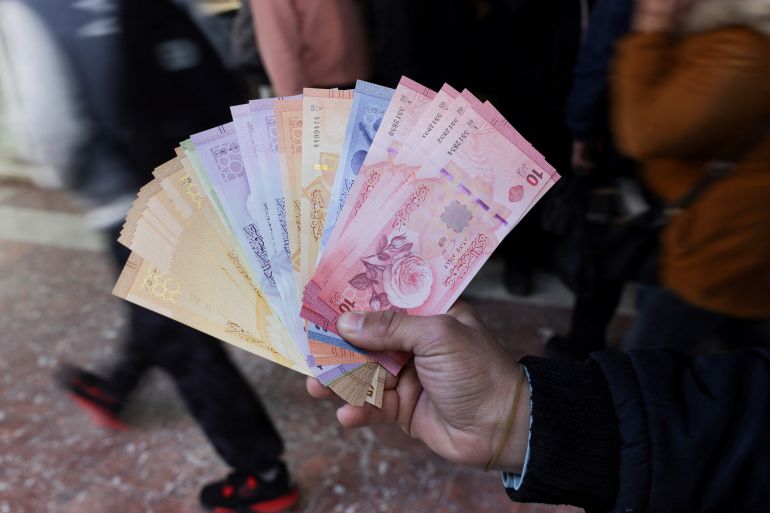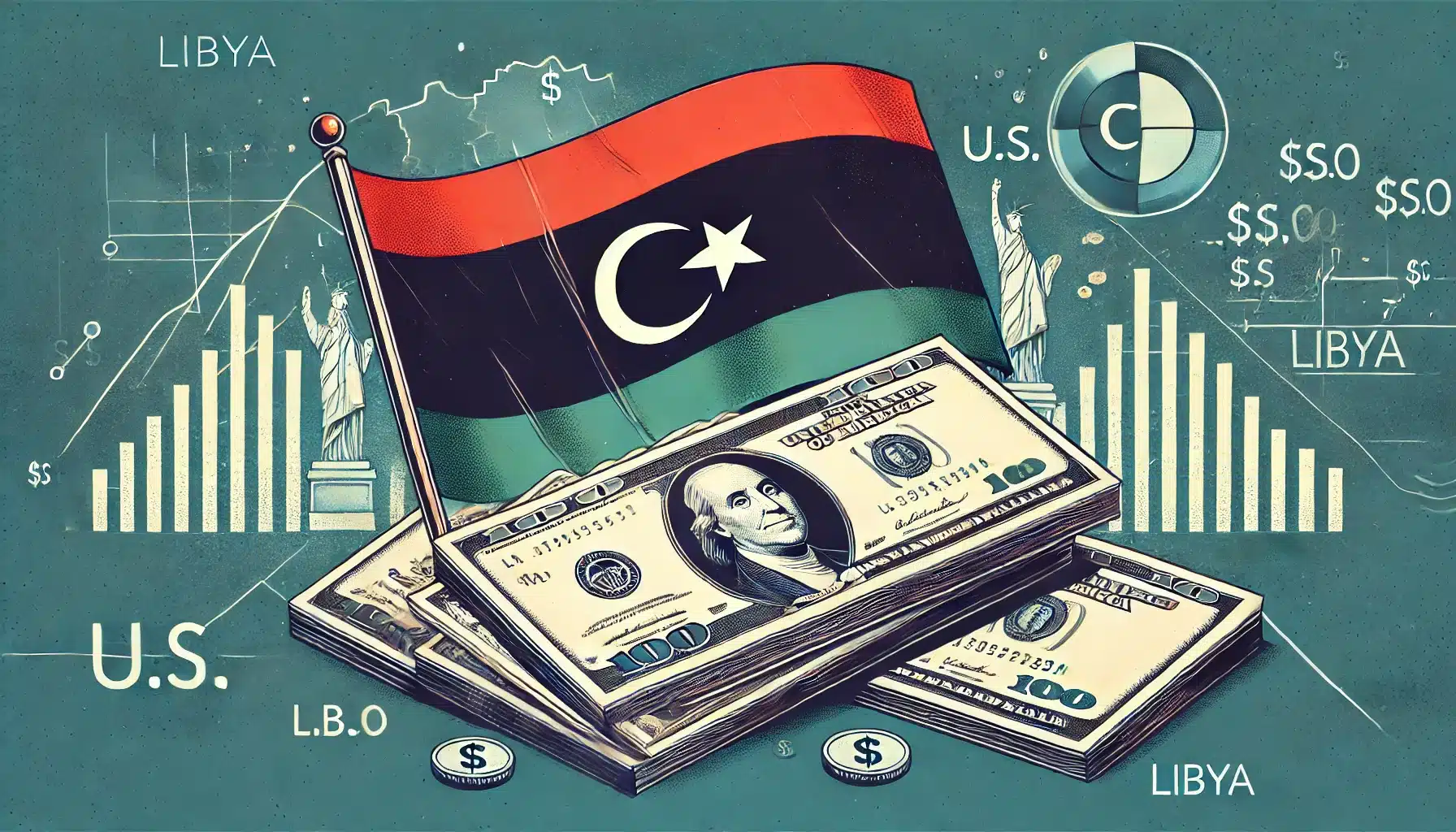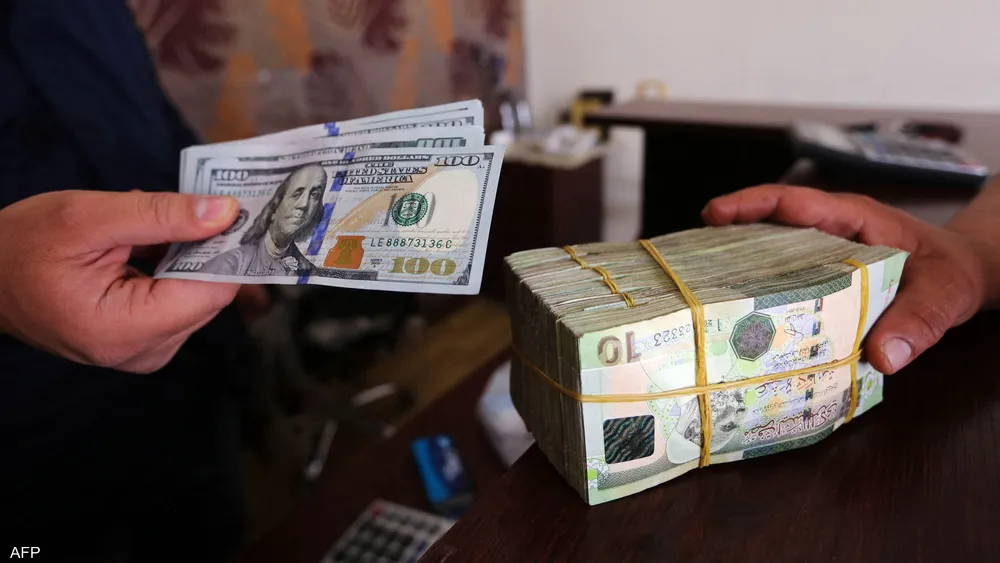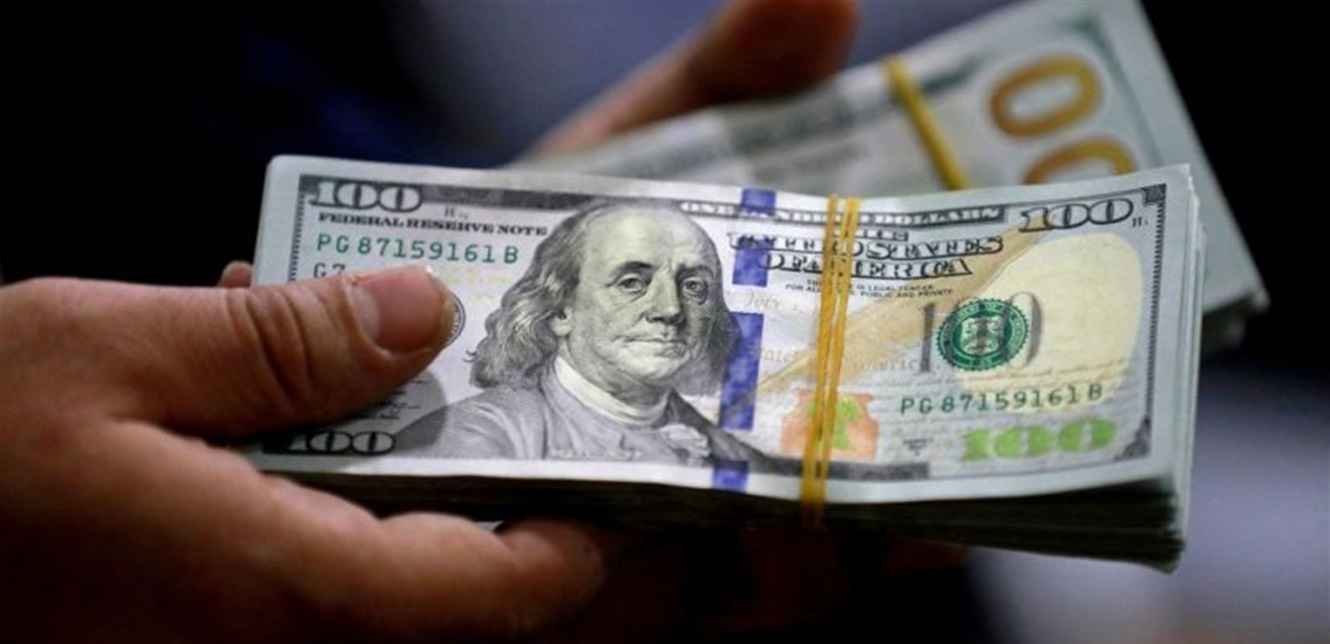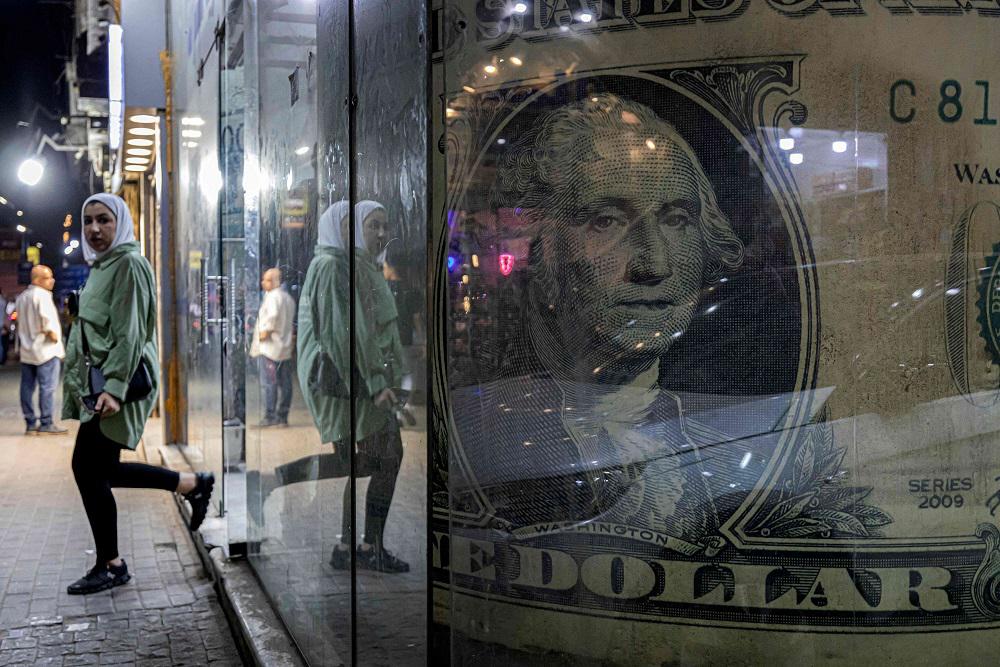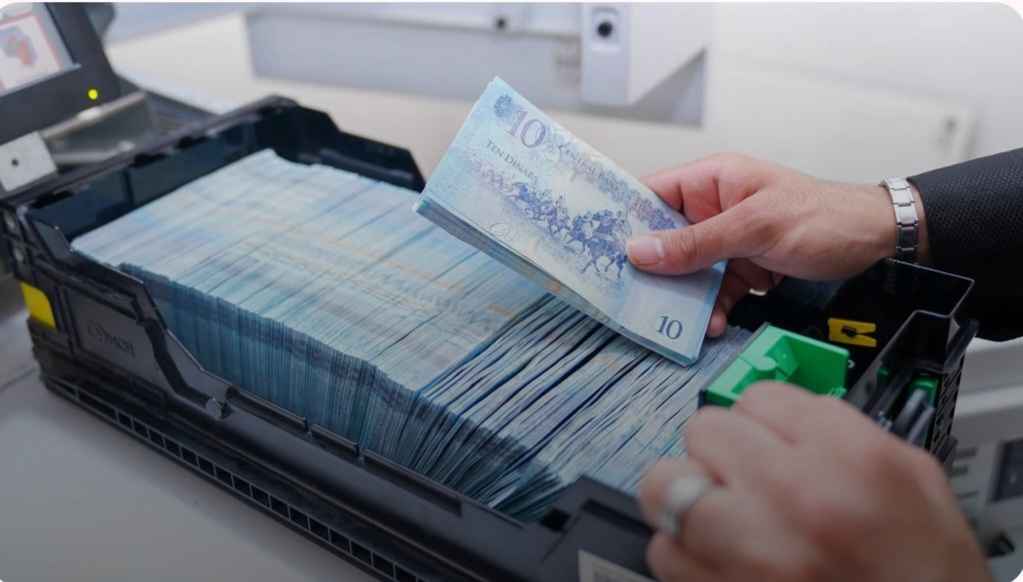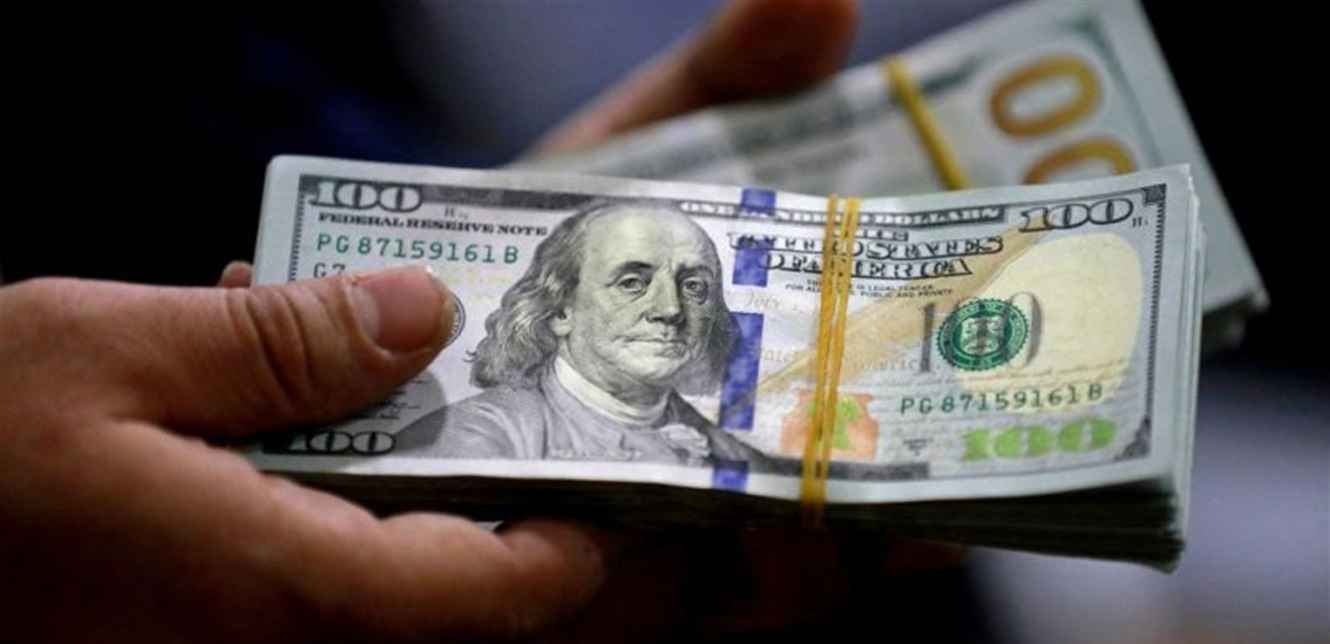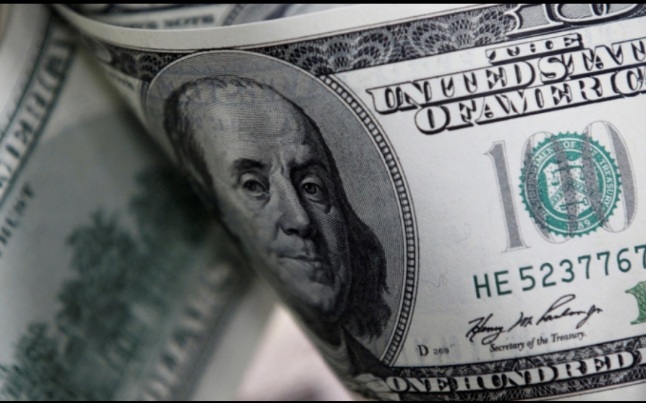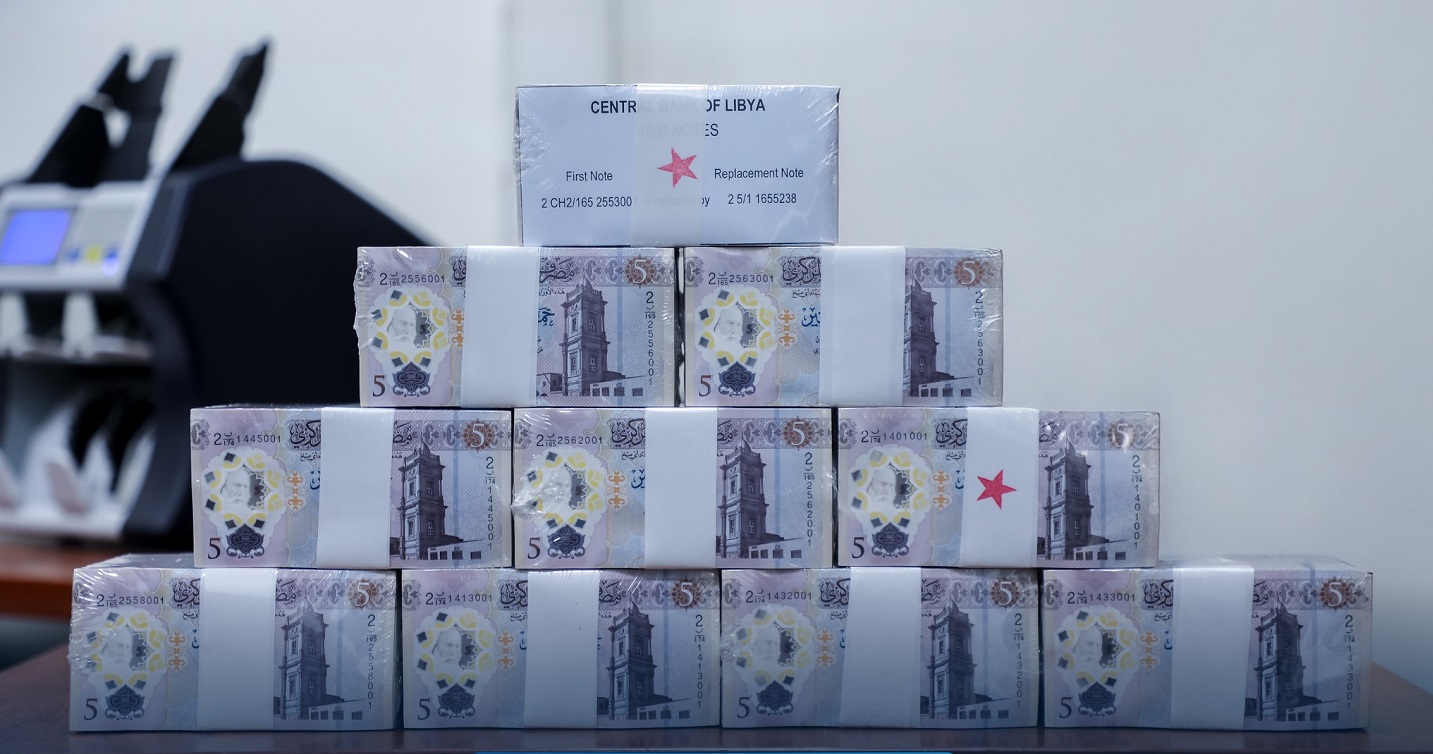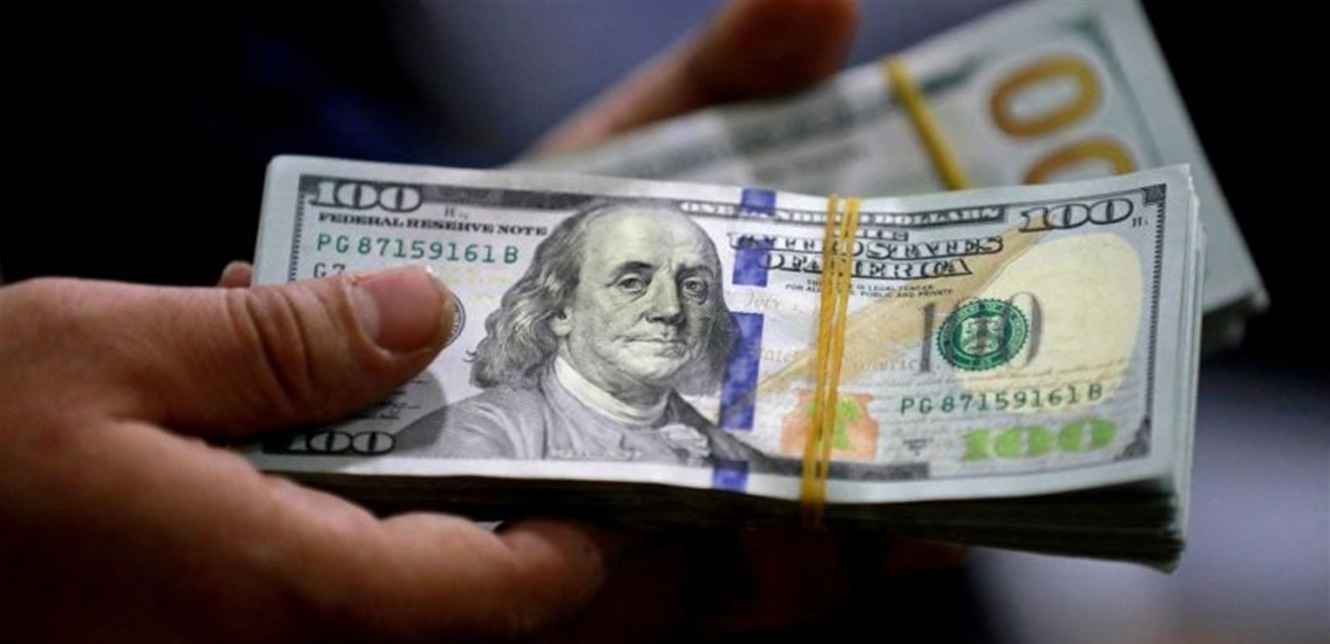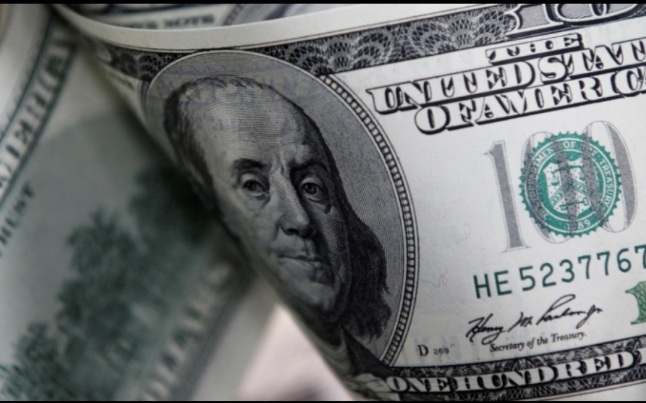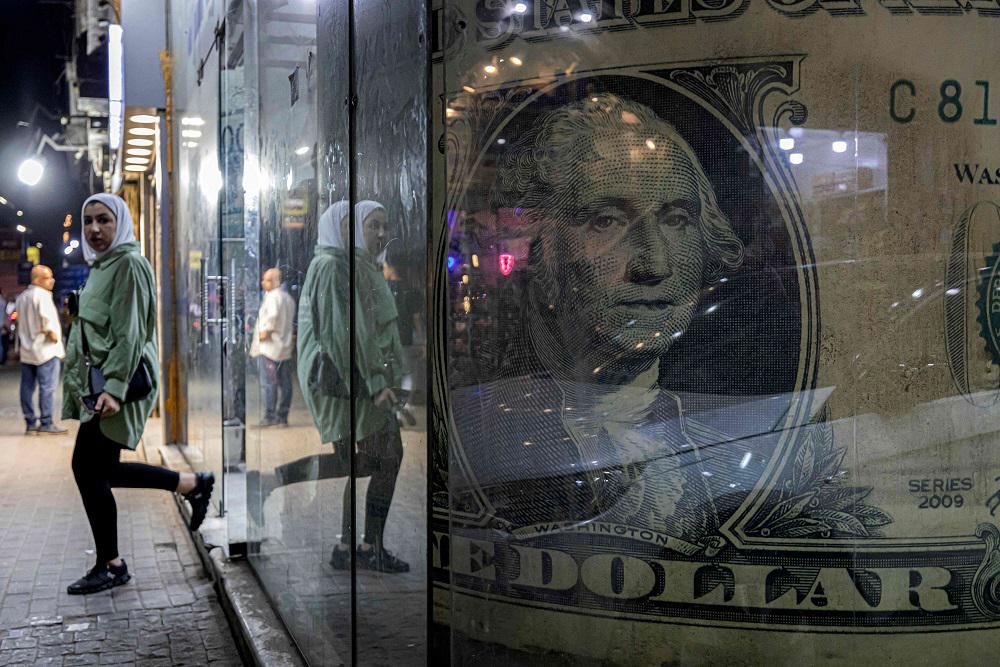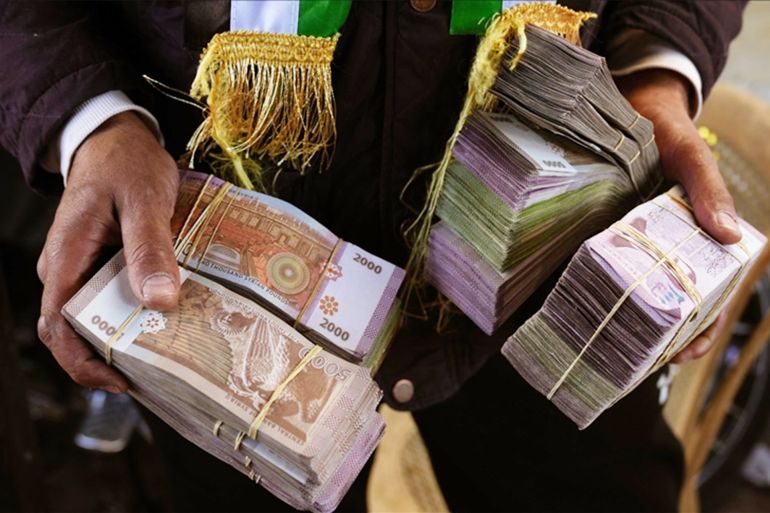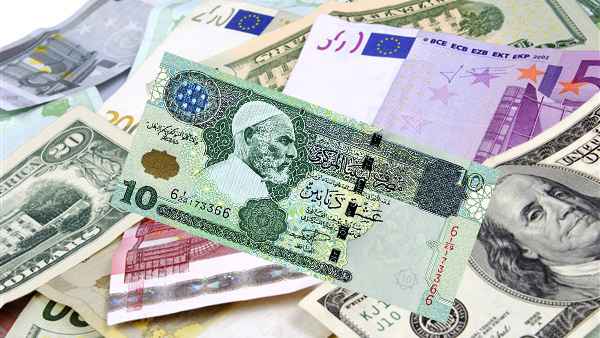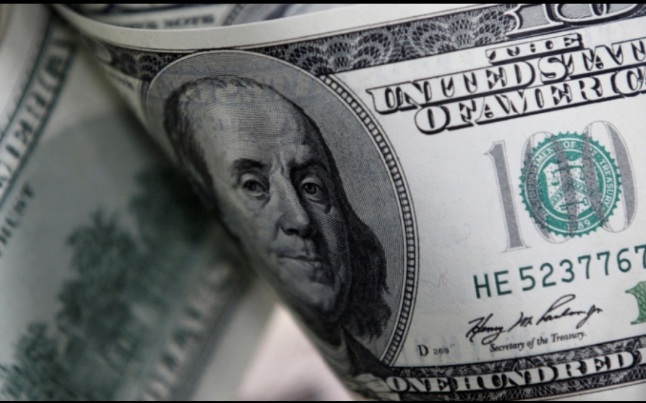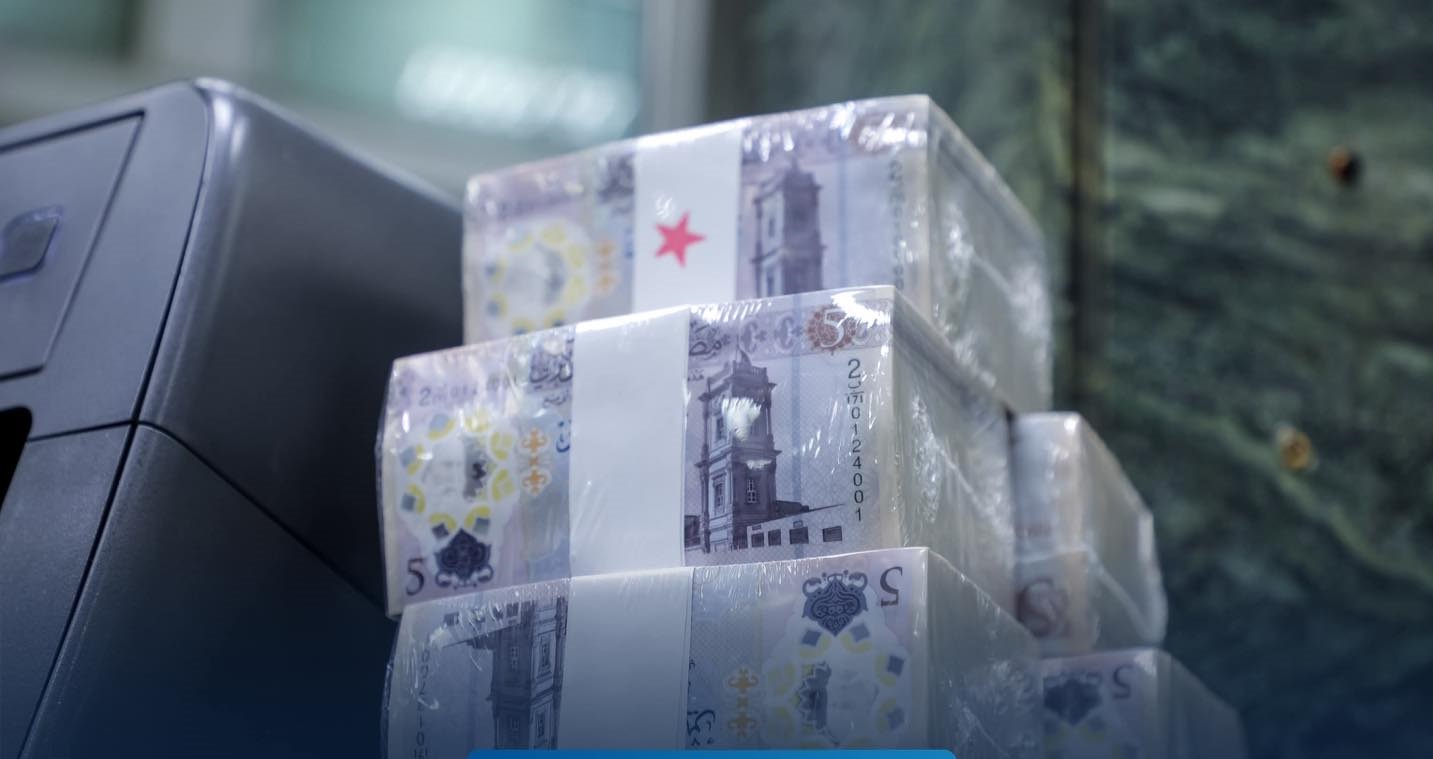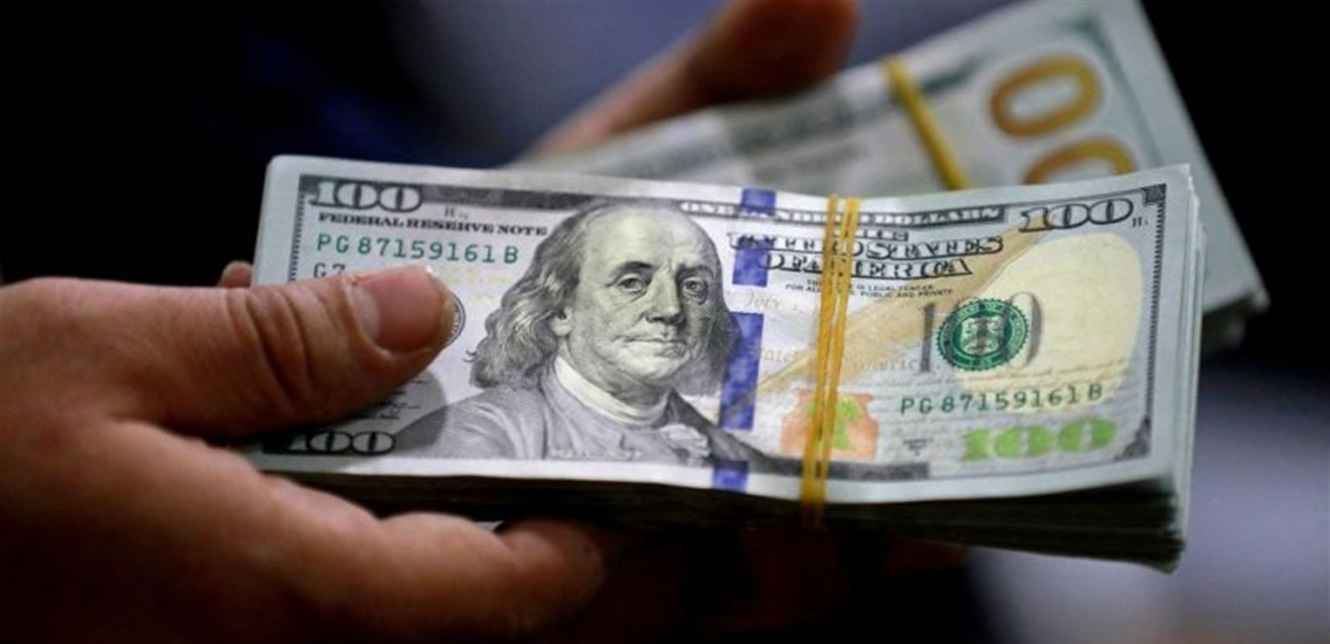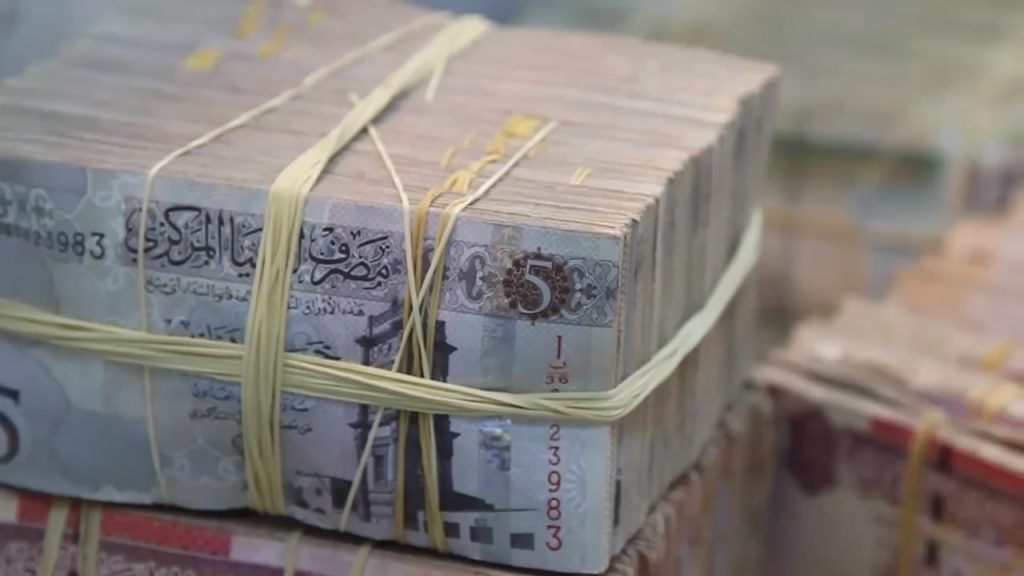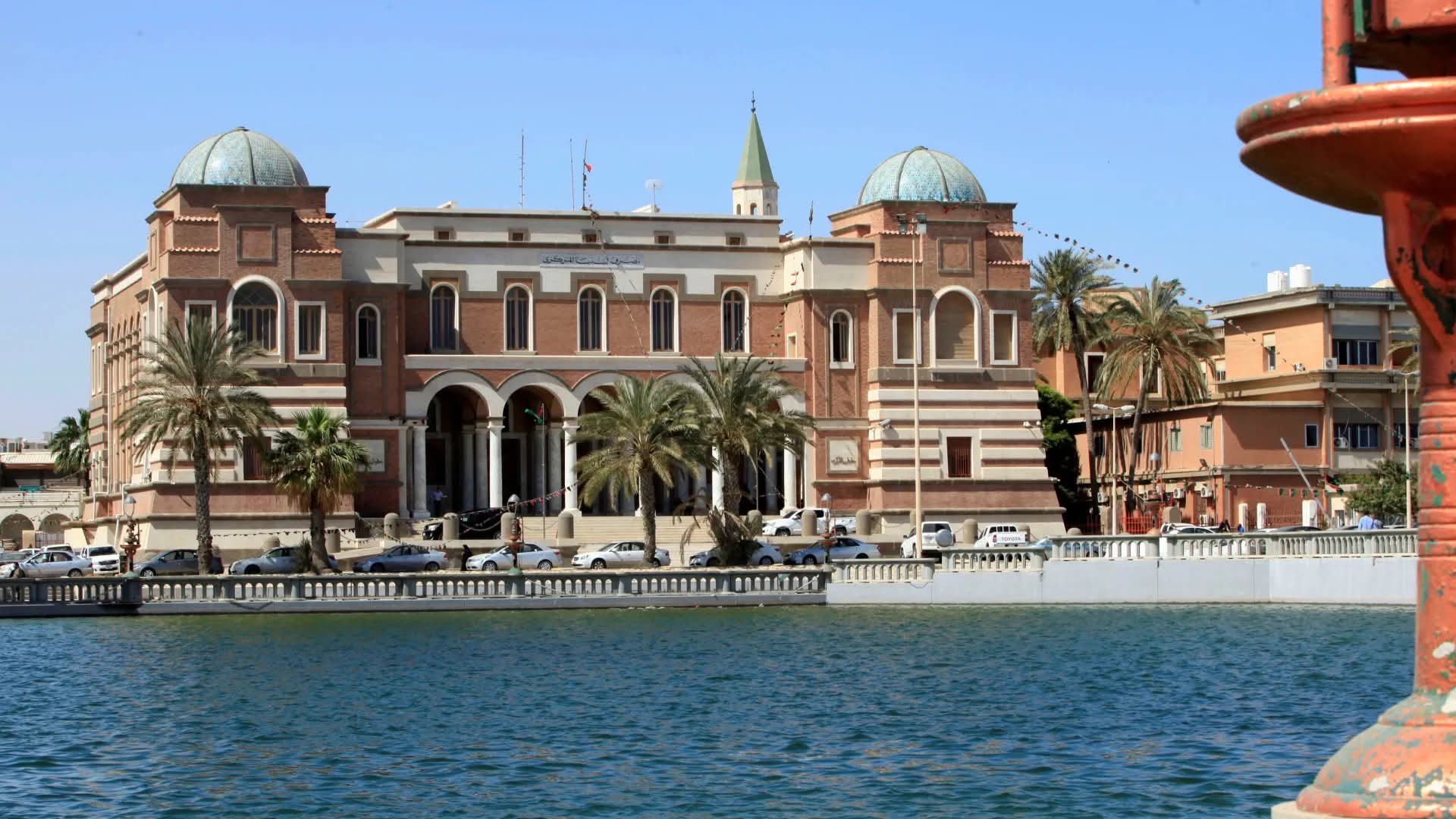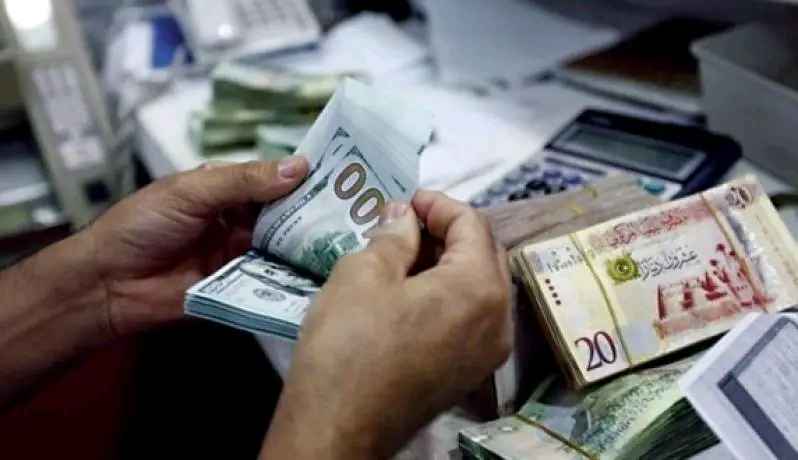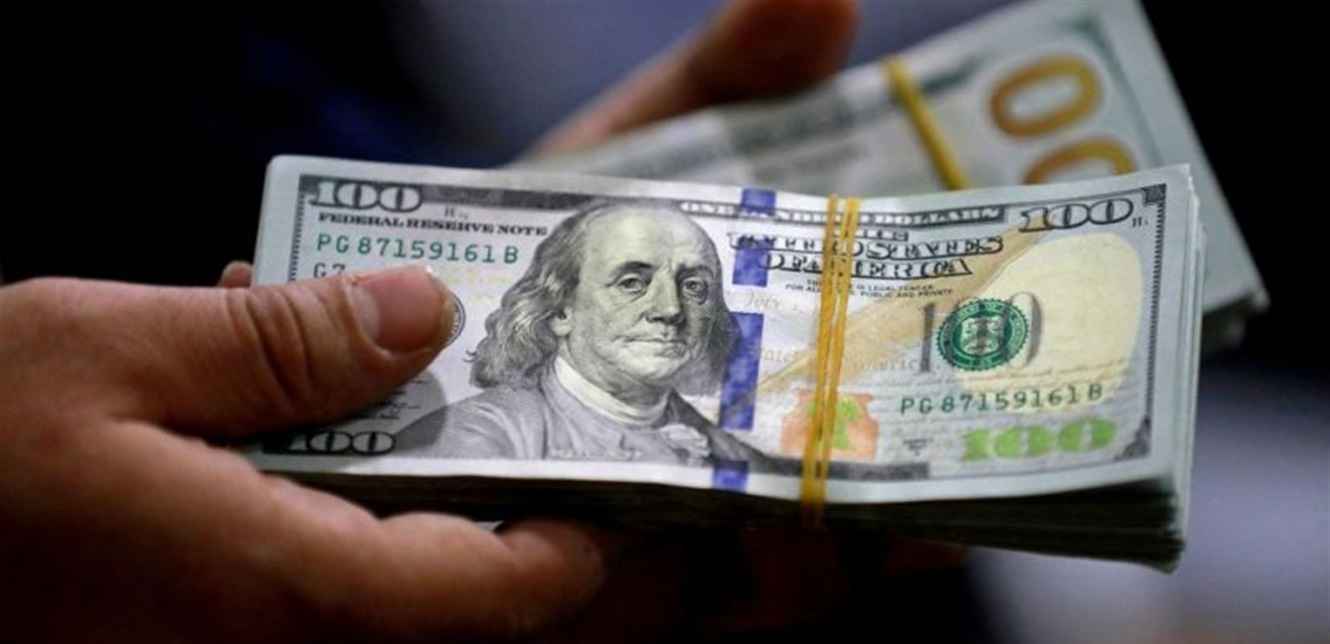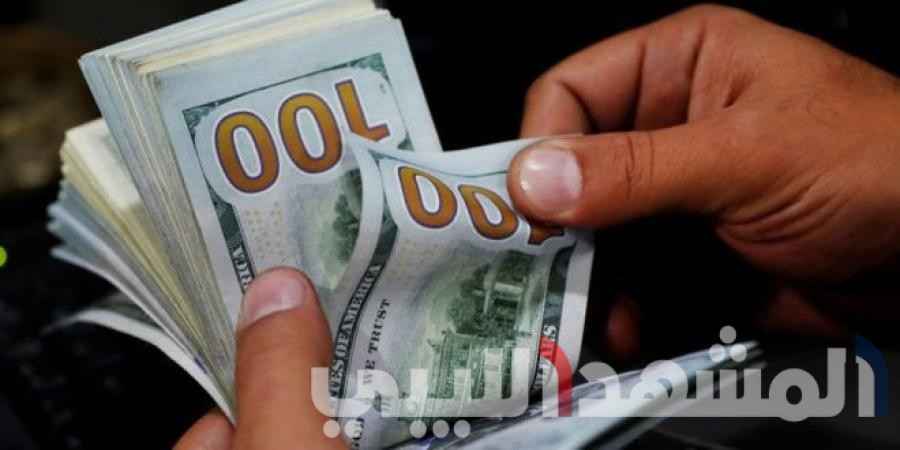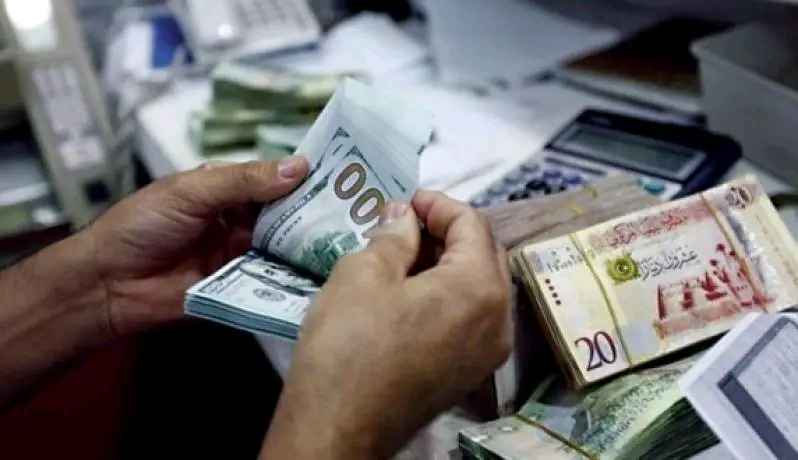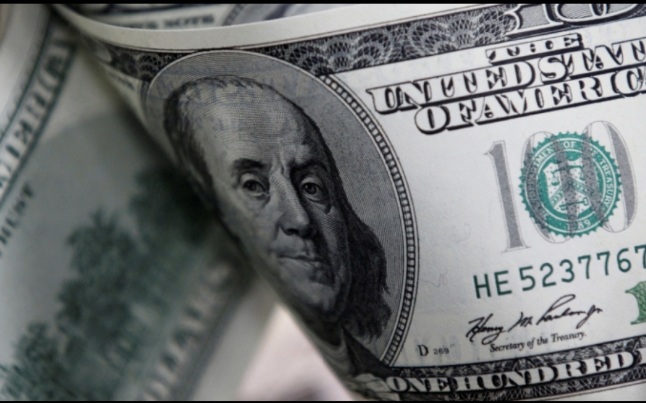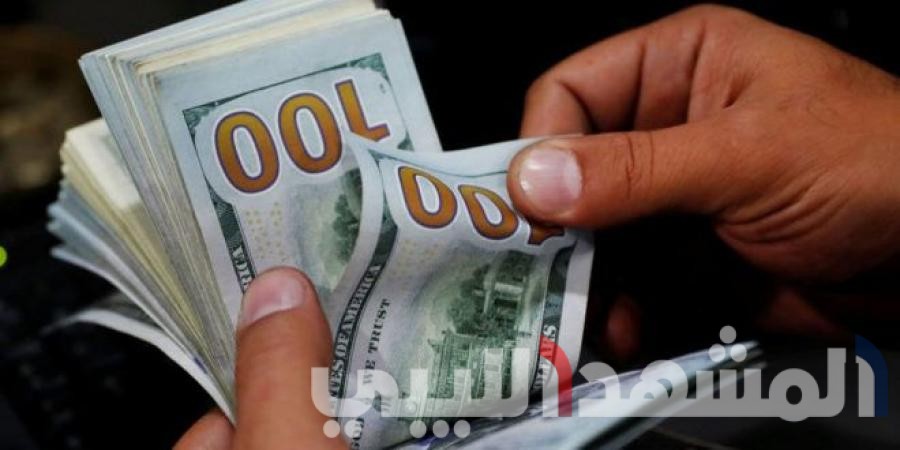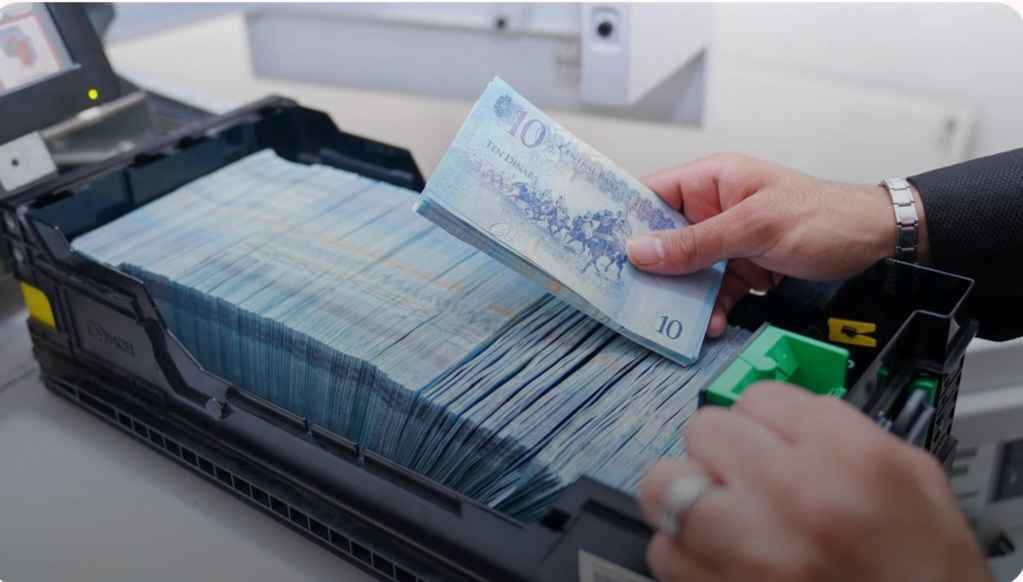
Libya’s currency markets concluded trading this week with a new and significant widening of the gap between the official dollar exchange rate and its rate in the parallel market. The difference reached 3.46 dinars, a level reflecting increasing pressure on citizens’ purchasing power and an additional rise in import costs.
🔹 A Look at the Numbers
According to available data, the comparison shows a sharp contrast in pricing levels:
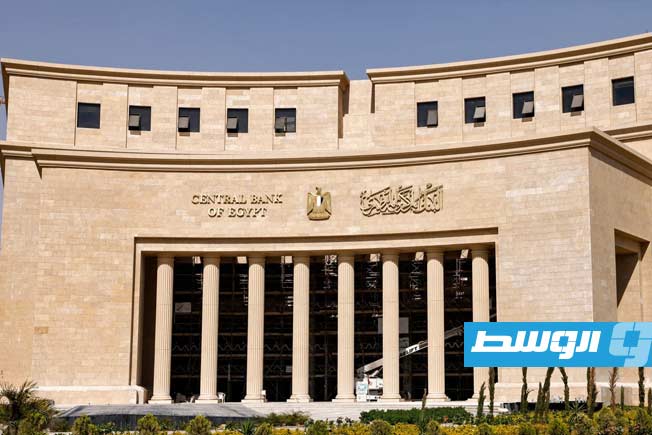
- Official Rate: 6.34 dinars per dollar, according to the Central Bank of Libya’s bulletin.
- Parallel Market: The dollar closed at levels of 9.80 dinars, according to parallel trading platforms.
- Price Difference: The disparity reached 3.46 dinars, one of the highest levels recorded recently.
🔹 The Official Devaluation
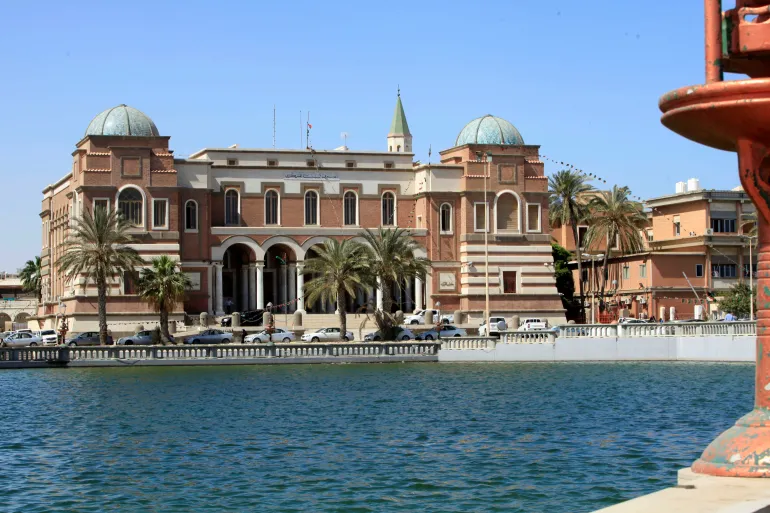
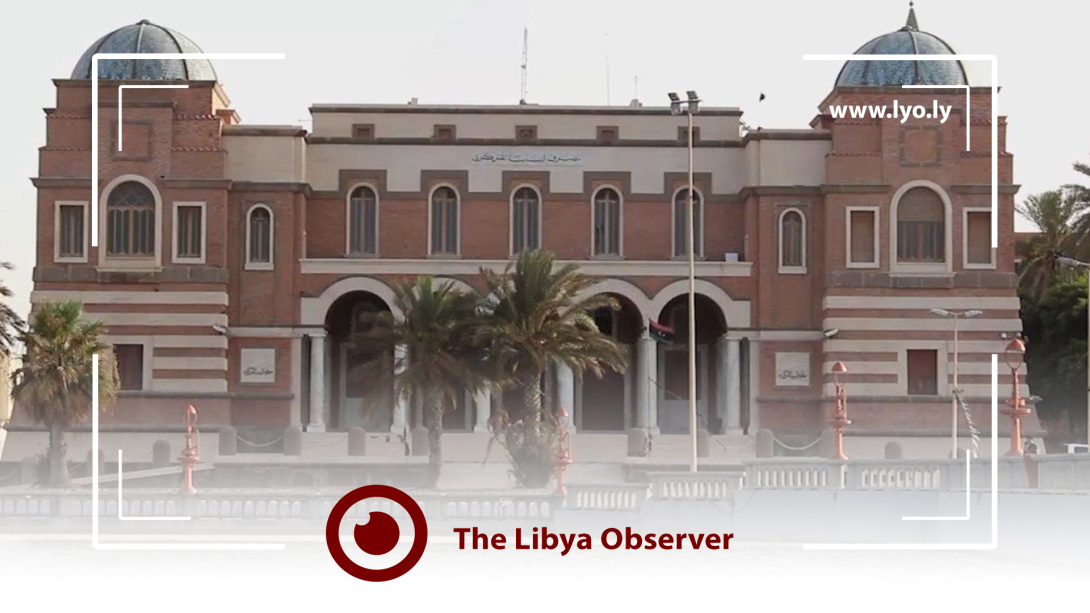
This widening of the gap came after the Central Bank of Libya announced a devaluation of the dinar by 14.7% against the Special Drawing Rights (SDR) unit. The dinar’s value became 0.1150 SDR instead of 0.1348 SDR, raising the new official rate to approximately 6.40 dinars per dollar.
🔹Increasing Pressure in the Parallel Market
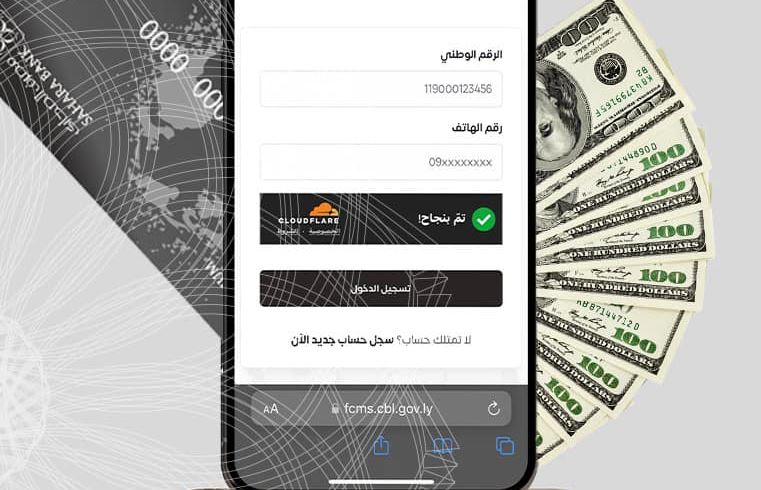
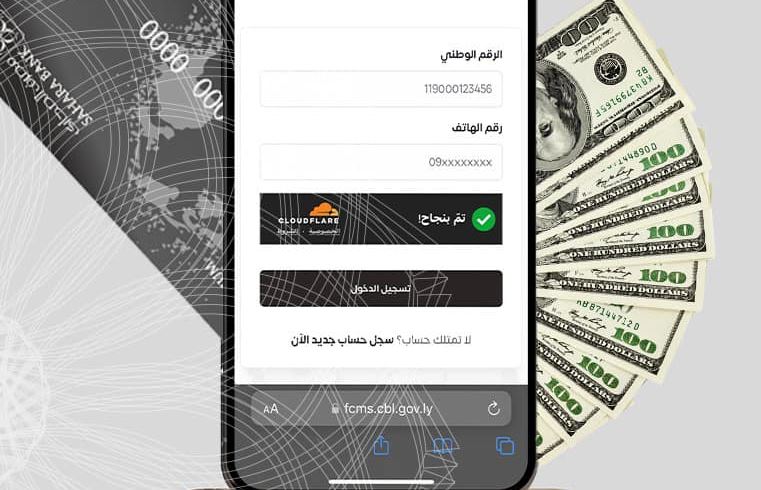
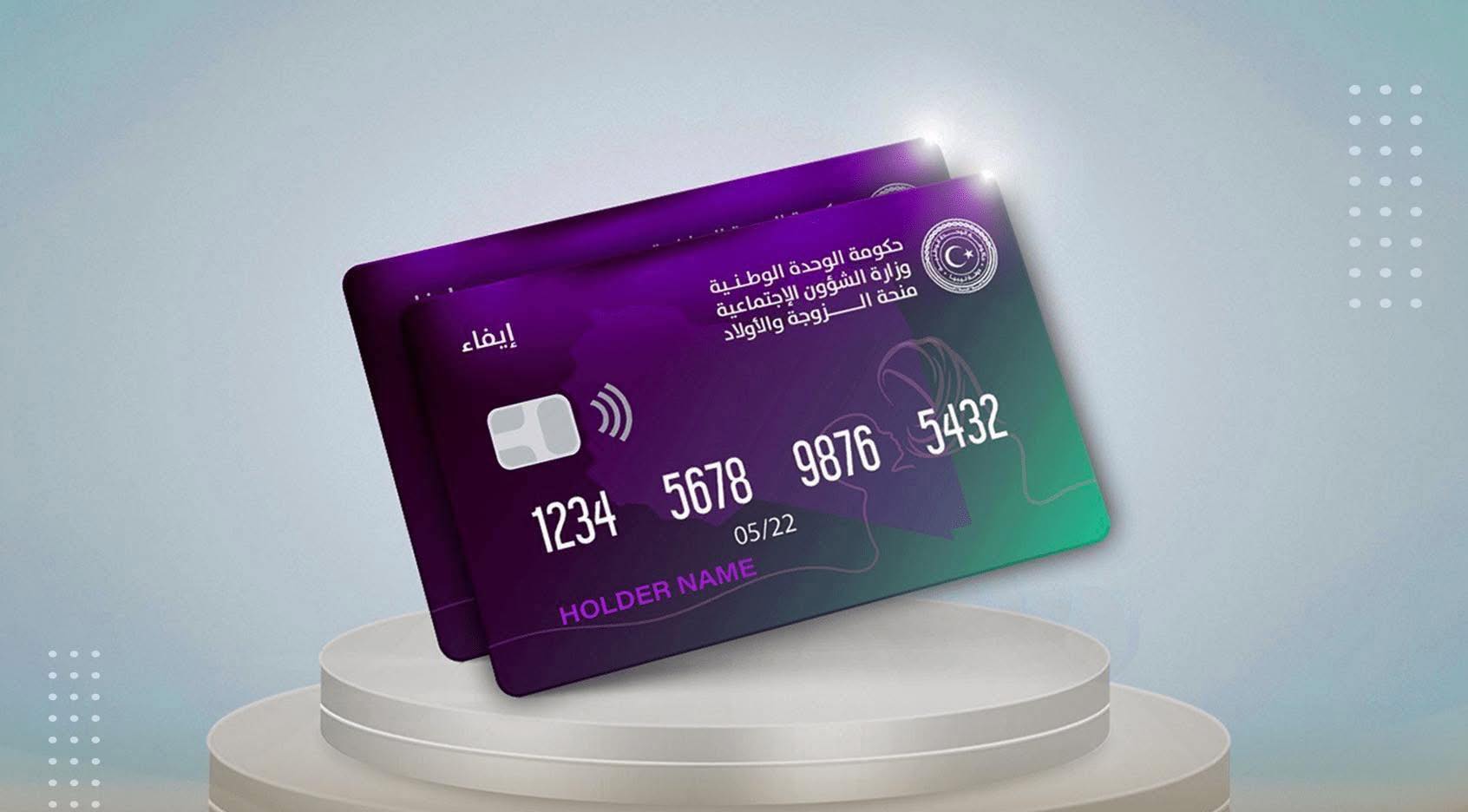
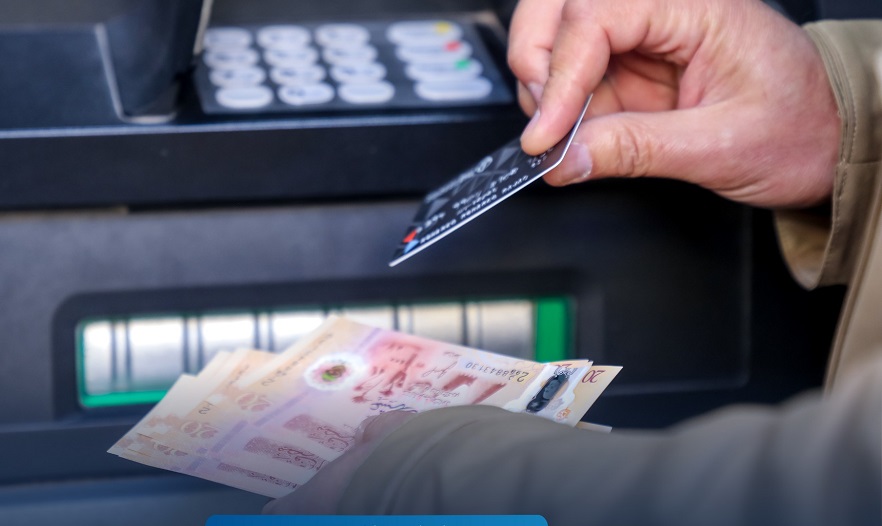
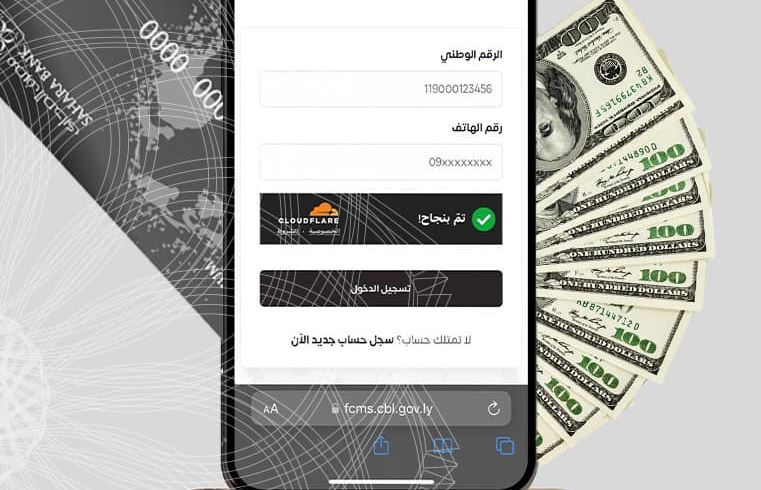
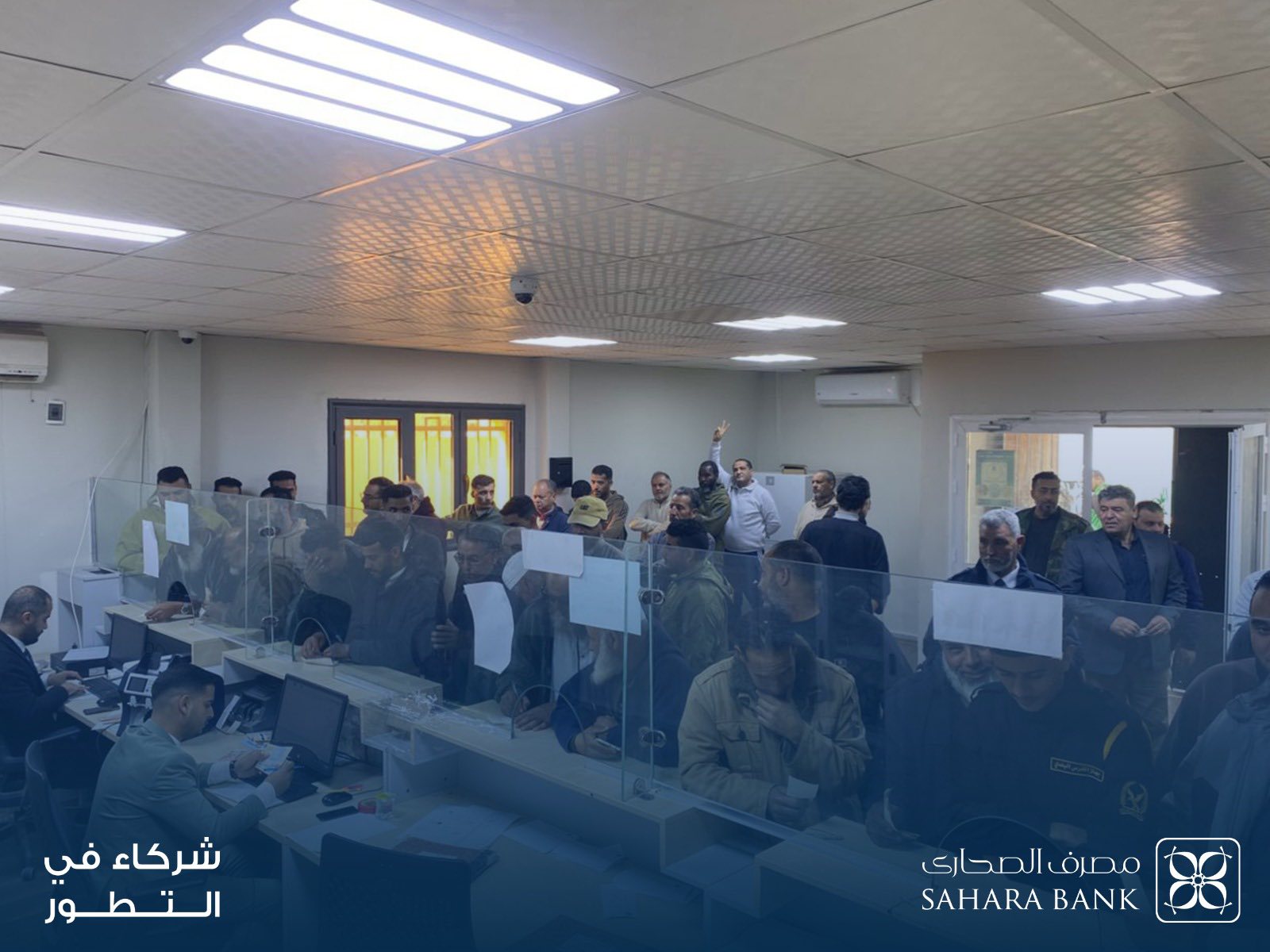
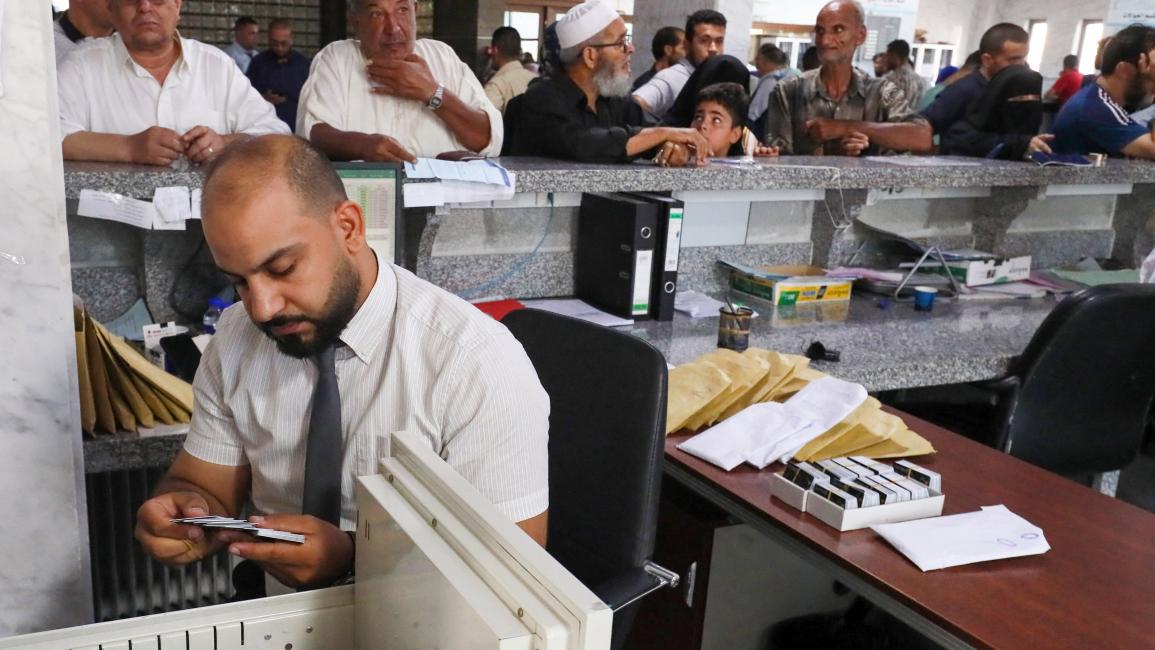
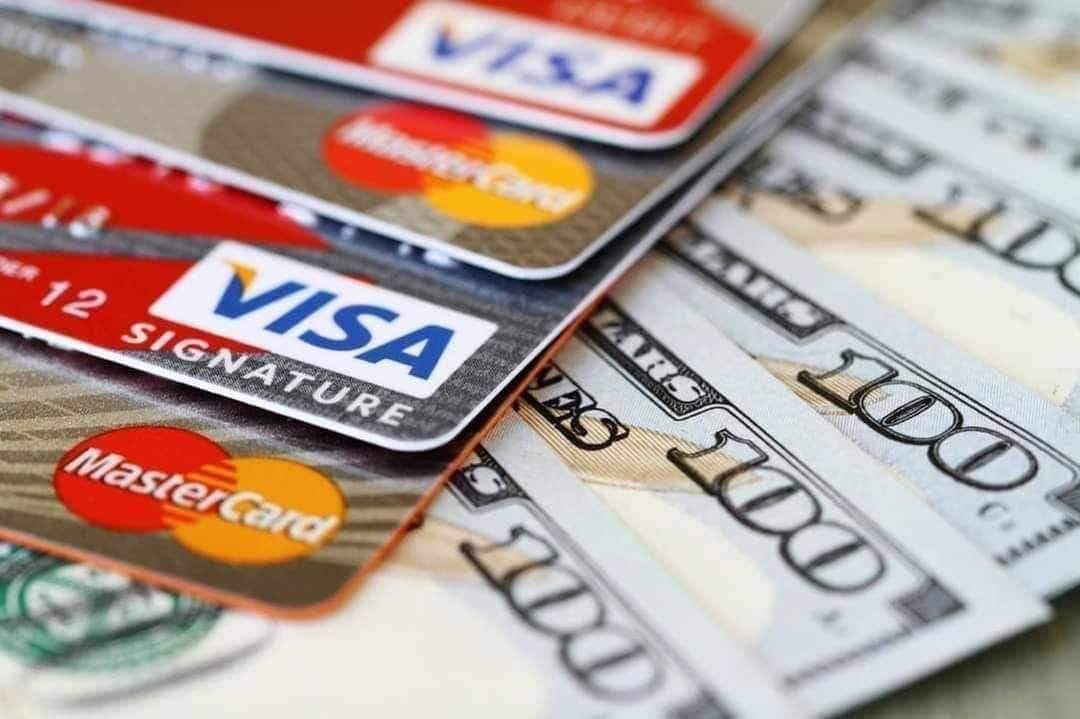
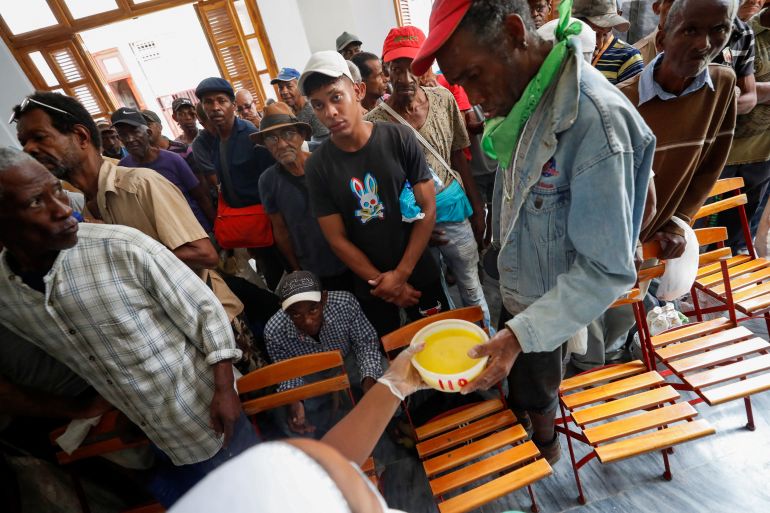
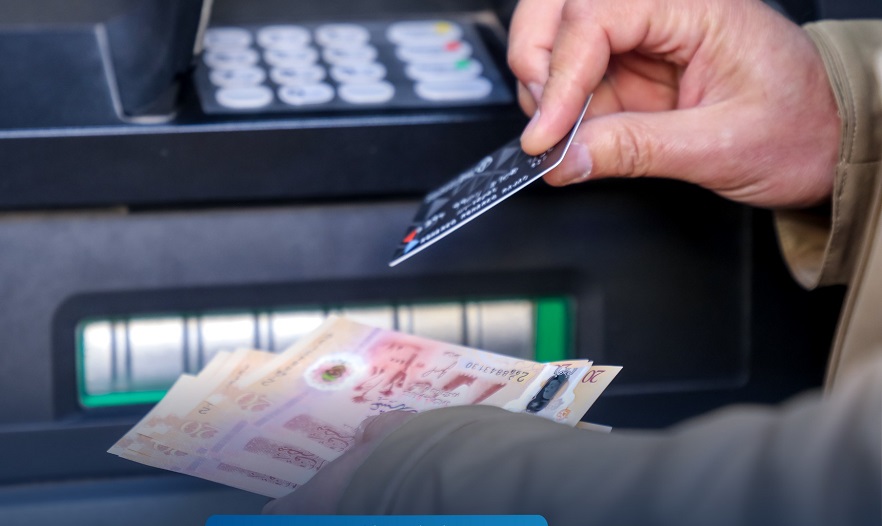
The parallel market has witnessed a noticeable increase in demand for hard currency in recent days, leading to a rapid rise in prices. This is amidst widespread complaints from citizens about fluctuating services from exchange companies, difficulties in card withdrawals, delays in transaction execution, and price differences between companies.
🔹 Summary of the Situation
The dollar continues its rise, driven by increased demand and speculation. Observers note that the upcoming steps by the Central Bank of Libya—particularly those related to regulating the system for personal purposes and expanding the powers of exchange companies—will be a decisive factor in determining the market’s direction in the coming period.