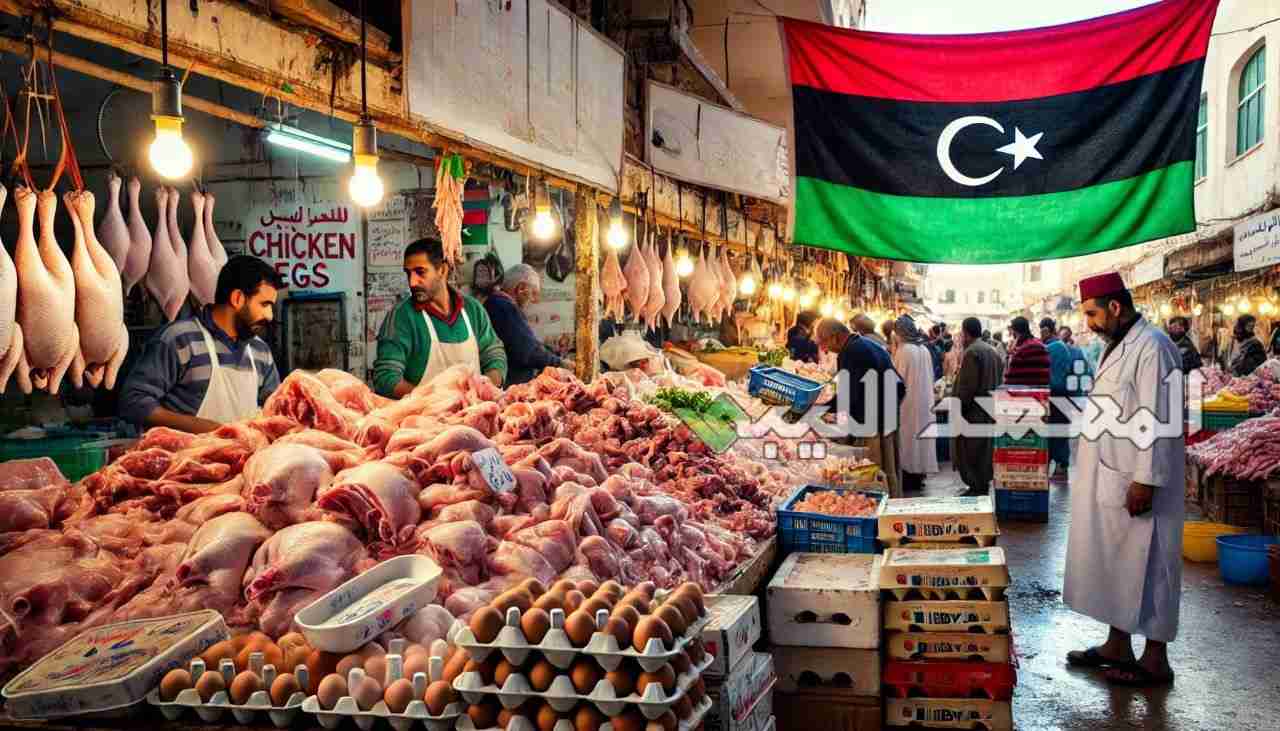
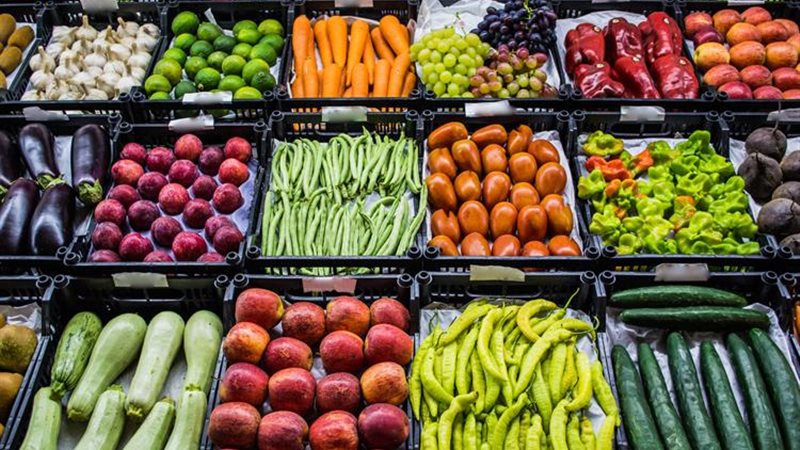
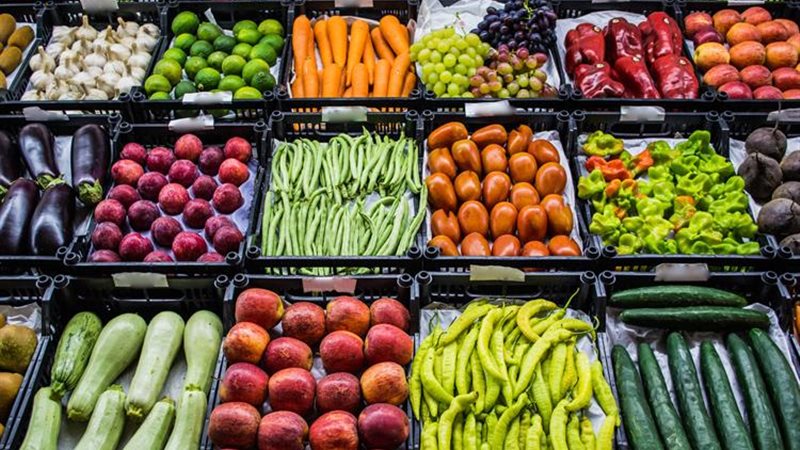
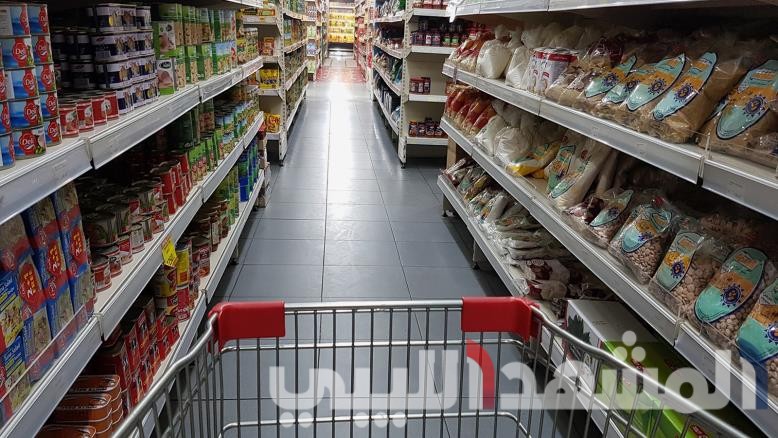
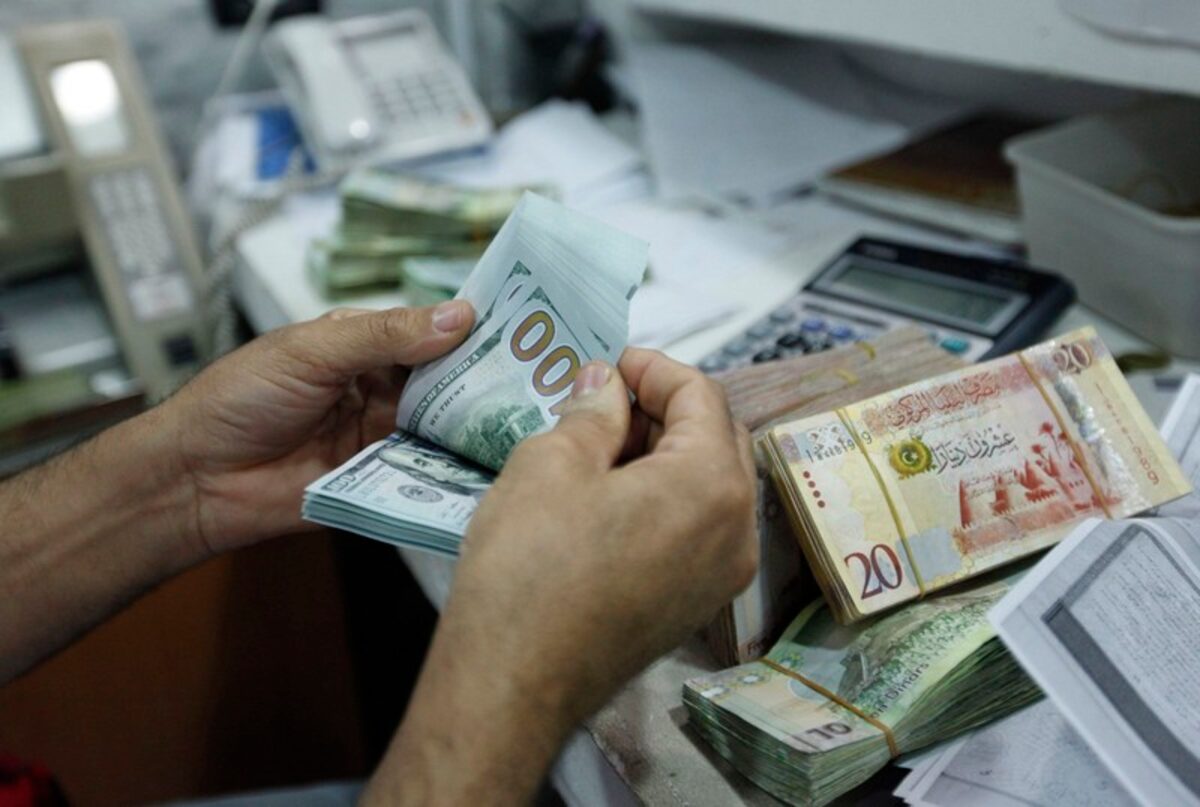
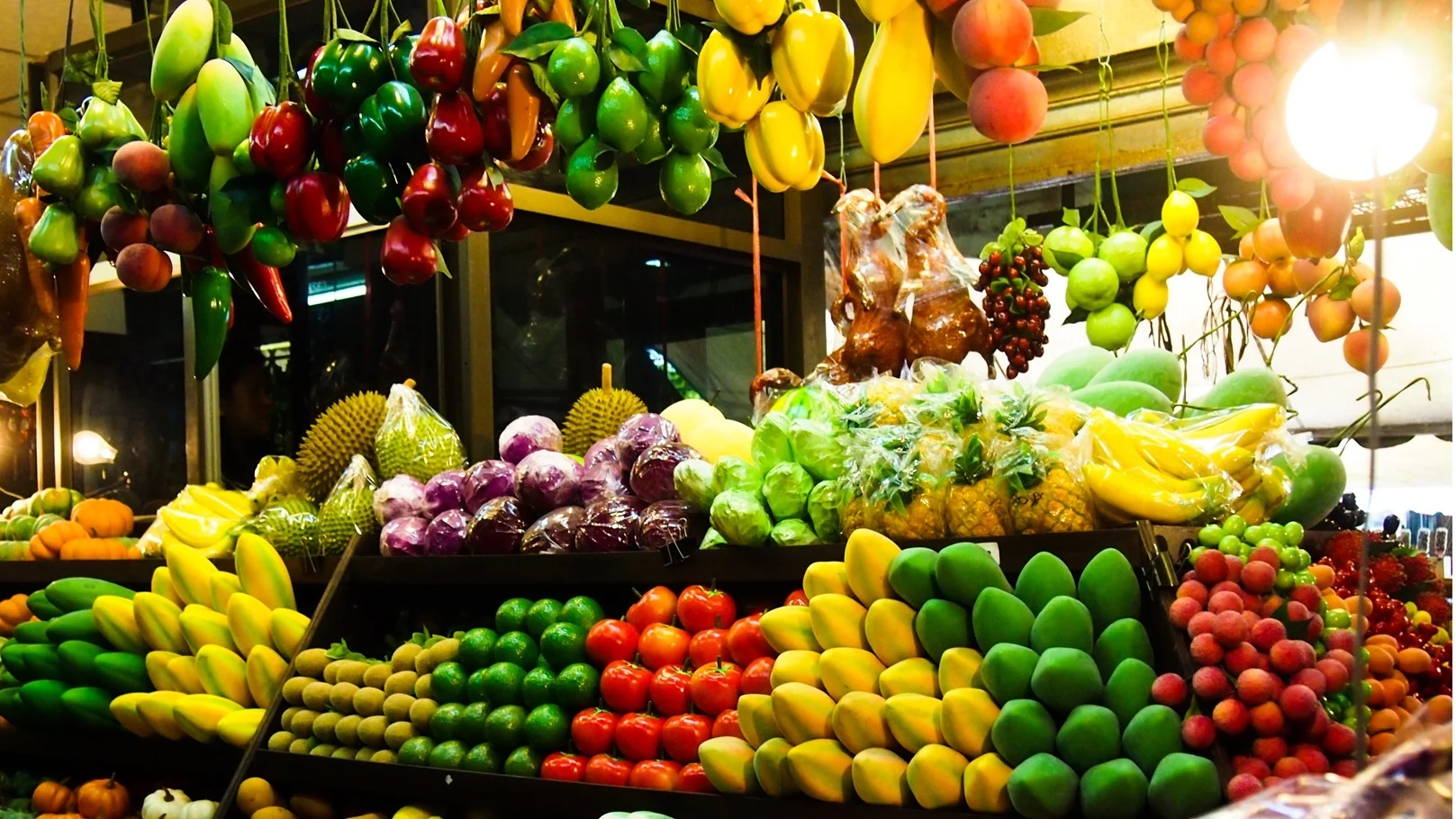
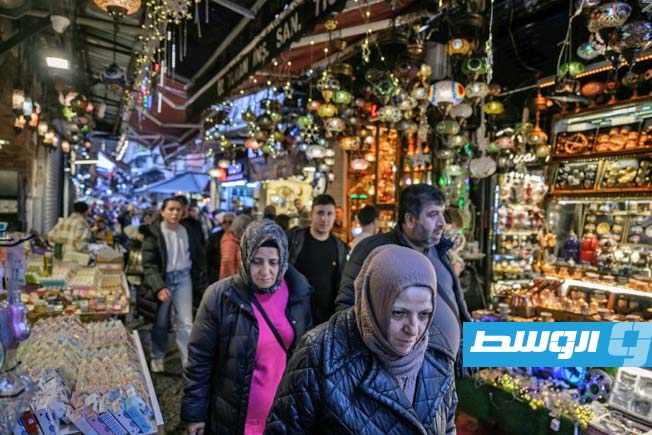
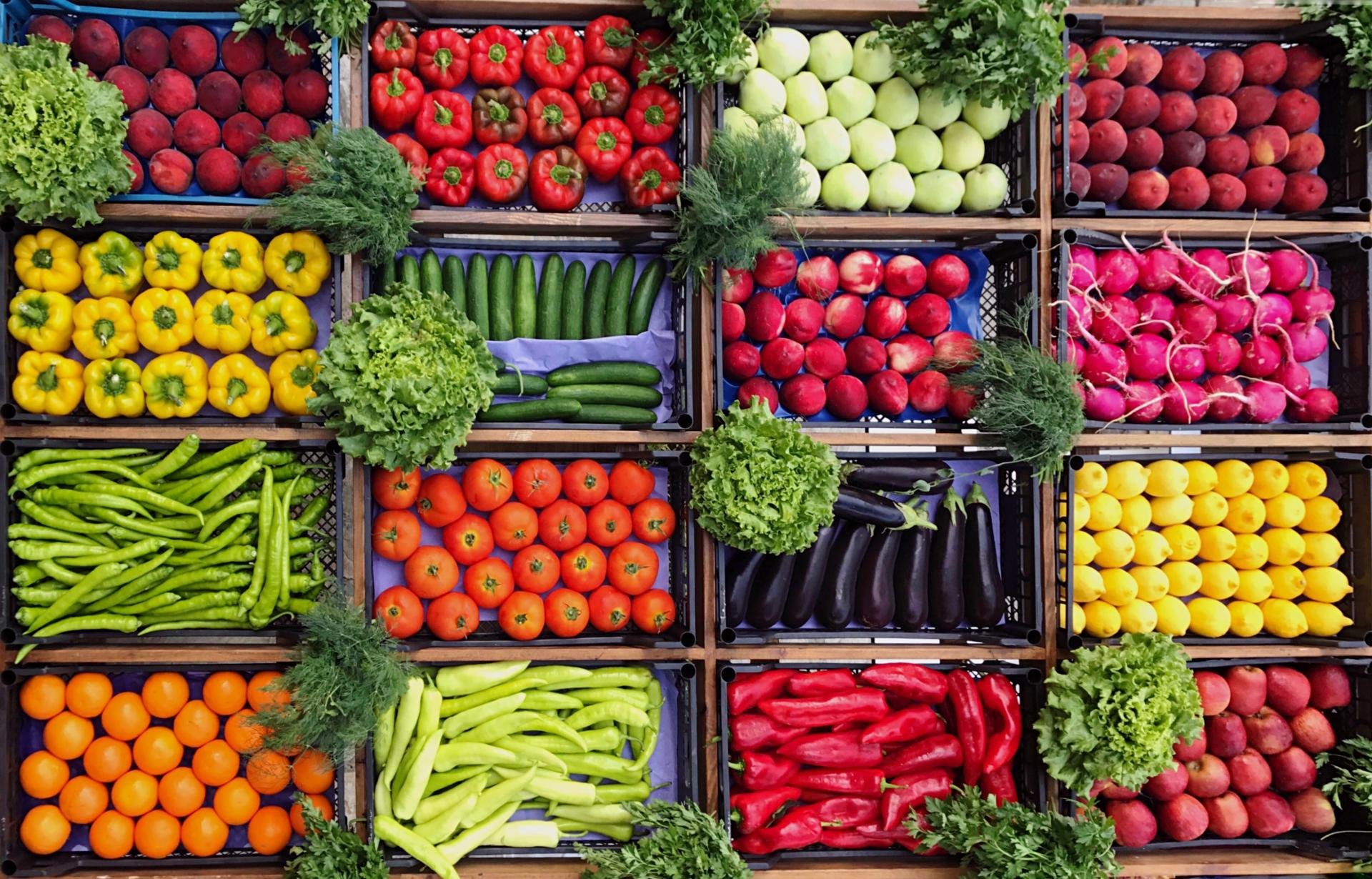
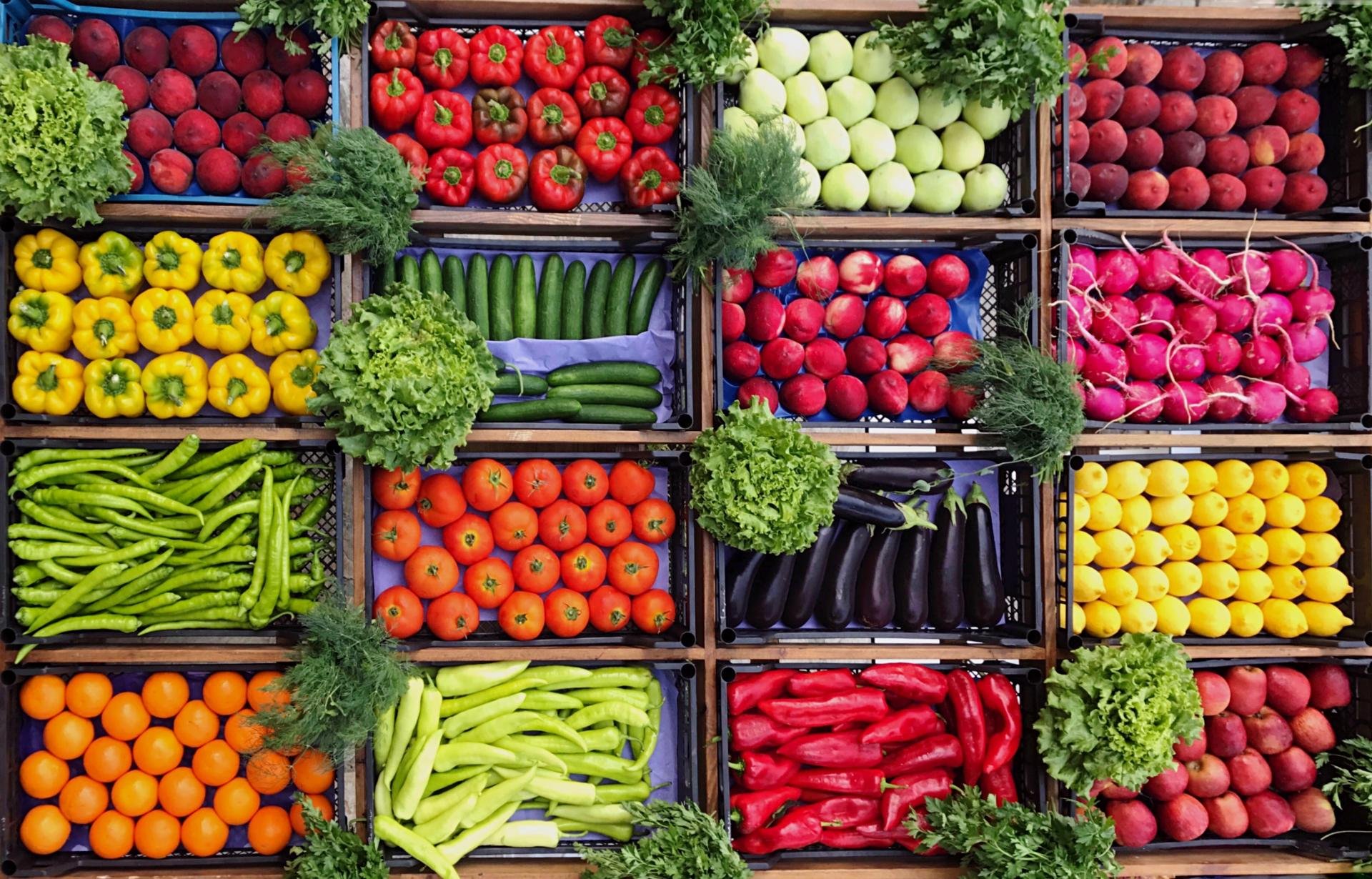
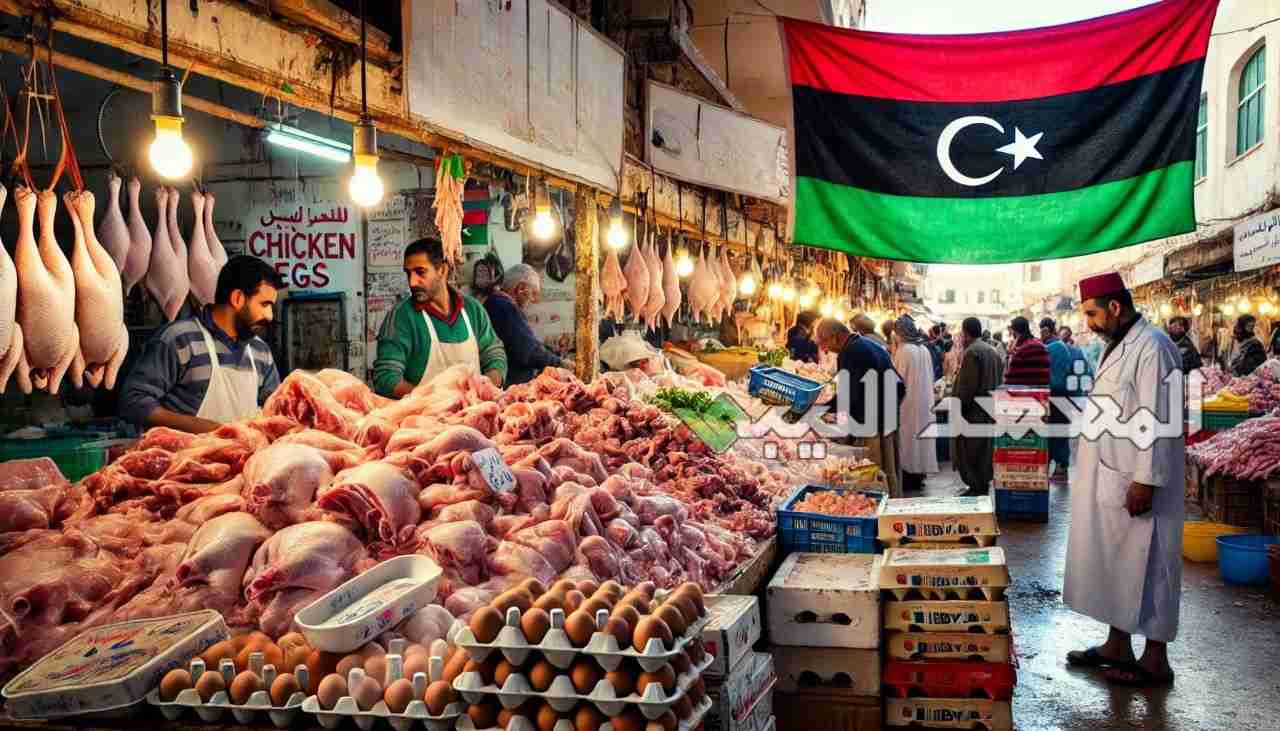
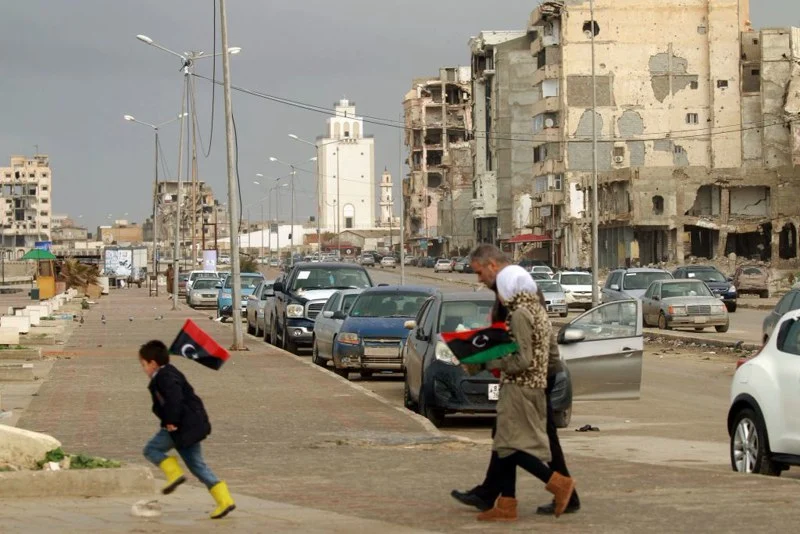
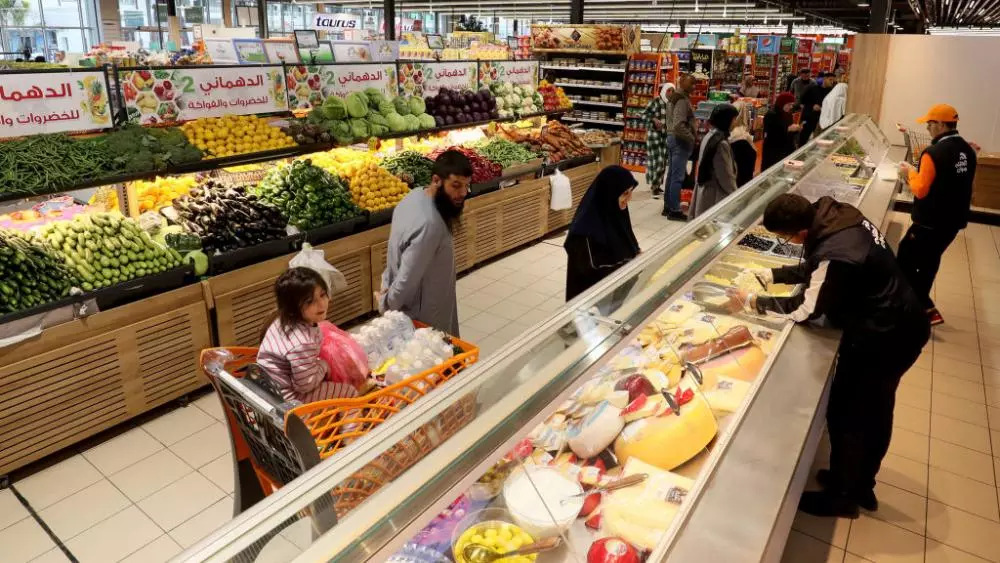
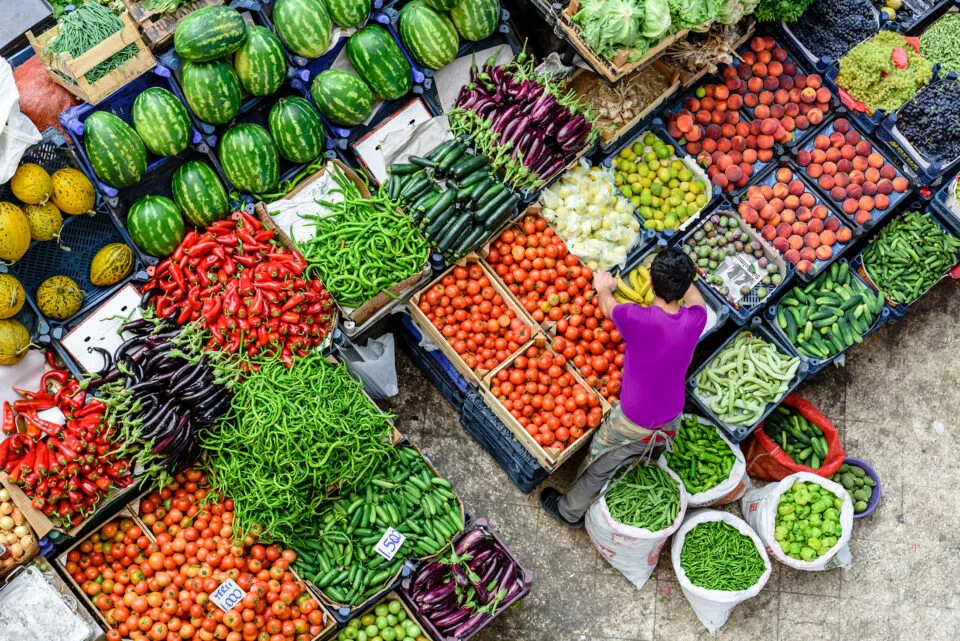
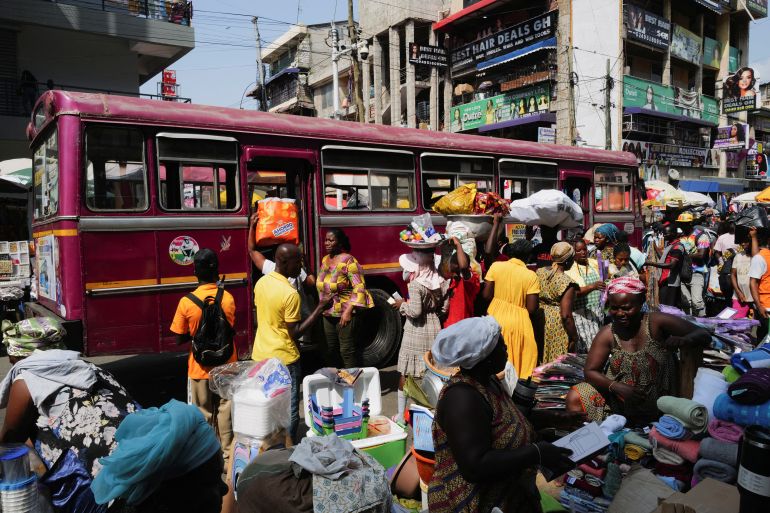
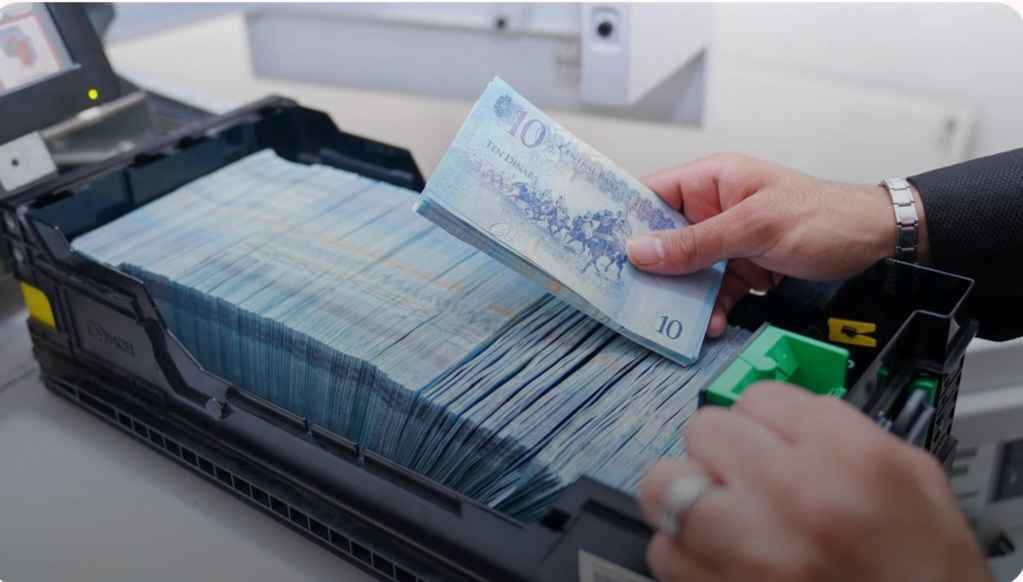
Tripoli – Prices for some food commodities have seen a noticeable increase on the first days of Ramadan, according to a special field survey. The price of a kilogram of “greenhouse cucumbers” jumped by 100% in retail shops in Tripoli, reaching 10 dinars per kilogram compared to just 5 dinars last week, with a slight variation in prices from one area to another.
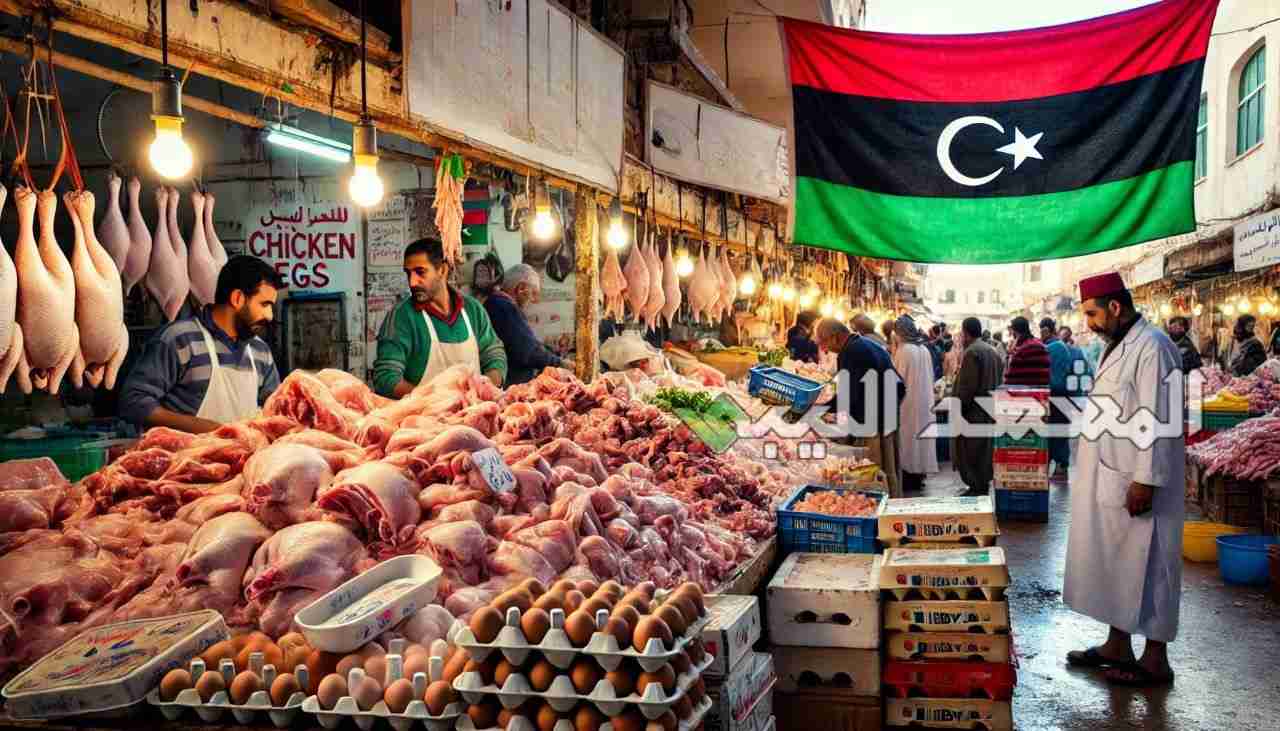
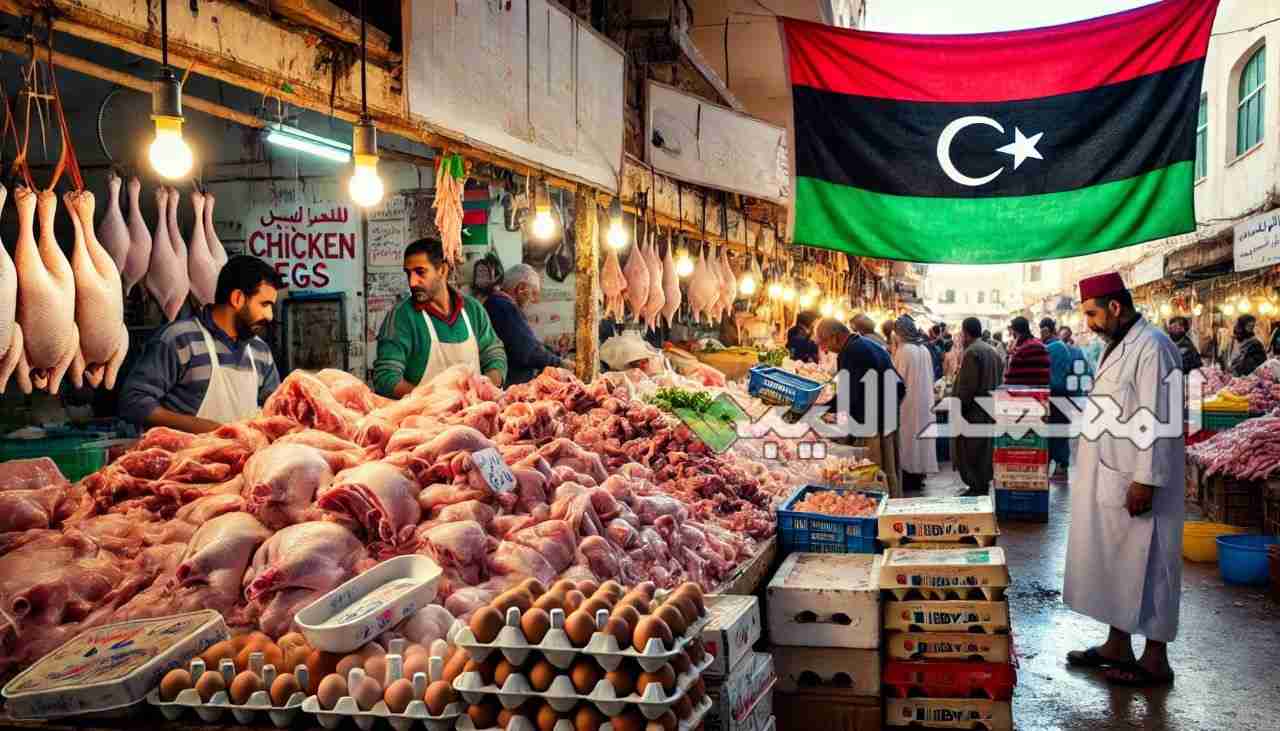
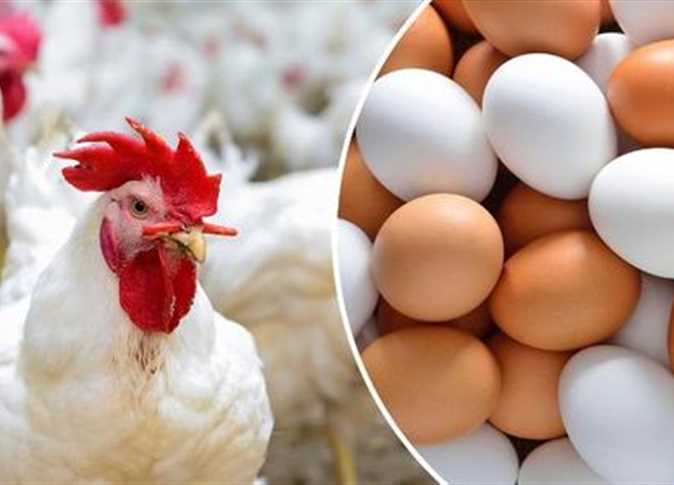
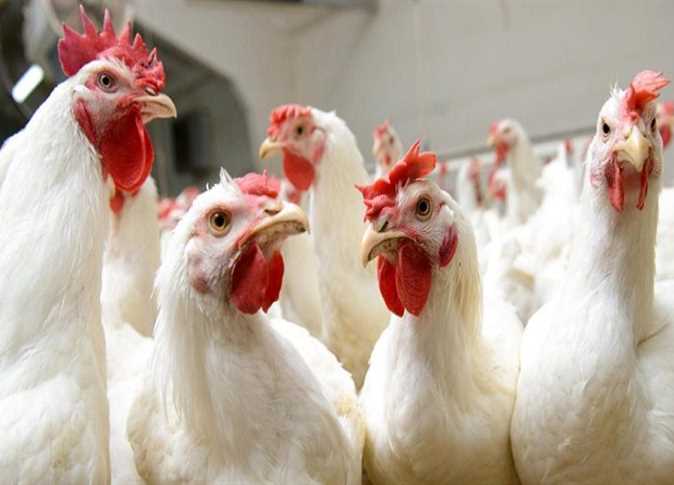
Prices for ready-to-cook chicken also saw a new increase, as the price per kilogram reached 19 dinars on Thursday, an increase of 15.17% from its price in the first week of February, which was 16.5 dinars per kilogram. This rise coincides with the arrival of Ramadan and increased demand for white meat.
These increases reflect additional pressures on consumers, amid continued price fluctuations in local markets and a lack of stability in supply chains.
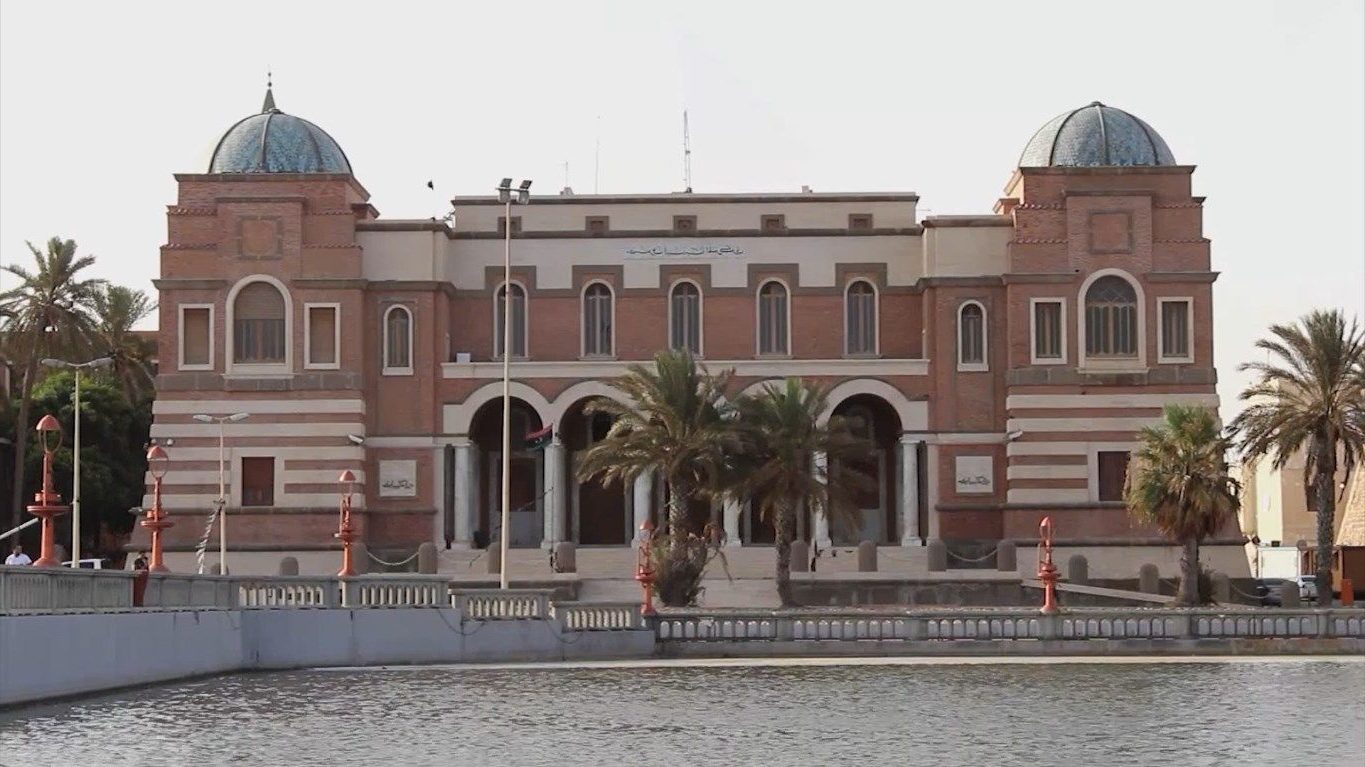
Tripoli
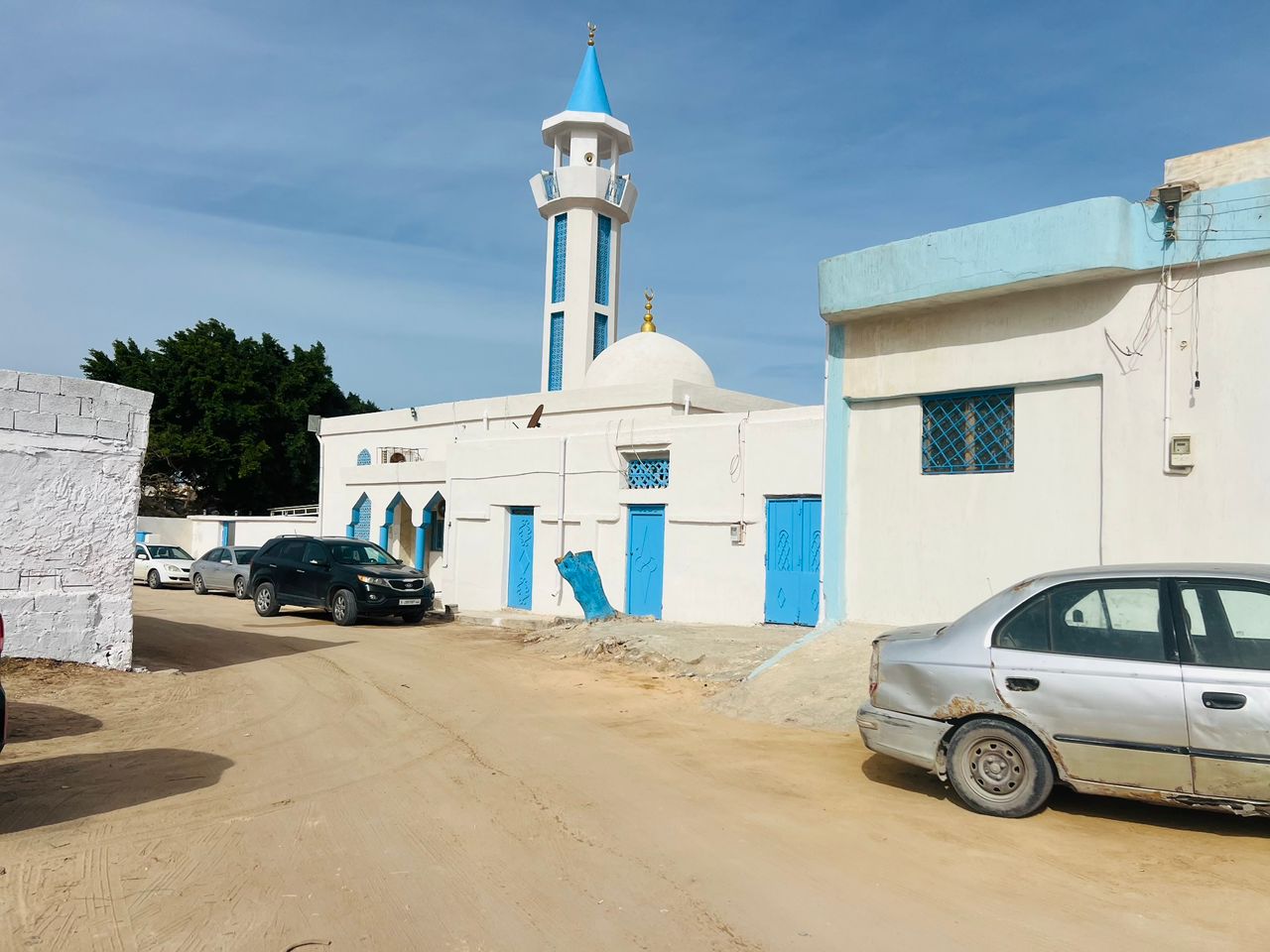
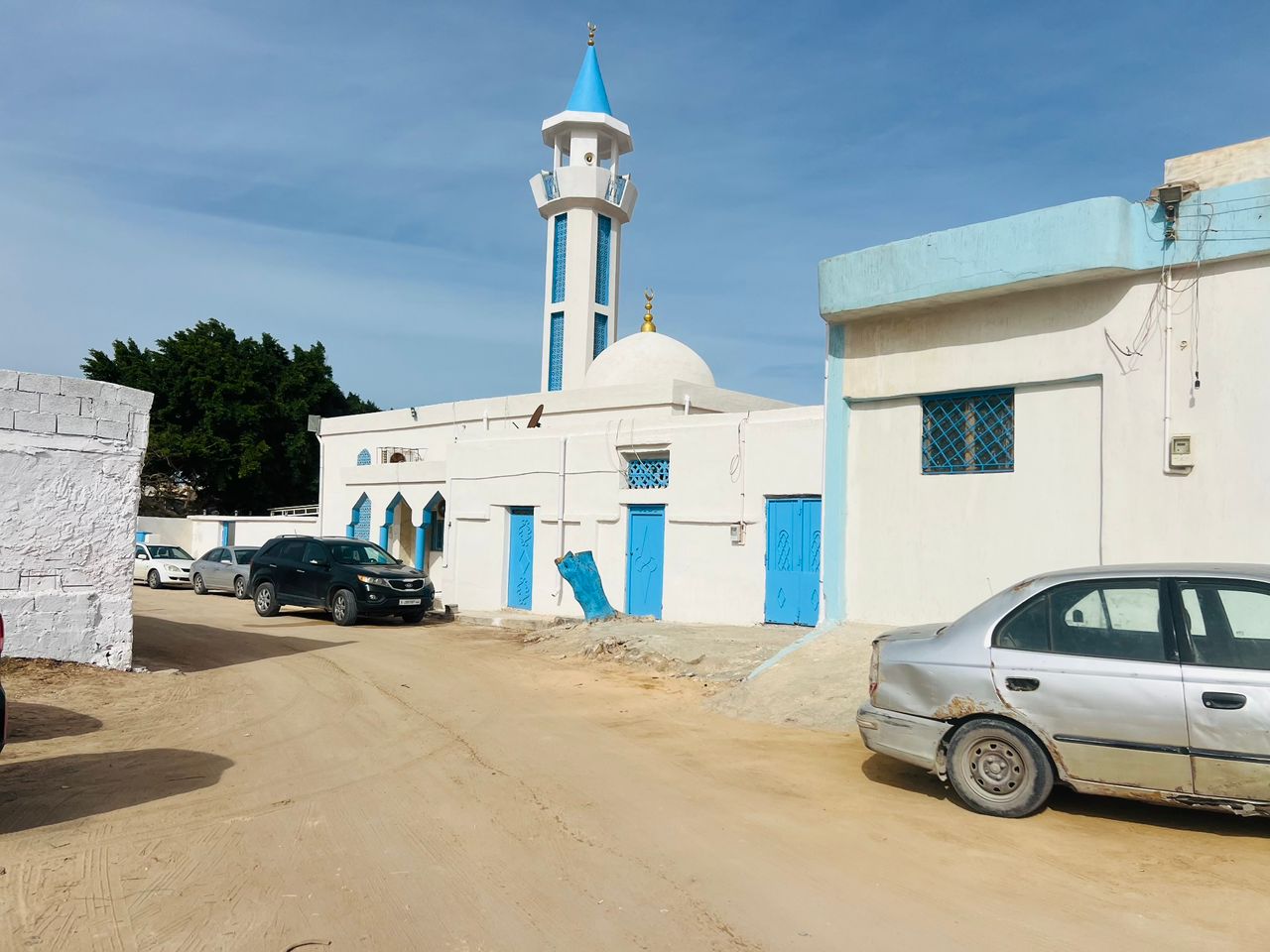
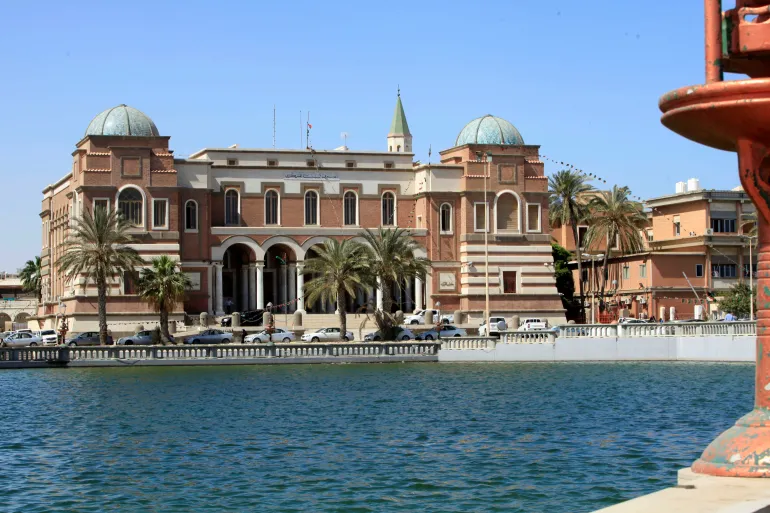
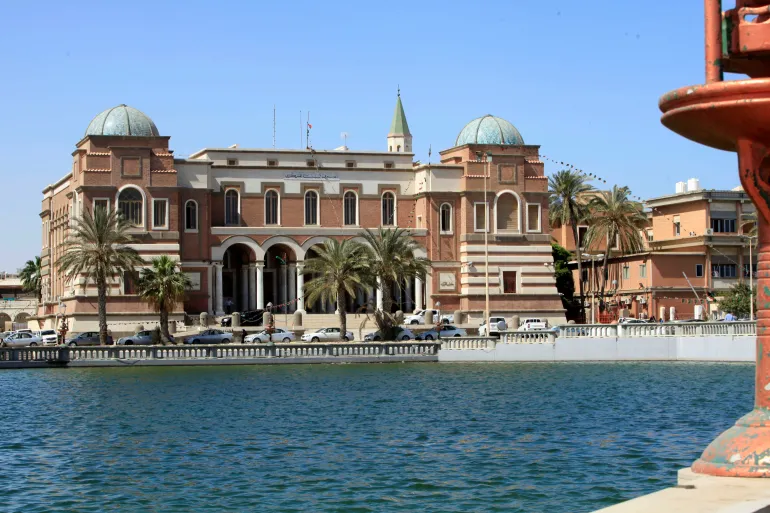
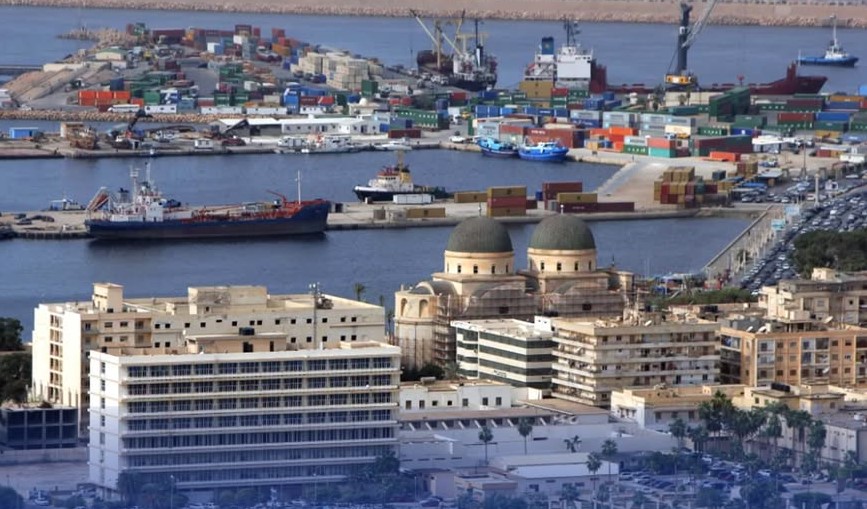
Tripoli is the capital and largest city of Libya, located on the country’s Mediterranean coast. Historically, it was founded by the Phoenicians in the 7th century BC and later became a significant Roman city, with its old town, the medina, showcasing a rich history of subsequent Arab, Ottoman, and Italian colonial rule.
Ramadan
Ramadan is the ninth month of the Islamic lunar calendar, observed by Muslims worldwide as a month of fasting, prayer, reflection, and community. Its history is rooted in the Islamic tradition that it was during this month that the first verses of the Quran were revealed to the Prophet Muhammad.
greenhouse cucumbers
“Greenhouse cucumbers” are not a specific cultural site or place, but a method of agricultural cultivation. The practice of growing cucumbers in controlled greenhouse environments has a history dating back to the Roman era with early forms of protected horticulture, though modern commercial greenhouse production expanded significantly in the 20th century. This method allows for year-round production and is now a key part of the agricultural industry in many countries.
chicken
“Chicken” is a historic settlement in Alaska, USA, that originated as a gold mining camp during the Klondike Gold Rush in the late 1890s. Its unusual name is said to derive from the local abundance of ptarmigan, a bird miners colloquially referred to as “chicken.” Today, it serves as a small, seasonal tourist stop that preserves its gold rush-era character.