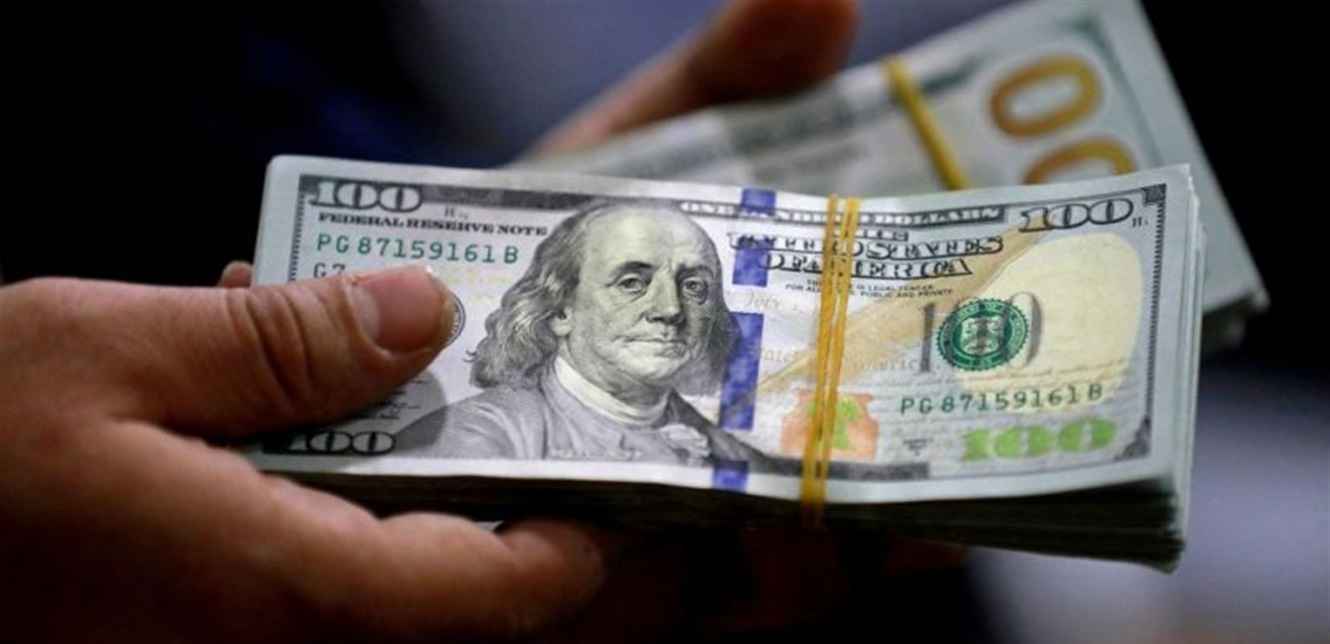
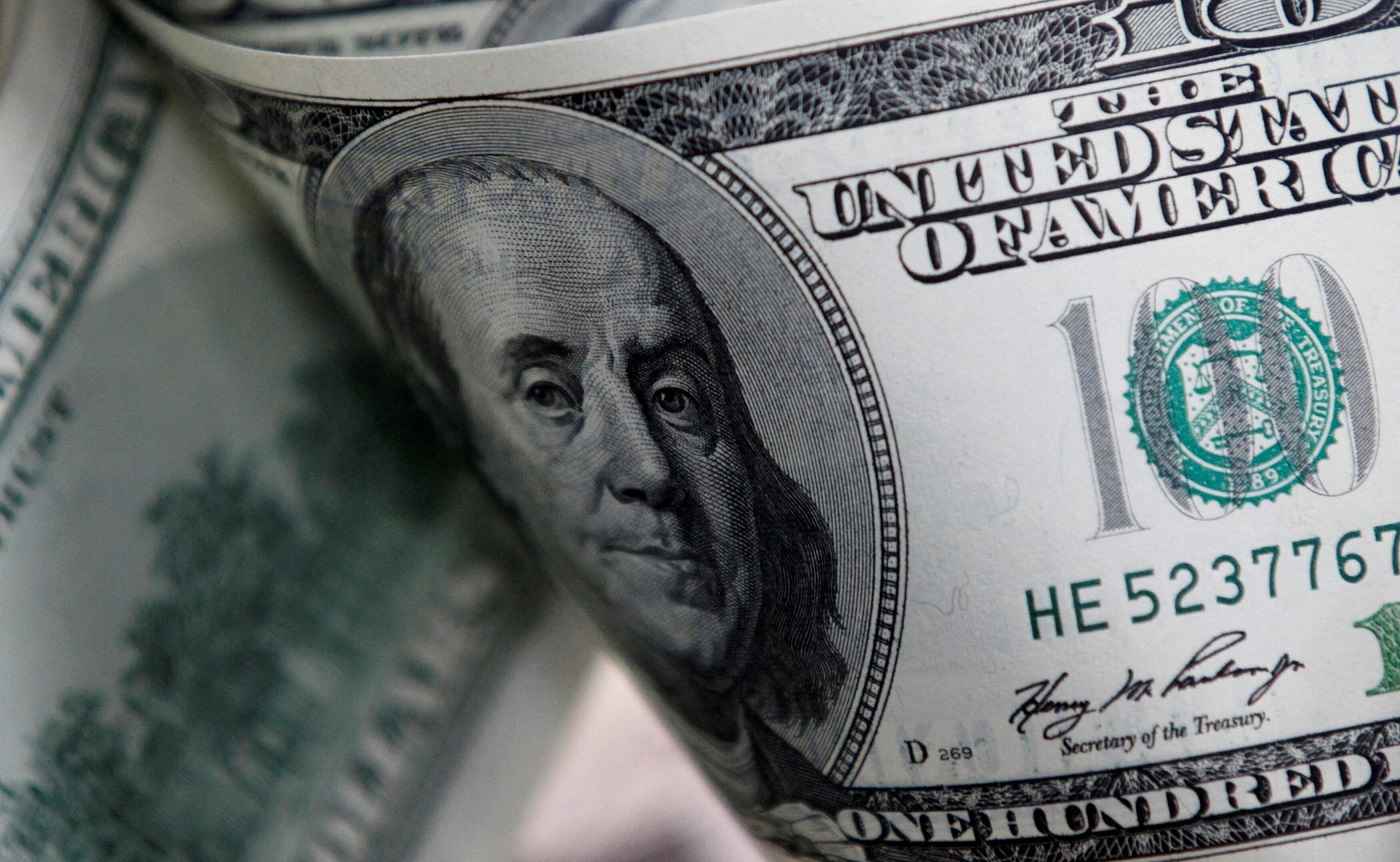
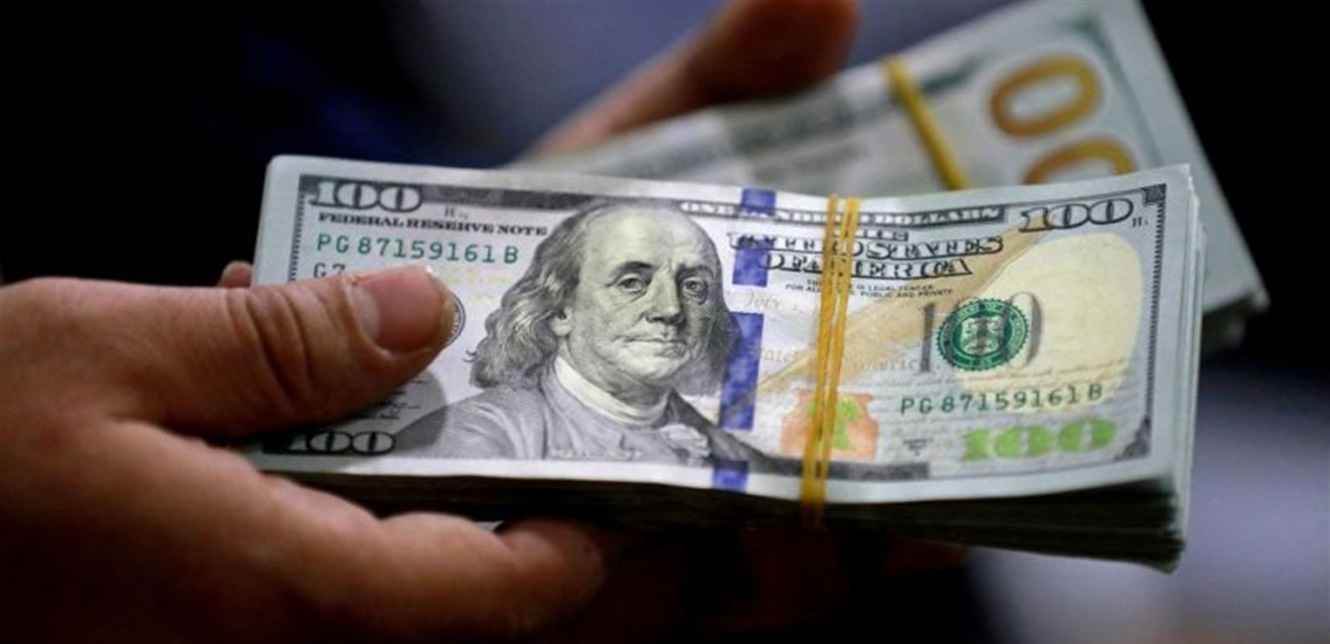
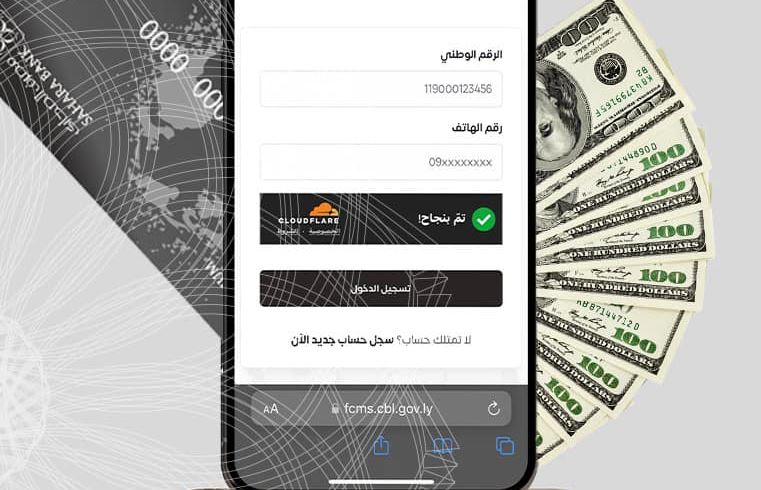
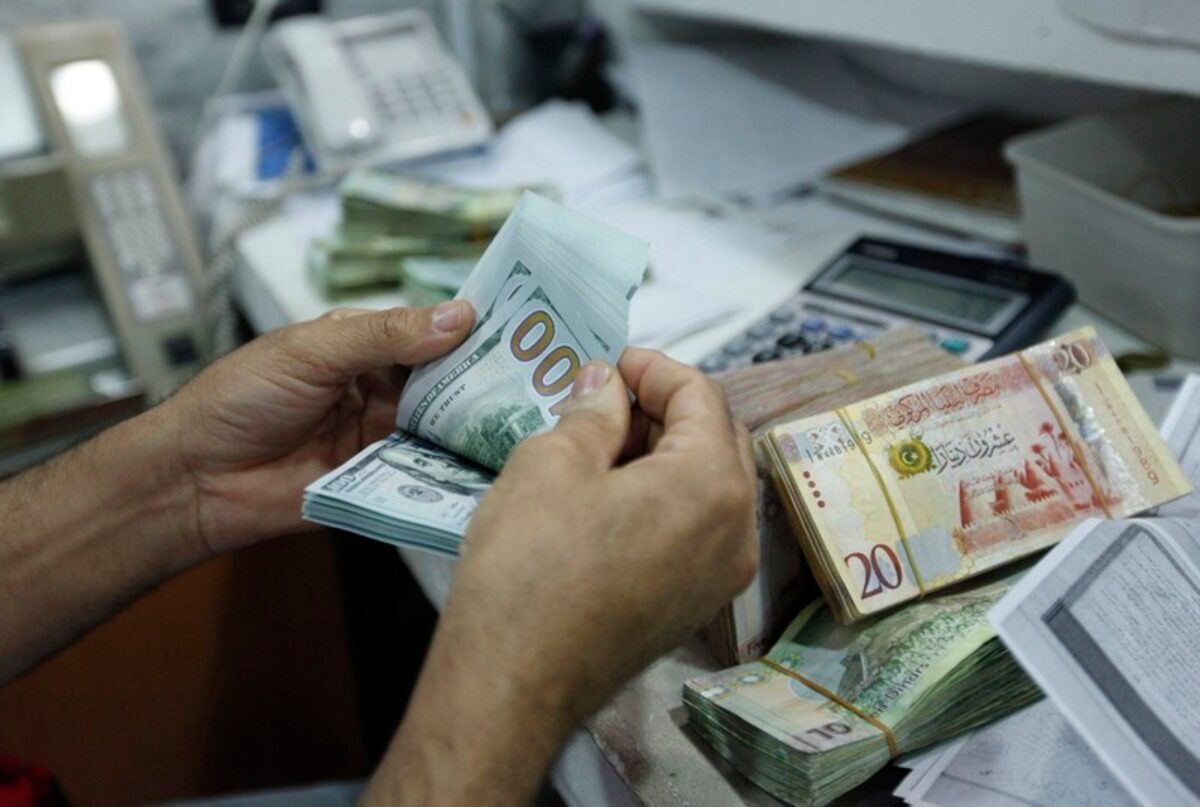
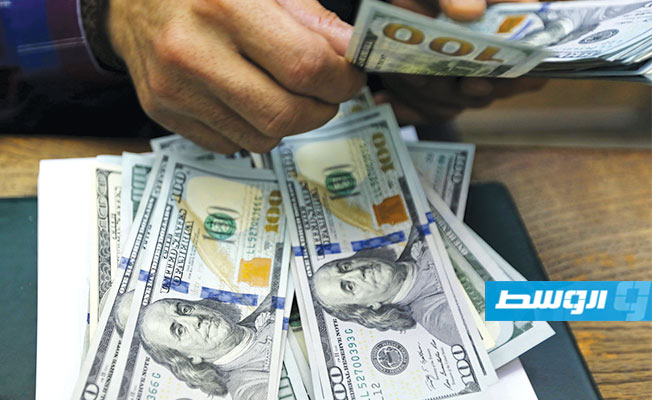
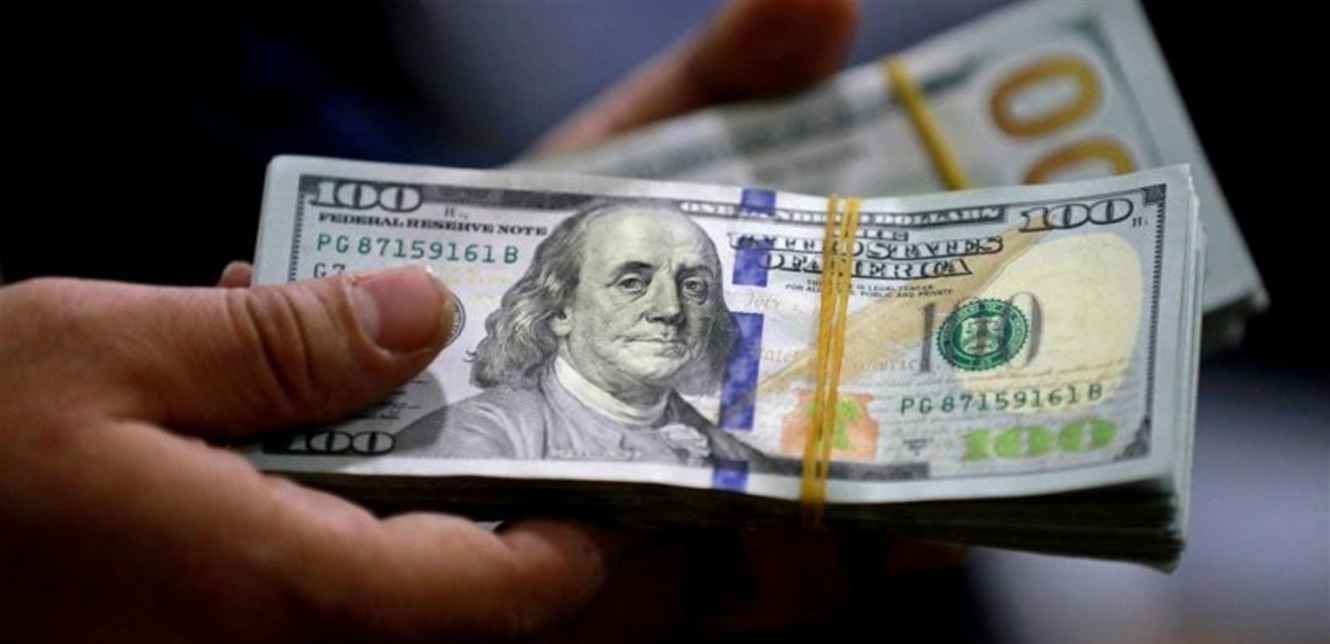
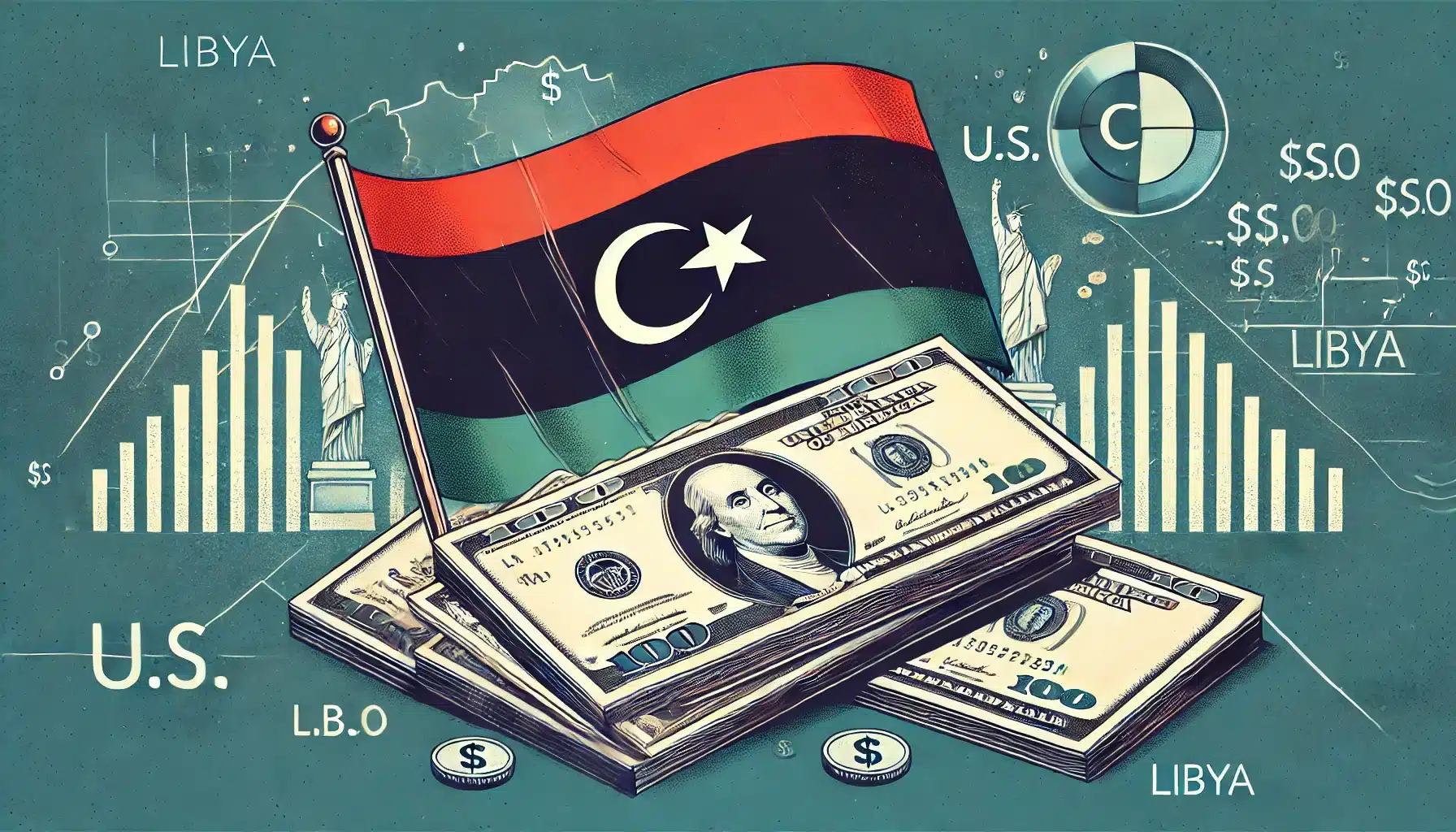
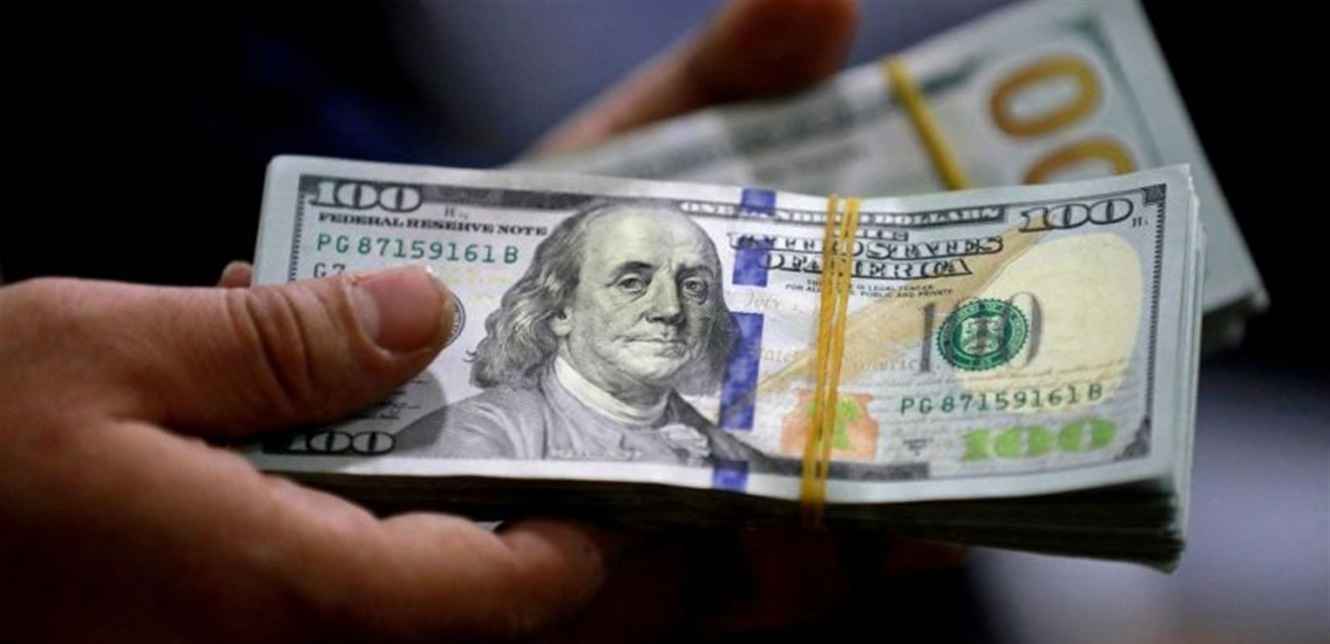
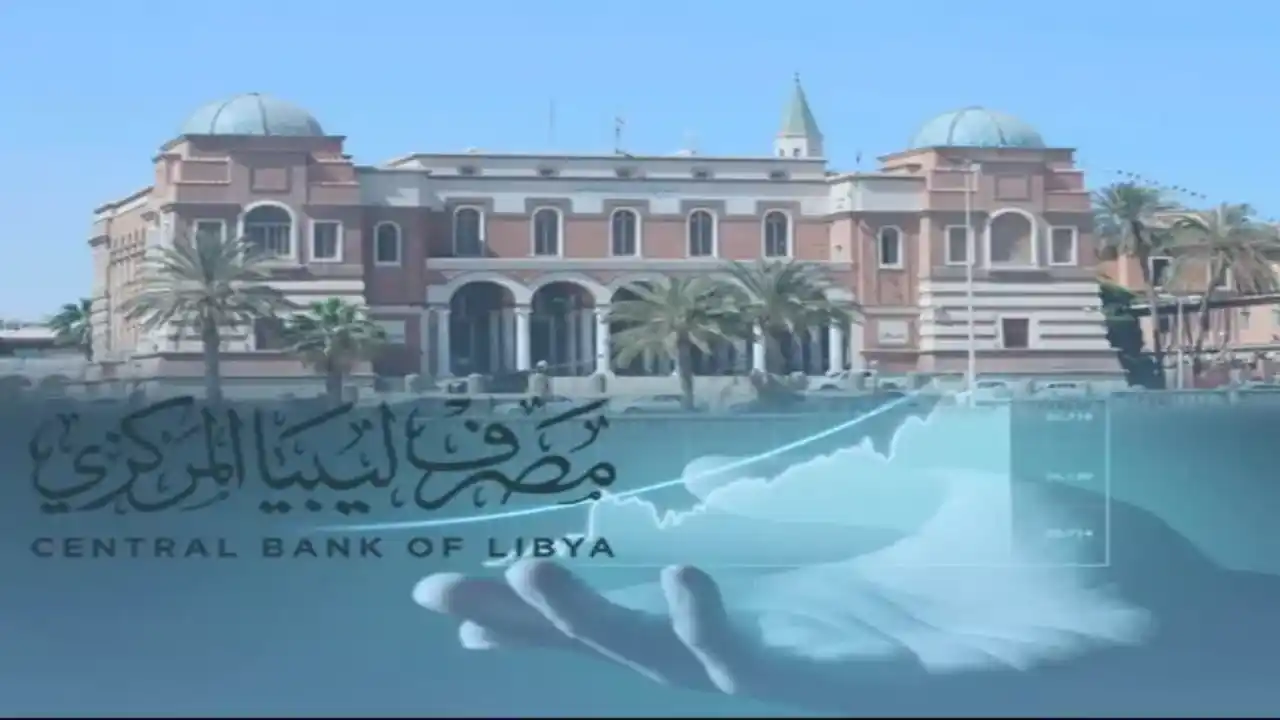
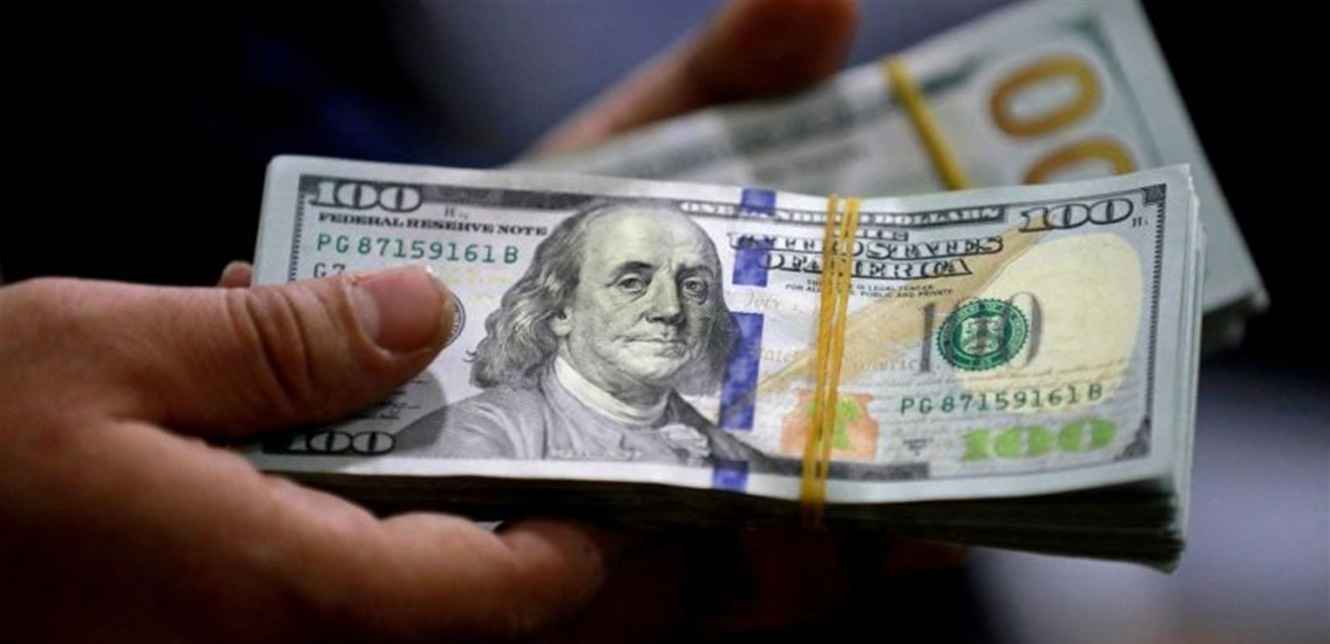
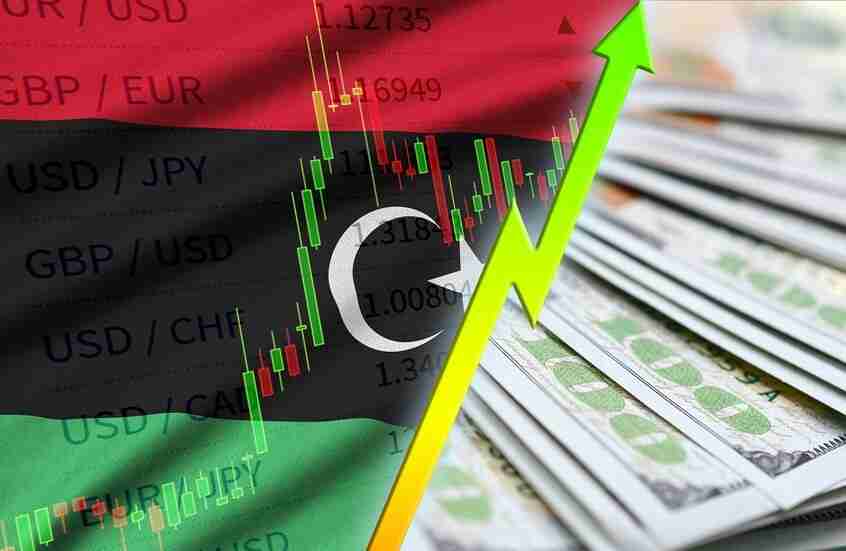
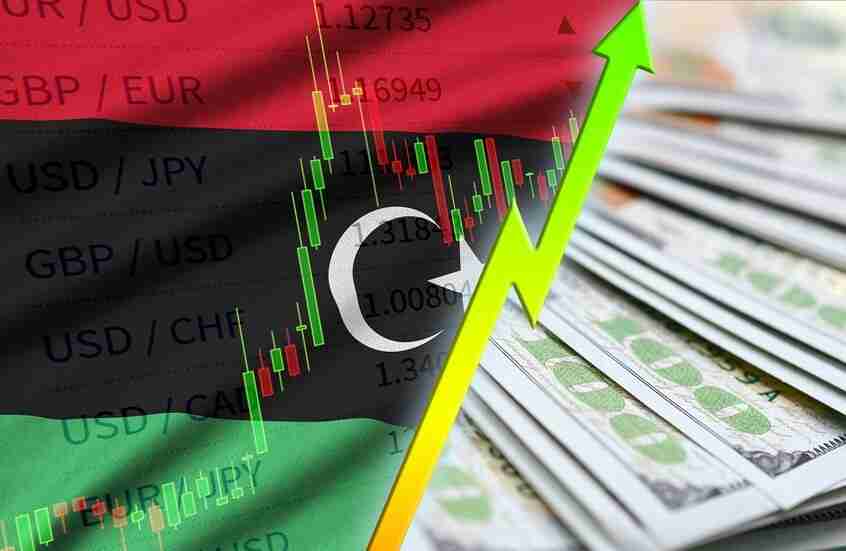
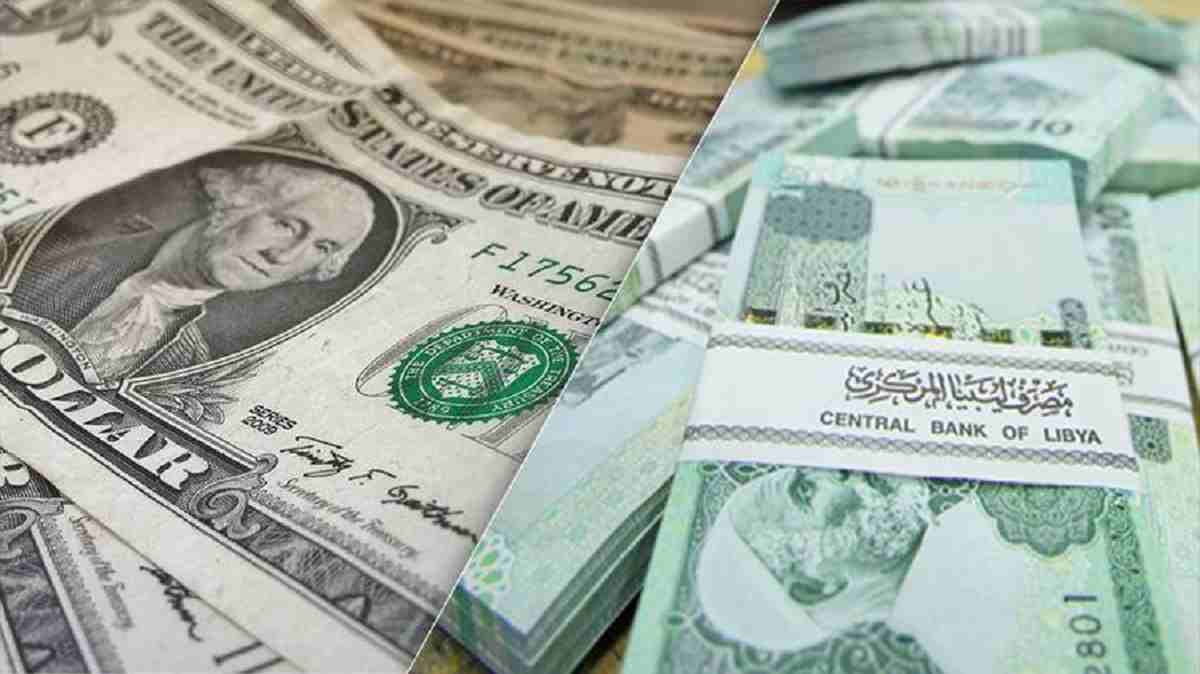
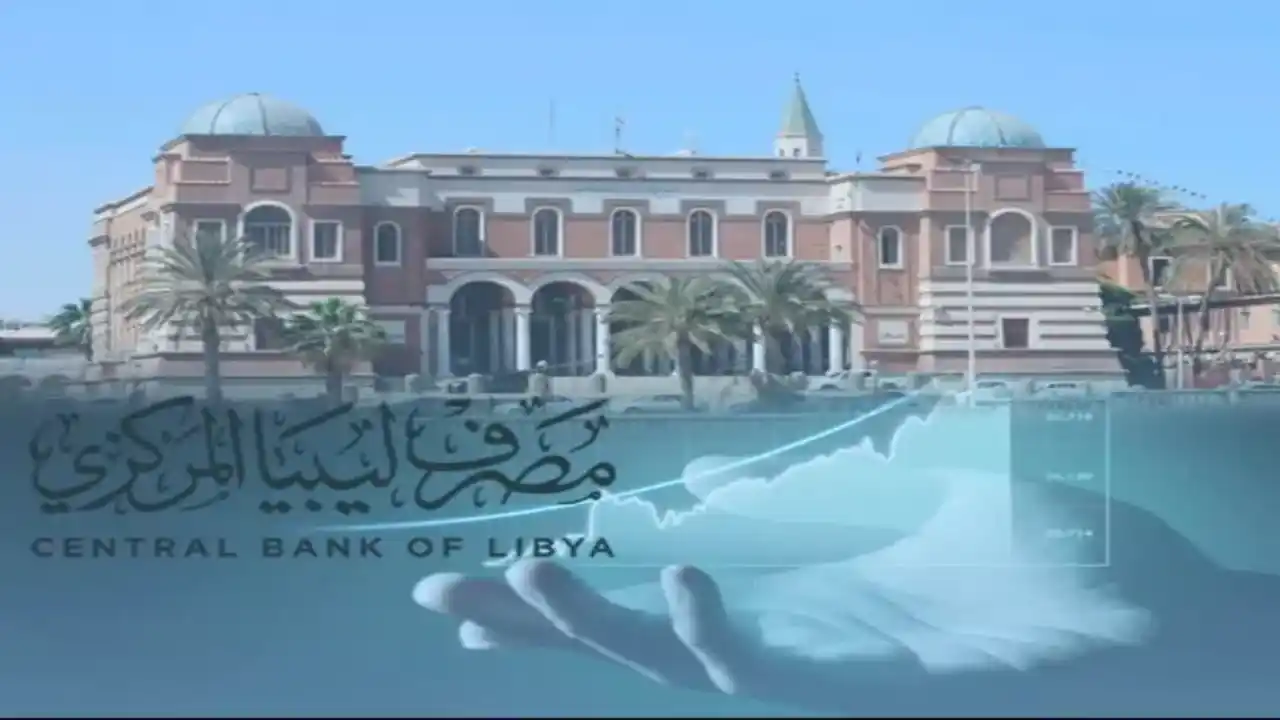
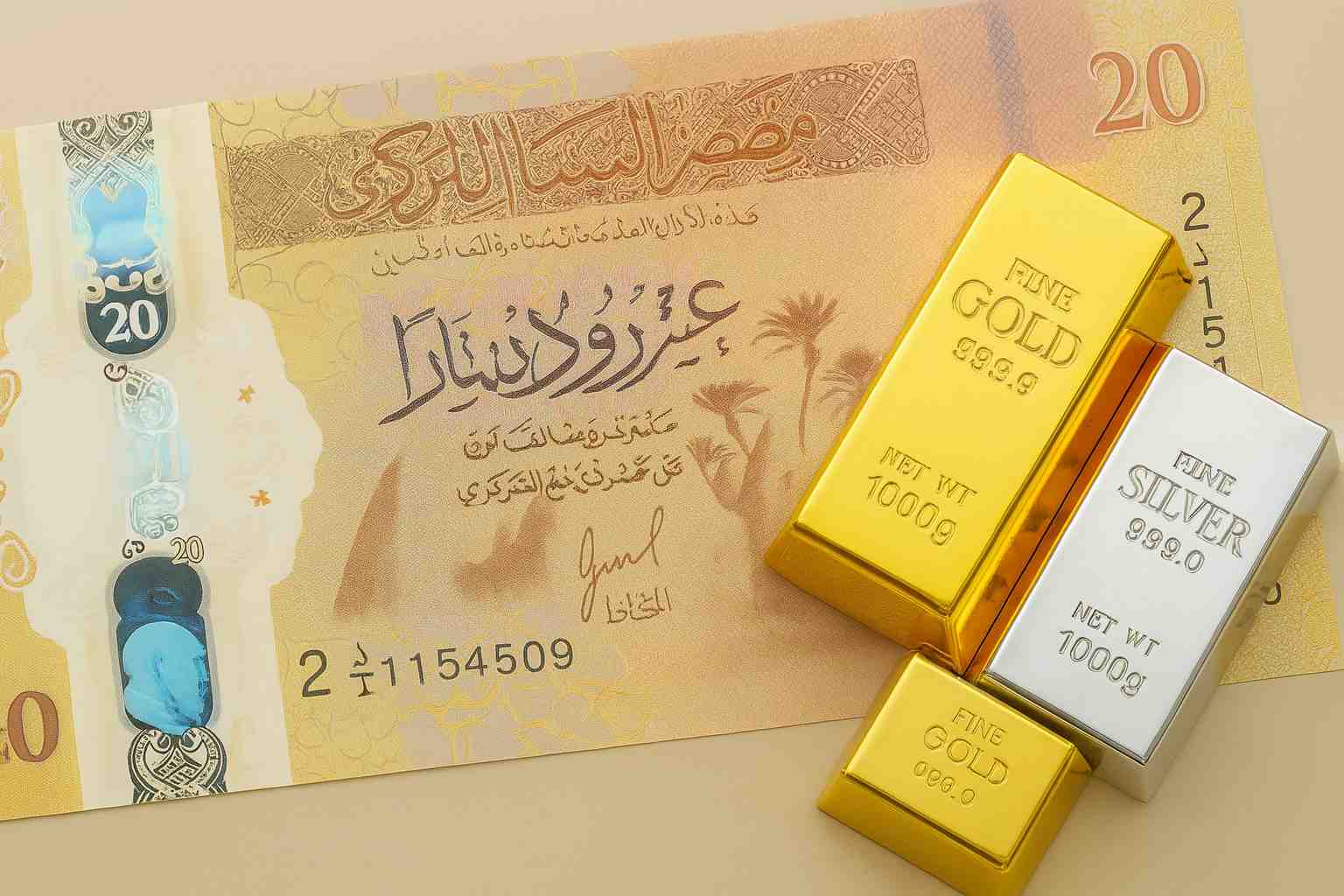
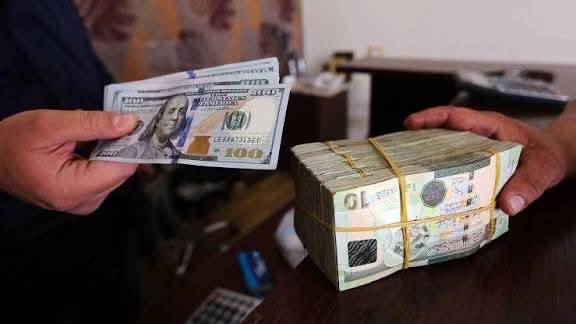
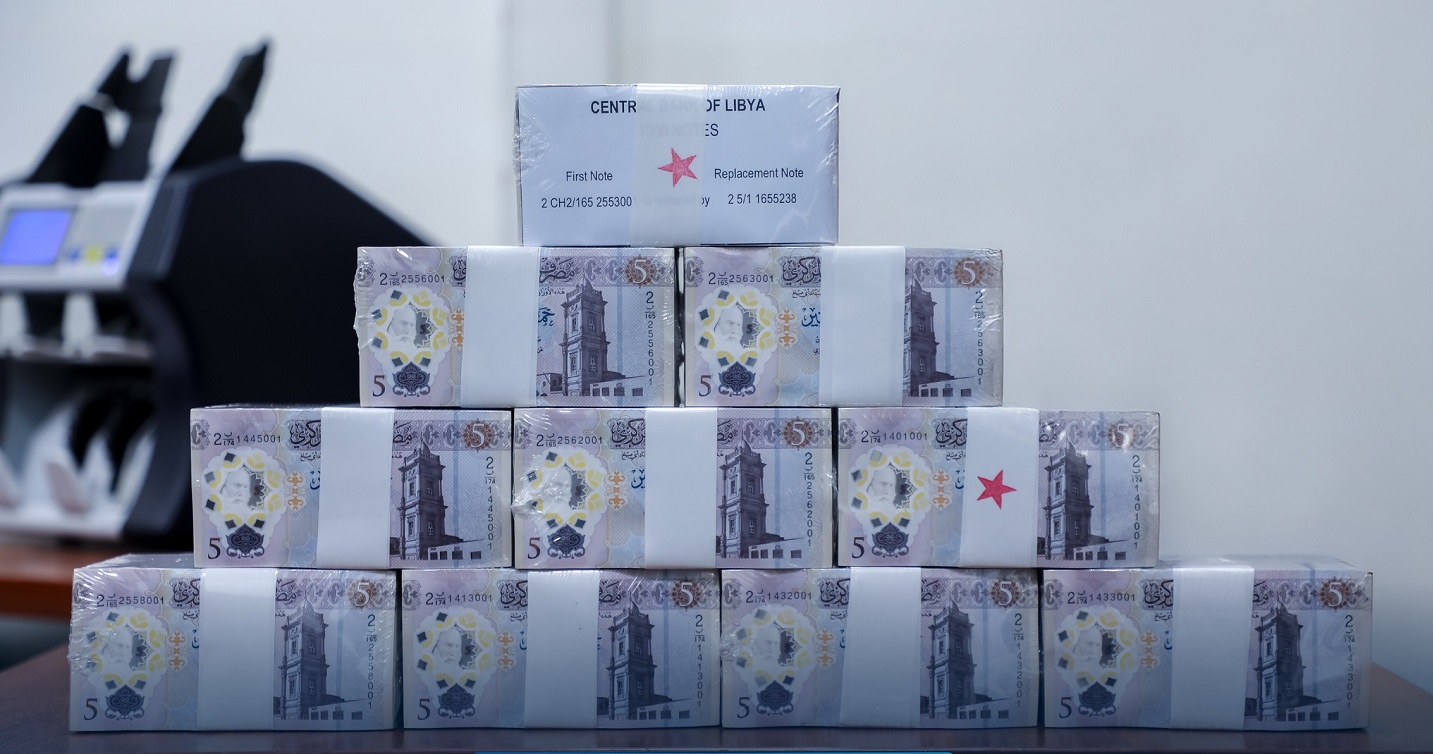
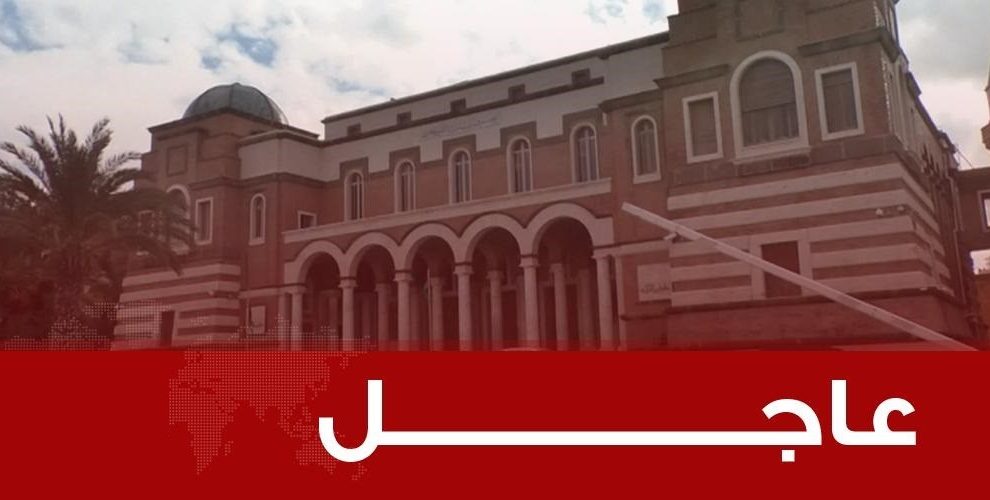
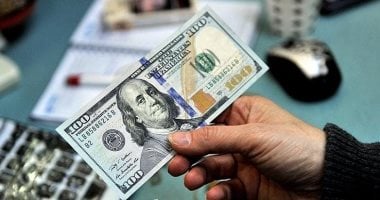
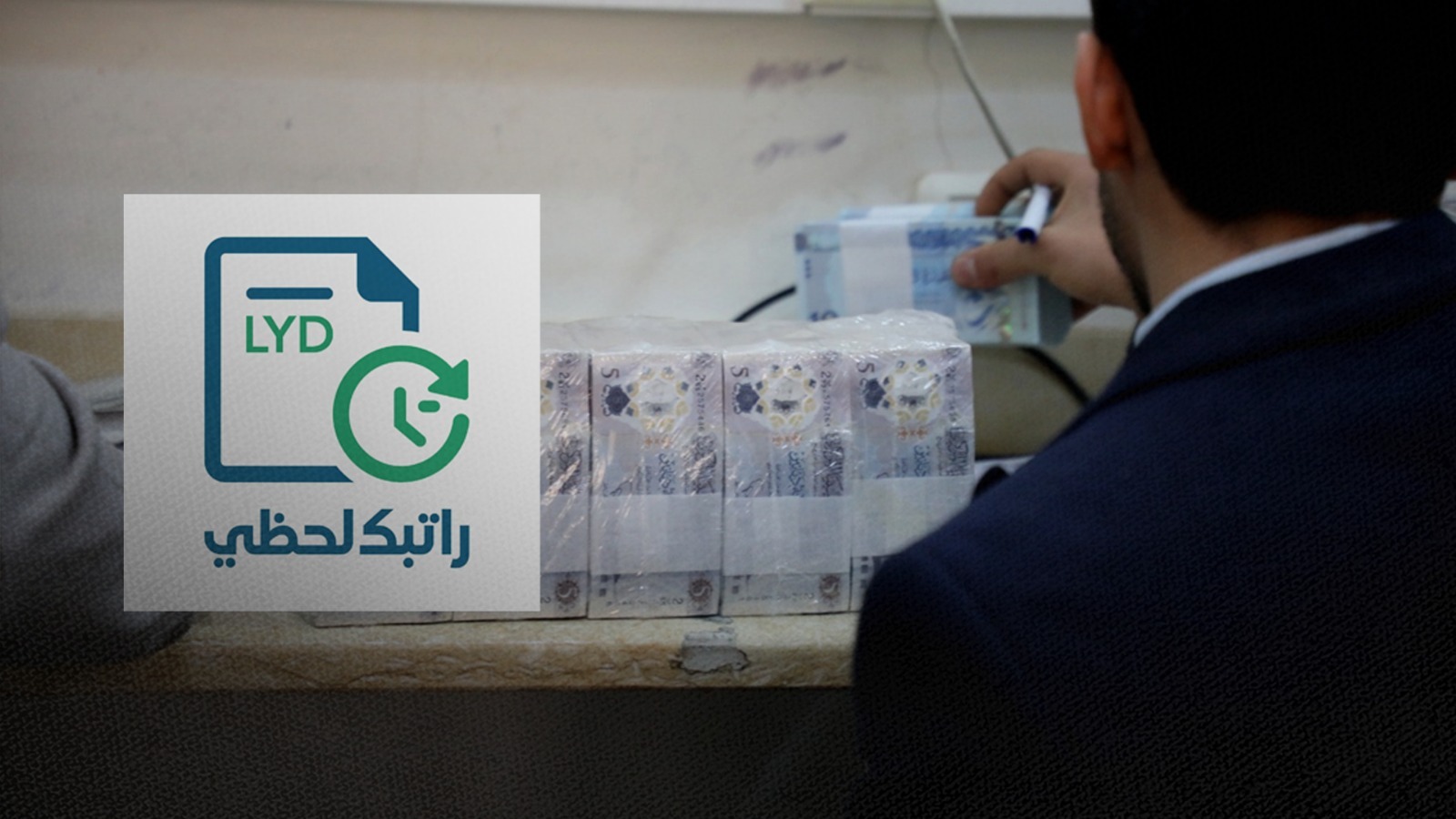
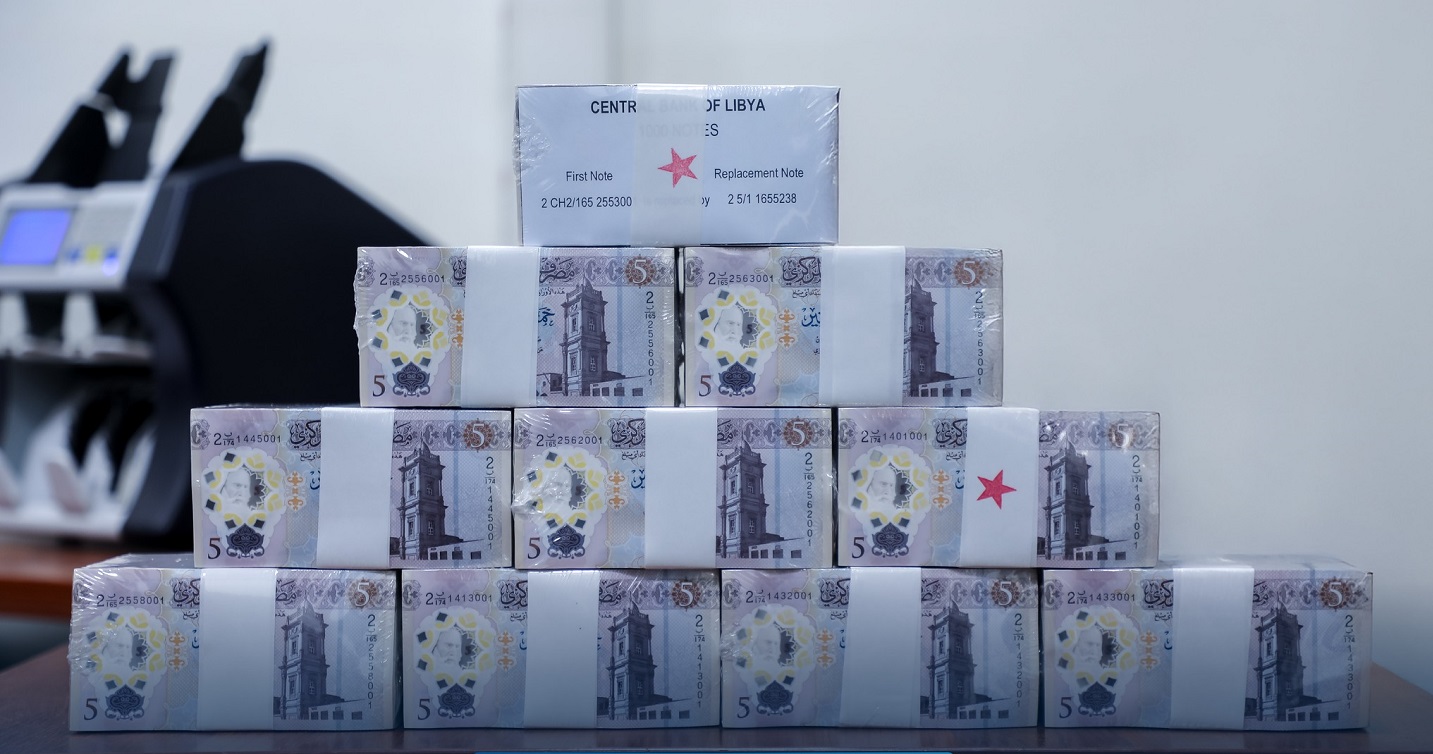
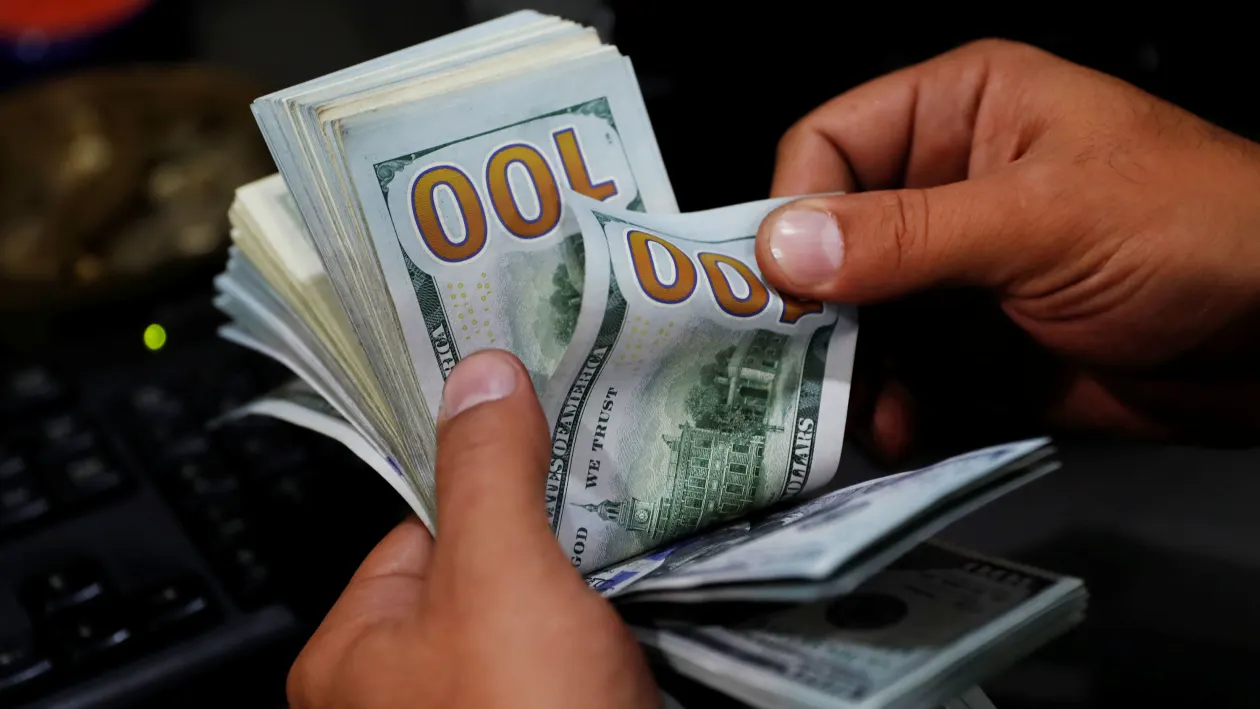
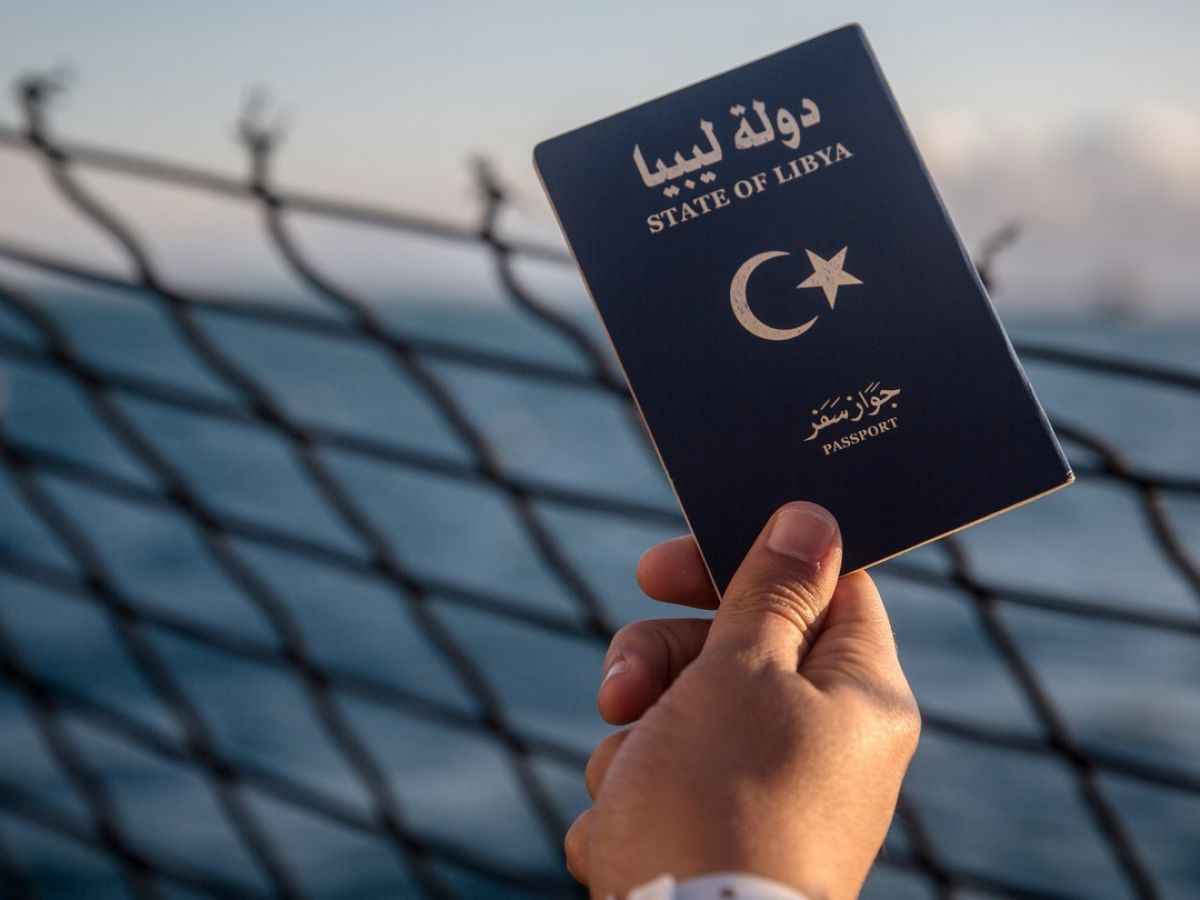
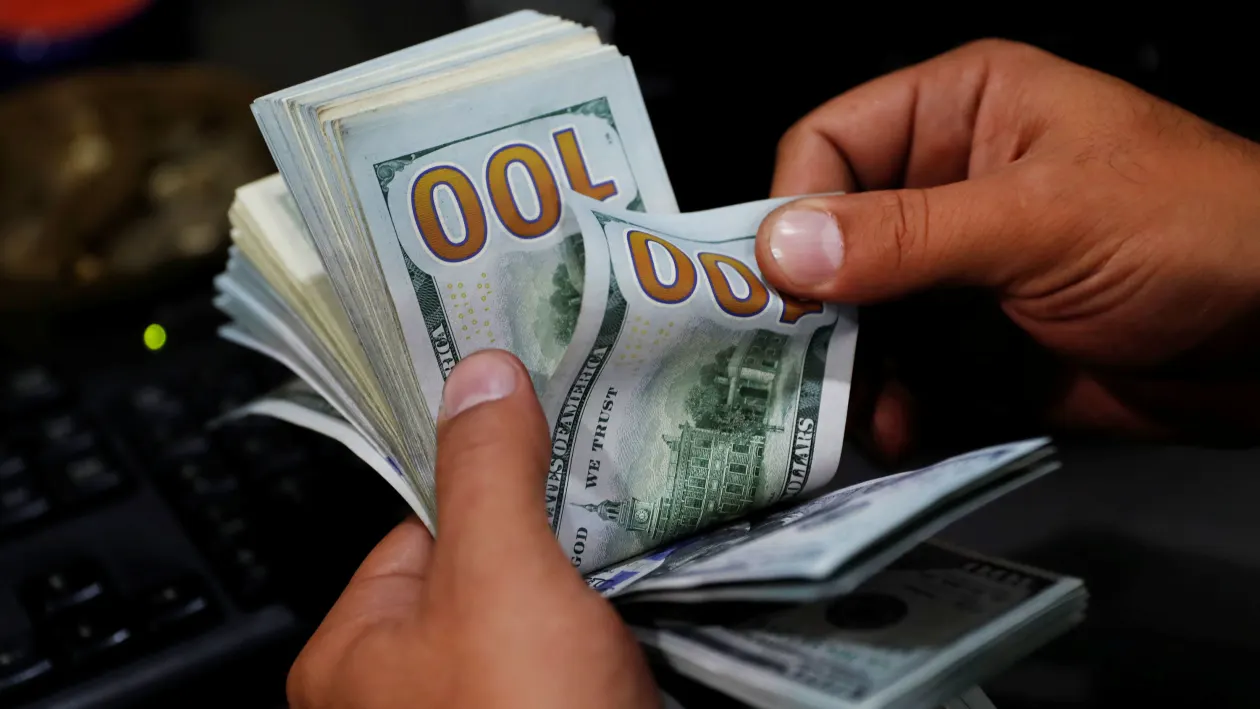
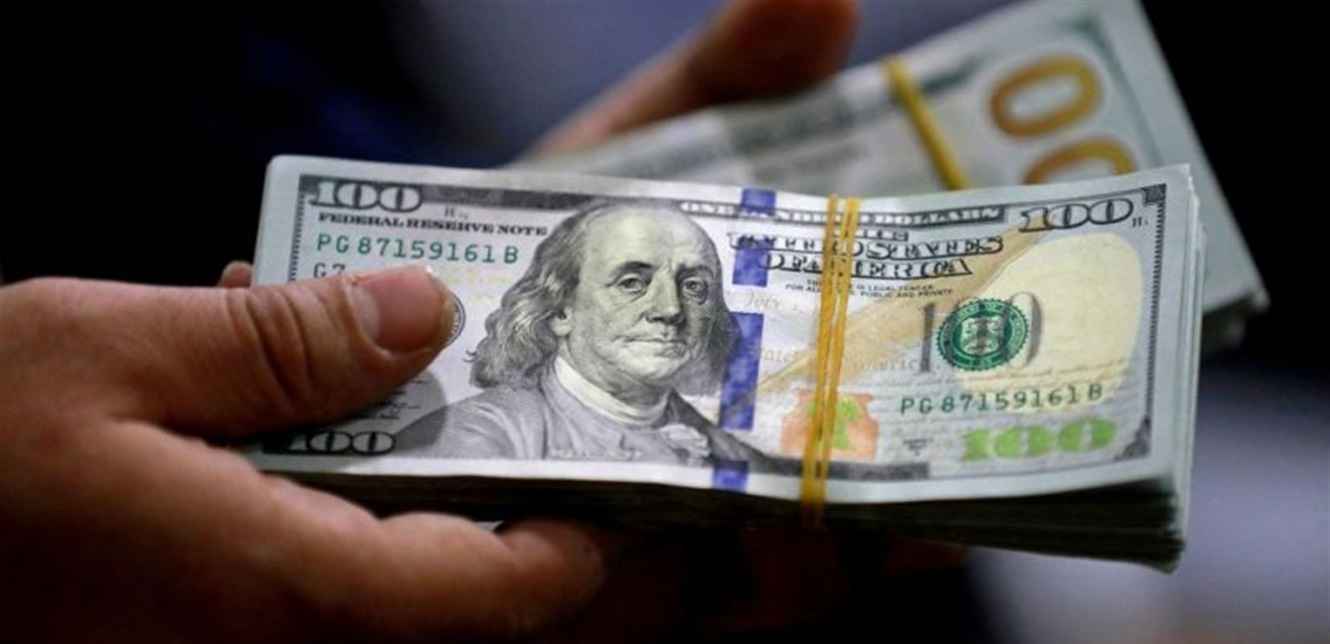
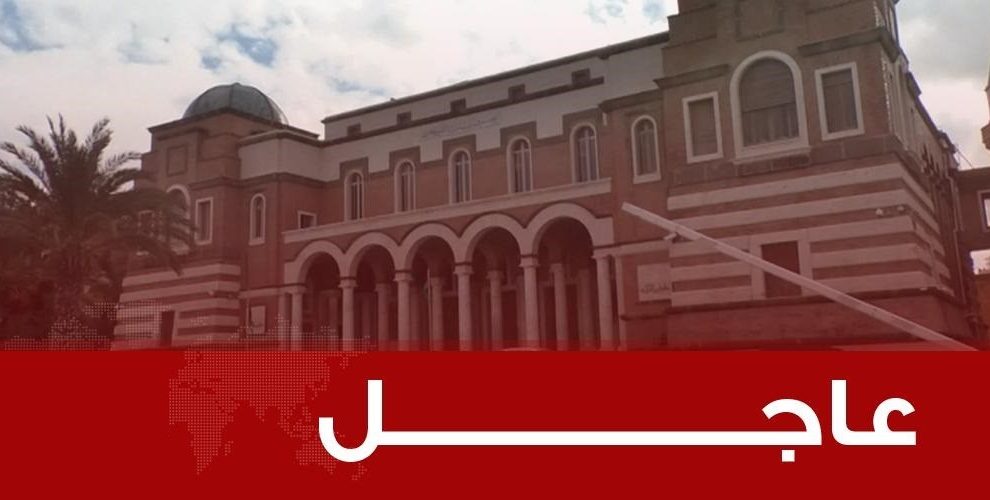
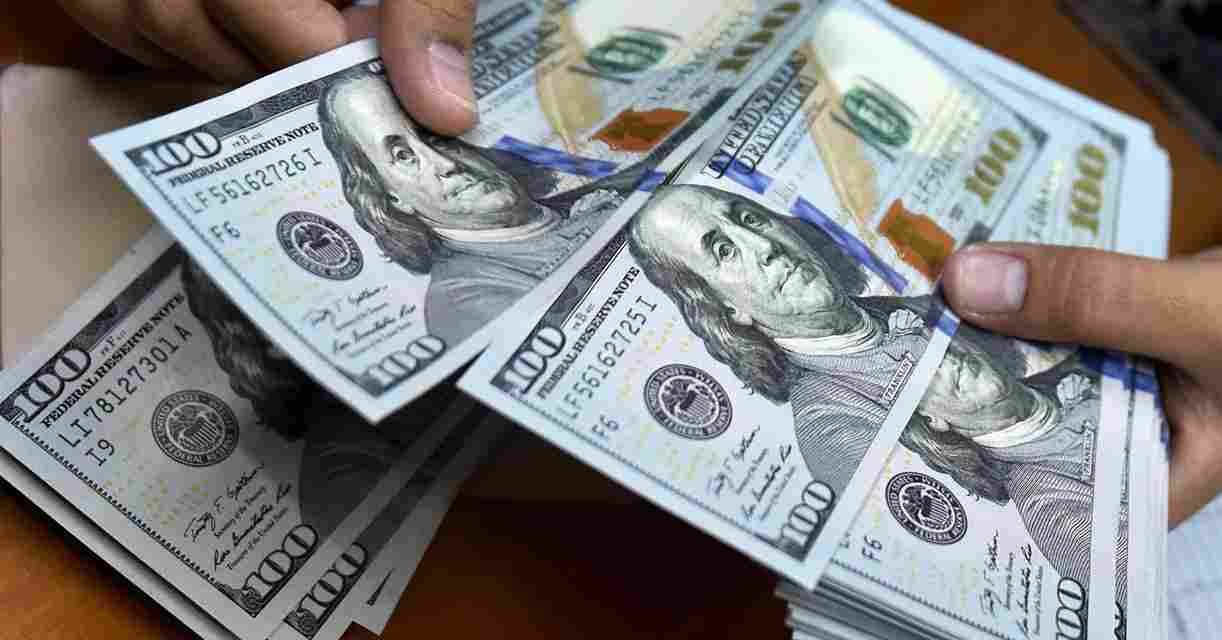
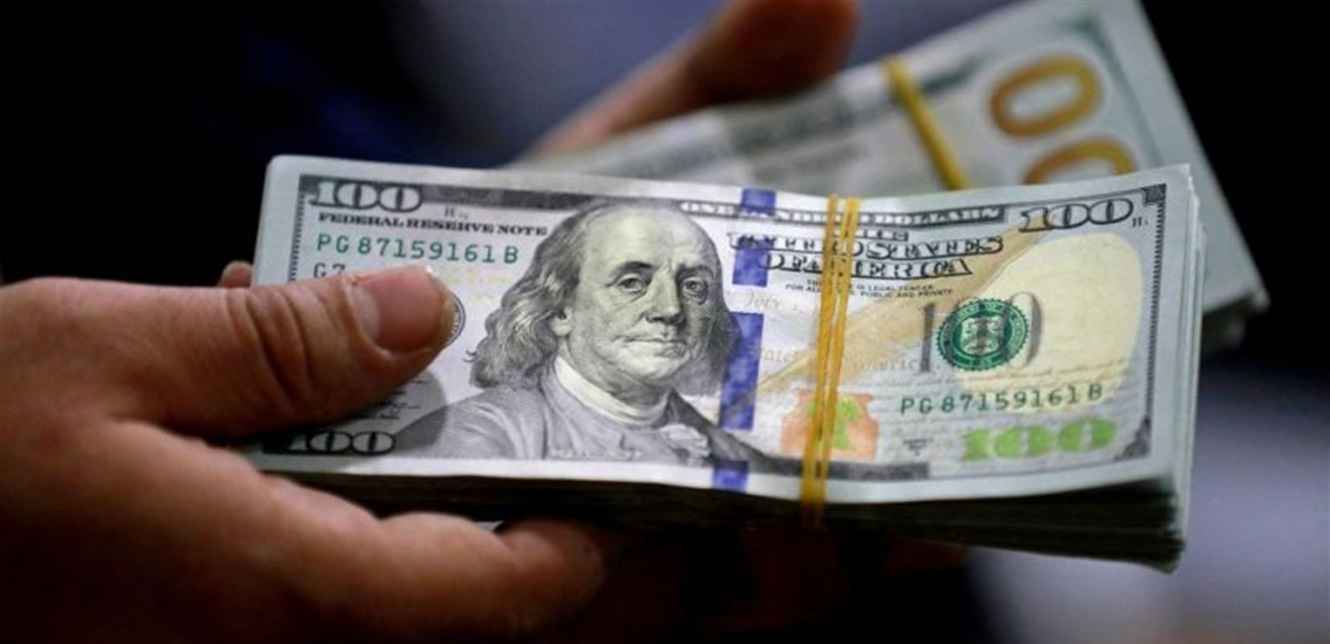
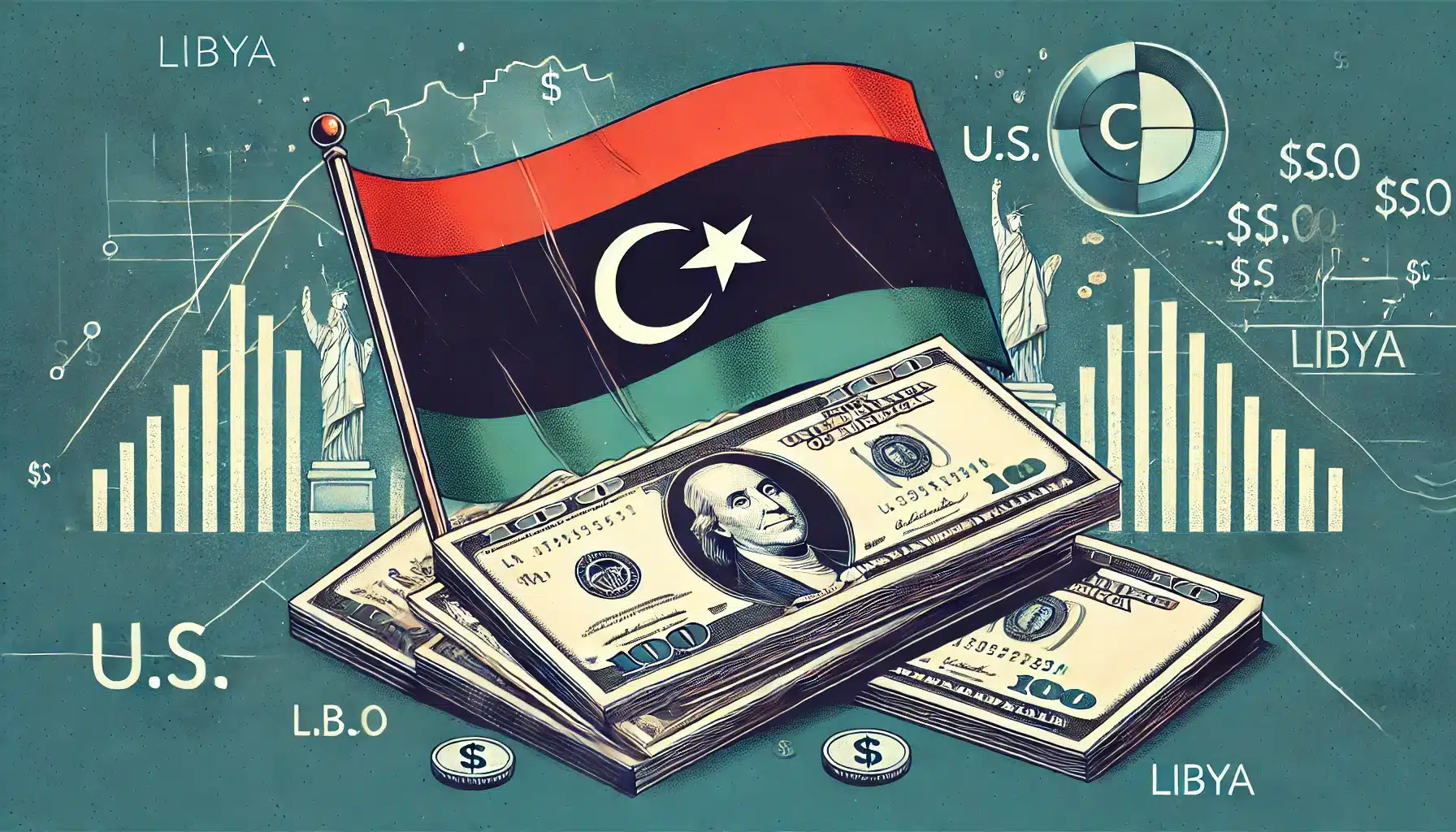
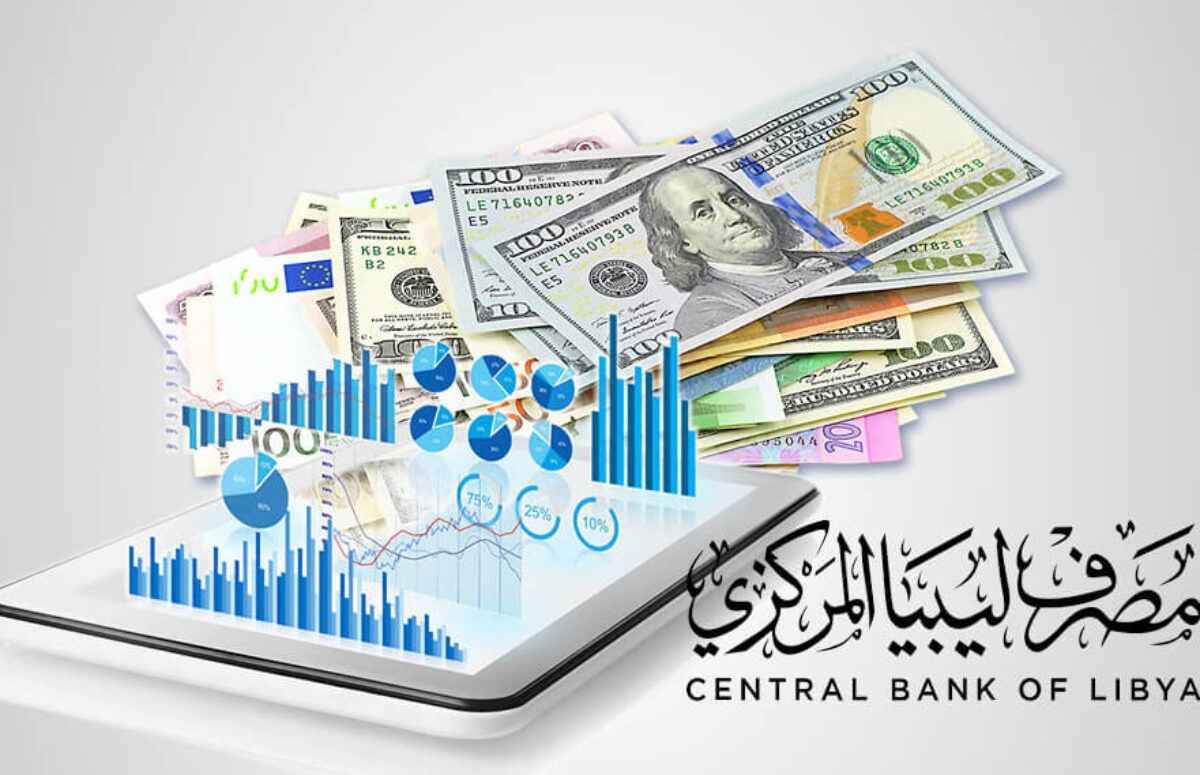
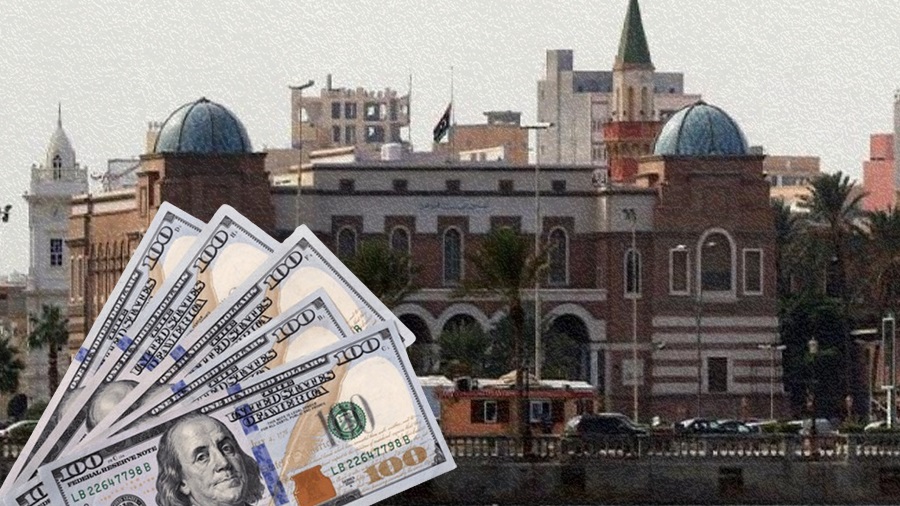
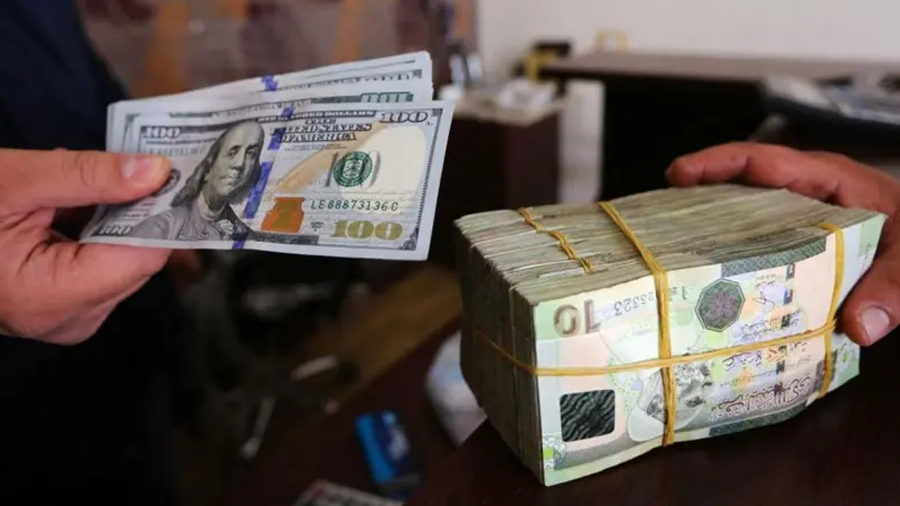
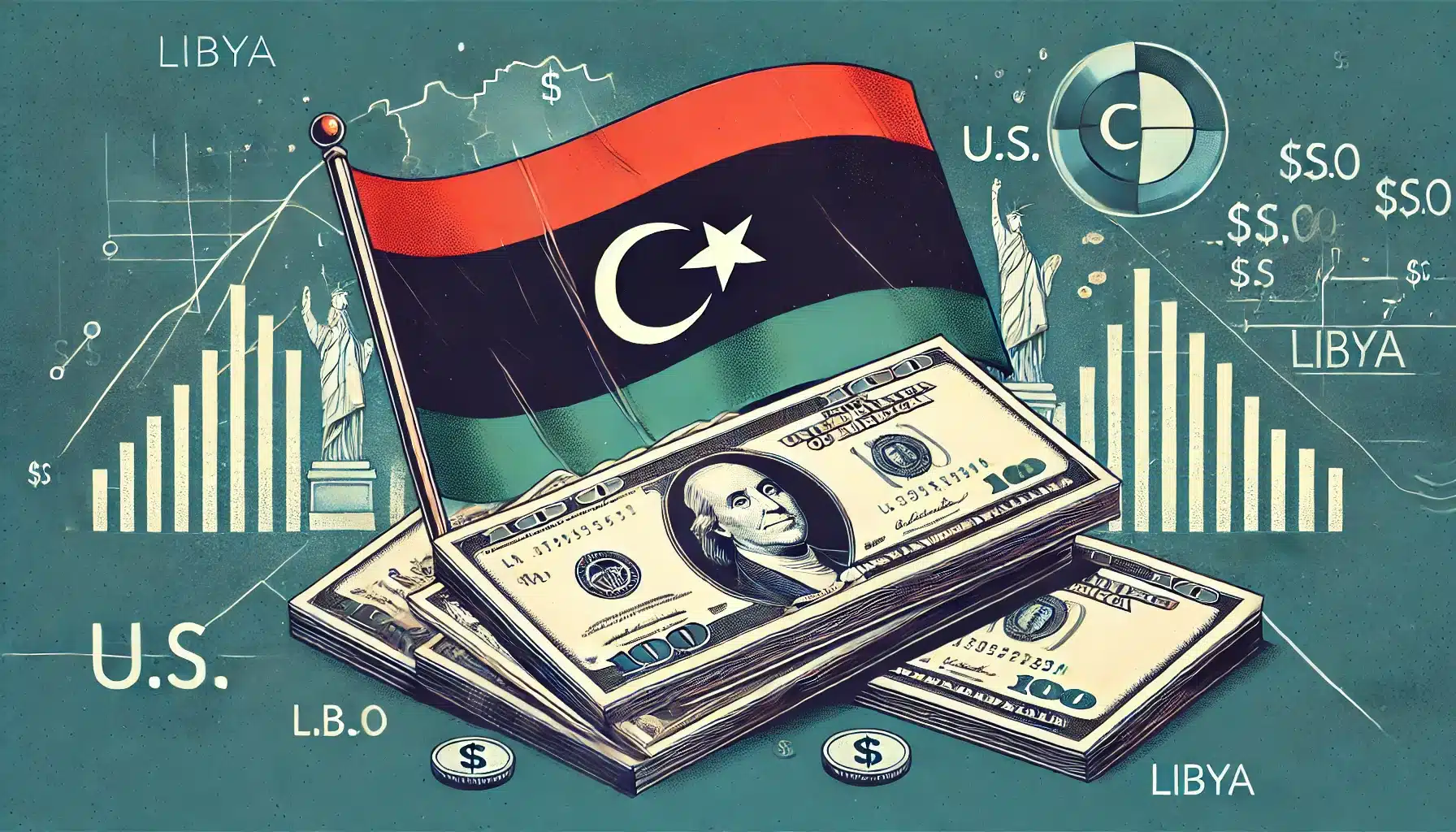
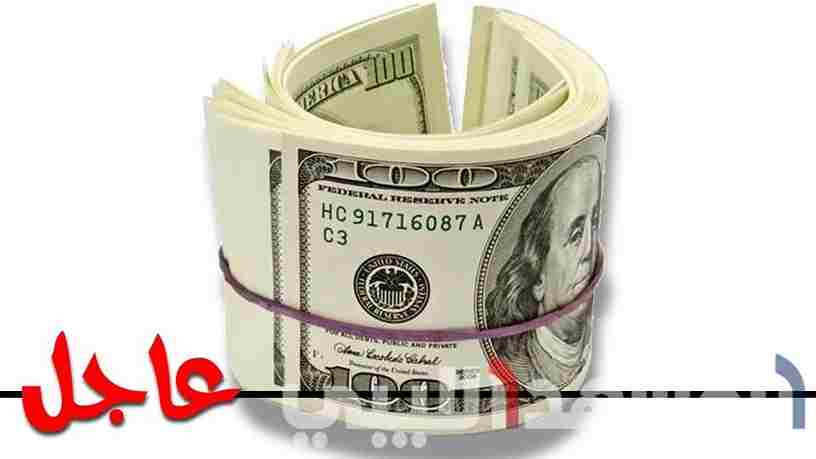
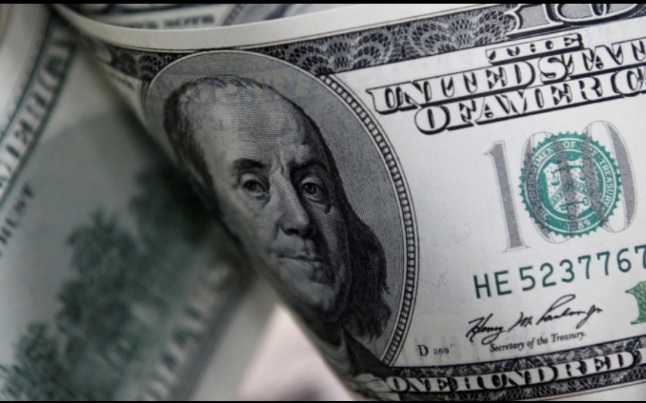
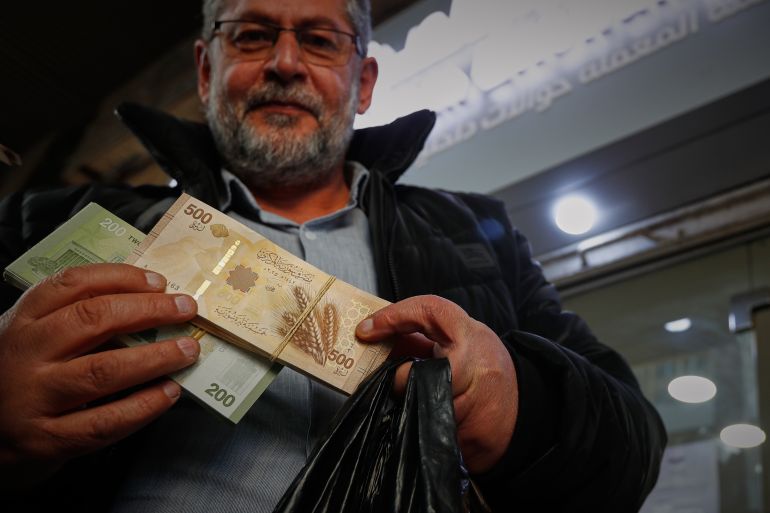
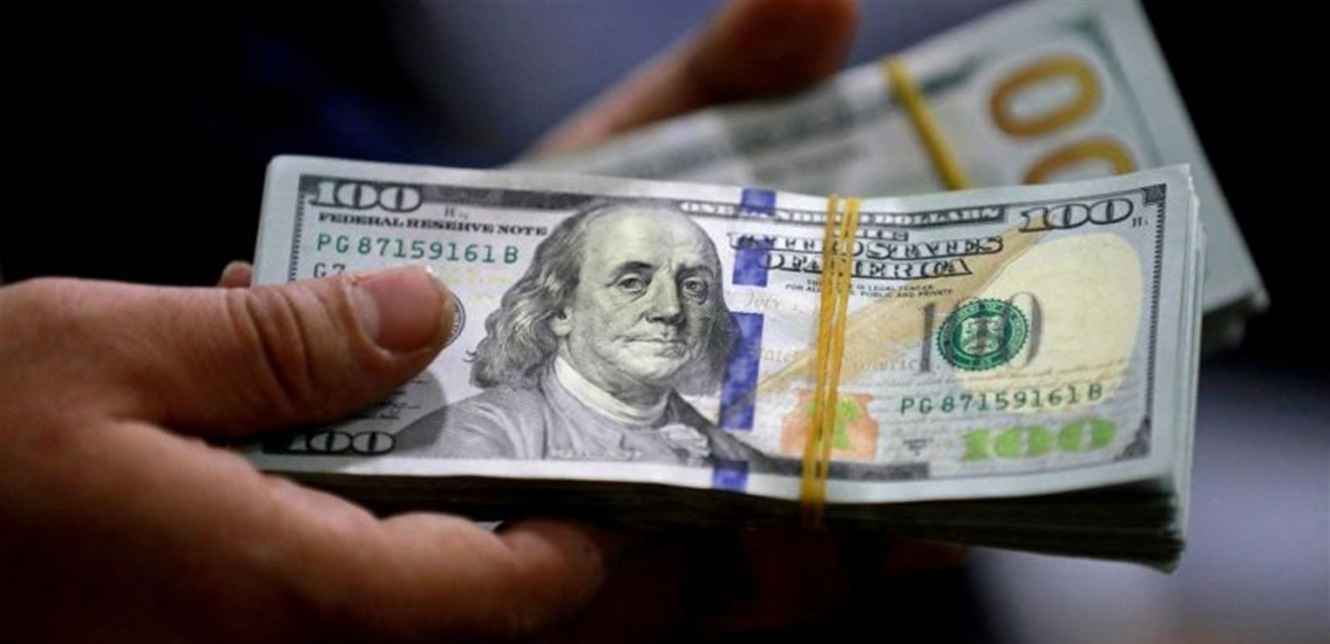
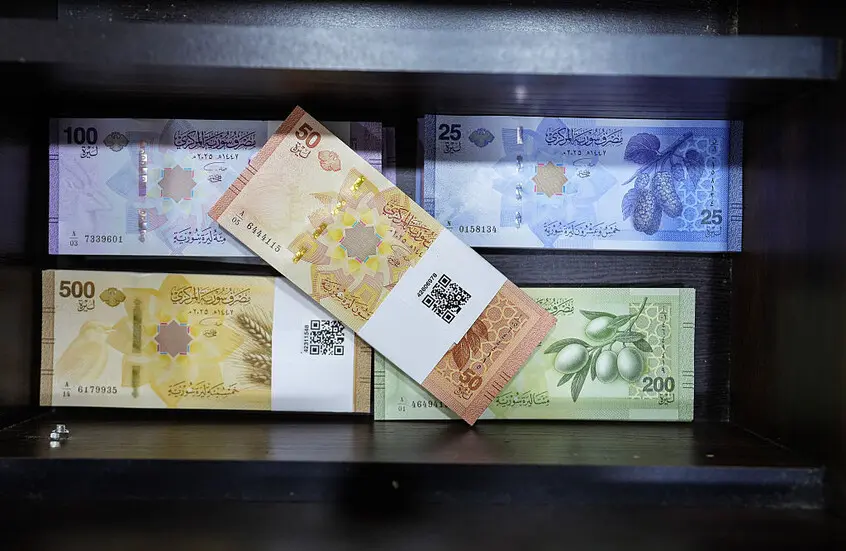
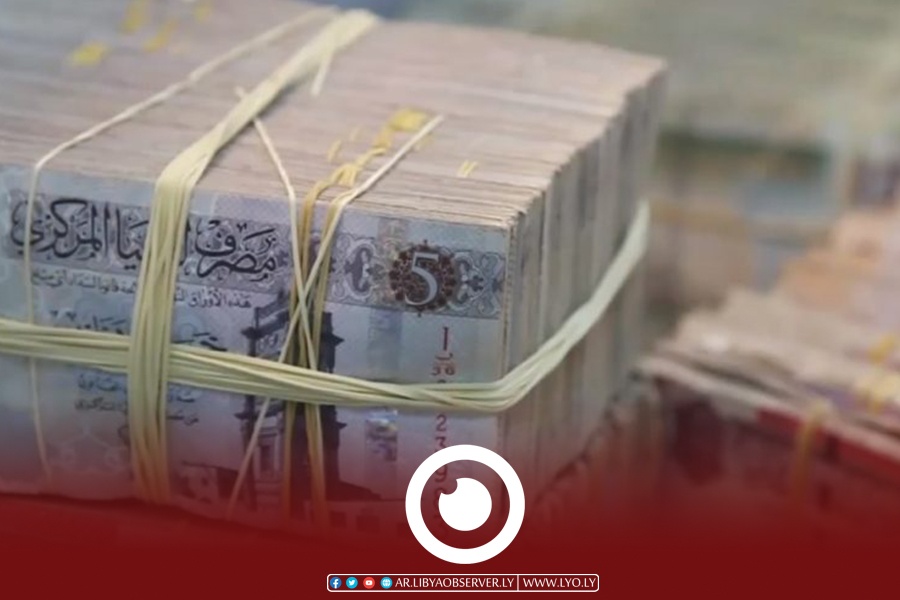
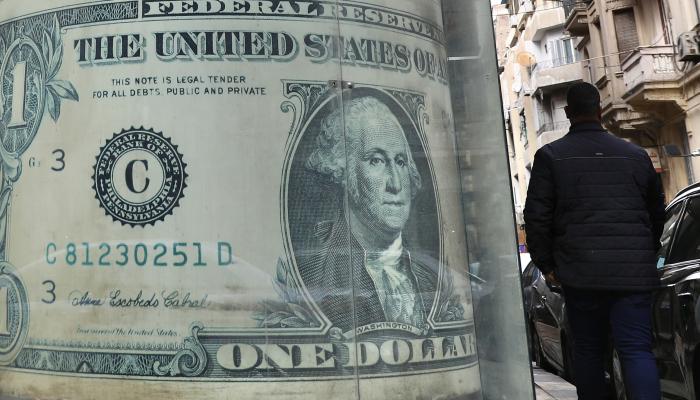
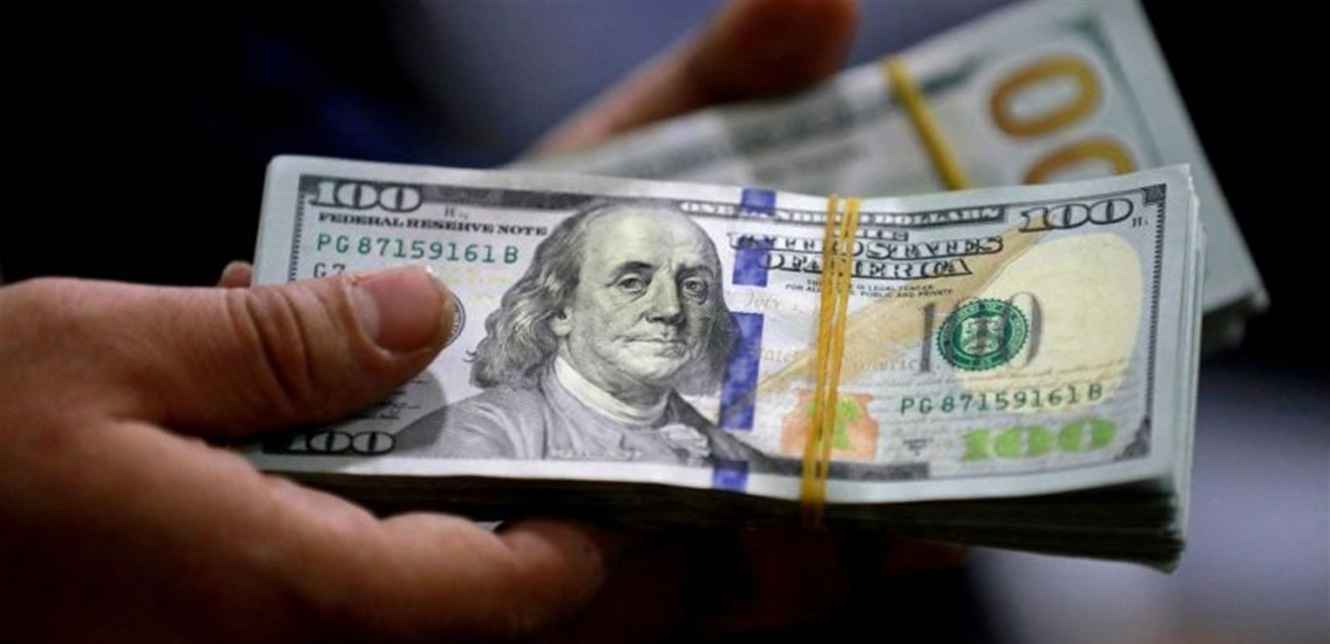
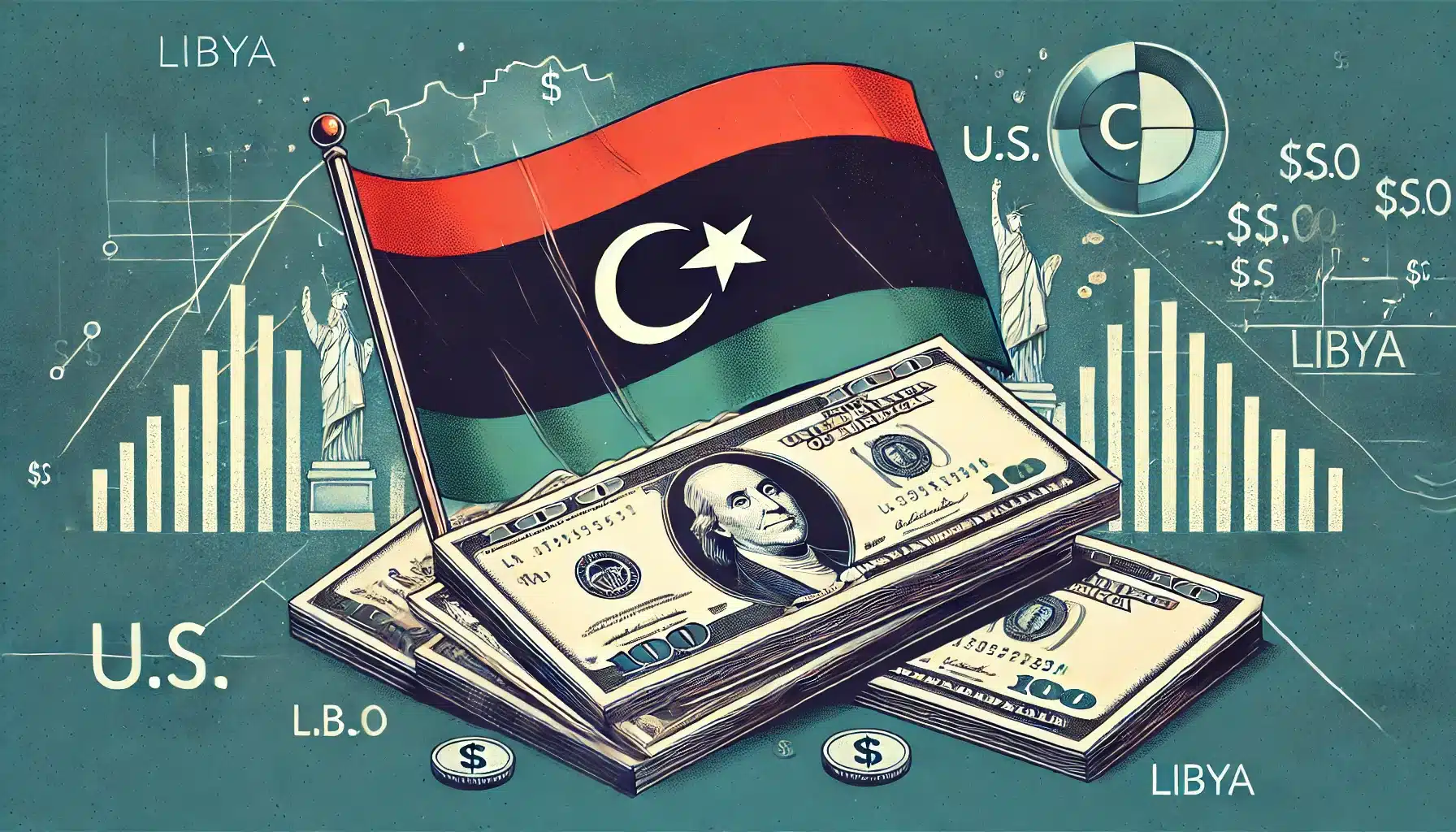
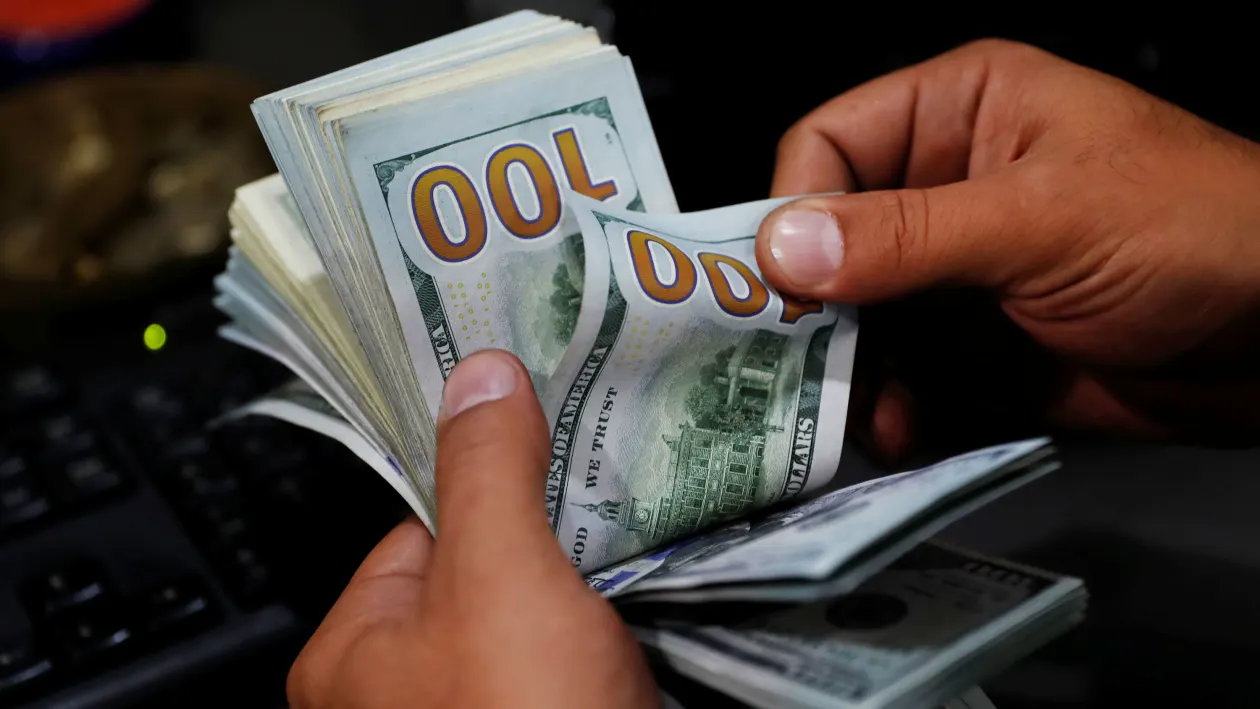
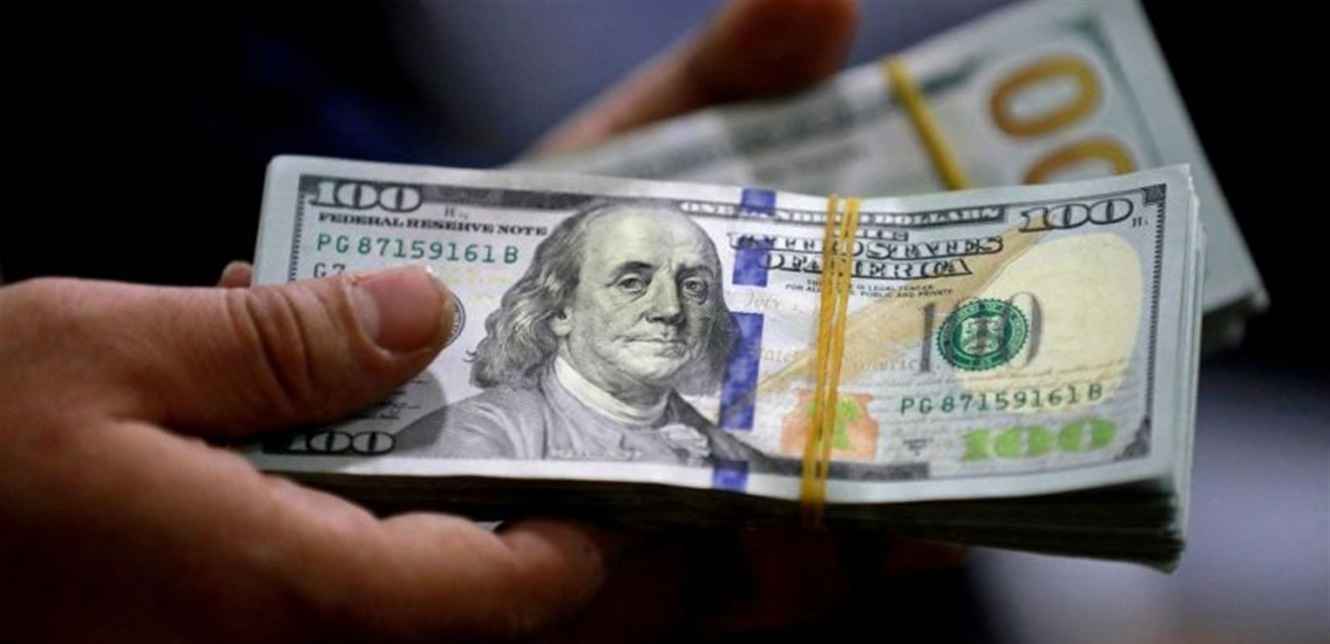
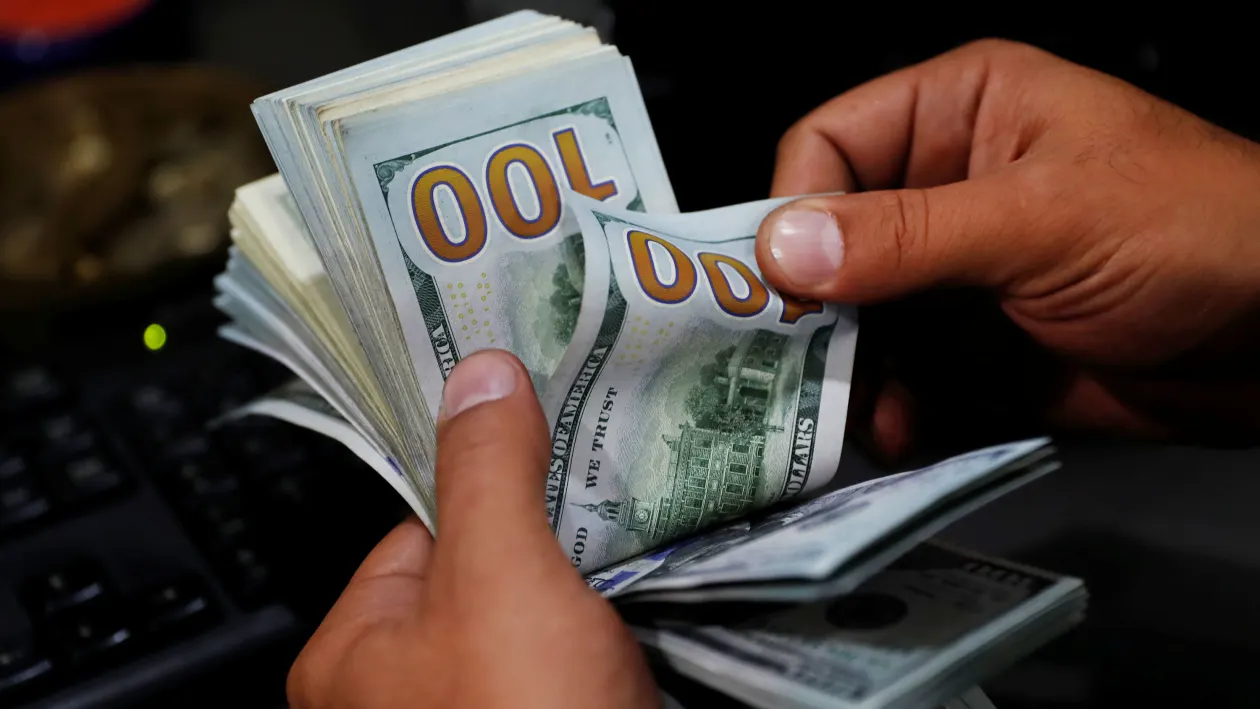
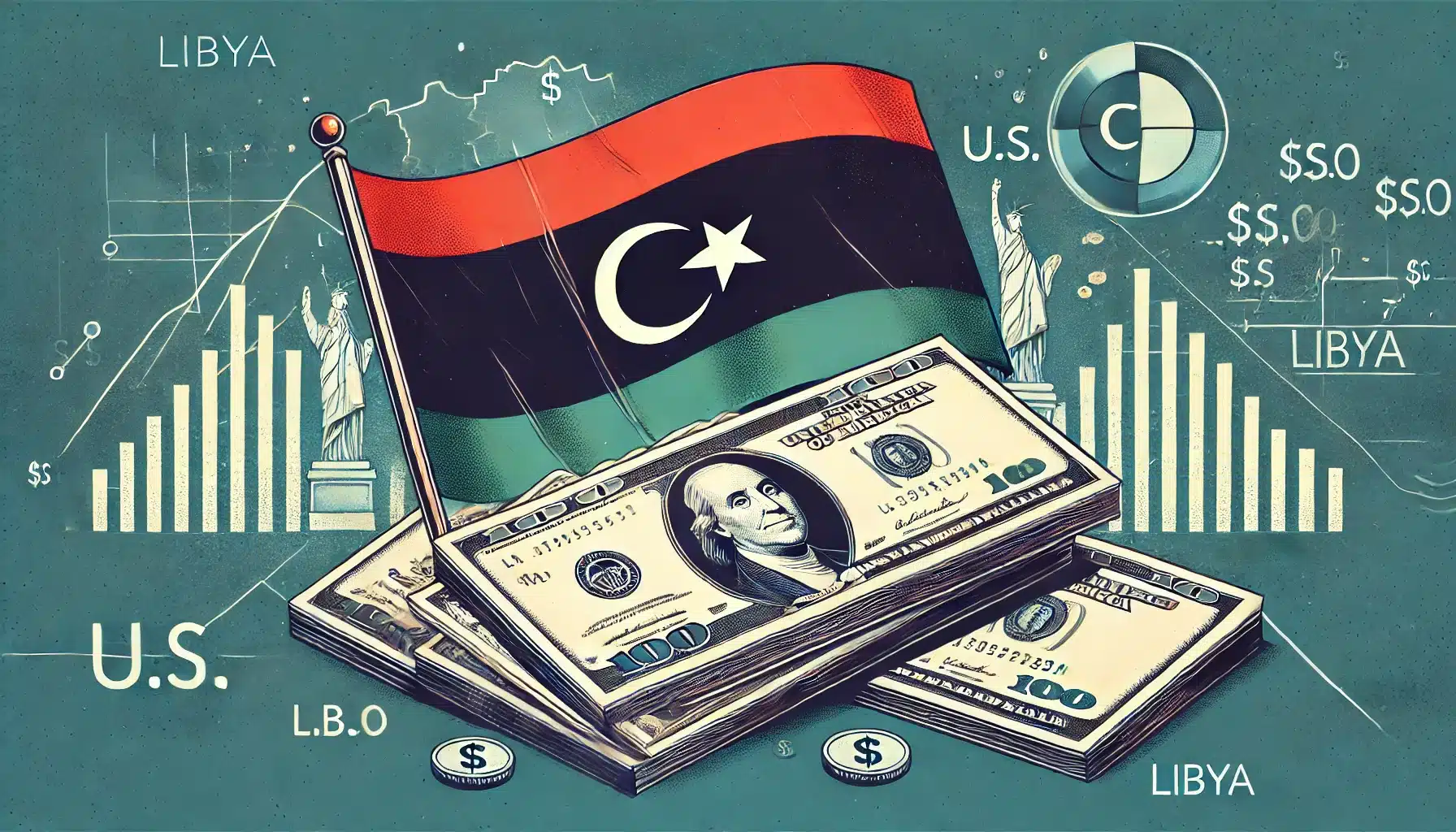
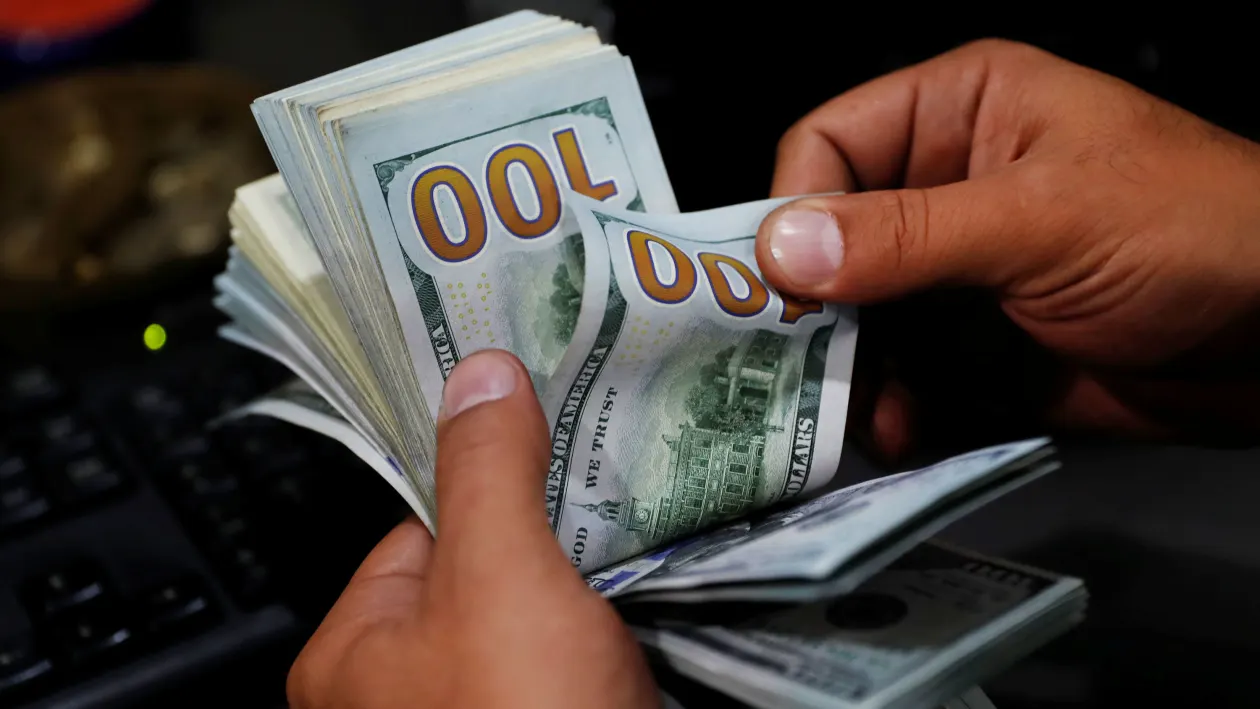
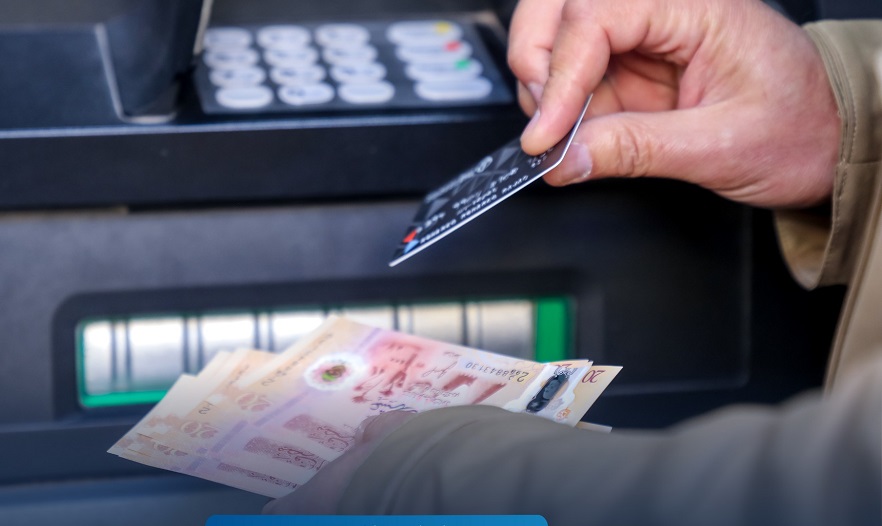
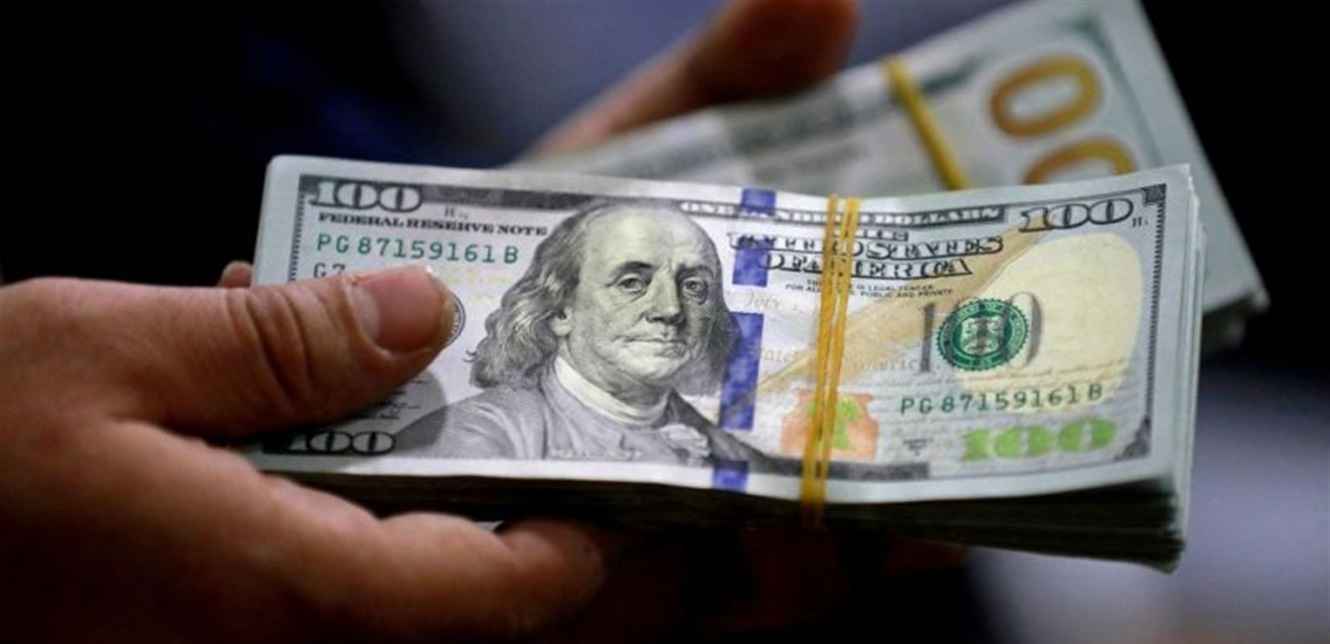
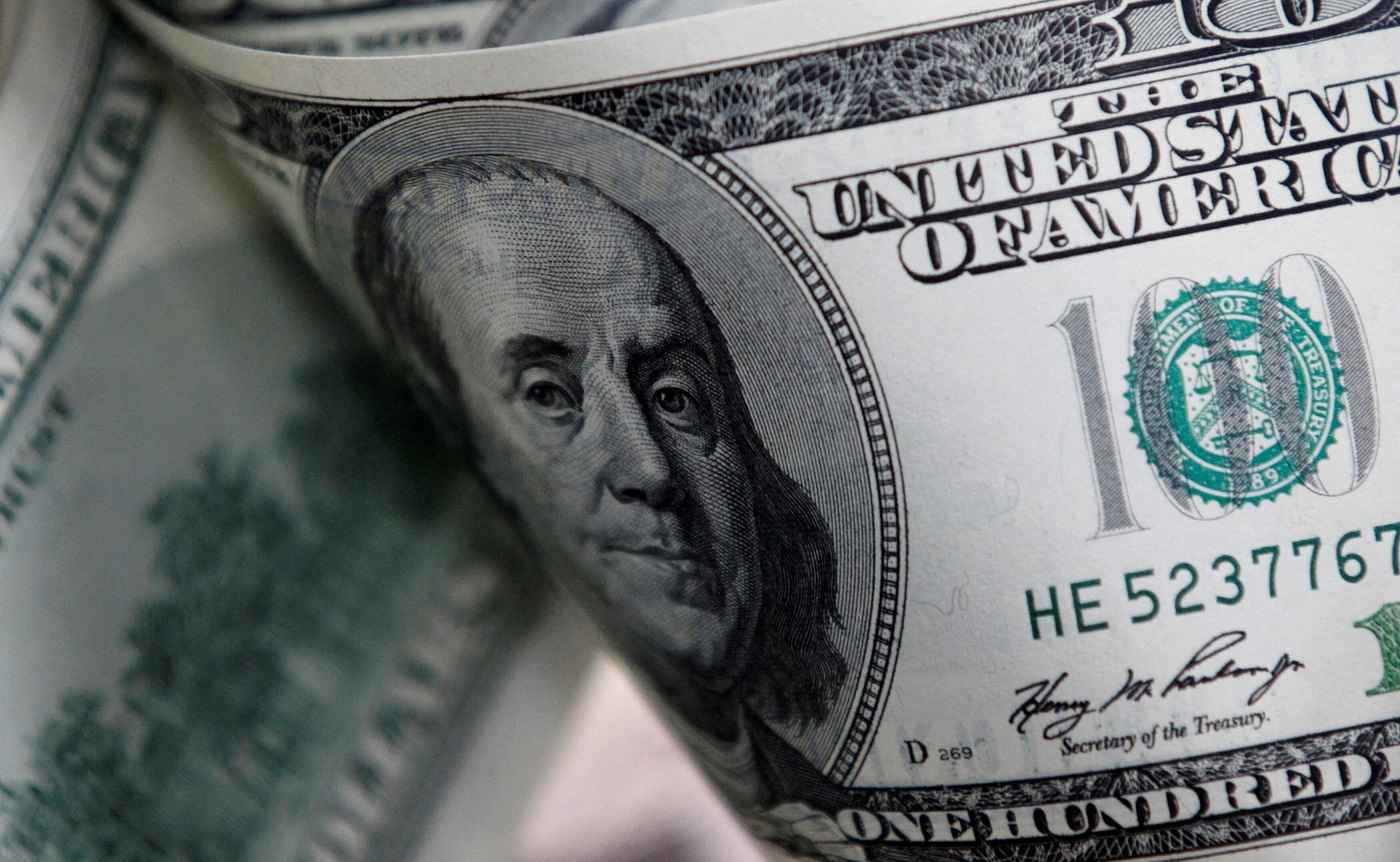
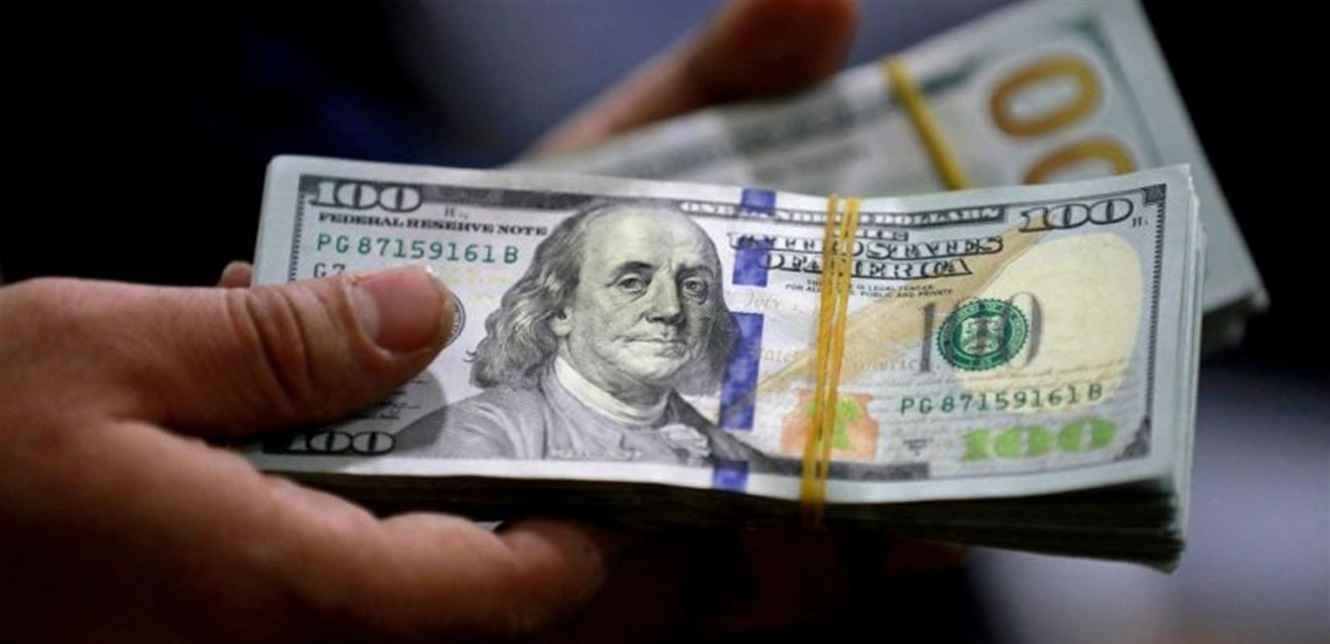
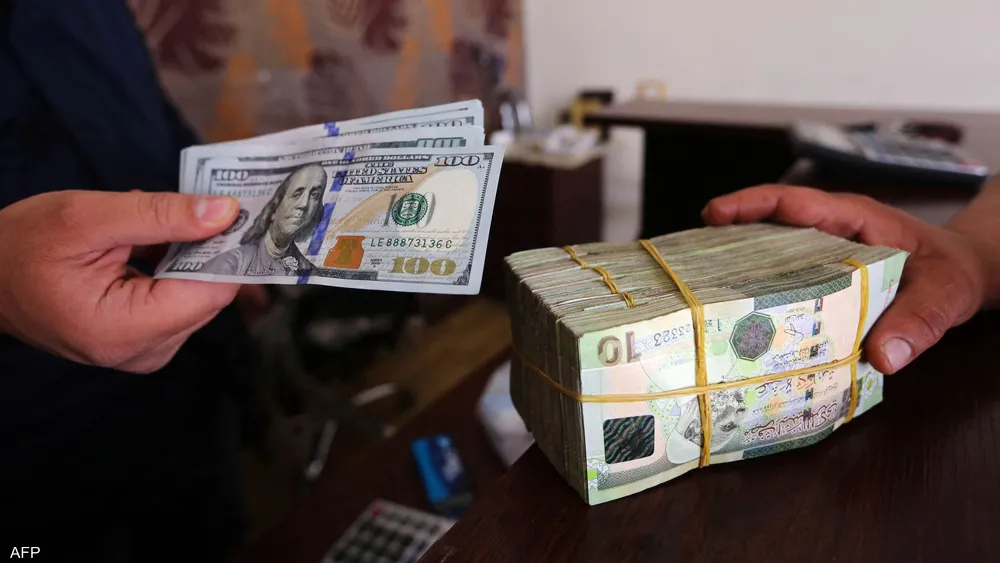
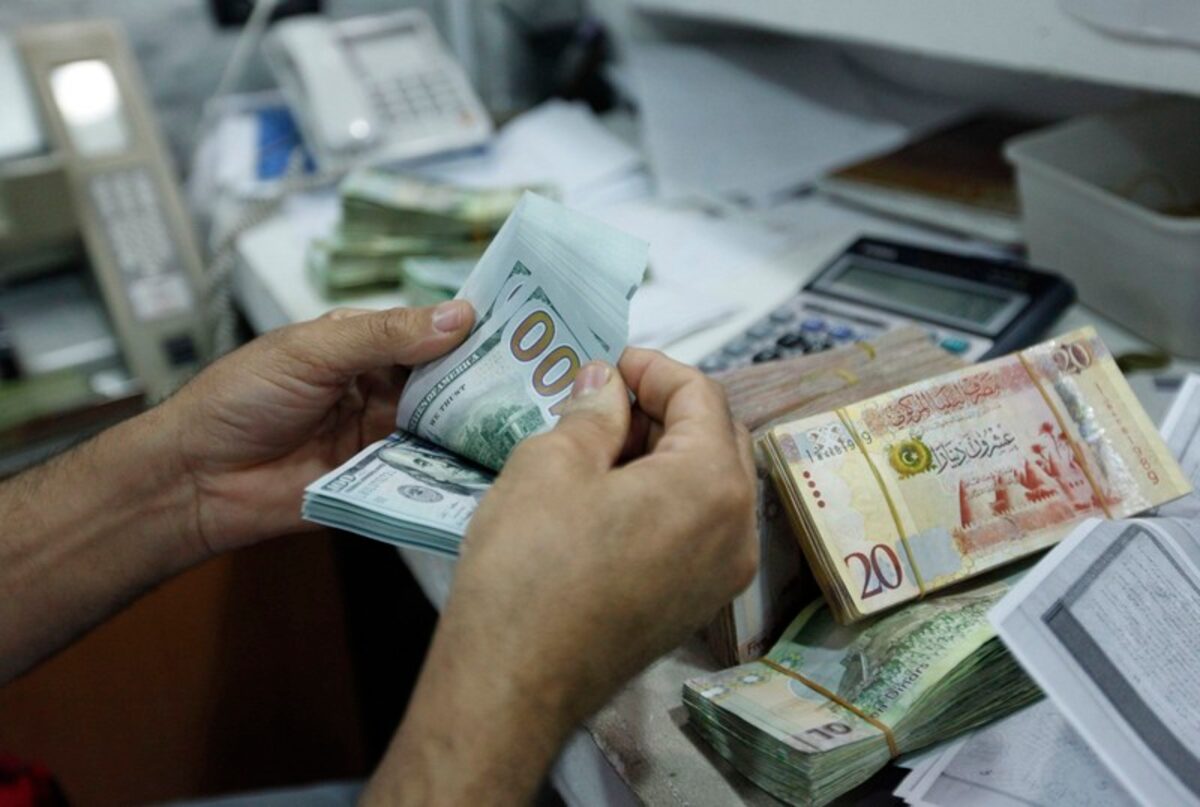
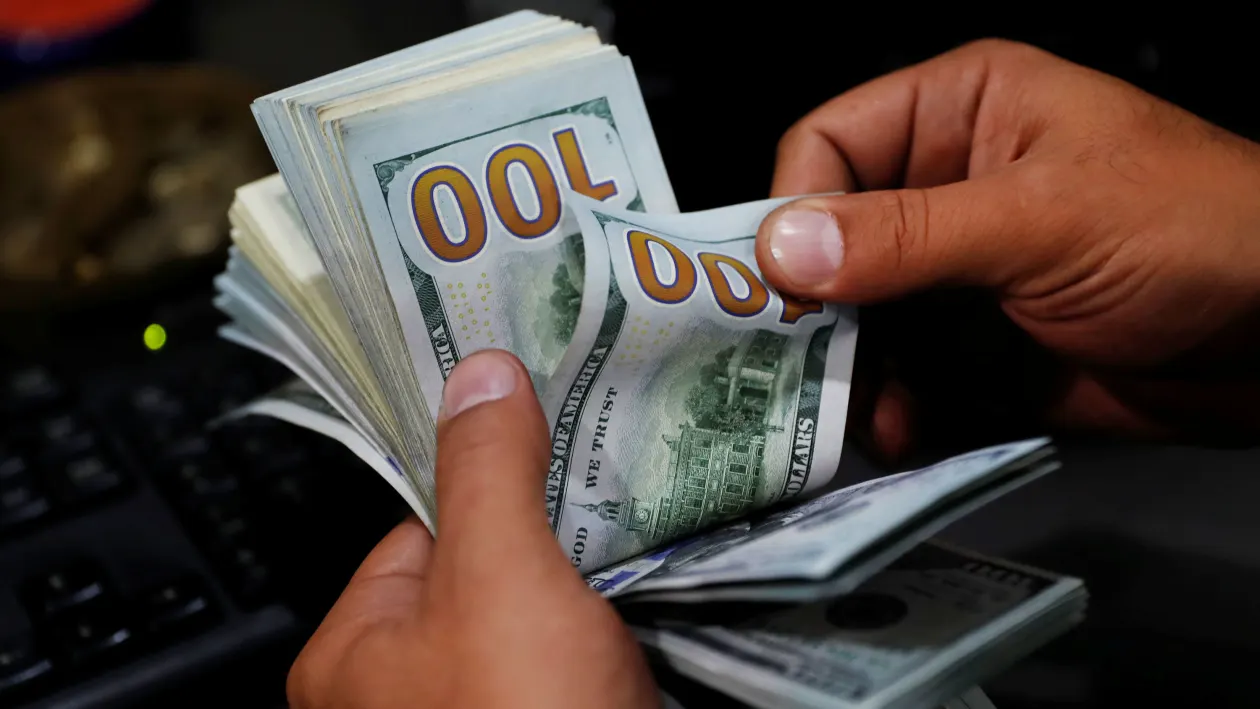
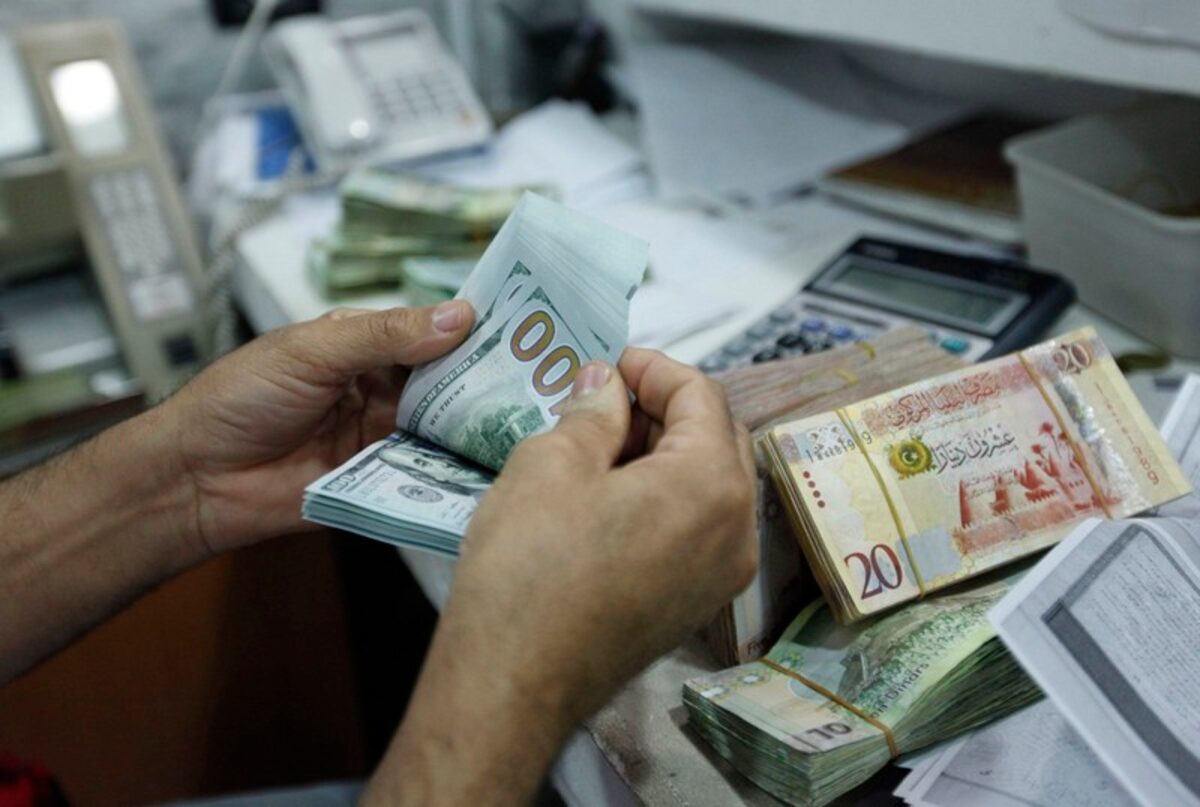
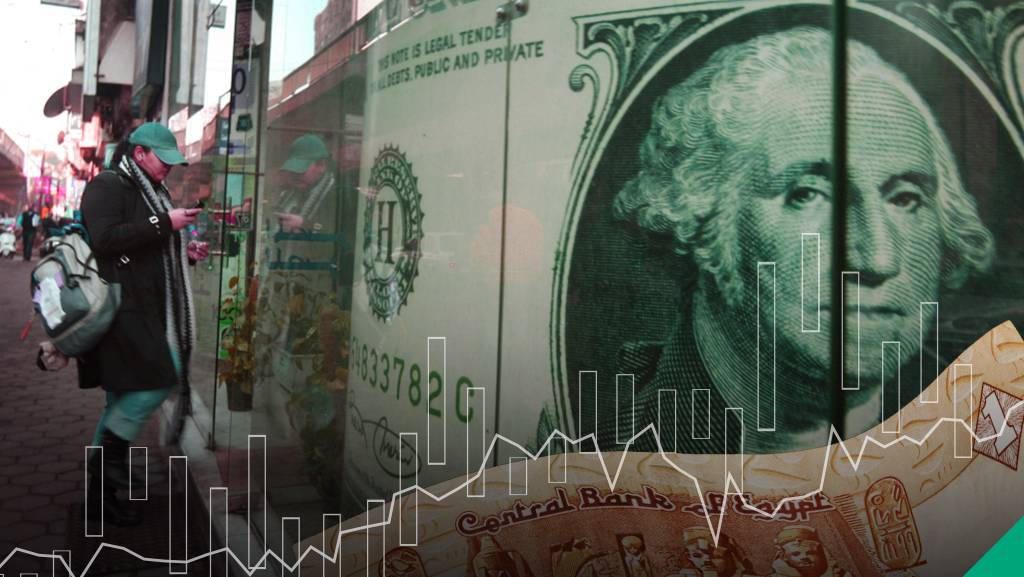
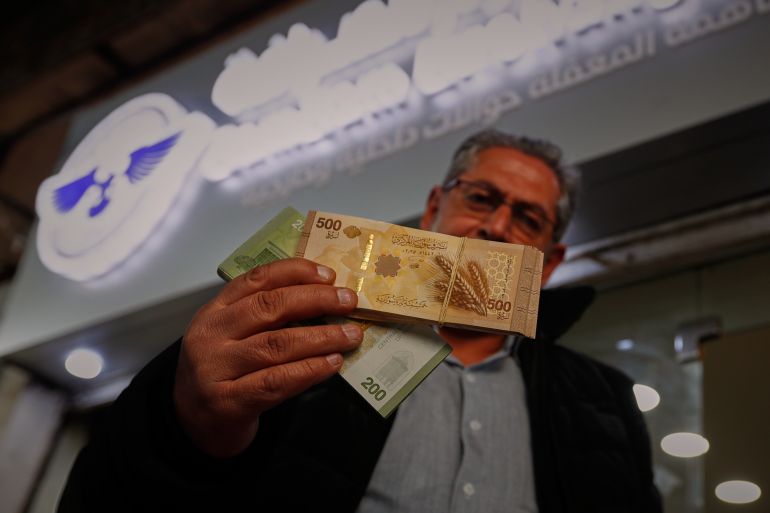
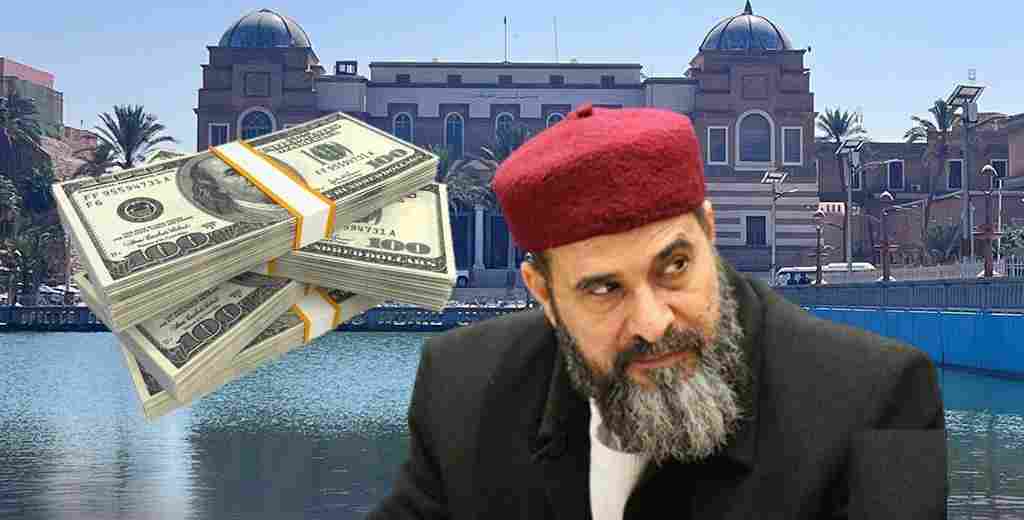
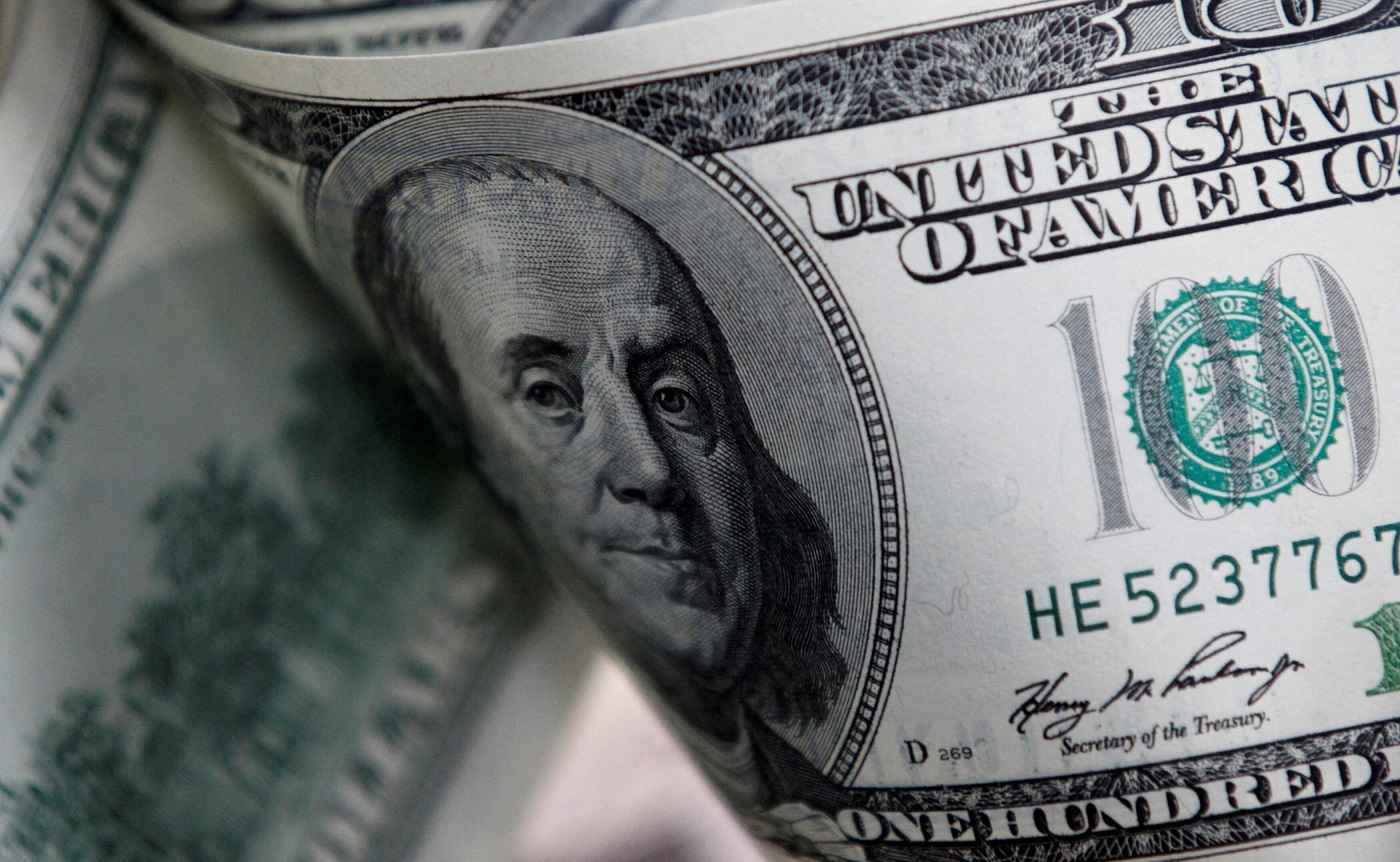
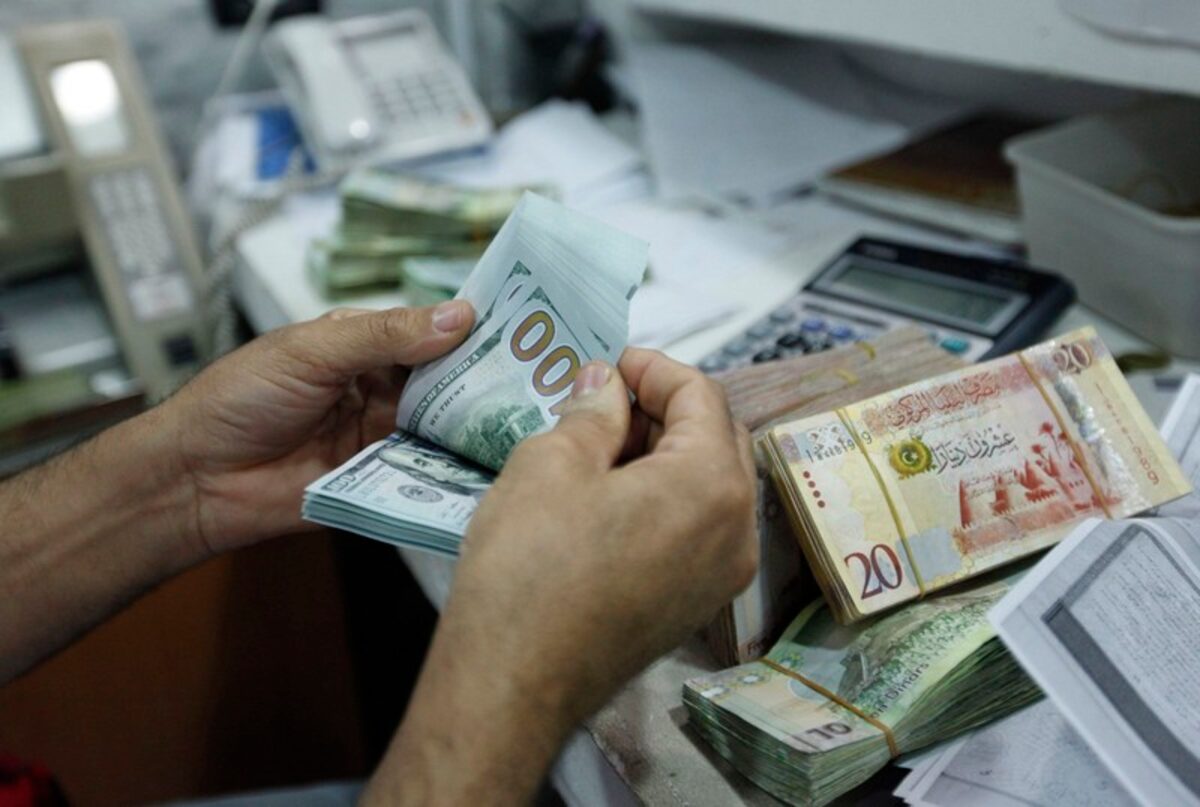
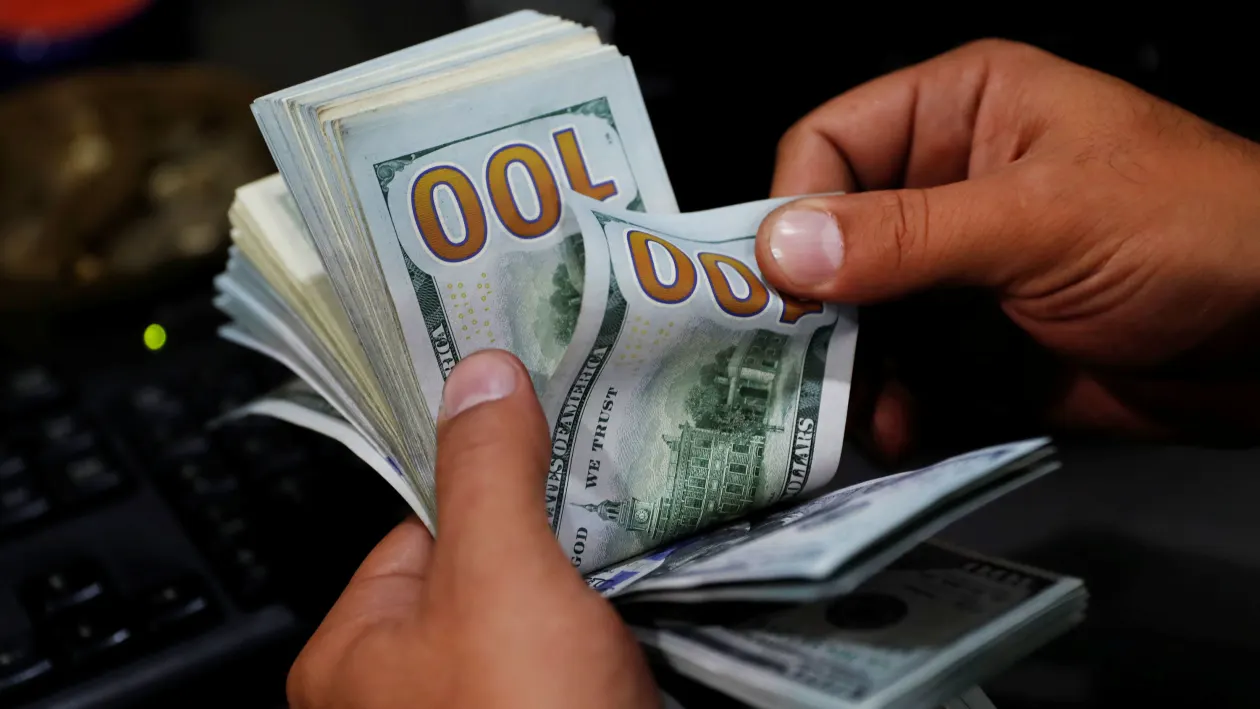
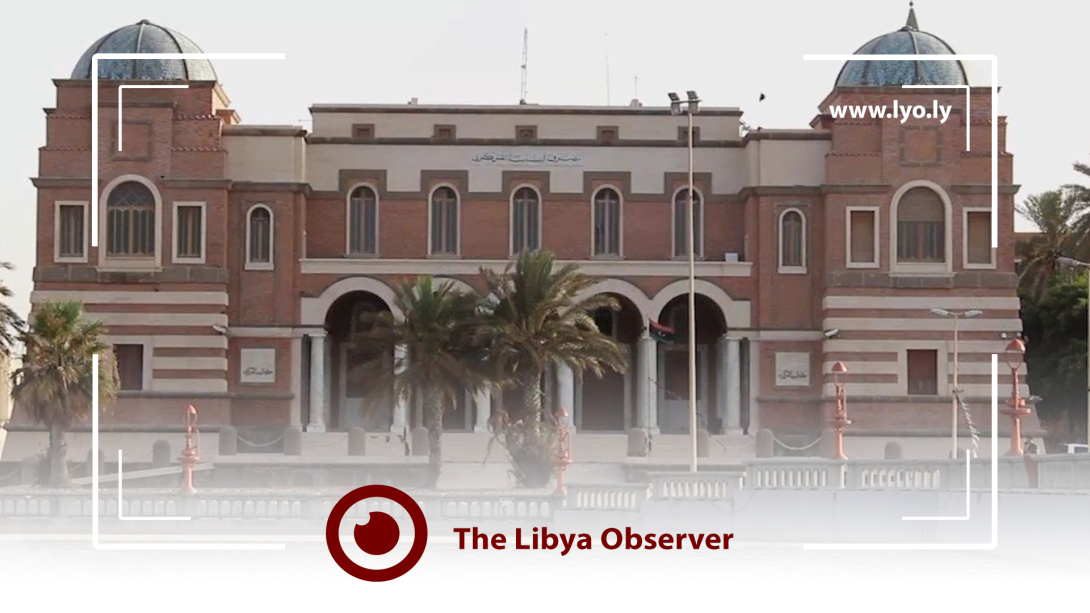
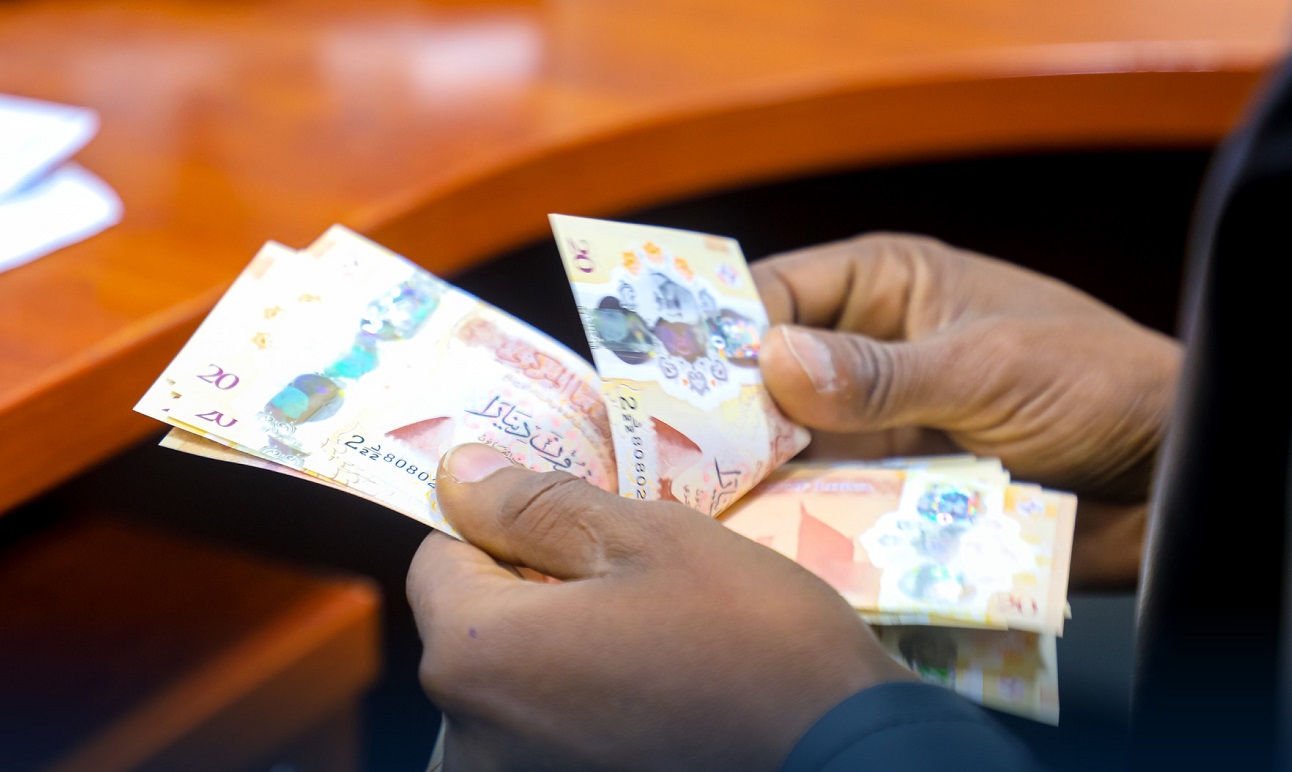
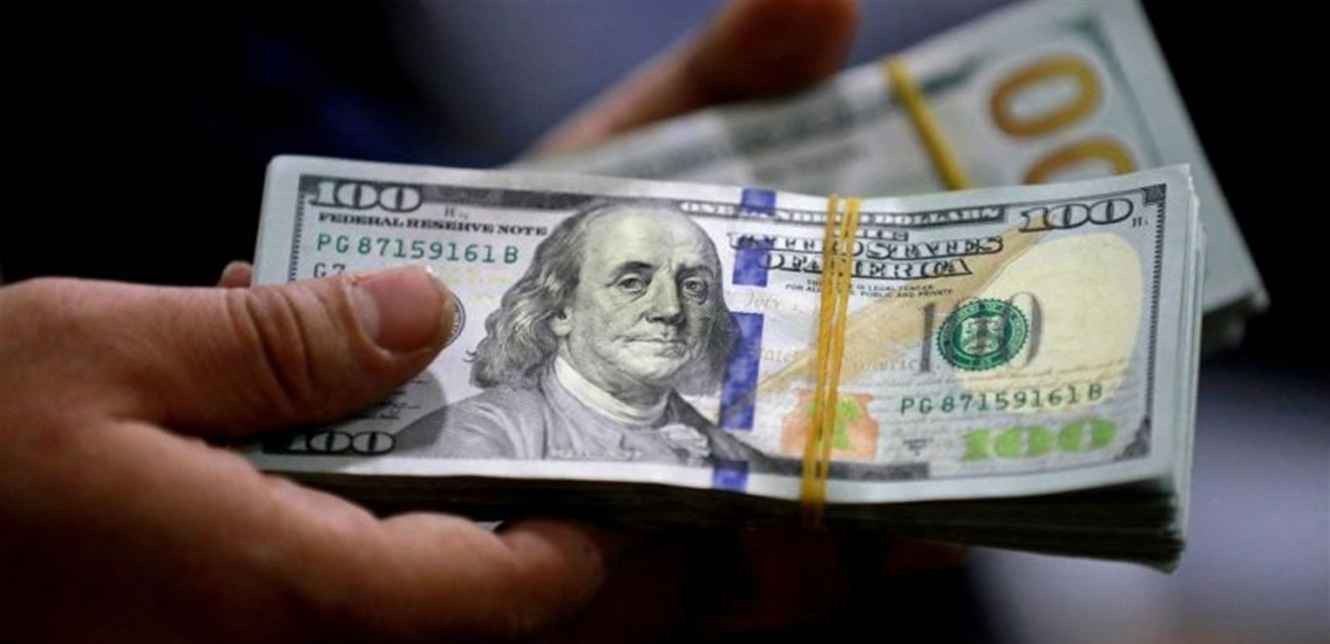
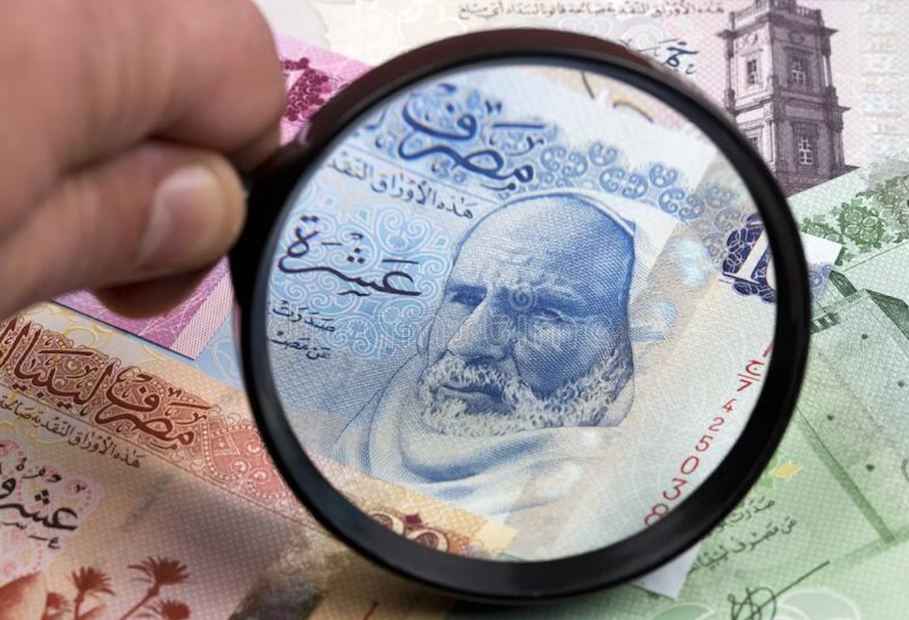
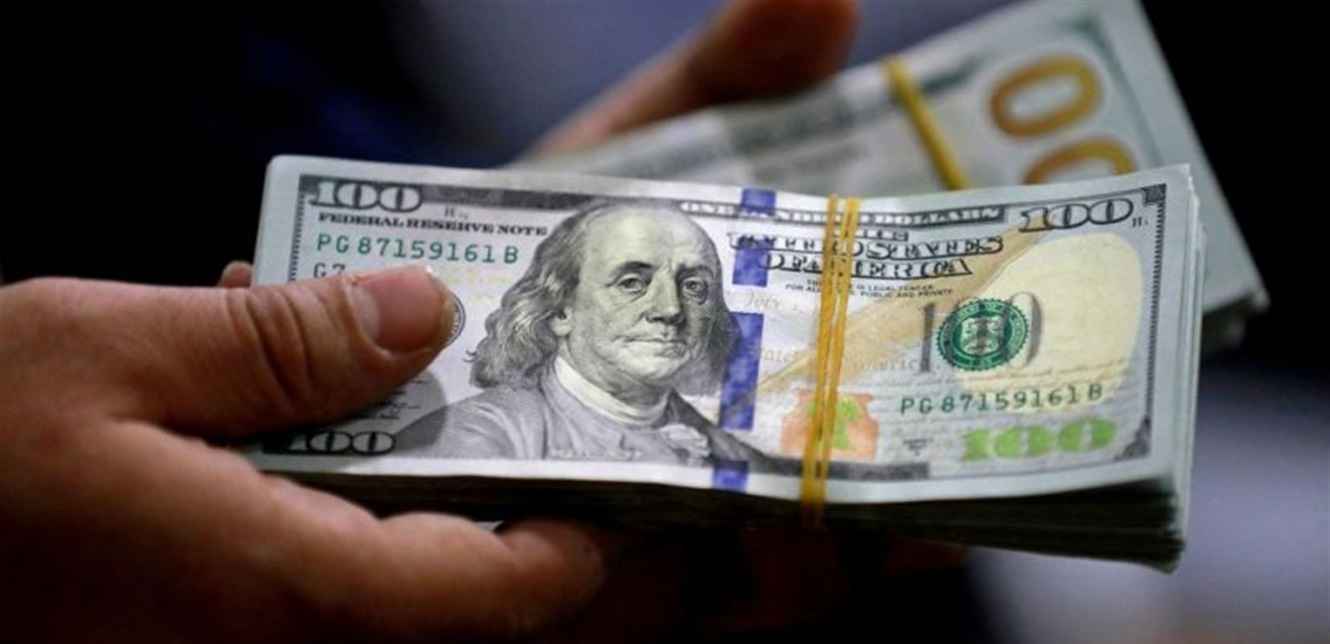
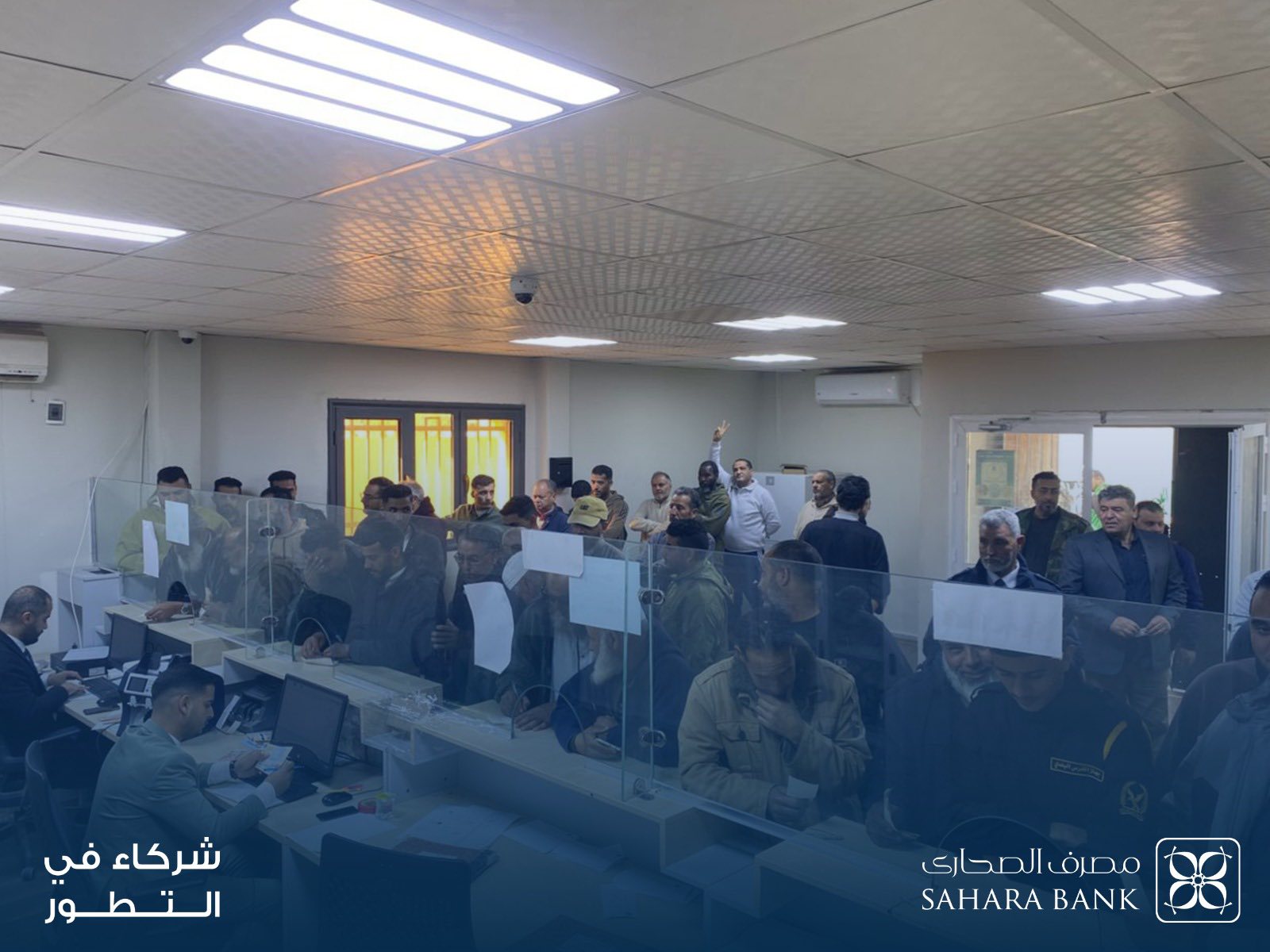
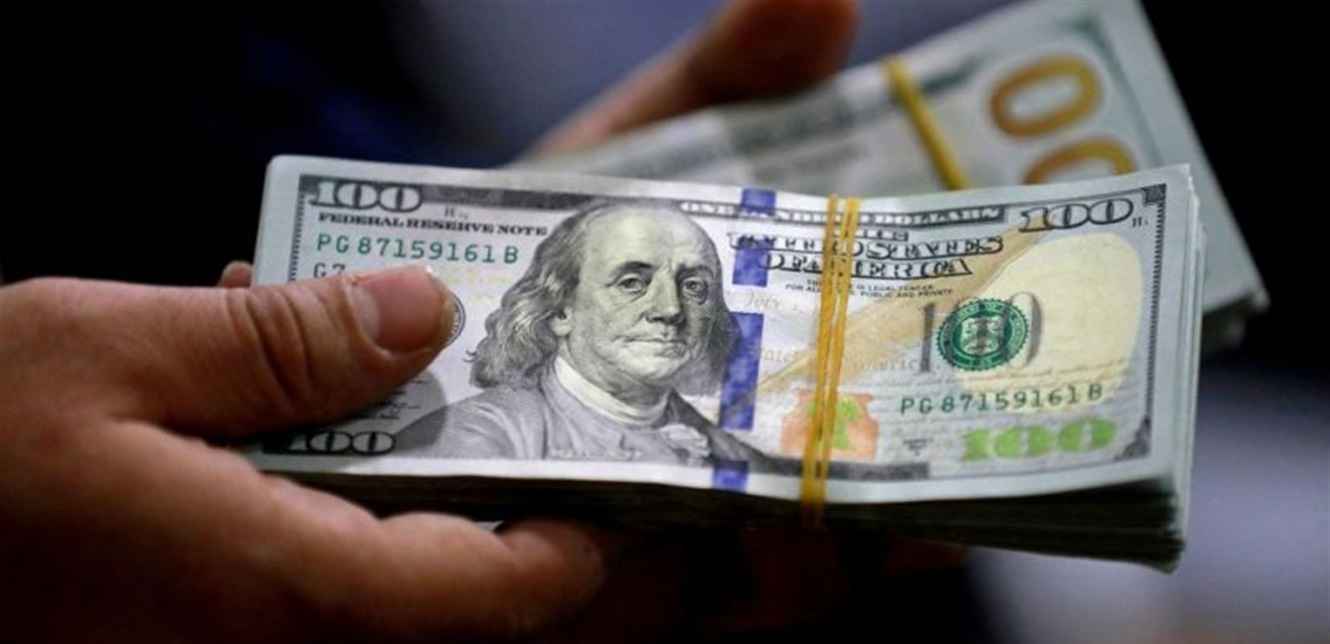
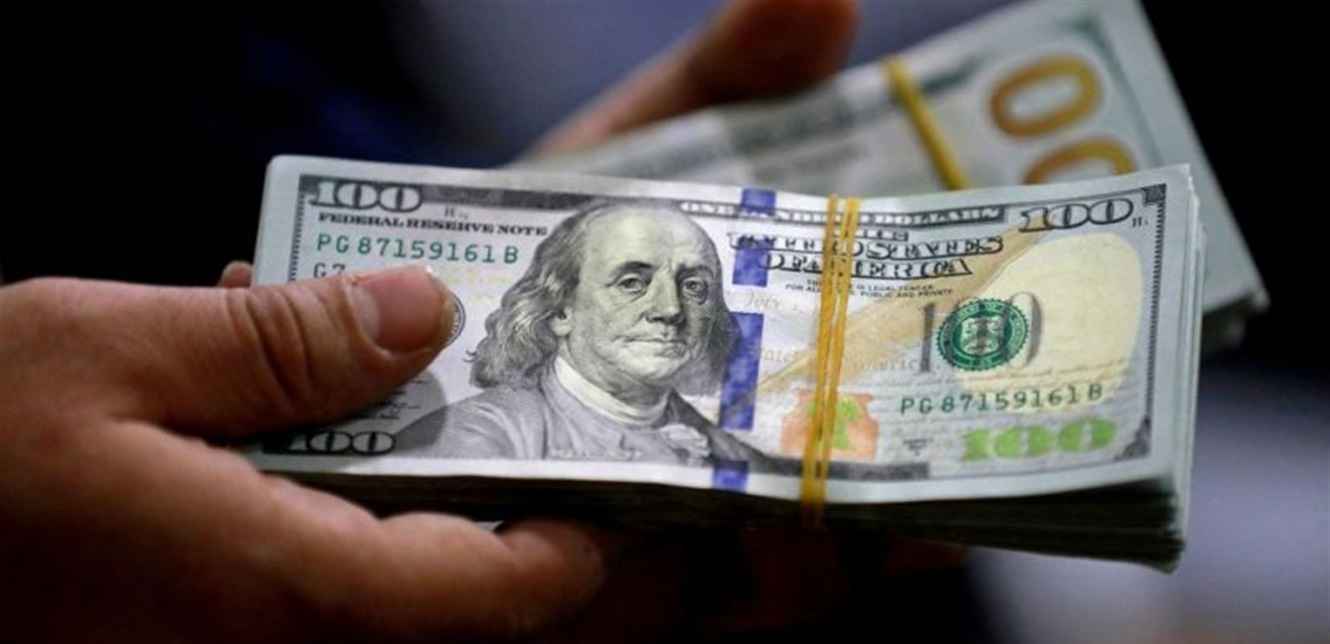
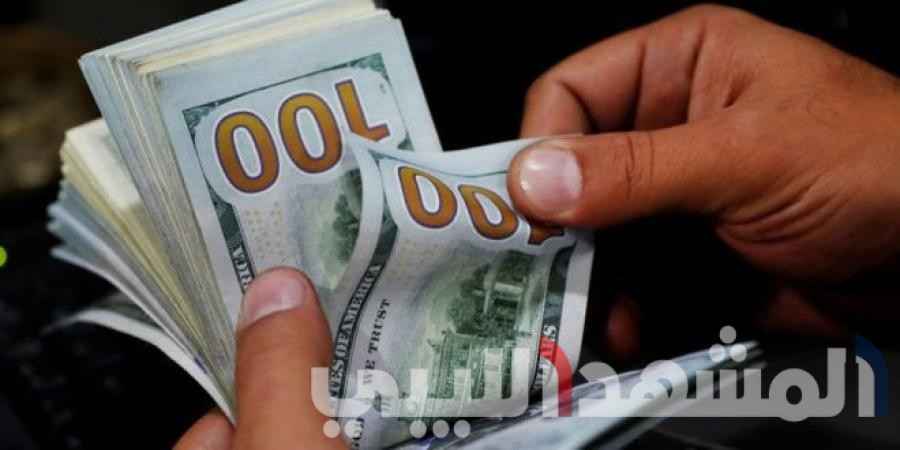
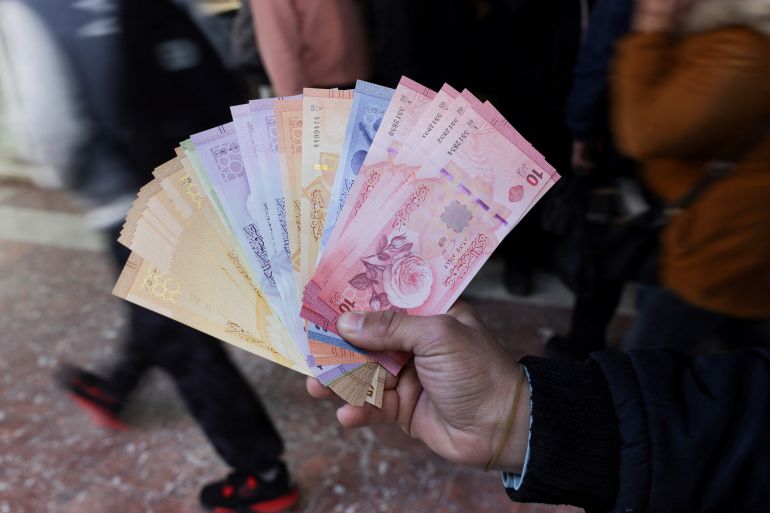
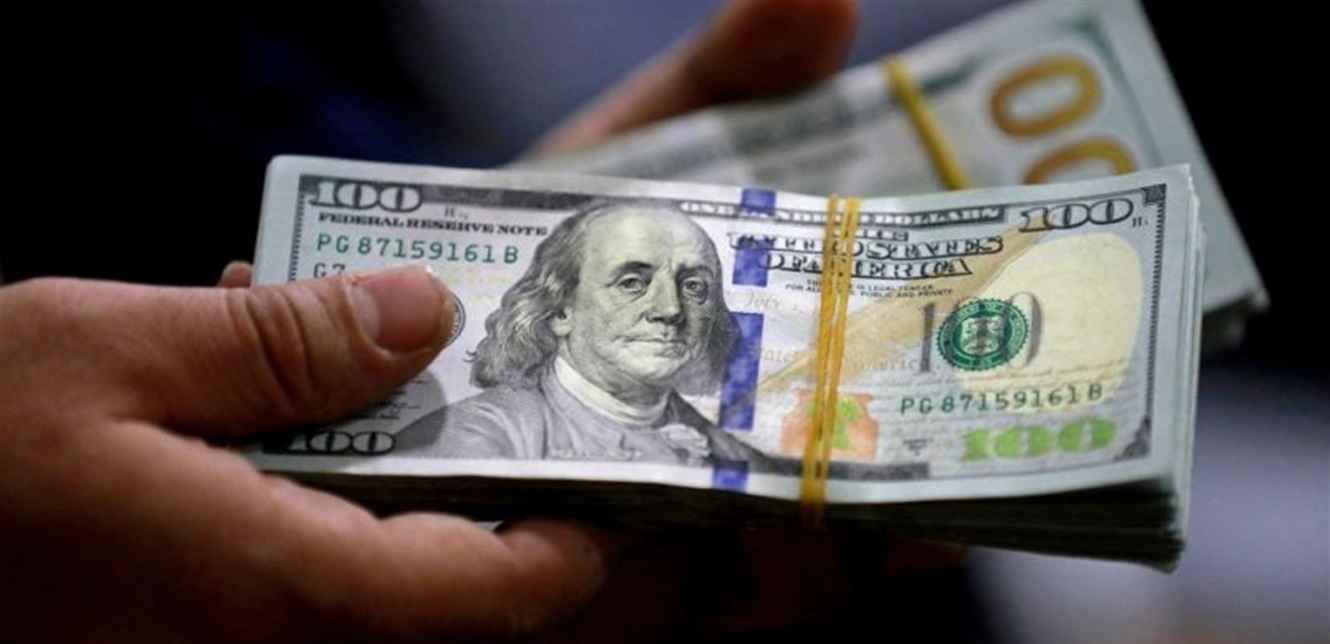
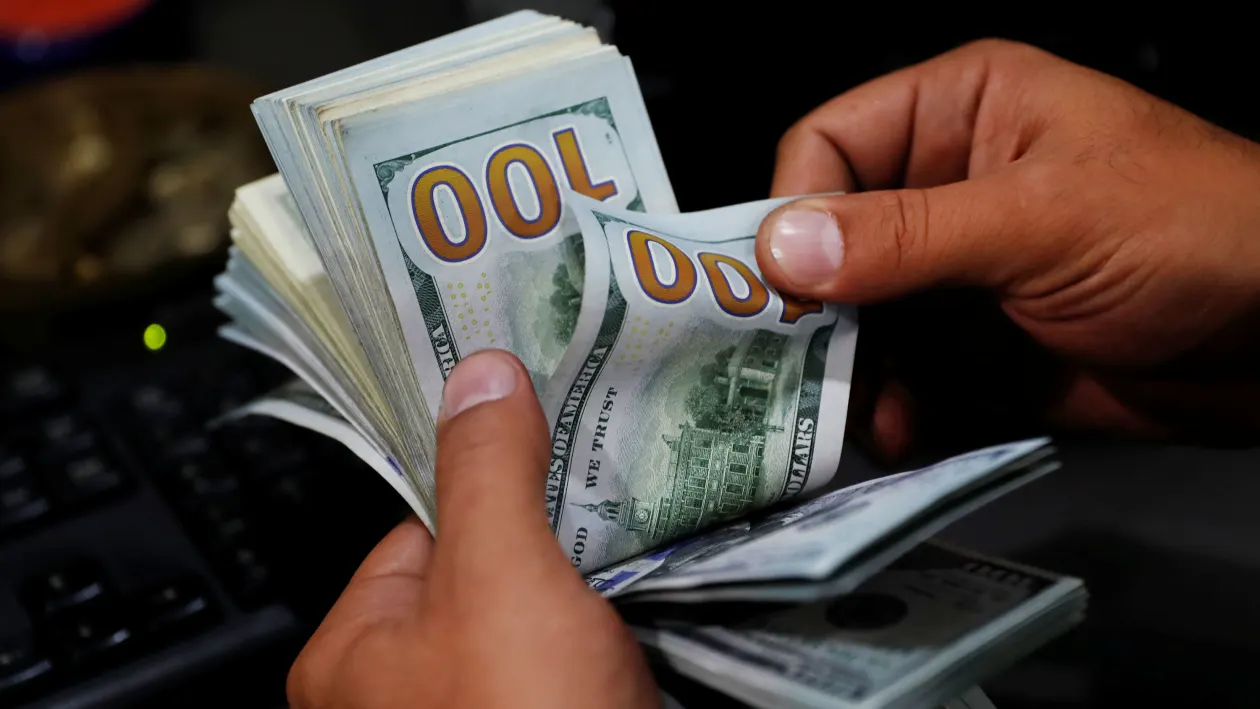
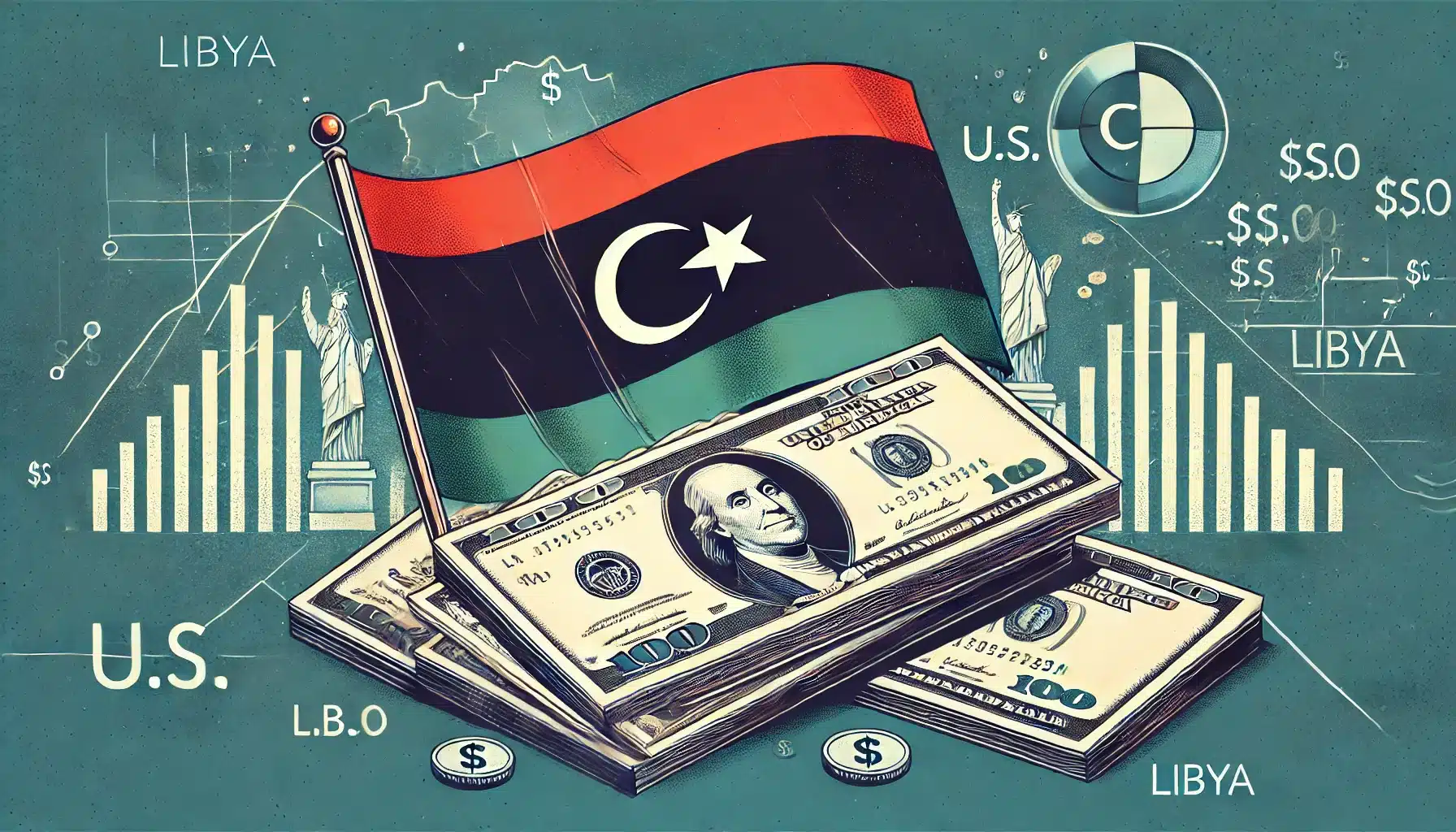
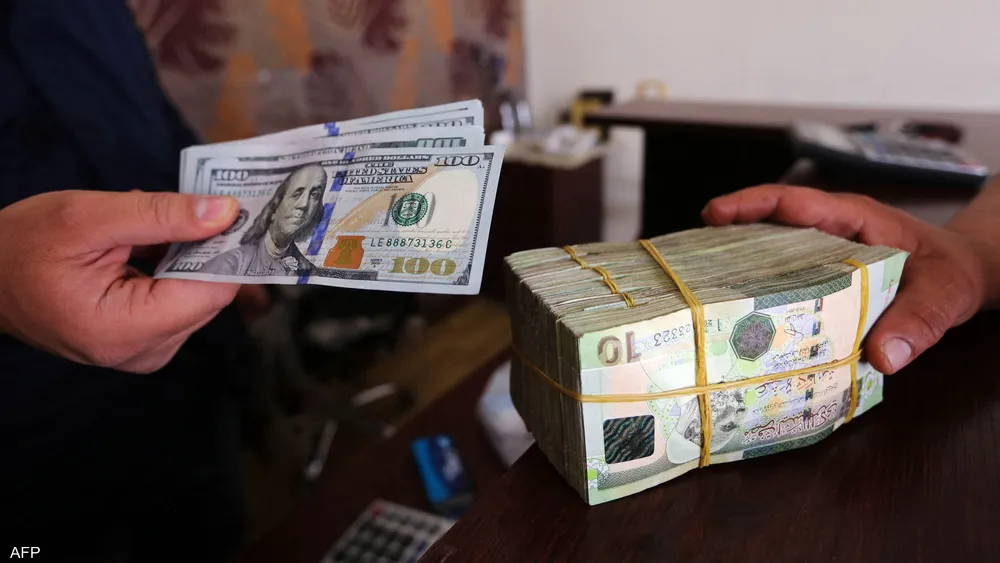
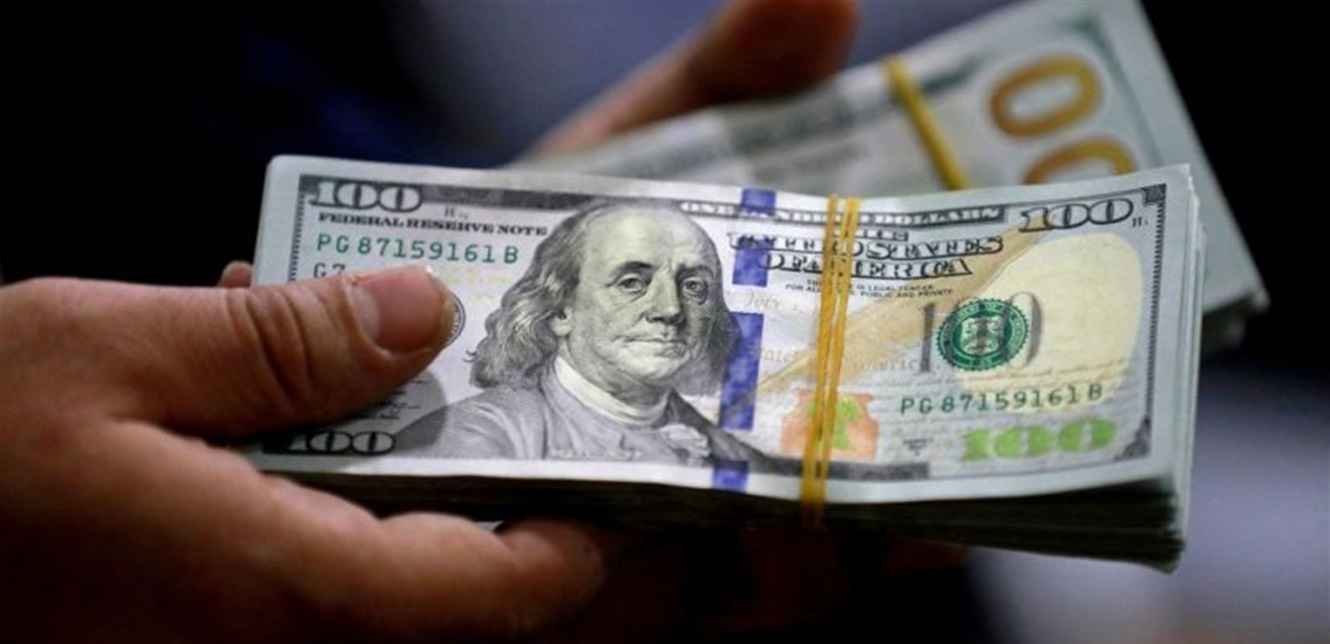
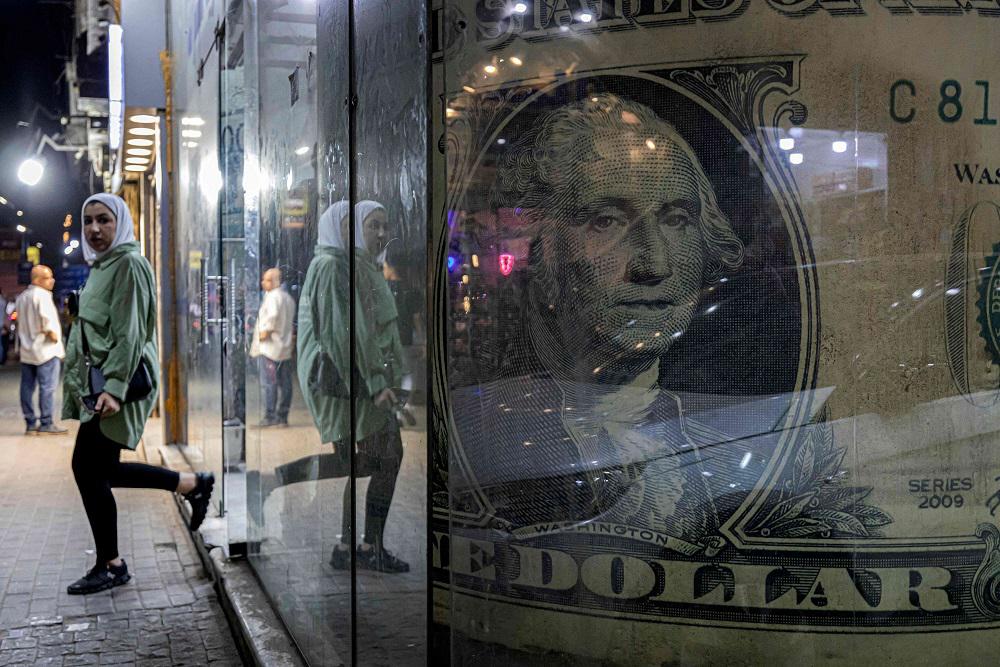
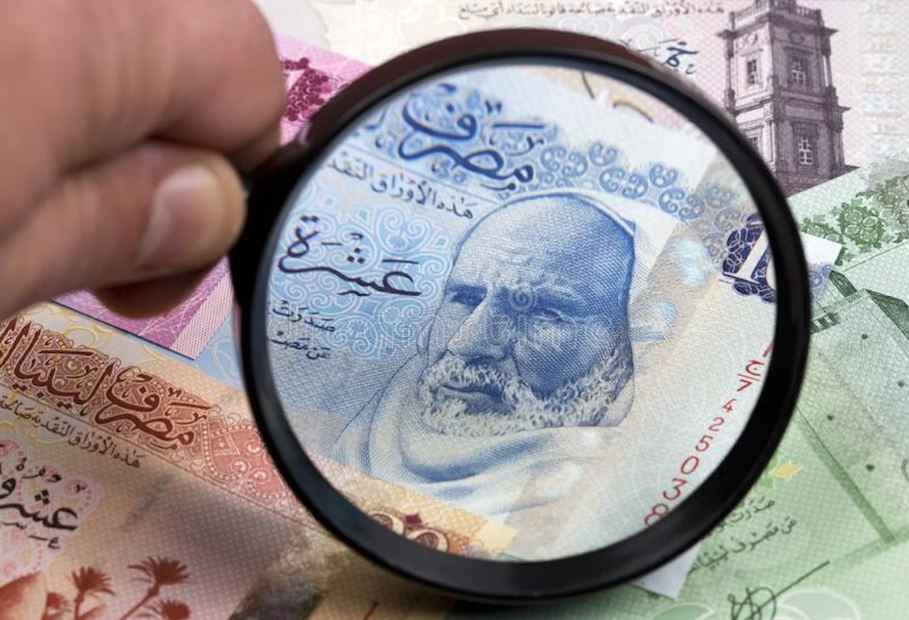
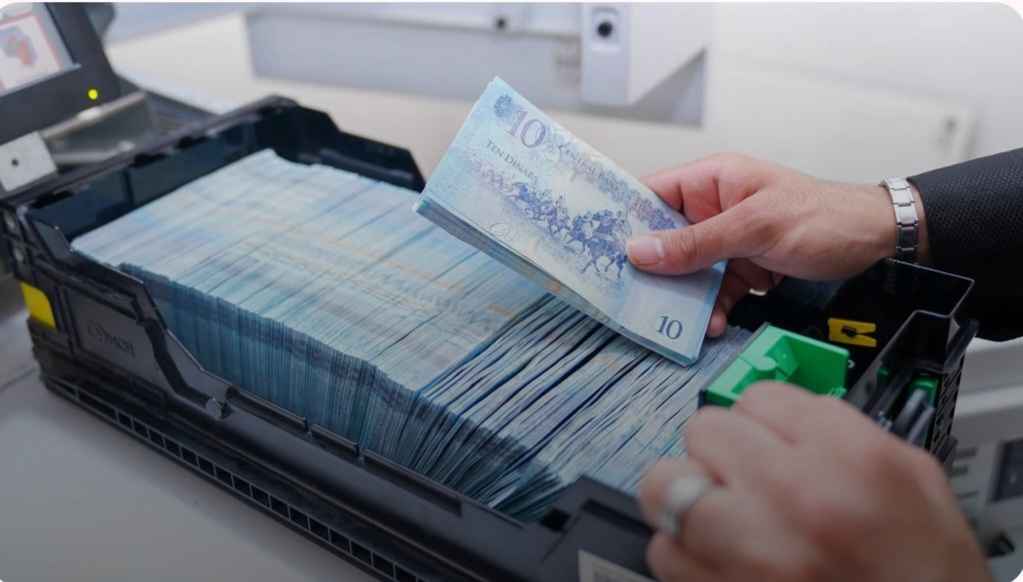
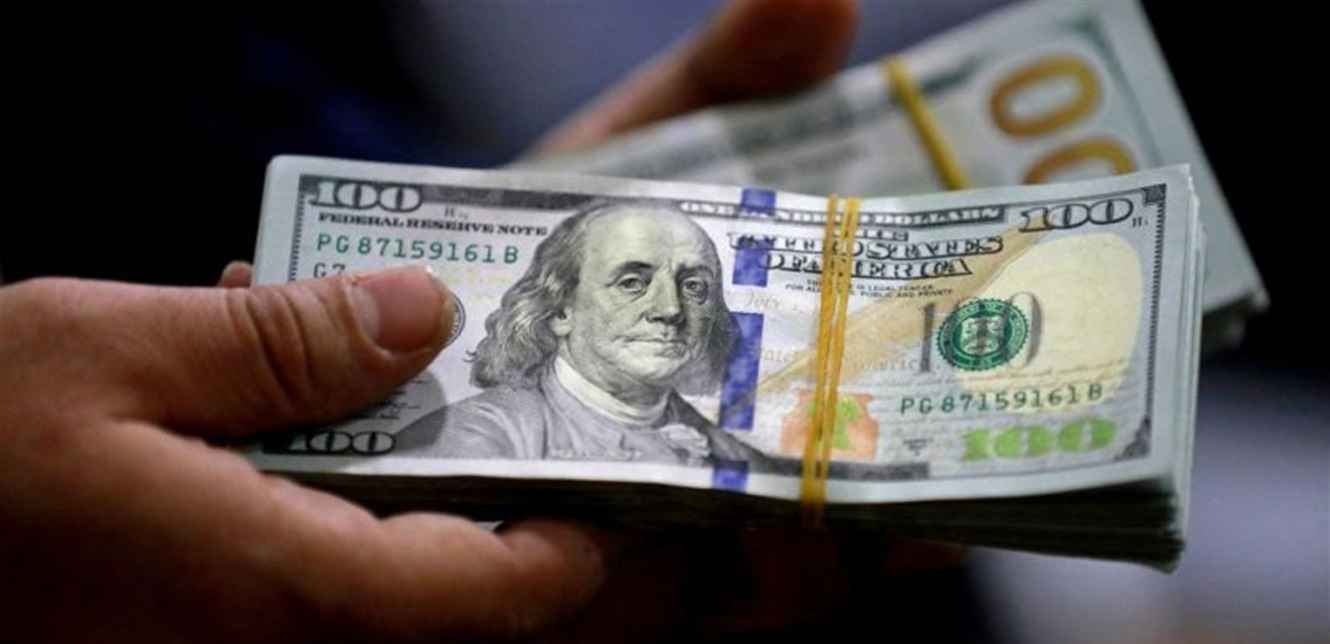
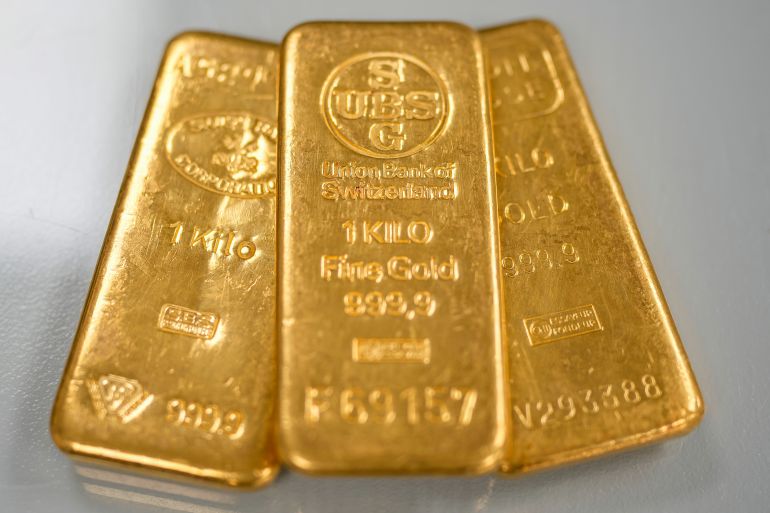
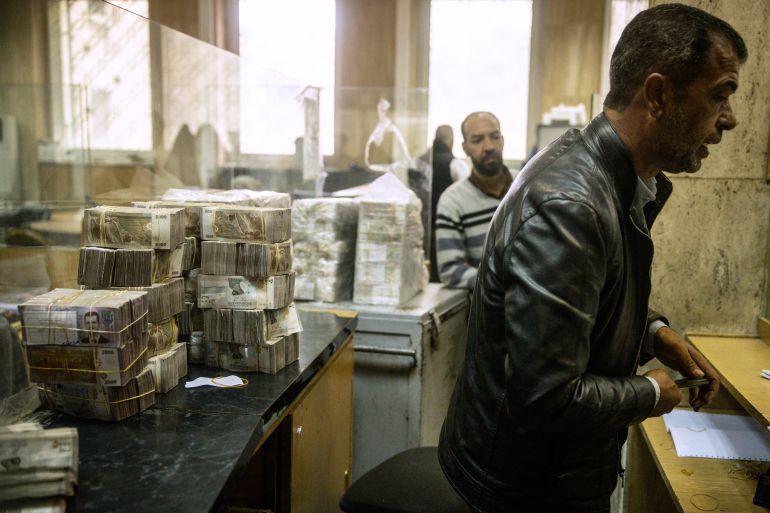
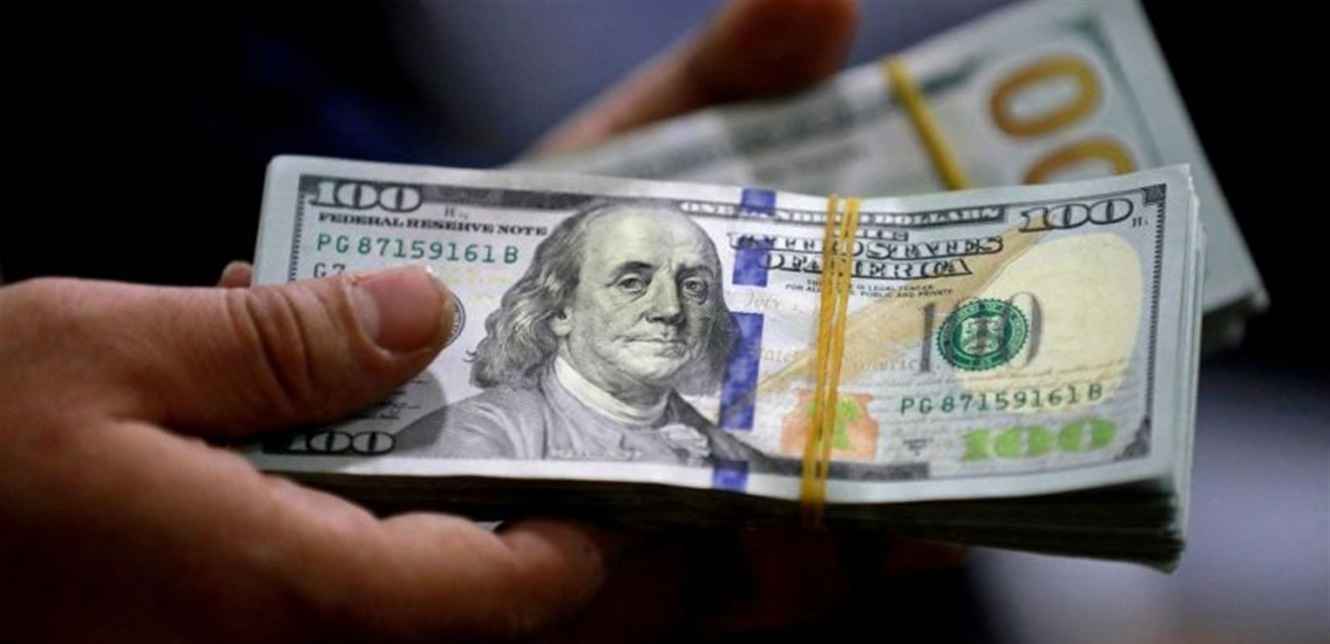
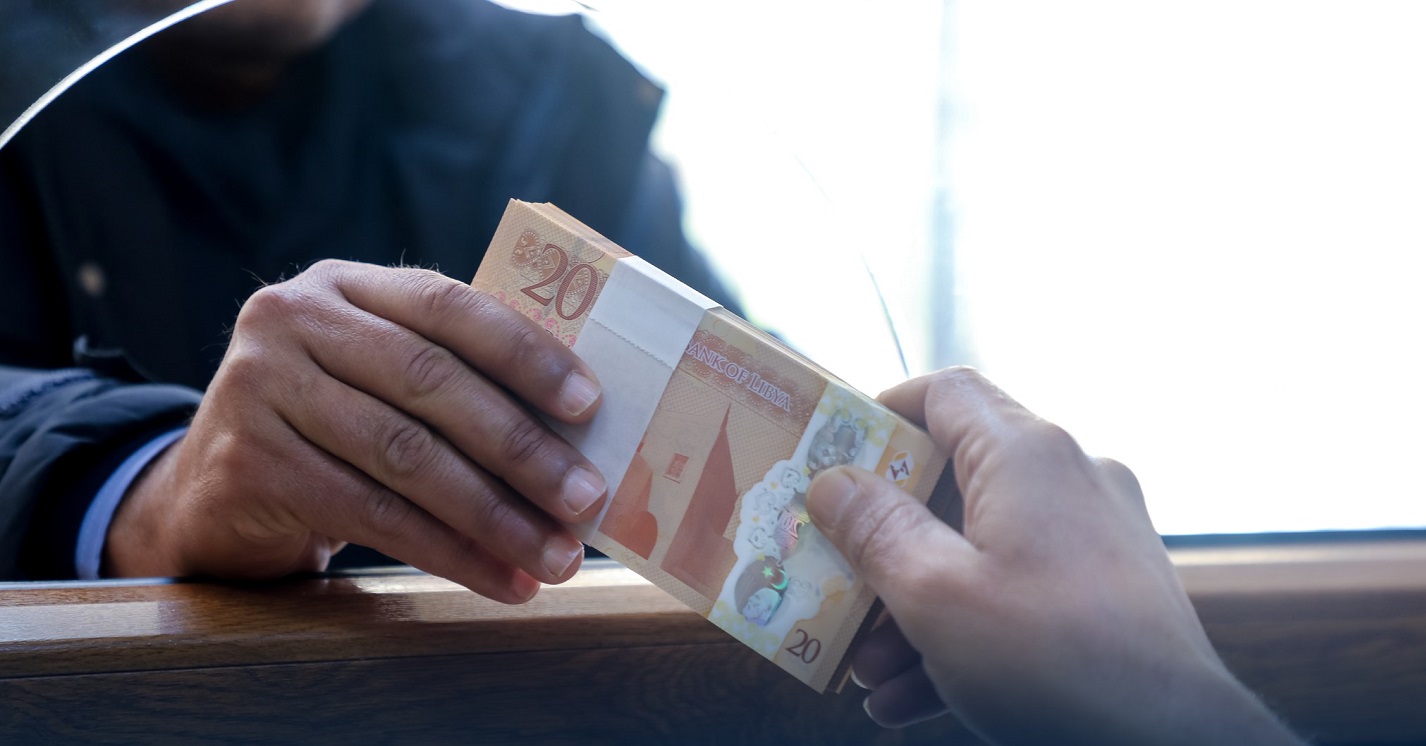
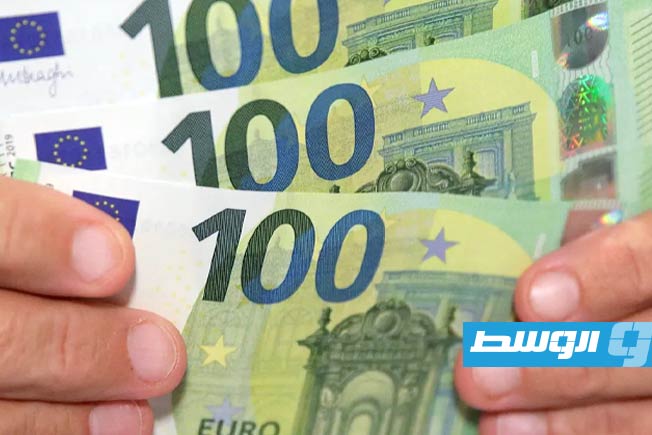
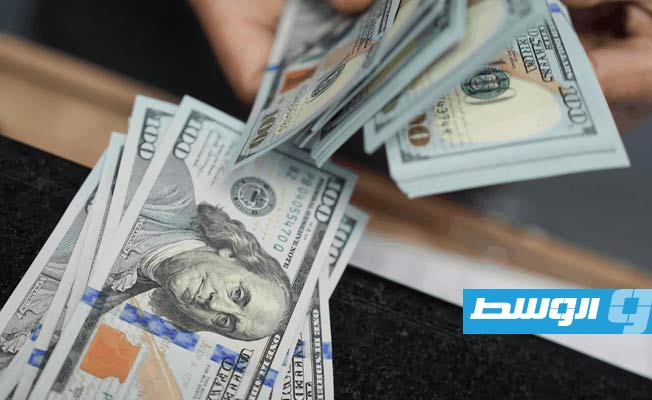
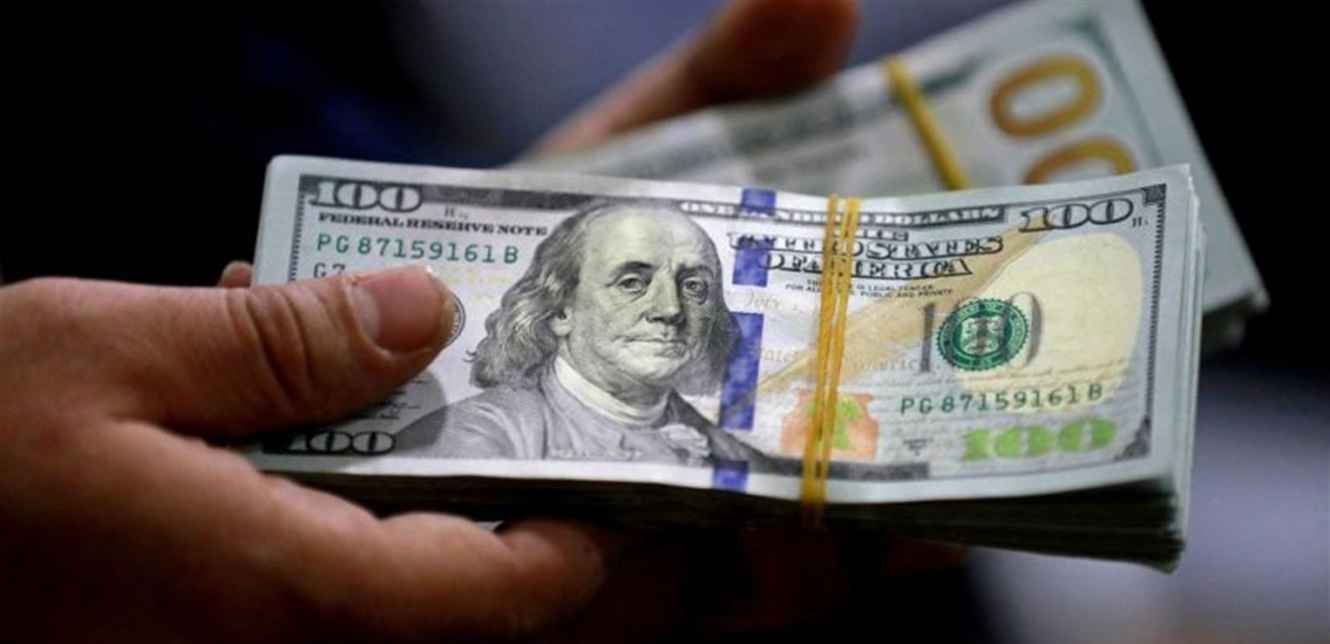
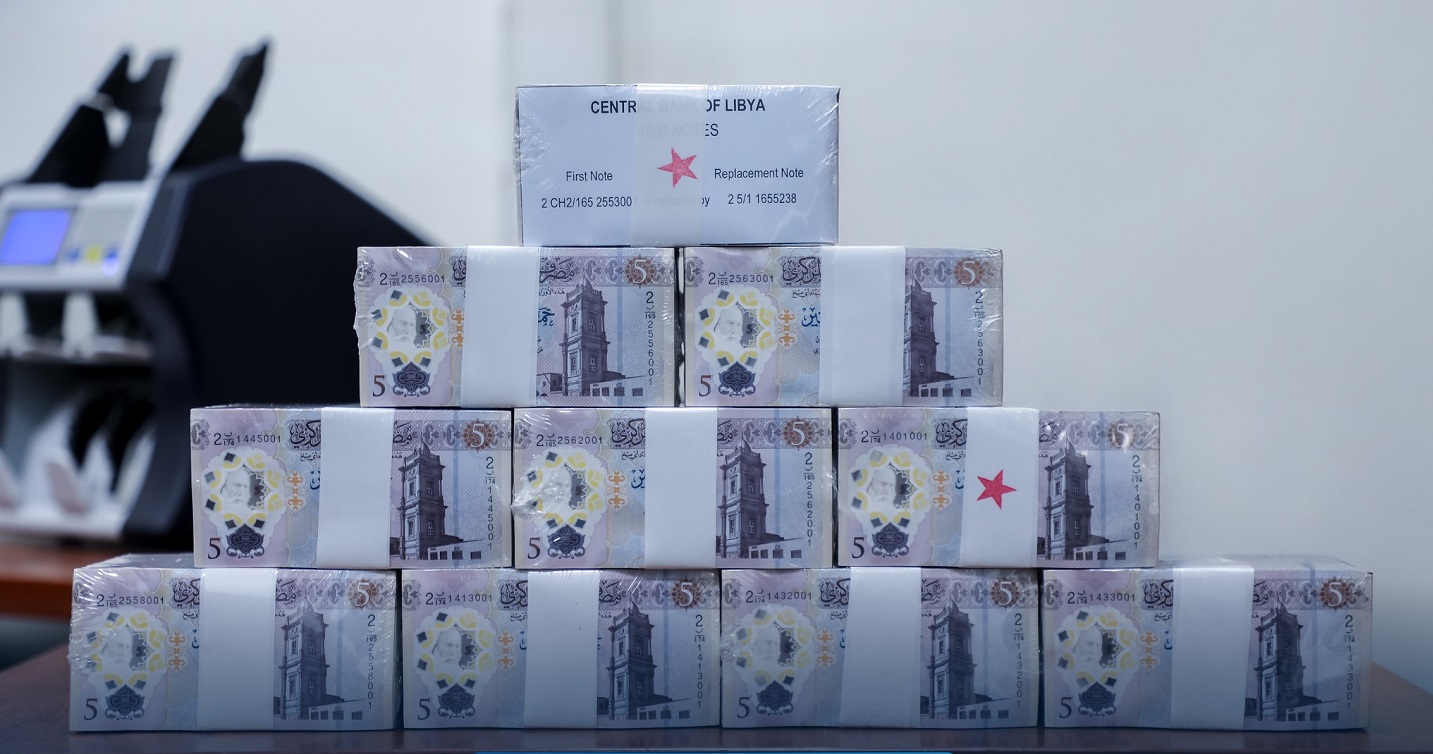
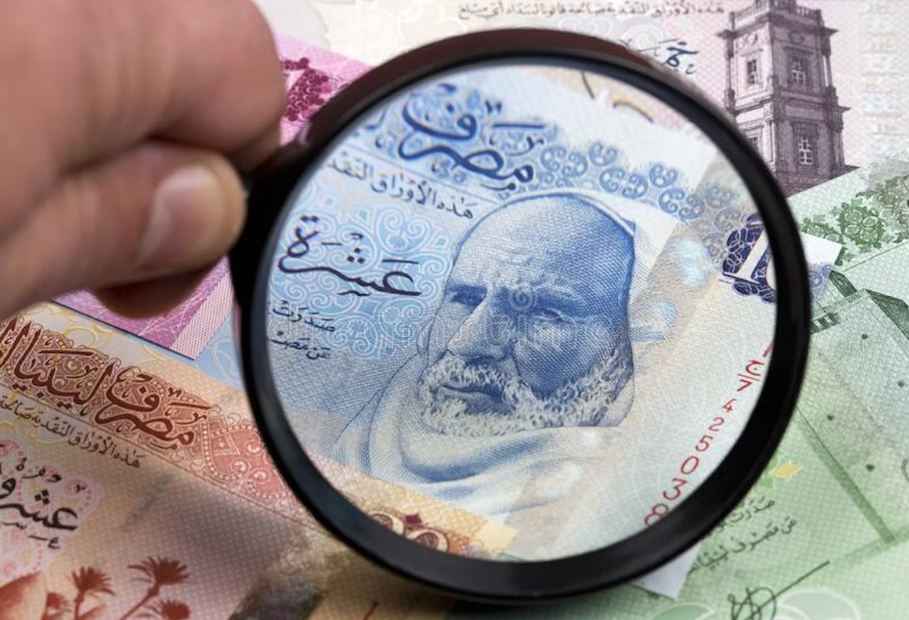
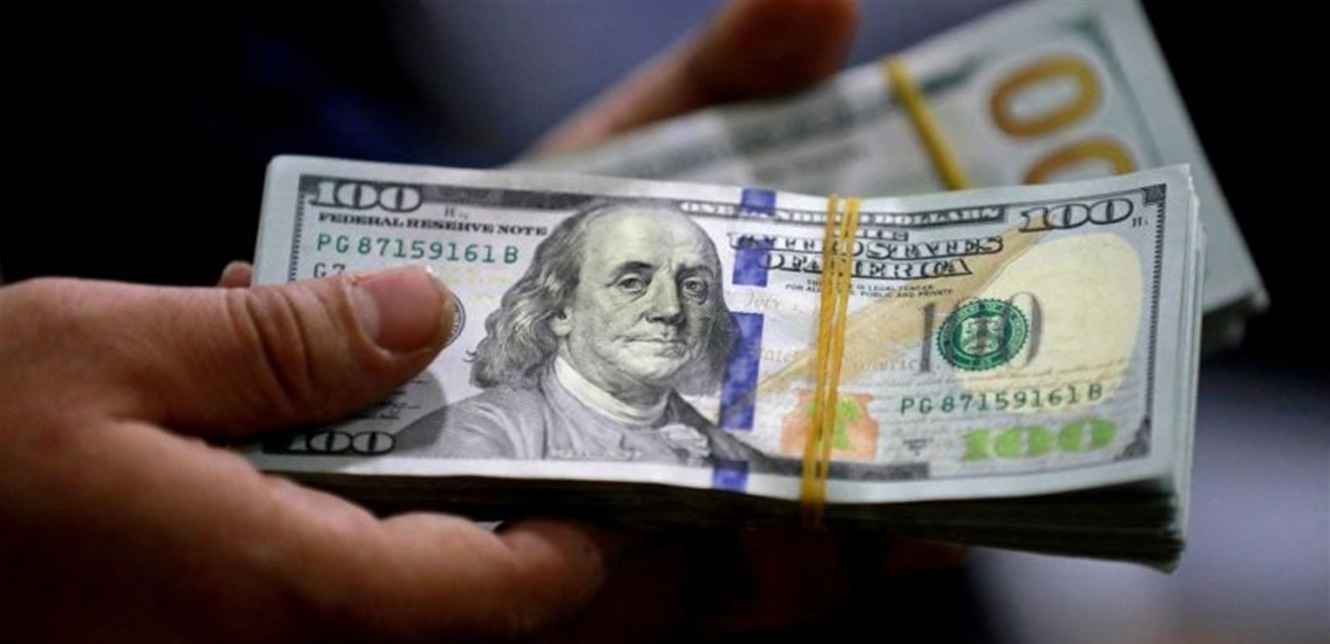
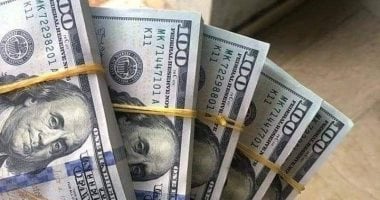
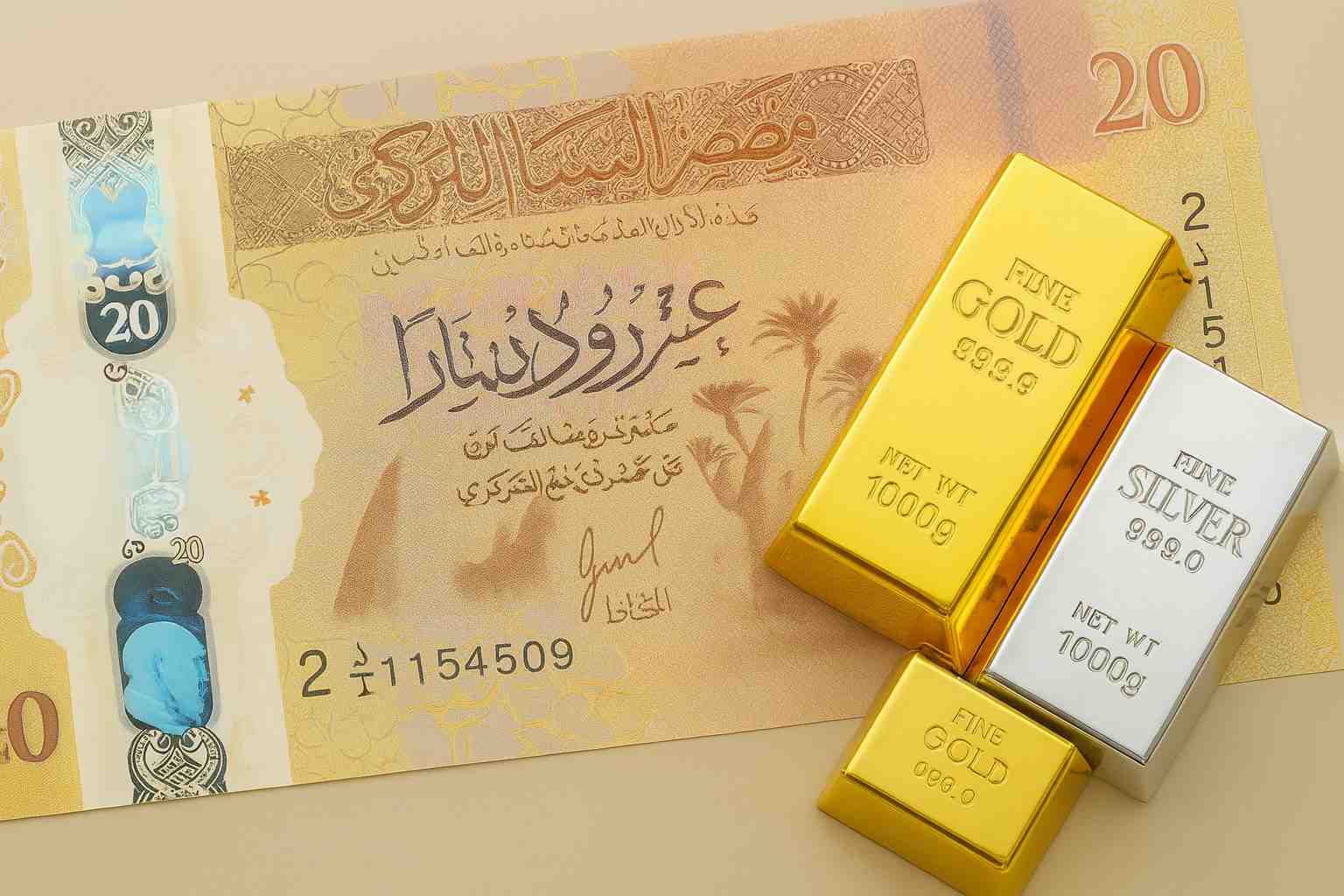
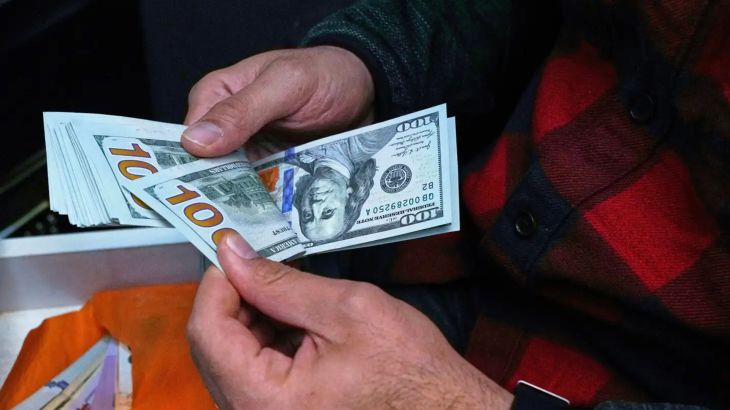
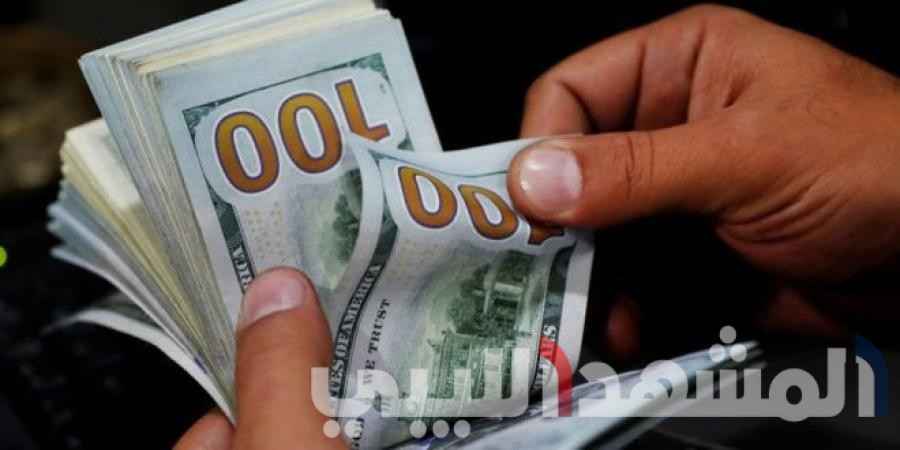
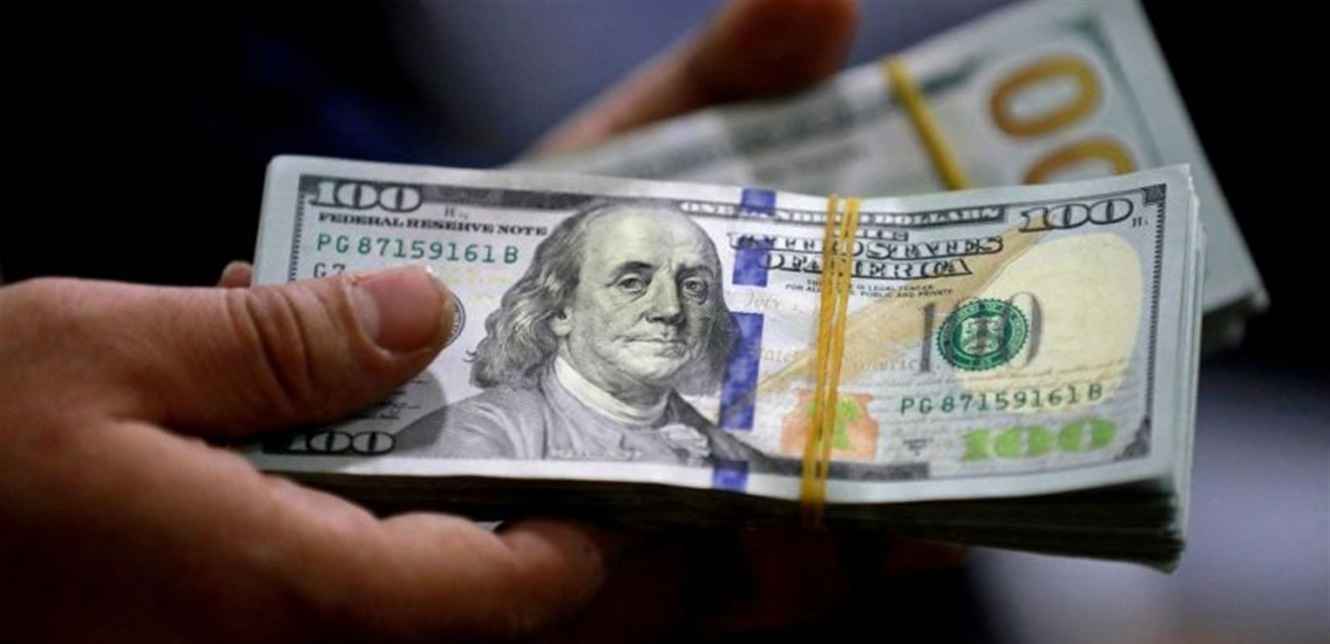
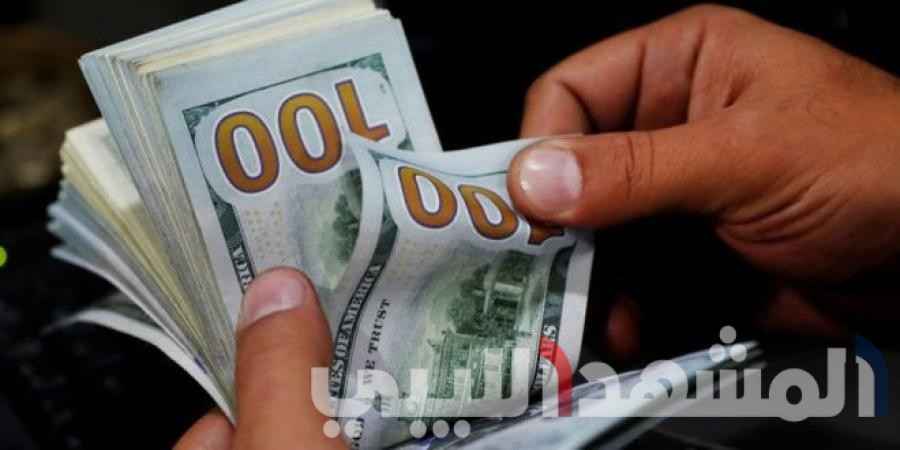
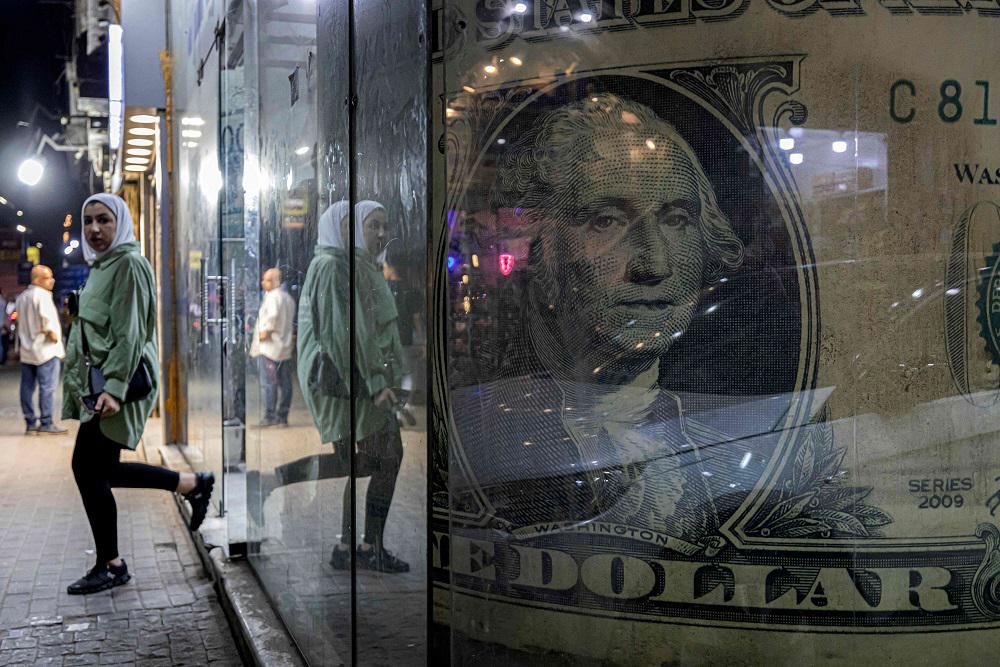
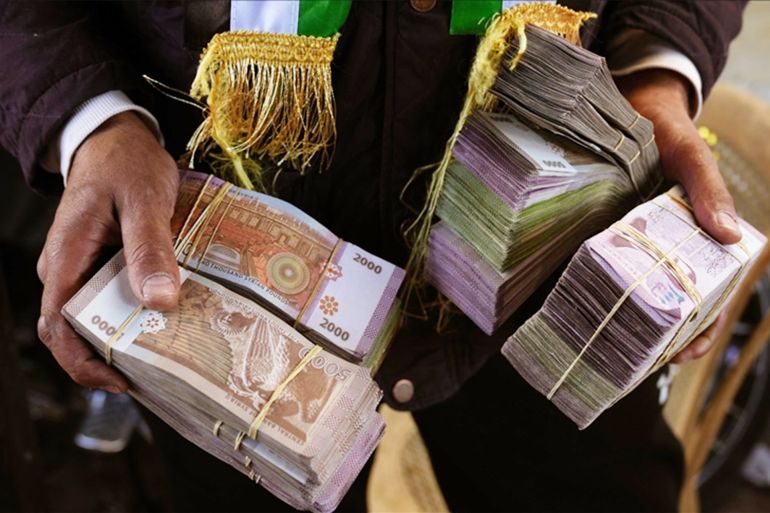
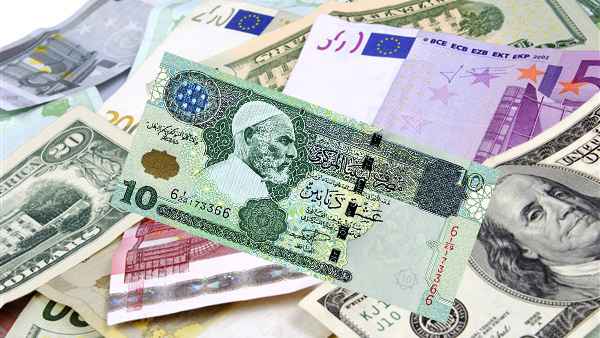
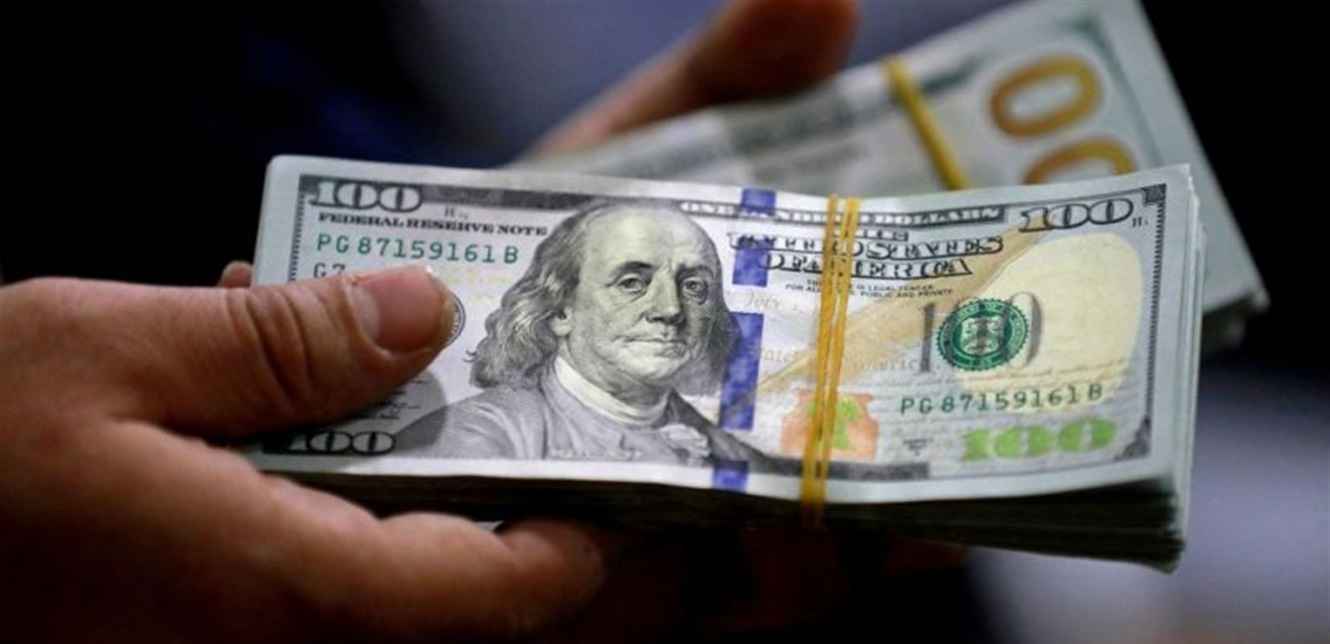
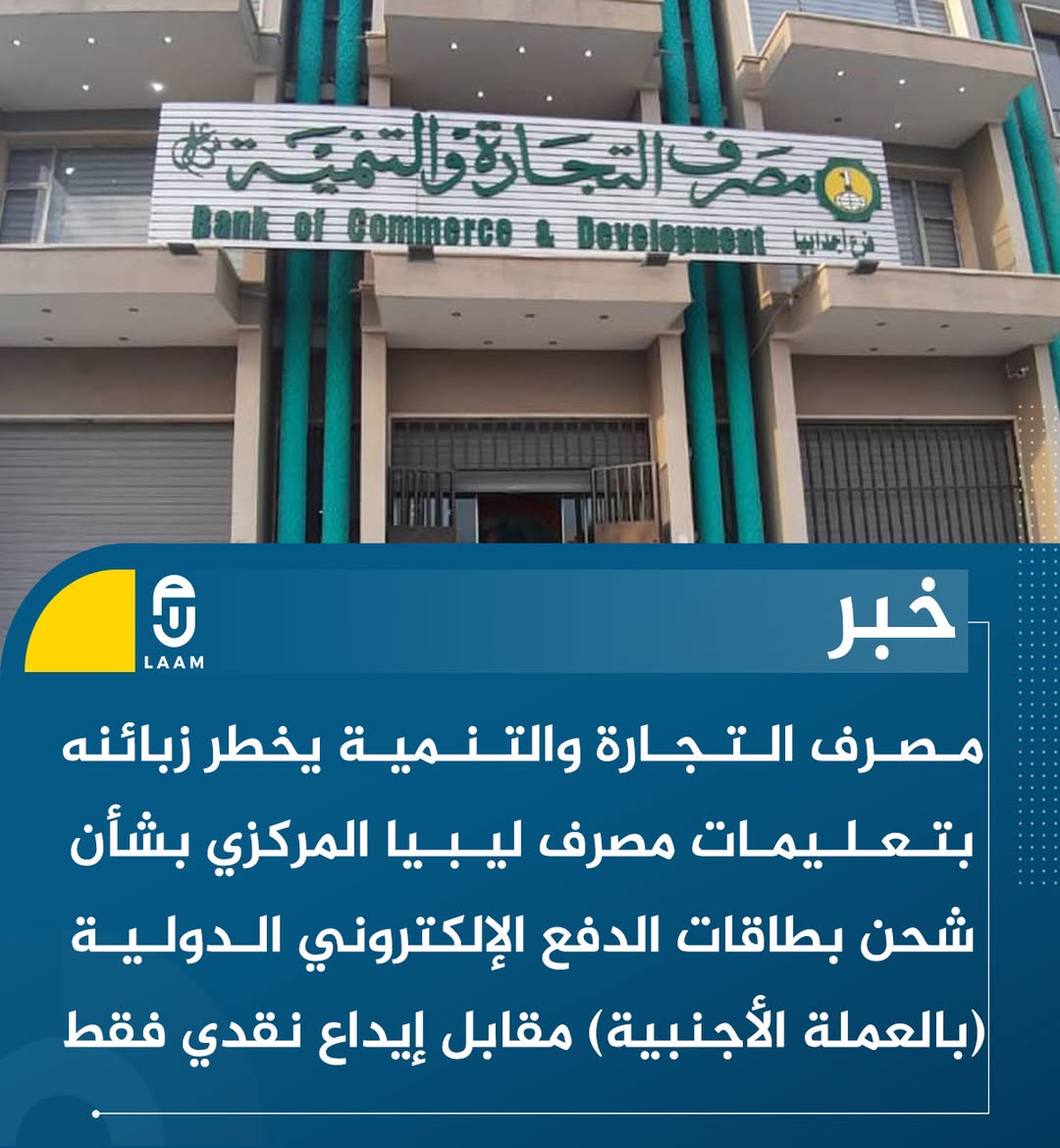
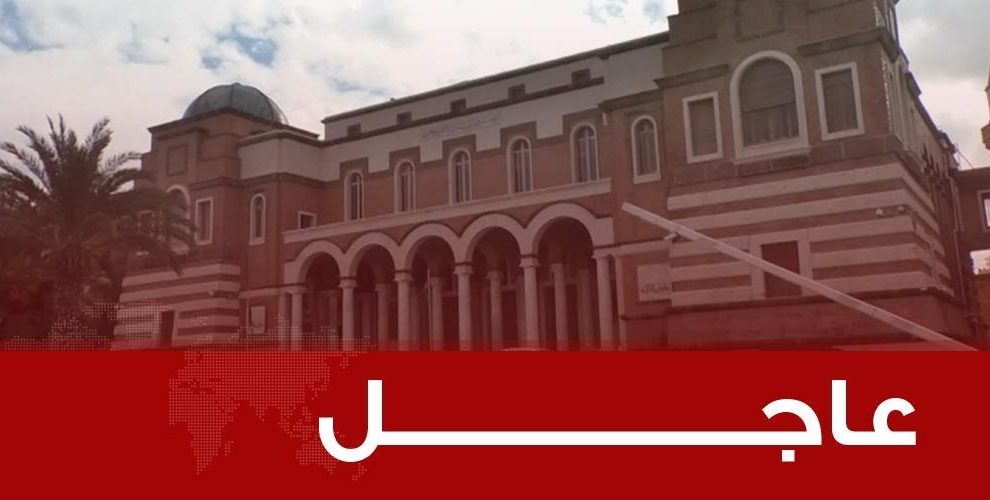
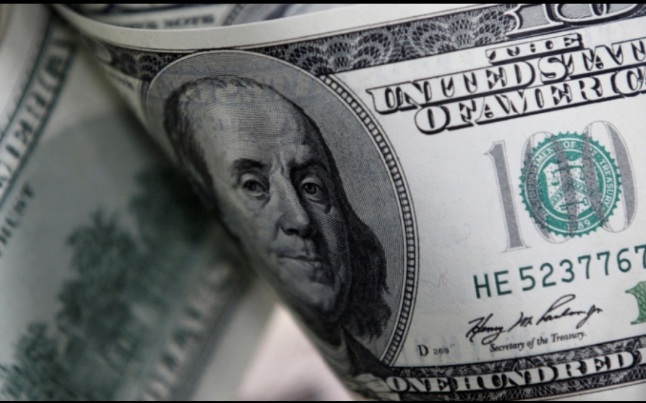
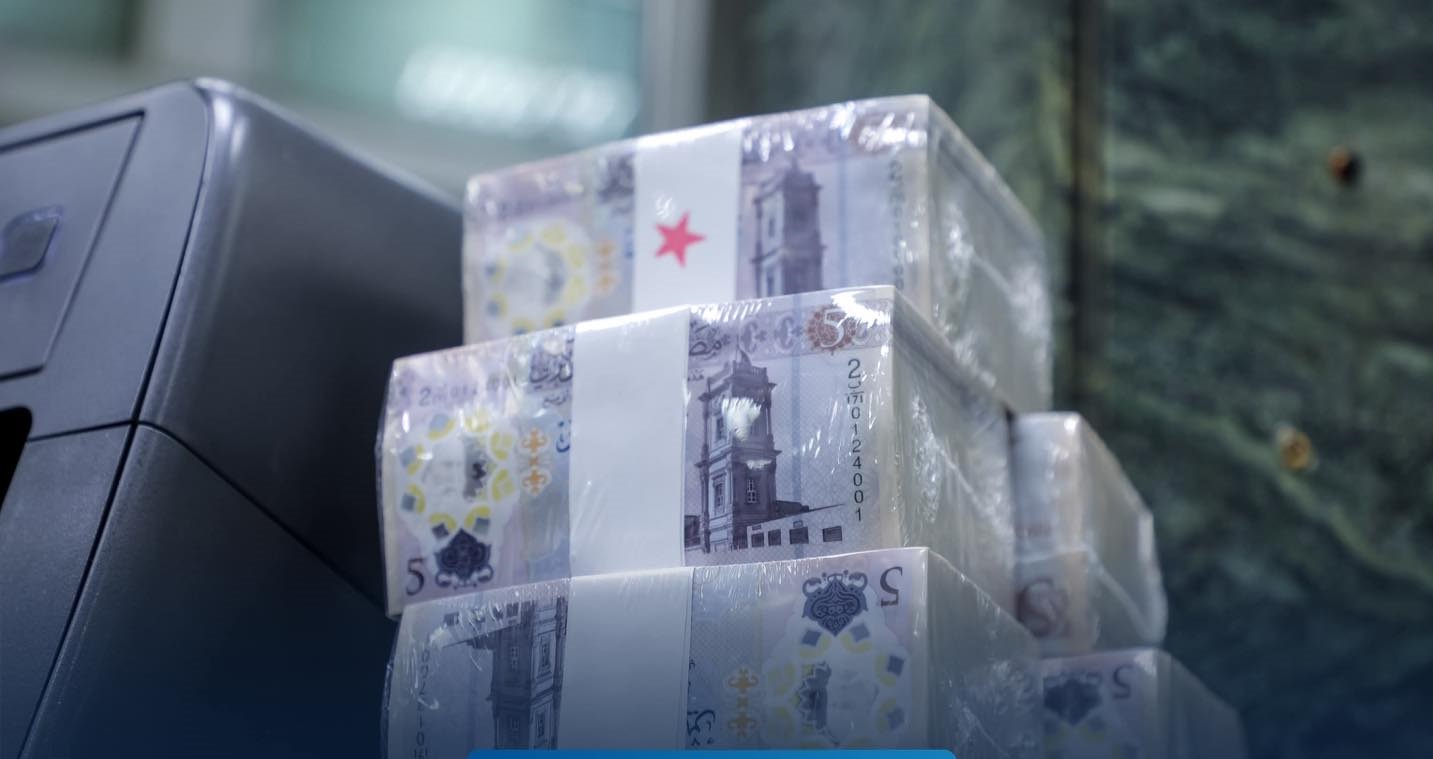
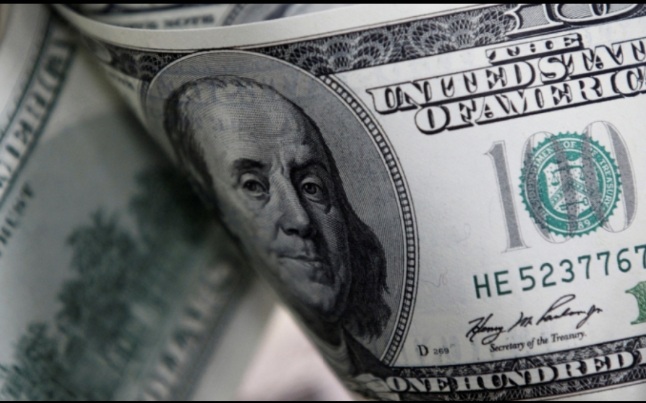
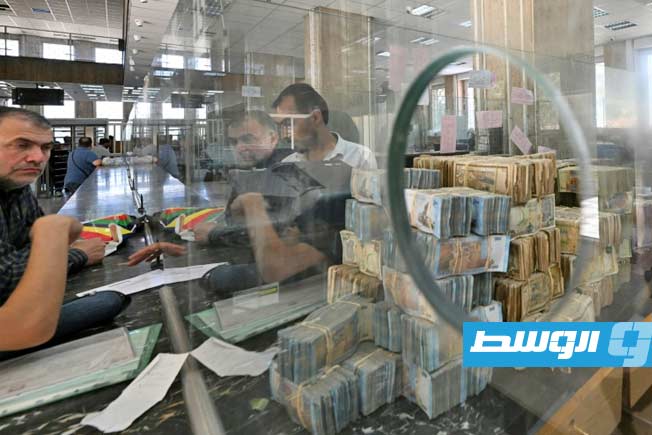
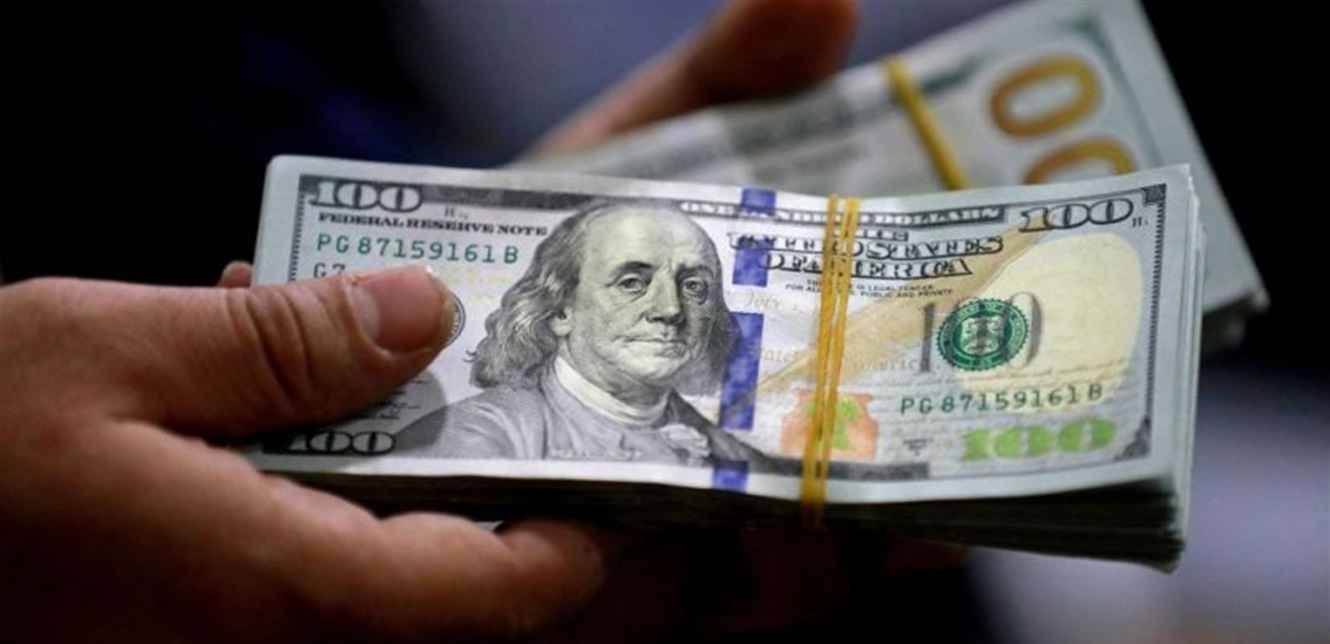
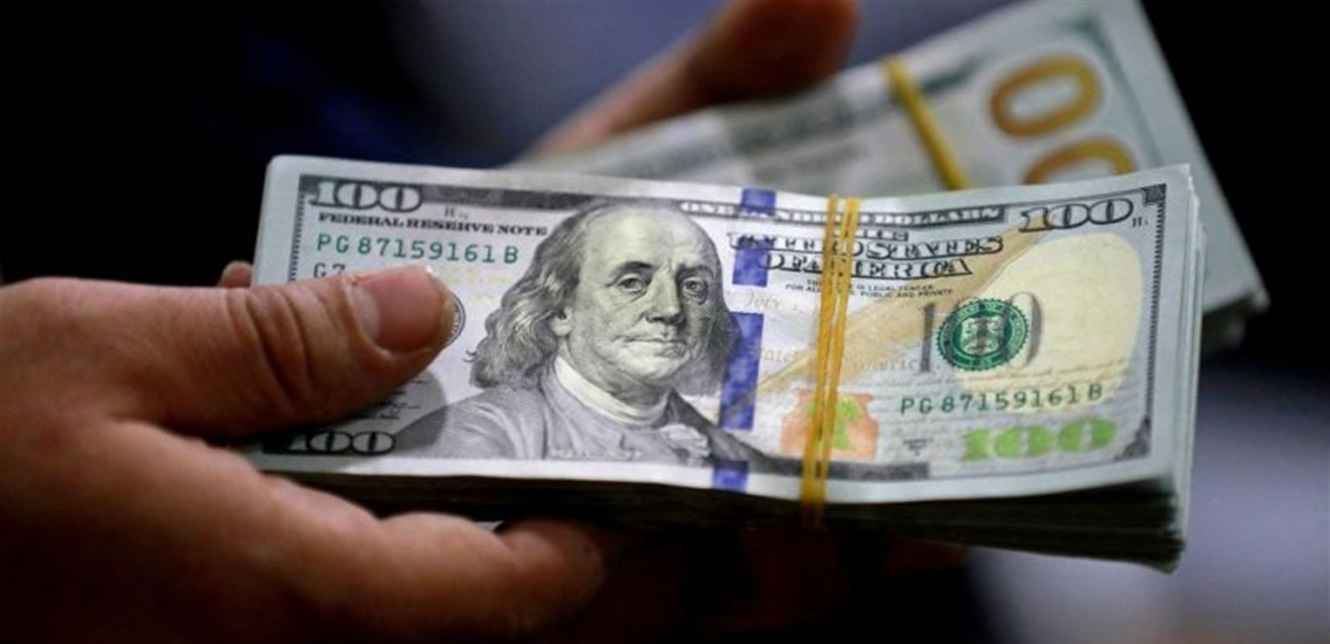
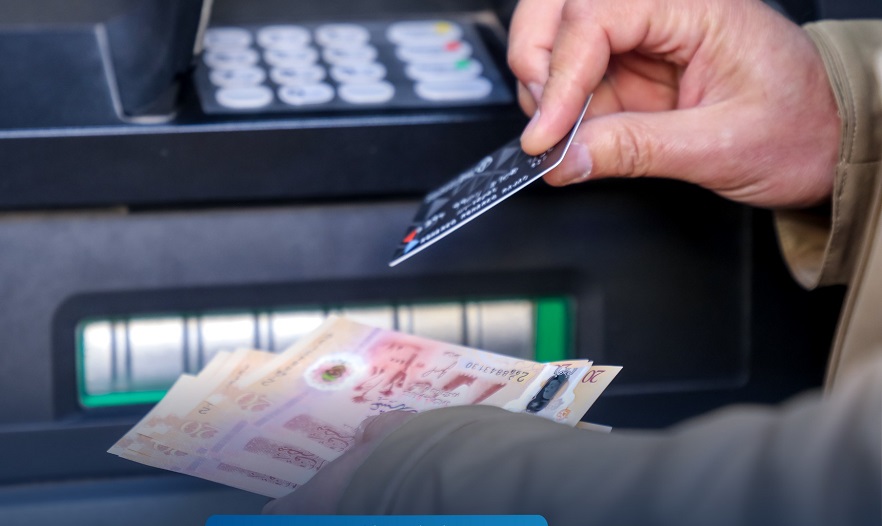
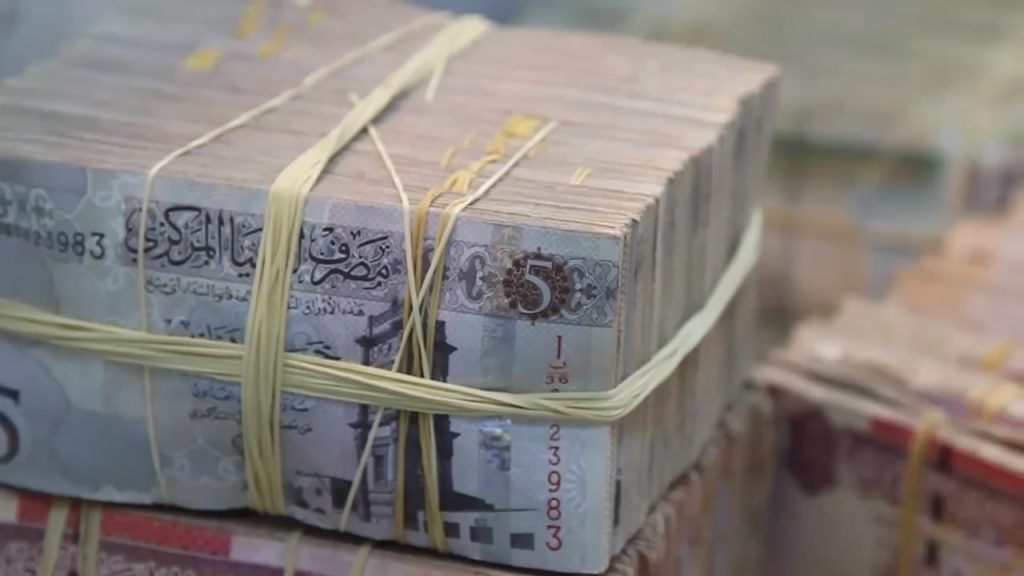
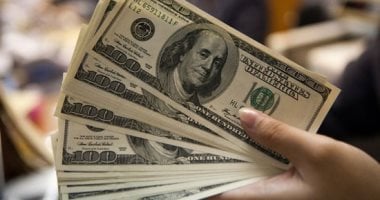
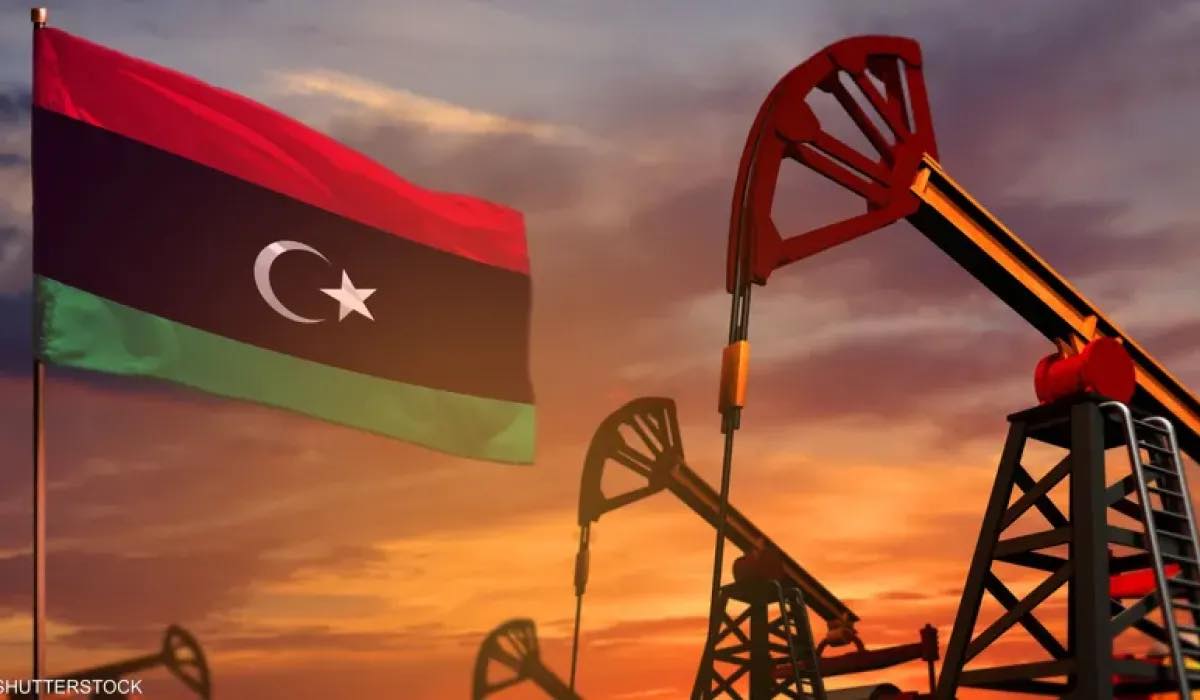
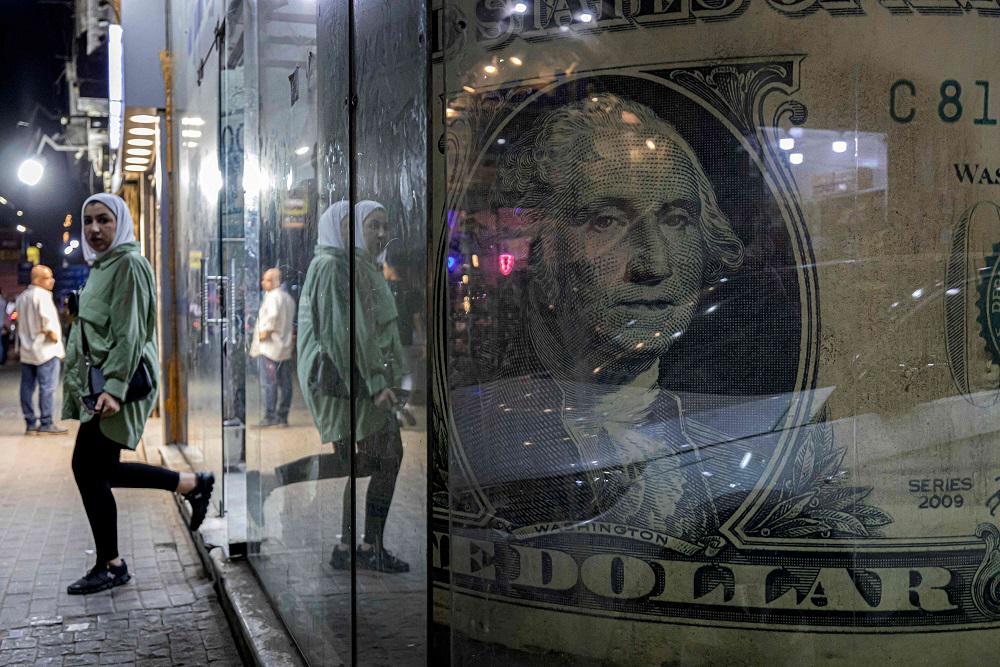
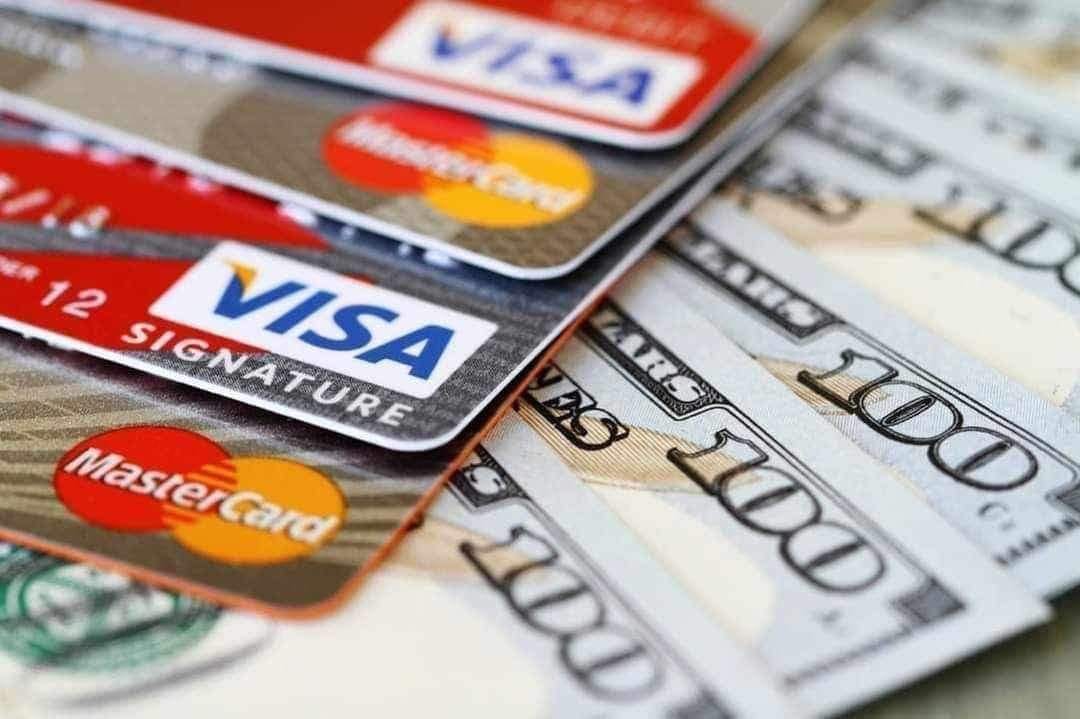
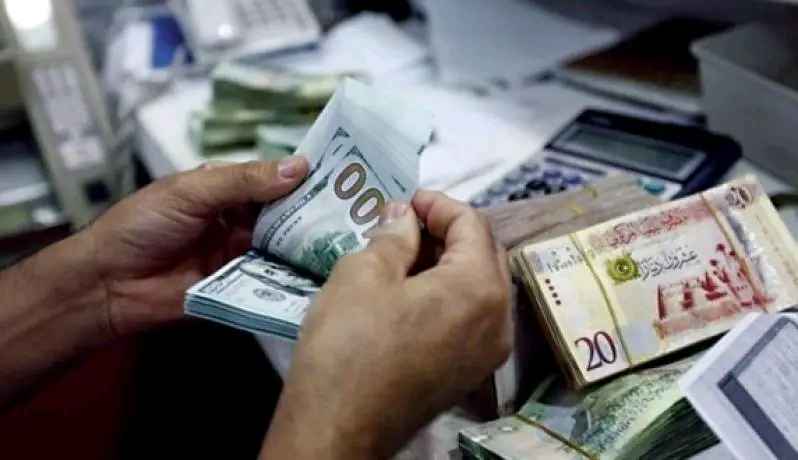
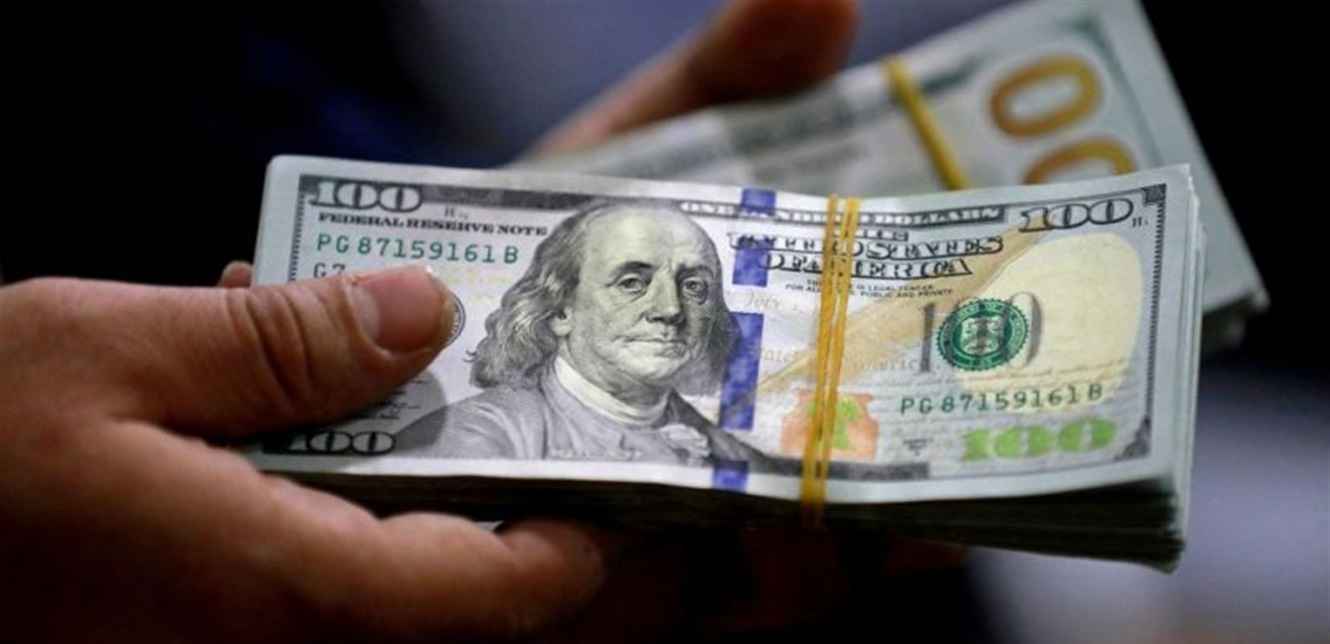
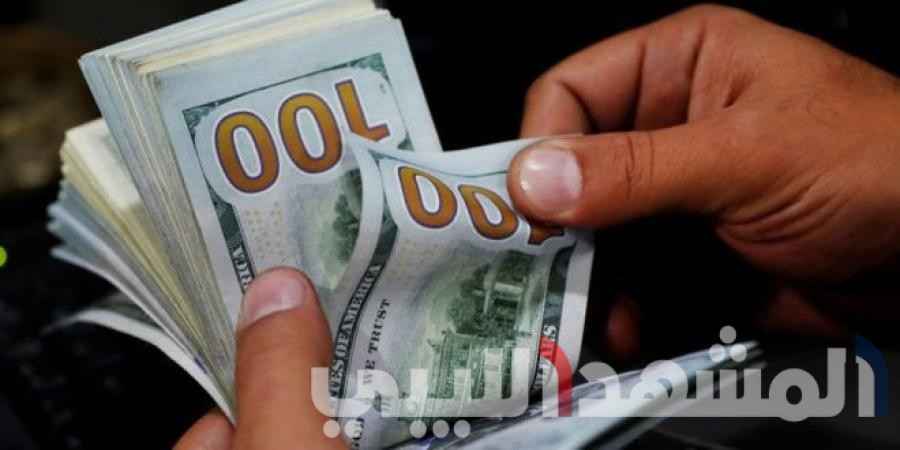
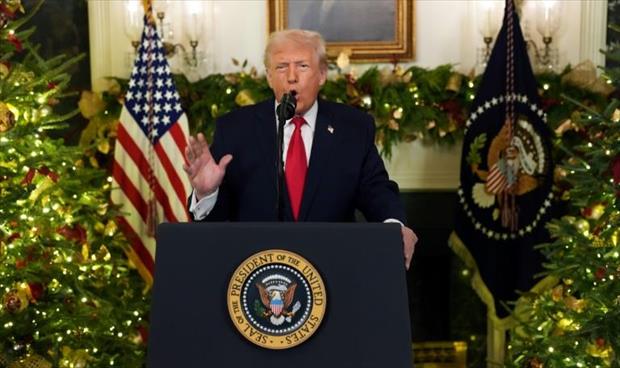
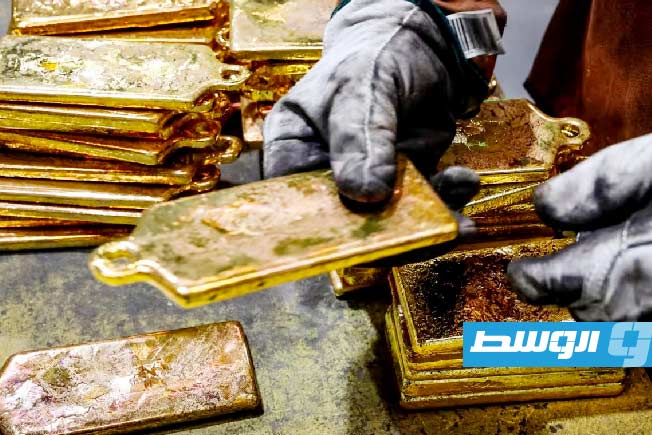
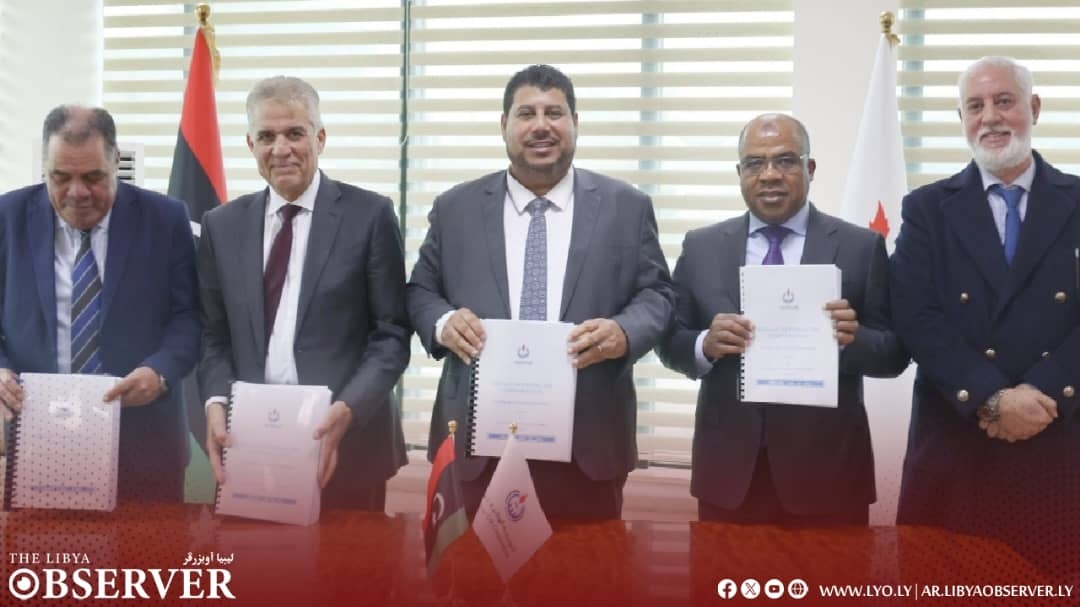
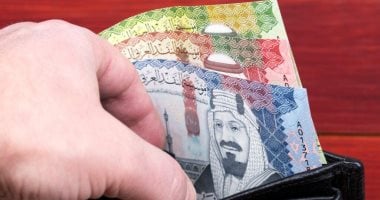
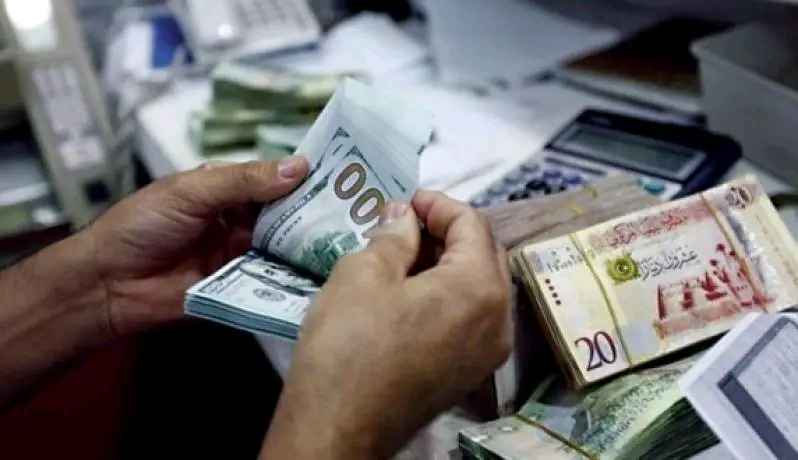
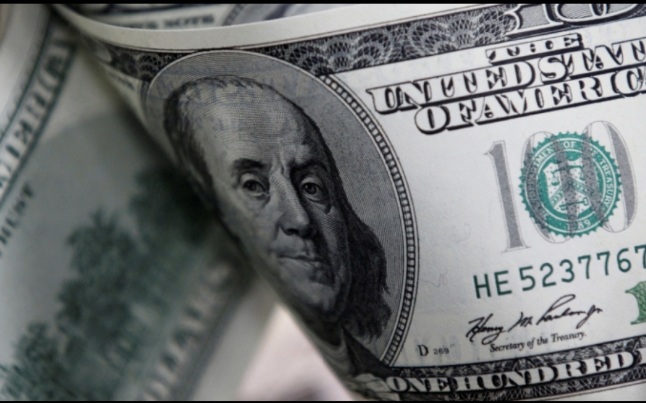
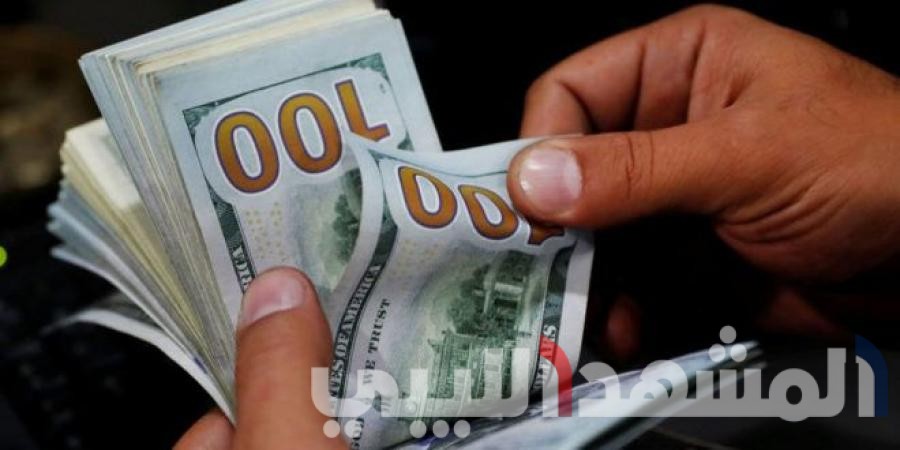
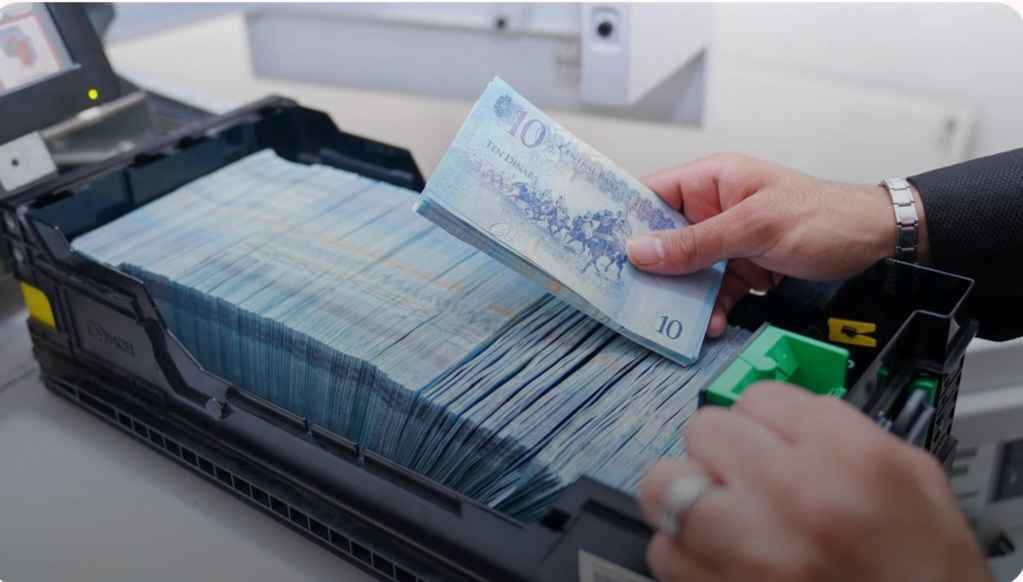
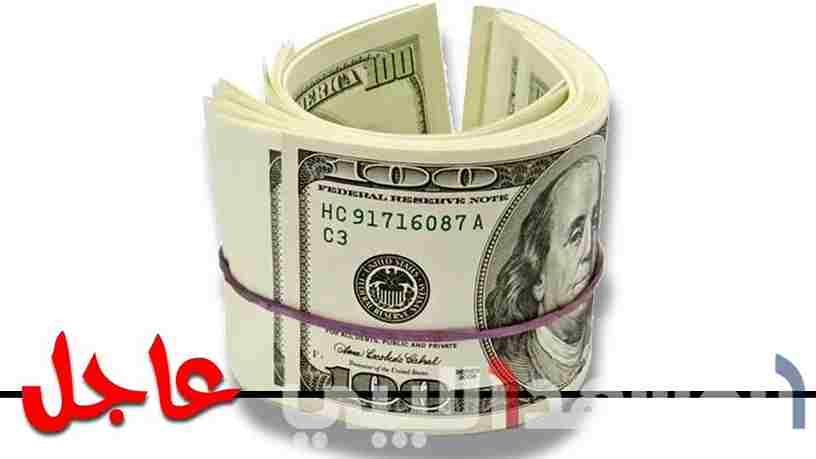
The currency market in Libya witnessed a new rise in the exchange rate of the US dollar against bank checks as trading closed on Monday, February 9, 2026. It increased by approximately 13 qirsh, resuming its upward trajectory that the market has been experiencing since the recent decisions issued by the Central Bank of Libya.
At this level, the dollar maintained its position above 10 dinars in most banks, with the slight price difference between banks in Tripoli and Benghazi continuing.
📊 Dollar Prices in Bank Checks at Market Close
Trading observed a slight variation between banks in different Libyan cities, with prices as follows:
| Bank |
Sell Price (Dinar) |
Buy Price (Dinar) |
| Commerce and Development (Tripoli) |
10.670 |
10.6675 |
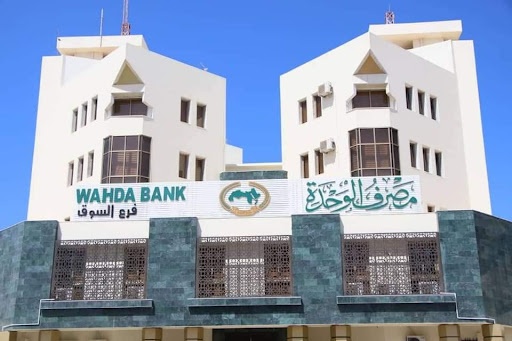
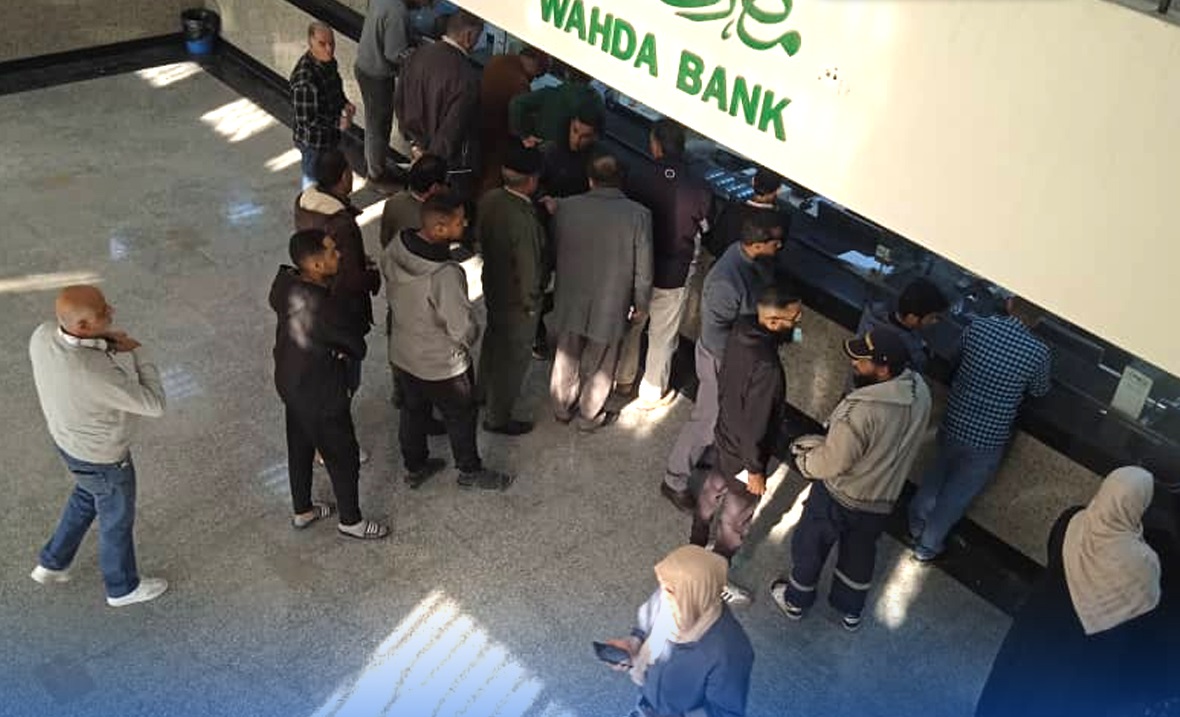
| Al-Wahda (Tripoli) |
10.660 |
10.6575 |
| Development / Al-Wahda (Benghazi) |
10.640 |
10.6375 |
| Al-Jumhouria / National Commercial / Al-Aman |
10.650 |
10.6475 |
| Al-Sahari / Al-Waha / Islamic / North Africa |
10.640 |
10.6375 |
| Al-Muttahid / Al-Nouran / Al-Saray |
10.630 |
10.6275 |
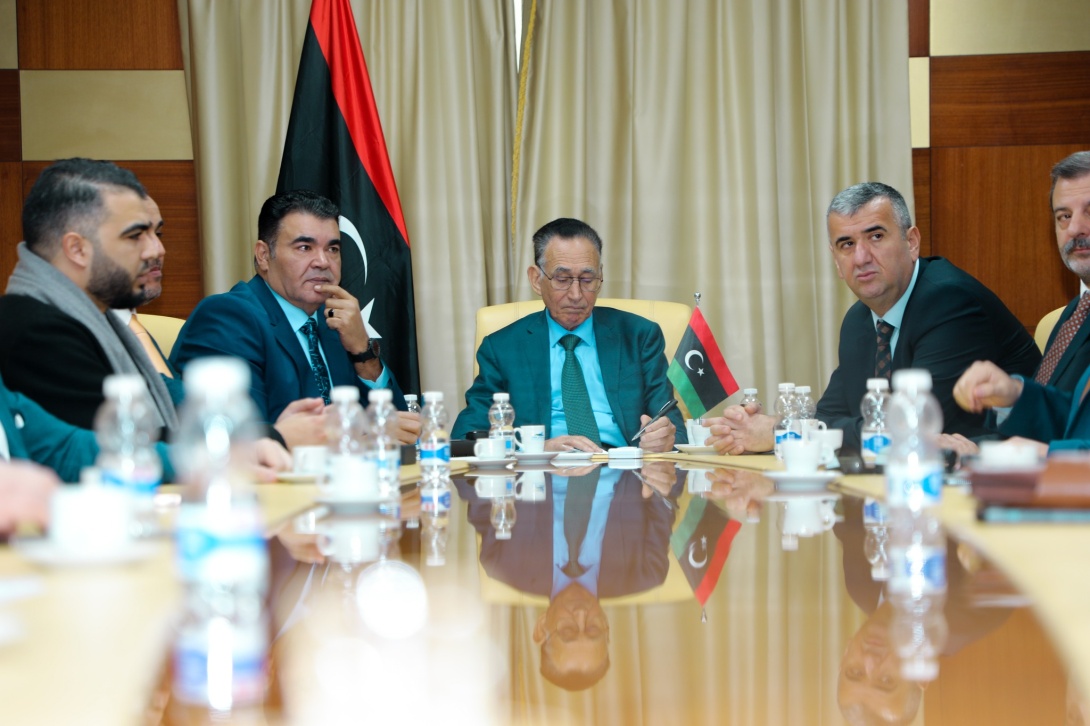
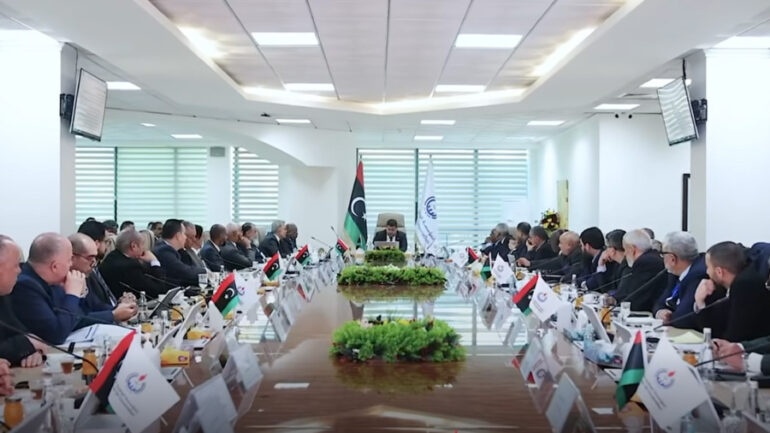
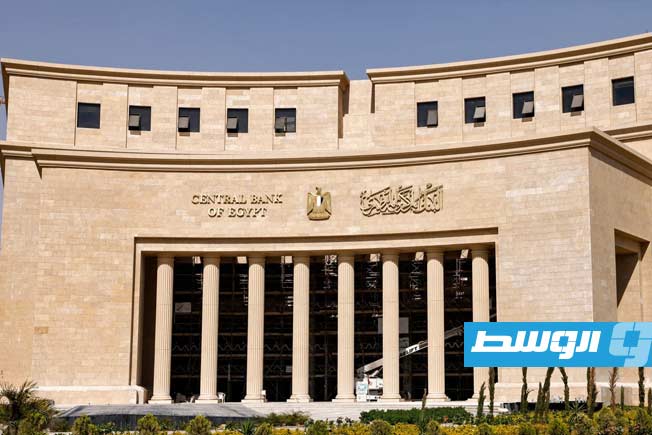
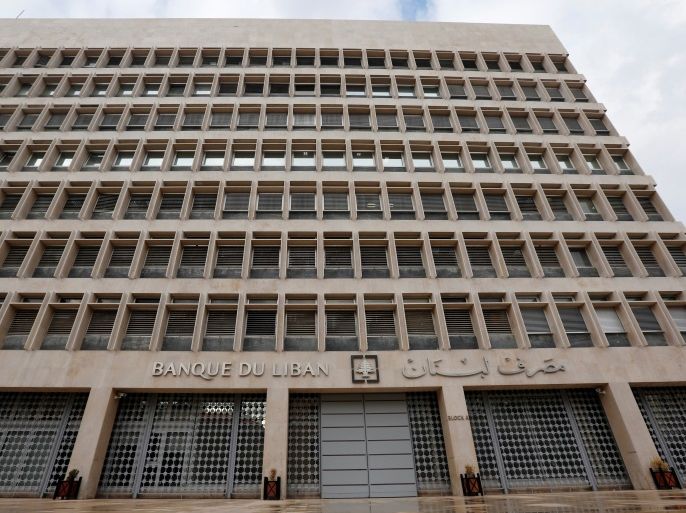
This movement in the parallel market coincides with the announcement by the Central Bank of Libya to devalue the Libyan dinar by 14.7% against the Special Drawing Rights (SDR) unit. The dinar’s value is now 0.1150 SDR units instead of 0.1348 units, with the new official exchange rate stabilizing around 6.40 dinars per US dollar.
US dollar
The US dollar is the official currency of the United States, established by the Coinage Act of 1792. It evolved from a system based on Spanish milled dollars and has become the world’s primary reserve currency since the Bretton Woods Agreement in 1944.
Libya
Libya is a North African country with a rich history rooted in ancient civilizations like the Phoenicians and Romans, followed by centuries of Arab and Ottoman influence. In the modern era, it was an Italian colony before gaining independence in 1951, later becoming known for Muammar Gaddafi’s lengthy rule from 1969 until the 2011 revolution. Its cultural sites include the well-preserved Roman ruins of Leptis Magna, a UNESCO World Heritage site.
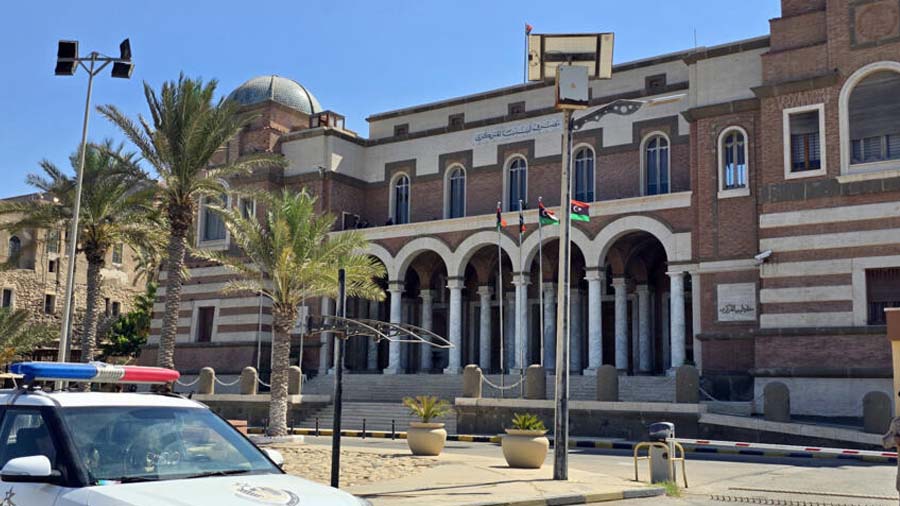
Central Bank of Libya
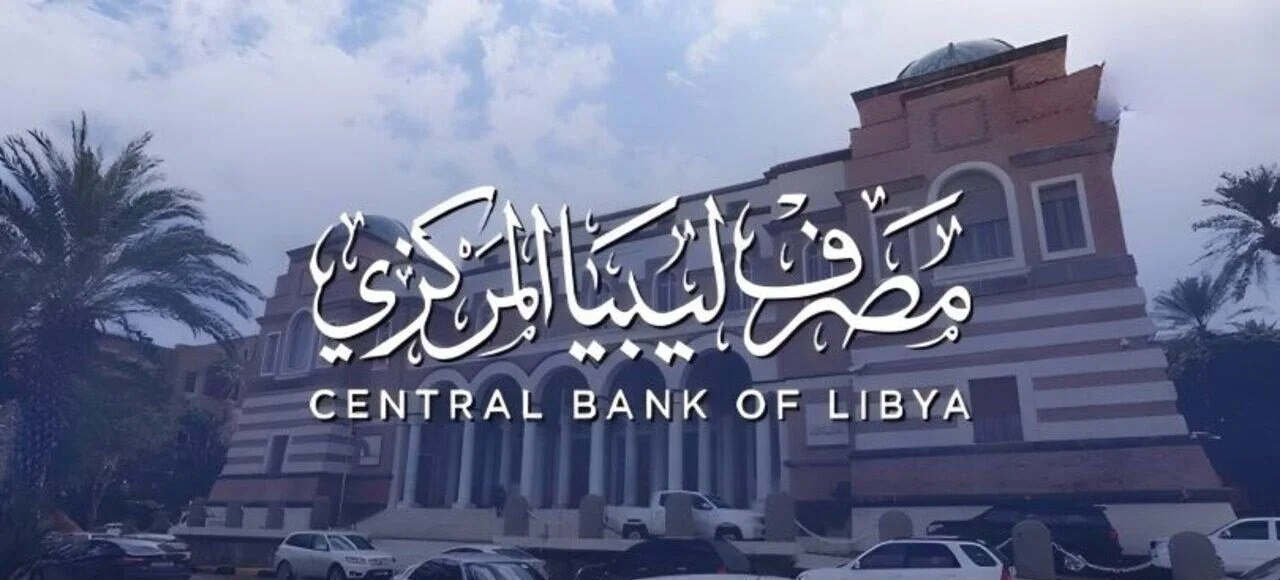
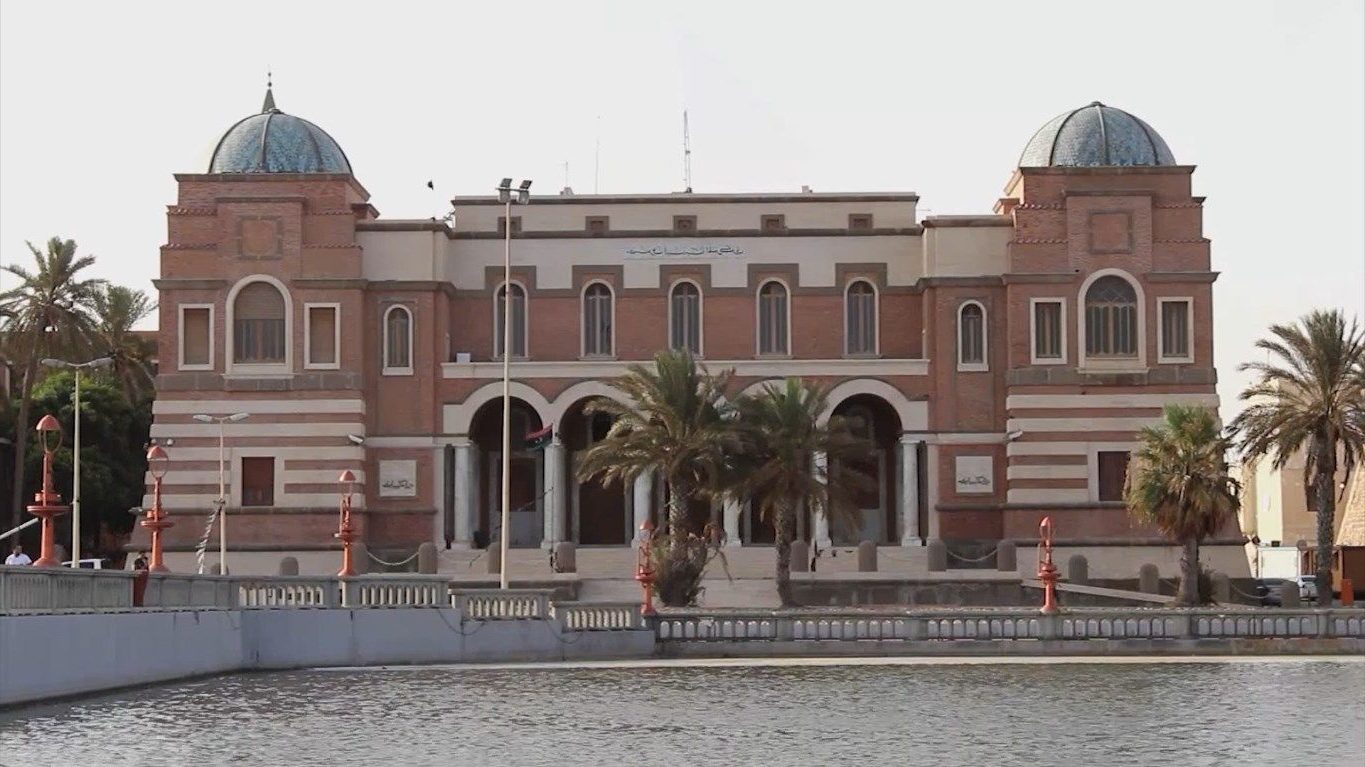
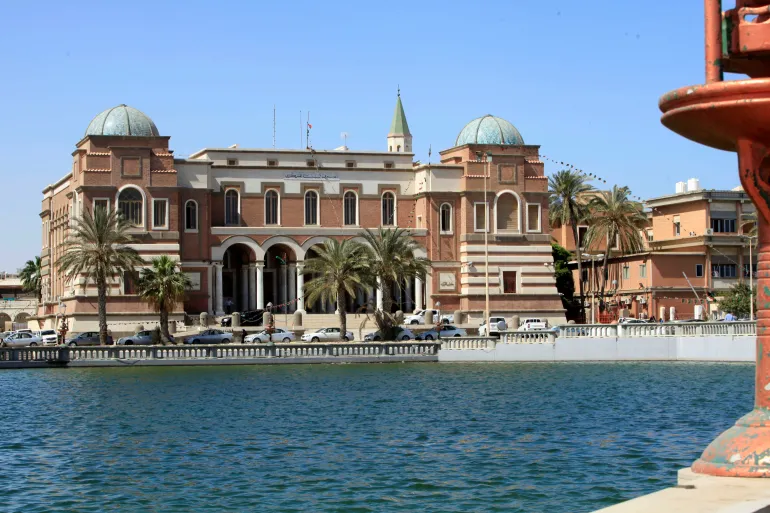
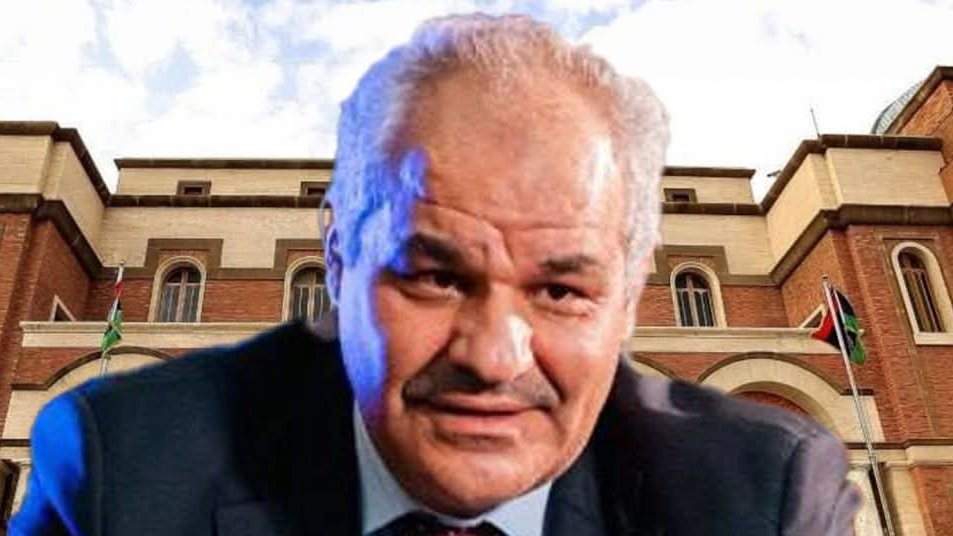
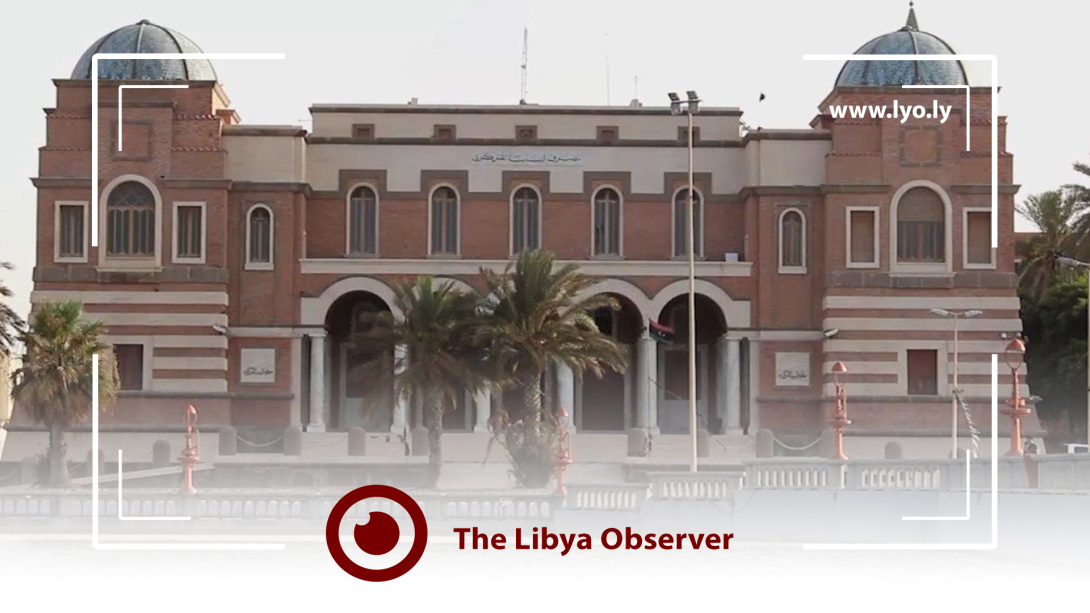
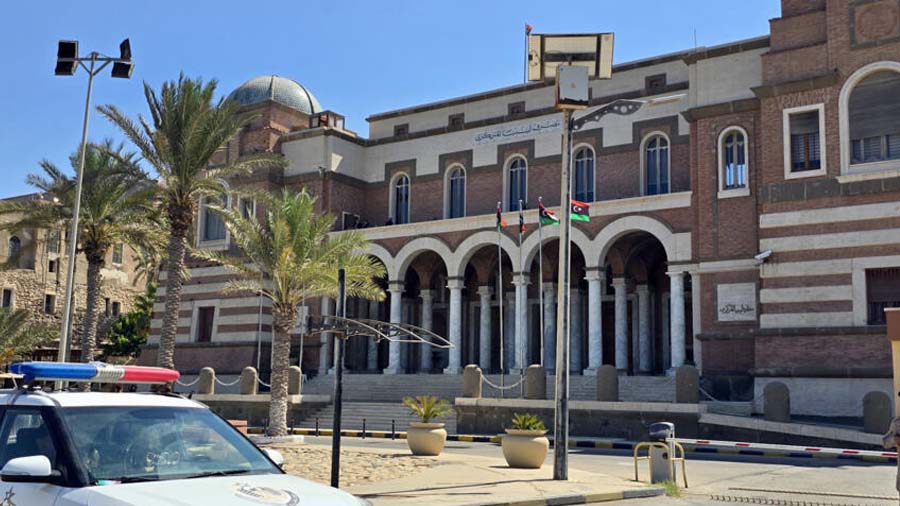
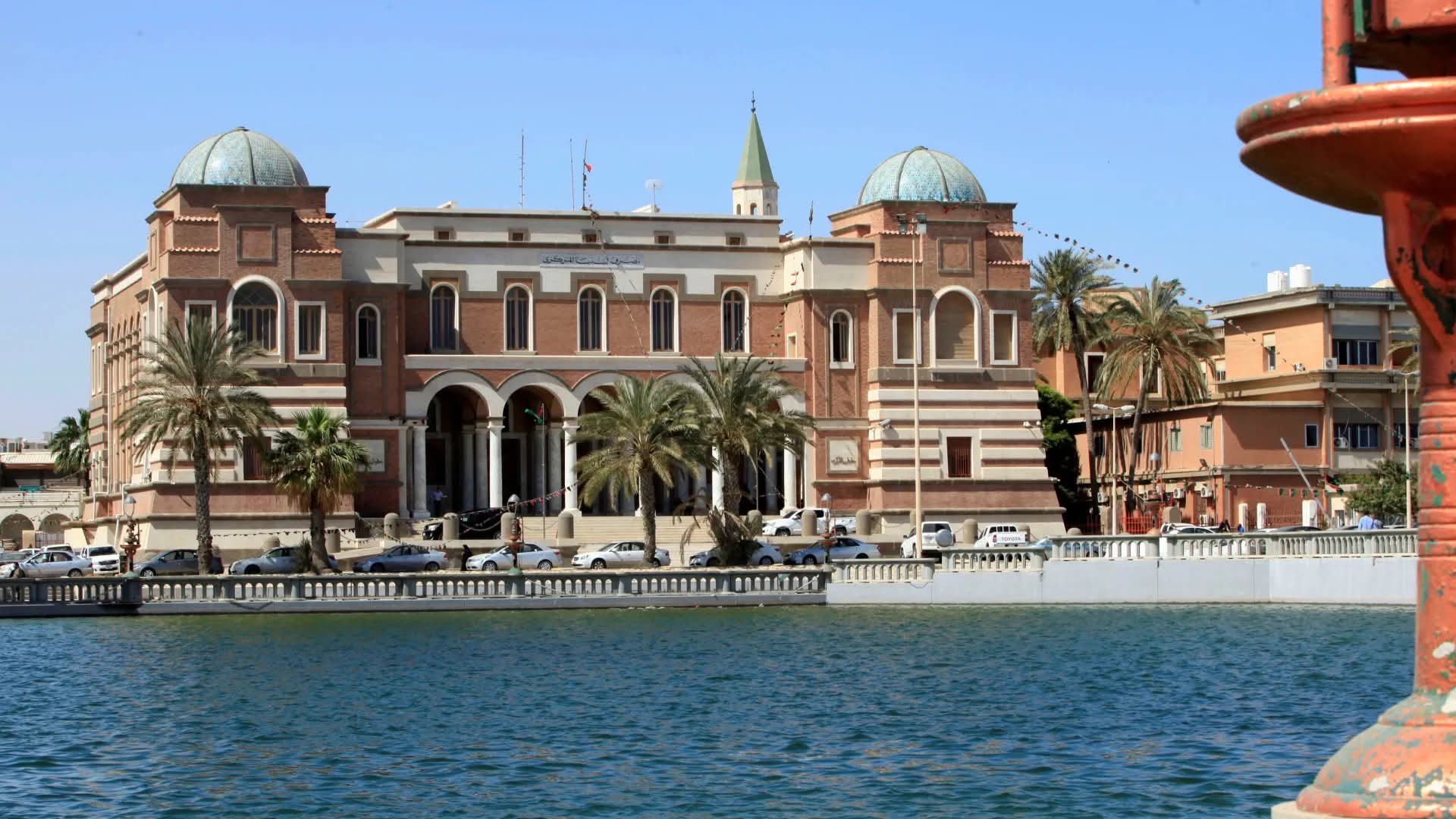
The Central Bank of Libya is the country’s primary monetary authority, established in 1956 to issue currency and manage monetary policy. It has played a critical and often divisive role in Libya’s recent history, notably functioning as a unified financial institution during the post-2011 civil war period despite the country’s political fragmentation.
Tripoli
Tripoli is the capital and largest city of Libya, located on the country’s Mediterranean coast. Historically, it was founded by the Phoenicians in the 7th century BC and has since been ruled by the Romans, Arabs, Ottomans, and Italians, serving as a major port and cultural crossroads. Its historic center, the medina, features well-preserved architecture from these various eras.
Benghazi
Benghazi is a major city in eastern Libya, historically significant as a center of trade and culture since its founding as the ancient Greek colony of Euesperides. It played a pivotal role in Libya’s modern history, serving as the provisional capital after the 2011 revolution and being the site of a major 2012 attack on a U.S. diplomatic compound.
Commerce and Development
Commerce and Development is a modern business and retail complex in Shanghai, China, which opened in 2010. It was developed as part of the city’s efforts to expand its commercial infrastructure in the Hongqiao area, serving as a key hub for trade, exhibitions, and corporate offices.
Al-Wahda
Al-Wahda, meaning “Unity” in Arabic, is a common name for significant public projects and landmarks across the Arab world, often symbolizing national cohesion. For example, the Al-Wahda Dam on the Yarmouk River, built in a 1987 agreement between Syria and Jordan, is a major hydroelectric and irrigation project representing regional cooperation. Similarly, many cities feature “Al-Wahda” squares, stadiums, or streets that serve as central gathering points, frequently commemorating historical events of unification or independence.
Development
The term “Development” is not a specific place or cultural site, but a broad concept. In a historical context, it often refers to the process of economic and social transformation, such as the post-World War II era of industrialization and modernization in many nations.
Al-Jumhouria
Al-Jumhouria is a major daily newspaper in Syria, founded in 1963 and owned by the Syrian government. It serves as an official state publication, reflecting government perspectives and policies in its reporting. The newspaper’s establishment coincided with the rise of the Ba’ath Party in Syria, and it has been a prominent media outlet throughout the country’s modern political history.
National Commercial
The National Commercial is a historic bank in Saudi Arabia, originally founded in 1938 as a money exchange house. It later evolved into the country’s first licensed commercial bank, playing a pivotal role in the development of the Saudi financial system. Today, it is known as NCB (National Commercial Bank) and remains one of the largest financial institutions in the region.
Al-Aman
Al-Aman is a historic palace located in Amman, Jordan, originally built in the early 20th century as a residence for the Emir Abdullah I, the founder of the Hashemite Kingdom of Jordan. It served as the first seat of government and is a significant symbol of the nation’s modern founding. Today, it is part of the Royal Hashemite Court and stands as an important architectural and historical landmark.
Al-Sahari
Al-Sahari is a traditional market located in the ancient city of Tarim, within Yemen’s Hadhramaut region. Historically, it has served as a vital center for trade and social gathering for centuries, reflecting the area’s deep mercantile and cultural heritage.
Al-Waha
Al-Waha, meaning “The Oasis” in Arabic, is a historic settlement in the Al Dhafra region of Abu Dhabi, United Arab Emirates. It was a vital stop on ancient caravan routes, known for its freshwater springs that sustained travelers and date palm agriculture. The site reflects the traditional desert lifestyle and the strategic importance of oases in the region’s history.
Islamic
“Islamic” is not a specific place or cultural site, but a broad term for the religion of Islam and its associated civilization. Historically, it refers to the cultural, artistic, and architectural traditions that developed across the Islamic world from the 7th century onward, encompassing sites like mosques, madrasas, and palaces from Spain to Southeast Asia.
North Africa
North Africa is a region encompassing countries along the Mediterranean coast and the Sahara Desert, historically home to ancient civilizations like the Egyptians, Carthaginians, and Numidians. It later became a major part of the Islamic world following the Arab conquests in the 7th century, profoundly shaping its cultural and architectural heritage. The region’s history also includes periods of Ottoman rule and European colonization before the emergence of modern nation-states.
Al-Muttahid
“Al-Muttahid” is a major public square and cultural landmark in the city of Tripoli, Libya. Historically, it was known as “Green Square” under the rule of Muammar Gaddafi but was renamed after the 2011 revolution to symbolize national unity (Al-Muttahid means “The United”). It serves as a central gathering place for public events and demonstrations.
Al-Nouran
Al-Nouran is a prominent mosque and Islamic cultural center located in Gaza City, Palestine. It was historically established in the early 20th century and has since served as a major hub for religious, educational, and social activities within the community.
Al-Saray
Al-Saray is a historic building located in the city of Mosul, Iraq, originally constructed in the late 19th century during the Ottoman era to serve as a government headquarters. It became a prominent administrative and cultural center, but was severely damaged during the conflict with ISIS in 2014. Restoration efforts are ongoing to preserve this important landmark of Mosul’s heritage.
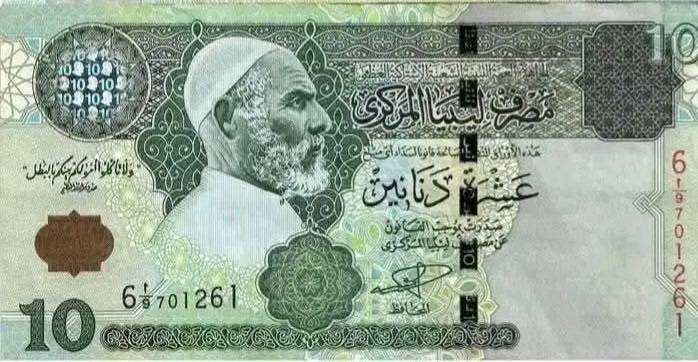
Libyan dinar
The Libyan dinar is the official currency of Libya, introduced in 1971 to replace the Libyan pound. It was established following the 1969 revolution that brought Muammar Gaddafi to power, symbolizing a move toward economic independence.
Special Drawing Rights
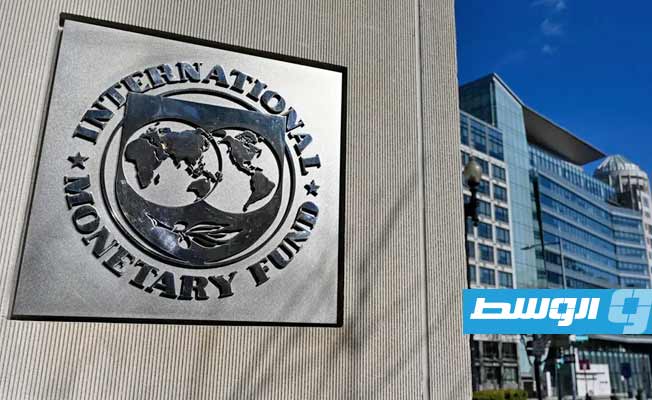
Special Drawing Rights (SDR) is an international reserve asset created by the International Monetary Fund (IMF) in 1969 to supplement its member countries’ official reserves. Its value is based on a basket of five major currencies: the U.S. dollar, euro, Chinese renminbi, Japanese yen, and British pound sterling.