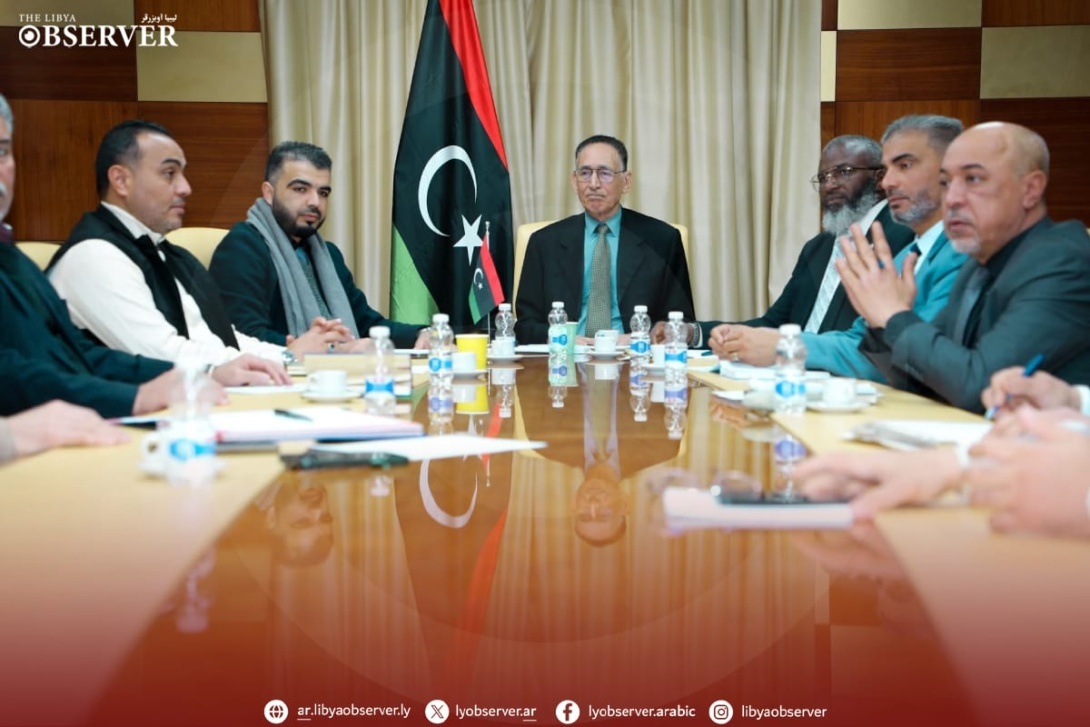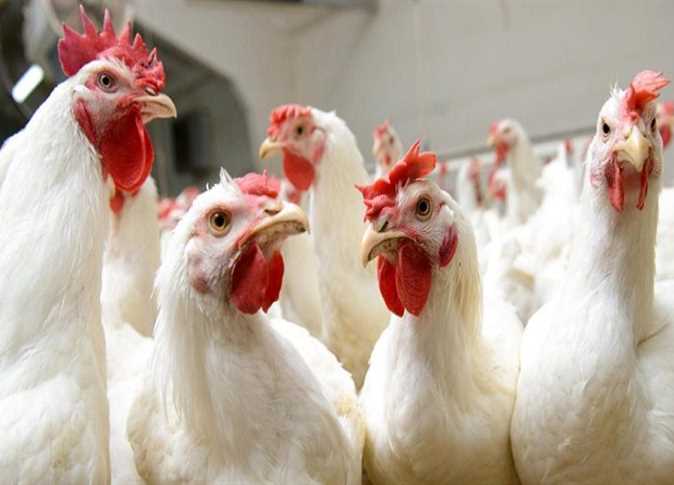
The Ministry of Agriculture and Livestock of the government mandated by the House of Representatives announced it is monitoring cases of poultry flock deaths in Benghazi and a number of municipalities, following suspicion of infection with Newcastle disease and infectious bronchitis. Laboratory tests have confirmed 18 positive samples.
Infection Details
- Animal health offices in Al Bayda, Al Sahel, Al Marj, and Benghazi, in cooperation with the Agricultural Police apparatus, have monitored suspected cases.
- The Central Veterinary Laboratory in Benghazi confirmed 18 samples positive for Newcastle disease.
- The National Center for Animal Health recently recorded infections of bird flu – Genetic Type A in Benghazi, Al Marj, Al Bayda, and the Al Tamimi area.
Causes and Repercussions
- The ministry clarified that the registration of these infections is due to the absence of the necessary capabilities to import vaccines, sera, and specialized control equipment.
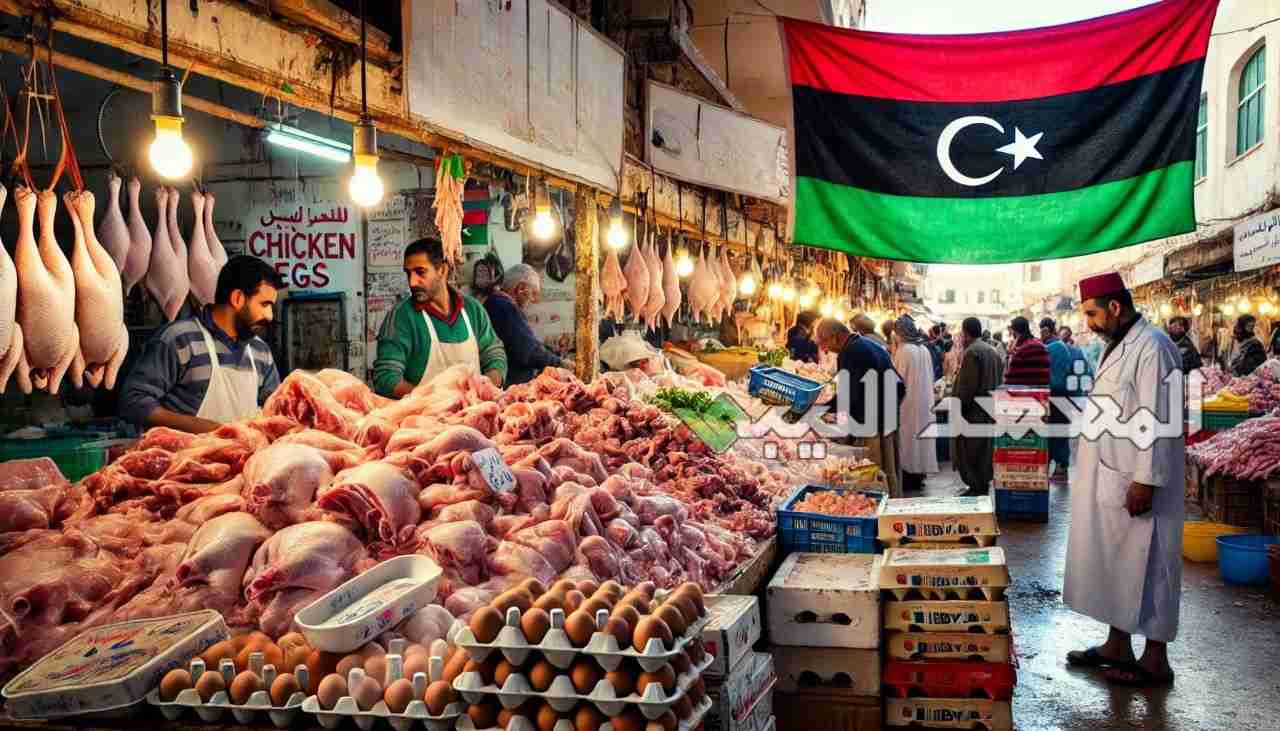
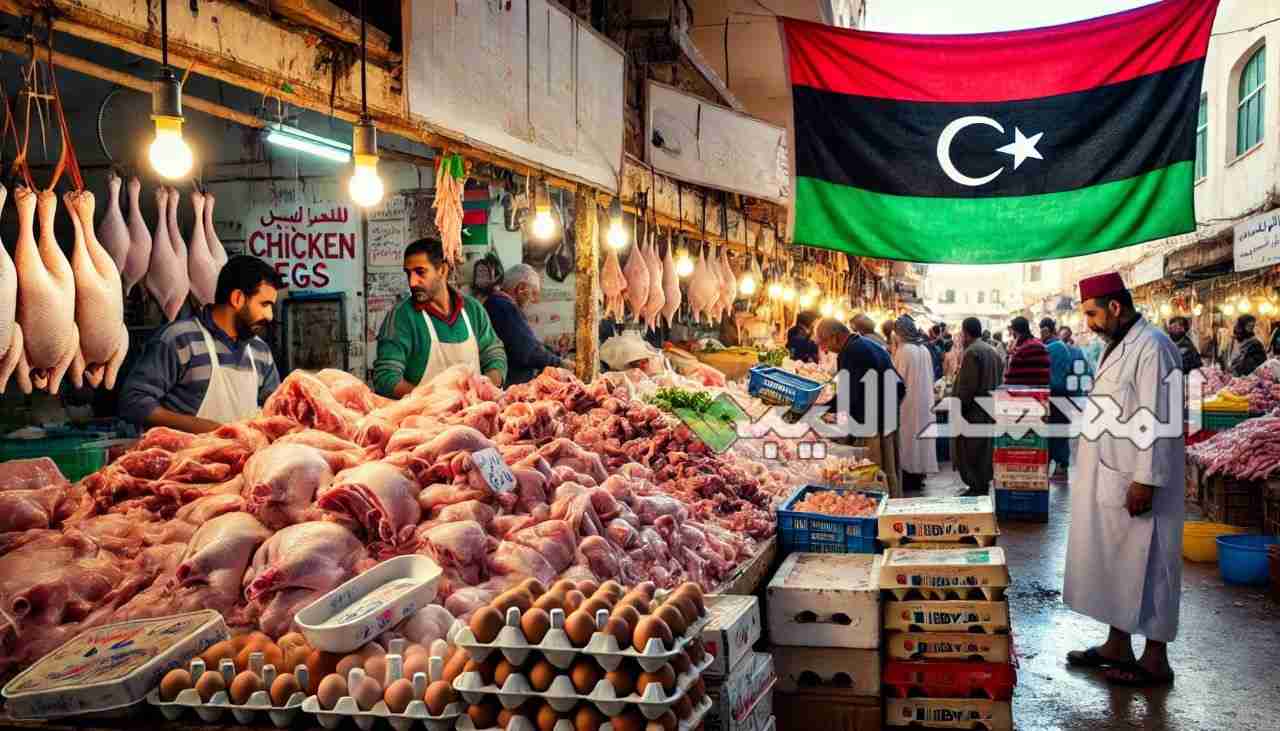
- The crisis has been reflected in rising poultry prices in Libya, amid the impact of a religious edict on the volume of local demand.
Ministry of Agriculture and Livestock
The Ministry of Agriculture and Livestock is the government body responsible for agricultural policy, rural development, and food security in Ecuador. It was formally established under its current name in 2013, consolidating functions from previous institutions to oversee the nation’s vital farming and livestock sectors.
House of Representatives
The House of Representatives is the lower chamber of the United States Congress, established by the Constitution in 1789. It is composed of representatives elected from congressional districts, with representation based on state population.
Benghazi
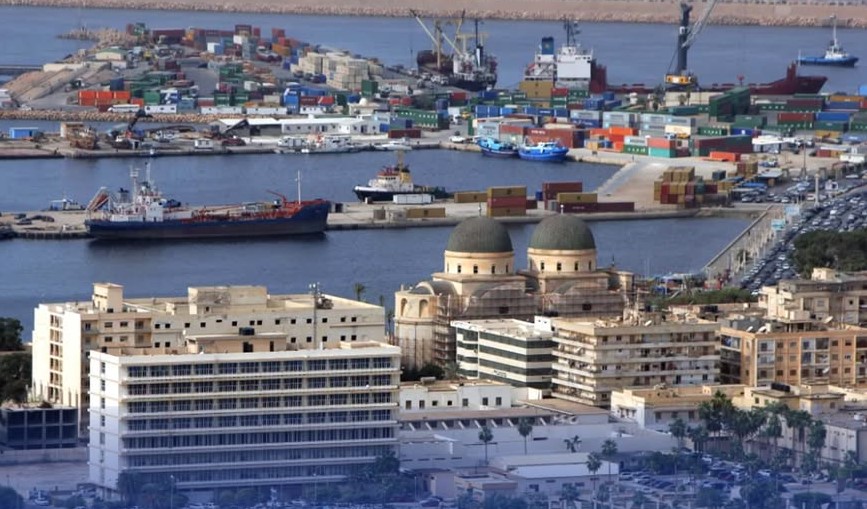
Benghazi is a major city in eastern Libya, historically significant as a center of trade and culture since its founding as the ancient Greek colony of Euesperides. In modern times, it played a pivotal role as a hub of the 2011 revolution that overthrew Muammar Gaddafi. The city remains an important economic and political center, though it has faced significant conflict and instability in the subsequent years.
Al Bayda
Al Bayda is a city in northeastern Libya, historically known as a center for the study of Islamic law and as the location of the University of Libya, founded in 1955. It served briefly as the capital of the Kingdom of Libya from 1963 to 1969 under King Idris I.
Al Sahel
Al Sahel is a coastal region in Kuwait known for its scenic beaches and modern residential developments. Historically, it was part of the country’s broader coastal area that has undergone significant urbanization and land reclamation projects since the latter half of the 20th century.
Al Marj
Al Marj is a city in northeastern Libya, historically significant as the site of the ancient Greek colony of Barca, founded around 560 BCE. It later became an important Roman and Byzantine center before its modern development. The surrounding region is known for its fertile plains and agricultural production.
Agricultural Police apparatus
The Agricultural Police apparatus refers to a historical law enforcement or regulatory body focused on rural and farming areas, often tasked with enforcing agricultural laws, preventing theft, and managing land disputes. Such institutions have existed in various forms, such as in early 20th-century Italy or in certain authoritarian states, where they served to control the countryside and its economic output. Their role typically blended policing with the oversight of agricultural production and resource distribution.
Central Veterinary Laboratory
The Central Veterinary Laboratory is a key scientific institution focused on animal health, disease research, and diagnostics. Its history typically involves being established to support national agriculture and public health, often evolving from a foundational facility into a modern center for controlling outbreaks and ensuring food safety.
National Center for Animal Health
The National Center for Animal Health is a U.S. federal institution, part of the USDA, primarily responsible for researching and diagnosing animal diseases. It was established to protect livestock health, ensure a safe food supply, and has played a key role in controlling outbreaks like foot-and-mouth disease throughout its history.
Al Tamimi area
The Al Tamimi area is a historic commercial district in the heart of Kuwait City, traditionally known as the city’s main *souk* or market. Its history is deeply tied to Kuwait’s merchant heritage, having served for decades as a bustling hub for trade in textiles, gold, spices, and other goods. While modern development has altered its landscape, it remains a significant cultural and economic center.
Libya
Libya is a North African country with a rich history rooted in ancient civilizations like the Phoenicians and Romans, followed by centuries of Arab and Ottoman influence. In the modern era, it was an Italian colony before gaining independence in 1951, later becoming known for Muammar Gaddafi’s lengthy rule from 1969 until the 2011 revolution. The country is home to UNESCO World Heritage sites, such as the ancient Greek city of Cyrene and the Roman ruins of Leptis Magna.