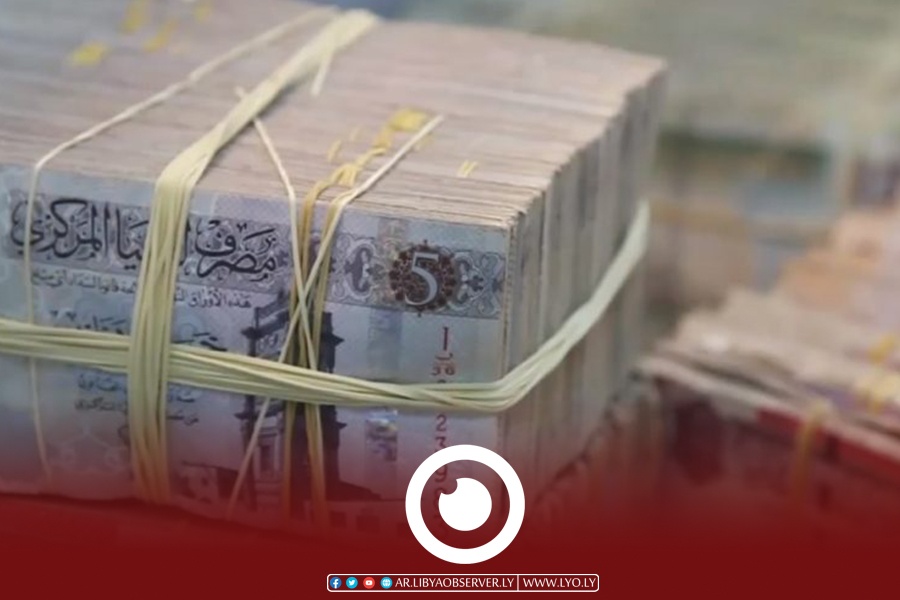
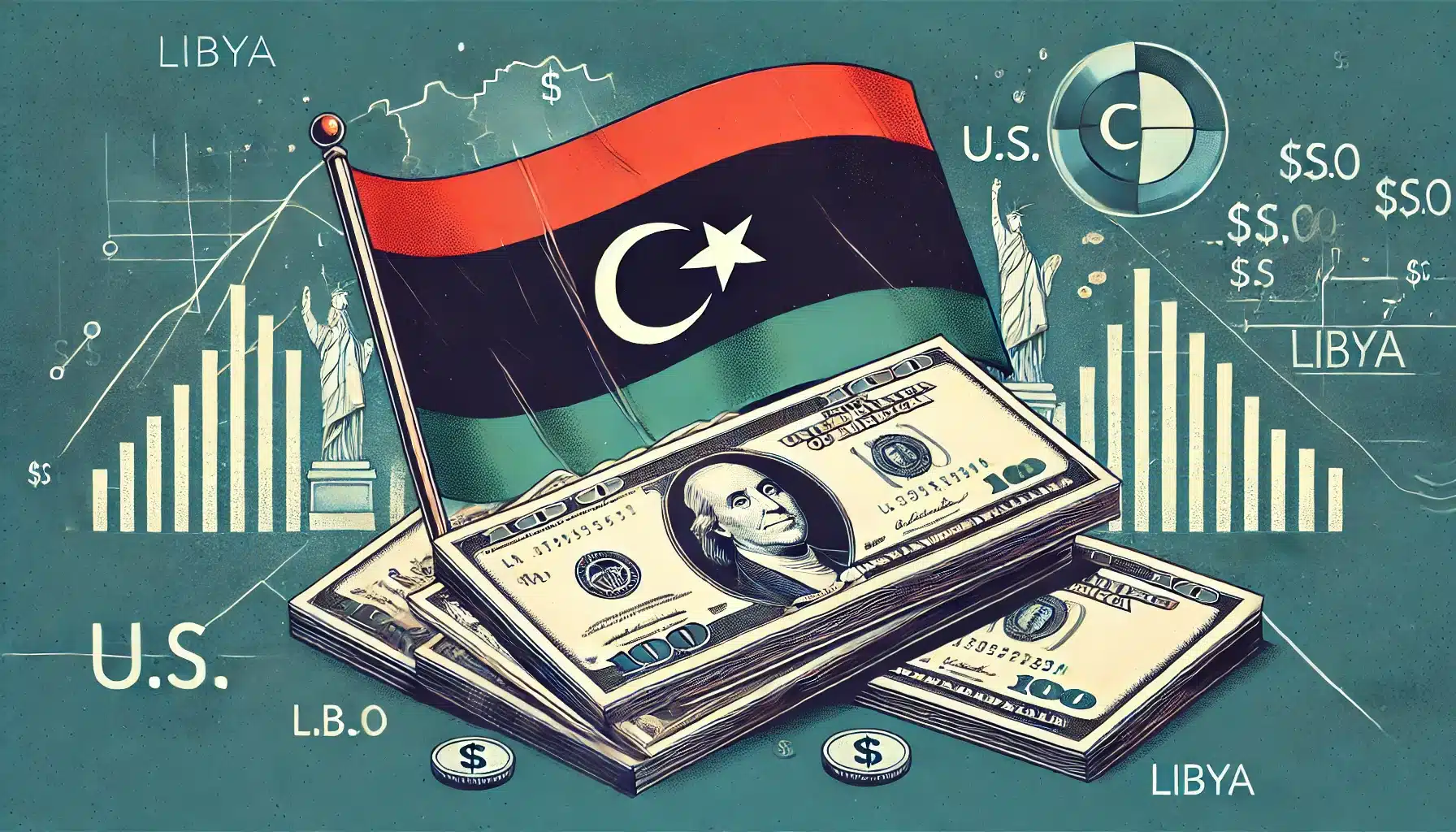
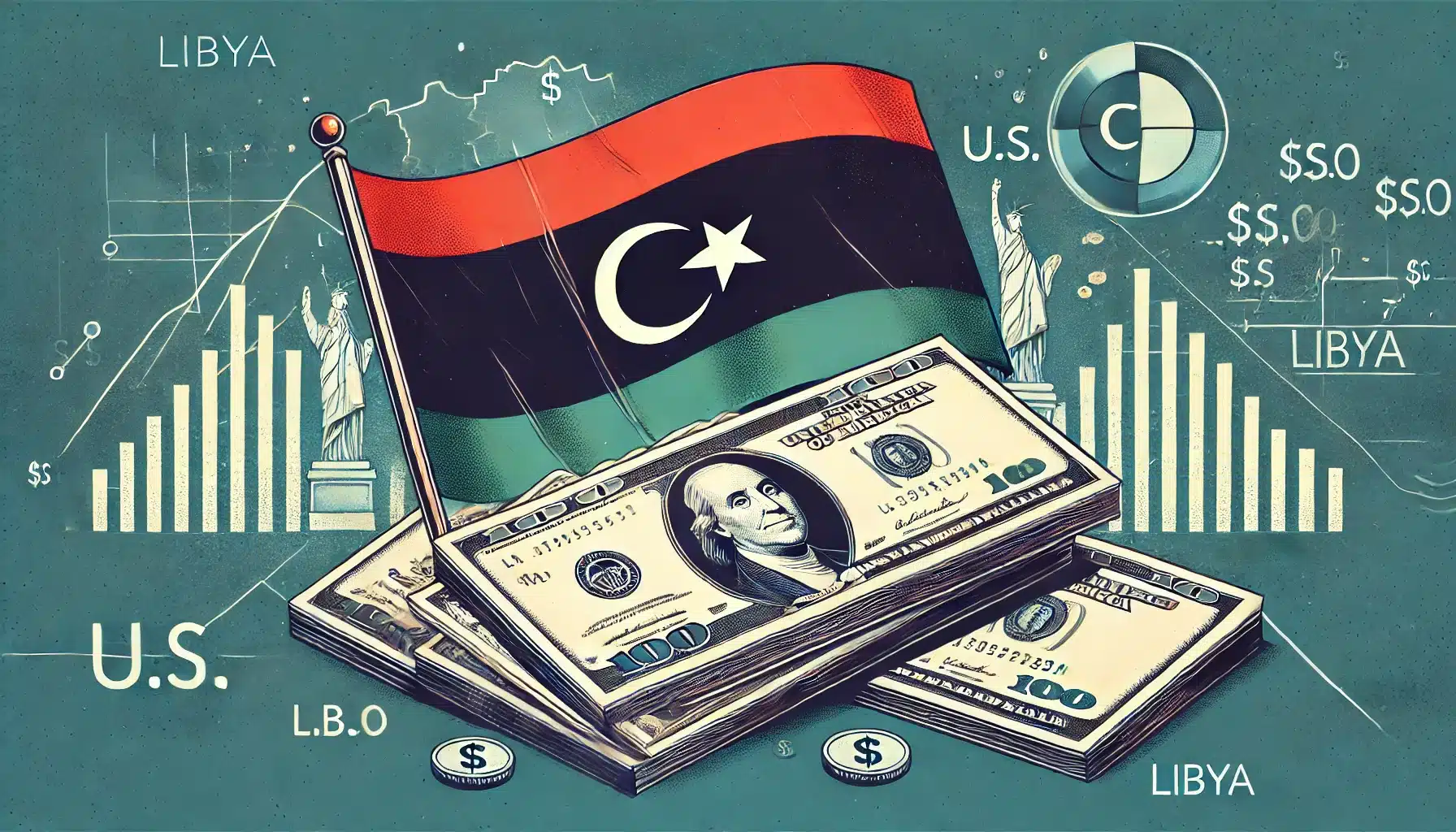
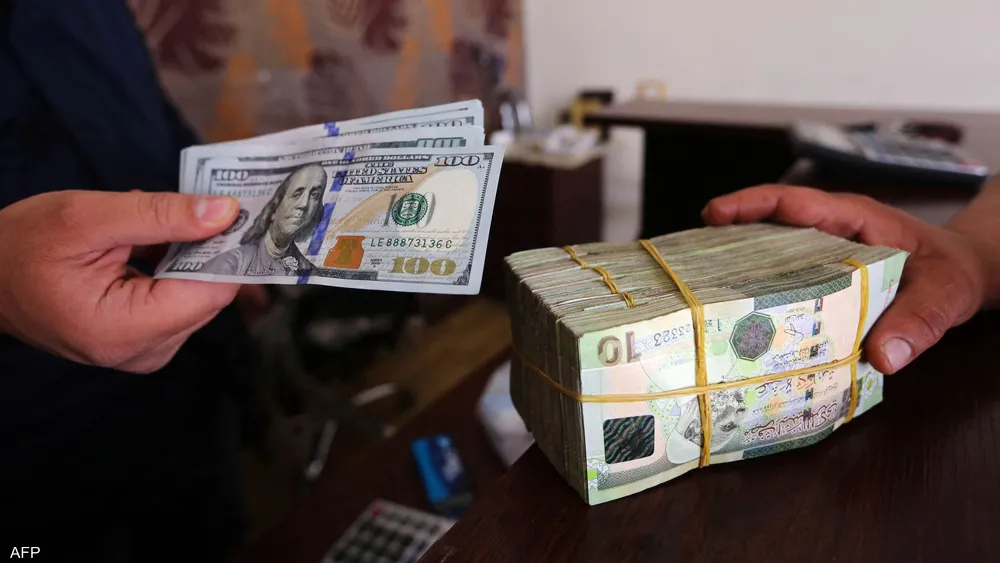
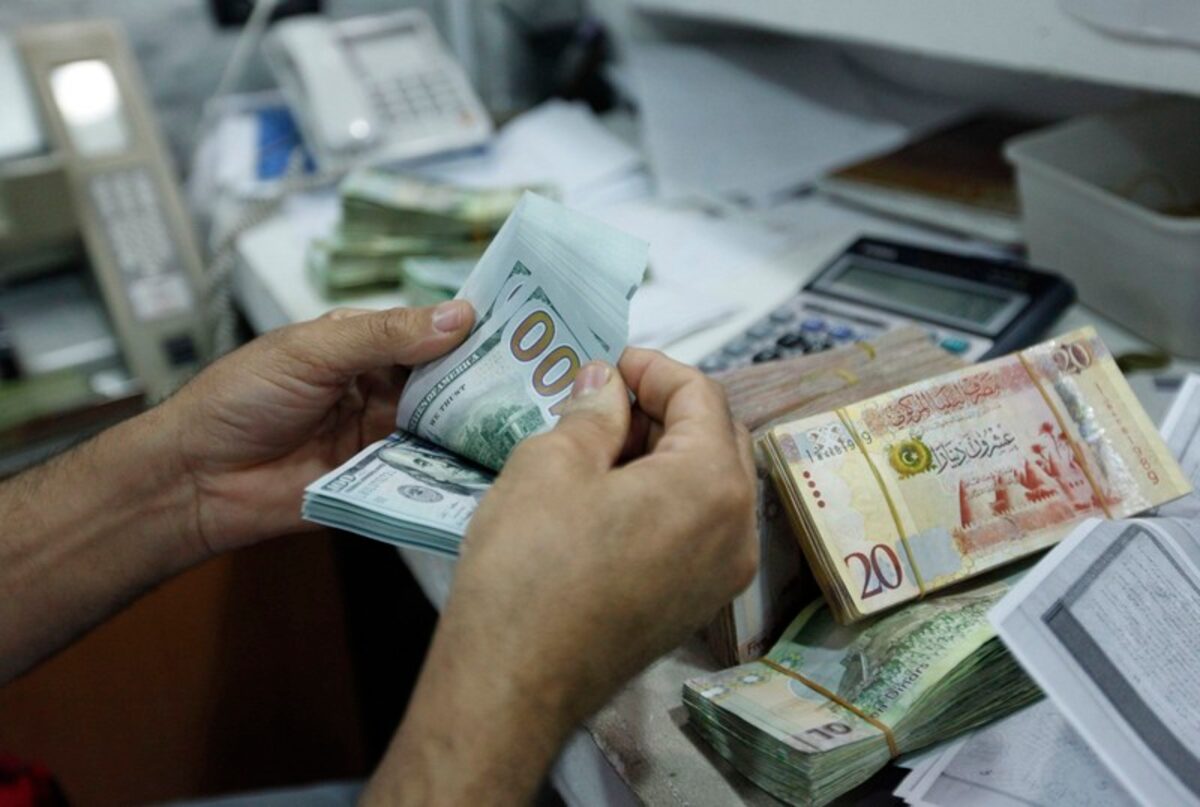
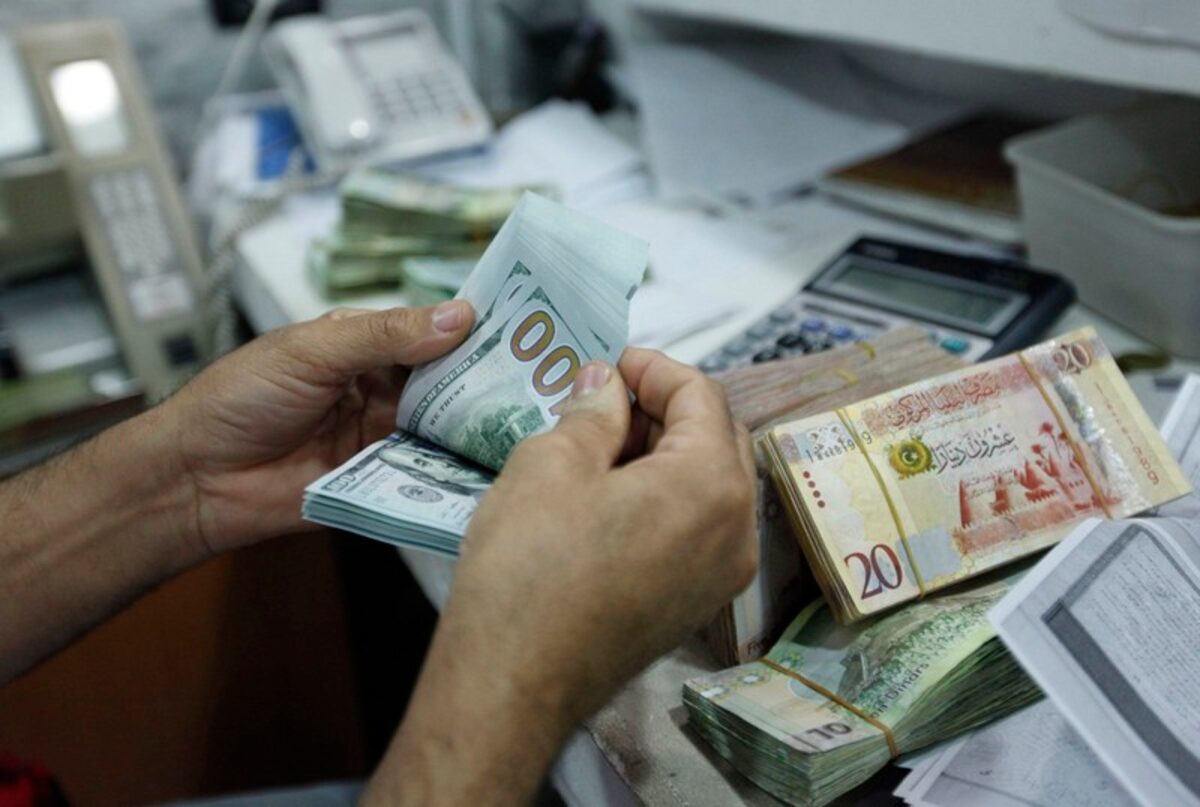
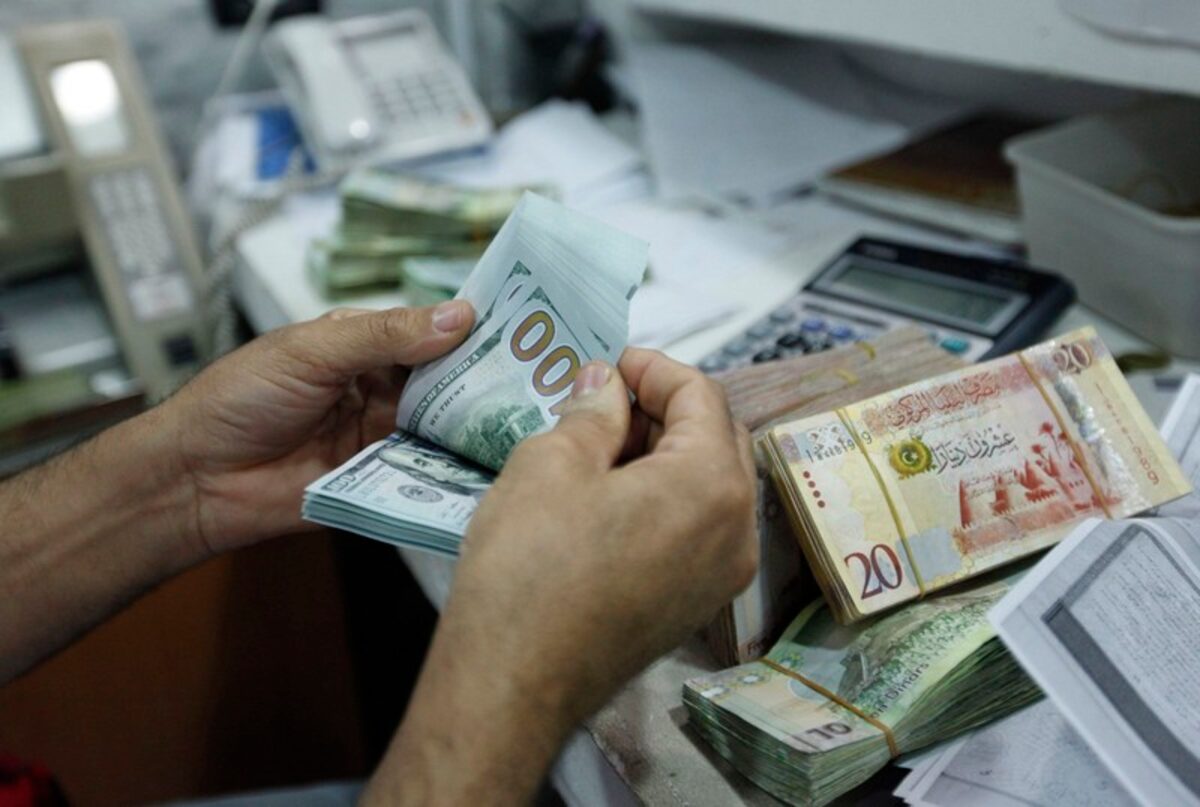
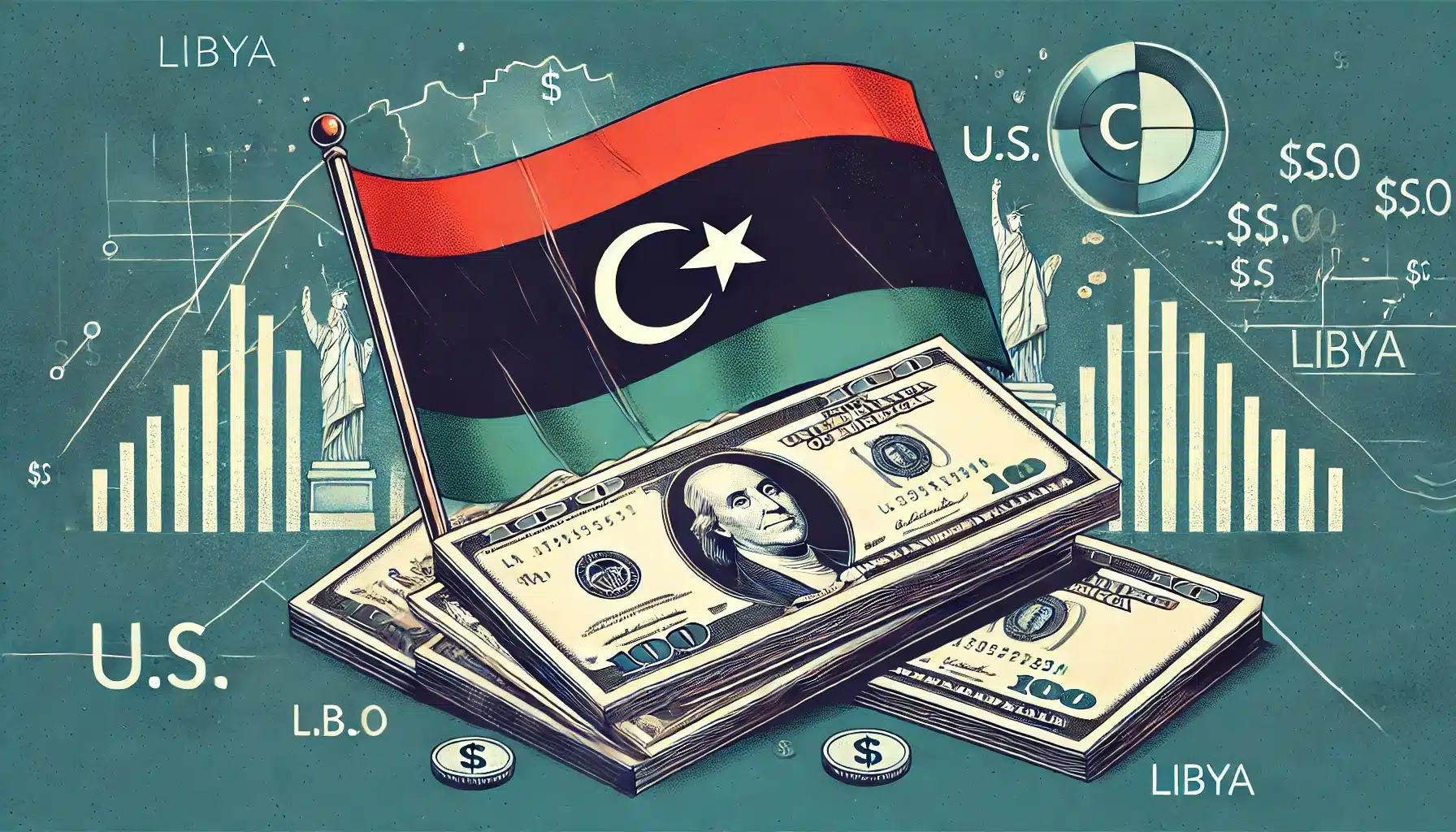
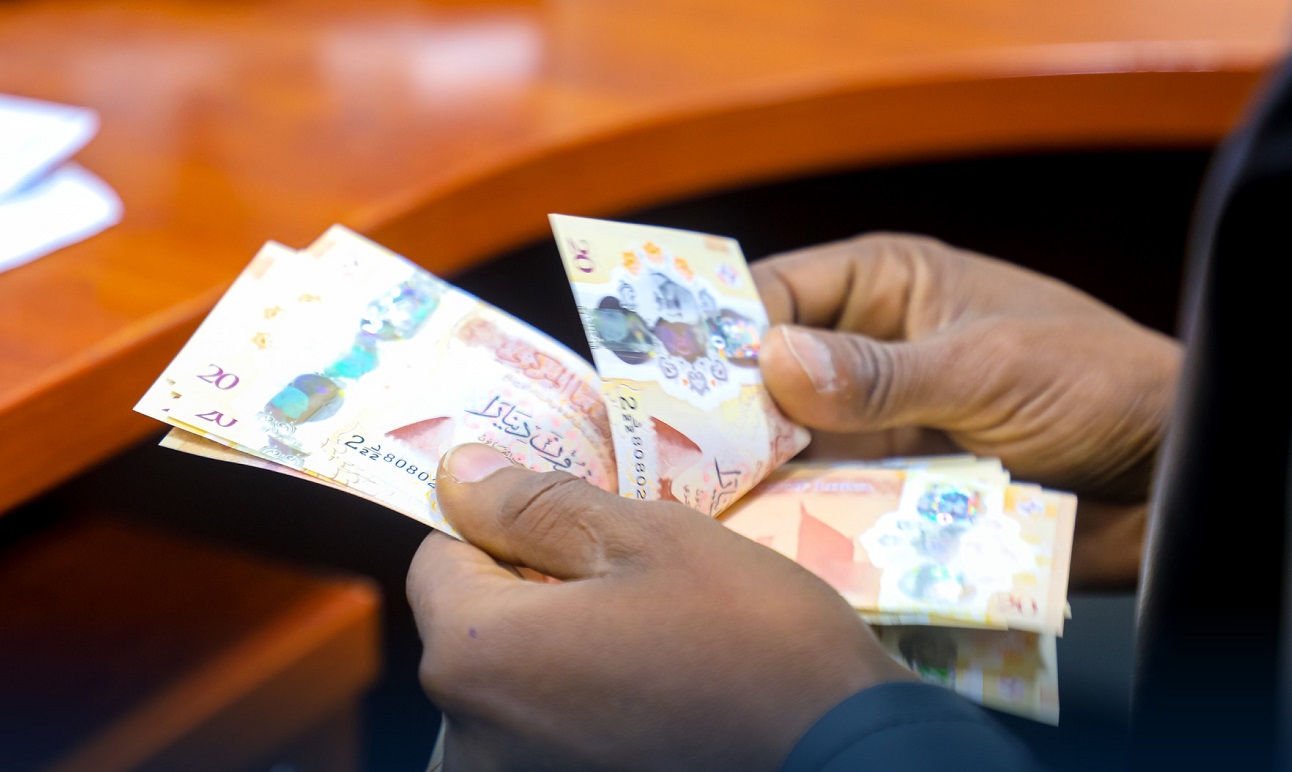
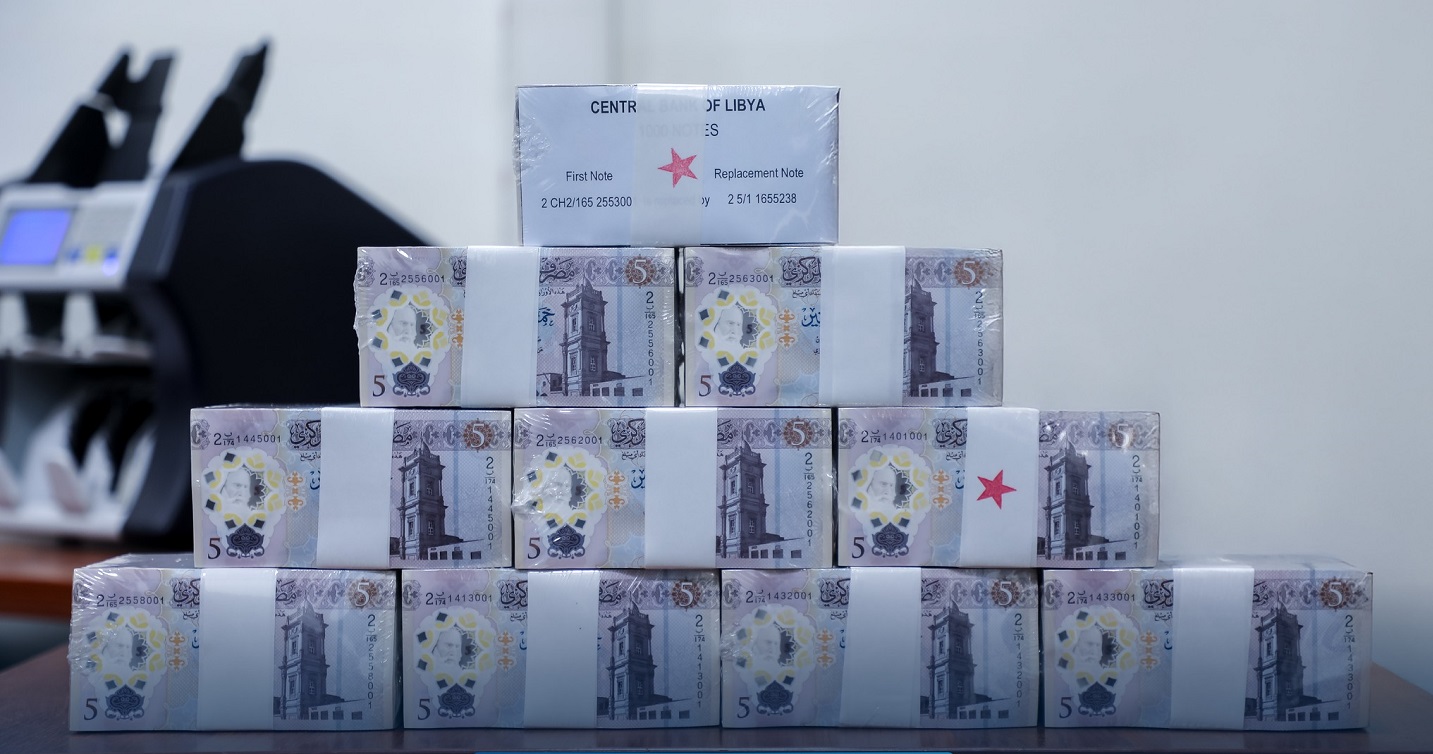
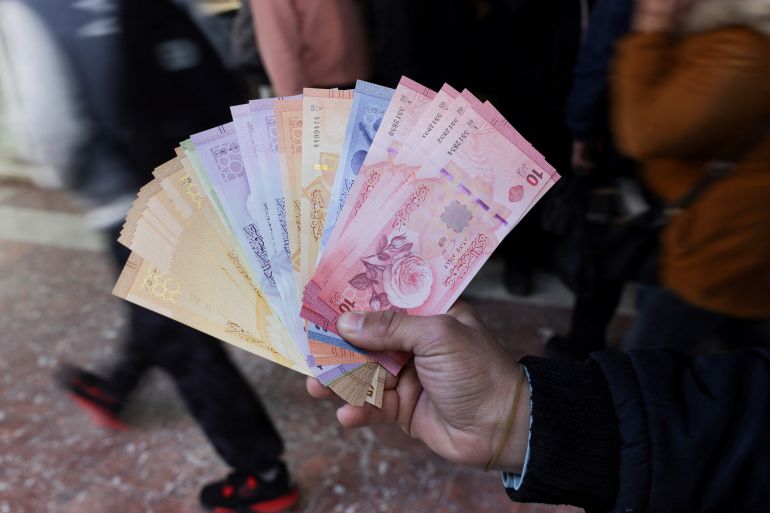
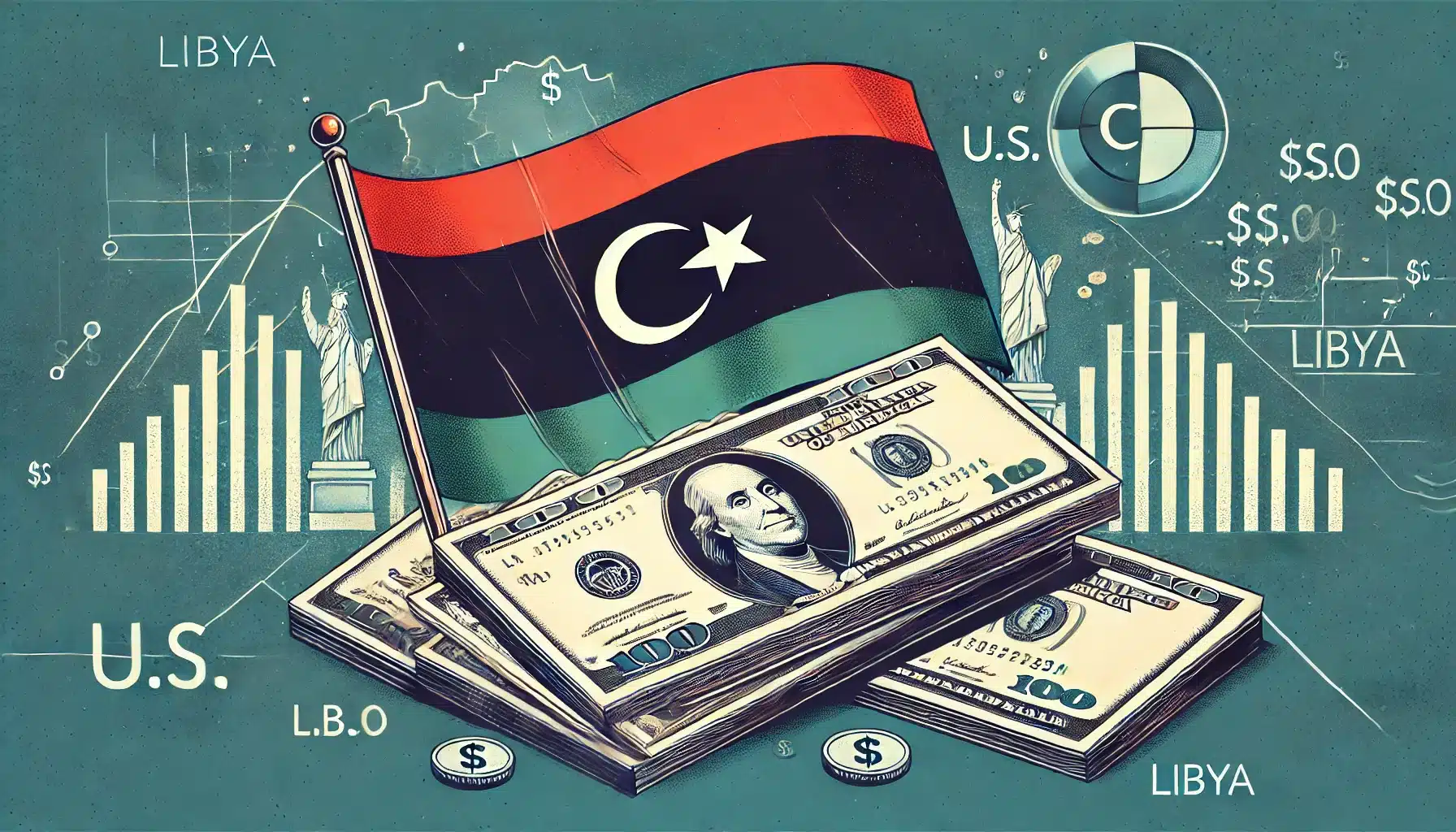
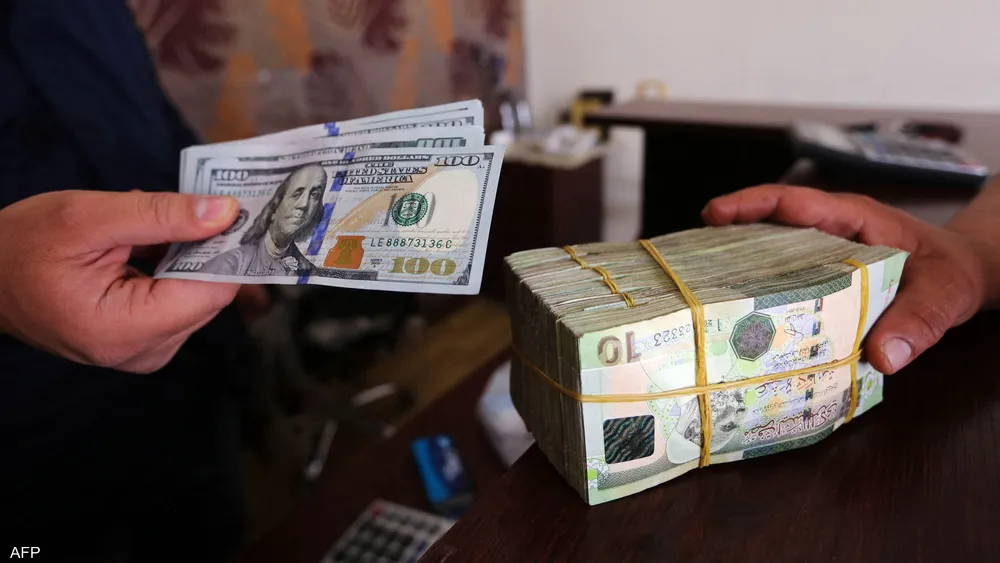
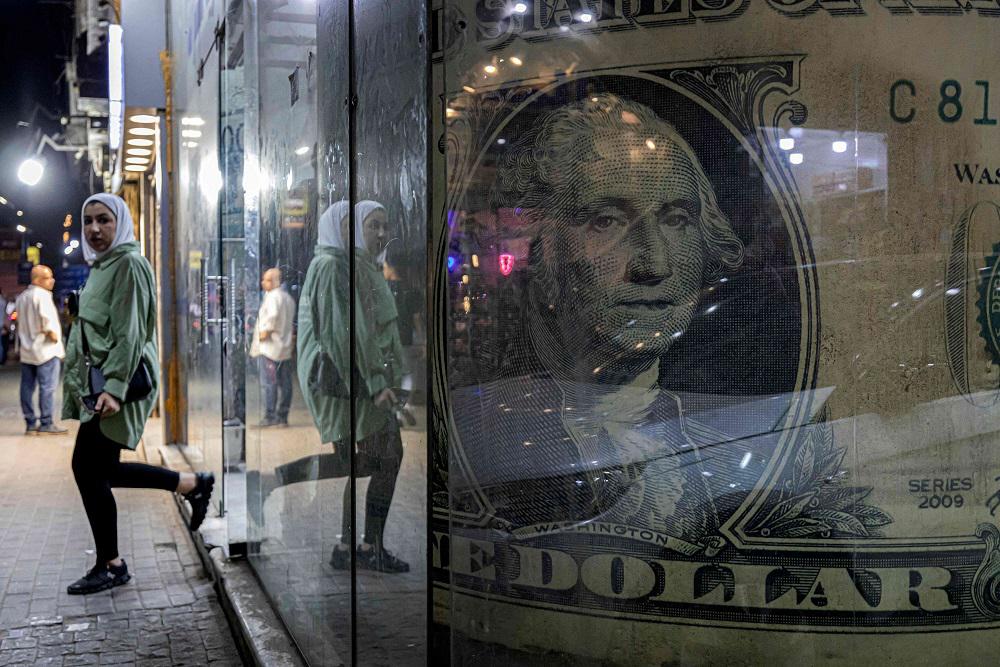
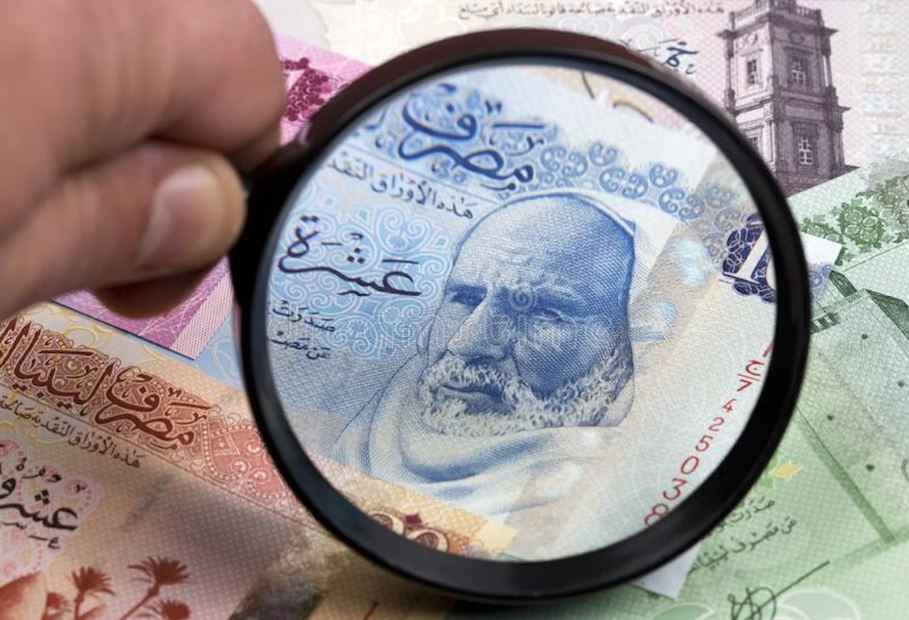
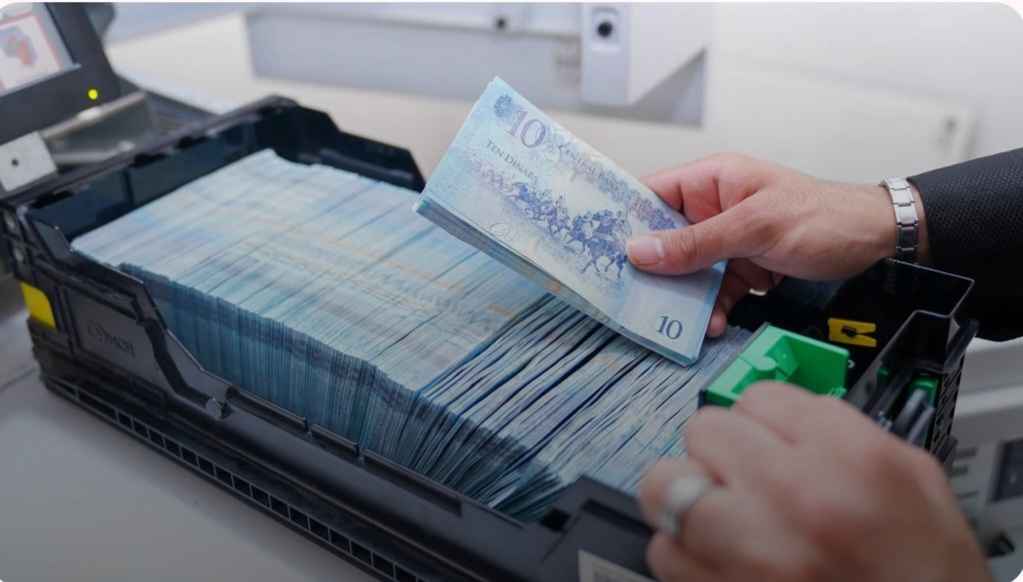
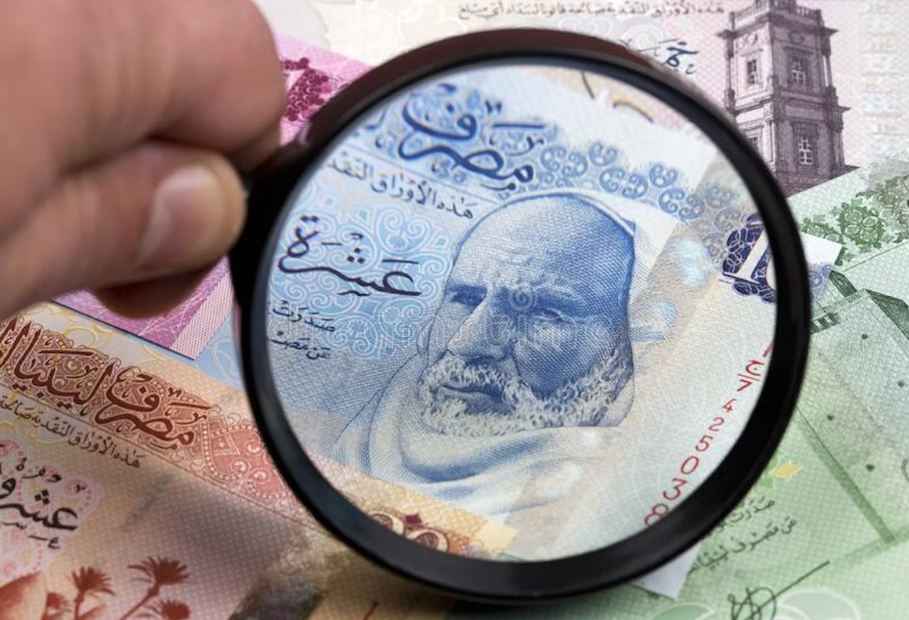
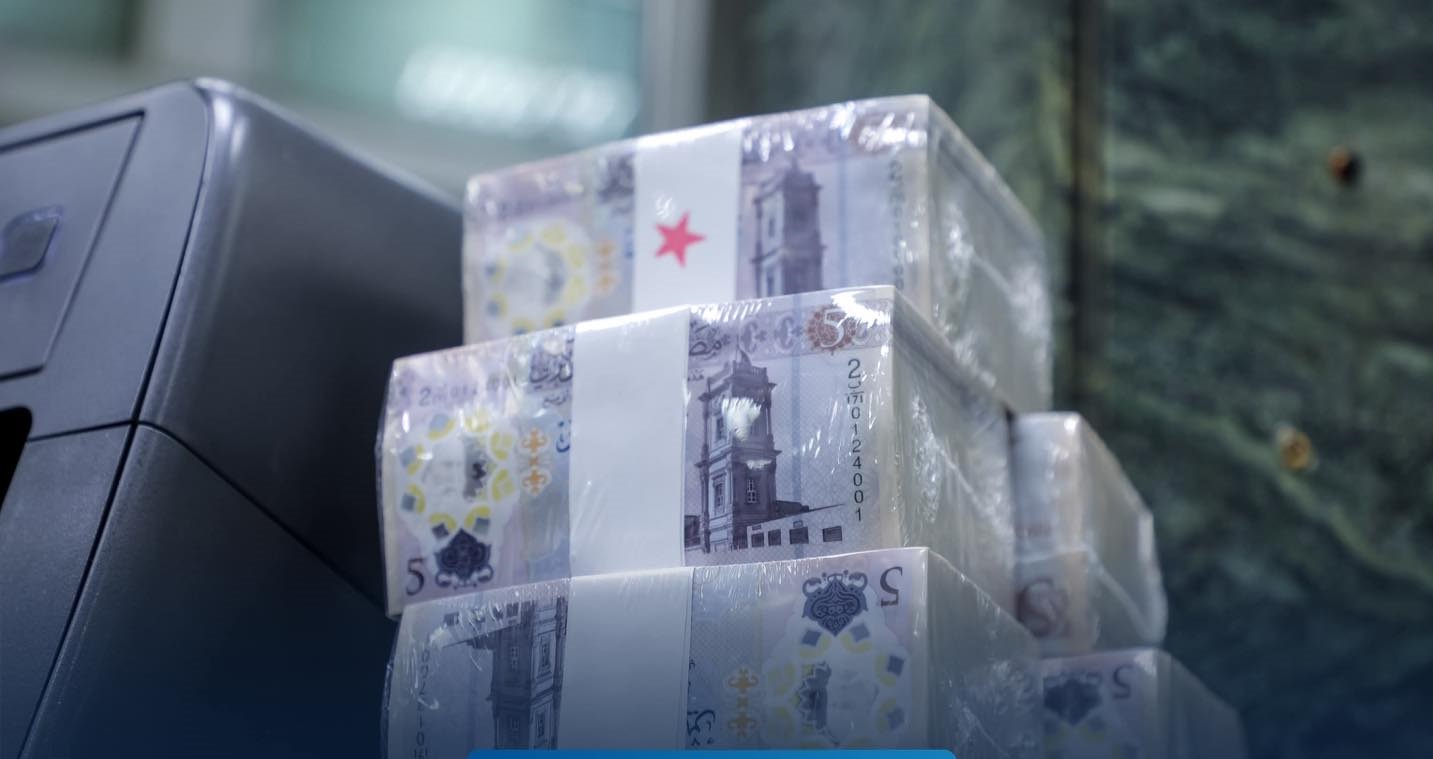
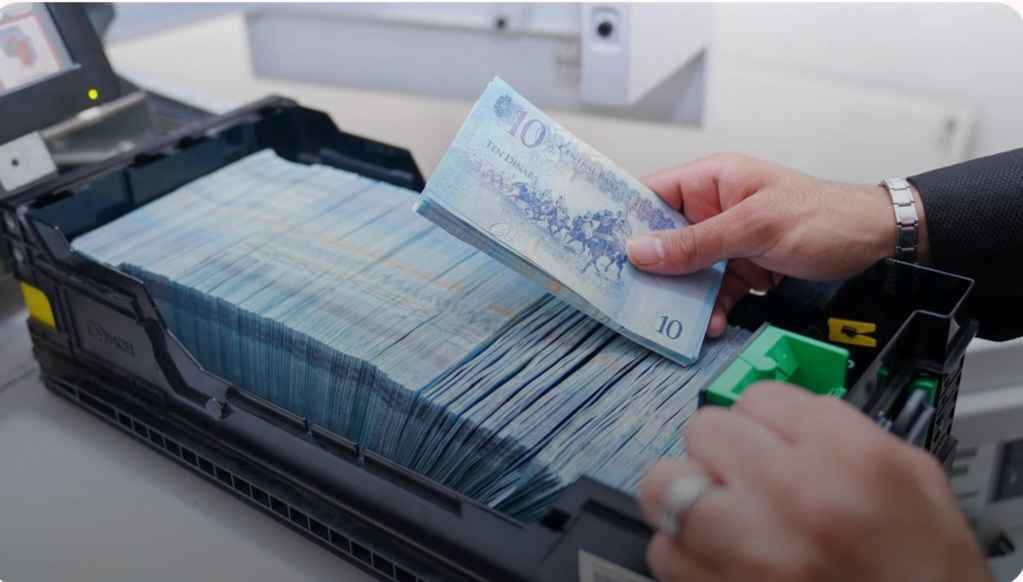
Below are the bond dollar exchange rates at some commercial banks during today’s Thursday, 01-01-2026 parallel market trading, as reported by specialized price pages on social media sites:
Bond prices at a number of commercial banks (prices as of 15:15):
— Republic Bank bond dollar price/Tripoli: Sell 9.85 dinars.
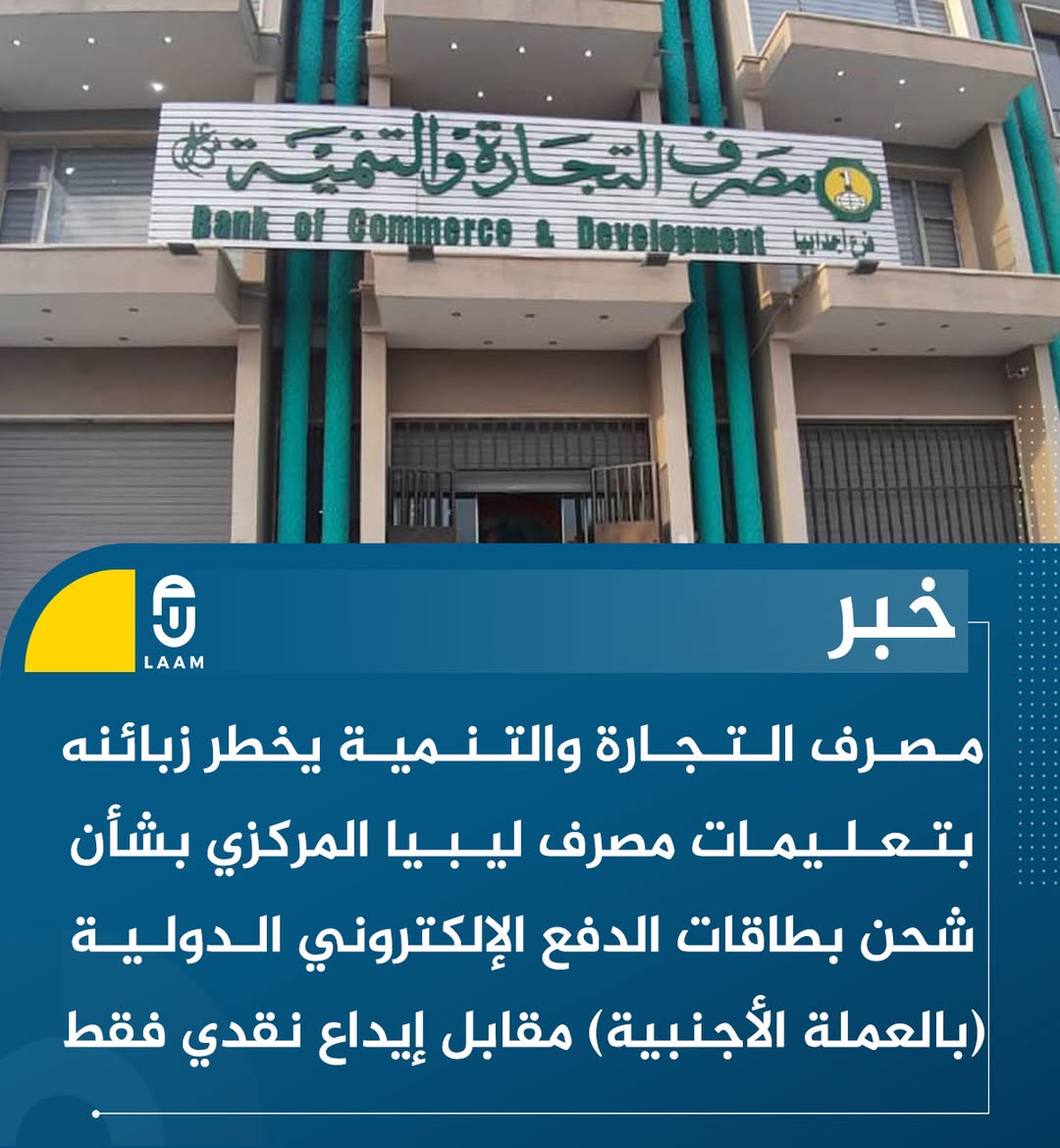
— Commerce and Development Bank bond dollar price/Tripoli: Sell 9.86 dinars.
— National Commercial Bank bond dollar price: Sell 9.85 dinars.
— Aman Bank bond dollar price: Sell 9.85 dinars.
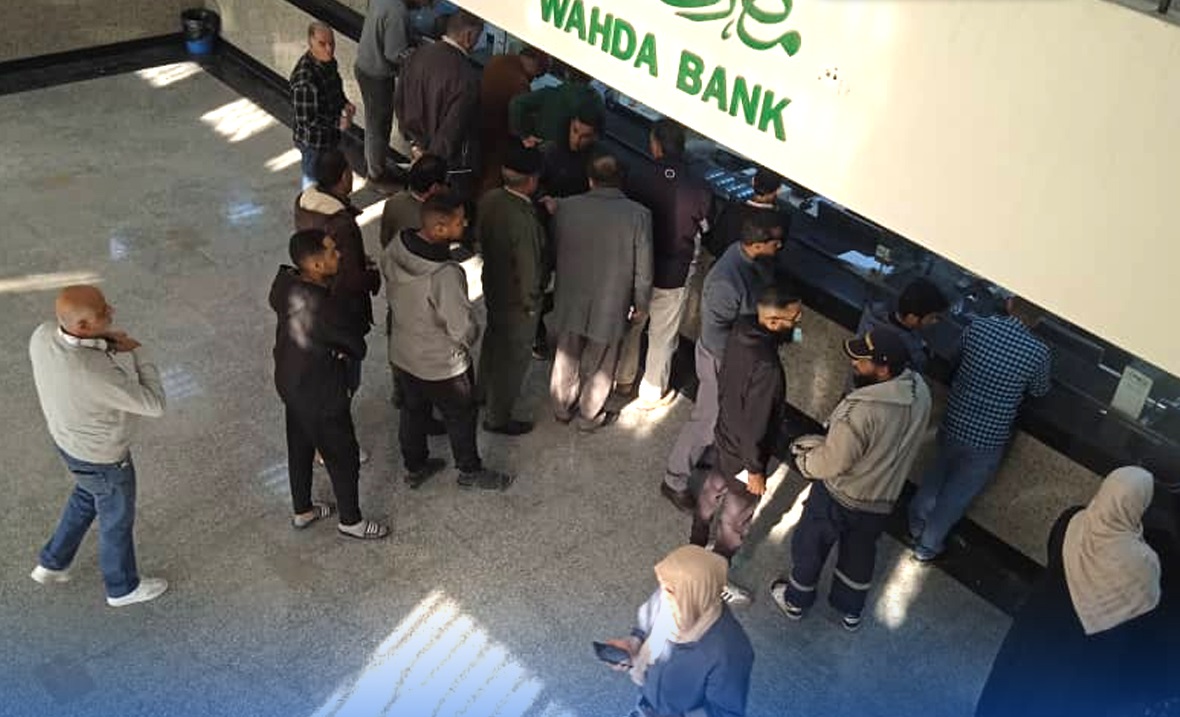
— Wahda Bank bond dollar price/Tripoli: Sell 9.86 dinars.
— Islamic Bank bond dollar price: Sell 9.84 dinars.
— Commerce and Development Bank bond dollar price/Benghazi: Sell 9.88 dinars.
— Wahda Bank bond dollar price/Benghazi: Sell 9.88 dinars.
— Sahara Bank bond dollar price: Sell 9.84 dinars.
— North Africa Bank bond dollar price: Sell 9.85 dinars.
— Al-Muttahid Bank bond dollar price: Sell 9.83 dinars.
— Al-Yaqeen Bank bond dollar price: Sell 9.83 dinars.
— Al-Nouran Bank bond dollar price: Sell 9.83 dinars.
— Al-Waha Bank bond dollar price: Sell 9.85 dinars.
— Al-Saray Bank bond dollar price: Sell 9.825 dinars.
Note: Prices are as of the time of publication and are not stable; they may change from time to time and from one area to another. Small amounts are less by two qirsh.
Republic Bank
Republic Bank is a major financial institution in Trinidad and Tobago, originally established in 1837 as the Colonial Bank. It was later renamed in 1970 after the country became a republic, reflecting its evolution alongside the nation’s own political and economic history.
Tripoli
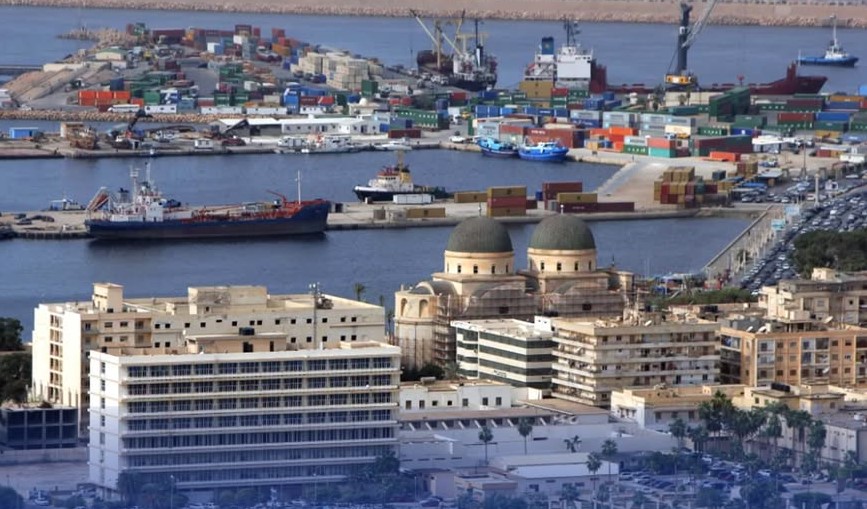
Tripoli is the capital and largest city of Libya, with a history dating back to the 7th century BC when it was founded by the Phoenicians. It later became a significant part of the Roman Empire, the Ottoman Empire, and an Italian colony, which is reflected in its diverse architecture, including the historic Medina and Red Castle.
Commerce and Development Bank
The Commerce and Development Bank (CDB) is a major financial institution in Yemen, originally established in 1982 as the Yemen Bank for Reconstruction and Development. It was later rebranded to its current name and has played a significant role in financing commercial and developmental projects within the country.
National Commercial Bank
The National Commercial Bank (NCB) is a major financial institution in Saudi Arabia, founded in 1953. It is historically significant as the kingdom’s first bank and has played a central role in the development of the Saudi banking sector and economy.
Aman Bank
Aman Bank is a financial institution based in Libya, originally established in 1998 as a private shareholding company. It has grown to become one of the country’s significant banks, providing a range of retail and corporate banking services, and it has played a role in Libya’s economic development over the past decades.
Wahda Bank
Wahda Bank is a major commercial bank in Libya, founded in 1970. It was established to support national economic development and has since grown into one of the country’s largest financial institutions, playing a key role in Libya’s banking sector.
Islamic Bank
The Islamic Bank is a financial institution that operates in accordance with Islamic law (Sharia), which prohibits interest (riba) and promotes risk-sharing and ethical investments. Its modern history began in the 1970s with the establishment of institutions like the Islamic Development Bank, aiming to provide financial services aligned with the principles of the Islamic faith.
Benghazi
Benghazi is a major city in eastern Libya, historically significant as a center of trade and culture since its founding as the Greek colony of Euesperides. It played a pivotal role in the 2011 Libyan Civil War as a key base for the uprising against Muammar Gaddafi.
Sahara Bank
Sahara Bank is a commercial bank based in Libya, originally established in 1969 as Jamahiriya Bank before being renamed in 2011. It is one of the country’s major financial institutions, with its history closely tied to Libya’s economic and political developments over the past several decades.
North Africa Bank
The North Africa Bank is a regional financial institution established to promote economic development and integration across North African nations. Its history is tied to cooperative efforts among countries in the Maghreb to strengthen investment, trade, and infrastructure projects in the region.
Al-Muttahid Bank
Al-Muttahid Bank is a major commercial bank in Yemen, established in 2003 through the merger of the Yemeni Bank for Reconstruction and Development and the International Bank of Yemen. It was formed as part of a broader economic reform and privatization program, becoming one of the largest financial institutions in the country.
Al-Yaqeen Bank
Al-Yaqeen Bank is a financial institution based in Saudi Arabia, established to provide Sharia-compliant banking services in accordance with Islamic principles. It was founded in 2021 as part of the kingdom’s Vision 2030 economic diversification plan, aiming to expand access to Islamic finance and support the growing digital economy.
Al-Nouran Bank
Al-Nouran Bank is a financial institution operating primarily in Egypt, established to provide Sharia-compliant banking services in accordance with Islamic principles. Its history is tied to the modern growth of Islamic finance in the region, offering an alternative to conventional interest-based banking for its customers.
Al-Waha Bank
Al-Waha Bank is a financial institution based in Libya, established in the late 20th century as part of the country’s economic development. It operates as a commercial bank, providing a range of services and playing a role in the domestic banking sector following Libya’s economic reforms.
Al-Saray Bank
Al-Saray Bank is a historic commercial building located in the old city center of Baghdad, Iraq. Originally constructed in the late 19th century during the Ottoman era, it served as a key financial and administrative center. The building is an architectural landmark, notable for its ornate facade and role in the city’s economic history.