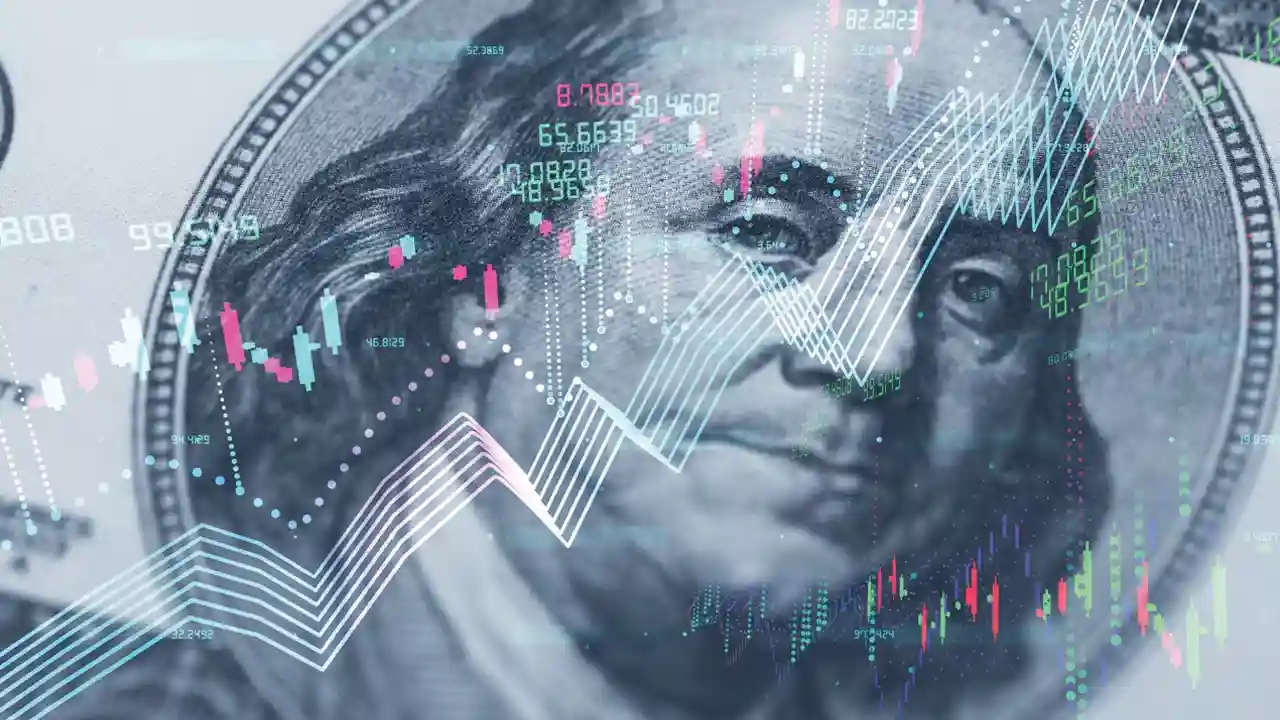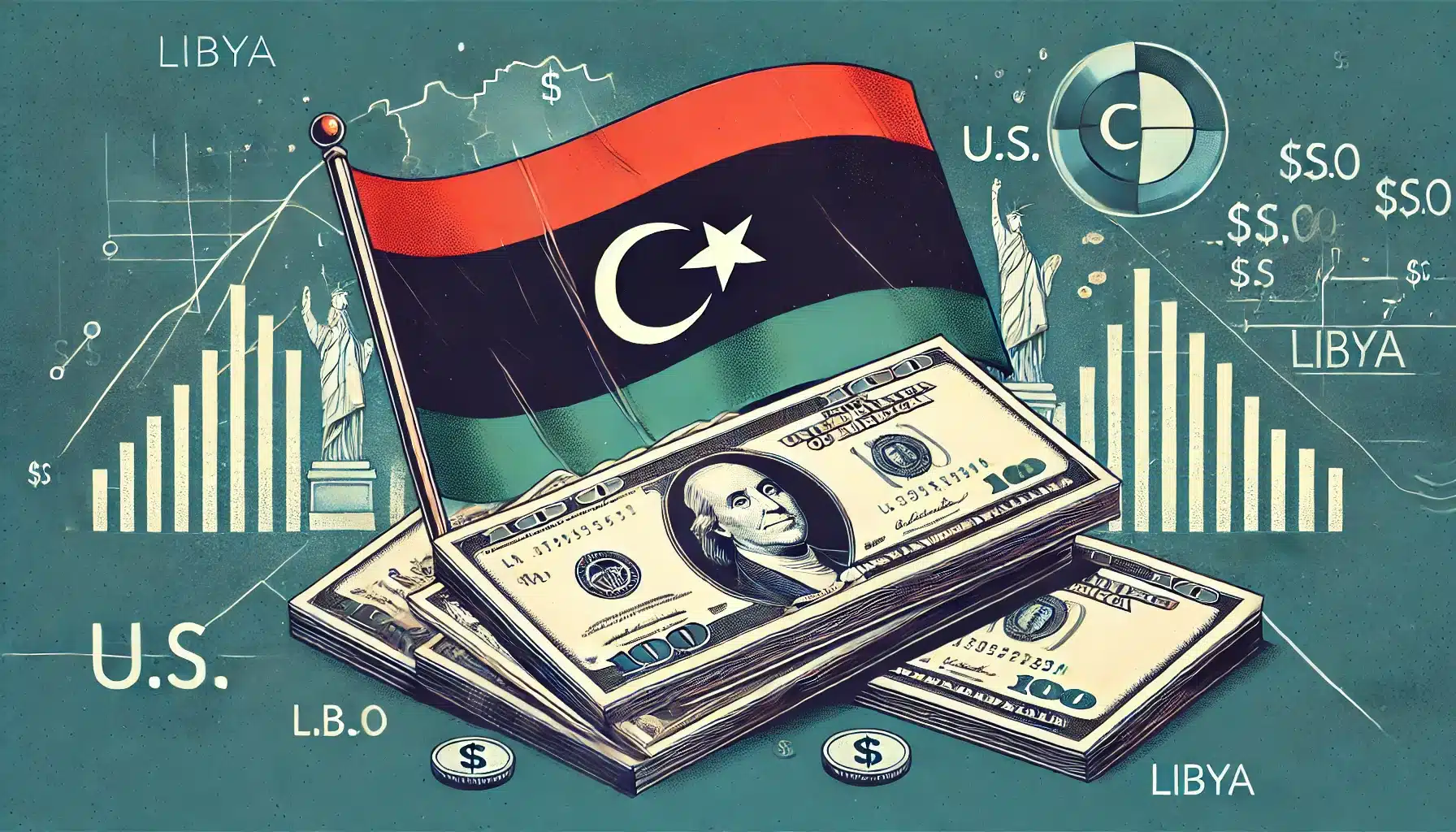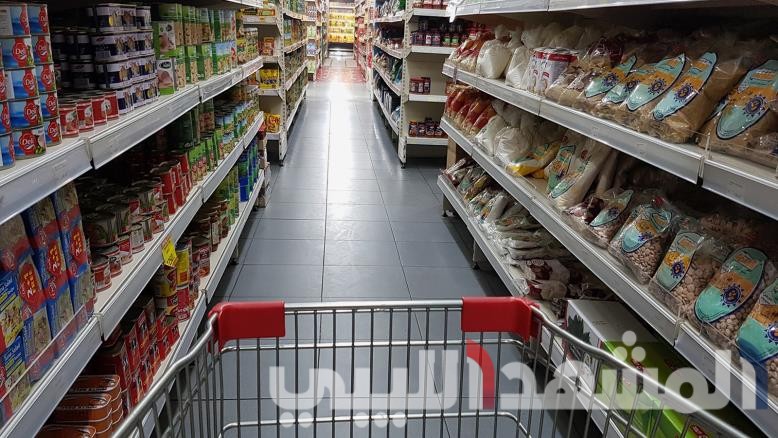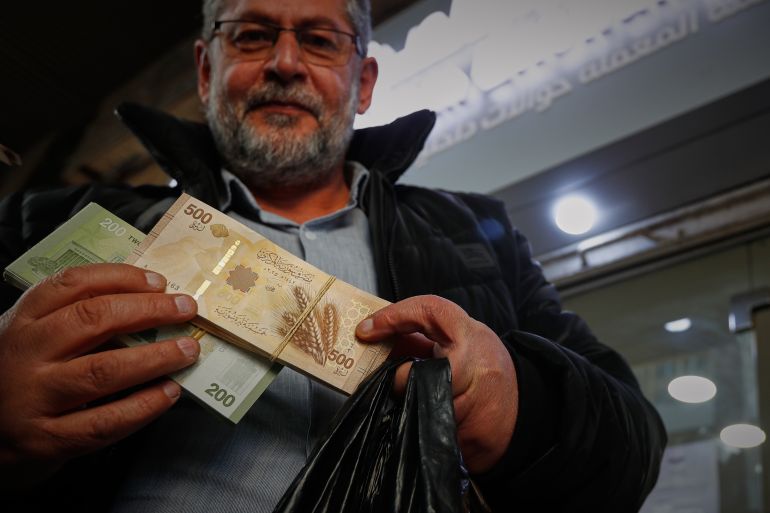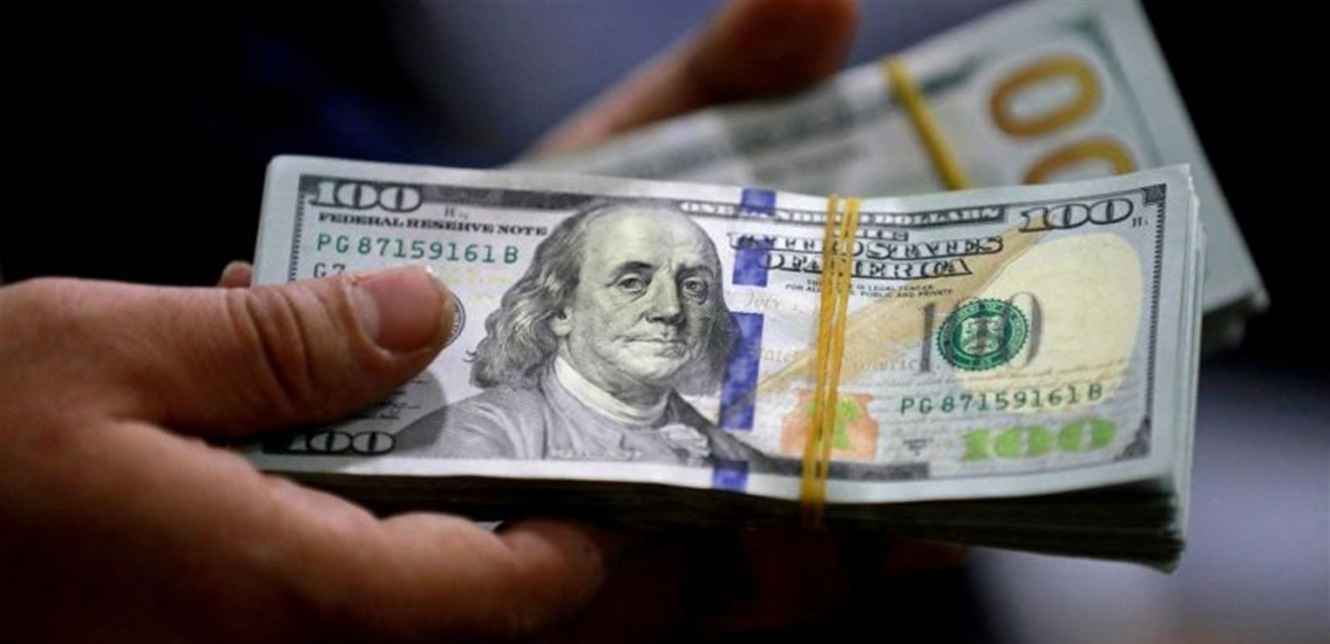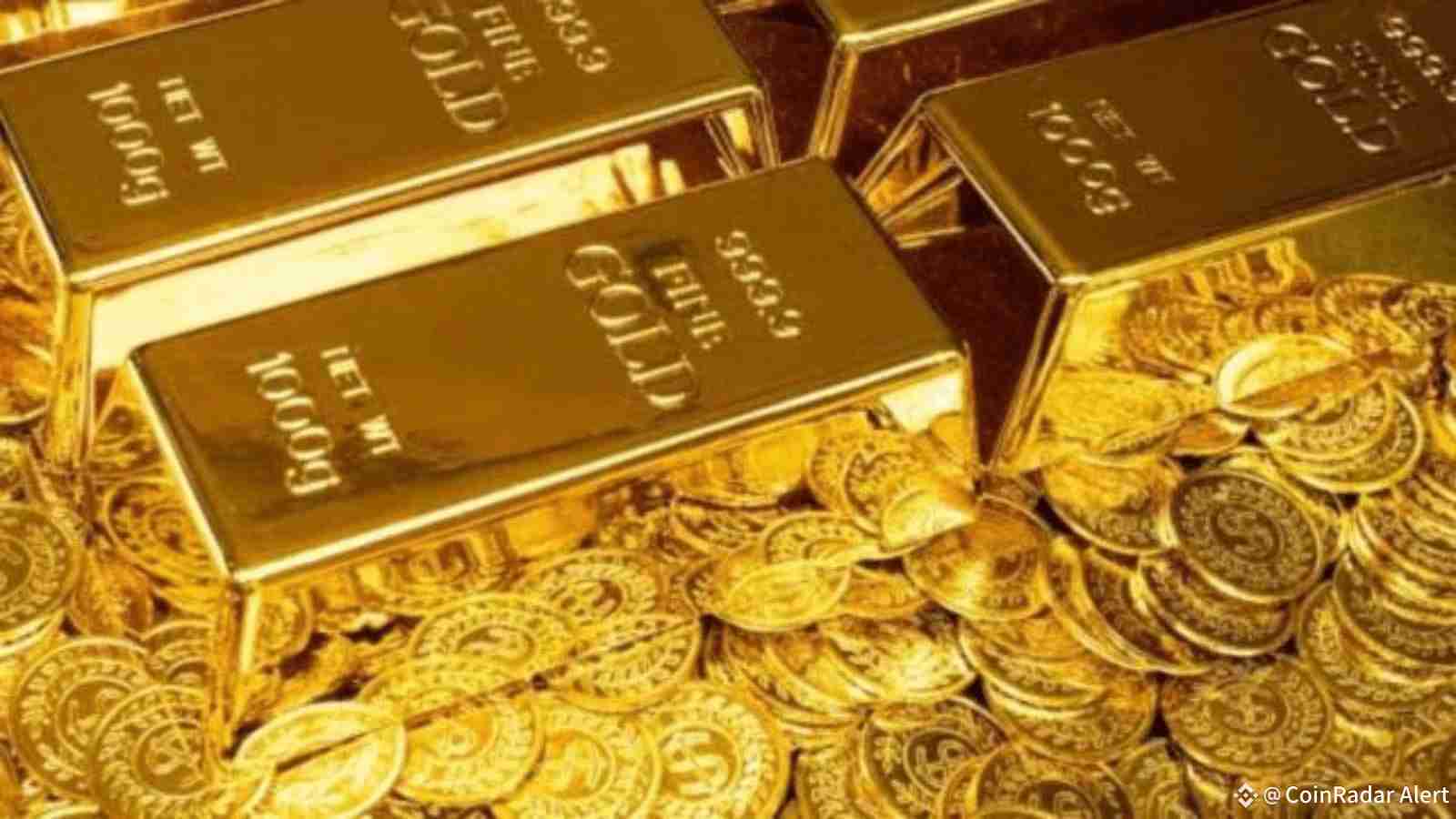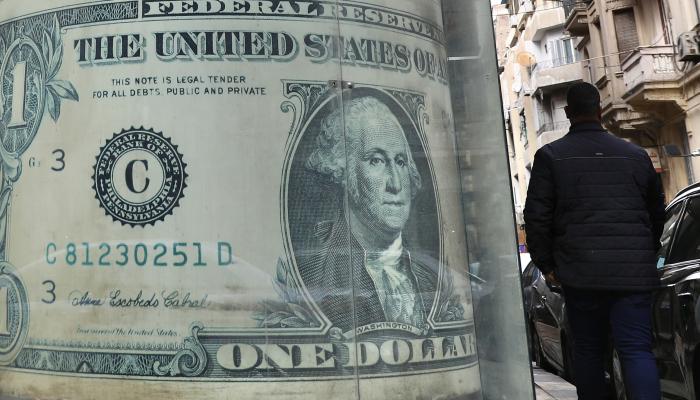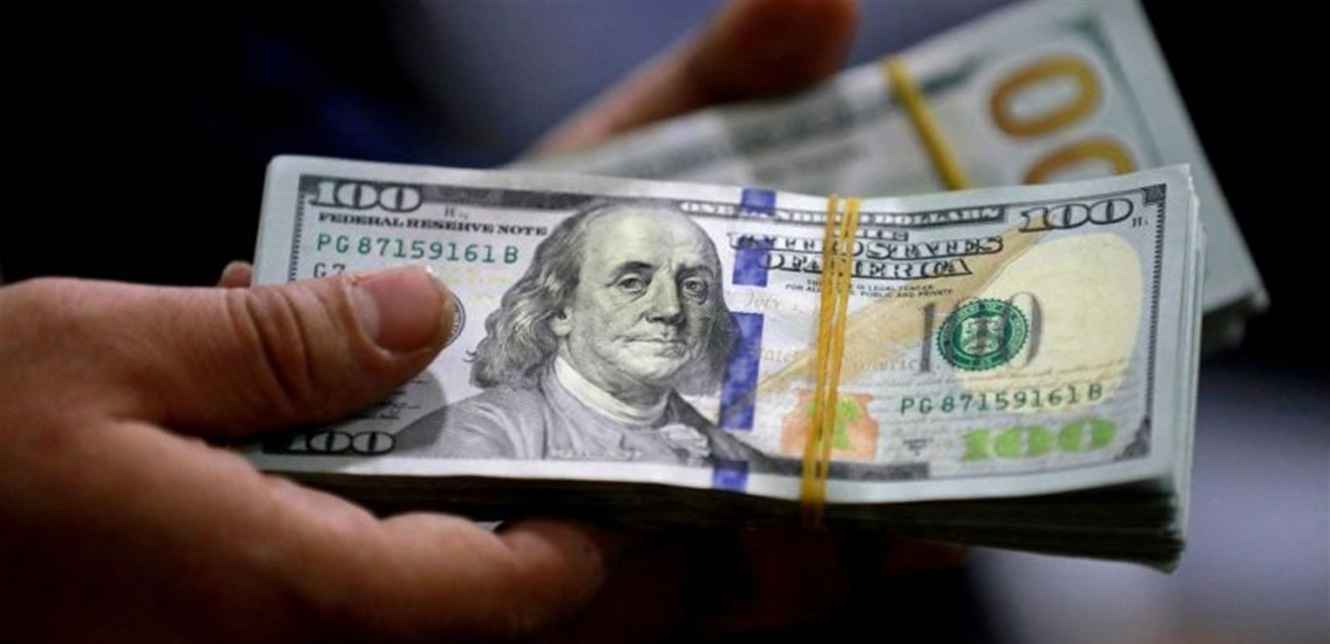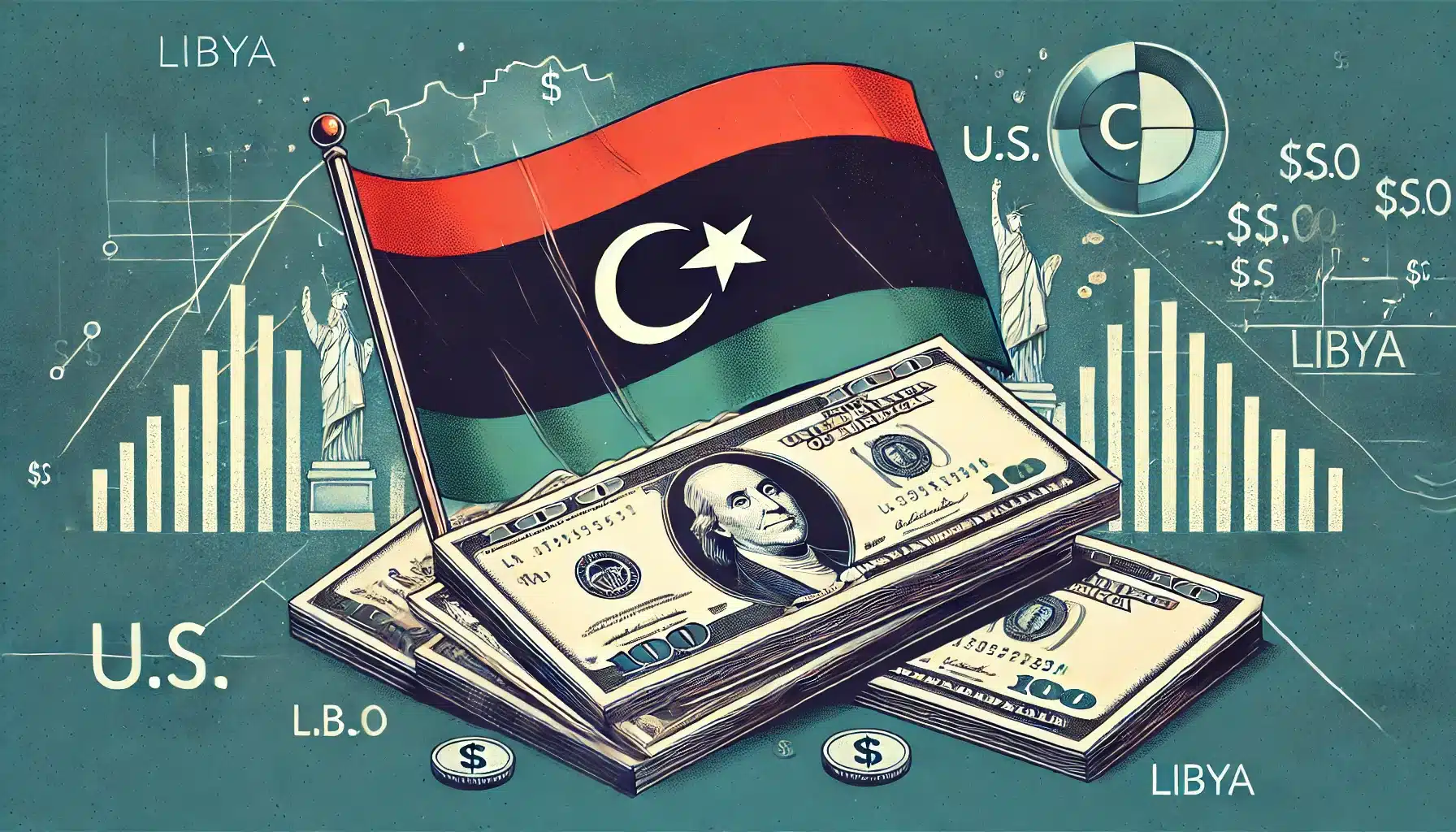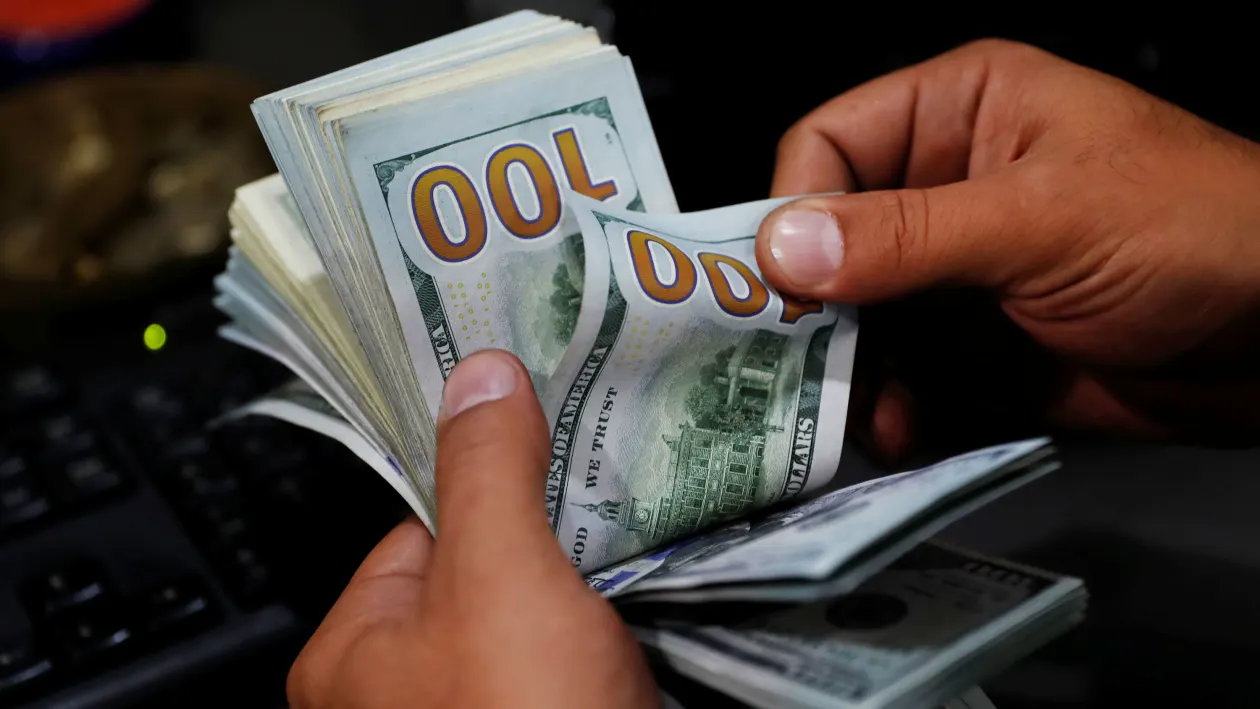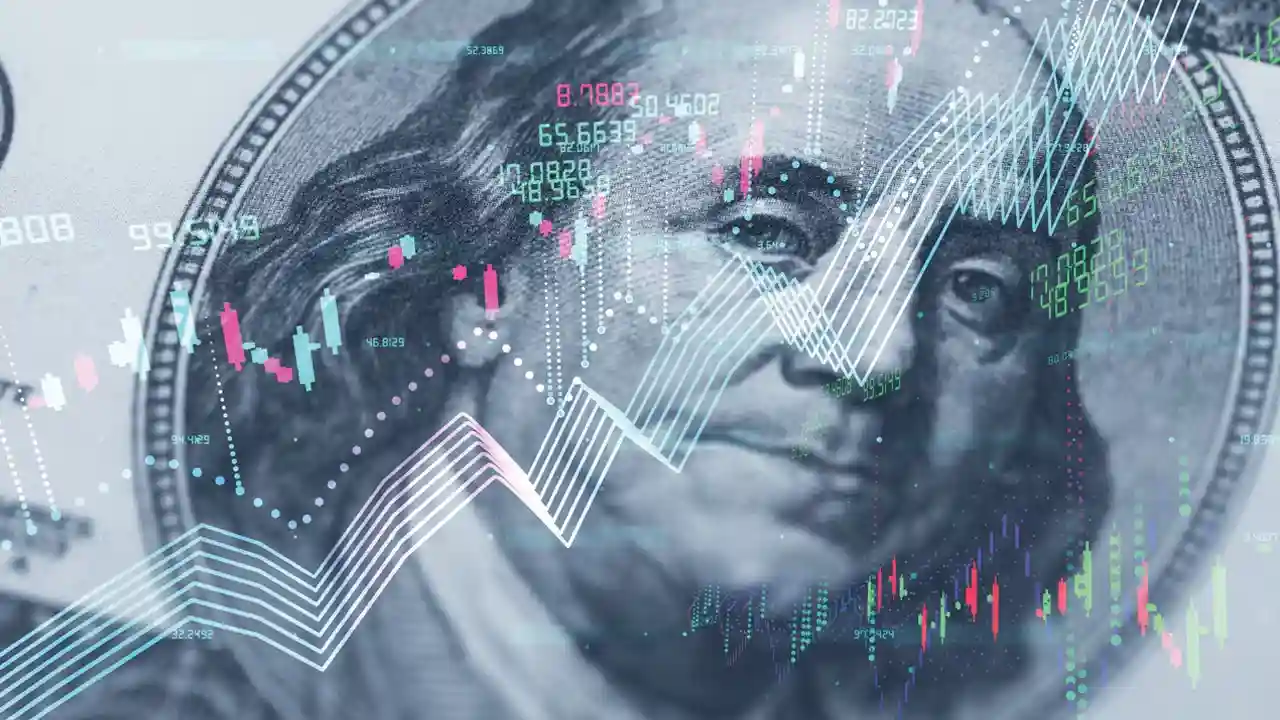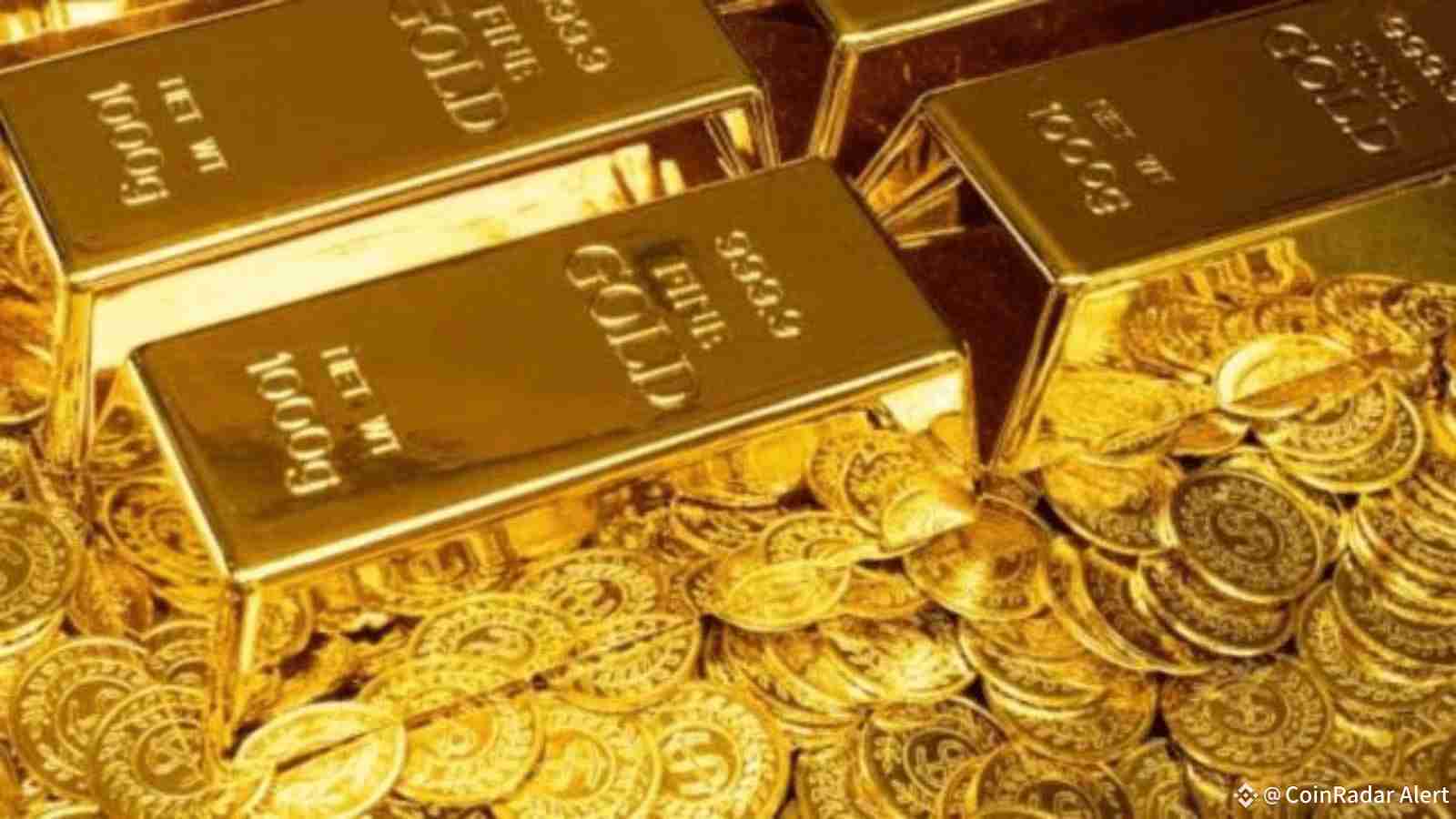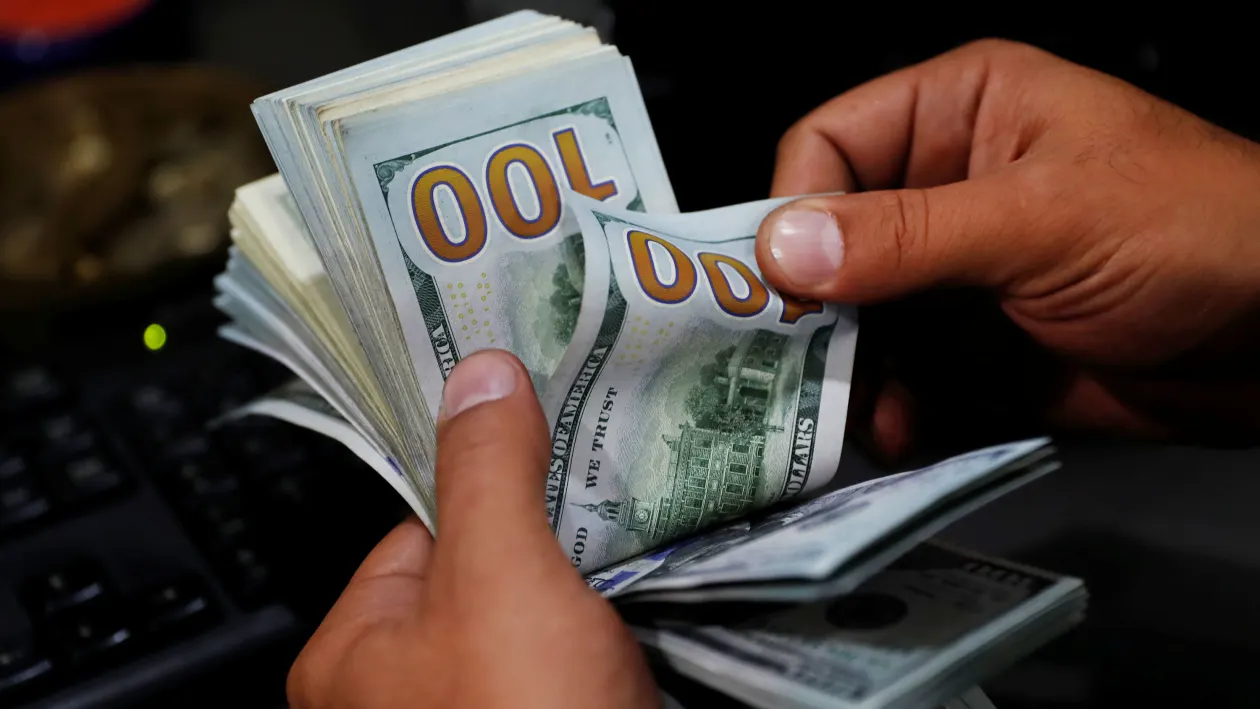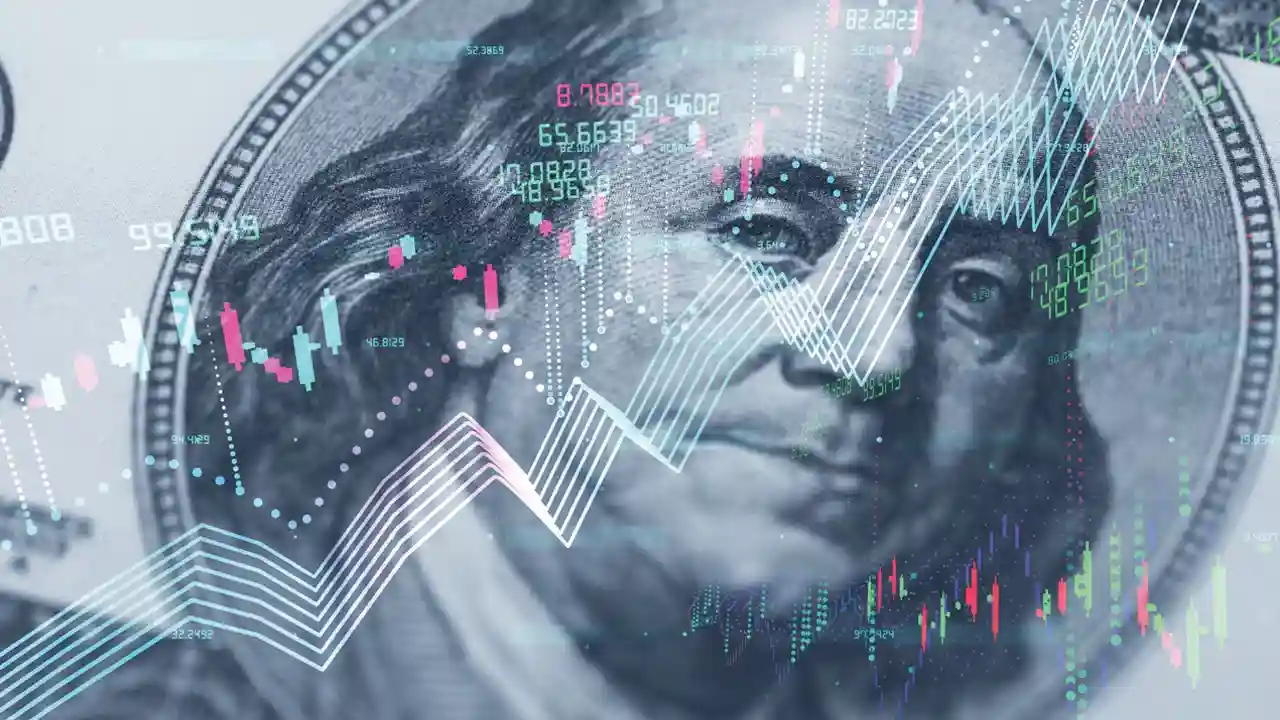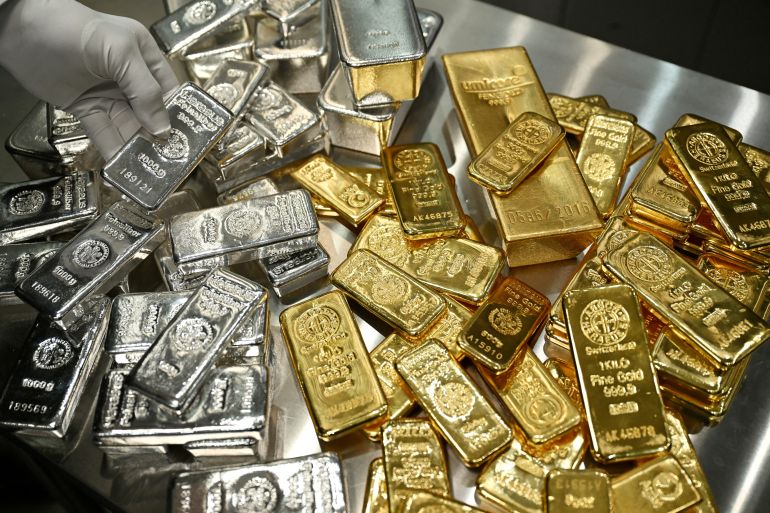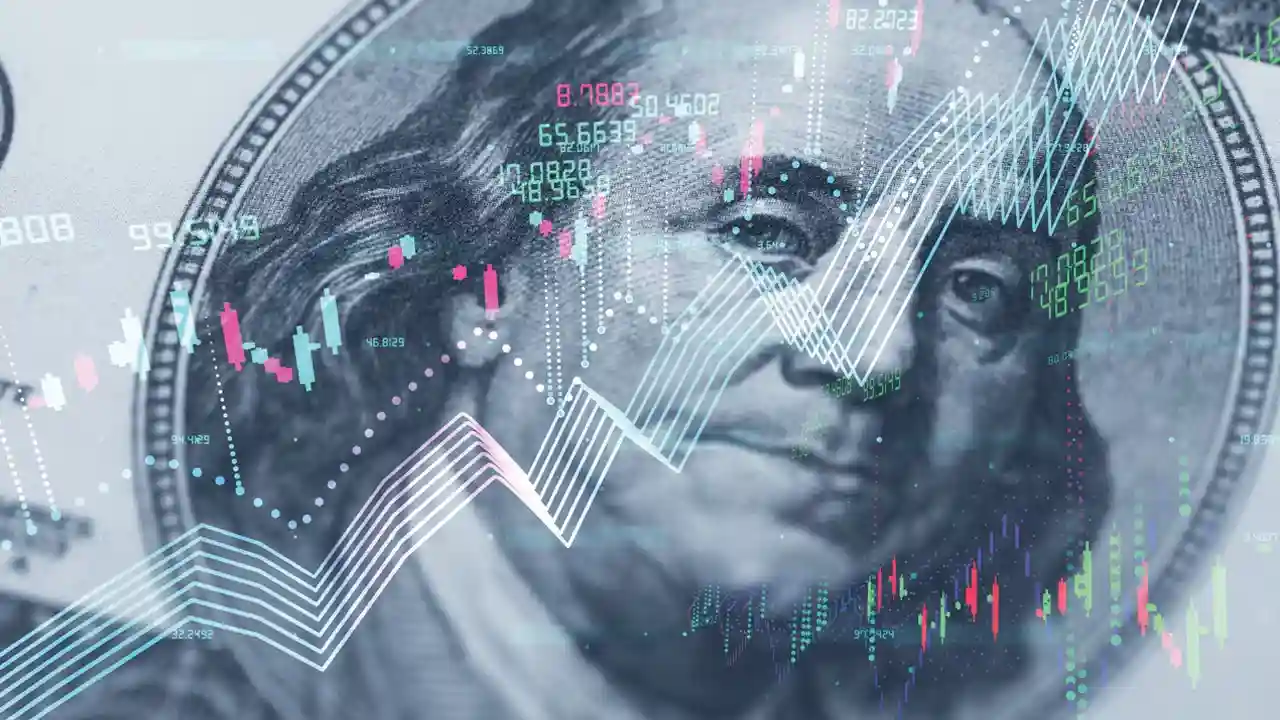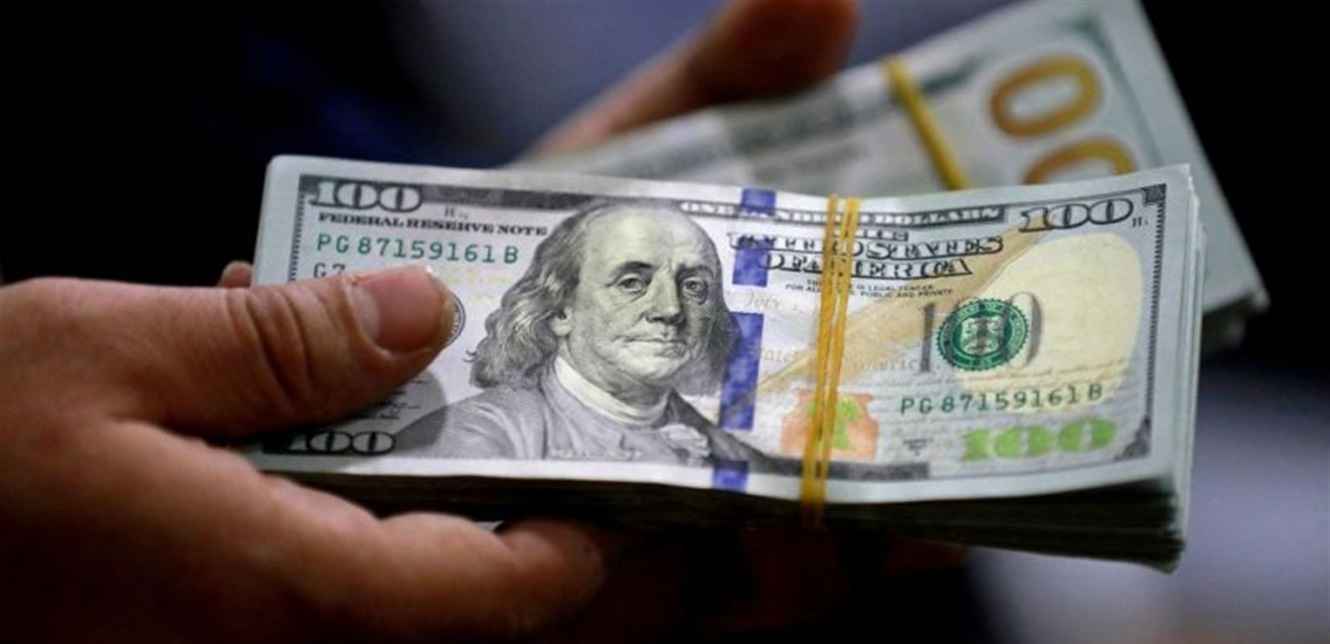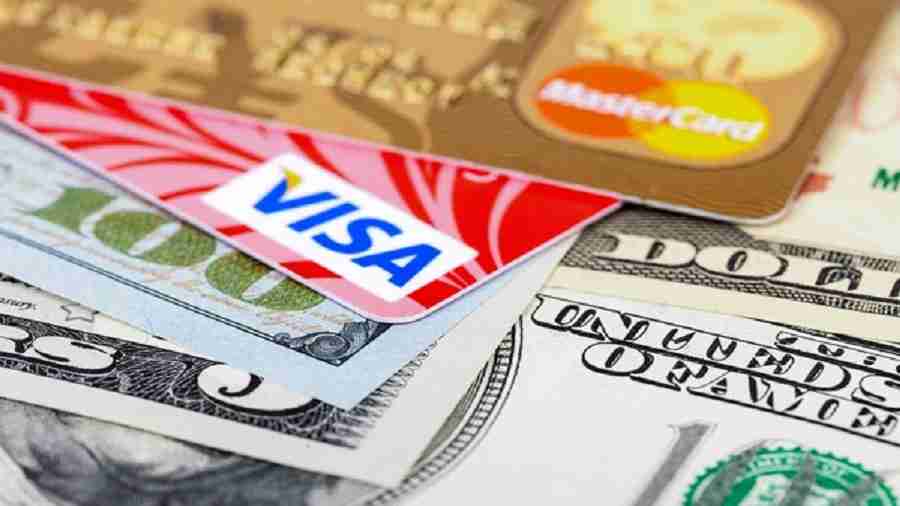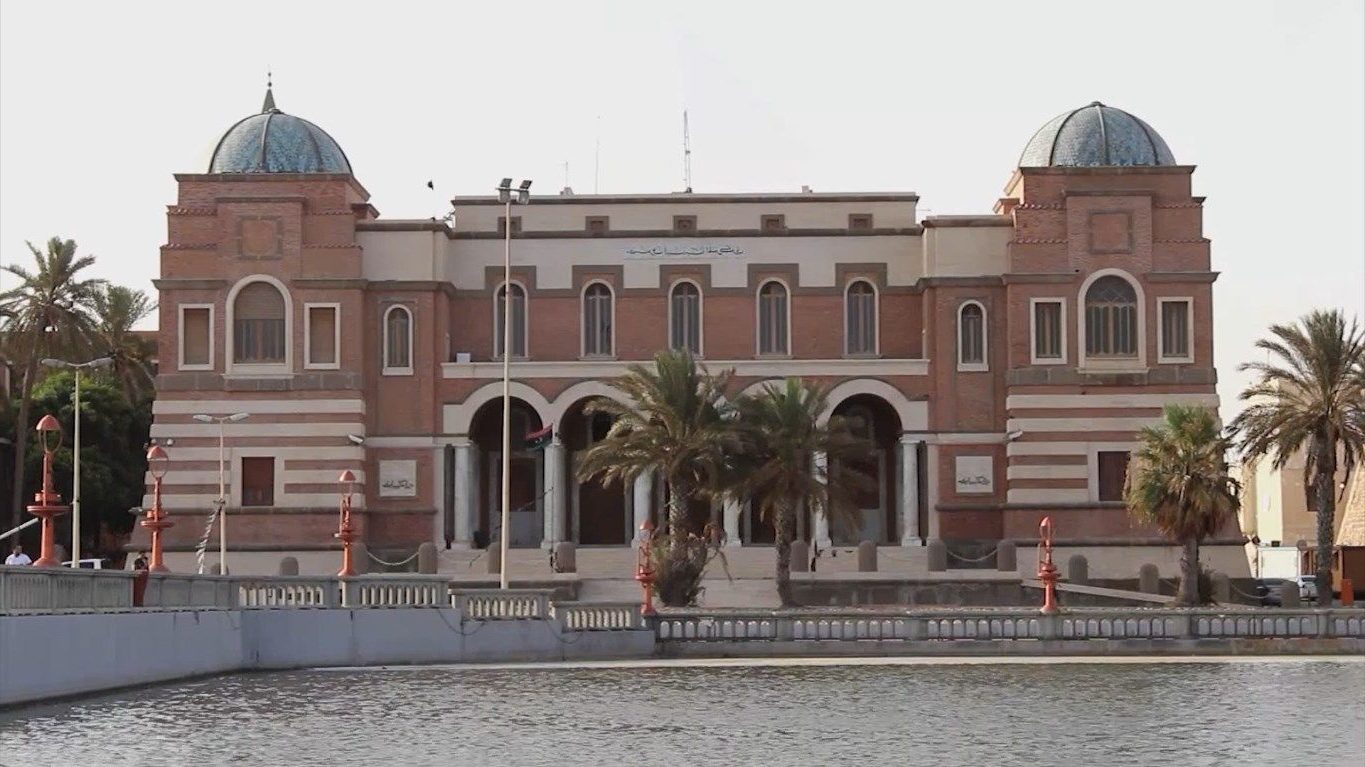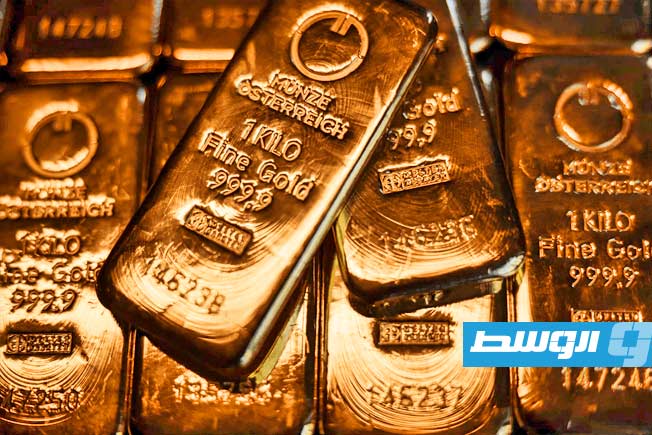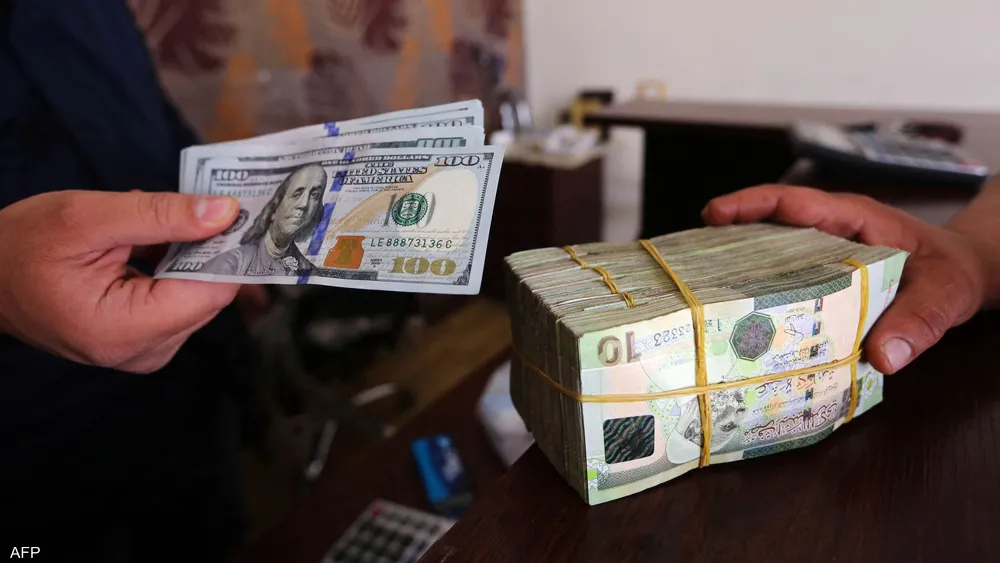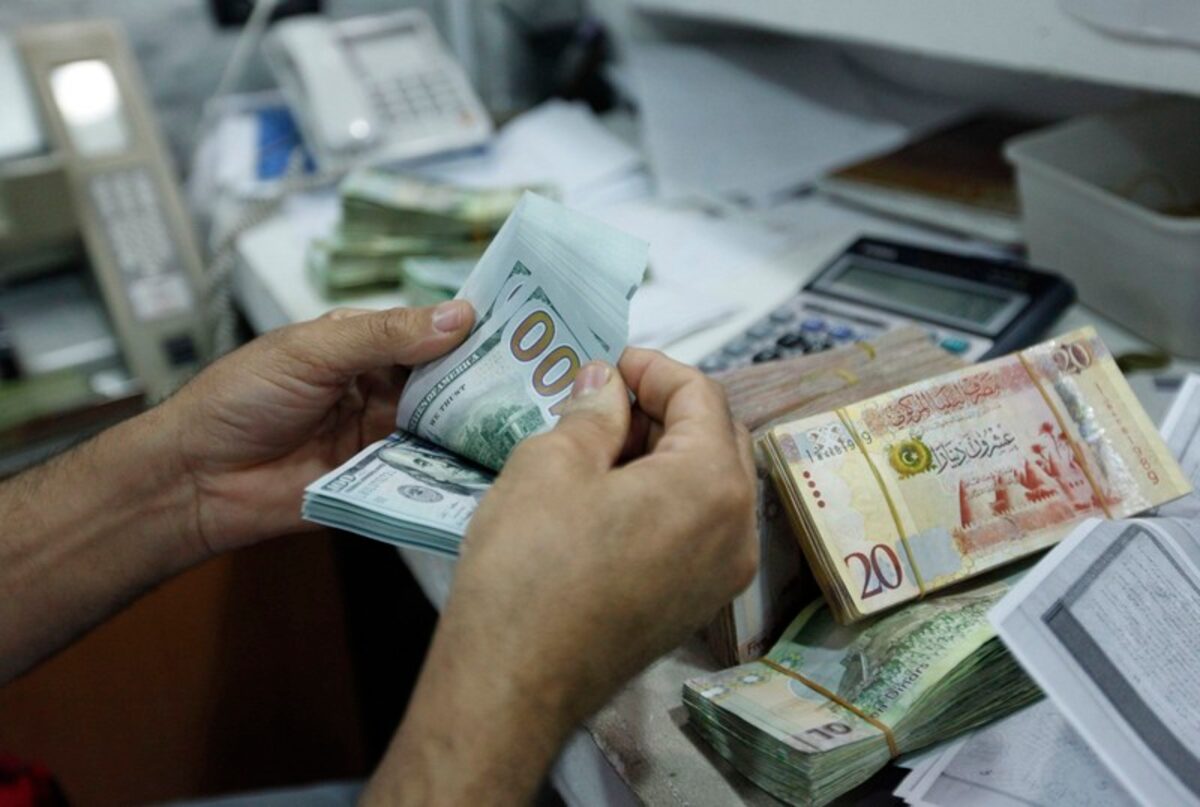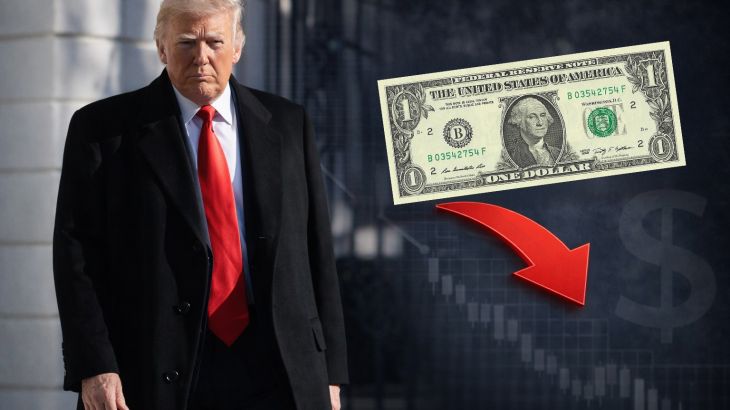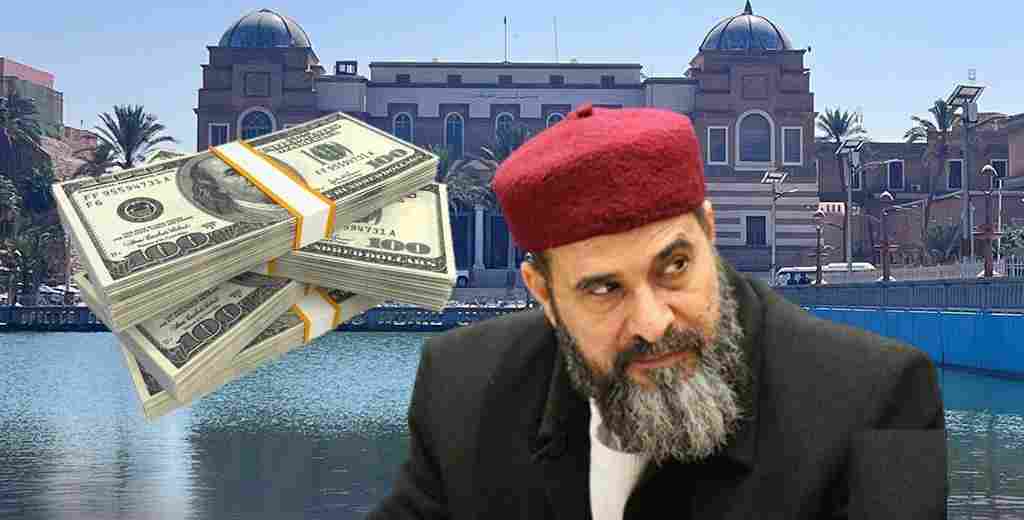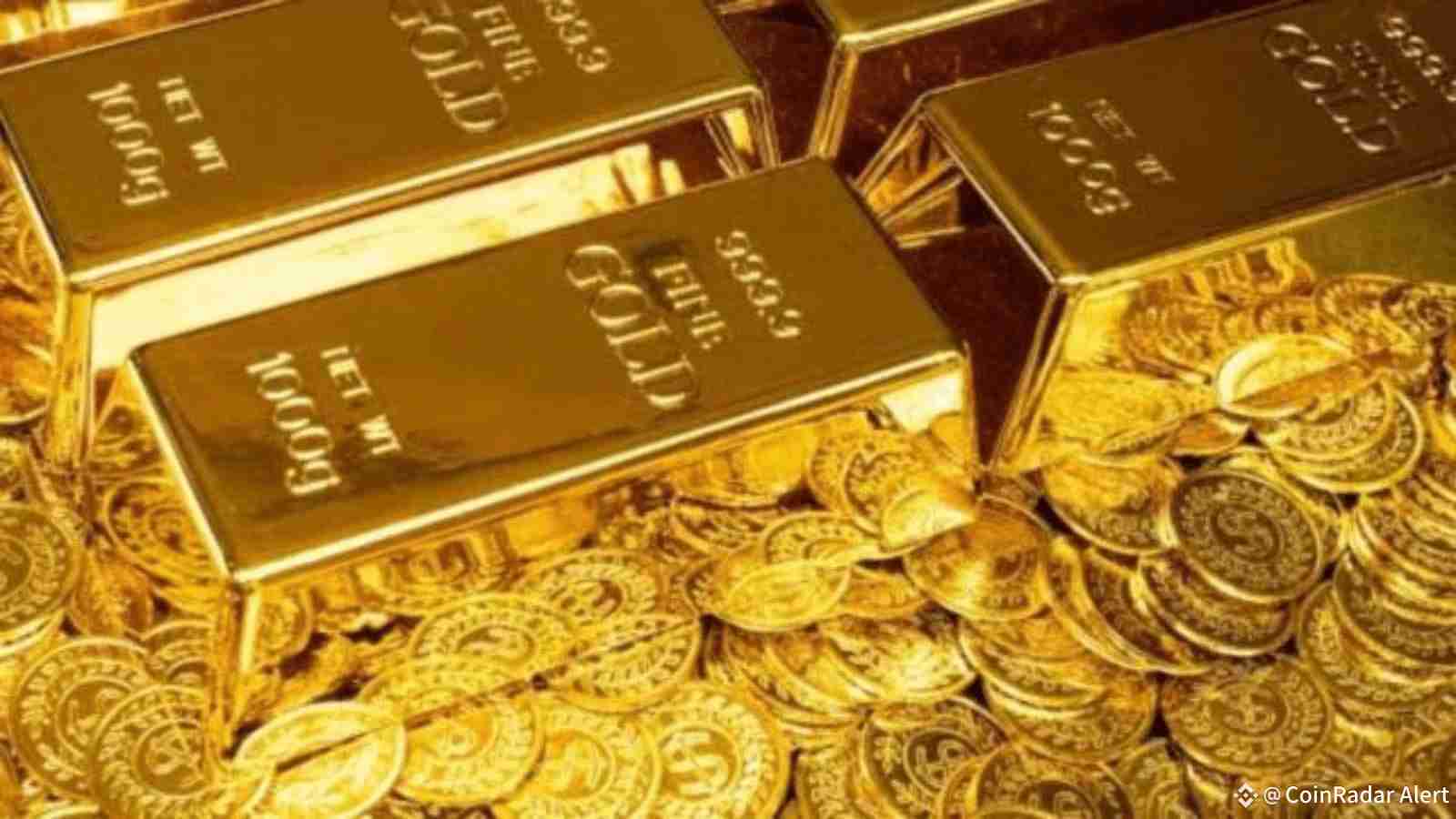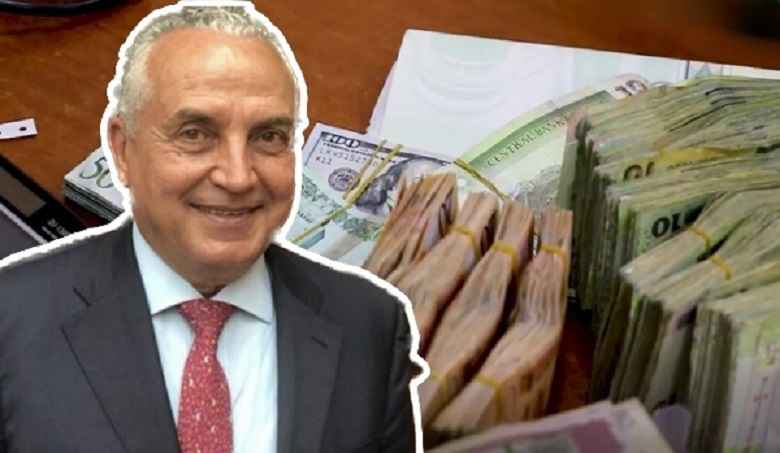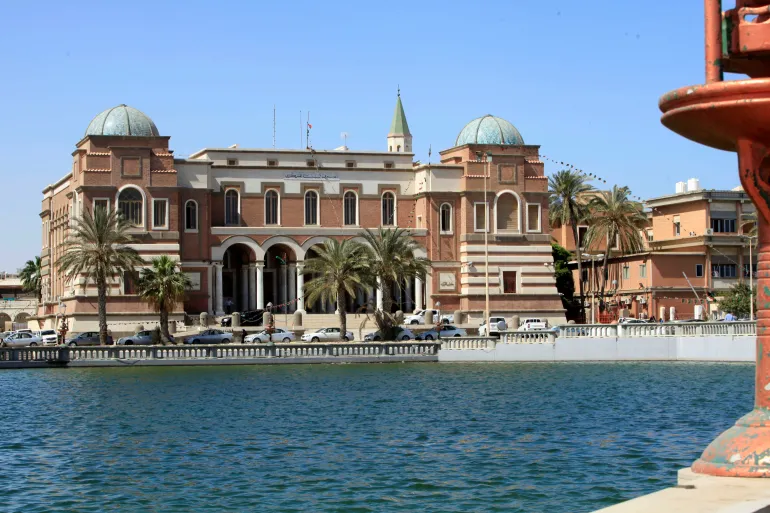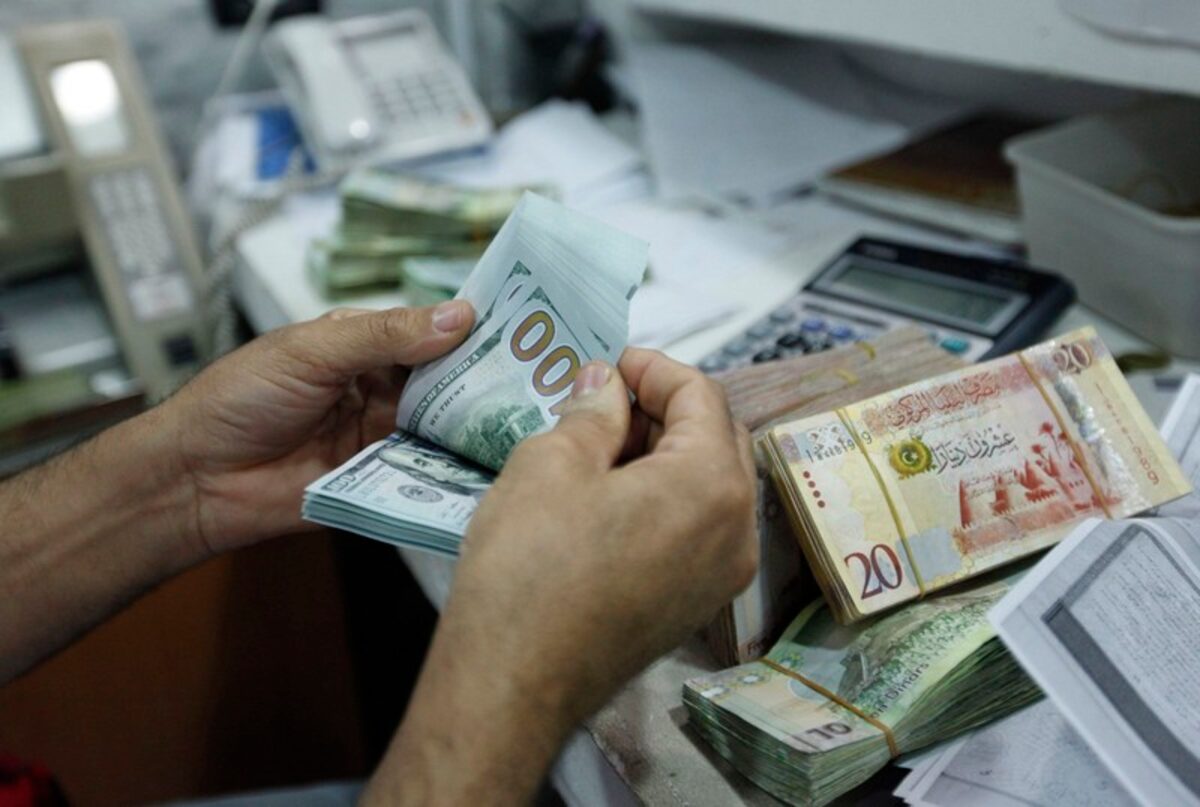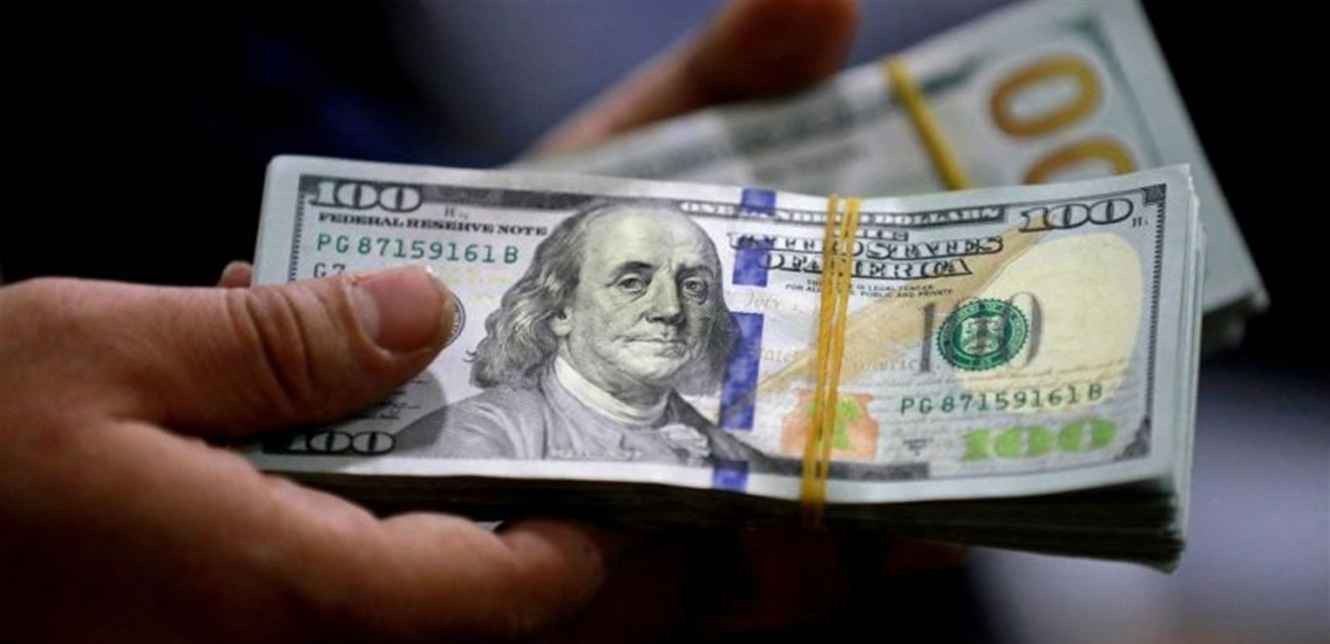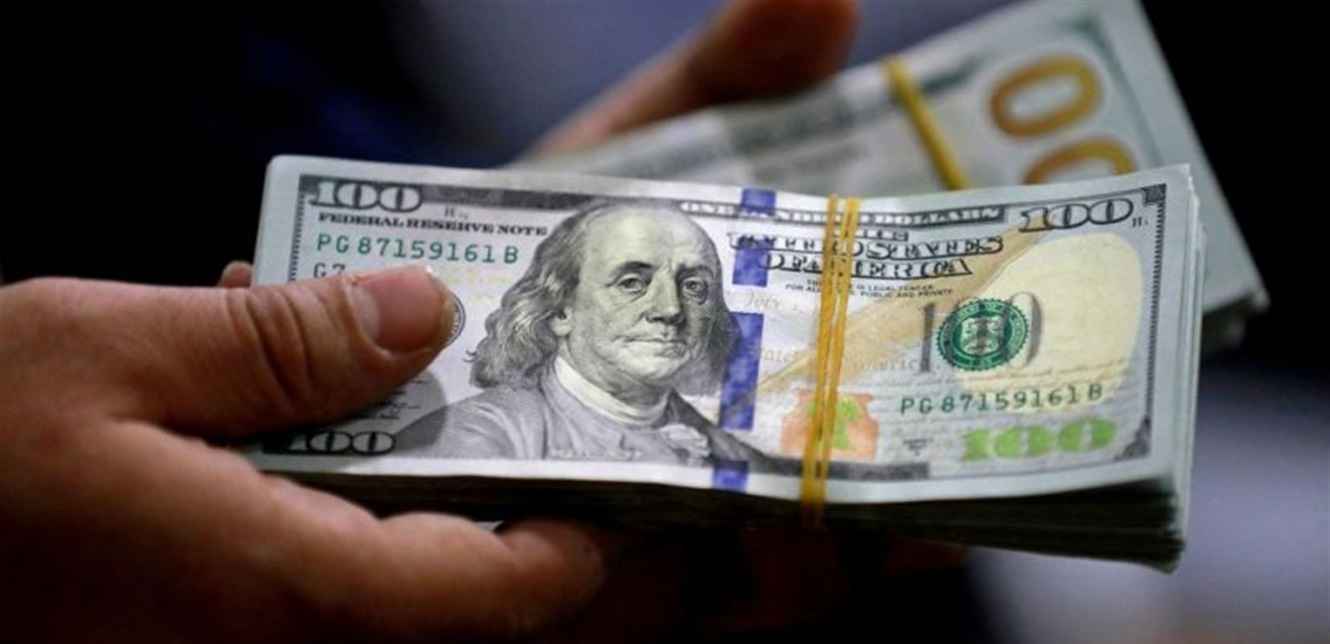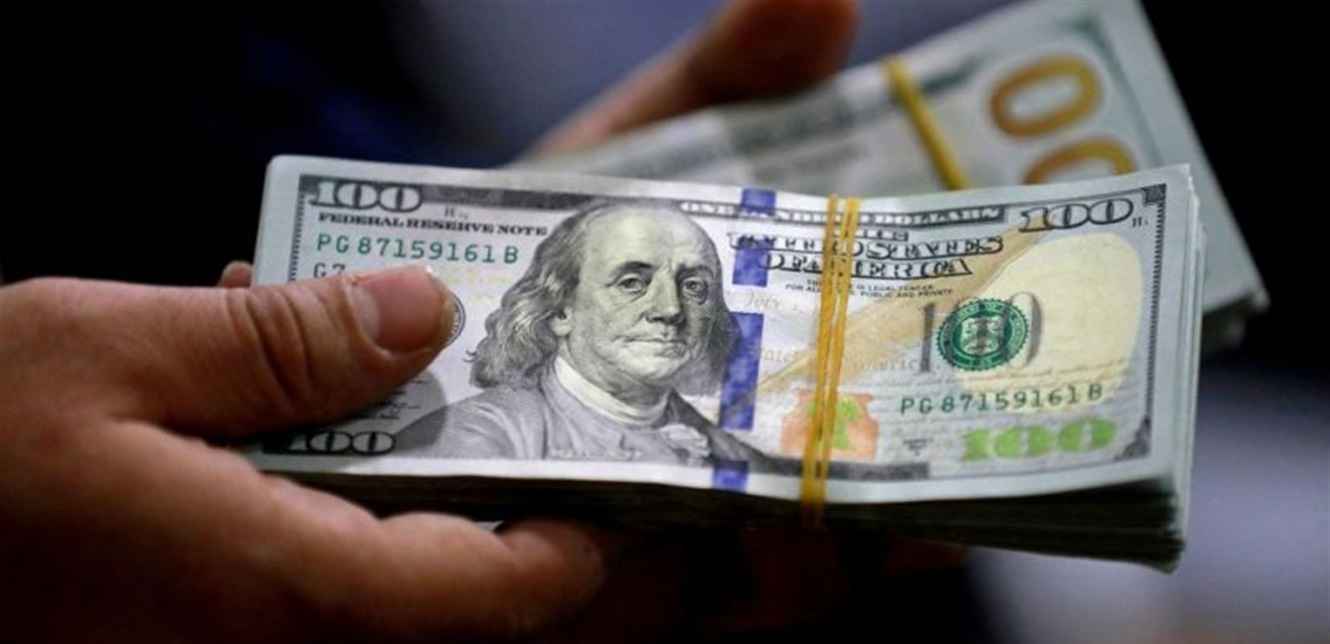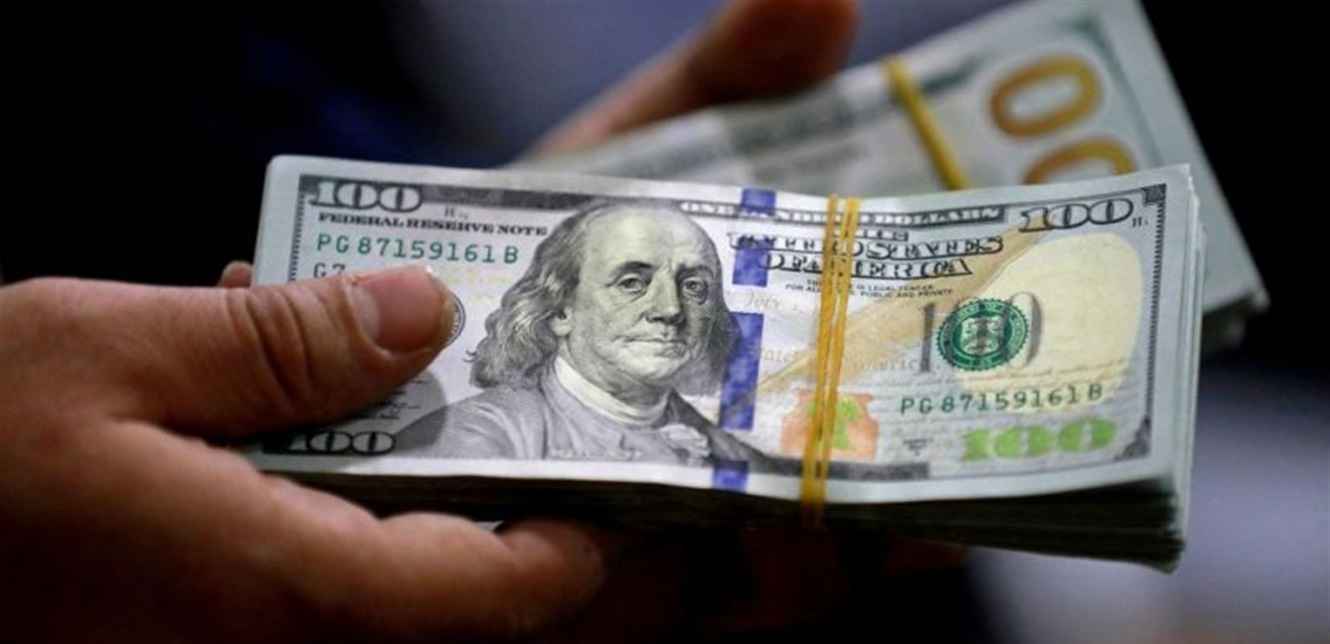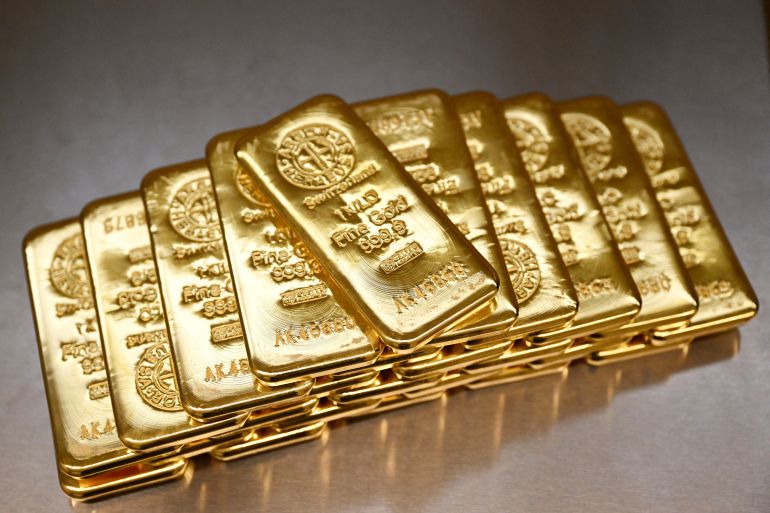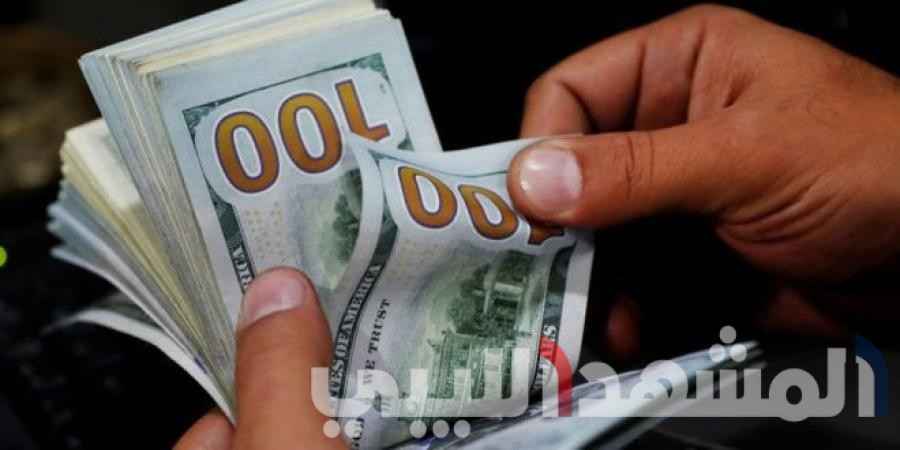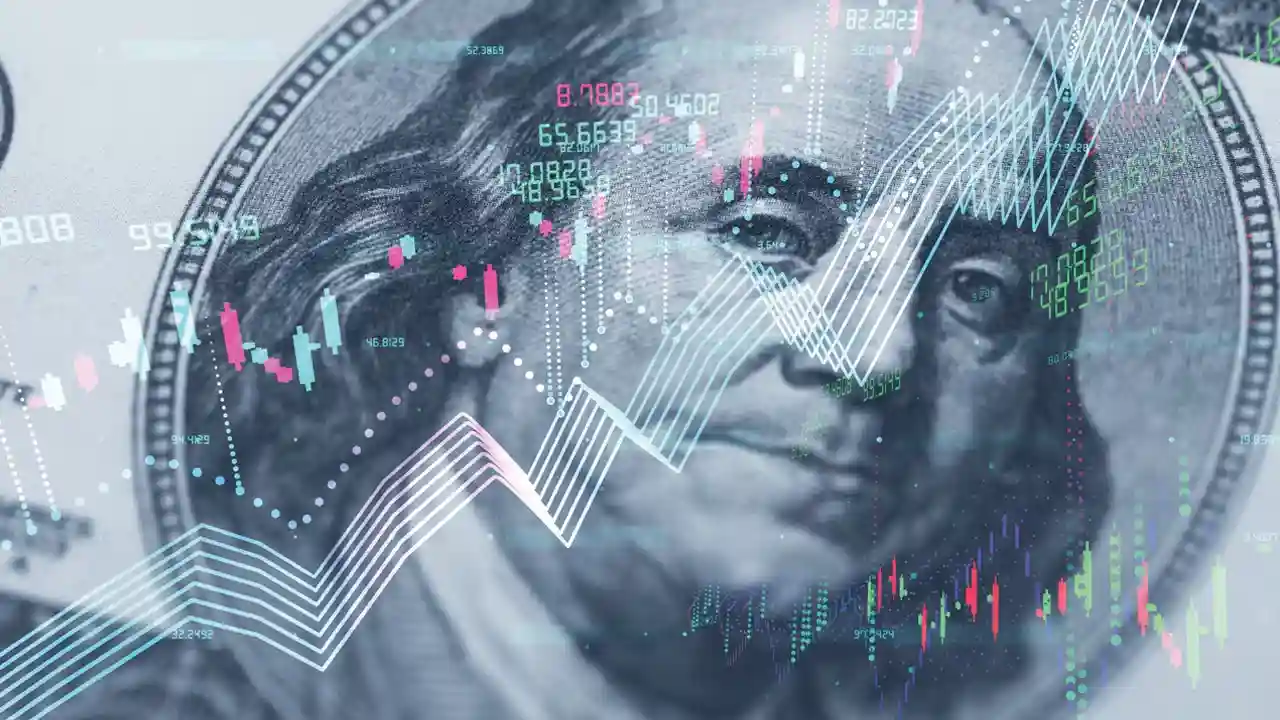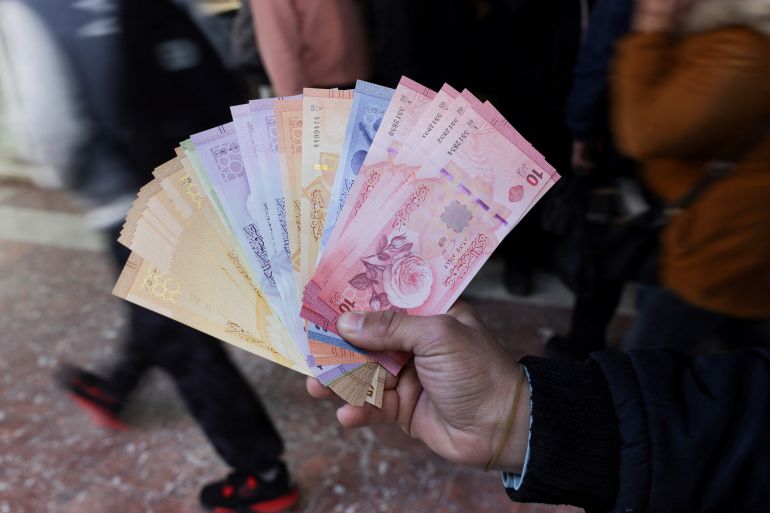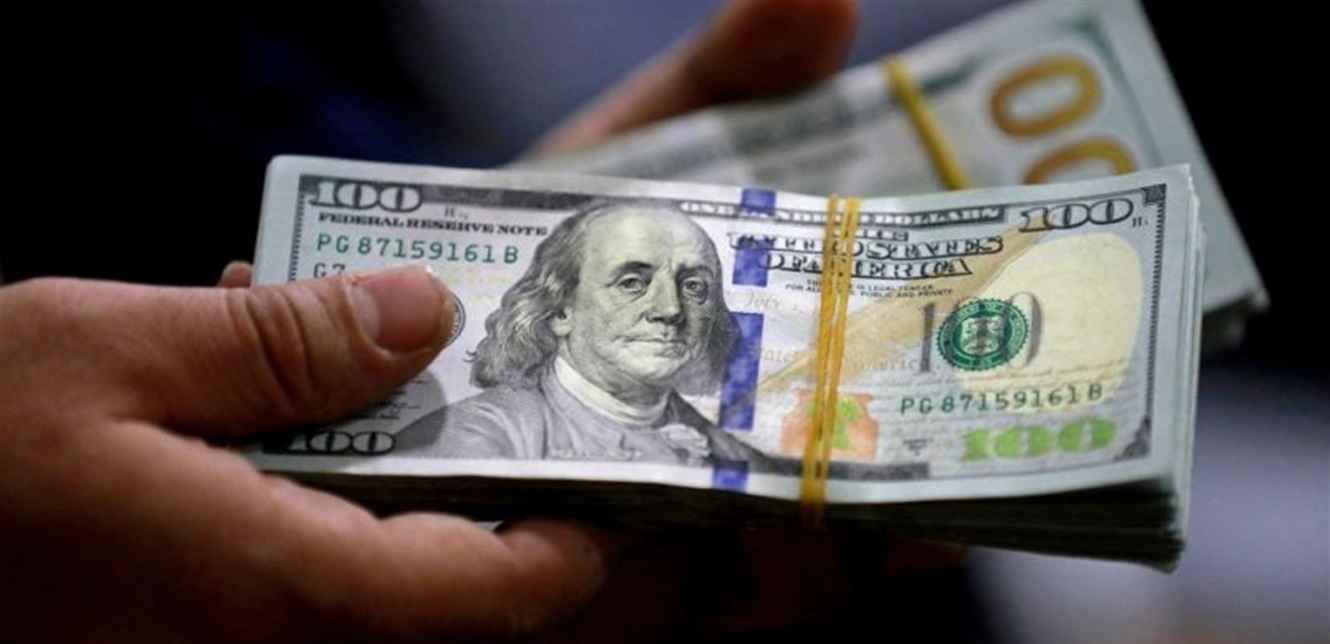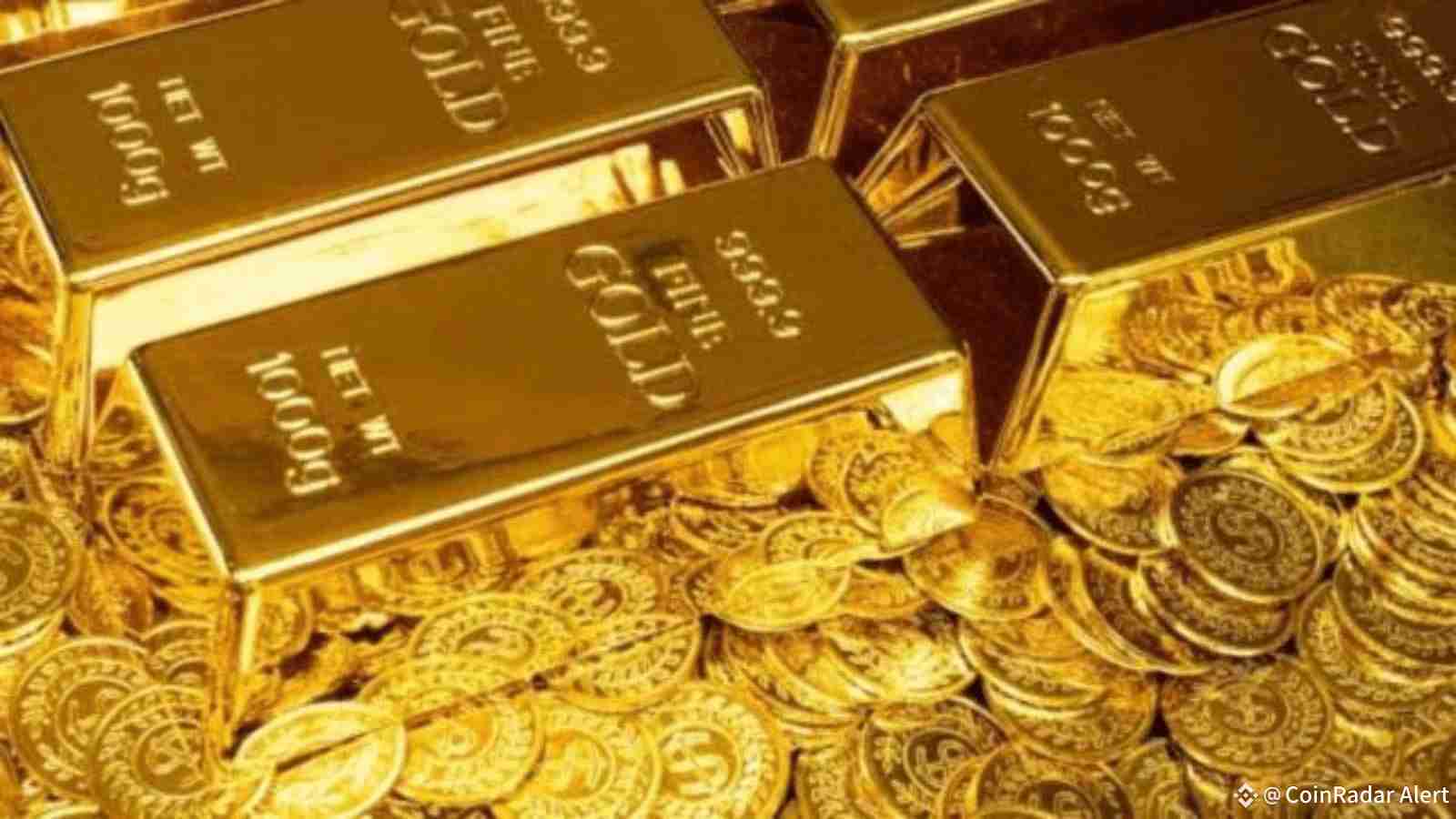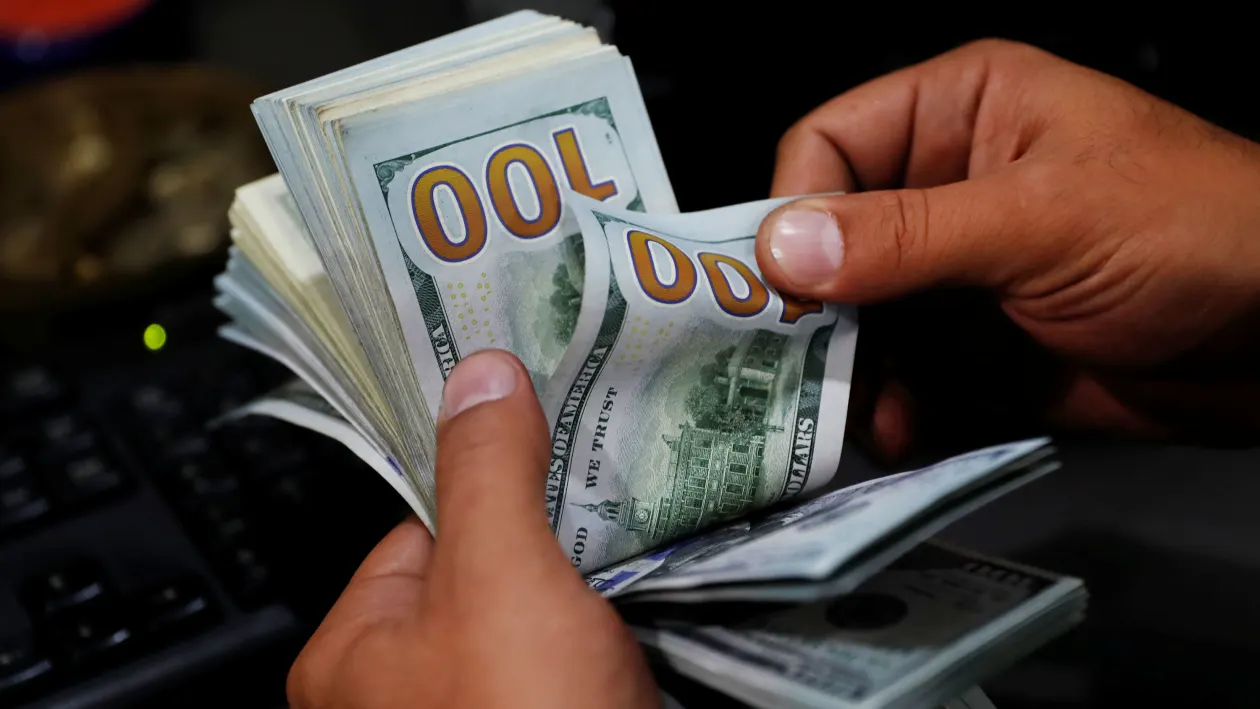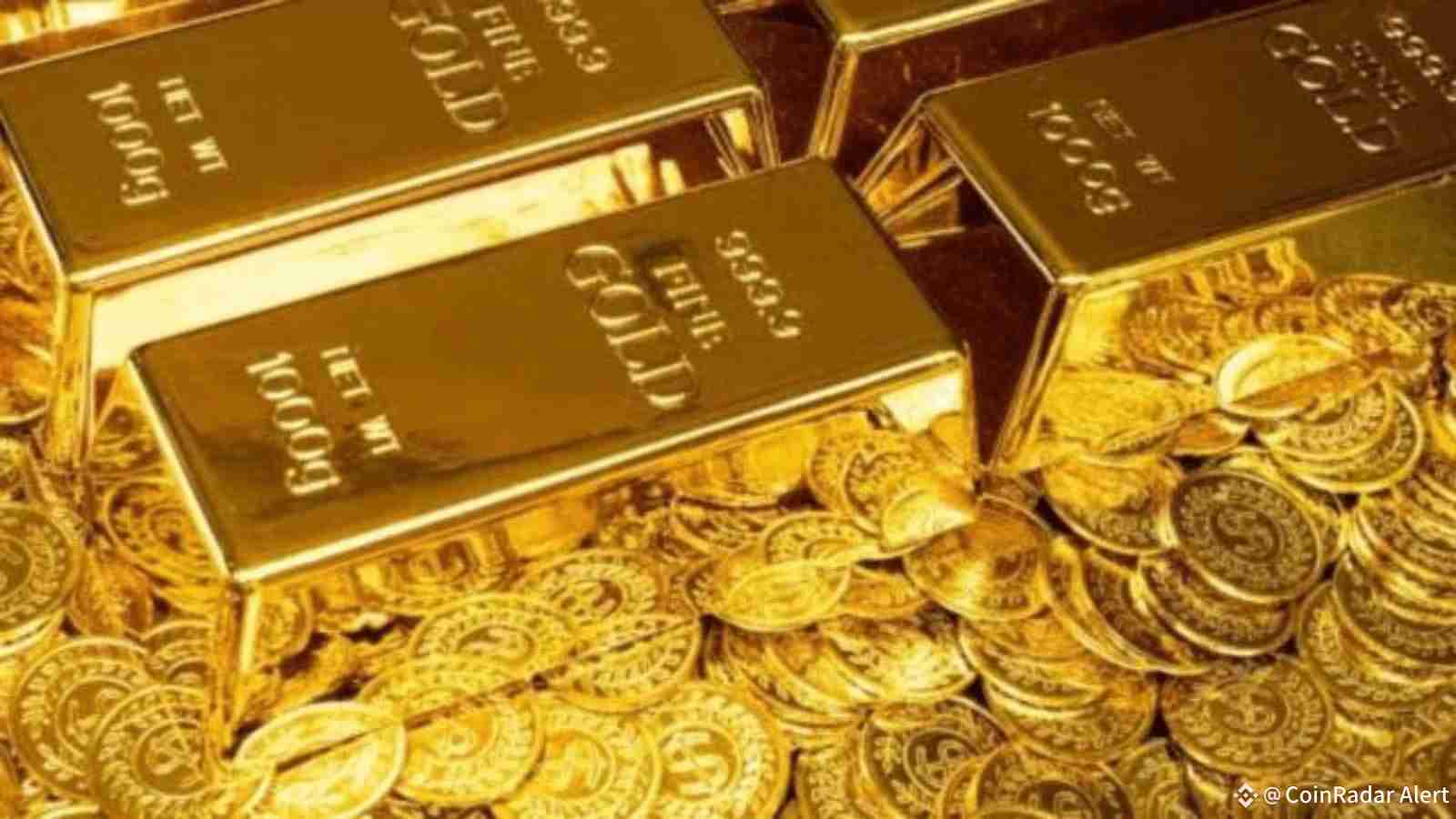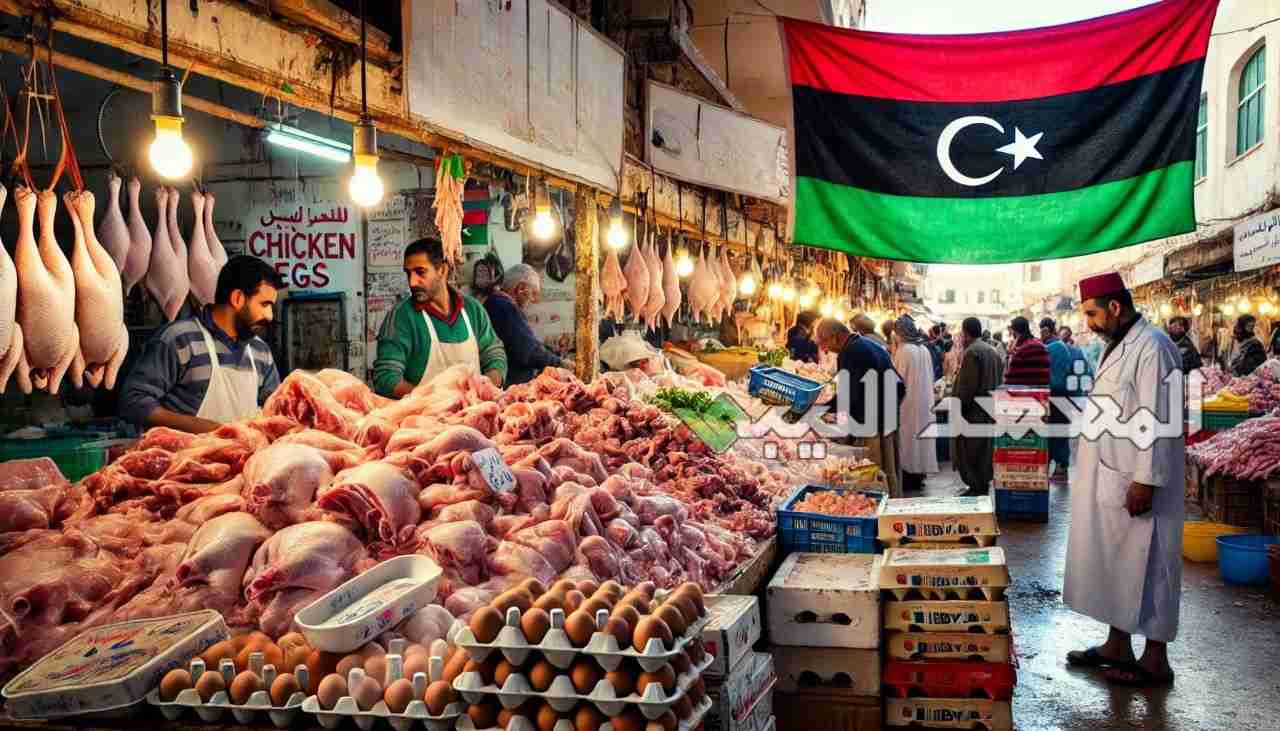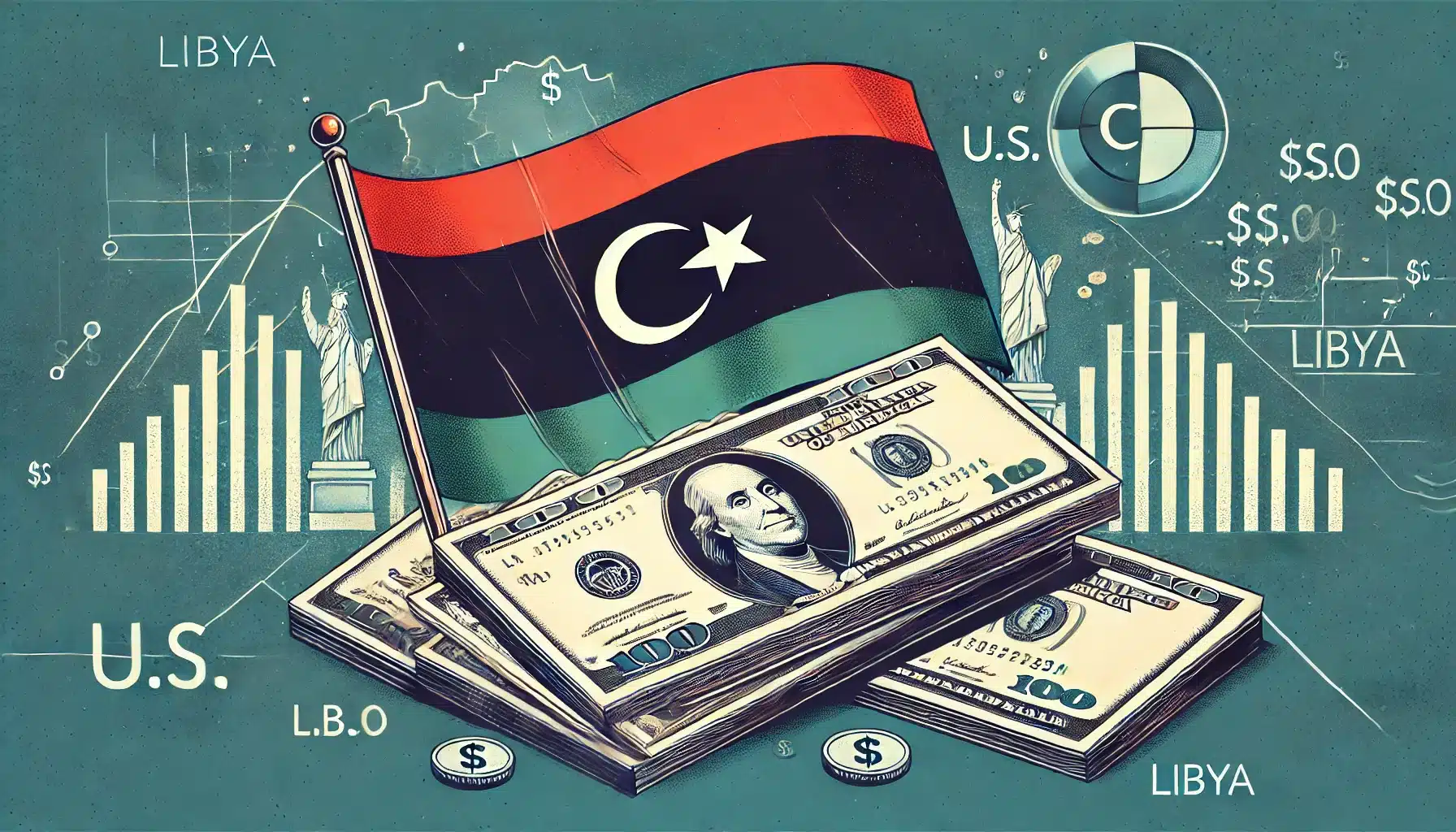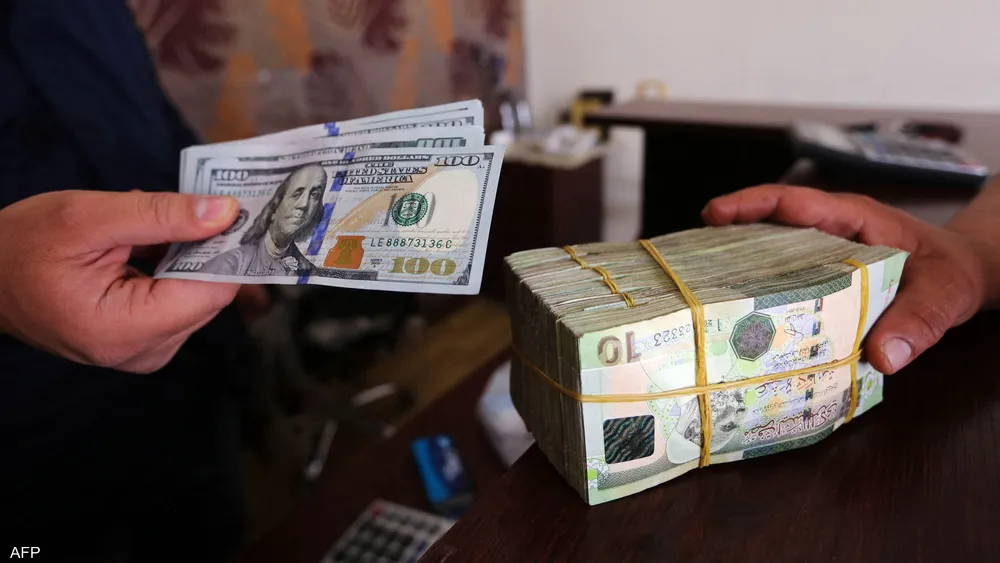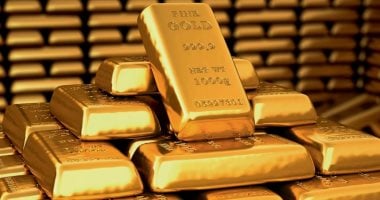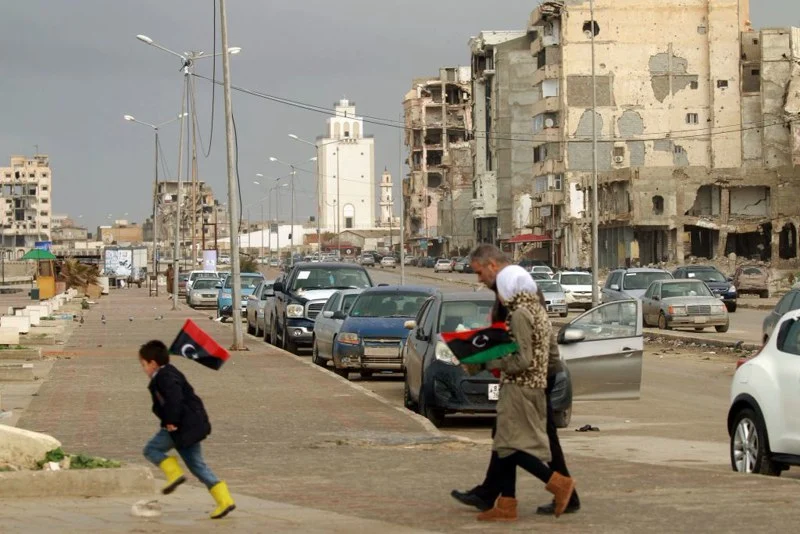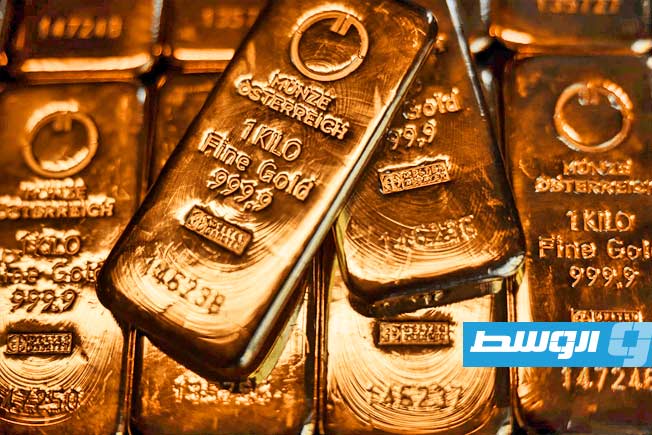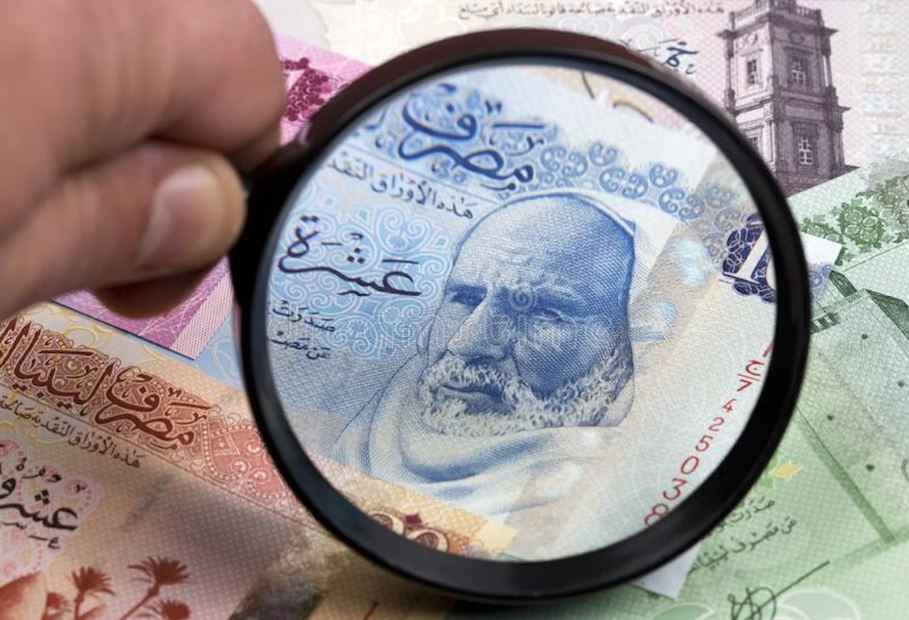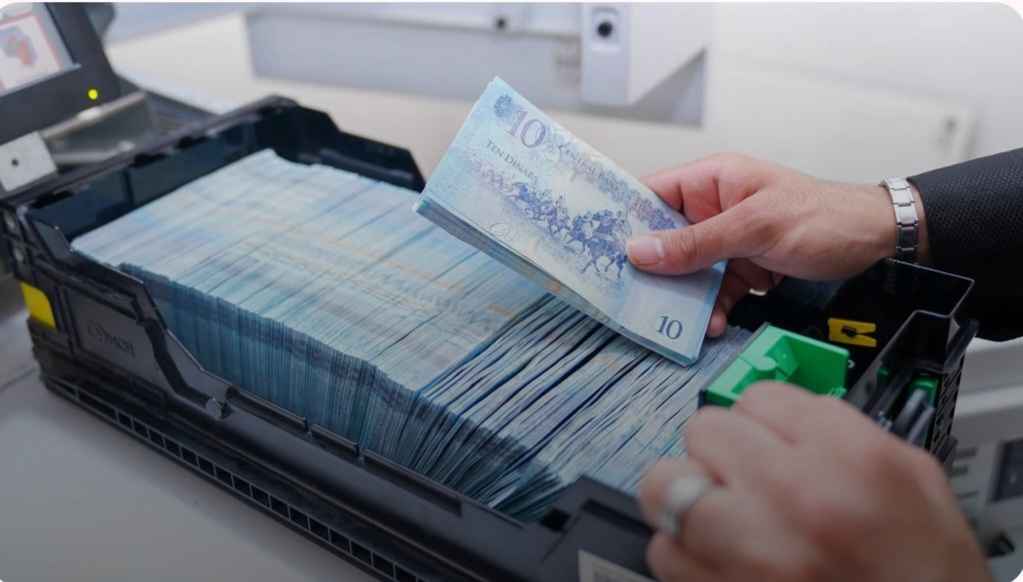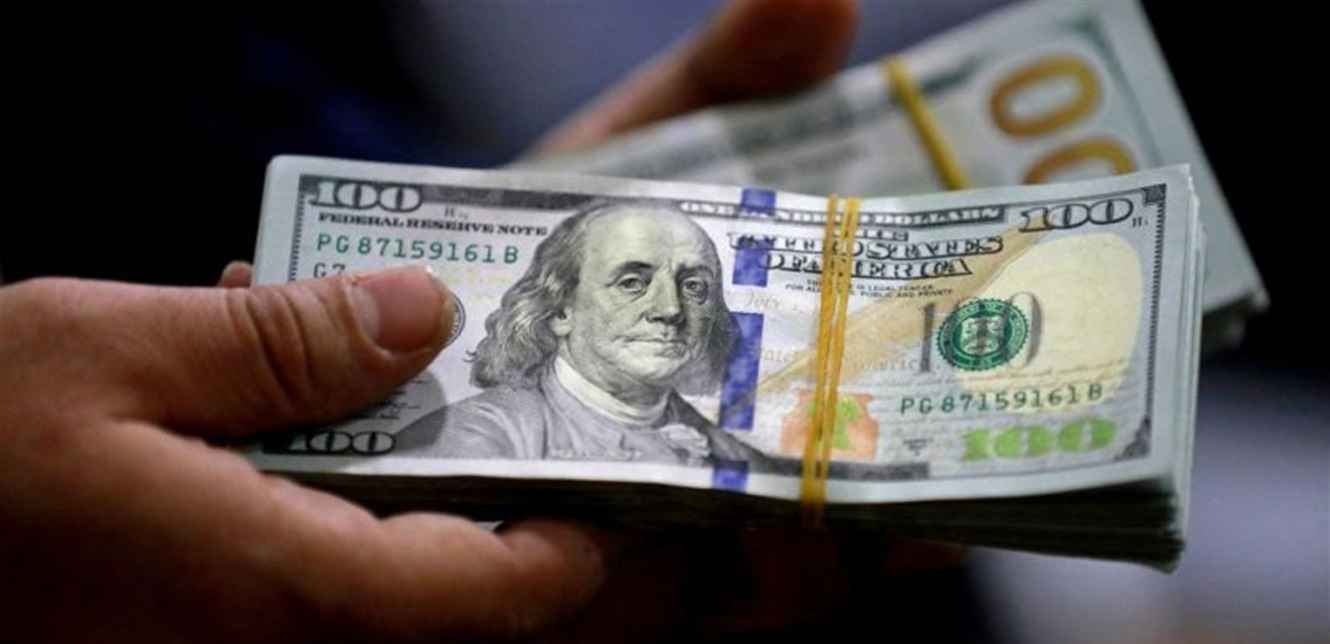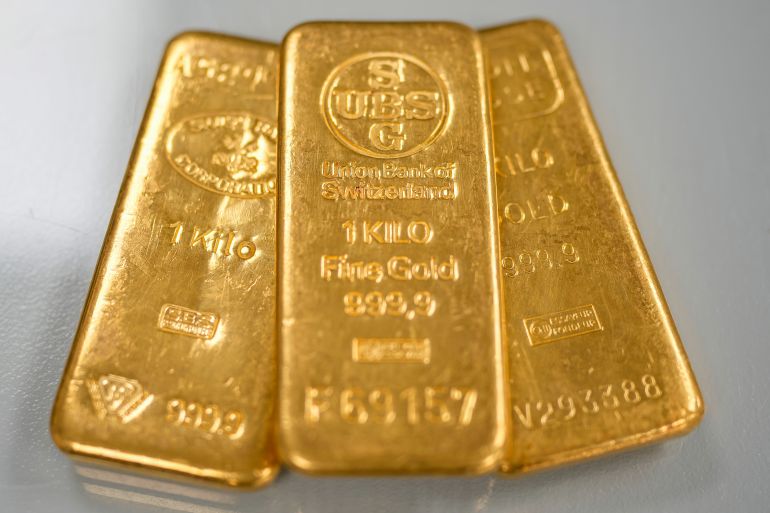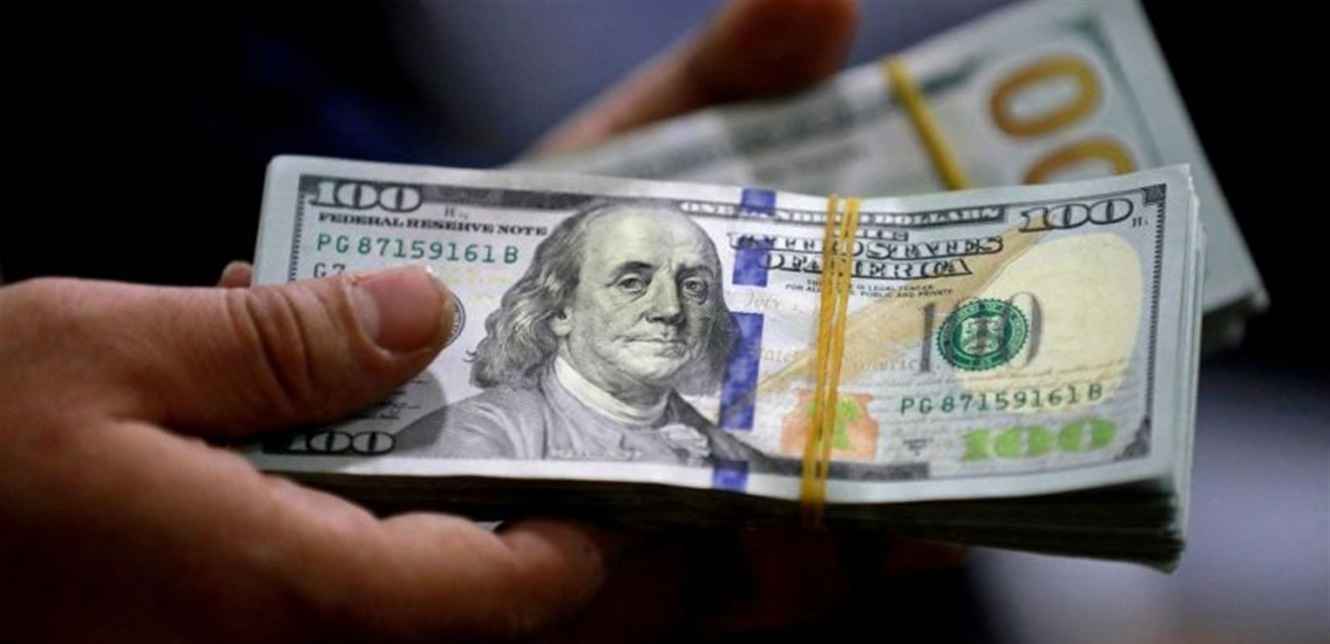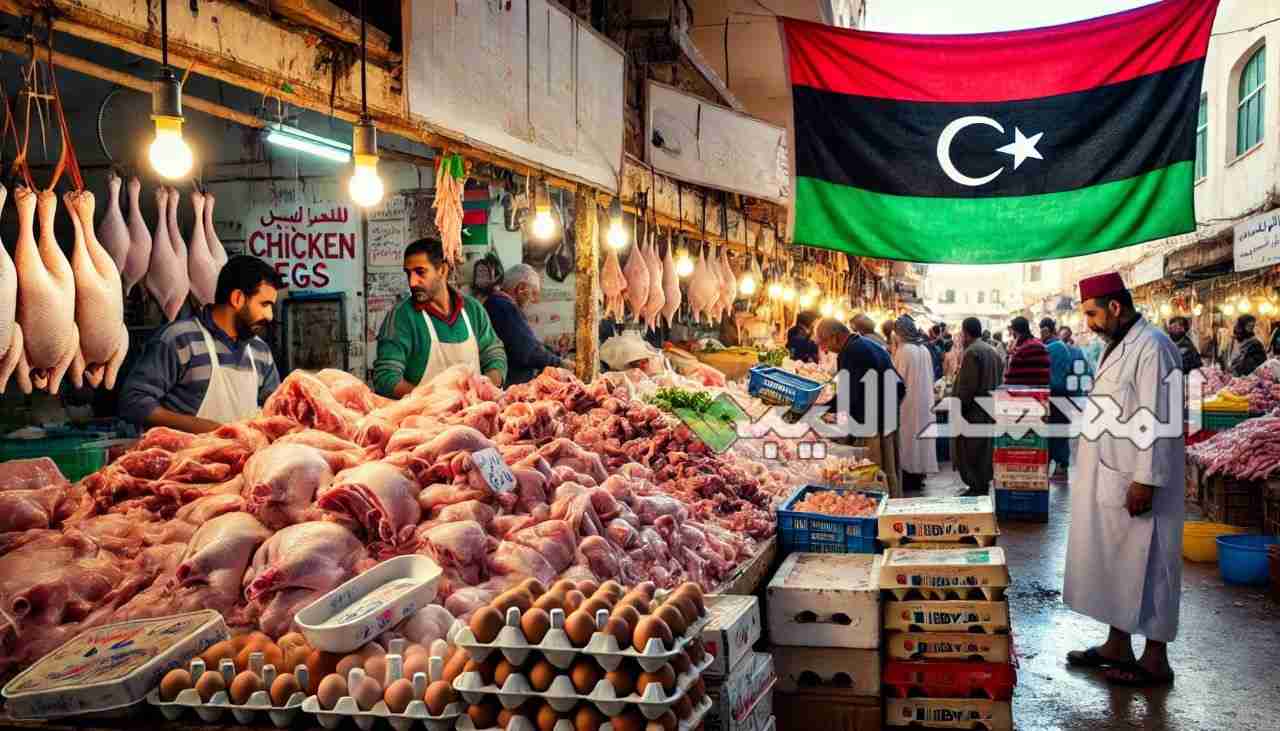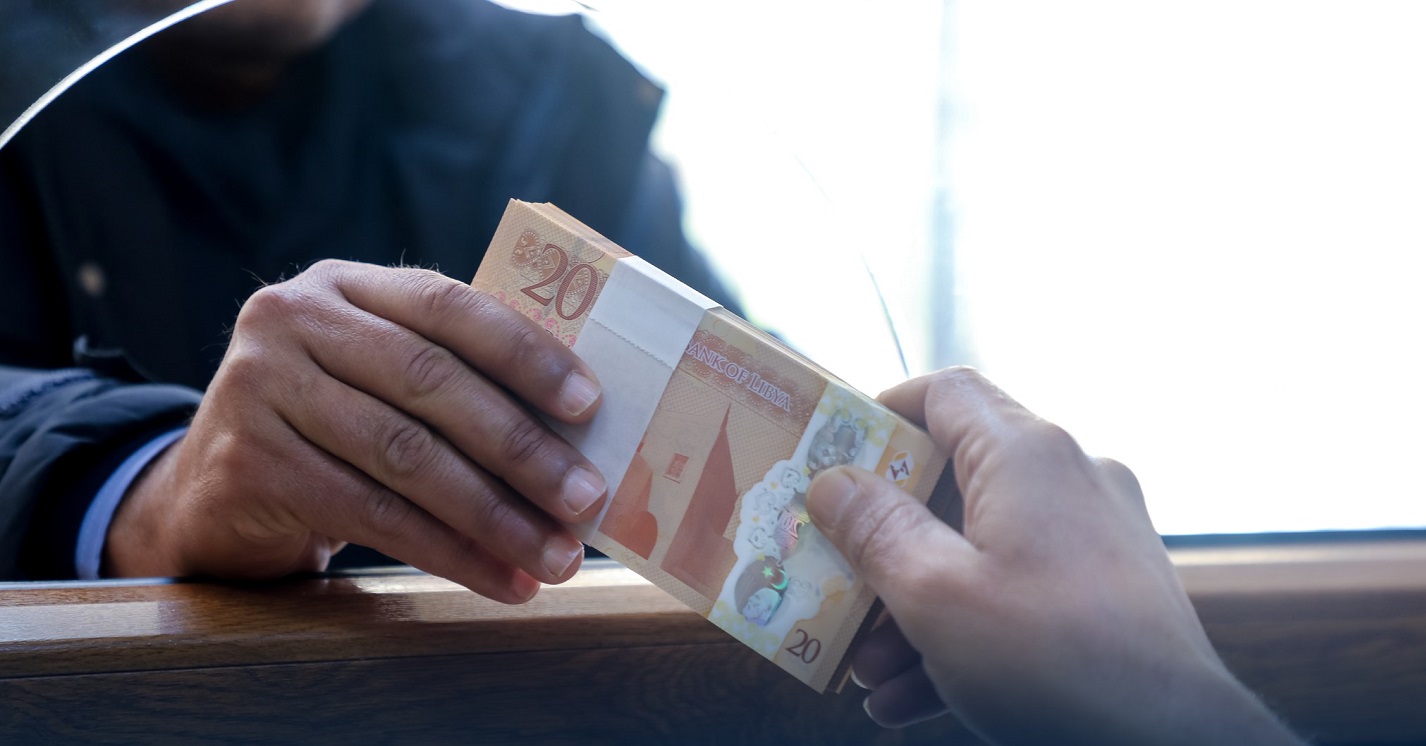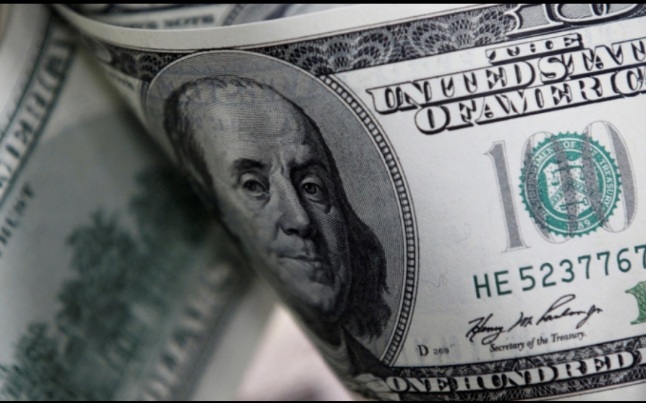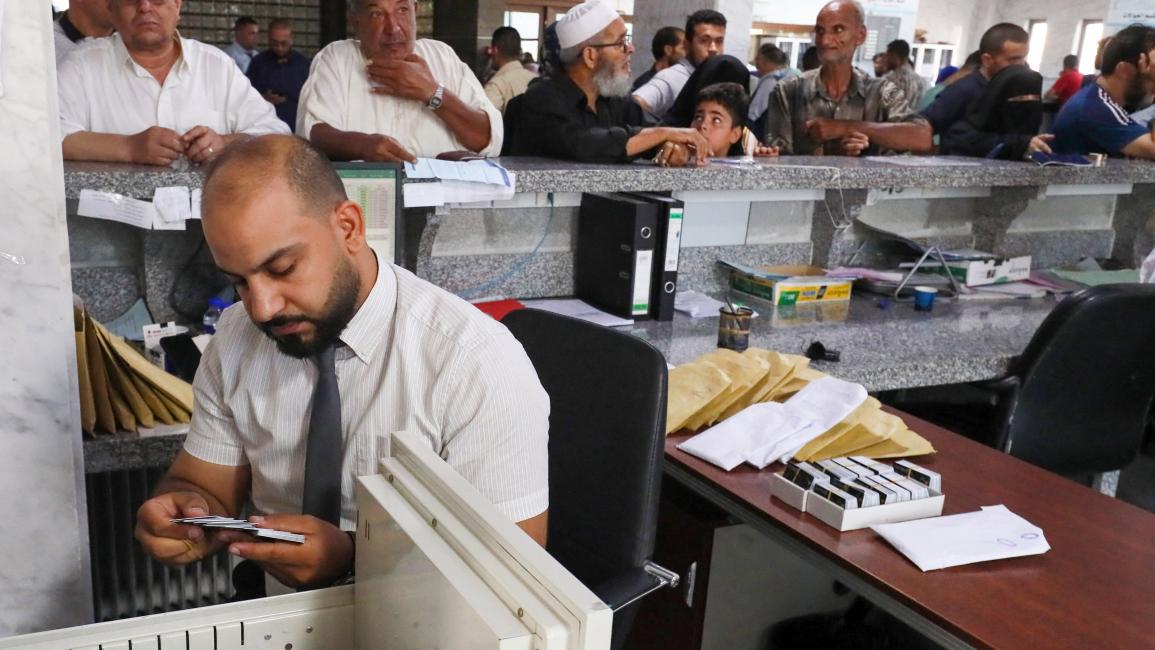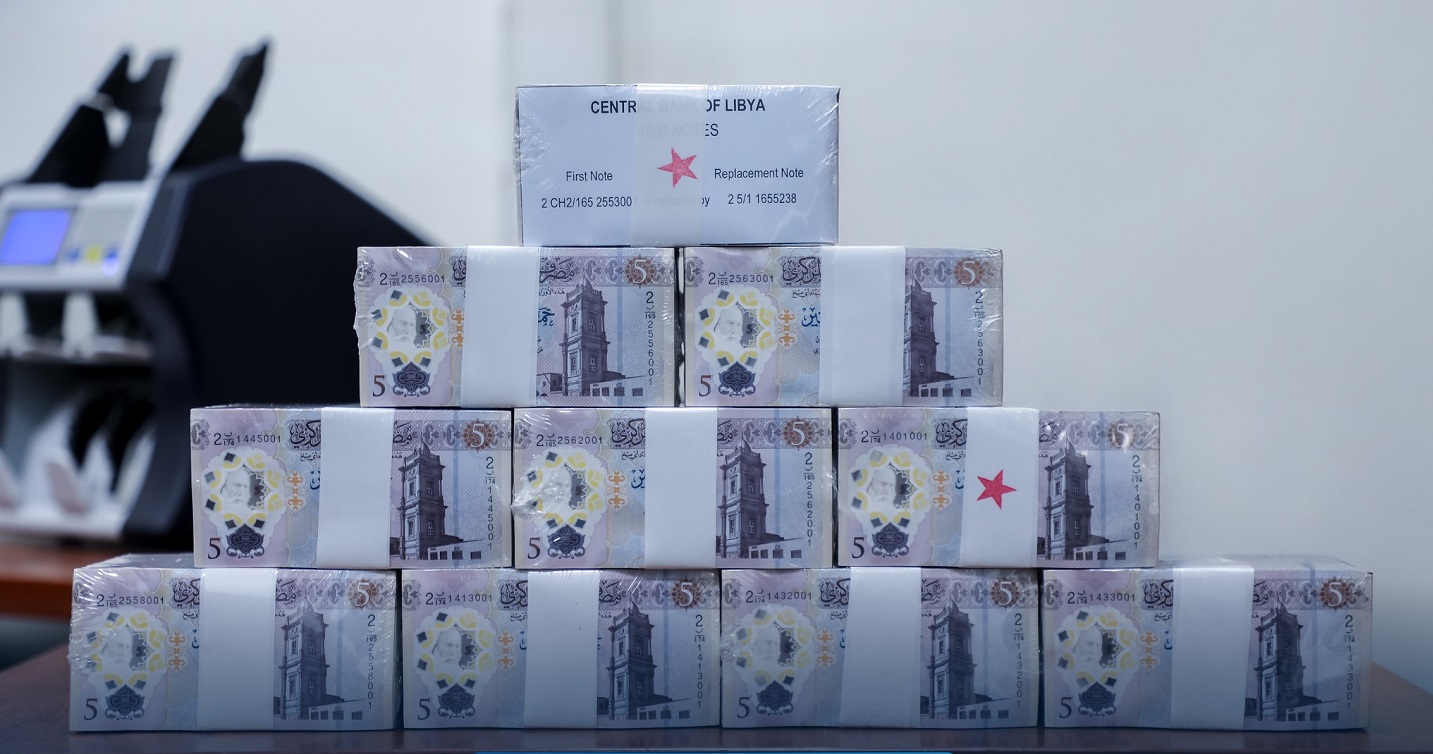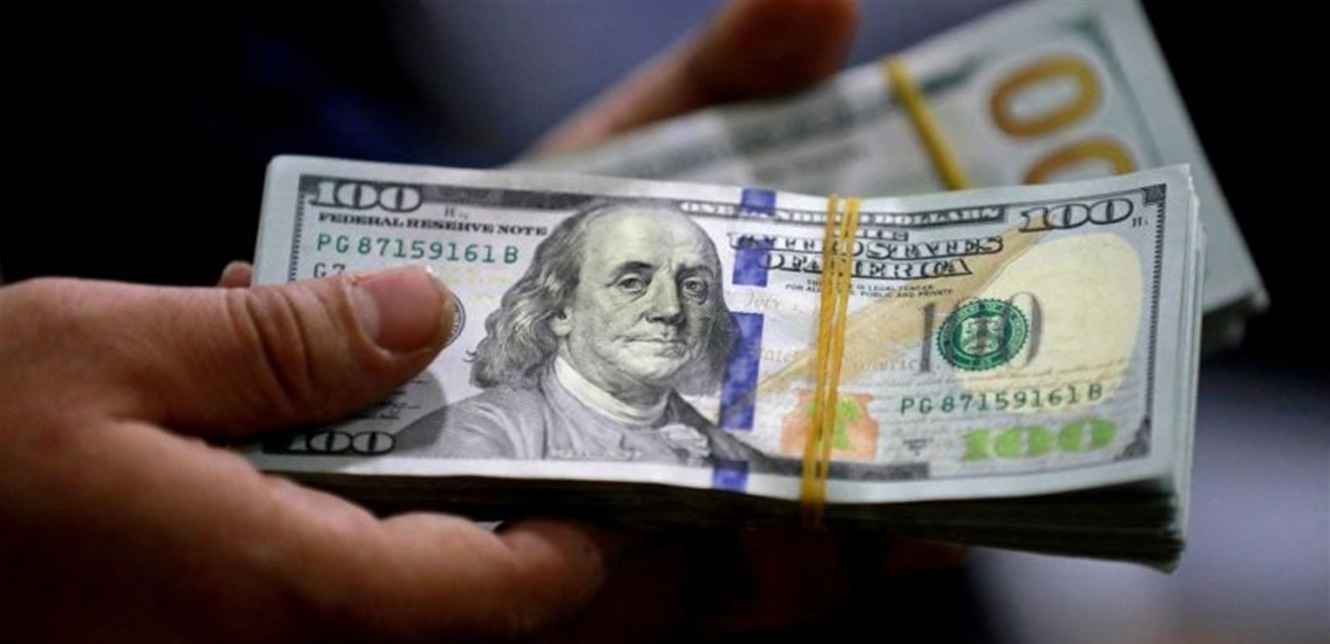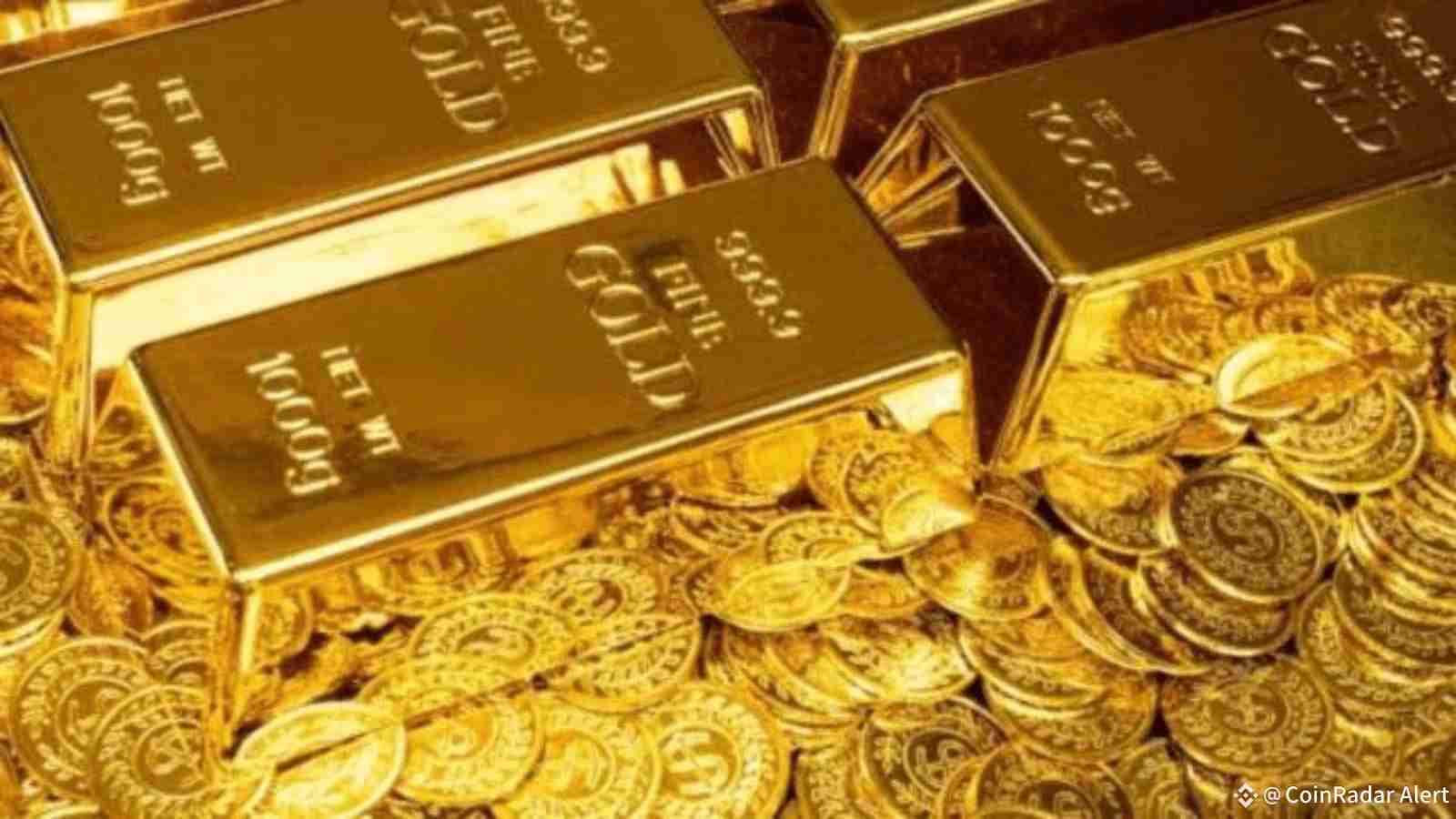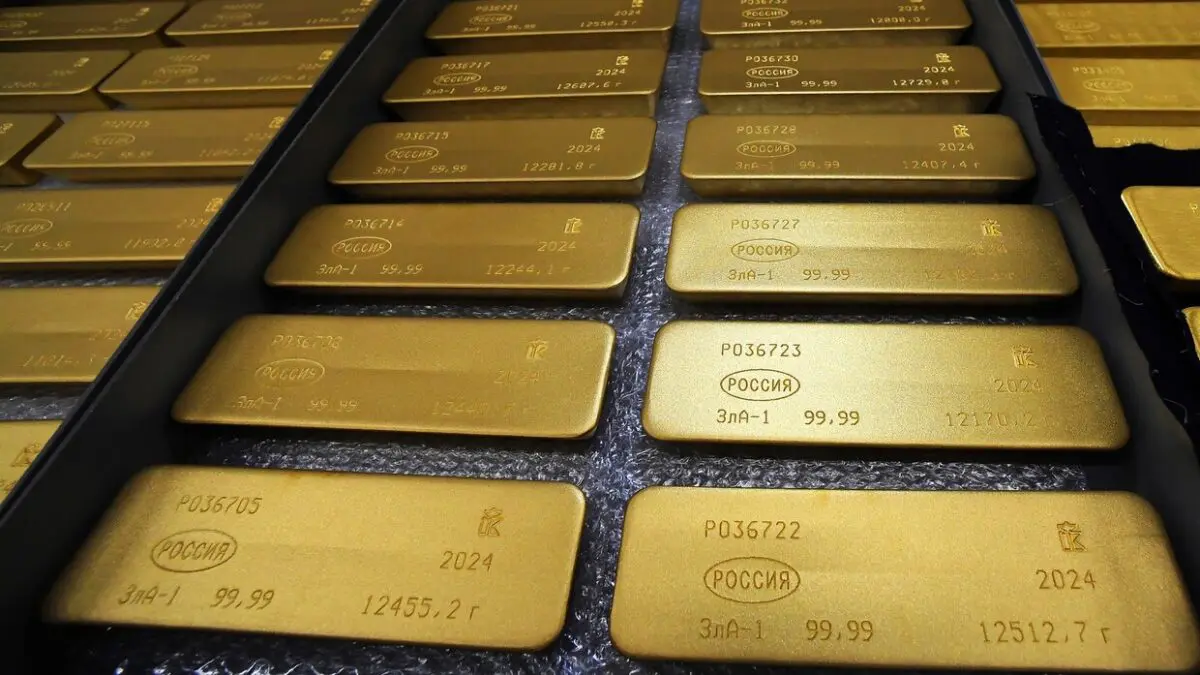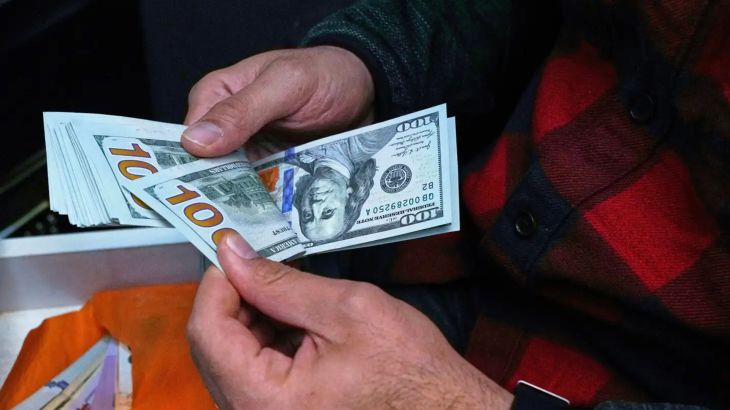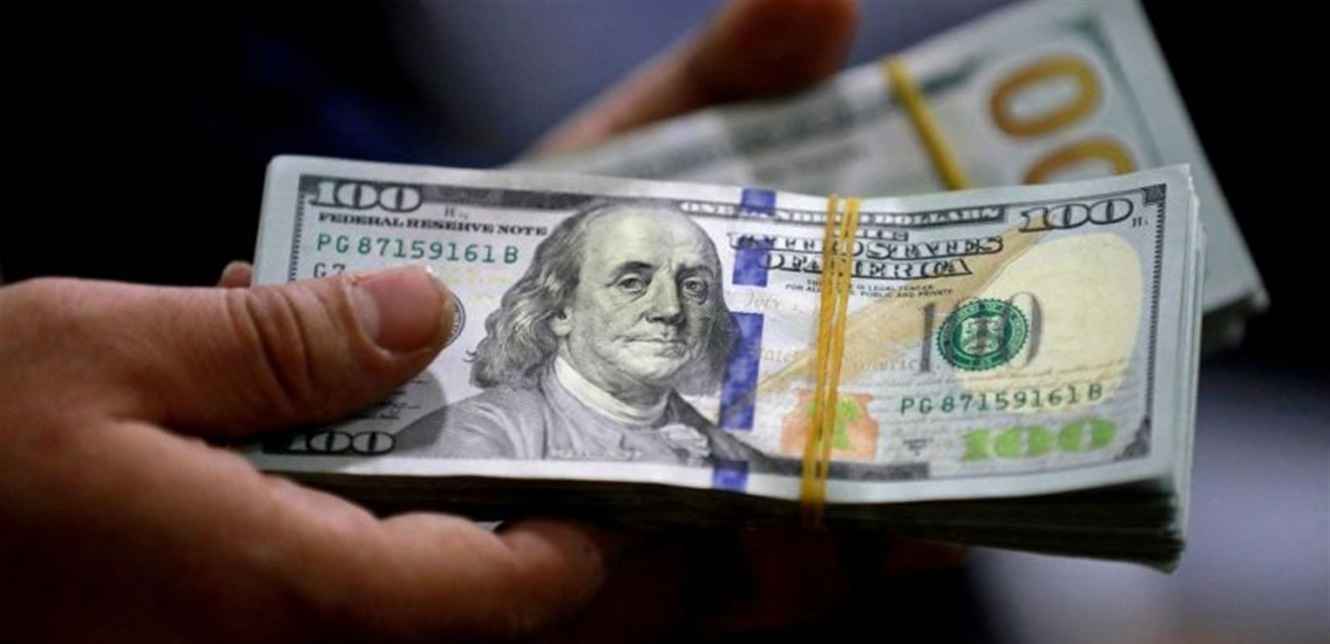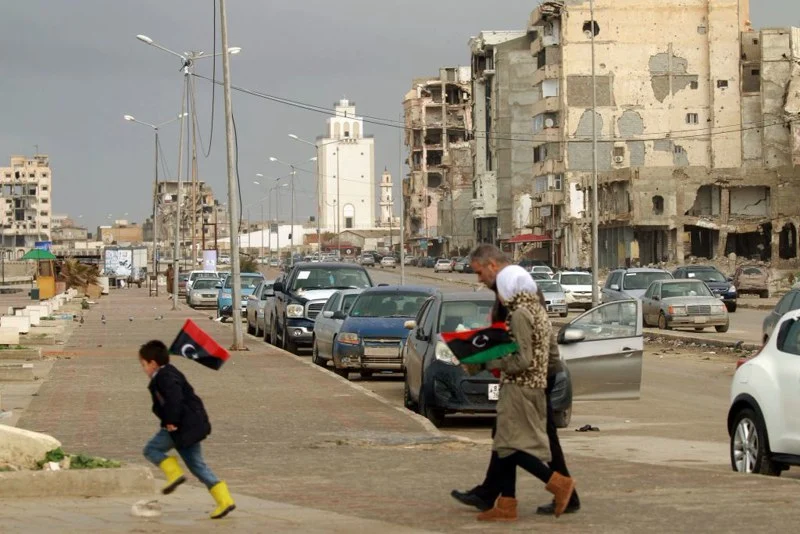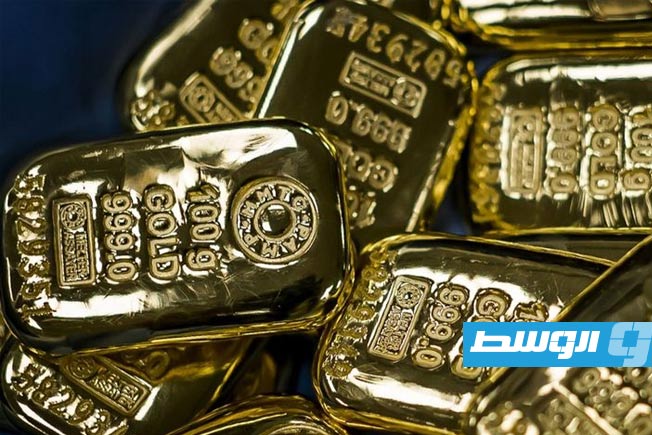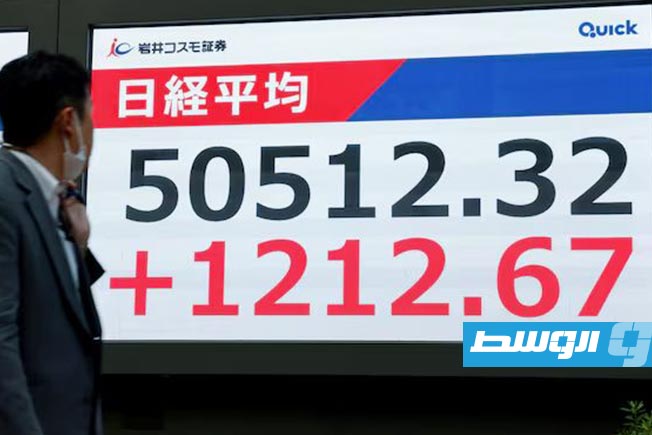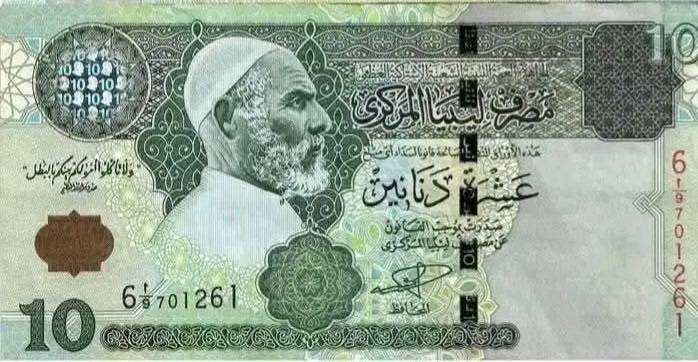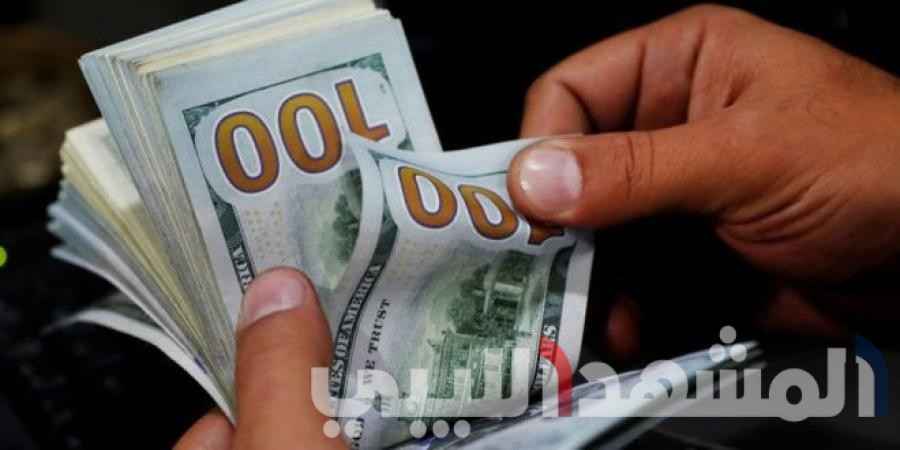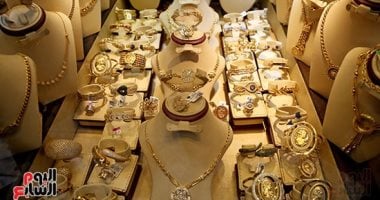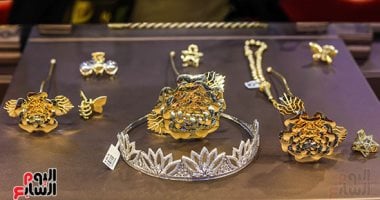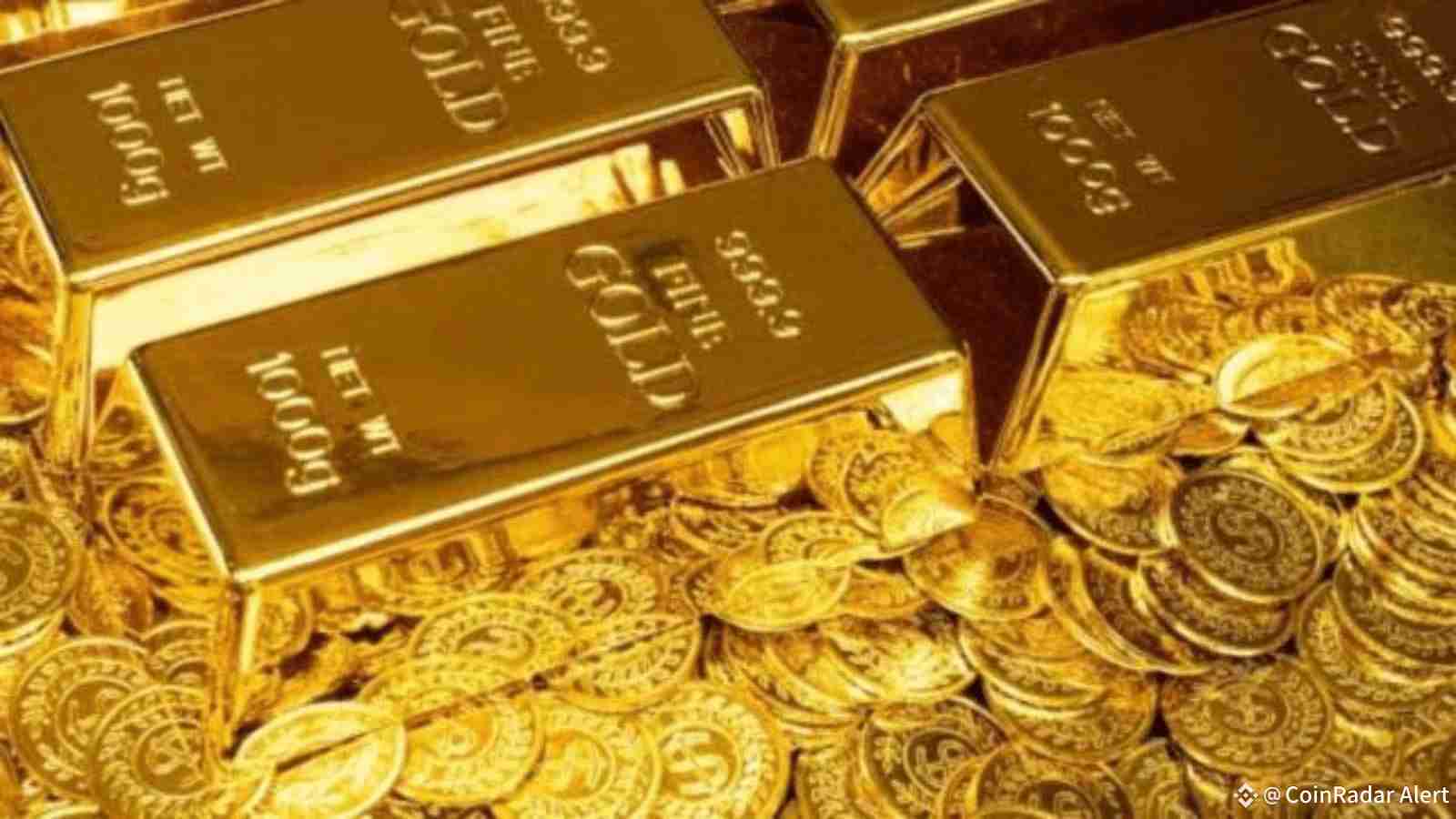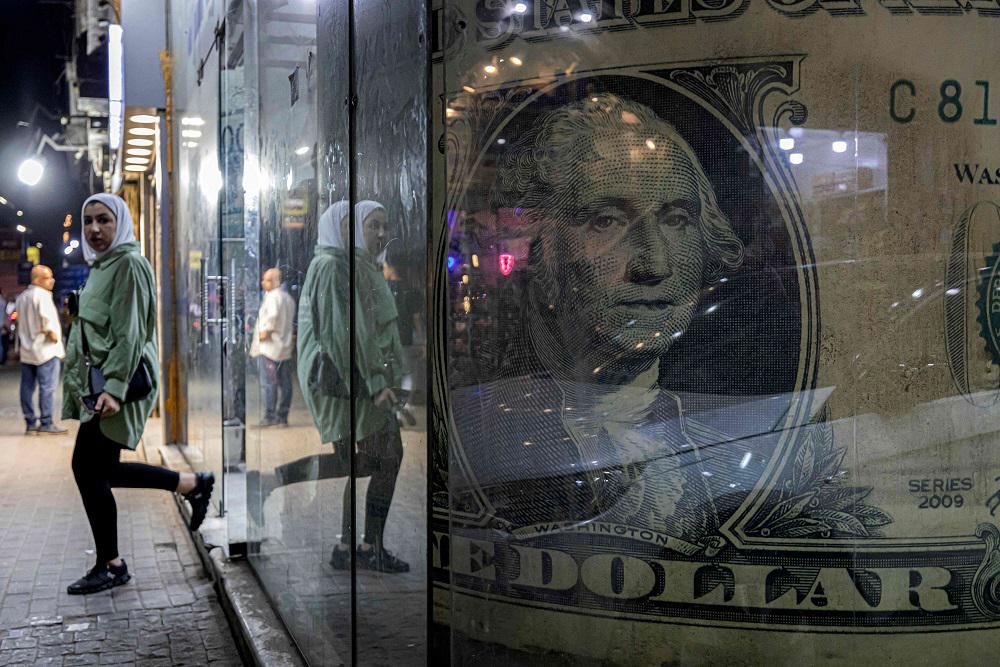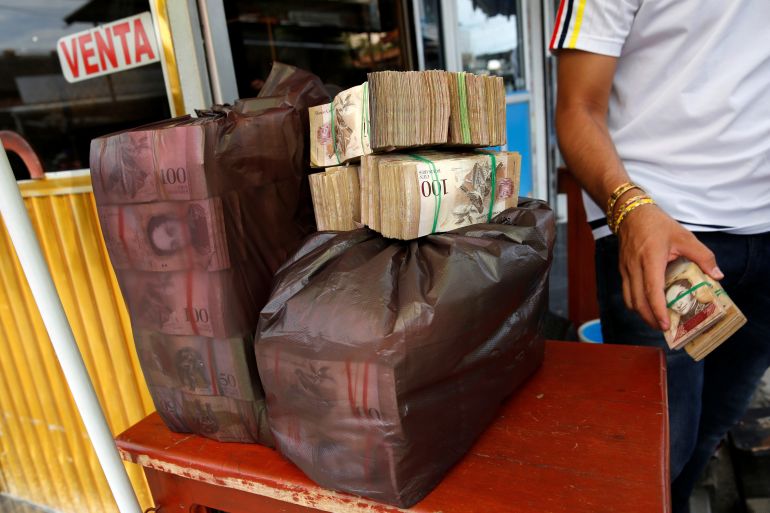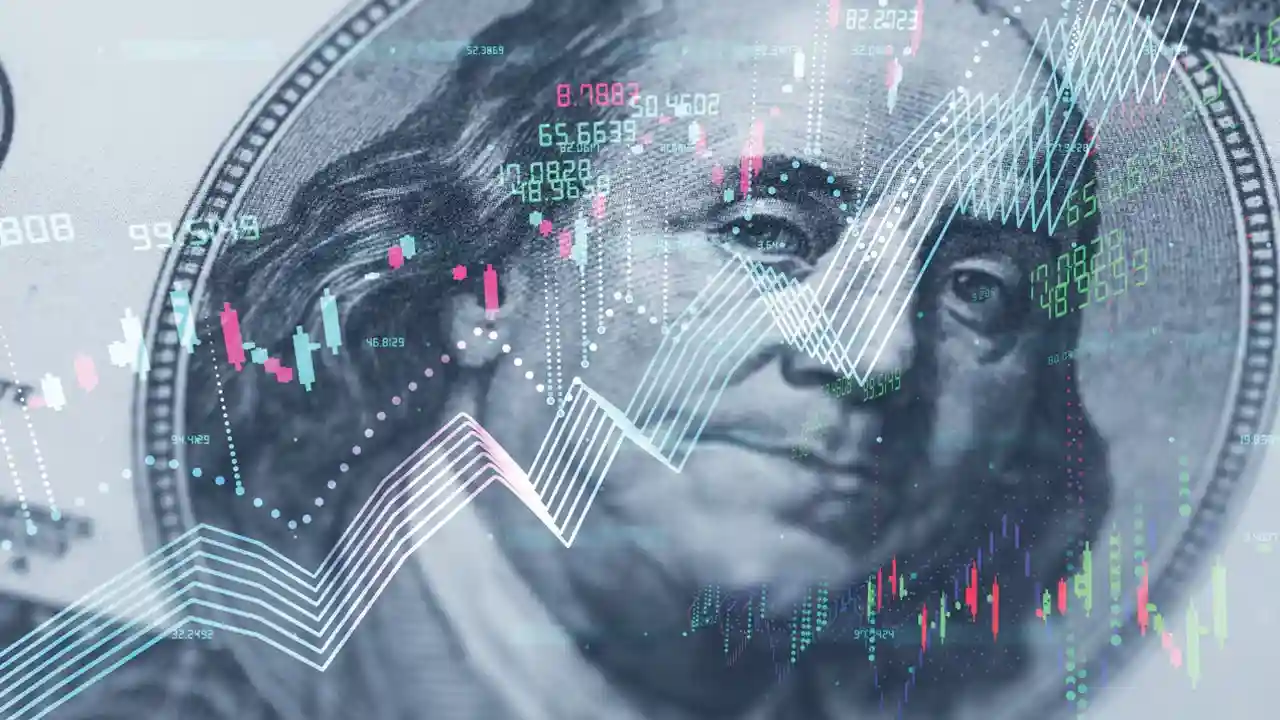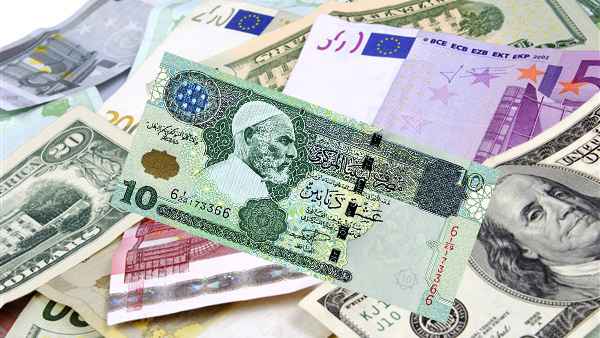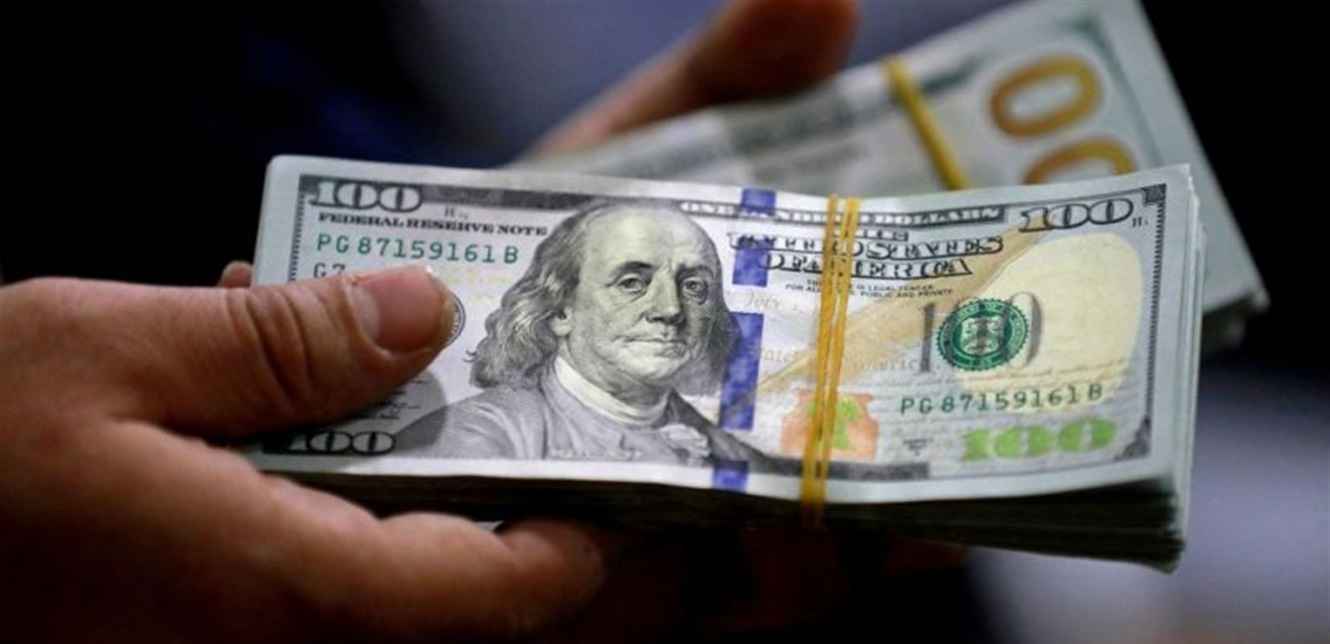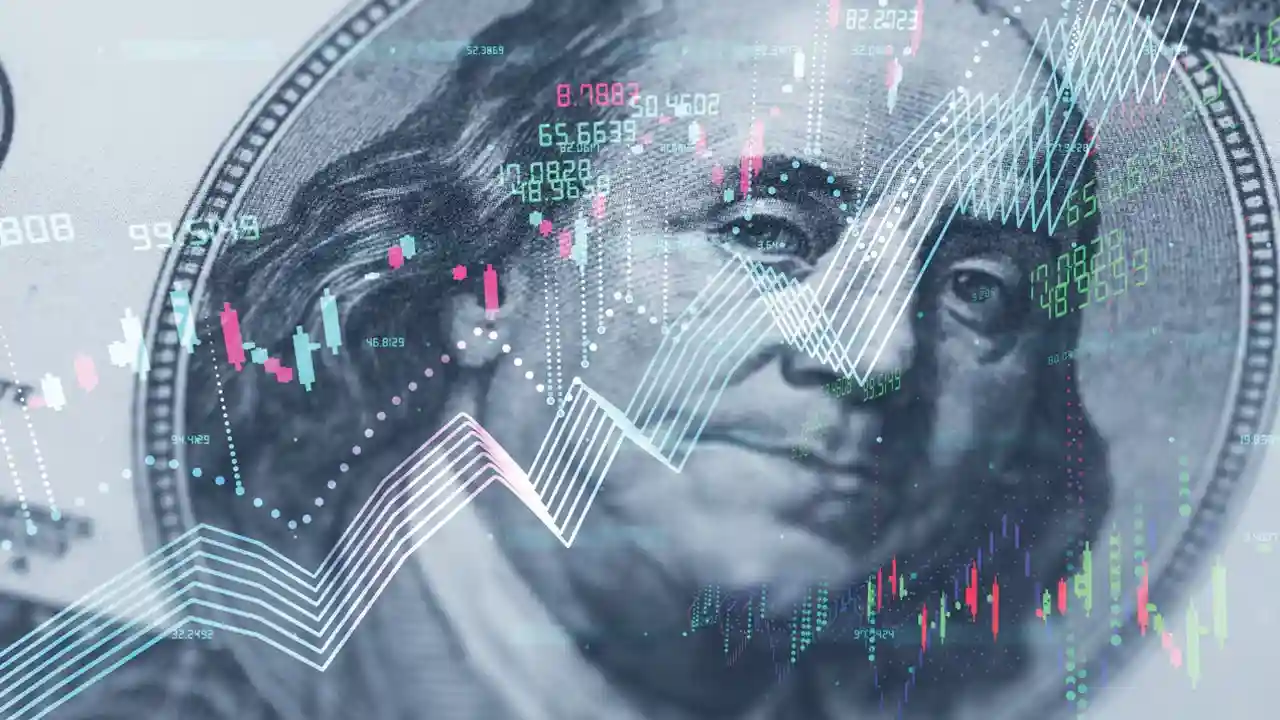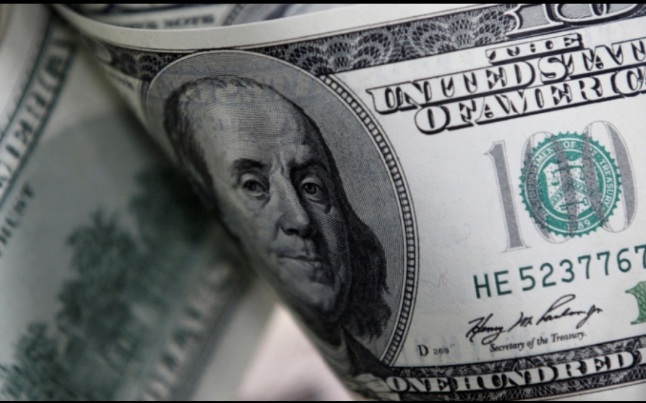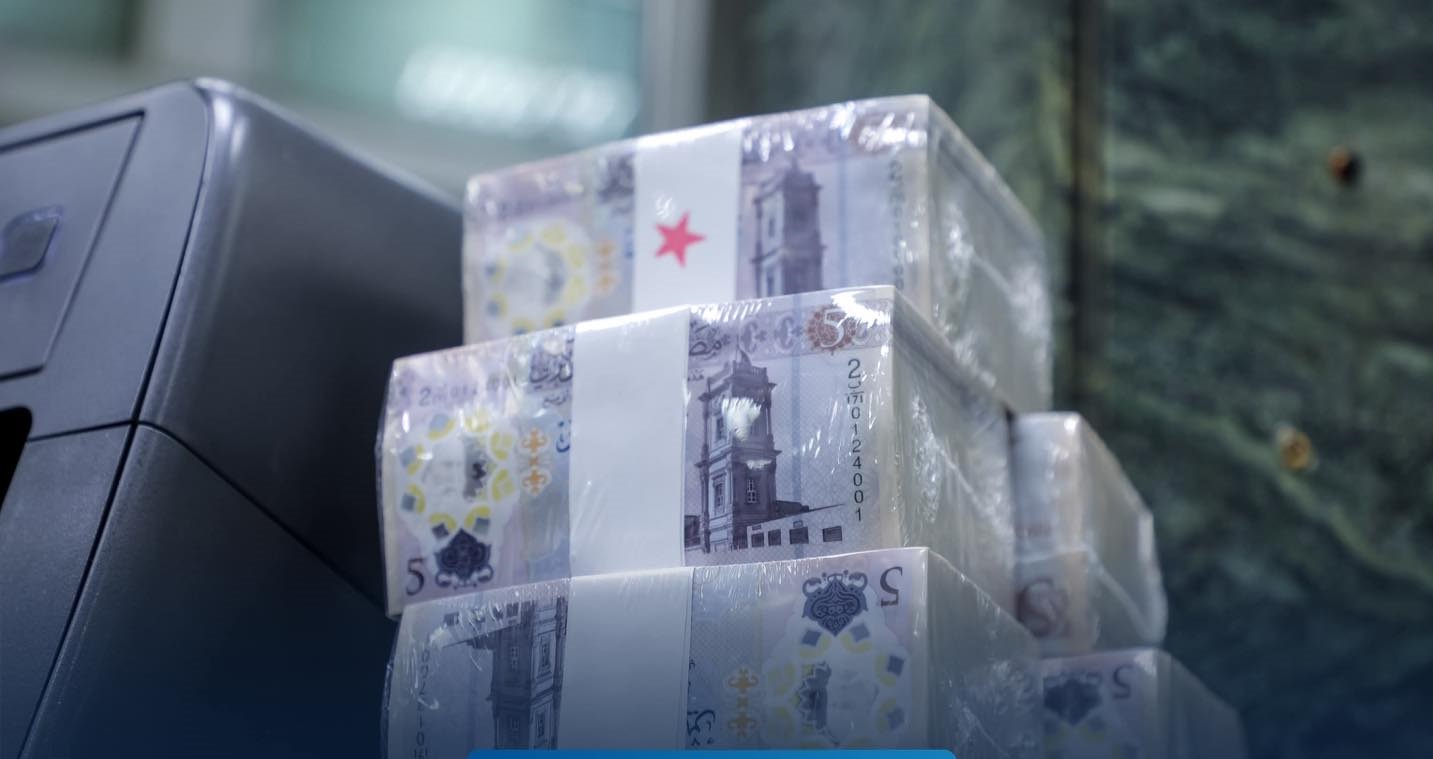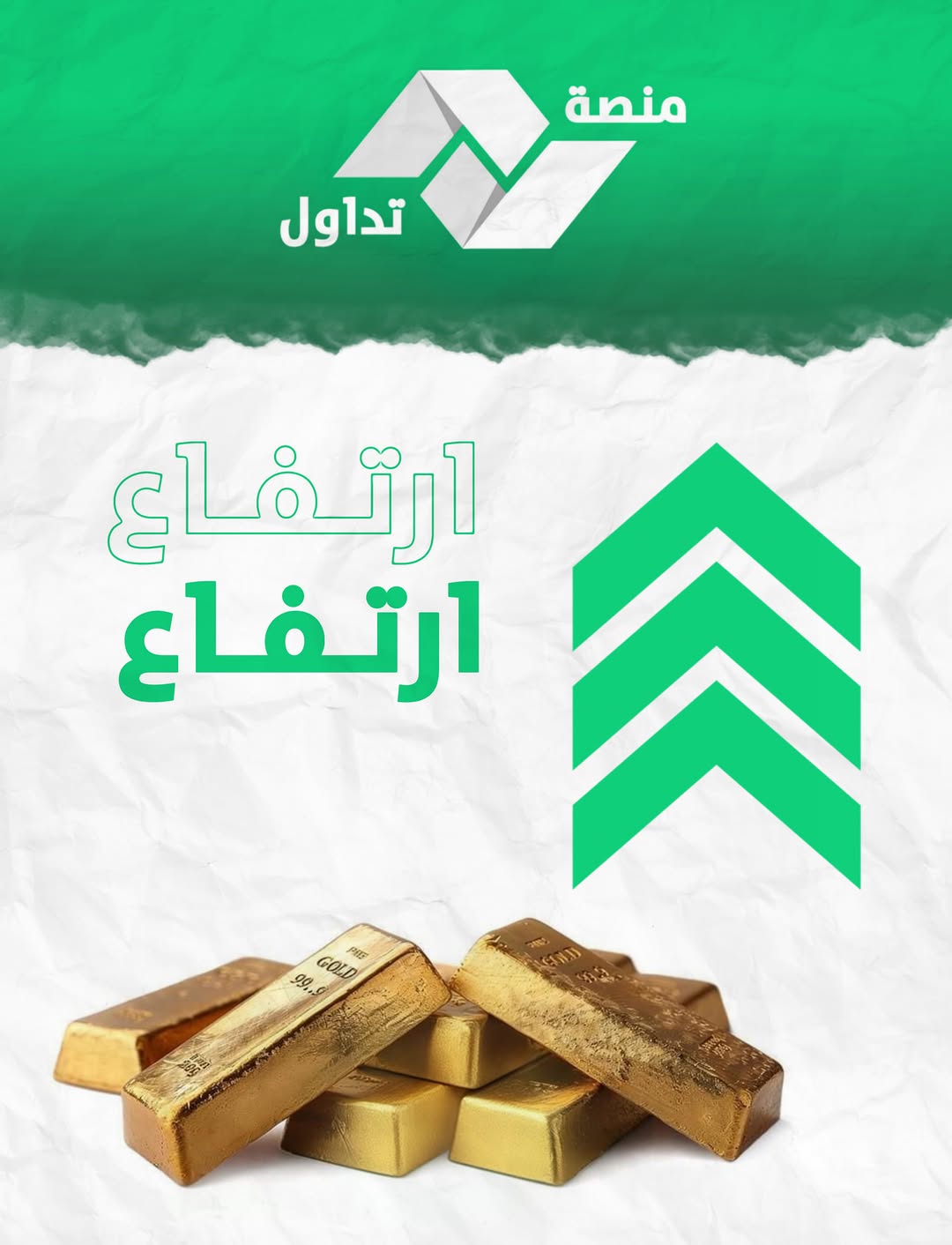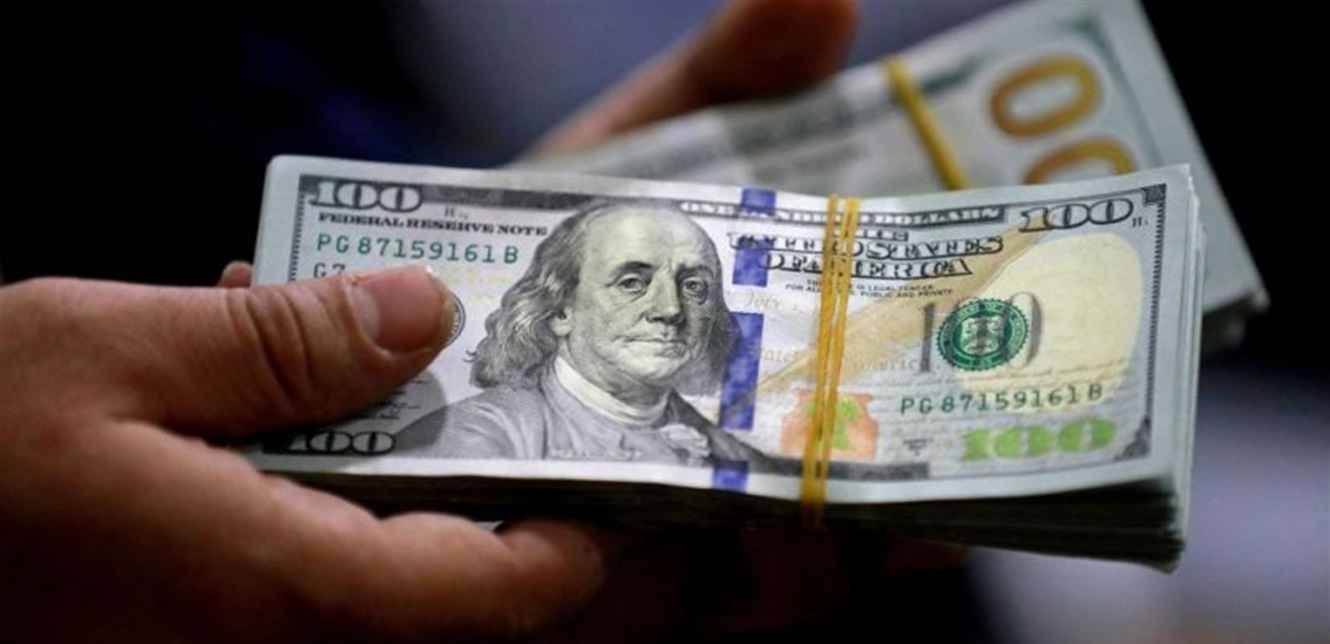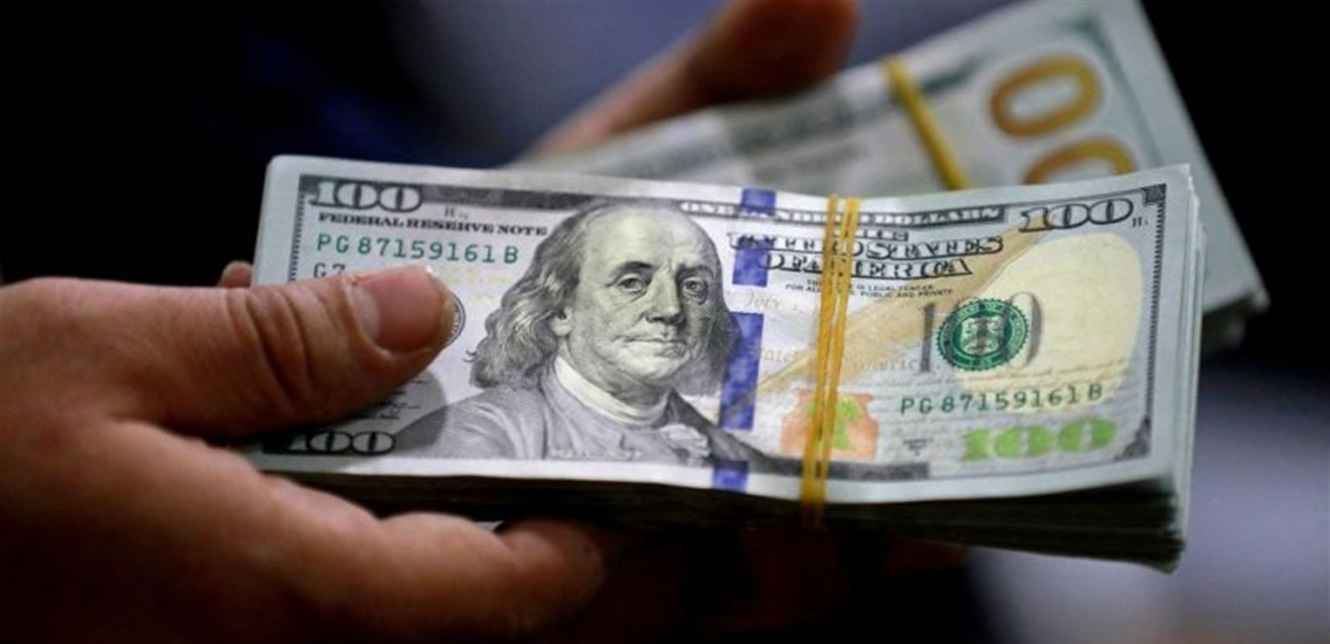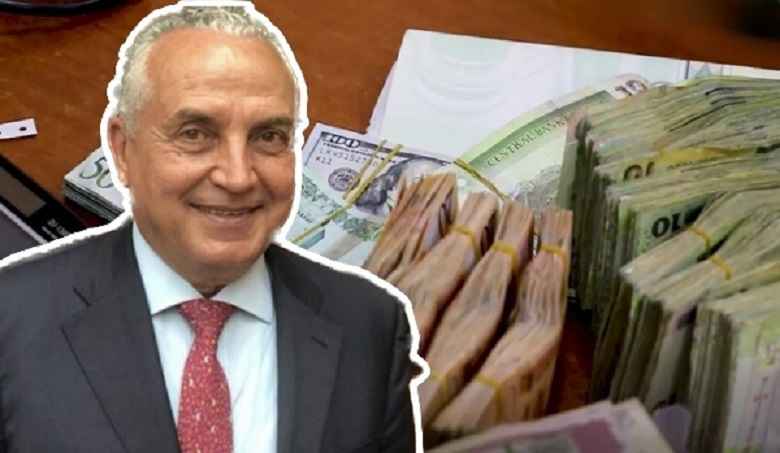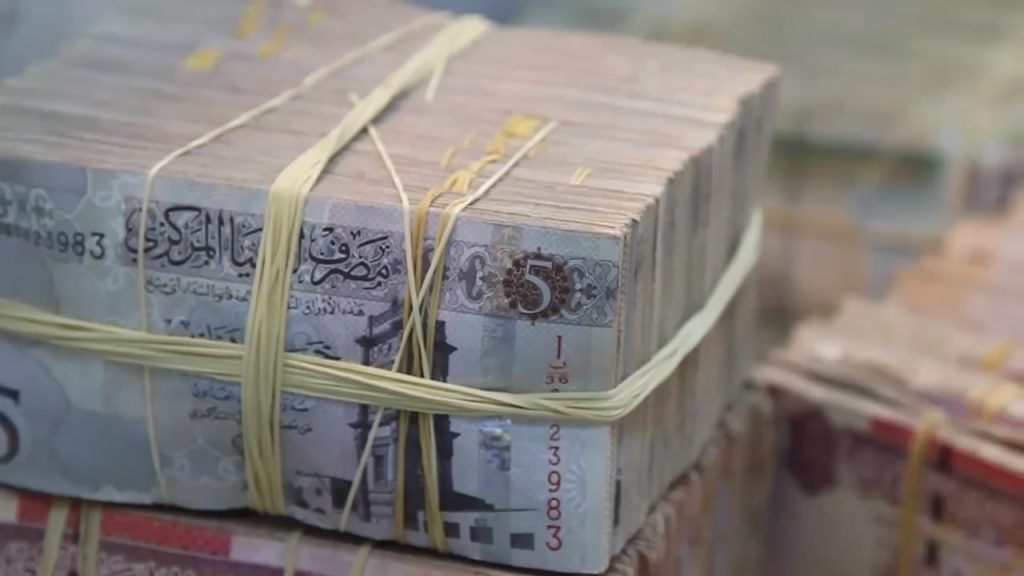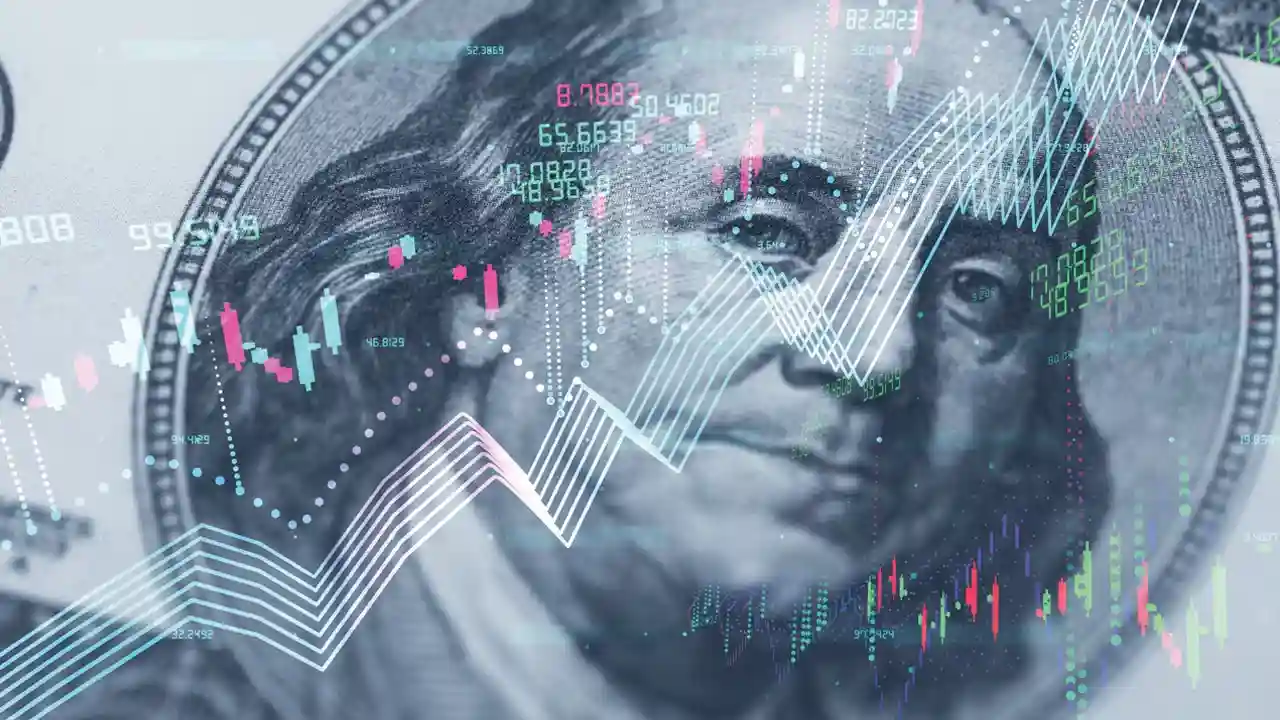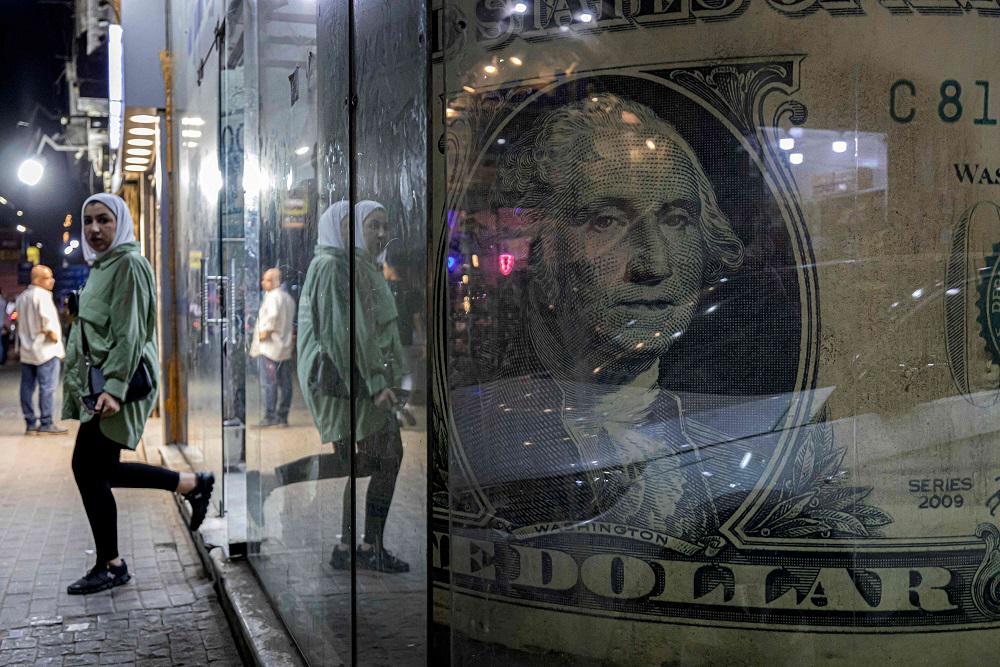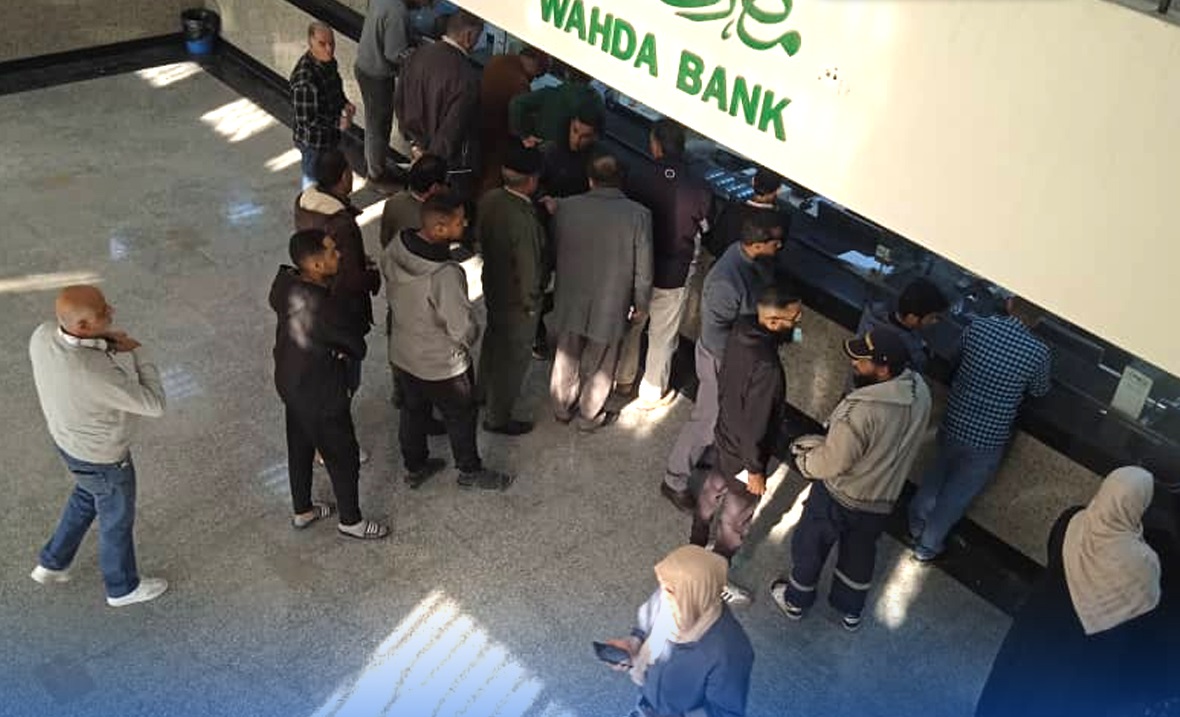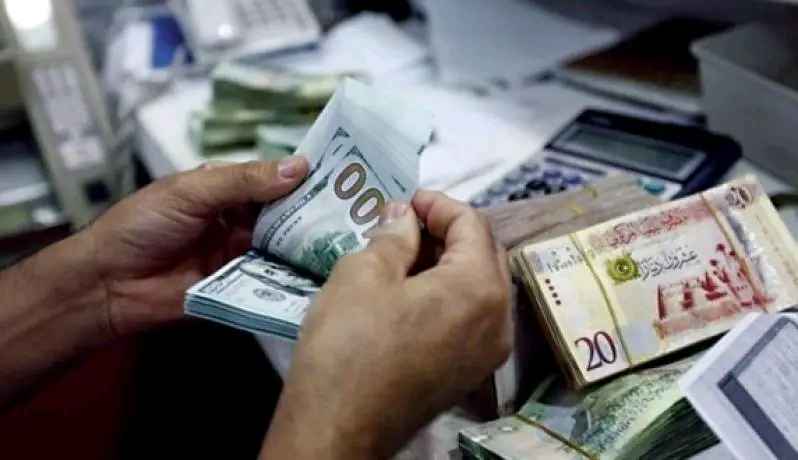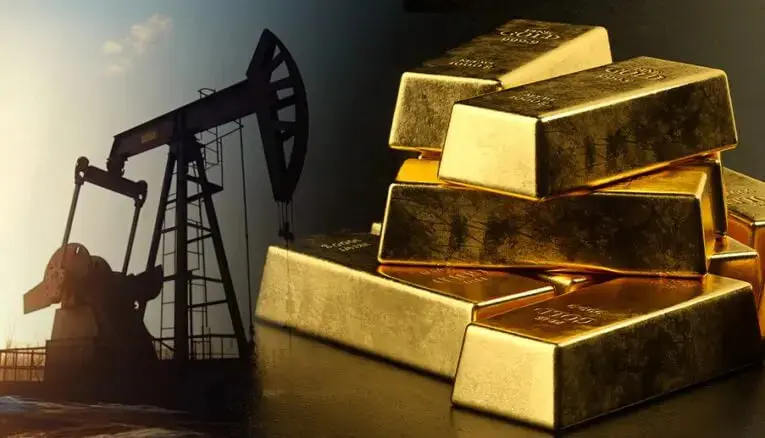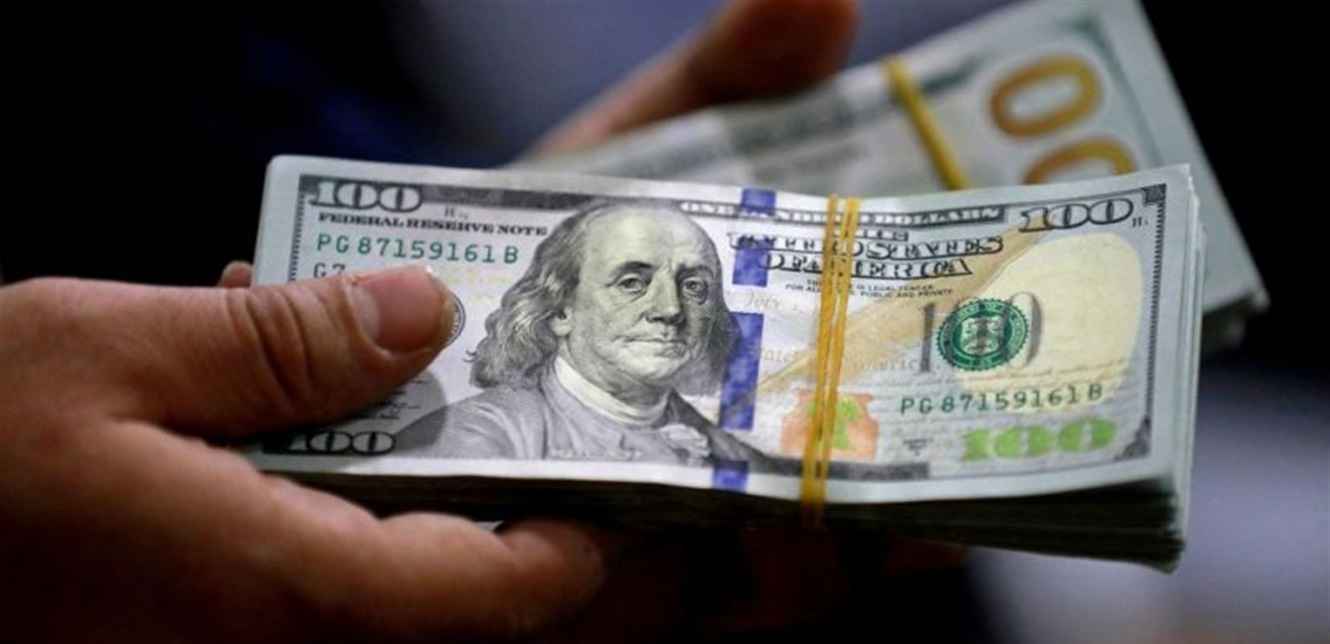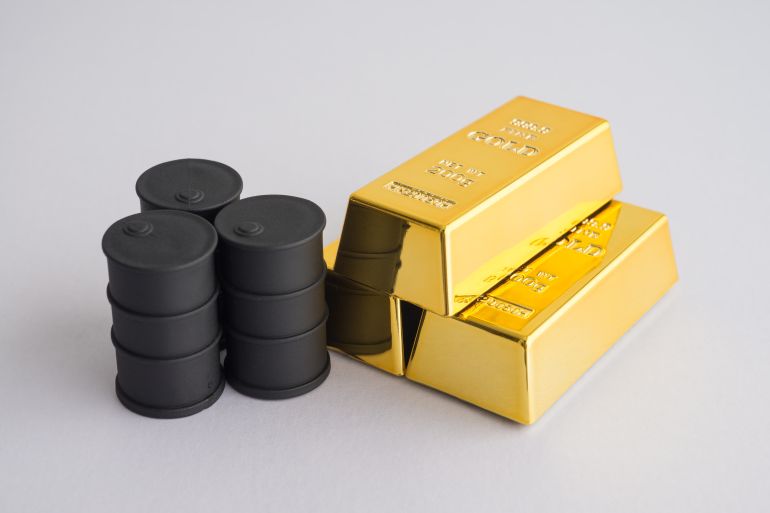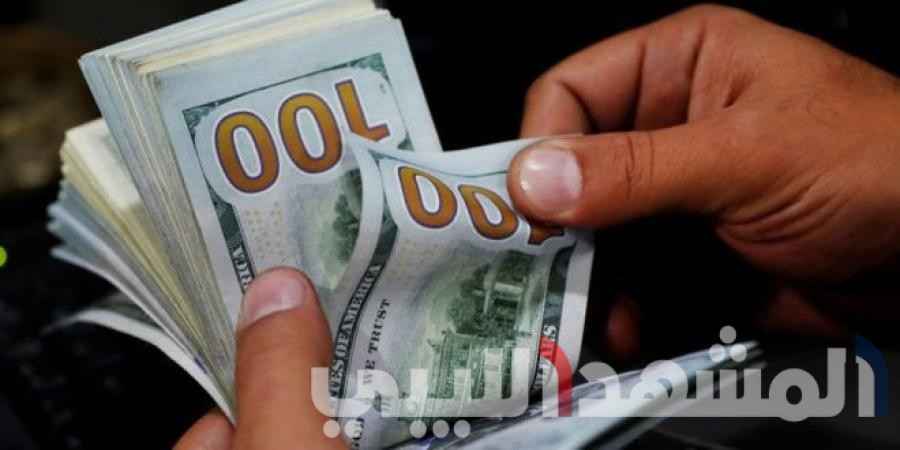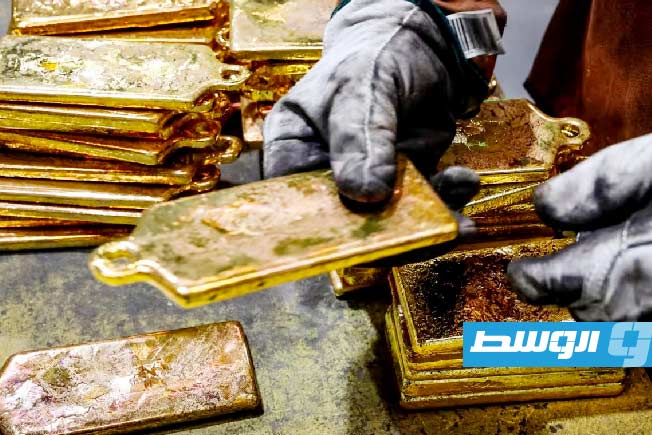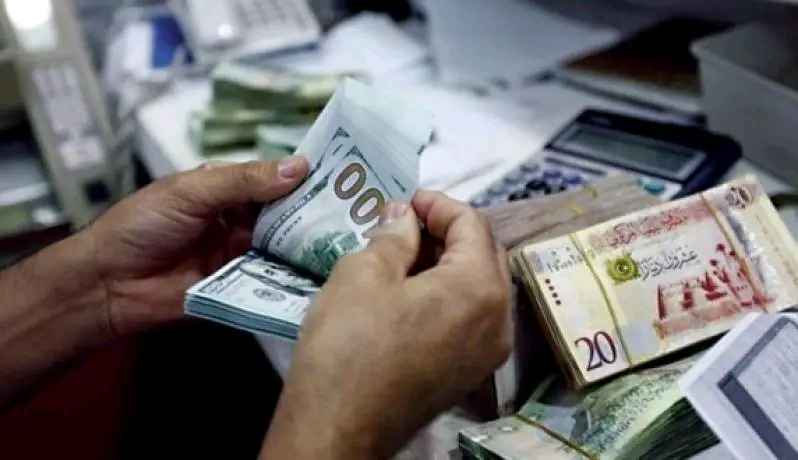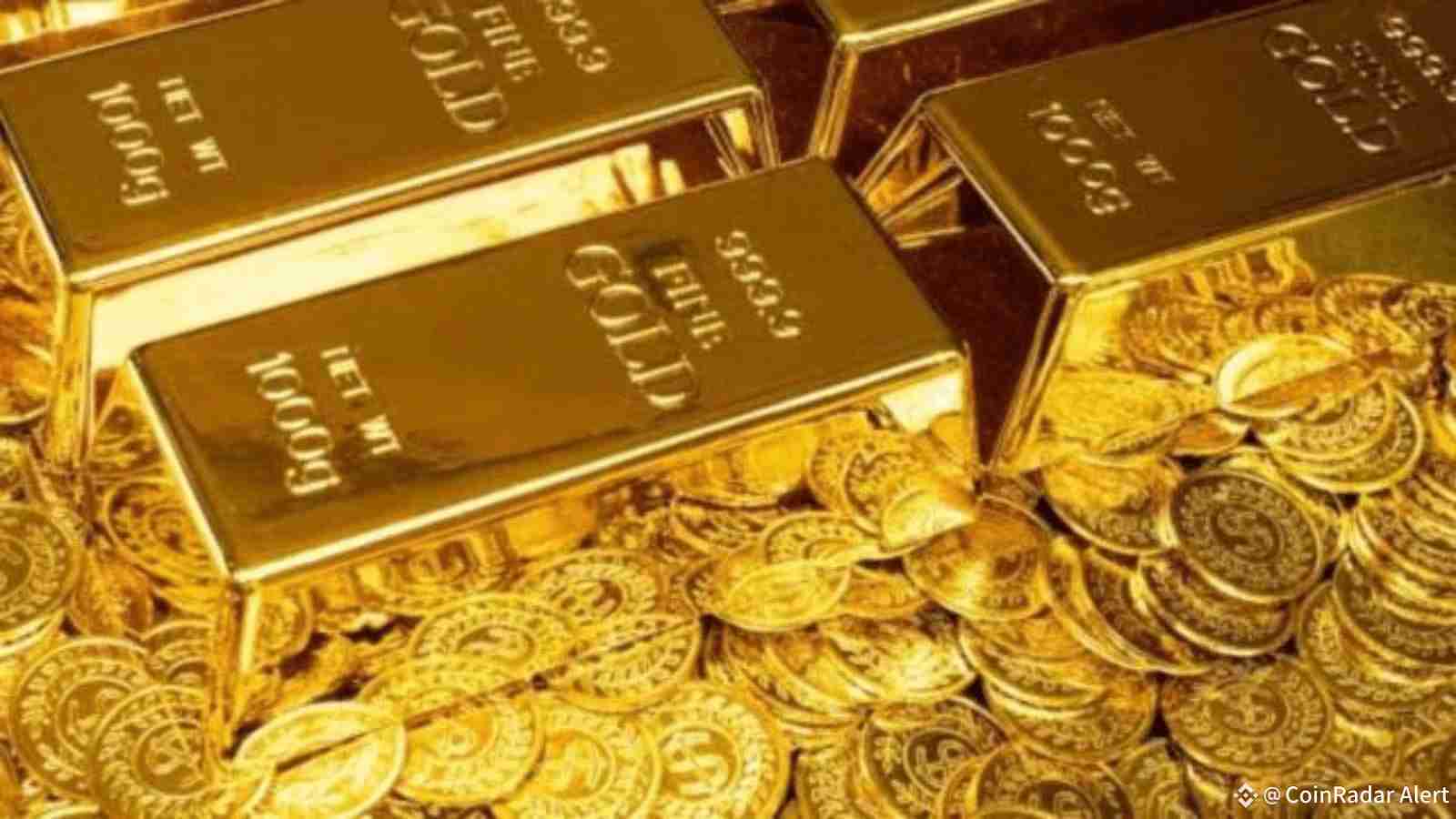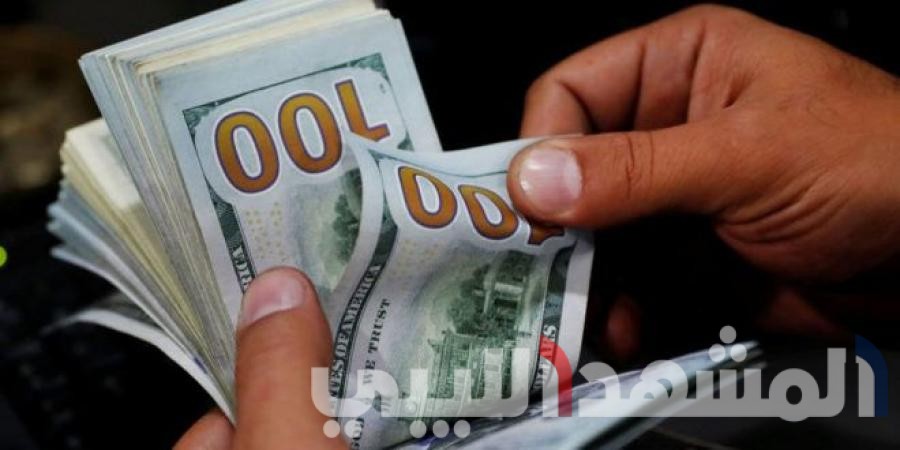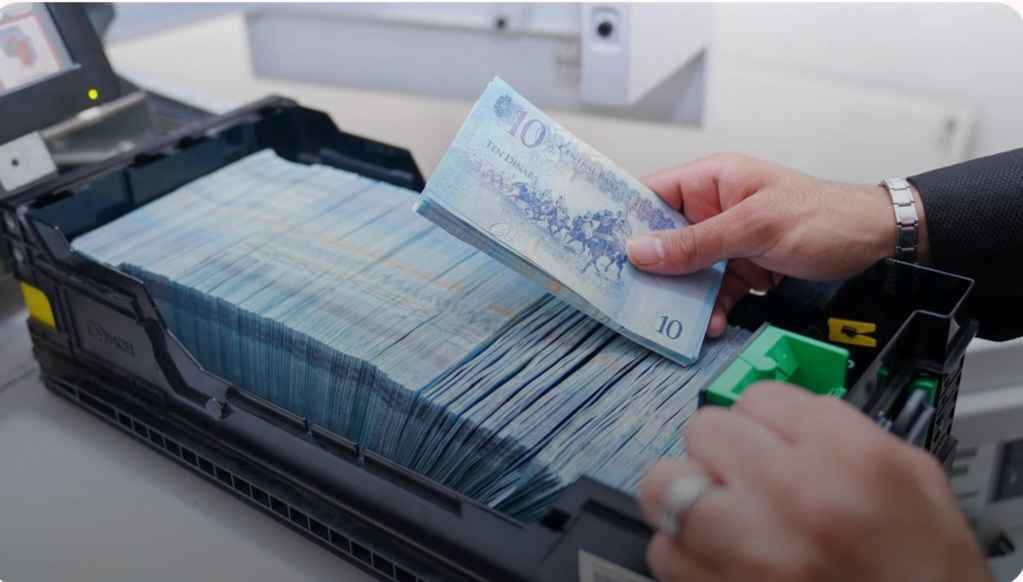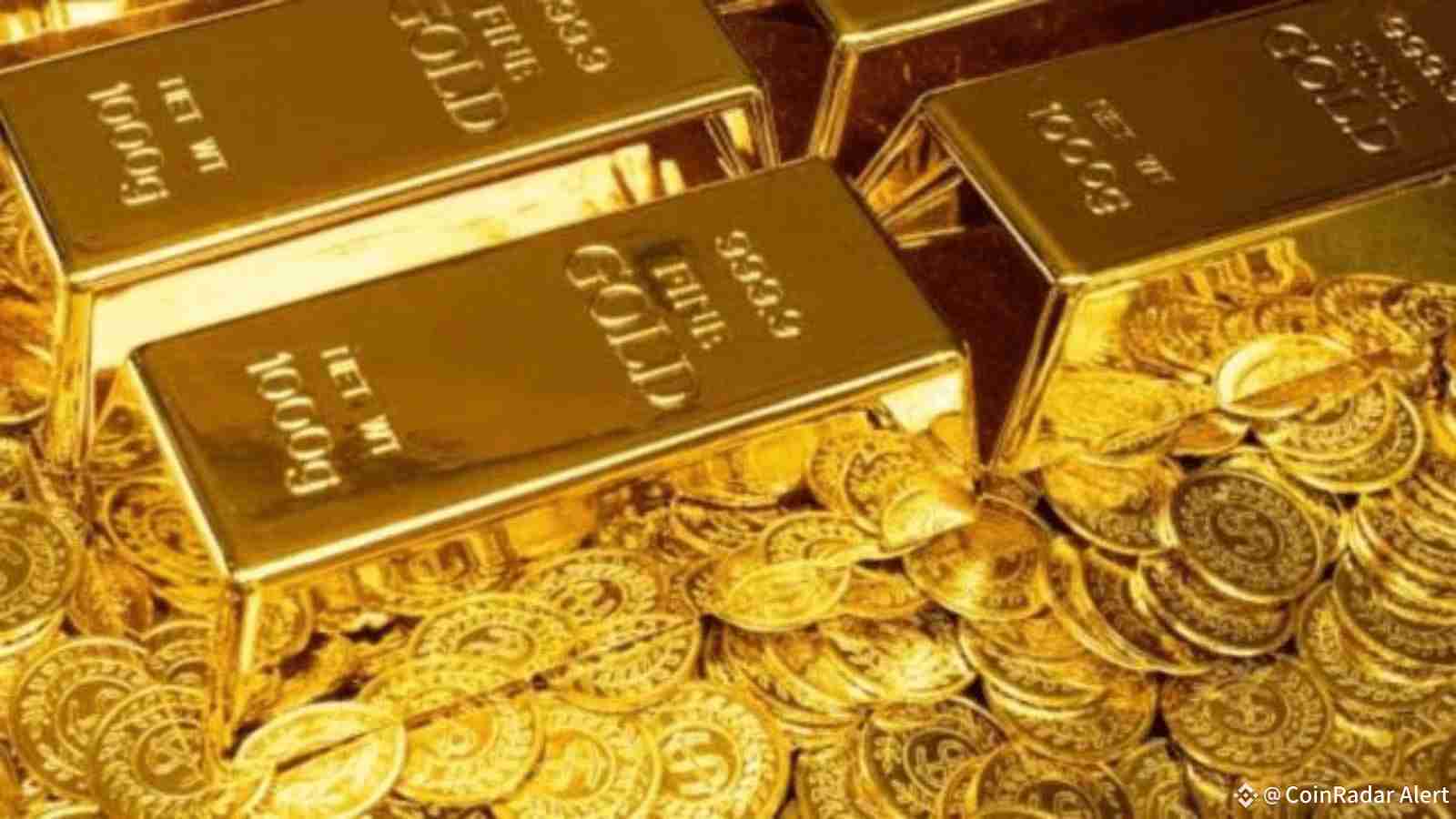
The Libyan market is witnessing a state of acute instability this Tuesday, January 27, 2026, after the global price of an ounce of gold surpassed the $5,100 barrier for the first time in history. This coincides with a new wave of increase in the dollar’s price in the parallel market, which has directly impacted local prices, which have recorded unprecedented record levels.
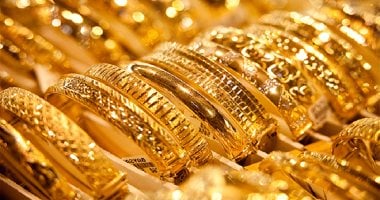
💰 Gold Prices in the Libyan Market
🔸 Scrap Gold (for sale):
- 18 karat: 1090 dinars
- 21 karat: 1271 dinars
- 22 karat: 1327 dinars
- 24 karat: 1442 dinars
🔸 Cast Gold:
- 18 karat: 1104 dinars
- 24 karat: 1458 dinars
🔸 New Gold:
- 18 karat: from 1330 dinars and above
- 21 karat: from 1470 dinars and above
💍 Used Gold:
- Price starts from 1180 dinars and up
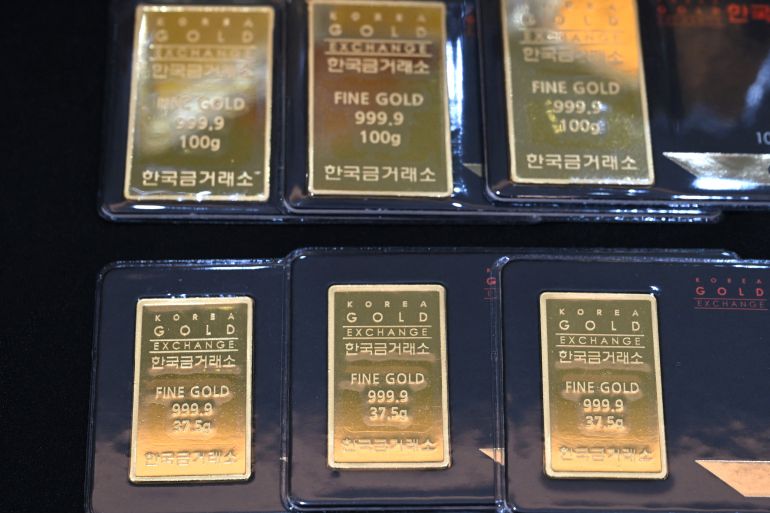
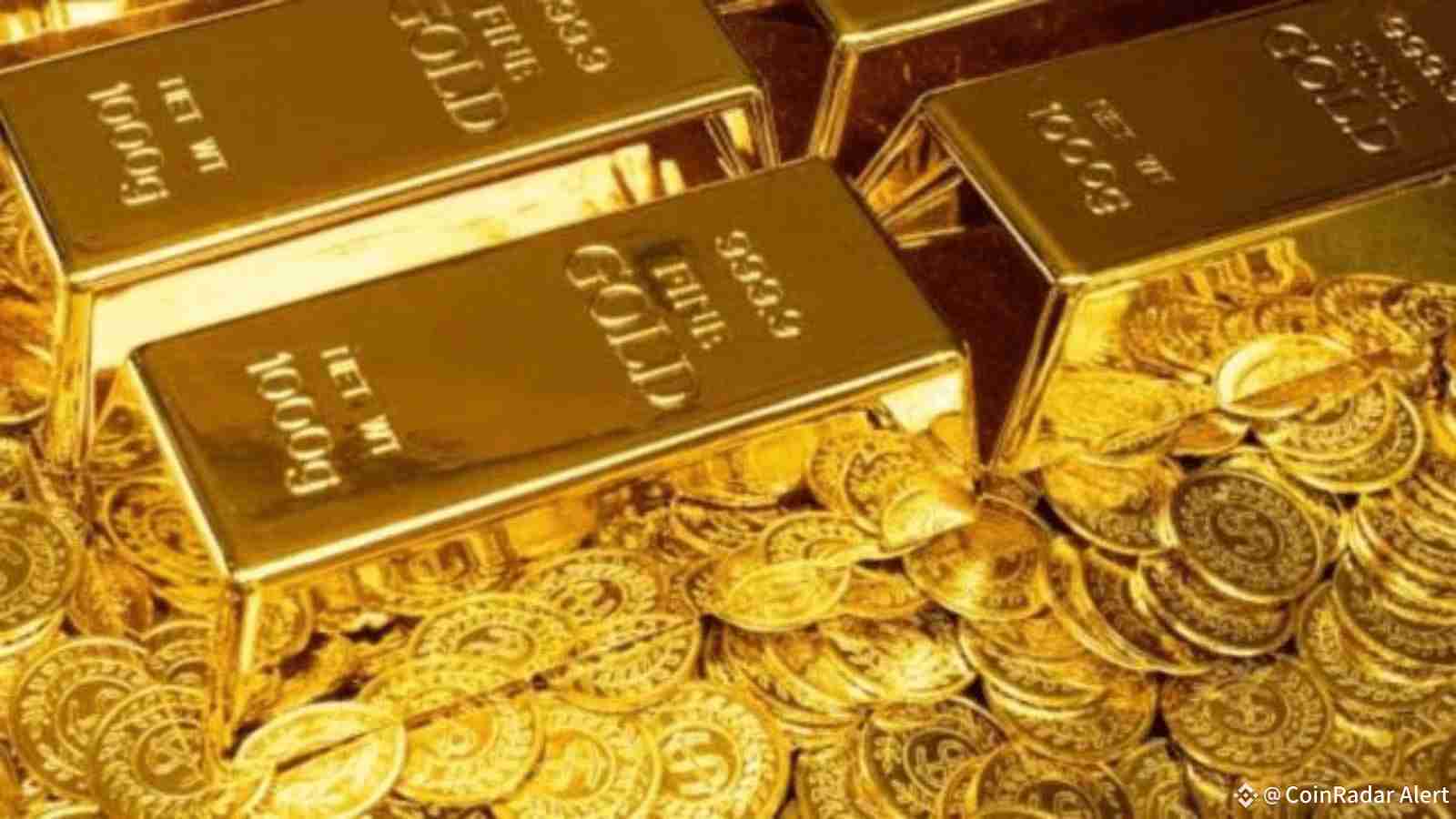
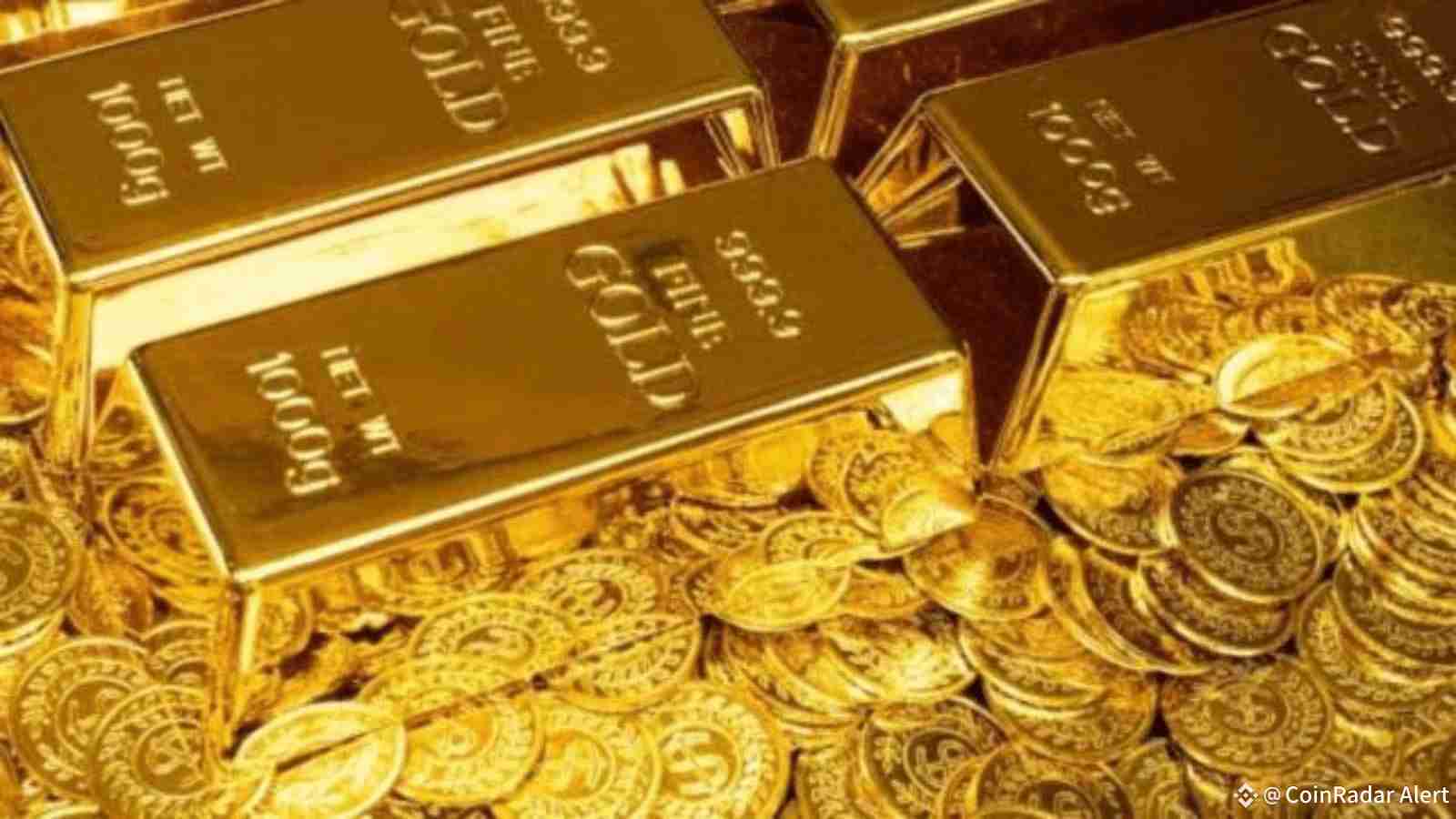
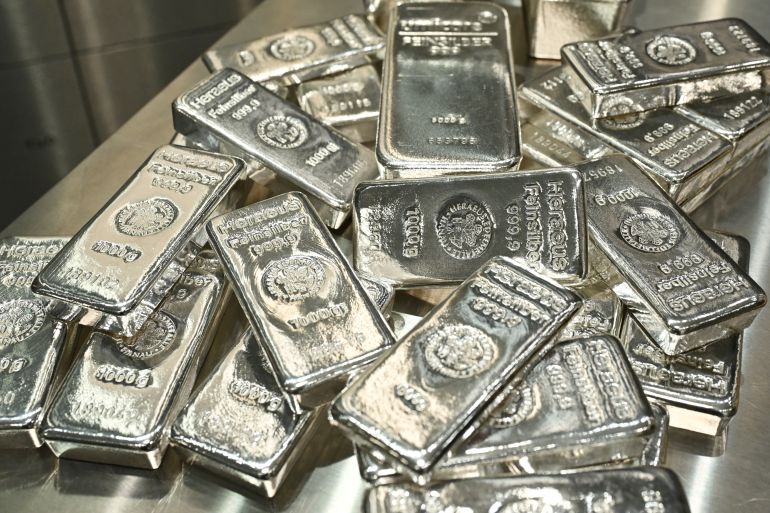
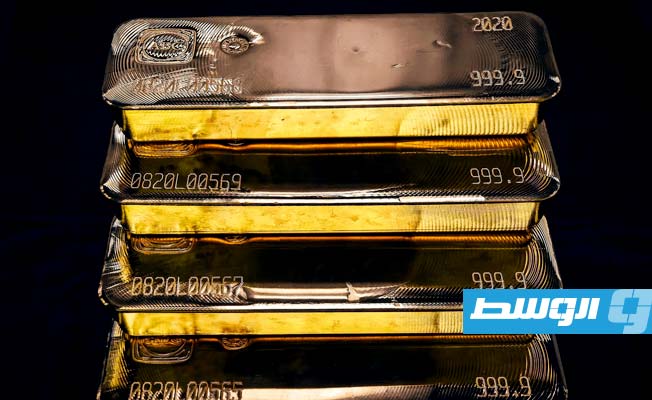
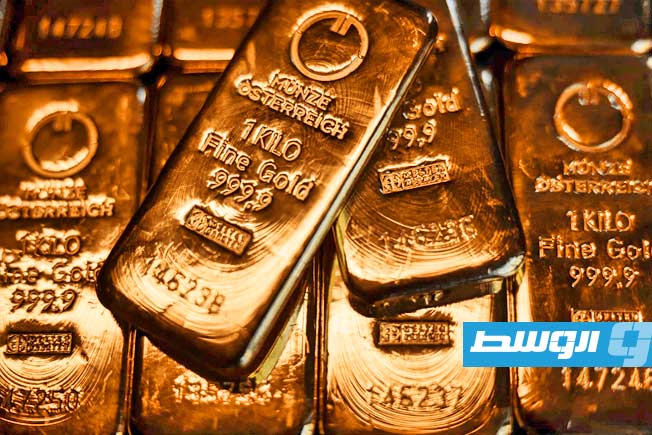
Gold Ingots (cast):
- 5 grams: 8135 dinars
- 10 grams: 16300 dinars
⚪ Scrap Silver Prices:
- Mesh: 19.0 dinars
- Chrome: 20.50 dinars
- 900 purity: 22.00 dinars
- 800 purity: 20.00 dinars
- 850 purity: 23.00 dinars
Price depends on the weight of the goods and the strength of the purity.
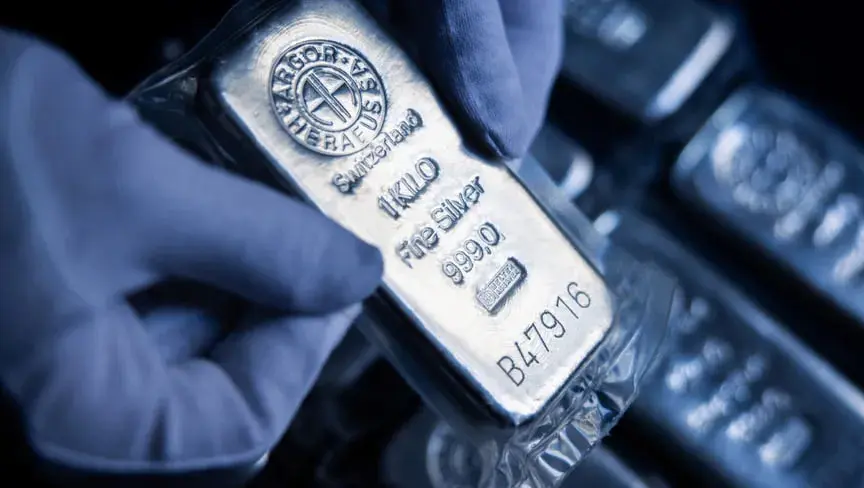
🧊 Silver Ingots (Turkish – rare):
- Price starts from 37400 dinars
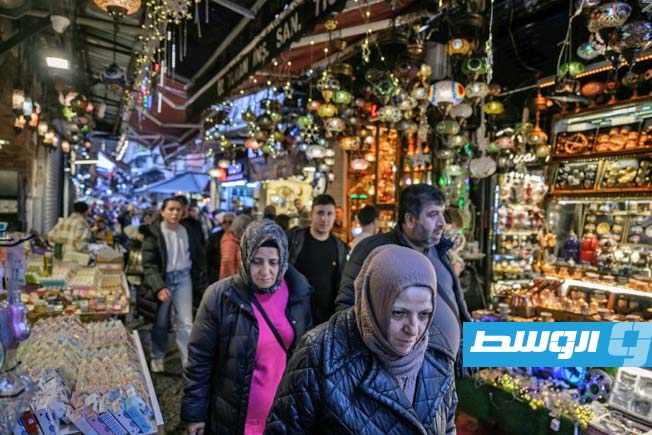
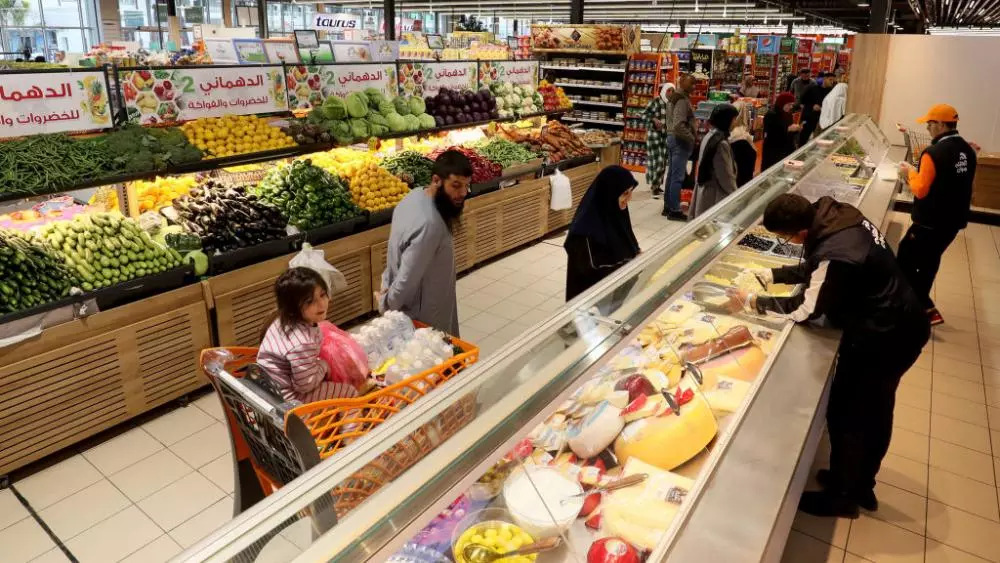
Libyan market
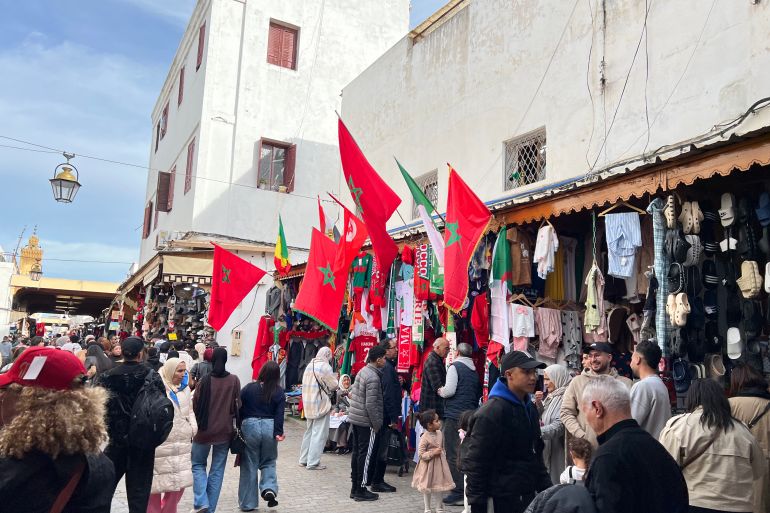
The Libyan market, often referred to locally as a *souk*, is a traditional marketplace central to daily commerce and social life, historically organized around trade in goods like spices, textiles, and handicrafts. These markets have served for centuries as vital hubs along trans-Saharan trade routes, reflecting a blend of Berber, Arab, and Mediterranean influences in their architecture and goods.
dollar
The dollar is the official currency of the United States, with its history tracing back to the adoption of the Coinage Act of 1792. The name originates from the historical “thaler,” a silver coin used throughout Europe for centuries.
gold
Gold is not a specific place or cultural site, but a precious metal that has been mined and treasured by civilizations worldwide for thousands of years. Historically, its discovery has driven exploration, economic systems like the gold standard, and significant cultural events such as gold rushes. It holds deep symbolic value in art, religion, and as a store of wealth across many cultures.
scrap gold
“Scrap gold” is not a specific place or cultural site, but a term for gold items that are sold for their raw material value, often to be melted down and recycled. Historically, the practice of recycling gold has been common for centuries, as gold retains its value and can be repurposed without loss of quality.
cast gold
“Cast gold” refers to objects created by pouring molten gold into a mold, a technique used for millennia to produce intricate jewelry, religious artifacts, and ceremonial items across many ancient cultures, including those of Egypt, Mesoamerica, and the Mediterranean. This method allowed for the mass production and preservation of detailed designs, playing a significant role in art, trade, and the expression of power and belief.
new gold
“New Gold” likely refers to the New Gold Mine in South Africa, which was established in the late 19th century during the Witwatersrand Gold Rush. It became one of the world’s most significant gold-producing areas, driving rapid industrialization and profoundly shaping the region’s economic and social history.
used gold
“Used gold” refers to recycled or second-hand gold, often melted down and repurposed from jewelry, coins, or industrial sources. This practice has ancient roots, as gold’s non-corrosive nature has allowed it to be reused throughout history in new artifacts, currencies, and adornments. Today, it plays a significant role in the sustainable gold supply chain and the circular economy.
gold ingots
Gold ingots are metal bars, typically made of gold, that have been used for centuries as a form of currency, a store of value, and a symbol of wealth. Historically, they were a key medium of exchange in many ancient and pre-modern economies, often shaped by official mints to guarantee purity and weight. While no longer common in daily transactions, gold ingots remain a fundamental asset in global financial reserves and private investment.
scrap silver
“Scrap Silver” is not a recognized place or cultural site, but rather a term referring to old or discarded silver items that are often melted down for their bullion value. Historically, silver scrap has been a source of material for coinage and new silverware, particularly during periods of silver shortage or economic need.
silver ingots
Silver ingots were historically used as a form of currency and store of value in various cultures, most notably in ancient China where they were often shaped as sycee. They played a crucial role in trade and taxation, especially during the Ming and Qing dynasties. Today, they are primarily collected as antiques and symbols of historical wealth.
Turkish
Turkey is a transcontinental country located at the crossroads of Europe and Asia, with a rich history spanning from ancient civilizations like the Hittites and Byzantines to the powerful Ottoman Empire, which was succeeded by the modern Republic of Turkey in 1923. Its cultural heritage is a unique blend of these diverse influences, visible in its architecture, cuisine, and traditions.