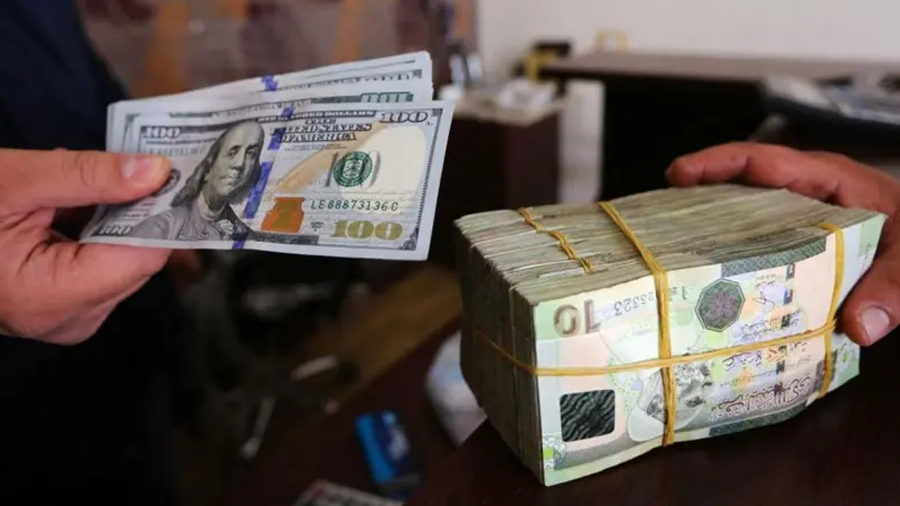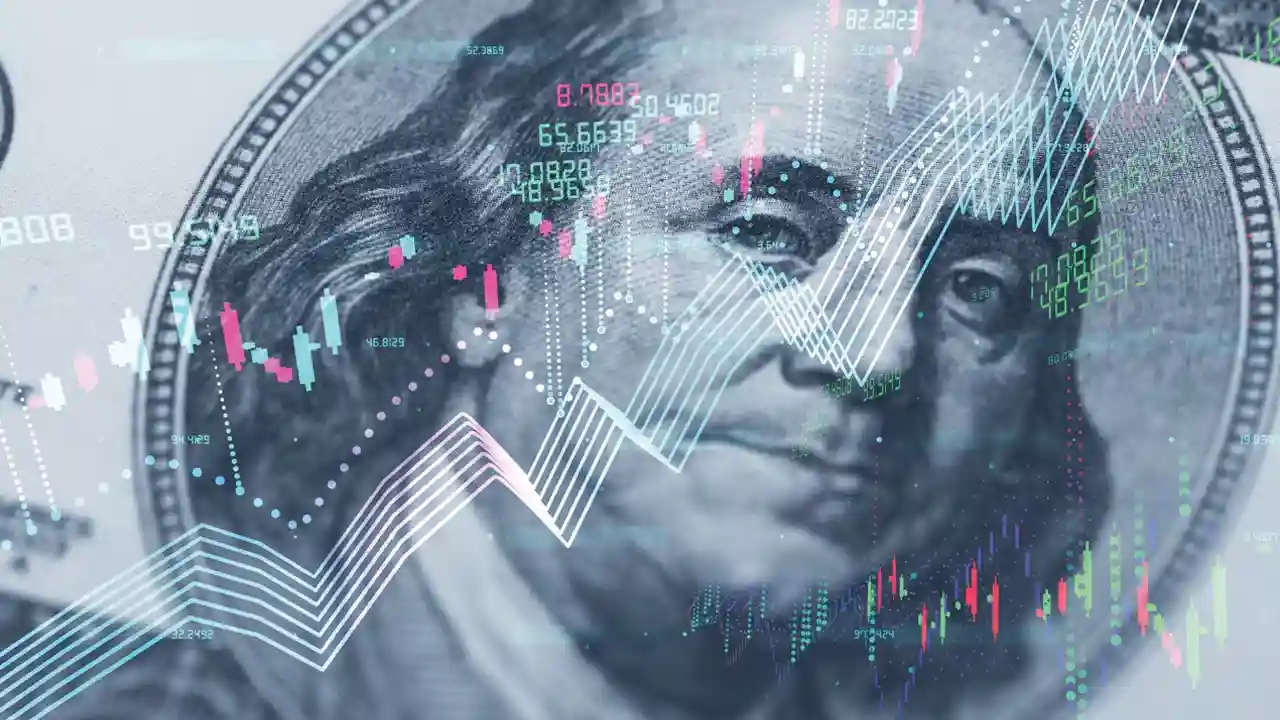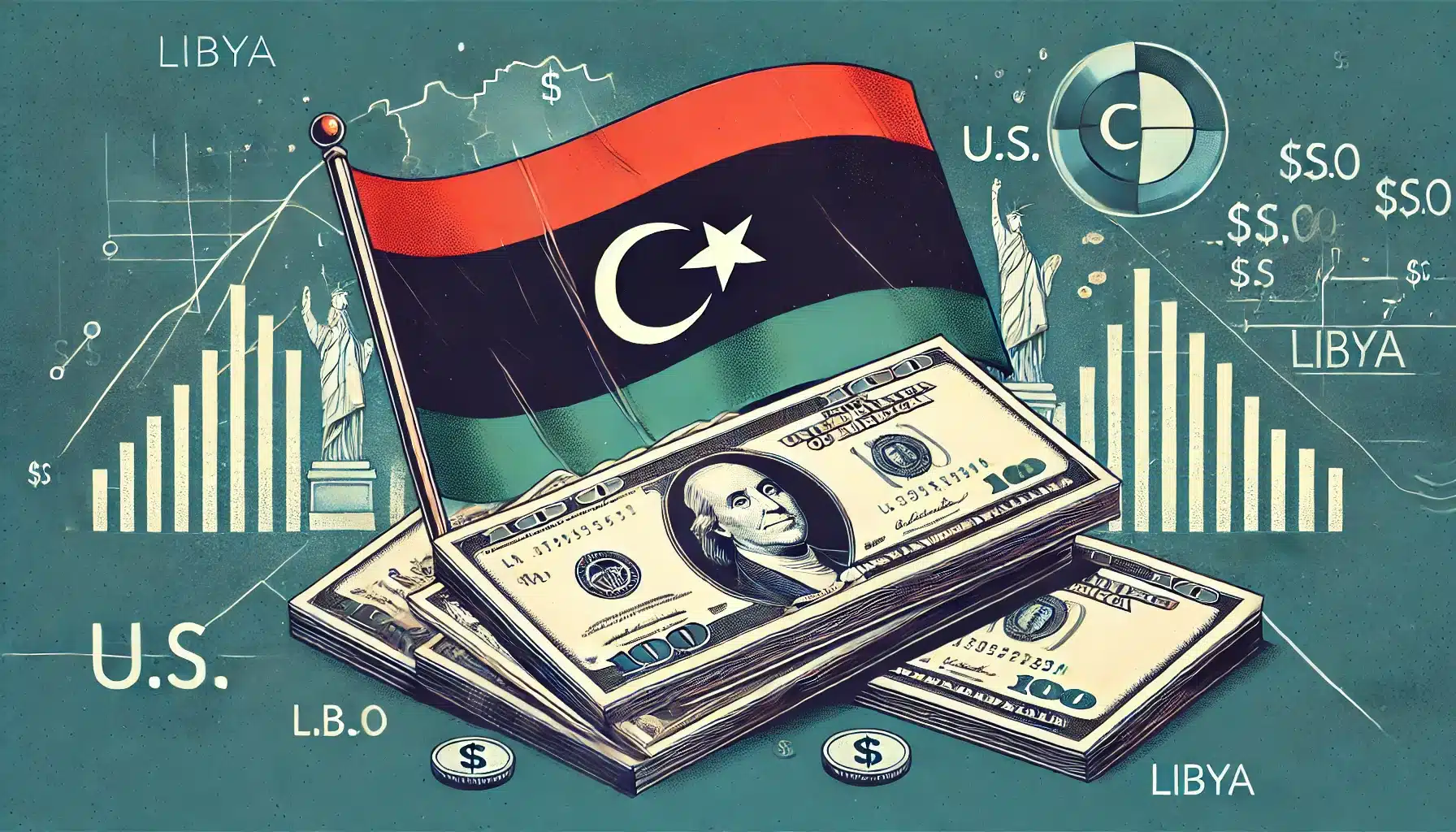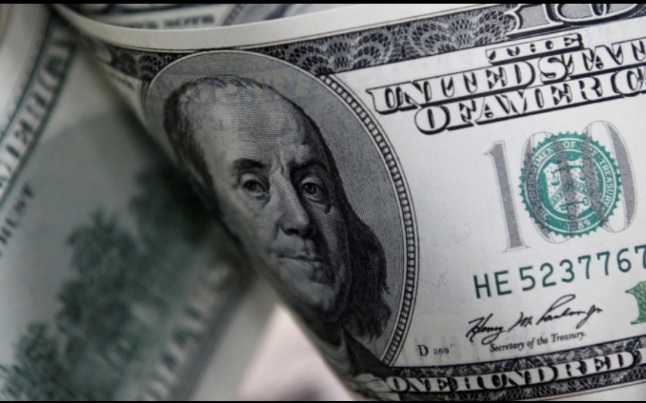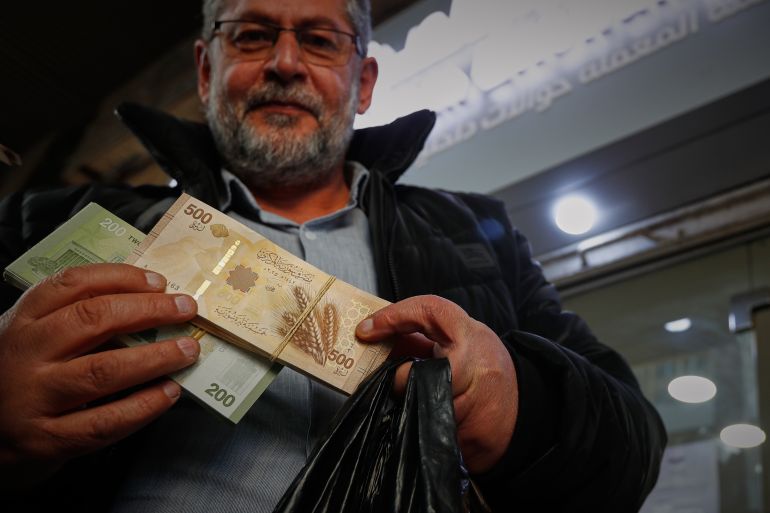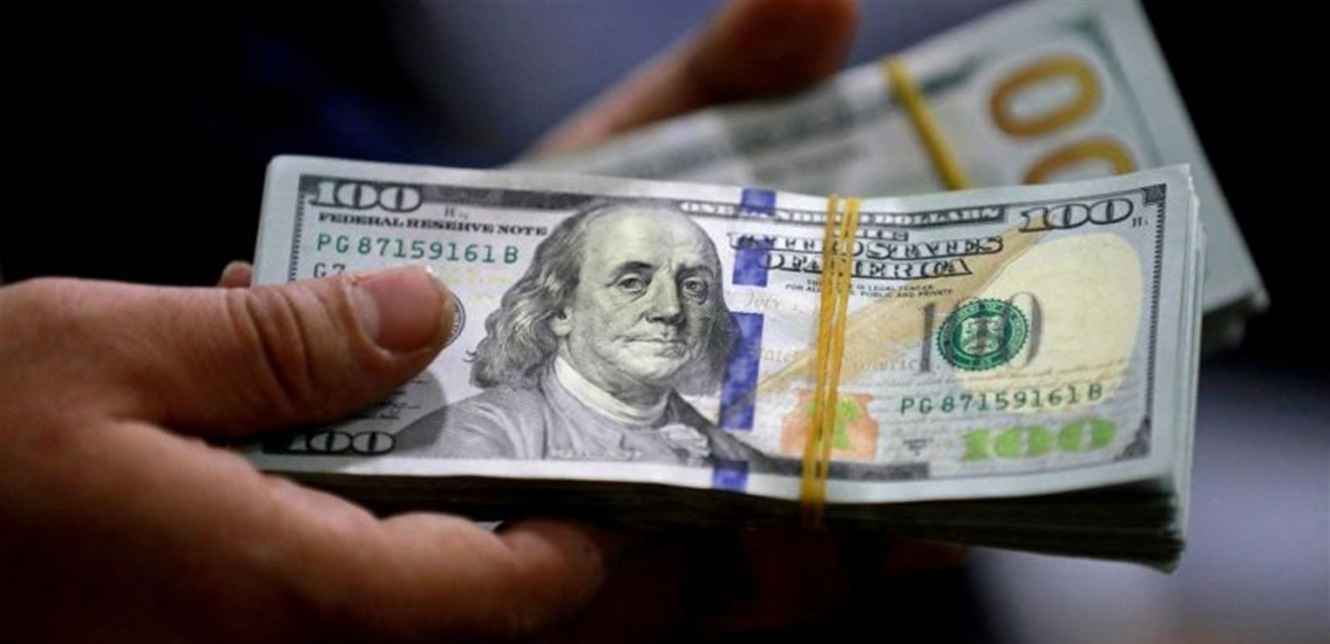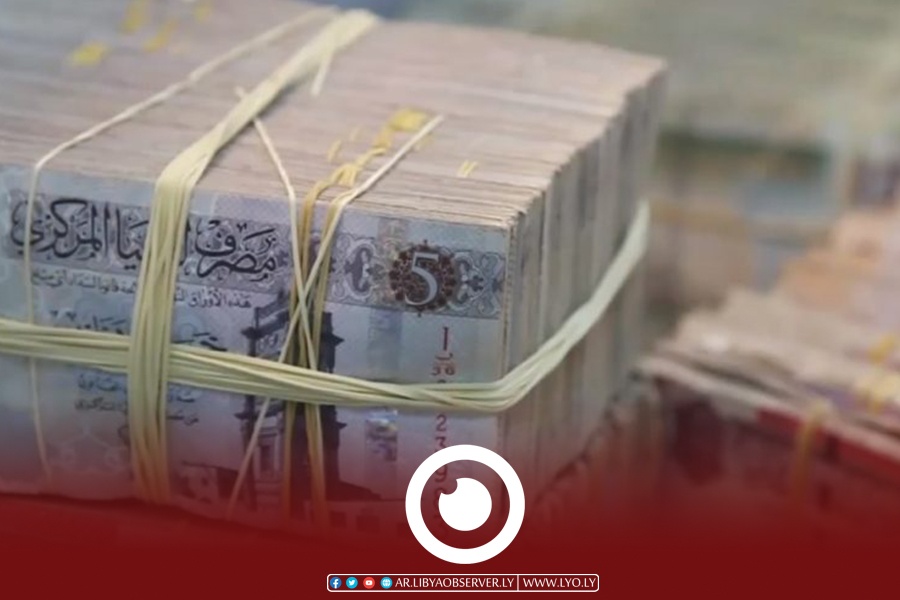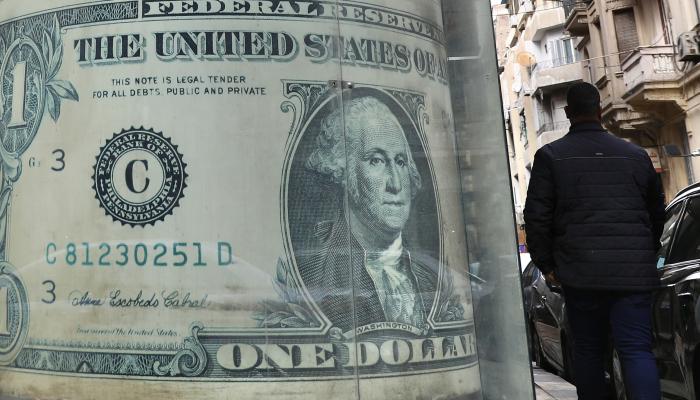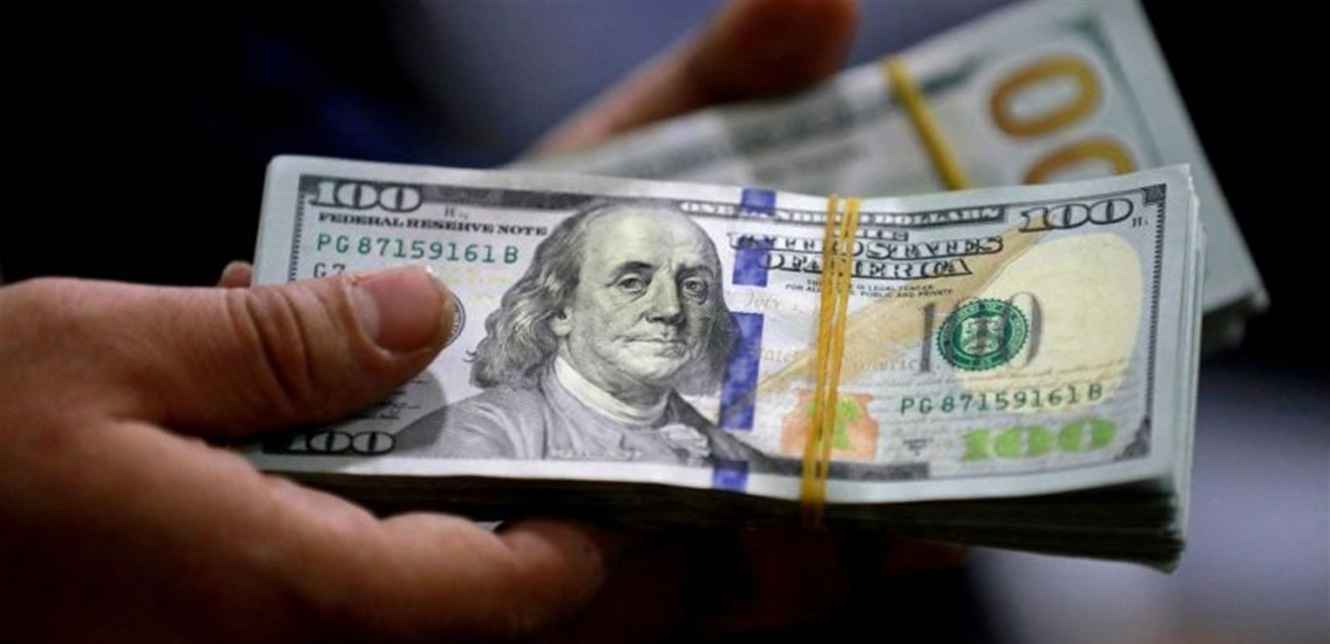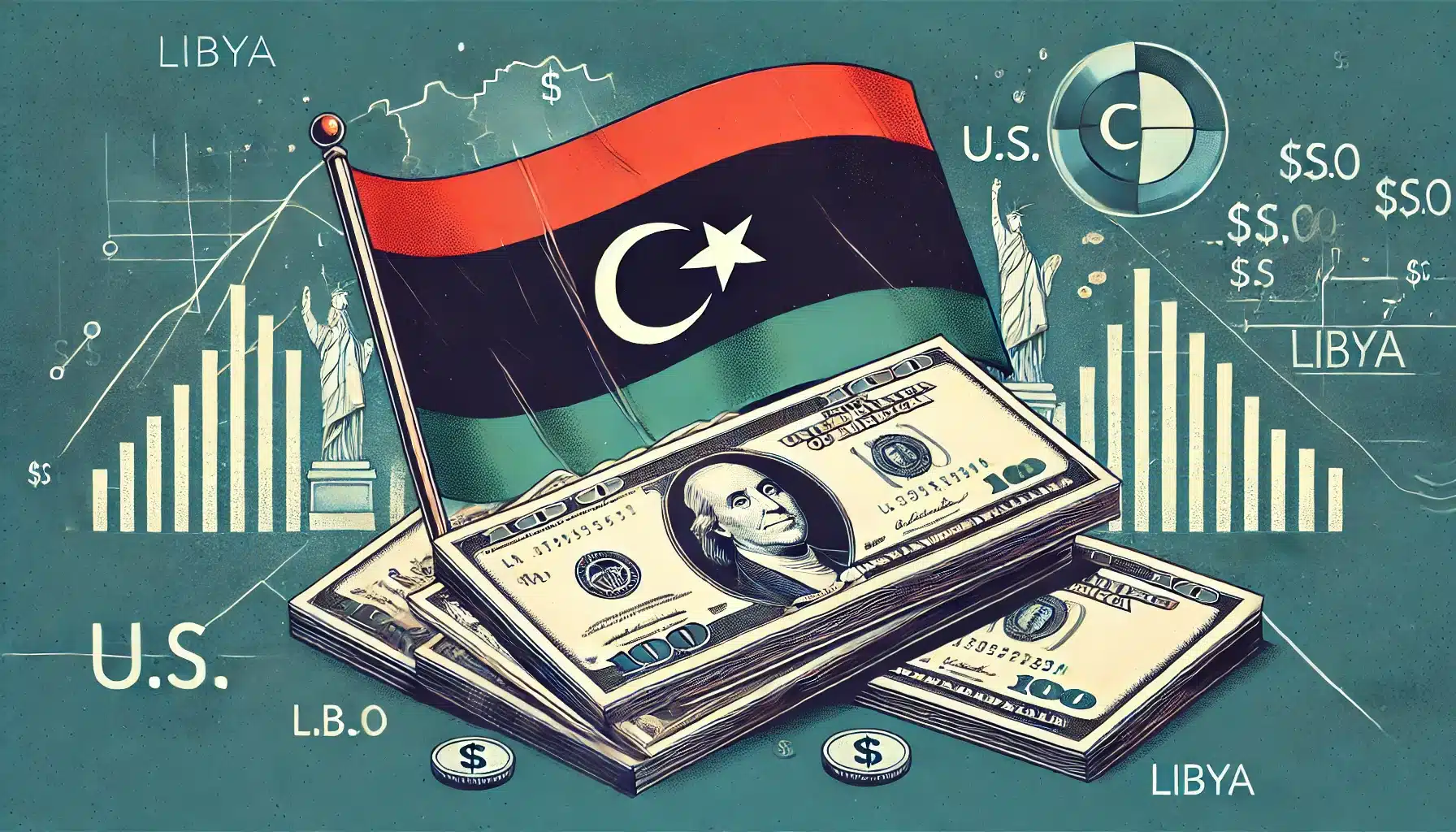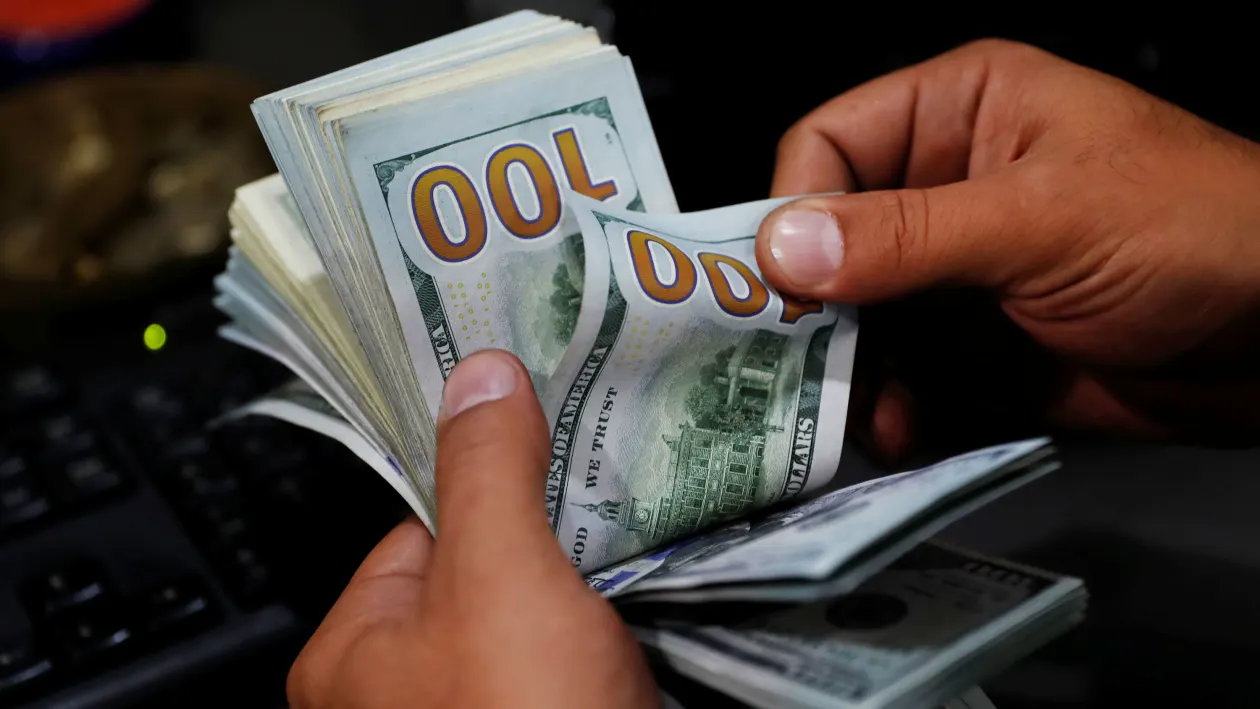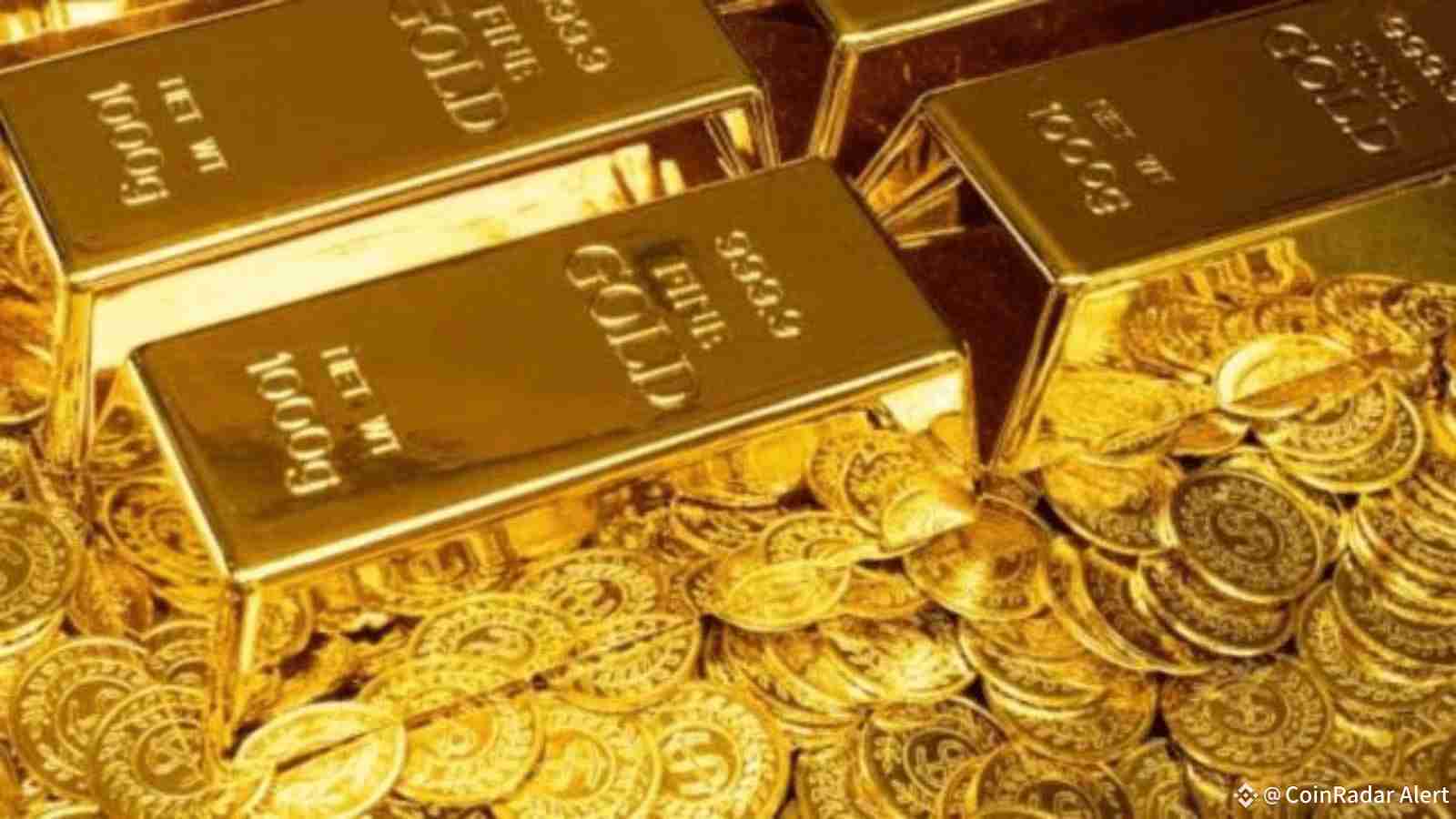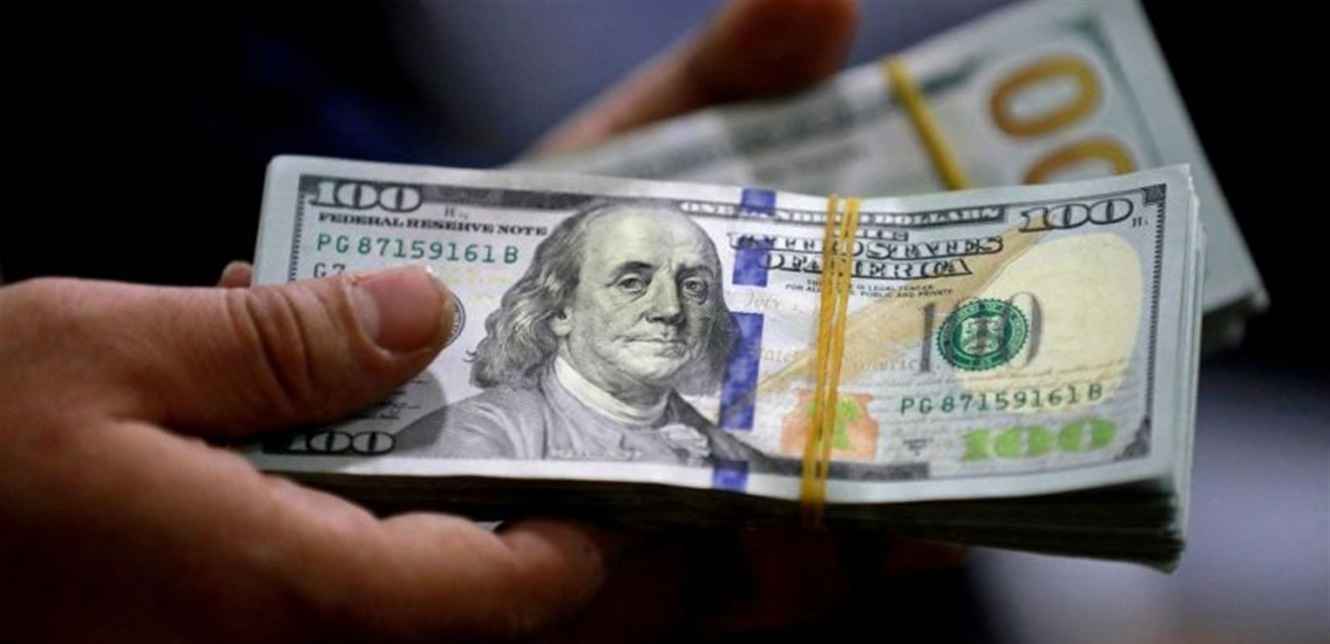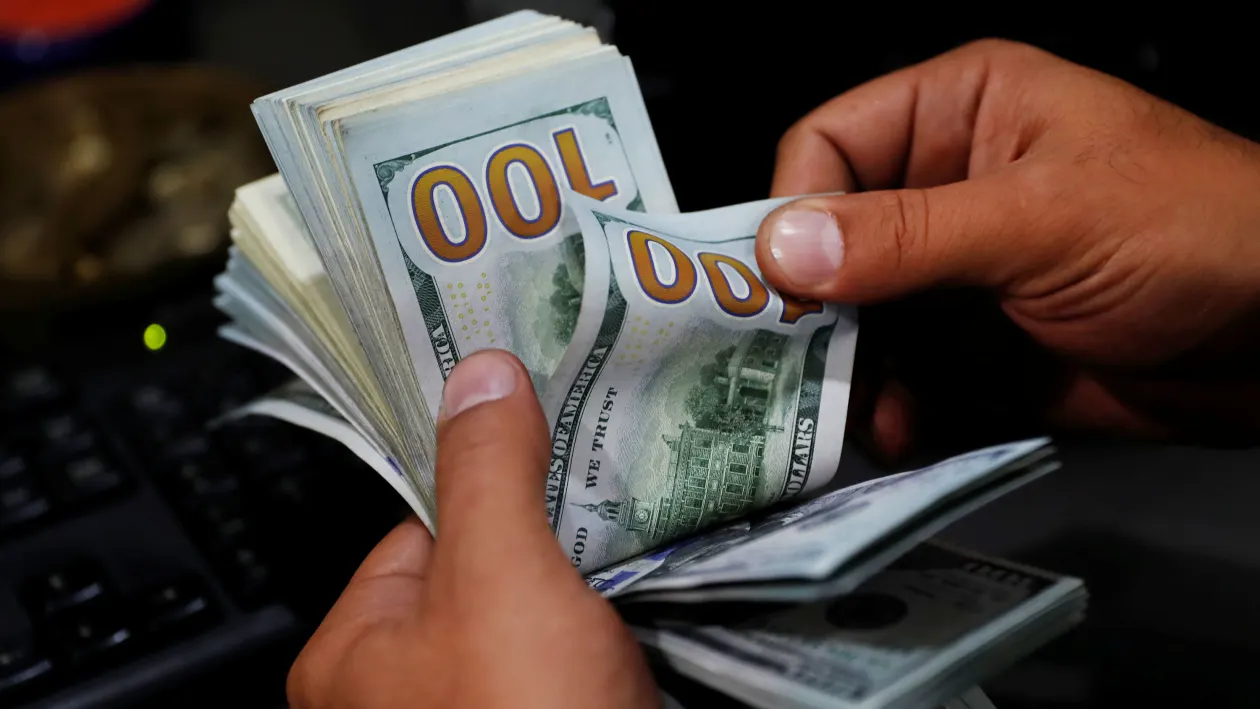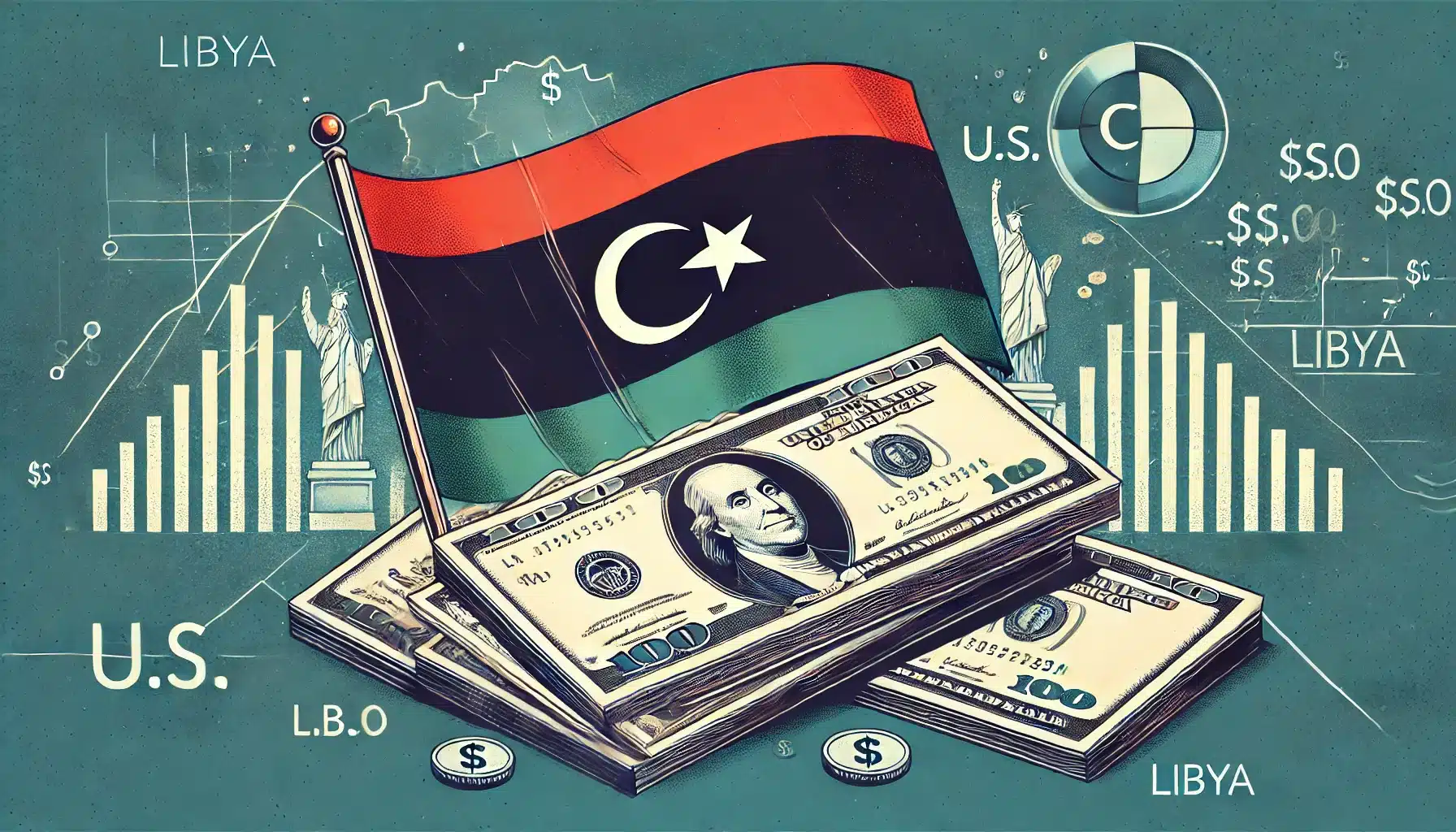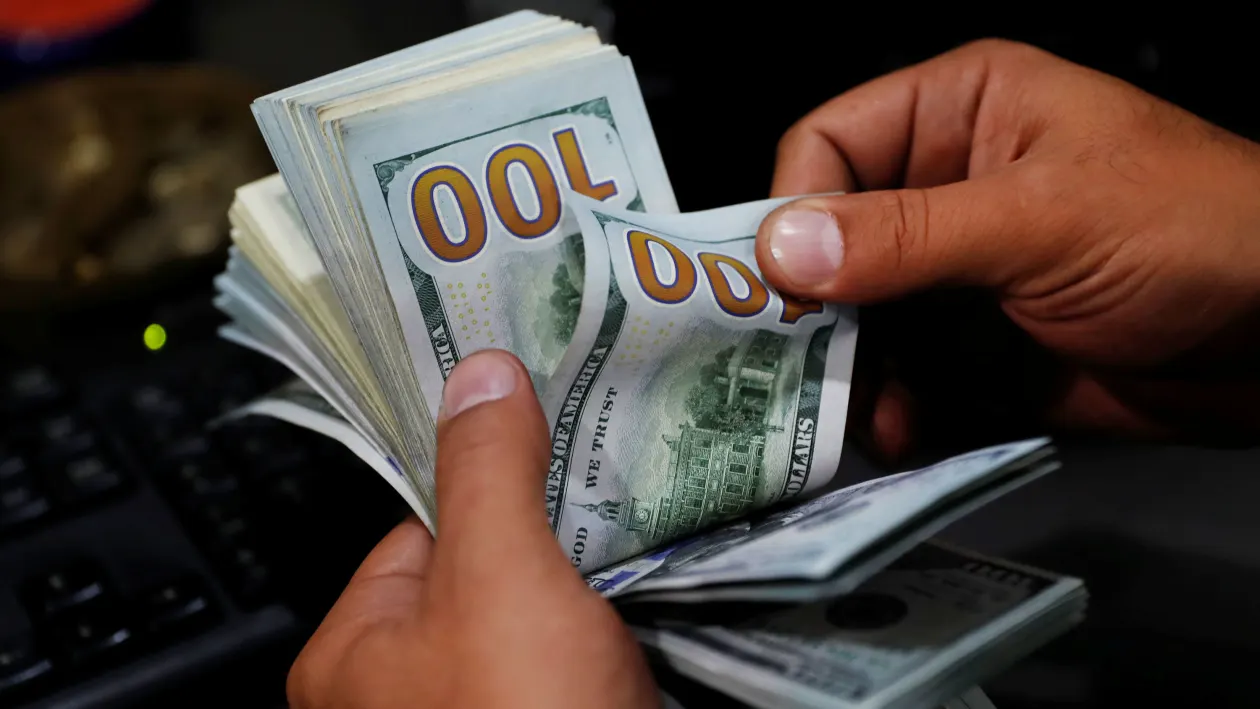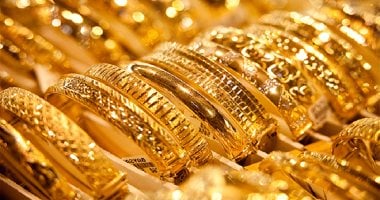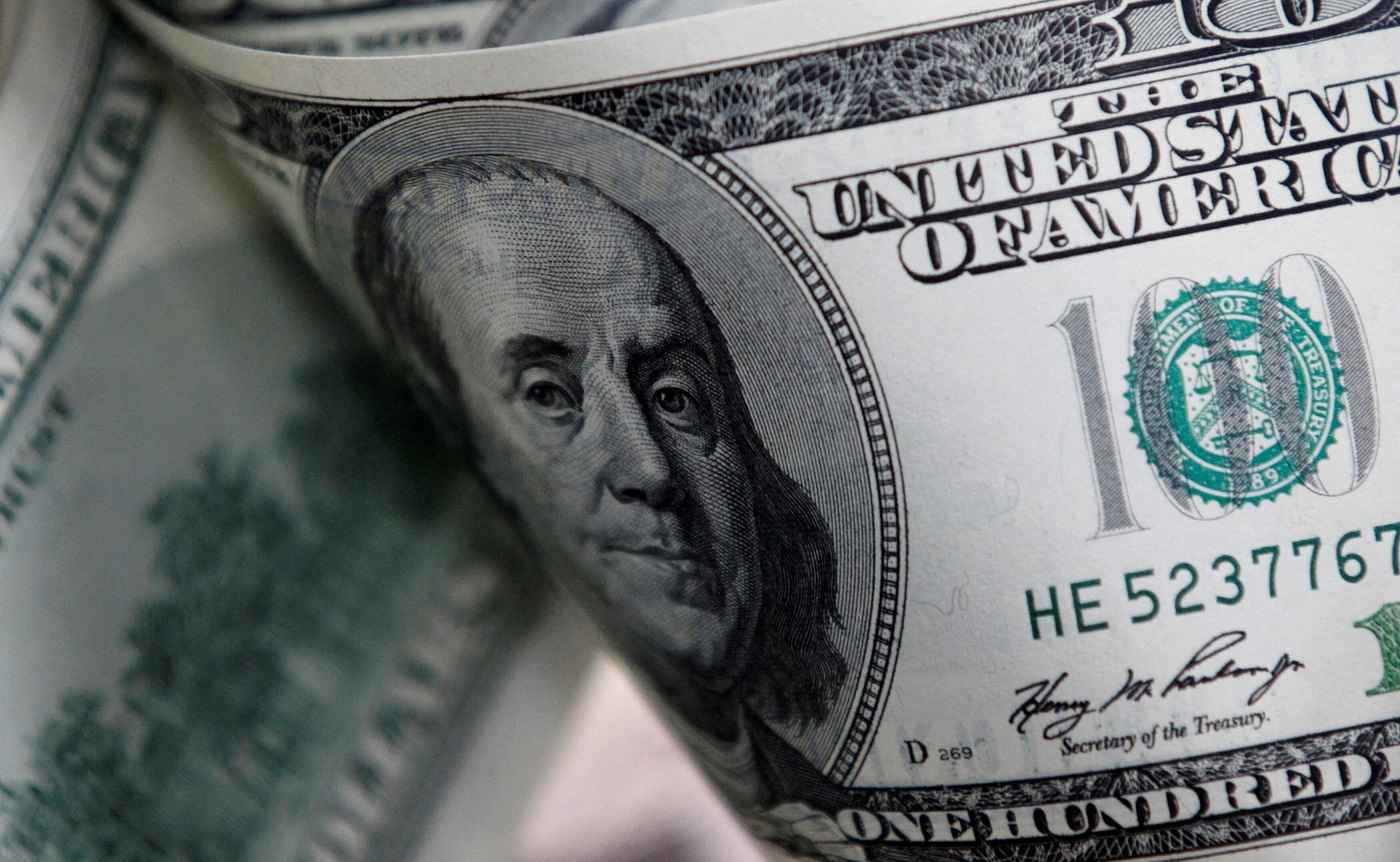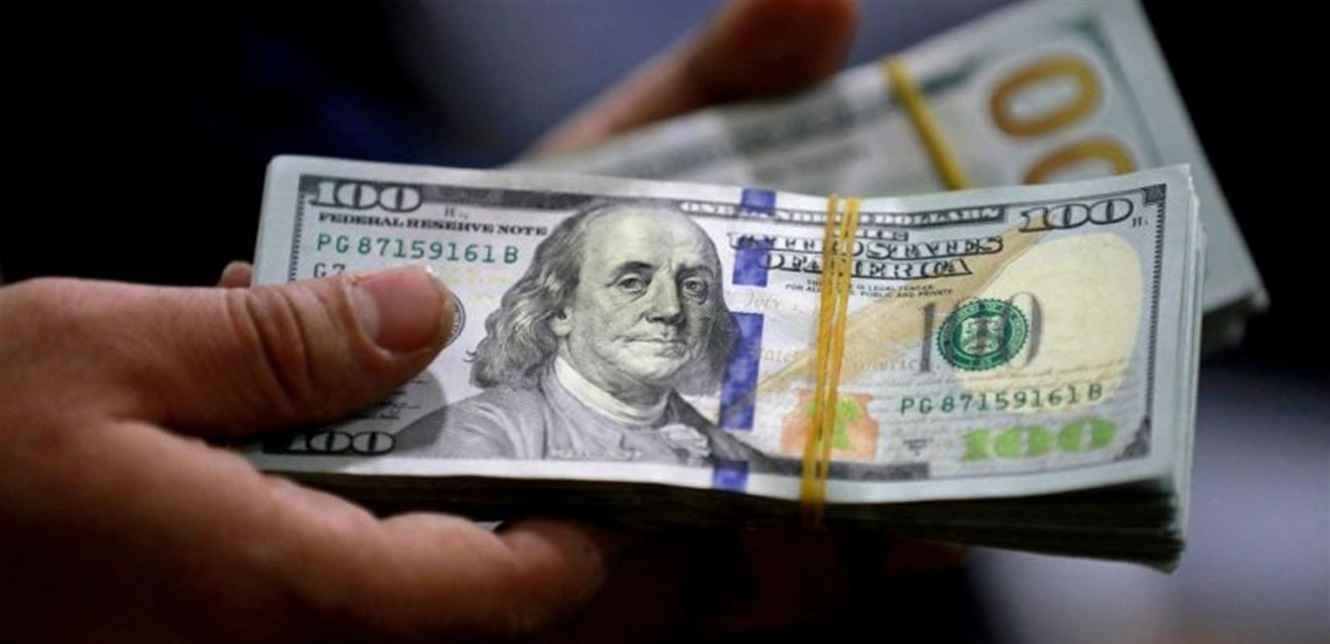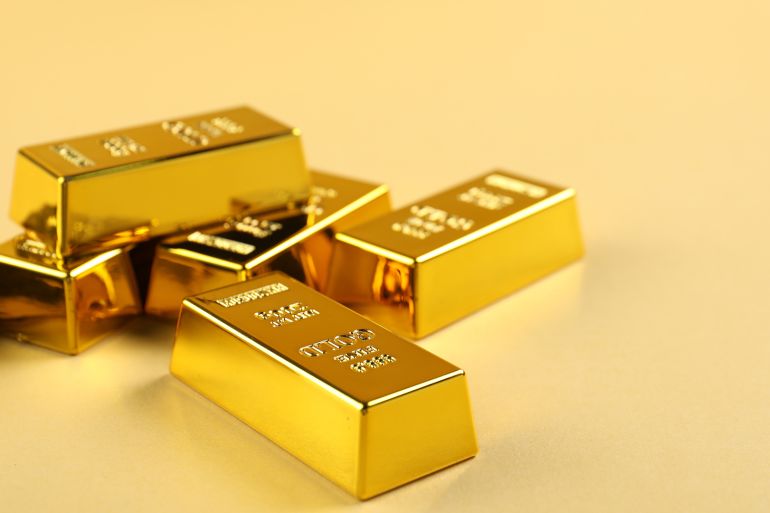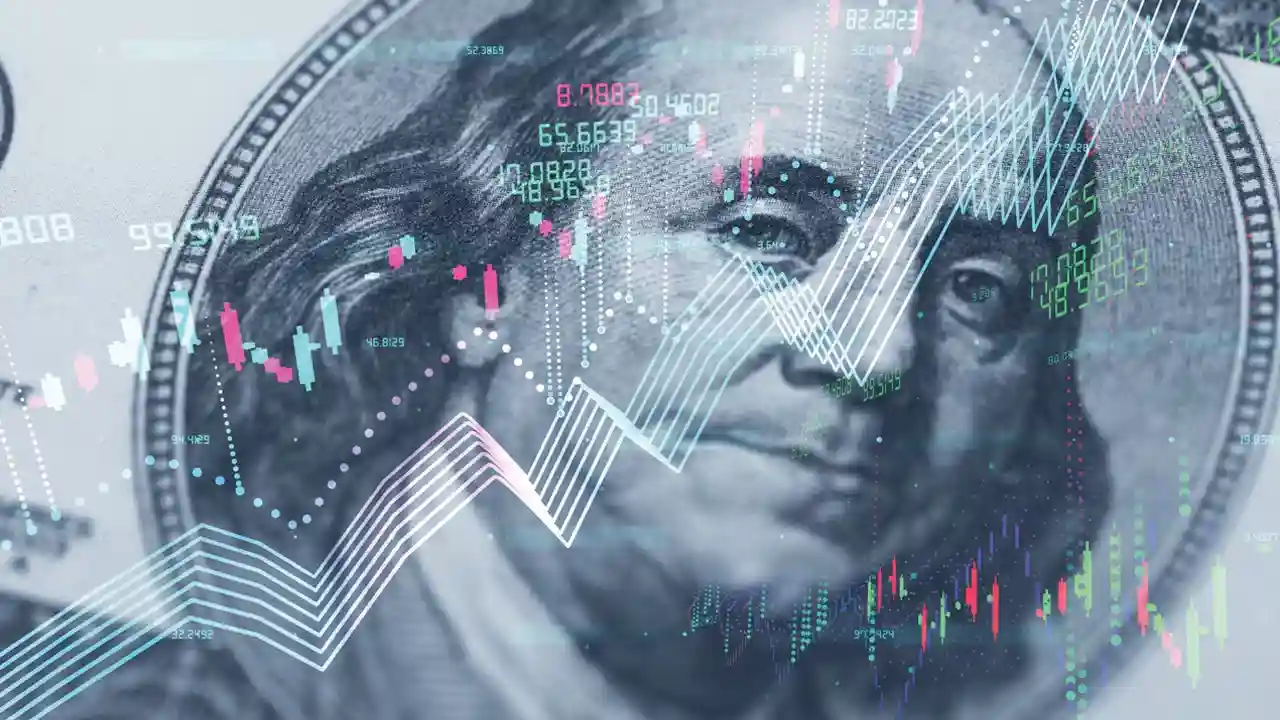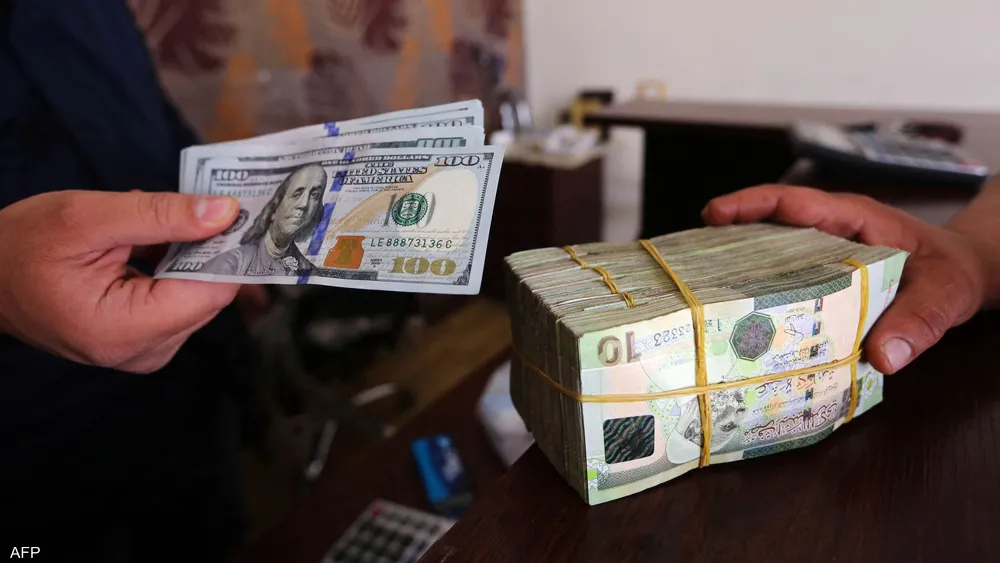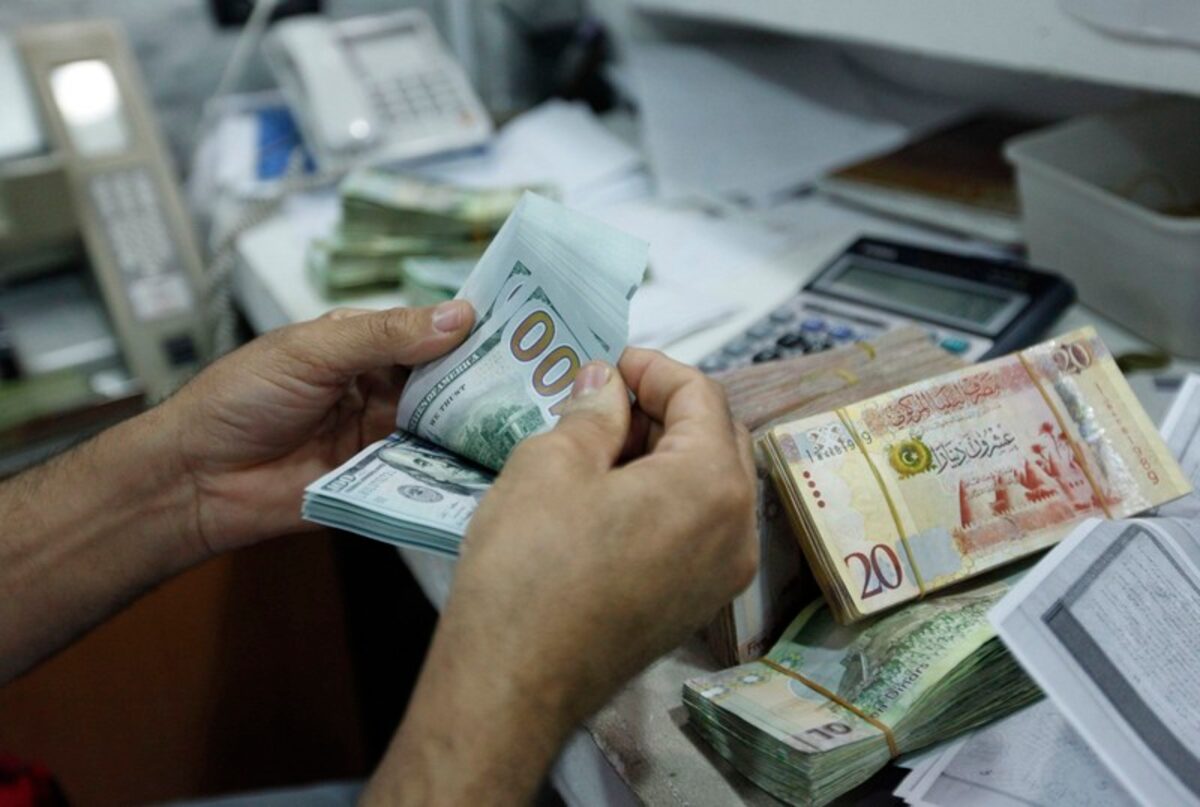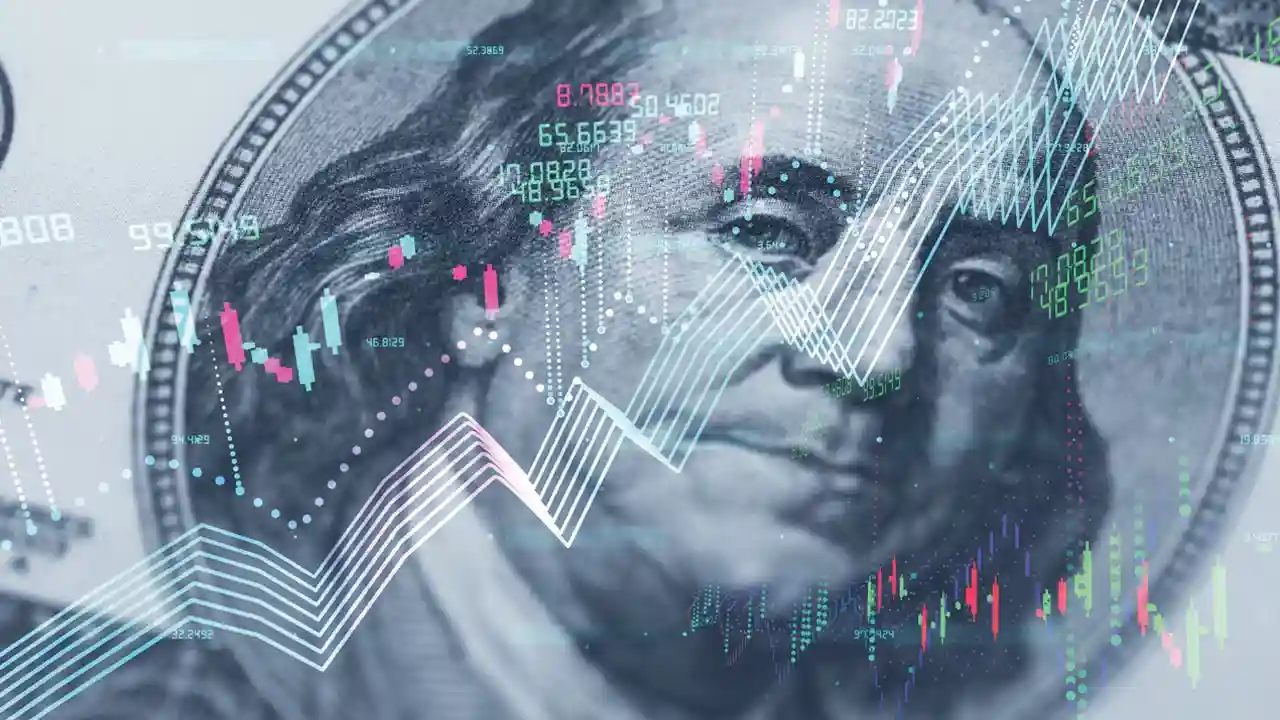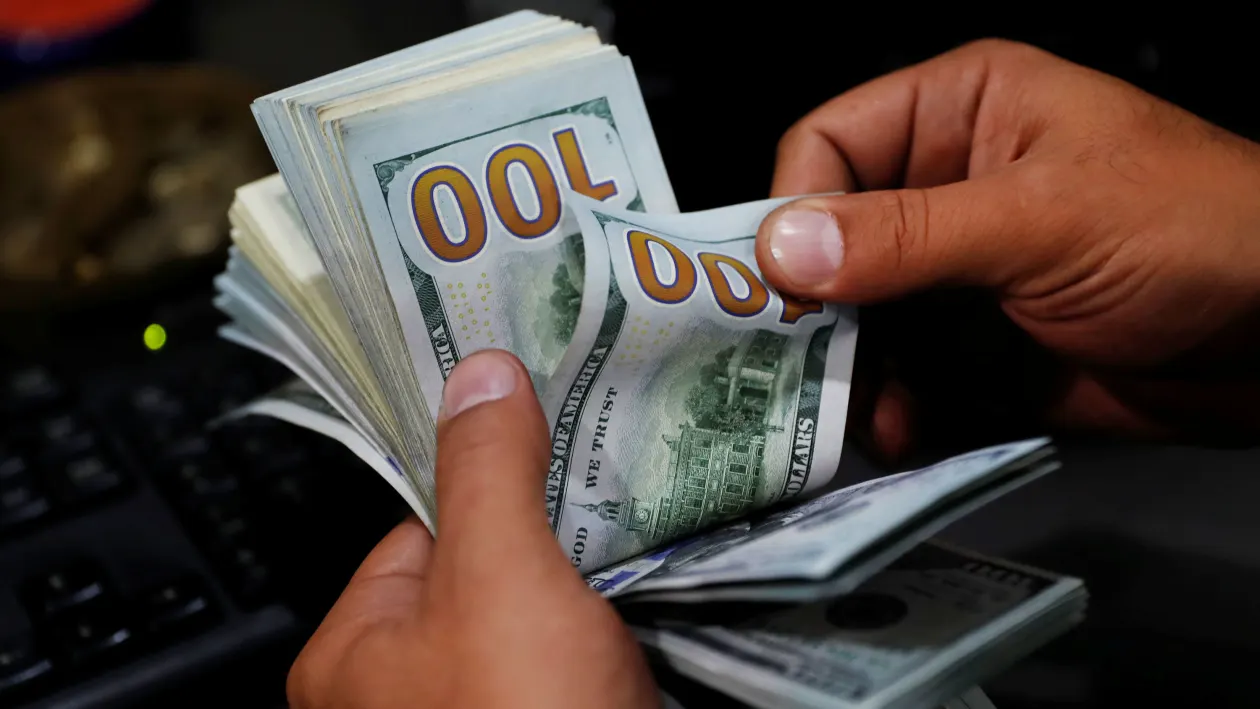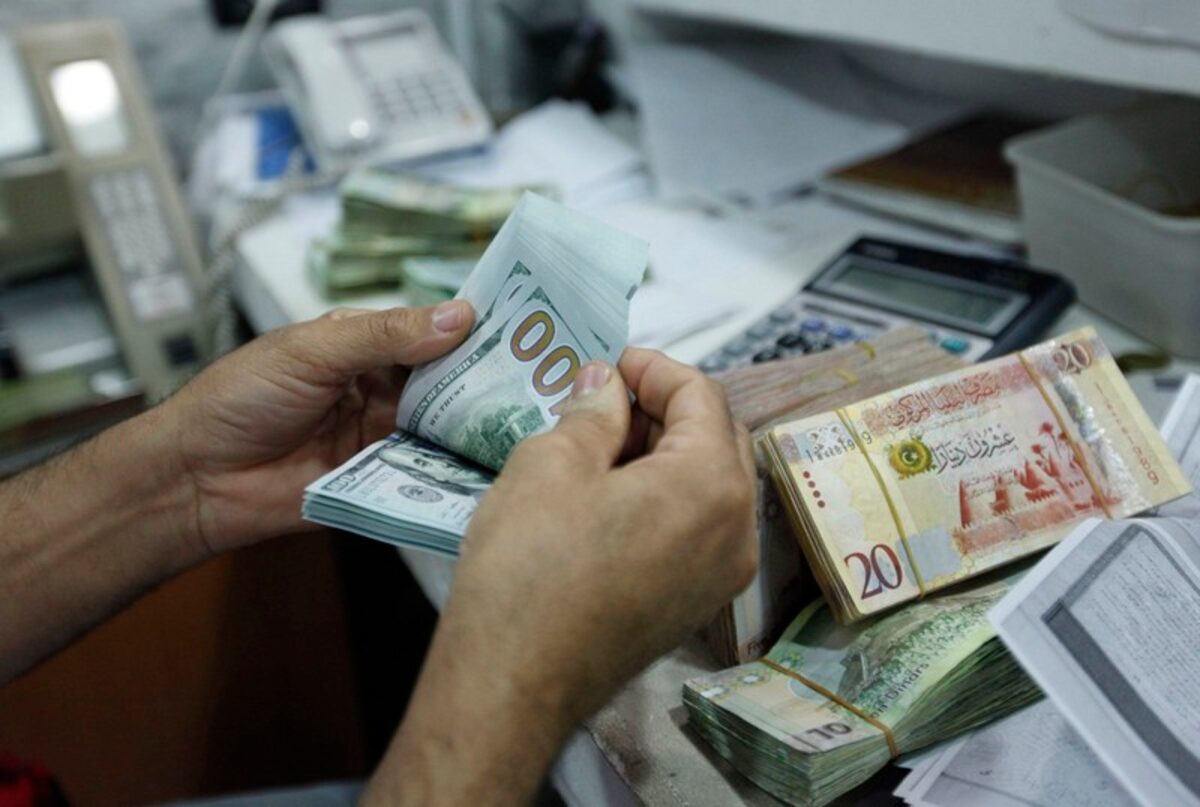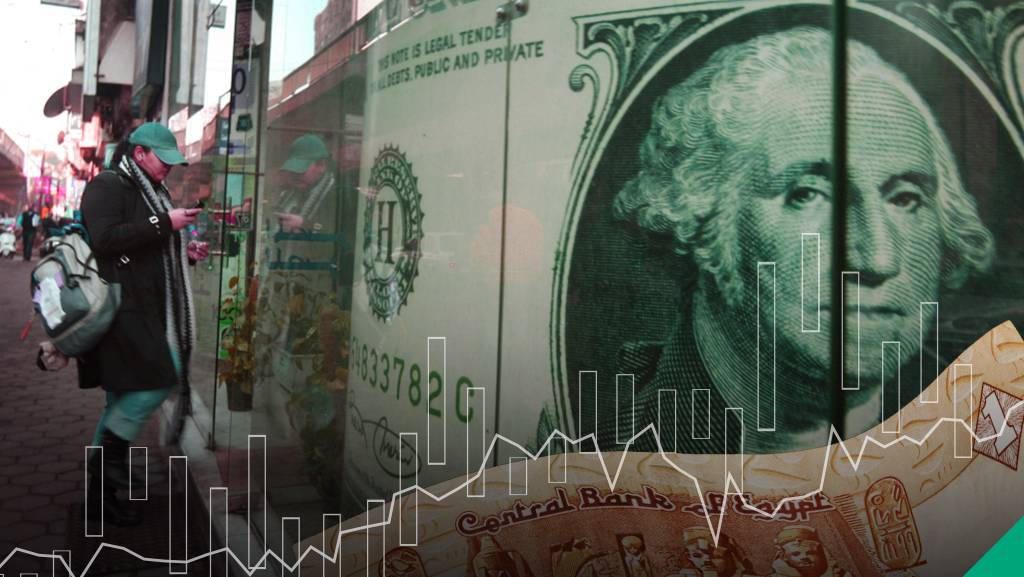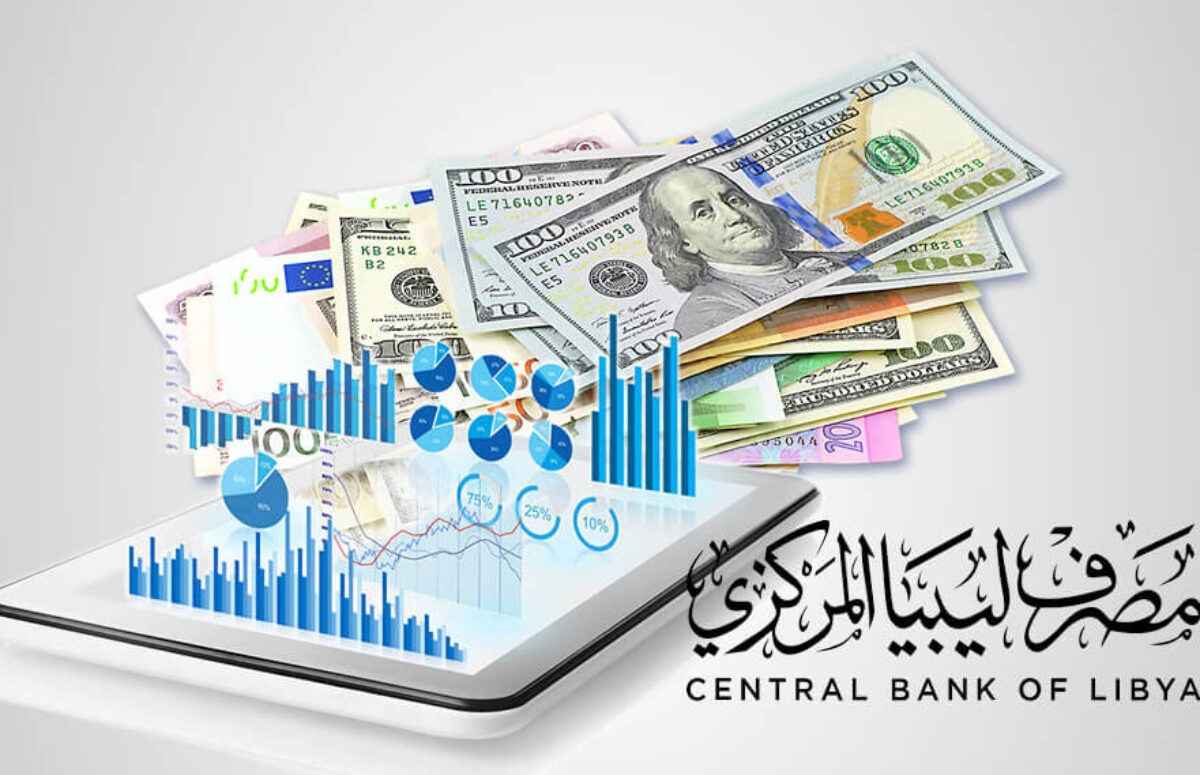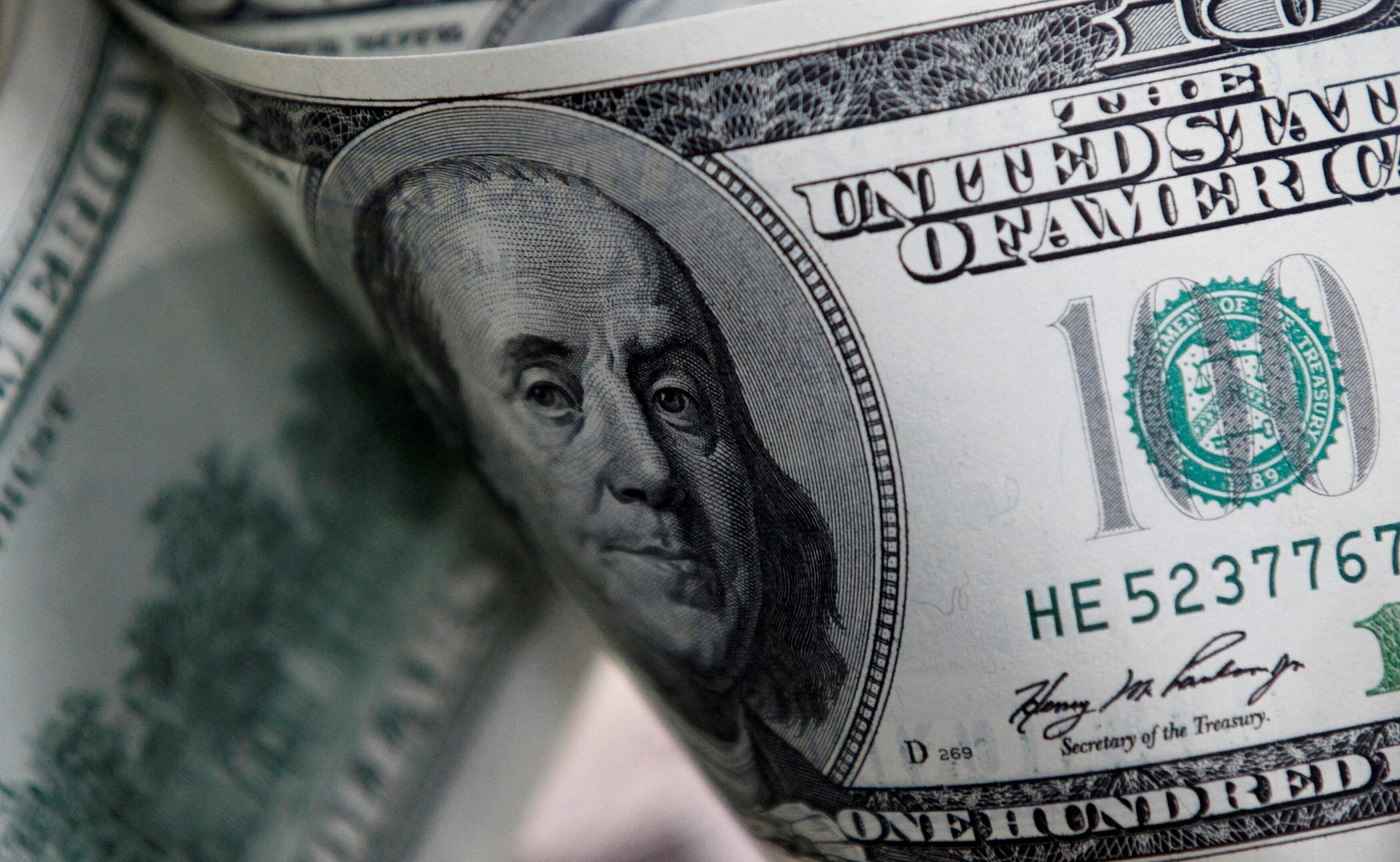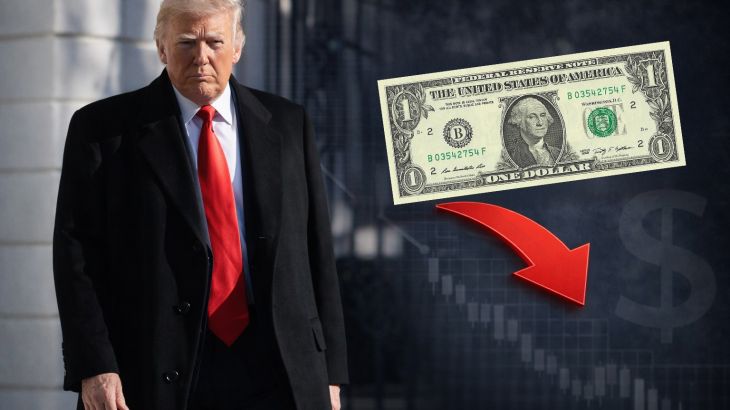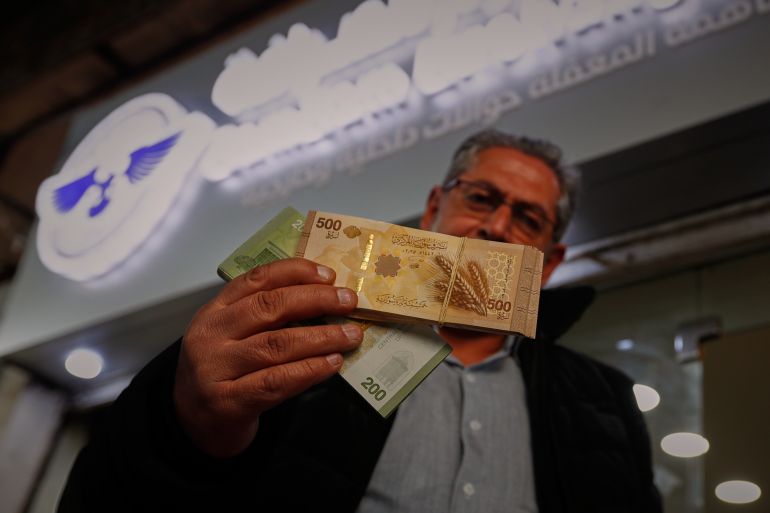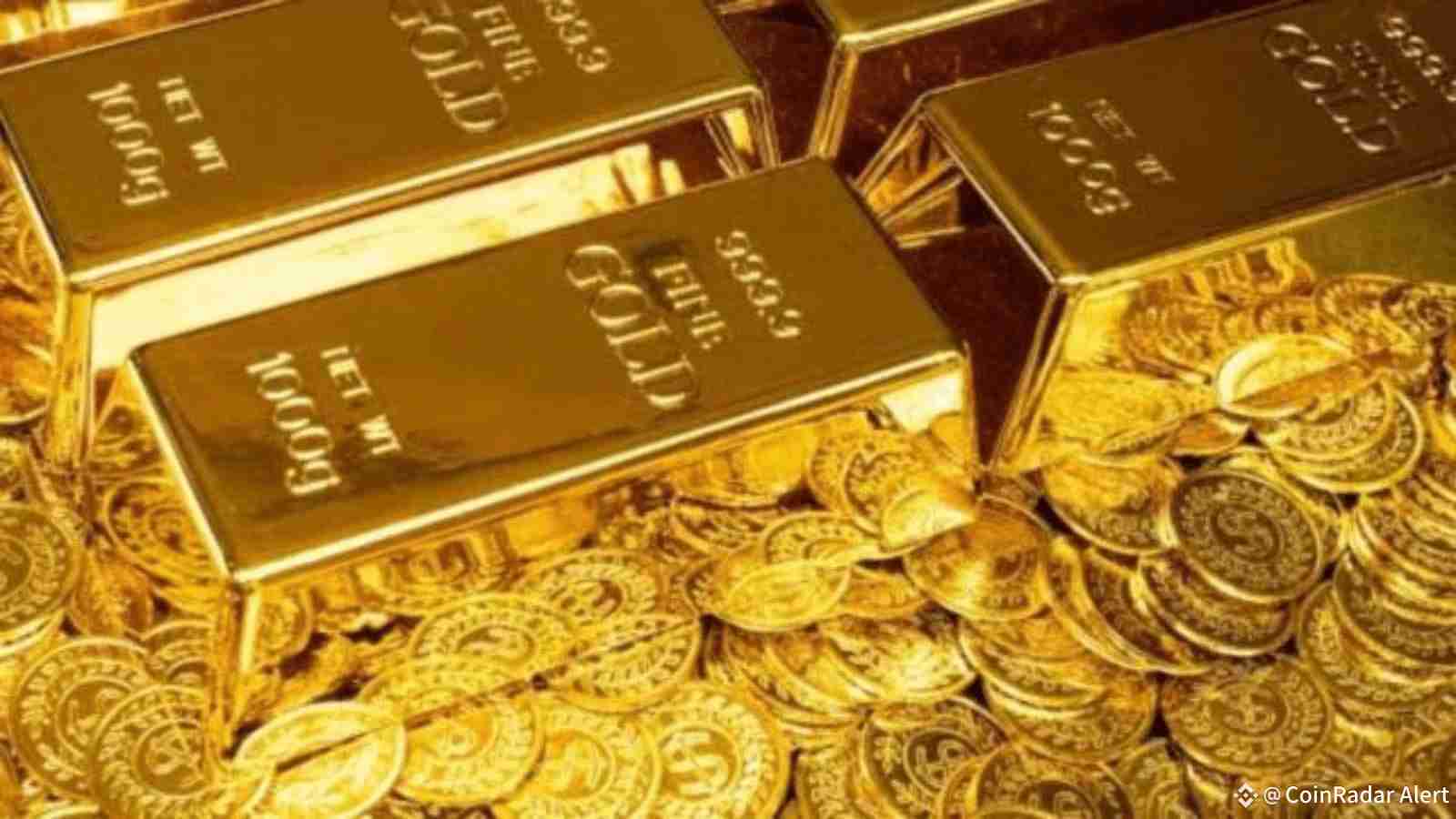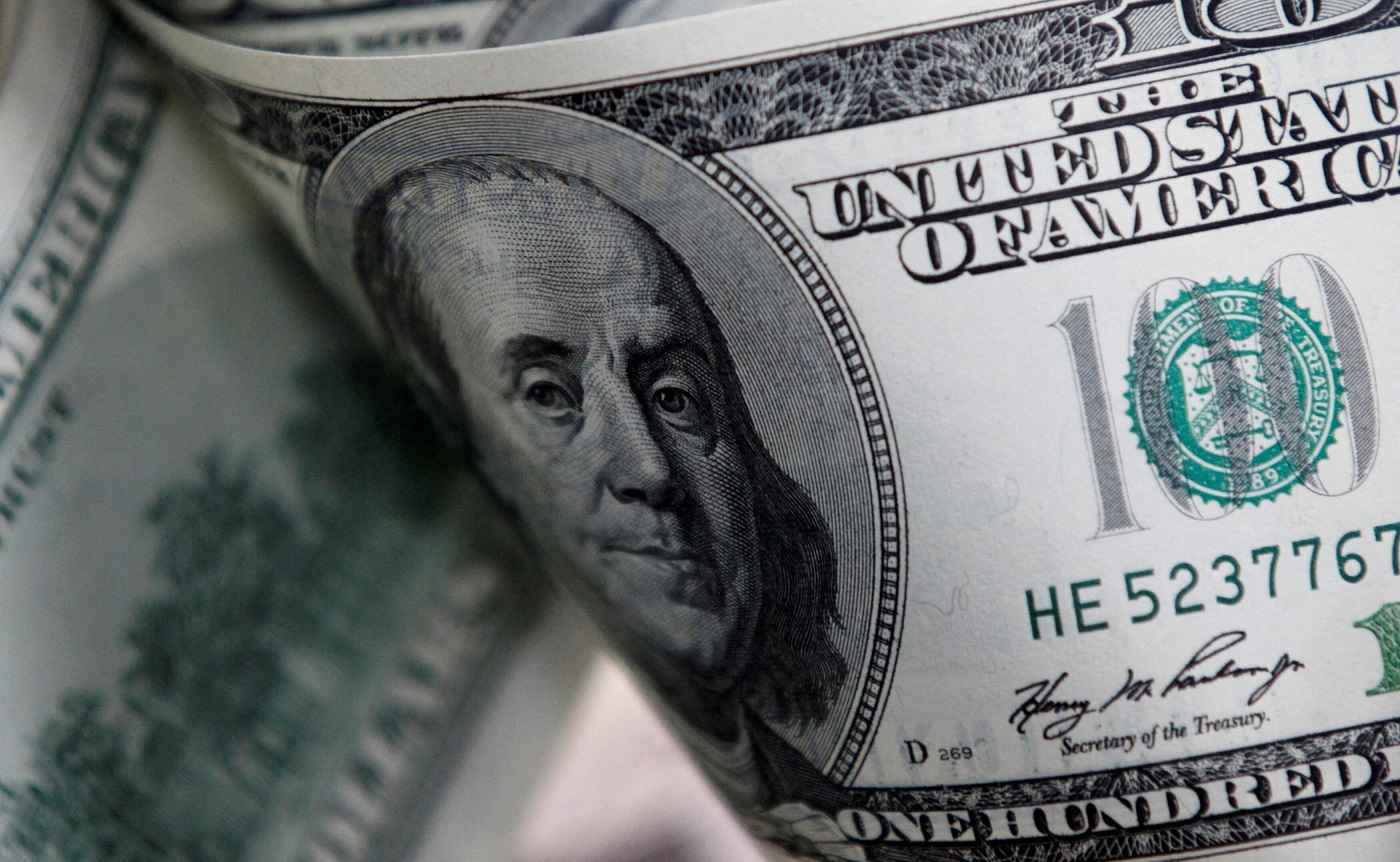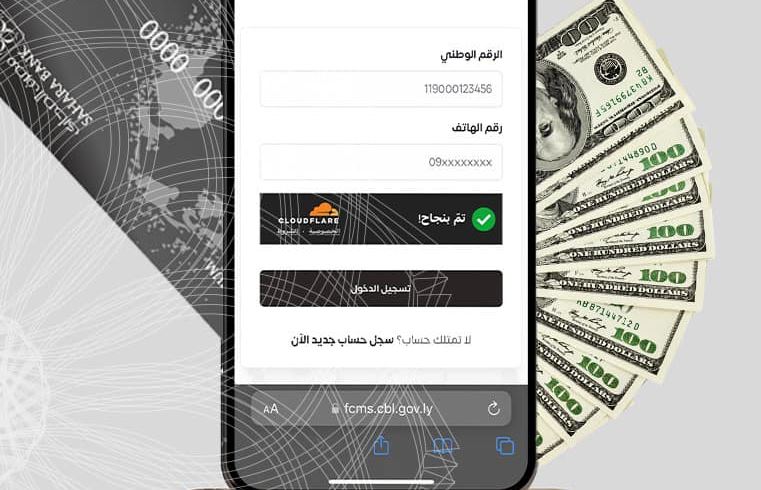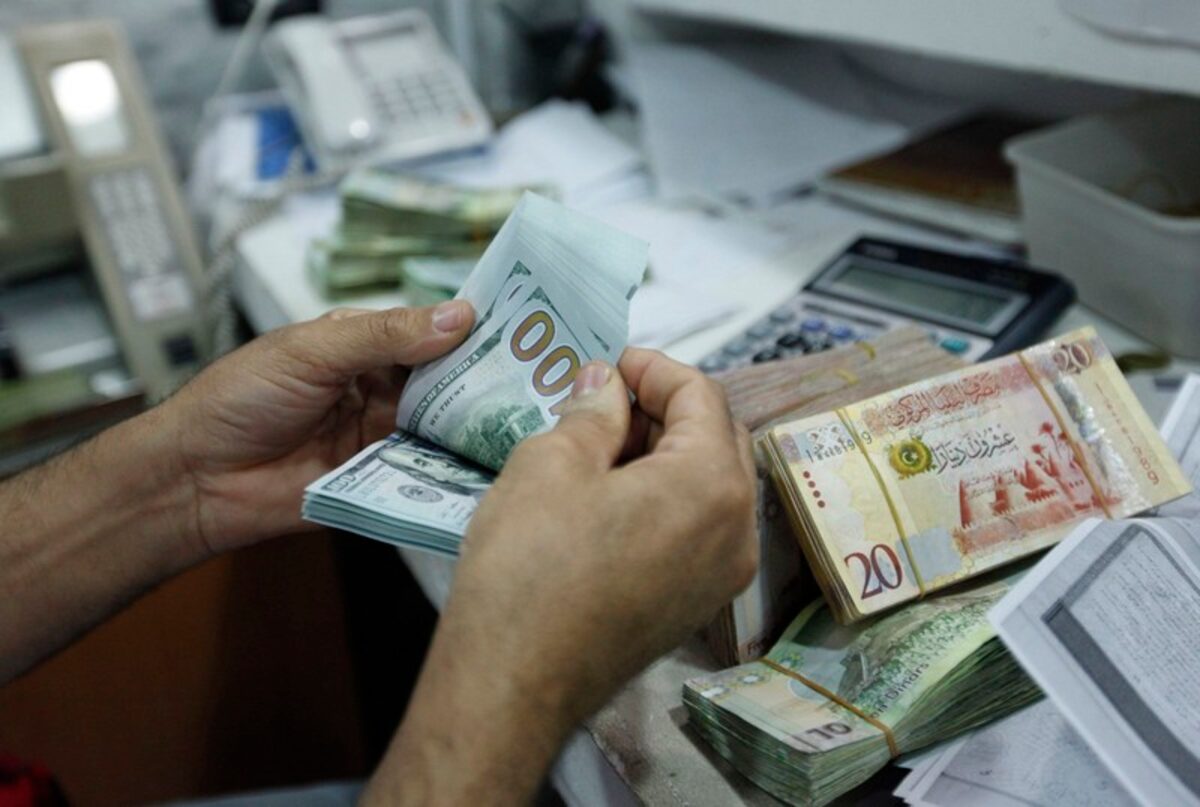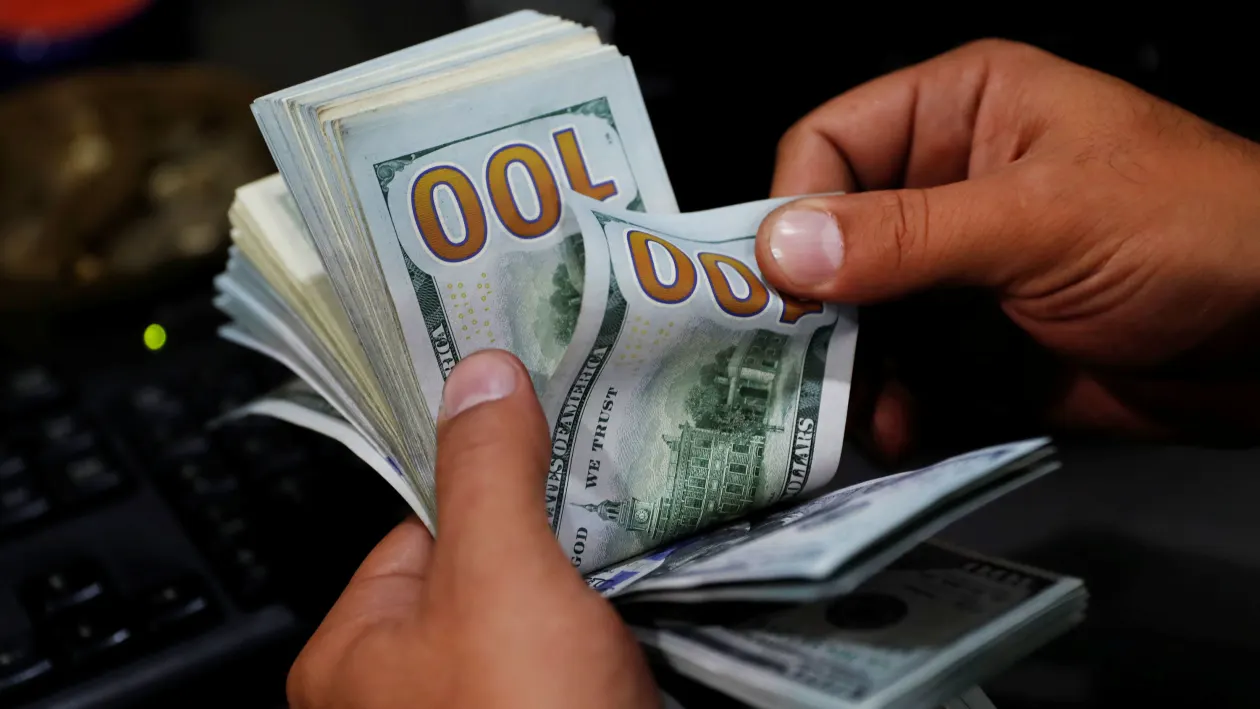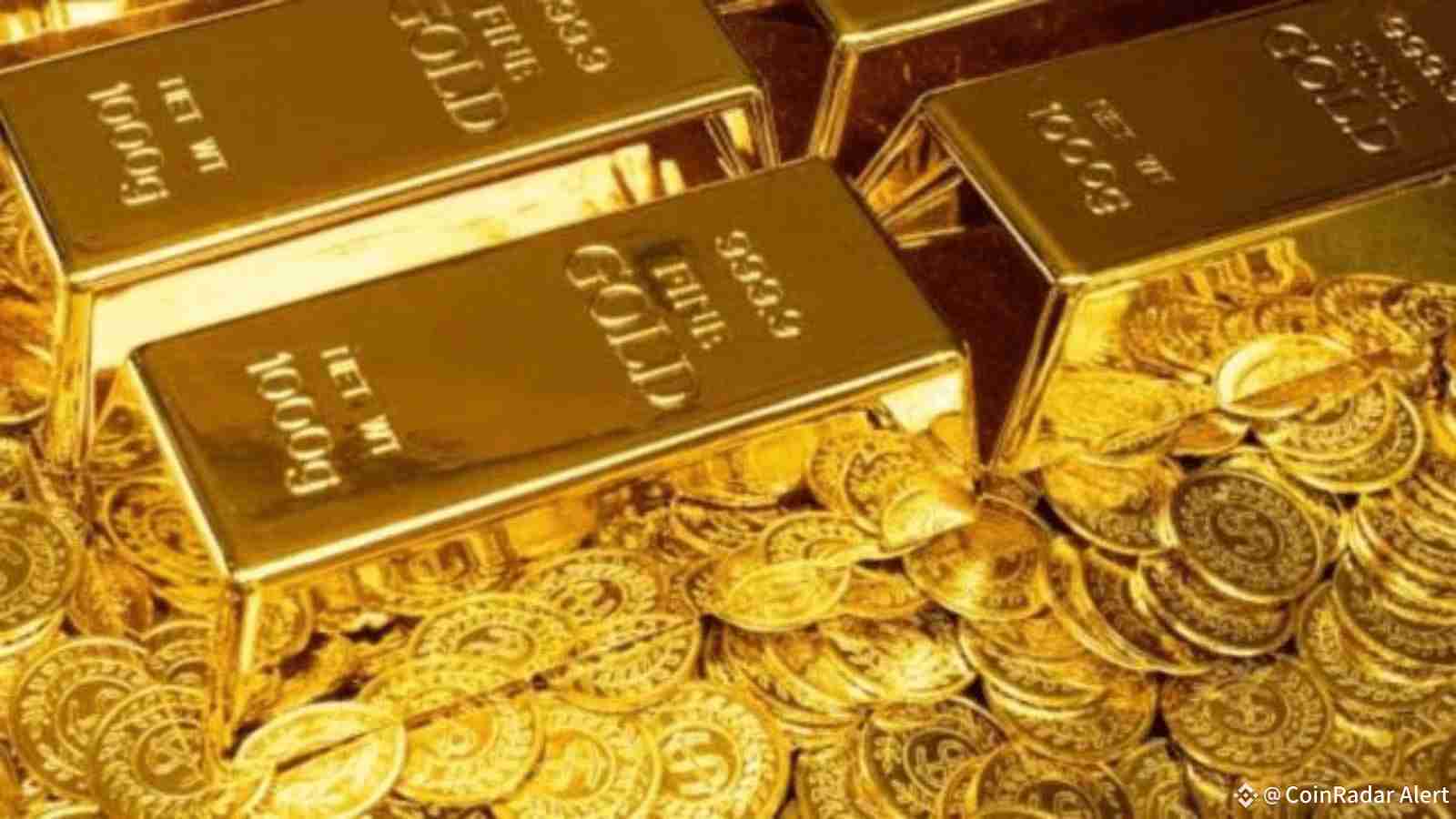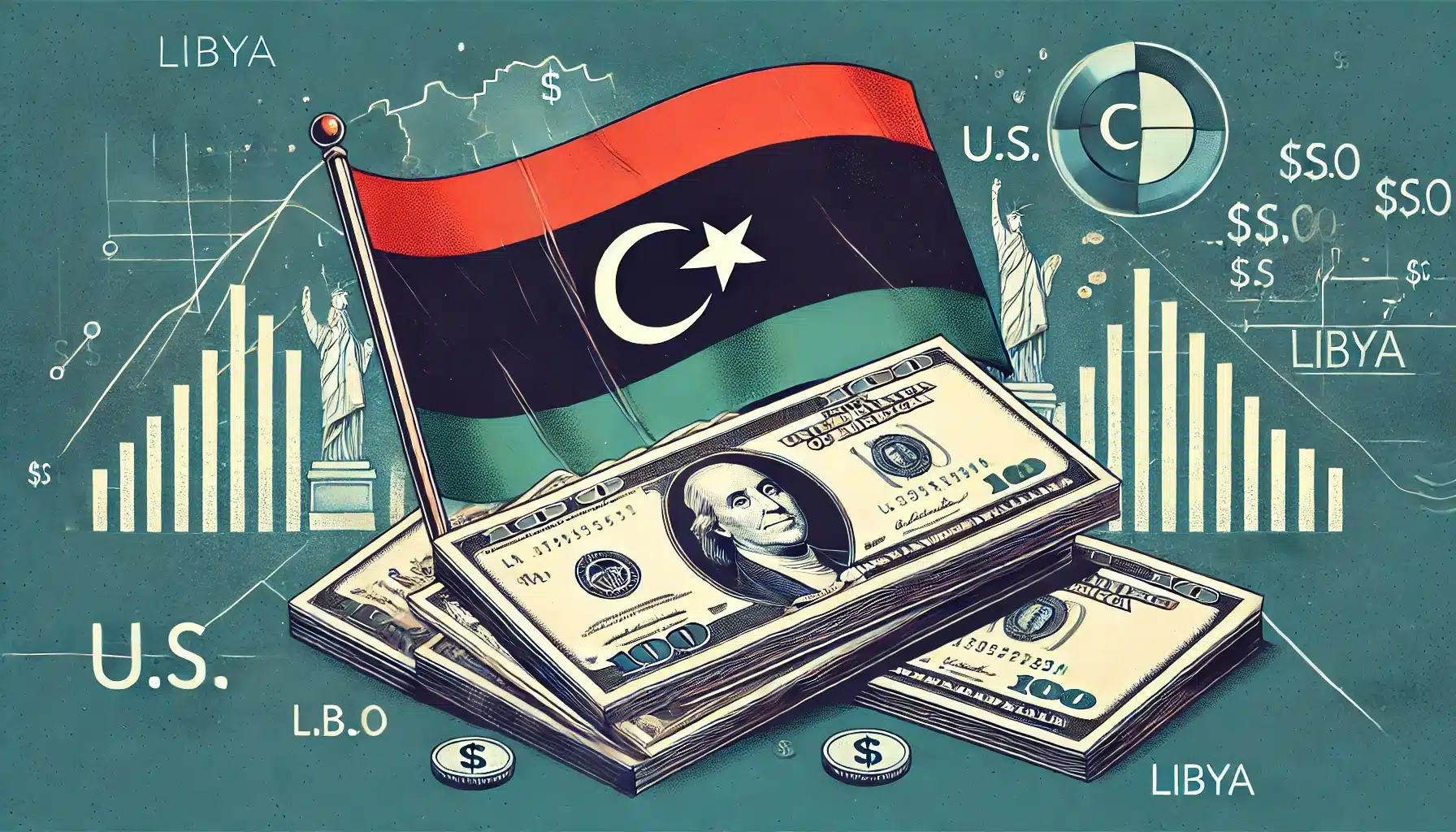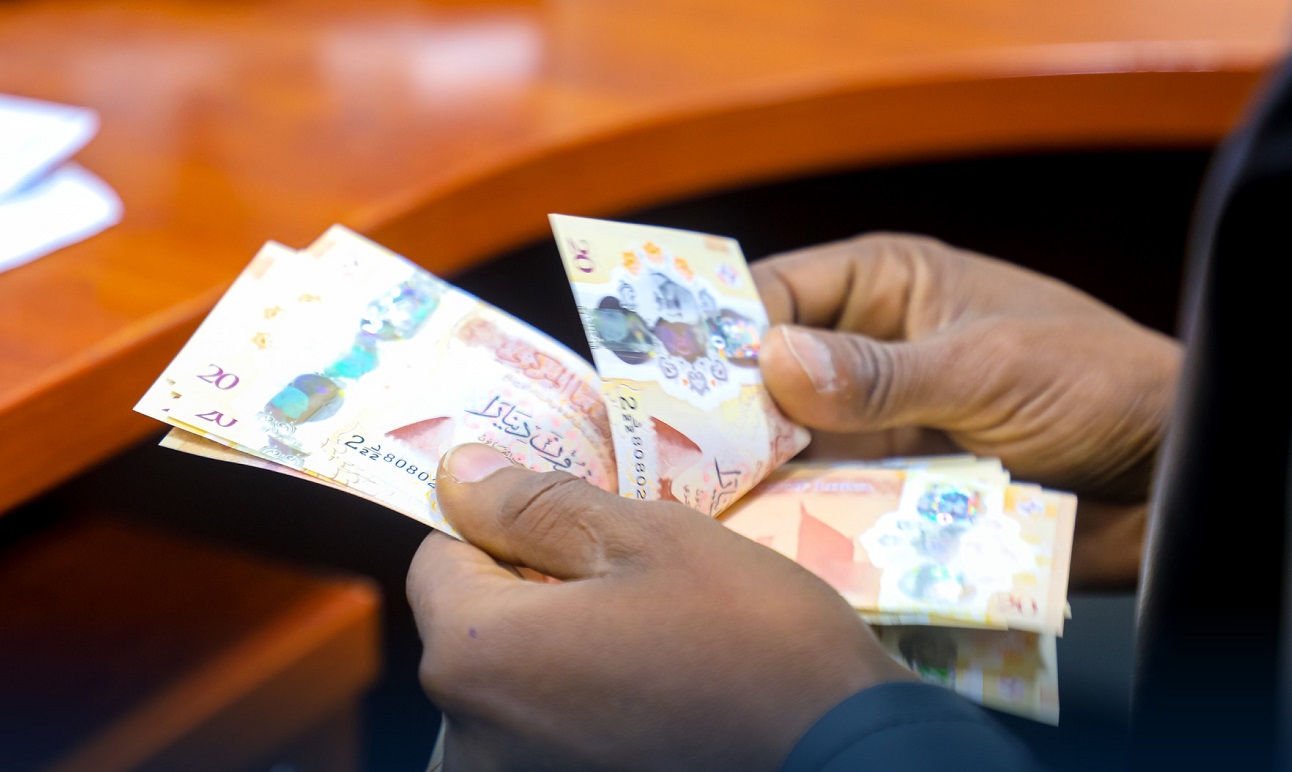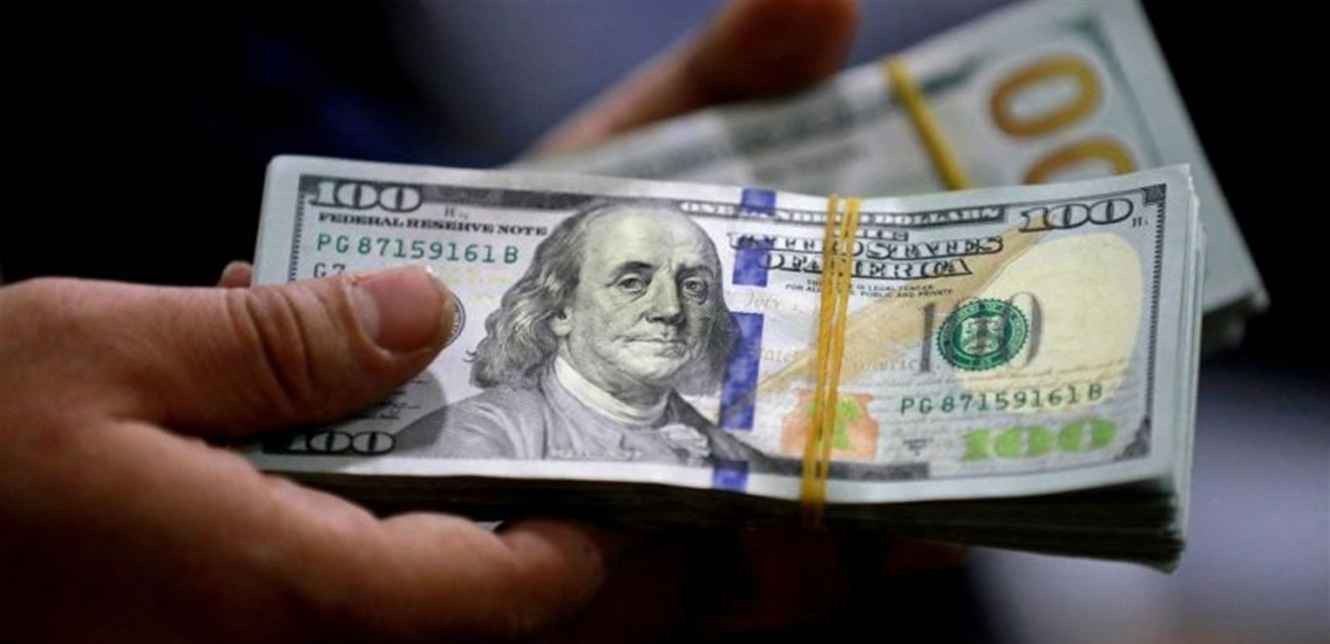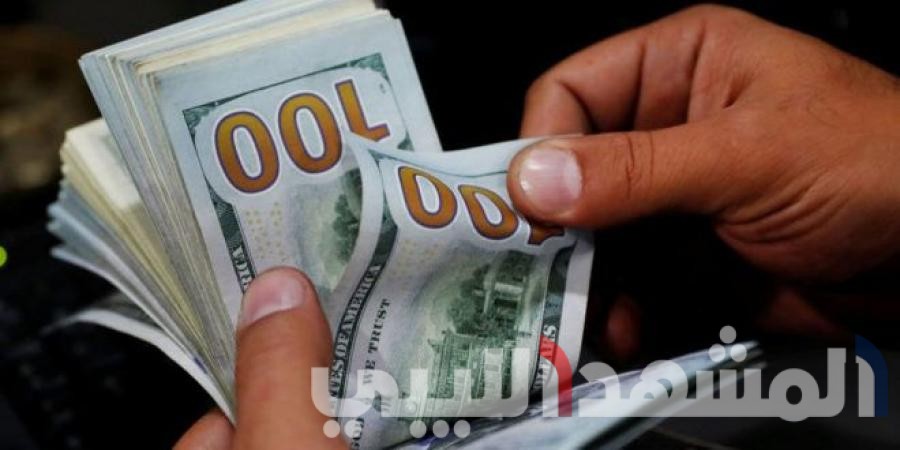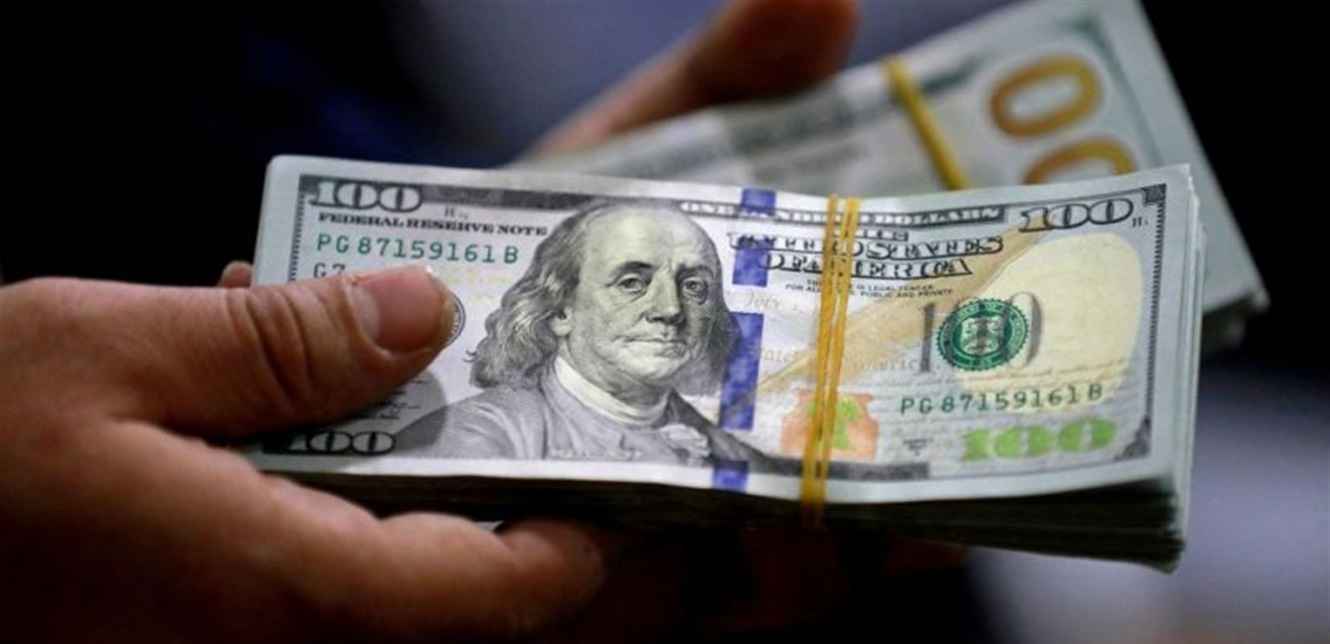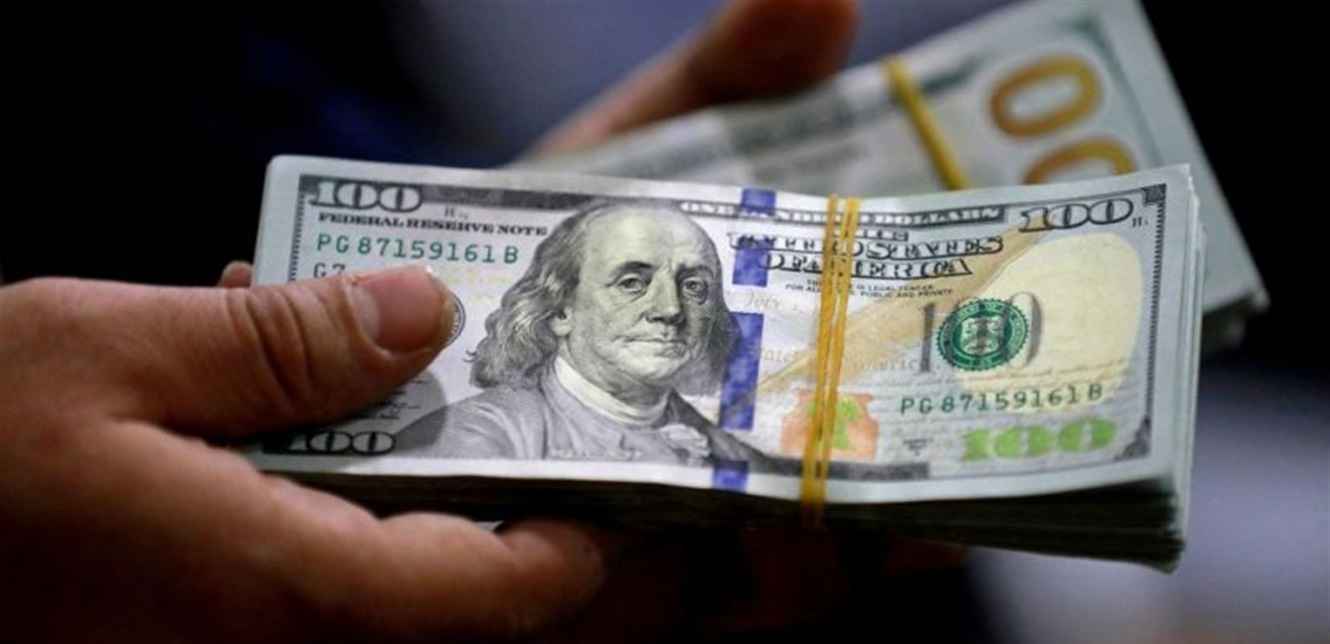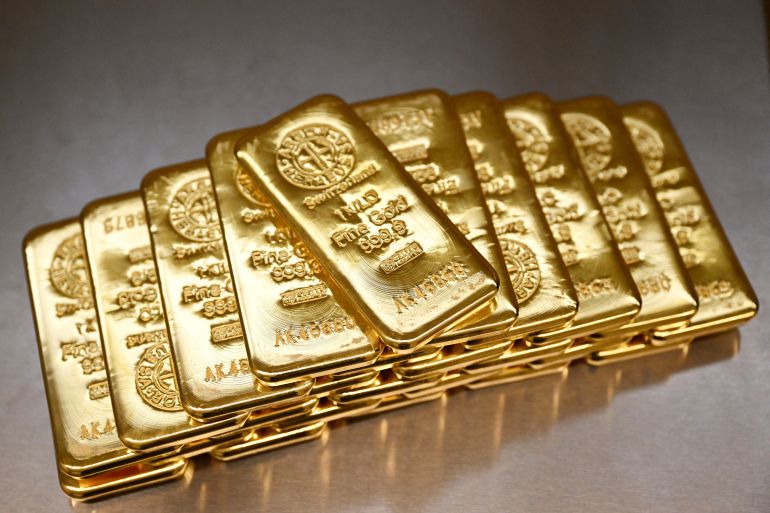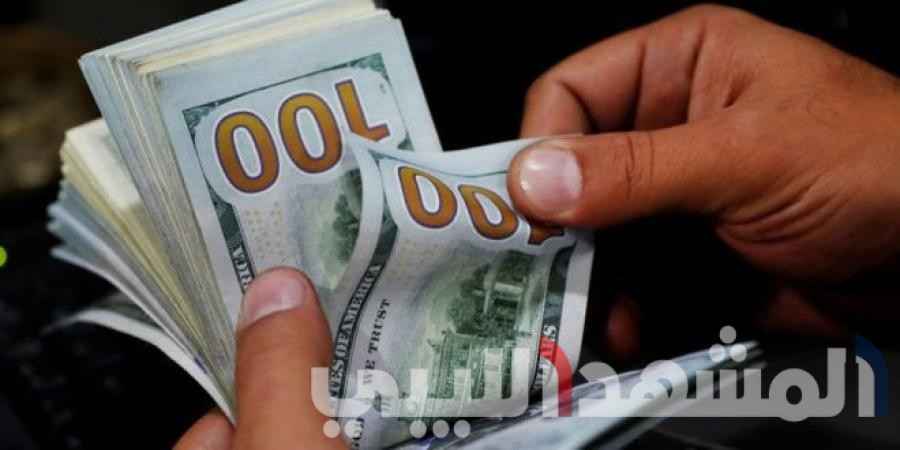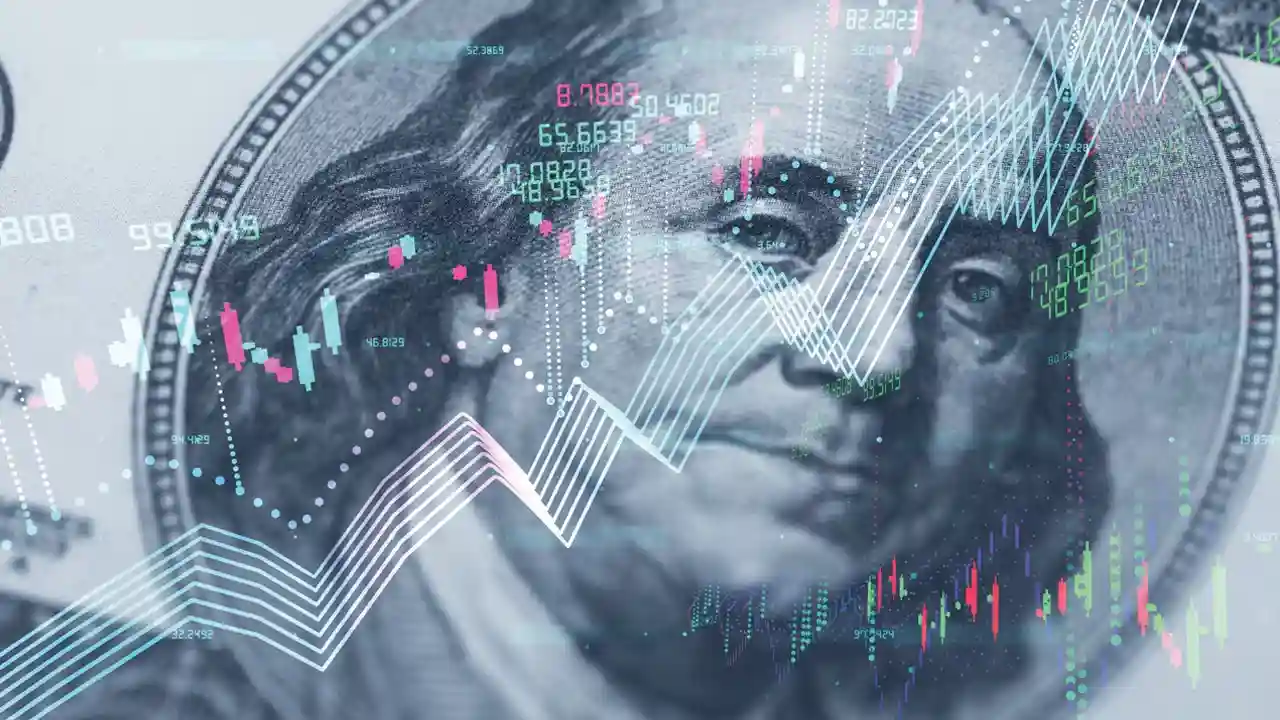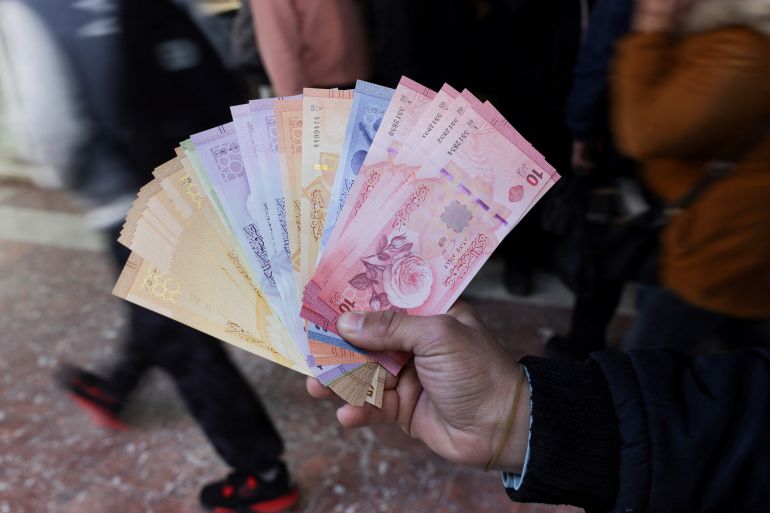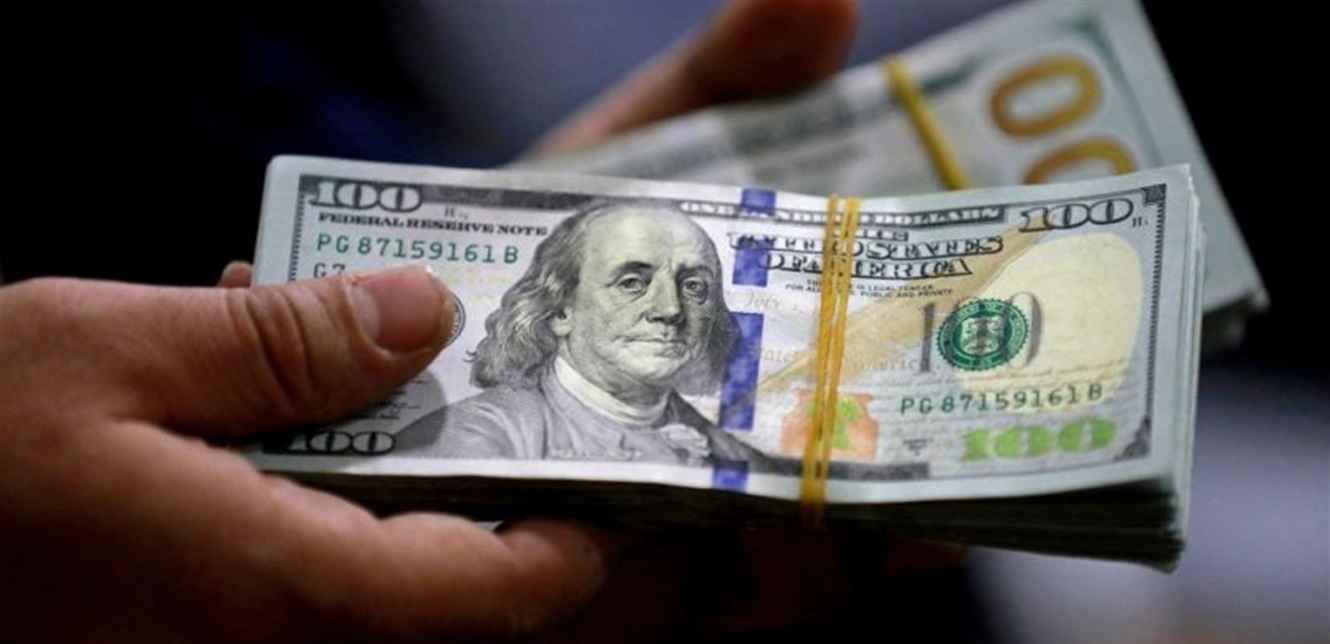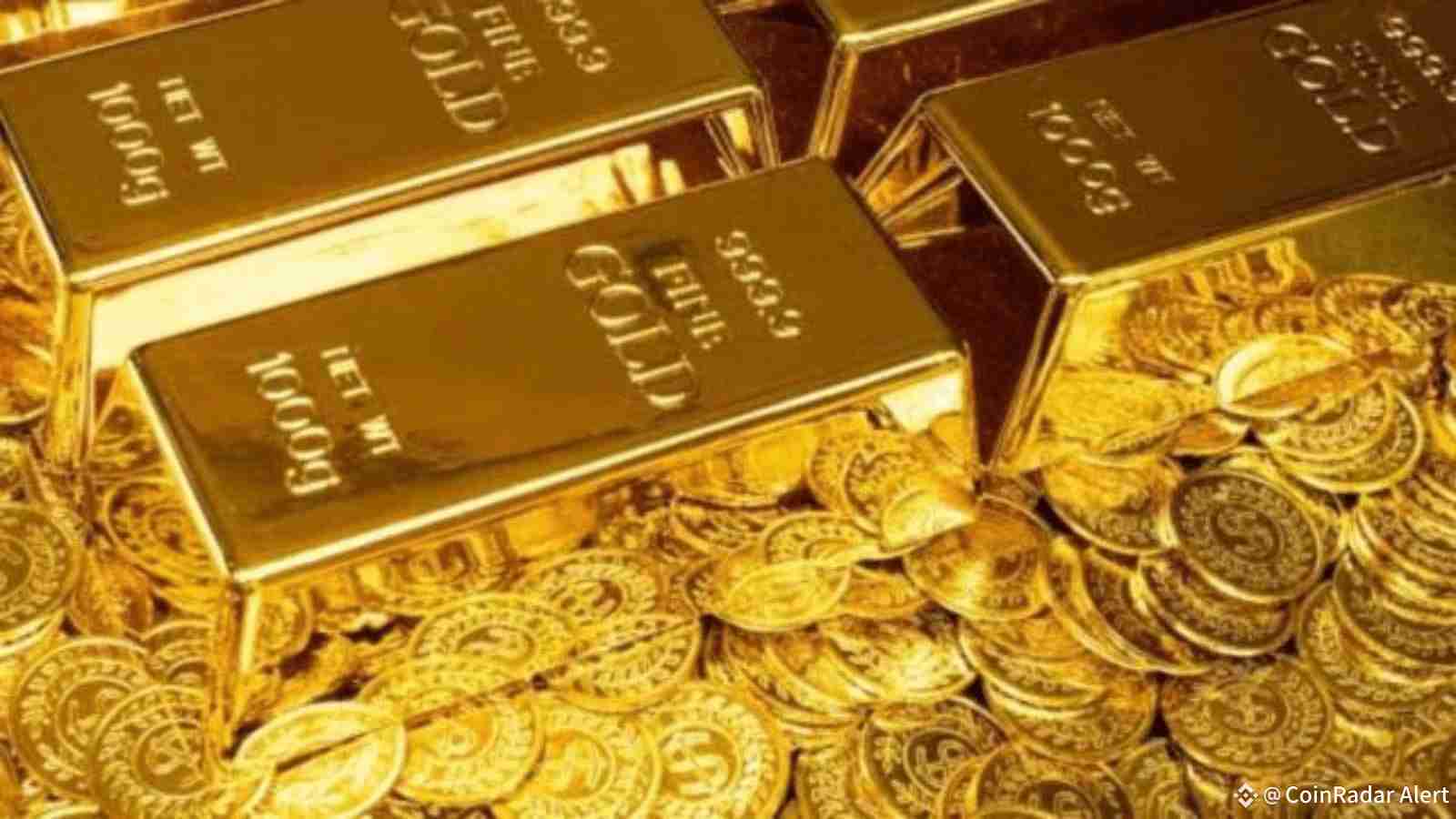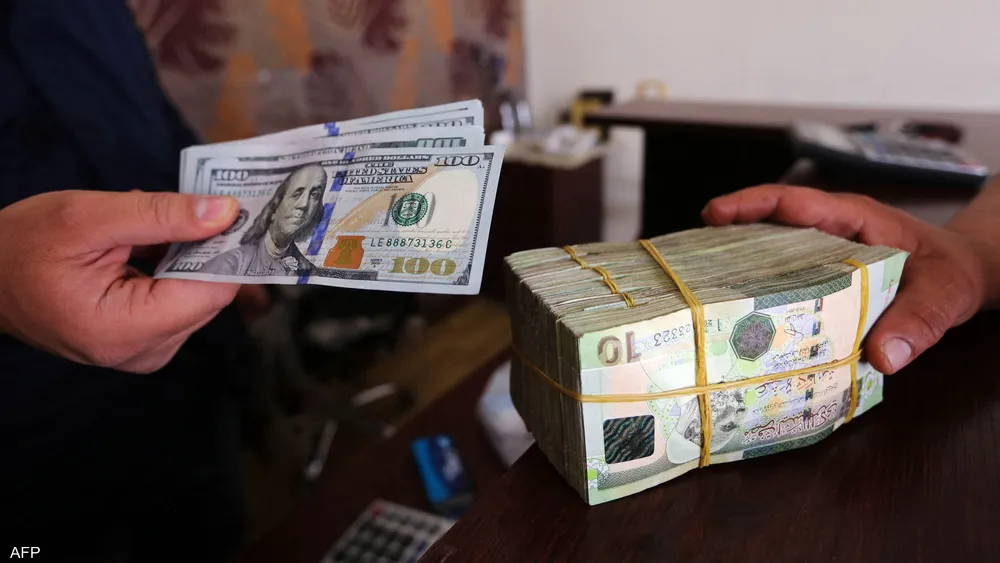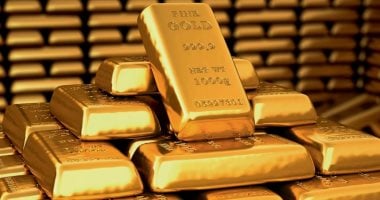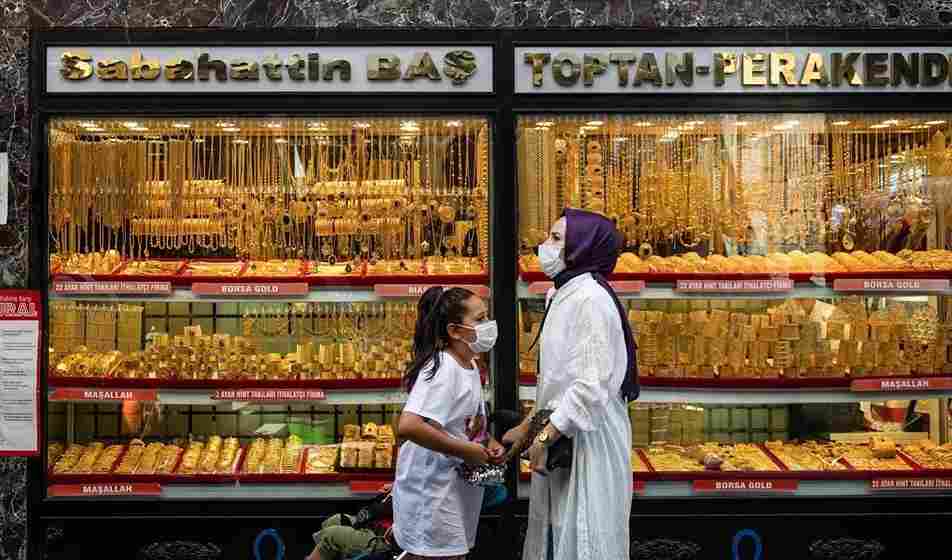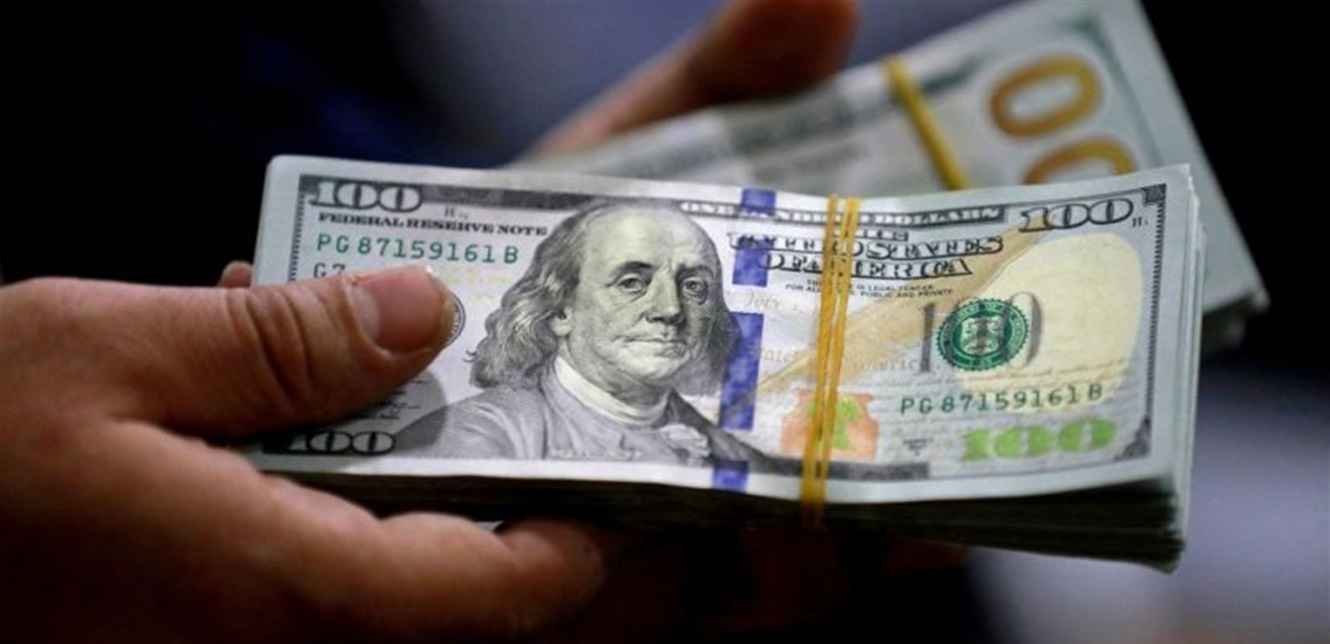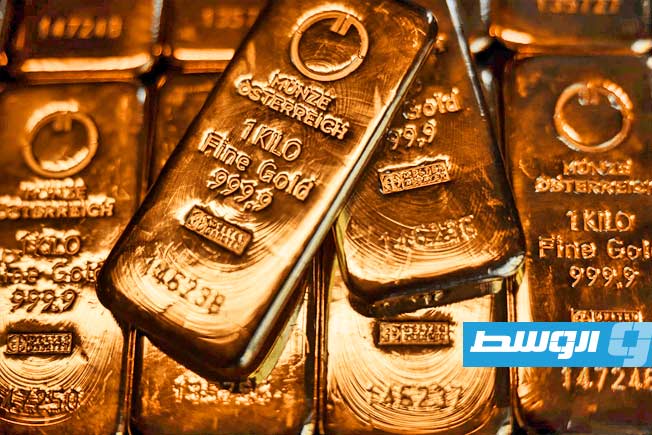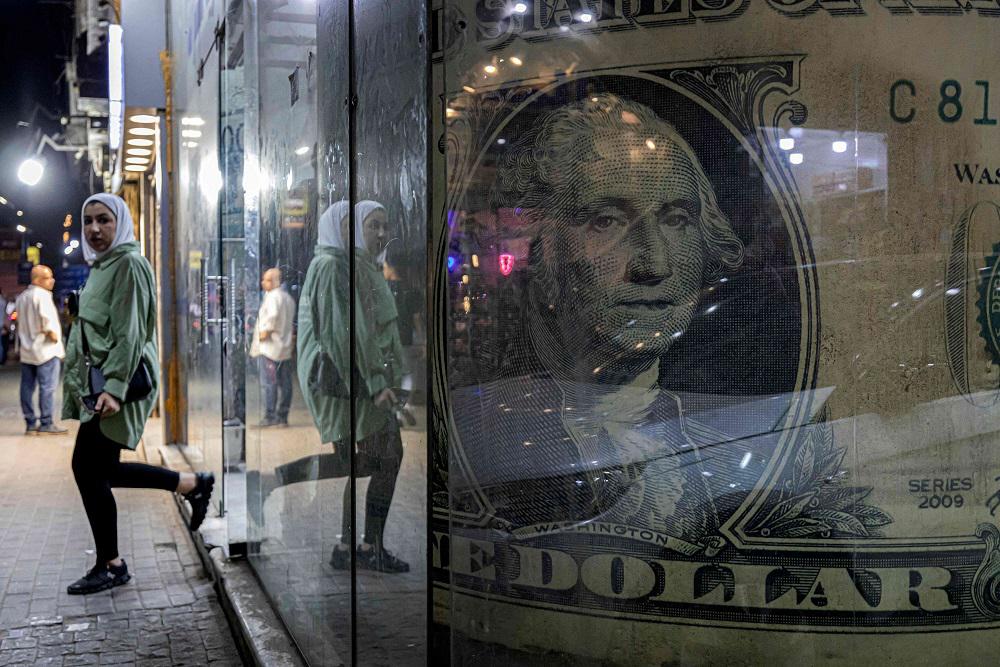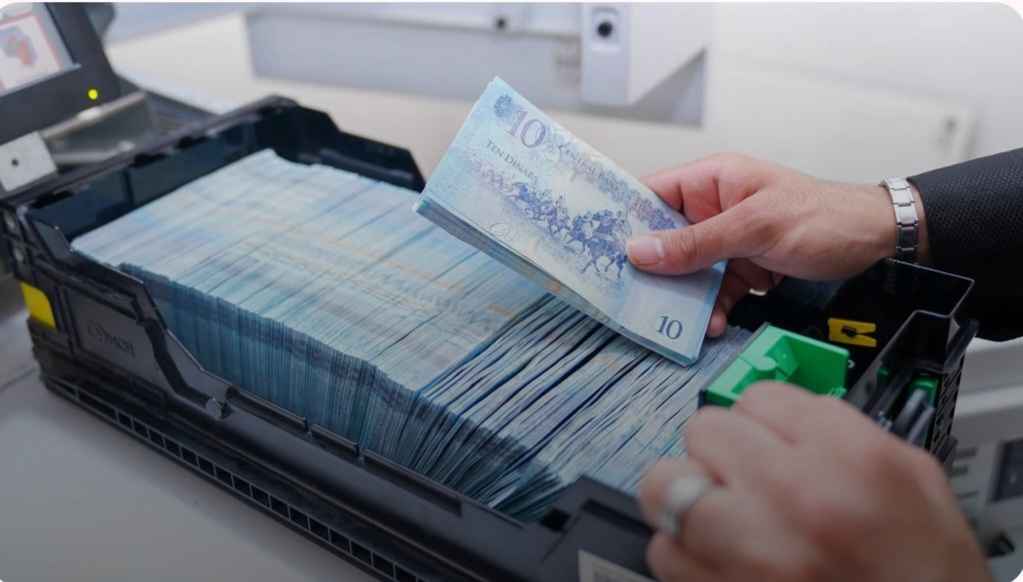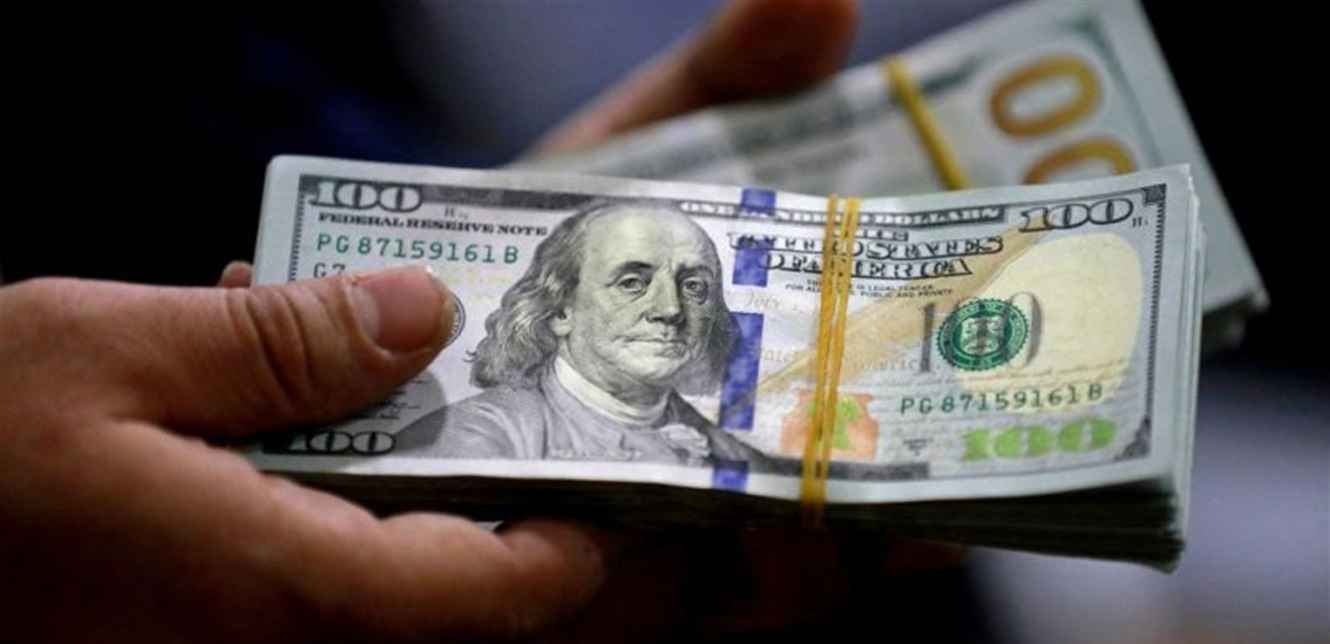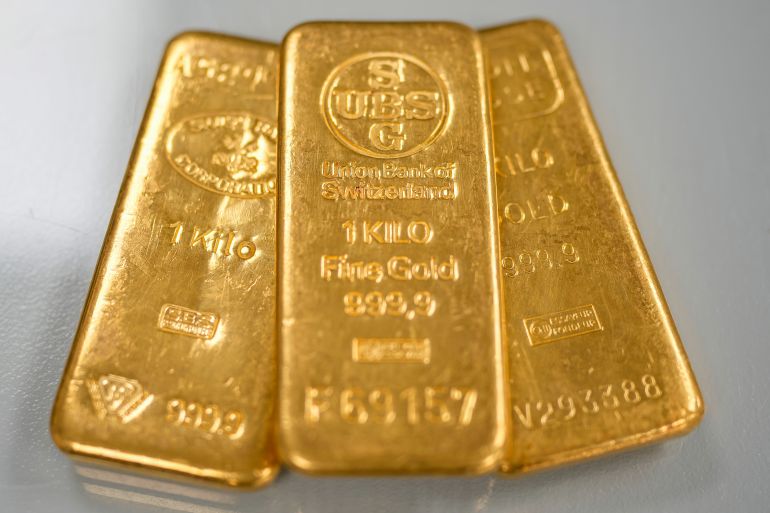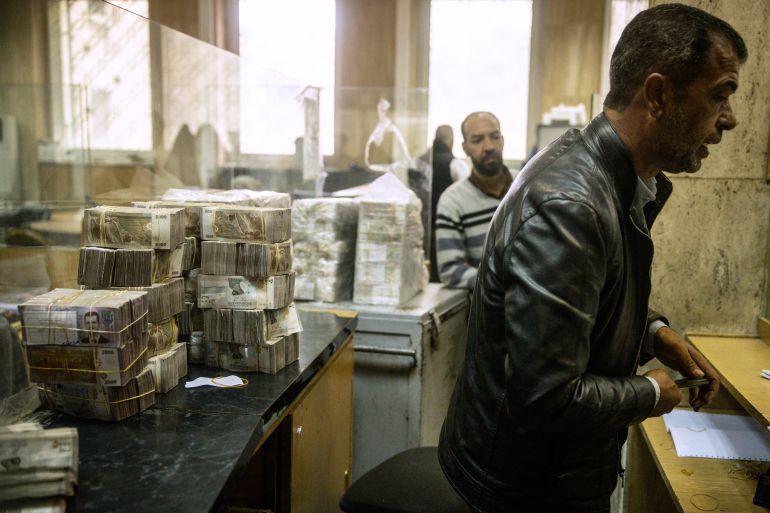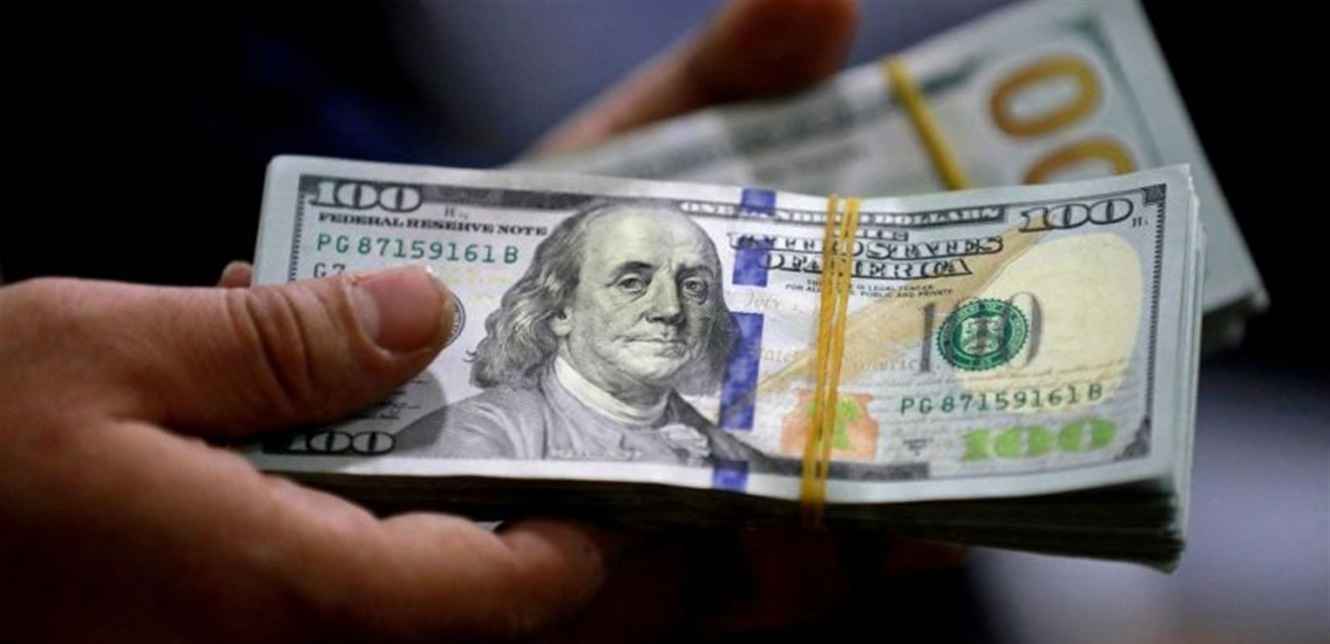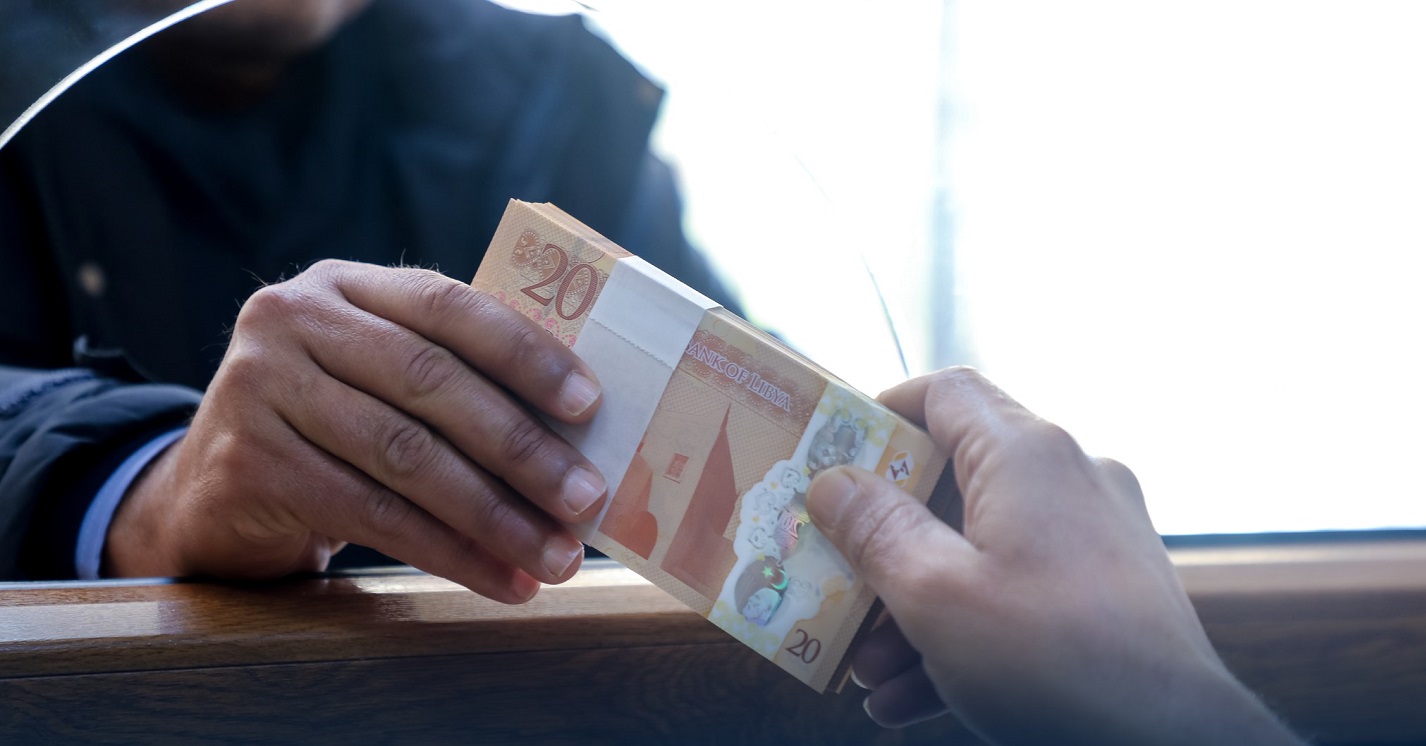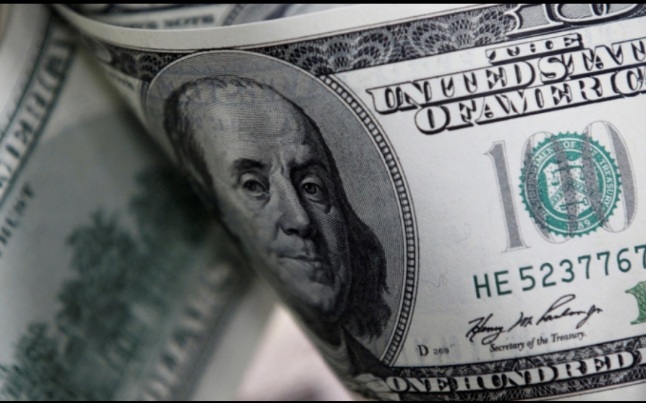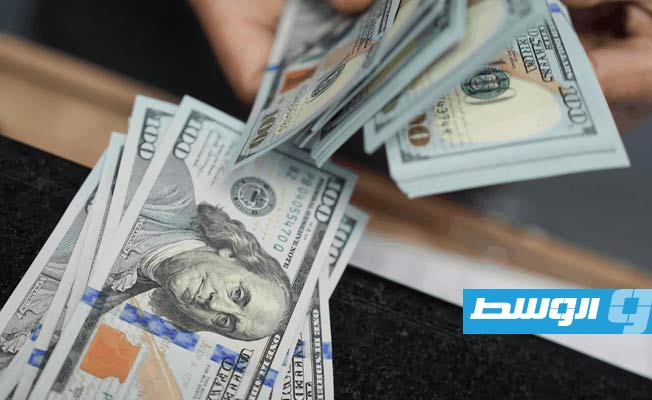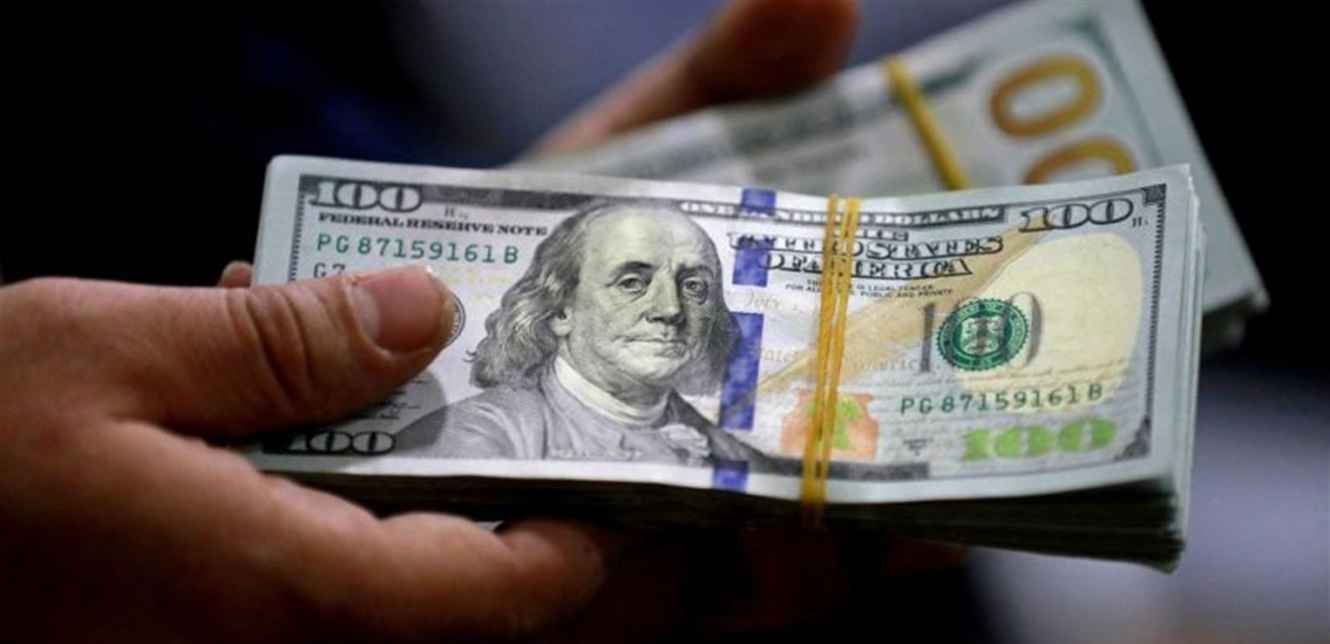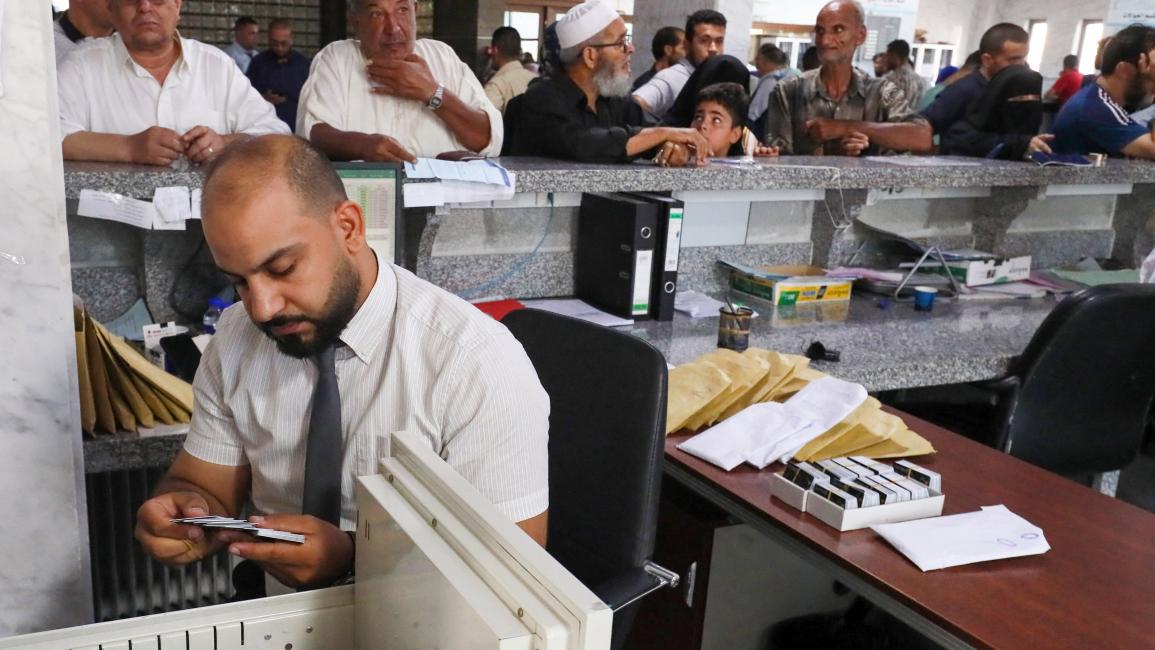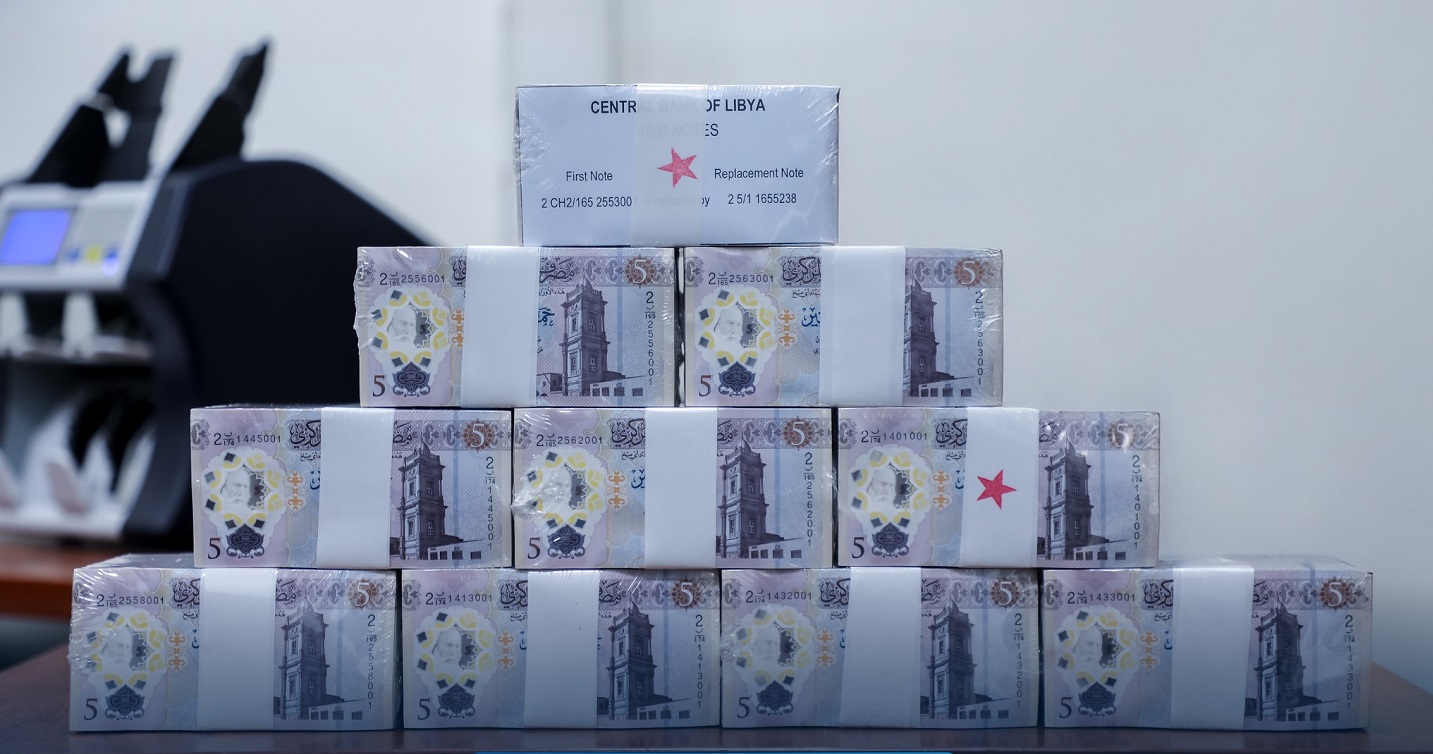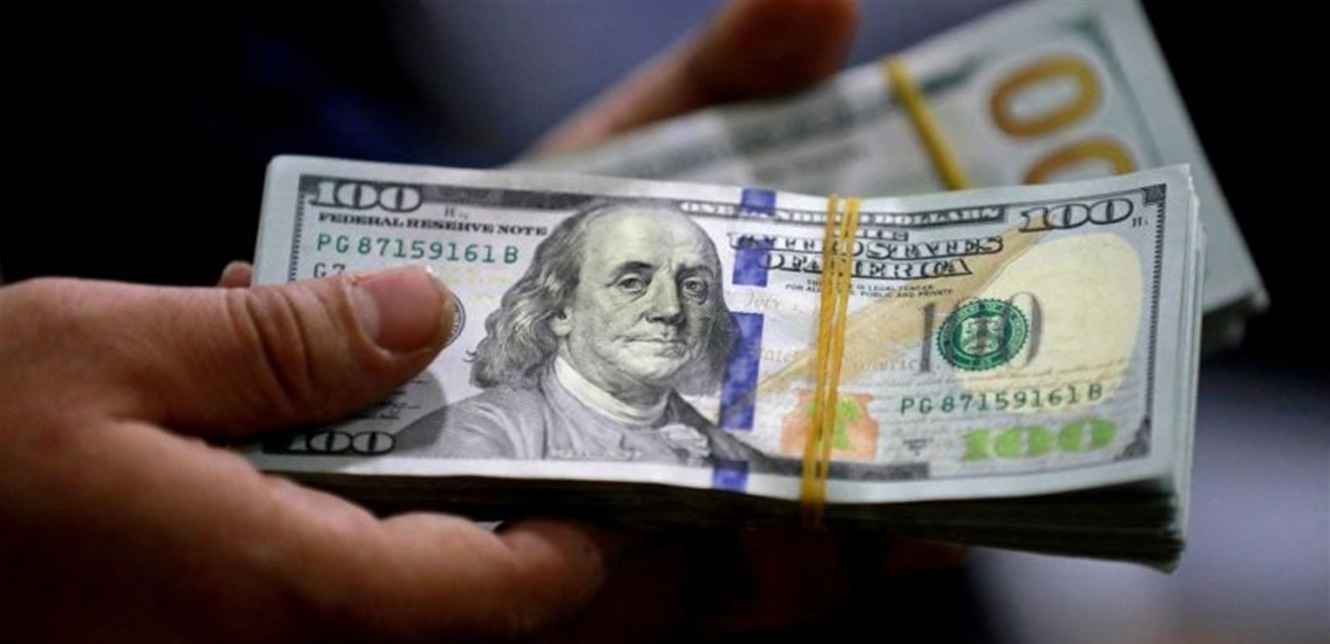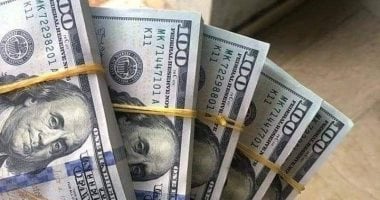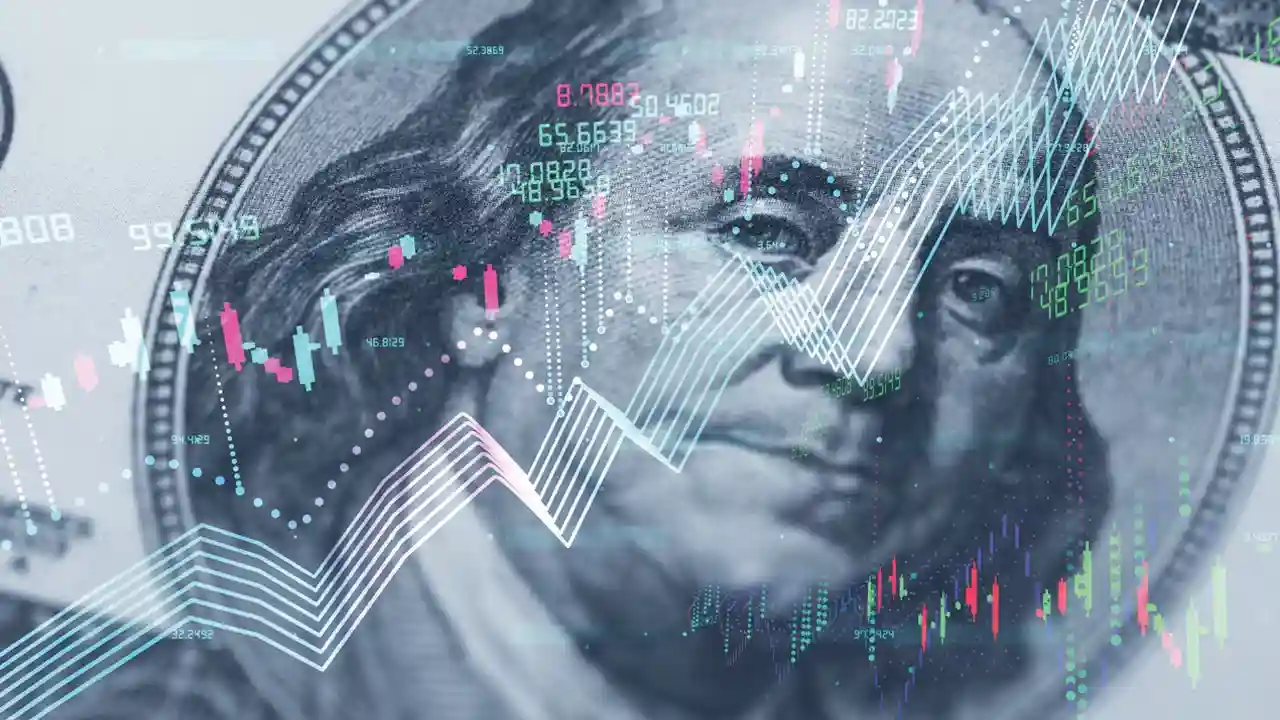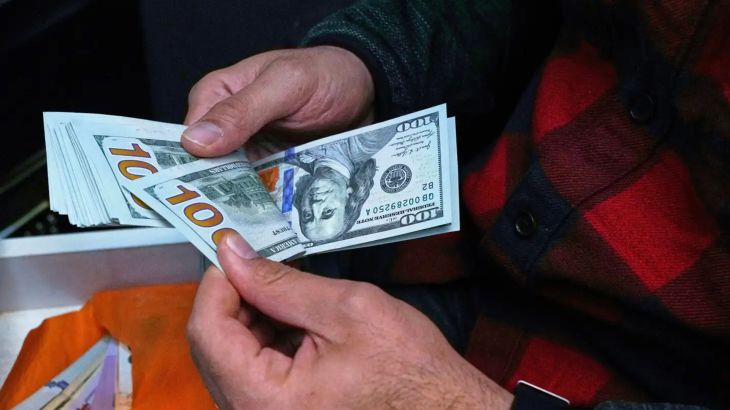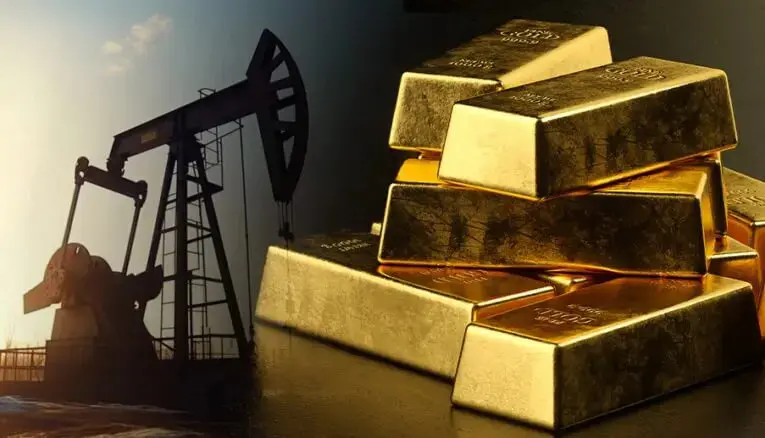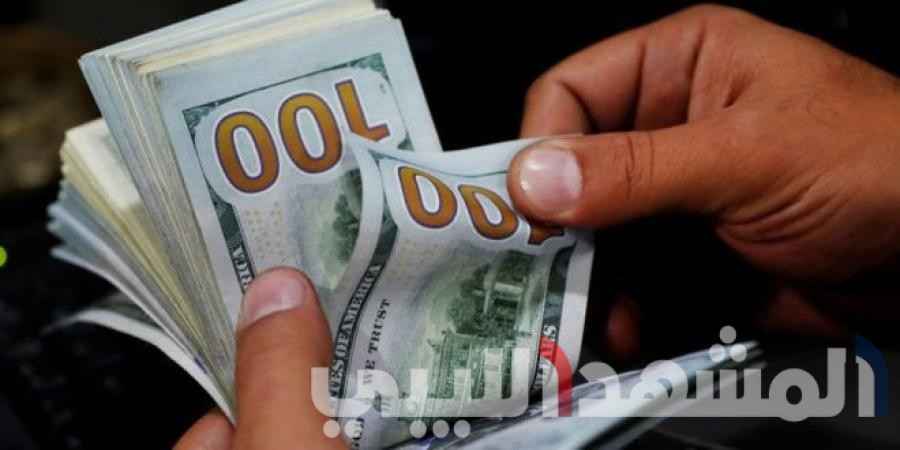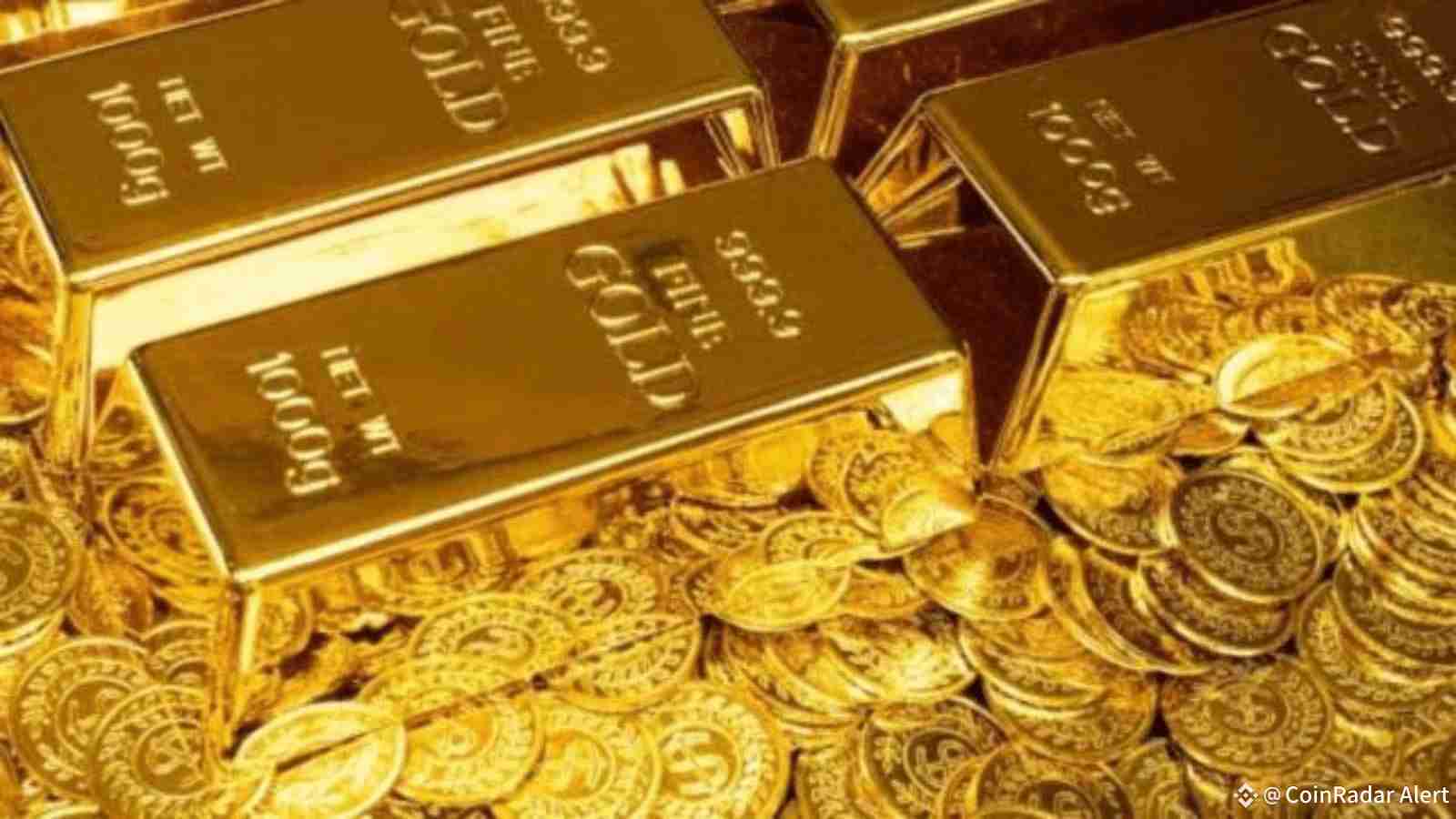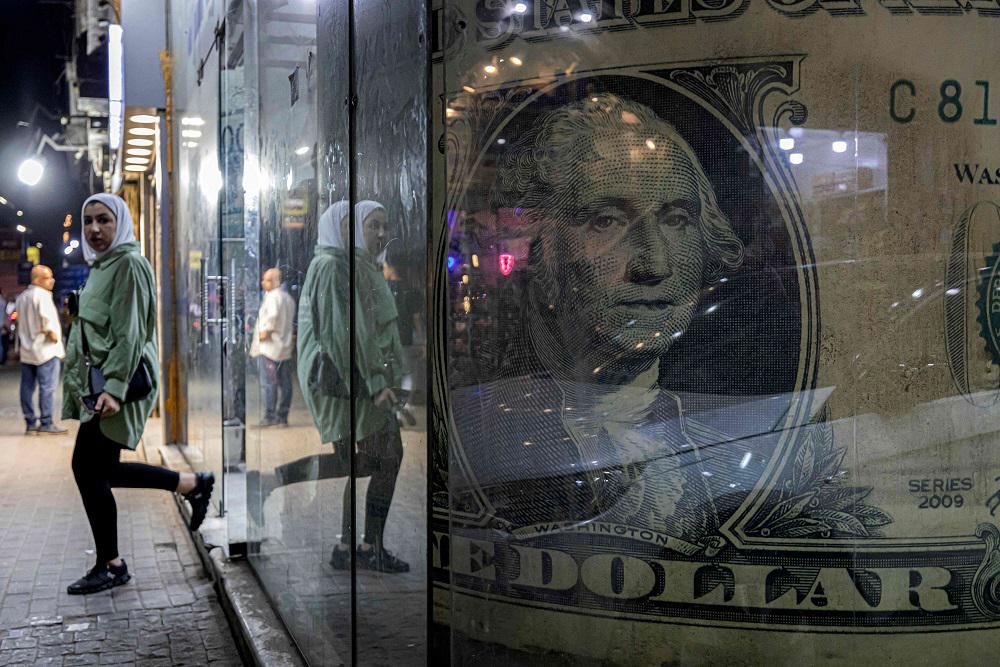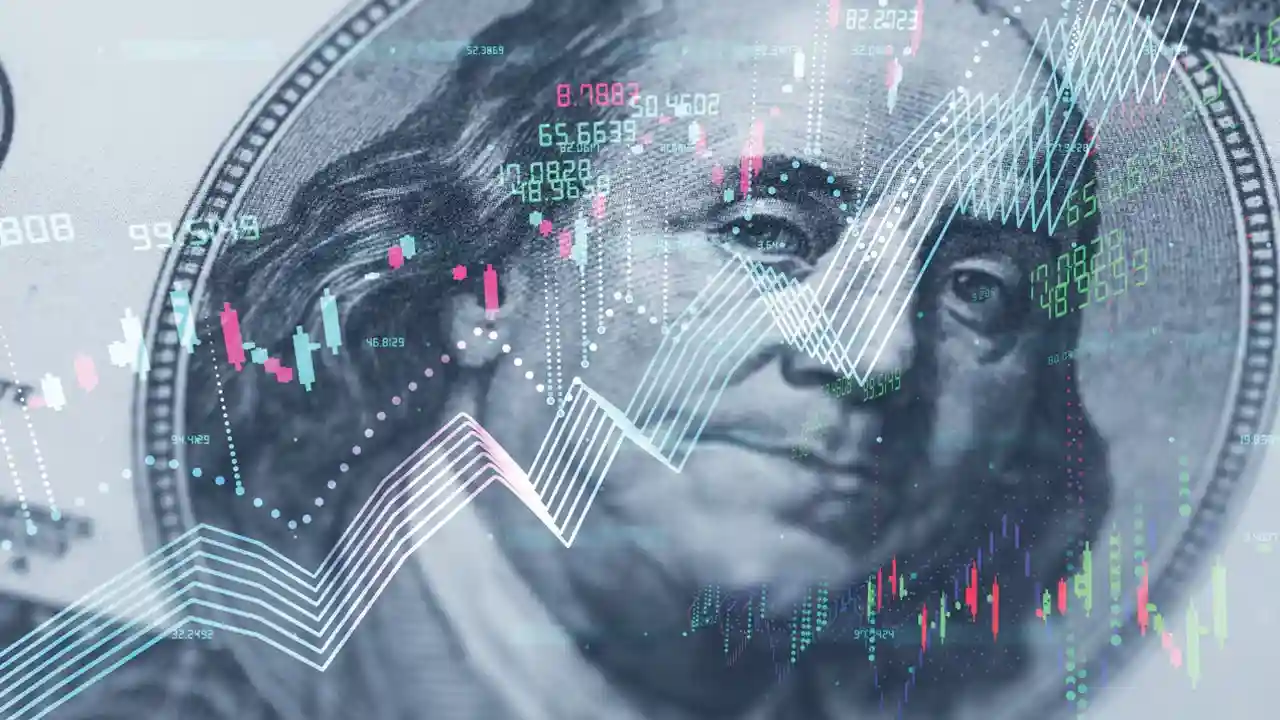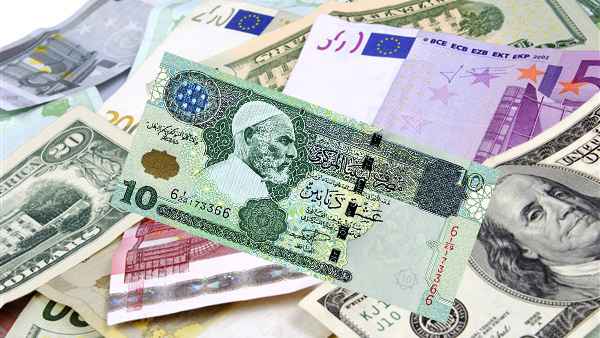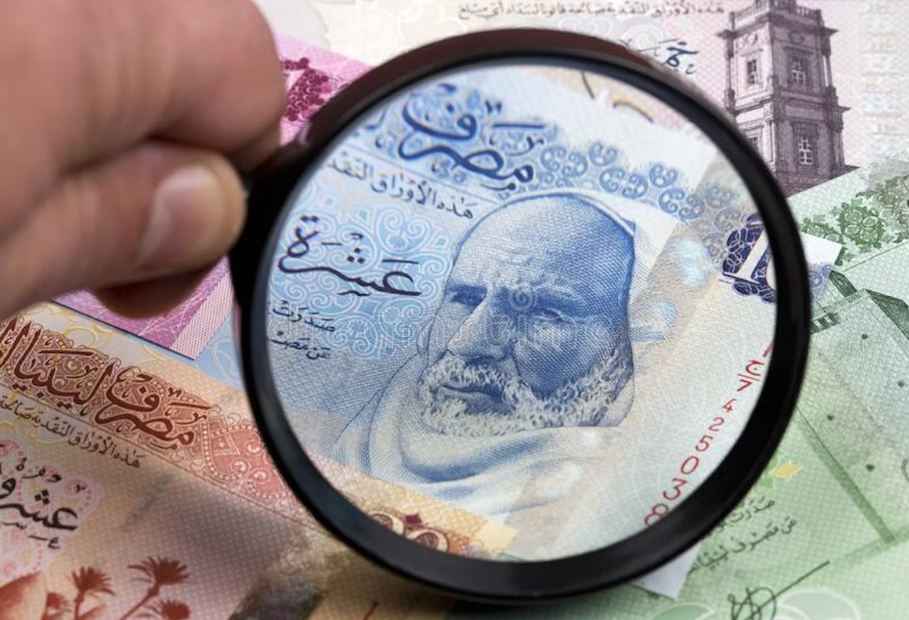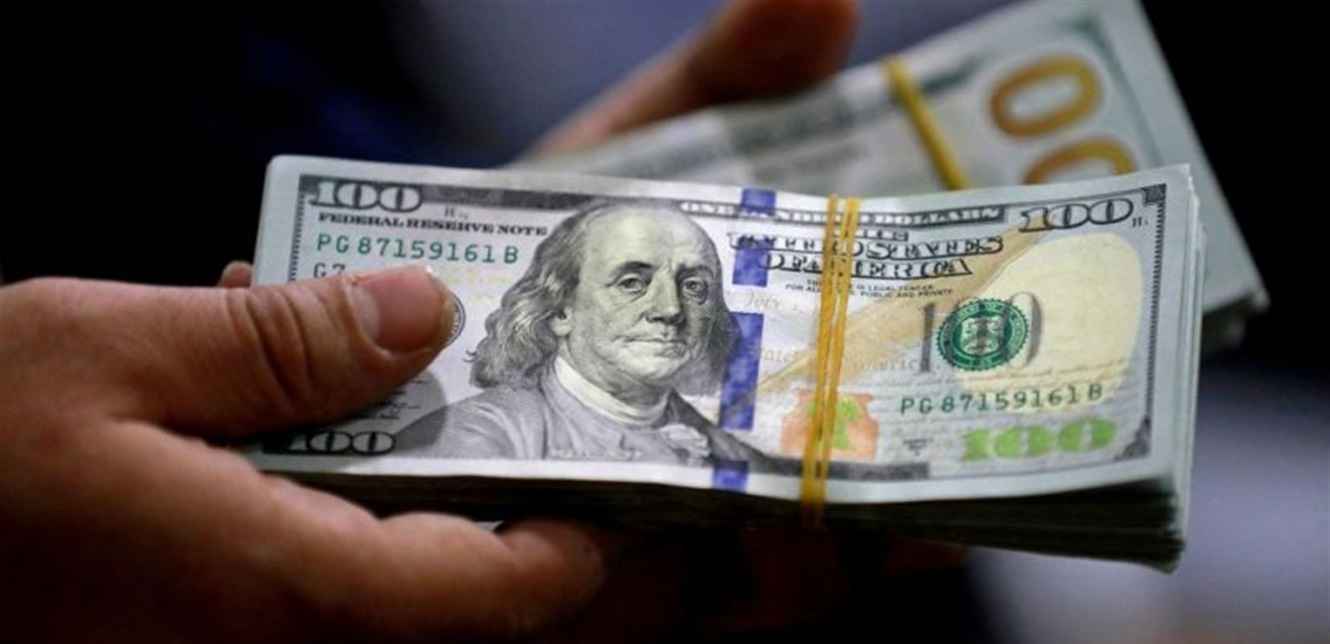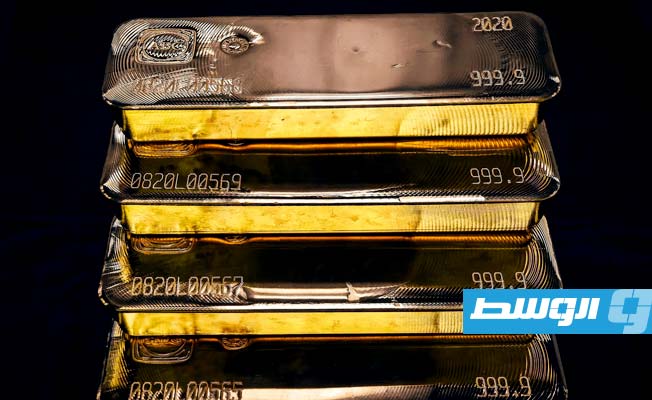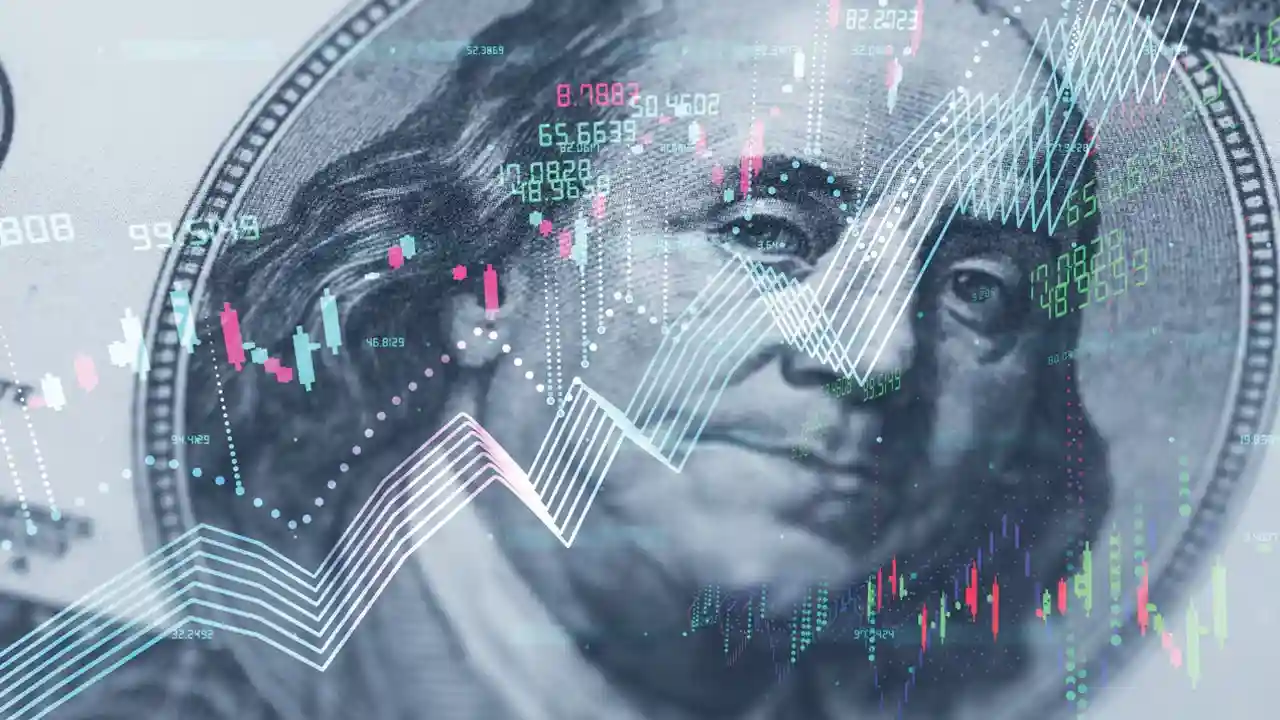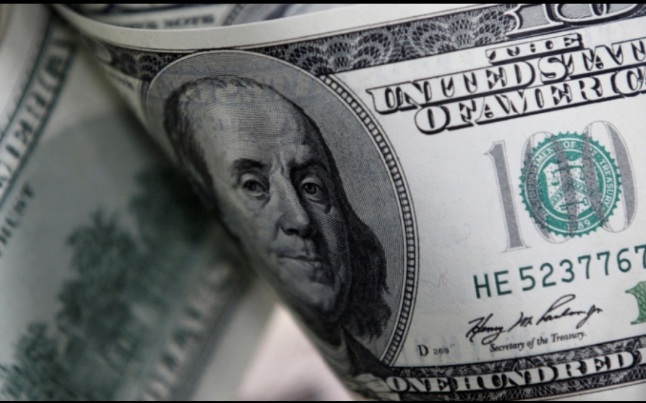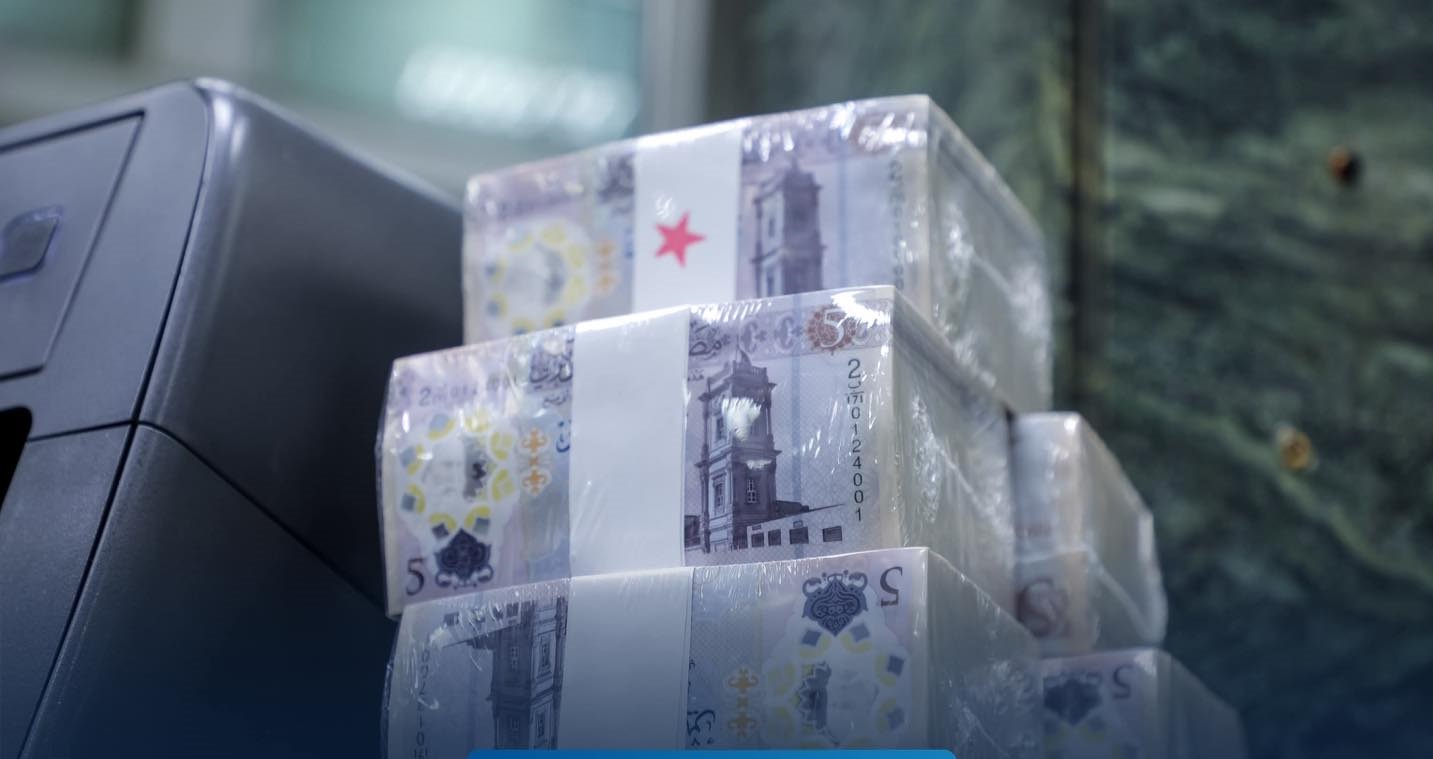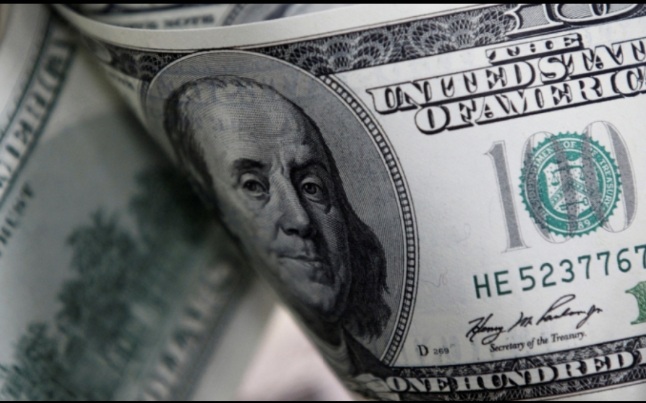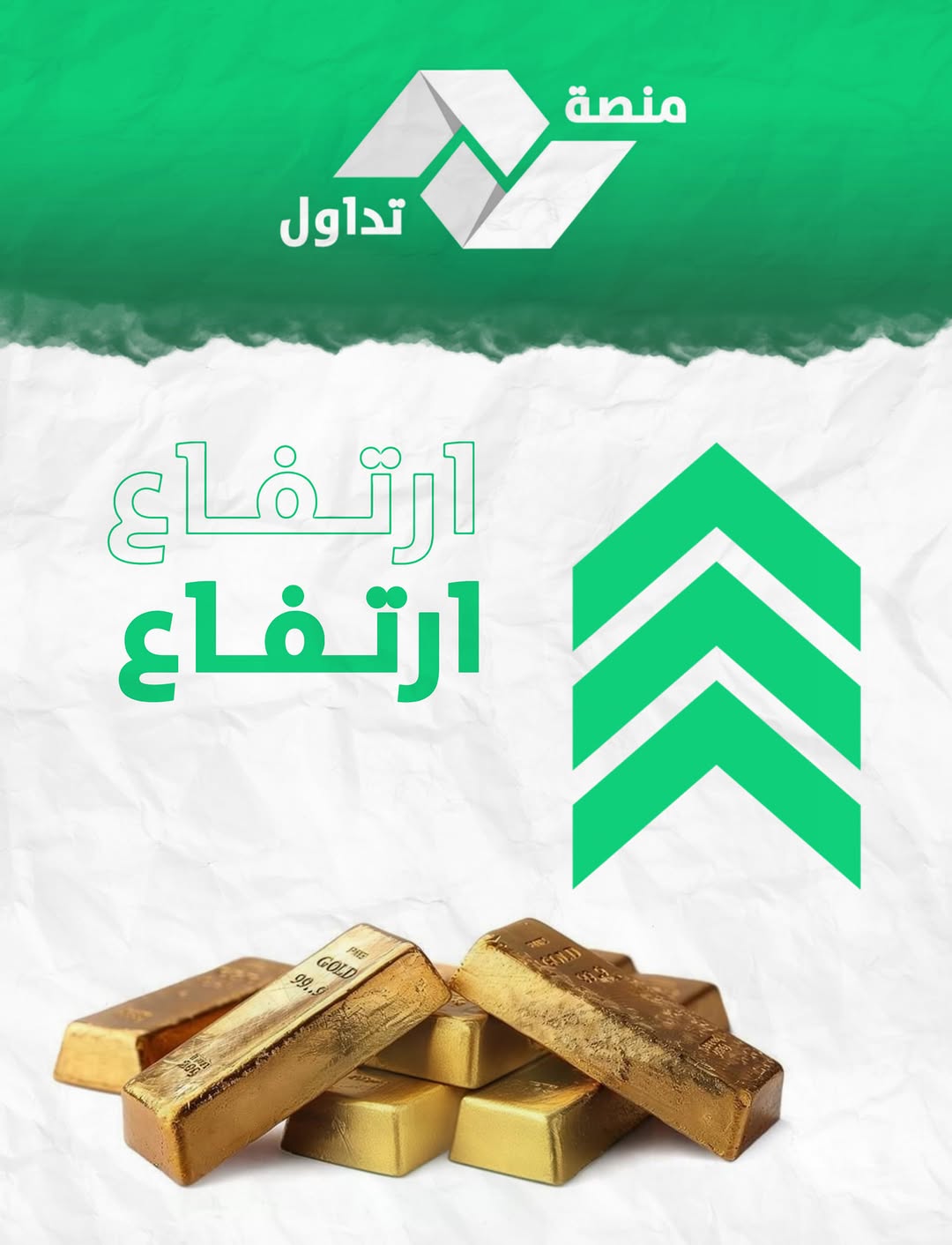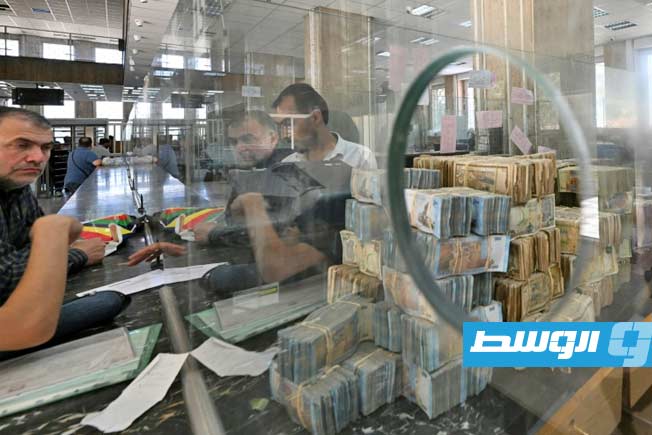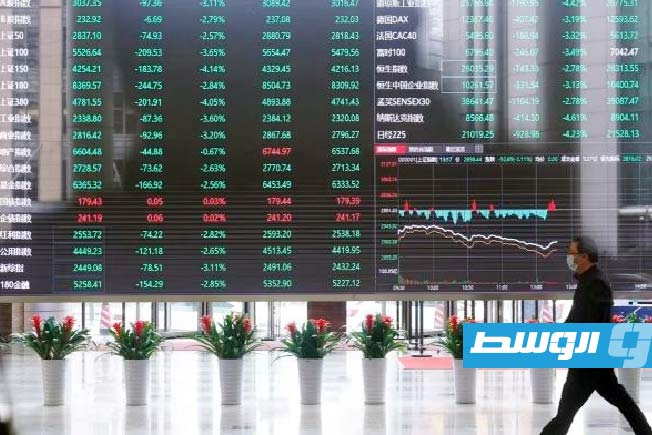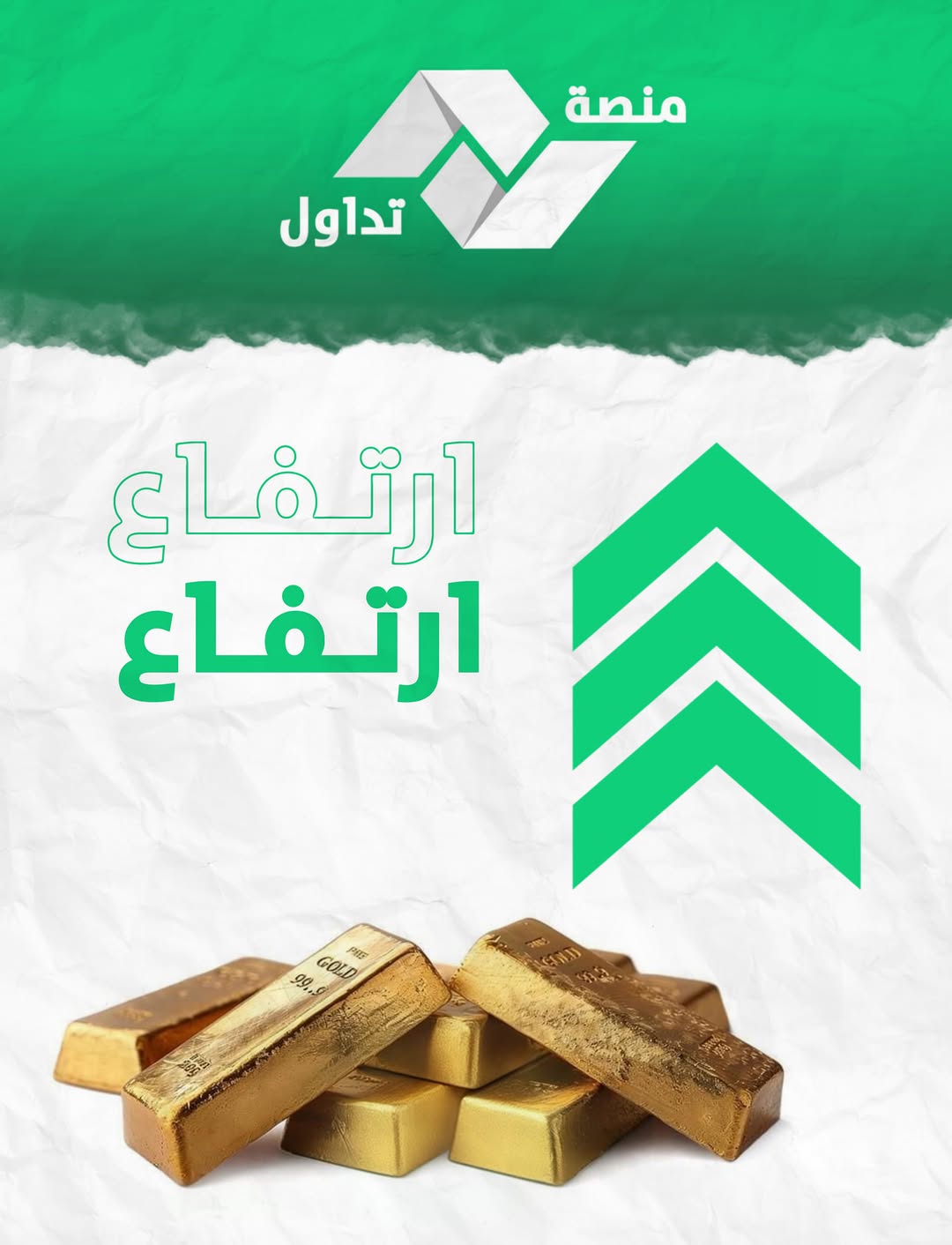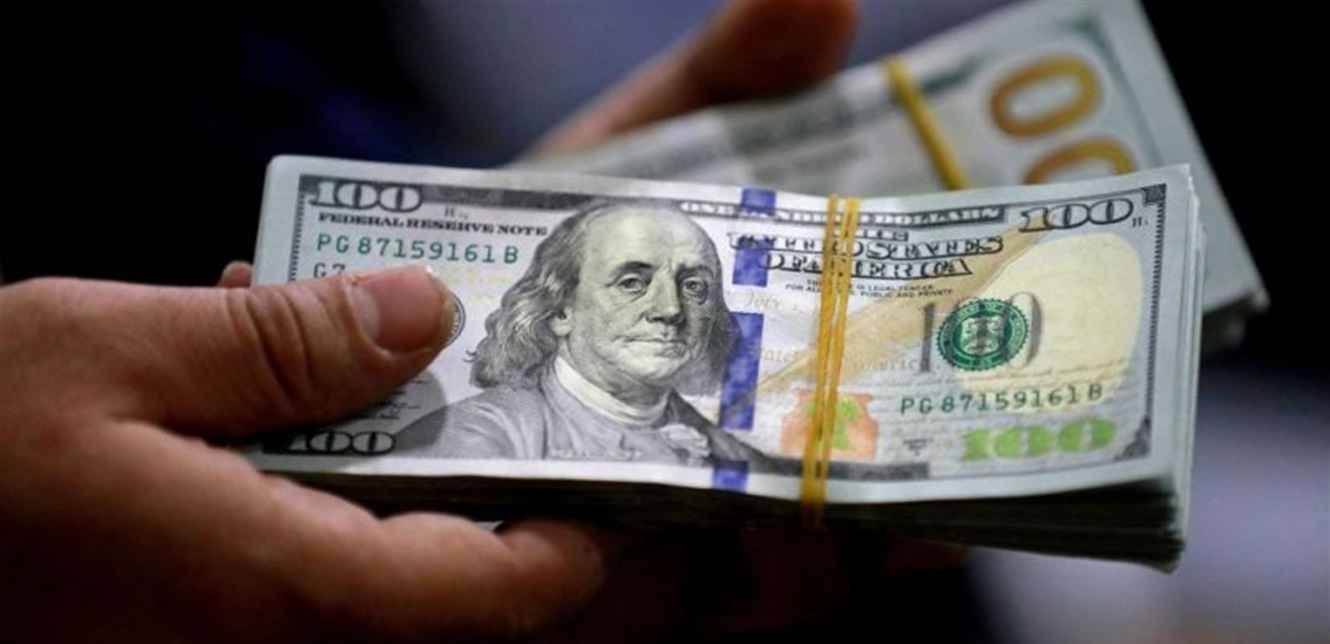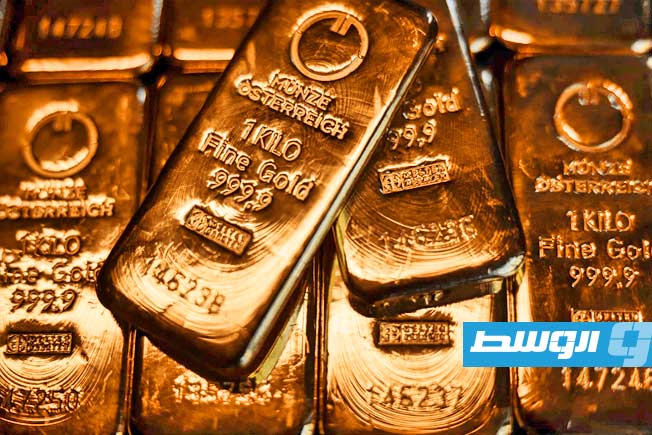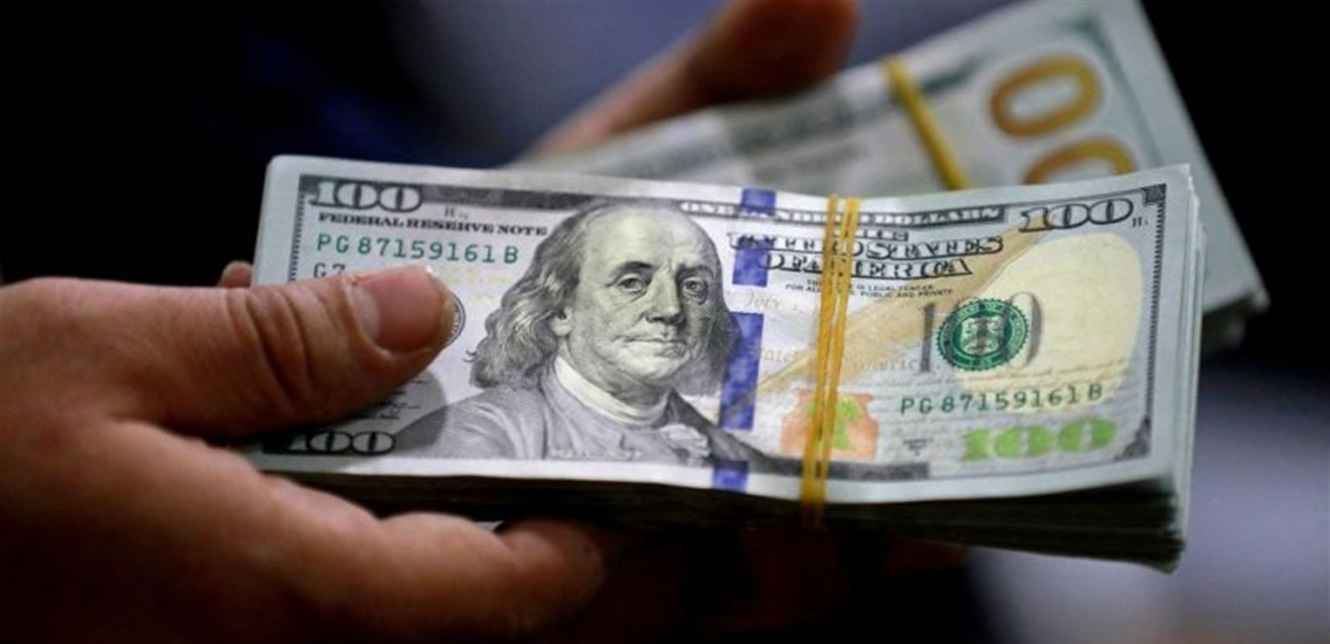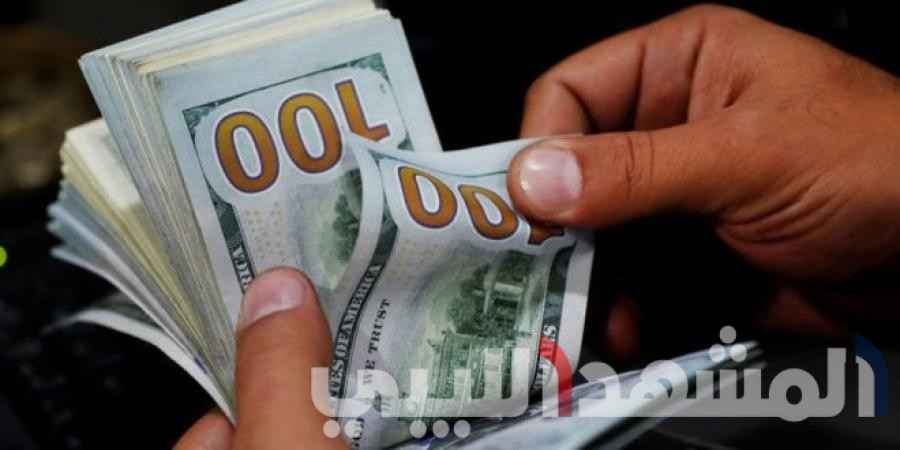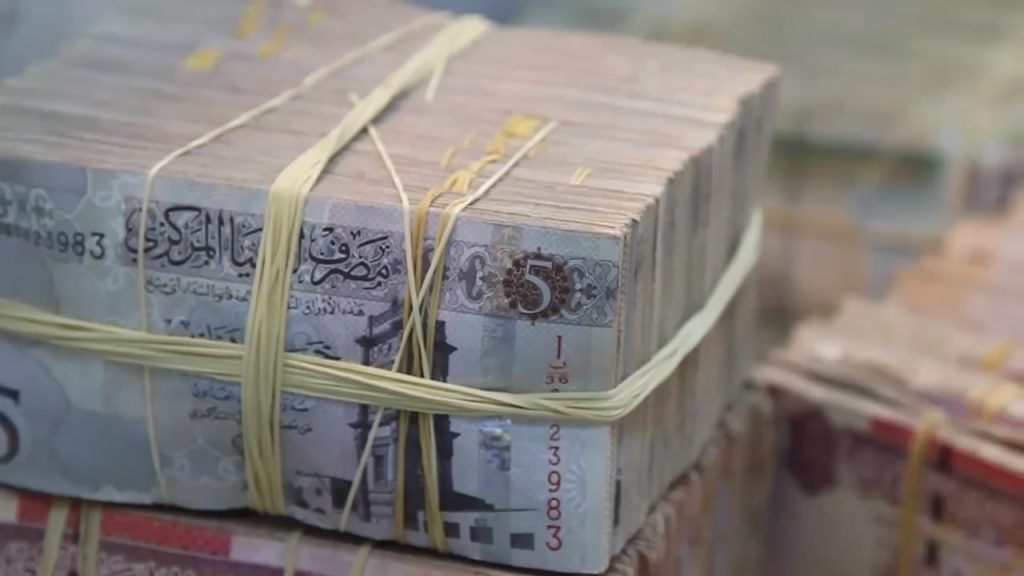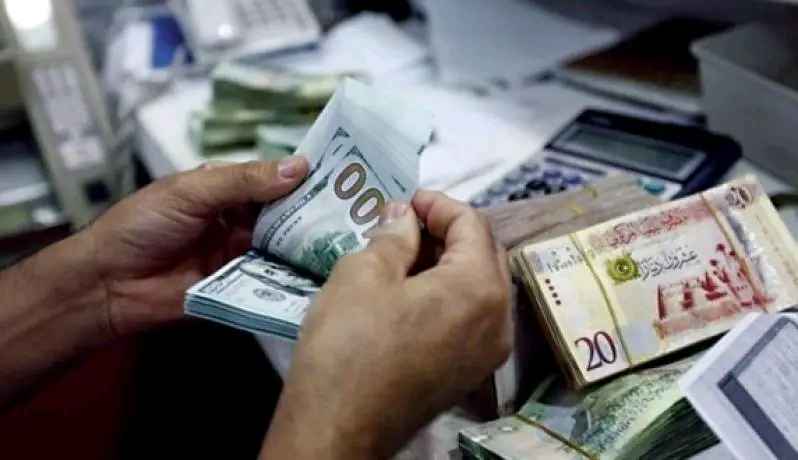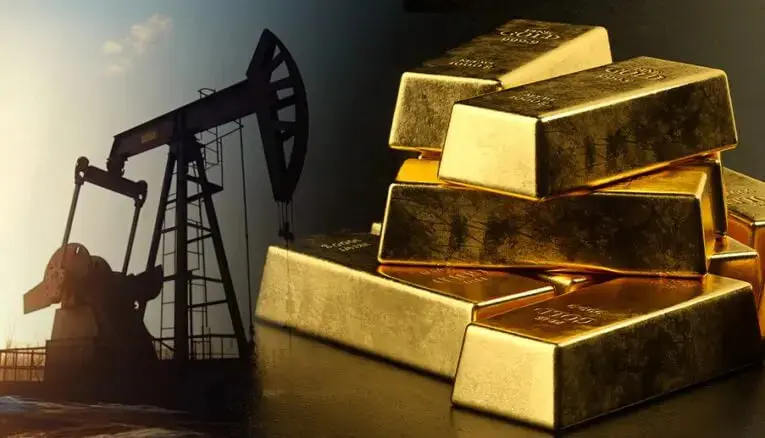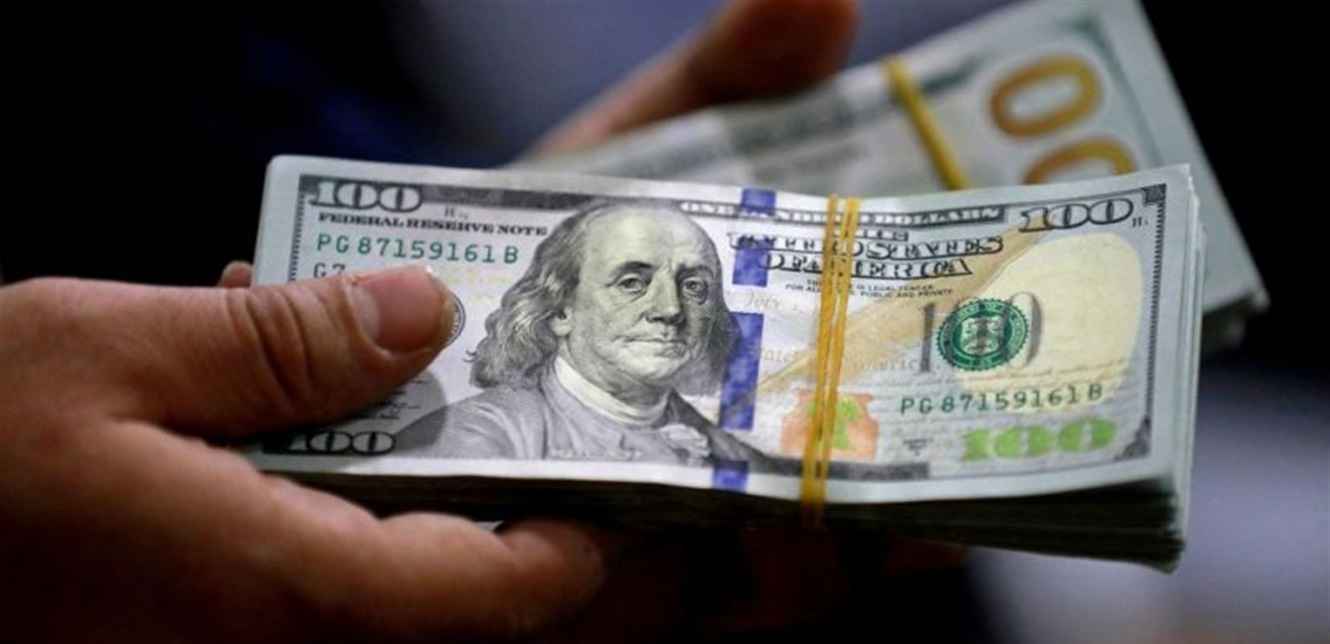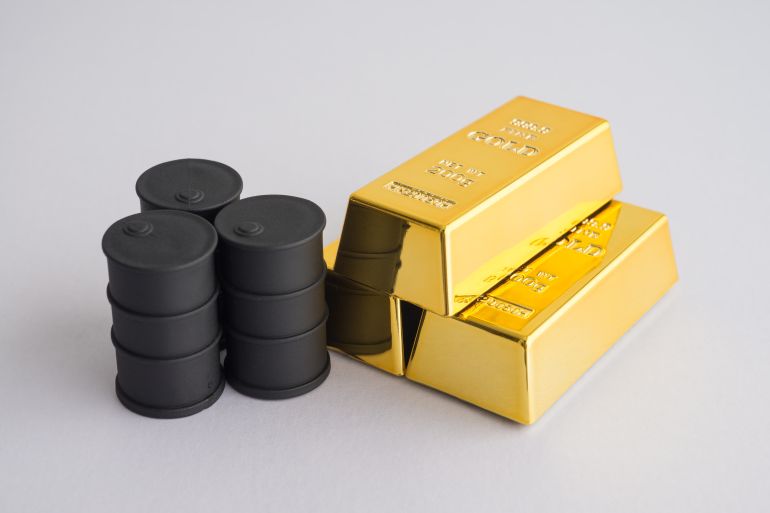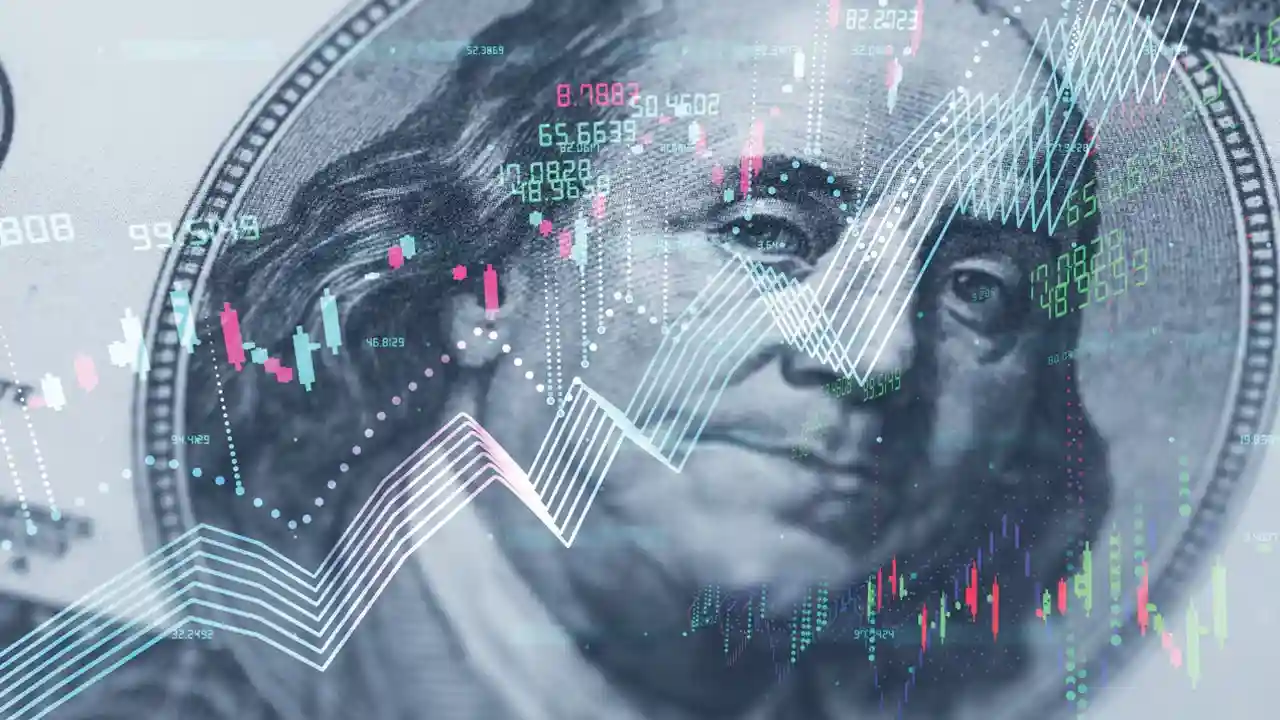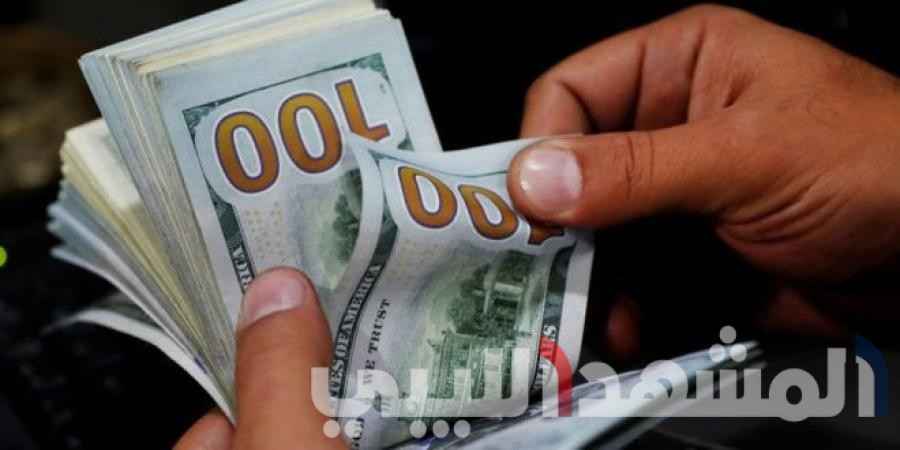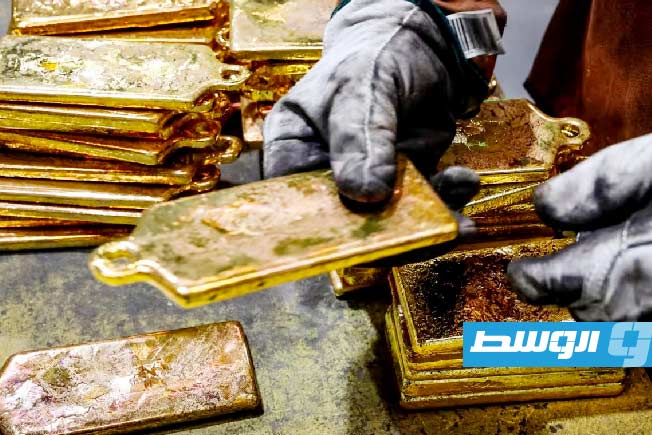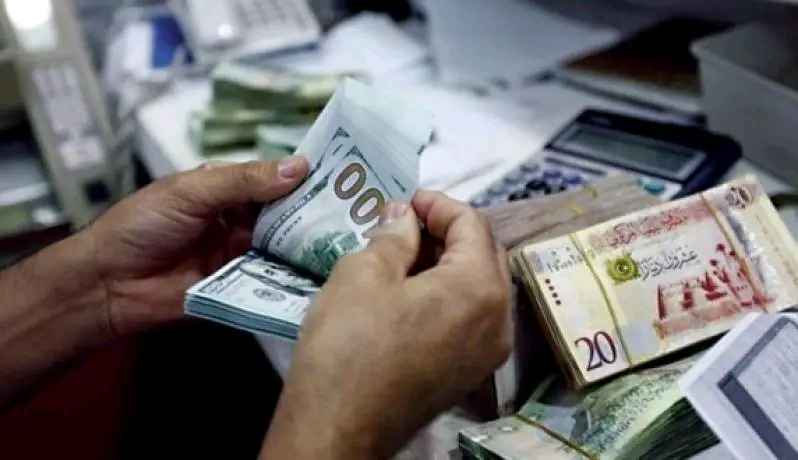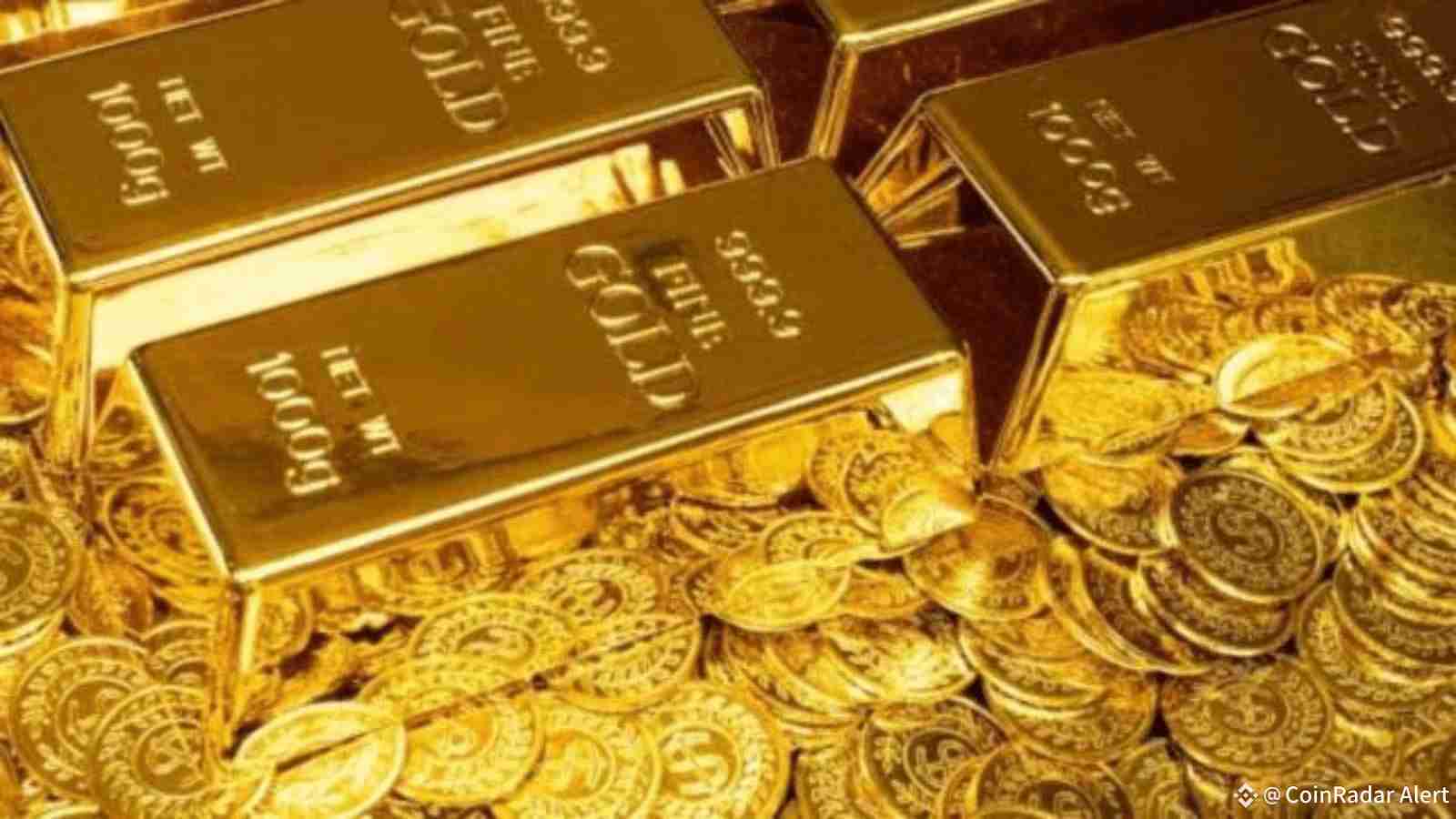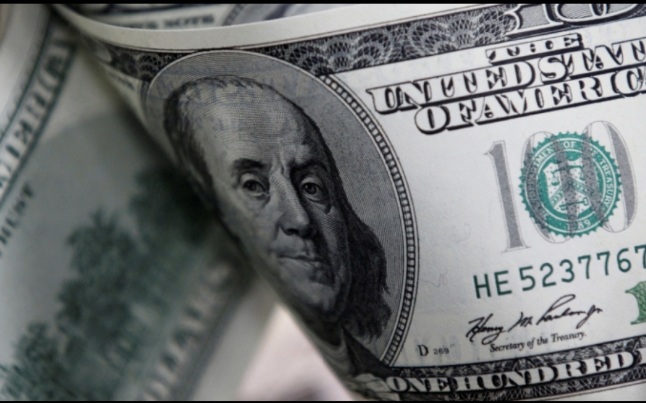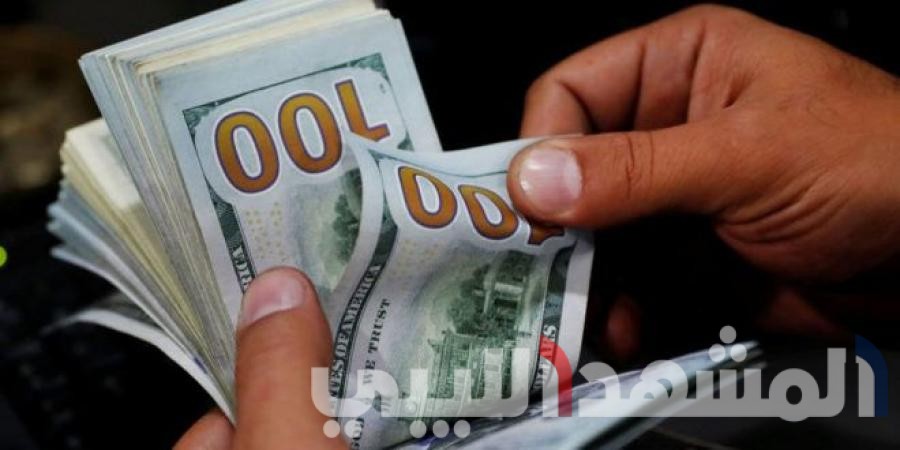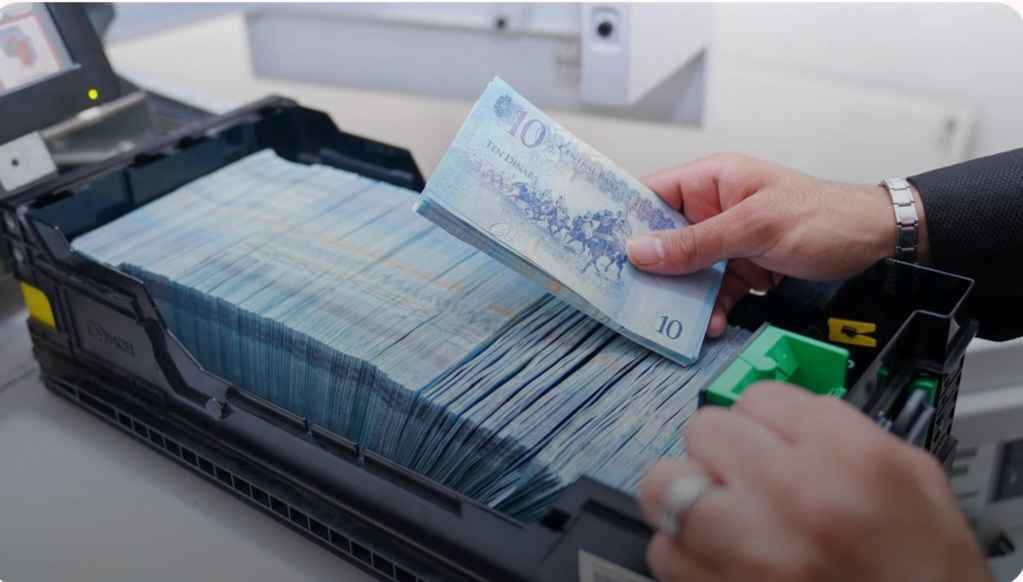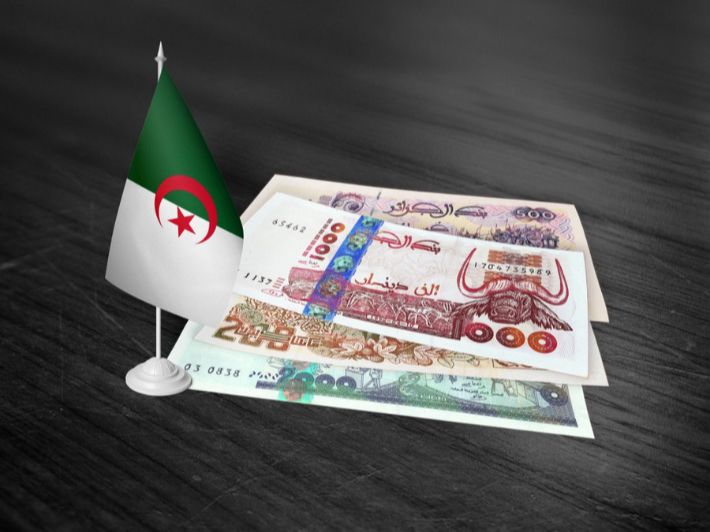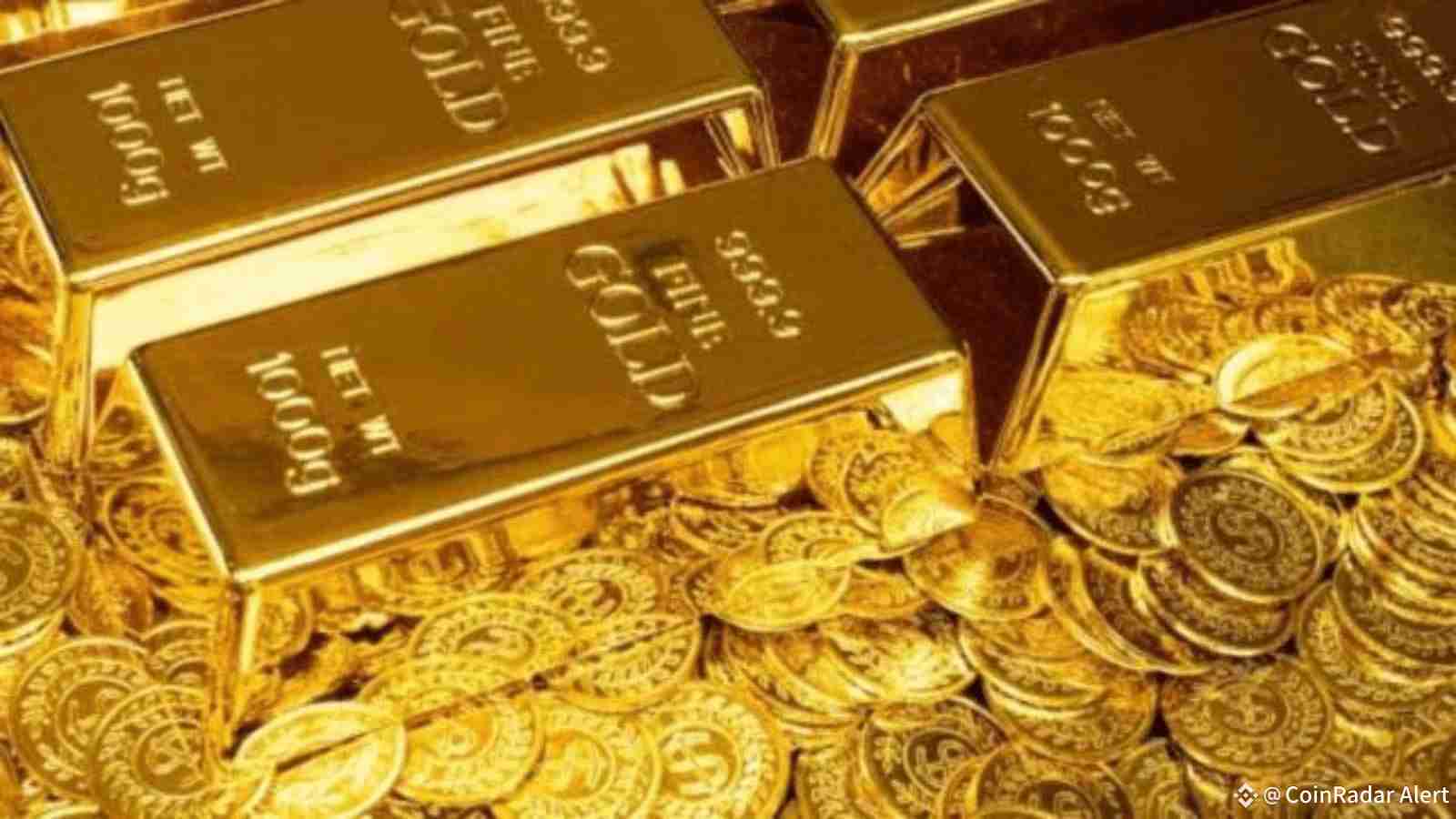
The currency market is experiencing a state of acute instability, which has directly impacted exchange rates and precious metal prices. The price of the US dollar in the parallel market has risen to 9.09 dinars, while the global price of a gold ounce has surpassed $4700 for the first time in history.
Important Notice: The listed prices are based on the local exchange rate and are subject to continuous fluctuation due to market volatility.
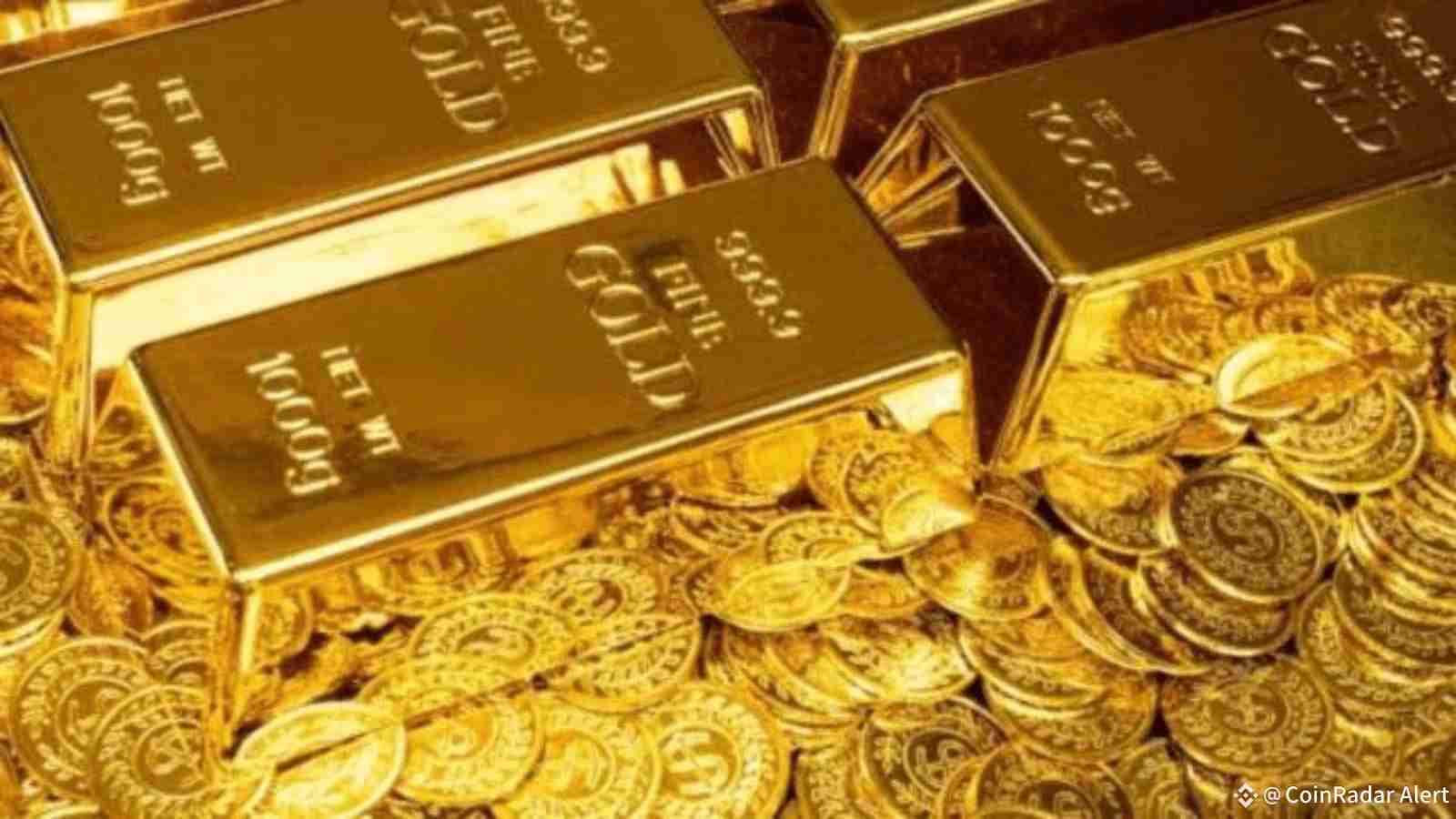
Gold Prices (Breakdown)
- 18 Karat: 1003.0 Dinars
- 21 Karat: 1170.1 Dinars
- 22 Karat: 1225.8 Dinars
- 24 Karat: 1337.3 Dinars
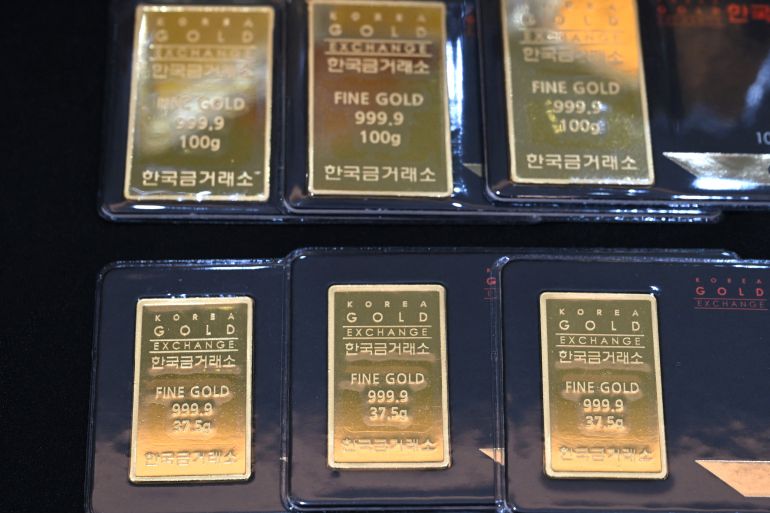
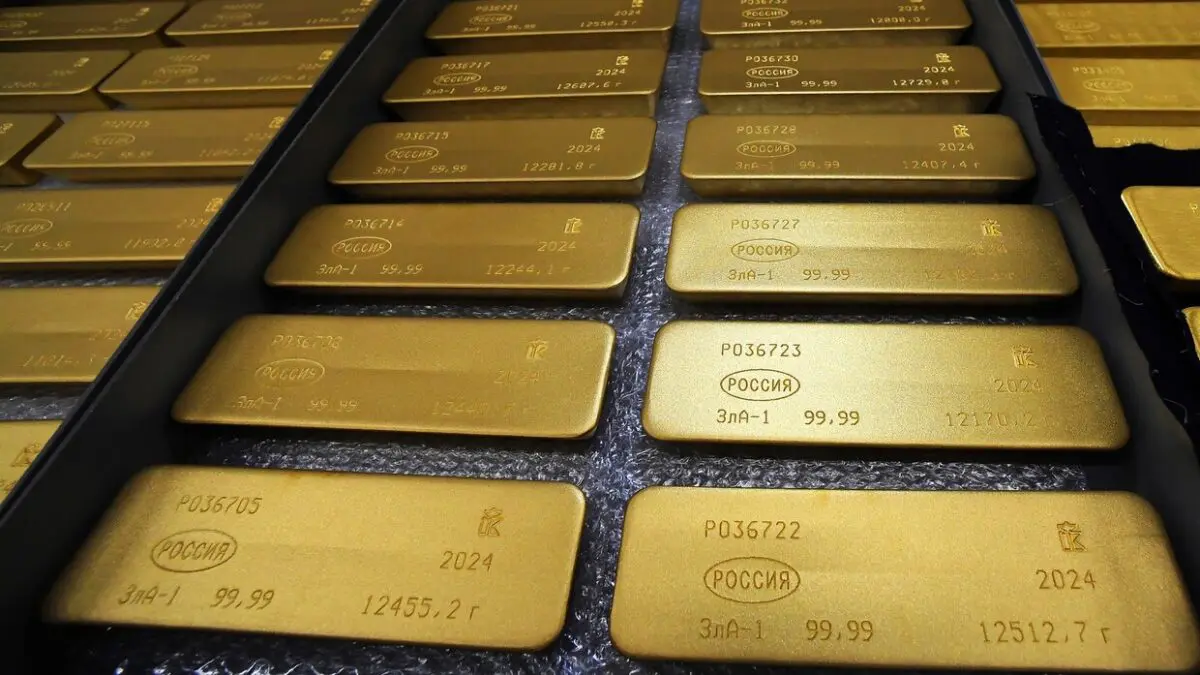
Local Gold Ingots
- 18 Karat: 1025
- 24 Karat: 1420 (for weights of 100g and above)
- Gold Lira: 10135 Dinars
New and Used Gold
- New:
- 18 Karat: from 1220 and above
- 21 Karat: from 1380 and above
- Used: from 1080 and above
Ingots (Cast)
- 5 grams: 7535 Dinars
- 10 grams: 14850 Dinars
Selling Prices
- 18K Gold Jewelry (8 grams weight): 8025 Dinars
- 21K Gold Lira (8 grams weight): 9360 Dinars
- 24K Gold Lira (14 grams weight): 18440 Dinars
- Dowry Ounce (30 grams, 18 Karat): 30090 Dinars
Purchase Prices
- 18K Gold Ingot: 1022 Dinars
- Local Silver Ingot: 26.30 Dinars
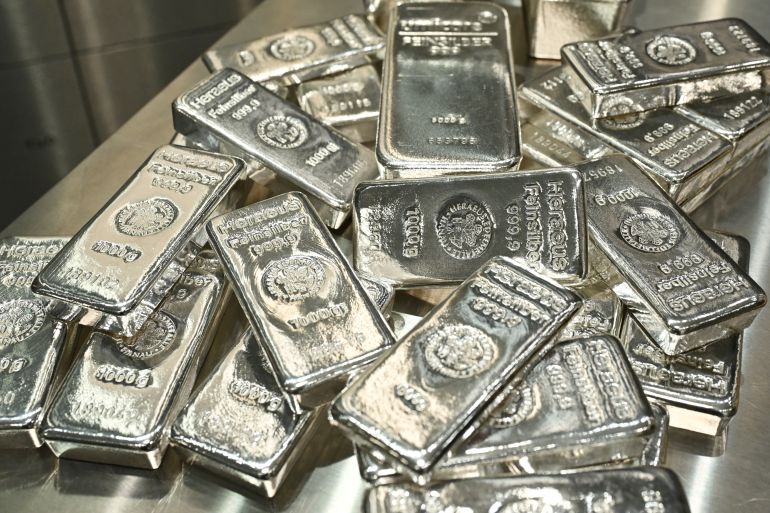
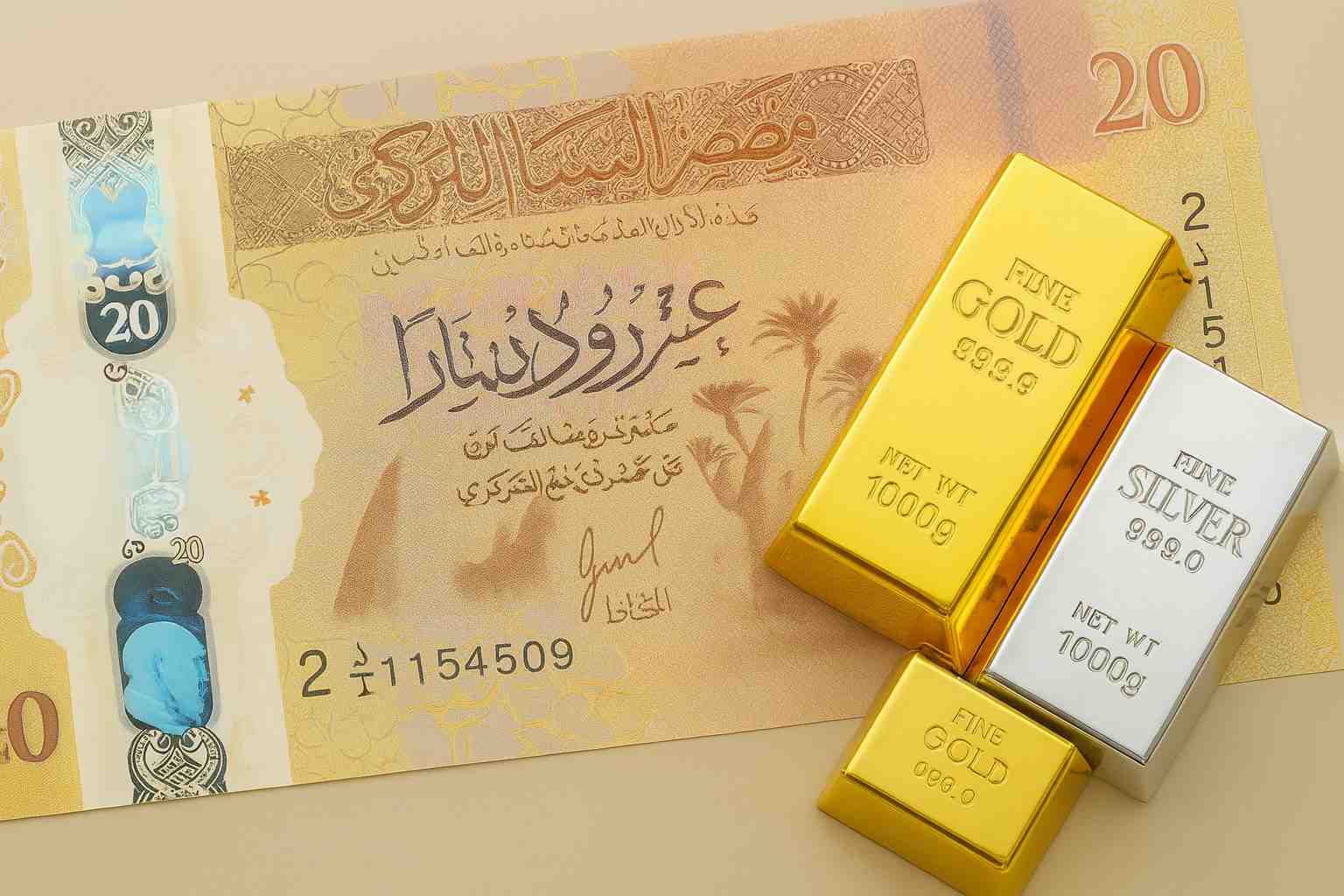
Silver Prices (Ingots and Cast)
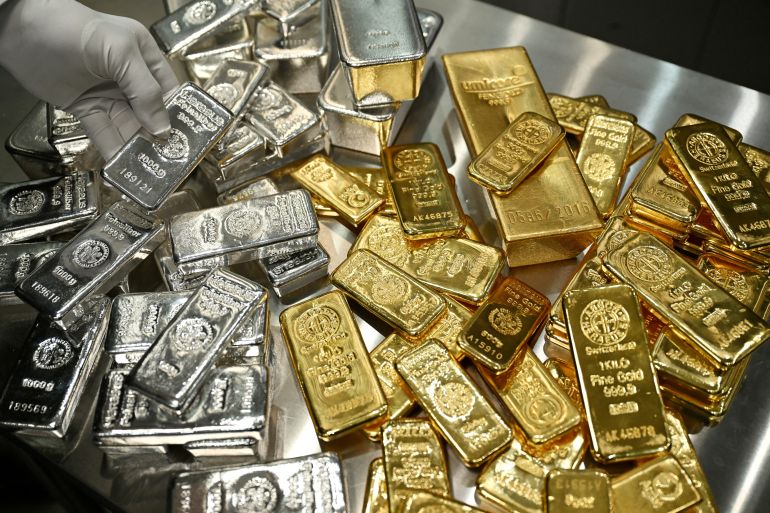
- Rare Turkish Silver Ingots: from 28690 to 28790 Dinars
- Turkish Cast Silver 🇹🇷 HAS 999.9: 27.40
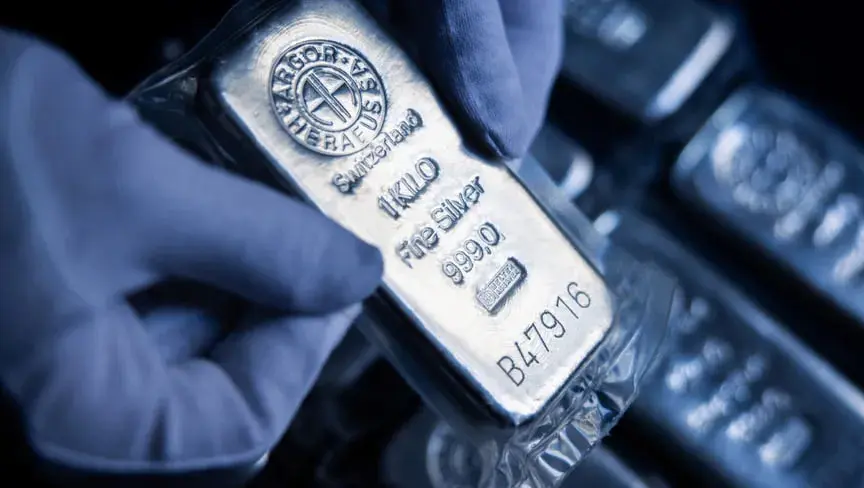
- Swiss Cast Silver 🇨🇭 Valcambi 999.9: 28.40
- Local 985 Karat Cast Silver: 27500
- Rare Cast Silver: 28600 Dinars
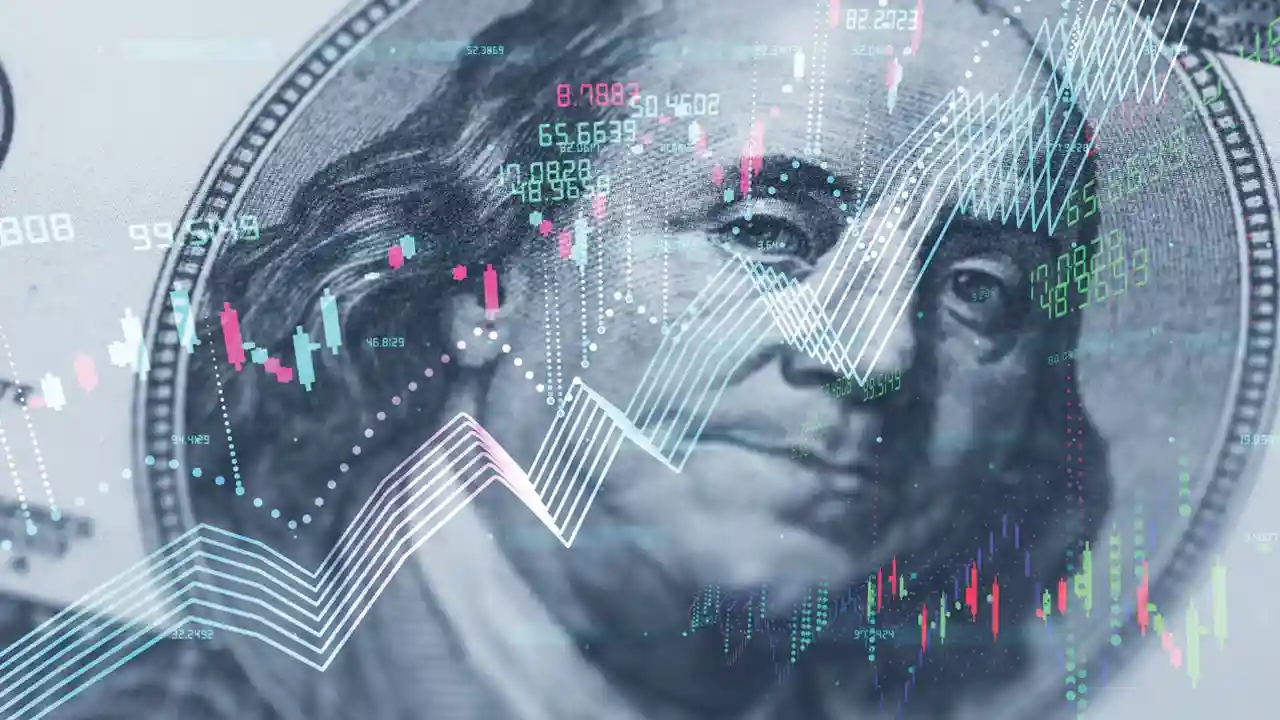
US dollar
The US dollar is the official currency of the United States, established by the Coinage Act of 1792. It evolved from a system based on Spanish milled dollars and has become the world’s primary reserve currency since the Bretton Woods Agreement in 1944.
Turkish Silver Ingots
Turkish silver ingots, often referred to as “Turkish bars” or “Ottoman silver ingots,” are historical bullion pieces primarily minted during the late Ottoman Empire. They were commonly used as a form of currency and store of wealth in trade across the empire and neighboring regions, particularly in the 19th and early 20th centuries. These ingots are recognized by their distinctive oblong shape and stamped official marks, or *tuğras*, indicating their authenticity and silver purity.
Turkish Cast Silver
“Turkish Cast Silver” refers to a traditional Ottoman-era metalworking craft, particularly known for producing decorative items like bowls, trays, and jewelry using the lost-wax casting method. This art form flourished during the height of the Ottoman Empire, with artisans in major centers like Istanbul creating intricate pieces that often featured Islamic calligraphy and floral motifs. The craft represents a significant part of Turkey’s cultural heritage in silversmithing and decorative arts.
Swiss Cast Silver
“Swiss Cast Silver” refers to a category of high-quality silverware and decorative objects produced in Switzerland, particularly known for pieces made using the casting technique from the late 19th century onward. This tradition is closely associated with renowned Swiss silversmiths and firms, such as those in Geneva and Bern, who created intricate items like centerpieces, figurines, and trophies. The craft reflects Switzerland’s long history of precision metalworking and luxury craftsmanship, often bearing hallmarks that guarantee the silver’s purity and origin.
Valcambi
Valcambi is a Swiss precious metals refinery founded in 1961 in Balerna, Switzerland, known globally for producing gold, silver, platinum, and palladium bars and coins. It has a long history of serving central banks, financial institutions, and private investors, and became a subsidiary of the Indian conglomerate Rajesh Exports in 2015.