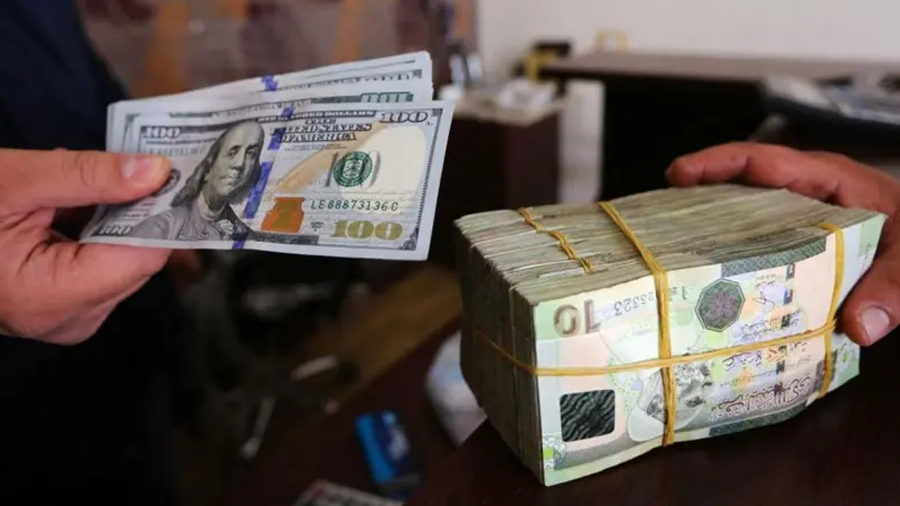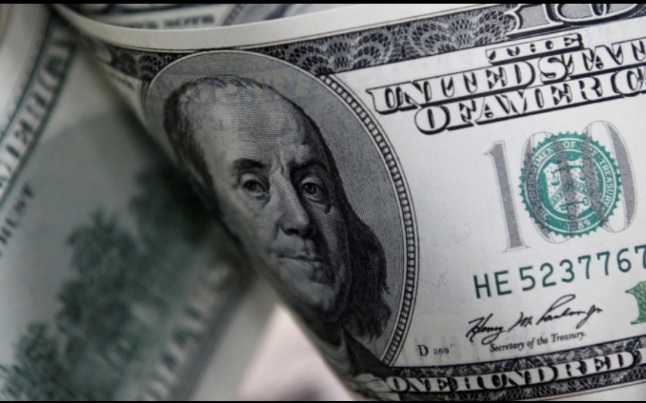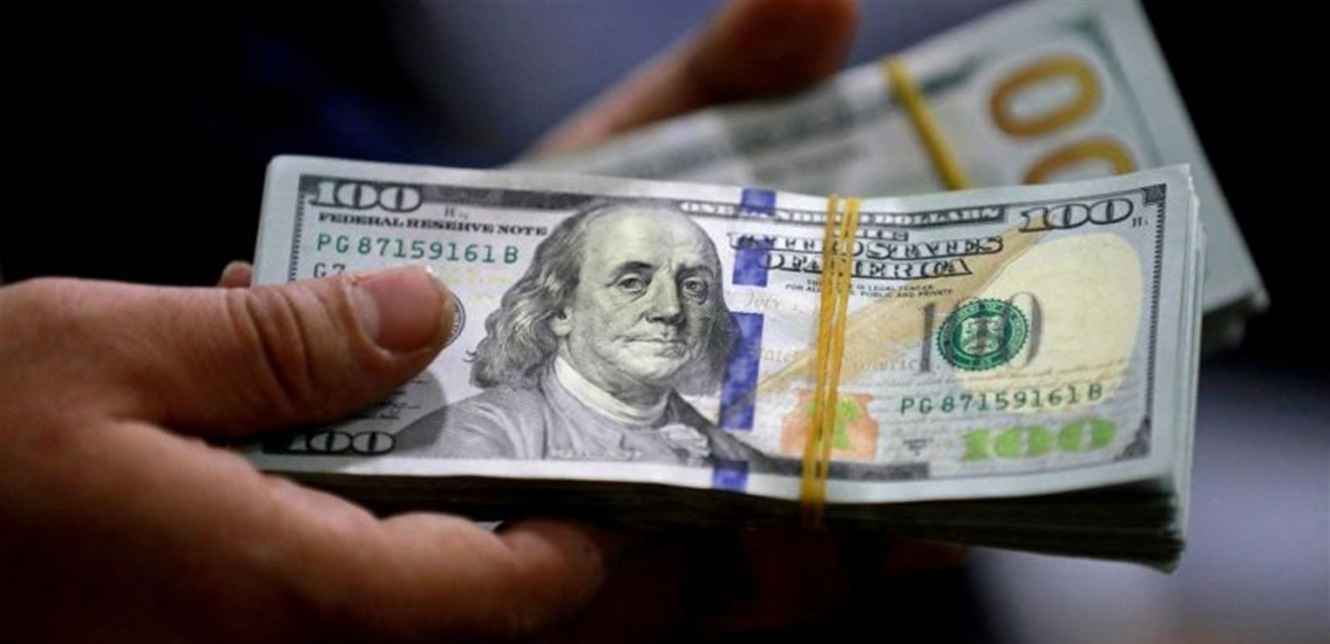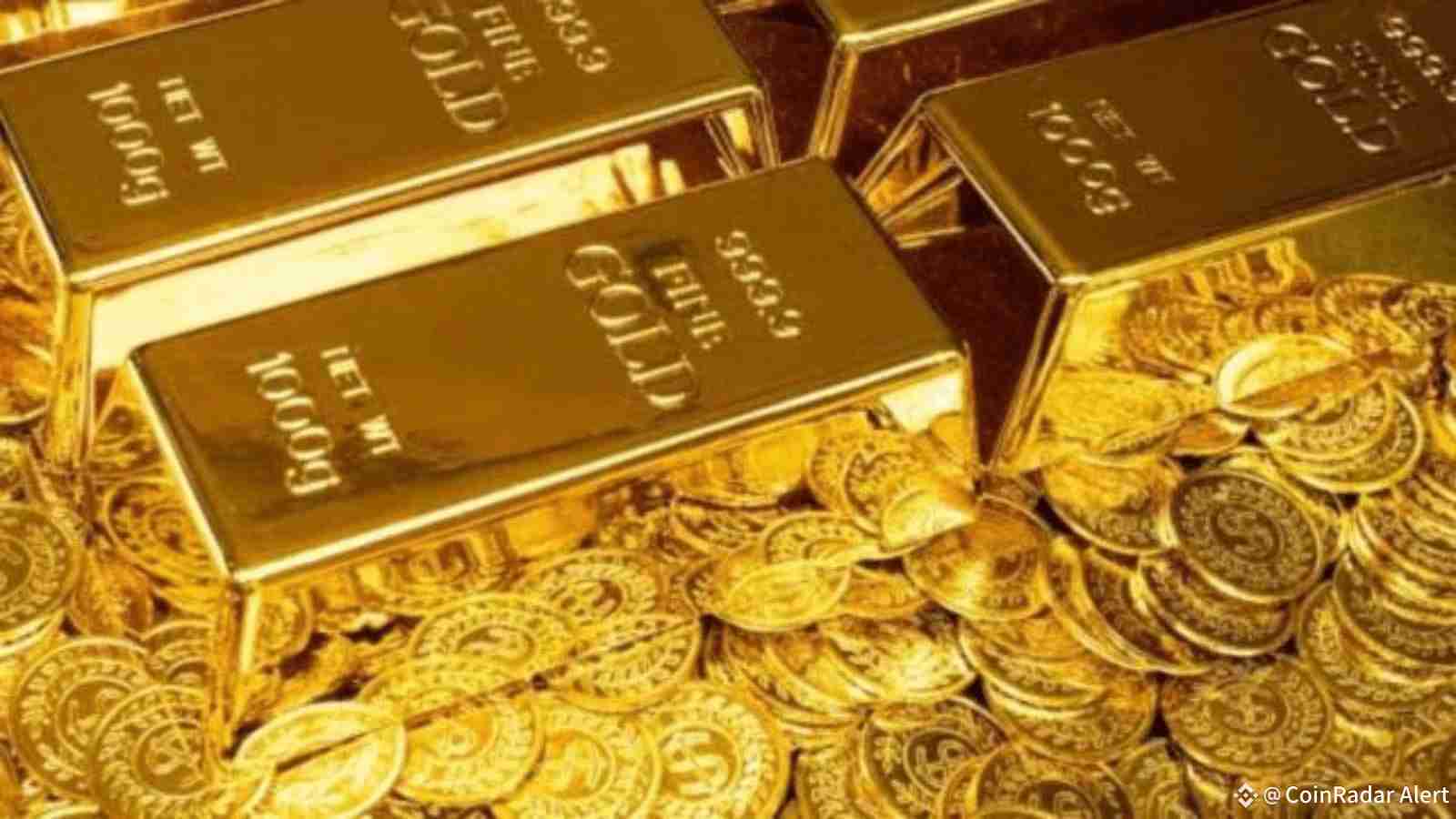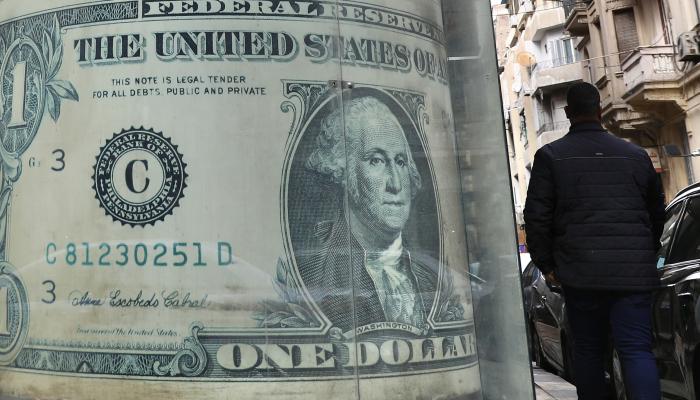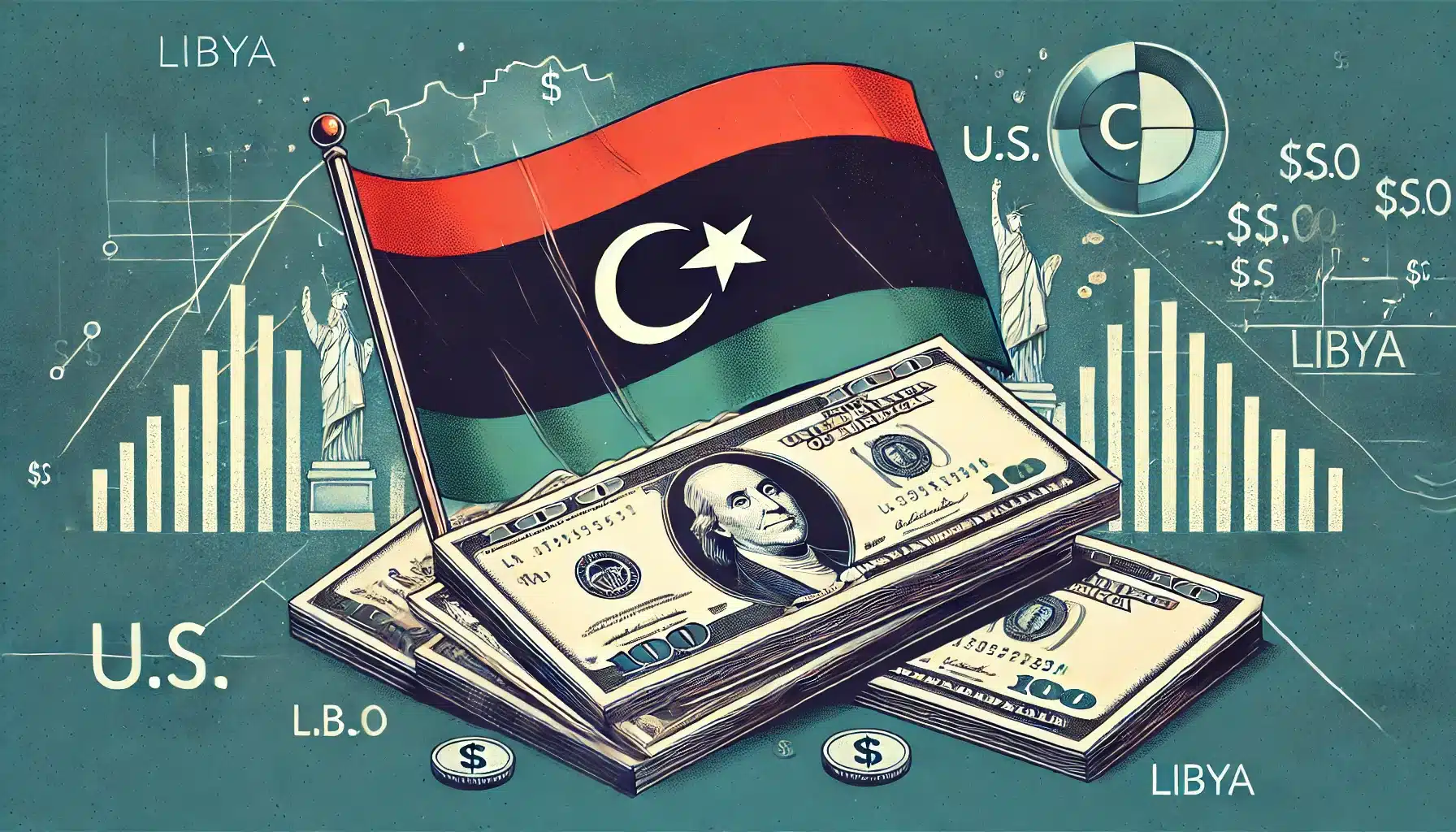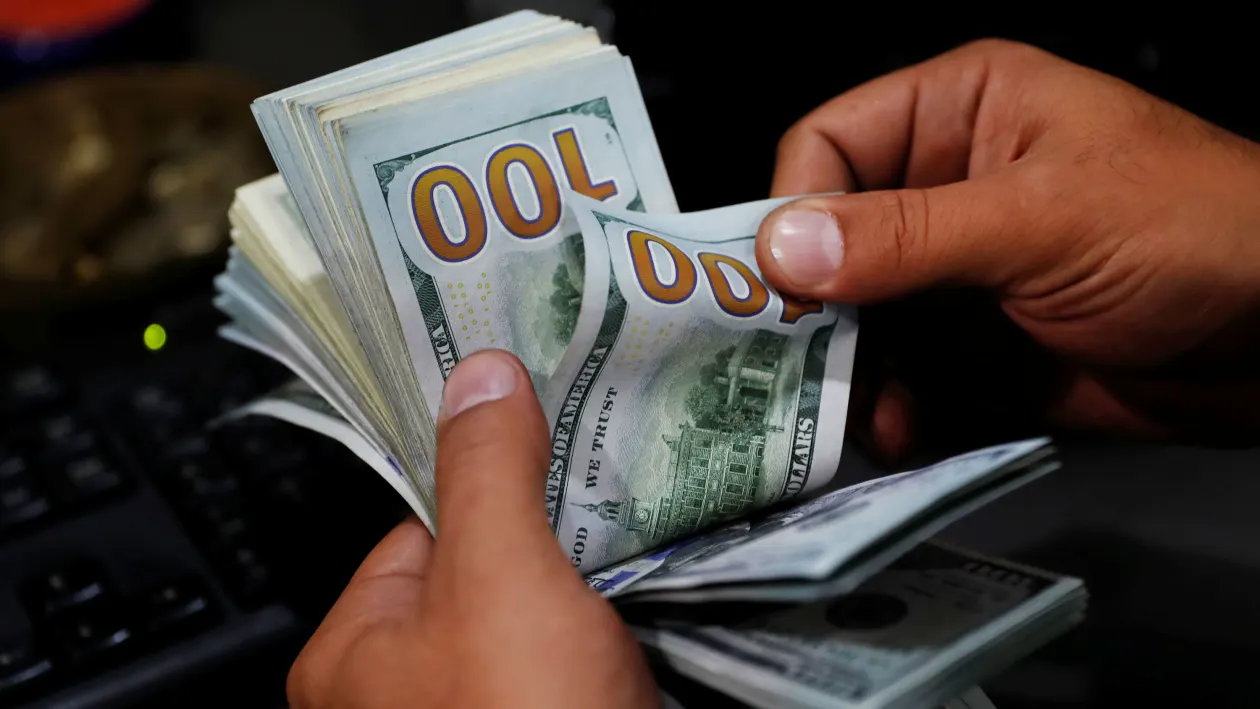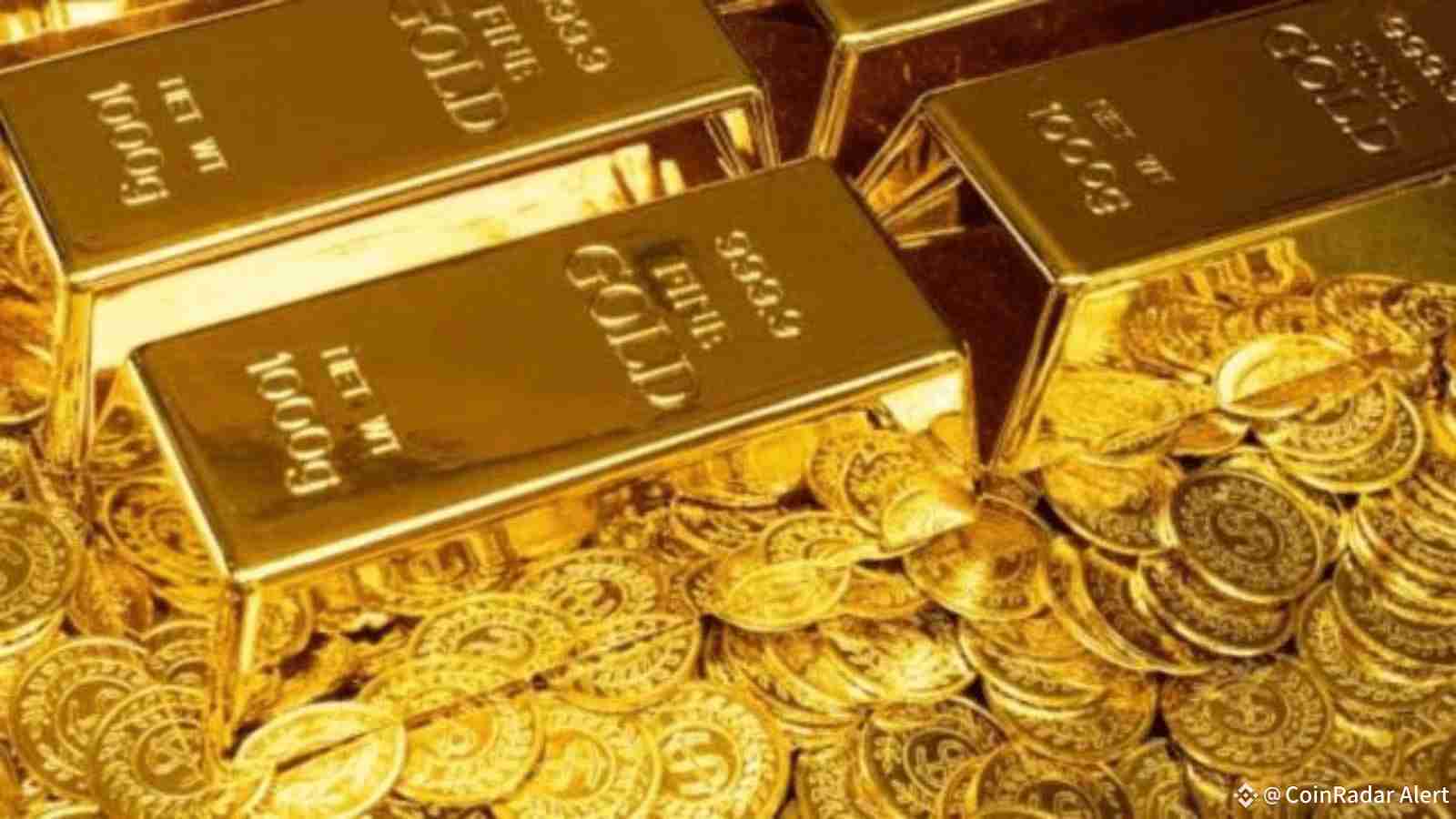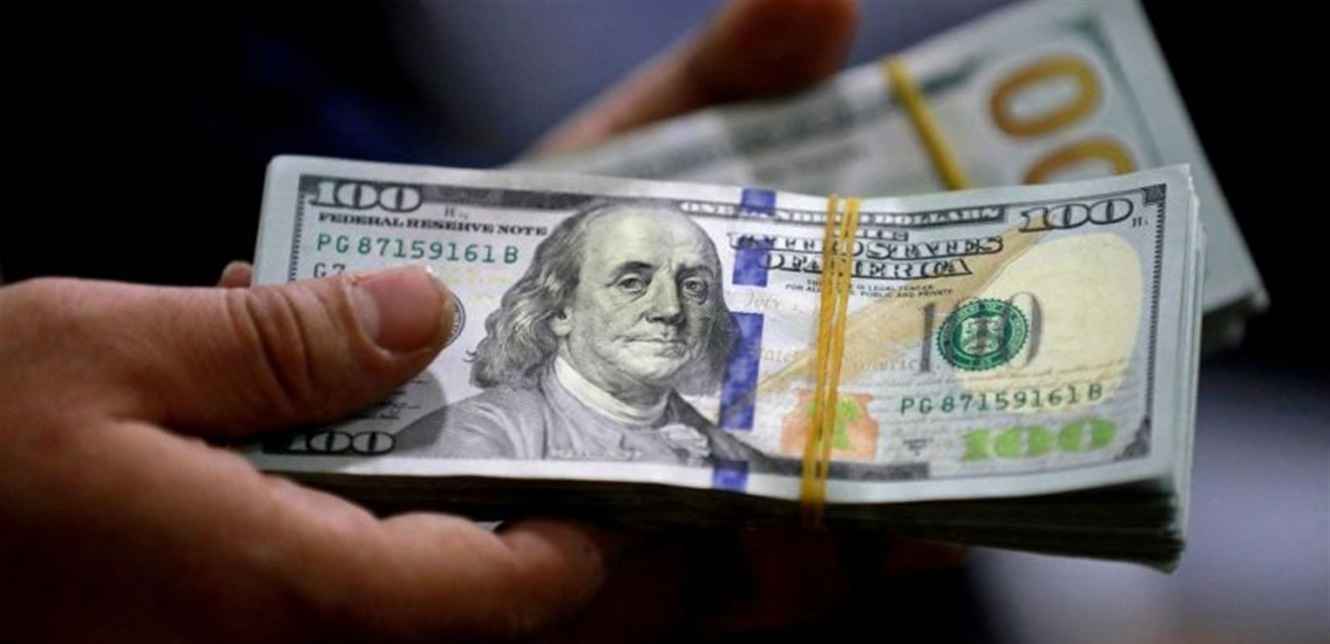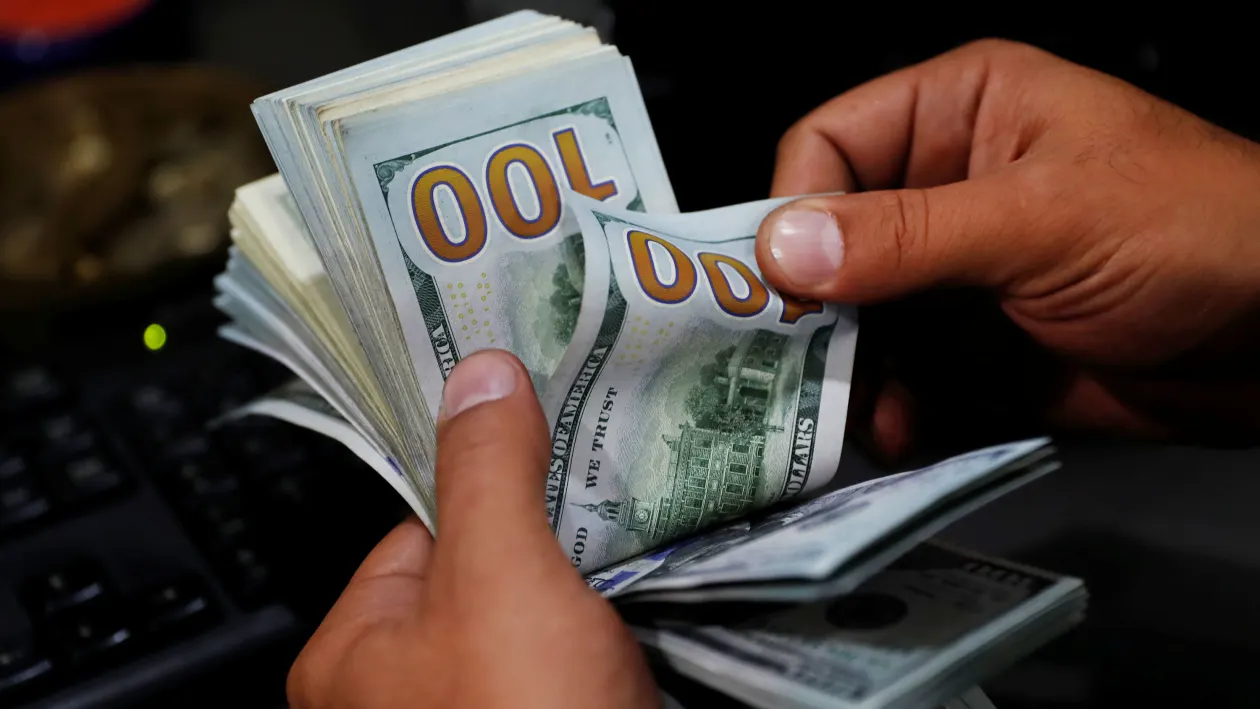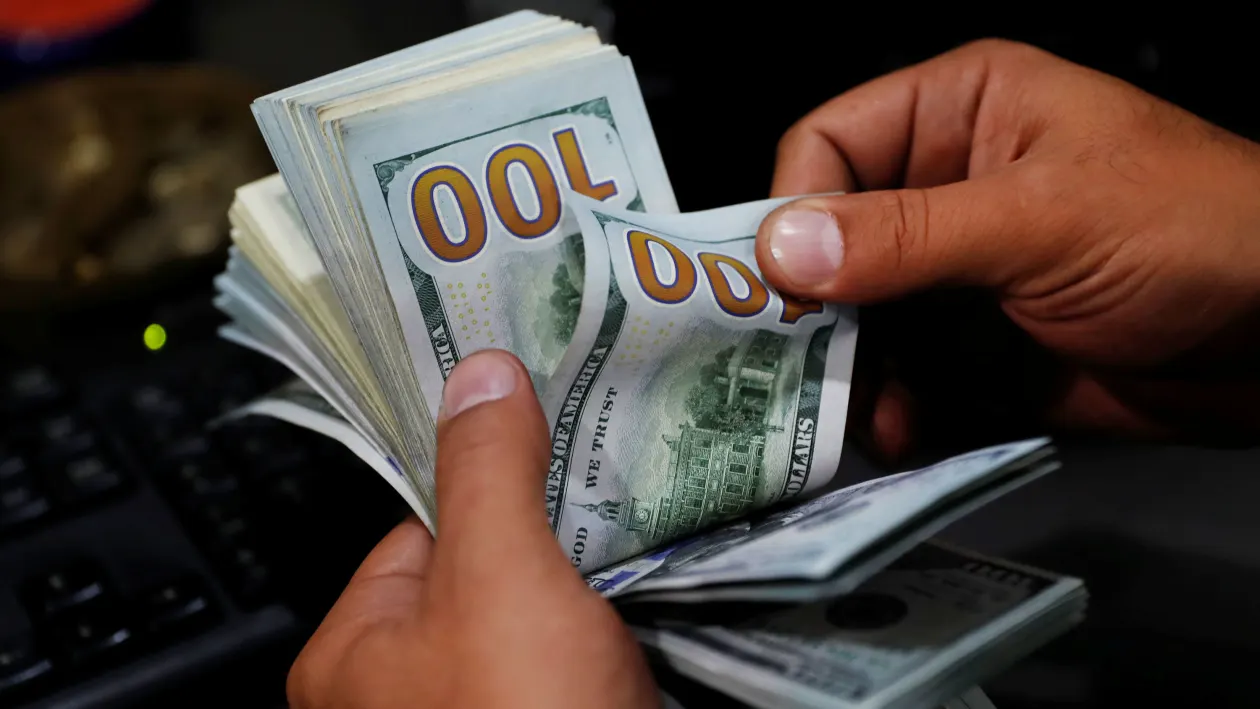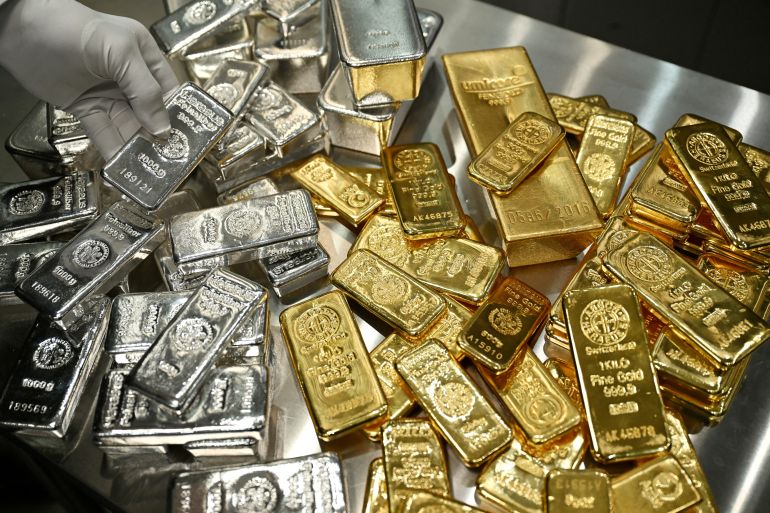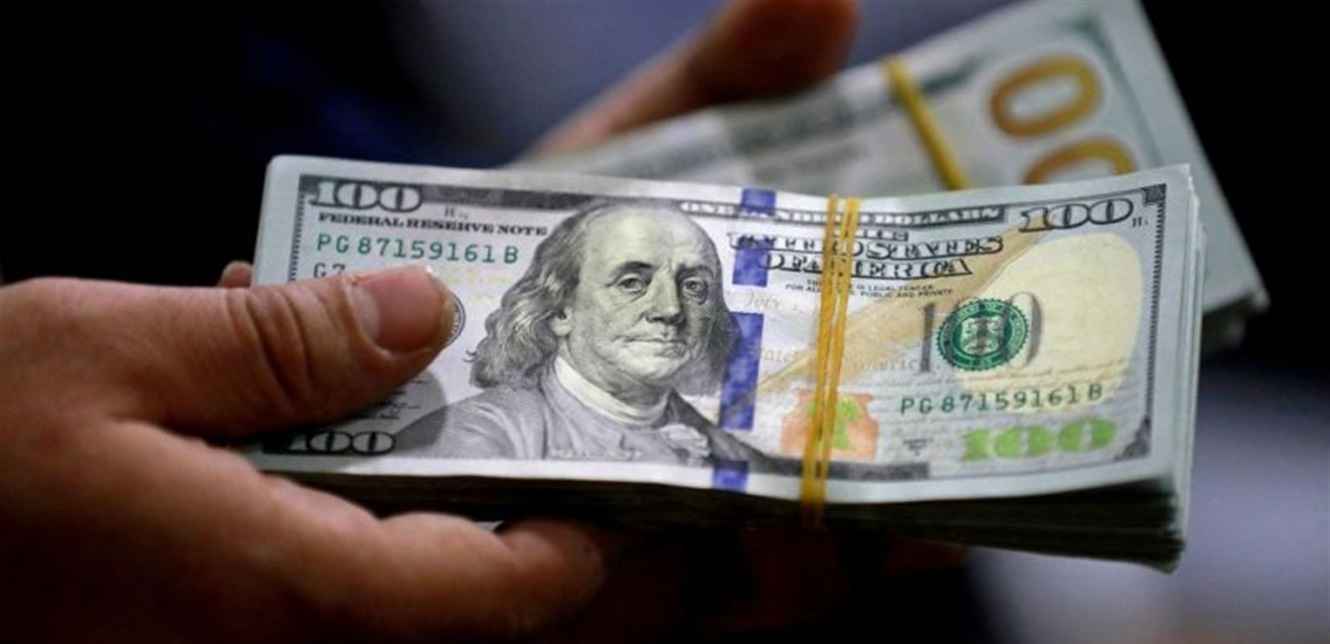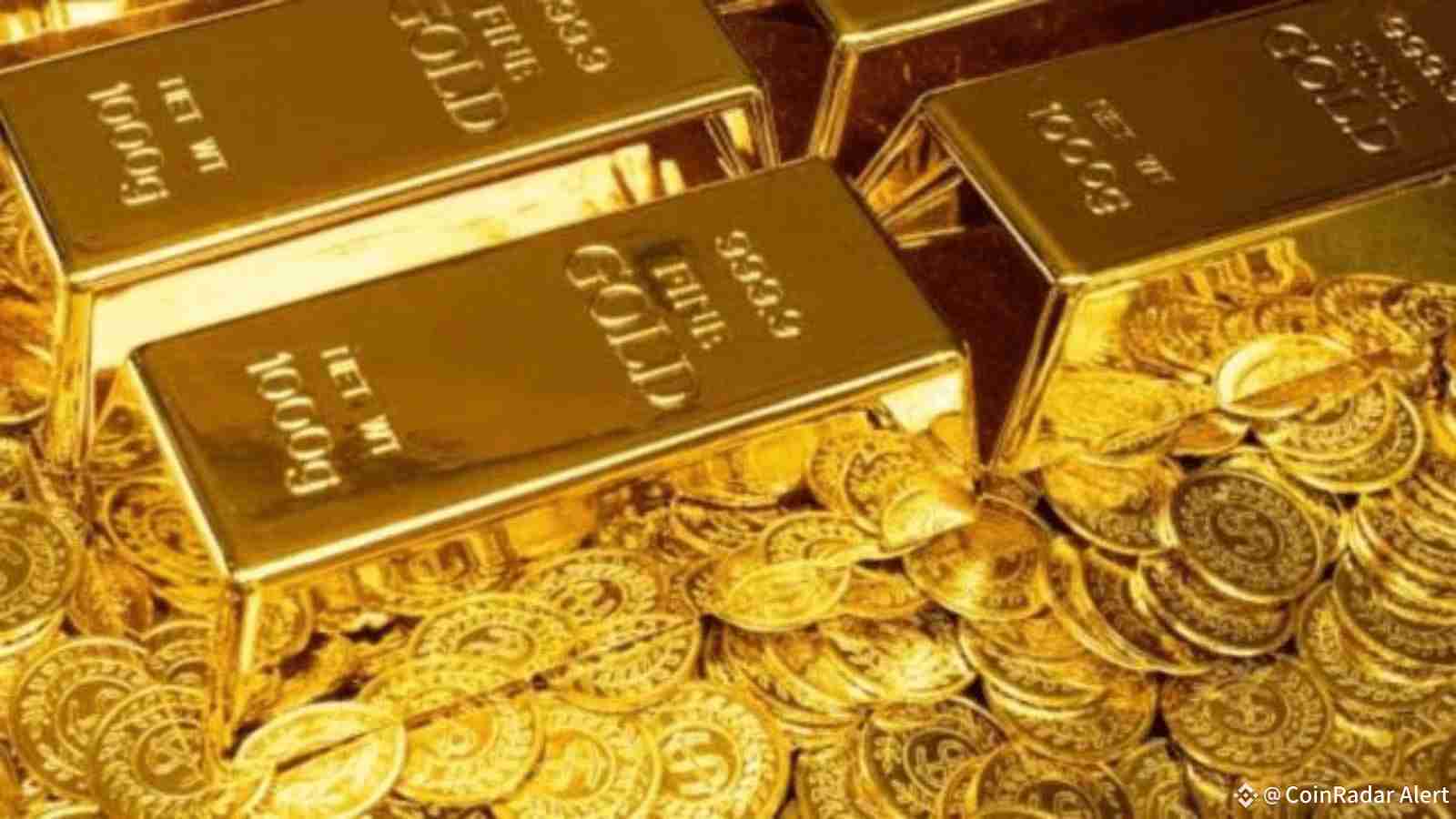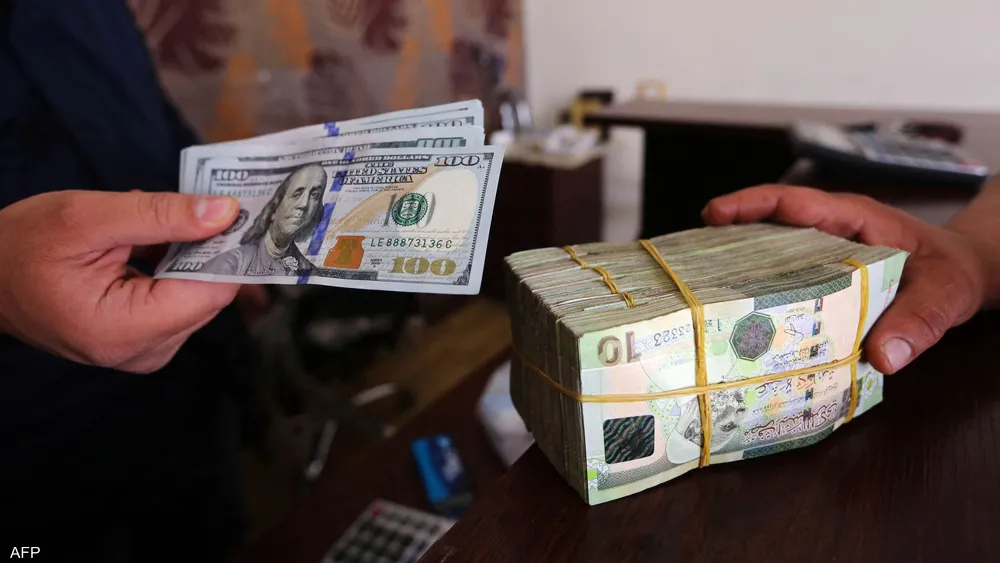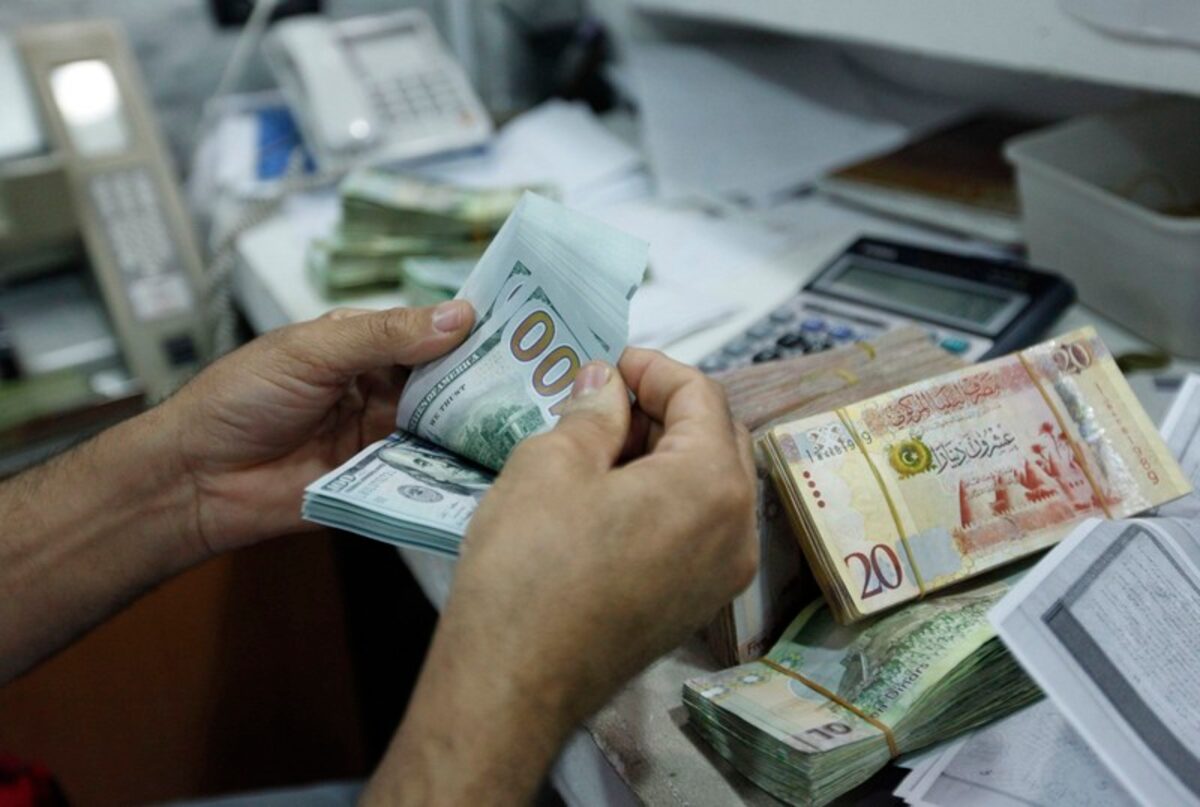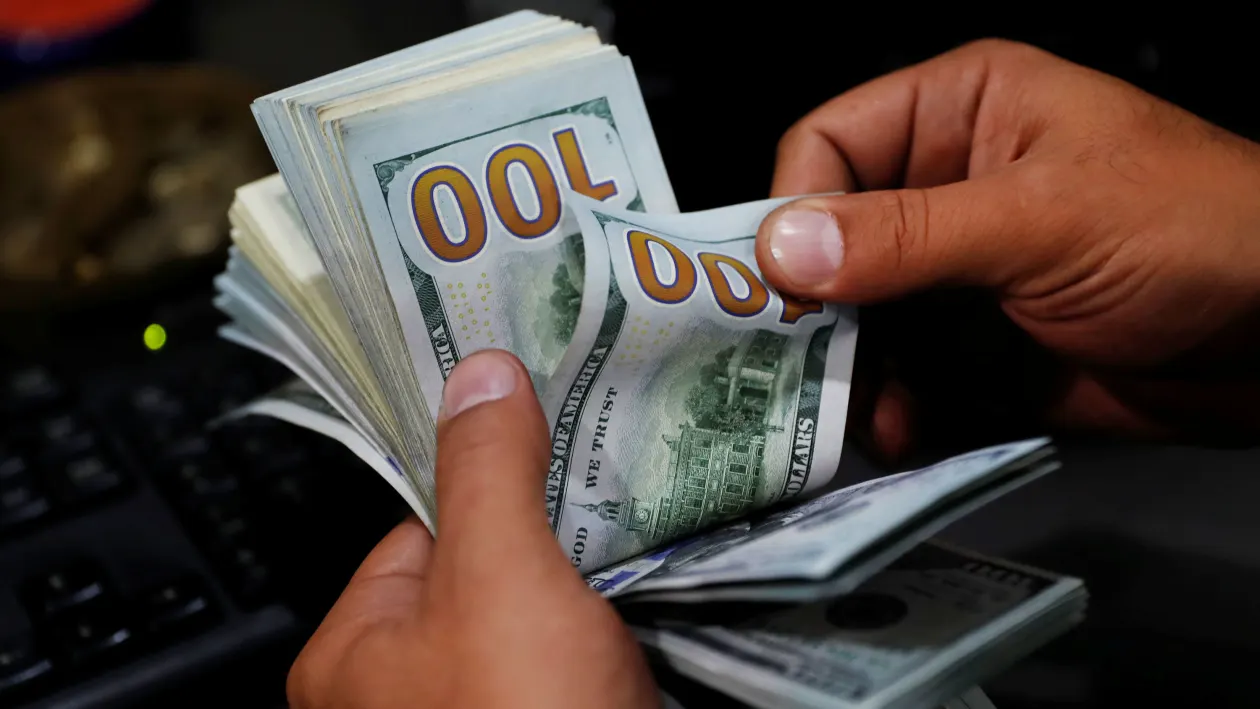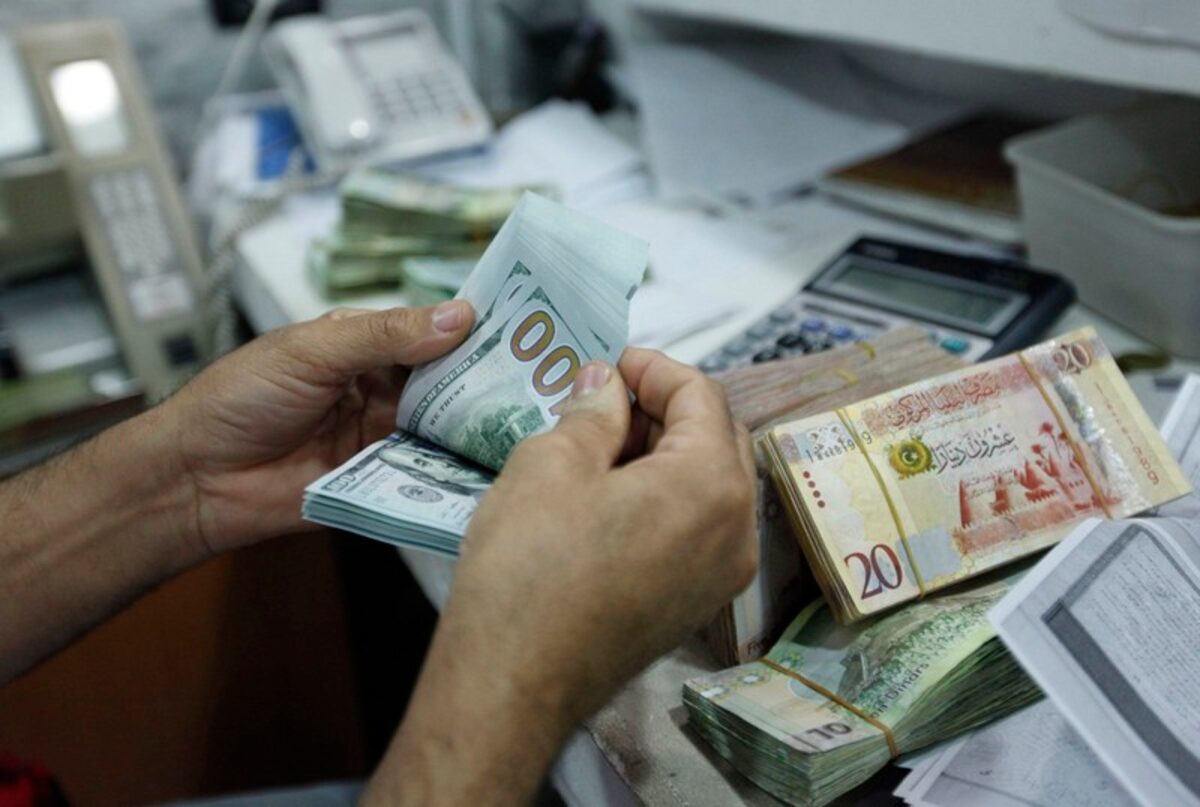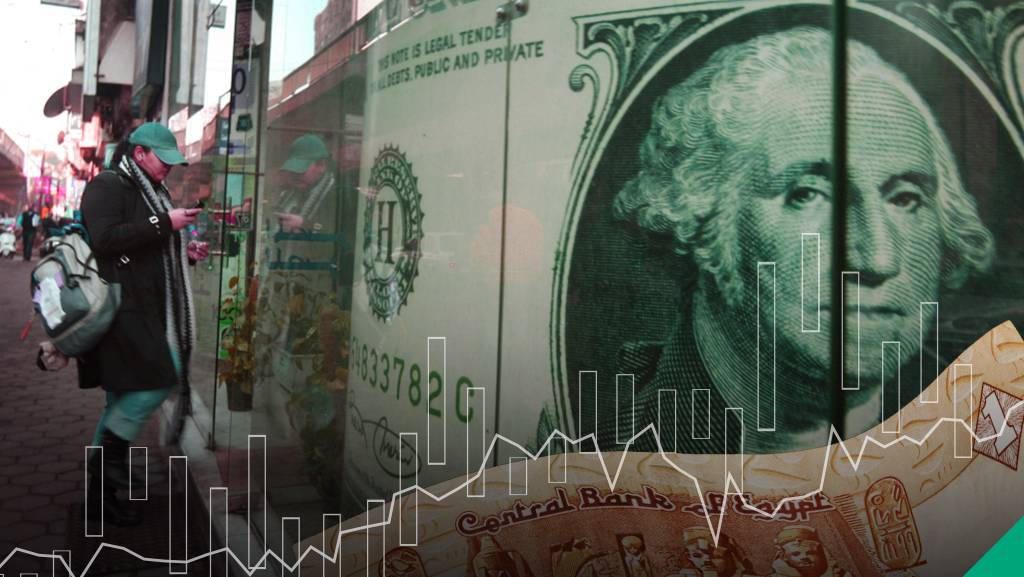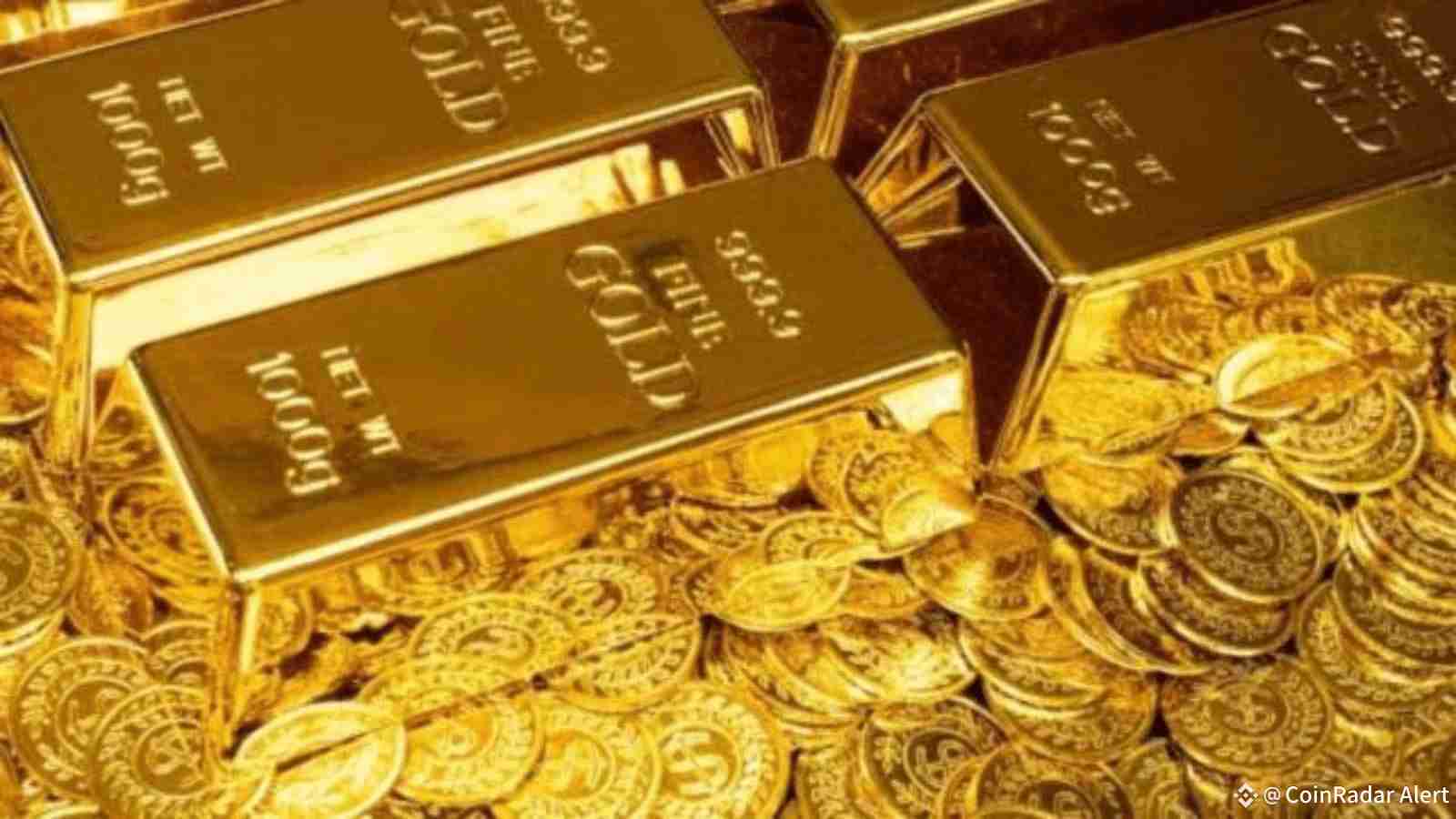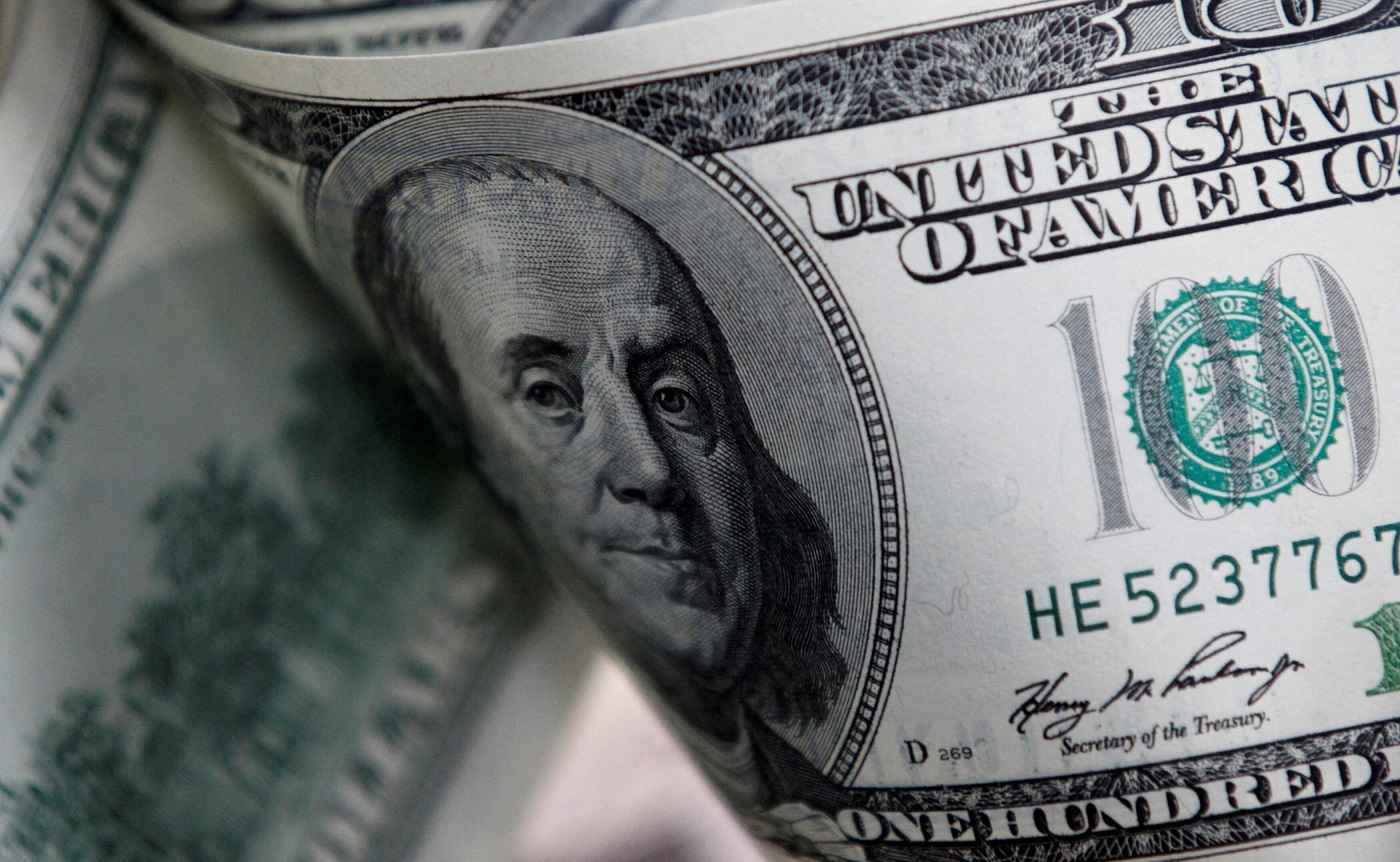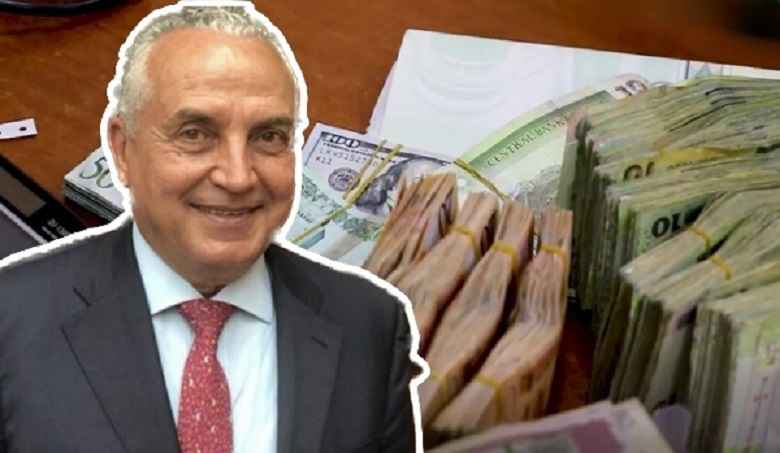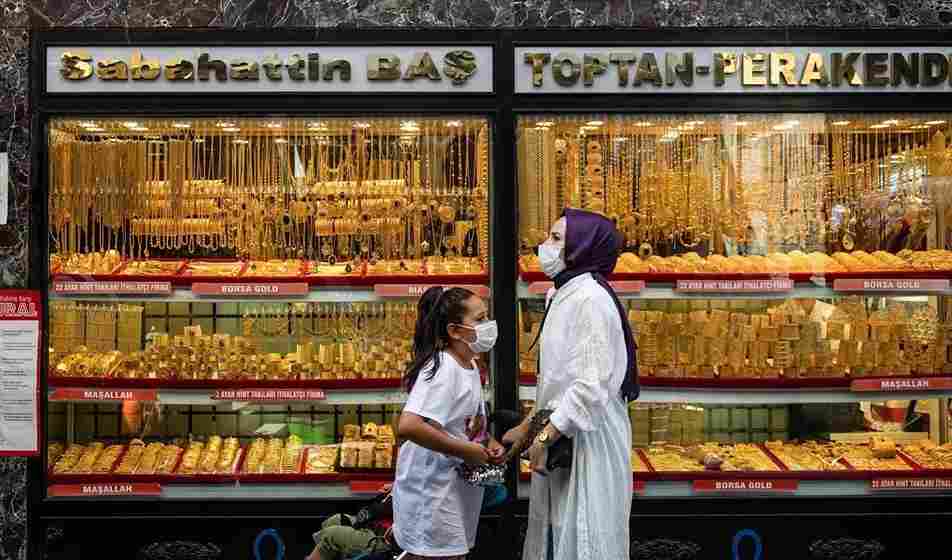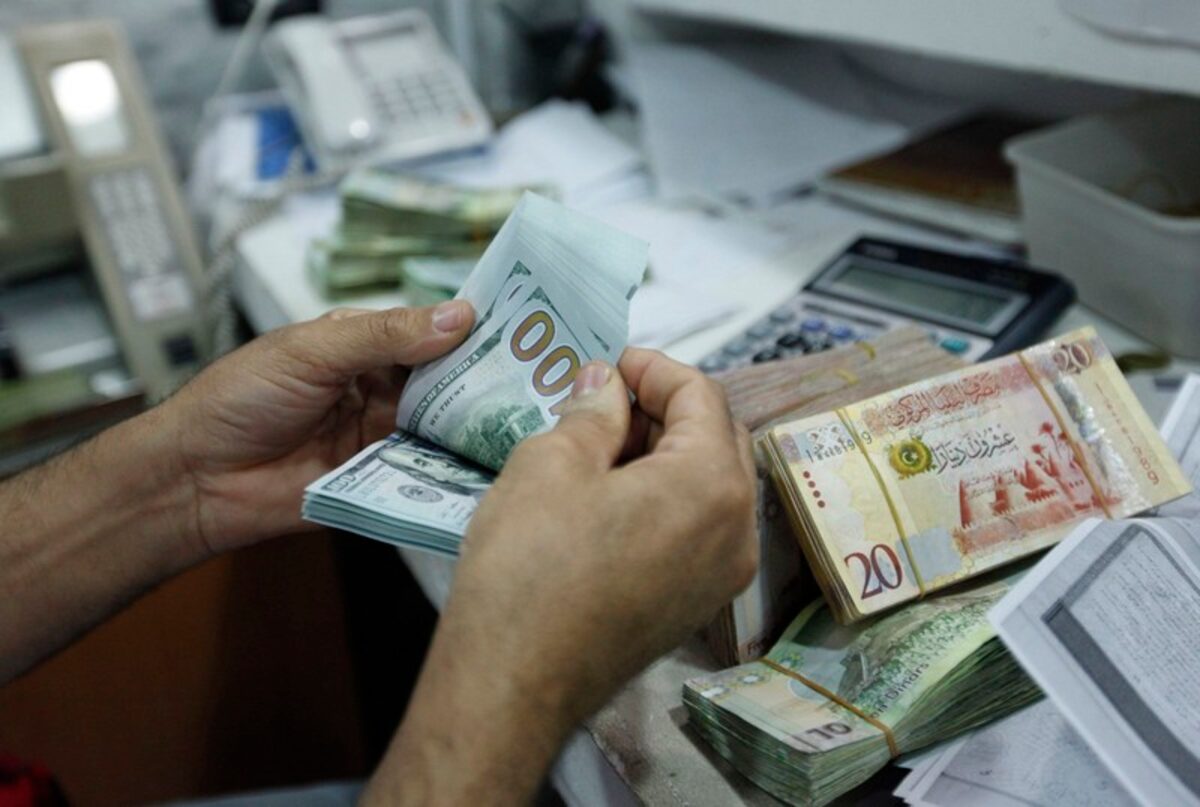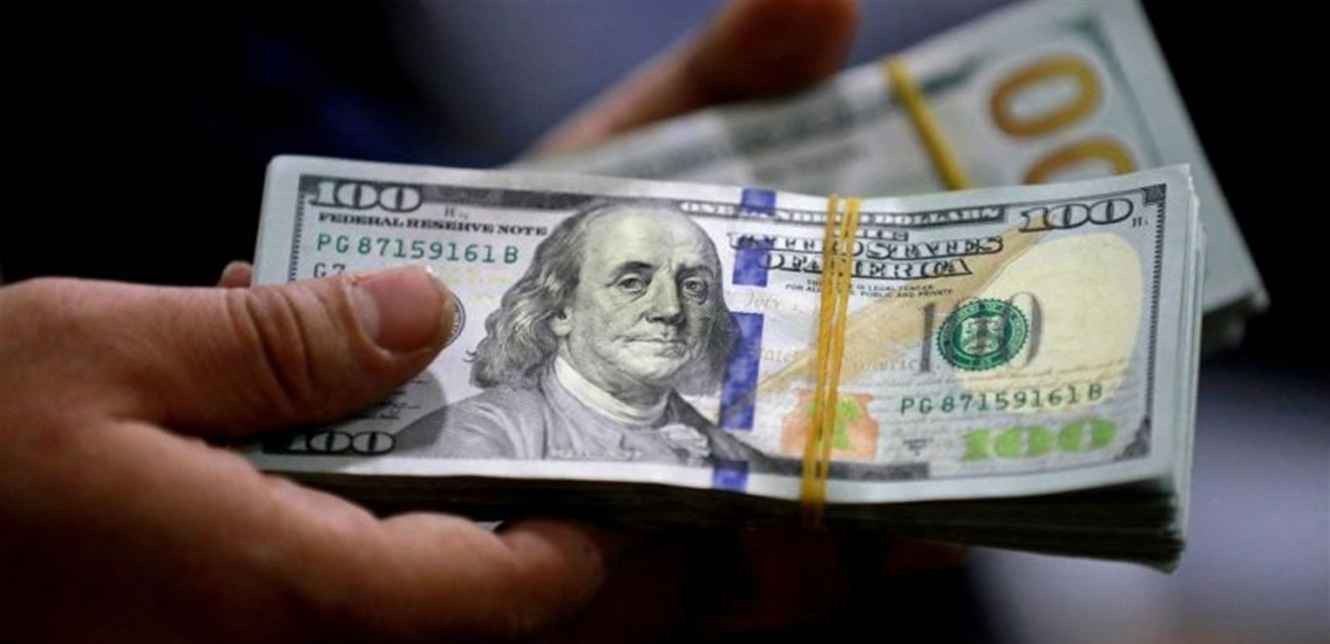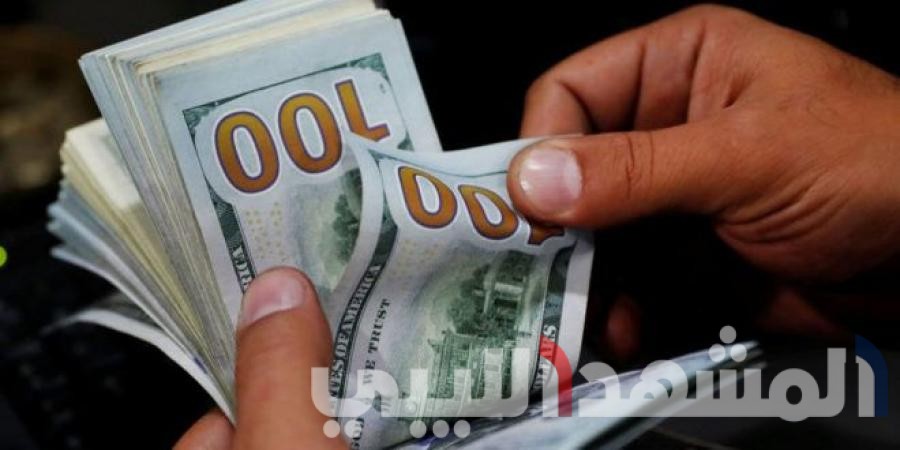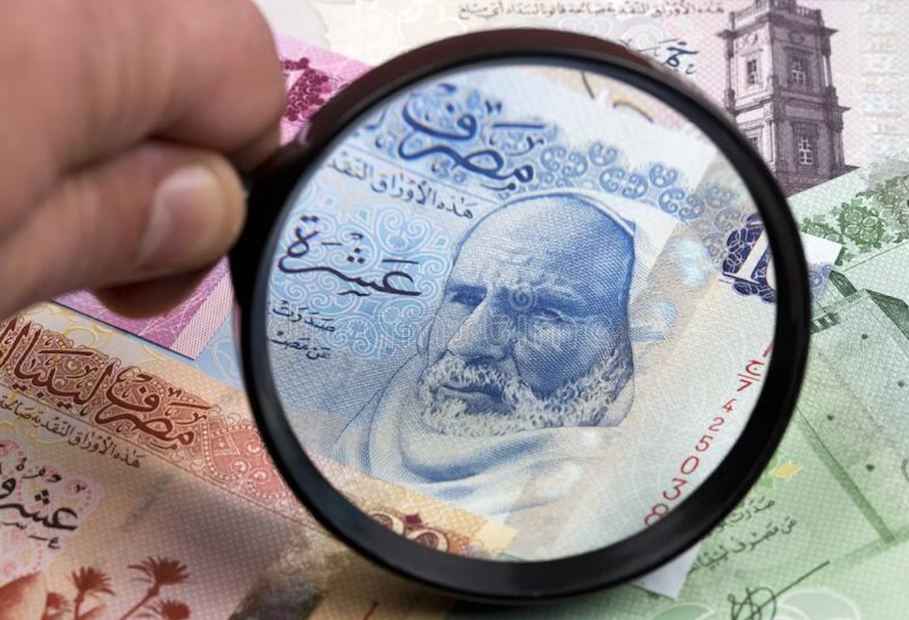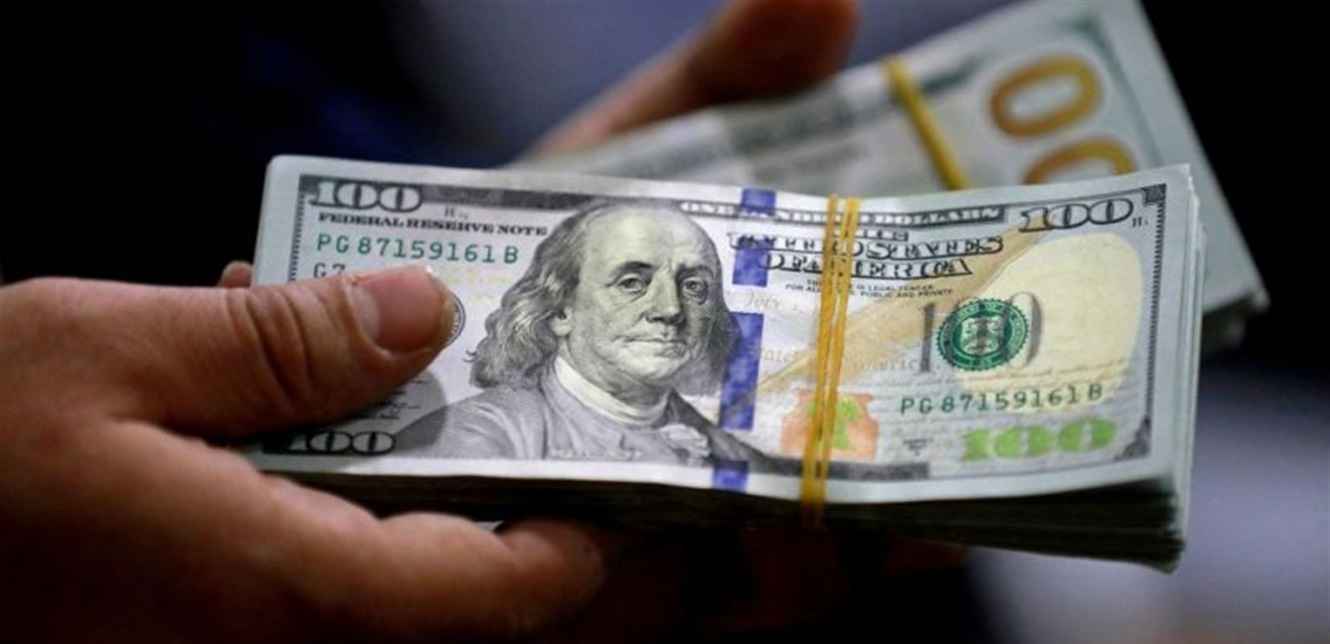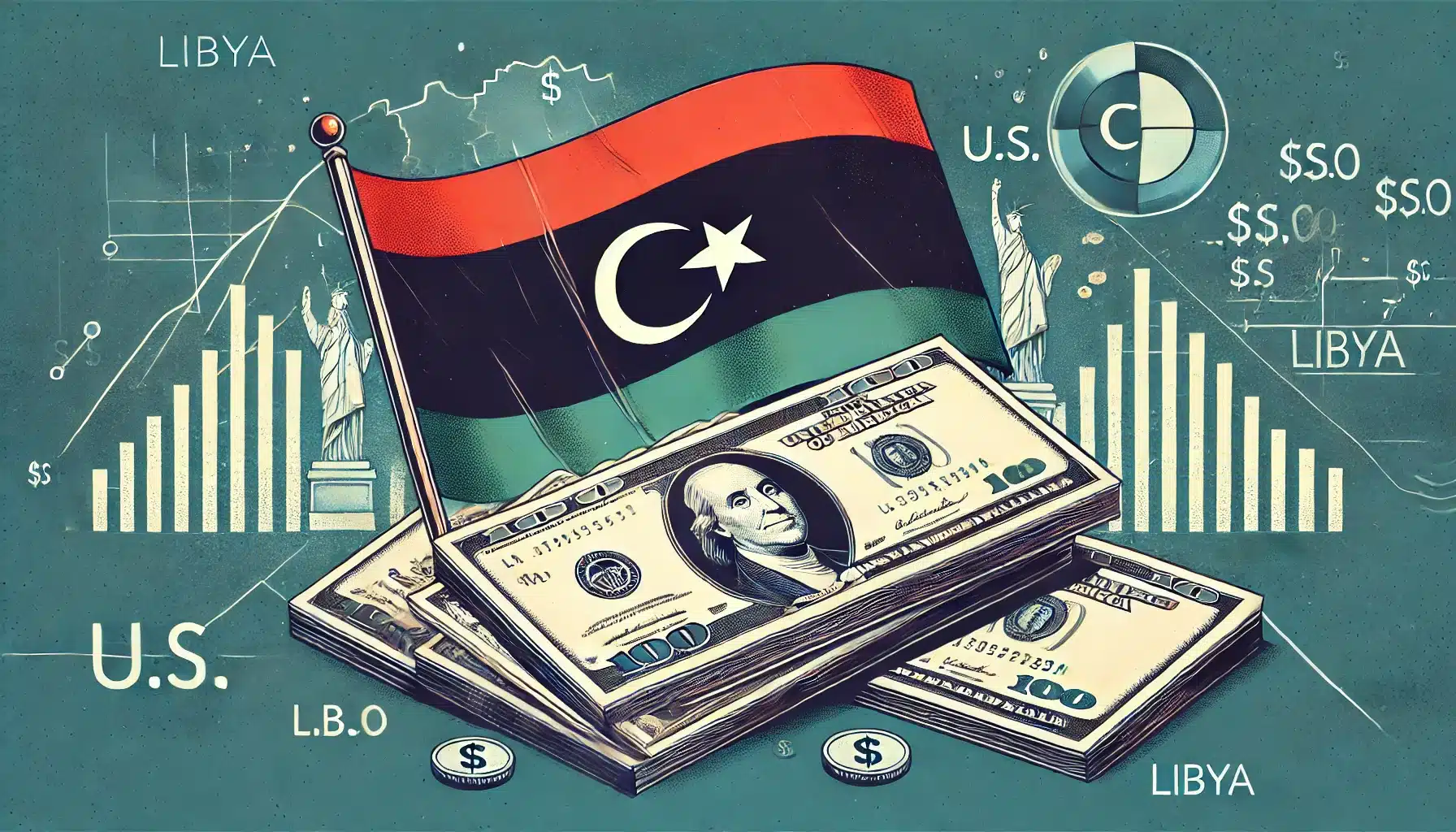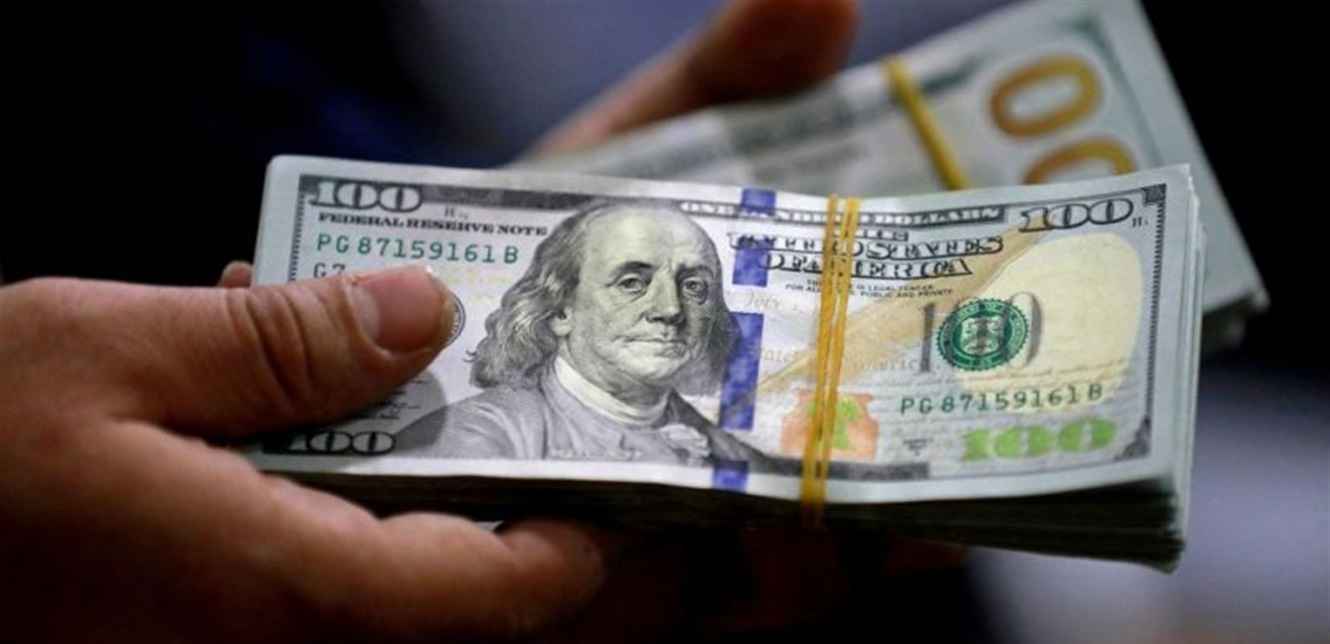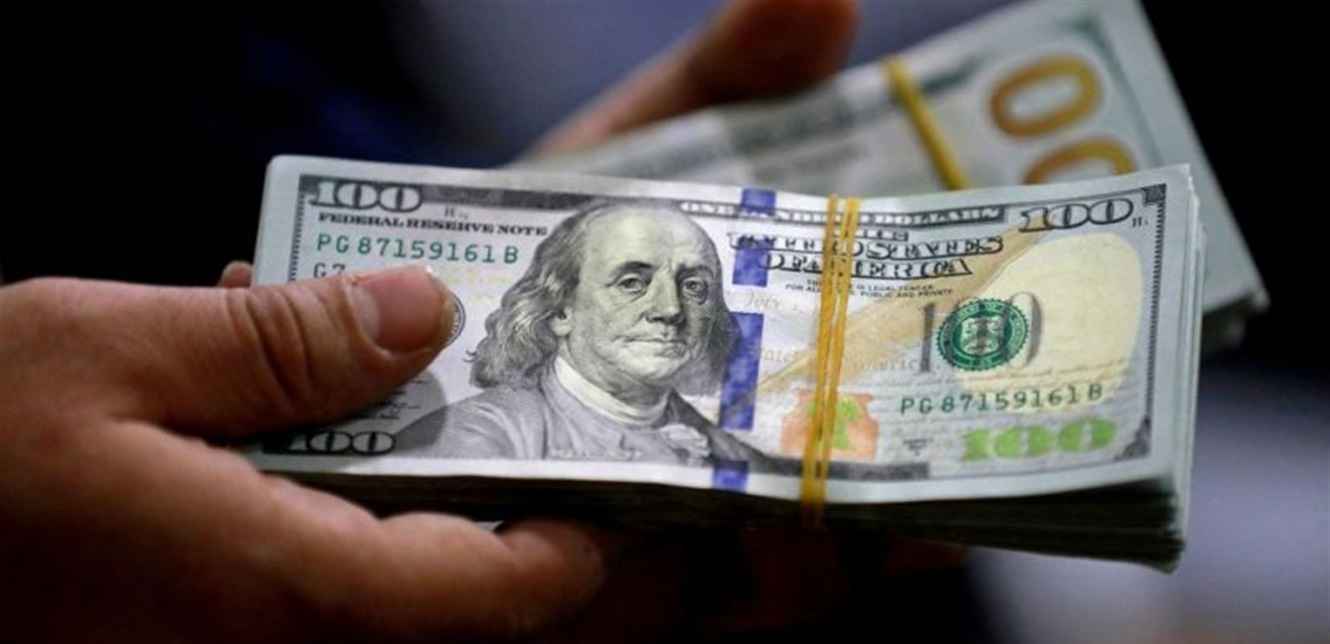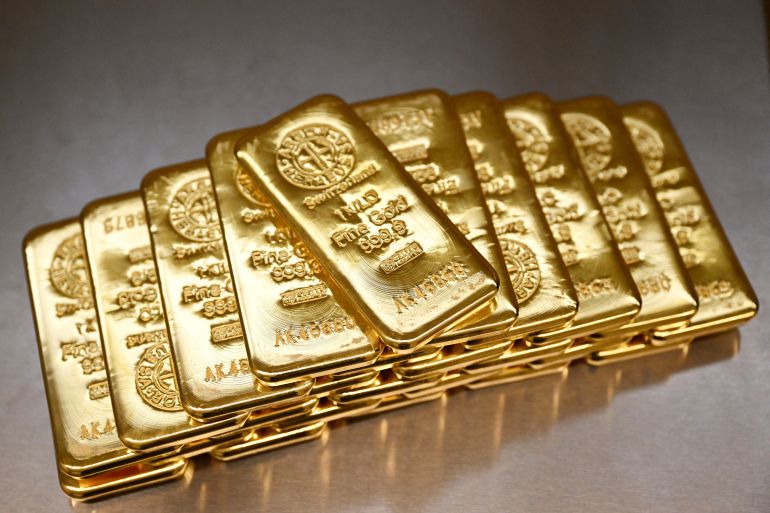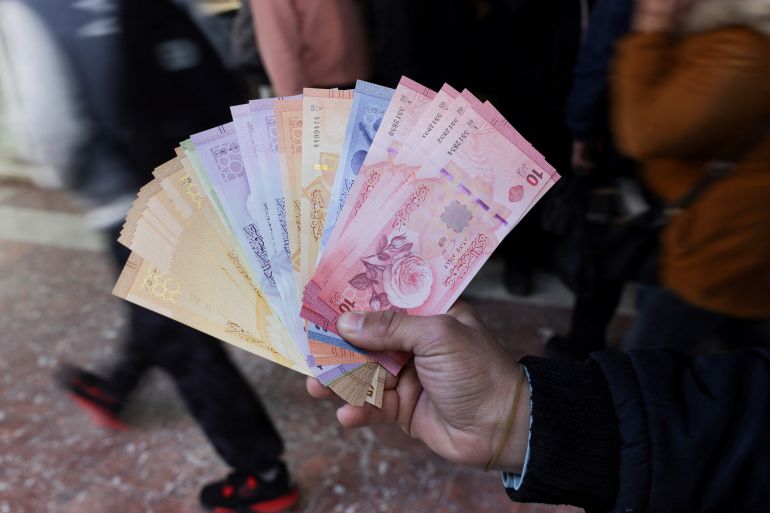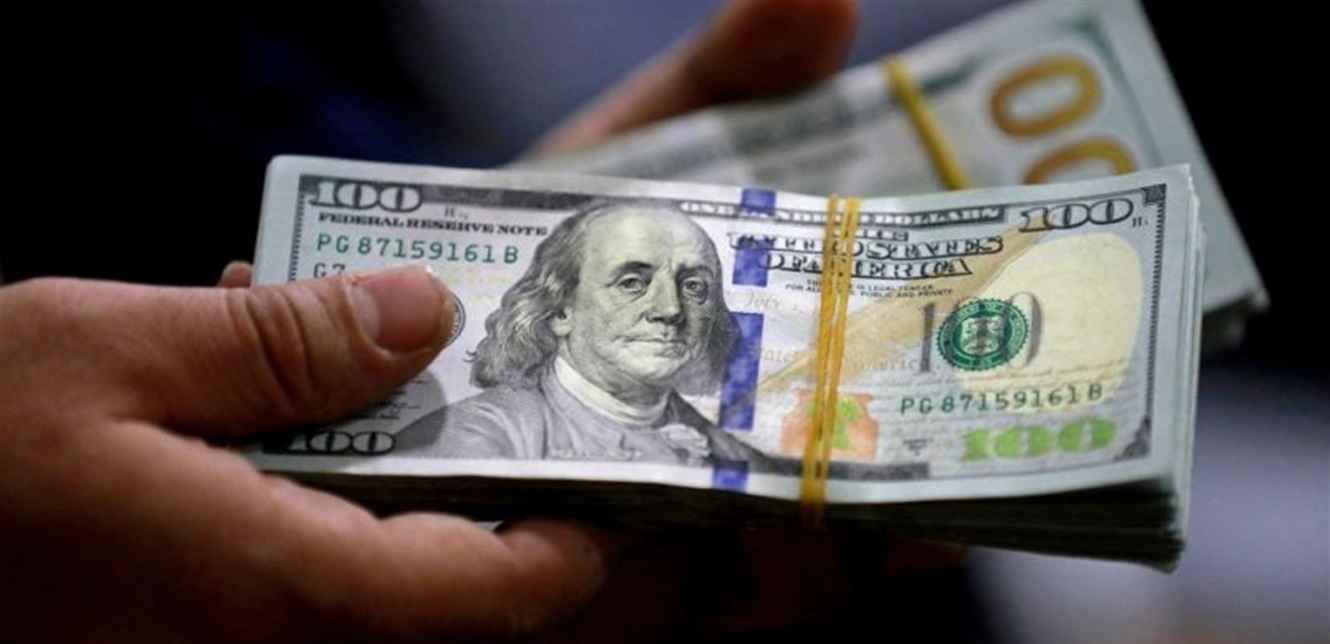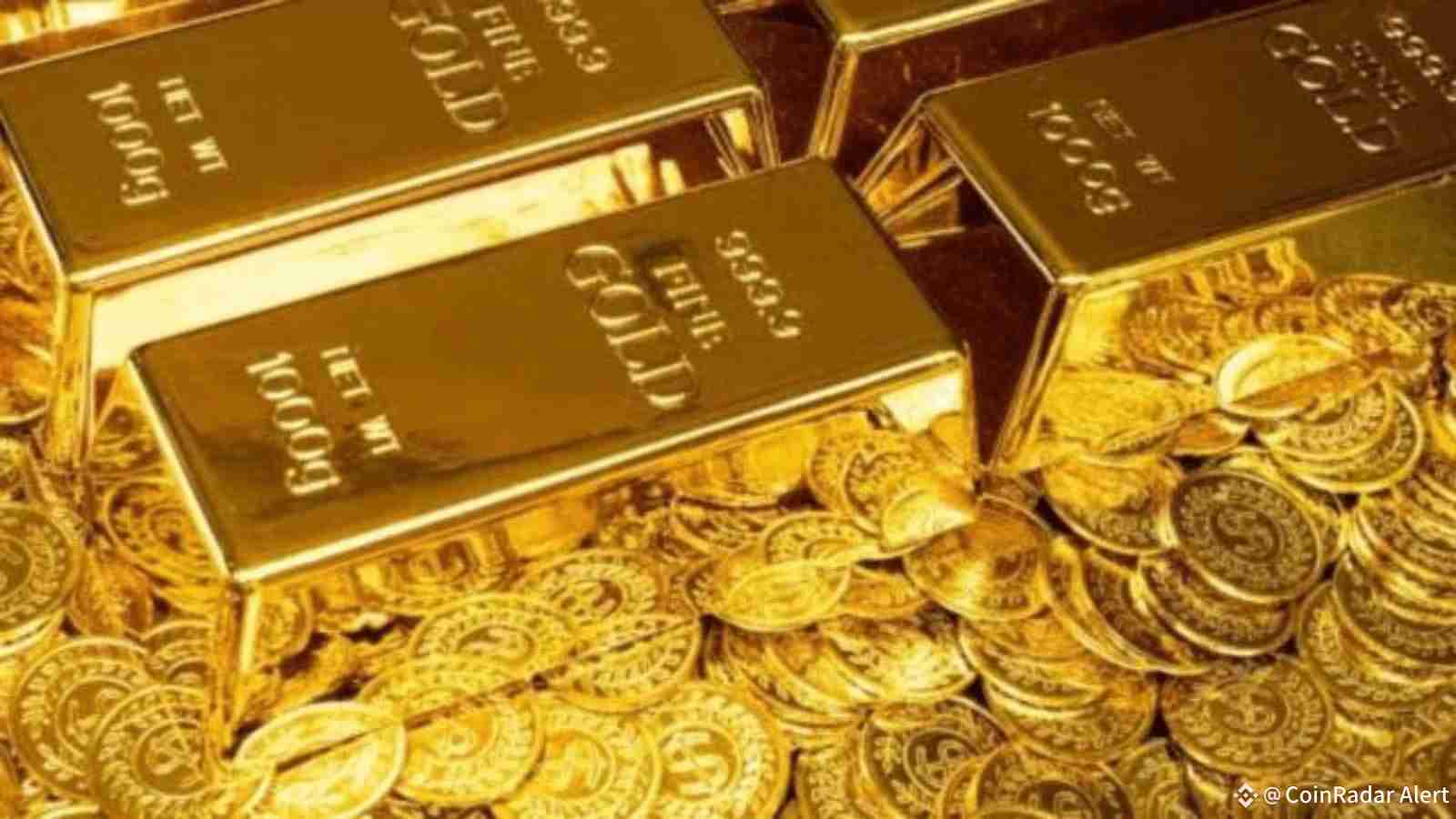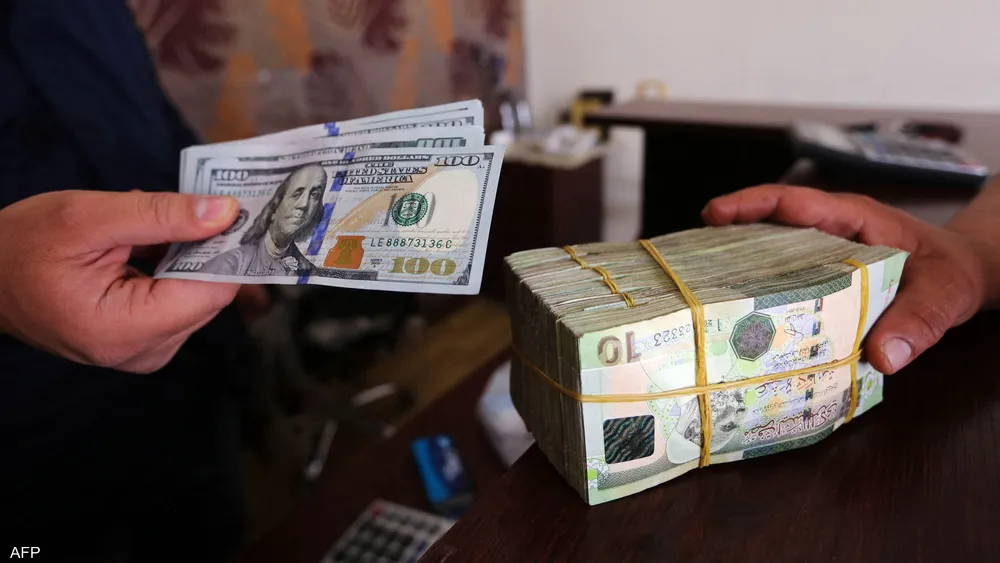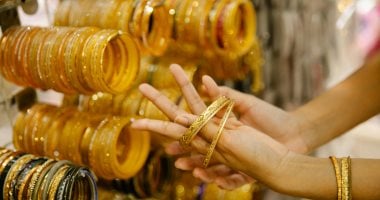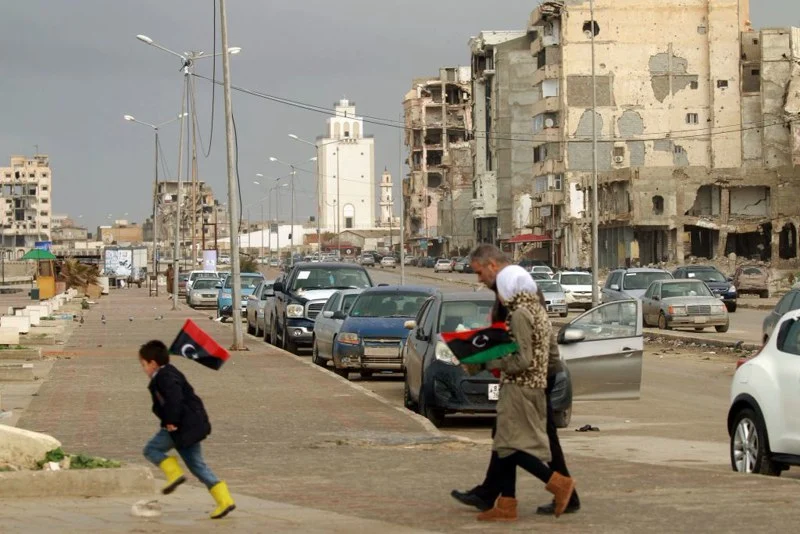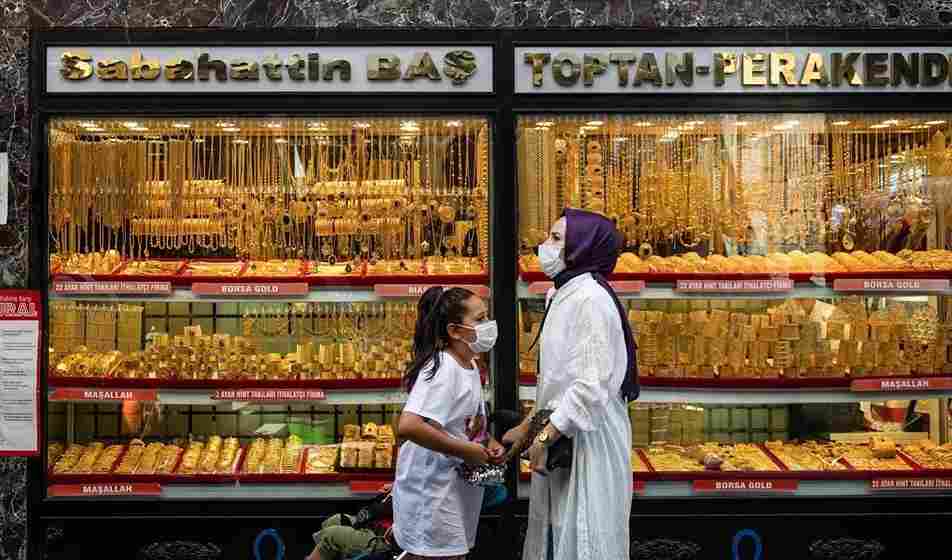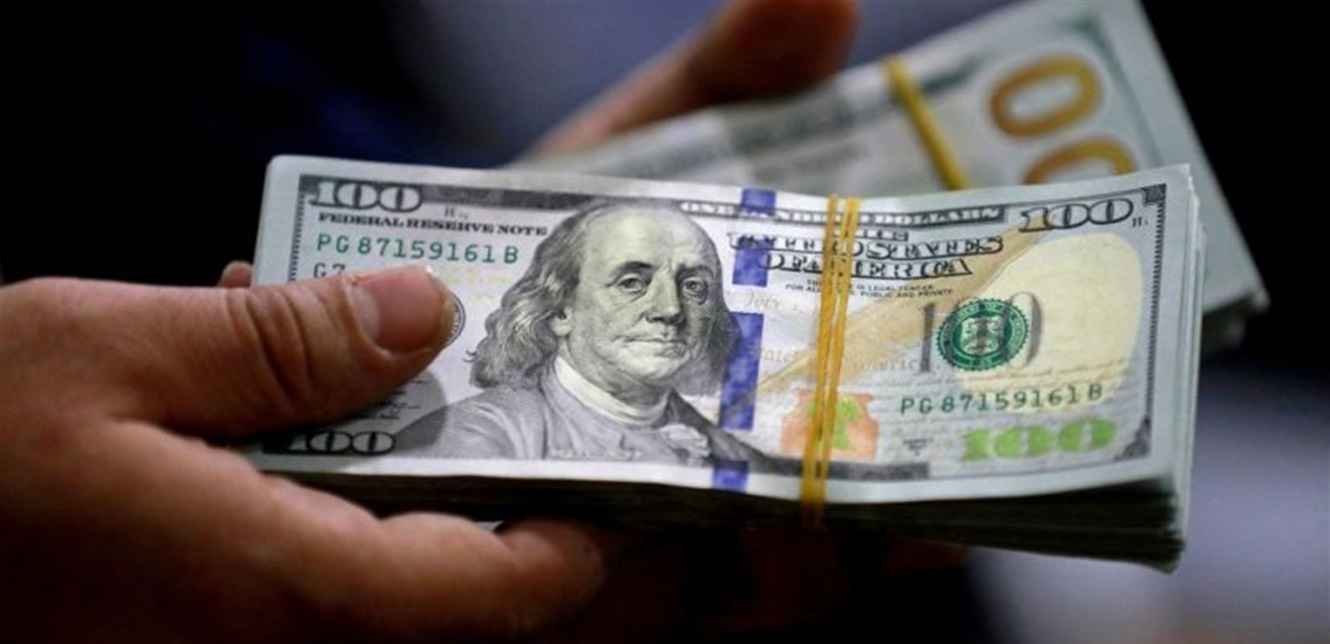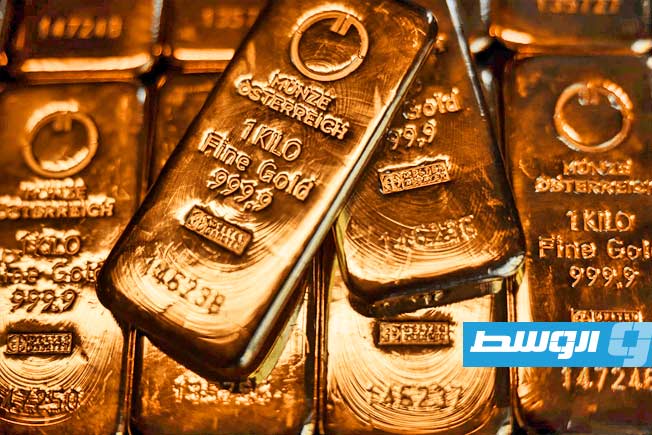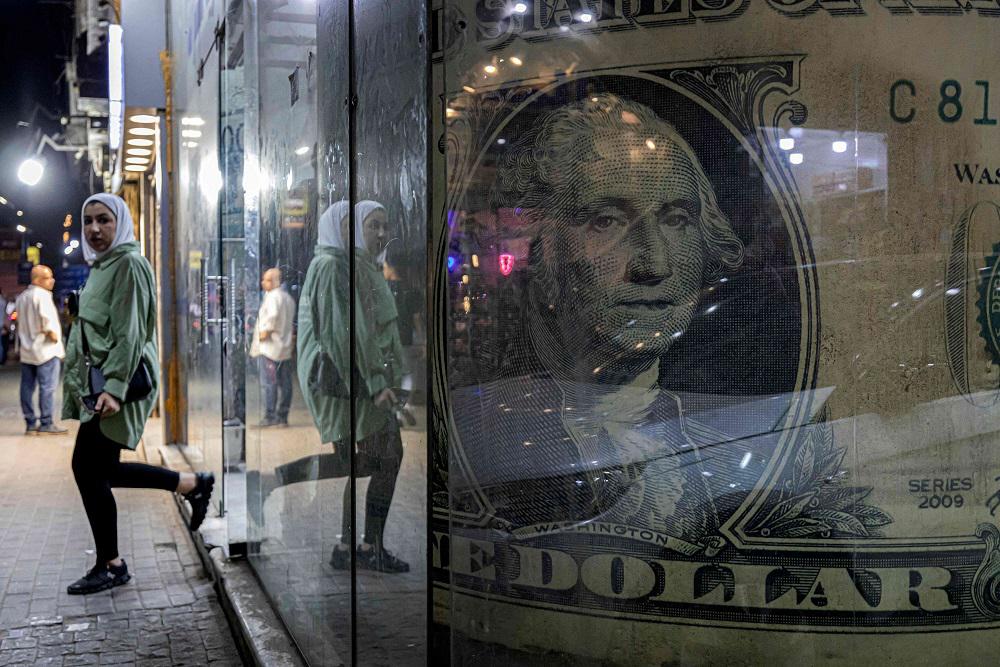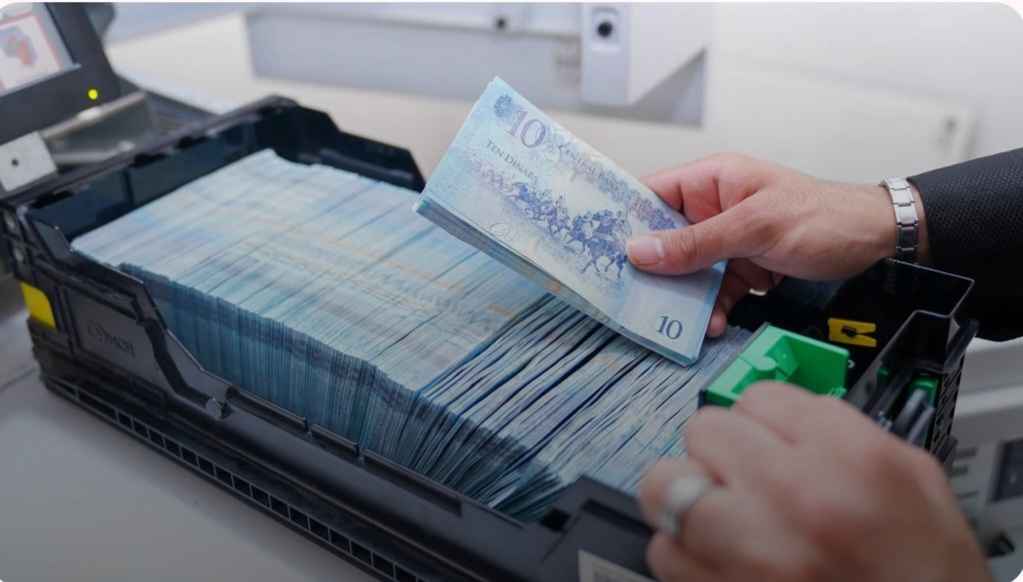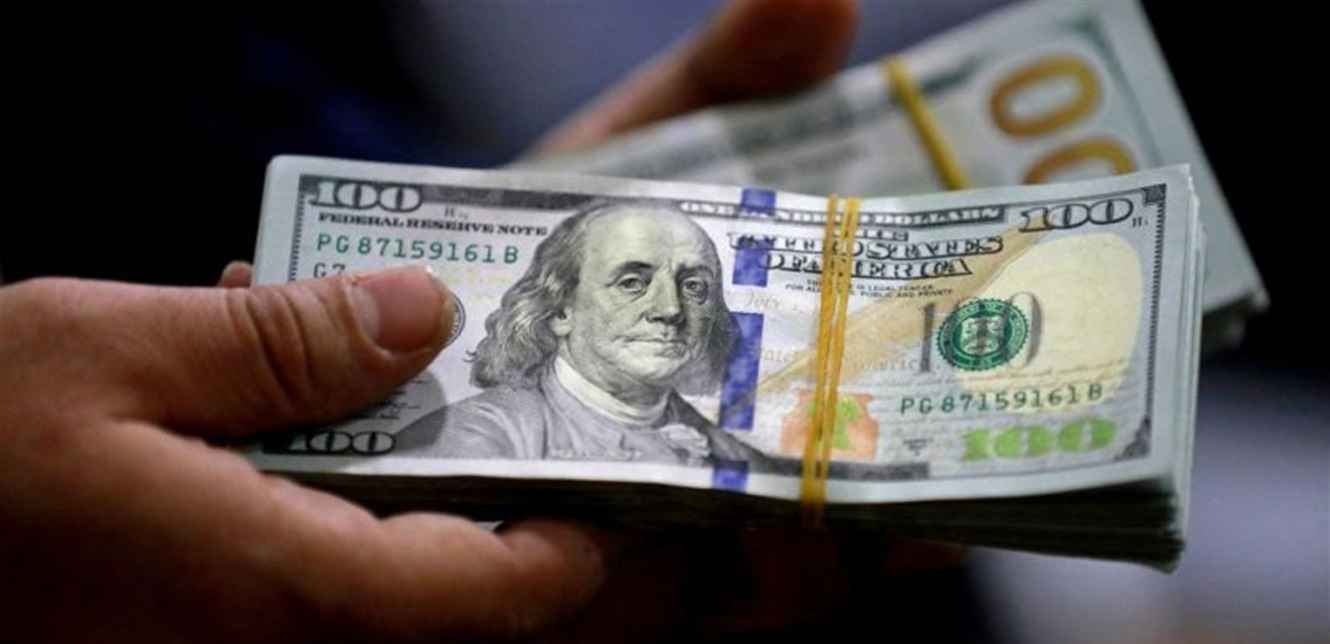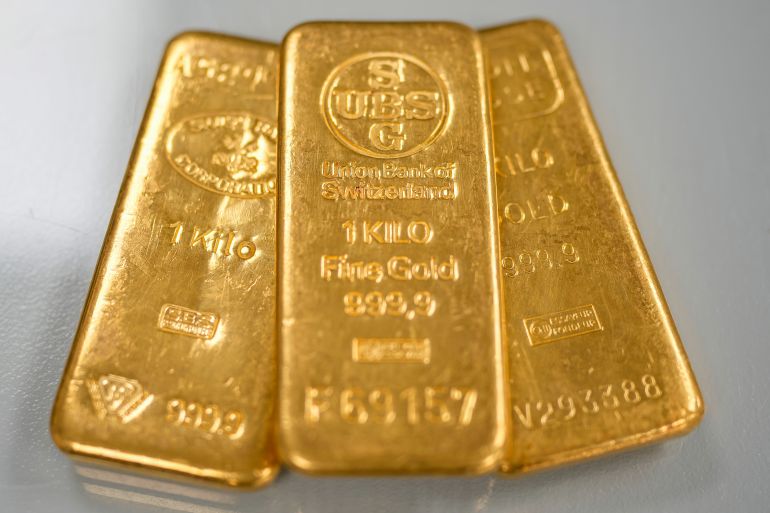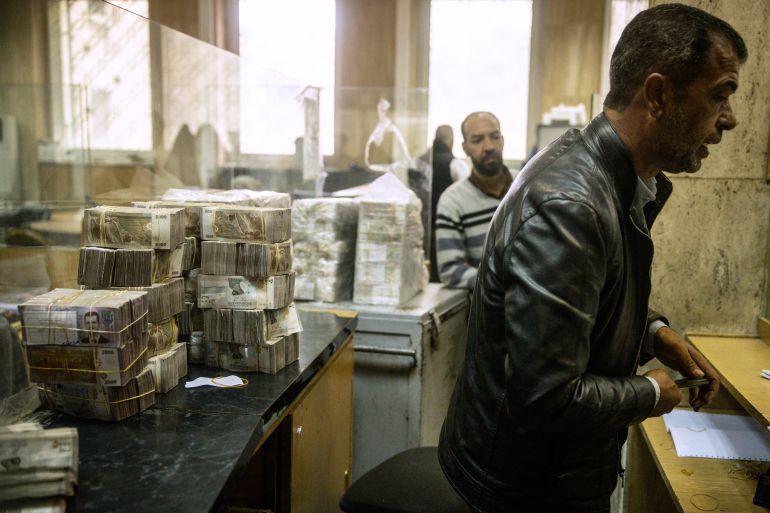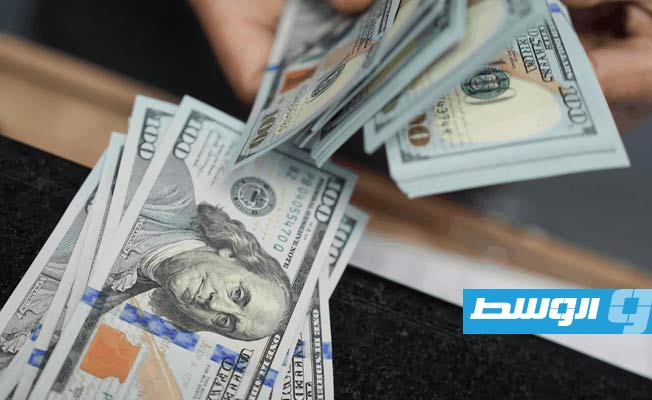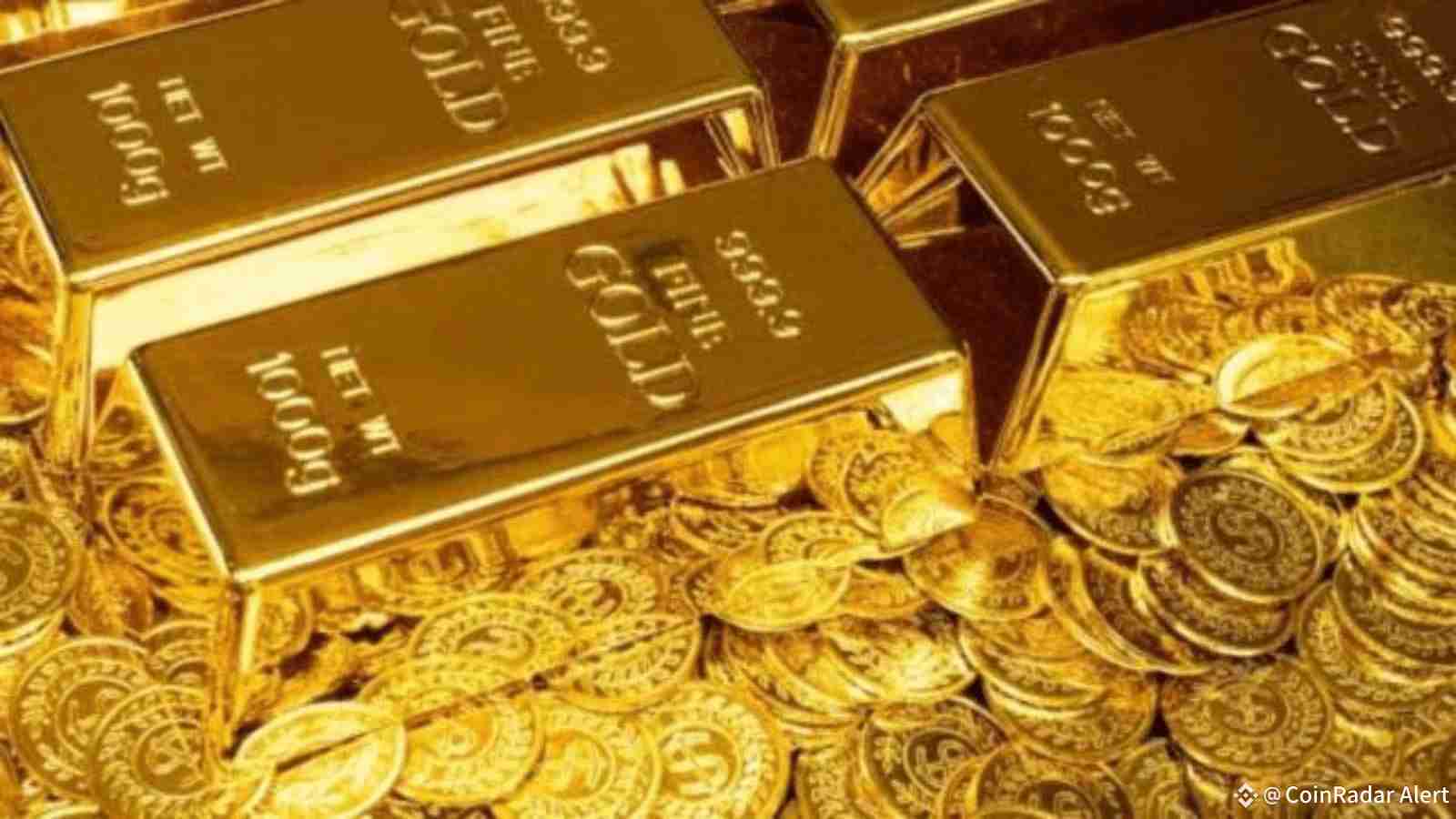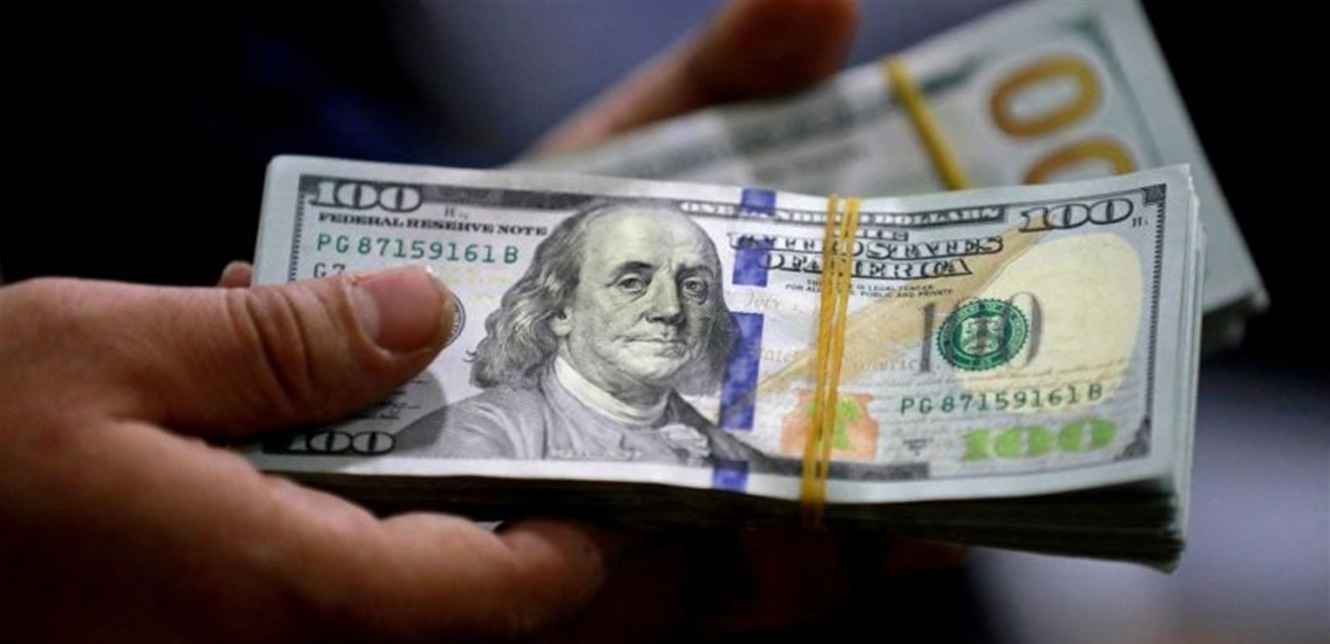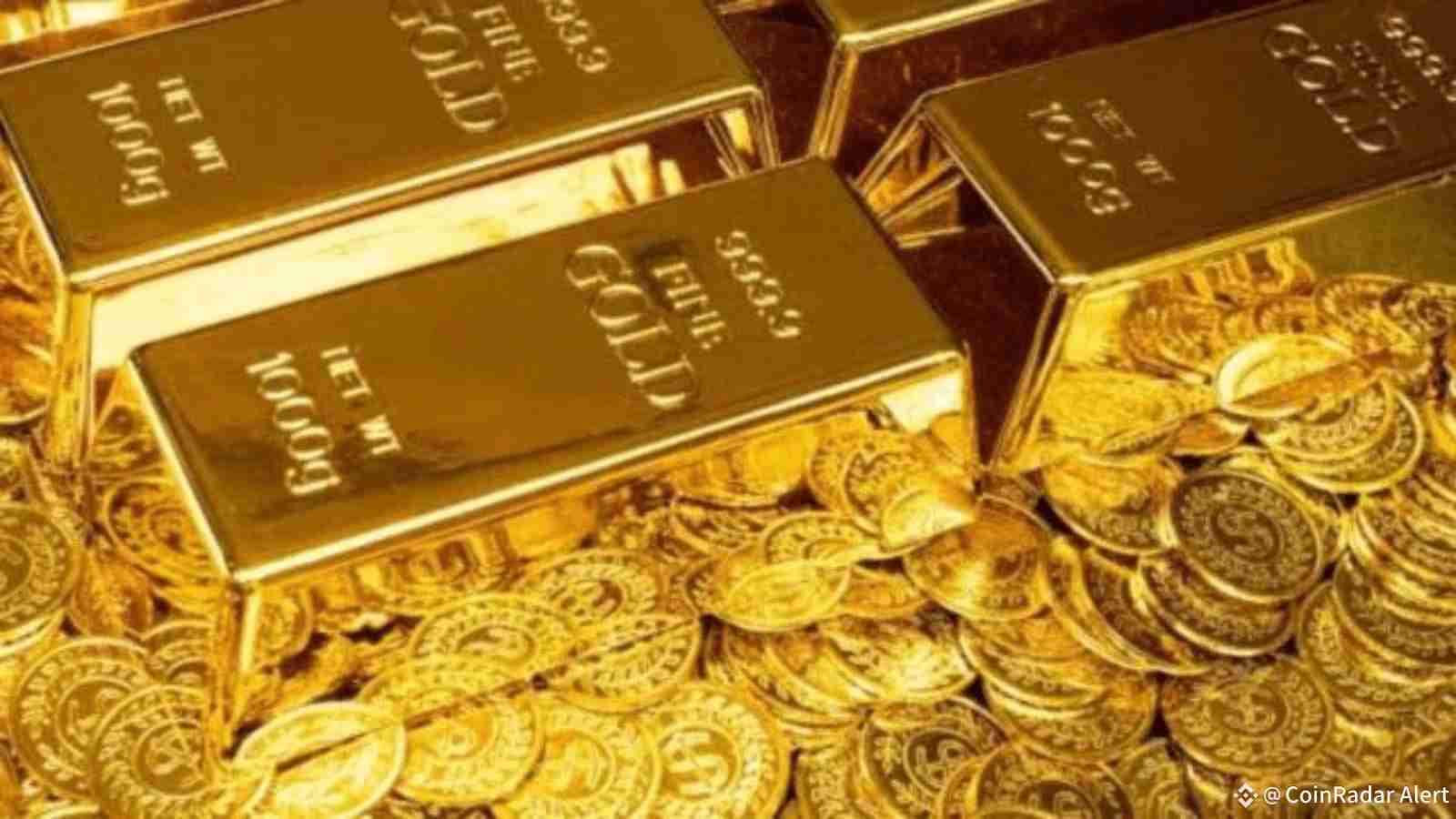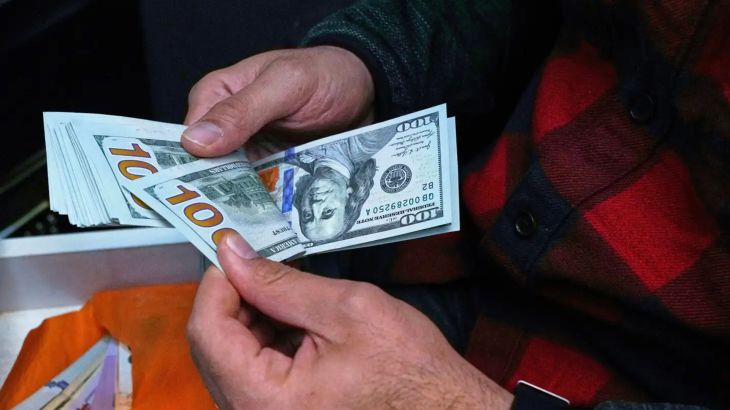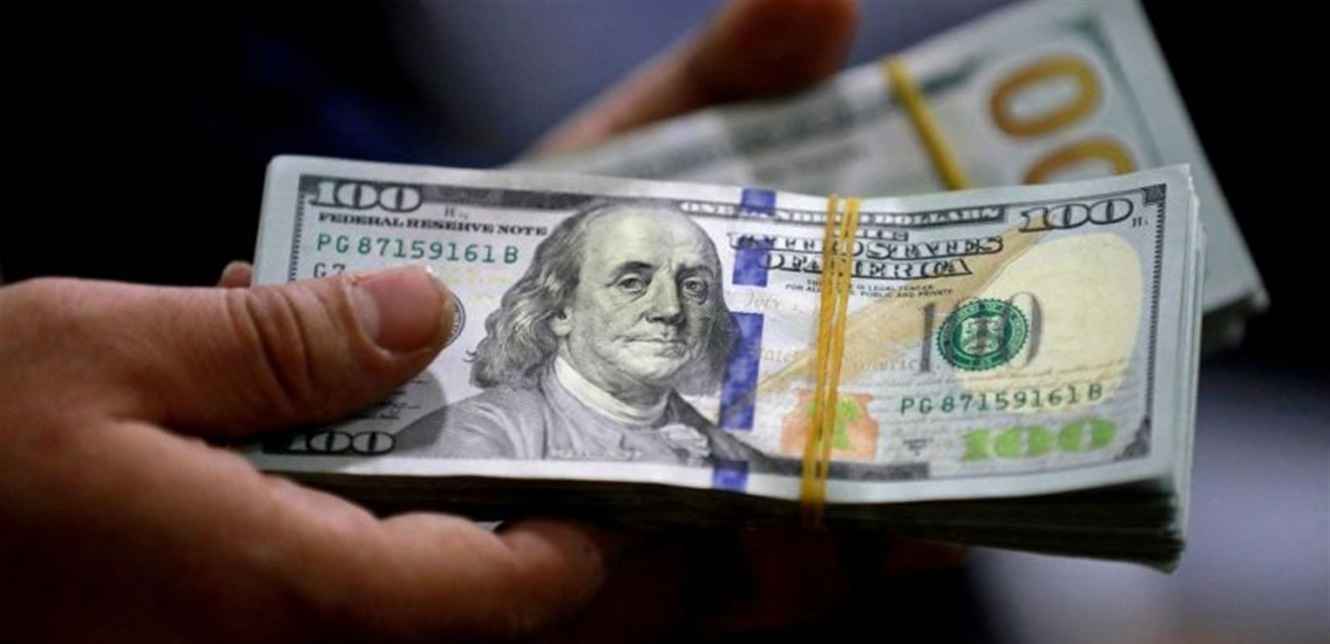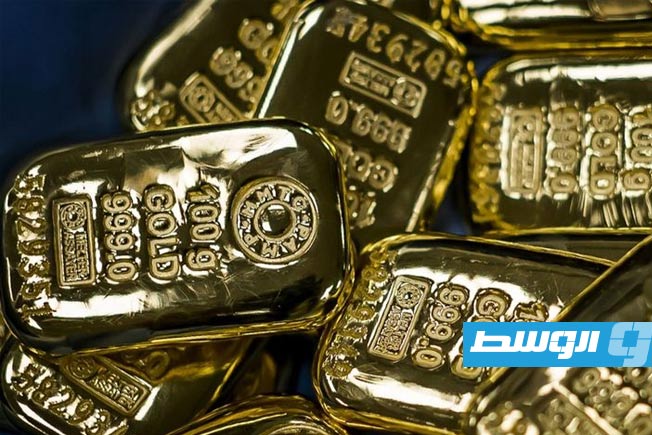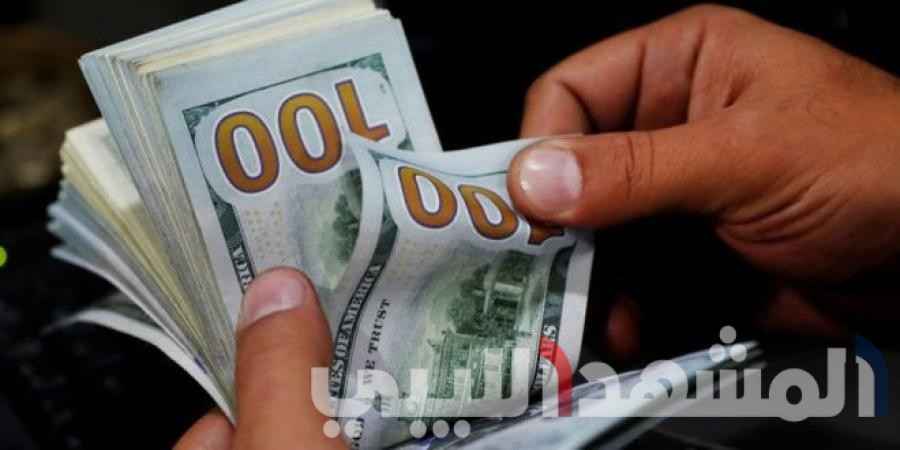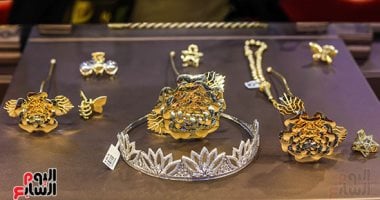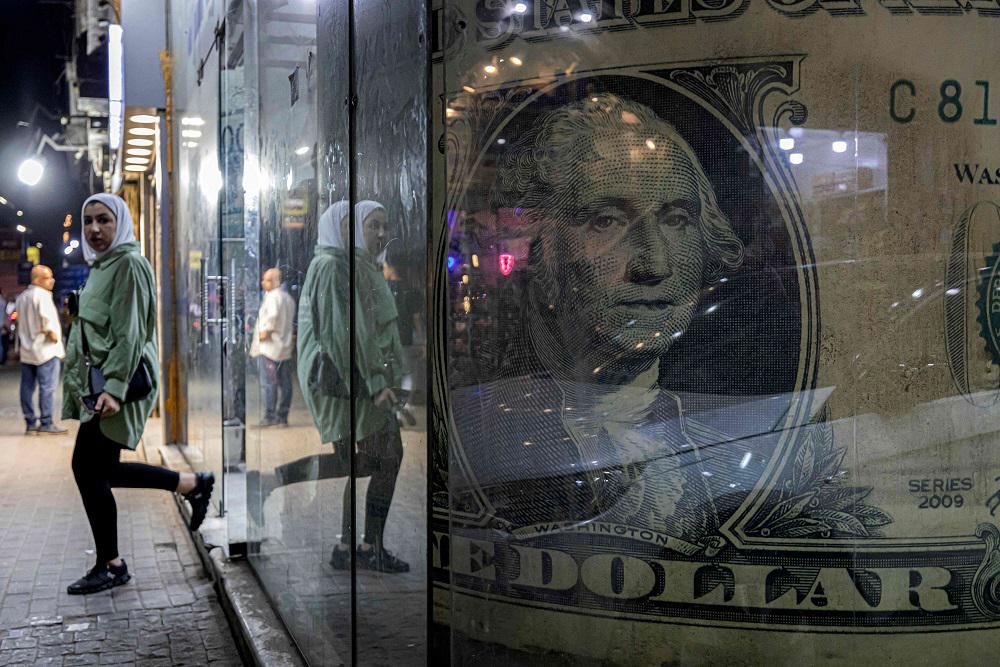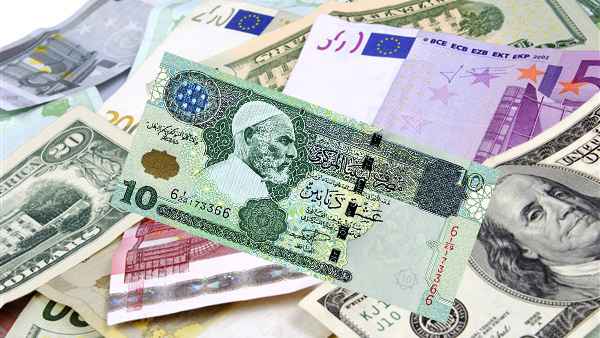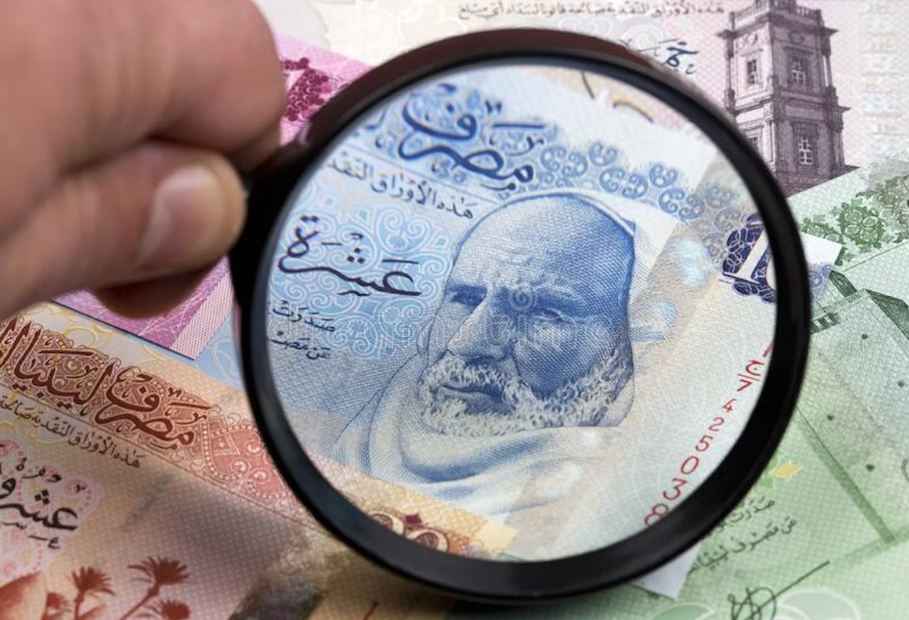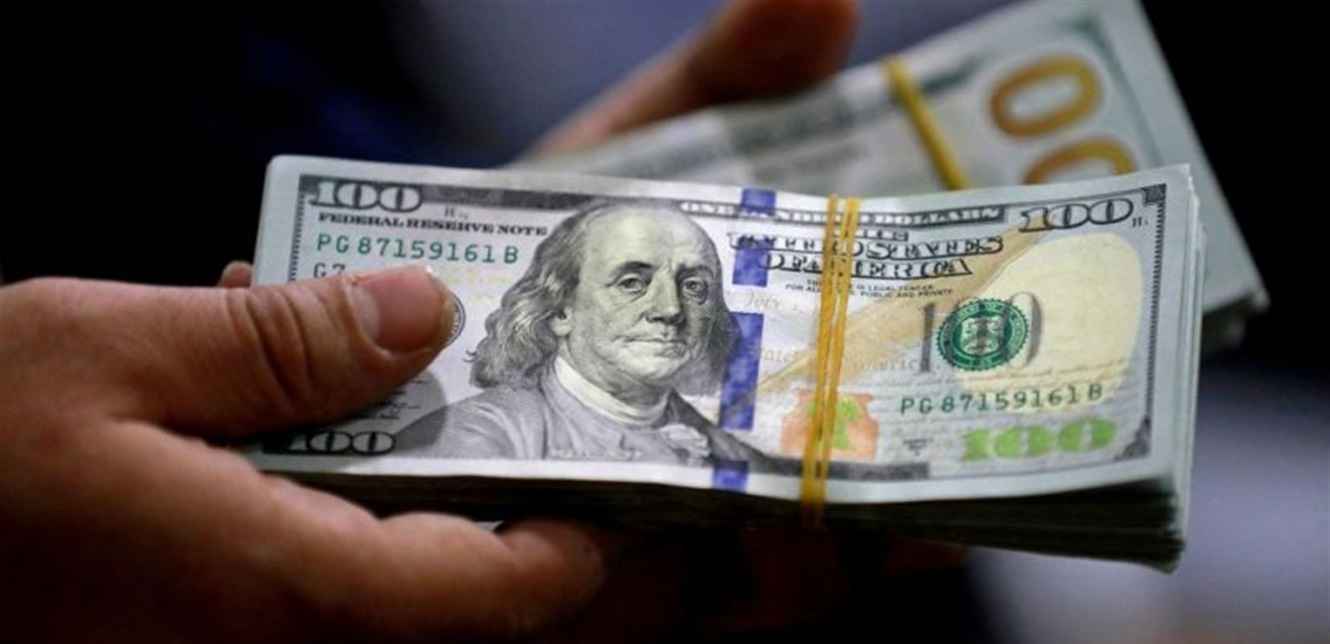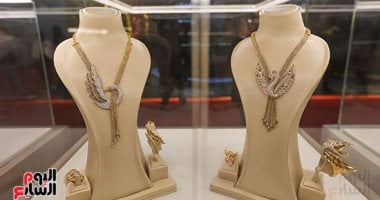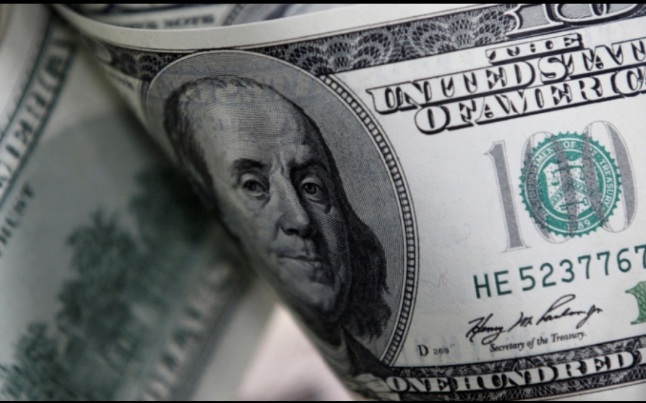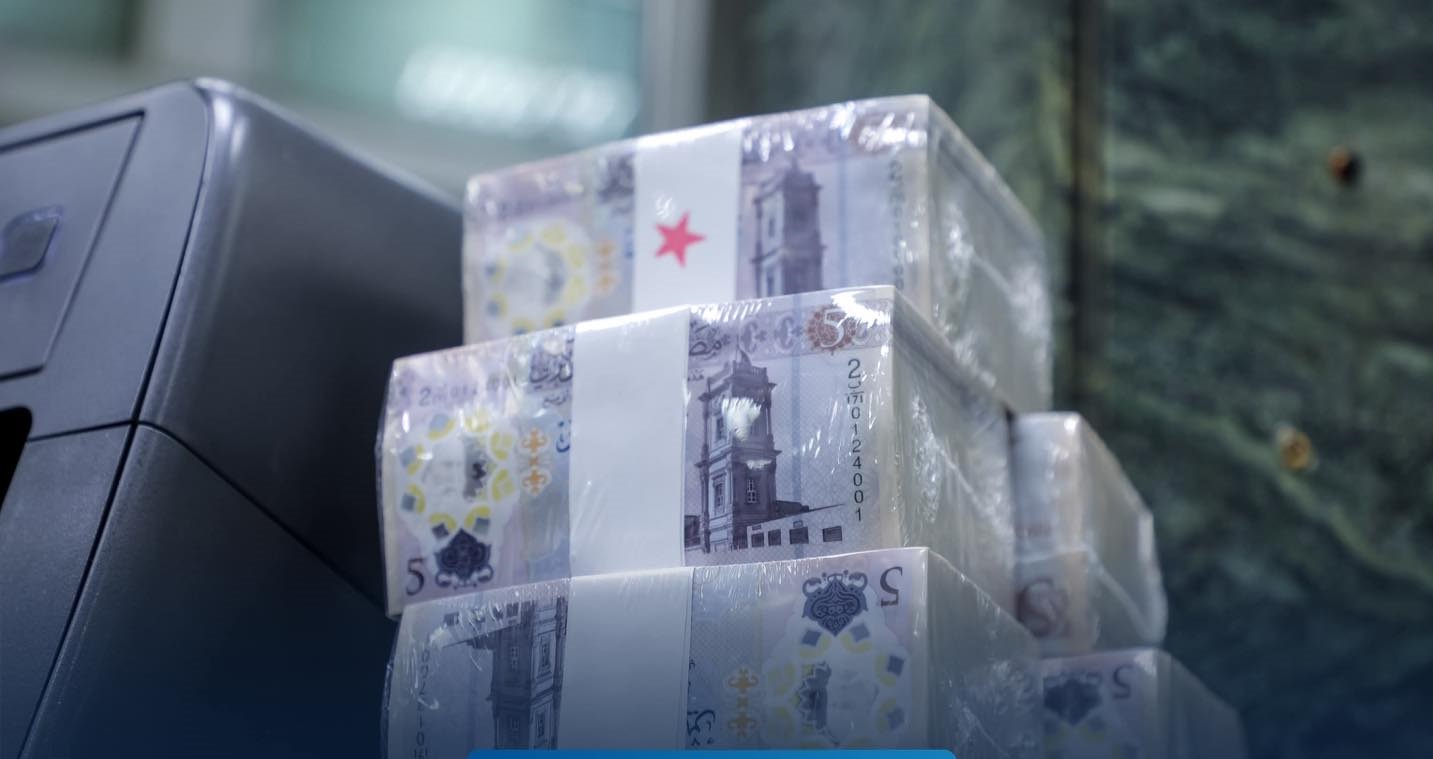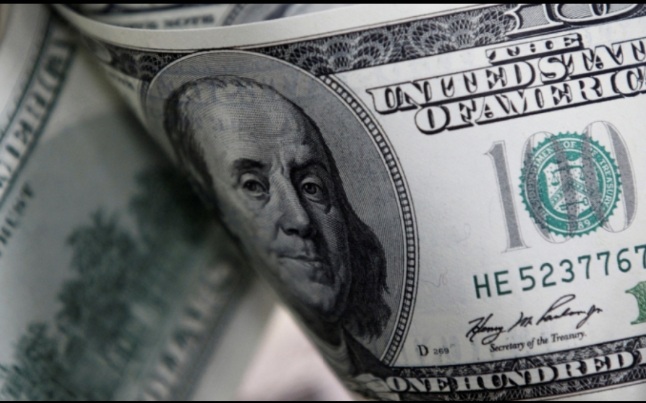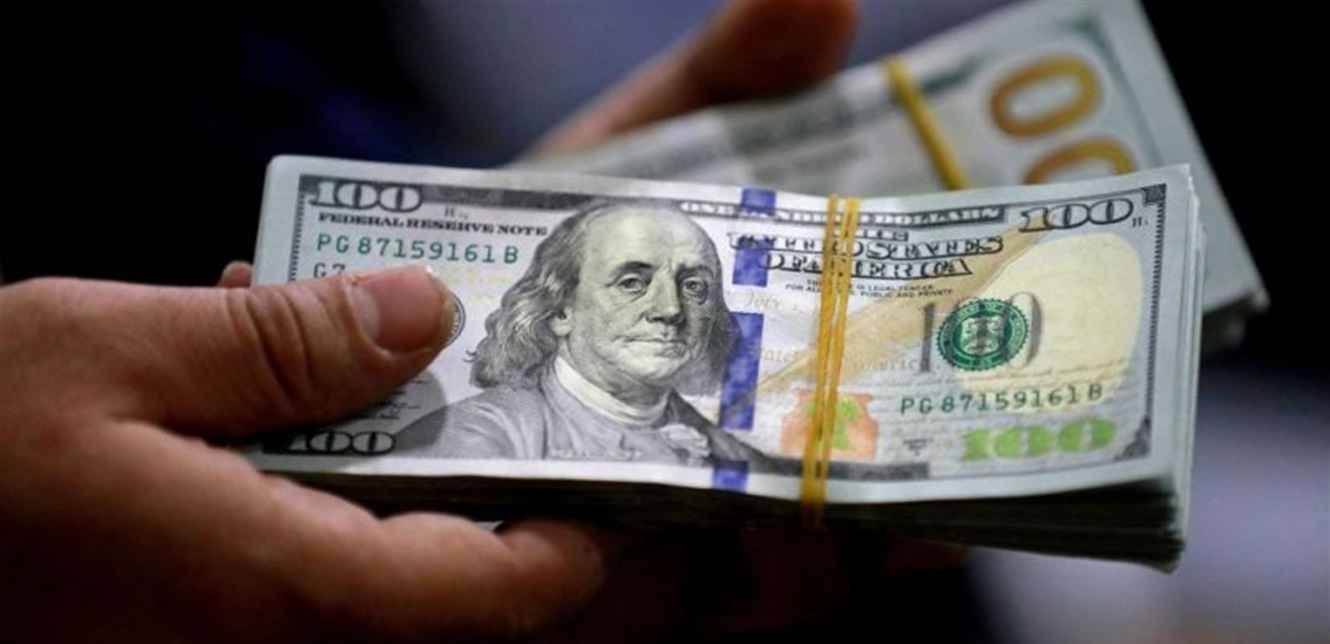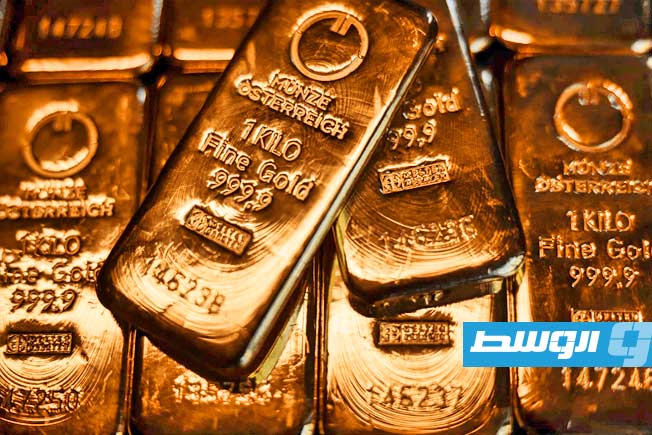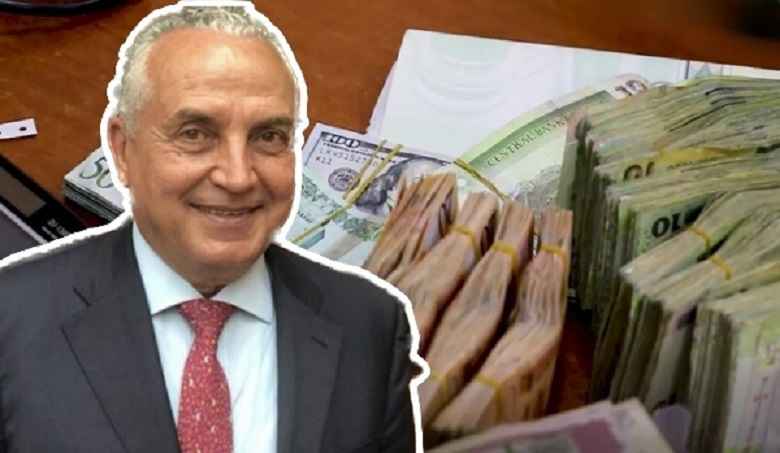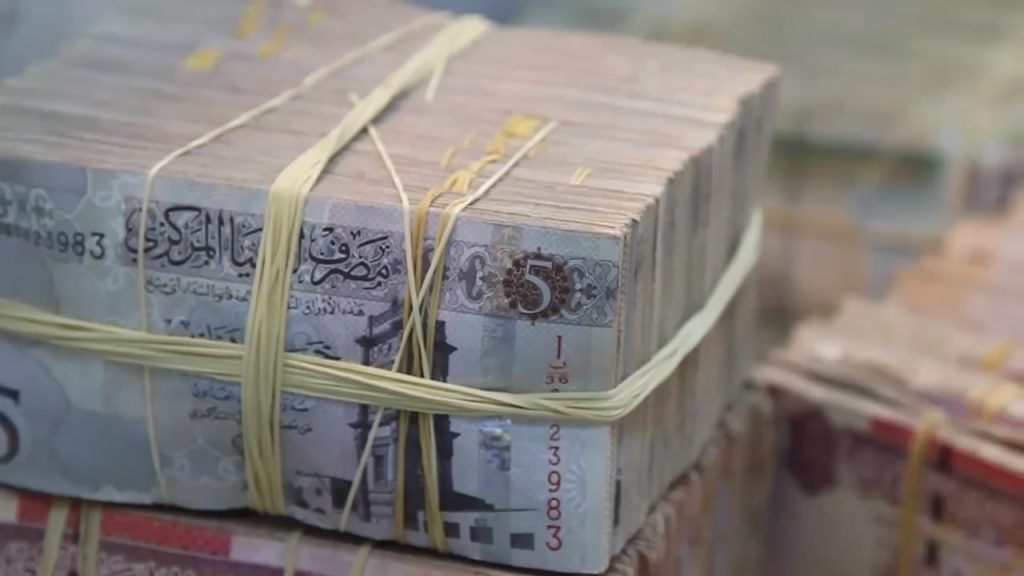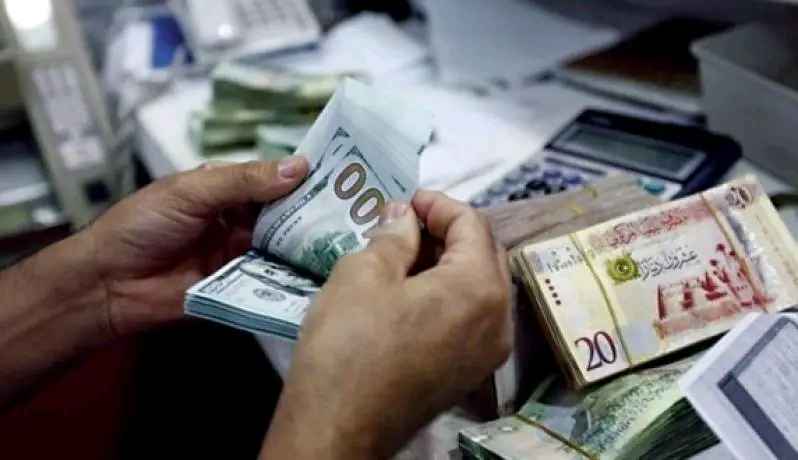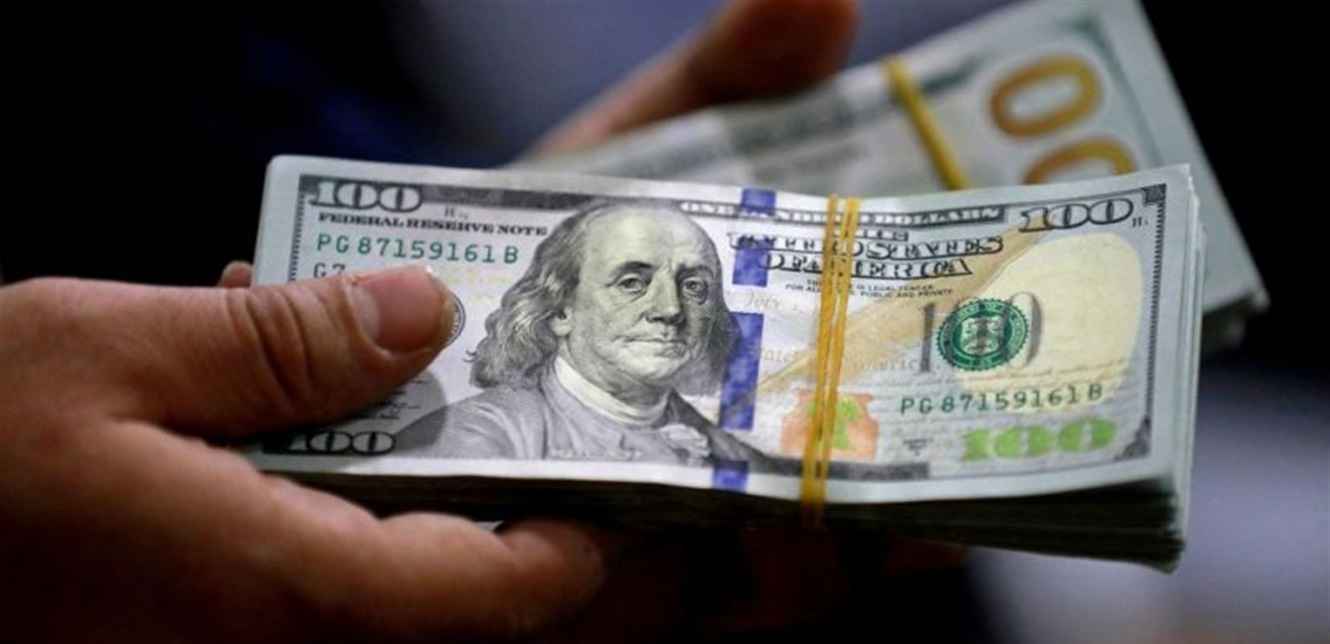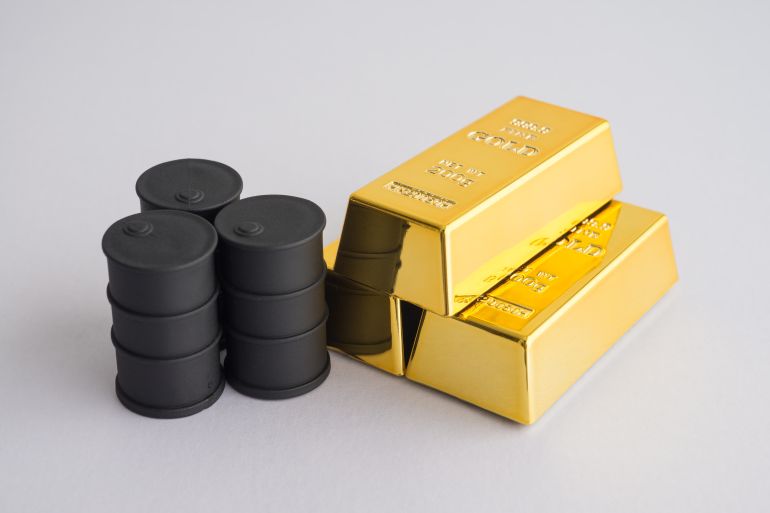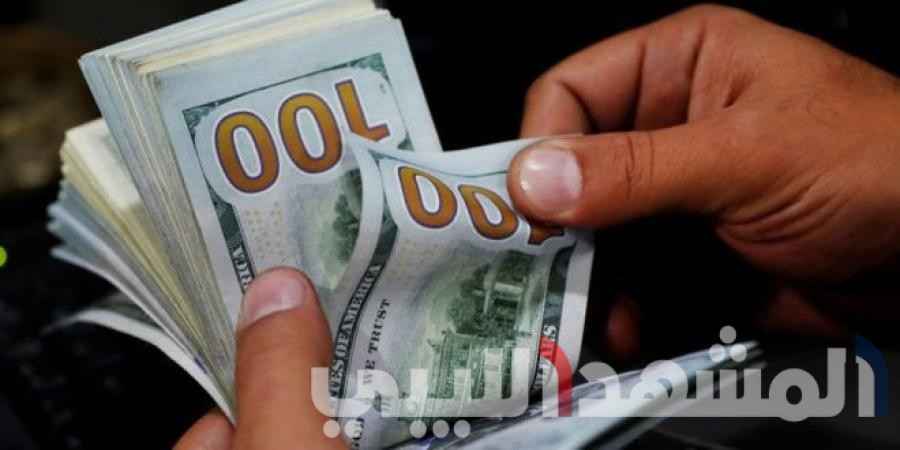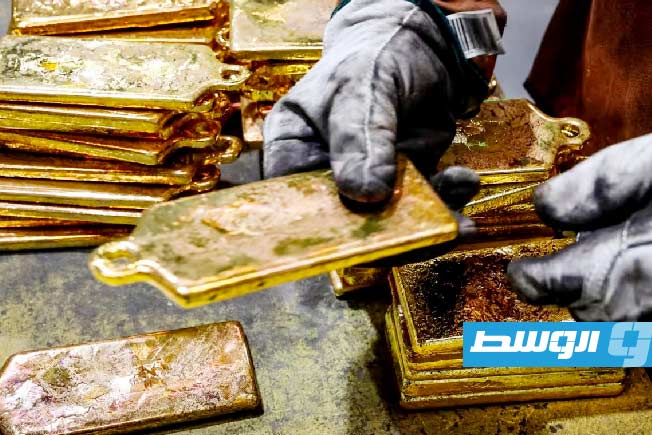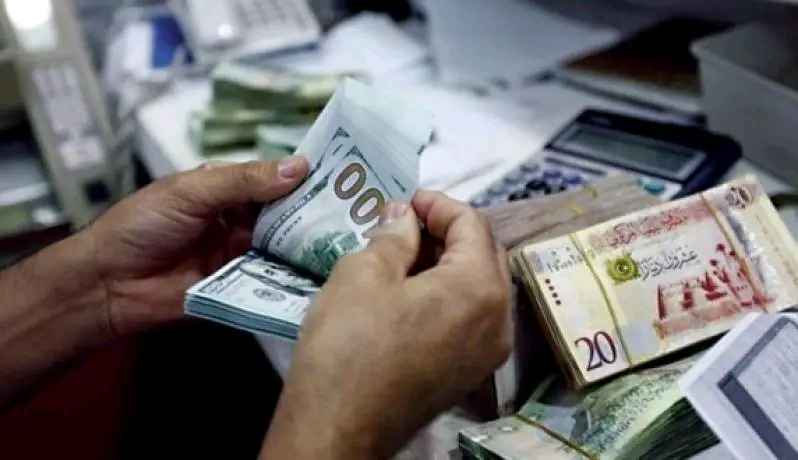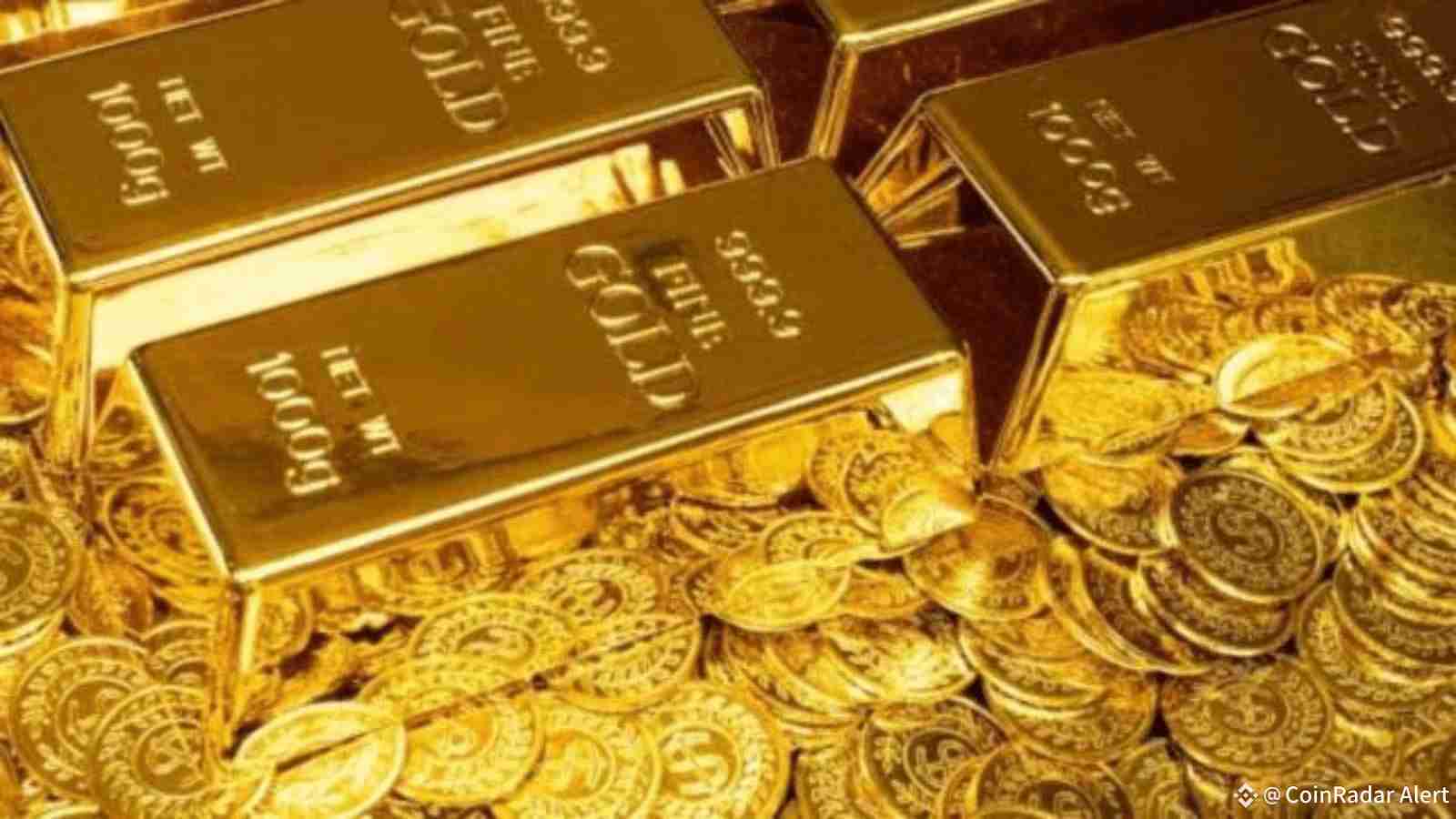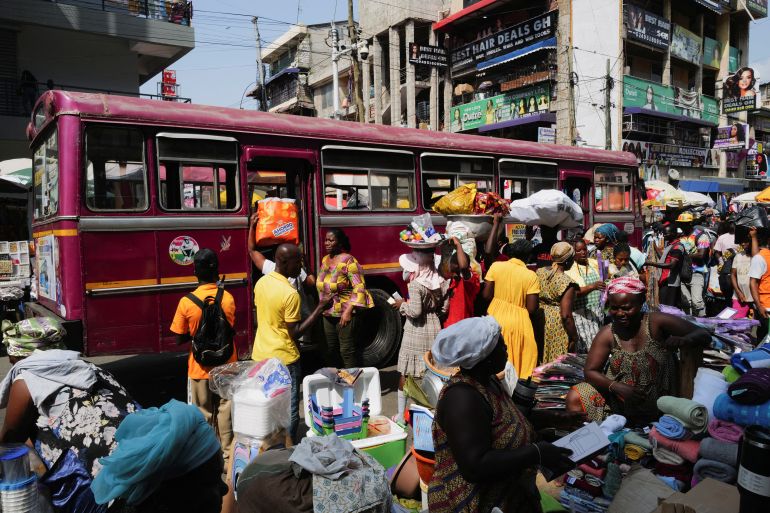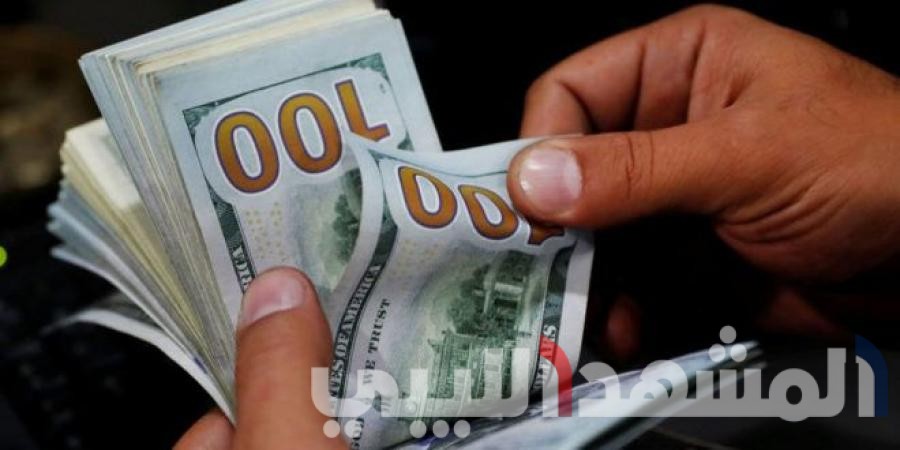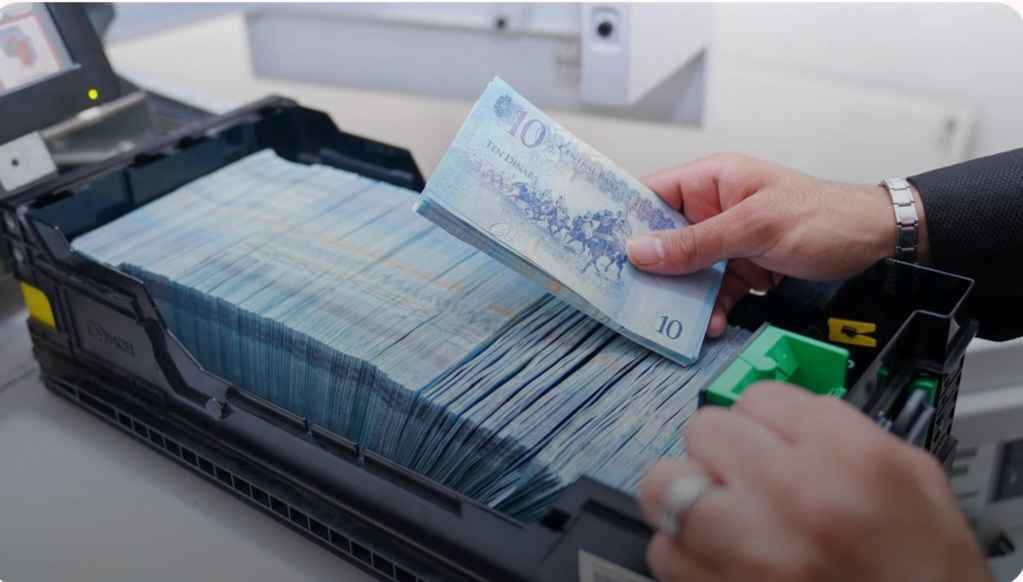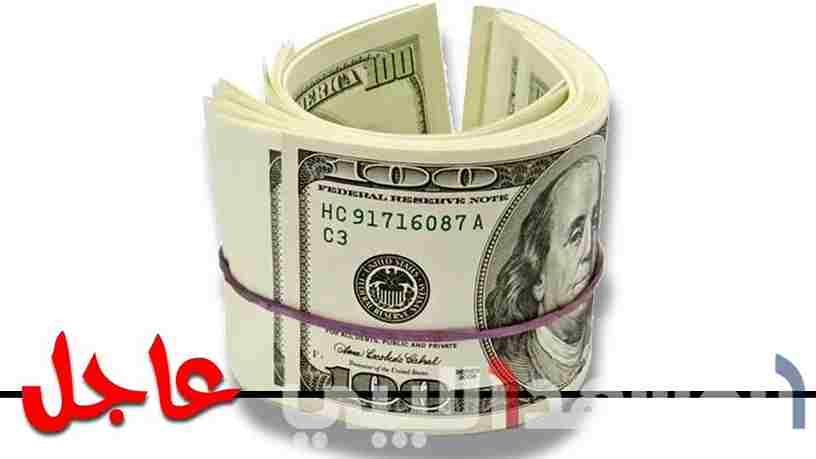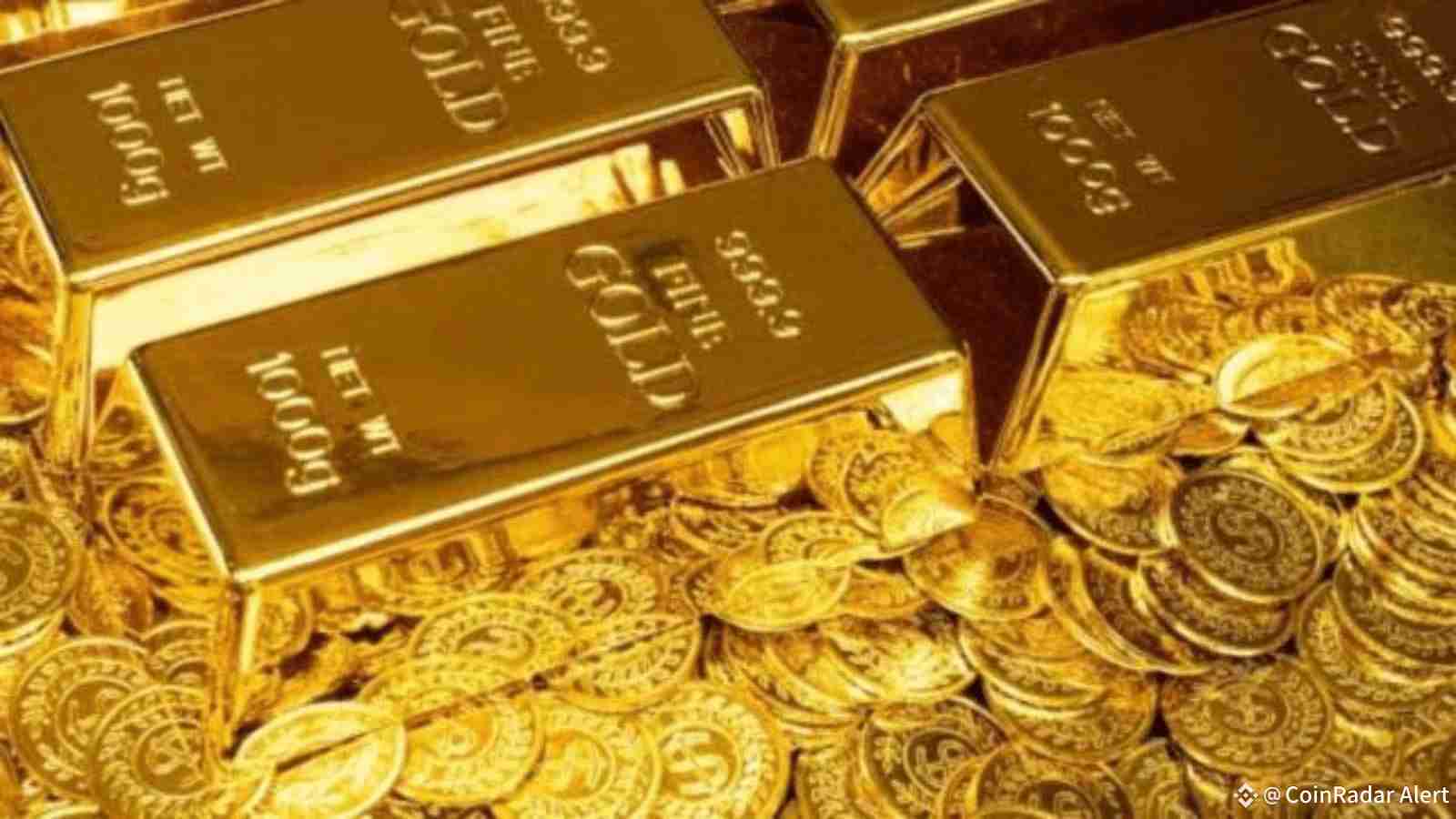
Tripoli – The Libyan market witnessed a new rise in gold prices on Sunday, December 28, 2025, driven by the global ounce surpassing the $4500 barrier, alongside the continued trading of the dollar on the parallel market at a high level of 8.69 dinars. This dual increase contributed to heightened volatility and reinforced the impact of the exchange rate on pricing movements within the market.
Here are the latest recorded prices:
💎 Buyback Prices (Store buying from customer)
- 18-karat scrap: 915 dinars
- 21-karat scrap: 1063 dinars
- 22-karat scrap: 1110 dinars
- 24-karat scrap: 1211 dinars
- 18-karat cast gold: 925 dinars
- 24-karat cast gold: 1222 dinars
- Dollar: 8.69 dinars
💎 Sale Prices to Customer
- New 18-karat gold: starting from 1090 dinars
- New 21-karat gold: starting from 1280 dinars
- Used 18-karat gold: from 980 to 1030 dinars
- Used 21-karat gold: from 1110 to 1170 dinars
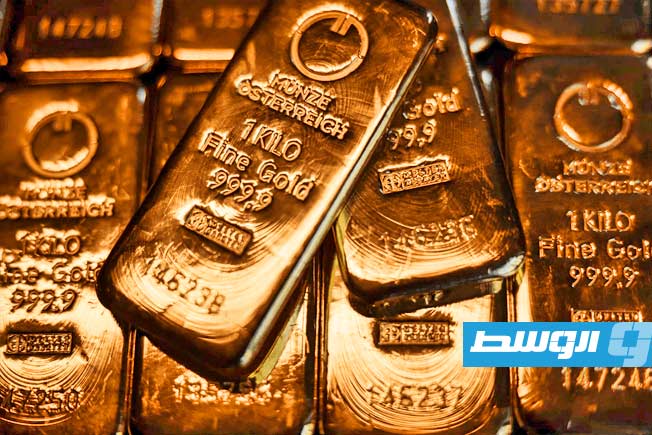
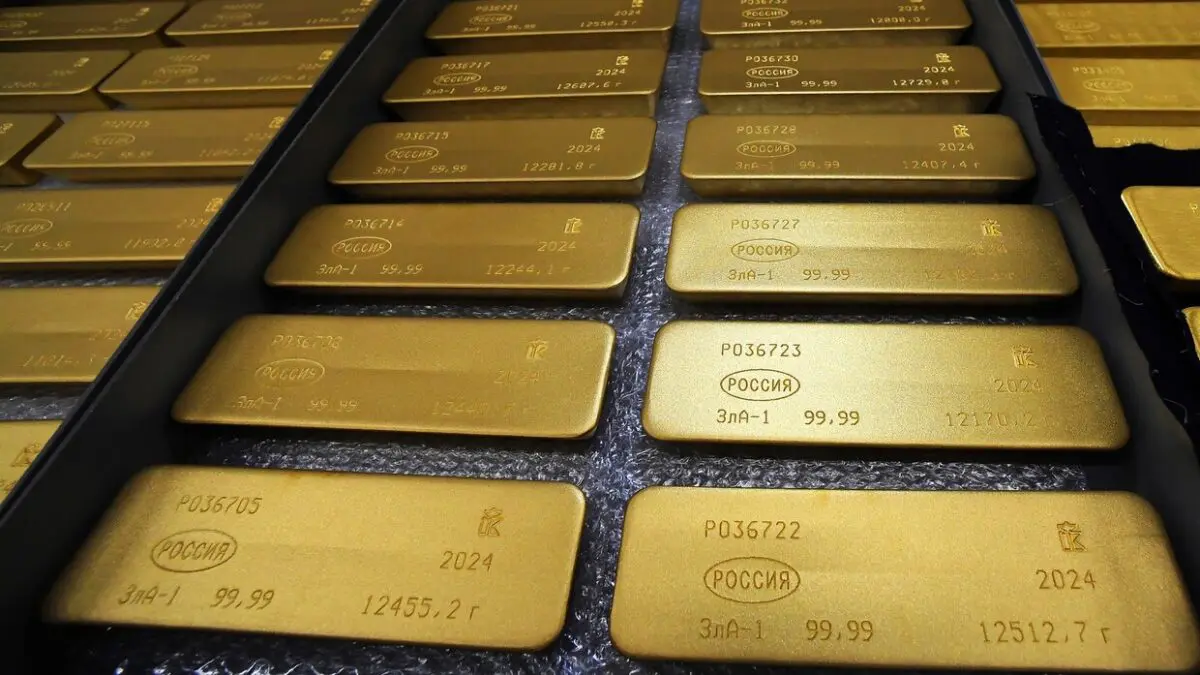
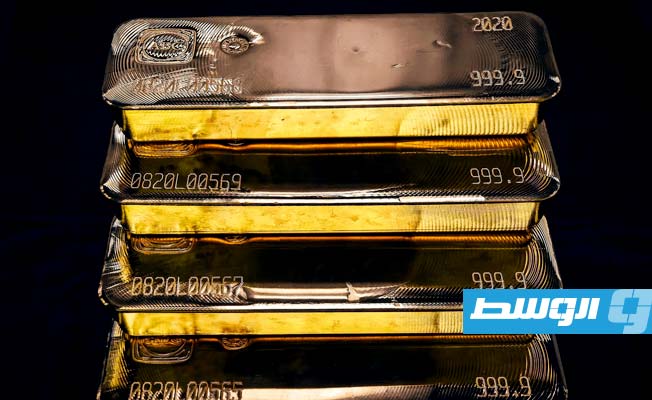
💎 Bullion Prices (24-karat)
- 5 grams: 6735 dinars
- 10 grams: 13535 dinars
- 20 grams: 27100 dinars
- Ounce (31.103 grams): 41470 dinars
- 50 grams: 65330 dinars
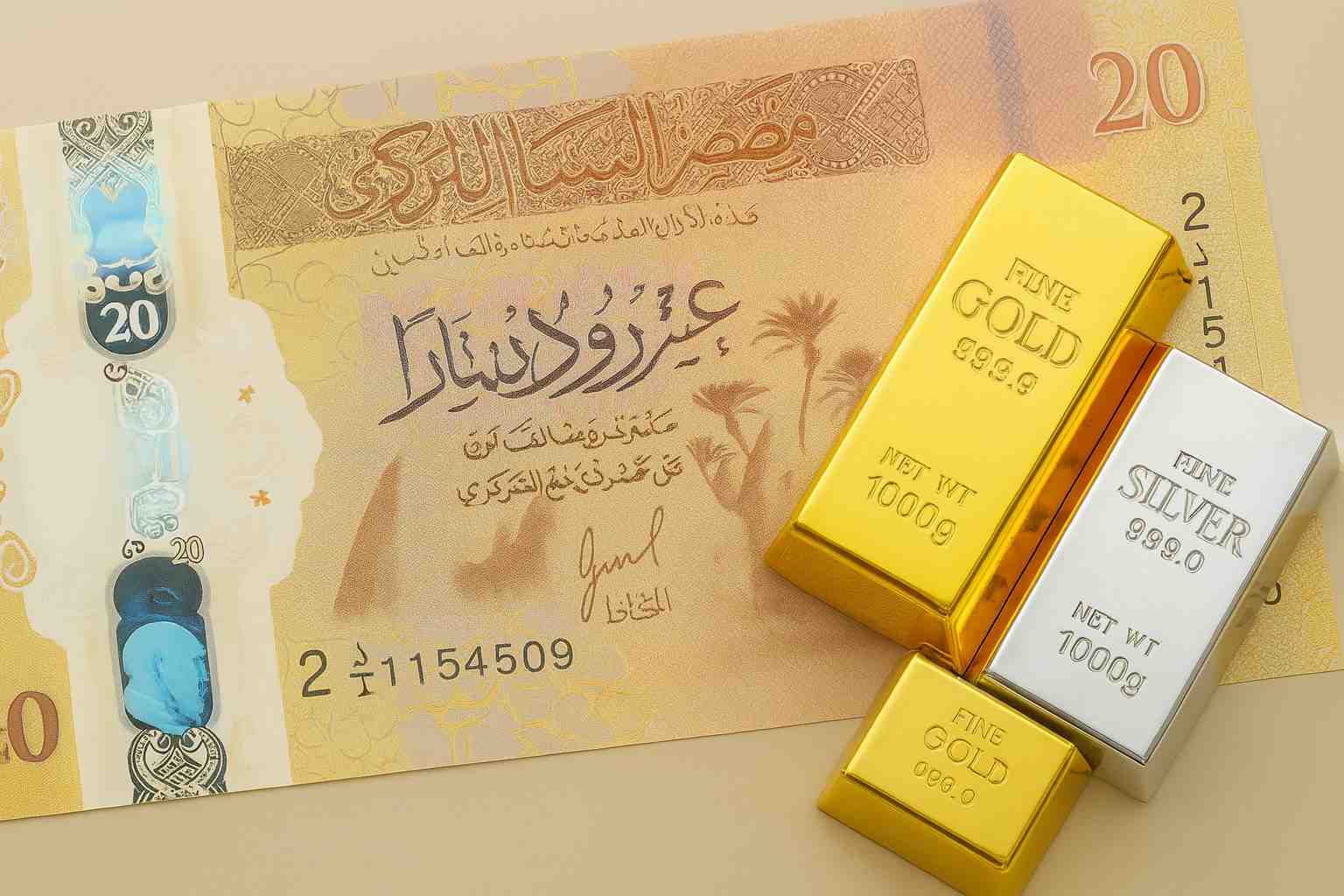
⚪ Silver and Gold Lira
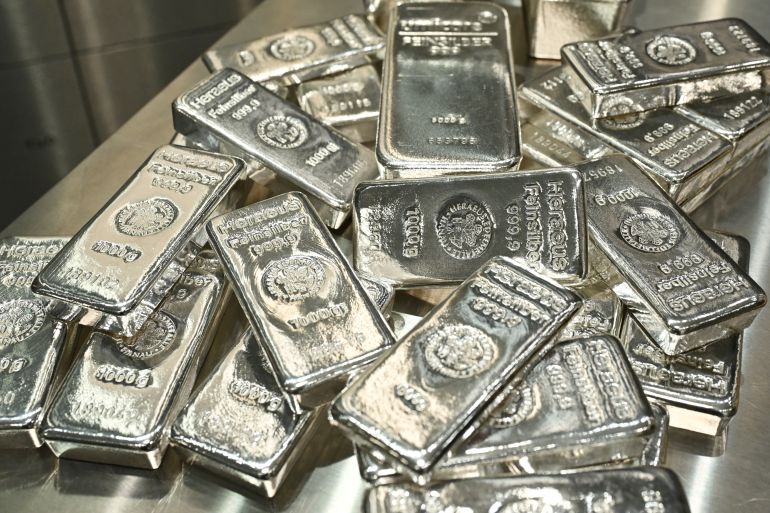
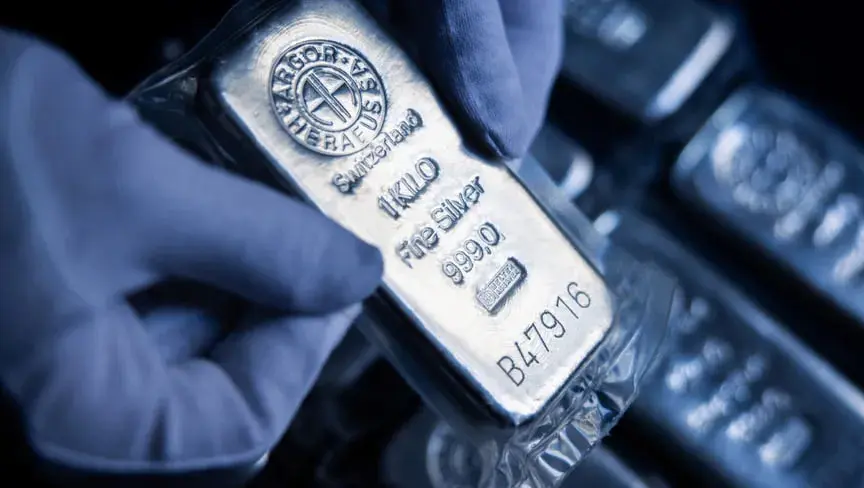
- Turkish silver bullion (999.9): 28000 dinars
- 21-karat gold lira: 9100 dinars
- Local cast silver: 19.60 dinars
- Silver scrap: 15.75 – 16.50 dinars
- Foreign new silver: 35 – 50 dinars
- Local new silver: 25 – 28 dinars
Note: Prices may vary by region and point of sale.
Market Movement Implications
- Gold continues its role as a safe haven amid economic instability, boosting demand despite high prices.
- The impact of the dollar against the dinar remains the most sensitive factor in determining pricing trends in the local market.
- Price differences between new, used, and cast gold reflect varying demand levels, with purchasing activity continuing despite the recent increase.
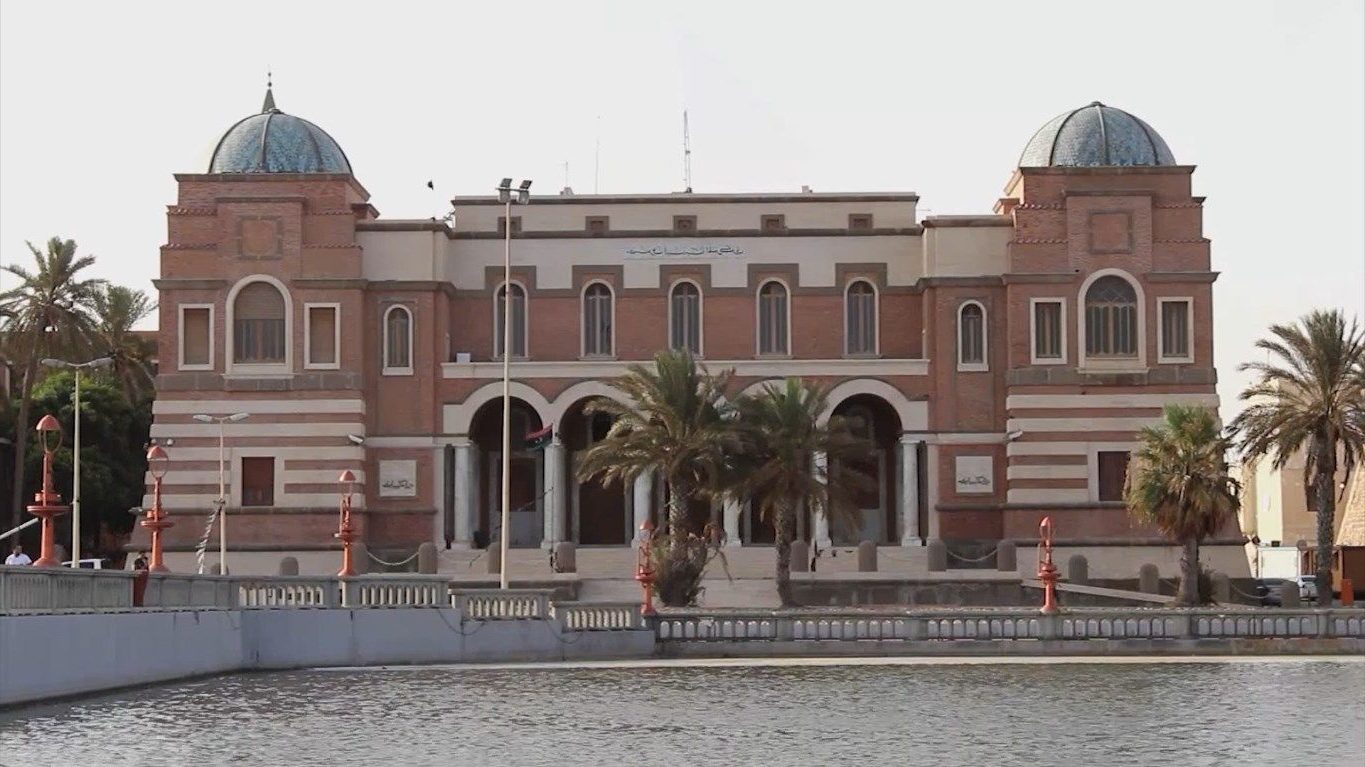
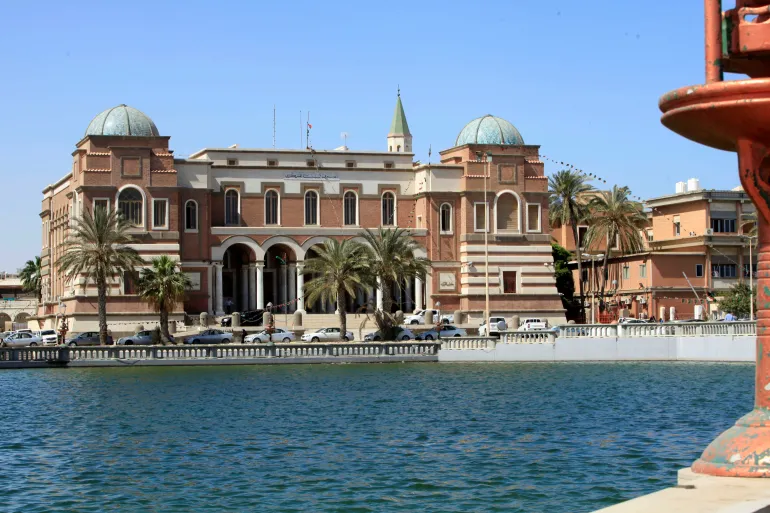
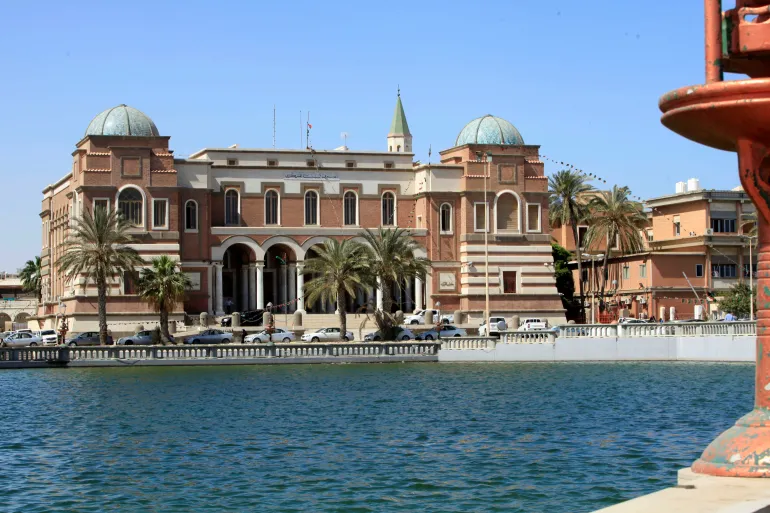
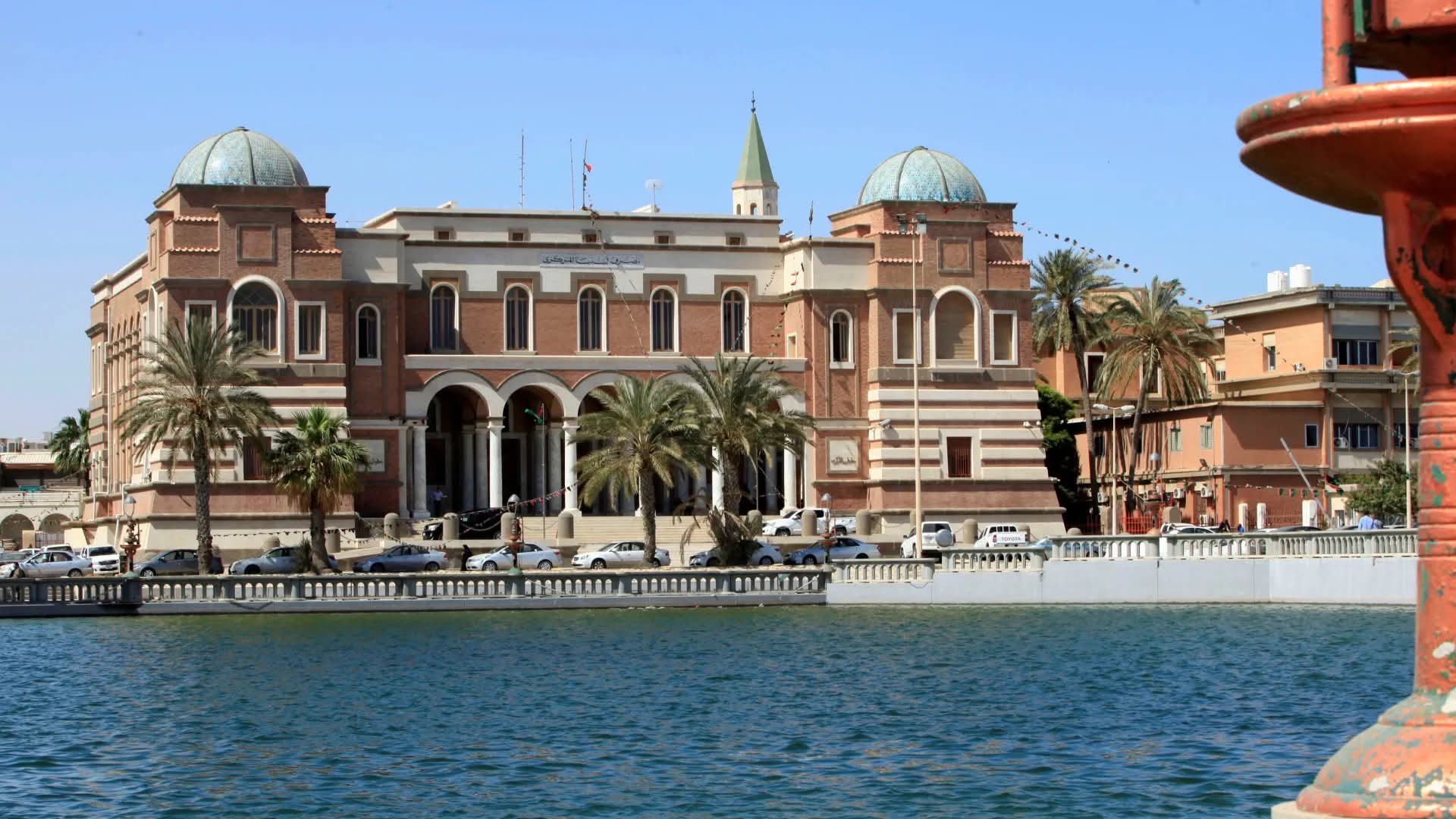
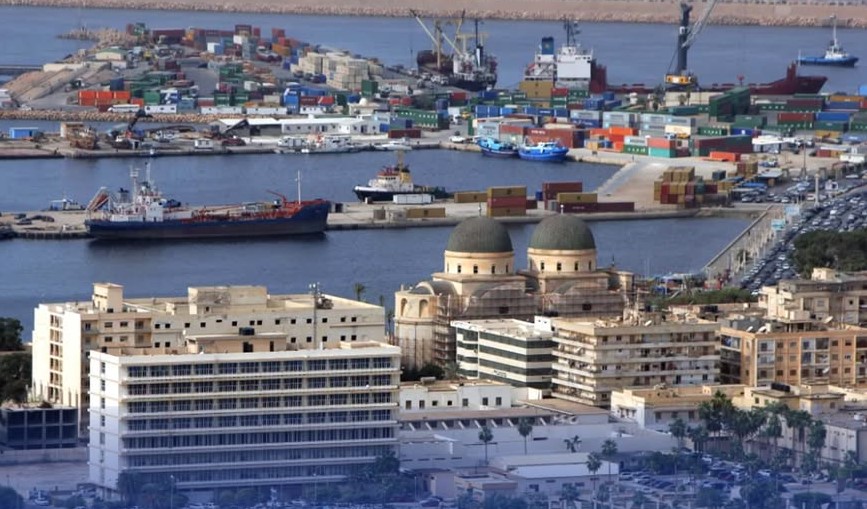
Tripoli
Tripoli is the capital and largest city of Libya, located on the country’s Mediterranean coast. Historically, it was founded by the Phoenicians in the 7th century BC and has since been ruled by the Romans, Arabs, Ottomans, and Italians, which is reflected in its diverse architecture, such as the ancient Medina and the Red Castle.
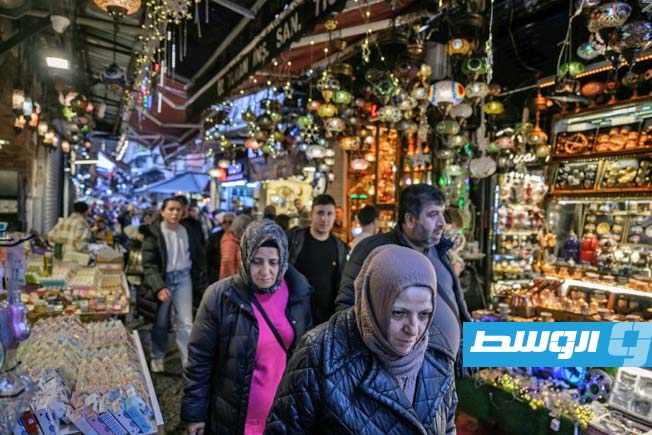
Libyan market
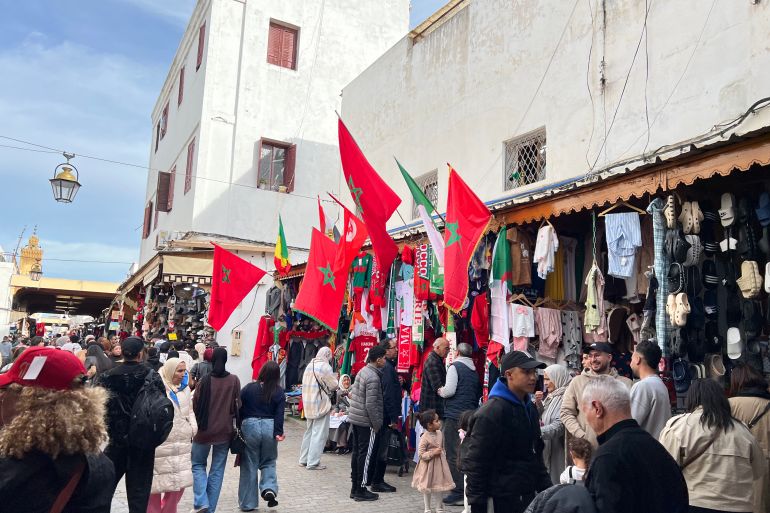
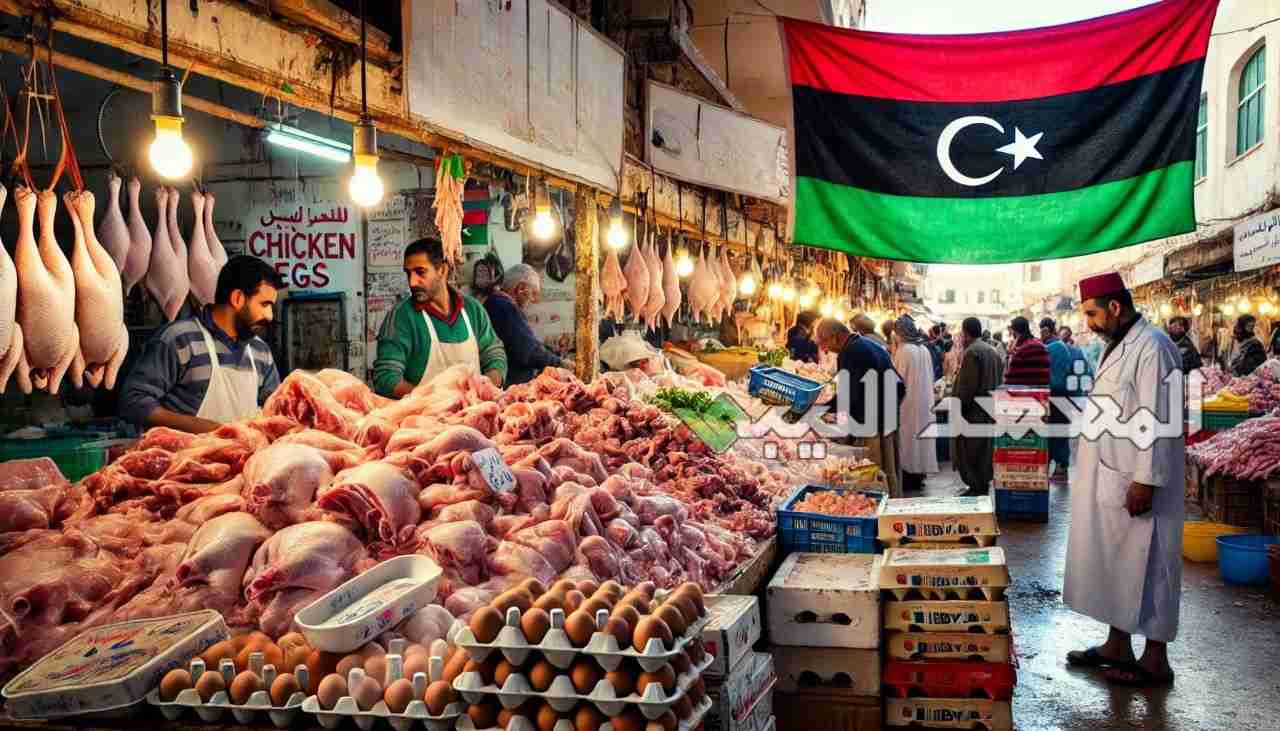
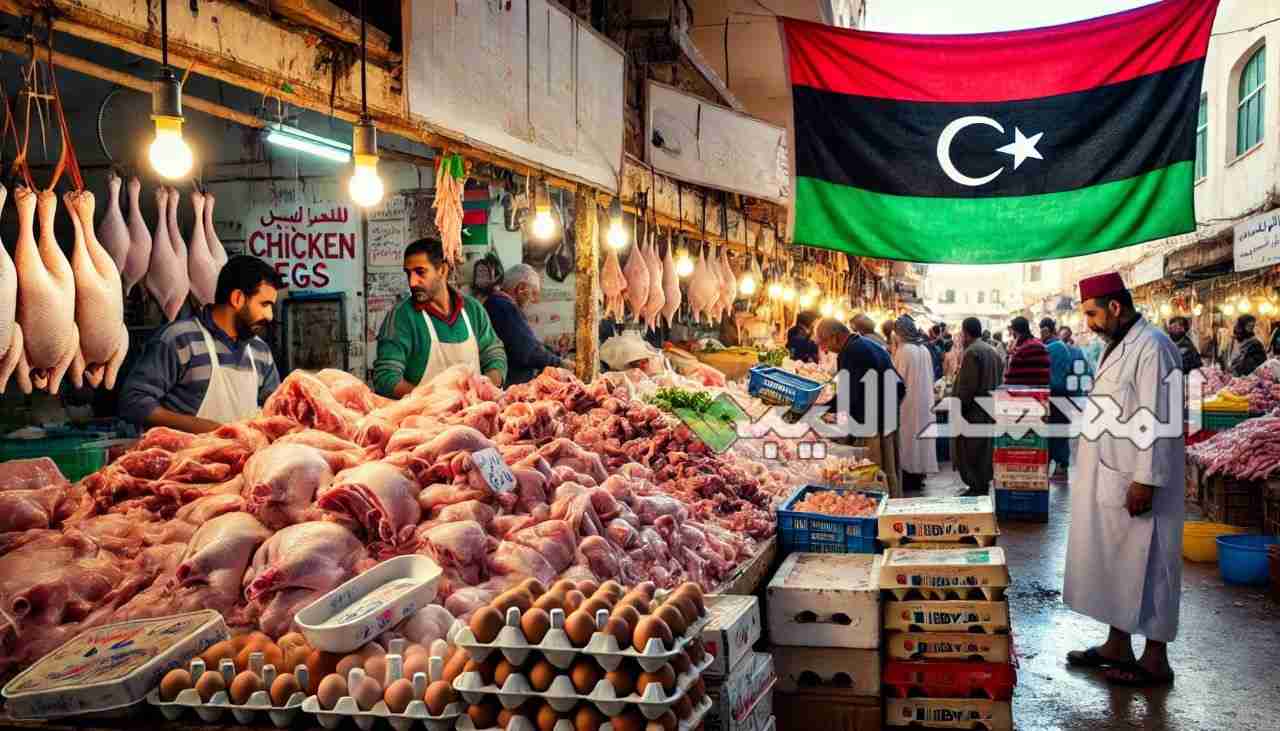
The Libyan market, often referred to locally as a *souk*, is a traditional marketplace central to daily commerce and social life, historically organized around trade routes for goods like spices, textiles, and crafts. These bustling hubs, found in cities such as Tripoli and Benghazi, have served for centuries as vital economic and cultural centers, reflecting Libya’s history as a crossroads of Mediterranean and Saharan trade.
Turkish silver bullion
Turkish silver bullion refers to investment-grade silver bars and coins produced in Turkey, often under the authority of the Istanbul Gold Refinery. These bullion products are part of Turkey’s long-standing tradition of precious metal craftsmanship and trade, which dates back to the Ottoman Empire. Today, they are a popular asset for both domestic investors and international collectors.