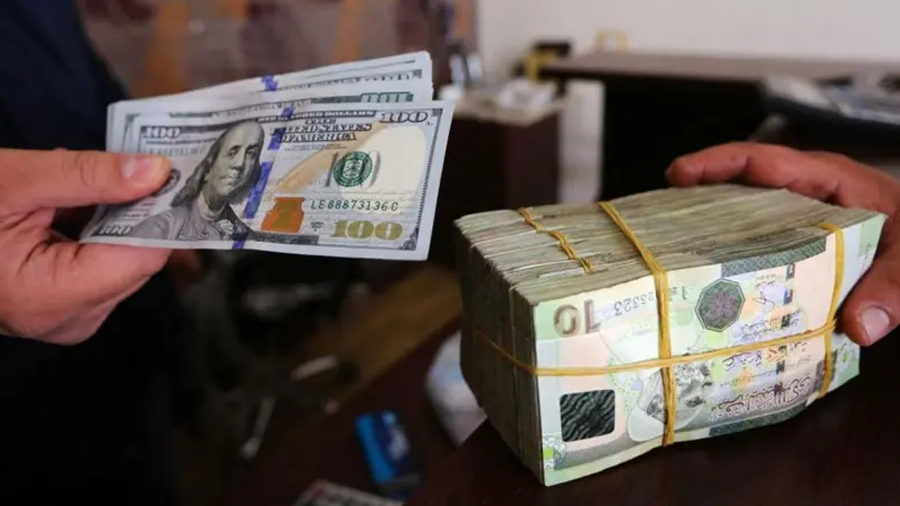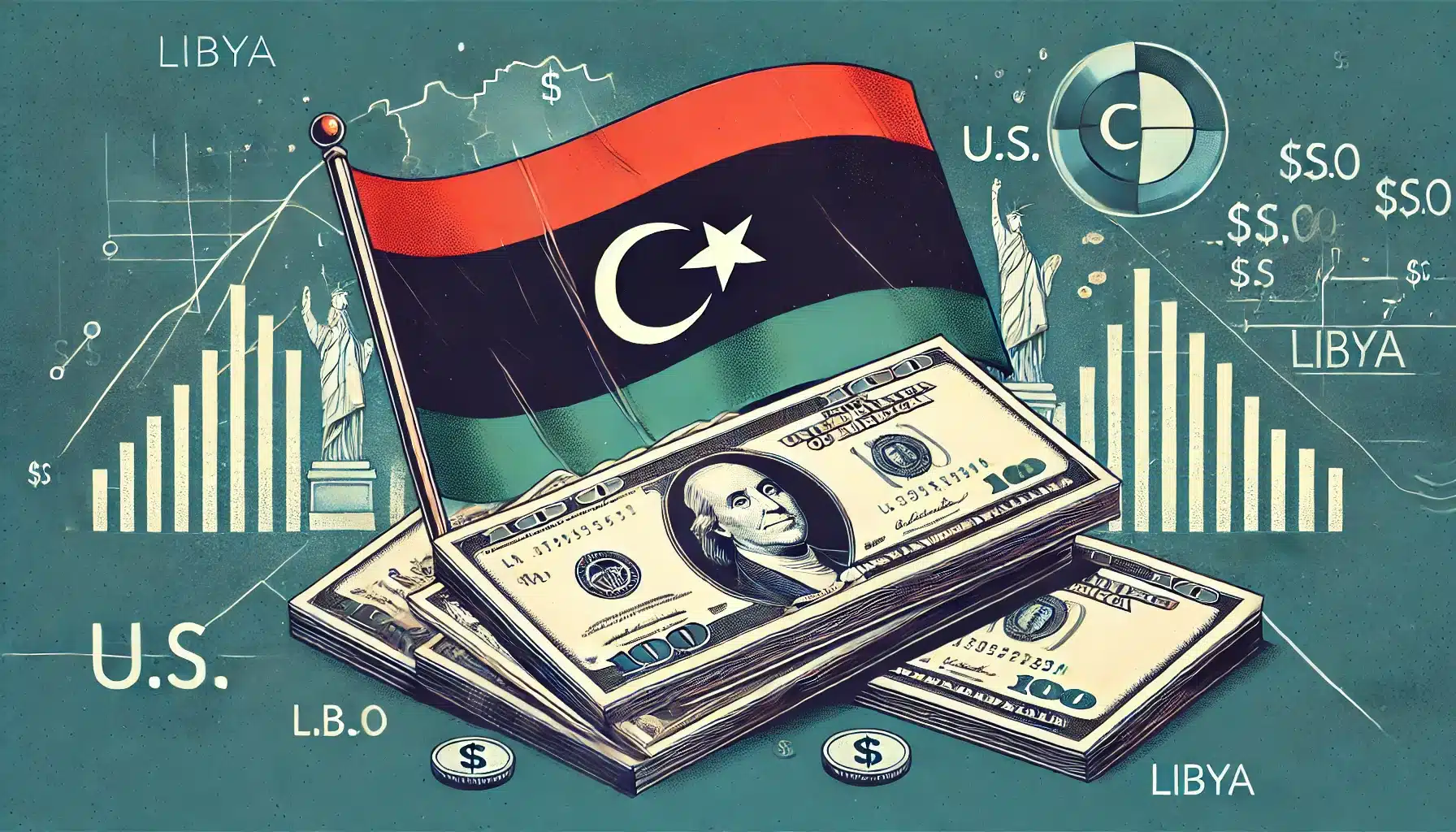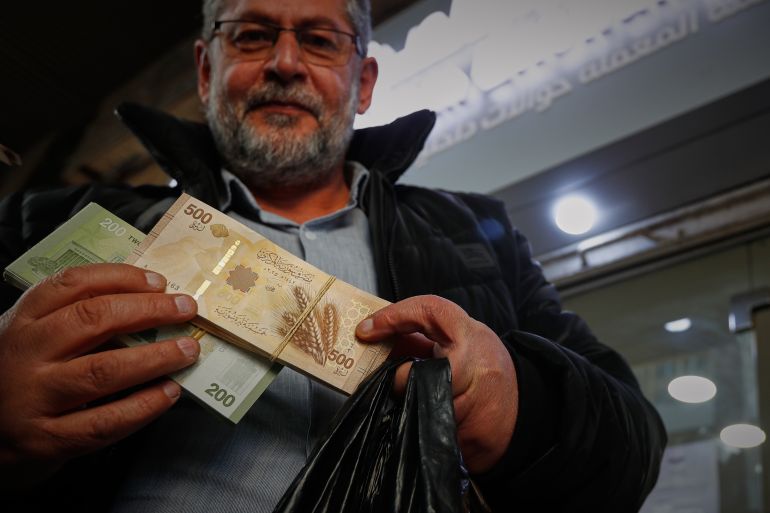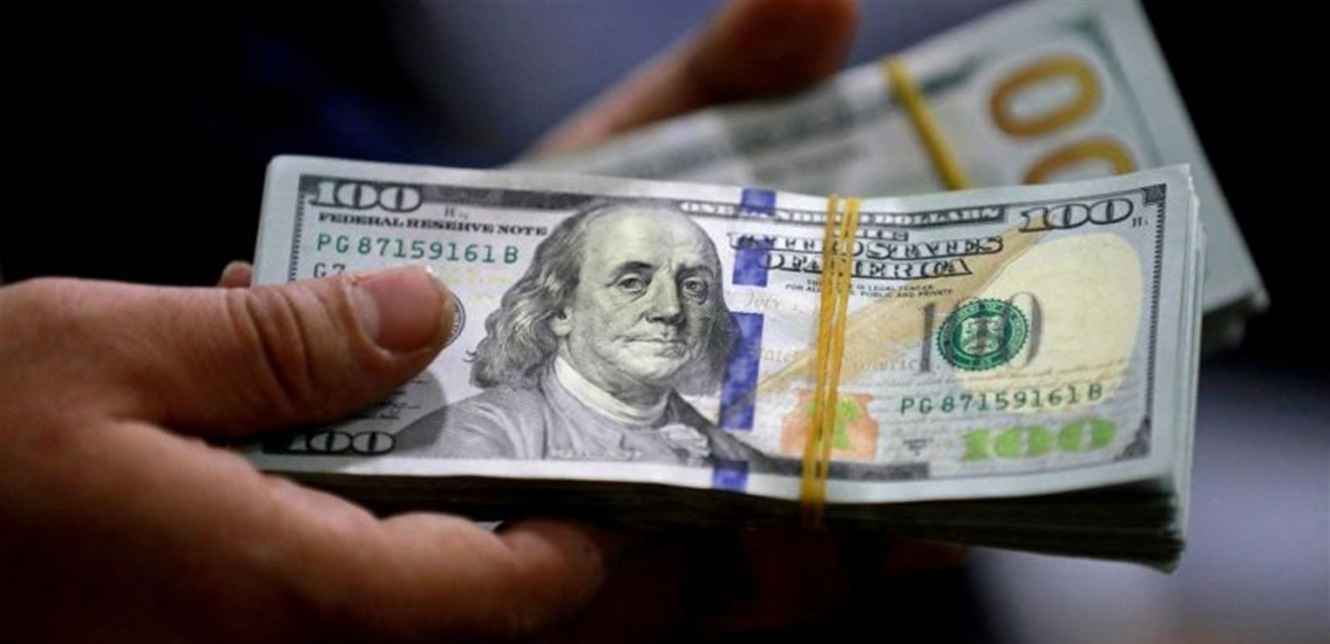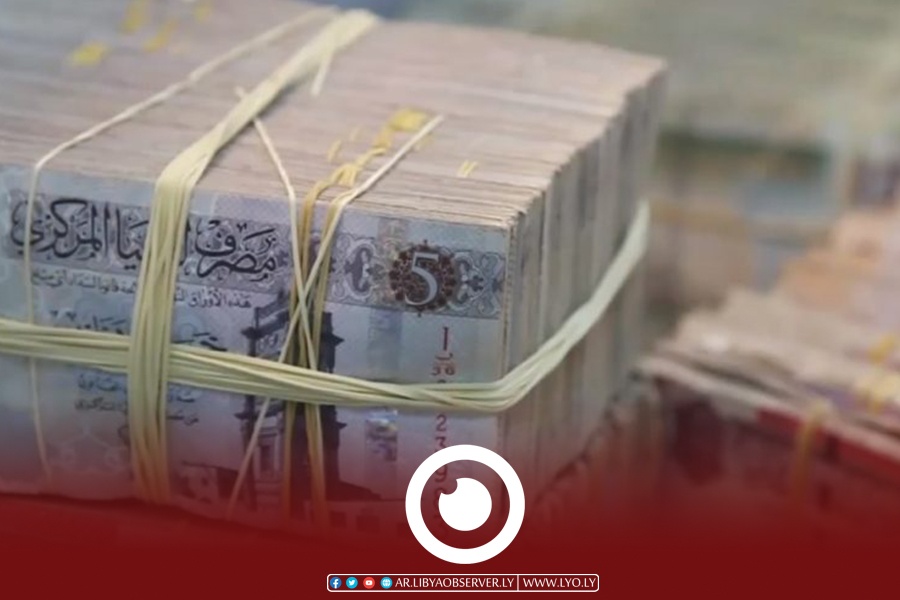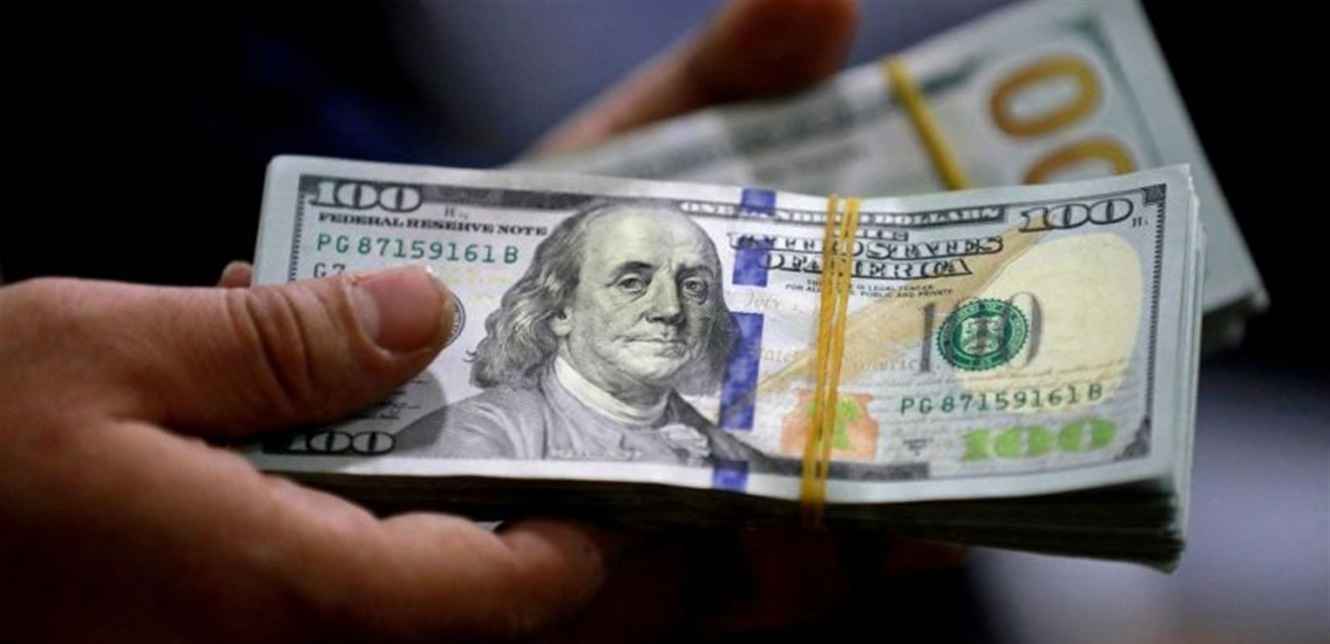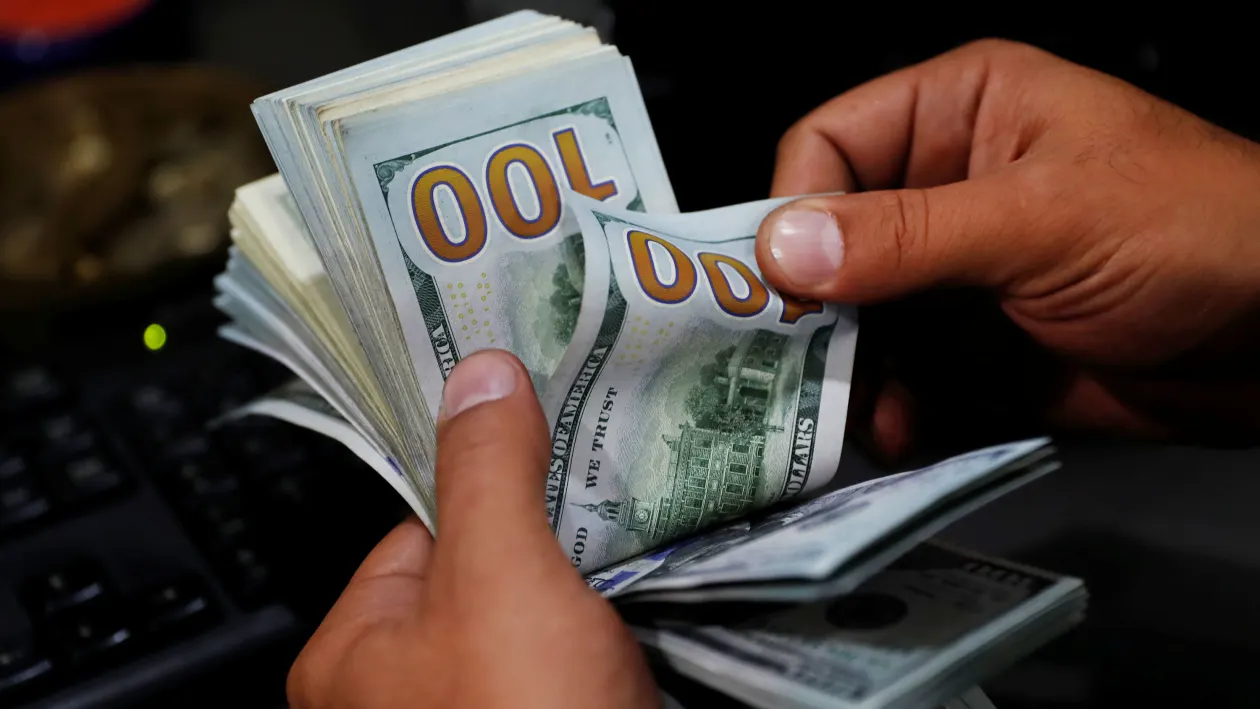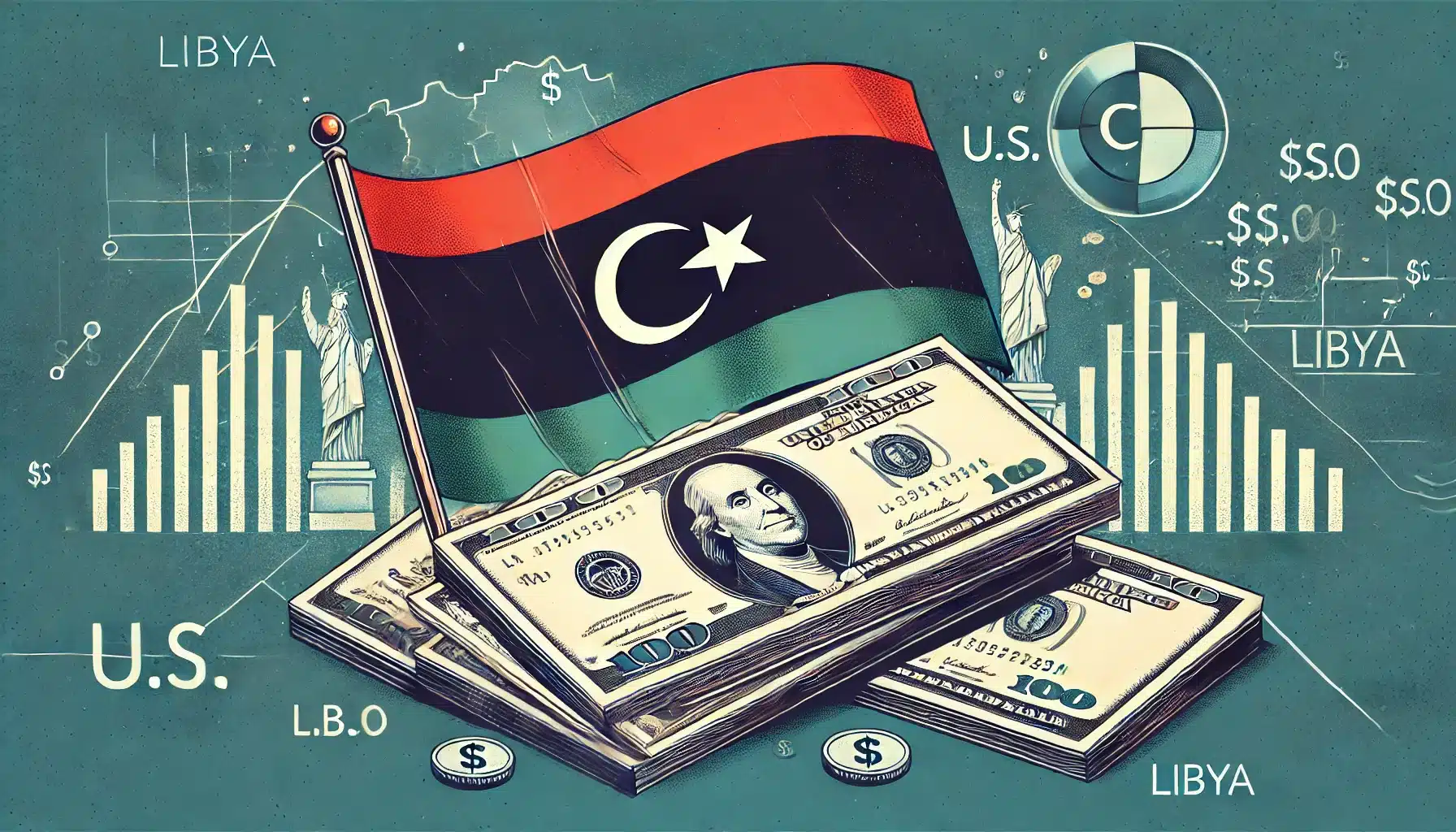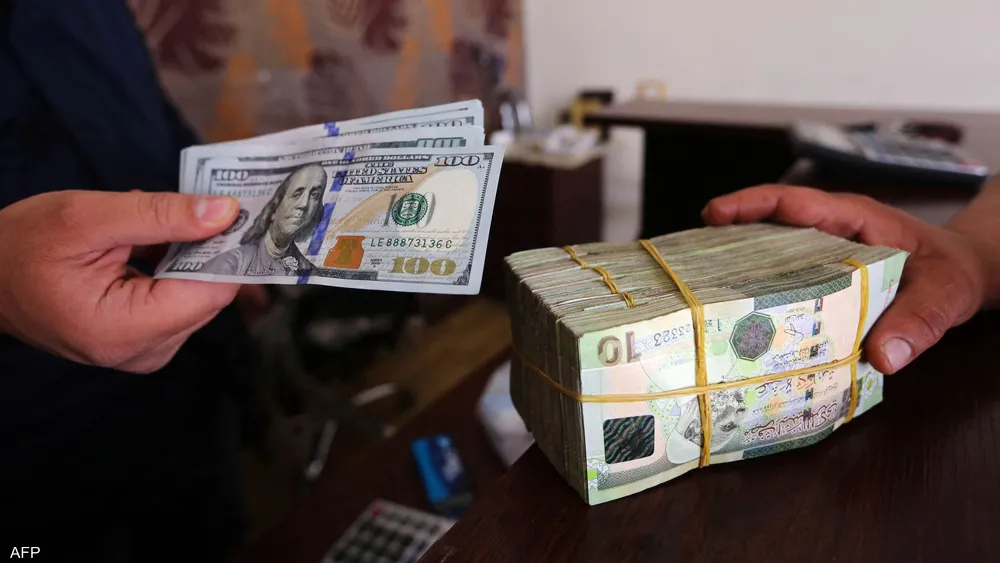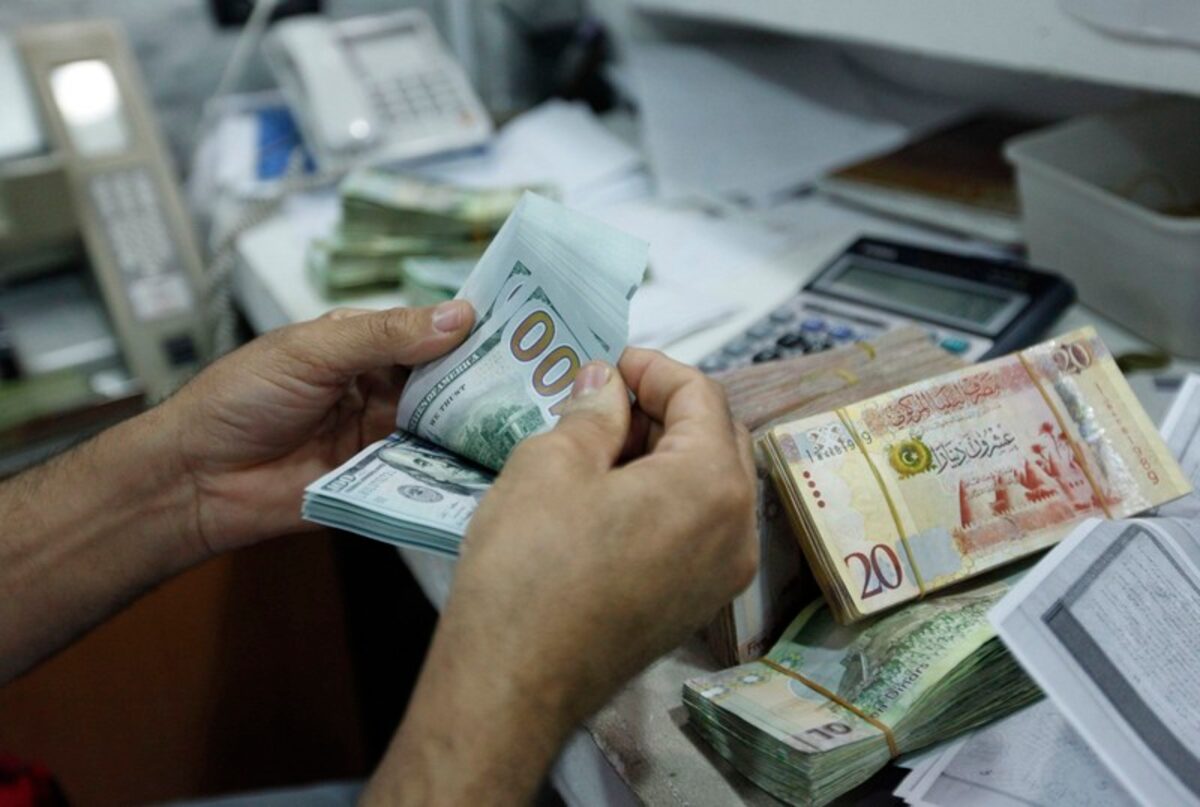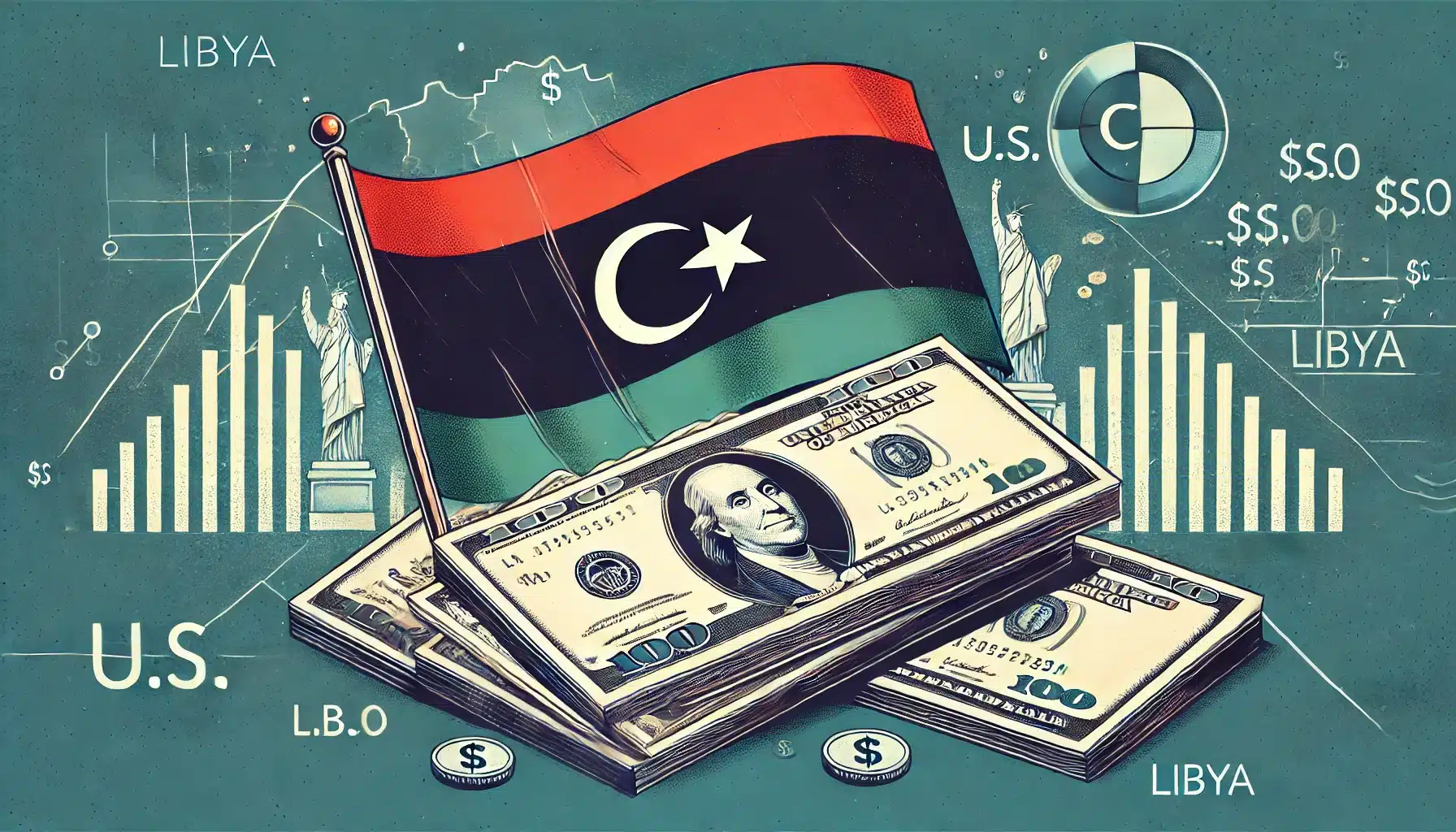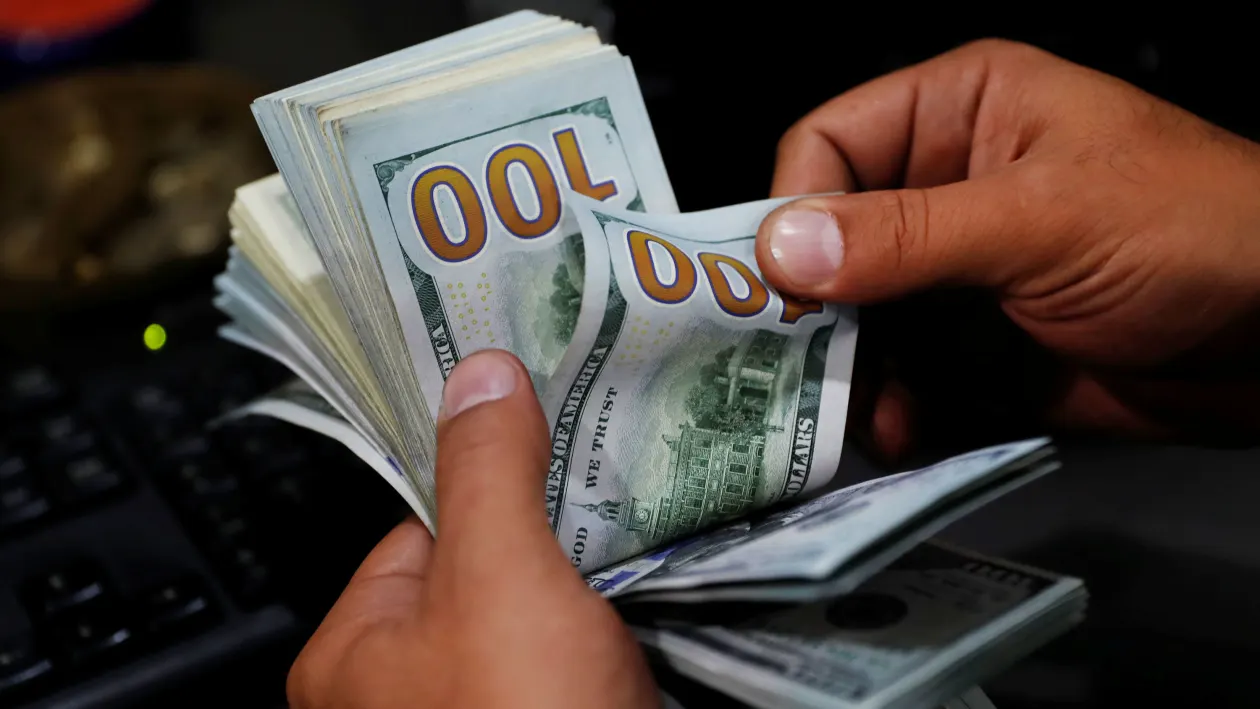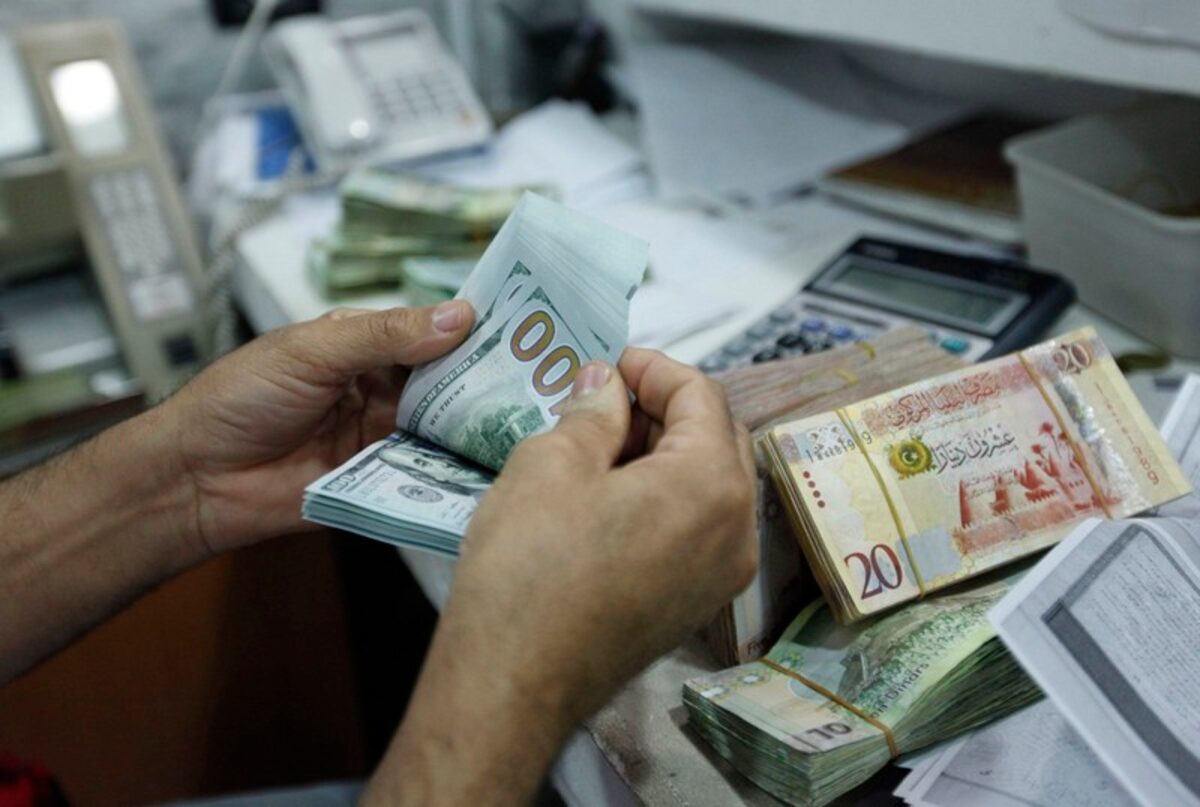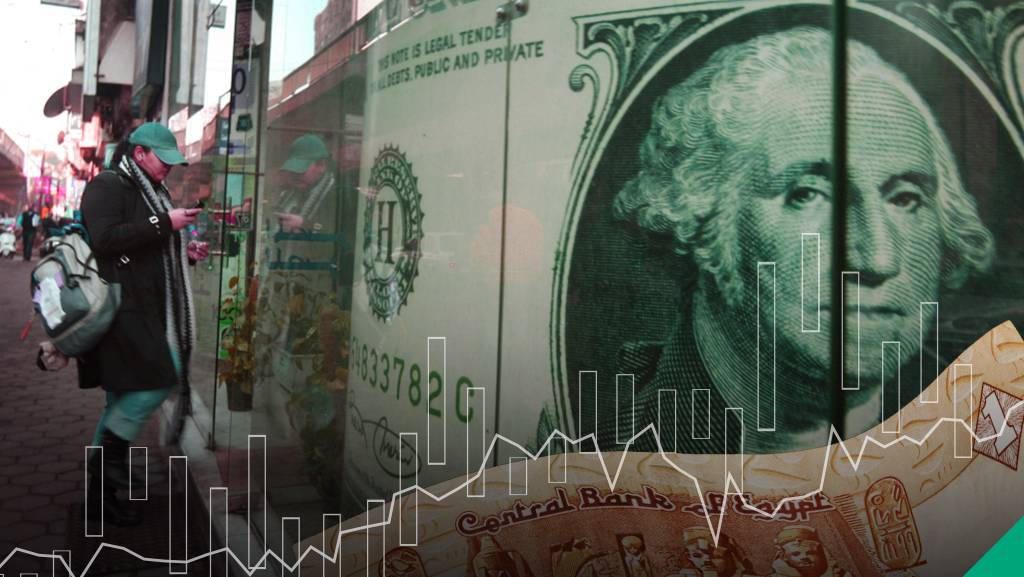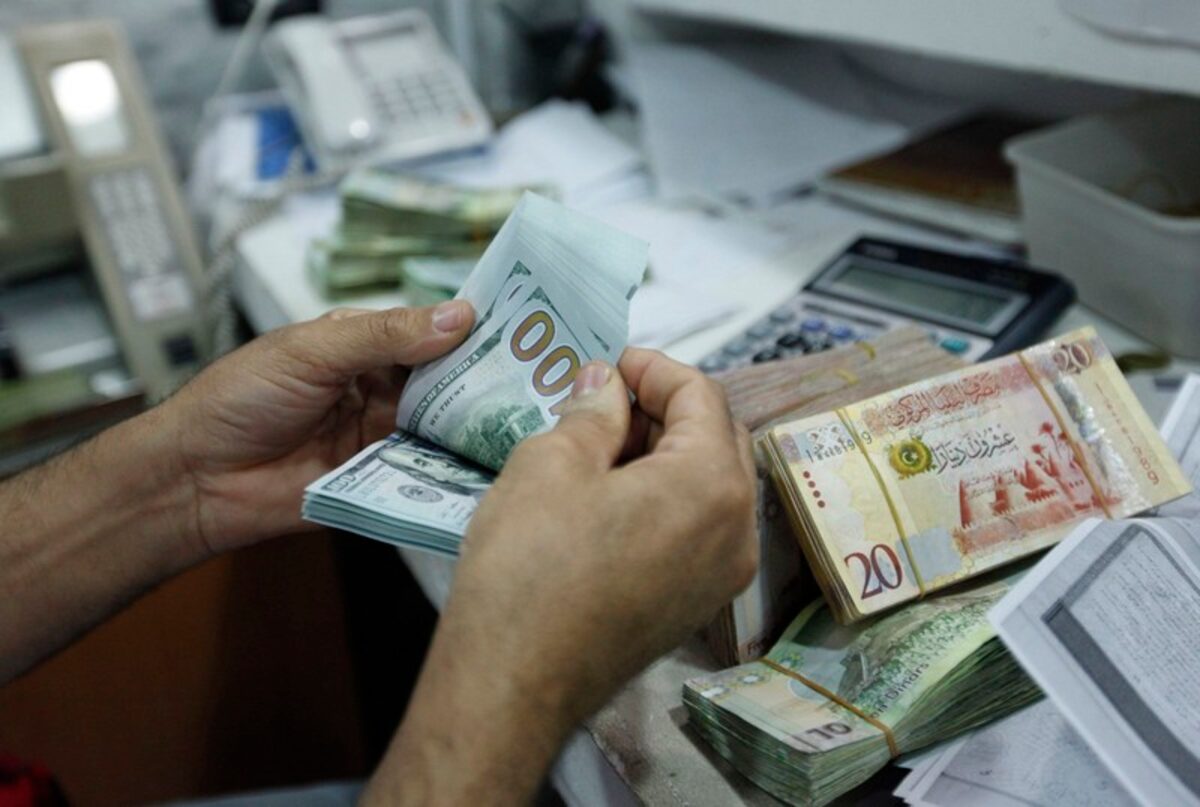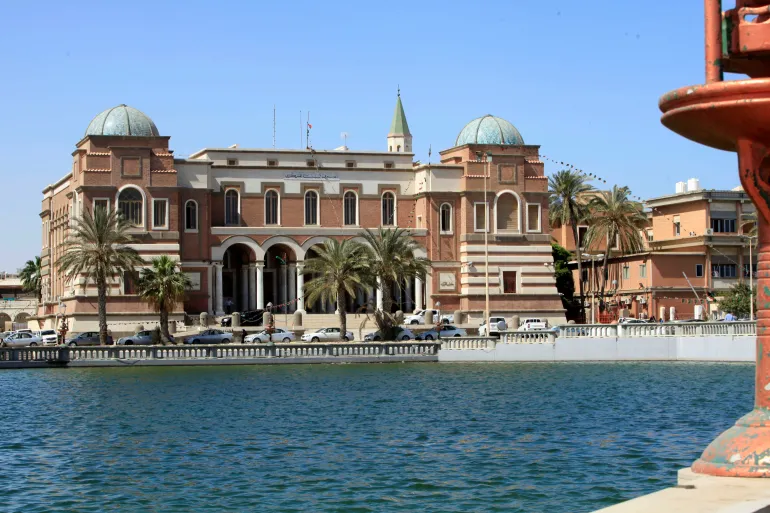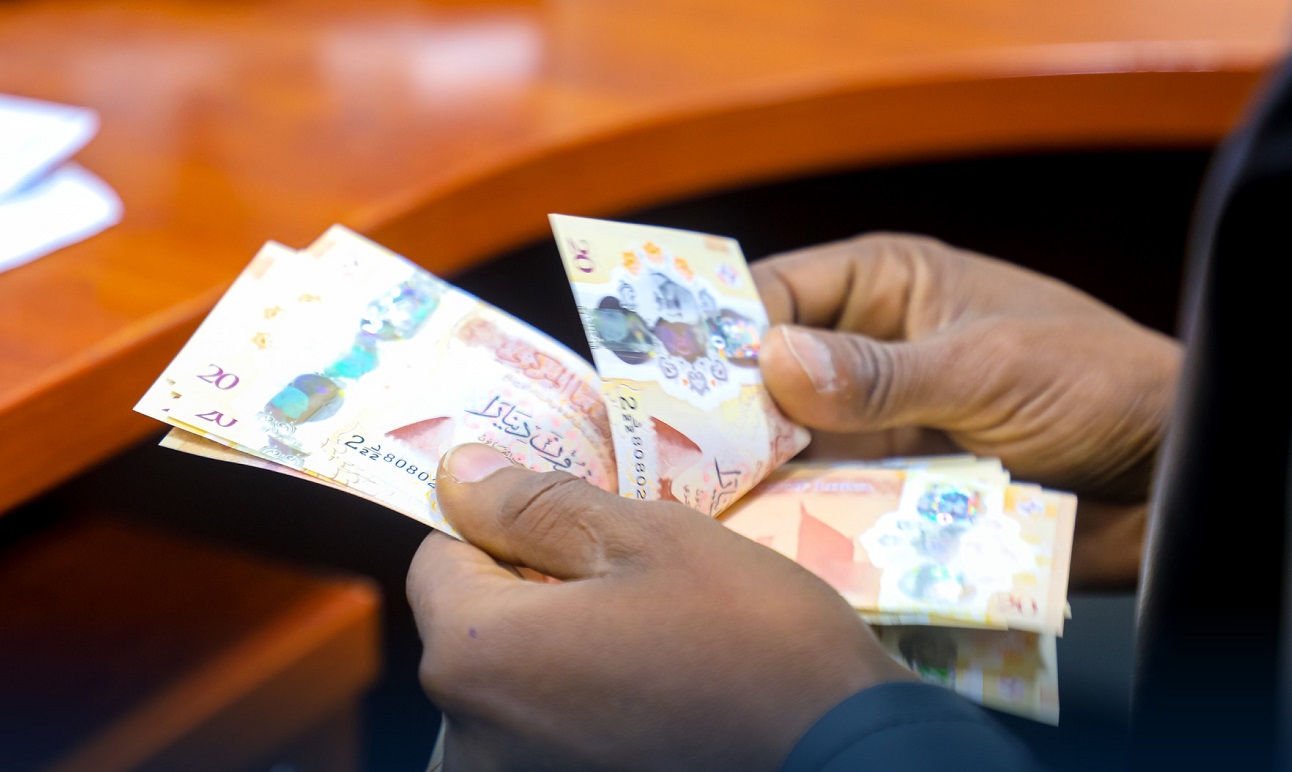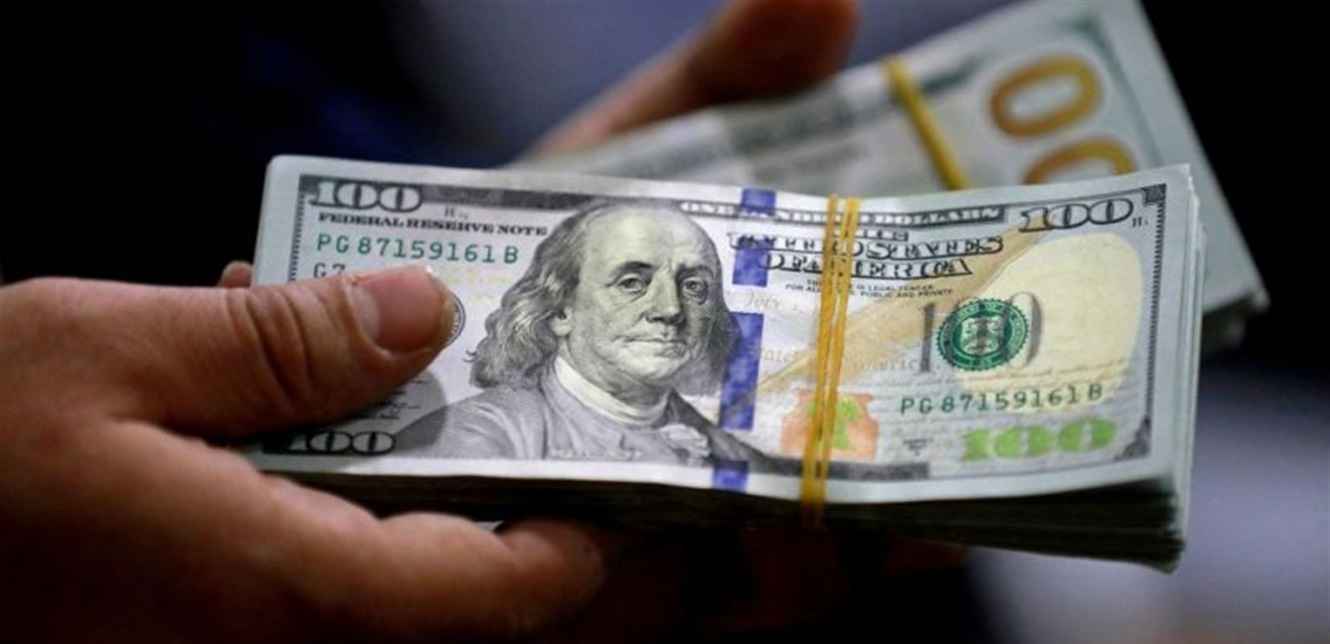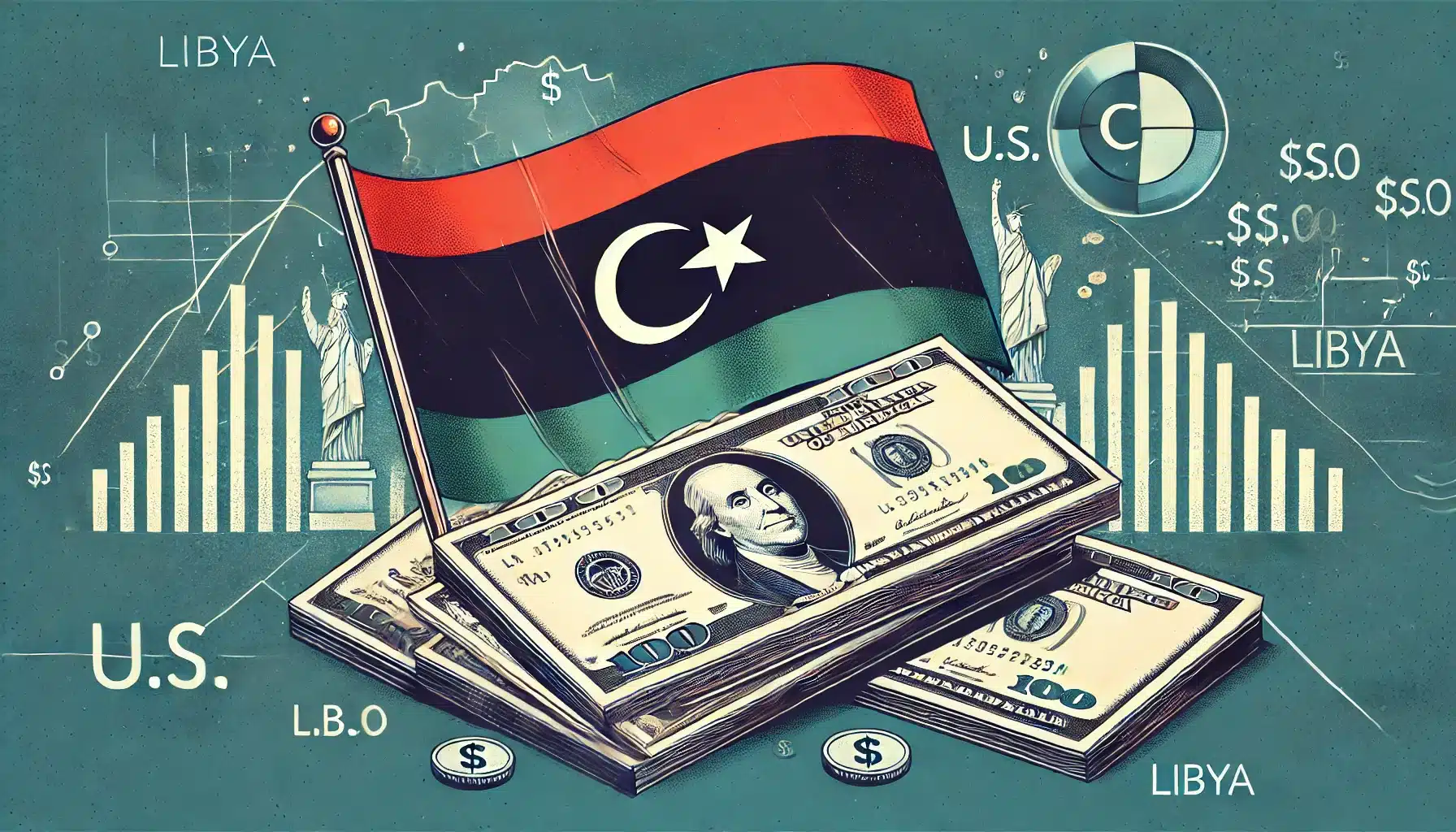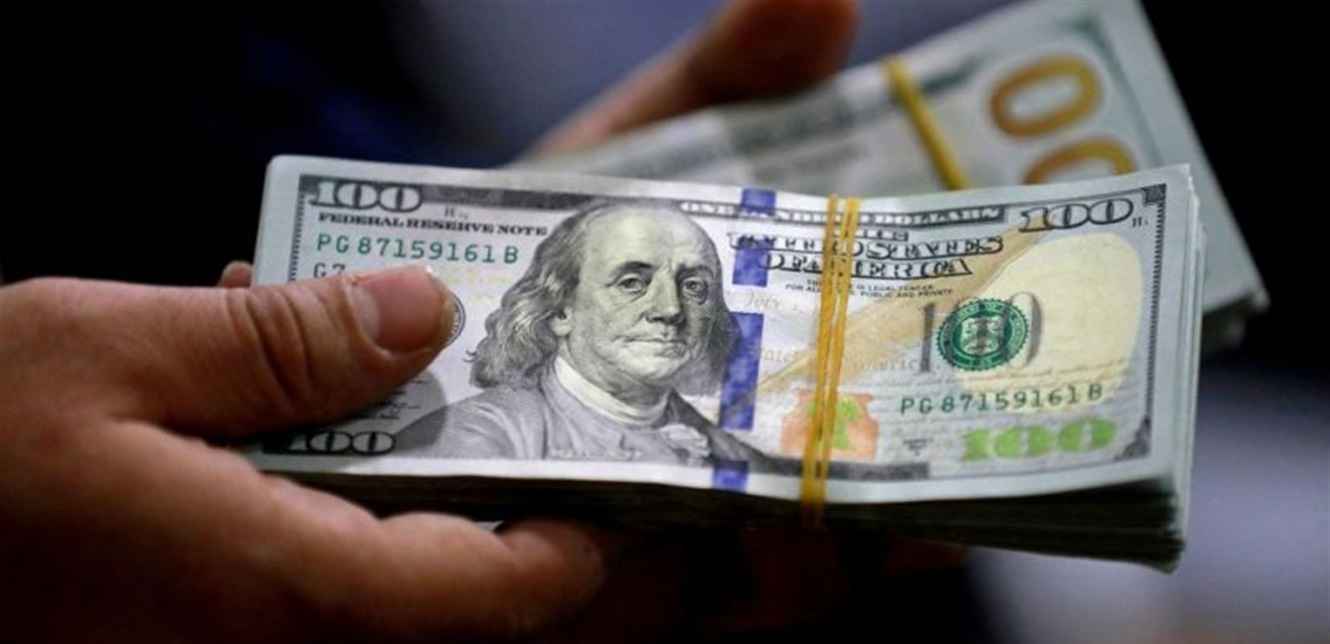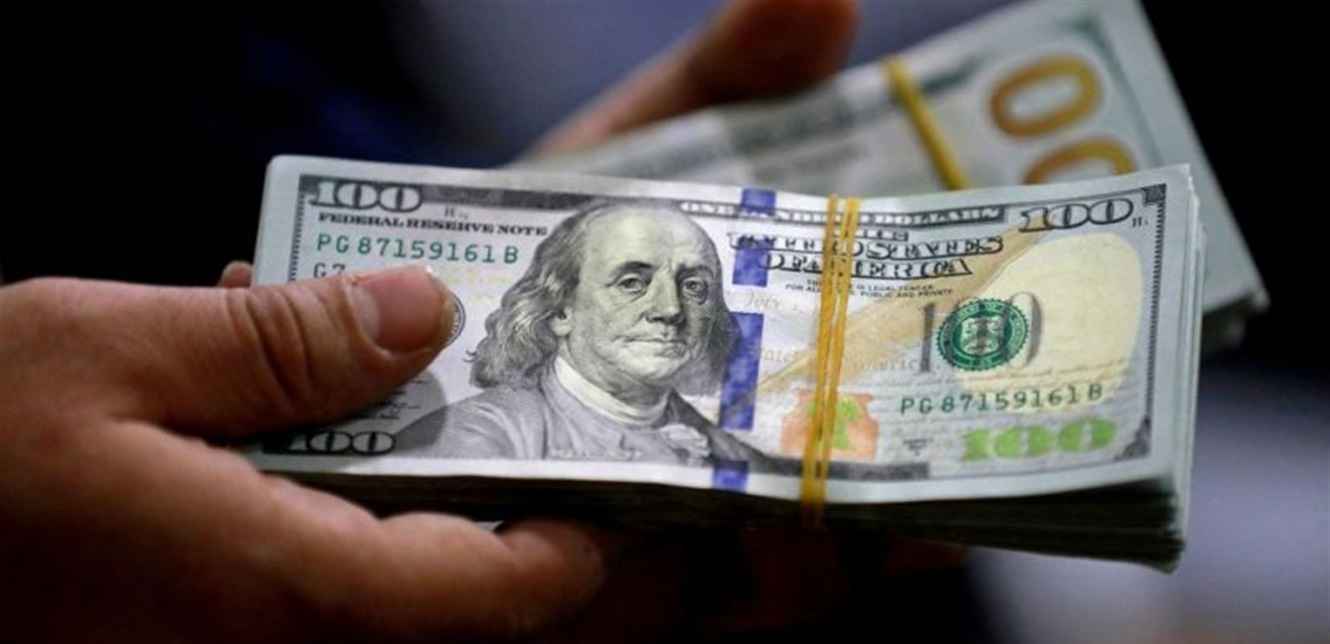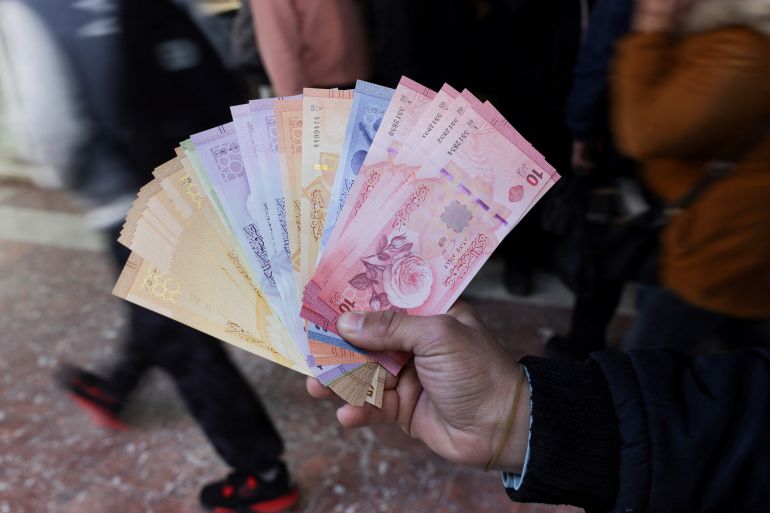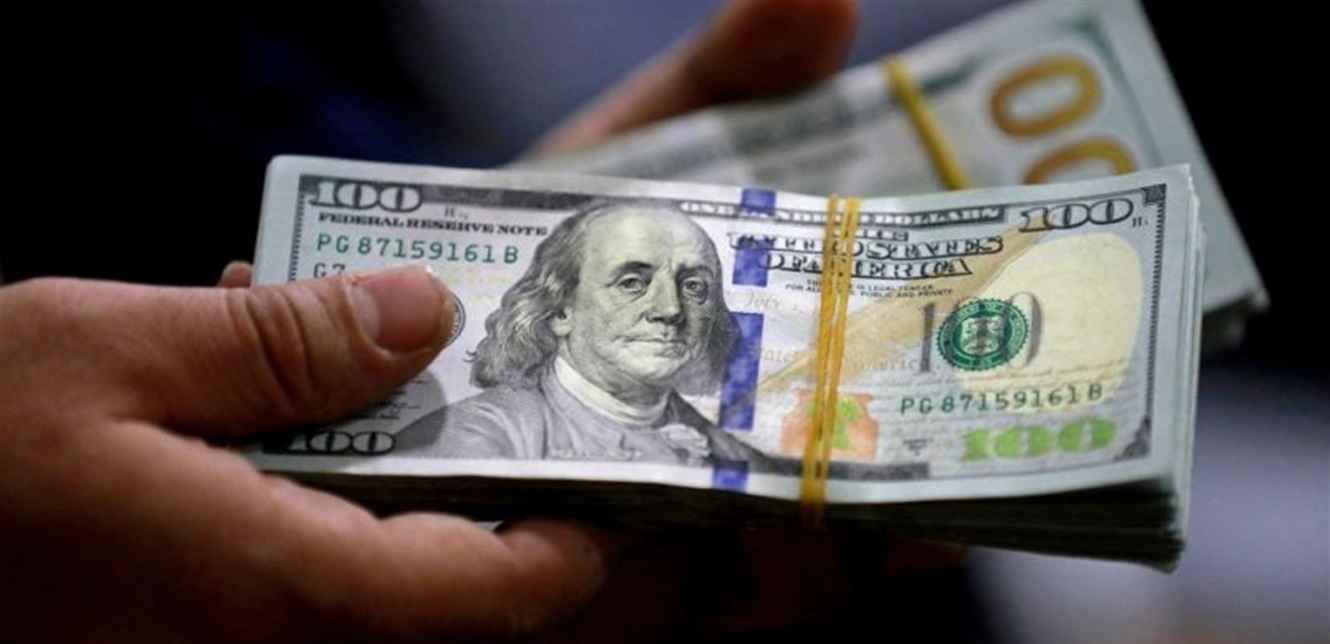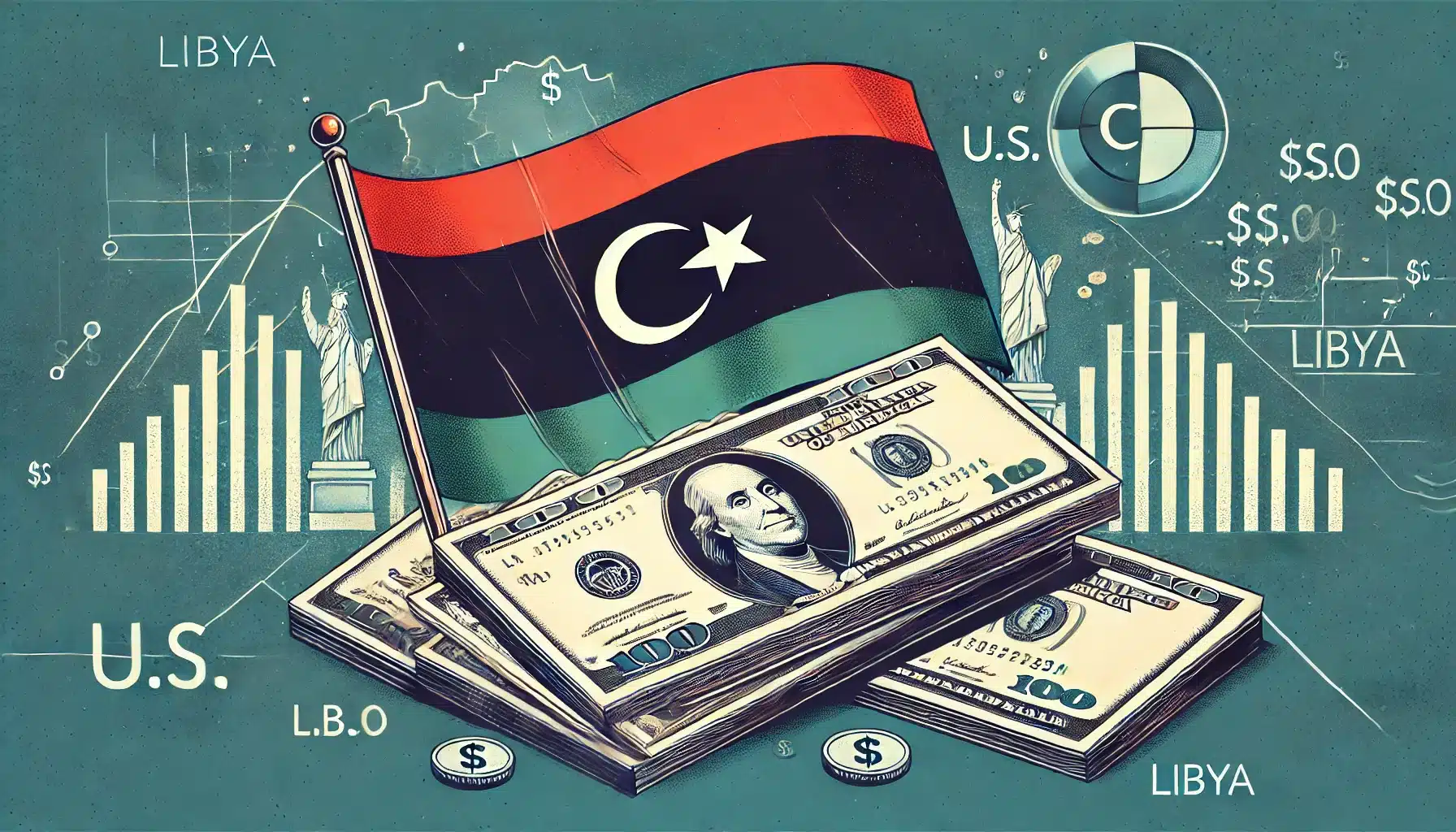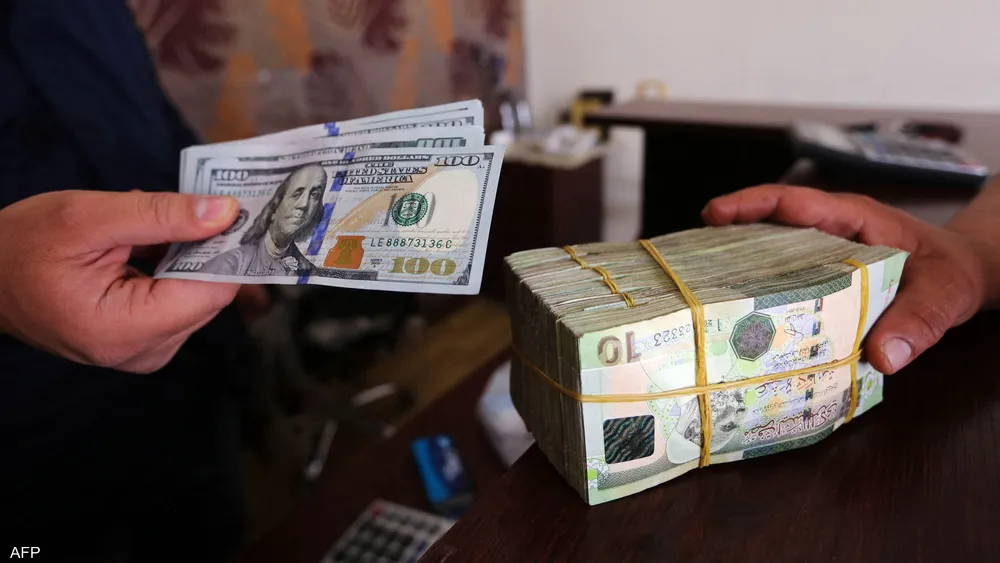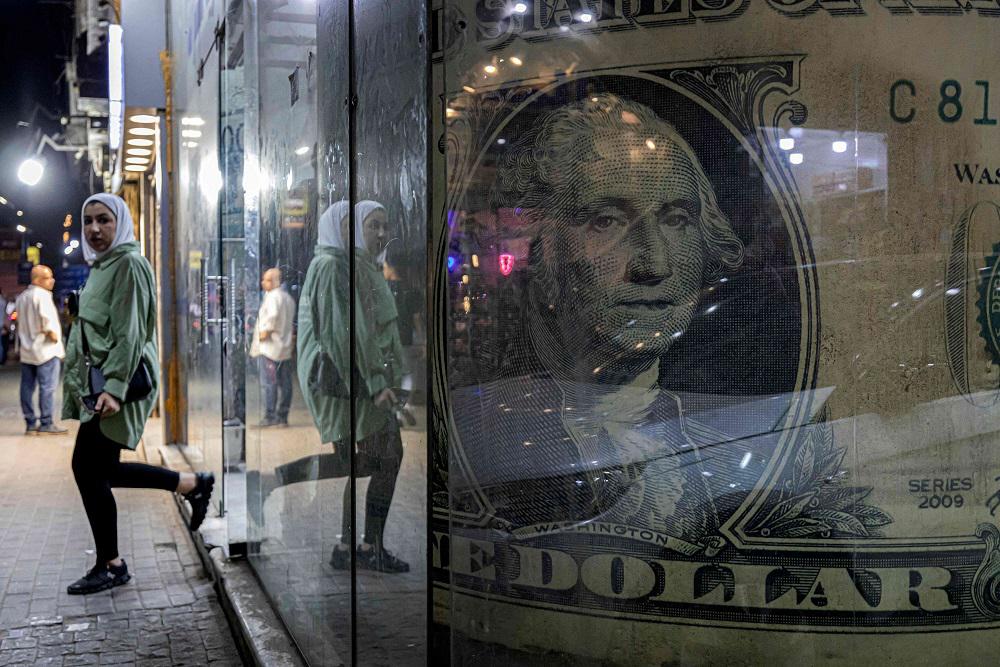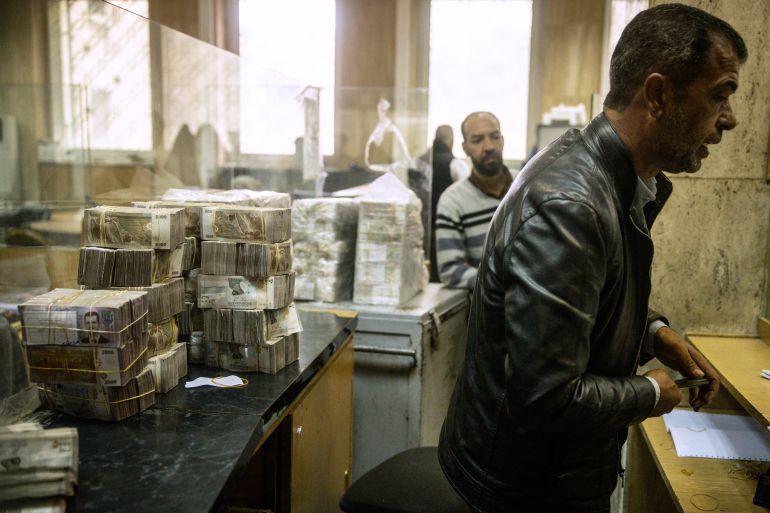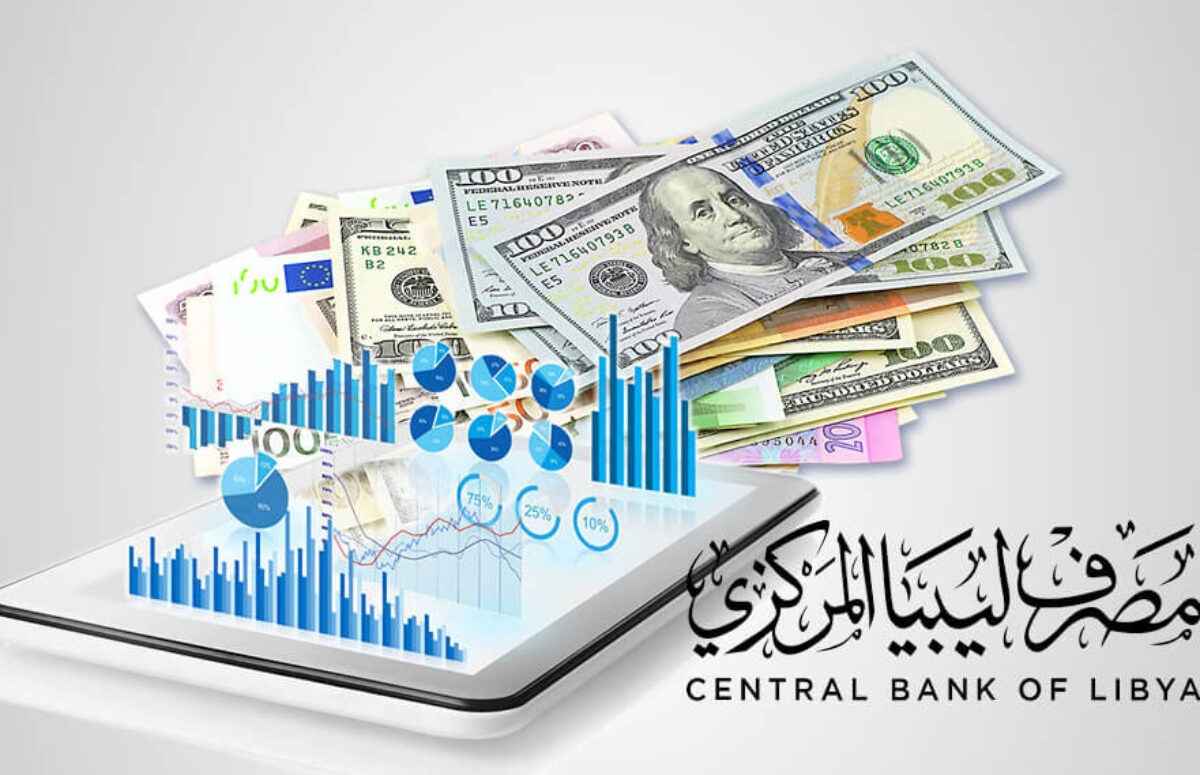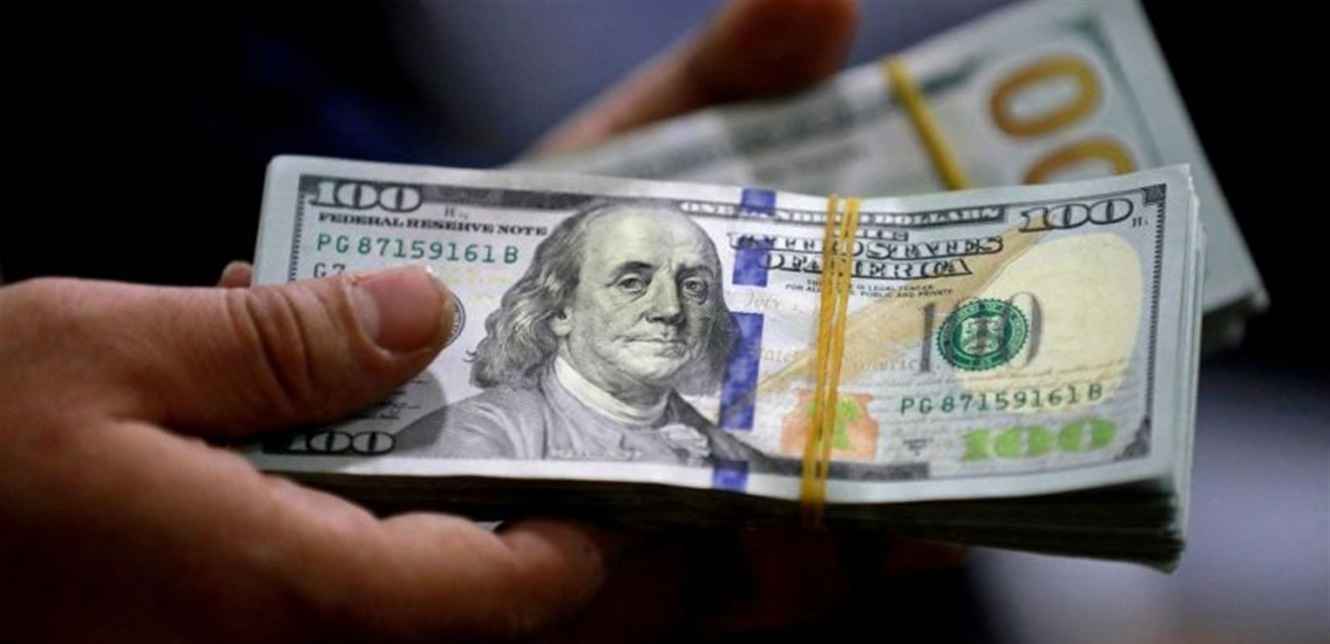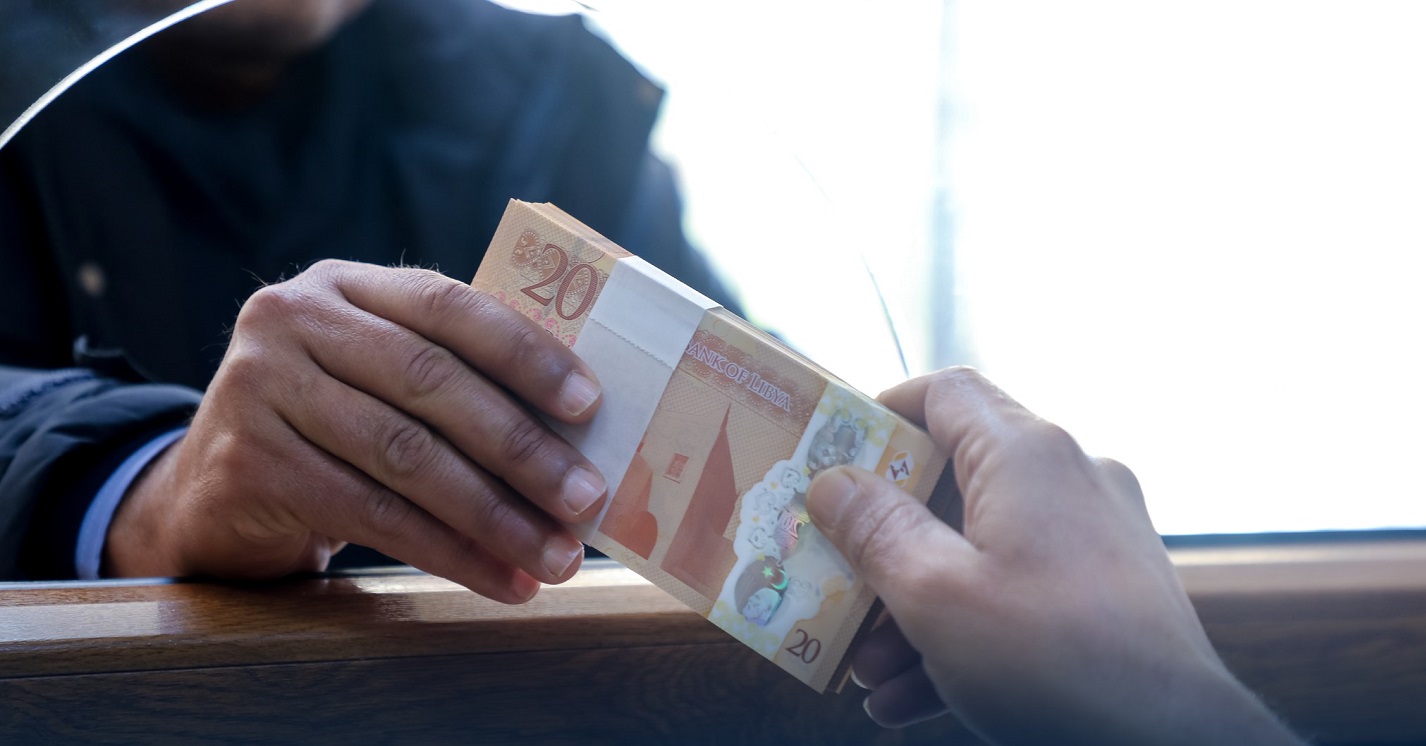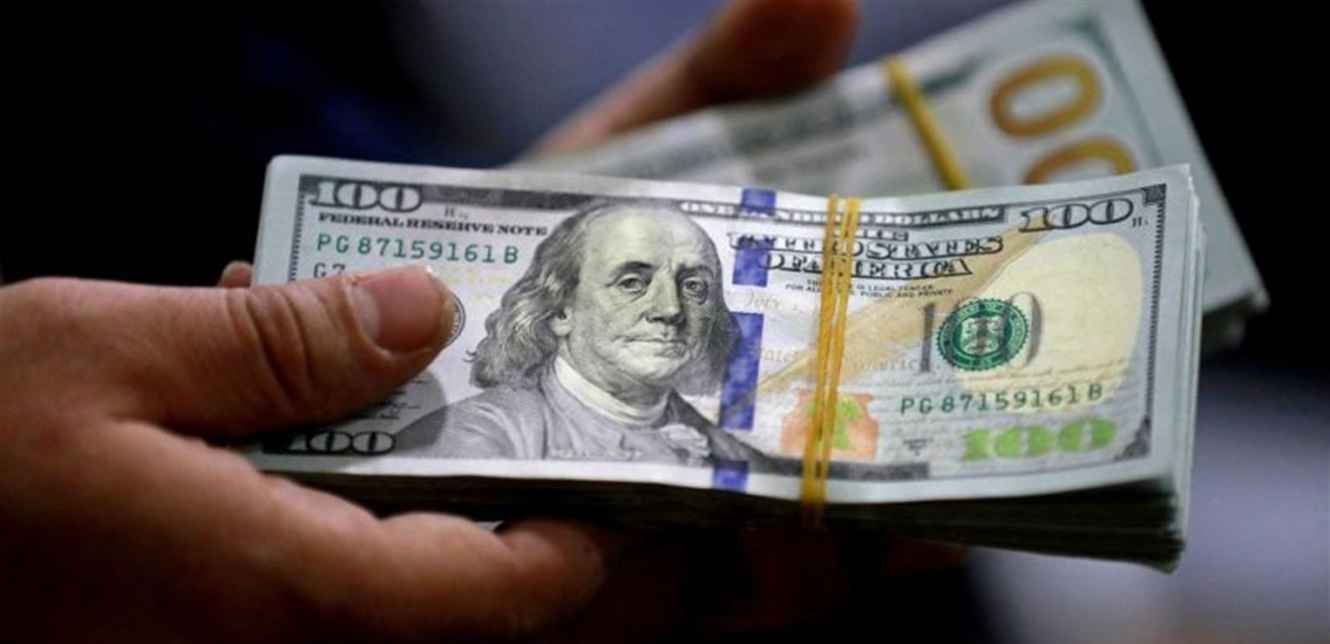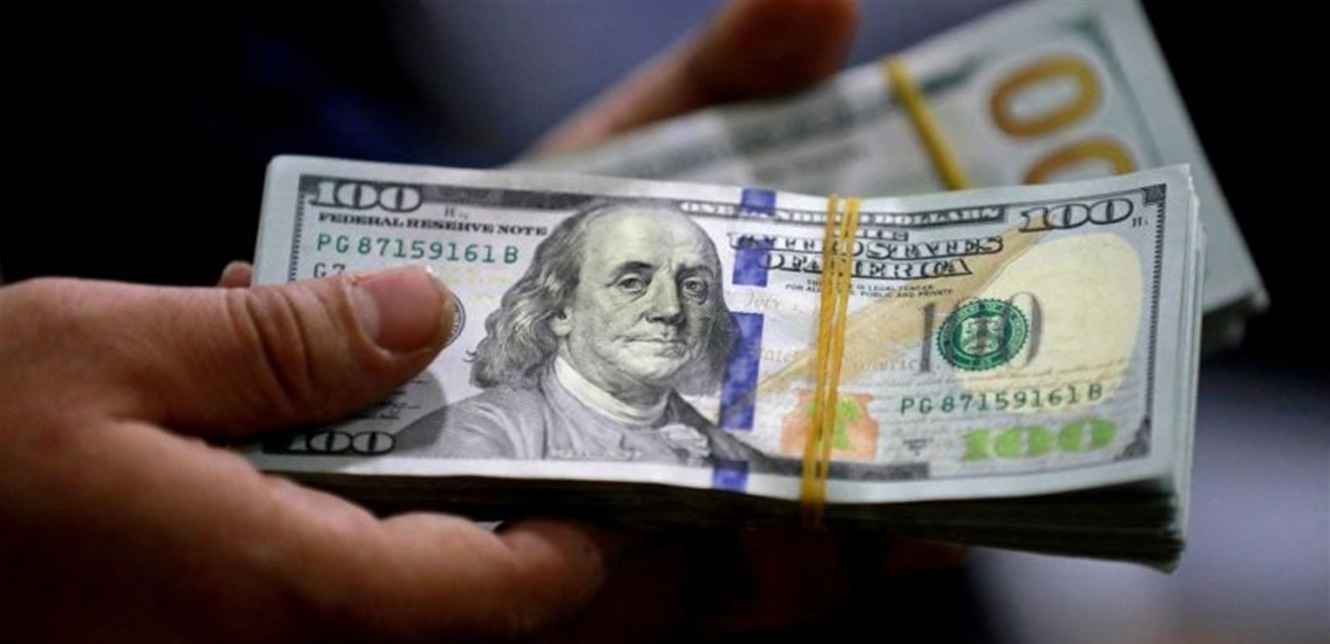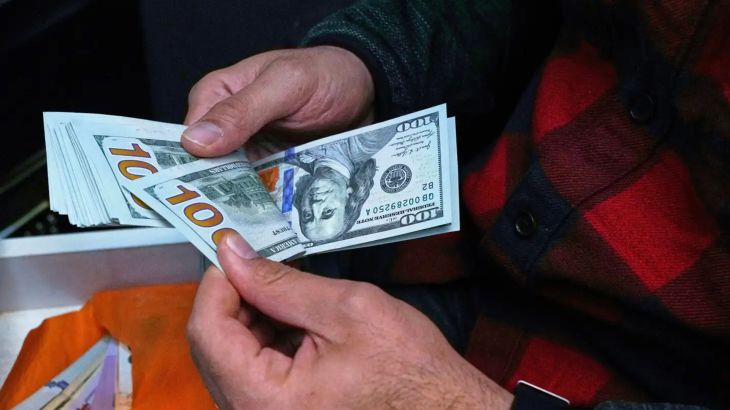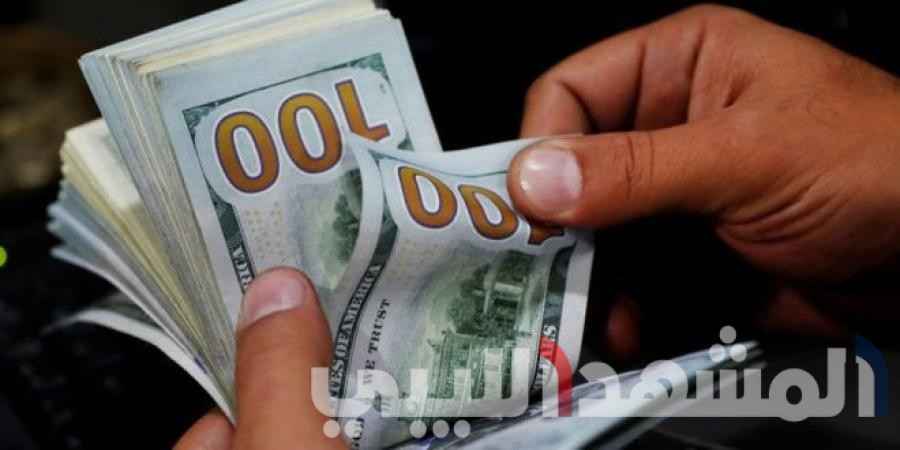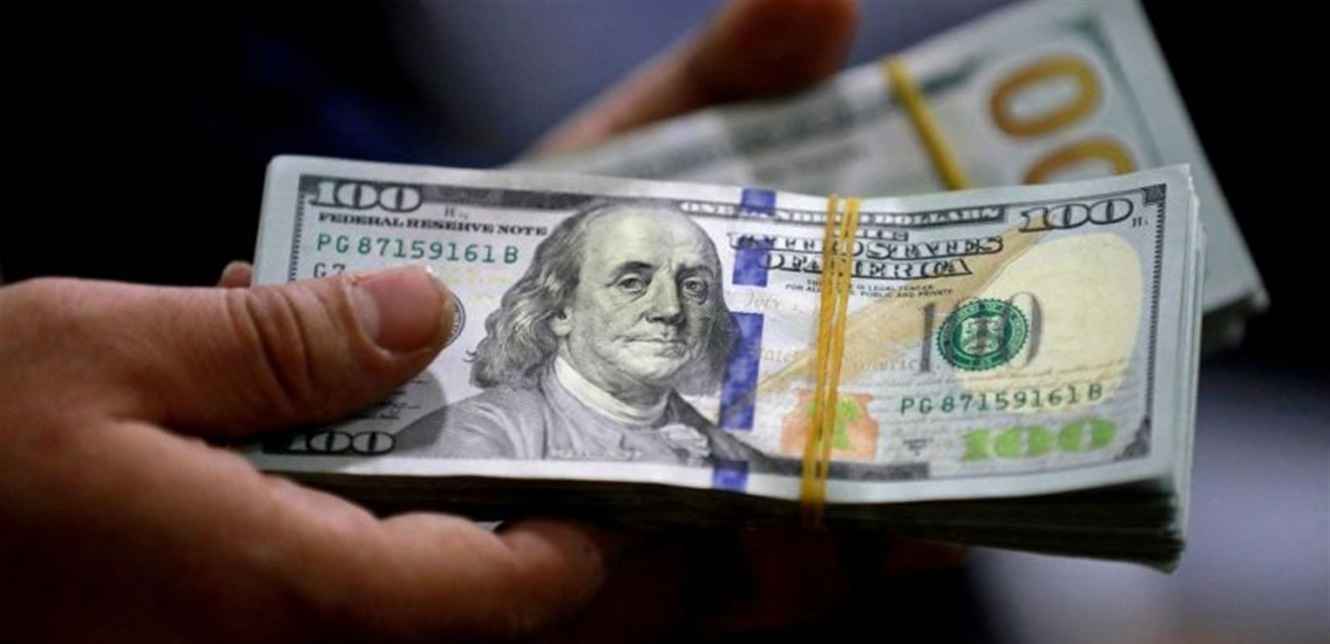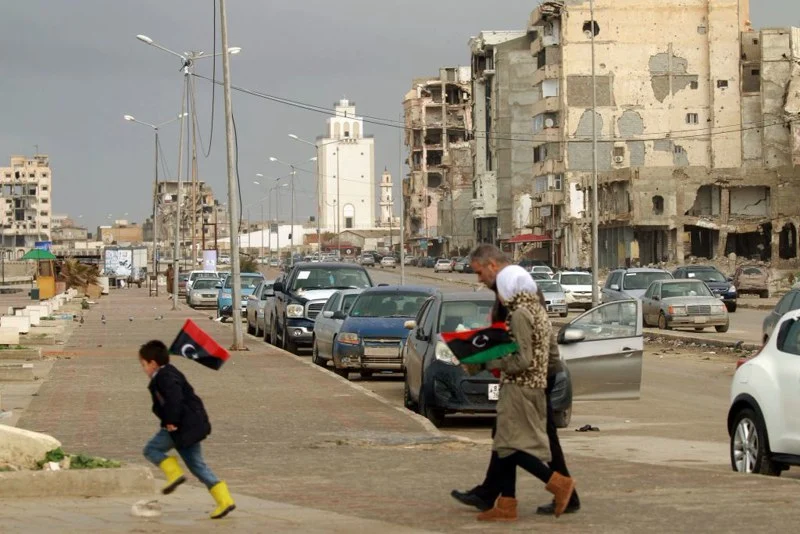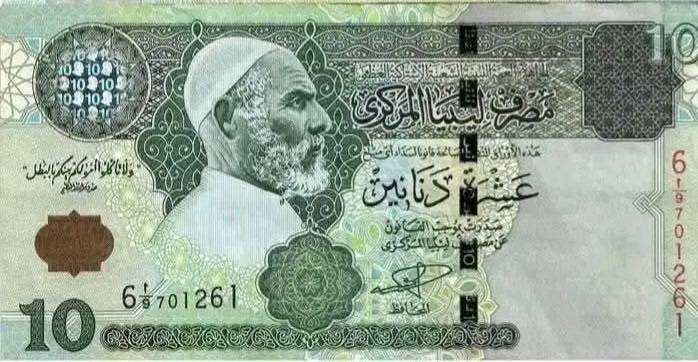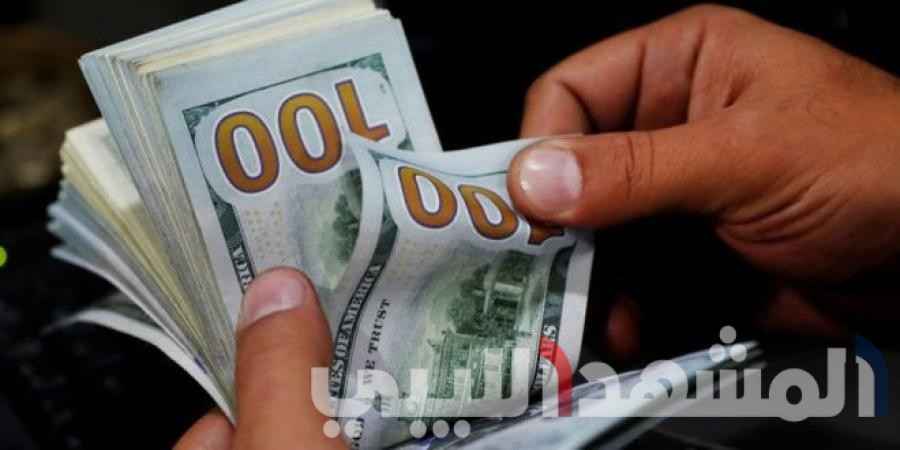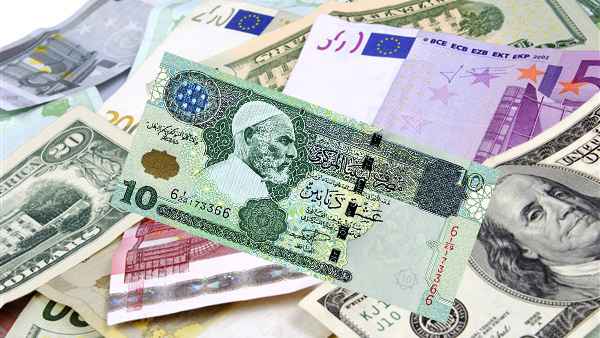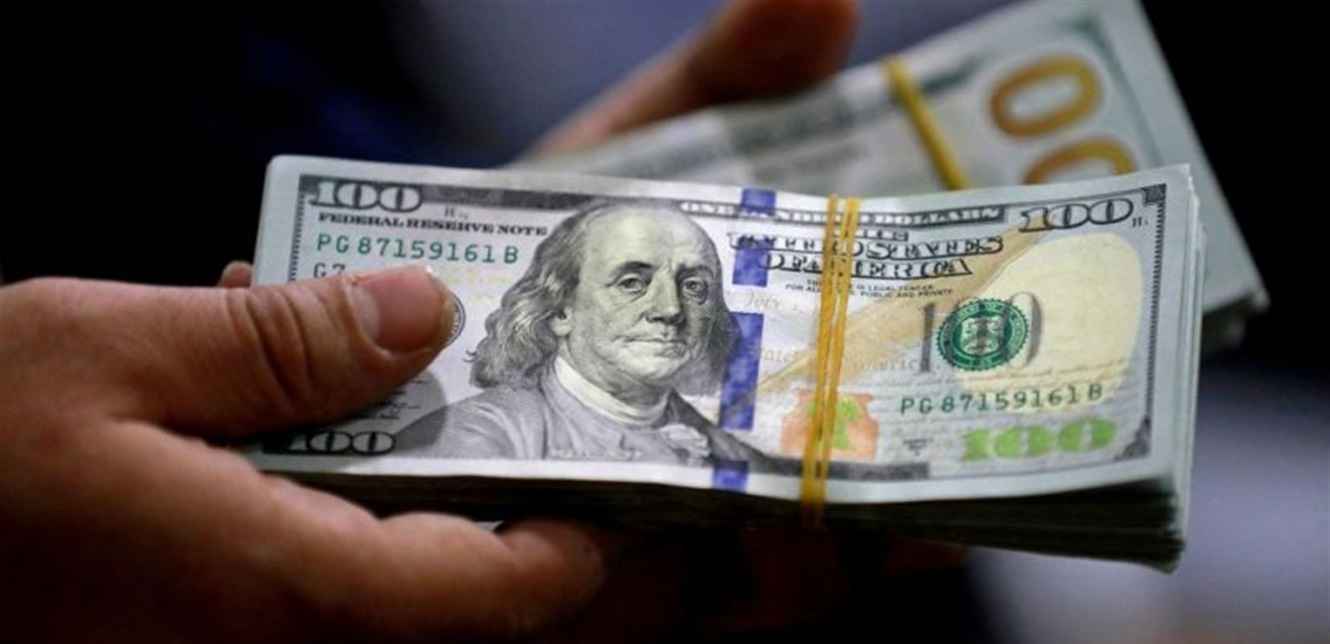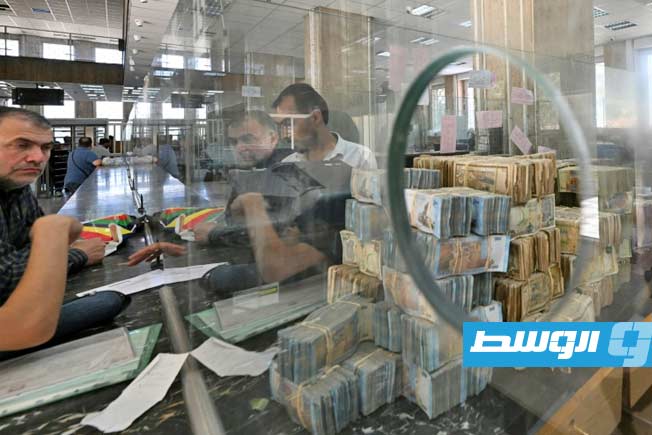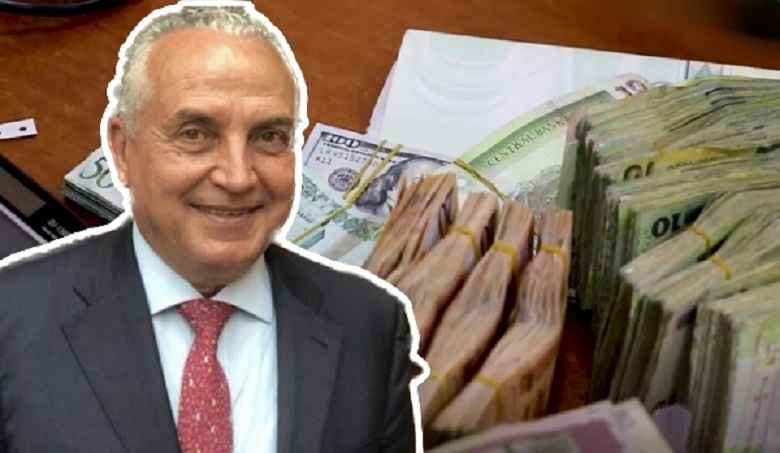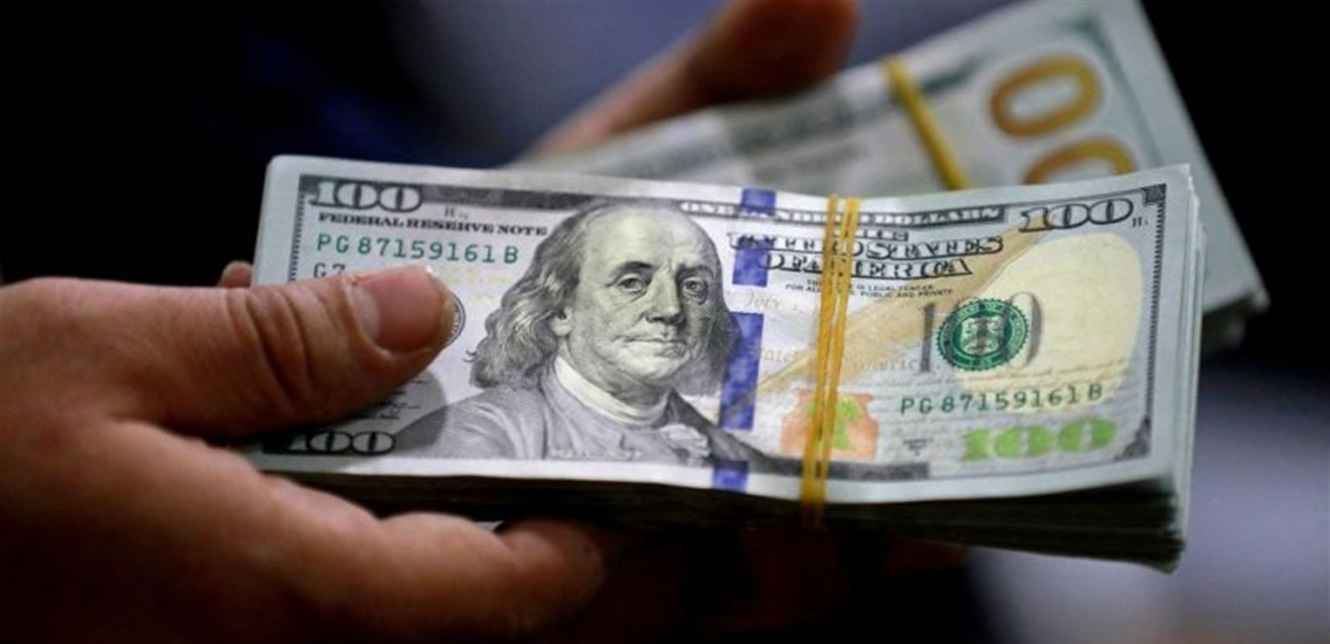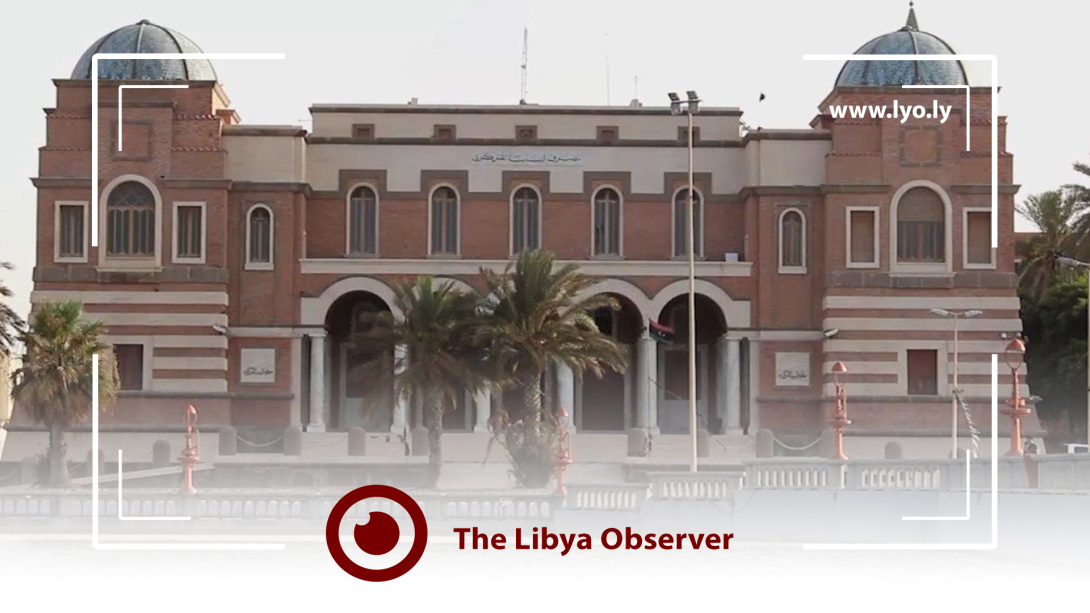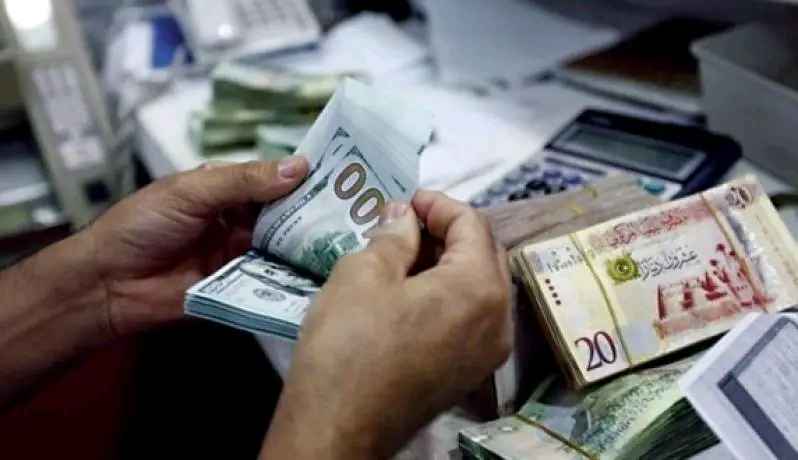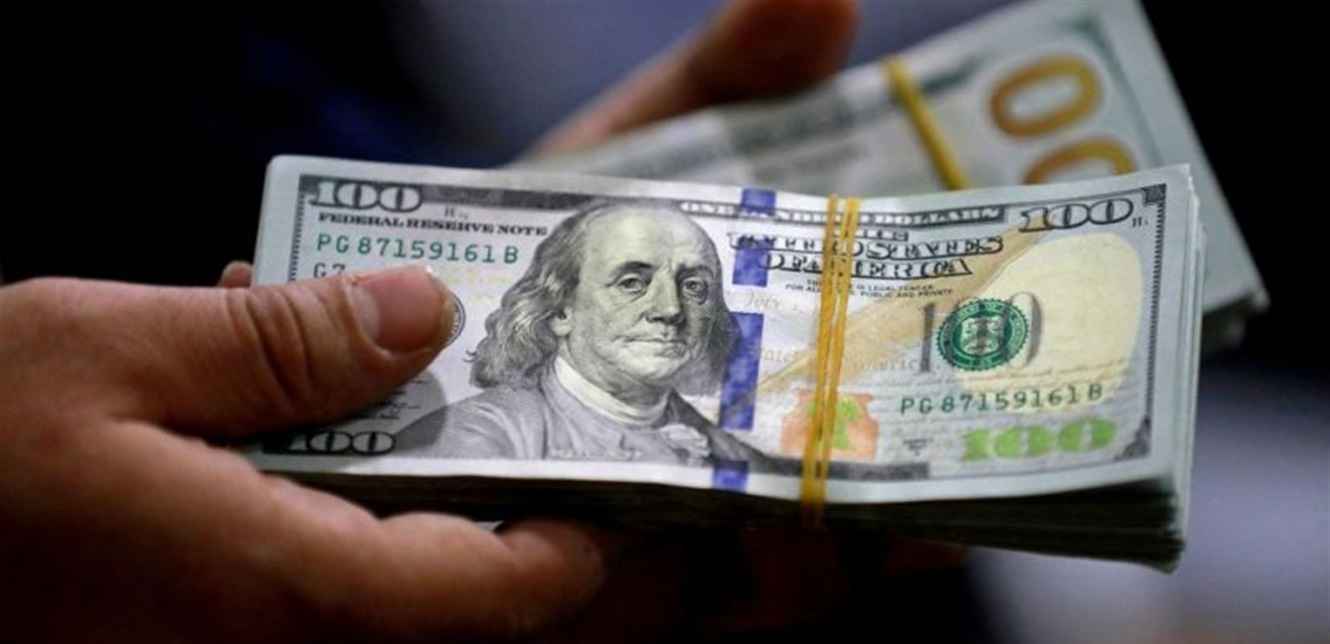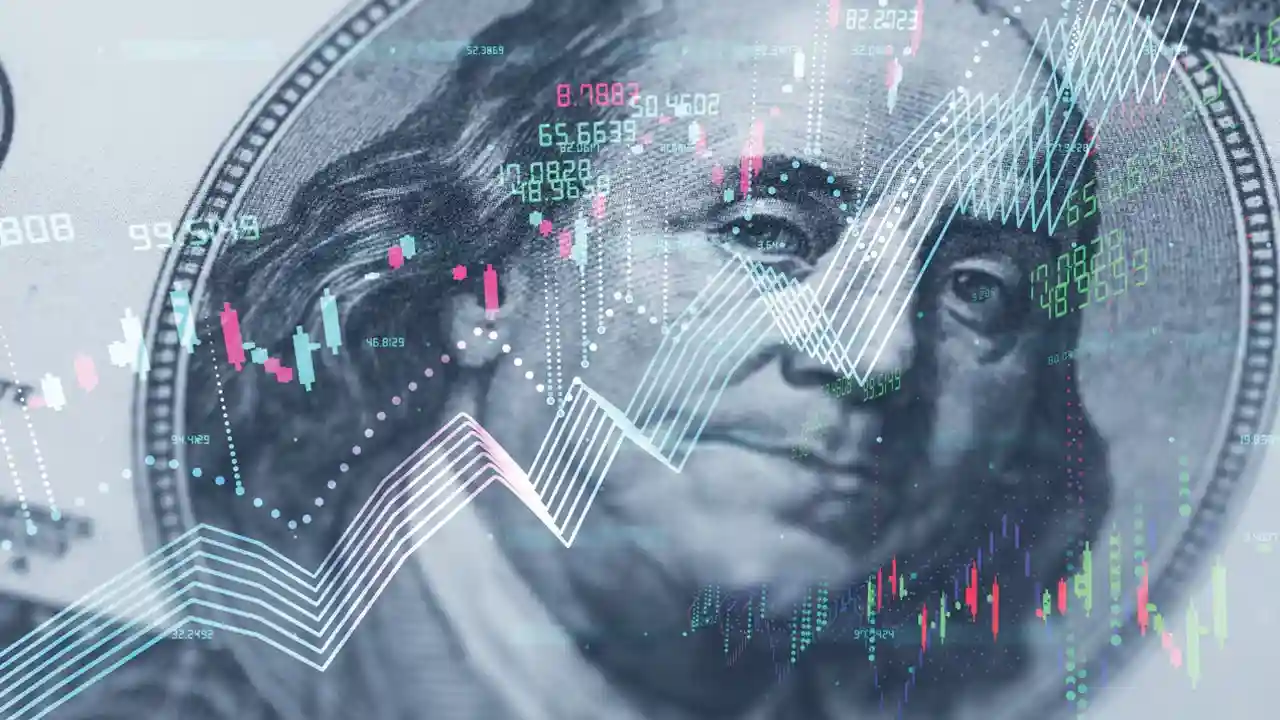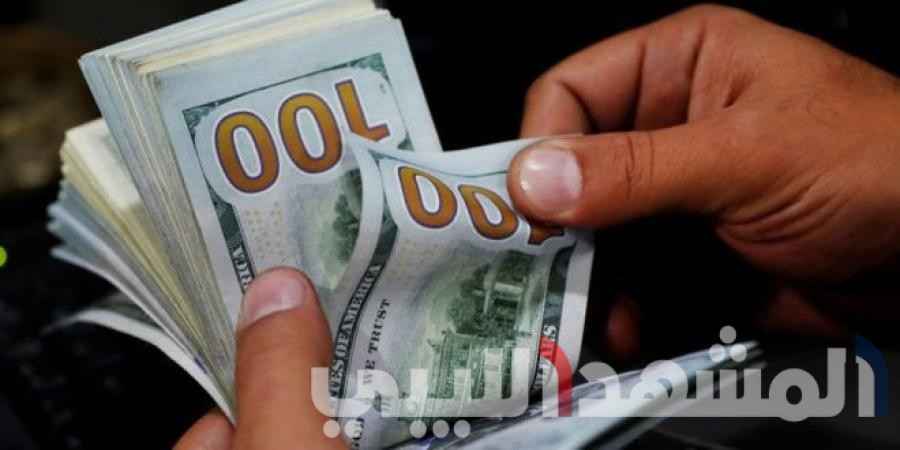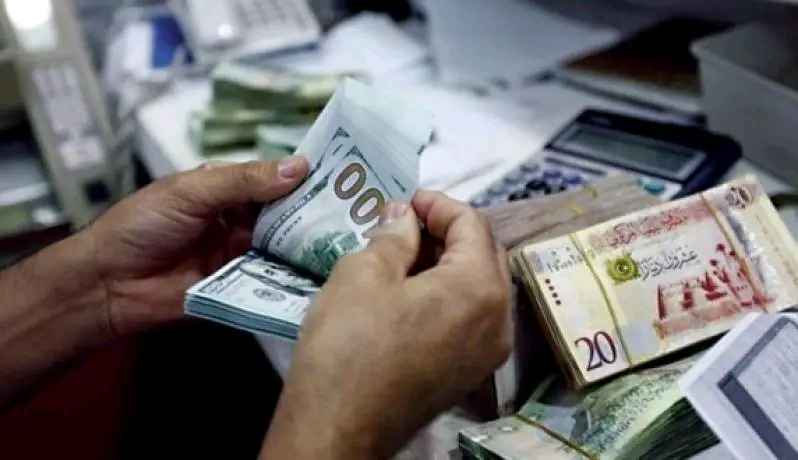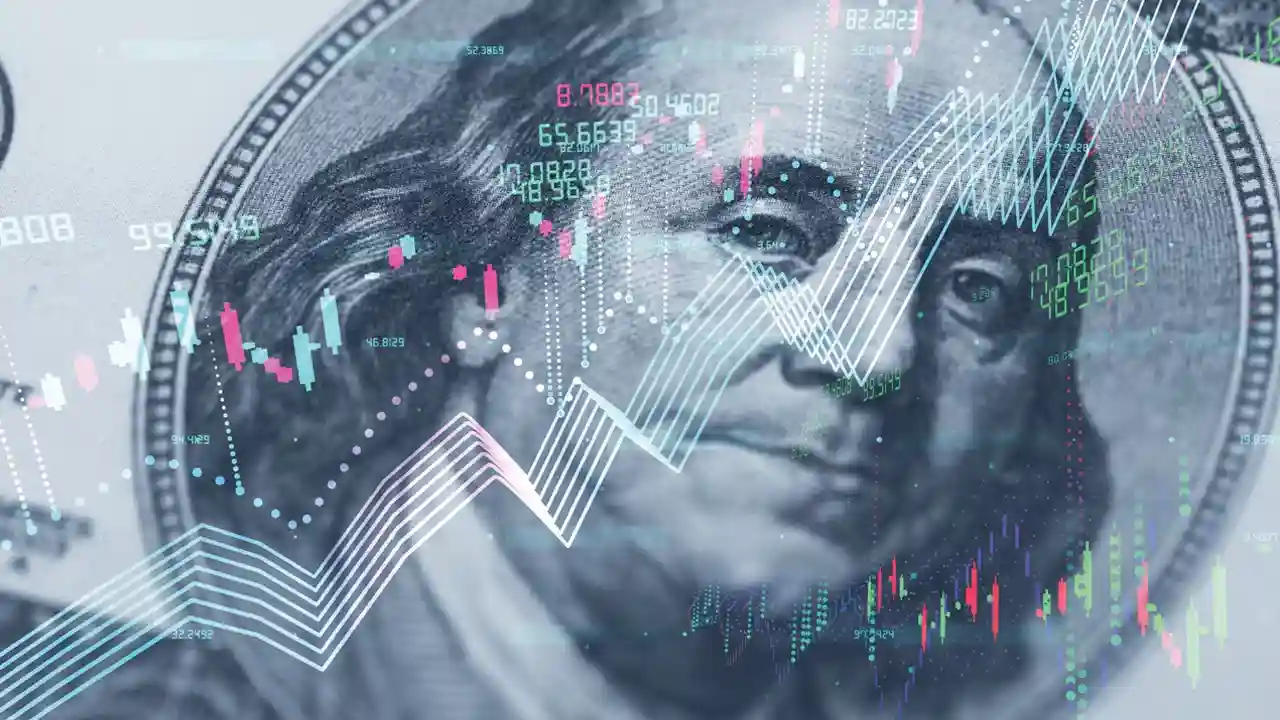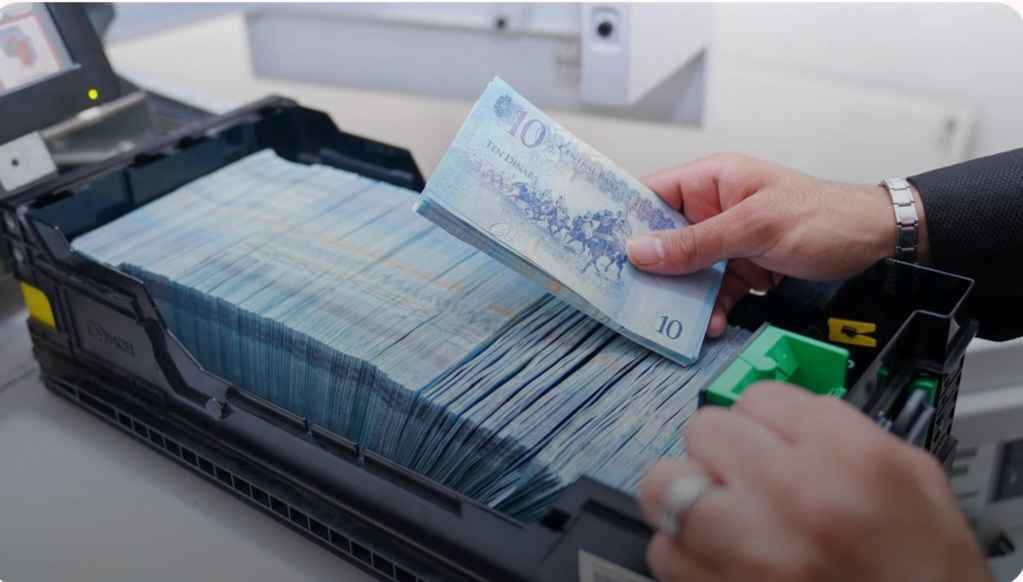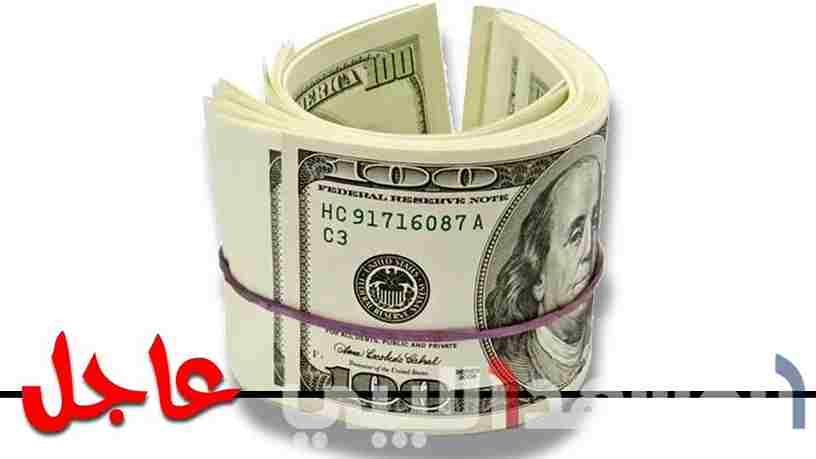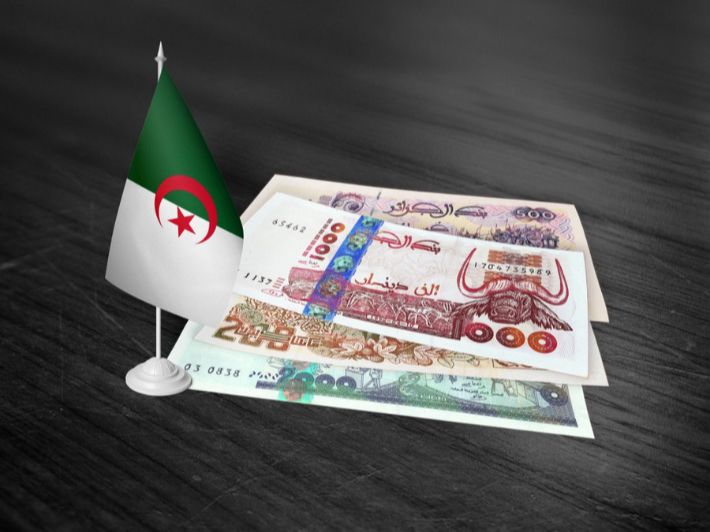
Here is a report on the latest exchange rates for the US dollar and foreign currencies against the Libyan dinar in today’s transactions on Wednesday, December 17, 2025, according to figures from the black market.
The following report presents the daily updated prices of foreign and Arab currencies, gold, silver, and checks against the Libyan dinar in today’s transactions, sourced from specialized price-tracking pages:
Prices at market opening:
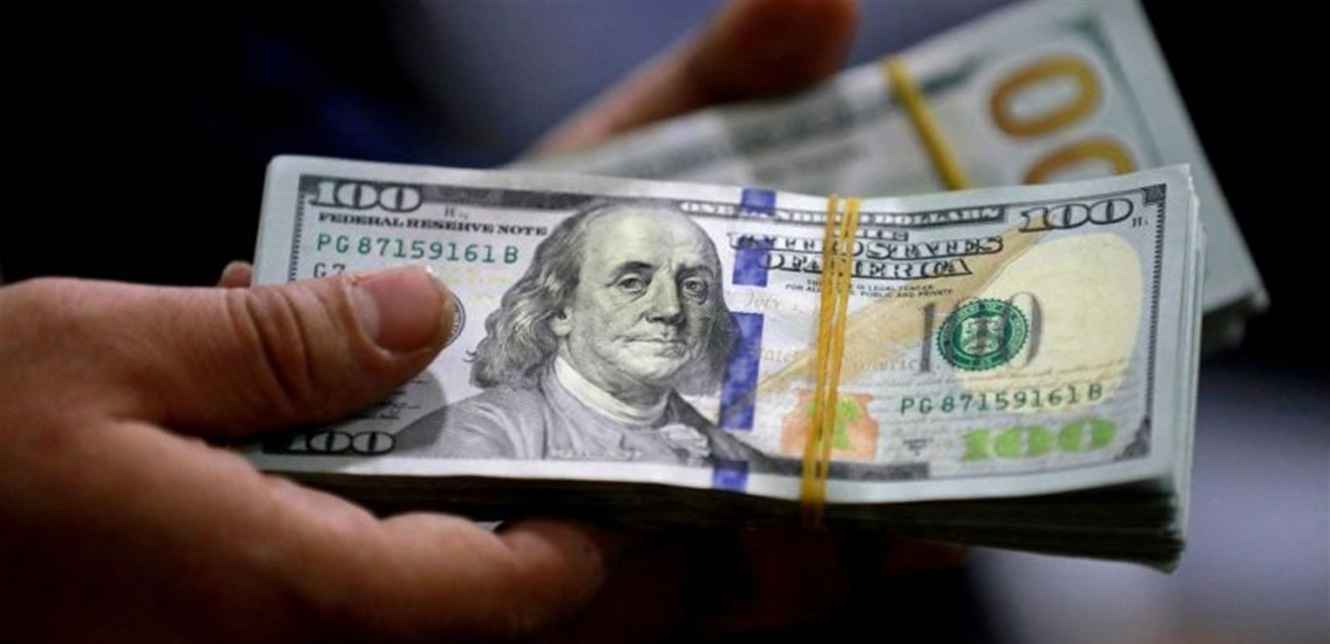
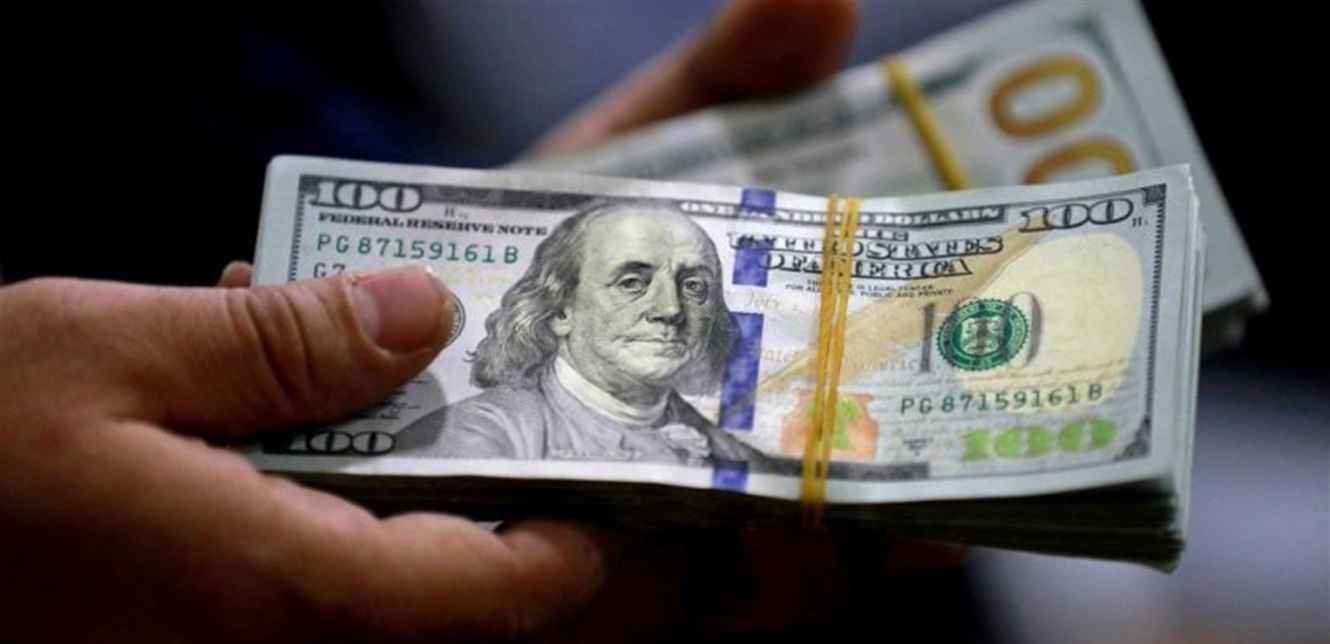
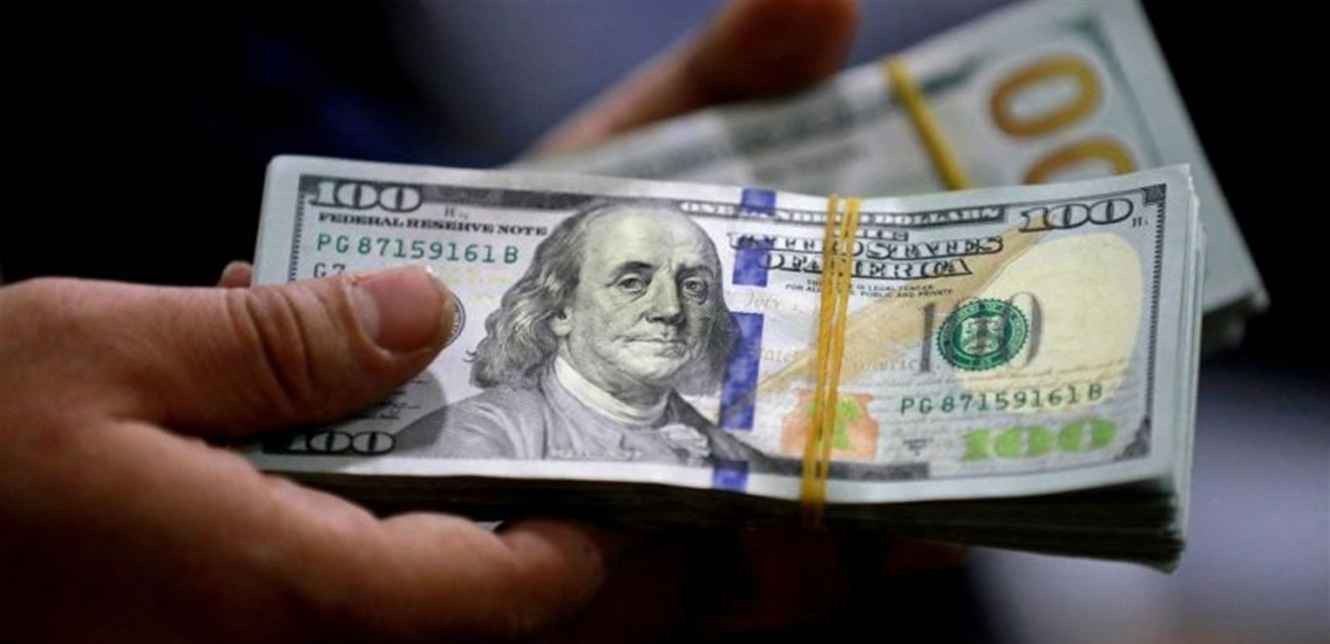
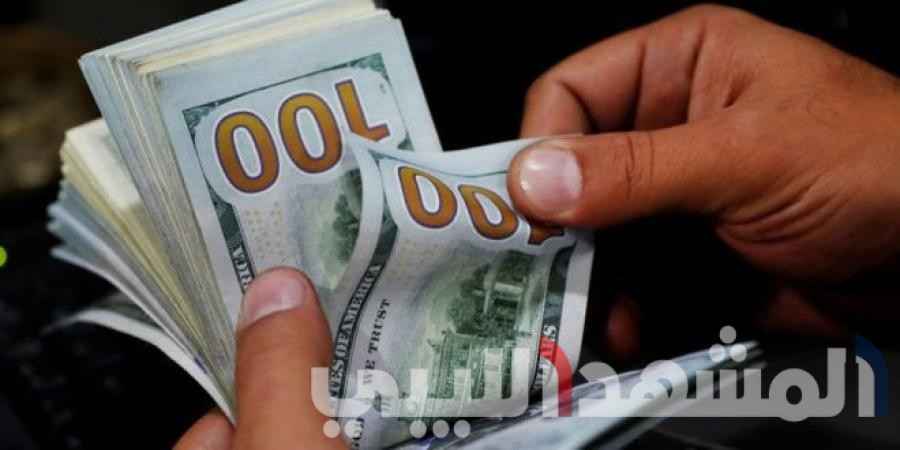
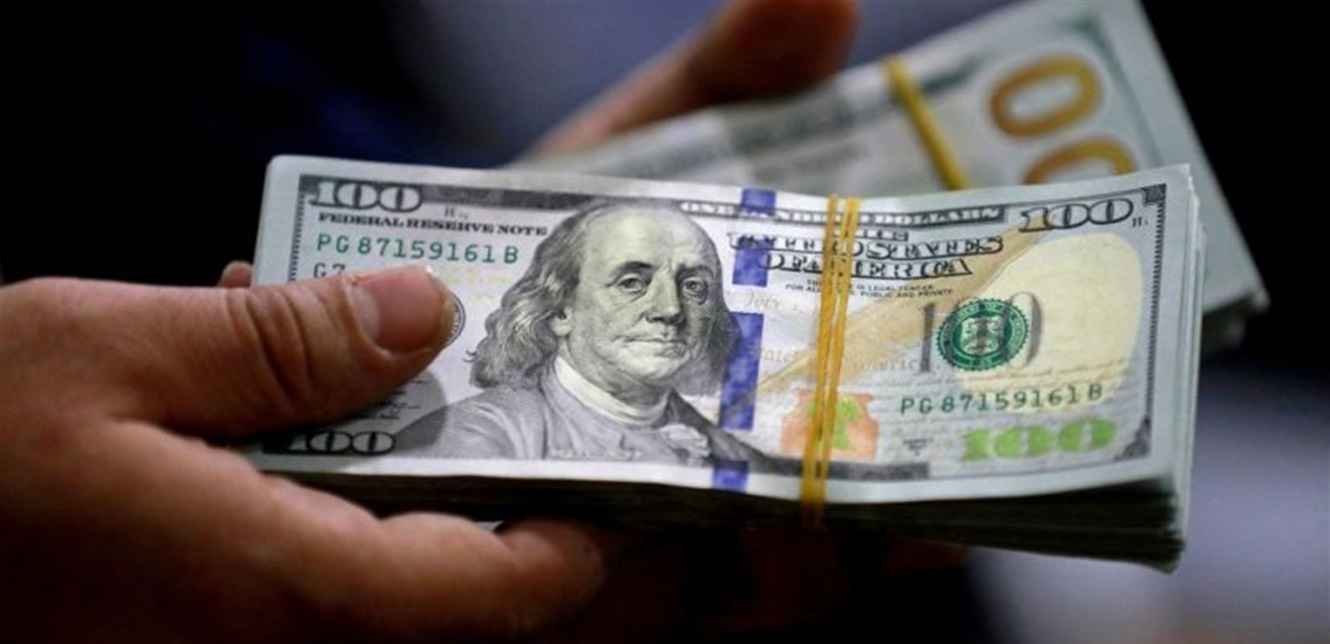
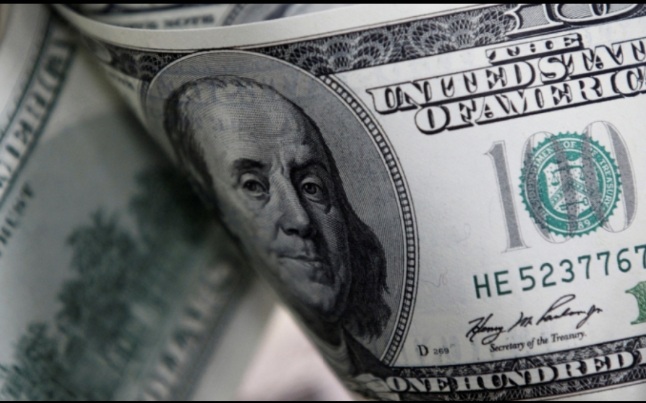
US Dollar exchange rate:
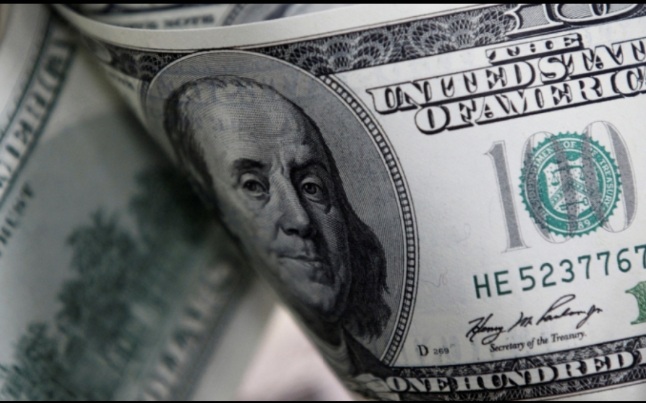
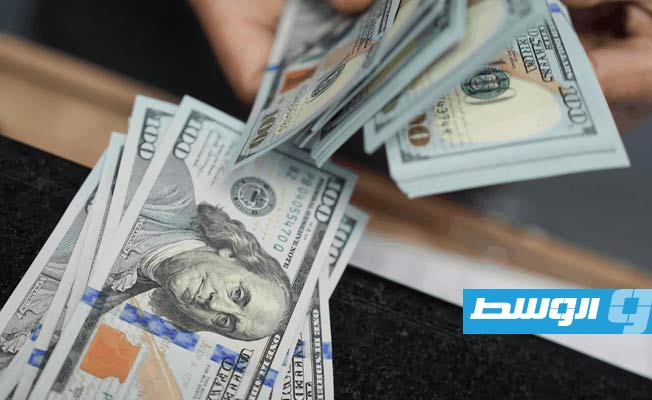
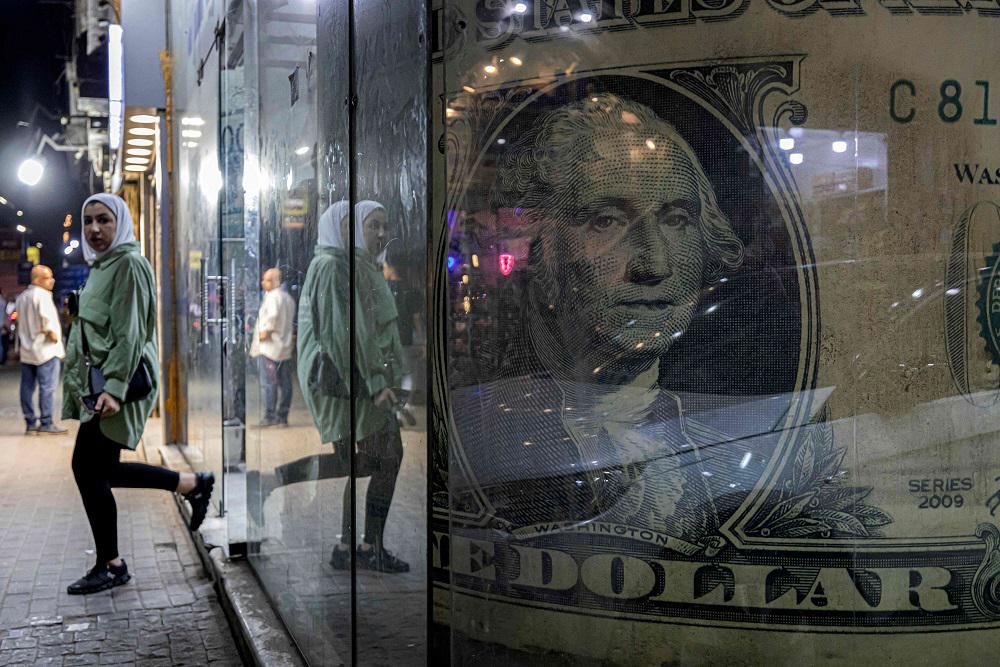
◆ Dollar = 8.44 dinars {Tripoli}
◆ Dollar = 8.45 dinars {Benghazi}
◆ Dollar = 8.45 dinars {Zliten}
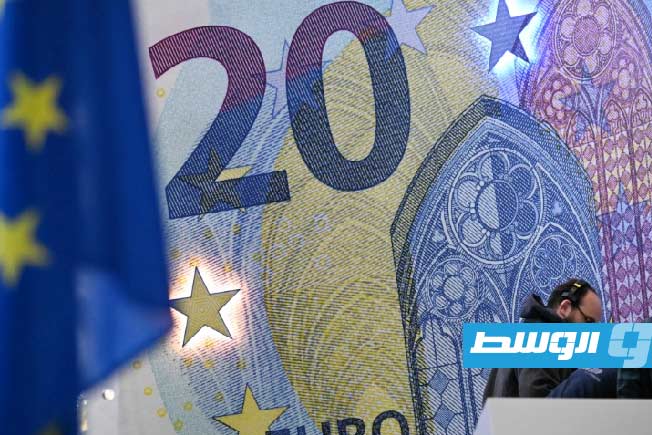
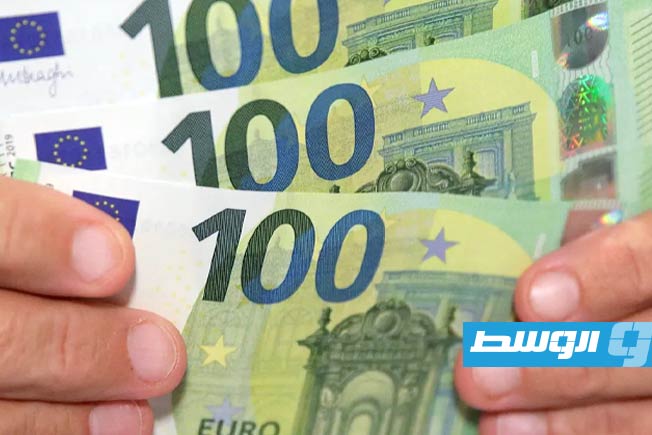
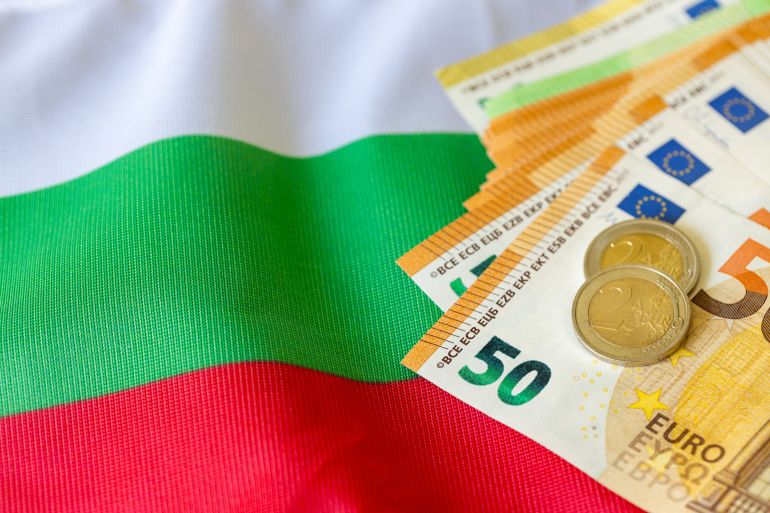
Euro exchange rate: 9.71 dinars
British Pound Sterling exchange rate: 10.90 dinars
Dollar transfer to Turkey: 8.44 dinars
Dubai remittance dollar: 8.45 dinars
Tunisian Dinar exchange rate: 2.63 dinars
Turkish Lira exchange rate: 0.1950 dinars
Jordanian Dinar exchange rate: 11.70 dinars
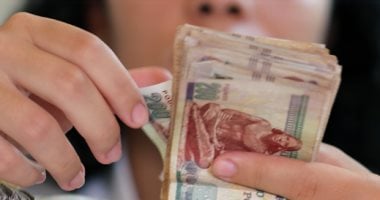
Egyptian Pound exchange rate: 0.170 dinars
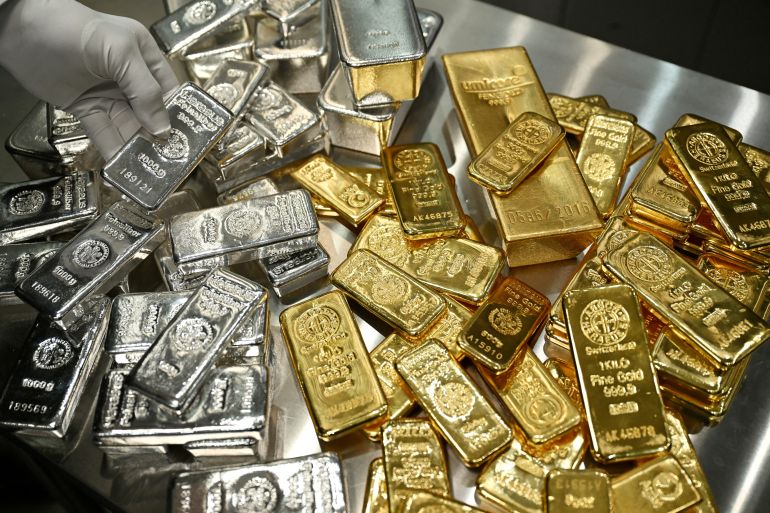
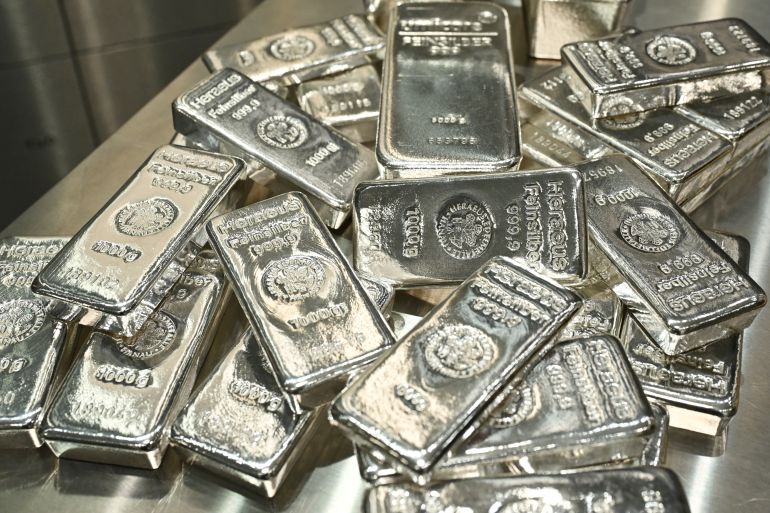
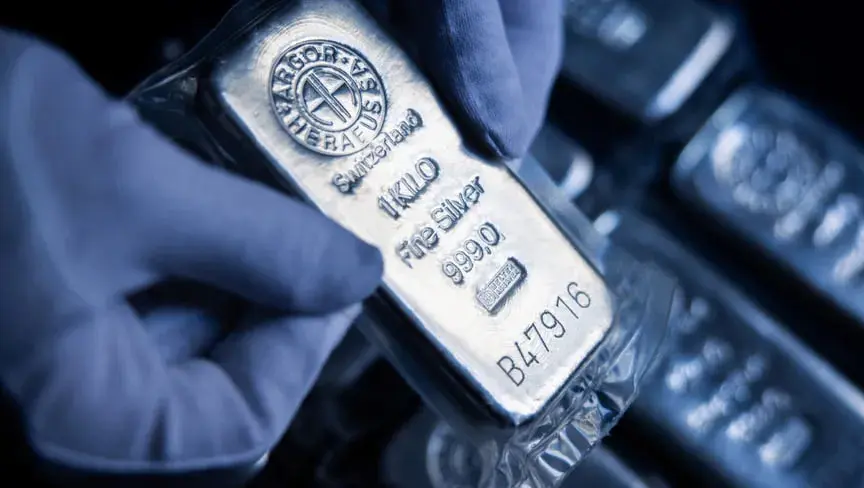
Scrap silver price: 12.70 dinars
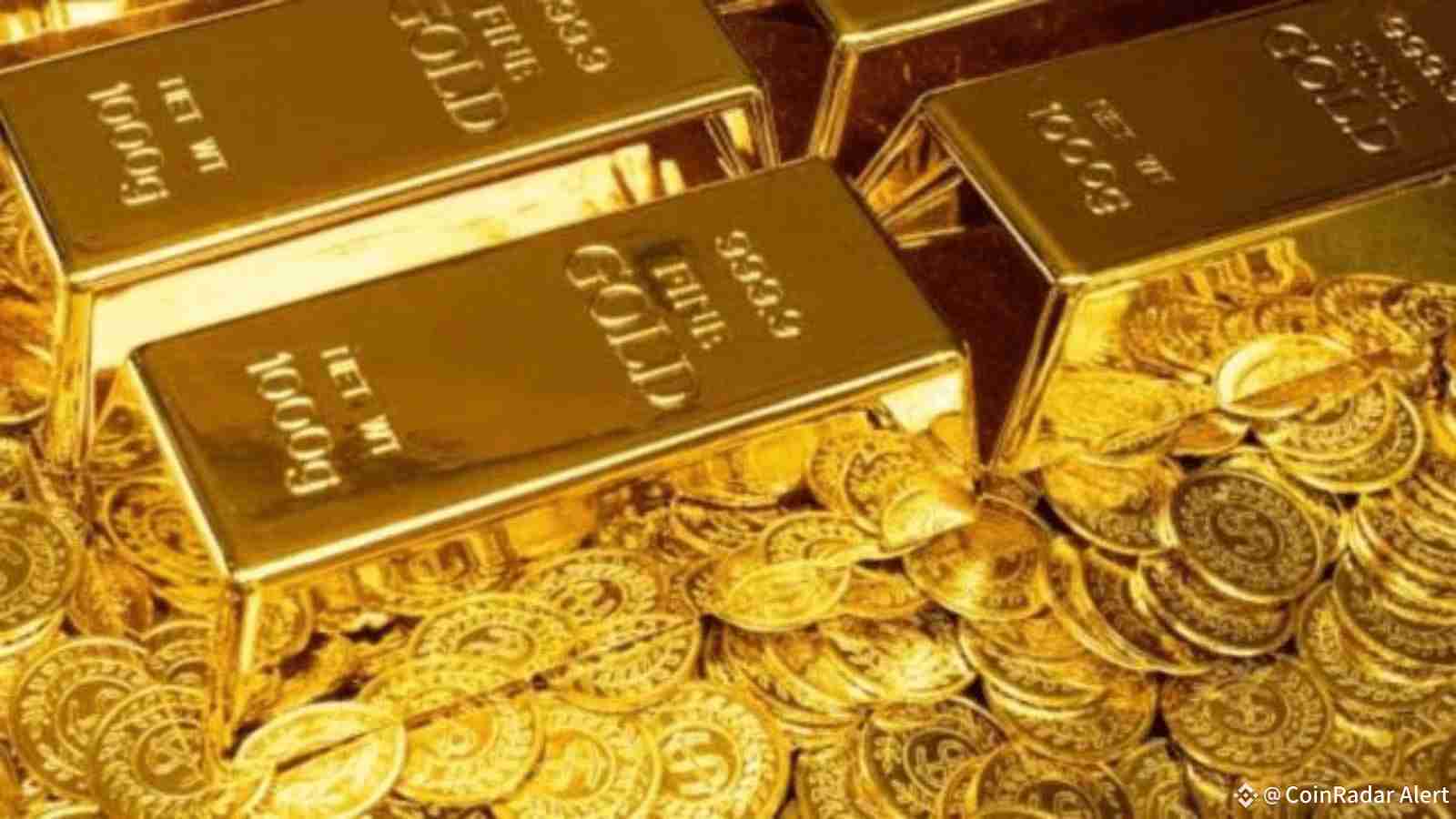
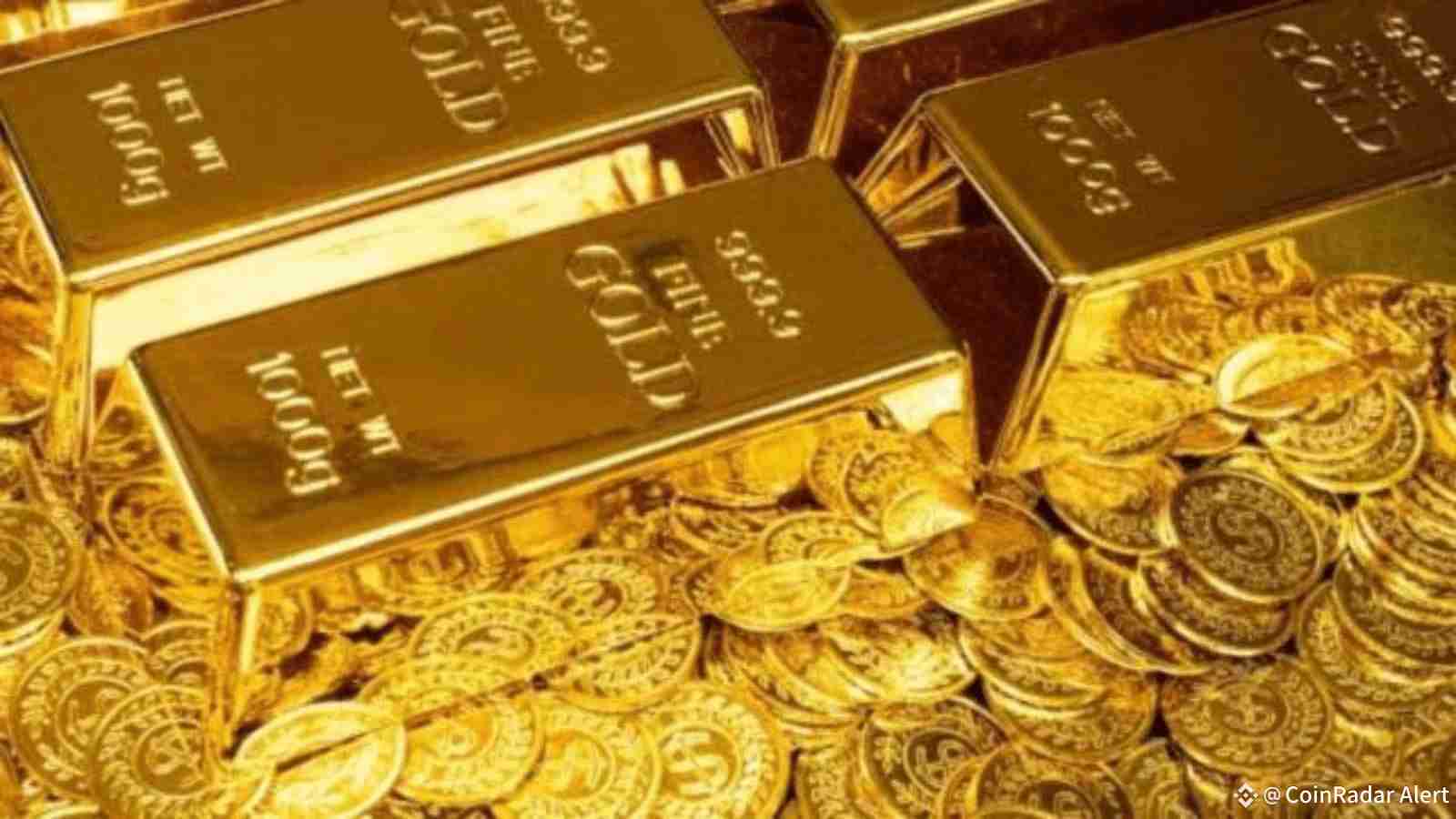
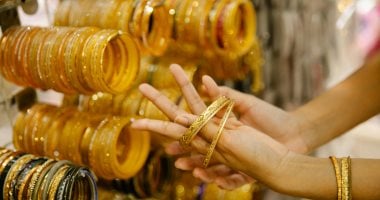
18-carat scrap gold price: 840 dinars
21-carat scrap gold price: 976 dinars
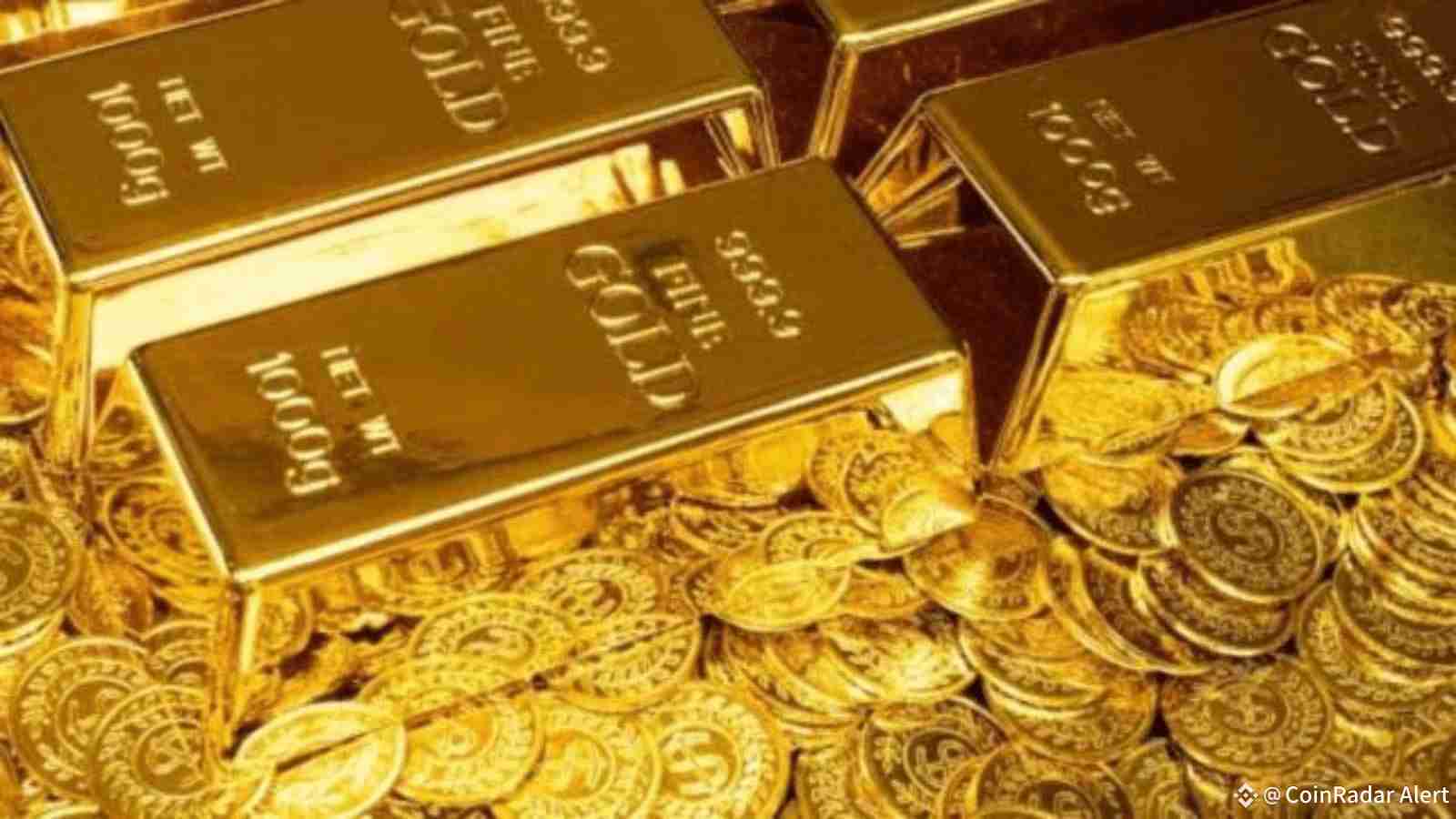
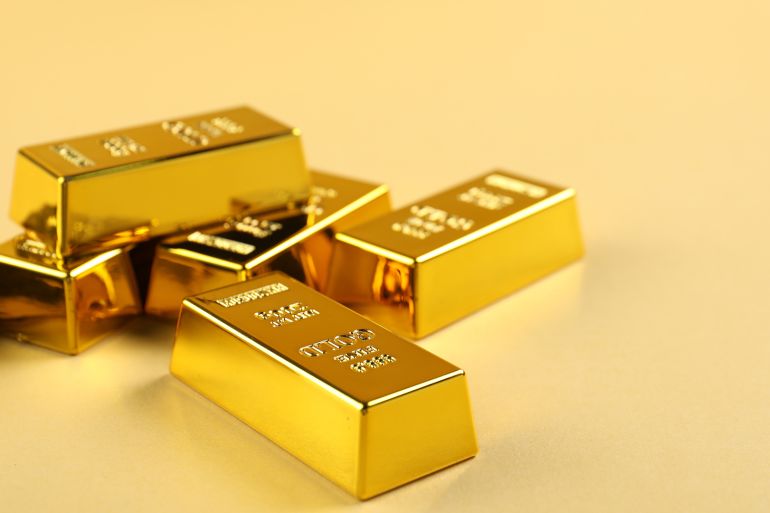
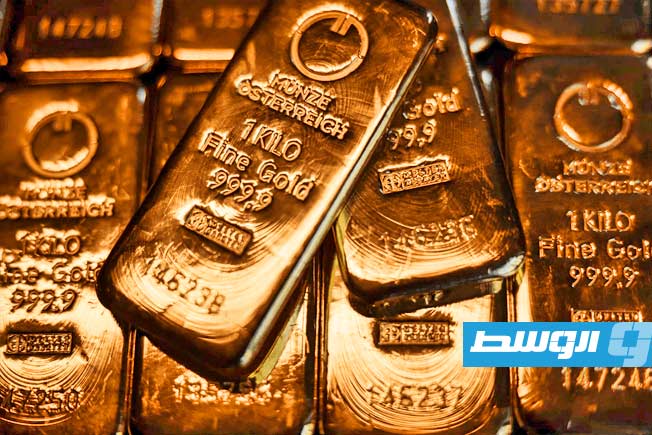
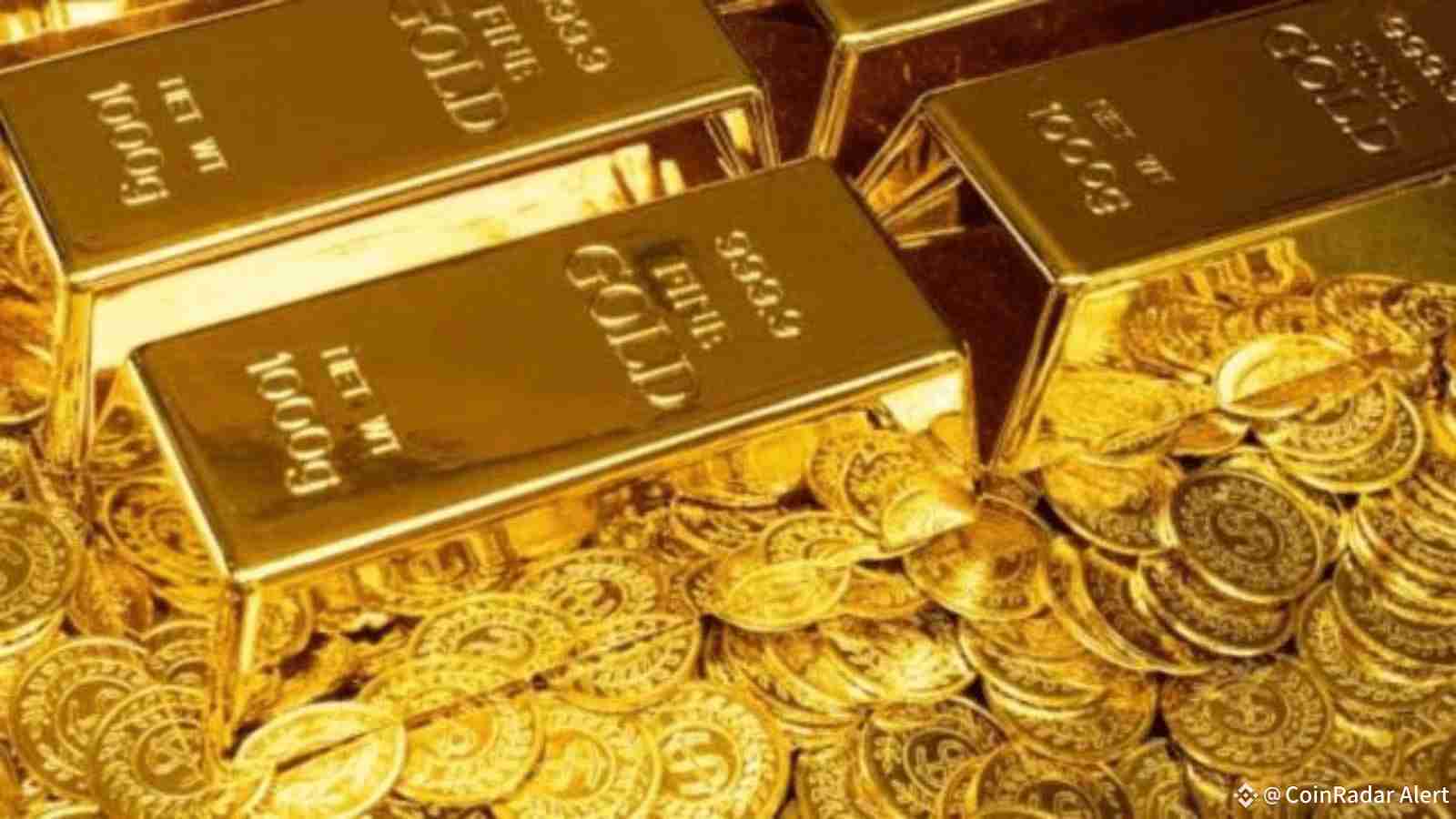
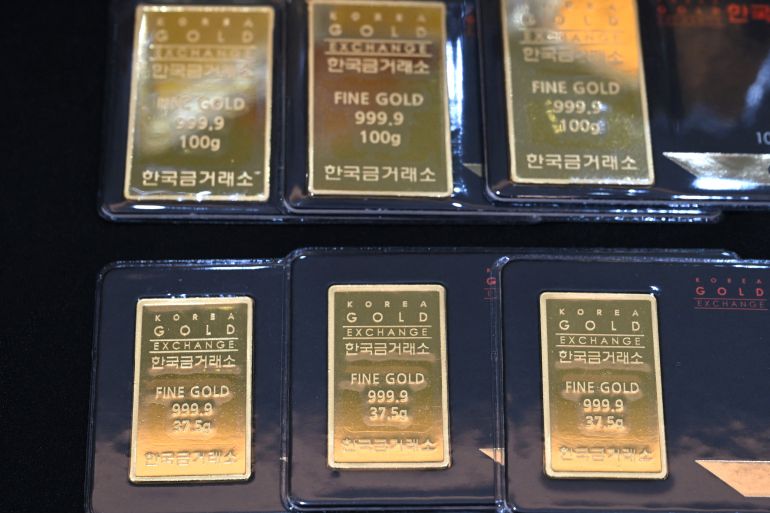
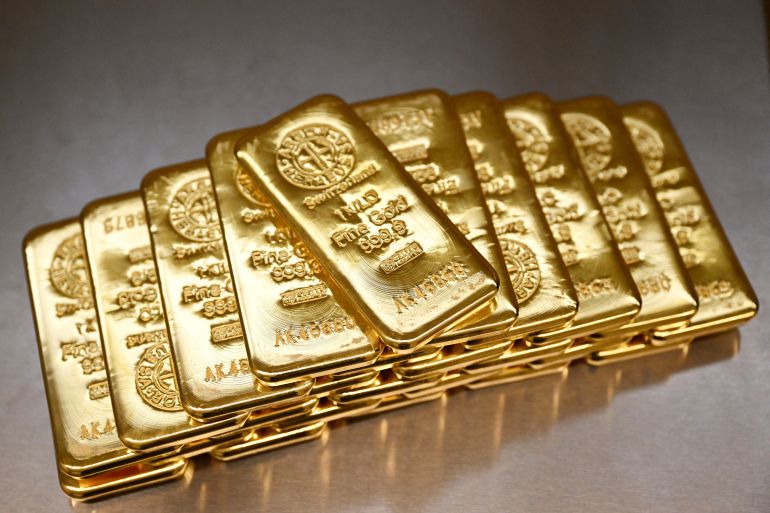
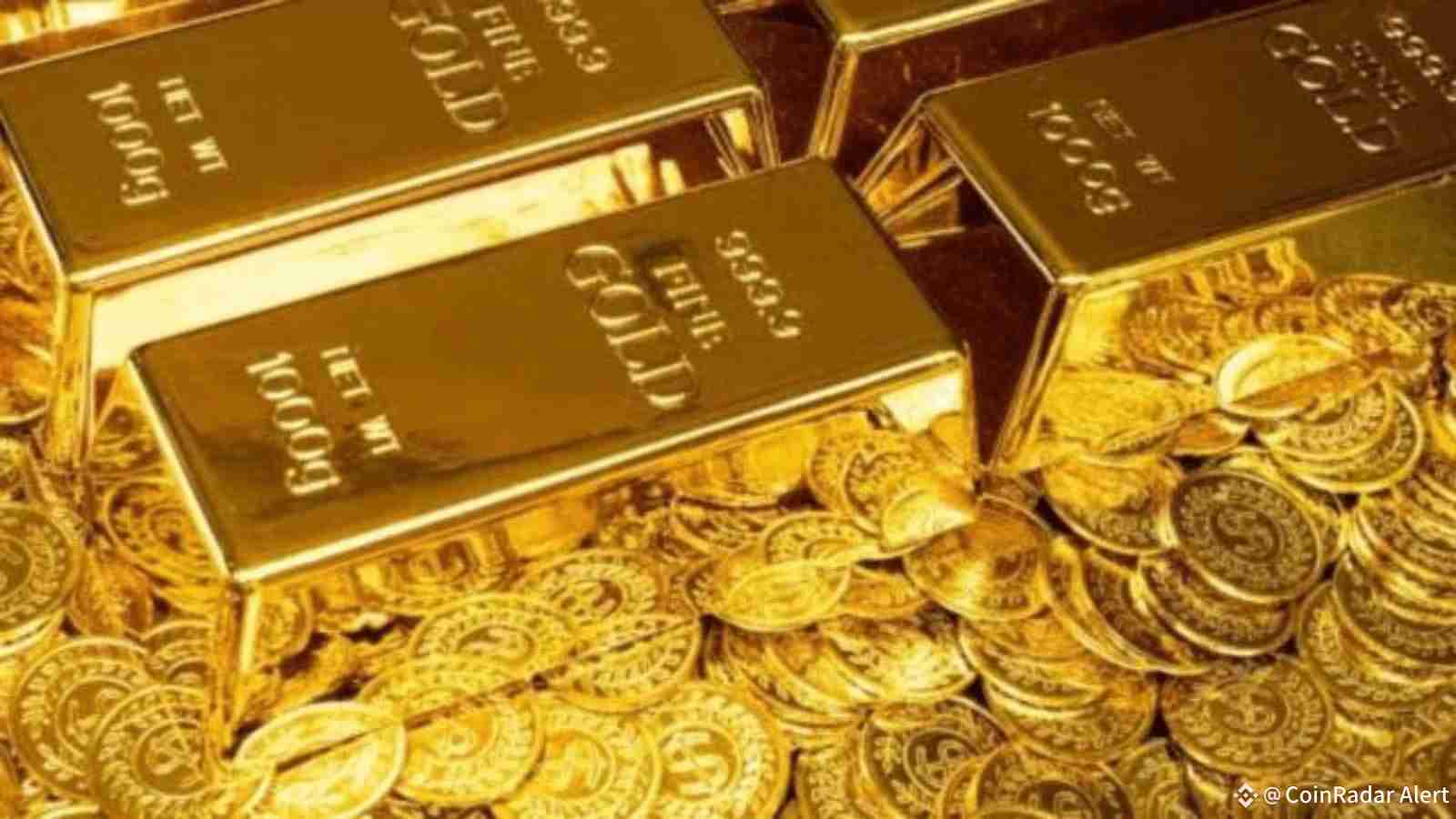
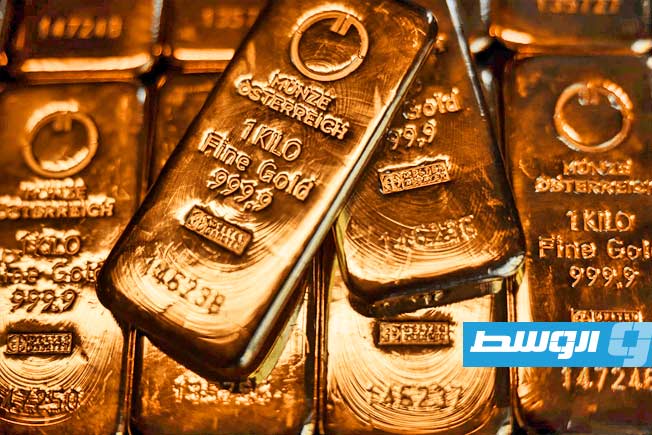
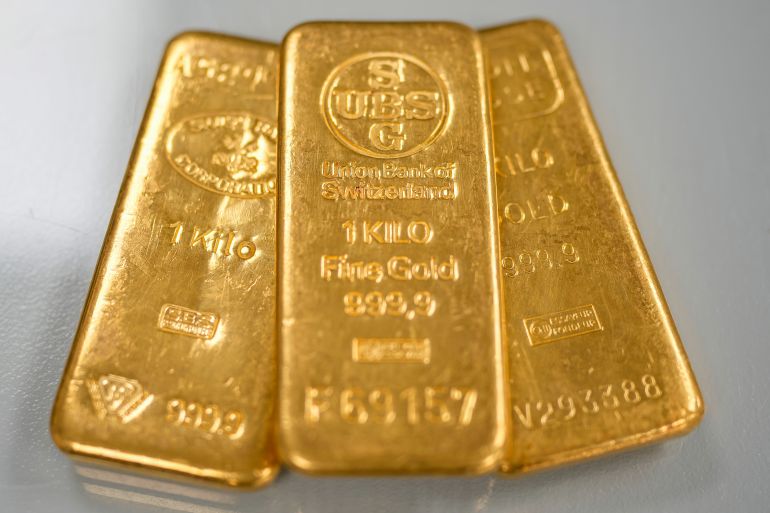
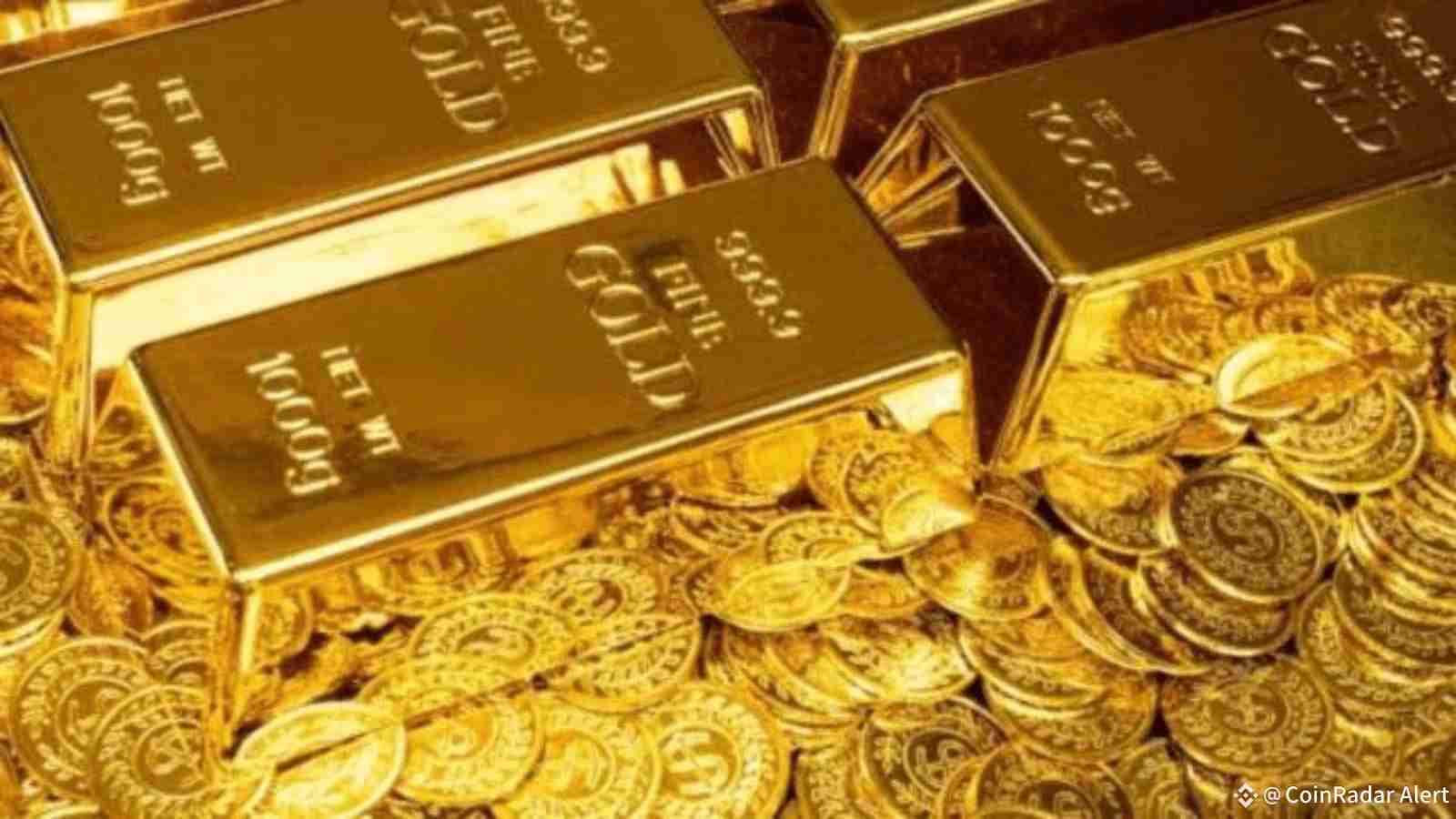
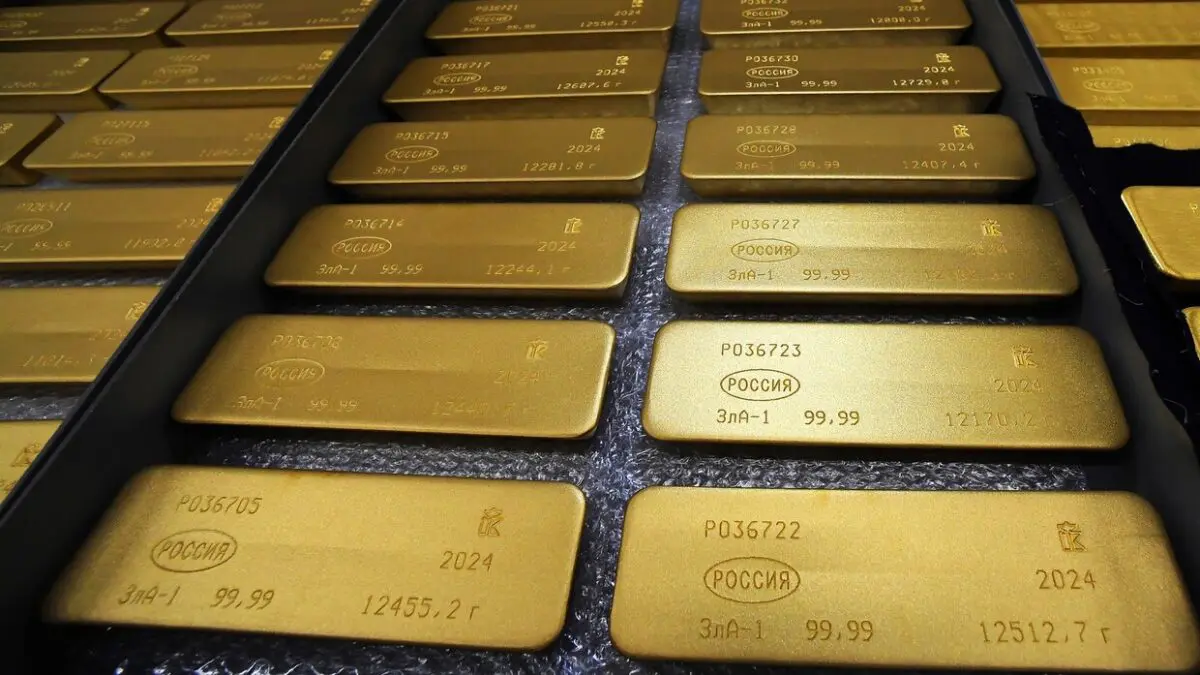
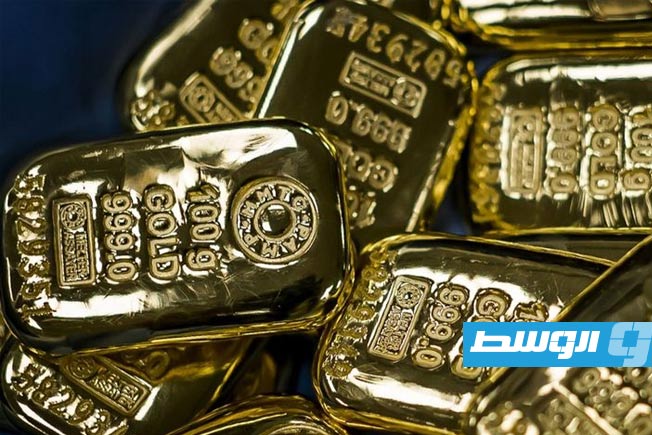
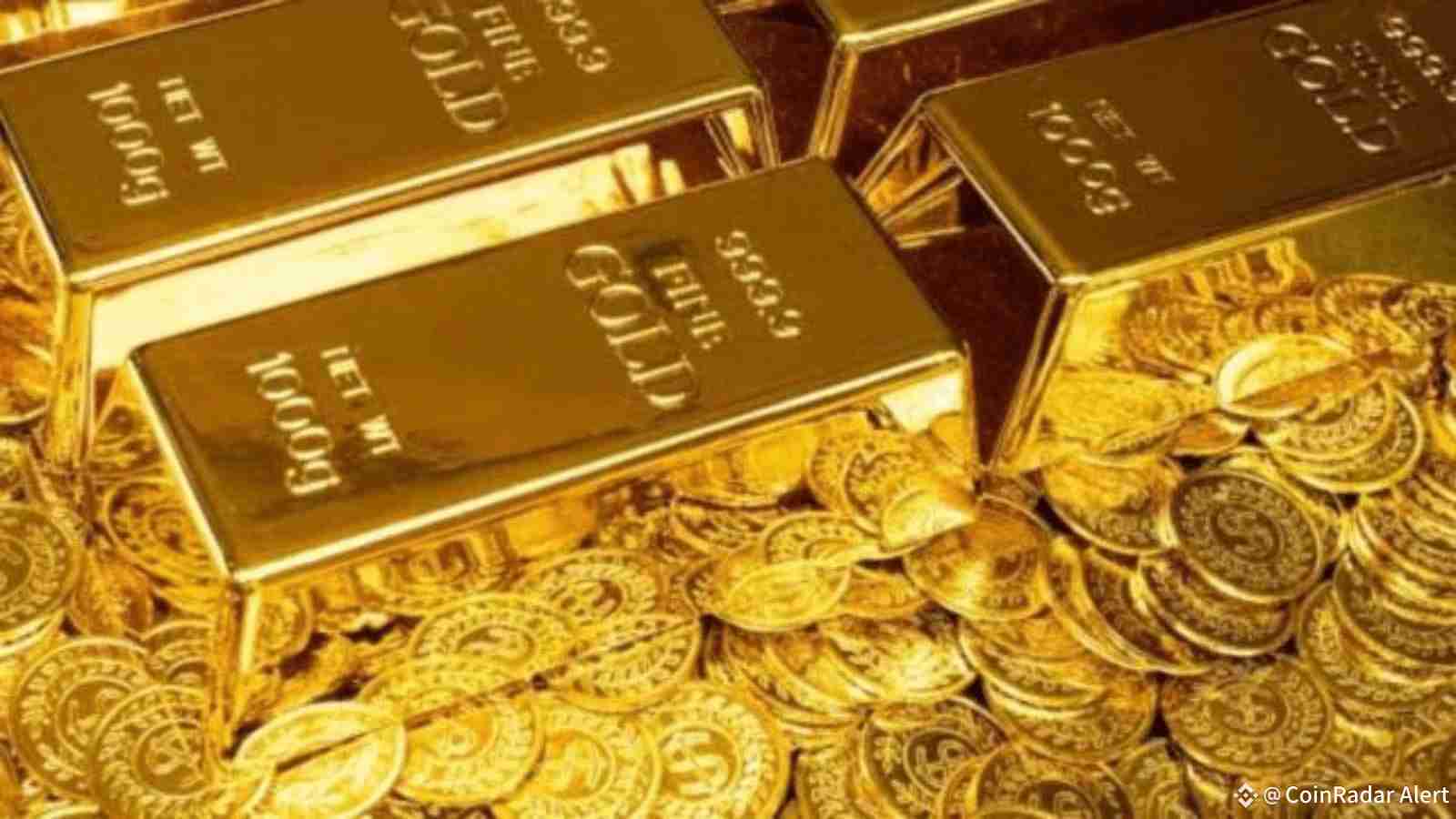
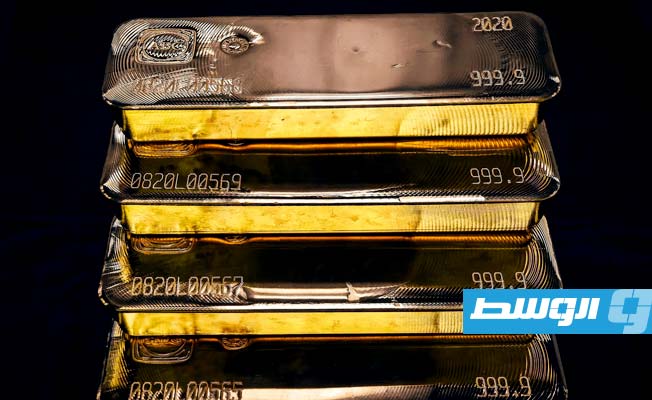
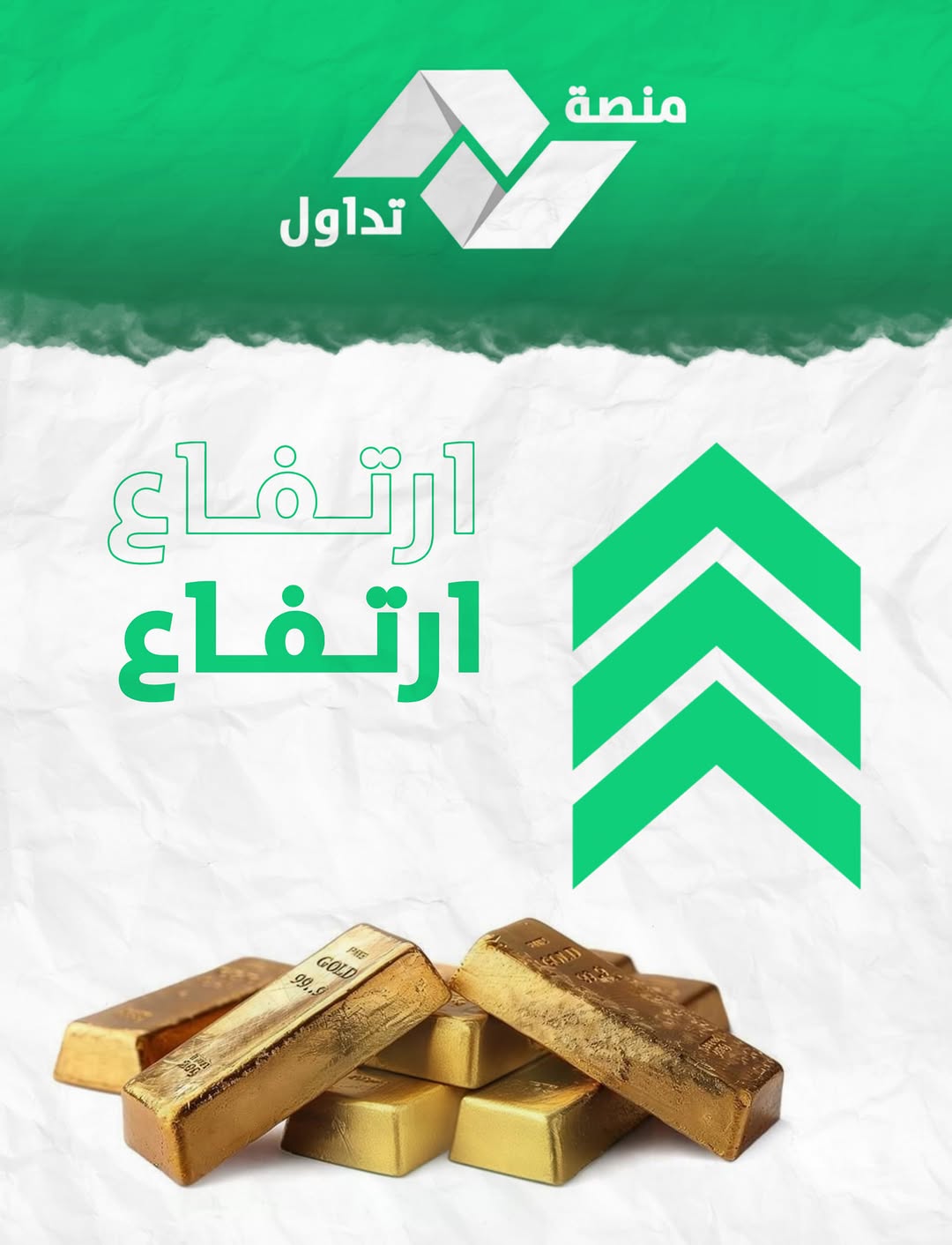
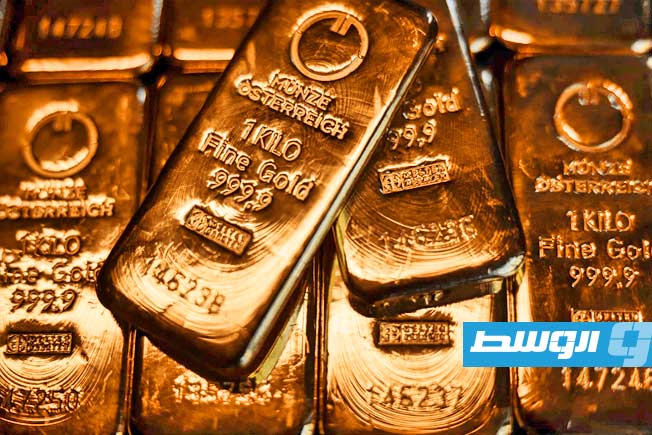
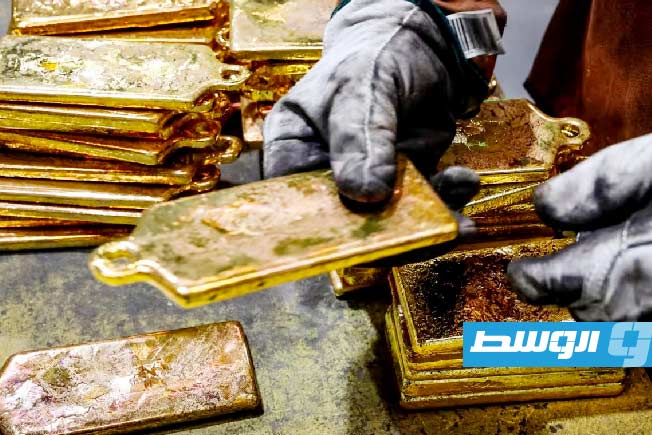
Ingot gold price: 852 dinars per gram
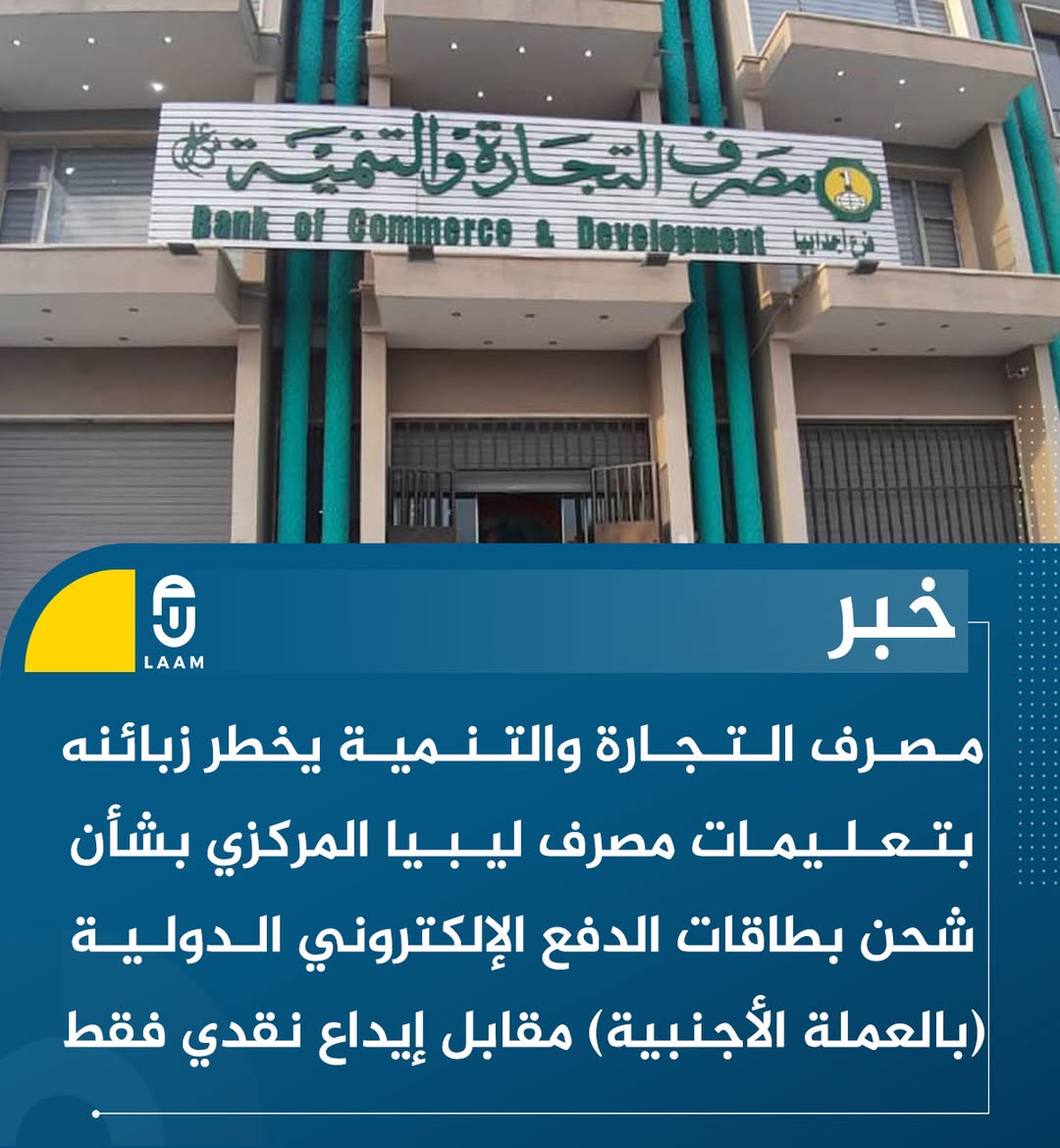
Dollar by Trade and Development Bank check = 9.87 dinars
Dollar by Republic Bank check = 9.85 dinars
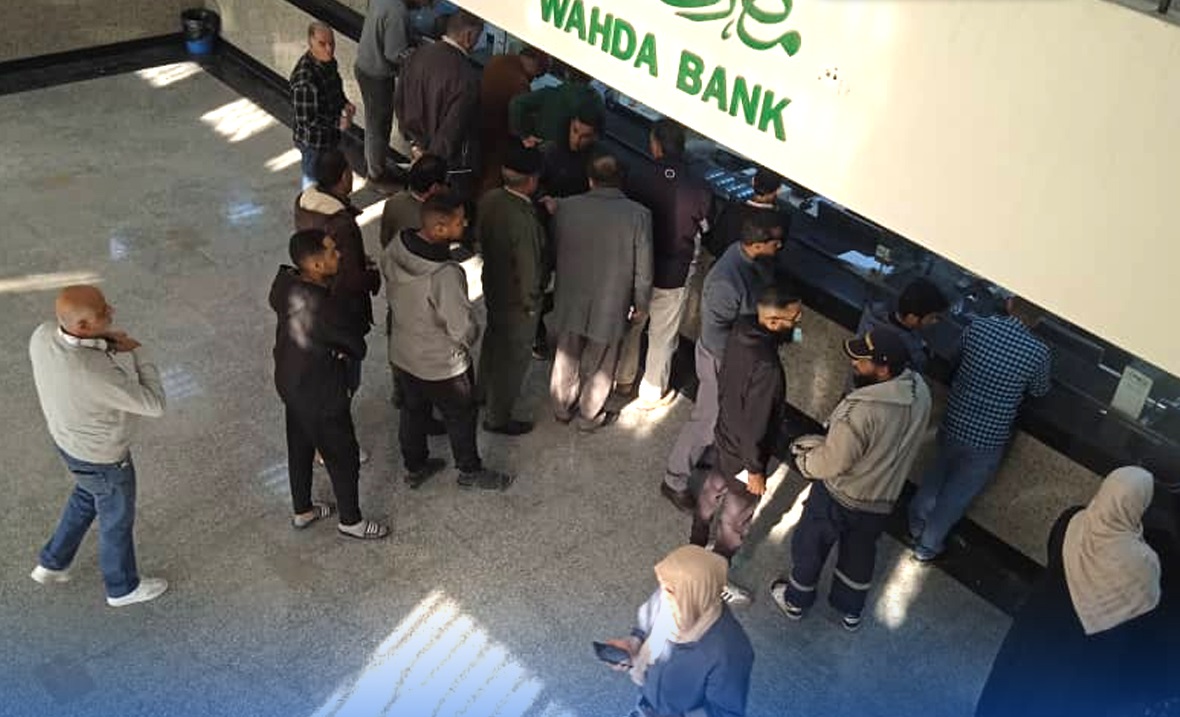
Dollar by Al-Wahda Bank check = 9.87 dinars
Dollar by National Commercial Bank check = 9.85 dinars
Dollar by Development Bank (Benghazi) check = 9.88 dinars / Al-Wahda Bank (Benghazi) check = 9.88 dinars.
US Dollar
### **Symbols & Codes**
– **Symbol:** $
– **Currency code:** USD
– **Nicknames:** Buck, greenback, dough
### **Issuing Authority**
– Issued by the **Federal Reserve System** (the central bank of the U.S.).
– Coins and bills are produced by the **U.S. Mint** and the **Bureau of Engraving and Printing**.
### **Global Role**
– **World’s primary reserve currency** (held by central banks worldwide).
– **Dominant currency in international trade** (oil, gold, and many commodities are priced in USD).
– **Most traded currency** in the foreign exchange (Forex) market.
### **Common Denominations**
– **Coins:** 1¢ (penny), 5¢ (nickel), 10¢ (dime), 25¢ (quarter), 50¢ (half dollar), $1.
– **Bills:** $1, $2, $5, $10, $20, $50, $100 (higher denominations like $500+ are no longer printed but remain legal tender).
### **Interesting Facts**
– The dollar is **fiat money**, meaning it is not backed by a physical commodity like gold.
– Many countries **peg their own currencies to the USD** or use it as their official currency (e.g., Ecuador, Panama).
– The **strength of the USD** often impacts global economies, trade balances, and debt markets.
Would you like more details on its history, exchange rates, or how it compares to other major currencies?
Euro
Key points:
– **Symbol:** €
– **ISO code:** EUR
– **Subunit:** Cent (1 euro = 100 cents)
– **Countries:** Used in Austria, Belgium, Cyprus, Estonia, Finland, France, Germany, Greece, Ireland, Italy, Latvia, Lithuania, Luxembourg, Malta, the Netherlands, Portugal, Slovakia, Slovenia, and Spain. Also used in some non-EU territories (e.g., Montenegro, Kosovo, and microstates like Monaco and Vatican City, under agreements).
– **Banknotes and coins:** Banknotes are identical across the Eurozone, while coins have a common side and a national side unique to each issuing country.
The euro facilitates trade, travel, and economic integration within the Eurozone and plays a significant role in global finance.
British Pound Sterling
Here are the key details:
### **Official Name & Symbol**
* **Full Name:** Pound Sterling
* **Common Name:** The Pound
* **Currency Code:** **GBP** (Great British Pound)
* **Symbol:** **£**
* **Subunit:** **Penny** (plural: Pence). 1 pound = 100 pence (p).
### **Issuing Authority**
* The central bank, the **Bank of England**, issues banknotes for England and Wales.
* Scotland and Northern Ireland have their own banknotes, issued by certain commercial banks (like the Bank of Scotland, Royal Bank of Scotland, etc.), which are legal currency throughout the UK but are technically a “promise to pay” the equivalent in Bank of England notes.
### **Historical Context**
* It is one of the world’s oldest currencies still in use, with origins dating back over 1,200 years.
* The term “pound” originally referred to a pound weight of sterling silver, hence the name.
* It was the world’s primary reserve currency before being supplanted by the US Dollar in the mid-20th century.
### **Current Status**
* The GBP is a major global currency, consistently ranked among the top 5 most traded currencies in the foreign exchange market.
* The UK chose not to adopt the **Euro (€)** and has maintained the Pound as its independent currency.
### **Common Slang**
* **Quid:** Slang for a pound (e.g., “It costs twenty quid”).
* **A Fiver:** A £5 note.
* **A Tenner:** A £10 note.
In summary, the **British Pound Sterling (GBP, £)** is the historic and powerful national currency of the United Kingdom, divided into 100 pence.
Dollar transfer to Turkey
### **Key Considerations Before You Transfer**
1. **Transfer Speed:** Do you need it there in minutes, or is a few days okay?
2. **Total Cost:** This includes the **exchange rate margin** (often the biggest cost) and any transfer fees.
3. **Amount:** Large transfers may get better exchange rates.
4. **Recipient’s Needs:** Do they need cash (TRY) immediately, or can it go into a bank account?
—
### **Best Methods for Sending USD to Turkey**
#### **1. Online Money Transfer Specialists (Usually Best Value)**
These services typically offer better exchange rates and lower fees than traditional banks.
* **Wise:** Excellent for transparency, showing the real mid-market rate and a low fee. Great for sending to Turkish bank accounts in TRY.
* **Remitly:** Offers two options: “Economy” (lower fee, slower) and “Express” (faster, higher fee). Good for cash pickup.
* **CurrencyFair / Wise (formerly TransferWise):** Peer-to-peer models can offer very competitive rates.
* **XE Money Transfer:** Reliable with strong customer service and competitive rates.
#### **2. Traditional Banks**
* **Pros:** Familiar, secure, and direct to recipient’s bank account.
* **Cons:** Often have poor exchange rates (adding a 3-5% margin), high fixed fees ($25-$50), and can be slow (3-5 business days).
* **Best for:** Large, non-urgent transfers where convenience outweighs cost.
#### **3. Specialist FX Brokers**
* Ideal for **large transfers** (e.g., property purchases, business transactions over $10,000).
* You can often **lock in an exchange rate** with a forward contract.
* They provide personalized service and negotiate rates for large sums.
* **Examples:** OFX, TorFX, Currencies Direct.
#### **4. Cash Pickup Services**
* Services like **Western Union, MoneyGram, and Remitly** allow the recipient to pick up cash in TRY at agent locations (post offices, banks, specific stores) across Turkey.
* **Pros:** Extremely fast (minutes), no bank account needed for the recipient.
* **Cons:** Higher fees and less favorable exchange rates compared to online specialists for account transfers.
—
### **Step-by-Step Process**
1. **Compare:** Use comparison tools like **Monito** or **SaveMyMoney** to see the real cost (fees + exchange rate) for your specific amount.
2. **Check Limits:** Ensure the service can handle your transfer amount.
3. **Prepare Information:** You’ll need:
* Recipient’s full name (as on their ID).
* For bank transfers: Their **IBAN number** (Turkish bank accounts have an IBAN).
* For cash pickup: Their city and a reference number.
4. **Initiate Transfer:** Online or via app. You’ll pay with your bank account, debit/credit card, or wire.
5. **Track:** You’ll get a tracking number to monitor the transfer.
—
### **Important Legal & Tax Note**
* **Declaration in Turkey:** Recipients receiving large amounts in foreign currency may need to declare the source of funds to their Turkish bank, per local regulations. This is a standard anti-money laundering procedure.
* **Sending Limits:** Be aware of your home country’s reporting requirements for large outbound transfers.
* **Tax Implications:** Generally, personal gifts are not taxable for the recipient in Turkey, but large, regular sums could be scrutinized. For business transactions, consult a tax advisor.
### **Quick Recommendation**
* For **speed and convenience** (cash pickup): **Western Union** or **Remitly (Express)**.
* For **best overall value** (bank account transfer): **Wise** or **Remitly (Economy)**.
* For **large amounts** ($10,000+): Get a quote from a **specialist FX broker** like OFX.
* **Avoid** using your bank’s standard international wire transfer for small-to-medium amounts due to high hidden costs.
**Always compare the final amount in TRY that your recipient will get, as this is the true measure of the best deal.**
Dubai remittance dollar
—
### **Key Points:**
1. **Dubai as a Remittance Hub**
– Dubai is a central financial gateway for expatriates in the Middle East, Africa, and South Asia.
– Many foreign workers in the UAE send money home, often in U.S. dollars due to its global stability.
2. **”Remittance Dollar” Meaning**
– The phrase may refer to **USD funds transferred from Dubai** to other countries (e.g., India, Pakistan, Philippines, Egypt).
– It could also hint at **exchange rate practices**—sometimes remittance-specific rates are offered for converting UAE dirhams (AED) to USD or other currencies.
3. **Currency Context**
– The UAE’s official currency is the **dirham (AED)**, pegged to the USD (1 USD ≈ 3.67 AED).
– For remittances, USD is often preferred for transfers to countries with high USD demand or volatile local currencies.
4. **Possible Interpretations**
– **Informal term**: Used by remittance service providers or expats discussing dollar-denominated transfers from Dubai.
– **Market jargon**: Could reference the premium or discount on USD exchanged for remittances compared to official rates.
– **Cryptocurrency context**: Sometimes “digital dollars” (like USD-pegged stablecoins) are used for remittances from Dubai.
—
### **Why Dubai?**
– **High expatriate population** (over 80% of UAE residents are foreign workers).
– **Efficient banking & exchange infrastructure** with competitive remittance fees.
– **Tax-free salaries** encourage large-scale money transfers abroad.
—
### **Practical Example:**
An Indian construction worker in Dubai converts his AED salary to USD via an exchange house, then sends USD to India. The recipient gets rupees converted at the local USD rate. This chain might be colloquially called the **”Dubai remittance dollar” pipeline**.
—
If you’re dealing with remittances from Dubai, always:
– Compare exchange rates and fees across banks, exchange houses, and digital platforms (e.g., Wise, Revolut, local services).
– Check if sending USD directly is better than sending AED or the recipient’s local currency.
– Ensure compliance with UAE and destination country regulations.
Let me know if you need details on remittance corridors, regulations, or cost-saving tips!
Tunisian Dinar
### **Quick Facts:**
– **Currency code:** TND (ISO 4217)
– **Symbol:** د.ت (Arabic) or **DT** (Latin script, commonly used)
– **Subunit:** 1 dinar = 1,000 **millimes**
– **Central bank:** Central Bank of Tunisia (بنك تونس المركزي)
### **Banknotes and Coins:**
– **Banknotes:** Commonly in denominations of 5, 10, 20, and 50 dinars.
– **Coins:** Dinars (½, 1, 2, 5 dinars) and millimes (5, 10, 20, 50, 100, 200 millimes).
### **Unique Features:**
1. **Closed currency:** The Tunisian dinar is **not freely convertible** outside Tunisia. It’s illegal to import or export dinars; exchange must be done within the country.
2. **Exchange controls:** Foreign currency exchange is regulated, often requiring documentation for larger transactions.
3. **Historical background:** Introduced in 1960, replacing the Tunisian franc at a rate of 1,000 francs = 1 dinar.
### **Usage Tips for Travelers:**
– Exchange money at banks, authorized exchange offices, or hotels in Tunisia.
– Credit/debit cards are widely accepted in cities, but cash is essential in rural areas.
– Keep exchange receipts; you may need them to reconvert leftover dinars when departing.
### **Exchange Rate (Approximate):**
As of late 2023, **1 TND ≈ 0.32 USD** (rates fluctuate; check current values before traveling).
Would you like information on Tunisia’s economy or currency history?
Turkish Lira
### Key Points:
1. **History**:
– The lira was introduced in 1844, replacing the *kuruş* as the primary unit.
– In 2005, Turkey introduced the **New Turkish Lira (YTL)** after removing six zeros from the old currency due to hyperinflation.
– Since 2009, it has been simply called the “Turkish Lira” again (TRY).
2. **Inflation & Economic Context**:
– The lira has faced significant depreciation in recent years, largely due to high inflation, political factors, and unconventional monetary policies.
– Inflation in Turkey has frequently been in double digits, eroding purchasing power.
3. **Exchange Rate**:
– As of late 2023/early 2024, the exchange rate fluctuates around **1 USD ≈ 28–32 TRY** (subject to frequent changes).
– The lira is a **freely floating currency**, but the Central Bank of the Republic of Turkey (CBRT) occasionally intervenes in forex markets.
4. **Banknotes and Coins**:
– Banknotes come in denominations of 5, 10, 20, 50, 100, and 200 lira.
– Coins are in denominations of 1, 5, 10, 25, and 50 kuruş (100 kuruş = 1 lira), and 1 lira.
5. **Digital & International Use**:
– Turkey has explored a **digital lira** (central bank digital currency) through the Digital Turkish Lira Project.
– The lira is not a major reserve currency and has limited use outside Turkey.
6. **Travel Tips**:
– Foreign visitors often exchange money in Turkey, as the lira is not widely available abroad.
– Credit/debit cards are widely accepted in cities, but cash is useful in rural areas.
### Recent Challenges:
– **High inflation** (officially ~65% in 2023, though independent estimates can be higher).
– **Unorthodox interest rate policies** under President Erdoğan’s influence (e.g., lowering rates despite high inflation, though recent shifts toward more conventional policy).
– **Currency volatility** affecting imports, foreign debt repayments, and living costs.
If you have specific questions about exchange rates, using lira for travel, or economic factors, feel free to ask!
Jordanian Dinar
### **Quick Facts**
* **Currency Code:** JOD
* **Symbol:** د.أ (Arabic) or JD (Latin)
* **Subunit:** 1 Dinar = 1000 Fils (or 100 Piastres/Qirsh)
* **Central Bank:** Central Bank of Jordan
* **Key Feature:** Pegged to the U.S. Dollar at a fixed rate.
—
### **History & Background**
The Jordanian Dinar was introduced in 1950, replacing the Palestinian Pound. It is named after the historical gold coin, the *dinar*. Since 1995, the Central Bank of Jordan has maintained a **fixed exchange rate peg** to the U.S. Dollar, which has provided remarkable monetary stability.
### **Exchange Rate & Peg**
* **Fixed Peg:** **1 JOD = 1.41044 USD** (and vice versa, approximately **1 USD = 0.709 JOD**).
* This peg is a cornerstone of Jordan’s economic policy, ensuring low inflation and predictability for trade and investment. It is maintained by the Central Bank’s foreign currency reserves.
### **Banknotes & Coins**
* **Banknotes:** Commonly used denominations are **1, 5, 10, 20, and 50 JD**. They feature images of former kings, historical landmarks, and symbols of Jordanian heritage.
* **Coins:** Coins are denominated in **Piastres (Qirsh)** and **Fils**. Common coins include ½, 1, 2½, 5, and 10 Piastres, as well as ¼, ½, and 1 Dinar coins. Due to the peg, the 1 Dinar coin is worth about $1.41.
### **Economic Context**
* **Strength:** The peg to the USD makes the JOD one of the stronger currencies in the region. However, this strength can sometimes make Jordanian exports more expensive.
* **Challenges:** Maintaining the peg requires significant foreign reserves and limits the Central Bank’s ability to use monetary policy (like interest rate adjustments) for domestic economic goals independent of U.S. policy.
* **Usage:** The dinar is used exclusively within Jordan. The West Bank also uses it informally alongside the Israeli Shekel.
### **Practical Information for Visitors**
1. **Exchange:** U.S. Dollars and Euros are easily exchanged at banks, airports, and licensed exchange offices. Rates are virtually identical everywhere due to the fixed peg.
2. **Cash is King:** While cards are accepted in hotels, malls, and larger restaurants in Amman and tourist areas, **cash is essential** for smaller shops, taxis, markets (souqs), and outside major cities.
3. **Price Points:** Because of the high subunit (1000 fils to a dinar), prices are often written with three decimal places (e.g., 4.750 JD). Locals often quote prices in *Piastres* (e.g., 500 piastres instead of 0.500 JD).
4. **ATMs:** Widely available in cities, dispensing Jordanian Dinars.
### **Interesting Fact**
The **50 JD note** is one of the highest-value regularly circulated banknotes in the world, worth approximately **$70 USD**. It is less commonly used in daily small transactions.
In summary, the **Jordanian Dinar is a stable, pegged currency** that is straightforward for travelers due to its fixed rate. Always ensure you have enough local cash, especially when venturing beyond major tourist centers.
Egyptian Pound
—
### **Quick Facts**
– **Subunit:** Piastre (قروش) – 1 EGP = 100 piastres.
– **Coins:** Commonly in denominations of 25 and 50 piastres, and 1 pound.
– **Banknotes:** Range from 25 piastres up to 200 pounds (commonly used notes: 10, 20, 50, 100, 200 EGP).
—
### **History & Background**
– Introduced in **1834**, replacing the Egyptian piastre.
– Historically pegged to various currencies; currently operates under a **managed float regime** (since 2016).
– The Central Bank of Egypt (CBE) regulates its issuance and monetary policy.
—
### **Exchange Rate Context**
As of late 2023/early 2024:
– **1 USD ≈ 30–31 EGP** (official rate), though parallel market rates can differ significantly during economic stress.
– Egypt has faced periodic devaluations due to inflation, foreign currency shortages, and economic reforms linked to IMF agreements.
—
### **Economy & Inflation**
– Egypt has struggled with **high inflation** (reaching over 30% in 2023), impacting purchasing power.
– The government has implemented reforms, including currency flotation and subsidy cuts, to stabilize the economy.
—
### **Usage Tips for Travelers**
1. **Cash is King:** Especially in markets, rural areas, and for small purchases.
2. **Exchange:** Use official banks or exchange offices; avoid street money changers for better rates and security.
3. **ATMs:** Widely available in cities; check fees for international withdrawals.
4. **Credit Cards:** Accepted in hotels, upscale restaurants, and larger stores in tourist areas.
—
### **Cultural/Trivia Note**
– Egyptians often refer to prices in **”guineh”** (جنيه) for pounds or **”irsh”** (قرش) for piastres.
– The pound’s banknotes feature Egyptian landmarks, historical figures, and Islamic architecture.
—
If you’re planning a trip to Egypt or dealing with EGP for business, staying updated on the latest exchange rates and economic news is advisable due to the currency’s volatility. Let me know if you need more specific information!
Scrap silver
1. **Jewelry** – Broken, outdated, or unwanted silver jewelry.
2. **Silverware/Flatware** – Old or damaged silver cutlery, trays, or tea sets.
3. **Coins** – Silver coins that are no longer in circulation or are damaged.
4. **Industrial Scrap** – Silver from electronics, photographic materials, or other industrial uses.
5. **Dental Alloys** – Silver-containing materials from dental procedures.
### Key Points:
– **Purity Matters**: Scrap silver is often valued based on its silver content (e.g., sterling silver is 92.5% pure).
– **Selling**: It can be sold to refineries, jewelers, or precious metal dealers.
– **Recycling**: The silver is often melted down and reused in new products.
If you have scrap silver, it’s wise to check current silver prices and get multiple quotes to ensure a fair price.
18-carat scrap gold
Here’s a detailed breakdown of what that means:
### 1. **”18-Carat” (18K)**
* This indicates the **purity** of the gold.
* Pure gold is 24 karats (24K). 18-karat gold is an alloy containing **75% pure gold** (18/24 = 0.75) and 25% other metals like copper, silver, nickel, or zinc. These metals add strength and color (creating yellow, white, or rose gold).
* It is a common and desirable standard for fine jewelry, balancing purity with durability.
### 2. **”Scrap”**
* This means the item is being valued **not for its artistic, antique, or brand value**, but solely for the intrinsic value of the gold metal it contains.
* The item will typically be **melted down** by a refiner to recover the pure gold. It is being treated as raw material, not as a finished product.
### 3. **How Its Value is Calculated**
The value is based on three main factors:
**a) Gold Purity & Weight:**
* The item is weighed (in grams or pennyweights).
* Because it’s only 75% gold, you calculate the **pure gold content**.
* **Formula:** `Weight × 0.75 = Pure Gold Weight`
* Example: A 10-gram 18K ring contains `10g × 0.75 = 7.5 grams` of pure gold.
**b) Current Gold Price (Spot Price):**
* This is the live market price for one troy ounce of **pure** (24K) gold. It fluctuates constantly.
* You look up the price **per gram** (since there are ~31.1 grams in a troy ounce).
**c) Refiner’s/Buyer’s Payout Rate:**
* No one pays 100% of the spot value for scrap. Buyers (refineries, pawn shops, cash-for-gold businesses) deduct a fee for their service (melting, refining, assay, and profit).
* The payout is typically **70%-95%** of the gold’s melt value, depending on the buyer’s reputation and your quantity. A reputable refinery dealing with direct customers might offer 90%+, while a local pawn shop might be closer to 70%.
### **Simplified Value Calculation Example:**
1. **Item:** An 18K gold chain weighing 20 grams.
2. **Pure Gold Content:** `20g × 0.75 = 15 grams` of pure gold.
3. **Spot Price:** Assume gold is **$70 per gram**.
4. **Total Melt Value:** `15g × $70/g = $1,050`.
5. **Payout (at 85%):** `$1,050 × 0.85 = **$892.50**`.
This is the approximate cash value you could expect.
### **Key Points to Remember:**
* **Get Multiple Quotes:** Always shop around. Compare offers from reputable refiners, jewelers, and specialized gold buyers.
* **Sell to a Specialist:** For the best price, look for a dedicated gold refiner or bullion dealer rather than a general pawn shop.
* **Know the Weight Yourself:** Have items weighed on a precise scale in your presence.
* **Hallmarks:** Look for stamps like “750,” “18K,” “18kt,” or “18K” which verify the purity.
* **Items with Gems or Non-Gold Parts:** These will be deducted from the weight or may need to be removed before an accurate scrap quote.
In short, **”18-carat scrap gold” is a commodity whose value is determined by its weight, its 75% gold purity, and the daily gold market.**
21-carat scrap gold
Here’s what that means in practical terms:
—
### 1. **Gold Purity**
– **Karat (carat)** measures gold purity, with **24 karat** being pure gold (99.9% gold).
– **21 karat gold** is **21 parts gold out of 24**, or **87.5% pure gold**.
– The remaining **12.5%** is usually alloy metals like copper, silver, or zinc, added for strength and color.
—
### 2. **Common Uses**
21-karat gold is less common than 18K or 22K in many markets, but it’s often found in:
– Traditional jewelry from regions like the Middle East, South Asia, or Southeast Asia.
– High-end antique or heirloom jewelry.
– Some commemorative coins or items.
—
### 3. **Scrap Gold Value**
When sold as scrap, the value is based on:
– **Gold content**: 87.5% of the weight is pure gold.
– **Weight**: Measured in grams or troy ounces.
– **Current gold price**: Based on the live market price per troy ounce of pure gold.
**Formula to estimate melt value:**
[
text{Value} = text{Weight} times 0.875 times text{Current gold price per gram/ounce}
]
—
### 4. **Selling Scrap 21K Gold**
– **Find a reputable buyer**: Jeweler, pawn shop, or specialized gold refinery.
– **Get it tested**: Buyers will test purity (often with an XRF gun or acid test).
– **Check weight yourself** on a precise scale.
– **Compare offers**: Refineries usually pay more (closer to melt value) than jewelry stores.
—
### 5. **Example Calculation**
If you have **10 grams** of 21K scrap gold and the market price of gold is **$70 per gram** (pure gold):
[
text{Gold content} = 10 times 0.875 = 8.75 text{ grams pure gold}
]
[
text{Melt value} = 8.75 times 70 = $612.50
]
You’ll likely receive **slightly less** (90–98% of melt value) due to refining fees or buyer margins.
—
### 6. **Important Notes**
– **No sentimental or artistic value** is considered in scrap sales.
– **Remove non-gold parts** (stones, clasps, etc.) before weighing if possible.
– **Documentation**: Keep a receipt when selling for legal and tax purposes.
—
If you have 21-carat scrap gold to sell, I recommend checking the **current gold price** (e.g., on Kitco or Bloomberg) and getting multiple quotes from buyers to ensure a fair deal.
Ingot gold
### Characteristics:
1. **Purity** – Gold ingots are usually high-purity, often 99.5% (995 fine) or higher, such as 99.99% (9999 fine).
2. **Weight** – They come in standardized weights, like 1 gram, 1 ounce (approx. 31.1 grams), 1 kilogram, or larger.
3. **Shape** – Typically rectangular bars, but can also be cast as rounds or other forms.
4. **Markings** – Usually stamped with the manufacturer’s name, weight, purity, and a serial number.
### Uses:
– **Investment** – Bought and held as a store of value or hedge against inflation.
– **Reserves** – Held by central banks and governments.
– **Industrial** – Used in electronics, dentistry, and aerospace (though often in other forms like sheets or wire).
– **Jewelry Making** – Melted down to create gold items.
### Buying & Storing:
– **Sources** – Banks, bullion dealers, mints (e.g., Perth Mint, Royal Canadian Mint).
– **Verification** – Important to buy from reputable sources; ingots often come with assay certificates.
– **Storage** – Kept in secure vaults, safes, or through allocated storage programs.
### Price:
– Valued based on the **spot price** of gold (live market price per ounce/gram), plus a premium for manufacturing and distribution.
If you’re considering buying gold ingots, ensure you understand the market, verify authenticity, and consider secure storage options.
Dollar by Trade and Development Bank check
### Possible Interpretations:
1. **Payment via a check from a Trade and Development Bank**
– Someone is making a payment in U.S. dollars using a check issued by a **Trade and Development Bank** (possibly referring to a specific institution like the **Eastern and Southern African Trade and Development Bank**, formerly known as the PTA Bank).
– This could relate to international trade, development projects, or cross-border transactions.
2. **Trade and Development Bank’s Dollar-Denominated Check**
– The check is issued in U.S. dollars (instead of local currency), which is common in international trade to avoid exchange rate fluctuations.
3. **Possible Contexts**
– **Import/Export Transactions**: A buyer might use such a check to pay for goods.
– **Development Projects**: Funding for infrastructure or programs in developing regions.
– **Banking Instruction**: Could be part of payment instructions in a contract or invoice.
### If You’re Involved in Such a Transaction:
– **Verify the Bank**: Ensure the Trade and Development Bank is legitimate and recognized.
– **Check Details**: Confirm the amount, payee, and currency.
– **Consider Processing Time**: Checks from international development banks may take longer to clear.
– **Consult Your Bank**: If you’re depositing or receiving such a check, inform your bank in advance to avoid holds or complications.
Would you like more details on Trade and Development Banks or how to handle international checks?
Dollar by Republic Bank check
—
### **Interpretation**
– **”Dollar”** → The check is denominated in U.S. dollars.
– **”by Republic Bank”** → The check is drawn on (issued by) Republic Bank.
– **”check”** → It is a paper check (not a cashier’s check, money order, etc., unless specified otherwise).
—
### **Common Contexts**
1. **Endorsement on the back of a check**
When depositing or cashing a check, you might write:
*“For deposit only to account #XXXX”*
followed by **“Dollar by Republic Bank check”** to specify the currency and bank.
2. **Check description in banking or accounting**
Used to record details in a ledger or deposit slip, e.g.:
*“Check #1023, Dollar by Republic Bank, $500.00”*
3. **Currency clarification**
If Republic Bank operates in multiple countries (e.g., Republic Bank in Trinidad & Tobago, Ghana, or the U.S.), this clarifies the check is in U.S. dollars, not local currency.
—
### **If You Are Handling Such a Check**
– **To deposit/cash it**: Ensure your bank accepts U.S. dollar checks drawn on Republic Bank. There may be currency conversion or international processing fees if you’re outside the U.S.
– **Endorsement**: Sign the back exactly as your name appears on the front. Add any required restrictive endorsements (e.g., “For deposit only”).
– **Validity**: Checks typically expire after 6 months (180 days). Verify the date and sufficient funds with the issuer if needed.
—
### **Republic Bank Note**
There are multiple banks named “Republic Bank” worldwide (e.g., Republic Bank in Trinidad and Tobago, Republic Bank & Trust in the U.S.). Confirm which one issued the check to understand processing times and potential international banking rules.
If you have more context or a specific question about this check, feel free to share!
Dollar by Al-Wahda Bank check
Here’s what that typically means:
—
### 1. **Al-Wahda Bank**
– **Al-Wahda Bank** is a commercial bank based in **Syria**. It operates under the supervision of the Central Bank of Syria and provides various banking services, including foreign currency transactions.
—
### 2. **”Dollar by … check”**
– This indicates a **check (or cheque) drawn in US dollars** rather than in local currency (Syrian pounds).
– Such checks are often used for international trade, remittances, or transactions where the payee prefers or requires payment in USD.
—
### 3. **Possible Contexts**
– **Trade or Business:** A supplier or seller might request payment via a dollar check from Al-Wahda Bank to avoid local currency volatility.
– **Personal Transfers:** Individuals may use dollar checks to send money abroad or receive funds from overseas.
– **Banking Restrictions:** Due to sanctions and banking limitations in Syria, dollar checks might be one of the limited ways to conduct foreign currency transactions.
—
### 4. **Important Considerations**
– **Sanctions:** Syrian banks, including Al-Wahda Bank, may be subject to international sanctions. This could affect the check’s acceptance or clearance outside Syria.
– **Clearance Time:** Cashing or depositing such a check outside Syria might involve longer processing times and higher fees.
– **Verification:** Before accepting such a check, verify its authenticity and the bank’s ability to honor it, given potential restrictions on Syrian banks in the global financial system.
—
If you are dealing with such a check, it’s advisable to:
– Contact your own bank to confirm whether they can process it.
– Understand any legal or regulatory implications in your country.
– Consider alternative payment methods if possible, due to potential complications with Syrian-issued dollar instruments.
Dollar by National Commercial Bank check
—
### **Interpretation**
1. **”Dollar”** – The currency in which payment should be made (likely **US Dollars**, unless another dollar currency like Canadian, Australian, etc., is specified).
2. **”by National Commercial Bank check”** – Payment should be made via a **check (or cheque) drawn on the National Commercial Bank**.
– This means the check must be issued from an account held at the **National Commercial Bank (NCB)**.
– The payer should write a check from their NCB account, not from another bank.
—
### **Common Contexts**
– **Invoices or Bills**: The seller/recipient is specifying their preferred payment method.
– **International Trade**: Used to avoid currency conversion issues and ensure the check is drawn on a specific bank (possibly for easier clearance).
– **Corporate Payments**: Large organizations sometimes require payments through specific banks for accounting or reconciliation purposes.
—
### **What You Should Do If You Are Making a Payment**
1. Ensure you have an account at **National Commercial Bank** that holds sufficient funds in **US Dollars** (or the specified dollar currency).
2. Write a check from that account payable to the recipient.
3. If you don’t have an NCB account, you may need to:
– Contact the recipient to ask if they accept alternative payment methods (wire transfer, check from another bank, etc.).
– Purchase a **bank draft** or **cashier’s check** from NCB (if possible).
—
### **If You Are Receiving Such a Payment**
– You can deposit or cash the check at your bank.
– Since it’s drawn on NCB, clearance may be faster if your bank has a relationship with NCB.
– Be aware of potential **foreign currency check clearance times** and **fees** if the check is in a different currency than your local currency.
—
### **Important Notes**
– **National Commercial Bank (NCB)** exists in several countries (e.g., Saudi Arabia, Jamaica, Egypt). Ensure you know **which country’s NCB** is being referred to.
– Checks can take time to clear, especially if cross-border. For faster payment, consider requesting a **wire transfer** instead.
– Always confirm payment details directly with the recipient if unsure.
Let me know if you need help with drafting a payment instruction or understanding bank details!
Dollar by Development Bank (Benghazi) check
Here’s a breakdown of what this likely means:
—
### 1. **Development Bank of Benghazi**
– This is a Libyan bank, headquartered in Benghazi, that focuses on financing development projects, reconstruction, trade, and investment, especially in eastern Libya.
– It operates under Libyan banking regulations but can deal in foreign currencies like U.S. dollars due to Libya’s oil economy and international trade needs.
—
### 2. **Dollar-denominated check**
– In countries with local currency volatility or strict foreign exchange controls (like Libya), banks sometimes issue checks in foreign currency (USD, EUR, etc.) for international transactions or large local deals.
– A “Dollar by Development Bank (Benghazi) check” would be a check drawn on the bank’s U.S. dollar account, payable in USD.
—
### 3. **Possible contexts where this matters**
– **International trade**: Libyan businesses might use such checks to pay foreign suppliers in USD.
– **Large domestic transactions**: In Libya, due to dinar instability, high-value deals (real estate, vehicles) are sometimes conducted in USD.
– **Banking restrictions**: Access to USD checks may be limited to certain customers (companies, approved individuals) due to Libya’s foreign currency liquidity constraints.
—
### 4. **Practical considerations**
– **Clearance**: The check would need to be cleared through the Libyan banking system and possibly correspondent banks abroad if paid to a non-Libyan entity.
– **Verification**: Given past issues with Libyan banking and sanctions history, recipients outside Libya should verify the check’s authenticity and the bank’s ability to honor it in USD.
– **Regulations**: There may be Central Bank of Libya rules governing the issuance of foreign currency checks.
—
If you have such a check or are expecting payment via this method, it’s advisable to:
1. Confirm with the issuing branch of Development Bank of Benghazi.
2. Check any expiry date on the check.
3. Understand the clearing time and any fees.
4. Ensure your bank can process a USD check drawn on a Libyan bank.
Let me know if you need more specific guidance regarding Libyan banking procedures.
Al-Wahda Bank (Benghazi) check
### 1. The Bank: Al-Wahda Bank
* **Overview:** Al-Wahda Bank is one of the largest and most prominent commercial banks in Libya. It was formed from the merger of several older banks and has a wide network of branches across the country.
* **Headquarters:** While it operates nationwide, its headquarters are in Tripoli.
* **Significance:** It is a key player in Libya’s financial system, handling government, corporate, and personal accounts.
### 2. The Branch: (Benghazi)
* **Location:** This specifies that the check is issued from and payable through the bank’s branch in **Benghazi**, the second-largest city in Libya and the major economic hub of the eastern region.
* **Why it matters:** In Libya’s banking context, specifying the branch is often crucial. Due to the country’s political and institutional divisions since 2014, the liquidity, clearing systems, and even management of banks can sometimes vary between regions (east vs. west). A check from a Benghazi branch is primarily cleared through the eastern banking system.
### 3. The Check Itself
* **Definition:** It is a written order from an account holder (the drawer) at the Al-Wahda Bank in Benghazi, instructing the bank to pay a specific sum of money to a person or entity (the payee).
* **Key Information:** A typical check from this bank would include:
* The bank’s name and logo.
* The branch address in Benghazi.
* The check number.
* The account number.
* The payee’s name.
* The amount in numbers and words (usually in Libyan Dinars – **LYD**).
* The issue date.
* The account holder’s signature.
### Important Context & Considerations:
* **Libyan Banking Challenges:** Since the 2011 uprising and subsequent conflict, Libya’s banking sector has faced significant fragmentation, liquidity crises, and dual governance. This affects check processing.
* **Clearing Checks:** Cashing or depositing a check from a Benghazi branch outside of eastern Libya (e.g., in Tripoli) may face **delays, additional scrutiny, or even rejection** due to these systemic divisions. The reverse is also true for checks from western branches in the east.
* **Liquidity Issues:** Banks in Libya, including Al-Wahda, have frequently imposed **withdrawal limits** and faced cash shortages. A large check may not be cashed for its full amount immediately and might need to be deposited into an account.
* **Verification is Crucial:** Due to the risk of fraud or insufficient funds, it is extremely important to verify the authenticity and backing of such a check before accepting it as a secure payment method.
### Practical Advice:
If you are dealing with an “Al-Wahda Bank (Benghazi) check”:
1. **For Cashing/Depositing:** You will likely need an account at a bank within the same eastern Libyan network for the smoothest processing. Be prepared for potential delays.
2. **As Payment:** If you are receiving it as payment, consider it a higher-risk instrument than an international bank transfer or cash. Ensure you trust the issuer completely.
3. **Check Specifics:** Always verify the check’s details—look for security features, ensure the signature matches, and confirm the issuer has sufficient funds if possible.
In summary, an **Al-Wahda Bank (Benghazi) check** is a standard financial instrument within Libya, but its usability and reliability are heavily influenced by the country’s complex political and banking landscape. **Proceed with caution and local banking advice.**