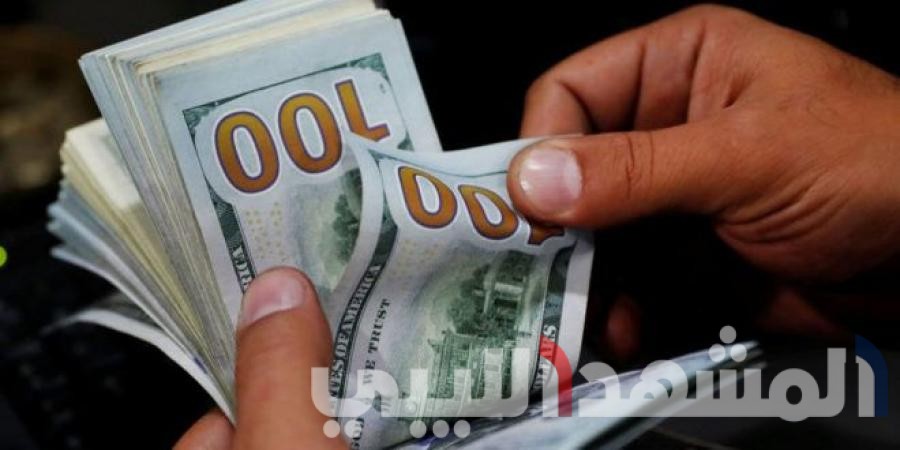
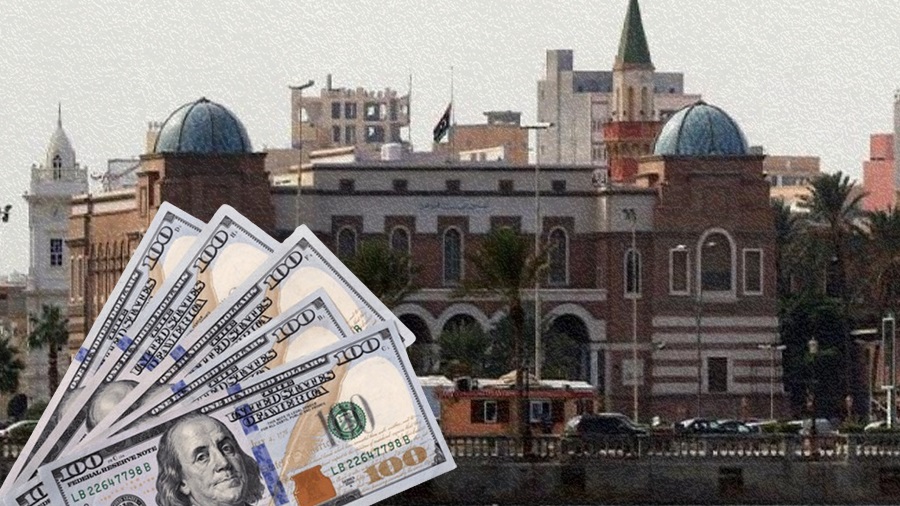
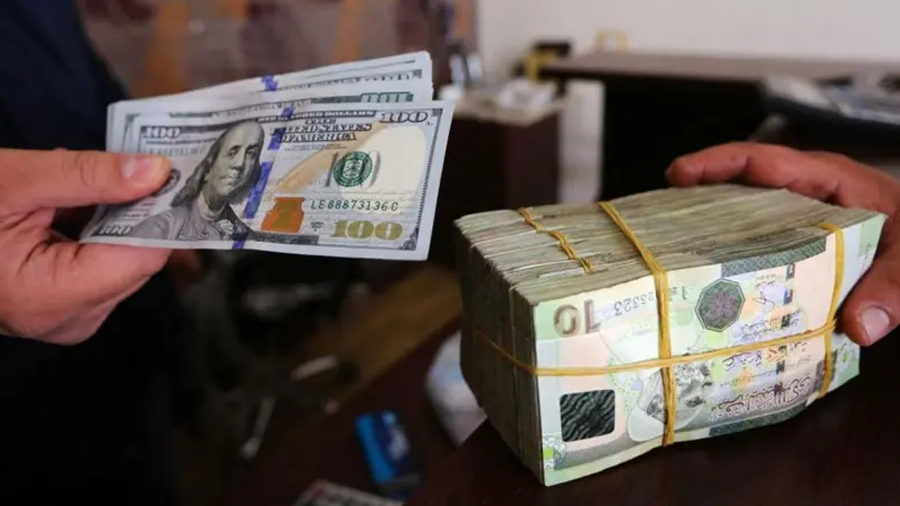
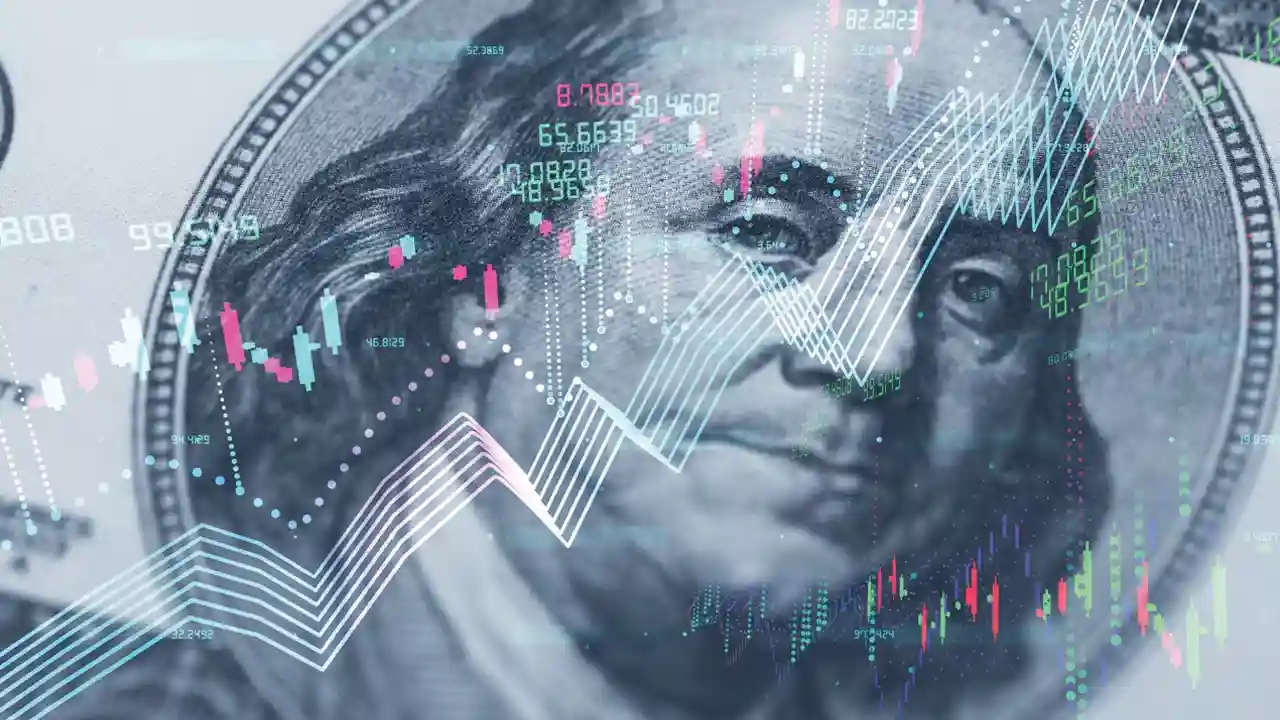
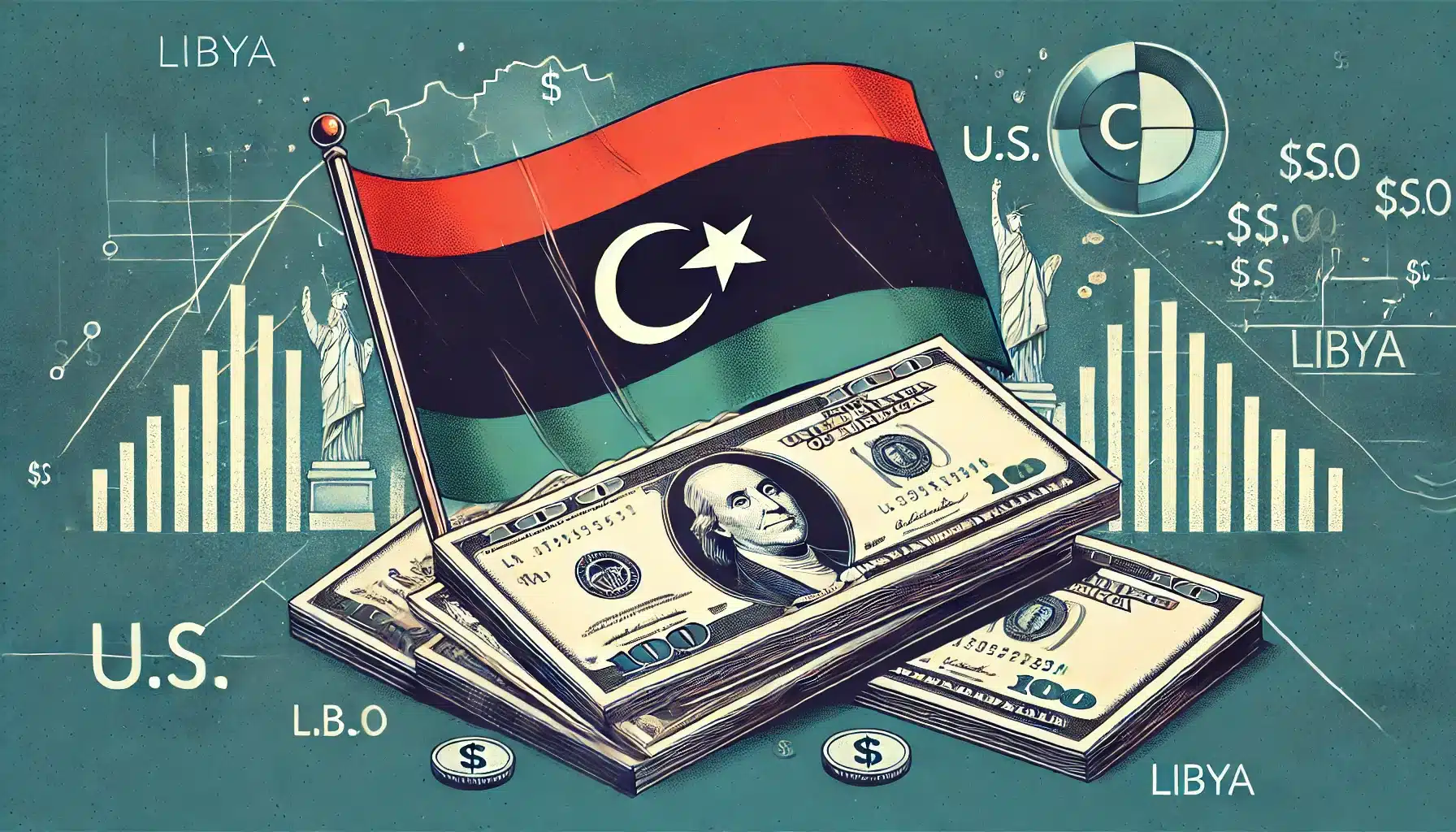
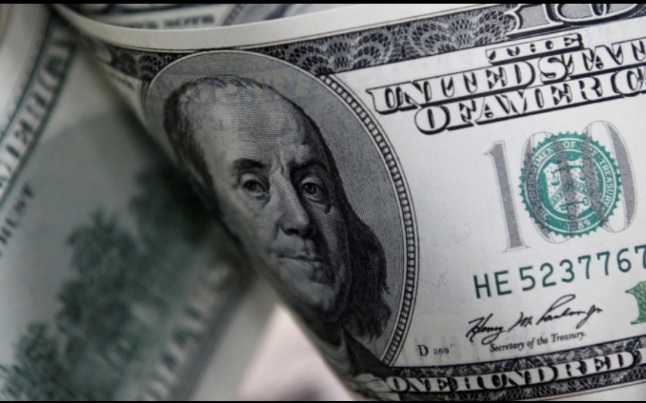
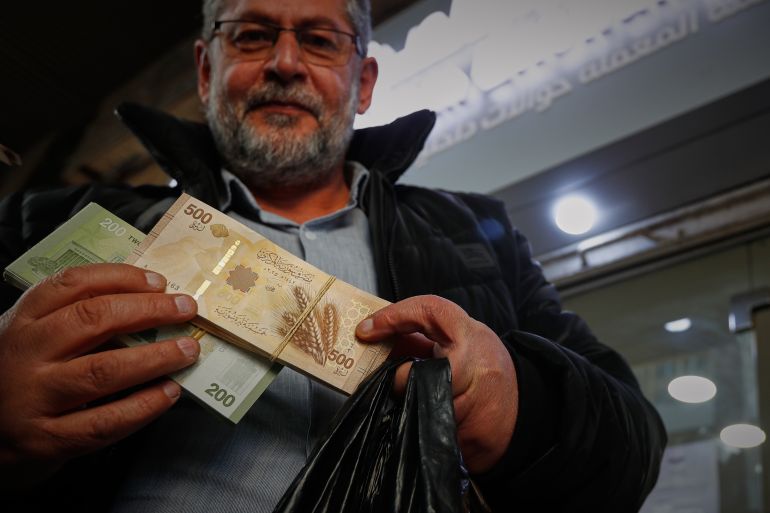
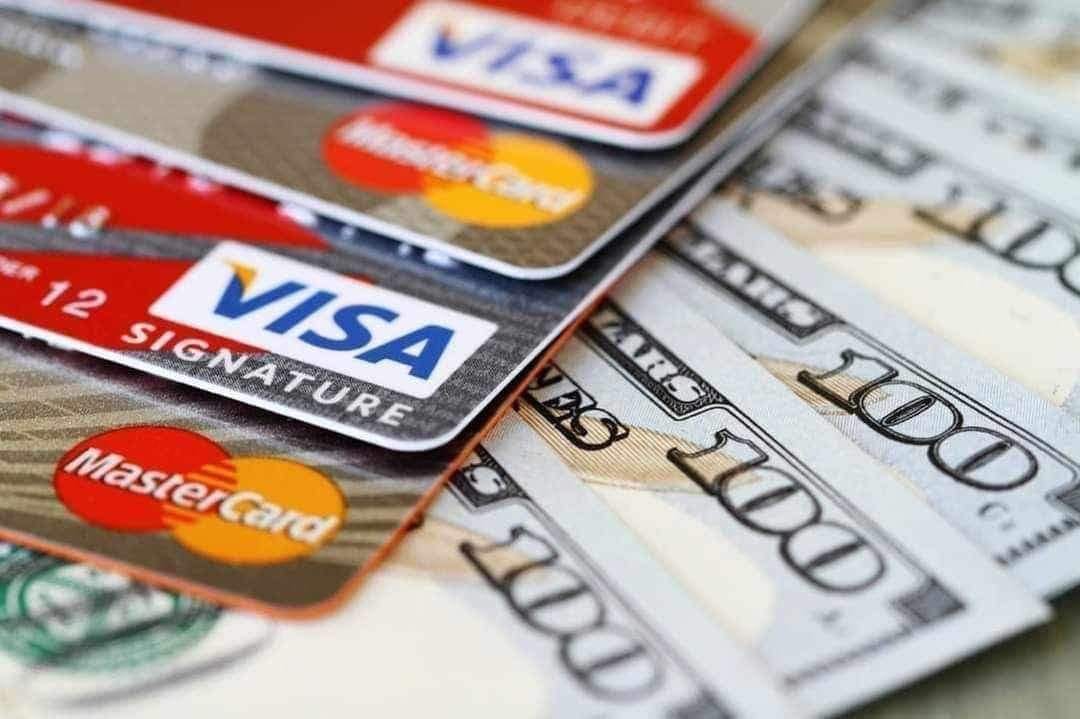
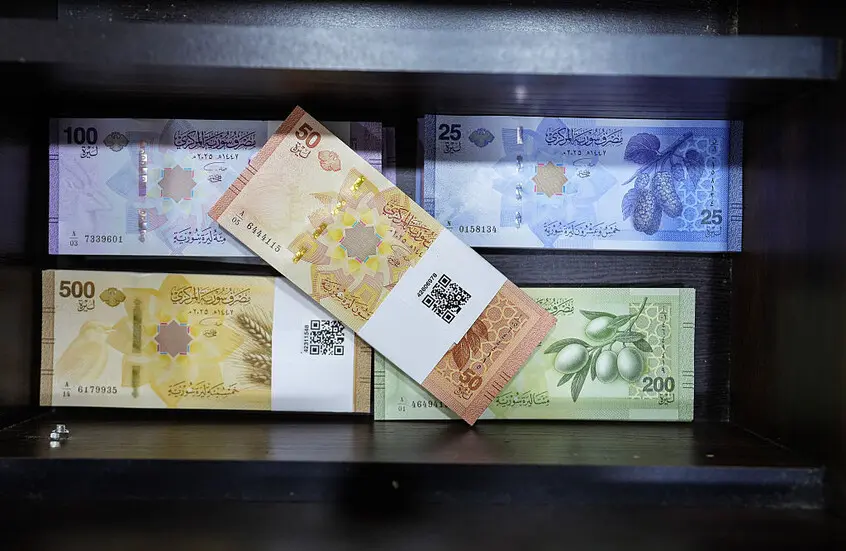
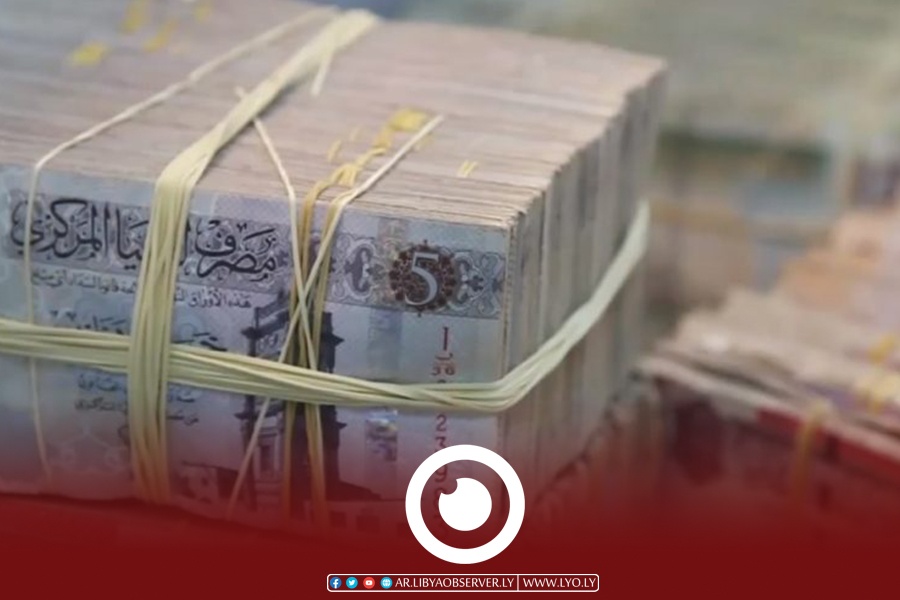
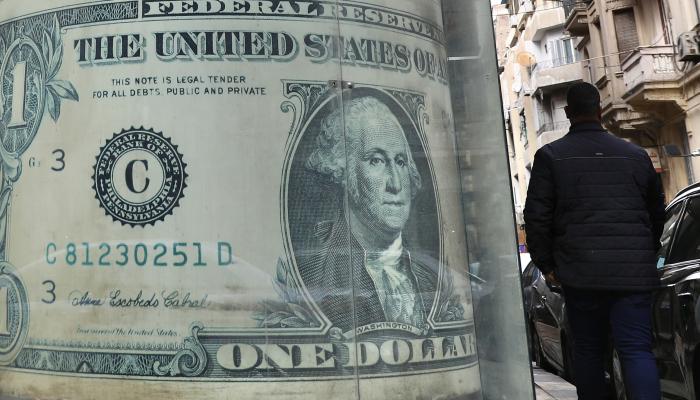
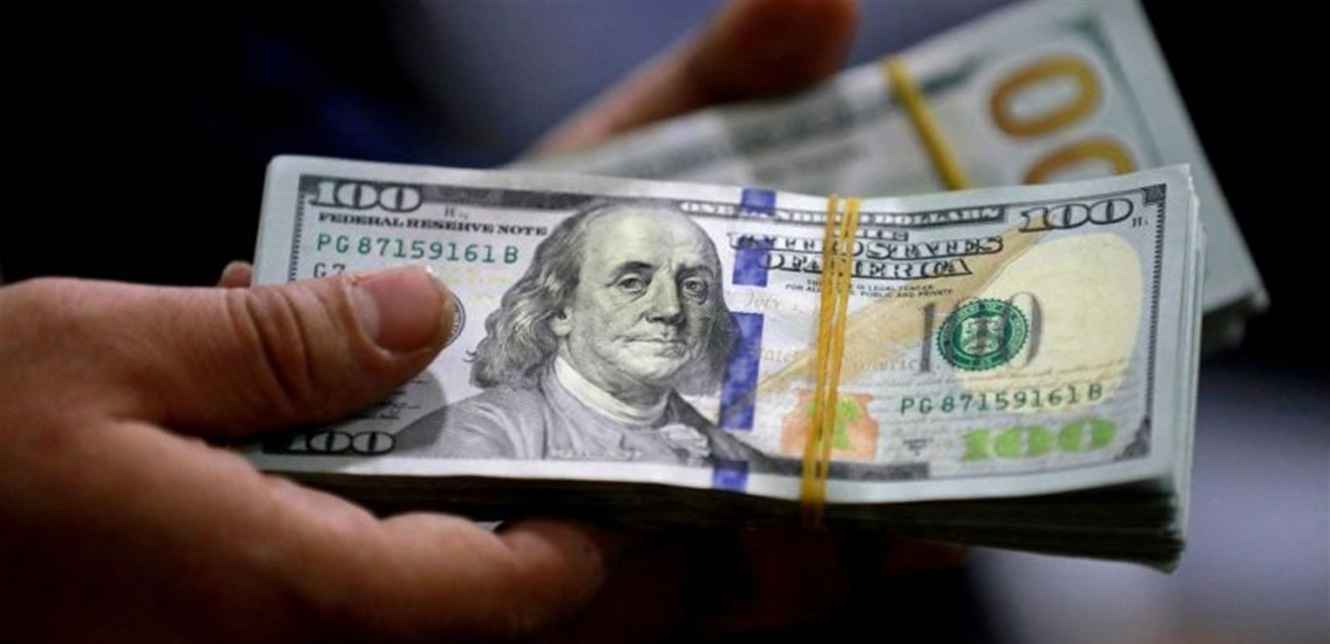
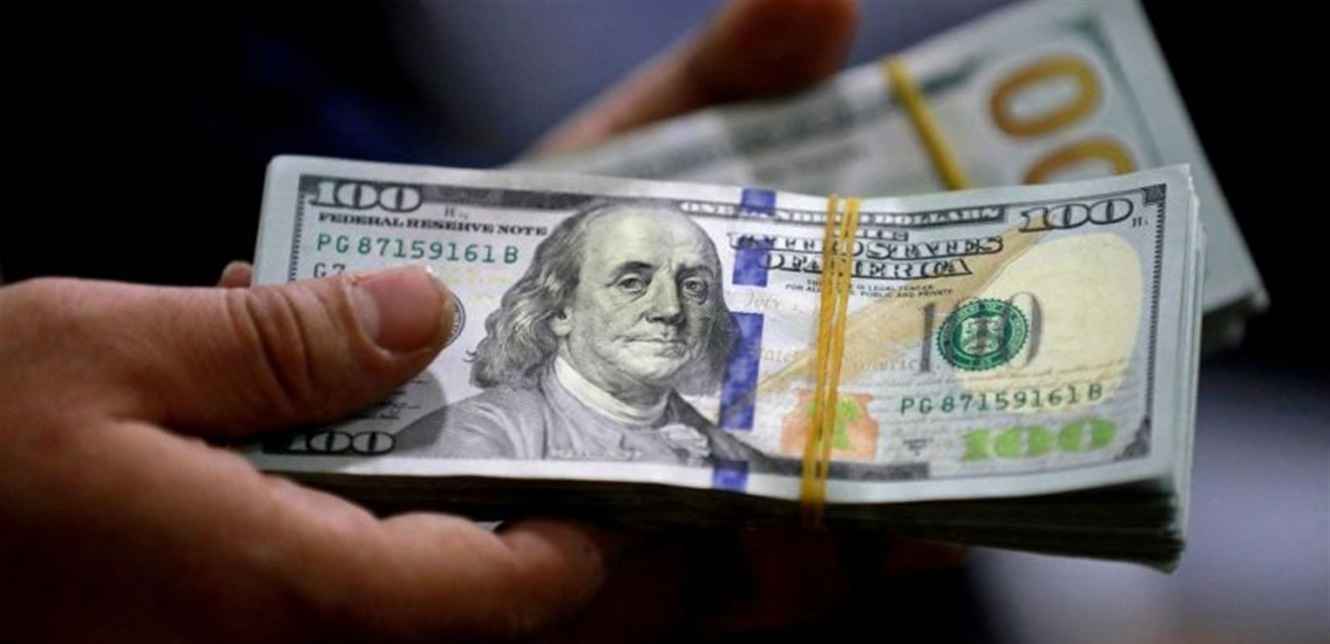
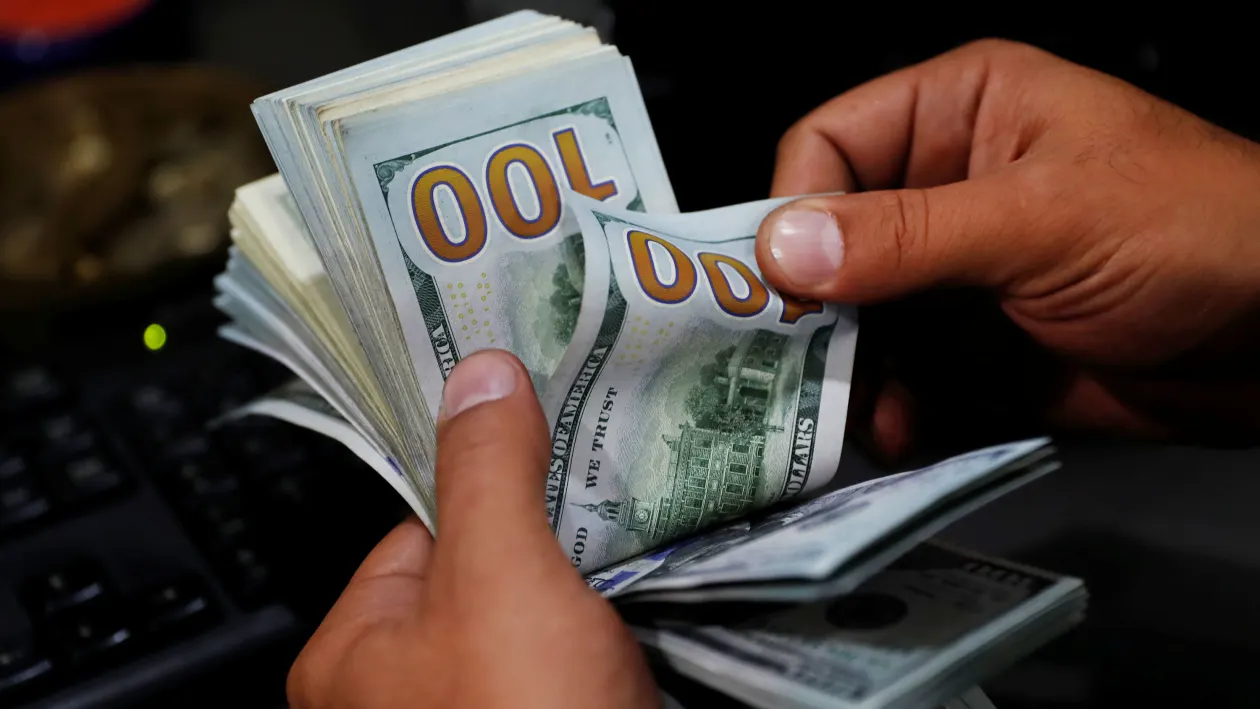
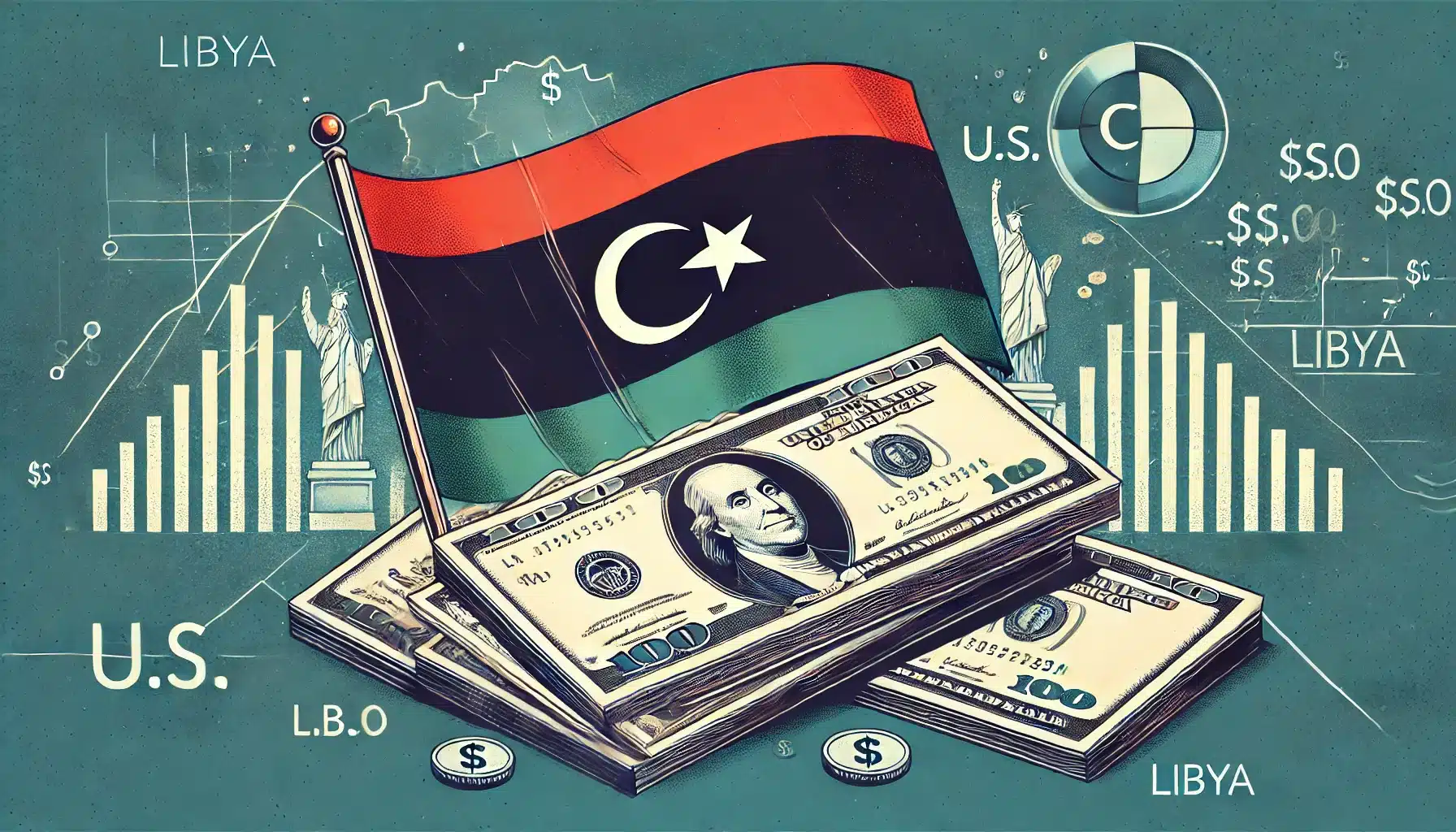
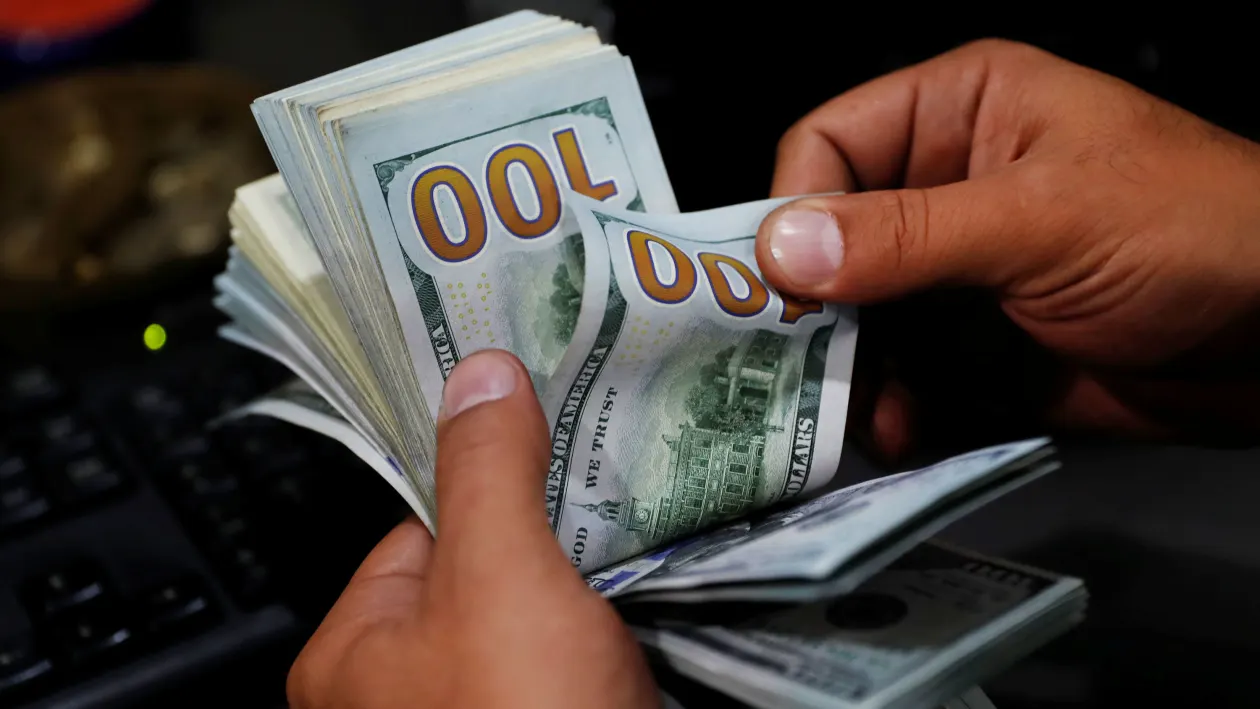
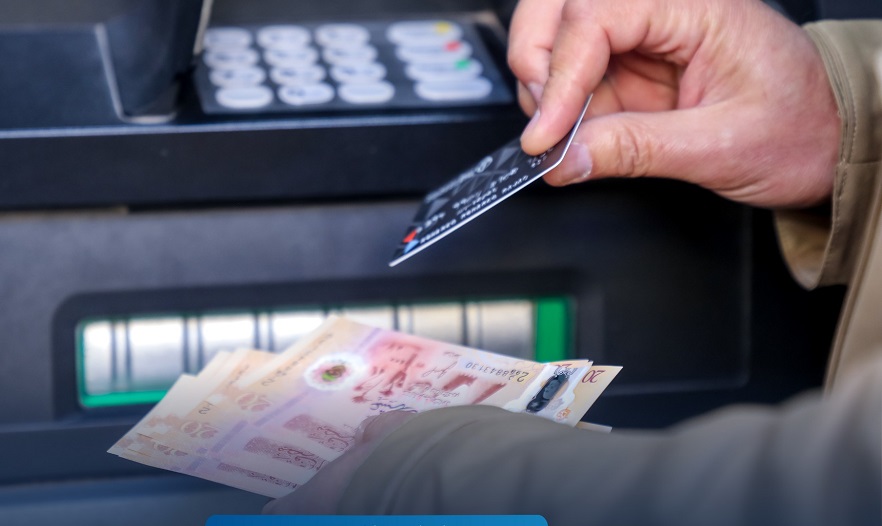
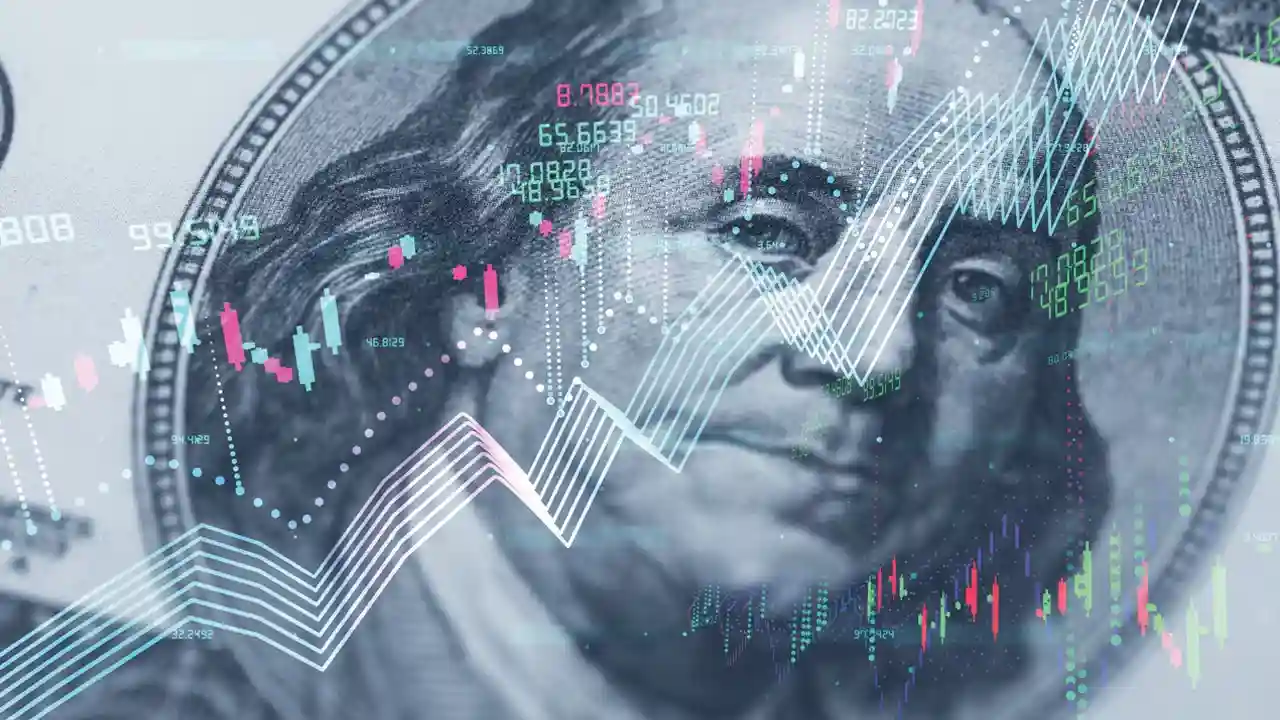
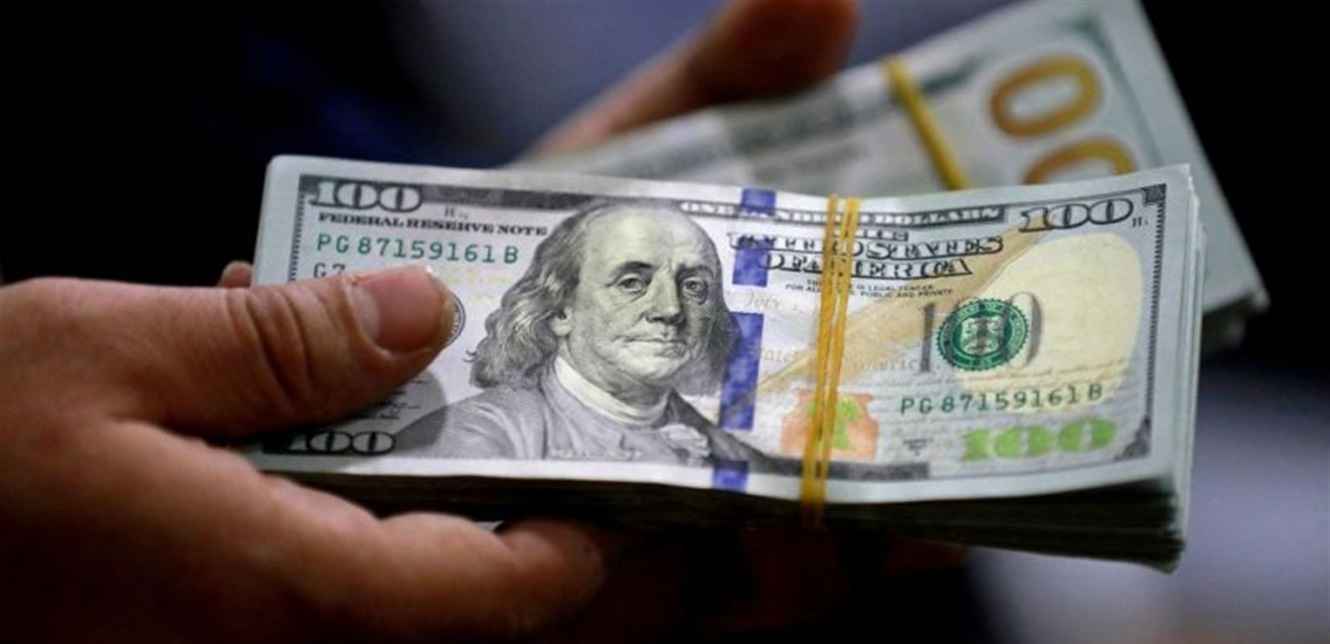
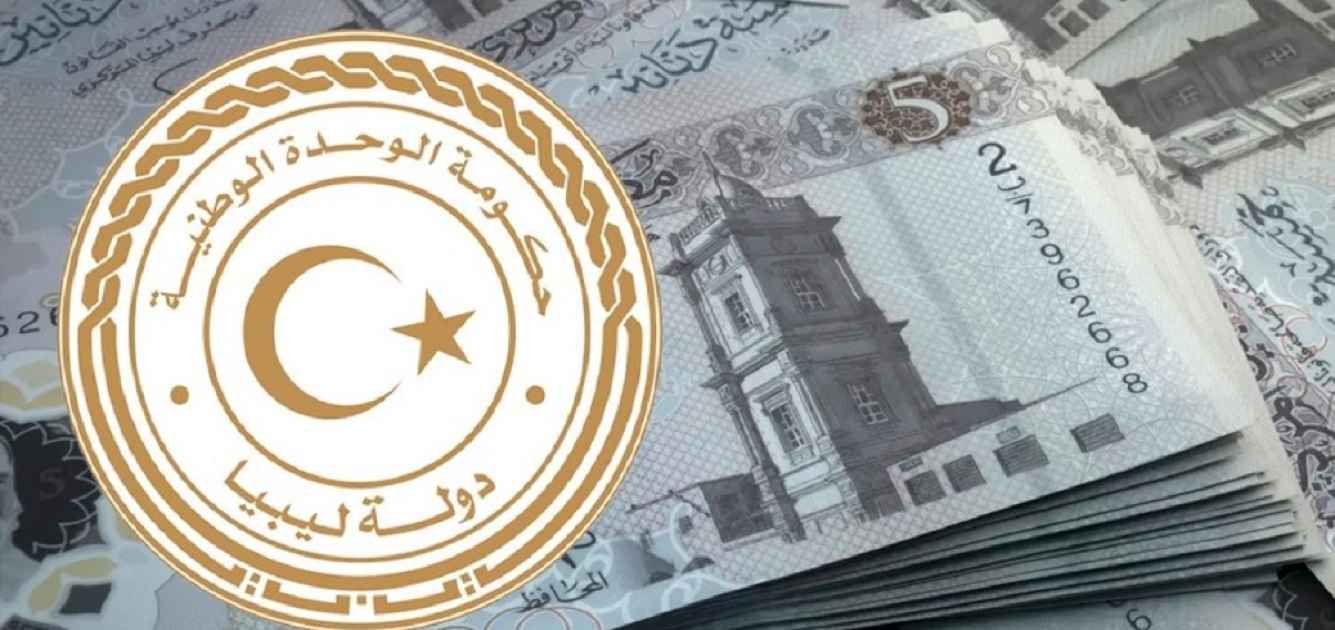
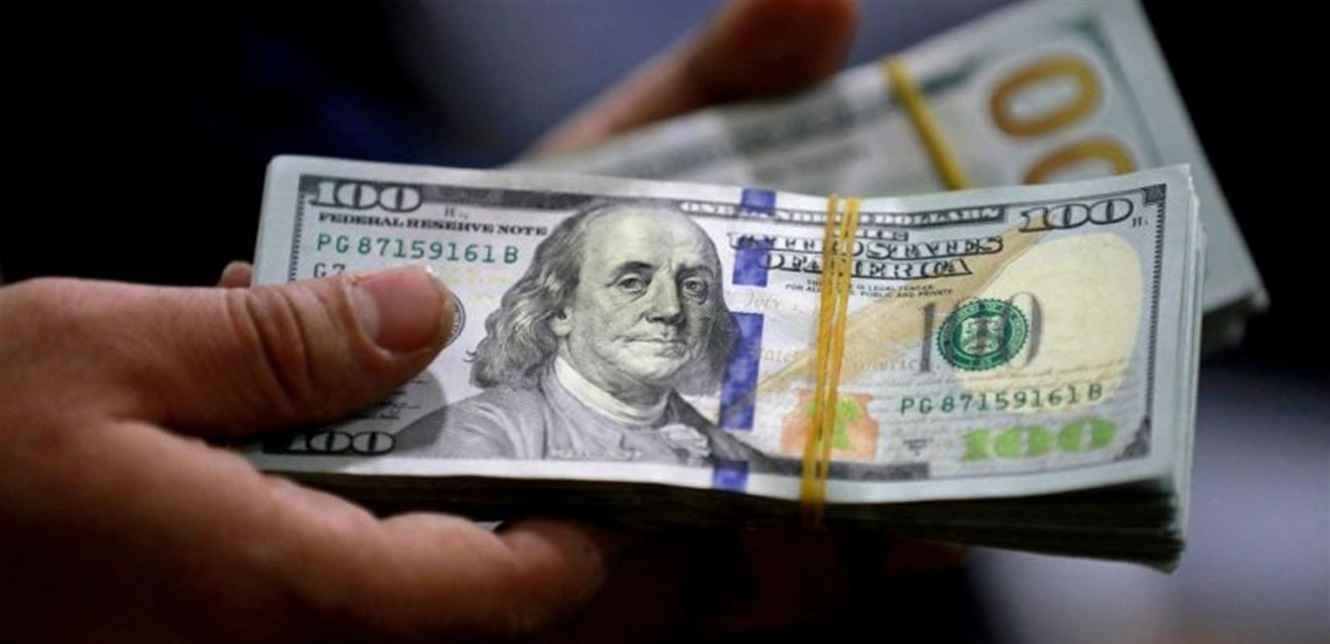
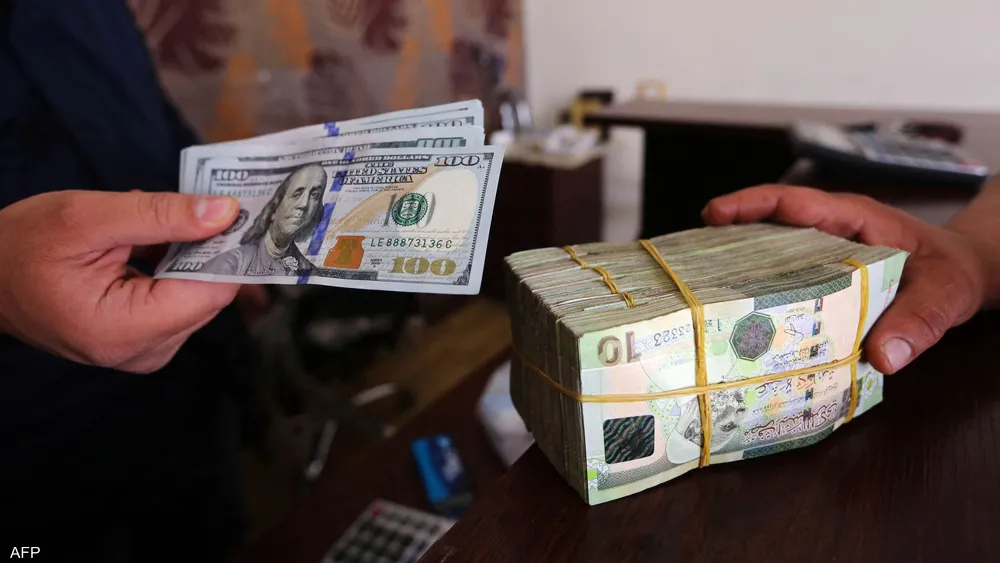
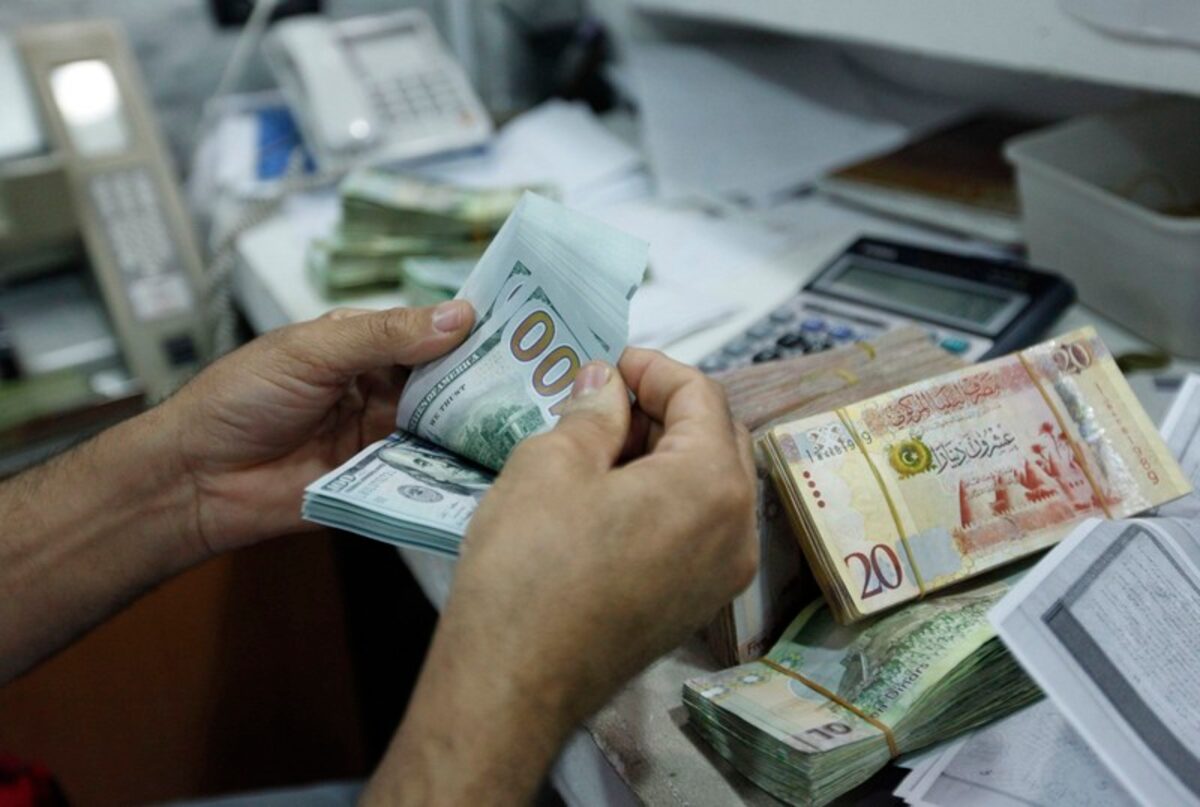
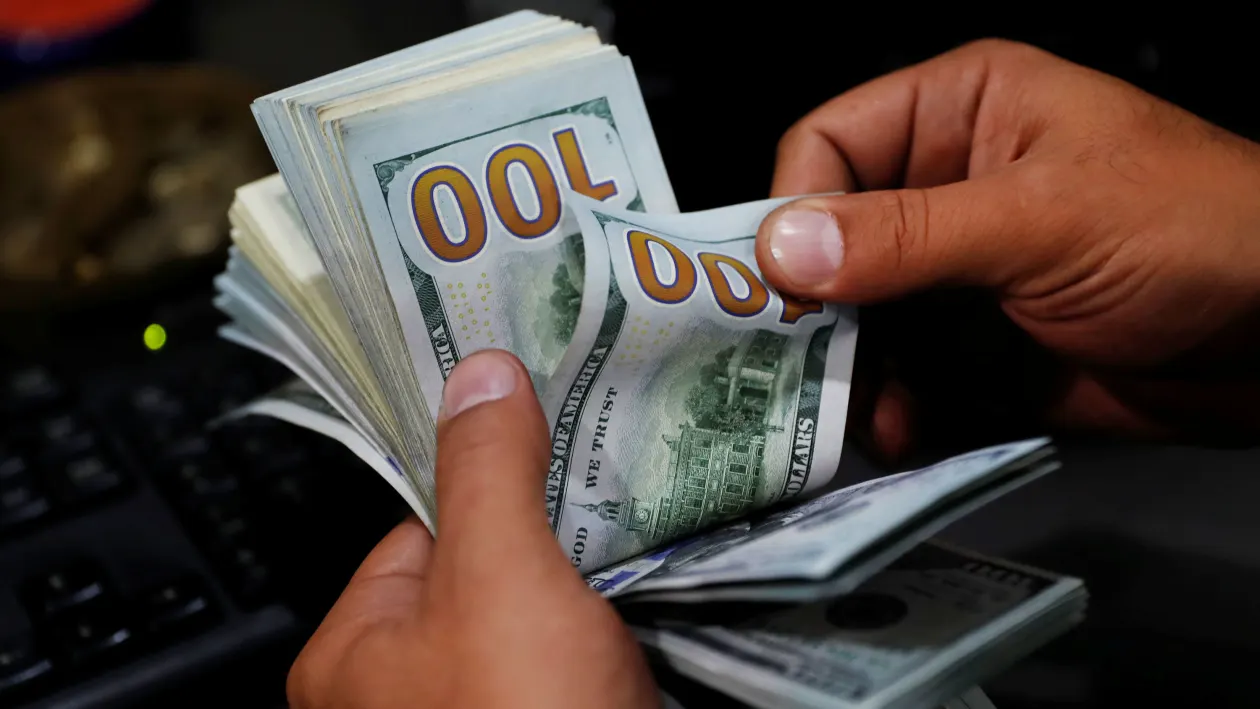
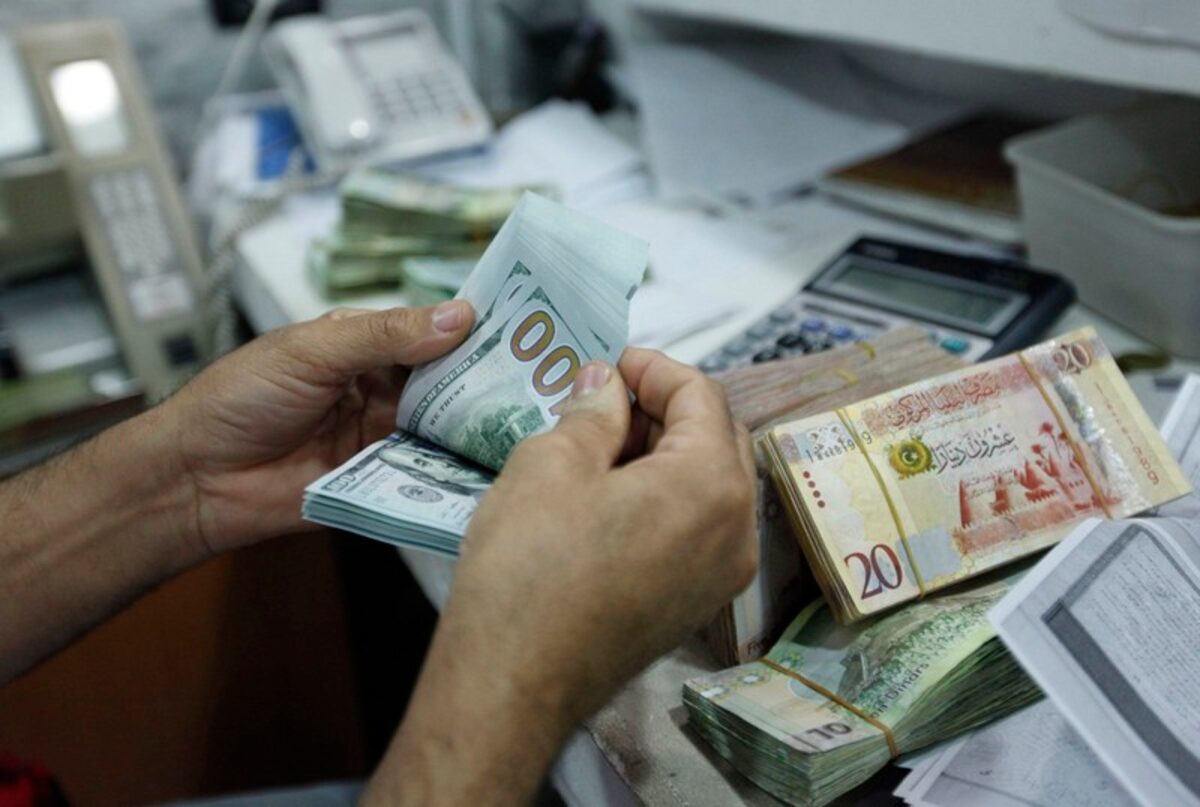
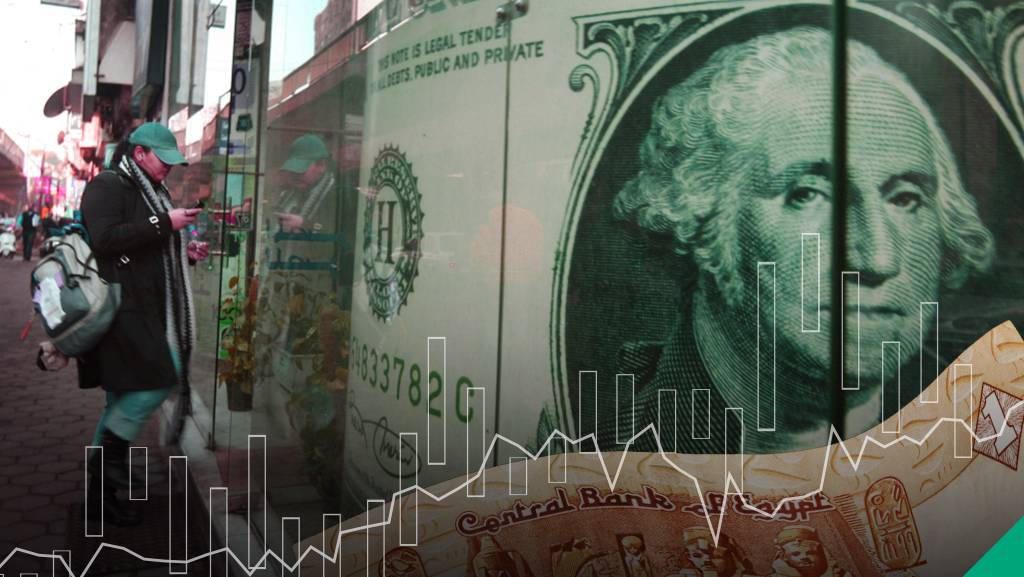
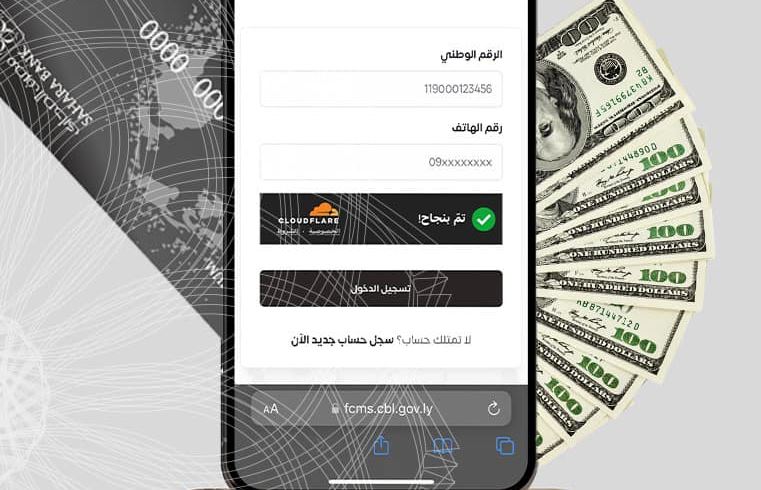
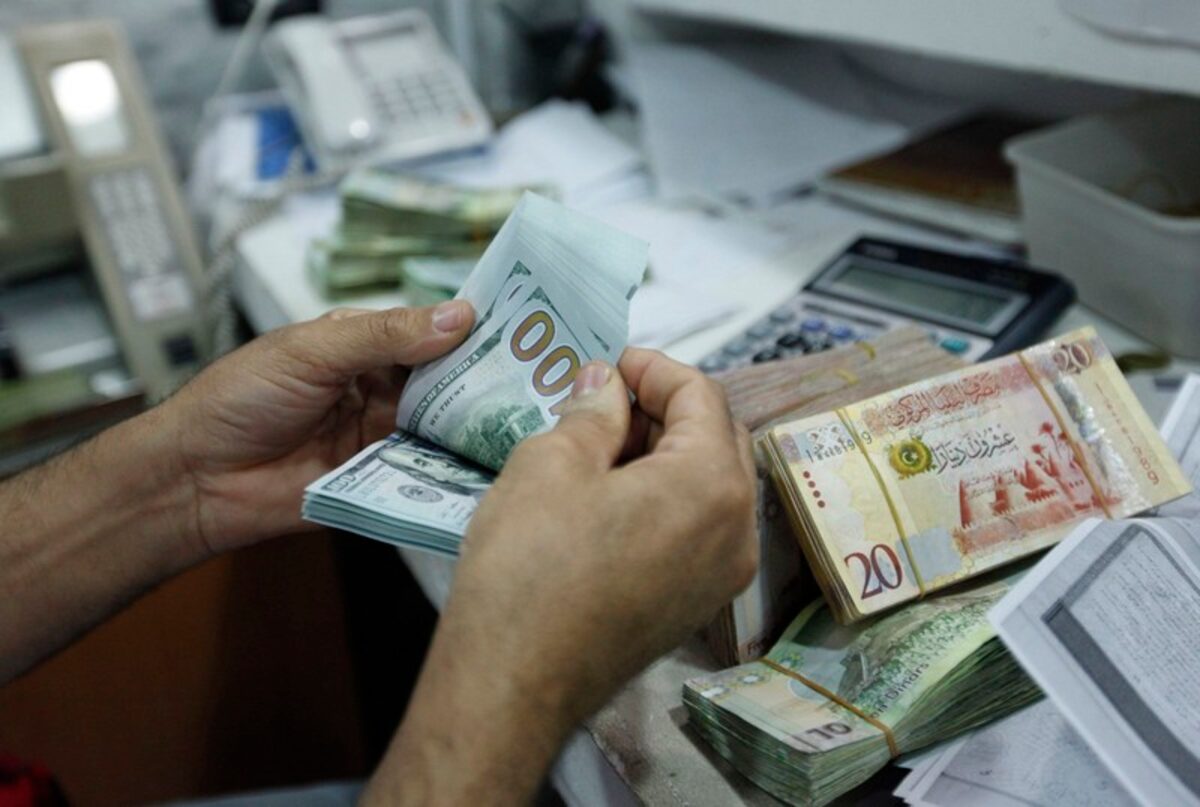
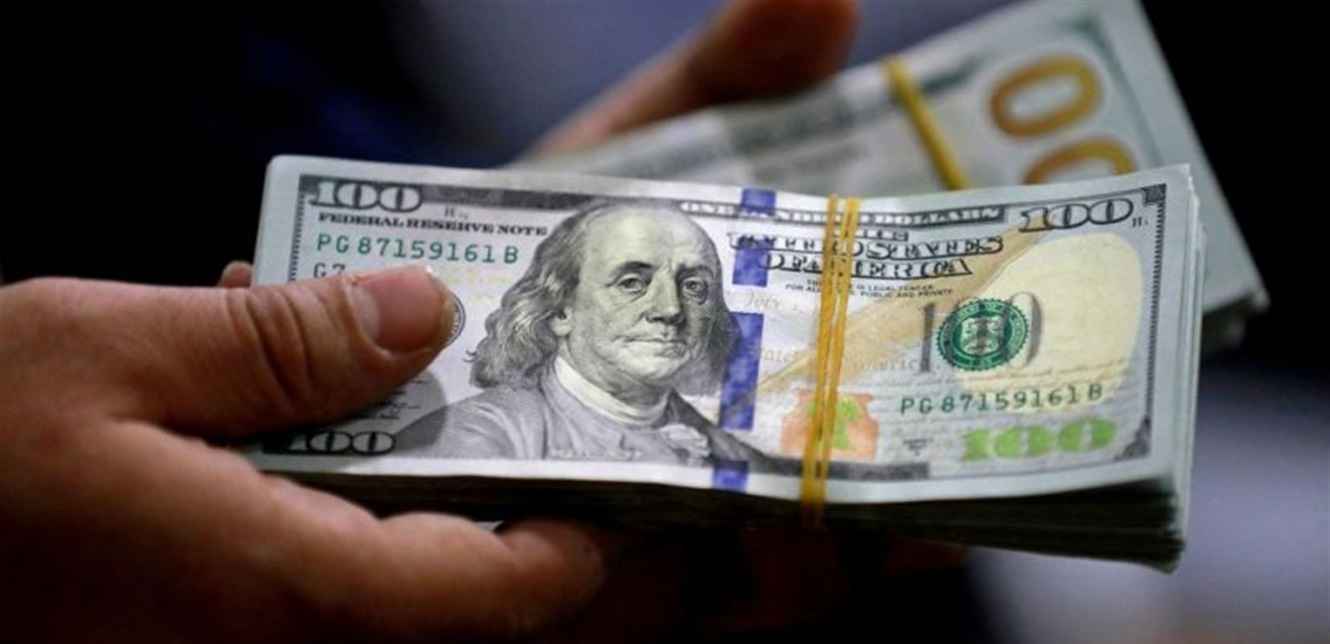
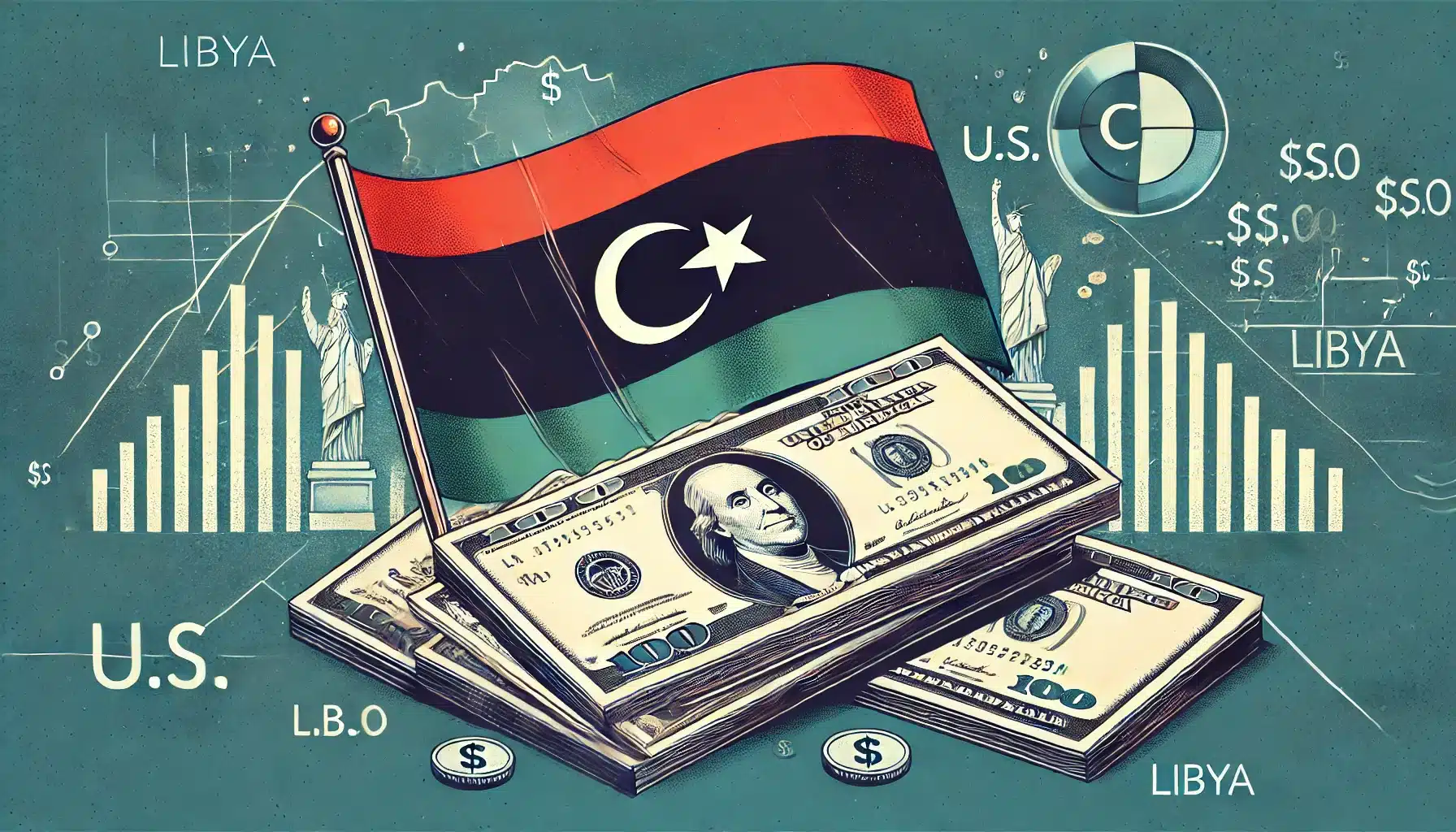
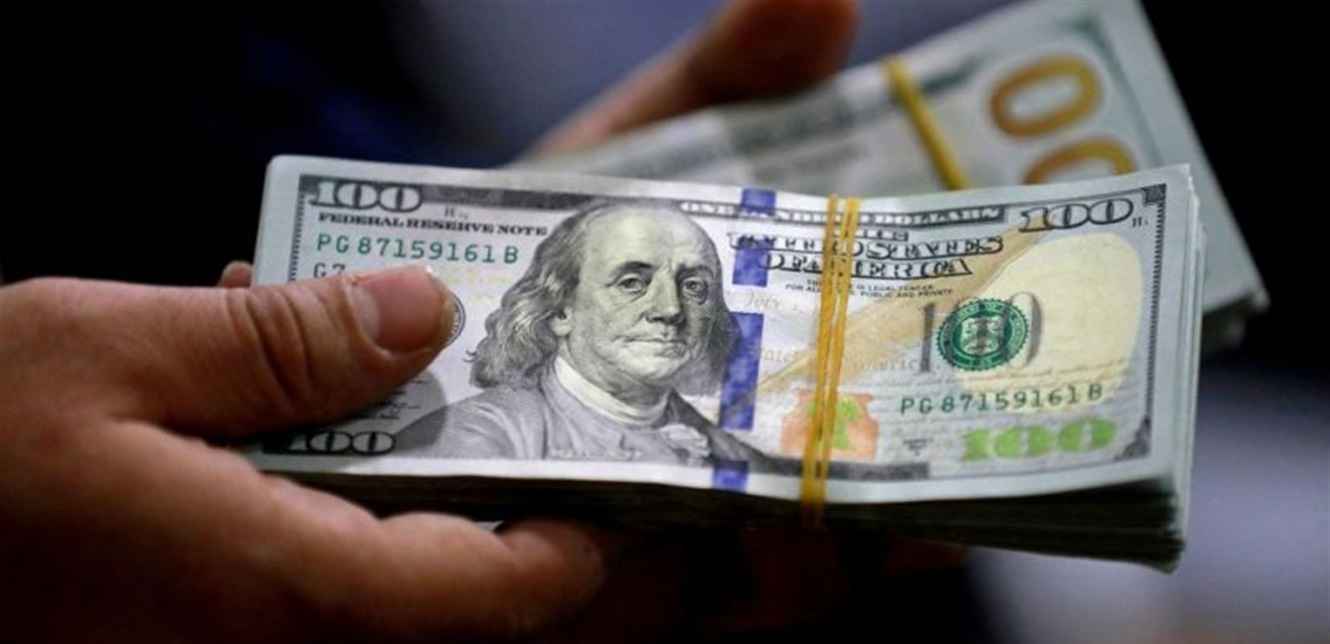
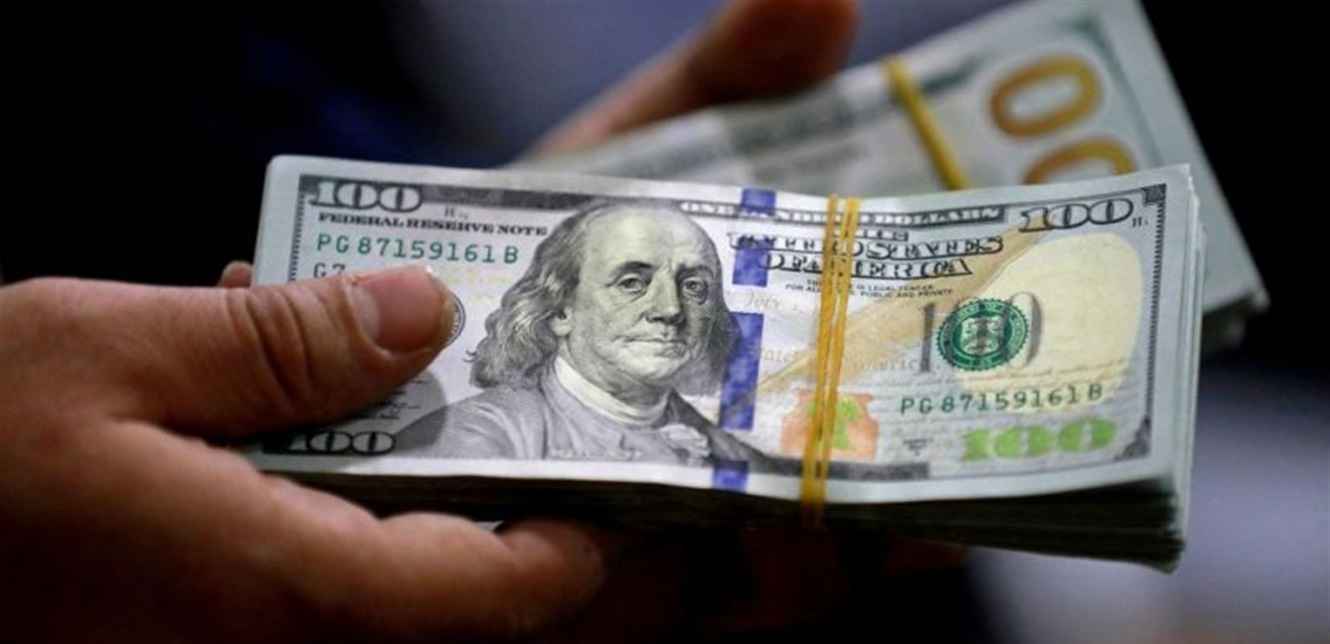
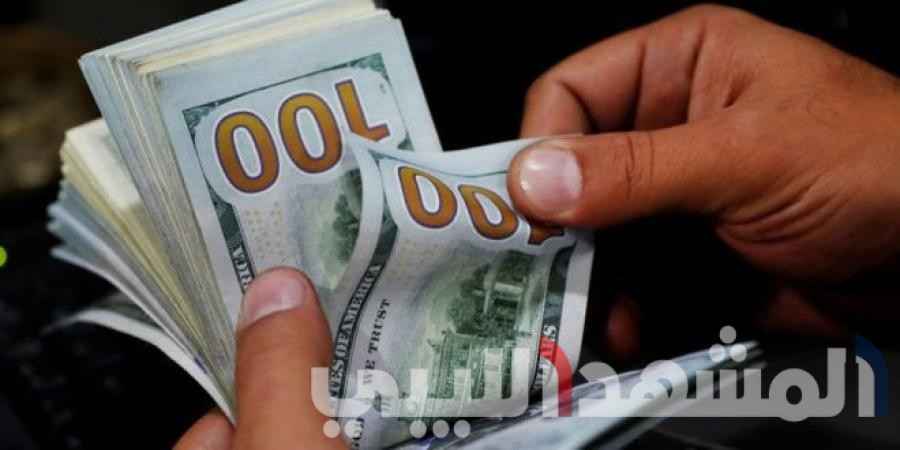
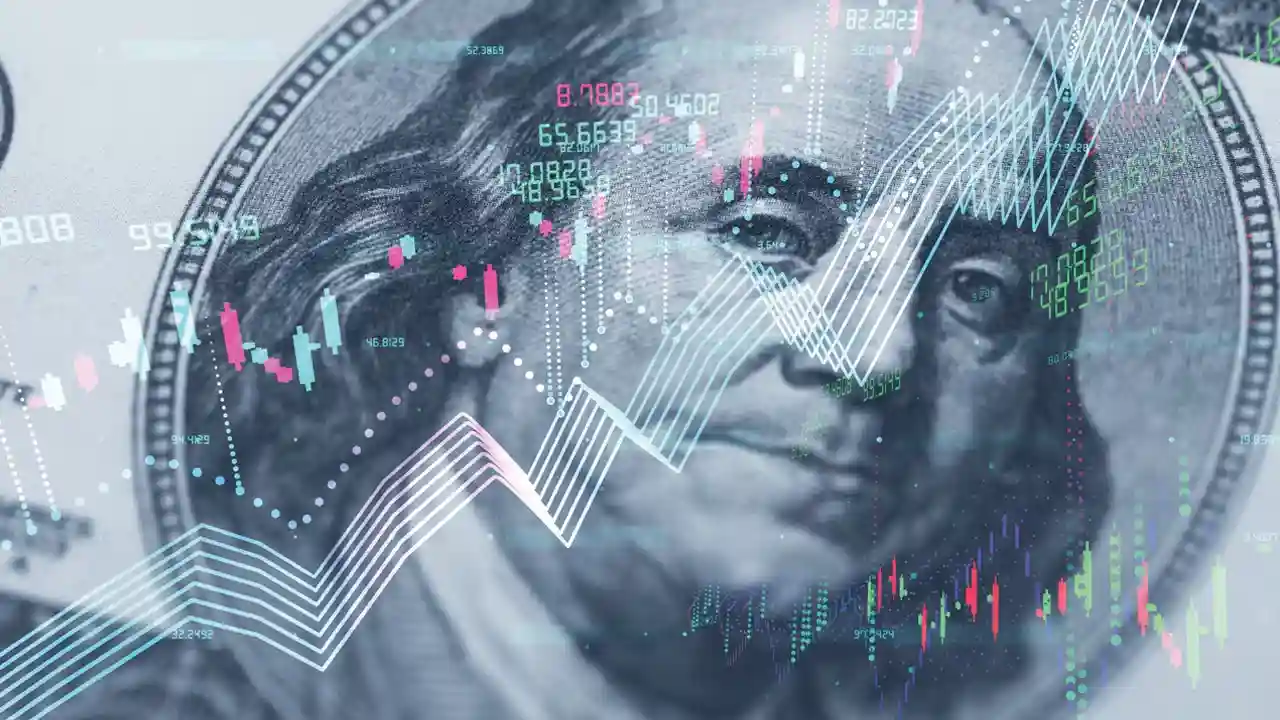
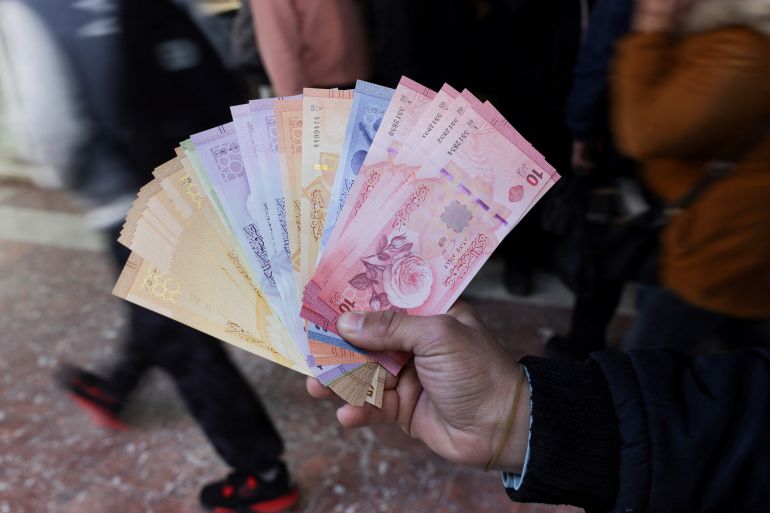
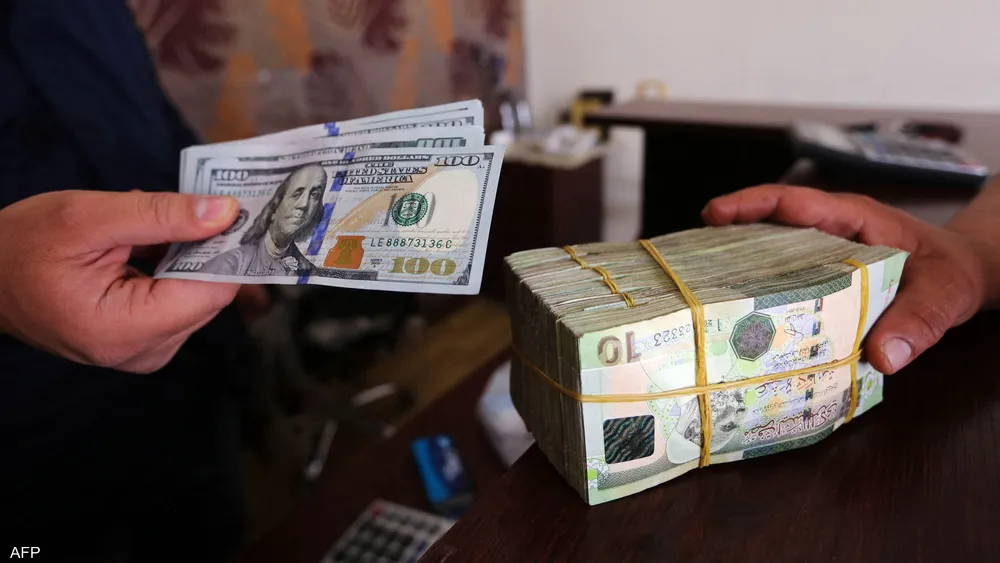
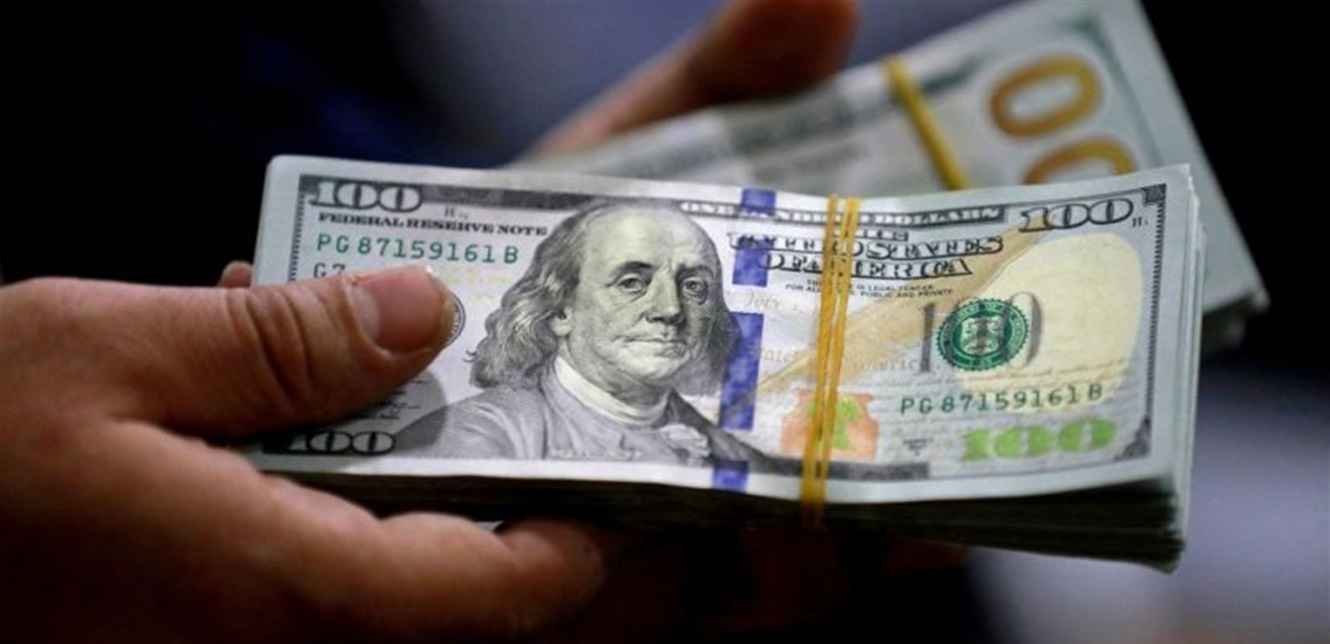
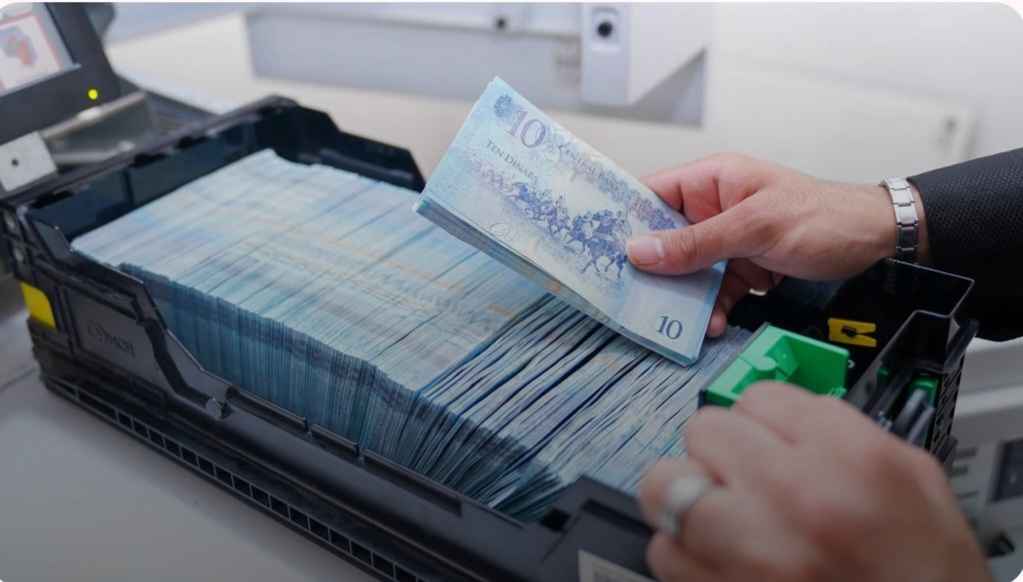
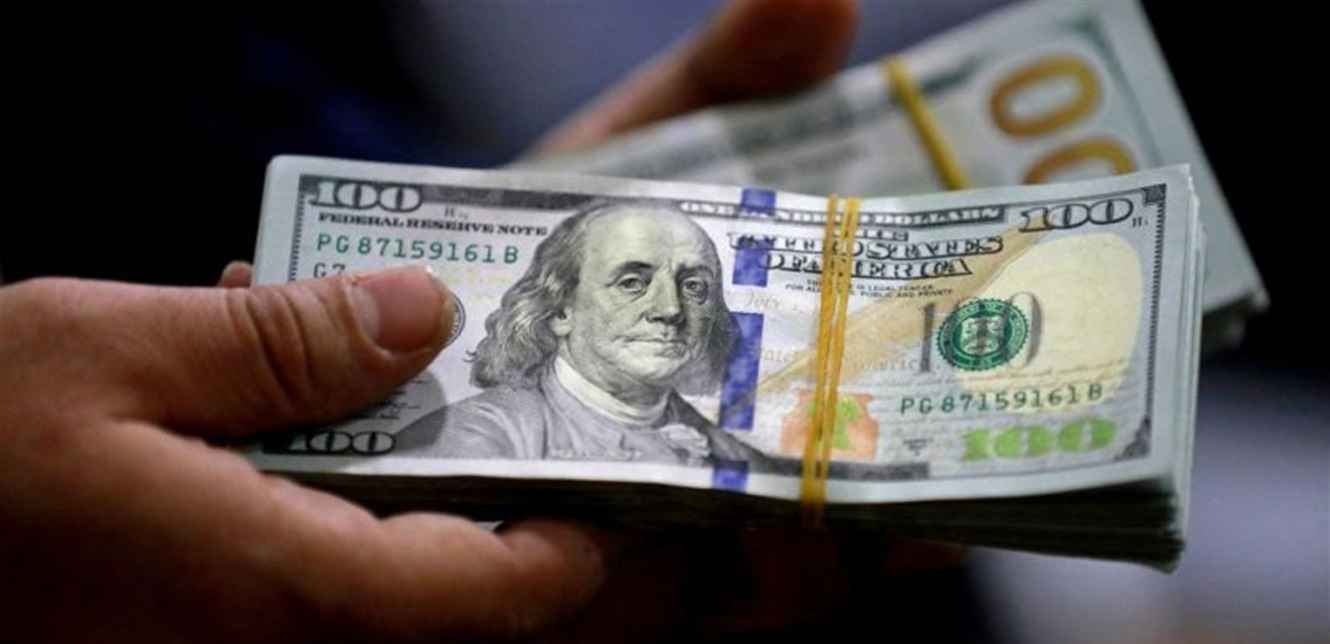
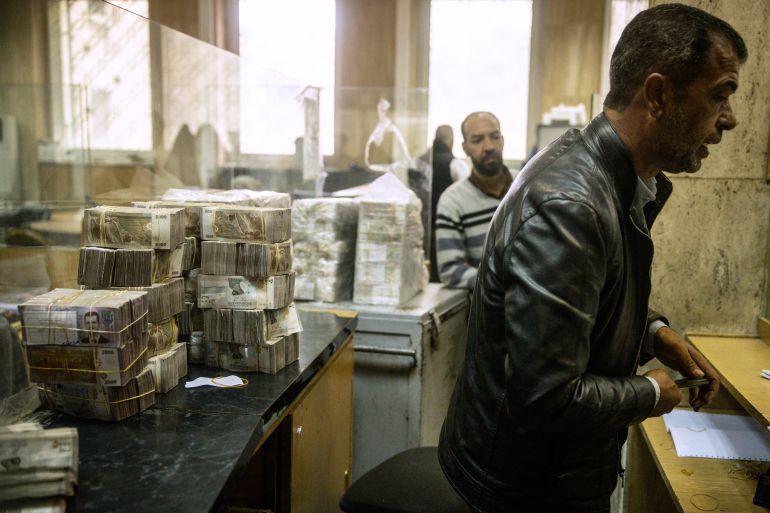
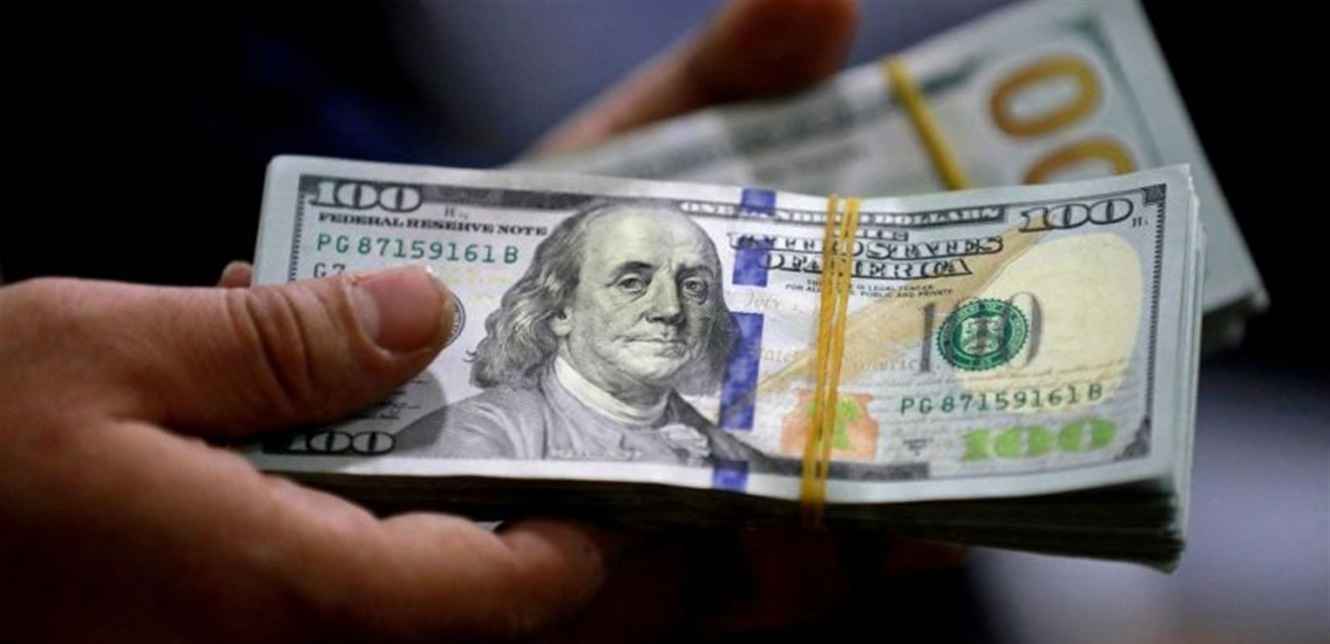
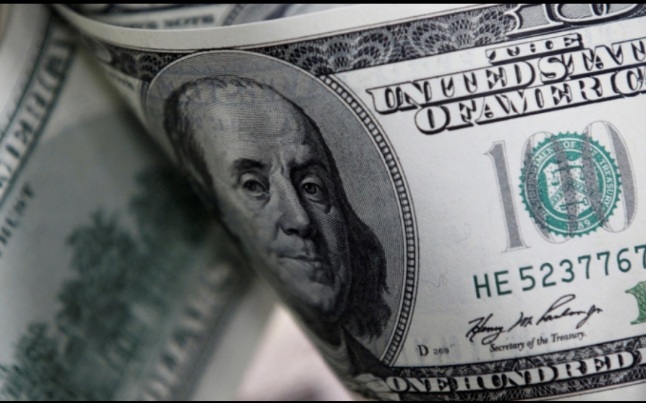
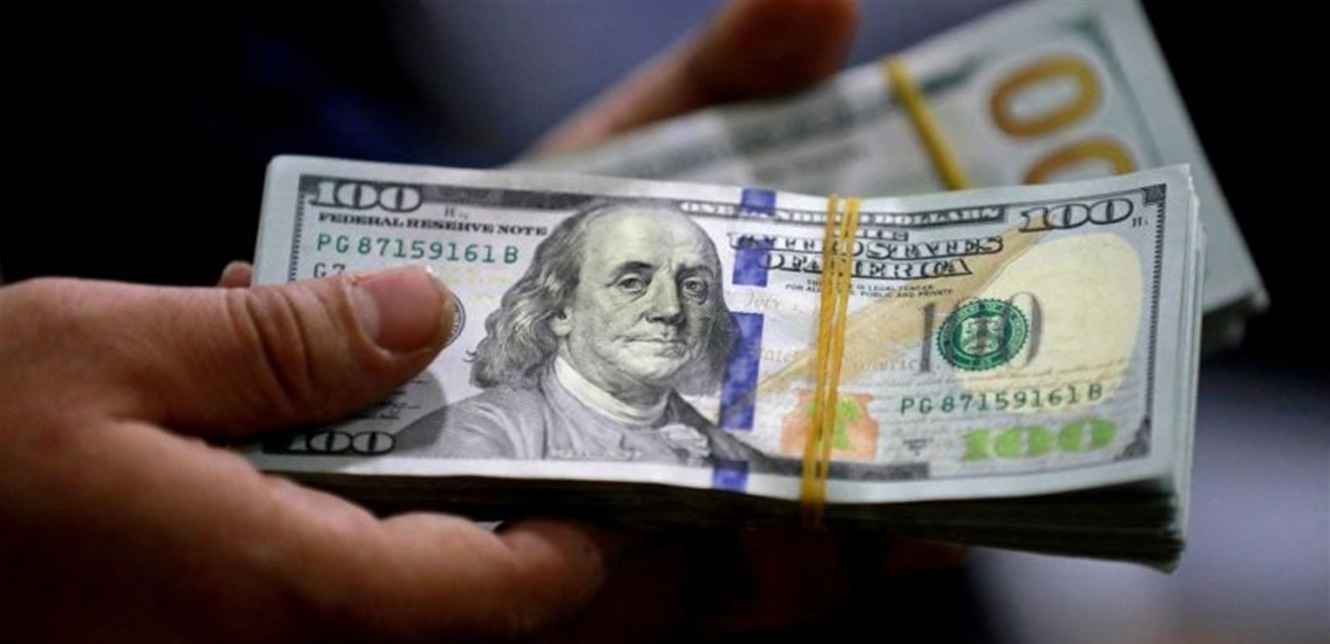
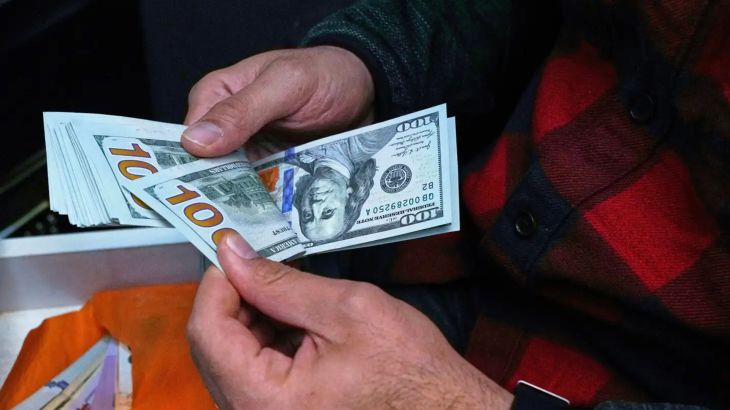
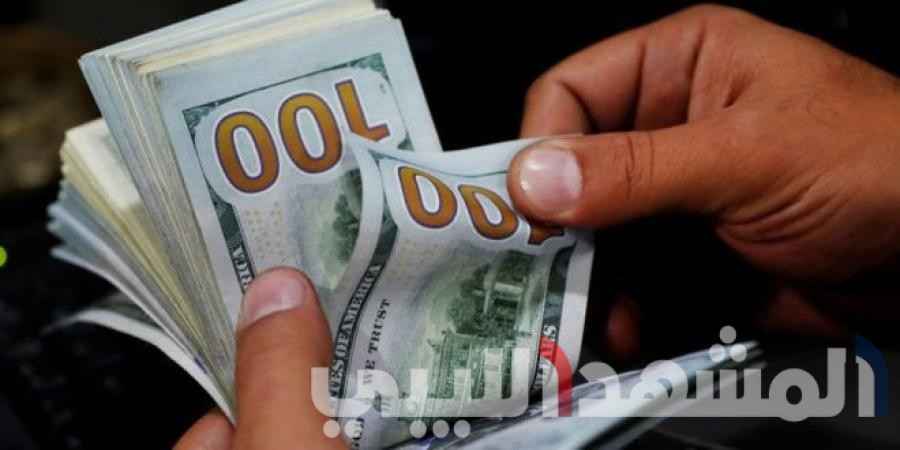
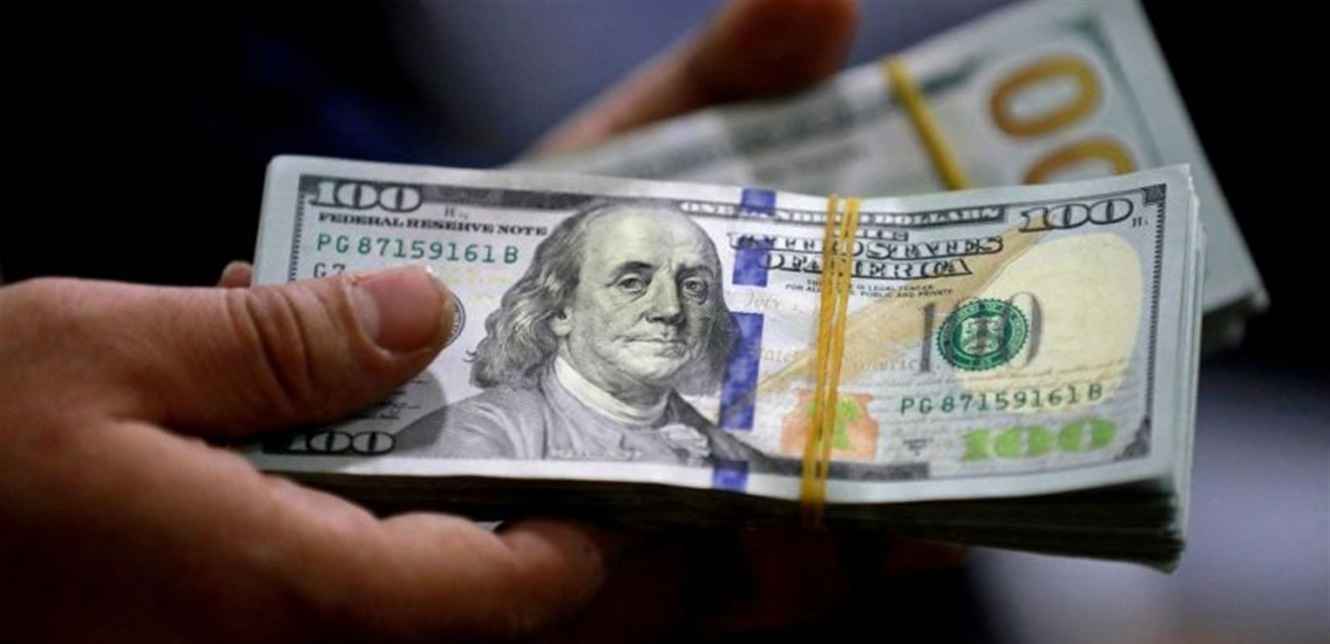
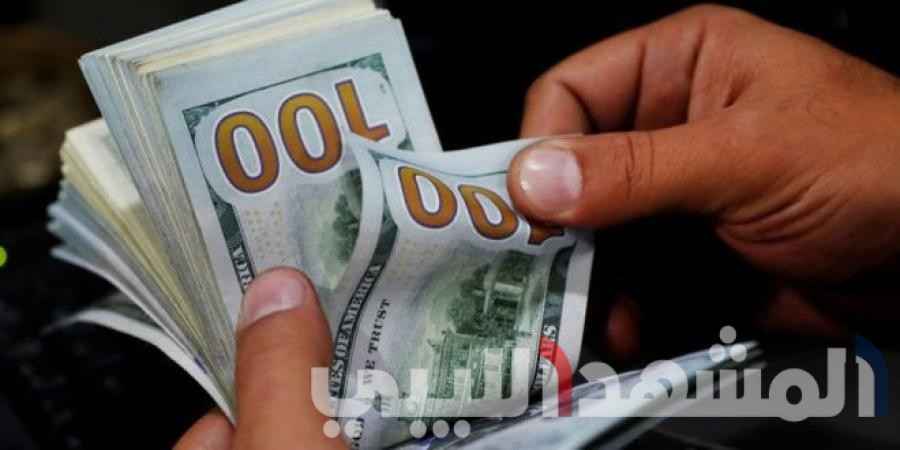
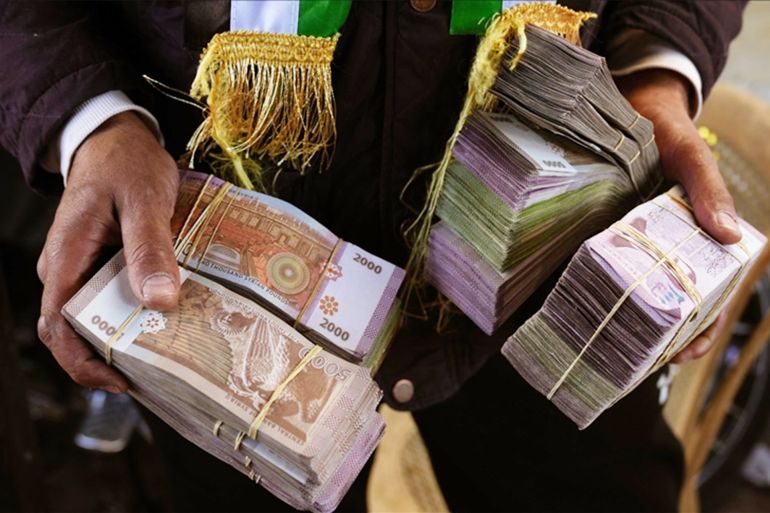
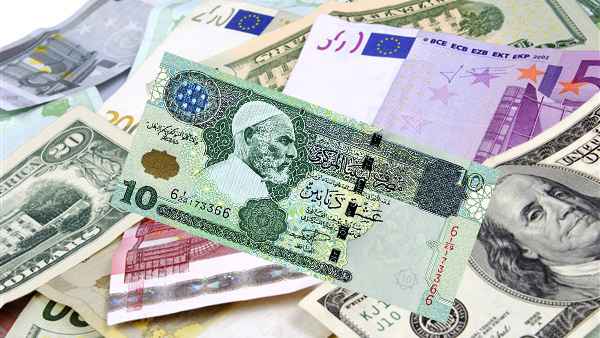
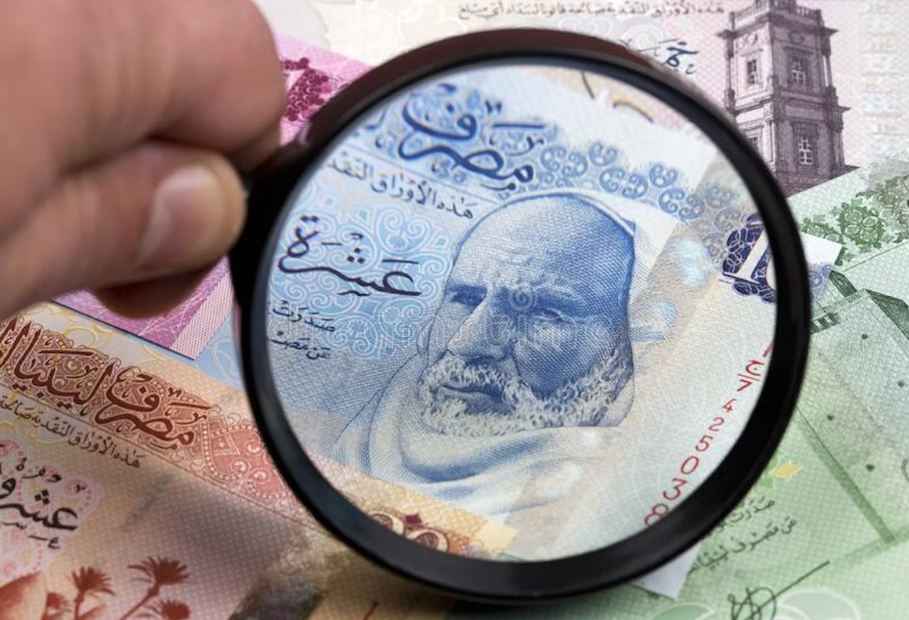
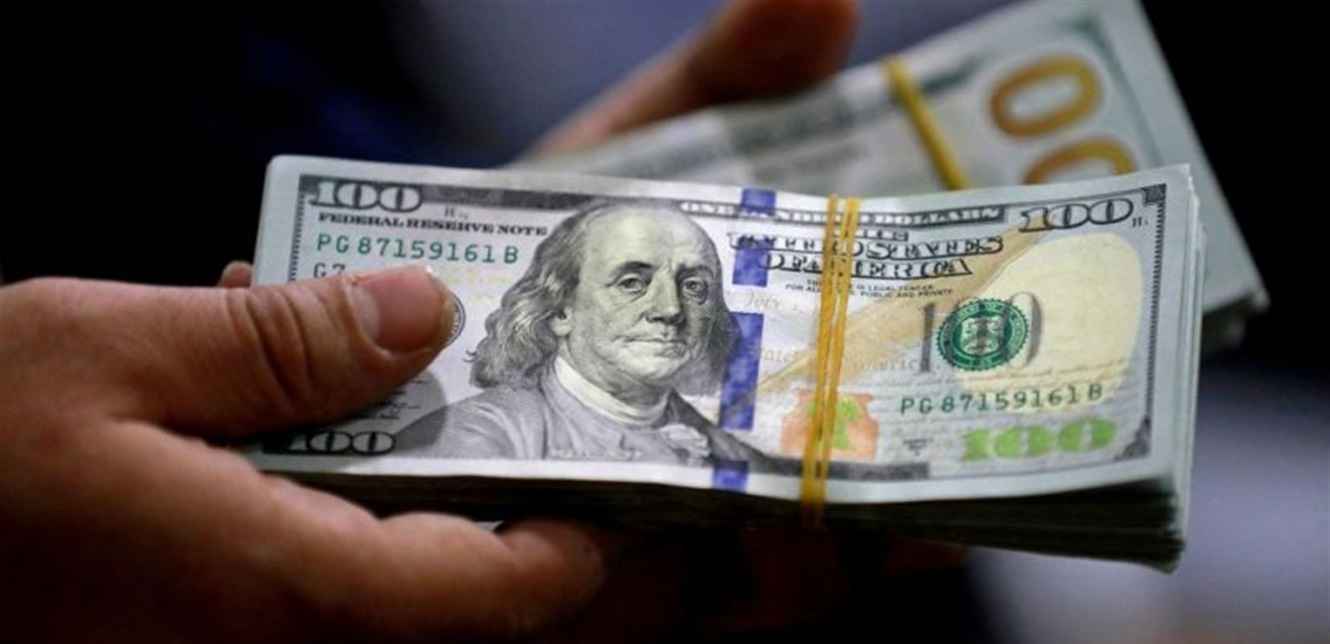
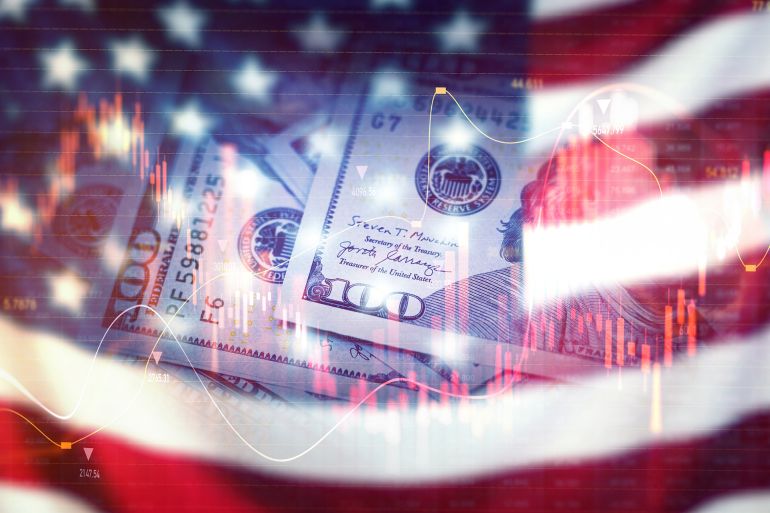
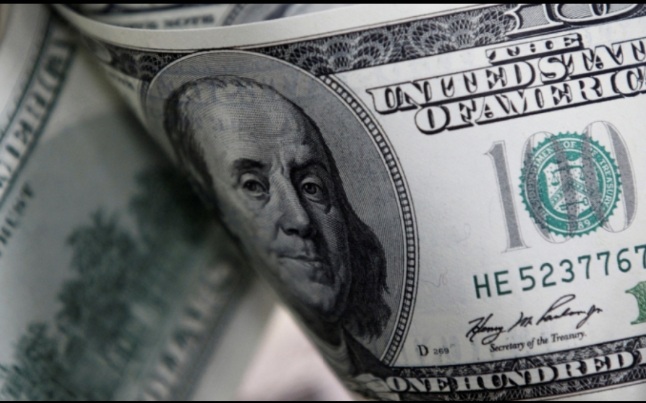
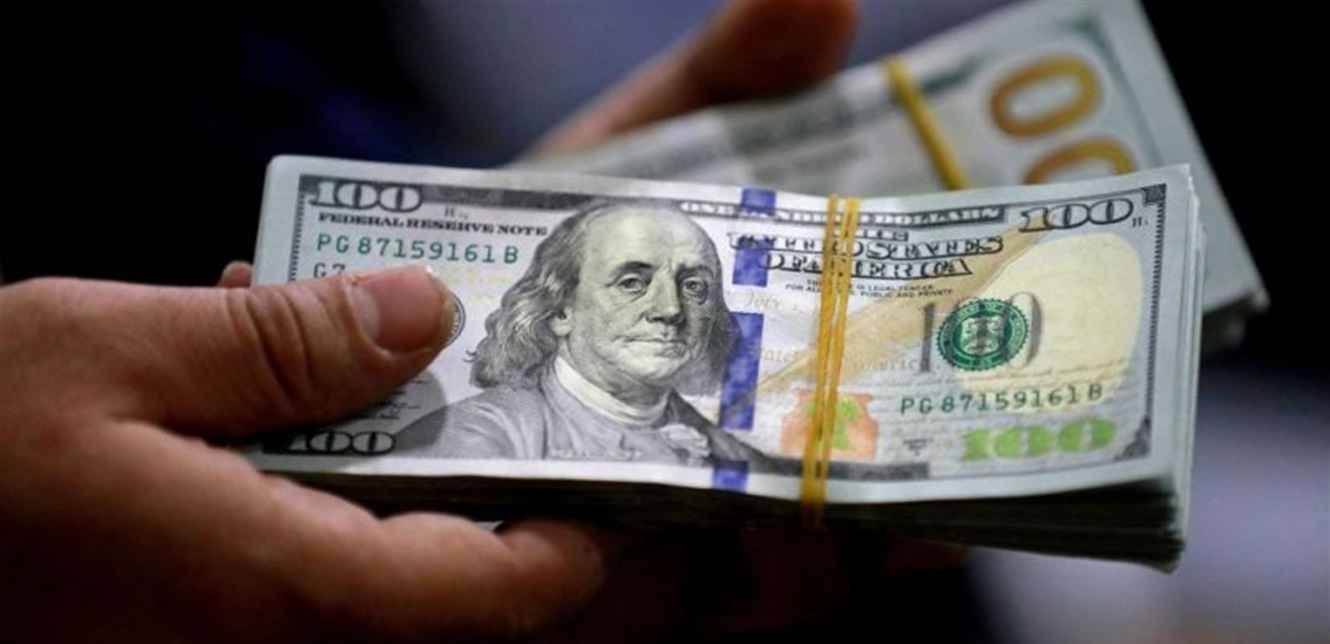
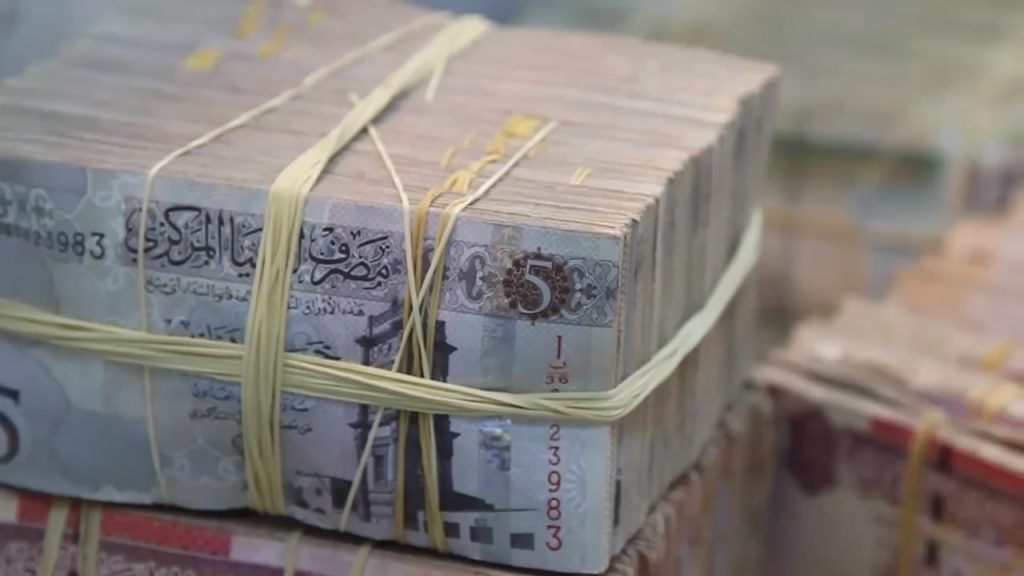
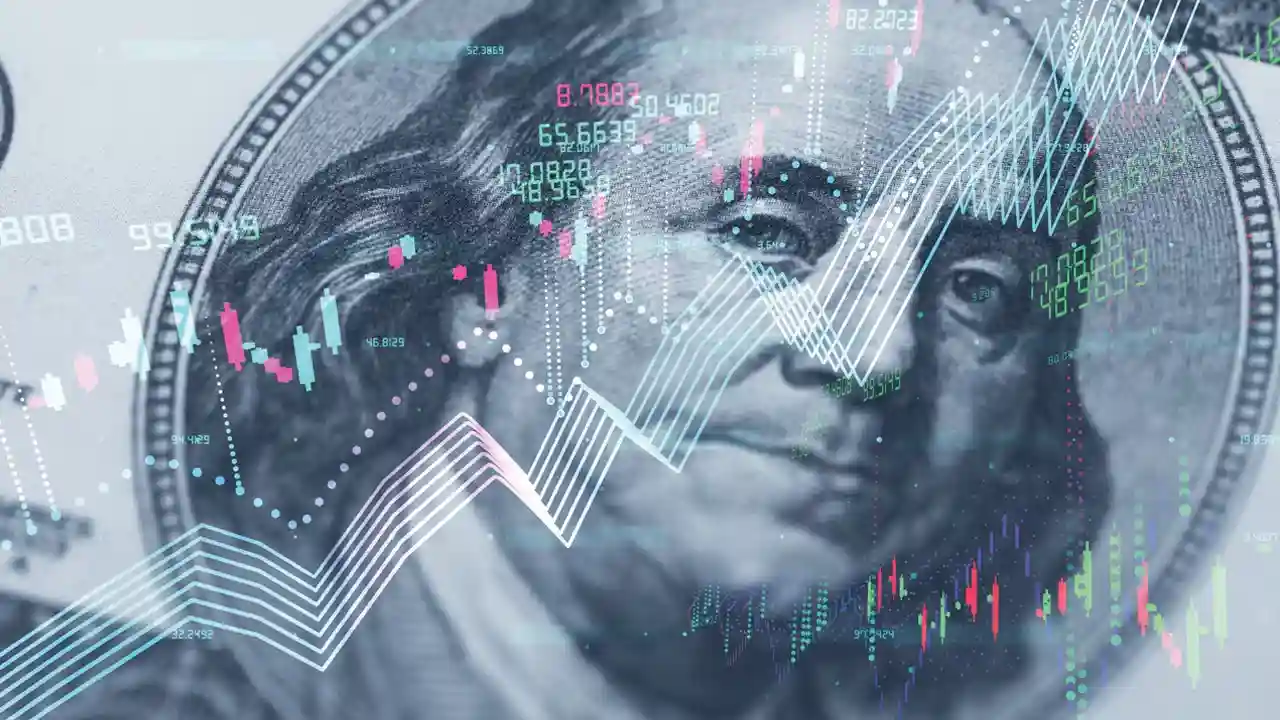
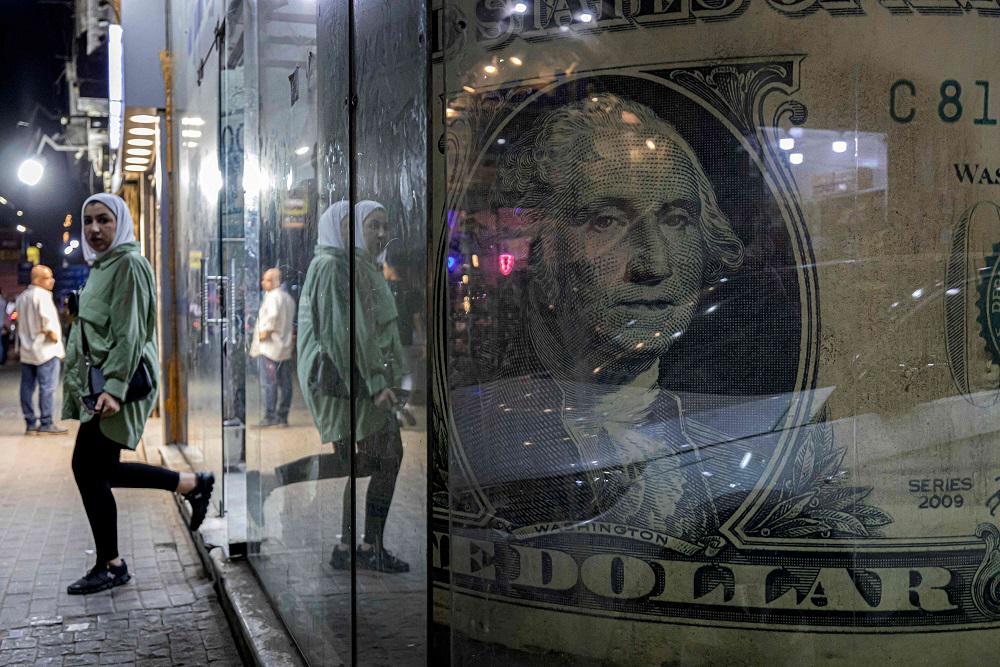
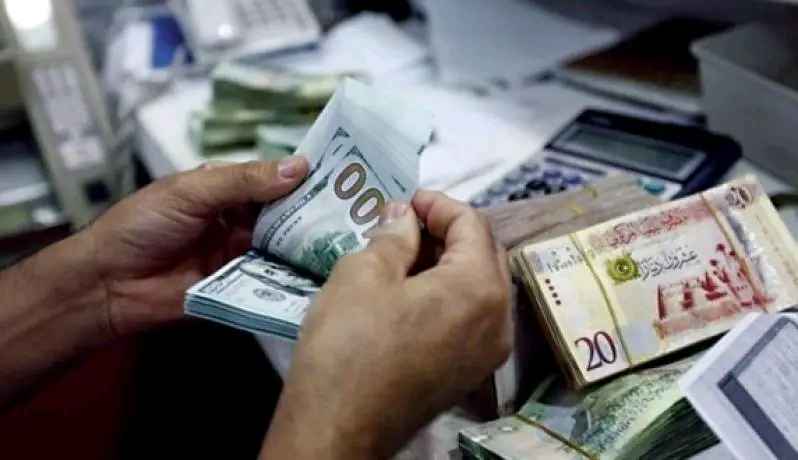
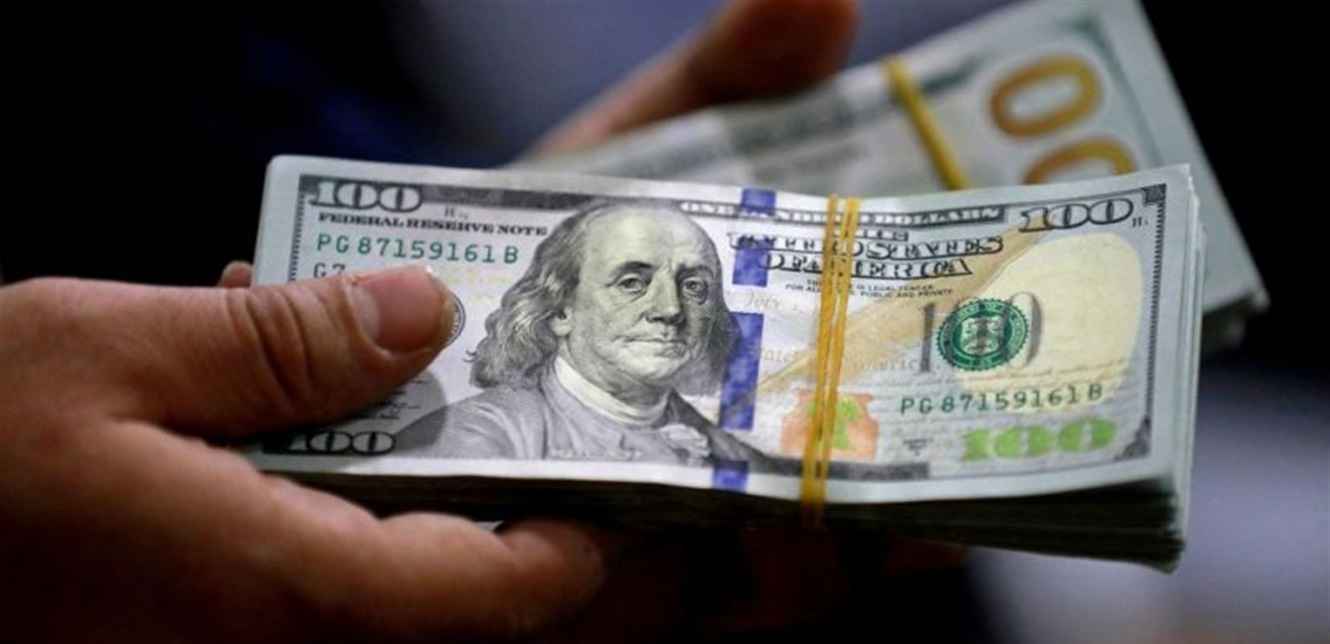
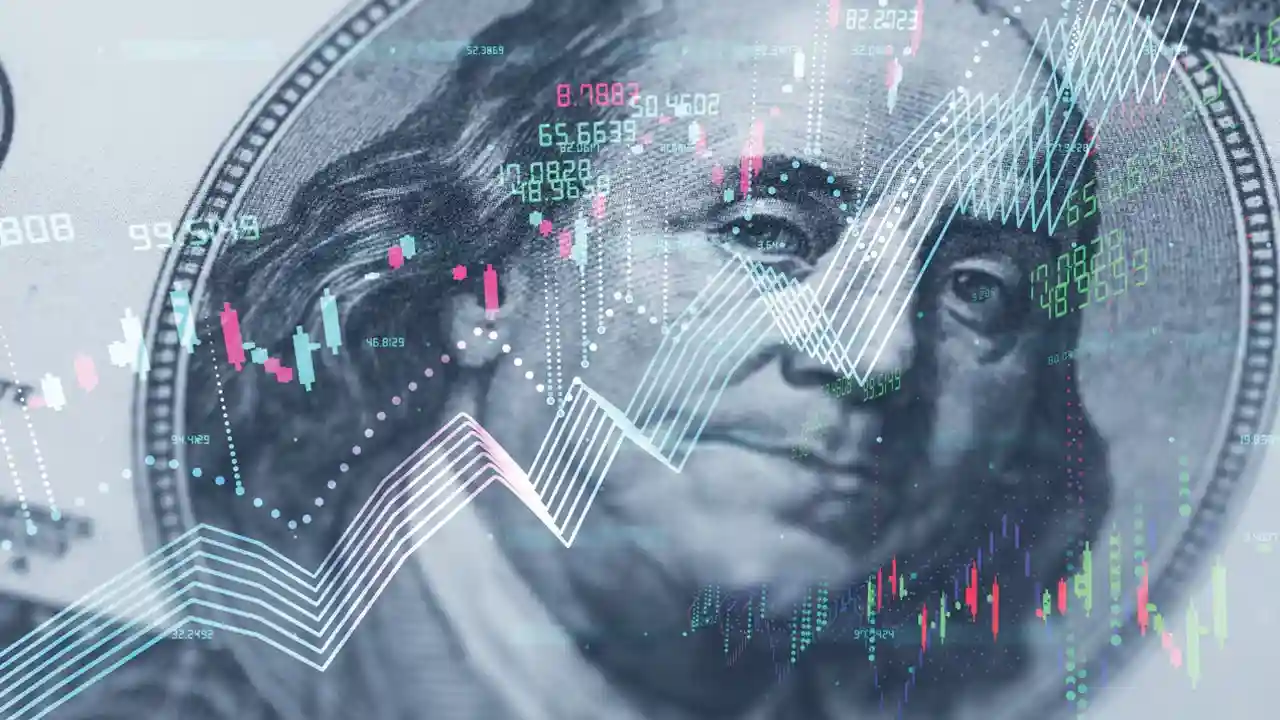
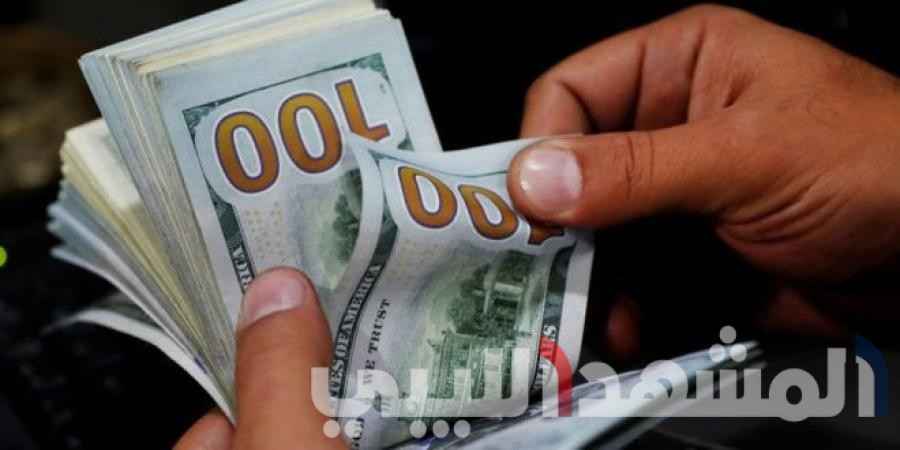
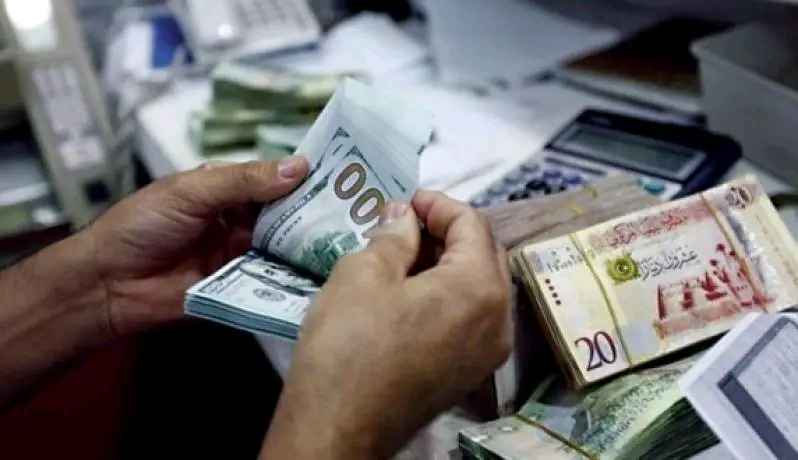
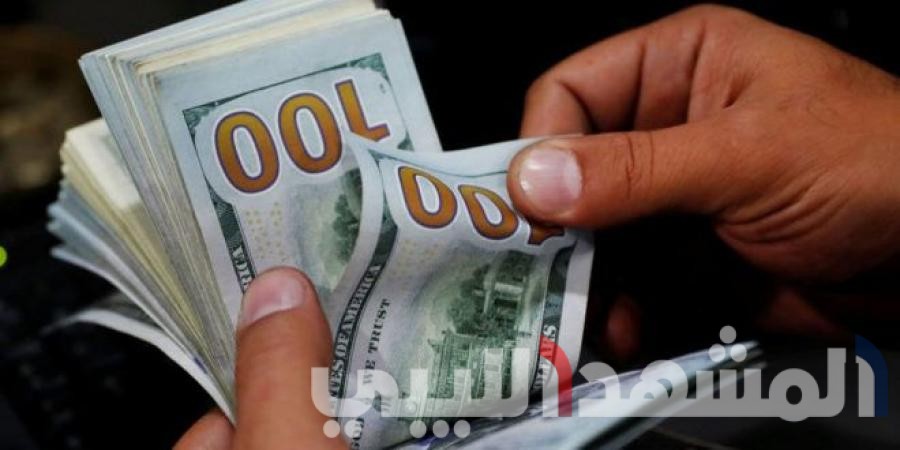
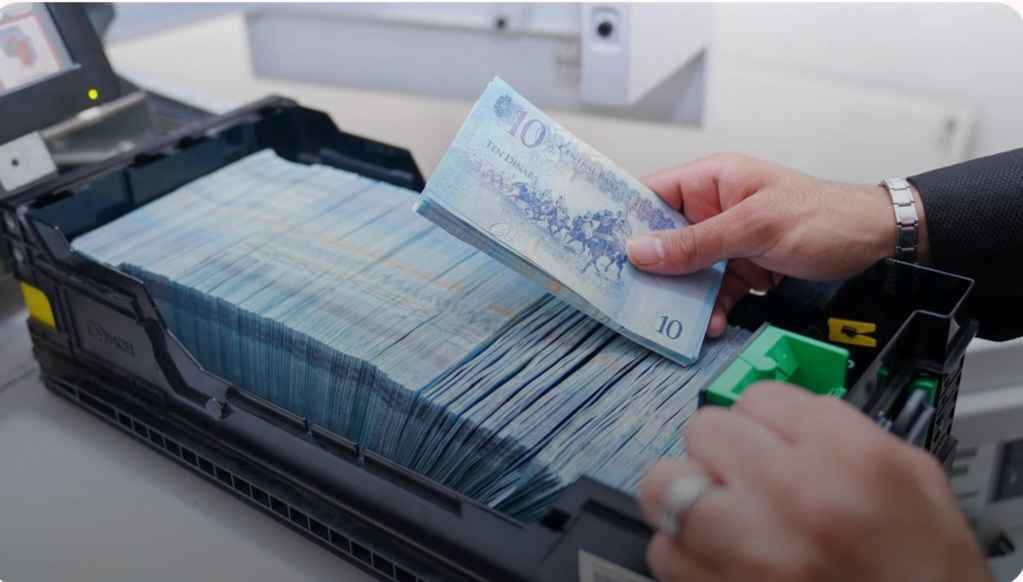
Here is a report on the latest exchange rates for the US dollar and foreign currencies against the Libyan dinar in today’s Saturday, January 3, 2026, transactions, according to figures from the black market.
The following report presents the daily updated prices of foreign and Arab currencies, gold, silver, and bonds against the Libyan dinar in today’s transactions. The following values are sourced from specialized price-tracking pages:
Prices at market opening:
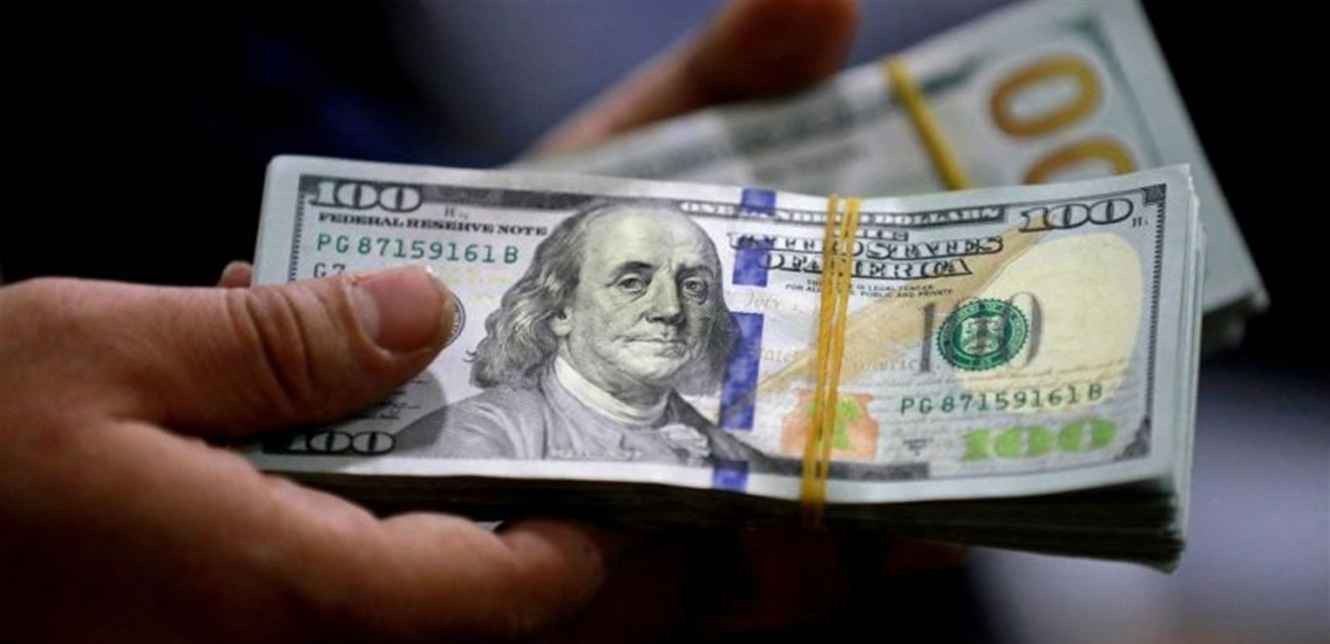
US Dollar exchange rate:
◆ Dollar = 8.73 dinars {Tripoli}
◆ Dollar = 8.72 dinars {Benghazi}
◆ Dollar = 8.74 dinars {Zliten}
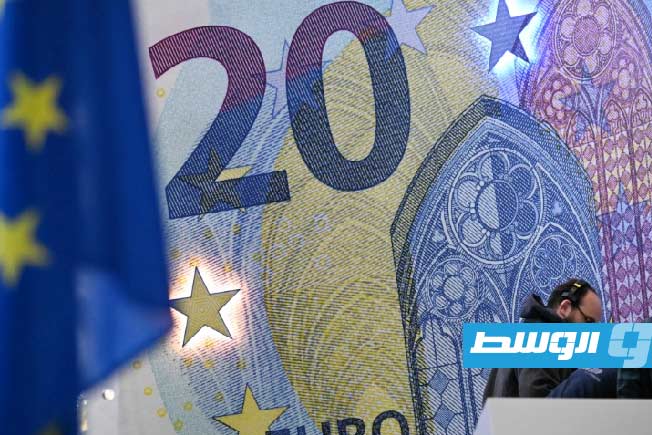
Euro exchange rate: 10.070 dinars
British Pound Sterling exchange rate: 11.45 dinars
Dollar transfer to Turkey: 8.735 dinars
Dubai remittance dollar: 8.725 dinars
Tunisian Dinar exchange rate: 2.77 dinars
Turkish Lira exchange rate: 0.200 dinars
Jordanian Dinar exchange rate: 12.30 dinars
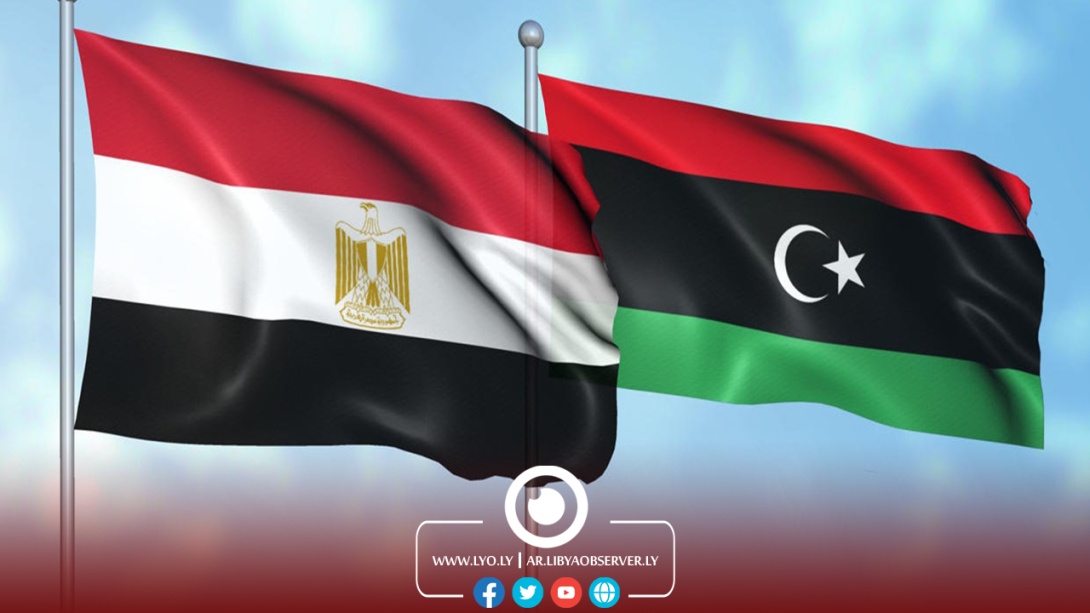
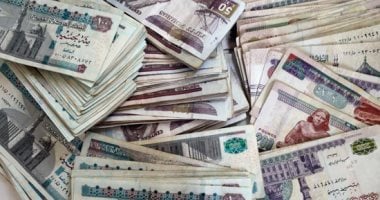
Egyptian Pound exchange rate: 0.185 dinars
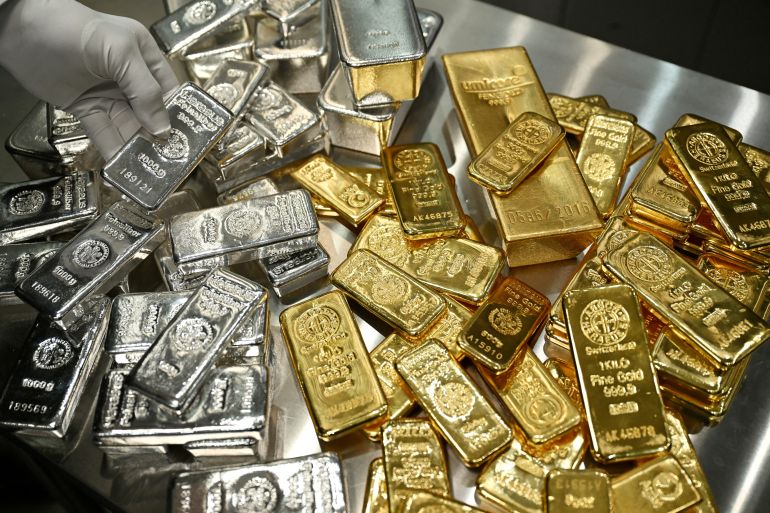
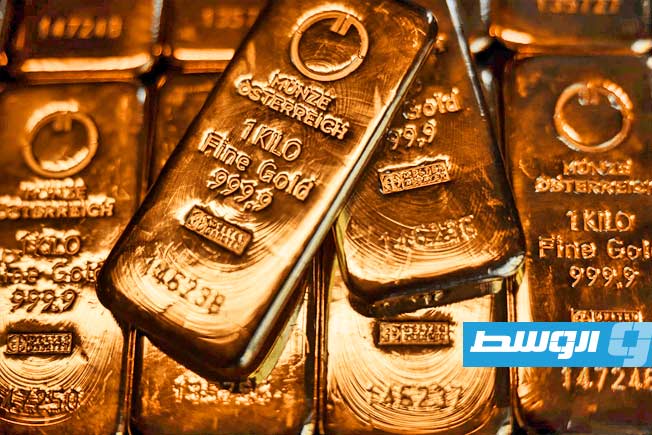
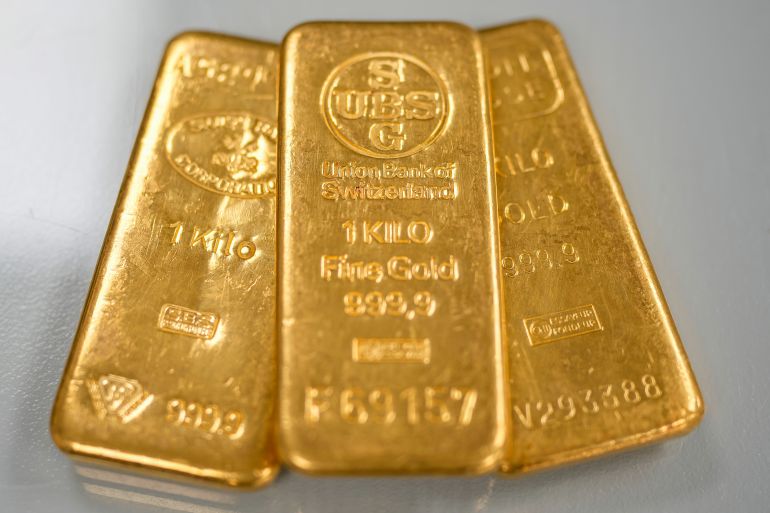
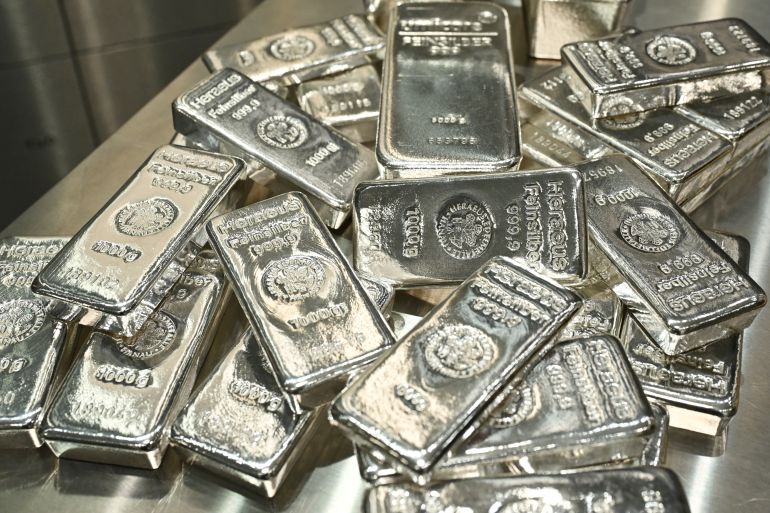
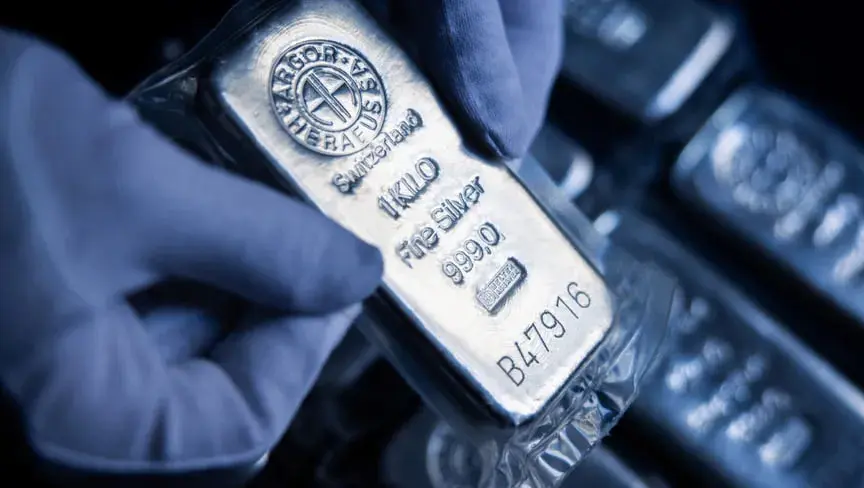
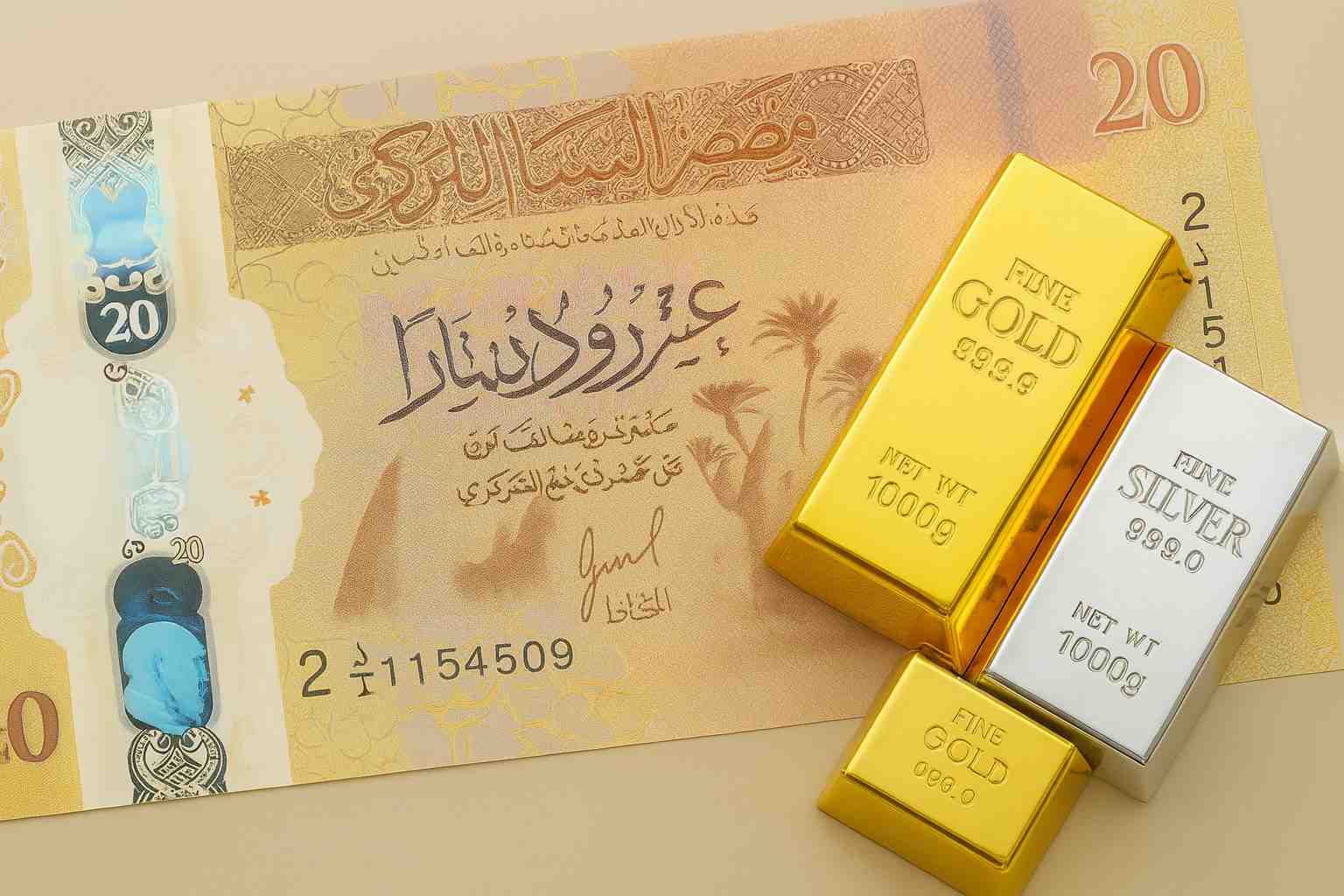
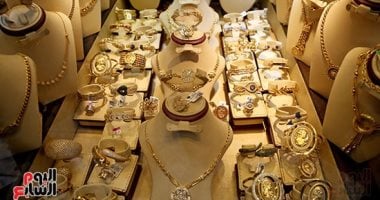
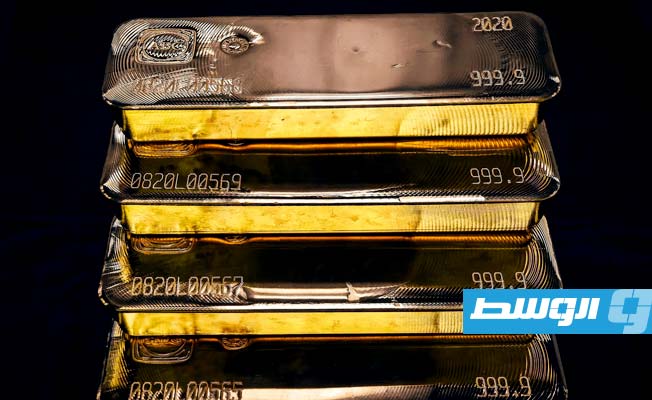
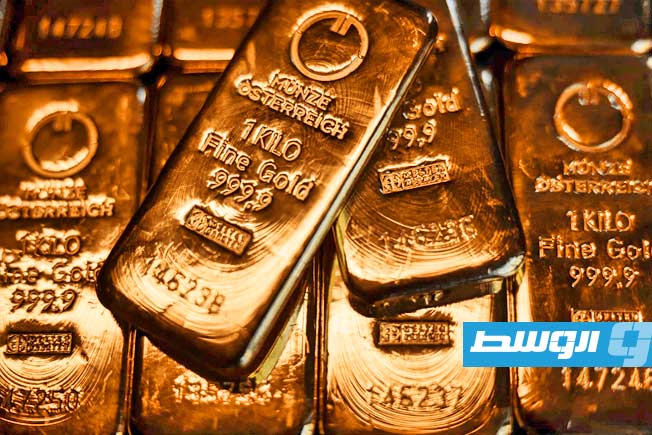
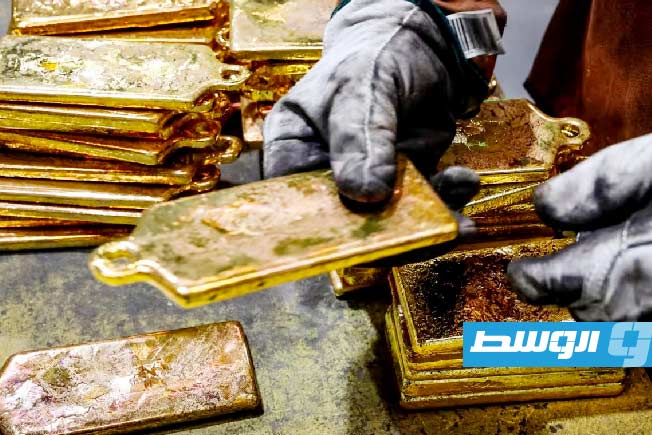
Scrap silver price: 13.00 dinars
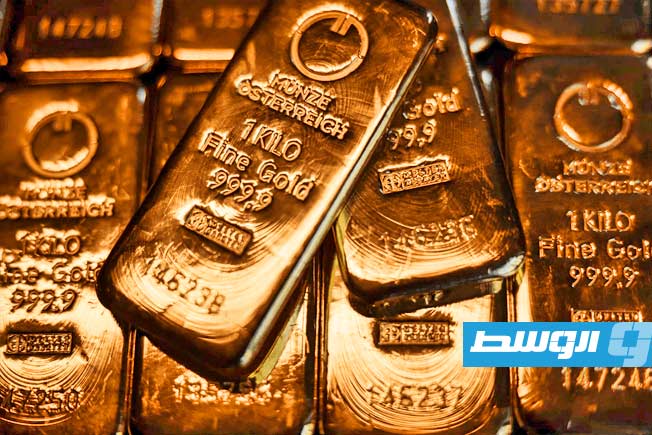
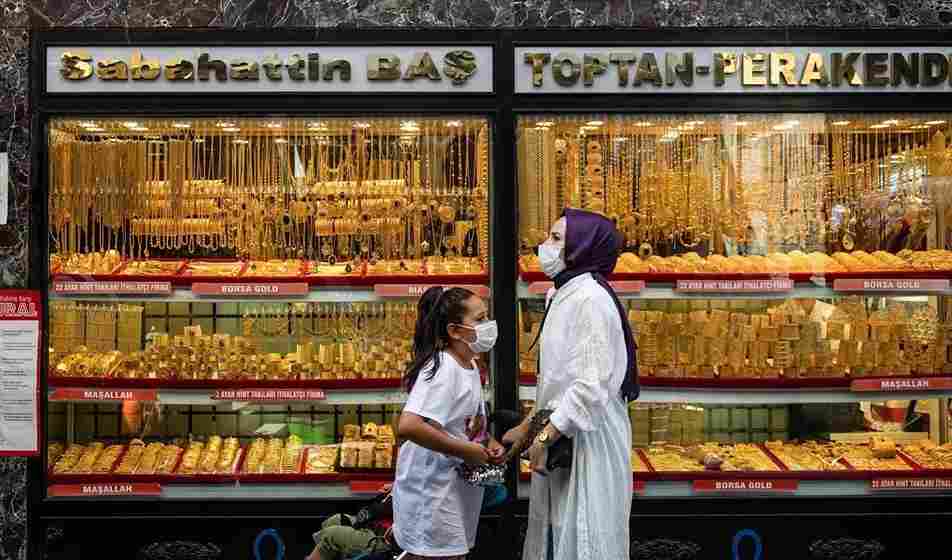
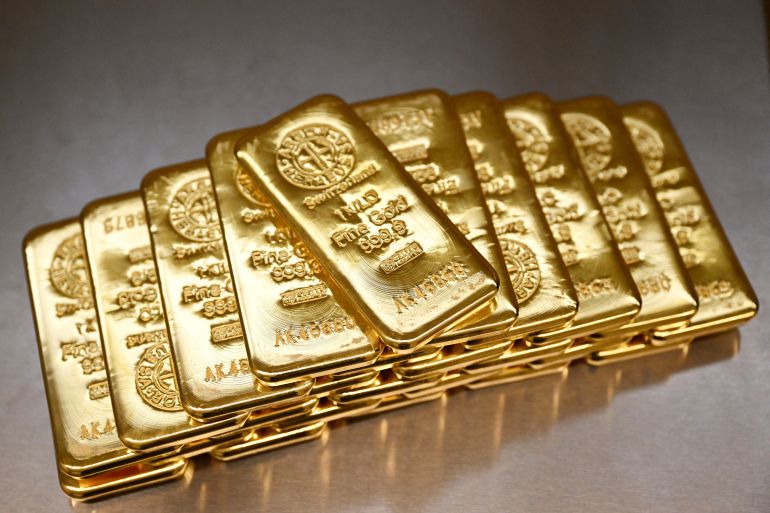
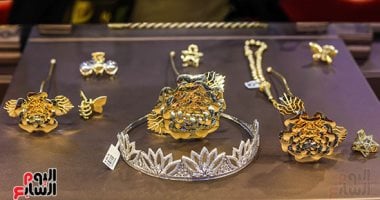
18-karat scrap gold price: 881 dinars
21-karat scrap gold price: 1,027.8 dinars
Casted gold price: 890 dinars per gram
Dollar via Trade and Development Bank check = 9.960 dinars
Dollar via Republic Bank check = 9.950 dinars
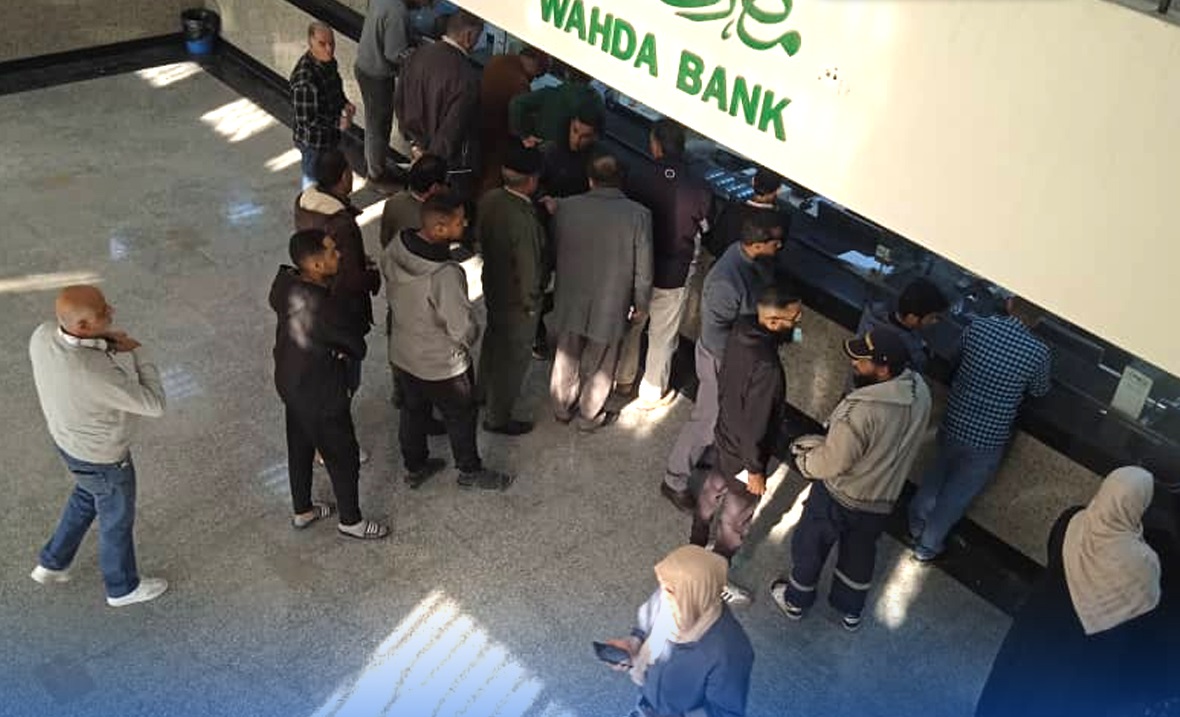
Dollar via Al Wahda Bank check = 9.950 dinars.
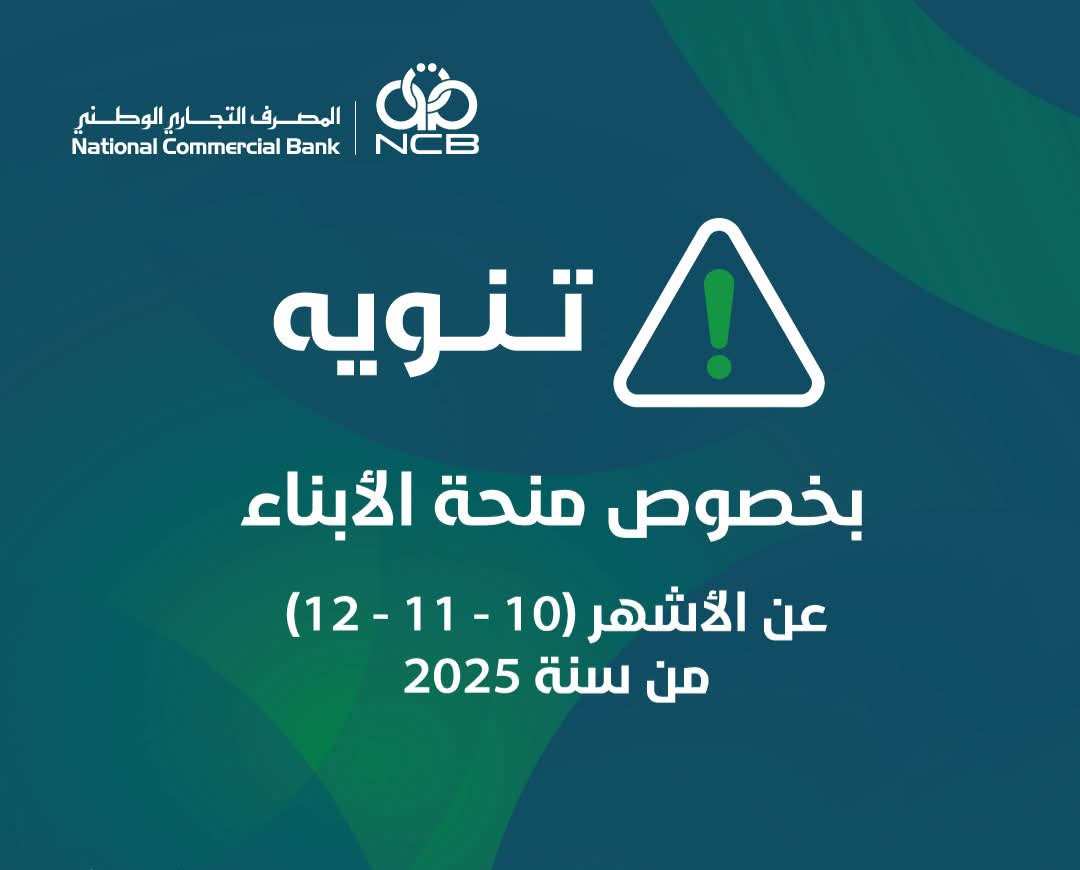
Dollar via National Commercial Bank check = 9.95 dinars
Dollar via Development Bank (Benghazi) check = 9.98 dinars / Al Wahda (Benghazi) = 9.98 dinars.
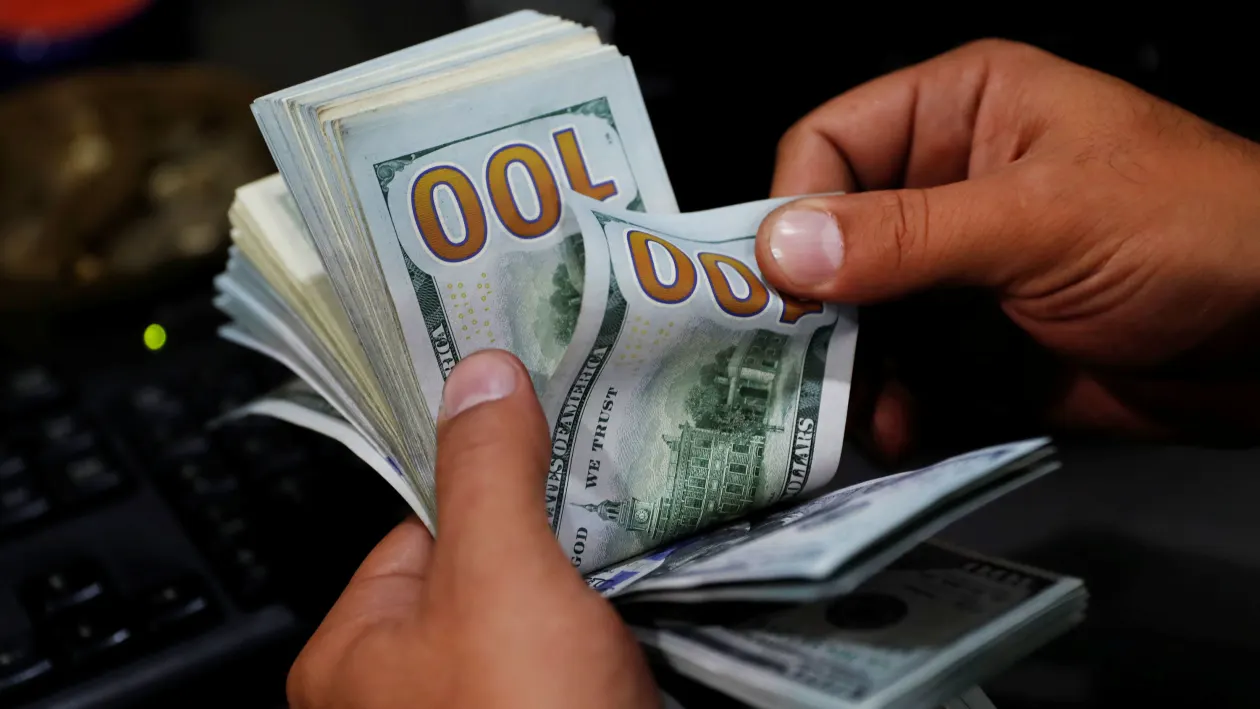
US dollar
The US dollar is the official currency of the United States, established by the Coinage Act of 1792. It evolved from a system based on Spanish milled dollars and became the world’s primary reserve currency following the Bretton Woods Agreement in 1944.
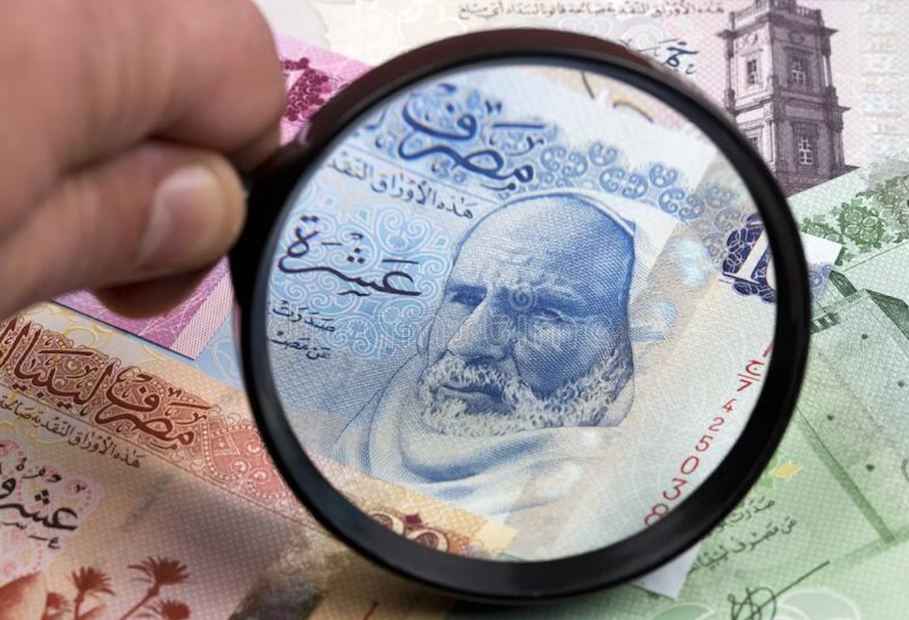
Libyan dinar
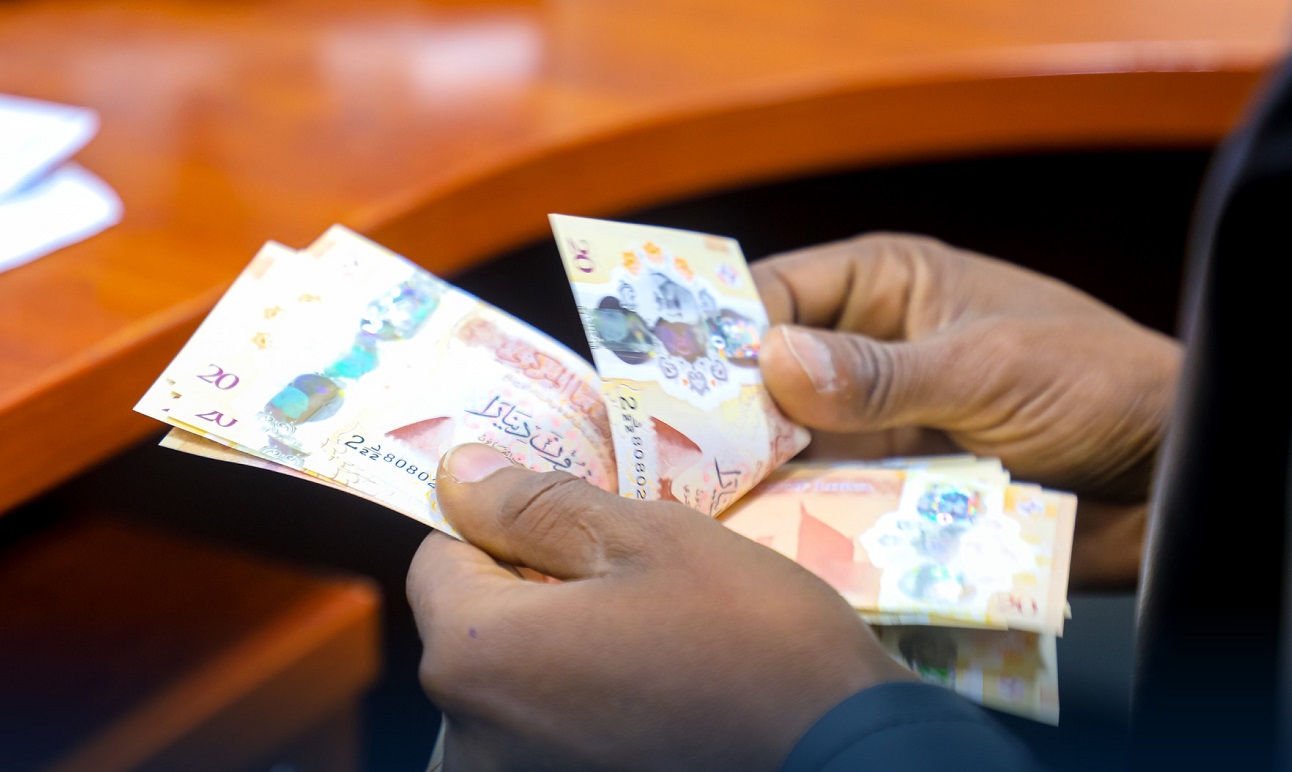
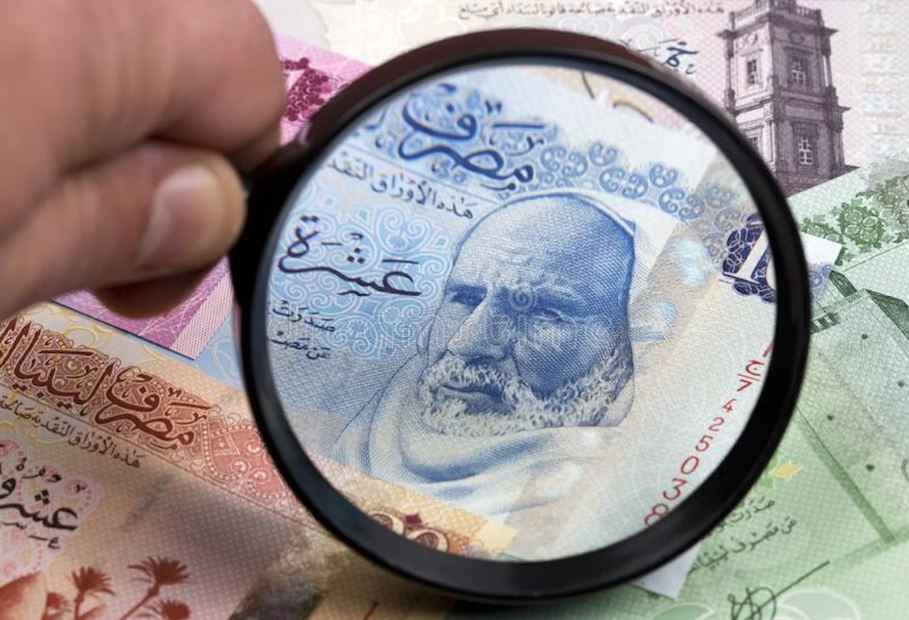
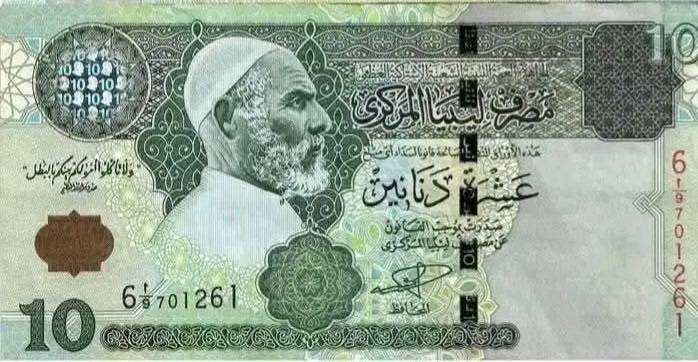
The Libyan dinar is the official currency of Libya, introduced in 1971 to replace the Libyan pound. It was established following the 1969 revolution that brought Muammar Gaddafi to power, symbolizing a break from the country’s colonial past under Italian and later British/French administration.
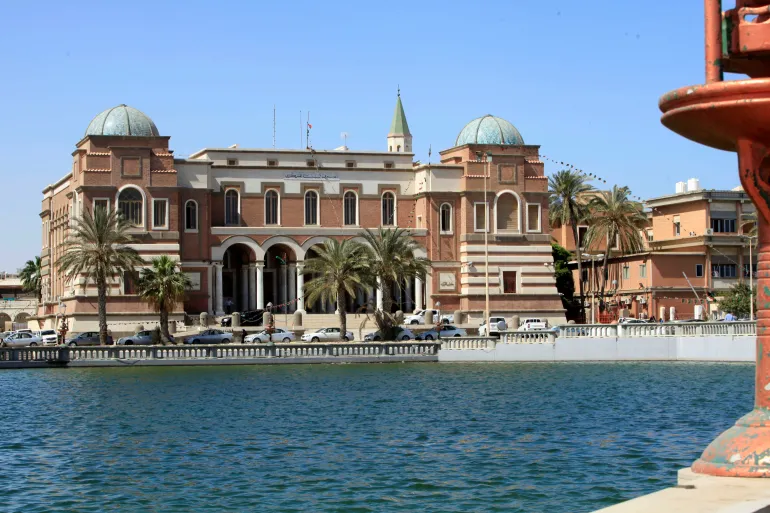
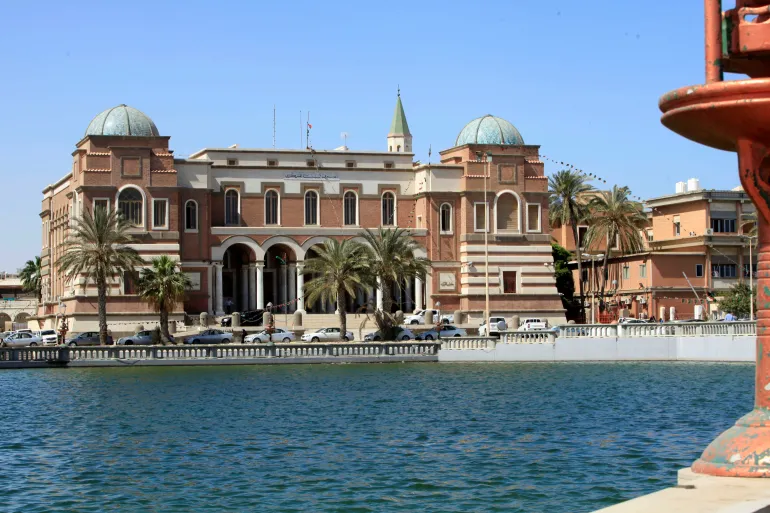
Tripoli
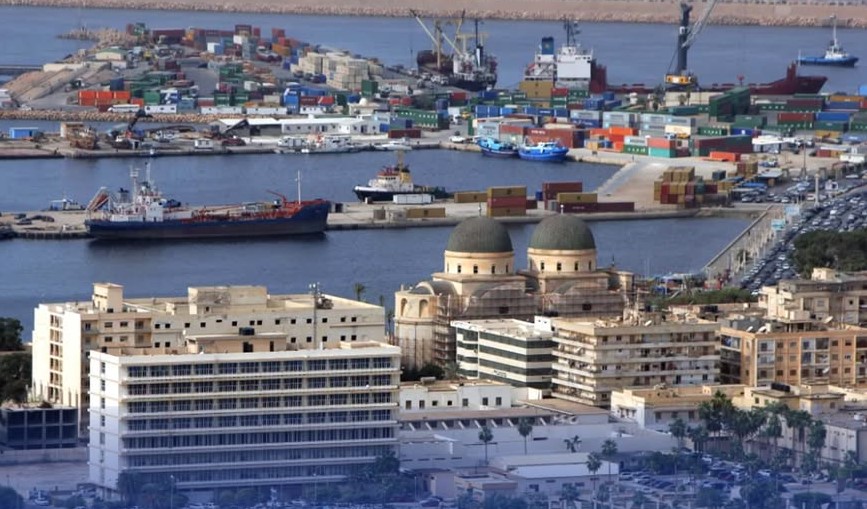
Tripoli is the capital and largest city of Libya, with a history dating back to the 7th century BC when it was founded by the Phoenicians. It later became a significant part of the Roman Empire and the Ottoman Empire, with its historic medina showcasing layers of its diverse past. Today, it remains a major Mediterranean port and the political heart of the country.
Benghazi
Benghazi is a major city in eastern Libya, historically significant as a center of trade and culture since its founding as the Greek colony of Euesperides. It played a pivotal role in Libya’s modern history, serving as the provisional capital after the 2011 revolution and being a key site during the 2012 attack on the U.S. diplomatic compound.
Zliten
Zliten is a coastal city in northwestern Libya, historically known for its ancient Roman and Ottoman influences. It is particularly famous for the Zliten Mosaic, a well-preserved Roman floor mosaic from the 2nd century AD discovered in a villa, depicting scenes of daily life and gladiatorial combat. The city also holds cultural significance for its Islamic heritage, including the Sidi Abd As-Salam Al-Asmar mausoleum and mosque.
Euro
The Euro is the official currency of the Eurozone, which consists of 20 of the 27 member states of the European Union. It was introduced in non-physical form in 1999 and as physical banknotes and coins in 2002, marking a major step in European economic integration following the Maastricht Treaty.
British Pound Sterling
The British Pound Sterling, often simply called the pound, is the official currency of the United Kingdom and is the world’s oldest currency still in use, with origins dating back over 1,200 years. Its history is deeply tied to the UK’s economic and political development, evolving from a system based on silver pennies to the modern decimalized banknotes and coins introduced in 1971.
Turkey
Turkey is a transcontinental nation bridging Europe and Asia, with a rich history rooted in the ancient civilizations of Anatolia and later as the heart of the Byzantine and Ottoman Empires. Its modern identity was forged as a republic in 1923 under Mustafa Kemal Atatürk. The country is renowned for its diverse cultural heritage, featuring iconic sites like Hagia Sophia, the ruins of Ephesus, and the unique landscapes of Cappadocia.
Dubai
Dubai is a major global city and emirate in the United Arab Emirates, historically known as a small fishing and pearling village. Its modern transformation began with the discovery of oil in the 1960s, but it has since strategically diversified its economy to become a hub for tourism, finance, and trade, renowned for its futuristic architecture and ambitious projects.
Tunisian Dinar
The Tunisian dinar is the official currency of Tunisia, introduced in 1960 to replace the Tunisian franc as part of the country’s post-independence economic reforms. Its issuance is controlled by the Central Bank of Tunisia, and it is subdivided into 1,000 millimes.
Turkish Lira
The Turkish Lira is the official currency of Turkey and the Turkish Republic of Northern Cyprus, introduced in 1923 to replace the Ottoman lira following the foundation of the Republic of Turkey. It has undergone significant revaluations, most notably in 2005 when the “new Turkish lira” removed six zeros from the currency due to a history of high inflation.
Jordanian Dinar
The Jordanian Dinar (JOD) is the official currency of the Hashemite Kingdom of Jordan, introduced in 1950 to replace the Palestinian pound. It is pegged to the U.S. Dollar and is divided into 100 piastres or 1,000 fils, with its name deriving from the historical Roman silver coin, the *denarius*.
Egyptian Pound
The Egyptian Pound (EGP) is the official currency of Egypt, first introduced in 1834 to replace the Egyptian piastre. Its history reflects Egypt’s economic shifts, from being pegged to gold and sterling to various managed and floating exchange rate regimes.
Trade and Development Bank
The Trade and Development Bank (TDB) is a multilateral, treaty-based financial institution founded in 1985 to foster economic development and regional integration in its member states across Eastern and Southern Africa. It provides financing and advisory services for projects in key sectors like infrastructure, energy, and trade, evolving from its original focus on trade finance to become a significant development financier in the region.
Republic Bank
Republic Bank is a major financial institution in Trinidad and Tobago, originally established in 1837 as the Colonial Bank. It was later renamed in 1970 after the country became a republic, reflecting its evolution alongside the nation’s own political and economic history.
Al Wahda Bank
Al Wahda Bank is a major commercial bank in Libya, founded in 1970. It was established to support national economic development and has since grown into one of the country’s leading financial institutions, providing a wide range of banking services.
National Commercial Bank
The National Commercial Bank (NCB) is a major financial institution in Saudi Arabia, founded in 1953. It was the first bank established in the Kingdom and played a pivotal role in the country’s economic development and modernization.
Development Bank (Benghazi)
The Development Bank in Benghazi was established in the 1970s as a key financial institution aimed at funding industrial and agricultural projects in Libya. It played a significant role in the country’s economic planning and development during the era of Muammar Gaddafi.