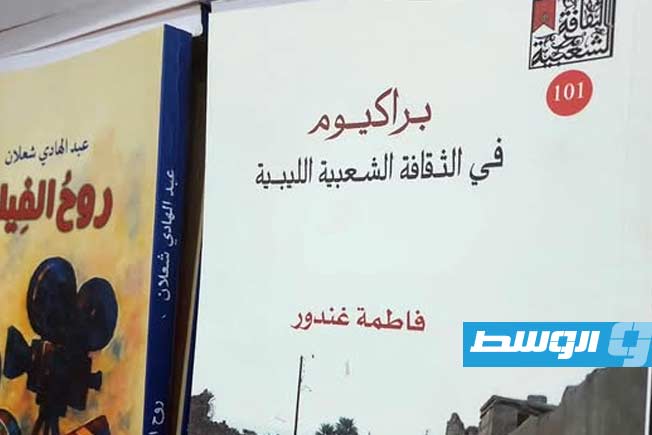
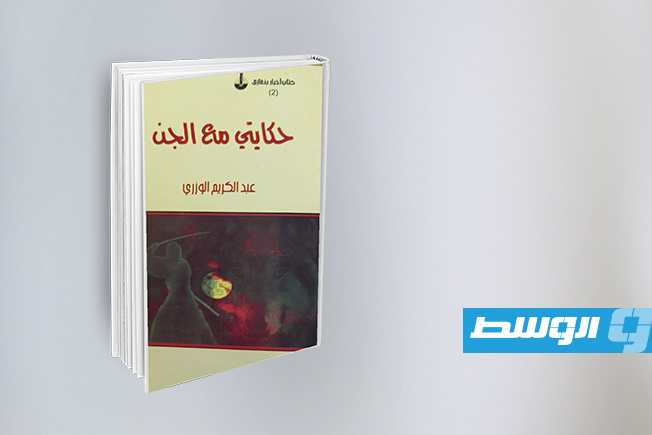
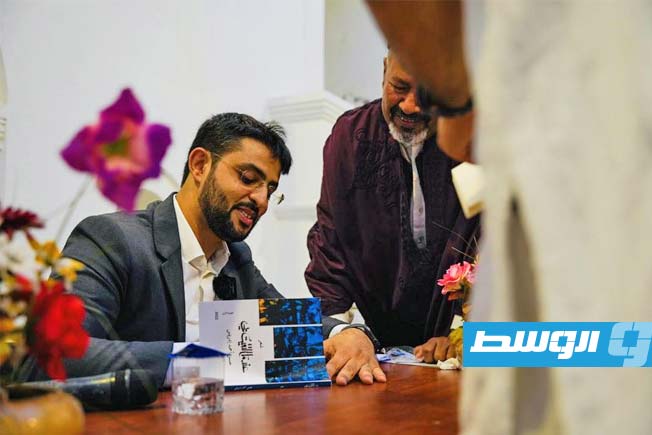
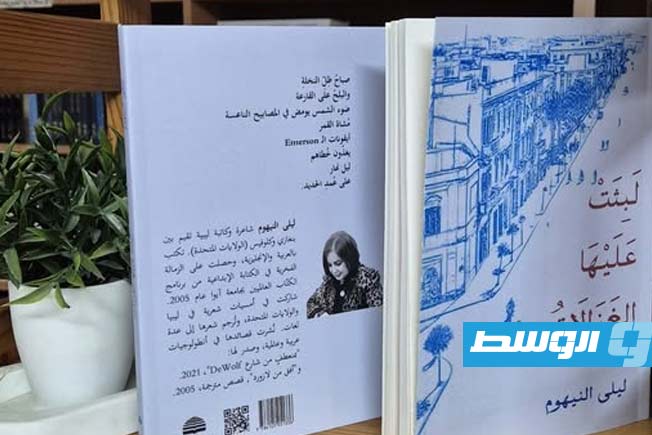
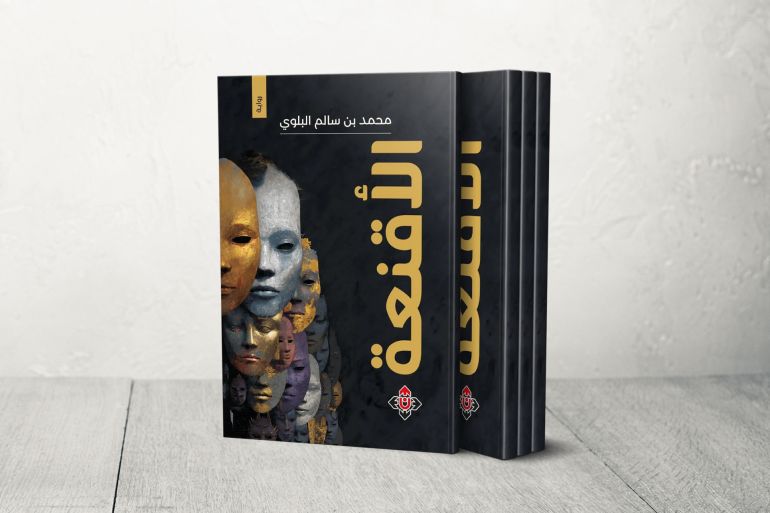
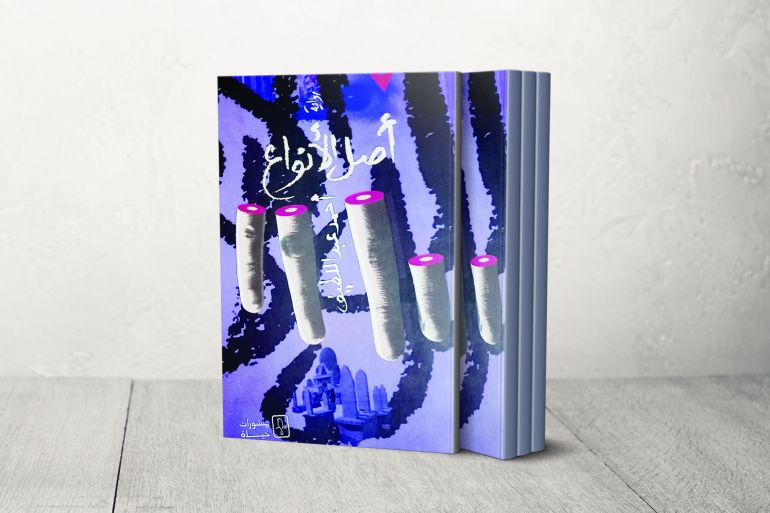
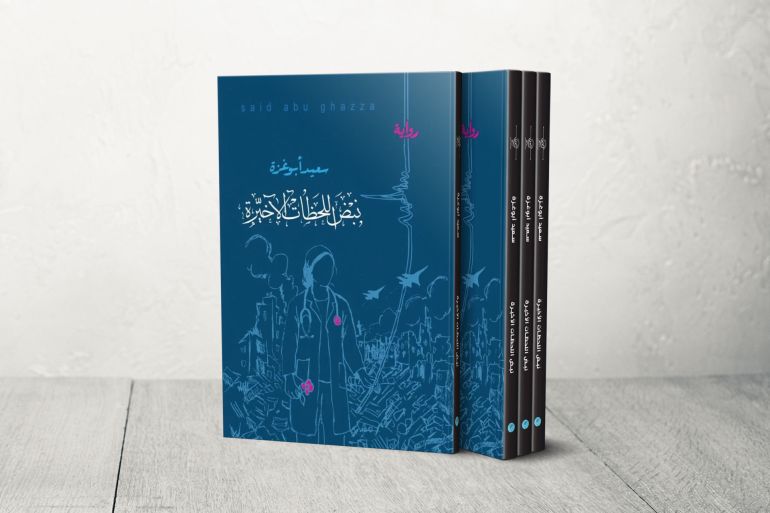
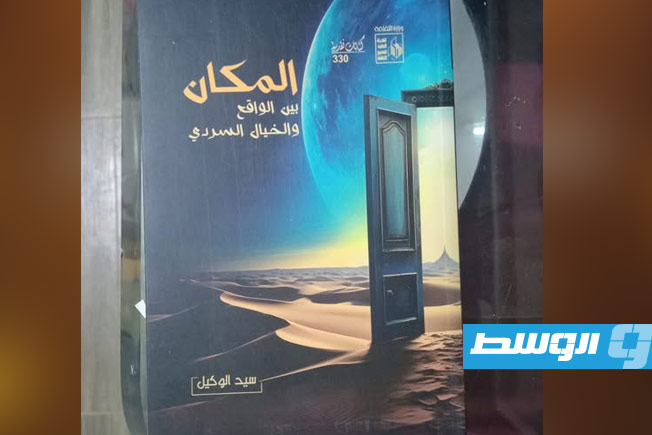
A new book titled “Barakium in Libyan Folk Culture” has been recently released by the Egyptian General Book Organization, as part of the Folk Culture series, issue (101). This publication aligns with the organization’s focus on documenting Arab folk heritage and supporting specialized cultural studies.
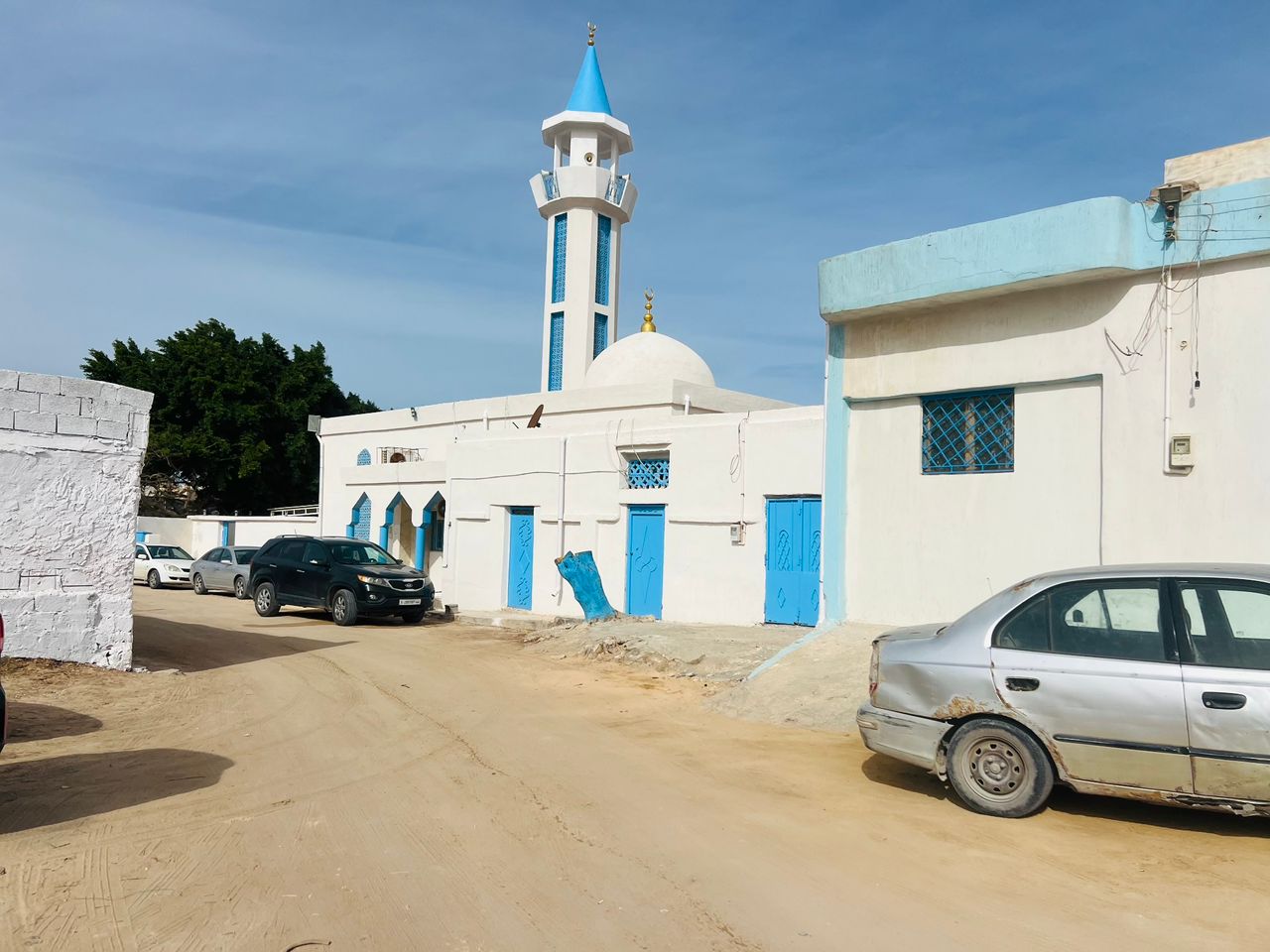
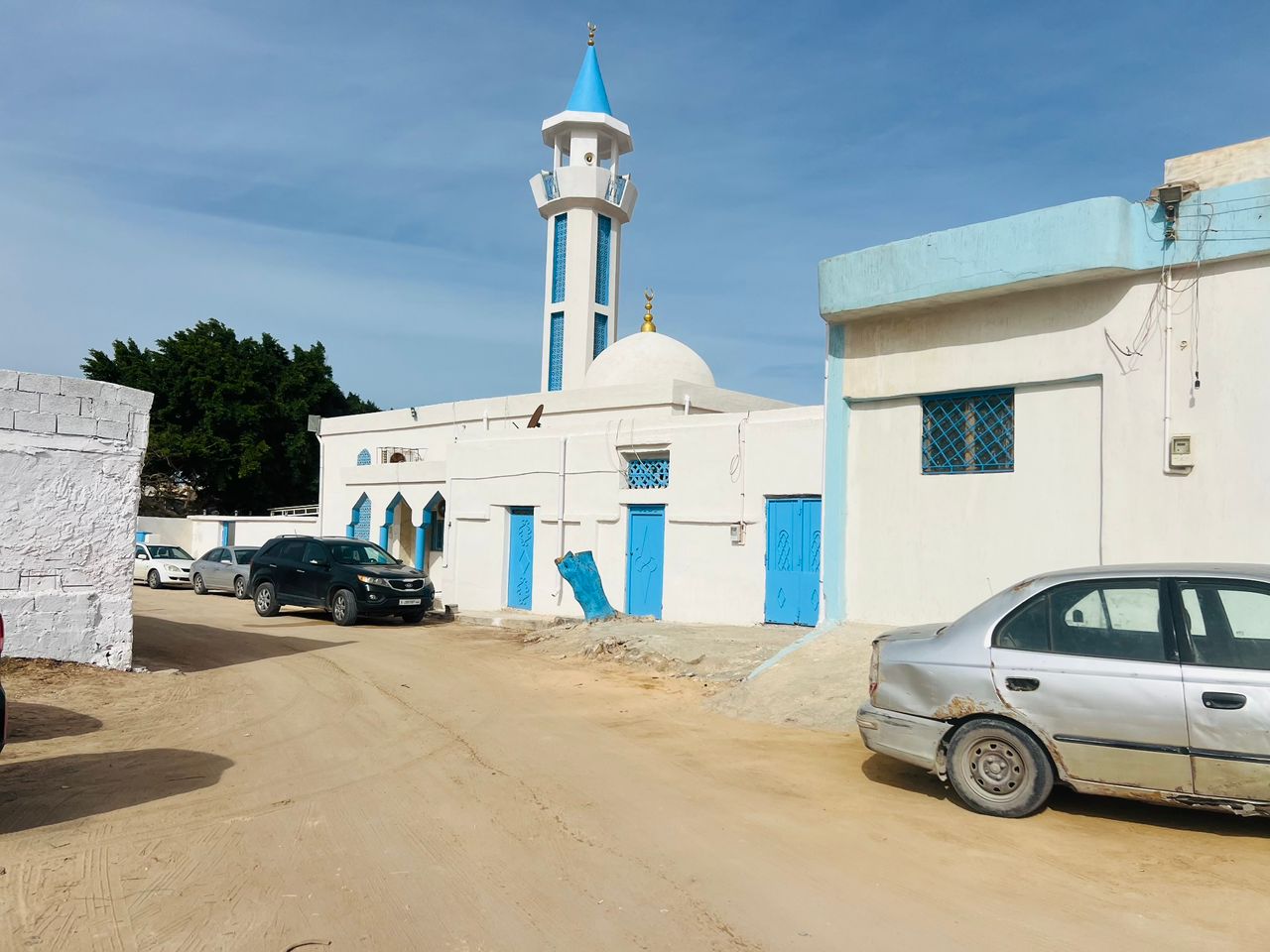
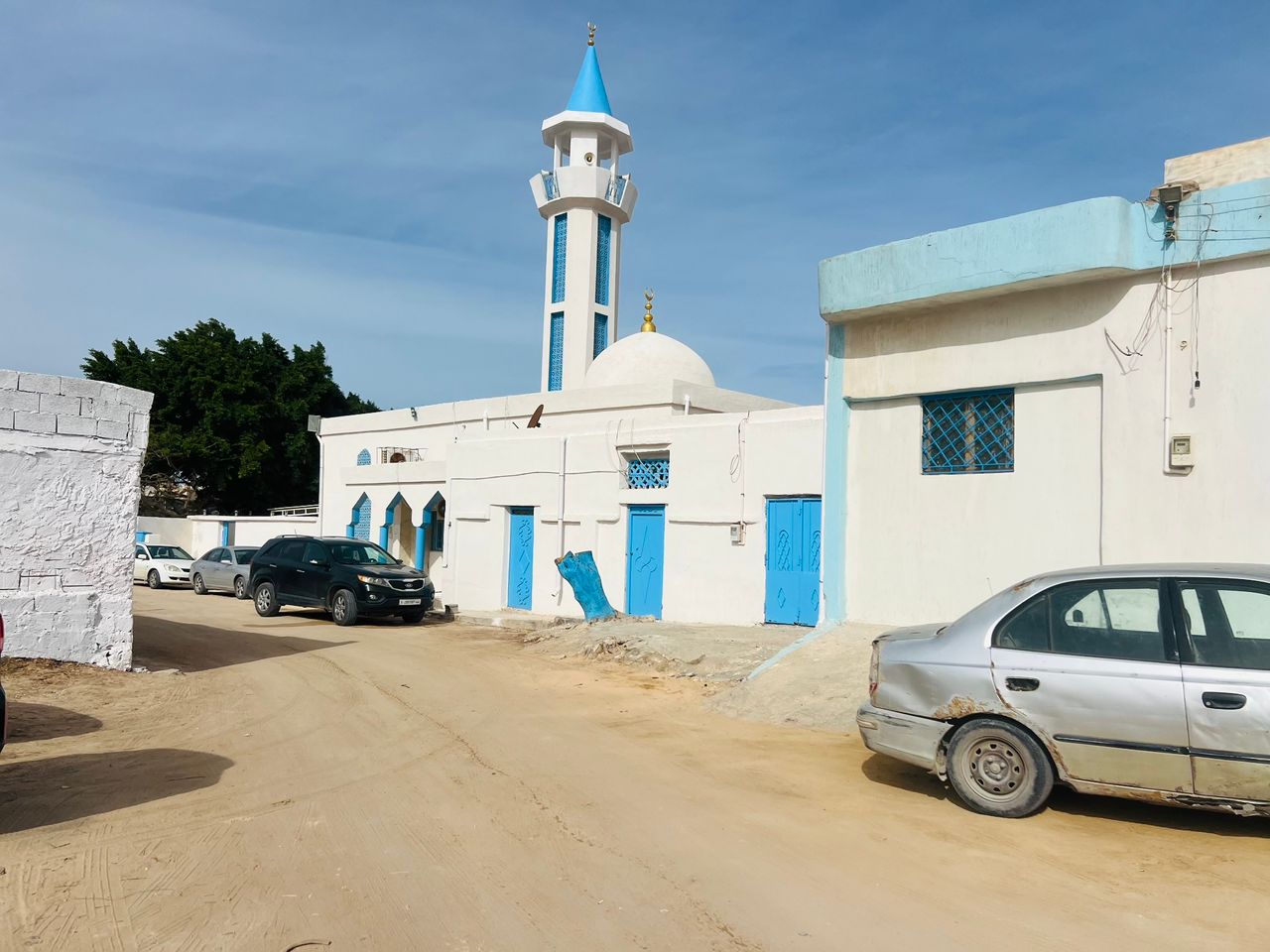
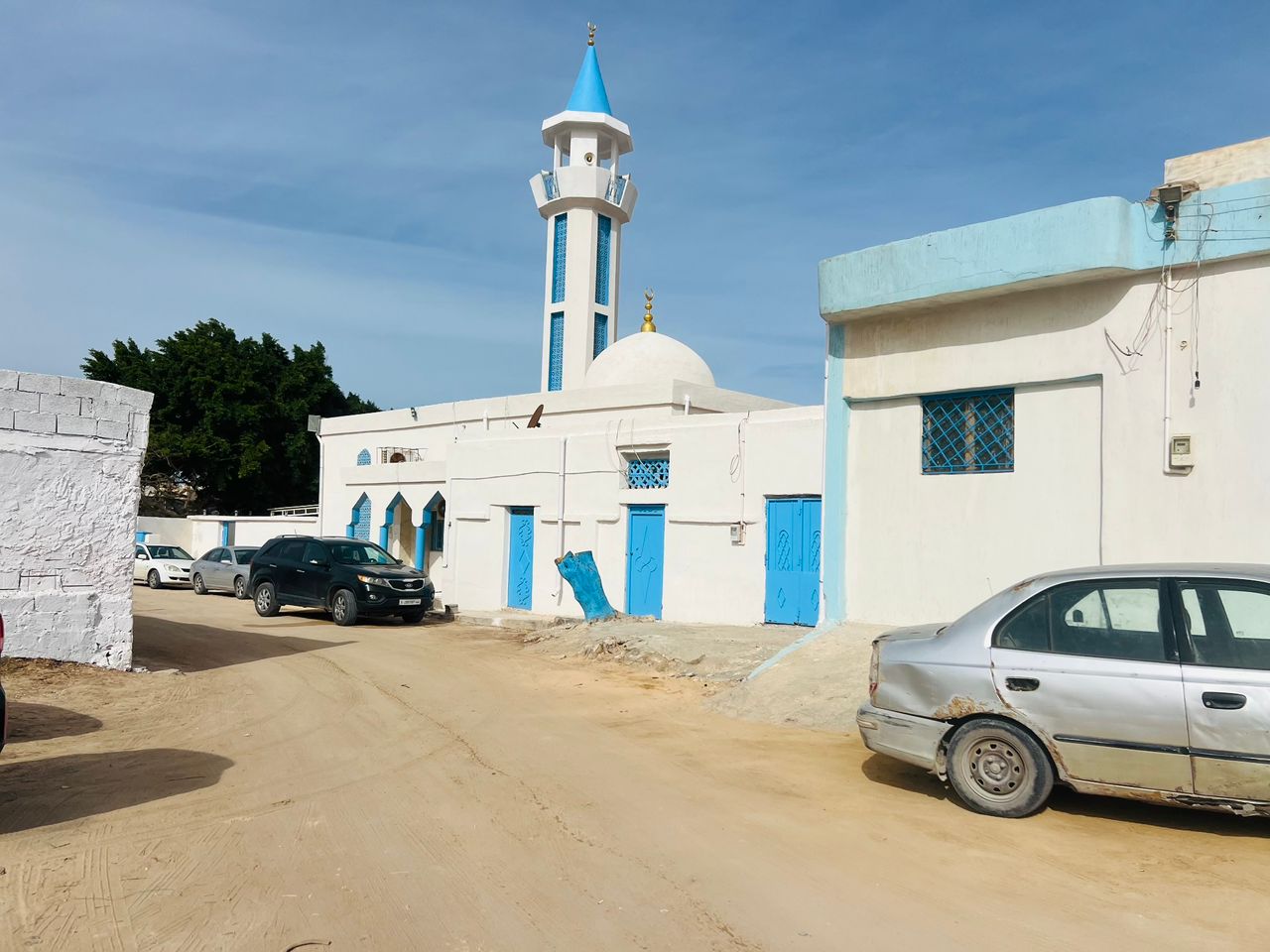
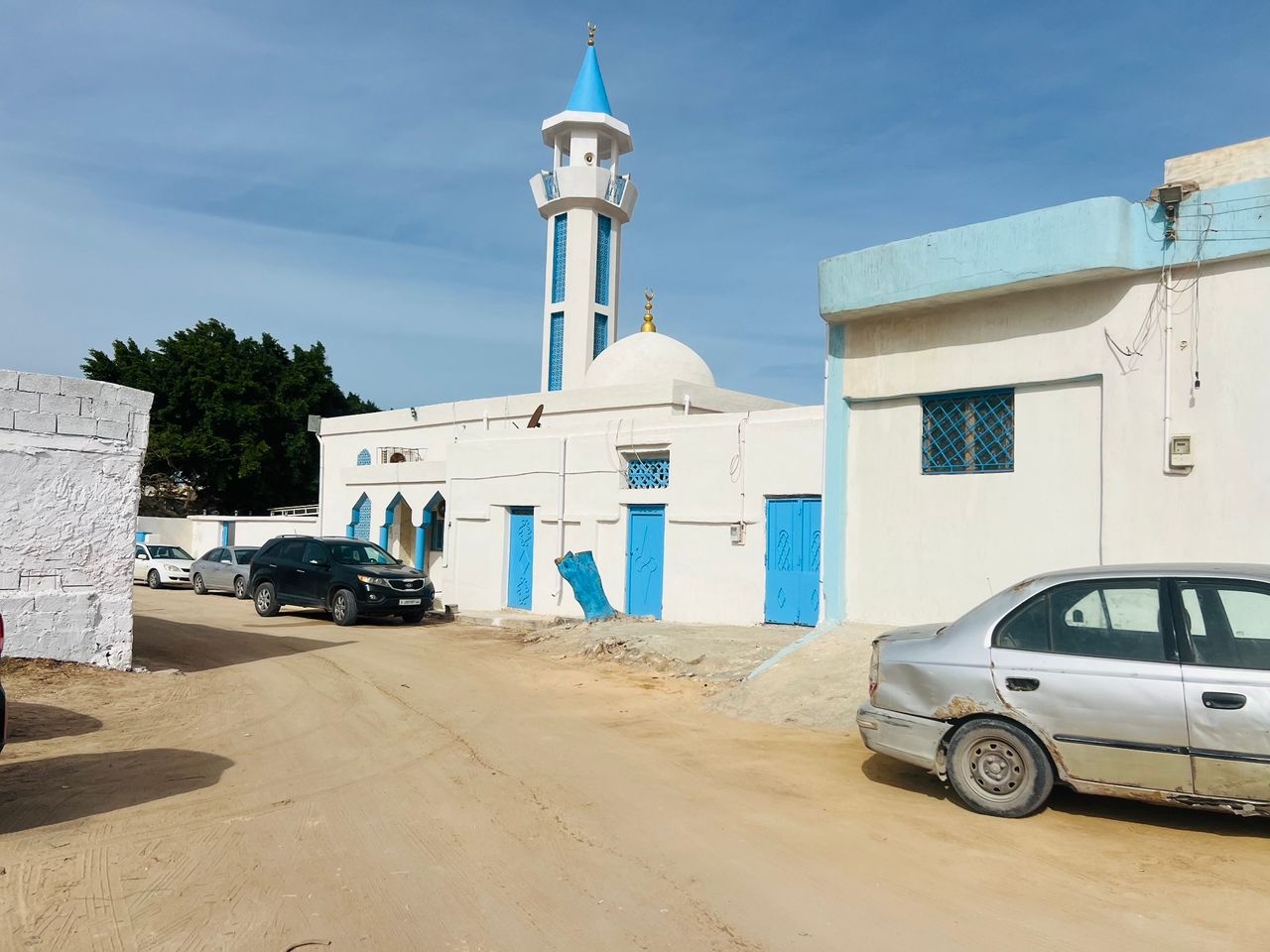
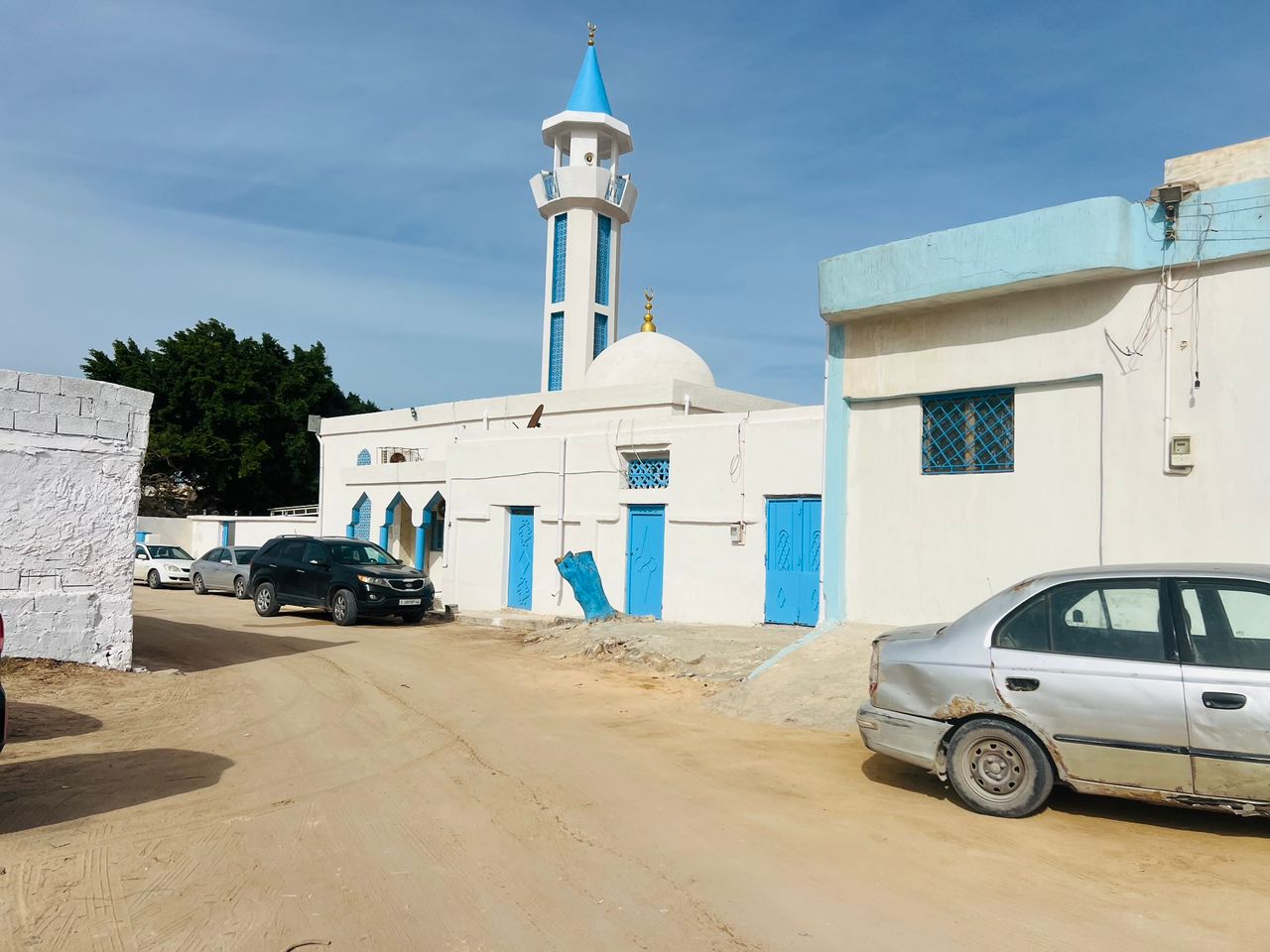
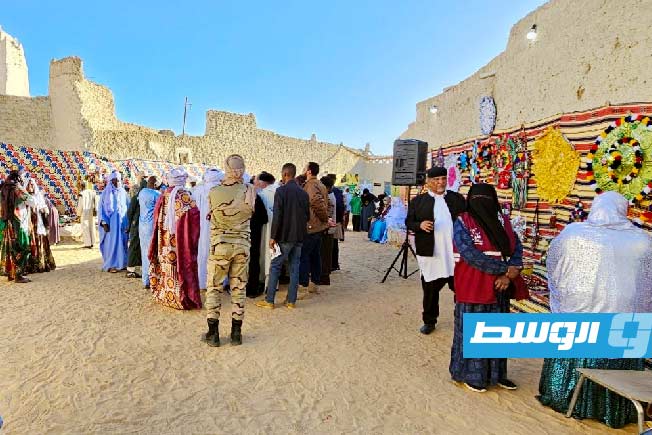
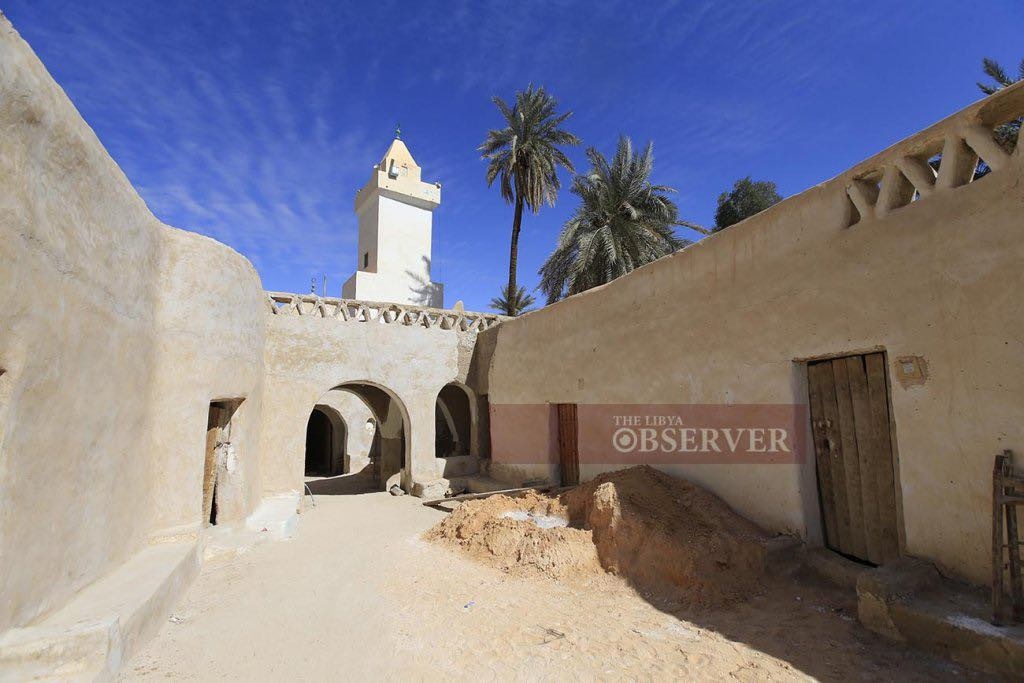
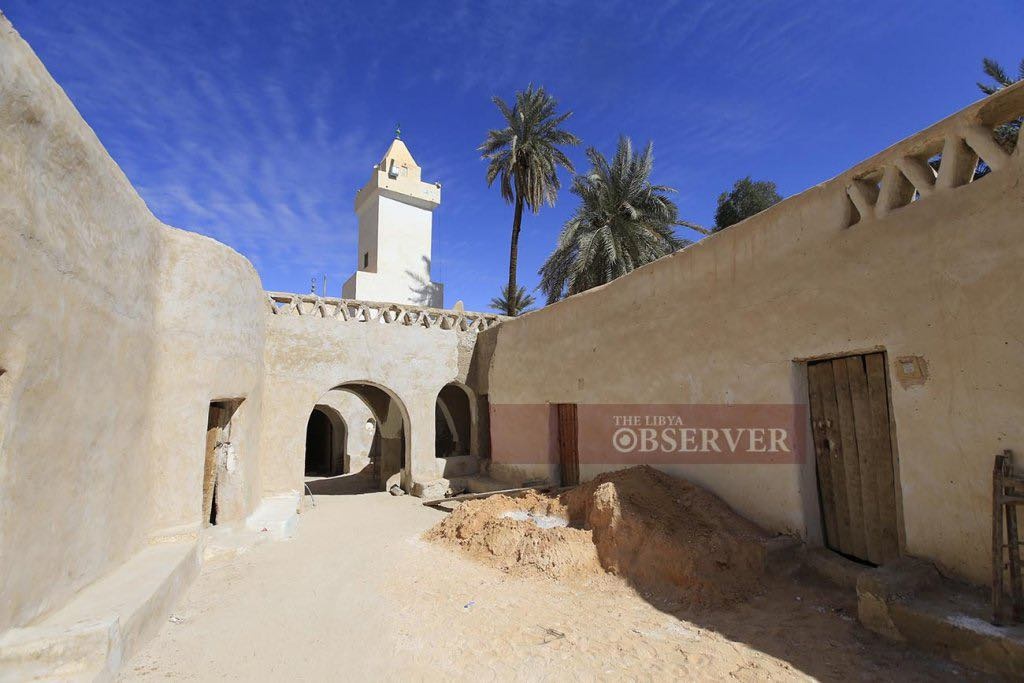
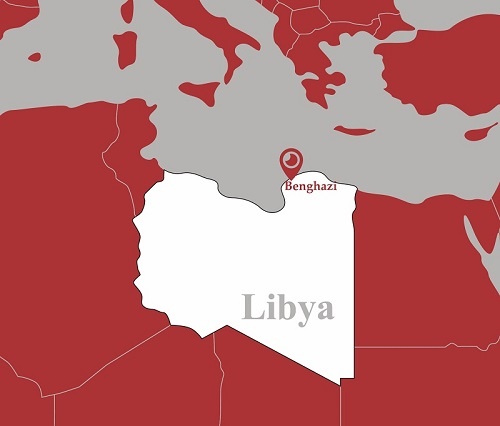
The book explores the Barakium oasis, the ancient name for the Brak oasis in southern Libya. Historically distinguished by its abundant water springs and groundwater reserves, as well as its numerous palm trees and farms, it became one of the largest and most prosperous oases in the region and a crucial station for caravan trade between Libya and its surrounding areas. The publication also highlights its significant role in the history of the Libyan Jihad, bearing witness to the heroism of the resistance during the period of Italian occupation (1912–1939), and later, the confrontation with French forces who left the area in 1954.
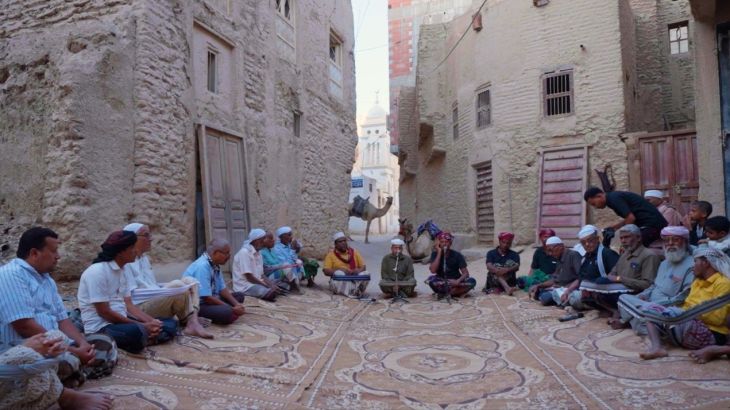
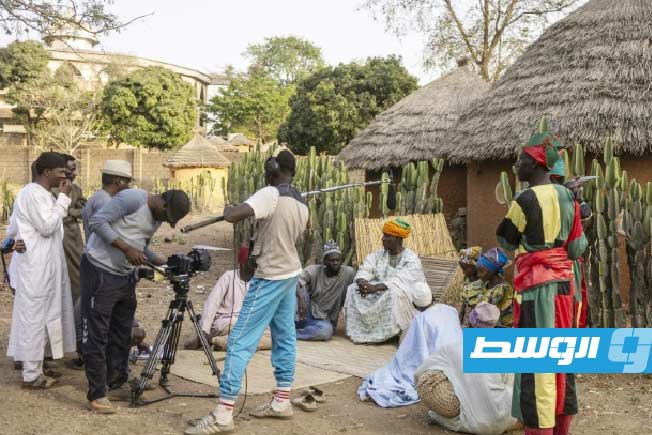
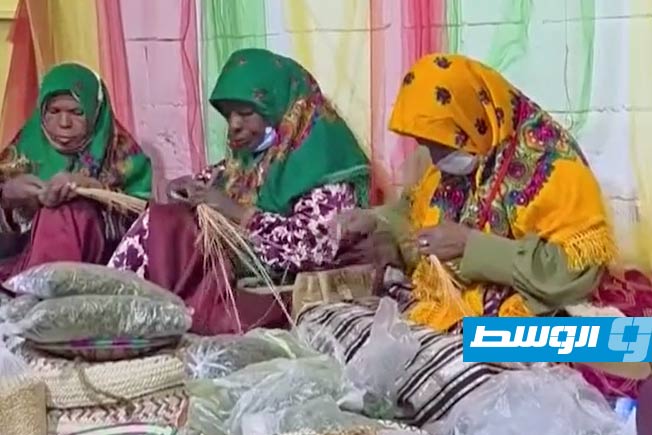
This release presents a documented attempt to record examples of Libyan folk heritage through comprehensive chapters covering folk poetry and songs, proverbs and riddles, tales, as well as rituals, customs, traditions, professions, and the roles of men and women in the local society. It also acknowledges the efforts of early researchers who contributed to establishing this field of knowledge.
Egyptian General Book Organization
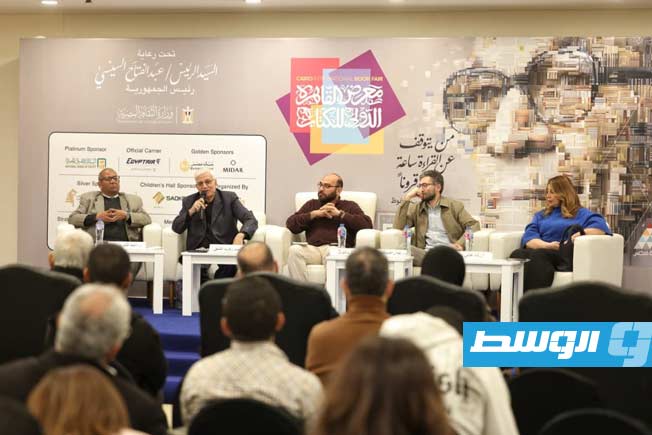
The Egyptian General Book Organization is a state-run publishing and distribution body established in the 1960s. It plays a central role in Egypt’s cultural and intellectual life by managing major book fairs, including the Cairo International Book Fair, and overseeing the publication of a wide range of books.
Barakium oasis
The Barakium Oasis is a fictional desert oasis featured in Frank Herbert’s 1965 science fiction novel *Dune*. It serves as a secret ecological testing ground and a hidden base for the planet’s native Fremen people, who use it in their long-term plans to terraform the arid world of Arrakis.
Brak oasis
The Brak Oasis is an ancient settlement in Libya’s Fezzan region, historically a crucial stop on Saharan trade routes. It was a significant center for the Garamantes civilization, known for its sophisticated underground irrigation systems, and later became part of the trans-Saharan network connecting North Africa to sub-Saharan regions.
Libya
Libya is a North African country with a rich history rooted in ancient civilizations like the Phoenicians and Romans, followed by centuries of Arab and Ottoman influence. In the modern era, it was an Italian colony before gaining independence in 1951, later becoming known for Muammar Gaddafi’s lengthy rule from 1969 until the 2011 revolution. Its cultural sites include the well-preserved Roman ruins of Leptis Magna, a UNESCO World Heritage site.
Italian occupation
The Italian occupation refers to periods when Italy controlled foreign territories, most notably in Libya (1911–1943), Ethiopia (1936–1941), and parts of the Balkans during World War II. This colonial expansion under the Fascist regime was marked by military conquest and often harsh rule, leaving a complex legacy in the affected regions.
French forces
The term “French forces” broadly refers to the military units of France, with a history dating back to the early Middle Ages under the monarchy. They evolved significantly through events like the Napoleonic Wars and the World Wars, and today they operate as modern, professional armed forces engaged in national defense and international operations.