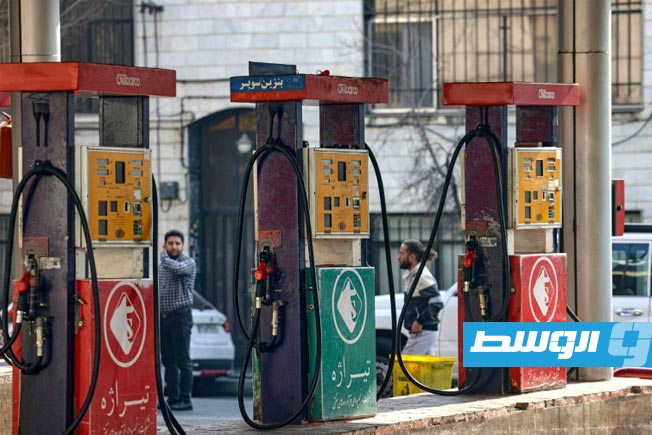
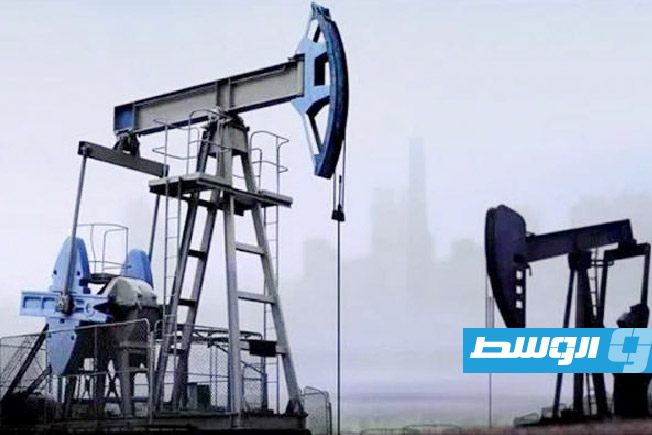
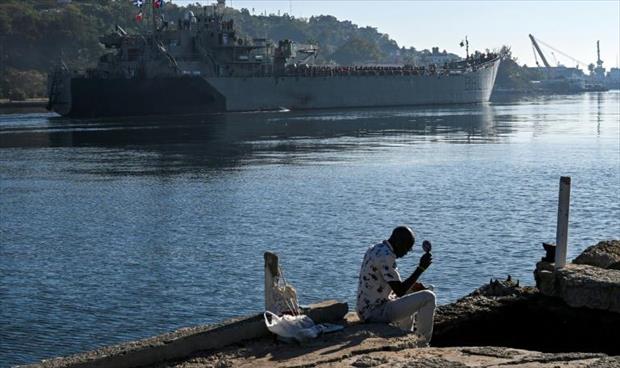
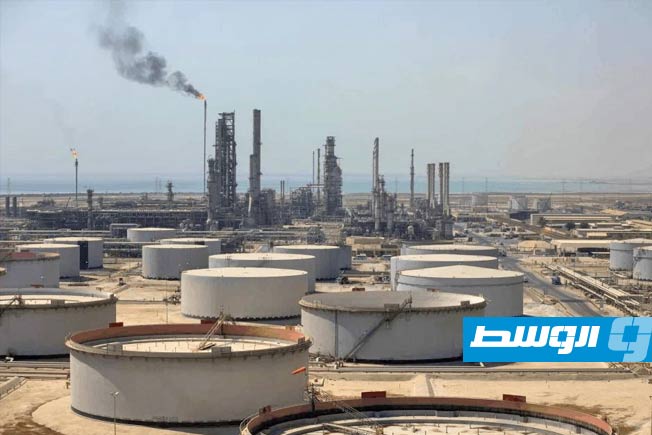
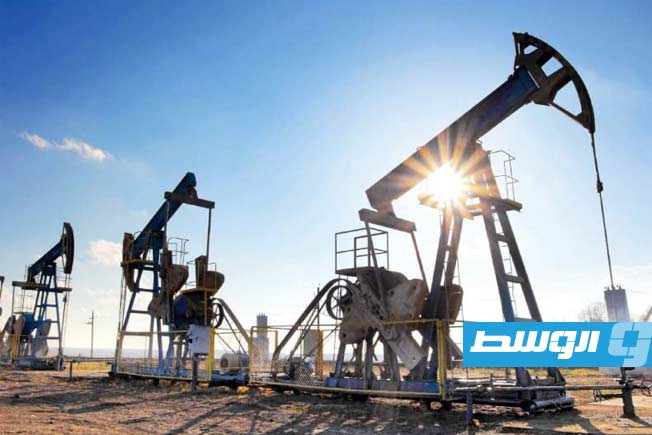
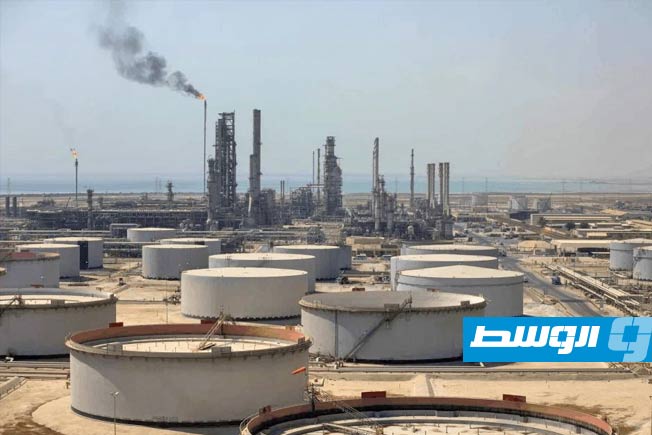
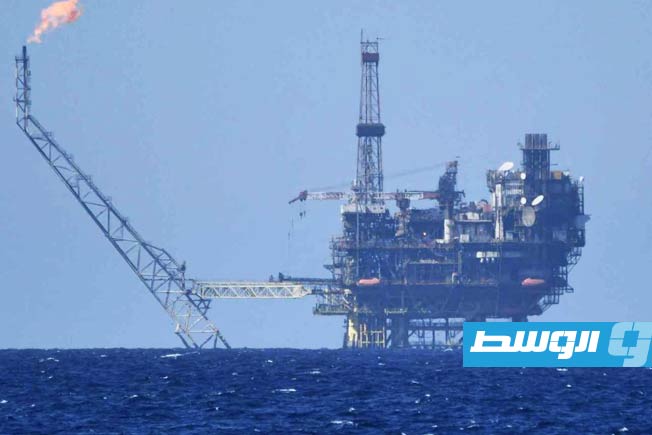
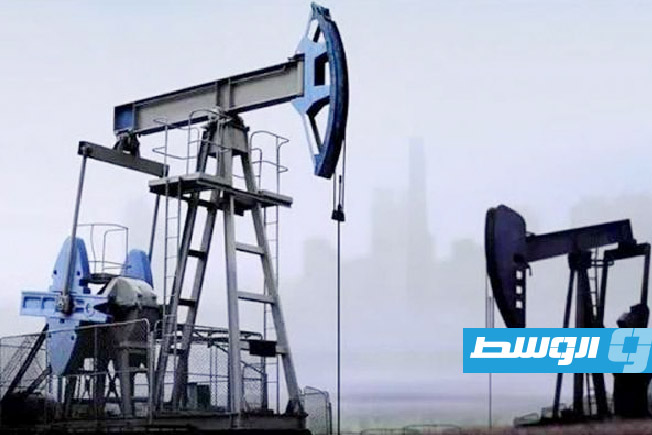
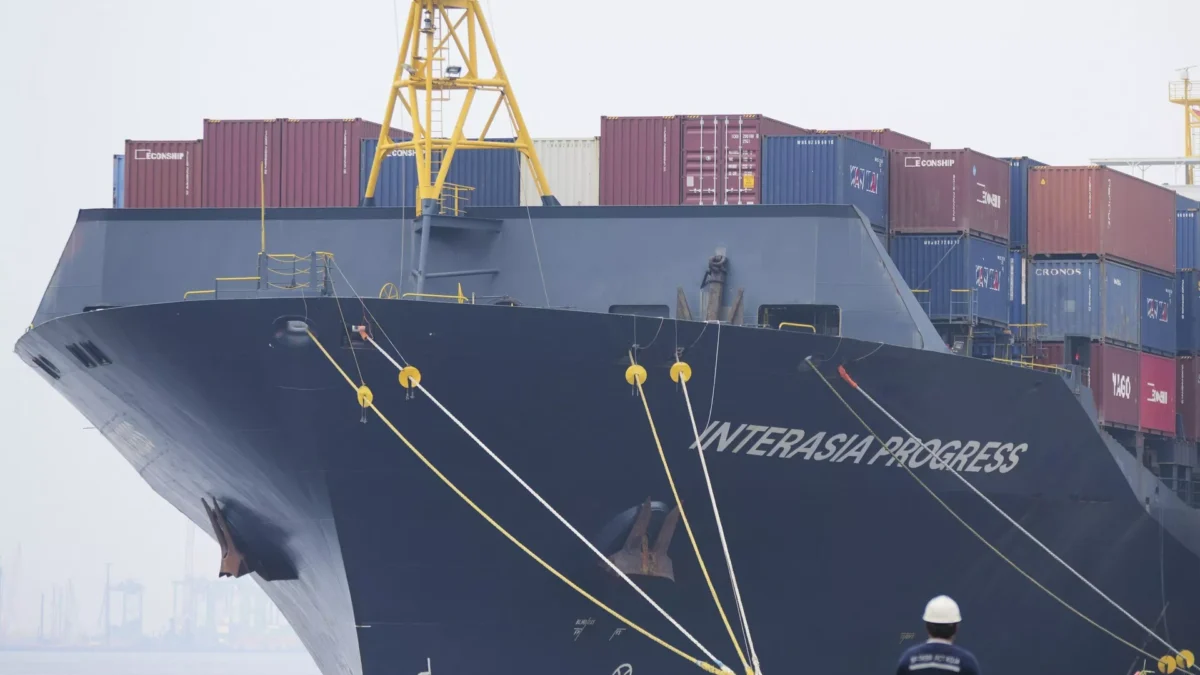
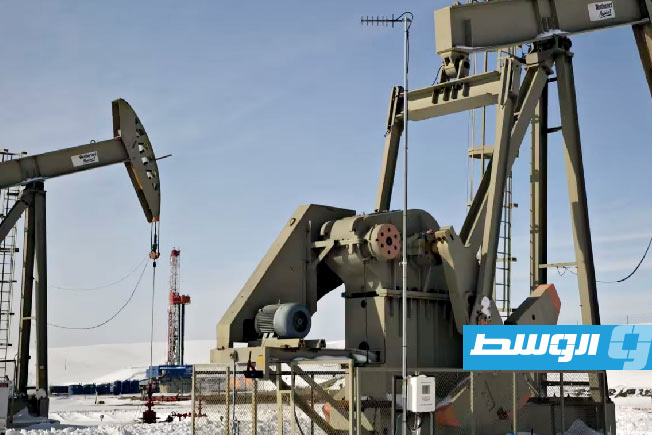
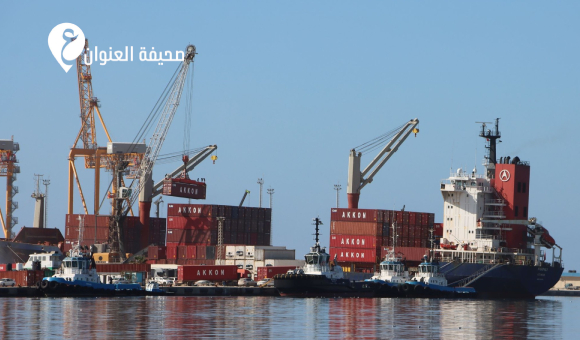
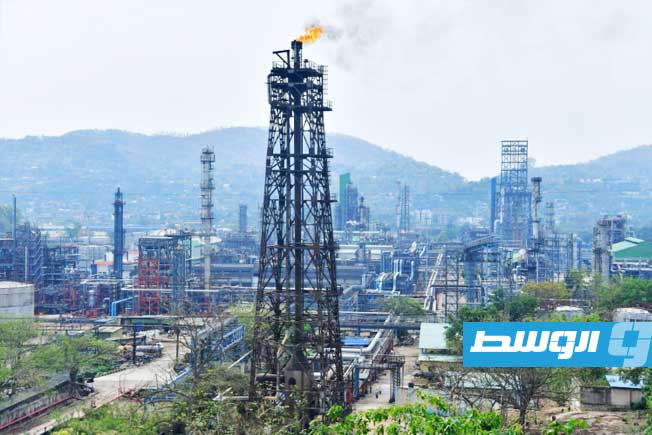
The United States announced on Friday the imposition of new sanctions to limit Iranian oil exports, targeting 14 vessels. This came moments after the two sides concluded a round of indirect talks in the Sultanate of Oman.
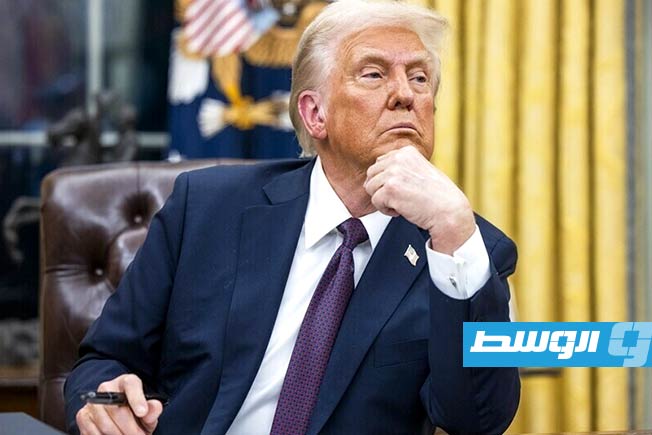
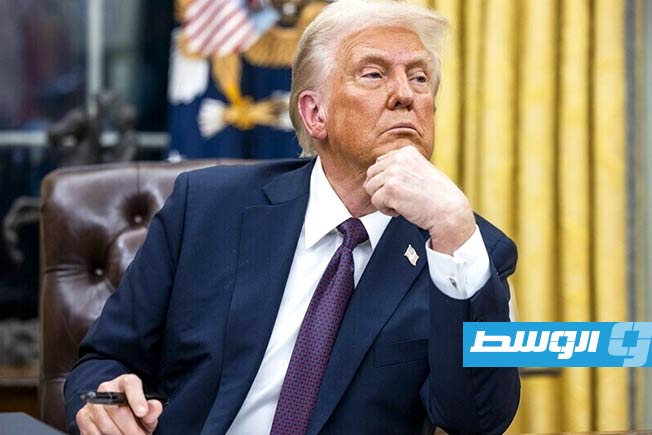
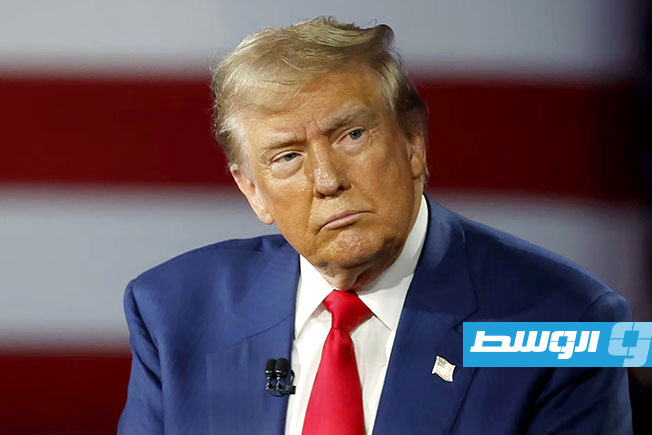
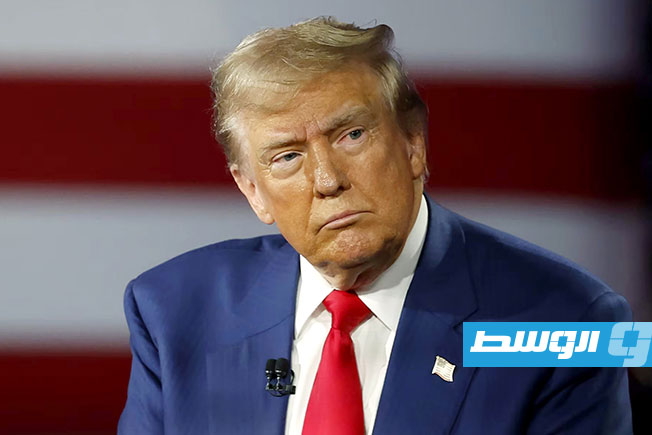
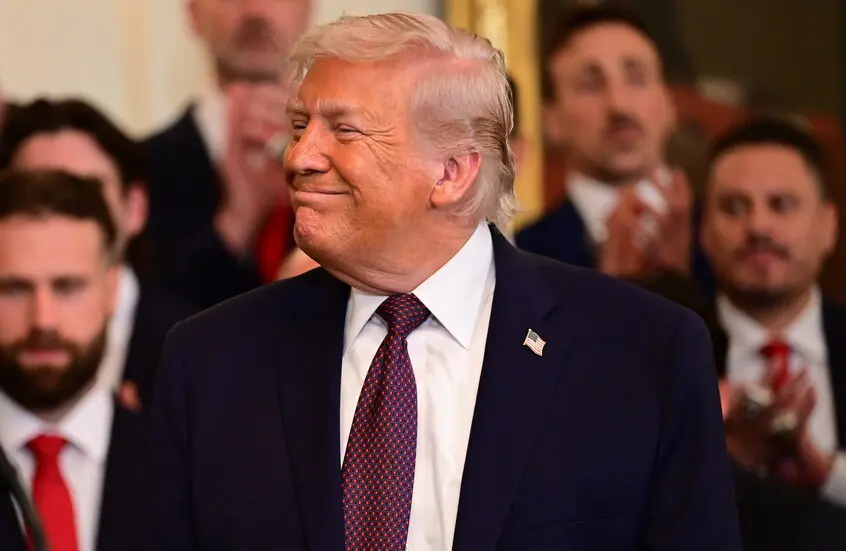
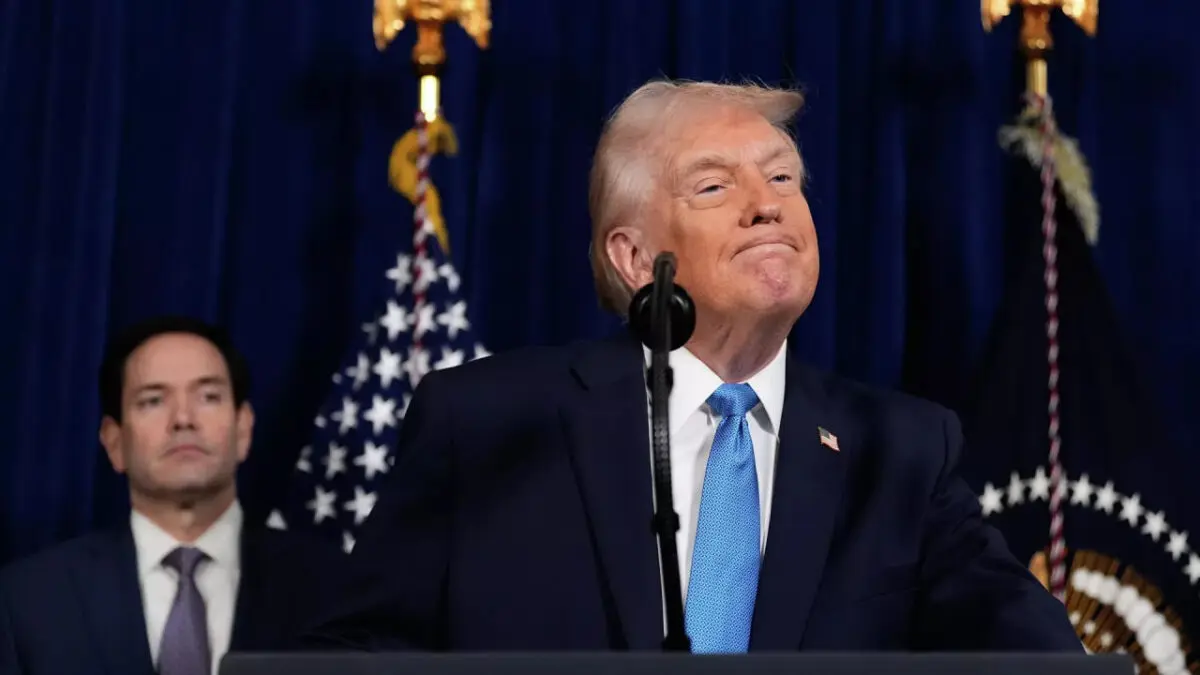
A statement said that the US President is “committed to reducing the Iranian regime’s exports of illicit oil and petrochemicals, as part of the maximum pressure campaign pursued by the US administration.”
–
Previous US sanctions on the Iranian oil sector
Last October, the US government announced sanctions on approximately fifty individuals, companies, and vessels, the majority in Asia, accusing them of involvement in the sale and transport of Iranian oil and gas, including companies in the UAE.
A statement explained that the sanctions target a network accused of facilitating the transfer of hundreds of millions of dollars from Iranian energy exports, providing “essential financing for the Iranian regime and supporting terrorist groups that threaten the United States.”
The sanctions include around twenty vessels belonging to the so-called Iranian “ghost fleet,” an oil terminal in China, as well as small independent Chinese refineries known as “teapots.”
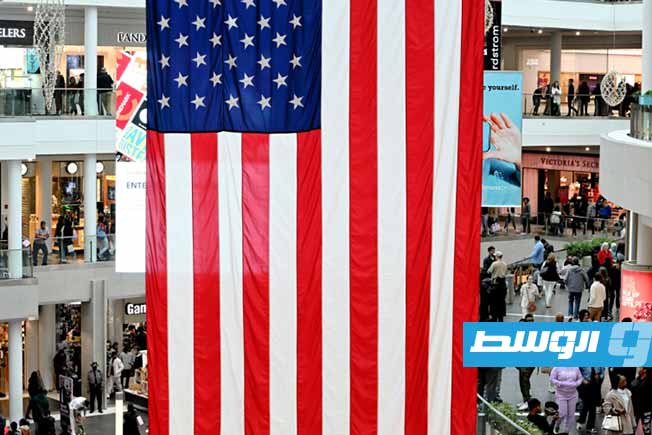
United States
The United States is a federal republic founded in 1776 after declaring independence from Great Britain, establishing itself through a revolutionary war and the ratification of a constitution that created a representative democracy. Its history includes significant territorial expansion, a civil war over slavery, and its emergence as a global superpower in the 20th century.
Iranian oil
The Iranian oil industry began with the 1908 discovery of oil in Masjed Soleiman, leading to the formation of the Anglo-Persian Oil Company. This resource has been central to Iran’s modern economic development and a major factor in its 20th-century geopolitical relations, including the 1951 nationalization crisis. Today, Iran possesses some of the world’s largest proven oil and natural gas reserves.
Sultanate of Oman
The Sultanate of Oman is a nation on the southeastern coast of the Arabian Peninsula with a rich maritime history as a powerful trading empire. Its modern history is marked by the reign of Sultan Qaboos bin Said, who from 1970 until his death in 2020, transformed the country from an isolated state into a stable, modern nation.
US President
The US President is the head of state and government of the United States, a role established by the Constitution in 1787. The office has evolved from its original design, with the presidency growing in power and influence over the nation’s political history.
Iranian regime
The term “Iranian regime” commonly refers to the system of government established after the 1979 Islamic Revolution, which replaced the monarchy with an Islamic Republic based on the principle of Velayat-e Faqih (Guardianship of the Islamic Jurist). This political structure blends republican elements like elected presidents and parliaments with theocratic oversight by a Supreme Leader and clerical institutions.
US administration
The US administration refers to the executive branch of the federal government, headed by the President. Its structure and powers were established by the U.S. Constitution in 1789, creating a system of checks and balances with Congress and the judiciary. The administration’s specific policies and priorities change with each elected president and their appointed cabinet.
Asia
Asia is the world’s largest and most populous continent, home to ancient civilizations like those in Mesopotamia, the Indus Valley, and China. Its history spans millennia, featuring the rise and fall of vast empires, the spread of major world religions, and profound technological and cultural innovations that have shaped global history.
UAE
The United Arab Emirates (UAE) is a federation of seven emirates on the Arabian Peninsula, formed in 1971 following the end of British protectorate treaties. Historically a region of pearl diving and trade, it has rapidly transformed into a global hub known for its modern architecture, such as the Burj Khalifa, and its deep-rooted Islamic and Arab cultural traditions.
China
China is one of the world’s oldest continuous civilizations, with a recorded history spanning over four millennia. It is home to numerous UNESCO World Heritage sites, such as the Great Wall and the Forbidden City, which reflect its long imperial past and profound cultural achievements.