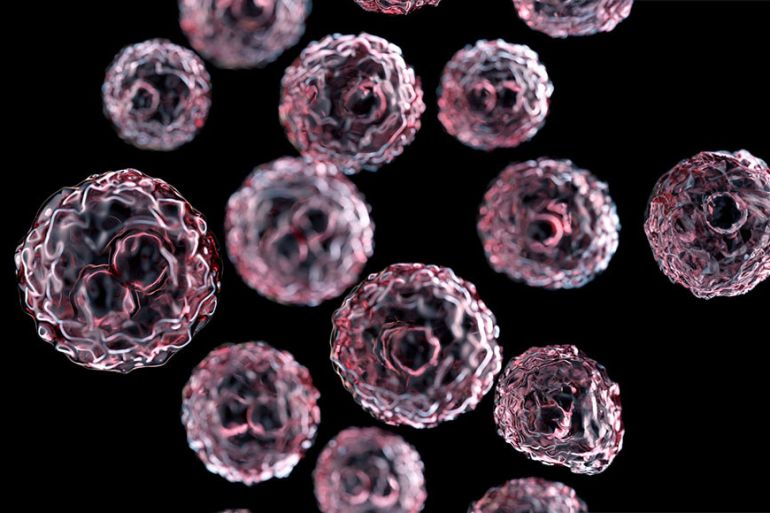
Researchers have announced the creation of a new nanomaterial that can, in principle, kill bone cancer cells through targeted heat, while simultaneously helping the bone to heal.
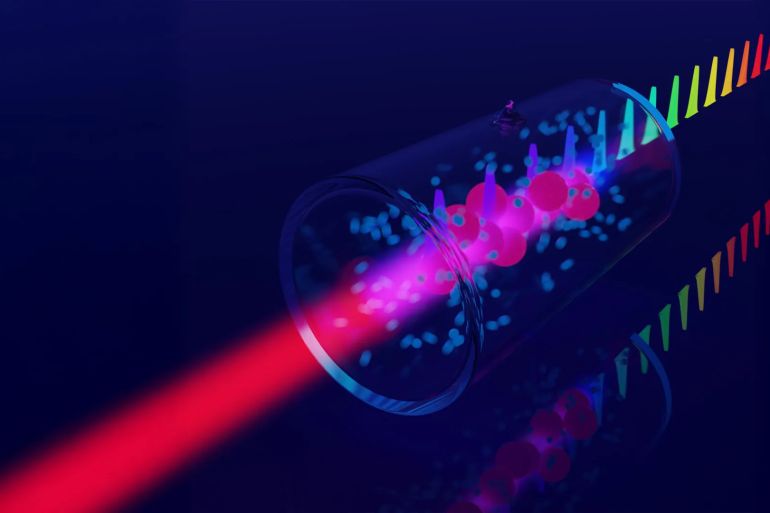
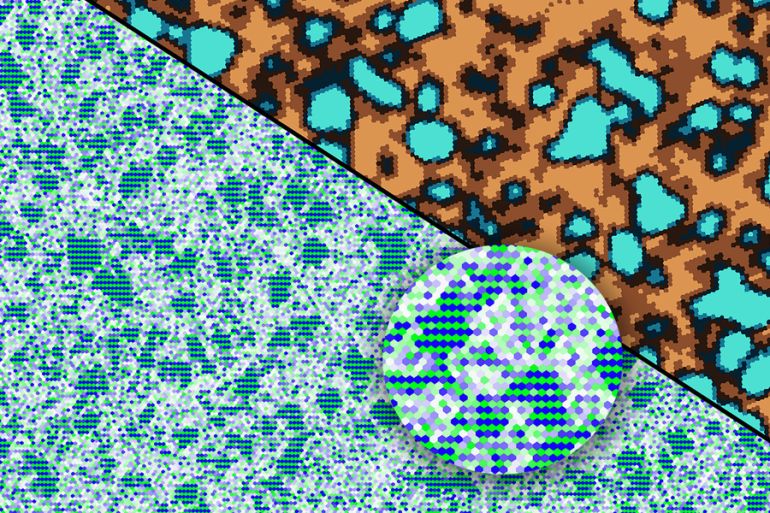
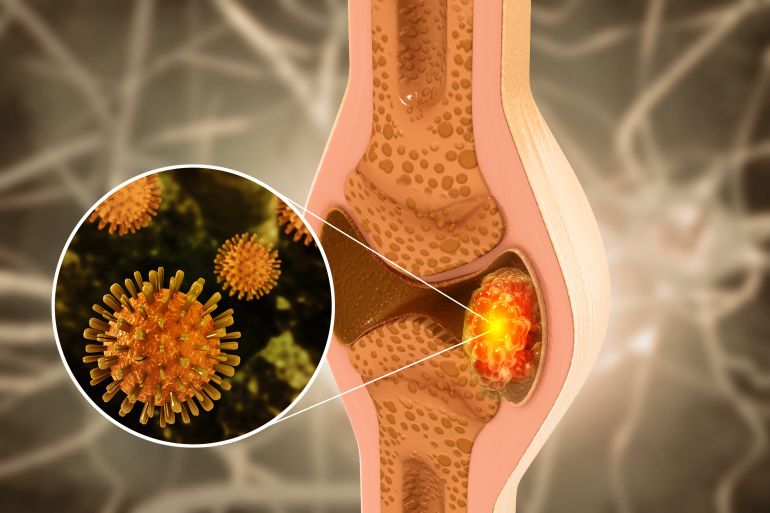
According to the study published in the journal “Magnetic Medicine”, the idea is based on implanting extremely small particles near the tumor site. These particles are then activated externally via a magnetic field to generate localized heat. This heat kills the cancer cells, while their coating prepares a “bone-friendly” surface that encourages the area to rebuild and then heal.
Smaller Than a Hair
These particles themselves represent a small nanodevice. They consist of an iron oxide core, which acts as a very small heater, with a diameter of less than 10 nanometers. To put this into perspective, a single hair on your head is about seven to ten thousand times wider than this particle.
This nanosphere is coated with a thin layer of bioglass. The term “glass” here does not refer to window glass, but a special type of glassy material designed to be compatible with bone.
The surface of this bioglass reacts chemically in a way that leads to the formation of a mineral layer similar to bone mineral. This layer acts as a bridge that helps bone cells adhere and grow, supporting healing.
After targeting and destroying the tumor, a problem remains: the damaged bone needs repair. This is where the bioglass comes in. In experiments conducted by the team, the particles were placed in a fluid mimicking the body’s environment, and their surface quickly began to form a mineral layer similar to bone mineral called “apatite”. This is a common indicator that the material may integrate well with bone and aid its later growth.
Subsequent Tests
According to the study, scientists tested numerous samples of these nanospheres. One sample, referred to as “Mag-8-BG”, stood out as the fastest in mineralization rate and the highest in magnetism, and was therefore selected to evaluate performance on cancer cells.
If these materials succeed in later stages of testing, they could open the door to a treatment scenario involving just one procedure: introducing the material to the tumor site, then locally activating the heating via a magnetic field to damage the cancer cells. Simultaneously, the biocoating begins preparing a suitable surface for bone regeneration and strengthening its integration.
It is important to note that these results are still within the scope of laboratory testing and material characterization, meaning this is not a ready-made treatment. Deeper studies are needed to confirm safety, effectiveness, and precise heat control.