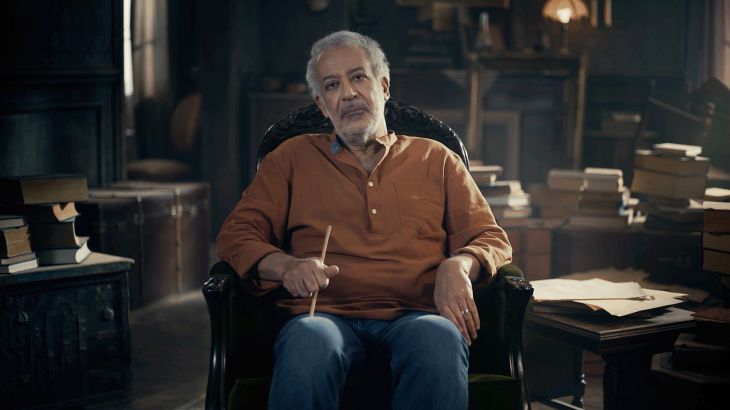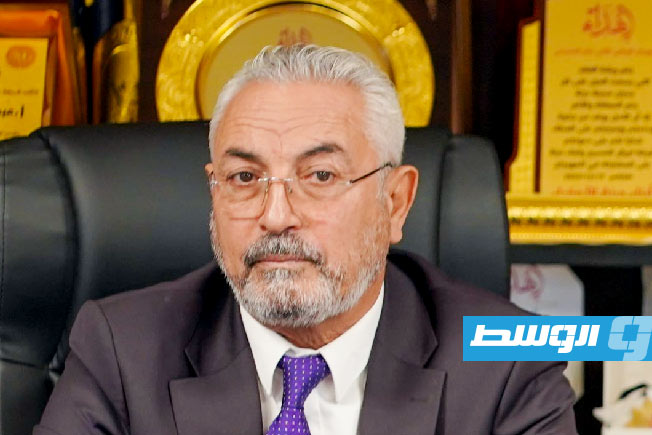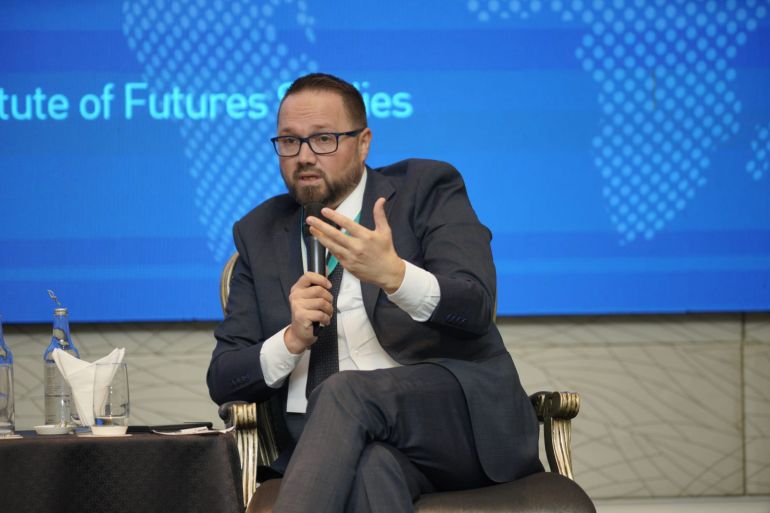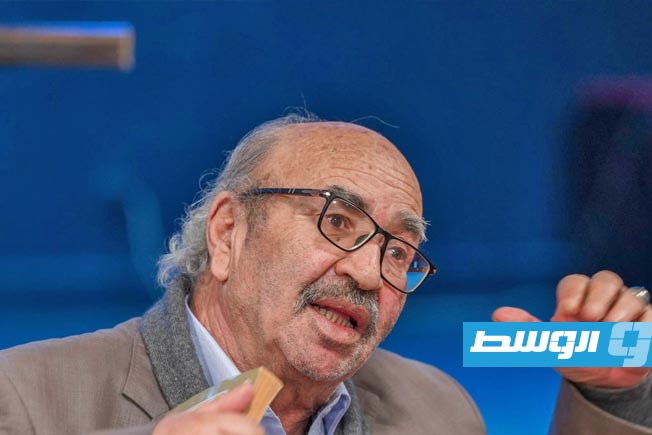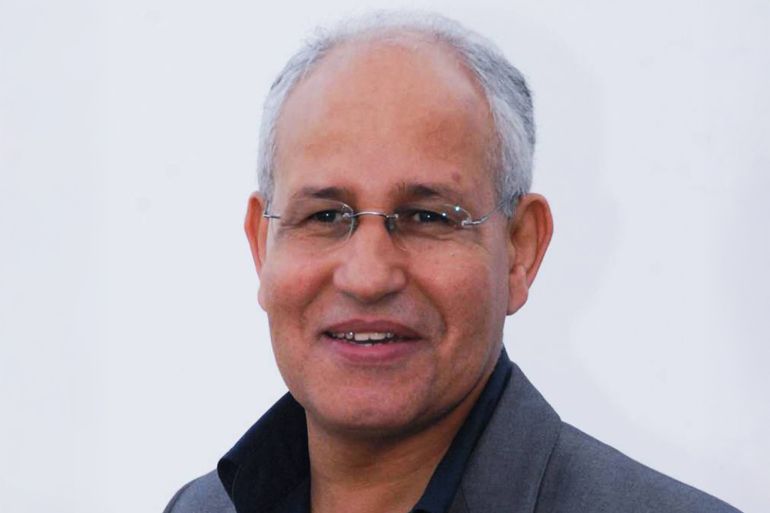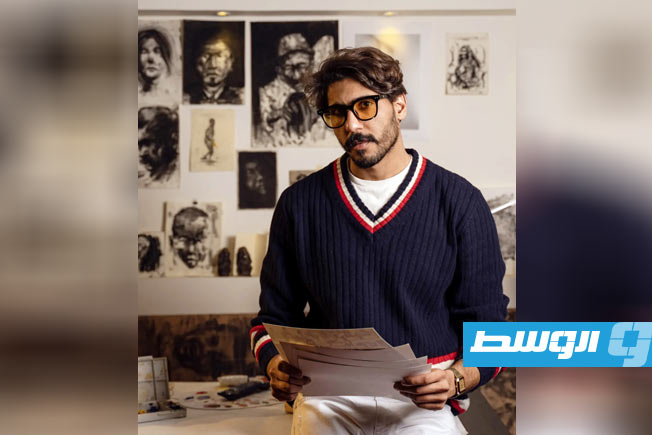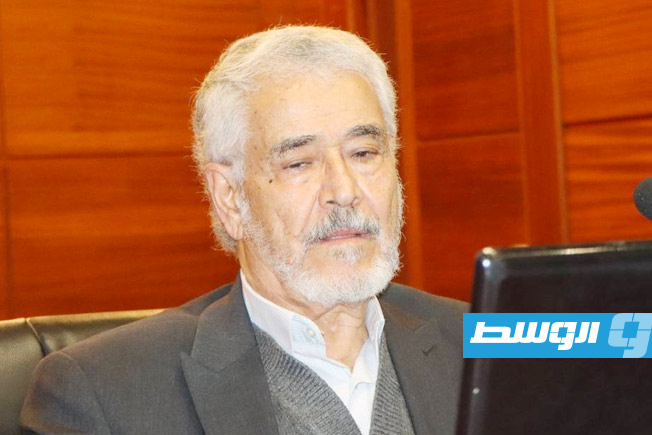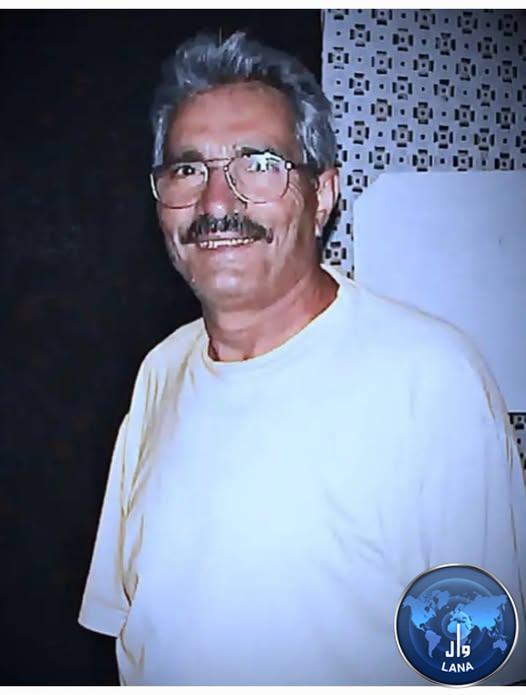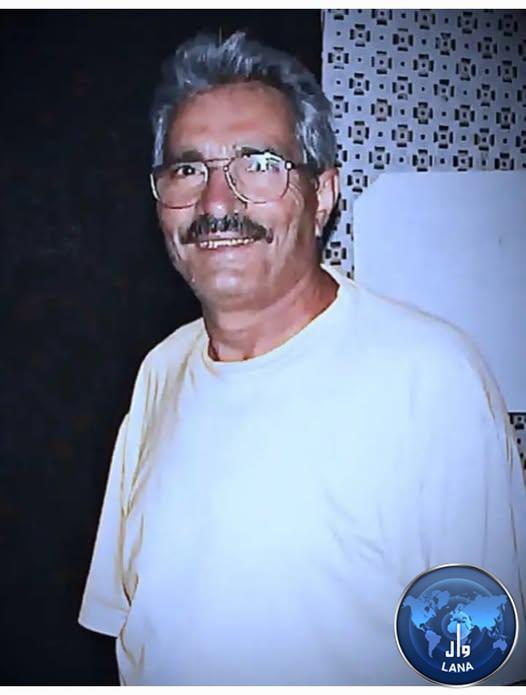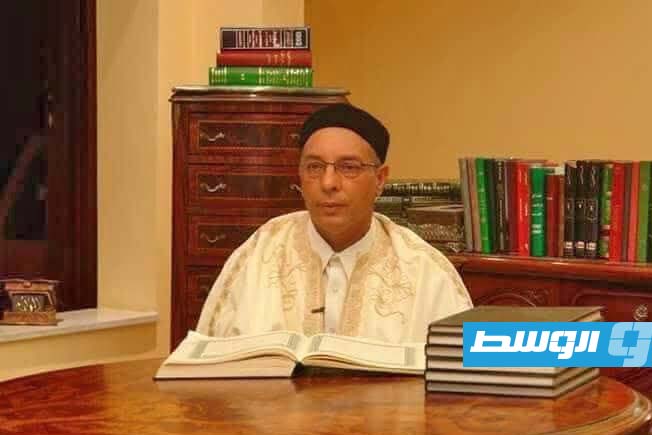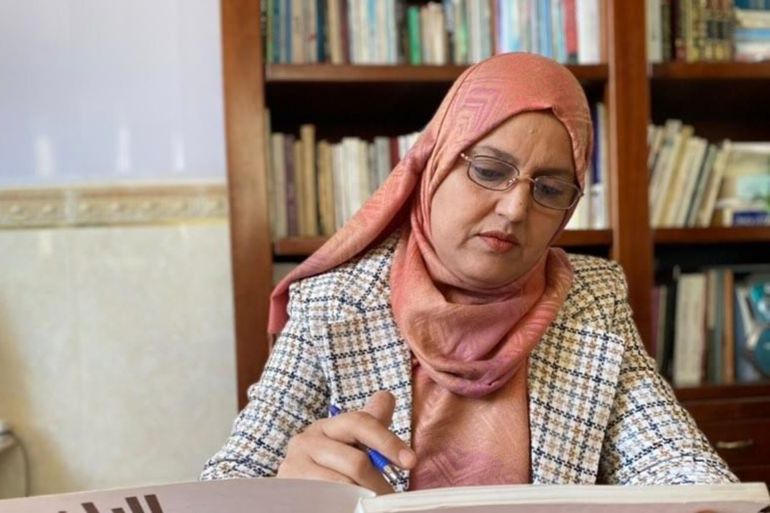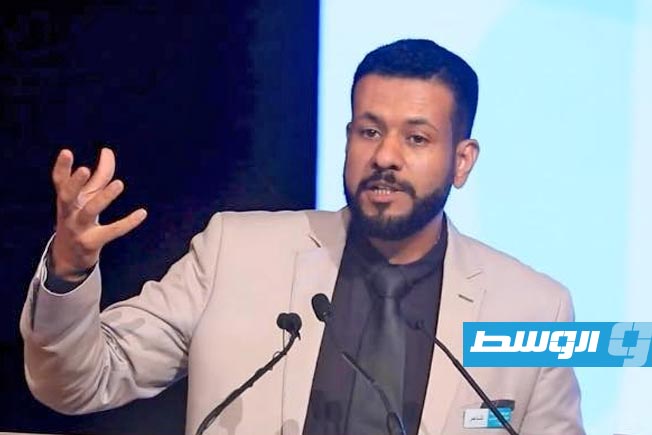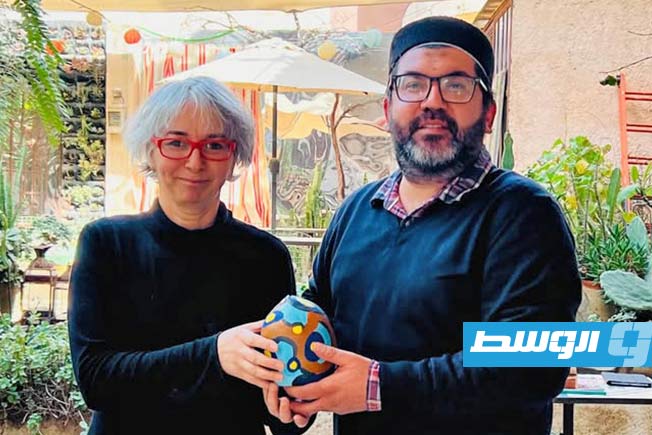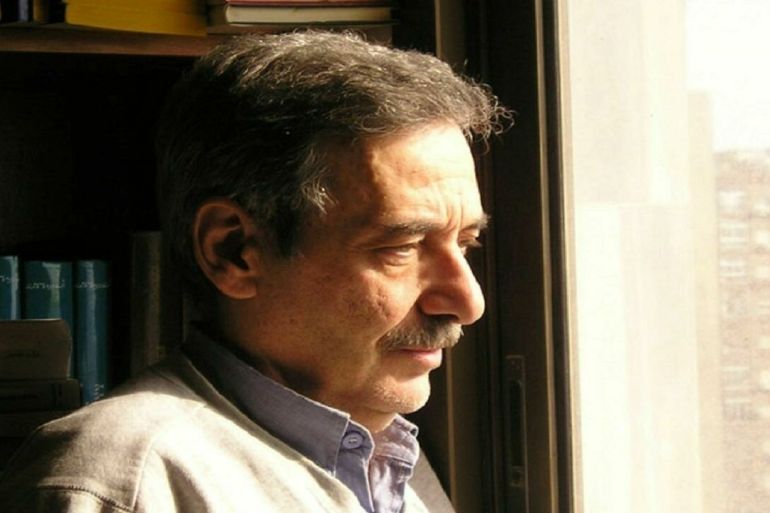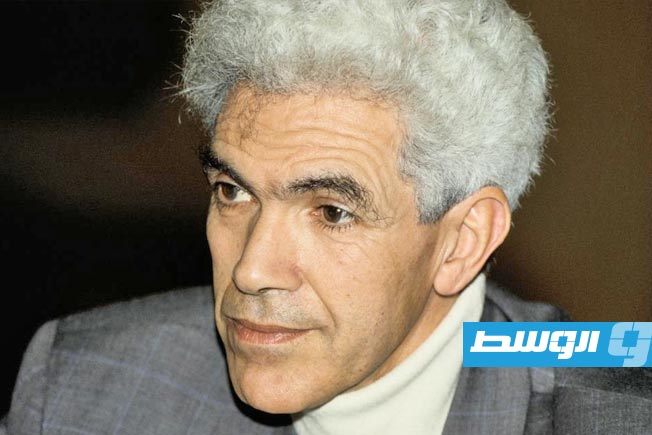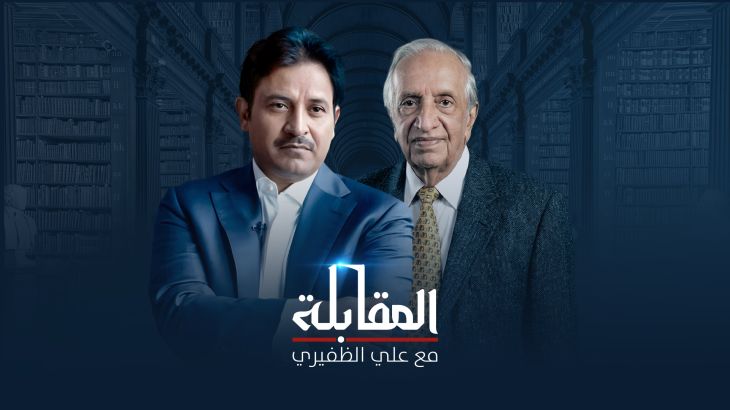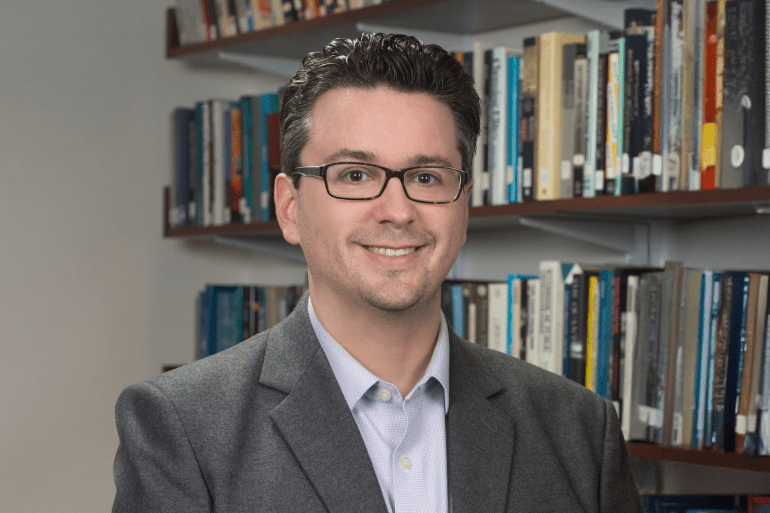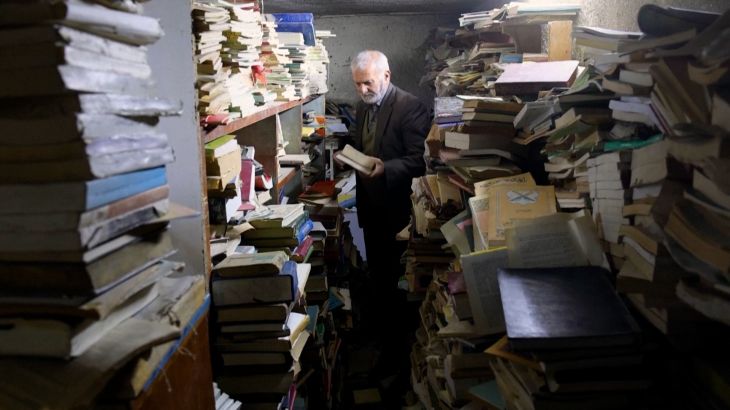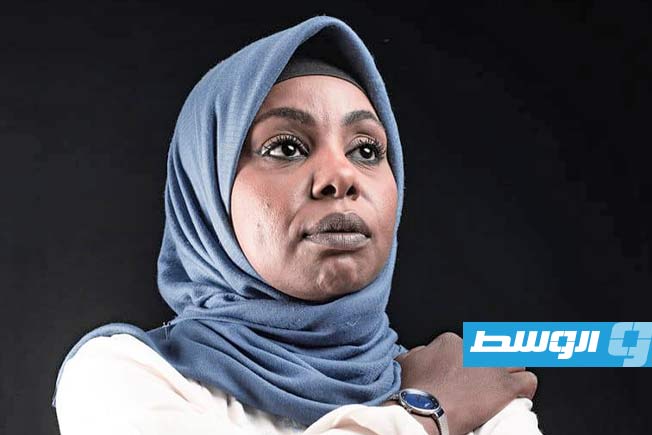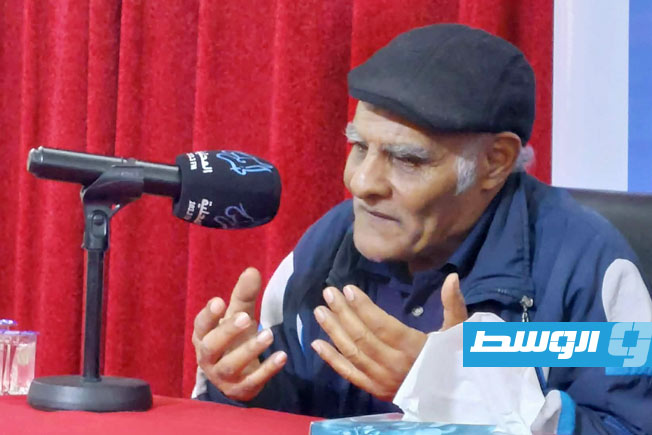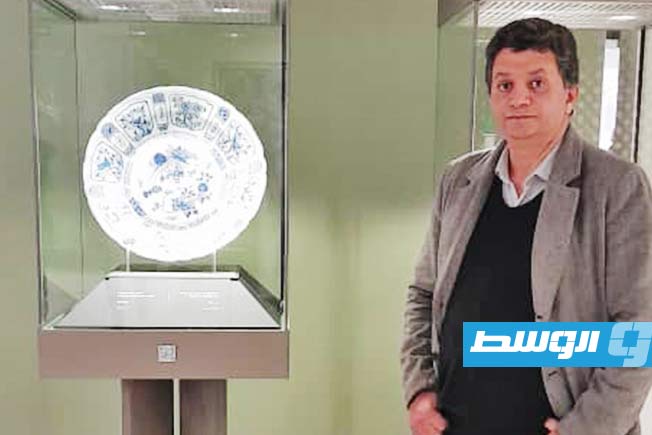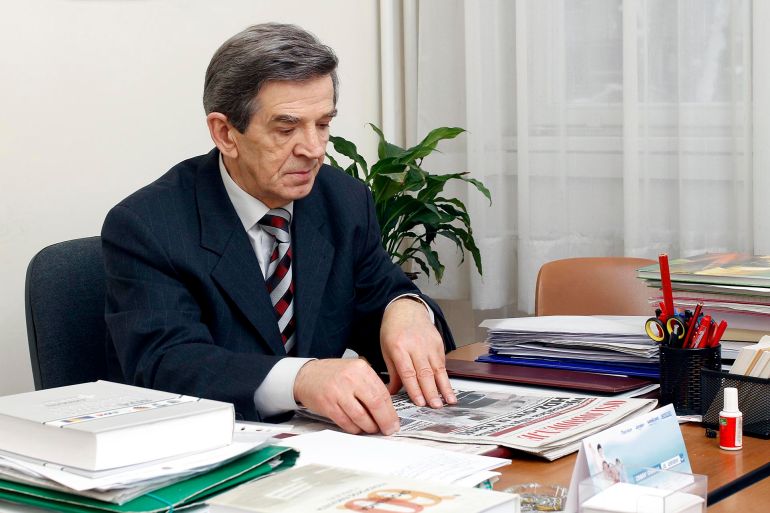
More than 20 years have passed since the Bosnian thinker and translator Asad Durakovic published his translation of the Holy Quran into the Bosnian language (2004), before he released a second edition in late 2025, which he had worked on completing for two decades. It was printed in Istanbul under the sponsorship of the “Center for Advanced Studies”.
The following interview was conducted:
- What is new in the second edition of the translation of the Holy Quran?
Generally speaking, my relationship with the Quranic text today is not the same as it was 20 years ago. It is the central text of an extremely complex cultural and religious universe; it is a text that remains constant forever, but we change, and our relationship with it and our understanding of its messages are not always the same, except for matters related to monotheism.
Therefore, it must be said that there is no final or complete translation of this original text, which remains sublime and greater than any achievement in translation.
There were seven complete translations of the Holy Quran into the Bosnian language that focused on conveying the meaning without paying attention to the unique style and eloquence of the Quranic text.
In short, our previous translations and understanding of the text sometimes leaned towards a kind of “negativity” and instilling fear of God, while the text at its core is charged with positivity. This time, I sought to convey the maximum possible amount of this positivity, starting with expressions like “Day of Judgment,” “Day of Resurrection,” and “fear God.”
I believe there is a need today to cultivate love for God in the hearts of believers, not fear of God, because love motivates and encourages positive actions, while fear leads to negativity and stagnation. This is my point of view, and I do not impose it on anyone.
- What distinguishes your translation of the Holy Quran from other translations?
Before my translation, there were seven complete translations of the Holy Quran into the Bosnian language. All of them focused on conveying the meaning without paying attention to the unique style and eloquence of the Quranic text. My goal was to convey, as much as humanly possible, even a part of its stylistic beauty, knowing that no translation can succeed in this completely. However, I wanted to draw attention to these values of the text.
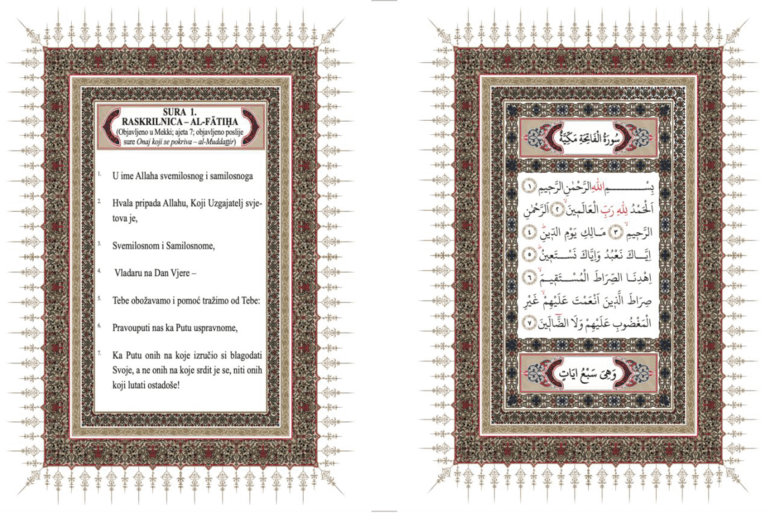
For this reason, I paid attention to rhymes, the rhythm of the text, and stylistic inversions that give it a tone of sanctity. I even included a list of rhymes in the surahs at the end of the translation. Readers of my translation noticed this, and I received very positive feedback.
- What specific challenges appear when translating the Quran into the Bosnian language?
There are multiple types of difficulties, stemming from the fact that the Arabic language is much richer than the Bosnian language and is characterized by exceptional semantic multiplicity. The translator faces choices of words, as choosing to convey one meaning of a word necessarily excludes other meanings from the translation.
For this reason, one should strive to achieve the optimal limit and search for the most appropriate equivalent in the Bosnian language, although some losses remain inevitable. I believe this issue exists in translations into any language, because the original text remains higher and greater than any translation.
- How do you balance in translation between the semantic meaning of the text and the intended meaning?
I can say that the semantic meaning should not be avoided and replaced with the intended meaning, because that leads to the loss of the stylistic values of the text. For example, a metaphor should be translated as a metaphor, not converted into its intended meaning. For instance, in the verse “They are clothing for you and you are clothing for them,” one should not abandon the semantic meaning, and you can explain the intended meaning in a footnote or in the interpretation.
- <strong
Holy Quran
The Holy Quran is the central religious text of Islam, believed by Muslims to be the verbatim word of God as revealed to the Prophet Muhammad through the angel Gabriel over a period of approximately 23 years, beginning in 610 CE. It serves as the primary source of Islamic faith, law, and guidance, and its compilation into a single book was completed under the first caliphs after Muhammad’s death.Bosnian language
The Bosnian language is one of the three official languages of Bosnia and Herzegovina, standardized as part of the South Slavic language group. It is based primarily on the Shtokavian dialect and uses both Latin and Cyrillic scripts, with its modern standardization emerging prominently after the country’s independence in the 1990s.Istanbul
Istanbul is a major city in Turkey that straddles the Bosporus Strait, historically serving as the capital of the Byzantine and Ottoman Empires under the names Constantinople and Byzantium. Its rich history is visible in iconic sites like the Hagia Sophia, a former cathedral and mosque, and the Topkapı Palace, the former residence of Ottoman sultans.Center for Advanced Studies
The Center for Advanced Studies is an interdisciplinary research institution typically found within a university, designed to bring together scholars from various fields to collaborate on complex, forward-looking projects. Its history is rooted in the mid-20th-century model, such as the Institute for Advanced Study in Princeton, which was founded in 1930 to provide a space for theoretical research free from teaching obligations. These centers aim to push the boundaries of knowledge by fostering an environment of intellectual freedom and concentrated inquiry.Al-Fatiha
Al-Fatiha is the opening chapter of the Quran, consisting of seven verses that are recited in every unit of Muslim prayer. It is considered the essence of the Islamic holy book, revealed to the Prophet Muhammad in Mecca and serving as a foundational prayer for guidance and mercy.