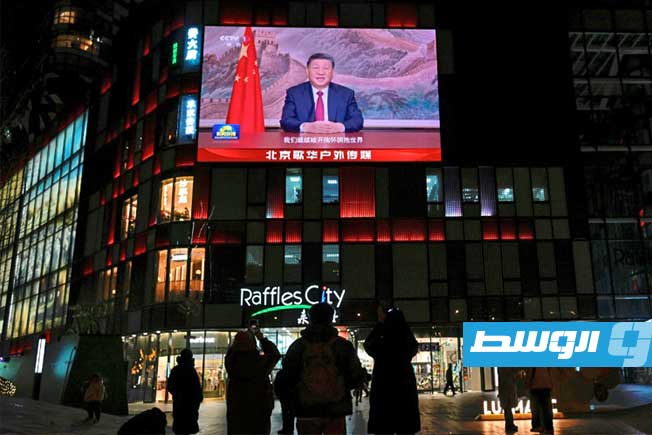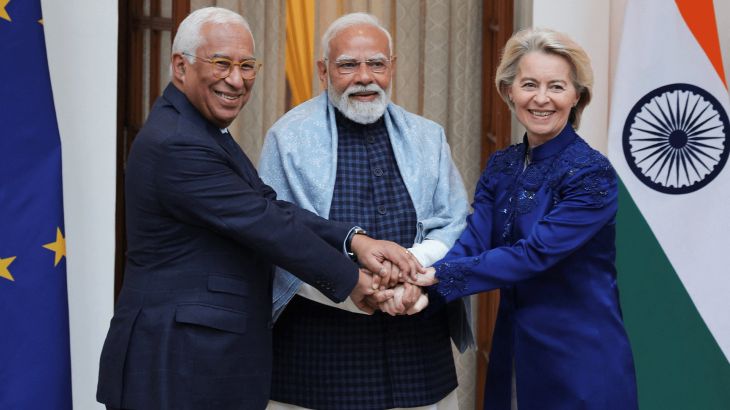
The announcement of the free trade agreement between the two parties was not just a passing economic news item, but the culmination of a long negotiation process spanning nearly two decades. It came at a turbulent international moment where the rules of global trade are being rewritten under the pressure of tariffs and geopolitical realignments.
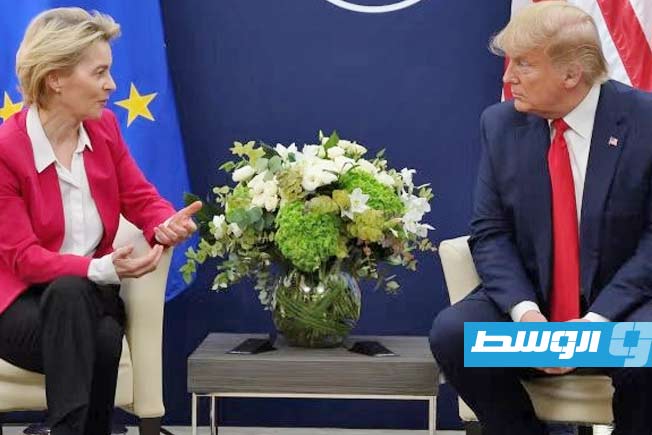
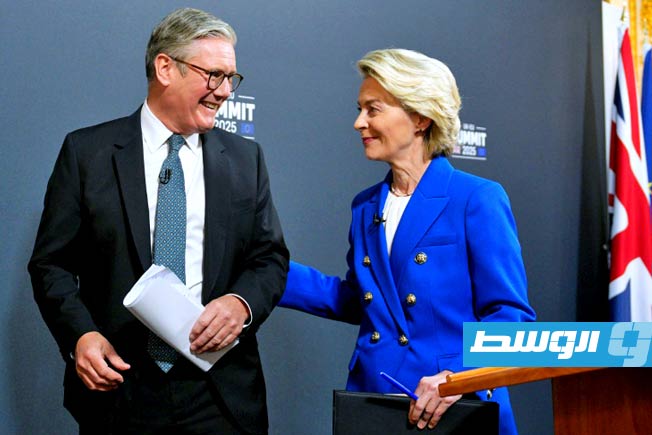
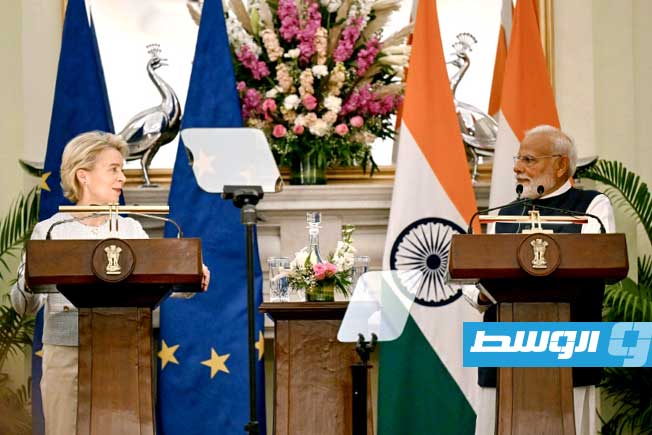
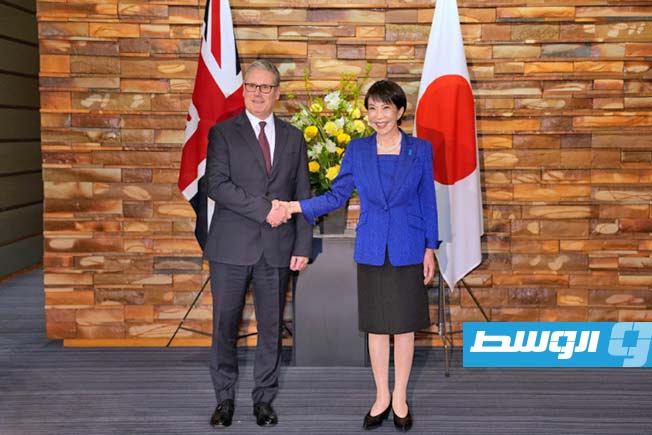
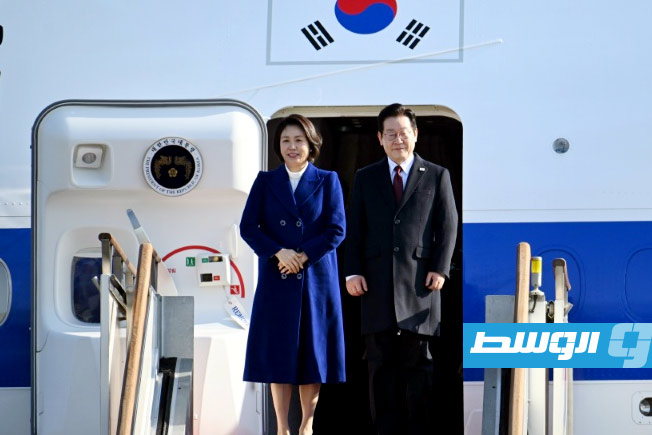
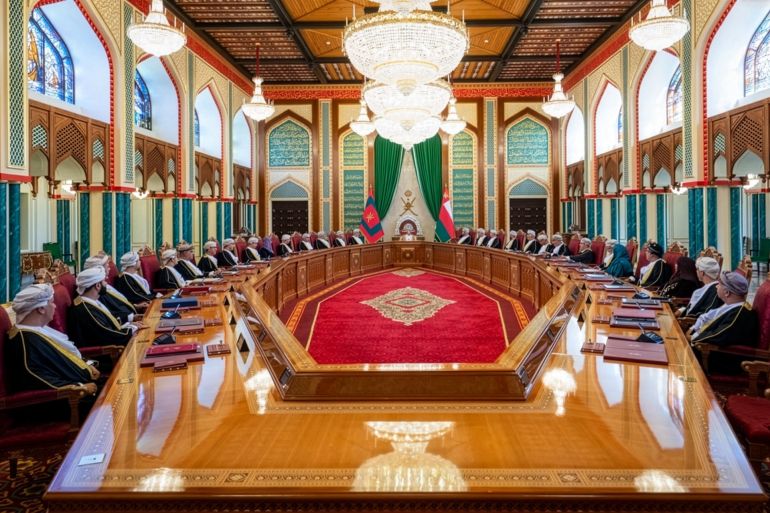
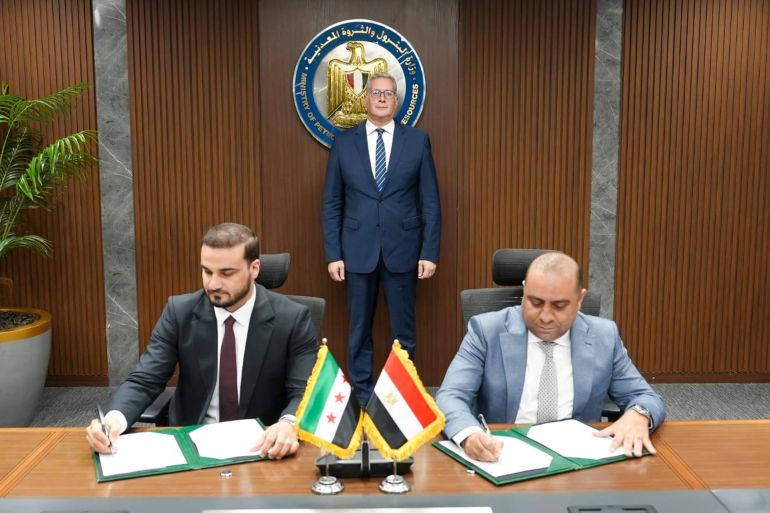
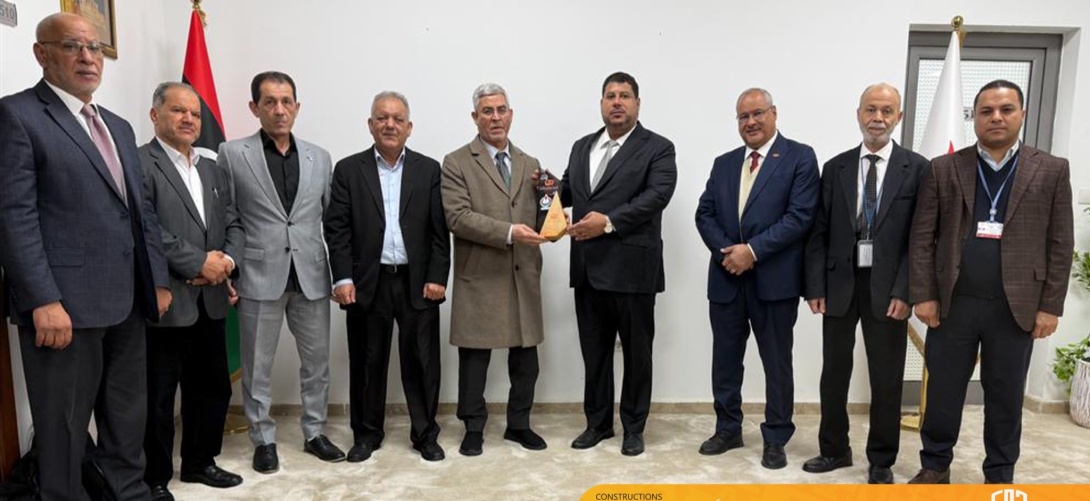
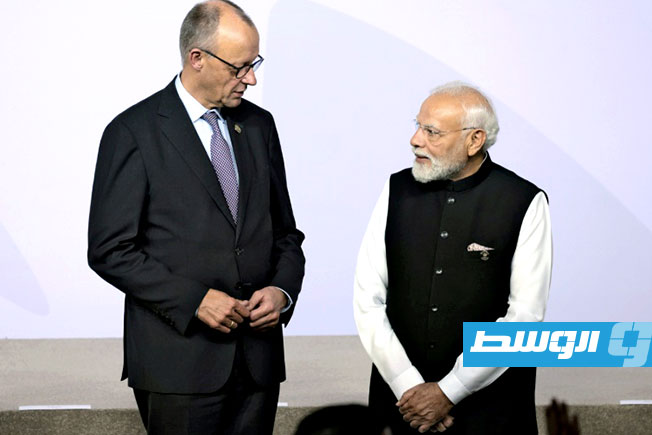
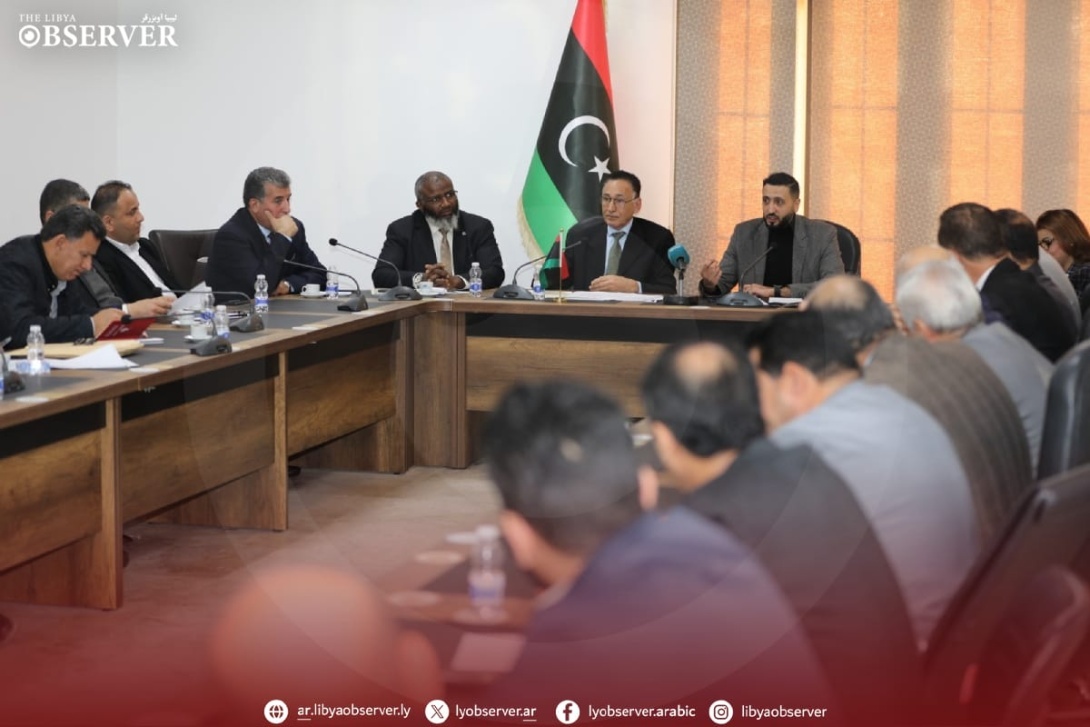
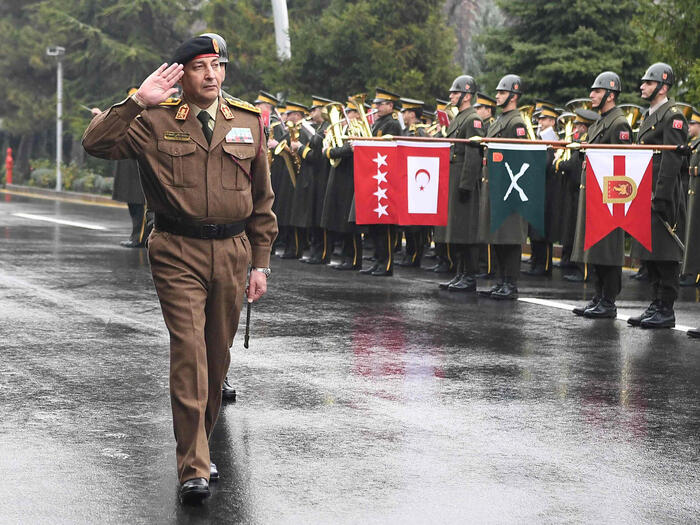
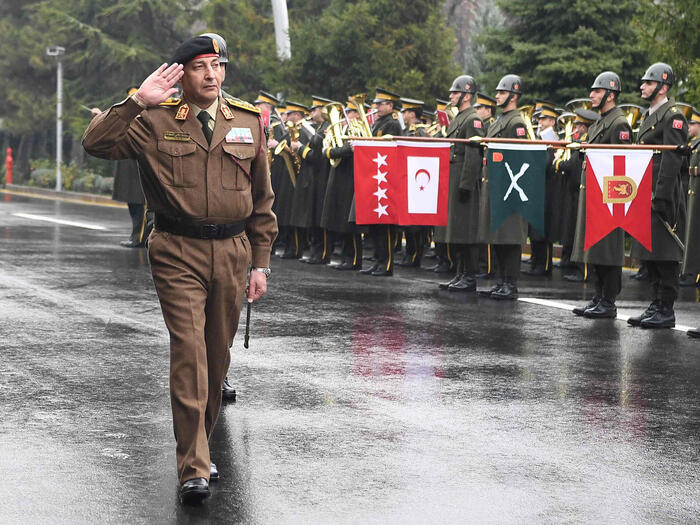
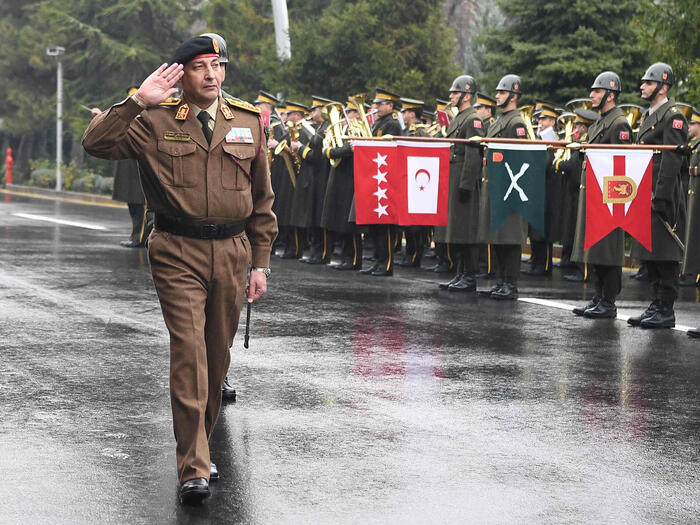
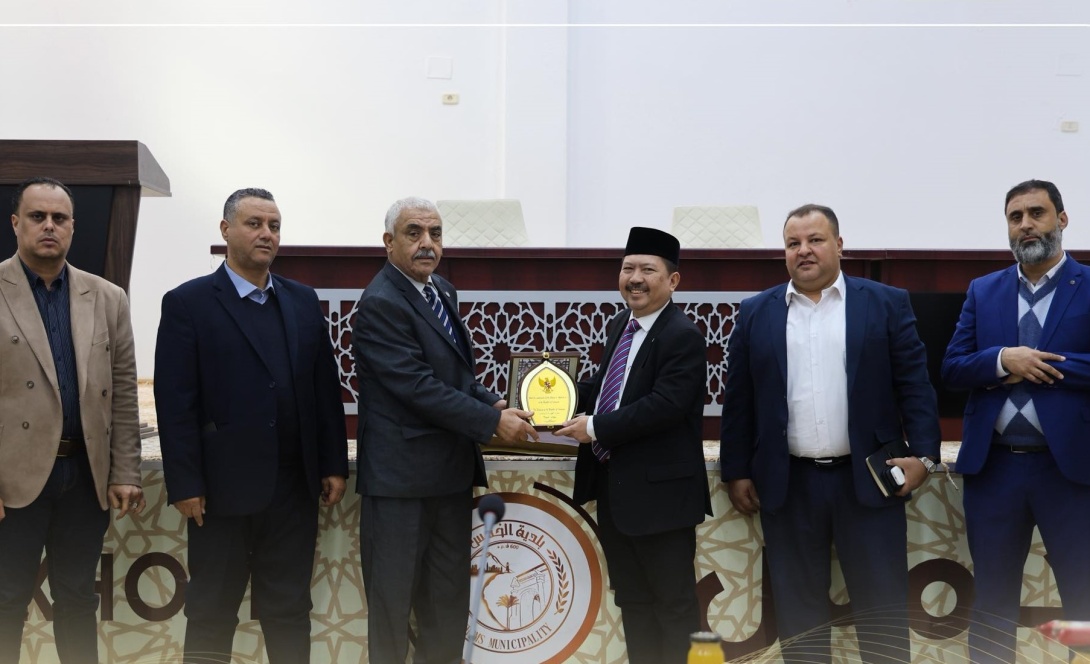
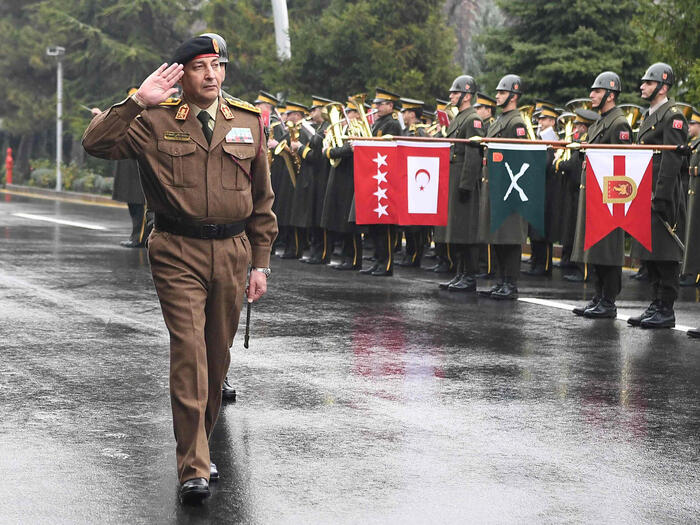
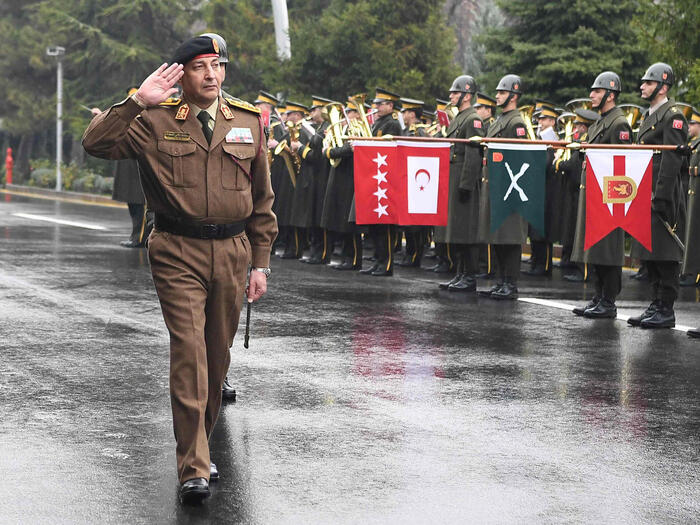
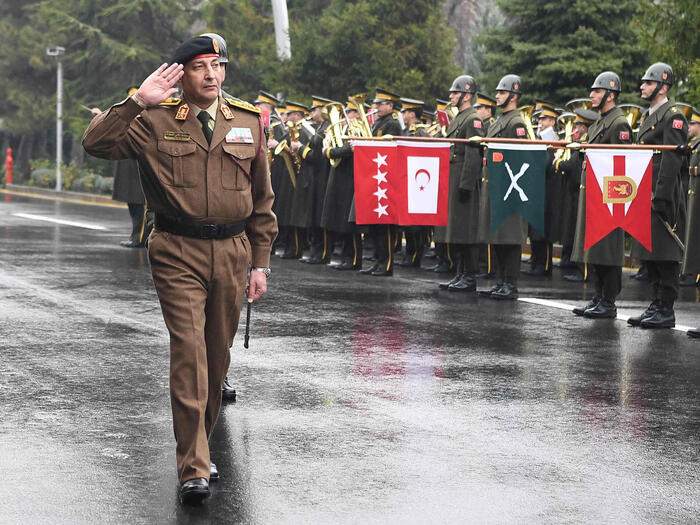
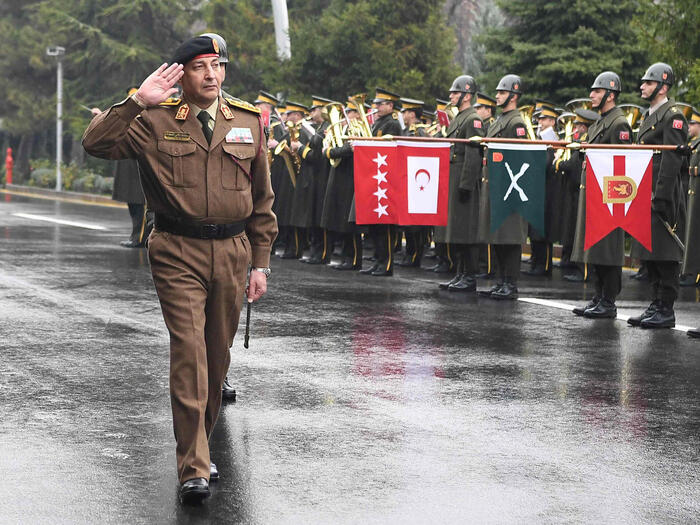
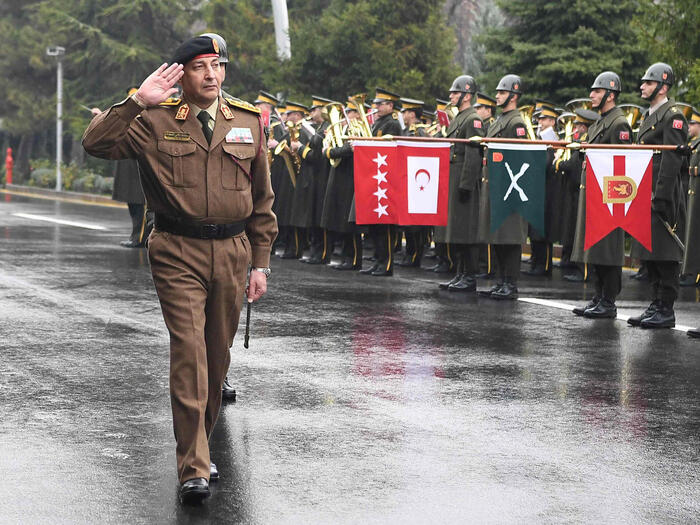
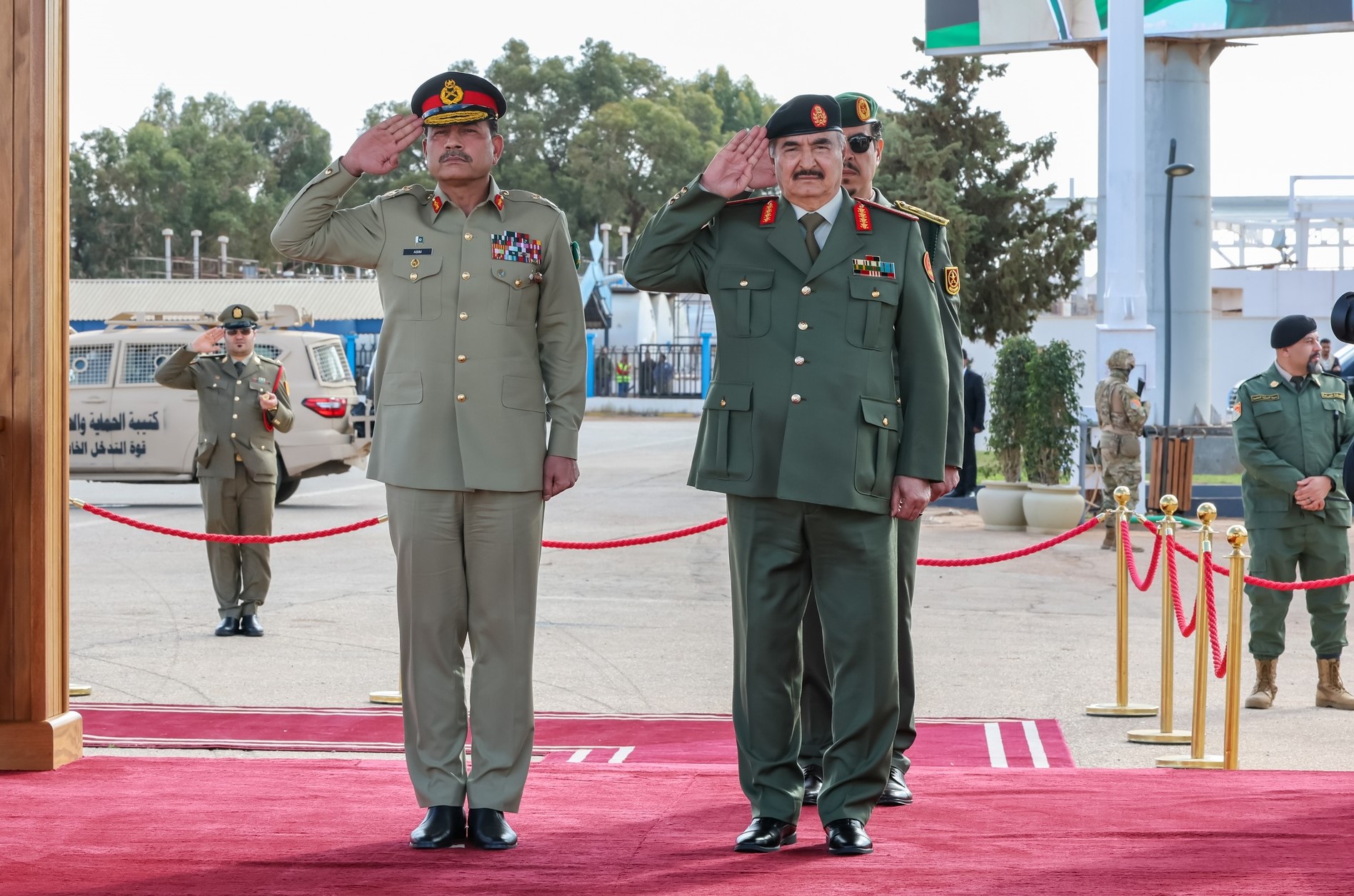
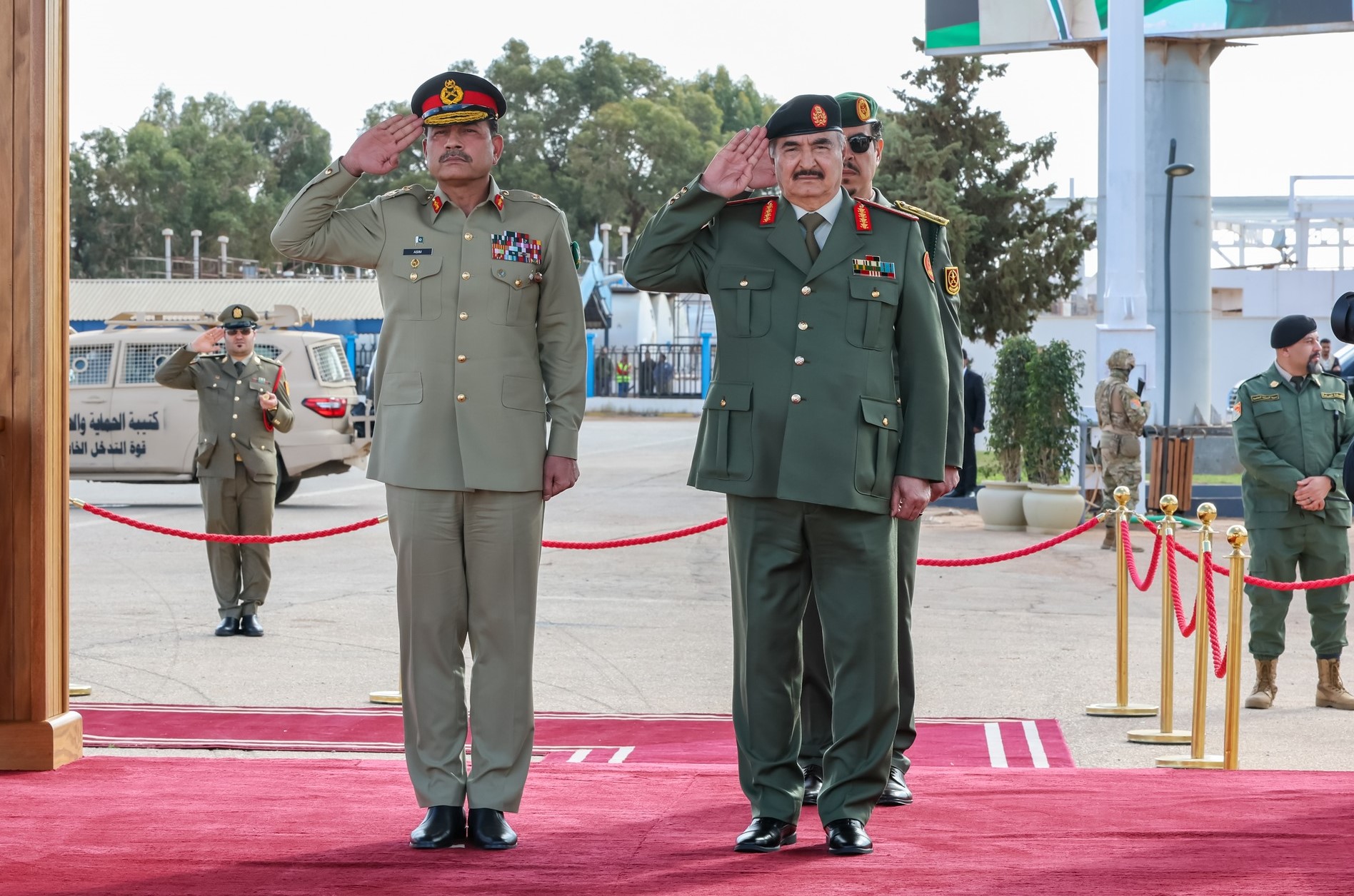
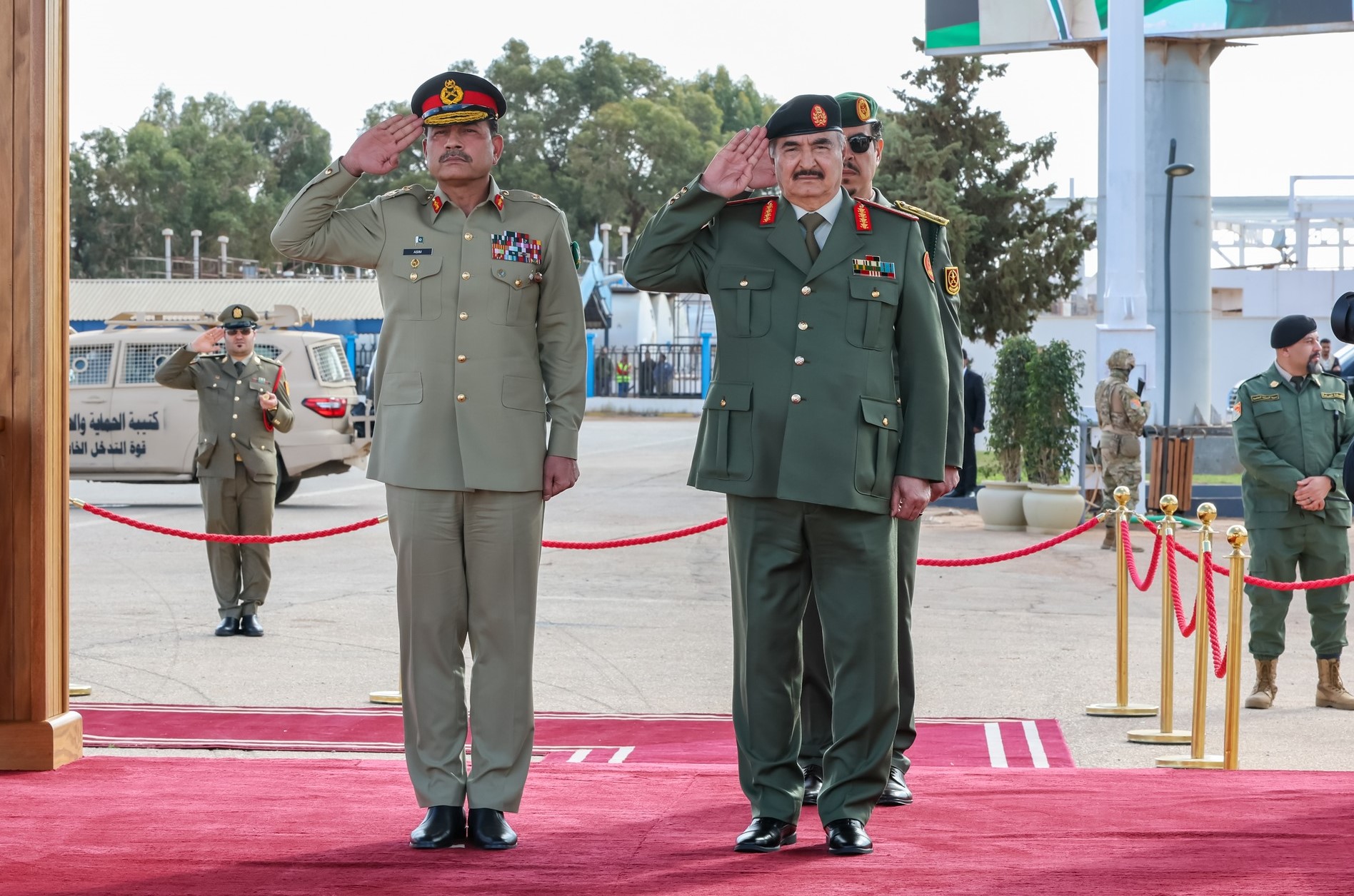
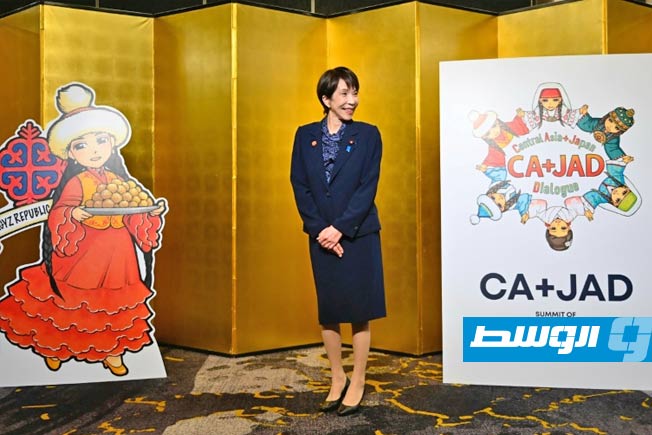
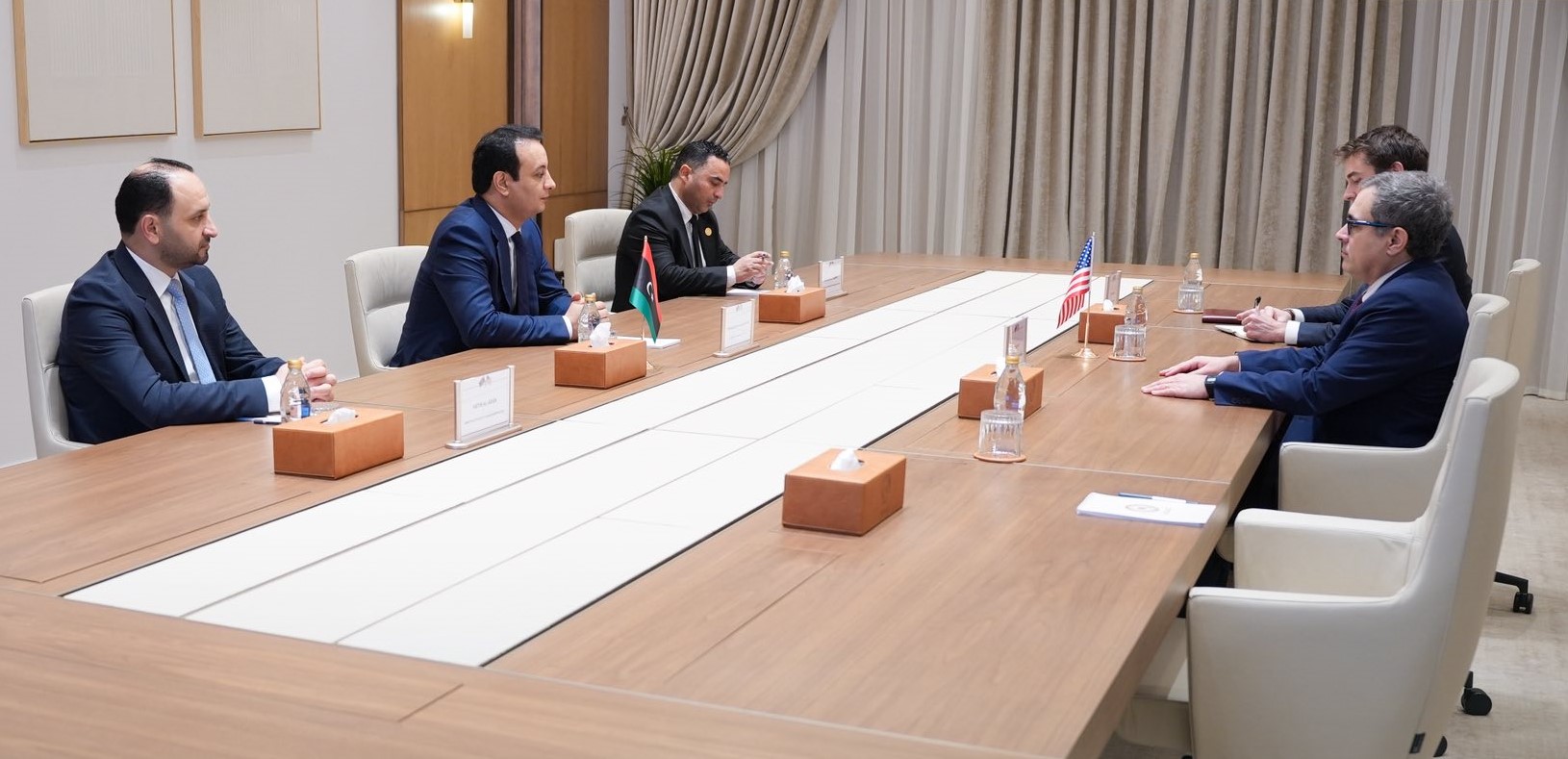
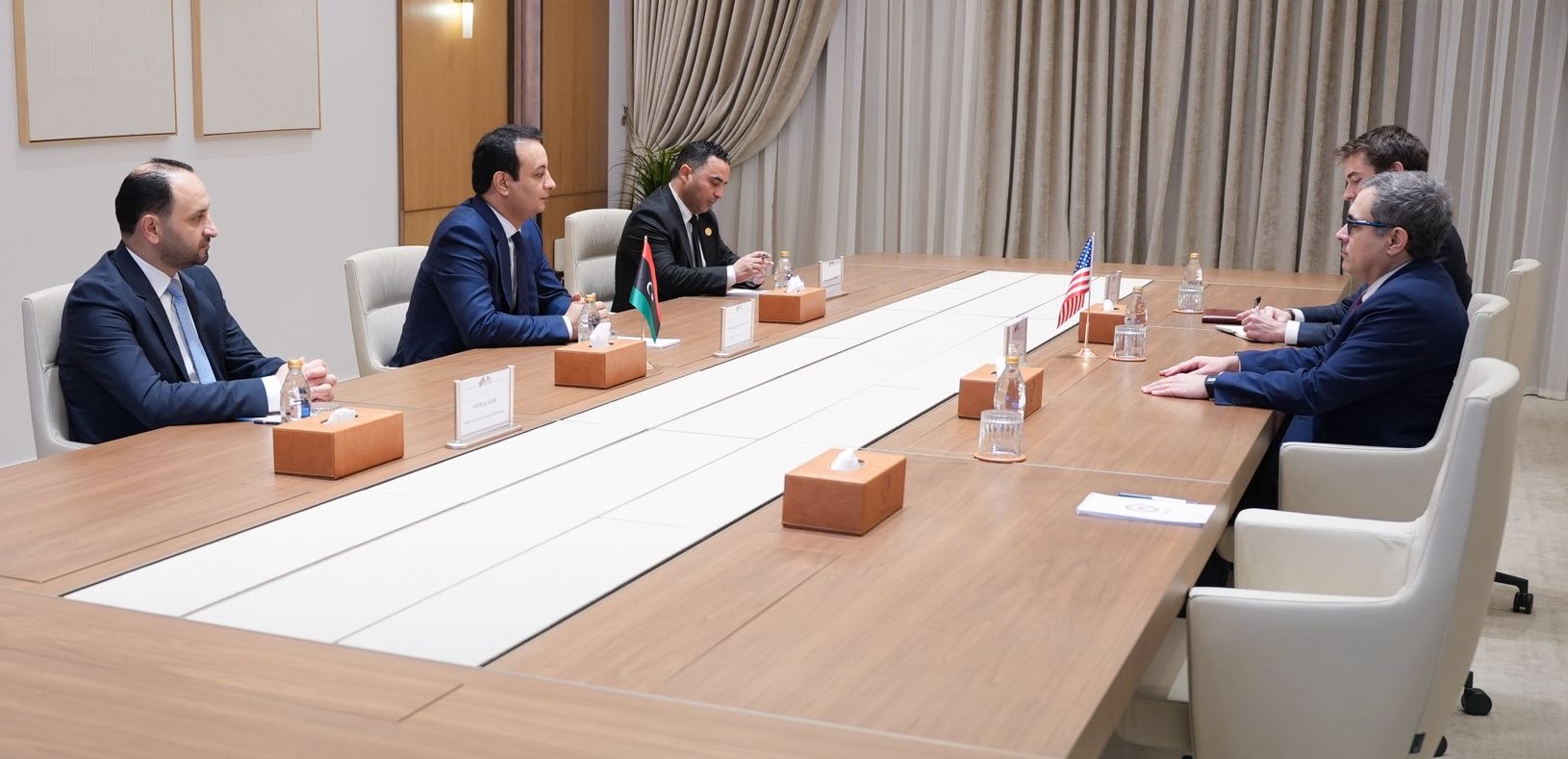
The official scene preceding the announcement—with its ceremonies and formal reception—was merely the surface of a deal with profound implications. It brings together two parties that together represent nearly a quarter of the global economy, in an attempt to seize a moment of transformation and break the logic of unilateral dependence.
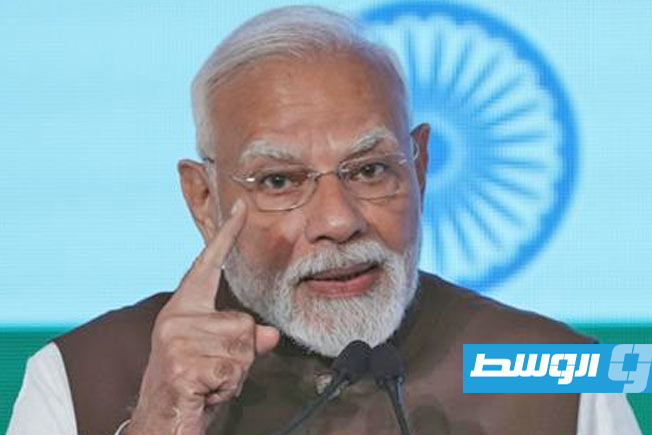
The rapidly accelerating rapprochement between New Delhi and Brussels was translated into an agreement described by the Indian Prime Minister as the “mother of all deals,” reflecting the scale of the economic stakes and a shift in strategic thinking for both sides.
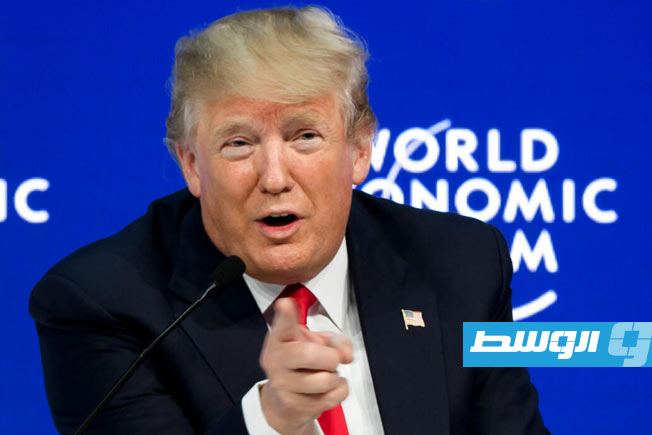
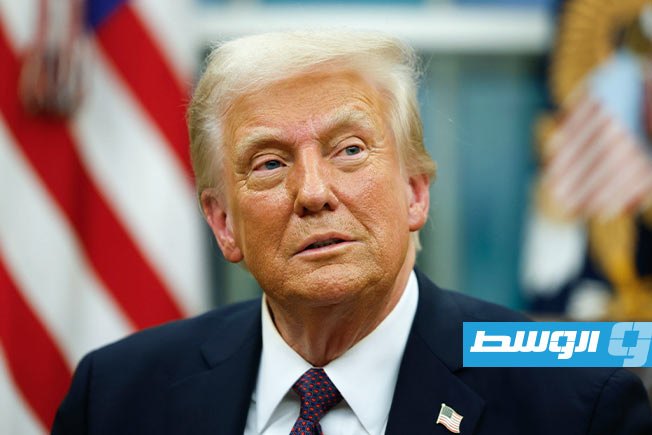
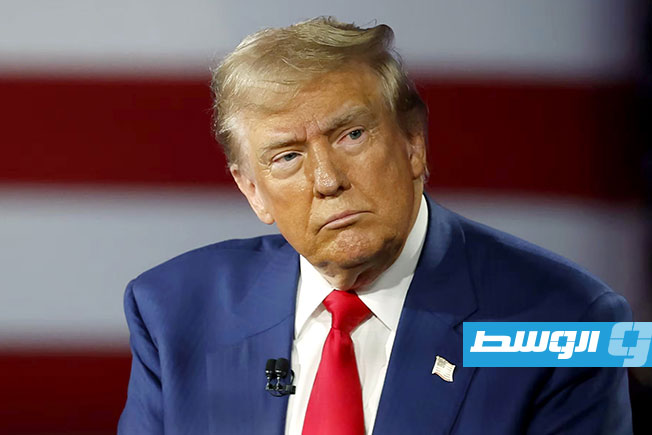
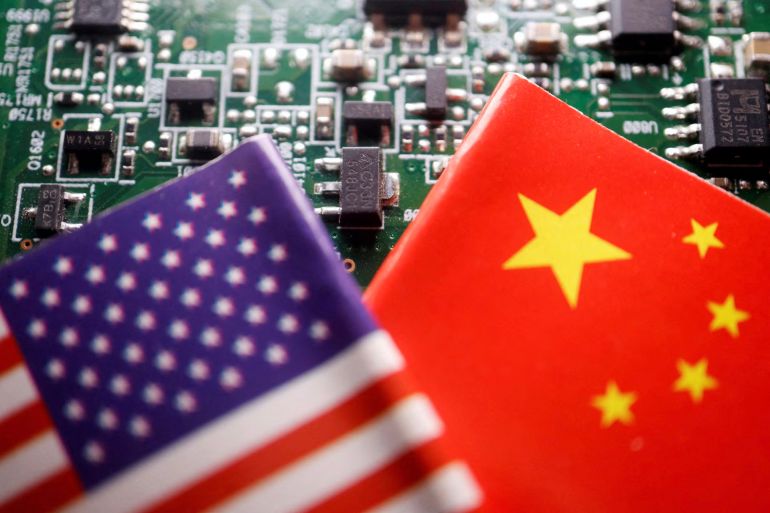
The agreement was not born in a vacuum. It emerged as what has become known as the trade war intensified, after recent American policies reshuffled the deck, pushing both Washington’s partners and adversaries alike to seek trade pathways less vulnerable to political shocks.
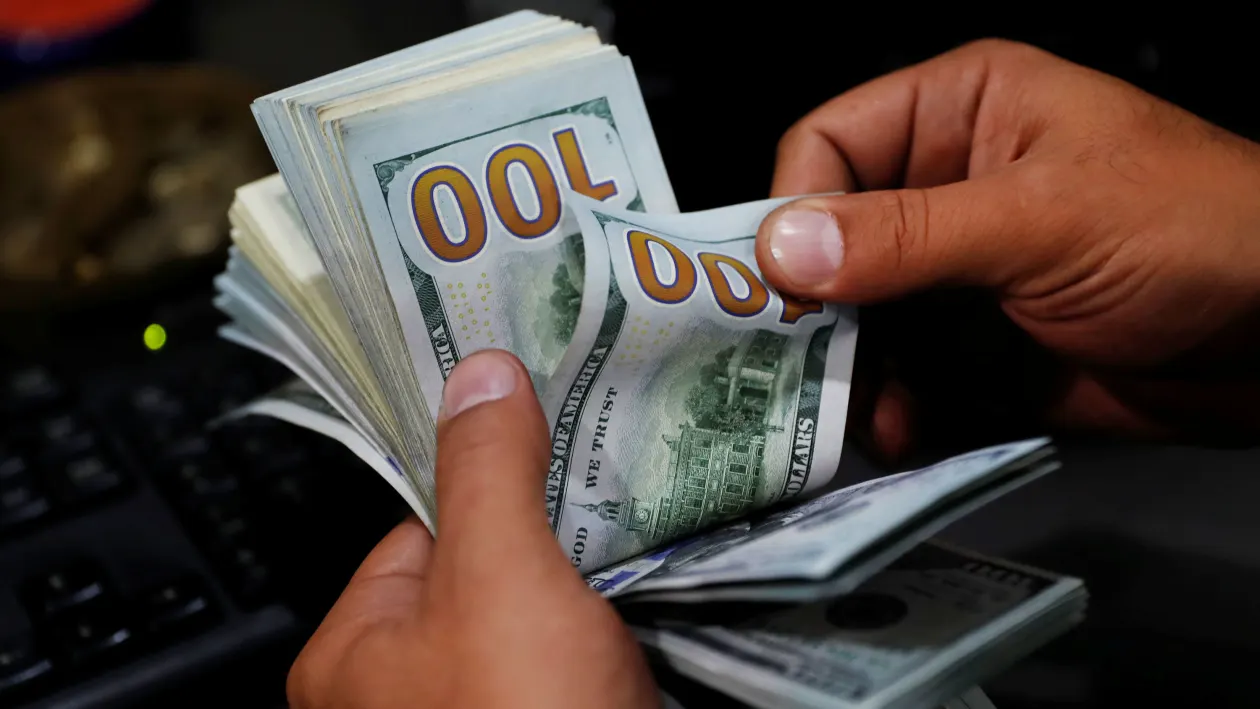
Economically, the agreement rests on a solid foundation. The combined GDP of the two parties is approximately $27 trillion, equivalent to 22% of global output. This weight gives the agreement real potential to influence the direction of global trade and investment.
Expanding Trade Exchange
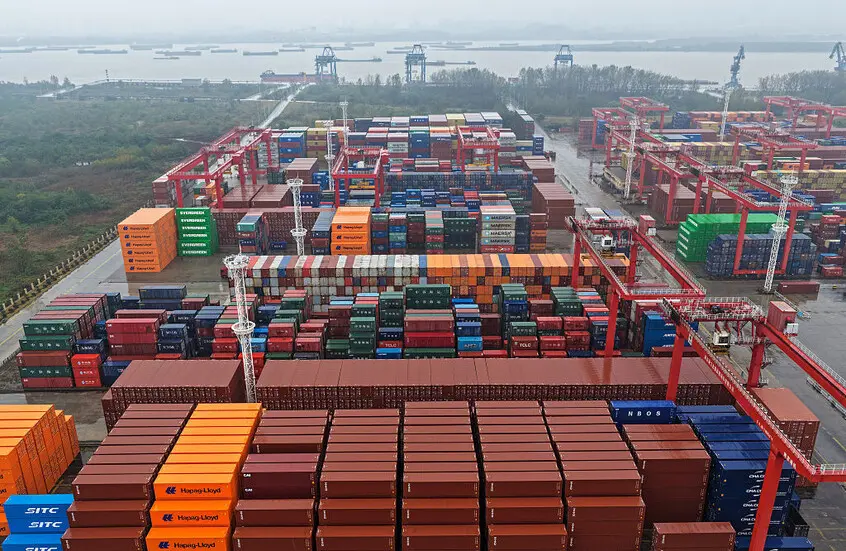
The agreement aims to expand the volume of trade exchange, which has already exceeded $136 billion, by opening markets to a consumer base of nearly two billion people. This creates one of the largest free trade areas in terms of population and purchasing power.
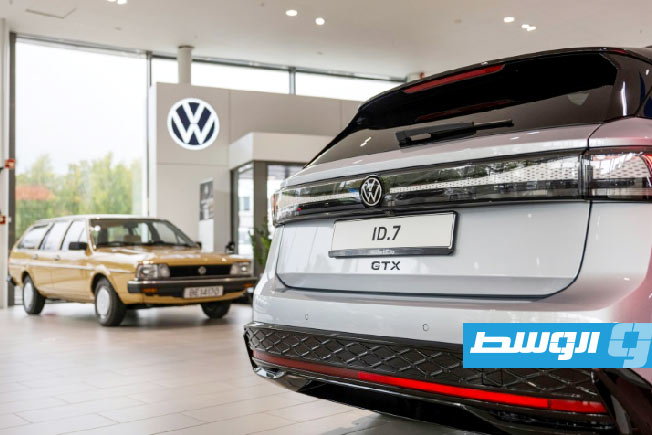
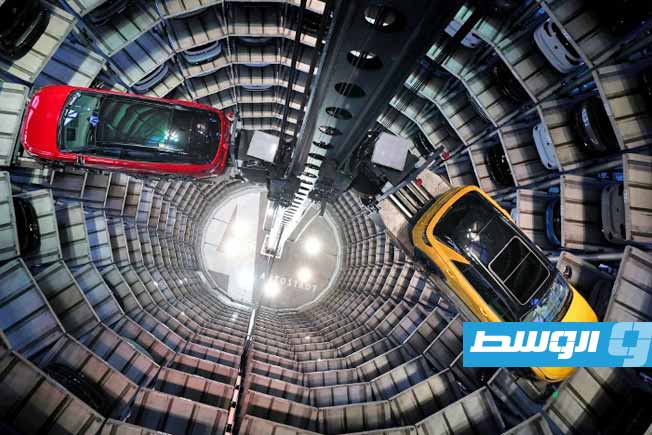
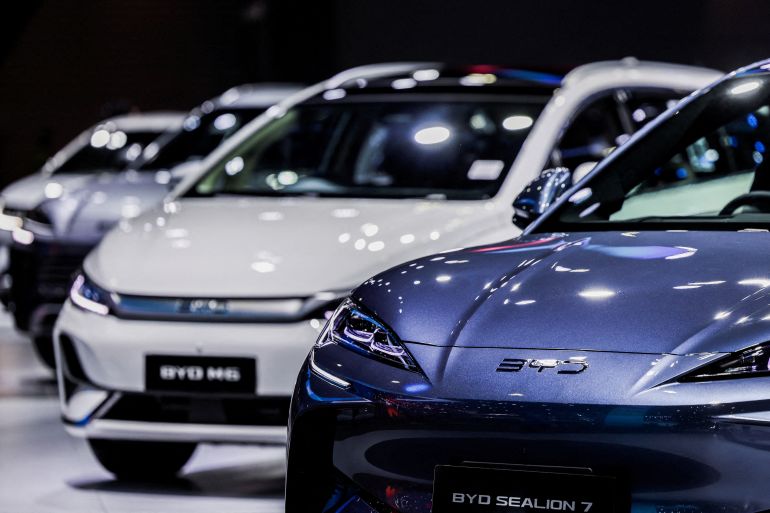
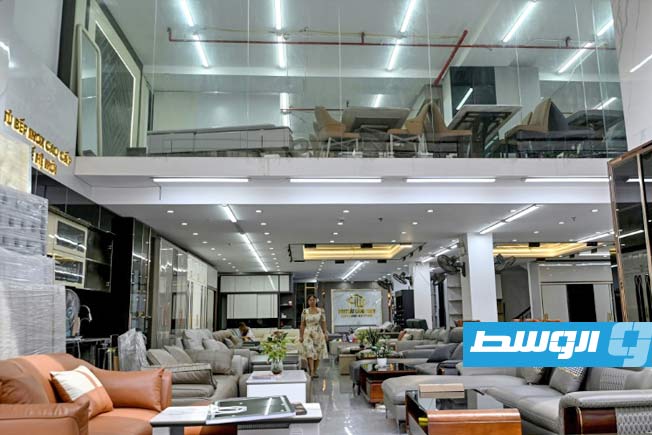
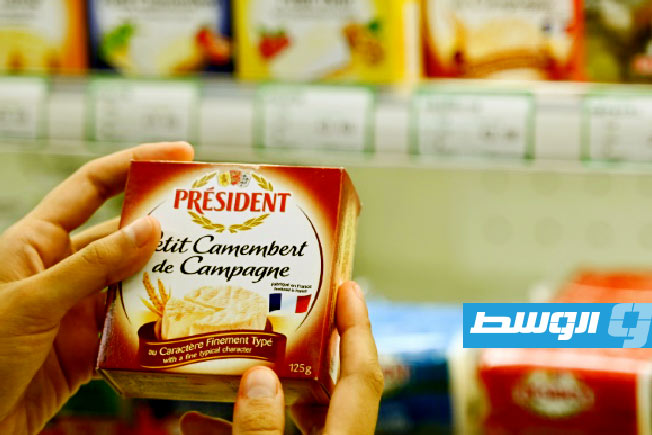
For Europe, the agreement opens the Indian market to products that have often faced high barriers, foremost among them automobiles, pharmaceuticals, and food products. This enhances the competitiveness of European companies in a fast-growing market.
In return, India is betting on facilitating access for its medical and textile exports to European Union markets. This move strengthens its position as an alternative supply chain and supports its ambition to become a global industrial and export hub.
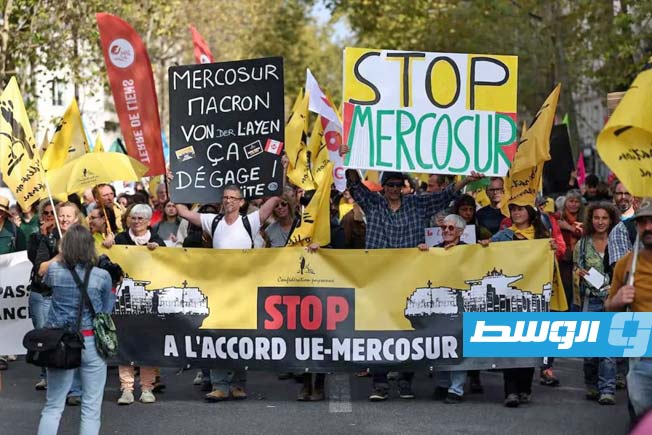
This European pivot towards India is part of a broader context. It was preceded by the signing of an agreement with the “Mercosur” nations in South America after negotiations lasting 25 years, as part of a strategy based on diversifying partners and reducing risks.
Simultaneously, the European Union is seeking to recalibrate its trade relationship with China, adopting an approach that attempts to reduce exposure to political shocks without entering into an economic rupture with the world’s second-largest economy.
In the background of these shifts is a growing realization that the economy is no longer a neutral domain but a geopolitical tool used for pressure and repositioning, which has accelerated the redrawing of the global map of trade partnerships.
The Largest Agreement in Decades
From Brussels, it was explained that Europeans view this agreement as the largest the Union has concluded in decades. It was confirmed that the deal will reduce tariffs on European exports to India by up to 96%.
The reductions cover pivotal sectors, including automobiles, pharmaceuticals, and agricultural and food products, giving the agreement a practical dimension that goes beyond a political or symbolic framework.
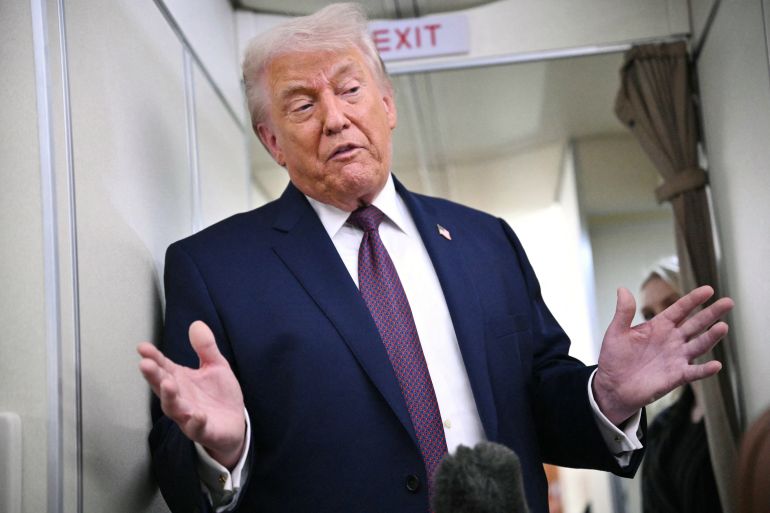
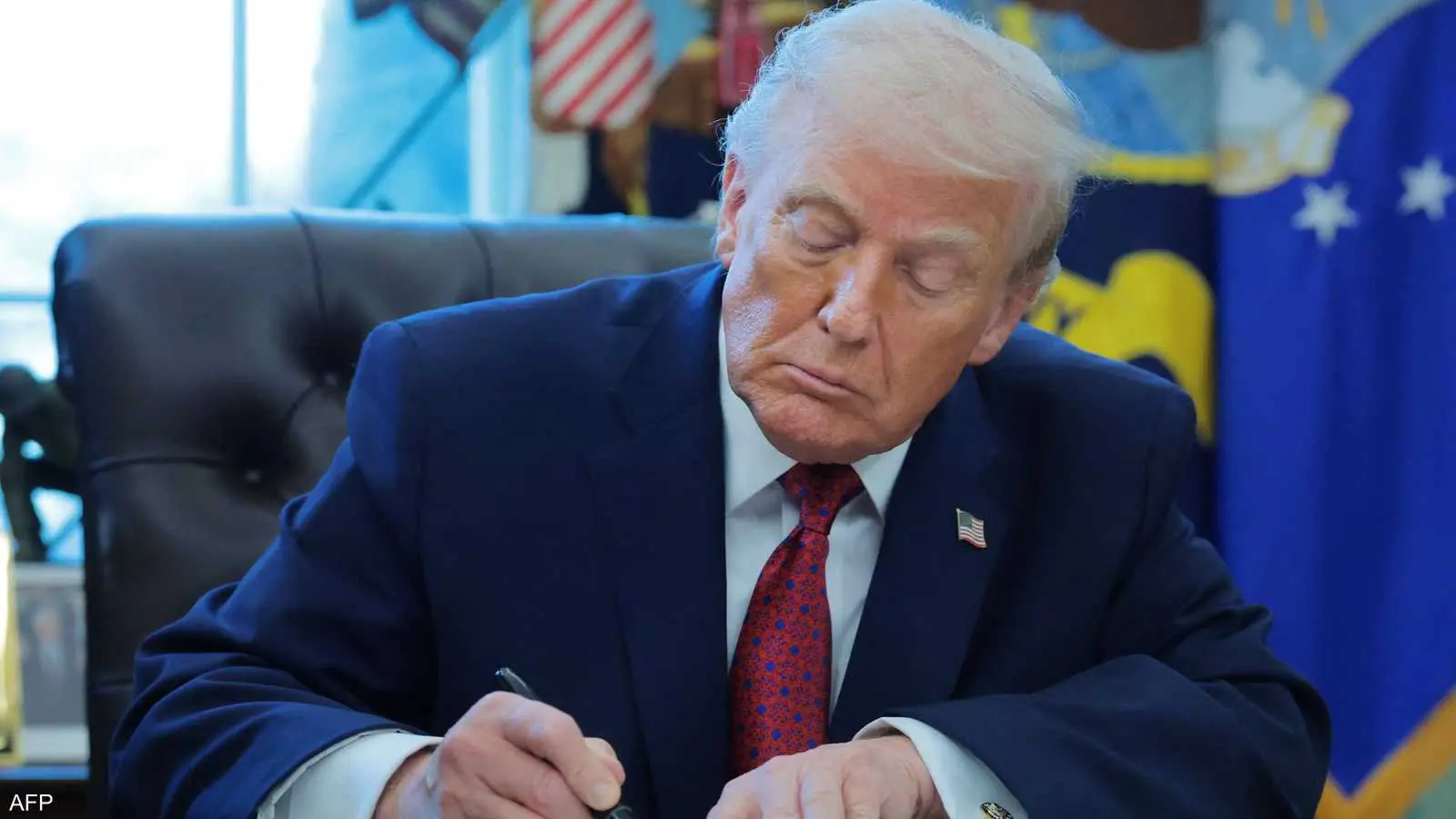
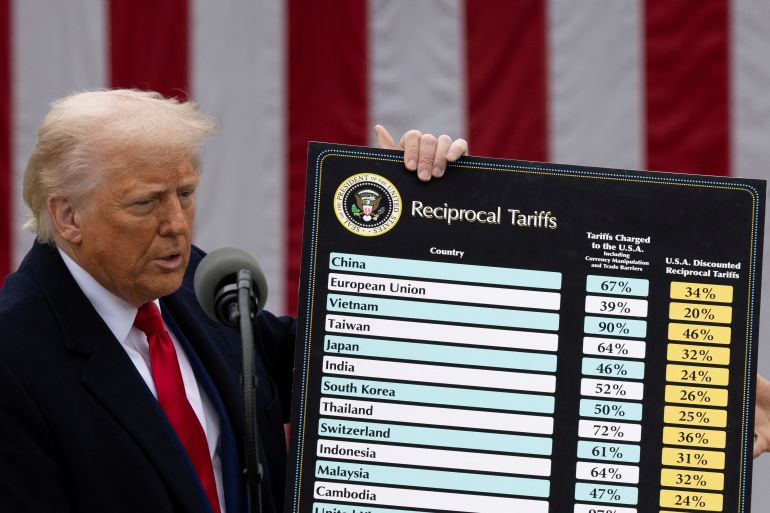
It was also noted that the agreement serves as a direct response to recent American measures, which imposed tariffs of 15% on the European Union and 50% on India, making the convergence of interests at this stage more apparent.
According to European estimates, the agreement is expected to increase the volume of trade between the two parties by at least 50% once it enters into force in the coming weeks, following ratification by the European Parliament and its official publication.