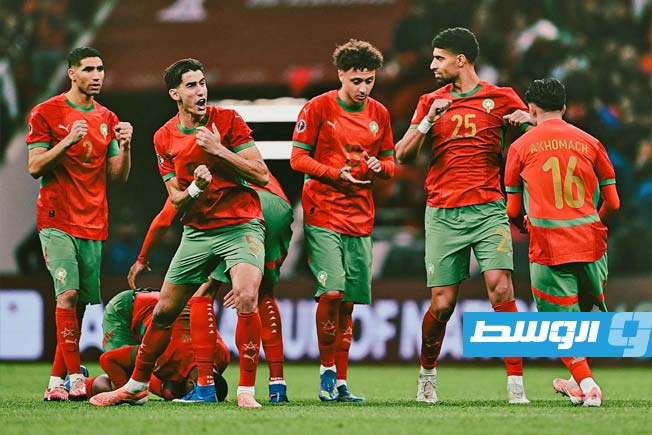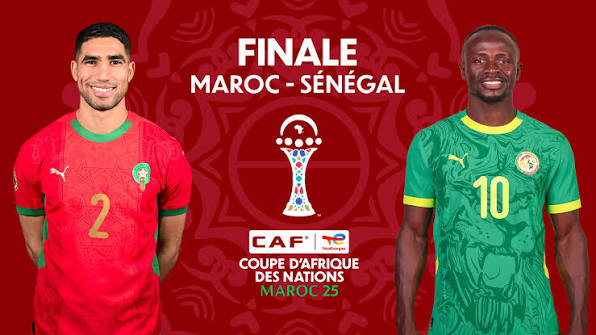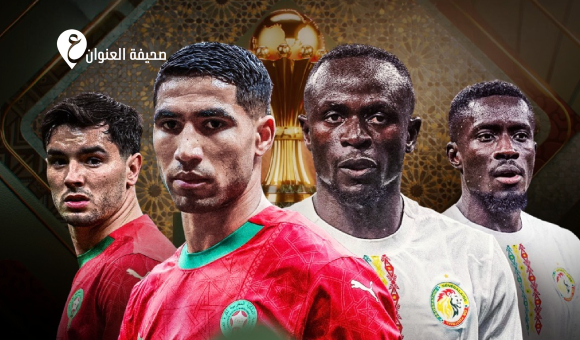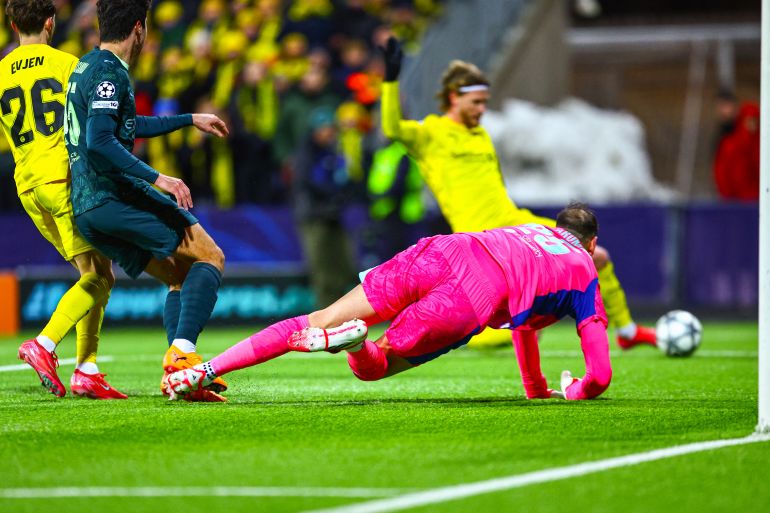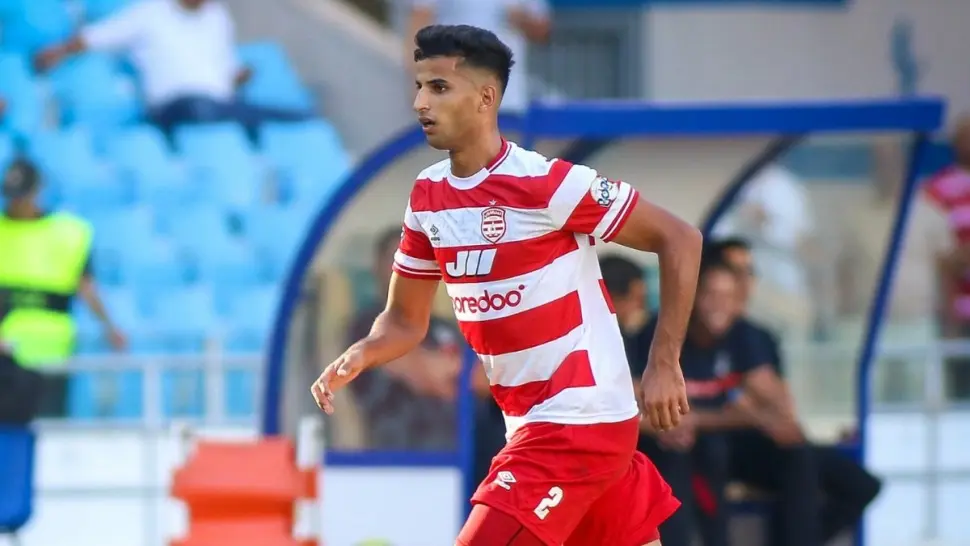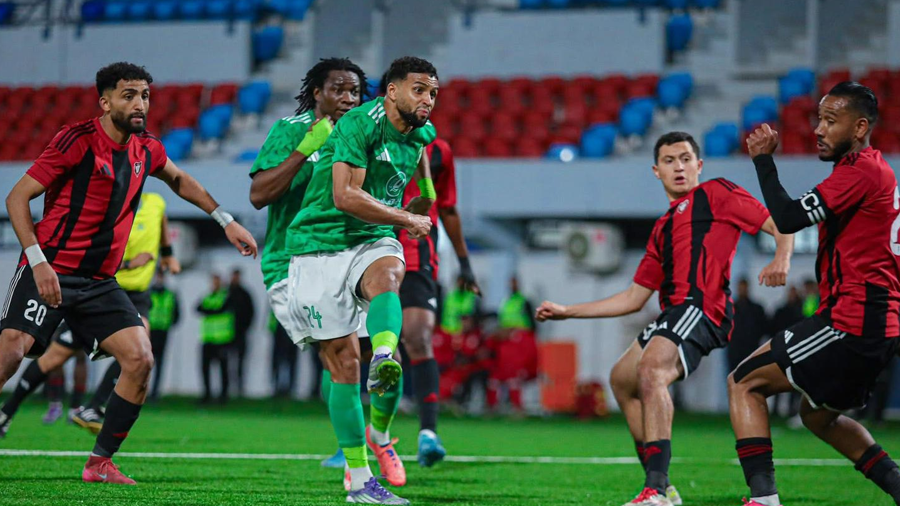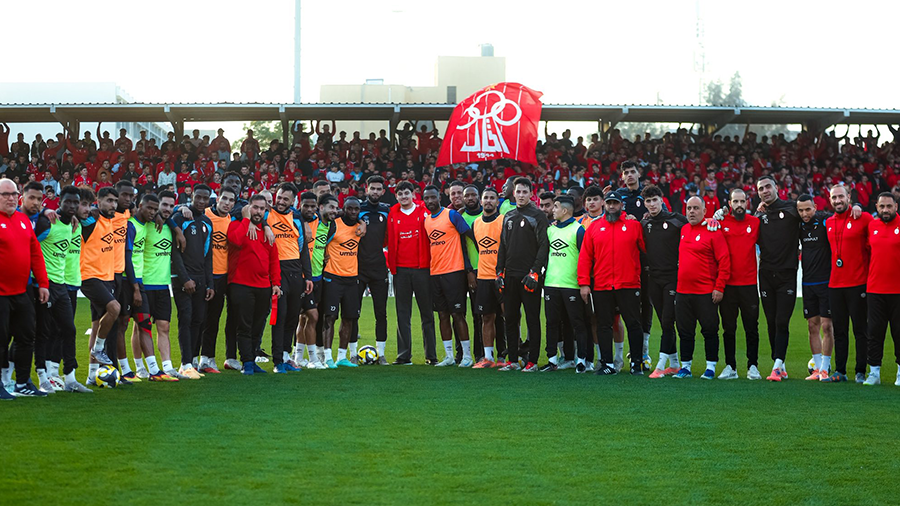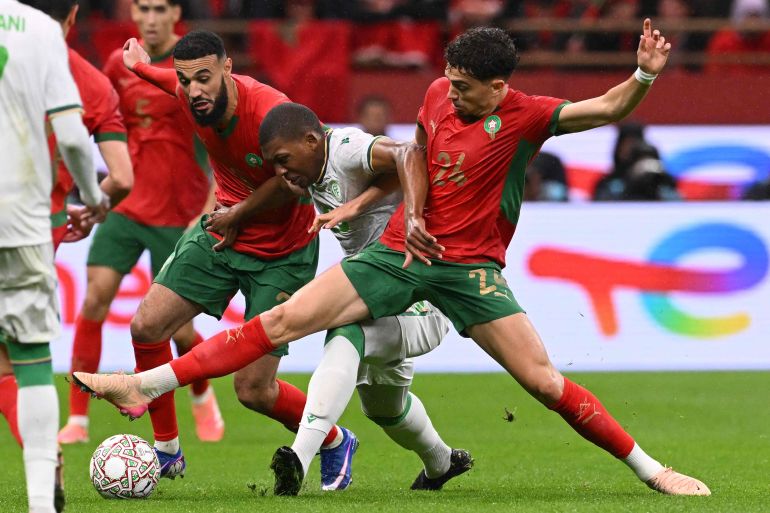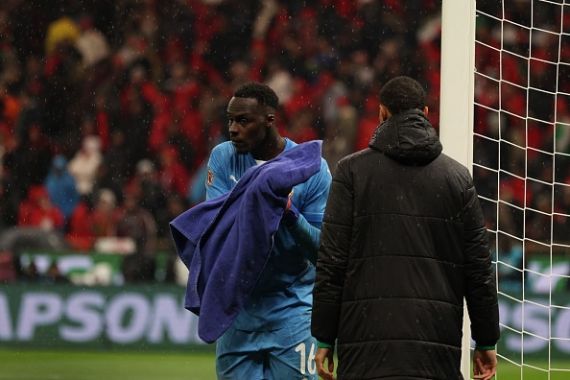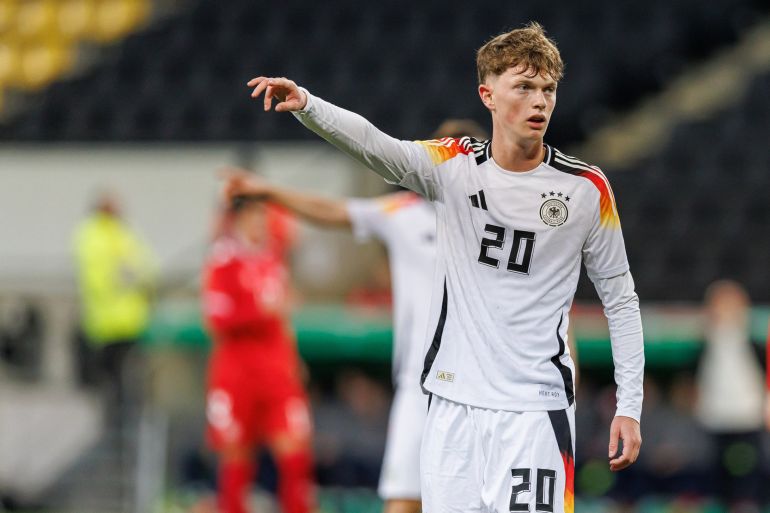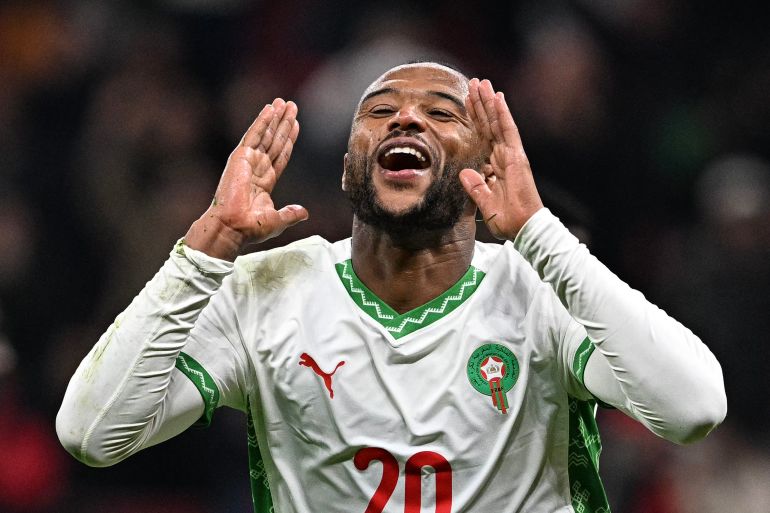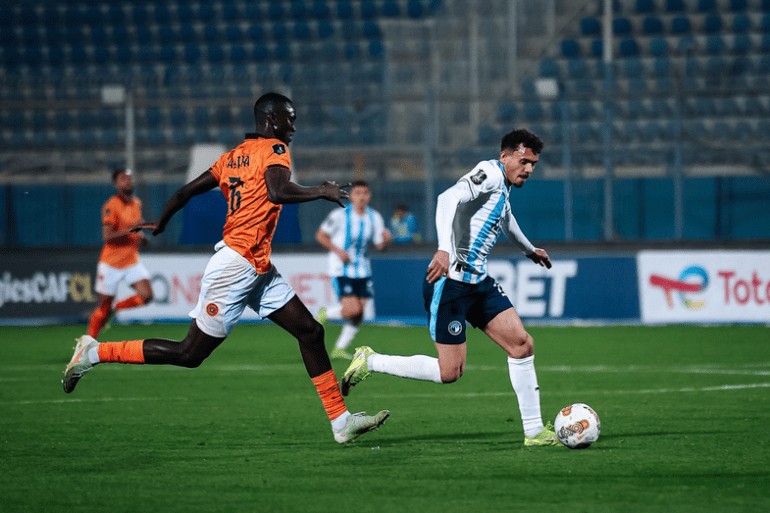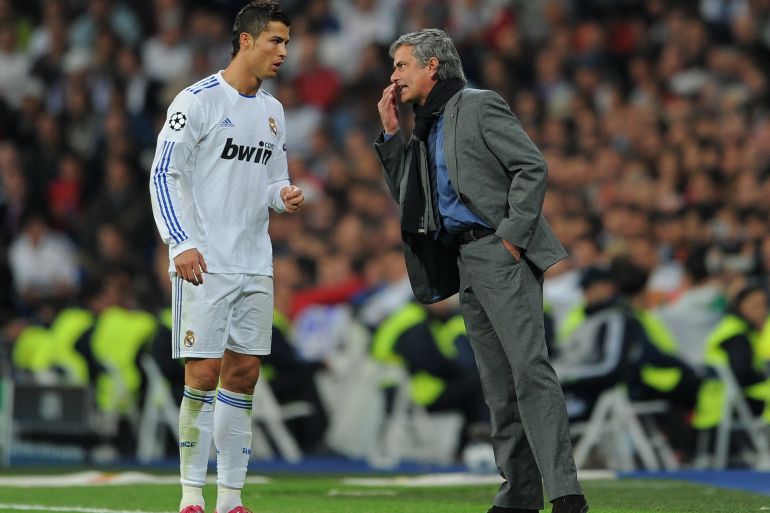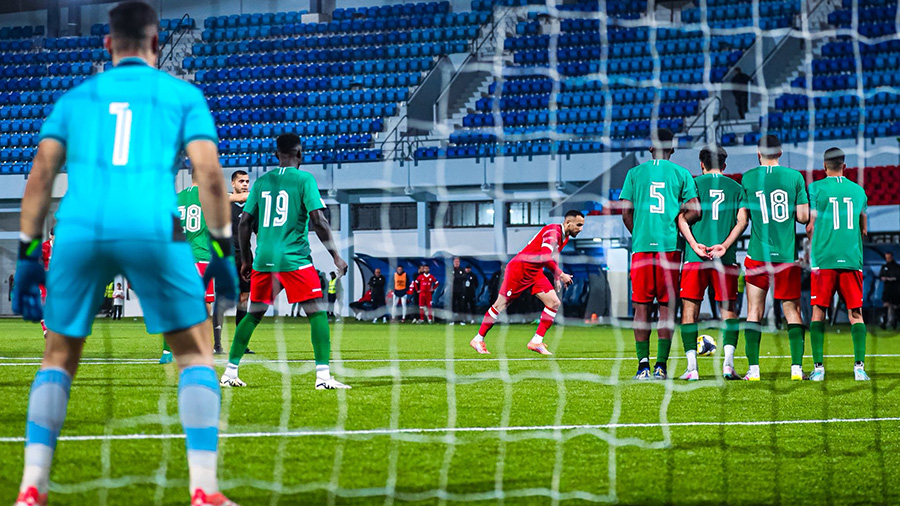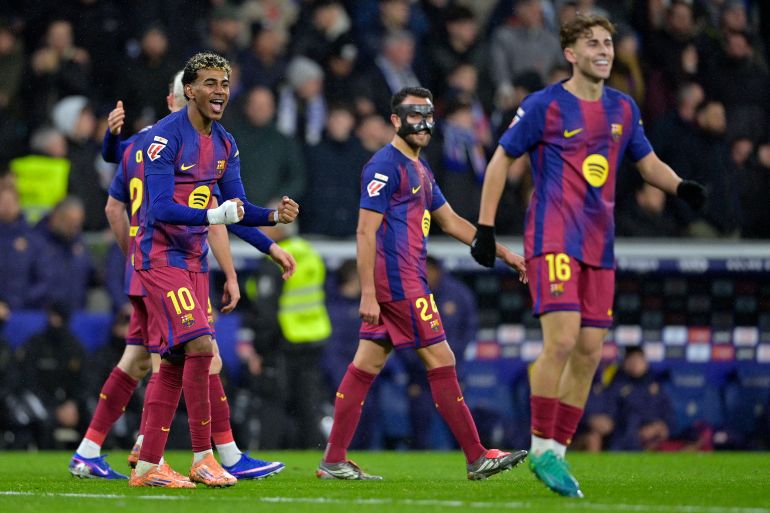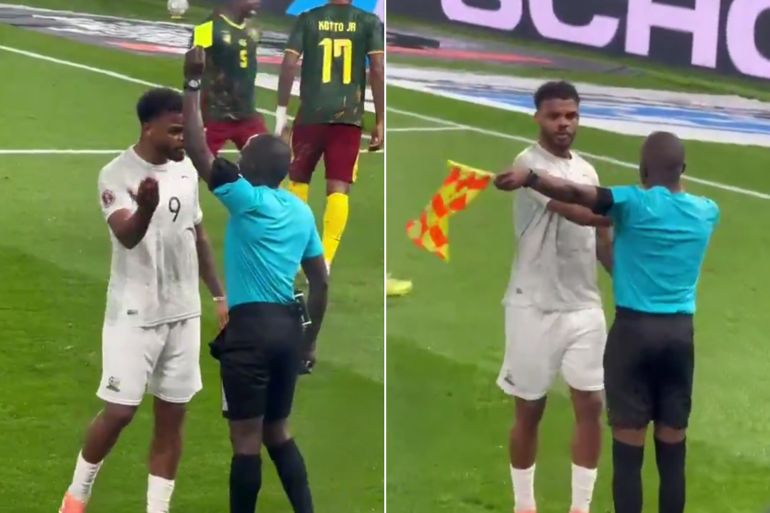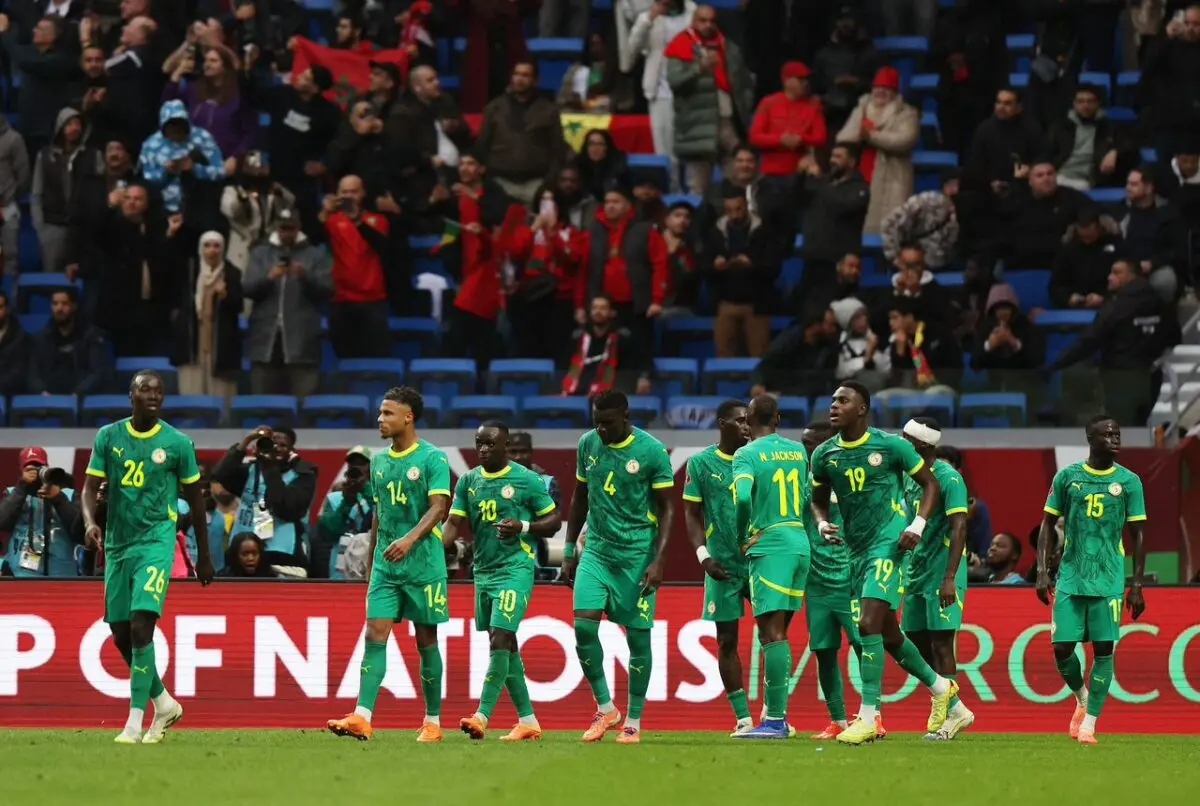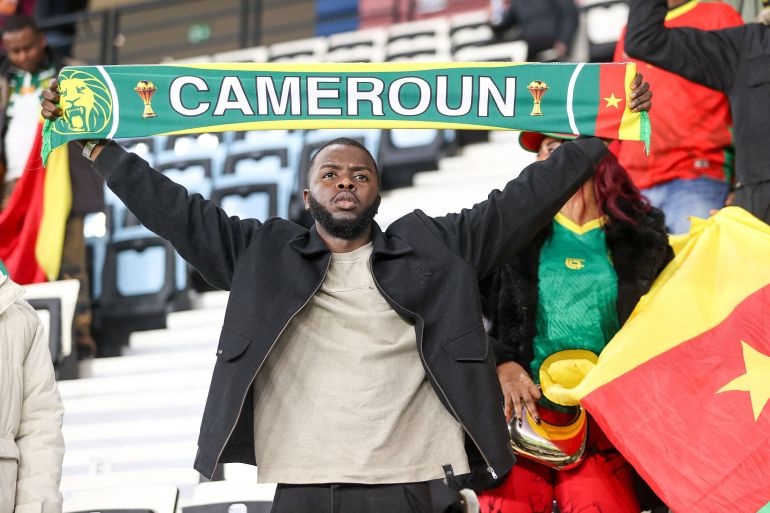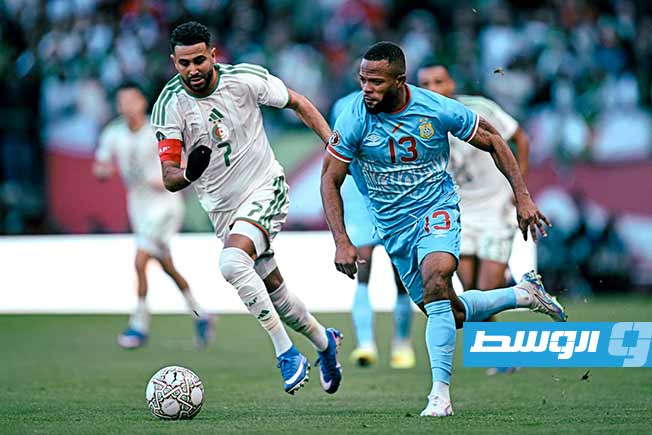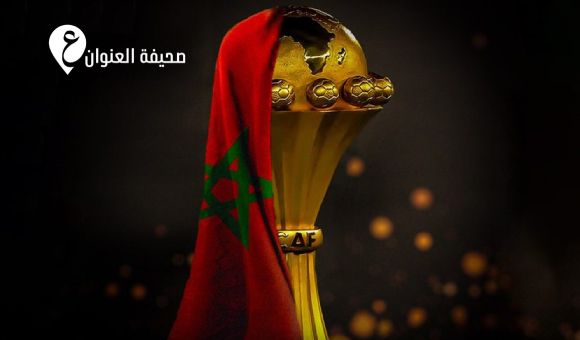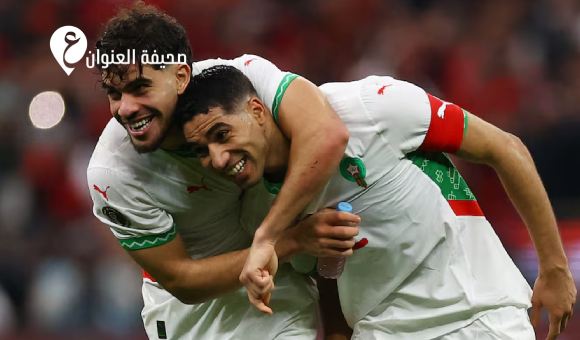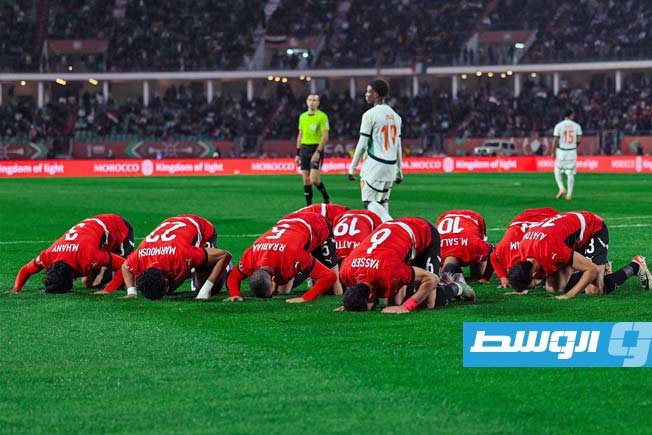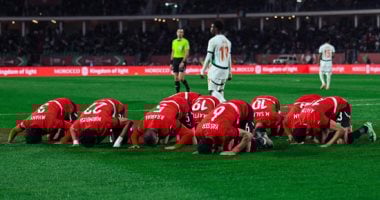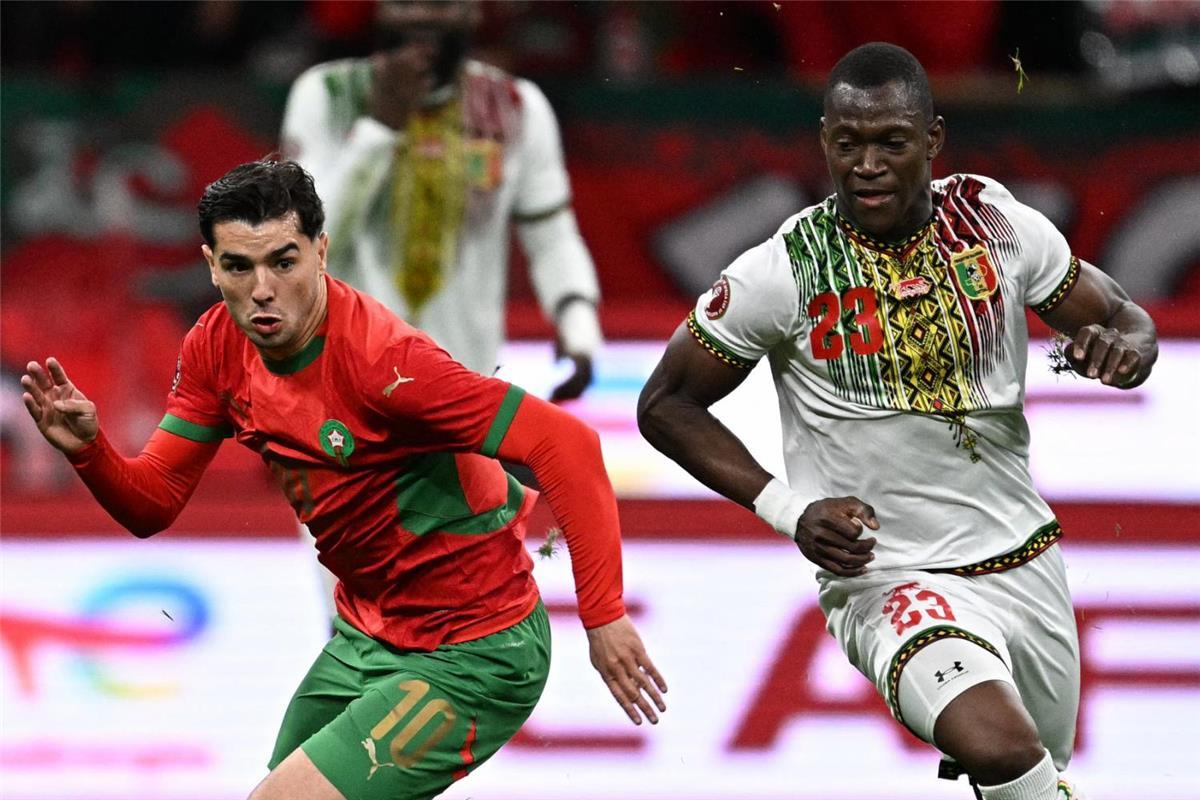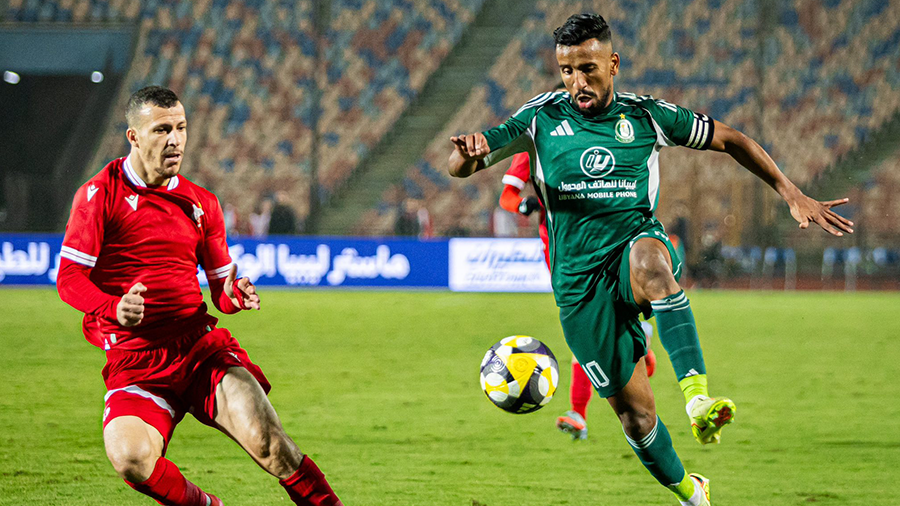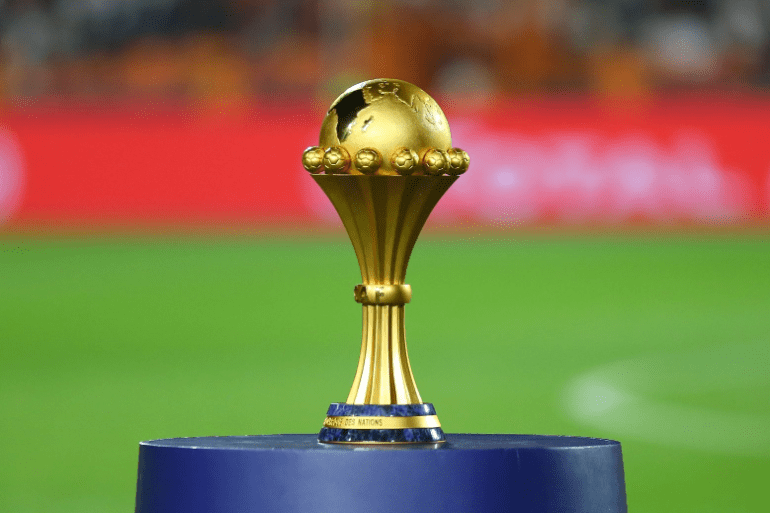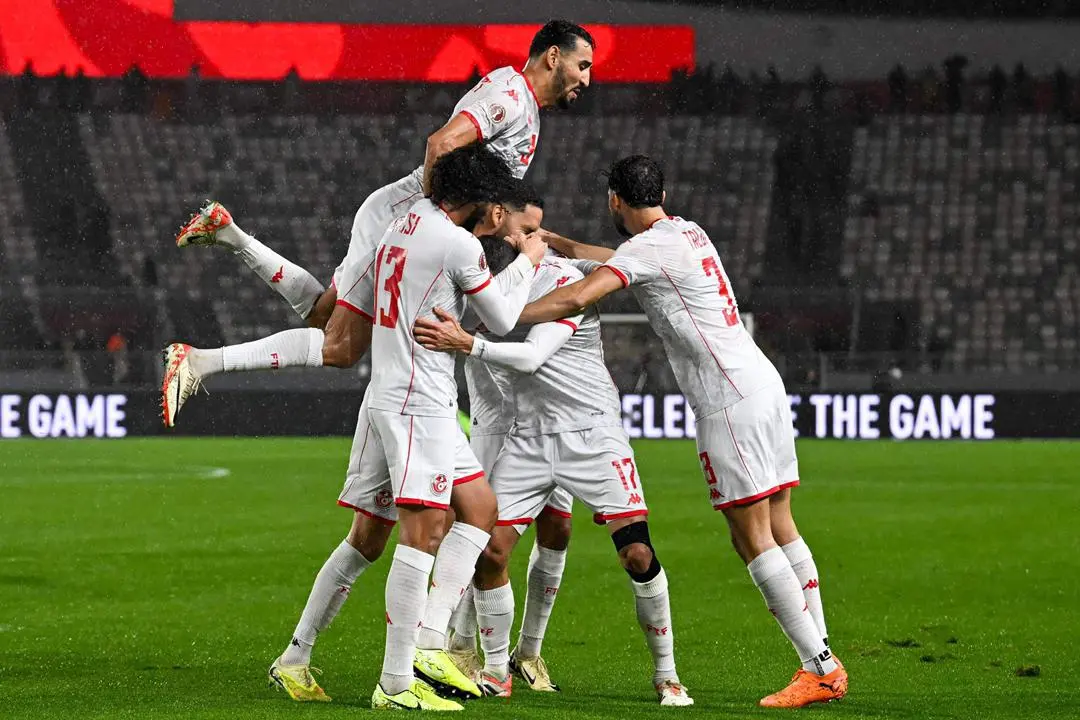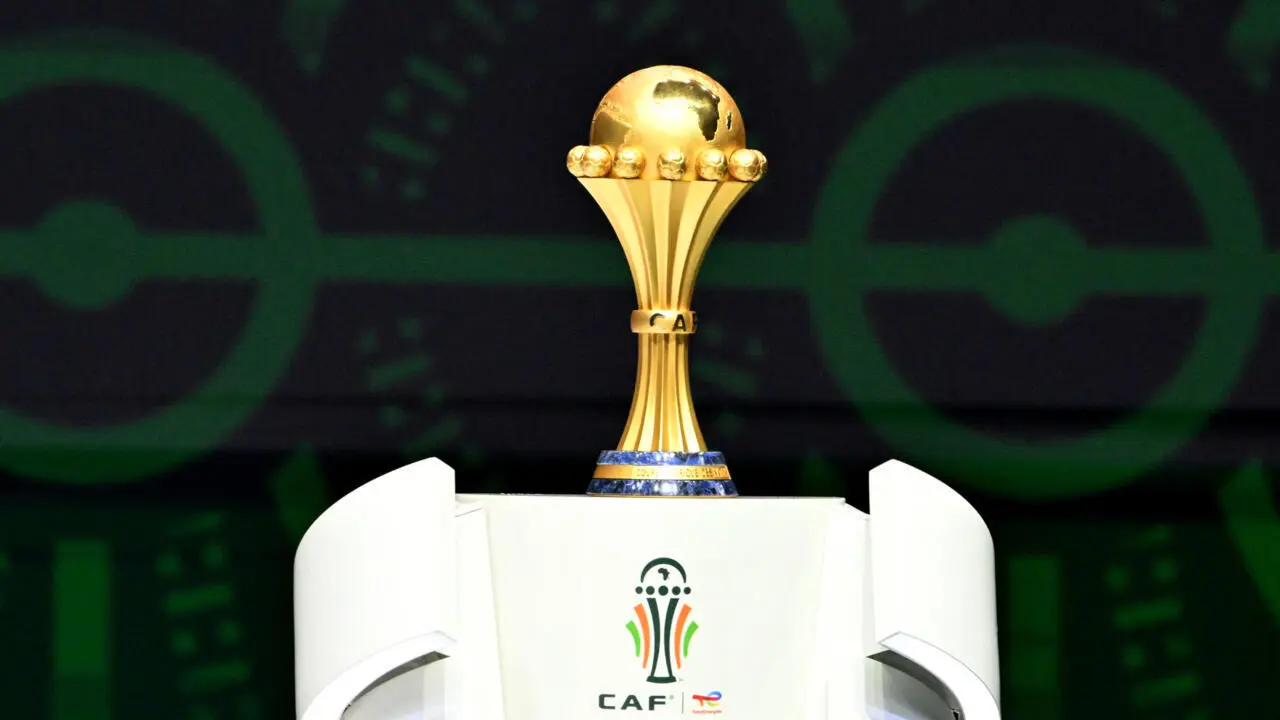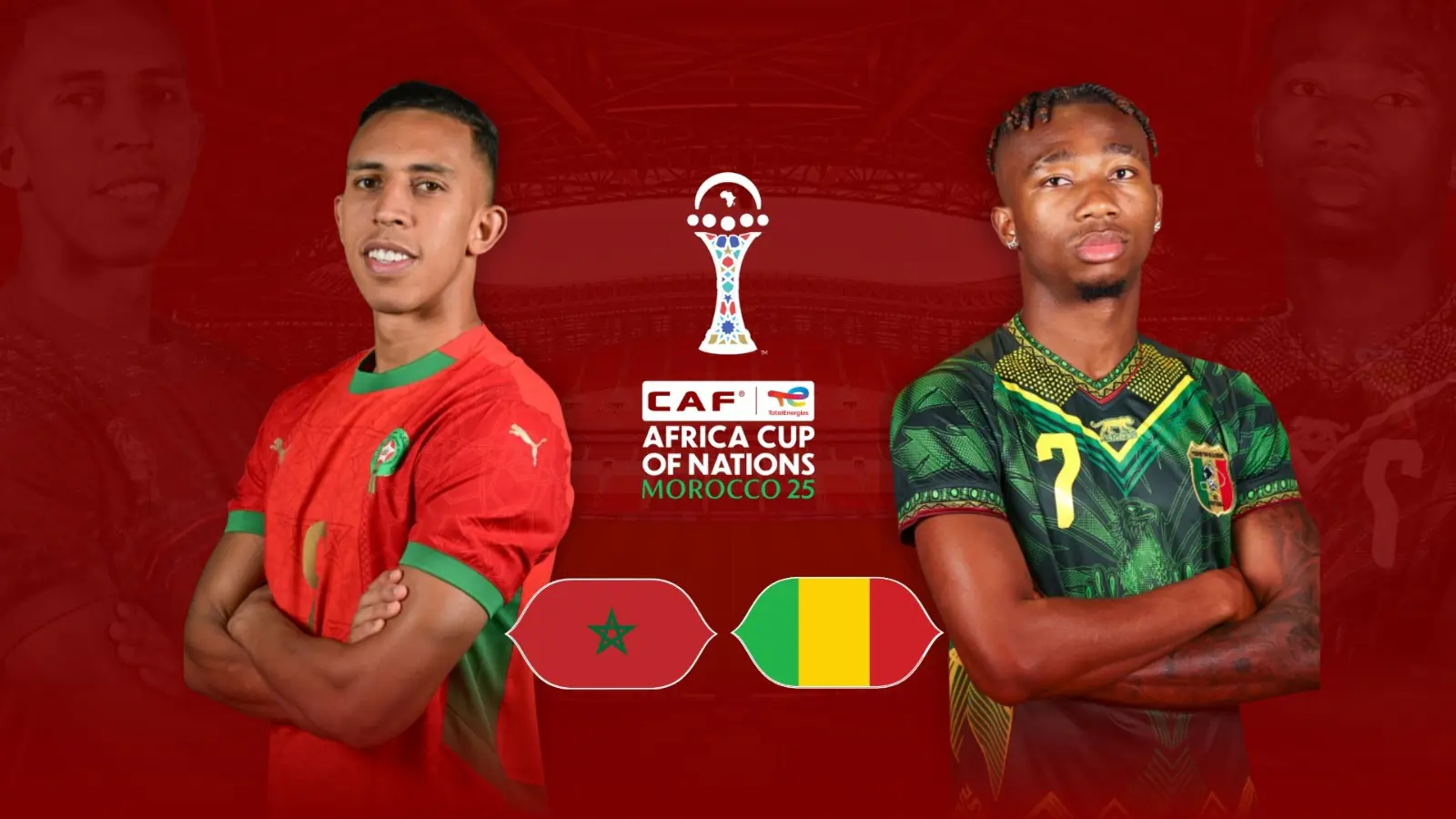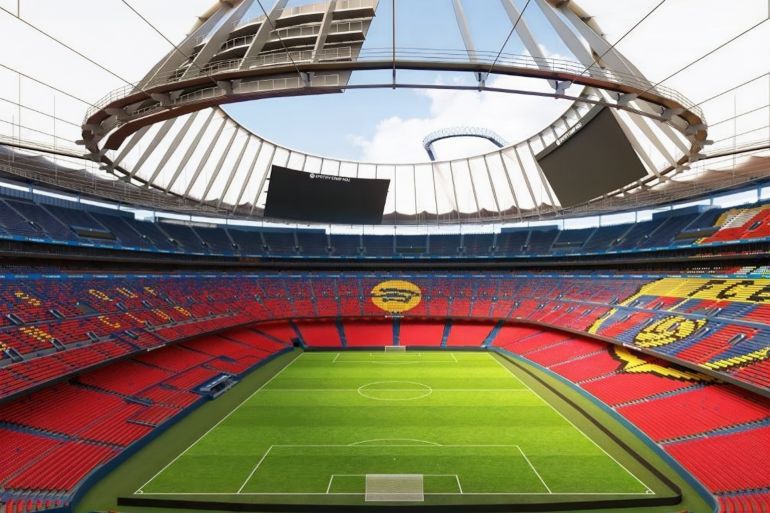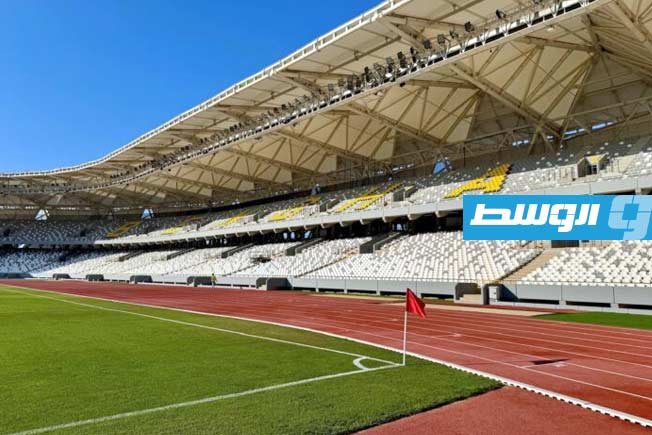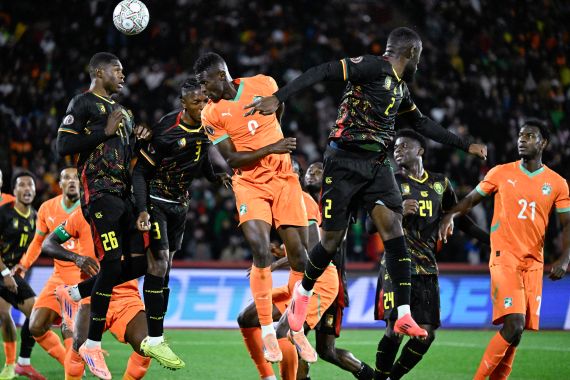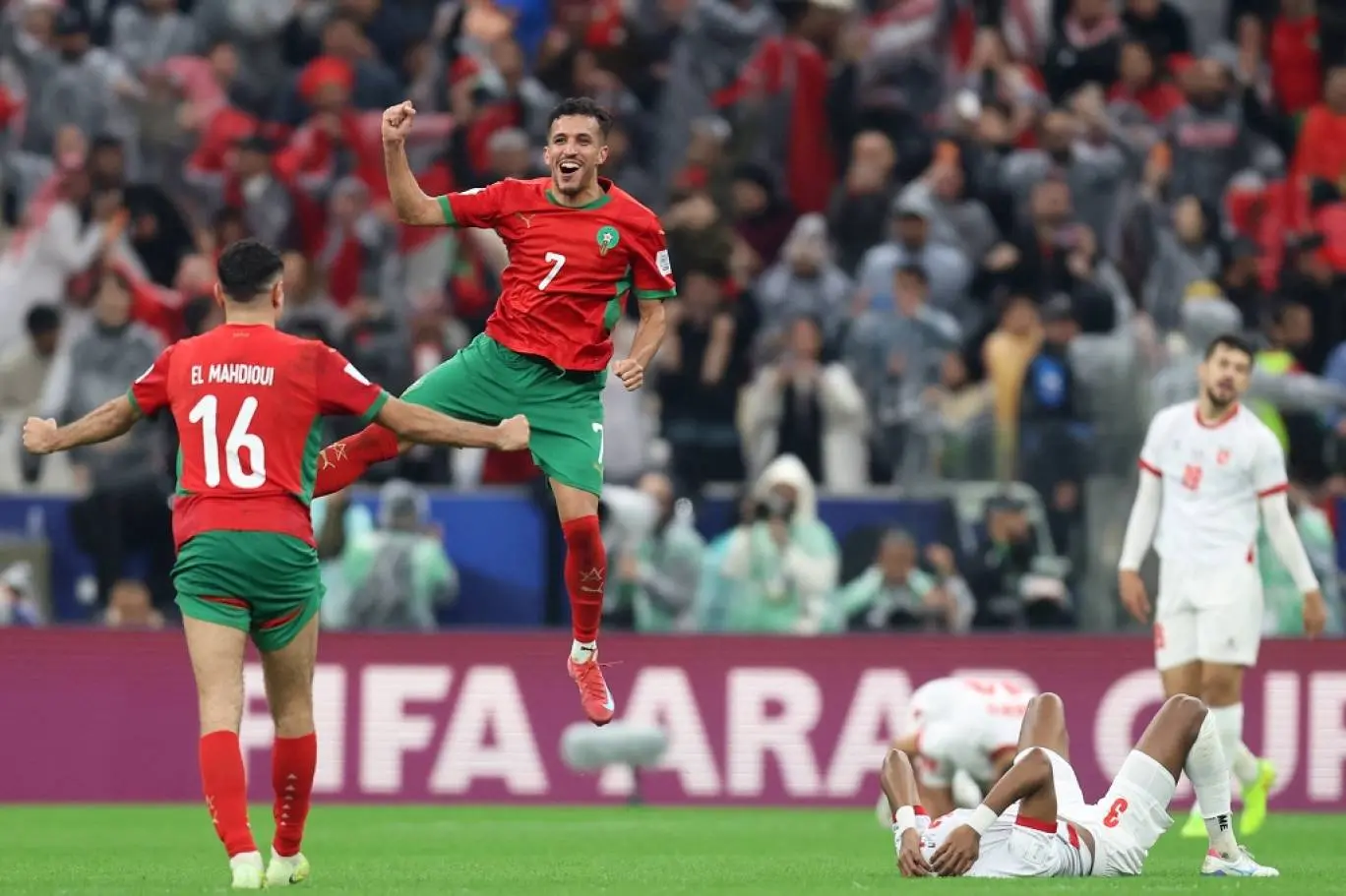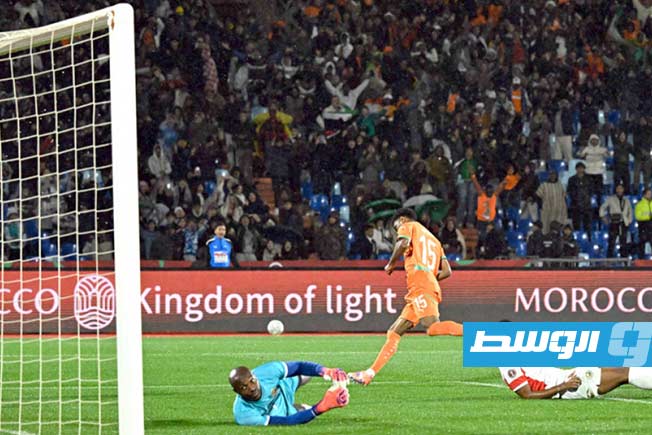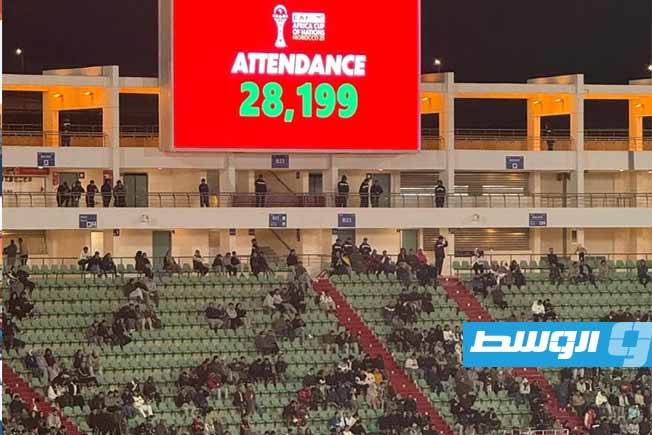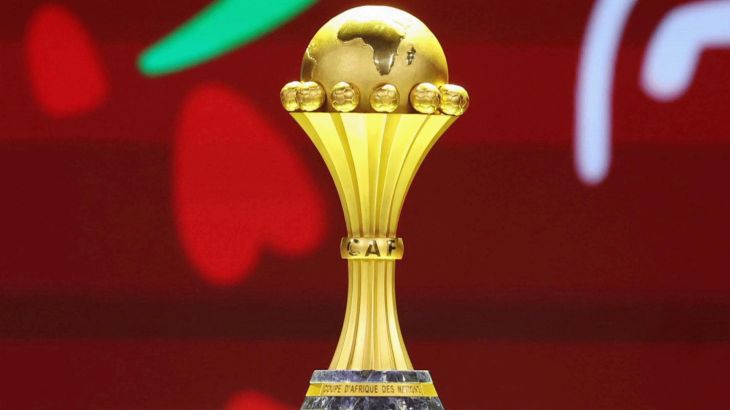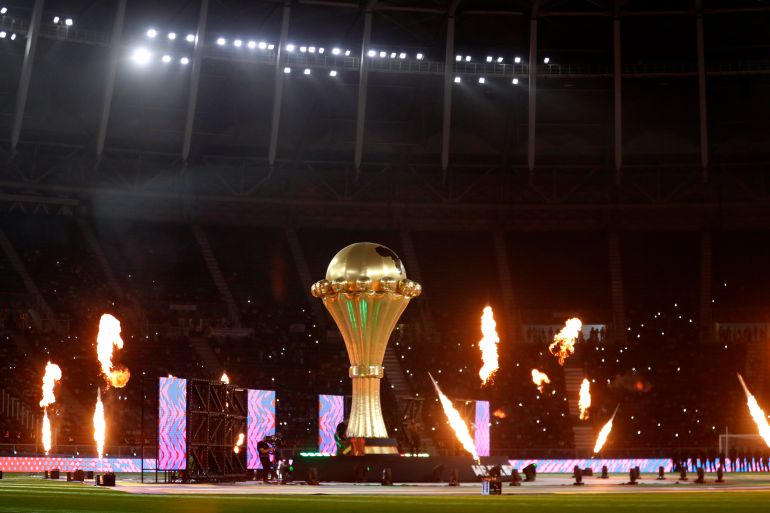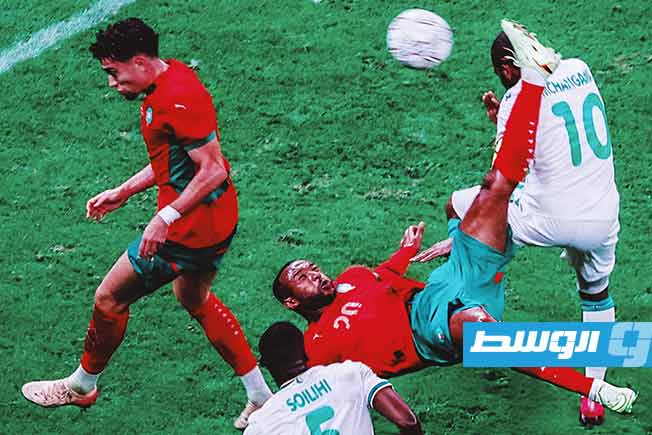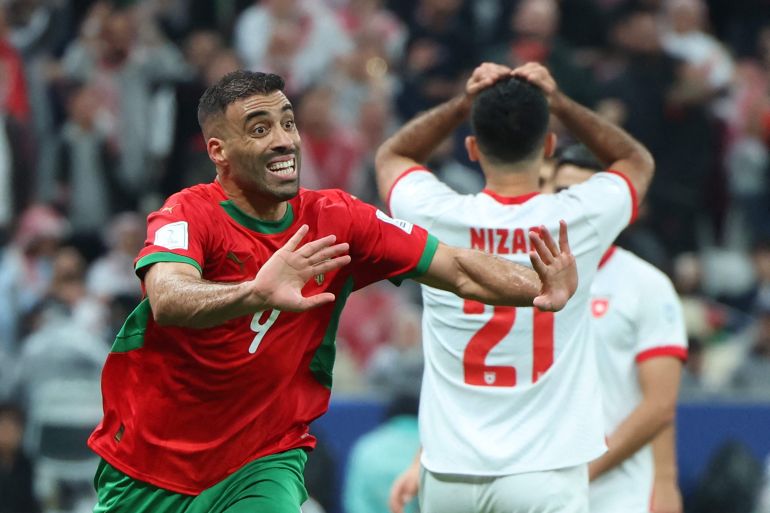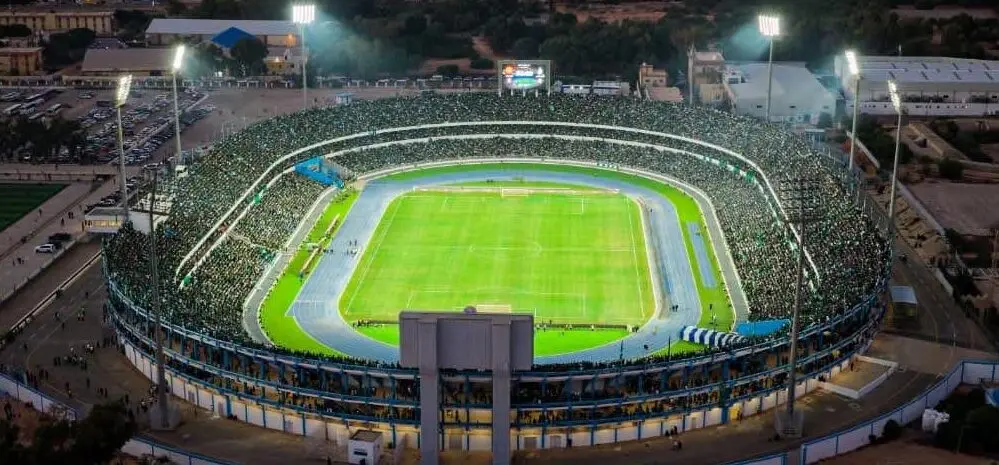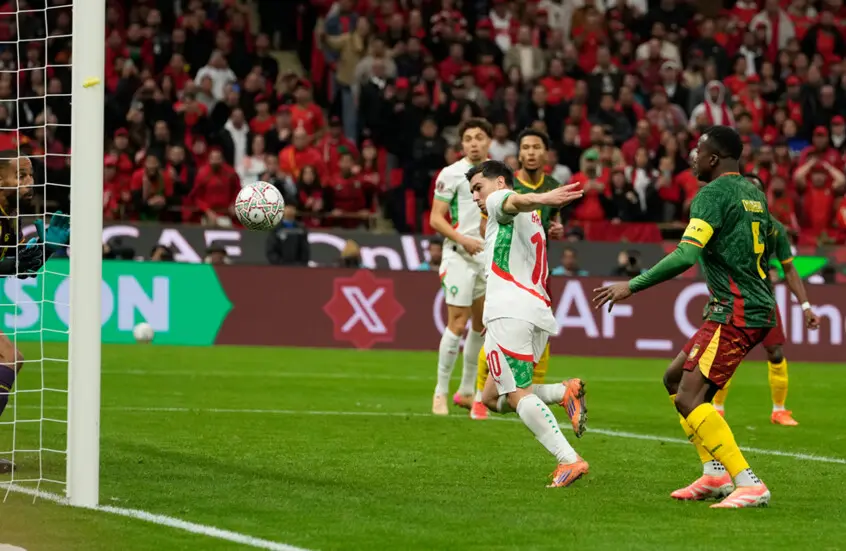
In a major football night on home soil and in front of their fans, the Moroccan national team qualified for the semi-finals of the 2025 Africa Cup of Nations after a 2–0 victory over the Cameroon national team yesterday evening, Friday, at the Prince Moulay Abdellah Stadium in Rabat, in the quarter-final matches of the tournament hosted by Morocco.
- Two Goals at the Decisive Moment
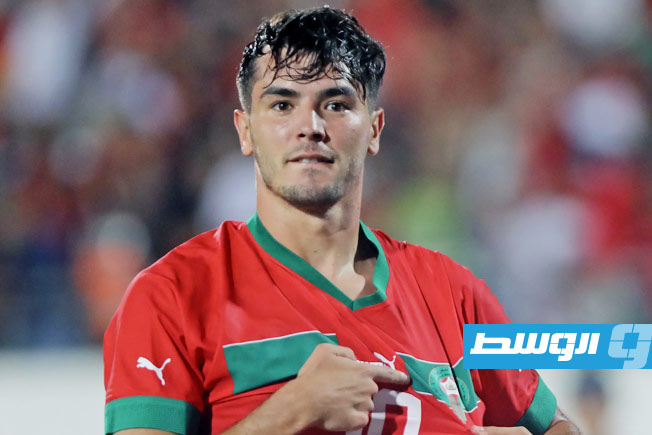
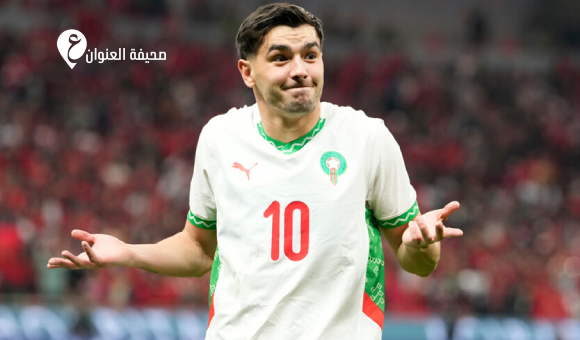
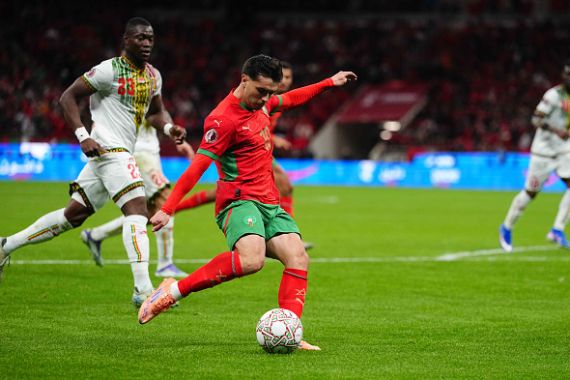
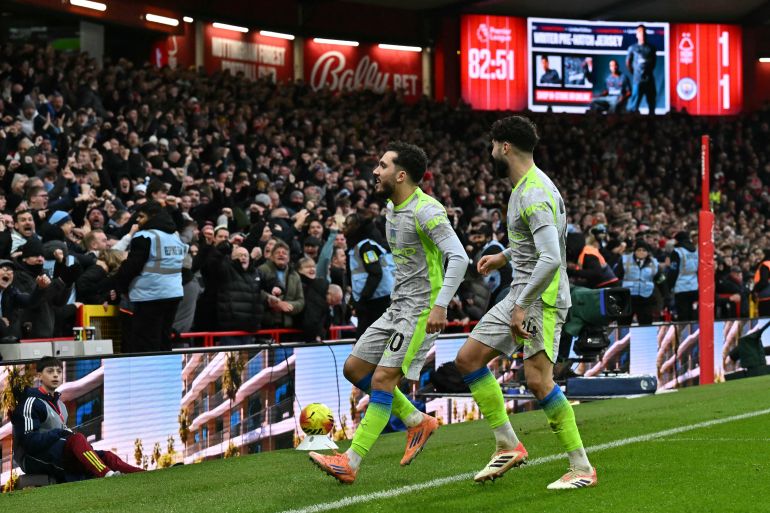
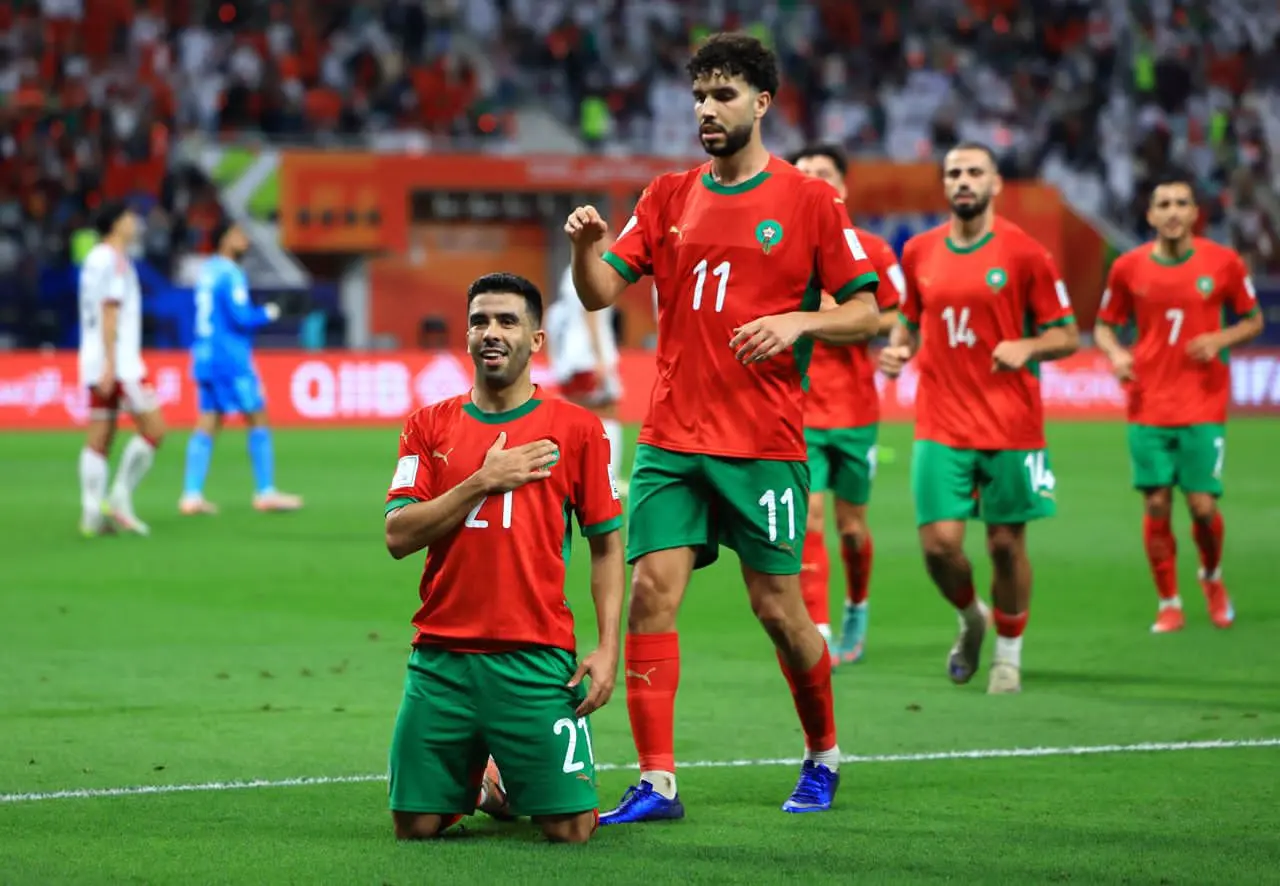
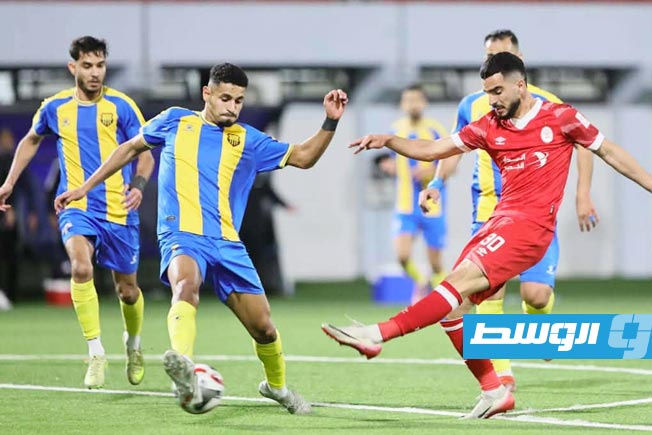
The match had not gone on for long before Brahim Díaz opened the scoring for Morocco in the 26th minute of the first half, after following up on a ball from a corner kick delivered by his teammate Ayoub El Kaabi into the penalty area, which Díaz accurately converted into the Cameroon goalkeeper’s net, scoring his fifth goal of the tournament and continuing his remarkable brilliance with the Atlas Lions.
In the second half, specifically in the 74th minute, Ismaïl Saibari extended Morocco’s lead with a killer second goal, taking advantage of a precise pass inside the penalty area to settle the question of who would qualify and confirm the superiority of the home side.
From the opening whistle, the Moroccan national team appeared in control of the flow of play, benefiting from high pressure and dominance in midfield, facing a Cameroonian team that tried to match the rhythm but struggled to convert chances into a real threat on the Moroccan goal.
Sustained pressure from Morocco resulted in several dangerous opportunities, while the Cameroonian national team found it difficult to penetrate the defense of the “Atlas Lions,” which appeared organized and fierce in putting a stop to any attempt at a comeback.
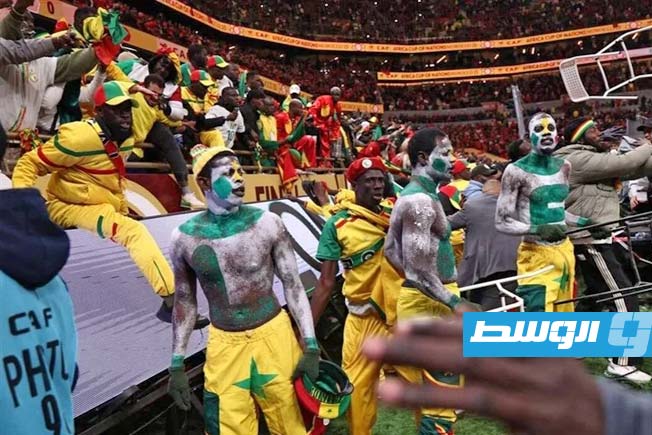
A large crowd packed the stands to support the Moroccan national team since the start of the tournament and was an influential factor in the early pressure imposed by the home side throughout the match minutes. The Moroccan performance was not without some tension in critical moments, but defensive organization and patience in building play helped the team achieve victory with little threat to their own goal.
Despite the fighting spirit shown by the Cameroonian national team and some movements in the second half, the team was unable to produce a real scoring threat and failed to capitalize on set-piece or direct opportunities, leaving the match empty-handed despite appreciation for the efforts made.
This Moroccan qualification for the semi-finals is an important achievement, placing the team in a new confrontation to secure their ticket to the final and compete for the title, especially after the consistent performance they have shown in the previous stages of the tournament.
Brahim Díaz led Morocco to victory with experience and composure, benefiting from fan support and the confidence gained after strong performances in the tournament, while Ismaïl Saibari demonstrated his abilities in decisive moments. The Cameroonian national team delivered a respectable match but lacked effectiveness in the final third, which sealed Morocco’s qualification for the semi-final.